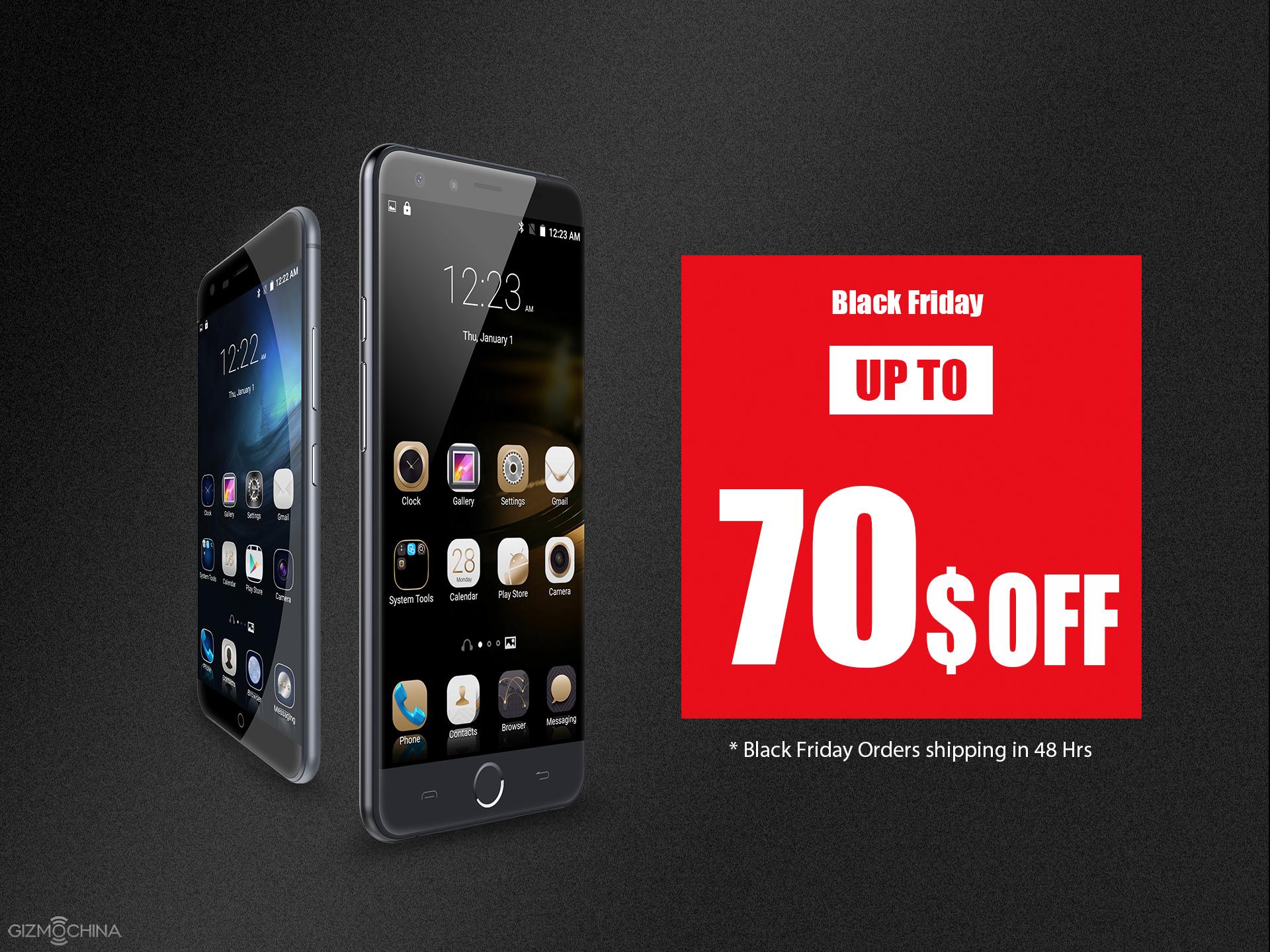
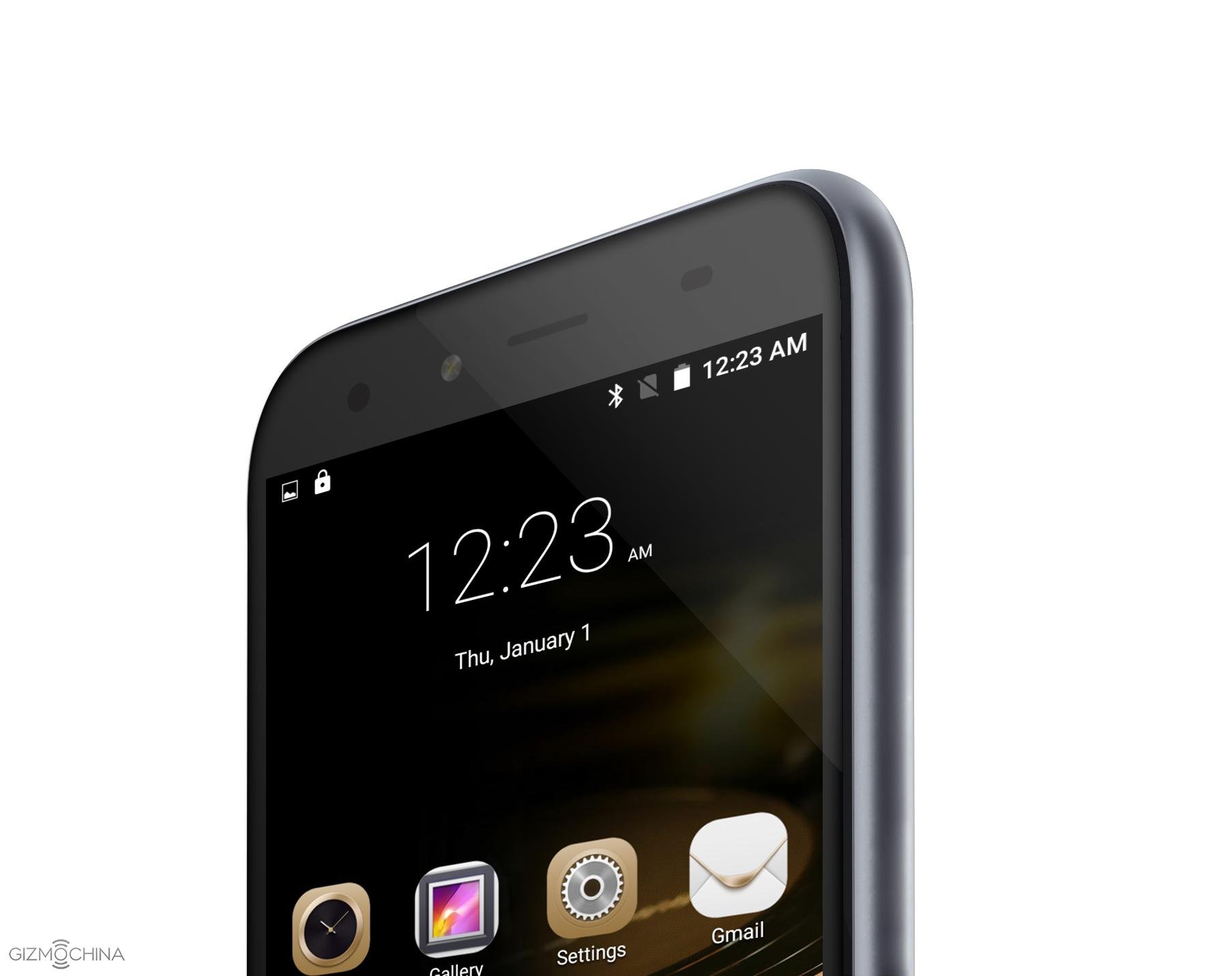
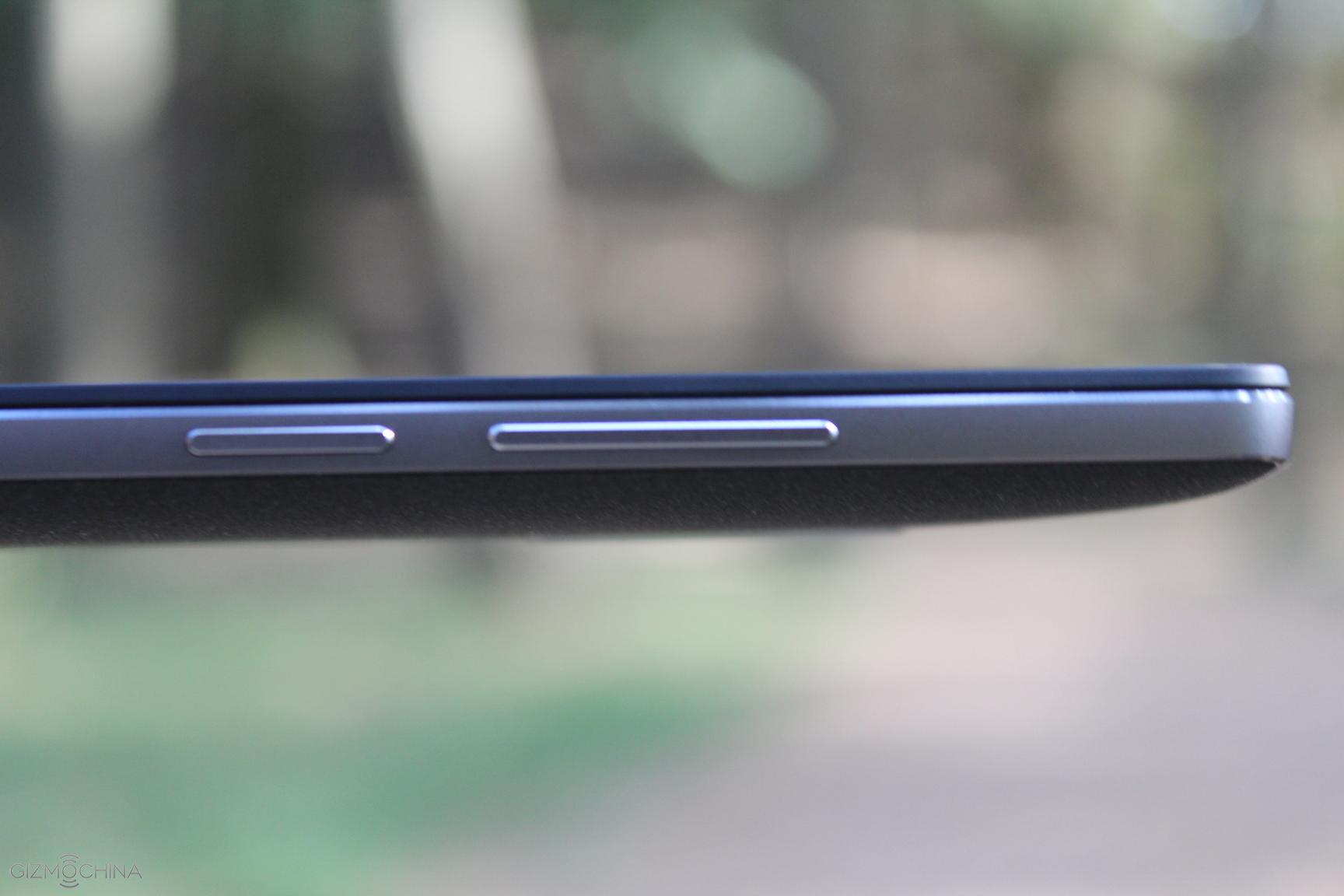
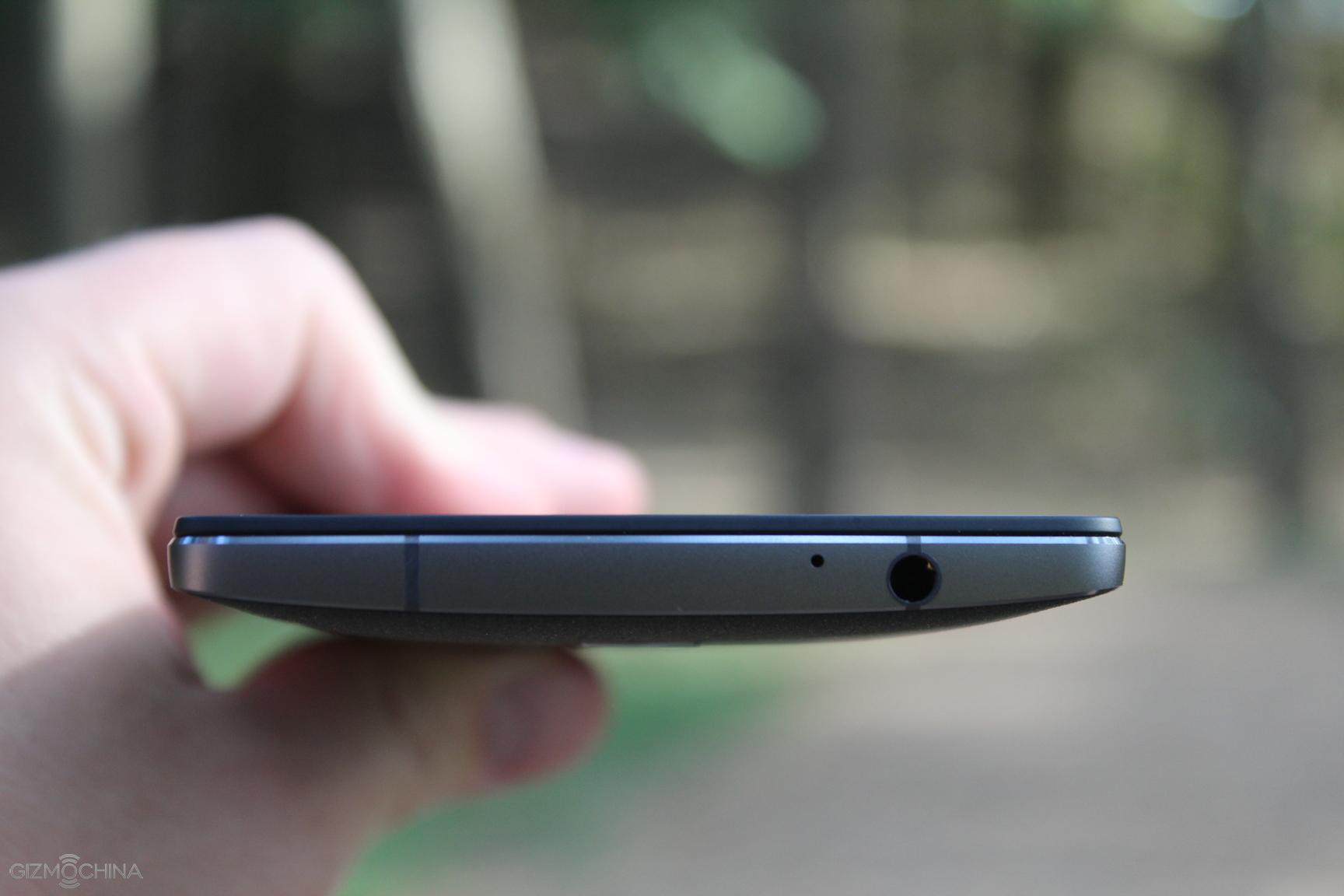
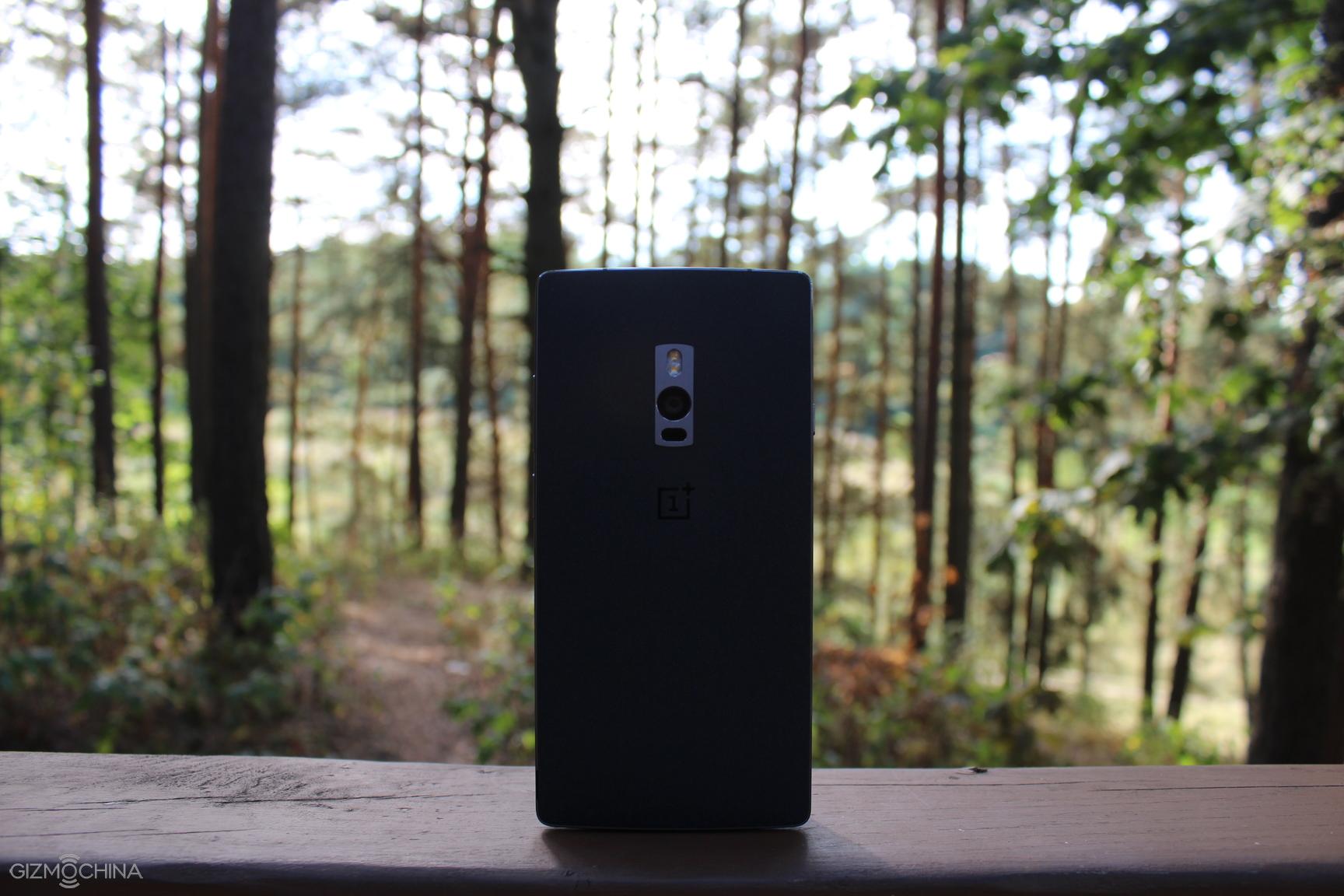
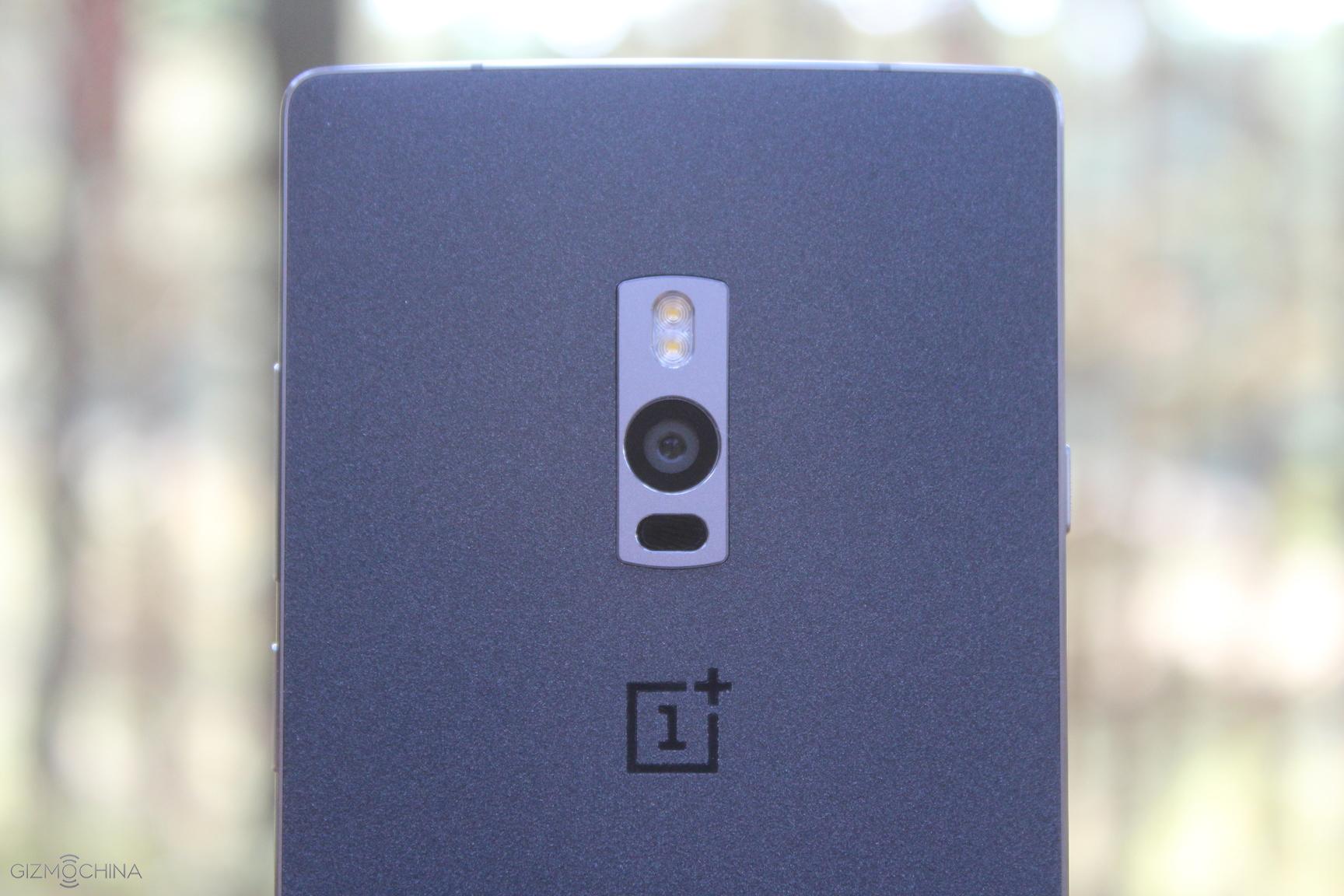
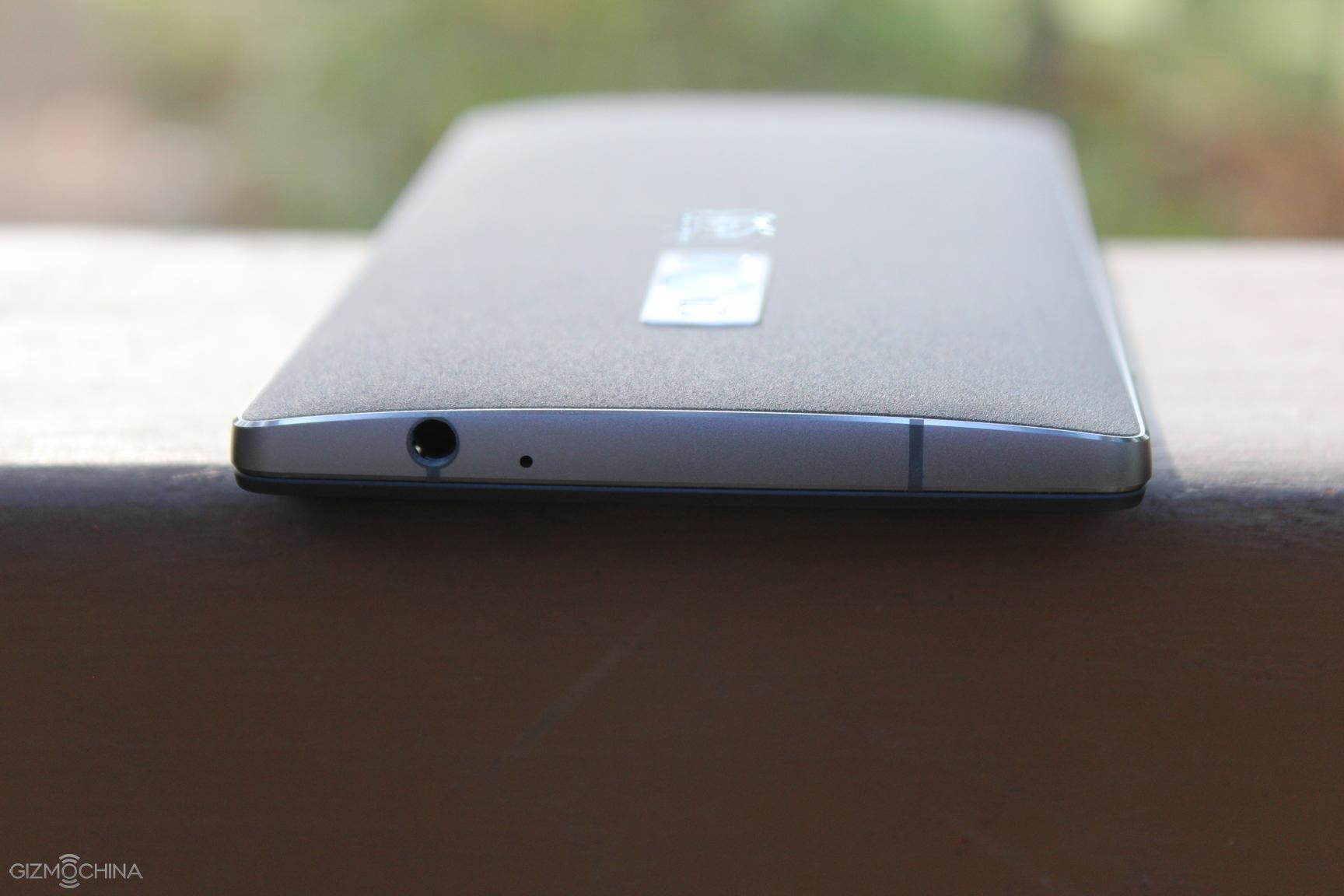
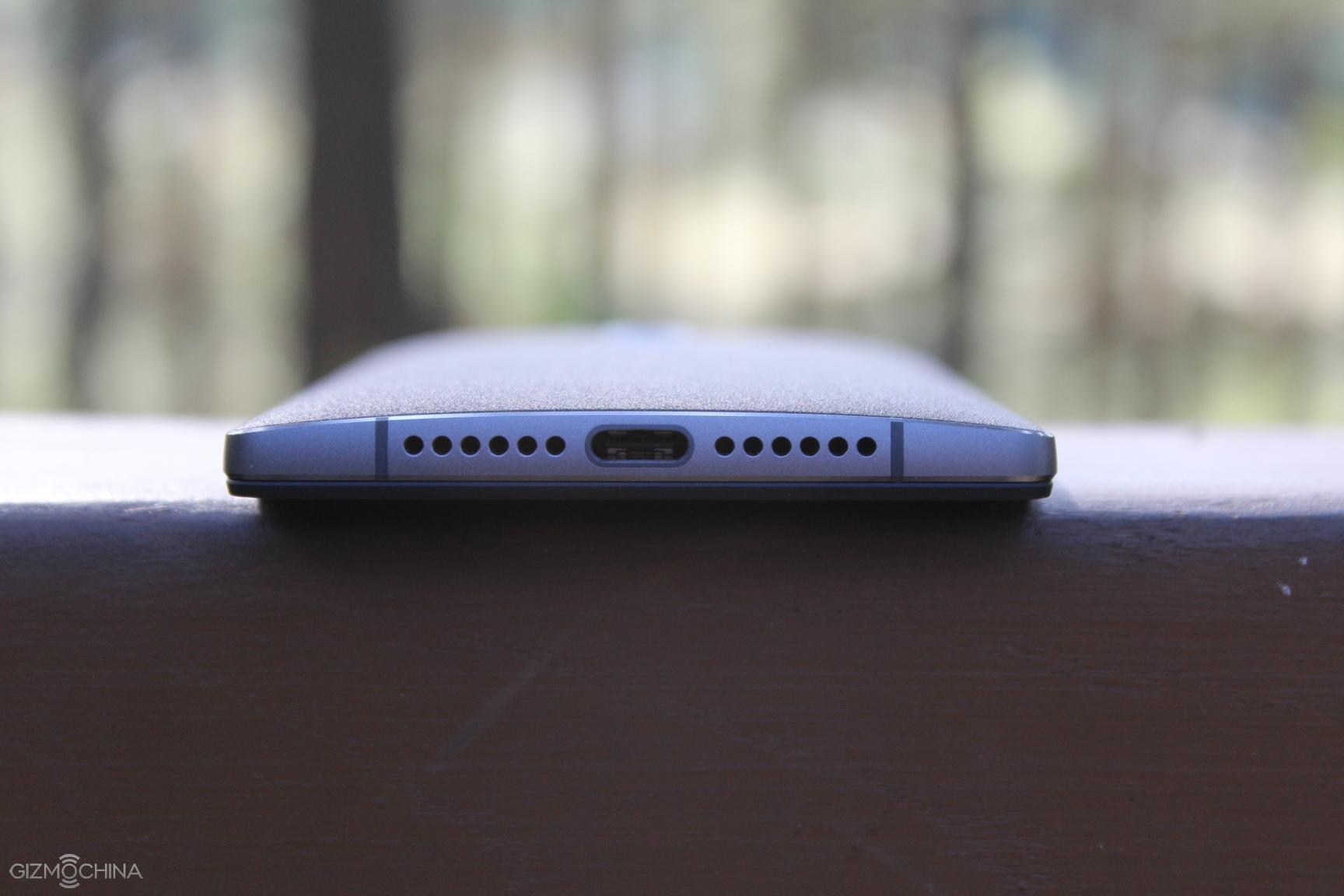
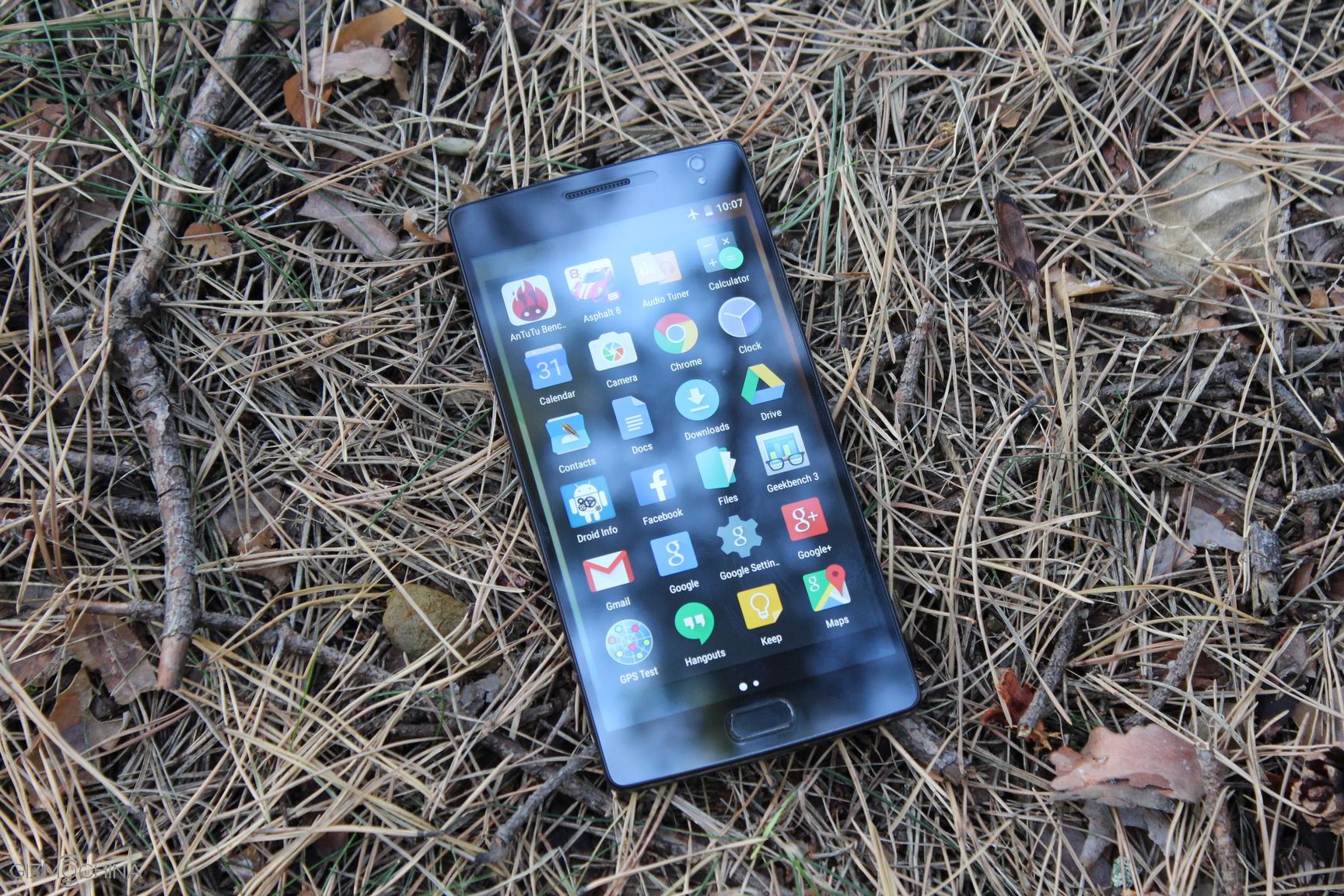
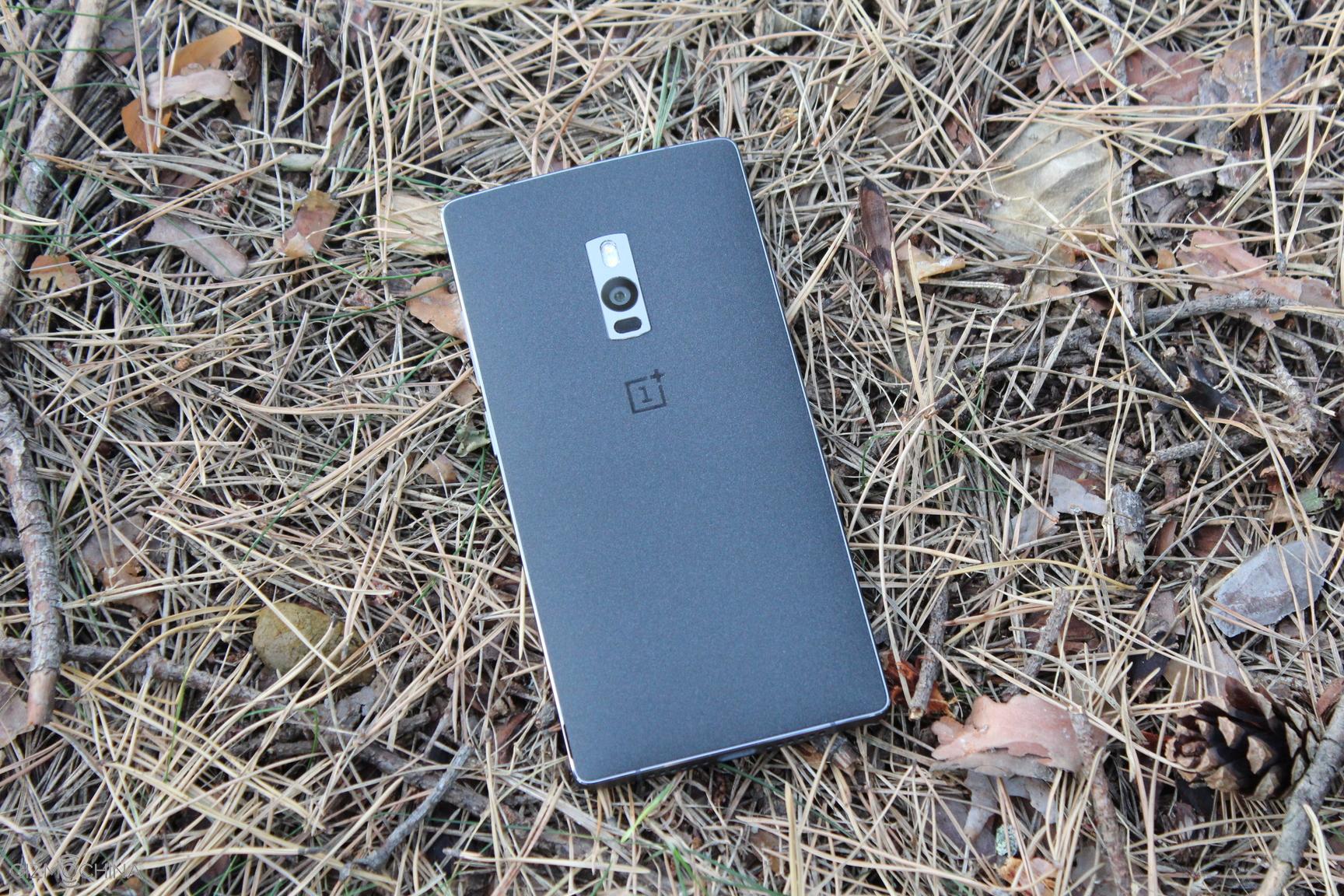
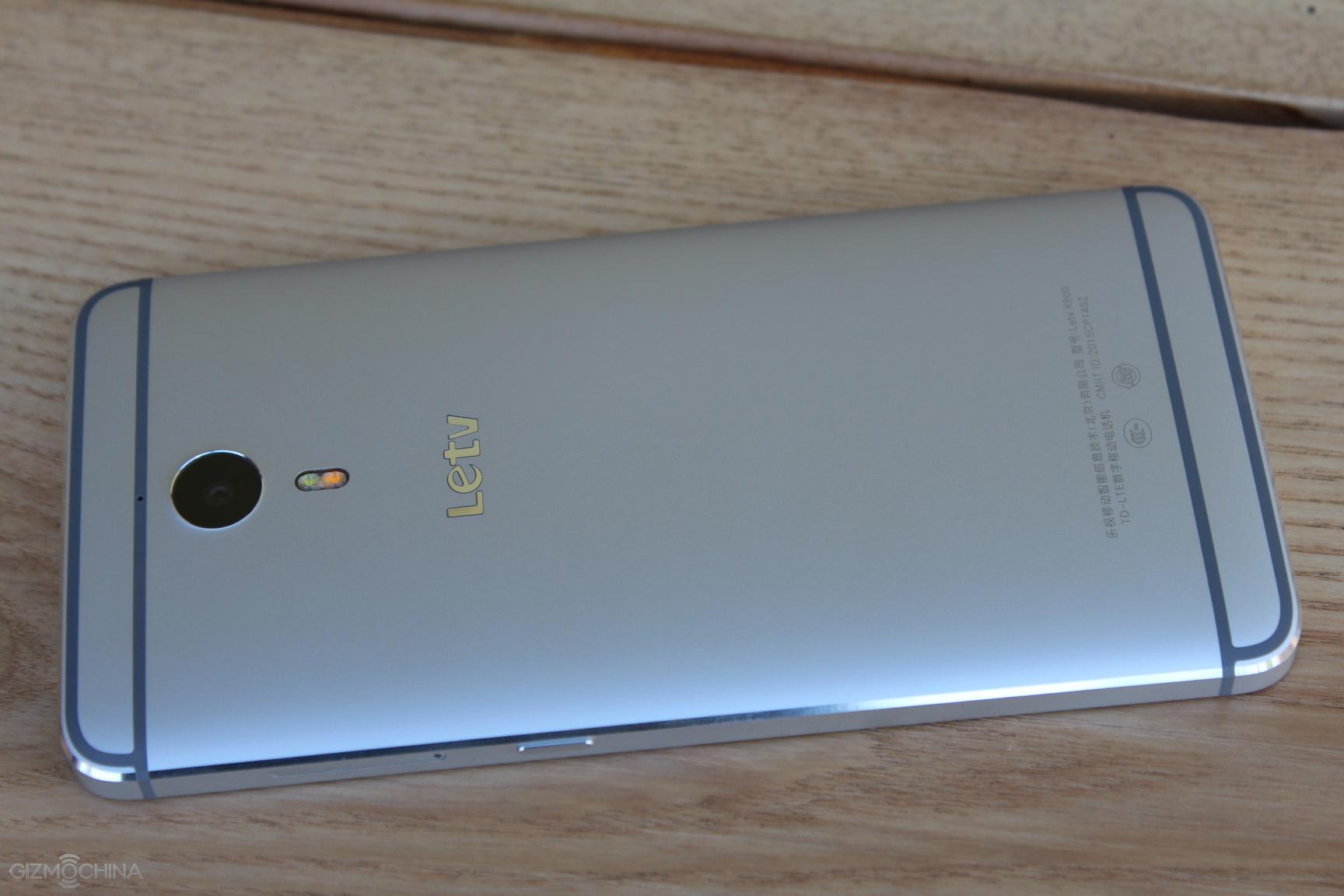
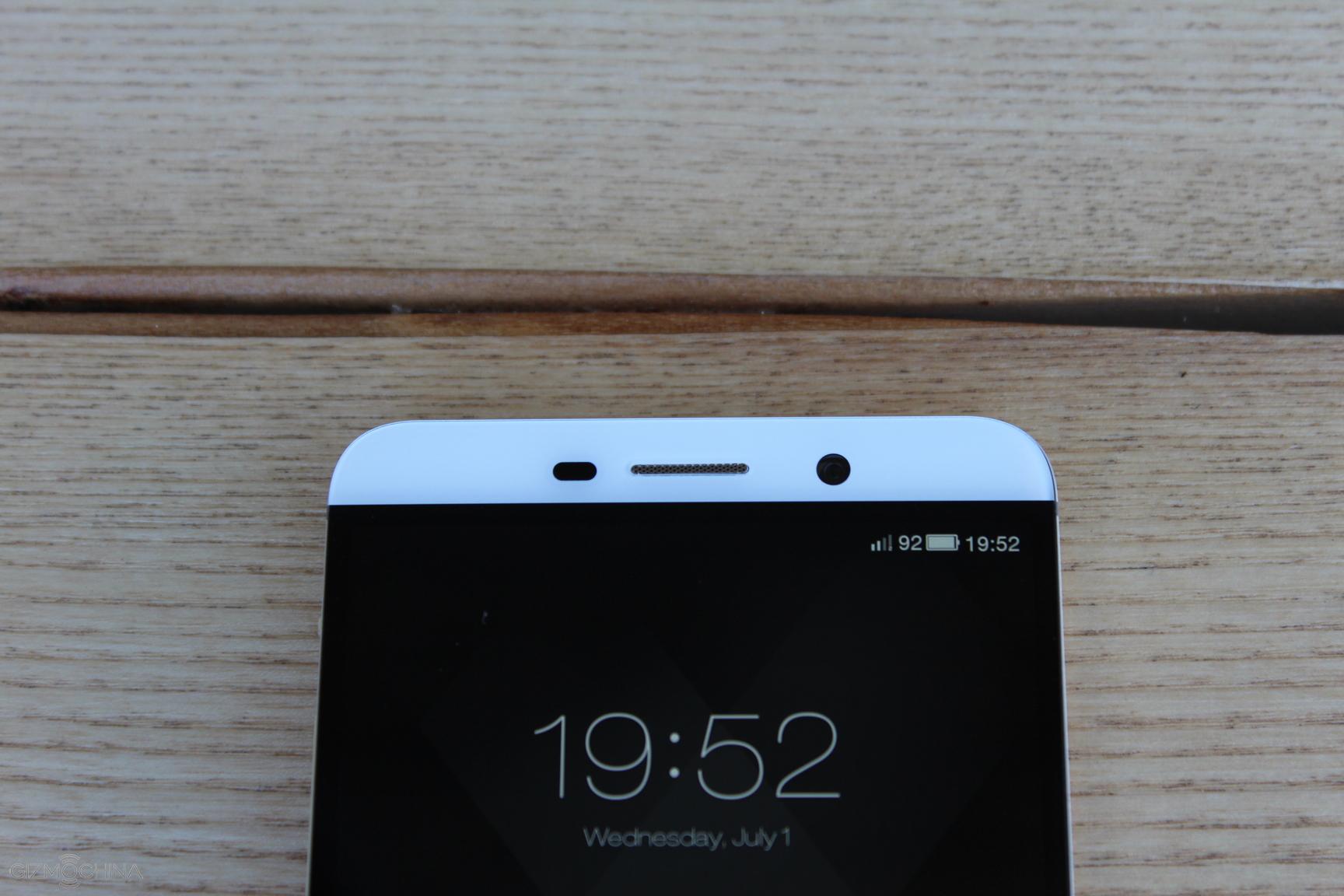
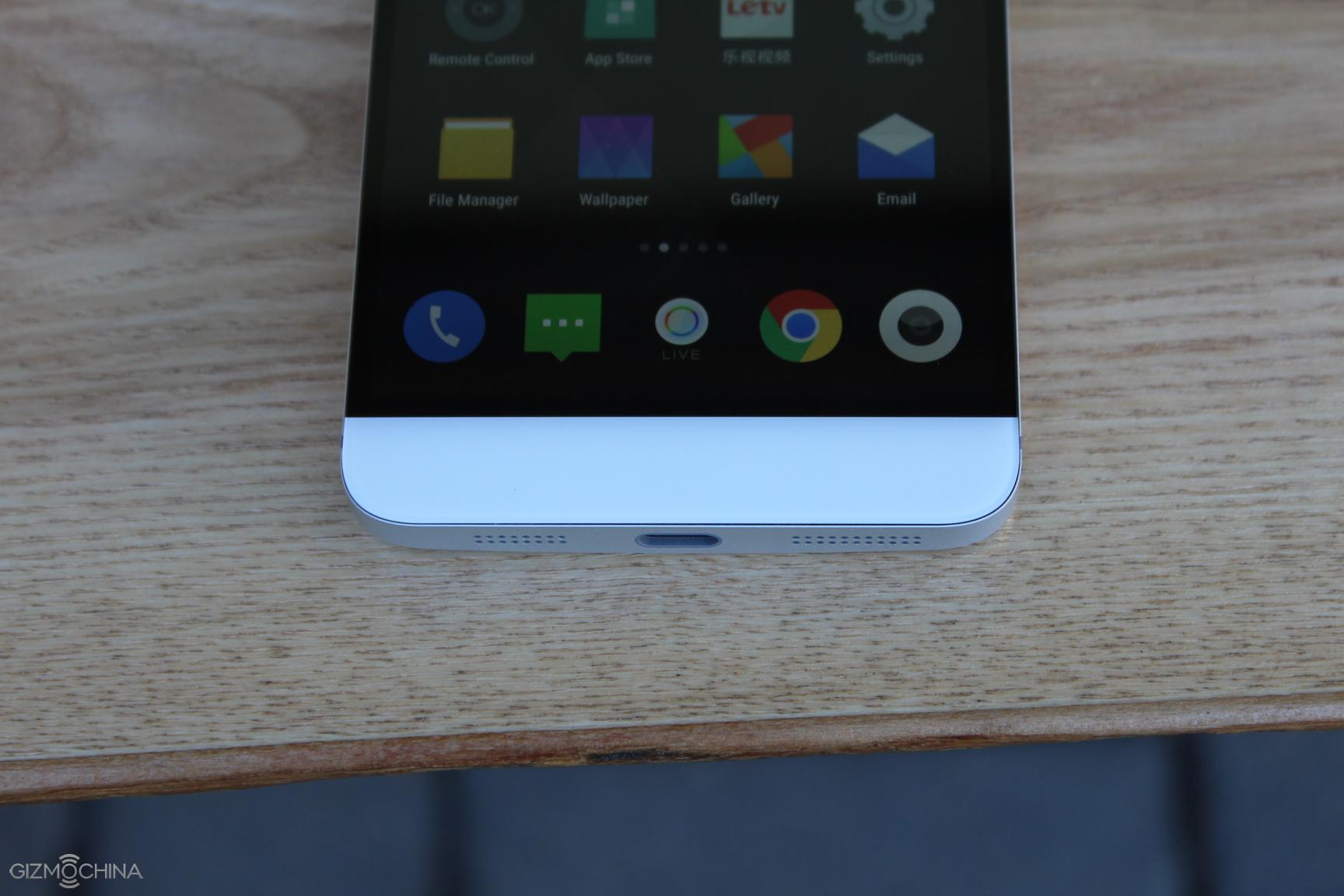
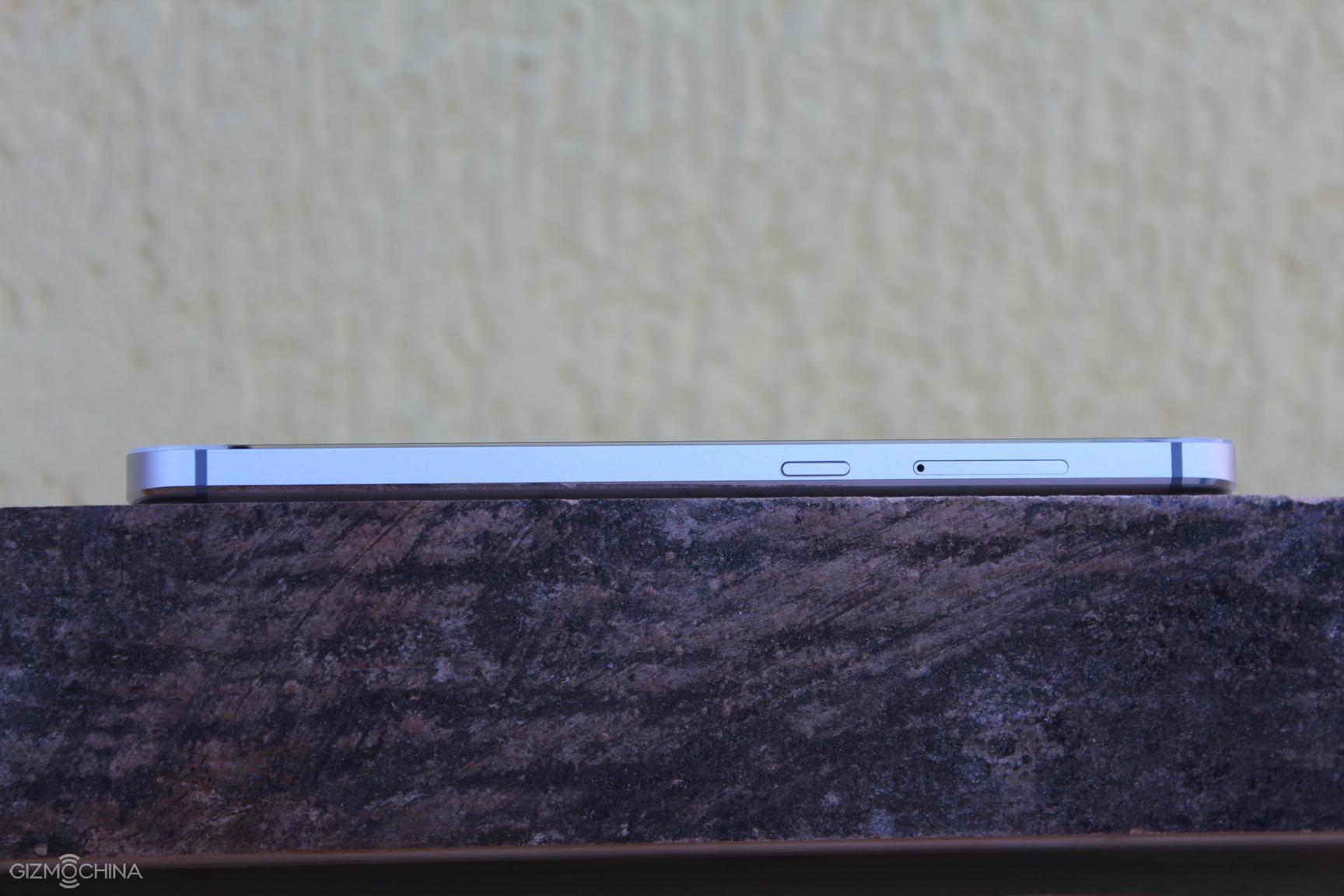
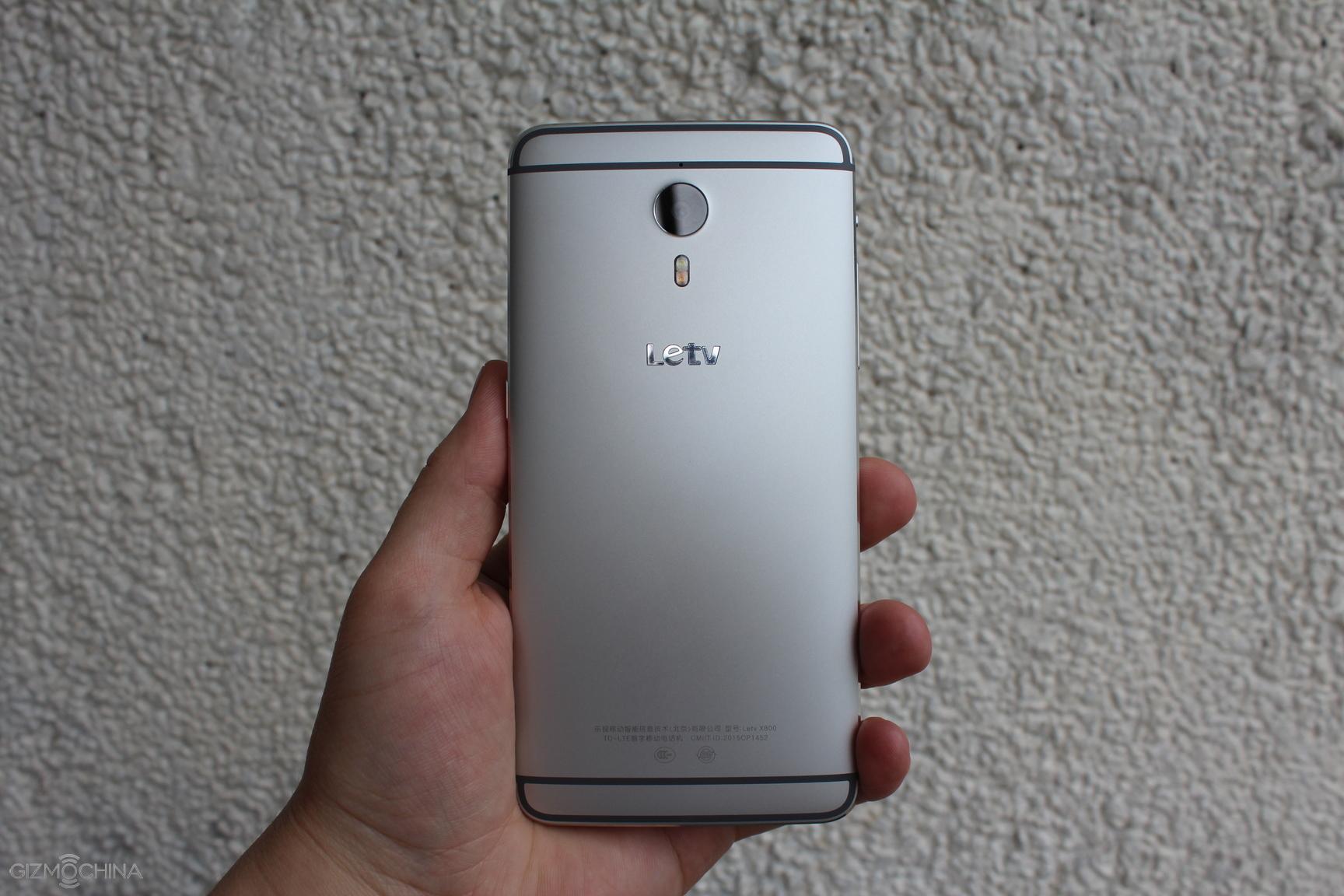
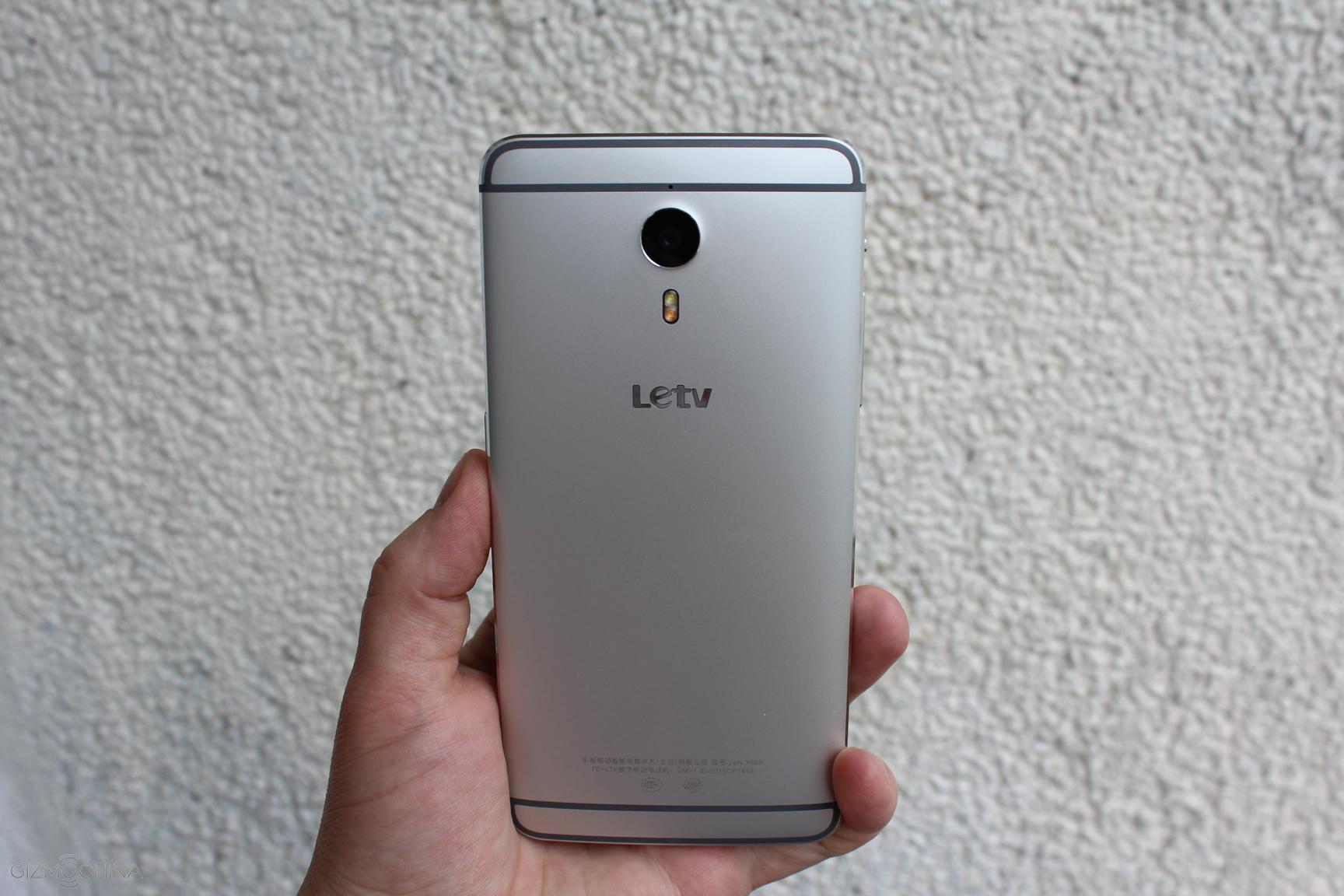
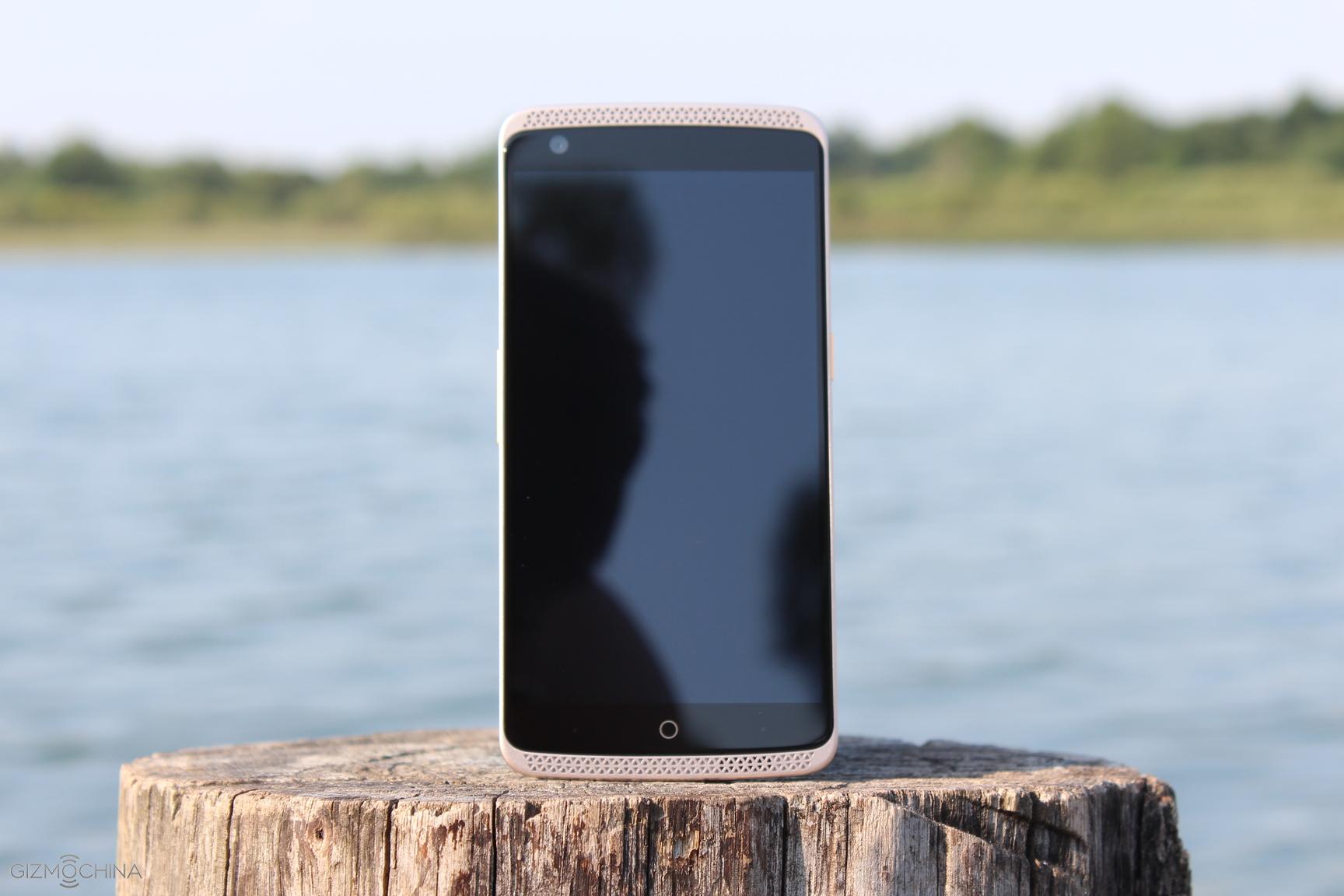
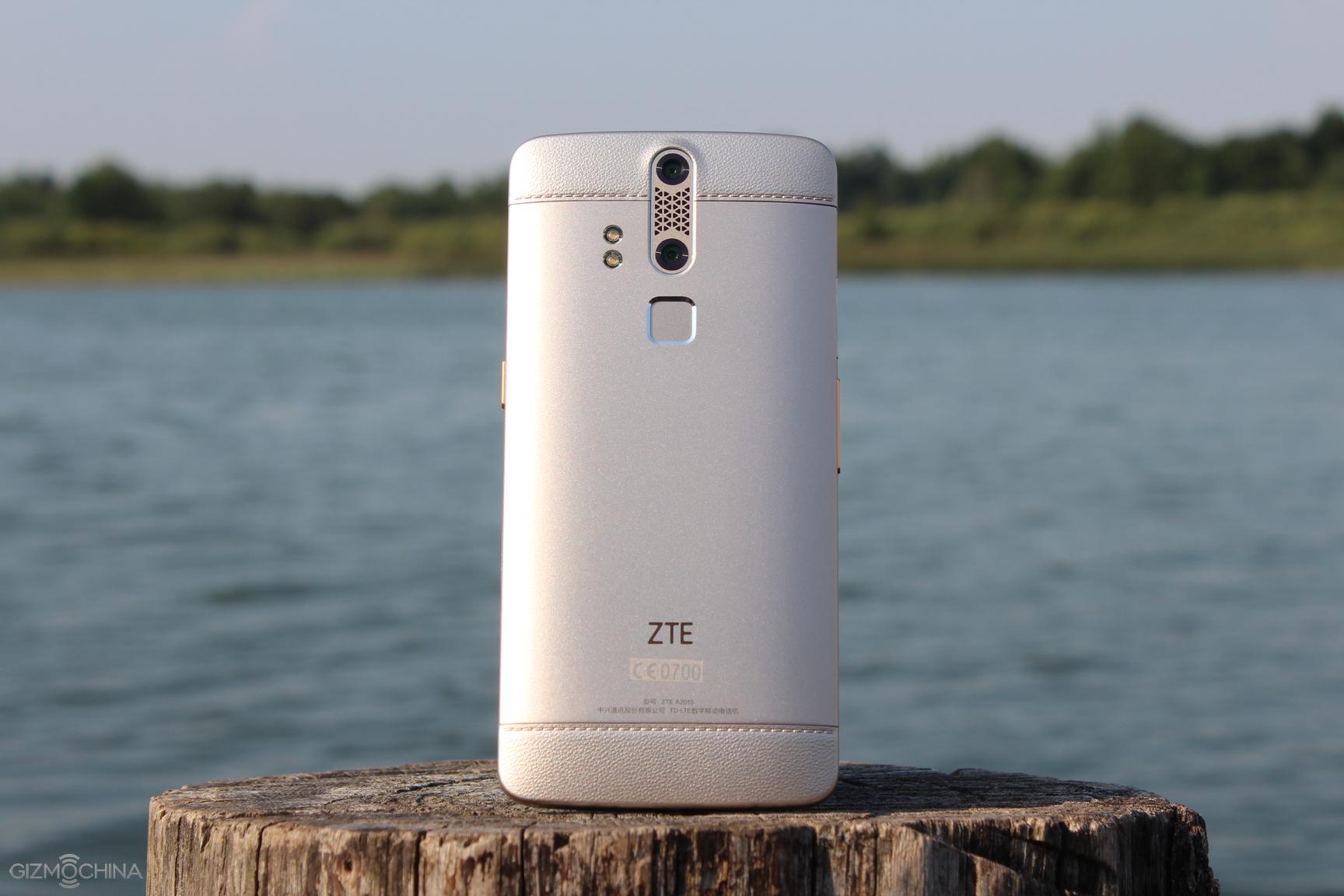
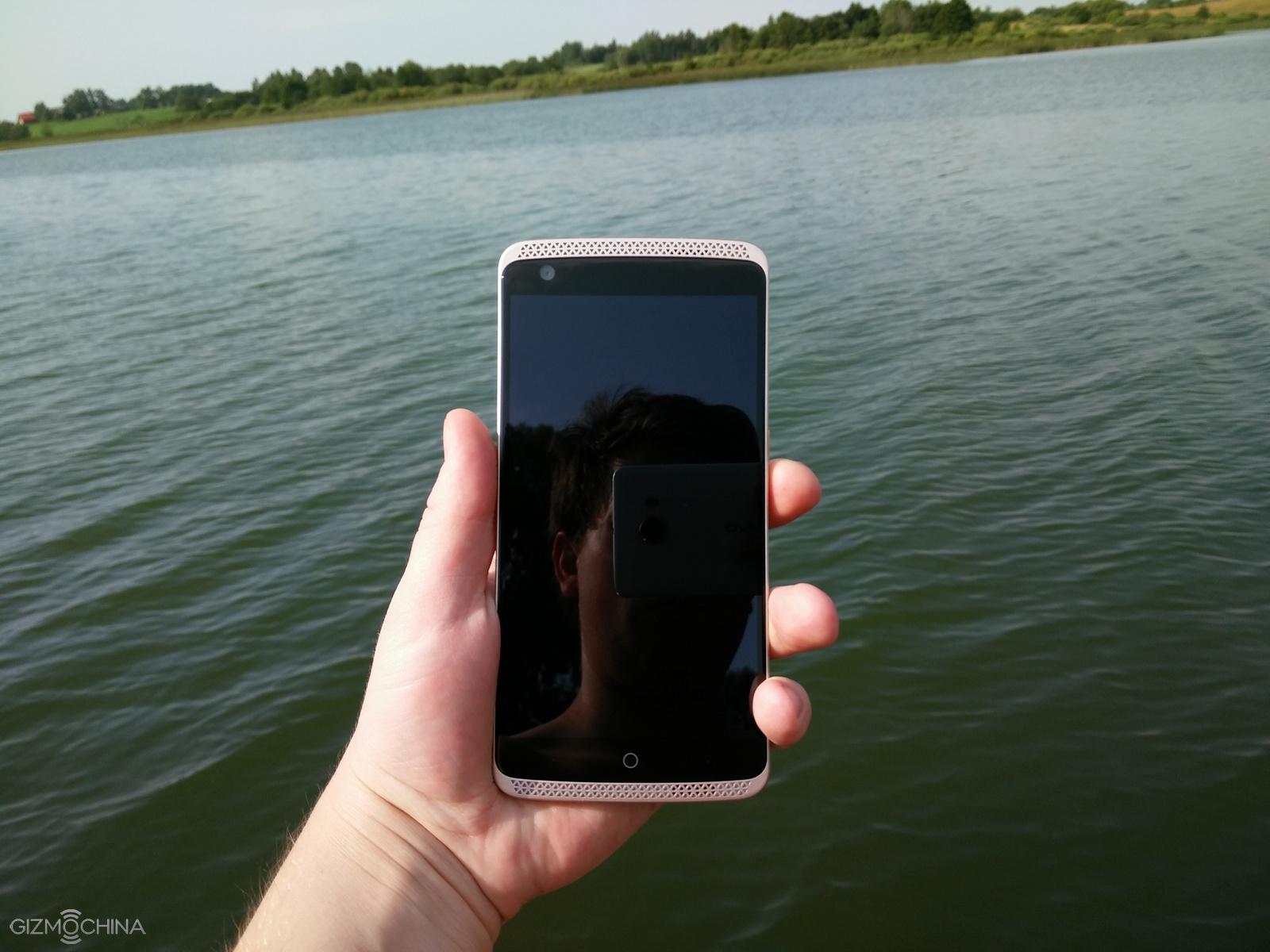
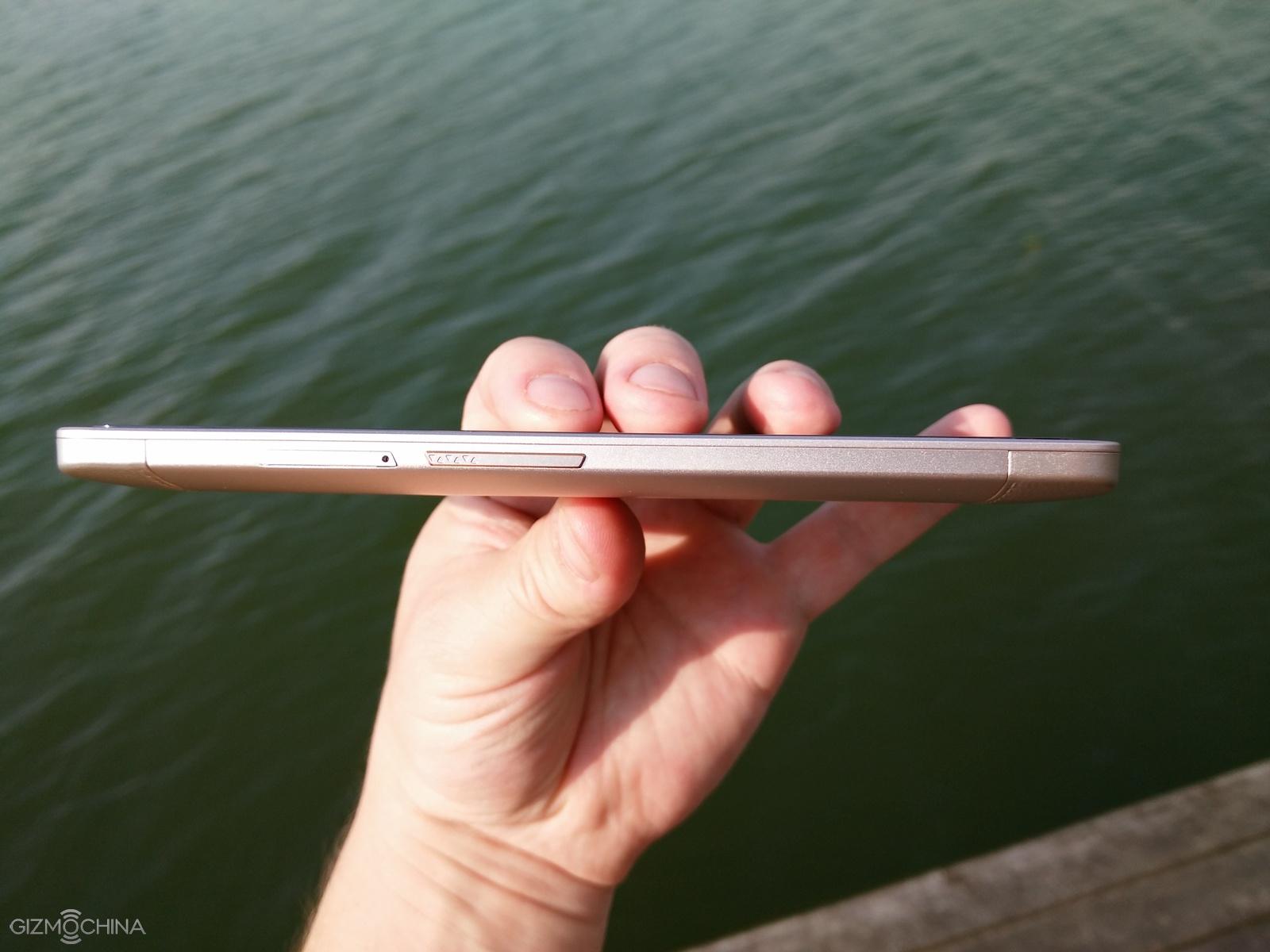
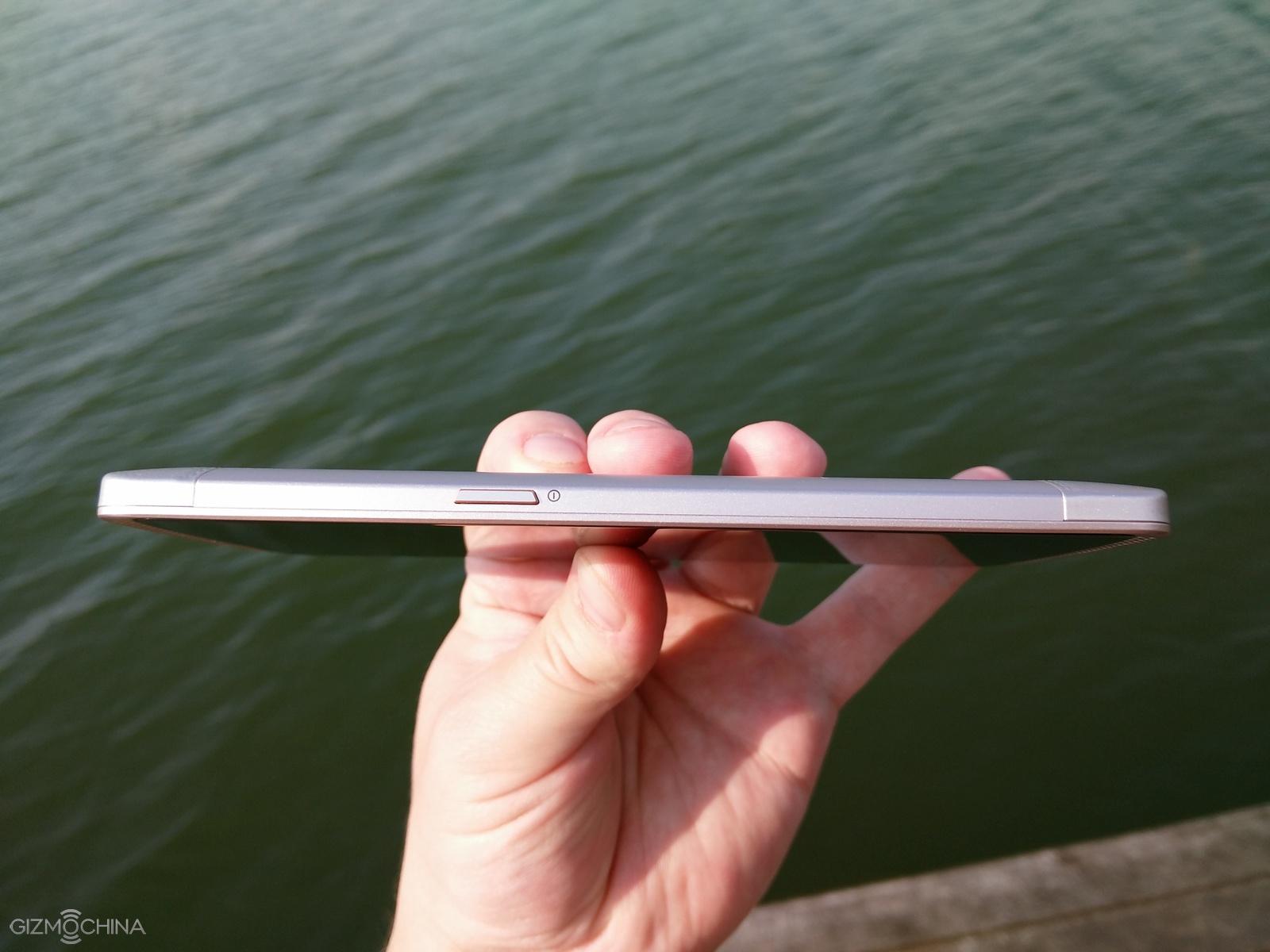
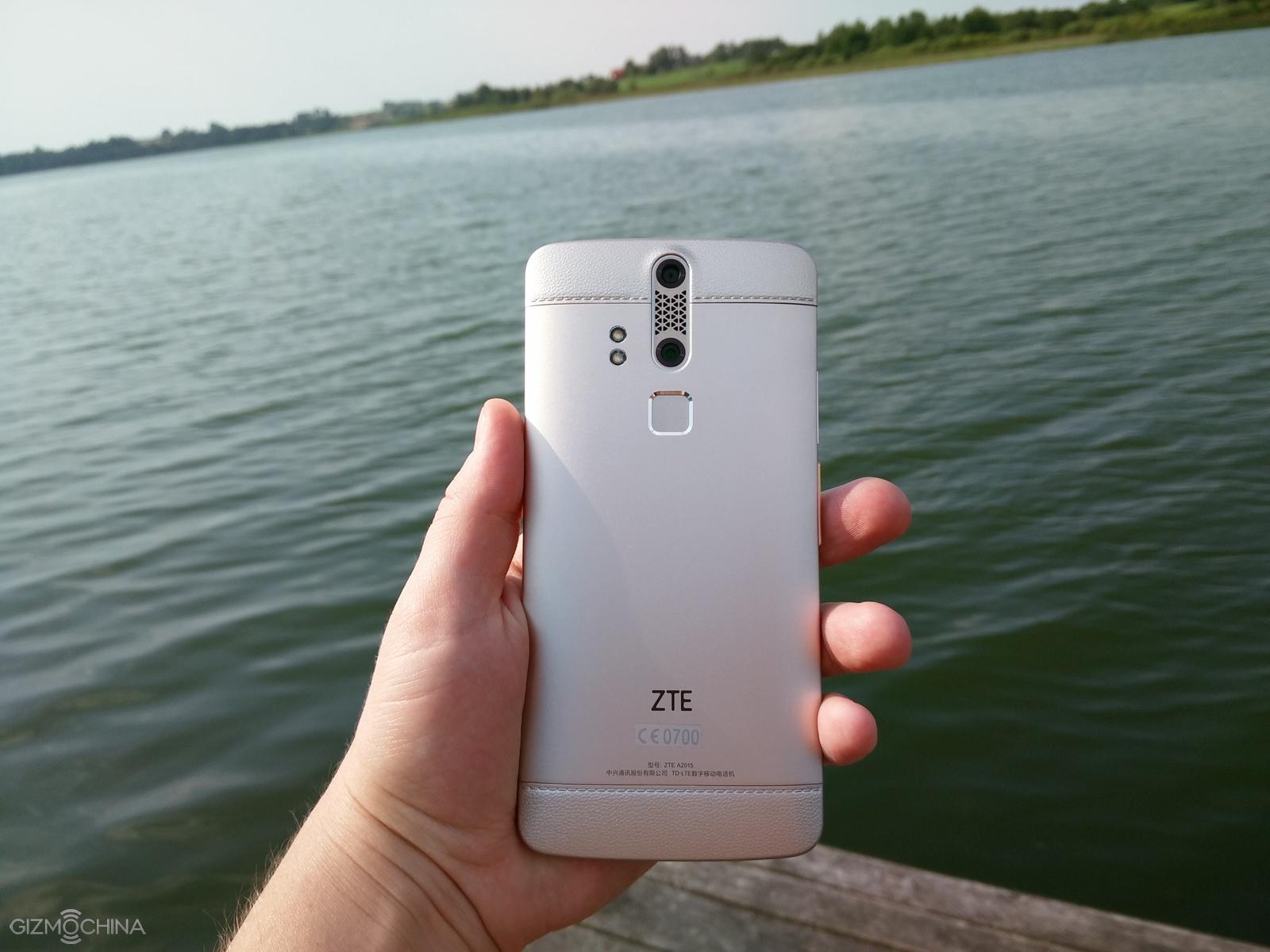
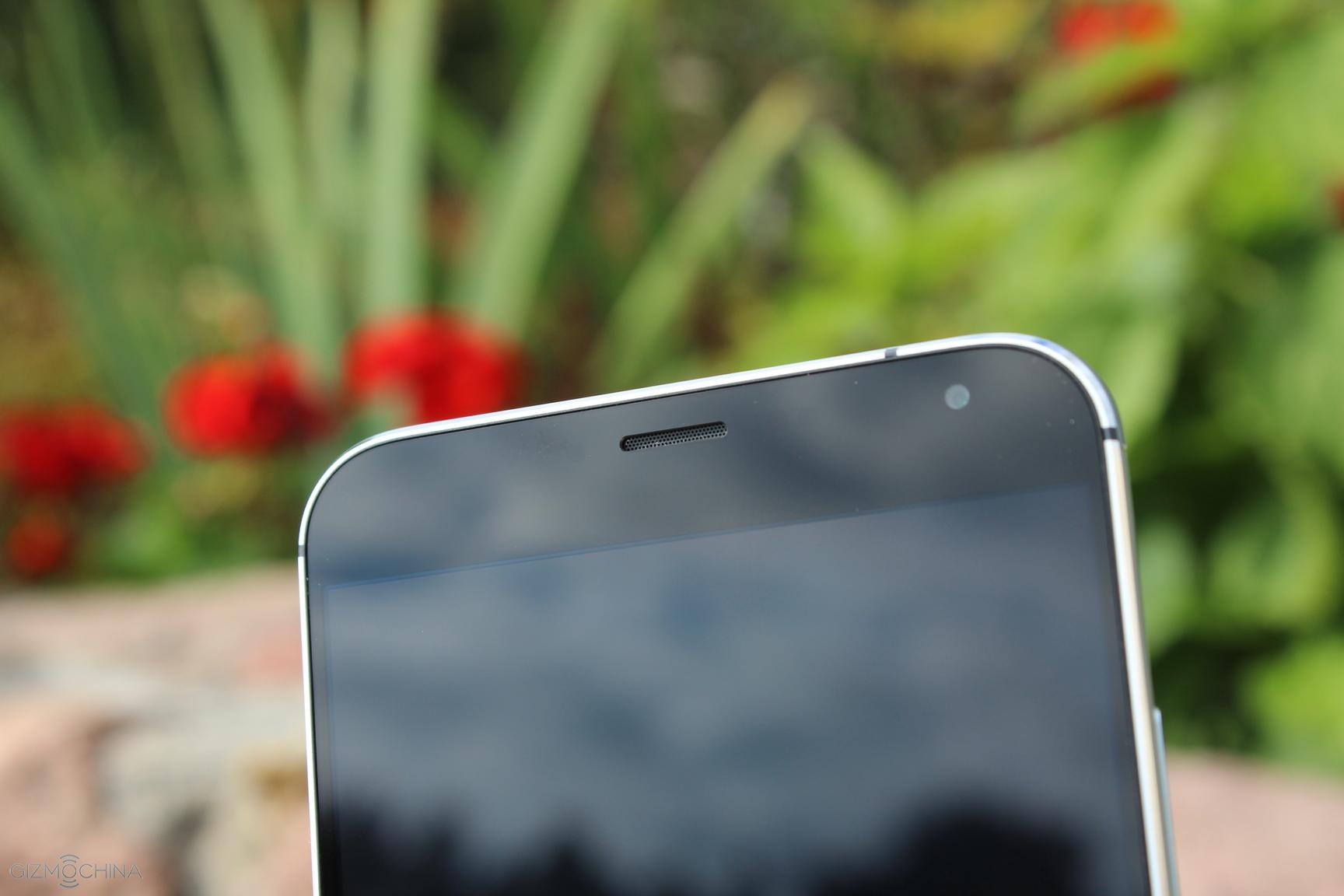
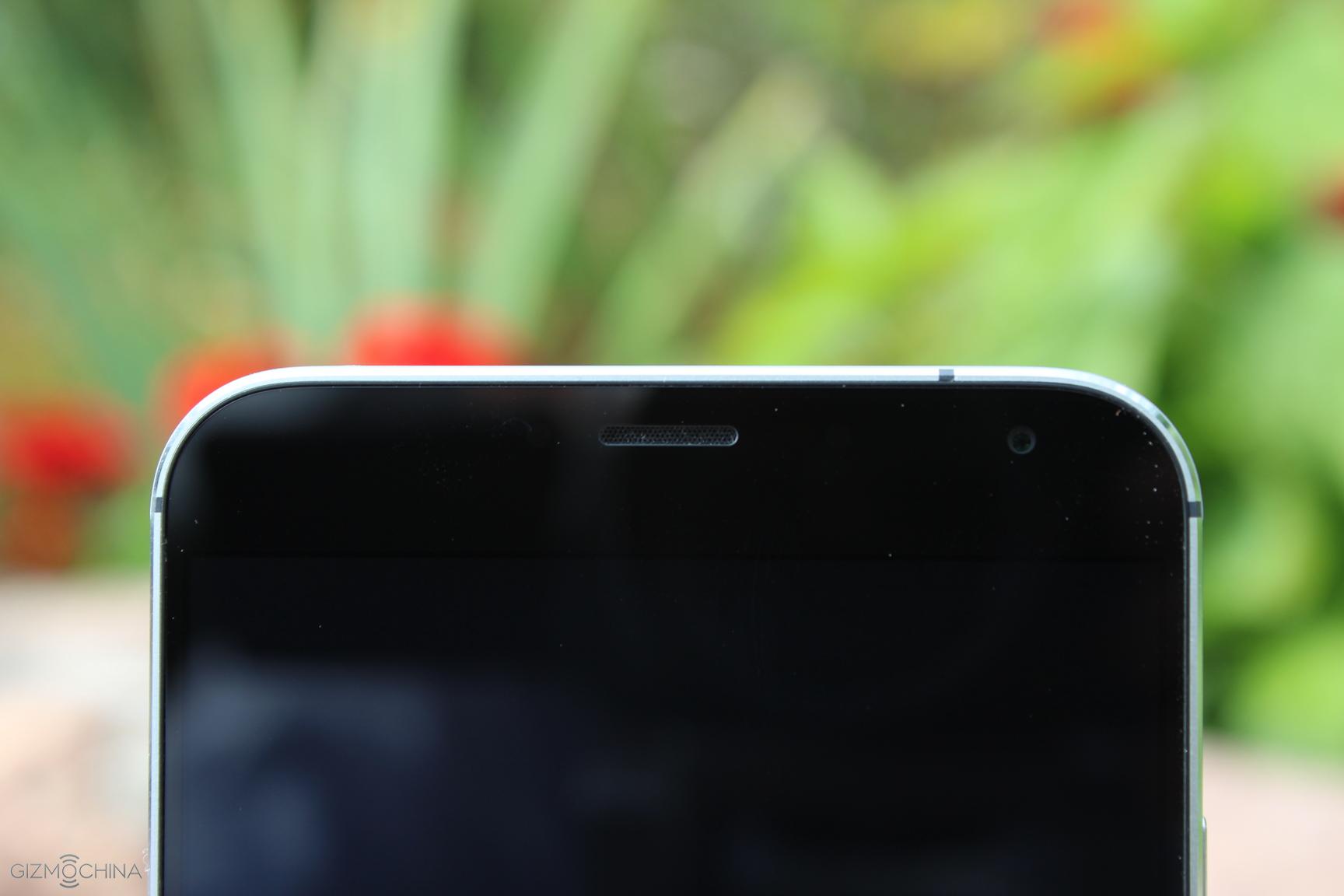
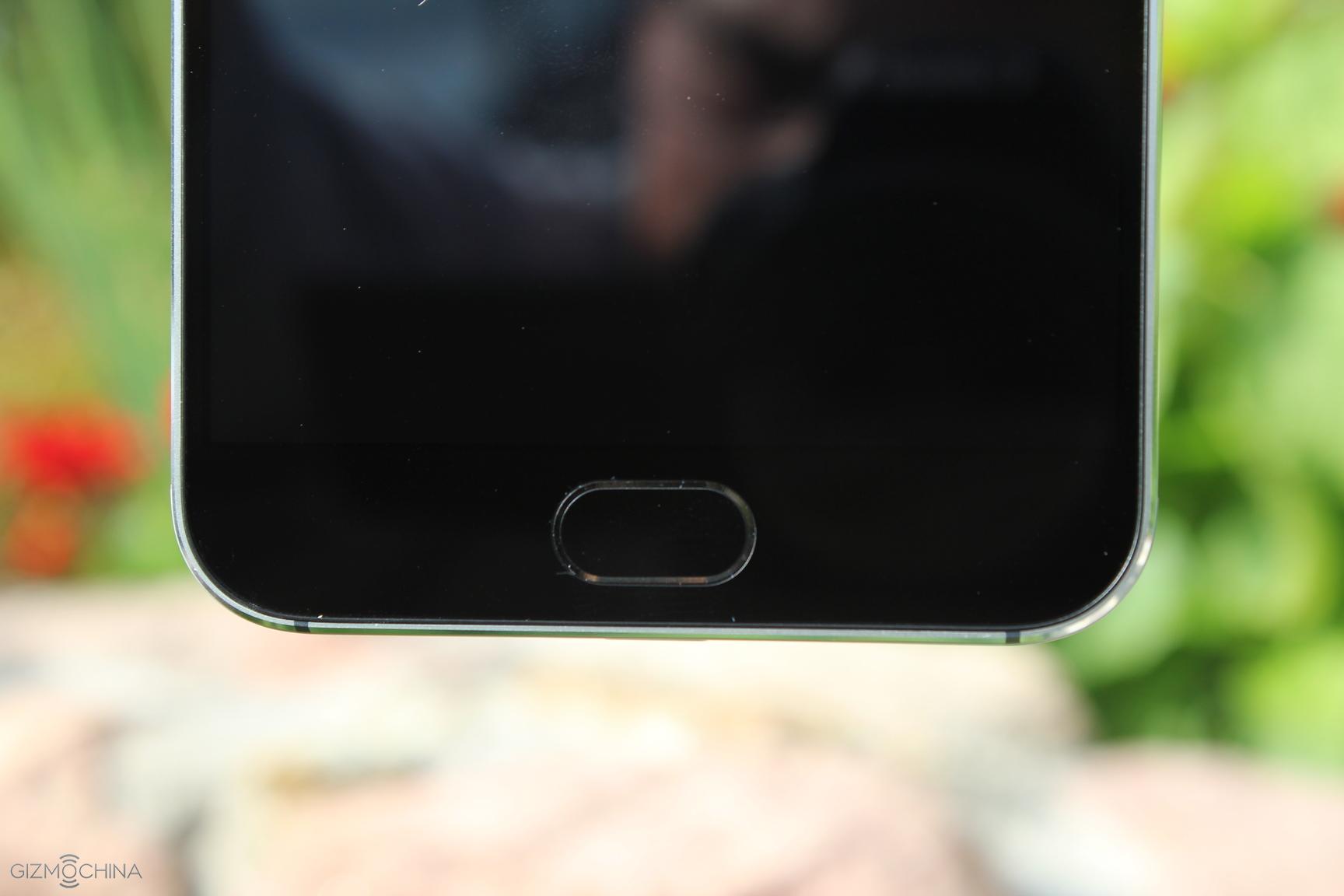
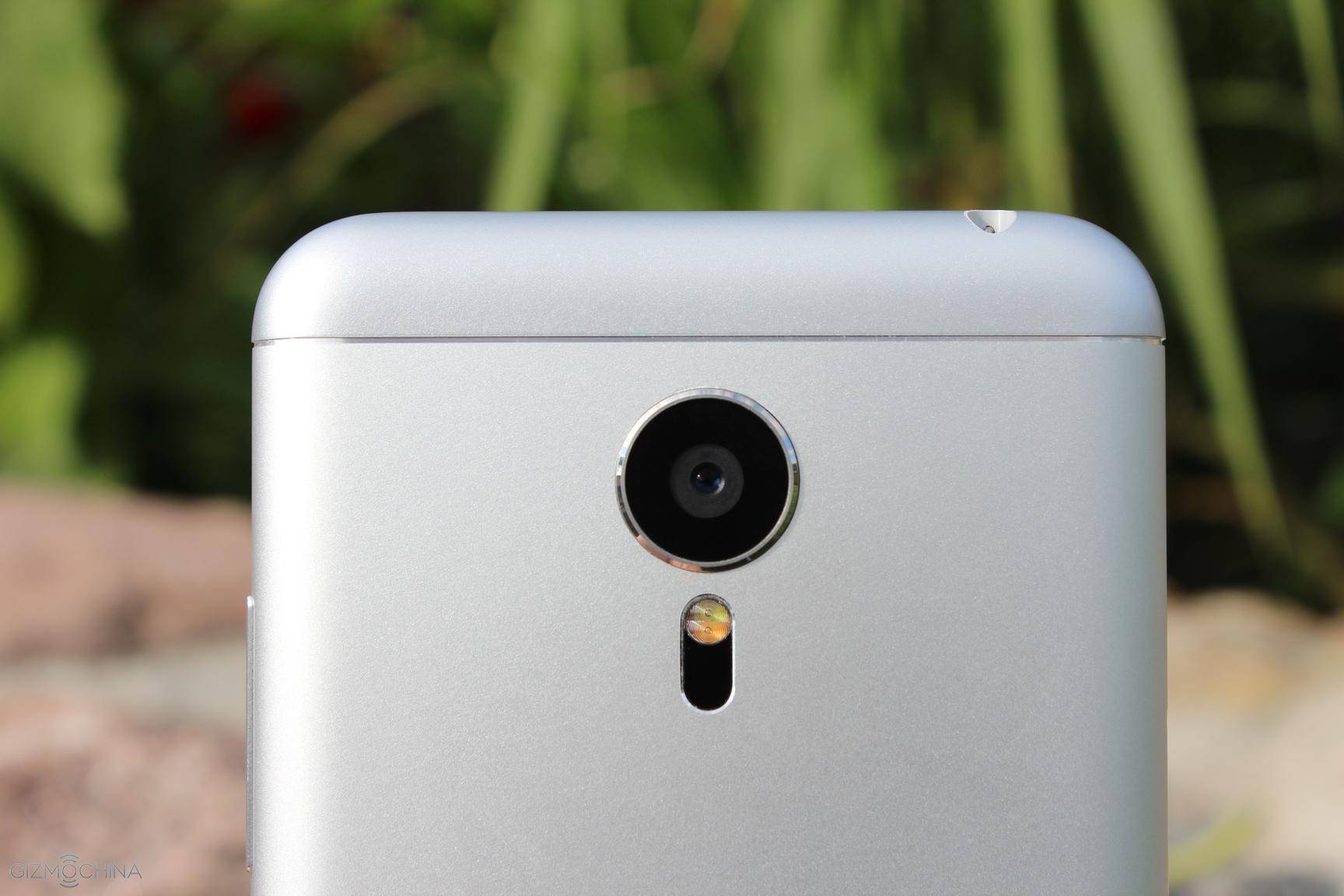
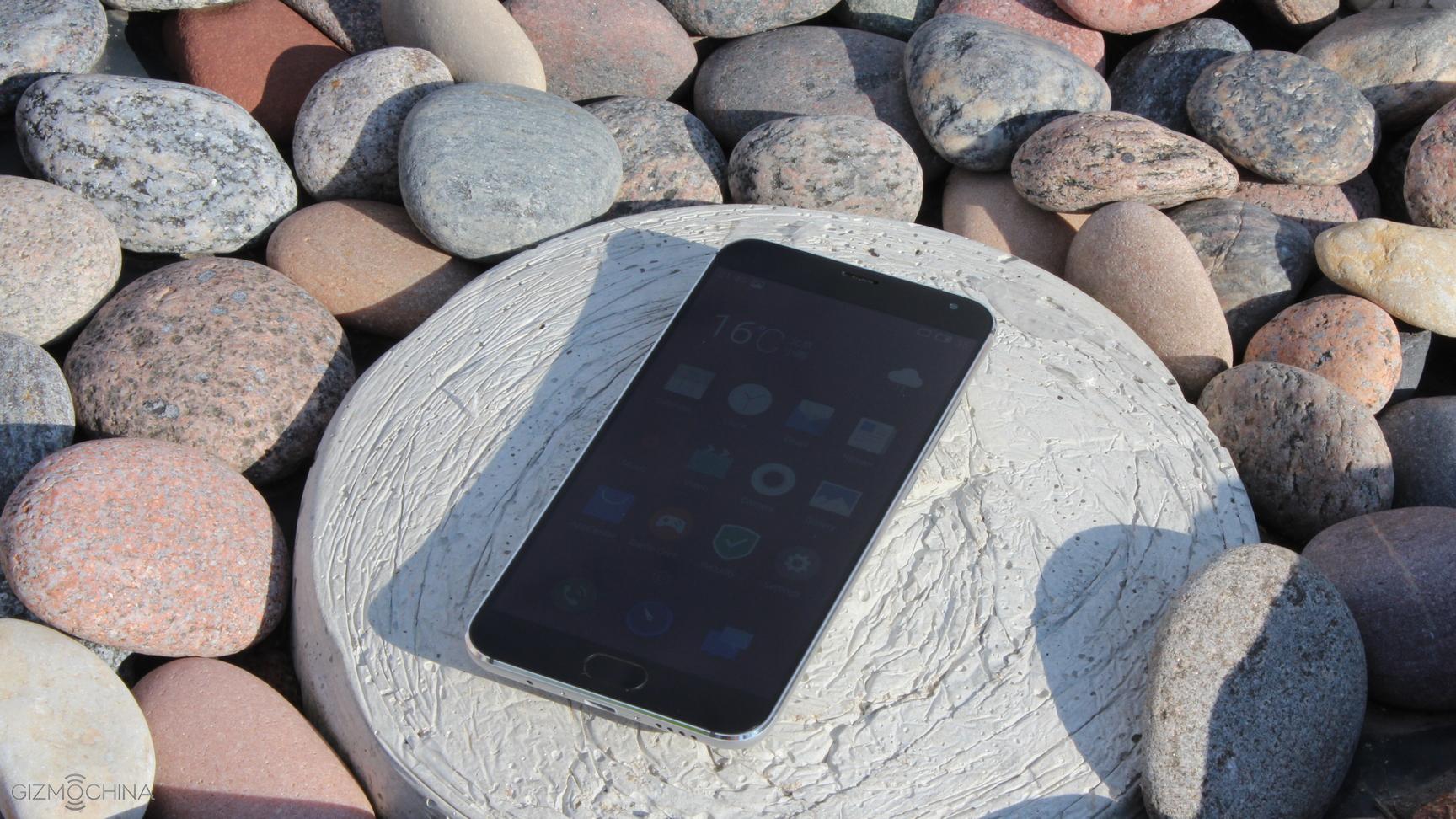
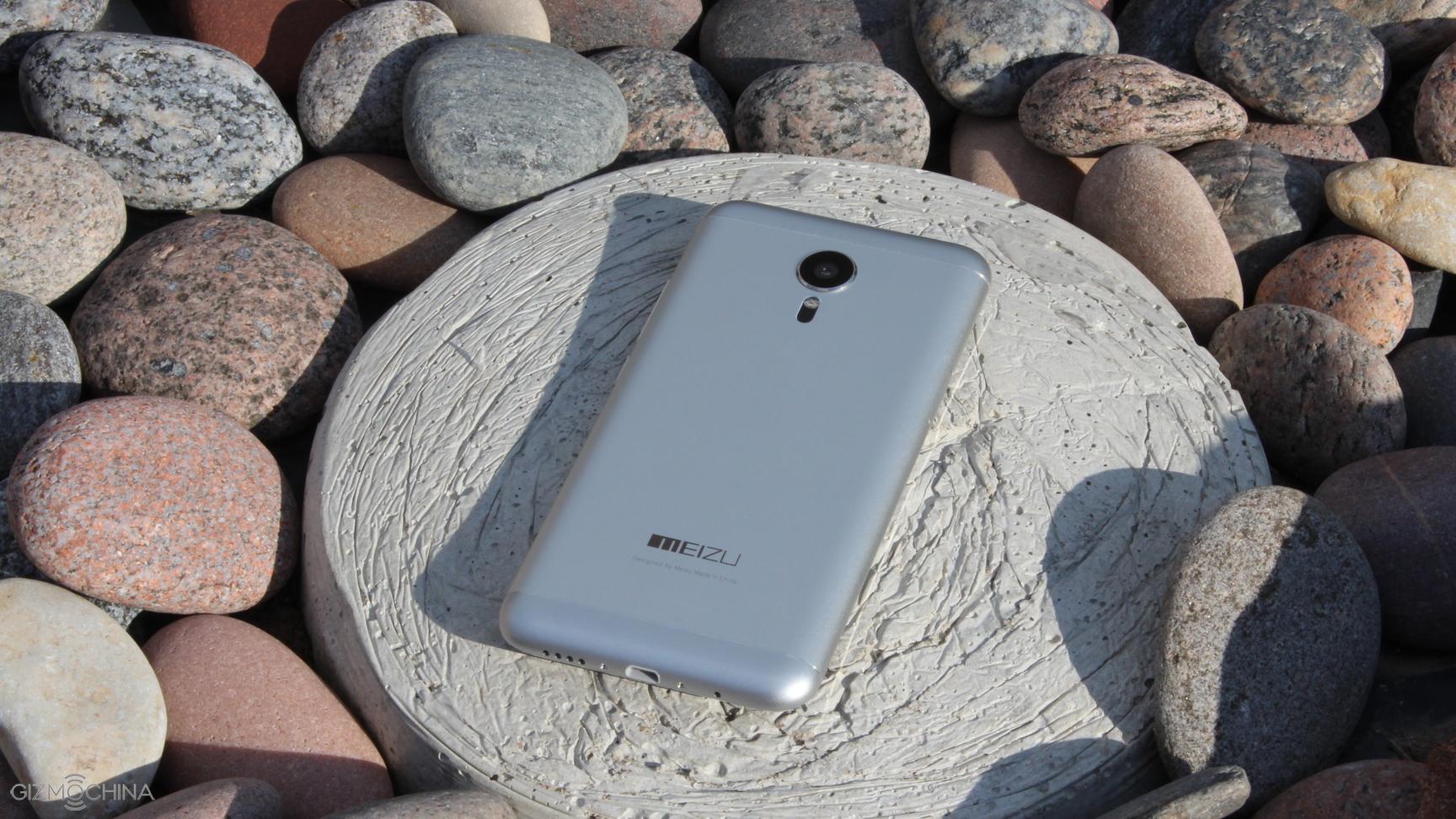
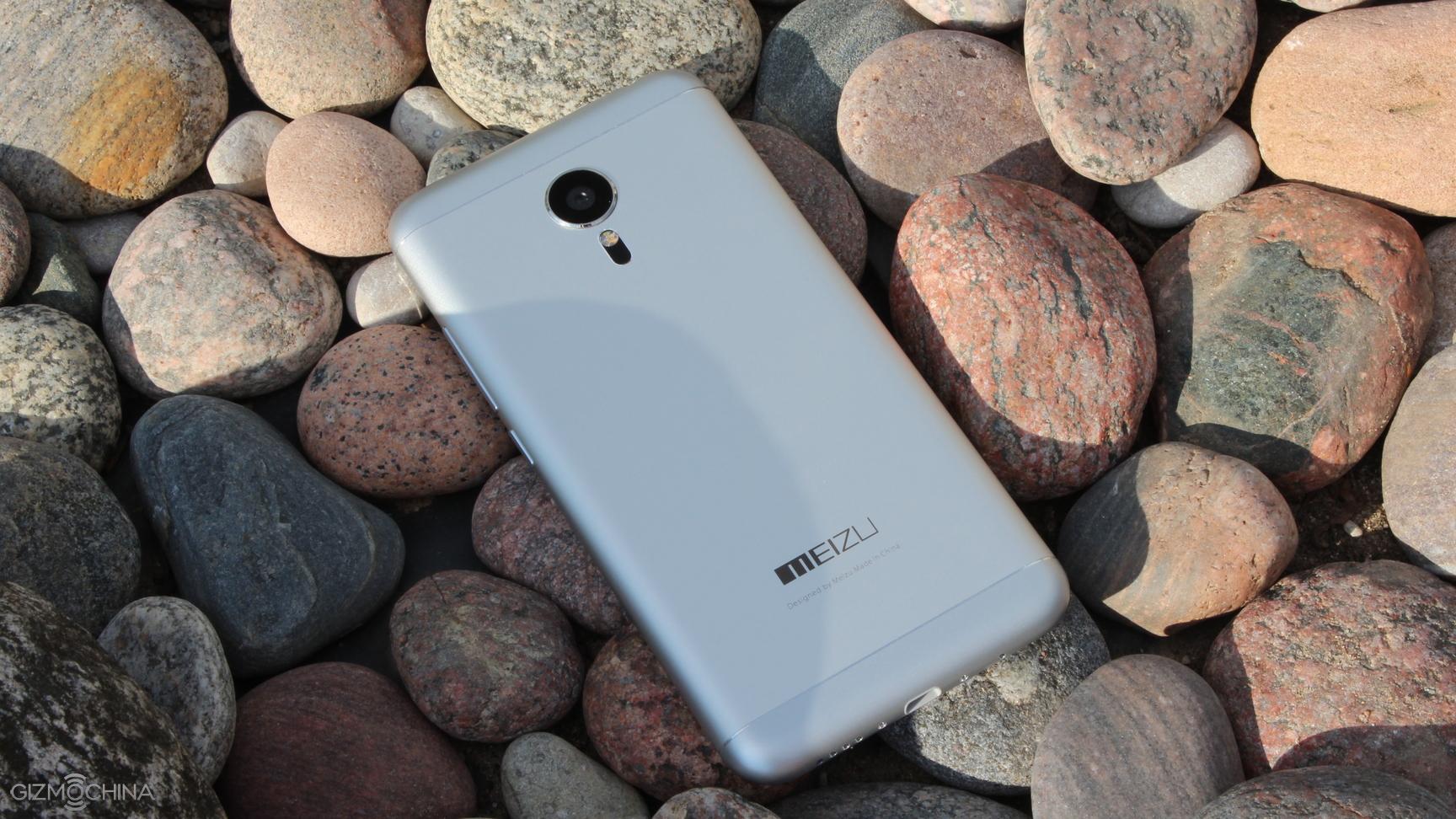
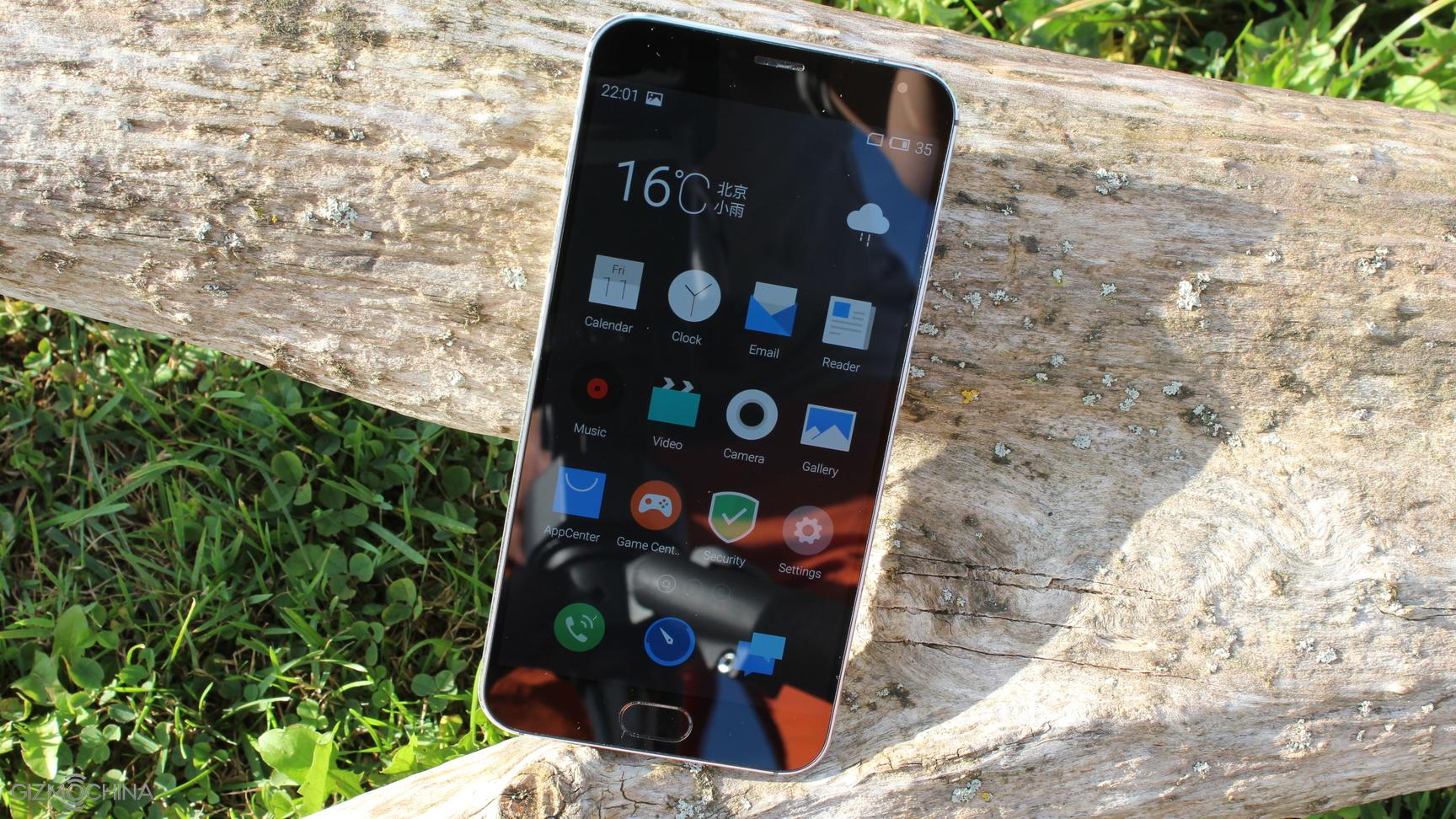
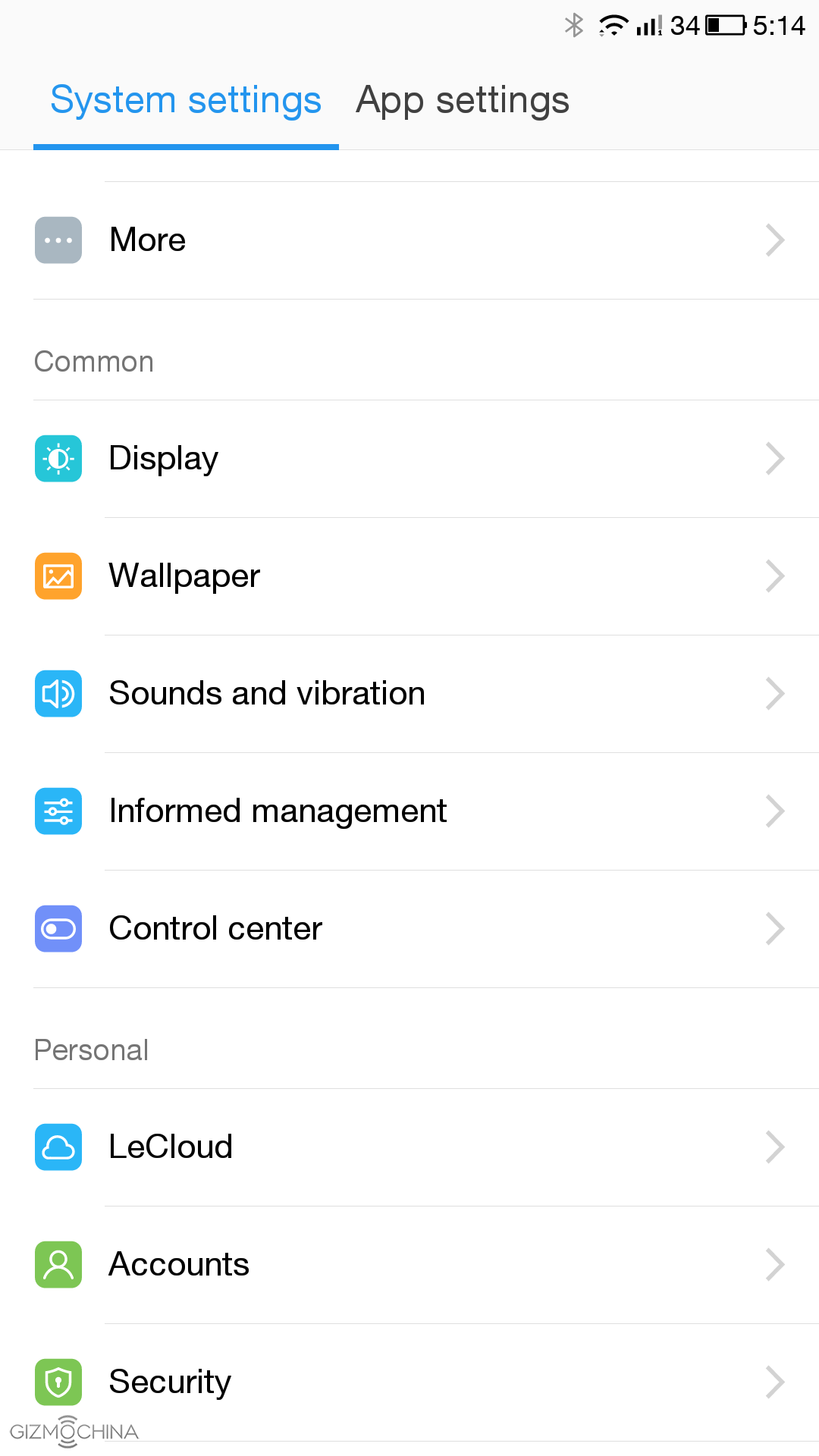
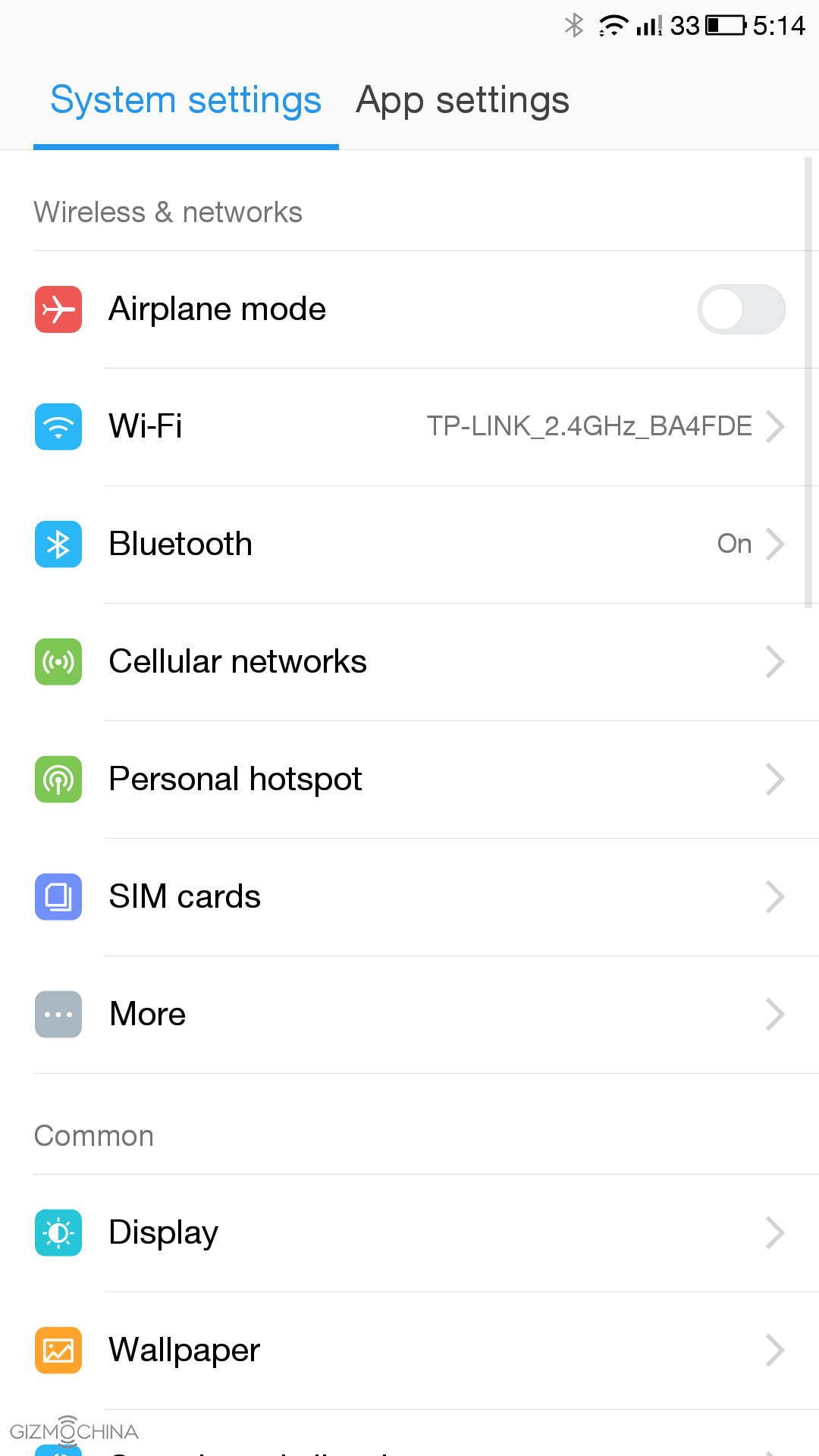
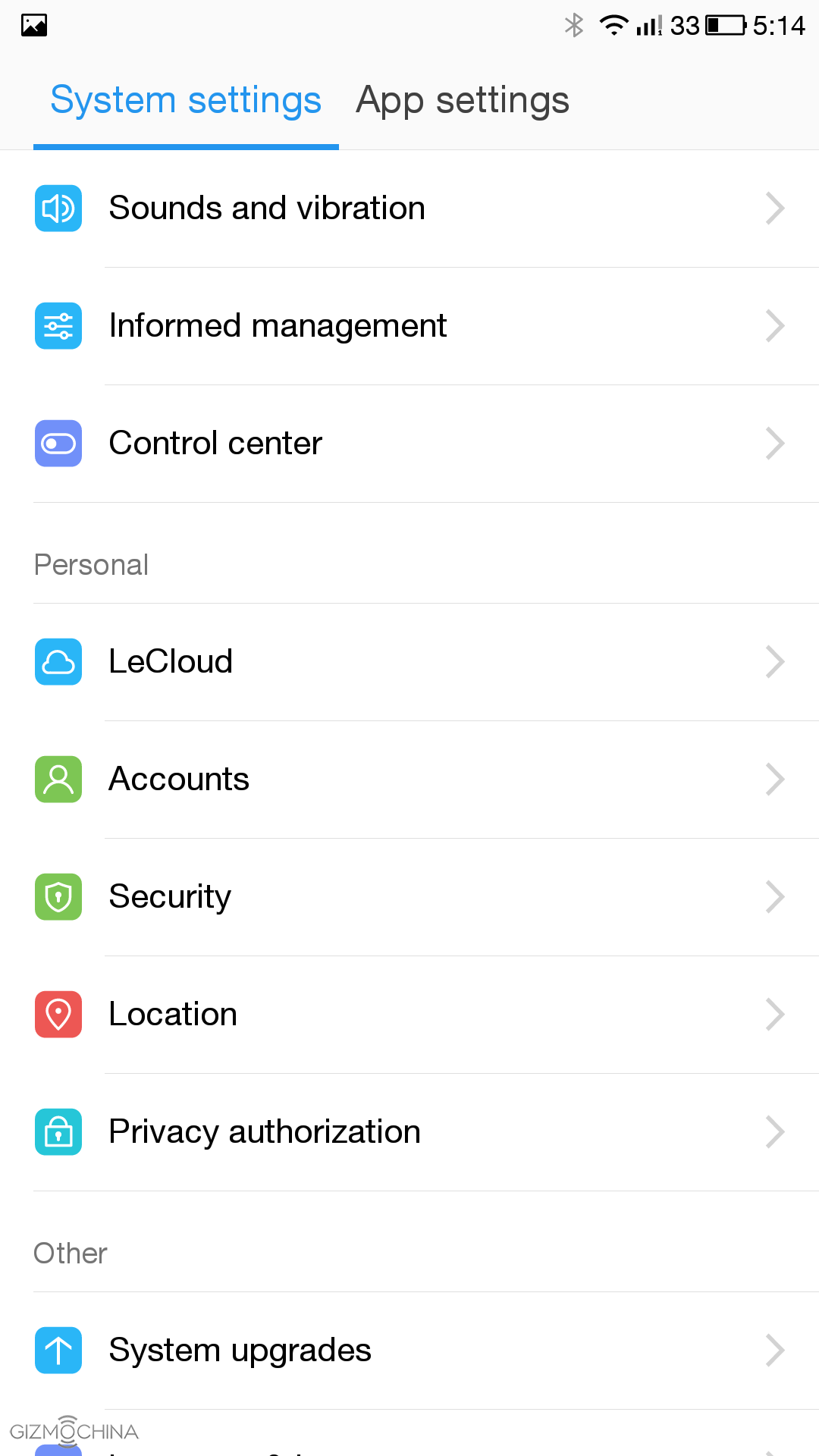
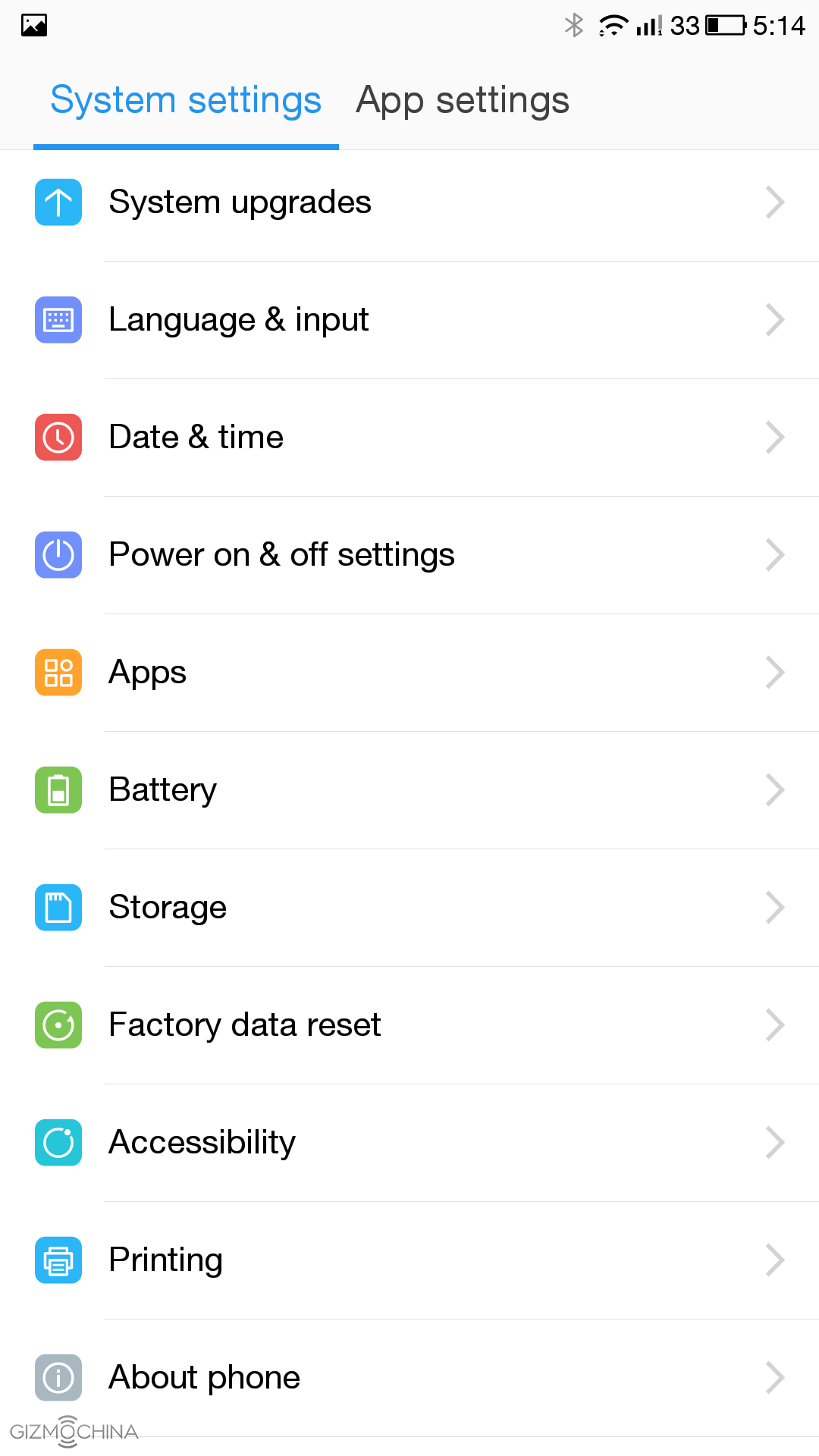
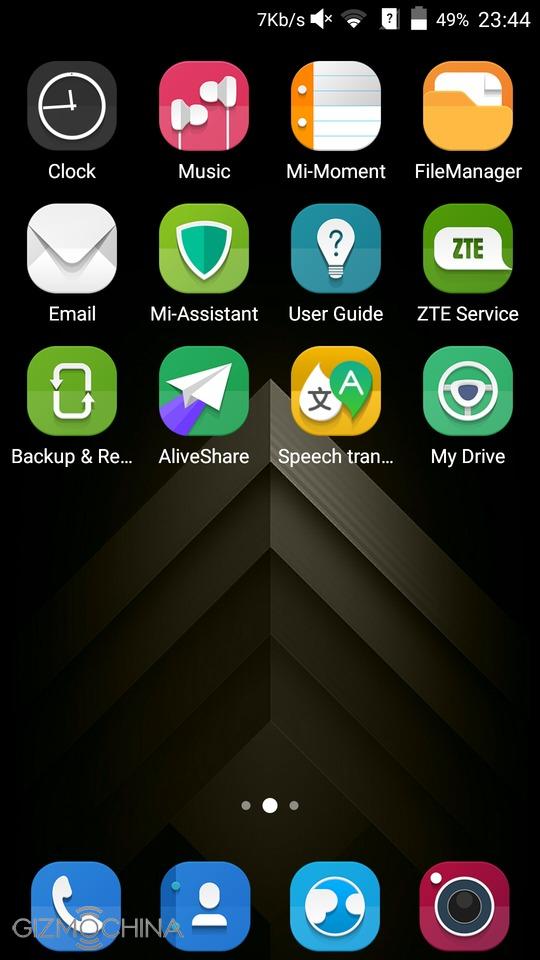
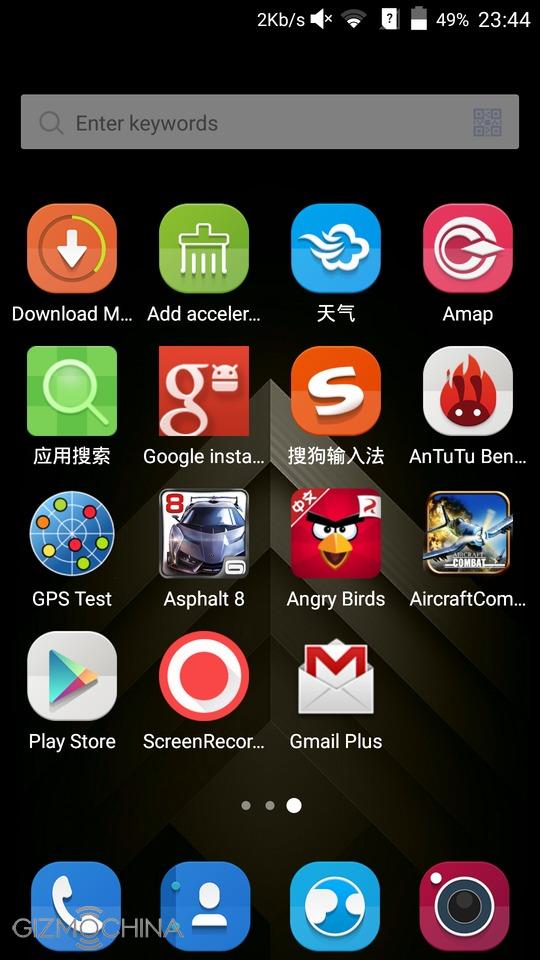
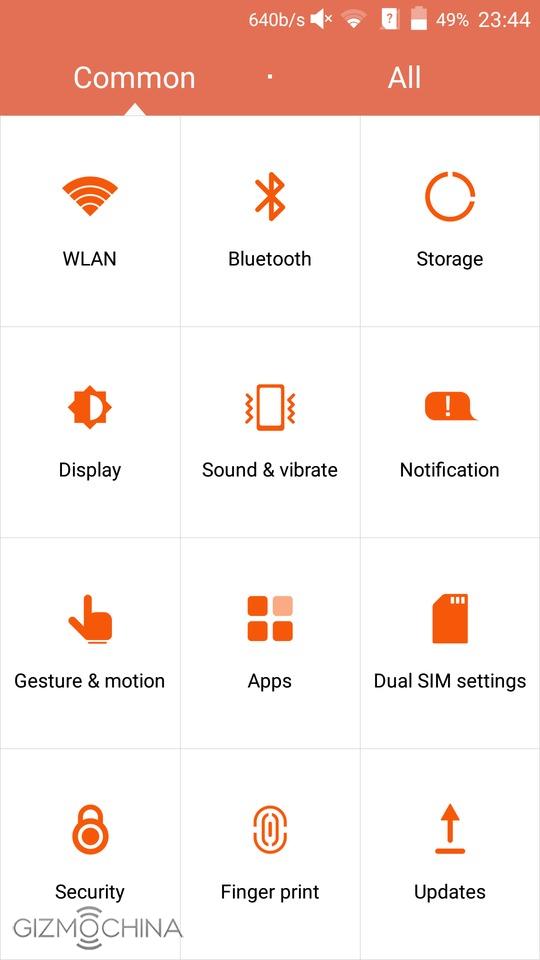
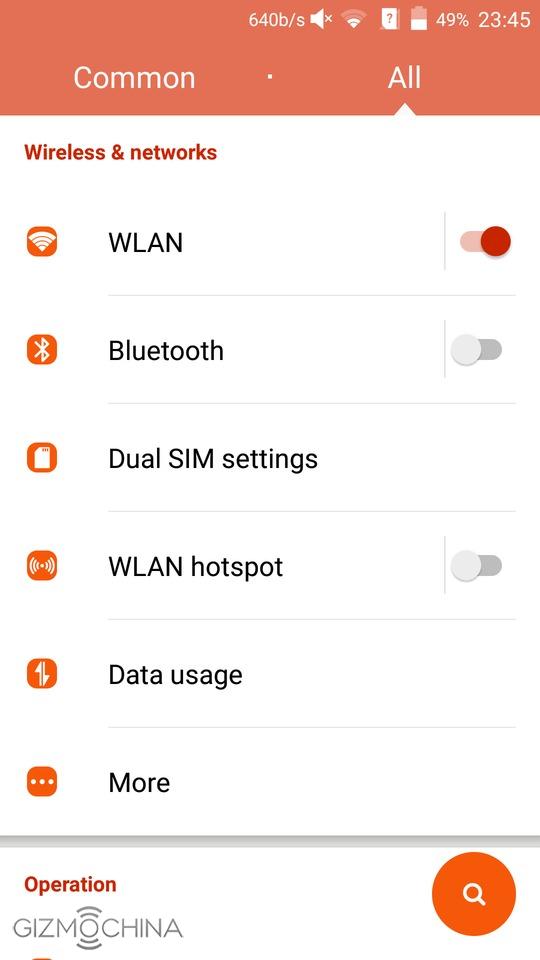
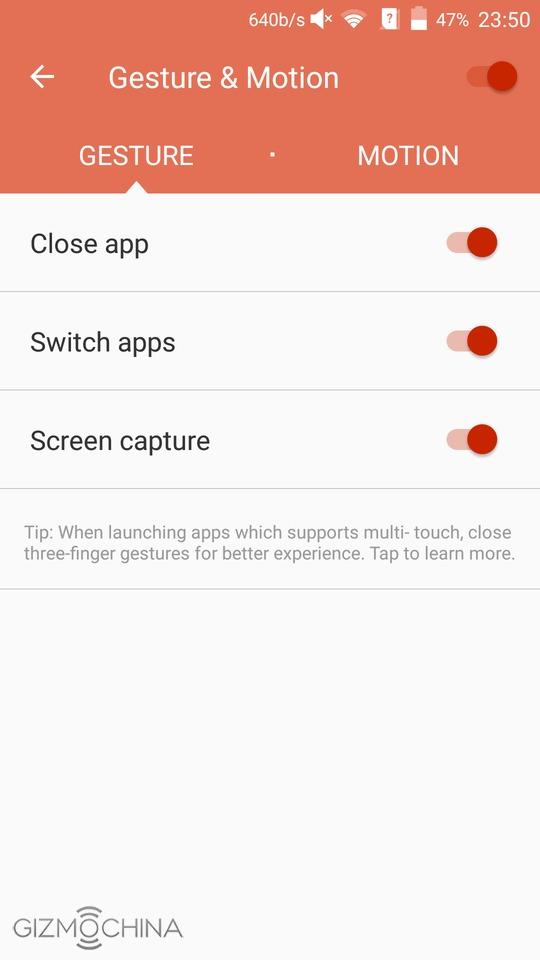
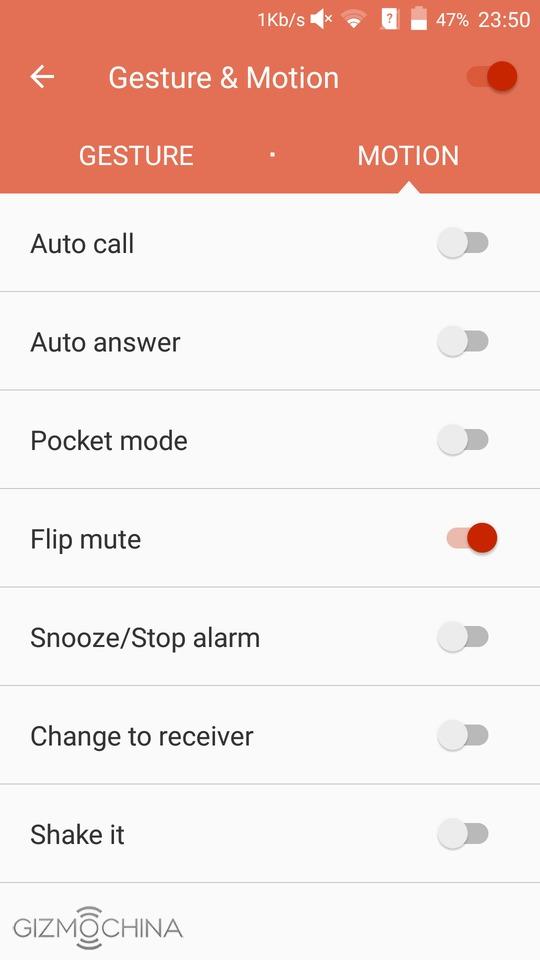
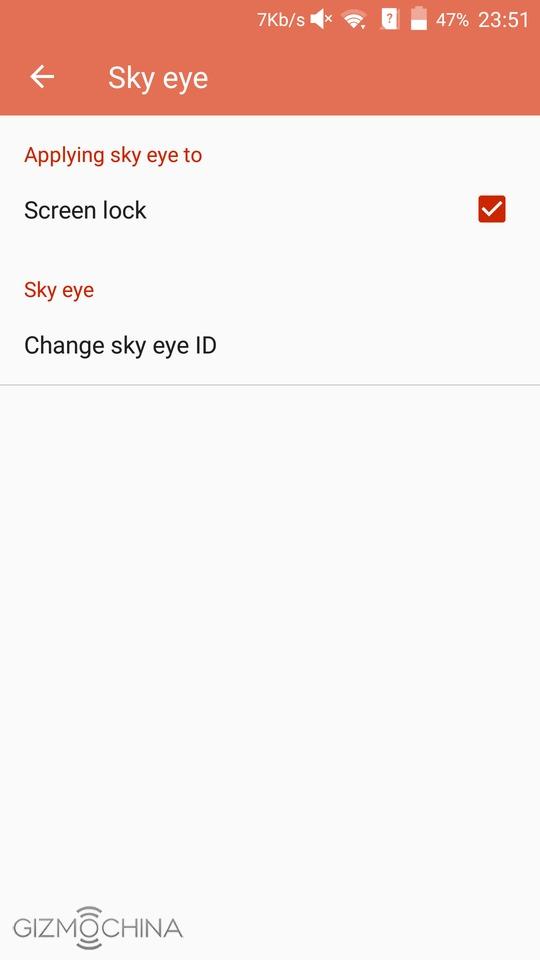
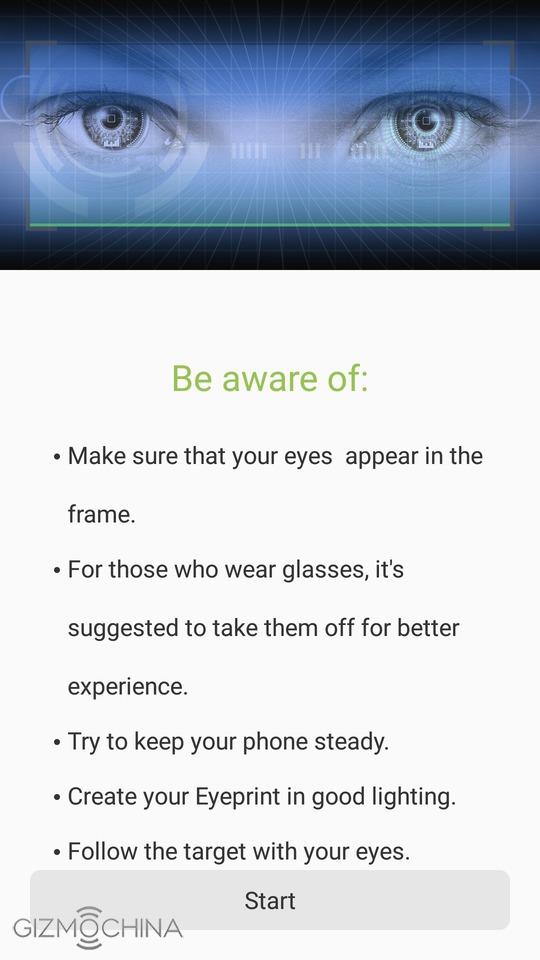
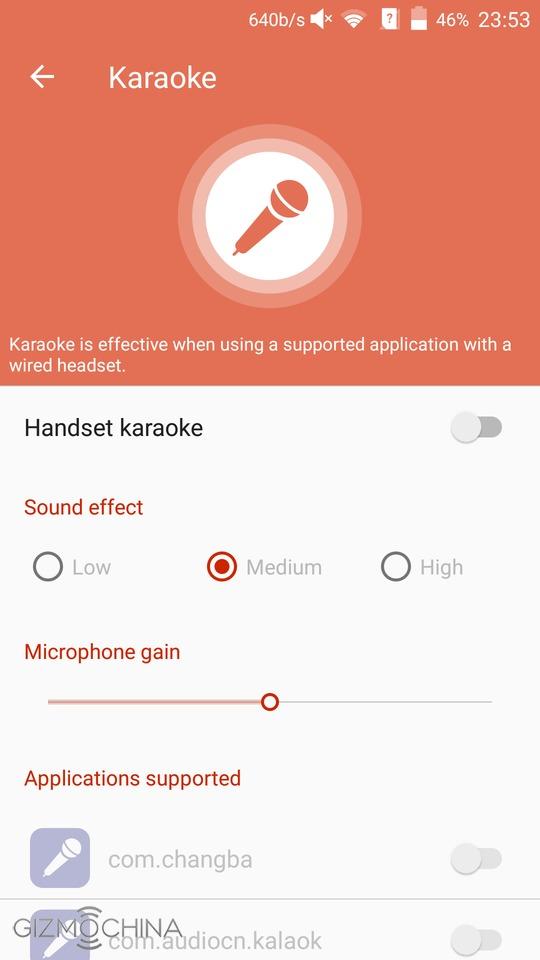
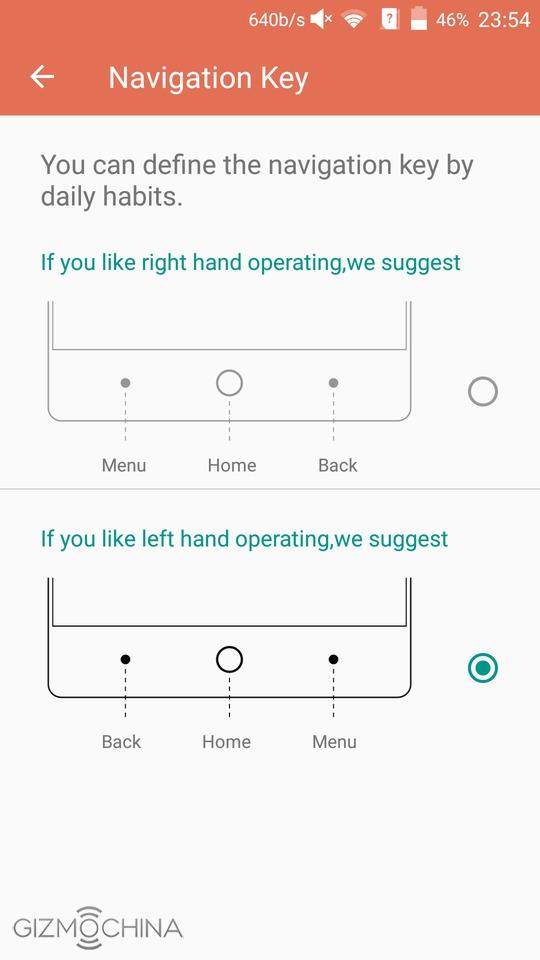
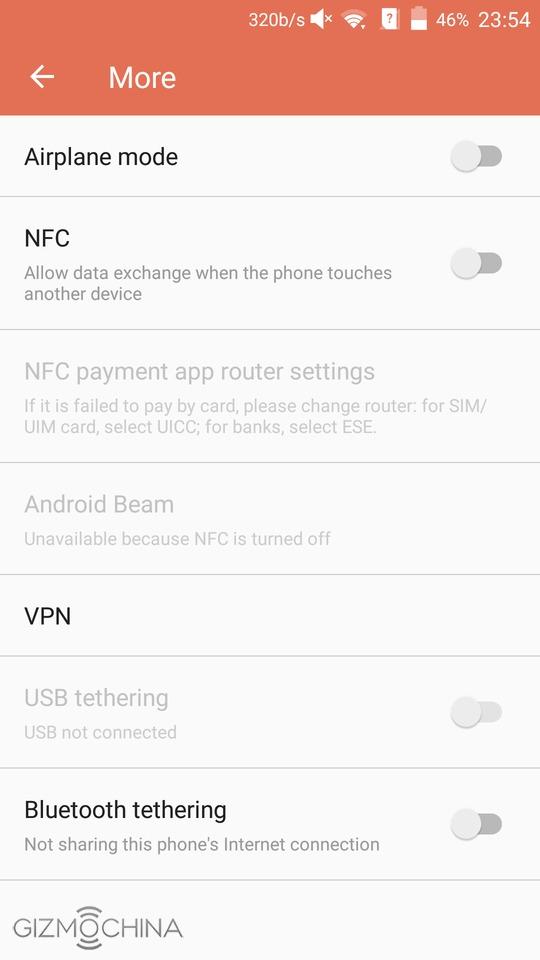
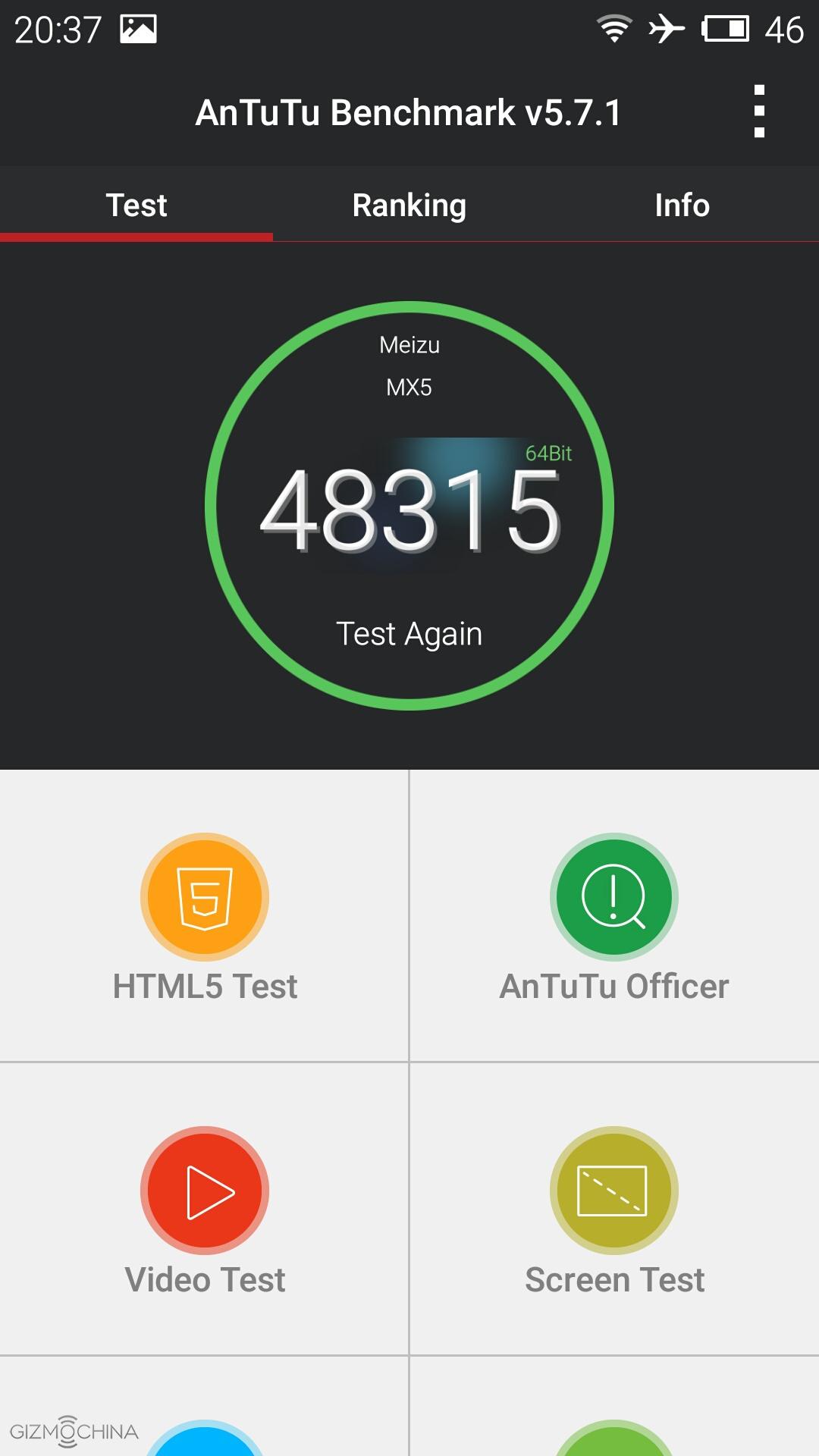
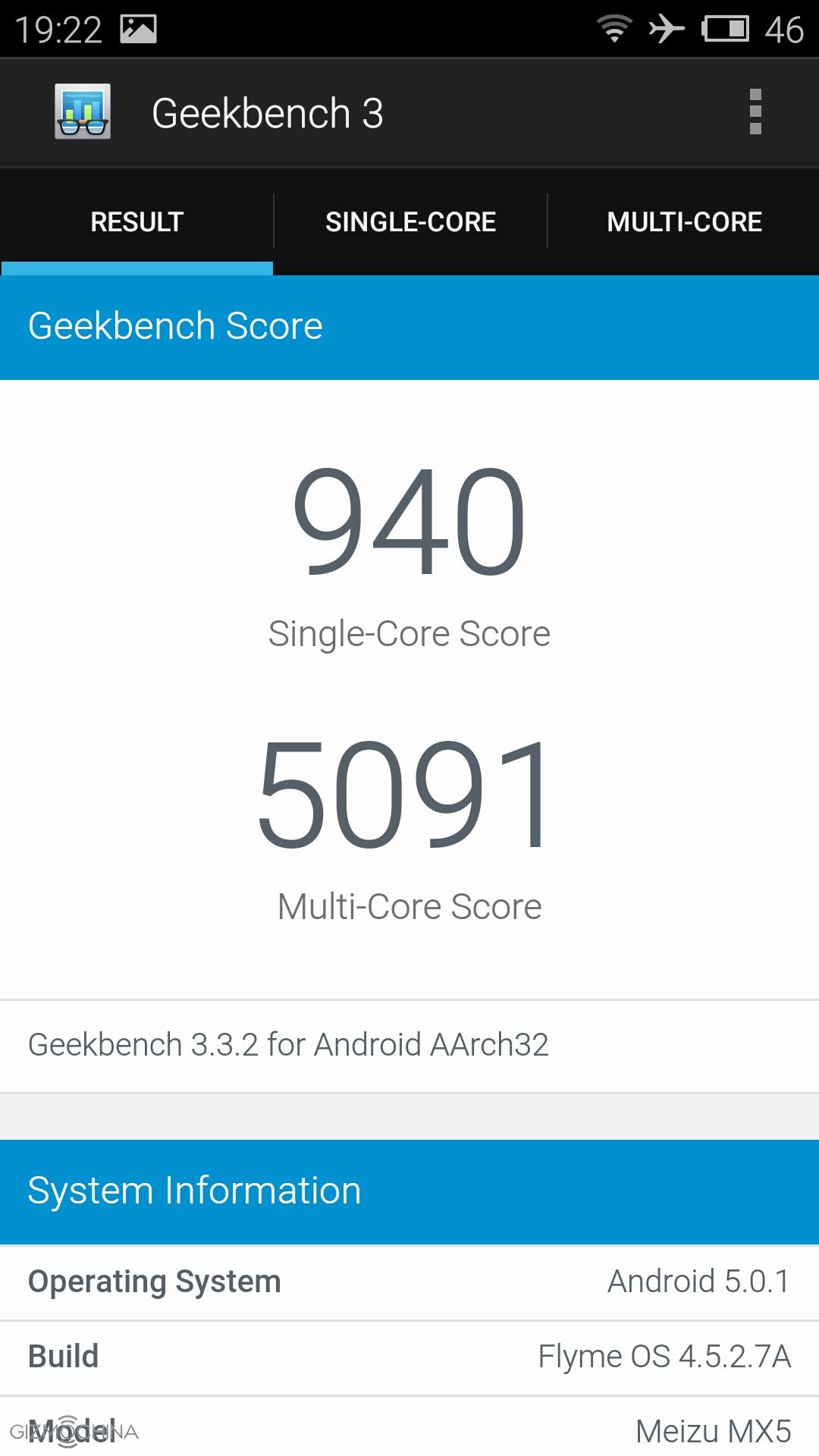
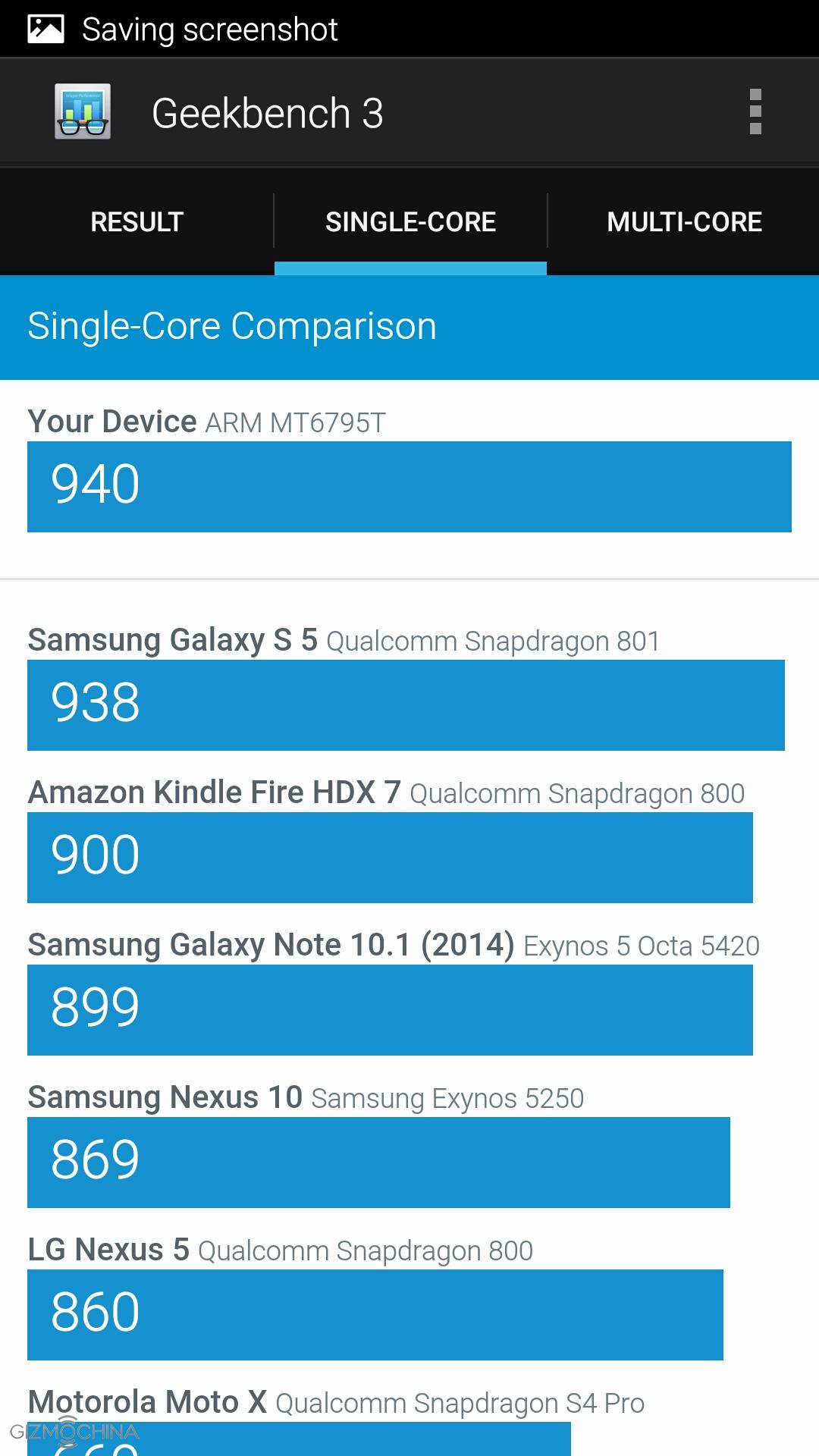
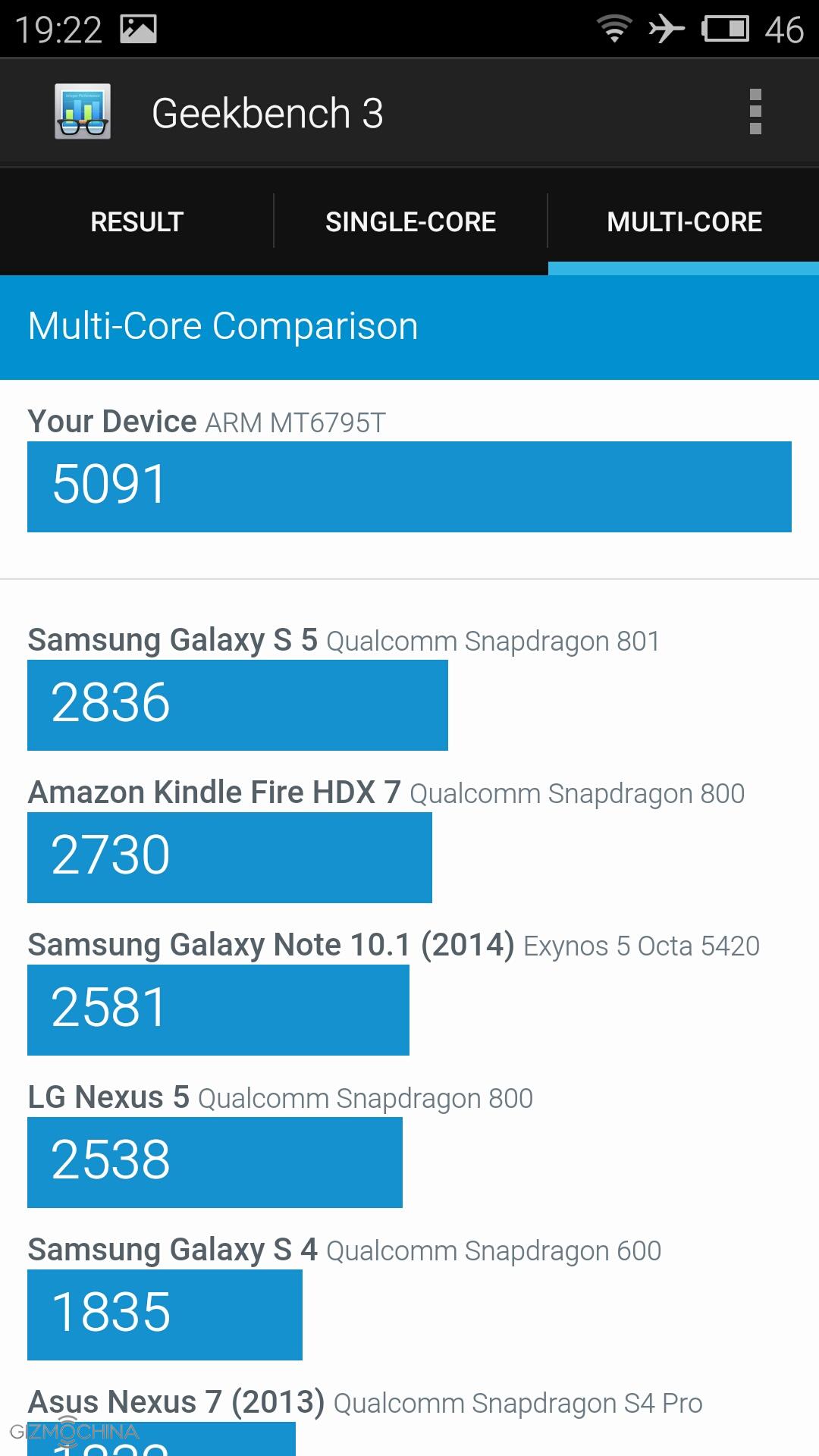
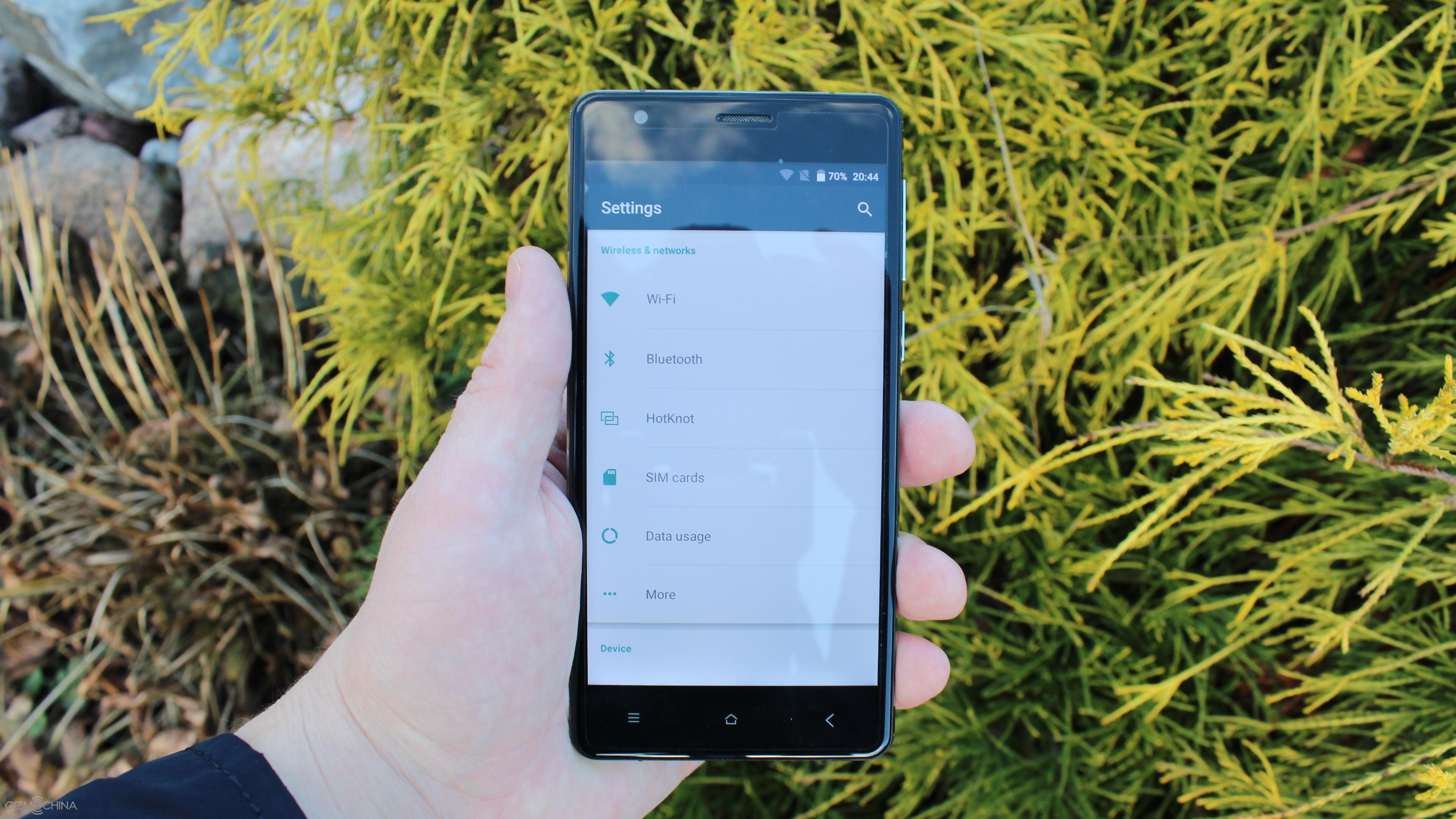
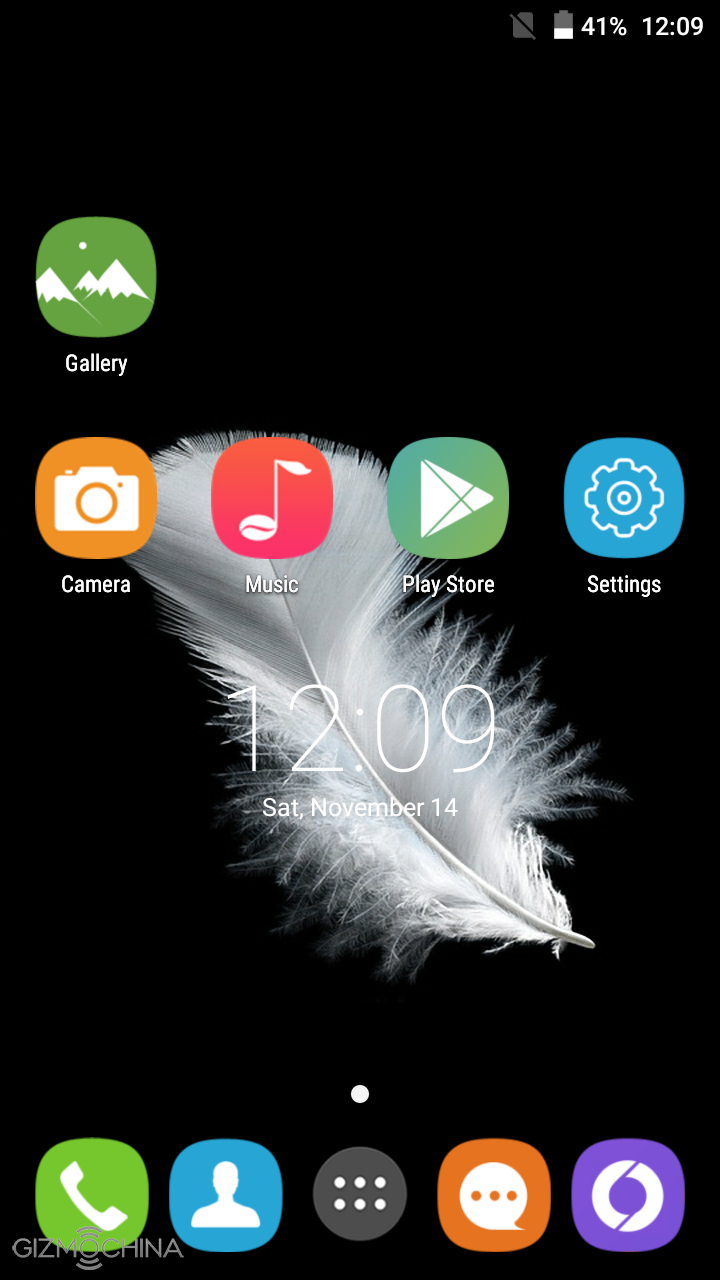
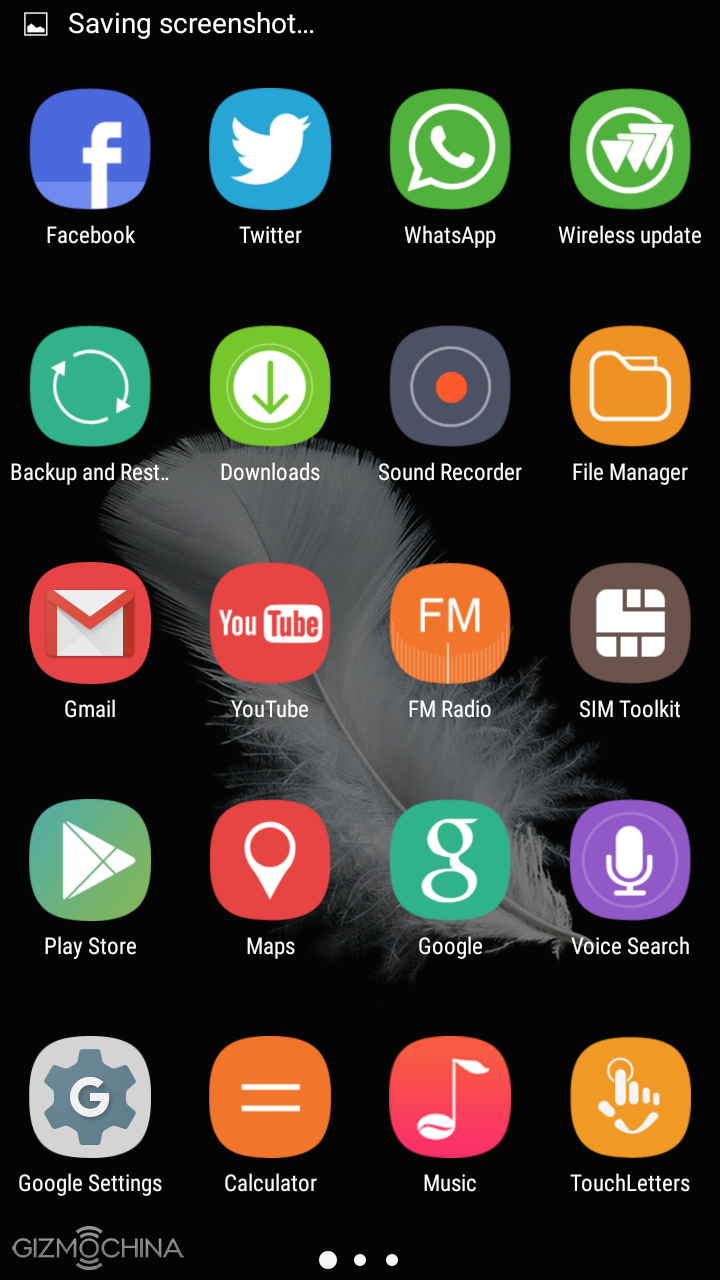
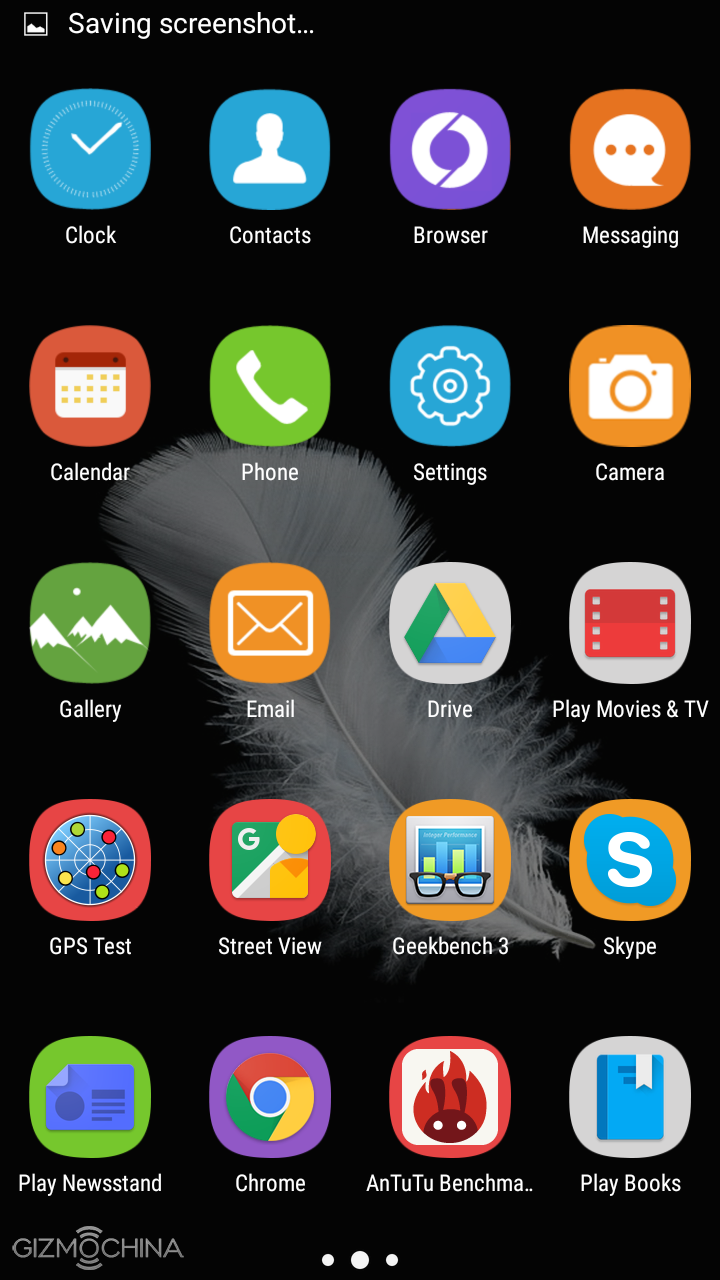
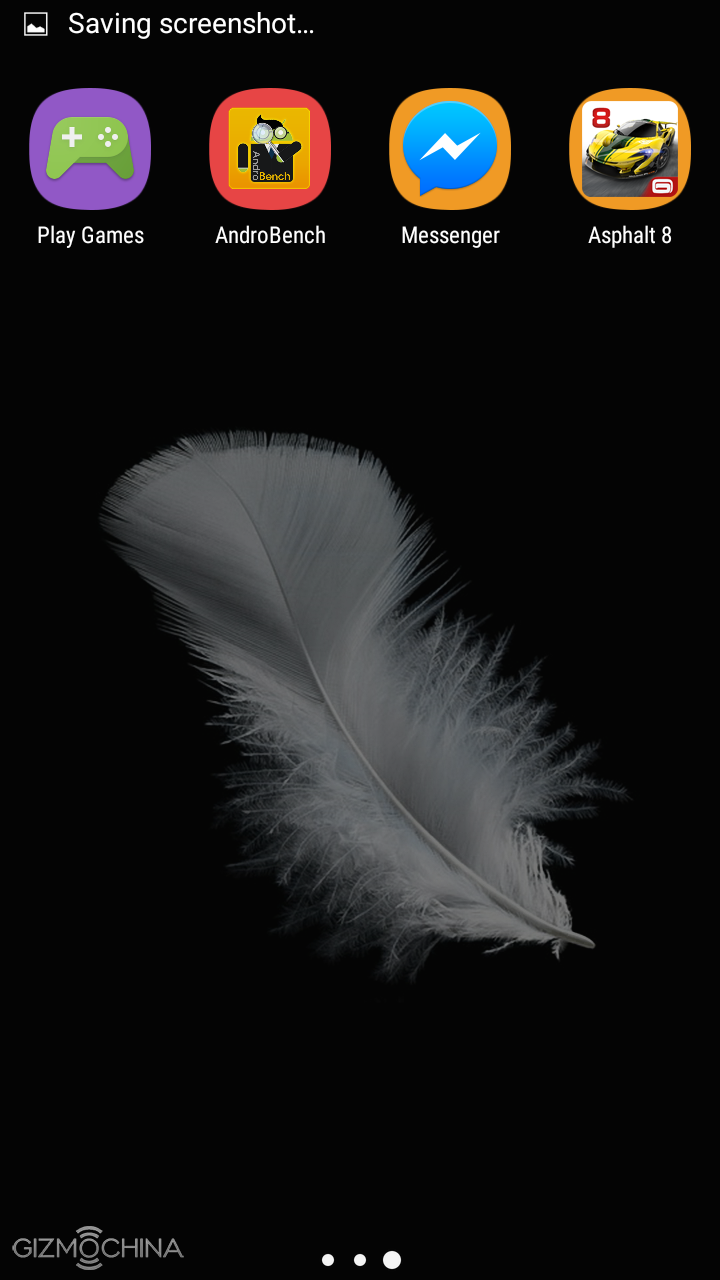
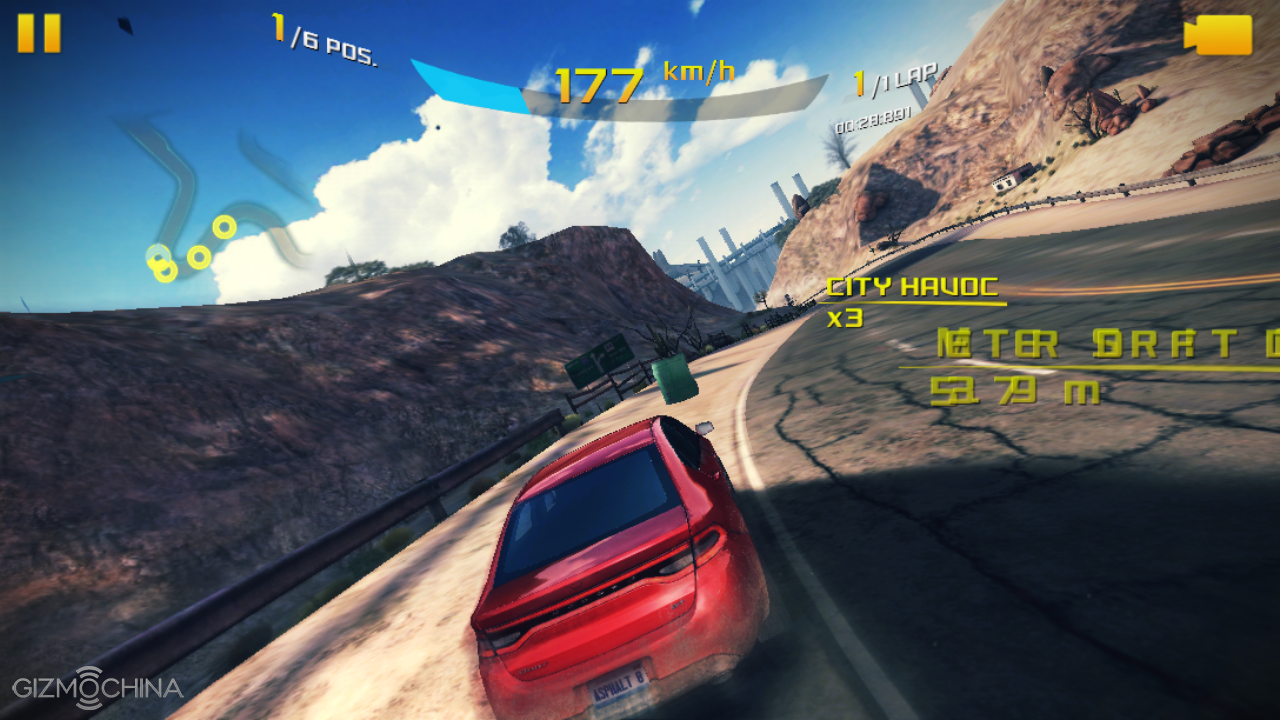
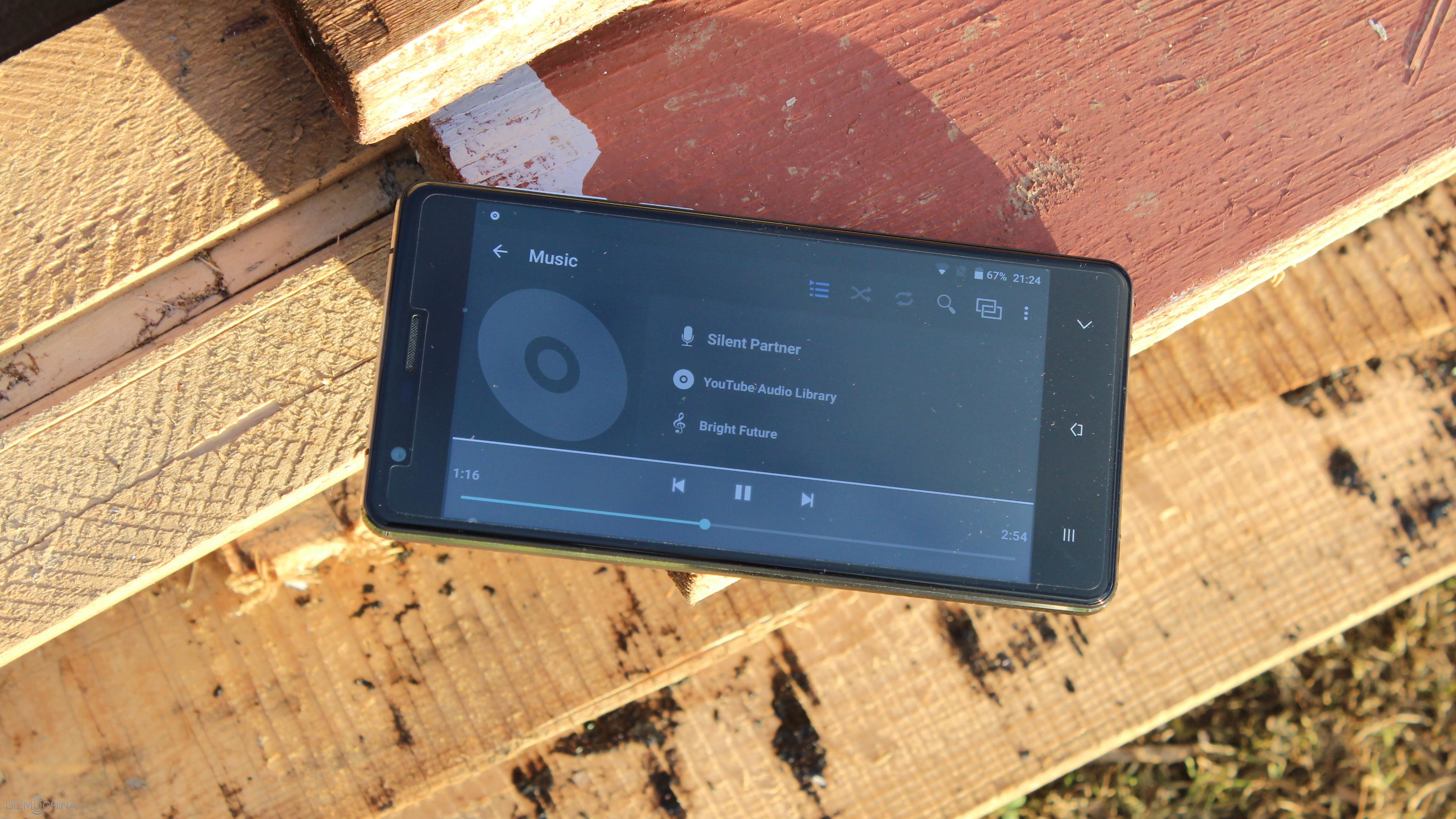
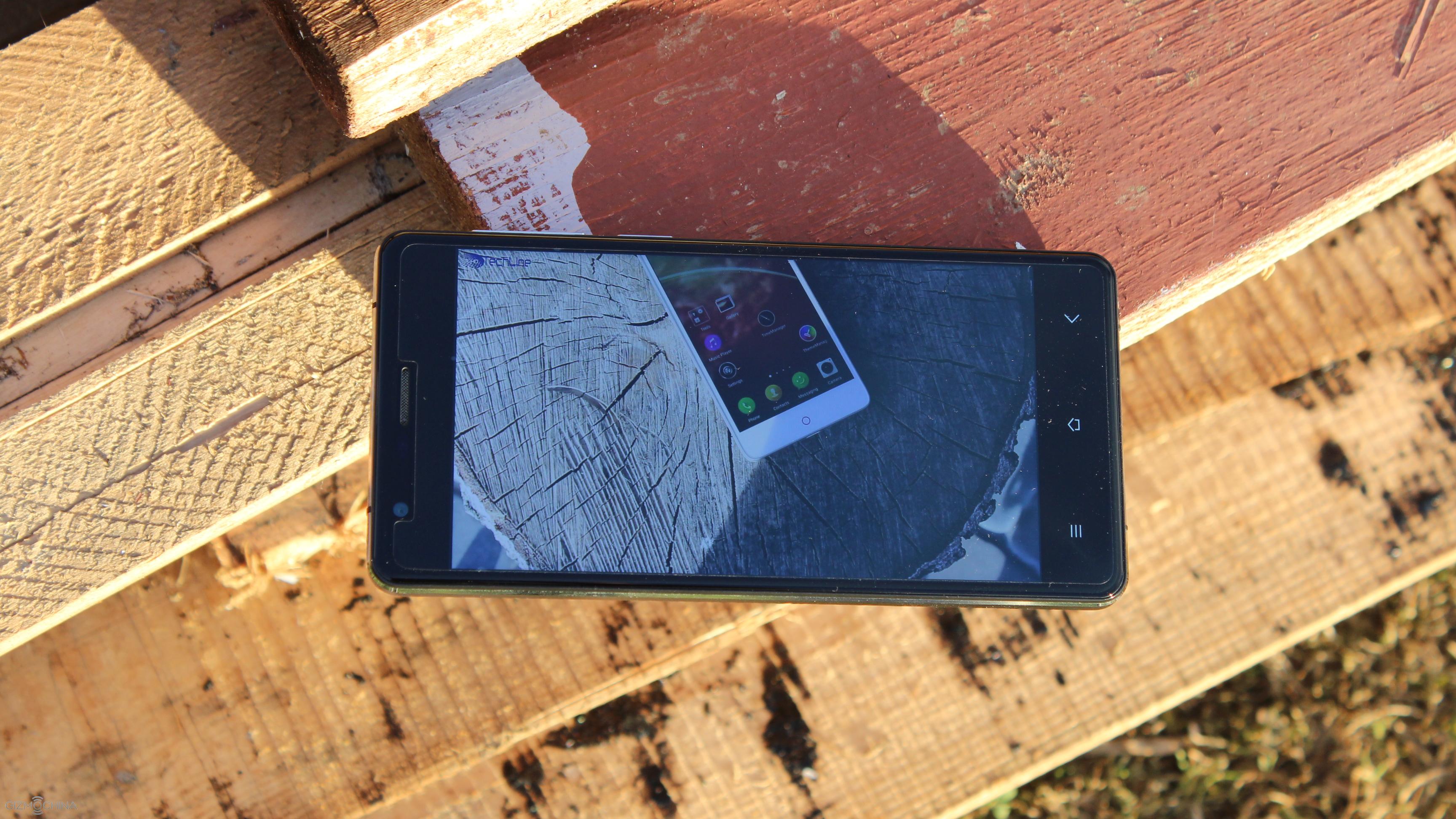
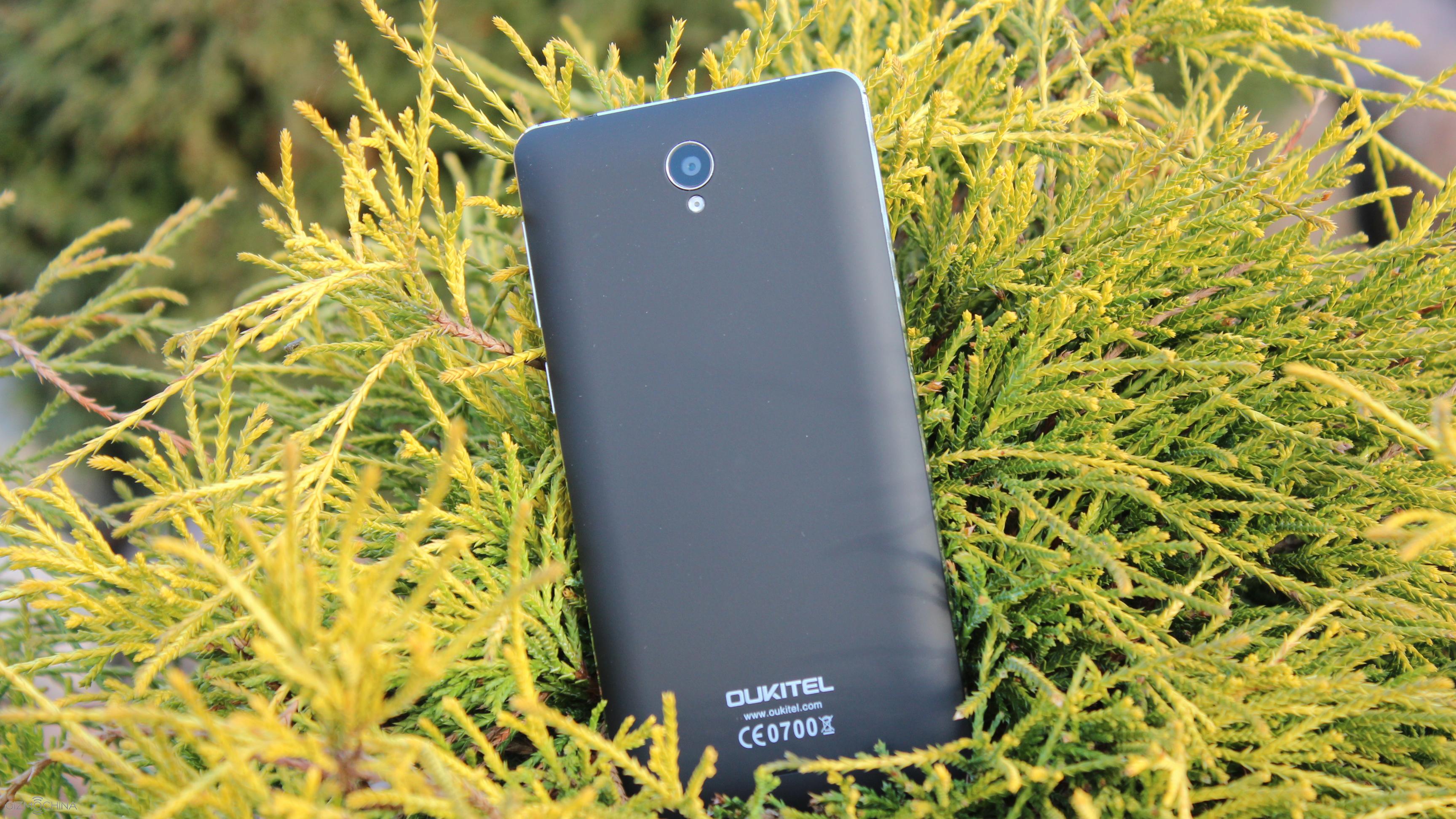
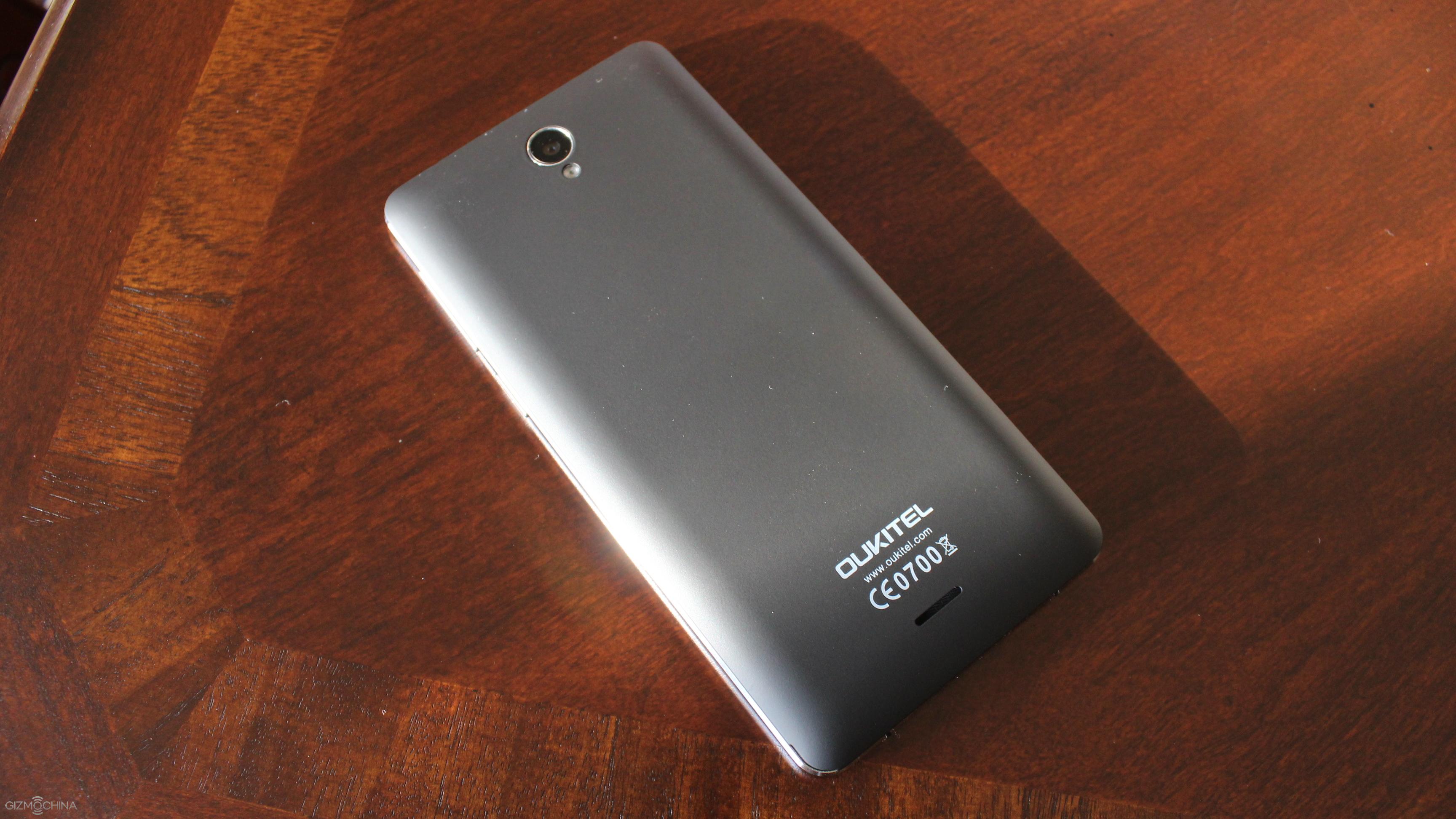
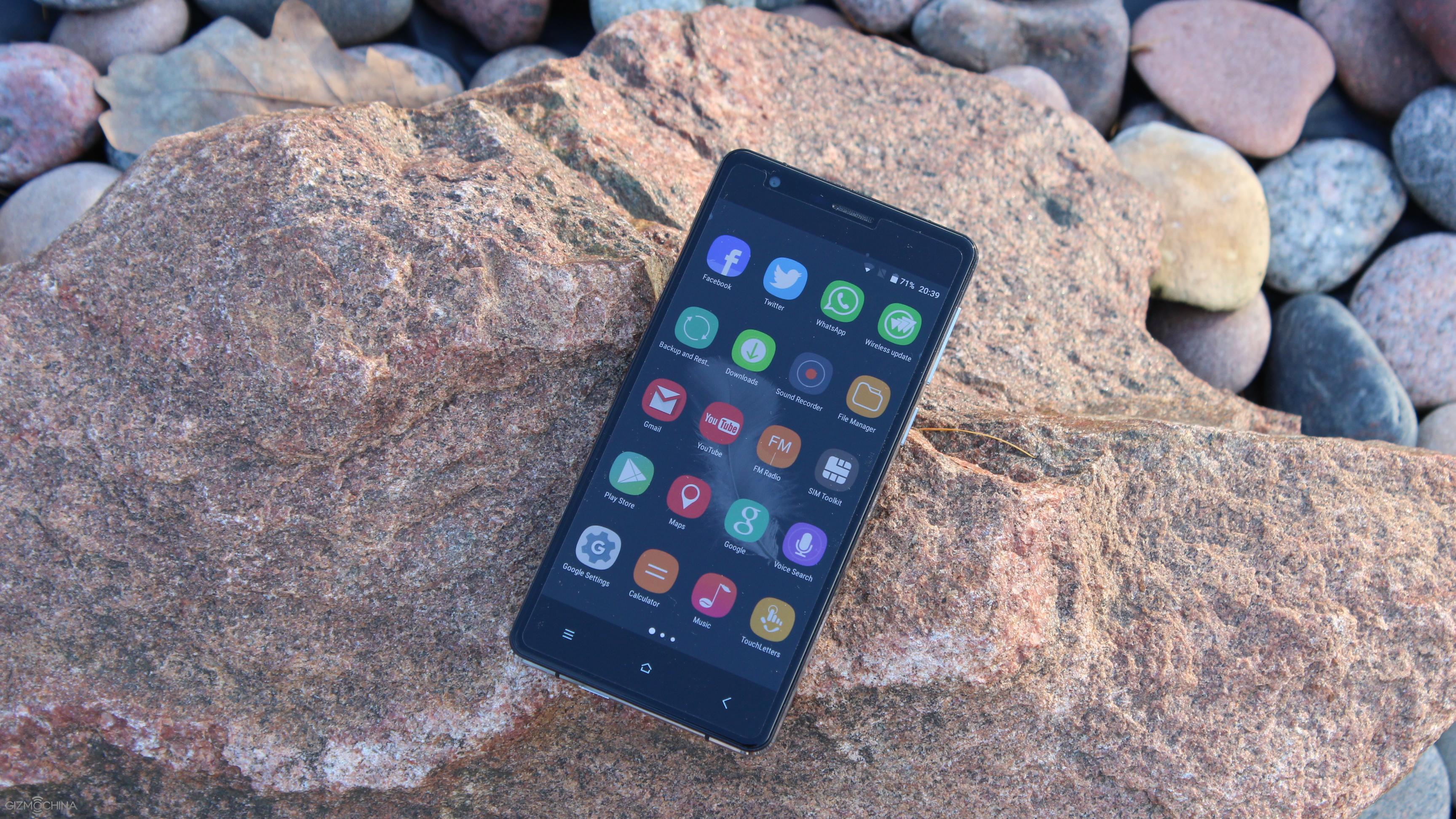
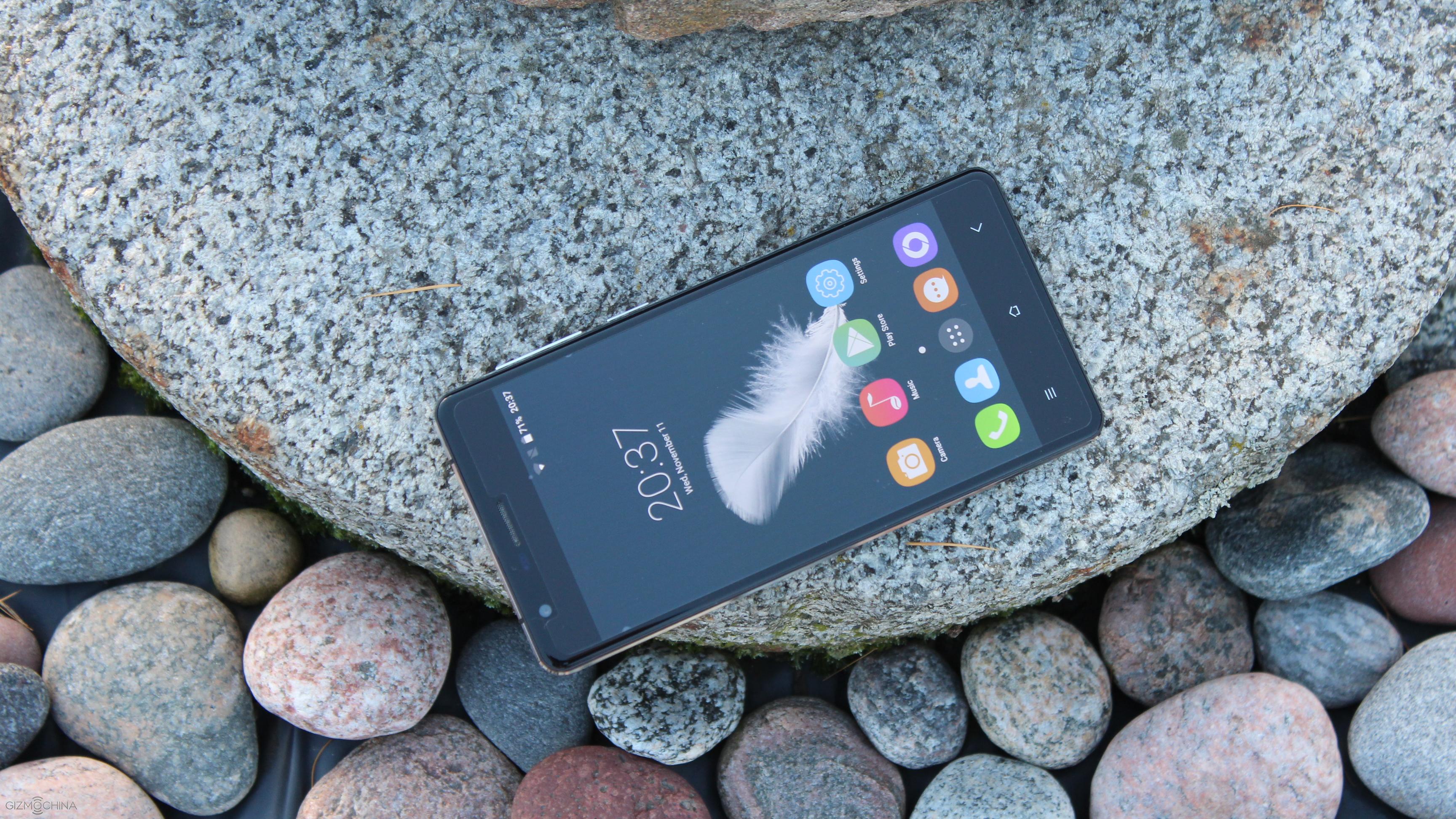
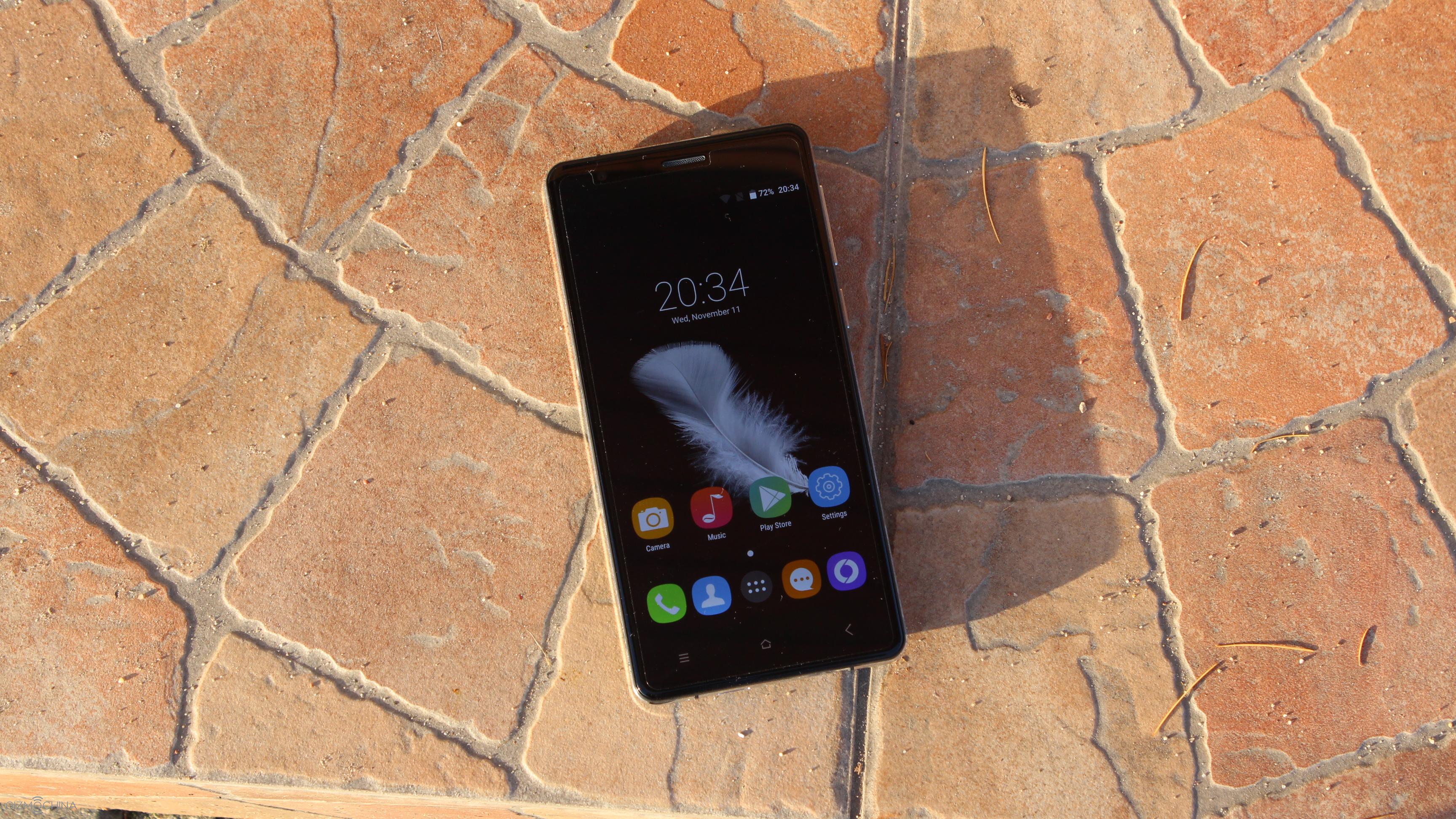
As the end of 2015 steps ever closer, Ulefone has kicked off their most generous promotion of the year, the 2-week “Black Friday” sales where the company’s latest knockout models Ulefone Paris and Be Touch 3 will renew their records of low prices.
From November 23 to December 6, 5,000 units of Ulefone Paris will be provided at the price USD119.99, with a tempered-glass protector and an S-view flip cover as free gifts in addition. And for just USD149.99, you are able to buy the company’s new flagship Ulefone Be Touch 3, which is equipped with high specs like front fingerprint scanner, full HD display, Sony MX214 13MP camera, and 3GB LPDDR3 RAM. By comparison, the original prices of Ulefone Paris and Be Touch 3 are USD169.99 and USD199.99, respectively, while the accessories for the Paris are worth about USD20.
9 retail partners of Ulefone have joined the promotion so far and the number is expected to get above 20 before this Friday. Ulefone has prepared enough items in stock to be able to fulfill all the orders in 2 days after payment.
UMi announced the UMi Rome handset last week and the phone managed to get quite the attention because of its impressive specs and more than impressive pricing. The phone came with 3GB of RAM on board but costs just $89.99 which is one of the best specs we have seen in this price range.
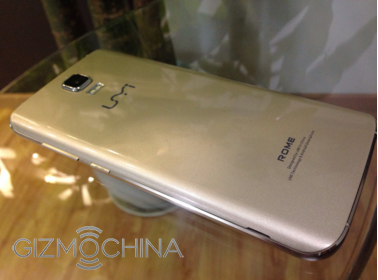
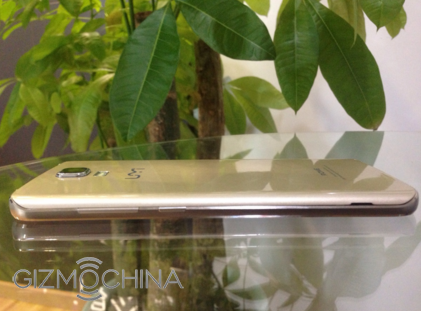
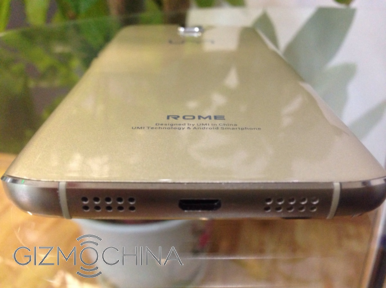
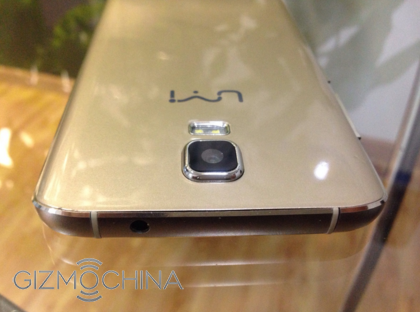
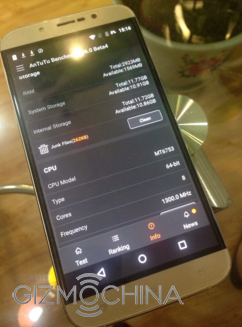
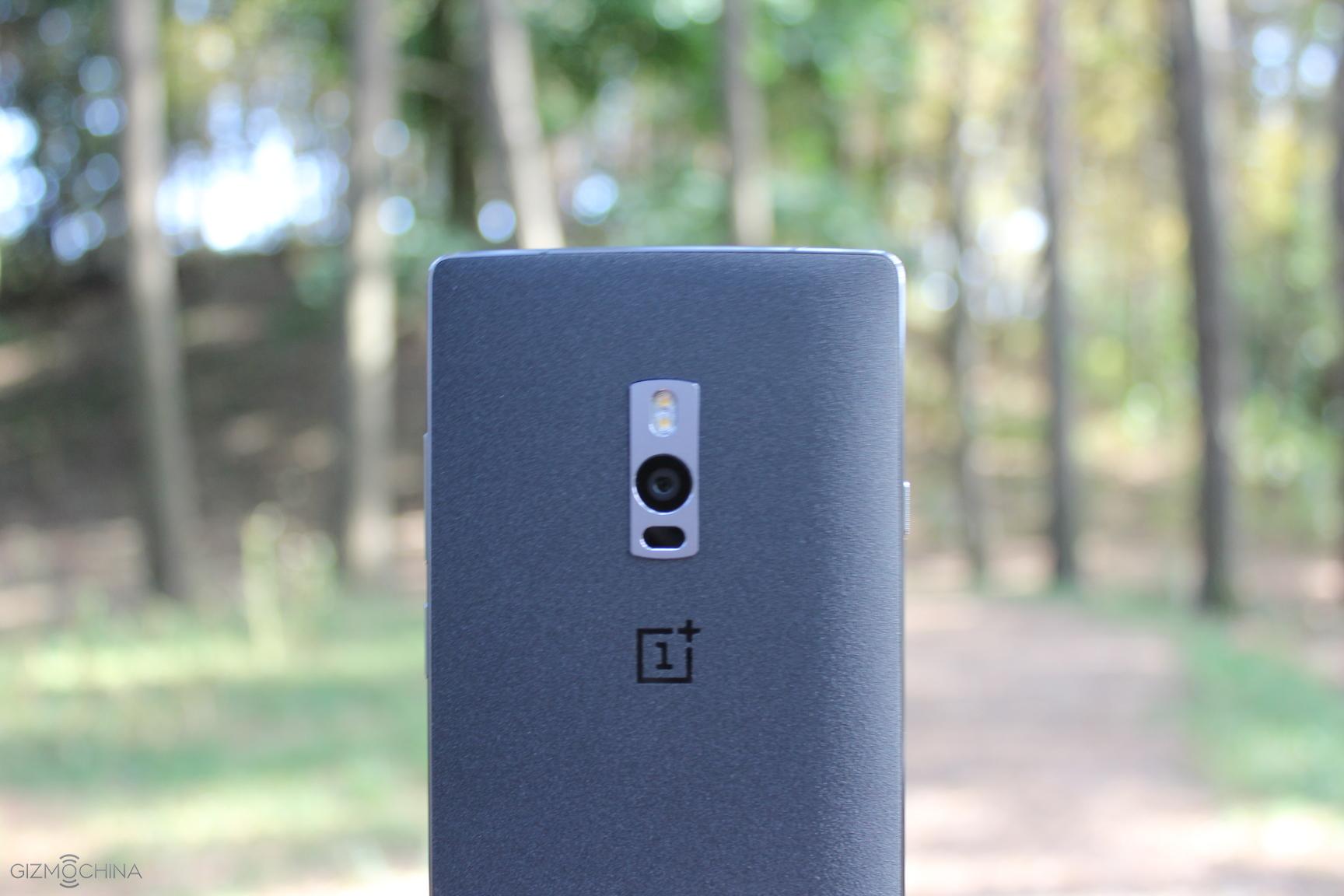
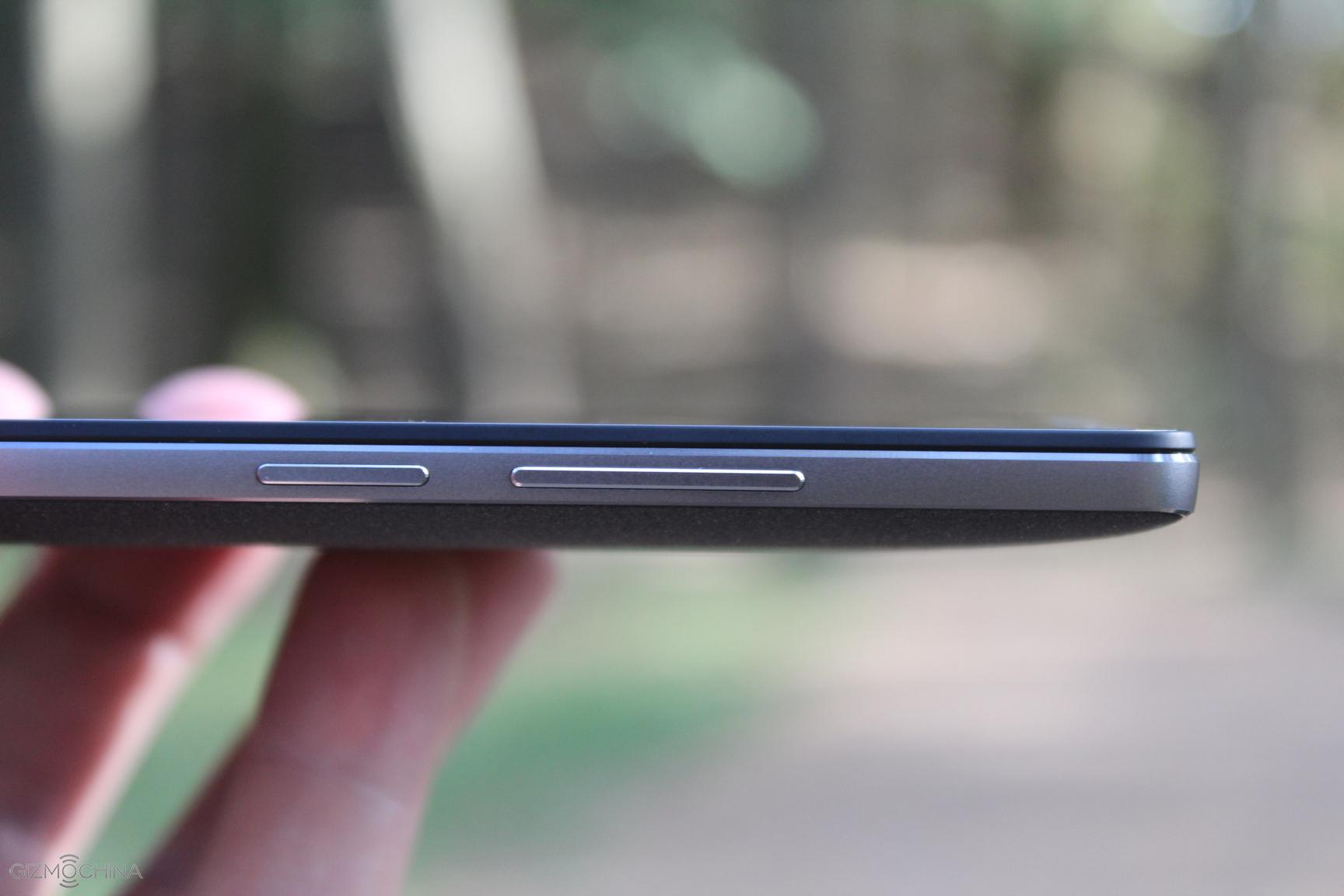
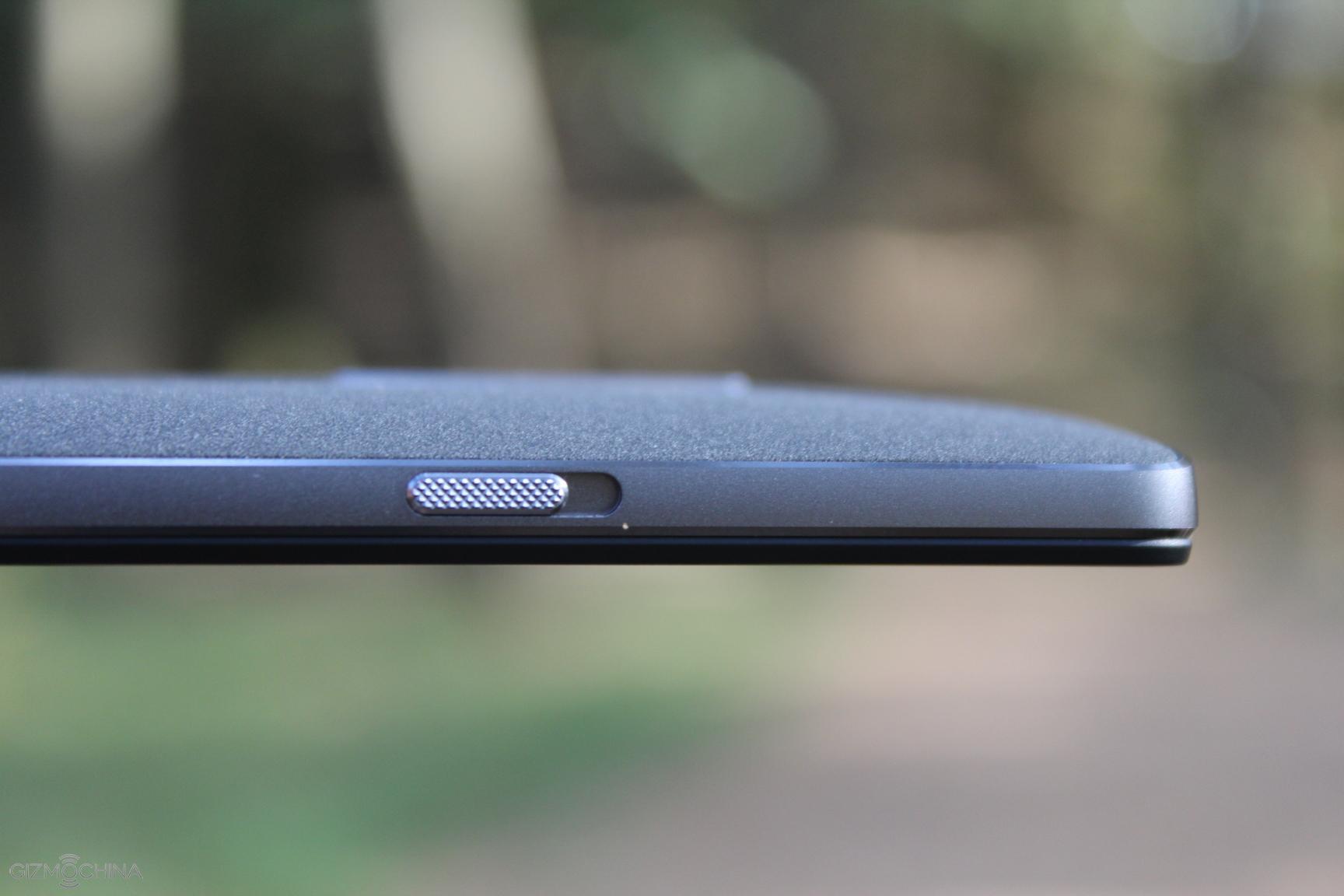
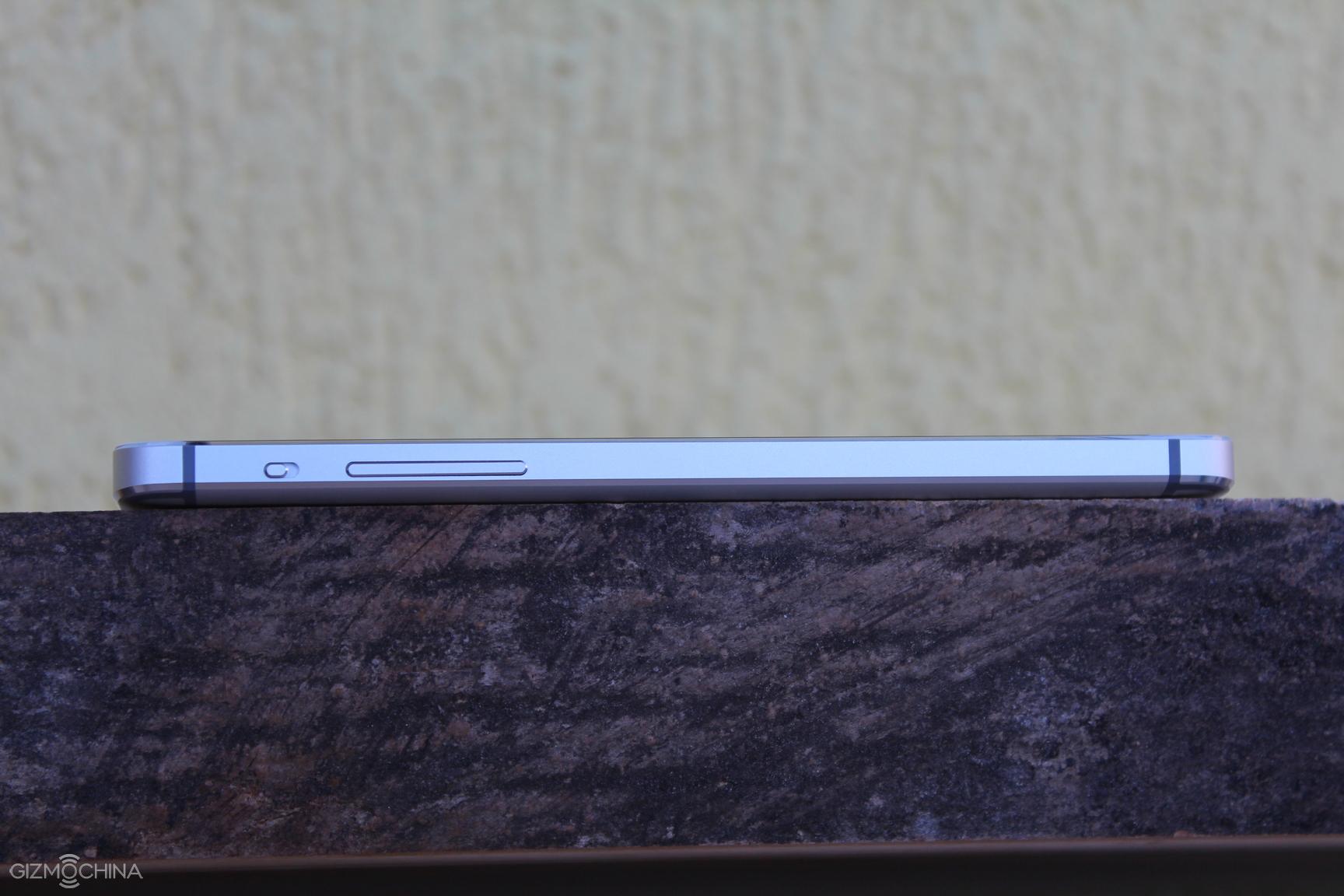
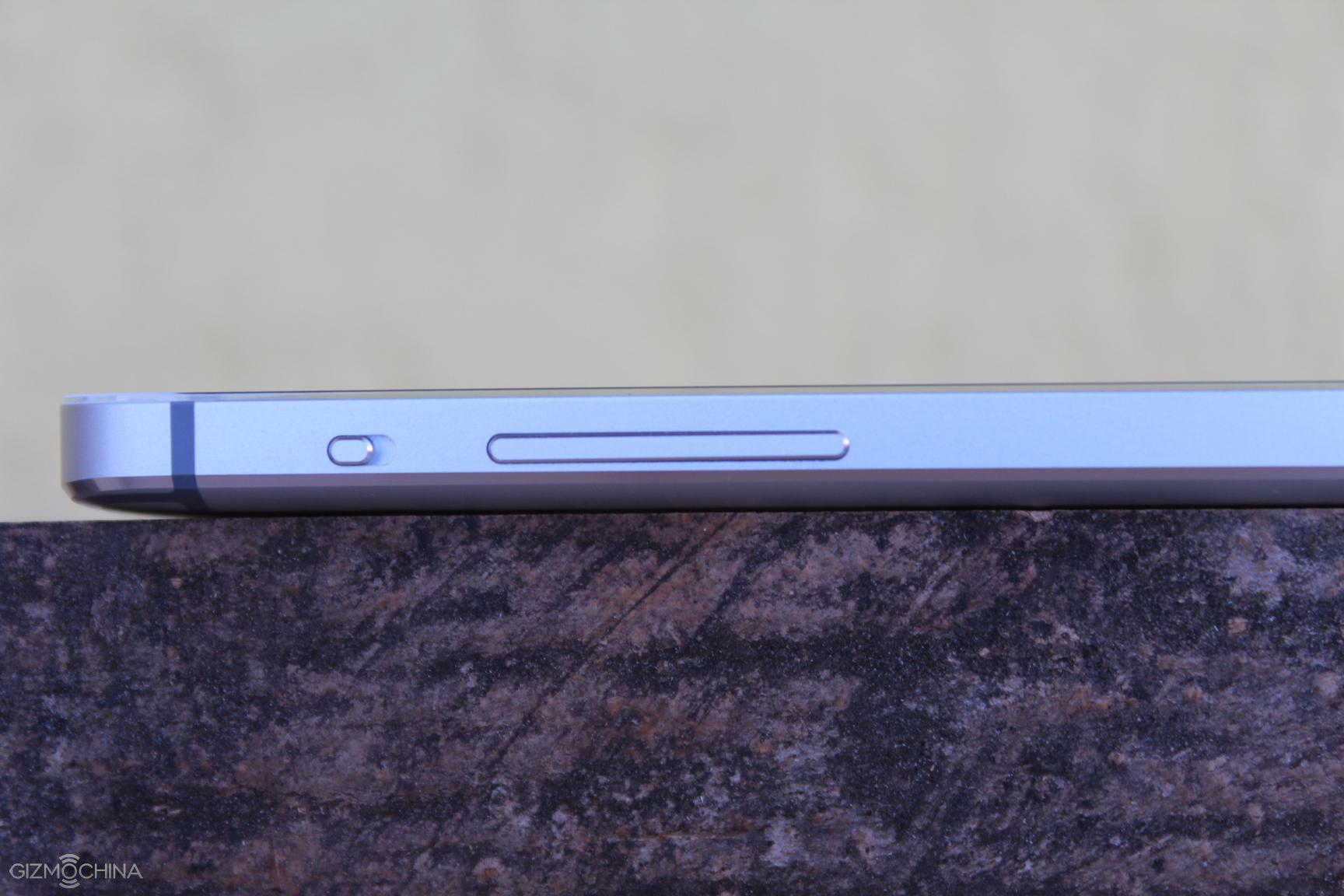
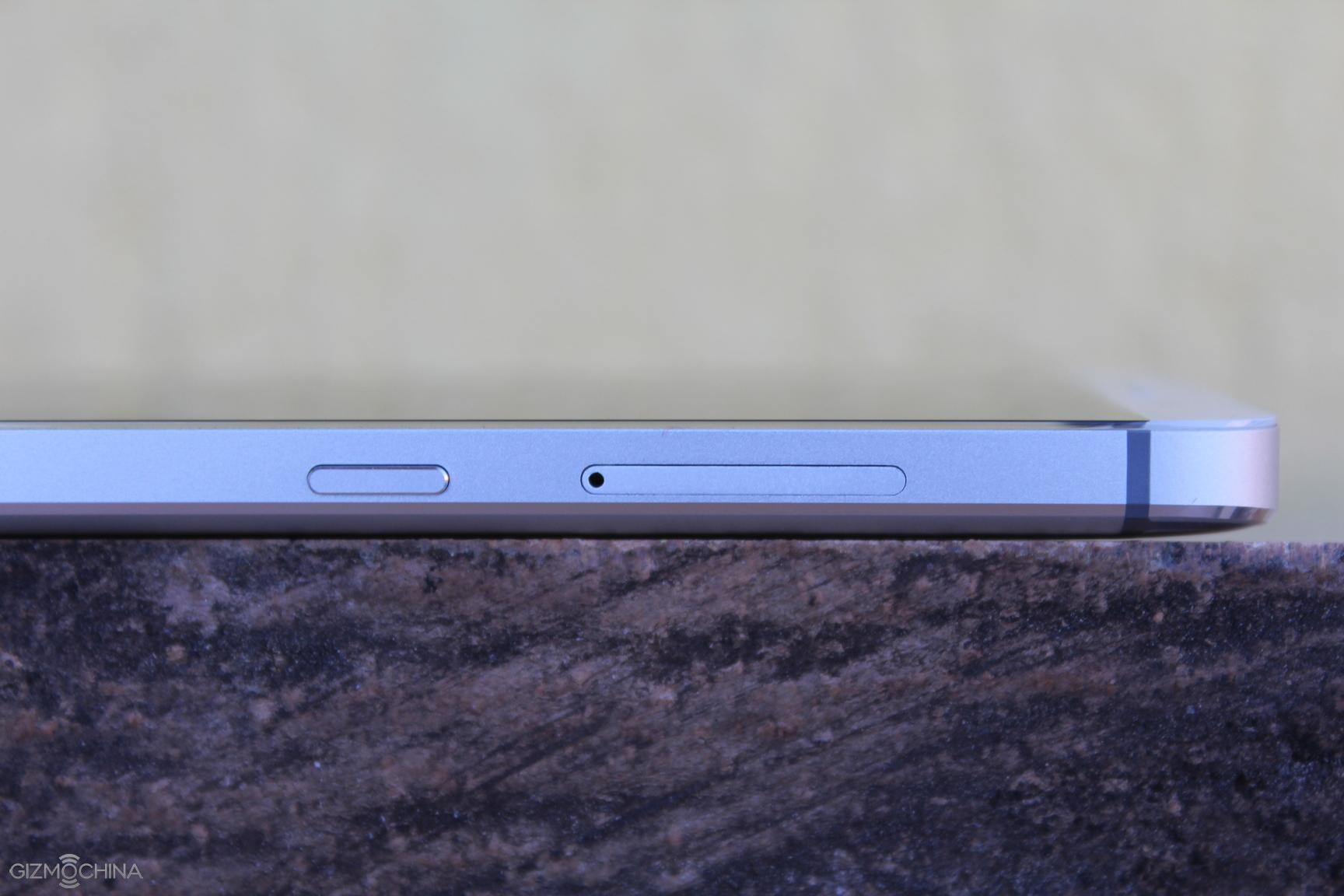
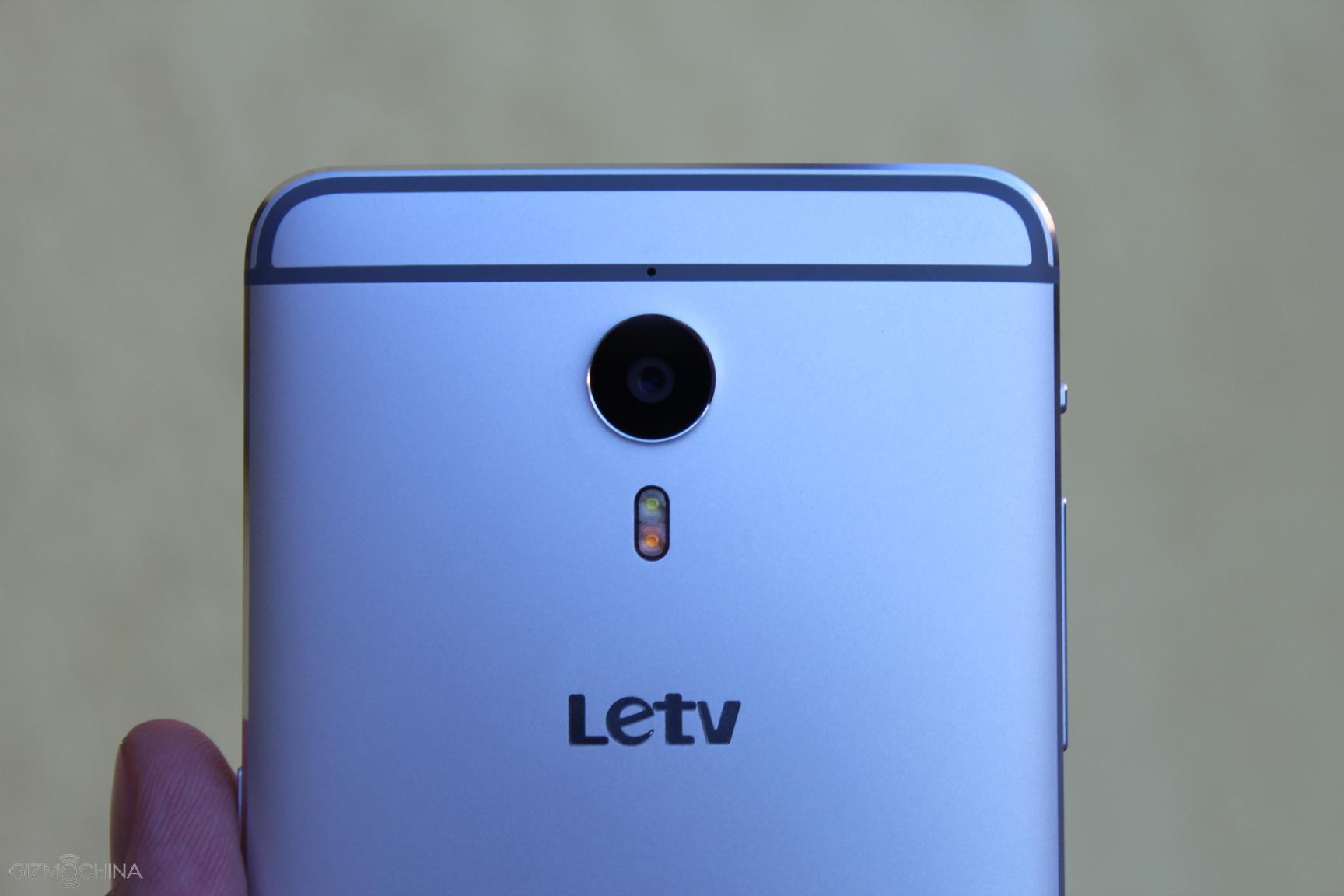
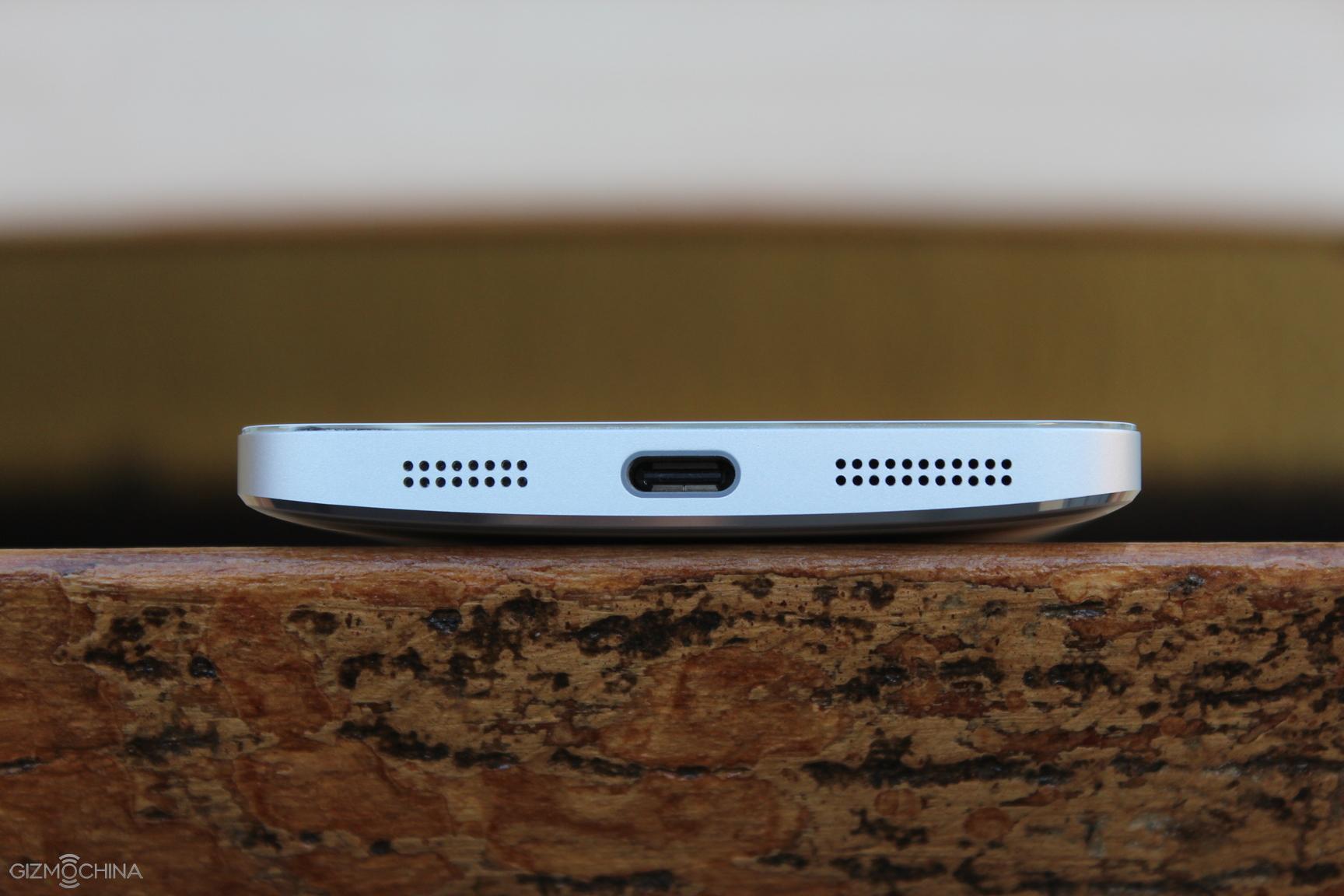
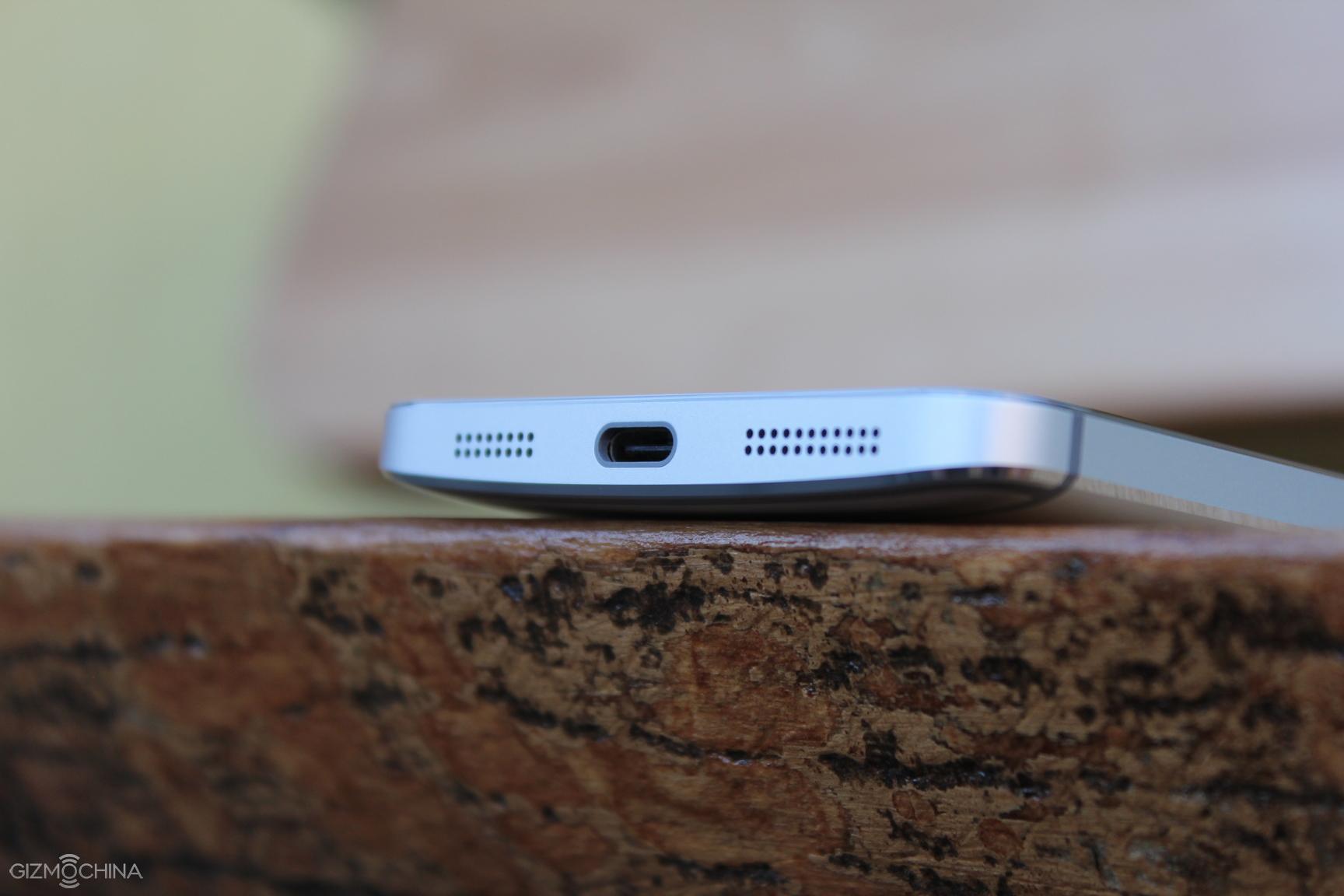
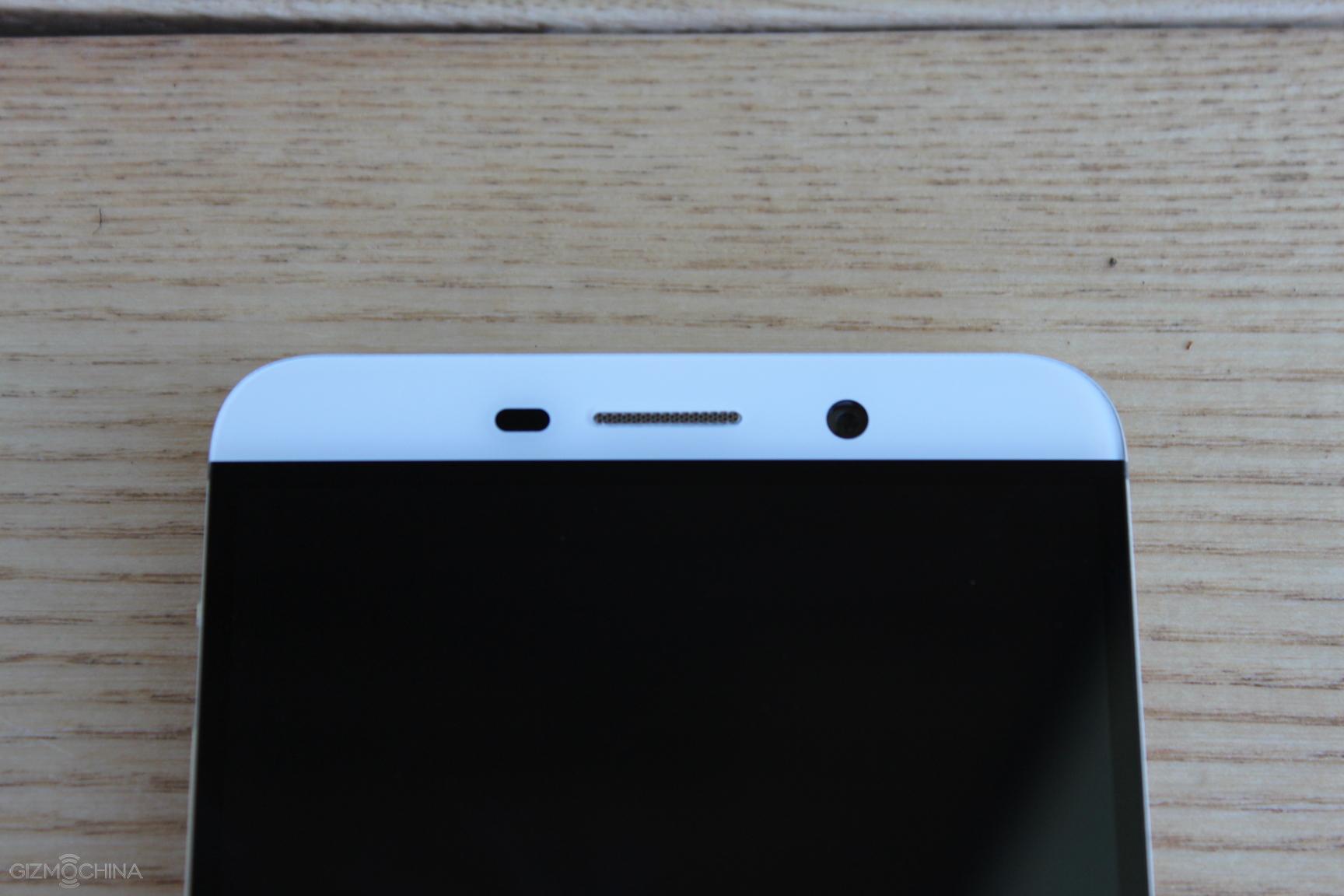
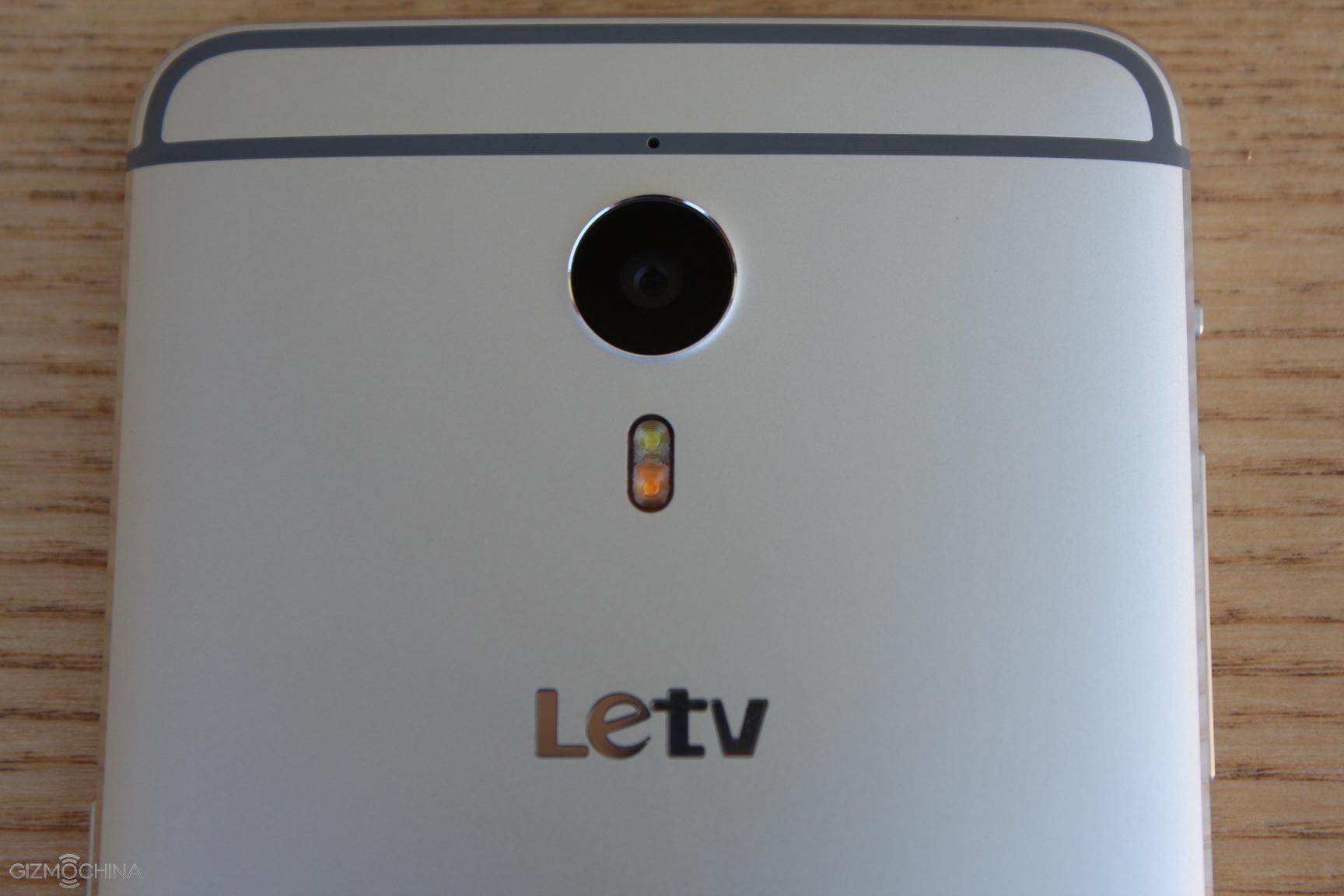
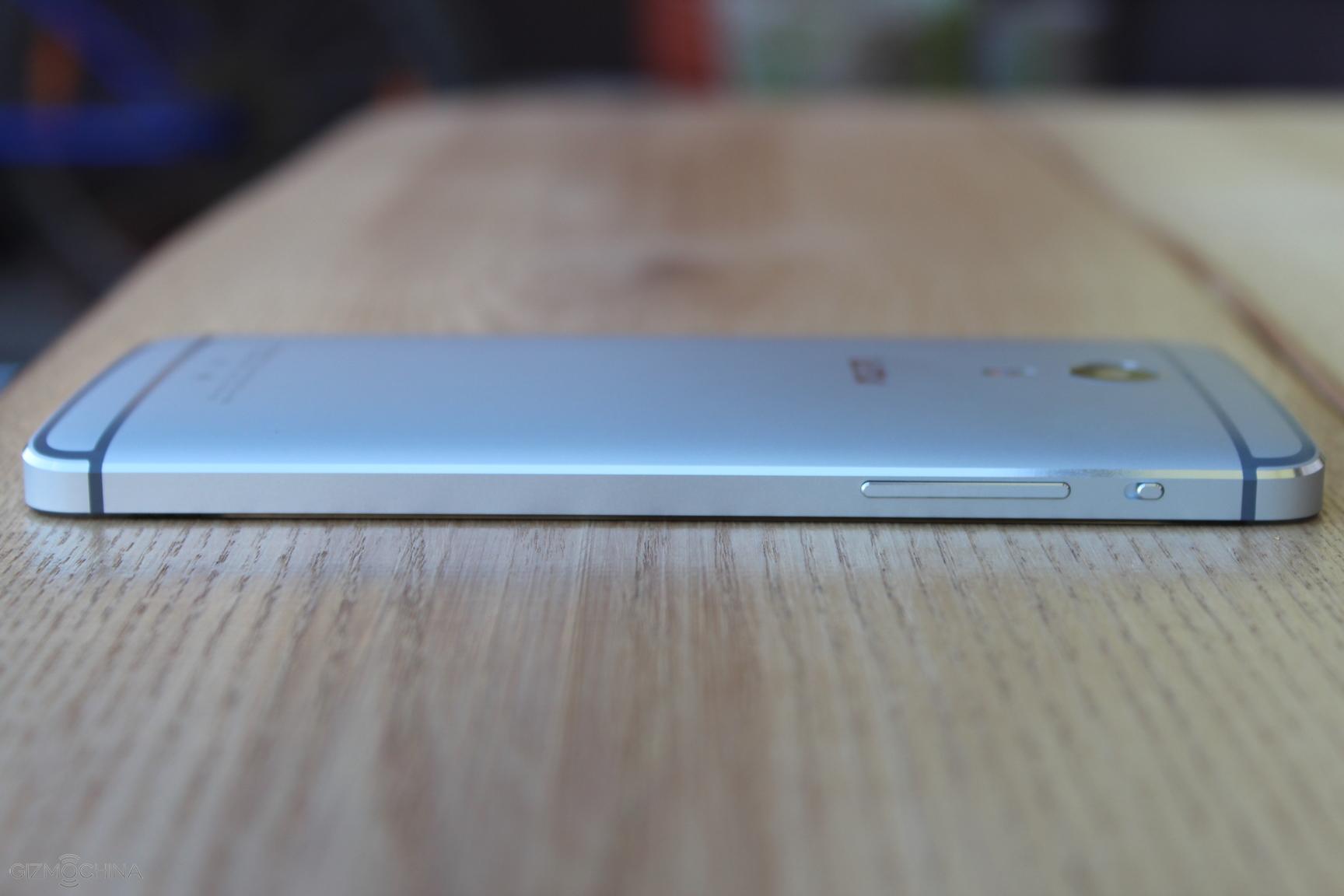
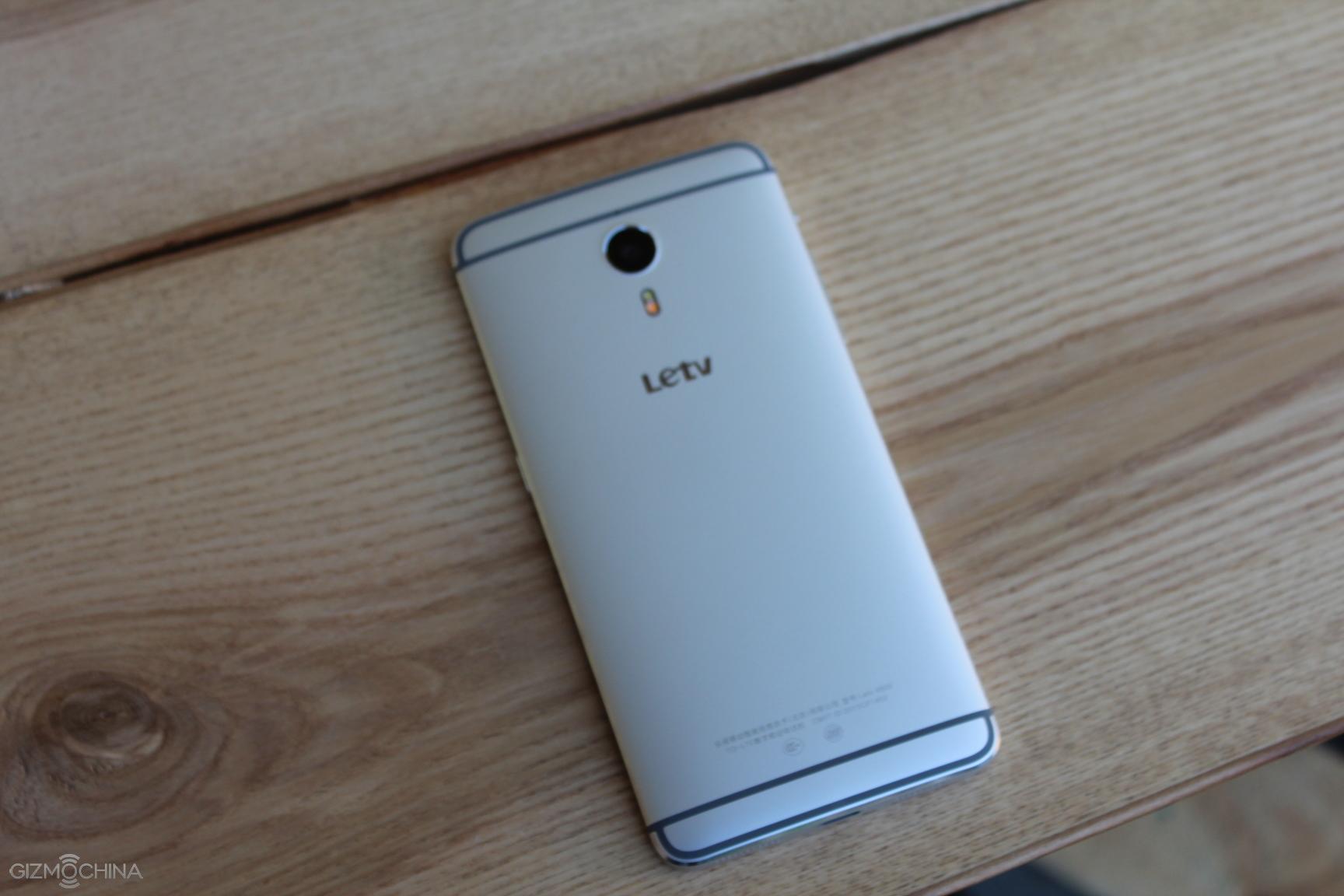
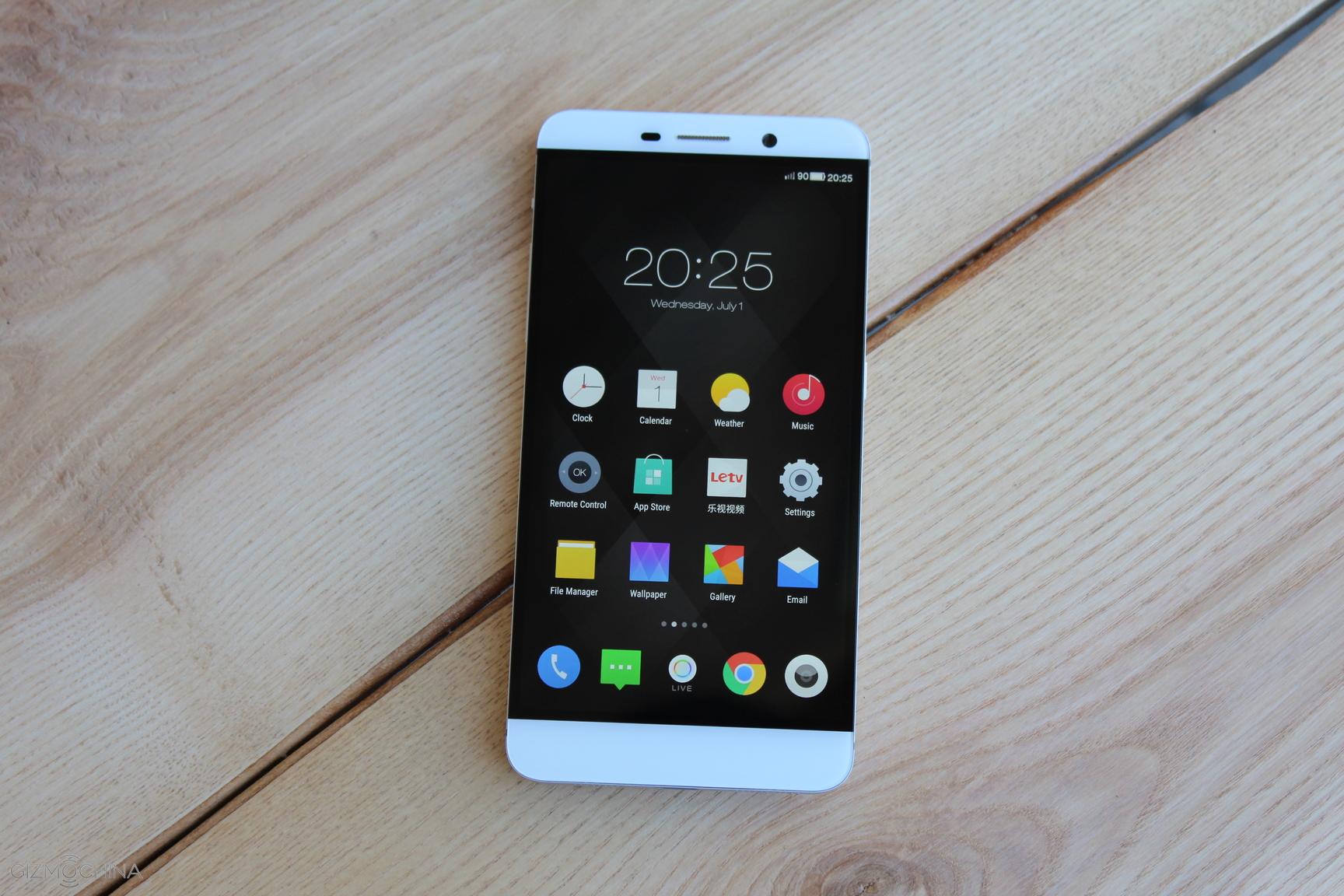
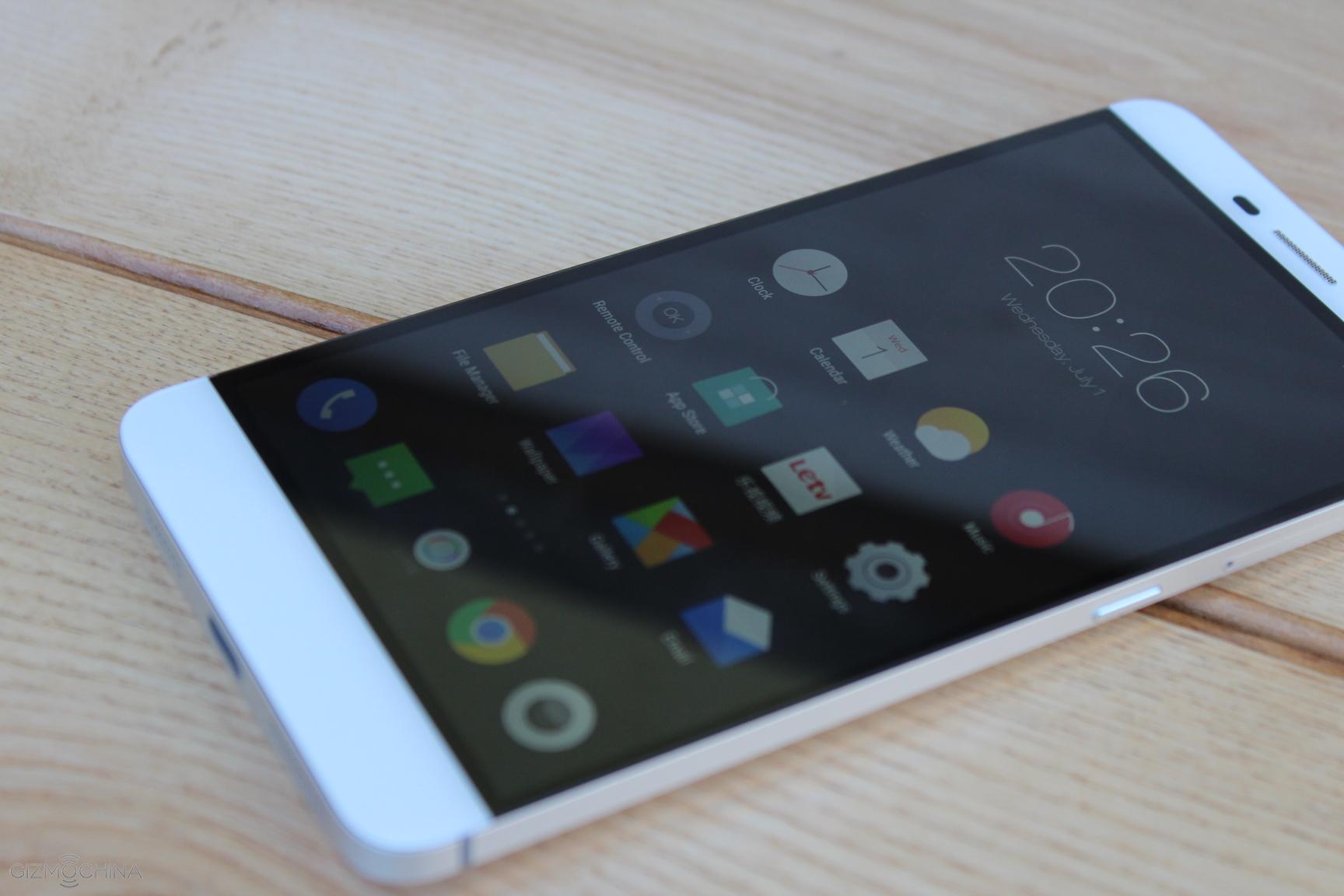
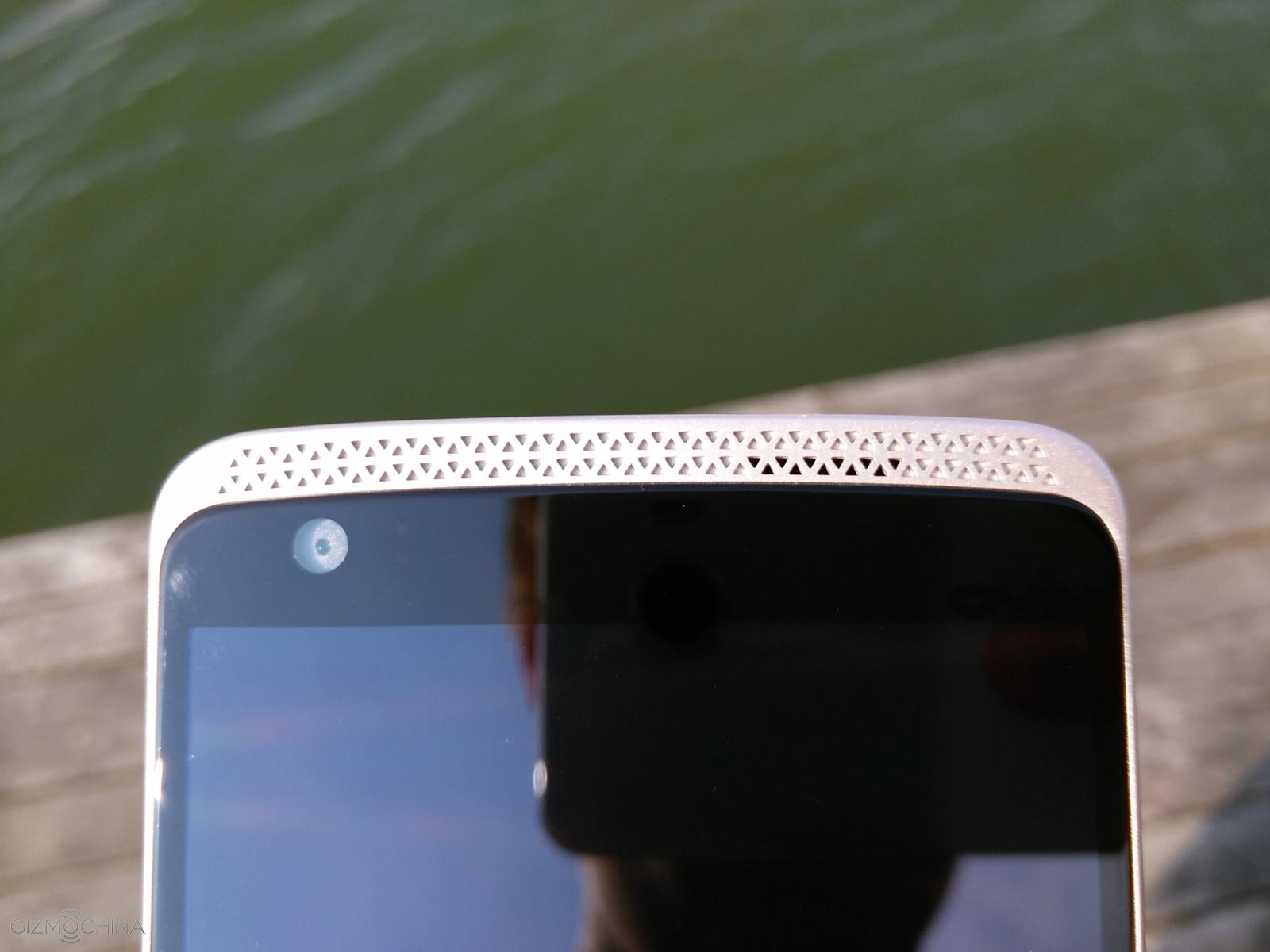
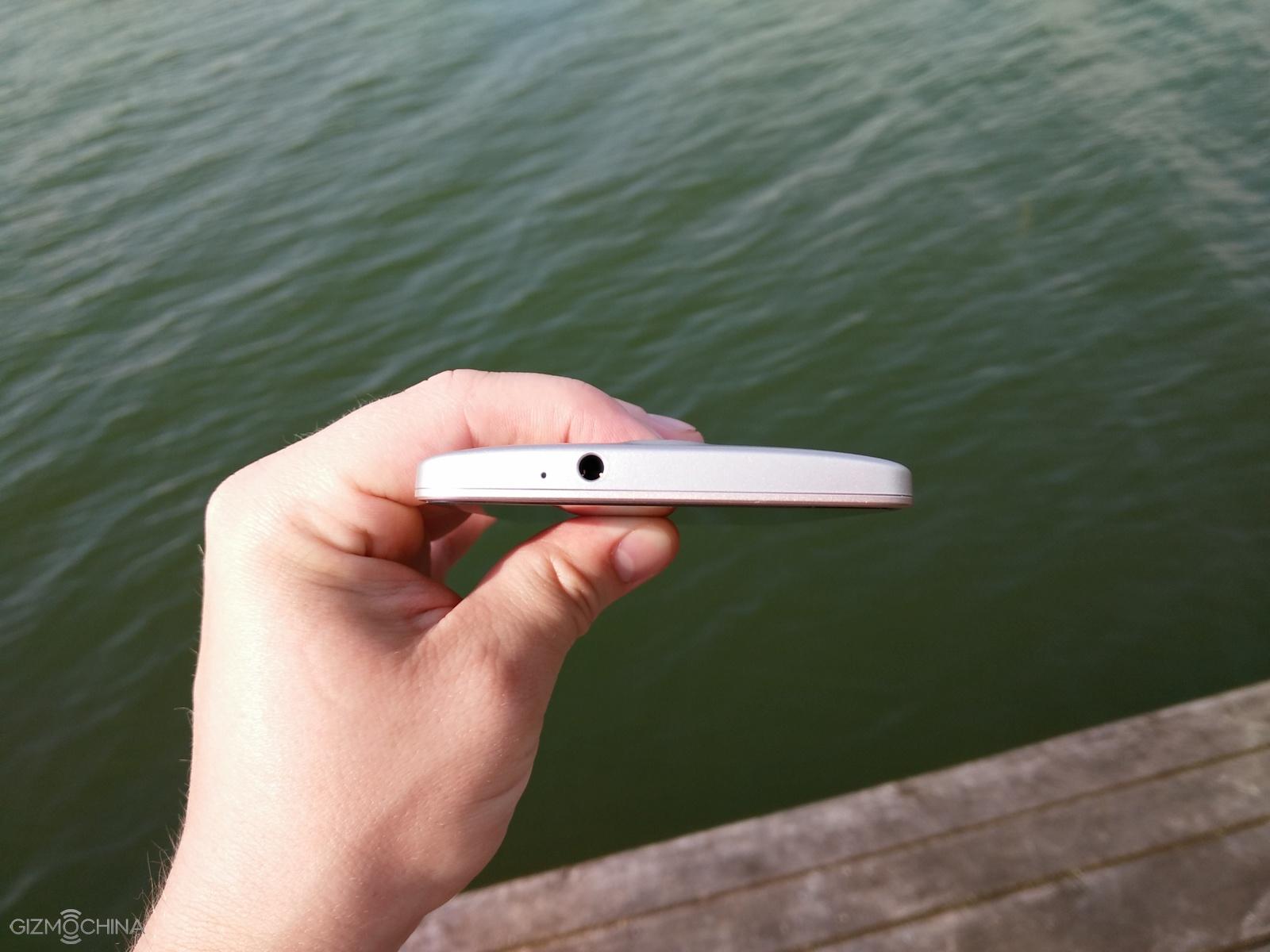
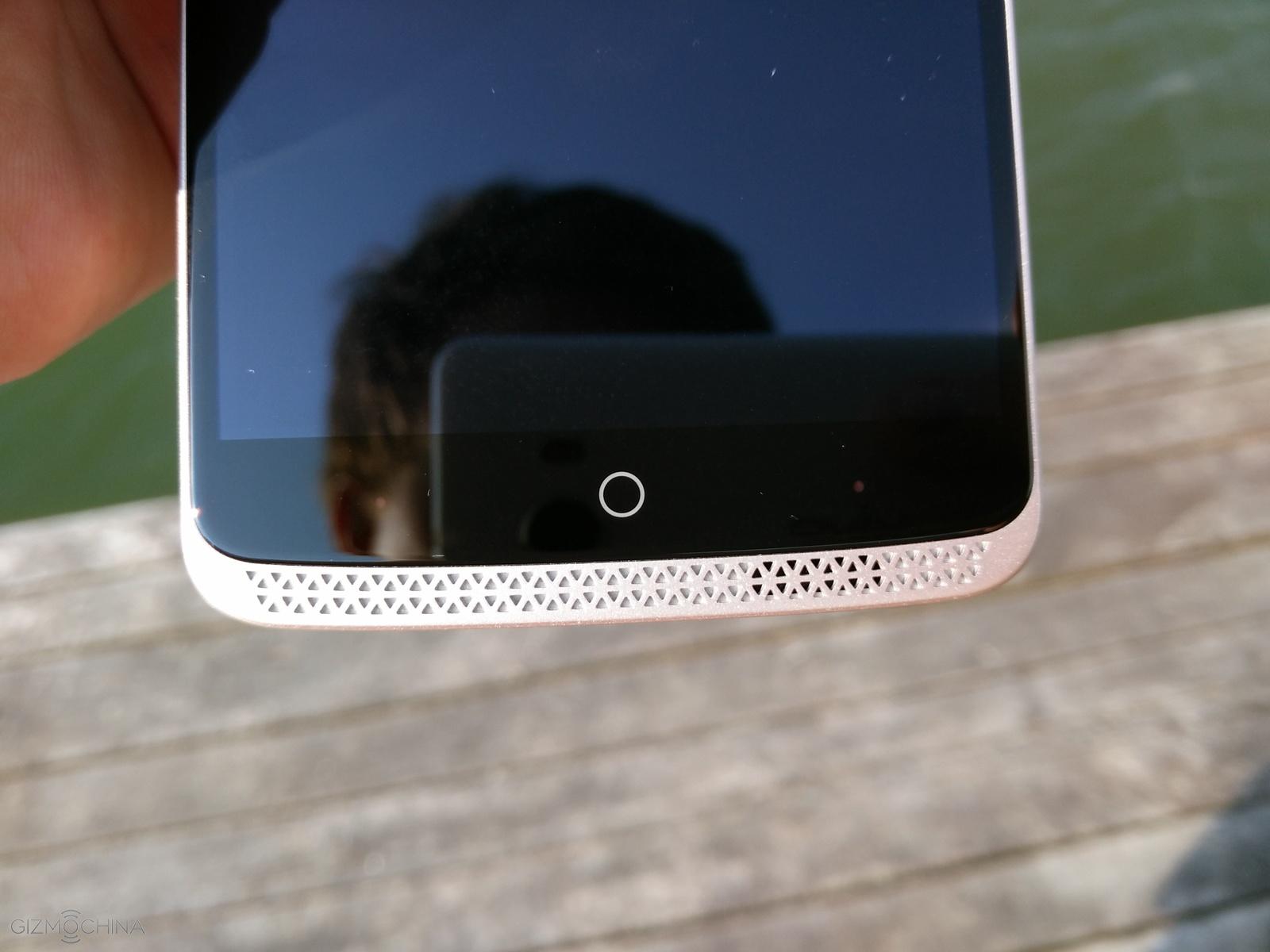
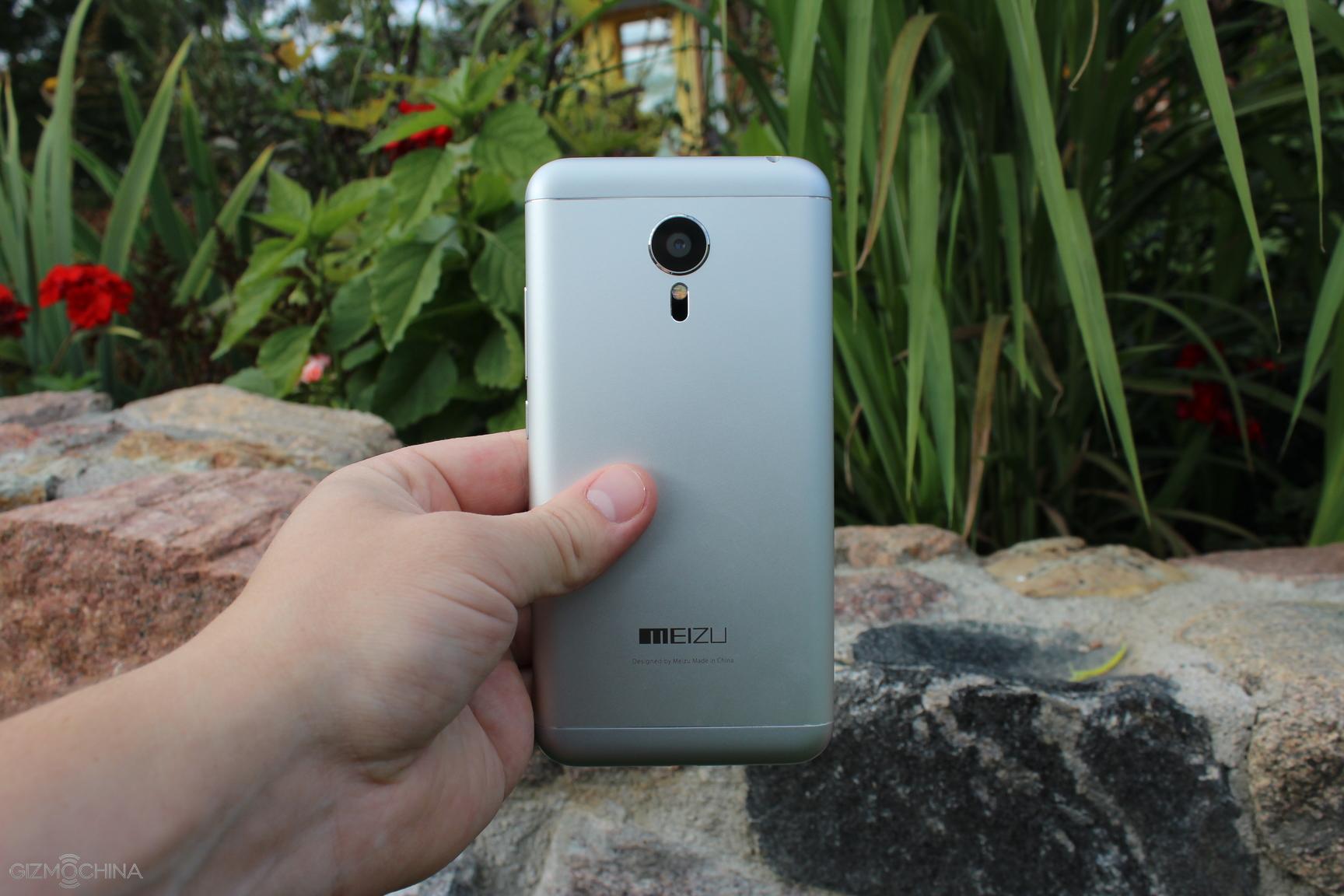
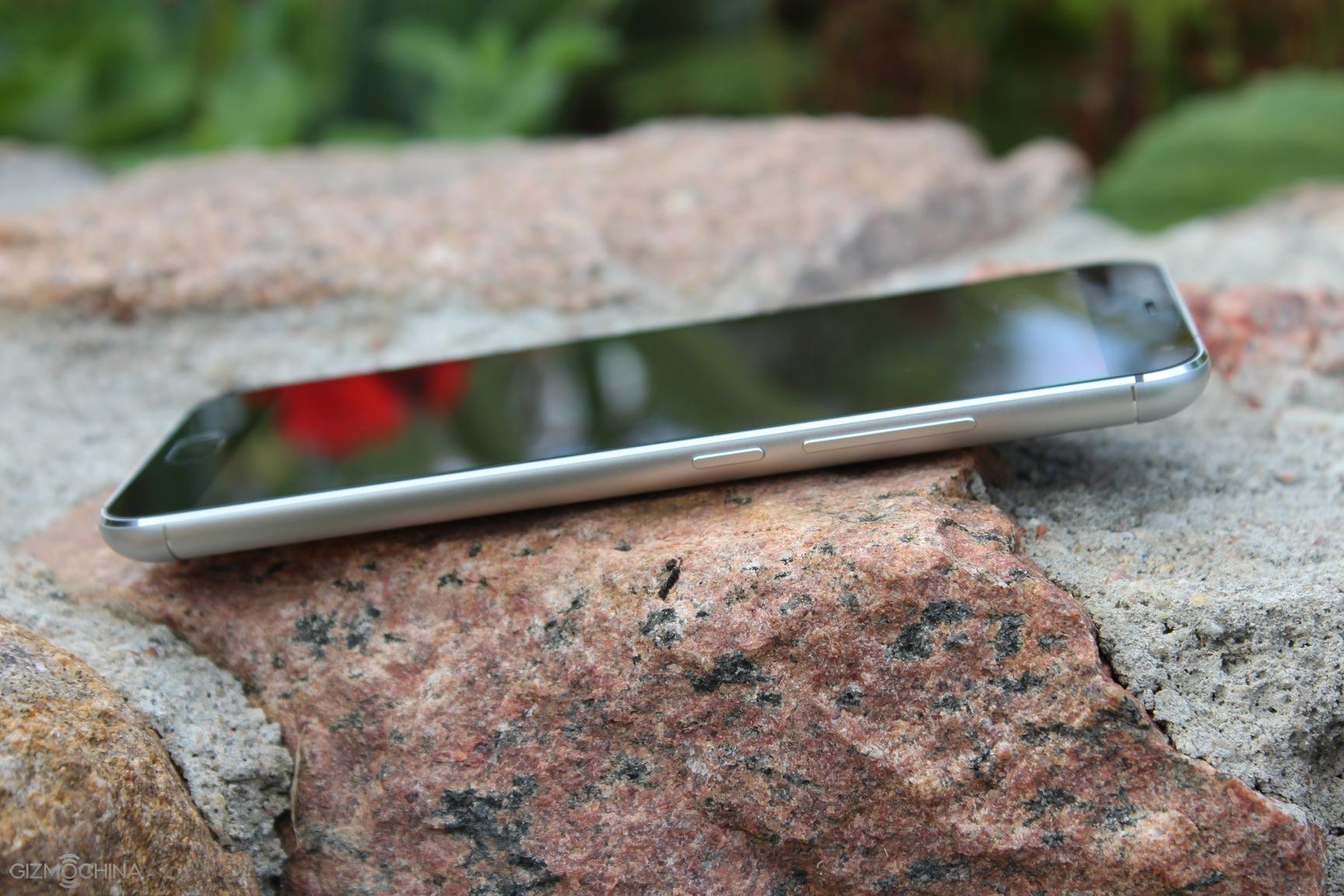
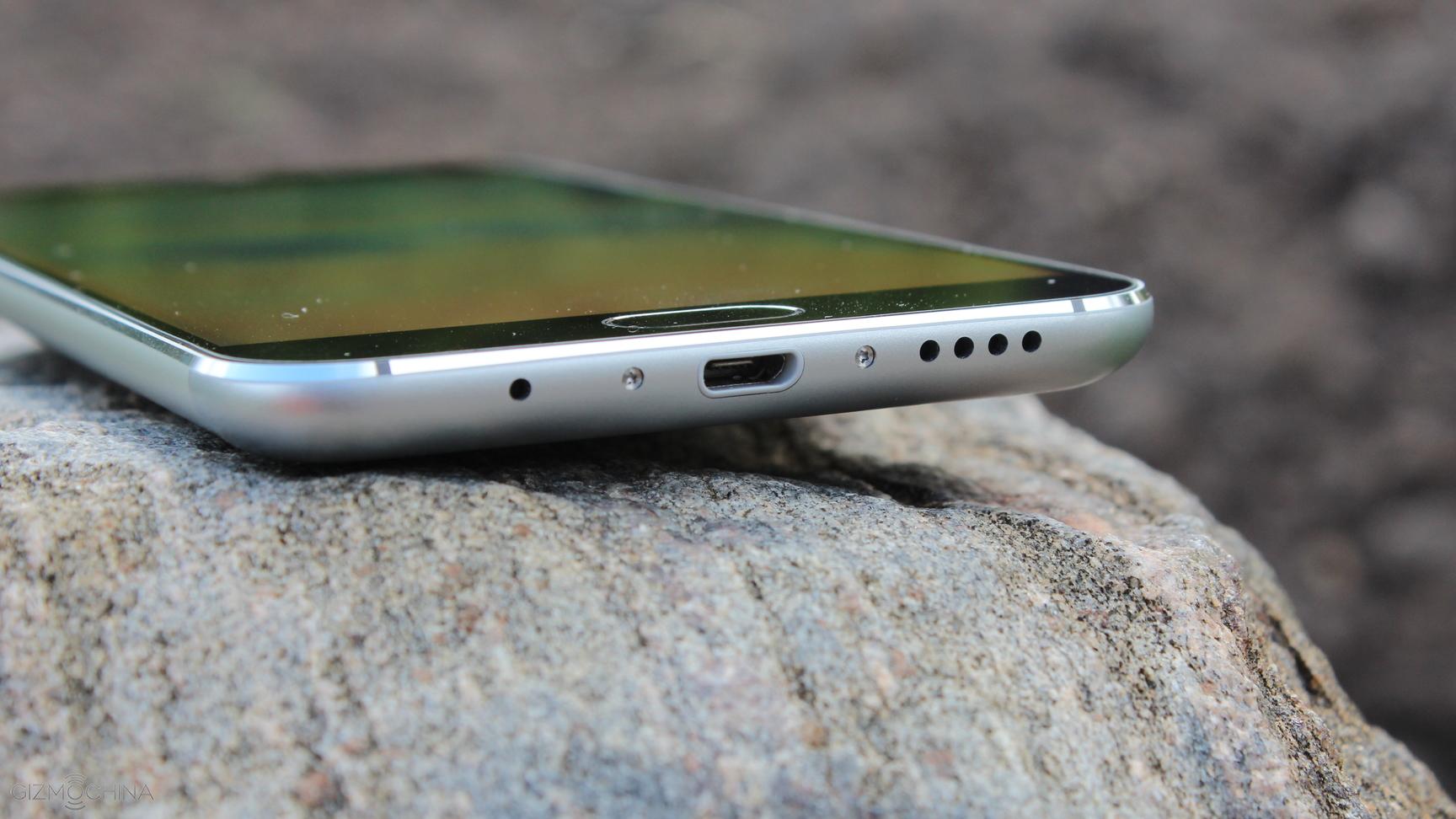
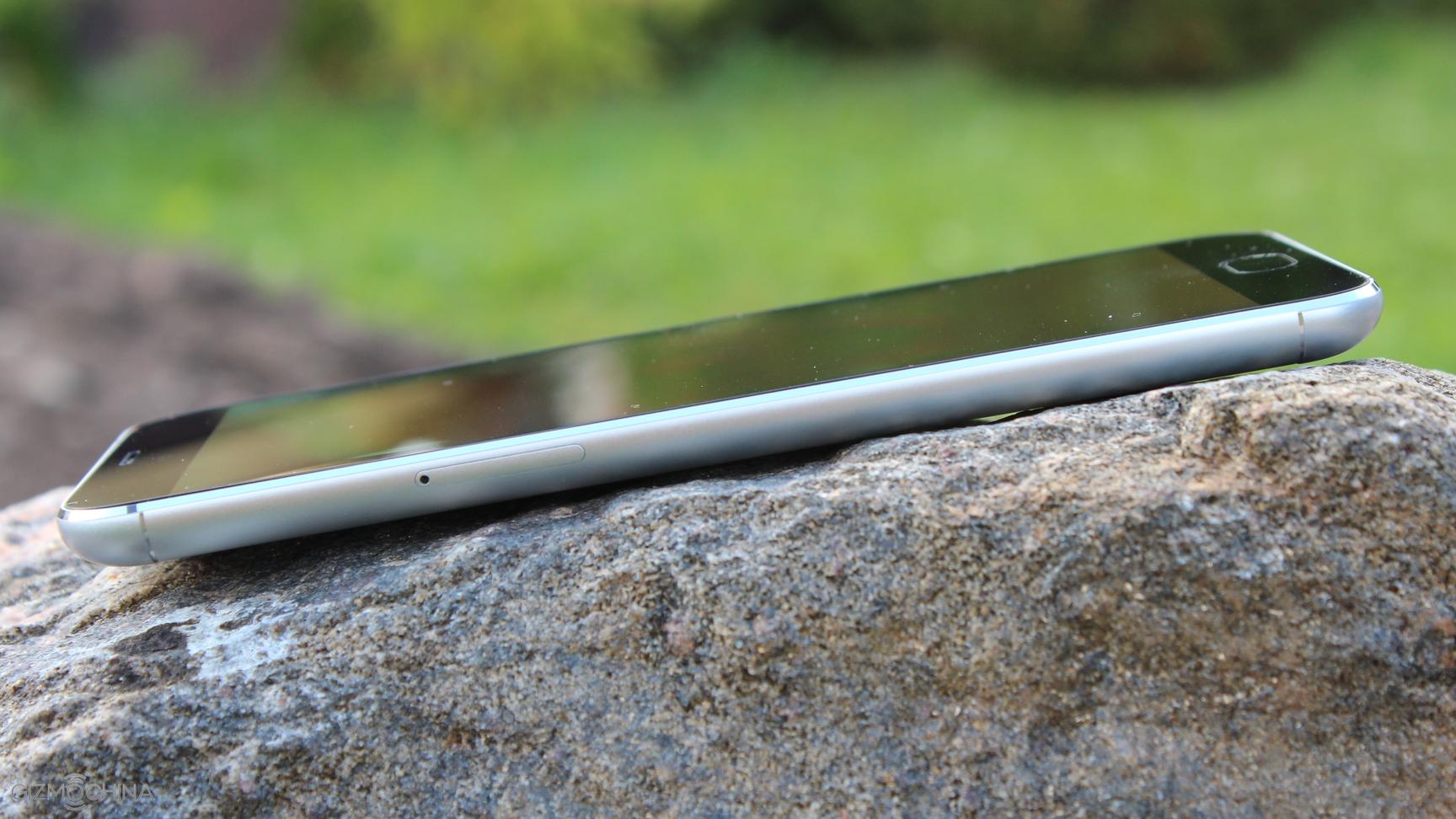
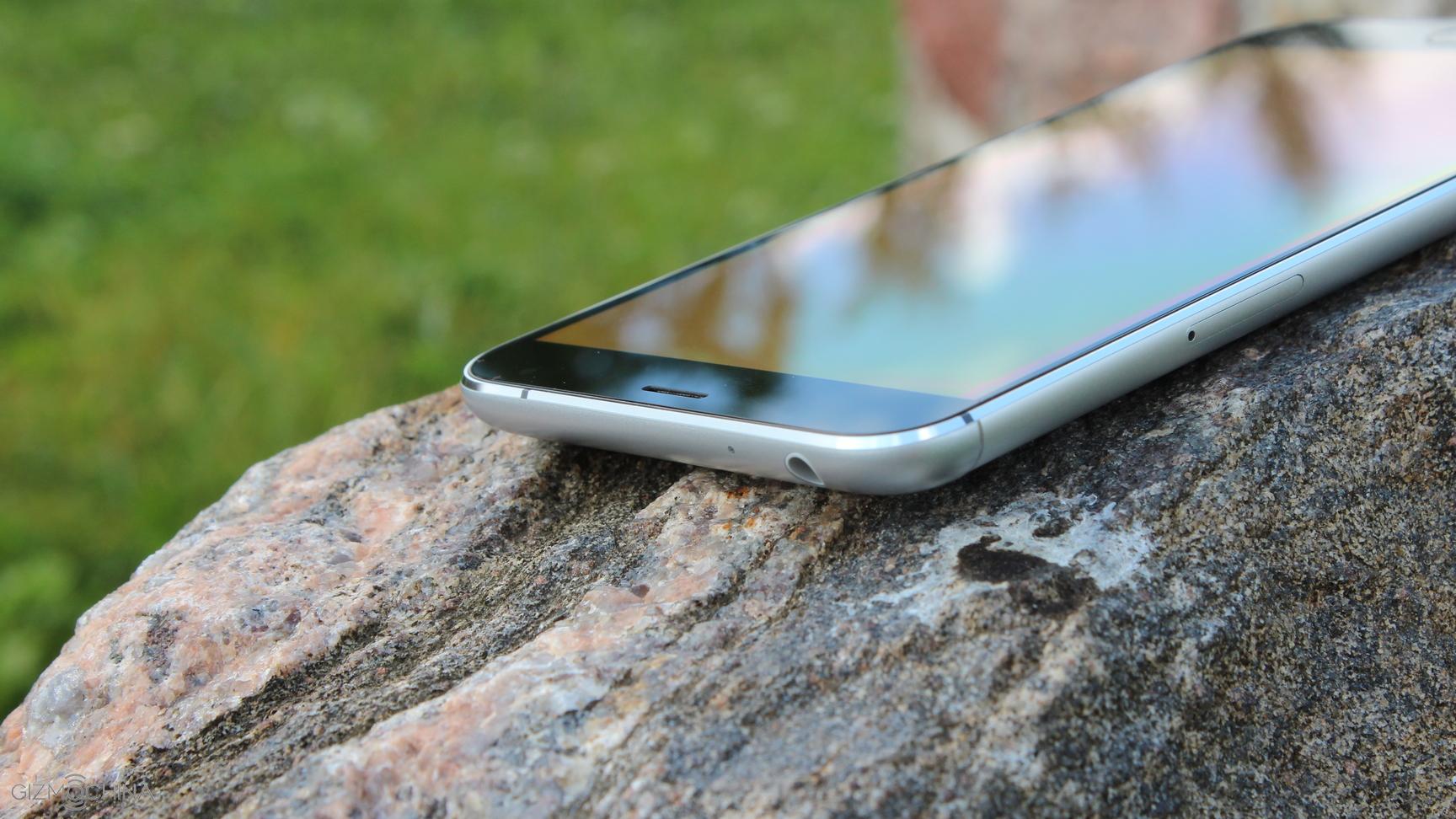
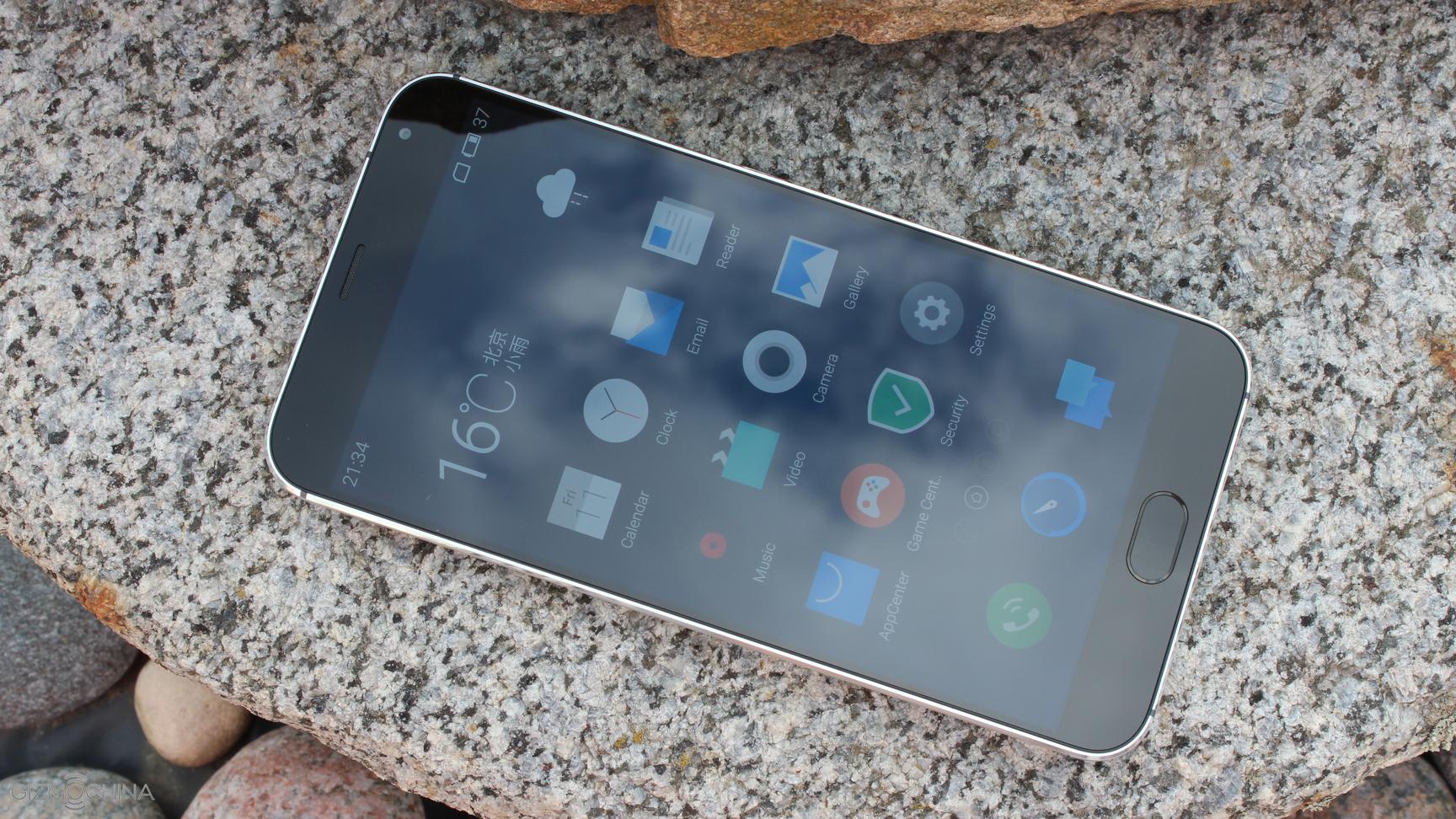
Now, we have the first hands on images of the UMi Rome and the phone is quite impressive to look at as well. Usually, companies either focus on the looks or the specs when it comes to budget devices, however, it looks like with Rome, UMi has done quite a good job.
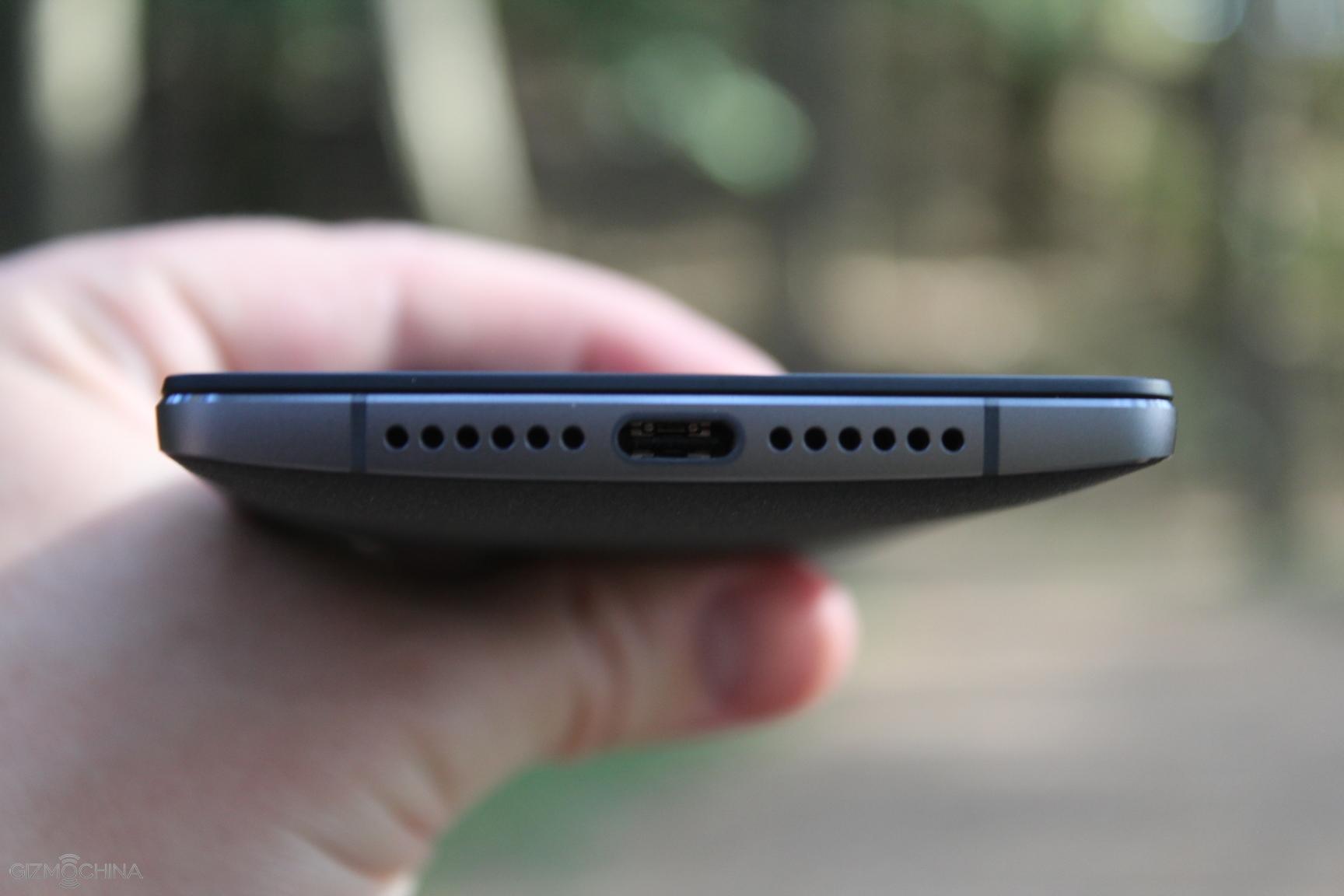
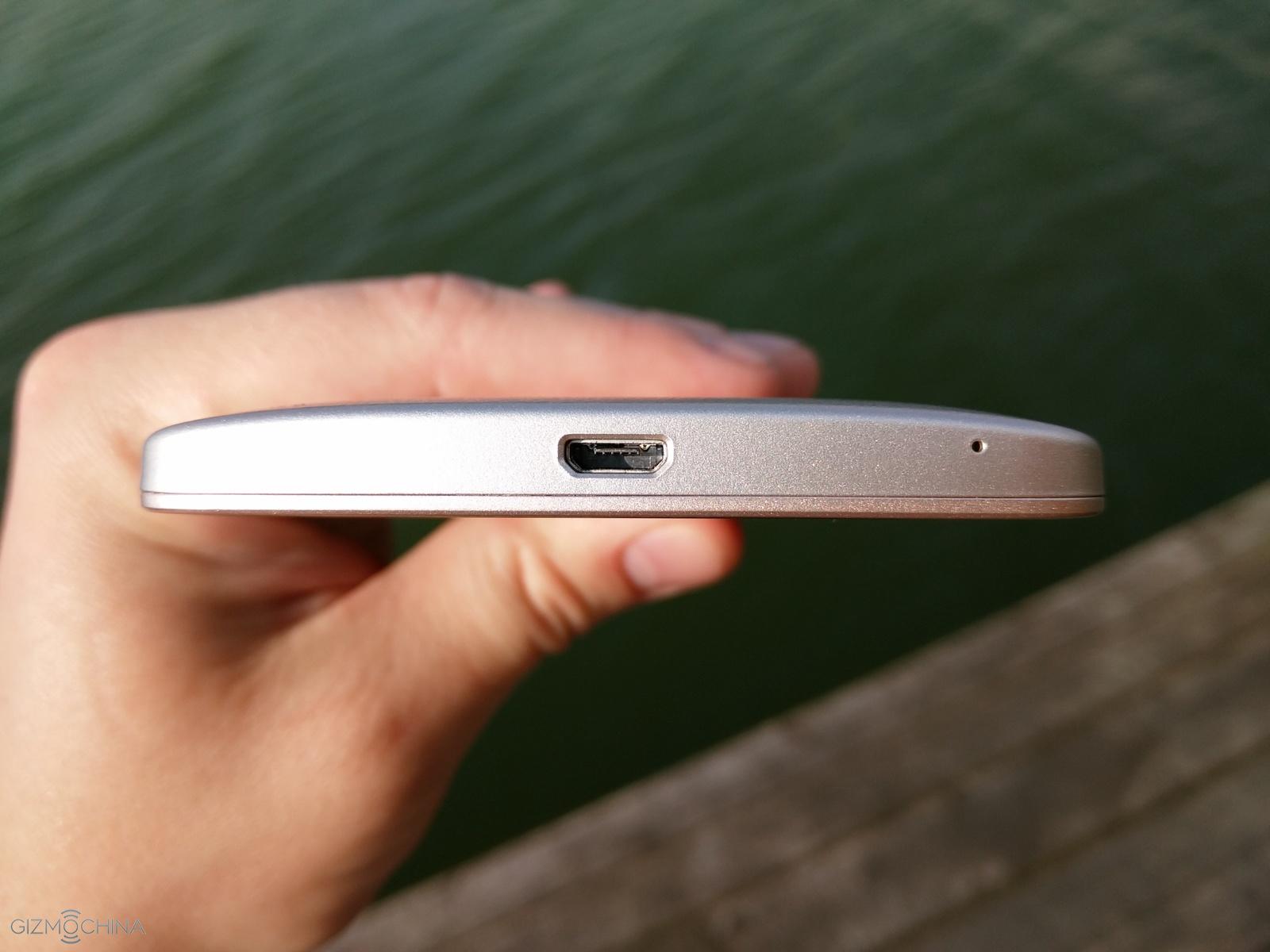
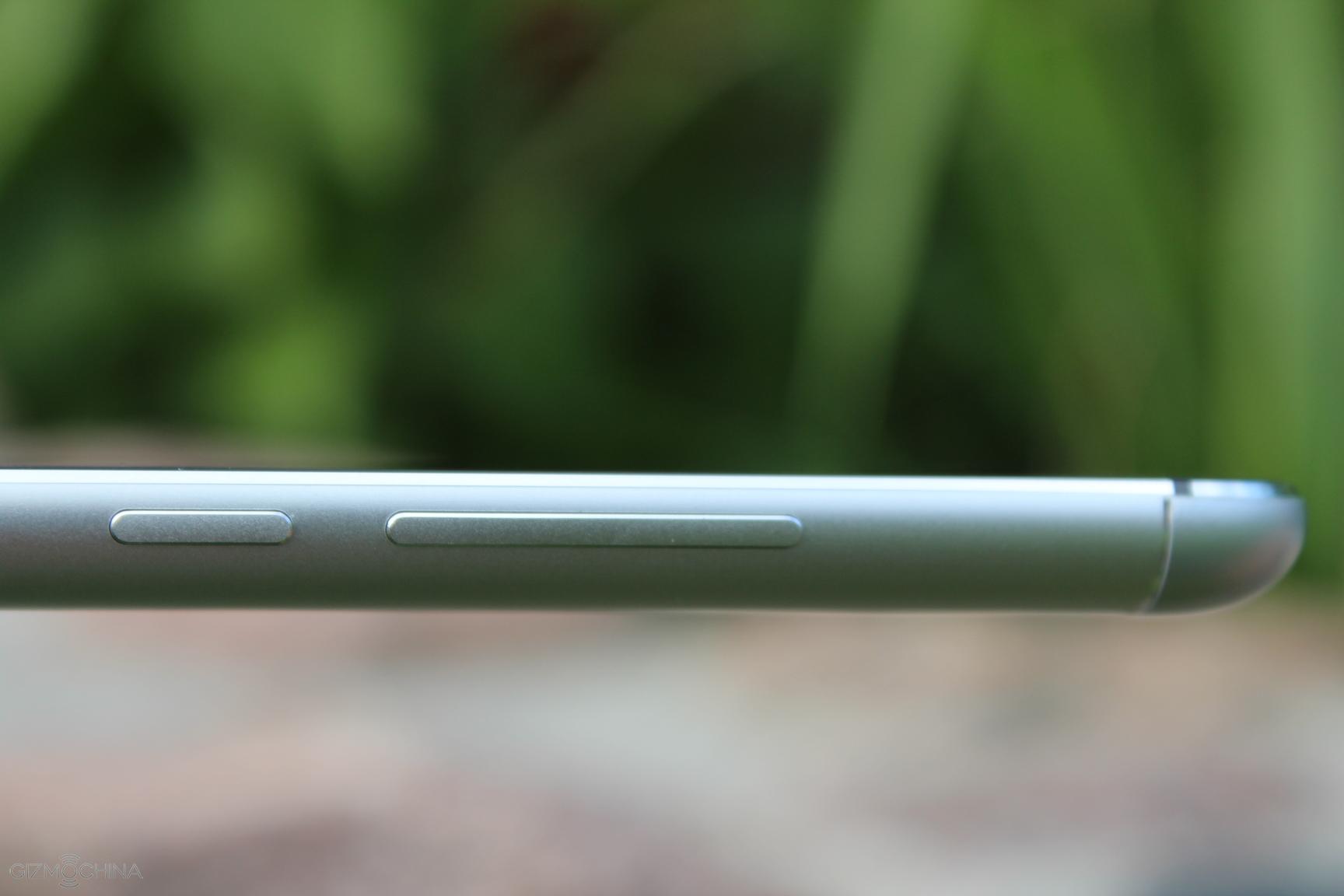
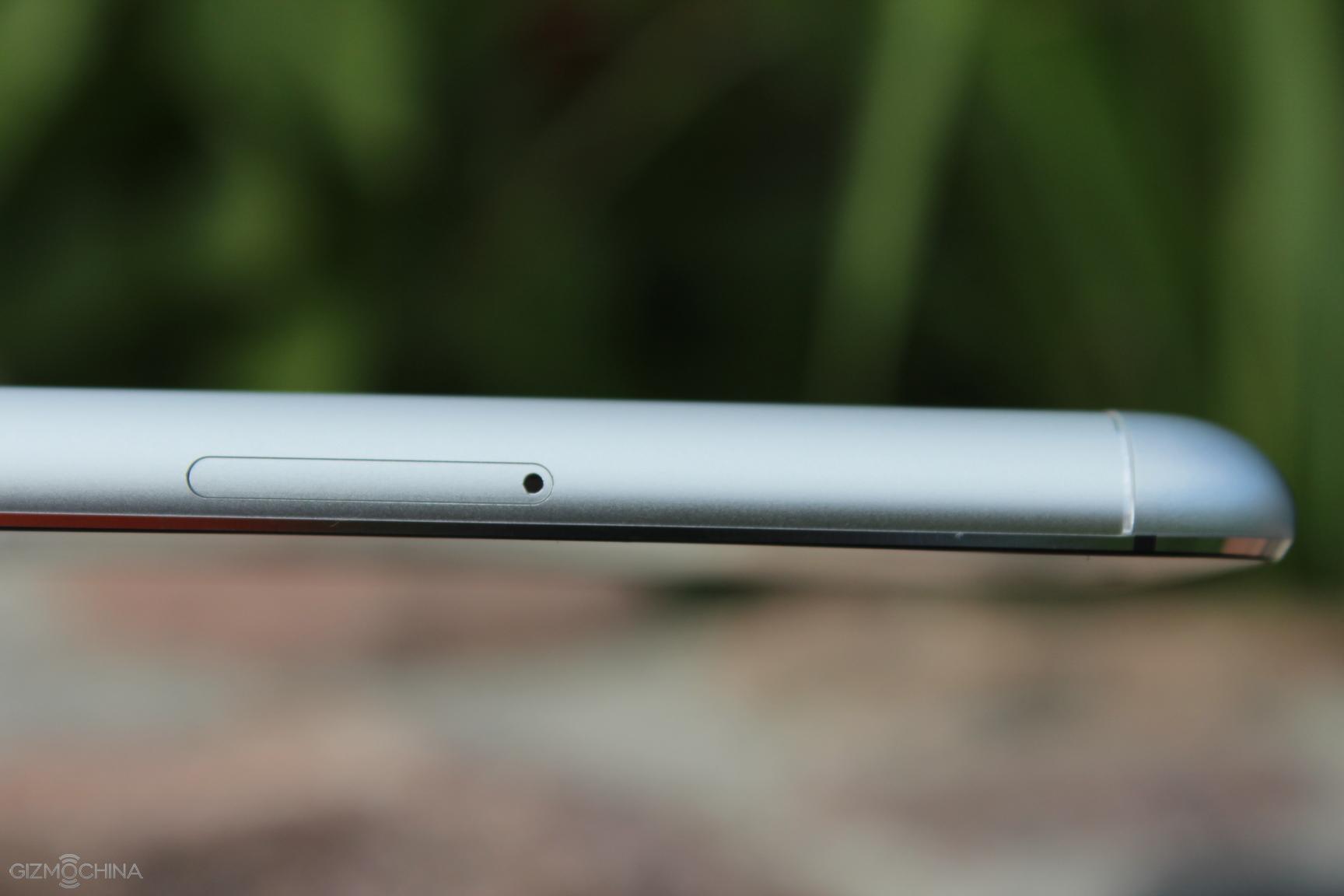
The phone comes with a solid metal frame with round corners, which is pretty much what we see in most mid-range phones these days. The chassis is reportedly machined over 100 times to give it a posh look. One of the highlights of the device is the presence of the new USB Type-C port, which is usually only found on mid-range and flagship models. Overall, looks seems to be one area where the company has done its home work.
As for the specs, the phone comes with MT6753 octa-core chip, 3GB RAM, 13MP rear camera and 2MP front camera. The battery of 2500mAh is decent for lasting a day long.
You can currently pre-order the device from Banggood for $99.99. After the pre-order period, the price goes up to $119.99.
UPDATE: Company has revealed the pricing for the three variants. The 3GB + 32GB version starts at 2999 Yuan ($469), 4GB + 64GB at 3699 Yuan ($578) and finally 4GB + 128GB at 4399 Yuan ($688).
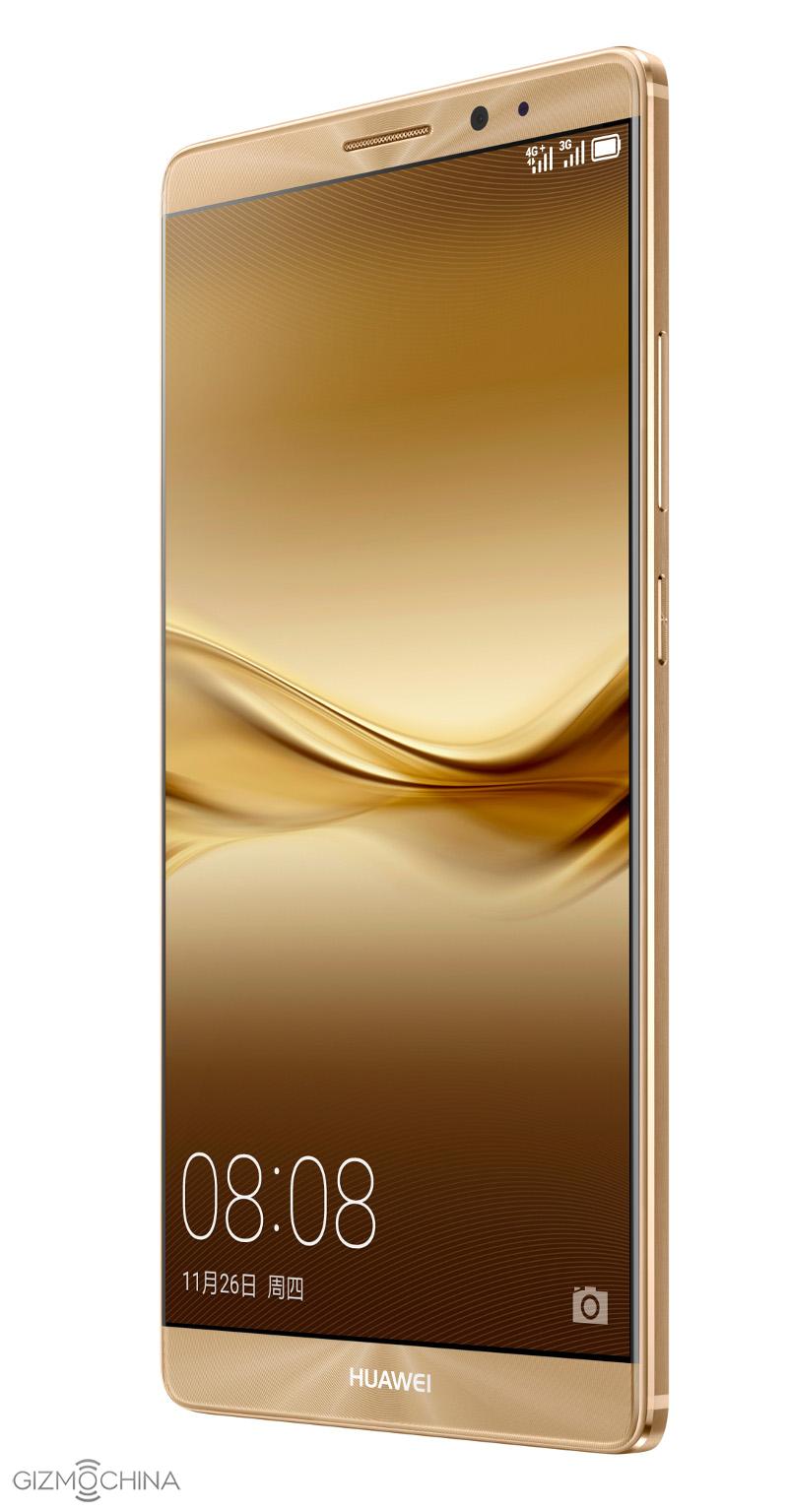
After so many weeks of teasers and rumors, Huawei has unveiled the brand new Huawei Mate 8 flagship. This is the second device in the Mate family this year, with the Mate S launched just a couple of months back.
Huawei Mate 8 will stand right on top of the Mate family, featuring top-end specs. The device, as confirmed earlier will feature the company’s brand new TSMC’s 16nm based Kirin 950 chipset. The chip is one of the fastest available SoCs in the market, at least according to the recent benchmark tests. It features quad Cortex A72 cores clocked at 2.3GHz and quad Cortex A53 cores clocked at 1.8GHz making sure there’s balance between high-performance and efficiency. Huawei revealed at the unveiling that the new CPU provides 100% improvement as compared to previous generation. The GPU is even better with 125% improvement.
There will be three variants of the device, one with 3GB RAM and 32GB of storage, another with 4GB RAM and 64GB of internal storage and finally the third one with 4GB RAM and 128GB of storage. We still don’t know whether there will be a MicroSD card slot present.
As for the display, the phone comes with negative LCD screen with 95 percent color gamut, better than the iPhone 6S Plus, as the company pointed out at the launch today. Its a large 6-inch screen with FHD 1920 x 1080p resolution. There’s a diamond cut 2.5D glass on top to improve the looks. The company has particularly focused on the quality of workmanship. The Mate 8 comes with an all metal body as we saw in the earlier leaked renders. What’s more, the company has kept the bezels to a minimum, measuring just 2.7mm on the sides.
Coming to the camera department, you get the latest Sony IMX298 16MP camera sensor at the back with dual LED flash. This is a larger sensor as compared to the one found on the Mate 7 as well as iPhone 6S. It also features a brand new ISP and features such as intelligent scene recognition and slo-motion video capture at 120 fps. Up front, you get an 8MP shooter with special beauty algorithms for better selfies.
As for battery, Huawei has smartly incorporated a 4000mAh capacity high-density battery inside, which should be able to power the device for a day long. In fact, according to company’s official figures, the phone should last for about 2.36 days on average usage and 1.6 days of heavy usage.
The phone also features the fast fingerprint sensor at the back like the Mate 7. Other notable specs include VoLTE, dual SIM dual standby with 4G support and NFC.
Finally, for software, you will get the latest Android 6.0 Marshmallow version with Huawei’s own Emotion UI on top. There are many software specific features such as Knuckle Touch 2.0, Split Screen multi-tasking, smart SMS etc.
Unfortunately, the company has not revealed the exact date of availability or even the pricing. For that we will have to wait until next year, as Huawei will showcase it at CES 2016.
So, what do you think about the Huawei Mate 8? Impressed?
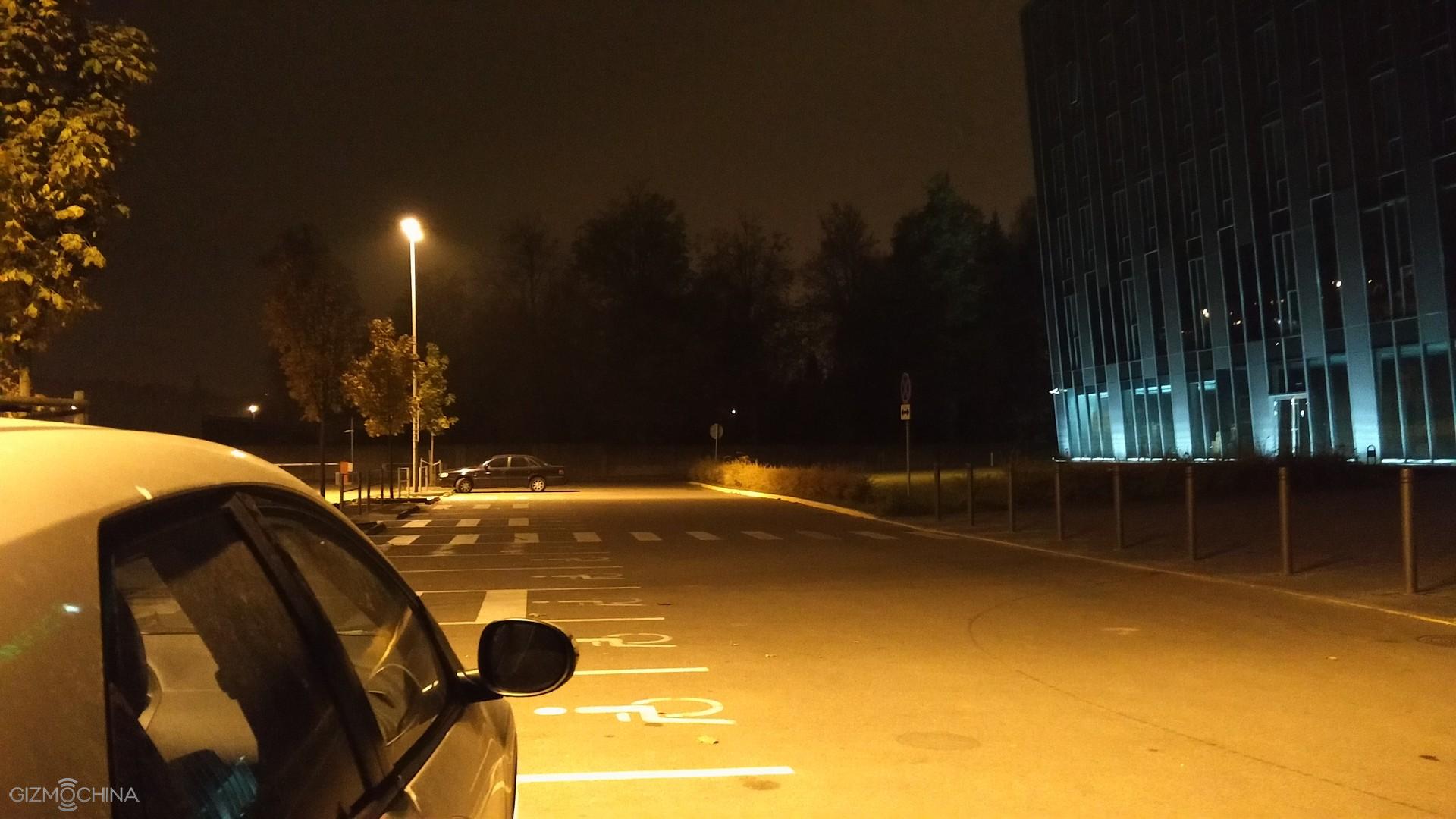
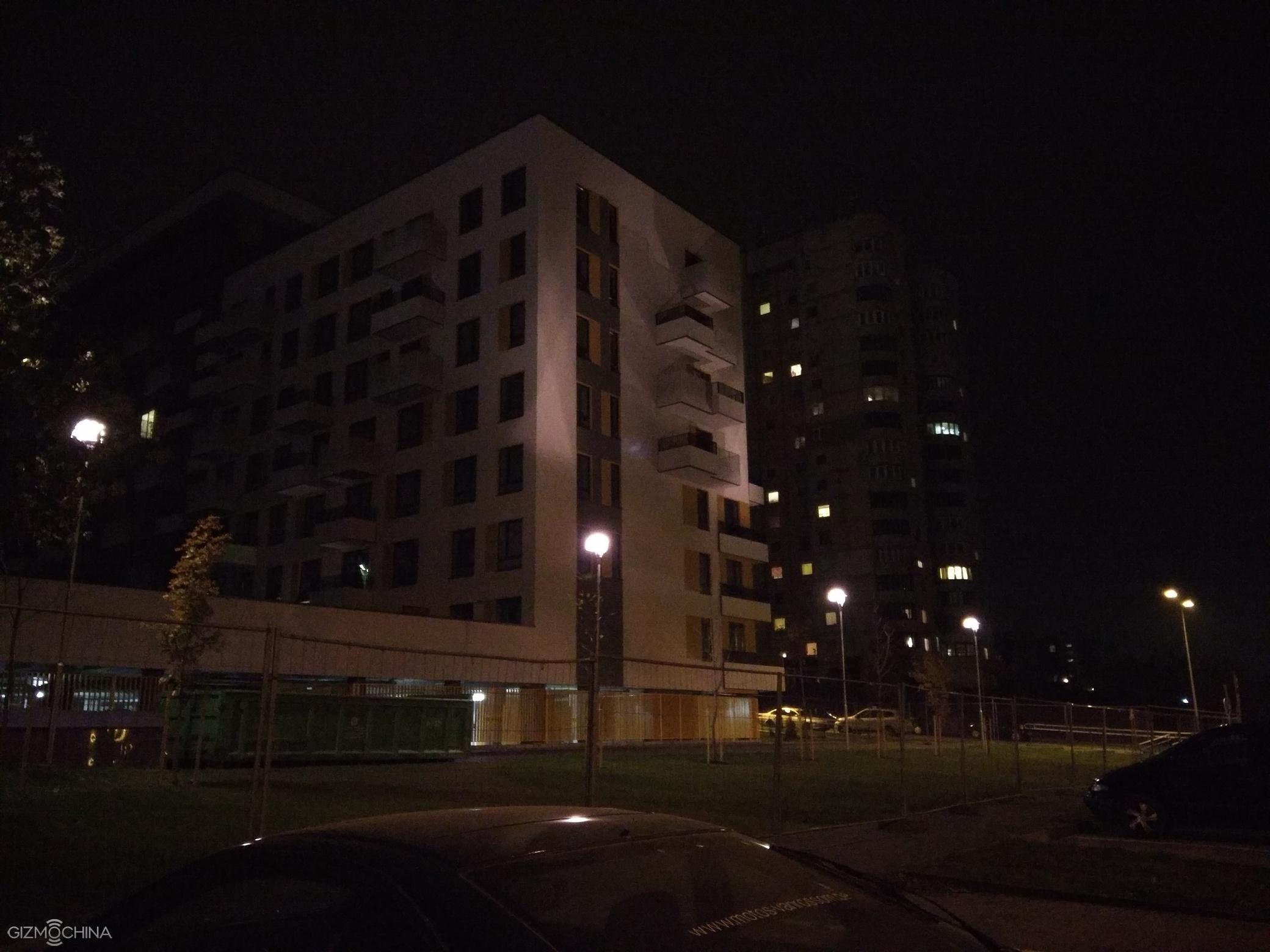
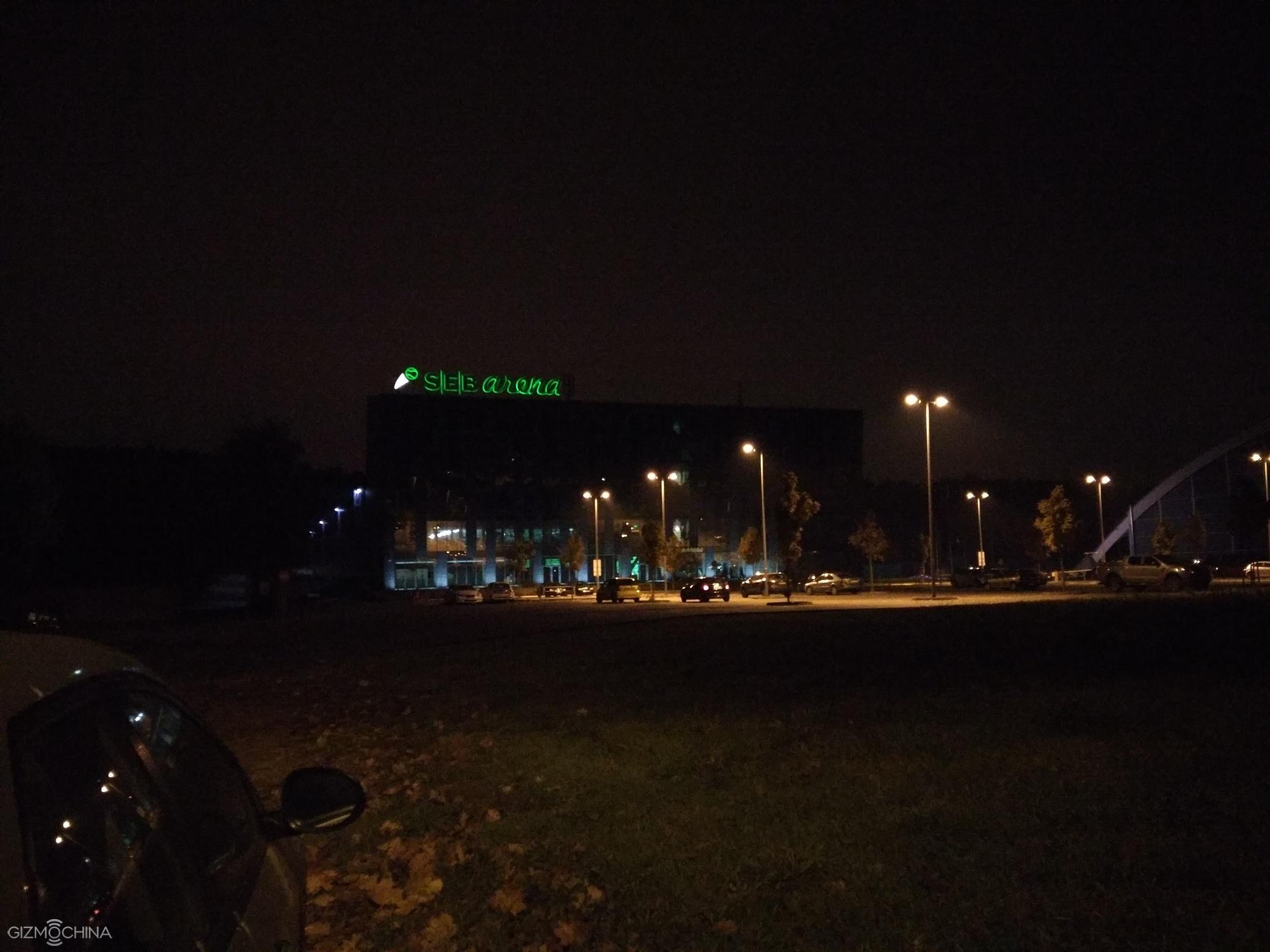
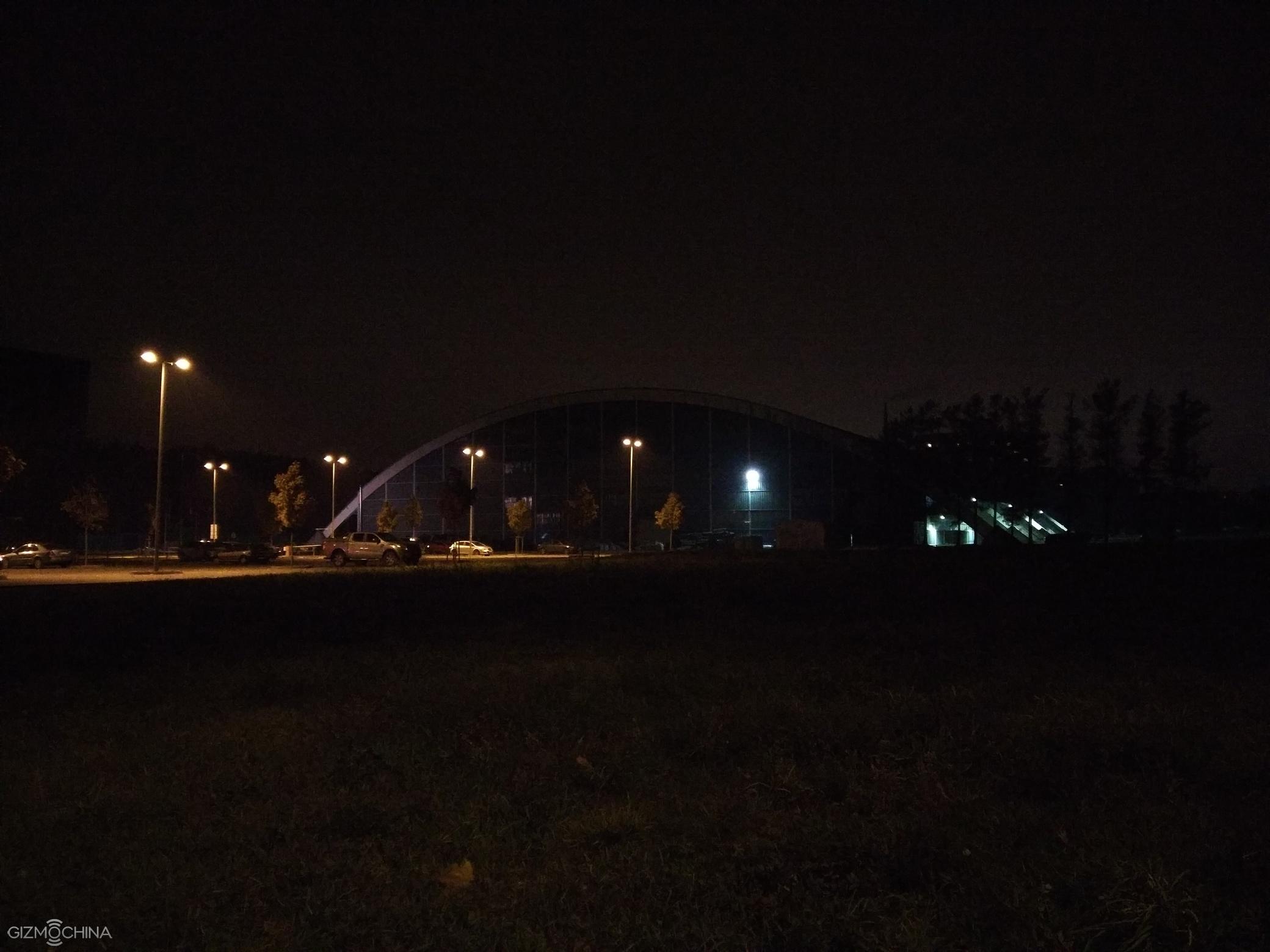
Lenovo’s sub-brand ZUK has a one interesting device – the Z1. It has decent specs and performance for the price but you may be curious about its camera. Thus, I decided to put it against the slightly more expensive OnePlus 2, which is capable of capturing some impressive looking images.
Lenovo ZUK Z1 uses a 13MP Sony IMX214 camera with IOS and this combo sounds pretty good on paper.
The OnePlus 2 has a 13MP OmniVision sensor with both IOS and laser-assisted auto-focus systems.
I’ve put these cameras head-to-head to see which one is better but this time around I ask you to be the judge and let me know what you think in the comments section below.
Please make sure to stay tuned for the full comparison review, where I’m going to tell my opinion.
Despite releasing a brand new flagship in the Huawei Mate family this September, namely, the Huawei Mate S, the company is all set to announce another device in the lineup, the much more powerful Huawei Mate 8. We have been hearing rumors about this particular device for the past few months, but finally we will be meeting this beast tomorrow, at the company’s official event in China.
Since there’s just one day for the official release, we decided to summarize the information about the Mate 8 that we know till now. We don’t expect much to change in a day, so most of the details mentioned here should be confirmed by the company tomorrow.
HUAWEI MATE 8 DESIGN
Huawei Mate 7’s design got a BIG YES from customers for its premium all metal design and refined looks. No wonder the company decided to build upon the same design on the Mate S and also the upcoming Mate 8. In the past few weeks, we have seen plenty of leaked pictures of the device, enough to get us an idea about how the device will look.
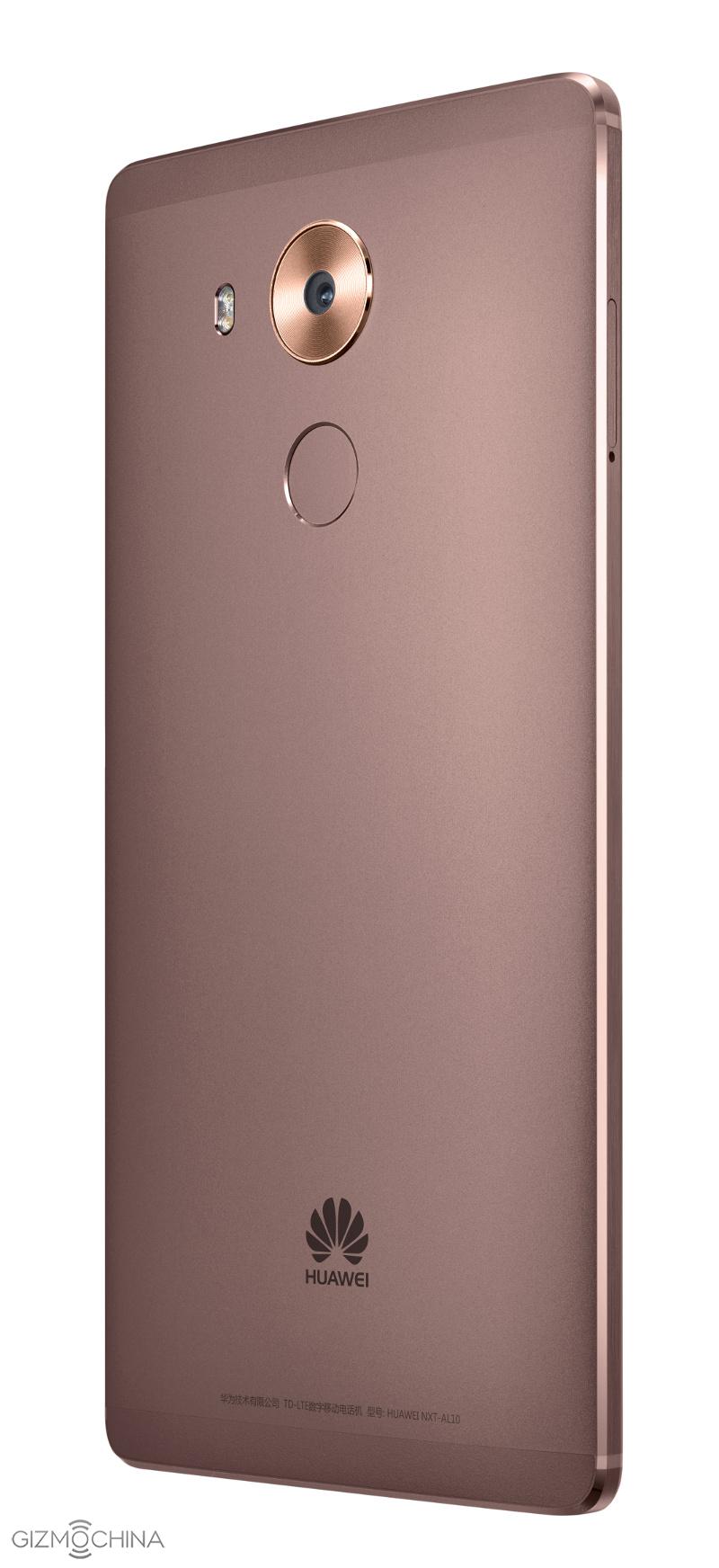
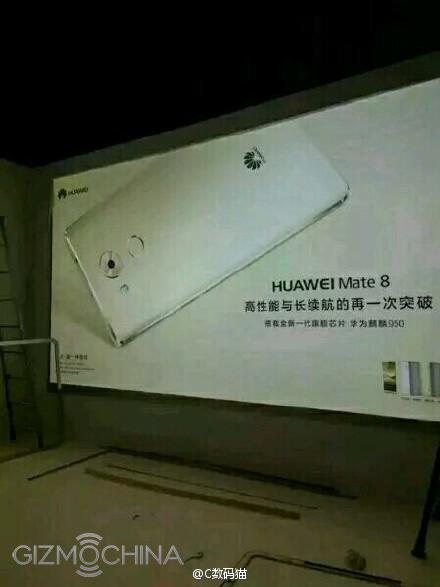
The pictures reveal that the Huawei Mate 8 will continue with the all metal build as the Mate S. In fact, the company has decided to stick with the basic design as the Mate S on the new flagship. This includes sleek body, gently curved corners and smooth metal back. However, there are a few differences that we can expected on the Mate 8. First of all, the camera sensor is now round instead of square. The company has also made the fingerprint sensor at the back circular. You also get the Huawei logo at the back near the bottom. The front remains more or less like the Mate S, with the Huawei branding on the bezel below the display.
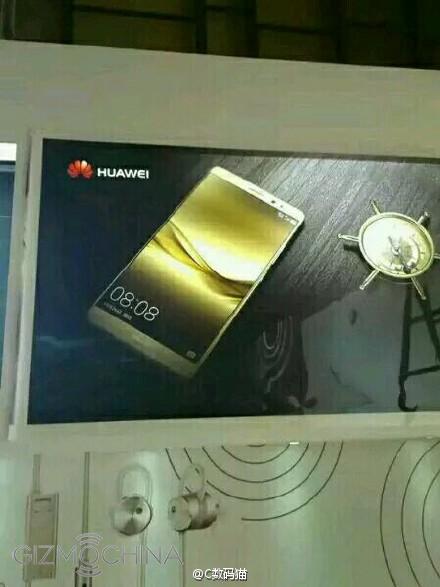
The most interesting part of the design is going to be its display. From the leaked images that we have seen lately, the bezels are going to be super thin. This along with the sleek metal body makes the phone looks super premium.
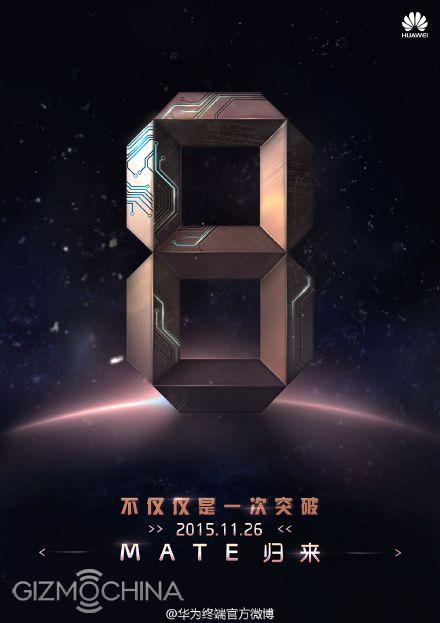
Thanks to the Huawei Mate 8 advertisements leaked today, the design of the phone is confirmed.
HUAWEI MATE 8 SPECS
Its confirmed that the Huawei Mate 8 will come with the powerful Kirin 950 chipset. The chip is one of the first commercially available SoCs to use the new ARM Cortex A72 Cores and this will definitely be evident in the phone’s powerful performance.
There are expected to be at least two variants of the device, one with 3GB RAM and 32GB of storage and the other with 4GB RAM and 64GB of storage. According to a clue inside the invite, there probably won’t be a 16GB storage variant. However, there have been rumors about a third variant with an even larger 128GB storage variant.
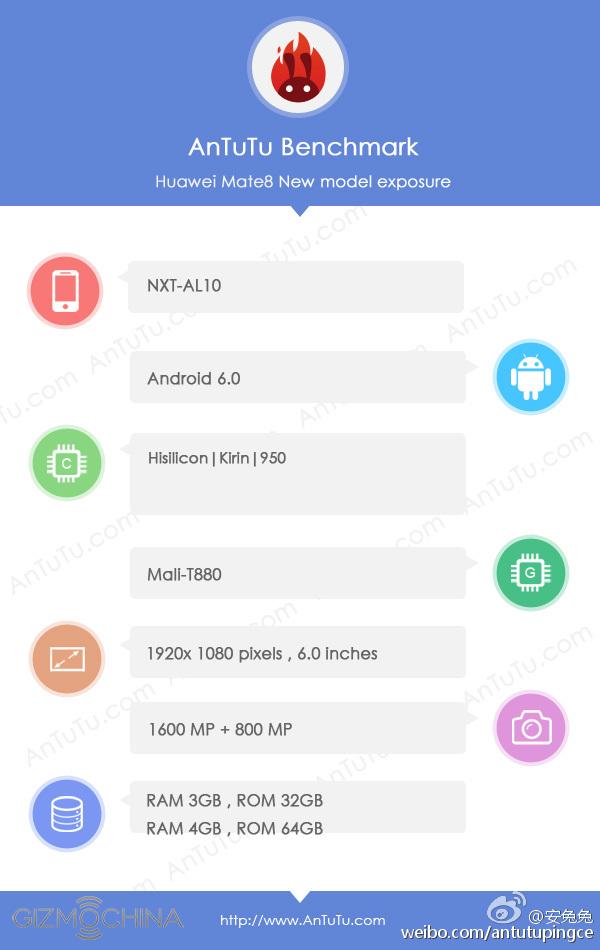
As for the display, a recent benchmark listing revealed that the phone will continue to use the same 6-inch display as the Mate 7 with FHD 1080p resolution. However, there have been rumors about three different screen sizes, a smaller variant featuring a 5.7-inch screen and a larger variant with 6.2-inch screen and QHD resolution. But we are not quite sure of that at the moment. We still don’t know which all versions will use the company’s Force Touch feature.
As for the camera, expect a 16MP sensor at the back with dual LED flash and a 8MP shooter up front. The battery is expected to be at least 4000mAh to power these high-end specs. Like we saw in the images above, the phone will come with a fingerprint sensor at the back. Mate 7’s fingerprint was considered as the best of its time, so we expect an accurate sensor behind the Mate 8 flagship as well. Finally, for software, you can expect none other than the Android 6.0 Marshmallow based version of Huawei’s new EMUI (Emotion UI) version.
HUAWEI MATE 8 BENCHMARK
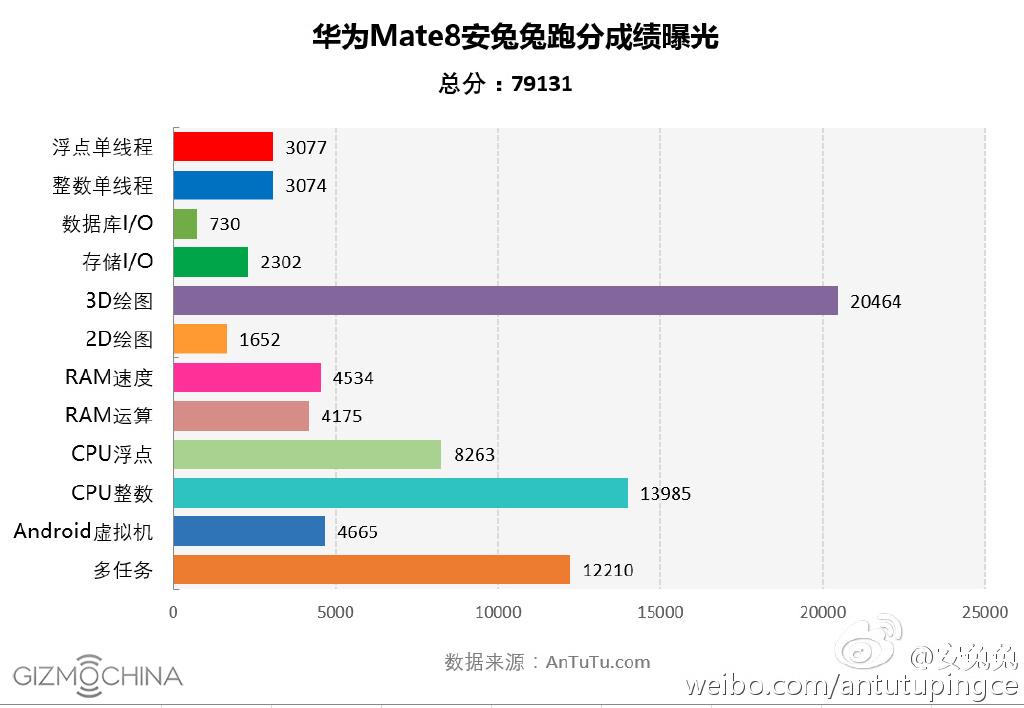
Luckily, even before the release, we have some benchmark figures of the device. The Mate 8 was recently spotted on AnTuTu benchmark revealing the true performance of the Kirin 950 under the hood.
On AnTuTu, the Mate 8 flagship scored an impressive 79,131 points which is even higher than the Exynos 7420 powered Meizu Pro 5. With such specs, we are sure that you won’t be disappointed with its overall performance.
HUAWEI MATE 8 PRICE
Huawei has never been the cheap and affordable smartphone maker like Xiaomi or Meizu. Instead, the company has always set its eyes up on top, alongside Samsung and Apple. So, don’t expect the pricing of the Mate 8 to be cheap. In fact, according to a report from China, the manufacturing cost of the device could go well above $266, which is higher than iPhone 6S. So, the final price could be a quite high.
According to the recent rumors, you can expect the pricing above 3500 Yuan. To be precise, expect the 3GB RAM + 32GB storage version to retail at 3499 Yuan (around $550) and the 4GB + 64GB version at 3899 Yuan ($610). If there’s a QHD display + 128GB storage variant, the price would be even higher.
HUAWEI MATE 8 RELEASE
Well, this one we know for sure. The Mate 8 flagship will be announced at the tomorrow’s event. Expect the phone to hit the stores a couple of weeks after that.
So, this was all we know about the Mate 8. Its turning out to be quite a powerful flagship. Expect more details at tomorrow’s launch event.
Meanwhile, let me know what you feel about the device. Do you think these specs justify a price tag of $550 and above? Would you consider buying one in the coming months?
Its been just a day since Xiaomi announced a brand new Redmi Note 3 smartphone. However, rumors about a new model have already started to come in. Well, we don’t exactly know whether it will be a Redmi device for sure, but according to the latest information, Xiaomi is preparing a Mediatek Helio X20 deca-core chip powered smartphone. Since, its not going to be Xiaomi Mi 5 flagship, we guess it could be a Redmi device.
The source reveals that although Xiaomi is working on a Helio X20 powered device, the pricing is still a big mystery. This is because, the Helio X20 chip alone costs $30 and plus with the memory costing around7 $20, the total goes up to $50 for just these two components. Since, till now, Xiaomi has aggressively price its devices, like the yesterday’s Redmi Note 3 which costs just $140, it would be interesting to see how low the company can go with a this deca-core chip.
It is said that the Helio X20 device won’t be a flagship, which is kind of surprising given that its expected to perform at least at par with other flagship chips. So, we will have to wait and see which phone is upgraded with this new chip for a flagship like performance.
As for the release, expect to see the device only by first quarter of 2016, since Mediatek exec had hinted that the first batch of Helio X20 powered smartphones will debut by that time.
While it seems unlikely that a budget Redmi smartphone could feature such a powerful chip, we have to understand that a few months back, we thought the same with MT6795. But Xiaomi surprised us all with Redmi Note 2 featuring this new chip and yet being priced under $130. So, we can’t really rule out a Helio X20 powered Redmi device next year.
However, this is the first time we are hearing about such a Redmi device. If the phone is real, we are sure to get more details pretty soon. So, stay tuned.
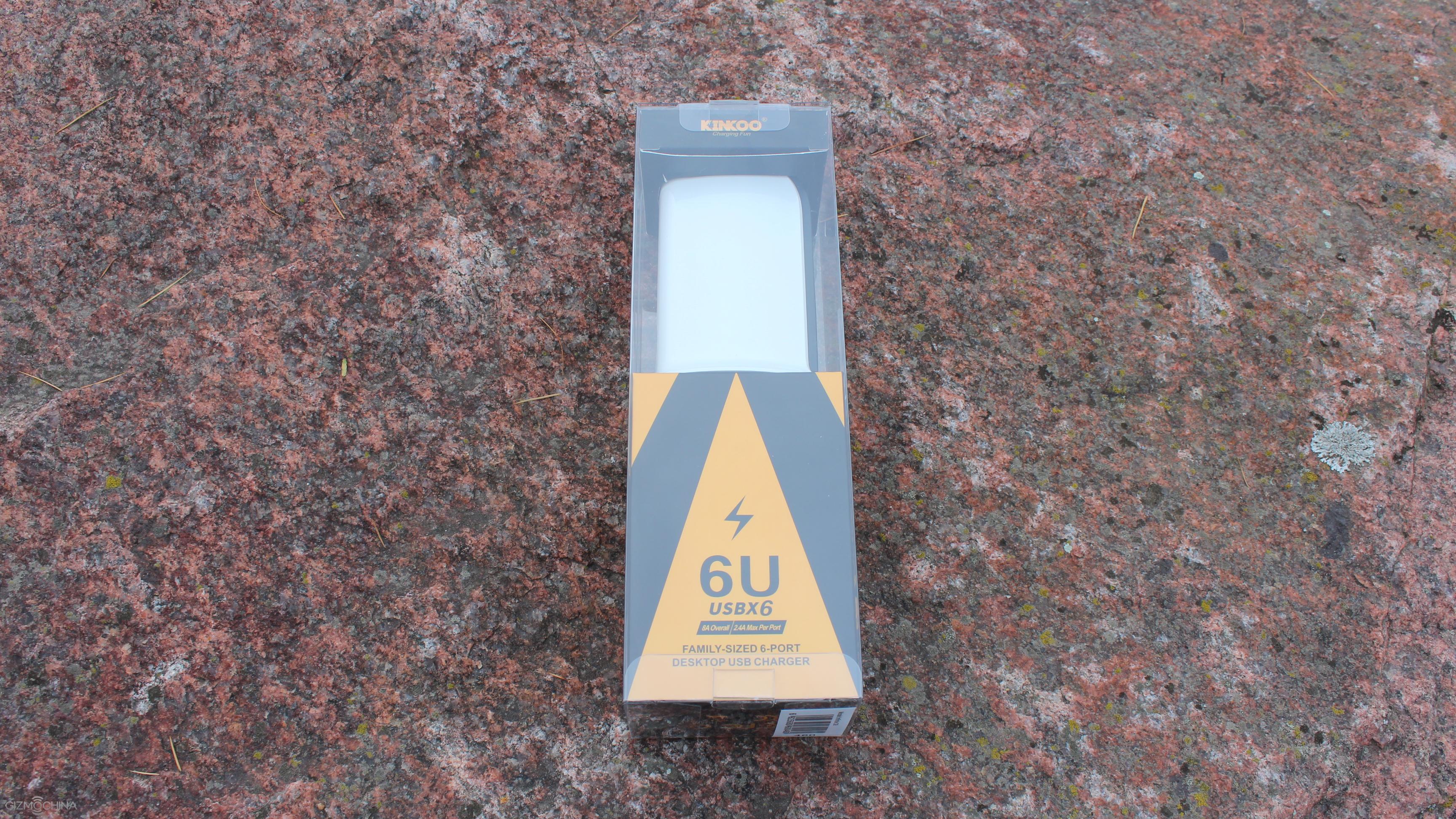
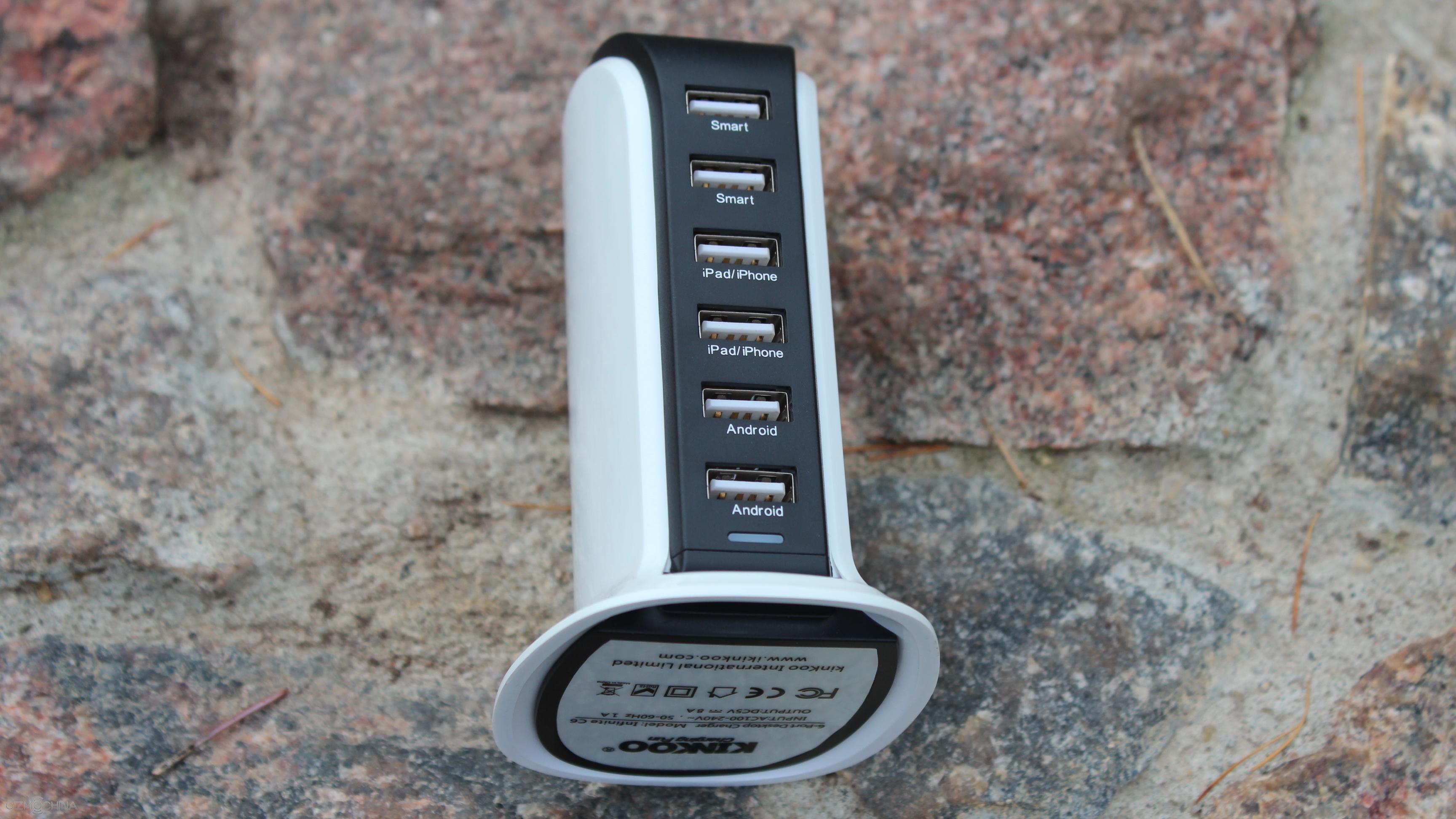
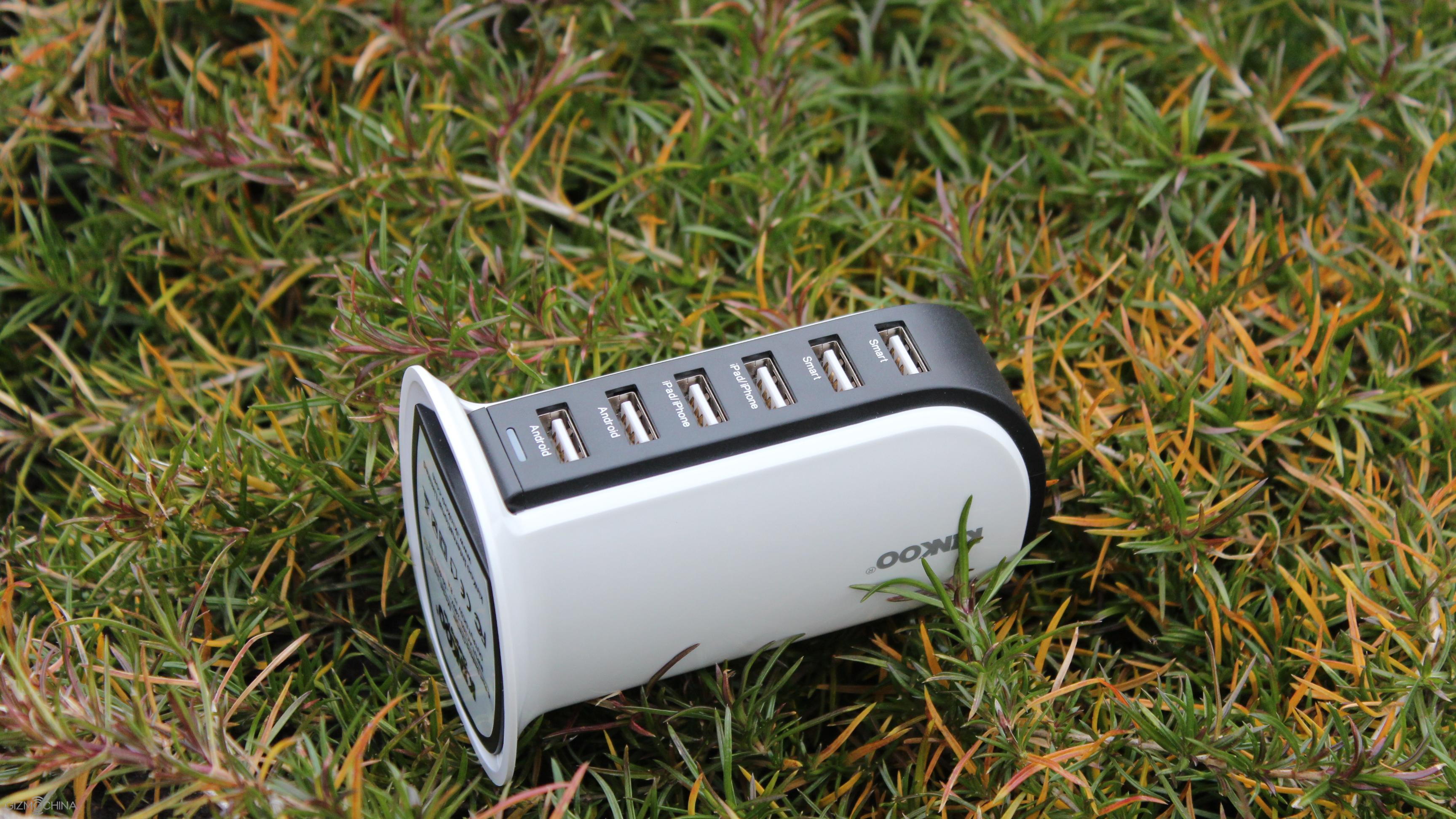
If you have several devices and you want to charge them all at once at the highest possible speed, multi-port USB charger is a solution for that. let’s take a look at the Kinkoo 6-port high speed usb charger.
Kinkoo® 40Watt 6-Port High Speed USB Charger Review: VIDEO
Kinkoo® 40Watt 6-Port High Speed USB Charger Review: UNBOXING
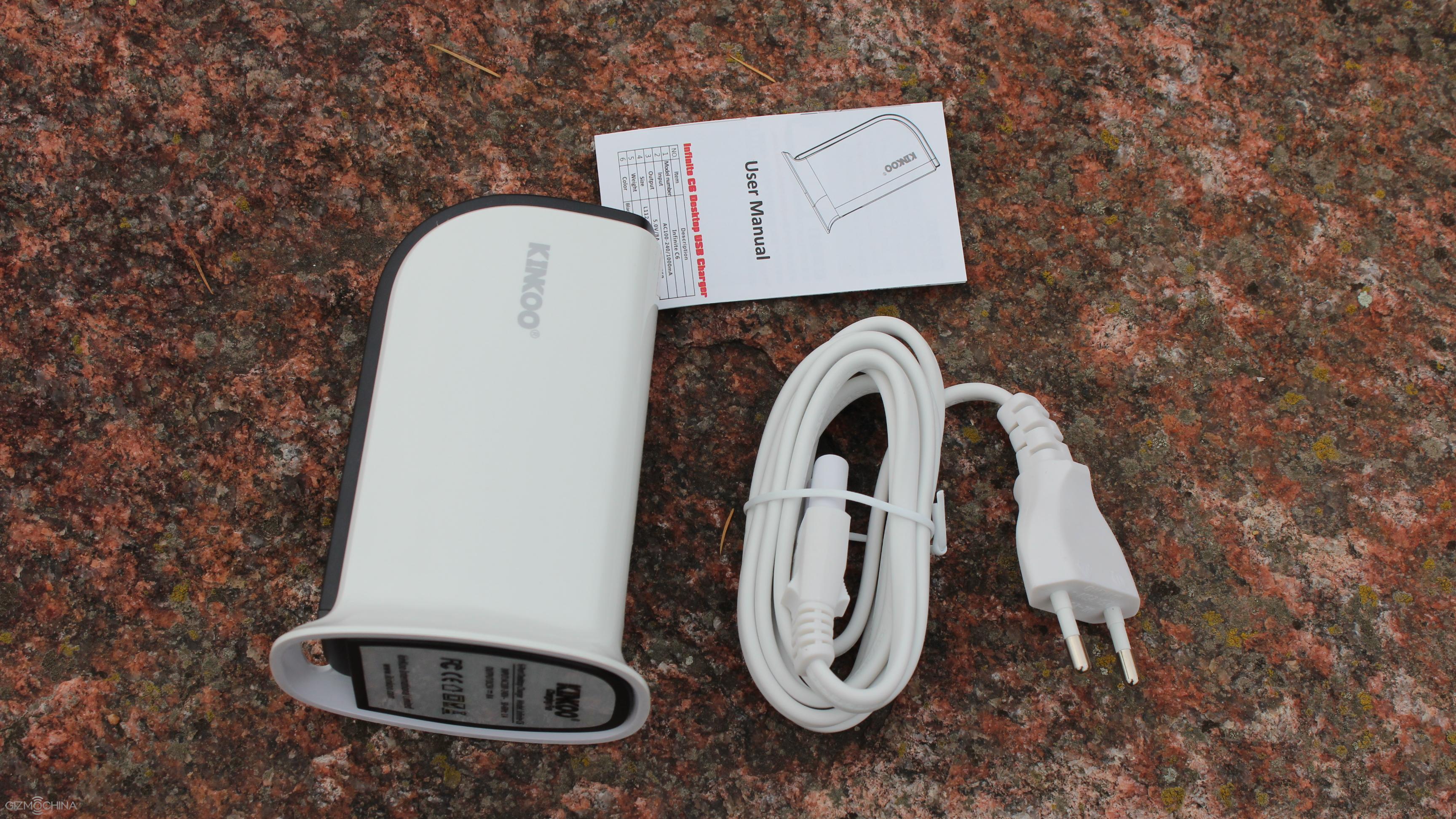
The device comes in a rather nice packaging for the USB hub. Everything’s packed neatly and the contents include the USB hub itself, instruction manuals and the power cable.
Kinkoo® 40Watt 6-Port High Speed USB Charger Review: DESIGN and FEATURES
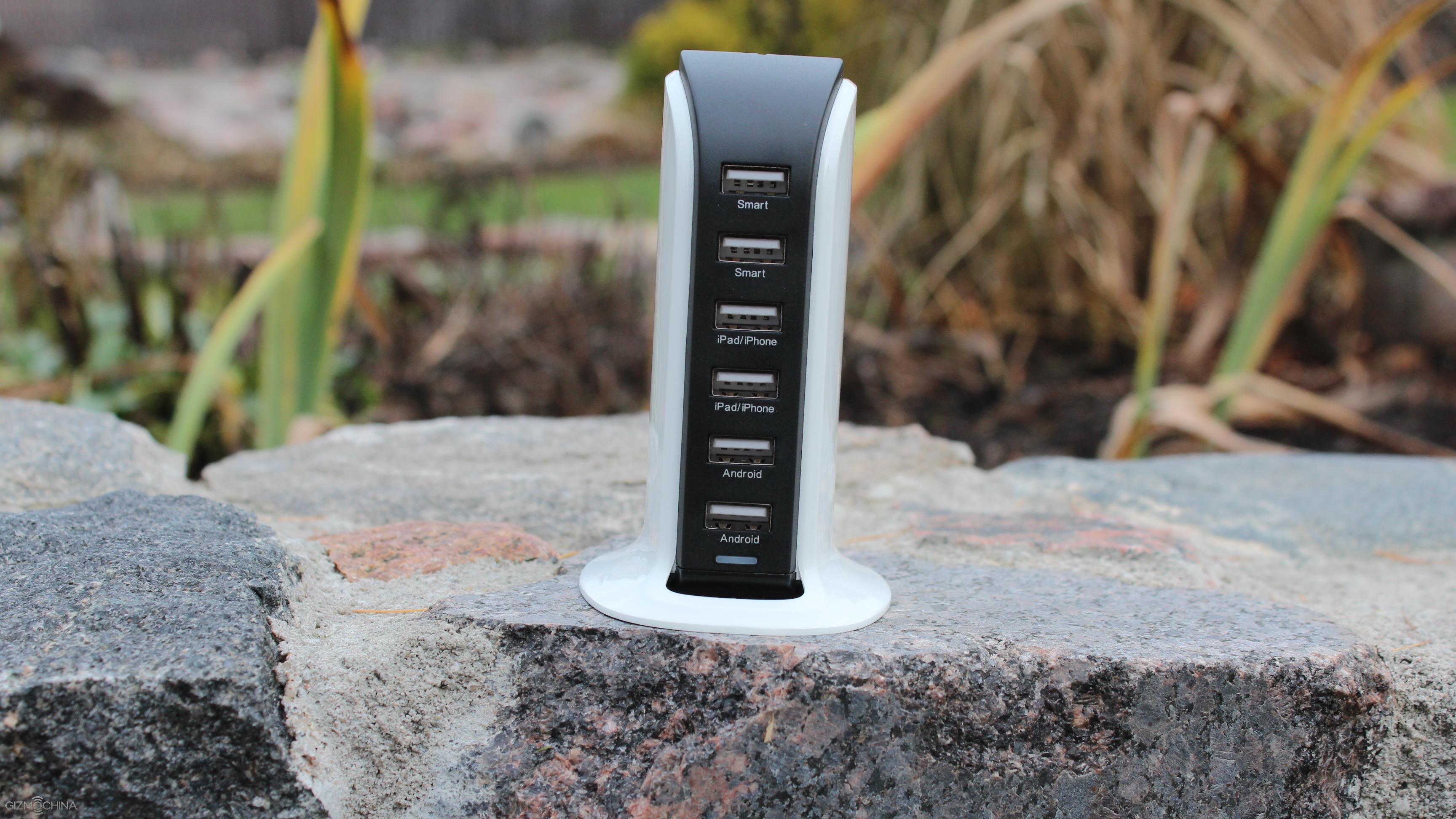
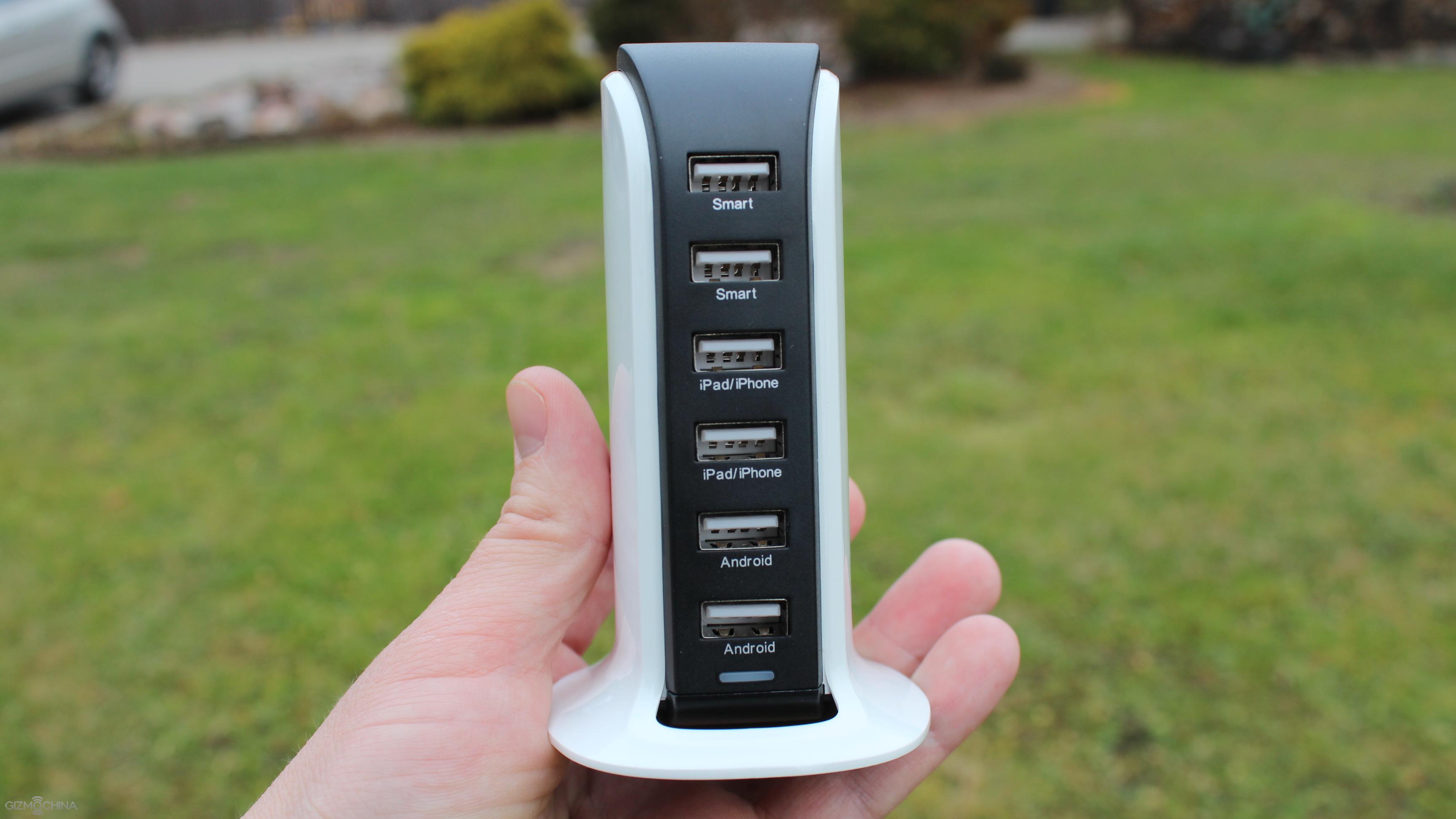
Basically, what Kinkoo charger offers are 6 USB ports that have the combined power output of 8A or maximum 2.4A of output per port. That means that all your USB powered devices will charge very fast as the HUB is able to detect the max. charging speed of the device.
Each port has a recommended device for the best charging speeds but basically you can use any port for any device. A nice blue LED light indicates when the USB hub is powered on.
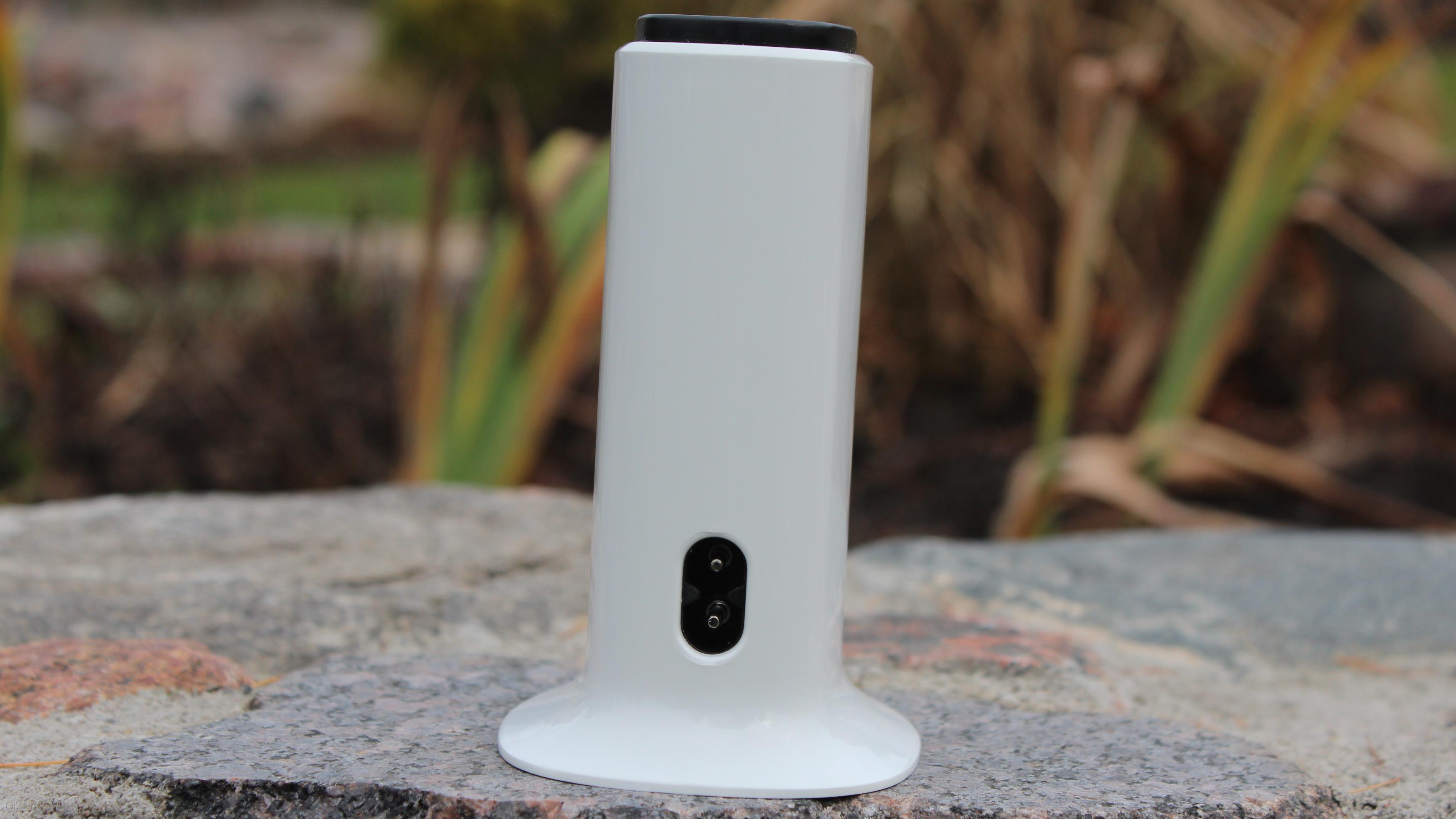
On the back side we have a power input port.
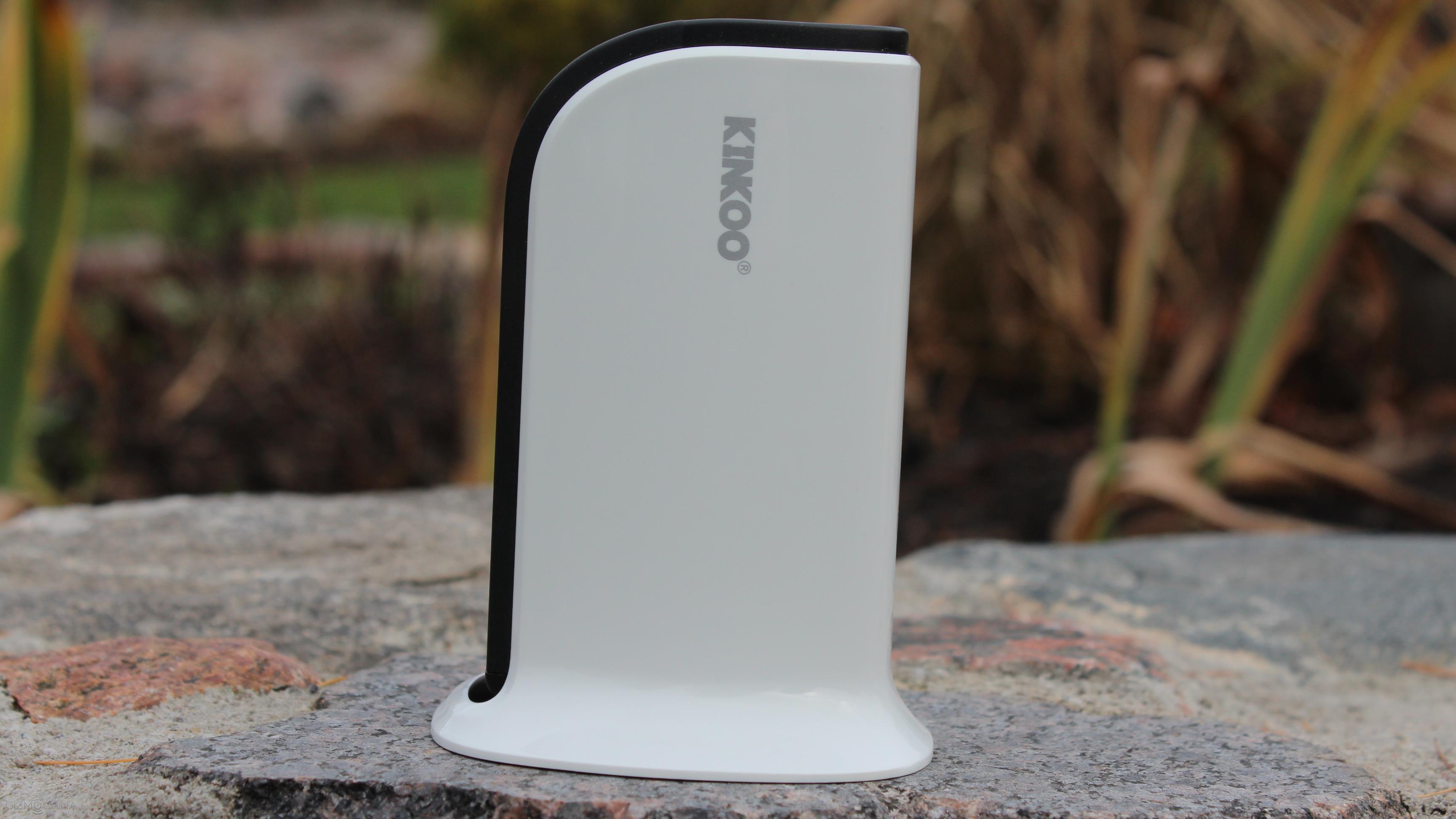
As far as overall build quality it is made of glossy plastic and it does not scream premium but does not look of feel cheap either.
My biggest complaint is that there is no silicone pad on the bottom of the charger, which makes it slippery on any surface you put it on.
Kinkoo® 40Watt 6-Port High Speed USB Charger Review: CONCLUSIONS
All in all, the Kinkoo 40 Watt 6-Port high speed USB charger is nothing we haven’t seen before but it serves its purpose very well.
My test results suggest that each USB port is capable of delivering fast charging speeds and so far I didn’t have any issues with it.
The glossy plastic construction looks okay but it attracts fingerprints and smudges easily. Well, at least it is not that visible on the white surface.
Another shortcoming is that there is no silicone pad on the bottom and the lack of it makes the USB charger slide on the table, especially with lots of cables attached to it.
All in all, the Kinkoo charger is a great product for $25 price tag, which works great but you have to consider a few flaws.
Elephone Vowney with 2K Display for sale now at just $299.99
The Elephone Vowney with 2K Display, Mediatek Helio X10 octa-core processor, 4gb Ram and 21MP camera is currently available to purchase as part of the the Elephone MEvent for just $299.
The Elephone Vowney Lite is also available in the event for just $239.99 the main deifferences in the two varients are the screen and the amount of ram.
The Vowney Lite comes with a FHD Display, Mediatek Helio X10 octa-core processor, 3gb Ram and 21MP camera.
You can currently order the Vowney with 2K Display in gold and the Vowney Lite in grey, the white variants are currently not available to order.
We are yet to receive a firm release date for both handsets, but hopefully both the official shipping dates for the Vowney with 2k display and the Vowney Light will be before Christmas.
We have advised that software for both handsets is still currently under going debugging and testing, hopefully the fact that Elephone appear to be spending additional time on the phones software, should help to ensure that both handsets will come with finalised software, that does not require bug fixes and stress on the part of the purchaser.
It would be great to see these long awaited handsets finally released by Elephone, with great hardware and firmware that together will asserts their position as makers of great Phones that have the software to back up the hardware, if they can get both of these right with the release of the Vowney handsets, it will make them a real contender in a crowded handset market this December.
You can check out the hands on video, please feel free to leave any comments or questions below, and let me know which one you will choose? will it be the 2K, 4gb ram version that floats your boat? or perhaps the FHD 3gb variant, or maybe your waiting on the Elephone P9000?
If you have the Xiaomi YI camera, you know that it is a great cheap action camera but it has a few flaws – a poor battery life, the lack of display and it ships without any accessories.
In this review we are going to look at the accessory pack that’s going to supercharge your Xiaomi YI camera on a budget. Find out more in the full review.
Xiaomi YI Camera Power User Accessories Pack Review: UNBOXING
This power user accessories pack costs just below $40 and it is a pretty good bang for your buck considering the overall package you are getting.
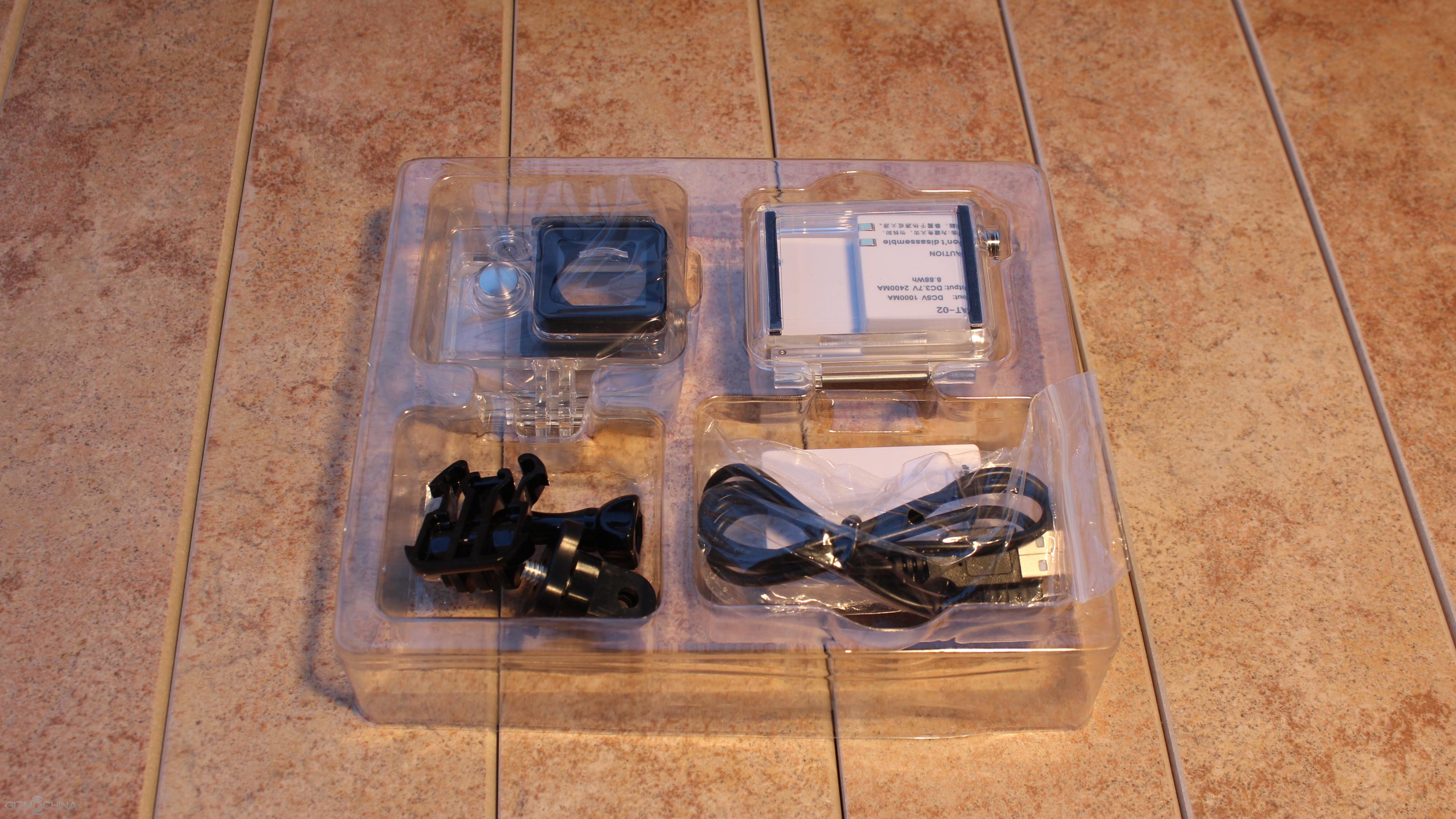
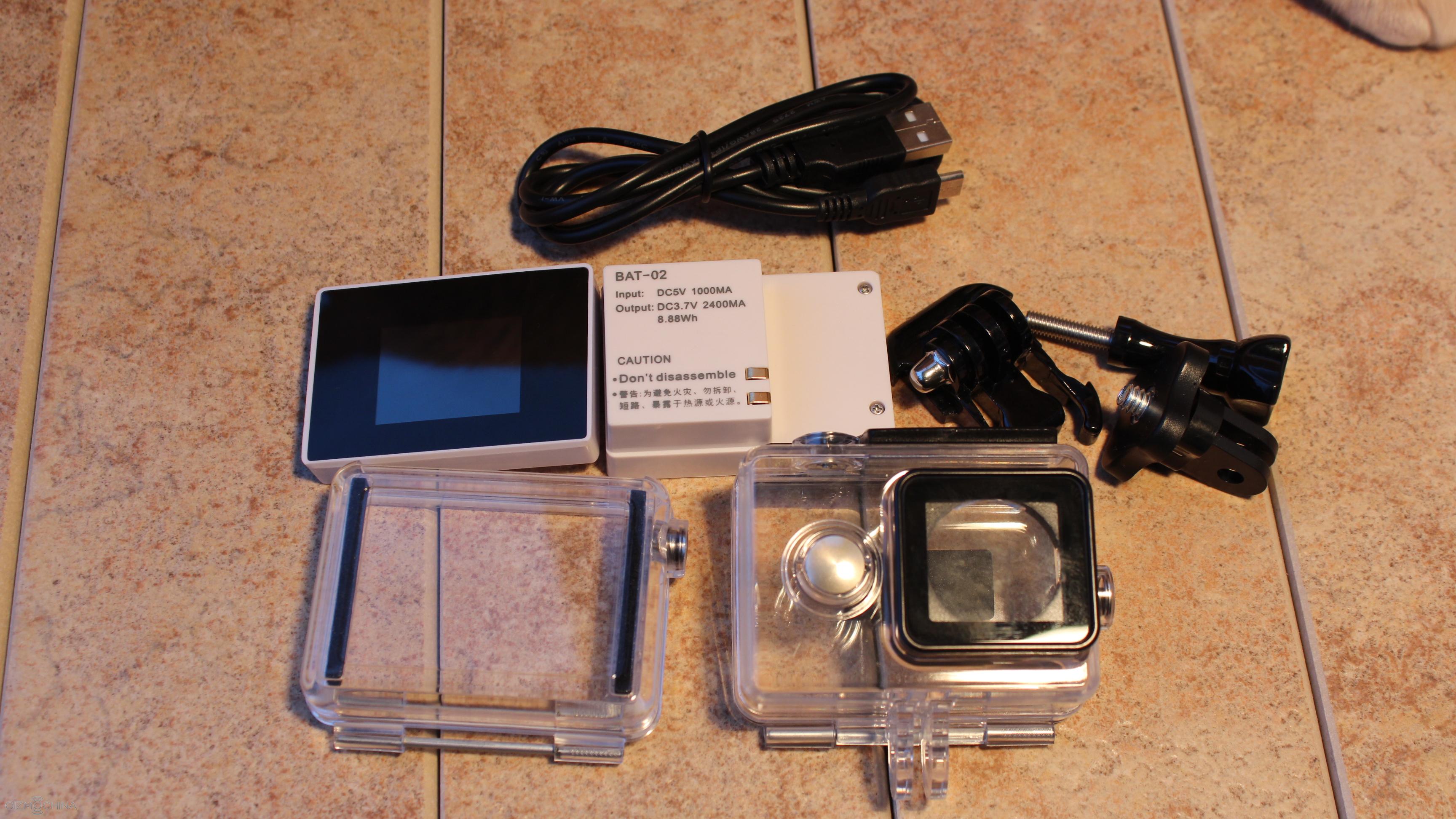
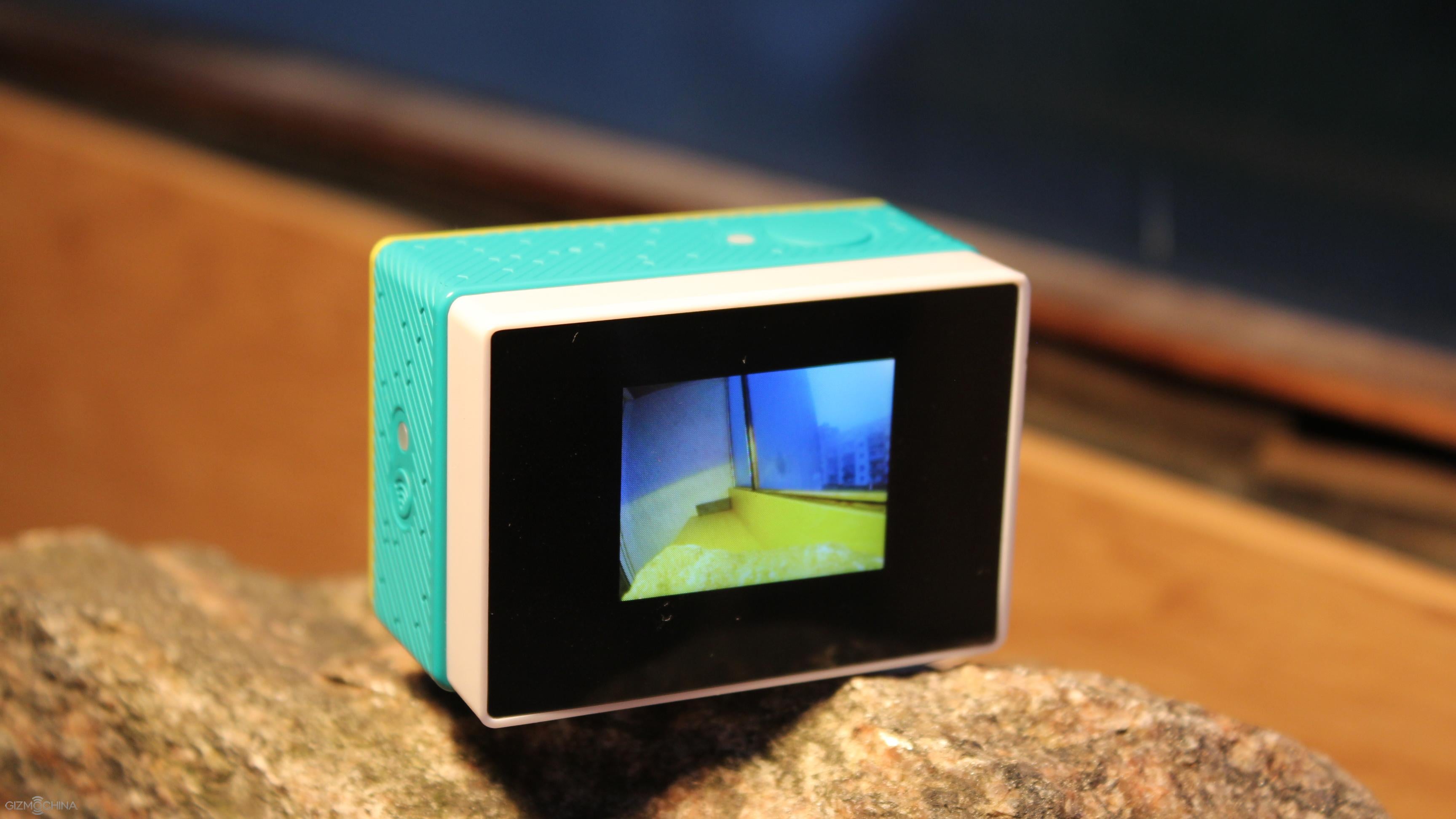
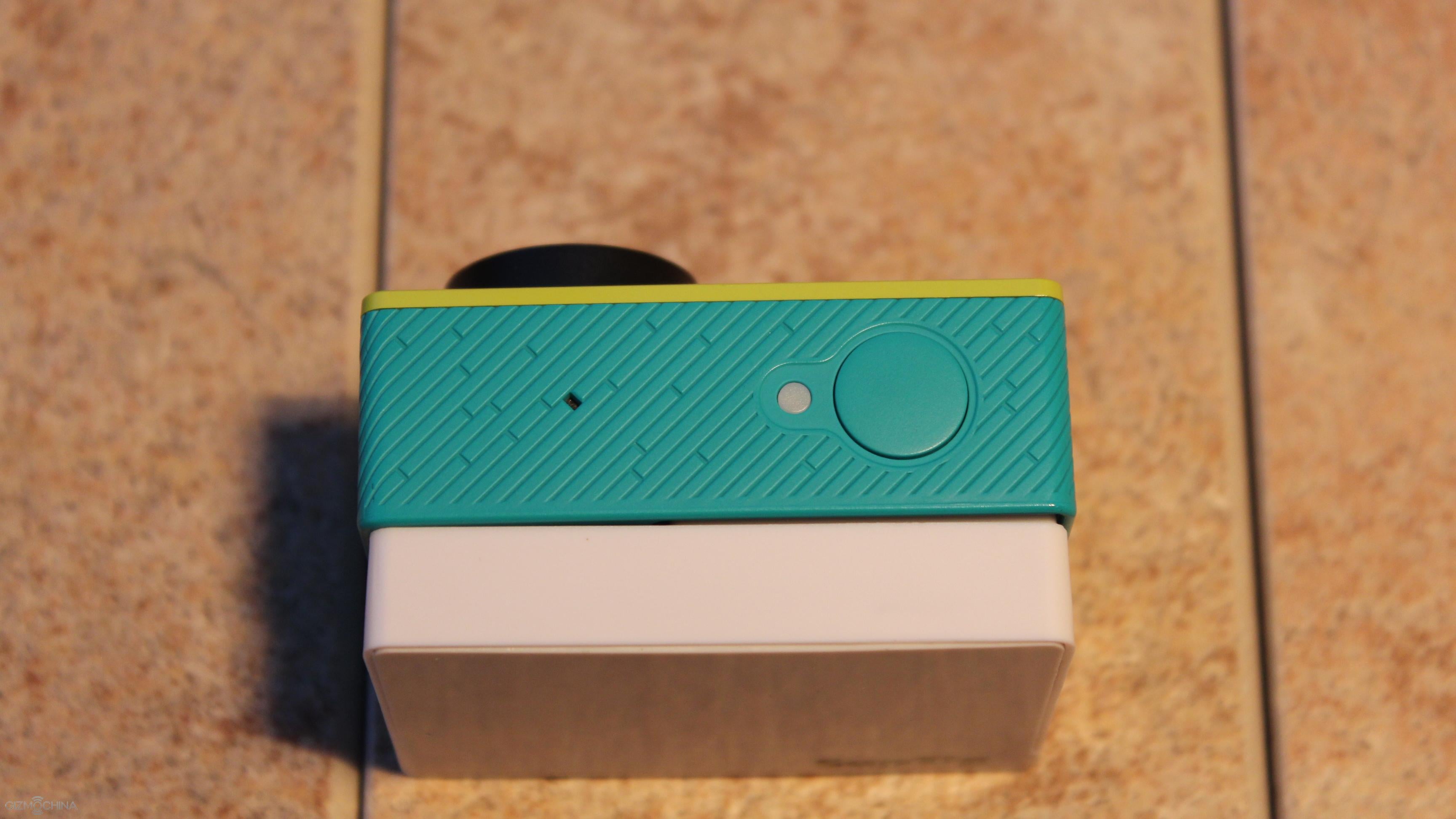
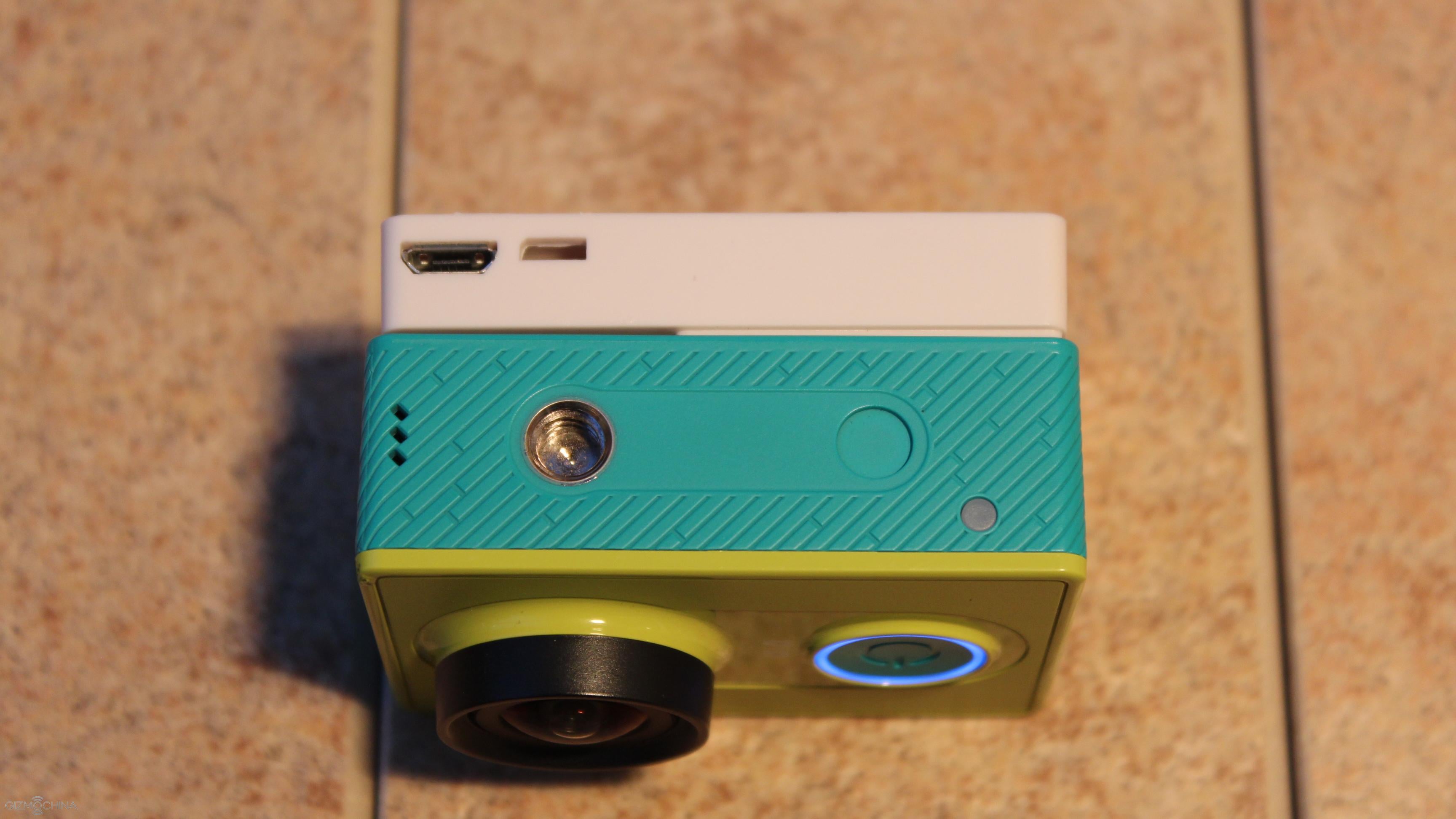
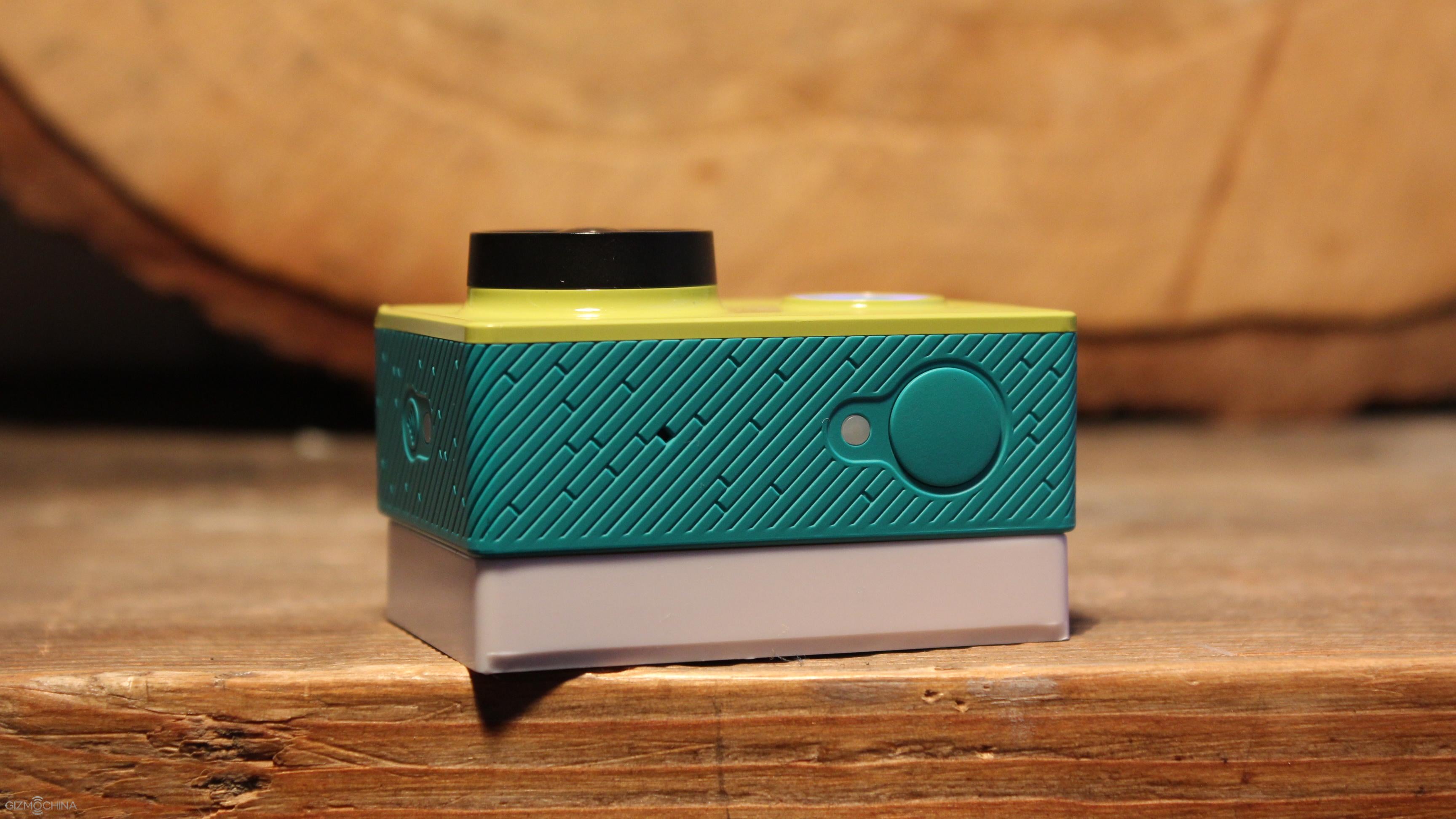
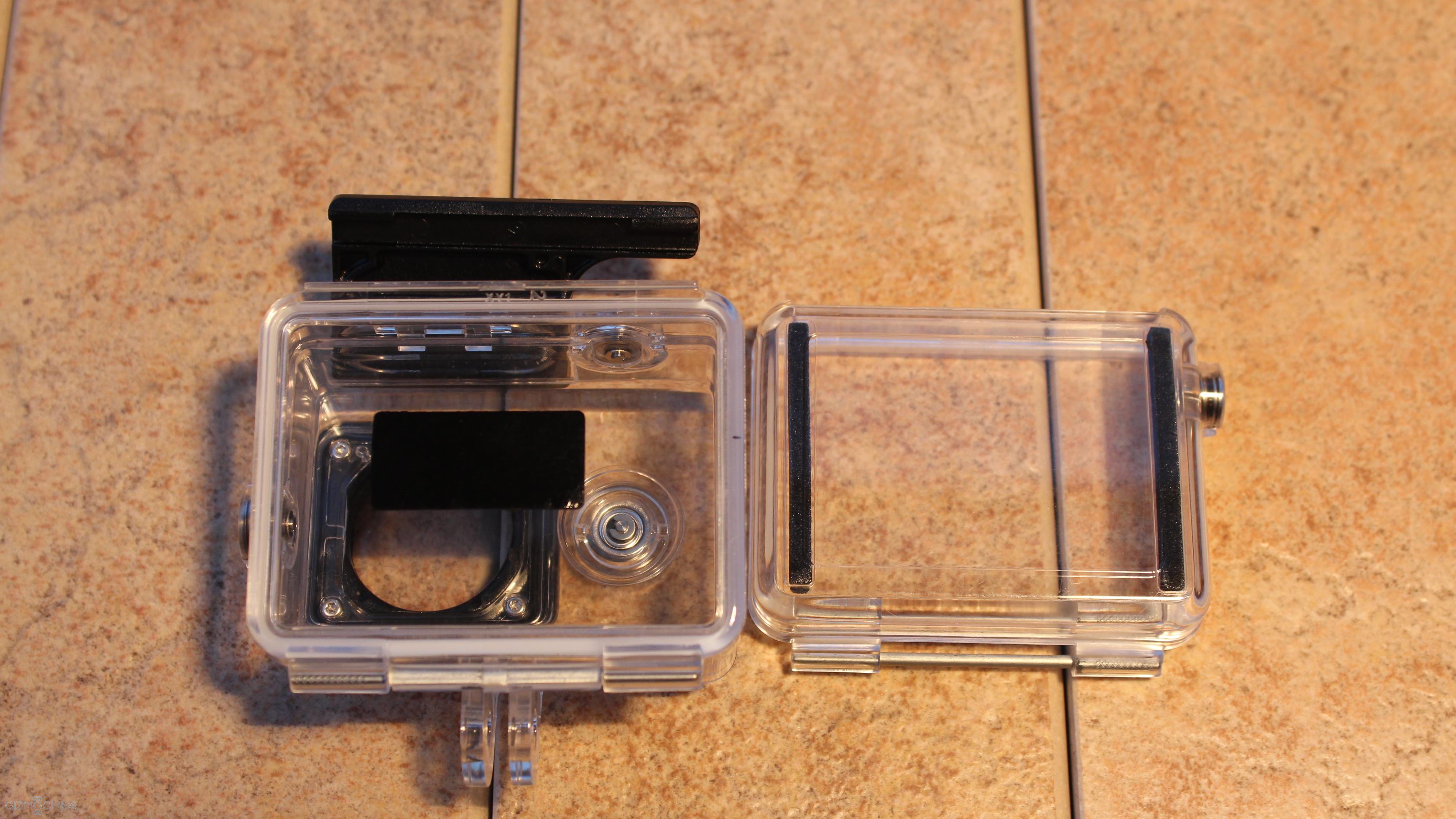
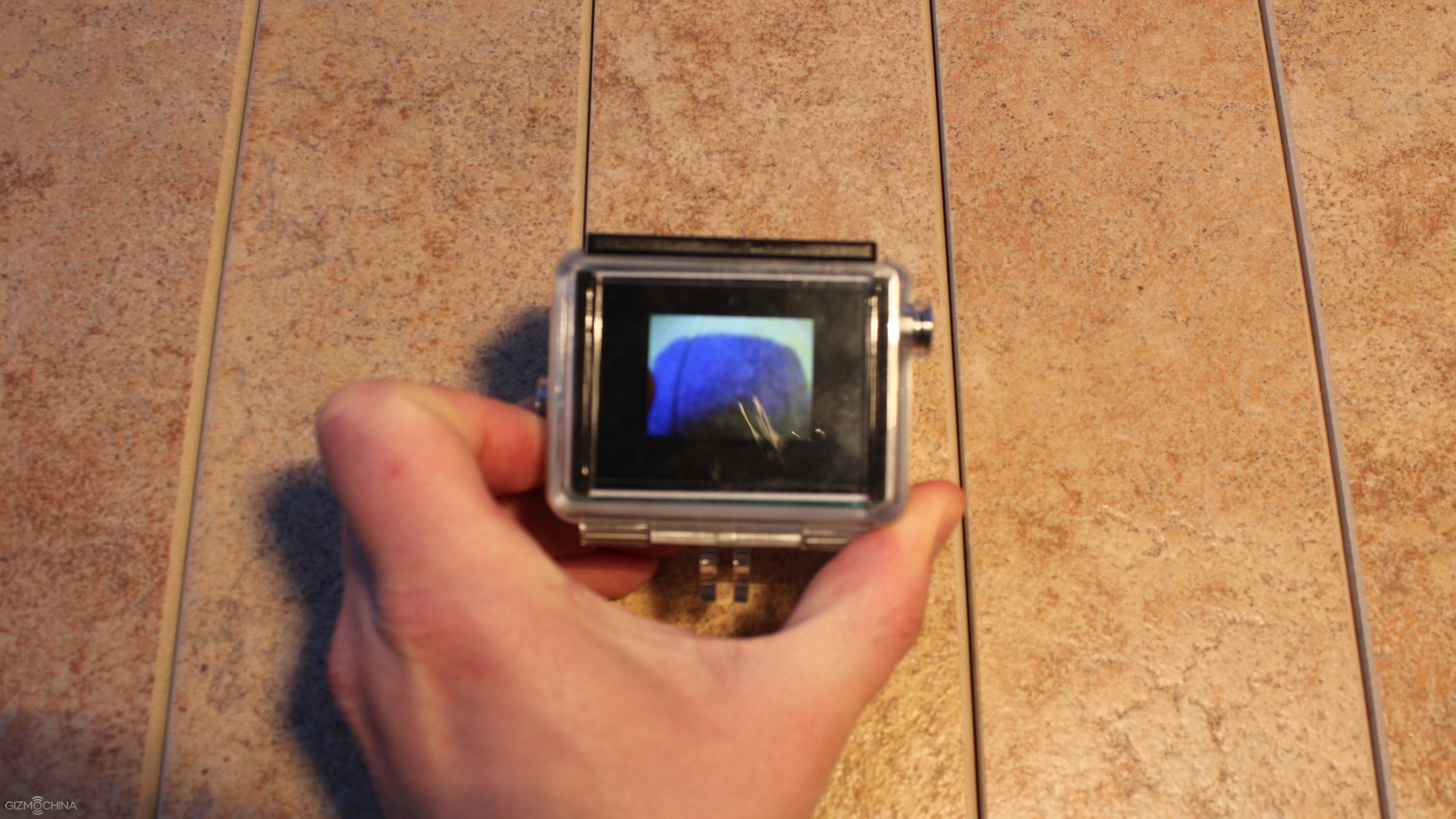
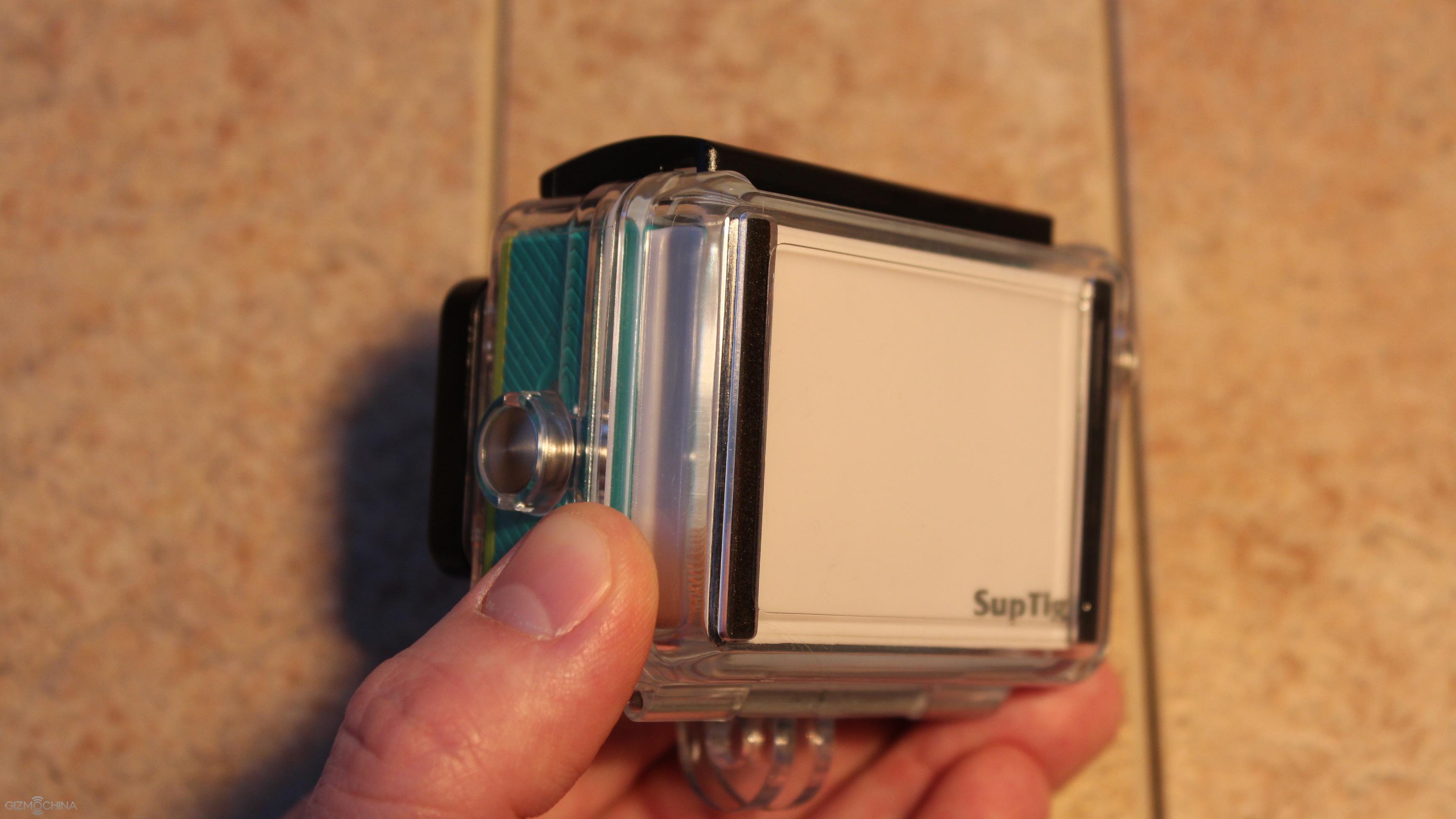
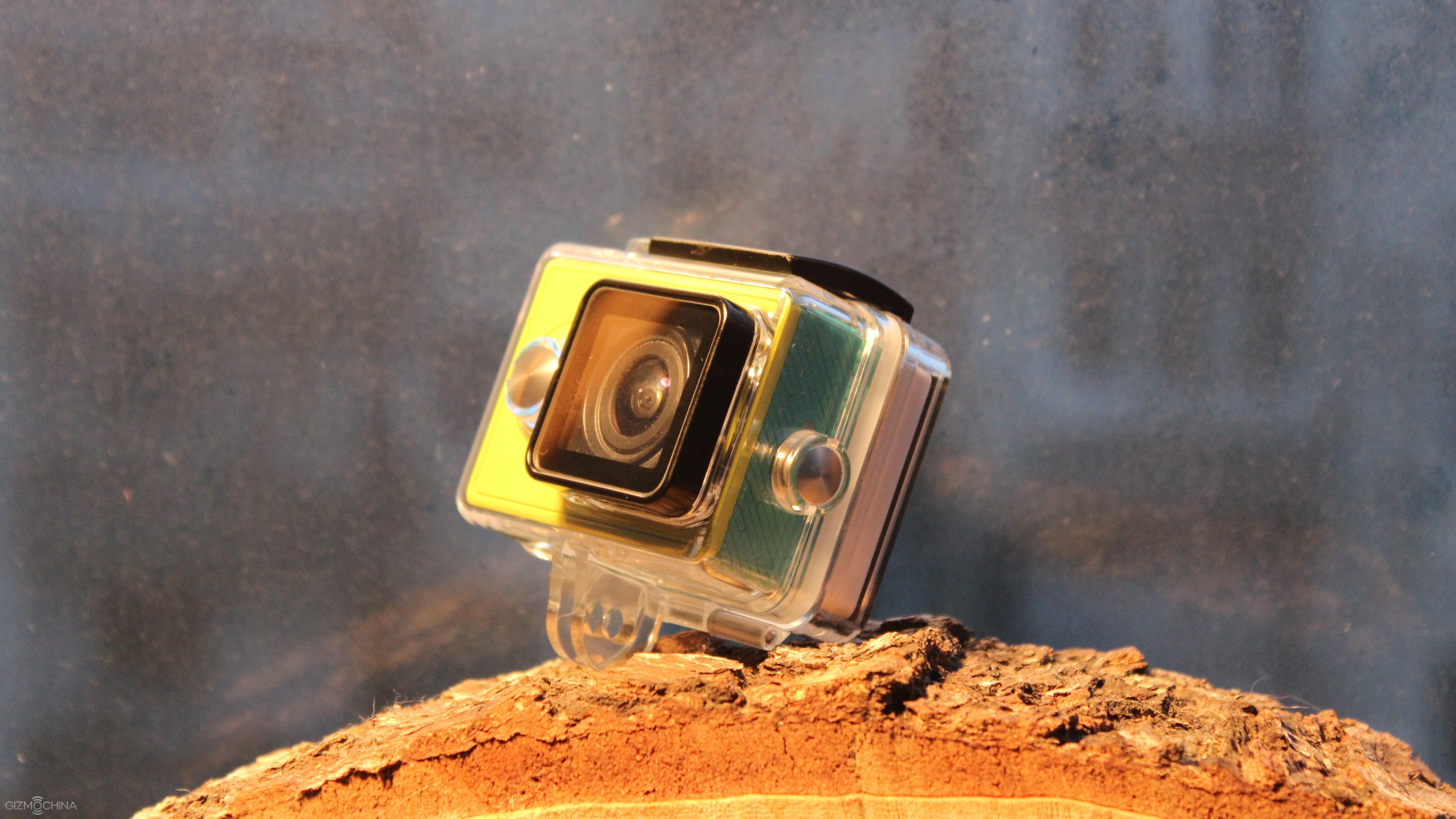
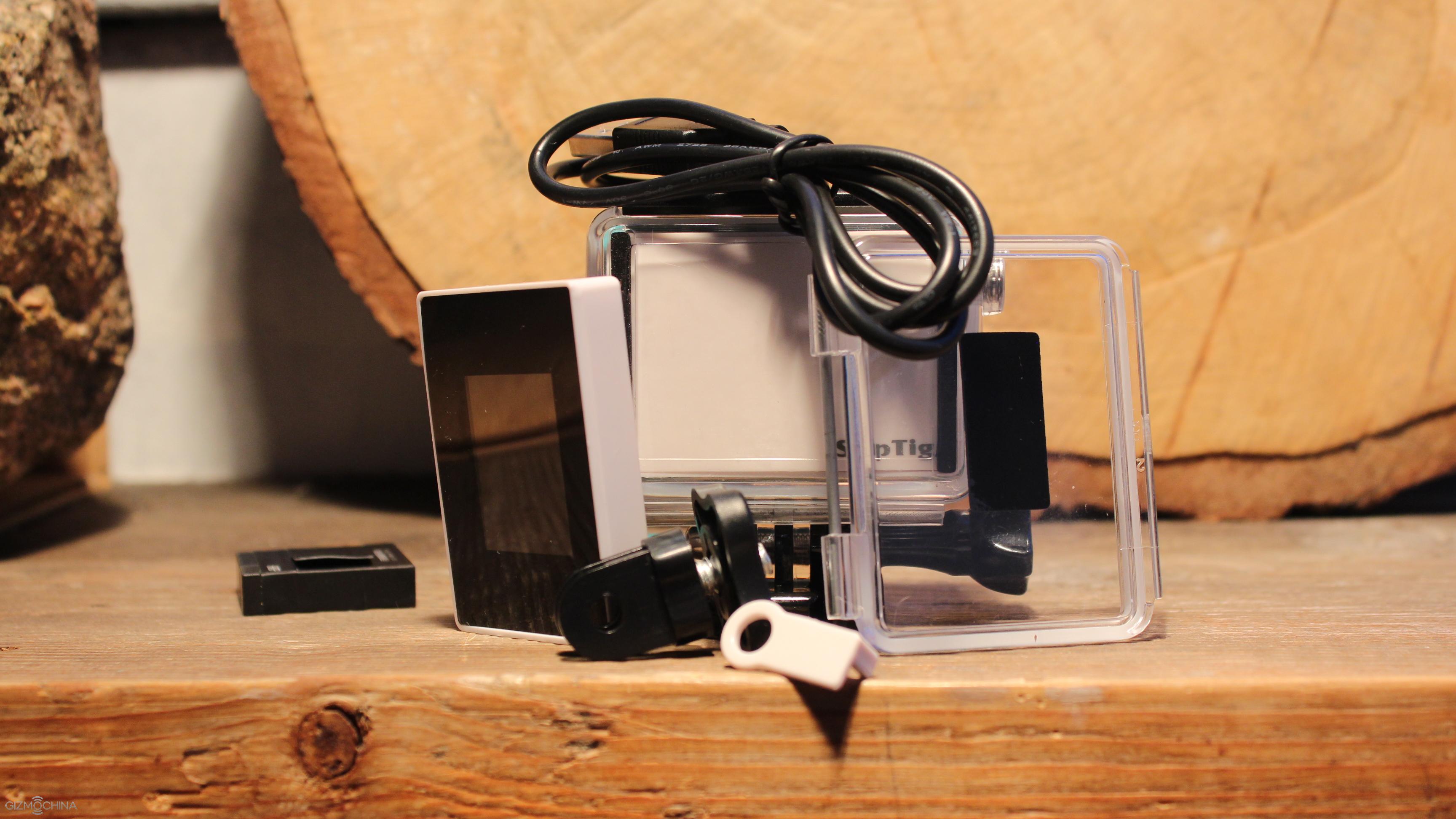
What you are getting in the packaging includes an external display, a generous 2400mAh external battery, a waterproof casing, some mounting brackets and the micro USB cable.
Xiaomi YI Camera Power User Accessories Pack Review: CONTENTS and FEATURES
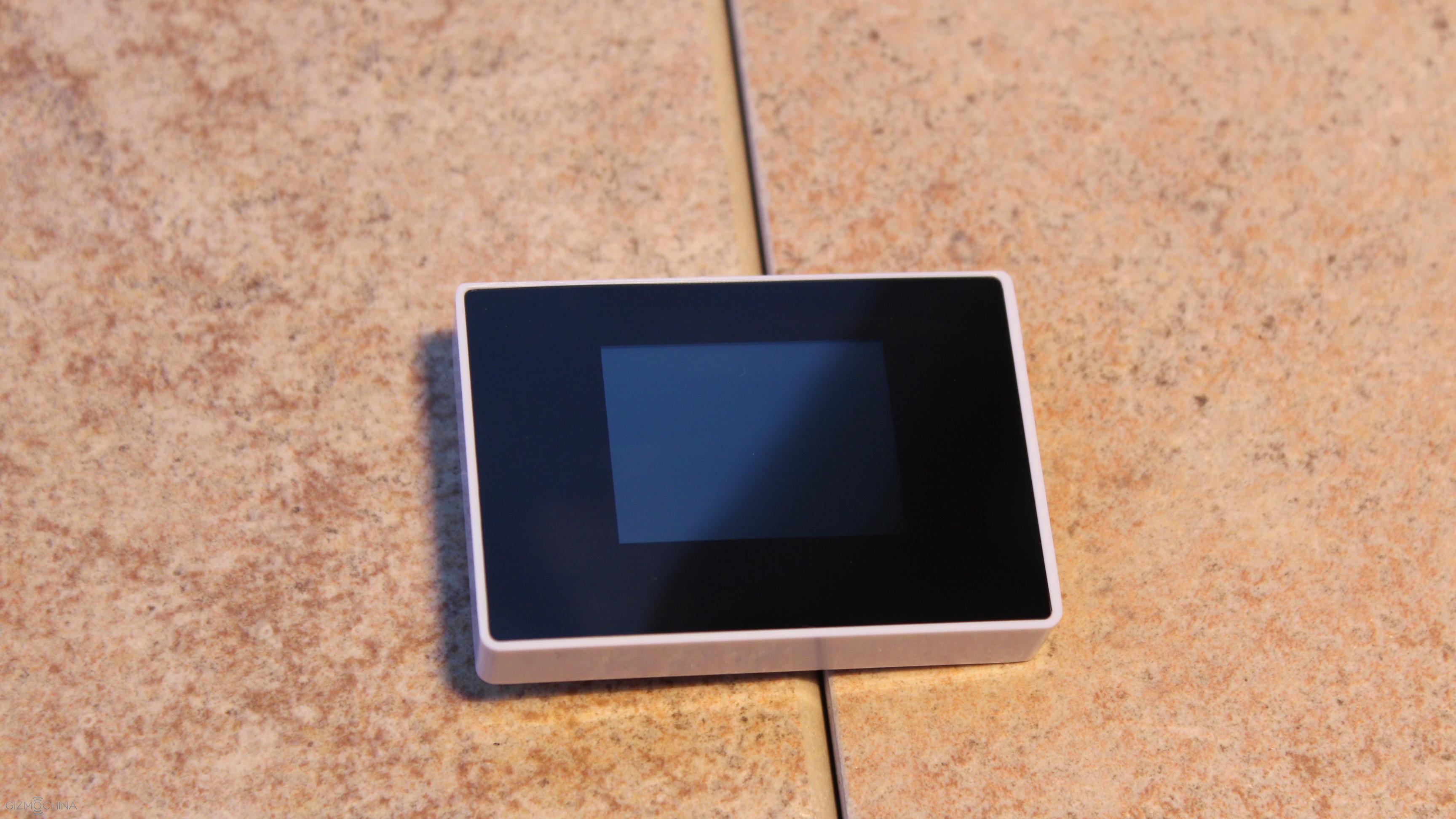
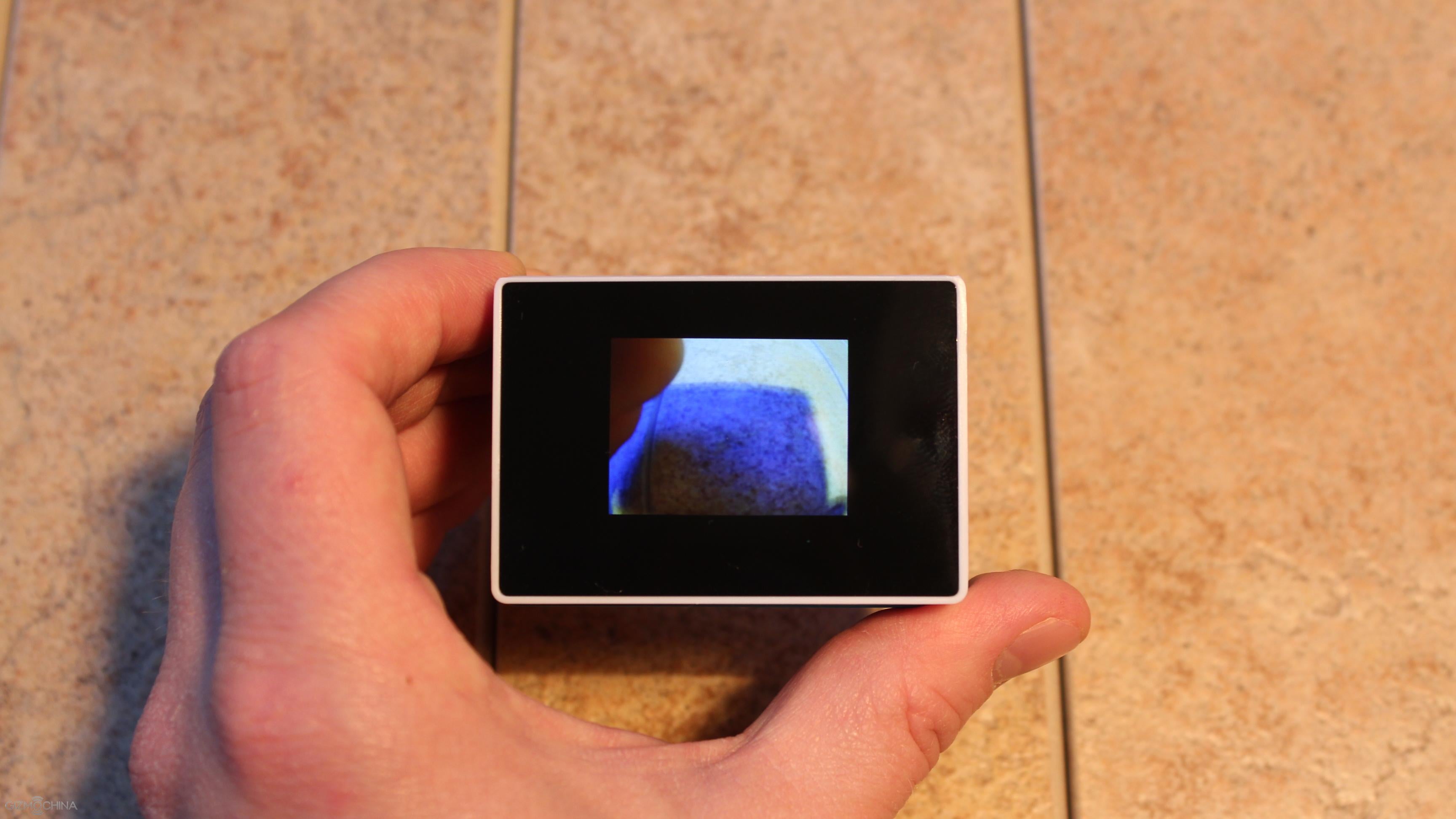
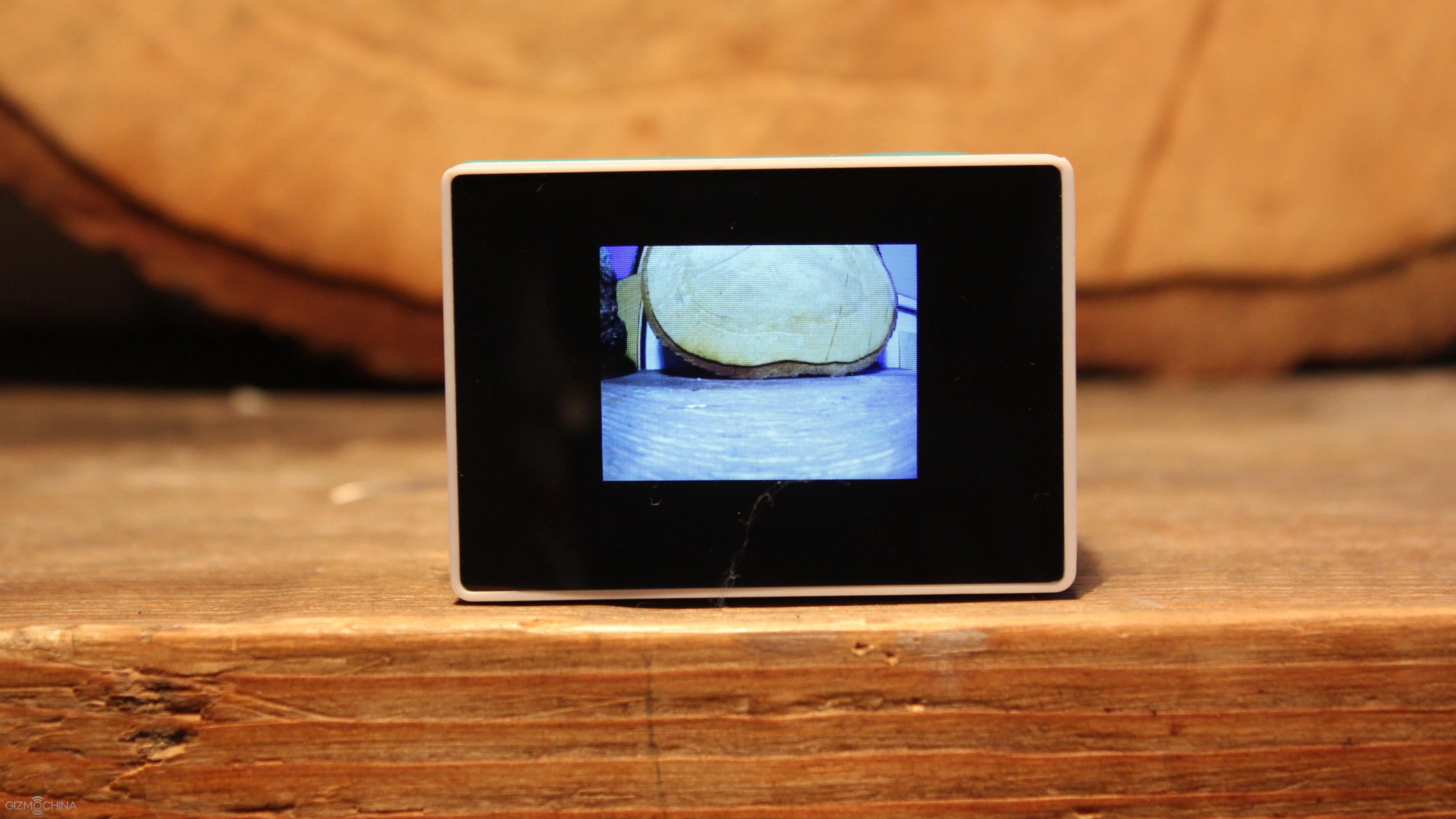
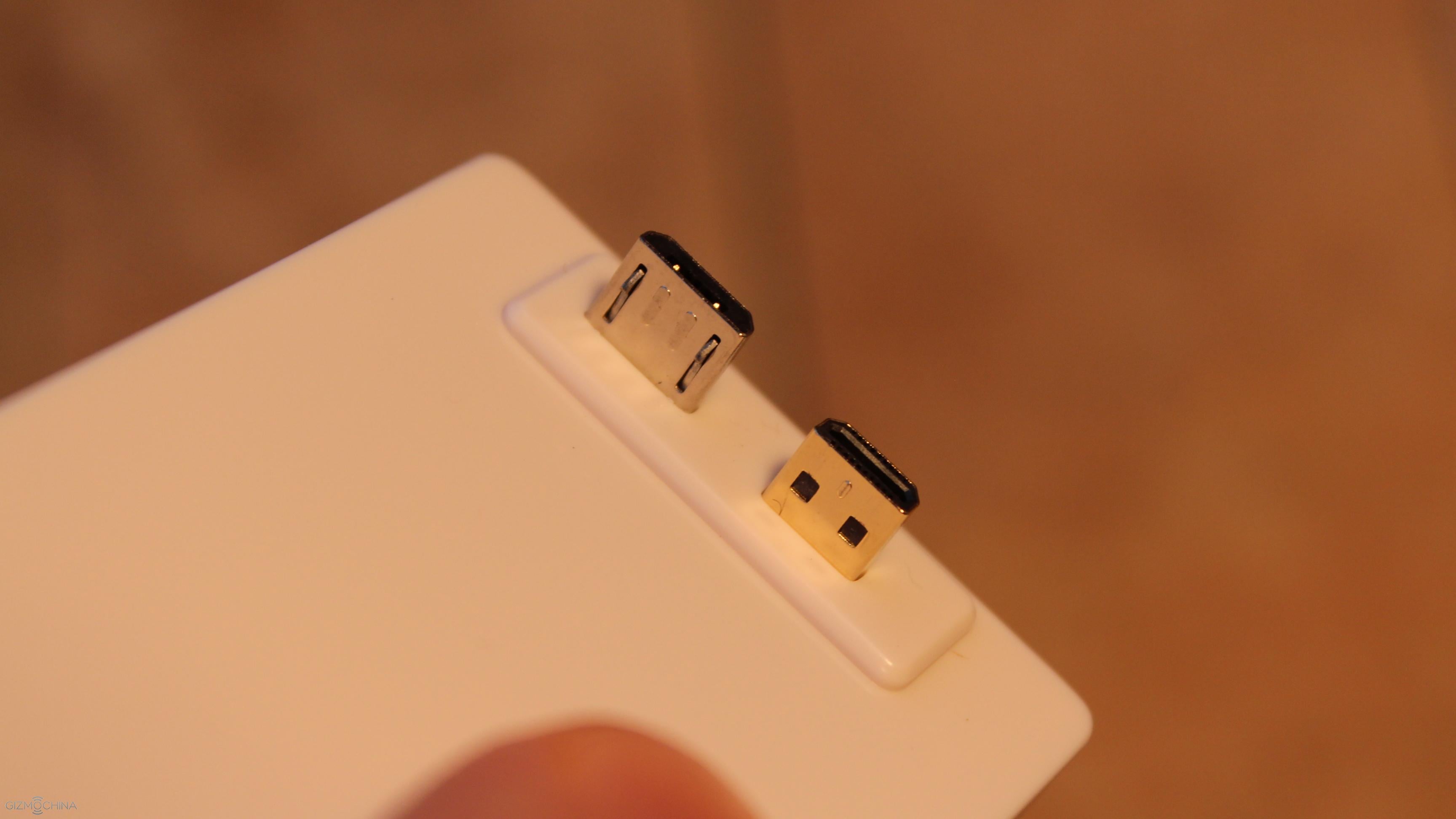
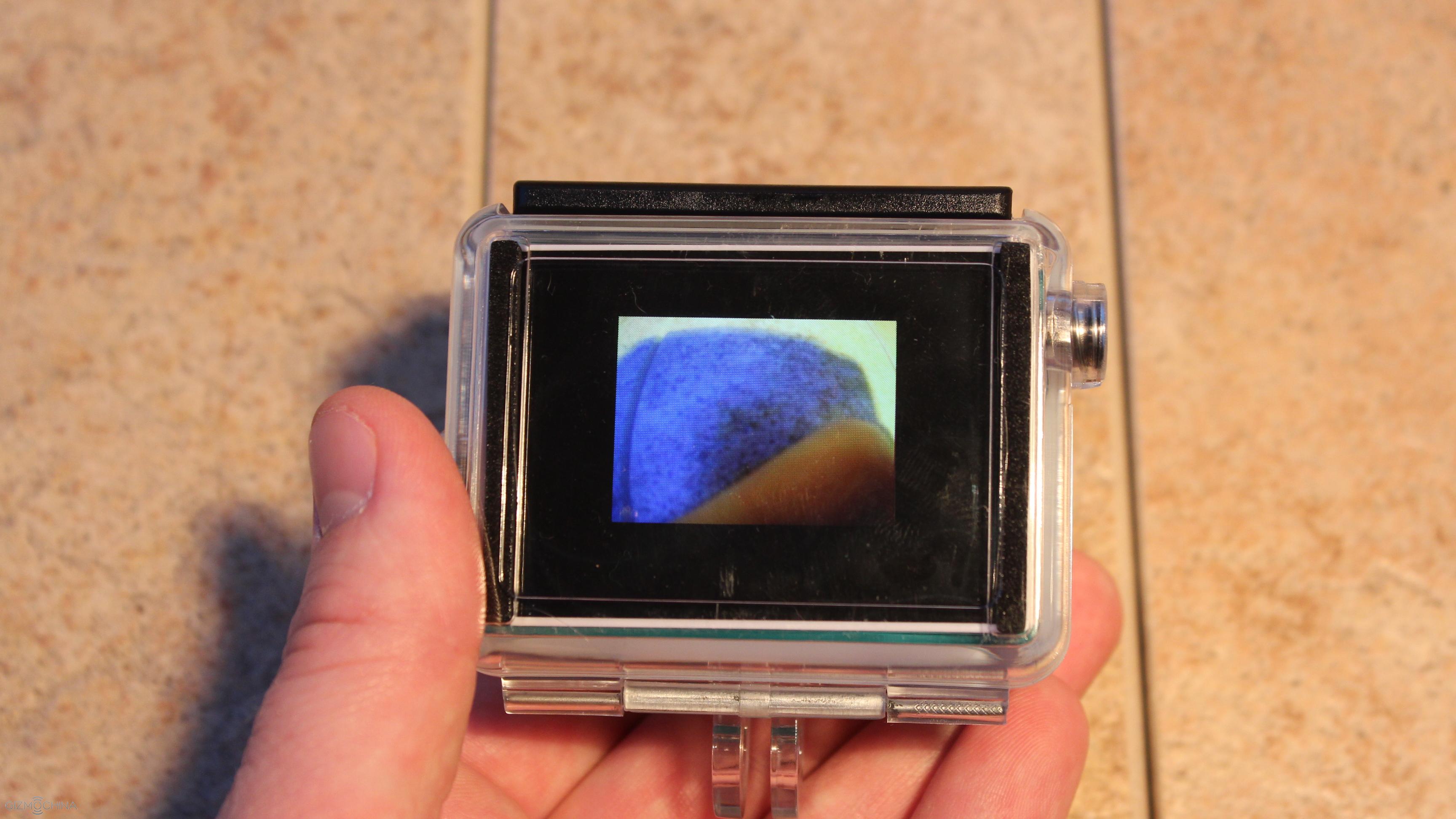
There are lots of action cameras that do not have a display and thus you cannot properly frame the shot. The external display is here to solve the issue and it is very easy to use. All you have to do is just connect it to the back of the camera but before you do that make sure to upgrade the camera’s firmware to the latest version and select the AV output in the YI Camera app.
Once you’ve done that, you are good to go and the display works very well and there is no delay whatsover. Also, there is the display power on/off button to save the battery. My only complaint would be that the display could have a bit higher resolution but it is used only to frame a shot anyway.
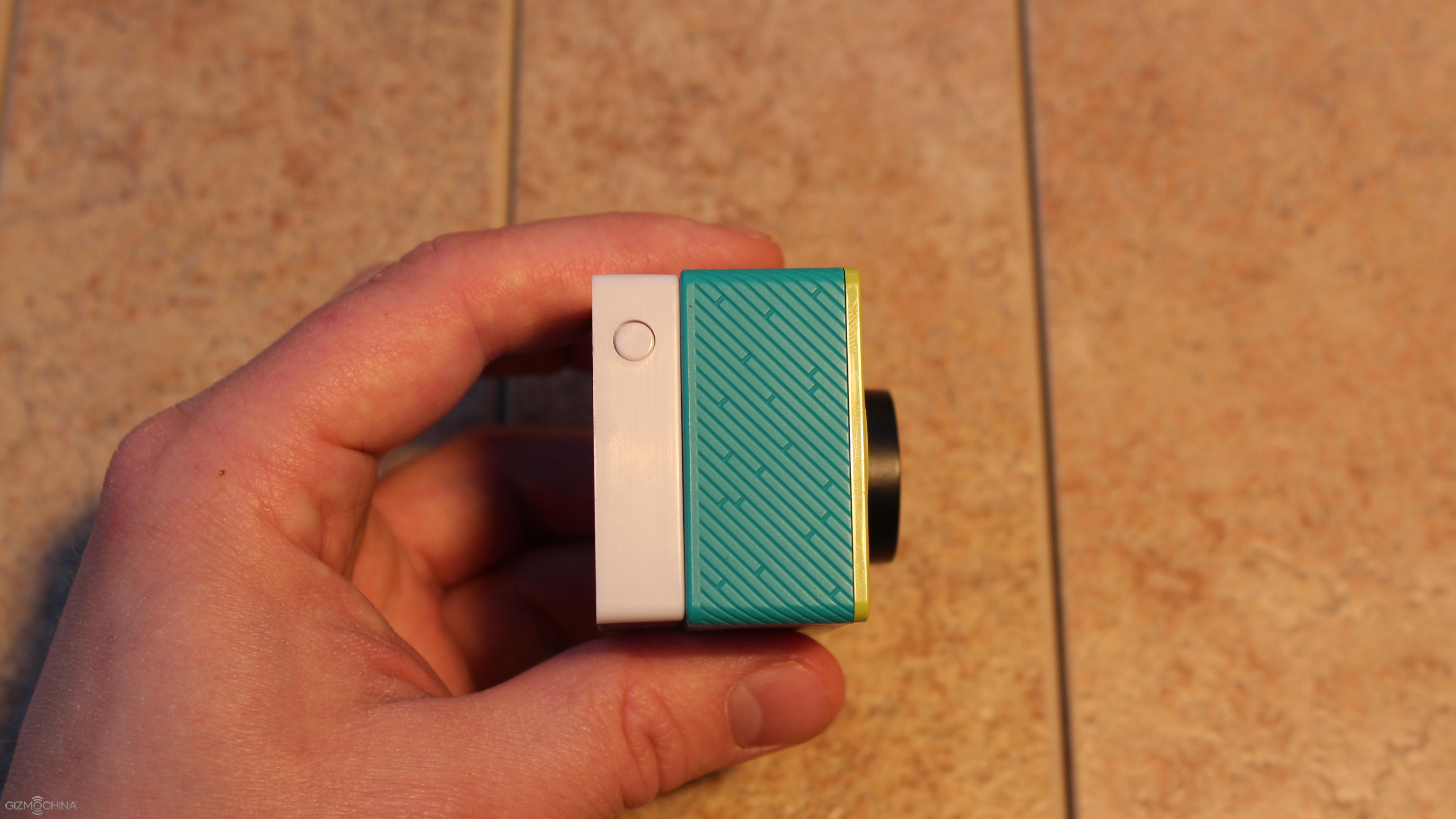
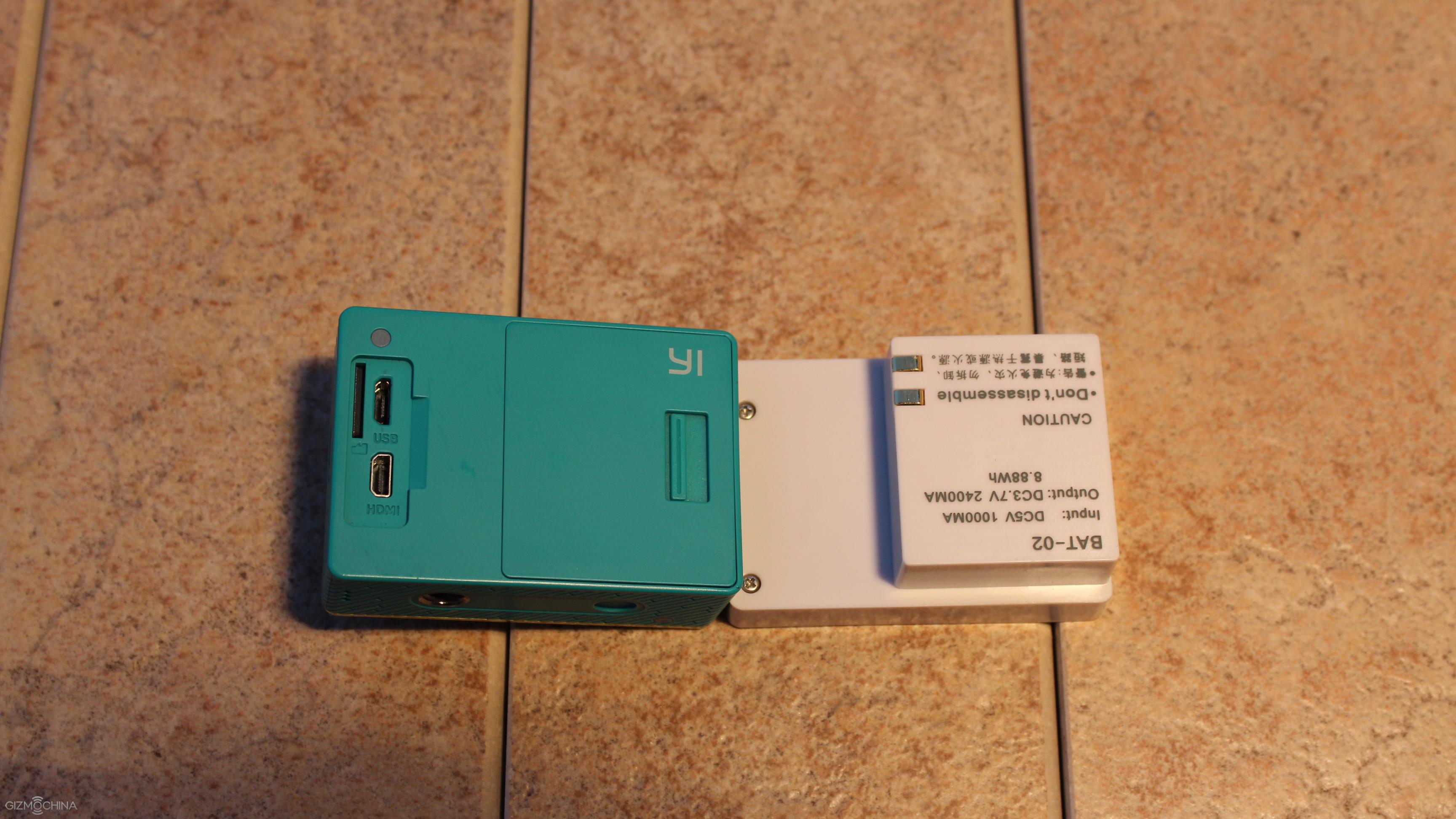
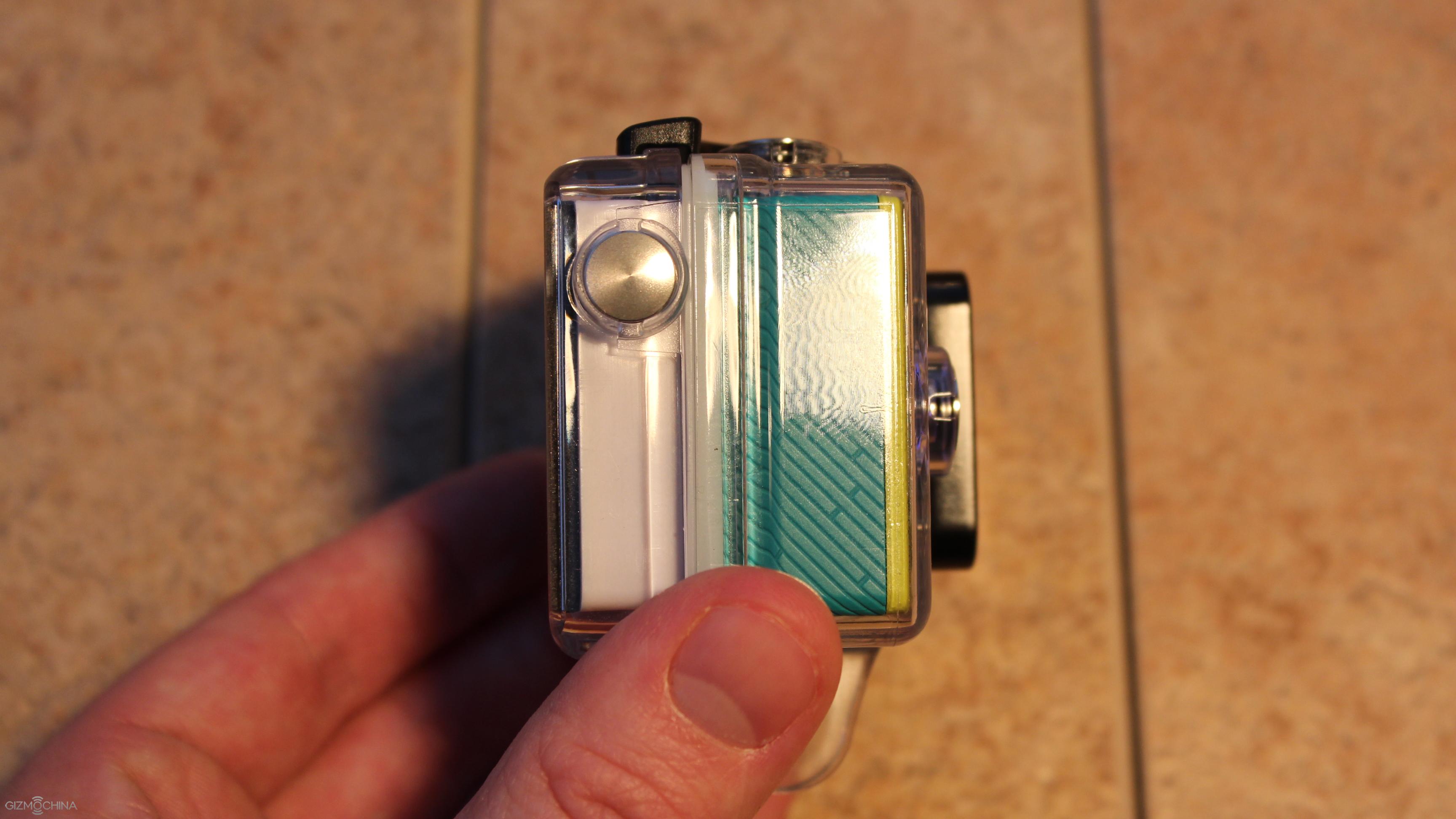
Another cool accessory is a generous 2400mAh external battery. If you want to use it, you have to remove the original battery first and install the external one with a simple push.
The original power pack has the capacity of just 1010mAh and thus we have more than twice as much juice in this external battery. With the original battery, I was able to achieve around 1:40h of continuous 1080p video shooting and with this one the battery lasted for around 3,5 hours under the exact same conditions. Of course, you will be able to achieve that if you don’t mind the extra bulk this power bank gives.
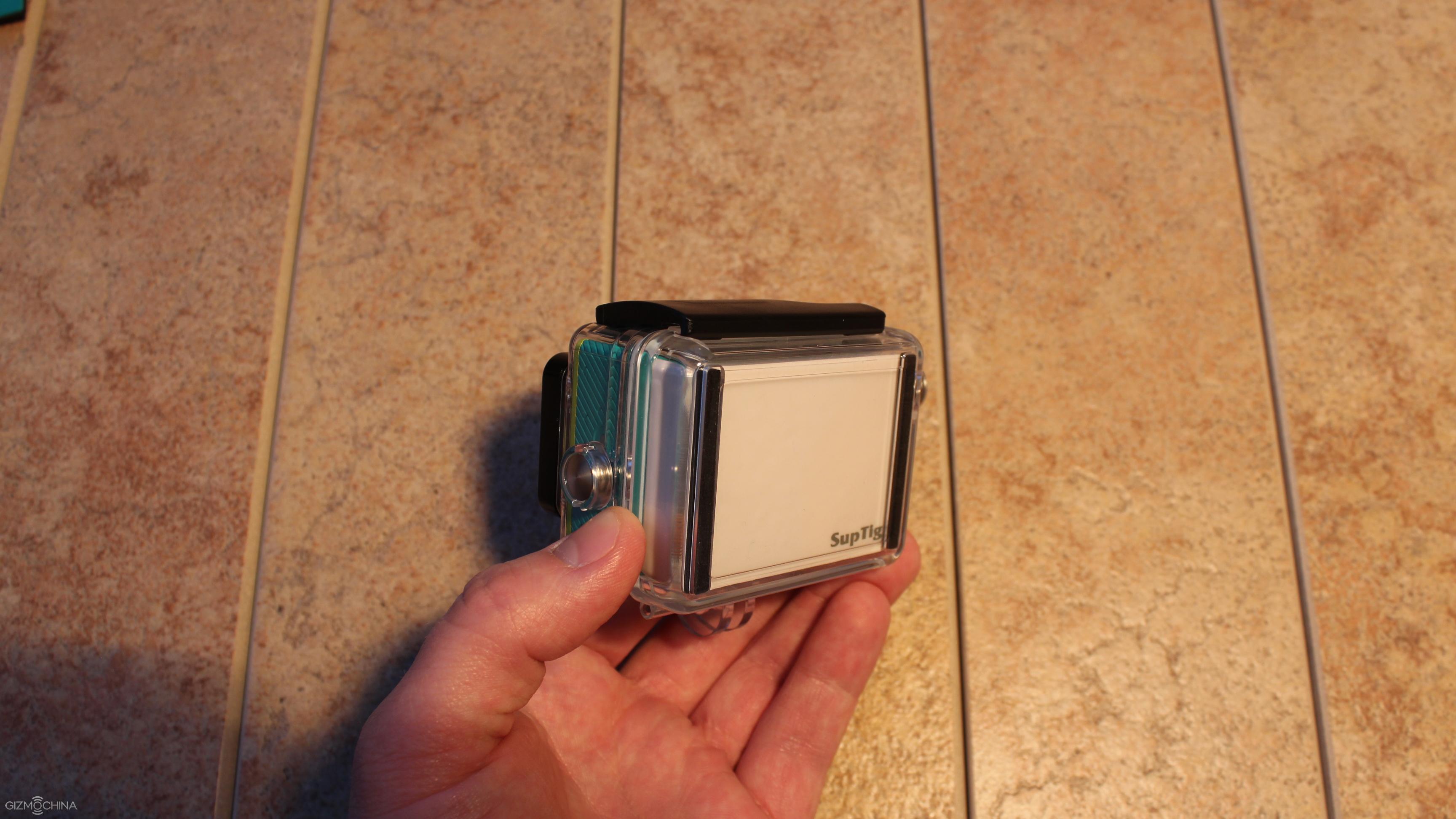
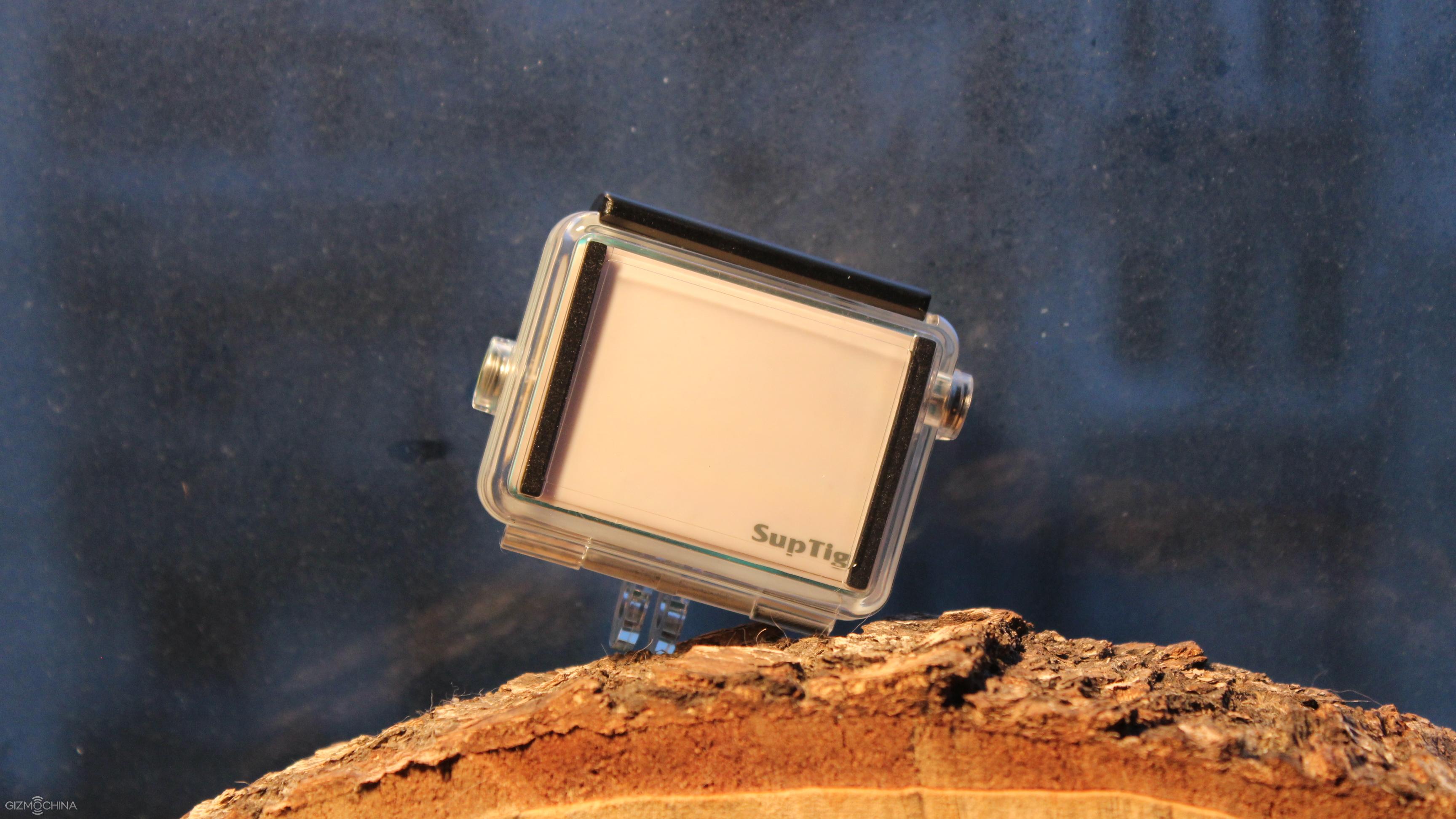
Next up is the waterproof case and it easily fits the Xiaomi YI camera. However, if you want to put the camera with either the LCD display or the external battery, you have to replace the door of the waterproof case but the good thing is that it is very easy to do it.
1 of 7
Mounting the camera inside the waterproof case is easy. The case lock is made of plastic but it does look like it’s going to break any time soon.
The last items that are included are a few mounting brackets and they are pretty much self-explanatory.
Xiaomi YI Camera Power User Accessories Pack Review: CONCLUSIONS
So there you have it, the power user accessories pack for the Xioami YI camera. For under $40 you are getting two essential upgrades – the display and a generous external battery. They are both easy to install and remove it and so far everything works very well.
Also, there is another essential piece – the waterproof housing, which allows you to use the camera underwater. You can do it either without any accessories attached to the camera or with the LCD display, or with the external battery. I’ve tested it several times underwater already and I have no complaints about it.
All in all, this accessory pack is an ideal upgrade to your Xiaomi YI camera and since everything has worked fine during my testing time, I believe it is worth the price of $40.
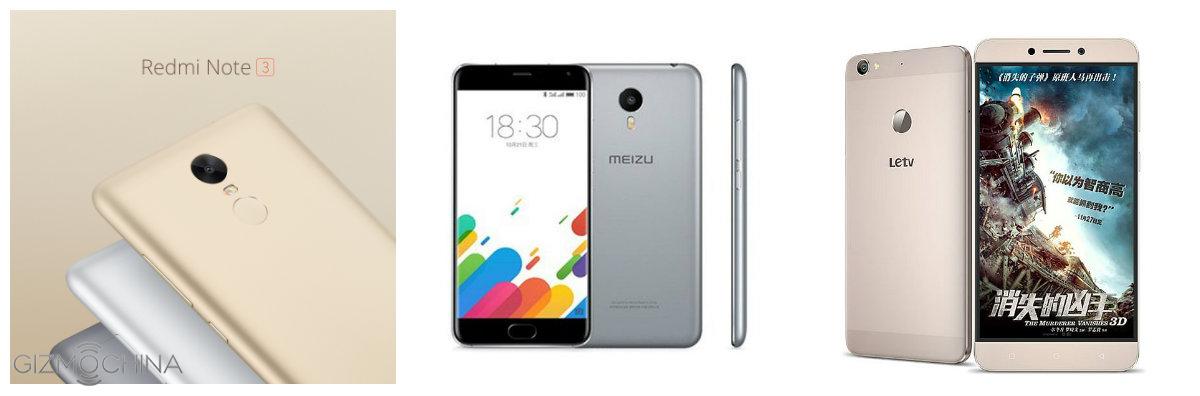
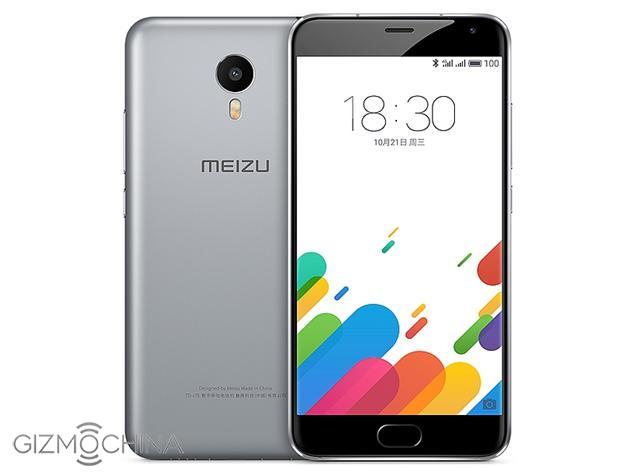
Xiaomi is back with a bang! The company has just unveiled the Xiaomi Redmi Note 3 mid-range flagship and its brings tremendous value for your money. However, at this price range, this Redmi Note 3 isn’t the only device which offers bang for your buck. Both Meizu M1 Metal and the LeTV 1S can boast of all metal design with powerful specs. So, we decided to compare these three devices to see whether any one of these have an edge over others.
So, without wasting any more time, lets take a look at this comparison.
Redmi Note 3 vs Meizu M1 Metal vs LeTV 1S
DESIGN
Despite being smartphones from three different companies, they have taken the same approach for developing their mid-rangers. All the three phones feature metal build, which is something that’s quickly catching on. There was a time, when only a few flagships could boast of such premium build quality, but things have changed for the good in the past few months.
REDMI NOTE 3
While Xiaomi has taken a similar route as Meizu for its Redmi Note 3, LeTV has continued with their own unique design philosophy for the Le series. Its really hard to say which one comes out as the best as all three feature quite impressive build quality.
Meizu M1 Metal
As far as thickness goes, LeTV 1S is the thinnest of the lot, measuring just 7.5mm, as followed by 8.2mm on M1 Metal and 8.65mm on Redmi Note 3.
However, LeTV model is the heaviest, weighing 169 grams as compared to Note 2’s 164 grams and Meizu Metal’s 162 grams.
LeTV 1S
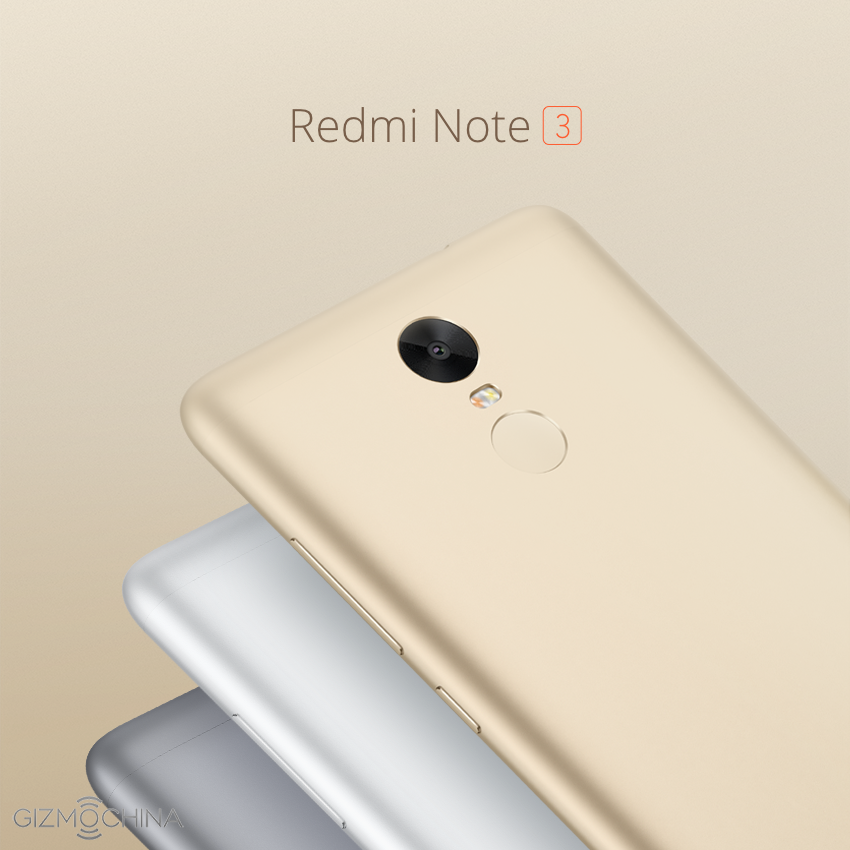
Meizu Metal has the maximum color options which includes, White, Blue, Gray, Golden, and Pink. The Redmi Note 3 has gold, silver and dark grey colors while the LeTV 1S comes in just two options, gold and silver.
SPECS
Unsurprisingly, these three models have very similar specifications. They are powered by the Helio X10 MT6795 octa-core chip. While the Meizu M1 Metal and Redmi Note 3 come with MT6795 clocked at 2.0GHz, the LeTV 1S features a 2.2GHz MT6795T (turbo) edition, which is slightly faster than the former variant.
As for RAM, the Meizu M1 Metal features 2GB, while the other two have 3GB RAMs (high-end variant of the Redmi Note 3). For storage, all three have 32GB editions, however, only M1 Metal comes with MicroSD card slot. So, in case of Note 3 and LeTV 1S, you are stuck with the internal storage that you get.
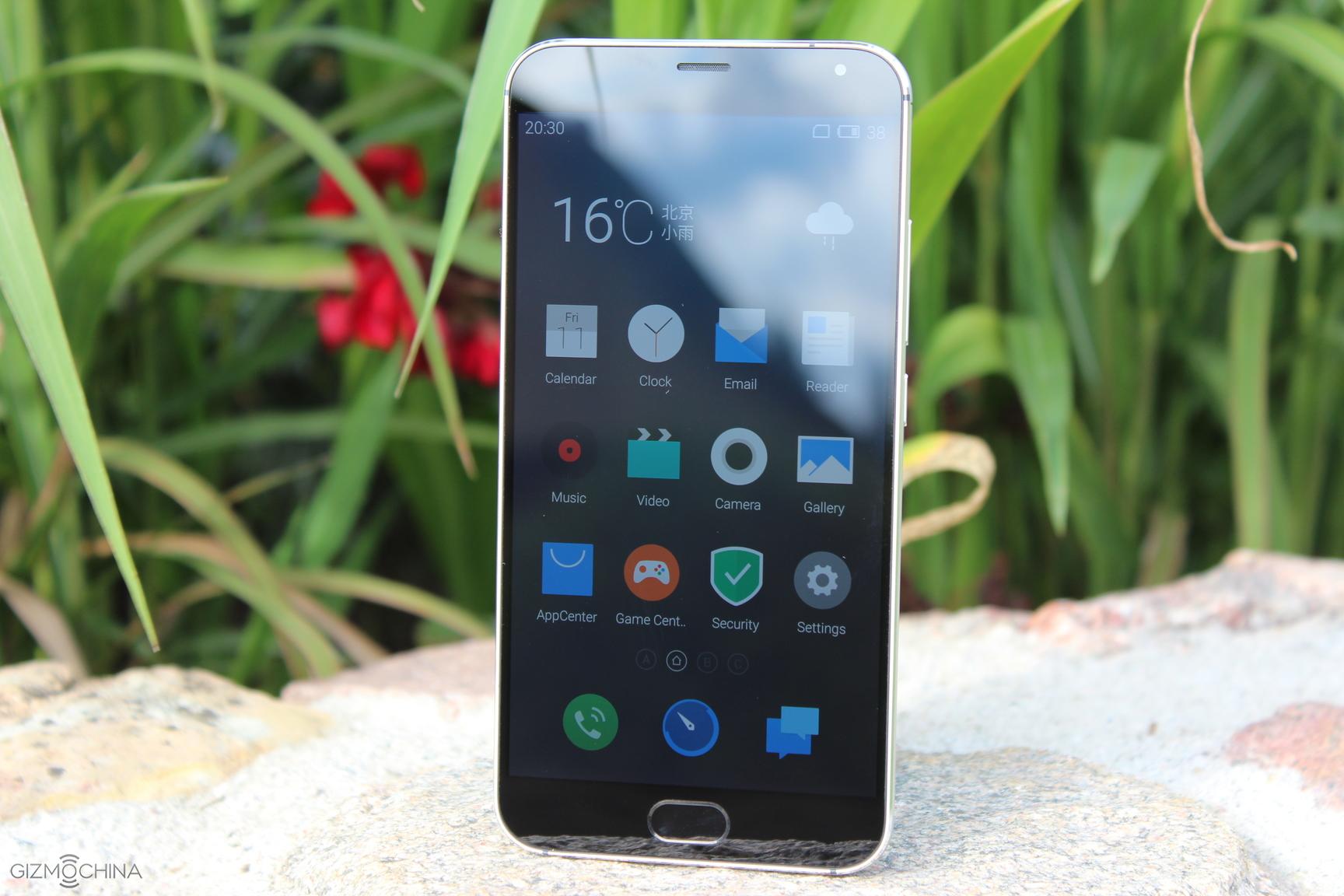
Display is similar, measuring 5.5-inches with FHD 1080p resolution. At the back, all three have 13MP camera sensors with PDAF. Meizu and Xiaomi have dual LED color temperatureflash while LeTV model comes with single LED flash. Up front, you have a 5MP shooter on all the three models.
When it comes to the USB connector, only the LeTV 1S can boast of the new age reversible USB Type-C. Other two have standard connectors.
All three have fingerprint sensors, with Xiaomi and LeTV placing it at the back of their devices, and Meizu on its home button. Also, all three have dual SIM dual standby support with 4G LTE enabled.
Now coming to the most distinguishing feature of the Xiaomi Redmi Note 3. If you were finding it difficult to decide which one suits you better, the Xiaomi’s battery capacity is where the balance is lost. Xiaomi has outdid itself by incorporating a large 4000mAh capacity battery inside the new Redmi Note 3. In comparison, both the LeTV 1S and Meizu M1 Metal feature only 3000mAh and 3140mAh respectively. There’s no way that these two can compete with the Xiaomi device in this segment. Moreover, all three feature fast charge as well, making sure that your phone is charged in just an hour or more.
Both LeTV 1S and Redmi Note 3 feature IR Blasters on top. But the Meizu M1 Metal doesn’t.
Finally, coming to the software, these models feature Android 5.1, with Meizu Metal, Redmi Note 3 and LeTV 1S running Flyme 5.1, MIUI 7 and EUI OS respectively.
PRICING
Xiaomi Redmi Note 3 was just launched today for an amazing price tag of 899 Yuan ($140). To be fair, we had considered the 3GB RAM variant in this comparison, which is priced 1099 Yuan ($172). But that’s exactly the same price that both Meizu M1 Metal and LeTV 1S retails in China.
CONCLUSION
Redmi Note 3
Meizu M1 Metal
LeTV Le 1S
CPU
Mediatek Helio X10
MT6795 @ 2.0GHz
Mediatek Helio X10
MT6795 @ 2.0GHz
Mediatek Helio X10
MT6795T @ 2.2GHz
DISPLAY
5.5-inch FHD
1920 x 1080p
5.5-inch FHD
1920 x 1080p
5.5-inch FHD
1920 x 1080p
RAM + STORAGE
2GB + 16GB
3GB + 32GB
No MicroSD
2GB + 16GB / 32GB
MicroSD expandable
3GB + 32GB
No MicroSD
THICKNESS & WEIGHT
8.65mm
164 grams
8.2mm
162 grams
7.5mm
169 grams
CAMERA
13MP PDAF
Dual LED (dual tone)
5MP Wide Angle
13MP PDAF
Dual LED (dual tone)
5MP Wide Angle
13MP PDAF
Single LED flash
5MP Wide Angle
BATTERY
4000mAh Fast Charge
3140mAh Fast Charge
3000mAh Fast Charge
ADD ONS
Fingerprint Sensor
Infrared Port
Fingerprint Sensor
Fingerprint Sensor
Infrared Port
OS
MIUI 7
based on Android 5.1
Flyme 5
based on Android 5.1
EUI
based on Android 5.1
PRICE
2GB + 16GB ($140)
3GB + 32GB ($170)
2GB + 16GB ($170)
2GB + 32GB ($203)
3GB + 32GB ($170)
To be honest, all the three devices are great. But if we had to make conclusions based on the specs on paper, the Redmi Note 3 comes out on top with such a large battery. Xiaomi has definitely released a winner, at least on paper and there’s no doubt about it. Its one of the biggest reasons why most customers will choose Redmi Note 3. Lack of MicroSD is probably its biggest drawback, but then you get 32GB of storage on the 3GB variant, which usually is enough.
So, what do you think? Which one would you pick among these three?
Xiaomi has been teasing its new Redmi Note 3 smartphone for the past few weeks. Now, the company has officially taken the wraps off the device, and its even better than what we initially thought.
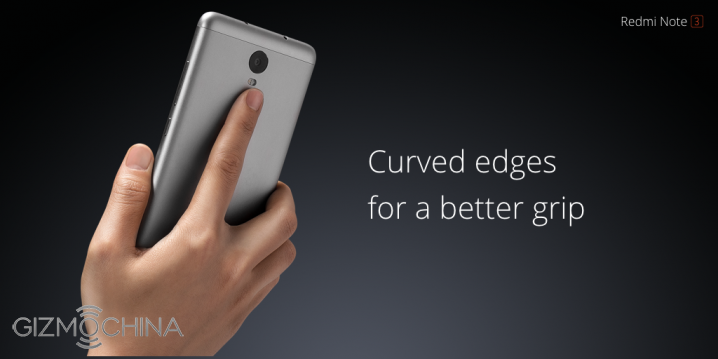
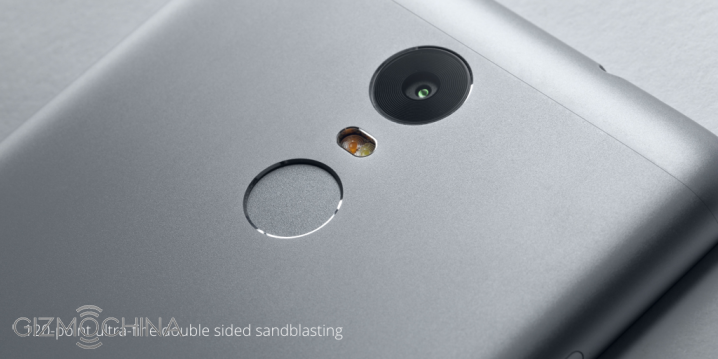
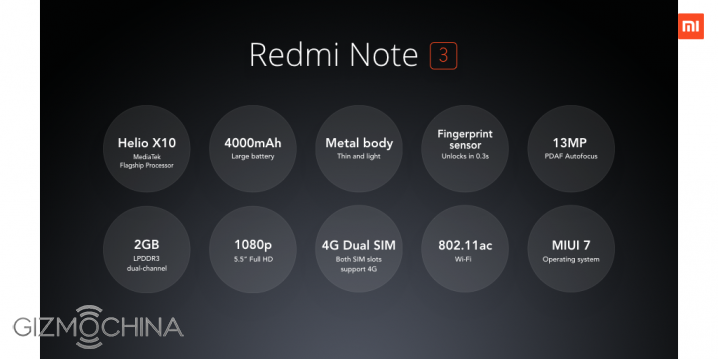
The new Redmi Note 3 model is the first all metal smartphone from the company and looks pretty premium for its price range. It can also boast of being the first smartphone from Xiaomi with a fingerprint sensor. But these two aren’t the only highlights of the device.
The Redmi Note 3 comes in a new packaging and features the same Helio X10 MT6795 octa-core chip that powers the Note 2. In fact, most of the specs remain the same as before, but with new additions. The phone comes with 2GB of RAM + 16GB ROM on the standard version. However, there’s a high-end version as well with 3GB RAM + 32GB which costs only 200 Yuan higher.
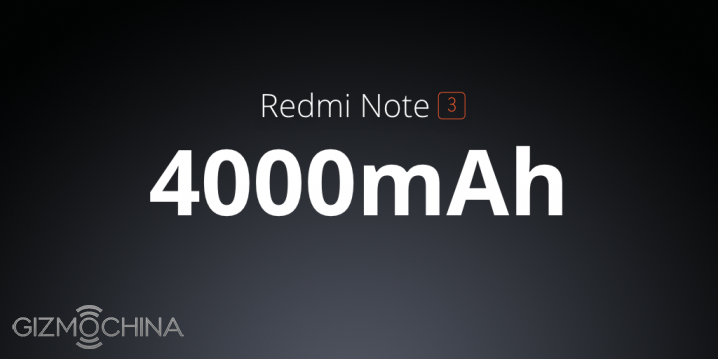
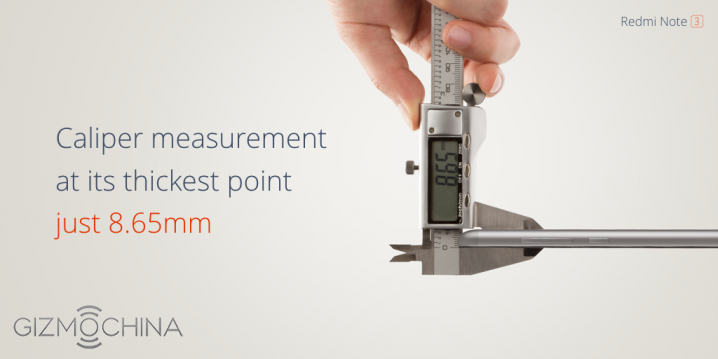
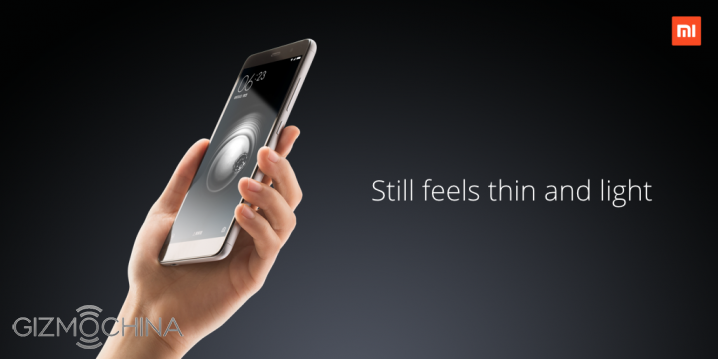
Xiaomi has somehow managed to keep the device thin as well as light weight despite its all metal body. The edges are also curved for better ergonomics. The company boasts that the new model is just 4 grams heavier than its previous generation made out of plastic which weighed 160 grams. Moreover, its pretty thin measuring just 8.65mm. Now, this might not be thin considering there are many options that measure less than 7mm in thickness. However, what you need to know is that inside this slim body, Xiaomi has incorporated a massive 4000mAh battery. That’s a tremendous achievement by the company. To give you some perspective, the 4100mAh powered ZUK Z1 is around 8.9mm thick!
As for the other specs, the Redmi Note 3 comes with a large 5.5-inch display with FHD 1080p resolution. The fingerprint sensor is located at the back and can unlock your phone in just 0.3 seconds. Moreover, you can save up to 5 fingerprints on the device. It also supports payments.
As for the camera, the Redmi Note 3 features a 13MP sensor at the back with fast PDAF with focus times of just 0.1 sec. The front facing 5MP shooter comes with 88 degrees wide angle lens and special beauty model to enhance selfies. The connectivity features are pretty standard, which includes 802.11ac Wi-Fi, Bluetooth etc. You even get an infrared port up front like the Xiaomi Mi 4C. The phone supports dual SIM dual Standby with both the slots 4G enabled. Finally, for software, the Note 3 comes with the new MIUI 7 OS out of the box.
Now, coming to the best part, the pricing. Xiaomi has once again out did itself by pricing the new Redmi Note 3 at just 899 Yuan. That comes to just around $140, which is an amazing price for the device. And if you are interested in the high-end version, you can get the 3GB RAM Redmi Note 3 for 200 Yuan higher, i.e. at 1099 Yuan ($172).
At this price tag, no one can really beat the Redmi Note 3. What do you think? Are you happy with Xiaomi’s latest release?
Huawei is all set to announce the Mate 8 flagship on November 26, which is just three days away. While we wait for the official unveiling, the company has started sending out invites for the official event. And the company has hidden a clue inside these invites.
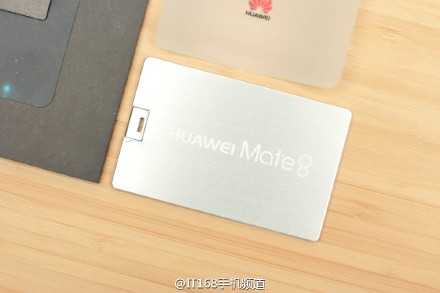
Several Chinese media outlets have reported of receiving a disk with 32GB of storage inside their invites. So, what is Huawei trying to tell us? This most likely represents the internal storage of the Mate 8 flagship. Usually, flagships start at 16GB of memory with 32GB, 64GB and even 128GB options available. However, it looks like the Mate 8 will start at 32GB of storage.
As for the other specs, the Huawei Mate 8 will feature Kirin 950 chip with 3GB and 4GB RAM options. There will be a large 6-inch display like the previous generation with FHD 1080p resolution. At the back, the phone will feature a 16MP shooter and up front, an 8MP sensor. Like the Mate 7, the battery is expected to be large, around 4000mAh. As for software, the phone will come with the new Android 6.0 Marshmallow update out of the box.
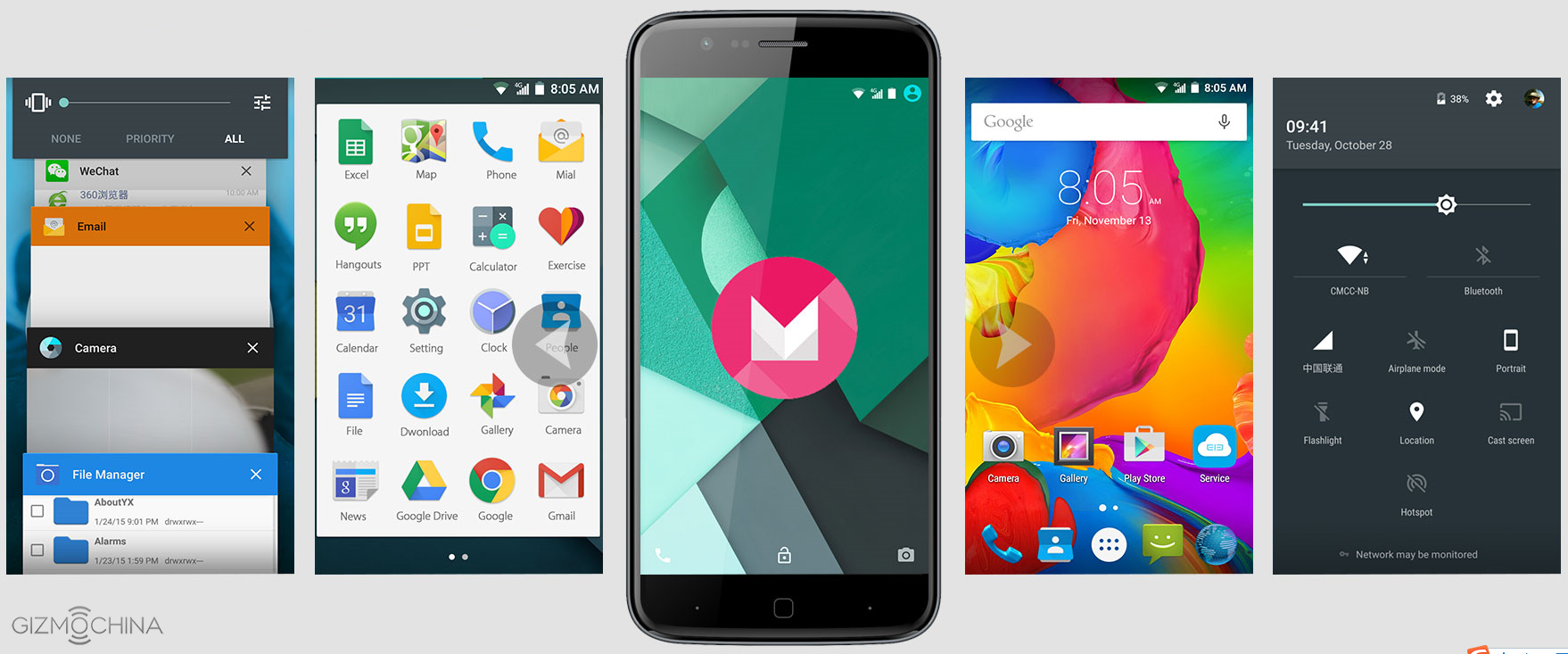
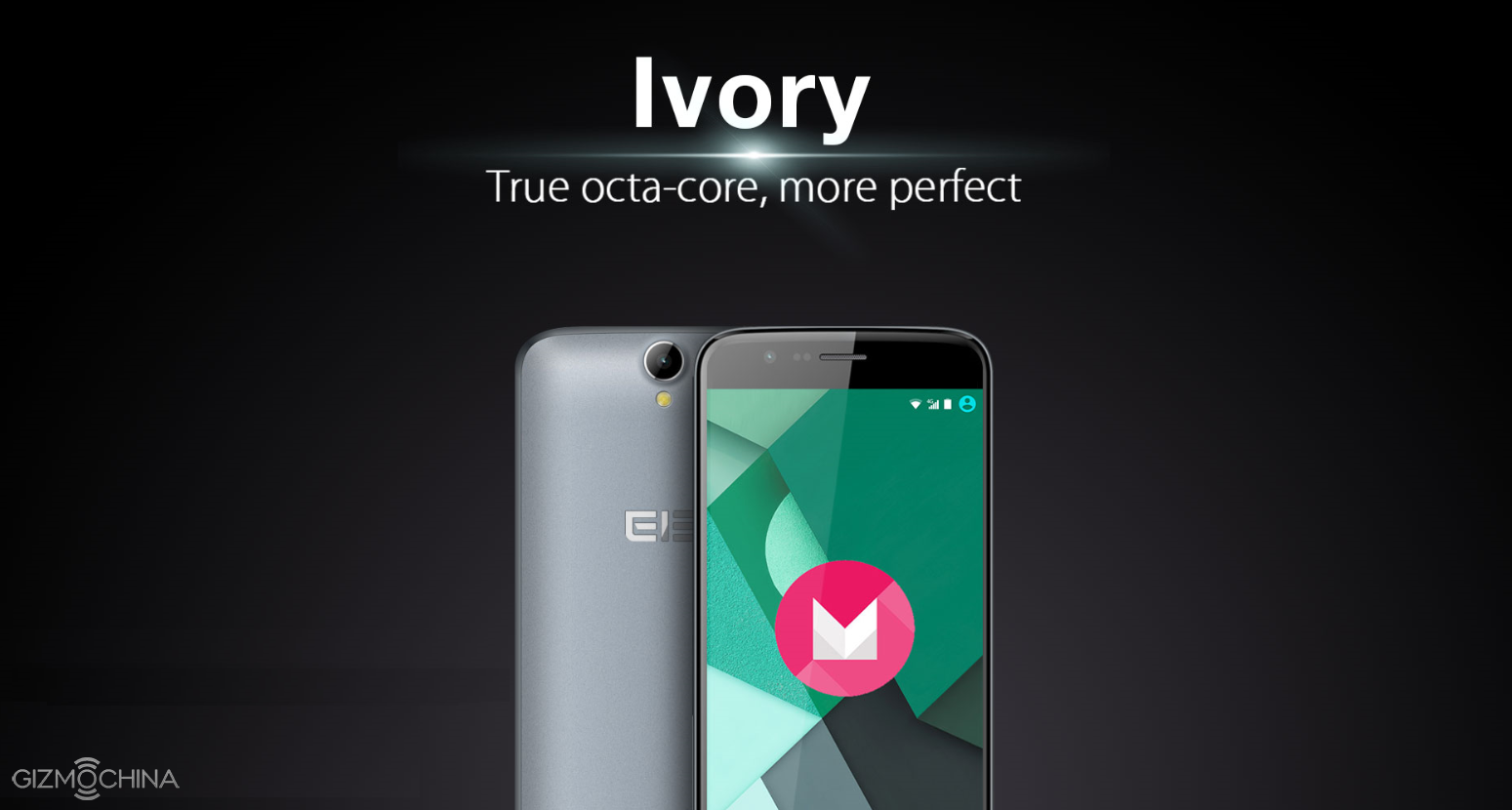
The forthcoming Elephone Ivory featuring a Mediatek 8 core MT6753, a 5.0 inch 720P 2.5D on-cell display screen is set to go on sale later this week for just $99, the phone will be released with Android 5.1 out of the box.
As with most budget phones, the fear is that software support will be left somewhat lacking, with updates coming few and far between, this is something that has always been pointed at Elephone in particular.
Thankfully as has been seen recently with updates for phones like the P8000 and Trunk, Elephone appear to be trying to overcome that image and make better handsets with ongoing software support.
To this point Elephone have today confirmed that the Elephone Ivory 6.0 marshmallow update will indeed be making its way to the phone, regarding time scales nothing firm has been but in place except for the fact that the Elephone Ivory will be updated from Android 5.1 Lollipop to the Elephone Ivory 6.0 marshmallow update some time before next March.
Keep checking back for more Elephone Ivory 6.0 marshmallow news.
Please feel free to leave any comments or questions below
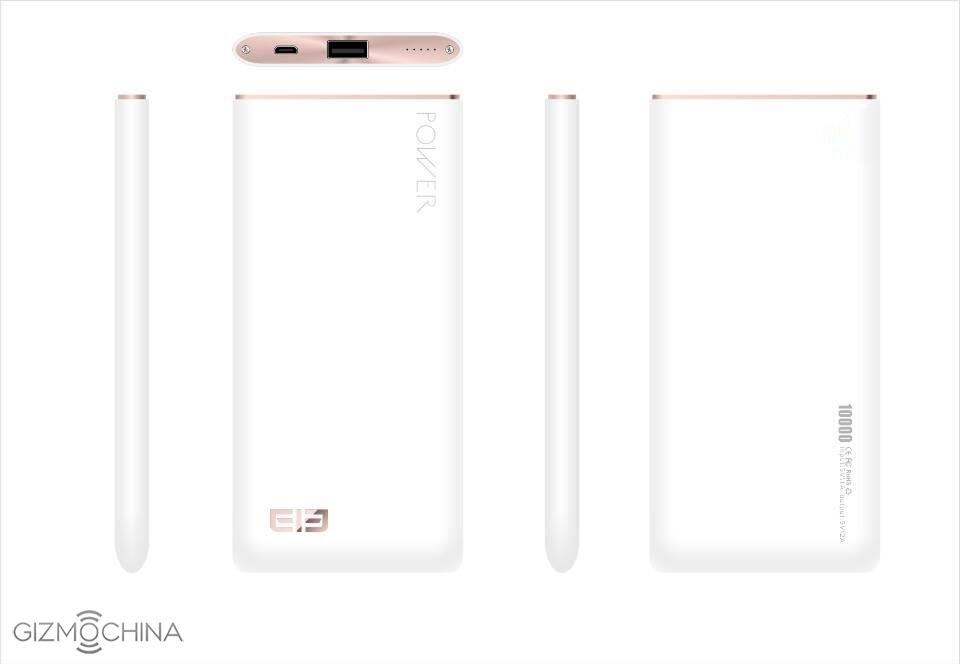
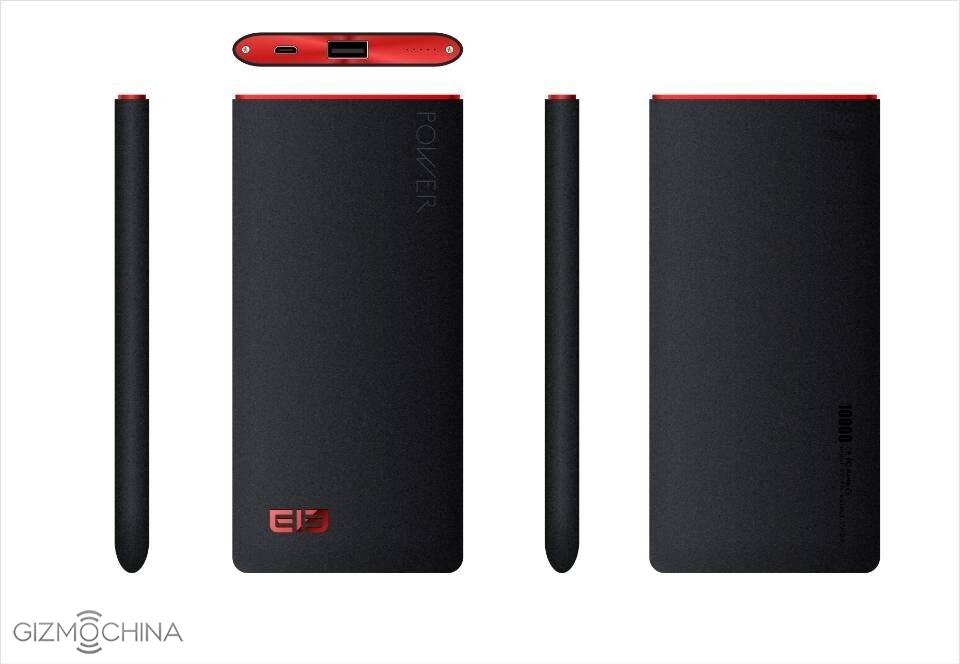
Redesigned Ele Power 10,000mAh power bank images have today been sent over byElephone.
The redesigned Ele Power 10,000mAh power bank has an all new design that is now even sleeker and more stylish than the original, with a smooth finish and accent colours to give it a more personalised feel.
The Ele Power 10,000mAh power bank will be available in Black with red highlights as well as White with Rose Gold highlights.
Whilst the capacity of theredesigned Ele Power 10,000mAh power bank remains the same, the number of USB outputs are down from two to a single full sized USB, and a micro USB input that is used for charging up the power bank
Pricing for the redesigned Ele Power 10,000mAh power bank have yet to be announced but the original was priced at just $4.99, making it a true bargain
Please feel free to leave any questions or comments below
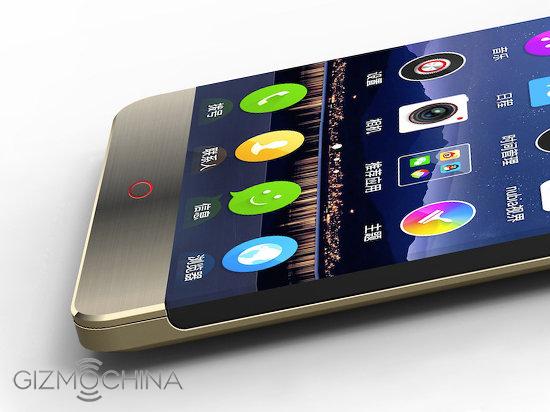
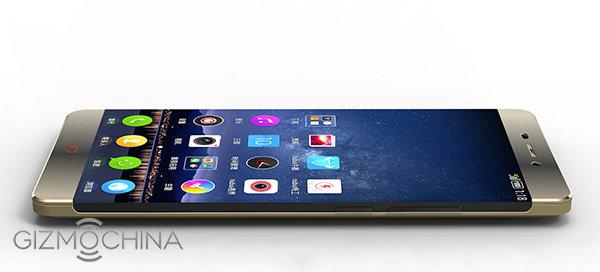
ZTE unveiled the bezelless Nubia Z9 back in May this year. Given that its been more than six months since the launch of the device, we have started seeing leaks and rumors about its next generation version, most likely called as the ZTE Nubia Z11.
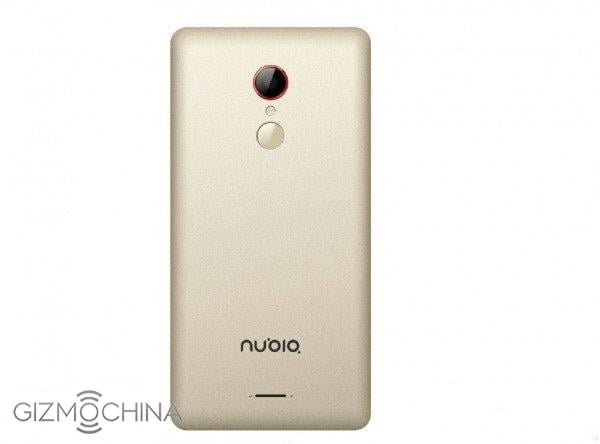
Earlier today, new renders of the Nubia Z11 surfaced online revealing a similar design as its previous generation. The display will be bezelless, thanks to the aRC (arc refractive conduction) technology and there will be a gold colored version of the device, as you can see in the picture below. The phone is said to come with same FiT (Fringe Interactive Technology) as its predecessor.
The specs of the device is going to be super high end. You can expect to see the new Snapdragon 820 quad-core chipset under the hood with Adreno 530 on board and 4GB of RAM plus 128GB of internal storage. The display is expected to be of 5.2-inches with 2560 x 1440 pixel resolution. This translates into pixel density of 565 ppi. At the back, the Nubia Z11 is expected to come with a 20.7MP camera while up front, expect a 13MP shooter. The phone is expected to launch sometime early 2016, which would be less than a year after Z9’s launch.
Unfortunately, we don’t have any concrete proof to confirm these features. No TENAA listing or 3C certifications of the device till now, so you better take this news with a pinch of salt. Meanwhile, we will keep you updated about the new Nubia Z11 if something interesting comes up in the next few days.
Xiaomi surprised us all by announcing that we will meet the Xiaomi Redmi Note 3 tomorrow. All this while, we were expecting the new Redmi model with fingerprint ID and all metal body to come with the name Redmi Note 2 Pro, but it looks like the company decided to jump right to the next generation just three months after the release of a new model in the series.
In the past few weeks, there have been so many leaks and rumors about the Redmi Note 3, that its hard to keep track of everything. So, as promised, in this article, I will summarize what we know about the device till now. Given that the launch is tomorrow, I don’t expect much to change after posting this article. So, this is pretty much everything we know about the Xiaomi Redmi Note 3.
Xiaomi Redmi Note 3 DESIGN
If you have been following Xiaomi for the past few months, you would know that almost every model from the company comes with the same basic design as the rest, featuring plastic. Design wise, I personally liked the Xiaomi Mi Note series, but it still featured a plastic body disappointing some metal lovers.
official Redmi Note 3 teaser
However, the company aims to redesign its lineup with the new Xiaomi Redmi Note 3 and its following generations. This particular smartphone will be of great importance to the company given that it will be Xiaomi’s first all metal device. Also, it will be the first smartphone from the company to feature a fingerprint sensor, which is something that’s found in most flagship and even mid-range smartphones these days.
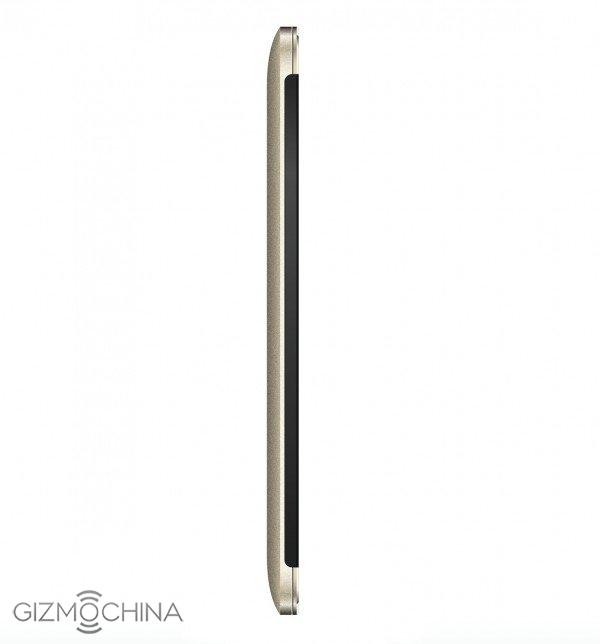
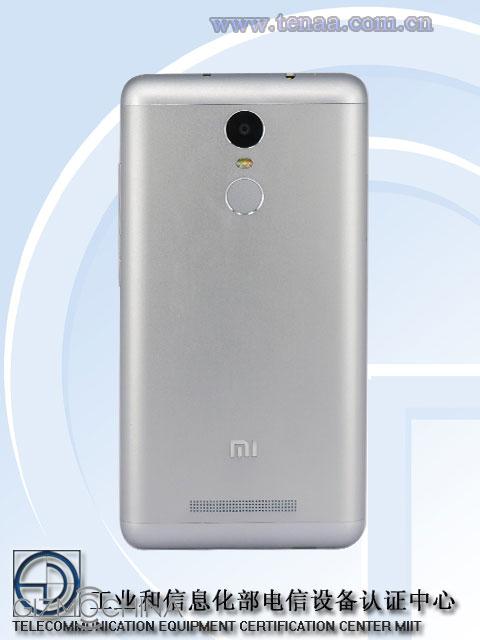
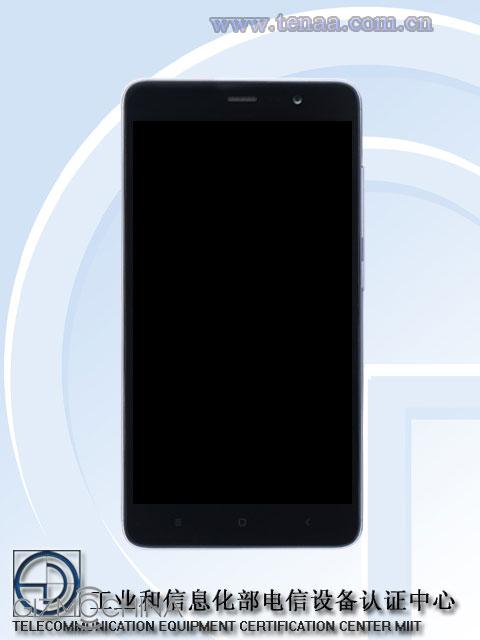
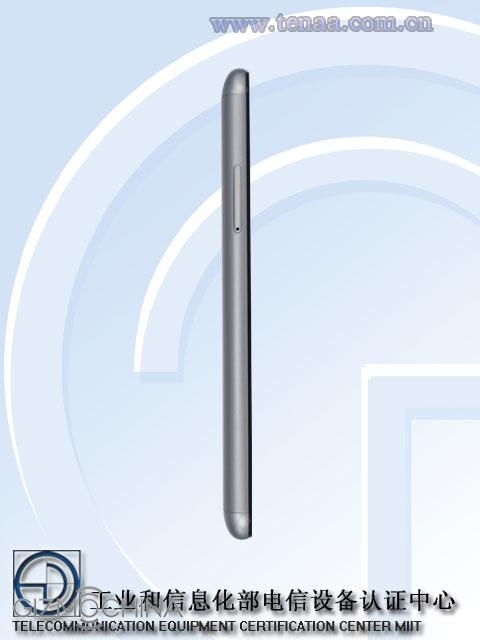
Redmi Note 3 TENAA images
1 of 4
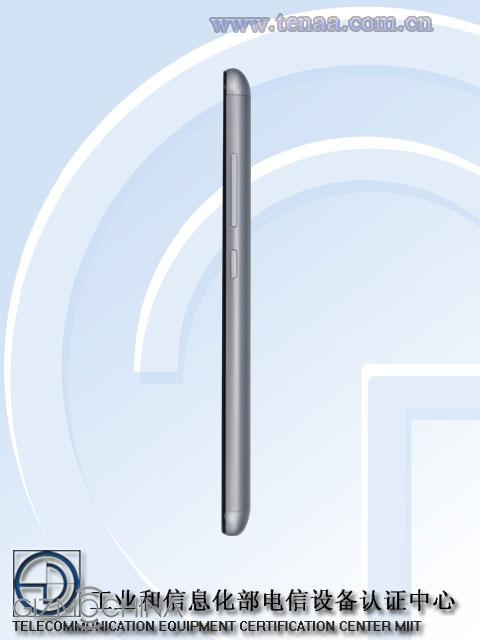
So, the Xiaomi Redmi Note 3 will feature all metal body as well a fingerprint sensor at the back, something that has been repeatedly confirmed via leaked images as well as TENAA certification.
Despite the fact that the new model will be called as the Xiaomi Redmi Note 3, there won’t be much difference in terms of specs between this model and the Redmi Note 2.
The Redmi Note 3 is expected to feature the fast Helio X10 MT6795 octa-core chip clocked at 2.0GHz. There will be two versions of the device, as confirmed by an updated TENAA listing. One with 2GB RAM and 16GB of storage and the other with 3GB of RAM and 32GB of storage. The display will be the same as Note 2, 5.5-inch with FHD 1080p resolution. At the back, you will most probably find a 13MP camera with PDAF with dual LED flash and a 5MP shooter up front. Although initially we expected the battery to be 3060mAh, recent reports have said that the Redmi Note 3’s battery will be much larger, around 4000mAh. If true, this would be a great achievement given that the body measures just 8.75mm in thickness. TENAA confirms this thickness and further adds that the phone will weigh 165 grams. As for the OS, we are quite sure that the new device will feature MIUI 7 OS based on Android 5.0.1 version.
As mentioned in the design, the phone will also come with a fingerprint sensor at the back.
Xiaomi Redmi Note 3 PRICE
Xiaomi is known for its aggressive pricing, something that we have witnessed in the past few months, especially with the Redmi Note 2 which costs just 799 Yuan ($124). So, we are expecting the new Redmi Note 3 to be priced around the same lines, only slightly costlier. Although we don’t know the official pricing yet, our best guess would be 999 Yuan ($155) for the 2GB + 16GB version. The 3GB + 32GB version could be priced at 1099 Yuan ($172).
Xiaomi Redmi Note 3 RELEASE
Xiaomi has officially confirmed that it will release the Redmi Note 3 at tomorrow’s Grand Finale event. So, we just have to wait for a few hours more to meet the device officially.
If this pricing and specs turn out to be real, competitors like Meizu Metal will be in real trouble. The Metal starts at 1099 yuan ($172) for the 2GB version. So, on paper, at least for now, the Xiaomi Redmi Note 3 looks like a winner.
I think, I covered everything that we know about the Redmi Note 3 till now. If you have any more questions feel free to ask them via the comments section below. I ll try my best to answer them.
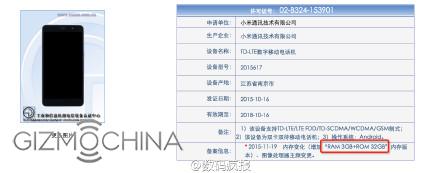
It was a big surprise when Xiaomi revealed late yesterday that we will meet the Xiaomi Redmi Note 3 at tomorrow’s Grand Finale event. This will make Redmi Note 2 one of the shortest product generations that we have seen recently. Now, according to an updated TENAA listing, the Redmi Note 3 will feature a 3GB RAM version as well, a step up from the 2GB version on the previous generation.
So, as of now, we know that the phone will come in at least two versions, one featuring 2GB RAM and 16GB of storage and the other with 3GB RAM and 32GB of storage. Other specs are pretty much the same as the previous generation, so expect Helio X10 MT6795 chip under the hood and 13MP rear camera with PDAF, 5MP front camera and 5.5-inch FHD 1080p display.
According to new rumors, the Redmi Note 3 is expected to come with a large 4000mAh battery, a step up from the 3060mAh capacity on the Note 2. As a result, the phone will be thicker as well, but only by a small amount. The TENAA listing reveals that the phone will be 8.75mm thick (Redmi Note 2 was 8.3mm thick), which is actually a pretty great for a device with such a large battery. In comparison, the ZUK Z1 with a 4100mAh battery measures 8.9mm in thickness.
Xiaomi had hinted earlier that the upcoming phone was going to feature a large battery despite its thin body. So, this can actually turn out to be true. If these specs are what we see tomorrow, then Xiaomi fans are definitely in for a treat. The company is expected to price its 2GB version at 999 Yuan ($155), but lets wait for official confirmation.
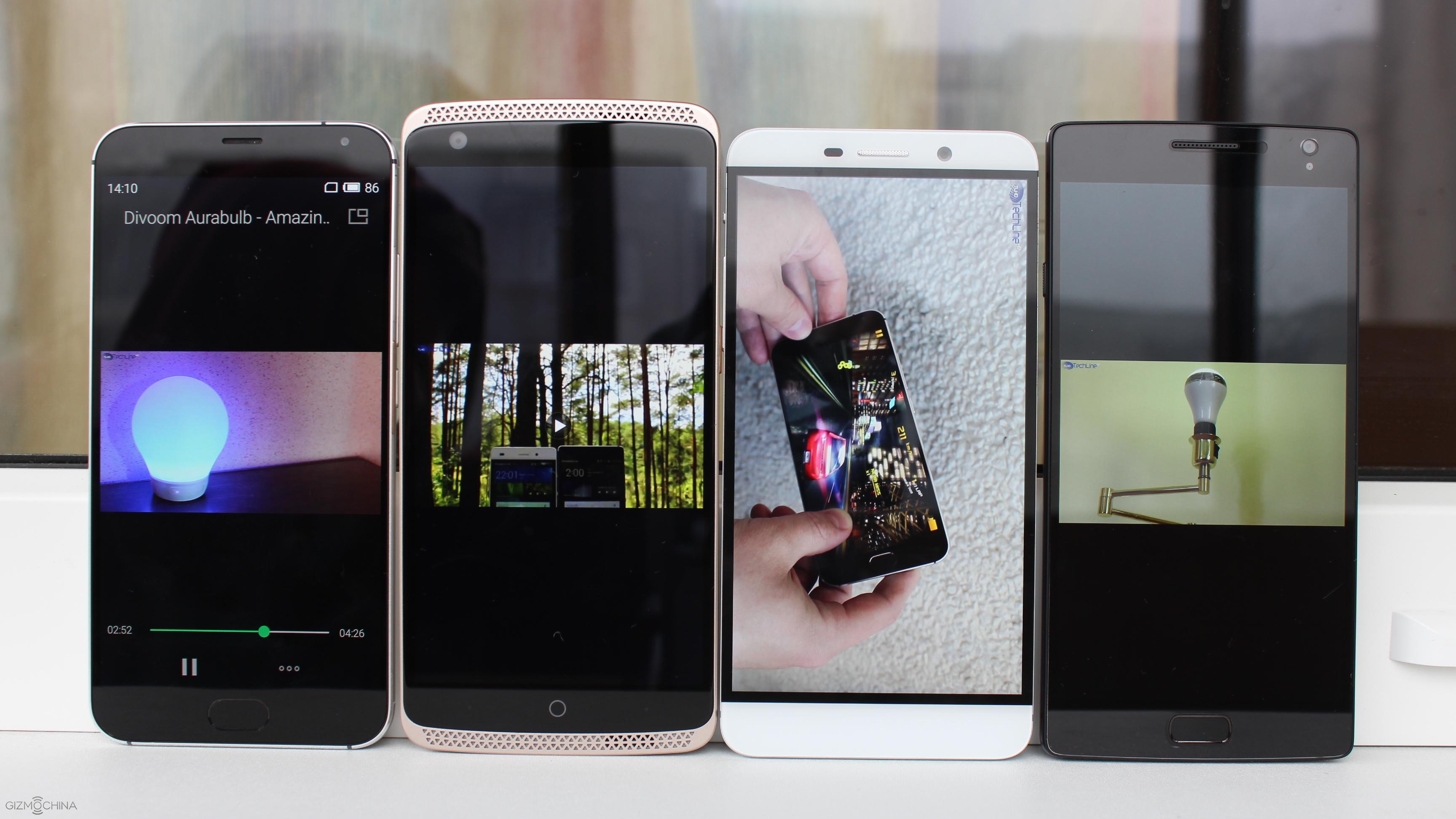
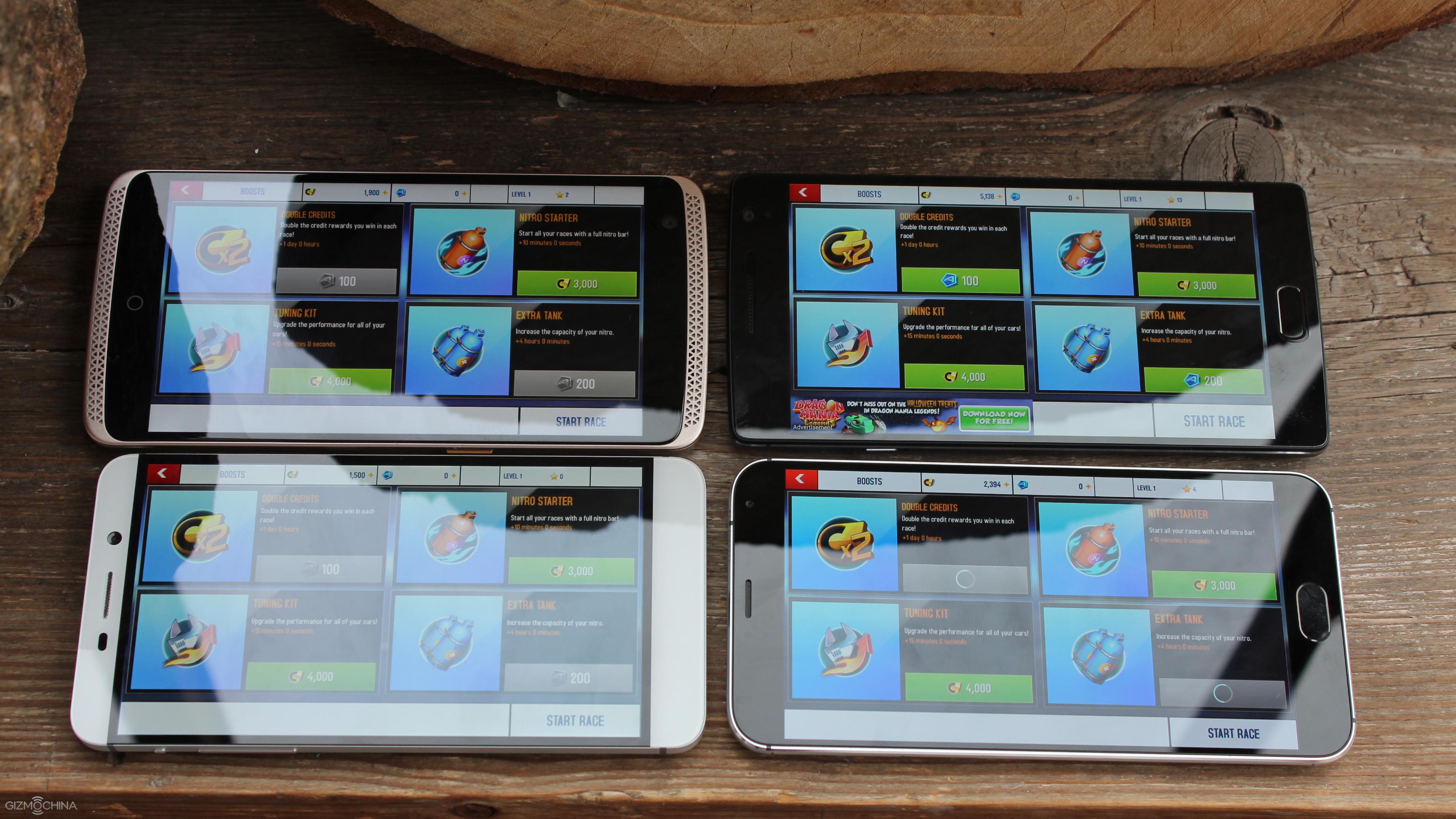
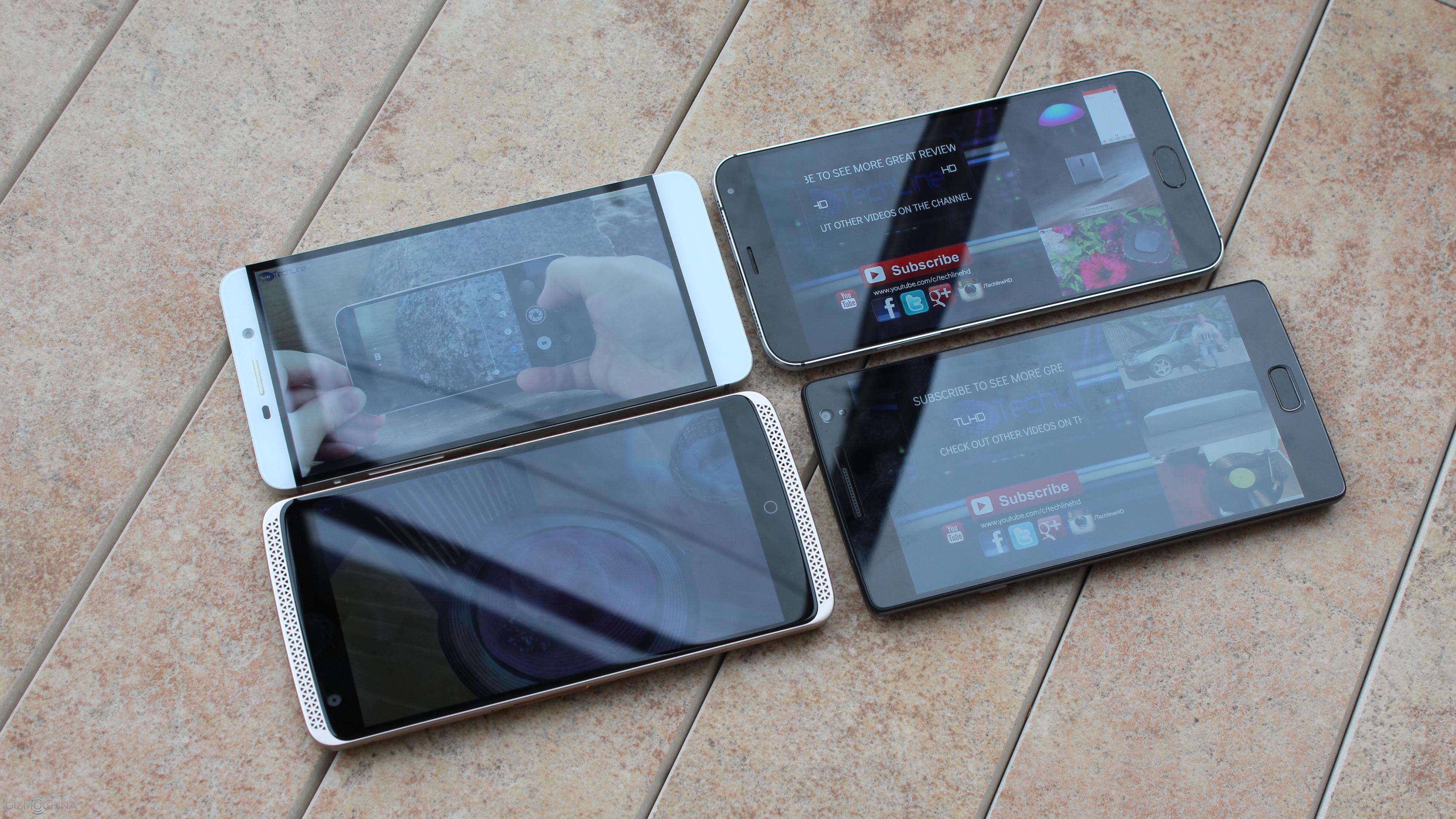
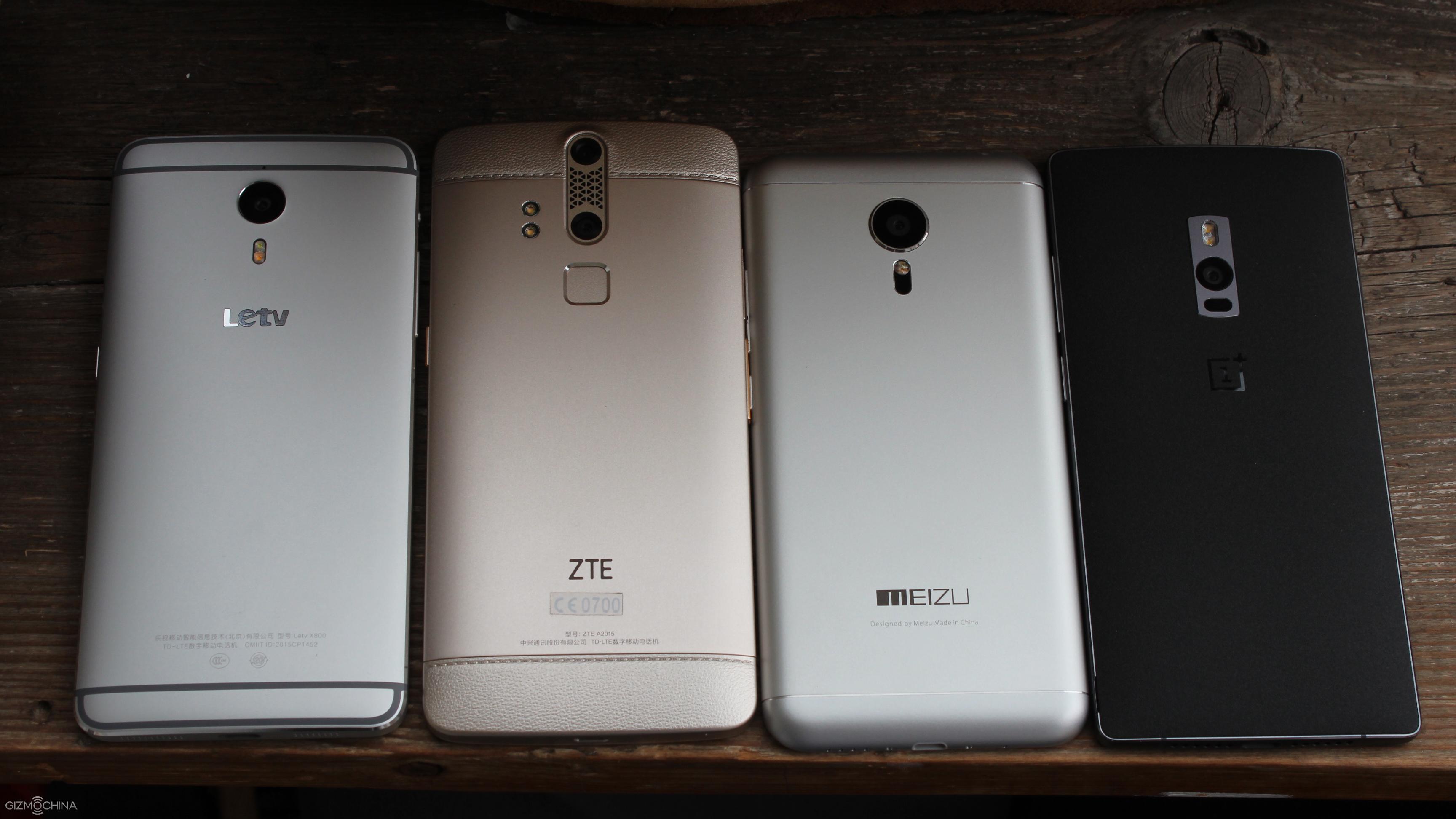
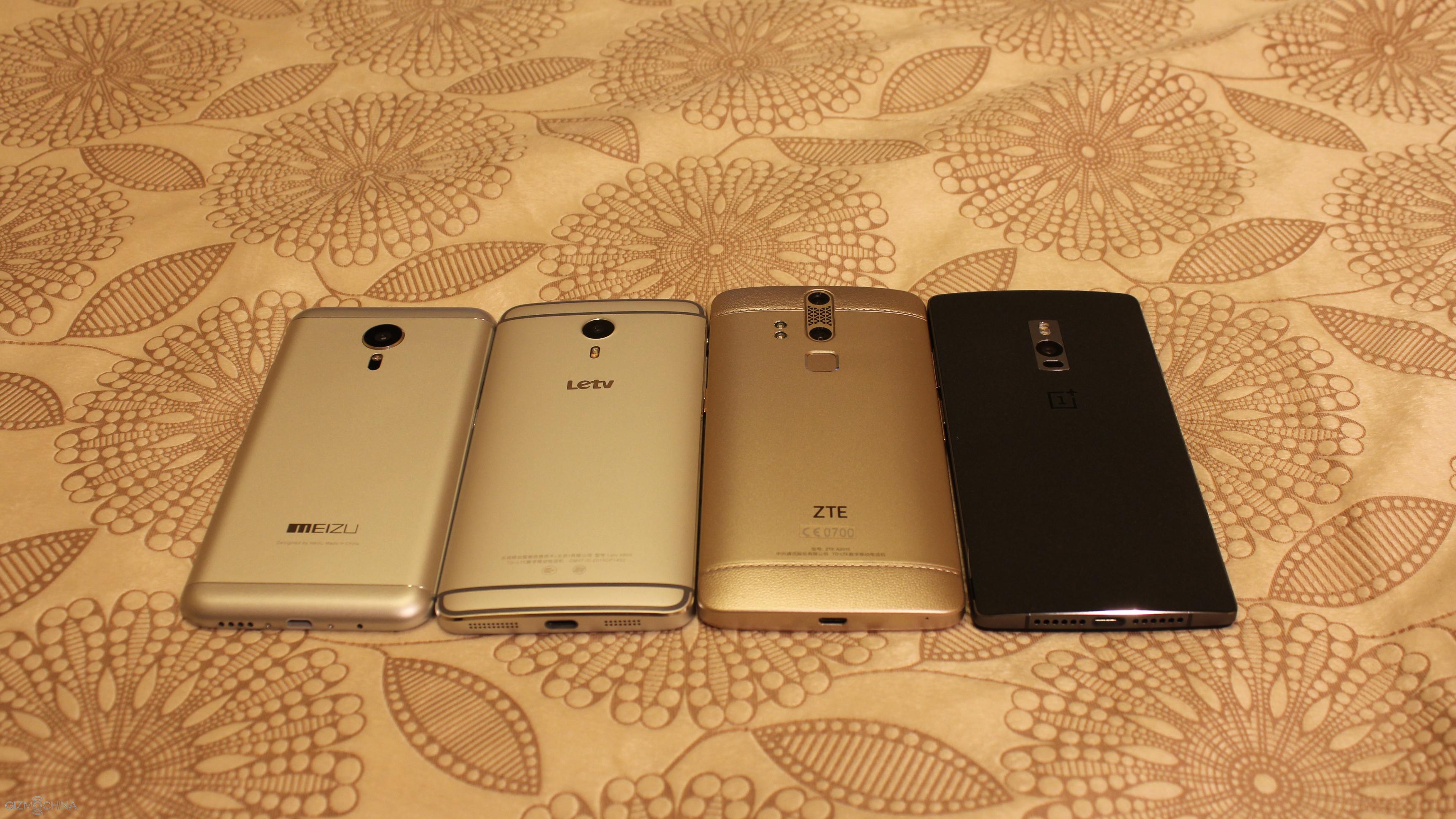
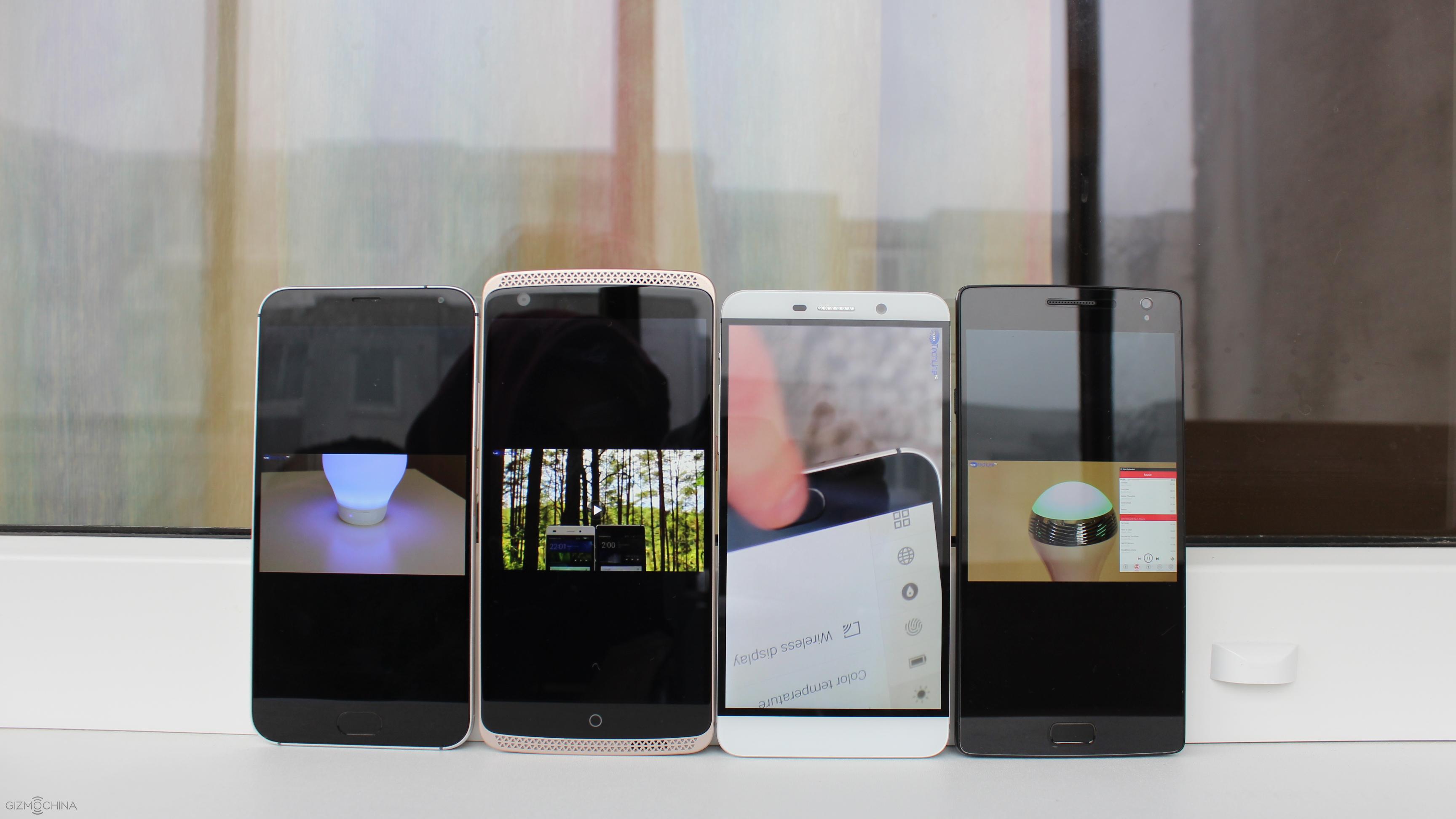
Chinese smartphone market is full of affordable flagships that both have great specs and performance. However, how do they stack up against each other? This is the comparison of OnePlus 2, Letv Le 1 Pro, ZTE Axon Elite and Meizu MX5, which is brought to you by the TechLineHD. Find out more in the our review.
OnePlus 2 vs. Letv Le 1 Pro vs. ZTE Axon Elite vs. Meizu MX5: DESIGN
Let’s take a look at the design first. These Chinese flagships are not the smallest out there as all of them sport 5.5” displays.
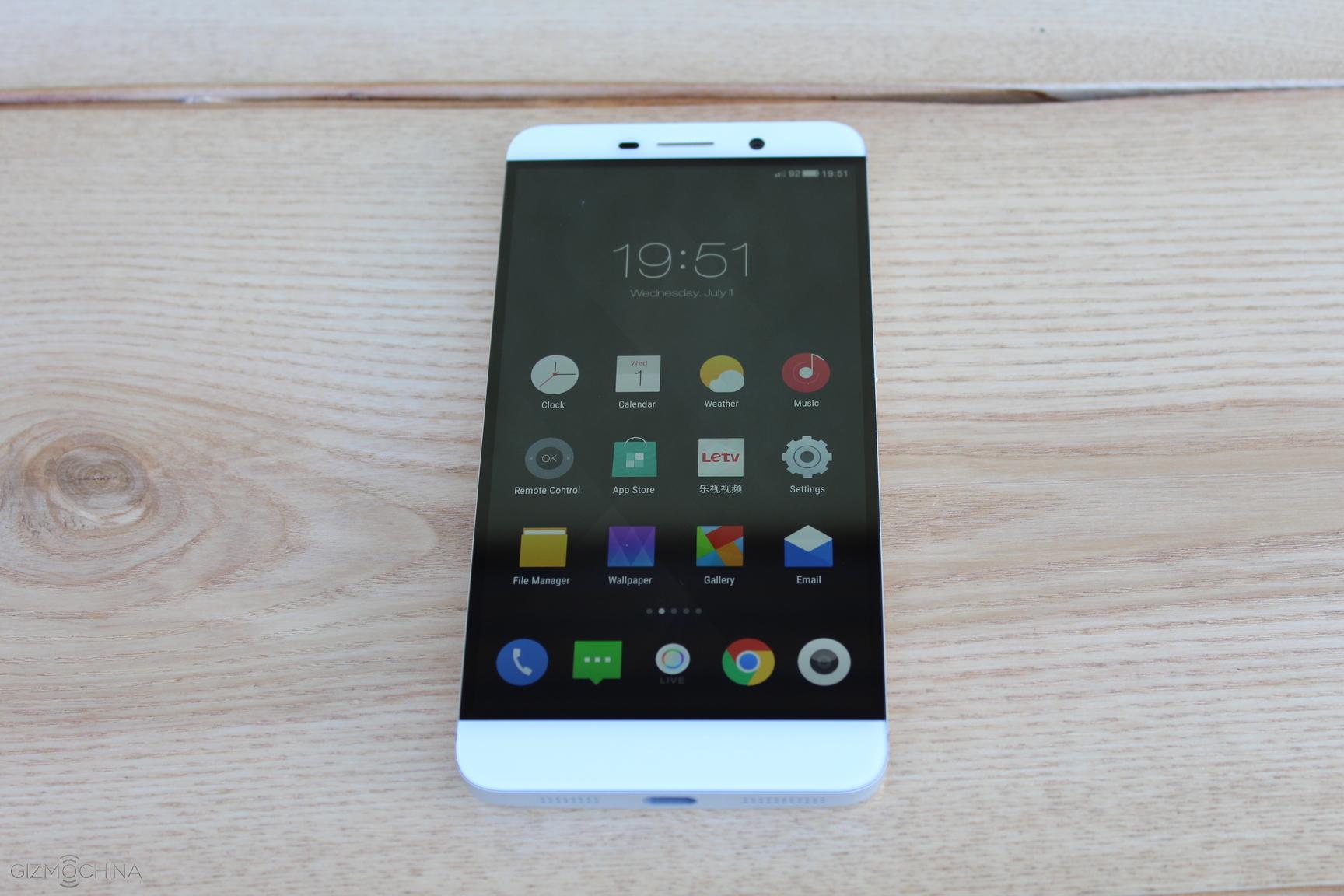
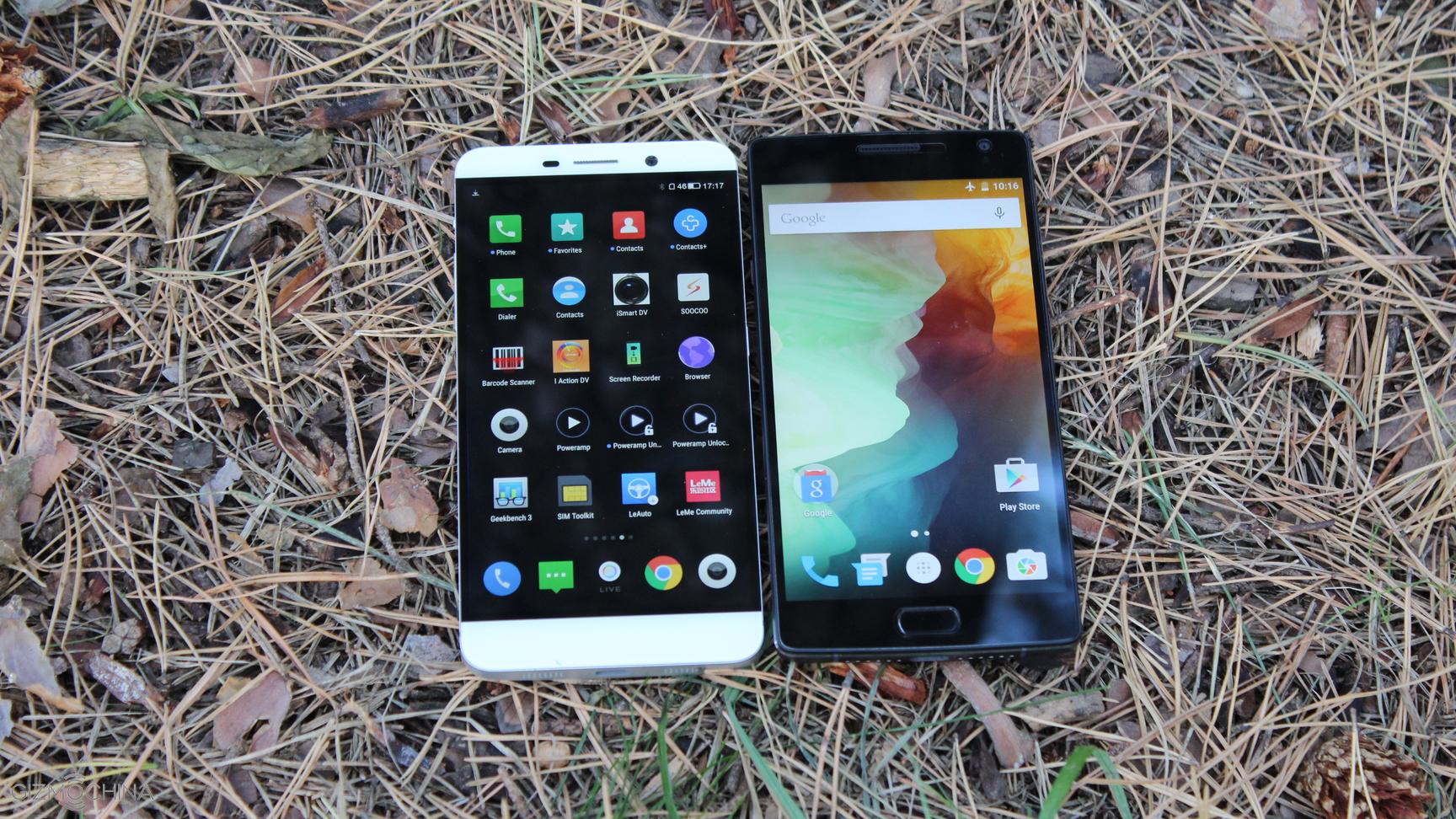
Still, Letv Le 1 Pro is the most compact one followed by the Meizu MX5.
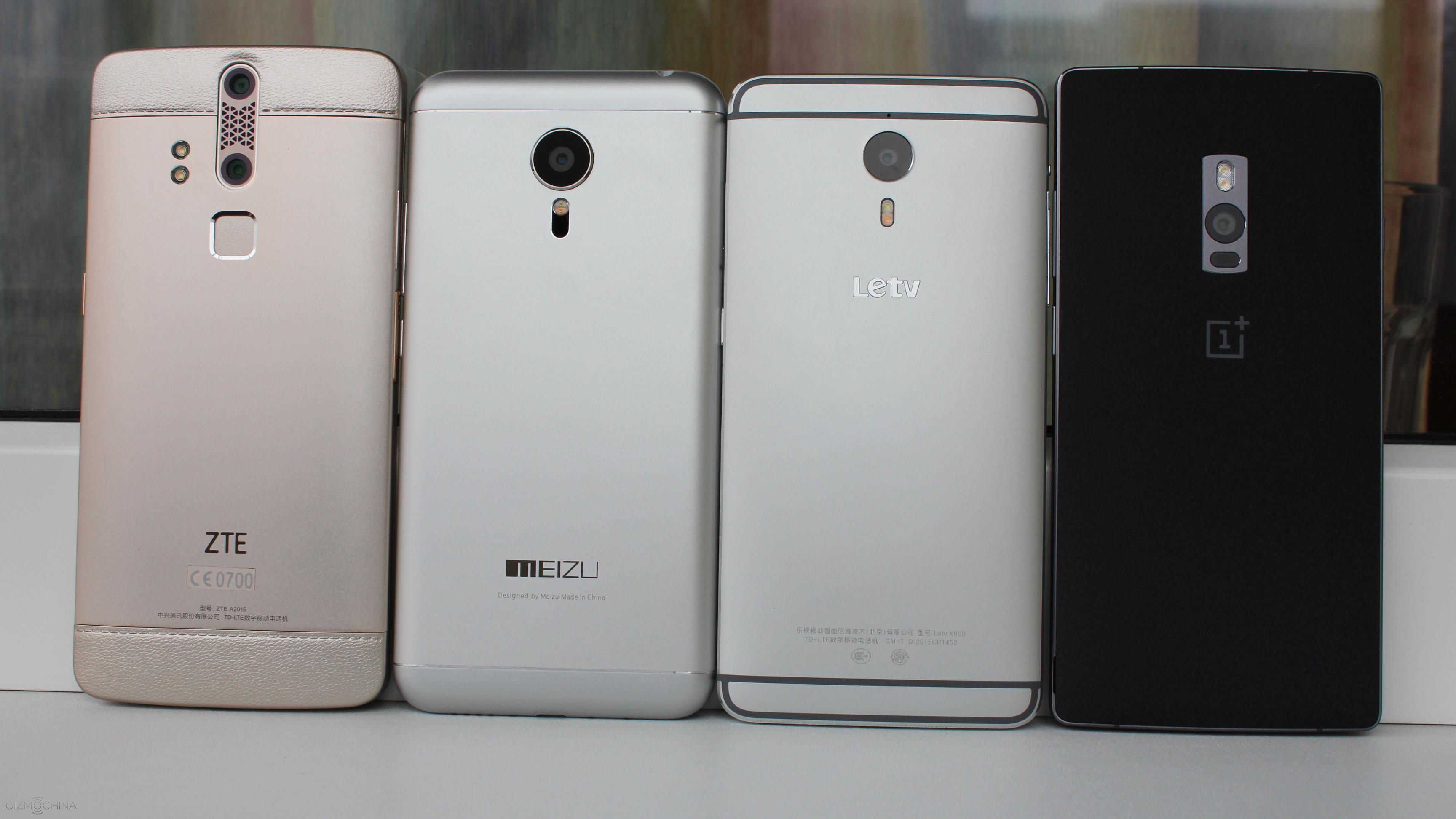
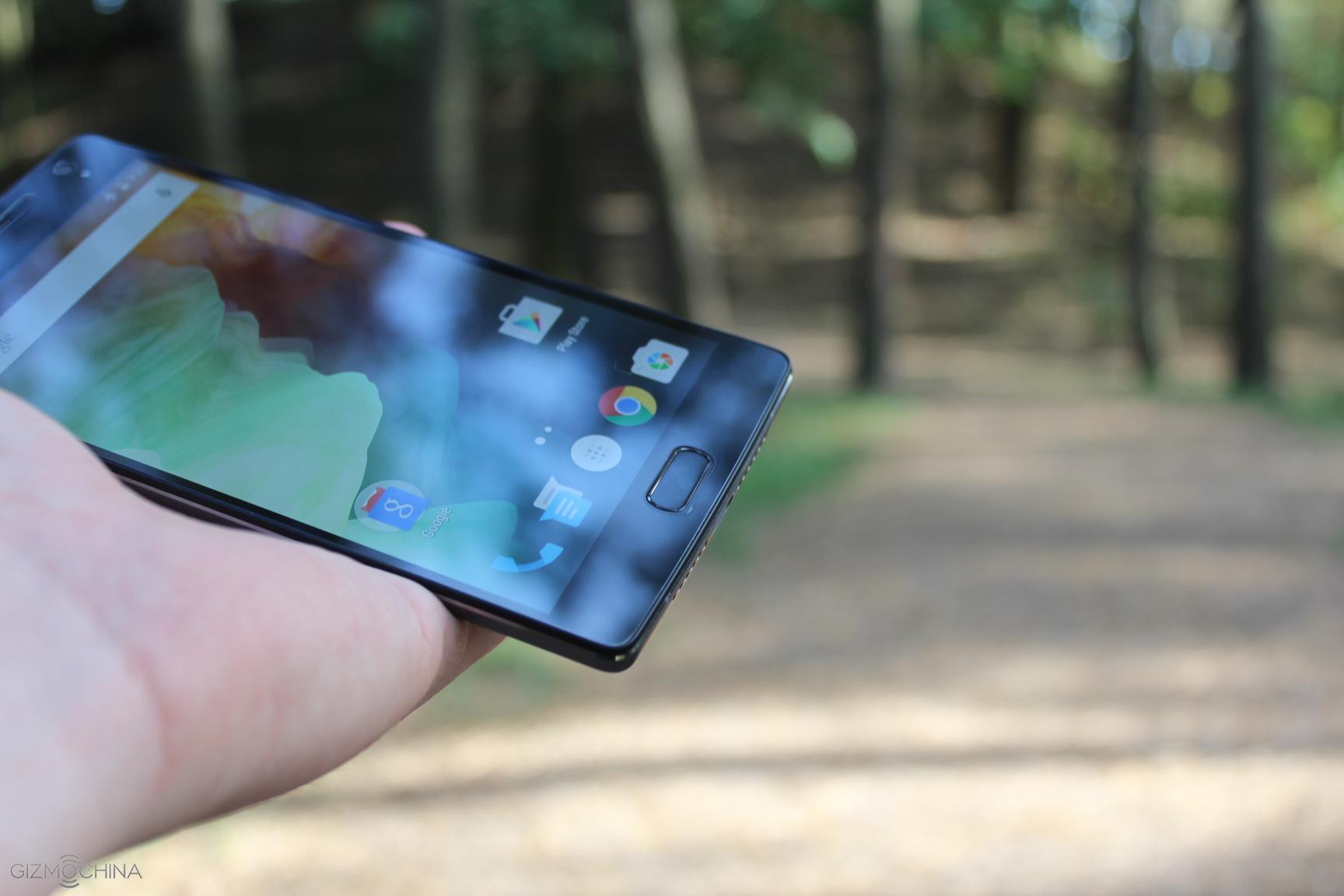
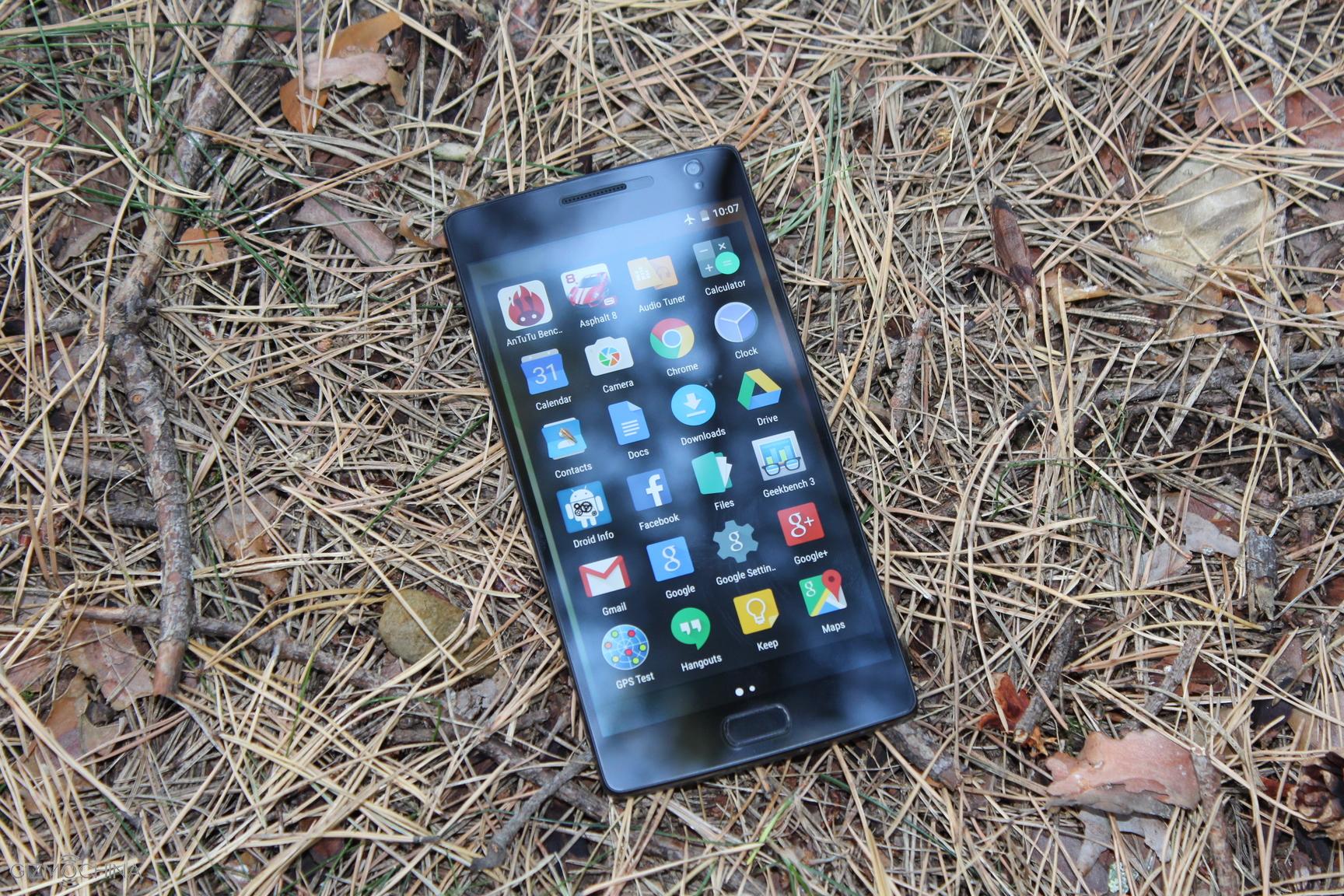
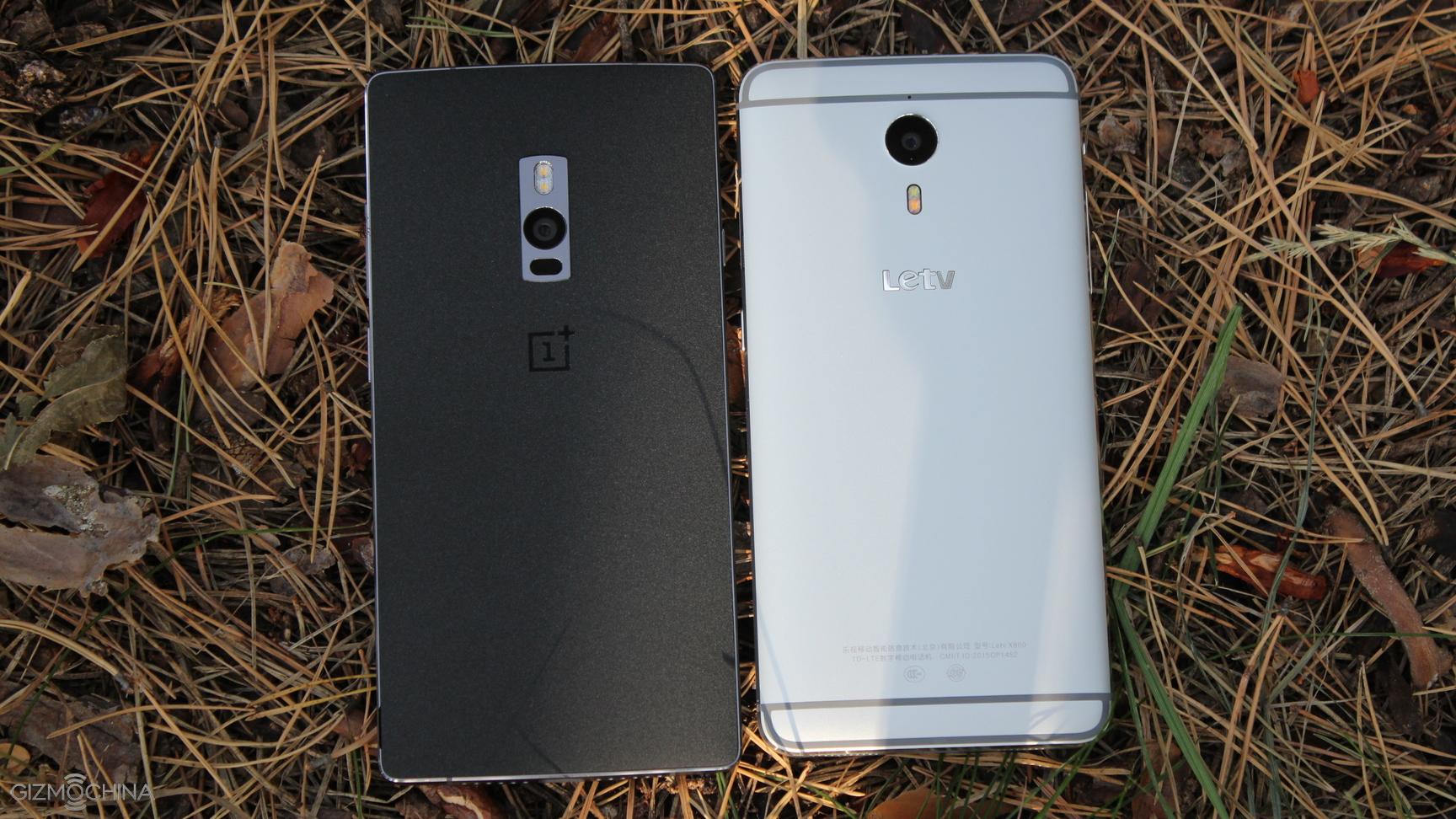
As far as the choice of materials they are all metal-made except for the OnePlus 2 as it uses a combo of a metal chassis and sandstone back cover, which can be replaced to a variety of different ones.
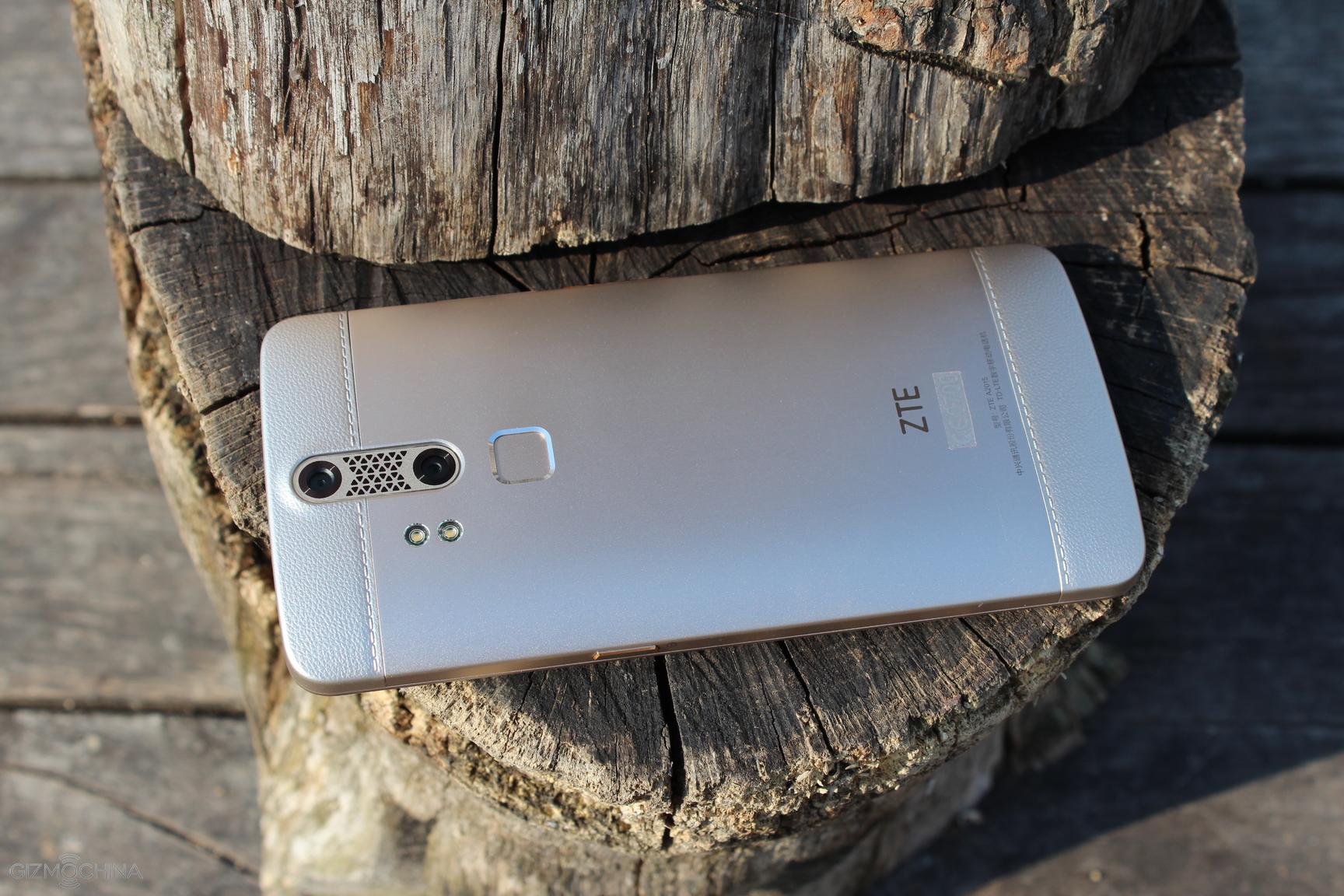
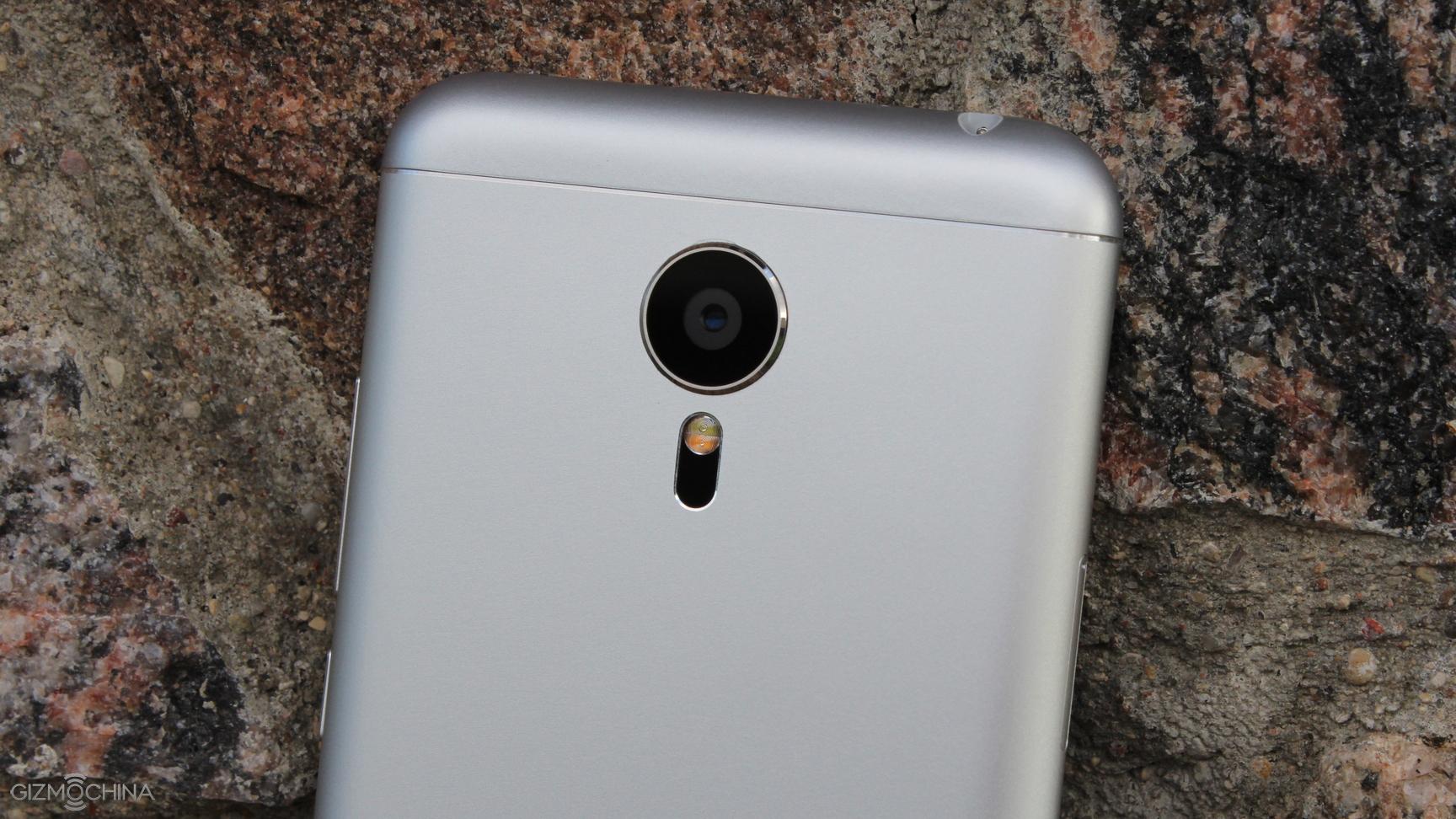
To be honest, only the Letv Le 1 Pro is truly all-metal device as both the ZTE Axon and Meizu MX5 have plastic top and bottom parts for antennas.
As far as the build quality, they are all top-notch. However, Meizu MX5 has a bit rattling buttons but they are far from the deal breaker.
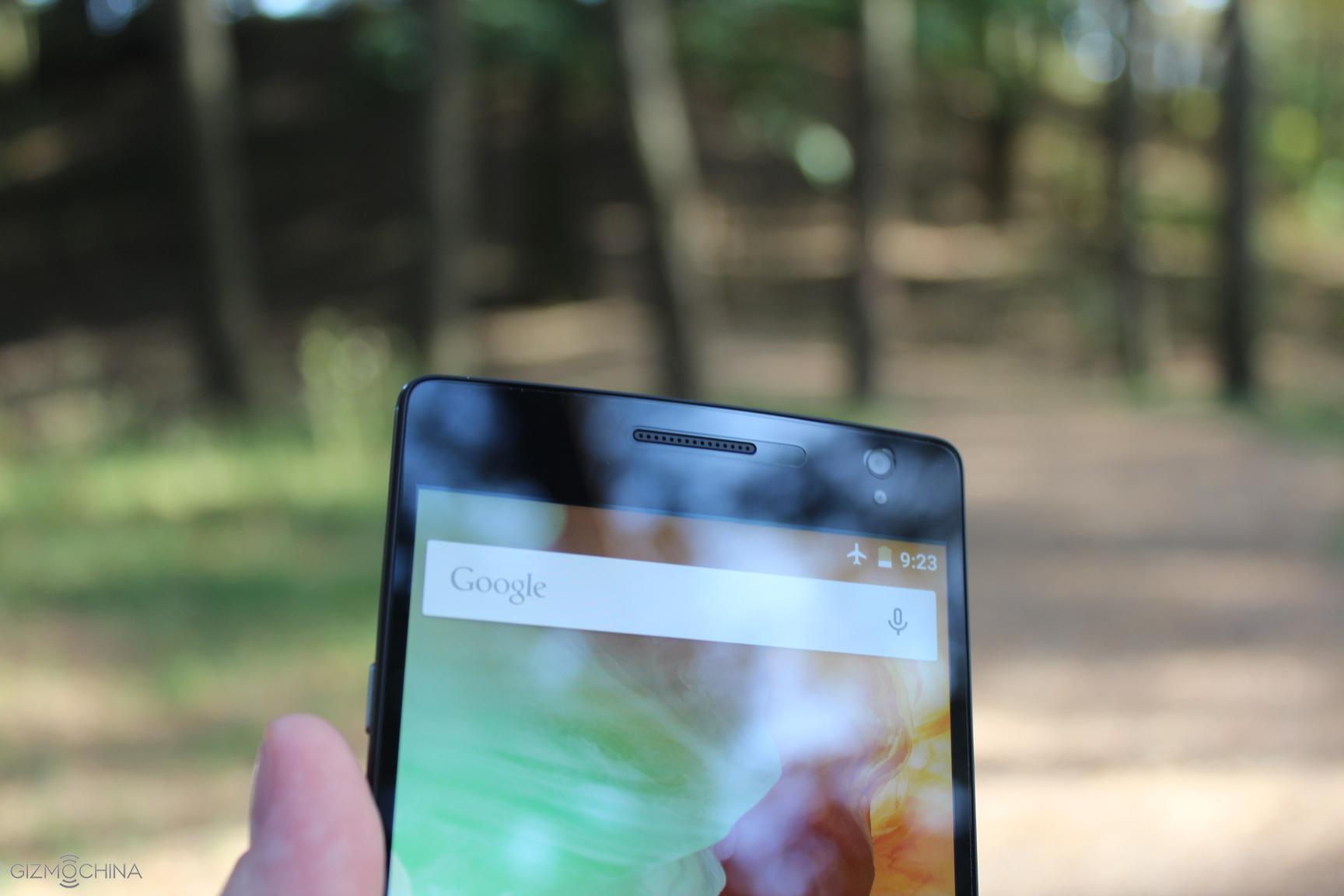
As far as selfie cameras go, OnePlus 2 and Meizu MX5 have 5MP shooters, Le 1 Pro sports 4MP Ultrapixel snapper and the ZTE Axon leads the way with 8MP in terms of megapixel count.
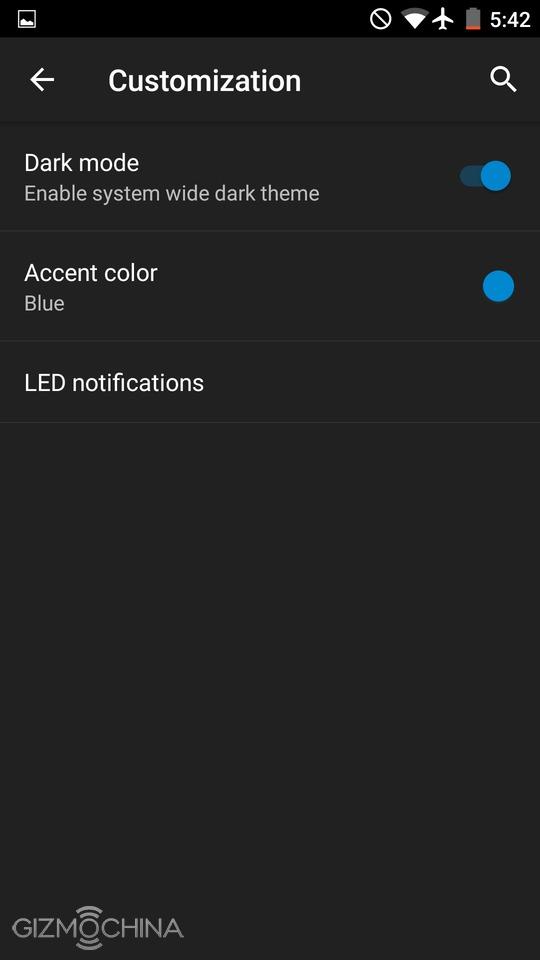
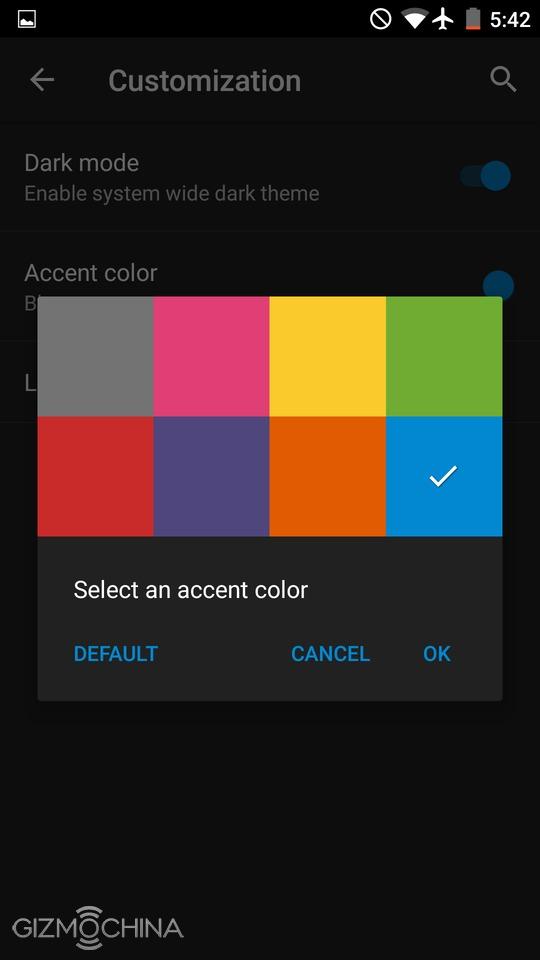
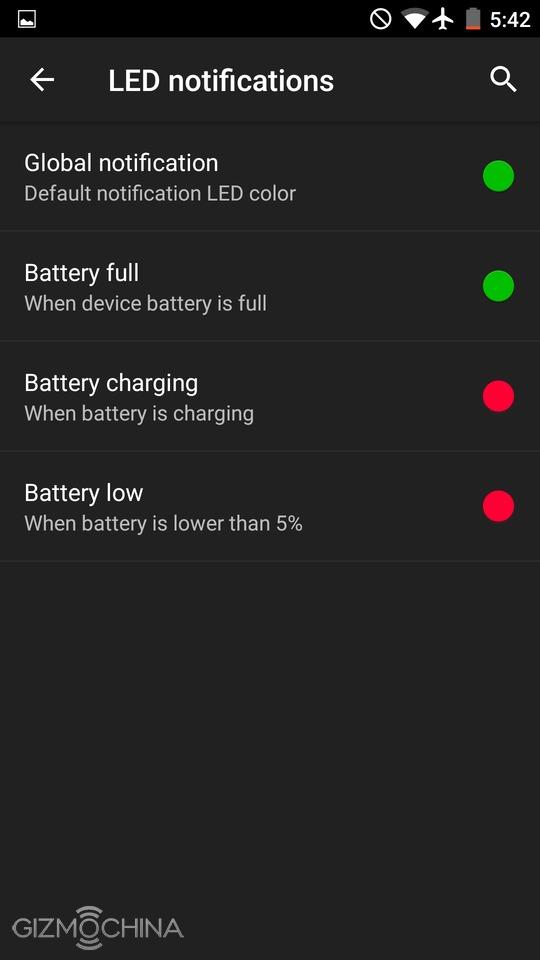
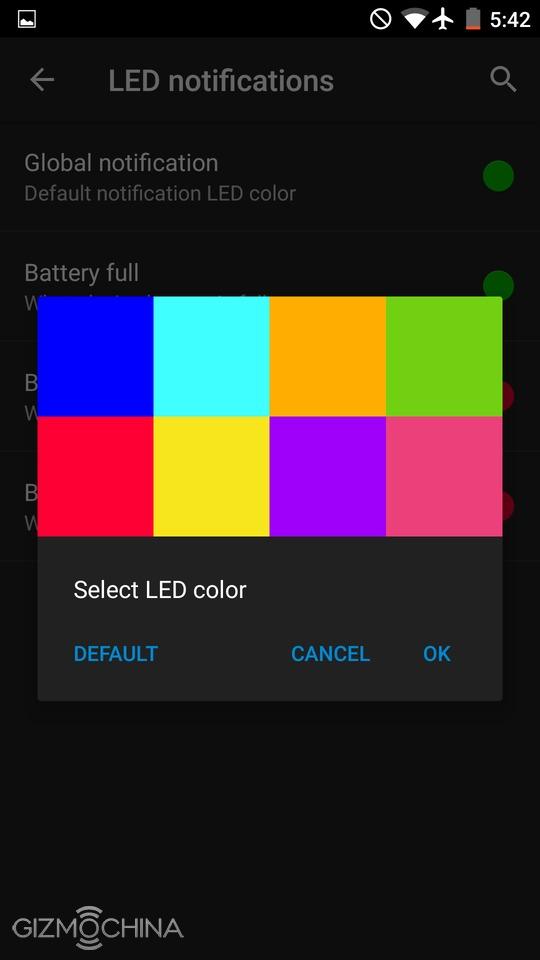
As far as notification LEDs, OnePlus 2 is a clear winner as it has a highly-customisable one.
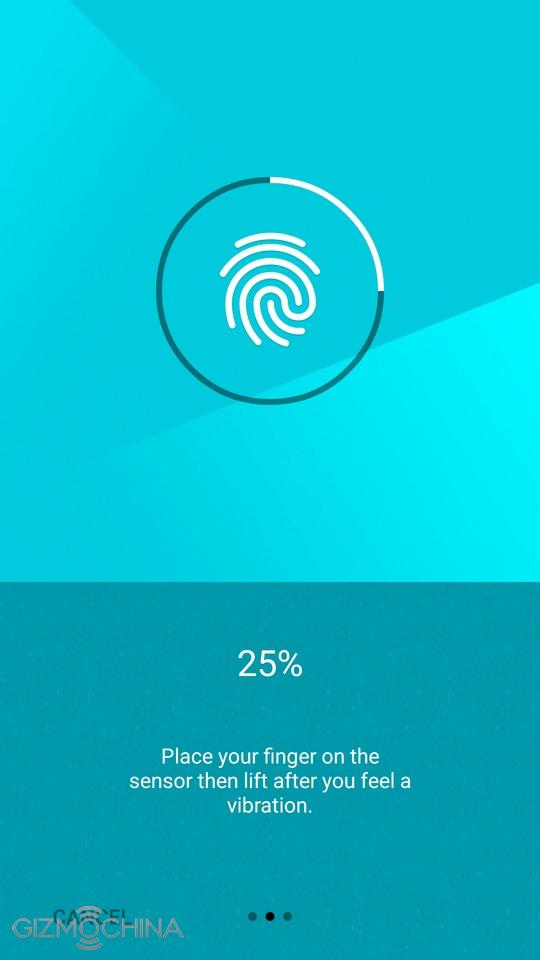
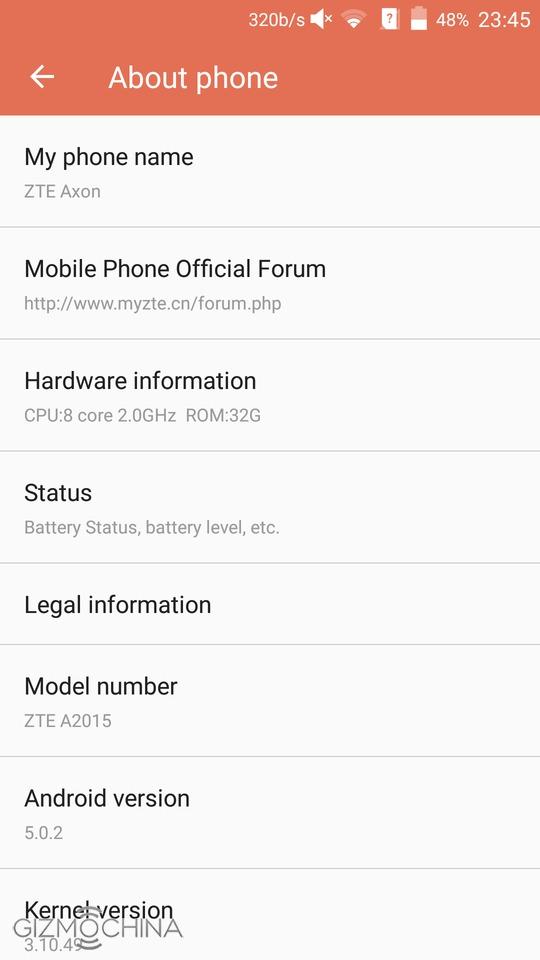
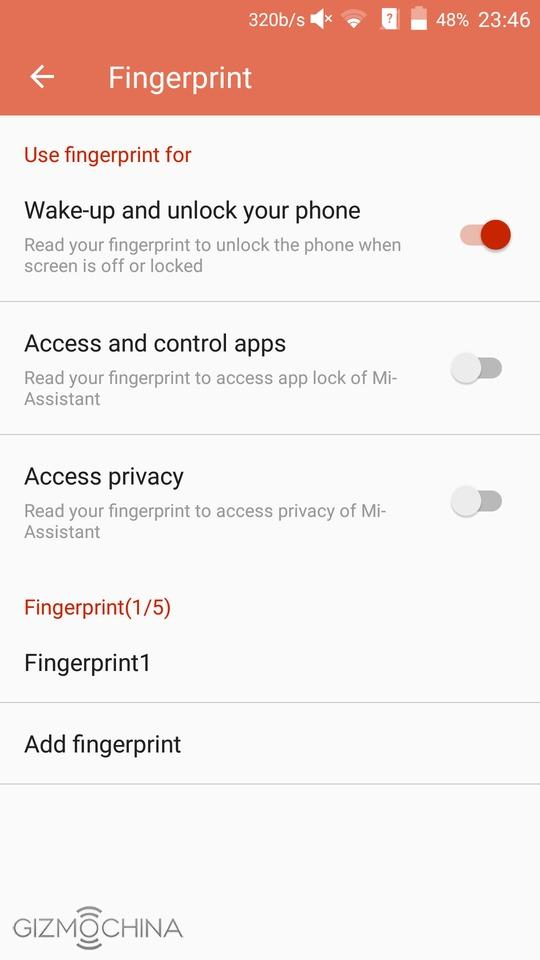
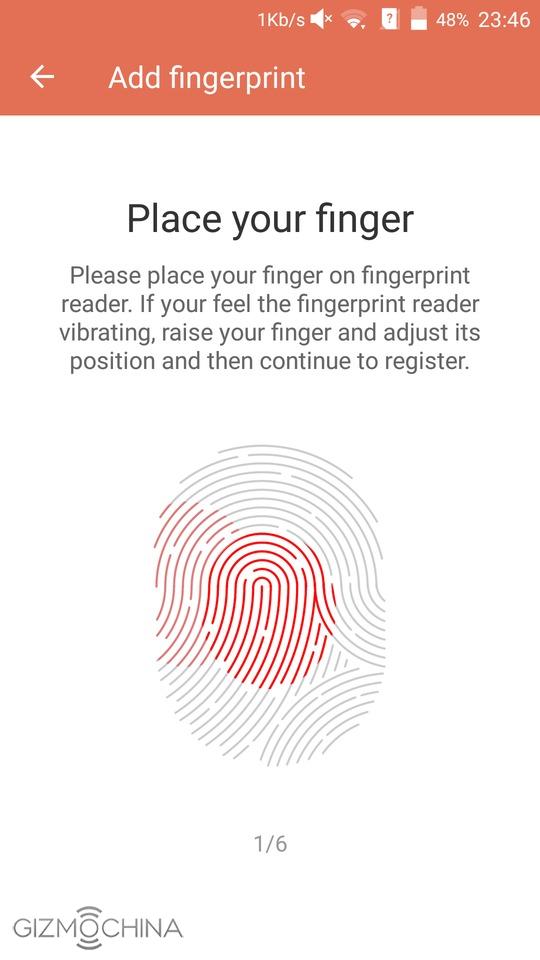
All devices have fingerprint scanners except for the Le 1 Pro. If you ask me, I would say that the ZTE Axon has the fastest and the most accurate implementation despite being the only one with the scanner on the back. The second is the MX5 and the third is OnePlus 2 as it clearly lags behind in terms of speed and accuracy.
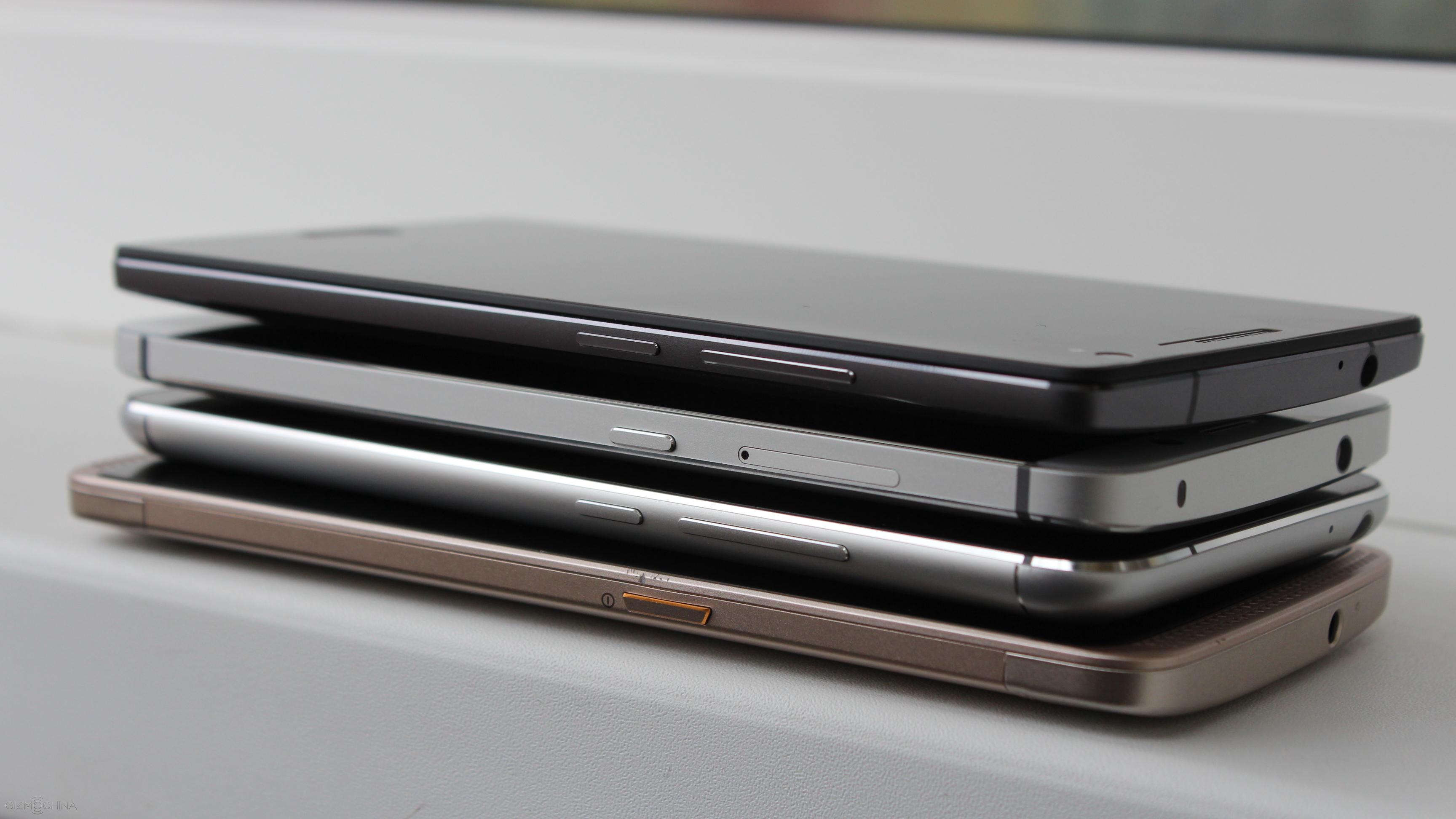
The button placement is very similar on all the phones except for the fact that Le 1 Pro and the Axon phone have volume rockers on the right.
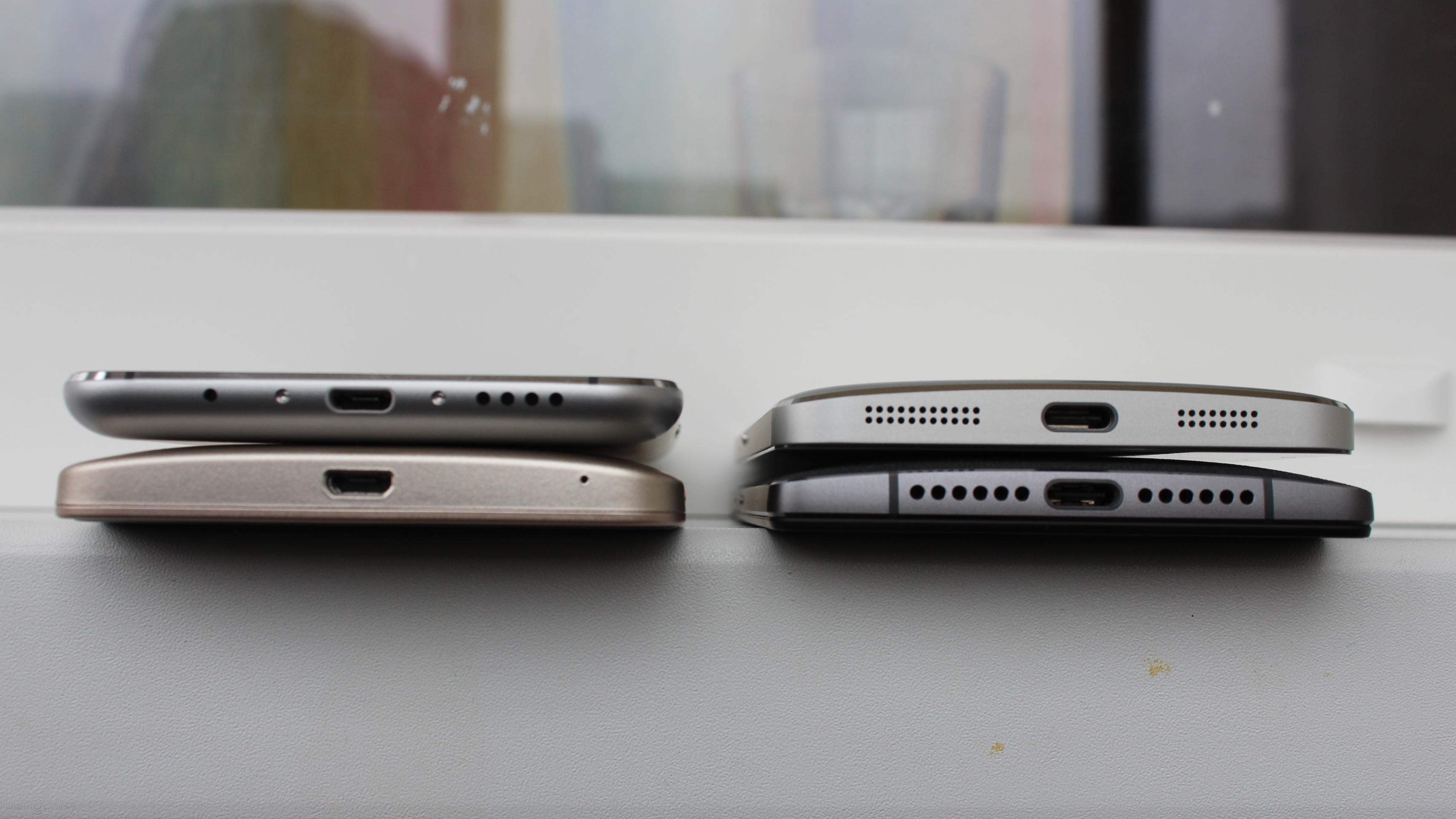
The bottom is the part where the majority of devices have their loudspeakers but only the Axon phone has a front firing speaker grill.
As far as connectivity goes, the OnePlus 2 and the Le 1 Pro are more future-proof as they both use the USB Type-C ports whereas other phones in this review have standard micro USB ports.
All in all, I have to say that all phones have great design and build but my personal preference is the Le 1 Pro as it is the most compact and it is the only truly all metal phone out of the pack. However, design part is always subjective.
OnePlus 2 gallery:
1 of 20
Check out the OnePlus 2 vs Letv Le 1 Pro comparison review:
OnePlus 2 vs. Letv Le 1 Pro vs. ZTE Axon Elite vs. Meizu MX5: DISPLAY
When it comes to the display, the Le 1 Pro has an edge in terms of sheer specs as it has a 2k panel. However, it is really hard to tell the winner as it all comes to the personal preference e.g. if you like slightly warmer or colder colours or if you prefer the Amoled panel found on the Meizu MX5.
Still, my personal preference goes to the ZTE Axon as it has the most pleasing to the eyes display for me.
OnePlus 2 vs. Letv Le 1 Pro vs. ZTE Axon Elite vs. Meizu MX5: UI
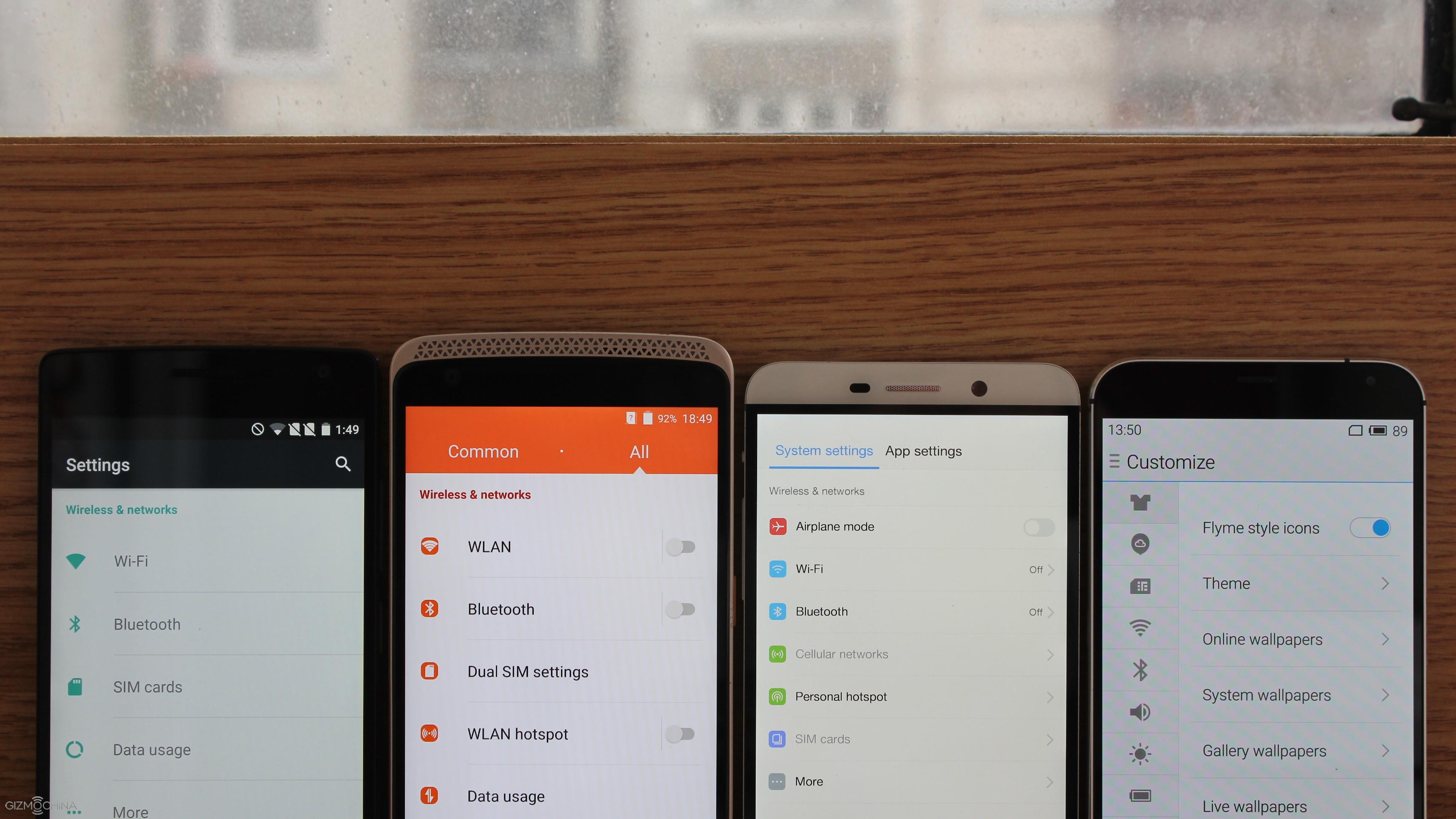
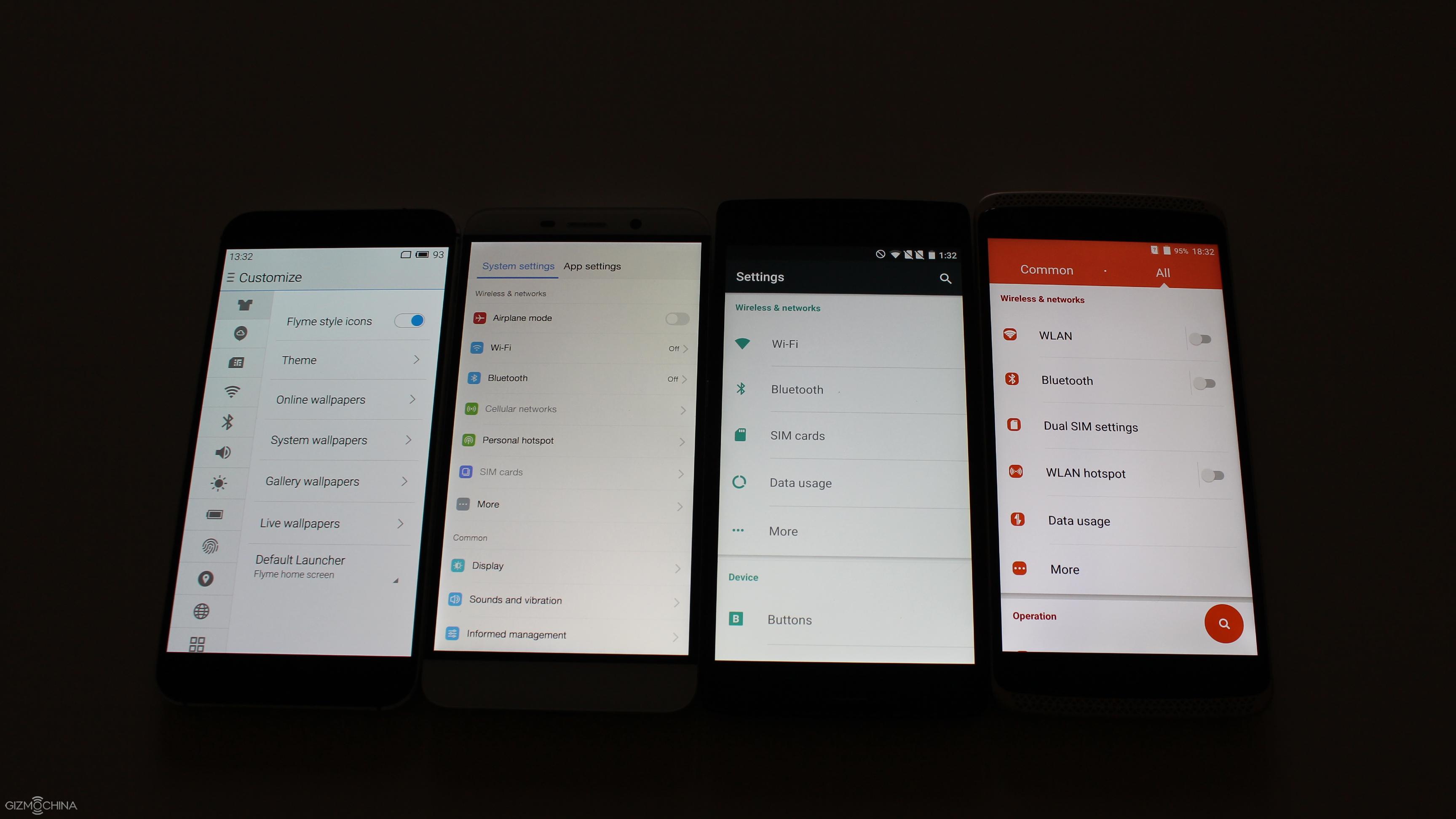
When it comes to the UI, each phone has a different take on Android.
OnePlus 2
1 of 31
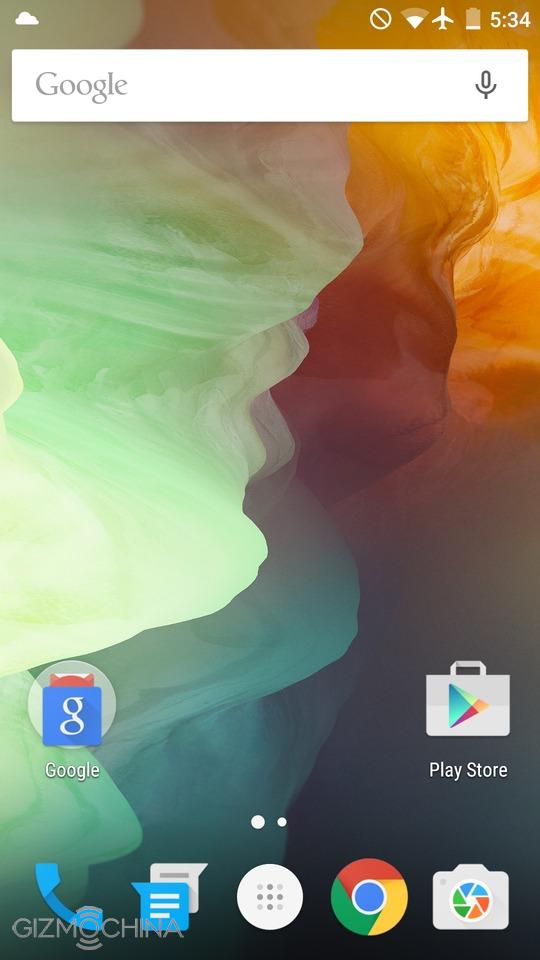
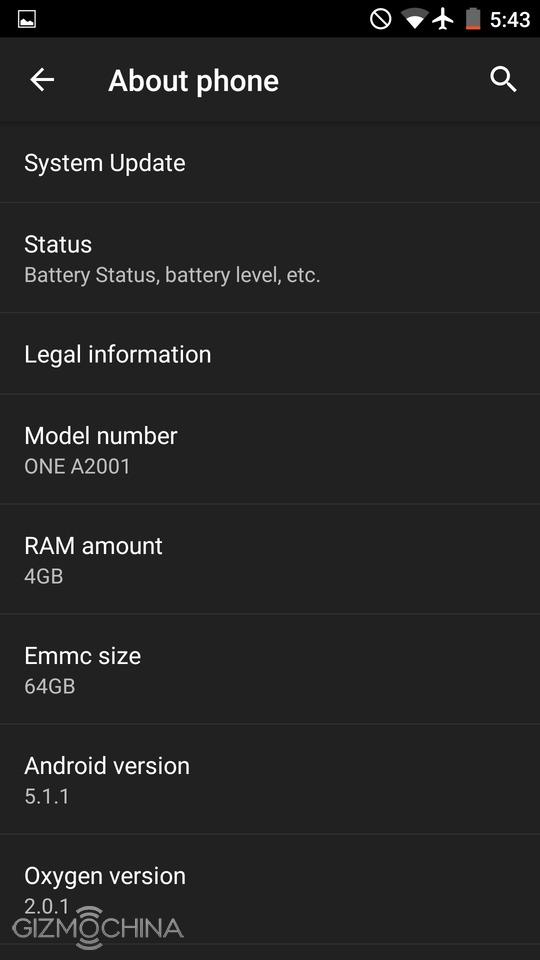
OnePlus 2 runs on the Oxygen OS, which has preserved most of the looks of stock Android. Timely software updates assure that you will get a smooth experience overall.
In short, you are getting a stock Android experience with quite a few customisation options and some useful added features.
Letv Le 1 Pro (original stock Chinese ROM):
1 of 46
When it comes to the Le 1 Pro, it runs on the Le UI, which is built on Android 5.0. The Chinese ROM works very fast and there is no lag whatsoever. It has a nice and flat design, some added features and some design inspirations from Apple. However, you have to keep in mind that the Chinese ROM is mainly designed for the Chinese users and the home button serves as a quick access toggle for Letv streaming services. Also, there are quite a few Chinese apps out of the box.
However, the stock Chinese ROM does not have Google Play services pre-installed. Thankfully, there is an easy way of doing that and you may find the detailed instructions in the video below:
Letv Le 1 Pro with the unofficial international ROM:
1 of 7
You have to keep in mind that many third-party resellers ship the Letv phones with the unofficial international ROM, which has Google Play services out of the box, multi-languages and all the chinese apps removed and that’s a good thing. However, I don’t recommend this ROM as it comes with lots of bloatware apps that you can’t simply remove, significantly worse UI, battery and camera performance. Please go with the Chinese ROM as you can easily live with the Chinese content on the phone and wait for the official release of international ROM.
ZTE Axon Elite:
1 of 77
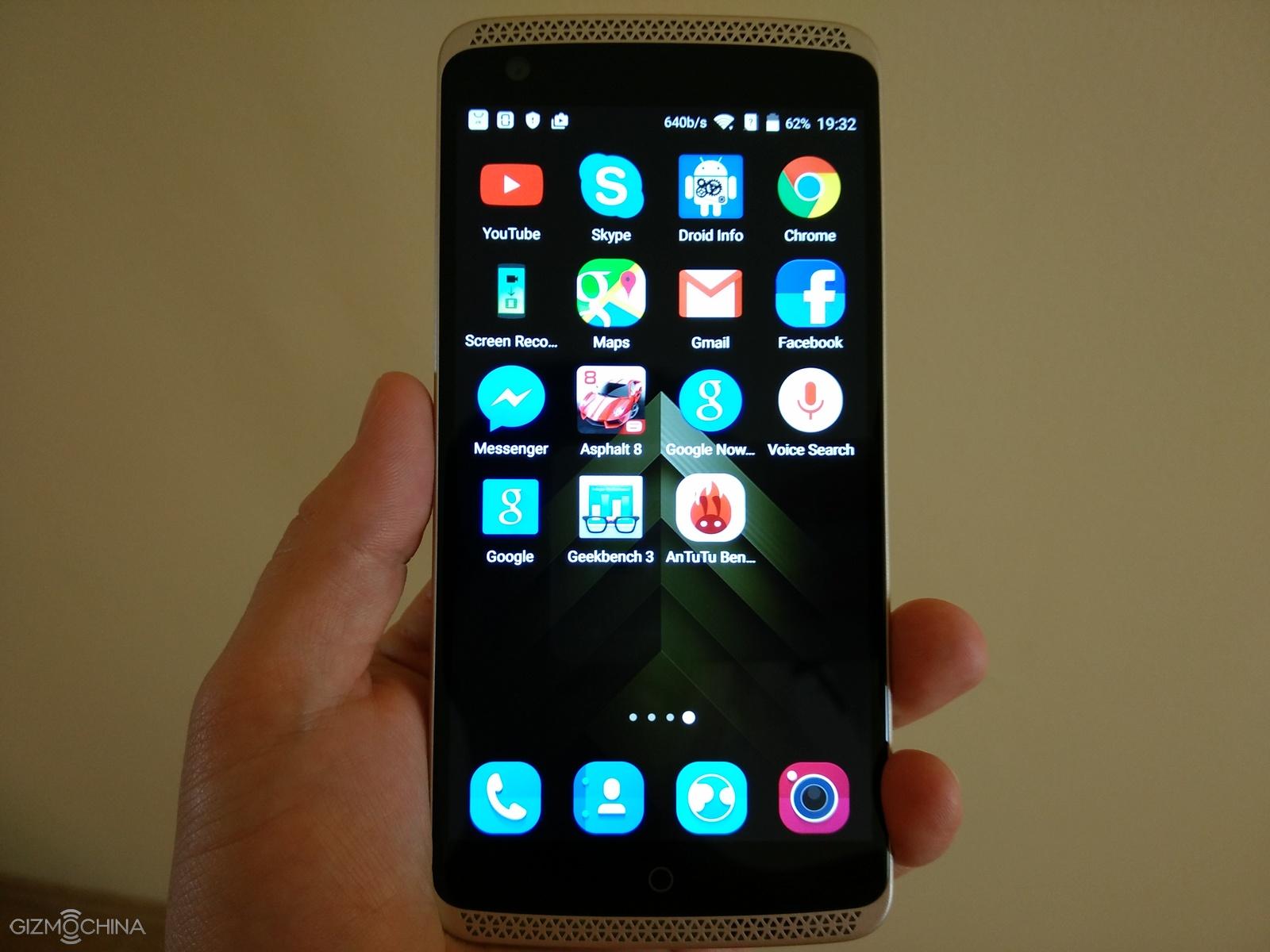
I have the Chinese version of the ZTE Axon Elite for a review and thus it has a Chinese ROM. In short, it runs fast and fluid, it has lots of customisation options and no app drawer. Keep in mind that there are no Google services pre-installed on the Chinese version, but they can be easily side-loaded.
Meizu MX5 (older version of the FlyMe OS):
1 of 41
Meizu MX5 with FlyMe OS 5.0.1:
1 of 16
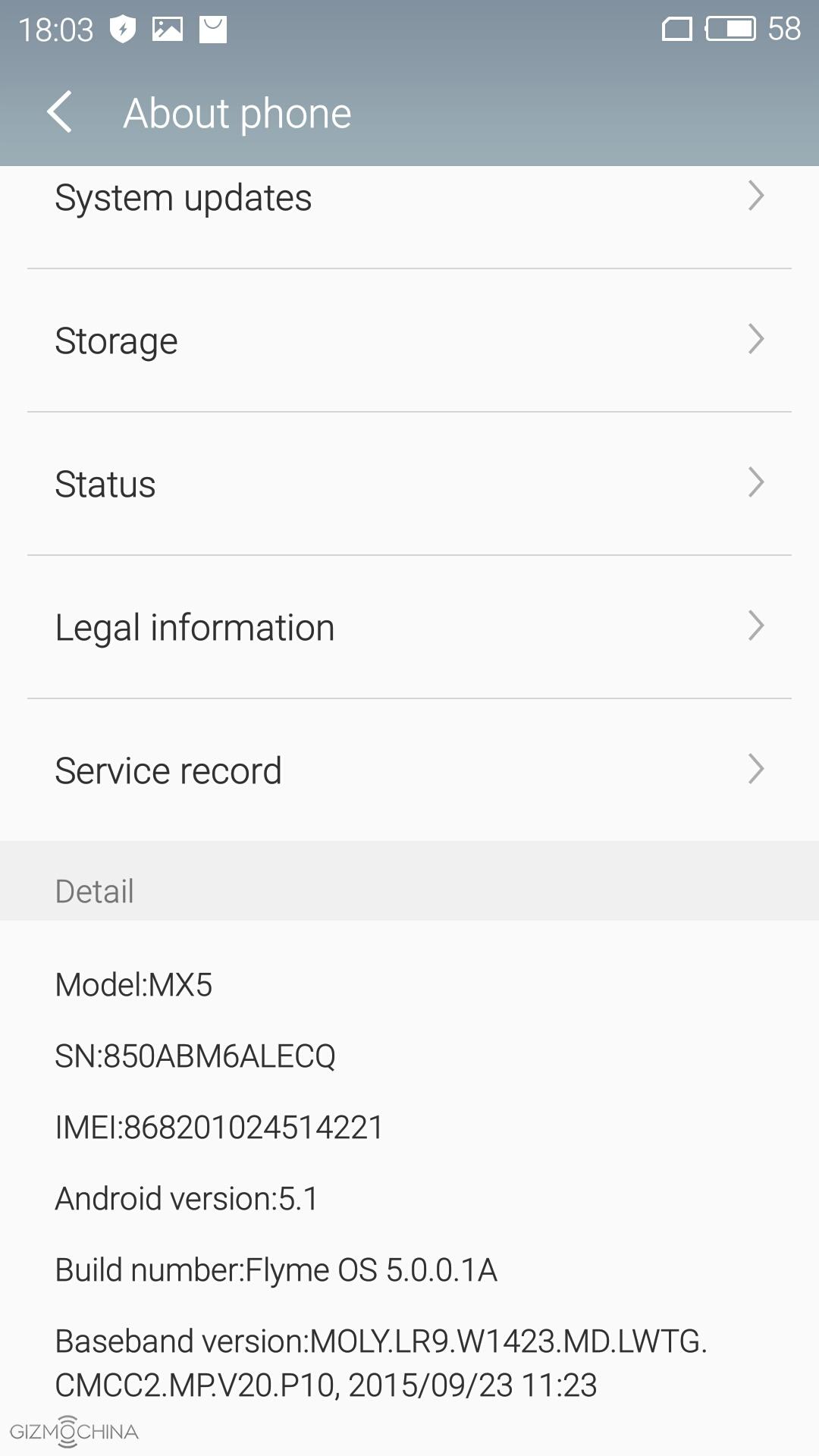
The Meizu MX5 runs on the FlyMe OS, which was recently updated to 5.0 version. This is a Chinese version I have at the moment but to be honest, it doesn’t bother me at all.
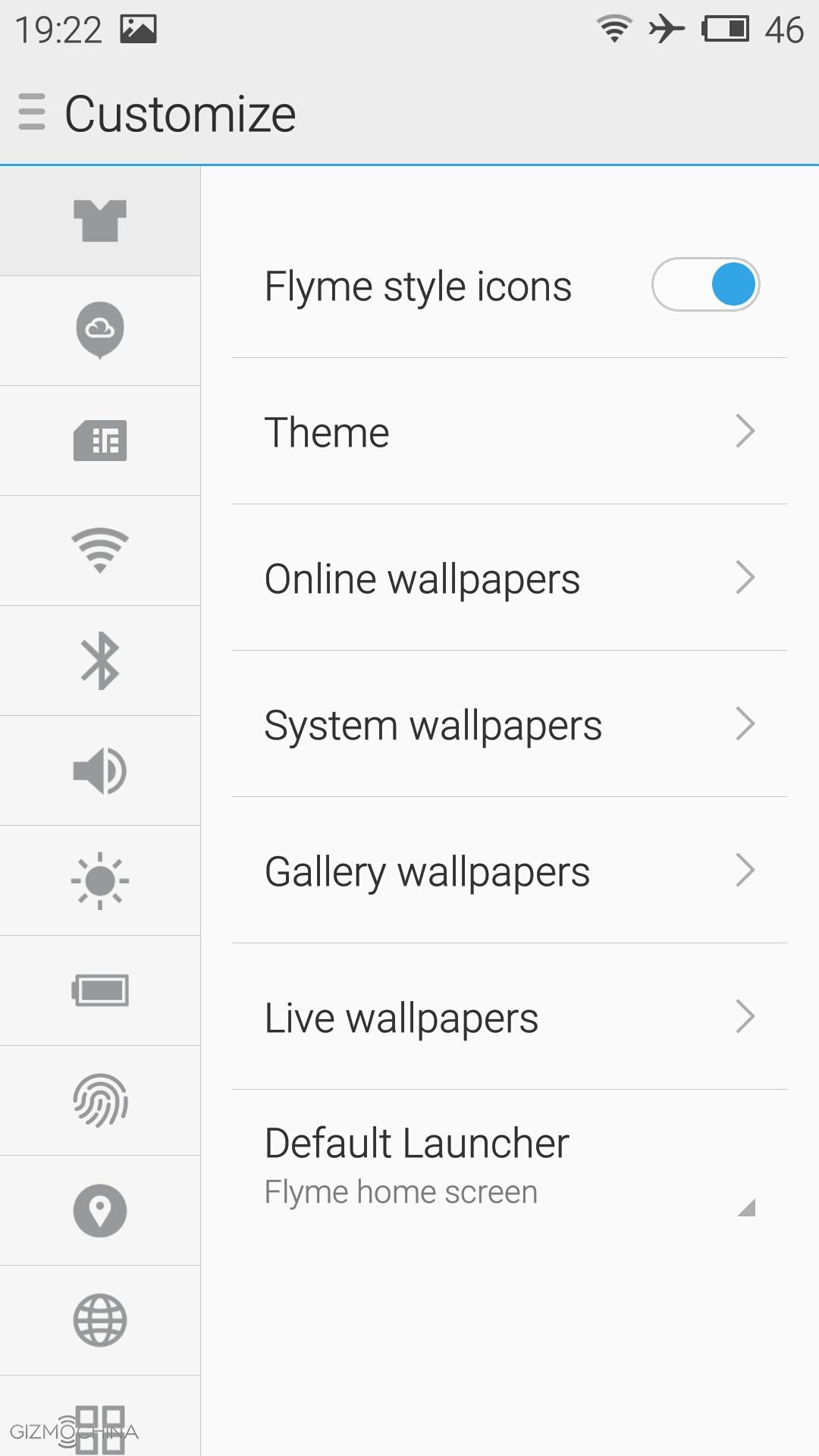
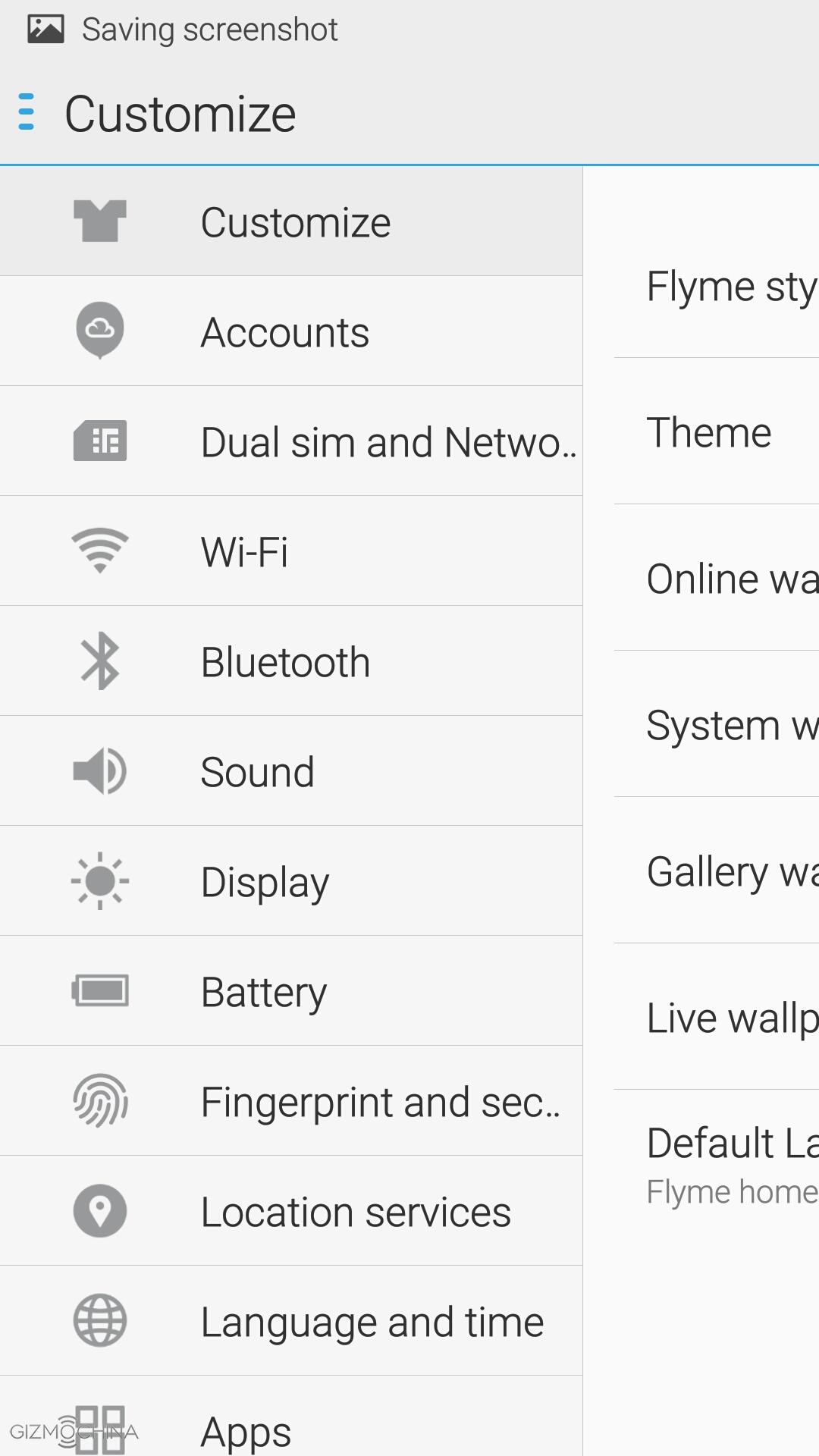
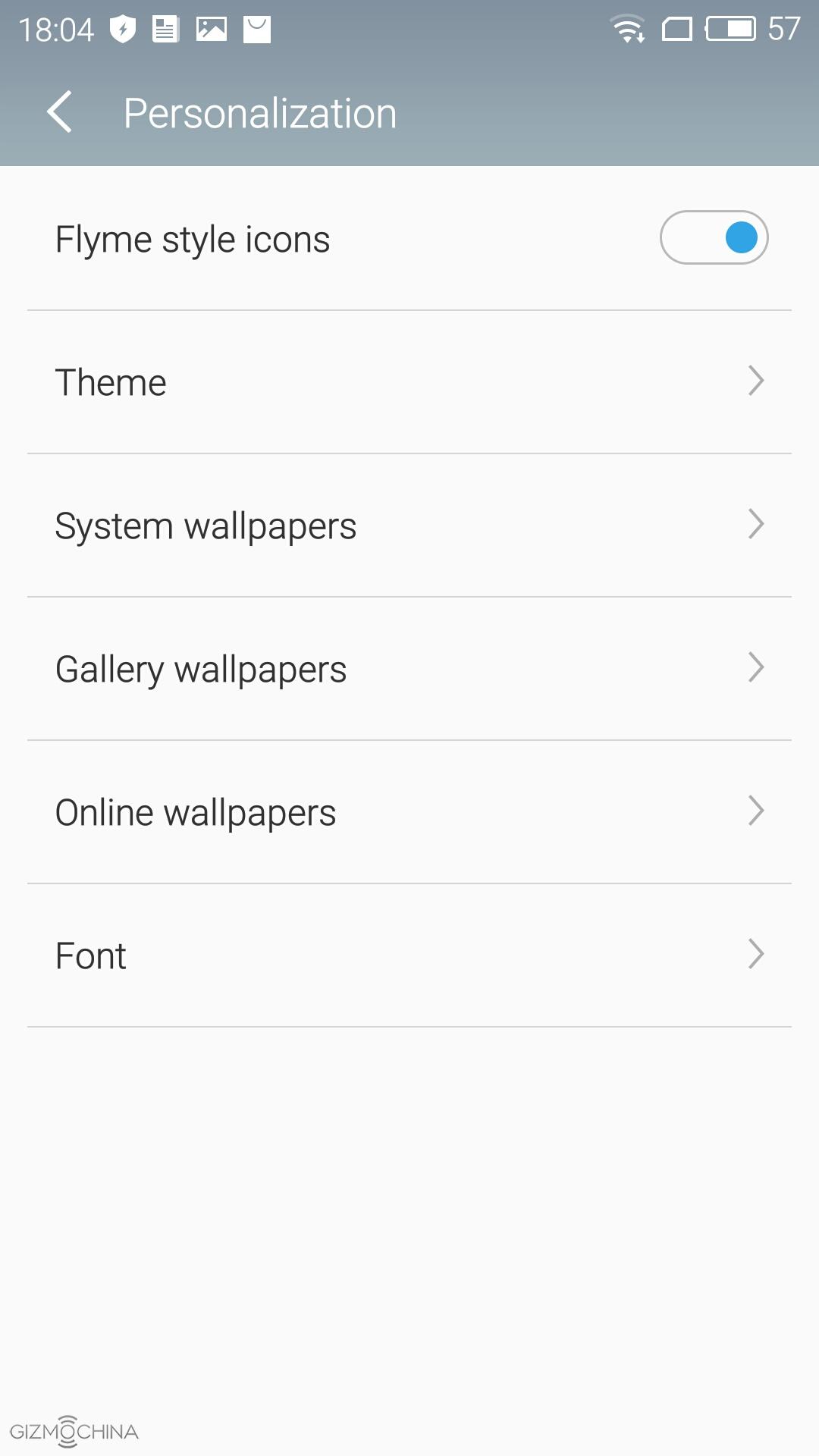
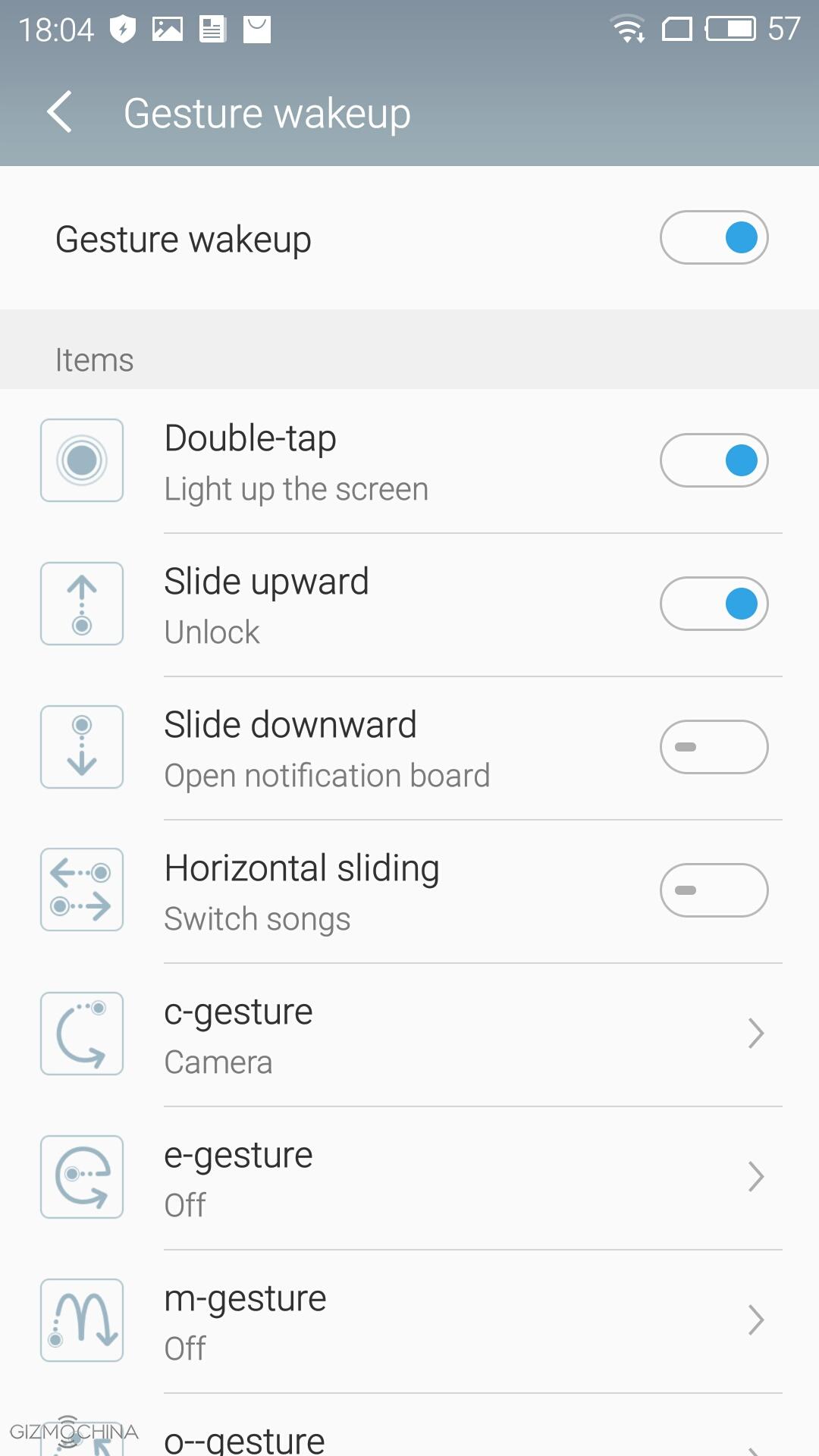
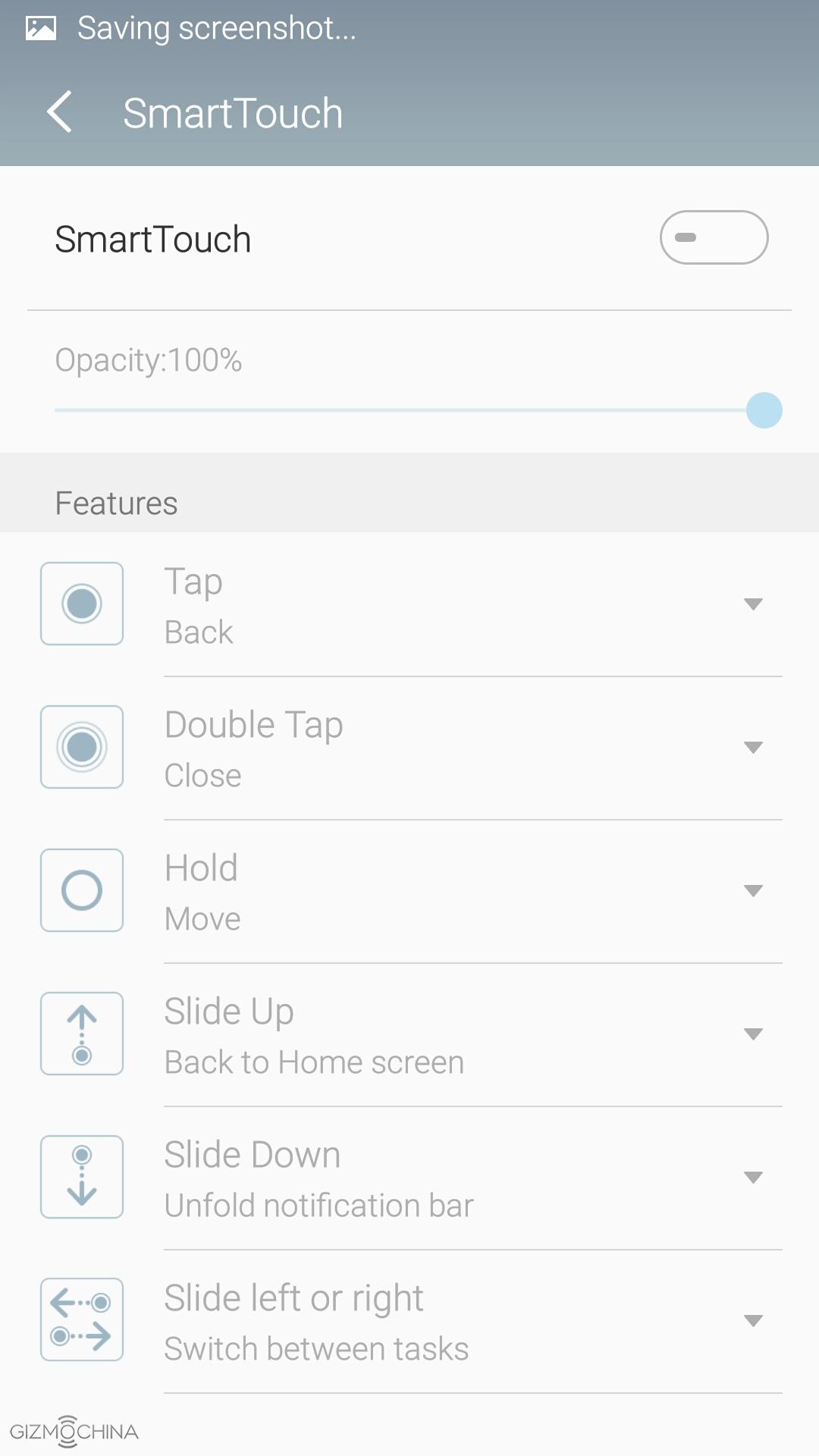
I’ve been a fan of FlyMe OS for quite a while as it has tons of customisation options, probably the best working gesture controls on any Android phone and it is very fast and responsive UI overall.
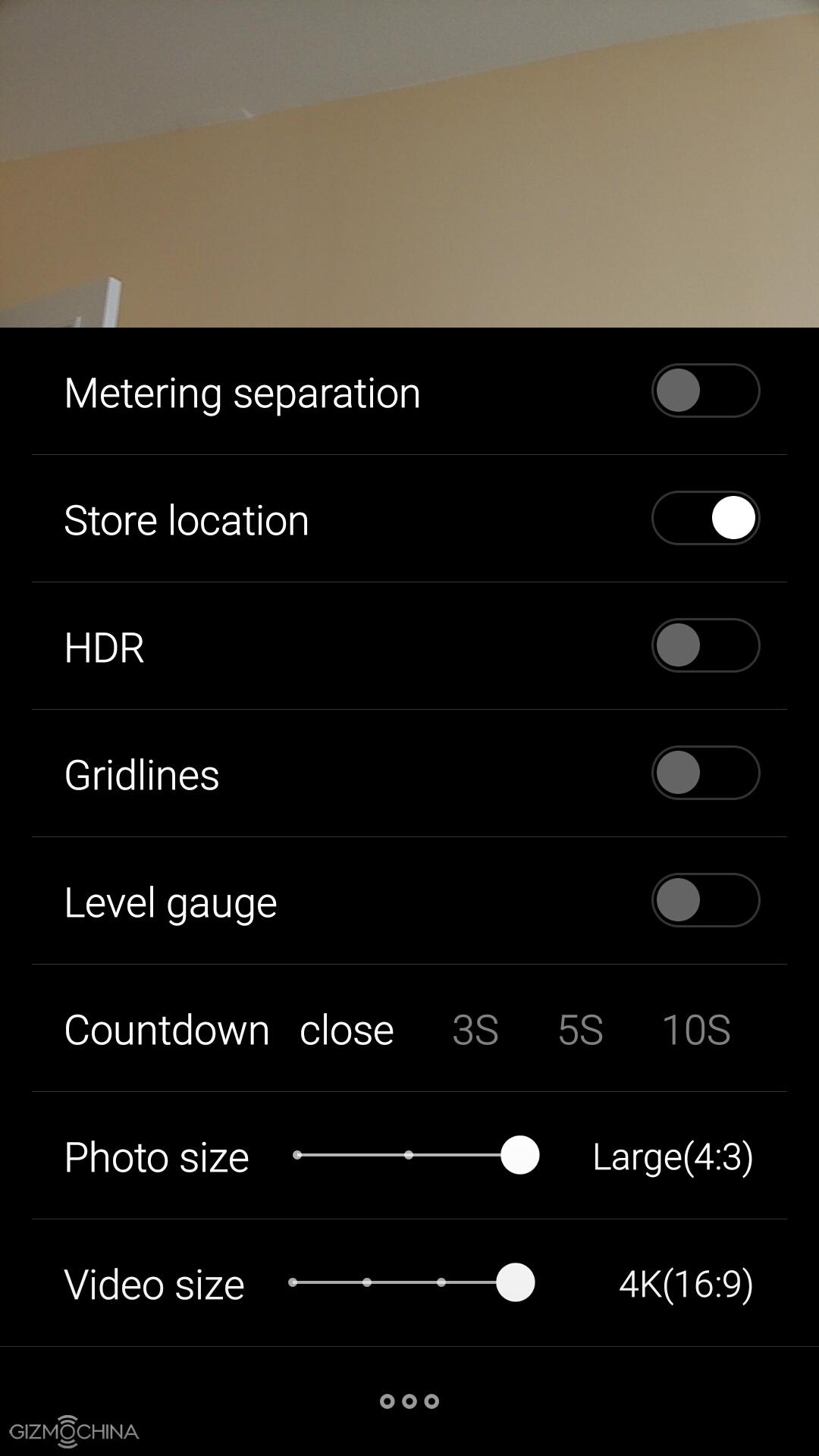
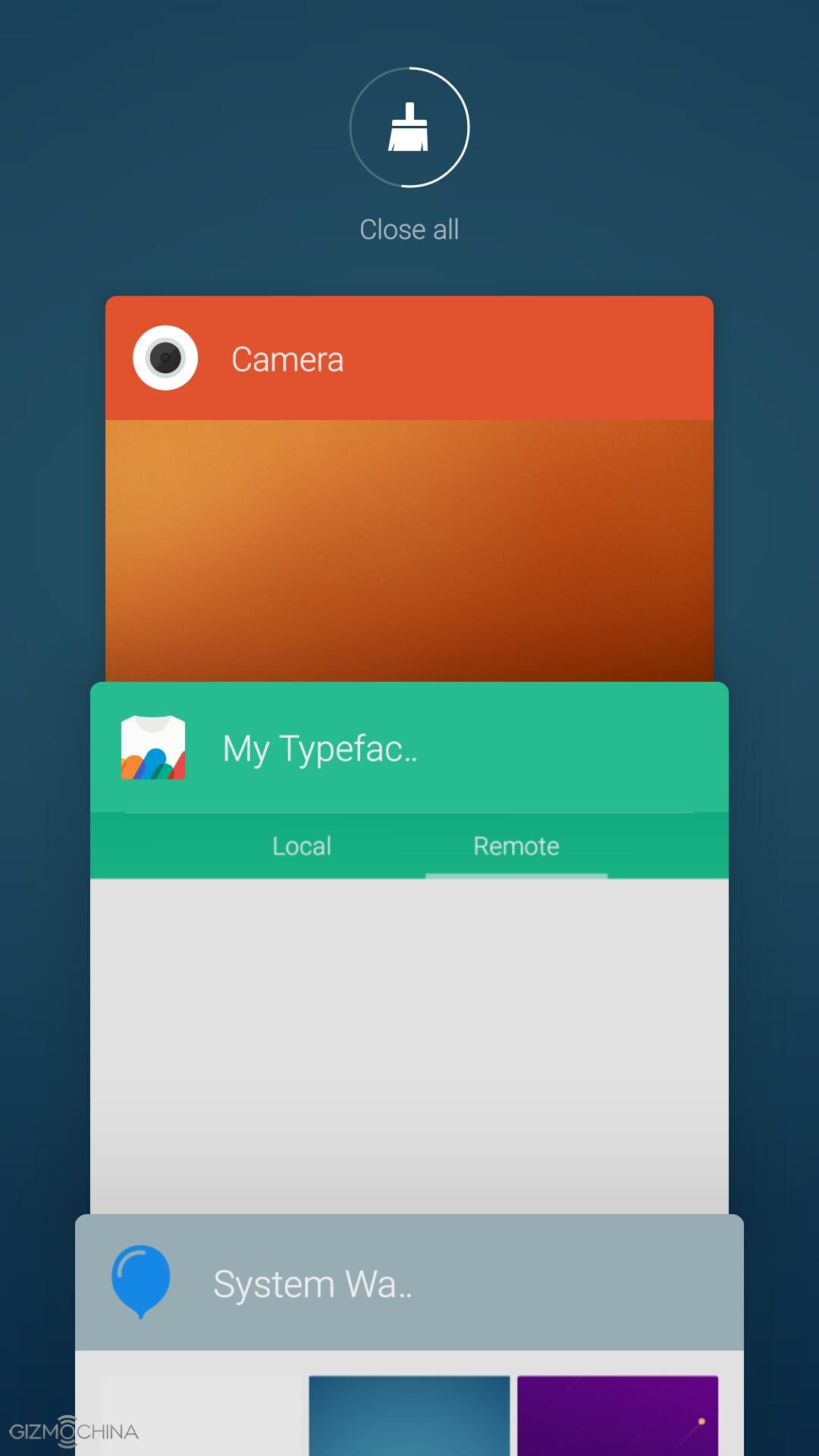
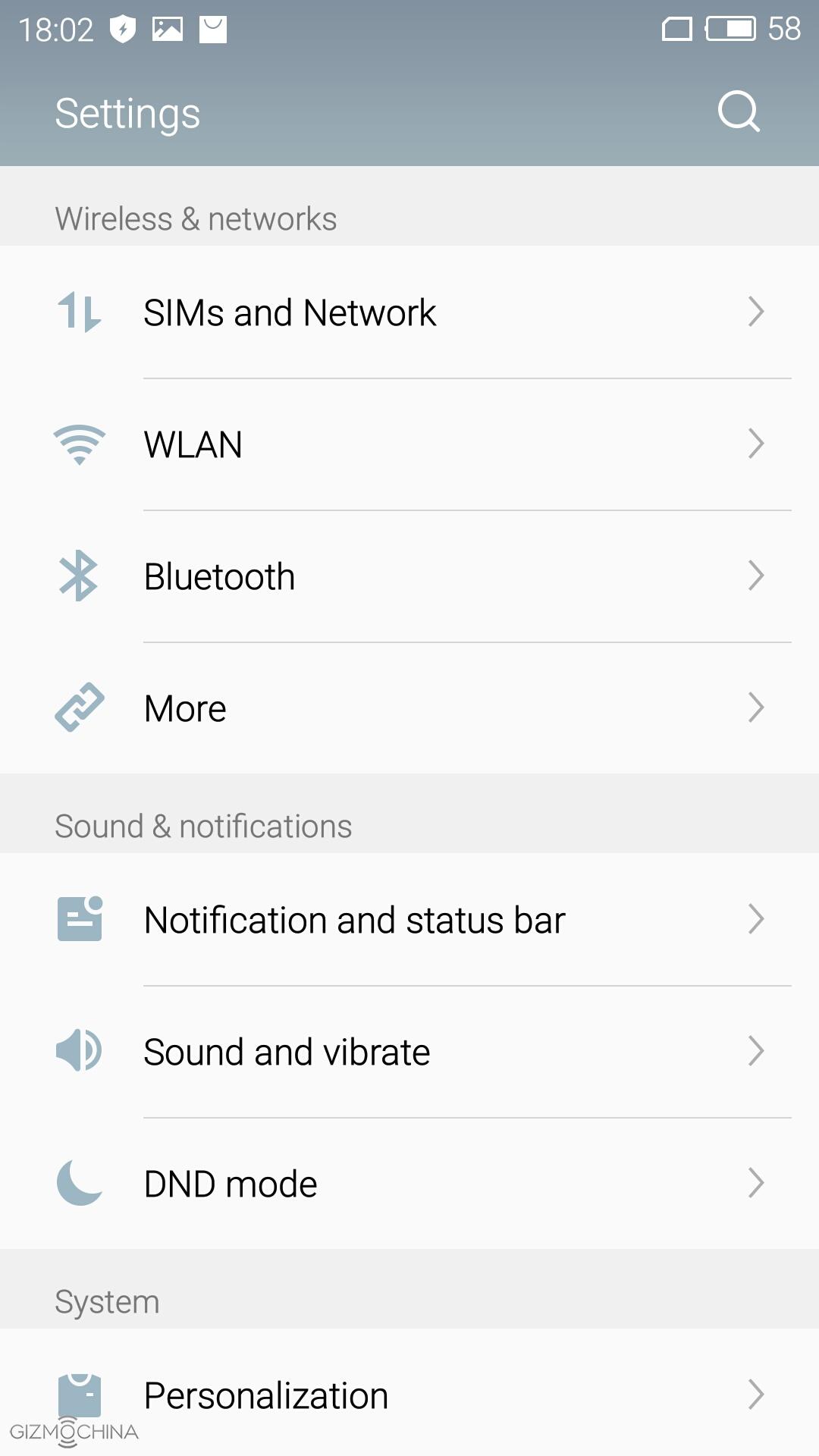
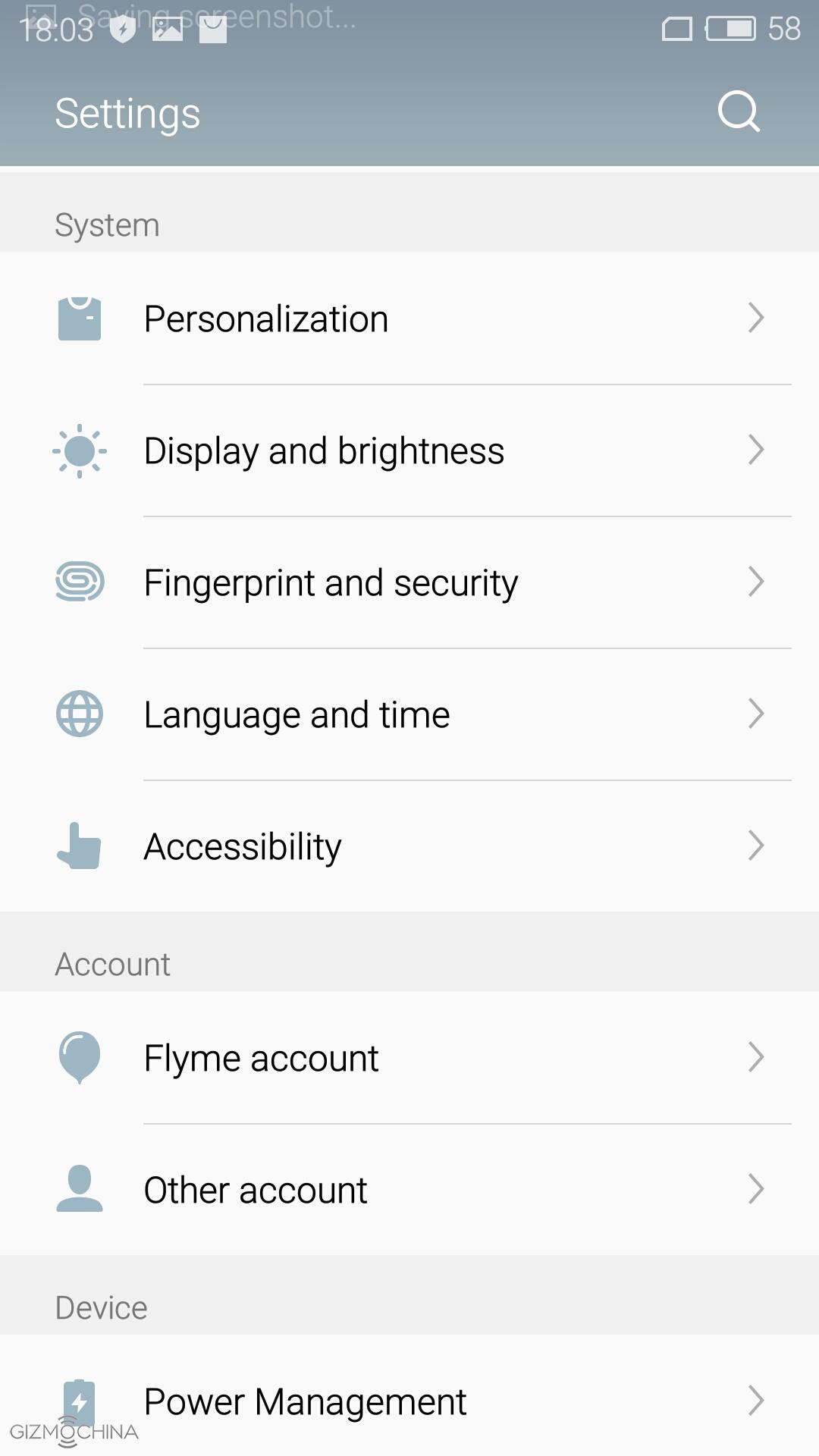
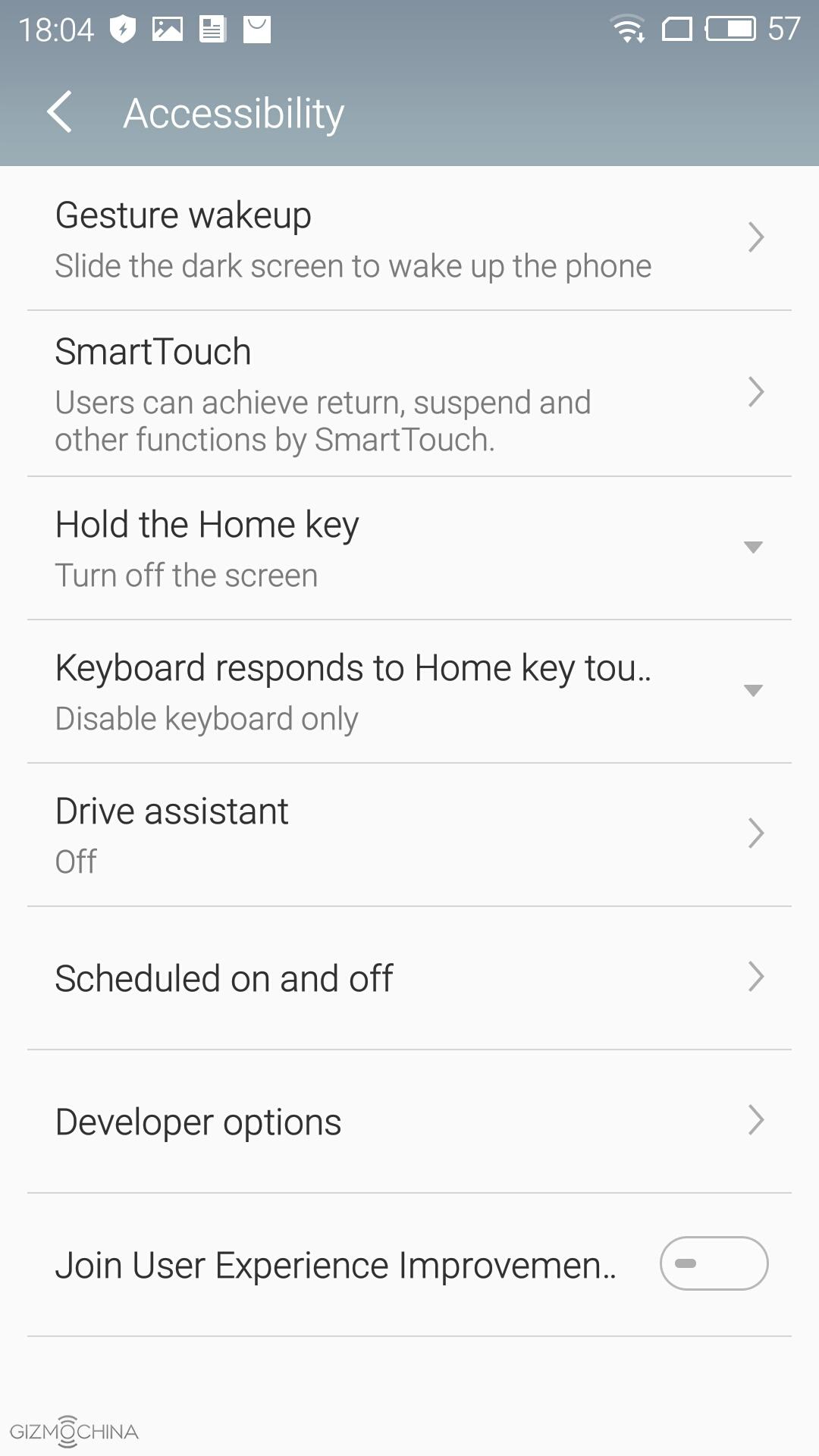
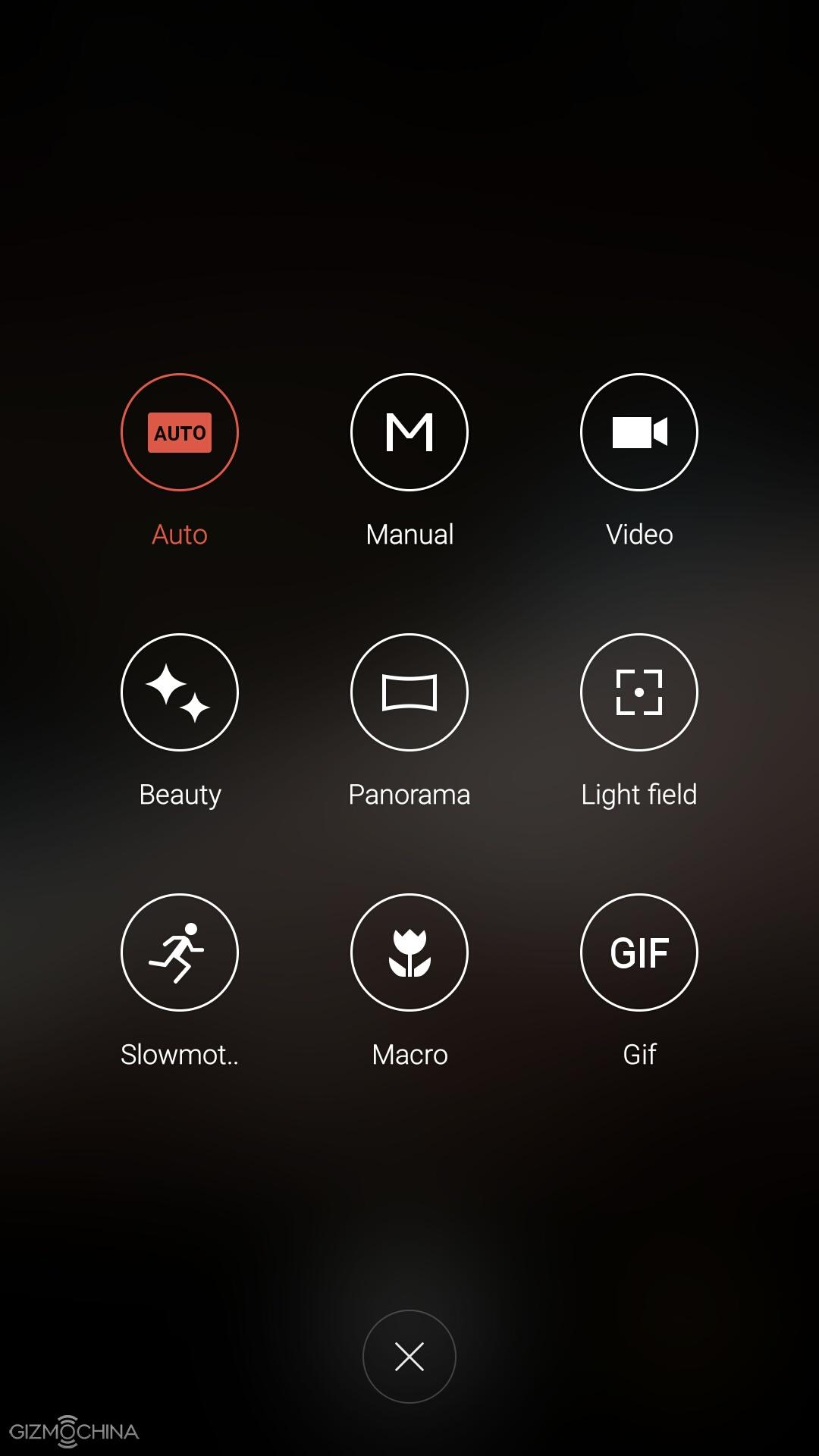
However, the newest version of FlyMe OS has some questionable changes. Well, I really appreciate the recent apps menu that is finally more conventional but there are some odd decision made by Meizu. For example, the gesture controls menu is transferred to accessibility menu… but most importantly, I am absolutely disappointed by the new camera interface.
In the old version, everything was nice and straightforward, you could change the modes by simply swiping up and down very quickly. However, right now you need to go to a separate menu and it takes a lot more time.
Overall, all the UIs of these phones are great to use. At the end of the day, it all comes to the personal preference. I love LeUI, I like FlyMe OS but at the moment I’m in the mood of stock Android, so I’m choosing the Oxygen OS on the OnePlus 2.
OnePlus 2 vs. Letv Le 1 Pro vs. ZTE Axon Elite vs. Meizu MX5: BENCHMARKS
OnePlus 2:
1 of 8
Letv Le 1 Pro:
1 of 12
ZTE Axon Elite:
1 of 5
Meizu MX5:
1 of 7
OnePlus 2 vs. Letv Le 1 Pro vs. ZTE Axon Elite vs. Meizu MX5: HARDWARE and PERFORMANCE
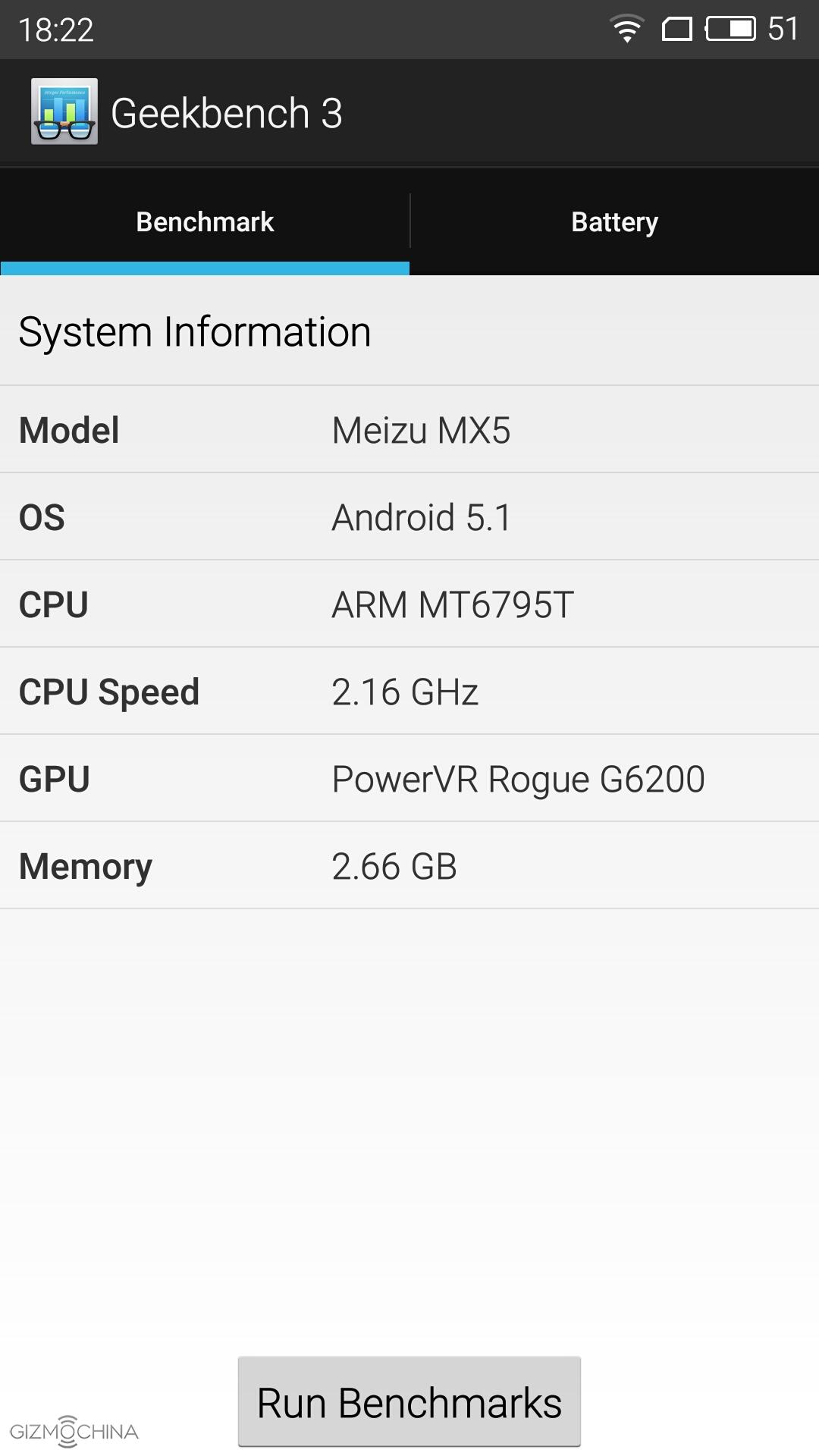
All the phones in this comparison have flagship-grade specs except for the Meizu MX5. It is still quite a powerful package as it has a Mediatek Helio X10 chip, 3GB of RAM and the base model has only 16GB of non-expandable internal storage.
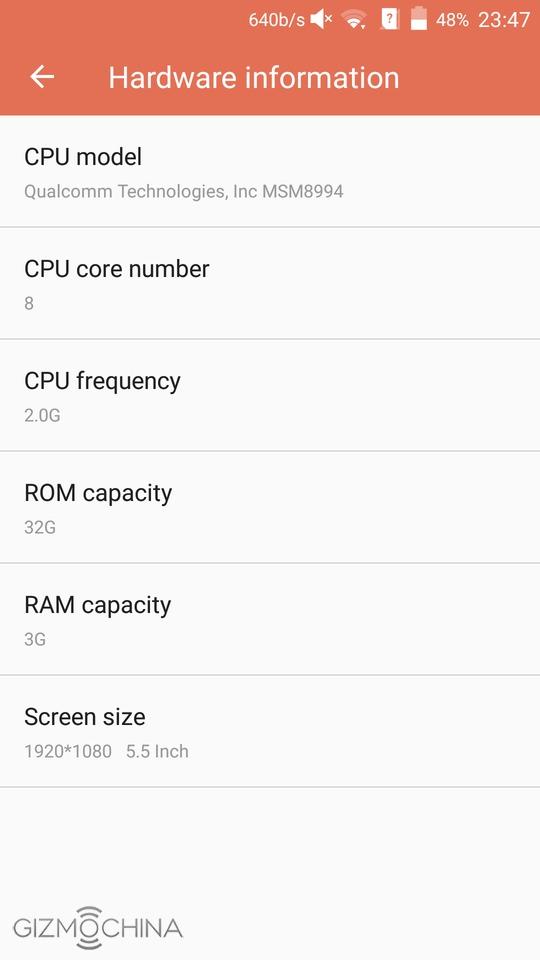
OnePlus 2, Letv Le 1 Pro and ZTE Axon have Snapdragon 810 chips with slightly different clock speeds and different storage options. Keep in mind that only the Elite version of the Axon phone I have has the microSD card slot.
When it comes to the graphically intensive tasks, the Snapdragon 810-powered devices will provide you with the best possible experience. As far as Meizu MX5, it can also handle 3D games quite well but the level of graphics is simply not quite there yet.
OnePlus 2 vs. Letv Le 1 Pro vs. ZTE Axon Elite vs. Meizu MX5: MULTIMEDIA
When it comes to multimedia, consuming HD content is just a blast on all phones.
As far as loudspeakers go, I would choose the Axon phone since it has a front firing speaker, which is loud and has a decent amount of depth in its sound.
I would give the OnePlus 2 the second place, the third and the fourth to the Le 1 Pro and the MX5, respectively.
When it comes to the music via earphones, the Le 1 Pro is simply the best and the Axon phone is the closest competitor as both of these phones have dedicated Hi-Fi audio chips.
The OnePlus 2 and the MX5 are pretty much the same.
OnePlus 2 vs. Letv Le 1 Pro vs. ZTE Axon Elite vs. Meizu MX5: CAMERA and IMAGE QUALITY
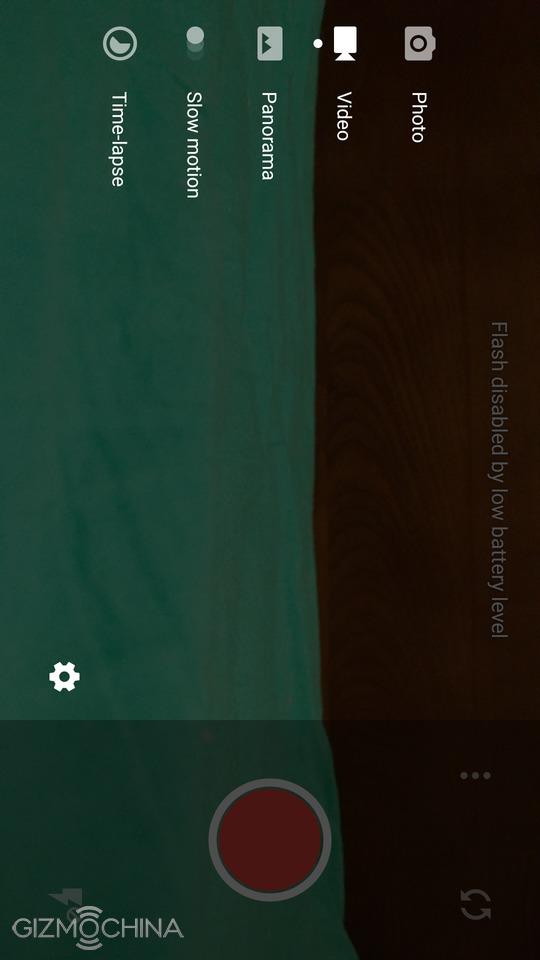
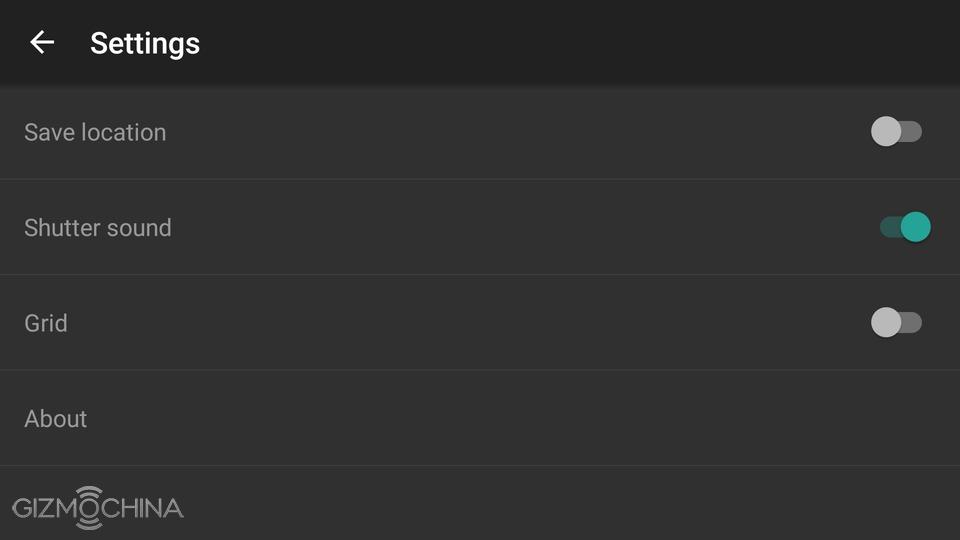
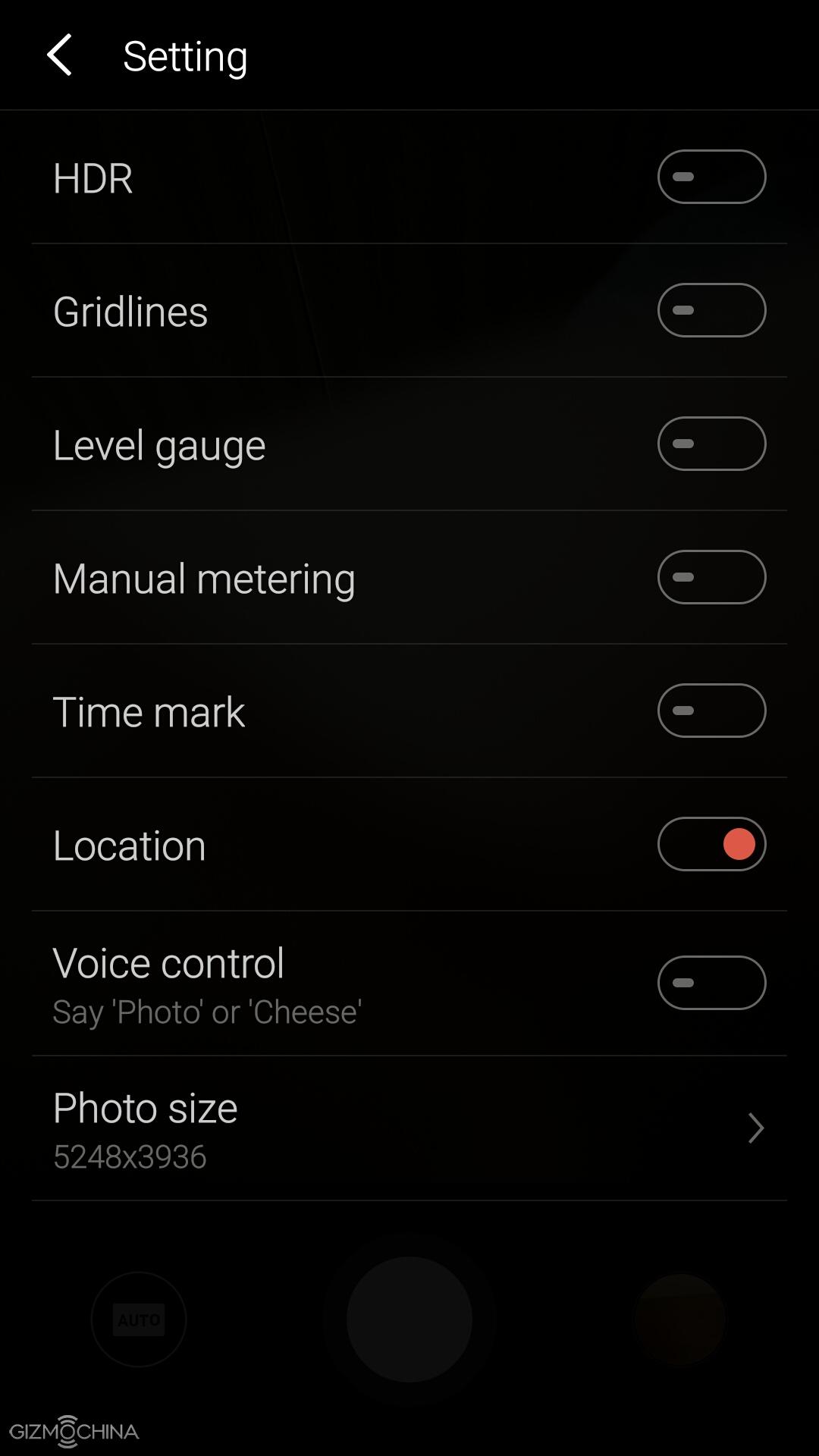
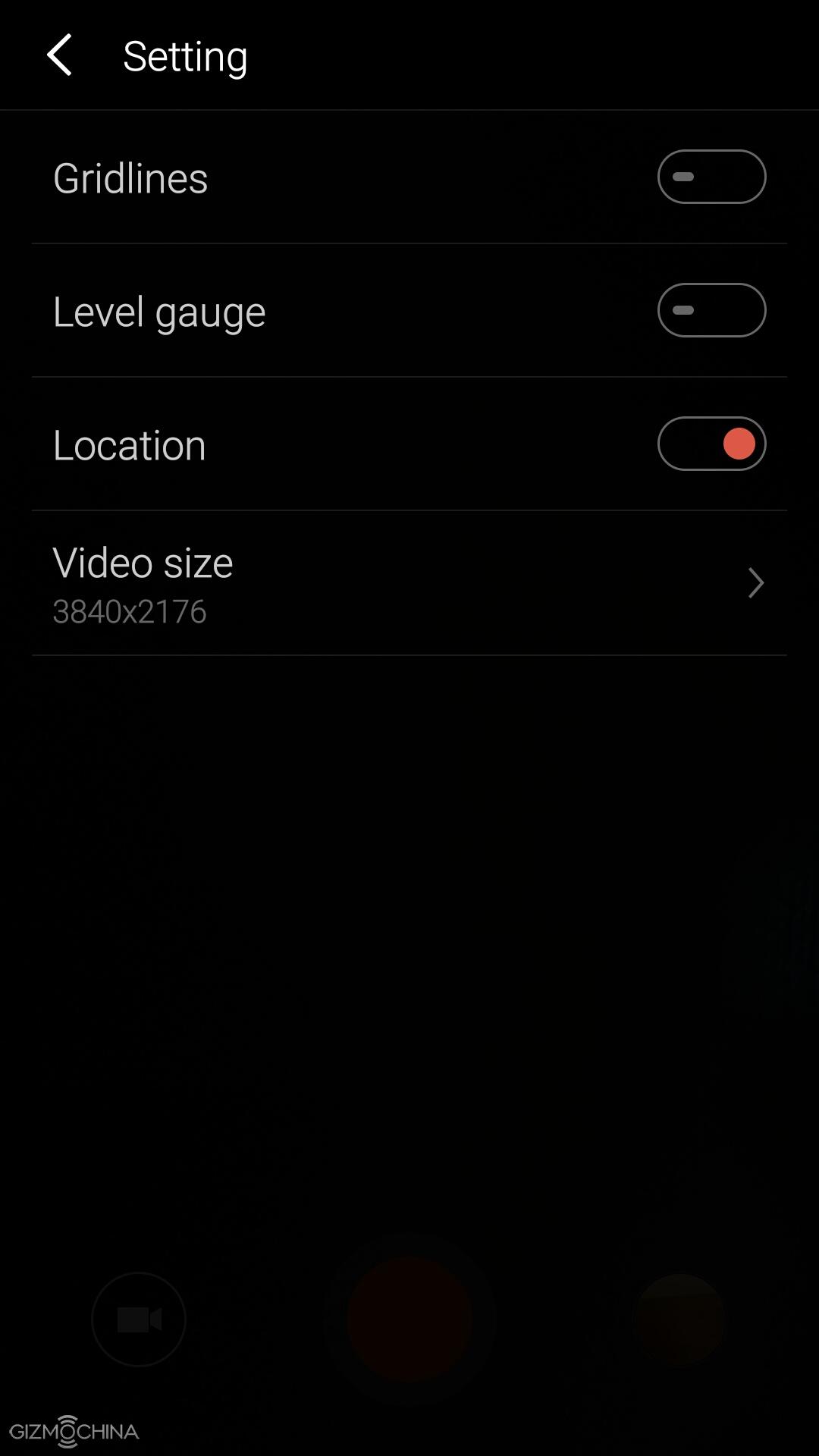
You may check the out the camera interface of each phone in the dedicated reviews.
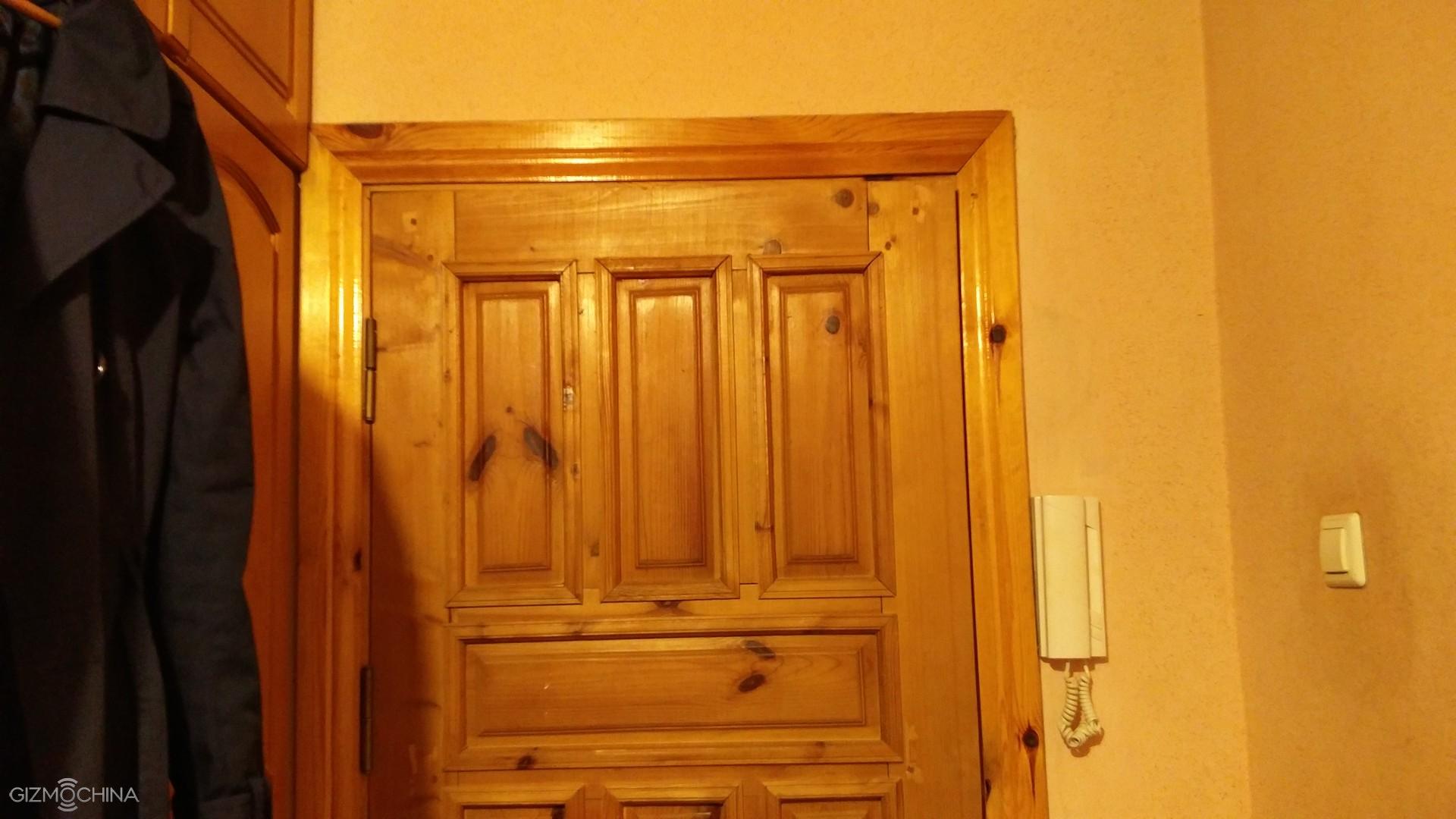
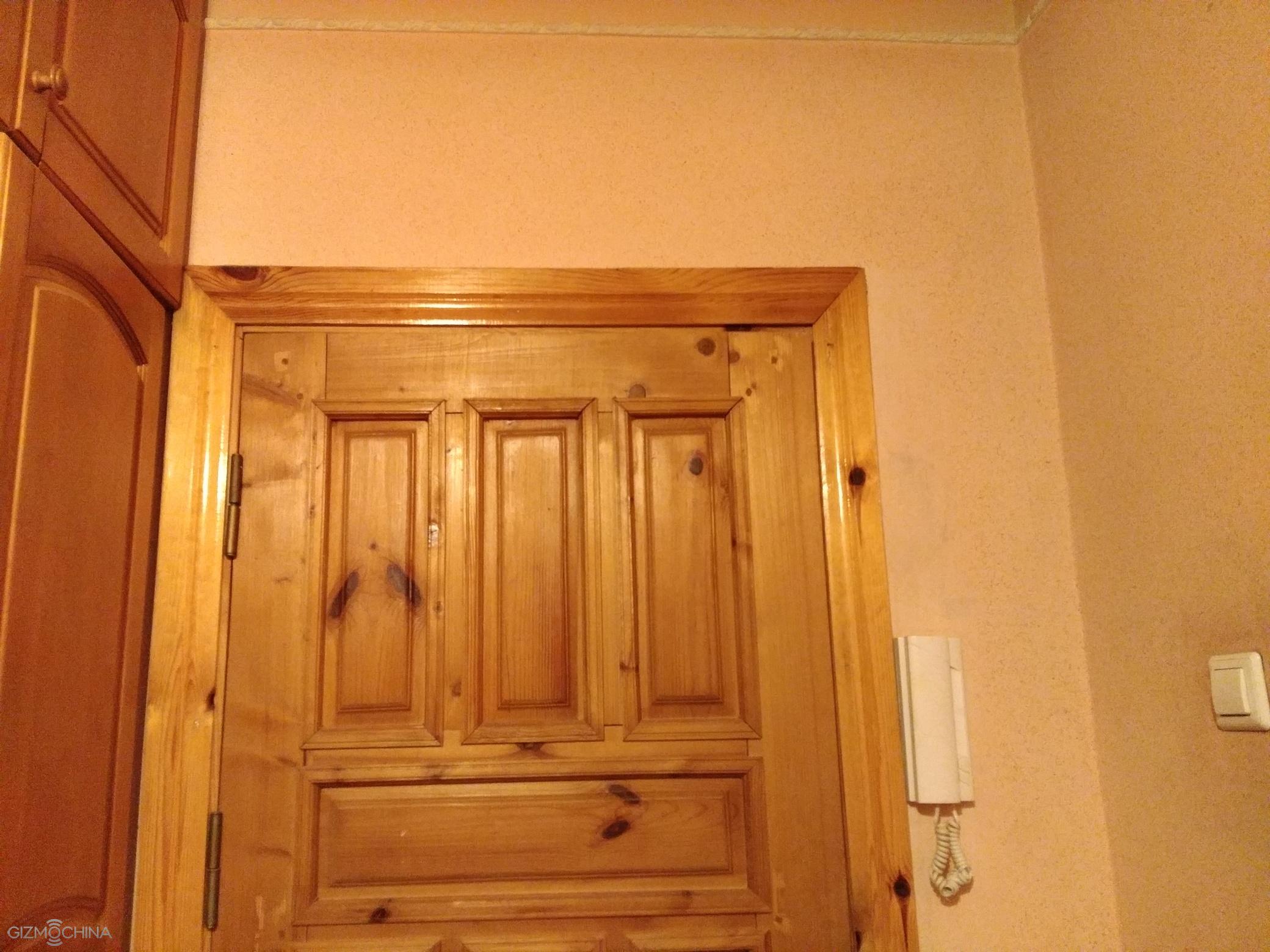
When it comes to the image quality, I tested these phones under exactly the same conditions and you may check out a dedicated in-depth camera comparison video as well, where I also included the Samsung Galaxy S6 Edge and the vivo Xshot:
As usual, the daylight images are pretty much comparable and all phones are capable of producing really nice photos. However, OnePlus 2 manages to do the best job if we summarise the quality of lots of images. It tends to capture a very good amount of details, colours look nice, although they tend to be on a warmer side. Also, contrast and dynamic range are usually handled okay but not all the time.
Other competitors are very close to each other but I’m choosing the either Letv Le 1 Pro or the Meizu MX5 for the second and third places and the Axon phone for the fourth.
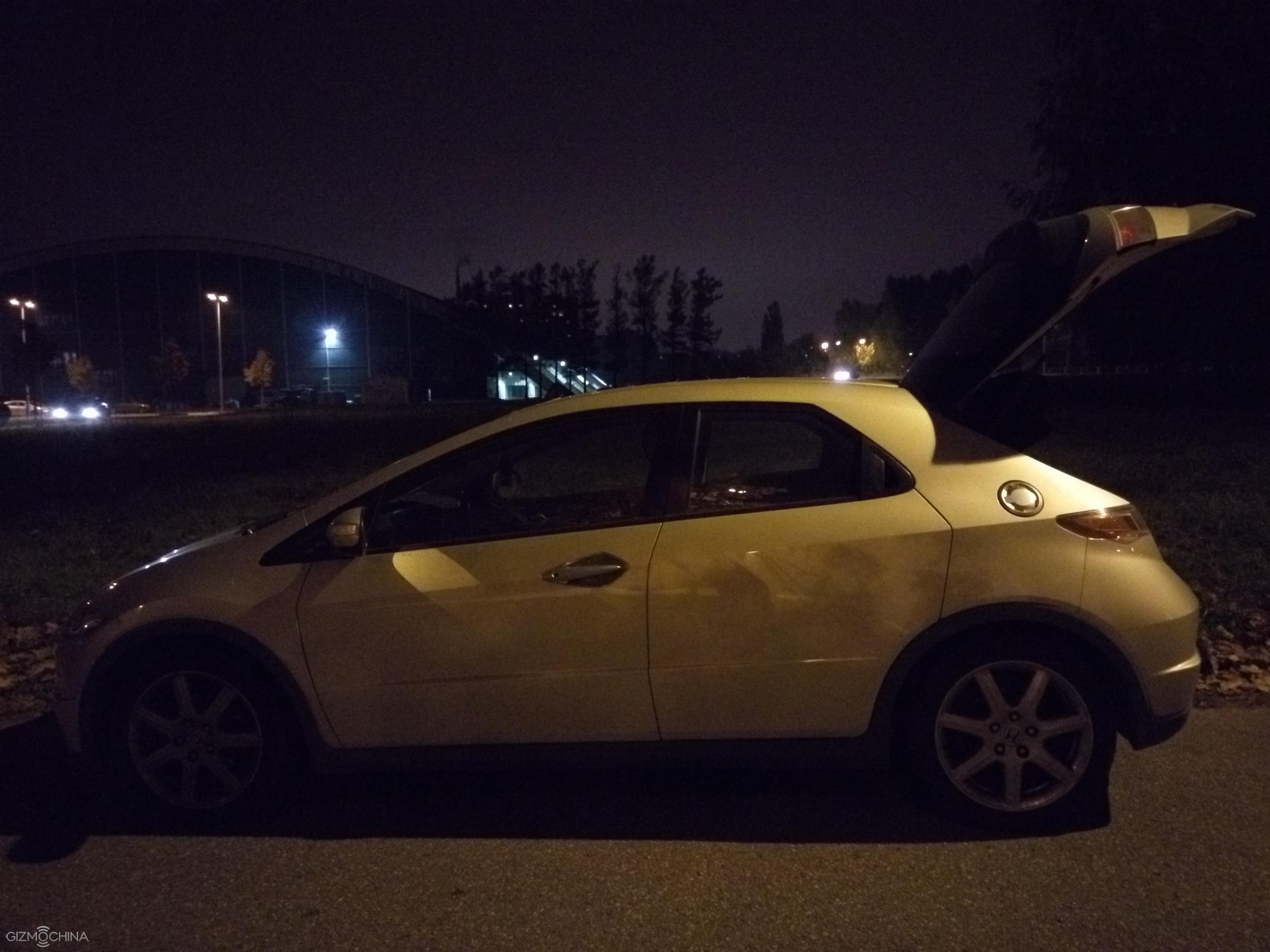
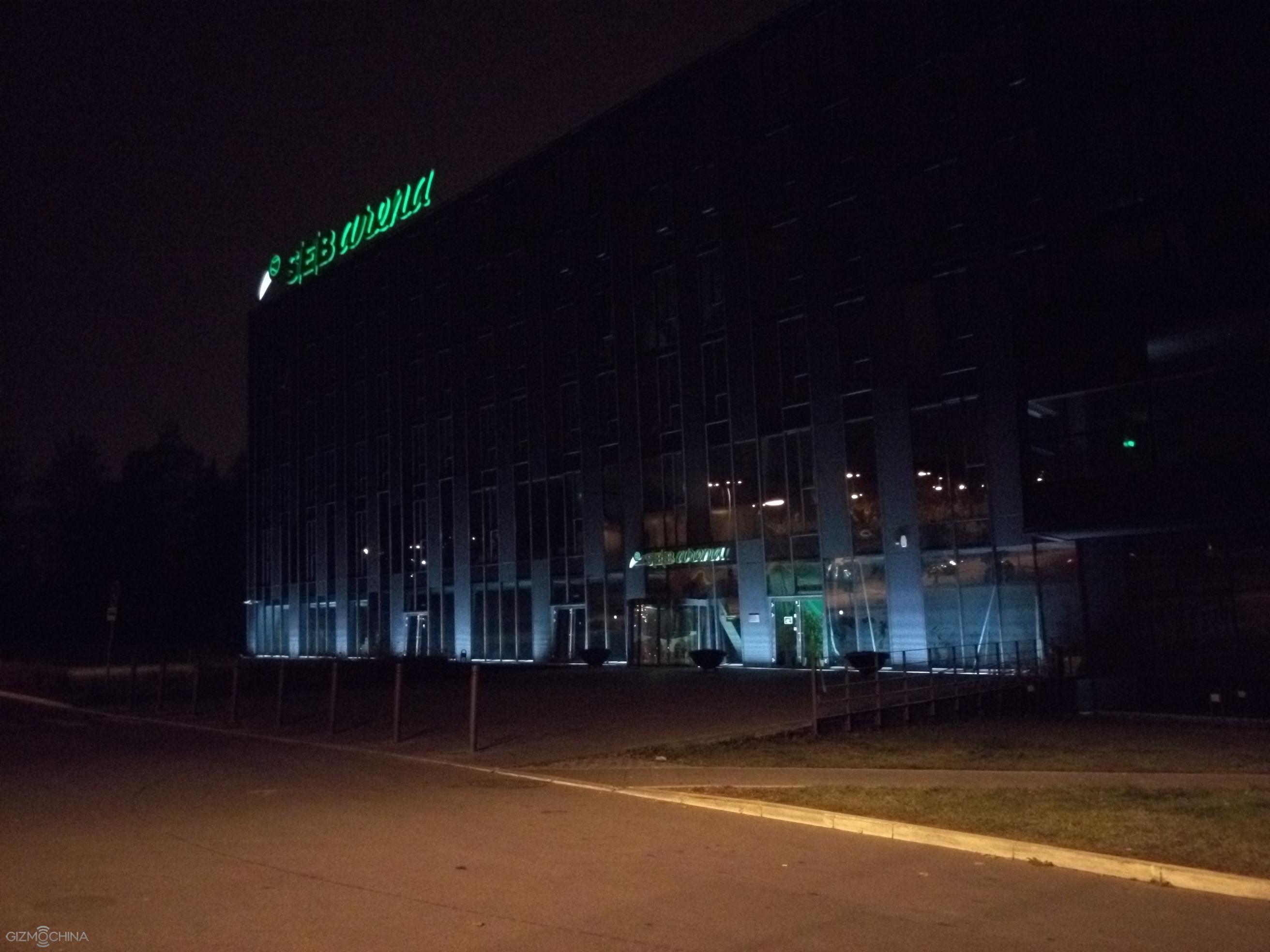
As far as the night shots, OnePlus 2 leads the way as it tends to capture more details and the images have less noise and it is simply the most consistent performer.
The second place goes to the Le 1 Pro but sometimes you can take a better shot with either the Meizu MX5 or the ZTE Axon. Thus, it is really hard to rank these phones. That leads to the conclusion that they are pretty much comparable but the night shots will be a hit or miss.
At the end of the day, the OnePlus 2 is your best bet when it comes to the overall image and video quality.
Check out a detailed 1080p and 4k video comparison of each smartphone in the video below:
OnePlus 2 vs. Letv Le 1 Pro vs. ZTE Axon Elite vs. Meizu MX5: CONNECTIVITY
When it comes to connectivity, I don’t have major complaints regarding call quality, signal reception, Bluetooth or Wifi. The only thing is that the GPS may be less accurate on the Meizu MX5 but the difference is not that significant.
OnePlus 2 vs. Letv Le 1 Pro vs. ZTE Axon Elite vs. Meizu MX5: BATTERY LIFE
When it comes to the battery, OnePlus 2 has a 3300mAh unit, Letv Le 1 Pro and ZTE Axon both have 3000mAh and finally the Meizu MX5 comes with 3150mAh battery.
The actual battery life is pretty much comparable on all phones except for the Letv Le 1 Pro. Still, the maximum screen-on time of almost 5 hours can be reached on the OnePlus 2 but it is only possible when doing non-demaning day to day tasks. The Meizu MX5 comes out second with the average 4-4.5 hours of screen-on time, the Axon phone comes third with around 4 hours or less. Finally the Letv Le 1 Pro reaches only around 3.5 or max. 4 hours of screen-on time if you reduce the brightness significantly.
OnePlus 2 vs. Letv Le 1 Pro vs. ZTE Axon Elite vs. Meizu MX5: CONCLUSIONS
We have finally come to the conclusions and you may ask what’s the best phone out of the pack.
Well, it’s not that easy to answer as all offerings are great bangs for the buck but I will try to rank them according to my personal preferences.
I really care about the camera, the battery life and the fact that the phone has a great software designed for international users. Thus, I am choosing the OnePlus 2.
The second option would be the Letv Le 1 Pro and that is mainly due to the all-metal design and fantastic build quality, good camera and probably the best-in-class audio quality via earphones. Also, due to the recent price drops, the Le 1 Pro is just an absolute steal.
The third place goes to the ZTE Axon as it is also a very well designed phone with mainly metal materials, although those fake leather stitchings may look more appealing for female users.
Finally, I love the Meizu MX5 due to its nice metal design but mostly due to great software experience. However, Mediatek Helio X10 processor is good but it is not as powerful or future-proof as the Snapdragon 810 chip found in the latter 3 phones.
At the end of the day, all phones are great choices if you are looking for affordable Chinese flagship. You really need to ask yourself what are your personal preferences but if you ask me, the OnePlus 2 and the Letv Le 1 Pro are your safest bets.
Check out the OnePlus 2 vs. Letv Le 1 Pro comparison review:
The past few weeks have been eventful for Xiaomi fans given that we have seen a lot of leaks, rumors and well as teasers directly from the company. We are expecting to see atleast two product launches at the company’s Grand Finale Event on November 24. All this while, we expected the new Xiaomi smartphone with fingerprint sensor to be called as the Xiaomi Redmi Note 2 Pro. However, the company has officially revealed via a new teaser that the phone is going to be called as the Xiaomi Redmi Note 3.
As a result, coming Tuesday, we will meet the Redmi Note 3 as well as the recently teased Xiaomi Mi Tab 2. No wonder, the company is calling it the Grand Finale event as both the devices are going to be new generation versions.
You can read more about the Redmi Note 3 specs from our previous coverage.
16GB (expandable via microSD card slot up to 64GB)
Oukitel K4000: UNBOXING
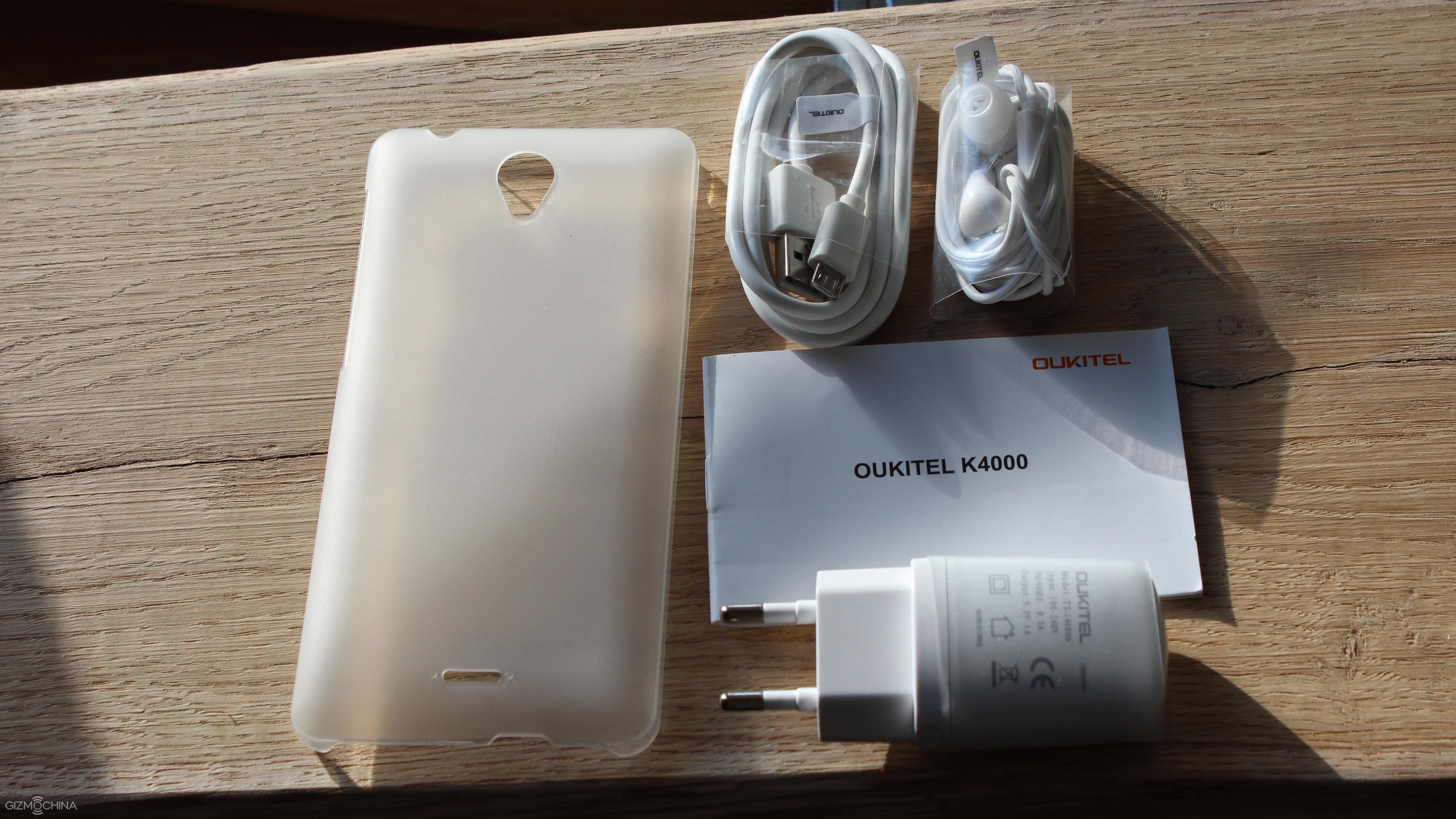
As usual, let’s start by unboxing and what you get in the packaging are a fast charging brick, USB cable, instruction manuals, a pair of earphones and and a soft plastic case.
Oukitel K4000: DESIGN
As soon as you pick up the phone, you will notice that it is a heavy device as it weighs 208g and it is 11mm thick.
Nevertheless, the phone has only 5” display and thus it is easily manageable with one hand.
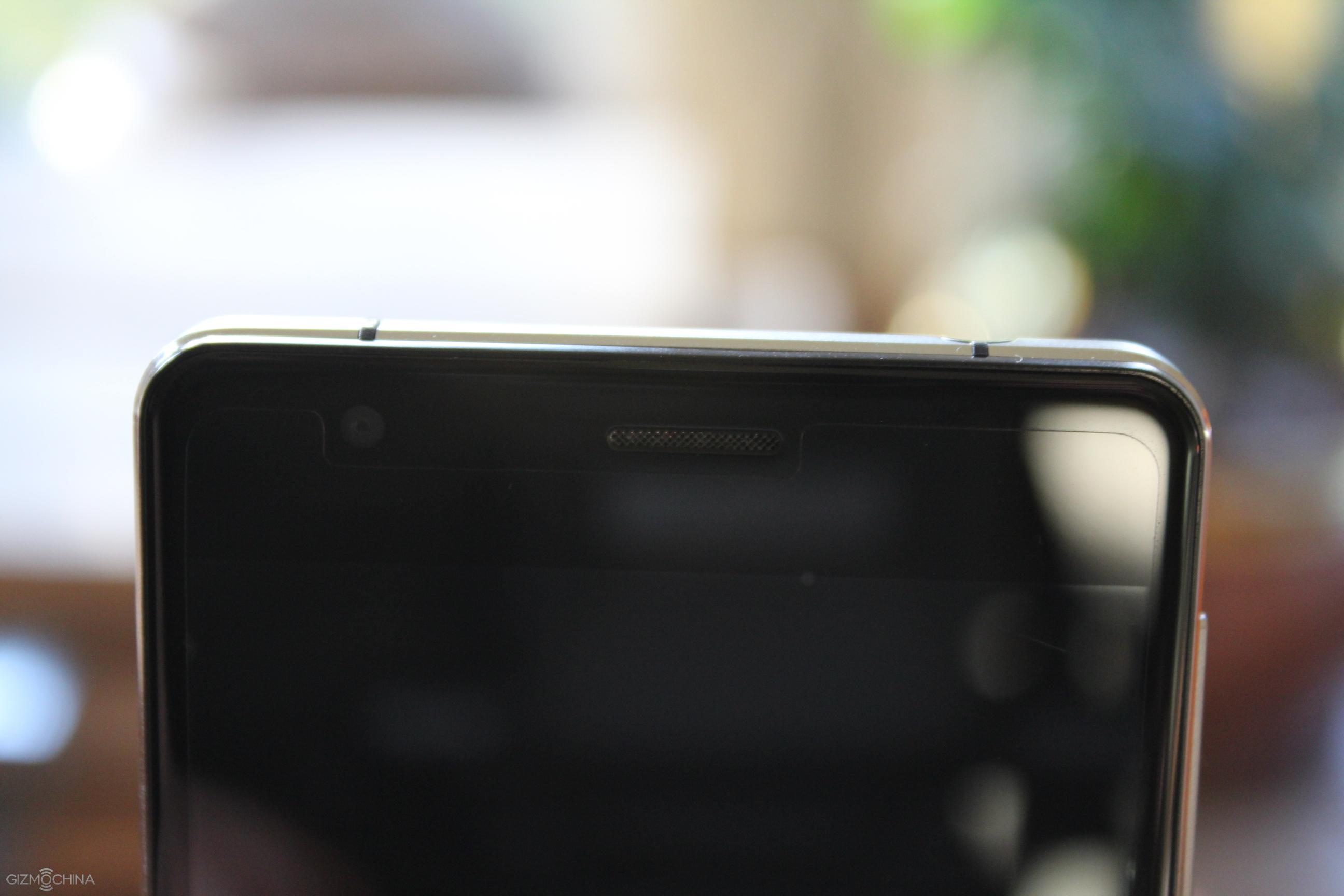
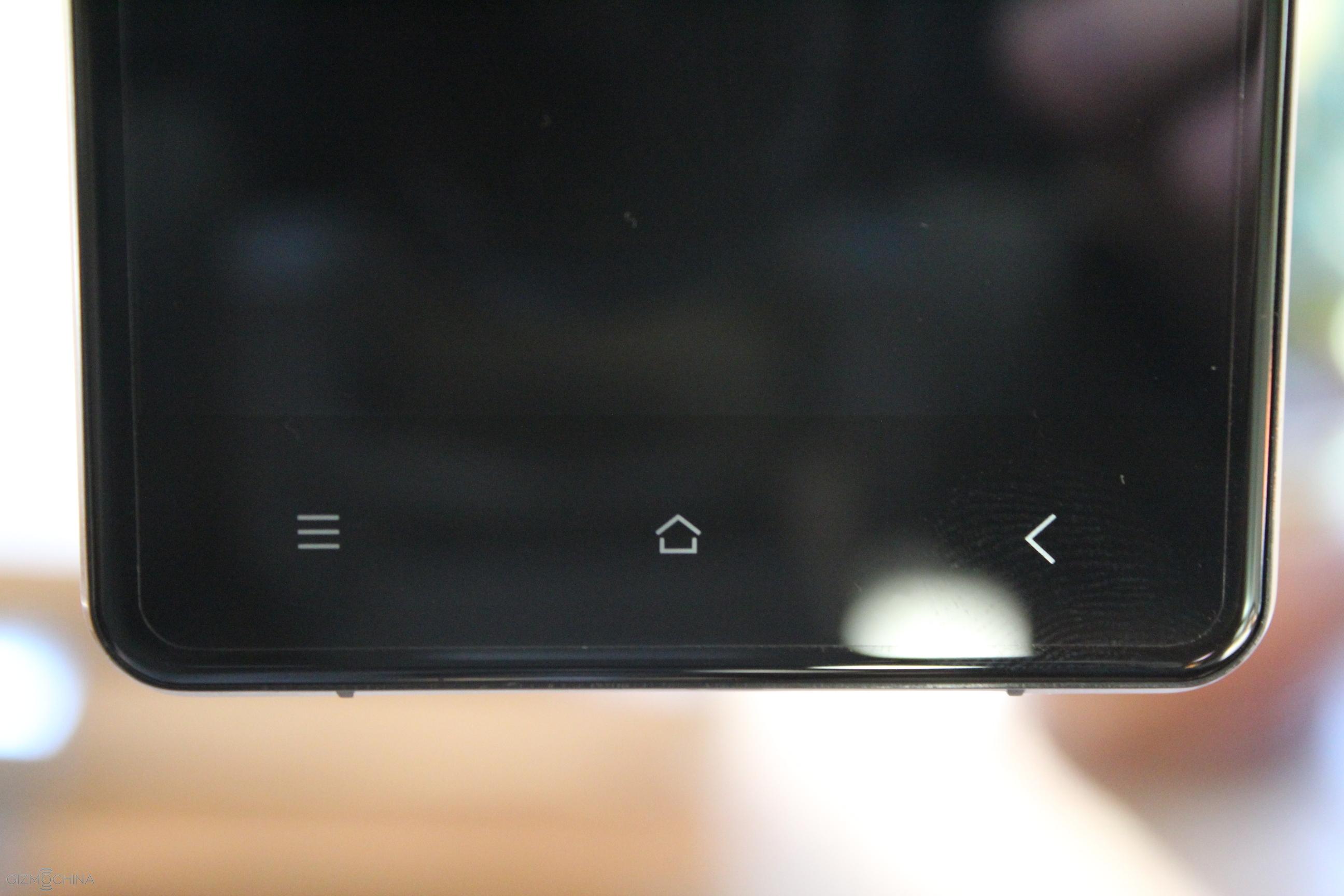
On the top we have 2MP camera for selfies and on the bottom you have 3 capacitive buttons, which are, however, non-baclit.
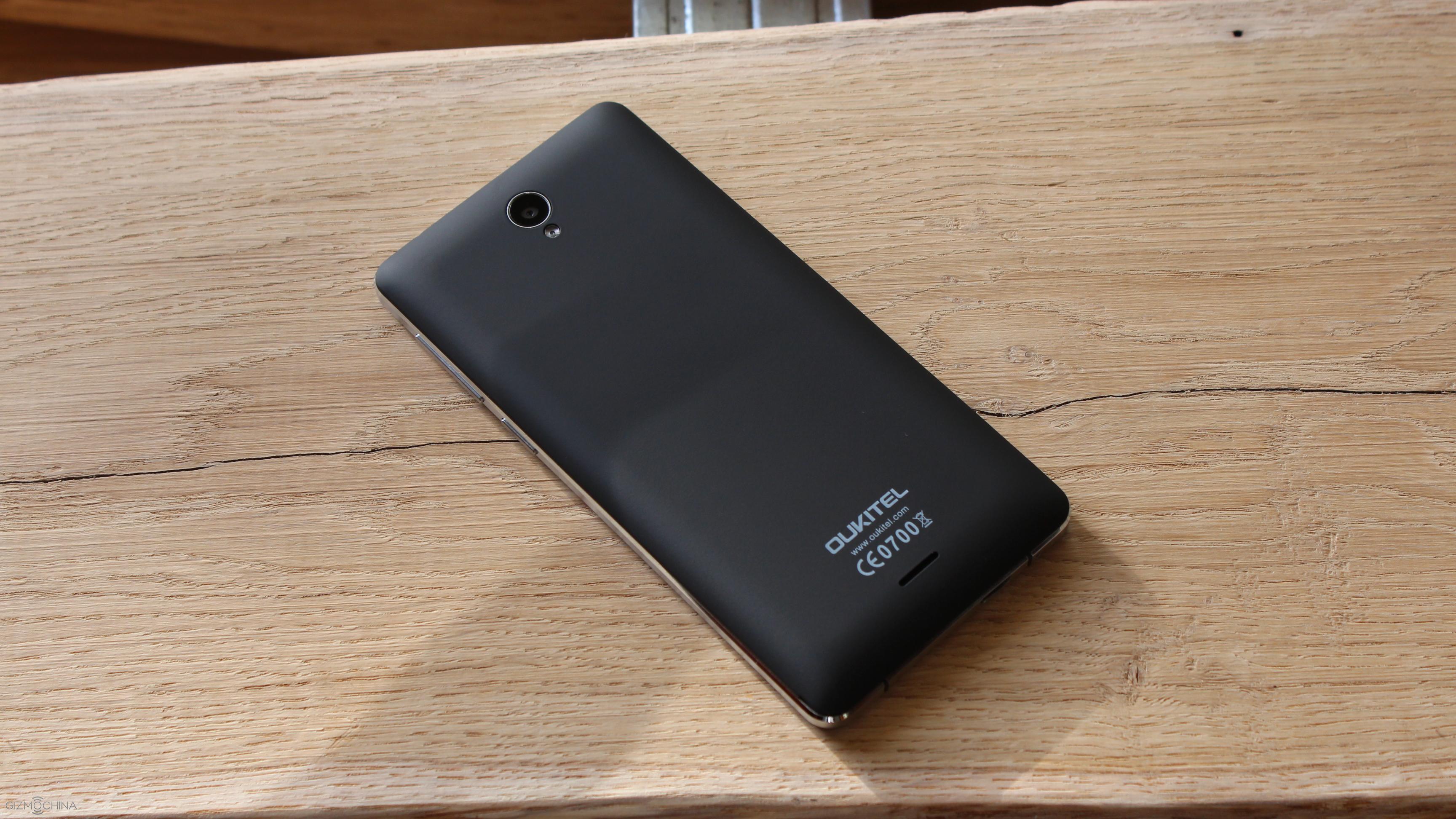
The backplate is made of soft plastic, which is nice to the touch and definitely helps with the grip.
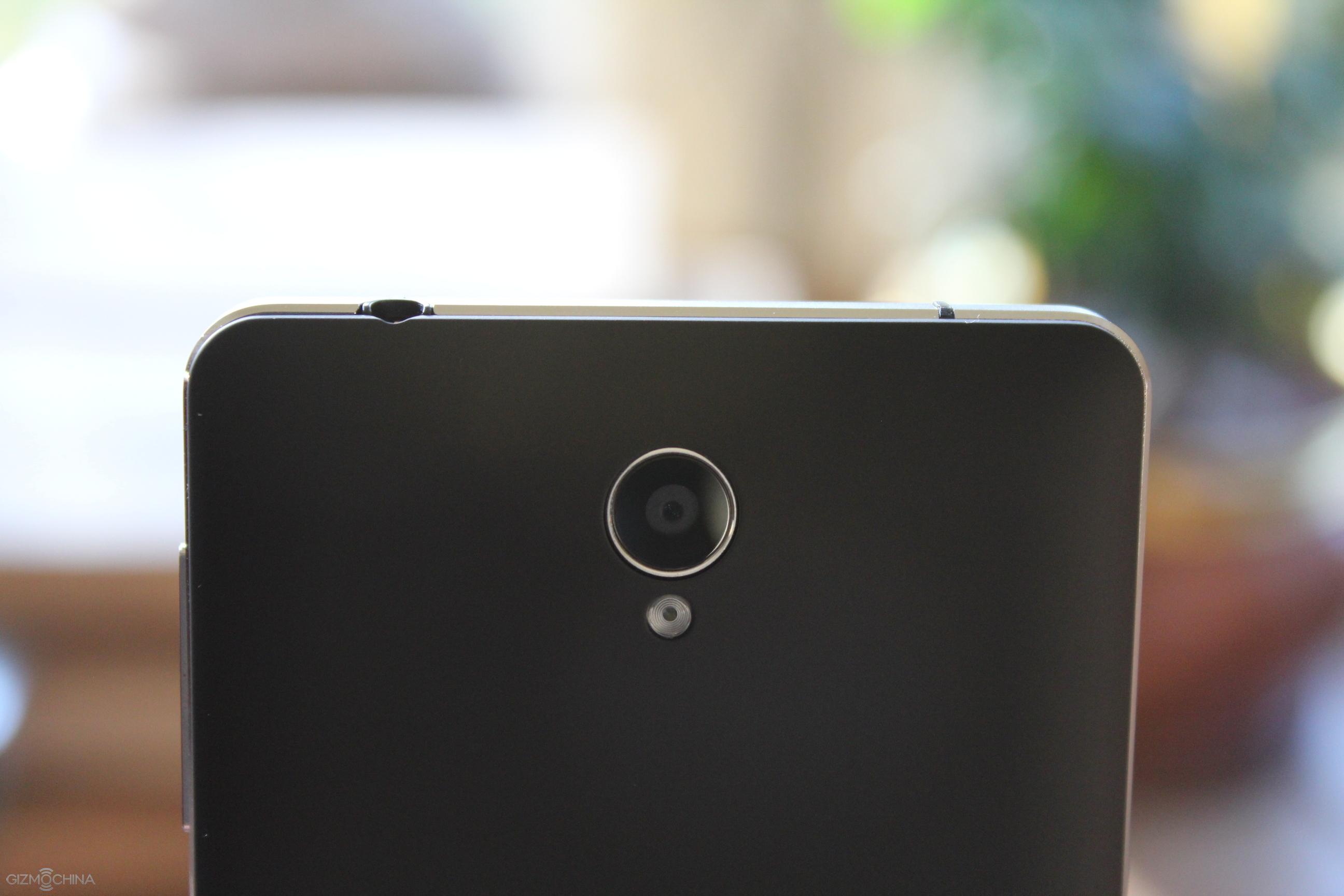
As far as optics, Oukitel implemented an 8MP shooter, which is interpolated to 13MP and it is supplemented with a LED flash.
On the bottom there is a speaker grill.
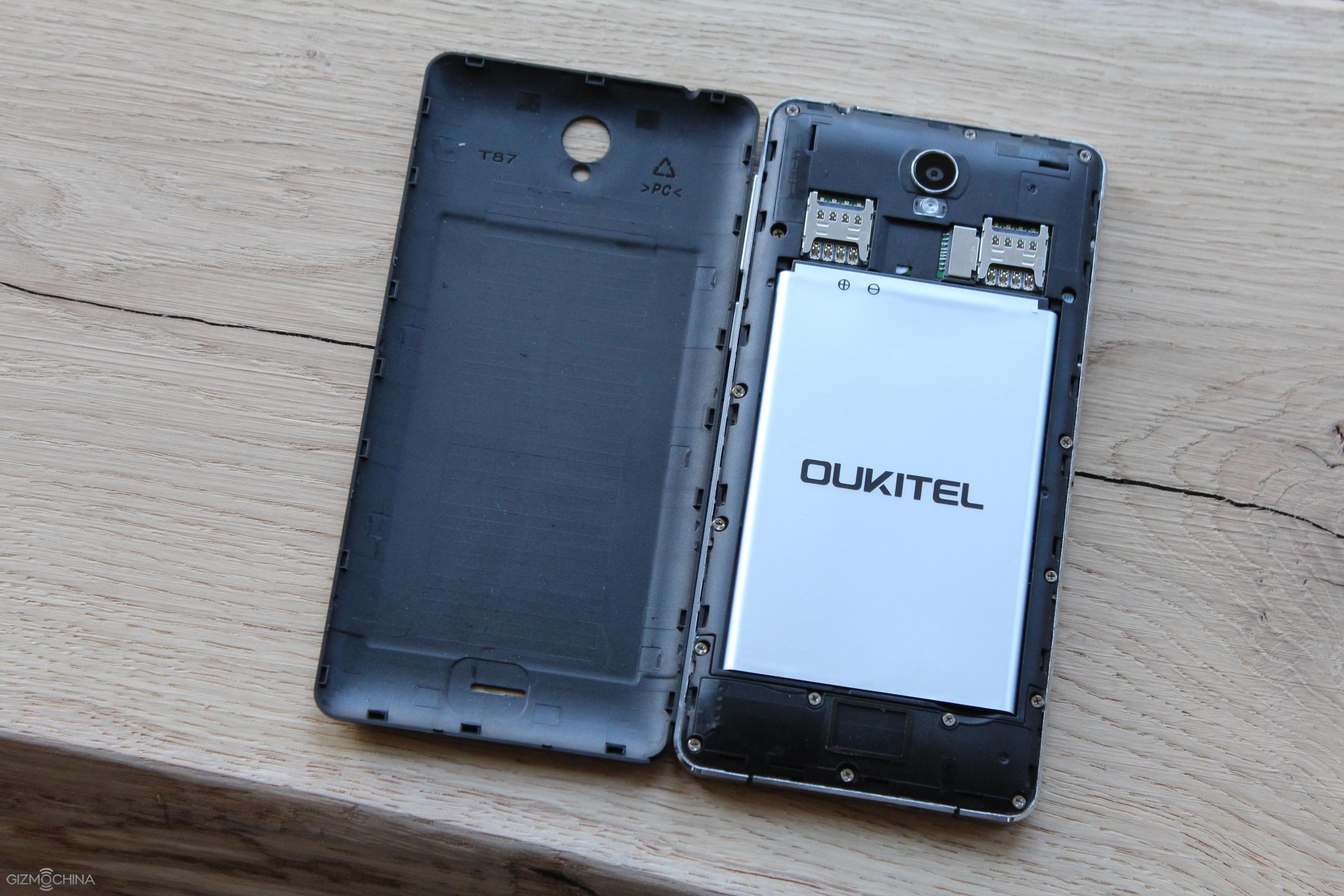
You can easily remove the back cover and underneath it you can find two SIM card slots and the microSD card slot.
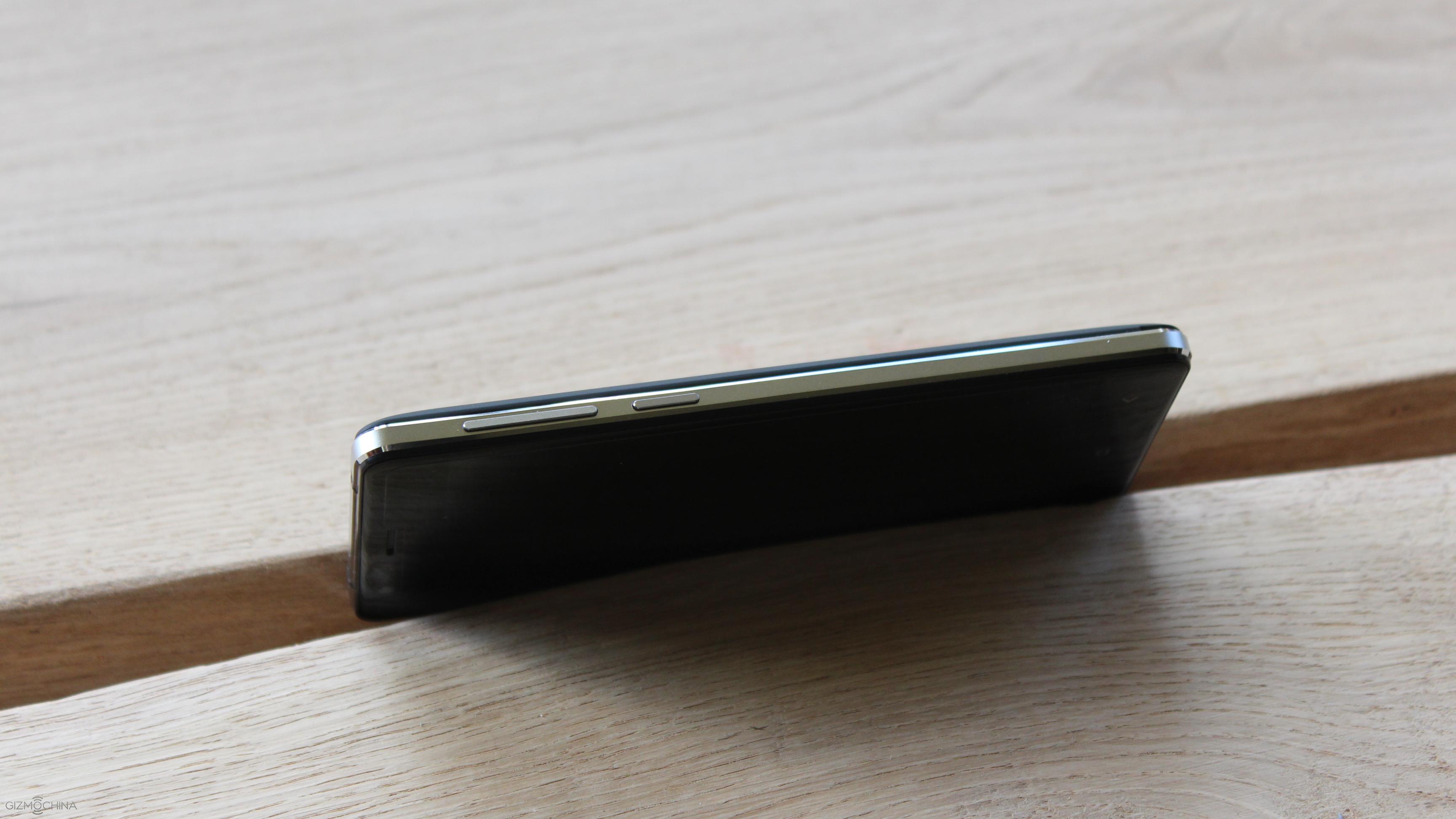
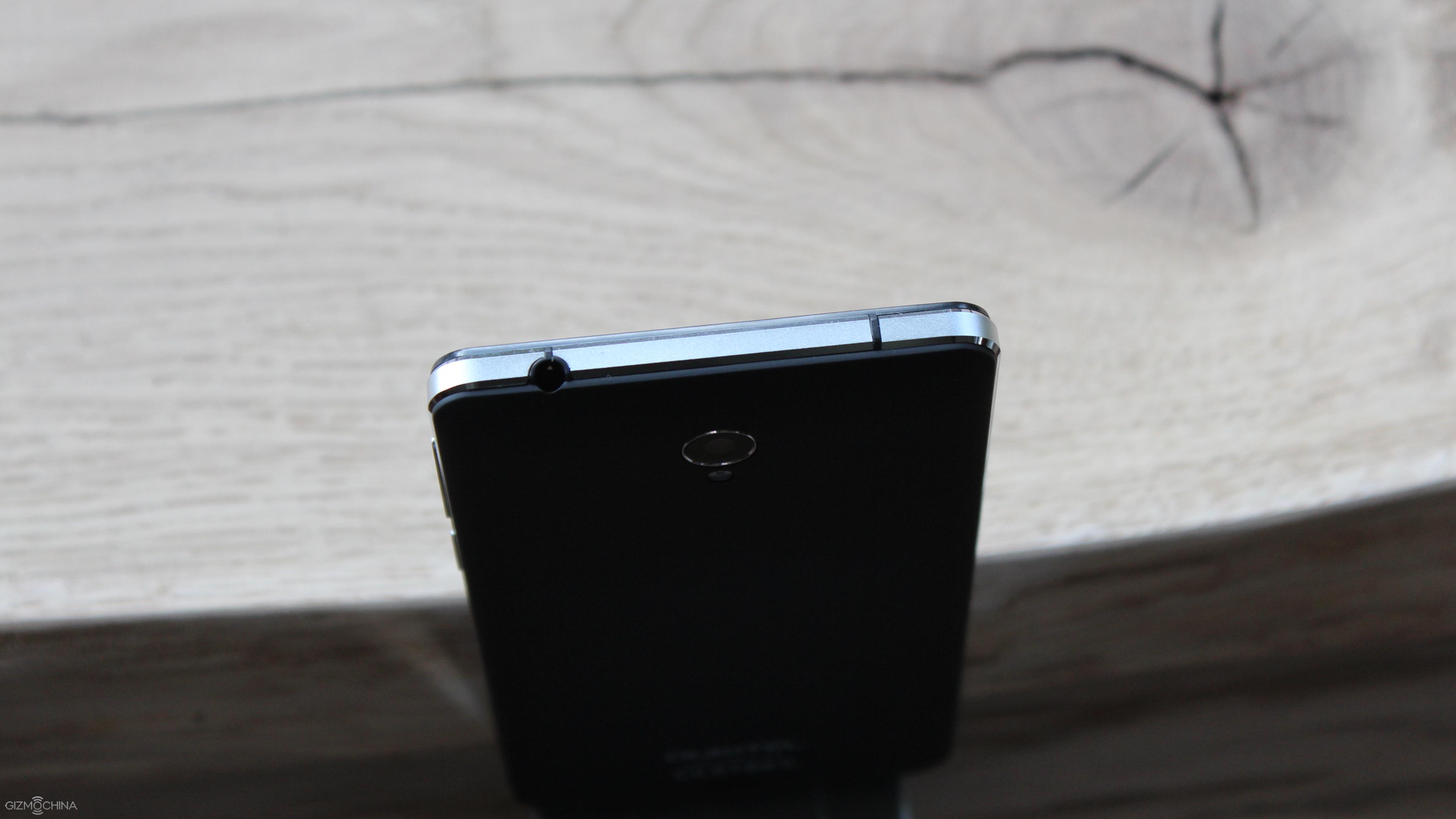
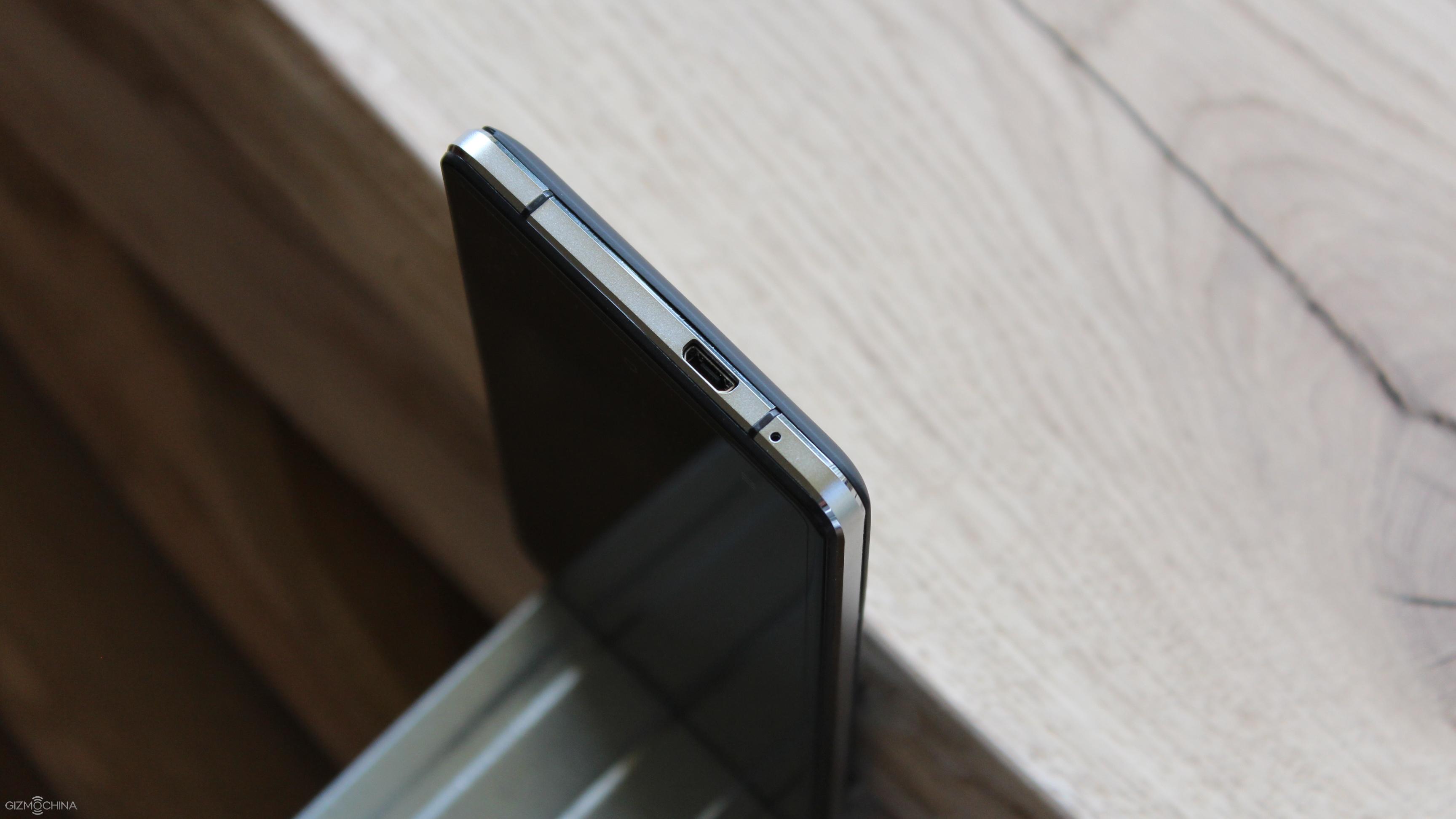
Oukitel K4000 is surrounded by a CNC metal frame and on the right we have a volume rocker and the power key, a headset jack on the top and the micro USB port on the bottom.
Overall, Oukitel K4000 is well constructed, it feels great in the hand and the design is pretty decent.
Oukitel K4000: DISPLAY
The phone rocks a 5” 720P panel, which is quite a typical affair for budget phones. It is okay to look at but it is far from perfect. The display could be brighter and the a slight blue tint is a bit annoying.
On the other hand, Oukitel declares that it uses a super tough glass, which translates to 9H hardness. Well, I didn’t want to to hit it with a hammer but at least Oukitel feels pretty confident about its screen.
Oukitel K4000: UI
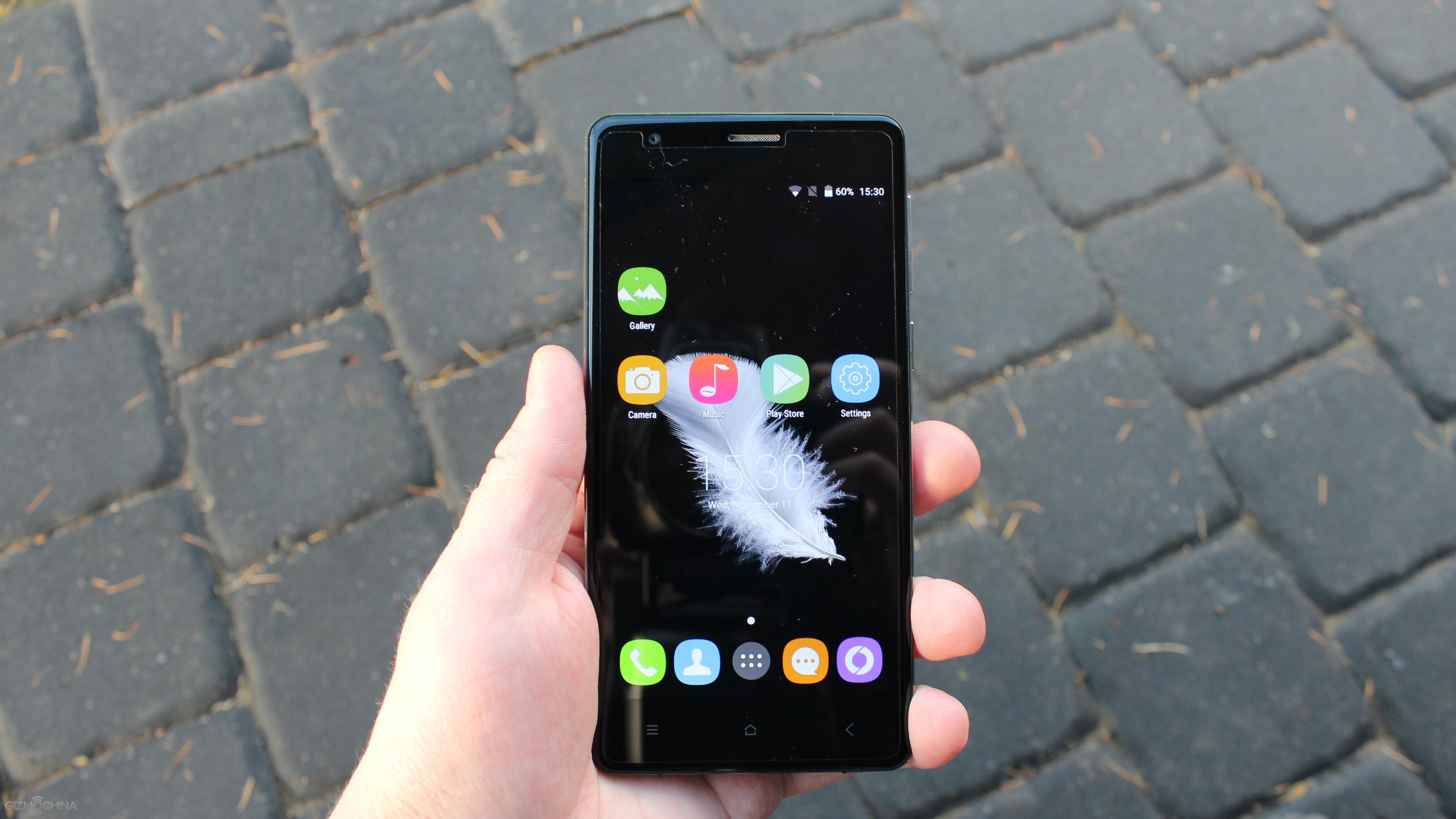
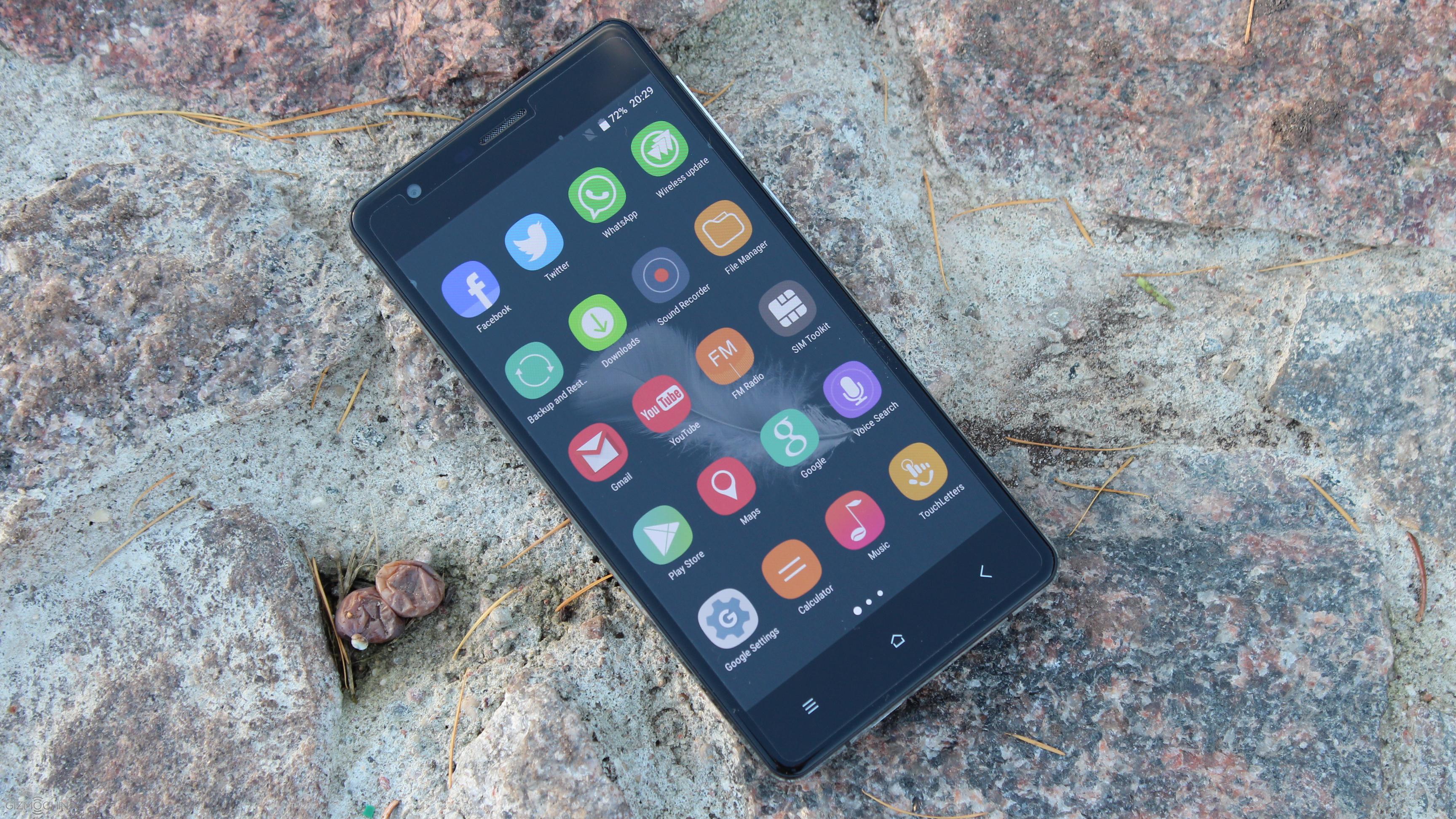
When it comes to the UI, we have Android 5.1 out of the box with a light Oukitel’s skin on top of it.
What you are getting is a stock Android with some differently designed icons. Otherwise, there are no extra features like gesture controls and this is a pretty much bare bones UI.
Overall, the user interface is fast, responsive and I didn’t even have any hiccups. Well, you keep it simple, you keep it fast.
Oukitel K4000: HARDWARE and PERFORMANCE
Oukitel has an MTK6735 chip, which is clocked at 1GHz, 2GB of RAM and 16GB of expandable storage. Well, we’ve seen this combo on lots of China phones lately….
However, graphically intensive games are very laggy and there is just too much stutter to call it an enjoyable experience.
Oukitel K4000: MULTIMEDIA
When it comes to the multimedia, the loudspeaker is like any other speaker on a cheap phone. It is okay for the price of the phone but it lacks depth and the sound is simply tinny.
Oukitel K4000: CAMERA
The 8MP shooter, which is interpolated to 13MP is actually not bad for a budget phone but it is not always reliable. If you are lucky, you may get a shot with a decent amount of details and okay colour reproduction.
If you are not that lucky, you may get a blurry shot.
Other cons are usual to all budget phones – the dynamic range is usually off, the contrast levels are not perfect and the low-light shots do not impress.
When it comes to the video quality, the footage looks shaky and lacks details. See the video review or download original video sample from the link below.
As far as connectivity, I have no major complaints with the call quality, signal reception or wifi. GPS locks speeds and accuracy are pretty good too, although navigation is not that precise as on Snapdragon-powered phones.
Oukitel K4000: BATTERY LIFE
The 4000mAh battery should last forever given a 5” display and a light UI. I have to say that the longevity is indeed impressive as I could constantly get over 5 hours of screen-on time.
Oukitel K4000: CONCLUSIONS
So here it is, Oukitel K4000. Is it another cheap phone from China? Well, yes. It is not a perfect phone but it is not a bad choice either.
The device has a decent design with great build quality, okay display, which is not perfect but it is built to last, a very good battery life, okay camera and fluid UI.
However, the Oukitel K4000 is heavy phone and you will feel that immediately. Also, the UI doesn’t have any extra features we see on other phones. Well, it’s good that it is not overblown with gimmicks but a few extra features would have been nice. Lastly, while the camera is pretty good, it is not consistent and the low-light shots do not impress.
Finally, Oukitel K4000 is a decent phone but there is nothing we haven’t seen before. For the price of just below $120, it is a good offering but you may also want to check out some other devices too.
We use cookies on our website to give you the most relevant experience by remembering your preferences and repeat visits. By clicking “Accept”, you consent to the use of ALL the cookies.
This website uses cookies to improve your experience while you navigate through the website. Out of these, the cookies that are categorized as necessary are stored on your browser as they are essential for the working of basic functionalities of the website. We also use third-party cookies that help us analyze and understand how you use this website. These cookies will be stored in your browser only with your consent. You also have the option to opt-out of these cookies. But opting out of some of these cookies may affect your browsing experience.
Necessary cookies are absolutely essential for the website to function properly. This category only includes cookies that ensures basic functionalities and security features of the website. These cookies do not store any personal information.
Any cookies that may not be particularly necessary for the website to function and is used specifically to collect user personal data via analytics, ads, other embedded contents are termed as non-necessary cookies. It is mandatory to procure user consent prior to running these cookies on your website.