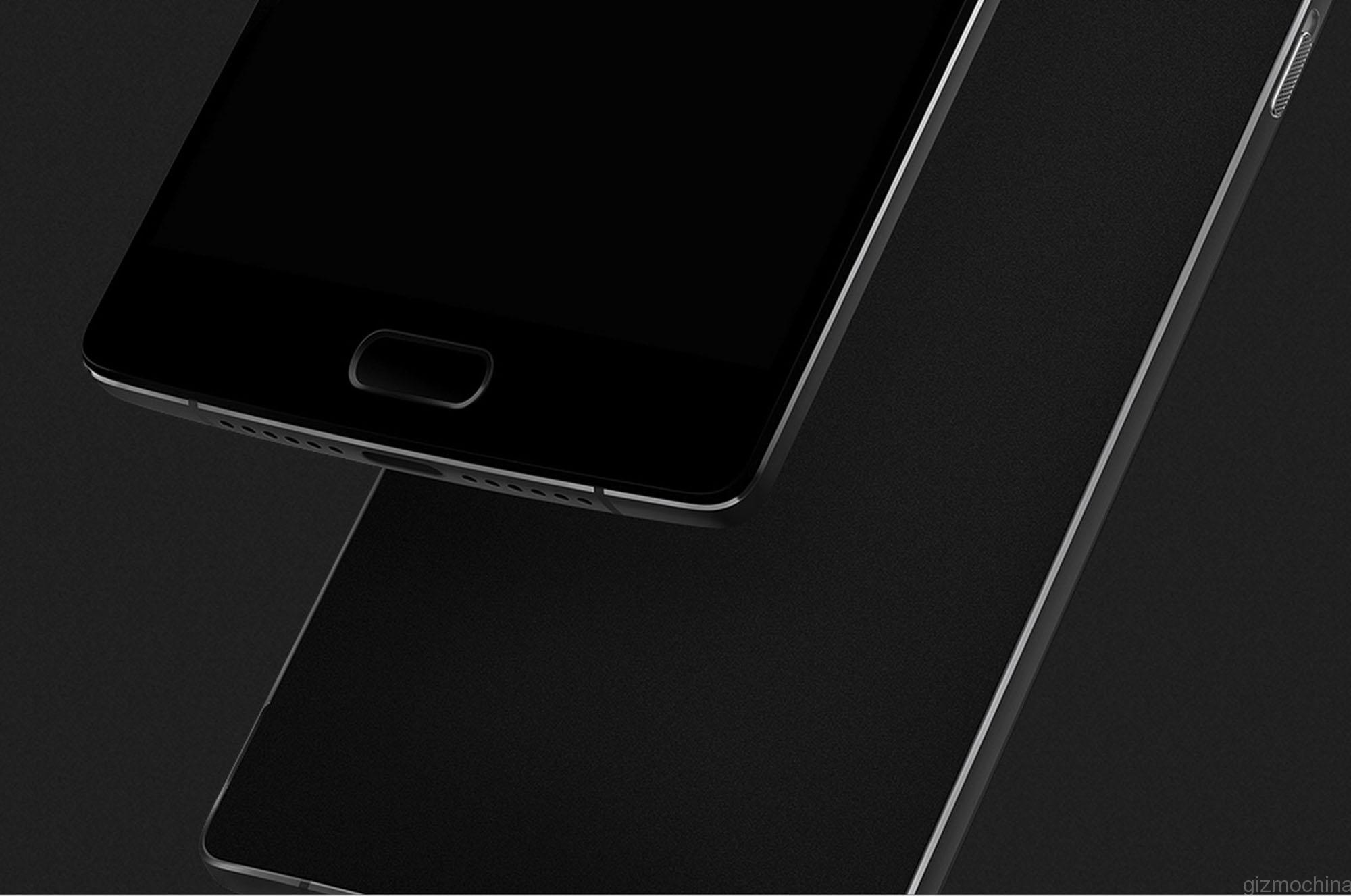
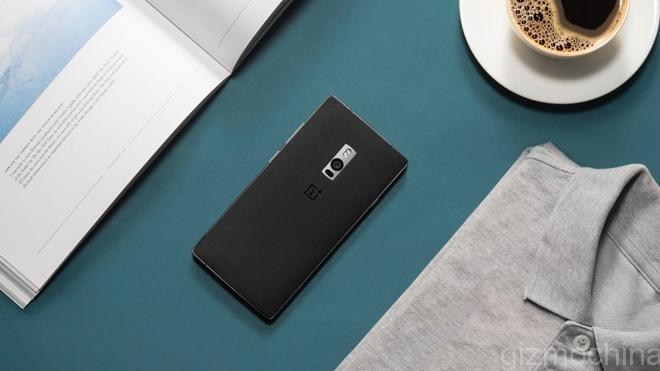
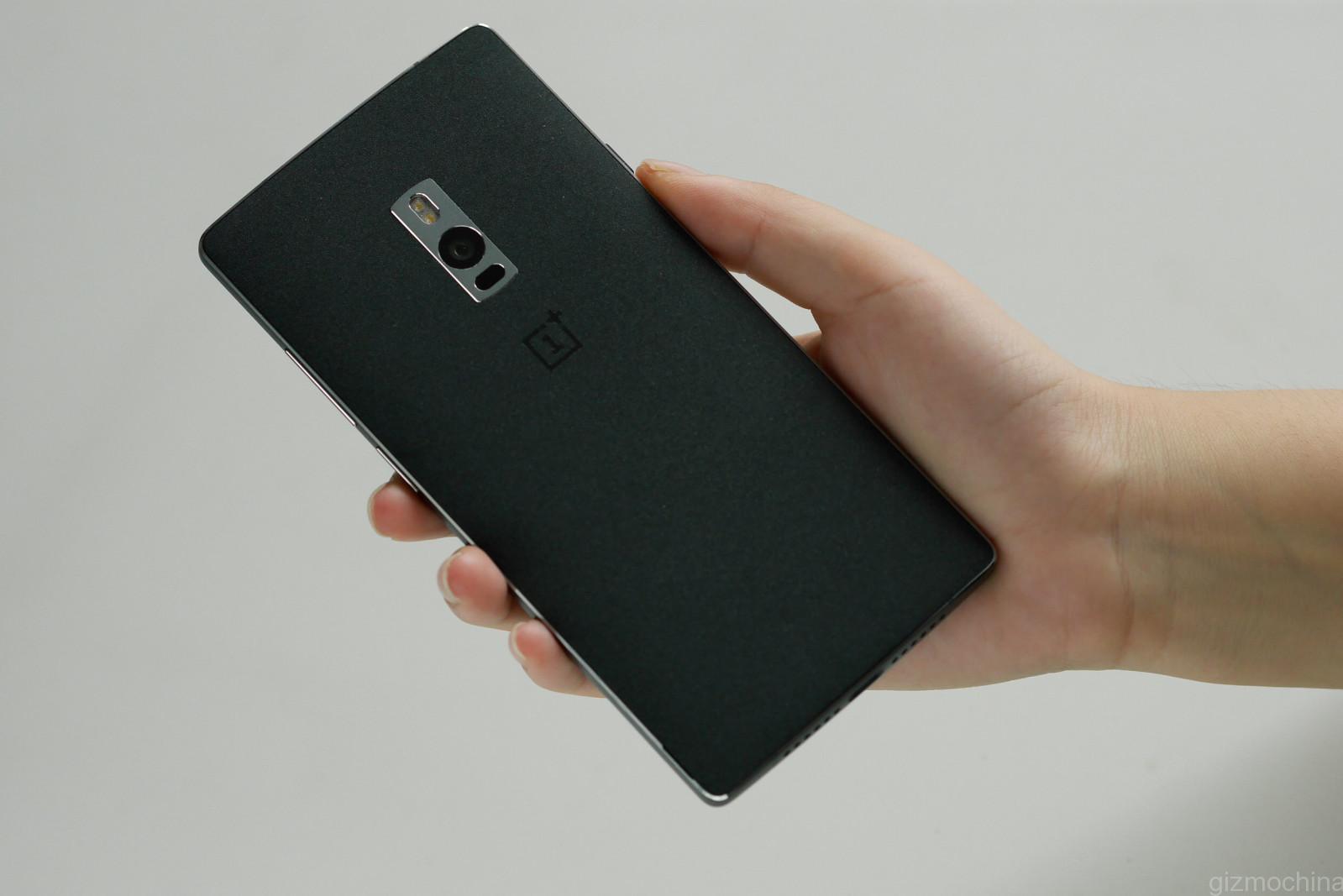
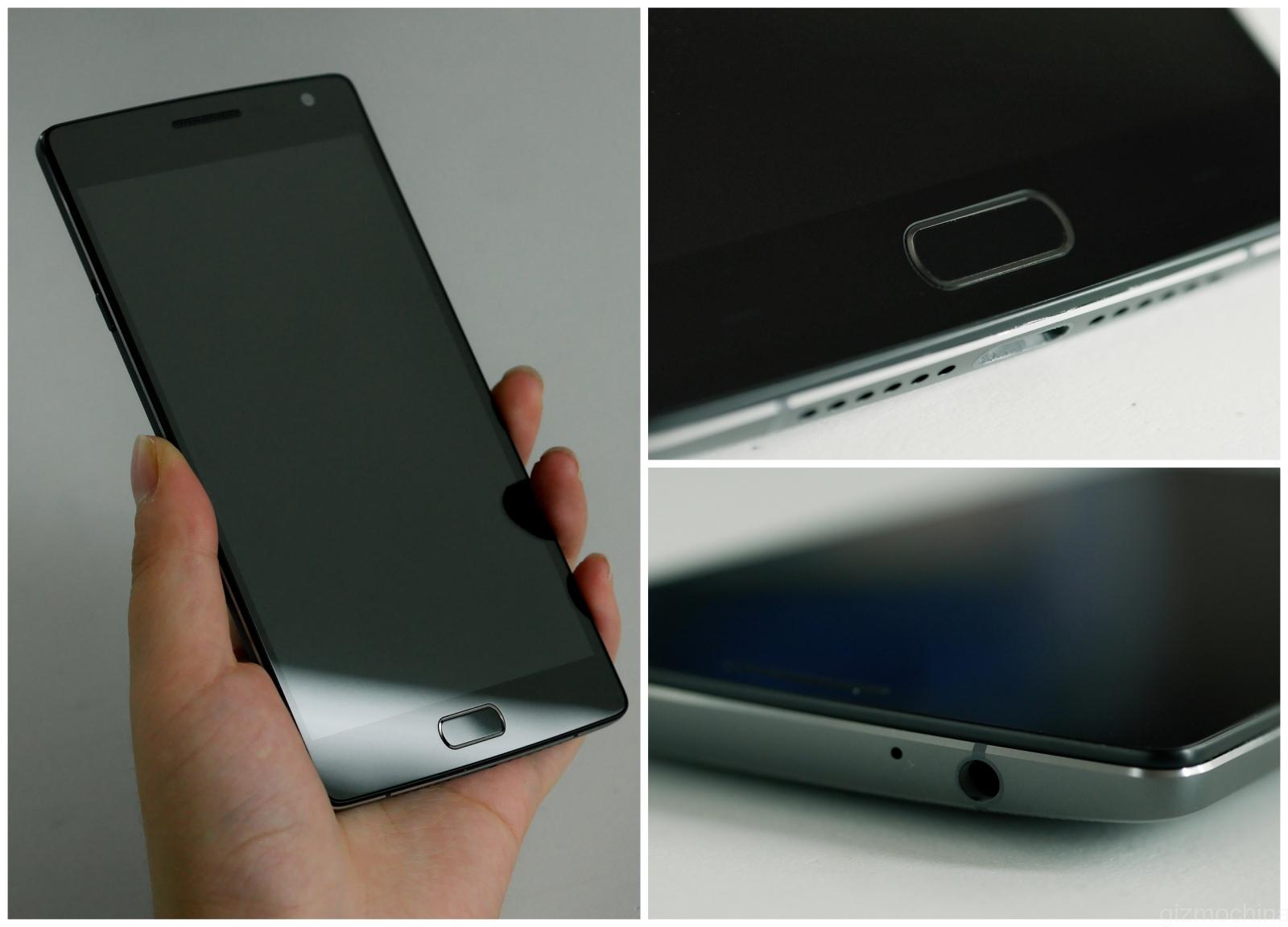
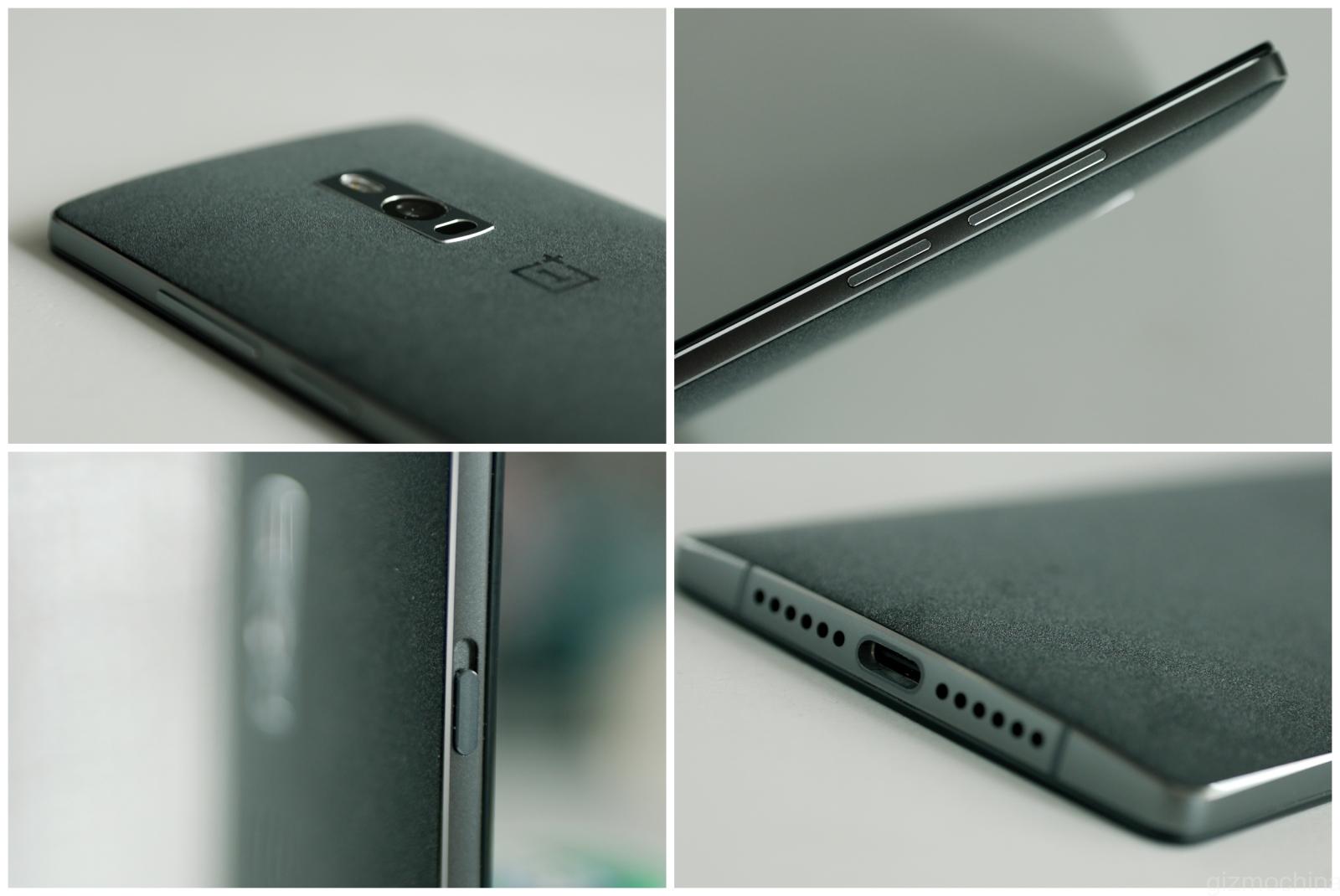
Yesterday, OnePlus officially announced its OnePlus 2 flagship in the market. A few hours later, we manged to get hold of a few camera samples from the device. And to be honest, they looked extremely good for a affordable flagship. That’s when we decided to dig a little deeper into the camera specs of the device.
I am sure many of you would know that the OnePlus One came with the Sony IMX214 sensor last year. However, this year, for some reason, OnePlus decided to resort to a non-Sony sensor (apparently a lot of Chinese smartphones now use non-Sony sensors). To be specific, the rear camera sensor on the OnePlus 2 is the OV13860 13MP sensor. While the front 5MP sensor is the OV5648.
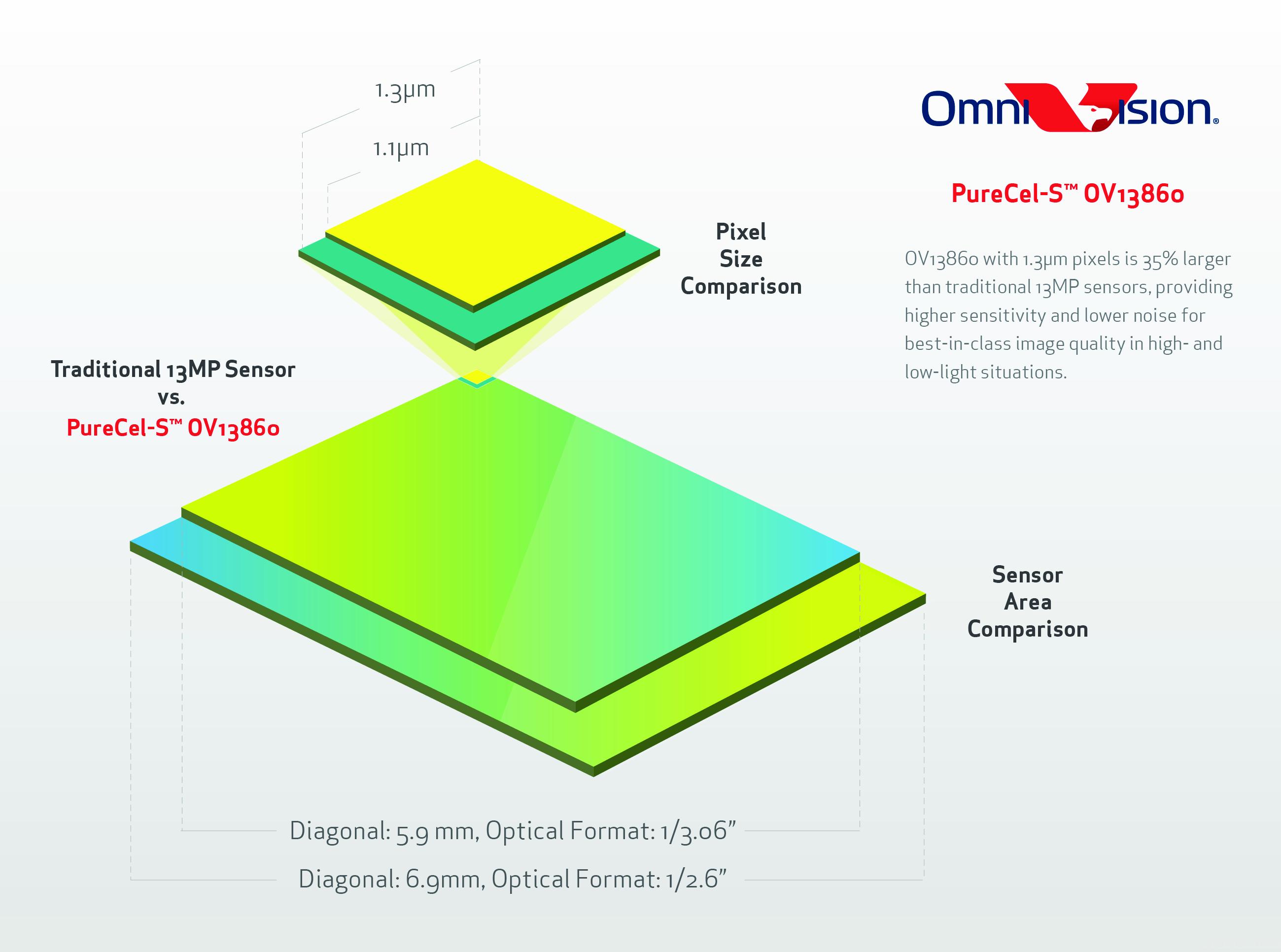
Now, let’s take a look at the OV13860. Its a 13MP sensor with 1.3 micron pixels, which makes it 35 percent larger than traditional 13MP camera sensors. The sensor is also largerthan competitors at 1/2.6 inches which directly results into better low light photography. This is because, the large sensor provides higher sensitivity and reduces noise resulting into better pictures in low lighting conditions. Its also the first sensor from OV’s PureCel family of BSI image sensors which utilizes the company’s stacked die technology. This essentially enables smaller module sizes for larger optical format sensors.
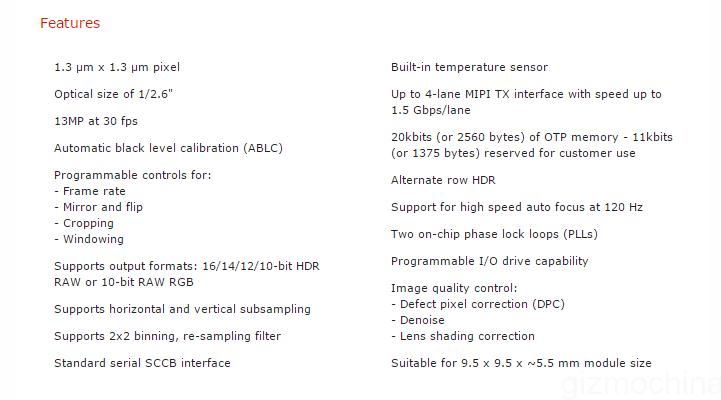
OV13860 Features
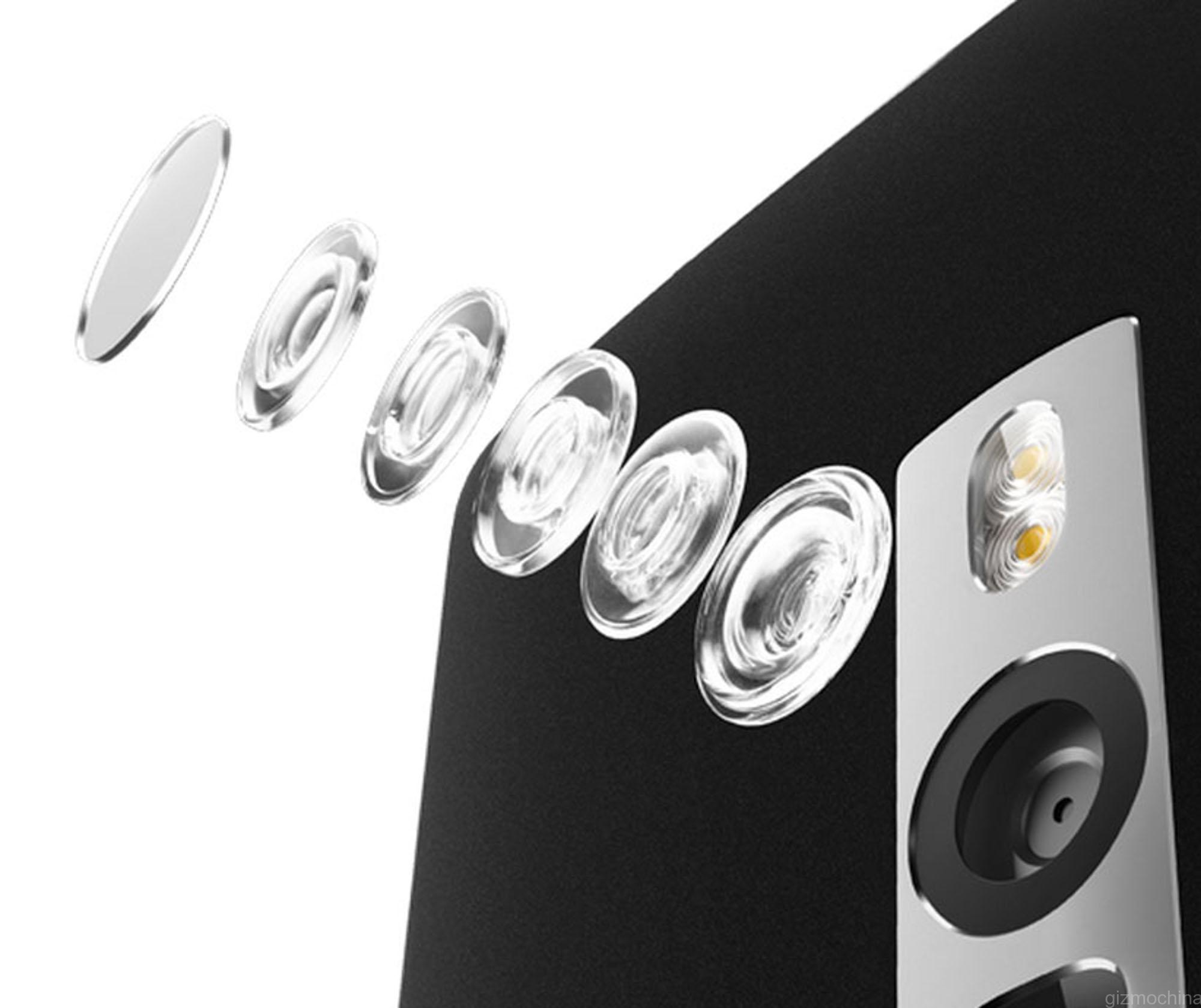
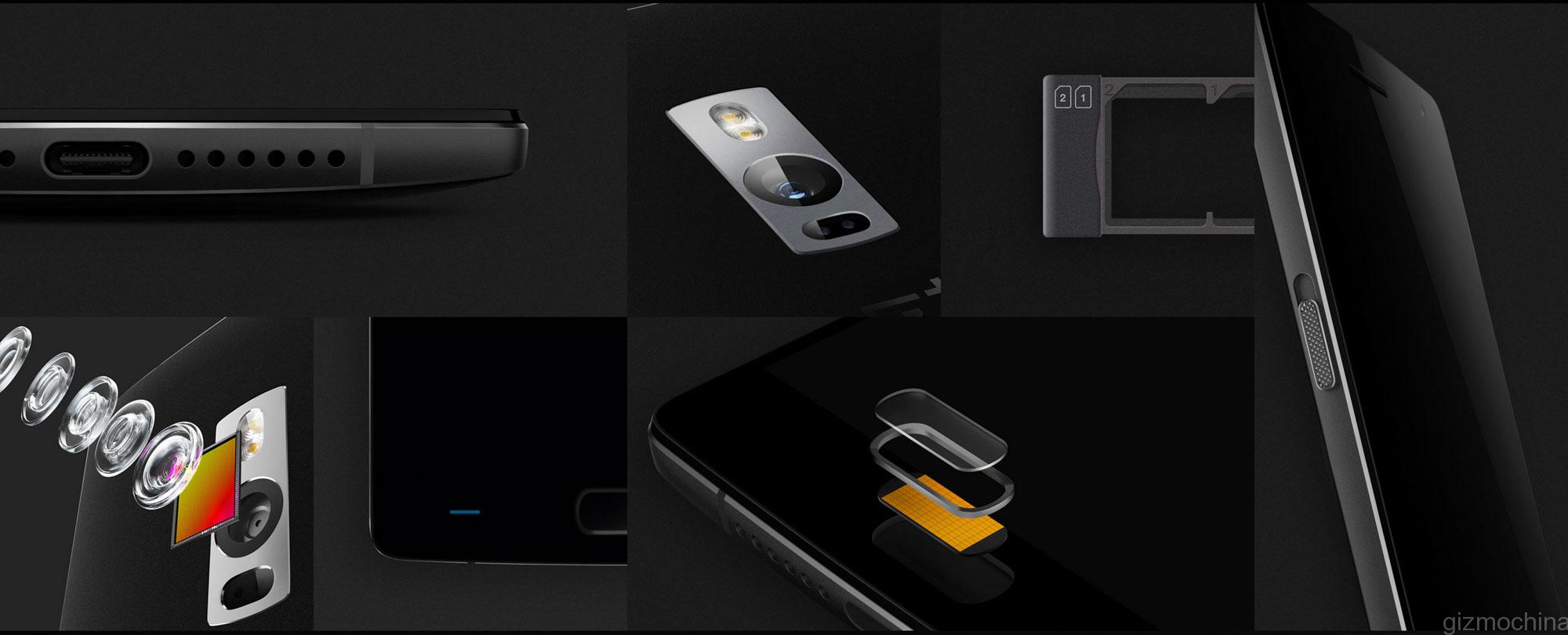
OnePlus has utilized 6 lenseson the camera unit to avoid distortion. Now combine this large 13MP sensor with Laser Focus, and you get a powerful camera at the back. The Laser Focus reduces focus times to a great extent. You can literally focus on an object within just 0.2-0.3 seconds. Further, the presence of OIS (Optical Image Stabilization) should limit camera shake to a minimum level.
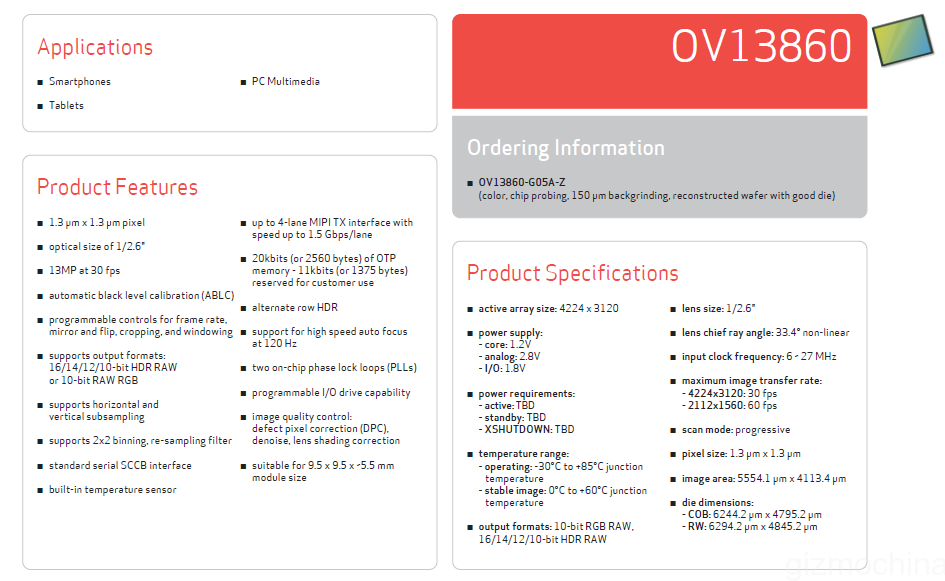
OV13860 Specs
The OV13860 sensor supports 4K videos at 30 frames per second(fps) and even slo-mo recording (720p @120fps). So, overall its a much better upgrade than the Sony IMX214 sensor used by the OnePlus One. That’s why the pictures from the OnePlus 2 are going to be much better and less noisy as compared to the previous generation. You will also see considerable improvement in night time photography.
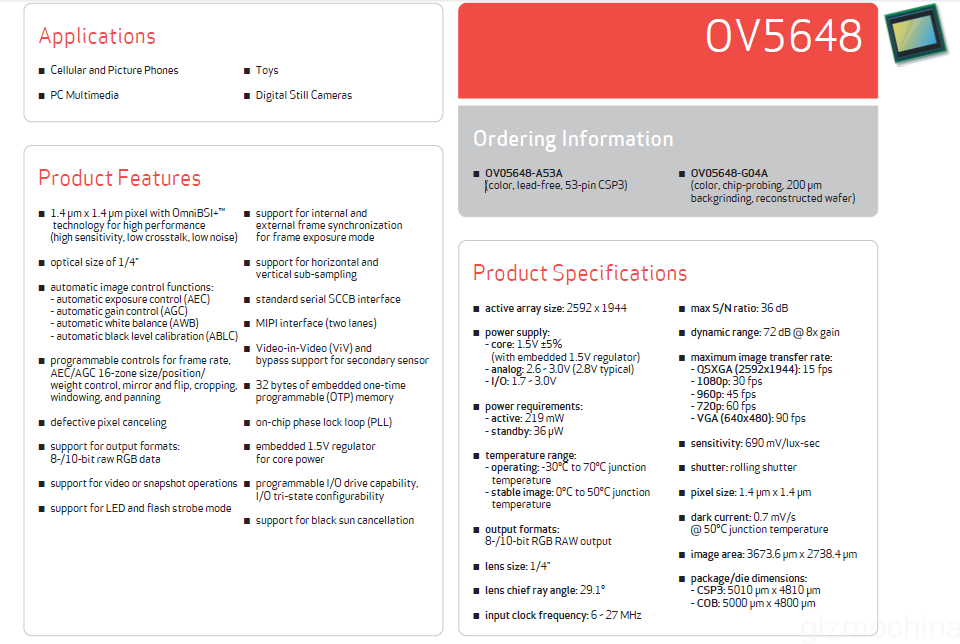
Also, in case you are interested, the front camera on the OnePlus uses the OV5648 sensor. While this isn’t the best front facing camera that we have seen in a smartphone (hello HTC Desire Eye), its decent enough to satisfy your selfie needs. The 5MP sensor comes with 1.4 micron pixels. The sensor isn’t that big, and measures 1/4 inches. But like I said, it should be able to take decent pictures. The sensor can capture 720p videos at 60fpsand 1080p videos at 30fps.
OV5648 Specs
Many of our readers had mentioned yesterday that one of the reasons for upgrading to the new OnePlus 2 would be its camera. And it looks like OnePlus did a fine job of getting a pretty good shooter at the back. Of course, we would like to test out the camera ourselves (hopefully soon) to make our own conclusions about the OV13860 sensor at the back.
Now that OnePlus have played their hand with the launch of the 2, we have a better idea of what others will need to do to compete, not just on features but also price.
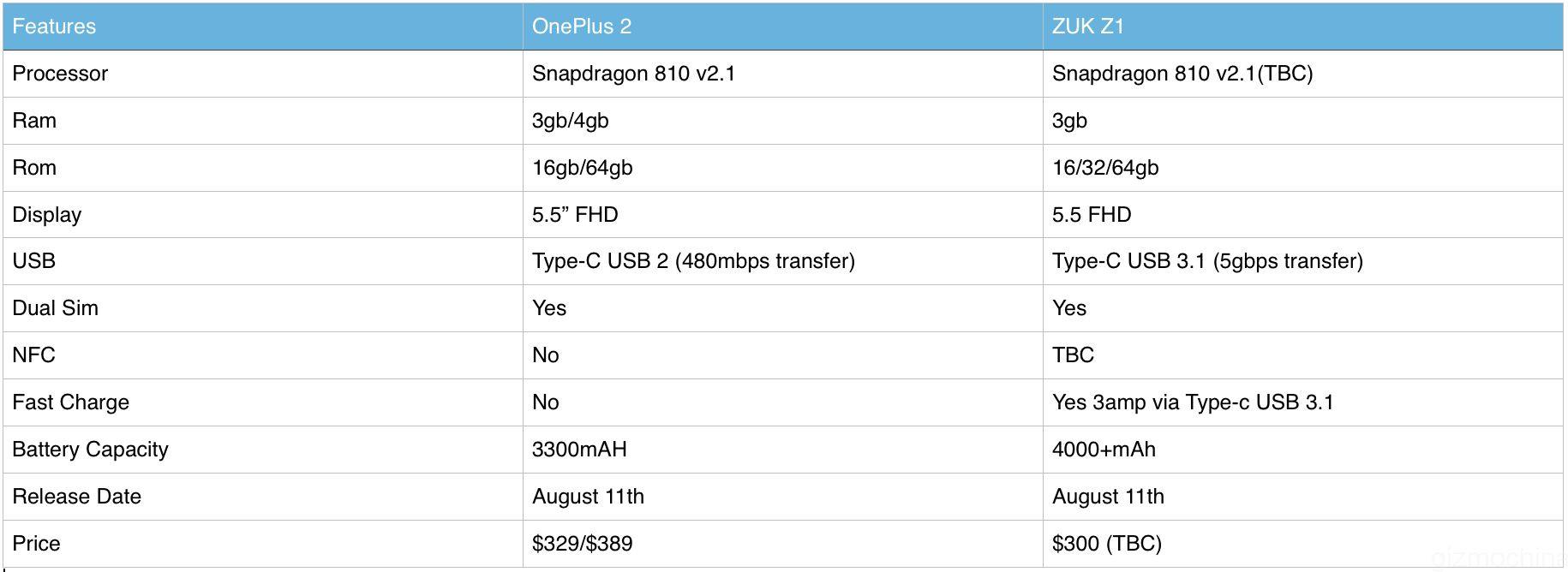
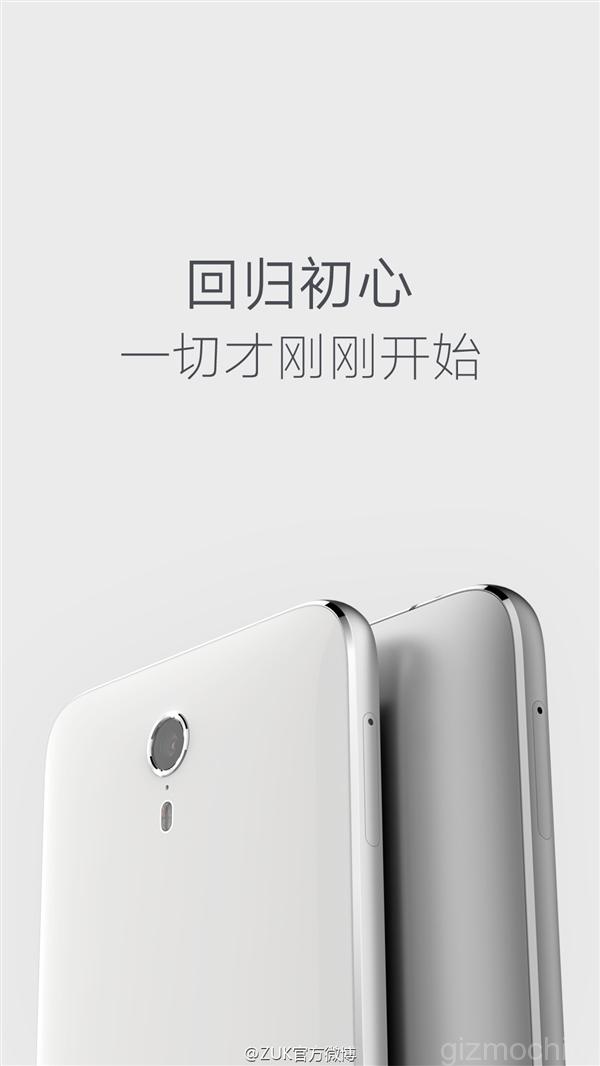
From what we know so far about the ZUK Z1 it will al come with a 5,5 ” FHD display, Snapdragon processor, 3gb of ram, 64gb rom, 13mp rear camera, USB Type-c 3.0 and U-touch home button and a predicted price of $300
So how does this stack up against the OnePlus 2?
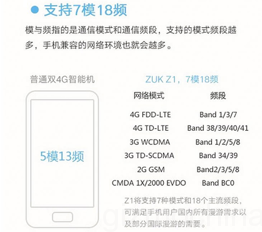
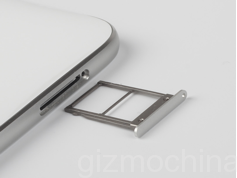
The Z1 dual LTE sims will support the following frequencies
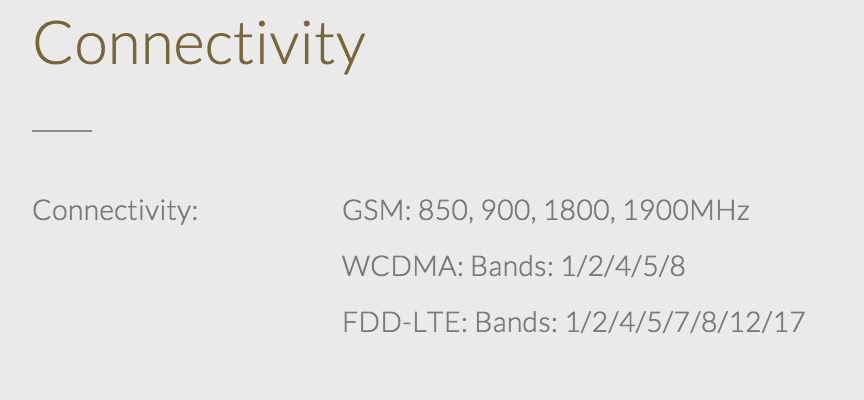
The OnePlus 2’s Dual LTE sims support the following frequencies
The OnePlus 1 originally launched with an official version of Cyanogen, this was a move that put the phone on the map, but the relationship broke down so the 2 will now come with OnePlus’s own Oxygen Rom, a mostly stock version of Android but with a few tweaks.
The ZUK Z1 has been confirmed to be launching with a choice of two Roms an in-house developed Rom for China markets based on stock Android with Z1 adding features and tweaks and an international Rom officially based on Cyanogen.
It will be interesting to see if the Cyanogen card pays off as well for ZUK as it did for OnePlus.
As you can see the phones have a lot in common, but the Z1 does looks to have a few advantages over the OnePlus 2, but it will have to overcome the OnePlus existing user base (although this could become less of an issue if OnePlus again drop the ball with their invite system), ZUK will also have to make sure that they get their phone cooling right to prevent the Snapdragon 810 becoming a negative.
Until more information on the Z1 is confirmed and better renders/actual product photos are shown, it is not easy to make definitive decisions, we will have to wait until both are officially available before they can be pitted against each other.
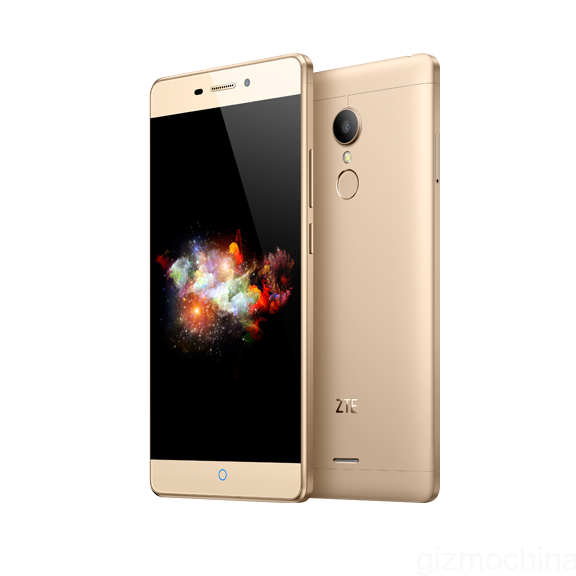
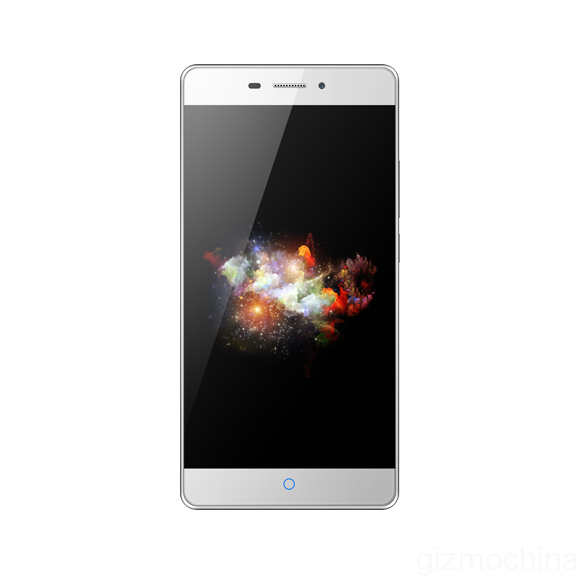
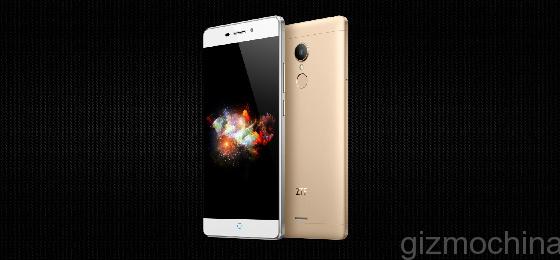
Alongside the Meizu M2 Launch Event today, ZTE also had an important conference. The company refreshed its V series lineup, with a brand new Third Generation ZTE V5 model at the event.
Following the likes of Lenovo K3 Note, Meizu M2 Note and others, ZTE V5 third generation model will bring in the best upper mid-range features in a price segment of just 999 Yuan. But the phone boasts of superior body as compared to these offerings, coming in a corrosion resistant aluminum alloy. This definitely gives it an edge over other plastic offerings in the market.
The phone comes with Snapdragon 615 octa-core chip 64-bit chip under the hood with 2GB of RAM. Each of the Cortex A53 cores in the SoC will be clocked at 1.3GHz. For GPU, you have the Adreno 405. There will be 16GB of storage on board which will be further expandable up to 128GB. Like the Meizu M2 and a lot many phones these days, the ZTE V5 will come with a dual SIM / MicroSD card combo slot. The display will be of 5.5-inches with full HD 1080p resolution. The overall dimensions are as follows: 155.3mm x 77.2mm x 8.55mm.
Another important feature on the device is thefingerprint recognition sensor. Like we saw in the leaked pictures before, the sensor will be located at the back of the device, just below the camera unit. As for the camera, you get a powerful 13MP sensor at the back with the powerful Neovision 5.0 camera softwarewhich gives a lot of options to the user. Up front, there is a f/2.2 aperture 5MP shooter with 88 degrees wide angle lens.
The ZTE V5 third generation model comes with decent 3000mAh battery. The company claims that this is good enough for up to 350 hours of standby time. As for the software, the phone runs on the custom Nubia 3.0 UI based on Android 5.1Lollipop version. At the back, you will find the speakers which support DTS sound (AW8155A audio chip).
The company has three different editions available for sale in the coming days. The basic youth edition starts at just 999 Yuan. The other two editions, namely Energy and Extreme will differ only in terms of network connectivity (China Specific).
So, what do you think about the new ZTE V5? Good enough to attract budget customers?
Chinese companies have shown us that budget smartphones does not necessarily have to be crappy. Xiaomi Redmi 2, Meizu M1 & Honor 4A have all proved this point. But now, it looks like companies are ready to take things to the next level in this segment. We have already seen how much value the Redmi 2A brings to the tablet at just 599 Yuan ($96), and now Meizu is taking things to another level, with its newly announced Meizu M2.
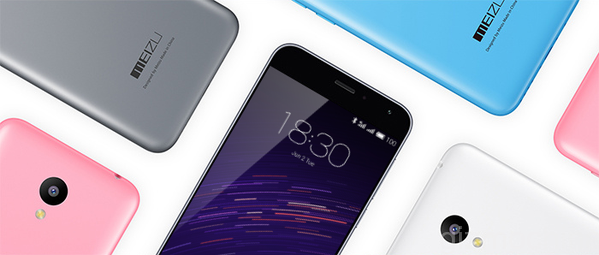
The Meizu M2 comes in a beautiful polycarbonate body that’s inspired from the iPhone 5C. The Blue Charm series does focus on the appearance, and all of the smartphones in the range have been good looking with the M2 being no exception.
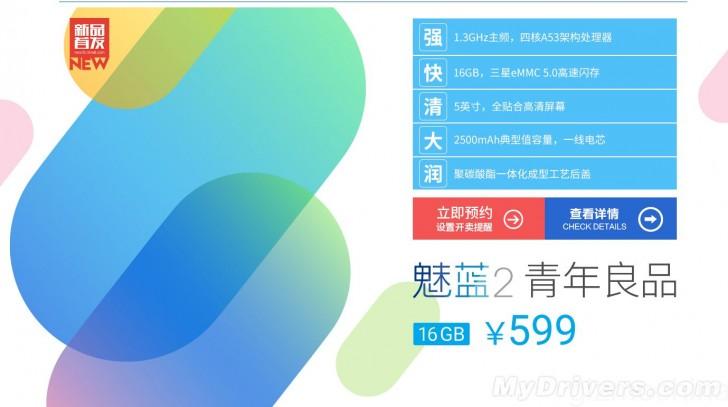
As for the specs, the Meizu M2 comes with the quad-core MT6735under the hood clocked at 1.3GHz. Its a decent processor with support for additional network connectivity bands in China. You can’t really ask for more performance at this price. Usually, 599 Yuan smartphones come with just 1GB of RAM. But Meizu M2 has taken things to a whole new level by featuring 2GB of RAM inside. This makes it one of the cheapest 2GB RAM phones in the market right now.
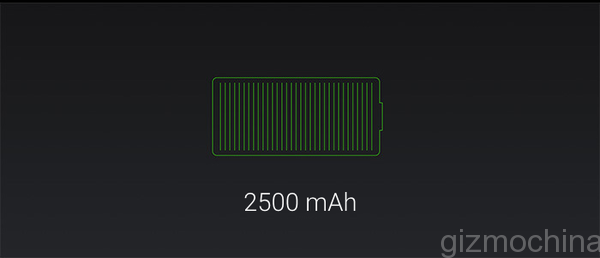
Another surprise is the 16GB of eMMC 5.0 storage on board which is further expandable up to 128GB via MicroSD. The company went with the now standard MicroSD + Dual SIM combo slot. Here, both the SIM slots support 4G LTE connectivity, but if you feel you need some extra storage, you can swap one of these SIMs for a MicroSD card. There’s also 2500mAh battery on board which is enough for lasting a whole day.
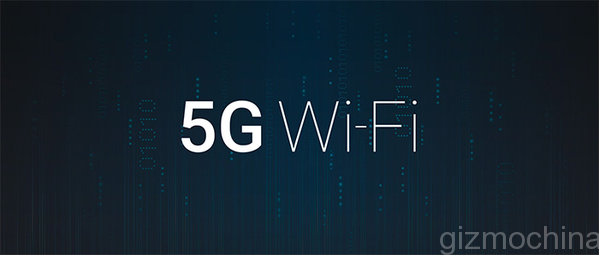
The screen is of 5.5-inches, with 720p resolution and 16:9 aspect ratio. This has become quite the standard among budget devices. However, the phone supports 5G Wi-Fi which makes is a unique feature among its class. The M2 comes with the company’s own Flyme 4.5 UI based on Android 5.1 Lollipop version.
As for the camera, the Meizu M2 sports a 13MP f/2.0 aperture shooter at the back with LED flash. Up front, you get a 5MP camera sensor with f/2.0 and a special beauty mode, ideal for selfies.
The best part of the device is its pricing. Meizu has aggressively price the Meizu M2 at just 599 Yuan ($96). This is an amazing price for a device with a quad-core chip, 2GB RAM, 16GB of storage and 5G Wi-Fi support.
Things are really getting competitive in the budget segment. Meizu has really managed to impress us with the new Meizu M2 budget offering. Its better than Redmi 2 in almost every aspect, and even cheaper. Even with the recent price cut of the Redmi 2 to 599 Yuan, the Meizu M2 offers better value for money.
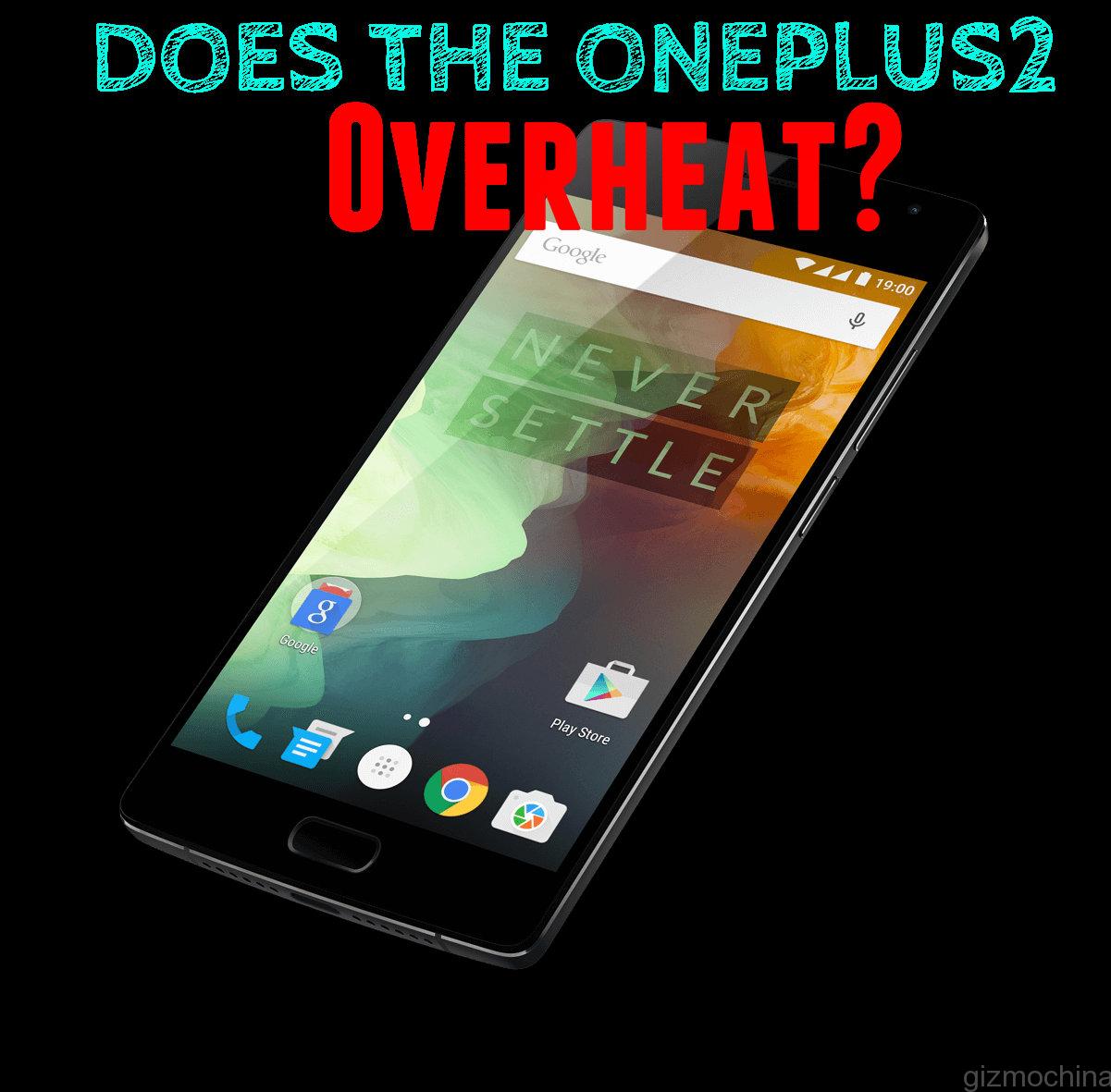
Just yesterday, OnePlus unveiled its latest flagship, the OnePlus 2 via a special VR event. The phone will go on sale from August 11, but before that everyone is interested to know whether OnePlus 2 will overheat.
snapdragon 810 powers OP2
Snapdragon 810 has often been criticized for its overheating issue. Many known top-end flagships like Xperia Z3+, HTC One M9 that have used this Qualcomm chipset have suffered from overheating, and performance issues. Given that the OnePlus 2 comes with the same chipset (although a newer v2.1 version), many users are concerned that the phone may overheat as the above mentioned devices.
However, things may be slightly different in case of OnePlus. The company has used Flex cooling mode, with a patented H-Cube multi-core scheduling tech. Apart from the software tweaks, the OnePlus 2 comes with layers of graphite sheet, copper alloy shield as well as thermal gel to manage the heat generated.
Its unfortunate that early adopters of Snapdragon 810 realized it too late that the chip has some overheating problems. But with the issue now open to the public, it looks like manufacturers like OnePlus have taken enough measures to keep the heating under control.
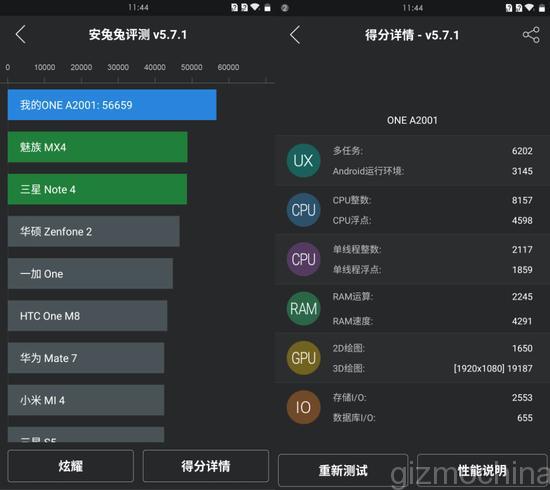
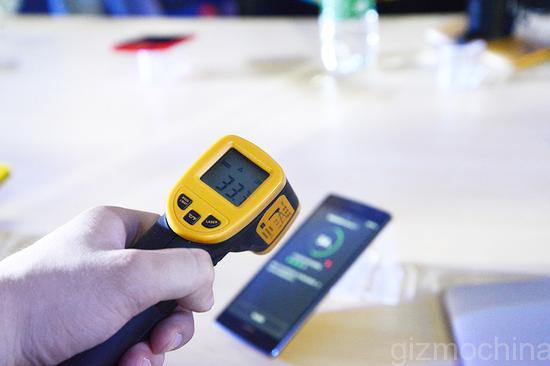
According to Sina Tech, the OnePlus 2 managed to keep the temperature under control. When the flagship was running the AnTuTu benchmark test, in which it managed to score above 56000 points, the maximum temperature was only around 37 degrees Celsius. This is pretty normal for any flagship, especially when its using a lot of its CPU and GPU cores.
Even the OnePlus One heats up when playing games or using graphic intensive apps. And so do most other flagships.
So, can we say that OnePlus managed to somewhat solve the overheating issue associated with Snapdragon 810? Probably! But we can’t be 100% sure with a single test.
Hence, we’ll have to wait for some real life feedback from consumers as well as some thorough testing in our labs to make a final conclusion.
If the OnePlus 2 doesn’t overheat, will you consider buying the flagship killer?
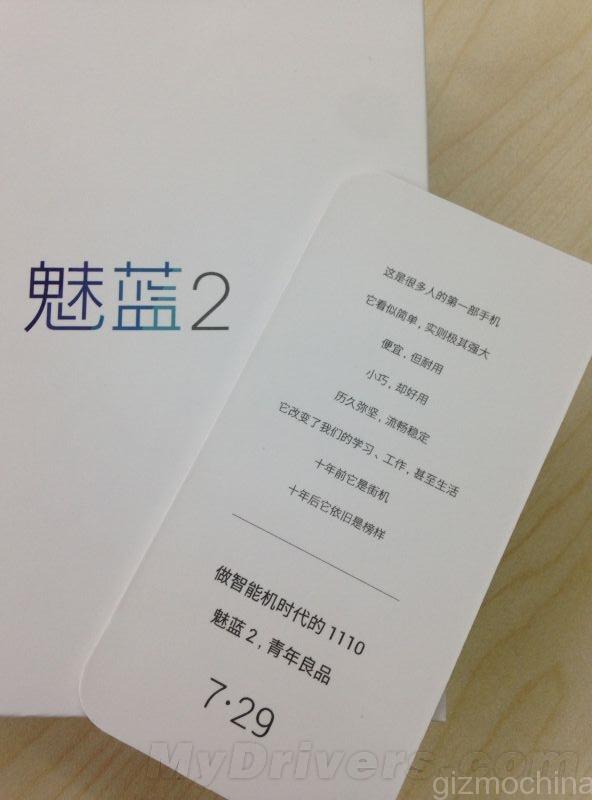
Meizu is trying to attract the budget customers with its Blue Charm series. The company has already managed to boost its sales as compared to last year. Within six months, Meizu updated its Meizu M1 Note lineup with a brand new Meizu M2 Note. Now, the company is all set to unveil another device in the series, the successor to the Meizu M1, which will be called as the Meizu M2.
Meizu has been trying to market its Blue Charm series models as a low cost alternative for the masses. The company even went ahead and compared the upcoming Meizu M2 with the best selling Nokia 1110. So, we expected the pricing to be quite aggressively, if it had to live up to its claims.
Now, thanks to a new listing in China, we have some idea about the Meizu M2’s price tag. The listing reveals that the Meizu M2 will be available for sale for just 599 Yuan ($96). That’s a pretty good price for a device that is expected to come with MT6735 quad-core chip, 2GB RAM, 16GB storage and 2500mAh battery.
It looks like Meizu is all ready to take on the best sellers in the sub-600Yuan market, like the Redmi 2A and Honor 4A. We just have to wait for the company to confirm these details, which shouldn’t take long, since the event is tomorrow!
Yesterday saw the official launch of the OnePlus 2, an eagerly awaited follow up to their hugely successful (but troubled by a poor invite system) flagship phone the OnePlus 1.
There were many leaks in the lead up to the launch, with a full set of images showing the body and an AMA (ask me anything) being held just a few hours before the official launch.
So what do we now know about this self proclaimed ‘2016 flagship killer’?
Design
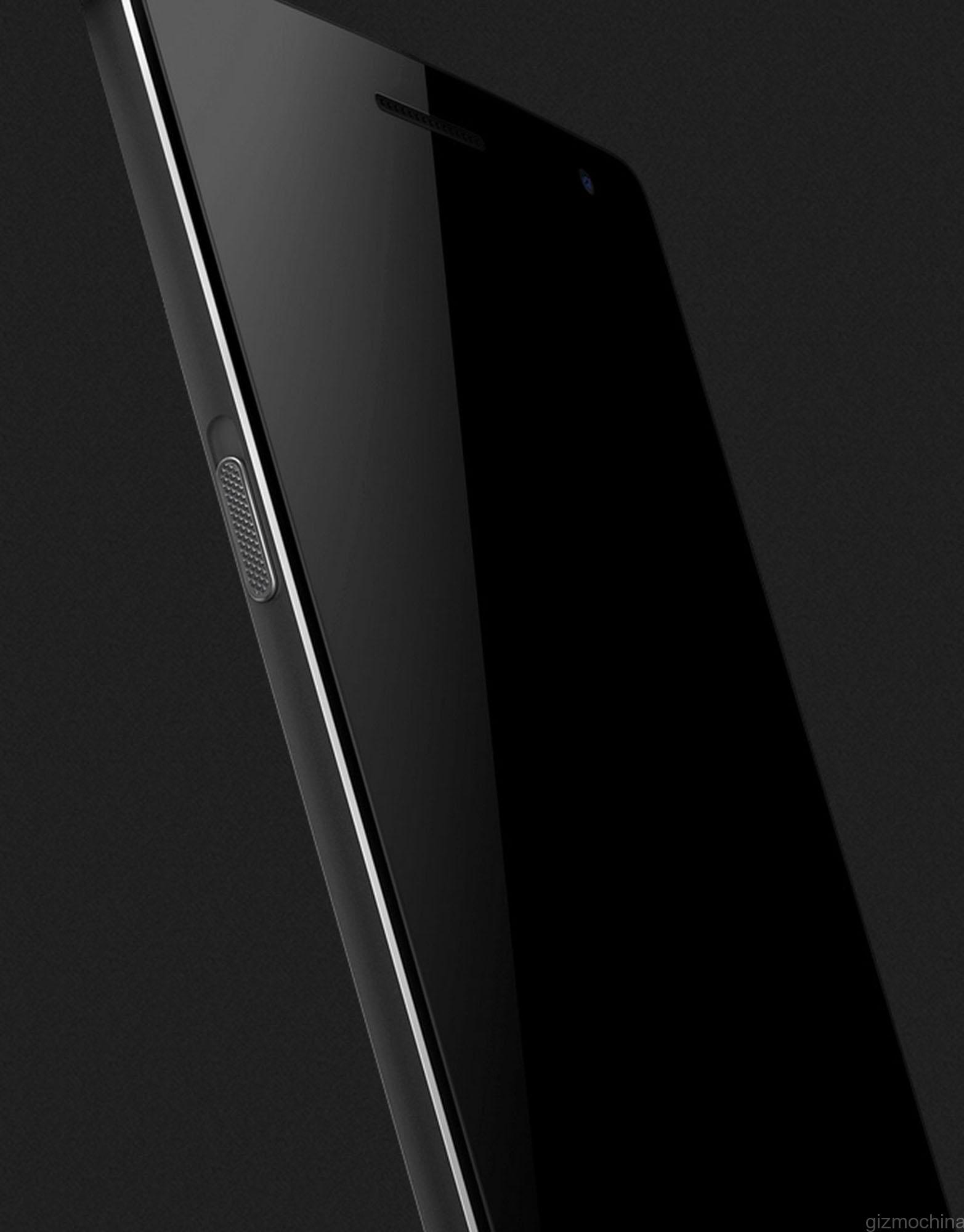
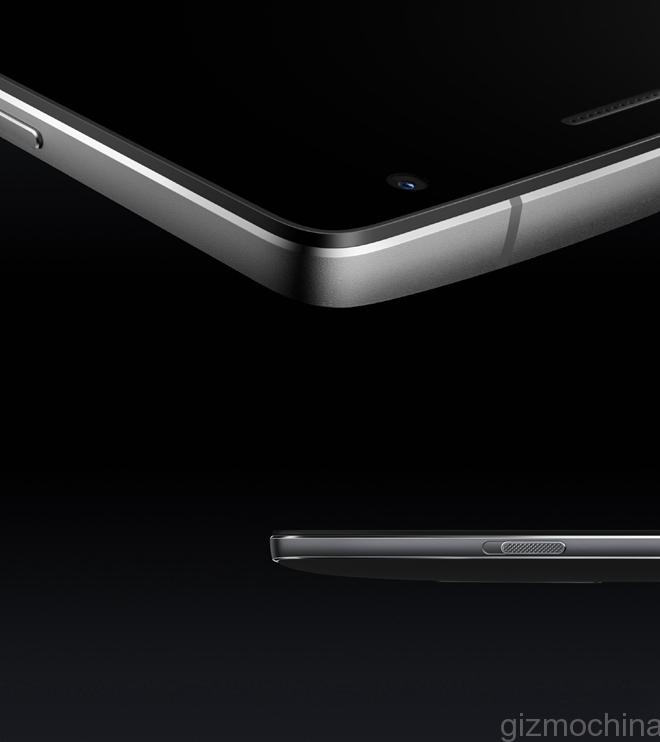
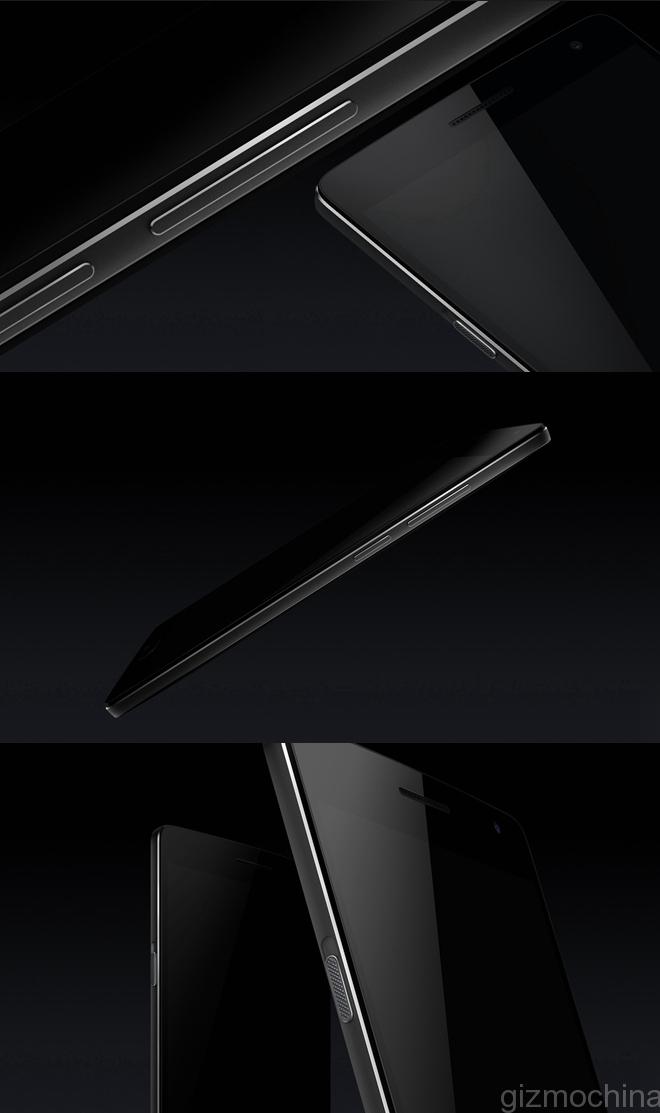
The phone has a stylish, sturdy looking magnesium alloy chassis, that OnePlus say was chosen as it ensures ideal antenna reception and temperature regulation, the chassis also integrates standard volume and power buttons, as well as a dedicated alert slider (this looks very similar to the mute switch found on Apples IOS devices), the slider allows users to quickly toggle between Androids built in notification modes (standard, priority and do not disturb DND).
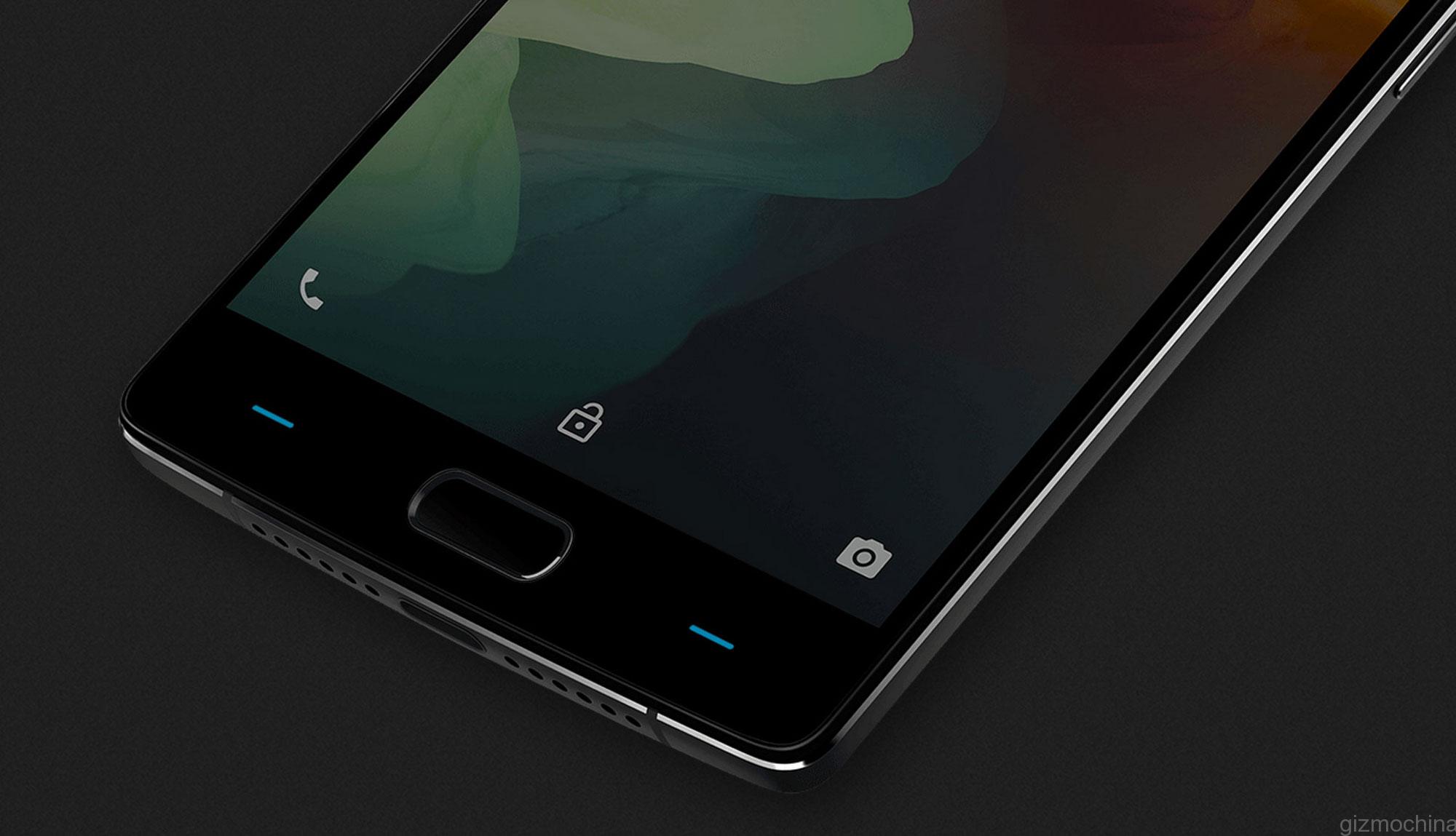
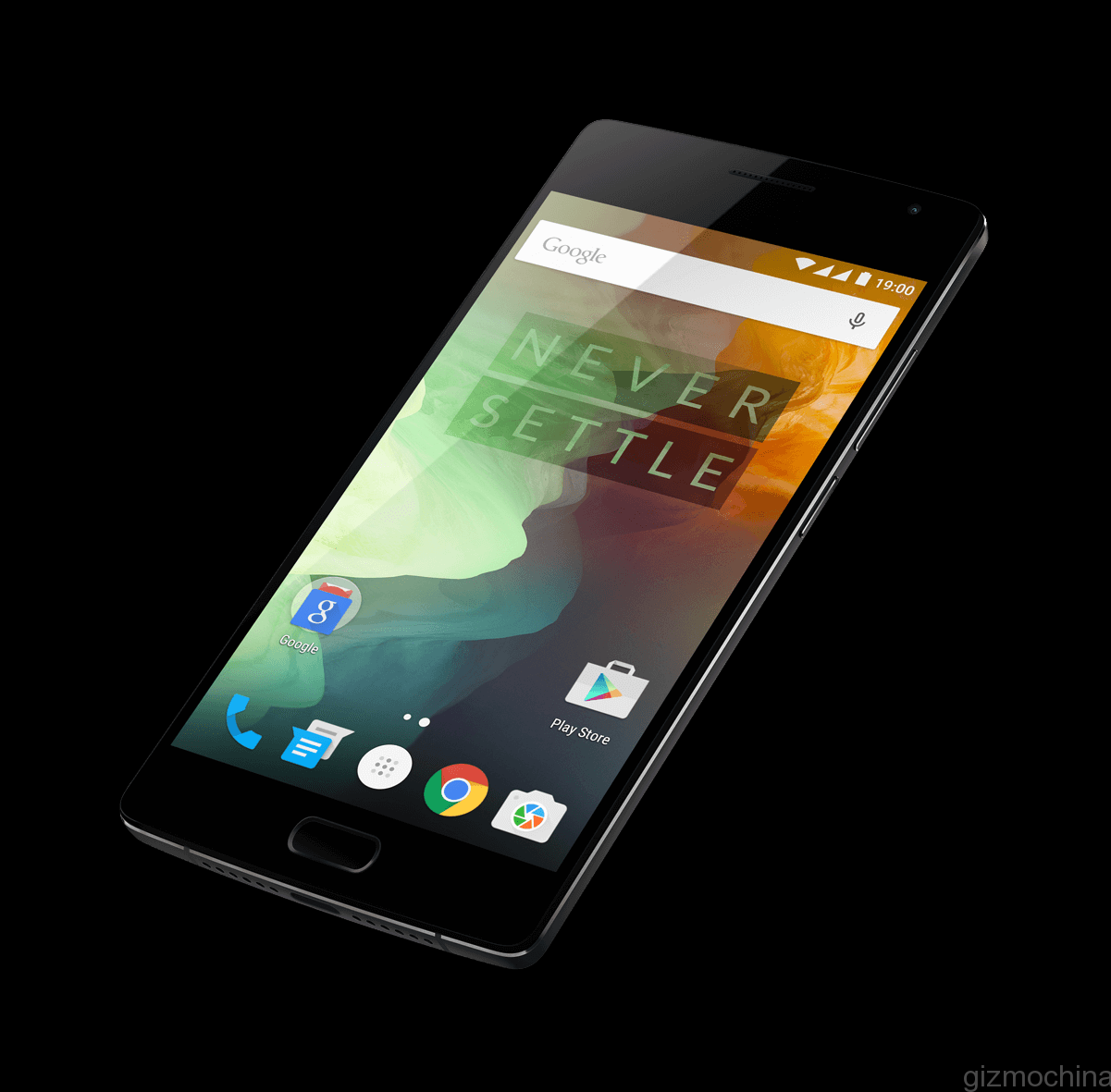
The front design of the phone has been kept very simple and elegant, the front is edge to edge Gorilla glass, with no fussy logo’s, and illuminated navigation keys that fade to black when not in use for a very sleek looking design.
Also adorning the front is the home key with integrated finger print scanner, whilst I tend not to use fingerprint unlock on my handsets I do prefer the front mounted position over rear mounted units as it just feels more natural to me, OnePlus say that this is also one of the quickest fingerprint readers on the market and can store a combination of 5 unique fingerprints (I currently have this set up on my phone so my kids can use it to play games).
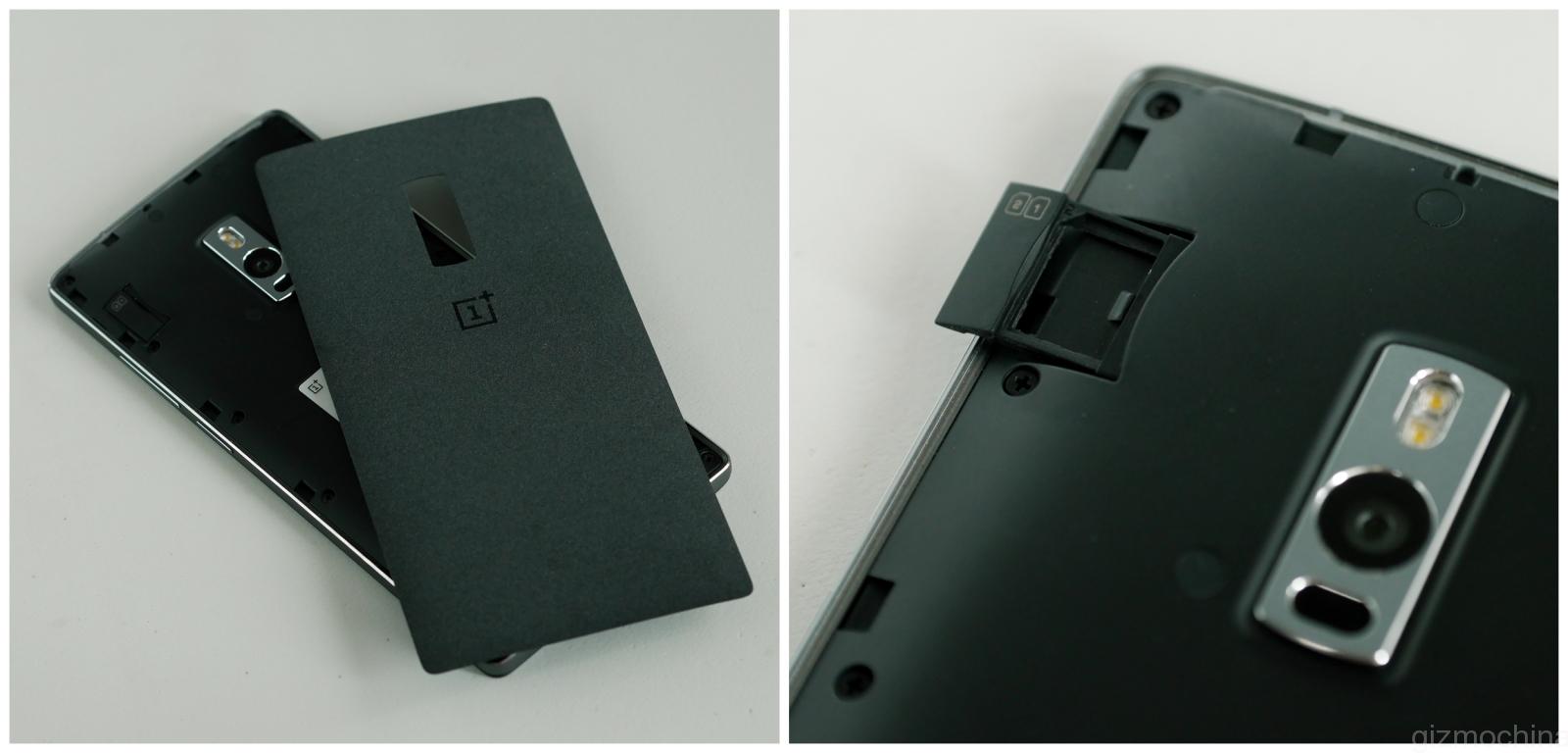
As standard the phone comes with a sandstone black back, like the original 1 this has a very tactile grippy texture and should help to prevent accidental drops, whilst also feeling different from the many smooth plastic/glass/metal rear covers currently adorning other handsets.
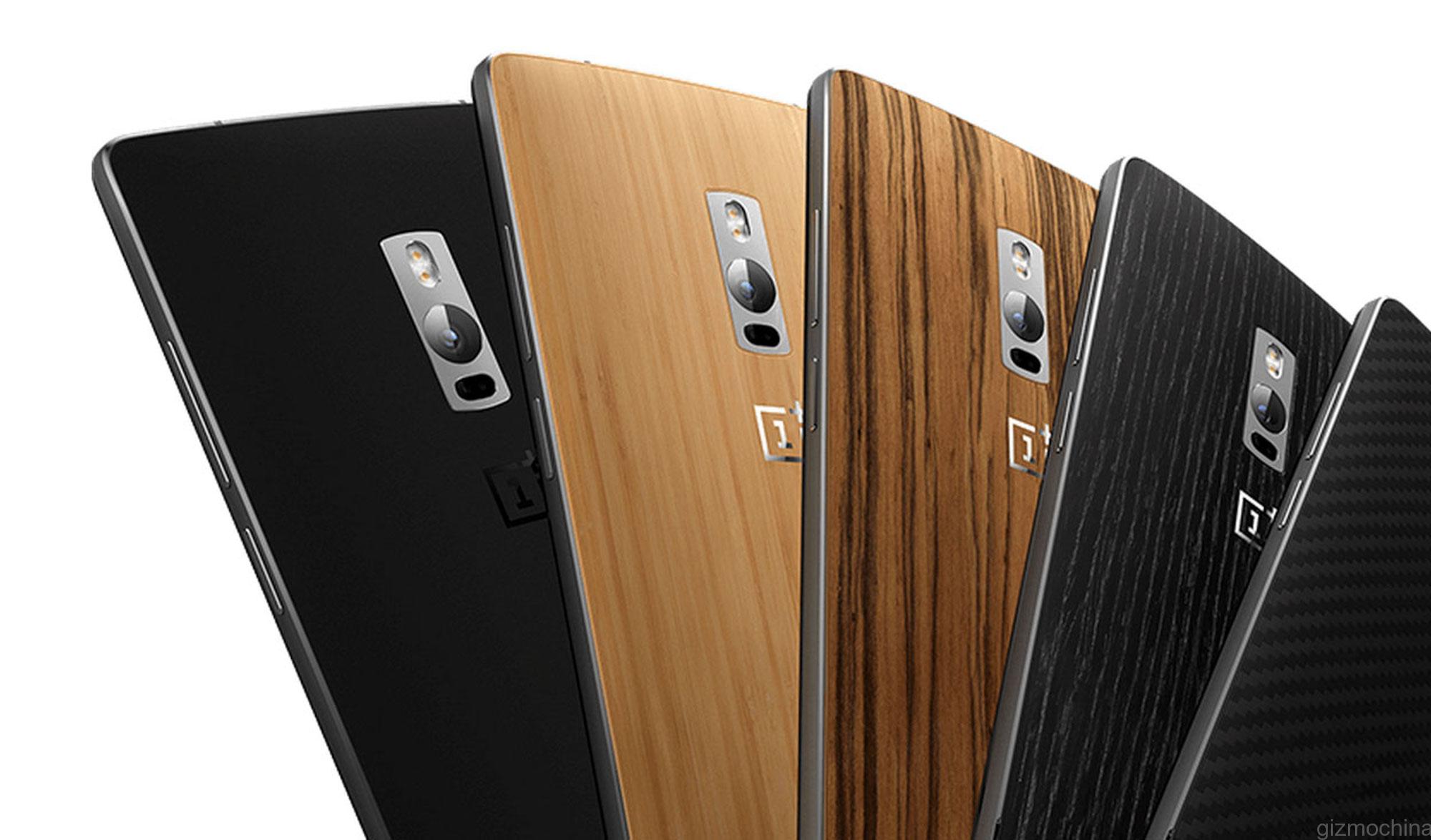
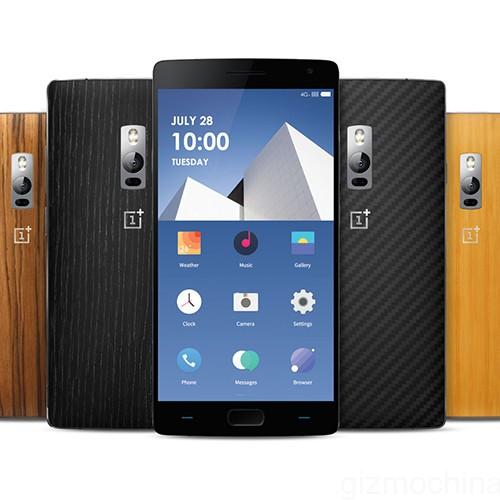
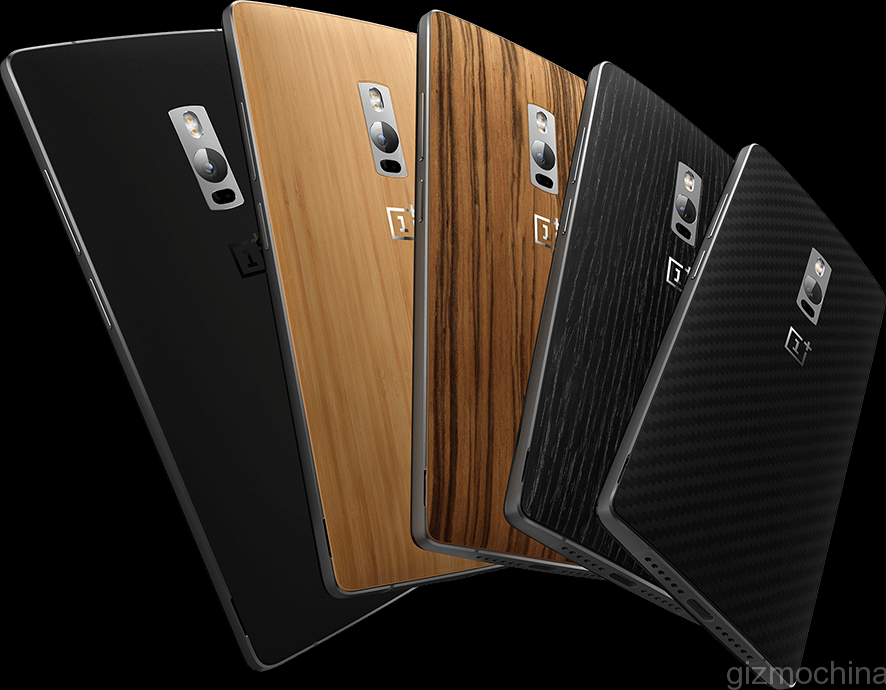
But as I suspected OnePlus will take full advantage of the removable rear covers and will also be offering replacement SwapStyle covers these will be available in Kevlar, Rosewood, Black Apricot and Bamboo, it is also possible that additional covers will come in the phones lifetime.
Dimensions & Weight
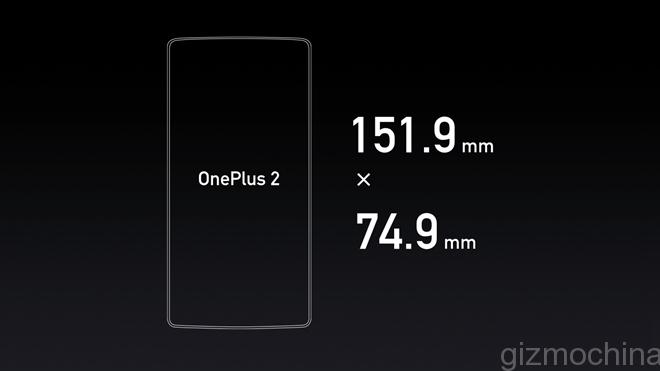
151.8 x 74.9 x 9.85 mm
6.17 ounces (175 g)
Cameras
Lets start with the front facing camera, not much was said about this, but we do know it is a 5mp unit and given OnePlus high standards should be more than capable of a decent selfie.
More importantly we have the 13mp rear camera, yes thats right the ‘2016 flagship killer’ comes with just a 13mp shooter, but as those of you that are in to digital photography will know, when it comes to imaging more megapixels does not always equal better pictures, the sensor in the OnePlus 2 is made up of large 1.3µm light-collecting pixels, these are currently the largest that can be found on any mobile phone handset, what this means in reality is that the larger size allows more light per pixel to be collected, resulting in better lowlight photography and less cross talk per pixel.
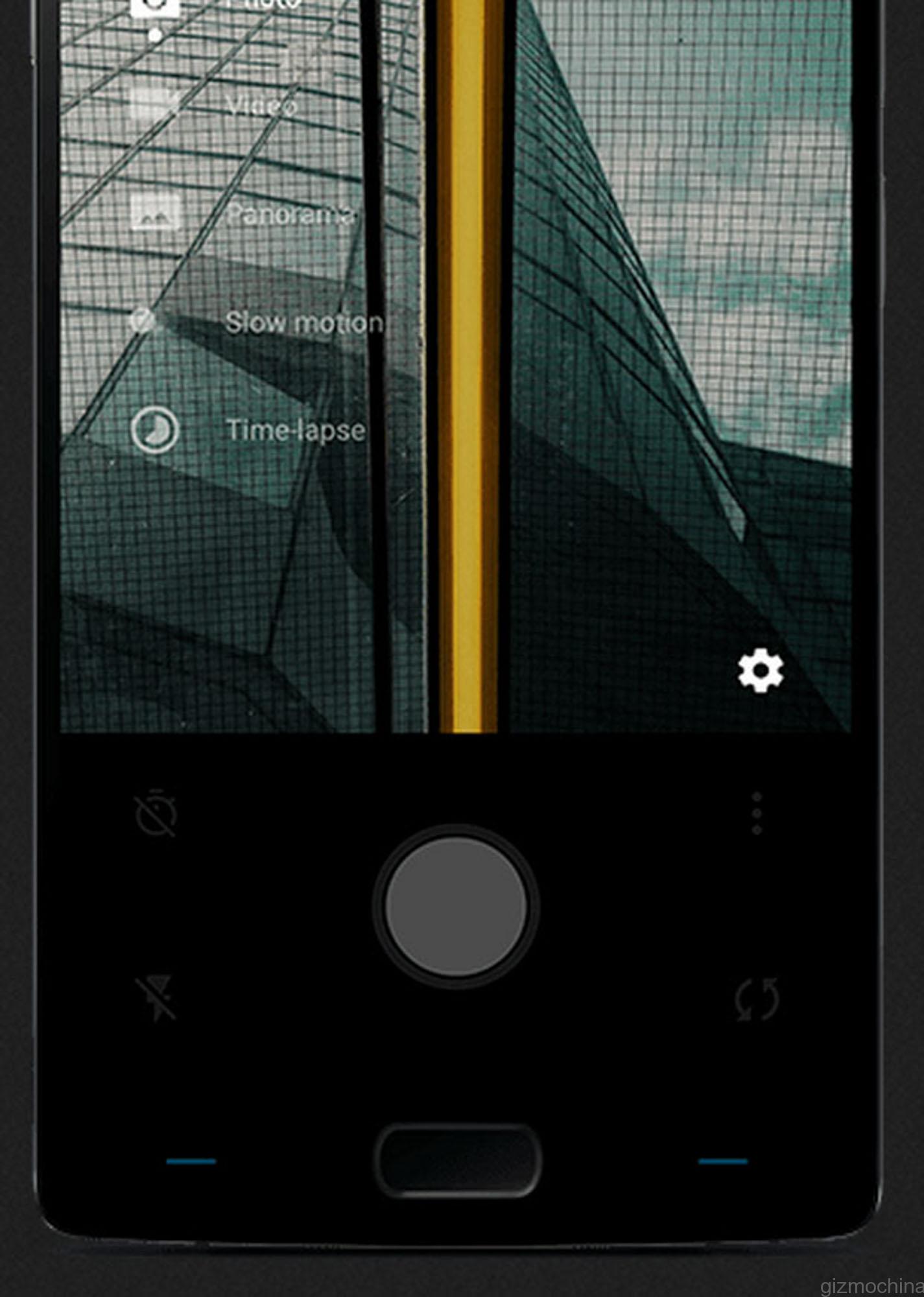
The rear camera is able to shoot 4k video and also slow motion 720p video at 120fps, the camera app also comes with some special features such as time lapse photos and super resolution mode producing interpolated images of up to 50mp.
OnePlus have also included OIS (optical image stabilisation) to help prevent motion blur in both photos and video and to help you get the perfect focus have also included a laser focusing system (scans the entire scene to attain perfect focus), the camera sensor sits behind a six element lens to help reduce chromatic aberration (when wavelengths of color are focused at different positions in the focal plane and distortion as long as the software is optimised and there are no issues this could make the 2 an awesome mobile photographic instrument.
CPU, GPU, RAM, ROM and Battery
The OnePlus 2 has been built around the much talked about (unfortunately in many cases for the wrong reasons) 1.8GHz 64-bit Qualcomm® Snapdragon™ 810 processor, OnePlus have gone with v2.1 which they hope will have much better thermal properties (when combined with their magnesium alloy chassis) and not be subjected to the same levels of throttling the earlier generations had, the CPU is paired with the Adreno™ 430 GPU so should hopefully be more than capable of keeping up with the most demanding apps and intensive 3D games.
Both capacity versions of the phone come with eMMC v5.0 memory, the 16gb rom version comes with 3 GB LPDDR4 of ram, whilst the 64gb rom version comes with 4 GB LPDDR4 of ram, the use of such high speed memory will help to ensure that the phones are at the top of their games.
The OnePlus 2 battery is ratted at 3,300mAh which should hopefully be enough to see it through a day of heavy usage.
Display
OnePlus have stuck with the same size 5.5″ and resolution (1080p 401ppi) display as last years OnePlus 1, but that does not mean that things have not been switched up a level or two, they are using in-cell IPS LCD, IPS-LCDs feature two transistors for each pixel, whilst standard TFT-LCD’s use just one, requiring a more powerful backlight OnePlus have chosen to use ultra-bright LED technologies which should give more accurate colours and 178 degrees viewing angles, OnePlus have also implemented a Dark Mode, allowing the display to go very dim for night use without eye strain.
Oxygen OS
When OnePlus released the 1 last year, its biggest killer feature was Cyanogen Mod, unfortunately the relationship broke down and OnePlus were forced to start with a clean sheet, the result was Oxygen OS which has now made it to V2.0
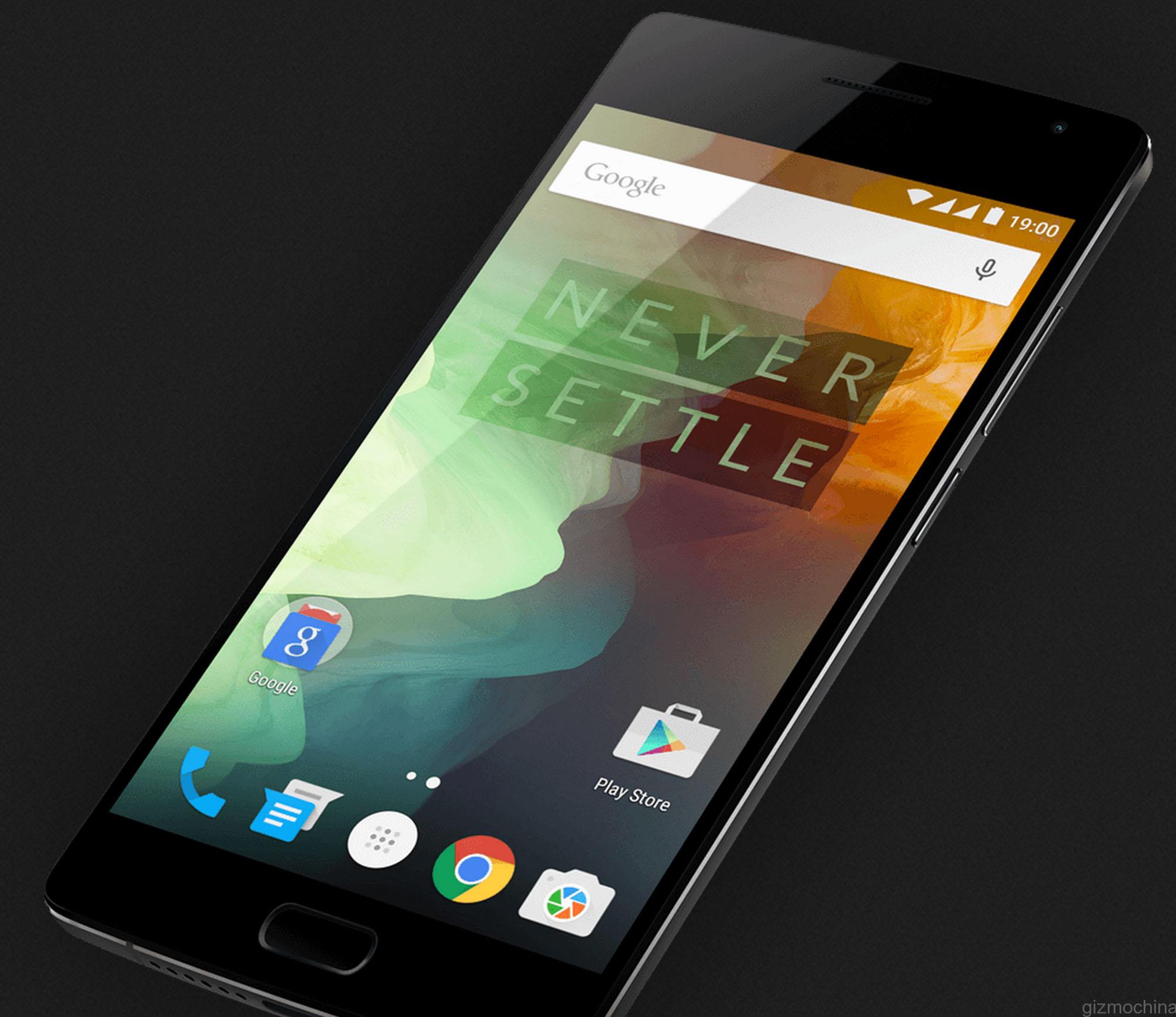
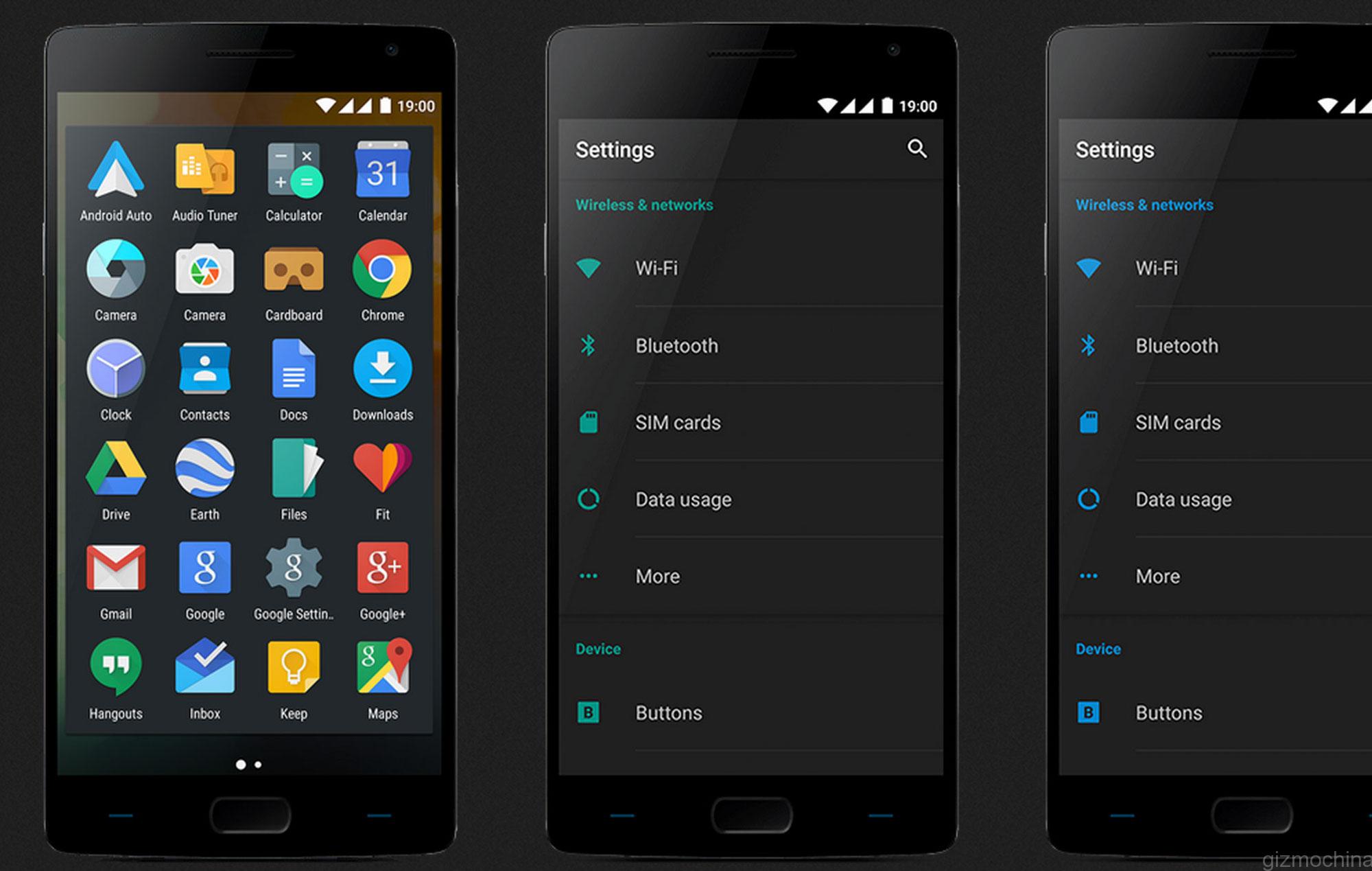
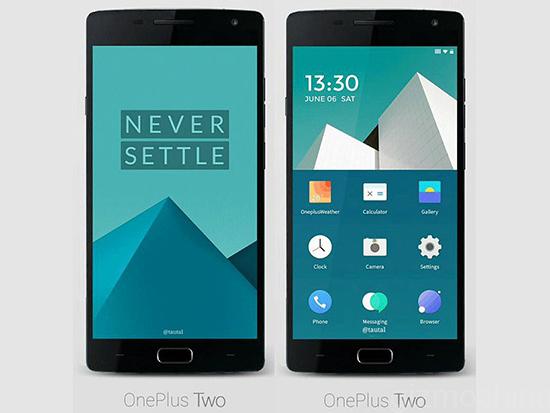
Oxygen OS is based on a near stock version of Android but with some tweaks and additions that OnePlus hope will make the phone more usable and personal to its users, Dark Mode looks sleek and functional and allows accent colours to be changed to make it better fit your personality, along with support for custom icon packs you should be able to completely alter the look and feel of your phone.
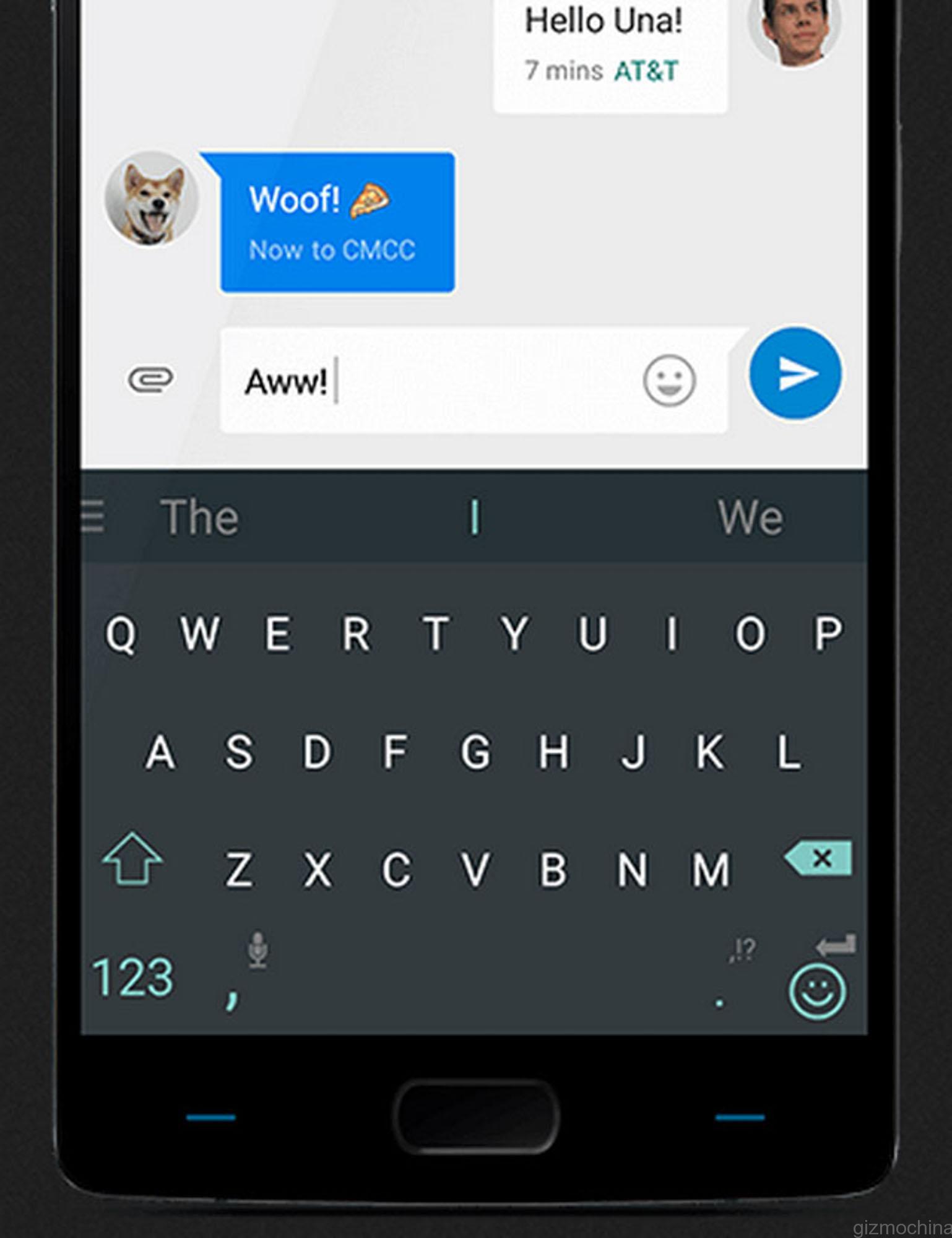
OnePlus have also integrated SwiftKey in to the rom, I am sure that by now most of you have heard of, or used Swiftkey but for those of you that have not, it is a fast and effective input method that allows you to type messages without removing your finger from the display, it has evolved over recent years and is now very fluid and has a great level of accuracy (it can even learn your personal writing styles to better predict your inputs).
An App Permissions feature allows Similar to that found in Android M allows things like location, identity, or contacts – to be blocked on a per-app basis, this is a really nice feature that gives you power to control your phone and apps as you see fit.
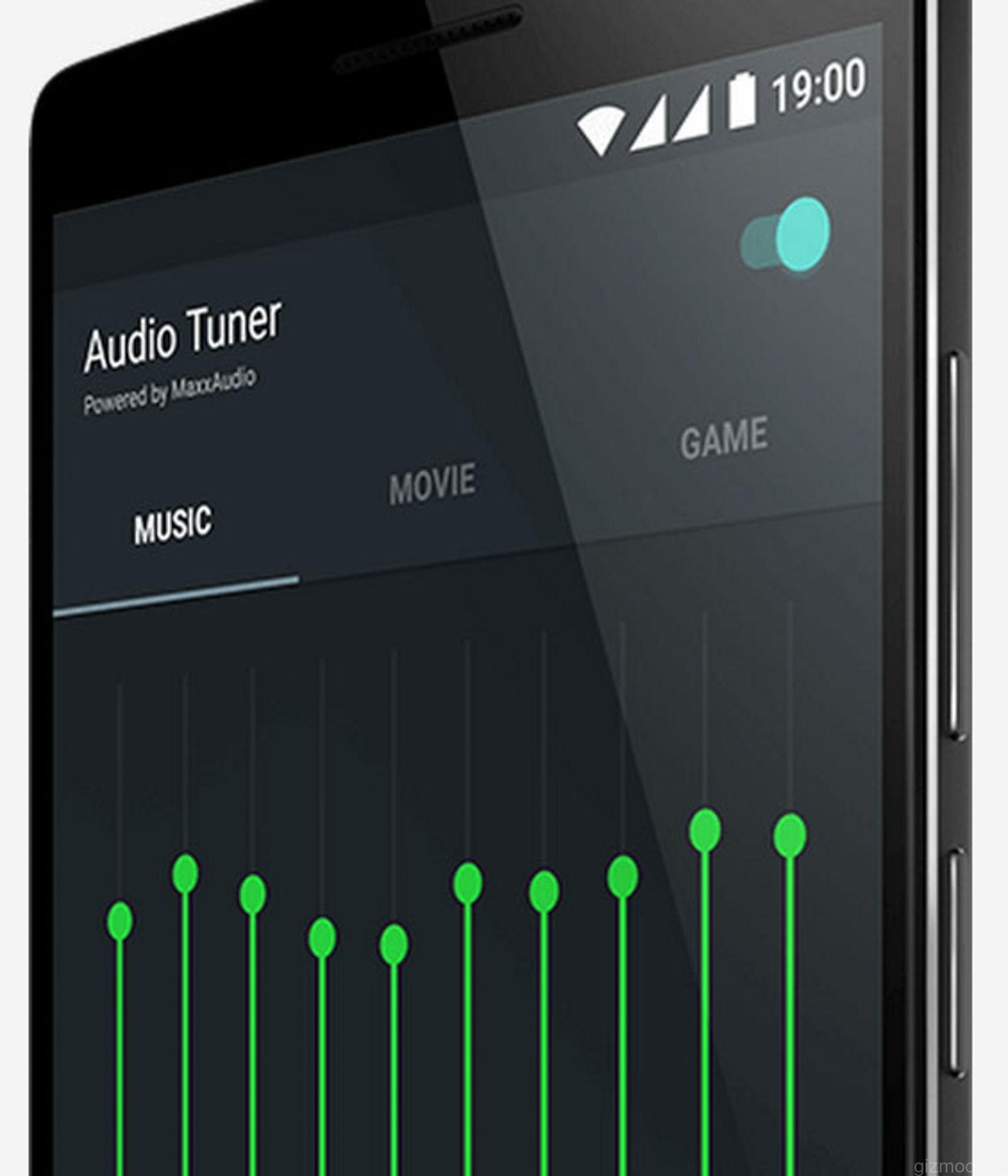
Another really nice feature is that Waves MaxxAudio® sound design technologies have been integrated into OxygenOS, giving a wide selection of audio presets that can be toggled from the volume panel, the presets are enhanced for speakers, headphones, or other connected devices to hopefully give you the best possible sound quality.
Connectivity
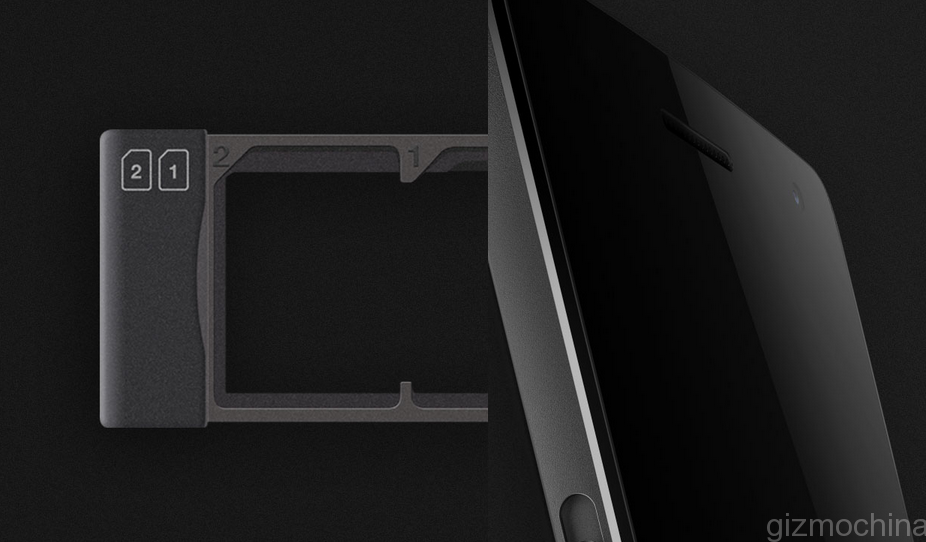
DUAL Sim
GSM: 850, 900, 1800, 1900MHz
WCDMA: Bands: 1/2/5/8
FDD-LTE: Bands: 1/3/5/7/8/20
Wi-Fi:Dual-band Wi-Fi: 2.4GHz 802.11b/g/n and 5GHz 802.11a/n/ac
Bluetooth:Bluetooth 4.1
Positioning:Internal GPS antenna + GLONASS + Digital Compass
Charging and data port: USB Type-C standard*.
*The OnePlus 2 comes with a patented flat, rollable cable with reversible connector that can be plugged in either orientation.
Pricing
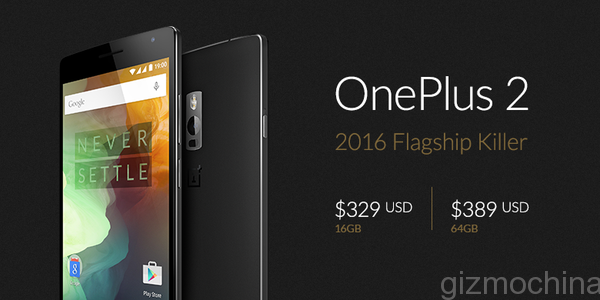
The phone comes in 2 variants the 16gb/3gb version will go on sale for $329 (£211), whilst the 64gb/4gb version will retail at $389 (£250).
Sales for regions such as USA, Europe, China and India will commence on August the 11th with other markets following in Q4 of 2015, the sales will be on an invitation based system, similar to that of last years OnePlus 1 but hopefully with much better availability and much less drama, check the link below to find out how you can get your hands on an invite.
So what do you think? has the wait been worth it? is the phone a strong enough contender to earn itself the title ‘2016 Flagship killer’? this is a handset that I am really looking forward to playing with and reviewing.
OnePlus 2 is now finally official. The company has made some great upgrades in the new flagship device, however, if you want to purchase the device, you would still need an invite. Yes, the company has decided to continue with its invite system, although its a bit improved now. But still, its quite irritating that you have to wait for the company or someone else to send you an invite in order to buy your favorite smartphone.
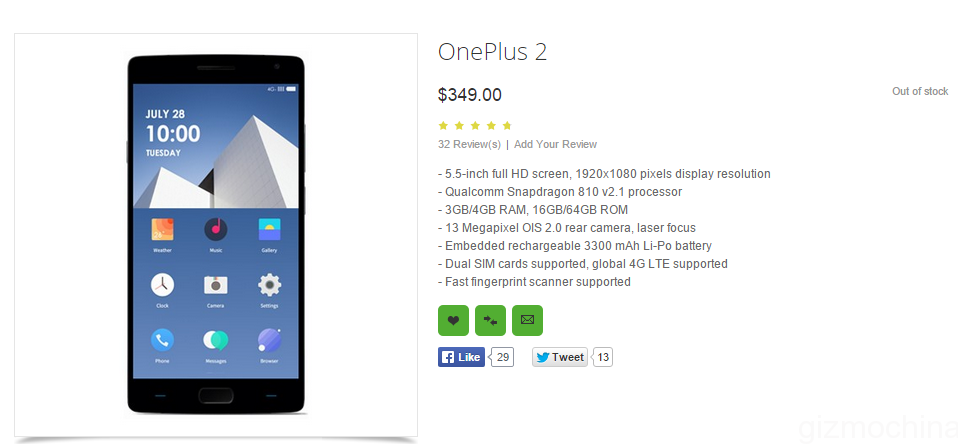
This is where e-commerce websites like OPPOMART comes to the rescue. And it looks like they were quite fast in listing the device on their website. The website has listed the OnePlus 2 for $349which is slightly higher than the official price tag of $329. However, you won’t have to wait for an invite this way and hence, you can purchase the device directly from the site.
Of course, the OnePlus 2 is still not officially available to purchase. And hence, unsurprisingly, the device is listed as out of stock on the website. The flagship will most likely be available for sale sometime after August 11, when OnePlus starts shipping the OP2.
OPPOMART has also listed some accessories for the device, like a leather flip cover, and a tempered glass screen protector. You can check them out from this link here.
Meanwhile, we will be keeping a close eye on the website and will let you guys know when the phone finally becomes available for purchase. So, stay tuned.
We are always interested to know how you feel about a new smartphone. Today, OnePlus officially announced the OnePlus 2 Flagship, after months of hype. The new device brings in a lot of upgrade in terms of specs and design, but we would like to whether these upgrades met your expectations.
So, here’s a poll to see how many of you liked/ disliked the new OnePlus 2. Apart from voting in the poll, feel free to share your views in the comments section below.
If you still haven’t checked our launch article, you can read all about the new OnePlus 2 from here before voting.
The OnePlus 2 Launch event is finally over and it was quite an experience. Those who managed to watch it in VR would know how immersive the overall experience was via the app. The company revealed all the details we wanted to know about the new device.
Oneplus 2
OnePlus has made some subtle changes in the design, but in the first glance, it does look like the next generation OnePlus flagship. This is because you get a similar design and the same sandstone black back. What’s new is the sturdy magnesium alloy frame, slightly flatter design and a dedicated action slider to toggle notifications (standard, priority & DND modes). And yea, like we saw in the pictures a few hours back, there’s the physical home button with fingerprint ID right below the display. Well, its not really a clickable button but rather a touch pad. You can even customize what a long press or double tap on the button does, like opening up the camera or launching Google Now.
OnePlus 2 Flagship Gallery
1 of 4
As confirmed by the company earlier, the OnePlus 2 will come with a Snapdragon 810 processor under the hood. This will be the third generation version v2.1, which is also found on the Mi Note Pro. Given that its the flagship chip from Qualcomm, it supports even 4K recording. We hope that the company managed to fix the over heating issues associated with the chip.
OnePlus 2 Design
1 of 2
Next up is the RAM, which was once again confirmed earlier by OnePlus. The flagship will come with 4GB of LPDDR4 RAM, making it one of the few smartphones with 4GB RAM in the market. This is more than enough to tackle any tasks that you throw at it, making it truly a flagship device.
One thing we were not quite clear about the OnePlus 2 was the camera. And finally, the company has confirmed that it will be a 13MP camera with a large 1.3 microns sensor. This sensor size is reportedly 35% larger than the standard smartphones in the market. This also means better low light photography. Further, the sensor is supported by OIS (Optical Image Stabilization) which helps reduce camera shake to a considerable extent. Finally, the camera is supported by the awesome Laser Focus, which translates into faster (less than 0.3 seconds) focus. Overall, its a great improvement from the standard 13MP sensor found on the OnePlus One.
The display remains the same, 5.5-inch with full HD 1080p resolution but with contrast ratio of 1500:1 bringing blacker blacks and better colors. It will be brighter than the OPO’s screen, making it much more visible outdoors. Coming to the battery, well, we knew that already. The OnePlus 2 will have a 3300mAh, which is once again an improvement from the previous generation. This coupled with the same sized display should essentially provide you somewhat better battery life than the OnePlus One.
Now, coming to the new features. First up, there’s the fingerprint sensor which is faster than the iPhone’s sensor and can reportedly store up to 5 unique fingerprints. Then there’s the new Action Slider button, which can be used to switch between notification settings. Finally, there will be the famous USB Type C port on board. But the company claims that even the other side is reversible (patented). You can even buy a special connector for the cable to use it with regular chargers.
Next up is theStypeSwap covers. The standard version comes with the much loved sandstone black cover, but you can replace that with any of the following four StyleSwap covers: Bamboo, Black Apricot, Rosewood, and Kevlar. We expect more options to be available later.
Now coming to the OS, the OxygenOS v2.0, its going to be quite clean and near stock Android. However, it does come with a few additional features such as color/ dark modes, custom icon packs, custom icon grid size and notification lights. You get a special apps permission page (like in that of Android M) too in the OxygenOS where you can manage the permissions on the apps installed on your OnePlus 2.
The OS also comes with a new camera app which comes loaded with special features. For example, there’s a Super-Resolution Mode which can click pictures in up to 50MP resolution (remember Gionee?). You have other options such as time lapse, slo-mo shooting etc.
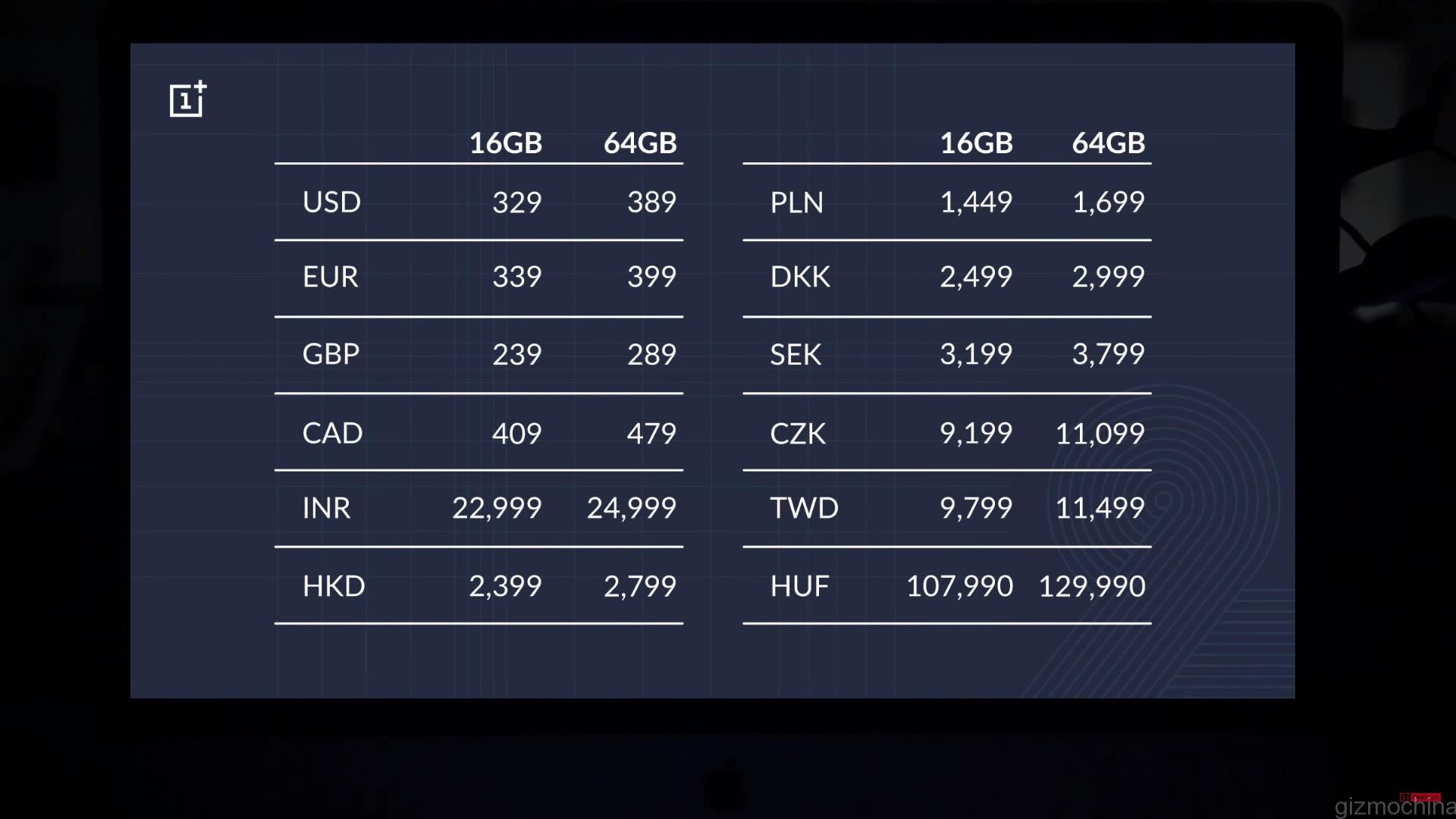
Now coming to the best part, the OnePlus 2 starts at just $329 for the 16GB variant. Yes, even with the flagship specs like 4GB RAM, you can get it for as low as $329. And if you want the 64GBvariant (which most of you would want due to the lack of MicroSD), you have to shell out just $389. Once again, it looks like OnePlus nailed it with its pricing!
OP2 Pricing Chart Countrywise
However, avaialability has always been a concern for OnePlus, and this time too, you will have to rely on invites and other contests to get hold of a OnePlus 2. However, the company promises that there will be much more invites and they will be sent out faster than before.
The OnePlus 2 will be available for sale in different regions like US, Europe, China and India starting August 11. The company adds that the phone will hit the South East Asian markets in the fourth quarter of 2015.
So, what do you think about the OnePlus 2 flagship? Impressed or not?
$329 for 16GB and $389 for 64GB.
Snapdragon 810 v2.1
3300mAh battery
Fingerprint sensor
OxygenOS v2.0
1080p 5,5″ screen with newer panel (401 ppi)
16/64GB ROM (No MicroSD)
4GB LPDDR4 RAM
13MP with OIS, 1.35 sensor size and fast laser focus (0.3sec focus time)
5MP front-facing camera
USB Type-C
Dual SIM
Dedicated Action Slider button
Styleswap Covers – 4 variants:Bamboo, Black Apricot, Rosewood, and Kevlar
Available from August 11th
We will be seeing the official launch of the OnePlus 2 in just a few hours, but it looks like someone couldn’t resist waiting till that time. A new set of images have just surfaced online, claiming to be the new OnePlus 2 flagship. This could essentially be our first look at the upcoming device, so make sure you check out all the pictures.
If this is indeed the new OnePlus 2, we don’t have many surprises in the design. It looks like the company has continued with the traditional OnePlus design philosophy, which is not really a bad thing. Some notable changes include the physical home button right below the display which will harbor the fingerprint sensor. There’s a dual LED flash at the back as well as a sensor in between, which is most likely the Laser Autofocus, as confirmed by MKBHD.
OnePlus 2
1 of 4
Another important change is the new metal frame that goes around the body. In short, the OnePlus 2 looks like the slightly upgraded version of the OnePlus One. Also, there’s an additional mute button on the left, but not surprising since we saw the same button in the TENAA images earlier.
Elephone have today released another video, this time showing the 3gb version of the updated P6000 Pro running Flyme OS 4.5.1A based on Android 5.1
Its really nice to see that Elephone are working hard to bring rom support to their handsets, Flyme looks to be working well and seems to be pretty much complete feature wise.
Performance wise Flyme OS on the 3gb P6000 Pro seems to be doing pretty well, scoring a reasonable Antutu score of 36888 (lets not forget this is not a flagship device and is running a ported rom), theming is also looks to be working fully, the windows 10 theme looks interesting, hopefully we will be getting to see this on the dual boot Intel version of the Vowney when it is released later in the year.
Doogee has made some serious changes in its strategy this year. All the recent models released by the company including a new luxury smartphone show that it is dedicated to survive and grow in this competitive industry.
Recently, Doogee unveiled its brand new flagship, the Doogee F3 Pro, which turned out to be a pretty good device.
The company has taken special care while designing and making the device, and we can see the effect in the final product. The F3 Pro looks extremely good with dual glass design (both by Corning’s Gorilla Glass) and CNC machine cut body. In fact, along with the beautiful body, the specs are also pretty impressive. It comes with MT6753 + 3GB of RAM which makes it capable of handling any apps/ games or functions that you throw at it. Moreover, its one of the first phones to come with 13MP Samsung 3M2 ISOCELL sensor with PDAF (Phase Detection Auto Focus).
Overall, looks like a pretty good device, so we decided to check out what you think about it.
Below are the categories in which you can rate the new Doogee F3 Pro.
We are just a few hours from the official unveiling of the OnePlus 2 flagship killer smartphone, but news about the device is still coming pretty fast. Now, 4GB RAM variant of the OnePlus 2 has been spotted on the benchmark website, GFXBench, revealing a bunch of information about its performance and specs.
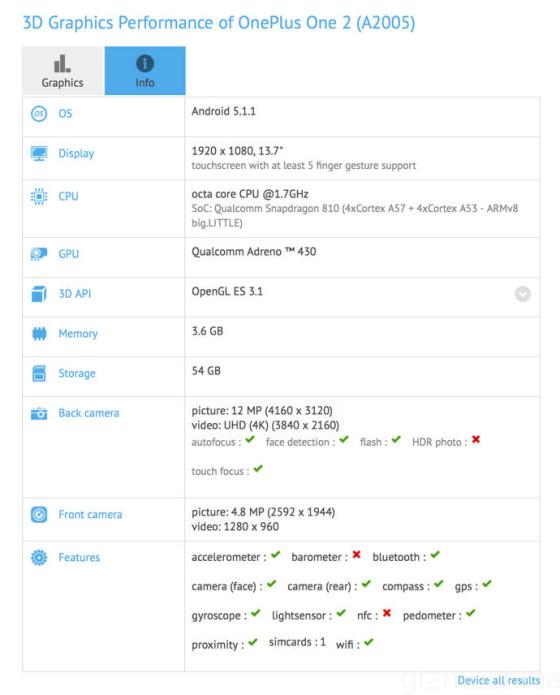
The OnePlus 2 A2005 model will reportedly come with 4GB RAM, which is not a surprise given that the company had confirmed this earlier. The listing also reveals that the phone comes with Snapdragon 810 under the hood, which was also confirmed. However, the cores are clocked at a modest 1.7GHz, probably to avoid over heating issues. We still don’t know whether it will be under clocked to such an extent in the final model that will be released later today.
One interesting thing spotted here is the 13.7-inch 1080p display. Now, we have heard rumors about a possible OnePlus 2 tablet launching soon, however, 13.7-inch is quite large even for a tablet device. So, for the moment, we could assume that the device was probably connected to an external display. Other known specs include 64GB storage, Android 5.1, 13MP rear camera, and a 5MP front facing shooter.
As for the 3D Graphics performance, the OnePlus 2 model posted decent totals. In fact, the on screen Manhattan test, it scored better than the Galaxy S6. Offscreen test results were also at par with the Samsung flagship.
Performance wise, we expect the final model to be much better. Remember, there was a OnePlus 2 model which scored around 63K on AnTuTu? Well, that’s the kind of performance we expect from the new OnePlus 2! Stay tuned for more updates in the coming hours.
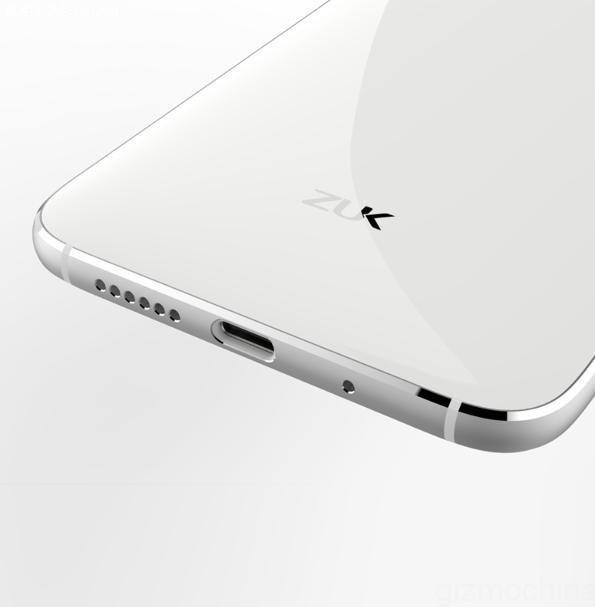
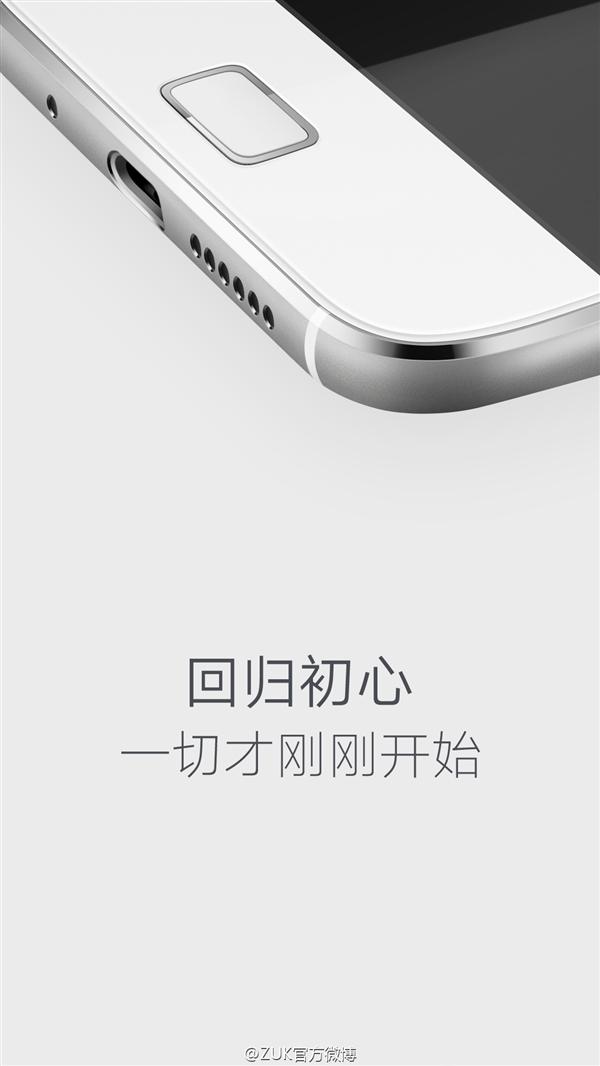
The ZUK Z1 is creating a lot of buzz in the market with its high-end specs. The company has already confirmed that it will be the first smartphone in the market with a USB Type C port 3.0 specification. We have also seen a couple of renders of the device which show us that the phone is pretty premium looking too. Now, Chinese media has revealed a few details about the possible pricing of the ZUK Z1!
The report states that the ZUK Z1 will be priced at 2499 Yuan. This comes to just over $400, which is a great price considering the specs on the device. However, it is said that ZUK may be trying to lower the final price to around 2299 Yuan instead of 2499 Yuan when it launches on August 11. This brings the pricing down to just $370, which will make it one of the cheapest 4GB RAM devices in the market.
Unfortunately, the company hasn’t revealed anything about the phone’s pricing officially. So, we will have to wait till the launch day, i.e. August 11 to check whether this figure turns out to be accurate.
Meanwhile, a couple of new renders were released on Weibo a few hours back and you can check them out from down below.
The ZUK Z1 is turning out to be a pretty good device in terms of specs as well as design. Could the Z1 establish itself as a flagship killer like the OnePlus One? Well, we just have to wait and watch what happens. Also, do check out the possible specs of the new Z1 from this article.
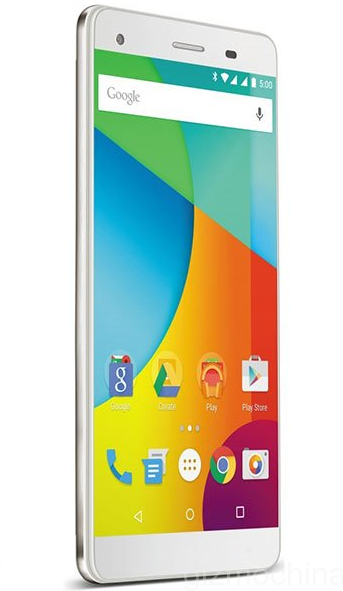
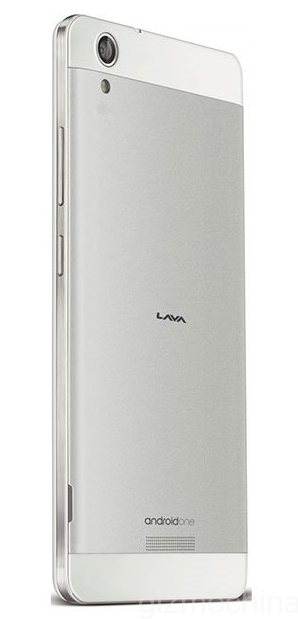
Android One was Google’s way of bringing its own stock Android platform to low cost smartphones. The first generation Android One models were decent, but they were not good enough to capture the low end segment. Now, the next generation Android One smartphone has been leaked and there seems to be a number of essential upgrades made both to the design as well as specs.
Google reportedly has teamed up with the local Indian manufacturer, Lava Mobile for the new Lava Pixel V1 smartphone. From the leaked pictures we can see that the new Android One smartphone comes with a revamped metal design, thin borders and an overall premium feel. This new design looks much better than the old and cheap plastic look on the existing Android One devices.
In the specs department too, Lava Pixel V1 reportedly brings interesting upgrades. Under the hood, the phone will come with MT6753 octa-core 64-bit chip, 2GB RAM and 16GB of storage. There will be a 5.5-inch 720p display, 8MP rear camera and a 5MP front facing shooter. The battery is also expected to be pretty decent at 2650mAh capacity. Given that its the new Android One device, the Lava Pixel V1 runs on Android 5.1.2 Lollipop OS.
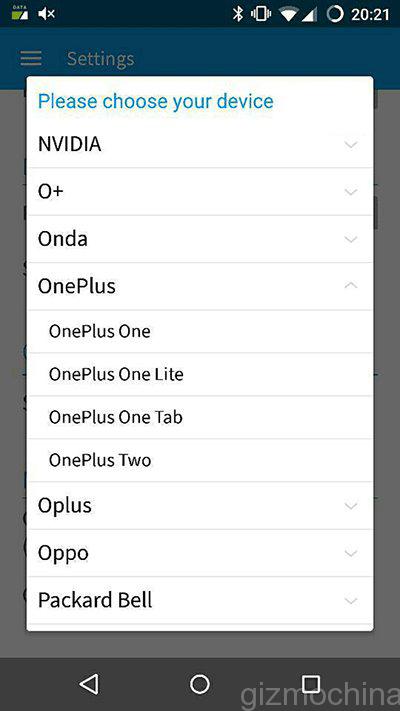
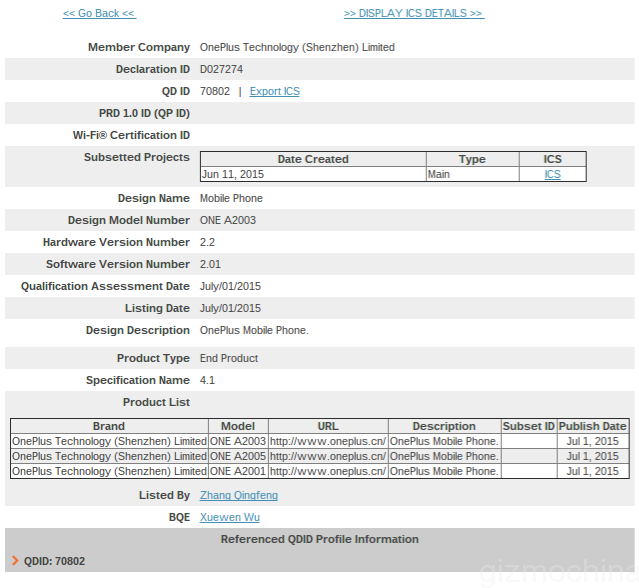
Remember earlier this month, we spotted three new OnePlus 2 models on the Bluetooth SIG website? Well, today, we may have some clarity about these models as a new leak suggests that OnePlus is planning to release three new devices later today.
The first two including the OnePlus A2005 will be smartphones. One will be the standard OnePlus 2 variant, while other being the OnePlus 2 Lite model. The OnePlus 2 is expected to come with at least 5.5-inch display (2K resolution probably) along with 4GB of LPDDR4 RAM. On the other hand, the OnePlus 2 Lite version should come with a 5.5-inch 1080p display with 3GB of RAM. Finally, the third model is expected to be the OnePlus 2 tablet. Unfortunately, there’s not much information available about this tablet.
Anyways, given that the OnePlus event starts in a few hours, we don’t have to wait too long to get answers. The event will be available in VR for the first time, but you can watch a non-VR version as well. Also, the company has started accepting registrations for the invites, so if you are planning to purchase the device, do register your mail from this link.
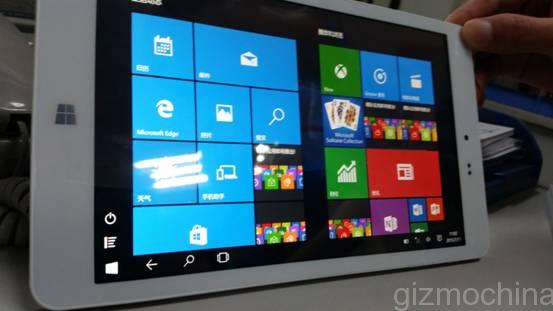
Just a few days before, Chuwipushed an Over-The-Air(OTA) update for its latest tablet-pc, the Hi8 with the latest version of Windows 10. The latest update should expectedly improve the performance of the device over-all. This is in addition to it Android upgrade to v5.0 Lollipop. According to pad.zol.co.cn , the tablet would handle boththe OSsfine as it has Intel’s improved Z3736F quad-core chip clocked at 2.16Ghz with 2GB of RAM and Intel’s7th Gen HDGraphics .
Now the tablet has a huge selling point for its customers as it has the latest version of both the OSs. The high resolution 1920×1200 display along with it compact 8” form-factor, gives it a nice well balanced and crispy(282 PPI) experience of the latest OSs. The tablet is only available in ‘Swan Lake inspired’white colour with metal framing that would supposedly improve the user experience.
Though both the systems along with the high resolution display is heavily taxing, the company claims a battery life of about 3 hours of screen-on-time, which is pretty low for a tablet. This is due to its comparitively low battery cappacity of 4000mAh. Thanks to the improved Intel CPU and GPU, users can expect around 6 hours of usage before the device gives up. Nevertheless, the tablet is a good choice for people who look for the best price to performance ratio. The tablet is availble on retail at around US $245.
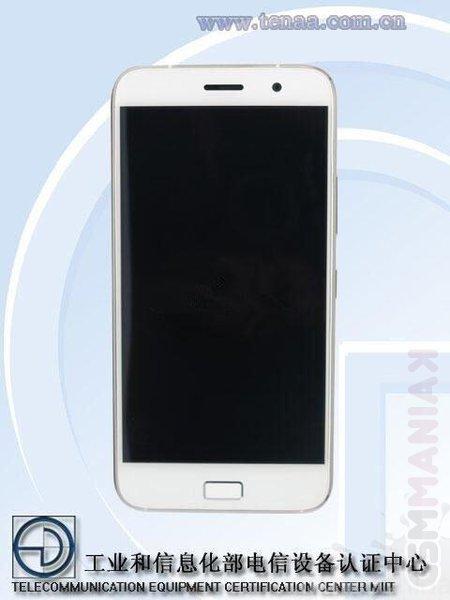
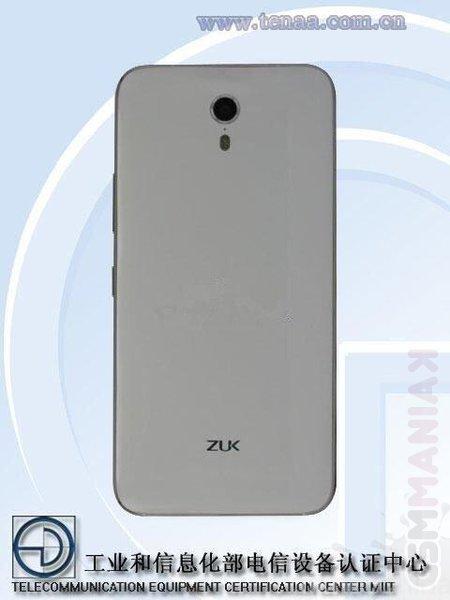
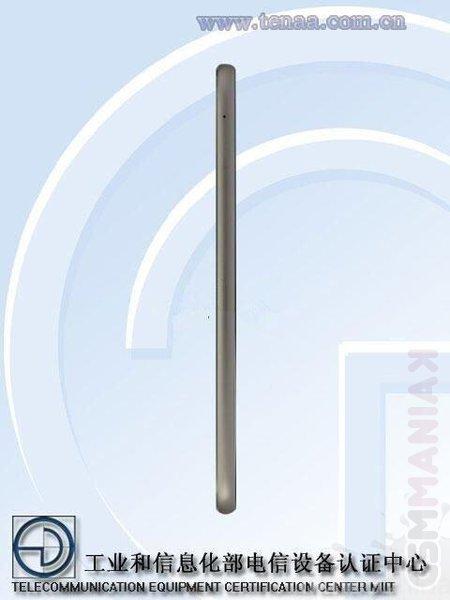
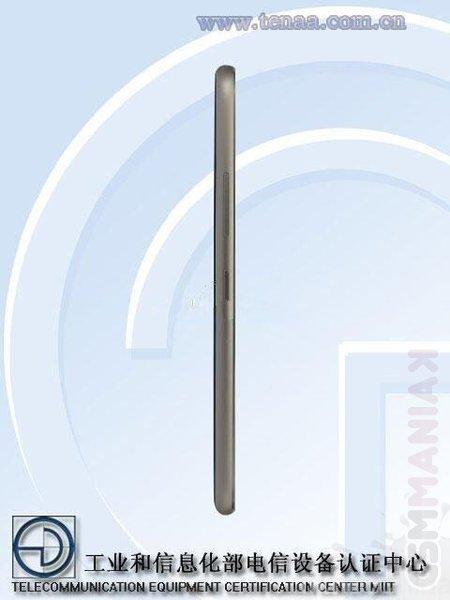
More ZUK Z1 news today, this time with images found in the TENNA database (Chinese Ministry of Communication), we now have a clear idea of what the Z1 will look like.
The front sports a fairly clean look with the rectangular home button (featuring ZUK’s new proprietary U-Touch system), finally on show
The rear again is a very clean and unfussy design with just the camera, flash This looks as though it might be dual tone LED) and the ZUK logo.
It is not particularly clear in the pictures but on one side their does appear to be a hole for a sim removal tool to be inserted, this would certainly fit well with the previous suggestions that the phone will be a unibody device with non removable rear cover or battery, the other side appears to show the power and volume rocker keys.
Teclast is one of the Chinese manufacturers, which makes cheap tablets and accessories. This time around we are looking at a very cheap tablet, which costs just over $100. In addition, it has a dual-boot feature meaning that you can either use it as an Android or Windows tablet. It sounds pretty cool on paper but how does it fair in reality? Let’s find out.
16GB (expandable via microSD card slot up to 64GB)
Teclast X80HD Dual-boot Tablet Review: UNBOXING
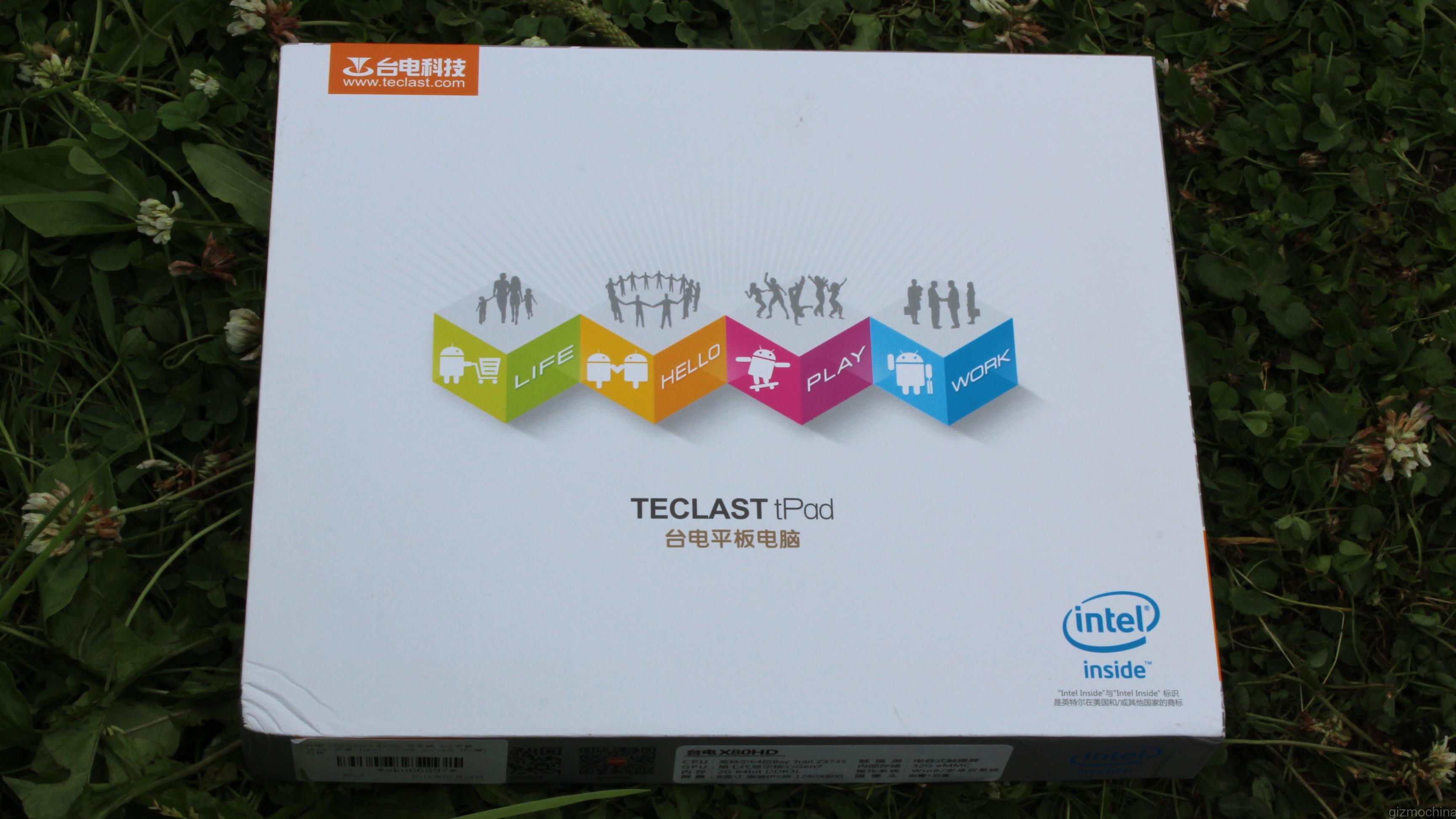
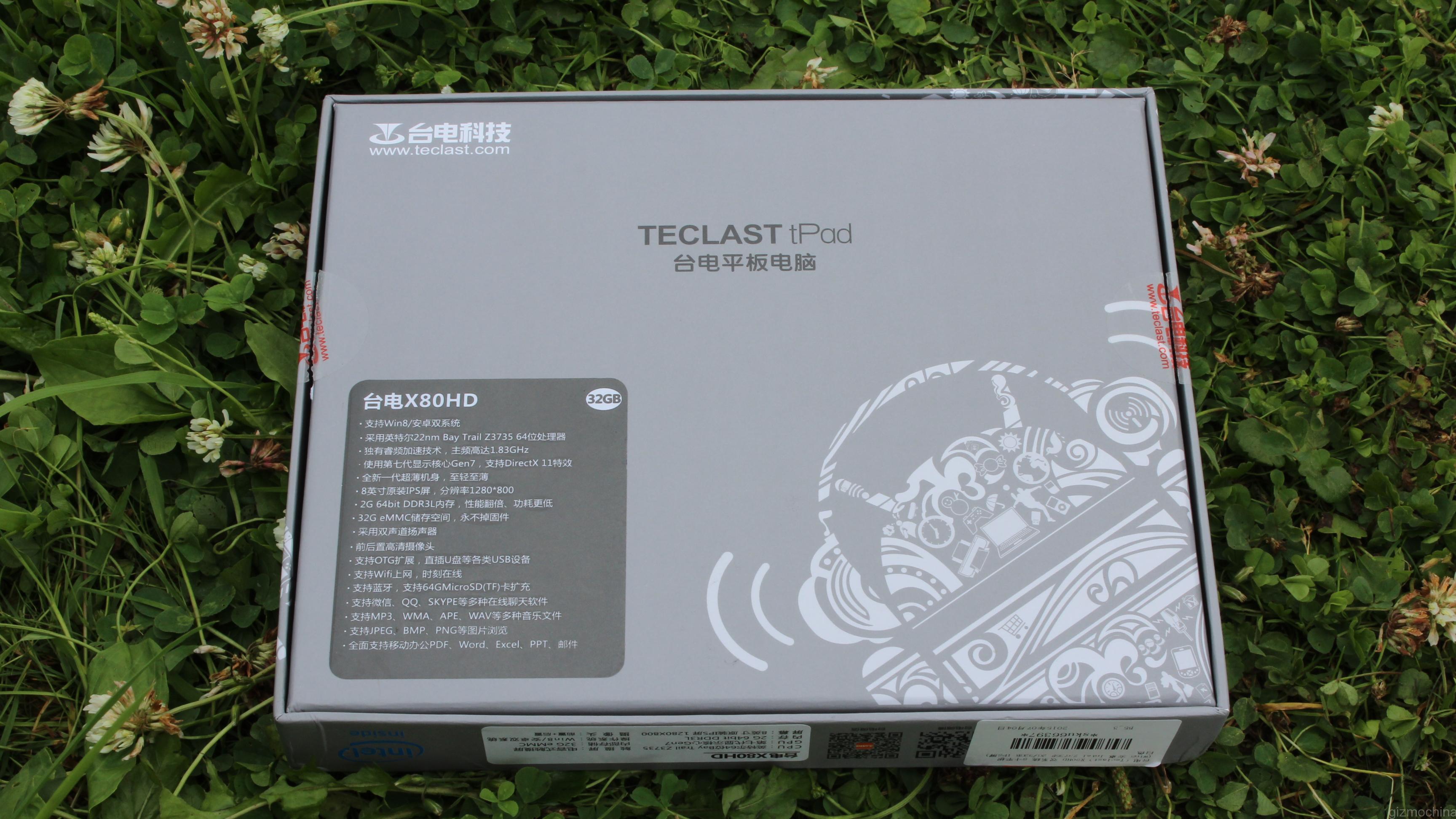
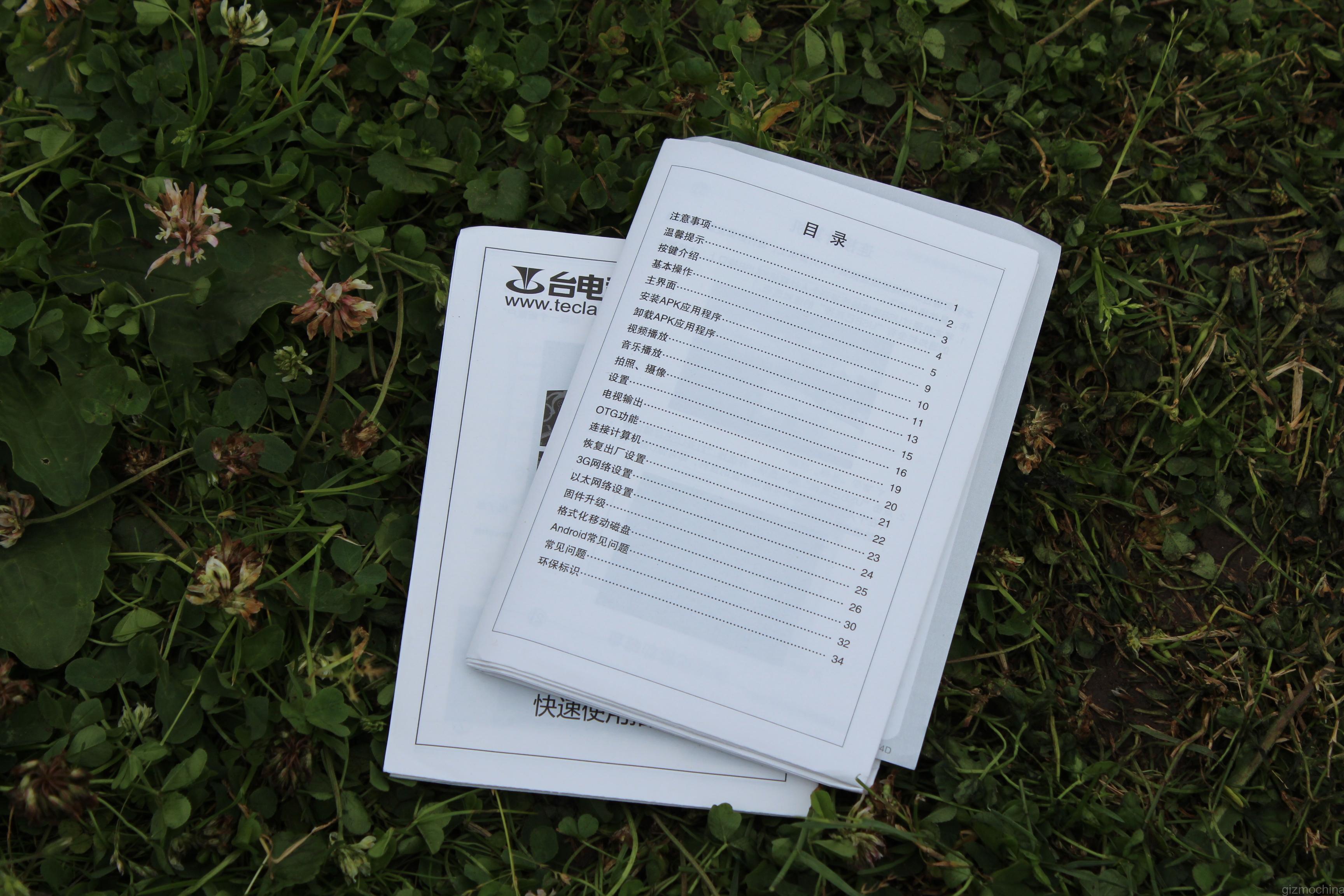
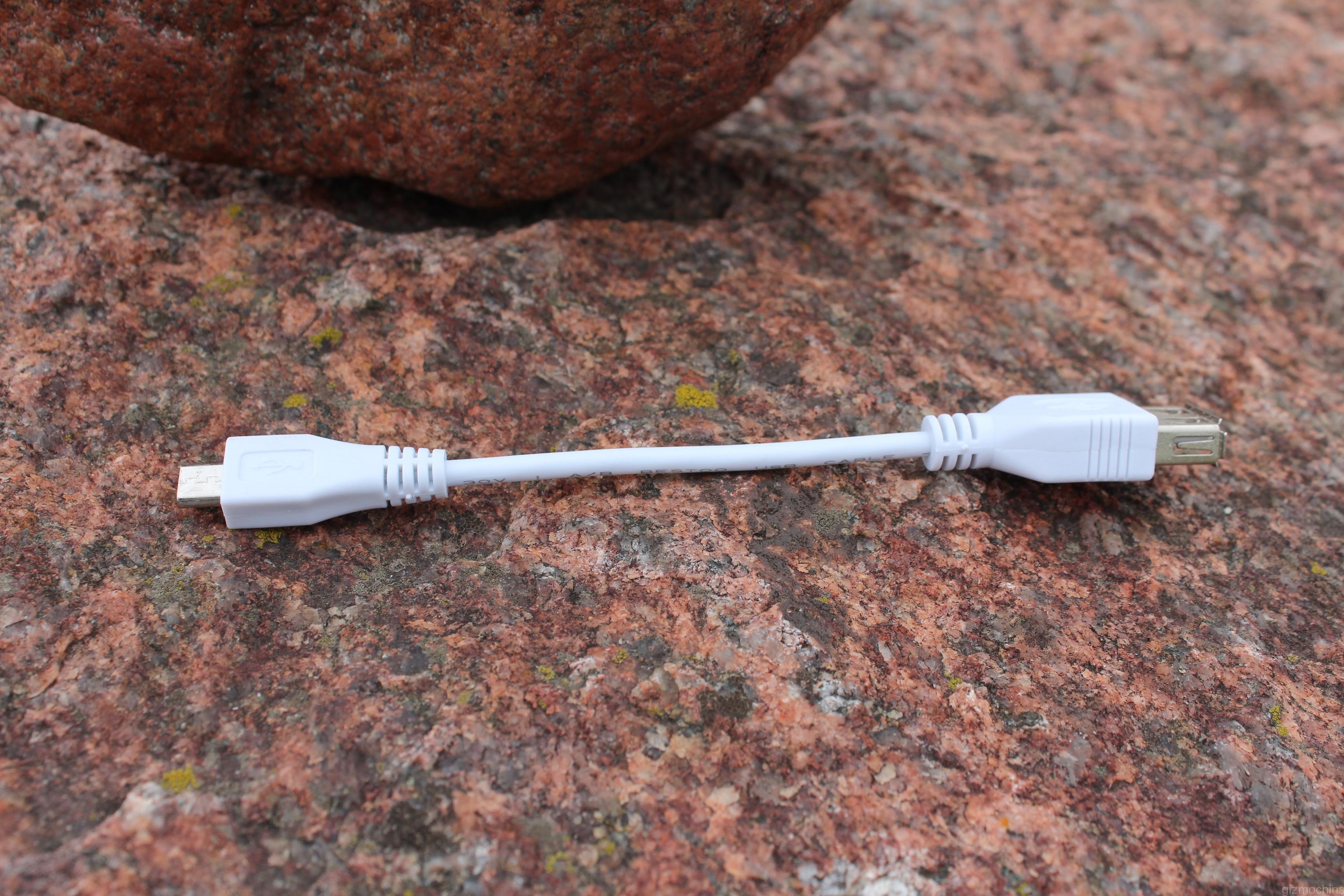
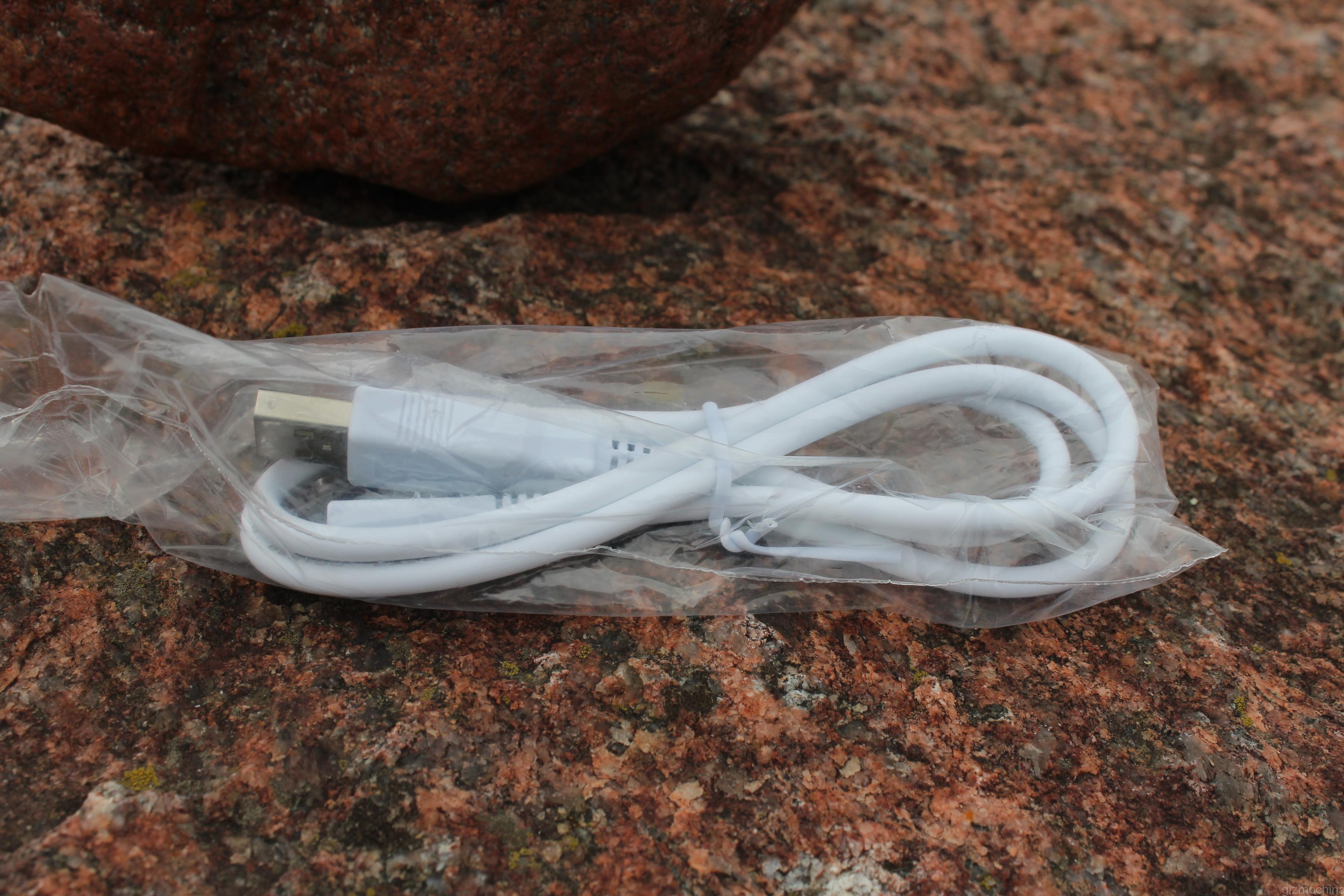
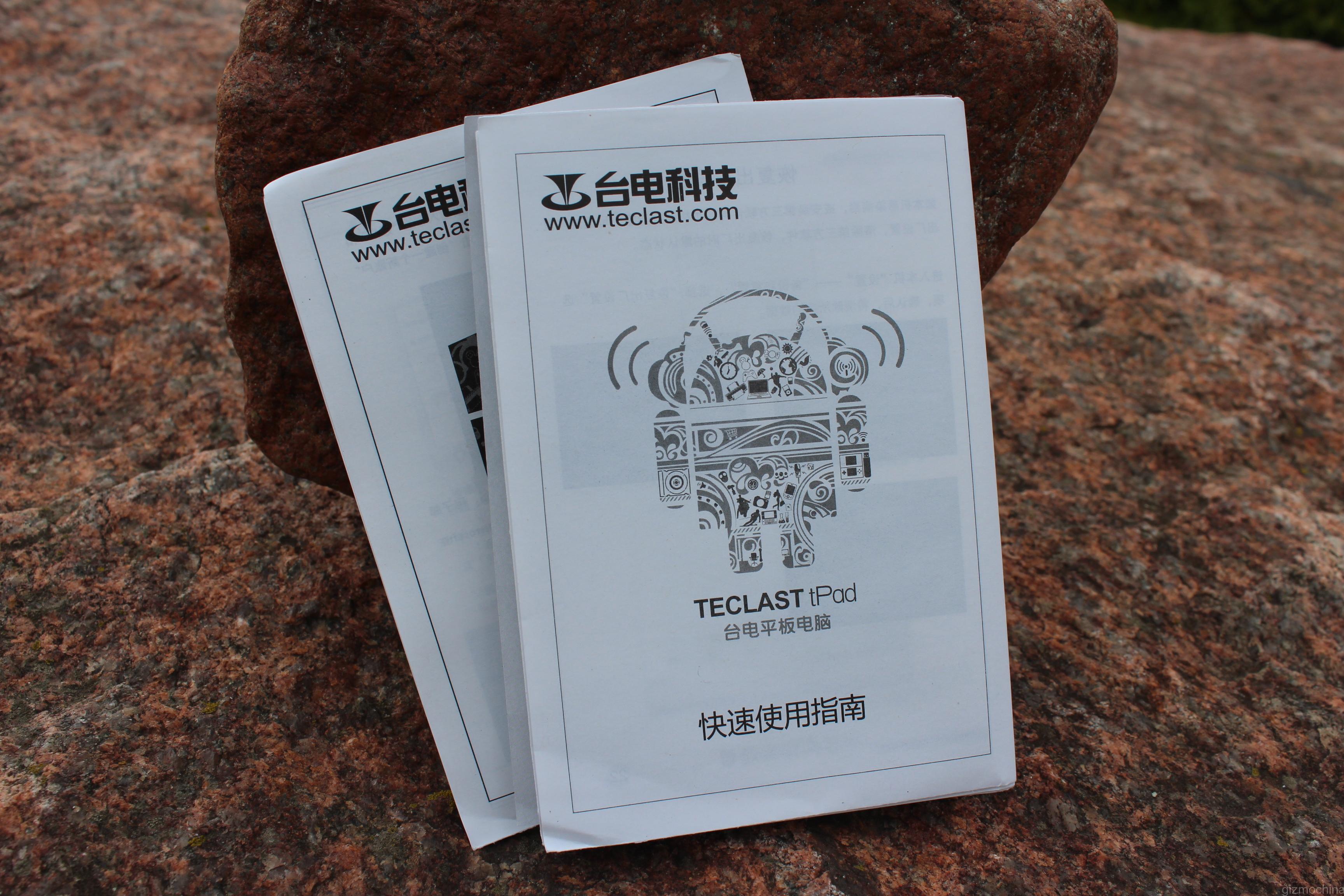
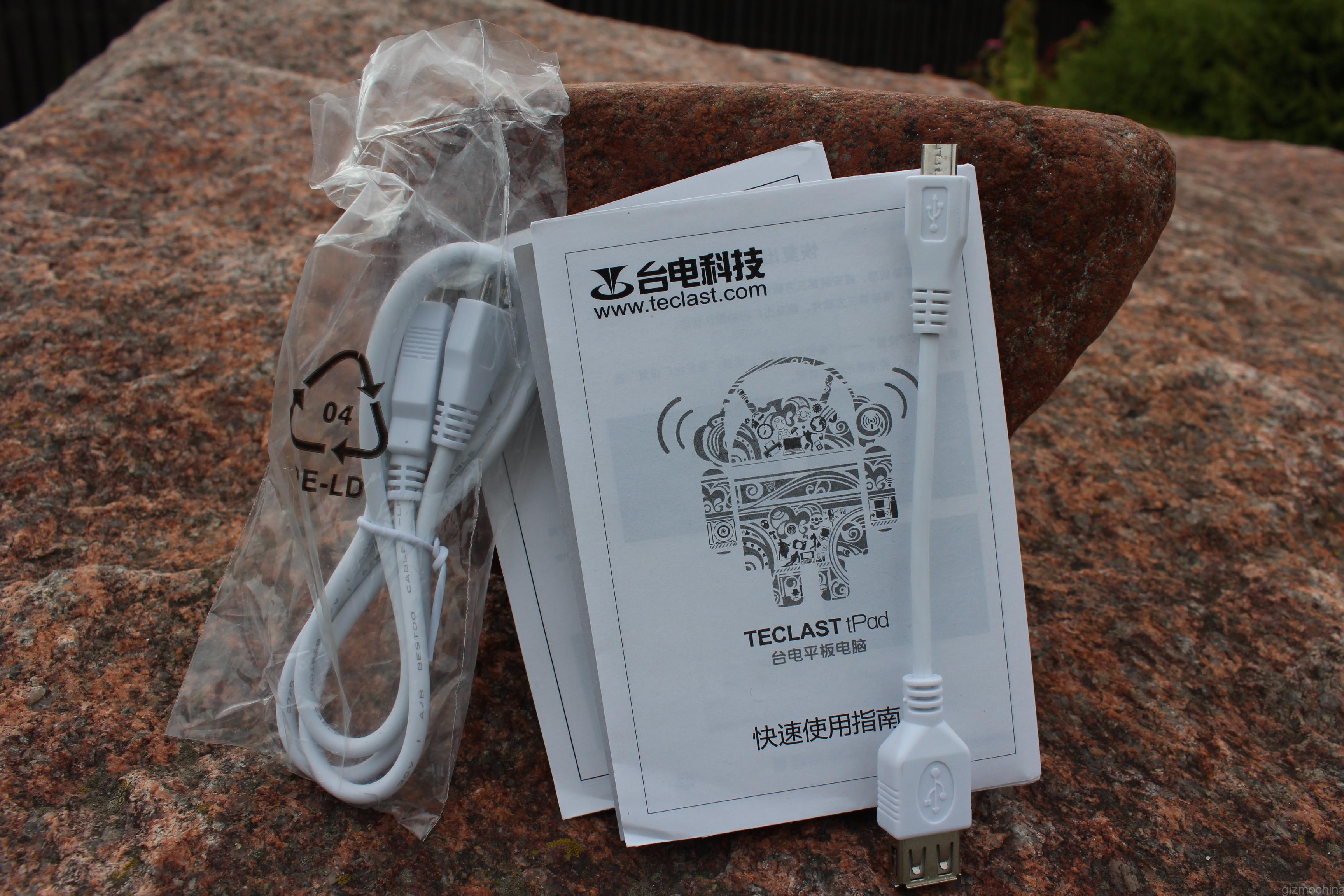
The Teclast X80HD tablet comes in quite a huge box that makes an impression that the tablet is bigger than 8″ if you haven’t opened the box yet. Once you do that you can find a regular micro USB cable, USB OTG cable for storage expansion (also, there is a microSD card slot for that) and some instruction manuals.
Teclast X80HD Dual-boot Tablet Review: DESIGN
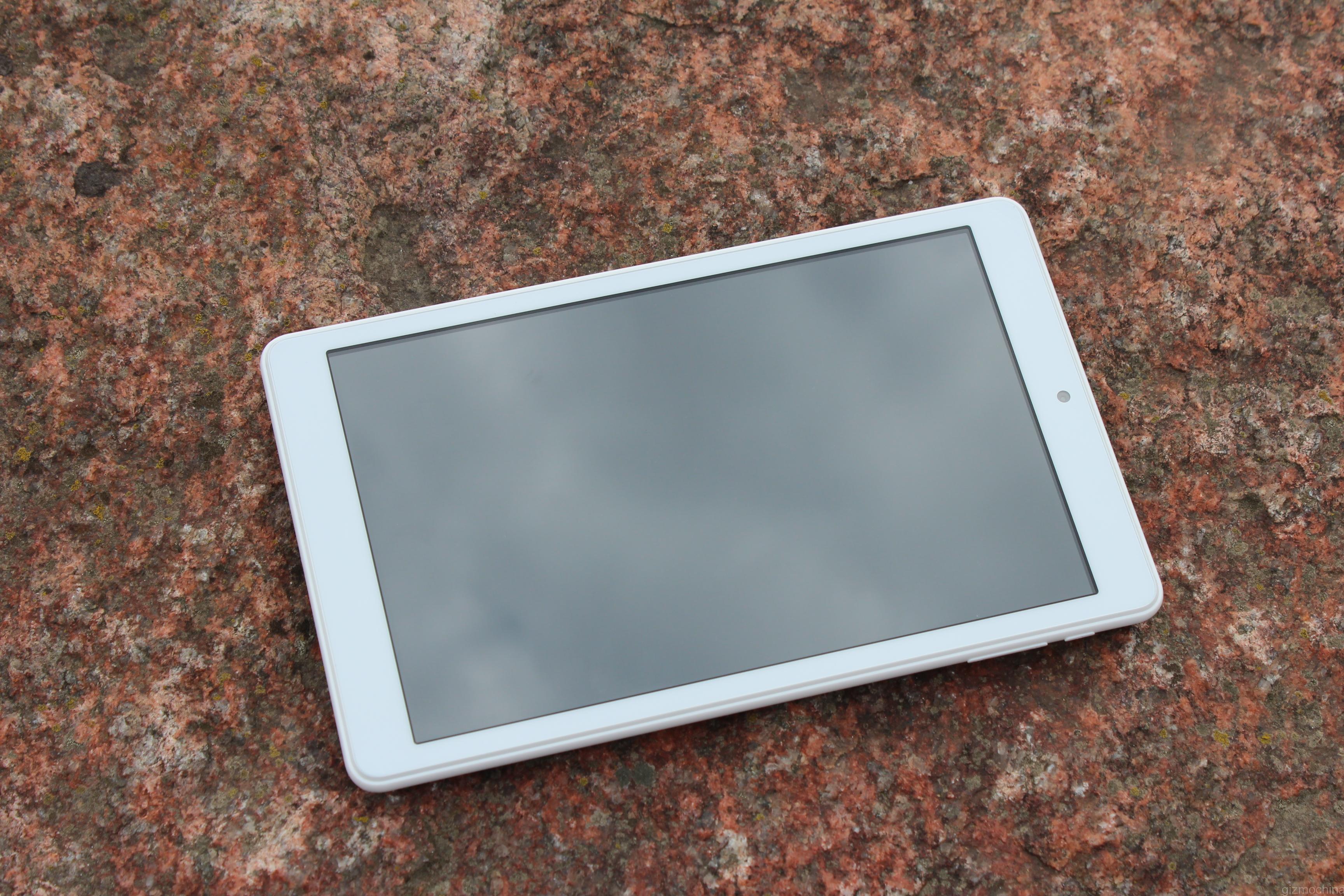
Allright, the star of the show is a tablet, which has an 8″ display. It is a very compact device, which can be great for travellers.
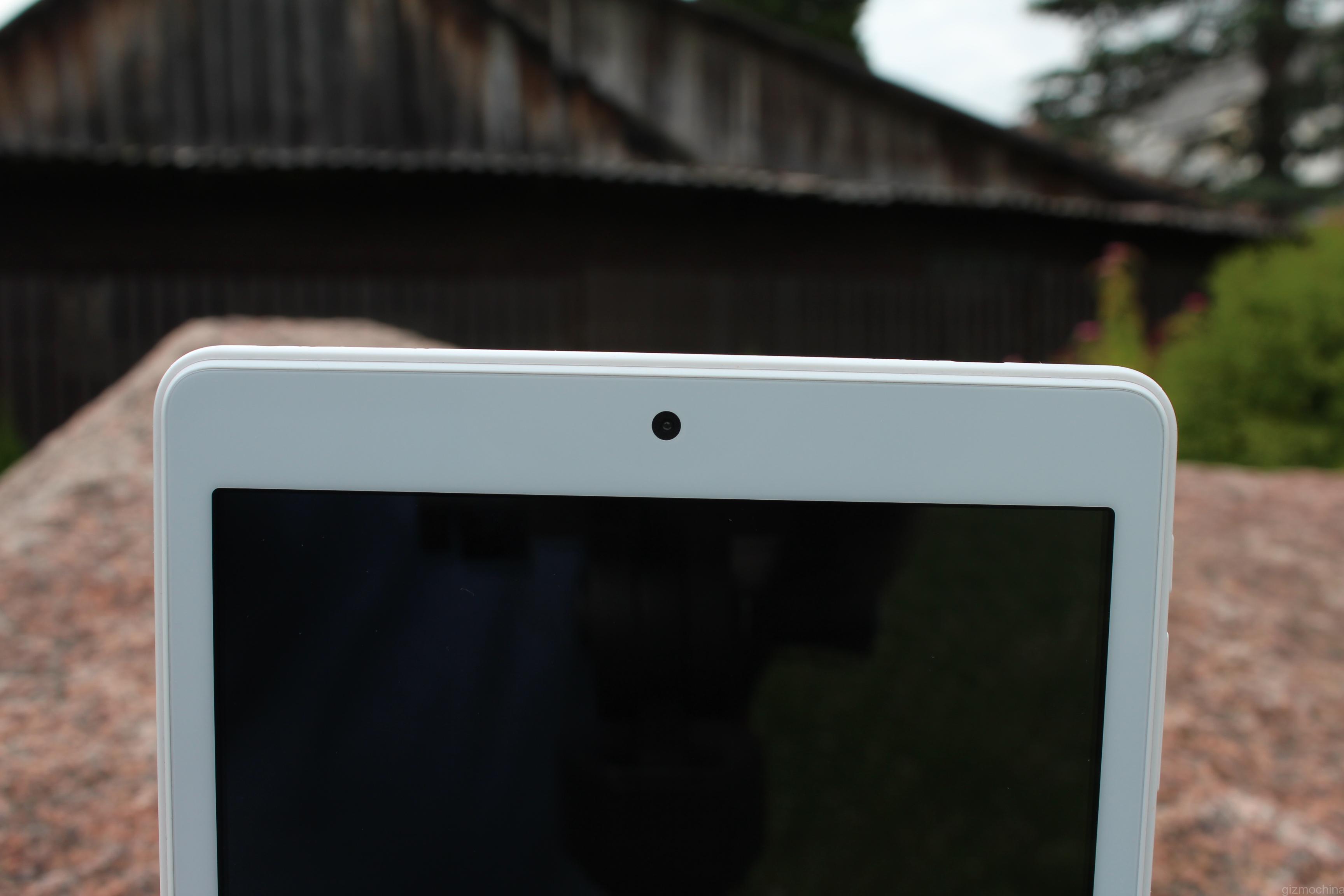
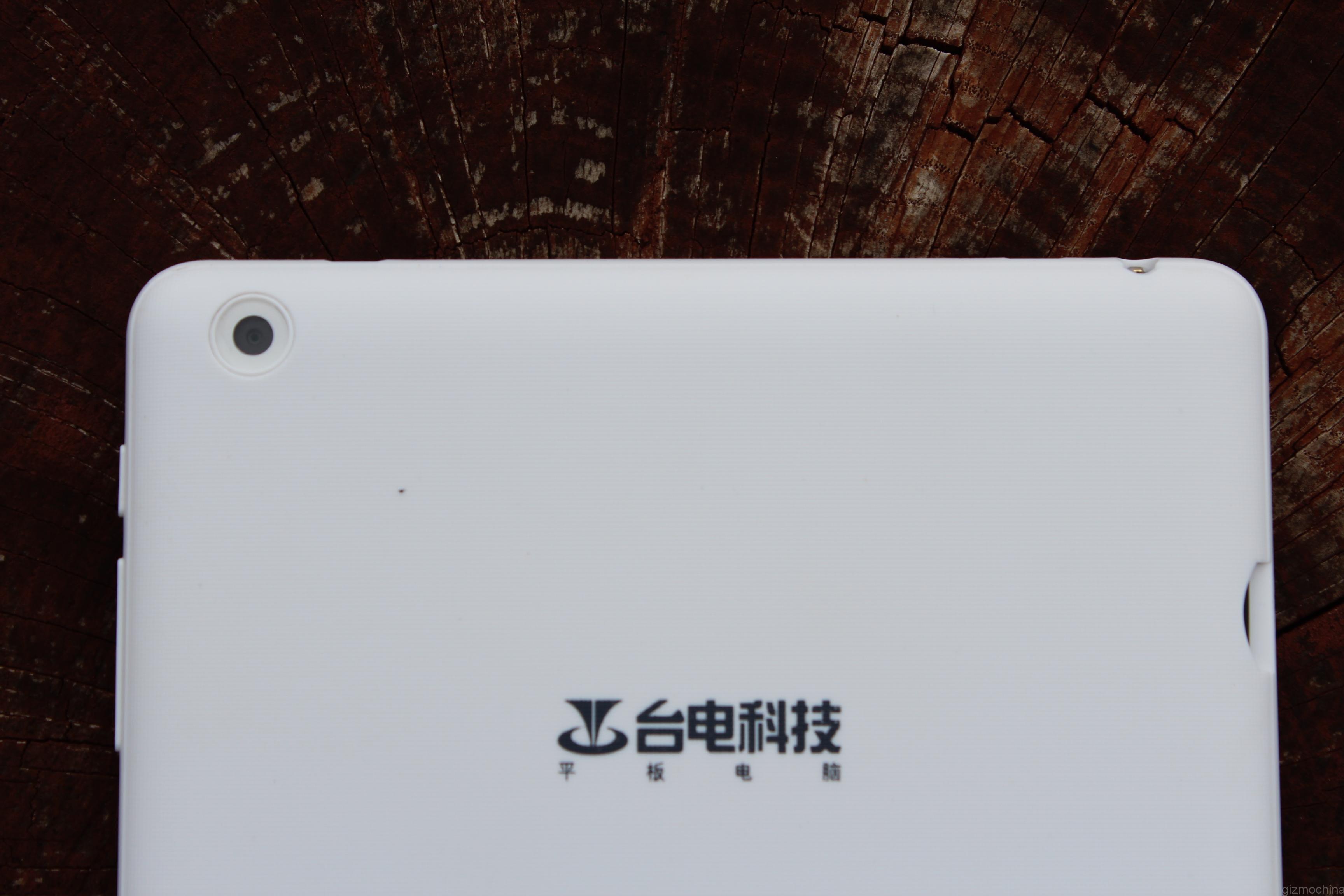
On the top side there is a selfie snapper. It has a ridiculously small megapixel number – 0.3.
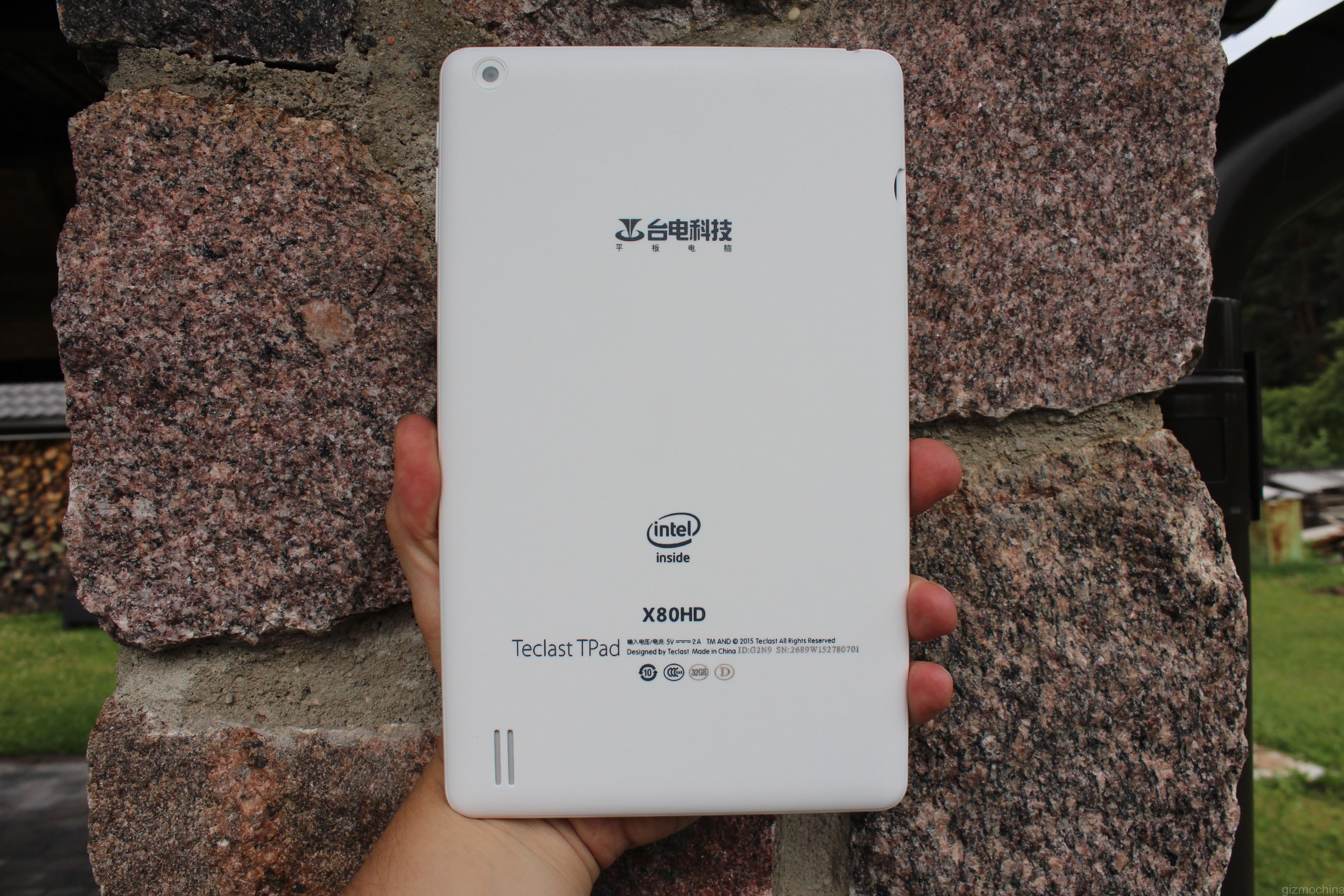
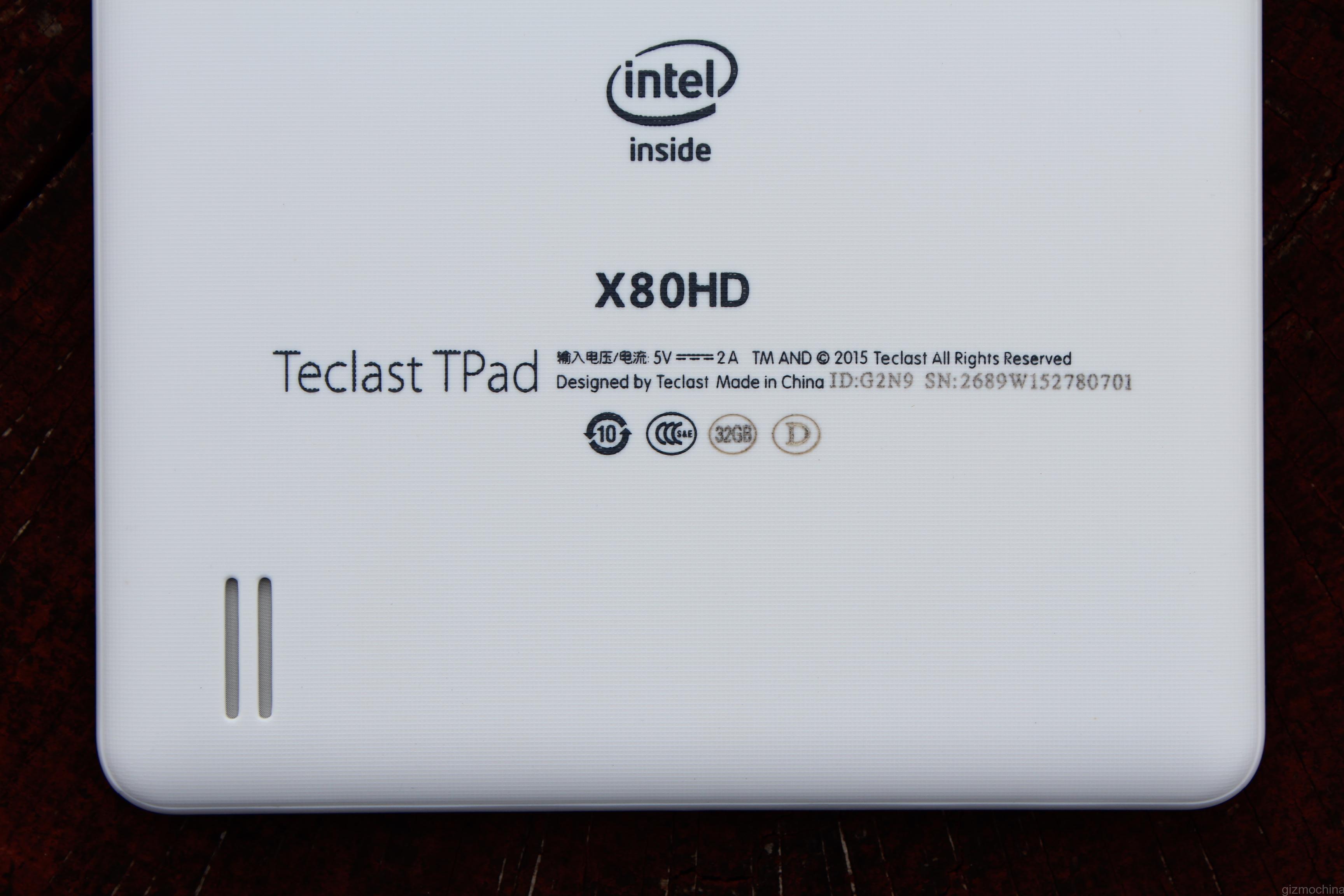
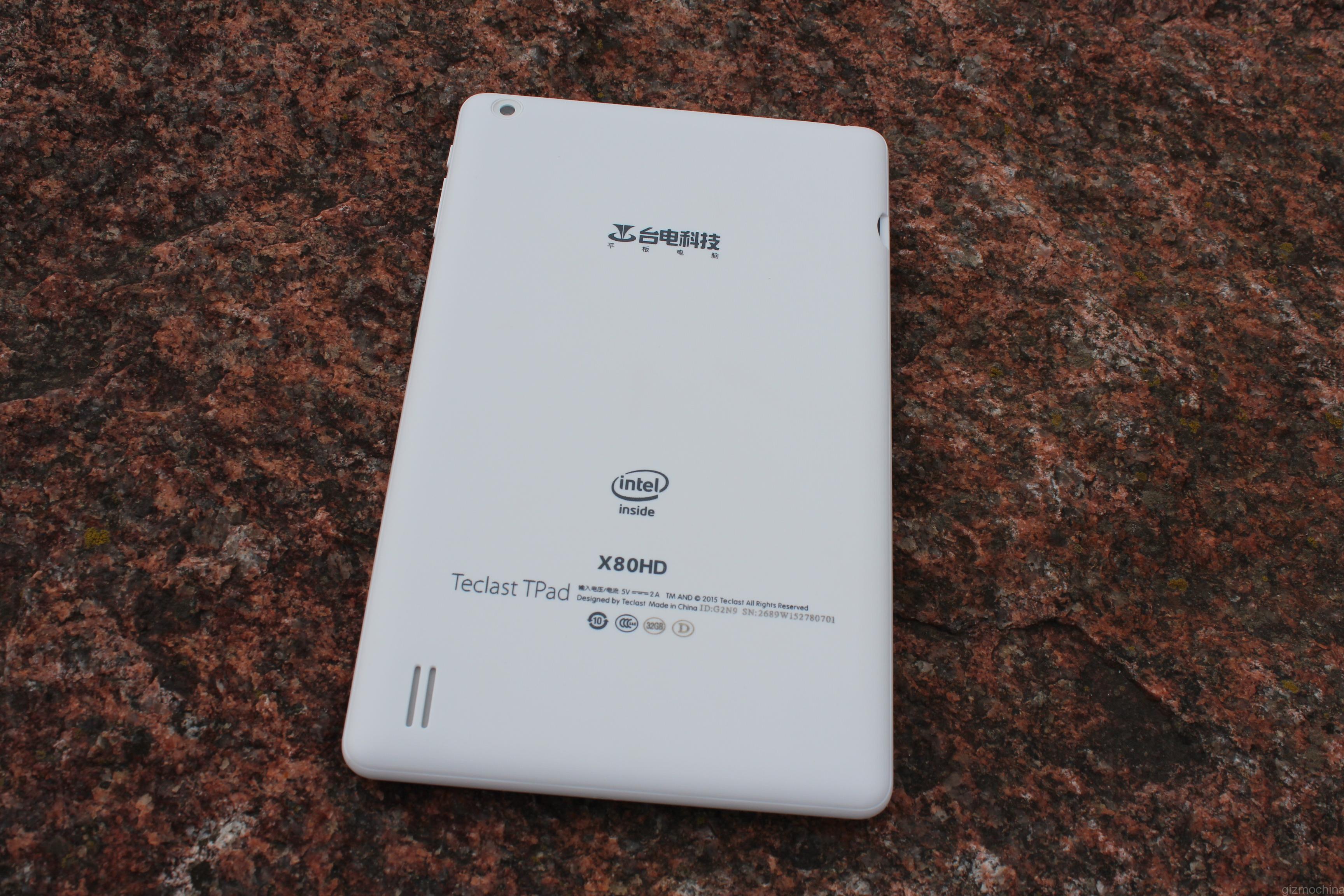
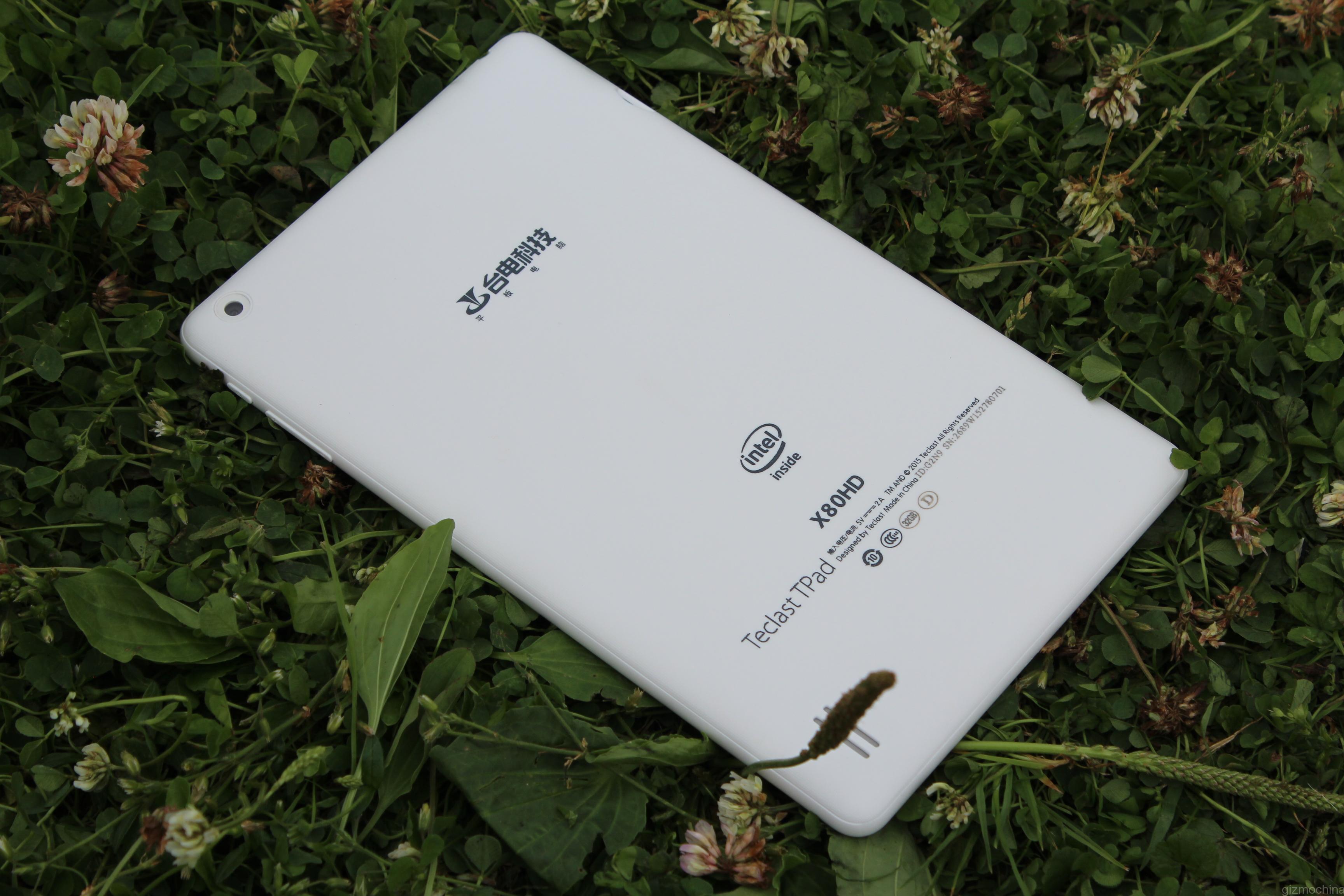
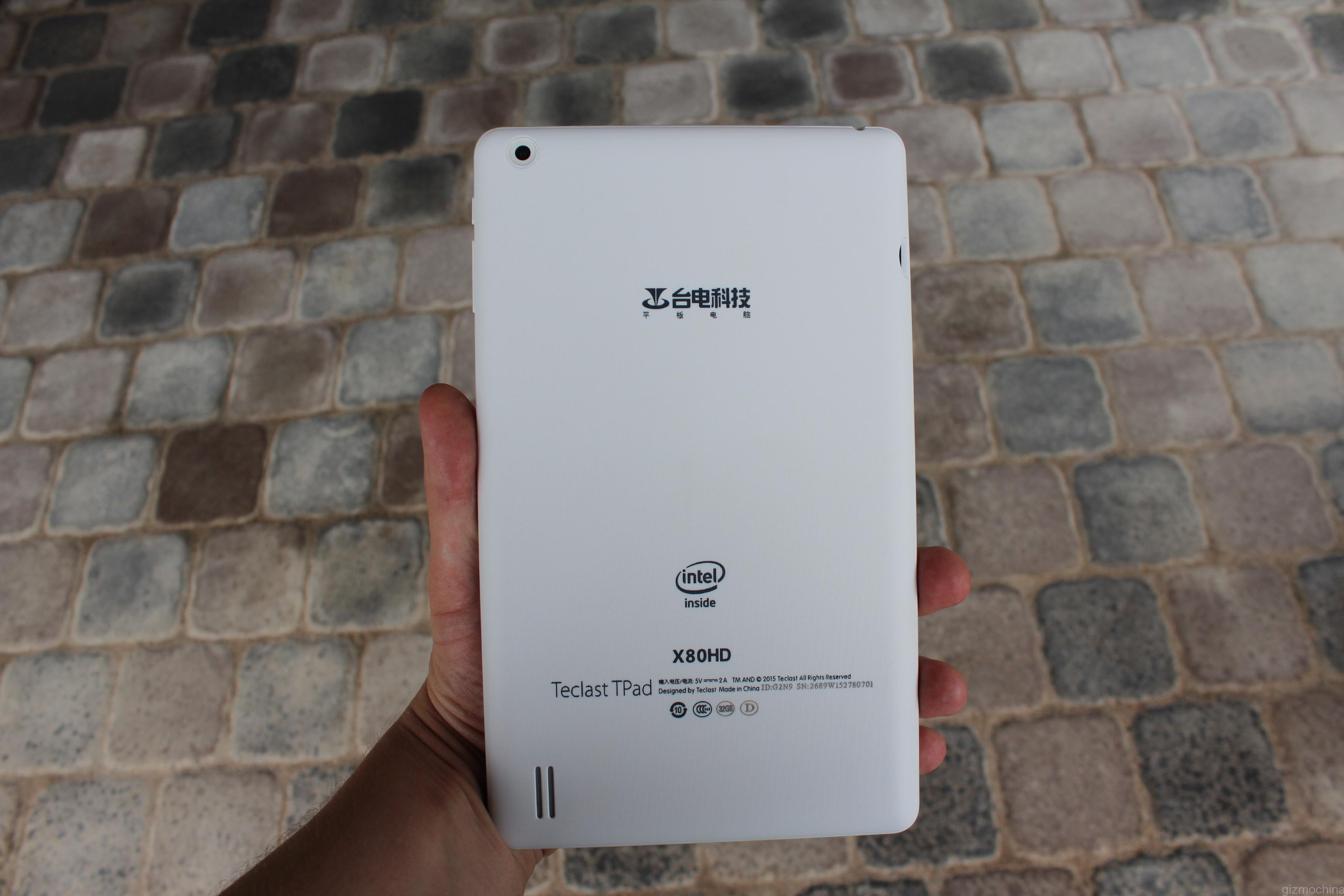
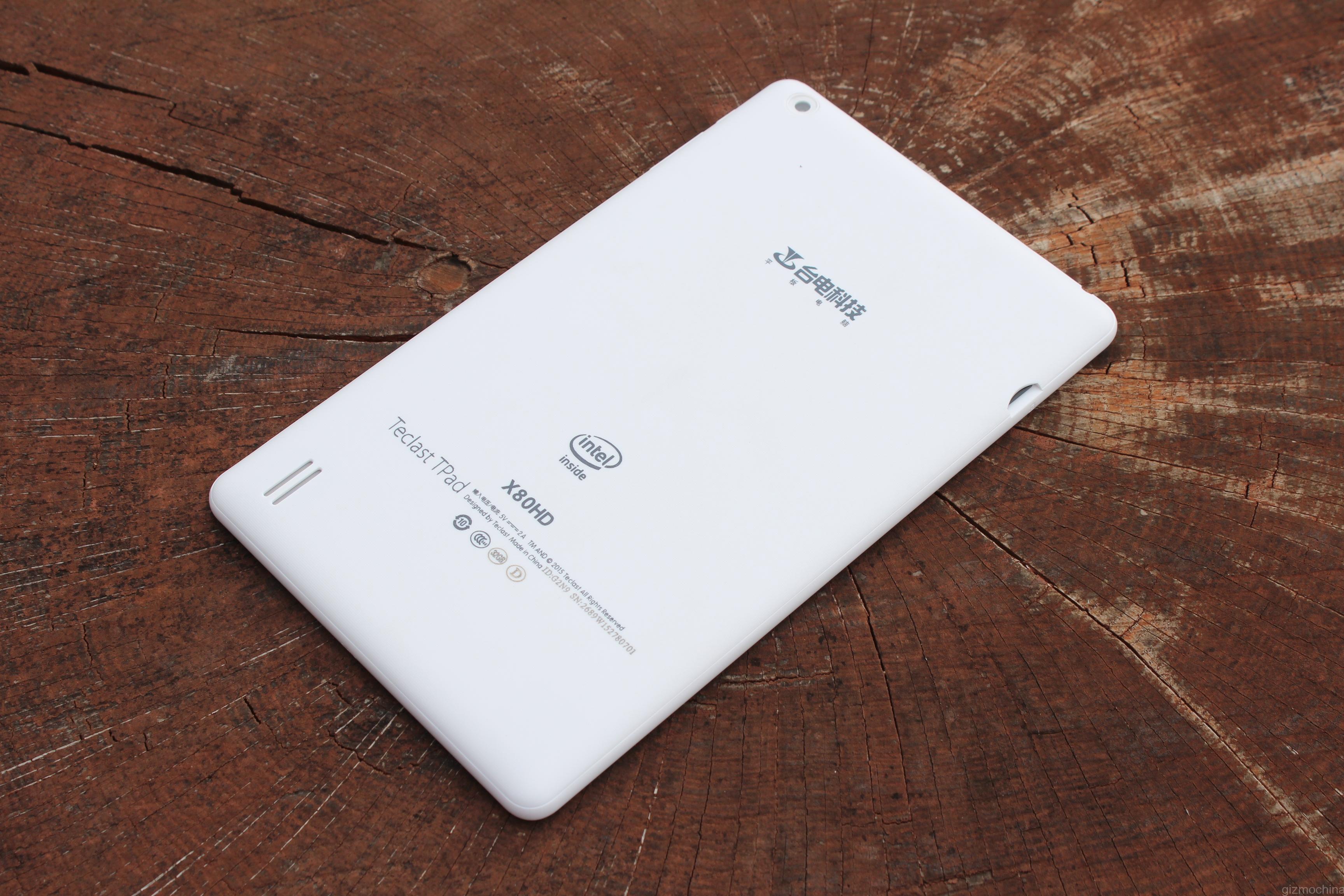
The back of the device is made out of textured plastic material, which does not attract fingerprints at all (a huge plus). In addition, there are a lot of things going on here as you can find tons of writings both in English and Chinese. The most import I should say is the model number and the type of the processor.
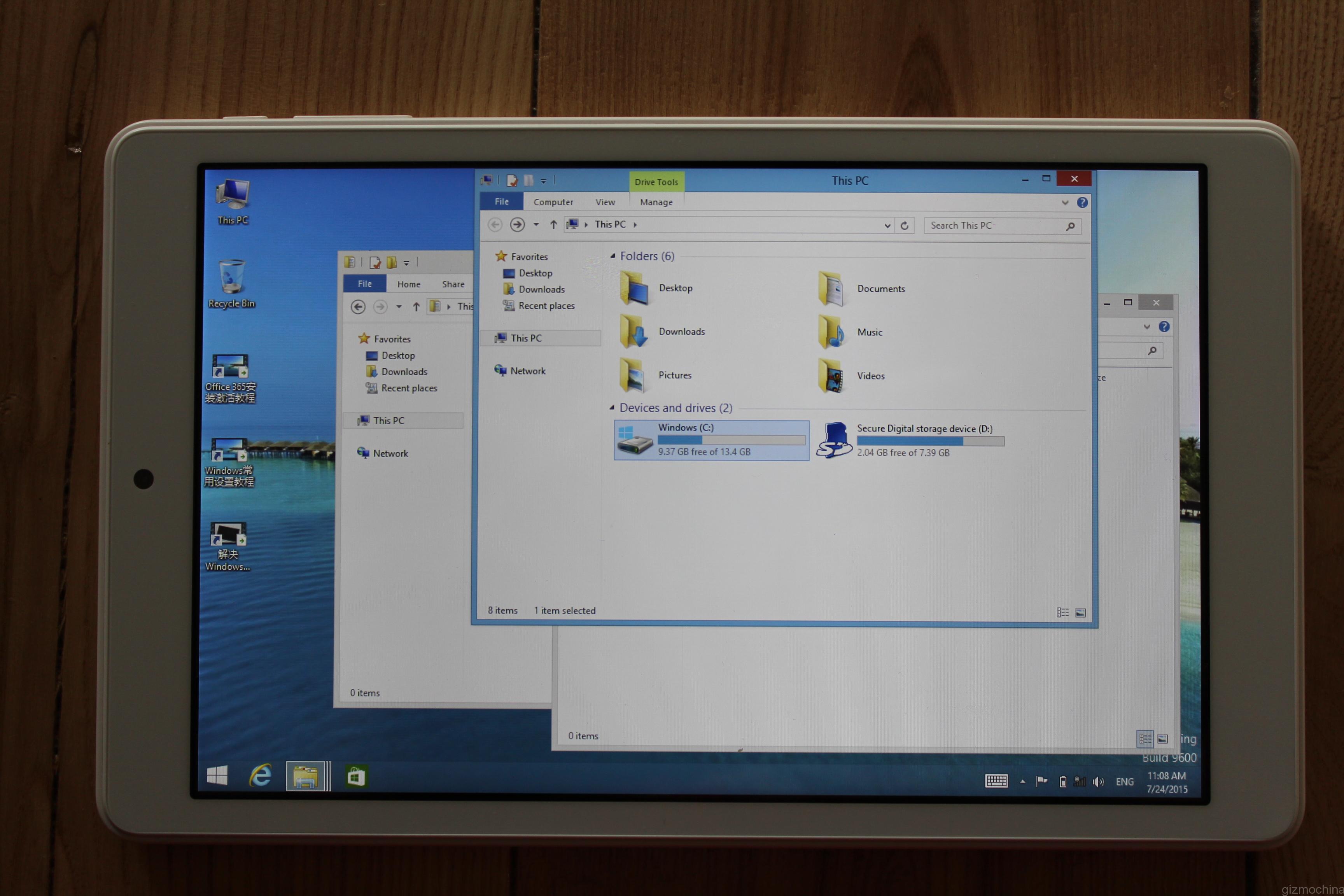
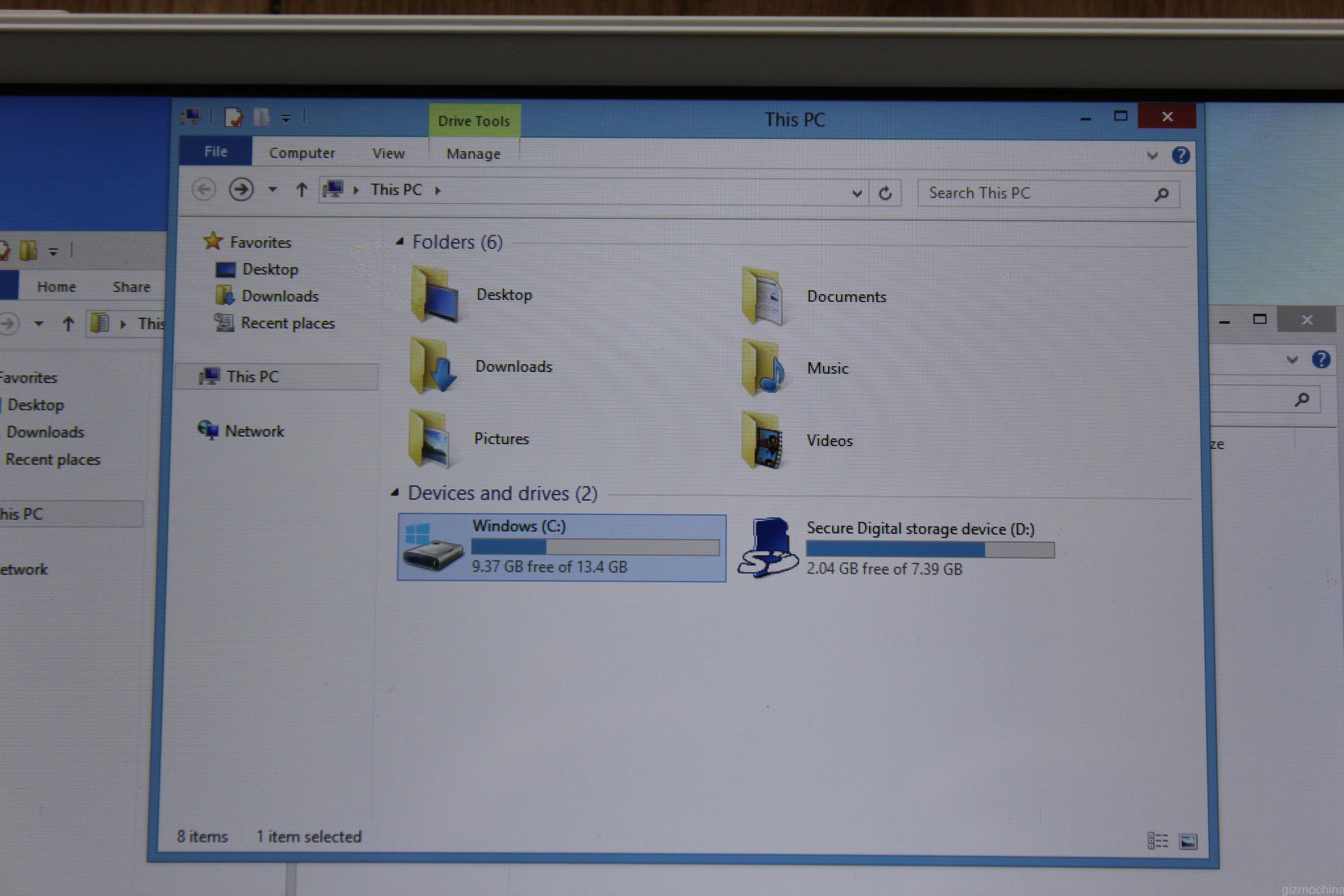
On the bottom side there is a single speaker. In addition, it says that it has 32GB of storage but you have to keep in mind that storage is split up to two different operating systems. You have only 7GB in Android and 14GB in Windows user available storage. A good thing is that you can add a microSD card up to 64GG and the files stored on it are accessible via both operating systems.
On the top there is a 2MP shooter meaning that you will be able to capture up to 1600 x 1200 pixels images.
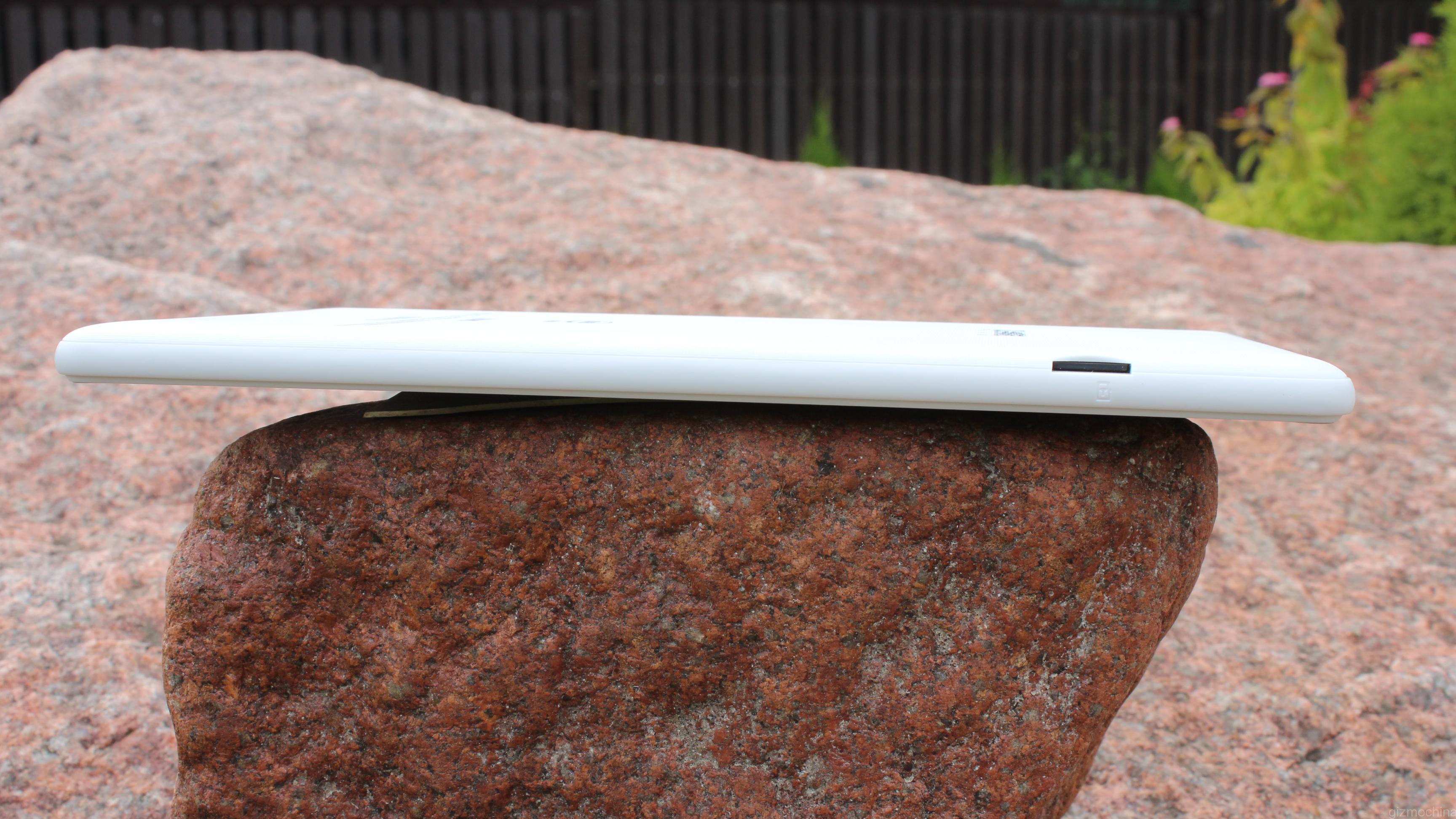
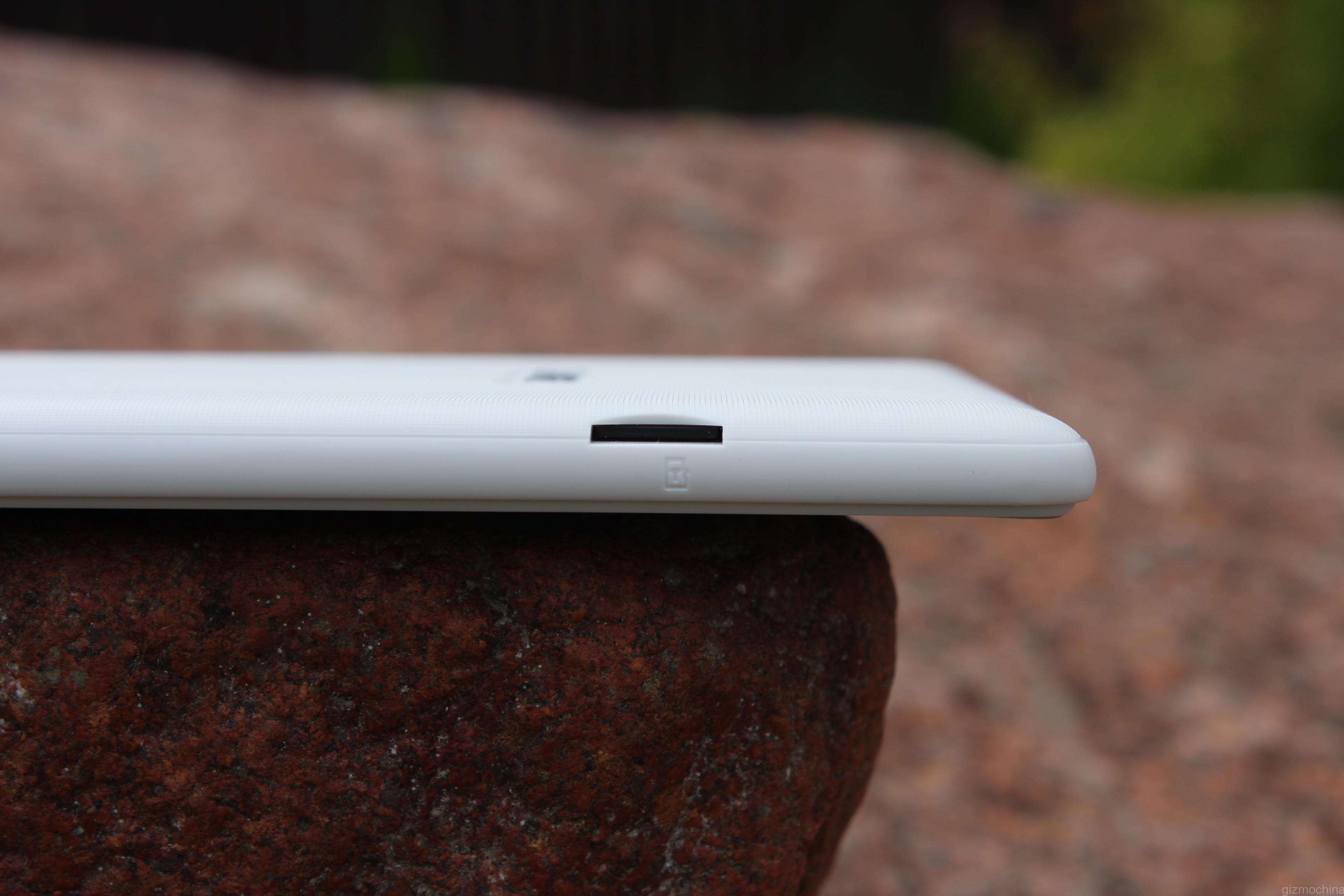
On the left side you can find a microSD card slot, which supports the cards up to 64GB.
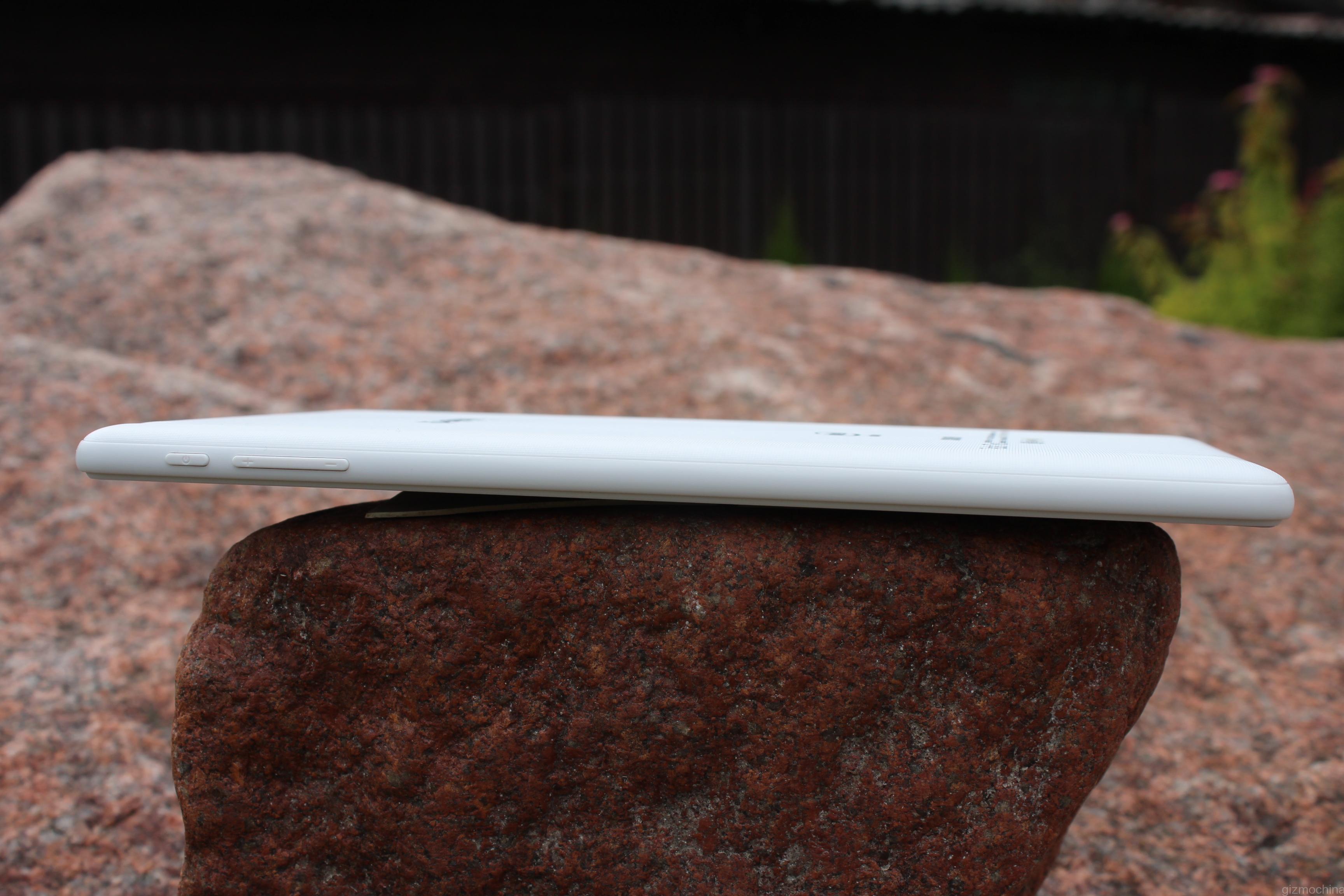
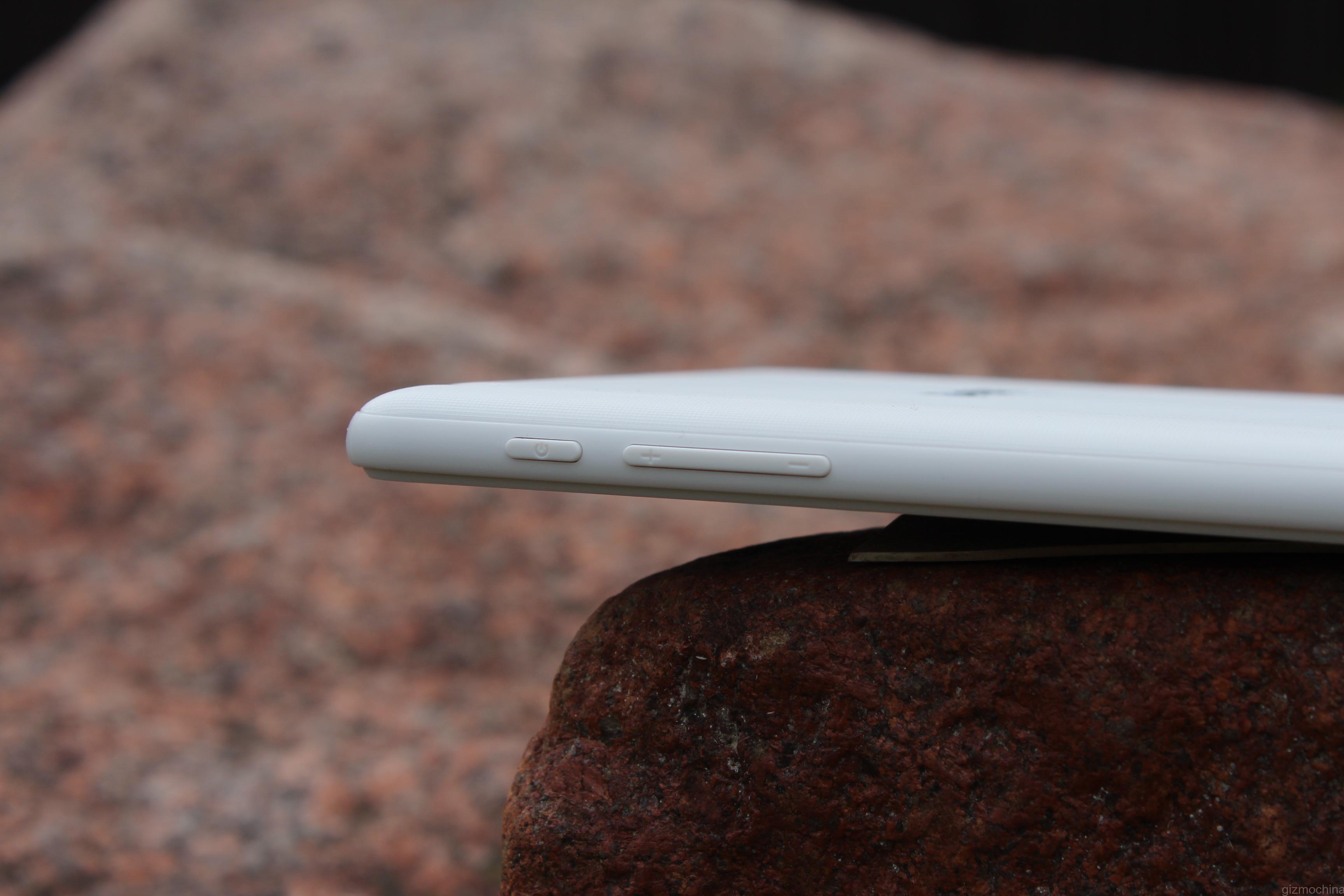
On the right there is a volume rocker along with power on/off switch. All the buttons have a great tactile response.
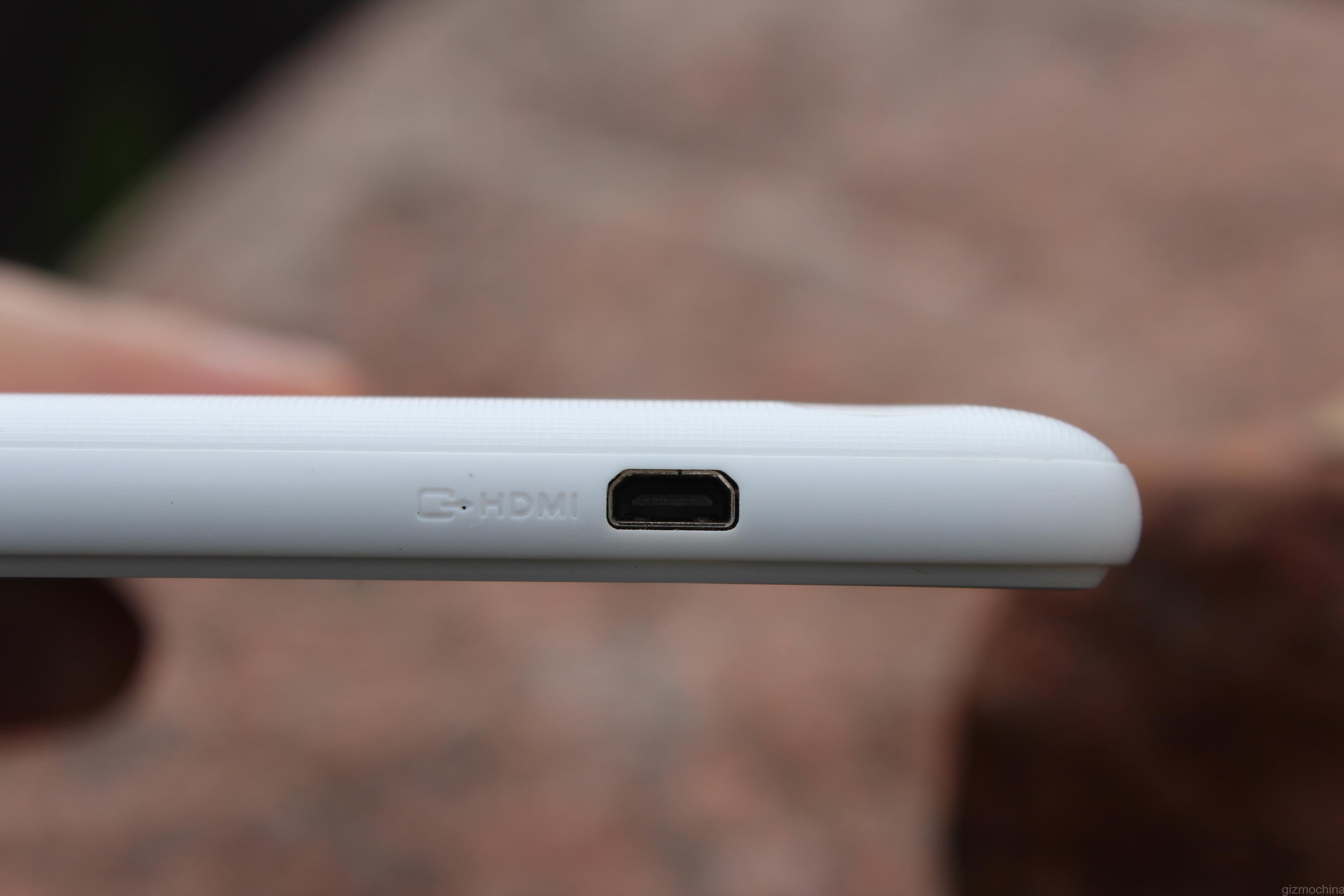
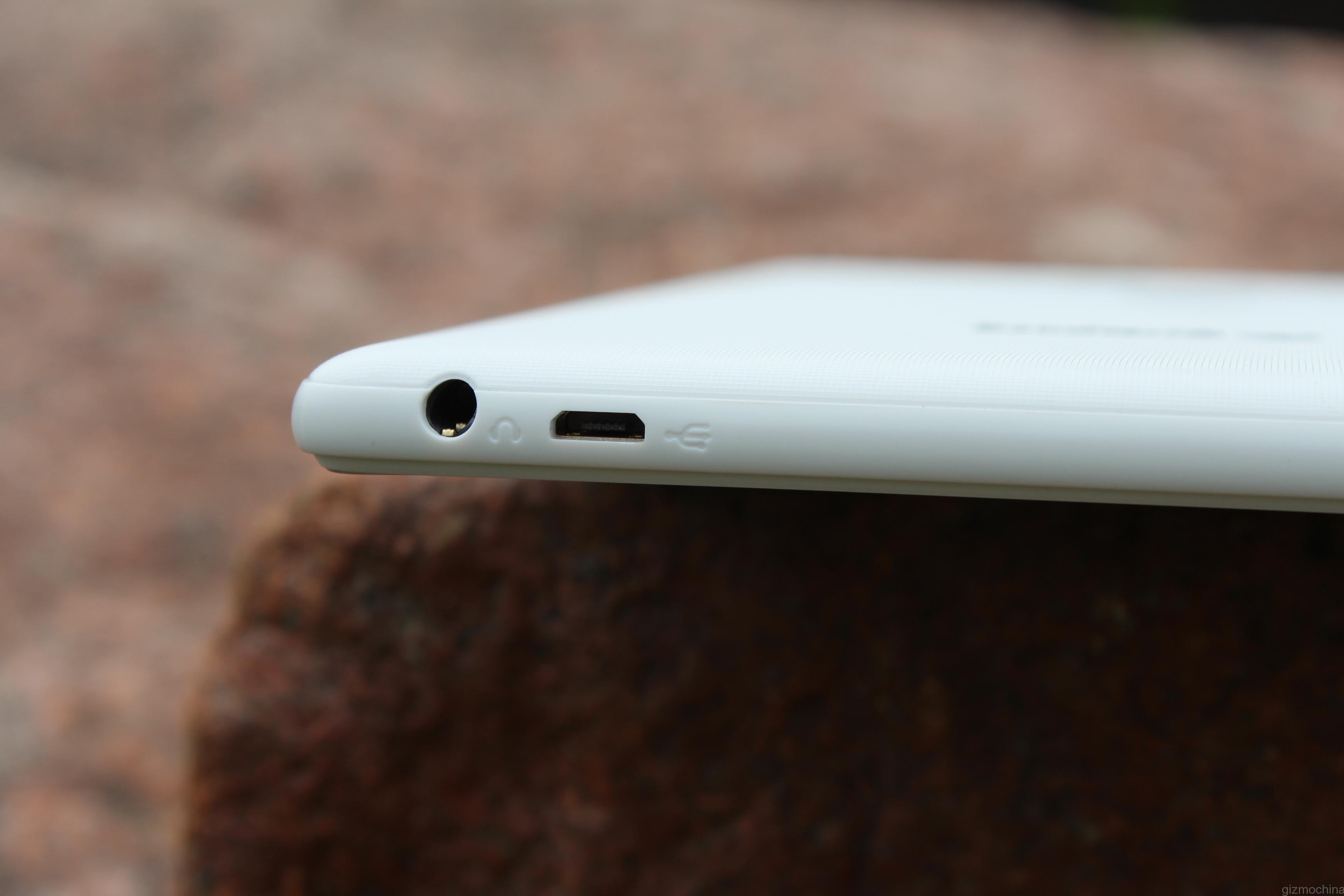
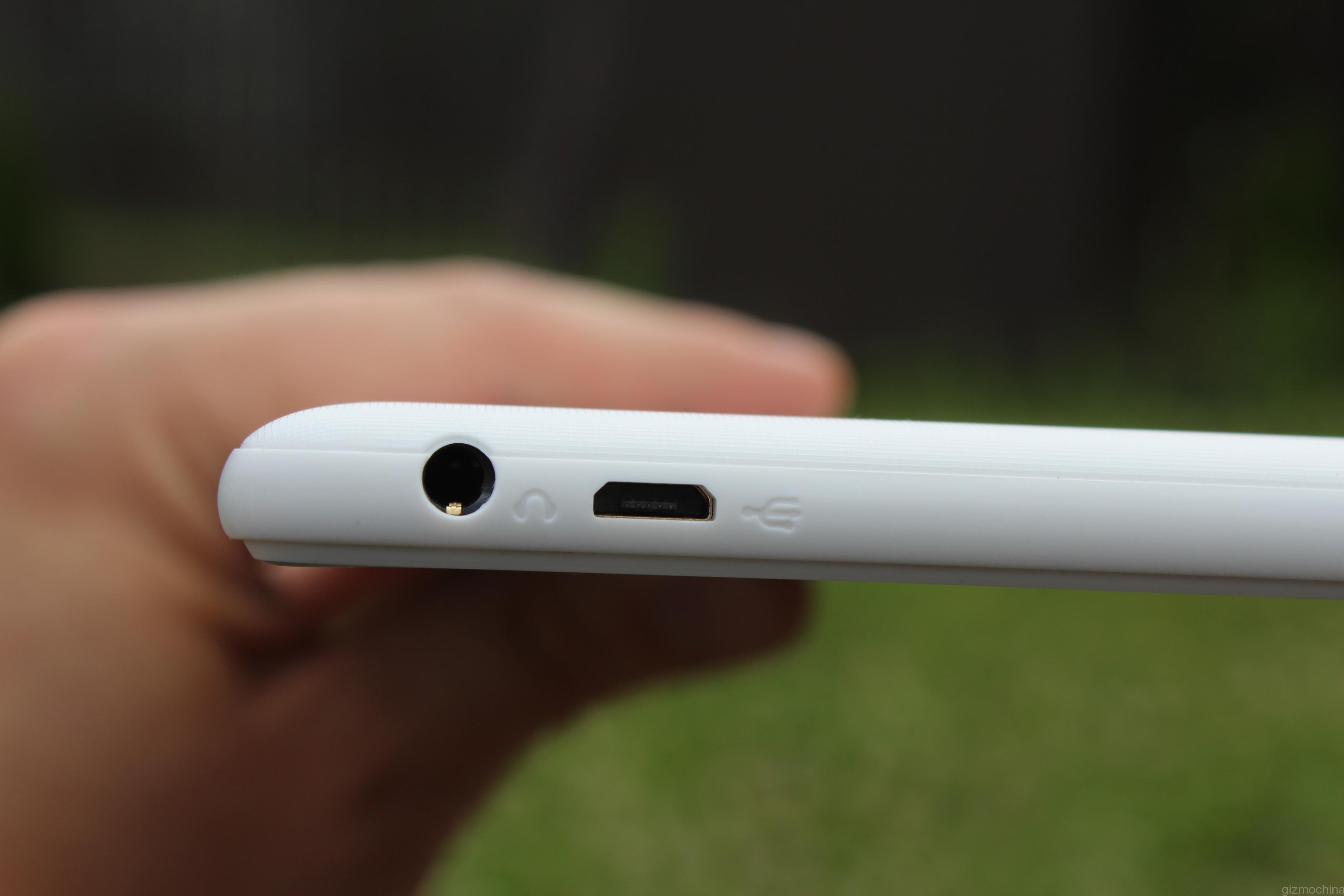
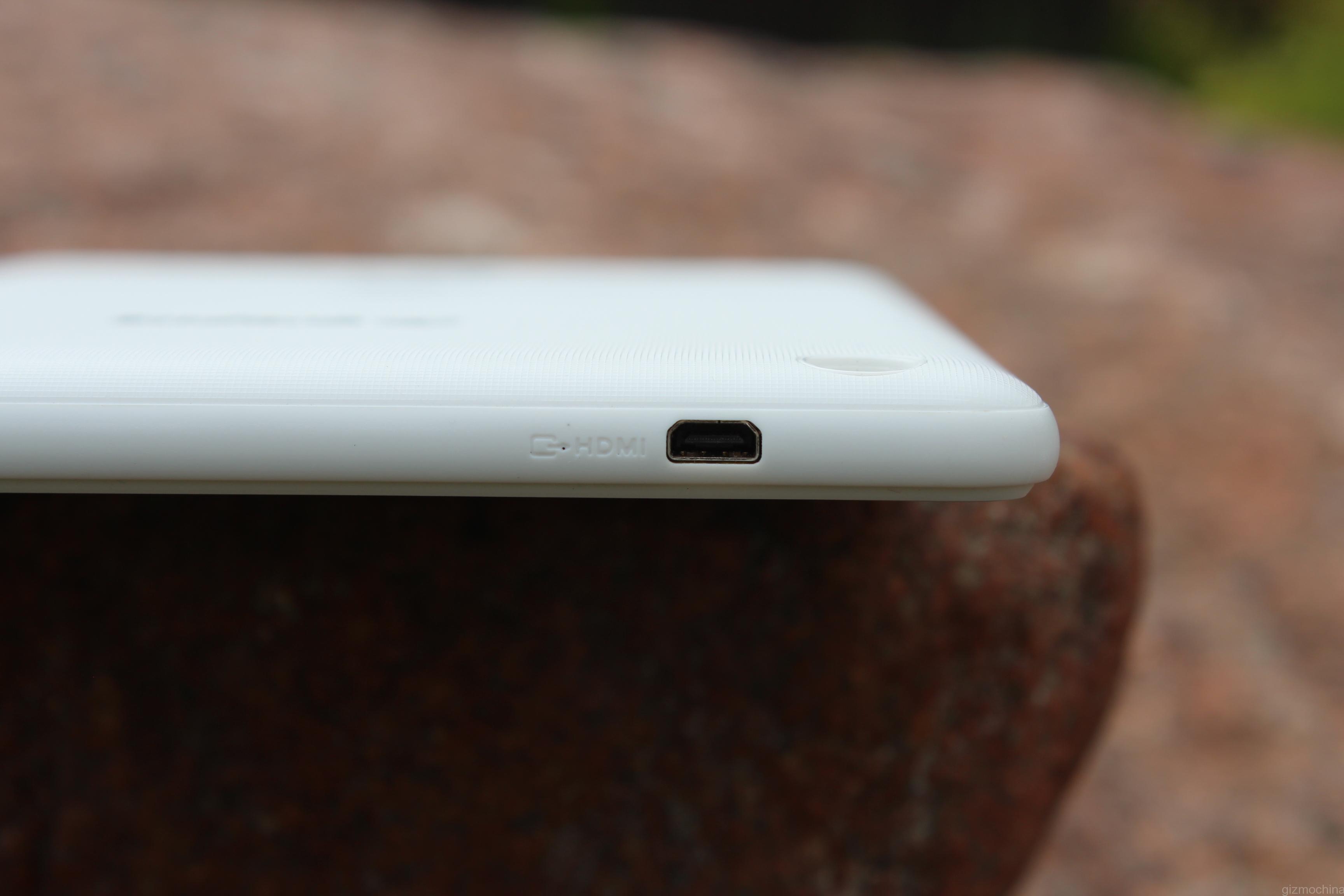
The top side is pretty busy as there are quite a few ports that include a headset jack, microUSB charging/syncing port and microHDMI port.
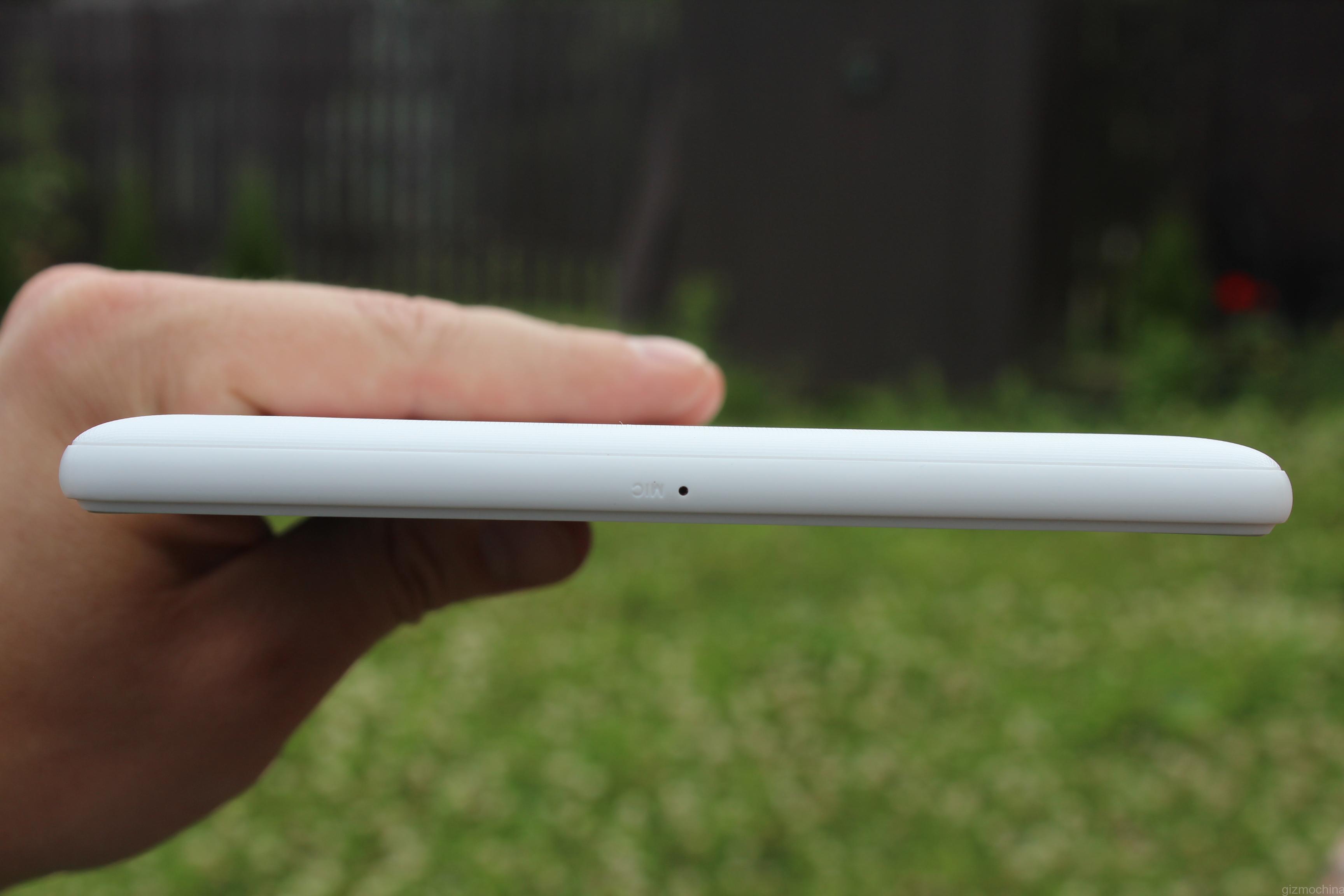
On the bottom there is a little hole for the mic.
Overall, the Teclast X80HD tablet is a very compact device and you can easily hold it in one hand. However, the tablet is made out of plastic material, which does not add any premium look or feel. On the other hand, it is well built and I love the fact that it has a textured back to prevent the device from attracting fingerprints and smudges.
Teclast X80HD Dual-boot Tablet Review: DISPLAY
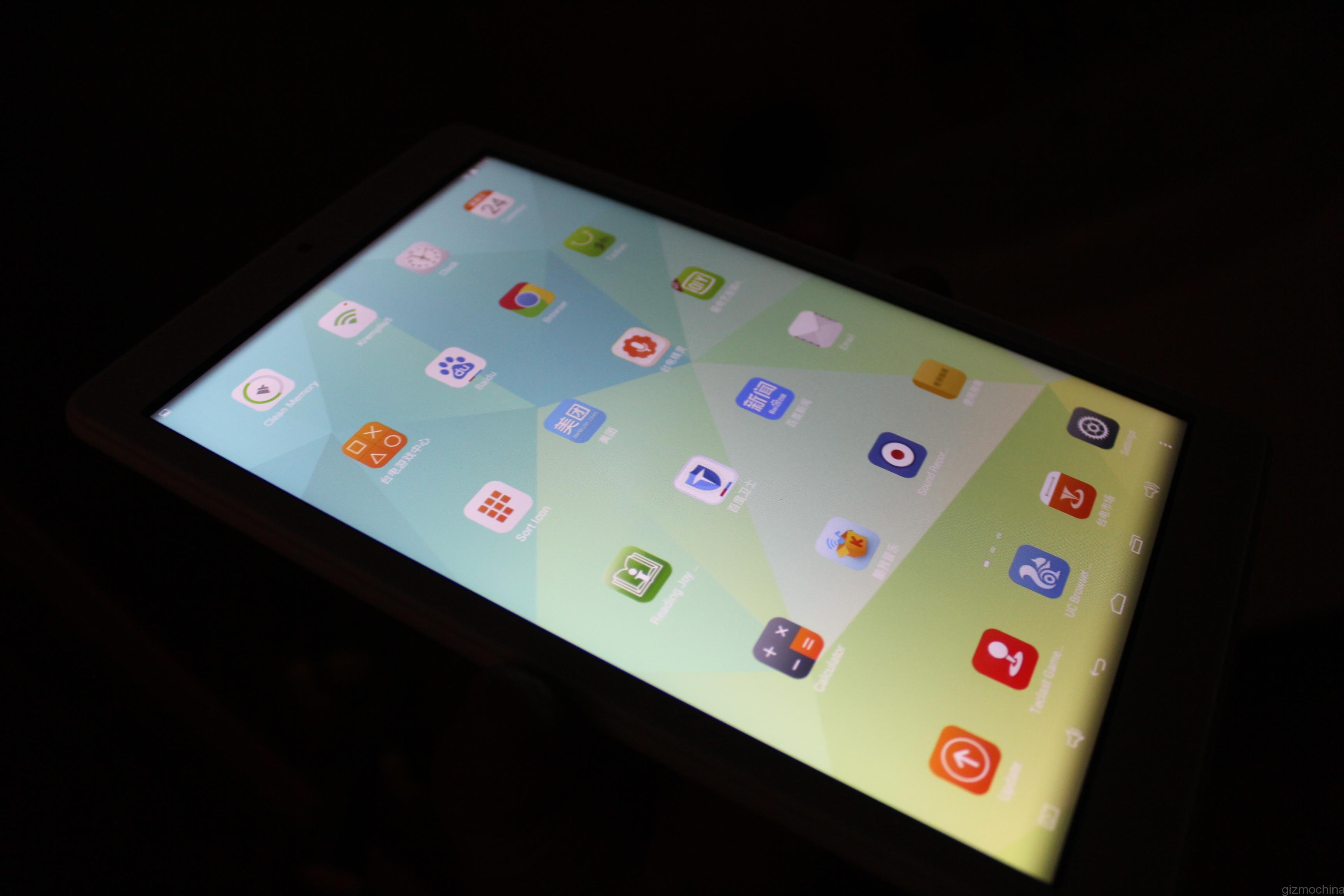
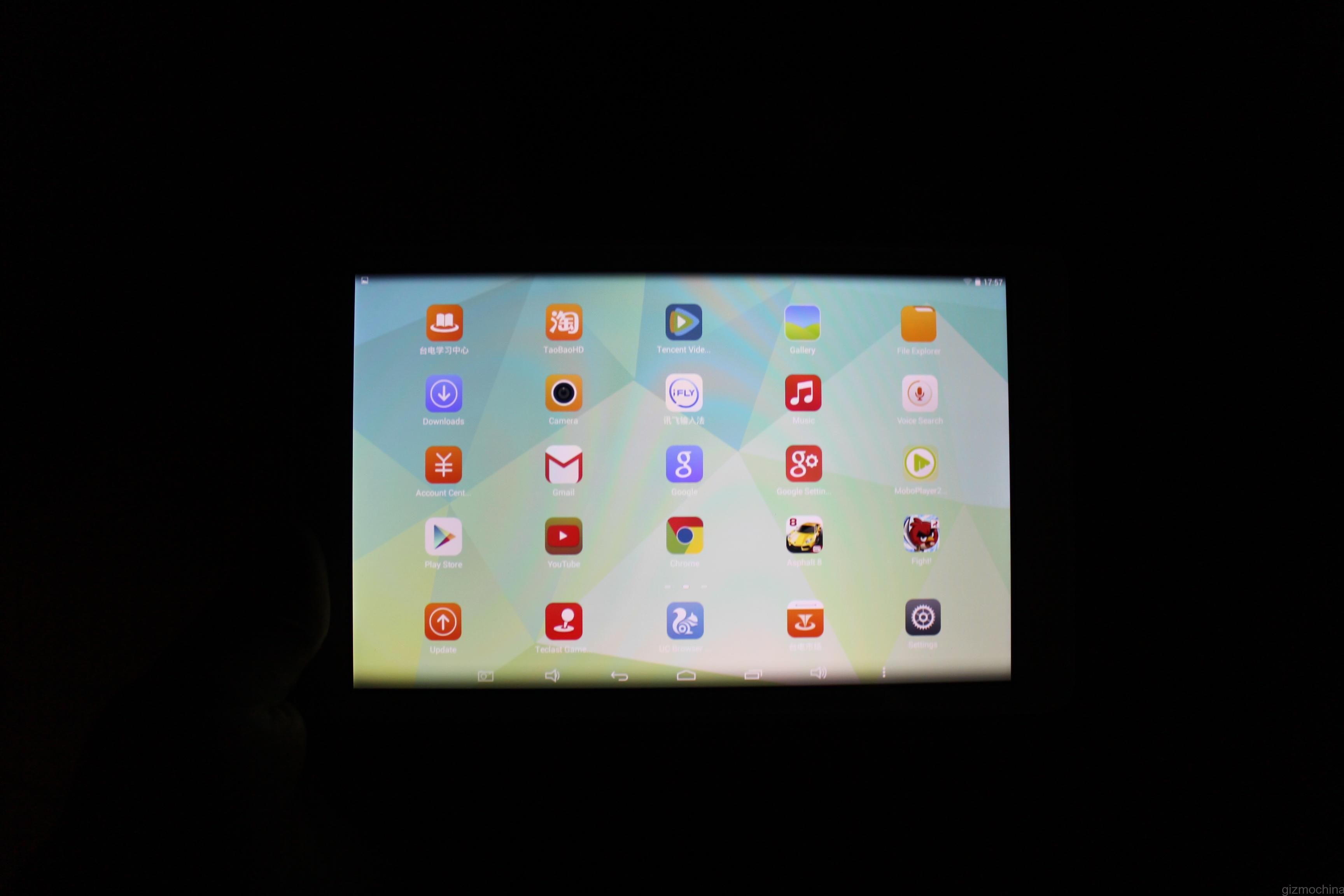
The display has a resolution of 1280 x 800 pixels. It is an IPS type panel but it is far from the best panels I’ve seen. Firstly, it could be definitely sharper and sometimes I think that it looks like a qHD resolution display. Secondly, it could be a bit brighter. The brightness output is okay indoors but you can’t see anything under direct sunlight outdoors. Finally, the display has a somewhat reflective coating, which gives kind of a mirror effect. All in all, the display could see a lot of improvements and it is not the best out there.
Teclast X80HD Dual-boot Tablet Review: Android UI
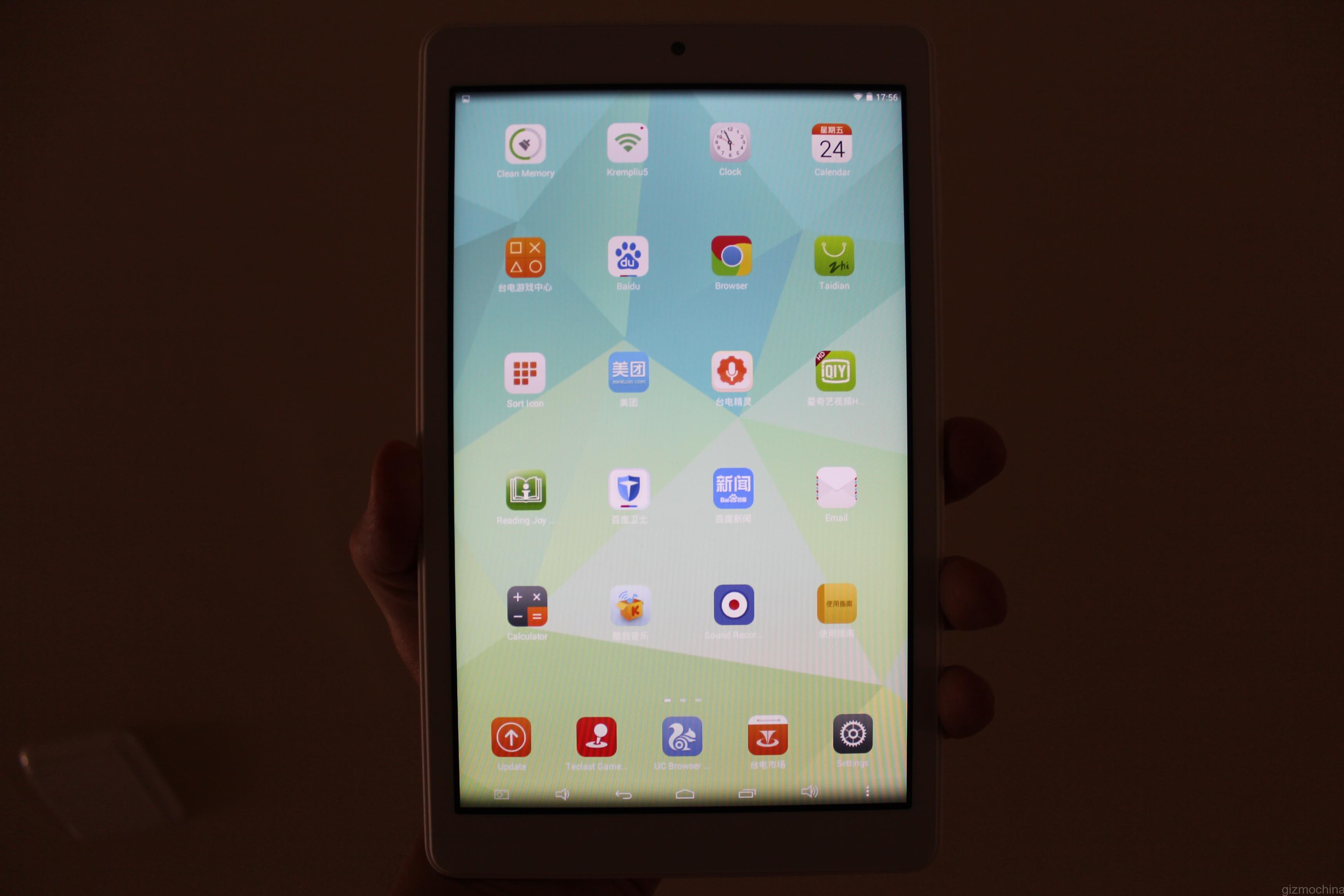
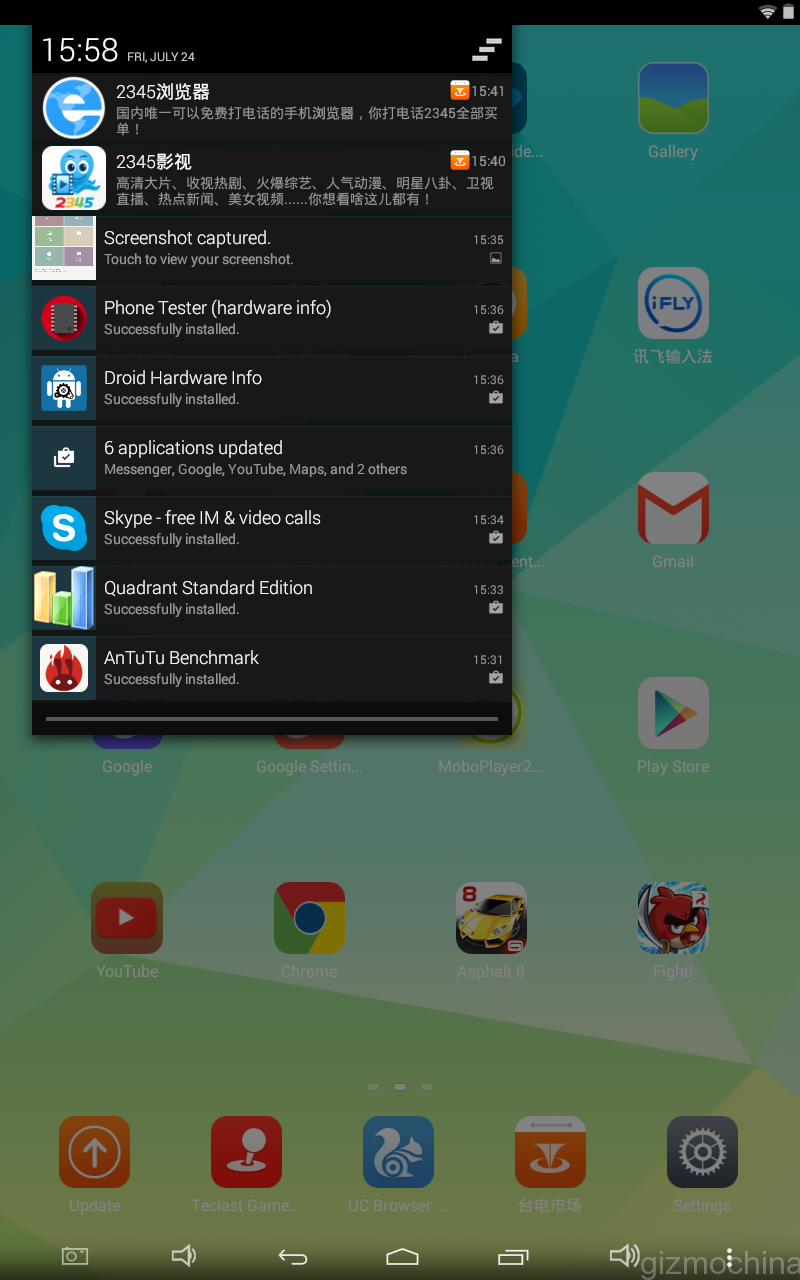
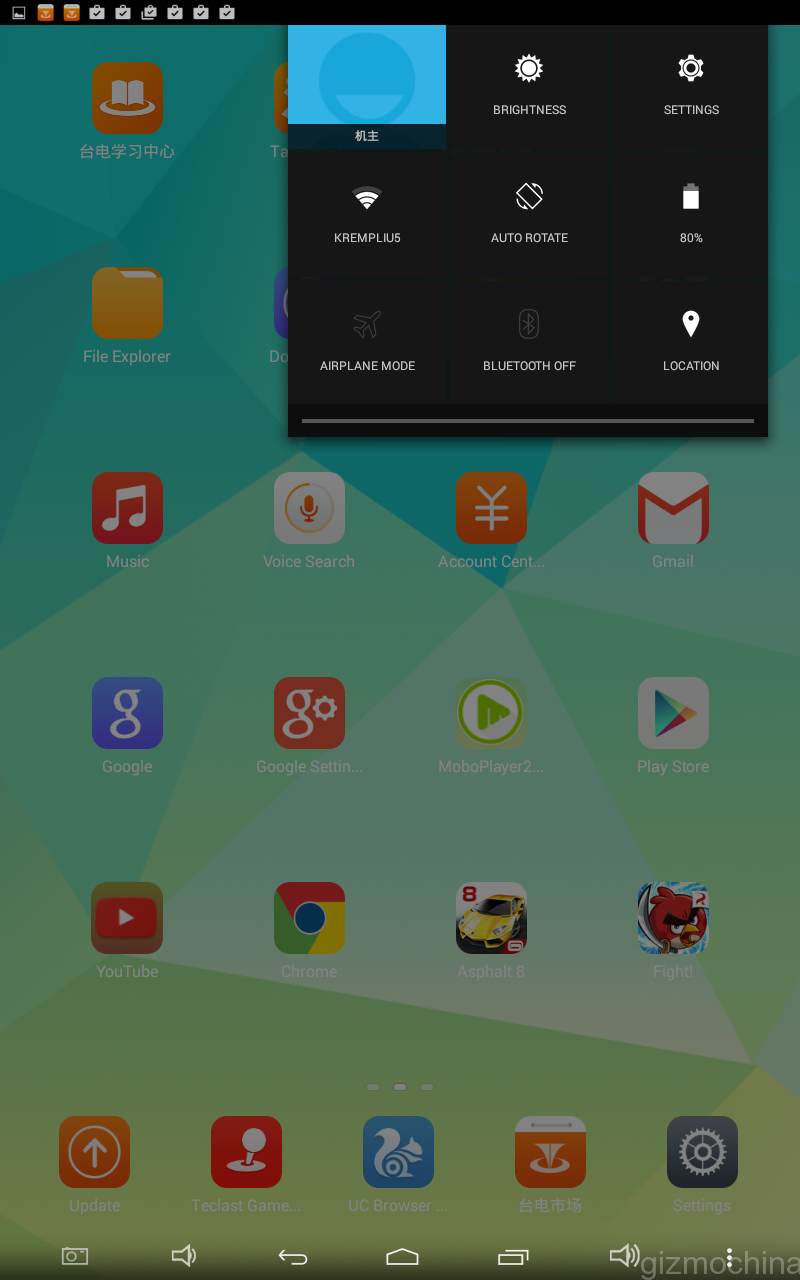
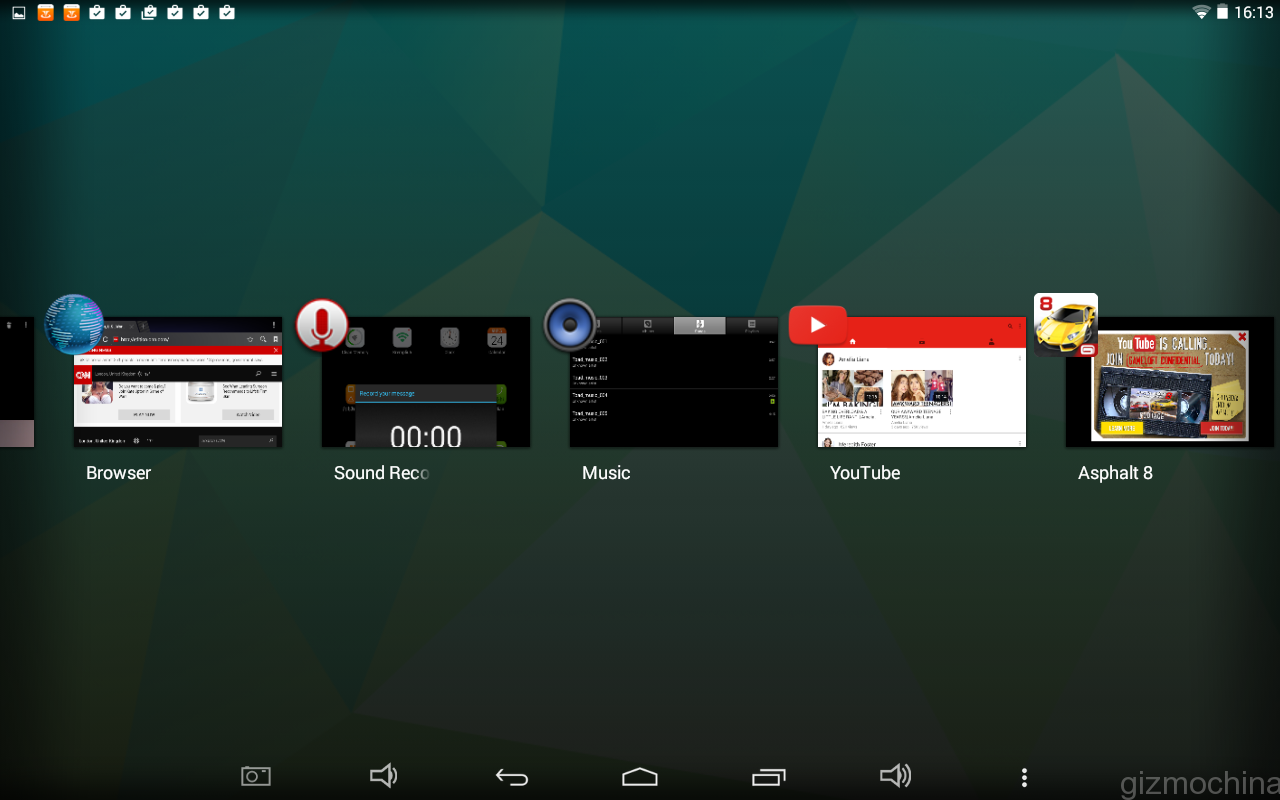
The tablet runs a dated Android 4.4 Kitkat OS. Overall, it is almost a stock Android experience but you are getting a bunch of Chinese bloatware out of the box. In addition, it would be naive to expect an upgrade to Lollipop anytime soon.
Overall, the UI is running smoothly and there are no hiccups even with a lot of tasks running in the background. You may need to say thanks to a decent chip inside and a fair amount of RAM.
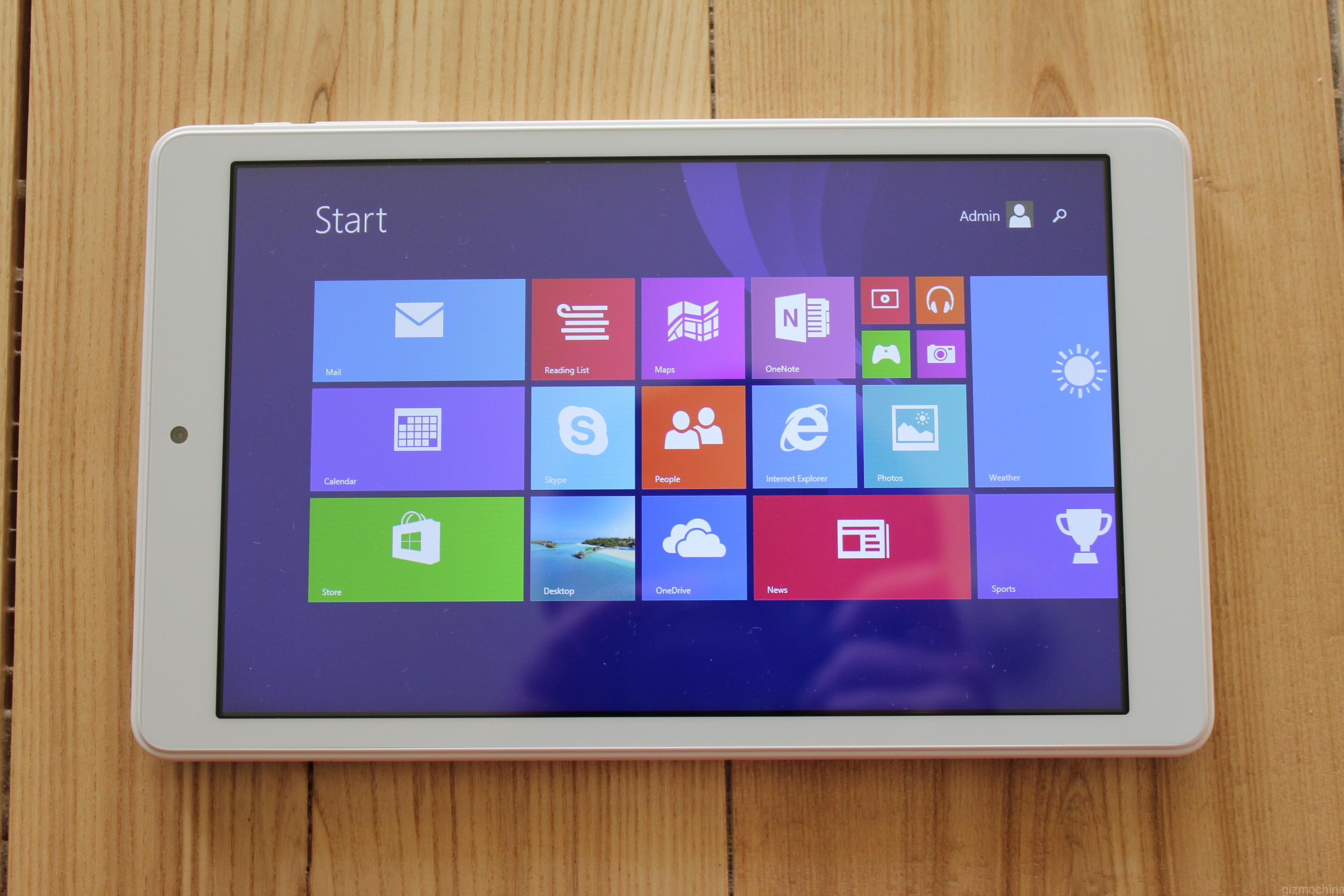
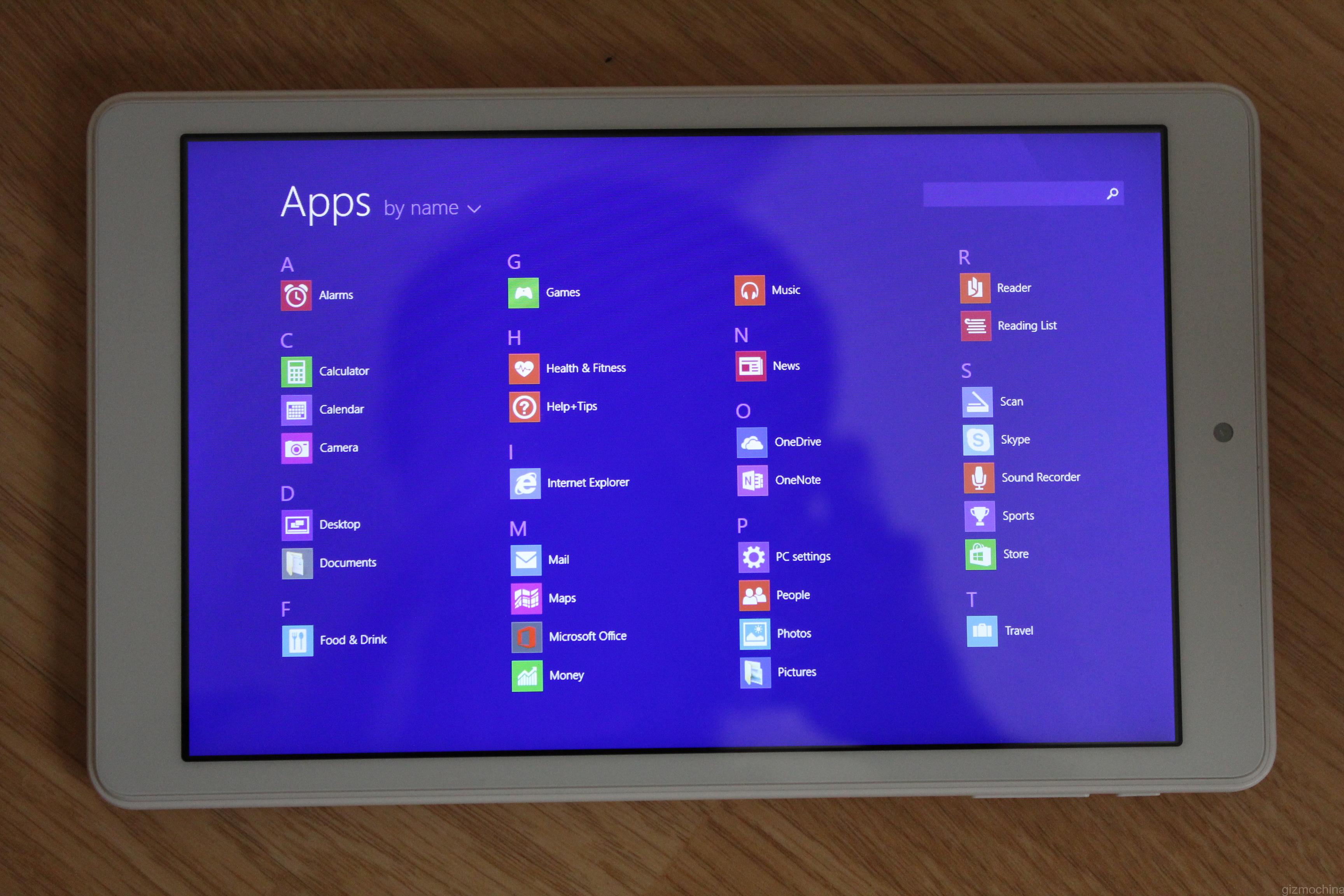
Teclast X80HD Dual-boot Tablet Review: Windows 8.1 UI
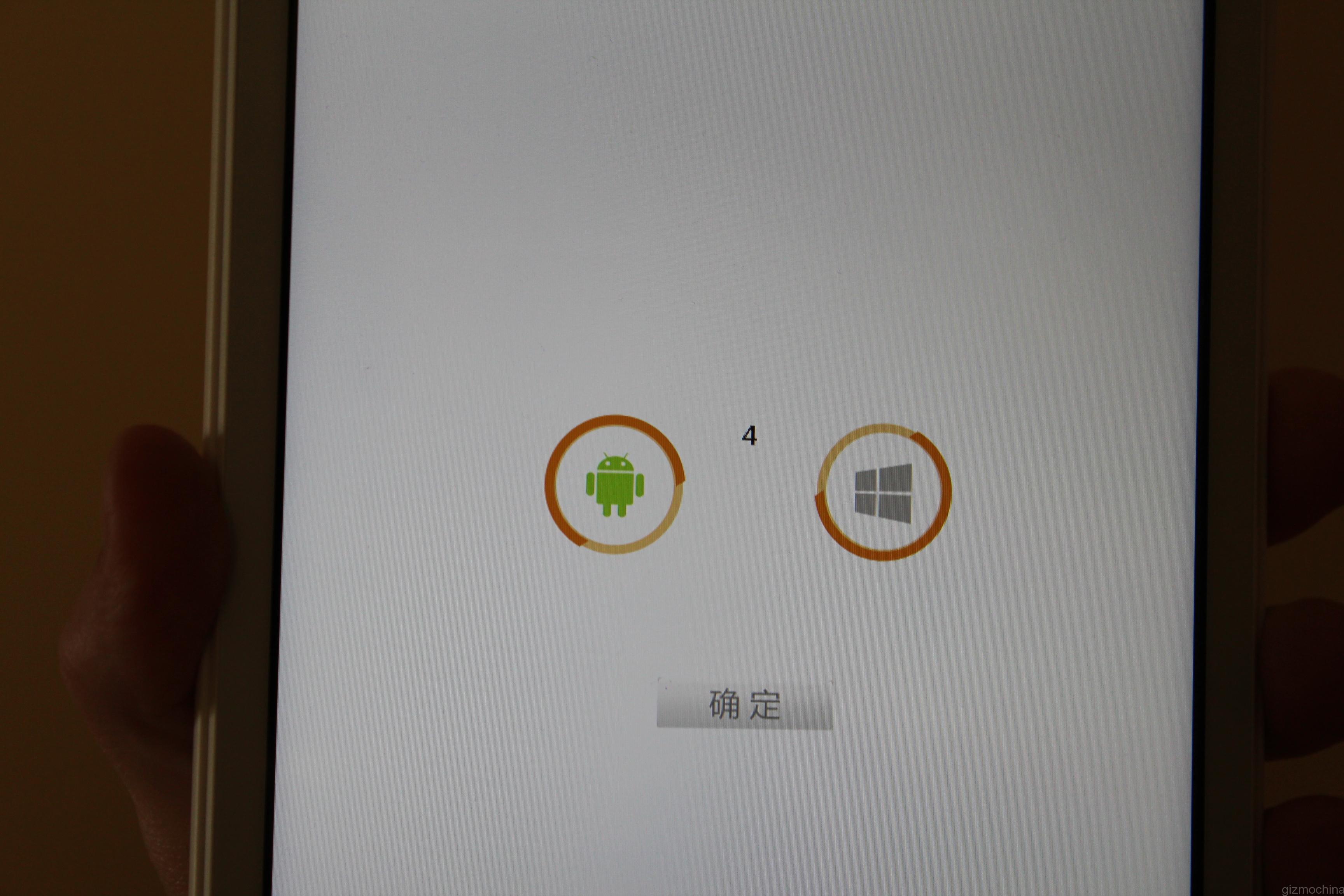
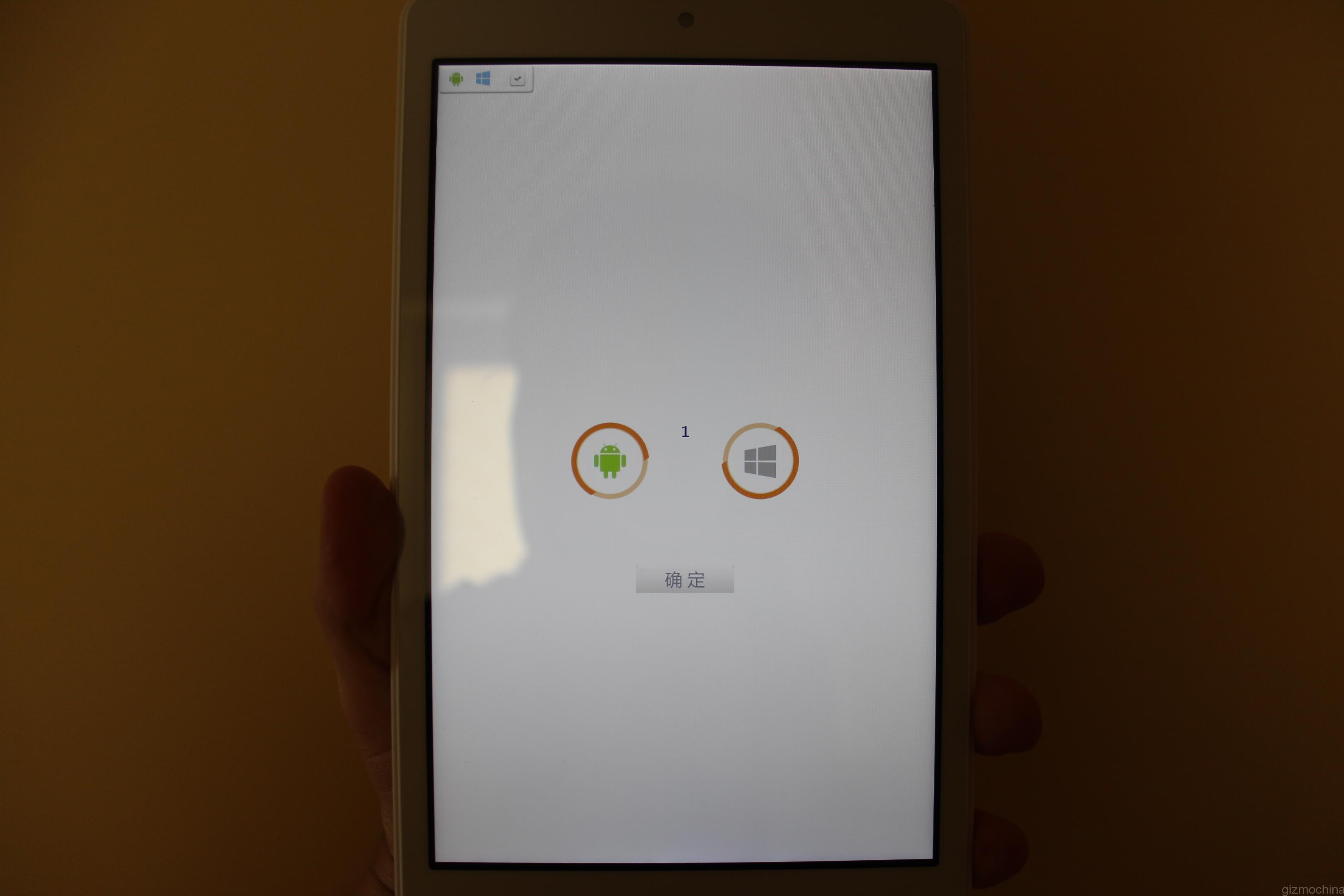
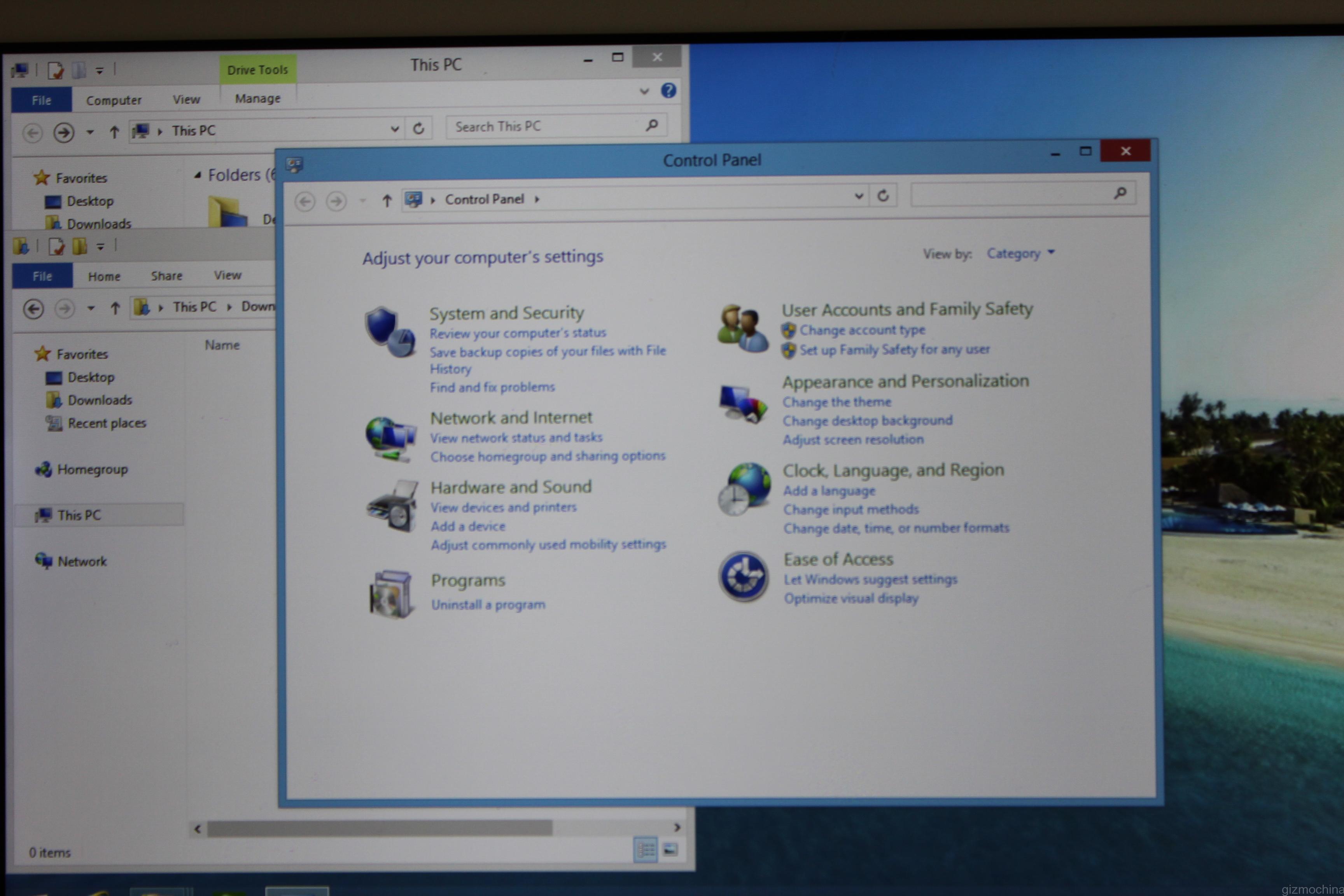
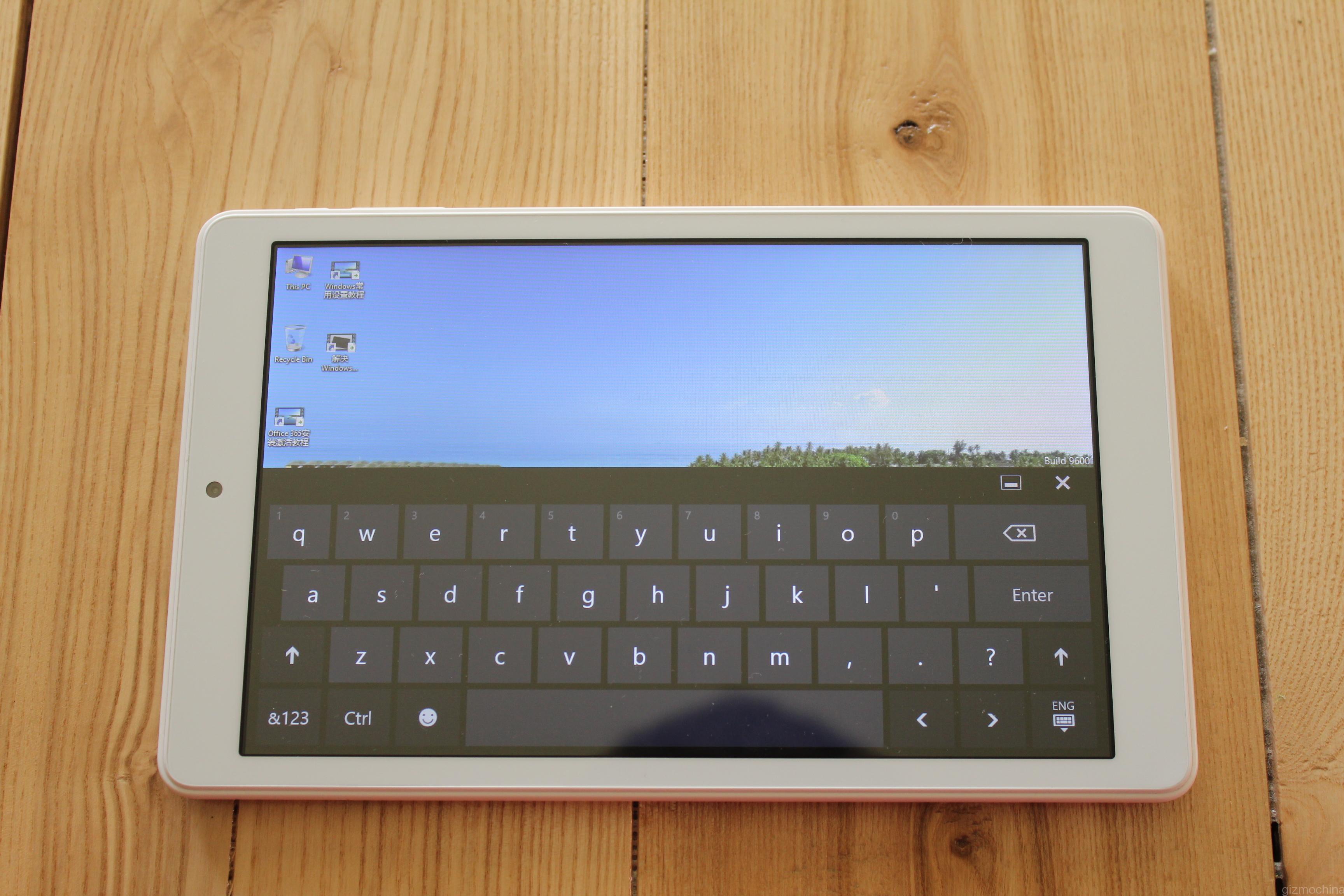
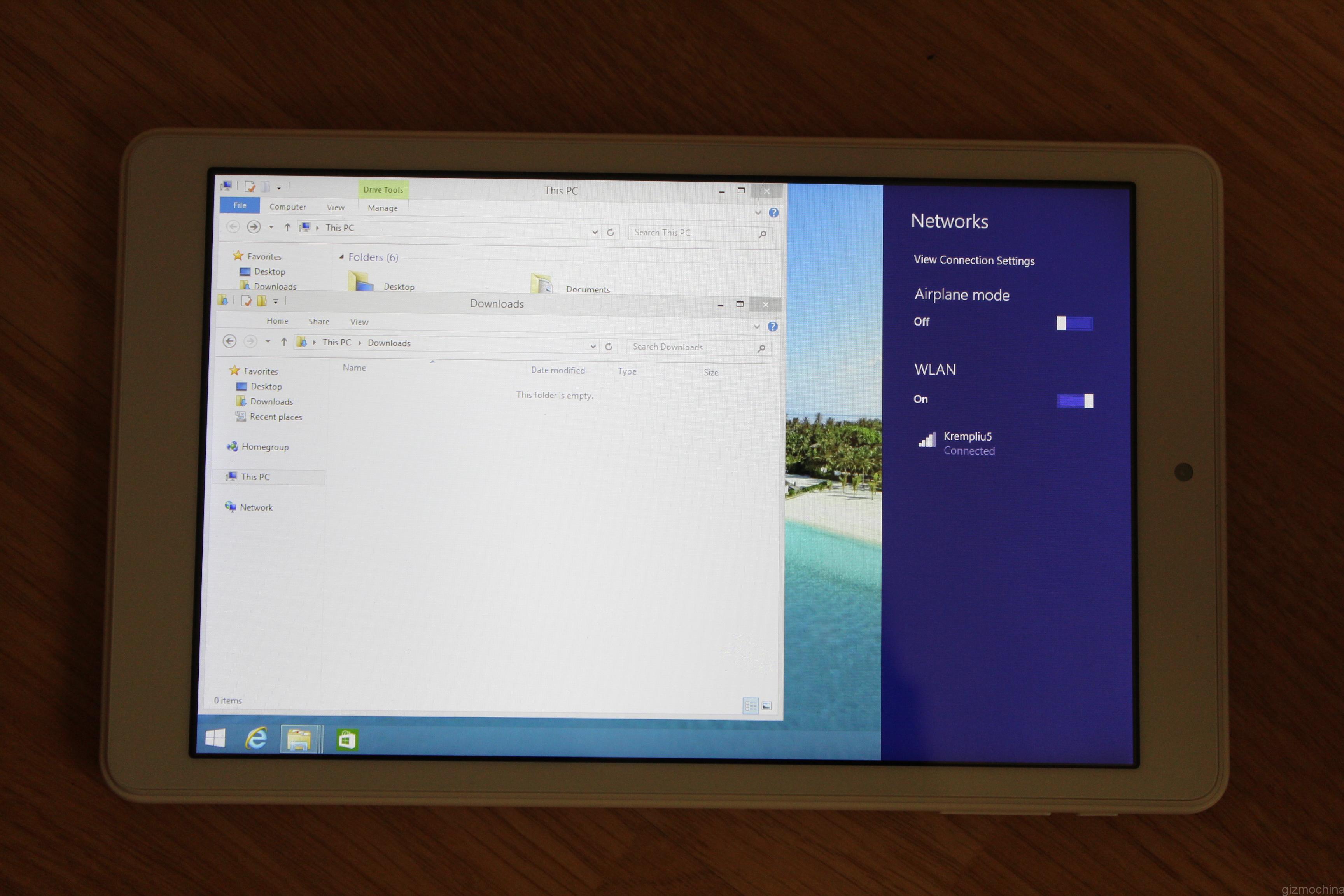
So here’s one of the highlights of the Teclast X80HD tablet. Once it is booting up, you can choose either Android or Windows 8.1 operating system. If you do not choose it within 10 seconds, the system automatically loads up the last used OS. However, you cannot simply change the OS you are working on it as you have to restart your device first.
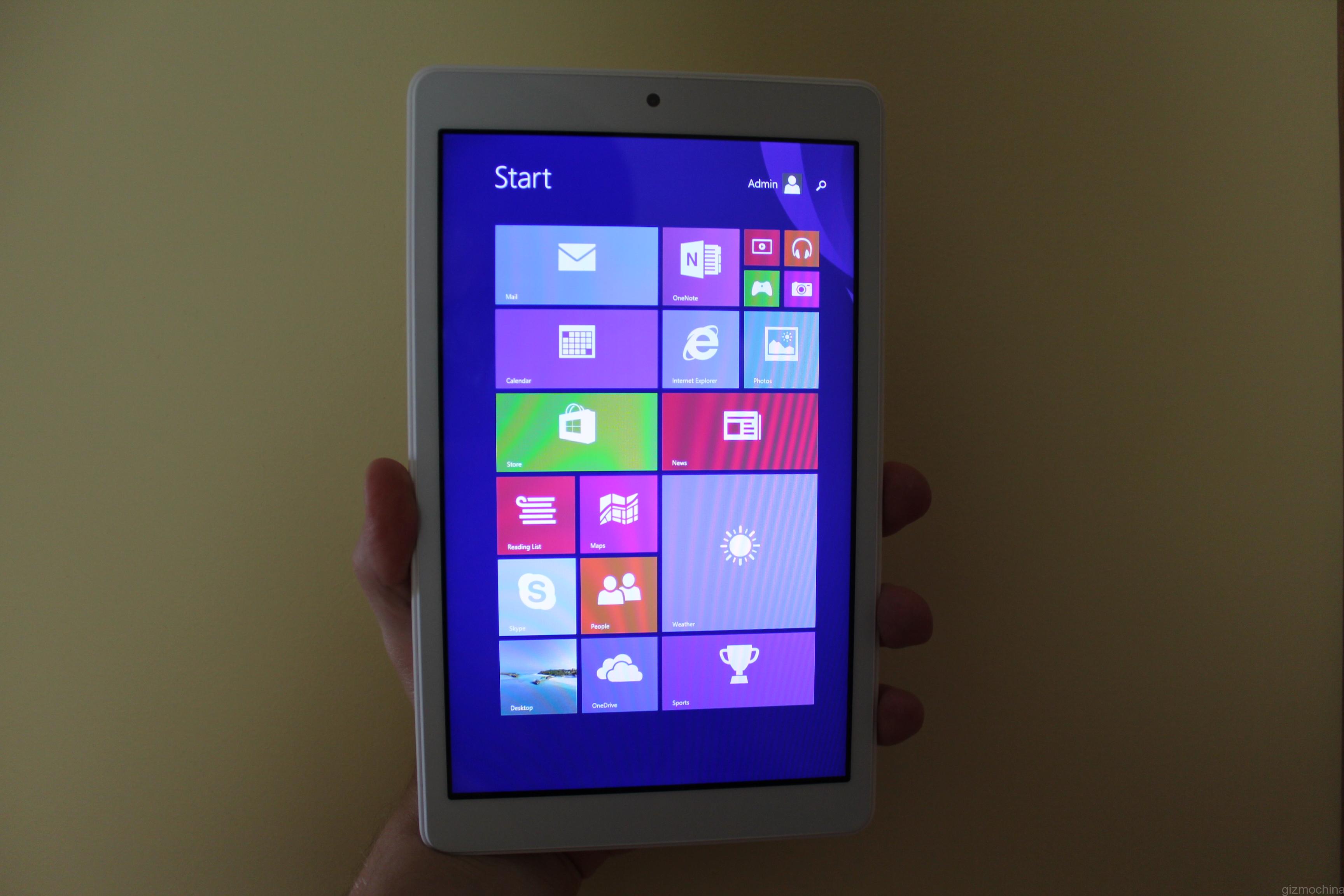
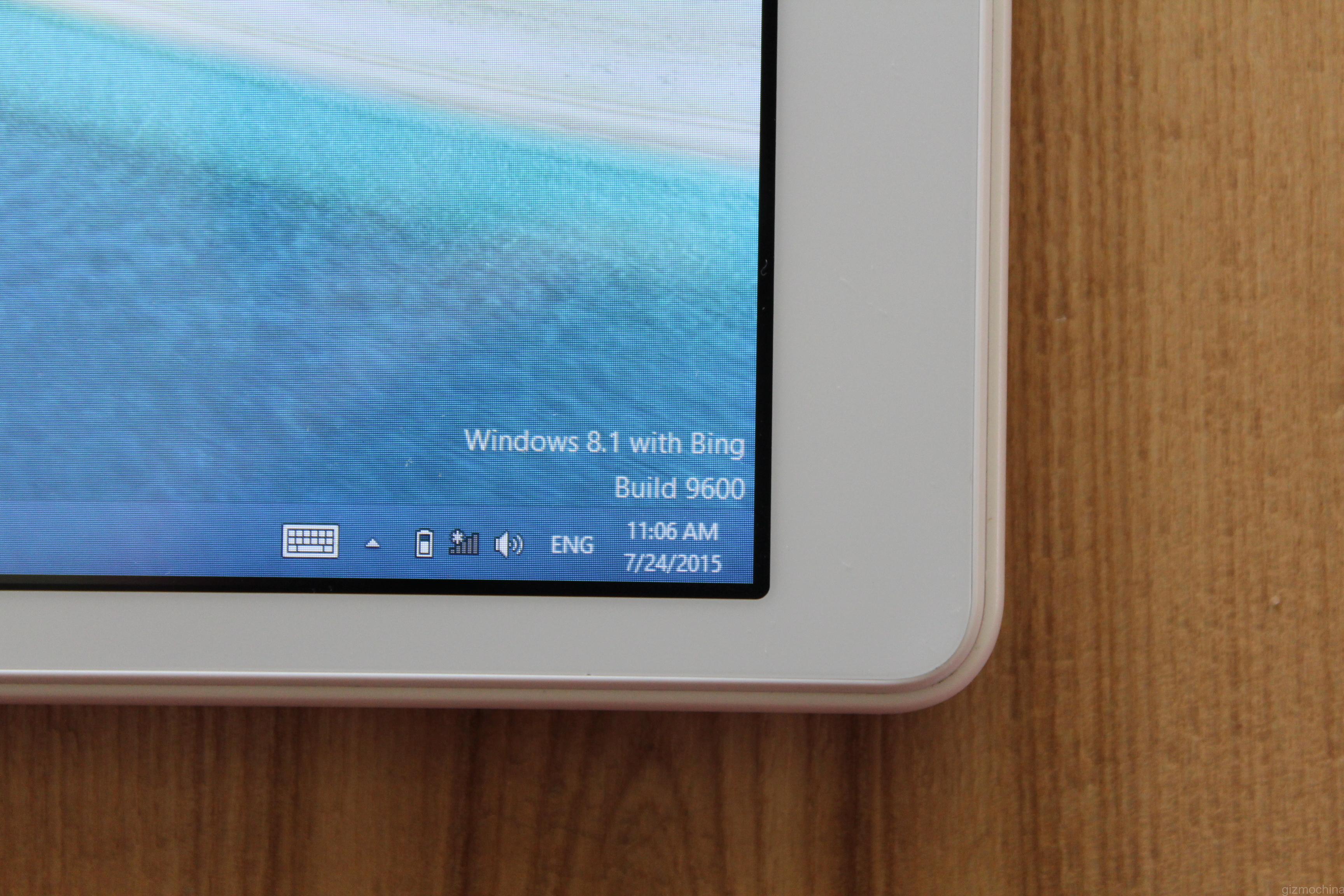
The device runs allegedly a legal version of Windows 8.1. It is actually pretty cool to have a desktop like experience in your hands. I’ve tested with a few legacy apps that I used to use on Windows (I’m a Mac user for a few years now) and everything is running smoothly.
In addition, the OS works fine even when there are quite a lot of windows opened. Well, there is enough of sheer power to play with and it seems that Windows 8.1 OS is well optimised for tablets. Moreover, I runs better than my old laptop which has better specs but does not have SSD disk, which may be the cause of the whole laggy performance.
I doubt if you would be able to run the latest graphically intensive games on this tablet but this is not what is design for.
Basically what you can do with it is to connect a keyboard and a mouse via USB or Bluetooth and use this little tablet for the Microsoft apps you’ve been using for years e.g. Word, Excel etc. Overall, for the price of $100 the Windows experience is not bad at all and it would be unfair to expect more.
Teclast X80HD Dual-boot Tablet Review: BENCHMARKS
1 of 7
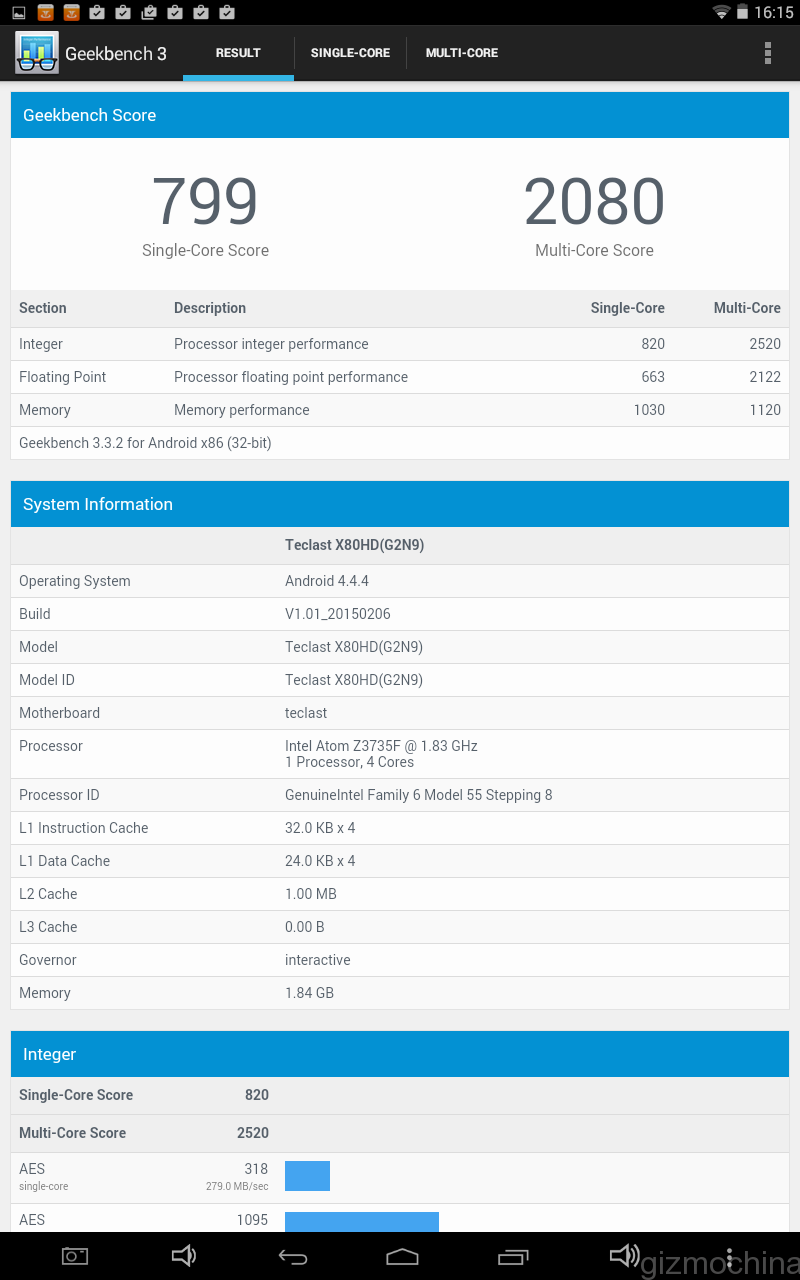
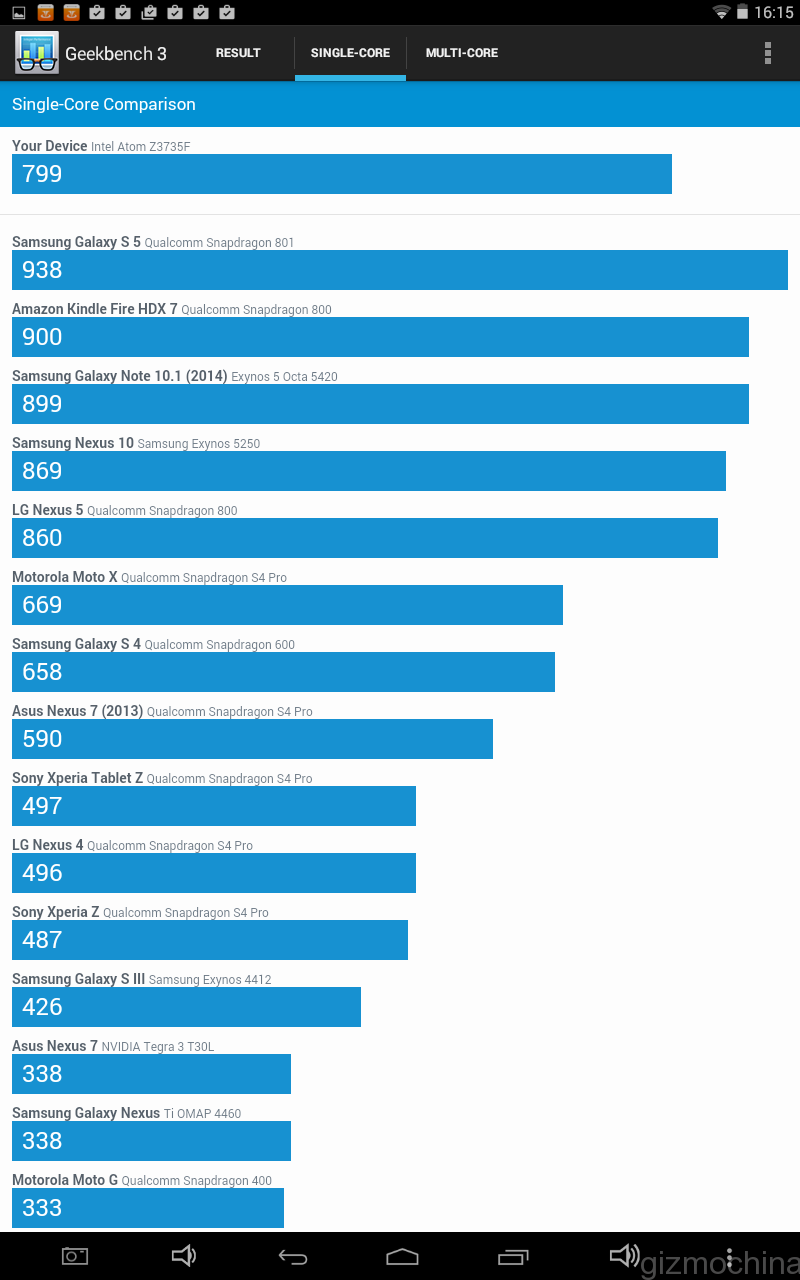
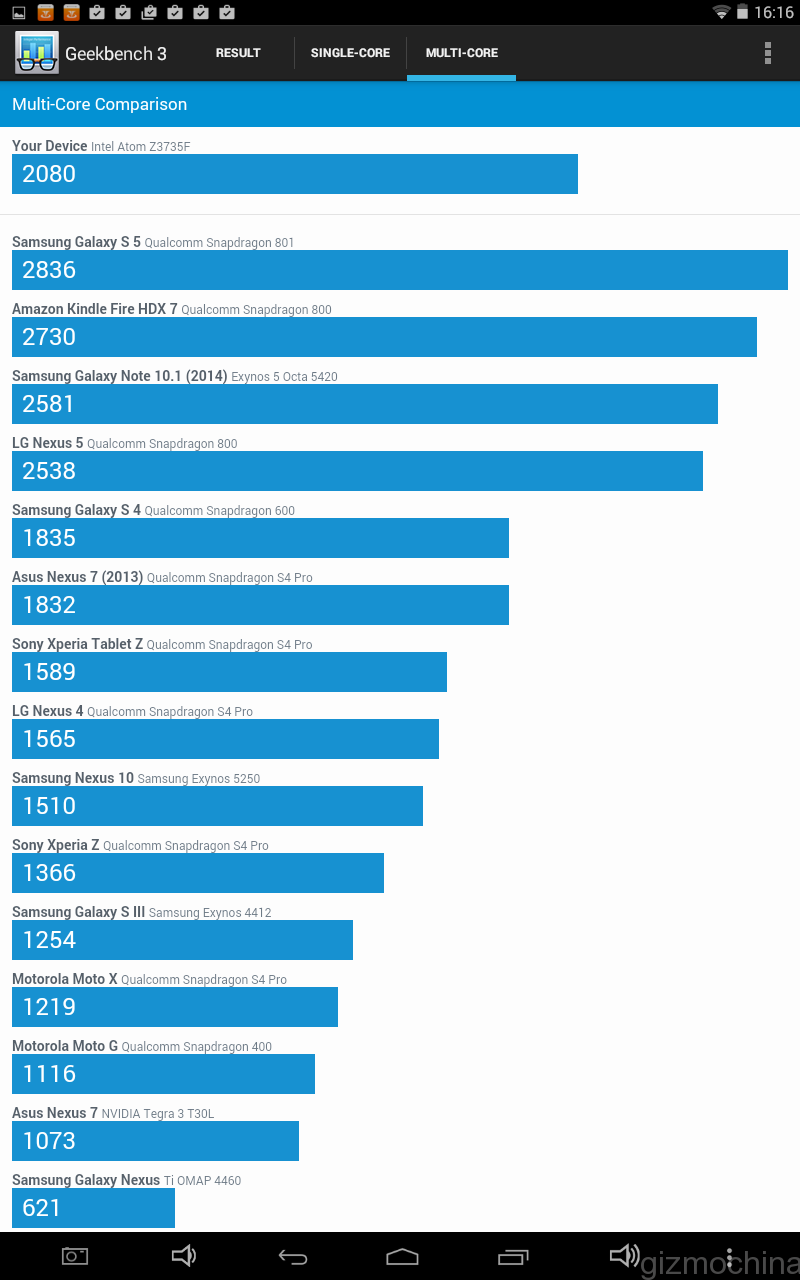
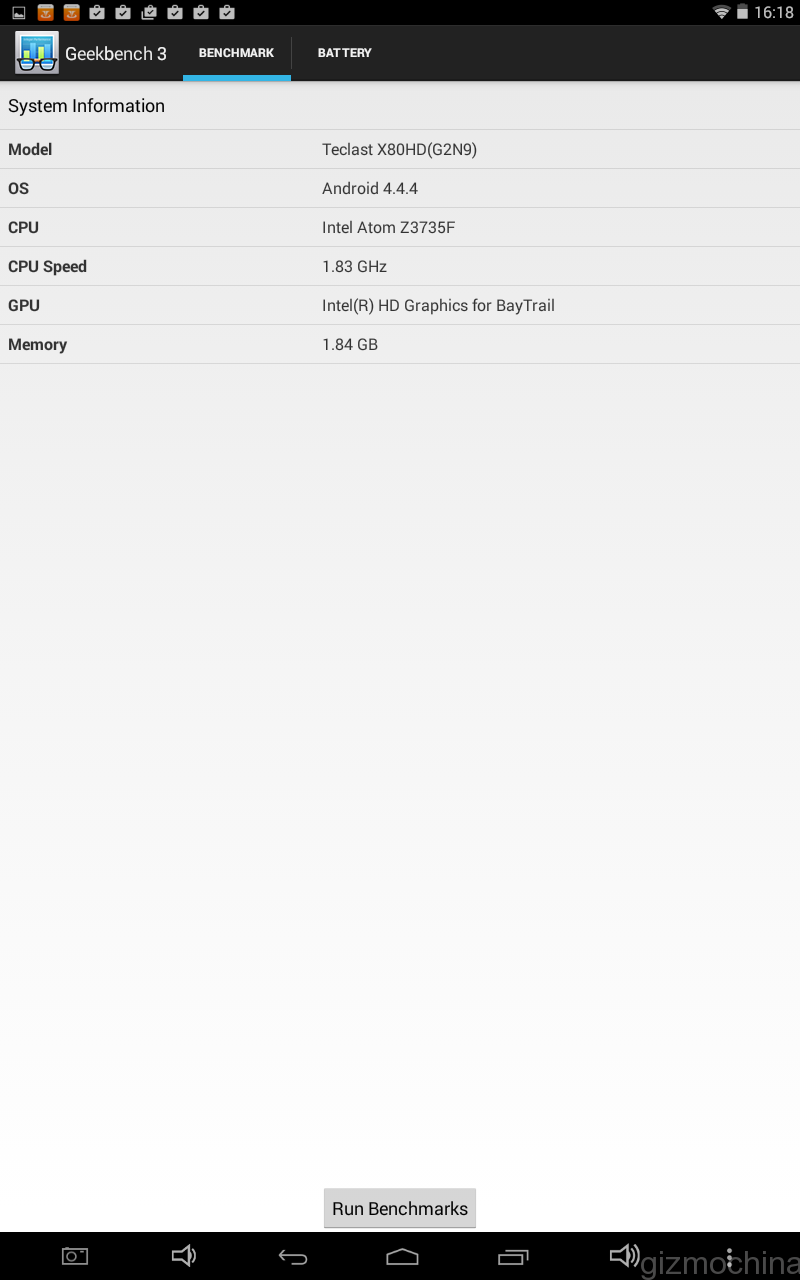
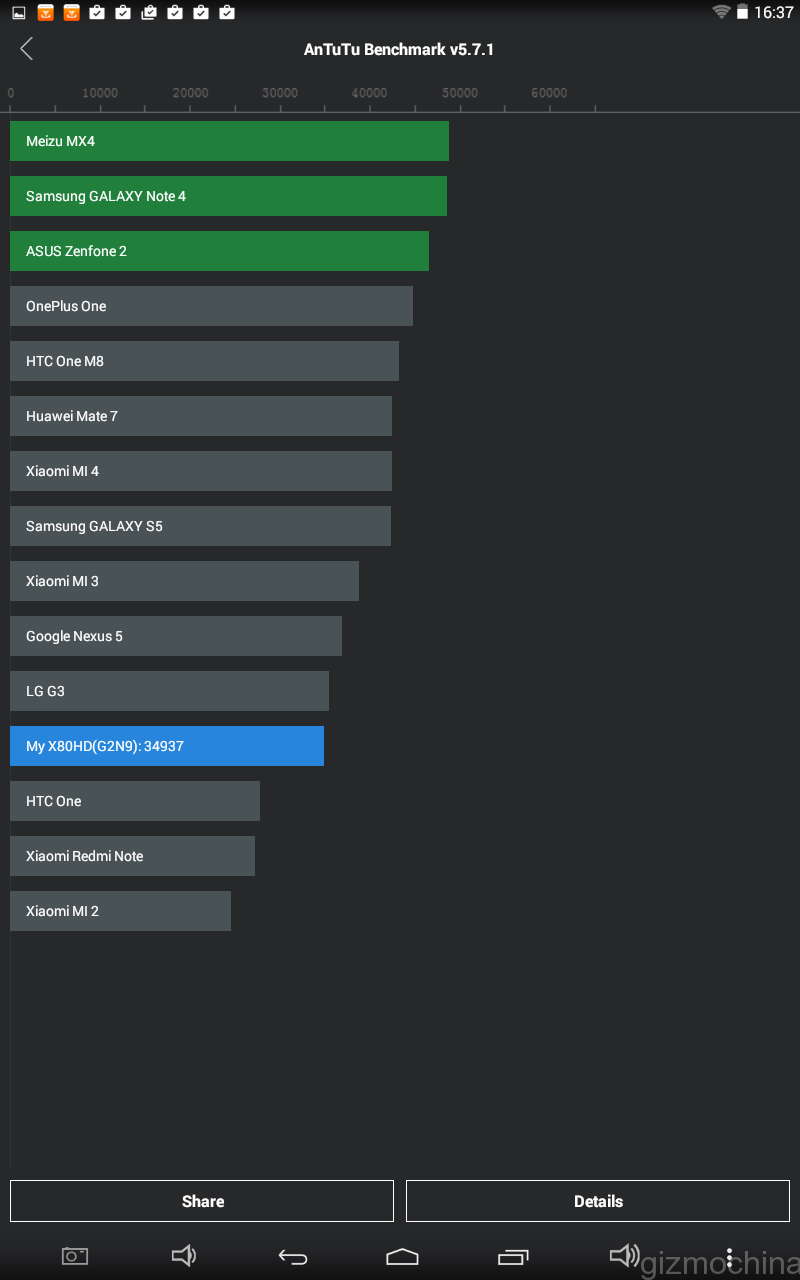
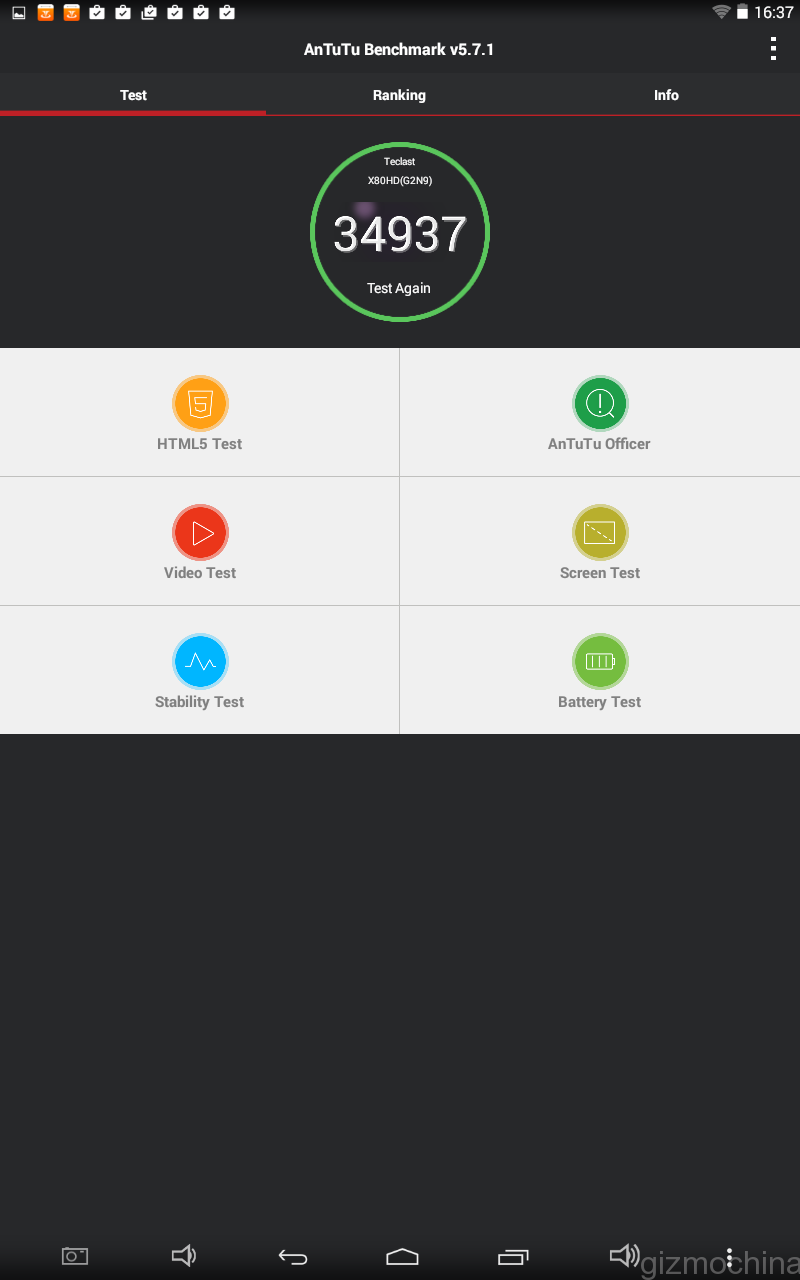
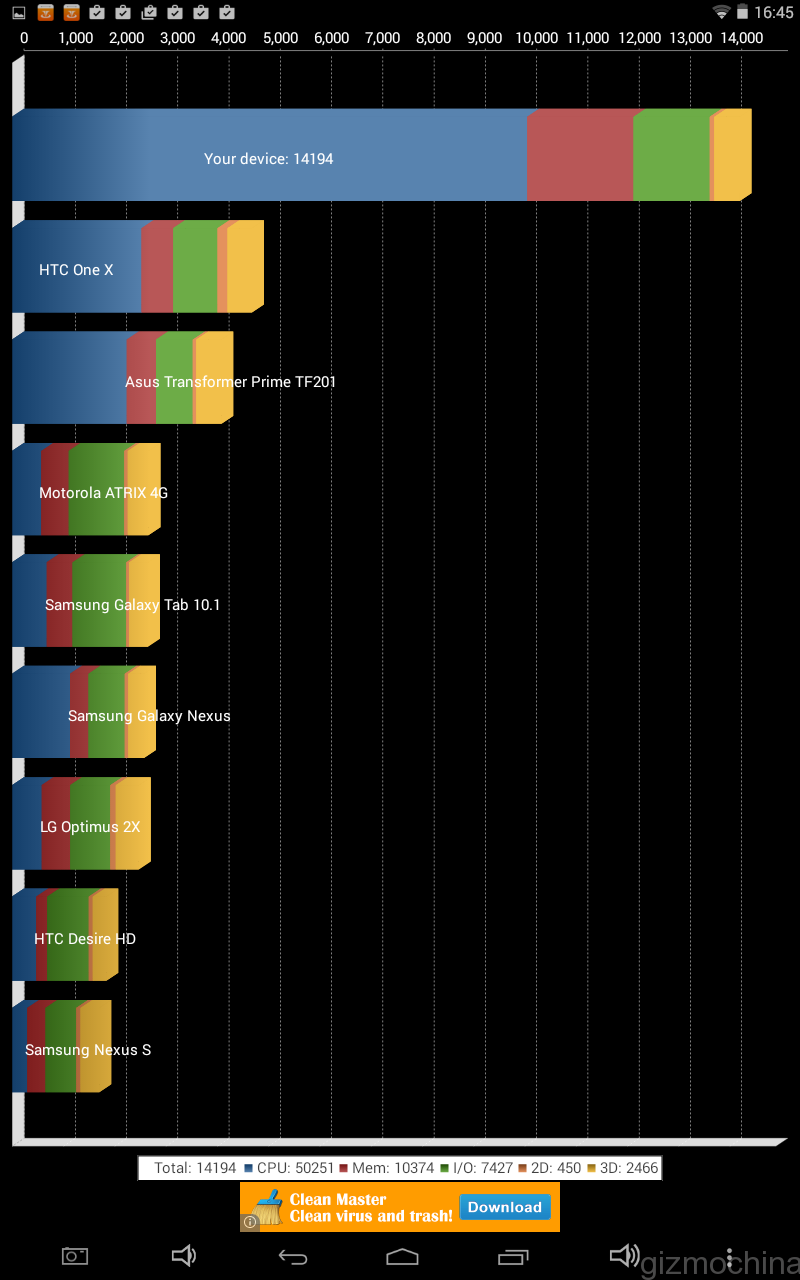
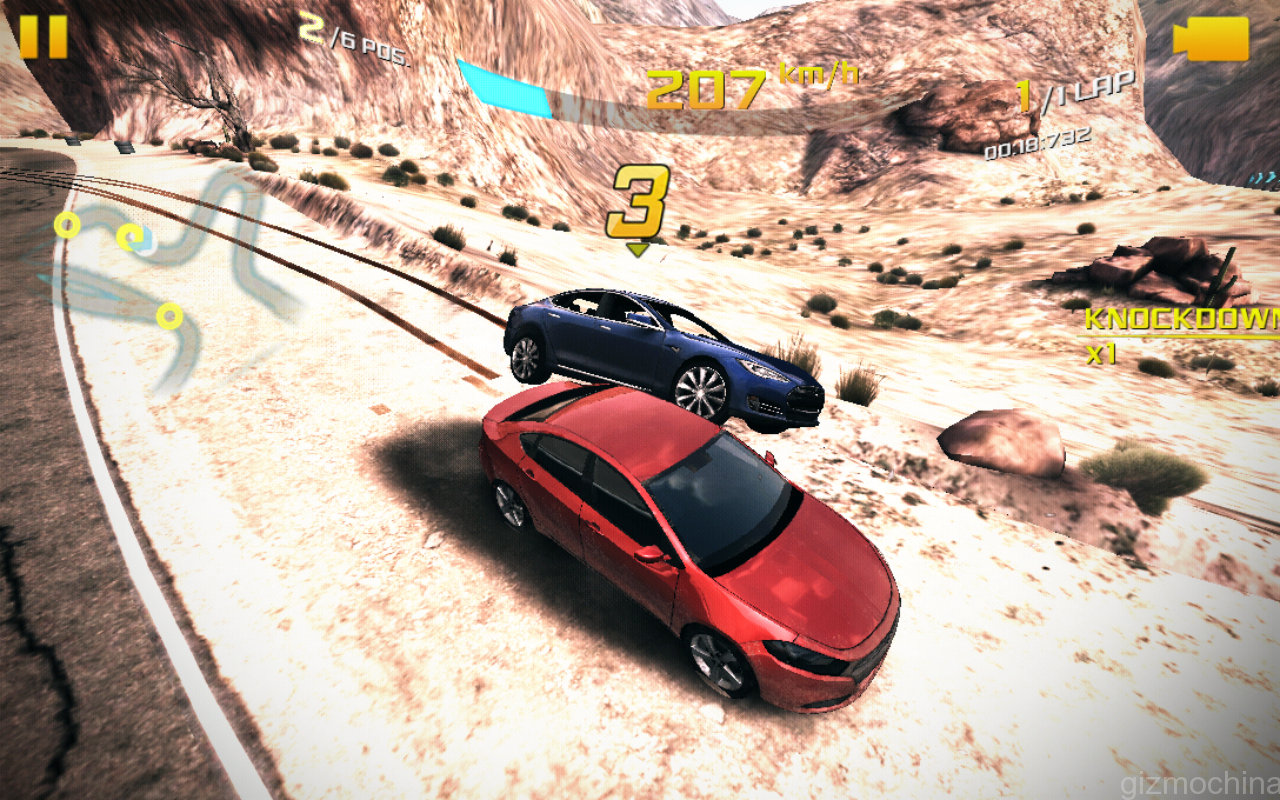
The Teclast tablet does a really impressive job in the benchmarks category for this price range. I guess that the Intel chip along with 2GB of RAM and Intel HD Graphics GPU is a great combo to assure that.
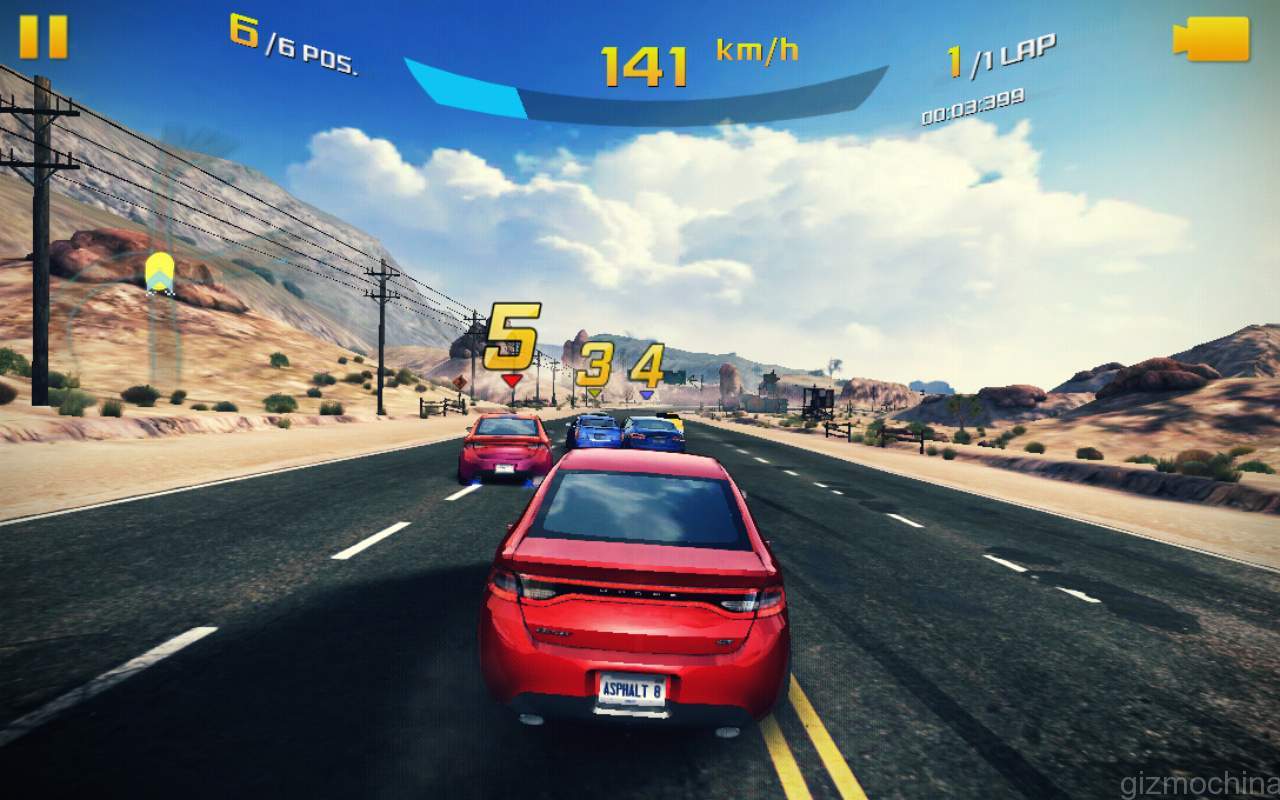
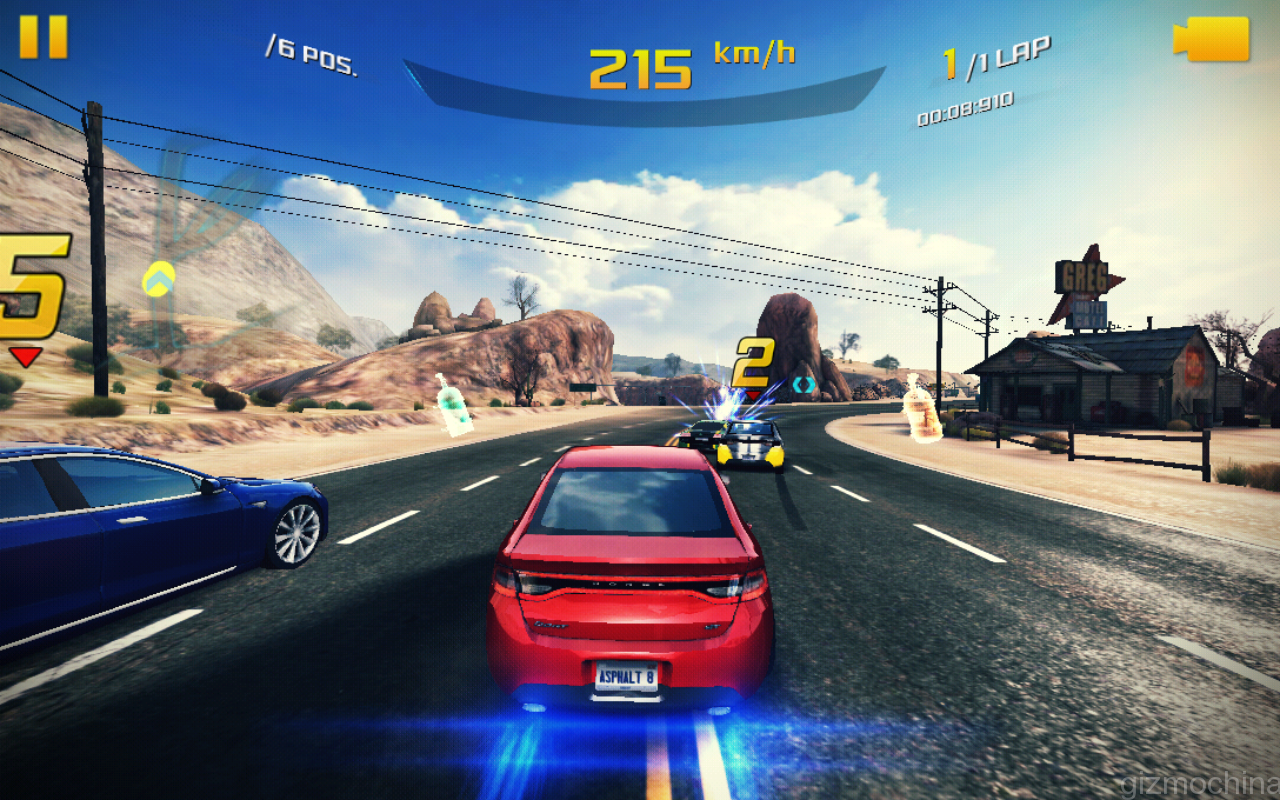
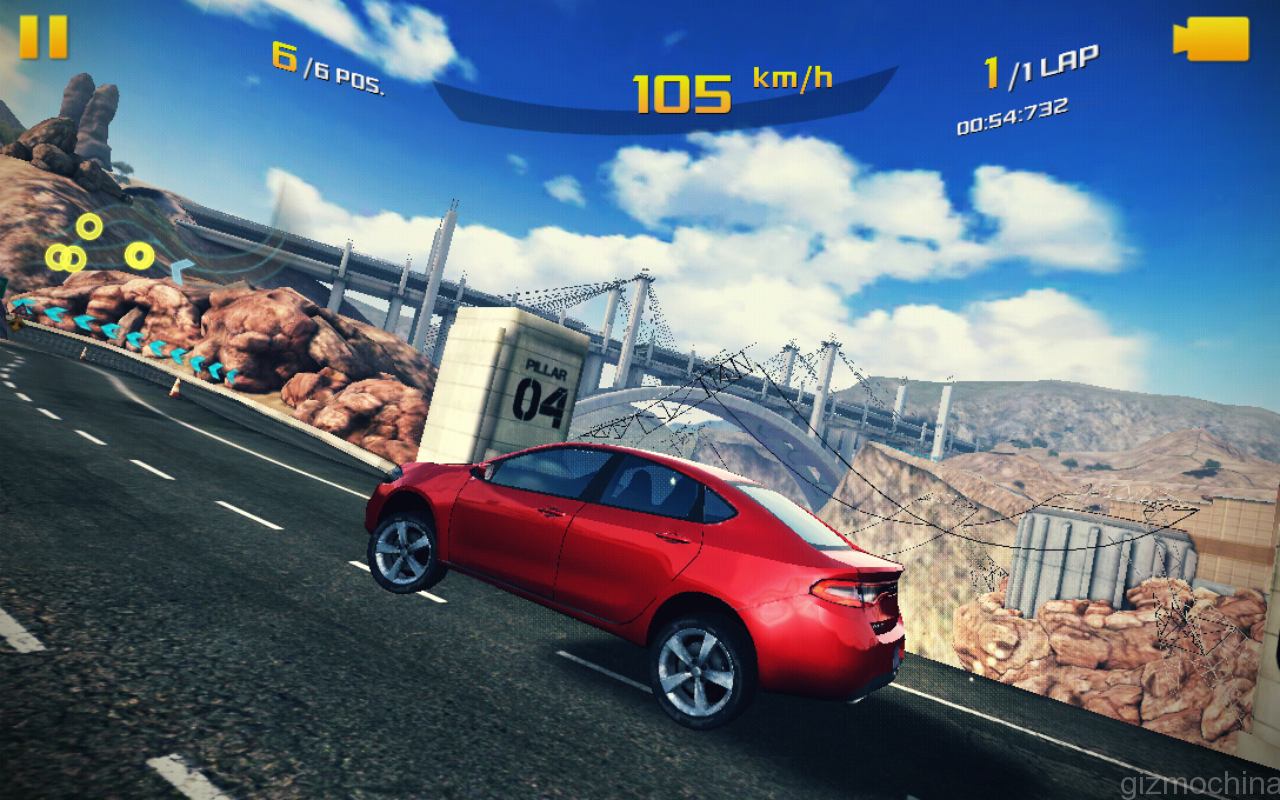
The graphically intensive games work without lags. However, there are a few issues. Firstly, the graphics look quite bad like on a low end device (well, it is). Secondly, the device gets hot very quickly. There are no warnings in the UI but it just feels uncomfortably hot. On the other hand, only the top back part has this issue and you do not feel the heat that much as don’t touch that area with you fingers once you are gaming.
The performance on Windows 8.1 OS is good for a tablet. Well, it does get a bit warm as well but it is not a deal breaker. Of course, it would not replace your laptop for highly intensive tasks like gaming or video editing but it is a great companion for other productivity tasks and running legacy windows apps you you’ve been using for years.
Teclast X80HD Dual-boot Tablet Review: MULTIMEDIA
1 of 5
The multimedia experience on this tablet is great overall. Everything is running smoothly both on Android and Windows. However, the loudspeaker could be better. Firstly, it is placed on the back side, which is a very bad idea on a tablet. Secondly, it could be much louder as sometimes you just want to keep pressing the volume up button to hear the audio.
Teclast X80HD Dual-boot Tablet Review: BATTERY LIFE
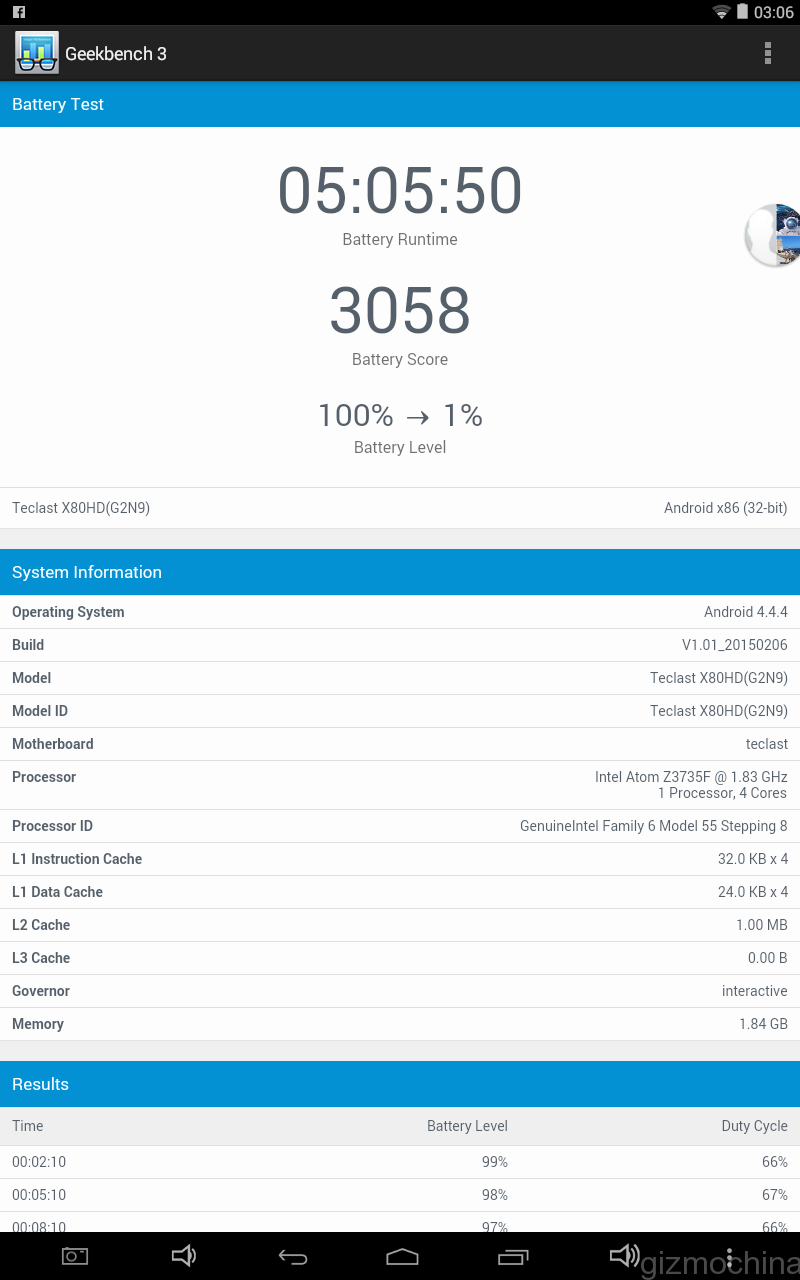
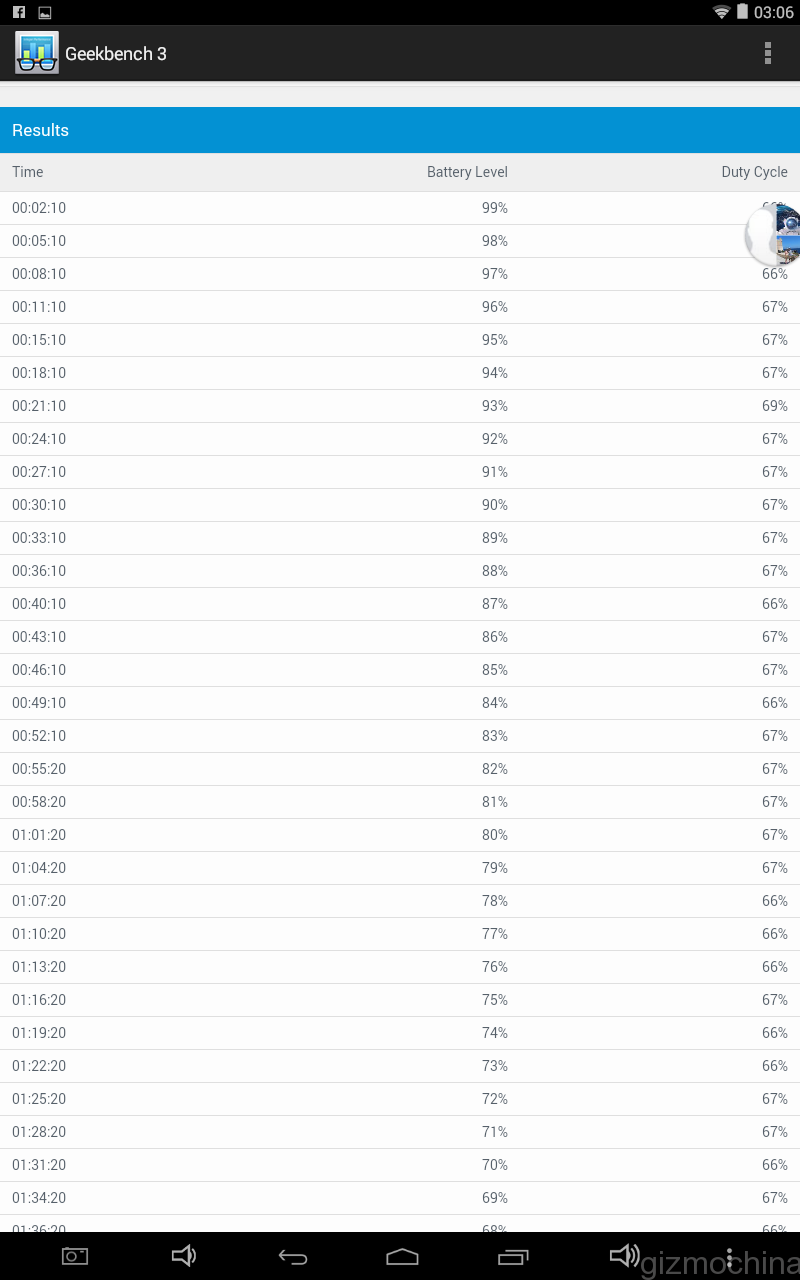
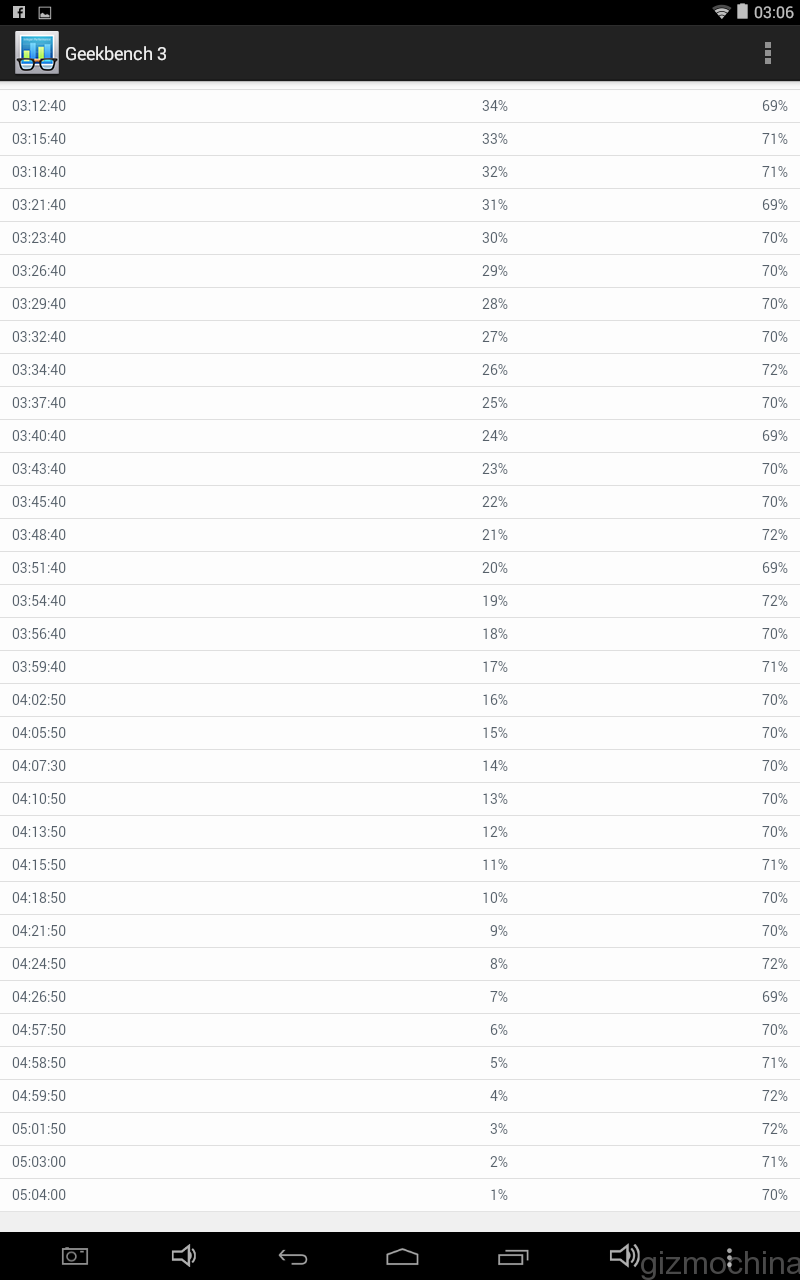
The Teclast X80HD tablet has a 4500mAh non-removable battery, which has an average life. As the Geekbench 3 test suggests, the screen-on time can be over 5 hours (tested on max. brightness, dim screen off). However, doing some more intensive tasks will drain the battery faster.
The battery life on Windows is about the same but again, it can be much worse if you do a lot of intensive tasks.
Overall, the 4500mAh battery does a fair job for the 8″ screen tablet but I would love to have a bit more time off the charger.
The tablet does not have calling feature as it does not have a SIM card slot since it is a Wifi only device. Speaking of Wifi, the range is not the best but quite good. It usually gets 1 bar less than my iPad but it is the same like my vivo Xshot smartphone.
As far as the Bluetooth connectivity, it works fine.
Keep in mind that the device does not have a GPS receiver, which is a very odd thing.
So there you have it, a Teclast X80HD dual-boot tablet. For a $100 you are getting a plastic made device, which does not feel premium but it does not feel very cheap either as the build quality is good.
In addition to this, you are getting two operating systems in a very compact package. Unfortunately, you cannot simply hot-swap these systems as you have to restart a device first to choose one.
Moreover, both OSs work fine on a daily basis but the hardware is not designed to drive the most graphically intensive tasks like gaming as the device tends to heat up a little and the graphics simply look poorly.
I would say this is a great little tablet for the money but I was disappointed by the screen quality. Well, it is not the worst but it simply has to be better on a tablet.
On the other hand, you are getting some other great features like MicroSD card slot, which can be easily swapped as it is embedded on the right side of the device. Also, you can easily hold the tablet in one hand as it has tiny bezels on the sides. Finally, it is a versatile option for those, who want both operating systems for a very cheap price in a compact size.
Last but not least Gizmochina readers are getting a generous $10 discount for Teclast X80HD tablet that can be used on Pandawill.com with a DISCOUNT CODE: x80promo . Keep in mind that the promo code is valid till 07/28/2015.
We use cookies on our website to give you the most relevant experience by remembering your preferences and repeat visits. By clicking “Accept”, you consent to the use of ALL the cookies.
This website uses cookies to improve your experience while you navigate through the website. Out of these, the cookies that are categorized as necessary are stored on your browser as they are essential for the working of basic functionalities of the website. We also use third-party cookies that help us analyze and understand how you use this website. These cookies will be stored in your browser only with your consent. You also have the option to opt-out of these cookies. But opting out of some of these cookies may affect your browsing experience.
Necessary cookies are absolutely essential for the website to function properly. This category only includes cookies that ensures basic functionalities and security features of the website. These cookies do not store any personal information.
Any cookies that may not be particularly necessary for the website to function and is used specifically to collect user personal data via analytics, ads, other embedded contents are termed as non-necessary cookies. It is mandatory to procure user consent prior to running these cookies on your website.