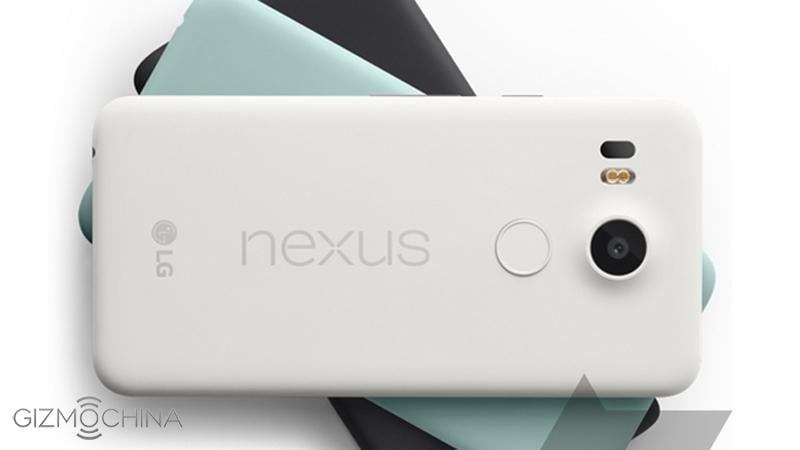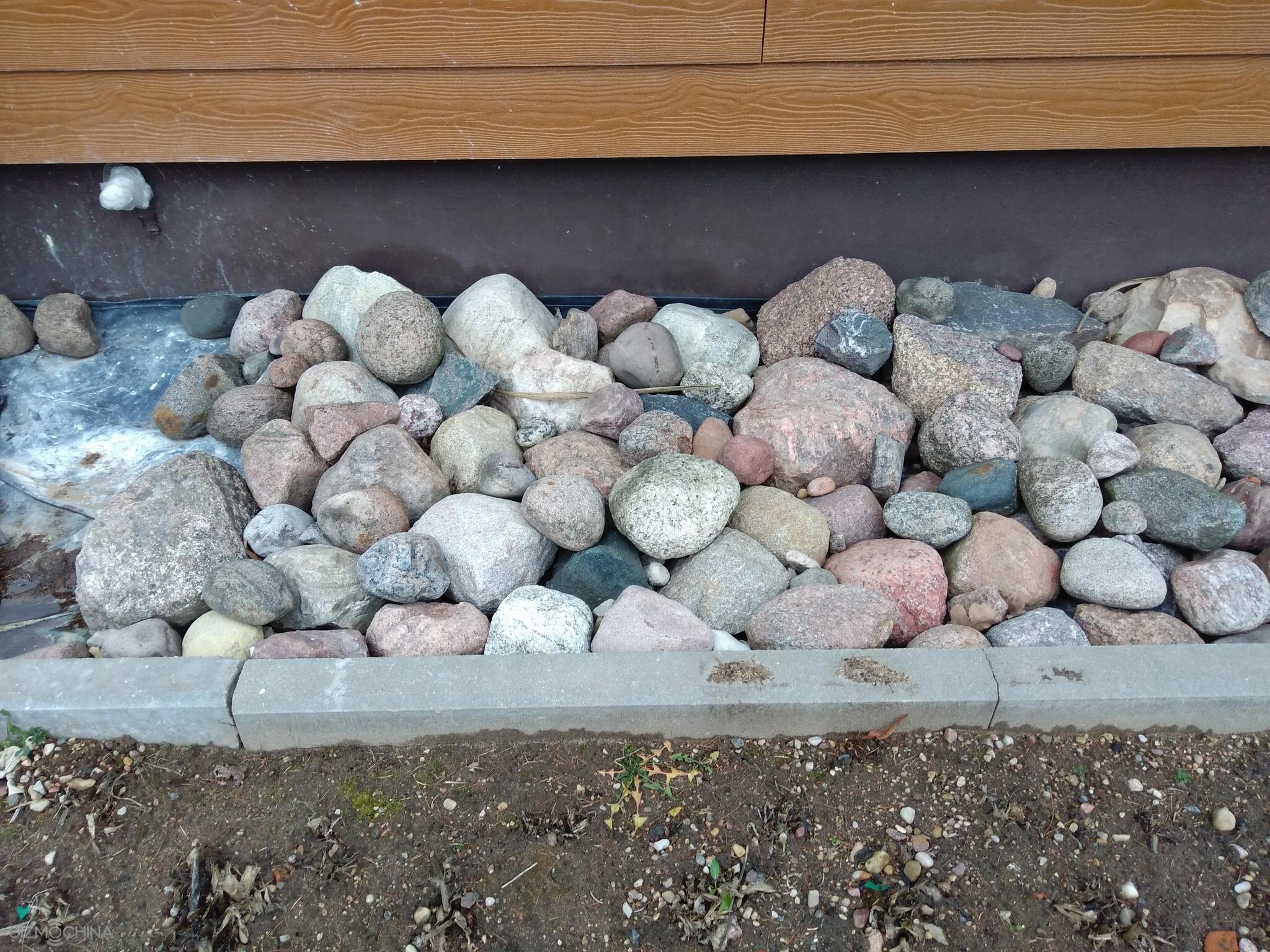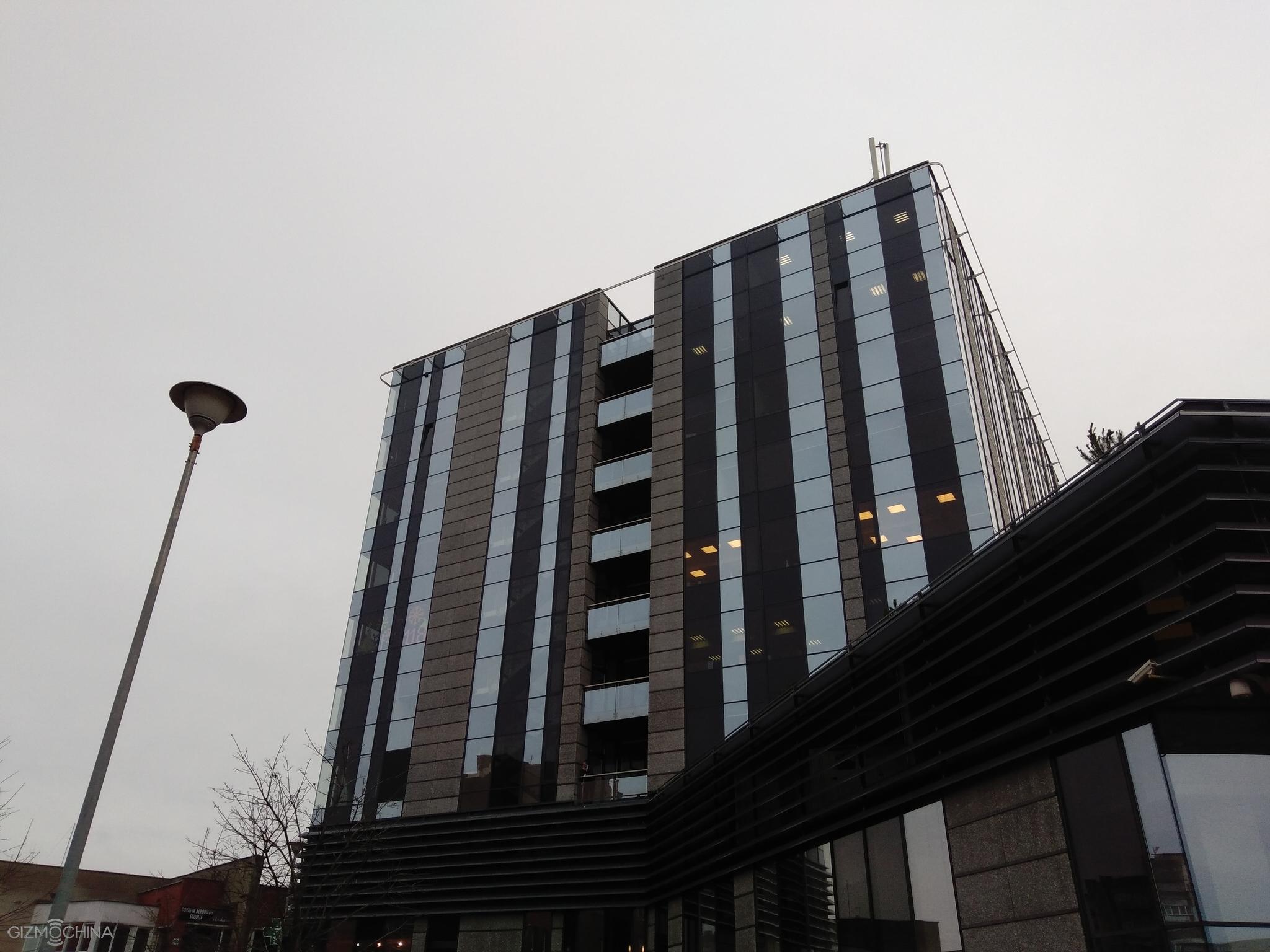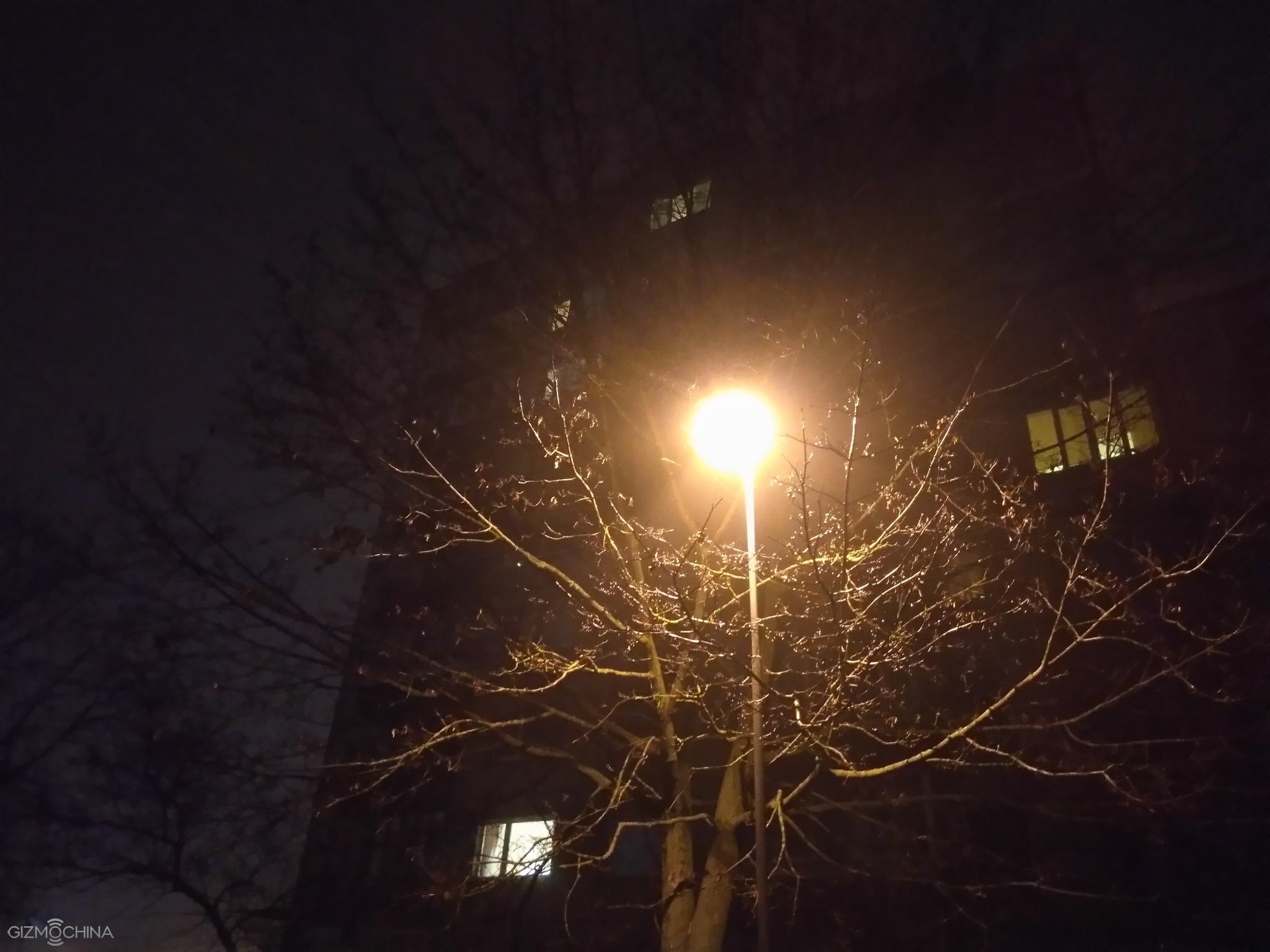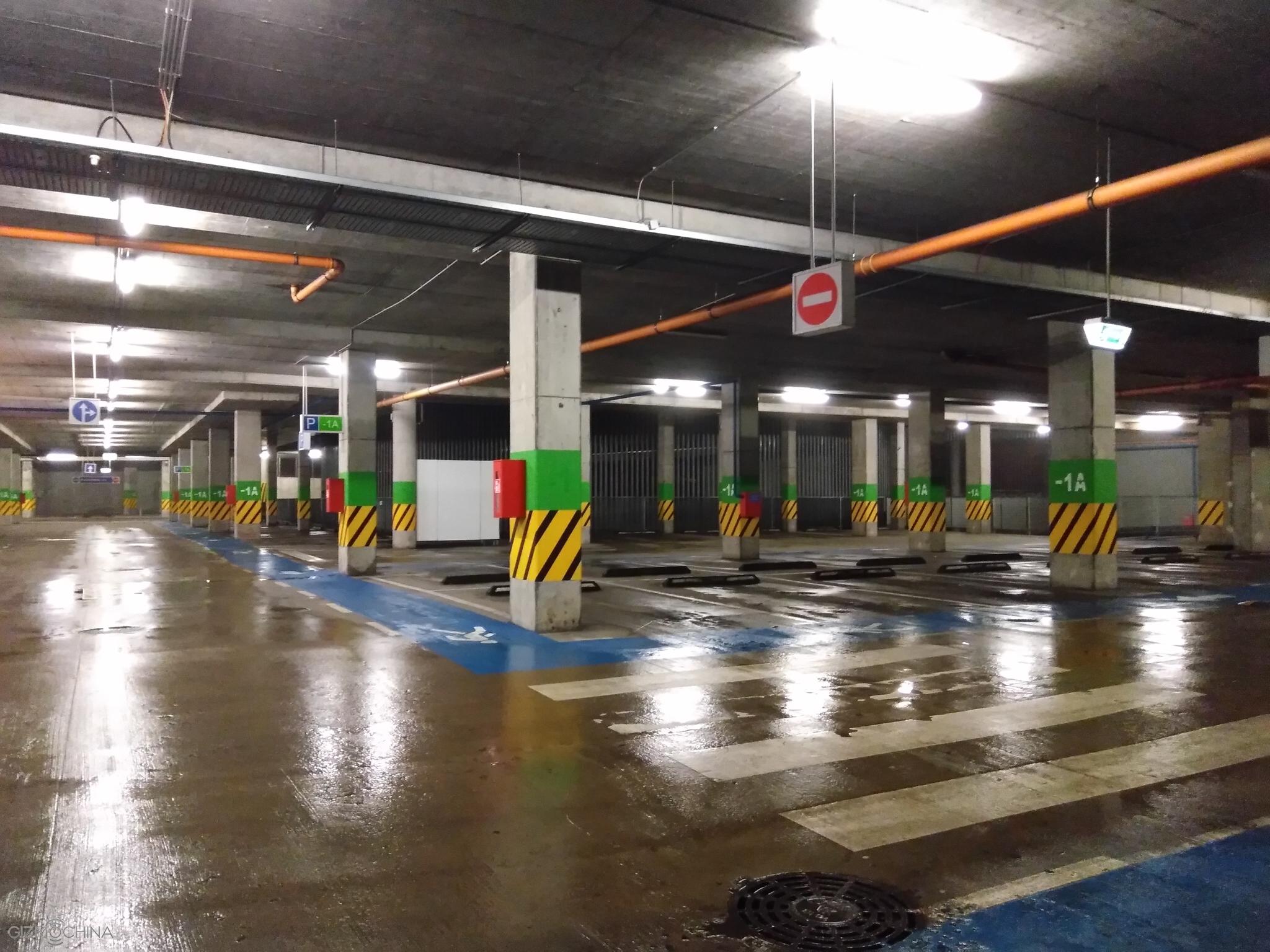
As its release date approaches, more news have been coming out about the Nexus 9 tablet. This device is the result of a collaboration between HTC and Google.
Recently, Korean news outlets have released what appeared to be the Nexus 9’s Antutu benchmark test results. According to these results, it uses the Tegra K1 chipset and sports a display screen with 2560 x 1600 resolution. Its OS is the Android 5.0.
As for the Nexus 9’s score, it got 45923. It has already been reported that it has 4GB RAM (Elpida 2GB RAM x2) and its baseband is the Qualcomm MDM9x25. It also sports a 8mp camera.
From the photo leaked yesterday, the Huawei Mate 7 looks like it sports a very narrow frame, probably narrower than the MX4’s. This could probably be the thinnest cellphone frame in the Chinese industry right now. However, a new phone was leaked this morning and it looks like the Mate 7’s frame is not that narrow. As the photo shows, the Mate 7’s screen is surrounded by a round black ring. Outside of that is the frame. So, it turns out that this phone’s frame is not as narrow as we thought. It looks like Huawei has used a pretty good eye trick.
Unfortunately, yesterday, it was revealed that the high-end edition of the Mate 7 will still use a display screen with 1080p, not 2K. However, its RAM and ROM were increased to 3GB and 32GB respectively.
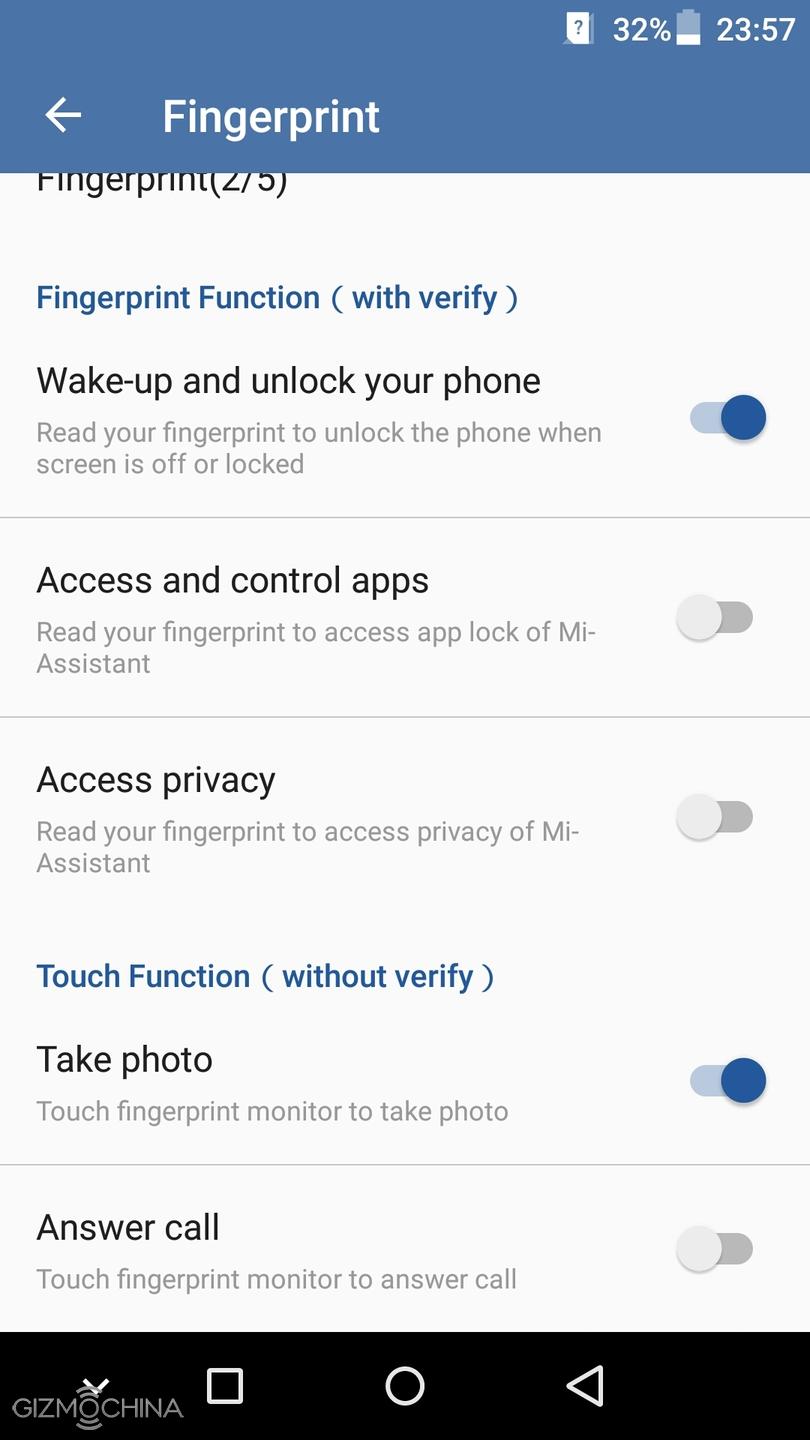
The Doogee DG900 is one of Doogee’s newest releases. Among its features is its rear touch panel which can be used to take photos and a wake gesture function and a 16MP Sony camera. It uses Gorilla Glass 3 glass on both side of the body.
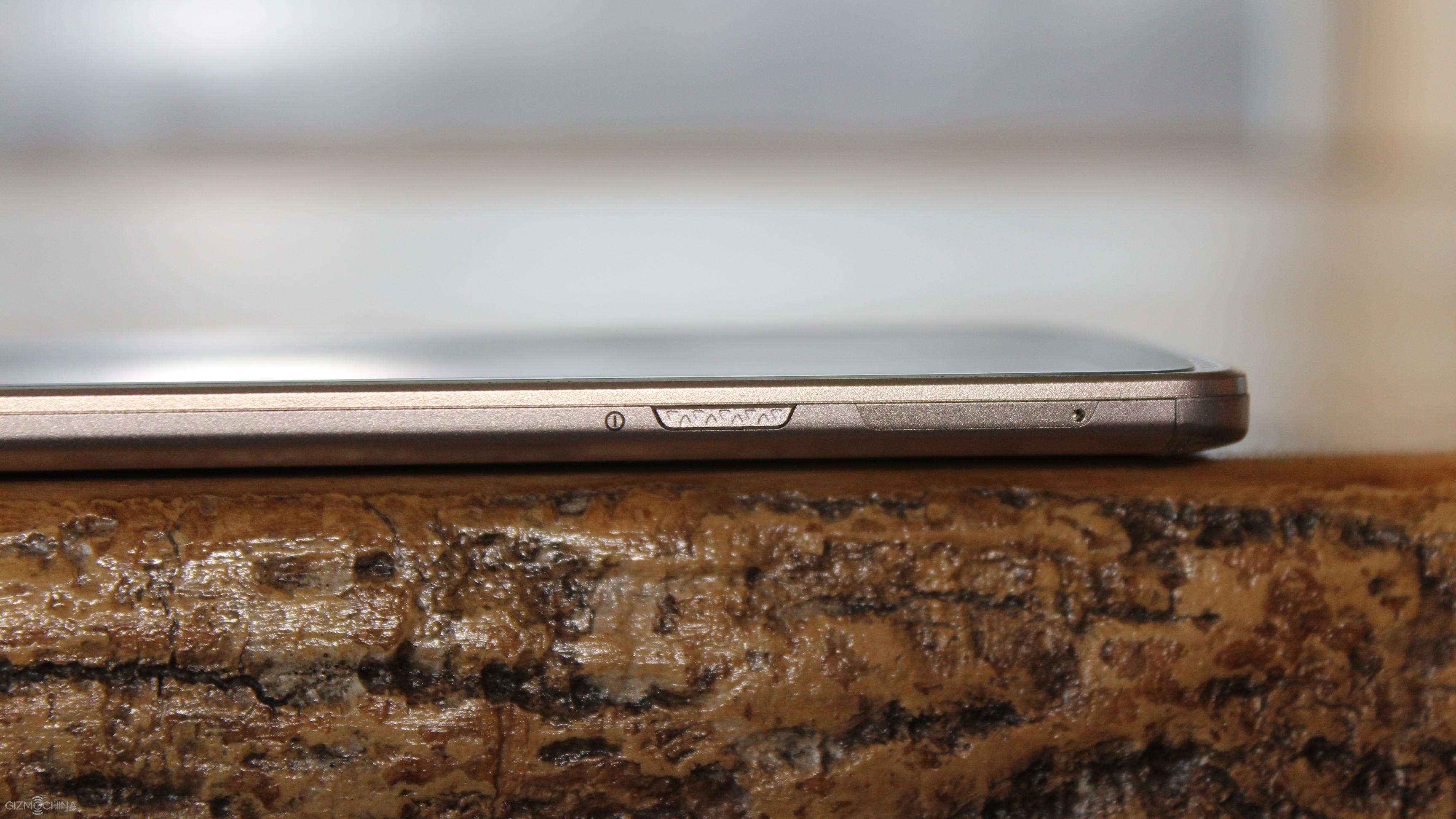
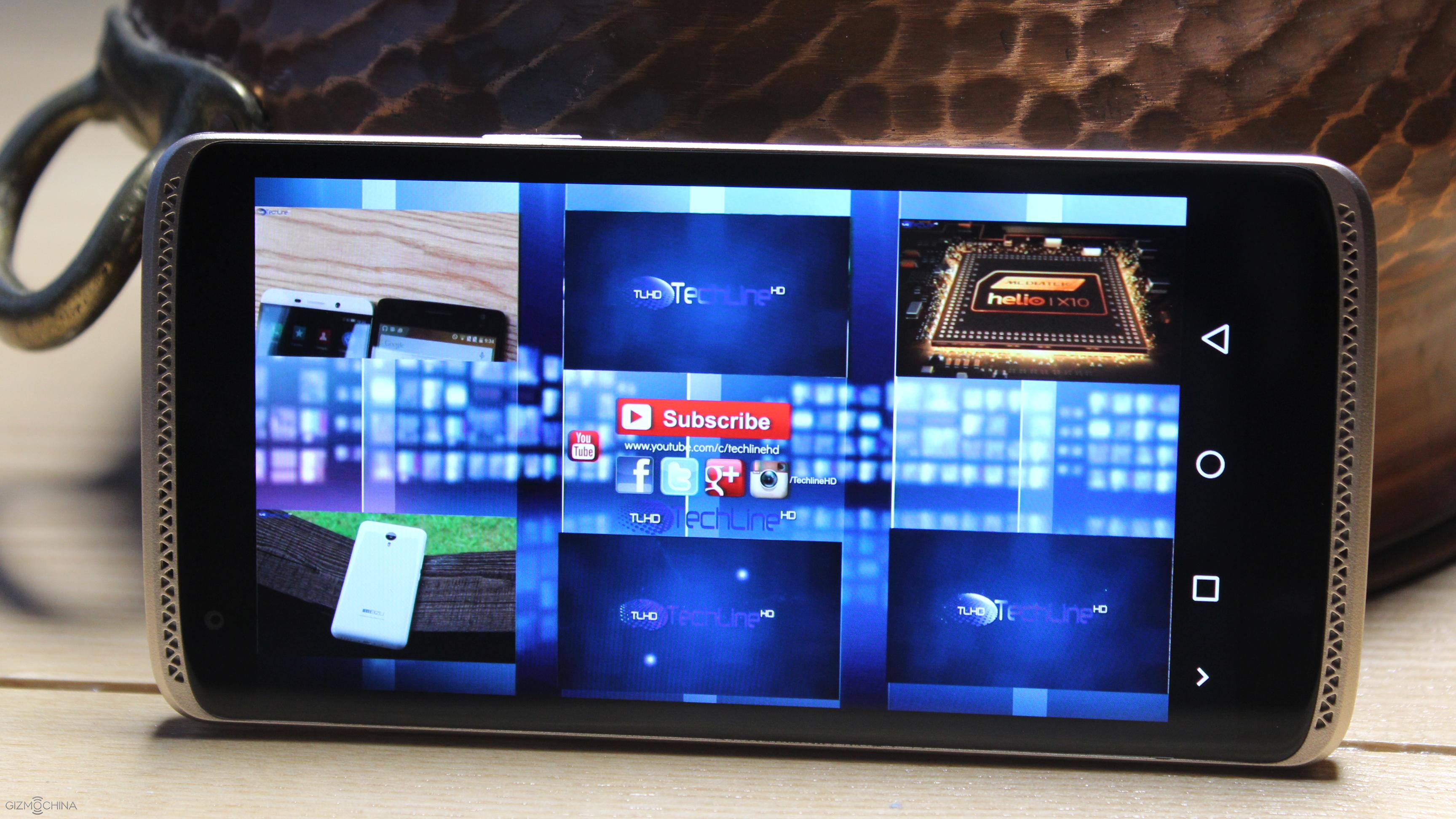
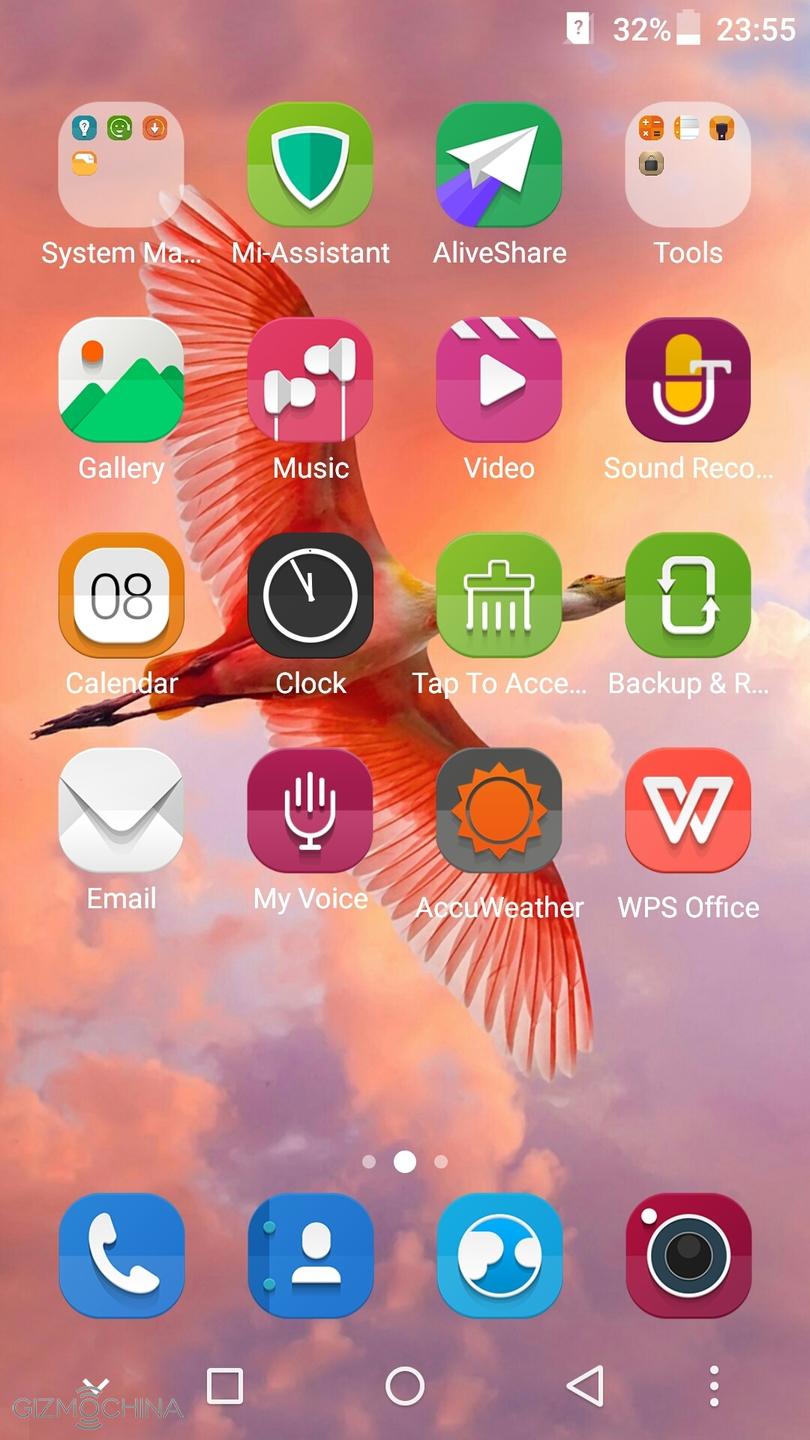
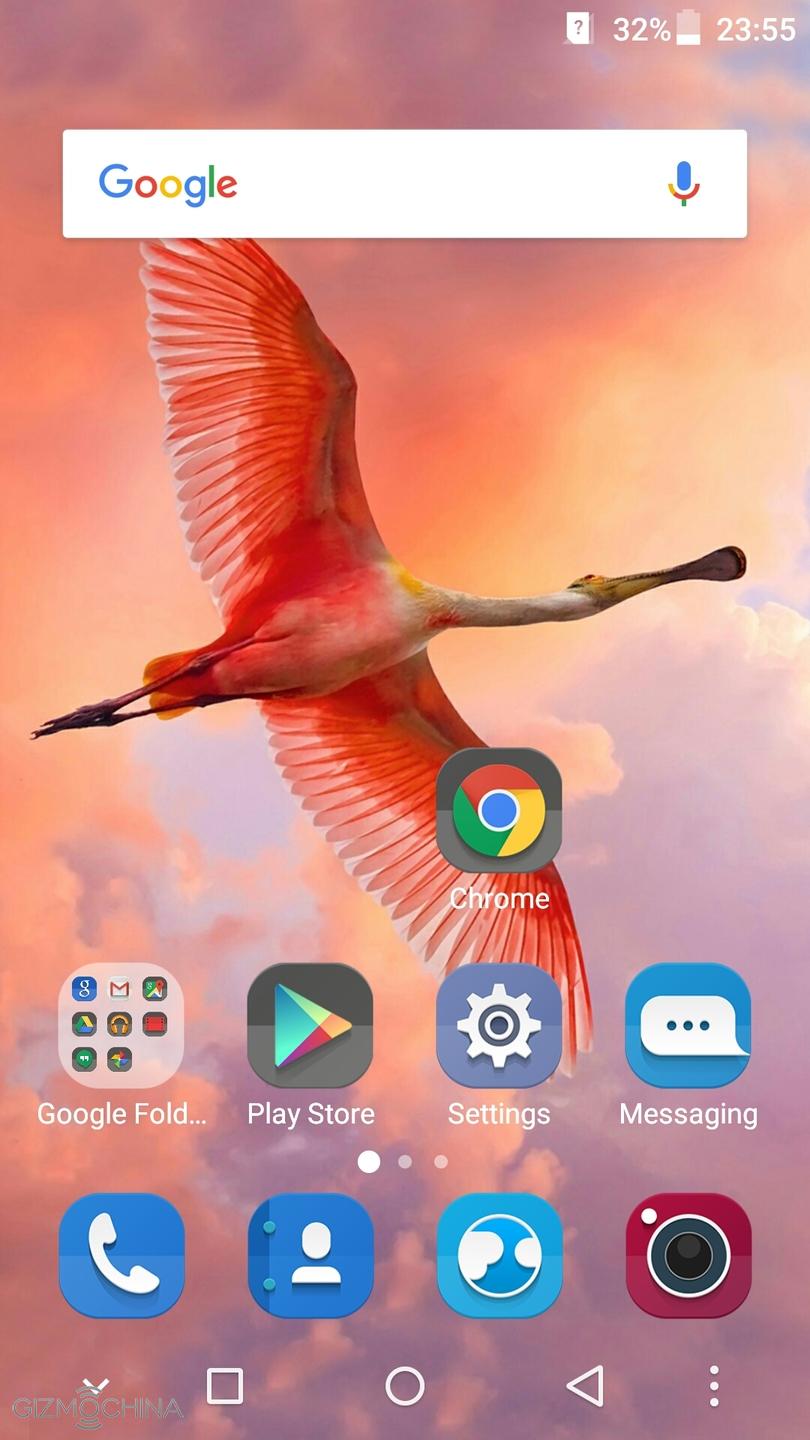
Lenovo’s new high-end phone, the Vibe X2, sports a very trendy design with an excellent four-colored mid-frame.
According to Lenovo, the phone’s mid-frame is composed with gold, yellow, orange, and black (just like the screen). However, Weibo user @老潘PLF leaked a photo where the gold panel looks more like white (it could because of the LED light).
The Vibe X2 sports a nice metal body. According to previous reports, one version (X2-CU) will use the MT6595M octa-core chipset (2.0 GHz A17 + 1.5GHz A7), while another (X2-TO) will use a 2.2GHz dual-core chipset (probably from Intel). Other than their processors, both phones will have the same specs. They will sport a 5-inch 1080p IPS screen, have 2GB RAM, 16GB internal memory space, and a 5mp/13mp dual-camera. It will powered by a 2250mAh battery and its OS is the Android 4.4.2.
After the launch of Mi3 and Redmi 1s in India, Xiaomi has now planned to open 6 exclusive service centres in india. Earlier the company had the plan of having exclusive service centres only in Delhi and Bangalore, but now the plan has expanded, and the new plan includes service centres also in Chennai, Hyderabad, Mumbai and Gurgaon.
It is the celebration time for the Xiaomi as their sixth flash sale of Xiaomi Mi 3 was a grand hit in India. Xiaomi is now set to launch Redmi 1S in the Indian market. This smartphone has a friendly price tag of Rs 5999. Flipkart.com will start the registration of the Redmi 1S smartphone on 27 August at 6 on Flipkart and will open the sale on 2 September.
The launch of the Redmi was announced by Hugo Barra, global Vice President of Xiaomi at an event in Delhi. Manu Jain, Head of Xiaomi India, was also present at the event with the Hugo Barra to communicate with the media. The main topics of discussion in the event were the exceptional success of Xiaomi Mi3 and the concerns that users have faced.
Barra revealed that the Xiaomi has a great interest in Indian smartphone market and said that, “India as a market has a lot of potential for smartphones, but it will probably take a couple of years for it to reach this potential. It’s like quarter of a size of China’s smartphone market or maybe even a fifth, so obviously there’s a long way to go.”
Xiaomi’s officials have also talked about the concern of the company to open the exclusive service centres in India. So, here it goes.
Just days after launching Redmi 1S in India. Chinese mobile manufacturing giant, Xiaomi has launched its latest offering the Redmi 1S in Indonesia today. The phone will be available for sale on the Indonesian e-commerce site, Lazada. The company is set to utilise the tactic of flash sale to move large stocks of the phone. The first flash sale begins on 4th September at 11 am and will continue till stocks last. Customers have already started registering for this sale and registrations continue till 3rd September.
Xiaomi is selling this phone in Indonesia for IDR 1.5 million or $128 which is on a slightly steep side as compared to the India where it is priced at $99. However, the users still feel that the phone is good value for the money. Redmi 1S has a 4.7-inch HD display with a resolution of 1280 x 720 p. It is powered by a 1.6 GHz quad-core Qualcomm Snapdragon 400 processor and has a 1 GB RAM. It runs on Android 4.3 Jelly Bean and supports dual sims. It has an 8 MP rear camera and a 1.6 MP front camera. It also possesses 8 GB internal storage expandable up to 64 GB.
Xiaomi is trying to make its presence felt outside China as it launched Redmi 1S in India at a very competitive price. For Indonesia, the company has already set up 17 service centres to build a stronger and wider customer base.
ZTE has launched the Nubia 5S Mini in the USA and that too unlocked, so that users do not have to seek the help of any specific carrier to enjoy this phone. The handset will be available for preoder online at Amazon.com for an affordable price of $279.99. For a mid range device, the Nubia 5S Mini is pretty well equipped. It sports a sophisticated camera – 13 MP rear and 5 MP front and is powered by the Qualcomm Snapdragon Quad Core processor. Other features of the phone include 4.7 inch 720p IGZO display, 2GB RAM, 16GB of internal memory and a 2000 mAh battery. It supports connectivity feature like $G LTE, Bluetooth, WiFi and GPS.
Chairman and CEO of ZTE USA, Lixin Cheng talked about the faith that ZTE places in its products and its capability of delivering LTE devices which is proved by the fact that the device is being sold unlocked in the USA.It is currently available on Amazon.com in white colour.The Nubia 5S mini is a slightly different version of the 5S mini launched in China last year and comes with a newer version of android and a different chip set.
The official website, zteusa.com, reports that the 5 megapixel front facing camera delivers perfect selfies. The phone is enabled with softwares that control the camera’s white balance, lighting and focus. This android smartphone is a treat for the click-crazy consumers and provides a budget friendly option for clicking and sharing pictures in the go.
Mozilla, known for the Firefox browser, entered the Indian smartphone market with its ‘super’ low cost smartphone, Cloud FX, priced at a mere $33 ( INR 1999). The company partnered with Indian company Intex, for the manufacture of these handsets which are being sold online at India’s largest e-marketplace, Snapdeal.
The phone runs on Mozilla’s Firefox operating system and users can download games and other content from its own application store, as told Jane Hsu, Mozilla’s Taipei-based Director of product marketing. This would also warm the market up towards the mobile version of their web browser, Firefox.
The Cloud FX has a 3.5-inch with a 320×480-pixel capacitive HVGA display. It is powered by a 1 GHz Spreadtrum processor and sports a 2-megapixel camera. It has a 1250 mAh battery which gives it 4 hours of talk time and 200 hours of standby time. It runs the web apps through HTML5 which consumes lesser memory. The phone comes preloaded with Facebook and Twitter. However, WhatsApp can be obtained through a third-party app source. Experts have considered this to be a case of ‘App-gap’ which translates as the lack of applications on cheaper smartphones as compared to those based on Android systems.
Success of the phone would be tug of war between the low price and low end features. However, Mozilla has aimed to target the first-time smartphone buyers who are intimidated by high costs and advanced features of other smartphones. The Cloud FX aims to be a low cost source of internet in everyone’s pocket, especially those who do not have access to computers.
Let us see if Mozilla partners with some Chinese mobile manufacturer to launch its phones in China. But till now there has been no news of Mozilla OS smartphones coming to China.
After the tremendous success of its first flagship device, Xiaomi, China’s largest smartphone vendor announced its successor, Xiaomi Mi4 back in July. While the 16GB model already started shipping by early August, the 64GB variant was only going to be available after August 12th.
This is definitely great news for Xiaomi fans as the device did not come with a MicroSD card slot. So, users who usually like to have all of their music, pictures and videos on their device can opt for this larger storage variant.
Xiaomi Mi4 comes with a 5 inch Full HD 1080p screen with a pixel density count of 441 ppi. Inside, there’s a powerful Snapdragon 801 processor clocked at 2.5Ghz along with Adreno 330 GPU and 3GB RAM.
On the back, there’s a 13MP F/1.8 aperture rear camera ideal for low light captures while on the front, you get an 8MP shooter. Xiaomi went with a slightly bigger non-removable 3080 mAh battery on the new flagship which should be enough for a day’s usage.
Other features include Bluetooth 4.0, Dual band Wi-Fi, Infrared port, and Android 4.4.3 Kitkat with the company’s MIUI on top.
Both the 16GB and 64GB models are available for purchase on the website for $399.00 and $499.00 respectively. So, head over to Oppomart to purchase the 64GB variant before the stocks run out.
Xiaomi has launched its newbie, Redmi 1S in the Indian market. Xiaomi has a strong desire to capture a great portion of the Indian smartphone market with the Redmi 1S as it a low priced phone with excellent features. The higher officials of the company have adopted a new business strategy for the fulfilment of this dream. The company has decided to temporarily stop the sale of the blockbuster smartphone i.e. Xiaomi Mi 3.
The head of operations of Xiaomi India, Manu Jain, has revealed this on the Tech PP that for coming weeks the company wants to keep their focus on the Redmi 1S. He also commented that the company will not be able to make Mi3 available for the Indian customers for few days. It is very surprising that after such magical and smash hit of Mi3 flash sale at Flipkart.com, the company is taking such decision. This type of revelations could also be anticipated as the inability of the company to fulfil the future stock requirements of Mi 3 in India. People are quite sceptical about the continuation of Mi 3 sale in India as Xiaomi is all set to release its low cost variant Redmi 1S in India.
It is also justified to wait for the final decision of the company before making any perceptions. It might be possible that Xiaomi will keep stick to its words and will continue the sale of Mi3 in India after some time.
Xiaomi will launch Mi4 in India by the year end. So will Mi3 return to India? Nothing can be said as of now. Xiaomi knows how to do business in India and they’ll do their best for Indian customers as well as their company profits.
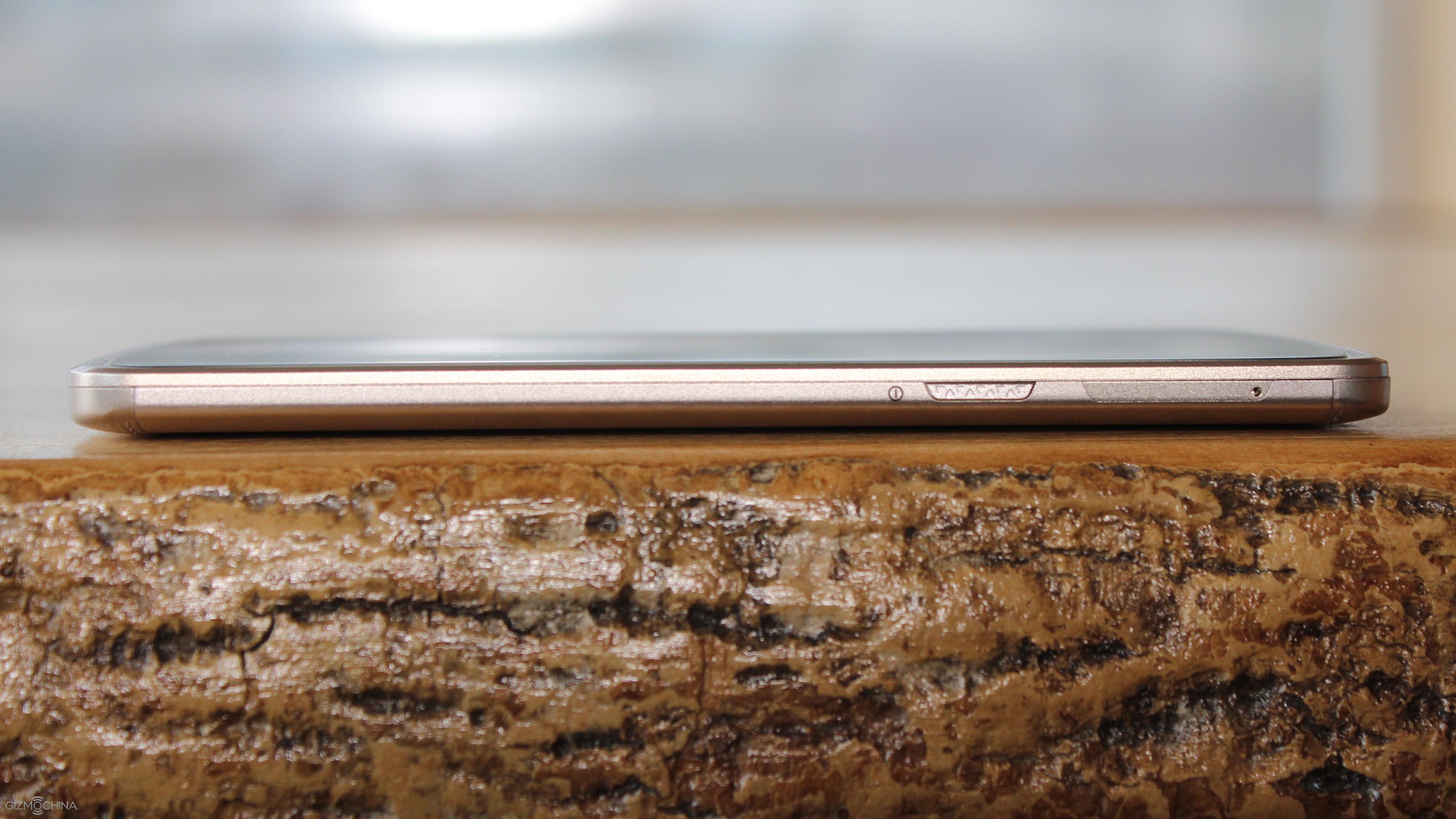
With IFA being held next month, Manufacturers are ready to gain interest with quite number of products in their bag.
IFA is just around the corner and most companies are hinting us an early look at their products that they’re planning to launch during this huge event.
Already LG and Motorola have confirmed their wearables now Taiwanese manufacturer is ready to enter the same ring. ASUS recently uploaded an image and a short clip featuring their new wearable called ZenWatch.
teased image
Not much info has been revealed and it is confirmed to be launched on September 3.
Can catch up the teased video from the link below.
Tomorrow, Intel will officially launch its newest platform, the Haswell-E processor, but to everyone’s surprise, it has already gone on sale.
The first online store to sell the Haswell-E is none other than Taobao. Right now, most sellers in Taobao are predetermined right now but one seller claims that it can already ship this processor, even posting a picture of the processor. It seems to be credible.
Regarding the price of the Haswell-E as sold by this manufacturer, the top-knotch edition’s (i7-5960) price is somewhere between 8199 RMB (1334.41 USD) and 8999 RMB (1464.61 USD), while the mid-end version (i7-5930K) costs 4999 RMB (813.60 USD) and the low-end version (i7-5820K) costs between 2999 RMB (488.09 USD) and 3499 RMB (569.47 USD).
The official prices were released by Intel the other day. The Core i7-5960X will cost 999 USD (5136 RMB), while the i7-5930K will cost 583 USD (3580 RMB) and the i7-5820K will cost 389 USD (2390 RMB).
It was previously reported that Huawei will release a high-end version and low-end version of its newest flagship phone, the Mate 7.
According to the Ministry of Industry and Information Technology, however, there will actually be three versions. Their model numbers are MT7-CL00 (China Telecom 4G version), MT7-TL00 (China Mobile 4G version), and MT7-TL10 (Should be the China Unicom 4G version).
When comparing the first two versions, it looks like some small changes were made for the MT7-TL10. It still sports a 6-inch 1080p display screen, runs on a1.8GHz octa-core processor, and sports a 13mp/5mp dual-camera. The only differences are that its RAM was increased to 3GB and its internal memory space was increased to 32GB (the first two have 2GB RAM and 16GB internal memory space). This should be the Mate 7’s high-end version. Unfortunately, it does not have a 2K screen. Perhaps, they never planned to include one in the first place.
Today, 3g.cn posted two snapshots of Huawei’s newest flagship device, the Huawei Mate 7. As the photos show, the Mate 7 sports a design with a big screen and narrow frame. The front panel’s edges are very short. It looks like this phone should have a very high screen performance ratio. It seems to have a narrower frame than the recently-revealed MX5, probably measuring about 1mm.
Huawei’s logo is located below the screen which confirms that virtual buttons will be used. On the left side of the Mate 7’s 13mp camera is a single LED light. Below the camera is a fingerprint sensor.
As for the Mate 7’s other specs, it sports a 6-inch 1080p screen, uses an octa-core 1.8GHz processor, has 2GB RAM, and, other than the 13mp rear camera, has a 5mp front camera. Also, some reports say that a high-end version may be released with a 2K screen and 3GB RAM.
Xiaomi also known as China’s Apple has shown its immense potential outside China, i.e., in the Indian market. Hugo Barra, Vice President of Xiaomi, revealed on a famous social networking site, Twitter that in Flipkart’s sixth flash sale, 20,000 Xiaomi Mi 3 smartphones sold out precisely in 2.4 seconds. The sale started on 26August at 2 PM and it was just a matter of 2.4 seconds that Xiaomi Mi 3 sale took a flight.
Xiaomi has repeated the history, as the company has also done the same 2.4 seconds magic during the fourth and the fifth flash sale of Xiaomi.
According to the sources of company, the first batch of Xiaomi Mi 3 sold out in 40 minutes and second batch was sold in just 5 seconds. During the third flash sale, Xiaomi experienced the fastest sold out notification; it was just in 2 seconds that this smartphone was out of stock. This is a big hit not only for Xiaomi but also for the Flipkart.com, which is the sale partner of Xiaomi.
The sale strategy laid down by Flipkart for ordering Xiaomi Mi 3 is a very simplified procedure. You just need to click on the icon of add to cart after the selection of Xiaomi Mi 3 and it is classified as sold. The rest of the formalities are done thereafter in the additional time.
The Indian smartphone market is very much favouring this China based company and its favour can be judged from the numbers of Xioami Mi 3 sale in 3 seconds.
Chinese mobile phone manufacturer, OPPO, first made its presence felt in the Indian market in early 2014. It roped in bollywood stars Hrithik Roshan and Sonam Kapoor to make a stronger connection with the Indian public. It currently has nearly 10 handsets available in the Indian market, namely, OPPO N1, OPPO R1, OPPO Find 5 Mini, OPPO Neo, OPPO Yoyo and OPPO Joy.
It has now decided to sell its latest offering, OPPO Find 7, on the e-commerce site Flipkart. The company confirmed that its entire range would be available exclusively on Flipkart from 26th August. This move was taken to increase its digital presence as an increasing number of consumers are now taking to online shopping. This was confirmed by OPPO Mobiles India Chief Executive Tom Lu who even said that Flipkart was the ideal partner as it has a large and loyal customer base making it easier to reach out to a larger number of buyers. This move will surely improve the pan-India presence of the brand as the company plans to increase the number of service centres across the country in the next year. Mr. Tom Lu even said that their products would give the Indian consumers a chance to best in innovation, as has been experienced by customers all over the world.
OPPO Find 7 is the first 4G device launched by the company and has a Quad HD display. The phone is backed with a great camera and a fast charging technology called VOOC.
A great symbiotic relationship is one in which both the parties are equally benefitted. Sponsorship of the latest season of Bigg Boss by OPPO India is a precise example of this. OPPO is a Chinese mobile phone manufacturer who launched its handsets in India in early 2014. Since then the company is trying to gain a stronghold in the Indian market. What could be a better opportunity to connect with the Indian public than sponsoring India’s top most reality TV show, Bigg Boss. On the other hand, the show gained an important sponsor as it aims to increase its budget from 120 crores last year to a whopping 150 crores.
OPPO India CEO, Mr Tom Lu said, “It’s been our endeavour to establish a closer connect with the Indian society ever since we became a part of it. A hugely popular show like Bigg Boss on Colors will give us a platform to come closer to the Indian masses. During the show, viewers will get to know more about OPPO’s commitment to designing beautiful technology products with an open attitude and how OPPO’s range of innovative smartphones help create fun memorable moments. We wish the show enormous success.”
Mr Raj Nayak, CEO, Colors, said, “We are happy to announce our association with OPPO India as the ‘Powered By’ sponsor for Bigg Boss Season 8 and are glad that OPPO has chosen Bigg Boss as a platform to launch their newest campaign. We look forward to building a positive relationship with the brand and strengthening our association.”
Here’s hoping that this strategic partnership works in favour of both the companies.
Samsung and Xiaomi, both the names are not new in the smartphone market. Both have proved and established as the real players of the android smartphones. Samsung is a South Korea based company and has captured the global market. Recently, Samsung took hold of 32.2% share of the global LTE smartphone market in Q2 2014 (April – June) with the help of Samsung Galaxy S5. Reports of the Strategy Analytics suggest that this sale have taken Samsung a step ahead of Apple. Xiaomi is not behind in any way from Samsung and this China based giant has shown its presence in smartphone market by hitting the sale of 20,000 Mi 3 smartphones in just 2.4 seconds in India. Samsung Galaxy Alpha from Samsung and Xiaomi Mi 4 from China’s Apple are ready to face off each other in the android smartphone market.
Samsung has changed Galaxy by introducing a metal casing in their new Galaxy Alpha. Samsung Galaxy Alpha has a 4.7-inch super AMOLED screen display with 720 x 1280 pixel resolution, Exynos 5430 chipset, 32GB internal storage, Android 4.4.4 Kitkat, 12 megapixel camera at the back and 2.1 MP front-facing camera. The Galaxy Alpha has some really cool and highly sophisticated features like a fingerprint scanner and S Health and connectivity support for Galaxy Gear.
On the other hand, Xiaomi Mi 4 has all the high end specifications and features and a very user friendly price tag. Xiaomi Mi 4 has a 5-inch Full HD screen, Qualcomm Snapdragon 801, 64GB internal storage, Android 4.4.3 Kitkat, 13-megapixel back camera and 8 MP front camera.
Xiaomi Mi4 surely scores over Samsung Galaxy Alpha in terms of screen size and camera. So which is your next pick???

Anorexia and zero figures are receiving rave comments and criticism all over the world but here in the mobile world slim is the latest catch word. Gionee boasts of manufacturing the world’s slimmest smartphone, the Elife S5.5, with a thickness of just 5.5 mm. However, the company has decided to challenge its own record and launch a successor to this phone with a thickness of merely 5 mm. The teaser launched by the Chinese smartphone manufacturer shows the slimmest phones over the years – Moto V8 at 11.9mm (2007), iPhone 4 at 9.3mm (2010), Moto XT910 at 7.1mm (2011), and Elife S5.5 (2014). Finally, the latest contender is displayed which will surely beat the thickness of the Elife S5.5.
The current Elife S5.5 has a 5-inch AMOLED display with 1080p full HD resolution and is powered by an octa core processor. A drop in thickness to around 5 mm would surely require significant engineering innovation because of the number of components that are put together in a smartphone. It might strain the battery which occupies most of the space. Moreover, the phone is touted to possess a Corning Gorilla Glass screen which puts up the question of how the thickness has been cut down. Another issue would be that of handling as an extremely thin phone would be prone to accidental falls.
Only time will tell how this smartphone will perform but it is needless to say that a large hype has been created by the teaser. The trend of slim phones is just a temporary fad or a statement that is here to stay will be decided by the users as they will judge this newest entrant.
ZTE made best use of the famous ‘flash sale’ business model and sold 52,800 units of their Nubia Z7 Max and Nubia Z7 Mini handsets in less than five minutes. Those who could not get their hands on these phones could reserve them online on the ZTE website or order them from the official online retailer.
The original Nubia Z7 flagship mobile has features like a 5.5-inch Quad HD display with 1440 X 2560 resolution. It is powered by a 2.5 GHz quad-core Snapdragon 801 processor and has 32 GB expandable storage. These features pitch it against the very similar LG G3. The Nubia Z7 Max has similar specifications as the Z7 expect a few tweaks. The resolution in Z7 Max is a conventional Full HD instead of Quad HD and comes with a smaller RAM of 2 GB in place of 3 GB in the flagship model. These features have made many experts and users question the name of the model i.e. ‘Max’. The Nubia Z7 Mini is called so because of the smaller screen size as compared to Z7 Max. However, it sports a 5 inch screen which is definitely not ‘mini’ by any chance.
Both the Z7 Max and Z7 Mini have similar camera configurations with the back and front-facing cameras on being 13 MP and 5 MP, respectively. Also the max has a larger battery of 3100 mAh while the mini possesses a 2300 mAh battery. As of now, these handsets are being sold in the Chinese market and the world awaits their arrival in other countries.
We use cookies on our website to give you the most relevant experience by remembering your preferences and repeat visits. By clicking “Accept”, you consent to the use of ALL the cookies.
This website uses cookies to improve your experience while you navigate through the website. Out of these, the cookies that are categorized as necessary are stored on your browser as they are essential for the working of basic functionalities of the website. We also use third-party cookies that help us analyze and understand how you use this website. These cookies will be stored in your browser only with your consent. You also have the option to opt-out of these cookies. But opting out of some of these cookies may affect your browsing experience.
Necessary cookies are absolutely essential for the website to function properly. This category only includes cookies that ensures basic functionalities and security features of the website. These cookies do not store any personal information.
Any cookies that may not be particularly necessary for the website to function and is used specifically to collect user personal data via analytics, ads, other embedded contents are termed as non-necessary cookies. It is mandatory to procure user consent prior to running these cookies on your website.