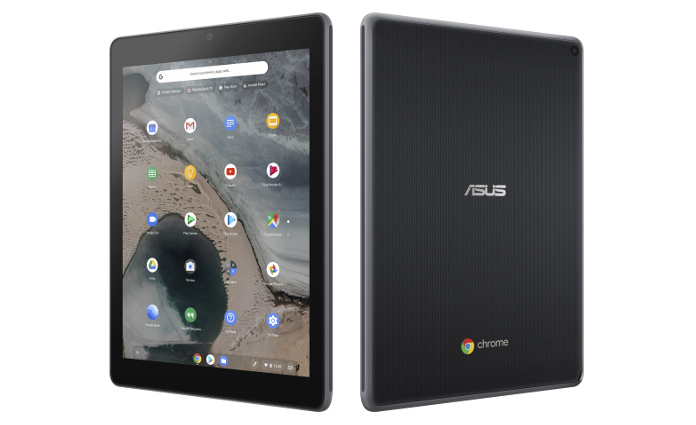
The Acer Chromebook Tab 10 launched last year as the world’s first Chrome OS tablet. Following its launch, Google itself has launched its own Chrome OS tablet called the Pixel Slate. Now ASUS has followed suit with its own which it has dubbed the ASUS Chromebook Tablet C100.
The Chromebook Tablet C100 has identical specs to Acer’s own tablet so you get a 9.7-inch 2048 x 1536 display, an OP1 (Rockchip RK3399) six-core chipset, 4GB of RAM and 32GB of expandable storage.
There is a 5MP camera on the rear in the same top right corner as seen on Acer’s tablet and a 2MP camera in front for video calls. It also has a USB 3.1 Type-C port that also doubles as a display port, a 3.5mm audio jack, Bluetooth 4.1 and Wi-Fi.
[envira-gallery id=”230626″]
The ASUS Chromebook Tablet C100 also has a stylus that can be stored in a slot at the base of the tablet when not in use. Unlike the Acer tablet, the ASUS C100 has a rubberized body designed to take a beating and survive drops from up to 3.2 feet. It also comes in gray/black. The familiar chrome logo can be seen at the bottom of the device.
Google has been secretly working on its next-generation operating system called ‘Fuchsia OS’ since quite some time now but there has not been any official announcement from the company. While some reports indicate that it could replace Android, some reports suggest that it will be entirely different.
Earlier, it was rumored that the Fuchsia OS will be capable of running Android applications and now we have a confirmation for the same from Google. Spotted by 9to5Google, a new change in the Android Open Source Project confirms that Fuchsia will be capable of running Android apps using the Android Runtime.
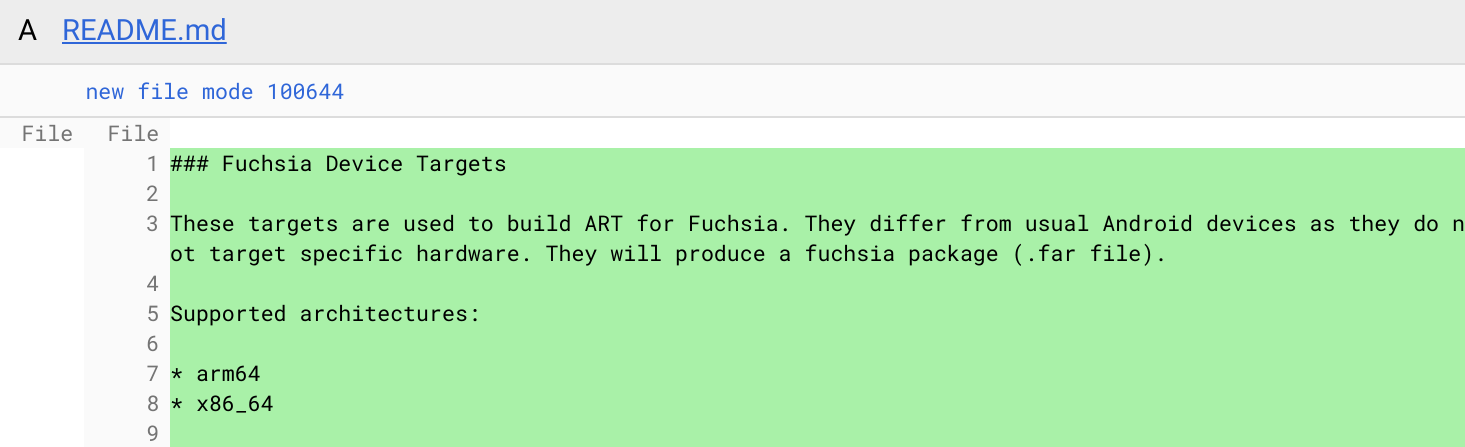
Last month, two repositories related to the Fuchsia OS were added to the Android Open Source Project (AOSP) manifest. The first — “platform/prebuilts/fuchsia_sdk” contains a pre-built copy of the Fuchsia SDK, which would be used to create applications. The second — “device/google/fuchsia” appeared like a device that could be used by the Android Emulator to run Fuchsia.
This week, there was a change that was posted to Android’s Gerrit source code management system. The README.md file helps explain what the “device/google/fuchsia” repository is intended for. It says that Fuchsia will use a specially designed version of the Android Runtime (“ART” above) to run Android applications. This version of ART will be installable on any Fuchsia device using a .far file which is Fuchsia’s equivalent of Android’s APK.
Fuchsia OS is being created from the scratch to overcome certain limitations that Android presents. It should be able to work across a range of products including phones, laptops, and smart devices. It looks like the OS is being built to be more secure, better capable to understand voice interactions and look the same across devices.
A couple of months ago, it was reported that an Android smartphone from Huawei is being used for testing Fuchsia. The Chinese company has been working on making the upcoming OS run on Kirin 970-powered devices, starting with Honor Play.
Huawei has also become the first company outside of Google to make a major contribution to the upcoming open source OS project. However, this is not surprising given that Google and Huawei have worked together in the past.
The strategy of Google of making information available early and giving developers and users time to warm up to the change seems smart as it makes the transition process easier for users as well as developers. While it will be many more months before we see Fuchsia in the wild, we are expecting Google to official acknowledge Fuchsia OS sometime this year.
A free weather information application from TCL named ‘Weather Forecast—World Weather Accurate Radar’ has been collecting unusual amounts of information from its users, claims security experts.
According to the reports, the application has been collecting personal data including email addresses and mobile identification numbers and the data are then transmitted to servers based in China. Further, it is claimed that the app has also subscribed users to paid services without permission.
This is very crucial given that the app has been downloaded over 10 million times on Google Play Store. According to a London-based security firm Upstream Systems, TCL‘s ‘Weather Forecast’ asks to collect information including users’ geographic locations, email addresses, and International Mobile Equipment Identity (IMEI) numbers.
Weather Forecast—World Weather Accurate Radar
It goes on to claim that TCL has also been attempting to fraudulently subscribe users of budget Alcatel smartphones in countries like Brazil, Malaysia, and Nigeria to paid “virtual reality services”. As per the security firm, Brazil alone received around 2.5 million transaction attempts from Alcatel devices in July and August last year.
The security firm says that the attempts were blocked after the company discovered the activity. It further says that while the app is no longer attempting to subscribe users to third-party services, it still continues to collect user data.
In response to these accusations, the company said that it is “evaluating new security consultants who can provide additional validation of the safety of our mobile applications we develop.”
As said, the app is owned by TCL Communication Technology Holdings Ltd. which is based in Shenzhen, China. TCL is the company that manufactures smartphones for BlackBerry and Alcatel and phones from both those companies come pre-installed with the weather application.
It remains to be seen if Google takes any action against the app or the company. Previously, in December, Google had suspended two Chinese apps from its Play store after allegations that they were exploiting user permissions under an ad fraud scheme.
The Internet Society of China’s analysis into data-gathering practices found that 18 of the most popular apps in the country collected what it deemed excessive user information – including text messages, address book data, and recordings. Almost half of those apps appeared to do this without consent from the user.
Various laptop manufactures have been selling 2-in-1 laptop-tablet hybrid devices. Such devices feature a detachable display. A new patent filing by Dell reveals that the company may started a new trend of laptops by launching a new 2-in-1 device with two detachable displays.
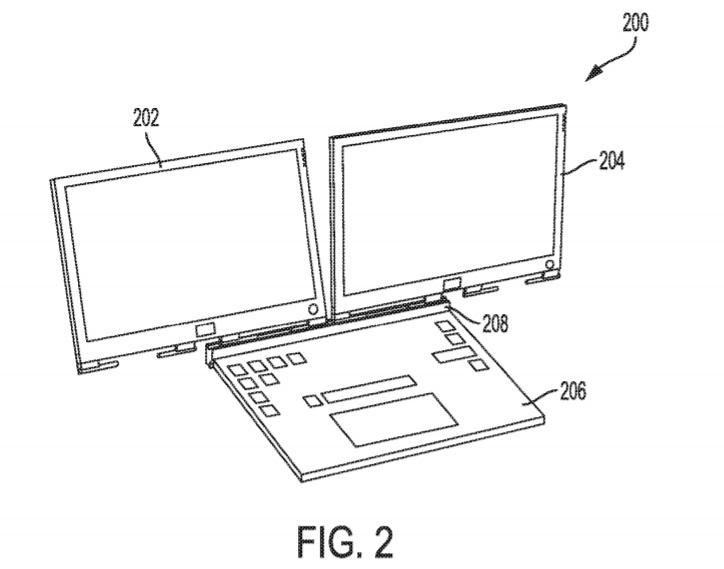
In June, Dell had filed a patent for “Information Handling System with Multiple Detachable Displays with United States Patent and Trademark Office (USPTO). The patent was approved on Jan. 3 by the U.S. authority. The patent filing reveals a laptop device with two detachable screens that can be attached to a magnetic strip to the adjustable clamp of a keyboard. The two displays can be connected to the device through display ports.
What’s interesting about the device is that the two screens can be arranged to face the user, or one display can face outwards at the audience for showing presentations. In the image above, the two screens can be seen placed besides each other. This arrangement will allow users with extended screen arear. The contents of the two screens can be extended or mirrored.
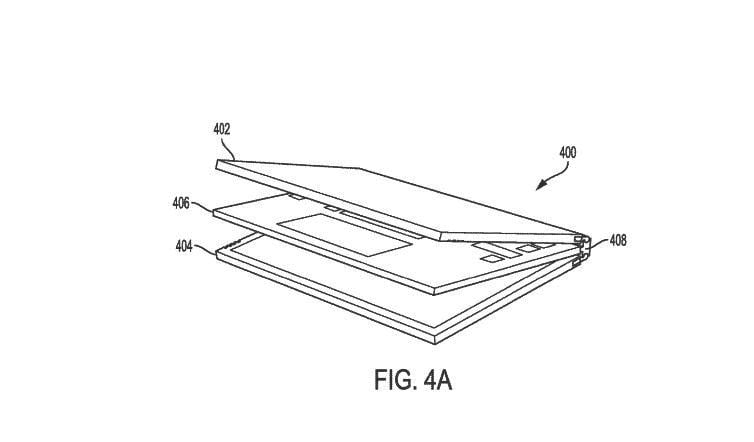
The two displays can be arranged with the keyboard base in between during transport. However, a laptop with dual displays can be heavier than conventional 2-in-1 notebooks. The patent documents do not contain any information on the size of the two screens.
Companies are known for filing multiple design patents so that they may launch devices with innovative features in the future. However, there are high possibilities that all the patent designs do not end up as real devices. Hence, it remains to be seen whether Dell will really launch a laptop with two detachable displays in future.
Would you be interested in purchasing a laptop with two detachable displays? What’s your opinion on the above design? Share us your thoughts by posting your comments below.
The International CES (Consumer Electronics Show) is slated to kick off on Tuesday, January 8th at the Las Vegas Convention Center.
Cashing in on the hype surrounding the upcoming trade show, Banggood has launched its 2019 CES Topics Event, wherein users can grab big discounts on a wide selection of items. Moreover, users will be able to take advantage of a 7% off and an up to 50 percent off site-wide coupons as well.
In a bid to expedite the search process, the aforesaid event has been split into multiple categories. More importantly, items included in each category are currently up for sale carrying heavily discounted price tags.
This site-wide coupon code CES2019 will be valid until January 13th UTC+8 specifically for items that do not carry already discounted price tags. It is also worth noting that the coupon cannot be used together with another ongoing promotional offer.
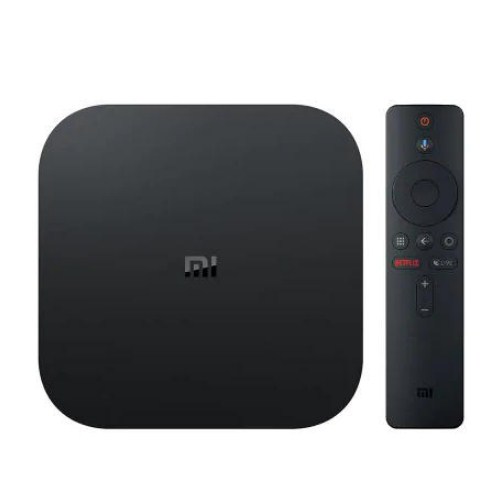
For the sake of an instance, the ‘Daily Top Pick’ section is brimming with all sorts of items including a MantisTek GK3-61 mechanical keyboard, KCASA KC-MT10 Ultra-thin Lighter, and the Xiaomi Mi Box S TV box, just to name a few. While these items usually carry steep price tags, you can now buy them without breaking the bank. Likewise, the ‘Topic Deals’ section features miscellaneous items that you can get your hands on without burning a hole in your pocket. The section is further divided into several sub-categories like Robotics & Machine Intelligence, Product Design & Manufacturing, Smart Devices, Immersive Entertainment, Smart Home etc.
You can click here to visit the promotion page and check out the rest of the products. It is imperative for you to bear in mind that the 7% off site-wide coupon is slated to expire on January 10th, while the second coupon that also offers over 7% off will be made available on January 11th and it will lapse on January 13th.
Samsung is all set to launch its upcoming flagship smartphone — Galaxy S10 next month and as the phone’s launch nears, more leaks related to the device is expected to surface online, even though almost everything related to the Galaxy S10 series is already known.
In the latest development, Evan Blass has shared a real image of the upcoming Galaxy S10 “Beyond 1” smartphone. The phone’s design is in line with the previous leaks, which suggested a full-screen Infinity-O display having a ‘punch-hole’ for the front-facing camera in the top-right corner.
The Infinity-O display ensures a higher screen-to-body ratio. There are minimal bezels on the sides as well as on the top but the bottom bezel or chin is quite thick. Unfortunately, the image of the phone’s back panel was not shared.
The Samsung Galaxy S10 Lite, S10, and S10 Plus will come with 5.8-inch, 6.1-inch, and 6.4-inch Super AMOLED display respectively, with a higher screen-t0-body ratio. Depending on the market, the Galaxy S10 series will be powered by the Snapdragon 855 or Exynos 9820. The phones will be running Android Pie-based Samsung One UI on top.
The S10 Lite will have dual rear cameras while the other models will be equipped with triple camera sensors on the back. The S10 and S10 Plus are expected to come equipped with an ultrasonic in-display fingerprint sensor.
The South Korean giant had reportedly started production of this upcoming smartphone series last month which is quite early given that the production of the Galaxy S-series smartphones usually begins in January. The reason behind starting the phone’s production a month earlier could be the phone’s new form factor as well as the new features that the company is reportedly going to offer.
For the initiated, Samsung will be launching three models in the upcoming Galaxy S-series — Galaxy S10, S10 Plus, and S10 Lite as well as a fourth variant with ceramic body and 5G connectivity support. The Samsung ‘Unpacked’ launch will reportedly take place on 20th February in Barcelona, a week before the commencement of MWC 2019.
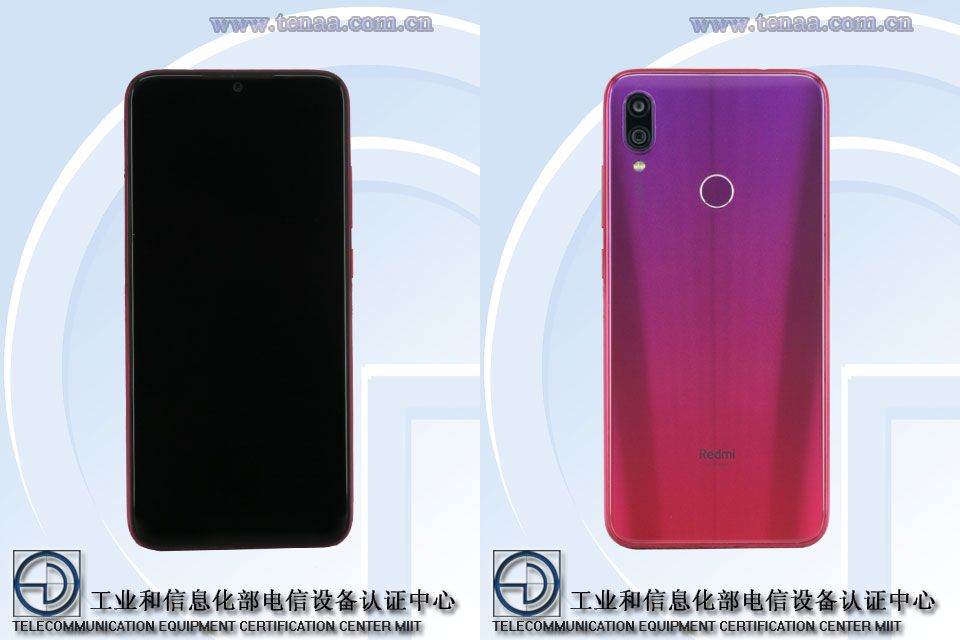
Update: The TENAA listings of M1901F7C, M1901F7E and M1901F7T have been updated. The “Redmi by Xiaomi” text on the rear side of the phone hints that it could be the Redmi phone that will go official on Jan. 10. It will be the first Redmi smartphone after the separation of Redmi brand from Xiaomi. The M1901F7C/E/T handset seems to be equipped with a glass back with color gradient appeal. A vertical dual camera setup can be seen on the top-left corner of the smartphone. The frontside of the phone features a waterdrop notch display.
Original Story:
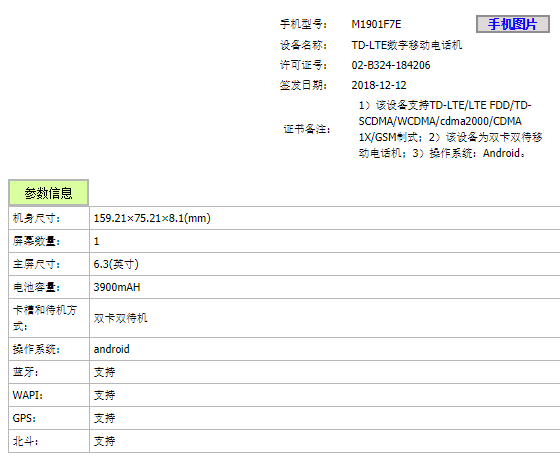
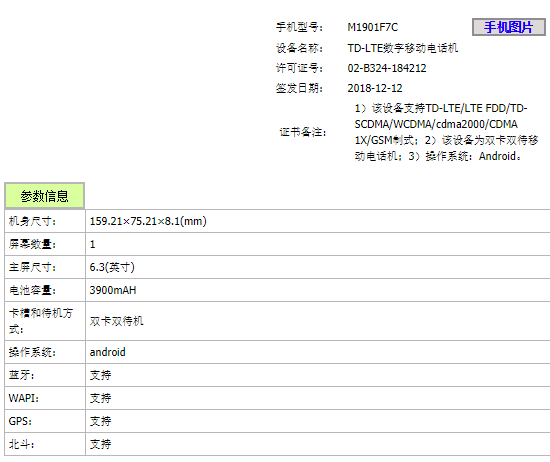
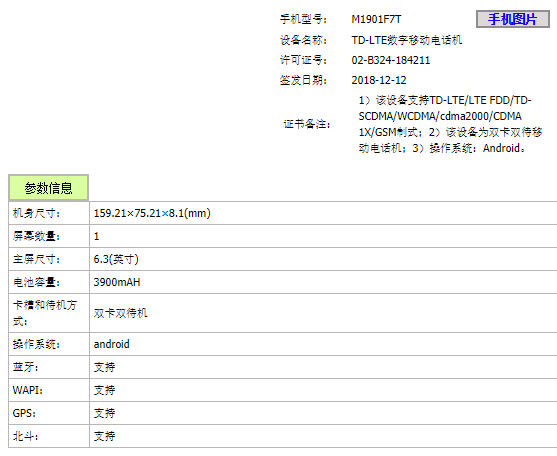
Xiaomi is all set to spin off its Redmi sub-brand as a new independent brand on Jan. 10 with the announcement of a new Redmi phone with 48-megapixel camerav. Rumors are claiming that the mysterious Redmi device could be arriving in the market as Redmi Pro 2 while other reports have claimed that it could be the Redmi 7 Pro handset. Three model numbers such as M1901F7C, M1901F7E and M1901F7T have now surfaced on TENAA with preliminary specs just ahead of the Jan. 10 launch event. This suggests that the newly approved devices by TENAA could be the variants of the alleged Redmi Pro 2.
Since the M1901F7C, M1901F7E and M1901F7T devices have the same dimensions, display size and battery, they are three variants of an upcoming Xiaomi device. The handset measures 159.21 x 75.21 x 8.1mm and houses a 6.3-inch display. It is packed with a 3,900mAh battery. Xiaomi’s Redmi series of smartphones with better specs have always carried big batteries. Hence, it appears that it could be the 48-megapixel Redmi phone that is scheduled to go official in the coming week.
The TENAA listings of M1901F7C, M1901F7E and M1901F7T do not have their images. These TENAA listings may get updated with full specifications and images in the next few days. The aforementioned model numbers have been also approved by China’s 3C authority in the previous month.
Rumors have it that the Redmi Pro 2 may arrive with a waterdrop notch screen and it could be fueled by the 11nm Snapdragon 675 chipset. However, there are no details available on the others. In the previous month, TENAA had approved M1901F9T and M1901F9E models. These model numbers belong to the Xiaomi Mi Play handset that went official on Dec. 24 in China. It is the first smartphone from the company that features a waterdrop notch enabled display. It is also the first phone to be fueled by MediaTek Helio P35. The other features of the Mi Play include 4 GB of RAM, 64 GB of inbuilt storage, 12-megaipxel + 2-megapixel dual camera setup, 8-megapixel selfie camera and 3,000mAh battery.
Xiaomi is working on a new Android One device. The codename of this device has been revealed through the Android Pie based MIUI 10 firmware for the Xiaomi Mi 8 smartphone. Now that the Chinese manufacturer has launched Xiaomi Mi A1, Mi A2 and Mi A2 Lite smartphones so far. Hence, it seems that the newly spotted device could be the Xiaomi Mi A3 smartphone.
In the MIUI 10 firmware of Mi 8, an XDA forum member could find a device with “orchid_sprout” codename. Almost every known Android One device that is approved by Google is known for carrying “_sprout” suffix and the same is applicable for Xiaomi’s Android One smartphones. For instance, the Mi A1, Mi A2 and Mi A2 Lite were respectively codenamed as “tissot_sprout,” “jasmine_sprout,” and “daisy_sprout.” Hence, the “orchid_sprout” codename could belong to the upcoming Xiaomi Mi A3 smartphone.
There is no information available on the specifications of the Xiaomi Mi A3 smartphone. The Mi A1, Mi A2 and Mi A2 Lite lacked supported for NFC. However, through the firmware leak it has been revealed that “orchid_sprout” device is equipped with NFC connectivity. The NFC chip used on the device is from NXP.
One should be aware of the fact that there is no confirmation on whether the “orchid_sprout” will be marketed as Xiaomi Mi A3. Some of the codenames of Xiaomi devices that were spotted in the past such as Comet, Achilles, Lilium and so on were never released. Hence, no more details on the “orchid_sprout” may surface for a while. The existence of the device can be confirmed through leaks that may appear from other sources.
The Xiaomi Mi A2 was unveiled in July and the same device with MIUI skin onboard is selling in China as Xiaomi Mi 6X. The Redmi 6 Pro that made were released in China and India is available in other markets as Xiaomi Mi A2 Lite. The latter was announced alongside Mi A2 in July. Hence, the new Android One devices from Xiaomi are expected to go official by early Q3 this year.
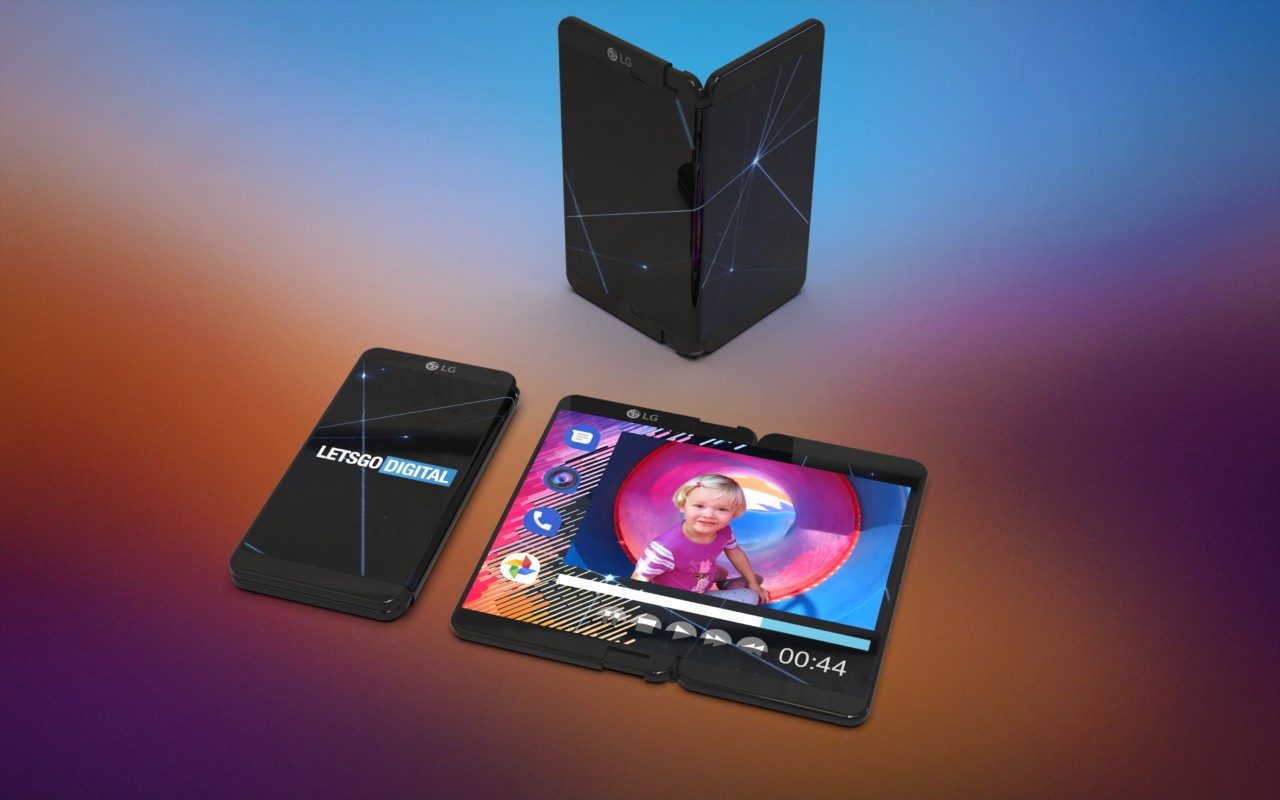
Last year, in October, LG confirmed that it is working on a foldable smartphone but has not revealed any details related to the device. However, a new patent from the company has been published, which reveals what to expect from LG’s flexible smartphone in terms of design.
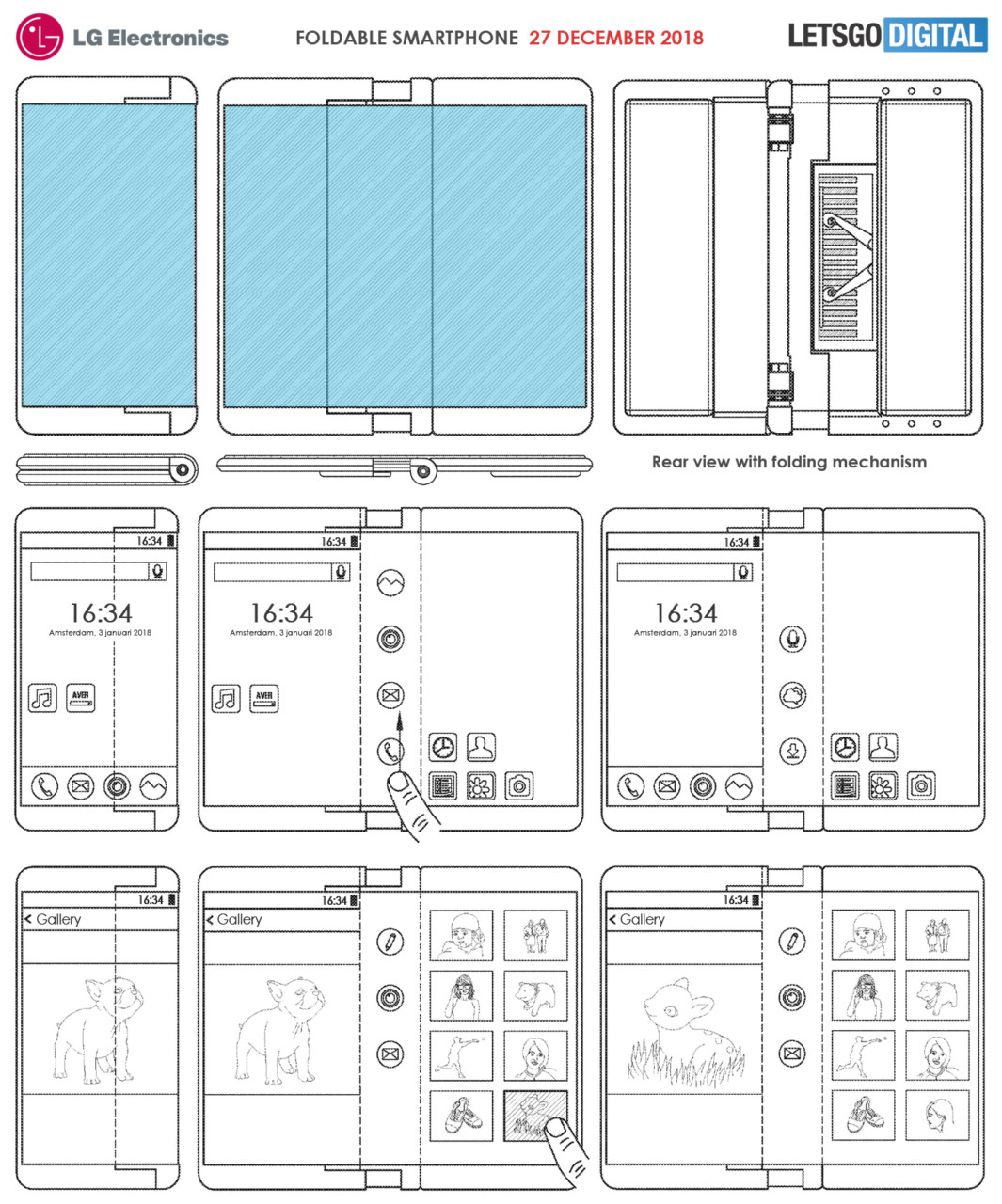
In the patent, the phone is said to have a flexible display on the outside, which is the first for LG. Previous prototypes of a foldable smartphone from LG involved display which was inaccessible when folded. While there are thicker bezels on the top and bottom, the boasts slimmer bezel on the left side. The device features a flexible display panel which curves on the right side.
When unfolded, the smartphone can be used as a table. The patent shows the usage of a unique hinge mechanism that’s fitted in between both portions which automatically extends from the left area of the smartphone.
As one would expect, the user interface automatically adapts to the different form factors and, when used in tablet mode, the extra middle portion of the display is used to display frequently used apps. The patent also shows a matrix-like camera setup to take multiple photos from different angles and another setup allows the cameras to generate 3D images.
However, this is just a patent and doesn’t guarantee that the company’s foldable smartphone will adopt this design. We’ll have to wait a bit longer to know more related to this smartphone and more details will emerge as the launch nears.
Previously it was reported that the LG’s foldable smartphone could be showcased at Consumer Electronics Show (CES) 2019 but the claim was quickly shot down. New reports indicate that the phone could be unveiled in Q3 2019.
Apart from LG, Samsung and Huawei are the two manufacturers confirmed to be working on a foldable smartphone. Both Samsung and Huawei were battling it out to be the first company to launch such device but Royole beat them. Meanwhile, Samsung has already showcased its foldable smartphone at SDC 2018 while Huawei’s phone is expected to launch in June 2019.
As part of its recently kicked-off promotion, GeekBuying is giving its users an unmissable chance to get their hands on the Kospet Hope and a slew of other feature-laden smartwatches for lowered prices.
Dubbed as ‘Kospet Hope Sale,’ the promo has been split into two categories including Flash Deals and New Arrivals. Before we delve into the details about the aforesaid categories, it might interest you to know that the Kospet Hope watch phone has now gone up for sale bearing a heavily discounted price tag on GeekBuying.
We will divulge more details about the Kospet Hope smartwatch phone and the discount that you can get on its original asking price. Moreover, we will even show how you can save a considerable amount of extra money during checkout.
Kospet Hope 4G Smartwatch Phone
The Kospet Hope is the world’s first ceramic smartwatch, and that makes it simply irresistible. The smartwatch sports an easily readable 1.39 Inch AMOLED high-brightness display with 400×400 pixels resolution. The device is capable of accurately monitoring pulses and the heart rate changes (both active and resting) of the wearer.
Under the hood, the Kospet Hope is powered by an MTK6739 quad-core processor with 4 A53 cores and a dominant frequency of 1.3GHz. The device offers 3GB of RAM and a hearty 32GB of internal storage capacity. It runs Android 7.1 OS and draws its juices from a robust 900mAh lithium-polymer battery.
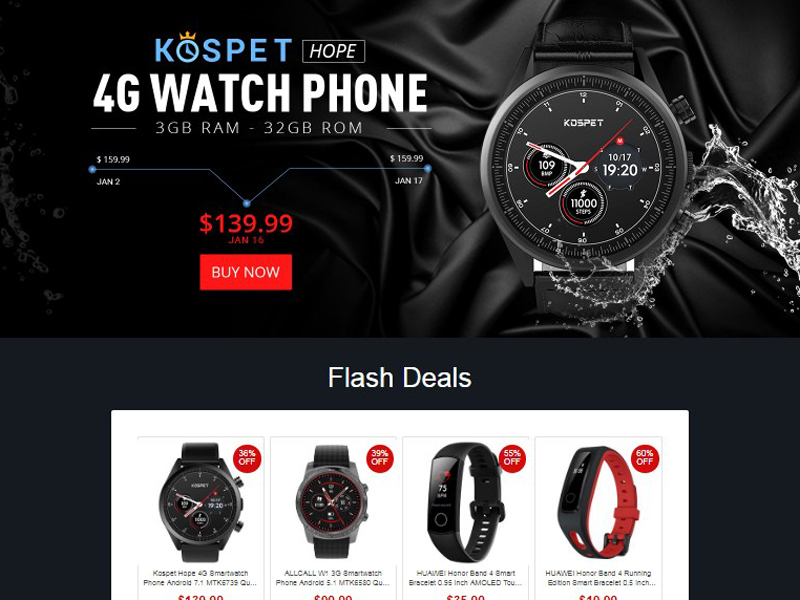
On the optics front, this feature-laden smartwatch phone houses a 5.0MP camera so that you can capture memorable moments without requiring your smartphone. Moreover, it features nine types of professional sports modes like running, football, badminton, basketball, outdoor run, outdoor walk, ride bike, indoor run, and rope skipping. While you’d normally expect a top-branded smartwatch phone offering comparable features to cost a bomb, the Kospet Hope 4G smartwatch phone will set you back just $139.99 on GeekBuying. This is a significant 36 percent discount on the device’s original asking price of $219.99.
If you are living on a tight budget and are not willing to spend that kind of money on a smartwatch phone, all you need to do is apply coupon code GIZ_KGJIBCDZ at the time of checking out. The aforesaid coupon helps you save an extra $49 by bringing the device’s already lowered selling price further down to just $134.99.
You can head straight to this link to grab the discount and use the coupon before it expires. Note that the promo is slated to end in just five days.
Under the Flash Deals section on the ‘Kospet Hope Sale’ promotion page, you can find some of the most popular smartwatches carrying unbeatable prices. For instance, there’s a 55 percent off on the HUAWEI Honor Band 4 Smart Bracelet, and a whopping 60 percent off on the HUAWEI Honor Band 4 Running Edition smart bracelet.
The ‘New Arrivals’ category is also brimming with top-end smartwatches that are now available for lowered prices on GeekBuying. The category includes Makibes L5, Ticwatch PRO, Makibes L6 and a slew of other smartwatches that you can buy without burning a hole in your pocket.
Regrettably, these discounts will only be valid for a limited period of time. You can click here to visit the promotion page and take full advantage of these discounts before the promo wraps up!
Planning to get your hands on a cost-effective, yet feature-rich mobile phone in 2019? Banggood’s got your back!
While there’s no dearth of smartphones available in the market today, you are likely to struggle to find mobile phones that not only boast an impressive array of features but also carry an affordable price tag. Much to the relief of cost-conscious buyers, Banggood is now offering great discounts on select smartphones that pack top-end specs.
Not only will we take a gander at these mobile phones and the discounts available on their retail prices, but we’ll also show how you can save a considerable amount of extra money at the time of checking out. So without further ado, let’s delve straight into the details.
GOME U7 Smartphone (4GB RAM+64GB ROM)
The U7 is an irresistible smartphone equipped with face recognition feature that we usually associate with high-end phones. It sports 5.99-inch IPS display with 2160 x 1080 pixels resolution and a pixel density of 403ppi (pixels per inch).
The GOME U7 would normally set you back $139.99, but you can now pre-order it for just $109.99 on Banggood. Moreover, you can get an extra $20 off simply by applying coupon code 1BGU7 at the time of checking out. In other words, you can bring the phone’s already reduced retail price further down to only $89.99 with the help of the aforesaid coupon. You can visit this link to avail this 21 percent discount, which will be valid for the black as well as blue color versions of the smartphone.
Huawei Honor Play (4GB RAM+64GB ROM)
Huawei made its long-awaited Honor Play smartphone available to the public in August last year. The phone features an extra large 6.3-inch capacitive touchscreen display with a screen resolution of 2340 x 1080 pixels. It packs HUAWEI Kirin 970 Octa-core processor with Mali G72 MP12 GPU for an immersive experience.
The global version of the Honor Play smartphone has now gone up for sale bearing a price tag of $299.99 on Banggood. This is a 33 percent reduction in the phone’s original asking price of $449.60, and there’s more for you to cheer about. Aside from receiving the aforesaid discount, you can get an extra $20 off by applying coupon code 1BGHP64 during the checkout process. The coupon helps you reduce the phone’s original selling price to just $279.99 without breaking a sweat.
This discount will be valid for the blue color version of the Huawei Honor Play smartphone for a limited period of time. You can visit this link to buy the coveted phone for the heavily discounted price before the promo ends.
OnePlus 6 (8GB RAM+128GB ROM)
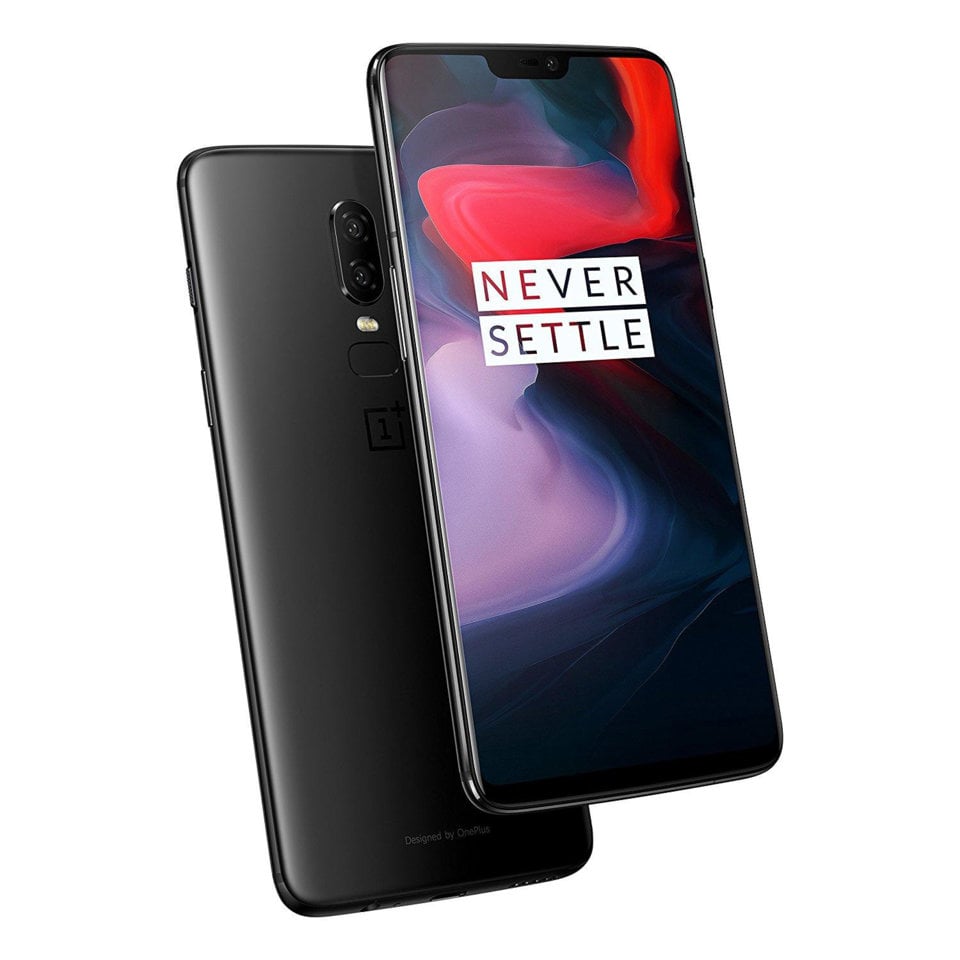
The OnePlus 6 smartphone became an instant hit among those who fancy using big-screen mobile devices after hitting the store shelves in May last year. The phone features a mammoth 6.28 inches optic AMOLED capacitive touchscreen display with 1080 x 2280 pixels resolution and Corning Gorilla Glass 5 on top.
There’s a lot more than just an appealing screen that the OnePlus 6 has to offer. For instance, it packs a powerful Qualcomm SDM845 Snapdragon 845 processor along with an equally competent Adreno 630 GPU to deliver an uninterrupted video watching and gaming experience. While we would normally end up spending a fortune on a feature-rich smartphone, the OnePlus 6 can now be yours if you are willing to shell out just $504.48 on Banggood. This is a 26 percent drop in the device’s original selling price of $679.99, but that’s not all.
You can use coupon code 1BGOP62 in order to save $84.49 more before proceeding to checkout. After applying the coupon, the phone’s retail price comes down to just $419.99. You can get this discount on the mirror black and black color versions of the OnePlus smartphone by following this link.
OnePlus 6T (6GB RAM+128GB ROM)
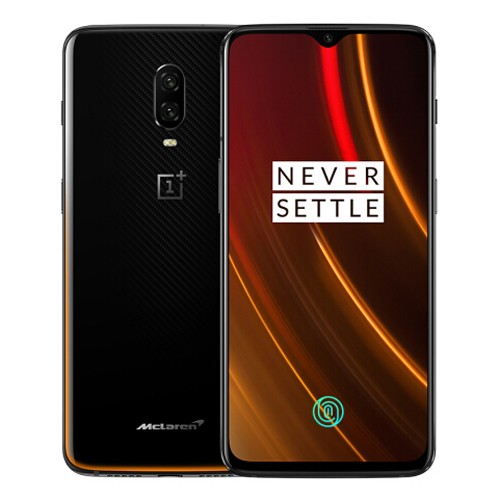
The hotly-anticipated OnePlus 6 successor dubbed, the OnePlus 6T was finally launched in November last year after floating around the rumor mill for quite a long time. Equipped with a 6.41 inches display and loaded with awe-inspiring features, the 6T did not disappoint OnePlus fans.
On the downside, the OnePlus 6T didn’t come cheap. In fact, it would normally set you back a whopping $899.99. If you have restlessly been waiting to buy the 6T without emptying your pockets, it might interest you to know that the mirror black color version of the smartphone has now gone up for sale carrying a lowered price tag on Banggood. Thanks to a 33 percent discount, the OnePlus 6T is now available for just $607 on the Chinese online store that guarantees the best bang for your buck. Moreover, you can use coupon code 1BGOP6T1 to save $91.05 more during the checkout process.
As a result, the phone’s retail price reduces to just $515.95. If this discount on the OnePlus 6T smartphone’s original asking price has stirred your interest, all you need to do is to follow this link and hit the “Buy” button before the promotion sale comes to an end.
The market is rife with all sorts of projectors, but if you are looking specifically for one that doesn’t cost a bomb, GearBest’s got your back. Known as one of China’s best online stores for electronic items, GearBest is now doling out noteworthy discounts on select projectors that usually carry steep price tags. Aside from shedding light on these discounts, we will show how you can save more money at checkout.
Xiaomi WEMAX ONE PRO FMWS02C ANSI Lumens Laser Projector
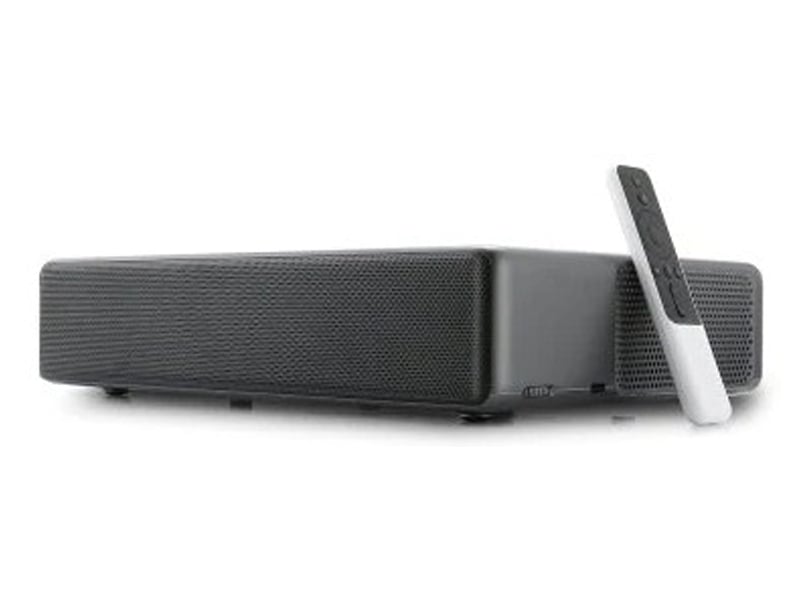
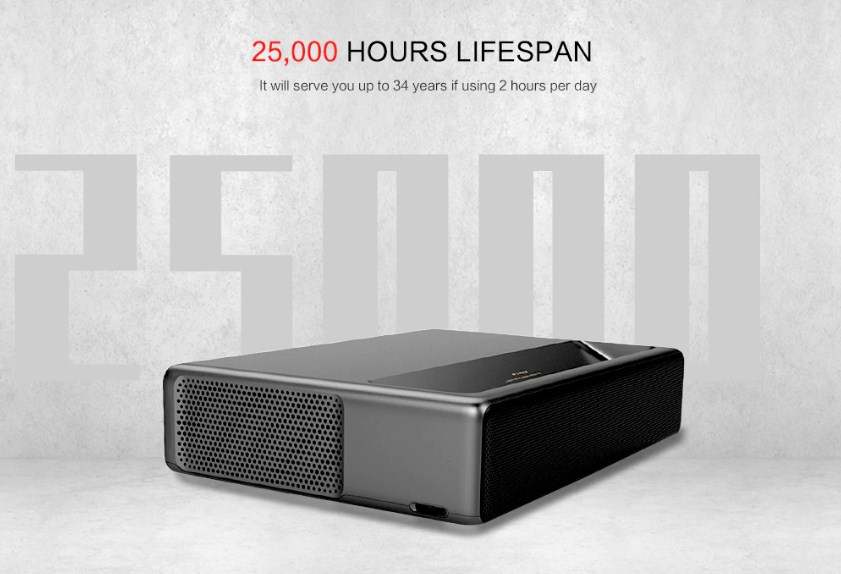
Marketed as the world’s first ultra-short projector that adopts ALPD (advanced laser display) technology, this Wemax Laser Projector can deliver up to 150 inches of FHD quality images in 50cm, with an impressive product life of up to 25,000 hours. On the downside, the Xiaomi-branded projector doesn’t come cheap.
While the Wemax One Pro FMWS02C laser projector would usually set you back a pretty penny on online and offline stores, Xiaomi is now offering it for a dropped price of just $1859.99 on GearBest. This is a 22 percent reduction in the device’s original asking price of $2394.09. Moreover, you can get an extra $63.99 off simply by applying coupon code IT-CN09FEN at the time of checking out. In other words, you can bring the already lowered retail price of the Wemax One Pro FMWS02C laser projector further down to just $1796 with the help of the aforesaid coupon.
You can follow this link to avail the discount and use the coupon which is likely to expire soon. With just 18 pieces remaining, the promo will come to an end in just three days.
The H100 wireless presenter pen from Alfawise is deemed as the most effective and the most sophisticated flip pen that protects your eyesight. It keeps your eyes safe from laser damage.
There are several other presenter pens available in the market today, but they are highly likely to empty your pocket. The H100, on the other hand, is relatively easy on the pocketbook.
As part of its latest Flash Sale, GearBest is offering this feature-laden presenter pen for a dropped price of just $29.99. Note that the H100 usually sells for $57.35.You can grab this 48 percent discount, which will be valid for the slate gray color version of the pen by heading straight to this link without wasting time. Note that there were only 74 pieces remaining for this promo, which is slated to end in four days.
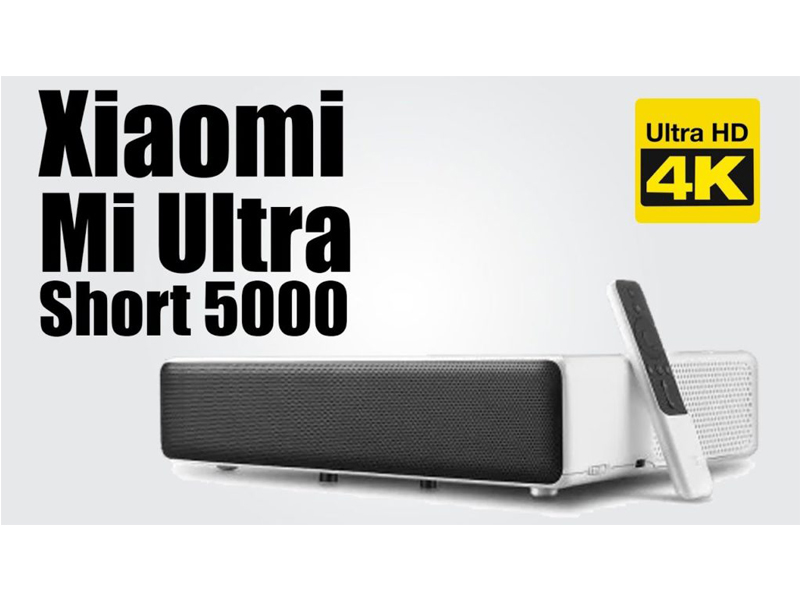
Xiaomi English Version Mi Ultra Short Throw 5000 Lumens Laser Projector
Equipped with the newfangled ALPD (advanced laser display) technology, the Mi laser projector delivers about 150 inches of full high definition quality images in 50cm, with a product life of about 25,000 hours. This impressive laser projector from Xiaomi has now gone up for sale bearing a dropped price tag on GearBest.
While it usually sells for $1982.04, the English version of the Mi laser projector can now be yours for just $1699.99. This is a 14 percent discount that will be available on the device’s original asking price for a limited period of time.
You can get an extra $20 off by using coupon code IT-CN09MON at the time of checking out. The already lowered selling price of the Mi laser projector reduces to just $1679.99 after applying the aforesaid coupon.
You can visit this link to avail the discount, which will be valid for the white color version of the Mi Ultra Short Throw 5000 Lumens Laser Projector.
The Xiaomi TYY01ZM is an irresistible projector that sports an appealing outward appearance and boasts an impressive array of features and top-end specs. The projector comes with 3 seconds autofocus, 2.07 million mirror slices, and 800 ANSI lumens brightness and adopts real HDR10 image enhancement technique for an immersive experience.
While the aforesaid features justify the $871.61 price tag the Xiaomi TYY01ZM projector usually carries, you can now buy it for just $699.99 on GearBest. But if this 20 percent discount doesn’t impress you much, you can use coupon code QY1XU50L34 to save $20 more before you place your order.
The above-mentioned coupon helps you to bring the selling price of the projector down to just $679.99 without breaking a sweat. You can visit this link to get the discount, which is limited only to the cadet blue color version of the Xiaomi TYY01ZM projector.
Xiaomi Mi Ultra Short throw 5000 ANSI Lumens Laser Projector
In order to enable user-friendly design goals for the Mi Laser Projector, Xiaomi resorts to using a compact, conservative box design language while carefully maintaining the design style consistency of the host and Bluetooth remote. The Mi Laser Projector sells for $2130.50, but much to Xiaomi fans’ delight, it is now up for grabs for just $1689.99 on GearBest.
In addition to taking advantage of this 21 percent discount, you can use coupon code IT-CN10CMI to get an extra $40 off at the time of checking out. The coupon brings the already reduced retail price of the projector to only $1649.99.
You can follow this link to get this discount, which is valid for the white-tinted Mi Ultra Short throw 5000 ANSI Lumens Laser Projector.
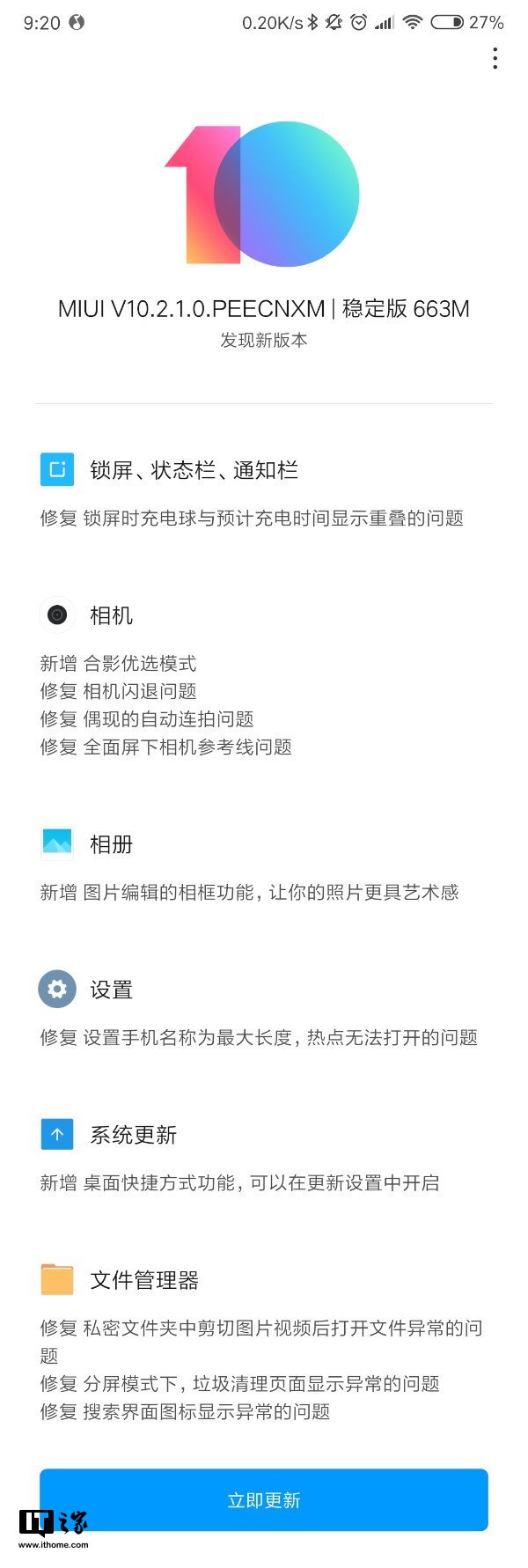
Xiaomi Mi Mix 3 was the first Xiaom model to launch with MIUI 10 and the model has continued to get steady updates. A new version has just hit the Mi Mix 3 and it is MIUI v10.2.1.0.PEECNXM. The update package volume is about 663MB and can be assessed via the phone’s settings option, for those who are yet to receive the OTA push update.
The new update brings a new camera photo capture mode and also fixes the rear camera flash issues. The update also fixes the occasional auto-continuous shooting issues and full-screen camera reference line issues. In addition, the new version brings onboard a photo frame editing function to the photo album. The update also fixes the issues of “the hotspot not opening” and several other bug fixes.
As a reminder, Xiaomi Mi Mix 3 features a 6.39-inch display with an aspect ratio of 19.5:9 and screen ratio of about 93.4%. The high screen ratio, the biggest on any Xiaomi phone was made possible as a result the lack of a selfie camera at the front. Instead, the device utilises a sliding design. The Mi Mix 3 slider has been proved to be an advanced technology and one which won’t fail anytime soon. A tech geek claimed to have subjected the slider to up to 600,000 times without any hassle. Xiaomi on its part claims the slider has a service lifespan of 300,000 slides. The device is powered by a Qualcomm Snapdragon 845 chipset and packs a 3200mAh battery. There is also a 12MP+12MP dual rear camera setup as well as a 24MP+2MP dual camera at the front for selfies.
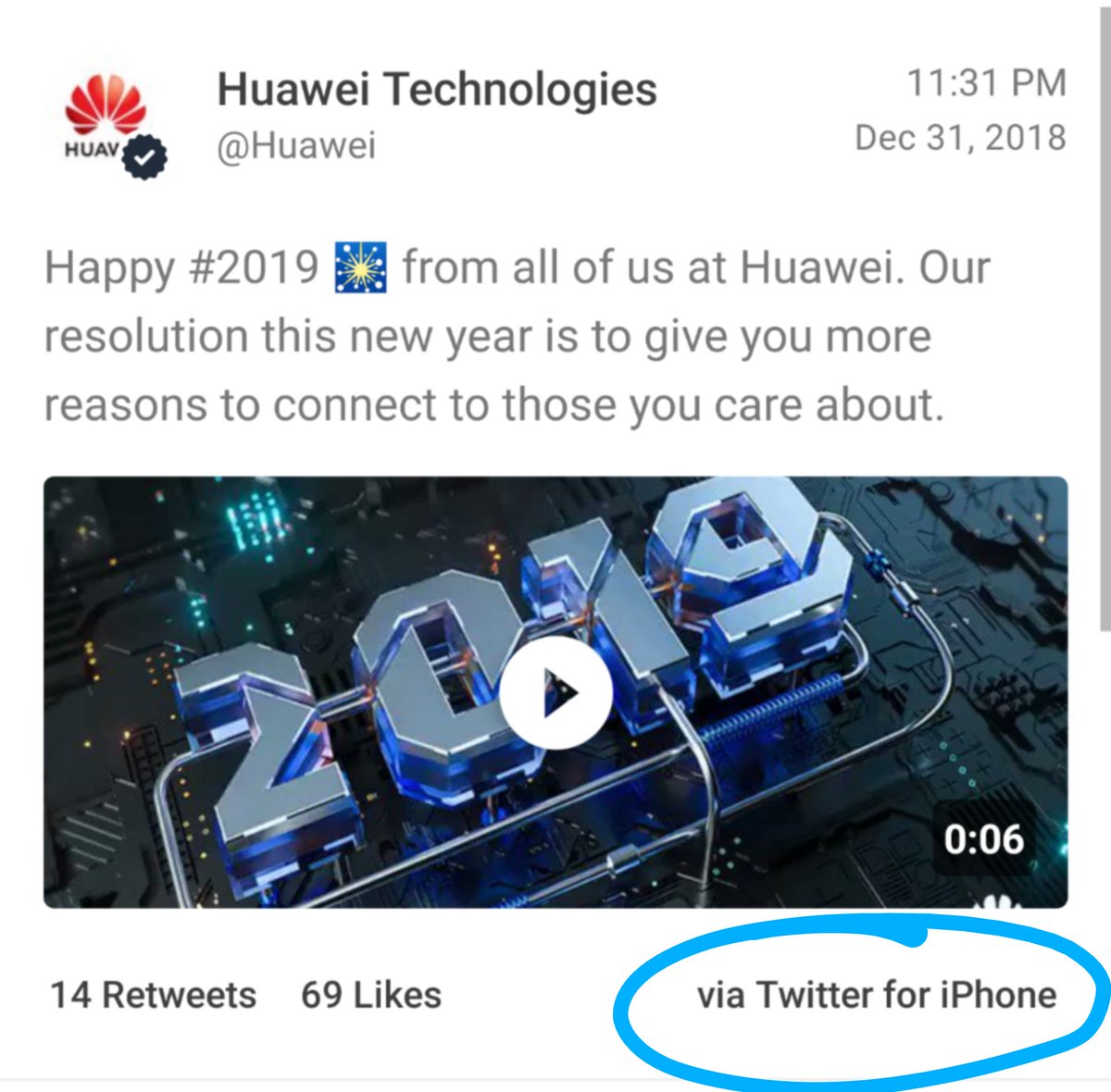
One important attribute that Apple iPhones enjoy right from inception is brand loyalty. This has been built over the years through its premium designs, smooth software including powerful cameras and more. Although rivals Samsung and Huawei and other OEMs have succeeded in bridging the gap between Apple and the competition in terms of design, software and camera output, they haven’t been able to command the same level of brand loyalty Apple enjoys. Curiously, employees and brand ambassadors of both Samsung and Huawei have often been caught using iPhones. Huawei apparently got the highest of such disloyalty recently when the New Year greetings from the company’s official Twitter account was sent from an iPhone.
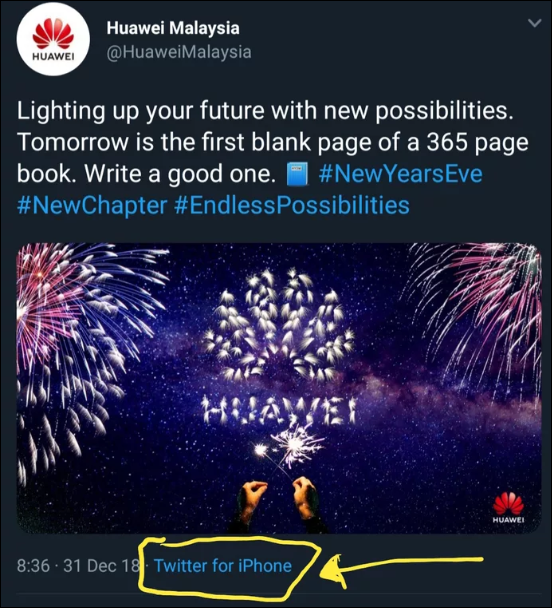
The tweet was immediately deleted but not before it caught the attention of Youtuber Marquee Brownlee. It would be recalled that the same guy was responsible for picking up the tweet when Samsung Nigeria tweeted a promotion for the Galaxy Note 9 from an iPhone. Huawei Malaysia was also caught tweeting a New year’s message using the Twitter for iPhone app. Huawei has now reportedly punished those responsible for the gaff. The person directly responsible will be notified and criticized. Further, the rank of the personnel will be downgraded by 1 level and the monthly salary will be reduced by 5000 yuan (around $727). In addition, the staff’s annual performance assessment will not be higher than B. The personnel will also see his promotion and salary increment froze for 12 months, beginning from January 2, 2019. Apart from the person directly responsible, the supervisor of the digital marketing team was also criticized.
It is no news that the top three spots in the smartphone industry are occupied by Samsung, Apple and Huawei. Nevertheless, Apple still remains the most lucrative company as the average price of the iPhone still surpasses those of Samsung and Huawei as well as other OEMs. Thus, the stiff rivalry is very much evident as each of the firm tries to outpace the other. While Samsung and Huawei close the gap in design and hardware with premium flagships, it remains to be seen if Android can offer users what iOS offers iPhone users.
Foldable phones are one of the most anticipated devices this year. Samsung already showed us its first foldable phone last year and it is expected to launch later this quarter. There are other manufacturers including Chinese OEMs who are also working on their own foldable phone. A video has surfaced on the web today that shows a foldable smartphone said to be made by Xiaomi.
The nineteen-second video was shared on Twitter by Evan Blass (@evleaks) and it shows the device which first appears to be a large tablet before it is then folded into a phone. The icons are similar to that of Xiaomi’s MIUI but the video is dark and we can’t make out any branding.
Can't speak to the authenticity of this video or device, but it's allegedly made by Xiaomi, I'm told. Hot new phone, or gadget porn deepfake? pic.twitter.com/qwFogWiE2F
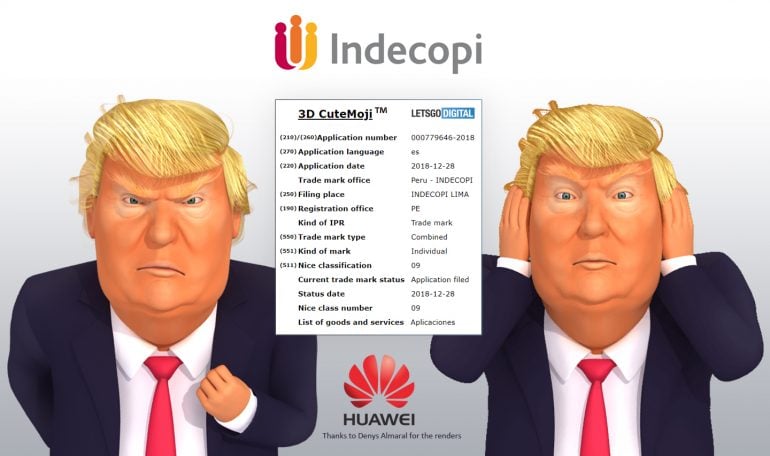
As usual, we expect to start seeing clues and leaks regarding the flagship models most of the top OEMs plan to roll out for the first half of 2019. Huawei is known to release the P30 models within the first quarter and this year may likely not be different. Last year’s P20 series came out with several innovations and the P30 series isn’t going to be any different. That is why we are excited about the spotting of a new trademark application which Huawei filed on December 28 in Peru.
The trademark is for a feature known as “3D CuteMoji” and the application was submitted by an intermediary named Indecopi and based in Lima, Peru’s capital. The trademark is classified as; ‘computer programs, data processing equipment, downloadable software’. As the name implies, the trademark is for a new set of 3D emojis which may likely feature on Huawei’s upcoming flagships.
Emojis are not necessarily new but since Apple introduced its own more realistic emojis known as Animoji onboard the iPhone X in 2017, the feature has become increasingly popular. Samsung was soon to follow with its own known as AR Emoji and Asus chose the name ZeniMoji for its emojis. Huawei equipped last year’s P20 series with an AR lens which looks like a variation of the emoji from Apple and Samsung. However, the AR lens feature was replaced on the Mate 20 Pro with 3D Live Emoji also called Qmoji. The Qmoji allows users to choose an avatar, record a creative message and send it to friends or colleagues. The 3D CuteMoji may hardly be too different except perhaps it will contain more human characteristics as seen in the image of Donald Trump with two different facial expressions. We’ll have to wait till the P30 series are unveiled next month during the Mobile World Congress (MWC) 2019 to learn more about the feature. Between, who else found it hilarious that Huawei chose the caricature of Trump, the company’s nemesis to depict the feature?
February 2018 marked Xiaomi’s entry into India’s smart TV market. Before the end of the year, Xiaomi controlled the largest share of the market. Xiaomi sells five different models in the country that cover a range of prices. A tweet posted by the TV brand’s official Twitter account teases a new Mi LED TV is coming soon to the market and it may be their biggest yet.
The tweet which was posted earlier today includes a picture of the bottom part of a Xiaomi-branded TV and also has the hashtag #TheBiggerPicture.
At the moment, the Mi LED TV 4 Pro 55 is Xiaomi’s biggest TV sold in India. However, in its home country of China, Xiaomi has 58”, 65”, and even 75” models. We do not know which of these sizes Xiaomi will launch in India but our bet is on a 65” model.
Xiaomi already has a factory in India that makes its TVs but based on the info provided when the factory was opened, it would start with manufacturing the Mi LED TV 4A 32” and Mi LED TV 4A 43” before adding new models later this year. Thus the chances are slim that this new model will be made in India since the factory doesn’t even currently make the 49” and 55” Mi LED TVs sold in the country.
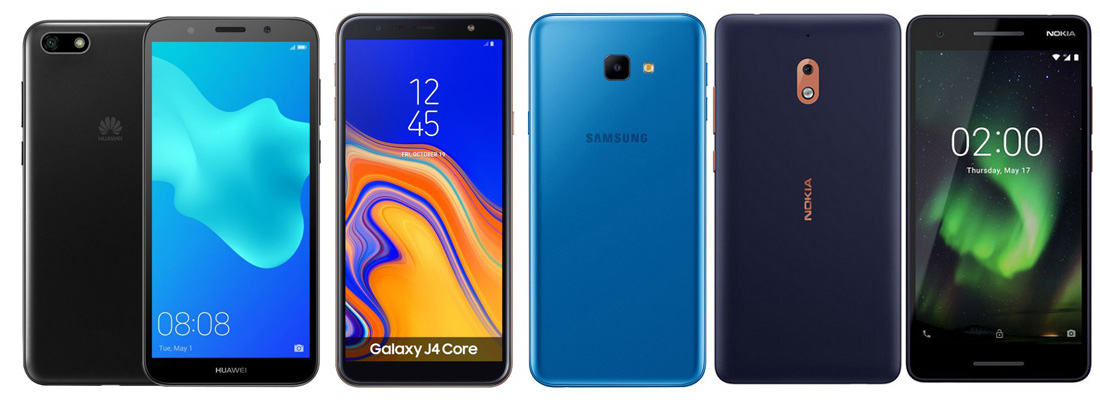
In our opinion, Android Go smartphones are currently the best alternative for people who are in search of the cheapest devices. Thanks to an enlightened version of Google’s operating system, they are able to provide smooth performance even with an entry-level or outdated hardware department. The newly-announced Huawei Y5 Lite, Nokia 2.1 and Samsung Galaxy J4 Core are among the latest devices with Android Go inside, and this is a comparison between their specs that we published to clear your ideas about these very affordable handsets.
Huawei Y5 Lite vs Nokia 2.1 vs Samsung Galaxy J4 Core
With its narrow bezels and its sleek body, Samsung Galaxy J4 Core looks like the handset with the most modern and good-looking design. Huawei Y5 Lite is more compact and lightweight, so there is surely someone who will like it more. But Nokia 2.1 does not convince me at all due to its thick bezels and a high thickness. However, it has some advantages under other points of view. But if you want the most beautiful phone, you should go for Samsung Galaxy J4 Core or Huawei Y5 Lite. Nokia 2.1 has the best build quality thanks to an aluminum frame, the Gorilla Glass protection by Corning for the display, and it even has stereo speakers.
Display
All these devices have sufficient displays, but they are not so exciting due to their low HD+ resolution. But considering that many handsets in their price range have even worse displays, we can call them acceptable. If you are seeking the best display quality you should go for the Nokia 2.1 or Samsung Galaxy J4 Core, but I would choose Nokia 2.1 because of its stereo speakers that represent an added value when it comes to multimedia. Note that it has a 5.5-inch display with the 16:9 aspect ratio, so it offers more or less the same surface as the Samsung Galaxy J4 Core equipped with a 6-inch 18:9 panel.
Specs
The hardware department is superior on the Samsung Galaxy J4 Core thanks to the Snapdragon 425 SoC performing better than the MediaTek MT6739 found on the Nokia 2.1. Nokia 2.1 has a Snapdragon 425 as well, but it only offers 8 GB of internal storage, while Samsung Galaxy J4 Core has 16 GB. All the devices feature expandable storage thanks to a micro SD slot, but Samsung Galaxy J4 Core supports up to 512 GB more, while Nokia 2.1 and Huawei Y5 Lite stop at 128 and 256 GB, respectively. On the other hand, they have a micro SD dedicated slot, unlike the Galaxy J4 core which uses the dual SIM slot.
Camera
I do not like any of the cameras mounted on these handsets, they are only good for emergency shots in very good light conditions. But if I had to make a choice, I would choose Huawei Y5 Lite judging from its specs on the paper. It comes with an 8 MP f/2.0 main sensor and a secondary 5 MP camera for selfies which is equipped with a LED flash just like the main camera. But Samsung Galaxy J4 Core should not be far from its camera performance. However, do not choose by basing on the cameras as they are not their strong point.
Battery
A 4000 mAh battery mounted on a low-end phone can provide an outstanding battery life which can even pass two days. That is exactly the case of the Nokia 2.1 which would make every user forget the wall charger at home. The second place goes to Samsung Galaxy J4 Core with its well-optimized energy consumption and a satisfying 3300 mAh battery. Huawei Y5 Lite is still sufficient, but it is not able to compete with its rivals due to its smaller 3020 mAh battery.
Price
With the exception of the Samsung Galaxy J4 Core launched with a price tag of about €150, you can find both Nokia 2.1 and Huawei Y5 Lite for about €100. Nokia 2.1 wins this comparison because of its huge battery making the difference, as well as a great build quality and its stereo speakers.
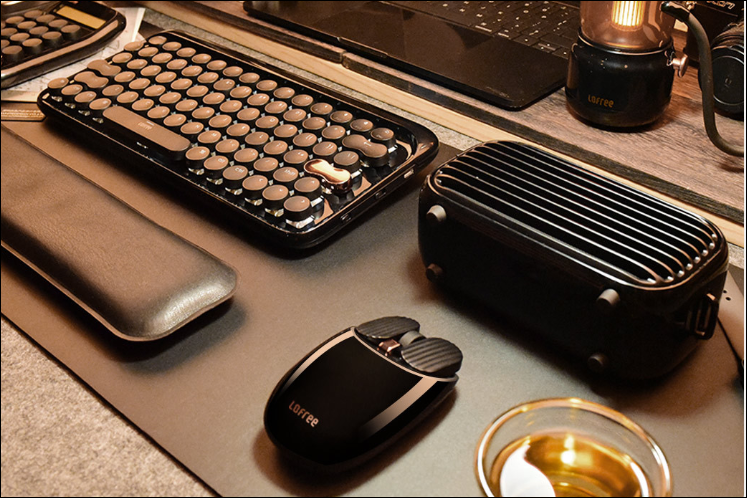
It is possible you haven’t heard of the company LoFree but its popularity spans different regions and the company has a solid reputation for manufacturing its products with simple and elegant designs. The company claims it is pushing boundaries in product design and that has earned it several Red Dot and iF design awards as proof. Xiaomi has now listed a special New Year edition of the LooFree gift set on its website.
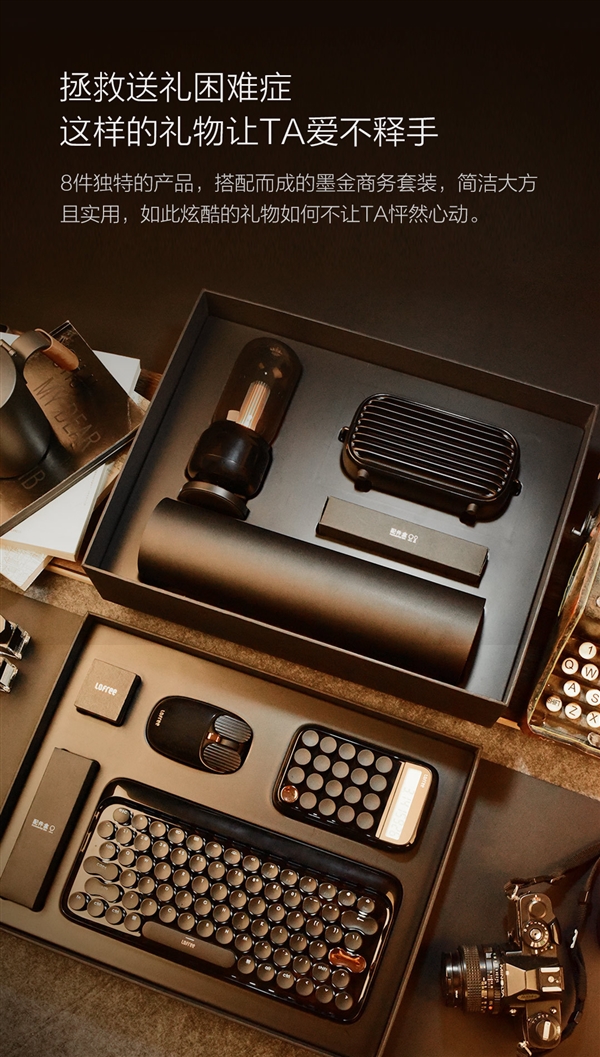
One sterling quality of the LoFree products is their groundbreaking retro & elegant design which elicits nostalgic. The gift set contains eight different products such as the Dot Bluetooth mechanical keyboard, Maus mouse, Poison Bluetooth speaker, Candly ambient lamp, Digit calculator, C.Medal commemorative keycap, and Black tote bag.
All the products stand out due to the sleek retro design they adopt. For instance, the Poison Bluetooth speaker is a groundbreaking wireless, radio speaker whose design is inspired by the 1950s radio sets. Despite the retro aesthetics, it comes with several modern features. The Dot Mechanical keyboard is also inspired by the typewriter keyboard with a streamlined shape, LED backlight and a big 4000mAh built-in battery. Furthermore, the Digit Calculator also blends the retro-style keyboard design with several modern features. Inside the gift set is also a 2W Candly ambient lamp with support for 1%-100% brightness adjustment, and a built-in 2200mAh battery. The retro candlelight sways and records the warmth of time. The Maus mouse is also neatly tucked inside the gift box, a Bluetooth mouse that supports both Windows and Mac.
The products are encased in a box and they all adopt a touch of gold colour which gives it some elegance. The gift set is available to buy in China for 1,999 yuan (~$290) on Xiaomi Youpin. It won’t be surprising if this retro-styled product is a popular one, after all, Elvis Presley still has thousands of loyal followers in Asia to date.
South Korea is the home of the biggest OLED supplier in the world, Samsung. Naturally, OLED forms an important part of the country’s technological prowess and now, it’s taking steps to ensure it can keep control over it. The country is looking to limit the exports of OLED production equipment to China. In this regard, it’s considering designating ‘OLED equipment’ as a ‘national core technology’. Once done, companies would require mandatory government approval for their exportation.
Although we can’t be sure of its effects on the supply of OLED panels worldwide, this move isn’t very surprising given that recently a parts supplier of Samsung, Toptec, was accused of selling the company’s OLED technology to China’s BOE. At present, Huawei is proving to be a tough competition for the South Korean giant, Samsung, with its aggressive R&D investments ($14 billion in 2017 too!) and expansion in Europe. Both the smartphone giants are expected to release their versions of foldable smartphones (all upcoming foldables from major manufacturers here!) in the coming months. China’s BOE is working with Huawei for its foldable, and the recent issue of an OLED technological sale between BOE and Toptec would definitely have sent South Korean officials on a path of caution.
Currently, display panel design, process, manufacturing, and drive are considered as ‘national core technology’ in South Korea. However, soon, there could be more additions, including OLED production equipment and about 10 more important technologies from other sectors. So, it’s clear that South Korea is trying to tighten its grip to avoid any kind of leak to China.
We use cookies on our website to give you the most relevant experience by remembering your preferences and repeat visits. By clicking “Accept”, you consent to the use of ALL the cookies.
This website uses cookies to improve your experience while you navigate through the website. Out of these, the cookies that are categorized as necessary are stored on your browser as they are essential for the working of basic functionalities of the website. We also use third-party cookies that help us analyze and understand how you use this website. These cookies will be stored in your browser only with your consent. You also have the option to opt-out of these cookies. But opting out of some of these cookies may affect your browsing experience.
Necessary cookies are absolutely essential for the website to function properly. This category only includes cookies that ensures basic functionalities and security features of the website. These cookies do not store any personal information.
Any cookies that may not be particularly necessary for the website to function and is used specifically to collect user personal data via analytics, ads, other embedded contents are termed as non-necessary cookies. It is mandatory to procure user consent prior to running these cookies on your website.



 Likewise, the ‘Topic Deals’ section features miscellaneous items that you can get your hands on without burning a hole in your pocket. The section is further divided into several sub-categories like Robotics & Machine Intelligence, Product Design & Manufacturing, Smart Devices, Immersive Entertainment, Smart Home etc.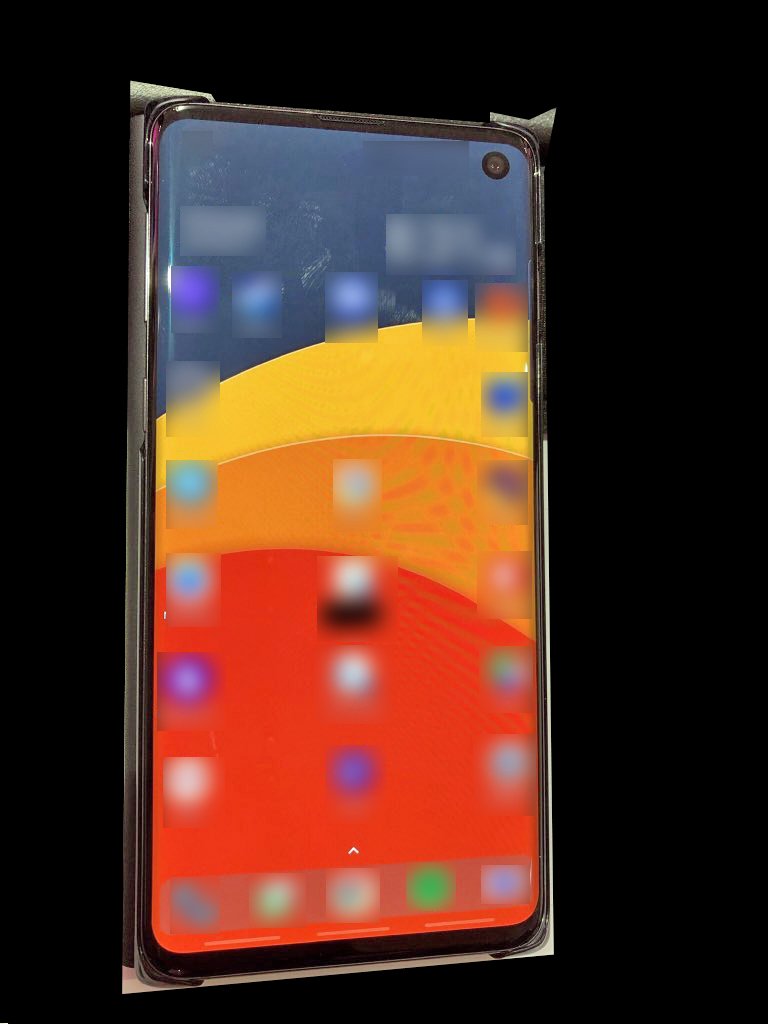
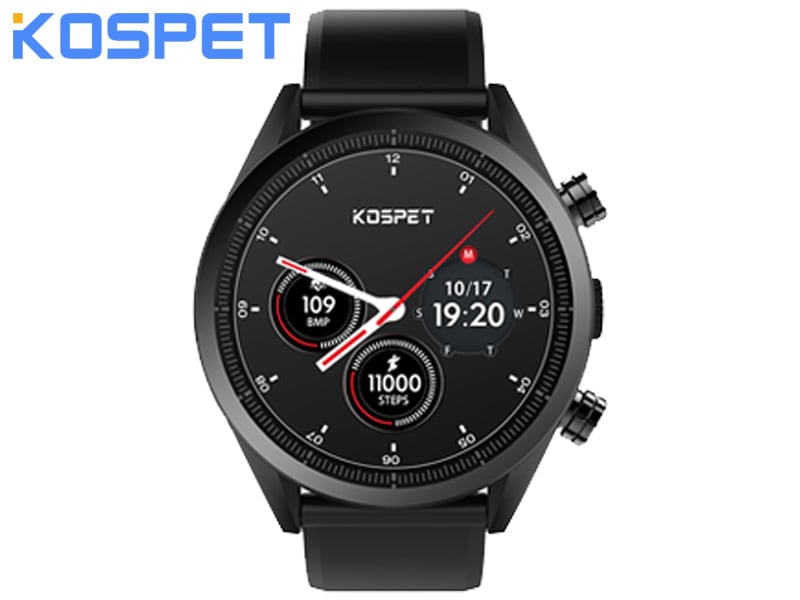 While you’d normally expect a top-branded smartwatch phone offering comparable features to cost a bomb, the Kospet Hope 4G smartwatch phone will set you back just $139.99 on GeekBuying. This is a significant 36 percent discount on the device’s original asking price of $219.99.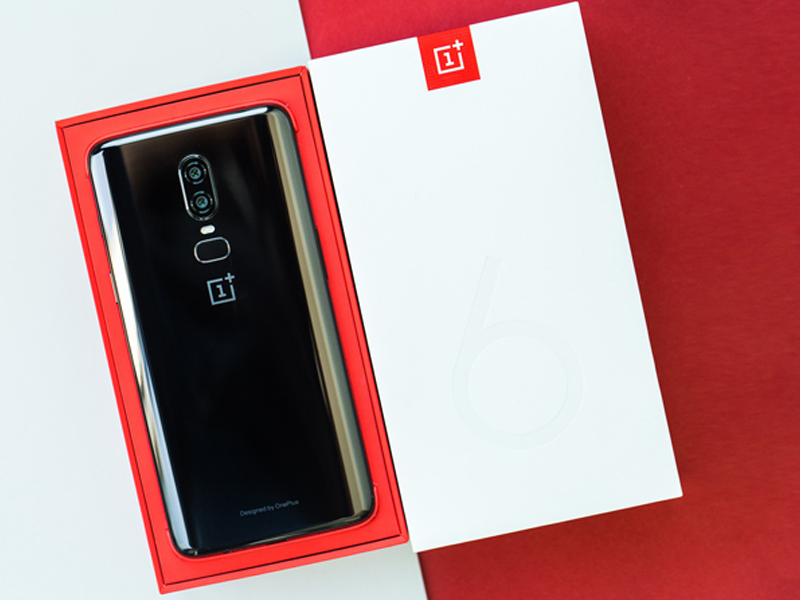
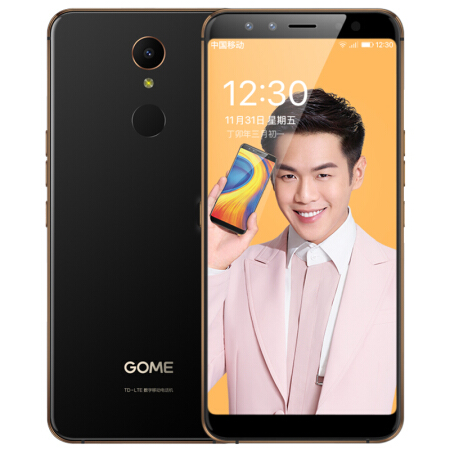 In other words, you can bring the phone’s already reduced retail price further down to only $89.99 with the help of the aforesaid coupon. You can visit
 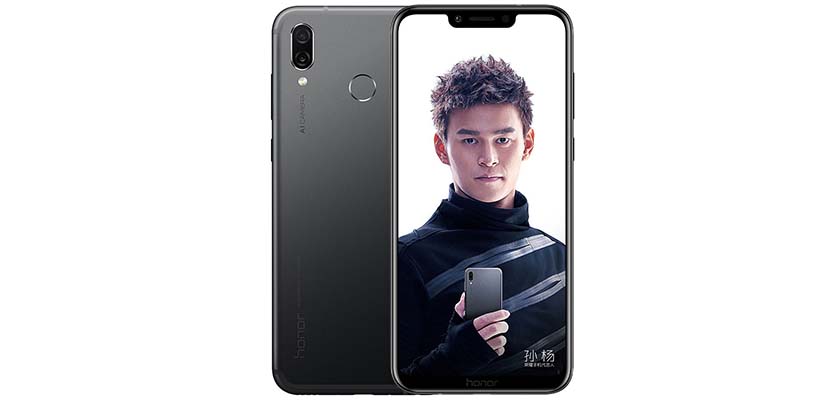 Aside from receiving the aforesaid discount, you can get an extra $20 off by applying coupon code 1BGHP64 during the checkout process. The coupon helps you reduce the phone’s original selling price to just $279.99 without breaking a sweat.
 While we would normally end up spending a fortune on a feature-rich smartphone, the OnePlus 6 can now be yours if you are willing to shell out just $504.48 on Banggood. This is a 26 percent drop in the device’s original selling price of $679.99, but that’s not all.
 Thanks to a 33 percent discount, the OnePlus 6T is now available for just $607 on the Chinese online store that guarantees the best bang for your buck. Moreover, you can use coupon code 1BGOP6T1 to save $91.05 more during the checkout process.
 Known as one of China’s best online stores for electronic items, GearBest is now doling out noteworthy discounts on select projectors that usually carry steep price tags. Aside from shedding light on these discounts, we will show how you can save more money at checkout.
 Moreover, you can get an extra $63.99 off simply by applying coupon code IT-CN09FEN at the time of checking out. In other words, you can bring the already lowered retail price of the Wemax One Pro FMWS02C laser projector further down to just $1796 with the help of the aforesaid coupon.