If you’re in the market for a cost-effective notebook that boasts top-end specs, you might want to take a gander at the Mi Notebook Air. The Xiaomi-branded laptop that packs an array of exceptional specifications and awe-inspiring features has now gone up for sale at a lowered price on GearBest.
The Mi Notebook Air laptop would normally set you back a pretty penny on both online and offline stores but much to the relief of cost-conscious Xiaomi fans, the Chinese electronics giant is now offering the well-received laptop at a dropped price of just $929.99 on GearBest.
This is a noteworthy 33% discount which will be available for those who buy the Mi Notebook Air GearBest’s recently kicked-off promo comes to an end. It is worth noting that the reduction will only be valid for the dark gray color version of the laptop.
Before we divulge more details about the aforesaid discount, let us check out some of the Mi Notebook Air laptop’s mean features.
First off, the device sports a big 13.3-inch IPS screen with 1920 x 1080 pixels resolution for an unmatched viewing experience. It packs a powerful Intel Flagship i5 processor along with an equally robust NVIDIA GeForce MX150 2GB GDDR5 GPU for seamless multi-tasking and a 37% higher gaming performance than the previous generation 940MX.
The device offers 8GB of DDR4 RAM for a high-speed response, paired with a hearty 256GB PCle SSD that allows quick read speed. The Mi Notebook Air laptop houses a 1.0MP front-mounted camera for face-to-face chatting.
In terms of connectivity, it features a 3.5mm headphone jack, HDMI slot, and 2 USB 3.0 hosts. You can click here to check out the full specification and avail the discount. With just 100 more pieces remaining for the Flash Sale price, the promotion is slated to end in just 14 days.
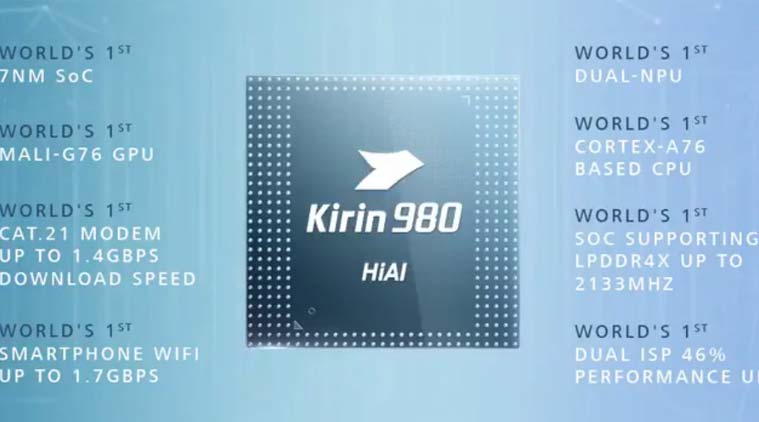
Huawei is on the verge of launching the new Huawei Mate 20 Pro with the all-new Kirin 980 processor. It is scheduled to launch at an event on the 12th of October in London. Well, before that Huawei has mentioned that it’s Kirin 980 will be better than the Apple’12 Bionic Processor. Huawei Kirin 980 and Apple A12 Bionic are the only processors which are available on the 7nm process. Qualcomm will unveil its version of the 7nm processor, Snapdragon 855 by the end of this year.
Huawei Kirin 980 is faster, intelligent and efficient than its predecessor, Kirin 970. After three years of hard-work, Huawei has developed the Kirin 980 featuring 6.9 billion transistors making it 75% faster than the Kirin 970. It is 57% more power efficient, 75% faster and gives 178% more performance than the Kirin 970 GPU. While Apple carriers the same number of transistors with excellent improvement in efficiency and performance.
It seems Huawei is quite serious this time as they have introduced industry’s first SoC equipped with two neural processing units (NPUs) and its Dual-NPU setup. It will help Kirin 980 to handle AI tasks with greater affordability, allowing developers to bring richer AI experiences. It will carry dual ISP (image signal processor) for better image processing with the multiple camera sensors.
In connectivity, it supports LTE Category 21 promising the downlink of 1.4Gbps. Moreover, it carries the Hi1103 Wi-Fi module, proved to be the world’s fastest WiFi chip supporting the download speed of 1.7GBPS. There’s a dual dual-frequency (L1 and L5) GPS having well-defined precision.
Additionally, Kirin 980-can recognise 500 photos in just six seond. It can also identify multiple subjects in a video in real-time. Huawei will start testing the 4.5G networks in India using Kirin 980 very soon.
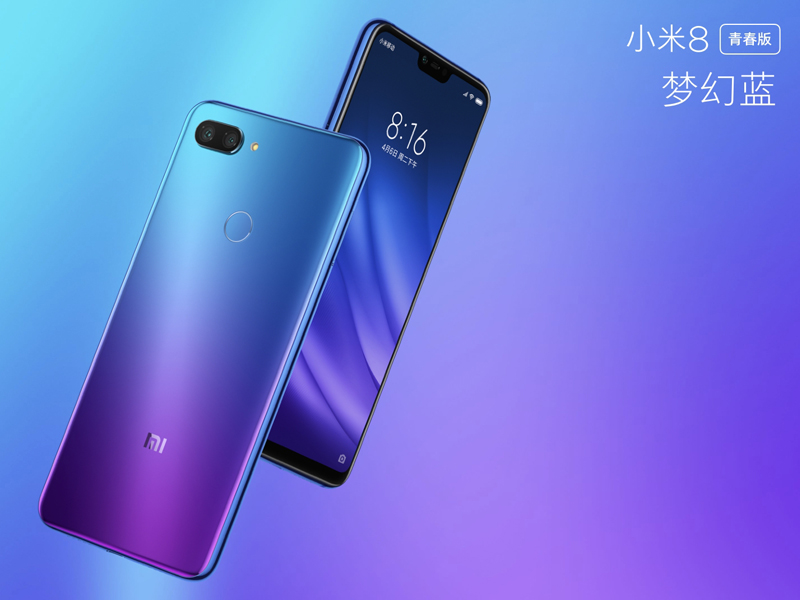
Xiaomi’s recently announced Mi 8 Lite is expected to hit the store shelves this month. Just like its feature-laden predecessors, the upcoming smartphone boasts an impressive array of specs and features that make it an irresistible smartphone.
If you’ve restlessly been waiting to get your hands on a big screen Xiaomi-branded smartphone that won’t set you back a pretty penny, we got good for you. Much to the relief of cost-conscious buyers, the Chinese electronics giant is doling out a noteworthy discount on its upcoming smartphone’s retail price on GeekBuying.
The Mi 8 Lite smartphone can now be yours if you’re willing to shell out just $389.99. This is a considerable reduction in the phone’s original asking price of $465.99.
An absolute bargain at this price, the Mi 8 Lite sports a mammoth 6.26 inches IPS LCD capacitive touchscreen display with 1080 x 2280 pixels resolution and an aspect ratio of 19:9. The phone runs MIUI 9-based Android 8.1 Oreo OS and is backed by a built-in 3350mAh battery.
Powered by a Qualcomm Snapdragon 660 AIE, Octa core, 2.2GHz processor, the Mi 8 Lite packs a competent Adreno 512 GPU, under the hood. It comes with 6GB of RAM and offers a hearty 128GB of expandable onboard storage (up to 256GB) so that you never run out of space for storing your favorite content.
On the photography front, the Mi 8 Lite smartphone houses a 12.0MP+5.0MP dual camera setup on the back. Up front, there’s a 24.0MP camera for selfies and face-to-face video chatting.
Moreover, the dual-SIM smartphone is crammed with a slew of useful sensors like accelerometer, gyro, proximity, compass and a rear-mounted fingerprint sensor. It also features with A-GPS, GLONASS, and BDS.
If the Mi 8 Lite smartphone has stirred your interest and you’d like to check out the full specification, head straight to this link without wasting time since the presale price will only be valid for a limited period of time. You can choose from various other color and size options that suit your need.
Xiaomi took the wraps off its hotly-anticipated Mi 8 Pro smartphone earlier this month. The imminent phone is expected to follow in the footsteps of its well-received precursors and garner skyrocketing popularity among smartphone lovers.
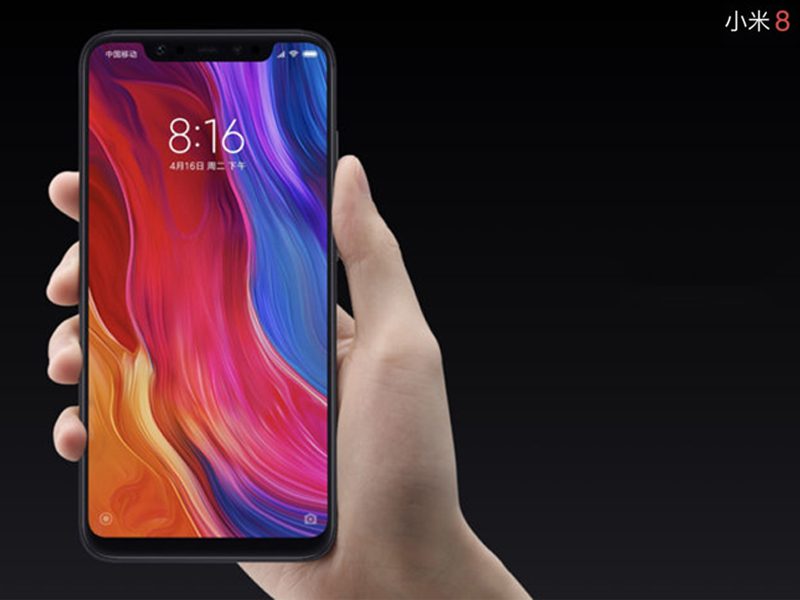
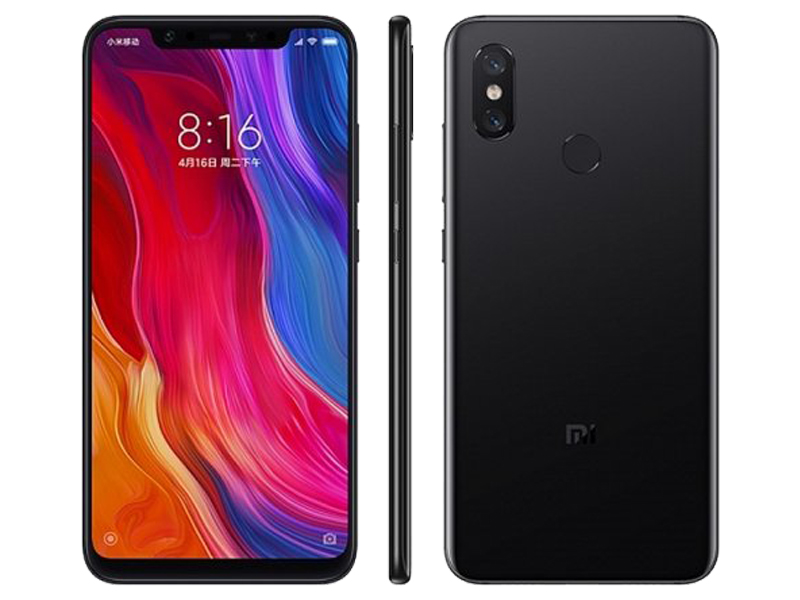
Much to the delight of Xiaomi fans that are living on a tight budget, the Mi 8 Pro has gone up for pre-order carrying a discounted price on GeekBuying. We’ll tell you more about the unmissable discount and even show how you can avail an additional discount without breaking much of a sweat. The Mi 8 Pro normally carries a steep $759.99 price tag but thanks to a noteworthy discount that Xiaomi is offering on the phone’s retail price, you can now pre-order it for just $679.99. On top of that, you can use coupon code SLAQIRCM to get an added $30 discount.
As a result, the already reduced grand total drops further down to just $649.99 before you place your order. While you can choose from multiple options, the aforesaid discount will be valid for 6GB RAM+128GB ROM version of the Mi 8 Pro smartphone.
The Mi 8 Pro features a mammoth 6.21 inches Super AMOLED capacitive touchscreen display with 1080 x 2248 pixels resolution. The phone features a Corning Gorilla Glass 5 on top for added protection and is housed in a robust 7000 series aluminum frame.
Under the hood, it packs a powerful Qualcomm Snapdragon 845 AIE, Octa core, 2.8GHz processor along with an equally competent Adreno 630 GPU. Moreover, the phone houses a 12.0MP+12.0MP dual-camera setup on the back and 20.0MP selfie shooter.
The Mi 8 Pro smartphone runs on MIUI 9-based Android 8.1 Oreo operating system and is backed by a built-in 3000mAh battery. Aside from that, the phone is crammed with a slew of useful sensors such as an accelerometer, gyroscope, proximity, RGB ambient light sensor, electronic compass, hall, and a fingerprint sensor.
You can follow this link to check out the full specification and avail the discount. The phone is scheduled to start shipping in 15 days.
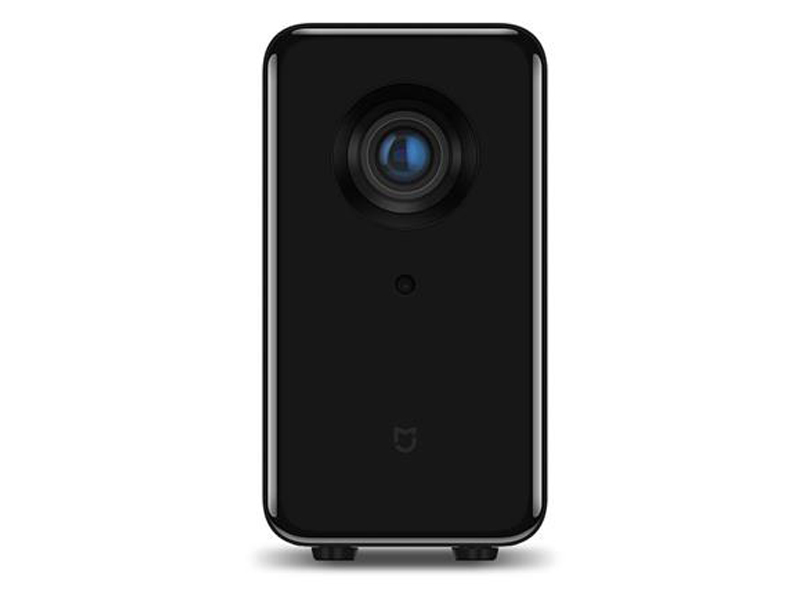
If you fancy watching your favorite game, series or movie on a large screen without inflicting any sort of damage to your eyes, you might want to take a look at the Xiaomi TYY01ZM DLP 3500 lumens quad-core projector. While this DLP projector would normally set you back a pretty penny, Xiaomi is now selling it at a reduced price on GearBest.
Aside from shedding light on the aforesaid discount, we’ll show how you can save a considerable amount of money at the time of checking out. The Xiaomi TYY01ZM usually carries a steep price tag, but you can now buy it at a lowered price of just $749.99 on GearBest.
This is a noteworthy 14% reduction in the device’s original asking price. In order to extend the discount, all you need to do is to apply coupon code IT-CN01TTY before you click on the ‘Place Your Order’ button. The coupon helps you save an extra $30.99 and bring your already discounted grand total further down to just $719. On the downside, the coupon is slated to expire soon.
The TYY01ZM DLP 3500 Lumens Quad-core projector from Xiaomi boasts an impressive array of specs and features that make it quite a bargain at this price. The device is capable of transforming your home into a game room or theatre by producing a 120-inch high image.
On top of that, the TYY01ZM delivers an impressive 800 ANSI lumens brightness, 2.07 mirror slice and is outfitted with the real HDR10 image enhancement technique. In order to check out more details about this Xiaomi-branded projector and avail the discount, you can follow this link.
There were only 49 pieces left for the Flash Sale at the time of writing and the promo will come to an end in 4 days. Note that the discount will only be valid for the cadet blue color version of the DLP projector.
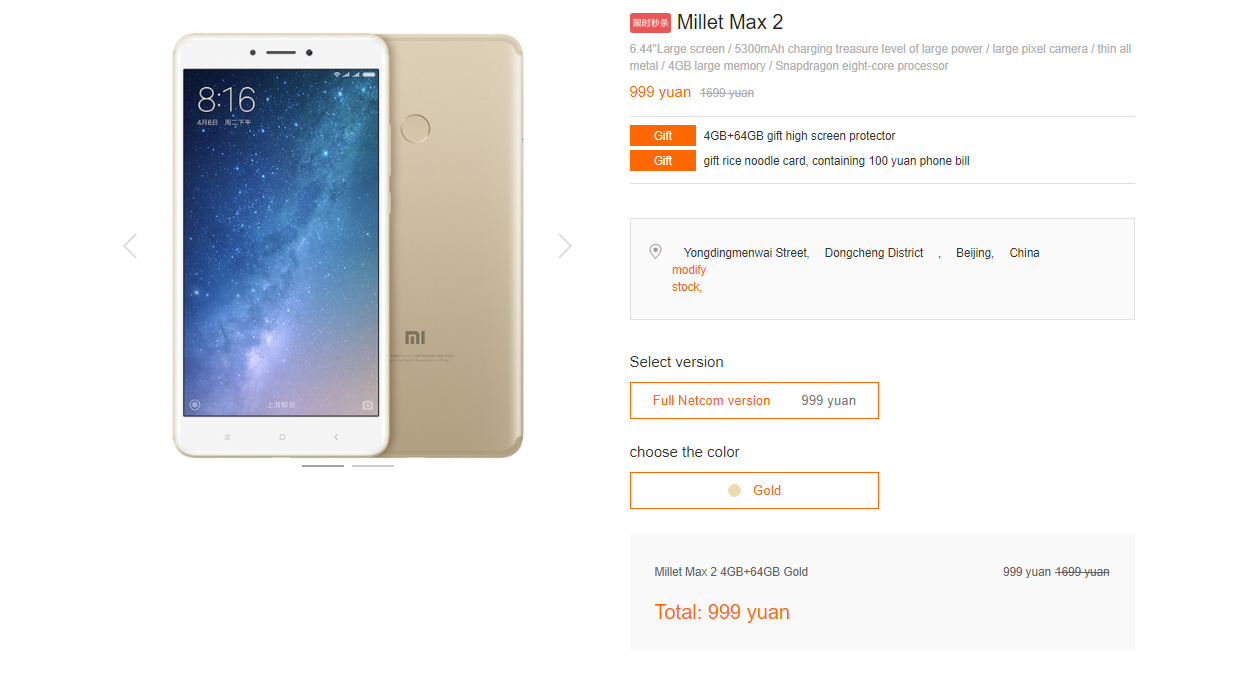
The Mi Max 3 is the latest smartphone in Xiaomi‘s big-screen Max series. It has a large 6.9” display, dual cameras, and packs a big 5,500mAh battery. It also has a starting price of ¥1,699 (~$248). If you don’t want to shell out that amount of money but still want a phone with a big-screen, you may want to grab this limited time deal for the older Mi Max 2.
Xiaomi has slashed the price of the 4GB RAM + 64GB storage Mi Max 2 down to ¥999 (~$146) for a limited time. It isn’t a bad deal but it is only available in Gold. You also get a free screen protector and a ¥100 (~$15) phone call voucher.
The Mi Max 2 has a 6.4-inch screen with a 1920 x 1080 display. Unlike the Mi Max 3, it has thick bezels around the display. It is powered by Qualcomm’s Snapdragon 625 processor.
On the back of the phone is a single 12MP f/2.2 camera and above the display is a 5MP f/2.0 camera. The Mi Max 2 also has a rear-mounted fingerprint scanner, a 5,300mAh battery, and runs Android 7.1 Nougat out of the box.
If you are not bothered by the older specs, ¥999 is a good price when compared to its original launch price of ¥1699 (§248). Just head to the official Mi online store and grab a unit.
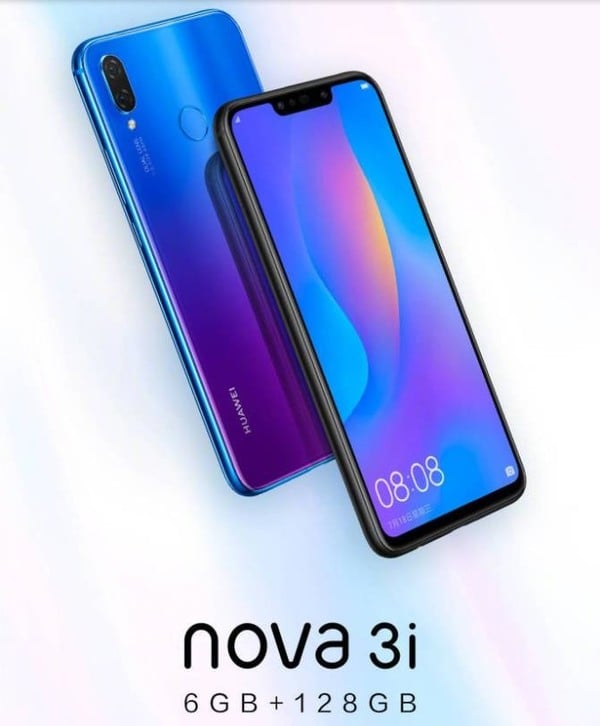
Huawei Nova 3i is the first Kirin 710 chipset smartphone from the company that was announced two months ago. The handset has been available in China in variants such as 64 GB storage + 6 GB RAM and 128 GB storage + 4 GB RAM. The Chinese manufacturer has introduced a higher configuration model in the home market. The company has also started selling the Nova 3i in a new color variant of Acaia Red
When Huawei had announced the Nova 3i smartphone, it was made available only in three color choices of black, white and blue purple. However, it is only now that the company has launched the handset in a new color variant of Acaia Red.
The base model of the Nova 3i that features 128 GB of storage + 4 GB RAM is priced at 2,199 Yuan (~$322). The higher edition that is packed with 64 GB of storage + 6 GB RAM can be availed at 1,999 Yuan (~$291). The newly introduced 128 GB storage + 6 GB RAM variant of the smartphone carries a price tag of 2,399 Yuan (~$351).
The Huawei Nova 3i houses a notched display of 6.3 inches that produces 19.5:9 aspect ratio and Full HD+ resolution. The Kirin 710 chipset is the driving force of the smartphone. What’s interesting about the Nova 3i is that it features dual front-facing cameras and dual rear cameras. The notch includes 24-megapixel + 2-megapixel dual camera setup which carries support for AI scene recognition, AI smart beauty and AI HDR Pro.
The back panel of the Nova 3i is equipped with 16-megapixel + 2-megapixel dual camera setup that supports AI blurring effect for selfie shots and AI scene recognition. The handset comes loaded with Android 8.1 Oreo OS that is overlaid with EMUI 8.2 UI. The smartphone receives power from 3,340mAh battery.
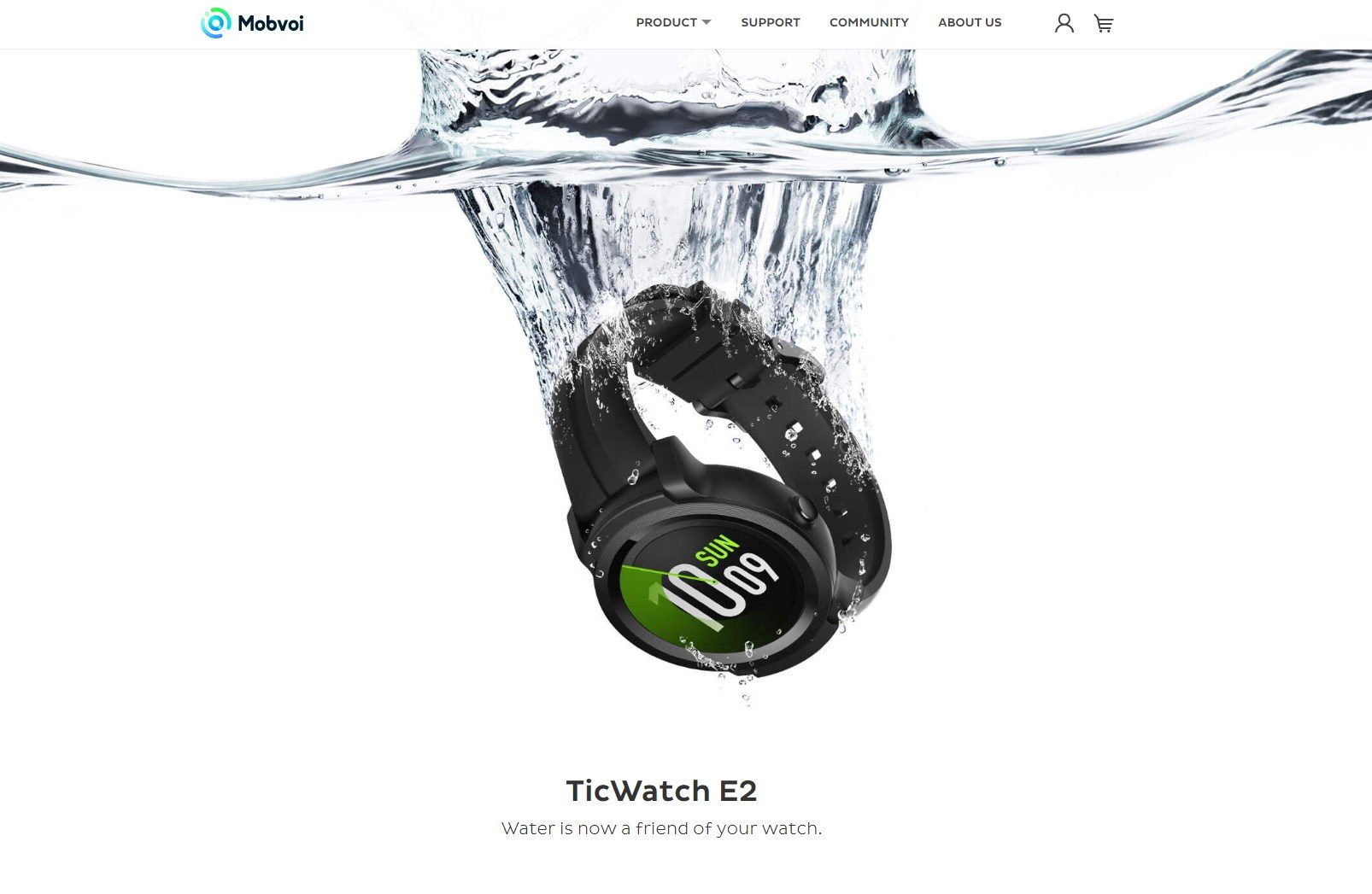
Mobvoi, the Chinese AI company now smartwatch maker may have a new watch coming soon. A teaser for a successor to its affordable smartwatch, the Ticwatch E, was seen on its official website and it hinted at the successor, the Ticwatch E2, coming with a higher IP rating.
The teaser shows a watch with a similar design to the Ticwatch E but with the dial on the right. The watch is submerged in water and below it is its name and the caption “Water is now a friend of your watch”.
The original Ticwatch E has an IP67 rating for water and dust resistance. This means it will survive splashes but can’t be used for swimming and diving. The Ticwatch E2 may have an IP68 rating which makes it suitable for swimming.
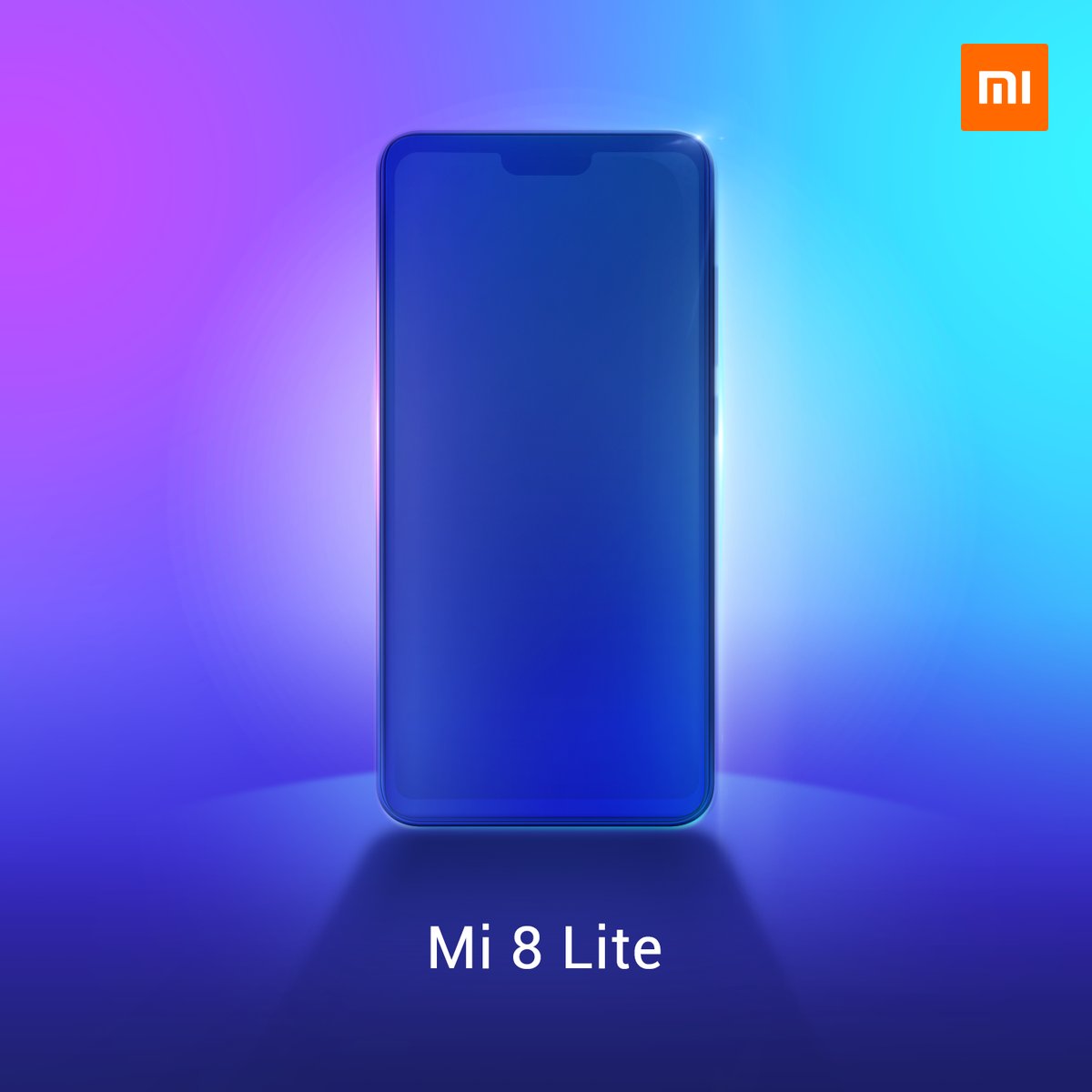
In the past week, Xiaomi extended its Mi 8 series by introducing the Mi 8 Pro and Mi 8 Lite smartphones in China. Soon after the launch, Xiaomi’s Global spokesperson Donovan Sung confirmed that the global edition of the Mi 8 Pro will be arriving soon. Also, the official Twitter handle of Xiaomi carried the first teaser of the Mi 8 Lite to confirm that this handset will be also soon available in global markets.
Shown above is the first official teaser that confirms the global debut of the Mi 8 Lite. However, the above tweet does not reveal its launch date. It only confirms that it is Snapdragon 660 powered smartphone that is packed with exciting internals.
The Mi 8 Lite has arrived in China in multiple models such as 4 GB RAM + 64 GB storage, 6 GB RAM + 64 GB storage and 6 GB RAM + 128 GB storage. These models are respectively priced at 1,399 Yuan (~$204), 1,699 Yuan (~$177) and 1,999 Yuan (~$291).
The Xiaomi Mi 8 Lite features 6.26-inch IPS LCD screen that produces 19:9 aspect ratio since its features a notch. The display supports Full HD+ resolution. For capturing selfies, it is equipped with a 24-megapixel Sony IMX576 sensor. The back panel is fitted with 12-megapixel + 5-megapixel dual camera setup. The handset is loaded with Android 8.1 Oreo and it is packed with a 3,350mAh battery that carries support for fast charging.
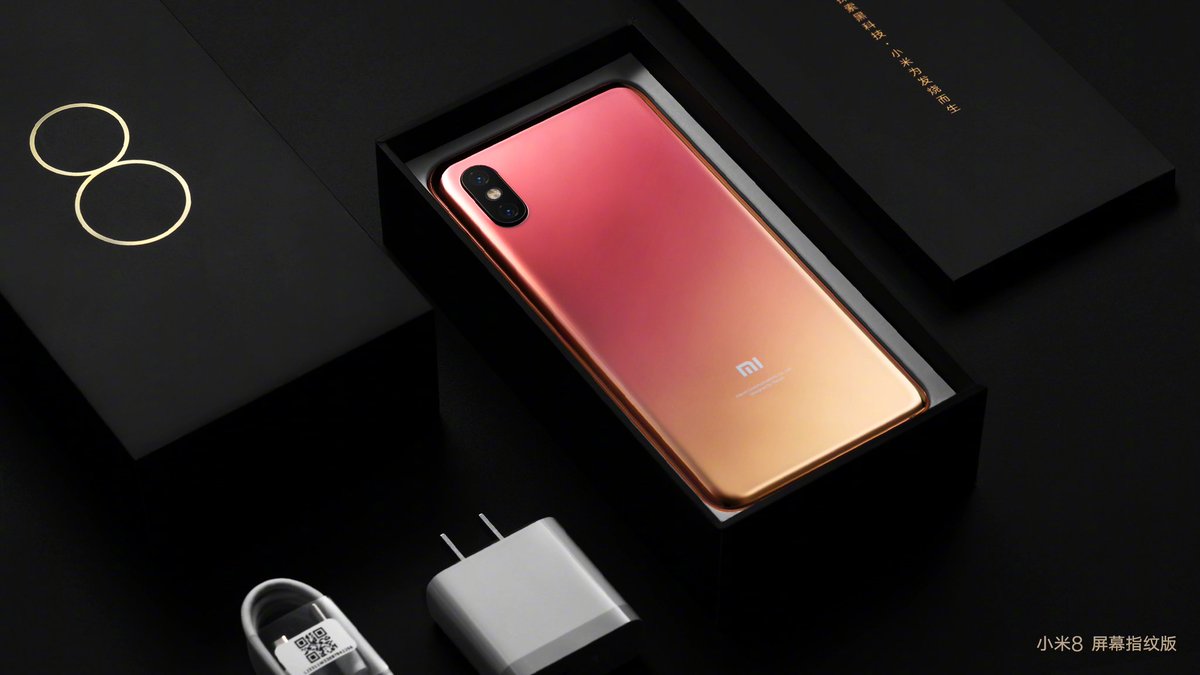
The Xiaomi Mi 8 Pro is an advanced version of the Xiaomi Mi 8 phone that was announced in May. The major highlight of the phone is that it comes equipped with an in-display fingerprint sensor. The enhanced pressure-sensitive sensor assists the phone to unlock faster.
The Mi 8 Pro comes with 6.21-inch S-AMOLED notched screen that supports Full HD+ resolution. The Snapdragon 845 powers the 128 GB storage + 6 GB RAM and 128 GB storage + 8 GB RAM. The back panel of the phone features dual 12-megapixel rear cameras and it is also fitted with 20-megapixel selfie camera. The handset is powered by 3,000mAh battery.
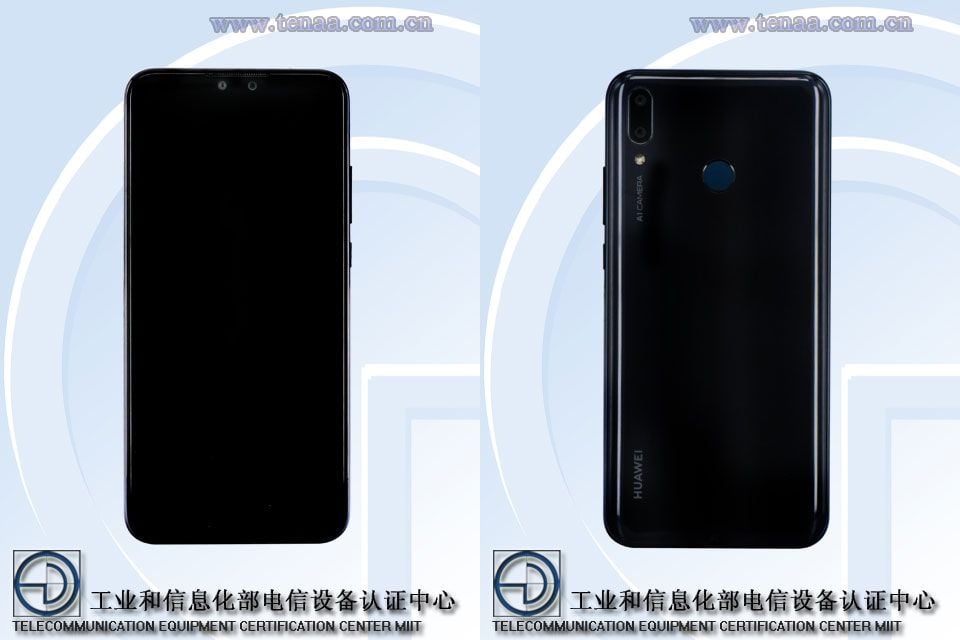
The Huawei Y9 was seen on TENAA a few weeks ago but only images of the phone and a few specs were revealed. Now a full listing has surfaced and we can say this is practically an Honor 8X with a bigger battery and extra camera.
The Huawei Y9 (2019) variant on TENAA has model number JKM-AL00a. It packs a 6.5-inch screen with a 2340 x 1080 resolution. This is the same screen size and resolution as the Honor 8X, so expect it to have a notch. It is powered by a 2.2GHz octa-core processor which is definitely the Kirin 710.
Just like the Honor 8X, the Huawei Y9 will come in 4GB RAM and 6GB RAM variants with 64GB and 128GB of storage respectively. A MicroSD card slot will allow users add up to an additional 400GB of storage.
The phone will come with a 20MP + 2MP dual rear camera combo. It will also have dual front-facing cameras but TENAA mentions only one – a 16MP sensor. The secondary sensor is most likely a 2MP sensor like the one on the rear.
The Huawei Y9 (2019) will have a 3900mAh battery (~4000mAh), run Android 8.1 Oreo, and have a rear-mounted fingerprint scanner. It will be available in Black, Pink, Blue, and Purple when it launches.
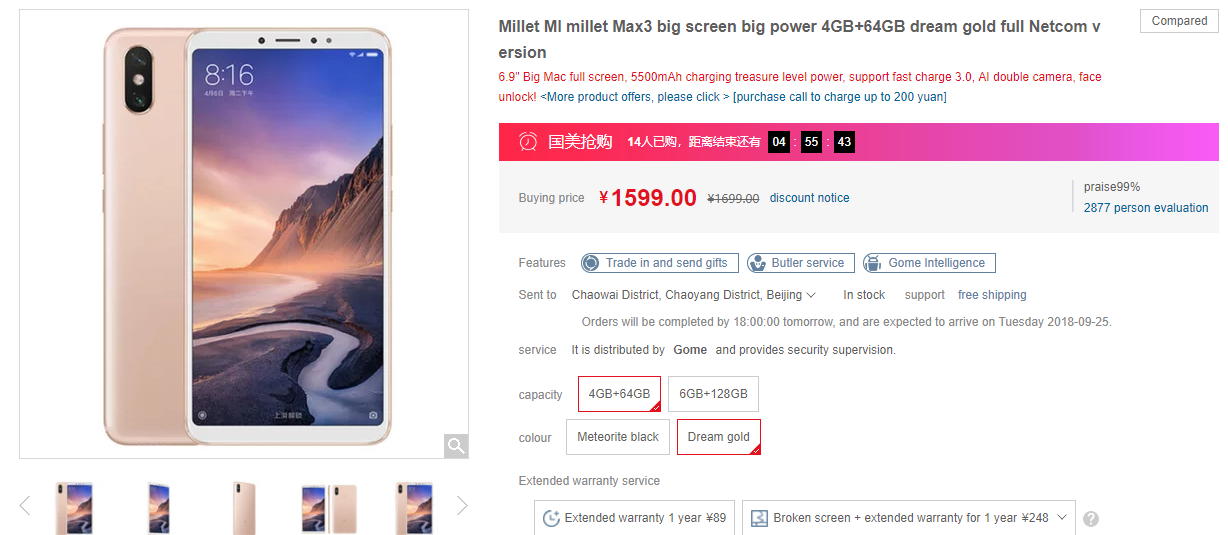
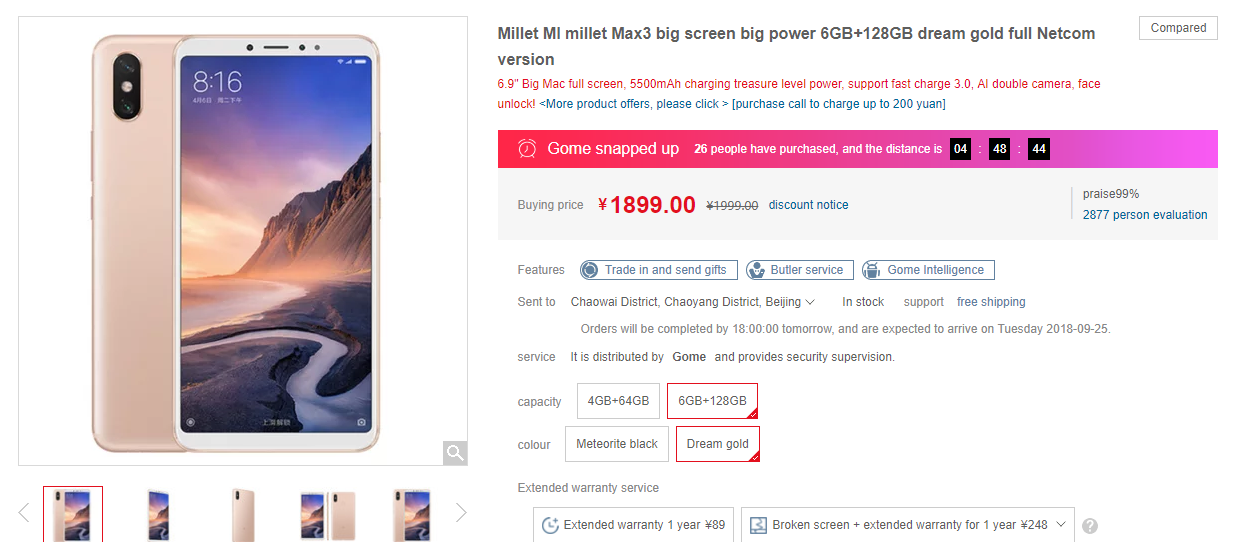
Two months ago, Xiaomi had launched the Mi Max 3 in China. The 64 GB and 128 GB storage variants of the phone had arrived with 1,699 Yuan (~$247) and 1,999 Yuan (~$291) pricing. The official Xiaomi store on Gome Mall is selling both the storage editions of the Mi Max 3 with a price cut of 100 Yuan.
On Gome Mall, the 64 GB storage + 4 GB RAM edition of the Xiaomi Mi Max 3 is priced at 1,599 Yuan (~$233) after a discount of 100 Yuan (~$15). And the higher variant that includes 128 GB of storage and 6 GB of RAM carries a pricing of 1,899 Yuan (~$277). This model has is also selling with a discount of 100 Yuan (~$15).
Xiaomi’s official online store is selling the Mi Max 3 with original pricing. There is no confirmation on whether the price cut for Mi Max 3 on Gome Mall is temporary or permanent one.
The Xiaomi Mi Max 3 is an impressive phone that features a huge notch-less display of 6.99 inches and a big battery of 5,500mAh capacity. The Snapdragon 636 is present under the hood of the device. The handset is preinstalled with MIUI 9 based Android 8.1 Oreo OS.
It is the first Mi Max series smartphone to come with 12-megapixel and 5-megapixel dual camera setup. For shooting selfies, it features a front-facing camera of 8-megapixel. The other features of the smartphone include USB-C port, rear-mounted fingerprint reader, 3.5mm audio jack, 4G VoLTE, Wi-Fi, Bluetooth 5.0 and GPS. The handset was introduced in Black, Gold and Blue colors, but Gome Mall’s listing for the smartphone does not include Blue variant.
Since its launch, the Mi Max 3 has been exclusively available in China. The official global Twitter account of Xiaomi has teased the arrival of Mi Max 3. The global launch of the Xiaomi phablet seems to be nearing, but the exact launch date is not available yet.
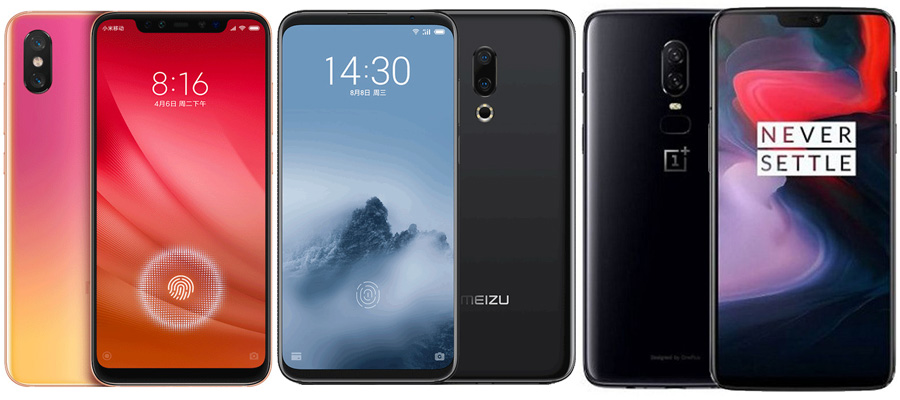
Xiaomi decided to launch the Mi 8 Explorer Edition in the global market as the Mi 8 Pro in new color variants: another flagship is now in the shelves with the most powerful hardware you can expect in 2018. In the same price range, we believe that Meizu 16 Plus and OnePlus 6 are the best Chinese flagships you can currently get besides this new handset, so we decided to compare them to understand which would be the best choice for consumers. After reading the comparison, you can let us know if you agree or not by using the comment box below.
Xiaomi Mi 8 Pro vs Meizu 16 Plus vs OnePlus 6
Xiaomi Mi 8 Pro
Meizu 16 Plus
OnePlus 6
DIMENSIONS AND WEIGHT
154.9 x 74.8 x 7.6 mm, 177 grams
160.4 x 78.2 x 7.3 mm, 182 grams
155.7 x 75.4 x 7.8 mm, 177 grams
DISPLAY
6.21 inches, 1080 x 2248p (Full HD+), 402 ppi, Super AMOLED
6.5 inches, 1080 x 2160p (Full HD+), 374 ppi, 18:9 ratio, Super AMOLED
Dual 12 + 12 MP f/1.8 + f/2.4
20 MP f/2.0 front camera
Dual 12 + 20 MP f/1.8 and f/2.6
20 MP f/2.0 front camera
Dual 16 + 20 MP f/1.7
16 MP f/2.0 front camera
BATTERY
3000 mAh, Fast charging with Quick Charge 4.0
3570 mAh, Fast Charging with mCharge 4.0
3300 mAh, Fast Charging with Quick Charge 3.0
ADDITIONAL FEATURES
Dual SIM slot
Dual SIM slot
Dual SIM slot
Design
For Xiaomi, Meizu and OnePlus, these flagships are a big step forward in terms of aesthetics. Indeed, Meizu 16 Plus and OnePlus 6 are the first flagships from the companies to sport an elegant glass back and, as you know, glass backs are the most common choice for premium designs. But the winner is Xiaomi Mi 8 Pro with the most impressive design: it is the only last-gen smartphone to come with a transparent back thanks to which you can see internal components from the outside. And if you do not like it, there is also a stunning gradient hue.
Display
All of these handsets pack wonderful AMOLED displays and a Full HD+ resolution. So you will get a stunning viewing quality in each case. Judging from the specs on the paper, Xiaomi Mi 8 Pro may offer a slightly better viewing quality thanks to the HDR10 technology making colors richer. But the one I would pick is the Meizu 16 Plus due to its huge 6.5-inch display without notch. A so big display is hard to find on a so powerful flagship and this is enough to award Meizu 16 Plus. But obviously, if you do not like big phablets, go for the Mi 8 Pro.
Specs & Software
These devices are three smartphones with the most powerful hardware department launched in 2018. They all have the octa-core Snapdragon 845 SoC which is the best Qualcomm’s chipset, and it is paired with up to 8 GB of RAM. So all of them deliver blazing speeds and a limitless multi-tasking experience. It is a draw under this point of view, but note that Meizu 16 Plus and Xiaomi Mi 8 Pro come with 128 GB of internal storage in its base variant, while OP6 starts from 64 GB.
Camera
We did not try to click a photo with the Xiaomi Mi 8 Pro, but given that it has the same camera department as the original Mi 8, it will provide the same photo and video quality. A quality which makes us put this phone in the first place of this trio, as this device can shoot detailed photos with rich colors in every light condition and the stabilization works greatly. But Meizu 16 Plus and OnePlus 6 are still stunning camera phones, so even if you choose them you do not make a bad choice.
Battery
Given that it has a bigger size, Meizu 16 Plus also has the biggest battery. And it surely lasts more than both Xiaomi Mi 8 Pro and OnePlus 6. It can also charged very quickly thanks to the proprietary mCharge 4.0 technology.
Price
All of these handsets are very affordable flagships if we compare it with the concurrency. Xiaomi Mi 8 Pro starts from just $470/€400 (6/128 GB configuration), Meizu 16 Plus starts from exactly the same price in the same base configuration, while OnePlus 6 starts from $519/€519 in the 6/64 GB variant. With the actual prices, in my opinion, Meizu 16 Plus is the king for productivity and advanced users, but if you prefer the design and cameras you should go for the Mi 8 Pro.
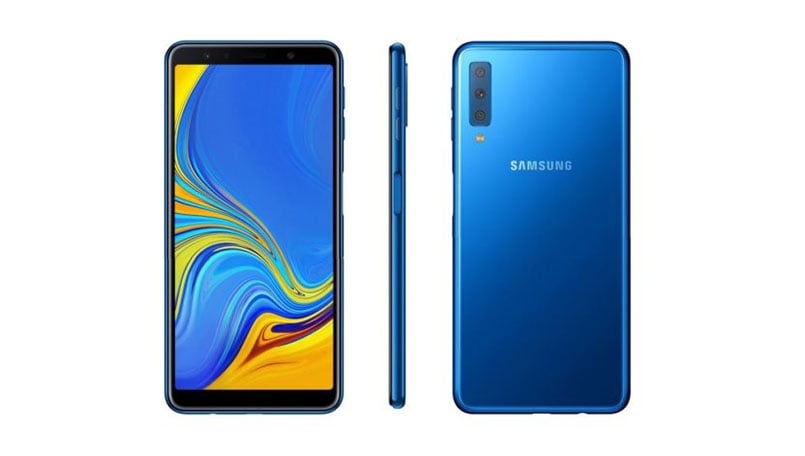
In August, Samsung had launched the Galaxy Note 9 flagship phone in India. The country has already received other phones such as Galaxy A8 Star, Galaxy J6+ and Galaxy J4+. The South Korean tech giant has recently launched the Galaxy Watch smartwatch in India. And now, the company is prepping up to introduce the Galaxy A7 (2018) in India. Fresh information reveals that the handset will be announced on Sept. 25 and it will be exclusively available through Flipkart.
Samsung has begun teasing the arrival of the Galaxy A7 (2018) through Twitter and Instagram accounts in India. The teasers reveal that the smartphone will be equipped with Dolby Atoms for surround sound experience and triple rear cameras.
It goes without saying the USP of the Galaxy A7 (2018) is triple camera system that includes an f/1.7 aperture 24-megapixel primary sensor, f/.24 aperture 8-megapixel ultra-wide lens with field of view of 120 degrees like the human eye and f/2.2 aperture 5-megapixel depth sensor.
The triple rear cameras are equipped with multiple photography features such as Selfie Focus, Pro Lighting Mode, AI scene optimizer, filters and AR Emojis. The frontside of the Galaxy A7 (2018) features f/2.0 aperture 24-megapixel selfie shooter that carries support for face unlock.
The Galaxy A7 (2018) features a 6-inch S-AMOLED screen with Infinity Display design that offers an aspect ratio of 18.5:9. It produces Full HD+ resolution of 1080 x 2220 pixels. It is fueled by 2.2 GHz octa-core processor and it is packed with a 3,300mAh battery. The handset is loaded with Android 8.0 Oreo.
The 64 GB and 128 GB storage models of the Galaxy A7 (2018) are respectively packed with 4 GB and 6 GB of RAM. For more storage, it features a microSD card slot. The handset features a side-mounted fingerprint scanner.
There is no information available on the pricing of the Samsung Galaxy A7 (2018). As of this writing, it is only known that it will be exclusively available through Flipkart.
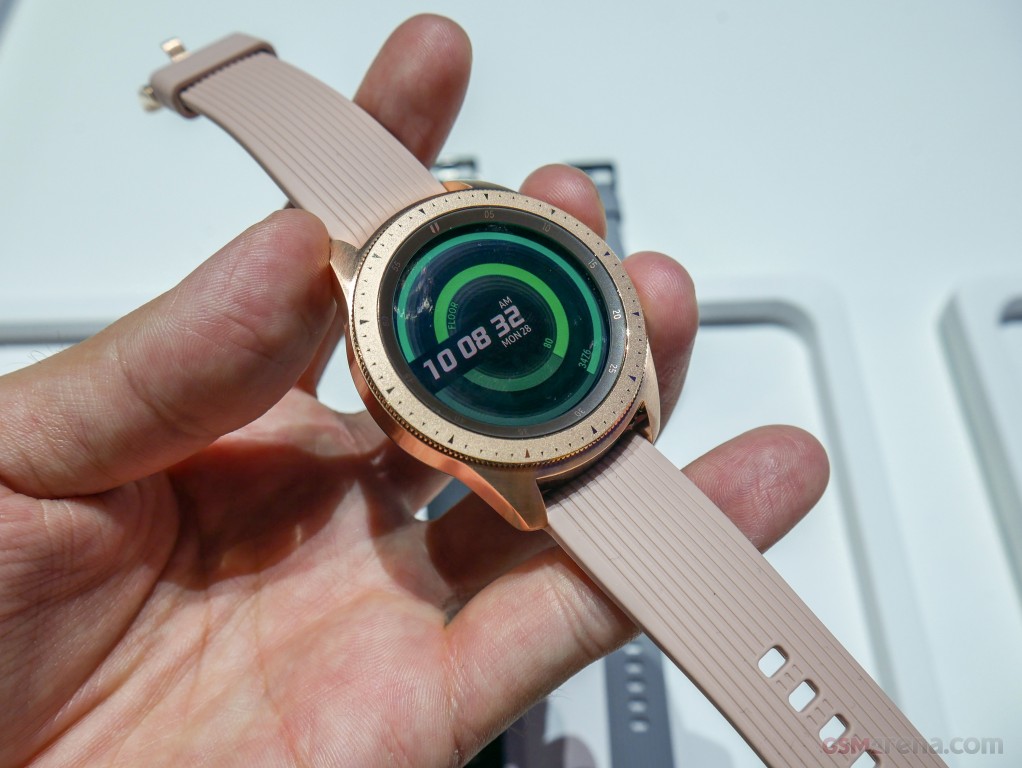
In August, Samsung had debuted the Galaxy Watch smartwatch alongside the Galaxy Note 9 smartphone in New York. While the Galaxy Note 9 is already available for buying in the country, the Galaxy Watch was introduced in India on Sept. 21. The new Galaxy Watch is the successor of the Gear S3 smartwatch from last year. It has arrived with a starting price of Rs. 24,990.
The Galaxy Watch by Samsung is a waterproof device with 5 ATM rating and since it is MIL-STD-810G certified, it can withstand harsh climatic conditions. For dealing with stress levels, a stress management tracker is available on the Galaxy Watch. The device also features an improved sleep monitor that tracks sleep patterns including REM cycles. The smartwatch also offers 39 workout profiles and 21 indoor exercises. The device is loaded with Tizen OS 4.0.
The Samsung Galaxy Watch features a round-shaped S-AMOLED screen of 1.2 inches that carries support for Always-On Display feature. The screen of the device is shielded by Gorilla Glass DX. The Exynos 9110 chipset that includes a dual-core processor powers the smartwatch along with 768 MB of RAM. It includes an internal storage of 4 GB. The smartwatch carries support for wireless charging.
The Galaxy Watch is equipped multiple sensors such as accelerometer, ambient sensor, barometer, gyroscope and HRM. As far as connectivity is concerned, the Samsung smartwatch features Bluetooth 4.2, Wi-Fi 802.11 b/g/n, NFC, GPS and GLONASS. The Tizen powered smartwatch can be paired with Android phones running on Android 5.0 or iPhone 5 or later with iOS 9.0 onboard.
The Galaxy Watch has arrived in India in two models. The 46mm and 42mm variants have respectively landed in the country with Rs. 24,990 and Rs. 29,990 pricings. The 46mm Galaxy Watch comes in Silver color with Matte Black bezel. It has a 1.2-inch screen that offers 360 x 360 pixels display resolution and 270mAh battery.
On the other side, the 42mm model can be availed in Midnight Black and Rose Gold variants. It includes a 1.3-inch display that produces 360 x 360 pixels screen resolution and 472mAh battery.
The smartwatch will be available for buying from mid-October through authorized retailers in India. There is no confirmation on whether the country will be also receiving the LTE variant of the Galaxy Watch.
The Google Pixel 3 and Pixel 3 XL phones are launching next month. In the past few weeks, the Pixel 3 XL has appeared in multiple leaks. Not only the images and videos of the production units of the Pixel 3 XL have been revealed but also, they were reviewed and sold in the grey market. An Indian tipster has recently shared high-resolution photos of the Pixel 3 XL and now reputable leakster Evan Blass has come up with fresh renders that reveal the front design of the Pixel 3 and Pixel 3 XL smartphones.
The Pixel 3 XL is a massive phone when compared to the Pixel 3. It is speculated that the Pixel 3 XL will be featuring a 6.7-inch screen whereas the smaller Pixel 3 will be arriving with a 5.4-inch display. The Pixel 3 is expected to support an aspect ratio of 18:9 and the notched screen of the Pixel 3 XL may support 19:9 aspect ratio.
The Pixel 3 XL has the infamous notch which includes one of the front-facing speaker and dual selfie cameras. The bottom bezel of the phone is fitted with another frontal speaker. On the other side, the Pixel 3 features thick-sized upper and lower bezels. It also features dual front-facing speakers. The top bezel is the home for its dual selfie cameras. It is speculated that the dual selfie camera setup of the Pixel 3 and 3 XL will include an auto-focus enabled 8-megapixel primary camera with f/1.8 aperture and a secondary fixed-focus 8-megapixel lens with f/2.2 aperture.
The Snapdragon 845 chipset accompanied by 4 GB of RAM will be present under the hood of Pixel 3 duo. Both phones are expected to arrive with a native storage of 64 GB. The glass rear on both smartphones will allow them to support Qi wireless charging.
The Oct. 9 Google event in New York will see the arrival of the Pixel 3 and Pixel 3 XL smartphones. The search engine giant is also rumored to debut Pixelbook 2, Pixel Buds and Google Home Hub.
The Mate 20 will be debuting as the regular version of the Mate 20 Pro. Huawei will be announcing both smartphones on Oct. 16. A leaked video of the silver variant of the Huawei Mate 20 has appeared on Weibo. The short video lasts only for 10 seconds, but it manages to reveal the front and rear design of the Mate 20.
As previous reports have revealed, the Mate 20 that has appeared in the leaked video can be seen with a waterdrop notch screen. The flat display of the Mate 20 is surrounded by very slim bezels. It is expected to arrive with a 6.3-inch FHD+ LCD display, but the screen seems much bigger in the video.
The back panel of the Mate 20 features a square-shaped camera module that includes a triple camera setup and an LED flash. Previous leaks have revealed that the triple camera system may include 20-megapixel RGB sensor, 12-megapixel monochrome sensor and 8-megapixel telephoto lens. Apart from the newly spotted silver edition, the Mate 20 is also expected to come in other options such as black, blue, green and gradient variants.
What differentiates the Mate 20 from Mate 20 Pro is the presence of a rear-mounted fingerprint reader. The Mate 20 Pro is rumored to arrive with an under-display fingerprint scanner and it also expected to arrive with a wider notch that may include necessary sensors for 3D facial recognition.
The Kirin 980 will be the driving force of the Mate 20 and it is expected to arrive with a 4,200mAh battery. It may feature an internal storage of 128 GB and a minimum of 6 GB of RAM. The Mate 20 and Mate 20 Pro are likely to arrive as the first Huawei phones with Android 9 Pie onboard. There is no information on the pricing of the phone smartphone yet.
What’s your opinion on the appearance of the Huawei Mate 20? Share us your views by posting your comments below.
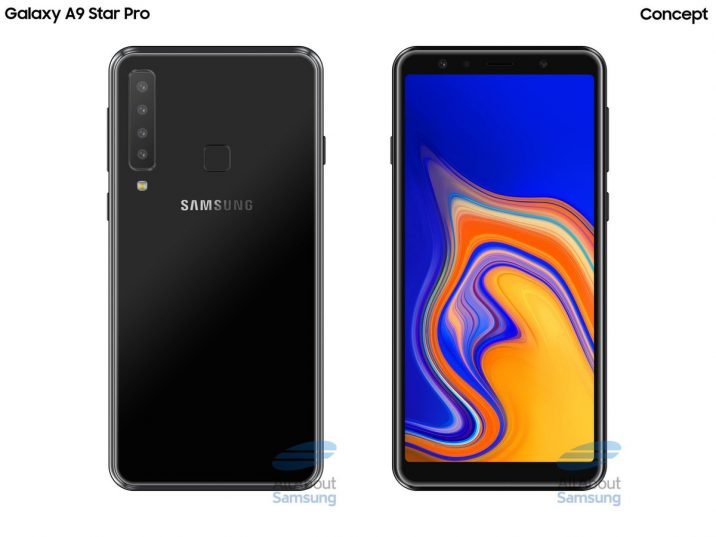
Samsung will be announcing a new smartphone on Oct. 11. The press invite of the event has suggested that it would be unveiling a smartphone with quadruple camera on the said date. The rumor mill had speculated that the Galaxy A7 (2018) with triple rear cameras and one front-facing lens could be the quadruple camera phone that may go official on Oct. 11. However, the South Korean company already unveiled the Galaxy A7 (2018) in the previous week. Fresh information revealed by a German website states that the Samsung phone that is arriving in the next month will feature quadruple rear cameras. The website claims that this new phone could be the Galaxy A9 Pro and it has also shared is key specs and a concept render.
As it can be seen in the concept image below, the front panel of the alleged Galaxy A9 Pro (2018) features the usual 18.5:9 Infinity Display. The back panel of the handset features four cameras arranged vertically followed by an LED flash. The concept device looks like the recently announced the Galaxy A7 (2018) but includes an additional camera sensor and a fingerprint scanner on the rear side. The A7 (2018) features a side-mounted fingerprint scanner.
The German site reveals that the Galaxy A9 Pro (2018) will feature a 6.28-inch Super AMOLED display that will carry support for Full HD+ resolution. The handset could be powered by the Snapdragon 660 and may include a 3,720mAh battery. Previous leaks have claimed that the Galaxy A9 Pro (2018) will have the new Snapdragon 710 onboard.
For shooting selfies, it may feature Sony IMX576 24-megapixel camera. On the rear, it is speculated to feature 24-megapixel main camera, 8-megapixel wide-angle camera with a field of view of 120 degrees, 10-mgeapixel zoom camera and another 5-megpixel zoom camera.
The German site has not shared any details on the other specs of the phone. Presumably, it may arrive with a native storage of 64 GB and 4 GB or 6 GB of RAM.
In an attempt to increase the screen size and to keep up with the bezel-less design trend started off by Essential Phone and iPhone X, smartphone OEMs have jumped onto the notched-display bandwagon. Display notches are essentially a cut-out, at the top, of a part of the smartphone’s display. Some of the advantages of display notches are it offers the ability to retain the display area on either side of it, for showing information such as time, battery percentage and more.
With display notches, smartphone OEMs are now in a position to provide maximum screen space without abandoning the critical hardware at the top, such as the Selfie Camera, Receiver Speaker, other Sensor, LED Indicators., etc. Now, you can get a 5.5-inch sized smartphone with a 6.2-inch display on it.
Whether you love it or hate it, here are the different types of display notches- smartphones with notched-display.
iPhone X Notch
Apple’s iPhone X came with a spectacular edge-to-edge display that dominates the entire front of the smartphone. Well, nearly the entire front side of the phone. Unlike the Android flagships such as the Pixel XL 2, Samsung’s Galaxy S8, and LG’s V30, iPhone X didn’t come with a top bezel; instead, it came with a wide display notch which looked odd.
The notch on the iPhone X contains the TrueDepth camera system, which powers the iPhone’s Face ID facial recognition technology. It also incorporates the hardware elements required for Apple’s all-new Animoji feature and an IR sensor.
Before the launch of iPhone X, the display notches (design) sparked a lot of discussions among consumers and industry experts, much of it negative. But over the time, hate for the notch has faded away as many people have become used to Apple’s design choice. Android smartphone manufacturers are now embracing the notch concept on their smartphones.
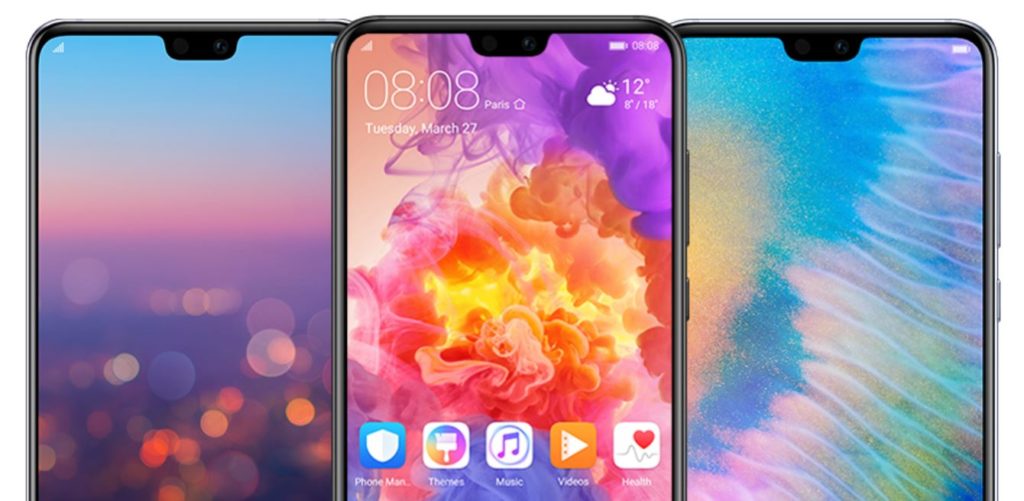
Soon after the unveiling of iPhone X, a large number of Android smartphone makers have joined the bandwagon and released smartphones with the displays that have a notch. The Huawei P20 Pro, OnePlus 6 and Asus Zenfone 5Z too came with a notched display (but a smaller one).
Unlike the iPhone X, Android phones such as the OnePlus 6 came with several new features that allow users to control the notch in whatever way they want. Users can turn it off (notch) in the Display Settings.
By doing so, a regular black bar will appear on the top of the display which is similar to the regular black bar that we used to see on many other Android phones. On that black bar, system time, battery indicator, as well as notifications, will be displayed. If you don’t like the notch, you can make it disappear. This is a unique feature that is not yet available in the Apple’s iPhone X.
Water-Drop Notch (Essential PH-1, Oppo F9 Pro, Vivo V11 Pro)
Essential was the first to launch a smartphone with a “notch” ahead of Apple. Of course, Apple overshadowed Essential just a few weeks later with the iPhone X notch. Oppo coined the name waterdrop notch with the launch of Oppo F9 Pro.
While Essential PH-1 notch (similar to Oppo F9 Pro notch) didn’t get mainstream, a host of Android phones such as Vivo V11 Pro have been launched with a waterdrop notch.
While the ‘regular’ notch mostly contains the speaker, front-facing selfie cameras and other types of sensors such as notification led, IR blasters.
The waterdrop notch – due its shape and size – isn’t that accommodating, it contains only the front-facing camera. Its primary purpose is to offer more screen real estate on the phone’s display. No doubt it is an attractive design element, but the functionality of the waterdrop notch remains a bit foggy.
In other words, the waterdrop notch is a nice differentiator among the crowded notched-display phones, but it is low on functionality.
Final Thoughts
The notch-display design is now a mainstream design element, especially with the launch of budget Realme 2, which claims to be the most affordable phone with a display notch. The Realme 2 comes with a starting price point of Rs 8,990 (125 USD).
The display notch exists on the Apple’s iPhone X because it needs a wide array of sensors on the front for Face ID tech, but on Android, notched-display is just an aesthetic choice. The notch might not be a permanent fixture for Android smartphones.
Android phones such as the Vivo Nex, Oppo Find X have taken the full-screen experience to a whole new level. With a motorized pop-up camera, these phones came with no ugly notches and massive 92-93.5% screen-to-body ratio.
There are several reasons a pop-up camera such as the one in the Vivo Nex might not be ideal (long-term reliability being the main one). But design changes such as the Oppo Find X and Vivo Nex shows that smartphone makers are experimenting with new ideas to get rid of the ugly notch. Essential, which released the first smartphone with a notched-display, also filed a patent for a similar camera design found in Vivo Nex.
Do you like the notched-display, if so, which type of notch you like the most? Tell us in comments
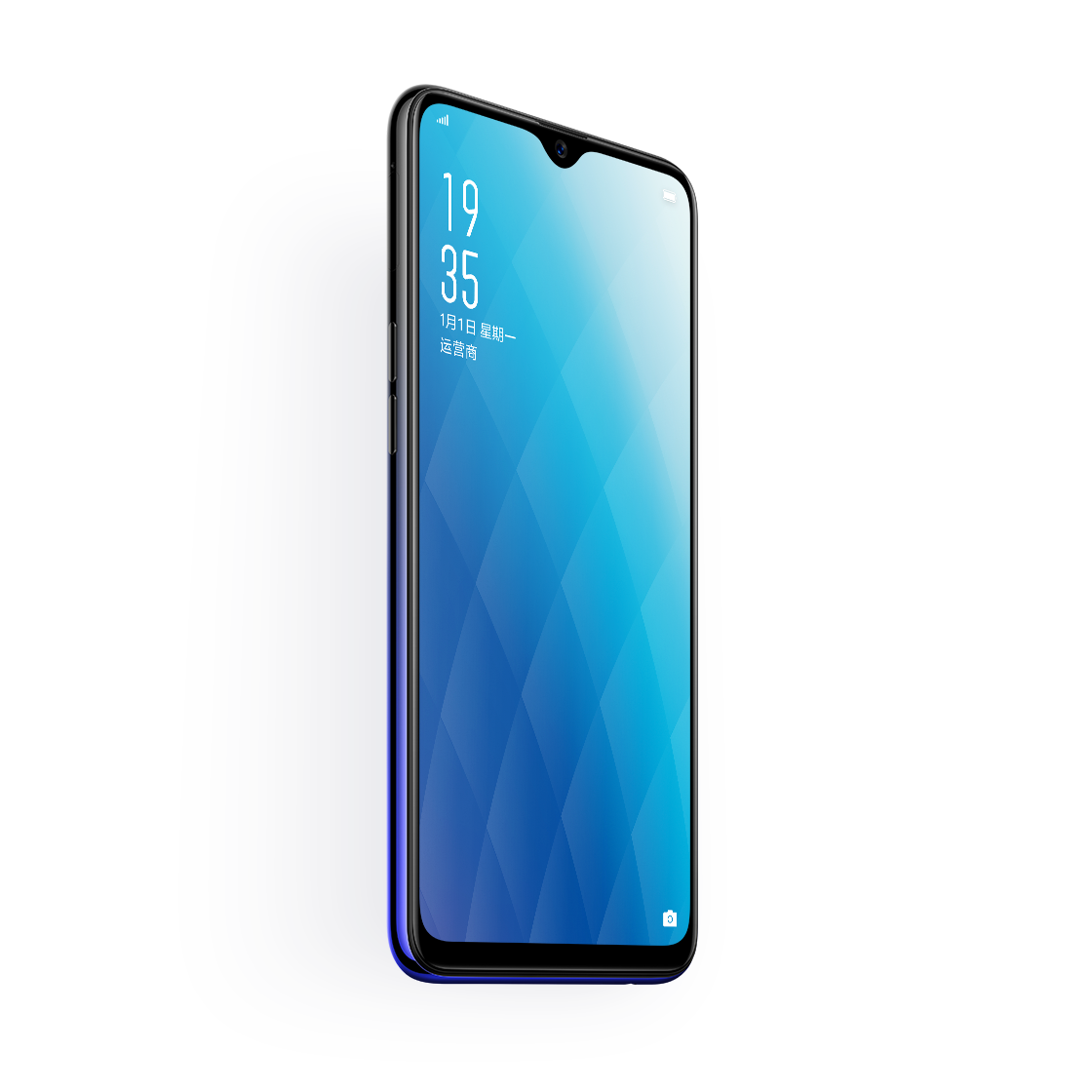
A few weeks ago, OPPO launched the A7x, a mid-range smartphone with the new waterdrop notch. Some of you must have been wondering if there was already an OPPO A7. No, there wasn’t one but there’ll be soon and its full specs just leaked.
The OPPO A7 will come with a 6.2-inch 1520 x 720 display which translates into a 19:9 aspect ratio and also means it has a notch. It is powered by the Snapdragon 450 processor with 3GB/4GB of RAM and 32GB of expandable storage for both variants.
The OPPO A7x will soon get a less-powerful variant called the OPPO A7
The A7 has a 13MP f/2.2 + 2MP f/2.4 dual camera combo on its back and a 16MP f/2.0 front-facing camera. There is no mention of a fingerprint scanner but it should at least have face unlock.
The OPPO A7 will run Android 8.1 Oreo with ColorOS 5.2 on top. The battery capacity is stated as 4,230mAh and the phone will have dual-SIM support (nano only), Bluetooth 4.2, 2.4GHz Wi-Fi, and support for USB OTG. When it launches, it will be available in Glaze Blue and Glaring Gold. Its dimensions are 155.9 x 75.4 x 8.1 mm and it weighs 158g.
Earlier this year, in June, Asus announced its first gaming smartphone — Asus ROG Phone. After about four months, the phone is yet to be available for purchase.
However, a listing of the Asus ROG Phone on Chinese reseller suggests that phone will finally be available for purchase by the end of October. It’s noteworthy that the company has not yet revealed the official date of availability.
The listing on GearBest claims that the device will start shipping between October 22 and October 24. The company has listed both models — 8GB RAM with 128GB internal storage and 8GB RAM with 512GB onboard storage, priced at $1,320 and $1,620 respectively.
The smartphone comes with a 6-inch AMOLED display with a screen resolution of 2160 x 1080 pixels. Under the hood, it is powered by a 2.9GHz Qualcomm Snapdragon 845 octa-core processor, coupled with 8GB of RAM.
It comes with the custom Optiflex, which is the company’s technology that speeds up the phone. On the back, it houses a 12MP Sony IMX363 f/1.7 primary sensor with 120-degree wide-angle lens and an 8MP secondary sensor with f/2.0 aperture. There’s an 8MP front-facing snapper for taking selfies and video calling.
The phone is powered by a 4,000mAh battery and supports Quick Charge 4.0 that can charge the device from 0 to 60 percent in just 30 minutes. There’s also a featured tagged HyperCharge that prevents the device from heating during charging.
During the unveiling of the Asus ROG Phone, the company’s CEO Jerry Shen hinted that the phone will be launched in India in Q3 2018. Later, there were reports suggesting that the device will debut in India in September. However, there’s still no word regarding the phone’s launch in India.
The Asus ROG Phone is also confirmed to launch in the US as well, with the phone being listed on Asus USA website. However, there’s still no information related to its pricing and availability. This gaming smartphone from Asus competes against the likes of Black Shark gaming phone, the Nubia Red Devil, and the Razer Phone.
We use cookies on our website to give you the most relevant experience by remembering your preferences and repeat visits. By clicking “Accept”, you consent to the use of ALL the cookies.
This website uses cookies to improve your experience while you navigate through the website. Out of these, the cookies that are categorized as necessary are stored on your browser as they are essential for the working of basic functionalities of the website. We also use third-party cookies that help us analyze and understand how you use this website. These cookies will be stored in your browser only with your consent. You also have the option to opt-out of these cookies. But opting out of some of these cookies may affect your browsing experience.
Necessary cookies are absolutely essential for the website to function properly. This category only includes cookies that ensures basic functionalities and security features of the website. These cookies do not store any personal information.
Any cookies that may not be particularly necessary for the website to function and is used specifically to collect user personal data via analytics, ads, other embedded contents are termed as non-necessary cookies. It is mandatory to procure user consent prior to running these cookies on your website.

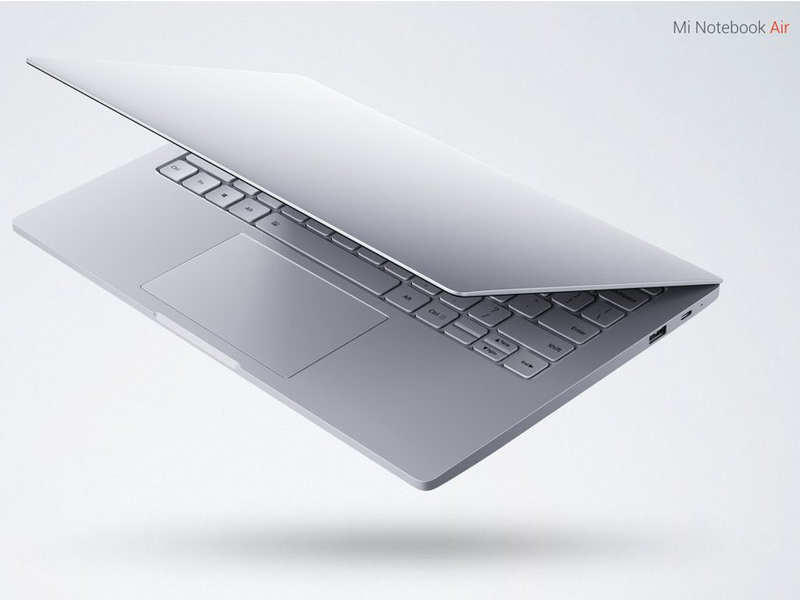 If you’re in the market for a cost-effective notebook that boasts top-end specs, you might want to take a gander at the Mi Notebook Air. The Xiaomi-branded laptop that packs an array of exceptional specifications and awe-inspiring features has now gone up for sale at a lowered price on GearBest.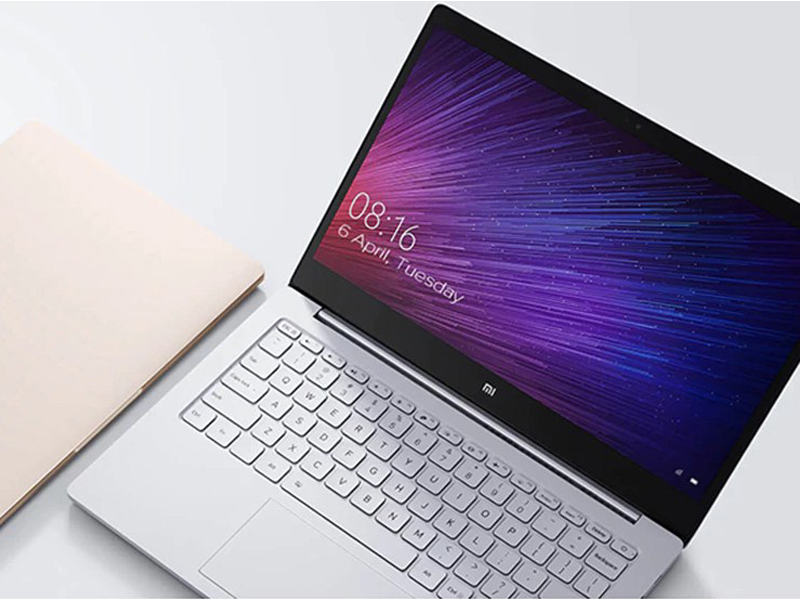
 The Mi 8 Pro normally carries a steep $759.99 price tag but thanks to a noteworthy discount that Xiaomi is offering on the phone’s retail price, you can now pre-order it for just $679.99. On top of that, you can use coupon code SLAQIRCM to get an added $30 discount.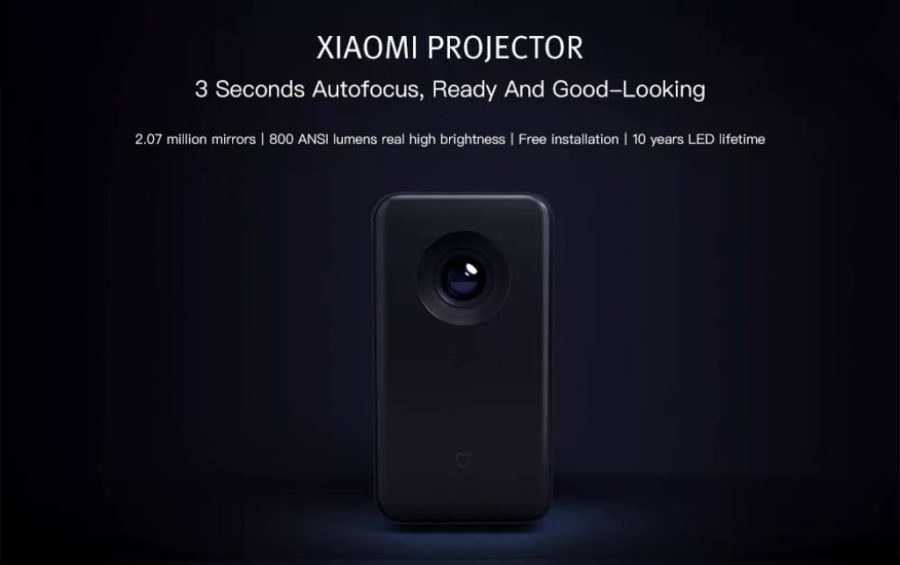
 The coupon helps you save an extra $30.99 and bring your already discounted grand total further down to just $719. On the downside, the coupon is slated to expire soon.