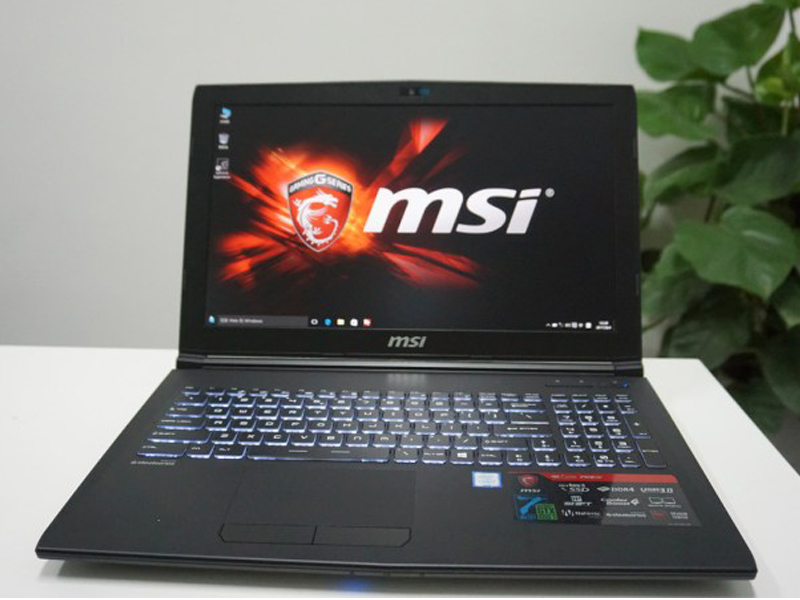
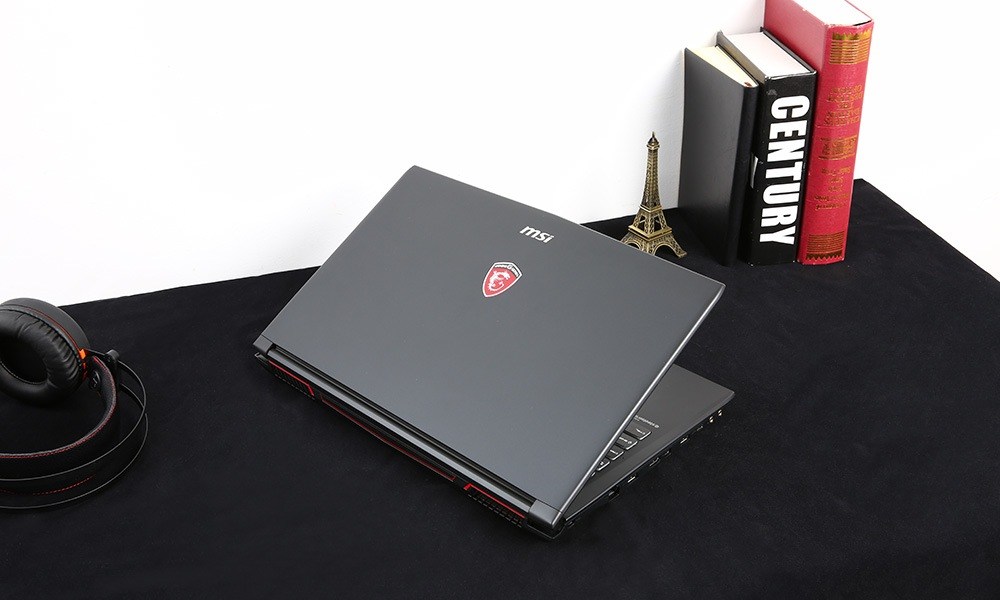
Avid gamers, rejoice. MSI GL62M 7REX-1252 gaming laptop that sports a 15.6-inch FHD LED display and packs Intel Core i7-7700HQ processor, with largest RAM capacity of 32GB is currently available at a discounted price on GearBest.
The site is currently offering a considerable discount on various versions of the very well-received GL62M 7REX gaming laptop manufactured by Taiwanese tech giant Micro-Star International (MSI).
First off, there’s a 24% discount on the 1TB HDD variant, which brings its listed price of $1299 down to just $969.99. Similarly, there’s a 16% discount on 128GB SSD + 1TB HDD variant of the gaming laptop, which reduces the device’s original asking price to $1132.59.
You can also take advantage of 16% discount on the 256GB SSD + 1TB HDD version of the GL62M 7REX gaming laptop as well. This version is up for grab for $1168.59.
If you want to get your hands on the 1TB HDD version of the MSI-branded gaming laptop, you can use coupon code ‘MSI1252’ at the time of checking out and pay just $959.99. However, it’s worth noting that the promo is slated to end in just 2 days.
Also, there were only 58 pieces of this version left at the time of writing. Head straight to this link and take advantage of the considerable discount.
You can buy Lenovo Xiaoxin TB – 8804F Tablet PC at a discounted price of $249.99 on GearBest. Click here to buy the Xiaoxin TB – 8804F and a slew of other tablets and laptops at a heavily discounted price before the promo comes to an end.
Xiaomi is soon expected to launch Mi Max 3, a successor of its Mi Max 2 phablet. Previously, we reported that the phone could come with a massive 7-inch full-screen display. Now it seems that the massive tablet-like display has been confirmed.
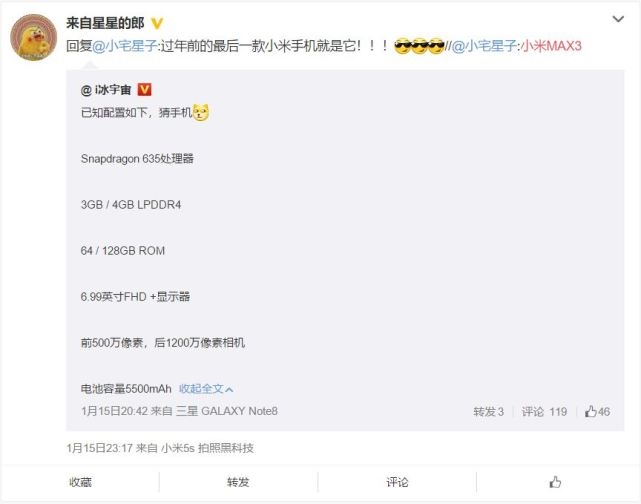
The Mi Max 3’s specification sheet has emerged online through Chinese microblogging platform Weibo, which also reveals that the phone will feature a massive 6.99-inch full-screen design with 18:9 aspect ratio. Xiaomi jumped the full-screen bandwagon last month with the launch of its Redmi 5 and Redmi 5 Plus.
Other specifications of the Mi Max 3 include a 12-megapixel rear camera sensor and a 5-megapixel front-facing camera for taking selfies and making video calls. However, the leaked design of the phone reveals that there will be a dual-camera setup at the back.
There will be two variants based on the memory configuration — 3GB RAM with 64GB internal storage and 4GB RAM with 128GB internal storage. The phone is expected to be powered by Qualcomm’s Snapdragon 635 processor. However, there’s another report that suggests that the Xiaomi Mi Max 3 will be powered by Qualcomm Snapdragon 660 processor.
The Snapdragon 635 processor from Qualcomm is believed to be the successor of Snapdragon 625 processor, and is manufactured with 14 nm process technology and will feature an octa-core Kryo processor. The GPU on the chipset is also expected to be 20 percent more powerful as compared to its predecessor.
The Mi Max 3 is said to be fuelled by a 5,500mAh battery, which will also support Qualcomm’s Quick Charge 3.0 technology as well as reverse charging. While there are no details available about the software used, we are expecting the phablet to run Android Nougat based MIUI 9.
The latest leak suggests that the phone will be launched in June this year. As of the pricing, the phone will start retailing at 1,699 Yuan, which roughly converts to $264.
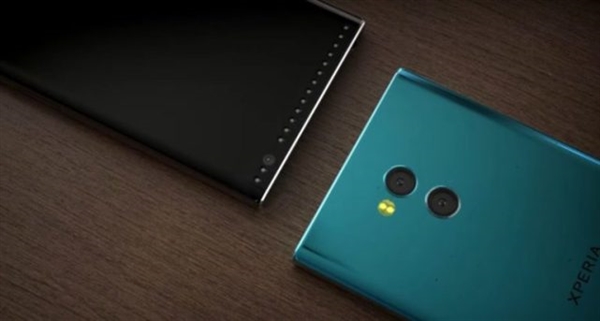
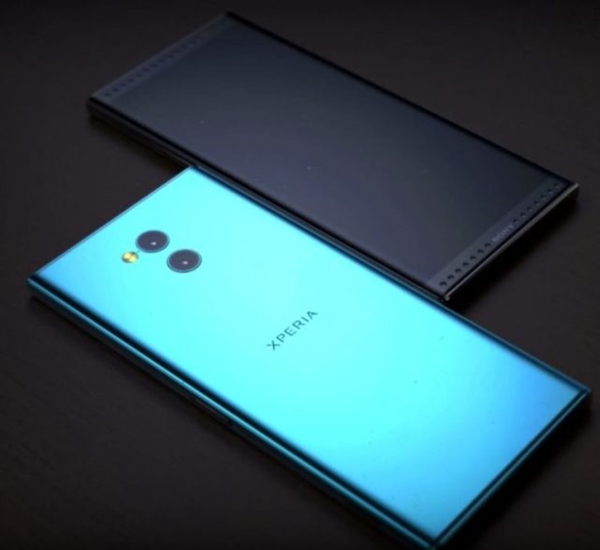
During the recently held Consumer Electronics Show (CES) 2018, Sony had unveiled Xperia XA2, Xperia XA2 Ultra and Xperia L2 smartphones. However, the company is heavily pegged to unleash Snapdragon 845 driven flagship smartphone at the Mobile World Congress (MWC) 2018 tech exhibition that will take place at Barcelona, Spain in the next month. The rumor mill is speculating that Sony’s upcoming flagship phone will be called Xperia XZ Pro.
Latest leaked information suggests that the upcoming Sony Xperia XZ Pro will be featuring a dual camera setup that will include an 18-megapixel sensor with a pixel size of 1.33μm and a 12-megapixel sensor with a pixel size of 1.38μm. The frontside of the phone will be housing a 13-megapixel selfie snapper.
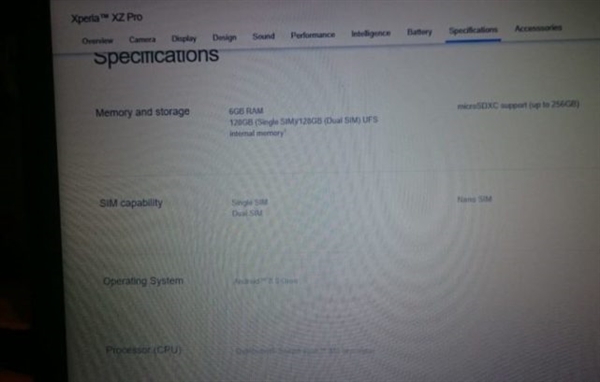
The Sony Xperia XZ Pro will be powered by Snapdragon 845 and 6 GB of RAM. It will be coming with a native storage of 128 GB. The flagship phone will be housing a 5.7-inch OLED display that will deliver 4K resolution. Other features of the Xperia XZ Pro include IP68 certified chassis, microSD card slot, Android 8.0 Oreo OS and 3,420mAh battery. The Xperia XZ Pro will be available in both single-SIM and dual-SIM versions.
In a recent interview, Sony Mobile’s Vice President of Marketing for North America Don Mesa revealed that the company will be launching more phones with dual rear cameras and full screen design. The Sony Xperia XZ Pro could be the first phone from the company to come with dual rear cameras for this year and we may see Sony phones arriving in the latter half of the year with full screen design and dual rear cameras.
After announcing eight smartphones last month with the so-called bezel-less display, Gionee is now gearing up to launch a new phone — Gionee W919, featuring a clamshell design.
Some details of Gionee‘s upcoming smartphone with model number W919 has been leaked online through the phone’s listing on China’s Ministry of Industry and Information Technology website. This is required for the network permission and since it has been almost two months, we are expecting to phone to get launched soon.
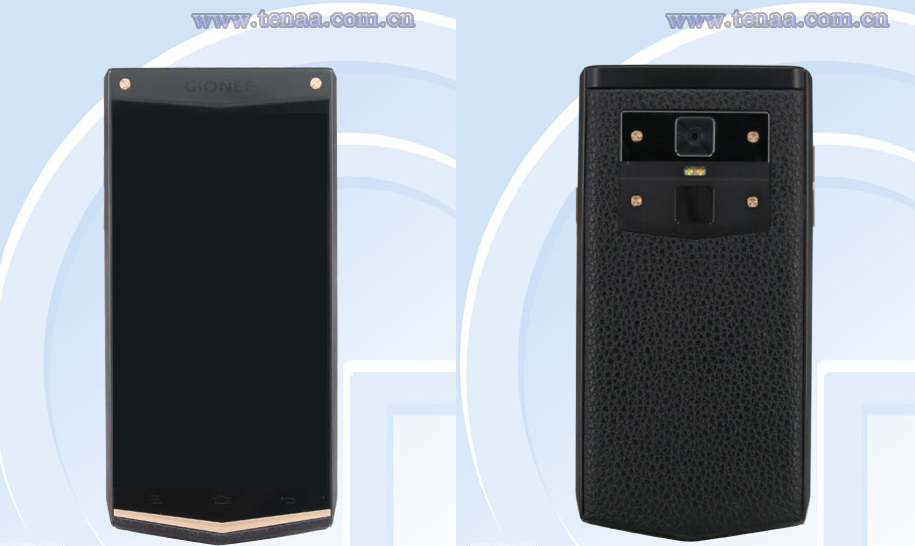
Given the model number W919, we expect this phone to be the successor of Gionee W909 which was launched in China in March 2016. However, the W919 will come with a new design. While the W909 had a rectangular slab-like design, the upcoming phone features a triangular design at the top and bottom.
Just like its predecessor, this one too features two displays — one on the outside and one on the inside, above the T9 keypad with physical buttons. The leaked images further suggest that the phone’s back panel will have a cowhide leather material, hinting that the phone will sit in the premium segment. There is a single camera sensor on the back, with dual-tone LED flash. Just below the camera module, there sits a fingerprint sensor for added security.
While the listing does not reveal the specifications of Gionee W919, it is known that it will have dual-SIM capabilities. Previous leak through TENAA listing reveals that the phone will come with two 4.2-inch HD displays and will be powered by a 2.5GHz octa-core processor of unknown make, along with 6GB of RAM. The storage capacity on board will be 128GB, which will be further expandable up to 256GB via a microSD card.
There will a 16-megapixel primary snapper on the back and a 5-megapixel front-facing shooter. Software-wise, the phone is expected to boot Android 7.0 Nougat operating system and will be fuelled by a 3,000mAh battery. Currently, there’s no word regarding the phone’s pricing and availability.
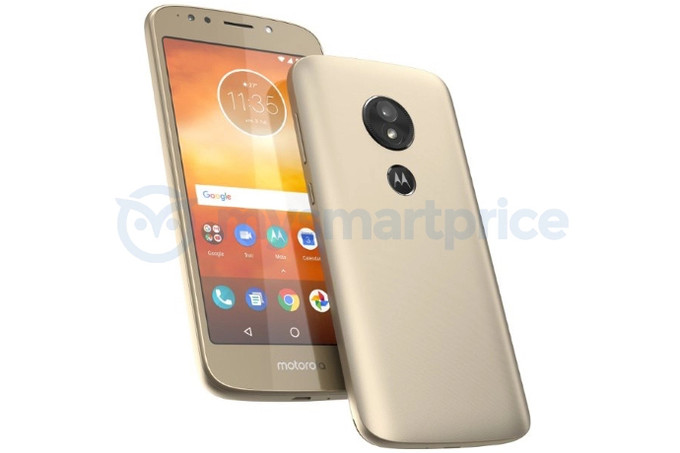
Last year, the Moto E4 and Moto E4 PlusMoto E4 Plus smartphones were introduced in June 2017. It appears that the Lenovo-owned Motorola is reportedly working on the Moto E5 as a leaked render showing its front and rear design has emerged.
As of this writing, there is no information available on the specifications of the upcoming Motorola Moto E5 smartphone. The predecessor Moto E smartphones came with front-mounted fingerprint scanner. However, the leaked render reveals that the Moto E5 will be arriving with a rear-mounted fingerprint scanner that is embedded under the Moto logo. It is placed below the rear camera.
Coming to the frontside of the Motorola Moto E5’s leaked image, it shows that it features a traditional 16:9 aspect ratio display. Below the display is a “motorola” logo instead of the capacitive Home button that was integrated with a fingerprint reader on the Moto E4. The selfie camera seems to be accompanied by a LED flash. It appears that the chassis of the Moto E5 is made out of metal. Also, it seems to be housing a microUSB port.
Since the predecessor phones were launched in June 2017, it appears that Motorola may unleash the Moto E5 in the second quarter of this year. It is likely that the company may also unveil the Moto E5 Plus alongside the Moto E5.
What do you think about the design of the Moto E5? Let us know your views by posting your comments below.
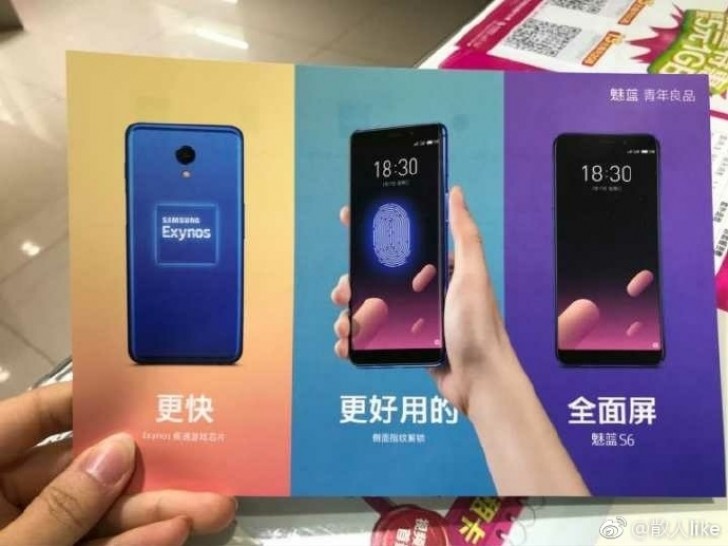
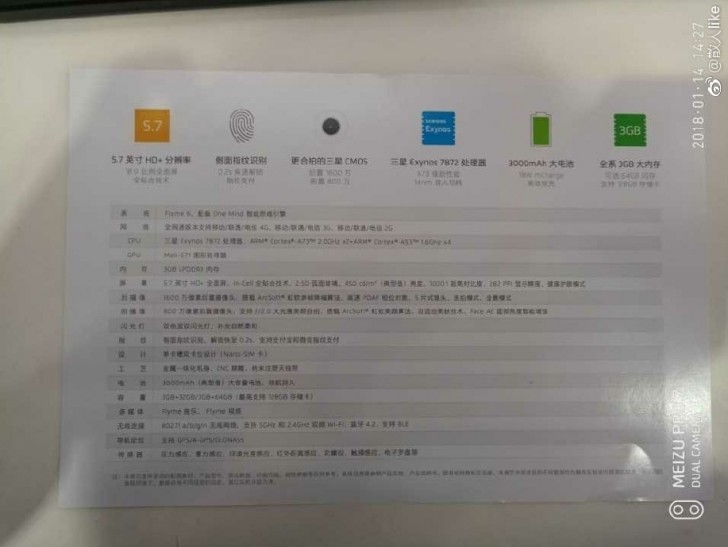
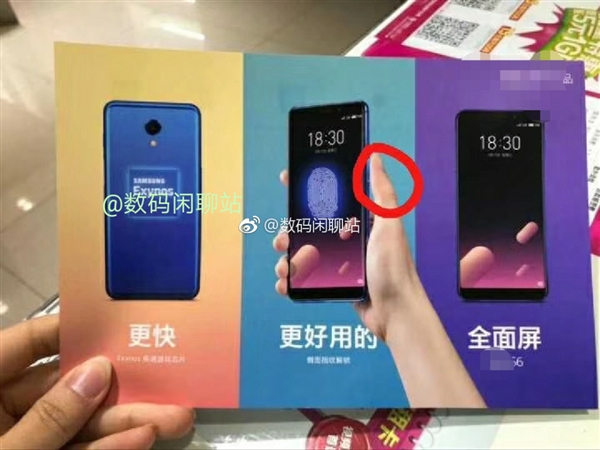
Later today, Meizu will be announcing the Meizu M6s (or Meizu mblu 6s) budget-friendly smartphone. It will be the first smartphone from the company to arrive with 18:9 aspect ratio display. Plenty of information including leaked photos of the smartphone have surfaced in the past few weeks. The official launch of the Meizu M6s will begin in few hours from now, but its entire specifications have surfaced through promo materials on Weibo to reveal everything about it before the official unveil.
The above image shows that the Meizu M6s will be featuring an Exynos chipset by Samsung, a side-mounted fingerprint scanner and it will be sporting a full screen design. The below image contains the entire specifications of the Meizu M6s. It reveals that the smartphone would be arriving with a 5.7-inch In-Cell display that will be producing HD screen resolution of 1440 x 720 pixels. It will be tucked under a 2.5D curved glass.
The Samsung Exynos 7872 chipset featuring two cores of Cortex A73 processor that clock at 2.0 GHz and four cores of Cortex A53 processor that work at 1.6 GHz will be powering the Meizu M6s along with Mali-G71 MP3 graphics. The chipset will be accompanied by 3 GB of RAM and it will be arriving in 32 GB and 64 GB storage models. It will be housing a 3,000mAh battery.
For shooting selfies, the Meizu M6s will be equipped with an f/2.0 aperture 8-megapixel frontal camera. A 16-megapixel camera along with LED flash will be residing on the back panel of the phone. It will be running on Android 7.0 Nougat that is customized with Flyme OS. Other features of the phone include dual-SIM support, 4G LTE, Wi-Fi 802 b/g/n, Bluetooth 4.2 and GPS.
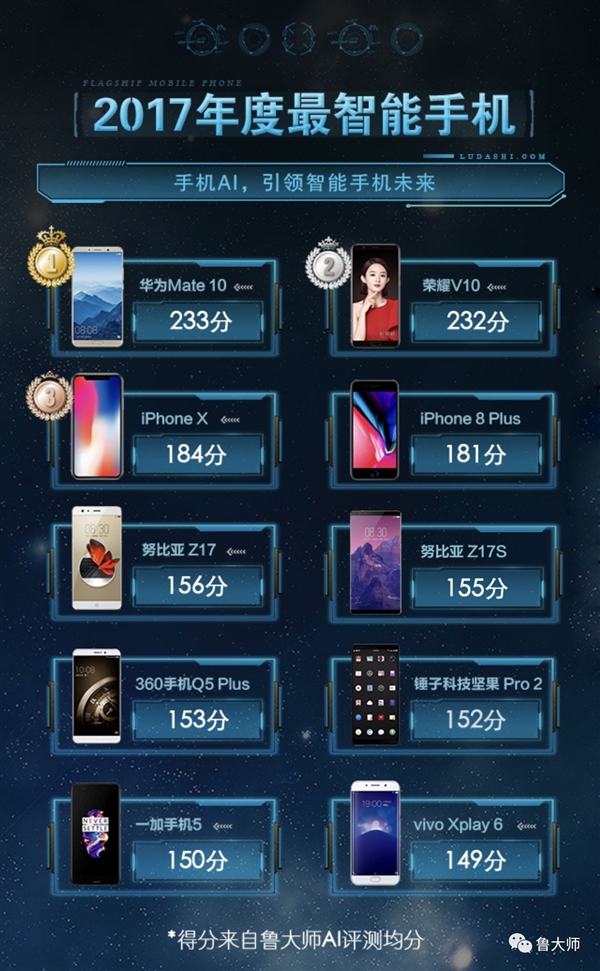
The year 2017 saw smartphones trending on two fronts, one is the full-screen design while the second is the presence of artificial intelligence. The full-screen bezel-less design was absolutely the most prominent trend, making it difficult to keep track of the number of full-screen models that have so far been launch. However, artificial intelligence is yet to be adopted extensively and so, benchmark outfit Master Lu has helped us out with a list of the best AI smartphones around presently. Actually, the list is for 2017 AI-packing smartphones but since this year, we are yet to see any major smartphone launch so the ranking is still intact.
The top 10 smartphones with Artificial Intelligence (AI) is dominated by Huawei with two of its models sitting at the first and second spots. The two Huawei smartphones on the list feature the Kirin 970 chipset with its dedicated NPU bringing AI capabilities to the smartphones. The Huawei Mate 10 sits at the top of the charts with 233 points and is closely followed by the Honor V10 with 232 points. Apple’s iPhone X, powered by the A11 bionic processor and the iPhone 8 Plus occupy the third and fourth positions with 184 and 181 points respectively. It is worthy of note that the gap between the Kirin 970-driven Huawei models and the A11-powered Apple models is more than 20%. That shows the level of AI capabilities the Kirin 970 chip packs. Perhaps, Qualcomm’s next-gen Snapdragon 845 would be able to challenge the Kirin 970 but for now, its AI feature seems to be in a class of its own.
Other AI-packing smartphones ranked on Master Lu’s benchmark top 10 AI flagships list include ZTE’s Nubia Z17, Nubia Z17S, 360 Q5 Plus, Smartisan Nuts Pro 2, OnePlus 5, and Vivo Xplay 6.
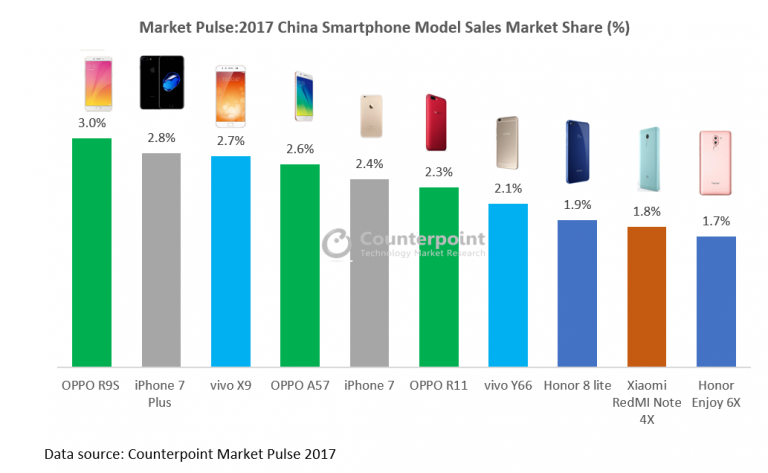
Counterpoint has released its top 10 smartphone ranking for the Chinese market in 2017. The ranking contains the top-grossing smartphones all throughout last year in China and the chart contains some surprises. The major surprise is that despite the resurgence of Xiaomi, only one of its Redmi models found its way into the chart. On the other hand, three OPPO models were contenders in the group of ten.
Interestingly, OPPO R9S emerged as the top-grossing smartphone with a 3% share of the market and it is closely followed by the iPhone 7 Plus with 2.8%. Vivo X9 was rated the third-highest grossing smartphone in 2017 with a 2.7% share of the market. Oppo then hit the ranking again with the A57 occupying the fourth spot. Despite the supposedly poor standing of Apple in China, the iPhone 7 joined its Plus-sized counterpart on the list, in the fifth spot. OPPO R11 is the third OPPO model on the list, sitting at number six with a 2.3% share of the market. Vivo Y66 happens to be the second Vivo model that made the charts. It is closely followed by the Honor 8 Lite at number seven. Xiaomi Redmi Note 4X emerged as the only Mi brand that made the list and it sits at the 9th spot. Finally, the Honor 6X completes the top 10 ranking with a 1.7% shales of the market.
In addition, of all the brands, Apple is the only foreign brand on the list. That is an indication of Apple’s strong popularity in China. Despite the flurry of smartphones, Xiaomi launched this year, we are at a fix why only one Xiaomi model is on the list. Not even the Mi 6 or Mi Nte 3 or the budget Redmi Note 5A.
Fans of Samsung are definitely counting down to the release of the Galaxy S9 and Galaxy S9+. Most of the specs are already known, save for the battery capacity until now.
The leak comes from ANATEL, Brazil’s equivalent of the FCC, where it appears the phones were getting certified. Screenshots provided show that the Galaxy S9 will have a 3000mAh battery while the bigger Galaxy S9+ will have a 3500mAh battery.
Galaxy S9+ batteryGalaxy S9 battery
Do the above figures sound familiar? Yes, and that is because those are the exact capacities for the Galaxy S8 and Galaxy S8+. This shouldn’t come as much of a surprise as earlier rumors have revealed that the differences between the new Galaxy S9/S9+ and the Galaxy S8/S8+ will not be much.
While the battery capacities and screen sizes have stayed the same, there are still a number of features to be excited for. Both new phones will be getting new cameras with variable apertures. The S9+ will even be getting an extra camera sensor.
There is also the new Qualcomm Snapdragon 845 and Exynos 9810. Both chips bring improved performance over last year’s models.
The Samsung Galaxy S9 and Galaxy S9+ have been confirmed to launch at MWC next month. Pre-orders should begin shortly after with sales commencing in March.
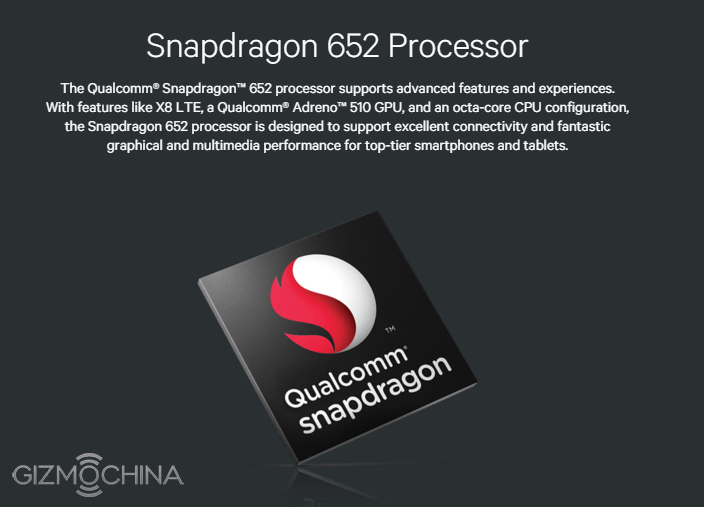
Back in December 2015, Qualcomm announced that it was going to rename its new SD620 and SD618 chipsets as Snapdragon 652 and Snapdragon 650 processors. The rebranding made sense, since these two chipsets were much more powerful than its other SD600 series counterparts. The first SD652 smartphones started appearing around early 2016 and since then we have seen an influx of solid mid-rangers powered by this chip. In fact, even in 2017, there were a few smartphones with SD652, like the standard edition of the Nubia Z17 Mini.
The chipset was quite popular among mid-rangers, but that was more than a year ago. In 2018, the Snapdragon 652 is nearly two years old and technically, it’s three generations old now: succeeded first by SD653 (October 2016) and then by SD660 (May 2017).
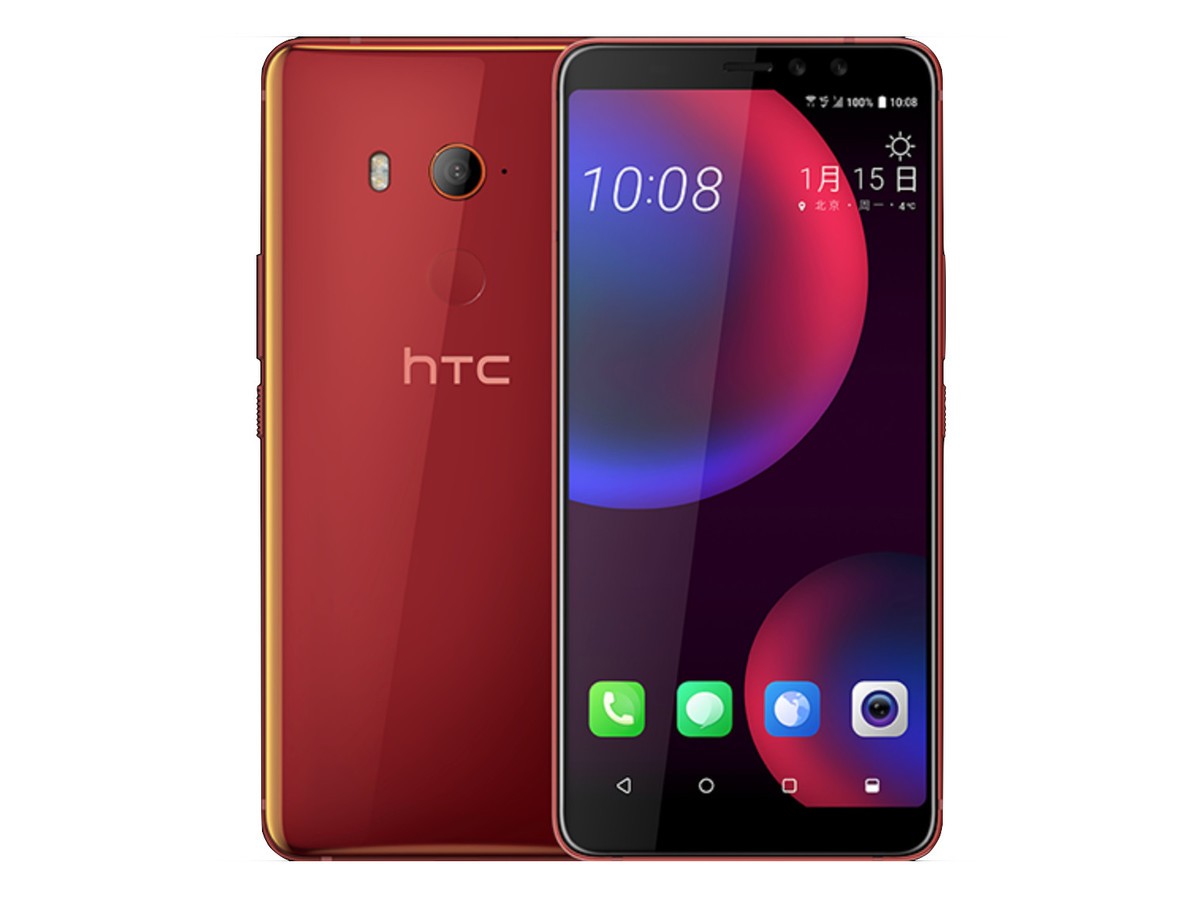
So, despite its popularity back in the day, does it make sense to use Snapdragon 652 inside a $500 HTC U11 Eyes upper mid-ranger announced in 2018?
To be honest, using Snapdragon 653 would have made more sense. It’s slightly faster, features a new generation X9 LTE modem, and is just over a year old. It’s like a refreshed SD652, with small upgrades. The performance is slightly better given its higher clock speed, and it scores around 90,000 points vs 78,000 by SD652 in the AnTuTu benchmark. Similar difference can be found in other benchmark scores as well.
Ideally, for a upper mid-range device like the HTC U11 Eyes, the Snapdragon 660 would have been perfect. But the company likely skipped on the chipset in order to save cost. Another possible option would have been the SD636, which although comes from the lower SD63X series, is quite powerful thanks to its 8 x Kryo 260 custom cores (same ones found on the SD660 chip) clocked at 1.8GHz. It’s much more advanced as well, featuring Qualcomm’s aptX codec technology, Spectra 160 ISP, X12 LTE modem (Cat. 13), and manufactured on a much efficient 14nm node. In all counts, the SD636 would have been another option that was better than the SD652.
For a tech enthusiast, seeing Snapdragon 652 on a 2018 upper mid-range smartphone is really a disappointment. But end of the day, for a regular smartphone user, SD652 could be sufficient. With the right UI optimisations, you should still see all the features work smoothly, with minimal lag. It may not be very quick in opening apps as other 2017 / 18 smartphones, but it sure has enough firepower to get the job done. Agreed, SD653 would have been better, but the difference wouldn’t have been significant. Maybe that’s why HTC didn’t care to use an updated chipset on its new model. Luckily, the battery is quite large, so despite SD652 being manufactured on a larger 28nm node, battery life should be good.
So if you are not a tech enthusiast, I guess you could live with the Snapdragon 652 inside an upper mid-range smartphone like the U11 Eyes. Moreover, other features of the phone like IP67 certification, Edge Sense, Dual Front cameras, HTC U11’s Rear sensor, and Android Oreo definitely helps in making the SD652 powered U11 Eyes likeable. You can read more about the HTC U11 Eyes in our launch article.
The Android 8.0 Oreo update that was rolled out on Dec. 31 for Xiaomi Mi A1 users had to be stopped abruptly on Jan. 12 as users started complaining about various issues like battery drain, random reboots, freezing of the dialer app, HD SIM notification and malfunctioning of ambient display notifications. Xiaomi has released a new edition of Android 8.0 Oreo update for Mi A1 users that will reportedly resolve all the problems associated with the original Oreo update.
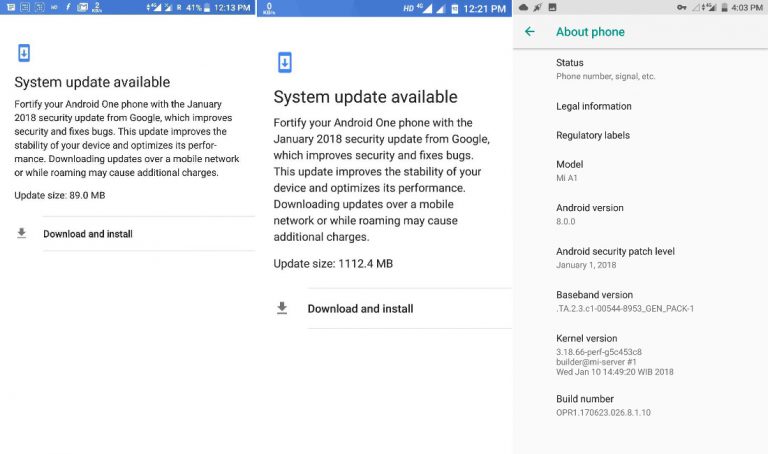
As it can be seen in the below screenshots, the Android 8.0 Oreo update also brings along the January 2018 security update. The original update featured the security update for December 2017.
Mi A1 users who had installed the original Oreo update are reportedly receiving an update that has a size of only 89 MB. As mentioned above, the update promises to fix all the problems that resulted from the first Oreo update. Users who did not install the original Oreo update and are still running on Android Nougat are reportedly getting Android Oreo update that has a size of 1,112.4 MB.
Have you installed the new Oreo update on your Mi A1? Let us know your experience by posting your comments below.
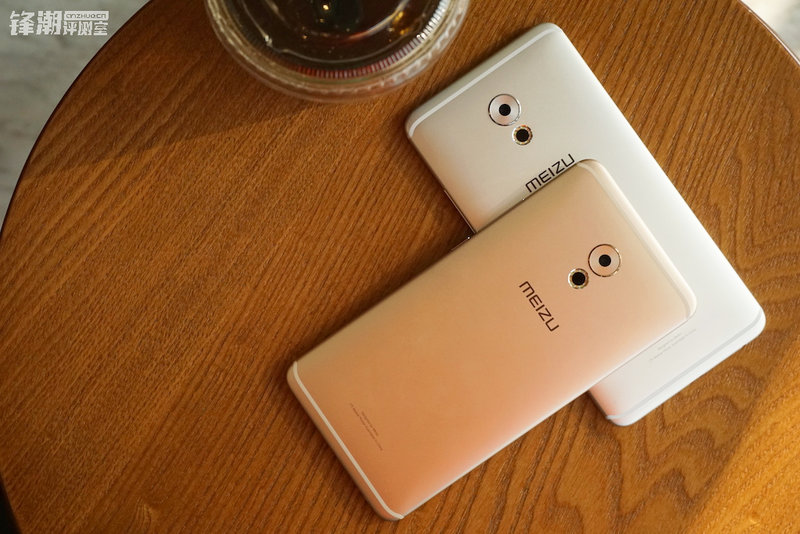
Meizu today held a media event in Beijing, China where they unveiled its plans for 2018 as well as gave a summary of last year’s performance. During the Yang Zhe is reported to have shared some of the adjustments the company would be making this year to the media. The company plans to rebuild the brand image and also create a new design style.
The Meizu Exec also disclosed that the company wants to re-engineer its high-end market and would focus more on the high-end market. In terms of products, Meizu plans to collaborate with Qualcomm and Samsung in 2018 in order to propel its ambitious drive to target the market with high-end products this year. The focus here would be on the aspect of chipsets. Last year when Meizu ended its dispute with Qualcomm, the company disclosed that they will release more smartphones with Qualcomm chips this year. While some models could pack Samsung’s Exynos chipset. The upcoming Meizu M6S is expected to feature an Exynos 7872 chipset.
In addition, Yang Zhe also disclosed that the Meizu 15 Plus is the company’s first flagship phone for the year and one worth looking forward to. he device is expected to feature a 6.0-inch LCD3 display with FHD+ resolution (2160 x 1080 Pixels). The device will be powered by an Octa-Core 1.8GHz ARM Cortex-A72 processor with the Qualcomm Adreno 510 GPU. The device also features a 6GB RAM while there are 64GB storage variant and another with 128GB among others.
According to its recent report, Meizu was only able to ship 20 million units last year but sales were said to have surpassed 20 billion Yuan and that is considered a profitable one for the company. The bid to focus on the flagship models is likely a reflection of Meizu’s President, Huang Zhang’s vision of designing stunning flagship models. The company isn’t expected to abandon its mid-range and budget segments, though, as they also hold the ace to shoring up its profits this year.
Yes, we know its unusual for us to cover gaming-related hardware. Is this a new direction for Gizmochina? Hmmmmm! No comments. Back to the article. Details and images of the Xbox Elite 2 Controller have leaked online and it sure brings a number of interesting features.
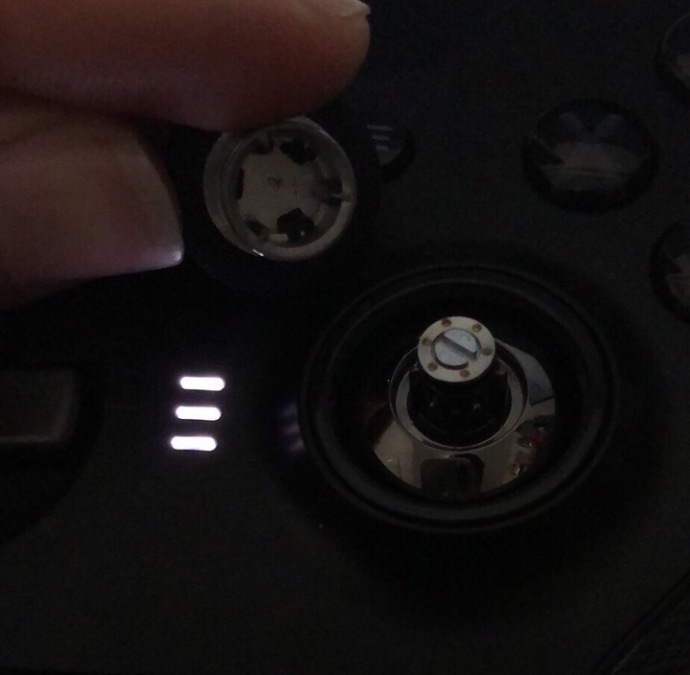
The Xbox Elite Controller is one of the best gaming controllers in the market. With additional buttons, swappable analog and D-pad buttons, as well as button mapping via the Xbox Accessories app, the Elite Controller is the holy grail for gamers. Nearly three years after its release, it is getting a successor.
The Xbox Elite 2 Controller is said to come with a built-in lithium battery. The original Elite Controller uses 2 AA batteries. So this is a huge upgrade. The battery will reportedly last for 20 hours on a single charge and can be recharged via a USB-C port that replaces the micro USB port.
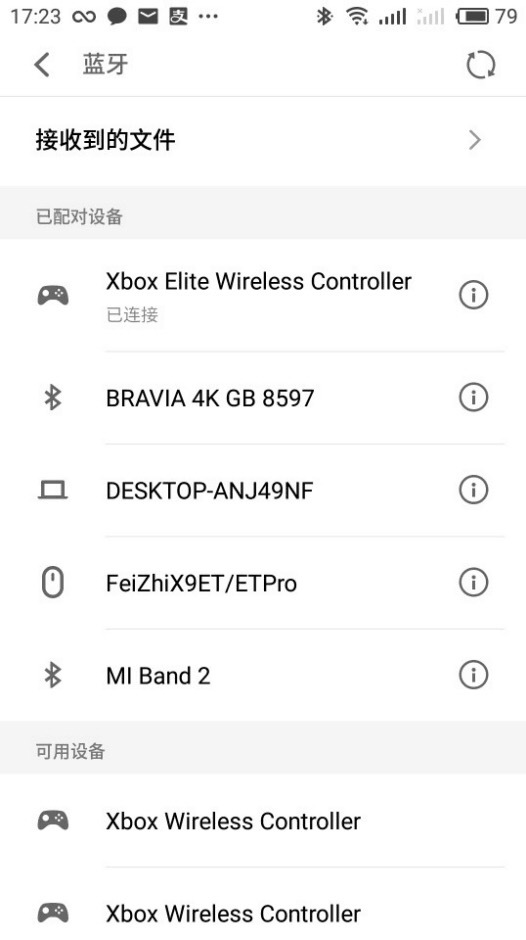
Another big upgrade coming to the Xbox Elite 2 Controller is Bluetooth support. Even with all its features the original Elite Controller doesn’t have Bluetooth. If you need to use it with a PC, you have to buy the Xbox One Wireless Adapter. That will no longer be required with the Elite 2 Controller.
[envira-gallery id=”167263″]
Last but not the least is button mapping. The new controller will be able to save three different button configuration instead of two. This should most likely remain a hardware switch above the D-pad.
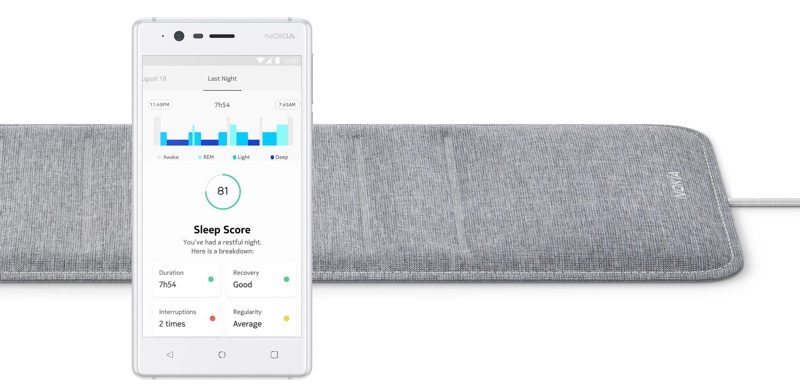
At Consumer Electronics Show (CES) this year, Nokia added a new accessory to its portfolio of sleep-tracking device — the Nokia Sleep. The device is able to track your slumber patterns, as well as adjust the lighting and temperature when the user is gettings in or out of bed.
The Nokia Sleep is a thin under-the-mattress accessory that has built-in movement sensors, which are used to track metrics like sleep length, heart rate, sleep quality, and snoring. The collected data can be viewed in the accompanying Health Mate. Data is synced to the user’s smartphone using Wi-Fi.
It provides Sleep Score in the Nokia’s Health Mate app that shows users if their night was restorative. In the mobile application, users can also take advantage of the Sleep Smarter program for further improving their nights over time.
The app provides data history, personalized advice and coaching programs, including one developed specifically around sleep. The company says that along with seamlessly delivering personalized sleep analysis, the device also offers smart home control through IFTTT integration — an automation service for all internet-connected things.
Nokia also announced the integration of its Health Mate app with Alexa, the cloud-based voice service from Amazon, providing users with data and insights on their activity, sleep and weight.
The Nokia Sleep is priced at $99 and will be available shortly. This new device from Nokia is similar to Beddit’s iPhone-connected sleep tracking system. It’s noteworthy that Apple acquired Beddit in May last year for an undisclosed amount.
Meizu, the China-based smartphone brand is all set to make a comeback this year. The company is slated to launch a series of devices this year and one of them is mBlu S6, which will be launched on 17th January. The phone has been leaked a few times, revealing some of the key specifications.
Now, a promotional poster of the mBlu S6 has been leaked, which confirms some of the phone’s specifications and features which were leaked earlier. The latest development confirms that the phone will be powered by Samsung‘s Exynos chipset. Earlier, it was reported that the device will pack Exynos 7872 chipset.
Samsung’s Exynos 7882 is 14nmm chipset that is designed for low-budget phones. It is a hexa-core SoC that comprises four cores of Cortex A53 and two cores of Cortex A73 and Mali G71-MP3 graphics. It includes a Cat. 7 LTE modem that offers a maximum download speed of up to 300 Mbps and upload speed of up to 100 Mbps.
The leaked poster also confirms that the phone will feature a fingerprint sensor on the side, as reported earlier. The phone is rumoured to come with a large 5.7-inch display with 1440 x 720 pixels screen resolution and 18:9 aspect ratio. It packs 3GB RAM with 32GB of internal storage and is fuelled by a 3,000mAh battery that also supports 9V/2A 18W fast charging.
Recently, a video of the phone was leaked, which revealed that there is a mBlu logo on the back panel, confirming that this will be the first mBlu branded smartphone to be released by the company. To accommodate the full-screen display, the company has decided to let-go its popular mBack home button. Also, there is no capacitive touch button and users will have to rely on the on-screen navigation buttons.
Last week, the mBlu S6, which is also being referred as Meizu M6S passed through TENAA, a Chinese certification agency. Looking at the phone’s specs, it seems that the device will directly compete against Xiaomi’s Redmi 5 Plus.
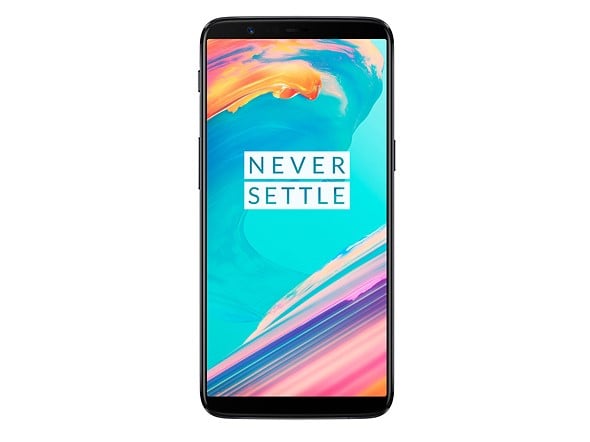
OnePlus CEO Pete Lau, revealed in an interview with The Telegraph that the company crossed the $1 billion mark. Since it was founded in 2013, this is the first time OnePlus has crossed this mark.
According to Pete Lau who is also a co-founder, the company recorded over $1.4 billion in revenue, doubling that of 2016. He also added that the figure comes with “healthy profits”. This is the first time the company will reveal its revenues in 4 years. Mr. Lau said the decision to be more transparent about revenues is “to send a signal that we’re a healthy company.”
It is no surprise that OnePlus had a great 2017. Its OnePlus 5 flagship phone received generally positive reviews. It was then followed by the OnePlus 5T in November, which is currently one of the best value for money phones in the market.
OnePlus’ plan for 2018 includes partnering with mobile carriers. For now, the company sells its phones unlocked in the US and Europe. However, carrier availability plays a huge role in the success of a company in these markets too.
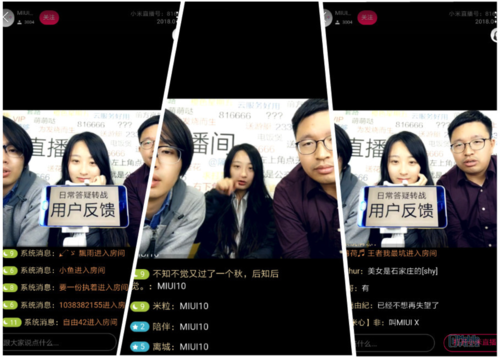
Xiaomi has reportedly started the development of its next generation of MIUI custom ROM. This was made known during a live Q & A session conducted by MIUI on Mi Live and the disclosure was made by no less a person than the vice-president of the MIUI software division, Huang Longzhong. Mr. Huang confirmed that MIUI 10 or MIUI X will be released by Xiaomi later in this year.
Huang revealed that the development of the upcoming MIUI next major version has commenced and it is named, named as MIUI 10 or MIUI X tentatively. The Xiaomi VP also interacted with Mi Fans and sought for their opinion and feature request for MIUI 10.
This really isn’t coming out as a surprise despite the fact that the MIUI 9 Stable ROM just rolled out Stable ROM just came onboard. Currently, more than 27 Mi or Redmi devices have received MIUI 9 updates and that is enough to move on to the next big thing. Huang also told the audience that MIUI developers are gearing up to commence pushing updates for MIUI 9 to the third batch models. In an earlier interview, Xiaomi’s Hong Zhong had hinted that MIUI 10 will be focusing on artificial intelligence. However, it is still unsure whether it will be called MIUI 10 or MIUI X.
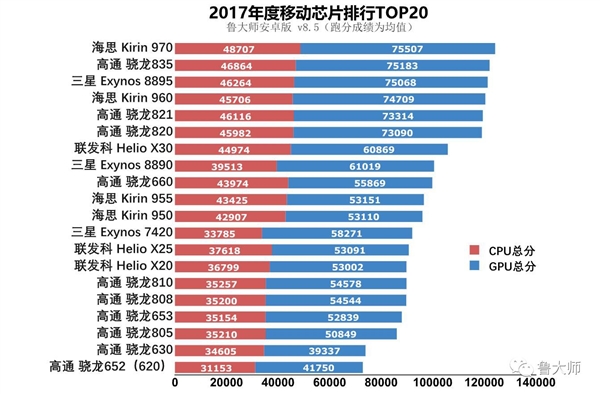
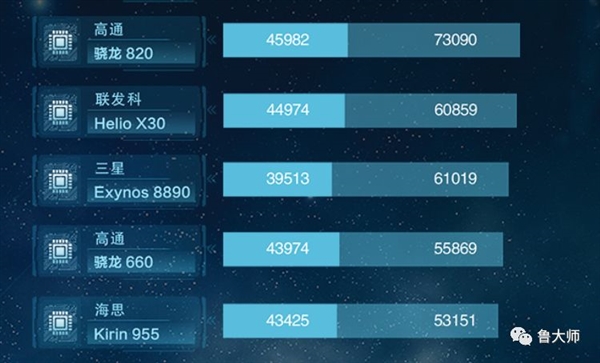
Chinese benchmarking tool, Master Lu has released its benchmarking results for 2017. We already covered for the top 10 smartphones for 2017 here. This article is for the top Android chipsets in terms of performance.
According to the results, Huawei’s Kirin 970 is the top chipset for 2017. It scored 75,507 points in the GPU test, a slight increase over the Adreno 540 in the Snapdragon 835. For CPU, the Kirin records 48,707 points and this time beats the SD835 by almost 2000 points.
Third on the list is Samsung’s Exynos 8895 that powers the Galaxy S8, S8+, and Note8. Scoring 46,264 and 75,068 points in the CPU and GPU tests respectively, the Exynos 8895 is just a tiny bit behind Qualcomm’s Snapdragon 835.
The fourth, fifth, and sixth positions are occupied by the Kirin 960, Snapdragon 821, and Snapdragon 820 respectively. All three chips powered the flagships of 2016.
MediaTek’s Helio X30 clinches the 7th spot. It beats the Exynos 8890 by no small margin in the CPU score but slightly scores less in the GPU test. The Snapdragon 660 is another mid-range chip that has performed well. It also beats the Exynos 8890 in the CPU test but scores less in terms of GPU performance. Its total score put it above the Kirin 955 and 950.
As of this writing, there is no information available on the specifications of the Micromax Bharat Go entry-level smartphone. Rumors have it that it would be priced around Rs. 2,000 (~$30). Speculations are rife that the smartphone would be launched around India’s Republic Day (Jan. 26).
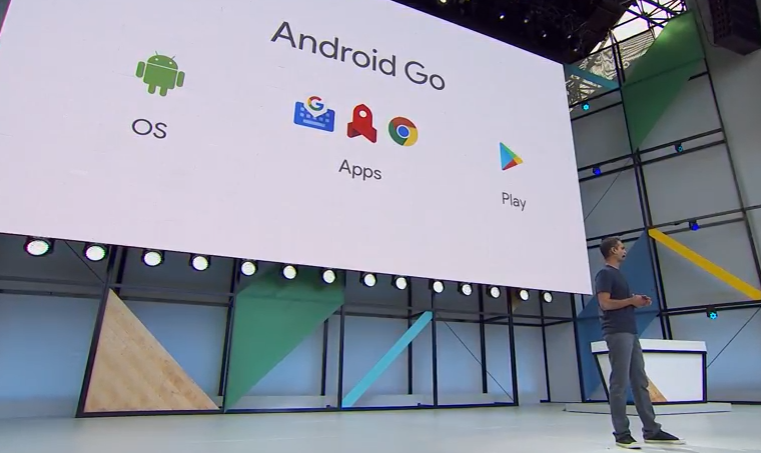
Google had unveiled Android Go in May 2017 during the I/O 2017 event. It is a customized version of the Android OS that is designed to run on low-end smartphones featuring as low as 512 MB of RAM. Such smartphones will be aimed towards emerging markets. Two of the major chipset makers such as Qualcomm and MediaTek have confirmed that they will be supporting Android Go.
The search engine giant had confirmed in the previous month that the Android Go will be based on Android 8.1 Oreo. Smartphones running on Android Go will be featuring toned-down version of apps for Play Store, Google Go, Gmail Go, YouTube Go, Maps Go, Google Assistant Go and so on.
Indian smartphone makers have lost their market share in India thanks to increased popularity of smartphones from Chinese brands like Xiaomi, OPPO and Vivo. Android Go is expected to allow Indian smartphone manufacturers to regain their market share in the country. After Micromax, other Indian brands such as Lava, Karbonn and Intex are also expected to release Android Go smartphones.
In March, HMD Global is expected to debut the Android Go driven Nokia 1 smartphone. Also, Huawei is also rumored to be working on an Android Go handset.
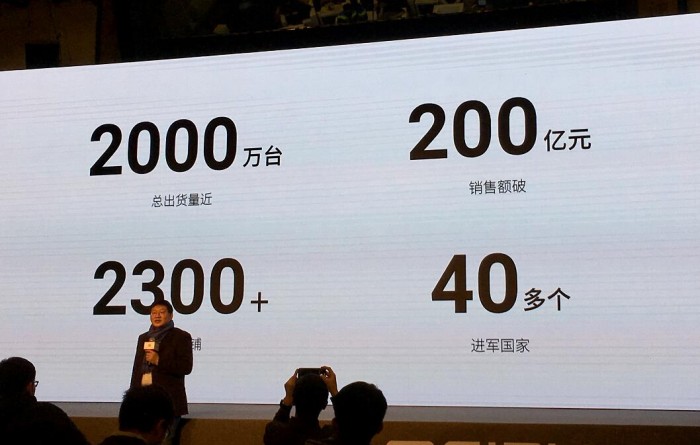
Ahead of its first product release in Wednesday, Meizu held a press briefing today in Beijing. At the meeting, the Chinese company revealed its sales figure and revenue for 2017.
Senior Vice-President Yang Xun, who was at the event revealed that Meizu sold close to 20 million phones in 2017 in a total of 40 countries. He added that the revenue from sales also exceeded ¥200 billion.
Back in 2016, Meizu sold 22 million phones. Even though the company says it achieved full profits for 2017, it still sold less smartphones than the preceding year. However, this decline in sales is not unique to Meizu alone as stats have shown that smartphone sales declined in China in 2017.
Statistics from the Chinese Ministry of Industry and Information Technology have revealed that the Chinese market suffered a whopping 32.5% decrease in sales.
Notwithstanding, some of Meizu’s phones also did not sell as much as expected last year, like the dual-screen Pro 7 and Pro 7 Plus even. Things later turned around with the launch of its first Snapdragon-powered phone, the M6 Note.
We use cookies on our website to give you the most relevant experience by remembering your preferences and repeat visits. By clicking “Accept”, you consent to the use of ALL the cookies.
This website uses cookies to improve your experience while you navigate through the website. Out of these, the cookies that are categorized as necessary are stored on your browser as they are essential for the working of basic functionalities of the website. We also use third-party cookies that help us analyze and understand how you use this website. These cookies will be stored in your browser only with your consent. You also have the option to opt-out of these cookies. But opting out of some of these cookies may affect your browsing experience.
Necessary cookies are absolutely essential for the website to function properly. This category only includes cookies that ensures basic functionalities and security features of the website. These cookies do not store any personal information.
Any cookies that may not be particularly necessary for the website to function and is used specifically to collect user personal data via analytics, ads, other embedded contents are termed as non-necessary cookies. It is mandatory to procure user consent prior to running these cookies on your website.