The dust has barely settled following the launch of the N6 Pro and 360 Mobiles has already announced a launch date for a new device.
The event is scheduled for December 12 and will hold in Beijing. While 360 Mobiles hasn’t disclosed the device launching, the guess is that it is the N6. Since there is an N6 Pro, it only makes sense that there is a non-pro version.
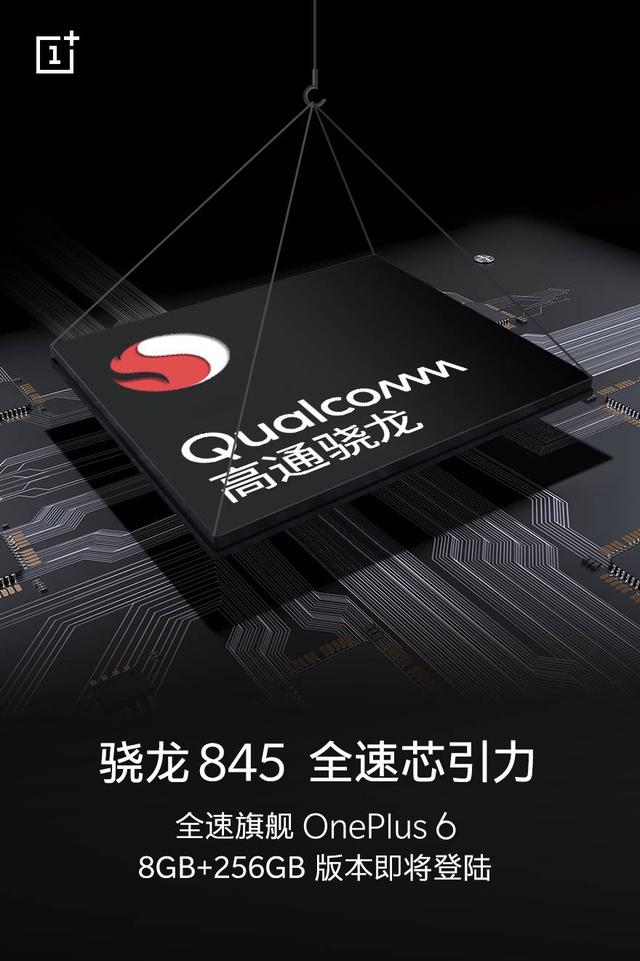
Specification details of the phone are unknown except for the processor. Just before revealing the launch date today, 360 Mobiles uploaded a picture of the Snapdragon 630 processor hinting us at what chip will grace the phone. The image also lists the features of the mobile platform. This is
The N6 Pro launched with the Snapdragon 660 mobile platform and is one of the cheapest in the market. Since the N6 is a less powerful variant, the Snapdragon 630 isn’t a bad choice.
Mobile phone storage has evolved exponentially in the last few years. From the days of 4GB of built-in memory to the current 256GB of internal storage, it sure has been a huge jump. But come next year, we should see that number double as Samsung has announced that it has begun manufacturing 512GB embedded storage for phones.
The announcement was made yesterday in South Korea. According to Samsung’s VP of Memory Sales & Marketing, Jaesoo Han, “By assuring an early, stable supply of this advanced embedded storage, Samsung is taking a big step forward in contributing to timely launches of next-generation mobile devices by mobile manufacturers around the world.”
The new flash storage (eUFS) will feature Samsung’s 512-gigabit V-NAND chip and will overcome current limitations posed by the use of MicroSD cards.
The new 512GB UFS increases the density of the 256GB eUFS storage from 48 layers to 64 layers and also includes a controller chip. Samsung is also using a bunch of new technologies to increase performance and energy efficiency. The controller chip also helps by speeding up the process that converts logical block addresses to physical blocks.
Samsung says the read and write speeds have also improved. Sequential read speeds reach up to 860 megabytes per second, and 255 megabytes per second for write speeds.
The new eUFS storage is also said to read 42,000 IOPS (input/output per second) and write 40,000 IOPS for random operation. Compare that to the 100 IOPS that conventional MicroSD cards read and you have about a 400x improvement in performance. The outcome of this is that users can enjoy a seamless multi-media experience in addition to “file searching and video downloading in dual-app viewing mode”.
Previous rumors have claimed that HTC would be releasing HTC Ocean Master, Ocean Lite and Ocean Harmony smartphones before the end of 2017. The Taiwanese company has already unveiled the HTC Ocean Master and Ocean Lite smartphones as HTC U11+ and U11 Life. A new phone from the company with model number HTC 2Q4R400 has recently received 3C certification in China. It is speculated that this smartphone could be the rumored HTC Ocean Harmony.
The 3C certification of the HTC 2Q4R400 has not revealed the specifications of the phone. It has only revealed that it supports the same Quick Charge 3.0 enabled charger that comes with HTC U11+.
Fresh information claims that the HTC Ocean Harmony would be coming in Snapdragon 652 and Snapdragon 660 chipset variants. The Snapdragon 652 variant is expected to feature 4 GB of RAM and 64 GB of storage.
The advanced Snapdragon 660 model may include 6 GB of RAM and an inbuilt storage of 128 GB of storage. It could be the first phone from the Taiwanese smartphone maker to arrive with a pair of 5-megapixel front-facing cameras.
Previous leaks have revealed that the Ocean Harmony would be equipped with 5.99-inch Super-LCD 5 screen that will carry support for full HD+ resolution of 2160 x 1080 pixels. It is speculated to carry support for an aspect ratio of 18:9.
Like the HTC U11+ and other U-series phones, the Ocean Harmony smartphone is also pegged to come with pressure-sensitive side panels for Edge Sense feature. It is speculated to feature the same OIS enabled 12-megapixel f/1.7 aperture camera that is available on the HTC U11+. It is poised to feature a mammoth battery of 3,930mAh battery. The design of the phone could be similar to the U11+ flagship smartphone.
The Snapdragon 652 chipset variant of the Ocean Harmony is rumored to be priced at 2,599 Yuan (~$393). The Snapdragon 660 Ocean Harmony is likely to cost 3,599 Yuan (~$544). The 3C certification of HTC 2Q4R400 suggest that its arrival is close at hand. It is now rumored to debut by the middle of this month.
ASUS launched the Zenfone 4 Series a couple of months ago and has even added some other phones outside the Zenfone 4 Series. However, all these phones come with Android Nougat out of the box. ASUS already announced that the Zenfone 4 and Zenfone 3 series will get Android Oreo in 2018, and knowing ASUS, it may as well be mid-year before it arrives.
While we wait, screenshots of a Zenfone 3 running Android Oreo has surfaced, providing an early look for us. We can’t explicitly say if there are changes in the UI since most of the features ASUS announced for ZenUI 4.0 are not visual.
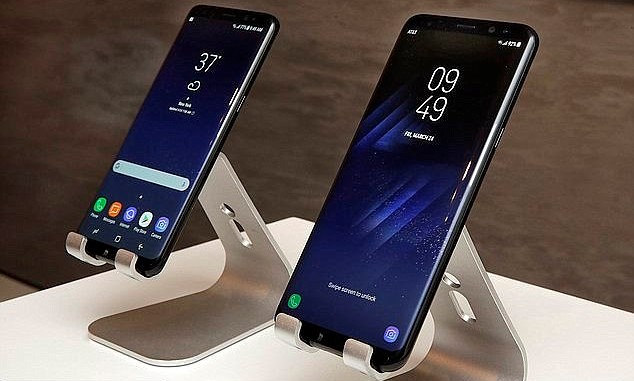
Samsung, the South Korea-based giant has topped the list of top smartphone companies in terms of smartphone sales. Samsung registered about 22.3 percent market share for the third-quarter of 2017, according to market research firm Gartner.
Followed by Samsung, Apple sits on the second spot, registering a distant 11.9 percent market share while China-based Huawei follows Apple with 9.5 percent market share.
In the second quarter, Samsung registered 20.7 percent market share while Apple registered 13.7 percent market share. Interestingly, in the third quarter, Apple registered just 11.9 market share, indicating a drop for the Cupertino-based giant.
Along with Huawei, there are two more China-based smartphone manufacturers on the list of top 5 smartphone companies. Oppo and Xiaomi grabbed the 4th and 5th position with 7.7 percent and 7 percent market share, respectively.
Coming to the number of smartphone units sold, Samsung sold around 85.6 million units while Apple managed to sell 45.4 million units of its smartphones. Huawei, on the other hand, sold around 36.5 million smartphones while Oppo and Xiaomi sold 29.4 million units and 26.9 million units respectively.
In terms of year-on-year analysis, Samsung’s smartphone sales recorded a double-digit growth (around 19.3 percent) in the third quarter. Other smartphone vendors that registered double-digit growth include Huawei, Oppo and Xiaomi. However, Apple is the only one that registered just 5.7 percent increase.
However, out of all smartphone vendors, Xiaomi achieved the strongest growth. The China-based company exhibited a massive 80 percent increase in the third quarter of 2017. This is majorly due to the company’s growth in India, along with growing sales from markets like Latin America and Russia.
According to market intelligence firm Counterpoint Research, in the last year, Xiaomi’s market share in India has gone from around just 6% to 22.3 percent, on par with Samsung. Recently, a new report from International Data Corporation (IDC) claimed that Xiaomi has taken over Samsung in terms of sales in 50 major Indian cities.
The Samsung Galaxy J2 Pro (2018) was recently spotted on Geekbench benchmarking website in the previous month. Well-known leakster @OnLeaks has collaborated with 91 Mobiles to share the renders of the upcoming Galaxy J2 Pro (2018).
The dimensions of the Galaxy J2 Pro (2018) are 143.1 x 72.2 x 8.6mm. The renders suggest that the Galaxy J2 Pro (2018) will be arriving with polycarbonate chassis. The size of the smartphone indicates that it will be featuring a 5-inch display that may carry support for HD resolution of 720 x 1280 pixels. Below the display of the phone is a physical Home button that will be housing a fingerprint scanner.
The rear side of the smartphone features a single camera sensor that is equipped with an LED flash. Previous reports have revealed that it will be powered by Snapdragon 430 chipset that will be assisted by 1.5 GB or 2 GB of RAM. It is expected to arrive preinstalled with Android 7.1.1 Nougat OS. It is likely to carry 32 GB of internal storage and it also expected to feature an external storage slot.
Samsung is known for releasing its Galaxy J series smartphones in markets like Asia, Latin America and Europe. Since SM-J250F (single-SIM edition) and SM-J250G (dual-SIM variant) have received certification from Federal Communications Commission (FCC), it seems that the Galaxy J2 Pro (2018) would be also unveiled in the U.S.
Speculations are rife that the entry-level smartphone would be priced under $150. As of this writing, there is no information available on its official launch date. However, it appears that its unveil could be couple of weeks away.
Earlier in this year, Vivo and FIFA had signed a pact to choose the Chinese smartphone manufacturer as the official sponsor of the upcoming FIFA 2018 World Cup 2018 that is scheduled to take place in Russia. Vivo is the official sponsor of World Cup 2022 that will be held in Qatar. To celebrate the upcoming FIFA 2018 World Cup, the company has now unveiled the Vivo X20 FIFA World Cup edition through a small ceremony in Moscow, Russia.
The Chinese media has revealed that all the FIFA will be receiving Vivo X20 FIFA World Cup edition phone that features a tournament logo at the lower side of its back panel. As of this writing, there is no confirmation on whether it will feature world cup themed UI. The FIFA officials will be using the special edition smartphone during the world cup that will be held between June 14 and July 15.
The specifications of the Vivo X20 World Cup edition are same as the regular edition of the phone. It features 6.01-inch FHD+ display, Snapdragon 660 chipset, 4 GB of RAM, 12-megapixel + 5-megapixel dual rear cameras, 12-megapixel selfie snapper and 3,250mAh battery.
Since leaving Xiaomi as an ecological chain partner, Mi Band 2 manufacturer Huami Technology has been on a successful run with its Amazfit sports watch lineup performing marvellously well in the market. Huami also has other smartwatches under the Amazfit brand in the market presently. Huami is now set to launch the next generation model of the Amazfit Sports smartwatch. Information released by the company via its Weibo account indicate that the Amazfit smart Sports watch 2 will open for “blind” pre-sale tomorrow even when the product is yet to be unmasked.
The Weibo post doesn’t disclose much about the product except that it is its annual flagship. The product is also said to have taken 16 months to develop. Recall that the current Amazifit Smart Sports watch was launched in August 2016, so this model is coming a bit late. Better late than never though, as we expect the new version to come with some improvements over the present model.
The Amazfit Sports smartwatch features a 1.34-inch diameter, a 22 mm quick-release replaceable sweat-proof strap, a scratch-resistant ceramic bezel, IP67 certification, 1.2GHz dual-core processor, 512MB RAM, 4GB RAM, Bluetooth 4.0 Low Energy, and WiFi. The display which has a 320 x 300 resolution uses a reflective screen to increase legibility outdoors. There is also an app where users can monitor the readings of the watch. The watch which has a built-in GPS, a pedometer, a real-time heart rate monitor, also displays weather information and was priced at 799 Yuan ($120) when it was launched. We expect the new model to come with some improvements in the features that would be available onboard but we can’t say if the price would be higher.
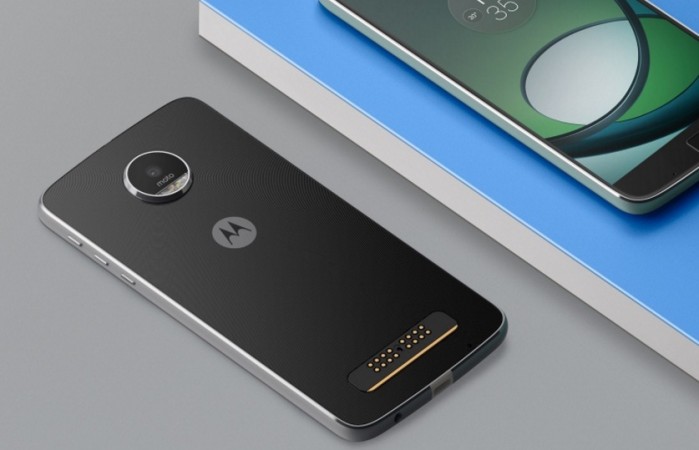
Earlier this year, Lenovo-owned smartphone brand Motorola had announced a variety of special edition Moto Mods to commemorate the release of a movie Transformers: The Last Knight. Now, in a similar move, in honour of the upcoming Star Wars: The Last Jedi film, the company is soon going to launch limited edition Star Wars Moto Mods in China.
The upcoming Star Wars Limited Edition Moto Mods are Style Shell Moto Mods, which are basically a removable back cover for the smartphone. It features an image of Darth Vader with his lightsaber.
It seems that the Limited Edition Star Wars Moto Mods will be launched sometime over the next few weeks. It is expected to be priced at 129 Yuan, which is approximately $20. It seems that the upcoming Moto Mods will be exclusive to China only, just like the special edition Transformers Moto Mods. We will let you know if Motorola plans to release the special edition Moto Mods in any other regions.
Motorola had recently launched Moto Smart Speaker with Amazon Alexa, a Moto Mod accessory for its Moto Z series of smartphones. As the name itself suggests, the snap-to-connect mod accessory features its own dedicated speaker. The accessory, which is powered by Amazon Alexa, comes with four mics, ensuring that it picks up the voice in relatively noisy environments.
Recently, OnePlus launched OnePlus 5T Star Wars Edition in India at the Bengaluru Comic-Con Event. It comes in white colour with the familiar Star Wars logo engraved in Red ink at the bottom of the phone. The smartphone will go on sale from December 14 in India.
Meizu has officially announced a permanent price cut on all the variants of the M6 Note in China. The price reduction takes off 300 Yuan from the original prices of the various storage variants in which the M6 Note is available. Also, the reduction is expected to take effect on all platforms, both online and offline. The price cut is already in effect on Jingdong (JD.com).
The Meizu Note 6 was first announced in August this year and came out as a unique smartphone. The phone signalled the return of Meizu to Qualcomm chips as it features a Snapdragon 625 chip. We never saw the Qualcomm chip coming and it was indeed a fitting surprise. That wasn’t the only surprise package on the smartphone. The M6 Note also features a dual camera setup at the rear consisting of a 12 MP Sony IMX362 sensor with f1.9 aperture, 1.4um individual pixel size, and 6P lens, teaming up with a Samsung 2L7 secondary sensor. Meizu also included the Quad-LED flash first used on the Meizu E2. The rear camera also comes with Dual Phase Detection, Full pixel Dual-core focus, up to 0.03s fast. On the other hand, there is a 16MP selfie shooter at the front. The device was also available in 3GB + 16GB variant, 3GB + 32GB version and 4GB + 64GB version. Meizu later added a 4GB + 32GB version.
As at the time when it was launched, the Meizu Note 6 price in China were as follows; 3GB + 16GB variant -1099 Yuan (~$165), 3GB + 32GB version – 1299 Yuan (~$195), 4GB + 32GB version -1499 Yuan and the 4GB + 64 GB version had an initial price tag of 1699 Yuan (~$255). However, with the new price regime, the 3GB + 16GB version is now priced at 899 yuan, 3GB +32 GB version at 999 yuan, 4GB +32 GB version at 1299 yuan, while the 4GB+64 GB version has a price tag of 1499 yuan.
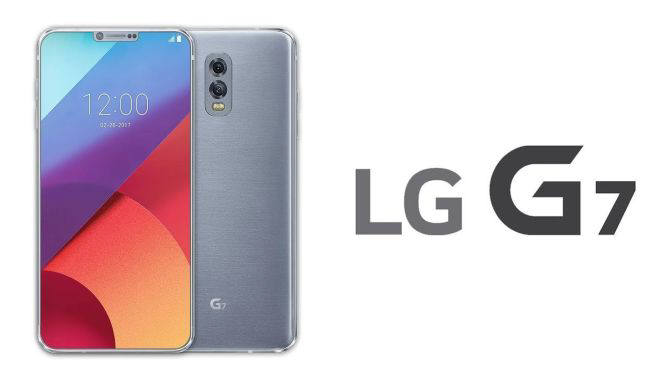
The LG G7 is the upcoming flagship smartphone from the South Korean company. Since it is speculated to debut in the first quarter of 2018, it is considered as one of the major rivals of the Samsung Galaxy S9 and Galaxy S9+ flagships that are expected to get unveiled around the same time. DBS Designing has created a concept design of the LG G7 to reveal what to expect from it.
Like the LG G6 and LG V30, the concept model of the LG G7 also features a full screen design. The side bezels of the smartphone are very slim. Also, its upper and lower bezels are also very thin. It features a water-resistant body and retains the 3.5mm audio jack. In the concept video, the smartphone can be in multiple color choices.
According to the concept creator, the LG G7 features a 5.8-inch display that carries support for QHD+ resolution. It has an internal storage of 128 GB and it also carries support for microSD card on its external storage. DBS Designing did not mention the chipset that will be powering the LG G7, but it has stated that it includes 6 GB of RAM. It has a 3,500mAh battery that is coupled with fast charging feature. It also includes a USB-C port.
The concept design maker has mentioned that the LG G7 features a pair of 8-megapixel dual selfie snappers and a pair of 16-megapixel dual rear cameras. The fingerprint scanner is not present on the rear of the LG G7 as it is placed under its display. This feature may not come on the real LG G7 as this technology is expected to become available in the latter half of next year.
Previous reports have revealed that the Snapdragon 845 chipset would be powering the LG G7. It is also said to feature LG’s own AI assistant.
Even though the LG G7 concept design appears quite impressive, one should be aware of the fact that these are not leaked renders but a creation of the imagination of the developer. What do you think about the above design of the LG G7? Share us your thoughts by adding your comments below.
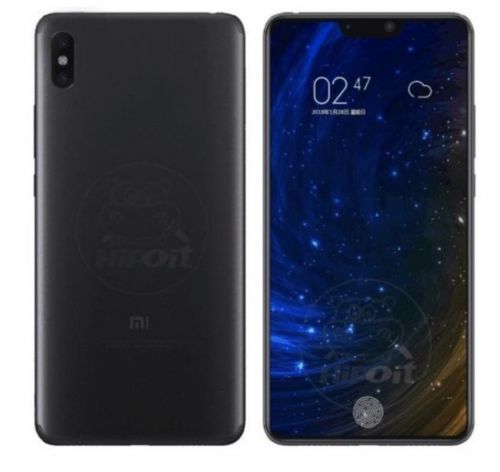
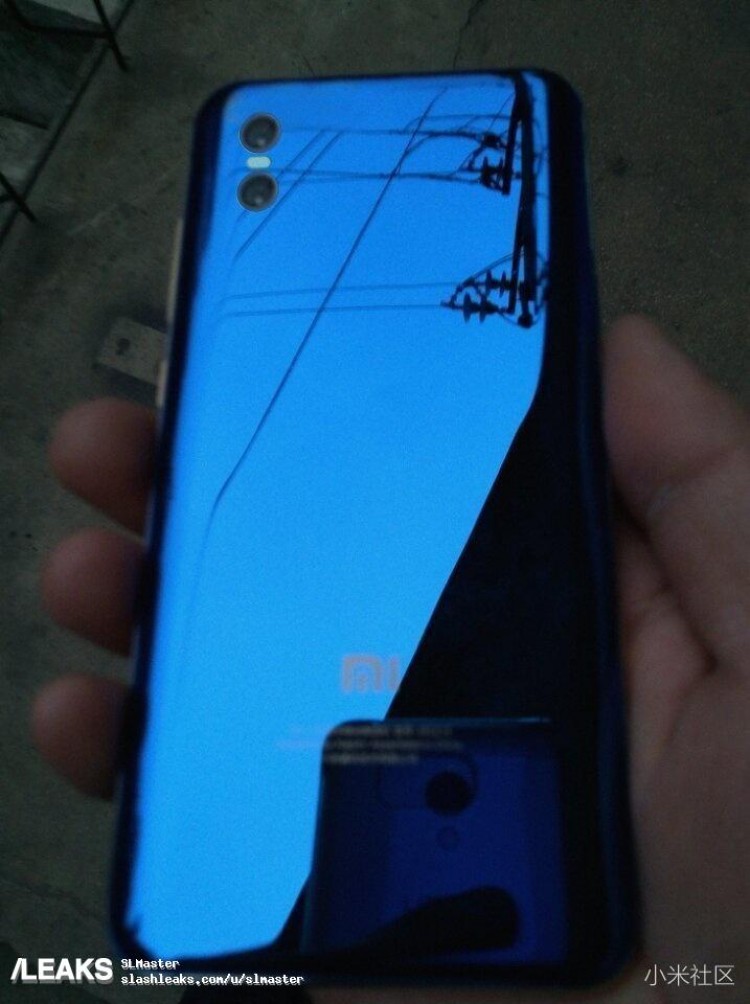
The Xiaomi Mi 7 flagship phone is expected to get unveiled in the first quarter of 2018. Fresh information suggests that the Mi 7’s dual rear cameras will be equipped with Artificial Intelligence (AI) for stellar photography experience.
During the ongoing World Internet Conference in China, Xiaomi CEO Lei Jun had claimed that the company will be focusing on AI in 2018. He added that the upcoming Xiaomi phones will be equipped with AI. It is speculated that the Snapdragon 845 powered Xiaomi Mi 7 could be the company’s first phone to arrive with AI capabilities.
Fresh information states that the Snapdragon 845 of the Mi 7 will be linked to its dual rear cameras to bring AI driven optimization for photography. The photography experience on Mi 7 is speculated to be similar to Mate 10 and Mate 10 Pro that are powered by AI-assisted Kirin 970 chipset. The Mate 10 duo are capable of shooting amazing photos with rich details in low light conditions. It is speculated that the Mi 7 will be able to deliver very impressive low light photography experience through AI assisted SD 845.
It is speculated that the Xiaomi Mi 7 will be equipped monochrome + RGB dual camera system. It is likely to feature a 12-megapixel Sony IMX380 sensor and a 20-megapixel Sony IMX350 sensor. Apart from the camera improvements, the Xiaomi Mi 7 is also rumored to arrive with an enhanced design. It is rumored to arrive with a 6-01-inch AMOLED screen by Samsung that will carry support for 18:9 aspect ratio.
Qualcomm is expected to launch Snapdragon 845 on Dec. 7 in the U.S. Previous reports have revealed that the initial stocks of Snapdragon 845 chipset will go to Samsung for its upcoming Galaxy S9 and Galaxy S9+ flagship phones. The Xiaomi Mi 7 is speculated to debut as the first smartphone from China with Snapdragon 845 SoC. It is also rumored to include 6 GB of RAM.
The Mi 7 is also rumored to arrive as the first Xiaomi phone with wireless charging feature. It is expected to launch with a starting price of 2,699 Yuan ($408).
Micromax has launched its latest smartphone in the Indian market — Micromax Canvas Infinity Pro. It seems like a successor to the Micromax Canvas Infinity, which was launched earlier this year in India.
The smartphone features a 5.7-inch Full Vision HD display with a screen resolution of 1440 x 720 pixels and 18:9 aspect ratio. Under the hood, the smartphone has a quad-core Qualcomm Snapdragon 430 processor, coupled with 4GB of DDR3 RAM.
There is a 64GB onboard storage and a microSD card slot which enables users to expand storage capacity up to 128GB. The phone features a 16-megapixel camera sensor on the back panel, along with an LED flash. On the front, there are two camera sensors with 20-megapixel and 8-megapixel resolution.
The camera comes preloaded with features such as portrait mode, face beauty mode, auto scene detection, face gallery, and tale album. There is a Super Pixel feature that combines multiple images to provide a higher resolution image.
For security features, the company has included a fingerprint scanner, which is placed on the back panel, just below the camera module. As per the company, it can unlock the screen in 0.2 seconds and can accept fingerprints with a 360-degree acceptance angle.
The smartphone runs Android 7.1 Nougat operating system with a custom skin on top. Connectivity options on the device include 4G VoLTE, Wi-Fi 802.11 b/g/n, Bluetooth 4.2, GPS and USB OTG. It is fueled by a 3,000mAh battery, which the company has claimed can deliver 20 hours of talk time or 420 hours of standby time on a single charge.
The previously launched Canvas Infinity had a Snapdragon 425 SoC, 3GB RAM and 32GB internal storage. It was powered by a smaller 2,900mAh battery. However, the major difference between the two devices is that the latest model features a dual front-facing camera.
The Micromax Canvas Infinity Pro is priced at Rs. 13,999 and will be available only in Black colour. The smartphone will be exclusively available through online retailer Flipkart from 6th December.
Huawei unveiled the Mate 10 and Mate 10 Pro in Munich back in October and I’ve been using those phones ever since. These are one of the best-looking phones on the market and they offer bleeding edge specs and much more. Learn more in our Huawei Mate 10 and Mate 10 Pro review after using those phones for more than 1.5 months.
Both Mates look just gorgeous as they use a quality metal frame and glass on the front and rear. The phones look really nice in the hand despite their huge footprint. I didn’t drop either of the phones, so they both still look as new.
They Mate 10 has a smaller 5.9” 2k resolution LCD display that has a traditional 16:9 aspect ratio, meaning that it is wider but it is a bit shorter than the Mate 10 Pro.
The latter phone has a larger 6” AMOLED display with 18:9 aspect ratio but it has only 1080p resolution. In practice, I found both displays to be plenty sharp for everyday use but I prefer the AMOLED panel on the Mate 10 Pro.
I found both fingerprint scanners to be very fast and accurate. The Mate 10 has one on the front while the Mate 10 Pro has it on the back.
Both phones have 4000mAh batteries that have been performing really well. With my usage, I could get over 6 hours of screen-on time but keep in mind that I usually install a ton of apps and use the phone quite intensively.
The supplied charger fully charges the phone in just about 1h and 10 mins, which is one of the best results out there.
The Mate 10 has a microSD card slot whereas the Mate 10 Pro lacks this feature. Also, it does not have the headset jack like a regular Mate 10 but it has more storage and RAM memory (6GB/ 128GB vs 4GB/64GB). Both phones have the same powerful Kirin 970 chipset.
Another area where the Mate 10 Pro excels over the Mate 10 is the IP67 certification for water and dust resistance.
The stereo speaker setup is very good and it might be one of the best in the business.
HARDWARE and PERFORMANCE
When it comes to hardware, the Mate 10 has a brand new Hisilicon Kirin 970 chipset that is coupled with 4GB of RAM and 64GB of storage. The Mate 10 Pro ships with the same chipset, 6GB of RAM and 128GB of storage, which is, however, not expandable.
The new Mate 10 phones sport the first Huawei chipset with a neural processing unit or AI component of the processor, which learns how you use the phone and helps the device adapt to assure the best user experience. For example, the AI chip detects what kind of picture you take to apply the best image settings and it did a pretty good job during my unscientific test. Also, it helps apply the right amount of blurring effect in the portrait mode.
Obviously, the AI component does a lot more than helping you take better pictures. Most importantly, it learns every single day to assure the best user experience.For example, it learns how you use the phone to make it faster by allocating the resources to the specific task. So far, Microsoft has updated its Translator app to make use of the AI chipset to speed up the translation process. When reading a book, the NPU will remind users to enable Eye Comfort mode (Huawei’s blue light filter). Or, when taking a picture of a business card, the NPU will offer to scan the details into your phone book. These are just a few examples of how AI processor works in practice.
If you don’t really care about artificial intelligence, you can be rest assured that the Mate 10 will handle absolutely everything you throw at it. I played a lot of different games on the very highest settings and the phone just flies. A flagship-grade performance.
Finally, what impressed me the most was that the phone stayed cold to the touch even after 40 mins of gaming.
USER INTERFACE
The Mate 10 ships with Android 8 out of the box but it has the EMUI skin built on top of it. Some people may love it, some may hate it mainly because of it’s a bit cartoonish look. The first thing you may want to do is bring back the app drawer feature, which is built into the UI.
I personally like it since there are plenty of features and customization options to make the phone look your own. You can choose from a variety of themes, wallpapers and so on. There are also pretty cool transition effects and other customization options.
You can choose from quite a few smart assistance features that I don’t really like using, to be honest. If you plan to use those gestures, they work fine. What is the most important thing about this phone is that it is blazing fast, fluid and responsive. Huawei claims that the phone will not show any signs of slowing down even after 18 months of using it. I can’t confirm that but the Mate 10 is indeed a very fast phone on the daily basis.
EMUI Desktop Experience
Please see our video review for a better idea of how the EMUI desktop feature works.
Just like the Mate 10 Pro, the Mate 10 has the EMUI desktop feature that is just awesome. You simply connect your phone using the HDMI port to any display, without the need to buy a dock station.
There is the desktop mode that converts your phone into a basic laptop. You can edit your documents, browse the web, access all the files from the phone and so on. Obviously, you can connect a Bluetooth keyboard and the mouse for an even better experience but if you don’t have one, you can use a built it trackpad directly from the phone that I found to be pretty intuitive to use. You can also switch to the phone mode, which basically mirrors phone’s display. You can even play 3D games without any input lag, which is pretty awesome. Overall, I really like the EMUI Desktop feature. It works straight out of the box, no need for a docking station, no additional software.
CAMERAS
Both phones have identical cameras.A 12-megapixel RGB camera is paired with a 20-megapixel monochrome sensor here, and both lenses feature apertures of up to f/1.6.
The camera takes pictures really fast. There are quite a few shooting modes. My favorites include 2x optical zoom to make the best out of that secondary sensor. This mode is really useful and I enjoyed using it while I was exploring Munich. The pictures look pretty good as you don’t lose detail like using digital zoom.
The daylight images look really good considering the fact that the phone still runs on an early software build. There is a good amount of detail, sharpness and the dynamic range adjustment is quite impressive. The only downside is that some of the pictures are underexposed but that can be easily fixed in post.
The low-light camera performance is quite impressive too. Sure, there is a bit more noise and less detail but in general, the results are great. Pictures taken using a portrait mode usually look quite good but I noticed some artifacts going on in a few shots. There is also a monochrome mode that I’m not a huge fan of but the pictures look really nice and detailed.
Selfies taken using the 8MP camera are detailed and will definitely do the trick for social media needs.
4k video looks pretty good too as the footage is sharp and detailed. However, the OIS does not work in the 4k mode, meaning that the video may look a bit shaky. 720p slow-motion video is not the best I’ve seen but it’s definitely usable. 1080p selfie video looks great too as there is plenty of detail. Finally, I really like the sound recording quality.
CONNECTIVITY
Connectivity-wise, the Mate 10 and the Mate 10 Pro are just excellent. The call quality and signal reception are great, Wifi and mobile network speeds are really fast, Bluetooth and NFC work fine. Also, the GPS is very accurate. Finally, the phones have a bunch of sensors, just like any other flagship in the market.
CONCLUSIONS
After using both Mate 10 and the Mate 10 Pro for more than 1.5 months, I still believe they are one of the best phones on the market right now.
The devices simply look beautiful, the phones are well-made, the displays are sharp, a powerful processor assures excellent overall performance and a dedicated AI chipset will learn on the daily basis to assure the best user experience. Also, the cameras take one of the best pictures and the battery life is great.
A few things that bother me about the Huawei Mate 10 are that there is no wireless charging, the water, and dust resistance rating could be higher and there should also be a 128GB model available for all the regions, just like on the Mate 10 Pro.
Obviously, there are some caveats to consider about the Mate 10 Pro like the lack of the 3.5mm headset jack that less and less phone have. Also, there is no wireless charging, no microSD card slot, and no 2k resolution display.Other than that, the Mate 10 and the Mate 10 Pro are legit flagship phones that have a ton of premium features and so far, they are one of my favorite phones of 2017, despite a few shortcomings.
Last week, Samsung Galaxy J5 Prime (2017), the upcoming budget smartphone from the company, was approved by FCC. While the FCC approval suggested that the phone launch is happening soon, we now know what to expect from the smartphone in terms of specifications, thanks to a newly leaked specs sheet of the device.
According to the leak, the 2017 edition of the J5 Prime smartphone, which carries model number SM-G571, will be powered by the company’s own Exynos 7570 chipset with a 1.4 GHz quad-core Cortex-A53 CPU, Mali-T720 GPU and 3GB RAM.
The Samsung Galaxy J5 Prime (2017) is speculated to come with 32GB of internal storage. It is not yet known if it will have a microSD card slot for further expanding the storage capacity.
The smartphone will come with a 5-inch IPS HD display with a screen resolution of 1280 x 720 pixels. It features a 13-megapixel primary camera along with an LED flash and an 8-megapixel front-facing camera. Earlier, when the device appeared on GFXBench platform, it was said to features a 4.8-inch HD screen.
It runs Android 7.1.1 Nougat operating system with the company’s own custom skin on top. The smartphone also comes with a fingerprint sensor, which is mounted on the front, for added security features.
The FCC listing had revealed that the Galaxy J5 Prime (2017) will support 4G LTE, Bluetooth 4.2 LE, Wi-Fi 802.11 b/g/n and GPS as connectivity options. The device is said to be fueled by a 2,500mAh non-removable battery.
While the company has not yet announced the launch date of the Samsung Galaxy J5 Prime (2017), we expect the smartphone to get launched in the coming days.
After a brief unveiling at the Bengaluru Comic Con on Saturday, OnePlus has announced a proper launch for the OnePlus 5T Star Wars Limited Edition.
According to information on the OnePlus India website, the limited edition phone will be launched on December 14 at Carnival Cinemas Wadala, Mumbai. OnePlus will begin selling tickets to the event on December 7 for Rs.999 (~$16) via Paytm. More details can be found in the source link below.
However, OnePlus will give each person a free Star Wars t-shirt worth Rs.999 and a OnePlus Star Wars laptop bag worth Rs.1999 (~$31). You also get free drinks and popcorn. There will also be a pop up store where you can get a hands-on experience of the phone.
Introducing the new OnePlus 5T Star Wars Limited Edition – Strong enough to rule the galaxy! Register for launch event & win a OnePlus 5T Star Wars Limited Edition – https://t.co/tZGsazR4ND Catch Star Wars – The Last Jedi in cinemas Dec 15. pic.twitter.com/T4E6MRlaOV
Last week, we got our first official confirmation of an anniversary edition Meizu phone set to launch next year. The confirmation came in form of a picture of the retail box of the phone called the Meizu 15 Plus; and was posted on Weibo by the CEO himself.
The Meizu 15 Plus is a special phone to mark the 15th anniversary of Meizu and is scheduled to be officially unveiled in Spring. While an official launch date has not been released, Meizu has surprised us by announcing tickets to the event.
There is no info yet as to how tickets can be gotten or how much they will retail for or if they will even be sold. However, we can be sure fans of the brand alongside members of the press will get tickets to the conference.
The specification of the Meizu 15 Plus is unknown at the moment, though it is strongly rumored to feature a full-screen display. Nevertheless, the most important specification most people are eager to know about is the chipset.
After launching the ceramic version of its Mi Mix 2 smartphone in white colour last month, Xiaomi had announced the Mi Mix 2 Ceramic Black version as well, along with the special Starck Edition. Now, the Ceramic Black version of the smartphone is finally going up for sale.
Xiaomi has announced that the smartphone will go on sale from tomorrow, i.e. December 5 and the company has already started taking pre-orders for the same on its official website. The Mi Mix 2 Ceramic Black Edition has been priced at 4,699 Yuan (approx. $710).
At the time of announcing the Mi Mix 2 smartphone, Xiaomi had said that the phone will be available in two variants — a ceramic version with an aluminium alloy frame and a fully ceramic version.
Unlike the aluminium alloy frame model which comes with 6GB RAM and up to 256GB of internal storage, the fully ceramic model comes in just one configuration — 8GB RAM and 128GB internal storage.
Coming to the specifications, the smartphone comes with a 5.9-inch Full HD display with a screen resolution of 1920 x 1080 pixels. The company says that the display has a feel and grip of a 5.5-inch device. Unlike most smartphones which feature narrow bezels, this one is a truly bezel-less smartphone.
Under the hood, the device is powered by Qualcomm‘s Snapdragon 835 processor along with Adreno 540 GPU. This Ceramic Black model comes with 8GB of RAM and 128GB of internal storage.
The smartphone features a single camera sensor at the back, which is equipped with a 12-megapixel Sony IMX386 lens — the same sensor that was used in Xiaomi Mi 6. It has a dual LED flash, 1.25μm pixel size, f/2.0 aperture and 4-axis optical image stabilization. It also comes with a 5-megapixel front-facing camera that also supports facial recognition.
Below the camera module on the back panel, there is a fingerprint scanner for added security features. Connectivity options on the device include Dual SIM, 4G LTE, Wi-Fi, Bluetooth and GPS. It runs on company’s own MIUI 9 based on Android Nougat operating system. The smartphone is fueled by a 3,400mAh battery which also supports Quick Charge 3.0 technology.
You might have known by now that the World Internet Conference was held today in Wuzhen, China. The conference was an opportunity for the giants in the Chinese tech industry to roll out their plans for the future in terms of research and development (R&D) for the industry. During the conference, Huawei‘s CEO Yu Chengdong was one of the speakers, sharing the same podium with Xiaomi’s CEO, Lei Jun who we reported earlier to have hinted of his firm’s plans to venture in AI on its smartphones from next year.
Huawei’s CEO on his part hinted that the internet hardware and smartphone giant will launch its 5G smartphone for the market in the second half of 2019. Obviously, by 2019, 5G technology would have been perfected and rolled out by a lot of mobile carriers around the world. Presently, we have only see the technology get tested on prototypes like the ZTE Gigabit phone. Qualcomm, ZTE and China Mobile recently announced the successful test of the world’s first 5G New Radio System.
Yu Chengdong also revealed that the past 20 years have been an era of rapid development in the mobile telecommunications industry. He also highlighted the fact that the development of smartphones has brought tremendous changes in people’s lives. He also opined that the new ear is that of artificial intelligence technology and 5G. Already, Huawei has started its AI journey with the launch of the Ai-capable Kirin 970 chip. The company is expected to launch its hardware products with 5G connectivity in 2018 while in 2019, Huawei’s chipset the tech giant will incorporate support on its chip and subsequently launch 5G smartphones.
Xiaomi, a China-based smartphone manufacturer, which once held the title of the most valuable start-up company, is now reportedly seeking a valuation of at least $50 billion for its Initial Public Offering (IPO) that is expected to take place next year.
Earlier, it was reported that Xiaomi is considering an IPO as early as the second half of 2018. According to the people aware of the development, who remains unnamed, Xiaomi is currently in talks with investment banks about a possible initial public offering as soon as next year, and Hong Kong is believed to be the most likely destination.
A successful IPO may raise around $5 billion in cash for the company, that could help Xiaomi to fuel the expansion. The China-based company last raised its funding round in 2014, at a valuation of $46 billion.
Lately, Xiaomi has been climbing up the ladder as one of the largest smartphone vendors. This year, the company registered a spike in terms of sales, after witnessing disappointing sales in the past year. Last year, the company was trailing behind the likes of Huawei, Oppo and Vivo in terms of sales.
Not only in China, the company is also capturing the smartphone market of India, which is touted as the world’s largest smartphone market. It recently was ranked the leading smartphone vendor in India, along with Samsung. Both the companies managed to grab 23.5 percent of Indian smartphone market, according to IDC.
Recently, it was reported that Xiaomi has overtaken Samsung in terms of smartphone sales, thus becoming the largest smartphone vendor in India. This comes after the company started focusing on offline sales of its smartphones along with online sales. It is also investing heavily in Mi Stores in India as well as in China.
Currently, there are around 11 Mi Home stores in India. But, Xiaomi previously said that it is planning to open 100 Mi Homes across India in the next two years. Last month, Xiaomi announced its third manufacturing facility in India, in partnership with Hipad Technologies. The latest facility is located in Noida, Uttar Pradesh and will be used for manufacturing power banks. Earlier, the company had established two facilities in Andhra Pradesh, in partnership with Foxconn, for making smartphones.
Apart from China and India, the company is now also focusing on emerging markets, including Russia and Indonesia. The company also seems to be interested in establishing its presence in the United States, where it is currently selling accessories.
Recently, the company’s founder and CEO Lei Jun revealed that Xiaomi is aiming to ship 90 million smartphones by the end of this year. Earlier, Earlier, Lei Jin had said that Xiaomi aims to ship out 100 million smartphones in 2018.
We use cookies on our website to give you the most relevant experience by remembering your preferences and repeat visits. By clicking “Accept”, you consent to the use of ALL the cookies.
This website uses cookies to improve your experience while you navigate through the website. Out of these, the cookies that are categorized as necessary are stored on your browser as they are essential for the working of basic functionalities of the website. We also use third-party cookies that help us analyze and understand how you use this website. These cookies will be stored in your browser only with your consent. You also have the option to opt-out of these cookies. But opting out of some of these cookies may affect your browsing experience.
Necessary cookies are absolutely essential for the website to function properly. This category only includes cookies that ensures basic functionalities and security features of the website. These cookies do not store any personal information.
Any cookies that may not be particularly necessary for the website to function and is used specifically to collect user personal data via analytics, ads, other embedded contents are termed as non-necessary cookies. It is mandatory to procure user consent prior to running these cookies on your website.