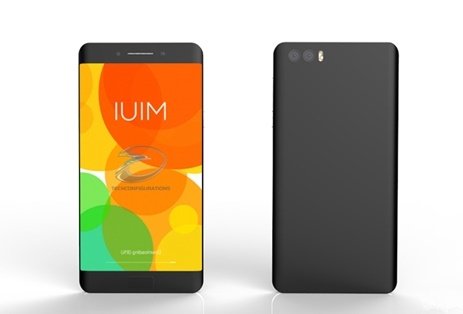
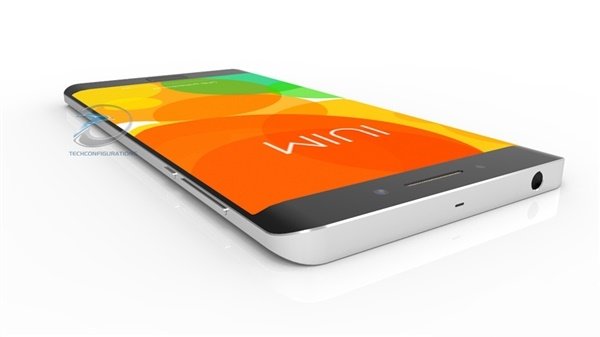
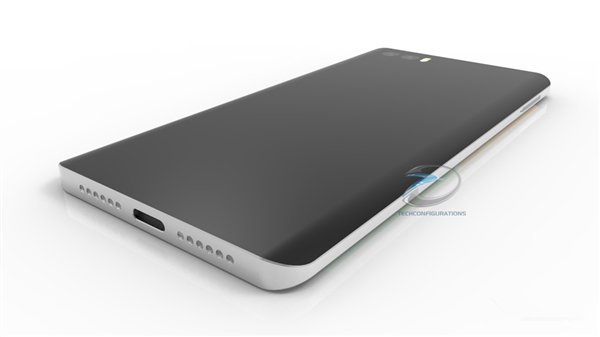
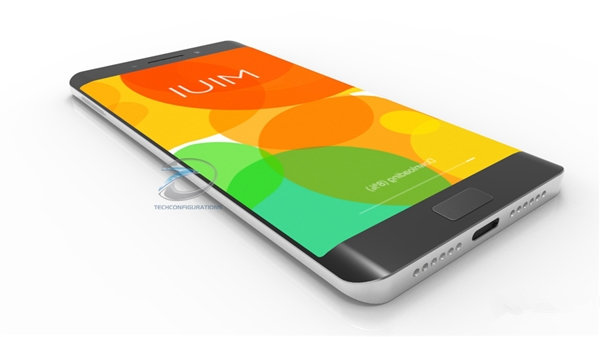
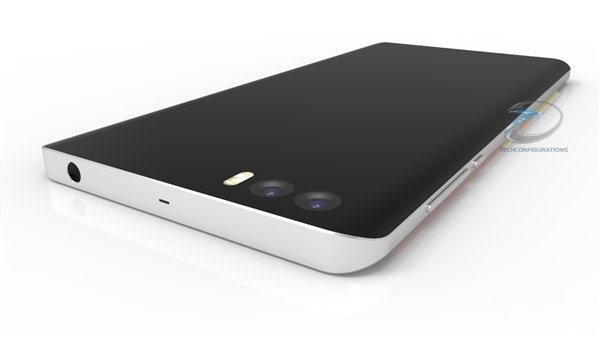
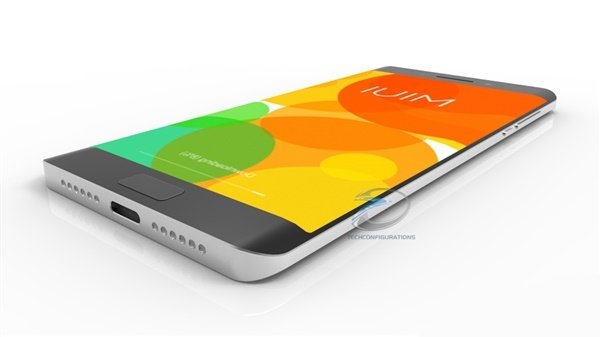
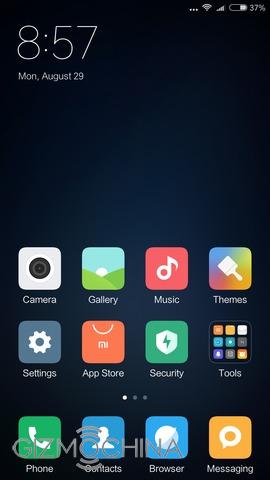
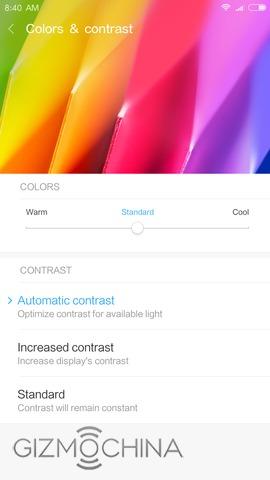
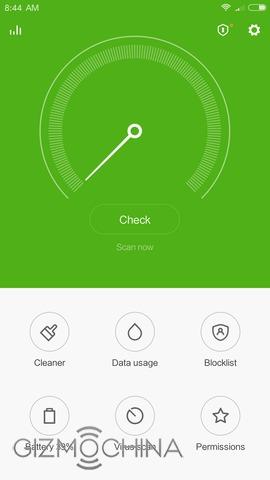
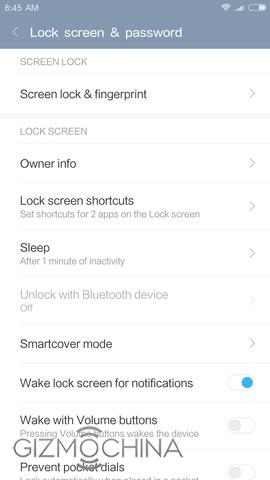
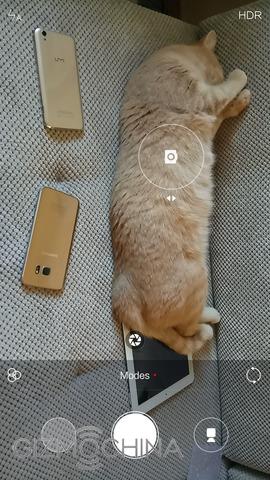
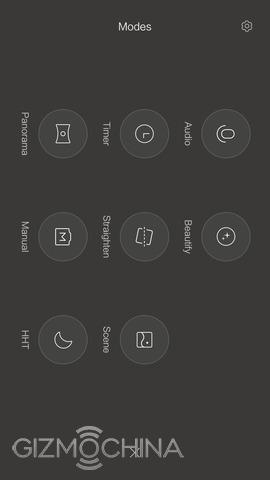
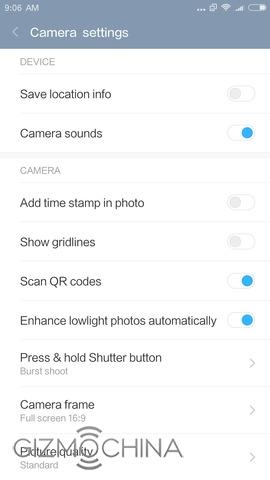
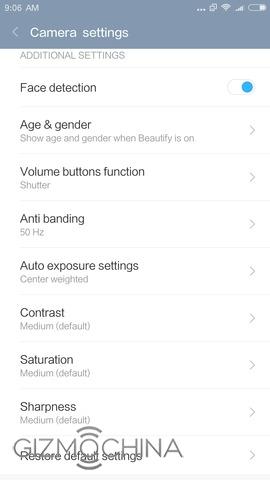
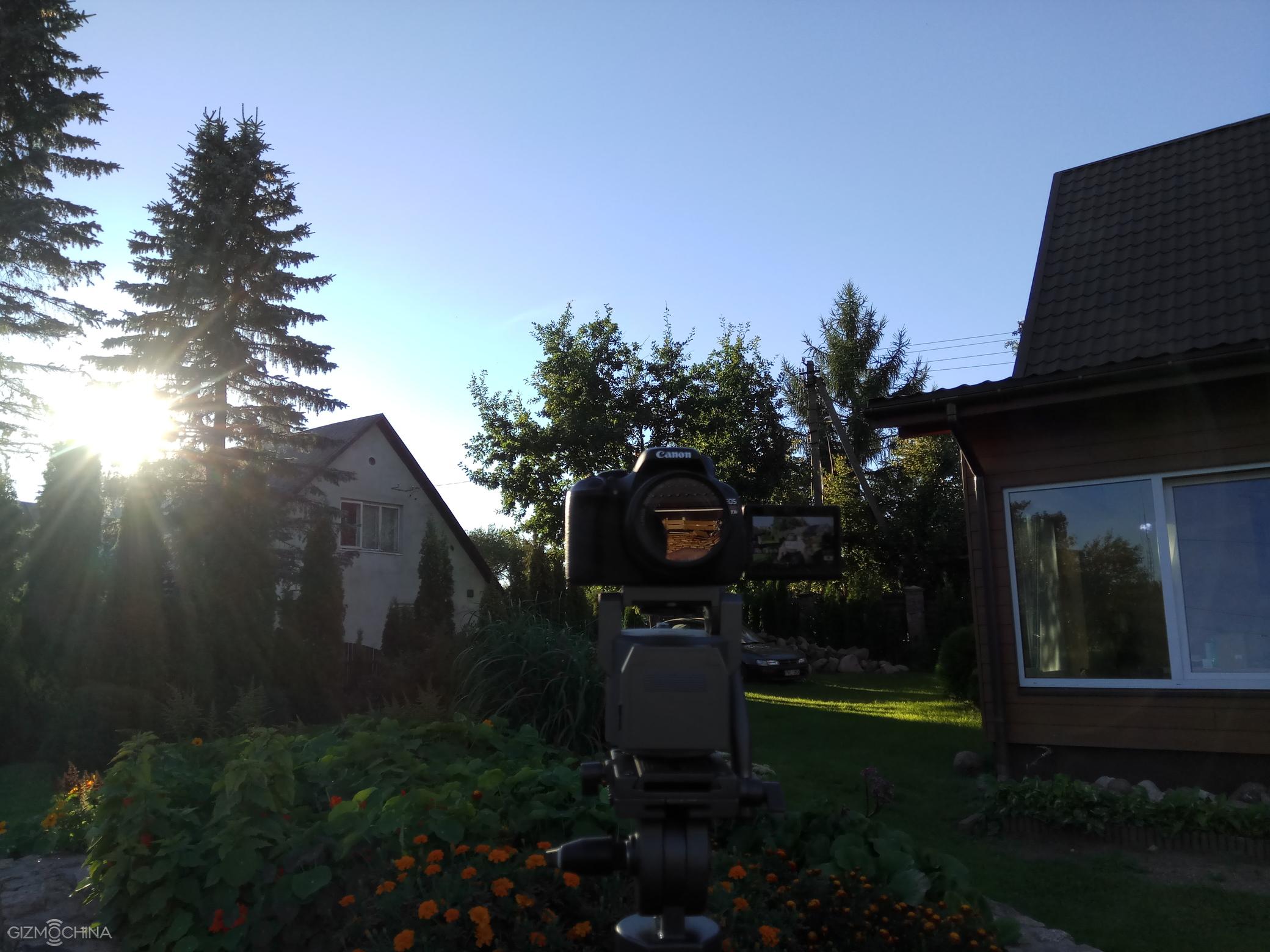
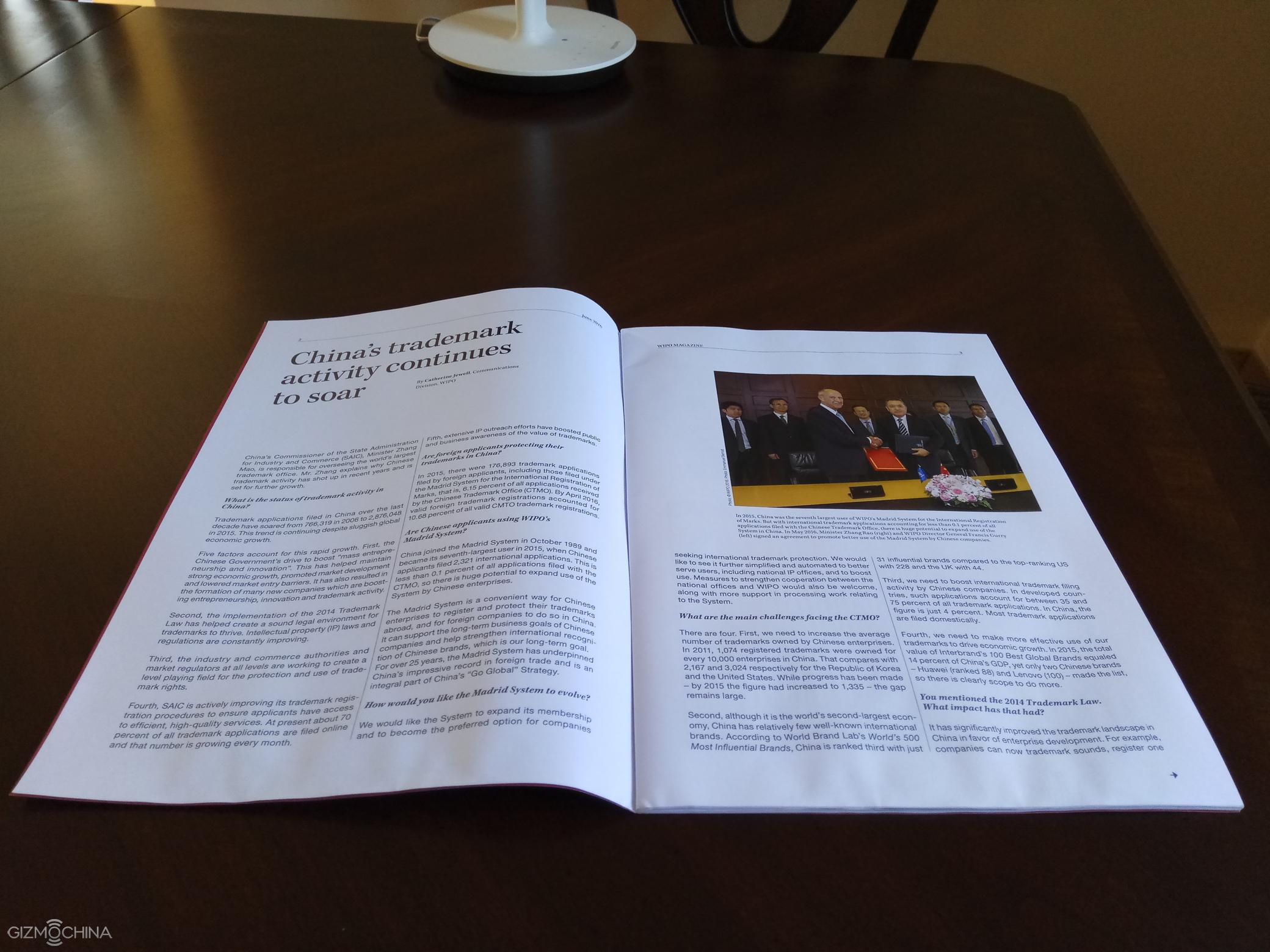
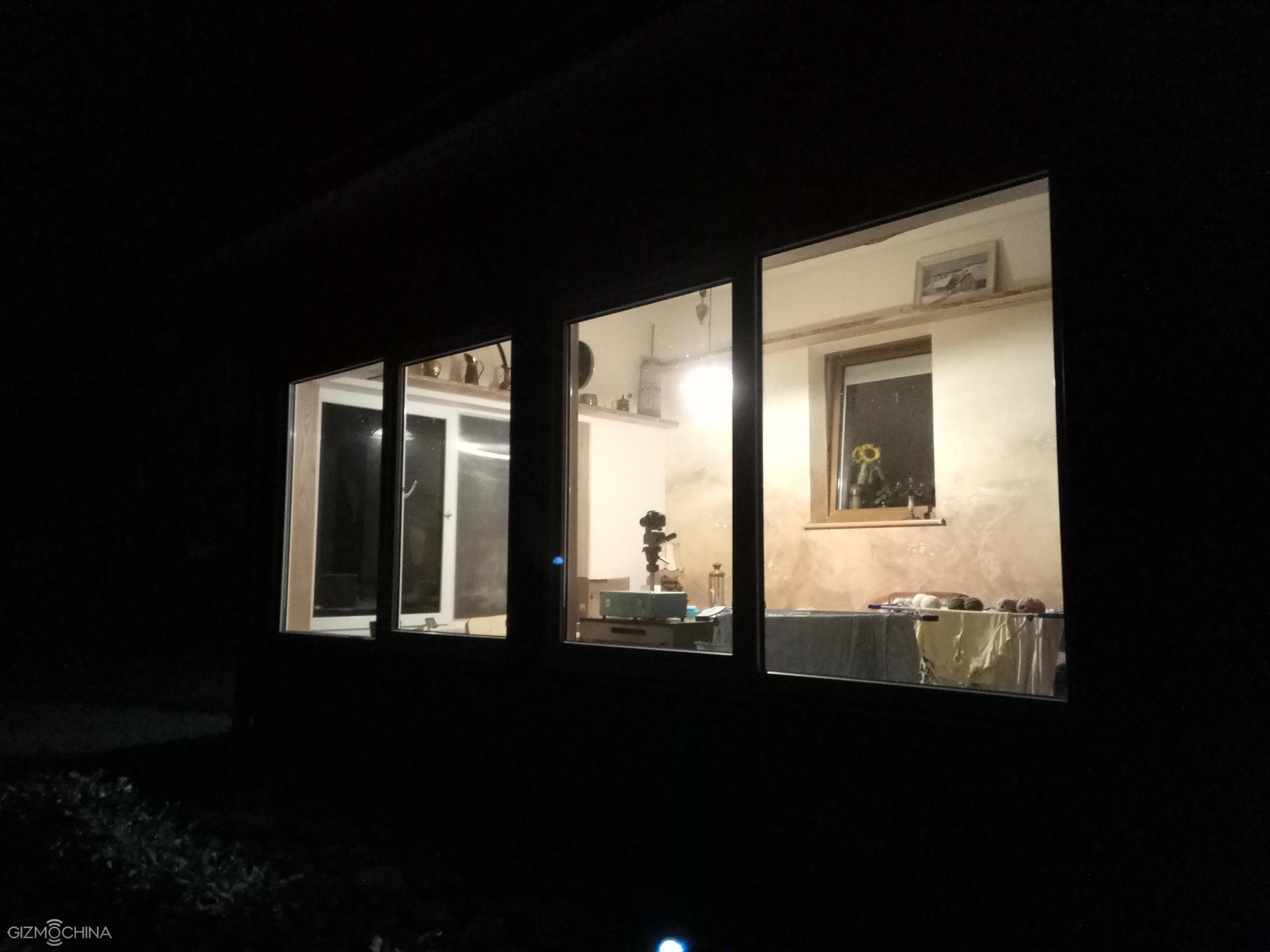
We have had several image renders of the expected Xiaomi Mi Note 2 , detailing the design features as well as the specs of the flagship device. Several more are still surfacing online and thankfully, the designs all look alike, revealing the dual cameras and beautiful body design.
The recently leaked image renders of the Mi Note 2 is that of a sleek black colored variant and it reveals both the design up front and the rear design as well. On the front view, the curved glass display is still very much intact, as well as the positioning of the front facing camera sensor. Nothing really has changed front the previous leaks we have seen so far.
At the back, there is a dual camera set up, with both cameras lying side by side on a horizontal plane and tilted to one edge of the phone. The camera’s LED flash also sits by the side of the second camera. Curiously, the Mi trademark logo is conspicuously missing on the back of the new image renders which makes the authenticity of this render questionable. Apart from that, the images look more like prototype drawings than the real deal.
To refresh your memory, the Xiaomi Mi Note 2 is said to feature a 5.5-inch OLED curved screen, all-metal body, and dual cameras at the rear and will like be powered by Qualcomm’s latest Snapdragon 821 processor or Snapdragon 820 chipset, alongside 6GB RAM and 128GB of internal storage. There is also likely to be a 4GB RAM + 32GB ROM version as well as a 6GB RAM + 64GB ROM version.
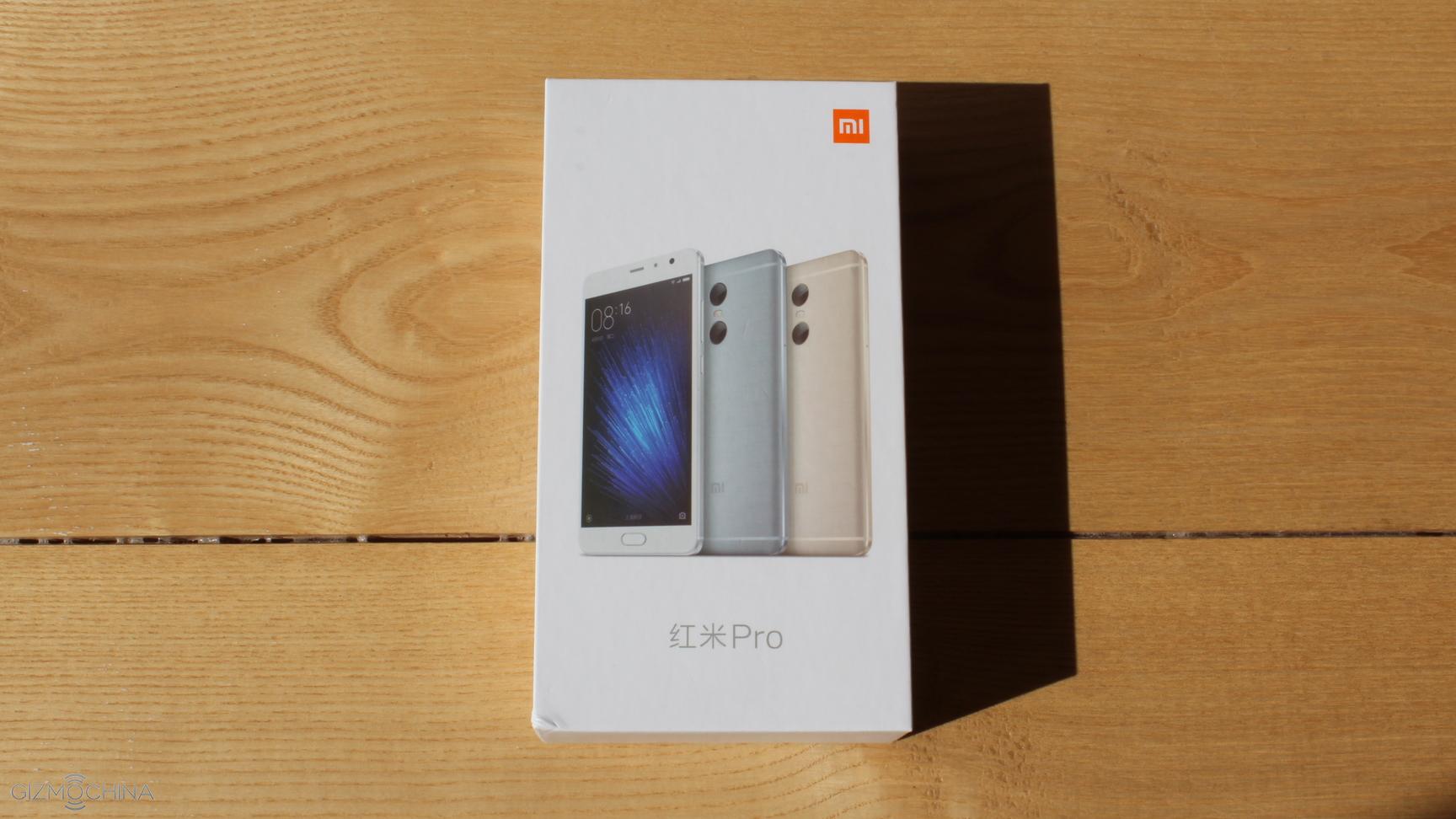
Xiaomi has been on the roll as they have released quite a few devices lately. The Redmi Pro is a phone that costs around $250 via the third party resellers, it has pretty good specs but most importantly, the device has dual camera setup. Learn more in our full review.
32GB (expandable via microSD card slot up to 256GB)
Xiaomi Redmi Pro Review: DESIGN and DISPLAY
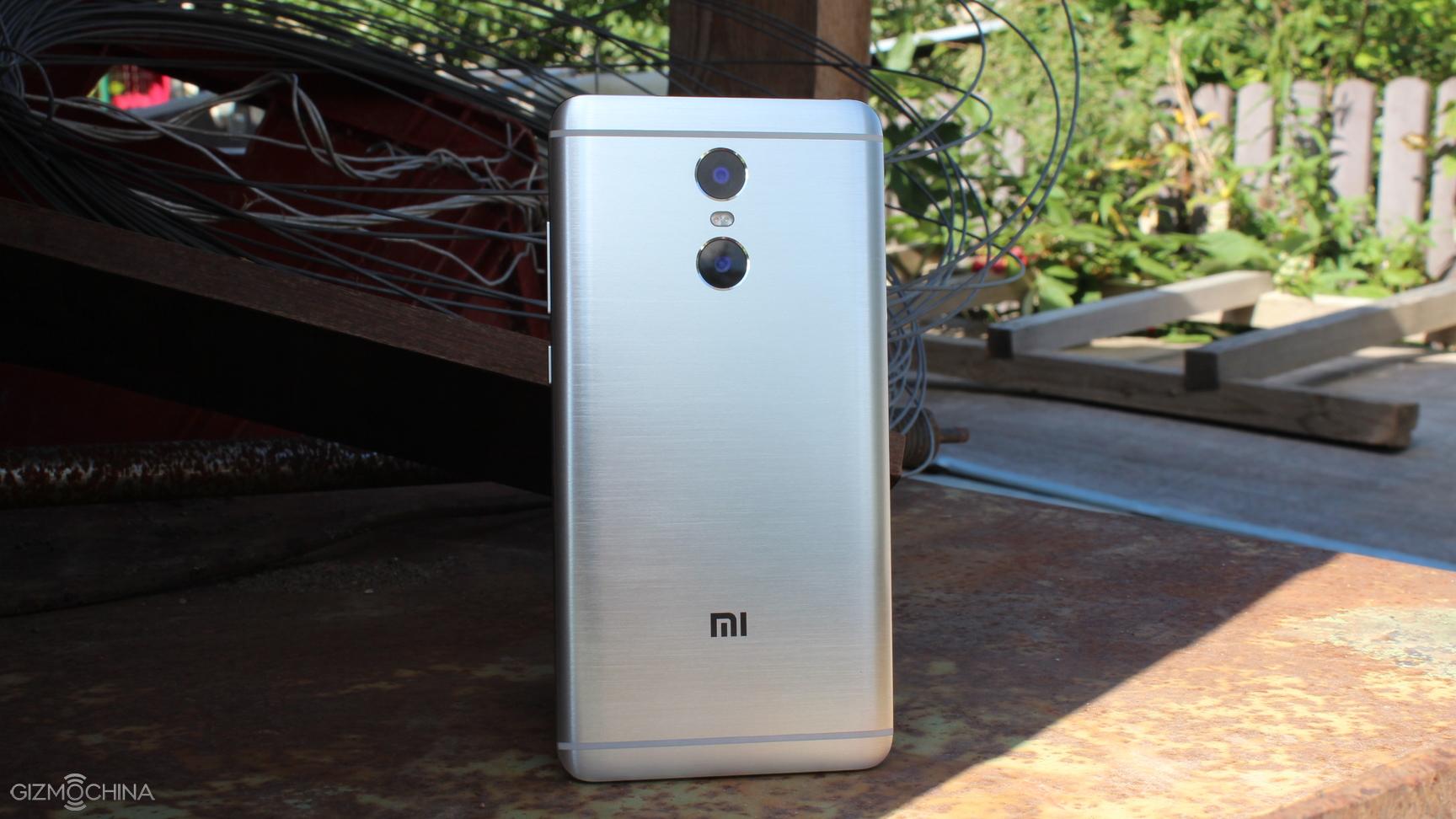
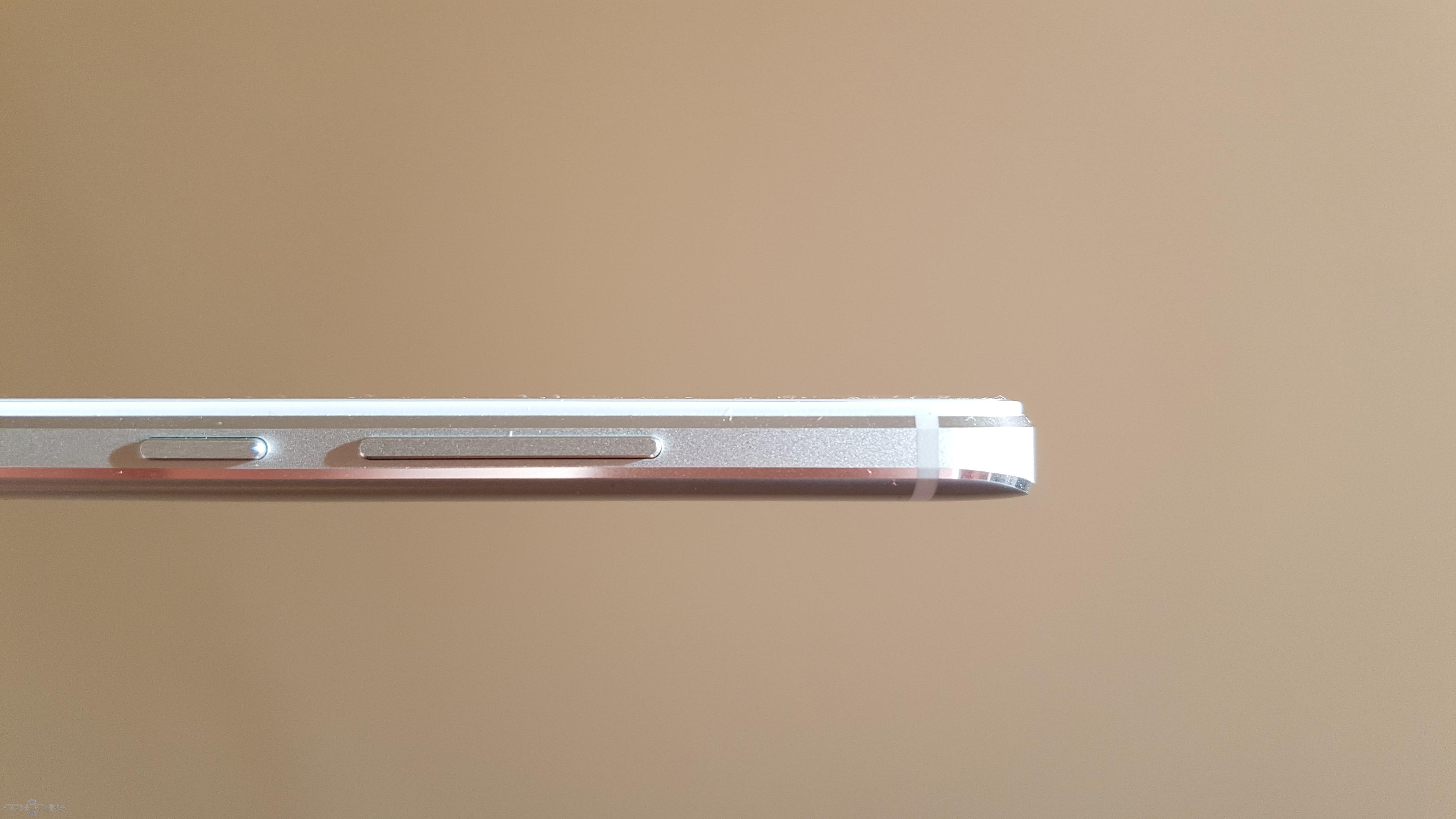
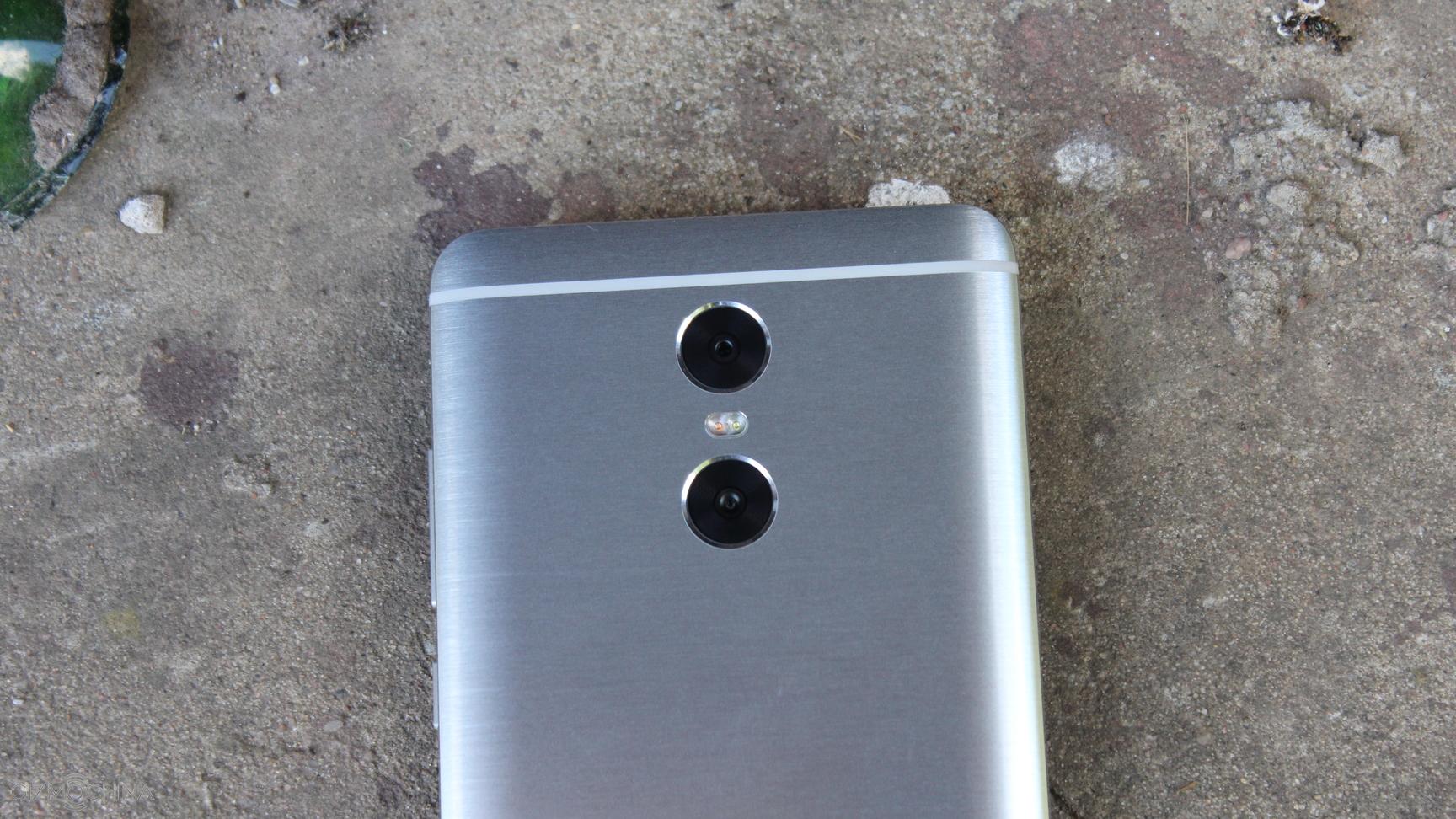
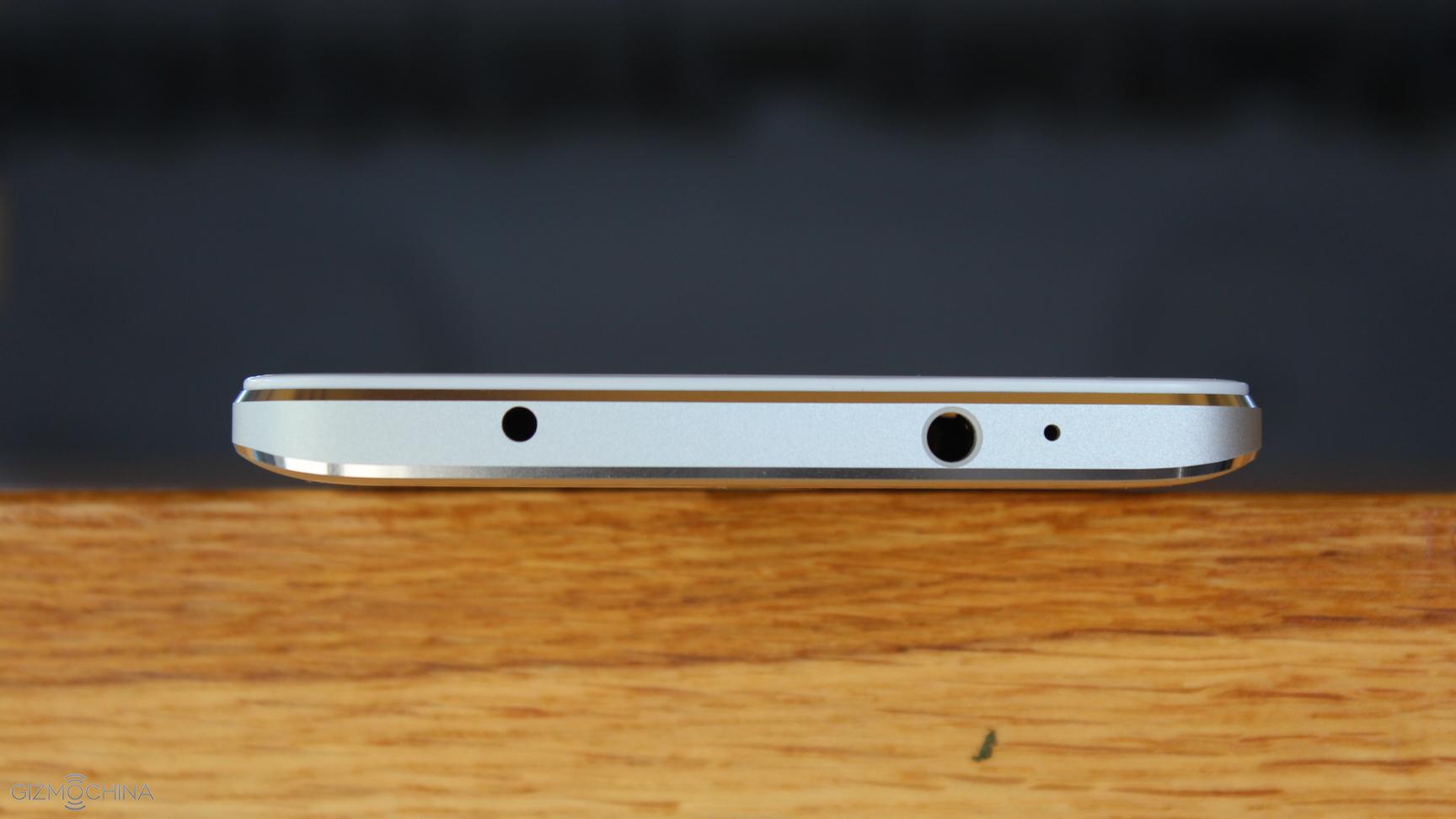
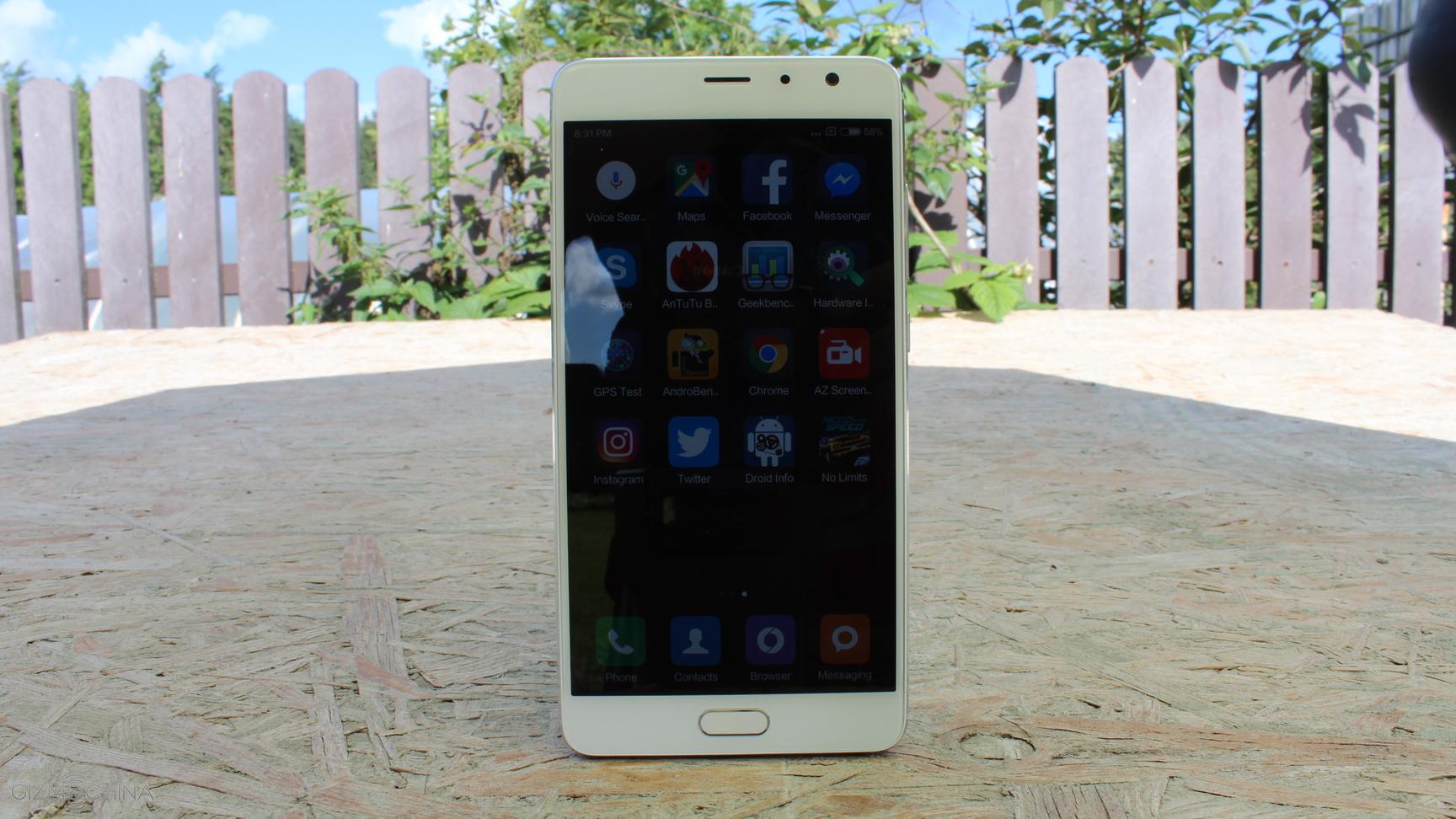
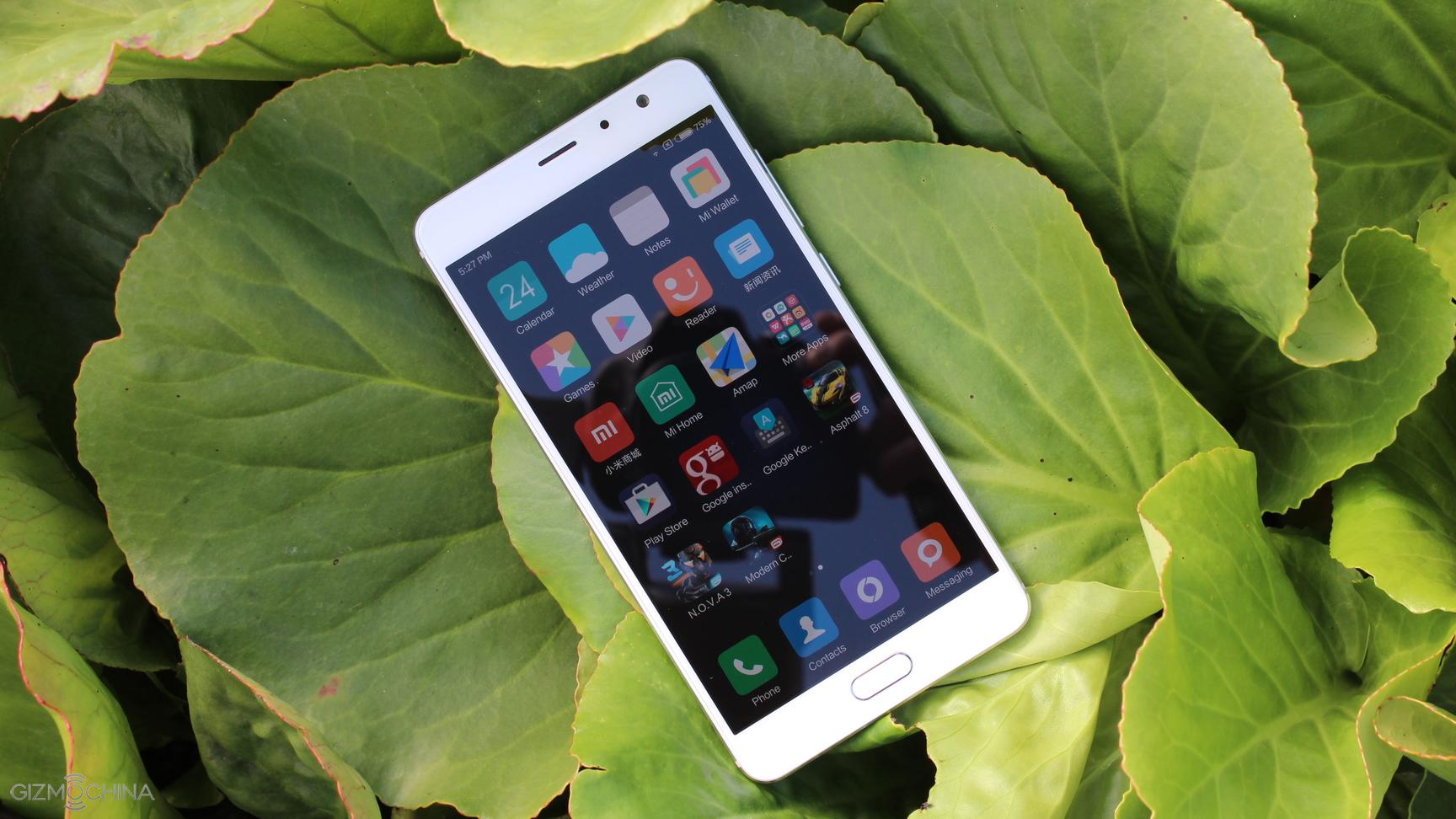
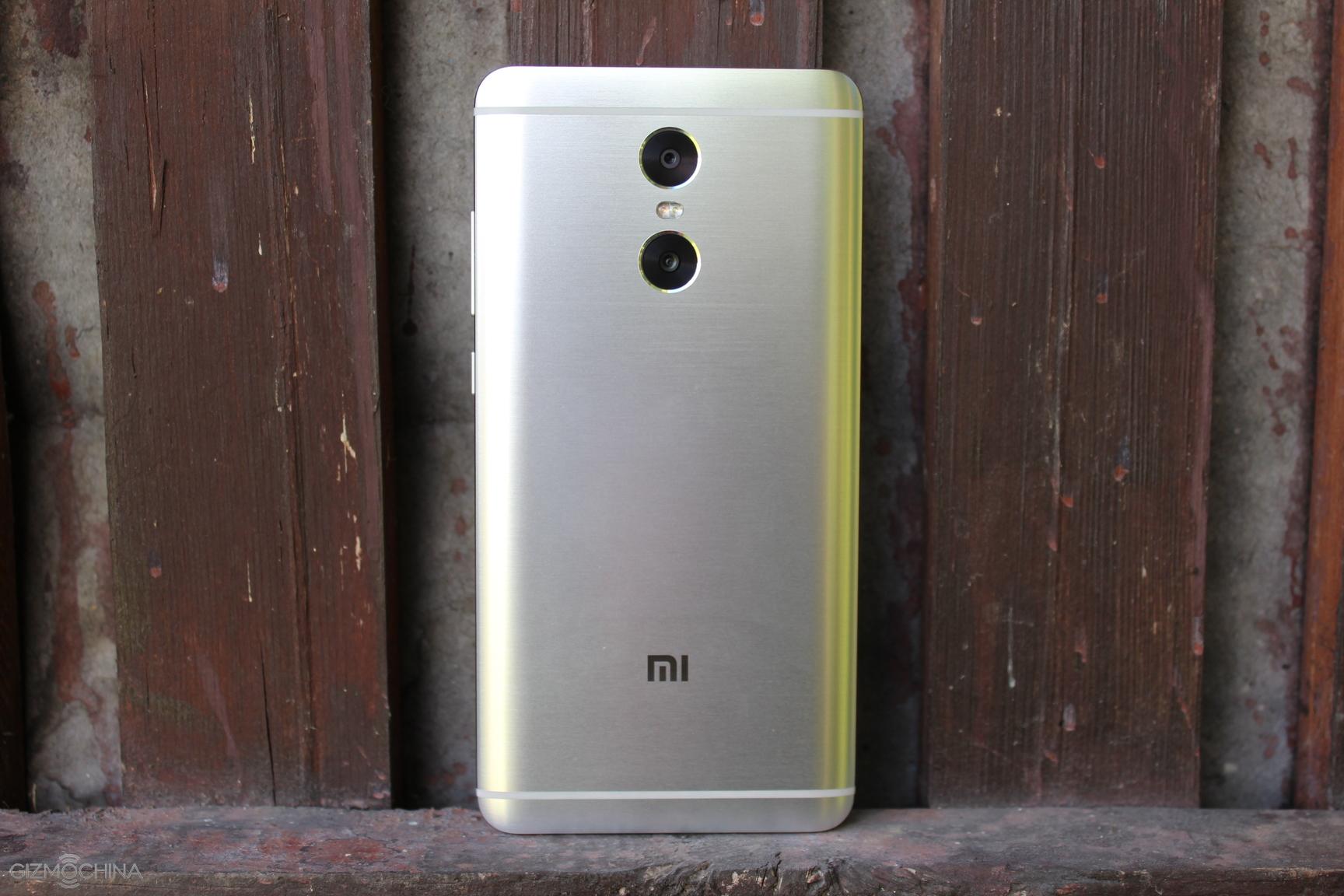
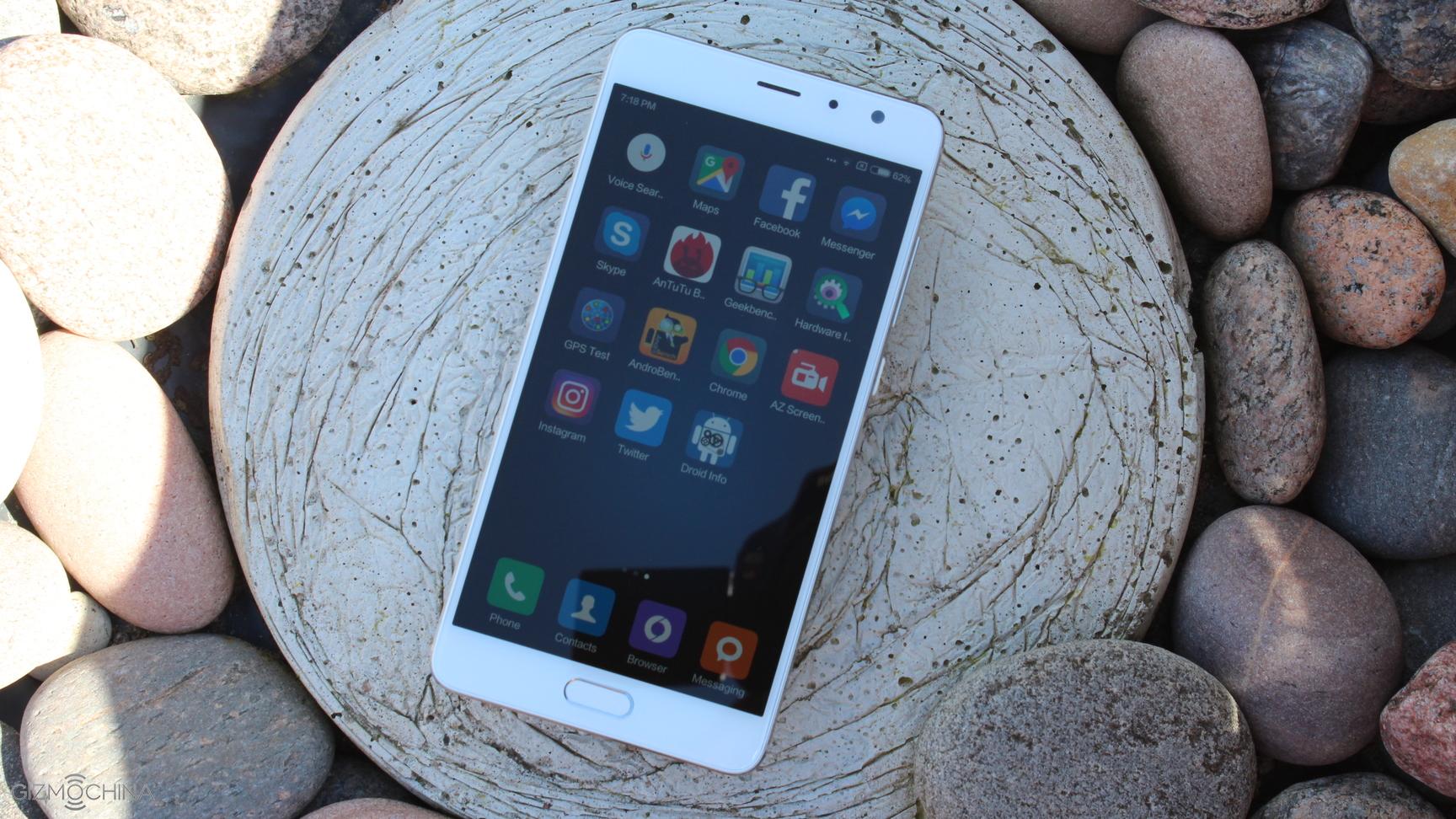
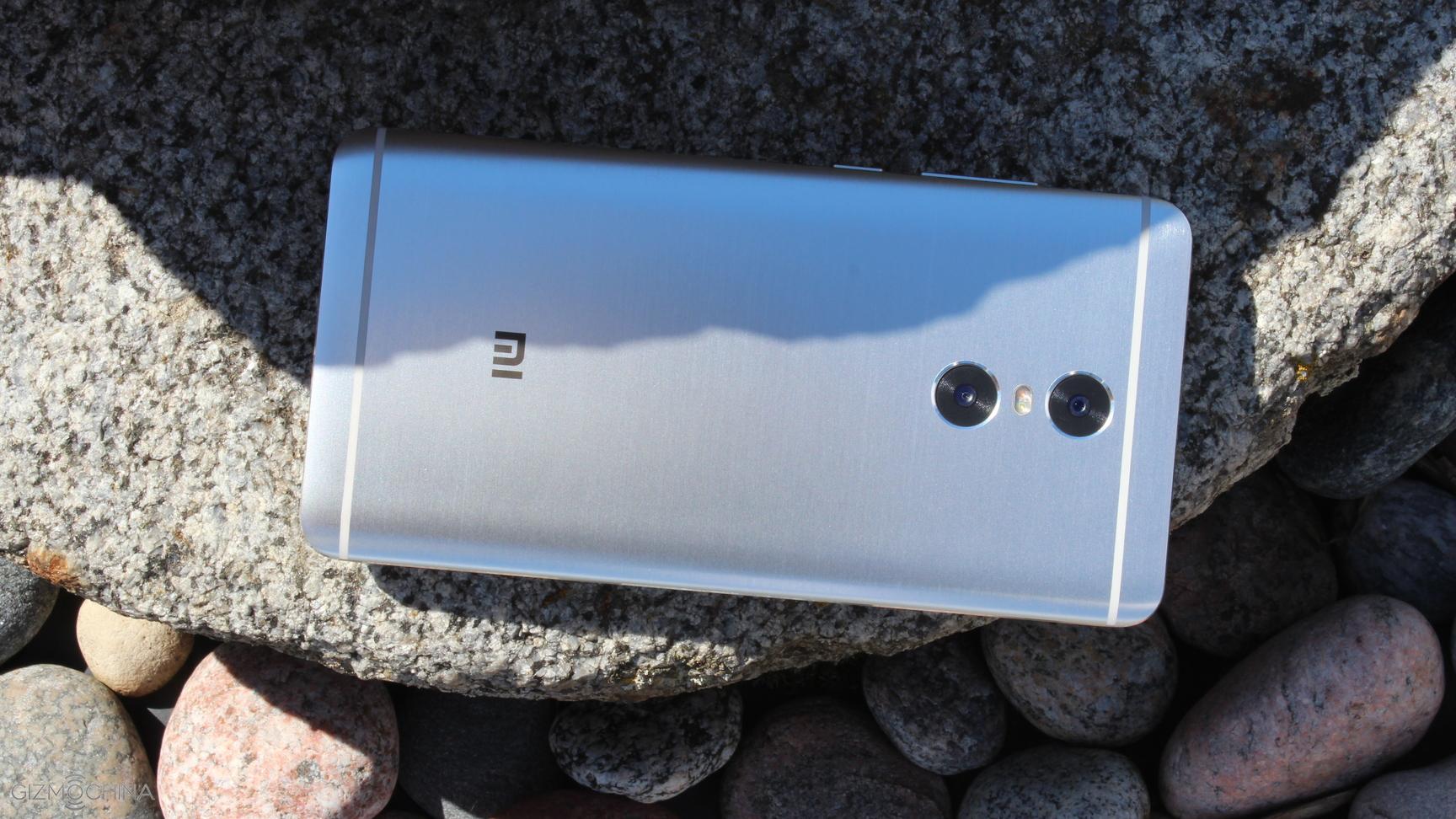
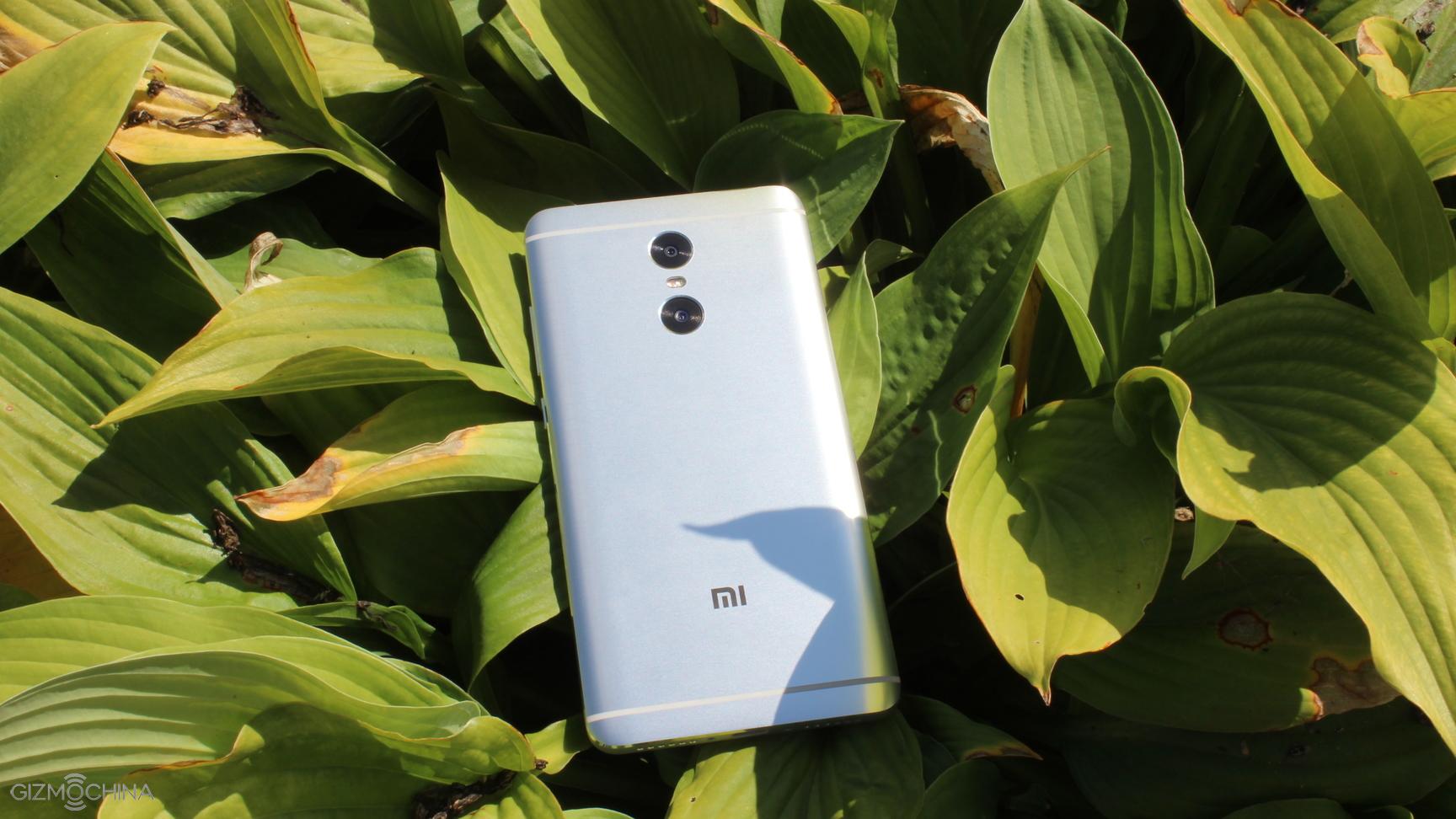
Let me be honest with you, this phone is the most premium Redmi device I’ve ever seen. It’s made entirely of metal (even top and bottom parts are made of metal). I really love the brushed aluminum look. Even though the Redmi Pro may look a bit glossy, it does not attract fingerprints so easily.
We have nice and tactile buttons and I absolutely love the build quality of this phone.
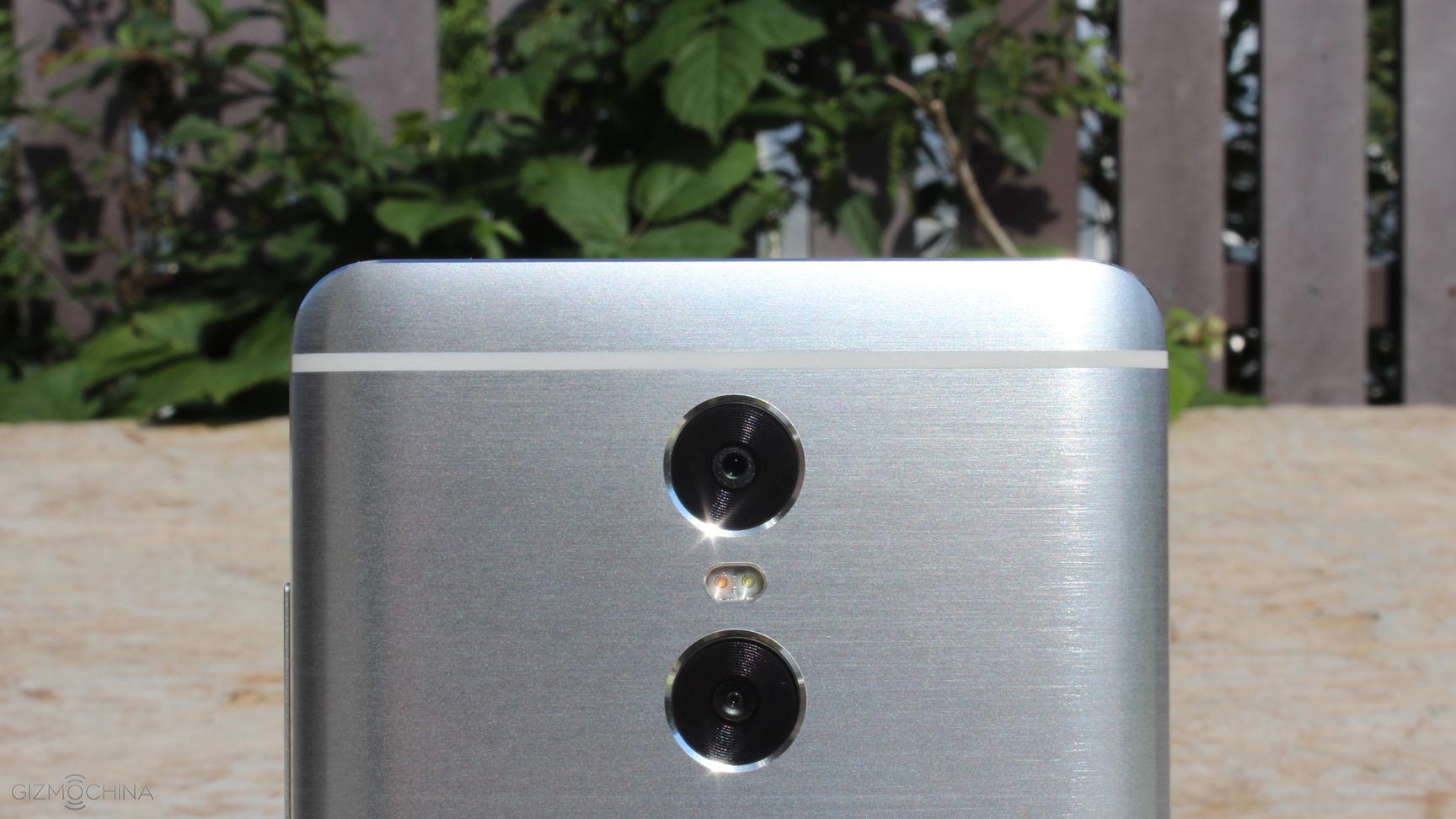
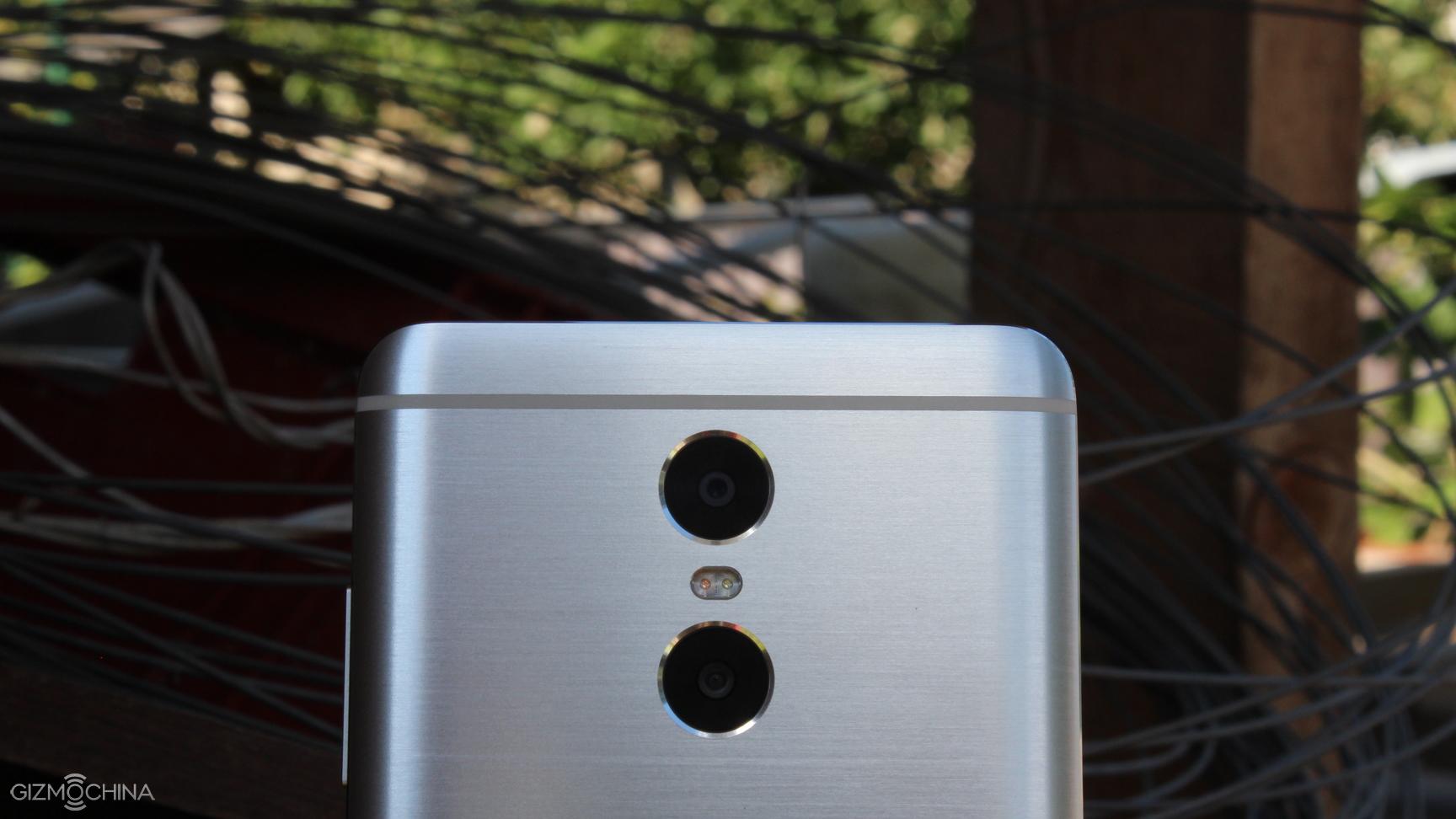
One of the key selling points of this device is of course, its dual camera setup, which is supposed to give you a hardware-based shallow depth of field effect. The main camera has 13MP, f/2.0 aperture and PDAF. The secondary camera has 5MP.
Also, the cameras are accompanied with a dual-tone dual led flash. More on the camera features a bit later in this review.
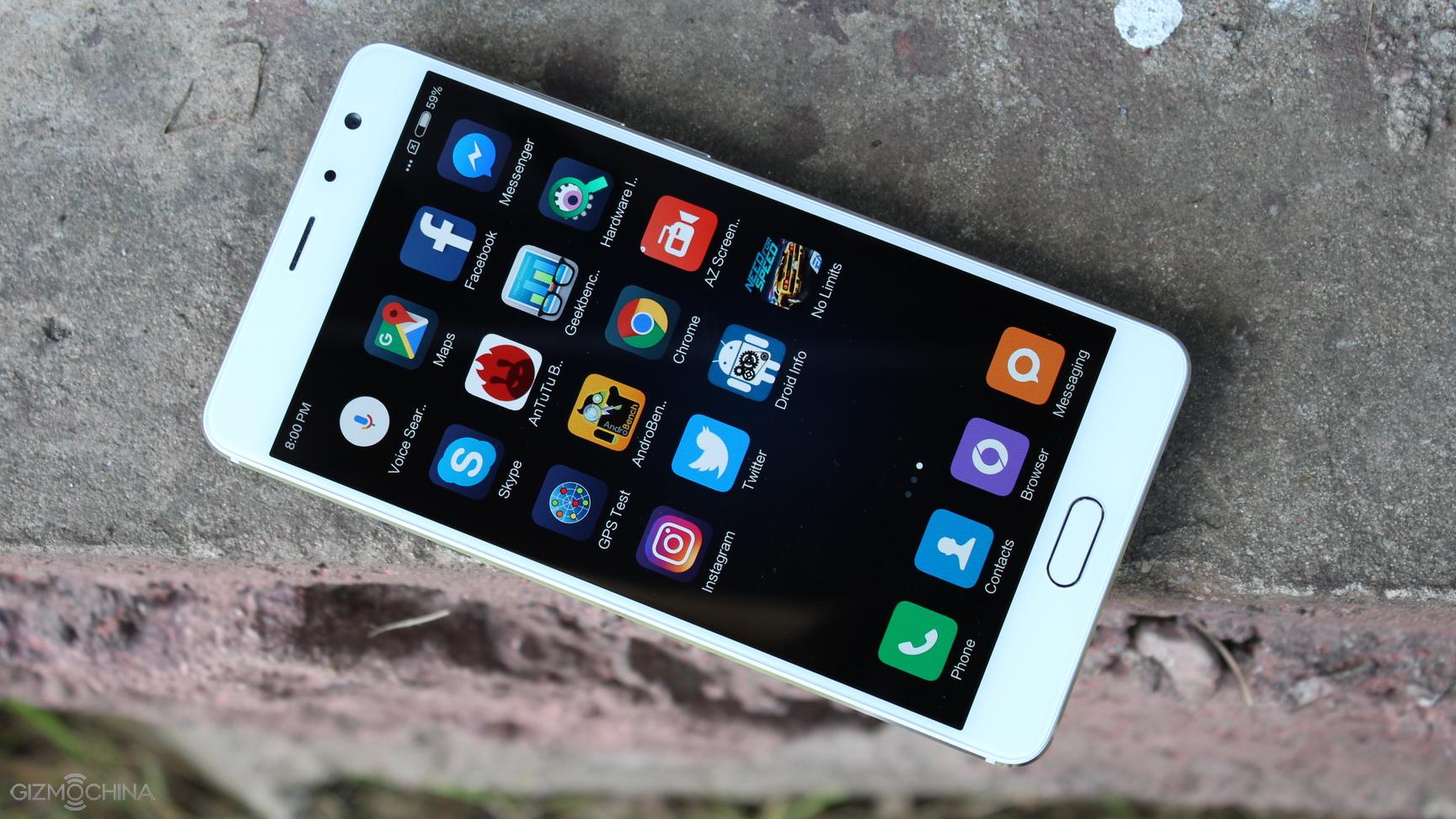
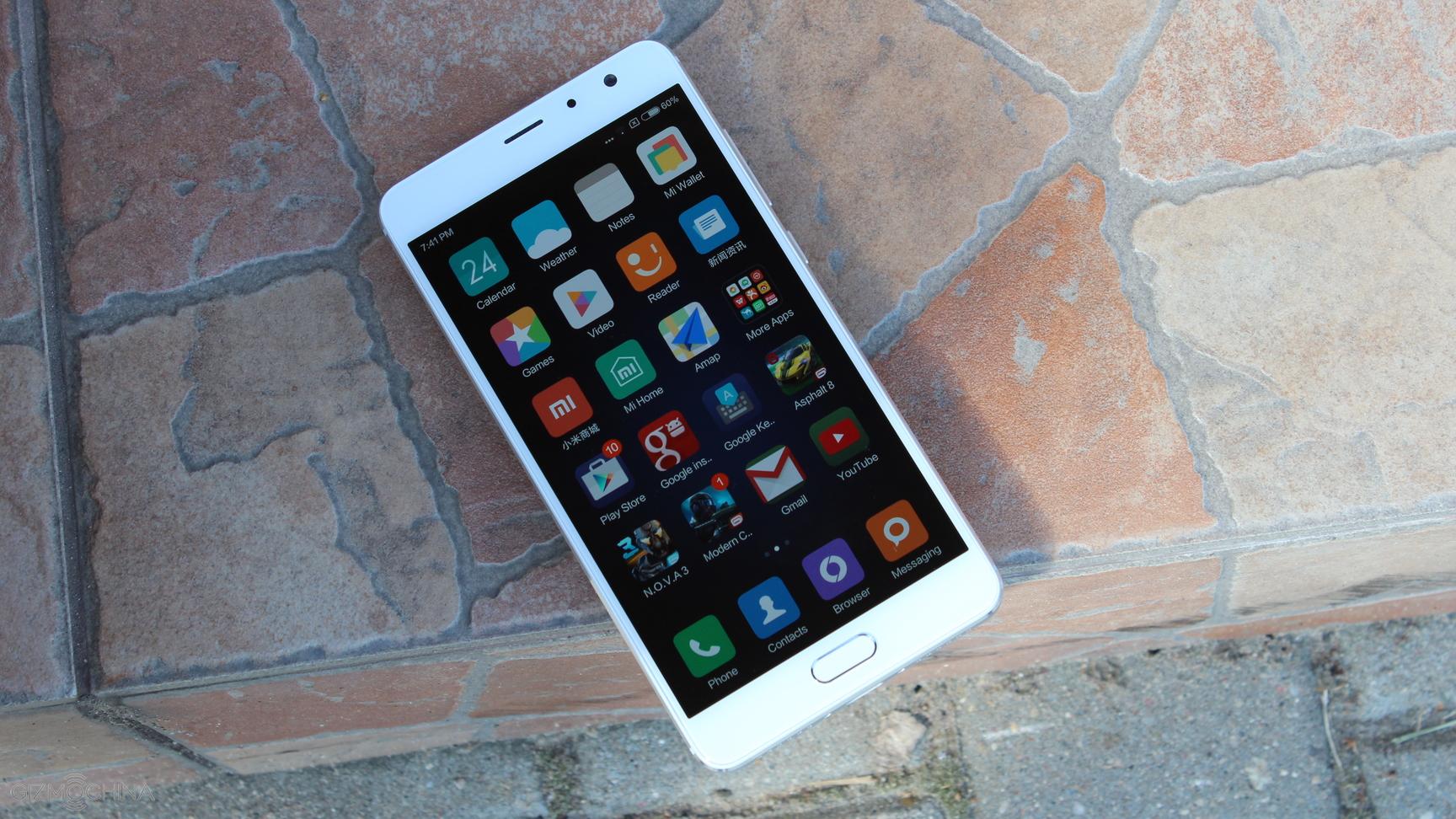
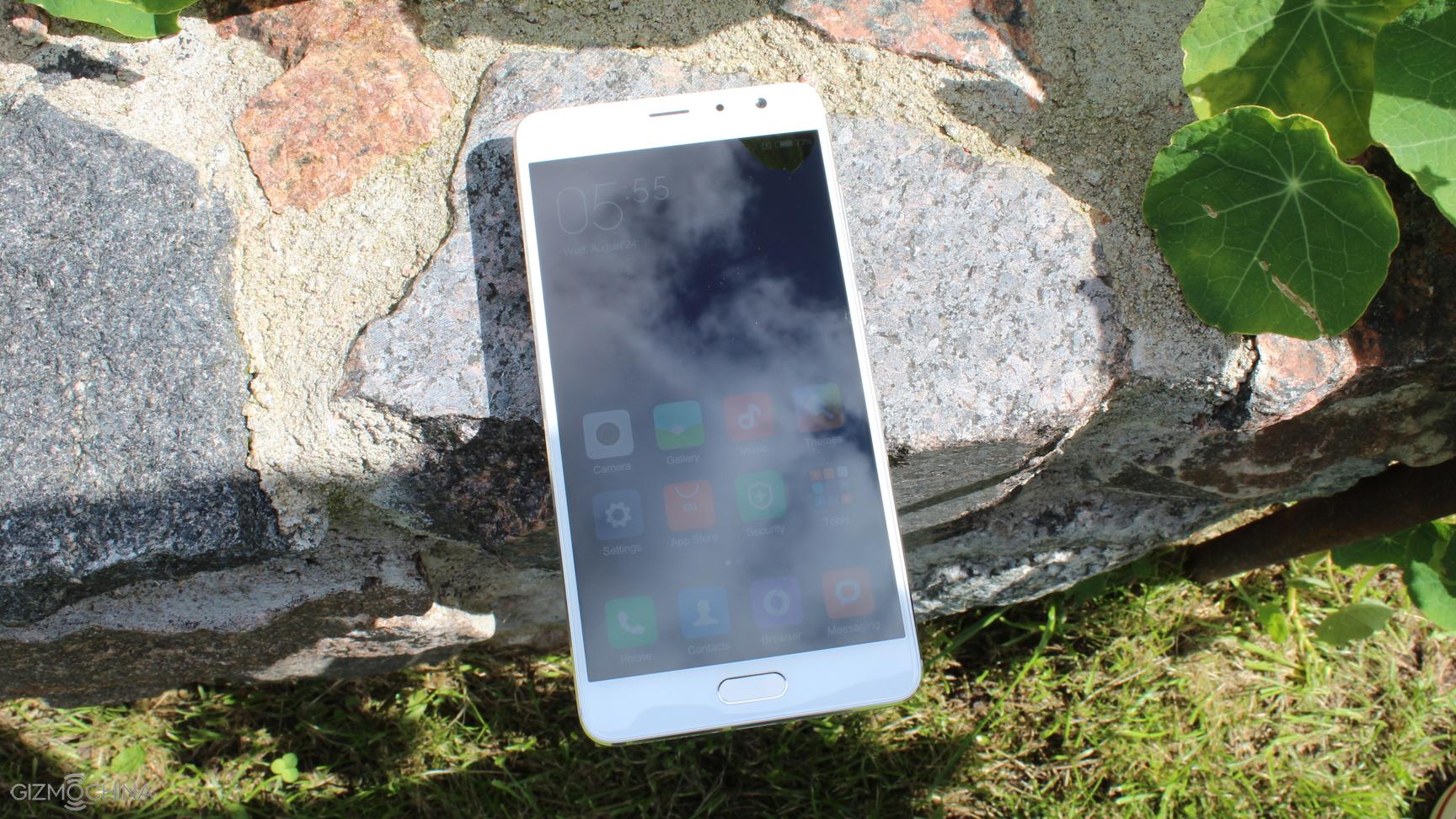
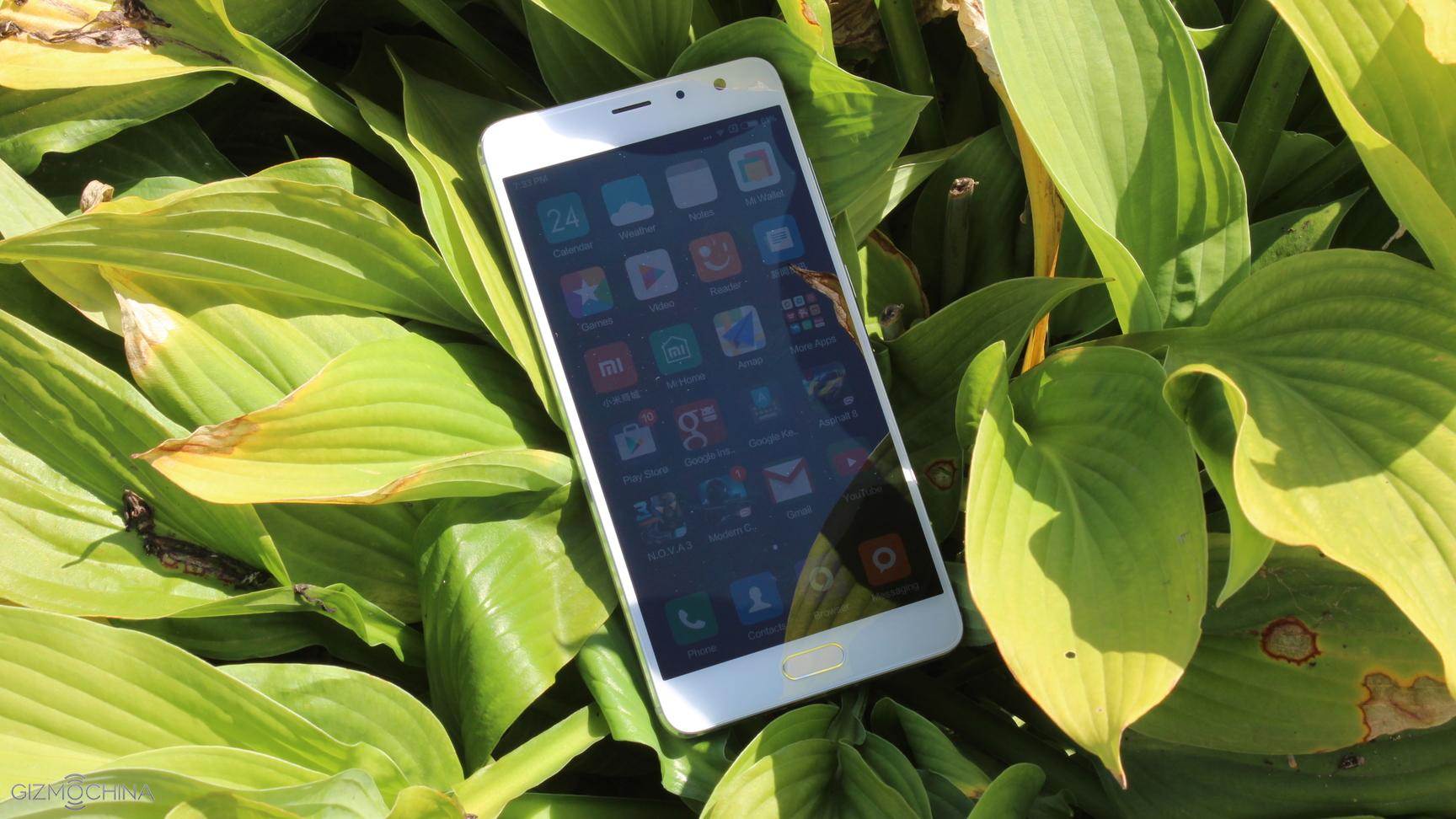
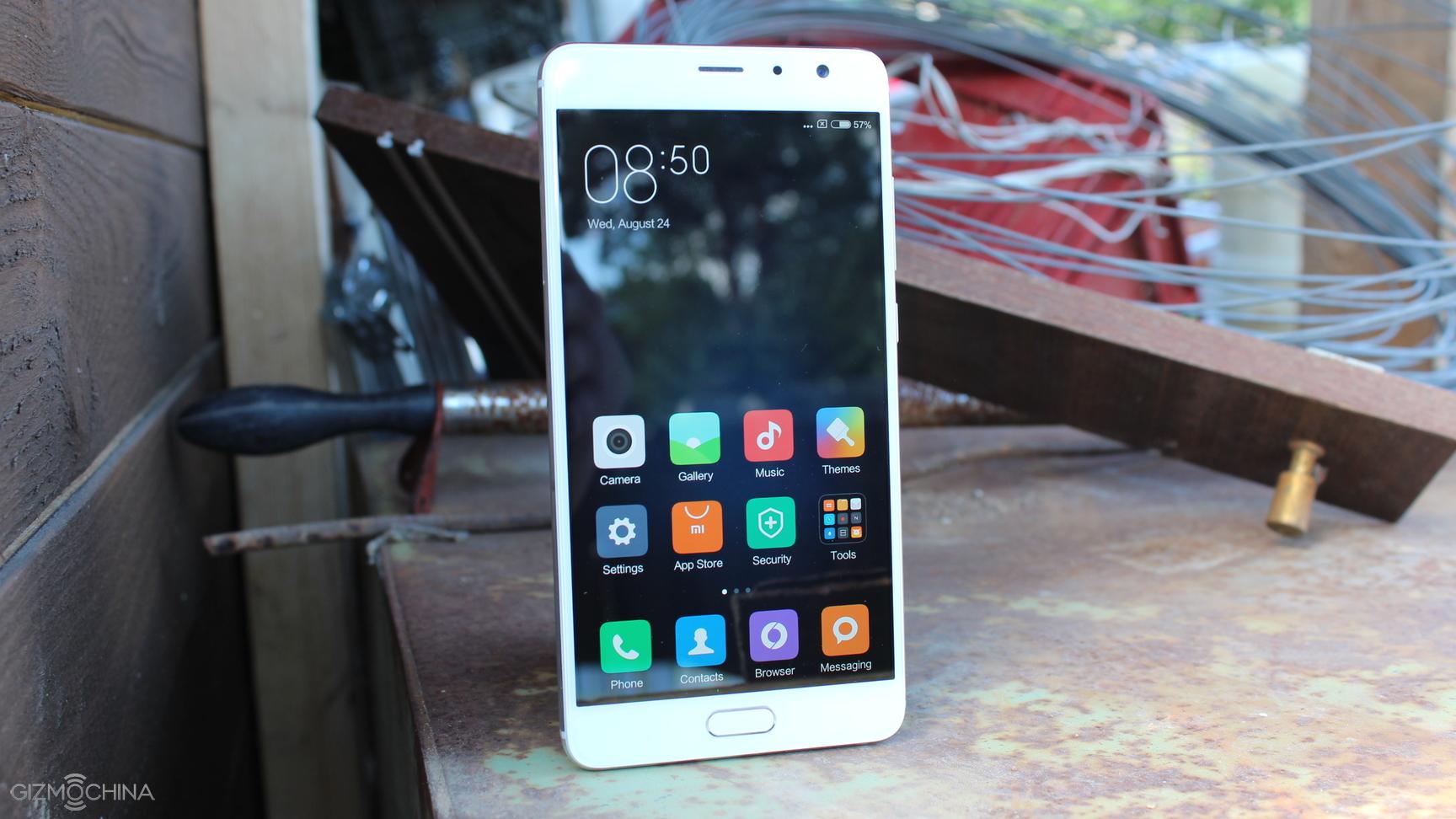
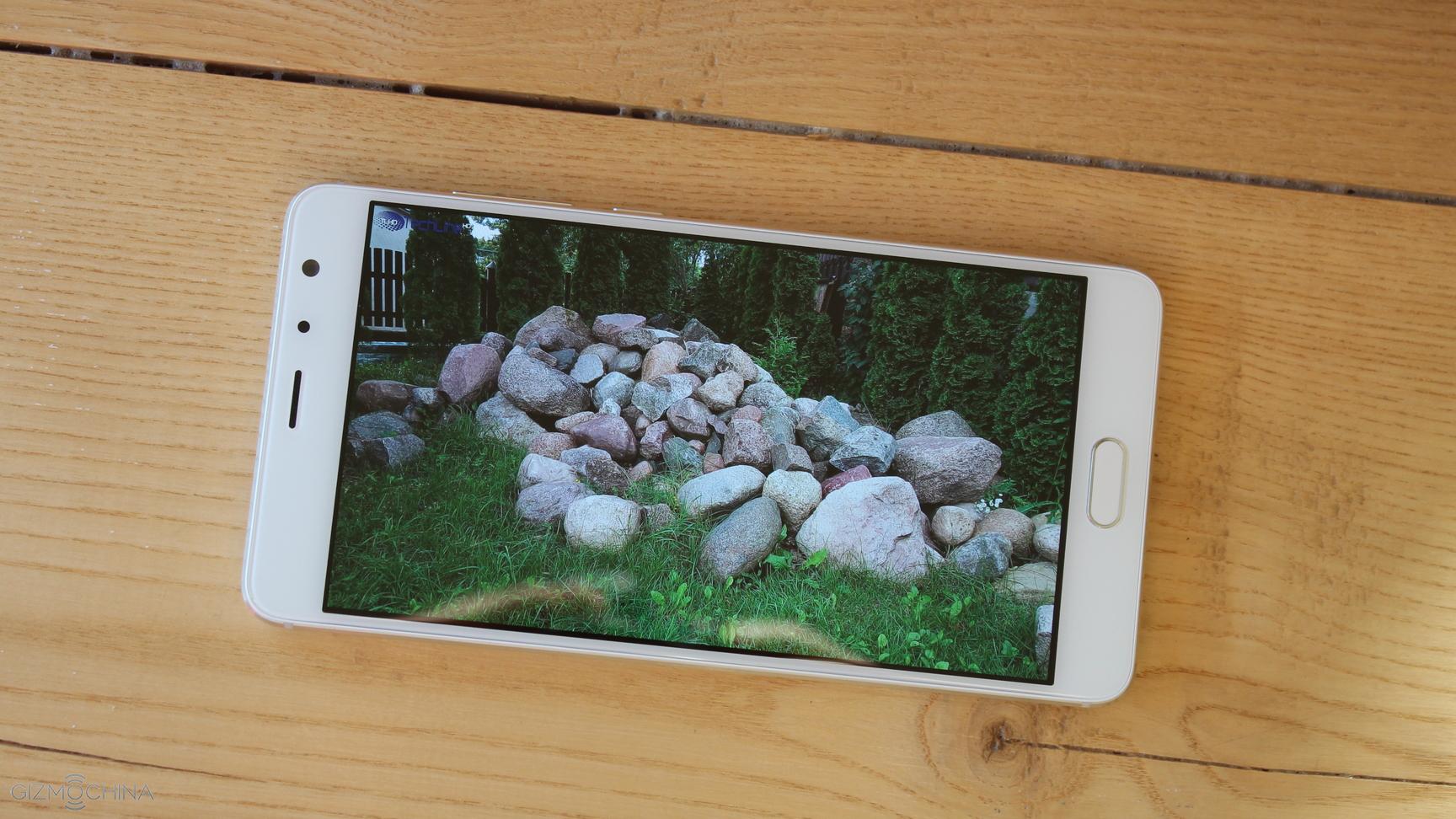
The Redmi Pro sports a 5.5” 1080p display. In fact, this is the first Redmi phone to have the Amoled panel, which is sharp and vibrant. However, the colors may look a bit oversaturated but I’m okay with that. The sunlight legibility is not the best I’ve seen but it is pretty good and I don’t have many complaints in this regard.
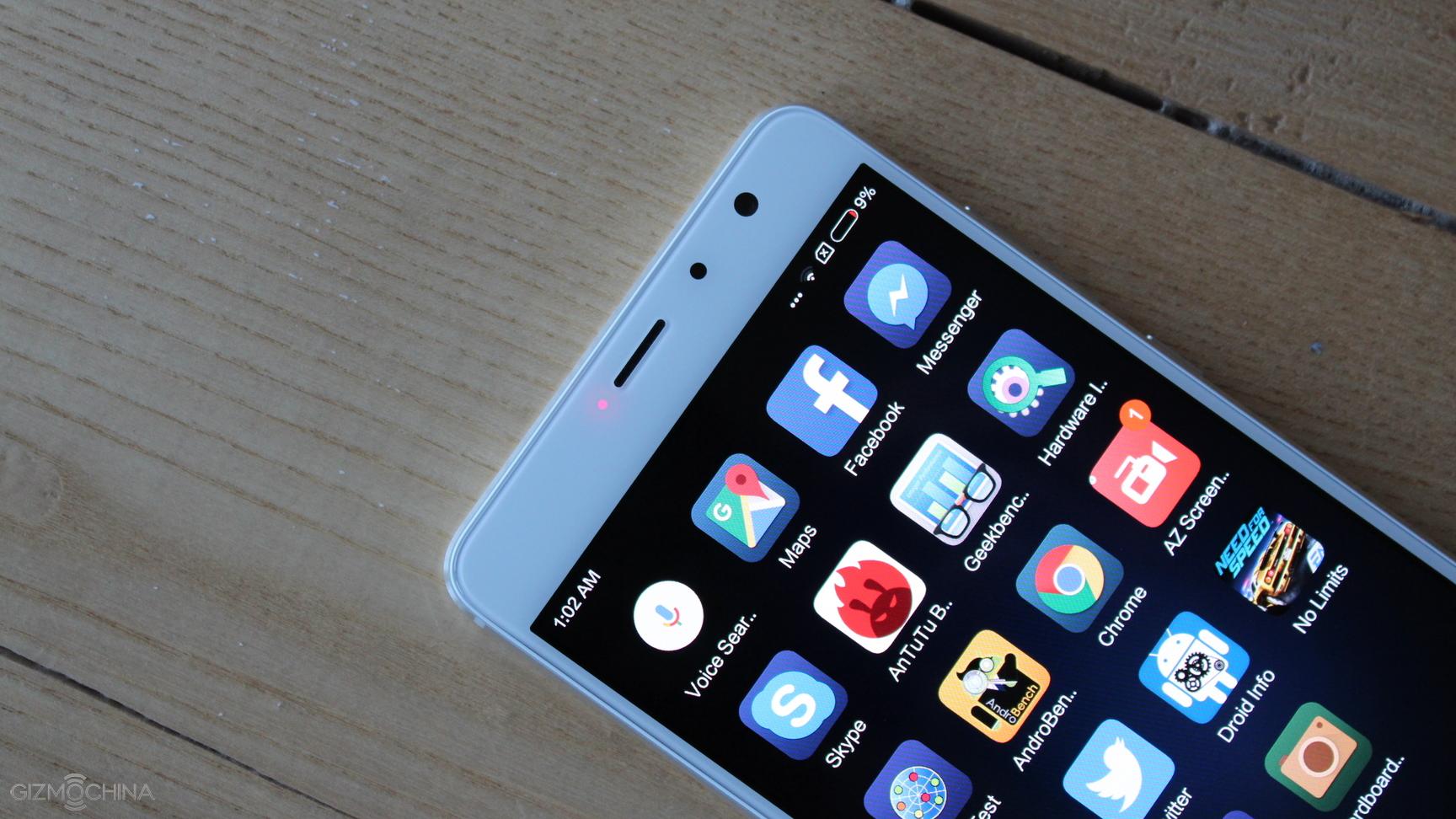
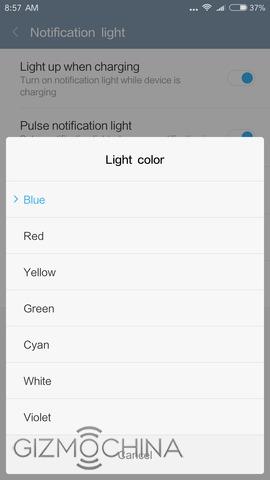
As far as selfie shooter, we have a 5MP camera. Right next to it, there is a highly customizable notification LED light.
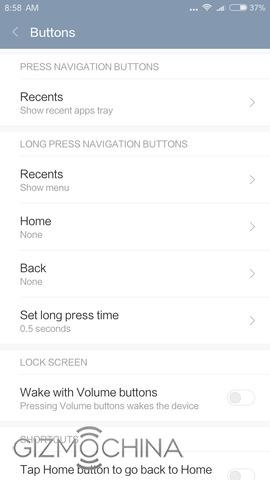
It’s nice to see backlit capacitive buttons, which can be also customized in a lot of different ways. The fingerprint scanner is embedded in a physical home button. It is fast and very accurate but it does not work straight from the standby mode meaning that you have to wake your phone up first.
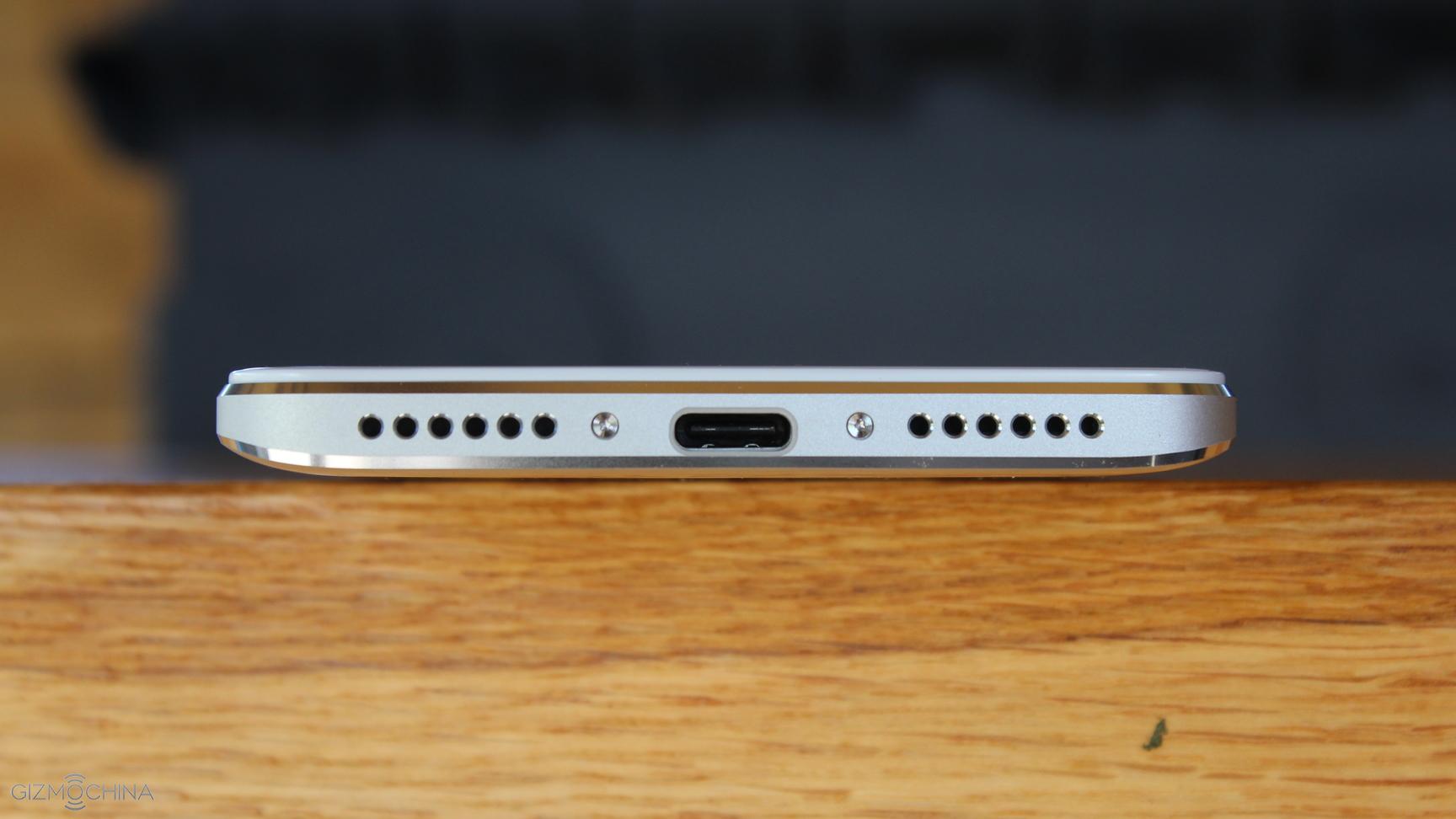
The loudspeaker quality is pretty good. Sure, it is not perfect but it is definitely one of the best in this price range of phones.
One little extra feature that has started disappearing from a lot of phones is the IR blaster to control devices like TVs.
Xiaomi Redmi Pro Review: HARDWARE and PERFORMANCE
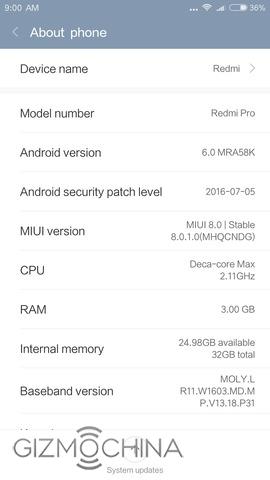
I have a standard edition of the Redmi Pro, which has a deca-core Mediatek Helio X20 chip with the max. clock speeds of 2.1GHz, 3GB of RAM and 32GB of storage, which is also expandable via the microSD card slot.
If you are willing to pay extra, you can get a few model variations and the best one sports a Helio X25 chip with 4GB of RAM and whopping 128GB of storage.
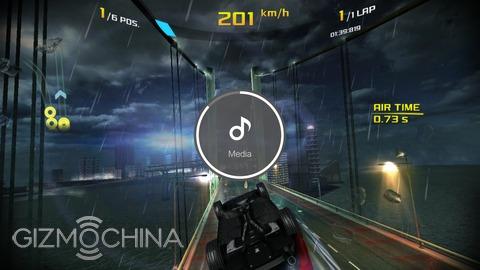
The gaming performance is pretty good yet not ideal. You can enjoy most of the 3D games without any issues but there were a few skipped frames and a bit of stutter while playing Asphalt 8 on the highest graphics. Of course, changing graphics to medium solves this issue.
A great thing is that the phone does not have any overheating issues.
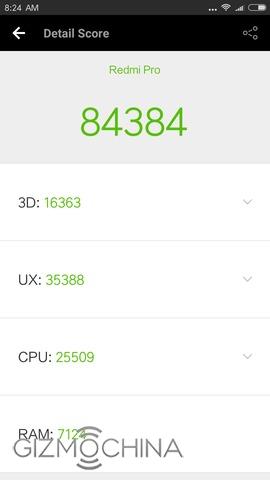
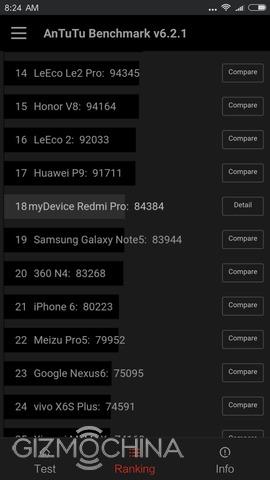
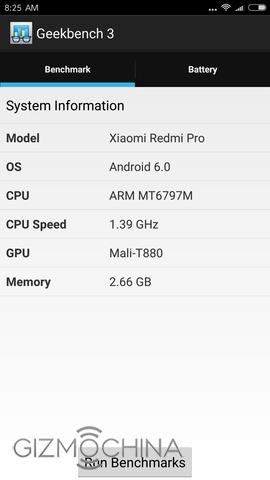
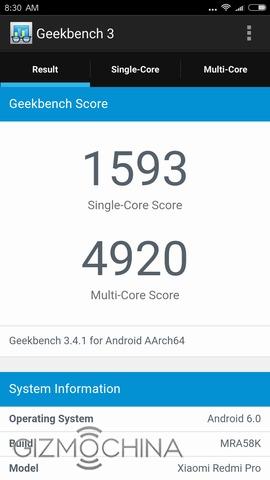
Xiaomi Redmi Pro Review: BENCHMARKS
Xiaomi Redmi Pro Review: USER INTERFACE
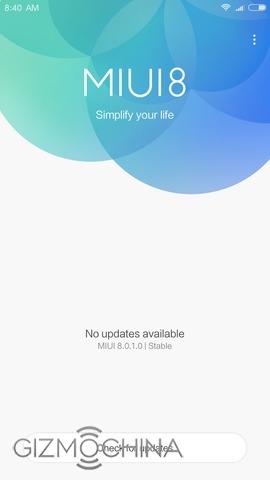
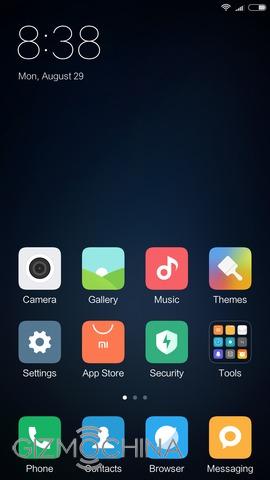
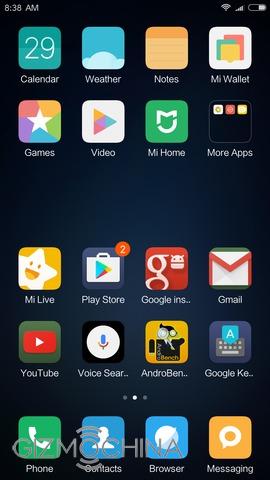
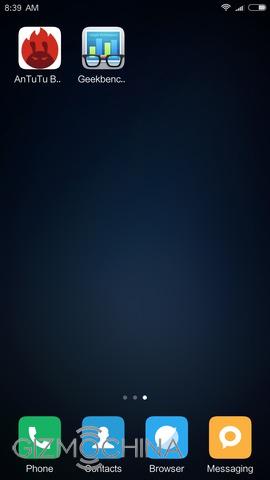
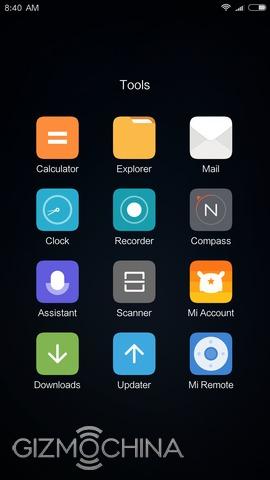
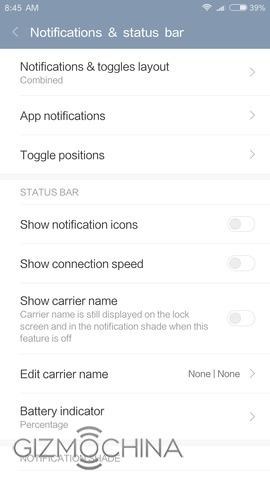
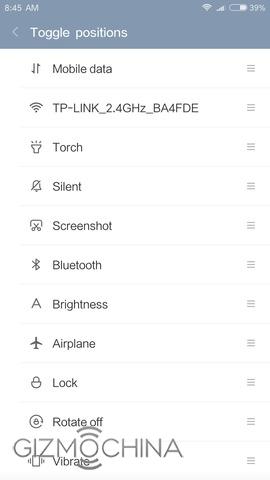
When it comes to user interface, my Redmi Pro has just been updated to MIUI 8, which is built on top of Android 6.0. There are some cool new features and design touches that differ MIUI 8 from the MIUI 7.
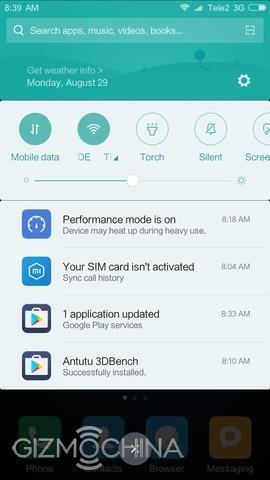
If you swipe down, you will open up a redesigned quick settings menu. There is no separate notification shade like it used to be. Also, the multitasking menu now has a 3D look to give you a better idea of what apps are running in the background.
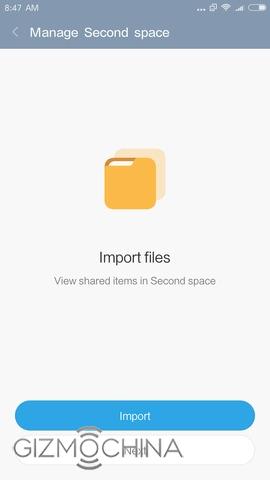
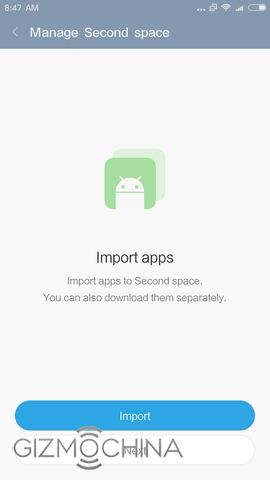
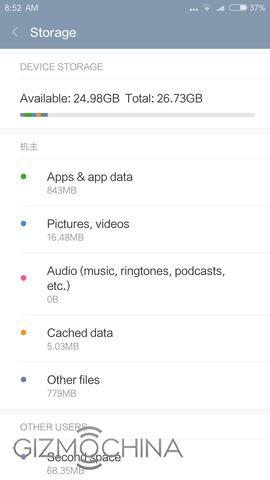
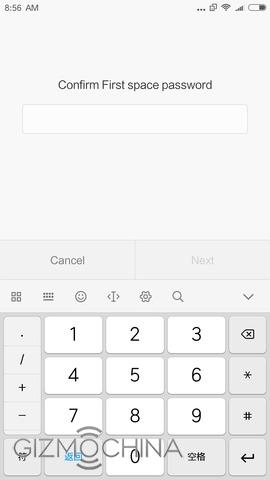
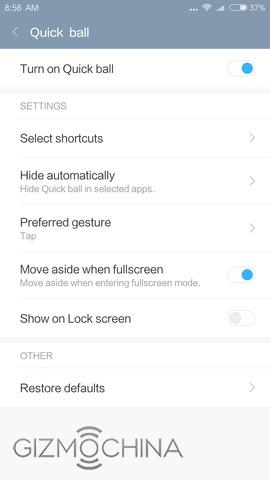
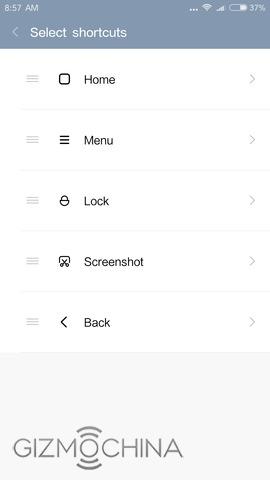
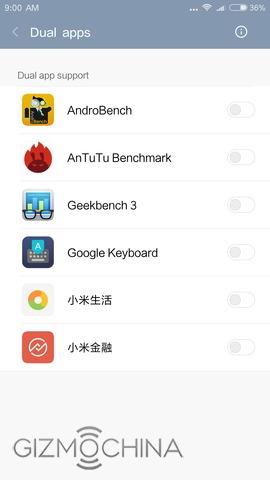
A great thing is that Xiaomi finally re-organized their settings menu and you now can find everything quicker. One of the new features includes the “second space”. You can move apps, files and other information between the “first space” and the “second space” and you can easily switch between these spaces. As Xiaomi claims, this feature is like having 2 phones with different files and settings. Another new feature is the “quick ball”, which is simply a small bubble that has a few customizable shortcuts. However, I’ve never been a huge fan of any floating screens on the display.
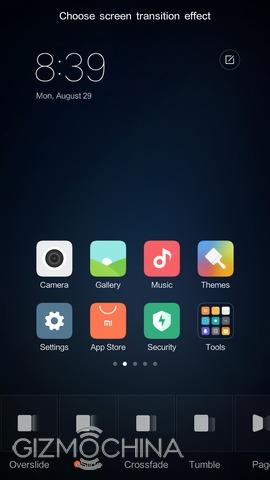
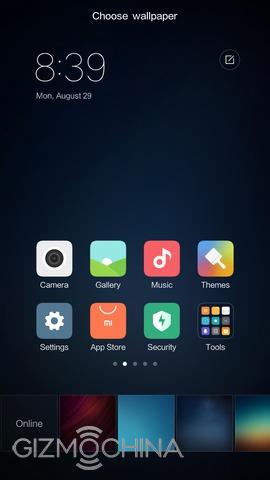
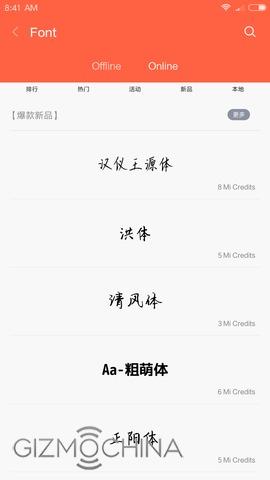
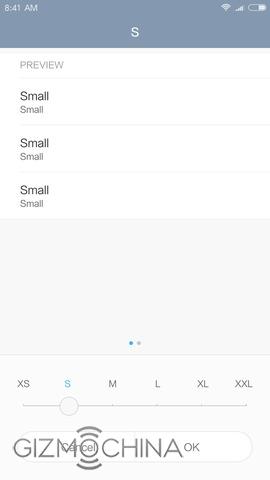
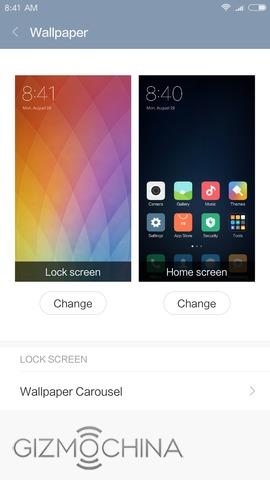
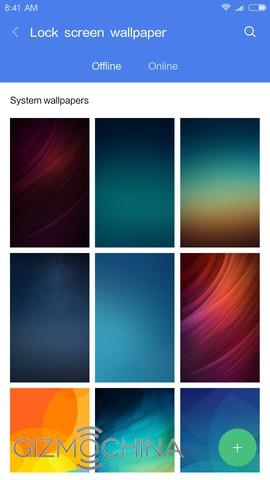
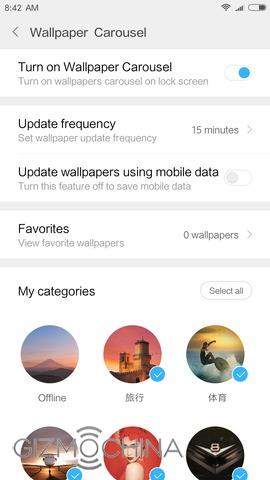
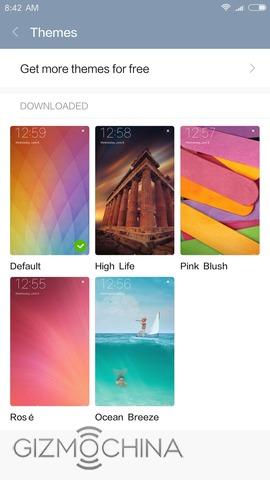
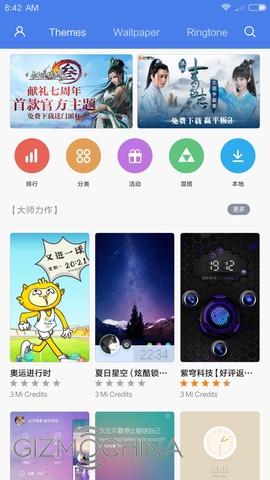
We have some other features, customization options, various tweaks and settings Xiaomi phones are famous for. Just to name a few, you can select from a variety of themes, wallpapers, fonts and so on. Also, you can customize the LED light, assign different tasks to capacitive buttons and so on.
Finally, the MIUI 8 runs fast and fluid and I didn’t have any hiccups or lag.
Xiaomi Redmi Pro Review: CAMERA
Please watch our video review to better understand how dual-camera setup works:
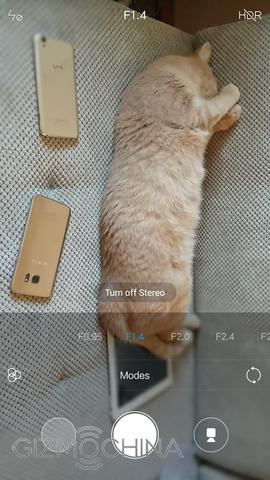
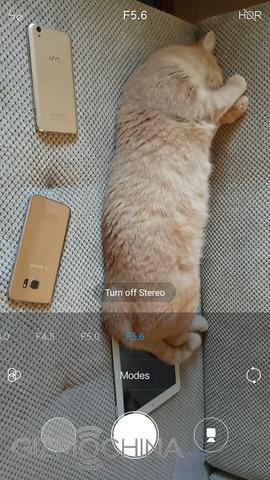
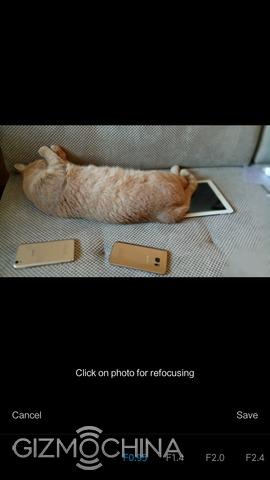
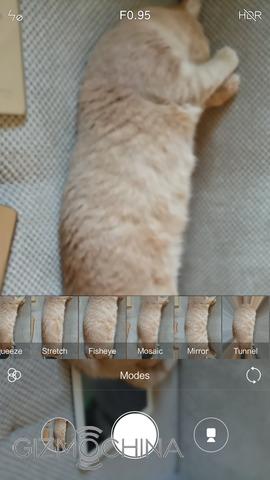
When it comes to the cameras, let’s start by the most interesting part. The dual-camera mode, which is called stereo mode, is simply activated by clicking a small camera button. Here you can play with the aperture number by going all the way to f/5.6 or go down to a super bright f/0.95. Also, you can change the focus area after you take the picture and apply different effects.
If you spend a little bit of time with the camera, you can get some nice photos. Of course, not all pictures will look natural but can definitely achieve some nice results. A very cool thing is that you can also adjust the aperture number during the video recording to get that shallow depth of field effect.
If you tend to take regular photos more often, the auto-mode allows you to do that pretty fast thanks to the baked-in PDAF system. The camera takes some pretty good images in daylight. The pictures tend to have a good amount of detail and sharpness. Also, the colors look natural. However, a few of the shots have a softer focus on the corners but we have to consider that the phone runs on an early software build. The biggest complaint would be the dynamic range adjustment but the HDR mode does a pretty good job.
The macro shots have a good amount of detail and they look sharp most of the time.
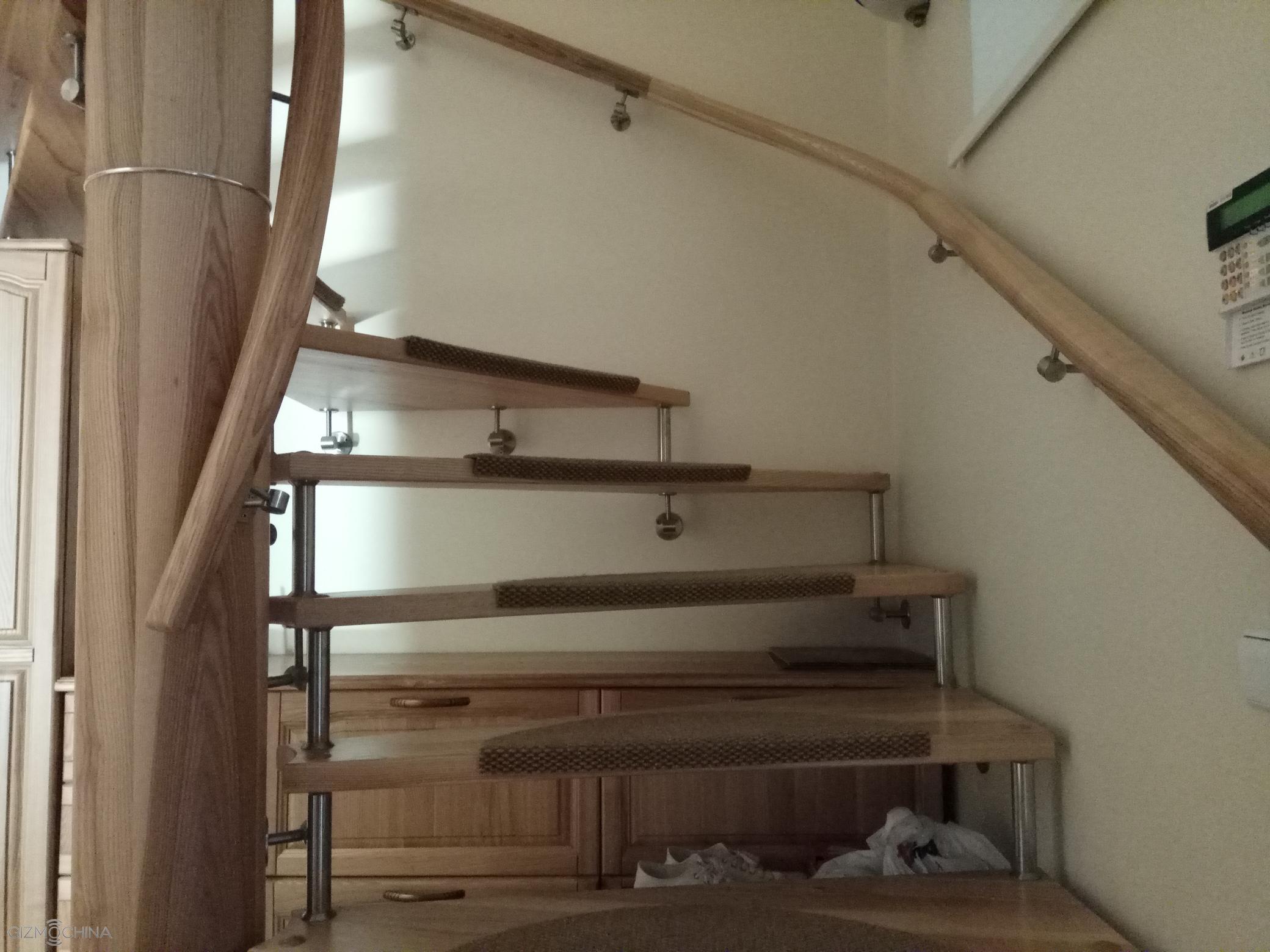
As for indoor photos, you can get some good looking images too. Sure, they will look grainier but the camera does an okay job with noise reduction.
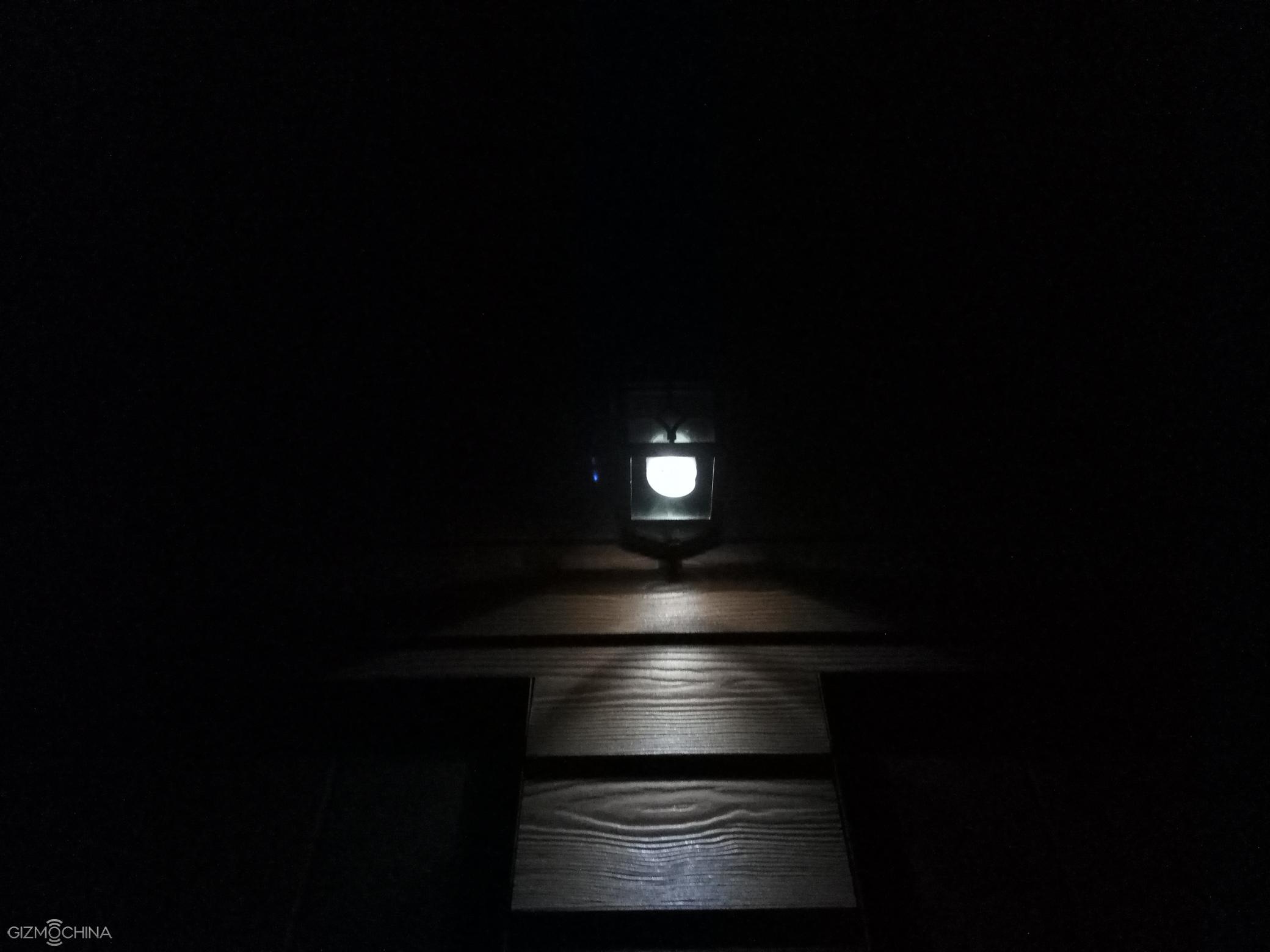
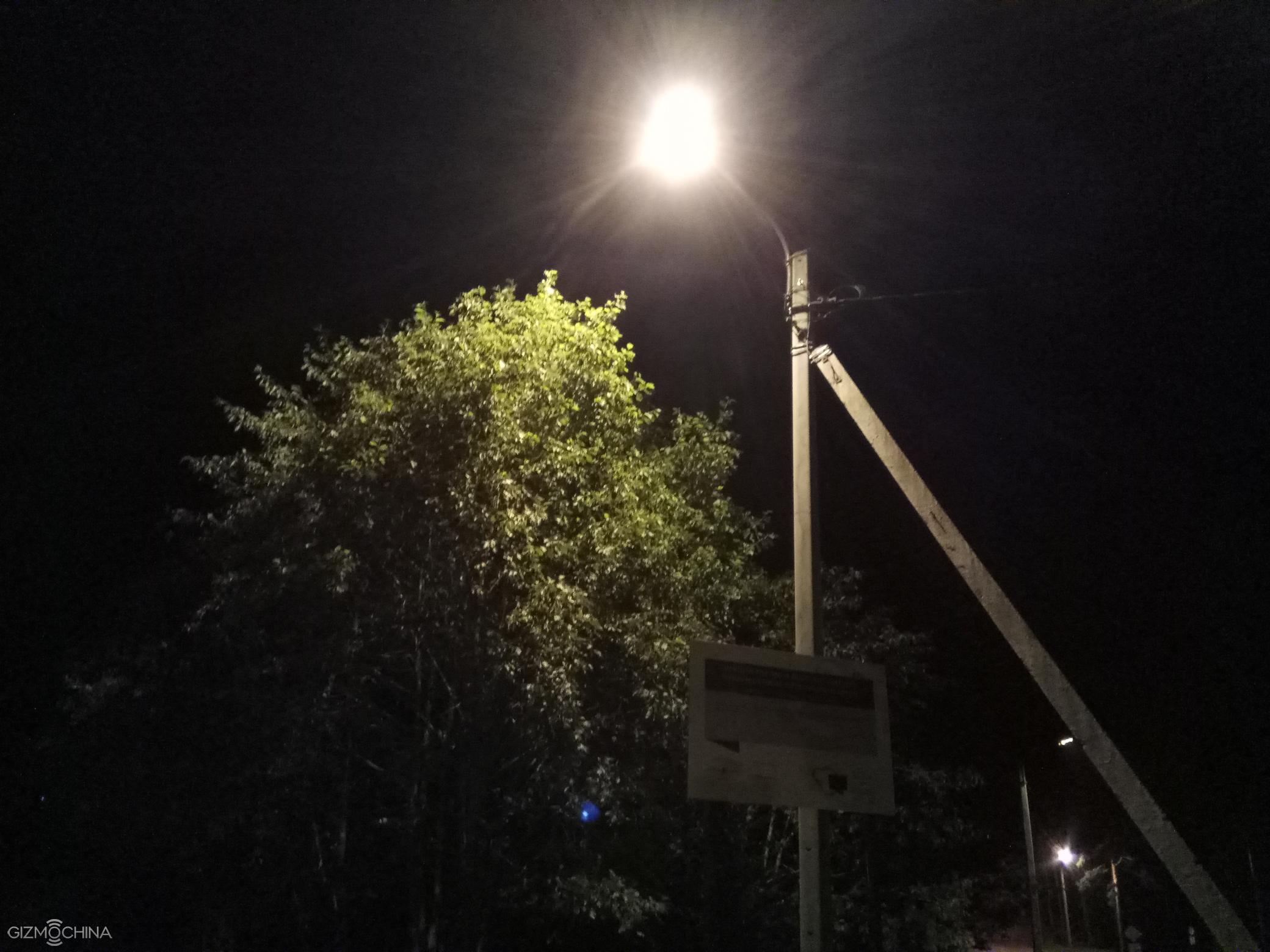
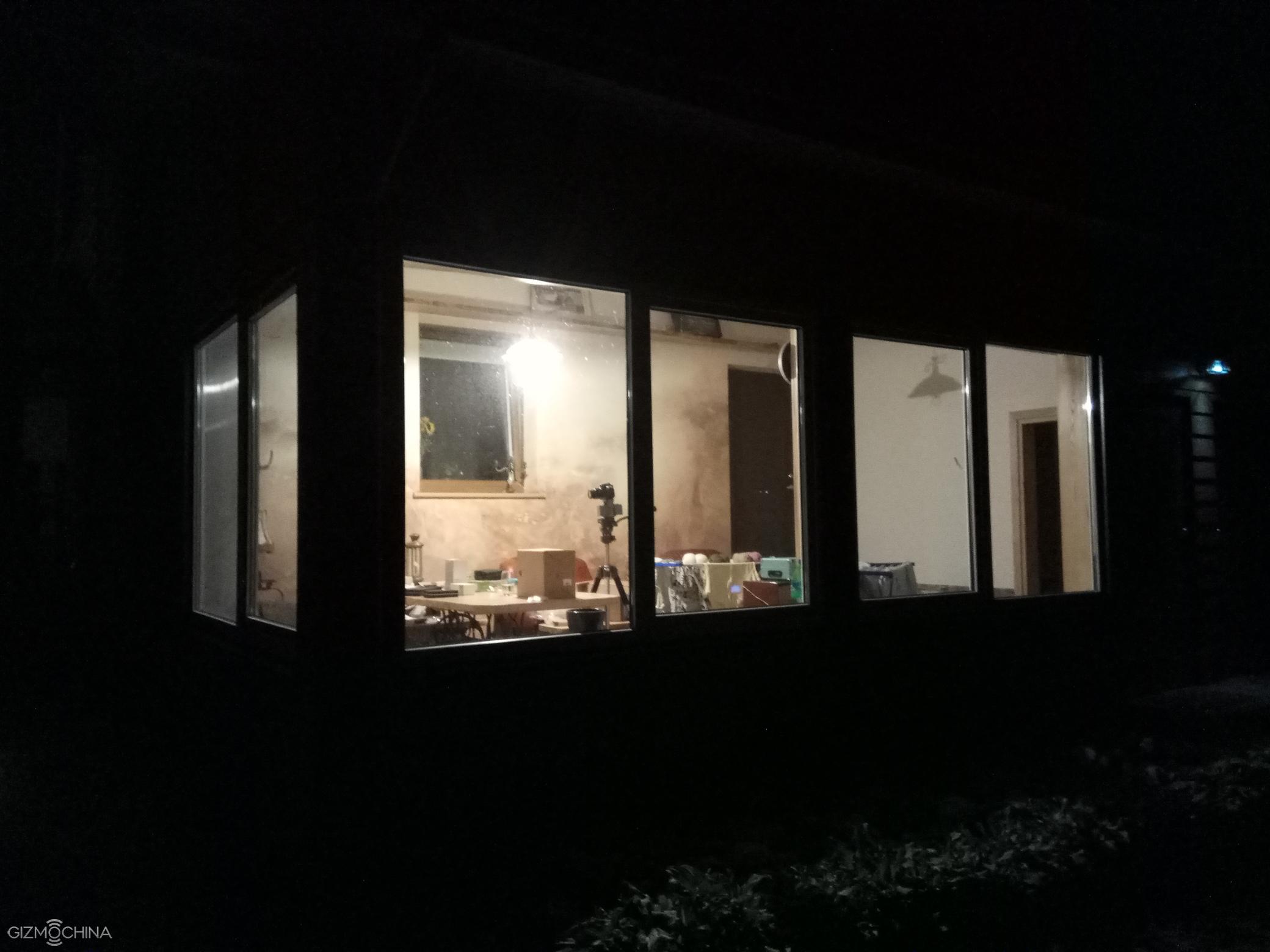
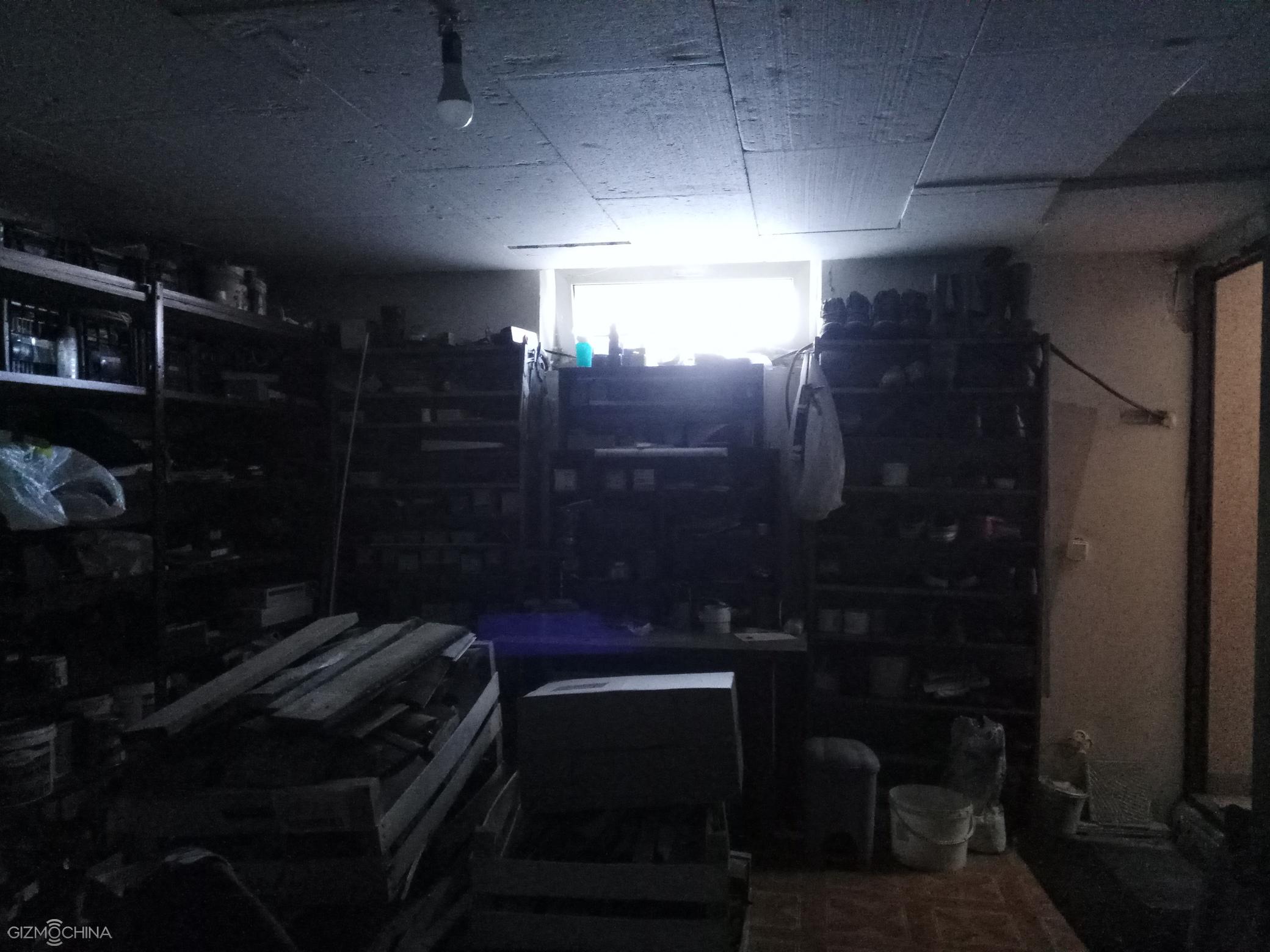
The low-light camera performance is good for the price of the phone but I hope to see some improvements with the future software updates. There is quite a bit of noise and there could be more detail. Also, I noticed that there is a slight red tint if you take pictures close to the light source, e.g. street lamps.
The dual tone LED flash does a pretty good job illuminating the scene in almost pitch dark environments but the flash is a bit too warm for my taste.
Panorama photos look quite terrible due to very low-resolution. On the other hand, the auto-stitching is pretty good.
The phone can shoot videos in Full-HD. The video quality is just above average I would say. The footage could look sharper and have more detail. On the other hand, I’m happy with the way CAF works. You can also shoot slow-motion videos in 720p and the quality is not the best but it is pretty good. See the video review for video samples.
A 5MP selfie camera is able to capture some usable pictures for social media but it does not impress. Most of the images look noisy and grainy, and there is a ton of noise. The situation gets even worse in low-light.
Overall, the Redmi Pro has a pretty solid camera setup for the price of the phone and you can definitely get some great looking images. It is not perfect though but we may see some improvements with the future software updates.
As far as connectivity, I didn’t have any issues with Wifi, Bluetooth, GPS or other options.
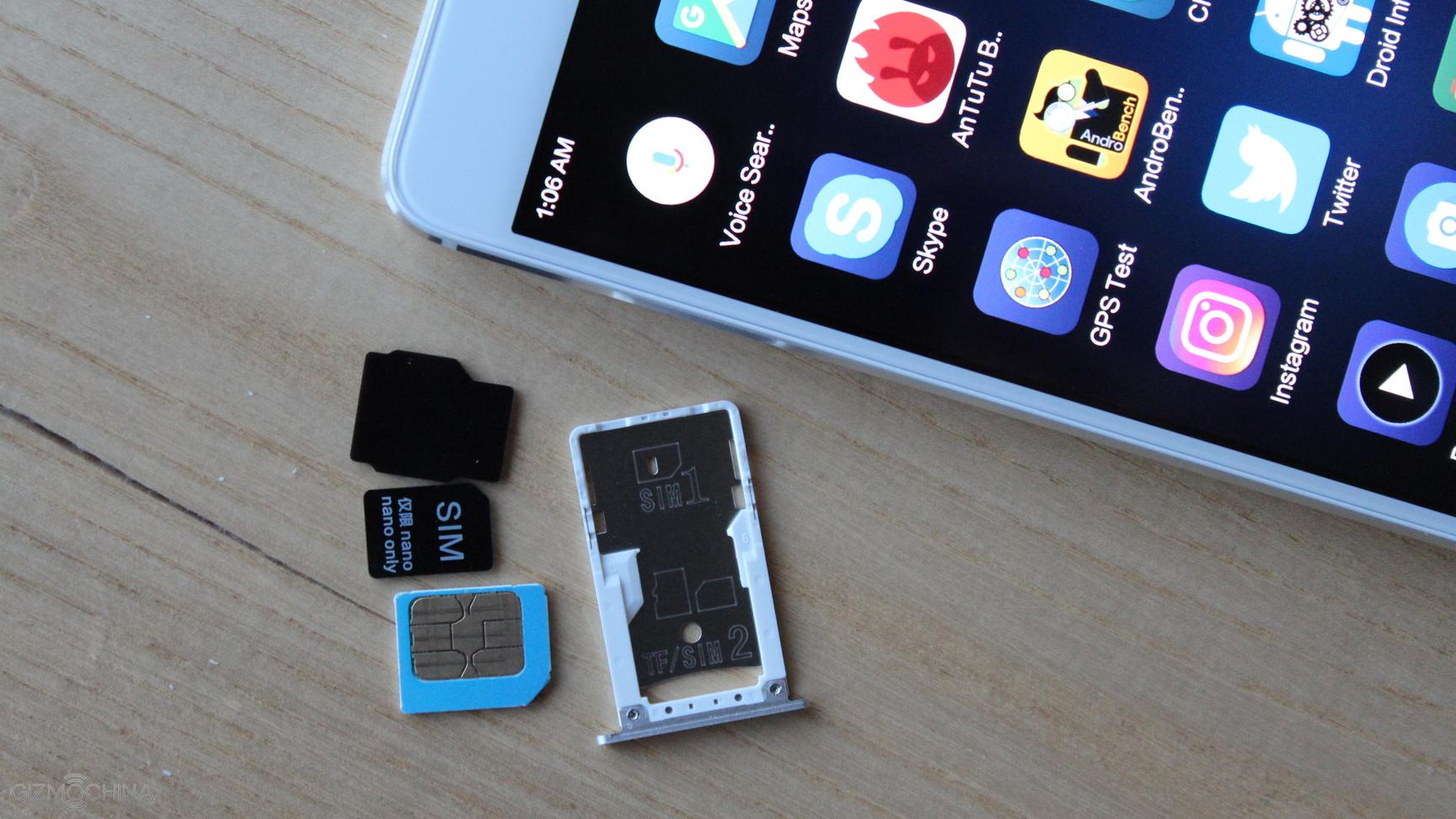
The phone comes with a dual-SIM card tray, which can take either 2 SIMs or 1 SIM and the microSD card.
Xiaomi Redmi Pro Review: BATTERY LIFE
The phone ships with the with a huge 4050mAh battery that performs very well. I could get over 6.5 hours of screen-on time on a mixed use which is a very good result.
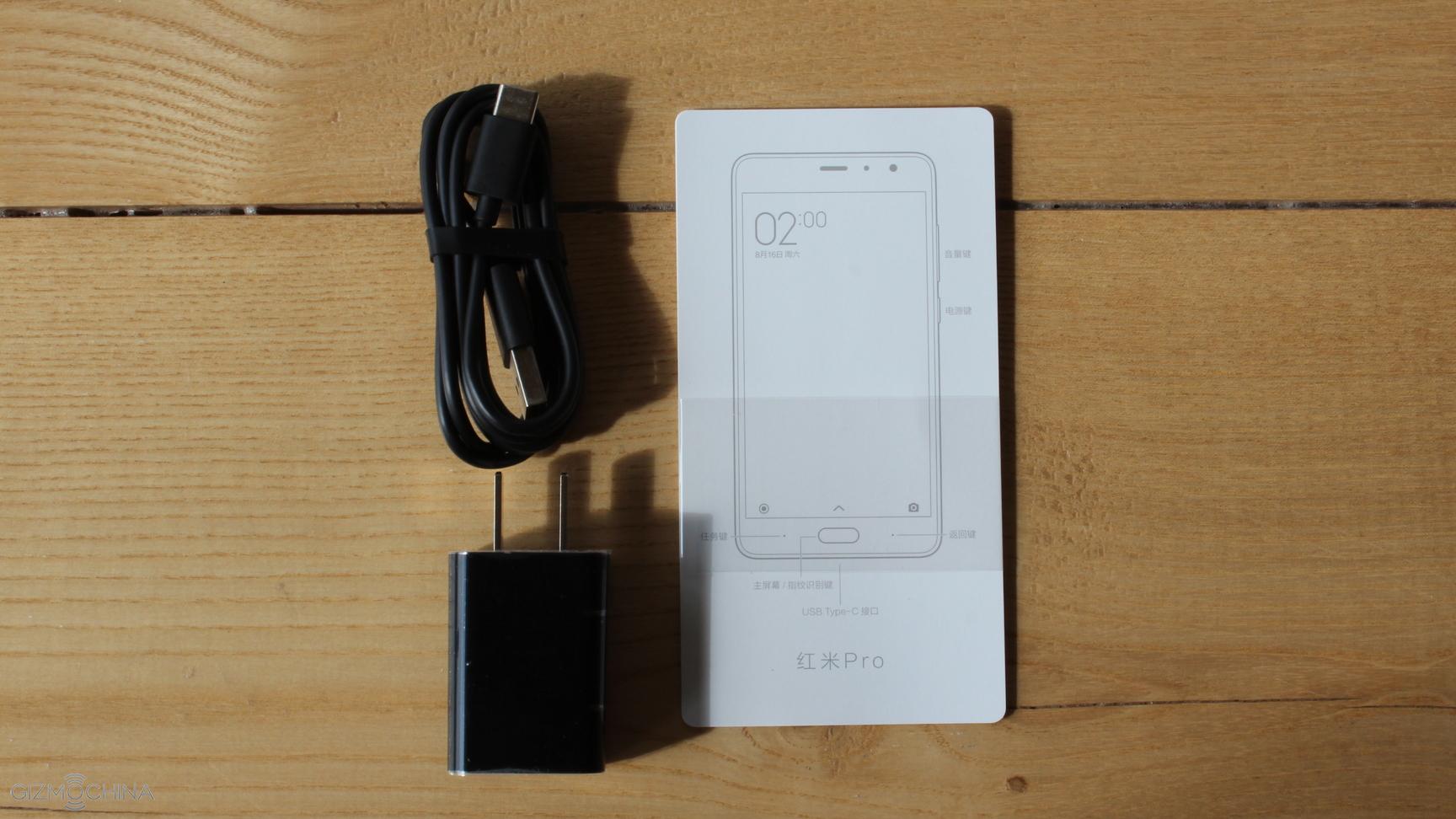
The phone supports a fast charging feature but it does not come with the fast charger, which is a bummer. This section will be updated with the screenshots of the battery use later (currently, we are re-testing the phone’s battery life with the just released MIUI 8).
Xiaomi Redmi Pro Review: CONCLUSIONS
The Xiaomi Redmi Pro is a solid device for the price of around $250.
First of all, it just looks beautiful and the build quality is top-notch. Also, we have a sharp and vibrant display, user interface that has tons of features and a pretty good overall performance.
Also, the dual camera setup is what makes the Redmi Pro standout. Finally, the battery performance is just fantastic.
On the other hand, you have to know that the phone’s camera could be better in video recording and the selfie camera produces images that have quite a bit of noise.
Other complaints would be that the fingerprint scanner does not work straight from the standby mode and you should expect a few skipped frames when playing some 3D games on the highest graphics settings.
Other than that, the Xiaomi Redmi Pro is a great all-around device. Sure, it is not perfect but knowing the fact that Xiaomi usually fixes a lot of things with its software updates, the Redmi Pro is a good phone to buy for less than $250.
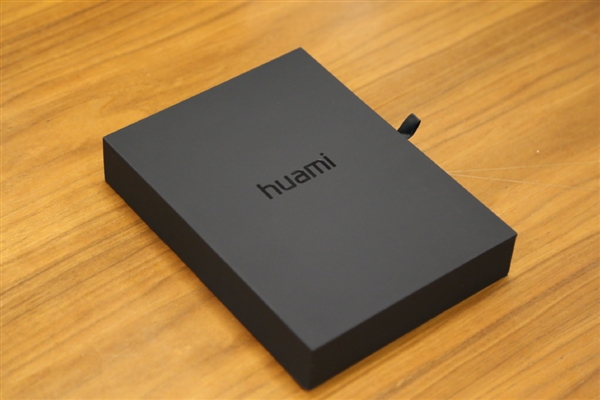
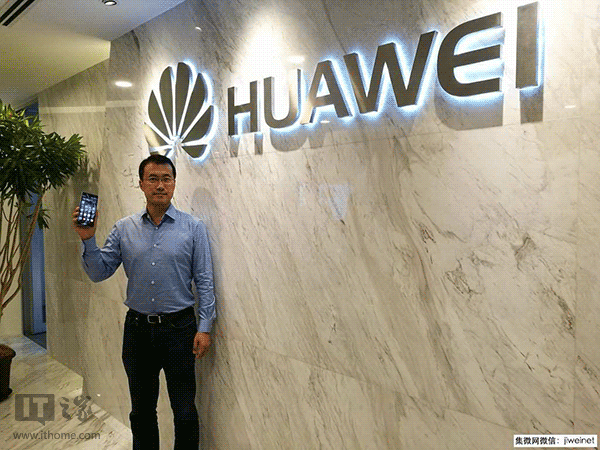
Huami’s smartwatch details have been revealed by Huami CEO Huang Wang on Weibo.
Mr Wang disclosed via a Weibo post that the smartwatch will be a complete sports watch with GPS and heart rate monitor and also a very long lasting battery power. According to Wang, the battery still lasted for very long, even after turning on the GPS and heart rate monitor.
Previously, Wang had leaked information about the smartwatch having a water resistant covering and that the smartwatch band can be easily replaced with any standard 22mm third-party watch straps, because of its quick release design that means no tool will be required to remove the straps.
Also, like we mentioned earlier, the smartwatch will not bear the Xiaomi or Mi trademark in its name but Huami’s own brand name.
In addition, Huami’s CEO had previously revealed that the person in charge of manufacturing the watch ROM was a former Google employee and was involved in the development of the Android TV, Android Home, Android Auto and other projects but joined Huami last year.
While he didn’t reveal any other details about the new device (that will spoil the surprise), he did mention that in about 2 months, the company will release new phones for the Mate line and a new Emotion UI.
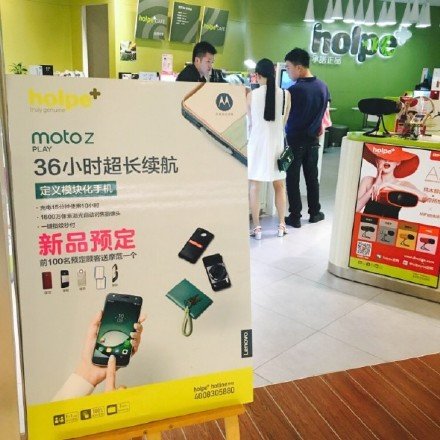
The poster which advertises the phone’s 36-hour (standby) battery life also confirms that it will indeed work with the mods made for the Moto Z (the JBL speaker mod and a camera mod are on the poster).
The Moto Z Play will come with a 5.5” OLED screen like the Moto Z but have a lower resolution (FHD). It will sport Qualcomm’s Snapdragon 625 processor, 3GB of RAM, 64GB eMMC built-in storage, a 16MP rear camera, and a 5MP front facing camera. A 3150mAh battery that supports Motorola’s TurboPower™ fast charge technology will provide juice.
The Moto Z on the other hand has a QHD OLED screen, Snapdragon 820, 4GB of RAM, 64GB UFS built-in storage, a 13MP rear camera, a 5MP front facing camera, and a 2600mAh battery.
Xiaomi refreshed the Redmi Note line on Thursday with the launch of the Redmi Note 4. Some of us expected the company to launch the Redmi 4 alongside it, but that didn’t happen.
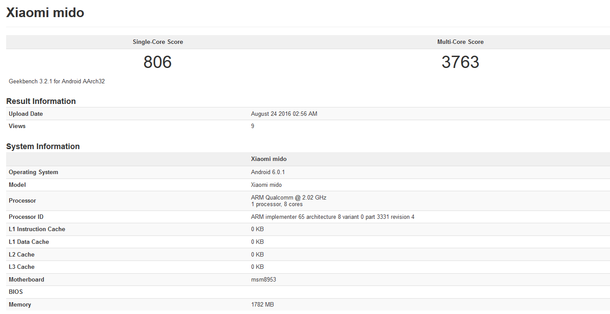
However, an unknown source found a phone on Geekbench with the code name Xiaomi Mido that is suspected to be the Redmi 4. The Xiaomi Mido is powered by a Snapdragon 625 processor clocked at 2.0 GHz, runs Android 6.0.1 and has 2GB of RAM.
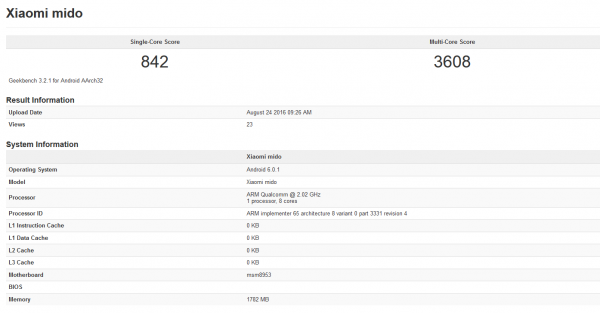
The site shows two single core and multi-core tests whose results were uploaded on August 24 but at different times. The first test which was uploaded at 2:56 AM shows the phone scoring 806 on the single-core test and 3763 on the multi-core test. The second test which was a bit later at 9:25 AM shows the phone achieving a single-core score of 842 points and 3608 points for the multi-core test.
The LeEco Le 2s Pro is one of the most anticipated phones to be launched next month apart from the iPhone 7. There is still no official date as to the exact date but rumours say it will either be on the 6th or 7th. We however got a leak of the phone’s Antutu score.
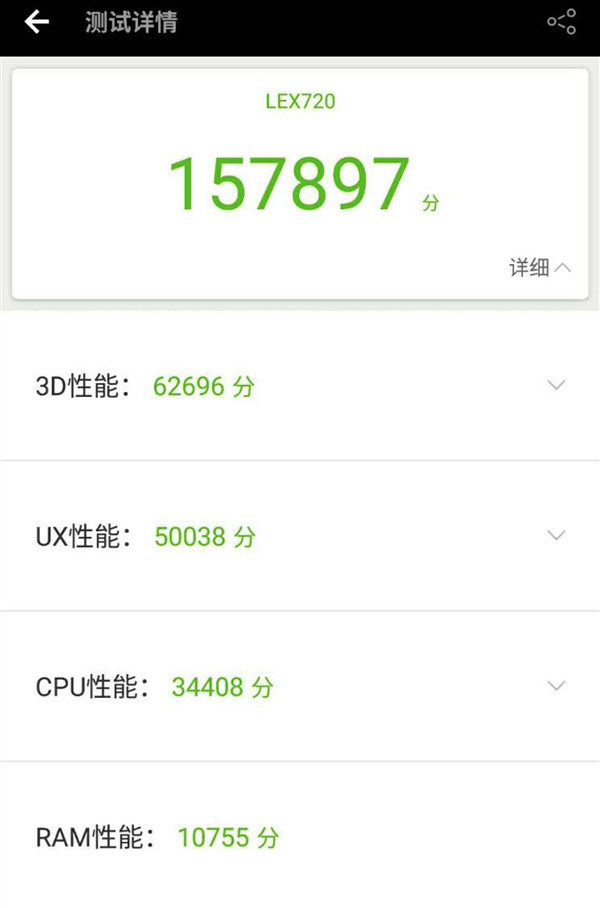
The leak which was posted on Weibo shows the LeEco Le 2s Pro scoring a massive 157,897 points on the benchmarking test confirming the presence of Qualcomm’s new Snapdragon 821 system-on-chip.
Other previous leaks says the phone will feature a 5.5” full HD display, a 16 MP main camera, 8 MP front shooter, and come with Android 6.0.1 Marshmallow with the company’s EUI overlay.
There are also speculations that the phone will come in multiple RAM + ROM variants. A base version with 4GB of RAM and 32GB of built-in storage and a higher variant with possibly 6GB of RAM and 64GB/128GB of storage.
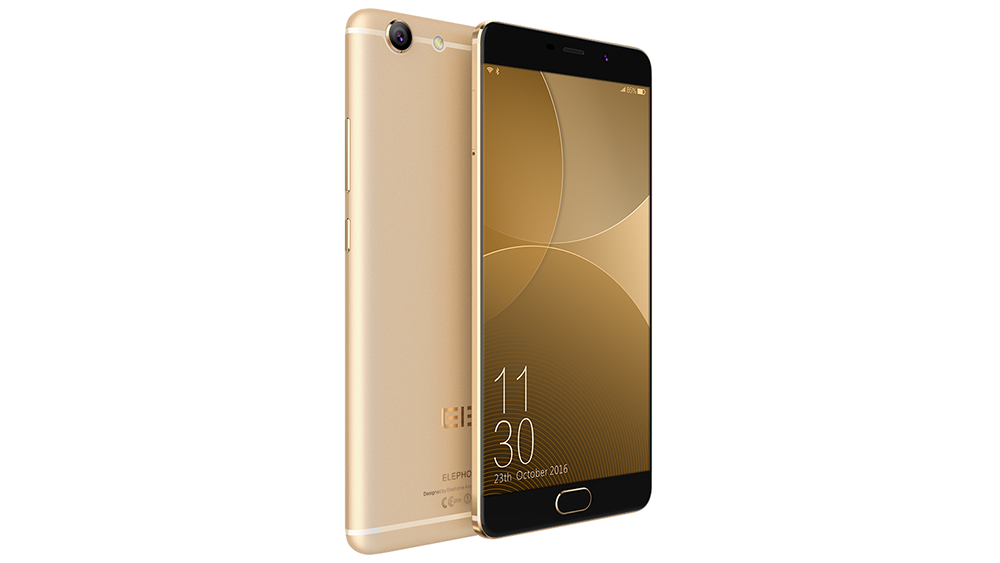
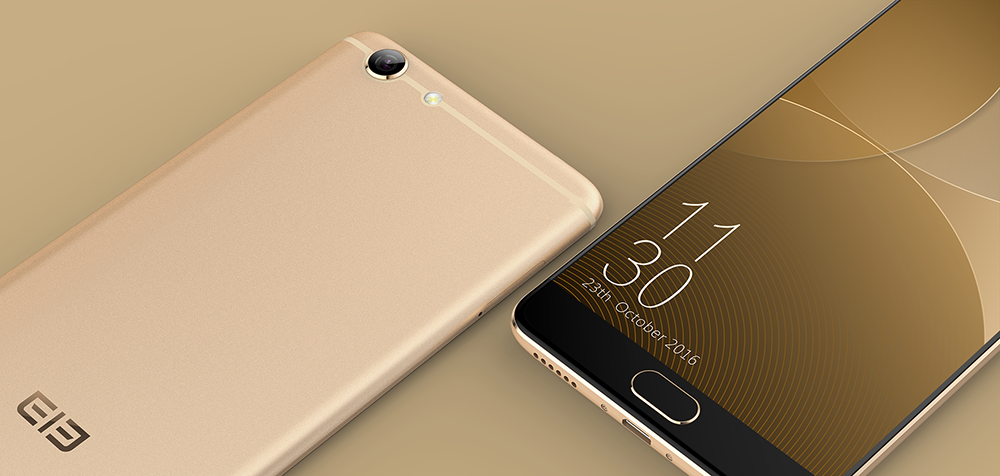
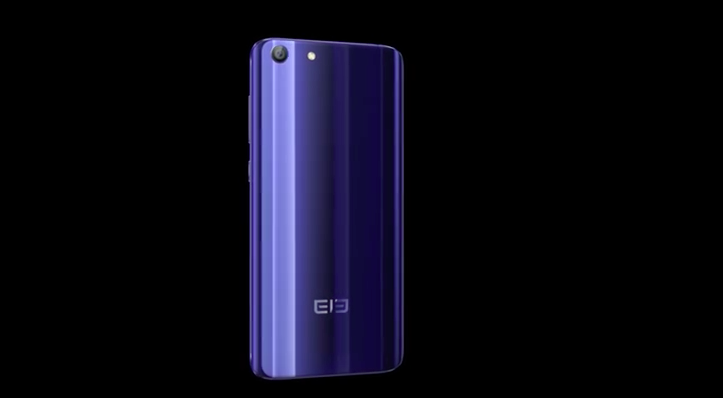
Elephone has slowly started revealing details about its Elephone R9 flagship smartphone. The company today released a few set of images of the upcoming device as well as confirmed a few features.
The Elephone R9, like the name suggests will be inspired from the OPPO R9. Given that the R9’s design has been very well received by customers in China and internationally, there’s no surprise that Elephone decided to use a similar design on its next phone.
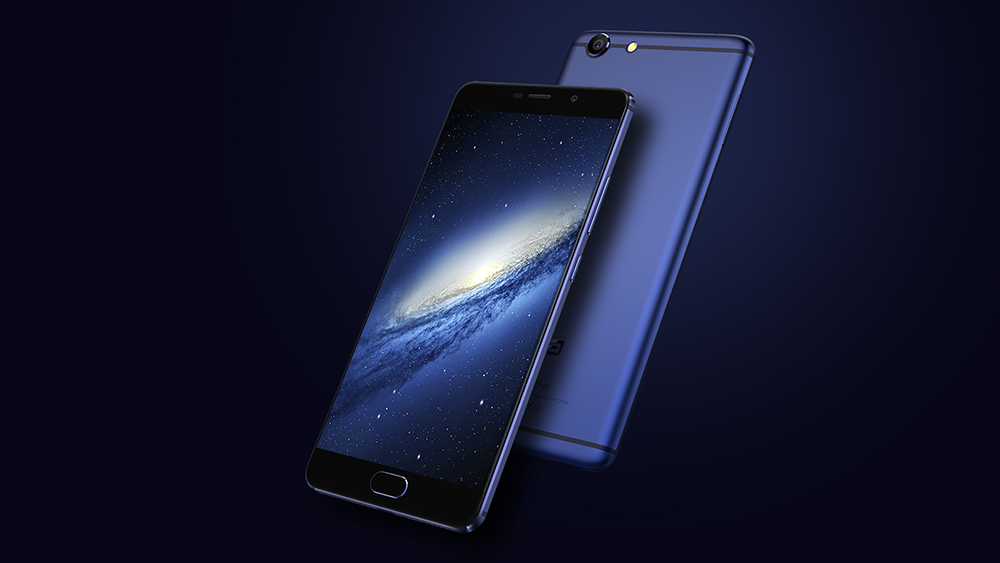
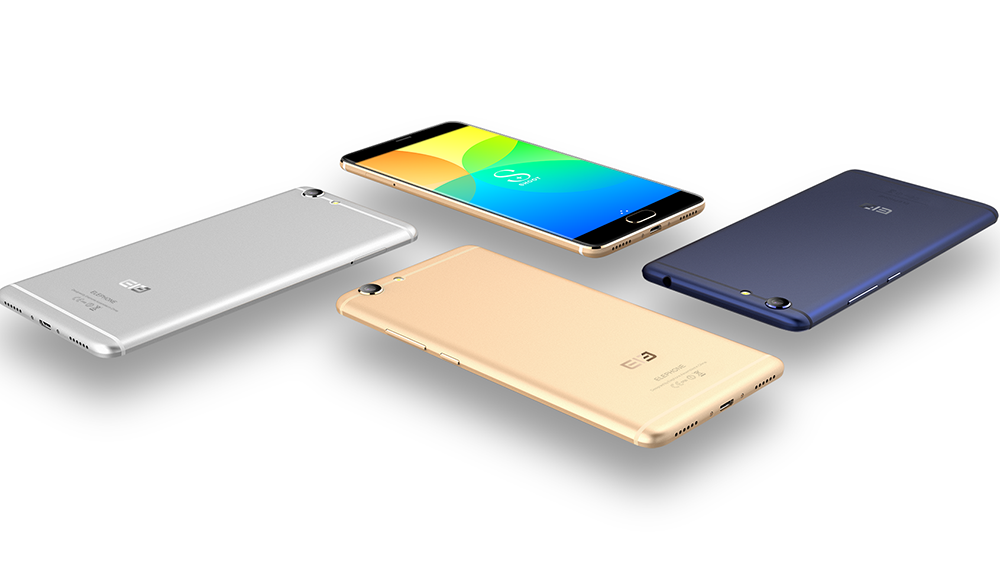
The Elephone R9 will come with an all metal body with CNC one stamping technology. This would ensure the curves are smooth and the phone looks premium. As you can see in the images, the phone comes with a front facing fingerprint sensor, which uses a glass cover. Overall, the design looks pretty good. Further, Elephone revealed that the phone will come with JDI full lamination in-cell display, which ensures that the panel is super thin and the touch is good.
I particularly liked the Sapphire Blue model, looks pretty unique.
You can check out more images of the Elephone R9 from below.
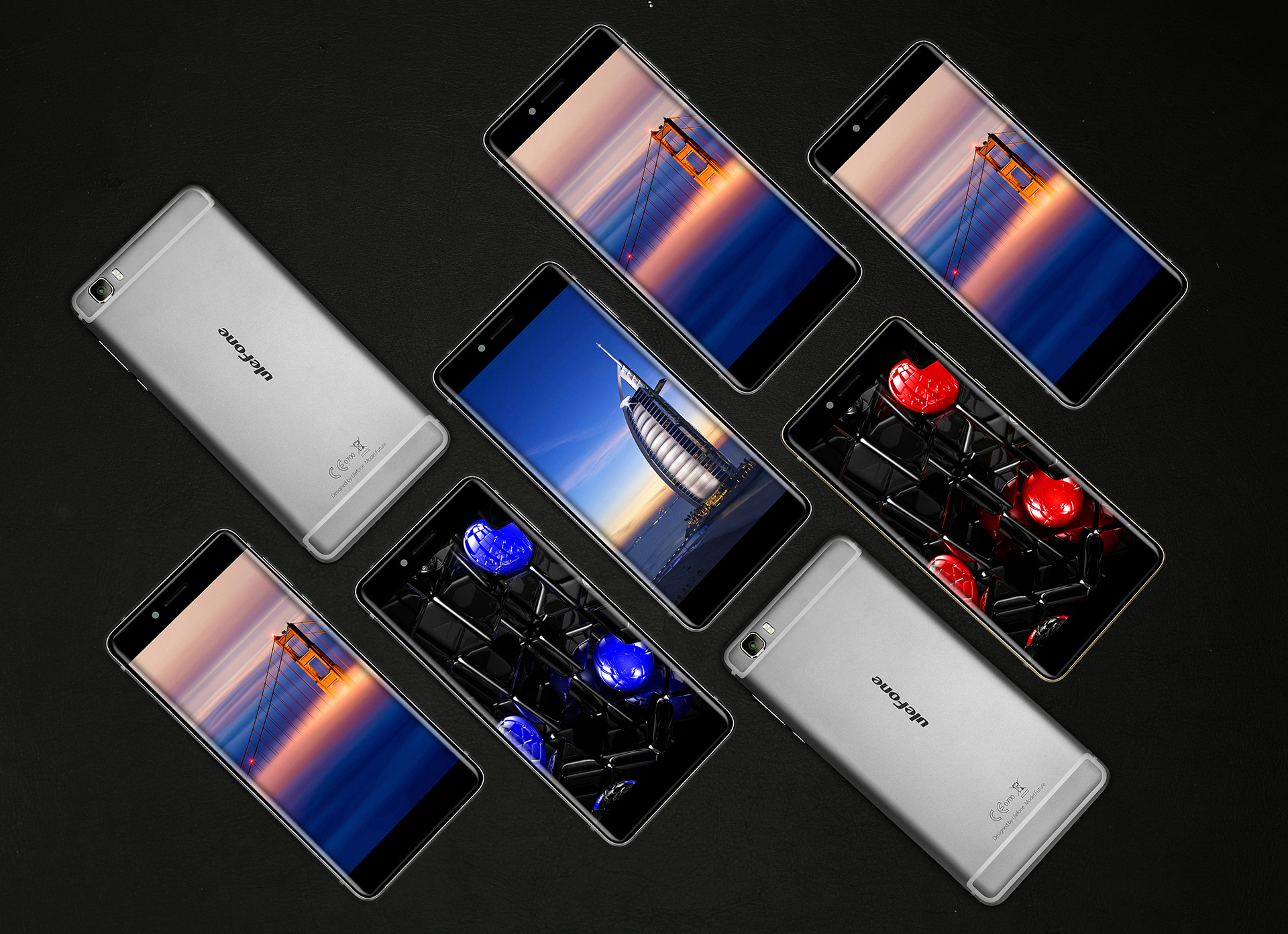
Ulefone Future was the company’s first bezel-less smartphone and it turned out to be a surprisingly decent smartphone. We have already reviewed the device and you can check that out from here.
https://www.youtube.com/watch?v=cuP9jGbF-_8
The official price tag of the Ulefone Future is $239.99 but during the next 7 days, Gearbest is going to offer the device for $209.99. This is a pretty good price if you are looking for a decent bezel-less phone.
The Ulefone Future comes with a CNC metal unibody design with a 5.5-inch 1080p bezel-less display. Inside, it features Helio P10 2GHz chip with 4GB RAM. At the back, the phone has a 16MP Samsung sensor while on the side, you have a fingerprint sensor. Earlier, the phone did have some supply issues but looks like that’s solved now.
Apart from the Future, the company’s Ulefone Metal is also up at a discounted price of $109.99. This includes freebies such as a tempered glass and a flip case. To recap, the Metal comes with a 5.5-inch 1080p display, and 32GB storage. Other phones up fro discount include Ulefone Vienna at $139.99 and Ulefone Power at $143.99.
You can check out the promotions for Ulefone devices on Gearbest from below.
UMi has been promoting its brand new UMi Max smartphone for the past few days and the company has made sure to highlight some of the phone’s top features such as a 4000mAh battery. In the latest move, the company has pitted the UMi Max vs MEizu M3 Note in a video comparison to show the performance of both the handsets. In case you remember, both these models run on Helio P10 chipset inside and come with pretty good specs for its price.
The video comparison between UMi Max vs Meizu M3 Note will be in six different performance categories: Boot up speed, fingerprint unlock speed, AnTuTu sub scores, Geekbench scores, Speedtest network speed and Application launch speed. You can check out the comparison in the video above.
The UMi Max comes with a 13MP rear camera, f/2.0 lens and PDAF. Up front, it features a 5MP shooter. Also, inside, you have a large 4000mAh battery to keep the phone running for more than a day.
You can pre-order the UMi Max from the links below or try your luck at the company’s giveaway from here.
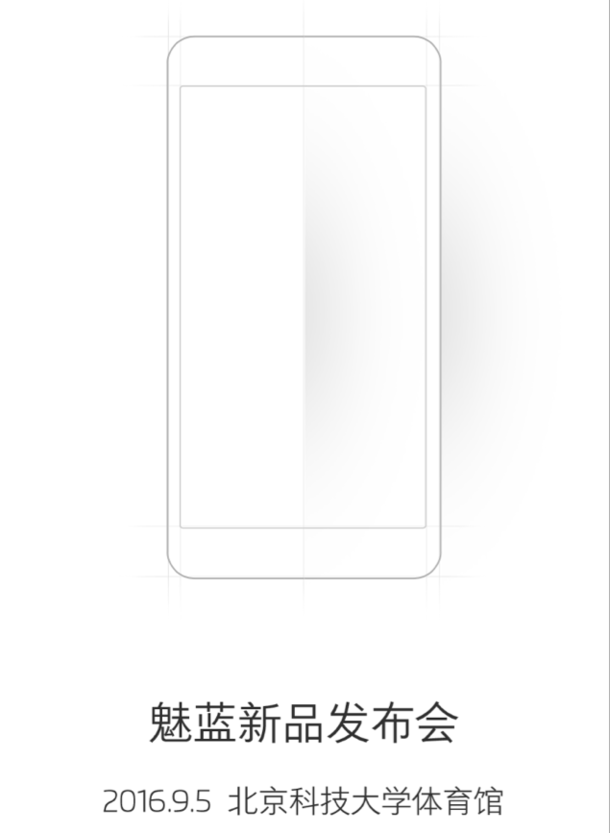
Back in April, Meizu unveiled three new devices in a span of 15 days in three different conferences. Now, the company seems to be following a similar strategy as Meizu has a new event scheduled for September 5, where we will most likely meet the Meizu Max (or Meizu M3 Max). This will make it the third smartphone launch (fourth launch in reality since there were two phones announced in the new U series — U10 and U20) within a month, after the launch of Meizu M3E on August 10.
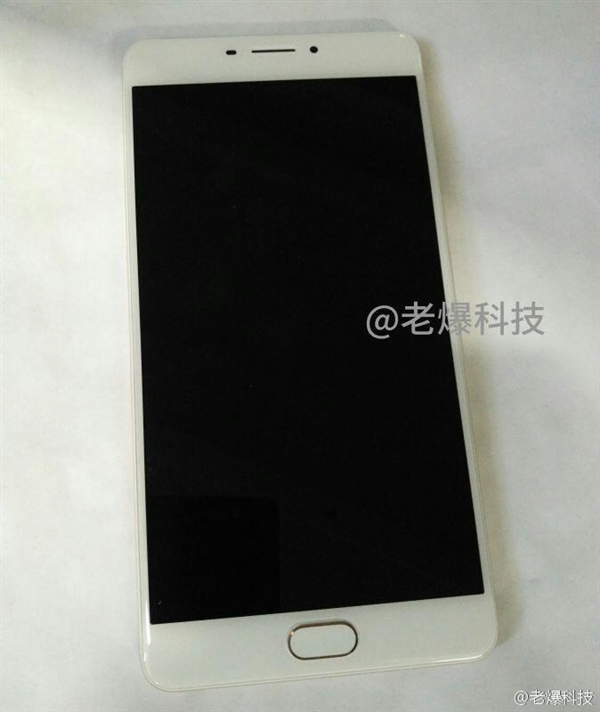
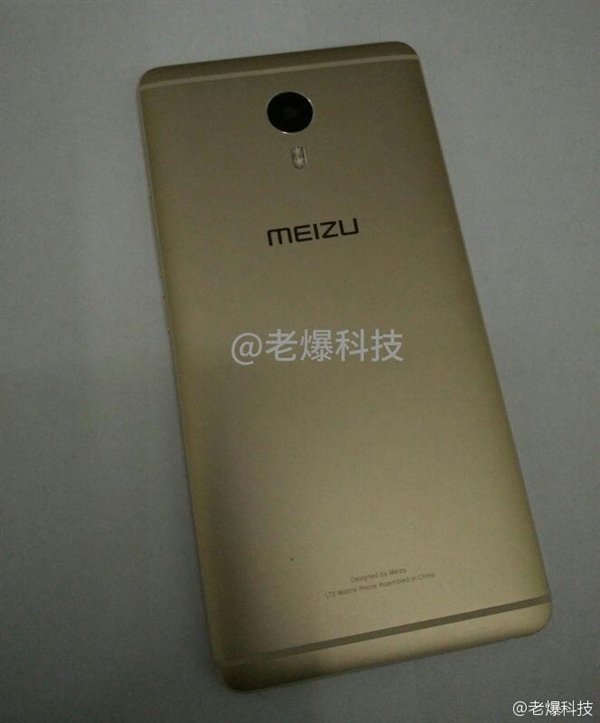
The latest leak, now, gives us the first possible glimpse of the Meizu Max. This is the first time we are seeing the upcoming handset in real life. The phone does look big, which is in line with the rumors that have been going around. The Meizu Max, like the name suggest, is probably going to be a phablet, coming with a large display around 6-inches. The company’s invites came with the business class Nokia E71 handset, which hinted that the handset would be ideal for business users as well.
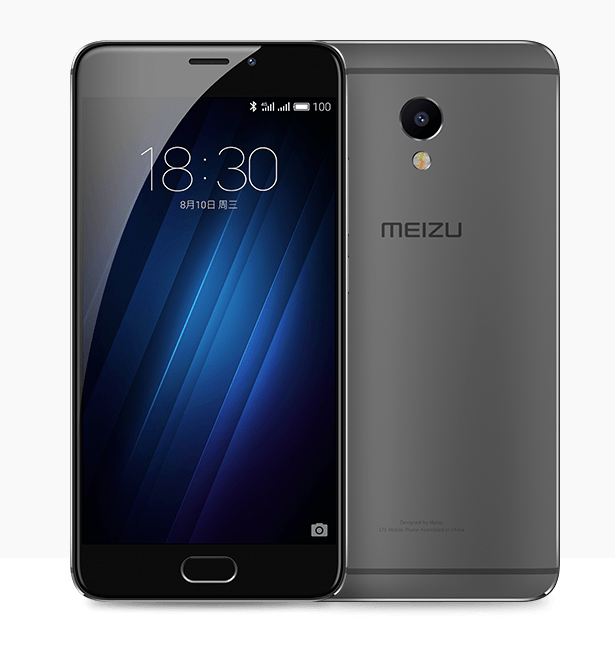
There’s not much difference in design as seen in these alleged images as compared to the Meizu M3E that was announced earlier in August. The back is plain, conforming with Meizu’s recent design language. Nothing out of the ordinary. So, it looks like the Meizu Max (or M3 Max) will be an enlarged version of the M3E model. Of course, there is a possibility that the design on the Max could be different. But considering that Meizu has been lazy with its design, using almost the same design language on all its recent phones, this probably is what the Max will look like.
Unlike other Chinese smartphone companies, Huawei is constantly looking to differentiate its devices in the market. It is one of the first mainstream companies to adopt dual camera design on multiple smartphone series in 2016. And to a considerable extent, its smartphone like the Huawei P9 and the Honor 8 have managed to get our attention.
Although the company released three major phones this year — the Huawei P9, Honor 8 and the Honor V8 — among other mid-rangers, there’s still a couple of powerful phones left in the lineup. One of these phones we’ll meet in September, probably the Mate S2, with the Mate 9 slated for late 2016 release.
Weibo Post Saying That the P10 will feature Front Fingerprint ID
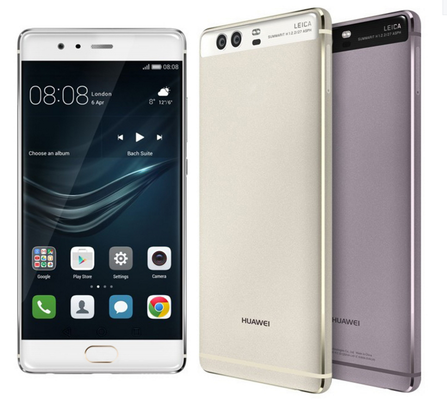
However, rumors about the Huawei P10 smartphone have already started to come in. The latest rumor from Weibo reveals that the Huawei P10 will feature a front facing fingerprint sensor. If true, this would make the first major Huawei phone to feature a front-facing fingerprint sensor, as the company has been using a rear-mounted fingerprint design on all its recent smartphones. If you remember, another rumor had revealed the front fingerprint sensor design a couple of months ago.
If the sensor is up front, it also means that the phone will probably have a physical home button on the front as well. It would be interesting to see what home button design would Huawei use on the device.
Since this is a Weibo leak, we can’t be sure of its authenticity. So, make sure you take it with a pinch of salt. Only after we see a few renders or real images of the Huawei P10, will we be more certain of this claim.
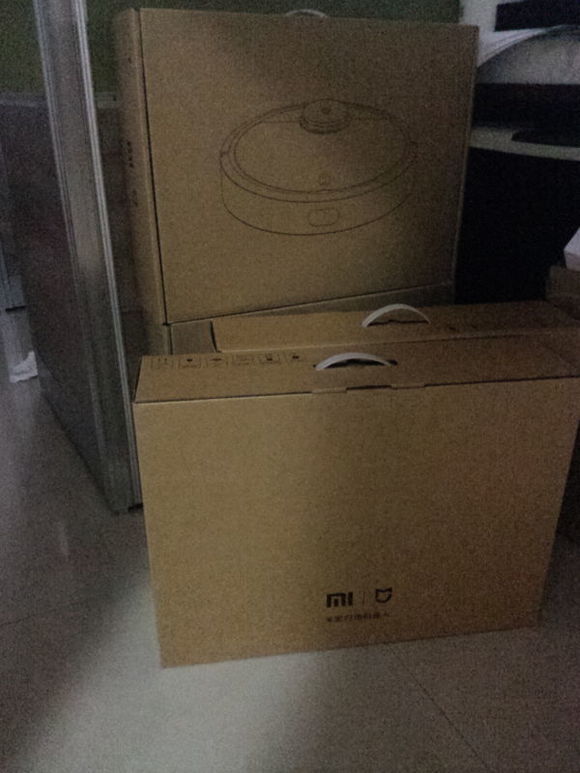
Xiaomi will soon add a new Robotic home sweeper to its rich line up of smart home products, which already boasts of intelligent and innovative products. Pictures of the paper box casing of the said Mi Robot Vacuum Cleaner have surfaced online and it shows what the robotic gadget looks like.
The Xiaomi Mi Robot Vacuum Cleaner is said to feature a smart function that lets home owners plan the cleaning path of the robot, a feature only available in few high-end Robot vacuum cleaners. The device is likely to feature a laser function which makes the device follow the sweeping plan. Apart from being able to follow a cleaning plan, the Robot vacuum product is said to also have the ability to scan the cleaning area and can automatically return to the path it had followed.
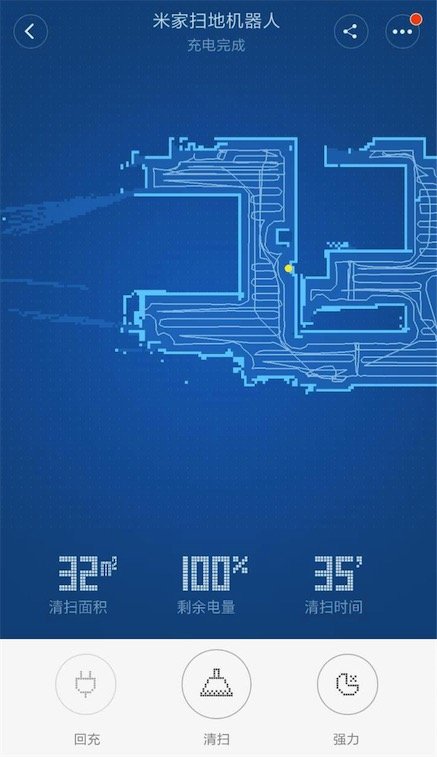
Also, a screenshot showing what looks like the Robot’s user interface or supporting app was spotted and it reveals the charging details, as well as the areas the Mi Robot Vacuum cleaner has covered in its cleaning duties. The screenshot also shows cleaning time, remaining battery power and room size.
The details about the product are still sketchy but no doubt this is a high-end product targeted at the iRobots flagship product which is already available. Robots don’t come cheap, so we expect the smart Mi Robot vacuum cleaner to be priced around 3,000 yuan or maybe more.
Meizu has a new smartphone launching on September 5 but at this moment, the company has revealed nothing about the product. There have been reports that Meizu is all set to announce the Meizu Max smartphone on that day and it most likely will be a new phablet from the company.
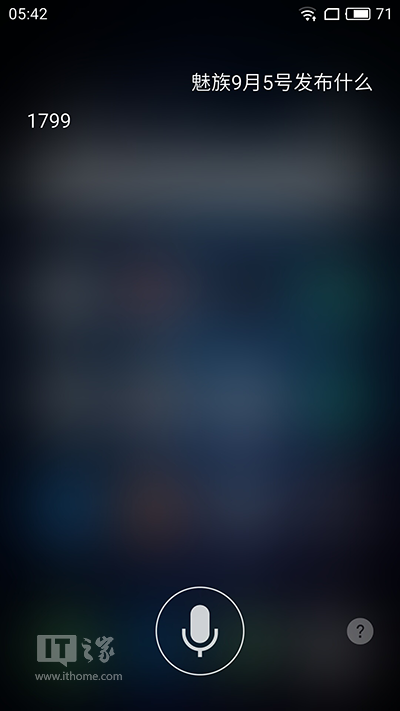
While we may not be sure of the identity of the product launched on September 5, we may have some idea about the pricing. Recently, when users asked the question “What product will Meizu release on September 5” to Meizu’s voice assistant found on its Blue Charm devices, it answered 1799. This could be Meizu’s way of hinting the price of its upcoming device.
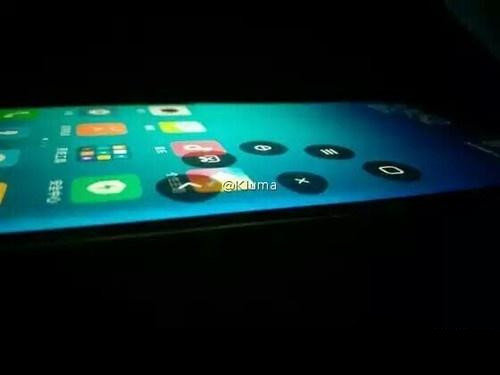
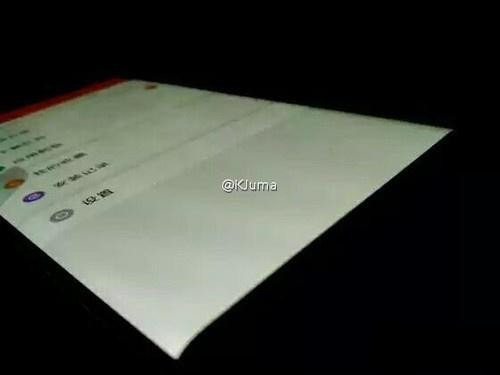
Xiaomi’s expected Mi Note 2 flagship smartphone is again featured in a new leaked image renders detailing the spectacular features the device is tagging along. The render images were leaked courtesy popular tipster @kjuma.
The renders show the Mi Note 2 will feature a dual curved display screen and the display size stands at 5.5 inches with two likely editions, one having a 1080p resolution display while the other one will have a 2k display resolution.
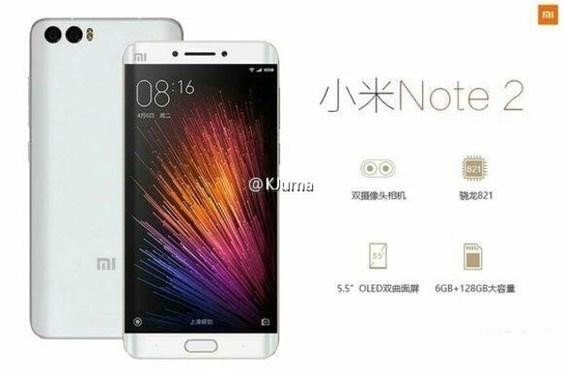
Apart from the image renders, Xiaomi’s official photo advertising the amazing specs the expected Mi Note 2 will feature also surfaced online recently. The official photo contains details like the device featuring a 5.5-inch OLED curved screen, all-metal body, and dual cameras at the rear. The details also include that the Xiaomi Note 2 will be powered by Qualcomm’s latest Snapdragon 821 processor alongside 6GB RAM and 128GB of internal storage.
The flagship Xiaomi Mi Note 2 was tipped to pop in the month of August but August is almost over and we are not getting any information about a possible launch event yet. It is possible then that the Mi Note 2’s release date might creep into September. No words yet on the expected price tag as well. But there have been lots of information revealed by earlier rumors about the Mi Note 2. Check them out from here.
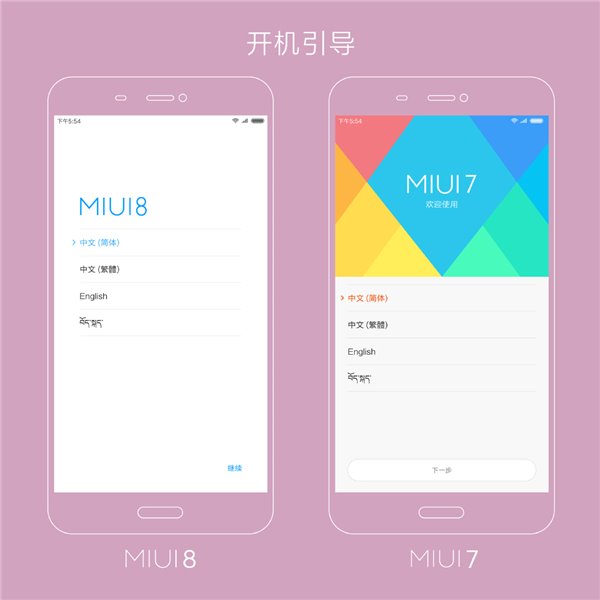
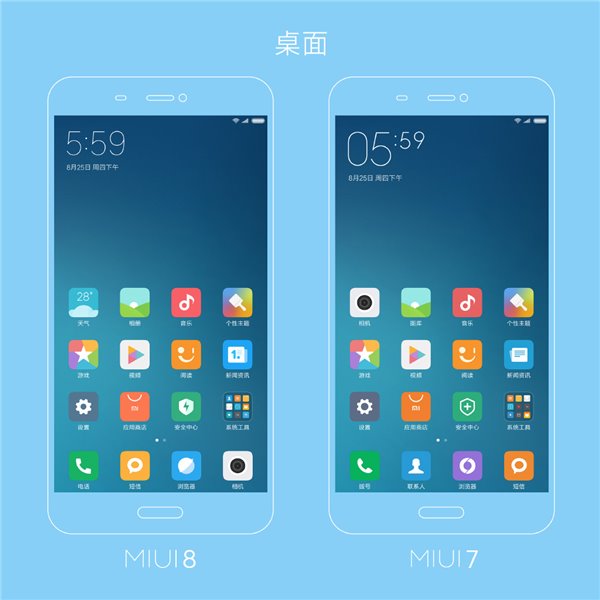
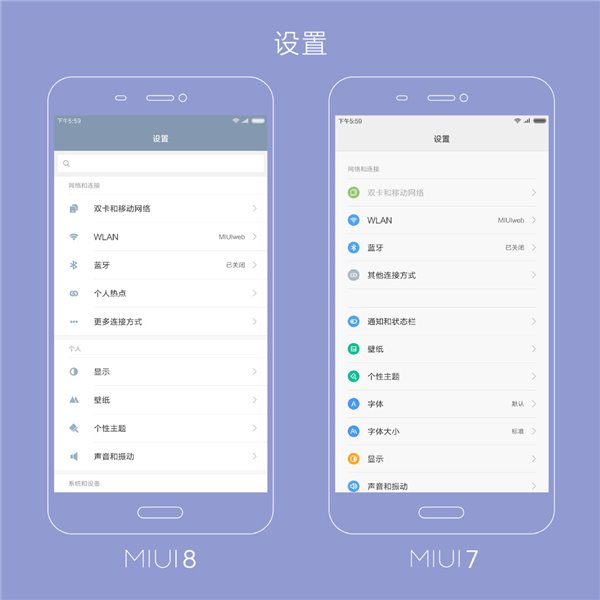
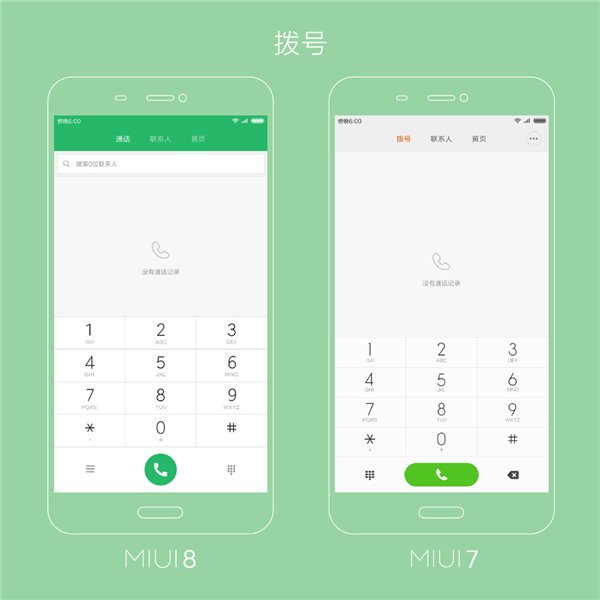
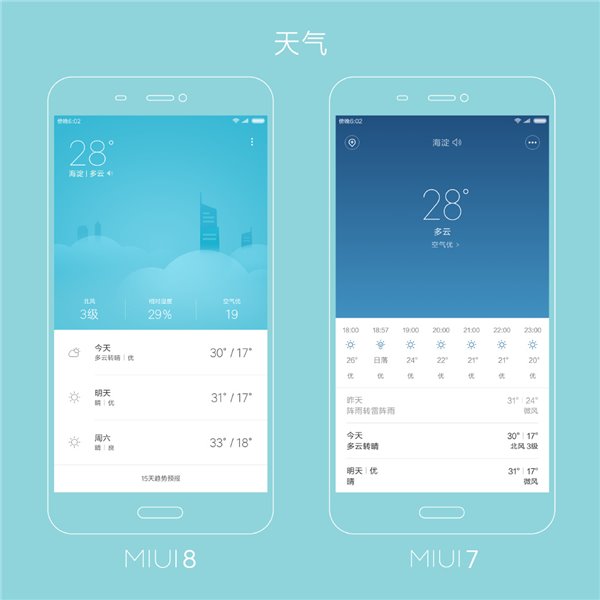
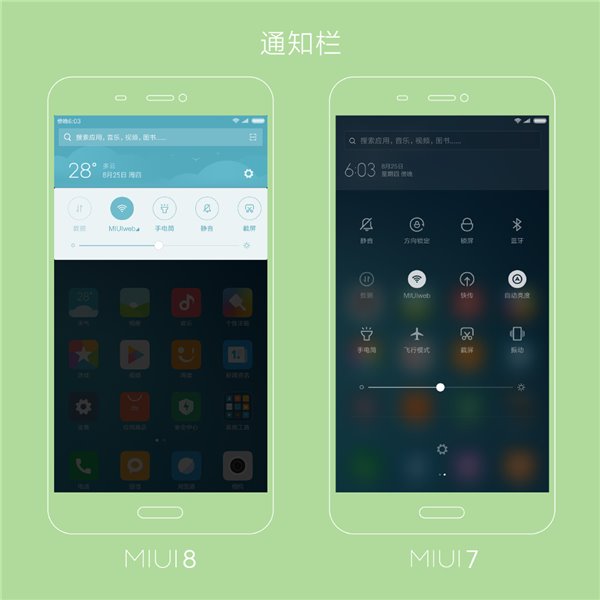
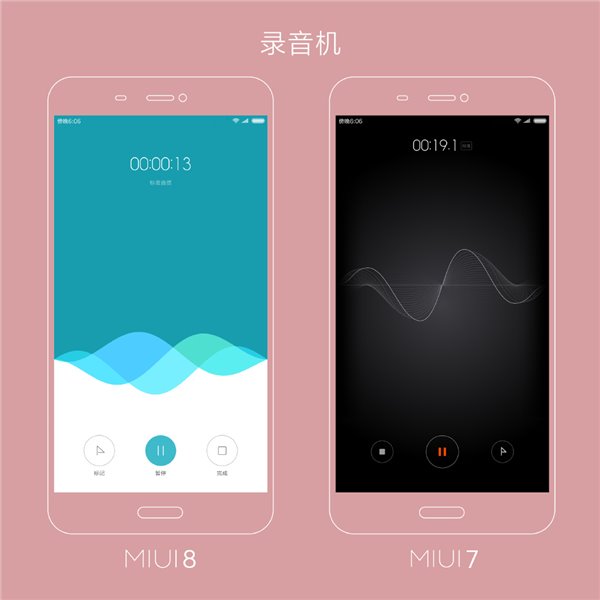
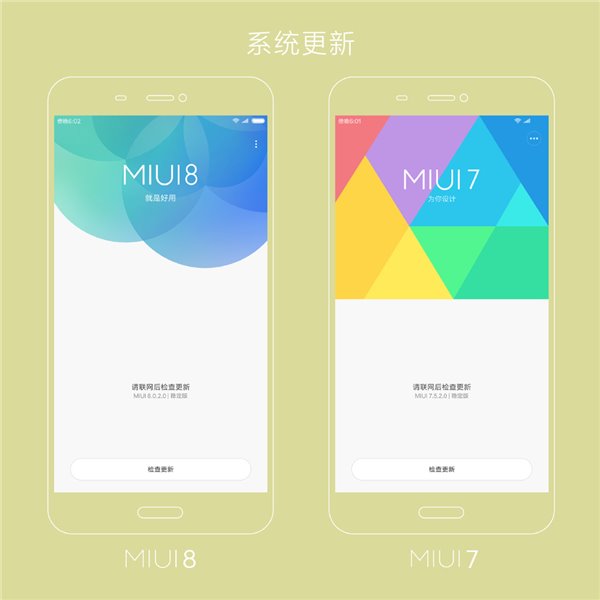
Xiaomi started to push updates to the latest and much anticipated MIUI 8 Stable version to over 200 million Xiaomi smartphone models around the globe. Models like the Mi Max standard 3GB, Mi 4S, Mi Note, Mi 4 China Unicom version as well as the Telecom 3G versions and many others have already received the update. Now, it’s time to check MIUI 8 vs MIUI 7 differences.
Most of the Xiaomi models, before the latest OTA update push, were running on MIUI 7.5 stable ROM. But the MIUI 8 brings in many new features when compared to the MIUI 7 and one of the very noticeable features is the user interface. MIUI 8 Stable version bring a more beautiful interface design in addition to having Xiaomi’s Lanting font and bringing in several features like mobile avatar, SMS fraud detection, and some other new features.
Xiaomi’s MIUI official website posted a comparison chart between MIUI 7 and MIUI 8’s graphics interface and the differences though mild but is noticeable. The difference in the interface design range from desktop settings, dial-up interface, notes, weather, notification bar, advanced Calculator app, tape recorders and system updates.
Apart from the added features, the MIUI 8 vs MIUI 7 design differences in the interface may not look enticing enough to want to upgrade and there might be some out there who prefer holding on to their MIUI 7. So, between MIUI 7 and MIUI 8 which do you prefer? Meanwhile, you can check out more photos of the MIUI 7 and MIUI 8 interface designs.
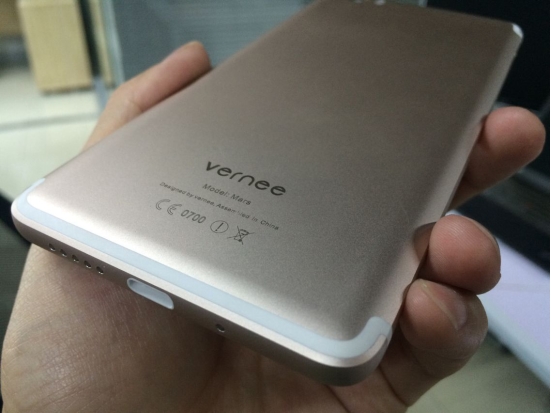
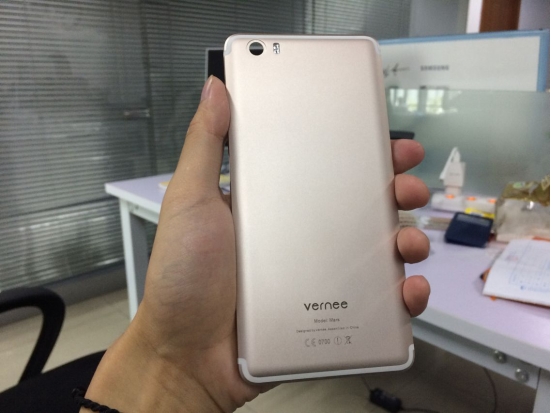
Although Vernee entered the smartphone market only a few months ago, the company has managed to make a good name for itself, all thanks to its value for money smartphones and regular support. We are still waiting for the release of the Vernee Apollo, which is the company’s flagship smartphone for 2016, but there’s another model, the Vernee Mars that is going to be announced soon.
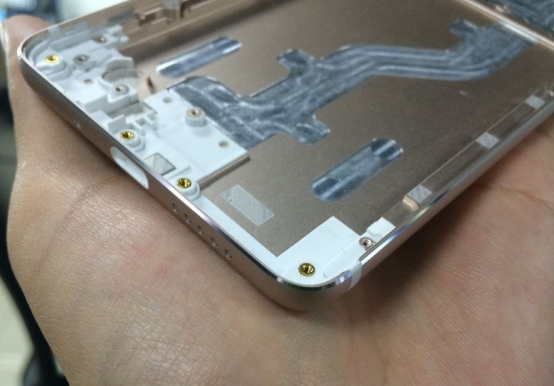
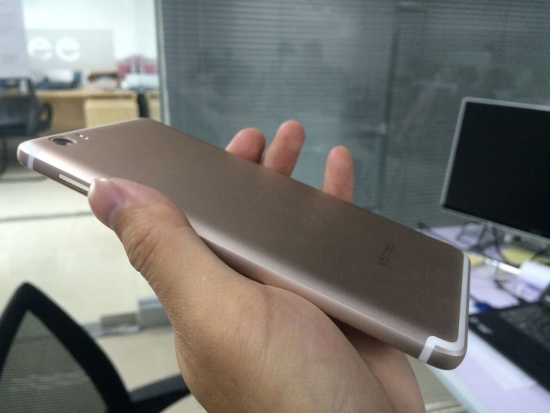
We had already revealed the unique antenna design on the Vernee Mars a few days back, and now we have additional pictures of the same. However, this time, we can see that the phone is in Champagne Gold color, thereby confirming the two color options that most likely will be announced for the device at launch — Silver and Gold.
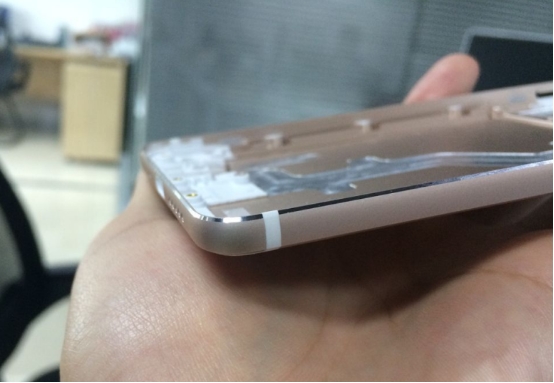
While there are a couple of models like the Meizu Pro 6 that feature these unique arc antenna lines (and the iPhone likely will also feature a similar antenna design), it is good to see Vernee Mars adopt such a design. It may not be a revolutionary feature, but it still sets it apart from the numerous monotonous designs on metal phones that we have seen in the past few months.
The pictures also reveal that the body will get 3D polishing treatment on the edges, and the antenna band seems to well integrated into the body. The back texture is going to be smooth, and the overall design looks quite good. See the remaining images from down below.
Elephone S7 is turning out to be an interesting flagship smartphone and unlike the Elephone P9000 Edge, it looks like the S7 will be unveiled soon enough. The day before yesterday, Elephone teased the bezel-less display on the Elephone S7 model, and the screen looked pretty good. Though it was just a prototype, it showed that the design is real and almost finalized.
Now, it’s time to take a look at the back cover of the Elephone S7, and turns out, it is quite interesting as well. In this age of metal, where most of the flagship phones that you’ll find feature a metal body, Elephone has decided to use a glass back. In the new teaser revealed by the company, we can see that the phone will come with a special pattern, which changes with the angle you look at it. The company is calling this the changing liquid color design. The radian design of the S7’s back also looks a bit translucent from the side. Further, today the company confirmed that the front as well as the back will feature 2.5D glass.
To be honest, the Elephone S7 looks quite interesting and given the company’s tradition of pricing its handsets aggressively, we hope that the price is competitive at launch. And yes, you don’t have to wait for too long to get more information about this handset as Elephone confirms today that the Elephone S7 will be sold in September.
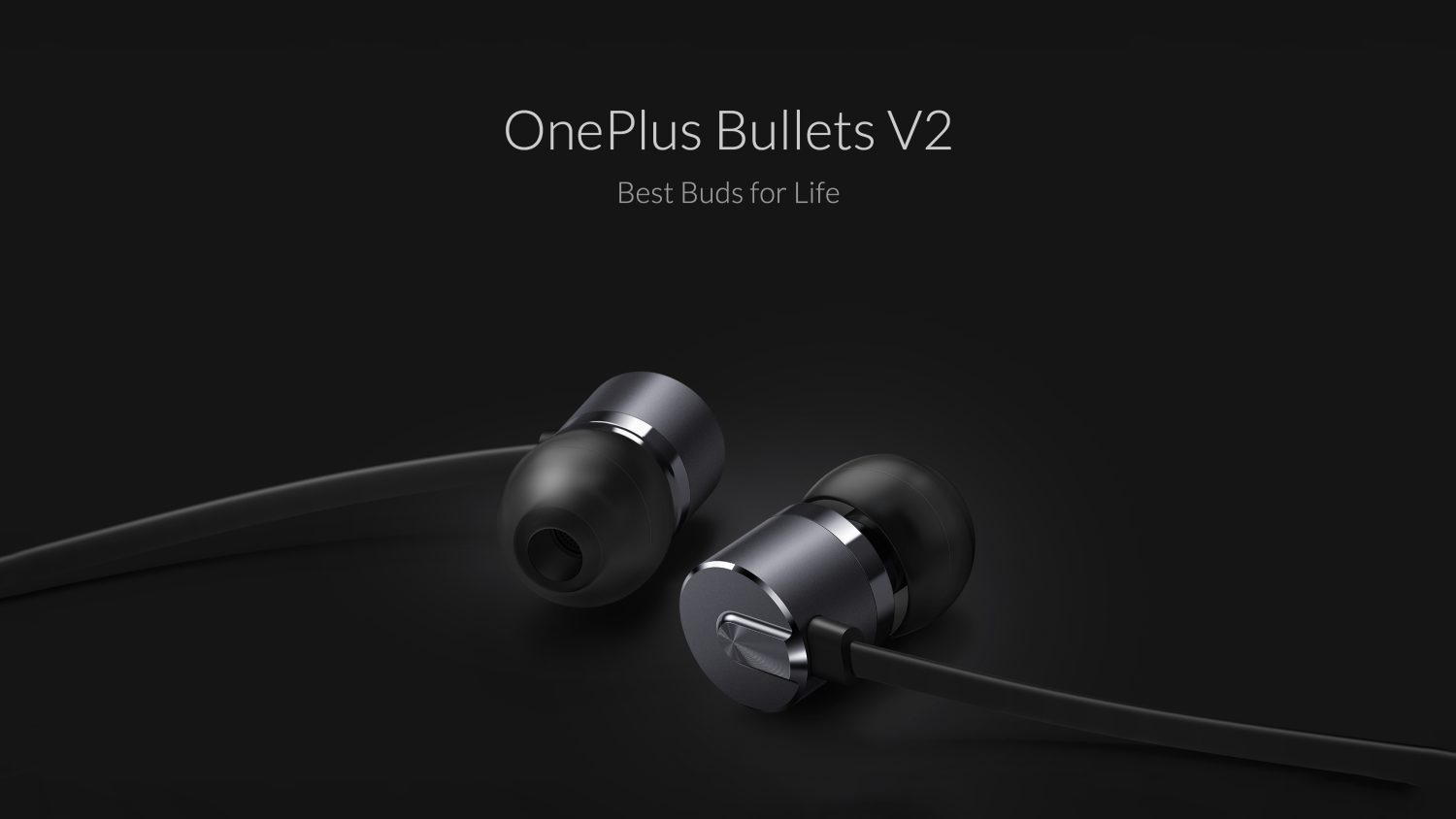
OnePlus has unveiled a YouTube video on its Twitter handle announcing its latest earphones tagged OnePlus Bullets V2 earphones. The video is just over a minute long and it gives insight of how the earphones will look as well as the features it comes with. OnePlus had released a video trailer a few days back teasing a August 25 launch for a new product which we had thought could be the second generation Icon In-ear earphones but turns out this one is the next gen OnePlus Bullets earphones.
The OnePlus Bullets V2 earphones weigh just 2 grams and has silicon earbuds which is available in various sizes, all inside the box. OnePlus claims that this second-gen Bullets earphones are better optimized for reproducing sound. An inline remote and mic, along with music controls and a toggle to answer calls are also present. The earphones also feature a 1.25 meters flat cable wires which connect it to the smartphone via the 3.5mm audio jack.
The Bullets V2 earphones will be available in Black Mix and White Remix colors and the price seems to have been set at $19.95 on OnePlus’ official website, even though the earphones are not available yet.
You can check out the Bullets V2 introduction video from down below.
After a really long wait of a few months (MIUI 8 was announced back in May), Xiaomi finally started rolling out the MIUI 8 Stable update from August 23. We are definitely happy to get the new update, which brings lots of visual changes (mostly good) along with new features. In case you want to check ou the features of the Xiaomi’s MIUI 8 update, just read this article.
So, how’s the update so far? Is everything working smooth?
One question that we all have is what Android version is running on the Xiaomi models updated with MIUI 8. There are a few models which are scheduled to get the MIUI version based on Android M soon (Redmi Note 3 users read this article if you haven’t already). However, most of the models, especially the old ones are stuck on Android Lollipop or even Kitkat!
So, I just wanted to check out what Android version is your Xiaomi model running after the MIUI 8 update. I know there are a few old models like the Redmi Note 4G who are surprisingly still on Android 4.4.4 Kitkat.
You can vote the version on your phone (running MIUI 8) in the poll given below.
We use cookies on our website to give you the most relevant experience by remembering your preferences and repeat visits. By clicking “Accept”, you consent to the use of ALL the cookies.
This website uses cookies to improve your experience while you navigate through the website. Out of these, the cookies that are categorized as necessary are stored on your browser as they are essential for the working of basic functionalities of the website. We also use third-party cookies that help us analyze and understand how you use this website. These cookies will be stored in your browser only with your consent. You also have the option to opt-out of these cookies. But opting out of some of these cookies may affect your browsing experience.
Necessary cookies are absolutely essential for the website to function properly. This category only includes cookies that ensures basic functionalities and security features of the website. These cookies do not store any personal information.
Any cookies that may not be particularly necessary for the website to function and is used specifically to collect user personal data via analytics, ads, other embedded contents are termed as non-necessary cookies. It is mandatory to procure user consent prior to running these cookies on your website.