Advertisement

Nubia Z11 Max vs Xiaomi Mi Max: Which one would you choose?

Nubia just announced the new Nubia Z11 Max phablet earlier today in China, which puts it in direct competition with the recently released Xiaomi Mi Max phablet. Given that the top-end variant of the Xiaomi phablet is priced exactly the same as the Z11 Max, the comparison becomes a lot interesting. They both have very similar specs, including same processors, but differ in a few areas, which makes it difficult to choose which ones the best for you. So, today, we take a look at the Nubia Z11 Max vs the Xiaomi Mi Max. Let’s see which one turns out to be our pick!
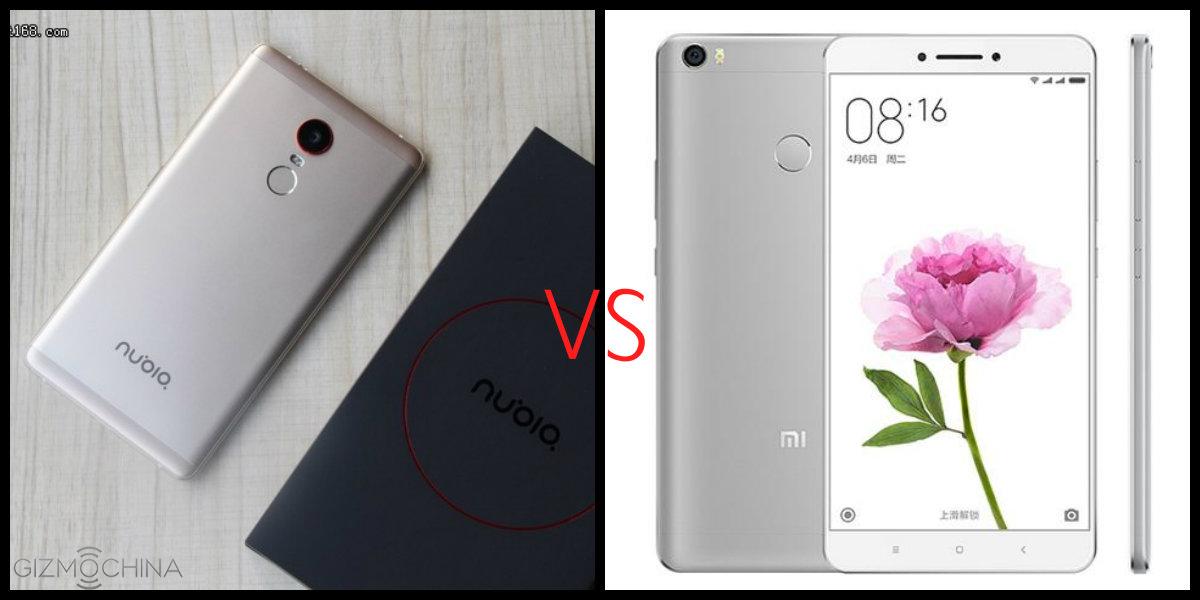
nubia z11 max vs xiaomi mi max

Nubia Z11 Max vs Xiaomi Mi Max: Design

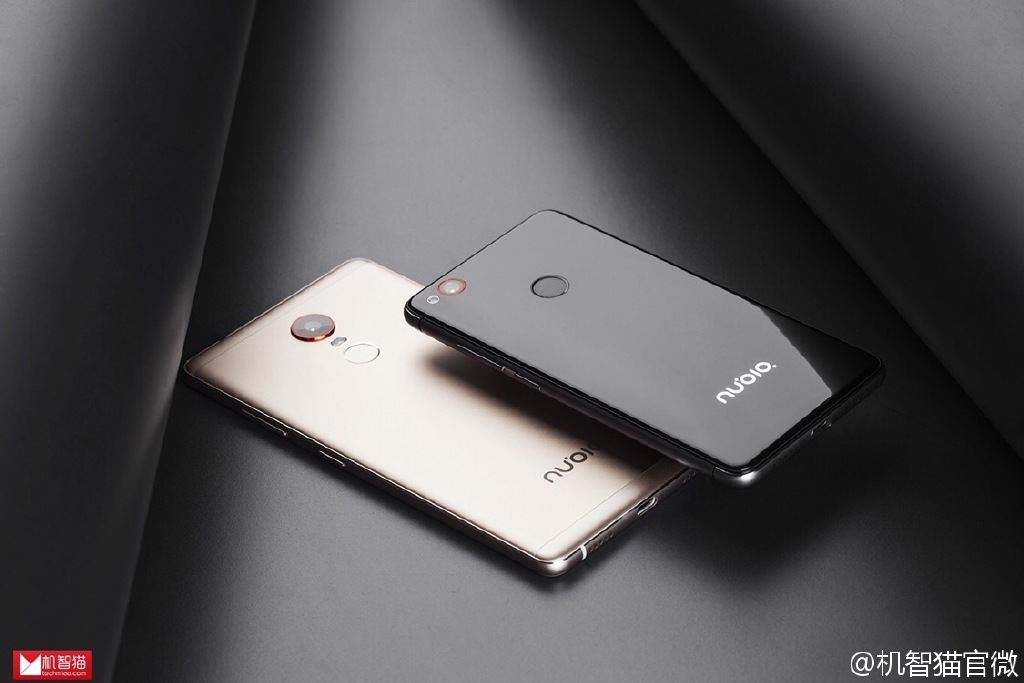
As always, let’s start with the design. Both the devices look beautiful with their sleek body and premium design. The Nubia Z11 Max comes with an aluminum body with 2.5D glass on both the front as well as the back. It’s typical Nubia design philosophy. Coming to the Xiaomi Mi Max, the phone also comes with an aluminum body but it only features 2.5D glass up front and not on the back.

There are three colors available for both the models, with gold being the only one common. The Nubia Z11 Max comes with white and black options, while the Mi Max has light gray and silver color options.

Coming to the dimensions and weight, they are as follows:

Z11 Max: 159.15 x 82.25 x 7.40    185 grams

Mi Max: 173.1 x 88.3 x 7.5mm    203 grams


As you can see, thanks to its smaller screen size (6-inches) and impressive screen to body ratio, Z11 Max is much smaller than the Mi Max, with a height of 159.15mm as compared to 173.1mm on the Mi Max. It’s a bit lighter as well.


Nubia Z11 Max vs Xiaomi Mi Max: Screen

Moving to the screen, the Z11 Max sports a 6-inch display with 1920 x 1080p resolution and Corning Gorilla Glass 3 protection. The Xiaomi Mi Max comes with a 6.44-inch display with the same 1080p resolution but with Corning Gorilla Glass 4. The pixel density comes to 368 ppi on the Z11 Max and 342 ppi on the Mi Max model. However, both use different display technologies. The Nubia model comes with a Super AMOLED display while the Mi Max has an IPS LCD display.


Nubia Z11 Max vs Xiaomi Mi Max: Specs

Now, coming to the internals, both the models (in this comparison we are considering the top-end Mi Max version) come with Snapdragon 652 octa-core chip clocked at 1.8GHz and 4GB of RAM. However, Z11 Max has just 64GB of internal storage, while Mi Max comes with 128GB on its top-end model. Both have eMMC storages. Also, both feature MicroSD expansion slots.

Nubia smartphones are known for their camera, and on paper, the specs are quite good. The Nubia Z11 Max comes with a 16MP IMX298 sensor from Sony with closed loop motor AF, sapphire glass lens, f/2.0 aperture and PDAF. You get a bunch of advanced techs on the device like the company’s own Neovision 5.9 software, DTI pixel isolation, LTM area control, handheld Image stabilization and 3D Noise reduction. Up front, you get a f/2.4 aperture 8MP 80-degree wide angle lens. As for the Xiaomi Mi Max, you get a 16MP f/2.0 aperture sensor with PDAF, real-time camera filters (you get this on Z11 Max as well) and 5P lens. Up front, the phone features an 85-degree wide angle, f/2.0 5MP shooter. Also, in case you are wondering, both models have dual tone flash. On paper, the Z11 Max seems like the better camera model, but let’s wait for a review to check out its performance.

Now let’s take a look at their batteries. The Nubia Z11 Max comes with a large 4000mAh capacity battery inside with QC 3.0, which is going to give more than a day’s battery life. On the Mi Max, things go to another level, as it comes with an even bigger 4850mAh capacity battery that should technically provide better life than the Z11 Max. But Nubia had to talk a lot about its Neopower 2.0 technology and the use of power-efficient components, so we will have to wait for a real life battery test of both the devices to see which one comes out better.

As for connectivity, you get the usual Bluetooth and dual-band Wi-Fi on both the models. Mi Max has an infrared port as well as NFC, which the Z11 Max lacks.

If you are a music lover, the Z11 Max will look a lot more attractive given that it comes with an independent Hi-Fi chip and amplifier. You also get Dolby decoder and 7.1 Dolby sound. Unfortunately, the Mi Max doesn’t feature a Hi-Fi chip. Another difference is that the Nubia model comes with USB Type-C and the Mi Max has a standard MicroUSB port. Finally, coming to the software, the Z11 Max comes with Android Lollipop based Nubia 2.9.9 software, while Mi Max gets the new Android Marshmallow with MIUI 7 on top.


Nubia Z11 Max vs Xiaomi Mi Max: Pricing

Since we are comparing the top-end variants of both the models, both are priced exactly the same i.e. at 1999 Yuan which comes to $304. The Mi Max is already available for purchase while the Nubia Z11 Max goes on sale from June 16.

As you can see in this comparison, both are pretty great devices. If you want a larger screen and battery, you can go for the Mi Max. Or else, if you want a large screen phone that isn’t very big, comes with a decent camera, battery, and Hi-Fi audio for around $300 (expect $340-$350 as its reseller pricing), then the Nubia Z11 Max turns out to be a great device.

So, which one would you pick?
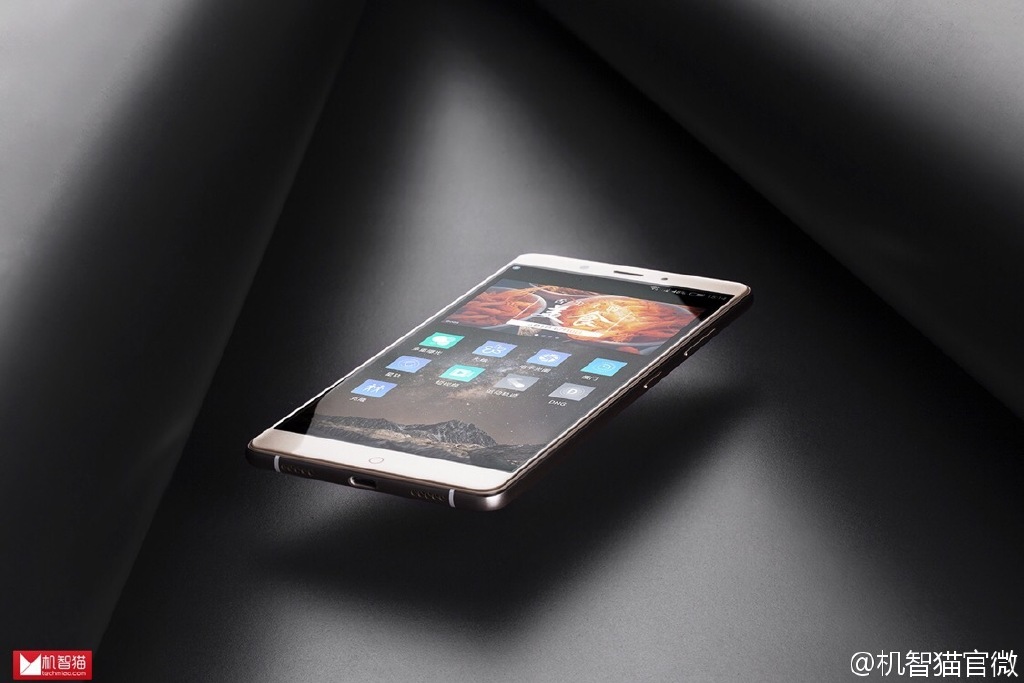
ZTE Nubia Z11 Max Official With A Massive 6-inch Screen & Super Slim Bezels

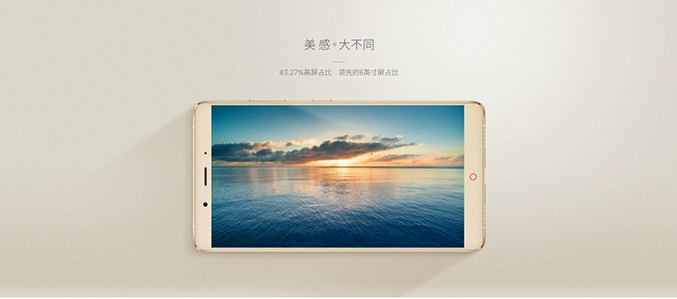
After a few weeks of teasers and leaks, ZTE Nubia Z11 Max is finally official. The phone stays true to its name, coming with a massive 6-inch display with super slim 1.32mm bezels. The screen is clearly the highlight of the smartphone, as it covers 83.27 percent of the body, which is highly impressive. This is achieved by slimming down the bezels on all sides. Plus, the Z11 Max is a super slim device, measuring just 7.4mm in thickness. In comparison, the Xiaomi Mi Max phablet comes with a 6.4-inch screen and a body which is 7.5mm thick. Well, we’ll talk more about both these devices together at their comparison later. Now, it’s time to look at the Nubia Z11 Max in detail.

nubia z11 max 05

Since we already started on the phone’s display, let’s talk more about that. The phone comes with a 6-inch 1080p Super AMOLED  Display protected by Gorilla Glass 3, with an impressive screen to body ratio, making it stand out among other phablets. The company has used the same NubiaArc 4.0 design philosophy as its previous devices. So the Z11 Max comes with a double sided glass design with smooth round corners. The chassis is made out of aluminum. You have three color options namely black, grey and white. Nubia smartphones are usually known for their beautiful design and slim design, and this one does not disappoint.

nubia z11 max screen

Coming to the internals, the ZTE Nubia Z11 Max features the flagship chip of the mid-range segment, namely the Snapdragon 652 clocked at 1.8GHz. There will be 4GB of RAM on board along with 64GB (eMMC 5.0) of internal storage. This is further expandable up to 200GB via MicroSD. You also get a fingerprint sensor at the back. The phone supports dual 4G SIM cards with VoLTE. It also comes with an independent Hi-Fi decoder chip and amplifier for enhancing the audio output.

nubia z11 max 01
nubia z11 max and nubia z11 mini

At the back, it features a 16MP rear camera sensor, which is the Sony IMX298, with PDAF, closed loop motor AF, f/2.0 aperture and 6P lens. The company has used its own NeoVision 5.9 Imaging software. The phone supports handheld image stabilization, 3D Noise reduction (could be useful for low light images), DTI pixel isolation technology and LTM area color control tech. Further, Nubia has added support for live filters for the camera, which means you can change filters in real time like video calling. Up front, the phone features an 8MP 1.4um pixel size camera, with support for fill light function.

nubia z11 max battery

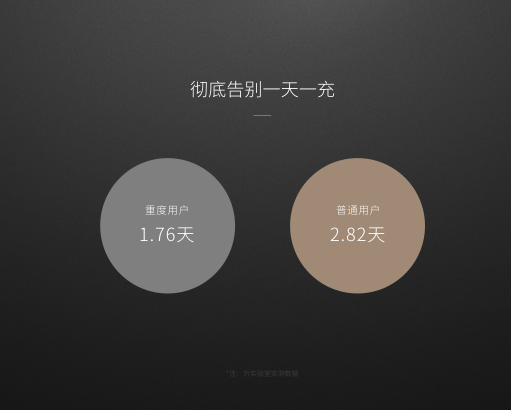
For powering its massive battery as well as a capable camera, the company has put in a large 4000mAh battery. This coupled with Nubia’s NeoPower 2.0 technology (CEO had revealed some tidbits about this tech a few days back) promises impressive battery life. The company has not only increased the battery capacity of the device to 4000mAh, but also used power efficient hardware to boost battery life. This includes an efficient Super AMOLED display, DSP co-processor, SmartPA, closed loop motor AF etc along with 116 software optimizations. Taking all these into consideration, the Nubia Z11 Max reportedly provides up to 114 hours of music playback, 8.33 hours of navigation and 13 hours of social media apps. This basically converts into 2.82 days of regular usage and 1.76 days of heavy usage, reveals the company. And since you get Quick Charge 3.0 on the device, 10 minutes of charging can reportedly provide up to 2.5hours of HD video playback, 6 hours of talk time and 13.7 hours of battery life.

nubia z11 max price

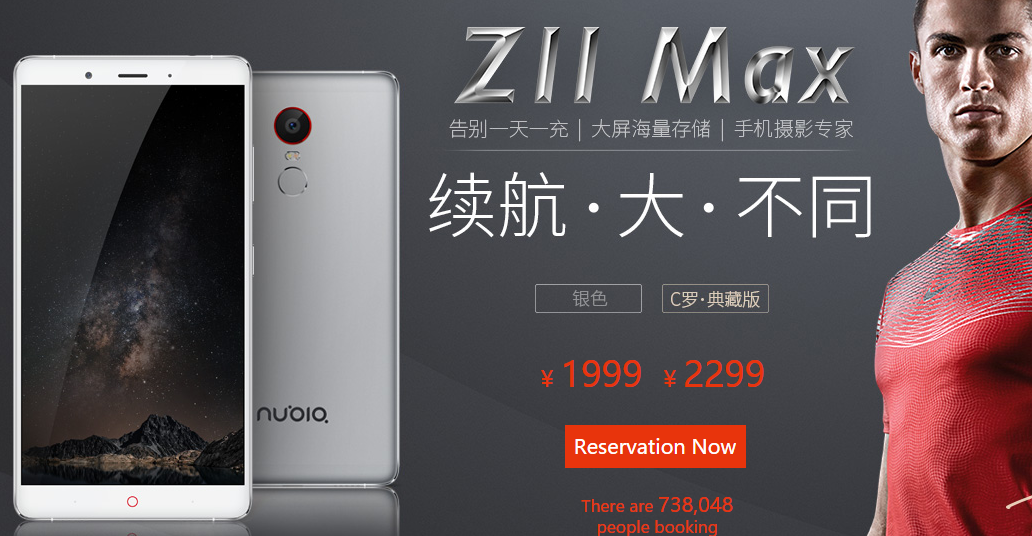
The Nubia Z11 Max runs on Nubia 3.9.9 UI based on Android Lollipop. The phone goes on sale at 1999 Yuan ($304) on June 16 at 10:00AM. The reservations for the silver colored model is already underway in China.

Since Nubia just signed Cristiano Ronaldo as the brand ambassador of the company, it is also selling a customized Nubia Z11 Max signed by C. Ronaldo on the back. Also, this edition comes with custom C. Ronaldo wallpapers along with special gifts. This particular special edition will set you back 2299 Yuan ($350) and will go on sale on June 18 at 10:00 AM.


OnePlus Fans Will be Able to Purchase the OnePlus 3 at Pop-up Events

OnePlus has ditched the invite system for their upcoming phone, the OnePlus 3. Though they announced that fans will be able to purchase units from Loop VR, news reaching us says there’ll be pop-up events in cities worldwide where people can purchase units too.

OnePlus Map

The company states on its website that there’ll be no need for people to sign up. The cities and dates are as follows:

  • New York: June 15, 2016.

          7pm – 10 pm

          Special Attendee: Carl Pei

  • Paris: June 15, 2016.

          11 am

  • London: June 15, 2016.

          7pm – 10 pm

  • Berlin: June 15, 2016.

          7pm – 10 pm

  • Mumbai, New Delhi, and Bangalore: TBC

From the info above, we can see that there are 3 event venues in India. The reasons are not far-fetched: India has a very large OnePlus fanbase and OnePlus is trying to grab as much as they can of the Indian market.

Meizu M3S Real Picture Reveals All Metal Design

We have more news with respect to the upcoming Meizu M3S. Real images have leaked online giving us a glimpse of what the phone really looks like and confirming the specs.

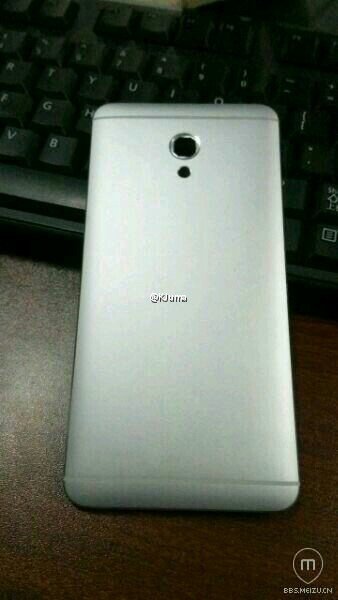
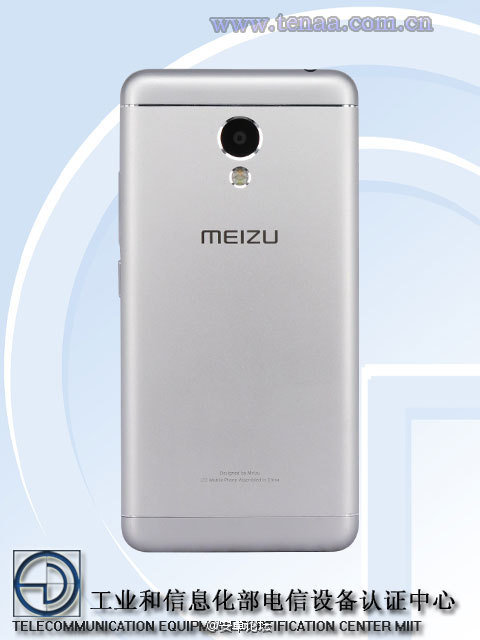
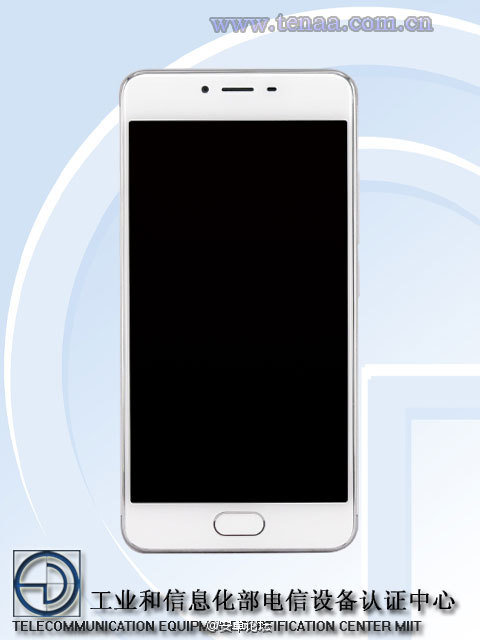
Meizu 3

Meizu has given the M3S the all-metal unibody form but have made no attempt to cover the antenna lines which are clearly visible. Dimensions for the phone are 141.9 x 69.9 x 8.35 (mm).

Thanks to TENAA, we also know some of the specs of the phone such as the use of a 1.5GHz octa-core processor. This is most likely the MTK6750 which supports VoLTE and has CDMA and CAT-6 LTE.

The phone will have two RAM configurations: 2GB and 3GB; and will run Android Lollipop 5.1.  The Meizu M3S will also feature SD card support of up to 128GB, have a 13MP rear camera, a 5MP front-facing camera, and a 3000mAh battery.

Honor 5A Releasing On June 12 In China Confirms Teaser

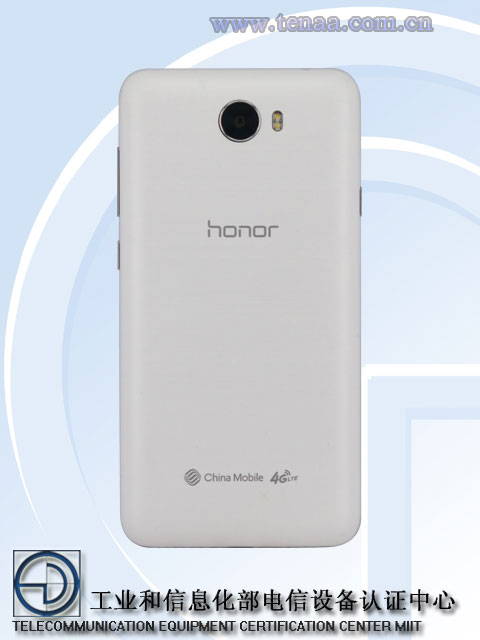
While Huawei has a solid top-end flagship lineup, the company is also present in the budget market and has some decent offerings. We had already seen the Honor 5A and Honor 5A Plus before, thanks to their TENAA listings and now, Huawei’s Honor sub-brand has released a new teaser on its Weibo page revealing that the Honor 5A will be announced on June 12.

honor 5a launch

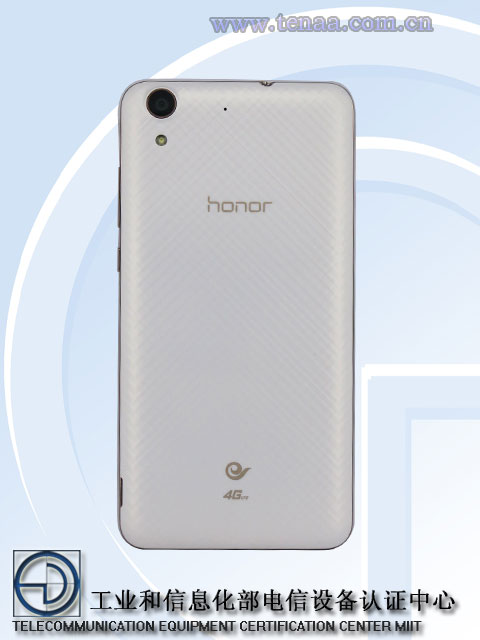
Since we saw two models on TENAA, on June 12, the company should announce two models as well. The Honor 5A will be the smaller sibling coming with a 5-inch 720p display, on the other hand, the Honor 5A Plus will come with a 5.5-inch 720p display. Apart from the size, the phones also differ in terms of their design and placement of their camera sensors. You can check out both the phones in the images in below.

Honor 5a Plus vs Honor 5a

As for the specs, the Honor 5A will come with a 1.3GHz quad-core processor with 2GB RAM and 16GB of internal storage. At the back, there will be a 13MP camera, while up front, you get a 2MP shooter. Inside its 8.9mm body, the phone features a 2200mAh battery.

Coming to the Honor 5A Plus, TENAA reveals that the phone will come with a 1.5GHz octa-core processor with 2GB RAM and 16GB storage. At the back, you get a 13MP camera as well, but the front shooter is upgraded to an 8MP sensor. Inside its 8.45mm body, you get a 3000mAh battery.

Since Honor 5A series phones are going to be targeted at the low-end market, you can expect it to start at 699 Yuan ($106). The competition in this segment is really fierce, and yesterday, we just saw the entry of ZTE’s Blade A2 handset that comes with pretty good specs for its price. You can check out the TENAA listing of the Honor 5A and 5A Plus from here.

ASUS ZenFone 3 Deluxe May Feature Snapdragon 821 Instead of 823

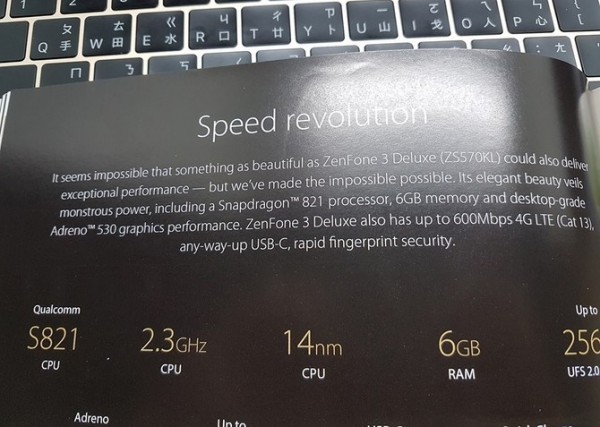
Recently, we heard that the ASUS Zenfone 3 Deluxe model, which is the top-end variant in the lineup will have another version reportedly sold in some Asian countries. The major difference in the new model would be that it will be powered by the Snapdragon 823 chipset. However, now, we have just spotted a promotional material of the ASUS ZenFone 3 Deluxe which reveals that the phone is powered by Snapdragon 821 and not Snapdragon 823. So, the SD821 powered variant of the device could be announced later.

snapdragon 821 deluxe

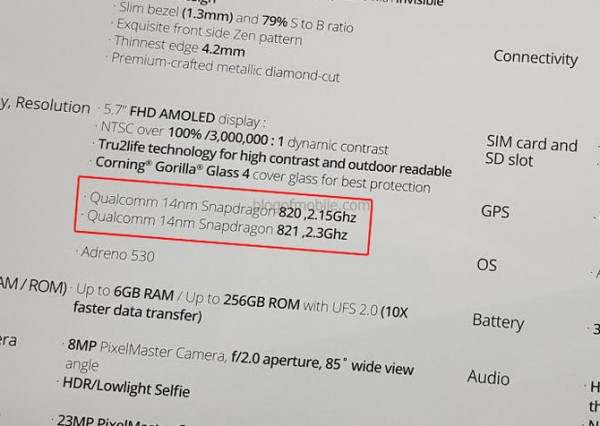
From what we could make out from the promotional material of the device, it looks like the Snapdragon 821 chip will upgrade the clock speed to 2.3GHz. The Snapdragon 820 is clocked at 2.15GHz, so this will be a slight upgrade. Rest of the specs seems to be the same, like 14nm manufacturing node, and Adreno 530 GPU. So, this could be the overclocked version of the chipset.

asus zenfone 3 deluxe sd821

But, what about Snapdragon 823? Well, earlier we had heard rumors that Snapdragon 821 was renamed to Snapdragon 823, but looks like that didn’t happen. Further, IHS analyst Kevin Wang said earlier today that the flagships of the second half of 2016 will be powered by Snapdragon 821 and not Snapdragon 823.

The name doesn’t matter much. Whether it’s called the Snapdragon 821 or Snapdragon 823, the chip would just be a gentle upgrade to the existing Snapdragon 820 SoC. This makes sense, because 820 is already a powerful chip, and even if it was going to be upgraded within a year, it should be only a gentle one.

What are your thoughts? Do we need an even faster Snapdragon chip for 2016 flagships?


ZUK Z2 Hands On Preview (Video)

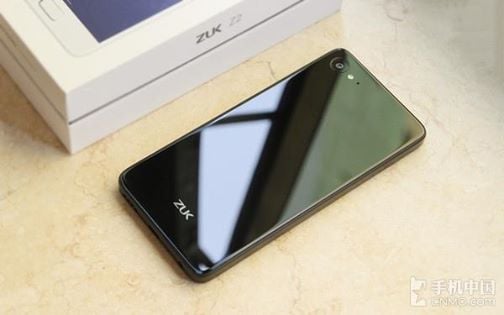
Lenovo’s sub-brand ZUK was established last year to attract the younger generation crowd who would like to have the best specs at the best price. ZUK Z1 managed to capture all of our attention and with the ZUK Z2 Pro and ZUK Z2 models, the company has pretty much established that it is here to take on the market. The ZUK Z2 in particular, is an important flagship for the company as it takes on Xiaomi’s mighty Mi5. What makes ZUK Z2 interesting is that it’s cheaper than the Mi 5, yet comes with a faster clocked Snapdragon 820 processor @ 2.15GHz as well as 4GB of RAM on board. This gave the Z2 an edge over the few months old Mi5. Check out our full comparison with Xiaomi Mi5 from here.

zuk z2 hands on

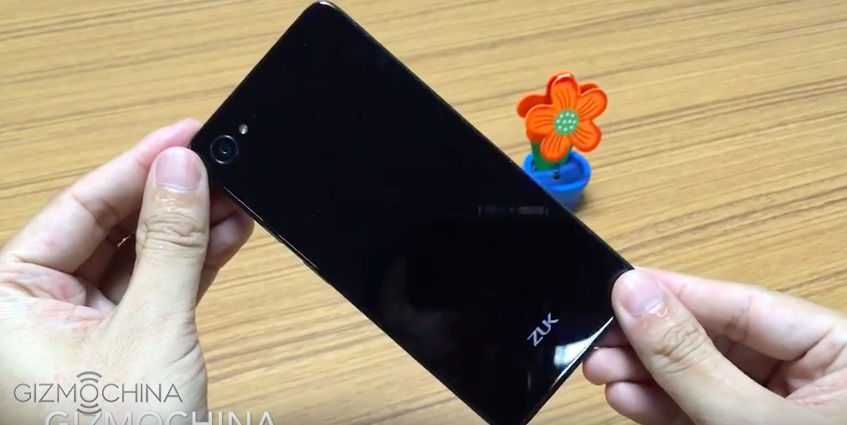
The ZUK Z2 is quite popular in China at the moment, and within three days the company managed to get over 6 million registrations for the first flash sale that is going to be held tomorrow morning. Given that this is a major flagship, we managed to get an early sample of the ZUK Z2. Unfortunately, we didn’t get the time for a full-fledged unboxing or review of the device, but those videos should come up soon.

What we do bring today is a preview video of the ZUK Z2 in action. In case, you were wondering how the ZUK Z2 looked in real life, and performed, this video should give you a basic idea about the phone. Check out this 5-incher from down below.  Also, you can currently pre-order the ZUK Z2 from OPPOMART for $329. TThe phone starts shipping from June 20 and will come with google play services pre-installed on the device.

Five Different OnePlus 3 Cases Spotted on Zauba Listing

As we near the announcement of the OnePlus 3 flagship, more information about the device has been coming up online. We already saw the new live leak of the flagship along with some camera samples taken from the rear camera shared directly by the company CEO, Pete Lau. Now, we have spotted new at least five different cases for the OnePlus 3 on the Indian import listing website, Zauba.

oneplus 3 cases zauba listing

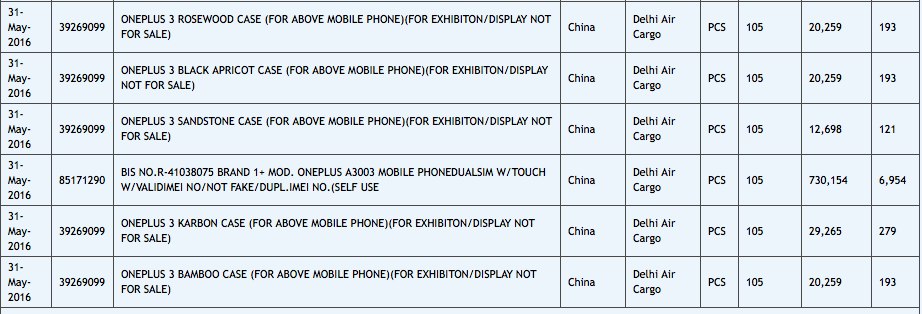
The website reveals five different back covers —  bamboo, karbon, sandstone, black apricot and rosewood. Well, it’s not really surprising to see plenty of case options for the OnePlus 3 given that the previous two flagships were famous for the sandstone and wood back covers. So, anyone who didn’t like the metal design that we saw in the renders before, these cases could be a good and cheap way to give your phone a decent wood makeover.

OnePlus 3 is all set to go on sale on June 16 in China. The company CEO has revealed that the supply will be adequate and it is said that the stock is over a million. If the phone is going to be sold in millions, it becomes necessary for the company to make its accessories also available in plenty.

We still don’t know when the new phone will go on sale internationally, but we can expect more details in the next few days. Stay tuned to gizmochina for more updates on the upcoming OnePlus 3.


Thanks Ravi for the tip!


(Source)

More OnePlus 3 Live Images Appear

OP3 gsmarena_005

OnePlus doesn’t want you to stop thinking about the upcoming OnePlus 3, so they’ve been regularly dropping bits and pieces about it. And I’m sure we are going to keep getting them till the 15th of June.

gsmarena_004

gsmarena_003

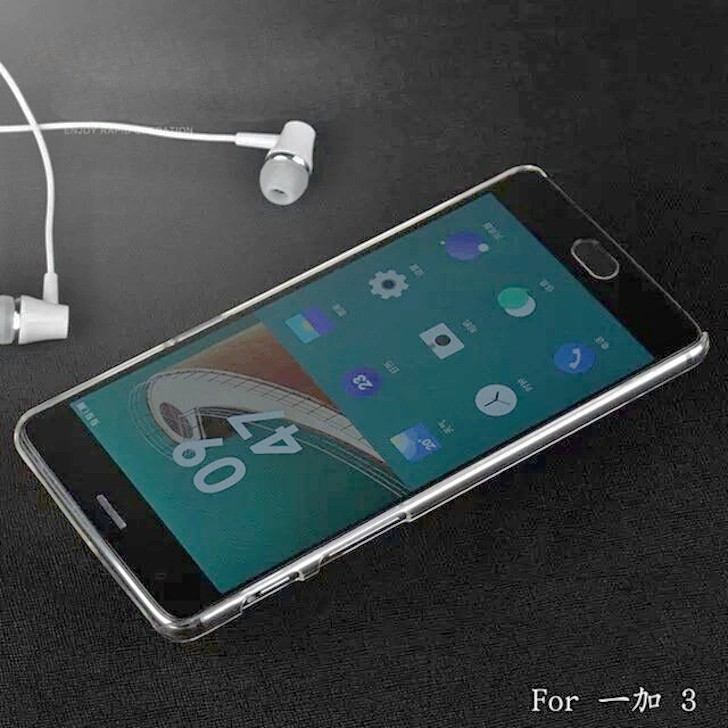
This time around what we have for you are live images of the OnePlus 3 (OP3) . The version in the picture is grey and appears to be wearing a transparent case compared to the black version spotted last month. We can also see that the OnePlus logo is missing, so this is most likely one of the prototypes running around. Thinking about it now, it’s possible for people to have seen the phone in public but not know it’s the OP3 since it’s not wearing their trademark logo. Plus, the design looks quite familiar, so you might not have taken it for a new OnePlus device. 

oneplus 3 live leak

The OnePlus 3 will be sporting a 5.5″ AMOLED FHD screen, Snapdragon 820, 4GB or 6GB of RAM, 3000mAh battery, and a fingerprint scanner. It will also bring back NFC support which was removed on the OP2 and ditching the invite system.

Pricing is still not known yet but OnePlus offered 1000 units for sale today at 2999 Yuan ($450) per unit. However, if the final price turns out to be less, buyers should expect a refund. More details on the sale here.

Also, in case you missed, here are some camera samples from the new flagship.

(Twitter)

LeEco Said To Release A New Snapdragon 823 Flagship at MWC Shanghai this month

LeEco surprised us everyone by announcing the first Snapdragon 820 powered smartphone in the market, namely the Le Max Pro. Although the phone wasn’t sold to the regular consumers in plenty, the company does hold the title of the first manufacturer with SD820 phone. Now, it looks like this Chinese company is going to boast of another great title this year.

le max pro 02

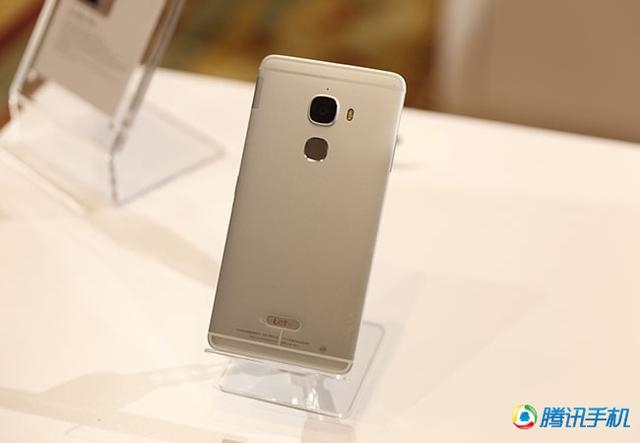
According to Chinese media, LeEco is said to be working on a brand new Snapdragon 823 powered smartphone and it is expected to be announced at Mobile World Congress at Shanghai that starts at the end of this month, from June 29 and goes on till July 1. If true, LeEco will probably become the first smartphone maker to release a Snapdragon 823 powered phone!

According to rumors, Snapdragon 823 will come with slightly upgraded specs as compared to the already powerful SD820. The company is said to have increased the clock speed, with other upgrades such as Adreno 530 GPU, X12 LTE baseband and Cat.12 / 13 support. Other possible specs include support for 8GB DDR4 memory and 25MP camera sensor. The Galaxy Note 6 is long rumored to be using this new chip and so is the ASUS ZenFone Deluxe model for some Asian markets.

snapdragon

The Snapdragon 820 is already a powerful chipset and there’s hardly any other chips in the market that can match the performance of this beast. So, it would be interesting to see what the Snapdragon 823 brings to the table. We expect a slight boost in performance (because there’s actually no need for a significant increase right now) along with GPU and some connectivity upgrades as mentioned above.

Considering Snapdragon 820 smartphones started entering the market by February 2016, it would be really surprising if Snapdragon 823 phones make it to the market so early. Qualcomm usually follows yearly release period for its chips, but looks like that’s changing this year.

Anyway, it’s still too early to comment as we don’t have official details, but expect more details soon.


Xiaomi Will Soon Launch Its New Smartwatch, Reveals Analyst

A few days back, Xiaomi released the much anticipated Xiaomi Mi Band 2 in China, costing just 149 Yuan ($22). However, the new generation Mi band is not the only wearable that we will be seeing from the company this year. For the first time, Xiaomi is said to be working on a smartwatch and the device was earlier confirmed to be released sometime in the second half of 2016. The confirmation came directly from the CEO of Huami, the company who is responsible for the manufacturing of the Mi Bands.

Xiaomi-smartwatch-render

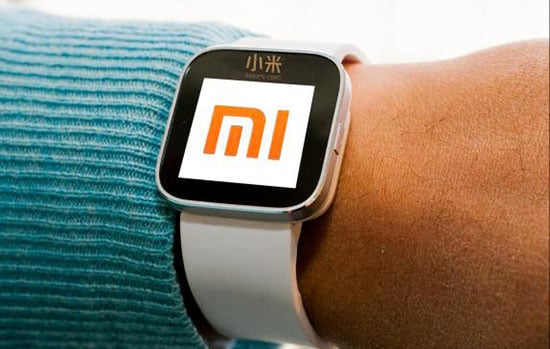
Now, the noted analyst, Pan Jiutang from China reveals that the new smartwatch should be released by the company soon. He also says that the power consumption of the new Xiaomi smartwatch should be similar to Garmin’s wearables. Finally, he asked his followers what would be the ideal price tag for the new sports watch from the company and gave two options, 999 Yuan ($152) and 1599 Yuan ($243). Well, considering that he revealed two specific price figures for the new Xiaomi smartwatch, it is speculated that there could be two variants that would be priced at 999 Yuan and 1599 Yuan respectively.

Also, since Huami CEO and now Pan Jiutang confirmed that the Xiaomi smartwatch exists, we now have to wait for an official announcement. Considering that the company’s Mi Band 2 costs $22, the Mi smartwatch at 999 Yuan may be a bit costlier than expected.

What do you think? If the Xiaomi smartwatch looks good and has a decent battery life, would you be ready to shell out around $152 for the wearable?
 

Meizu M3S: Meizu’s New Phone Scheduled to Launch June 13

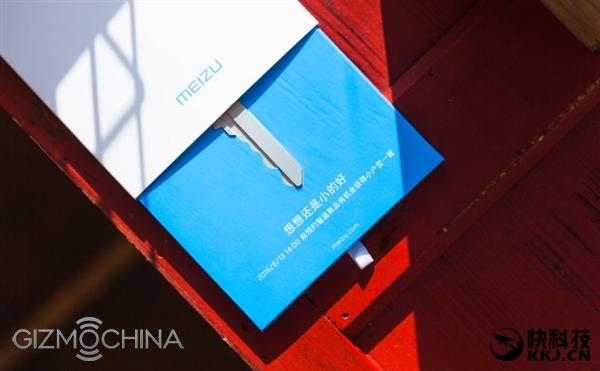
Exactly a week from today, Meizu will be holding a conference. The invitation to the event which holds a metallic key already hints that the device to be launched is going to be clad in metal.

meizu key

China’s Sina tech has now been able to confirm that the device is called the Meizu M3S. So, the phone won’t be called as the Meizu M3 Metal like we previously speculated. The M3S is said to feature a 5″ HD screen, powered by a MediaTek MT6750 Octa-Core process clocked at 1.5GHz. It’ll come in two RAM and ROM  variants, viz.: 2GB RAM + 16GB ROM, and a 3GB RAM version with 32GB of built-in storage. Both versions will support SD card slots, feature 13MP rear cameras and 5MP front facing cameras, fingerprint scanners, and also be available in a variety of colors.

However, there’s no information regarding what version of Android it’ll launch with seeing that the M3 Note and M3 both arrived with Android 5.1 with no mention of an update yet.

The Meizu M3S is expected to be priced at 799 Yuan ($121) and 899 Yuan ($136) for the 2GB RAM and 3GB RAM versions respectively.

New OnePlus 3 Rear Camera Samples Revealed By CEO

We are just a few days away from the official launch of the OnePlus 3 flagship. The company is already hyping the device, even selling limited 1000 units of the new device earlier today for 2999 Yuan ($456) in China. Unsurprisingly, the limited units were reportedly sold out in a just a matter of a second. Now, the next option for fans is to wait for the official launch of the device, on June 14 (June 15 in China). The company has confirmed that the phone will go on sale the very next day in China (i.e. June 16). And guess what, the company is said to have stocked millions of units for the sale day. The CEO also reaffirmed today that the stock will be adequate.

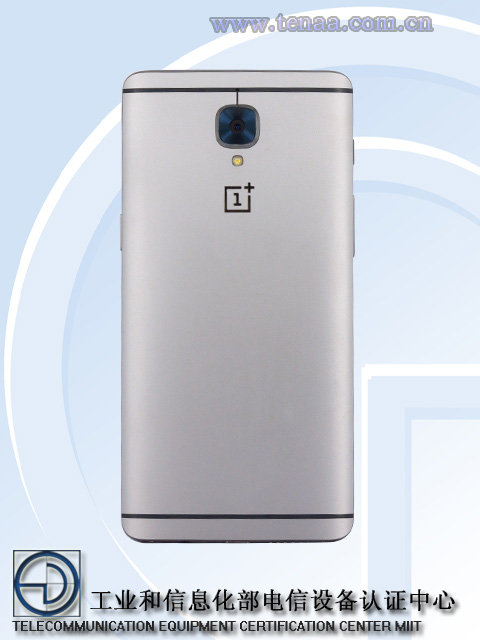
oneplus 3 tenaa 02

OnePlus One and OnePlus 2 had very good cameras, so we naturally expect the new generation OnePlus 3 to keep up the tradition of coming with a powerful rear snapper. From the previous TENAA listing, we saw that the phone came with a 16MP sensor at the back. We have also seen a couple of camera samples revealed directly from the company’s CEO. Now, CEO Pete Lau has just revealed three more pictures taken from the OnePlus 3 and they all look quite good. You can check them out from down below. The color reproduction looks really good, and there’s a good amount of detail as well. What do you think?

For the first time, OnePlus is going to release a phone with a metal body. TENAA pictures as well as earlier leaks have pretty much confirmed the metal design on the device. As for the specs, the phone is expected to come with a 5.5-inch 1080p display, powered by the mighty Snapdragon 820 quad-core processor. For memory, you can expect 4GB /6GB RAM versions with 64GB of inbuilt storage. At the back, the phone is said to come with a 16MP camera while up front you will find an 8MP shooter. The battery is going to be of decent capacity — 3000mAh but the highlight is most likely going to be the VOOC fast charging technology (still unconfirmed). As for software, the phone should run on Android 6.0.1 Marshmallow based on OxygenOS (HydrogenOS in China).

As the release is nearing, expect more details about the phone soon.

Meanwhile, you can check out the camera samples revealed by the CEO a few days back from down below.

OnePlus 3 Rear Camera Sample

OnePlus 3 Front Camera Sample


Lenovo’s Project Tango Smartphone Rumored To Come With 6.4-inch 2K Display

Ever since last year, we have been hearing about Google’s Project Tango which uses complex sensors and cameras on board the smartphone to map the space around the user in real time. This is really an interesting project and it is said that we will see the consumer version of Project Tango sometime later this year. Lenovo and Google had announced their partnership for this project earlier at CES 2016 and now, some more details about this Project Tango consumer ready device have cropped up online, thanks to the noted leakster, Evan Blass aka evleaks.

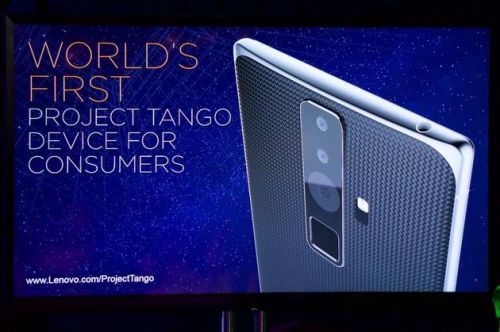
lenovo project tango

Evan revealed that Lenovo’s first Project Tango smartphone will be a large screen device and will be called as the LEnovo PHAB2 Pro. He also revealed that the phone will feature a 6.4-inch display, which is in line with what Google had said a while back. The company had confirmed that the phone’s display would be less than 6.5-inches but at that time, we were expecting something significantly smaller and not a 6.4-inch phablet. Another information revealed by Evan was that the phone feature a 2K resolution display. For such a massive size, 2K resolution sounds appropriate, since the pixel density comes to a good 459 ppi.

As for the pricing, we know for sure that the phone will be priced below $500.

In case you are wondering, Project Tango has many possible practical applications like finding measurements of a room, or even placing virtual furnitures inside a place. So, without having to use tapes or measurements, it will help to create 3D maps of rooms and other indoor locations.

Lenovo is expected to release the new PHAB2 Pro at Lenovo Tech World 2016. Hopefully, we’ll have more to talk about this device after the event.

(source)


Huawei Unveils A Custom 16-core Processor, But Not For Smartphones

Huawei is one of the top five smartphone manufacturers in the market right now. But the company is also a player in the server market. We have heard about the servers from the company before, but the one that Huawei released recently is definitely worth our attention. The company has, for the first time, released a server powered by a processor with 16-core custom architecture.

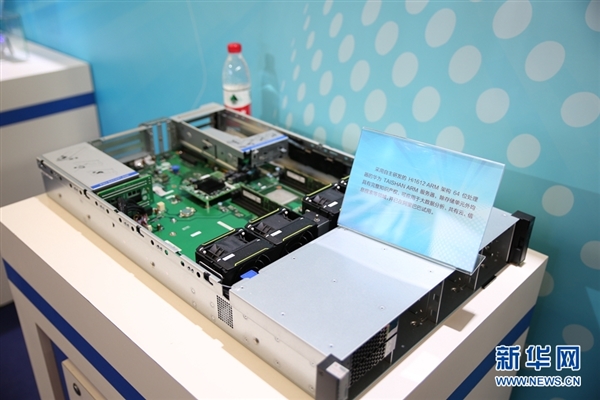
huawei custom chip 16-core

Huawei has been making considerable progress in the silicon industry, thanks to its Hisilicon chipset department. Although the earlier Kirin chips from the company were not that impressive, the ones that have been released recently, like the Kirin 955 and 950 are quite powerful and efficient, putting Huawei smartphones at par with most flagships in the market. But Huawei uses ARM’s stock architecture on its Kirin chips for smartphones. On the other hand, for its new server, the company has reportedly used a self-developed 64-bit processor Hi1612a architecture, manufactured on TSMC’s 16nm process, with up to 16 cores on board and compatible with ARMv8-A instruction set. Further, the company is said to hold some IP rights related to large data analysis, cloud computing and information search.

But Huawei uses ARM’s stock architecture on its Kirin chips for smartphones. On the other hand, for its new server, the company has reportedly used a self-developed 64-bit processor Hi1612a architecture, manufactured on TSMC’s 16nm process, with up to 16 cores on board and compatible with ARMv8-A instruction set. Further, the company is said to hold some IP rights related to large data analysis, cloud computing and information search.

Huawei’s processors for smartphones have been till now limited to eight-core architecture. It is said that the company decided to develop a custom architecture for its new server because the server market is a very complex. There are a lot of factors to be considered like stability, reliability, long-term supply etc, but the development period could be long. Hence, the company had the time to develop its own custom architecture for its new product.

However, when it comes to the consumer smartphone market, the company will reportedly stick with ARM’s stock architecture because the development period is really short. So, it doesn’t look like Huawei plans to release a custom processor for smartphones and consumer market anytime soon.

Still, it’s good to see Huawei’s silicon arm progressing.


(via)

Photographs of the Moto Z and its Replaceable Style Mods Surface

moto z stylemod

The Moto Z is Motorola’s flagship for the year and in what appears to be a strange coincidence, we see Motorola ditch the X name for Z, and Sony abandon the Xperia Z line for Xperia X.

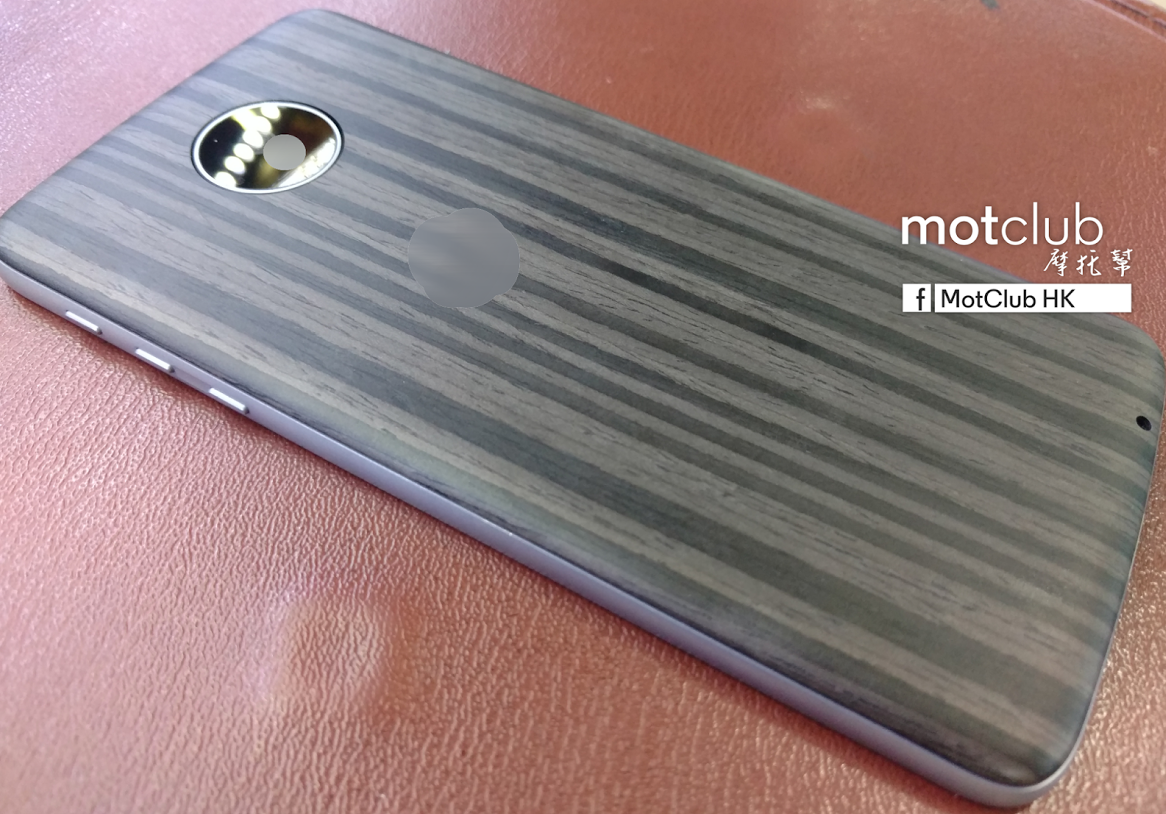
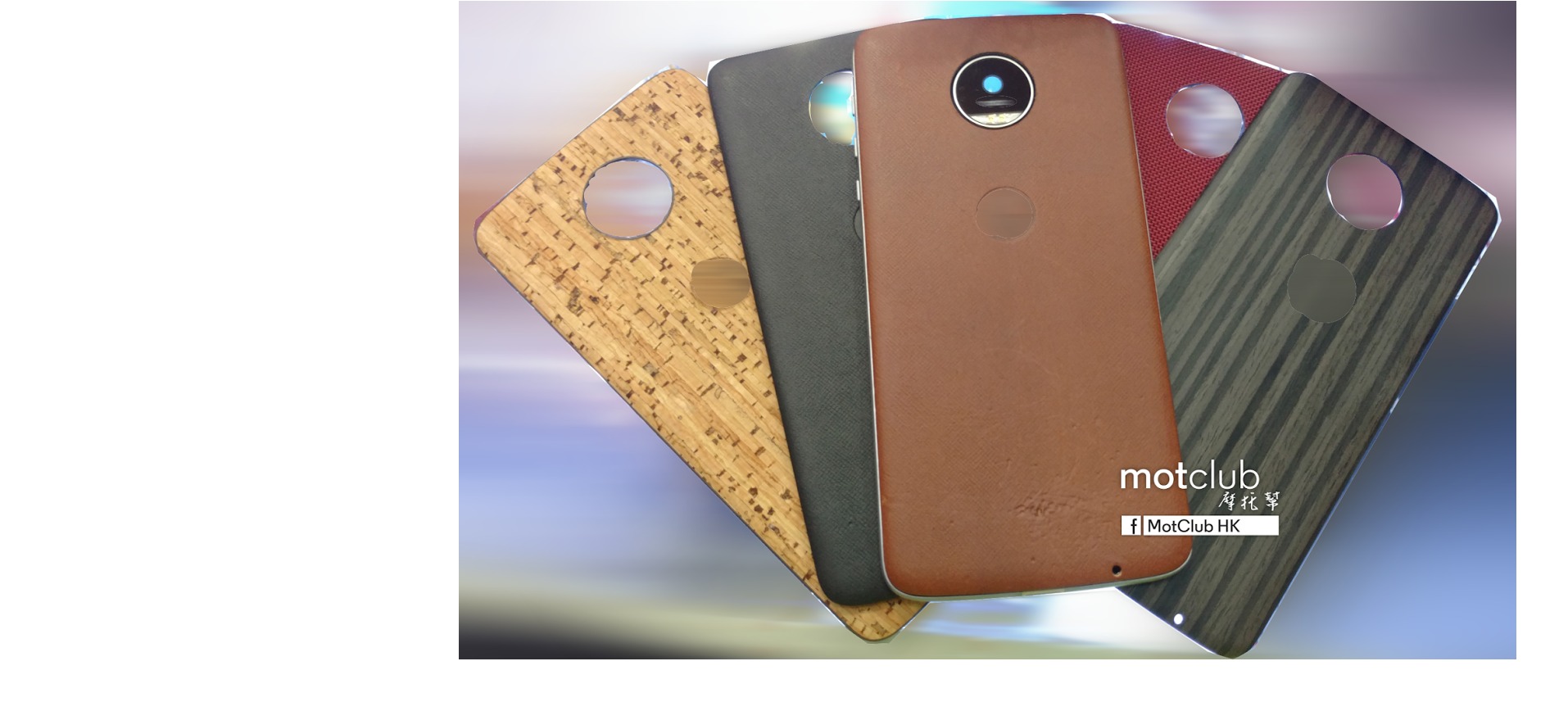
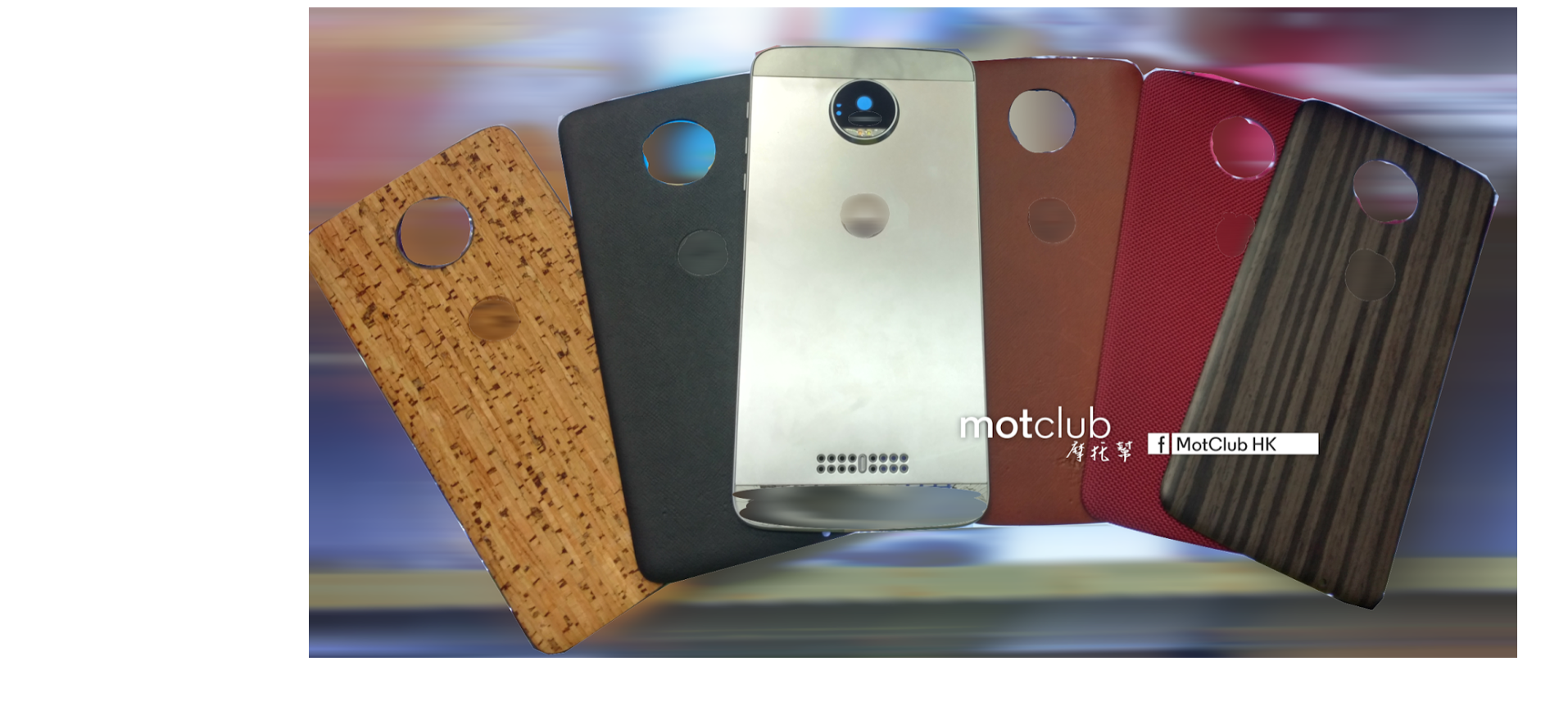
The Lenovo-owned company is doing things differently this year by providing what is called StyleMods and MotoMods. The Stylemods are replaceable stylish covers which you can purchase to give your phone a new look and will come in leather, wood, and ballistic nylon. Since Motorola is going this way, it seems we won’t be seeing the much loved MotoMaker customization anymore.

StyleMods

The MotoMods on the other hand, are modular attachments similar to what LG came up with for the G5. The MotoMods add new functions to the phone by connecting to the 16-pin port present at the base of the Moto Z. There is a MotoMod that upgrades the camera of the phone by giving it a dedicated shutter button, lens cover, and probably optical zoom.

The Moto Z is said to feature an AMOLED screen with the same shatter shield technology seen on the Motorola Droid Turbo 2. The release date for the phone is just 4 days away, and we’ll sure provide you with new details once we get our hands on themThe-Motorola-Moto-Z-and-the-StyleMods

(source)

OnePlus 3 Scores Well on Latest Geekbench Benchmark Test

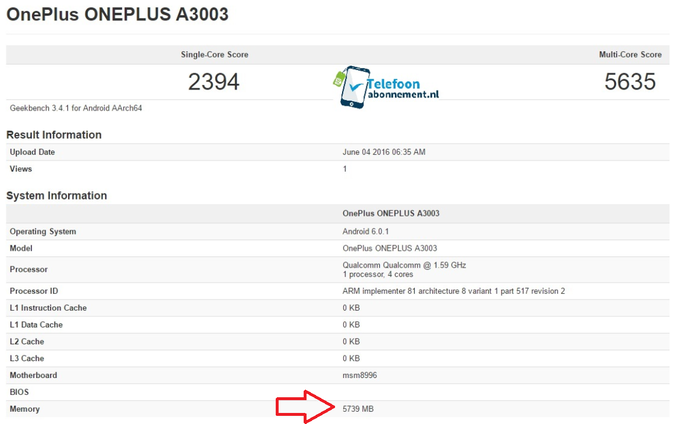
While the official release for the OnePlus 3 is still about a week away, we already have a good idea of what to expect, although there’s a possibility that we shall be getting multiple variants of the OnePlus 3. This geekbench results is for a 6GB RAM version, running Android Marshmallow, and with a Snapdragon 820 processor.
The OnePlus 3 (OP3) has been put through multiple benchmarking tests in the past and the results are pretty consistent. For the latest tests dated 4th of June, the OP3 has a single-core score of 2394 and a multi-core score of 5635. Two previous tests ran a day before the latest one shows the OP3 achieving single-core scores of 2277 and 2400, and multi-core scores of 5157 and 5516. Another test ran in April showed the OP3 with the same RAM and SoC configuration achieving a single-core score of 2094 and multi-core score of 4944. From this we can see that the phone has indeed undergone some optimizations.

oneplus 3 geekbench

The OP3 is said to feature a 5.5” FHD display, a 16MP rear camera, 8MP for selfies, 3000mAh battery, and either 32GB or 64GB of ROM. The launch date is on the 14th and is going to happen on the company’s Loop VR Platform.


Big Question

Is 6GB RAM really necessary? Or should manufacturers rather focus on proper RAM optimization?

(via)

Lenovo 1080p IP Camera: Half the Price of Xiaomi’s YI Camera 2


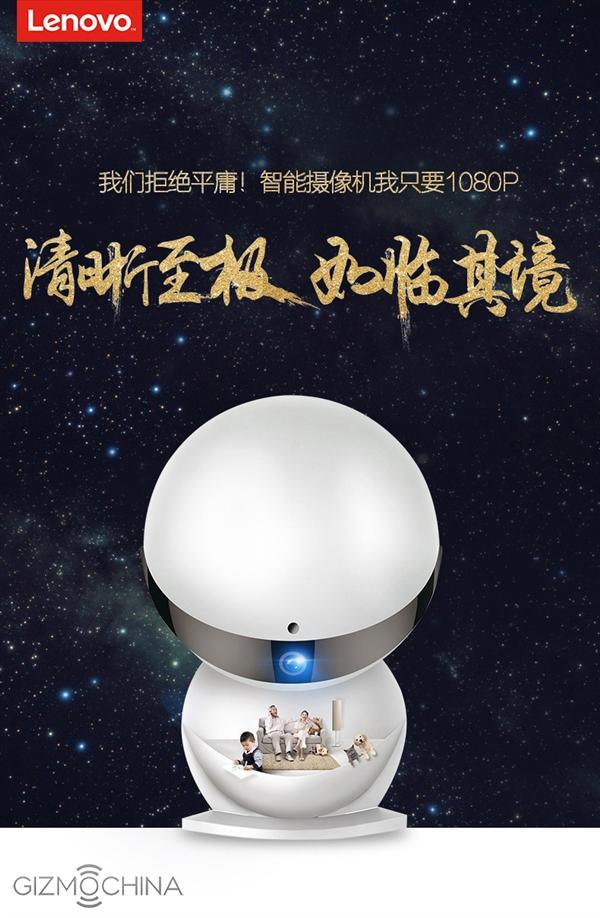
Lenovo Snowman
Lenovo Snowman

A little while back, a Lenovo Taobao crowdfunding for a 1080P smart surveillance camera was launched for half the price of a Xiaomi YI Camera 2. The Yi Camera 2 is priced at 399 Yuan ($60) with a year of Ali Cloud storage service at 120 Yuan while Lenovo’s smart camera is priced at 199 Yuan ($30) with the same cloud storage service at 180 Yuan.

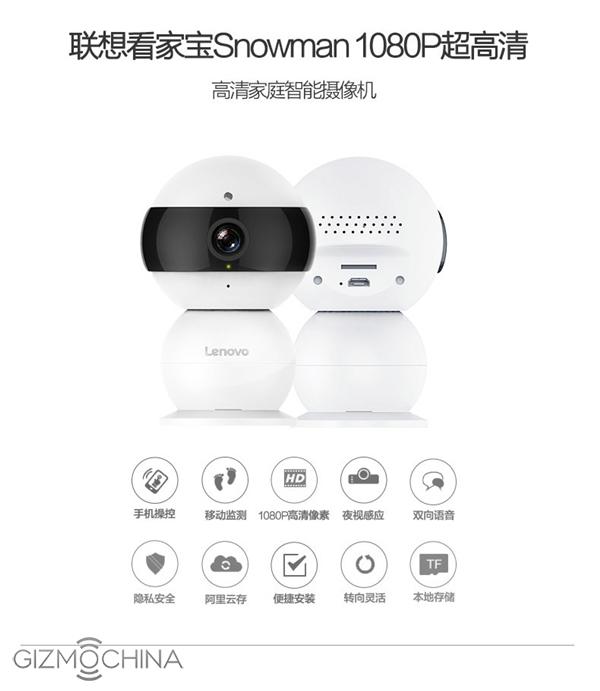
Lenovo’s smart camera, called Snowman, (you can tell where the idea for the name came from) takes a few design cues from the BB8 droid in Star Wars: The Force Awakens, in the sense that the camera is balanced upon a detachable magnetic spherical base. The spherical base allows the camera to be moved around in a complete circle (360°) albeit manually and has a flat base that lets you mount it on walls.

The camera supports 1080P recording at 15fps, has 110° of horizontal viewing angle, 140° of diagonal viewing angle, and has SD card support of up to 128GB.

Lenovo snowman

Other features include a 2MP sensor, 64MB RAM, 16MB ROM,  2-way audio, smart motion detection, automatic recording, phone alerts, and night vision sensor. Power input is 5V 1.5A.  There’s Wi-Fi support with a bunch of security protections as well.

The camera is expected to retail for 289 Yuan ($44) for those who didn’t pledge during the crowdfunding.

ZUK Z2 Gets Over 6 Million Registrations For Its First Sale In China

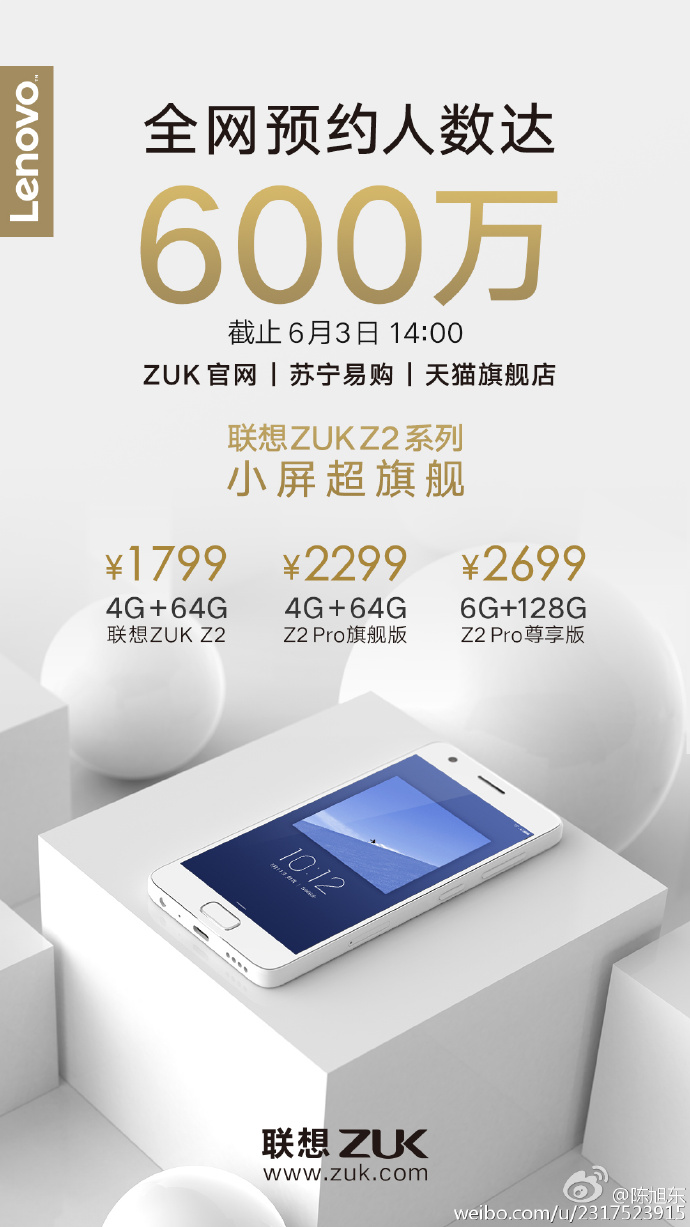
Smartphones are a big deal in China, with almost everyone looking to get hold of the latest flagship in the market. We have seen Xiaomi phones getting millions of registrations for the flash sales of their flagship models, and looks like ZUK is joining the party as well. ZUK has just revealed that it has received over 6 million registrations for the first sale of ZUK Z2 smartphone in China. This is actually not that surprising given that the device is priced at 1799 Yuan ($273) and it is one of the cheapest Snapdragon 820 powered smartphones that you can buy right now! What’s even more impressive is that the company got so many registrations in just three days, and there are still three days left for the first sale.

zuk z2 registrations

ZUK Z2 will officially go on sale in the country on June 7 at 10:00 AM. I sure hope ZUK has prepared enough units to fulfill the immense demand for the new handset.

zuk z2

Looks wise, the ZUK Z2 is similar to the Z2 Pro, coming with a metal frame and glass body. The company says the 68.88mm width of the device is ideal for one hand operation. Specs-wise, the phone is really impressive, coming with Snapdragon 820, 4GB of RAM and 64GB of internal storage as standard. The ZUI 2.0 comes with a special overclocking feature which increases the clock speed of the chipset from 2.15GHz up to 2.3GHz. At the back, there will be a 13MP rear camera with LED flash, PDAF and CAF, while up front, you get an 8MP shooter. The battery is pretty large as well, measuring 3500mAh in capacity and with Quick Charge 3.0, filling it up will be a piece of cake. You can read more about the specs of the device from here.

We will have to wait and see how many more registrations the phone gets before its first flash sale. We should get this news in the next few days.


New Huawei Daydream Supported Phone to Launch This Fall

A few weeks ago during Google’s I/O conference, Daydream, it’s virtual reality platform for android was announced with a release date set for Fall. Google has however stated that most top phones in the market are unlikely to qualify for Daydream support as they want to set a high standard. Huawei’s Nexus 6P  is however recommended for DIY developers of Daydream.huawei-store logo

With this new development, the head of Huawei’s CEO , Richard Yu, mentioned in an interview with Wall Street Journal that the tech giant will launch a new Daydream supported phone during the fall as well.

He also mentioned that the company’s partnership with German optics specialist, Leica, which resulted in the birth of the Huawei P9, is expected to go on for the next five years.

Another important info Mr. Yu divulged during the interview is the company’s plans to start offering phones via US carriers, stating that plans are already in motion for that to begin.

Now the question is if consumers will be willing to put on hold getting new phones till Daydream supported ones are announced?