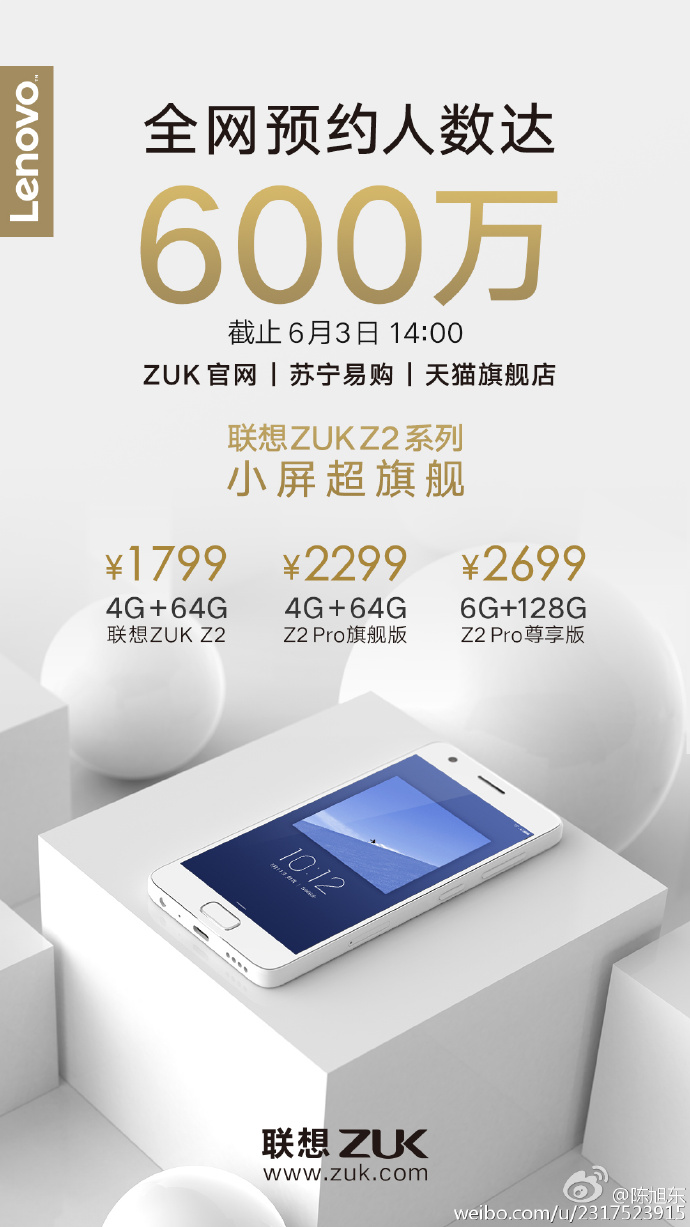
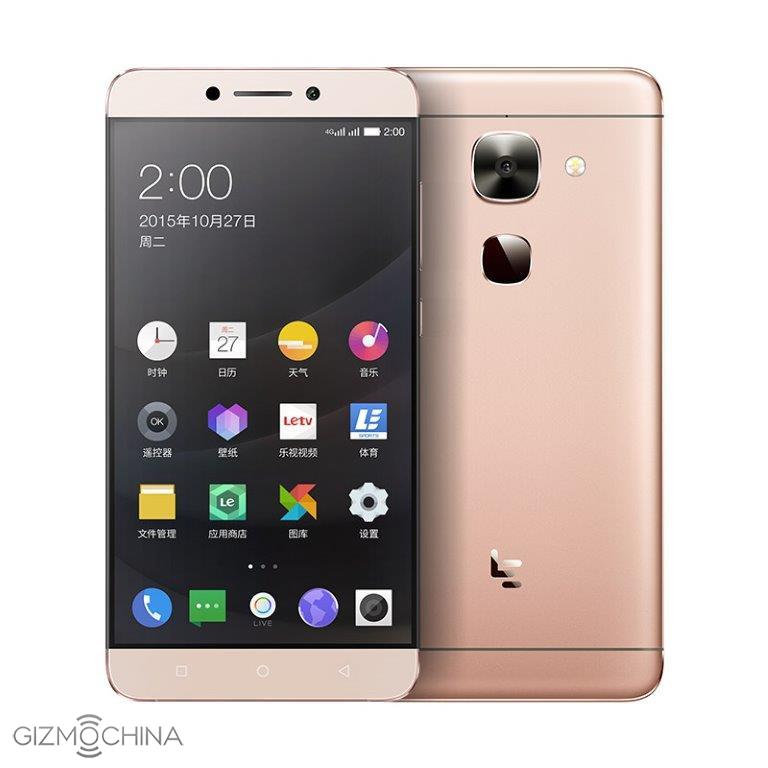
Smartphones are a big deal in China, with almost everyone looking to get hold of the latest flagship in the market. We have seen Xiaomi phones getting millions of registrations for the flash sales of their flagship models, and looks like ZUK is joining the party as well. ZUK has just revealed that it has received over 6 million registrations for the first sale of ZUK Z2 smartphone in China. This is actually not that surprising given that the device is priced at 1799 Yuan ($273) and it is one of the cheapest Snapdragon 820 powered smartphones that you can buy right now! What’s even more impressive is that the company got so many registrations in just three days, and there are still three days left for the first sale.
ZUK Z2 will officially go on sale in the country on June 7 at 10:00 AM. I sure hope ZUK has prepared enough units to fulfill the immense demand for the new handset.
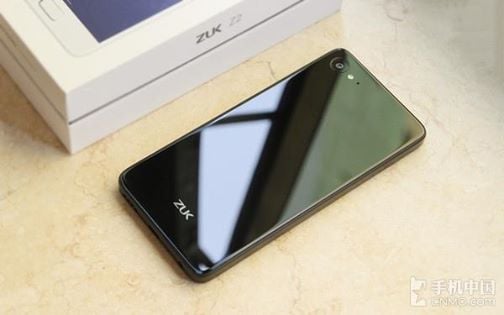
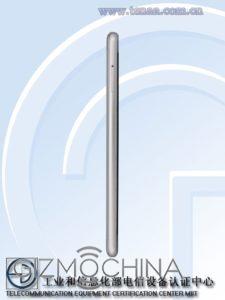
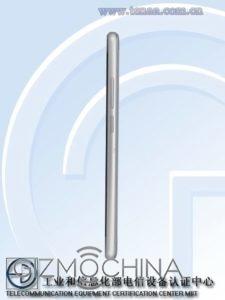
Looks wise, the ZUK Z2 is similar to the Z2 Pro, coming with a metal frame and glass body. The company says the 68.88mm width of the device is ideal for one hand operation. Specs-wise, the phone is really impressive, coming with Snapdragon 820, 4GB of RAM and 64GB of internal storage as standard. The ZUI 2.0 comes with a special overclocking feature which increases the clock speed of the chipset from 2.15GHz up to 2.3GHz. At the back, there will be a 13MP rear camera with LED flash, PDAF and CAF, while up front, you get an 8MP shooter. The battery is pretty large as well, measuring 3500mAh in capacity and with Quick Charge 3.0, filling it up will be a piece of cake. You can read more about the specs of the device from here.
We will have to wait and see how many more registrations the phone gets before its first flash sale. We should get this news in the next few days.
A few weeks ago during Google’s I/O conference, Daydream, it’s virtual reality platform for android was announced with a release date set for Fall. Google has however stated that most top phones in the market are unlikely to qualify for Daydream support as they want to set a high standard. Huawei’s Nexus 6P is however recommended for DIY developers of Daydream.
With this new development, the head of Huawei’s CEO , Richard Yu, mentioned in an interview with Wall Street Journal that the tech giant will launch a new Daydream supported phone during the fall as well.
He also mentioned that the company’s partnership with German optics specialist, Leica, which resulted in the birth of the Huawei P9, is expected to go on for the next five years.
Another important info Mr. Yu divulged during the interview is the company’s plans to start offering phones via US carriers, stating that plans are already in motion for that to begin.
Now the question is if consumers will be willing to put on hold getting new phones till Daydream supported ones are announced?
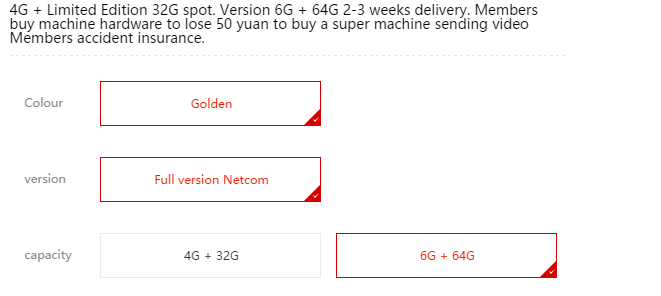
LeEco announced the Le Max 2 flagship along with two other devices back in April this year. The Max 2 came in two variants, one with 4GB of RAM and another with 6GB of RAM on board. However, up till now, LeEco was only selling the 4GB RAM model in China. I have received a lot of emails from our readers asking about the 6GB RAM version and now, finally, there is some good news. LeEco announced today that the Le Max 2 6GB RAM version is up for pre-sale.
You can pre-order the device right now via the official company store, and you can expect delivery in the next two to three weeks. The company is also reportedly going to make the device up for open sale, but we haven’t got any dates for the same. Given that the phone is finally on presale in China, you can expect third party retailers like LETVMart to start selling and shipping the device soon.
With 6GB of RAM onboard, the LeEco Le Max 2 is really a power flagship. It comes with Snapdragon 820 chipset with a large 5.7-inch 2K display on board. There will be 64GB of internal storage and a battery measuring 3100mAh in capacity. At the back, you get a 21MP sensor, while up front, there’s an 8MP shooter. Priced officially at 2699 Yuan ($409), there’s hardly any competition for the device in its price segment.
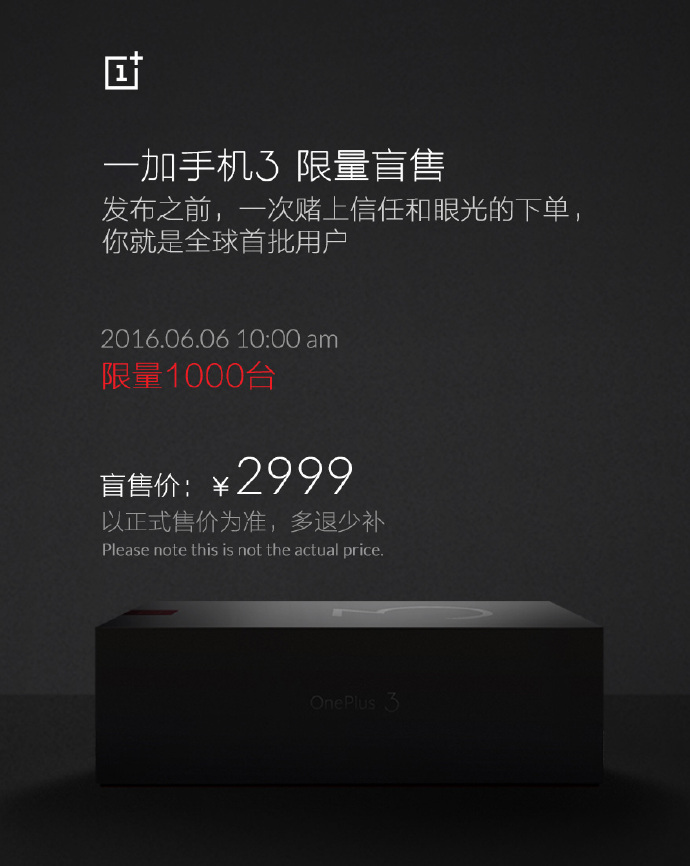
OnePlus 3 is going to sell its upcoming OnePlus 3 flagship even before its official launch. The company has just revealed that a few limited units (1000) will be up for sale on June 6. So, you could very well be one of the first users to get hold of the device in China. The company has priced the device at 2999 Yuan (around $455). OnePlus adds that this is not the official price tag of the product, instead, this price is for the early adopters. It’s likely that the OnePlus 3 flagship starts at a much lower figure than this, as revealed by earlier rumors.
So, why would you even consider paying $455 for the new device? Well, if you want to be one of the first ones to experience the OnePlus 3, then this is a good opportunity. Further, the company is said to give out a few extra presents to the early adopters. What makes this sale interesting is that the price you pay will be matched by the official price tag announced on June 15 in China. So, if the official price is greater than 2999 Yuan, you will have to shell out more to compensate for the difference. If the price is less than this figure, OnePlus will refund the difference back to you. Further, you have 7 days to cancel the order — till June 14 6PM Beijing time, i.e. if you change your mind.
As for the shipments, the OnePlus 3 will be shipped on the same day as the announcement, i.e. June 15. So, your OnePlus 3 should arrive at least a couple of days before the regular orders.
If you don’t want to shell out this much for the device, you can try to get into the peer community review program from the company. Read more about that from here.
ASUS announced the new ZenFone 3 smartphone, which was one of the first phones to feature the 14nm based Snapdragon 625 chipset. Interestingly, Samsung recently announced the Galaxy C7 handset in China, which also came with the same Snapdragon 625 chip. Since this is a new chip from Qualcomm, we are eager to see the first set of benchmark results for the SoC, and looks like they are quite satisfactory. Although the ZenFone 3 wasn’t available for testing, the Galaxy C7 was, which meant that we can see the initial performance of the chipset. The results come from a Chinese website, who tested out the C7 with Snapdragon 625 on board.
These scores also help us to compare Snapdragon 625 vs Snapdragon 617 vs Snapdragon 652.
The Snapdragon 625 SoC, like its name suggests, is placed between the Snapdragon 617 and Snapdragon 652 chipsets. And the benchmark scores reveal that it performs perfectly, according to its placement.
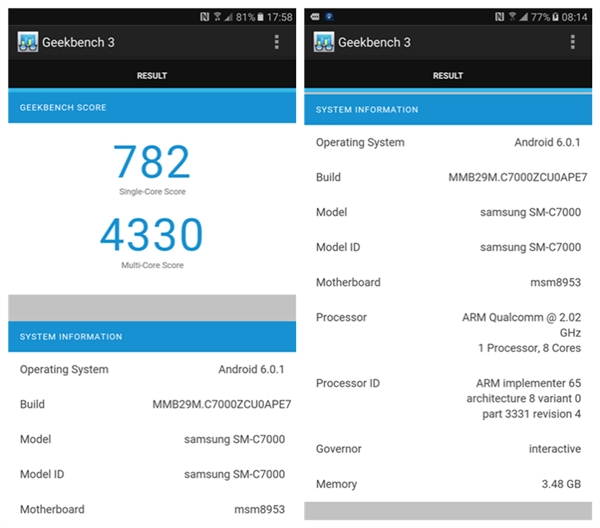
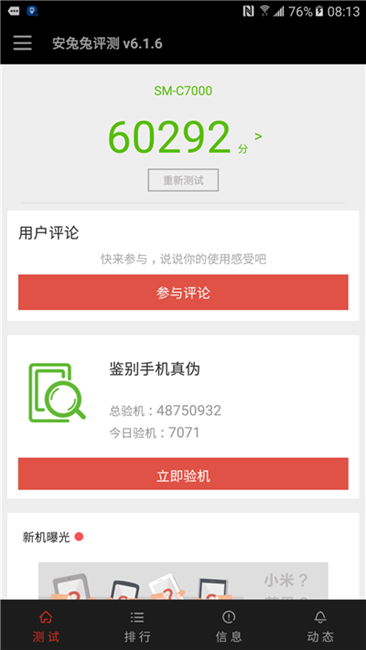
In the AnTuTu test, the Galaxy C7 powered by SD625 managed to score just above 60,000 points. In the geekbench 3 test, this chip managed to get 782 in the single core test and 4330 in the multi-core test.
Now, the results for Snapdragon 625 vs Snapdragon 617 are just as we expected. The Snapdragon 617 chip which is placed below the 625 scores just above 700 points in the Geekbench 3single-core test and around 3100 points in the multi-core test. Since even the Snapdragon 625 chip is based on Cortex A53 cores in an eight core architecture, the single core test is similar, around 780 points. On the other hand, Qualcomm has bumped up the clock speed from 1.5Ghz on the SD617 to 2GHz on the SD625, and hence, we see a great improvement in the multi-core test scores (4330) on the new chip. In case you are wondering, Snapdragon 617 gets around 45K on AnTuTu, which is way less than SD625’s core of 60K+.
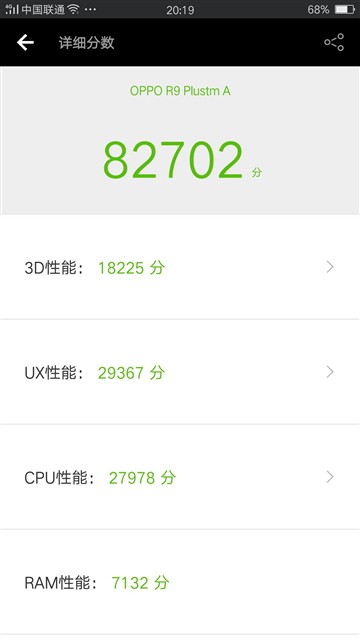
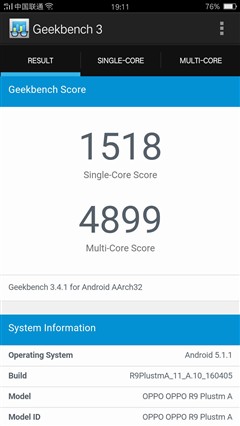
Now, coming to the Snapdragon 652 vs Snapdragon 625 comparison, we referred to the score posted by the mighty OPPO R9 Plus. It managed to get a score of around 82,000 in the AnTuTu test and 1518 (single-core) and 4899 (multi-core) in the Geekbench 3 tests. As you can see, this is clearly better than the scores on Snapdragon 625 that we saw above. The Cortex A72 cores definitely help the SD652 out-perform the SD625.
As always, we would like to note that benchmarks tests only tell one part of the story. But it does give us an idea about the basic Snapdragon 625 vs Snapdragon 617 vs Snapdragon 652 performance.
So, what do you think about the new Snapdragon 625? Seems like a powerful SoC that can drive the mid-range market.
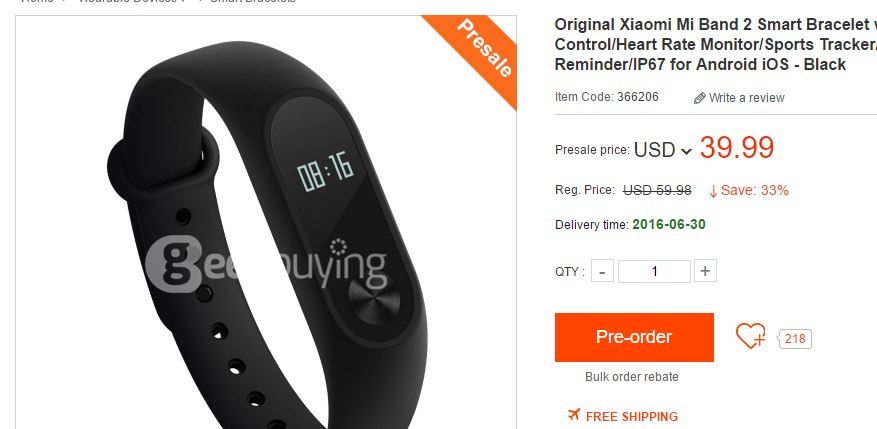
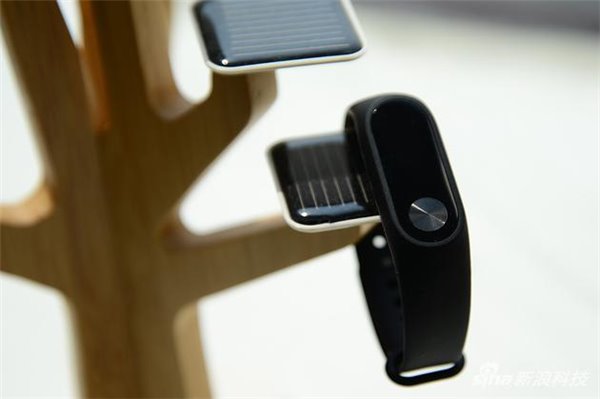
Xiaomi announced the new Mi Band 2 wearable earlier today for an amazing price tag of 149 Yuan which comes to just $22. Now, just a few hours after the band’s release, Geekbuying has started accepting pre-orders for the new device. Of course, you will have to shell out a little premium when buying from the third party retailer, but at $39.99, it still within the reach of many buyers. Remember this is a pre-order for the device and the retailer has listed June 30 as the delivery time. Considering that the band goes on sale in China only on June 7, this seems pretty decent.
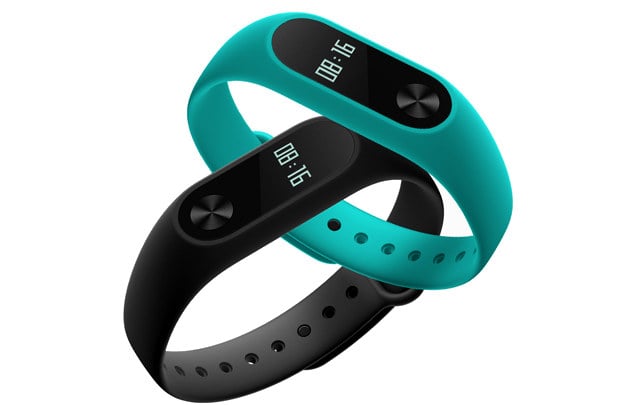
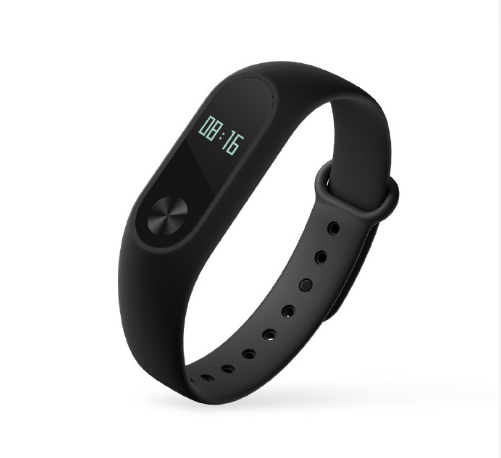
As for the features of the device, we have already listed them in detail here. To recap, the Mi Band 2 comes with an anti-allergic, anti-slip strap in black, orange and blue colors. Like its predecessor, its IP67 certified, meaning dust and water proof. The biggest upgrade on the new wearable is the OLED screen on board with a button on top to change modes. This doesn’t really severely affect the band’s battery life, as the company claims that it should run for up to 20 days on a single charge.
You will find the usual activity tracker features such as pedometer, heart rate monitor, steps tracker, sleep monitor, alarm, sedentary vibration alert etc.
You can check out the listing on Geekbuying from the link given below.
360 N4 turned out to be quite a powerful mid-ranger, coming with Helio X20 and 4GB of RAM on board. However, the company seems to be working on another version of this already powerful device and looks like the upgrades are going to be quite interesting.
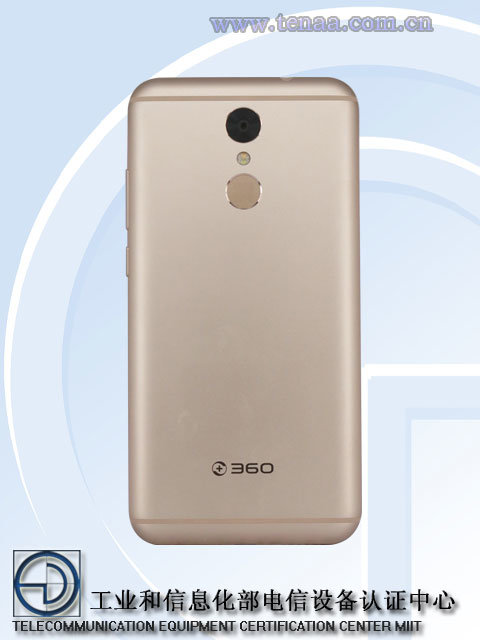
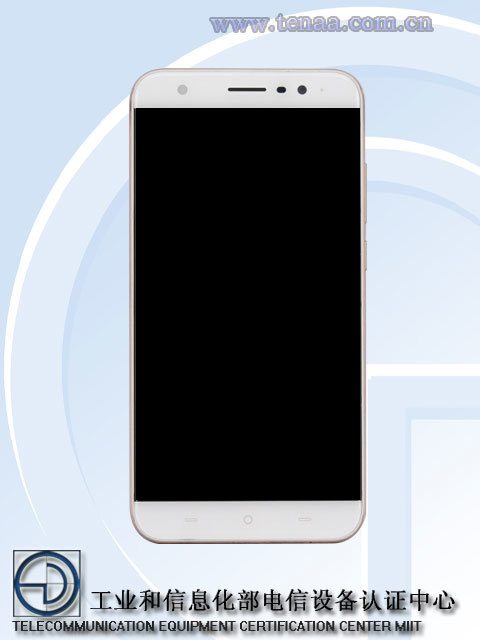
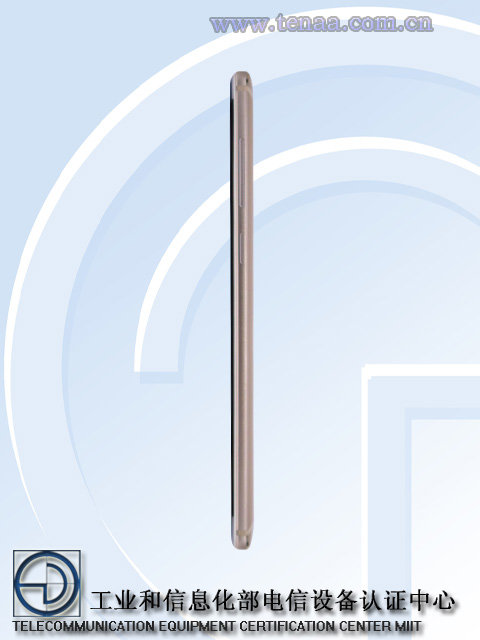
First of all, the new device comes with the exact same design as the 360 N4 model that was announced a while back. However, the company has decided to upgrade the body material from plastic to metal. We just spotted this new version on TENAA in gold color. It comes with a round camera sensor, with dual LED flash and fingerprint sensor below it.
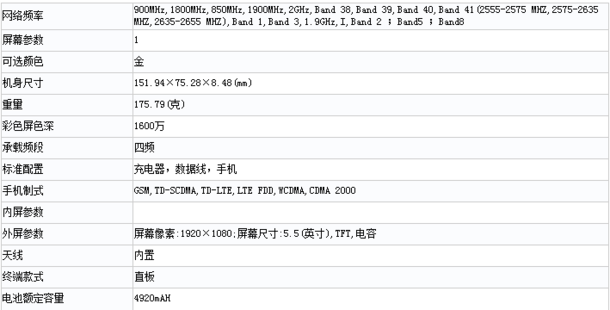
Even the specs are going to be the same as the 360 N4. So, you must be wondering, what’s so different about this device? Well, the huge difference is going to be the battery inside. This new model comes with a 4920mAh battery inside, which is one of the largest batteries we have seen on a mainstream smartphone. The thickness is also quite decent at 8.48mm! It is a bit weighted, as the metal body and large high-density battery increase the weight to 175.7 grams.
Rest of the specs are similar to the N4, which means it will feature the Helio X20 deca-core chip clocked at 2GHz inside with 4GB of RAM, 32GB of internal storage and a 5.5-inch 1080p display. At the back, the phone will feature a 13MP Sony IMX258 sensor, while the front sports a 5MP shooter.
360 Mobiles has built a reputation of releasing aggressively priced handsets. The 360 N4 retails for just $138 (more about this model here), and given the slight bump up in specs and design, we can expect this phone to be released for around $150 – $170.
No official word on this particular version’s release yet, but looks like 360 Mobiles is going for a Meizu like strategy (Meizu will most likely announce the Meizu M3 Metal version on June 13). The company’s top-end flagship model, most likely called as the 360 Q4 also passed TENAA today. You can read more about that from here.
360 Mobiles seem to have prepared three different smartphone lineups this year, namely the F series, N series and the Q series. The company has already unveiled new devices in the F and N series, which means which should be seeing Q series models sometime later this year. Now, a new 360 flagship has just passed through the TENAA ceritfication and we beleive this is the upcoming 360 Q4 smartphone from the company.
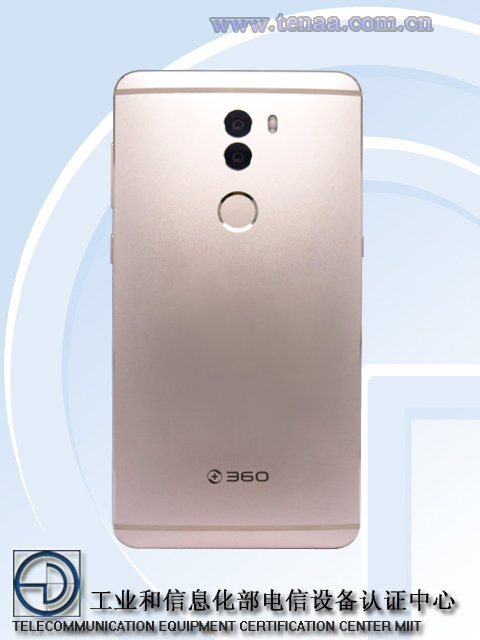
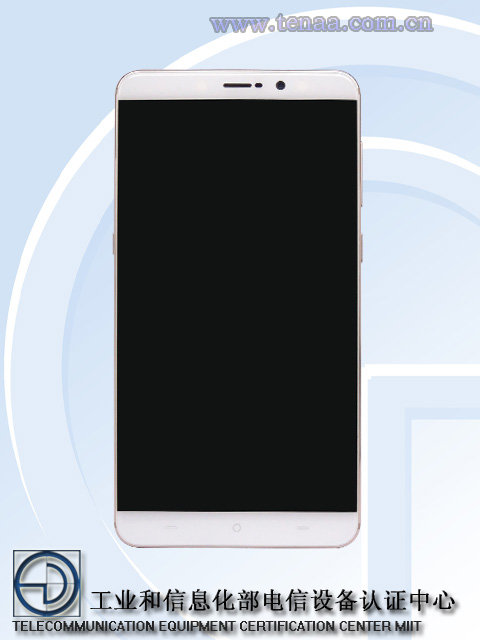
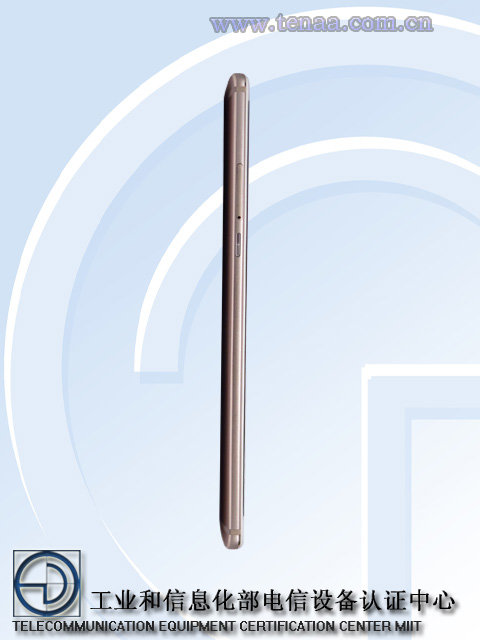
Dual cameras seem to be the new trend in the market and 360 Mobiles, formerly known as QiKu isn’t new to such a setup. TENAA reveals that the new 360 Q4 flagship comes with dual cameras at the back with dual LED flash and a round fingerprint sensor just down below it. There’s no doubt that the design is inspired from the Qiku Q Terra smartphone. Huawei P9’s dual cameras were impressive, but they were co-developed with Leica. So, we will have to wait and see 360 Mobile’s take on such a setup.
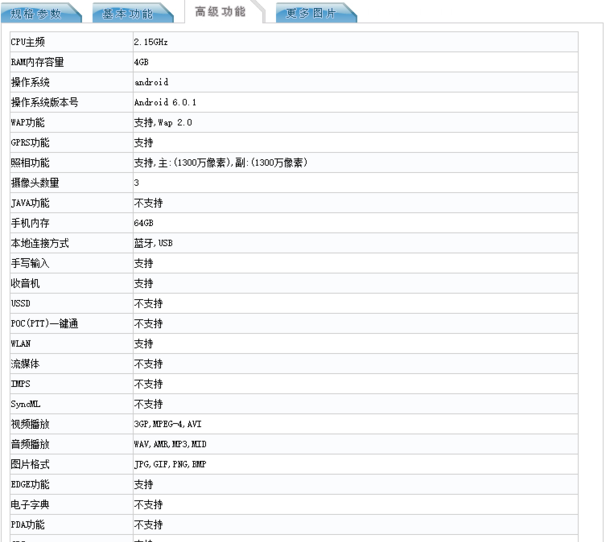
As for the other specs, they are top-notch as well. The phone comes with the quad-core Snapdragon 820 processor clocked at 2.15GHz with 4GB of RAM and 64GB of internal storage. The phone sports a large 6-inch 1080p display. So, clearly, the company is trying to target the phablet lovers. Given the size, the Huawei Mate 8 could be a good competitor to this device. At the back, there will be dual 13MP cameras, while up front you get a 13MP sensor as well. The battery is pretty decent as well, coming with 3900mAh capacity inside an 8.3mm body.
Seems like a powerful flagship. It runs on Android 6.0.1 Marshmallow OS. Since the phone has passed TENAA, expect an announcement in the next few months.
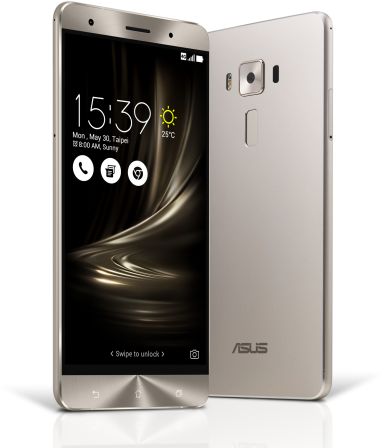
ASUS never fails to disappoint when it comes to releasing multiple versions of their flagship devices. And a few days after announcing their line-up for 2016 at COMPUTEX, we are already hearing rumours of a Qualcomm Snapdragon 823 variant for the Zenfone 3 Deluxe.
For those who do not know, the Snapdragon 823 is actually a beefed up SD820 clocked at a higher speed. The original Deluxe features a Snapdragon 820 clocked at 2.15GHz and has a starting price of $499. But if you do need the extra processing power, you should be ready to shell out a few more bucks. The SD823 Deluxe is expected to be released in certain Asian markets which includes India and the Philippines in August.
ASUS is however not the only company to have a snapdragon 823 phone in the works. The upcoming Samsung Galaxy Note 6 (or 7), the Xiaomi Mi Note 2, and Nubia X8 are said to feature the same SoC.
While this is the first of the variants, I have a feeling it won’t be the last. We should keep our fingers crossed for other versions. Most likely one that features a Mediatek SoC.
In 5 days time, the Nubia Z11 Max will be released, but today another 5.5’’ Nubia device has surfaced at TENAA.
Information shows the phone with model number NX531J will feature a Full HD screen, a 2.5D rear glass panel, a Snapdragon 820 processor clocked at 2.15GHz, a fingerprint scanner positioned at the back, 4GB of RAM, 64GB of ROM and a SD card slot. Although capacity will be limited to 32GB.
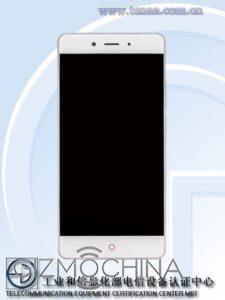
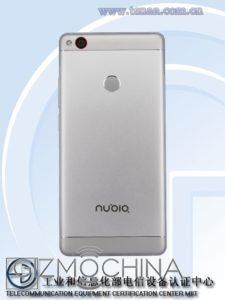
Camera specs are still unknown but looking at the other phones in the Z11 series, this unit should sport a 16MP rear camera with a single LED flash, and an 8MP front shooter. Nubia has decided to give this the all-metal treatment as well and have also retained the classic red holo circle. From the images we can also see that the SIM tray slot is positioned on the left and the volume rocker and power button is on the right.
The phone is said to feature a 2900mAh battery, runs Android 6.0.1, and has full networks support. Buyers will be able to choose from five colour options viz.: silver, grey, gold, brown, and pink, when the phone is finally available for sale.
It is unknown when this phone will be released, but it might be mentioned during Nubia’s June 7 conference.
Xiaomi announced the new Mi Band 2 wearable with an OLED display today. This is the first wearable from the company with a display on board. Apart from this, the company also has upgraded a few features on the device and the entire list of features of the Mi Band 2 are listed as follows:
New Low Power Consuming 0.42-inch OLED Display (scratch resistant).
A Circular button when clicked, displays time, heart rate, steps taken and other modes.
New pedometer algorithm to improve the accuracy of steps taken and not taken (when sedentary).
ADI Motion sensor which measures heart rate more effectively.
Sedentary alert, that gives you an alert via vibration to remind you to take a walk when idle for long time.
More accurate sleep quality recording including deep sleep and light sleep.
Display’s time or steps when you life up your hand.
Skin friendly materials have been used for the strap.
Ultra-light 7 grams body.
Unlock your smartphone using the new Mi Band.
Vibration alert for calls and messages.
Bluetooth 4.0 LE
IP67 Waterproof and dustproof body.
New anti-slip body
20 Day battery life
Updated Mi Fit 2.0 app making the UI more optimized and giving you more data stats.
Black, blue, green and orange colors.
The Mi Band 2 Priced at 149 Yuan ($22) and ships from June 7 in China.
After months of rumors and leaks, Xiaomi has officially released the Mi Band 2 wearable, which will succeed the highly popular Mi Band 1S released last year. The new upgrade is important because, for the first time, Xiaomi’s Mi Band series comes with a display on board. It will be a custom OLED display which can display a lot more information than the previous generations which had to rely on the connected smartphone app for these details. So, you can check the heart rate, time, distance, calories, power left etc directly on the screen.
Internally, there are a few upgrades as well. The Mi Band 2 with OLED display comes with a new hardware platform that supports new sports pedometer algorithm which can effectively understand whether you are walking or sitting idle. So, the accuracy of counting steps should be improved on the new model. Further, the band comes with support for calls, text messages, alarms, 7 different kinds of reminders, sedentary alerts and all these details can be displayed on the screen on top. Also, the company is said to have improved the sleep quality tracking on the new device.
The Mi Band 2 comes with a new strap made out of skin friendly material. Also, given that it now sports a screen, the company increased the battery capacity inside by 55 percent, which means you can still use the wearable up to 20 days on a single charge. Its IP67 certified as well.
In case you are wondering, the pricing is still pretty cheap! The Mi Band 2 with OLED display will retail for 149 Yuan which comes to just $22.65. The band goes on sale on June 7 from Mi.com, JD.com, Lynx and even Suning. Third party retailers should soon pick up the device, so watch out for their listings online.
Its been a rather long wait for the new OnePlus 3 to be announced in the market. The company has finally confirmed that it will release the handset on June 14, which is still a couple of weeks away. But in case you are wondering why OnePlus decided to delay the release to mid-June, here’s one possible explanation. According to the industry insider, Mocha RQ, OnePlus reportedly is stocking nearly 1 million units of the OnePlus 3 flagship for sale. The company has been stocking up the new flagship recently, which also makes it possible for it to make the phone available for sale, the very next day.
Apart from this information, the pricing details of the OnePlus 3 were also leaked today. Unlike previous rumors which said that the phone would start at 1999 Yuan ($308), this new rumor states that there will be four different versions of the new handset. Because of the increased cost of mass producing the all-metal OnePlus 3, as compared to the plastic and glass Mi5, the OnePlus 3’s base variant will start at a similar price as Xiaomi Mi5’s high-end version, i.e. 2299 Yuan. The second variant will compete with the Le Max 2 model, the third will compete with the ZUK Z2 Pro top-end model and finally, the fourth variant will compete with the Huawei Honor V8. If this four variant strategy is indeed true, then we can expect the prices to be at 2299 Yuan ($349), 2499 Yuan ($379), 2699 Yuan ($410) and 2799 Yuan ($425).
These variants could differ in terms of memory, back material, and other features. This is the first time we are hearing about a four variant strategy by OnePlus, so we don’t have much information about these models. But if this is true, then expect a lot more details in the next few days.
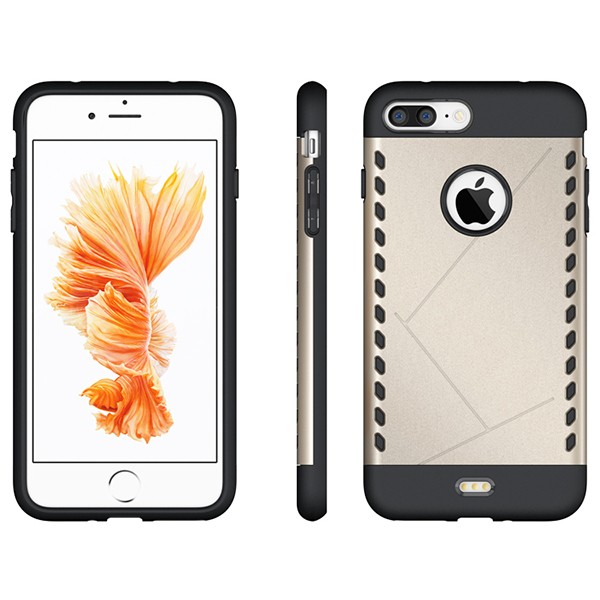
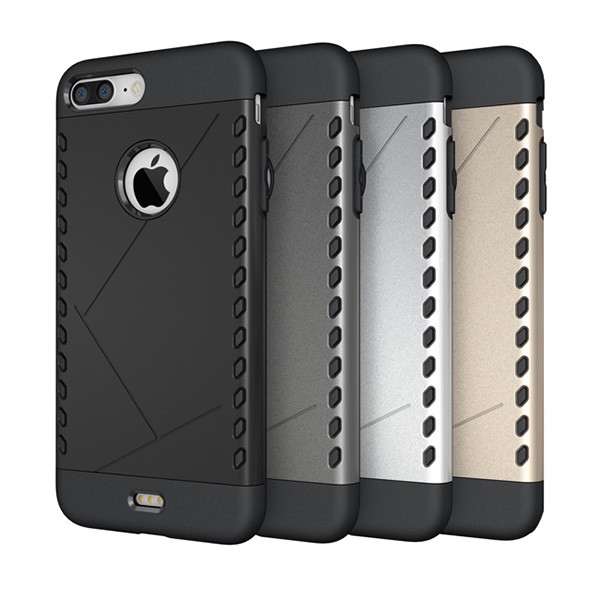
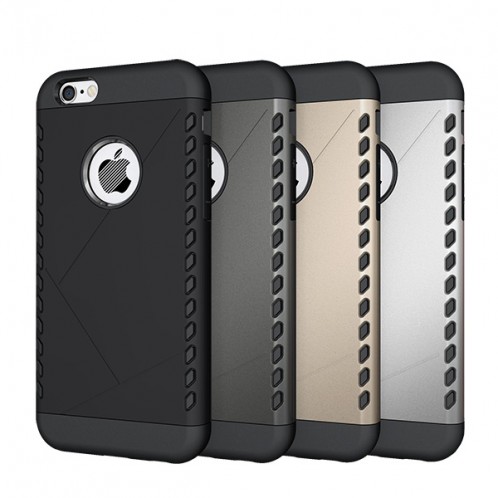
iPhone 7 launch might be a good three months away, but that didn’t stop the third party Chinese smartphone retailer, OPPOMART from listing cases for the new device on its website. It looks like OPPOMART has got its hands on the cases of both the iPhone 7 and the iPhone 7 Plus. While this gives us a good look at the design of the two phones, what’s even more interesting is that the website has listed the iPhone 7 Plus case up for pre-order. It is said that one of these cases will start shipping by the end of June.
These cases give us a good look at the phone’s design. It looks like the iPhone 7 Plus will come with a dual camera setup. But the basic design of the handset seems to be the same as the previous generations, including a round Apple Touch ID up front, below the display.
On the other hand, the cases for the iPhone 7 reveal that the phone will feature a single camera at the back. The rest of the design is similar as the iPhone 7 Plus. These cases are currently listed for $9.99 on the website, with the one for the 7 Plus up for pre-order.
Xiaomi didn’t announce the successor to the popular Xiaomi Mi4 last year. This meant that the new flagship smartphone that the company announced in 2016 had to be perfect, satisfying the needs of the millions of Xiaomi fans worldwide. In a way, Mi5 did fulfill the need for a cheap Snapdragon 820 powered flagship, offering pretty good specs for a price tag of just over $305, at least in China. While many manufacturers found it hard to match Xiaomi in terms of its cheap pricing for Snapdragon 820, ZUK came forward and made sure its new ZUK Z2 phone came out as another cheap Snapdragon 820 option. In fact, if we stop and think, the ZUK Z2 is actually meant to be the Xiaomi Mi5 killer. The company already had two ZUK Z2 Pro variants, which were only a few bucks pricier than the Mi5. But it went ahead and released the ZUK Z2, in a separate conference. This does tell us something about the company’s intention with its new device.
Since they are meant to be direct rivals, with similar specs and pricing, let’s take a look at the ZUK Z2 vs Xiaomi Mi5 comparison. We will see a lot of similarities in the design as well as the specs, but there will be a few differences as well. Let’s look at them in detail in the comparison down below.
ZUK Z2 vs Xiaomi Mi5
DESIGN:
Design wise, they are very similar looking smartphones. Both the companies decided to opt for a glass back and a metal frame on their smartphones. While ZUK Z2 features a flatter back, the Mi5 comes with a slightly curved back panel, which should help in the grip. Both have their camera modules placed on the top left corner on the back, and the front features a compact 5-inch (5.15-inch on the Mi5) display with a front home button enabled fingerprint sensor.
ZUK Z2 Measurements: 141.7 x 68.9 x 8.5 mm Weight: 149 grams
Xiaomi Mi5 Measurements: 144.6 x 69.2 x 7.3 mm Weight: 129 grams
As you can see, the measurements are almost the same, except for the thickness. Mi5 comes with a thin 7.3mm body, while the Z2 features an 8.5mm body. But there’s explanation to the increased thickness of the ZUK model, since it features a larger 3500mAh battery. On the other hand, the Mi5 comes with a 3000mAh battery. Since we are on the topic of battery, it’s important to mention that both feature Quick Charge 3.0 fast charging.
ZUK Z2 vs Xiaomi Mi5 Specs:
When it comes to the specs, both have very similar internals. Both the models are powered by Snapdragon 820 quad-core chipset. However, we are talking about the base variants, and the Xiaomi Mi5 standard version is underclocked to 1.8GHz. On the other hand, the ZUK Z2 is clocked at 2.15GHz, which can be overclocked further to 2.3GHz. So, on paper, the performance should be better than the Mi5. Then there’s the RAM on board. The base variant of the Mi5 comes with just 3GB of RAM, while the ZUK Z2 features 4GB RAM as standard. As for storage, you get 32GB on the Mi5 while the ZUK Z2 features 64GB. Both have non-expandable storages, so ZUK definitely gets a plus point in the memory department.
Coming to the display, the Xiaomi Mi5 sports a 5.15-inch 1080 IPS LCD display while the ZUK Z2 has a 5-inch IPS LCD display. But the screen to body ratio on the Mi5 is higher, 73.1 percent as compared to 70.6 percent on the Z2. It is confirmed that the Mi5 has Corning Gorilla glass 4 protection, while we are not sure about the protection on the Z2.
Coming to the camera department, the Xiaomi Mi5 seems to have an edge on paper. The phone features a 16MP rear f/2.0 shooter with 4-axis OIS, PDAF and dual LED flash. The camera has 1/2.8″ sensor size, and 1.12 µm pixel size. Coming to the ZUK Z2, it features a 13MP rear camera with f/2.2, EIS (electronic image stabilization), PDAF and CAF (Contrast Auto Focus) with LED flash. It has 1/2.6″ sensor size, and 1.34 µm pixel size. Both can capture 2K videos and slo-mo videos. Up front, the Mi5 comes with a 4MP f/2.0 camera while Z2 has an 8MP f/2.o sensor.
Other features common on both devices include dual-band Wi-Fi ac, Bluetooth 4.0, fingerprint sensor embedded into the home button and dual SIM card slots. In the connectivity department, Mi5 has NFC and Infrared but ZUK Z2 doesn’t. The battery is larger on the ZUK Z2 as mentioned above (3500mAh) as compared to Mi5’s 3000mAh. Finally, for software, the Mi5 comes with MIUI 7 based on Android 6, while ZUK Z2 features ZUI 2.0 based on Android 6.0.1.
Pricing & Availability:
When it comes to the pricing of ZUK Z2 vs Xiaomi Mi5, after the recent promotion of the device in China, the prices are almost similar. Xiaomi had announced the Mi5 at around $308 in China at the time of launch, but now, the pricing seems to have gone down. International customers can now purchase the Xiaomi Mi5 base model for just $308 and with shipping included it still is well under $350. Coming to the ZUK Z2, it has an advantage of cheaper pricing as it is priced around $273. So, even after the premium charged by retailers, the pricing should be around $300, which at present is almost the same as the Mi5. Adding express shipping should still limit the price tag to well under $350.
Availability is a different story though. Xiaomi seems to have stabilized the Mi5 stocks, and now, most retailers have the device in stock. As for the ZUK Z2, the phone is yet to go on sale, and the first sale is on June 7. Only after a few days will we know whether the Z2 is readily available for purchase in China as well as via third-party retailers.
So, that was the ZUK Z2 vs Xiaomi Mi5 comparison. It would really be hard to choose between these two devices, but if you were going to buy one, which one would it be?
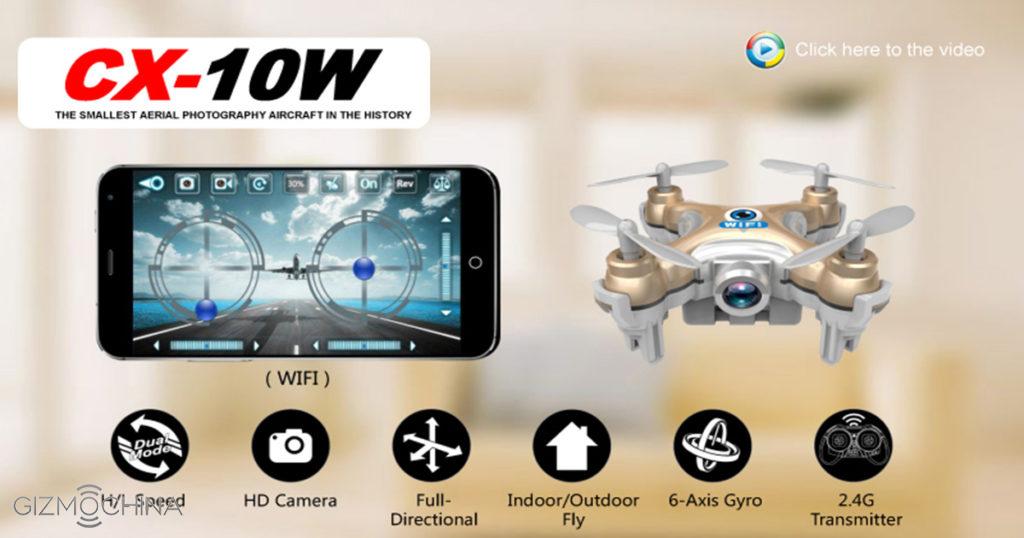
Currently the market for drones is rising at a considerable rhythm, more and more personal UAVs are showing up every day because a wide variety of brands have taken interest in this field and have no intentions to leave anytime soon, but keep in mind that this is a whole new market, therefore, entails some risks and owning an remotely controlled aircraft means a great responsibility and probably a hard hit to your wallet. But this is not the case for the CX-10W by Cheerson, a basic and affordable drone suitable for beginners that might end up getting you into drones.
The CX-10 is the perfect starter pack for newcomers and enthusiasts that offers a decent quality for a low price alongside some nice features such as the 0.3 MP video camera. This tiny drone that looks like a small toy it’s more than you can imagine, to be precise we are talking about a Quad-copter mini drone that provides you the opportunity to learn and develop the skills needed to fly a larger or more complex UAV, so you can consider this device as some kind of tutorial or firsts steps into a hobby with practical and also entertaining applications.
Design
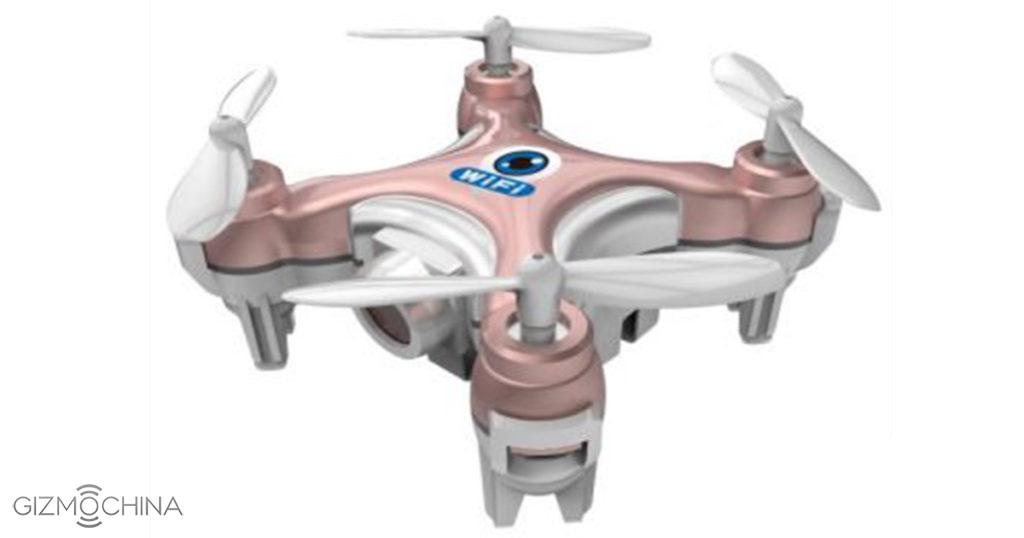
The CX-10 is quite simple, it falls into the category of quad copter and has a dimension size of 62*62*20 mm, with a diameter from blade to blade of barely 30 mm and a weight of just 15 gr. The four blades that lift the body can be found on each side where also 4 led lights are located just a few millimeters below. It features a 0.3 MP camera in the middle of the body facing towards the front.
The material of which is made is known as ABS material, a highly-resistant plastic used for air crafts, cars, tools and toys. The CX-10 drone can take a few hits and falls without breaking, which is sign of a solid build and also has spare propellers in case that something wrong happens to the originals.
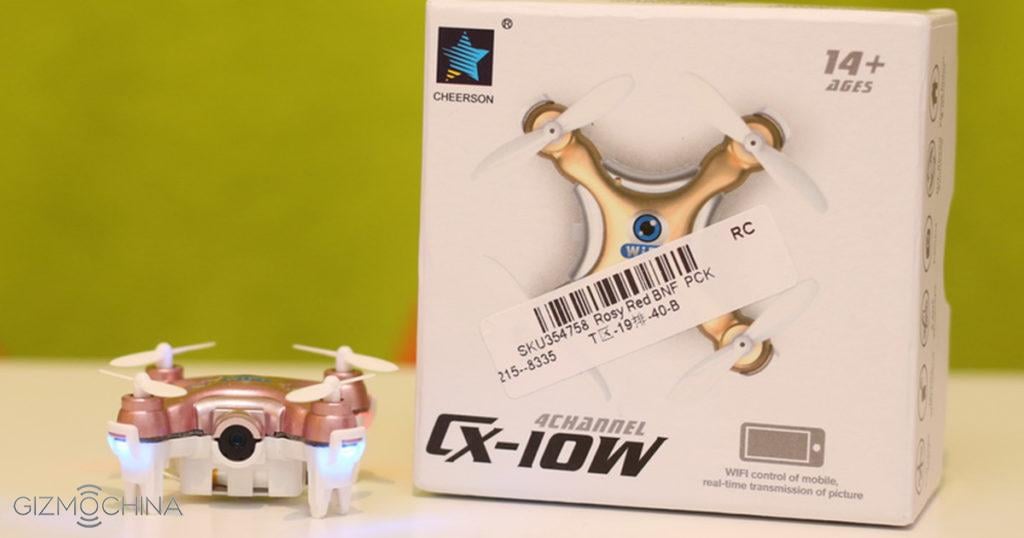
It comes in three color presentations: golden, rosy red and dark gray. Besides that, there is nothing more remarkable about this entry level drone.
Usage and flight
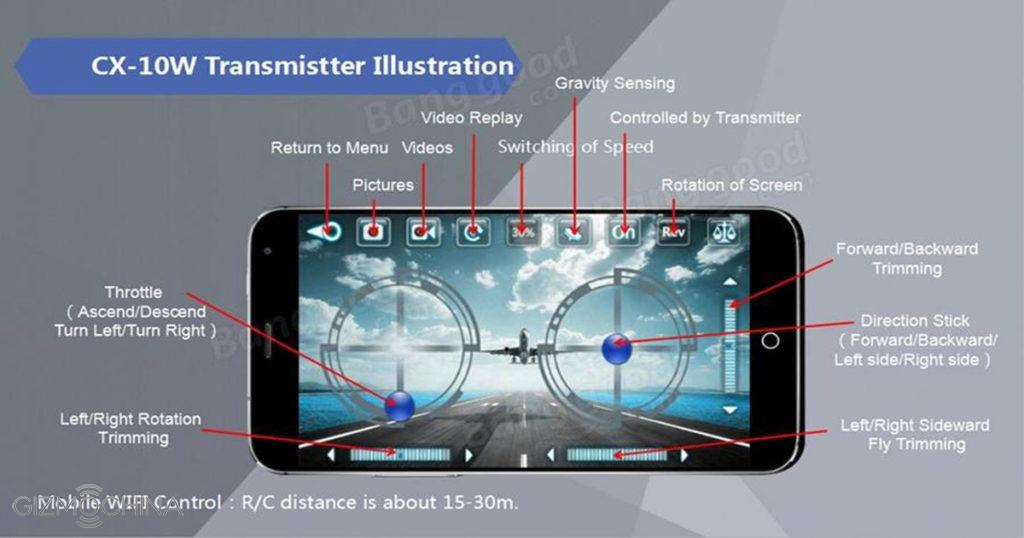
The Cx-10 is easy to set up and easy to use, instead of a remote controller it uses your smartphone as the control device, you can connect them through Wi-Fi once you have downloaded the app that can be easily accessed by scanning the code bars of the box or by getting it through the App store or Google Play store. Once the setup process is ready you can take off for the first time, the control scheme is simple, with the proper actions of flight such as rotation, pitching, ascend, descend or turning displayed on an intuitive UI that looks like a video game HUD, also you can see on screen what the drone is watching trough the camera.
This tiny drone has a 6-axis gyro that can be calibrated, it can perform flight actions like: ascend, descend, going forward, backward, turn left, turn right, hover etc. The range of control falls pretty short but this is not unexpected, with a distance of 15 M as a maximum. A good feature is the transmission frequencies, which are 8 in total and allow many people to operate their Cx-10 next to each other without problems. Also is ideal for use both outdoors and indoors.
Flight time and battery
This UAV uses a 150 MAH battery that can only deliver 4 minutes of continuous flight and has a charging time of 60 minutes. This is definitely a downside and a clear example of: you get what you pay for; just 4 minutes of flight aren’t satisfying enough.
Features and camera
There aren’t any special feature about the Cheerson CX-10W besides the 0.3 Mp camera and the 4 led lights, however, the camera saves the videos and photos taken directly to your smartphone, but there is the option of using an SD-card(not included) for this.
Specifications
Item name:
CX-10W Mobile Control Flying Camera 2.4G 4CH 6 Axis RC Quadcopter
Frequency:
2.4G
Channel:
4CH
Gyro:
6 axis
Material:
ABS
Quadcopter Size:
Size: 62 x 62 x 20mm
Quadcopter Weight:
15g
Color:
Golden, Rosy Red, Dark Grey
Blade size:
30mm
Flight time:
about 4 minutes
Charging time:
About 60 minutes
Control distance:
about 15-30M
Flight distance:
About 15-30M
Battery for quadcopter:
3.7V 150mAh
Camera:
0.3MP
Features
*4 channels with LED lights;
*6-axis gyro with gyro calibration function;
*Ascend, descend, forward, backward, turn left, turn right, hover, Left sideward fly, right sideward fly etc.
*The battery has protective function;
*WIFI mobile control and the R/C distance is about 15m;
*H/L Speed to switch;
*FPV with 3D flip function;
* Has 8 frequency points.
*It has 0.3-megapixel camera to take videos and pictures;
*Memory card and card reader are not included.
What’s in the Box?
1 x CX-10W Mobile RC Quadcopter.
1 x USB charging cable
4 x Spare Blades
1 x User Manual
Review
In summary, the CX-10 is affordable, easy to use, easy to set up, but is clearly a low-end product, although is not bad at all, just basic and simple, don’t look at this as a cheap product, but as a starter-pack or introduction to the complex field of UAVs, which must be operated with skill and responsibility. The control method of using your smartphone as the controller is great, and the drone itself is very responsive and will provide an enjoyable experience. Also, the quality of the materials is acceptable, it won´t break anytime soon if you use it carefully.
In the downside, we can establish that 4 or 5 minutes of use are very short and this will not please everyone, especially when it needs to be charged for an hour. In addition, we think that a 0.3 MP camera falls short. Also is important to remark that strong winds could negatively impact the performance during flight due to the lightweight of the drone.
But if you are looking for a taste of what a drone can do we suggest you get this affordable quadcopter that even a child could use.
If you want to see real pictures of this amazing min-drone, we suggest you visit the full review made by our friends on XiaomiToday clicking here; you will find incredible zoom-in images and what they think about this mini-drone.
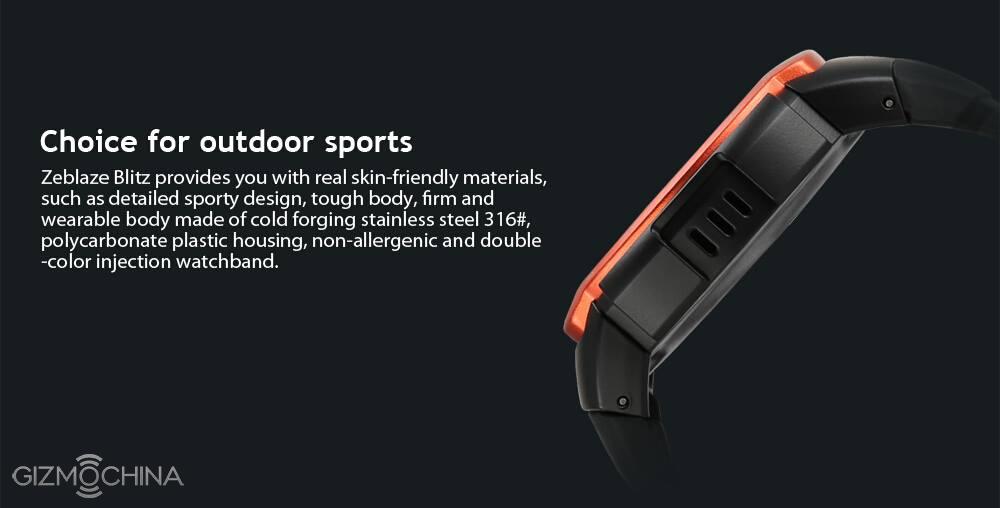
Zeblaze – The Chinese smartwatch manufacturer is recognized for rendering premium watches for a stupendous price tag. Maybe, that’s the reason why they are always in the spotlight. The company tends to make us passionate about their upcoming products, such is the Zeblaze Blitz.
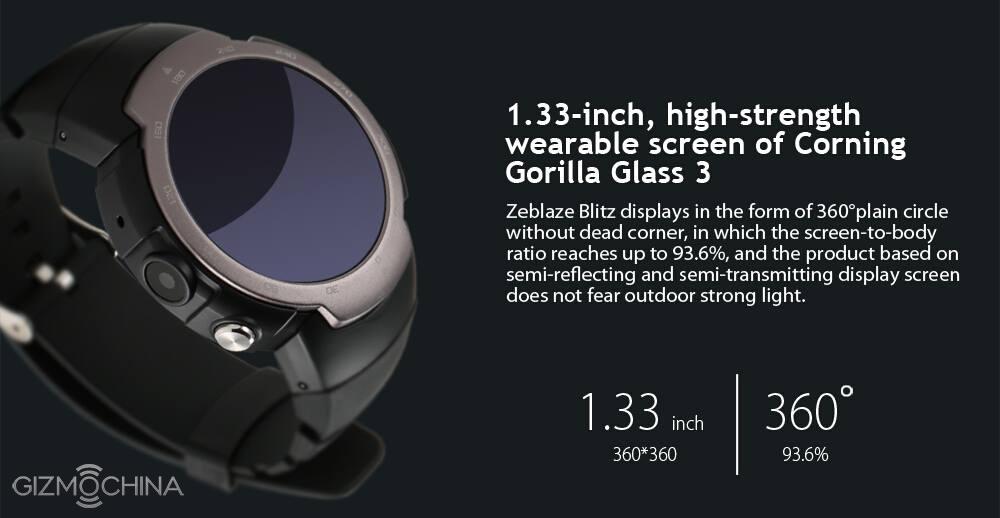
Recently, we received the confirmation of their imminent smartwatch from Facebook. They released some pictures of Zeblaze Blitz to heighten our anticipation. From the pictures, all we see is a stunning but plain, black watch with an orange or gray circular frame and rubberized strap, seemingly to grab some attention. Moreover, a black crown on the left can also be noticed. Zeblaze Blitz will be available in two colors: orange and gray (only bezel color changed).
Zeblaze Blitz – An integrated camera and GPS module, but what’s more?
According to the given picture, two features of Blitz are seen clearly. First is the introducing of an integrated camera on the right side, which is somewhat new for zeblaze. The second aspect could be the selling point of the terminal, which is the built-in GPS module (see the running tracking on the watch suspected in the image). It also seems to be real-time along with various sensors such as a compass, temperature sensor, pedometer etc. Other suspected features could be a calorie counter, heart rate sensor, sleep tracker.
So far from the given pictures we were able to gather this much information about the watch. The release date for this watch has not been confirmed yet. Surely, Zeblaze will surprise us after some time. Let’s see what another boasting characteristics would comprise in Zeblaze Blitz. For this, we just have to wait.
If you want to know the features which will have this expected Smatwatch, check the full-features post made on XiaomiToday here, surely will make dissapear severals doubts in your head and it will let you know if it really worth it
Lenovo did surprisingly well in the PC market, with the company rising to the top pretty soon after its entry. However, when it came to the smartphone market, this Chinese tech giant is struggling. Recently, it was said that the company’s acquisition of Motorola from Google wasn’t exactly successful and even outside of Motorola, the company’s own smartphone lineup hasn’t been able to make its mark in the industry.
We have seen some great phones from the company, but since it is mainly operating in the low-end and mid-range segment, the search for sales hasn’t exactly yeiled expected results or improved its image as a smartphone maker. But the company seems to be invested in this industry and it is said that in the next couple of years, it will make sure that it does well in one of the most important markets in the world, the Chinese smartphone market.
We have seen the Chinese market dominated by the likes of OPPO, Xiaomi, and Huawei, which means it’s not going to be easy for Lenovo to aggressively expand its market share in the region. What usually helps a company improve its share is aggressive pricing and looks like Lenovo is going to opt for the cost pricing strategy to take on competitors in China.
According to the Chinese media CNR, Lenovo Mobile Business Group President, Cheng Xudong said recently that the company plans to give up the race for profits by pricing its products at cost. He beleives that phones from the ZUK lineup as well as Moto lineup will help the company increase its presence in the Chinese market. And if it manages to make its mark in the super-competitive Chinese market, then Lenovo could easily take on competitors in the global market.
No wonder Lenovo priced the ZUK Z2 cheaper than the Xiaomi Mi5 at 1799 Yuan ($283)! But there’s no guarantee that a no profit strategy is going to work in the long run. We will have to wait and see how Lenovo performs in the coming years.
What are your thoughts? Can ZUK and Moto phones make Lenovo one of the top smartphone makers in China and in the world?
Elephone seems to be keeping the Elephone P9000 Edge version in the dark for the past few months. It’s with-bezel sibling, the Elephone P9000 was announced back in January, but we still haven’t heard much about this particular bezel-less version, at least not directly from the company. But now, Elephone has started confirming some of the specs of the upcoming Elephone P9000 Edge and now, we know for sure some of the specifications of the device.
First of all, the Elephone p9000 Edge is confirmed to come with a 5.7-inch JDI 2K display with high color saturation, and high color gamut. On paper, this seems to be an impressive screen, and with the bezel-less design, we sure hope that the phone looks beautiful from the front. Another important information revealed by the company is the home button based fingerprint sensor. So, you will find the sensor up front, just below the display. It is also confirmed that there will be a smart key on the side which can be used to switch modes.
The company also revealed some official renders of the P9000 Edge, which you will find above. These renders reveal some more details about the phone, like the presence of dual camera setup at the back. You will also find dual tone flash at the back, but unfortunately, we can’t find Laser Focus that was present on the P9000. Other things we can see in the render is a bottom placed USB Type-C port and a 3.5mm headphone jack on top.
We are not quite sure whether Elephone is sticking with Helio P10 for its new edge version, but we should get more details about the device real soon. As for the release date, we still haven’t got that information. So, it looks like there’s still some time for the phone’s launch.
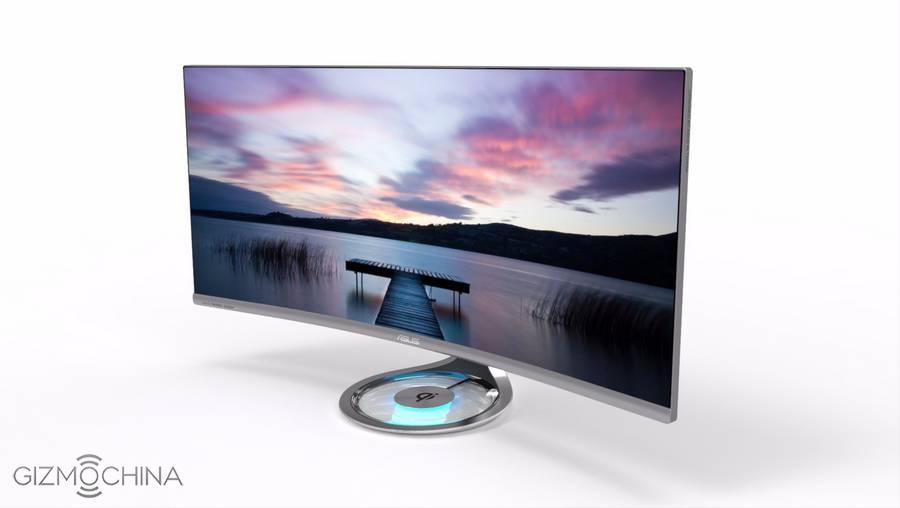
For as long as we remember, monitors have always had flat screens with the usual changes limited to screen size, resolution, aspect ratio, and bezel thickness. But ever since we started having curved TV displays, we’ve seen some manufacturers bring the party to monitors too. One such manufacturer is ASUS, and this time, they’ve launched a massive 34’’ curved monitor called the ASUS Designo MX34VQ.
We don’t know if there’s a market for this kind of monitor yet, but for those who fancy curved displays, the Designo boasts a UWQHD resolution (3440 x 1440) and features ASUS’ SonicMaster audio which is incorporated with Harman Kardon’s audio technology. What this means is that you don’t need to hook up those crazy speakers you’ve got as the monitor has a pair already. The circular base of the monitor is also said to serve as a Qi wireless charging pad for compatible devices. Owners of the Lumia 950 and other Qi enabled devices should find this feature useful.
While pricing is still unknown, interested buyers should expect it not to be cheap considering its curved display, high resolution, audio power, and wireless charging base.
We use cookies on our website to give you the most relevant experience by remembering your preferences and repeat visits. By clicking “Accept”, you consent to the use of ALL the cookies.
This website uses cookies to improve your experience while you navigate through the website. Out of these, the cookies that are categorized as necessary are stored on your browser as they are essential for the working of basic functionalities of the website. We also use third-party cookies that help us analyze and understand how you use this website. These cookies will be stored in your browser only with your consent. You also have the option to opt-out of these cookies. But opting out of some of these cookies may affect your browsing experience.
Necessary cookies are absolutely essential for the website to function properly. This category only includes cookies that ensures basic functionalities and security features of the website. These cookies do not store any personal information.
Any cookies that may not be particularly necessary for the website to function and is used specifically to collect user personal data via analytics, ads, other embedded contents are termed as non-necessary cookies. It is mandatory to procure user consent prior to running these cookies on your website.