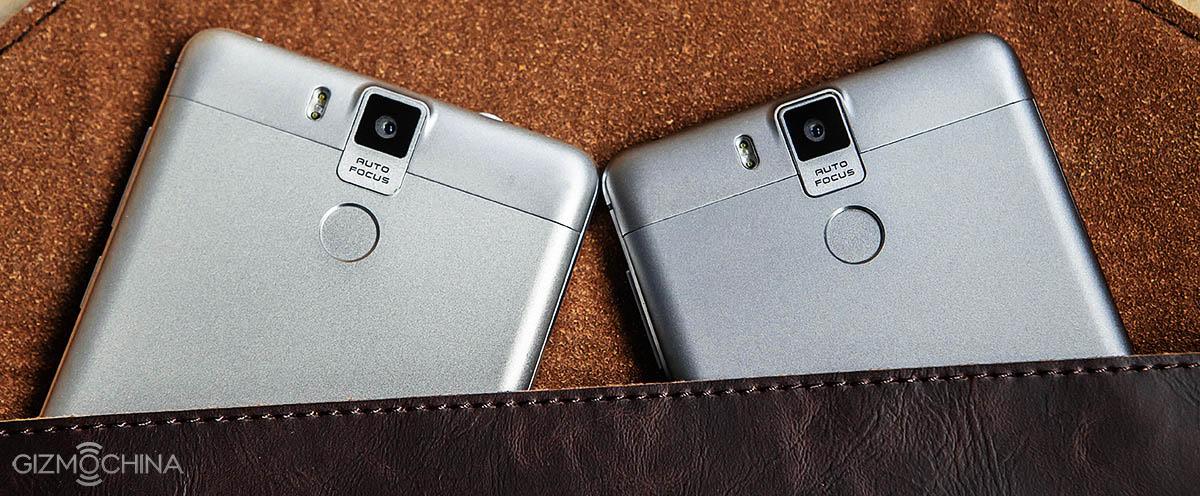
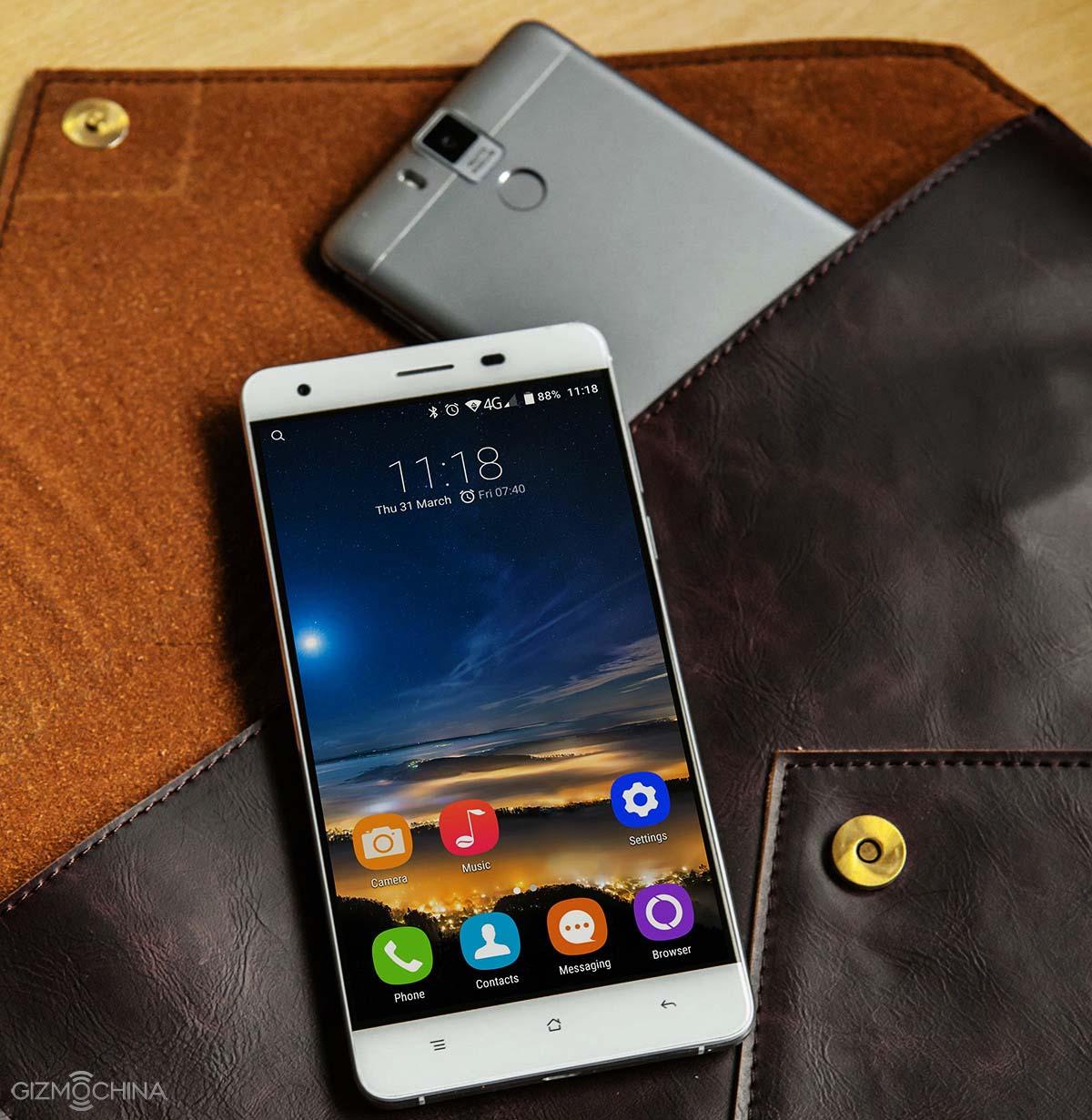
OnePlus CEO and Founder Pete Lau has teased the latest Android 7.0 Nougat on the OnePlus 3 on Twitter. The teaser is actually a 15 seconds video embedded with a short tweet that reads; “Already hard at work on the latest and greatest.#NeverSettle”.
The teaser could only mean that Google’s latest Android 7.0 Nougat operating system will soon hit one of the best and cheapest flagship device around, the OnePlus 3. This should be a cheering news for OnePlus 3 owners, considering the slow pace with which it took OnePlus to upgrade last year’s OnePlus 2 to Android Marshmallow. Nonetheless, the CyanogenMod on the OnePlus devices guarantees that updates would always come.
No other information as to when the new Nougat would start hitting OnePlus 3 smartphones yet but the tweet tells us that the team is already at work on it. Hopefully, after the OnePlus 3, the OnePlus 2 and others would also get to taste Google’s latest and even though OnePlus comes to the Android Nougat party late, it is better late than never.
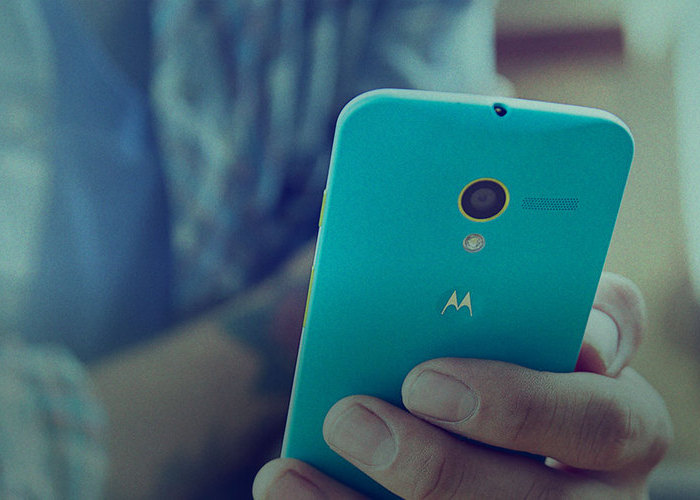
A total of 14 phones (not counting the Nexus 6 as it is already updated) are getting the update which brings a more refined version of android and a bunch of new features. However there’s going to be outrage from Motorola fans as a phone like the Moto E3 Power released last month won’t be getting an update to 7.0. The list also excludes all the other E-Series and even the 3rd Gen Moto G.
Motorola used to be praised for its timely updates and near stock android feature on their phones but lately the former has taken a nose dive. Last year the company failed to update the Moto E 2nd Gen to Marshmallow and this year they also said they won’t be able to release monthly security updates regularly.
Google finally launched the Pixel phones amongst other devices yesterday after weeks of waiting. It is no news that both phones are manufactured by HTC as that was one of the key details leaked back when the phones went by the codename Sailfish and Marlin.
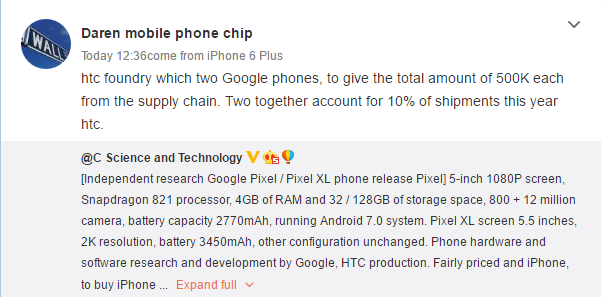
But the question is what percentage of HTC’s annual shipment do the phones have. An account on Weibo ”@Daren mobile phone chip” seems to have the answer to the question. According to the account, HTC got an order for 500,000 units for each of the Pixel phones. Summing both together gives you 1 million units and info says the Taiwanese company’s shipment for this year is 10 million units. That gives the Pixel and Pixel XL 10% of the annual shipment.
It’s no news that HTC is suffering a sales decline in recent years. But 10 million shipments pales in comparison to what other big name manufacturers like Huawei that shipped 60 million devices in the first half of the year and others like OPPO, Vivo, and even Xiaomi ship out annually.
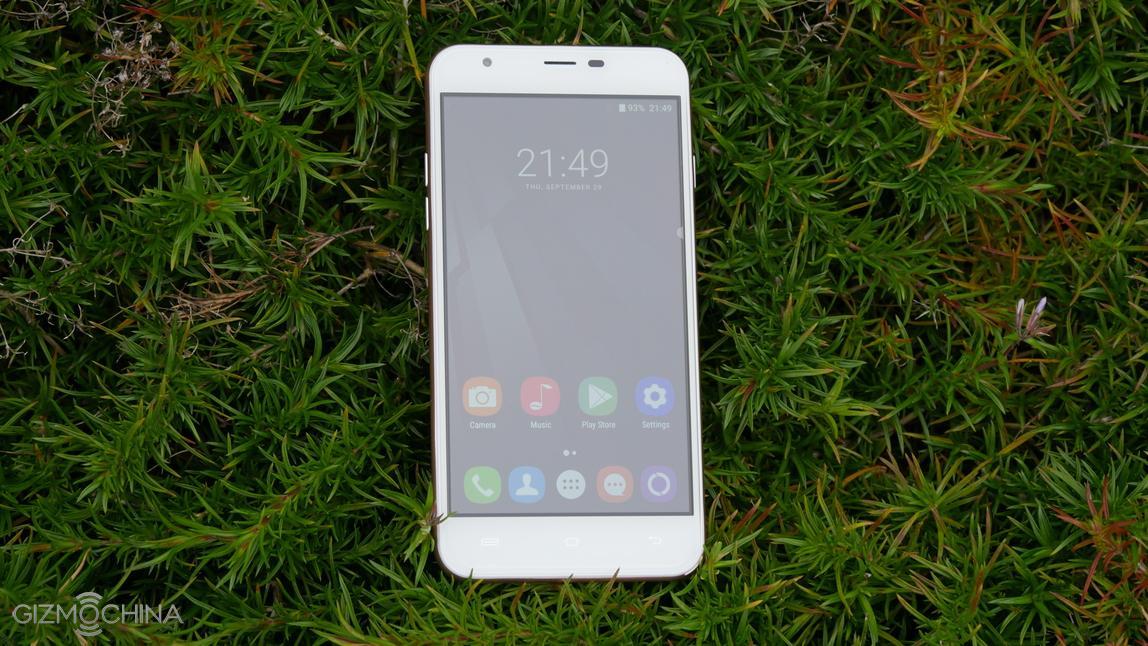
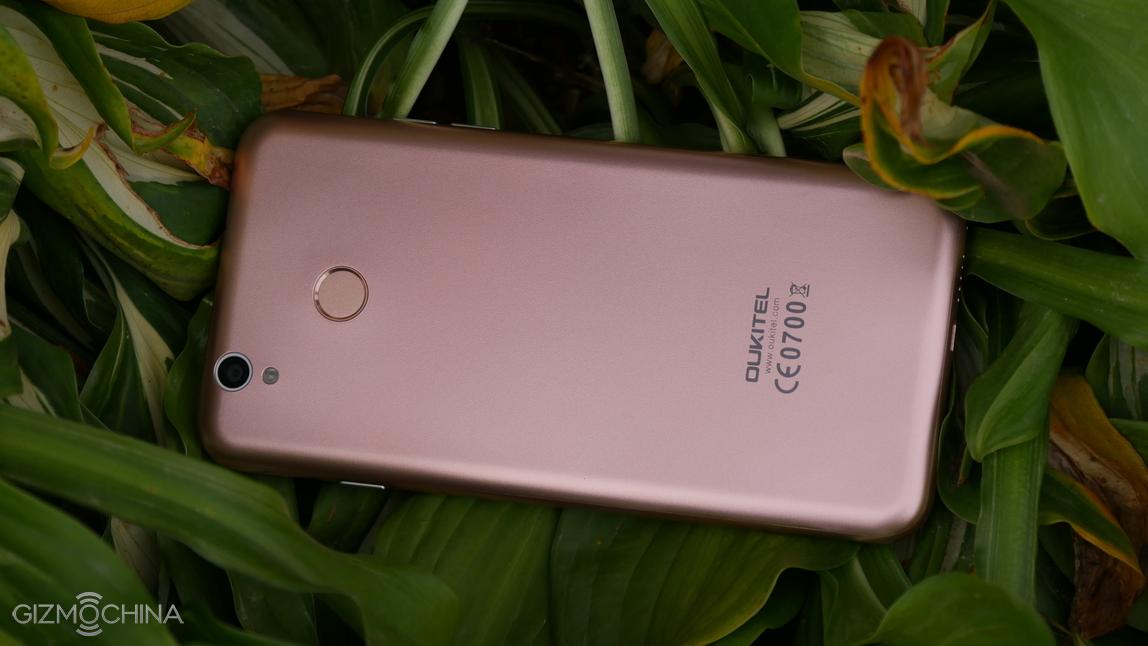
We have reviewed quite a lot of Oukitel phones and the U7 Plus is one of their latest budget offerings. It costs just above $80 but it has some decent specs for the price. Learn more in a full review.
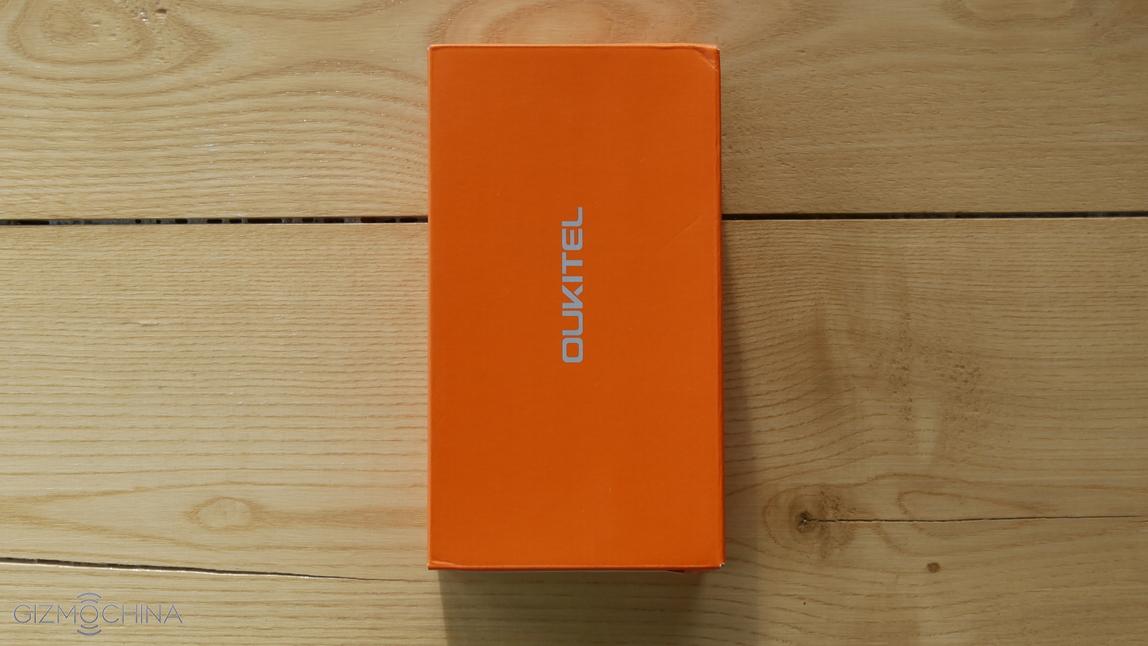
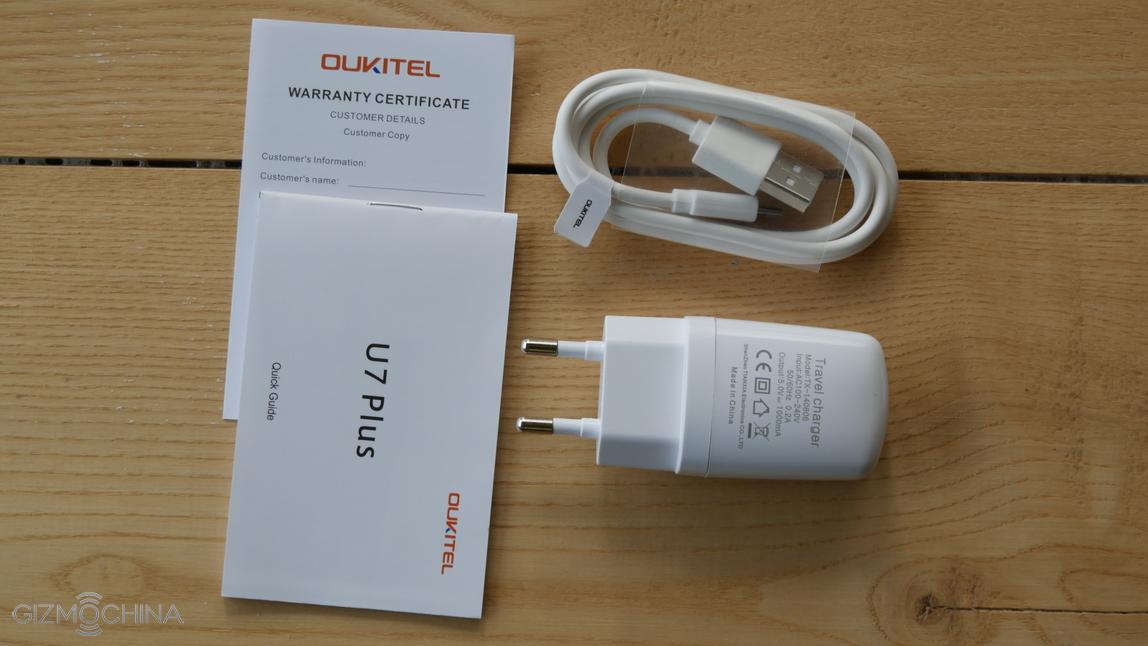
The phone ships with all the usual stuff and there are no extras included in the box.
Oukitel U7 Plus Review: DESIGN and DISPLAY
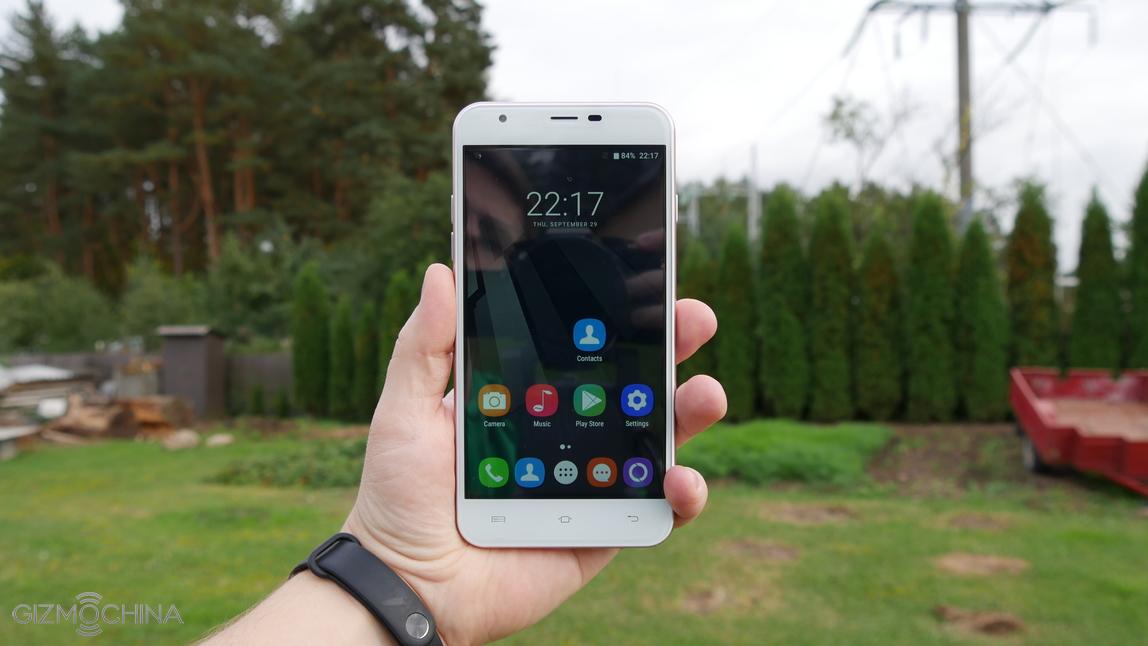
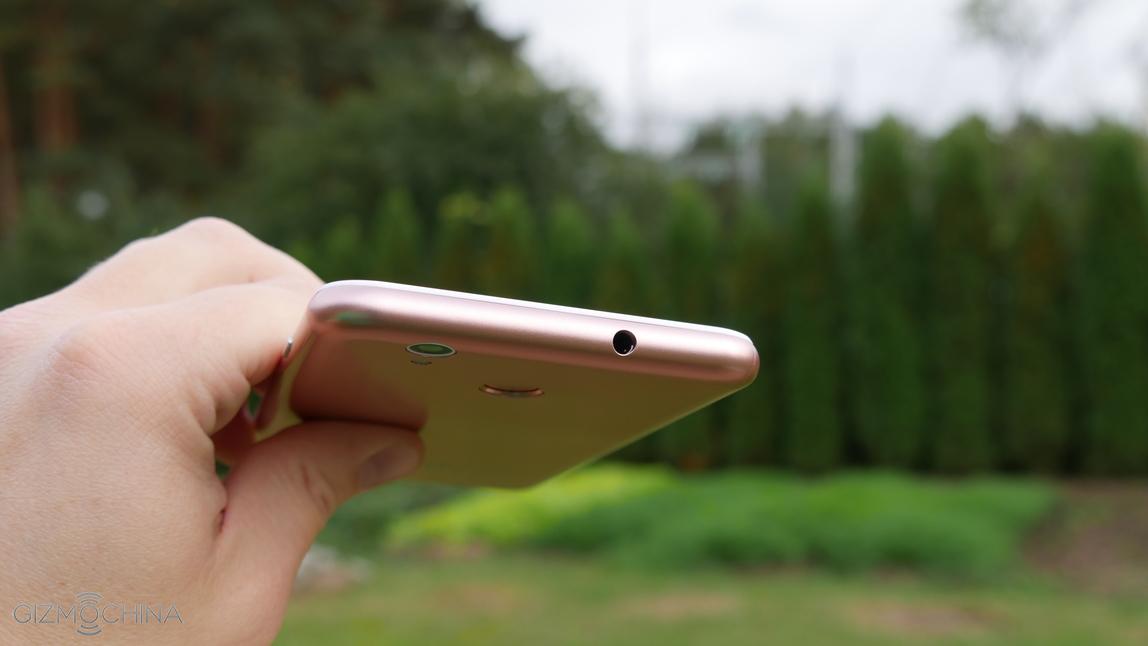
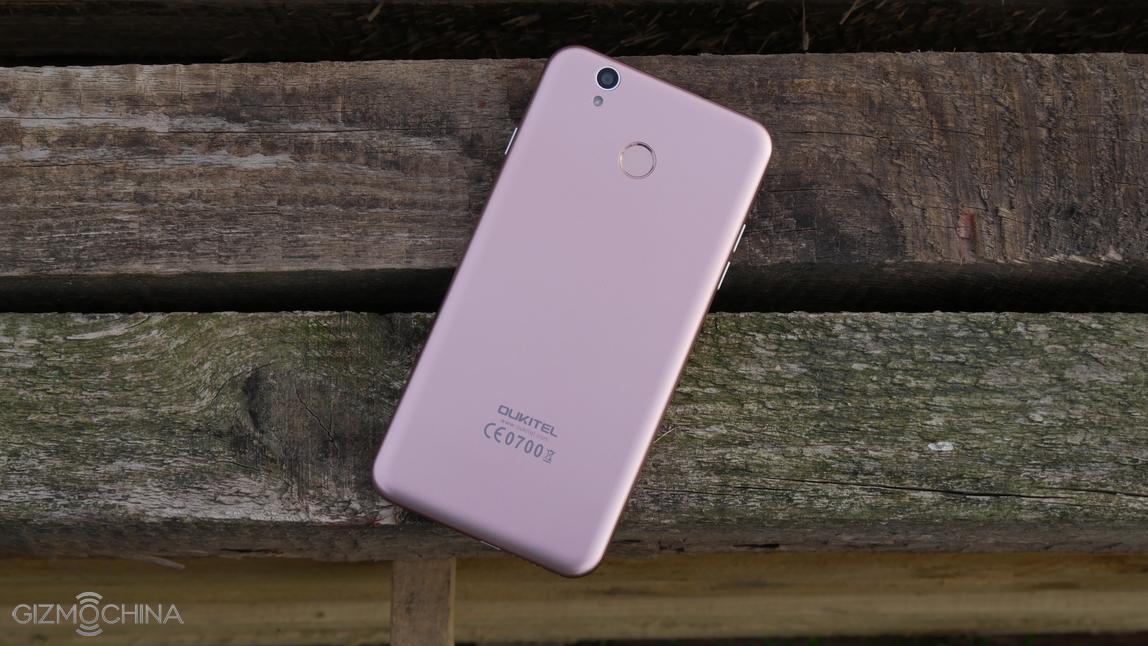
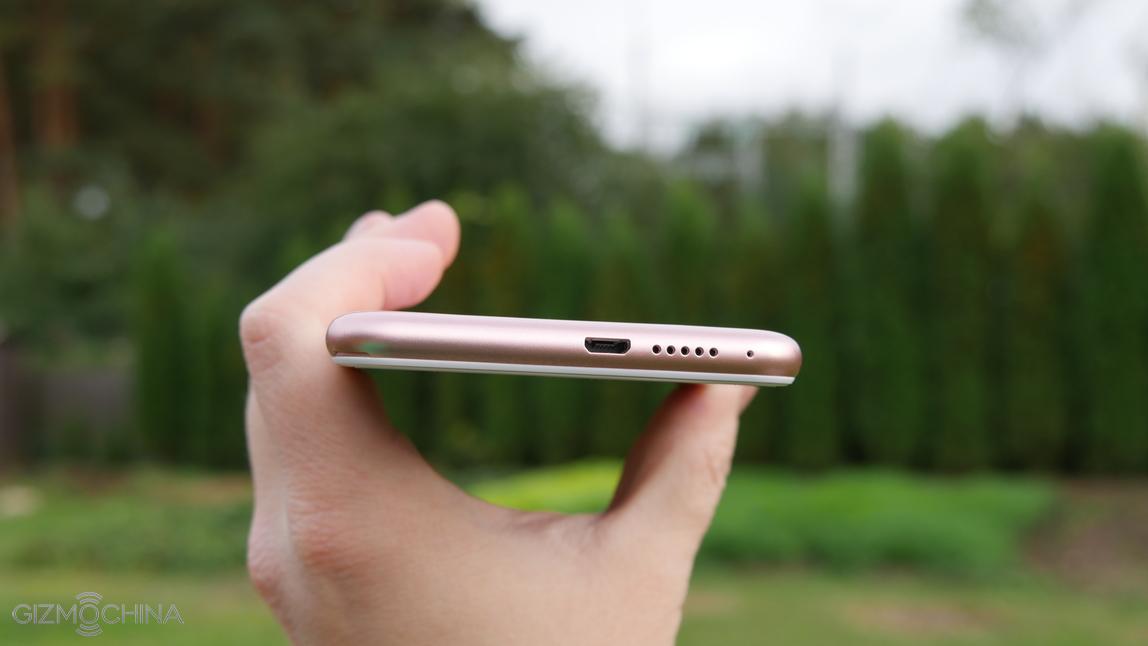
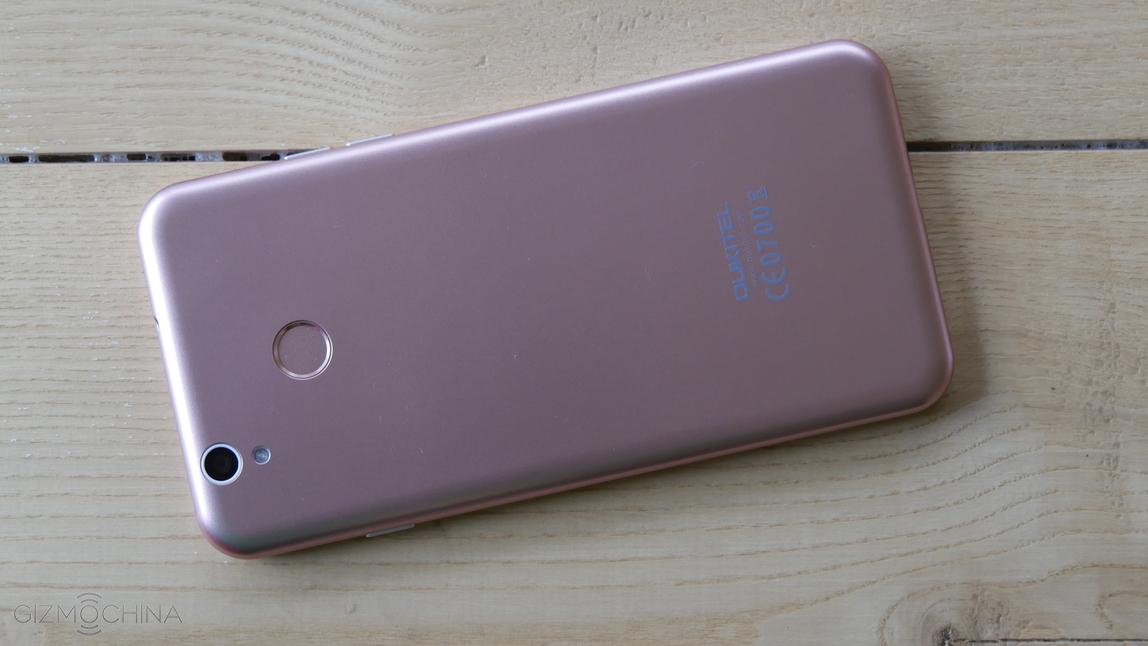
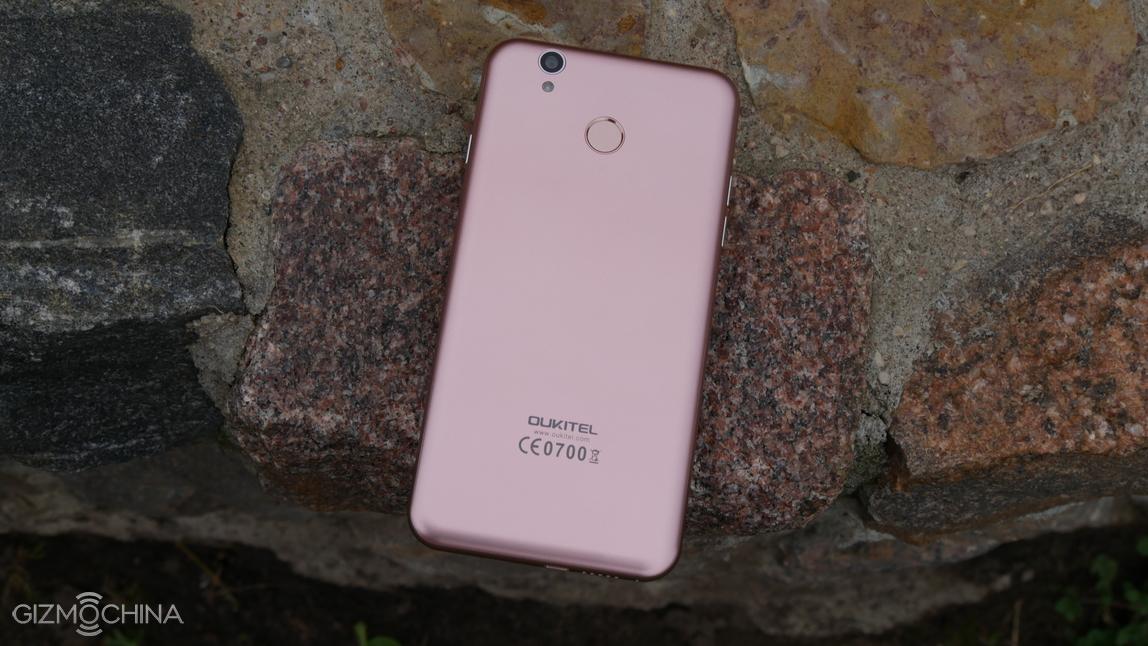
Design-wise, the phone looks and feels kind of plasticky but it is well-built.
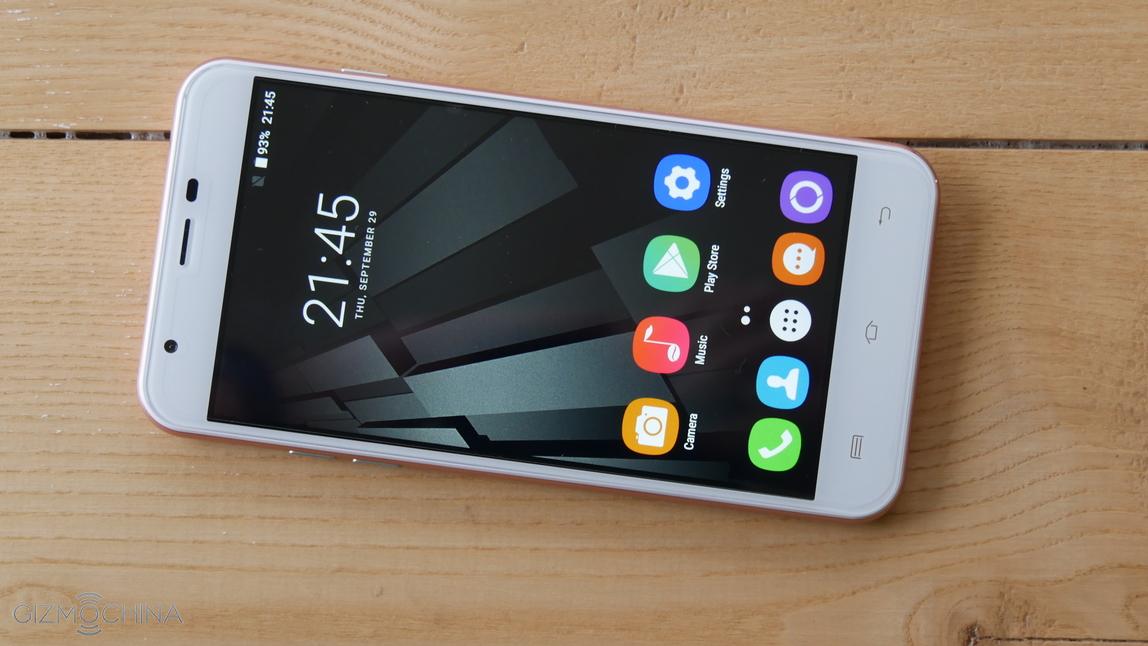
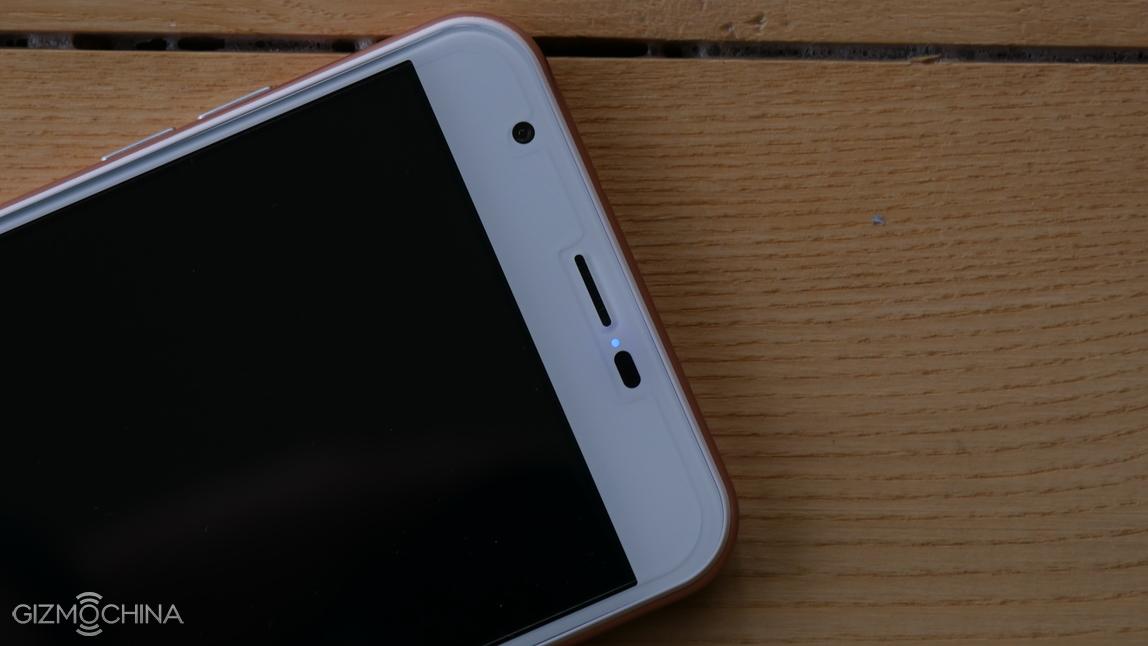
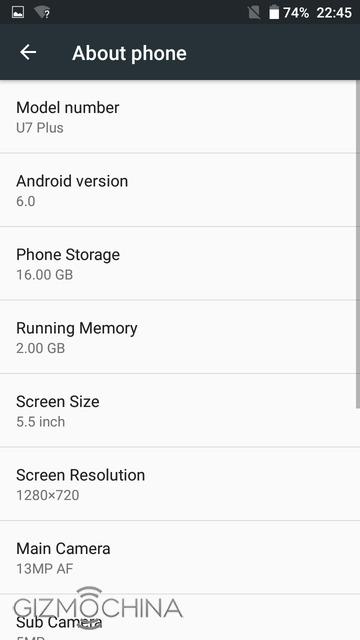
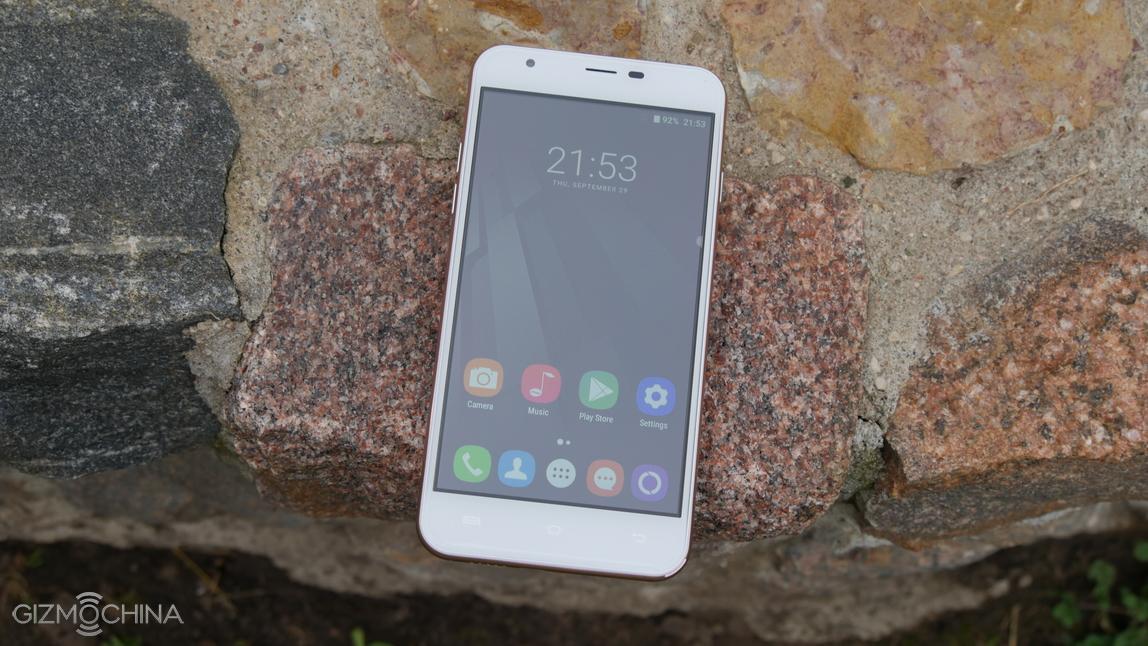
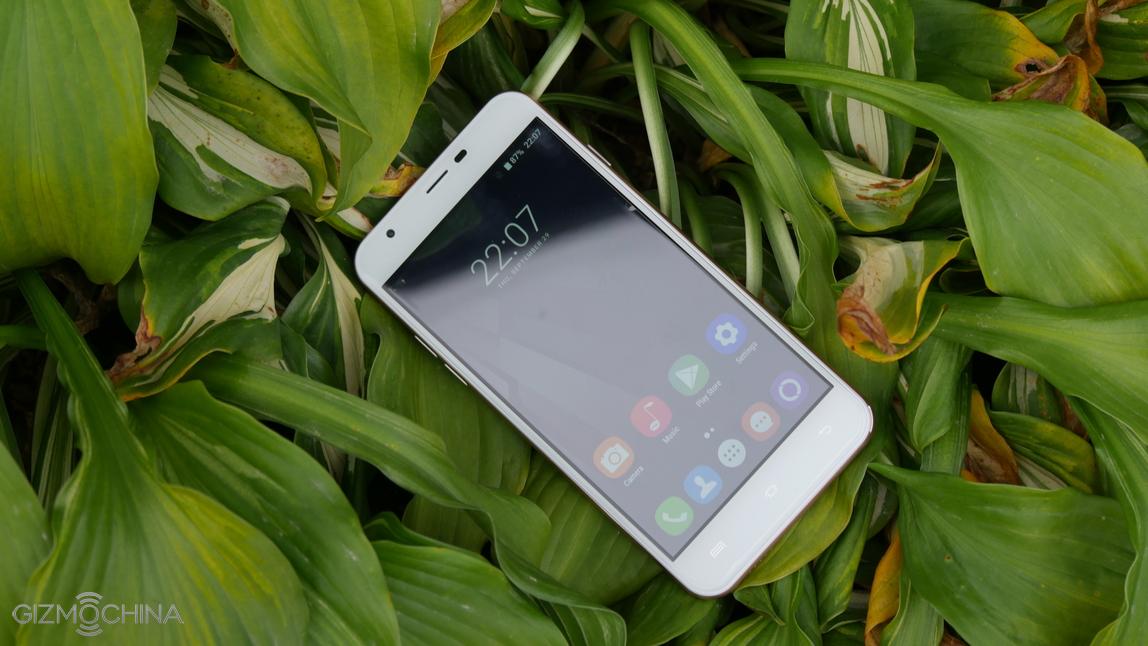
We have a 5.5” 720p display, which is not the sharpest out there but it is definitely enough for daily use for such a cheap phone.
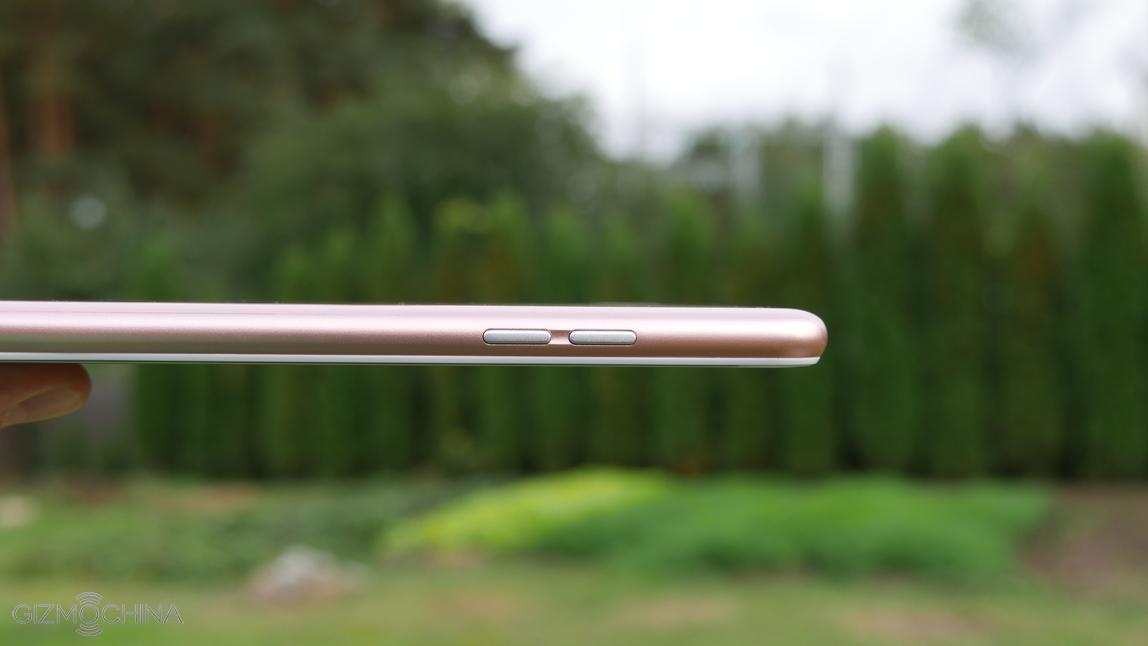
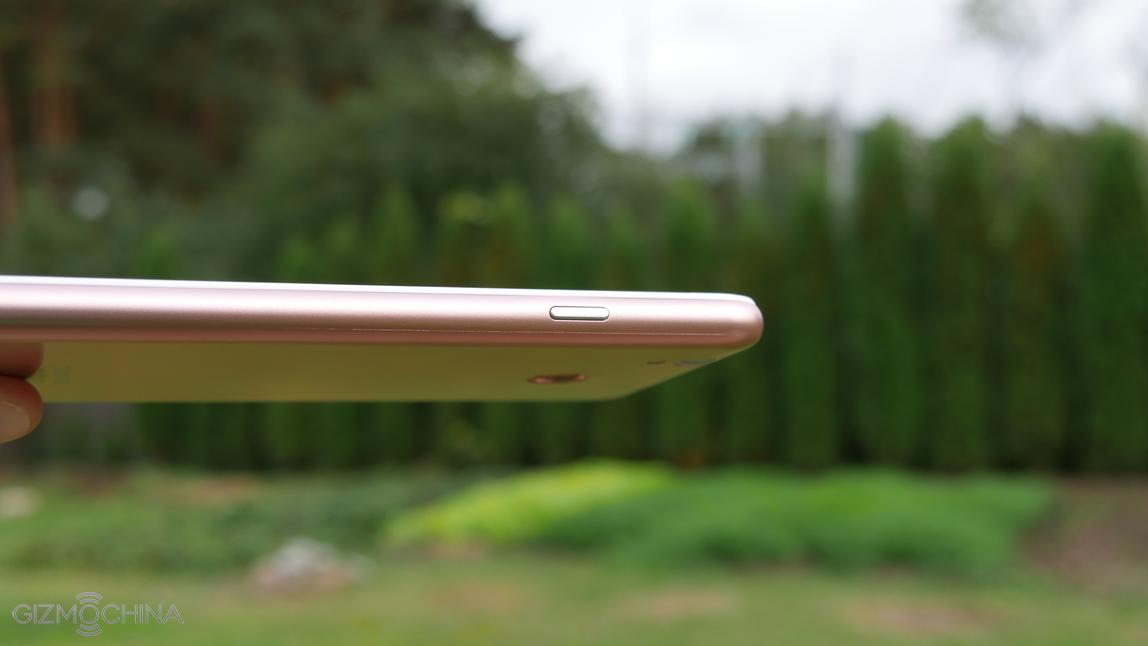
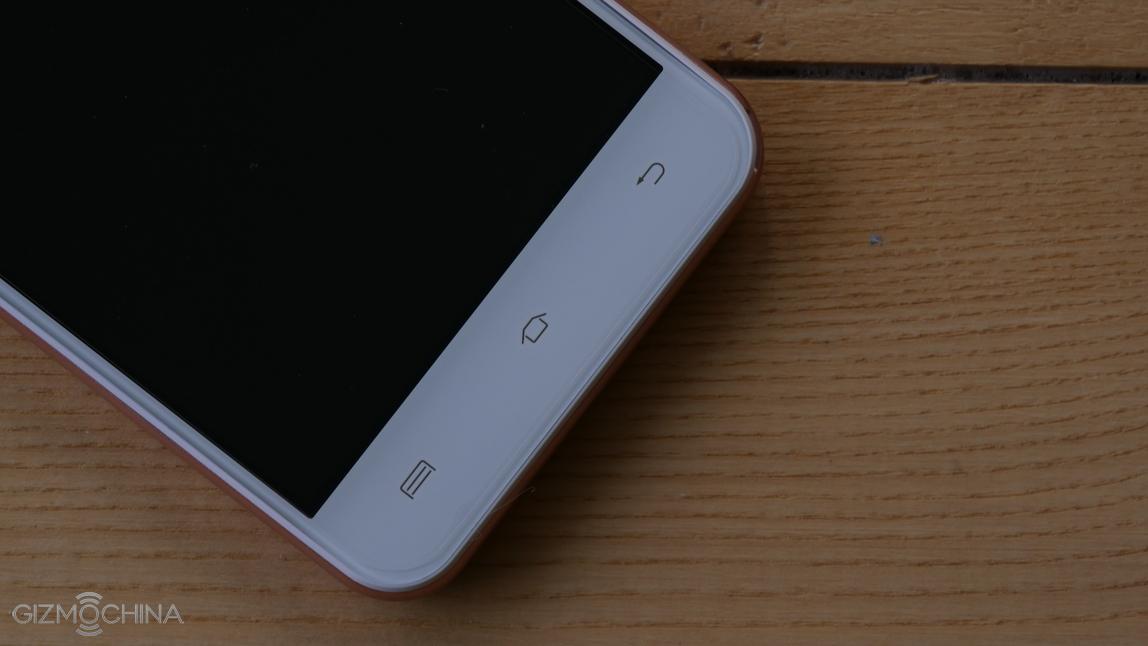
The buttons are made of plastic too but they have a decent tactile response.
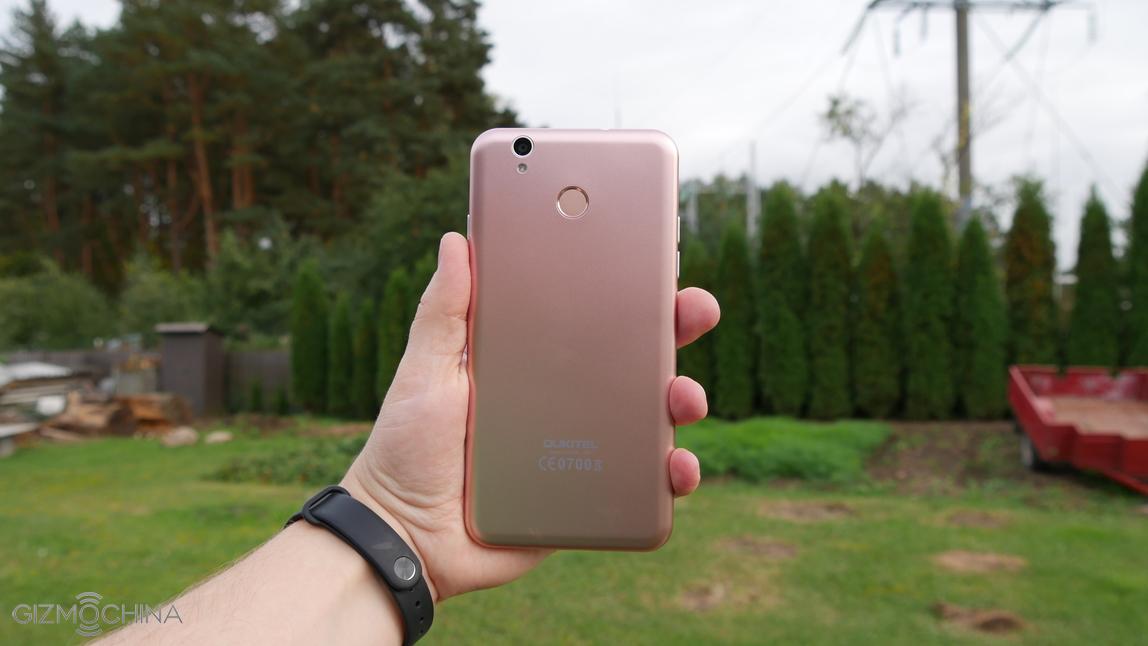
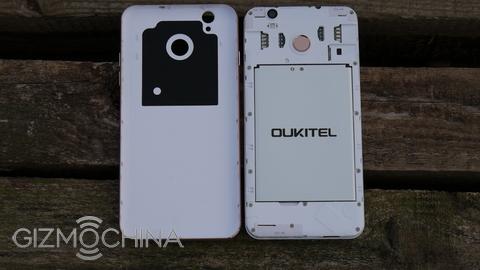
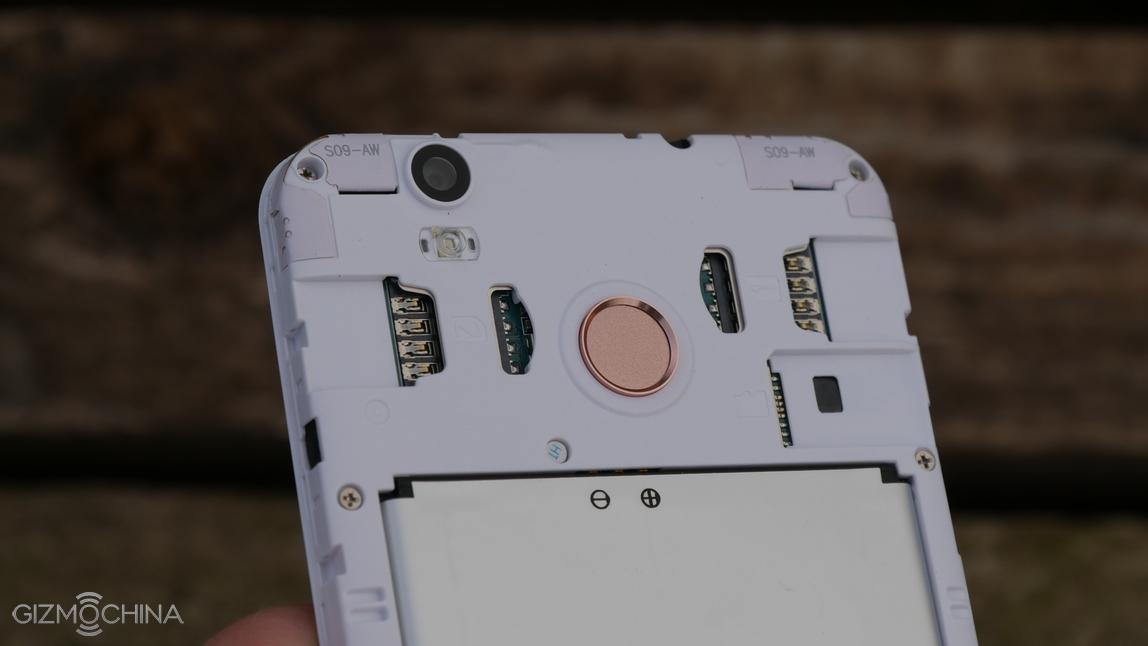
The backplate can be easily removed to access a 2500mAh battery, two SIM card slots and the microSD card slot.
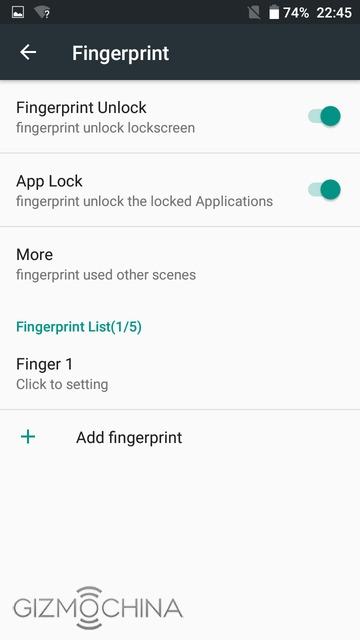
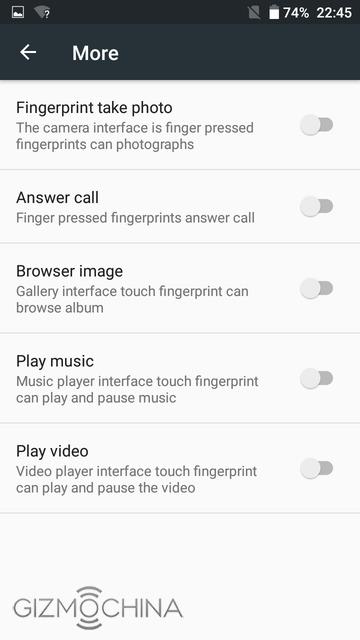
On the back, we have a 13MP camera and a fingerprint sensor, which far from the fastest I’ve seen but it works 8/10 times.
We have the LED light but the capacitive buttons are not backlit.
The loudspeaker is like on most of the cheap phones – the sound is flat.
Oukitel U7 Plus Review: HARDWARE and PERFORMANCE
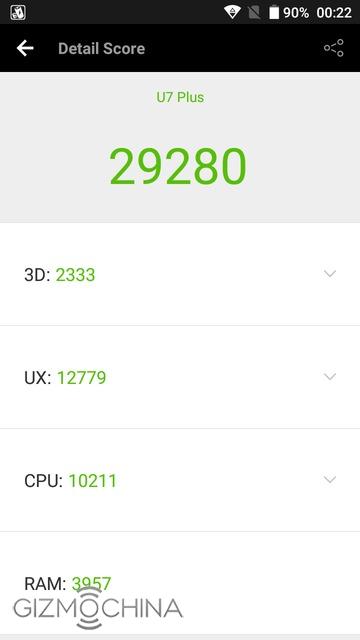
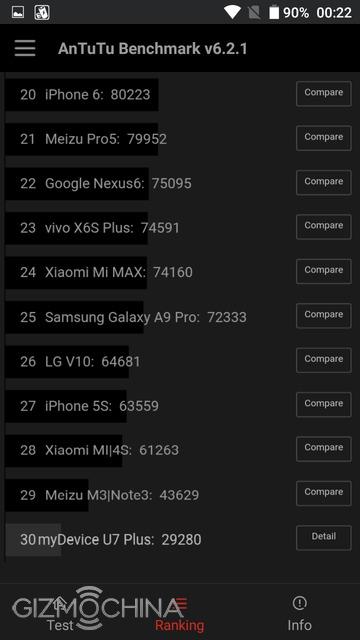
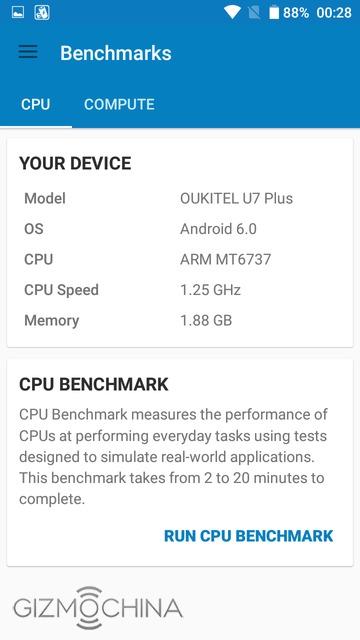
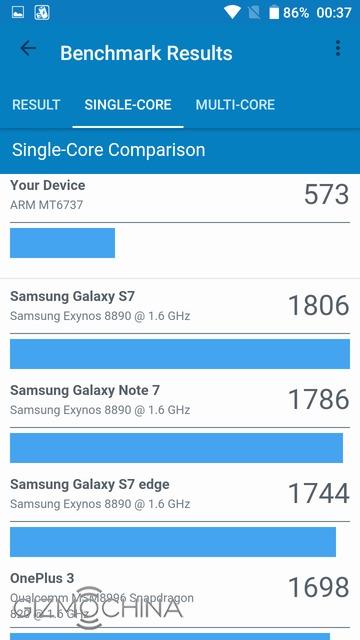
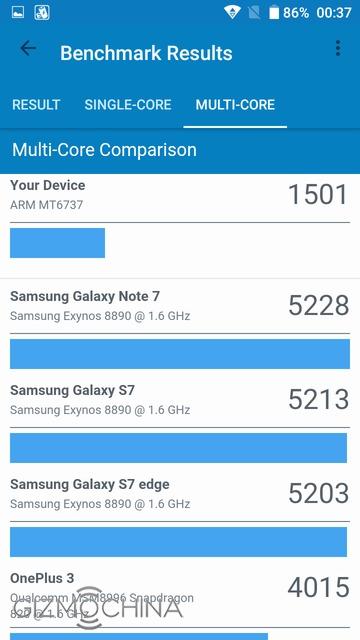
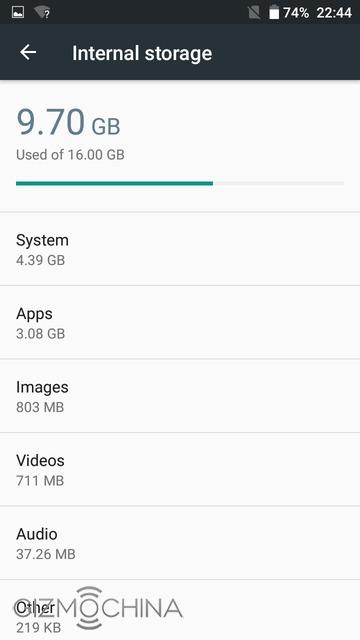
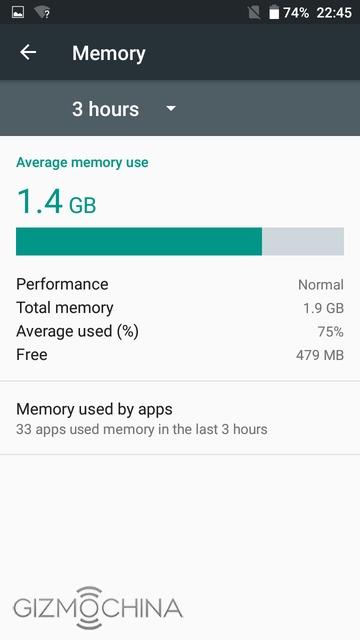
The Oukitel U7 Plus sports pretty good specs for the price. The phone ships with a quad-core MTK6737 chip, 2GB of RAM and 16GB of storage.
The gaming performance is okay. You should be able to run most of the 2D games and 3D games on the medium graphics.
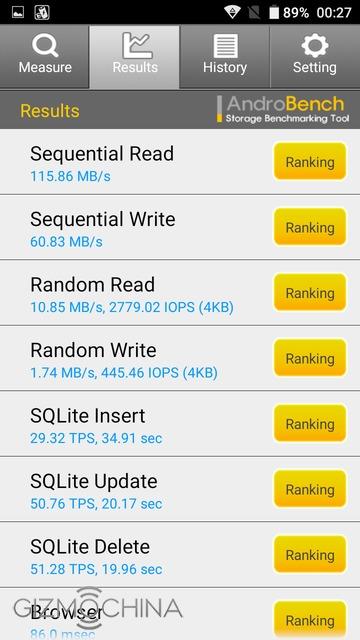
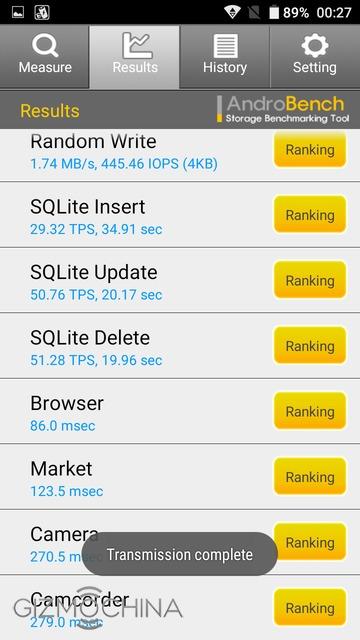
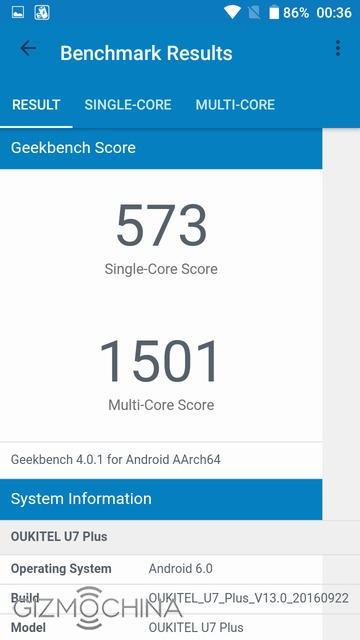
Oukitel U7 Plus Review: BENCHMARKS
Oukitel U7 Plus Review: USER INTERFACE
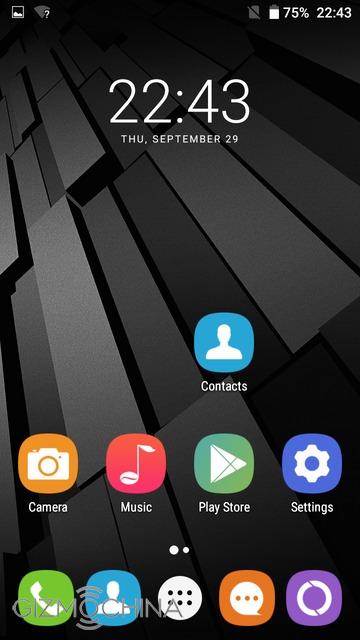
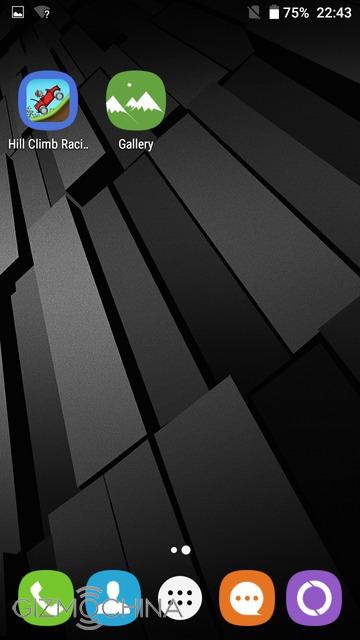
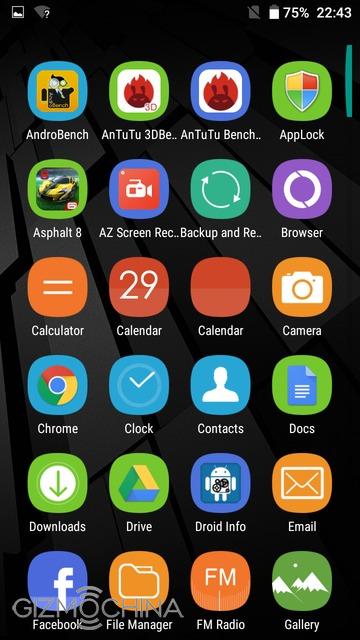
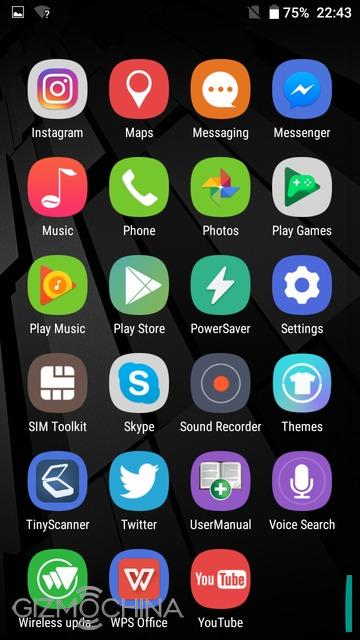
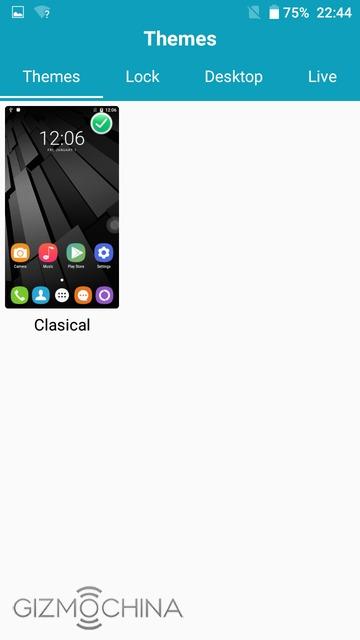
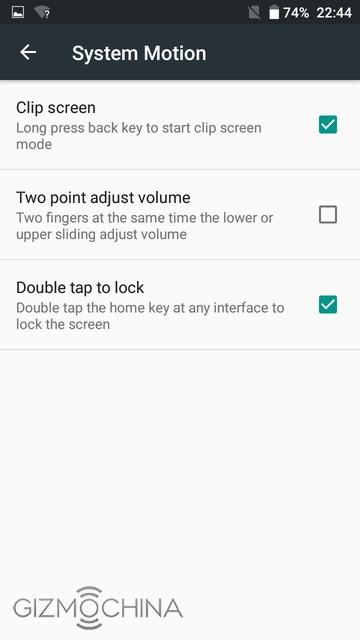
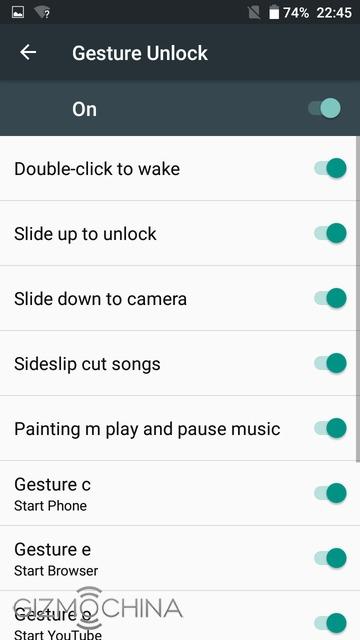
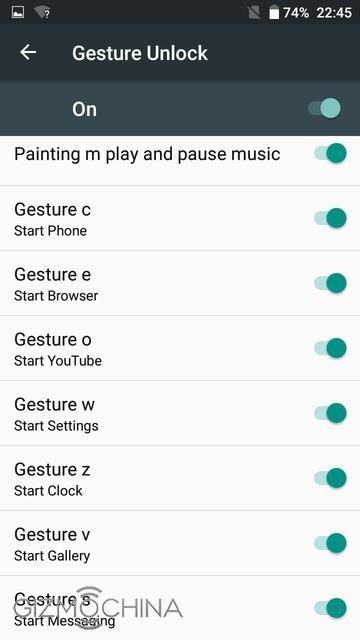
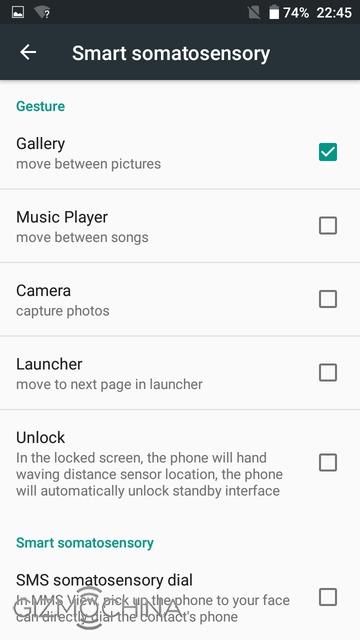
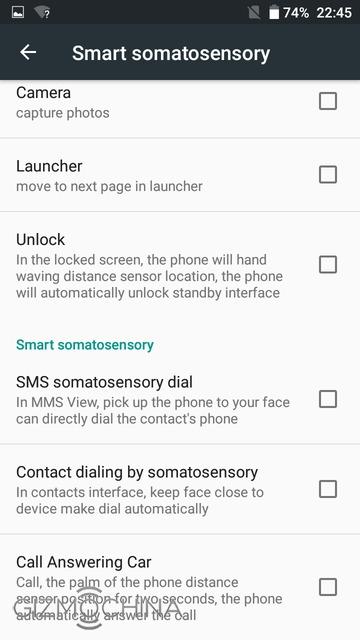
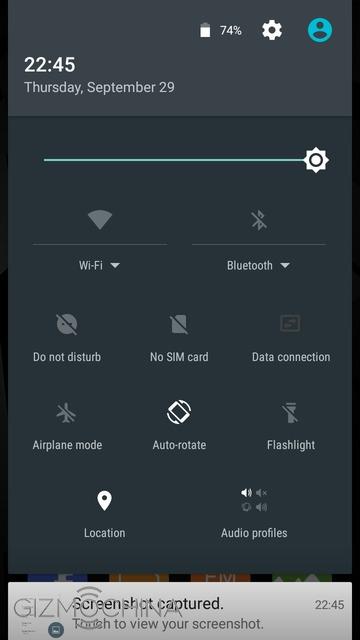
The Android 6.0-based user interface will give you a pretty much stock Android experience but there are some added features like a theme store or a bunch of gesture and motion controls that work pretty well.
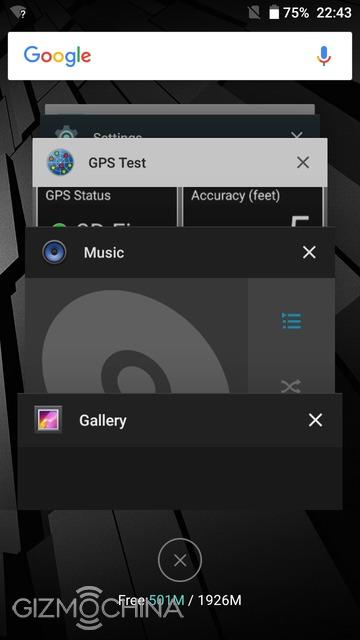
I didn’t have any major lags or hiccups even after installing quite a few apps and I believe this is the most important thing for a cheap phone.
Oukitel U7 Plus Review: IMAGE QUALITY
You can be picky with each cheap phone once you talk about the image quality but you should never expect any stellar results from cheap phones. The U7 Plus is no exception. The images look okay but they are usually overexposed, oversaturated, there could be more detail and so on.
The selfie camera does not impress but it may get the job done for social media needs.
The video quality is okay… for a cheap phone. See a video review for a video sample.
Oukitel U7 Plus Review: CONNECTIVITY
I didn’t have any connectivity issues and even the GPS lock speeds and accuracy were okay.
Oukitel U7 Plus Review: BATTERY LIFE
The 2500mAh battery is definitely too small for 5.5” display but it can still get you through the day on a mixed use. With my usage, I could get around 4 hours of screen-on time.
Oukitel U7 Plus Review: CONCLUSIONS
Oukitel U7 Plus is yet another cheap phone from China.
For the price, it does most of the things right and this is what you have to expect from a cheap phone. Most importantly, it does not have any major shortcomings expect for the fact that the battery capacity could have been larger. Also, the phone does feel a little cheap as it uses plastic in the construction.
Other than that, Oukitel U7 Plus is a decent phone for the price.
Samsung is yet to fully milk the Galaxy S7 and S7 Edge, not to talk of the Galaxy Note 7 but talks have started to shift to the Galaxy S8 which would be next year’s flagship. Recent rumors with their origin as South Korea reveal that Samsung will feature the Snapdragon 830 chipset which Qualcomm is expected to release next year on some versions of the Galaxy S8. On top of that, the rumor also reveals that Samsung and Qualcomm have struck a deal which would see the South Korea tech giant manufacture the Snapdragon 830 chip on a 10nm node process. The Snapdragon 830 has featured in earlier rumors alleging it would be manufactured using the 10nm process.
According to the rumor, the technology at play will be called Fan-out Panel Level Package (FoPLP), and it would enable Samsung to produce the chips without a printed circuit board for the package substrate. On this technology, Samsung and Qualcomm will allegedly work together to develop it. The FoPLP technology is said to lower cost of production and makes the integration of Input/output ports easier, with a thinner chip than before. Also, the fact that it would use a 10nm node process implies there would likely be improvements in power and heat control.
As we have heard in the past, Samsung is also working on its own Exynos 8895 chipset which would use the same 10nm node process and is said to be the SD 830’s counterpart on the Galaxy S8. Although nothing is confirmed at this point, we’ll be on the look out for more information on this new alliance between Samsung and Qualcomm to see how it eventually plays out.
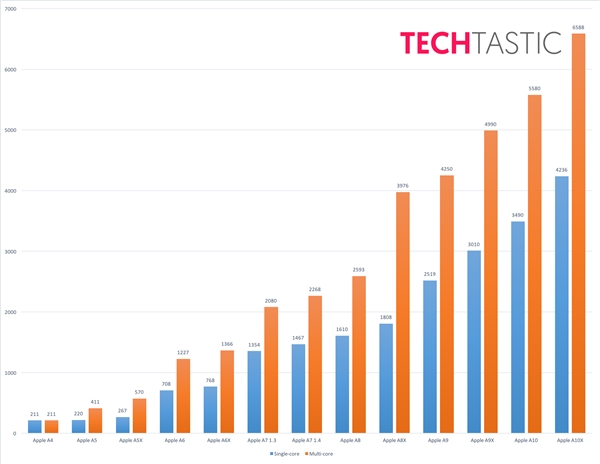
Apple’s A10 chip is regarded presently as arguably the most powerful mobile phone processor presently available in the market and rightfully so. The chip’s performance has been evaluated in a number of tests including Geekbench, and AnTuTu and the results it pooled shows it is nothing like we have seen before. However, all that is likely to change when the Apple A10X Fusion chip hit the market because a leaked Geekbench benchmark result of the A10X has emerged on Weibo with amazing results which trump that of the A10 chip.
The Apple A10X Fusion chipset would power Apple’s expected iPad Pro tablets which we recently heard are in the works. Only yesterday it emerged that Apple will release three iPad Pro tablets with sizes of 7.9 inches, 10.1 inches and 12.9 inches respectively.
The graph showing the A10X performance reveals the expected iPad chip garnered a single-core performance score of 4236 points and in the multi-core performance test, it scored 6588 points. When compared with the A9X processor, the A10X’s singel-core performance increased by 34%, while the multi-core performance leaped by 27%. On the other hand, when compared with iPhone 7’s A10 Fusion chip, the A10X single-core performance increased 21.9%, multi-core performance increase of 19.8%.
It’s official! Nexus is no more. But what comes our way is something more premium and powerful, going by the name of Google Pixel. Thanks to the many leaks that made it to the internet in the past couple of months, much details about the upcoming Pixel and Pixel XL have been known to us. And now, Google just made these two devices official.
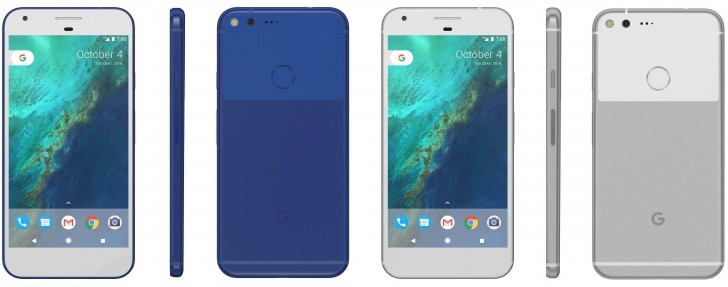
So, there are two phones announced today, the Google Pixel and the Pixel XL. Like the name states, the Pixel XL is the larger model of the two, featuring a 5.5-inch display with Quad HD resolution. On the other hand, the Pixel comes with a 5-inch 1080p display. Both the displays are protected by Corning’s Gorilla Glass display.
As for the design, Google has taken care of designing the two devices, which look almost identical. Both feature aluminum polished bodies with glass on the front as well as the upper portion of the back. You get a Google branding at the bottom as well. However, note that the phones are made by HTC, but there’s no company branding on both the devices. There are three color options, Quite Black, Very Silver and Really Blue. The Blue color option seems to be US only for the time being.
Coming to the hardware, the Google Pixel and Pixel XL feature Snapdragon 821 chipsets with 4GB of RAM on board. There are two variants for both the devices, 32GB and 128GB ROM. And guess what! Google is offering unlimited cloud storage via Google Photos for both the devices. So, you will never be out of storages on the new pixel phones.
Camera is going to be an important feature of the two devices. Google has used a powerful 12.3MP 1.55um pixel sensor at the back with f/2.0 aperture. The company claims the phone has one of the fastest shutter speed in the market and with HDR+ enabled as default. And guess what! Google Pixel phones have a DxOMark score of 89, which is the highest score for a smartphone camera till date. The phones can record 4K and 1080p videos and with your unlimited free storage, you need not worry about their size. You can read all about the Google Pixel’s camera from DxOMark here.
Batteries capacities are not impressive. The Pixel phone has a 2770mAh battery while the Pixel XL comes with a 3450mAh one. Software is something that’s always been a plus point of Google’s Nexus range and with the Pixel, the company has made sure you have the latest version to play around. The phones come with Android Nougat 7.1 with some new software additions like Google Assistant which is like a feature-rich Google Now, gestures for its fingerprint scanner, new icon designs, Daydream VR ready etc.
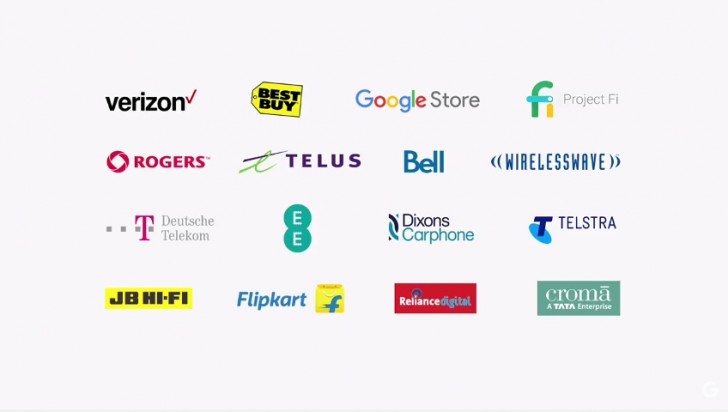
As for the pricing, it’s interesting, as both Pixel and Pixel XL start at $649. These phones will be available via carriers like Verizon, unlocked on the Google Play Store as well as via Brick and mortar stores like Best Buy.
Qualcomm got back into the game this year with two new powerful chipsets, the Snapdragon 820, and the Snapdragon 821 which was announced a few months back. Almost every flagship in the market today use these two chipsets, which is no surprise given the performance delivered by them.
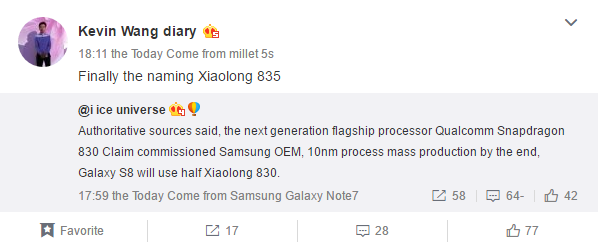
This also means we expect a lot from the Snapdragon 830 chipset that should be ideally released early next year. The chip needs to be more powerful than the Snapdragon 821 and also more efficient as well. Recent rumors have revealed very good specs for the upcoming chip, including eight-core Kryo architecture, 10nm manufacturing node, and Cat. 16 LTE support. Today, a new rumor citing ‘authoritative sources’ surfaced saying that the Galaxy S8 will be coming with Snapdragon 830 inside.
But according to the Chinese analyst Kevin Wang, the flagship chipset from Qualcomm may not be called the Snapdragon 830.
Instead, he believes that the chip will be called as the Snapdragon 835. Unfortunately, he didn’t give out any specific reason for skipping the Snapdragon 830 name tag. It’s likely that we may get Snapdragon 830 as well, but with a slower clock speed than the 835, similar to what the company did with Snapdragon 820 and 821. But at this moment, it’s too early to predict what will happen. The release is still a few months away, so better wait for some more concrete details.
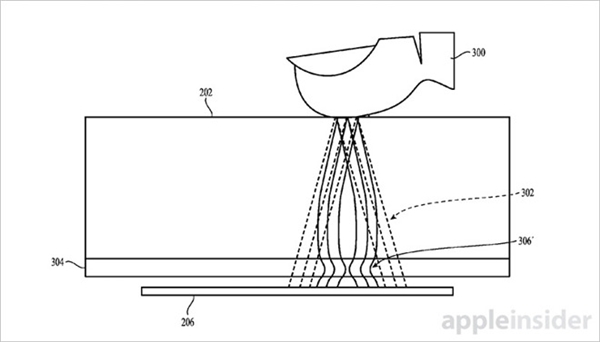
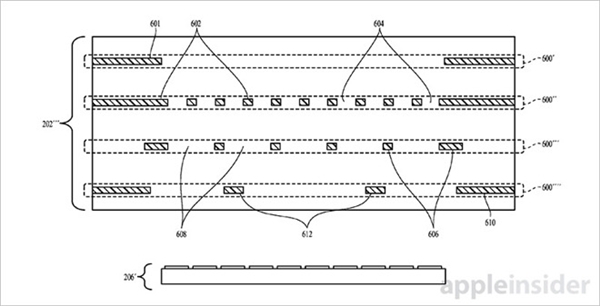
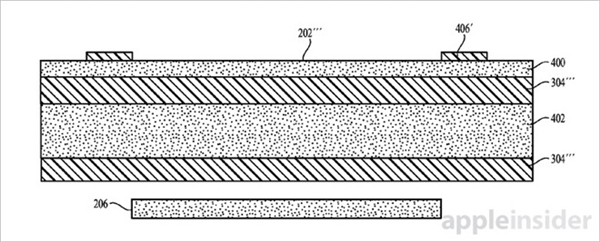
A patent filed back in the past by Apple reveals a design for what is currently called the under-glass ultrasonic fingerprint scanner in the Mi 5S. The patent published by the Patent and Trademark Office in September 2014 is for an electrostatic lens capacitive fingerprint sensor.
The new sensor is expected to debut in the iPhone 8 scheduled to launch next year. Apple, this year decided to remove the press functionality of their home button from the iPhone 7 and iPhone 7 Plus. Sources say the decision is a part of a larger plan to completely phase out the home button and instead replace it with a virtual one which will still double as a fingerprint scanner. To achieve that, they will have to use a sensor that can be placed under the front glass like we have in the Xiaomi Mi 5S.
Today is October 4 and it’s a big day for Google. The search giant will officially launch the new Pixel phones. While almost all the details have been leaked, that doesn’t mean there aren’t still a couple of details we do not know yet. One previously unknown detail is the official name of the phones.
A trademark application submitted to the European Union Intellectual Property Office (EUIPO) appears to have given off the full name of the two phones. According to the application, the phones are to be called G Pixel Phone by Google because Google needs to remind you that the phone is made by them. The name will pretty much be shortened to G Pixel because it rolls off the tongue easily.
360 video is not a new thing but there aren’t too many cameras that can shoot in DCI or cinema 4K quality. The Insta 360 camera has all that, it sports a great design but it costs almost $700. Stay tuned to find out if this camera is any good in our full review.
Insta 360 4K Review: UNBOXING
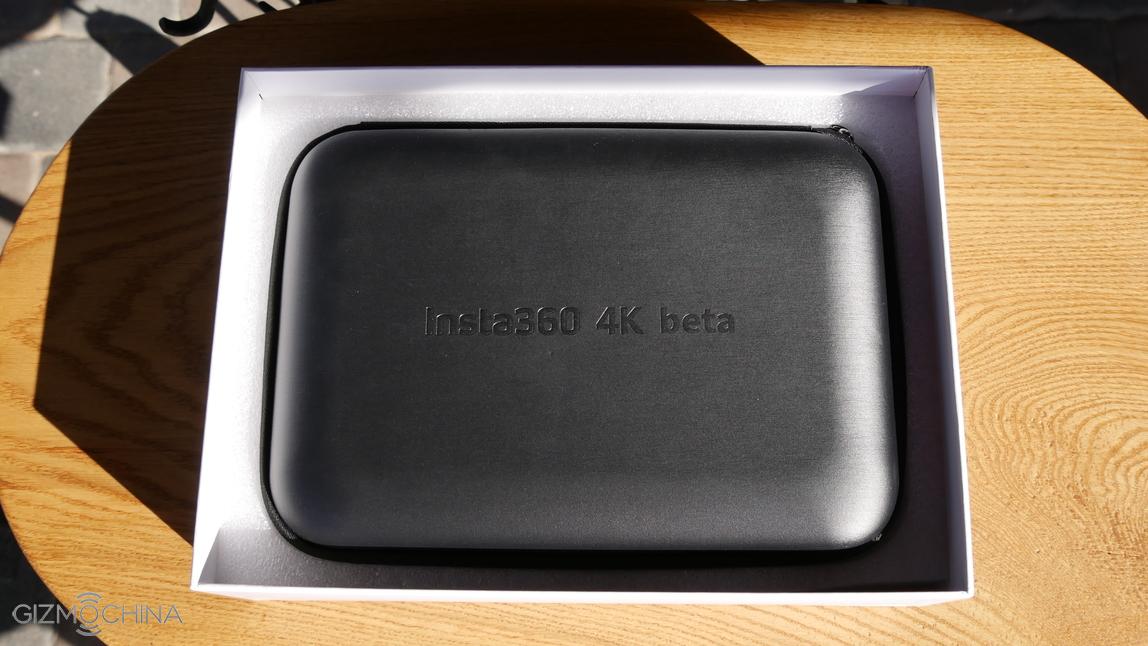
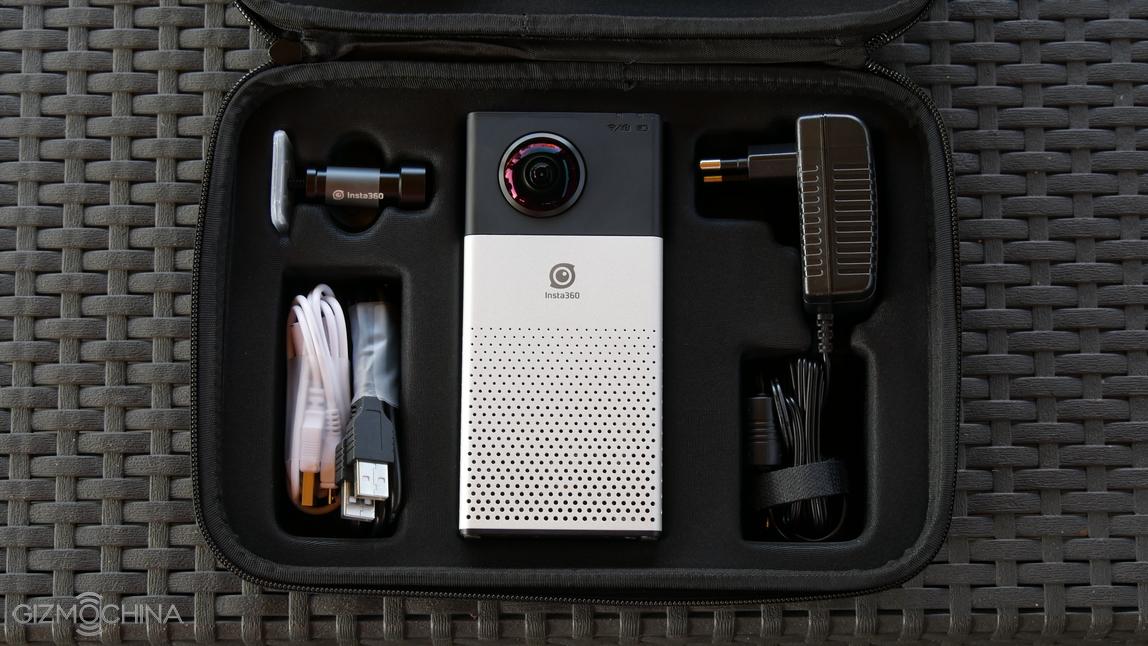
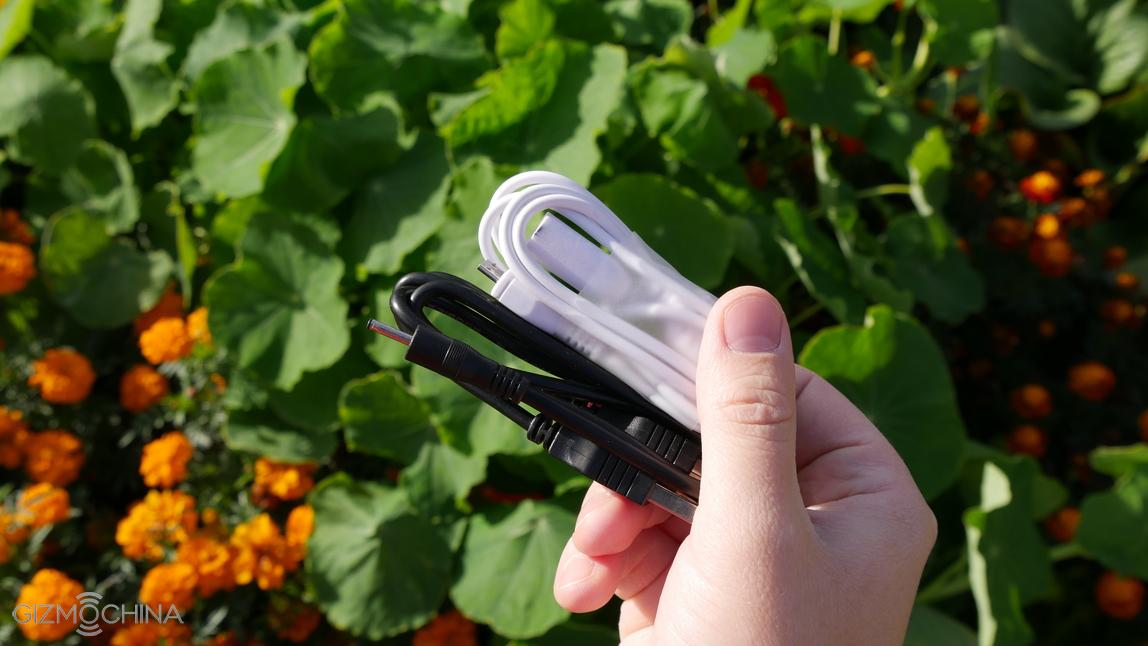
It’s the first time I review a product made by this company and a good way to start with is a nice and premium-looking presentation.The camera comes in a nice carrying case and inside of it, you can find a DC cable with dual USB ports as this camera can be powered by the power bank.
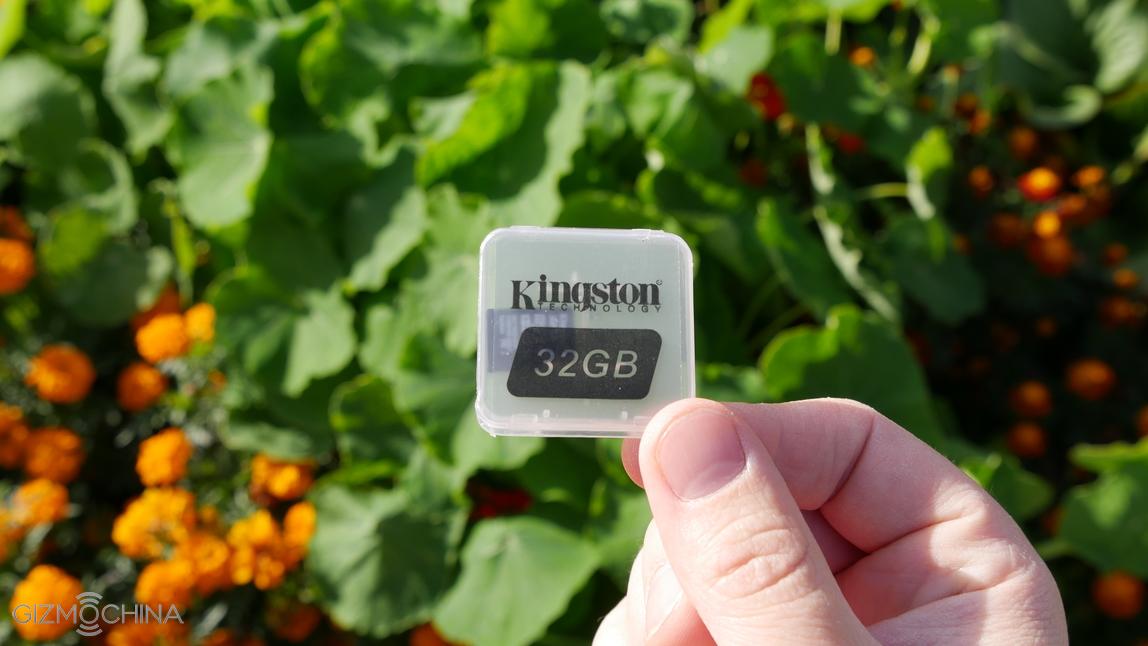
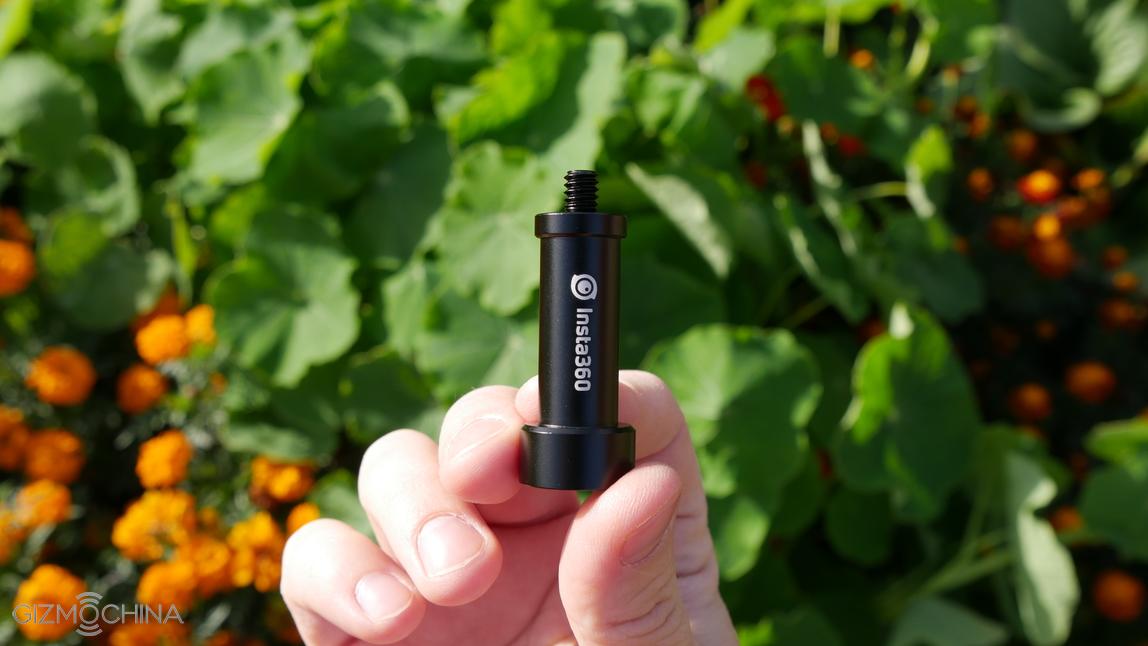
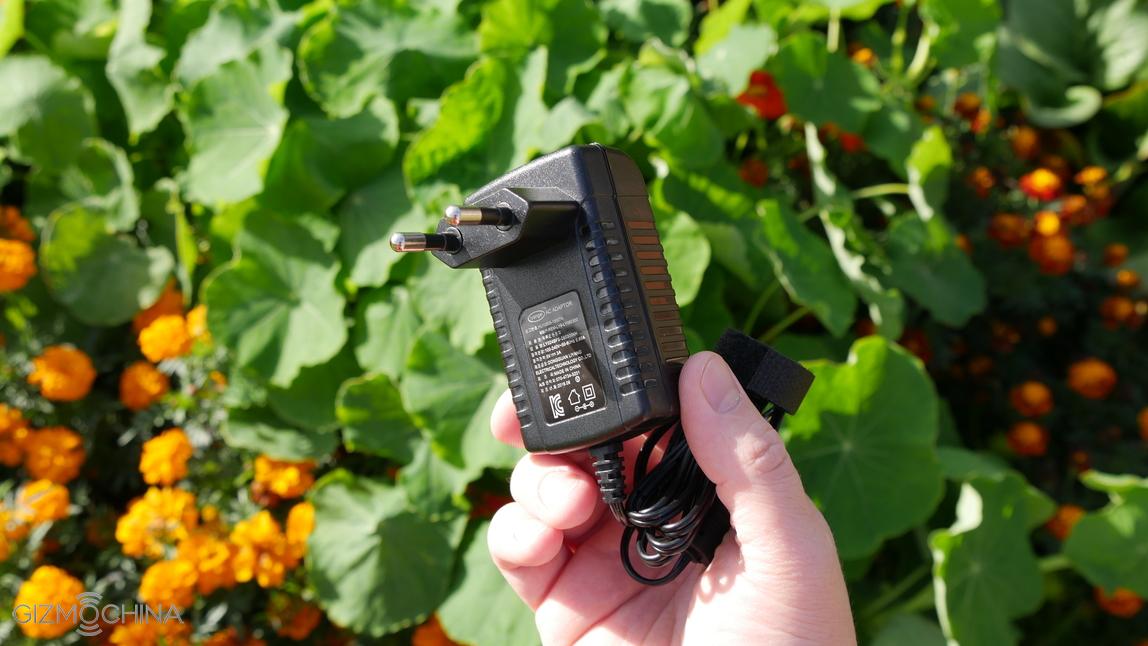
Also, there is a standard power plug, 1/4 screw mount, 32GB microSD, some paperwork and some calibration stickers. The only downside would be that the company did not include a carrying pouch.
Insta 360 4K Review: DESIGN and FEATURES
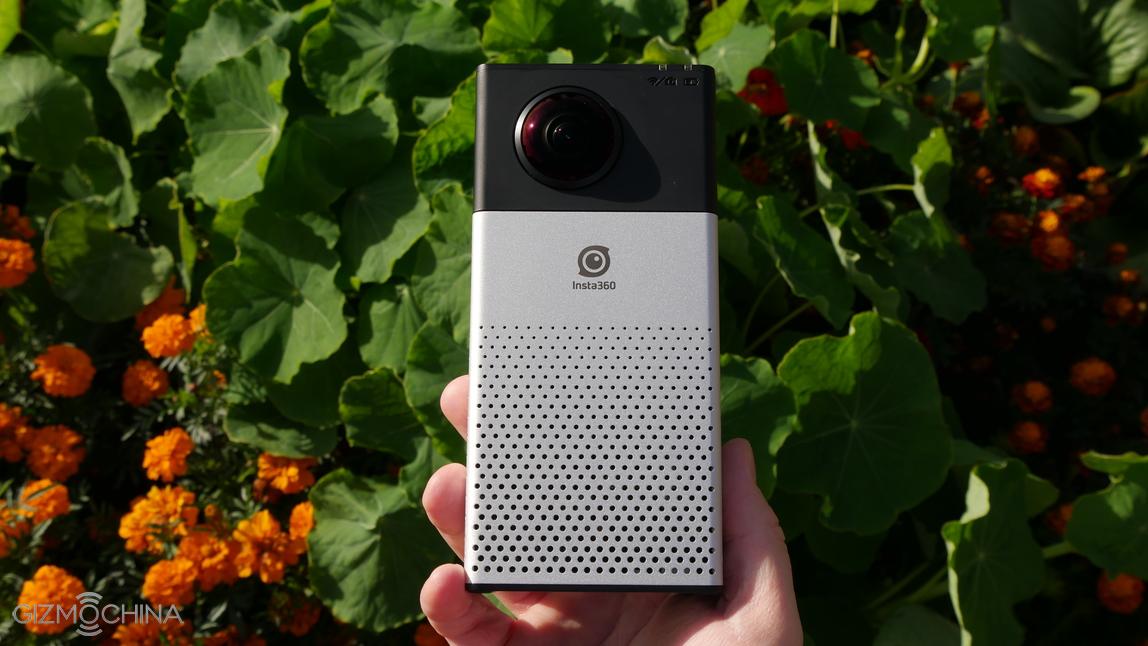
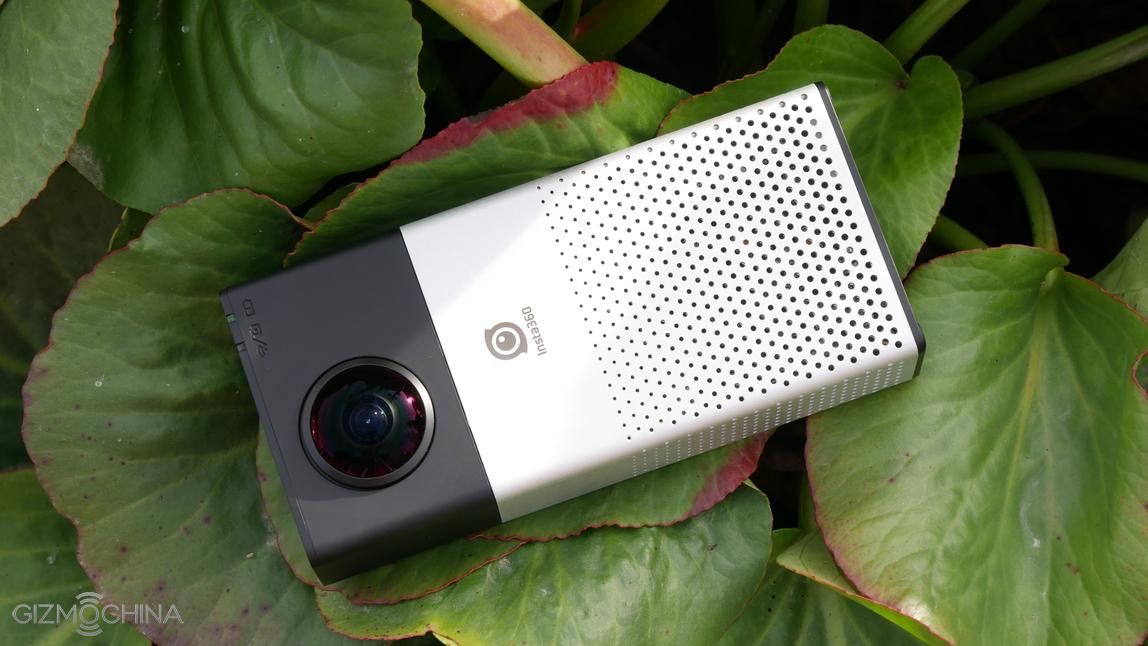
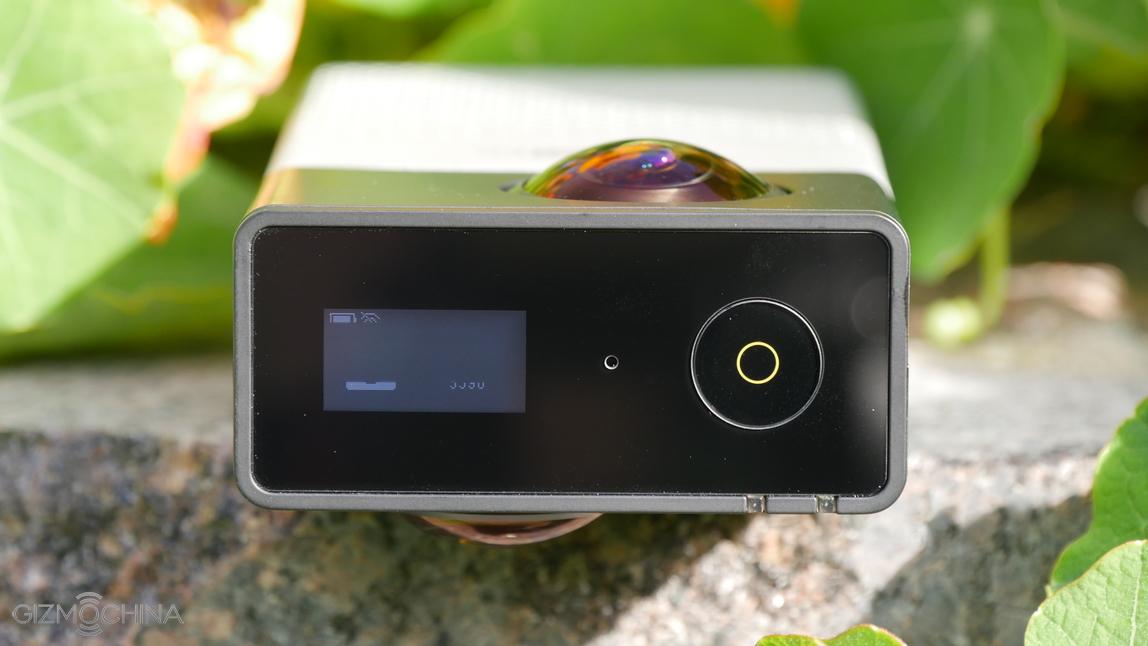
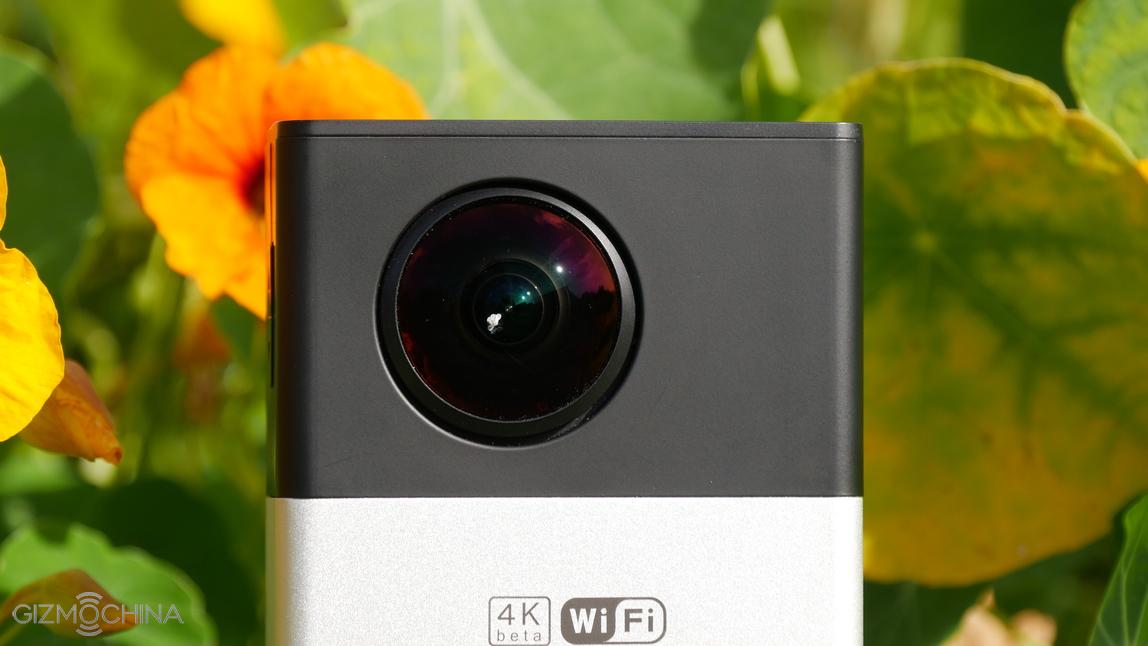
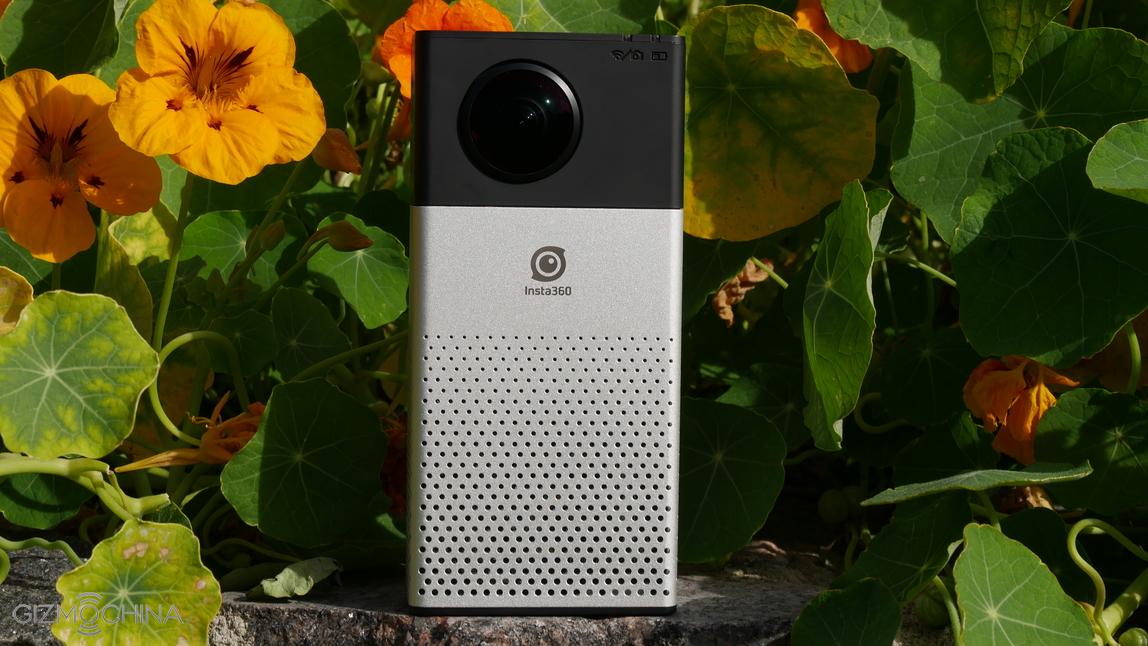
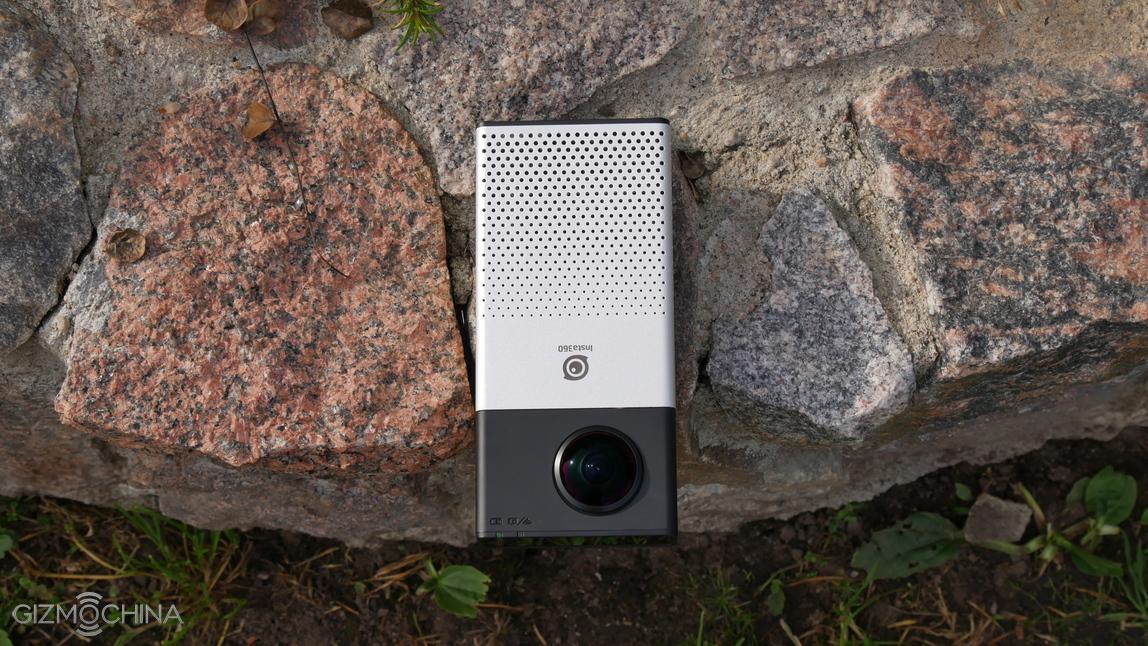
The design of the Insta 360 is rather unusual it may look more like a security camera for some. In fact, it draws quite a bit of attention due to its size and shape, and of course due to 2 8MP Sony CMOS sensors on the front and rear. Both cameras have a super wide 230 degrees field of view.
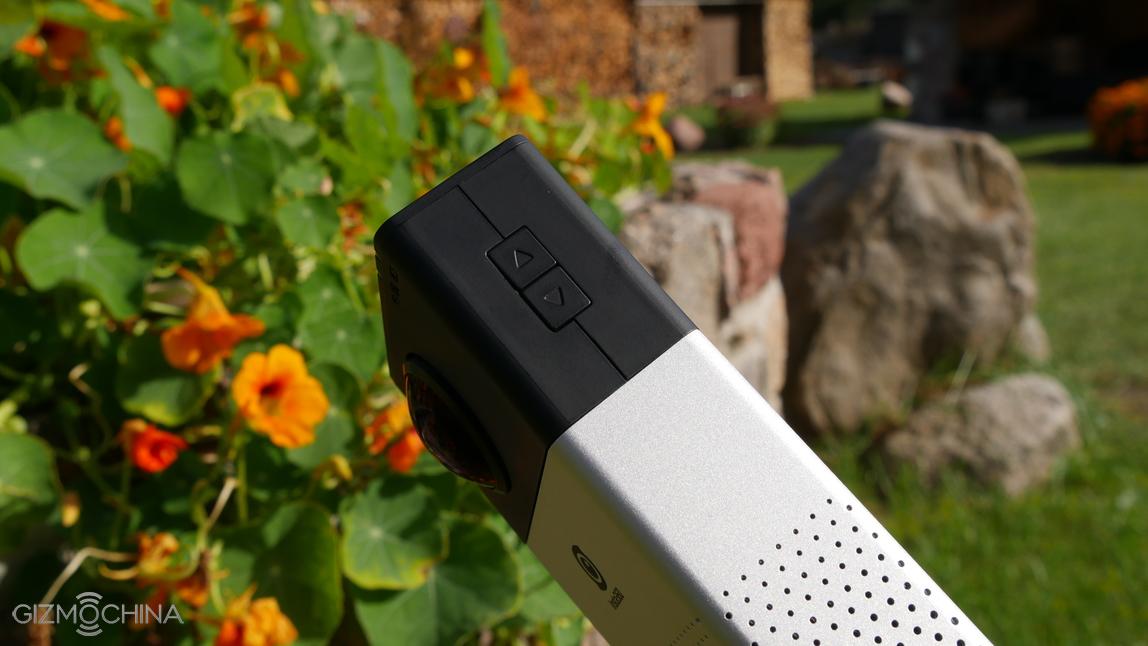
The build quality of the device is top-notch. It’s made of aluminum and we have grills on both sides for ventilation. This is a 4K camera after all.
On the top, we have a little OLED display that shows all the basic info you need and allows you to adjust a few settings. You can navigate through the menu using the side keys, which are clicky and tactile.
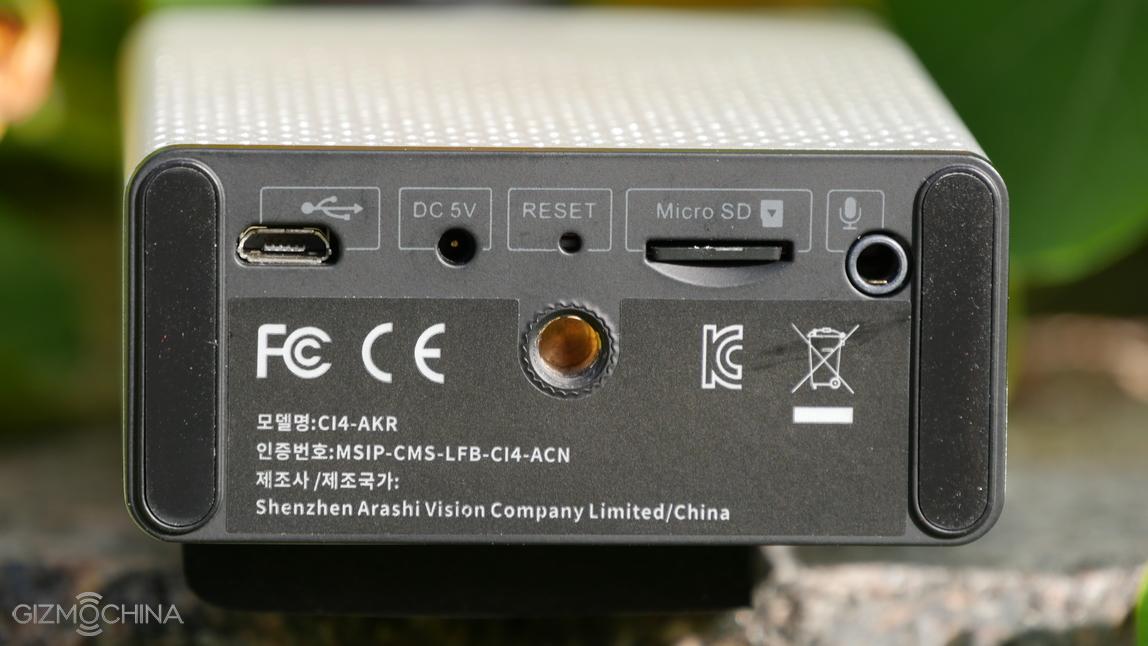
On the bottom, you can find a bunch of ports. The mounting screw allows you to attach the camera to the tripod or other accessories. Also, you can connect an external mic to improve a sound quality.
Insta 360 4K Review: FUNCTIONALITY
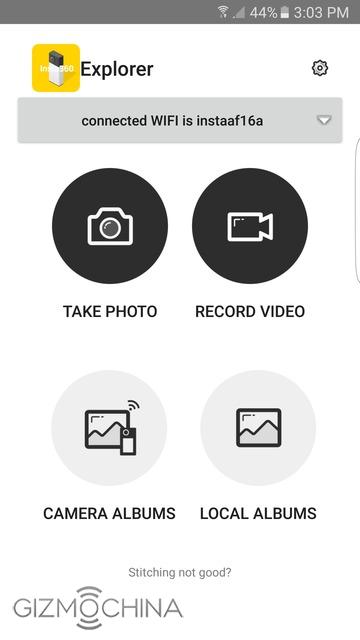
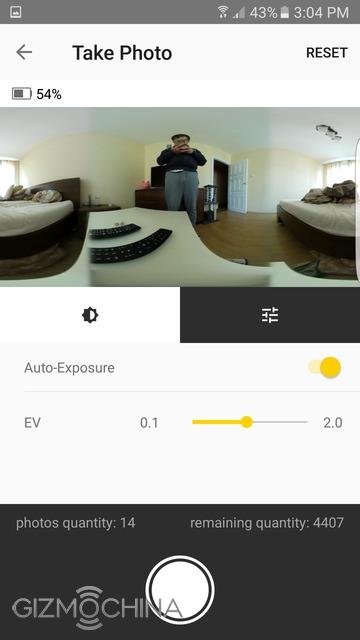
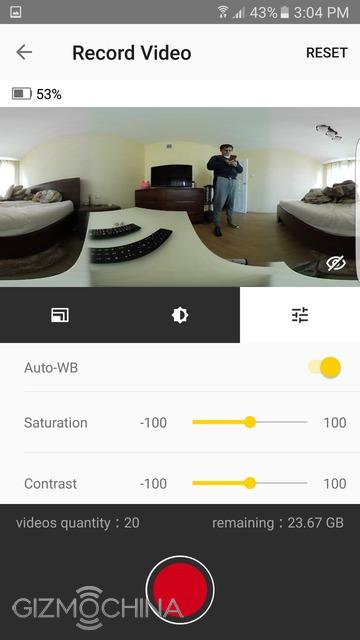
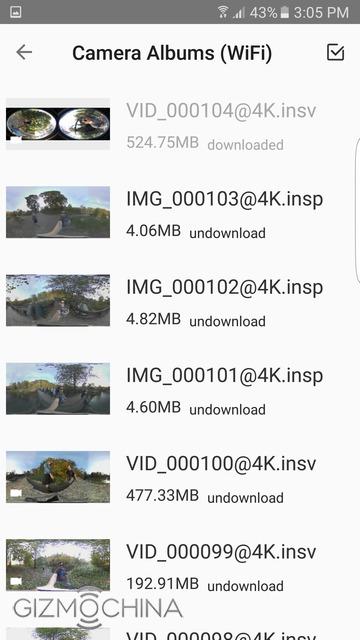
You can start shooting videos or taking pictures by just pressing a multifunctional button. Also, you can download the Insta 360 app that allows you to use the phone as a viewfinder, adjust some basic settings, view and download the content and so on. A great thing is that the app is very easy to use and you can view 360 on your phone almost instantly.
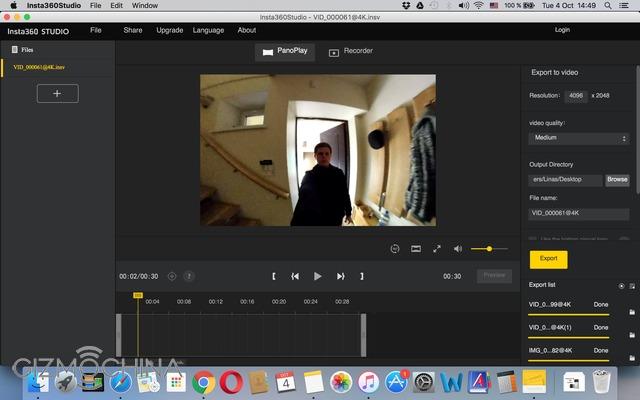
Speaking of the apps, there are quite a few ones that you have to download if you want to watch and edit the 360 content on your PC or Mac.
Insta 360 4K Review: APPS
Mac OS apps:
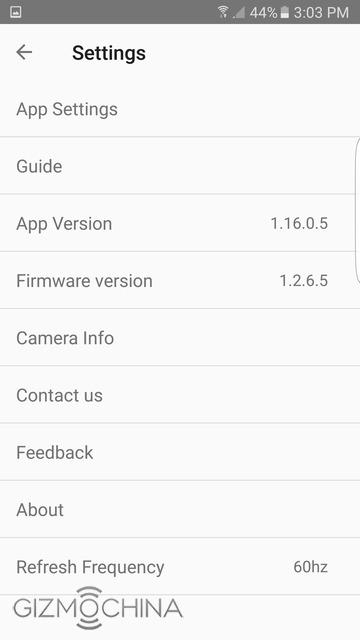
Android OS apps:
If you want to watch 360 videos, I suggest you doing that on your phone, tablet or use the VR headset for the best experience. You can also do that on your computer but you would need to use the Insta360 player app or Insta360 studio app if you want to edit videos since the camera creates the proprietary .insp files.
Speaking of the video editing, you can also download the Adobe Premier plugin, so you can easily edit the 360 content there. Unfortunately, I use the Final Cut Pro.
If you want to upload videos on Youtube, you would need to download the Youtube’s 360 Metadata tool first. Also, you can upload the 360 video to the insta360 cloud service without any hassle but the website is in Chinese.
Insta 360 4K Review: IMAGE QUALITY
As for the image quality, I would say that the 4k at 25fps looks very good. In my eyes, it looks a bit sharper and there is more detail than in the footage produced by Samsung Gear 360. Sure, there is some artificial stitching going on and you should not expect the same level of sharpness as you’ve seen in the standard 4k footage.
However, the low-light performance could be better as there is a lot of noise. Also, the audio recording quality could be a lot better. Fortunately, you can connect an external mic and it really helps.
You can check out the video description if you want to download the original video samples.
When it comes to the battery, the camera sports a beefy 5000mAh unit and that translates to almost 1 hour of 360 4k video recording, which is a great result.
Insta 360 4K Review: CONCLUSIONS
The Insta 360 camera is a device that aims to combine the sharpness of 4k and the sphericity of the 360 videos for a premium price of $699.
I have to say that it succeeds in quite a few ways as the video and image quality is indeed pretty good, the camera sports a nice and sturdy design, the battery life of 1 hour is good I found both Android and Mac apps easy to use.
However, the camera is kind of huge and it does not come with a carrying pouch, so you may need to bring the entire case to keep it safe.
Also, the low-light image quality could be better, given the fact the Sony sensors have a bright f/2.0 aperture. Lastly, the audio recording quality if you use the internal mic is quite terrible.
At the end of the day, I can still say that the Insta 360 is a very high-quality product as it produces one of the best 4k 360 videos I’ve seen so far in this price range. However, there are a few shortcomings to consider before spending your $699.
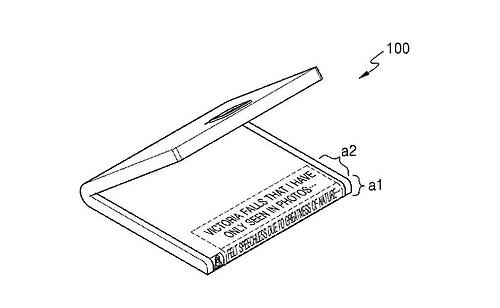
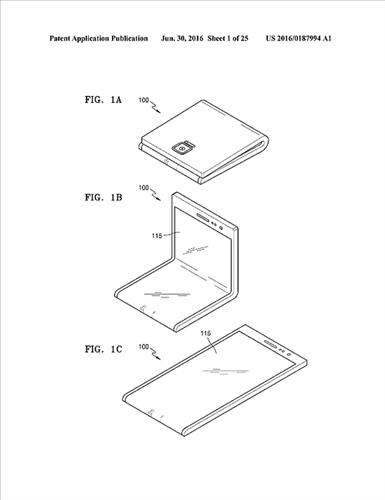
Reports from South Korea indicates that Samsung Electronics Co., through one of its affiliate Samsung Display Co., has filed for registration in the United States, a patent for bendable displays. Samsung Display Co. which is responsible for providing panels for Samsung was said to have filed a patent application for the technology to manufacture flexible displays with the U.S. Patent and Trademark Office (USPTO) on September 27. This news according to industry sources could only mean Samsung may possibly launch foldable smartphones in the near future.
Samsung had featured in earlier rumors as far back as June when similar patent was filed with the US patent office. The rumor suggested that the South Korean giant was working on a foldable smartphone which would be released by early 2017. While the chances of the device dropping early 2017 isn’t very feasible at present, there is the possibility now that Samsung really wants to develop bendable smartphones.
Samsung has been trying out ways of reducing its display sizes and did a marvelous on the Galaxy Note 7 which featured a 5.7-inch display on a very slim body build. Samsung achieved this by using a curved display and very thin display bezels. This recent patent registration could a sign that the company is taking things further in providing large displays in compact body.
This recent patent isn’t the first Samsung is registering in this regard, as the tech giant is said to have registered 30 related patents with the US patent office with 14 of them coming in this year alone. These patents have in some cases been registered in South Korea and other countries and some of them are said to have been made public years back. The technology would make it possible for the organic light-emitting diode (OLED) displays which Samsung uses, to fold and bend inwards just like a pocket wallet.
While Samsung’s bendable smartphone technology might not become commercial in the first quarter of next year, there are reports also that Samsung is considering introducing two different models featuring the technology in two different designs as early as next February during the Mobile World Congress which would take place in Barcelona, Spain.
Looks like other smartphone makers like Lenovo and OPPO could beat Samsung in the race for who releases the bendable smartphone first, though. Lenovo had unveiled its own bendable smartphone at the Lenovo Tech World event earlier this year and later teased the device just before the IFA Berlin 2016. Chinese emerging market pacesetter OPPO also has a foldable smartphone prototype in its kitty which folds like Samsung’s.
The dust of the iPhone 7 and 7 Plus has barely settled and we are already getting news of the iPhone 8. The launch is still a good eleven months from now, so any of these details can be changed before then.
Next year is a big year for Apple as it marks the 10 years anniversary of the very first iPhone. That reason alone should make the next iPhone a really great phone. Although Apple hasn’t confirmed the name yet, but speculations say that it will be called the iPhone 8, which doesn’t sound exciting to me.
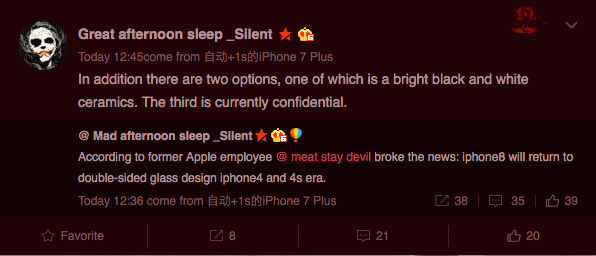
Another info we have gotten is about the design of the phone. A Weibo user whose handle loosely translates to @Great afternoon sleep_silent posted that a former Apple employee @geniusbar leaked that the iPhone 8 will bring back the double sided glass design which last appeared on the iPhone 4s.
This rumour has actually been circulating for a while now and has even been posted by popular analyst, Kuo Ming-pool. His post says the high-end version of the iPhone 8 or 8 Plus will re-employ the classic double glass + metal frame design. @Great afternoon sleep_silent mentions that a second option will feature black and white ceramic body and there will also be a third variant whose design is still a secret.
Previous leaks by @Great afternoon sleep_silent about the iPhone 6 and 7 have turned out true, we still advise you take these new leaks with a pinch of salt.
In a couple of years or less from now I expect a documentary covering exploding phones to be made with 2016 taking centre stage. The rate at which phones have exploded this year appears to be higher than others most especially with the case of the Galaxy Note 7. Although Samsung is the very unlucky one this year, other manufacturers have also had their own share.
Apple is the one in the news today as an iPhone 6 Plus belonging to a student exploded while in his back pocket. The student, Darin Hlavaty, in his words said he felt this crazy hot burning in his leg right as class was starting, only for him to see his pocket smoking and realised it was on fire. He said he was able to remove the phone and kick it away. The fire was already out before the fire service arrived and there was no reported case of an injury.
Darin says he has only had the phone for six months and the battery was dead before putting it in his pocket. The only fault he said the phone has is a cracked screen (probably from sitting on it while in his back pocket?) which shouldn’t be sufficient to cause a fire.
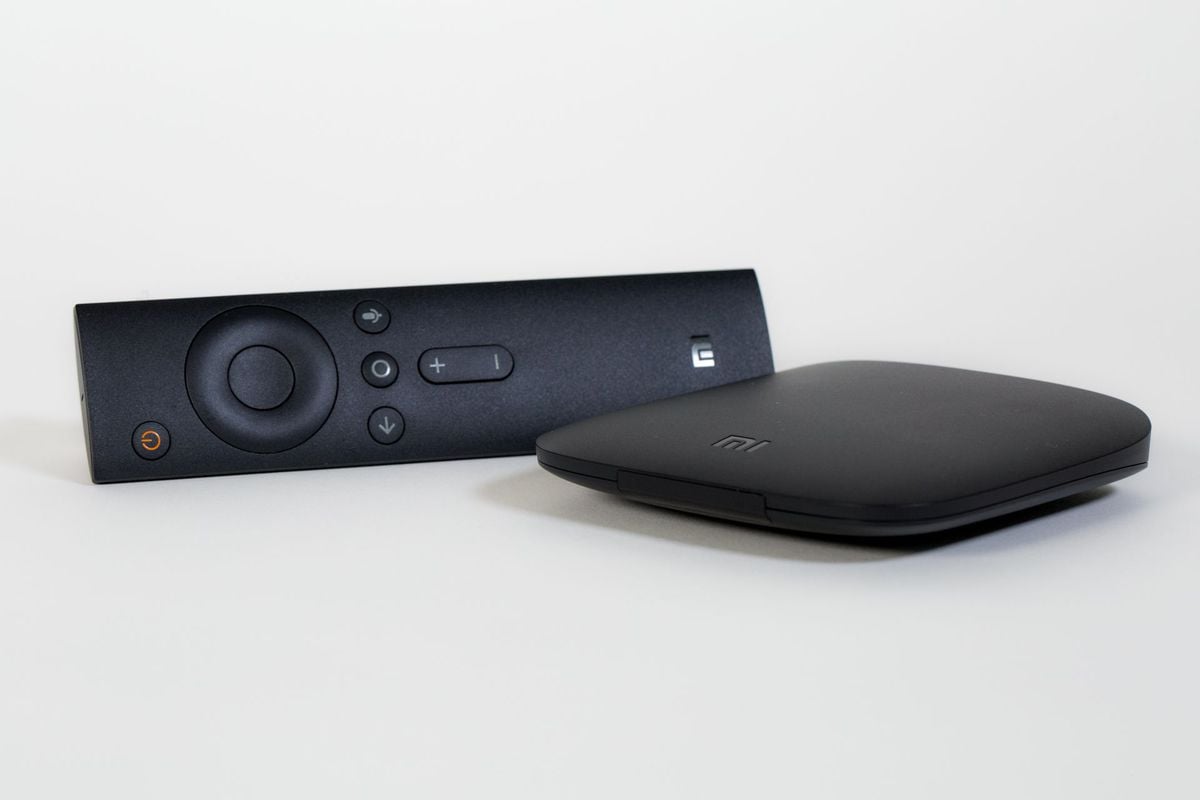
Xiaomi’s Mi Box has been launched as the company’s first product ever to go on sale in the US, just as was rumored weeks back. The Xiaomi Mi Box enters the lucrative US market battle ready to take on similar products like Amazon’s Fire TV, Apple TV and Roku’s wide range of media players. The Mi Box streaming device has been tipped by Xiaomi’s VP, Hugo Barra as the best, most technically advanced streaming box money can buy and it carries a cheap price tag of just $69.
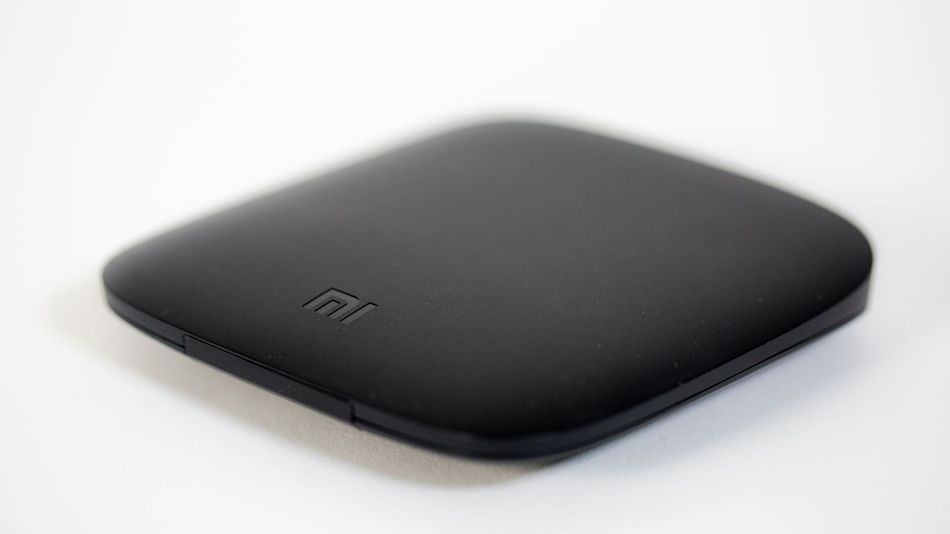
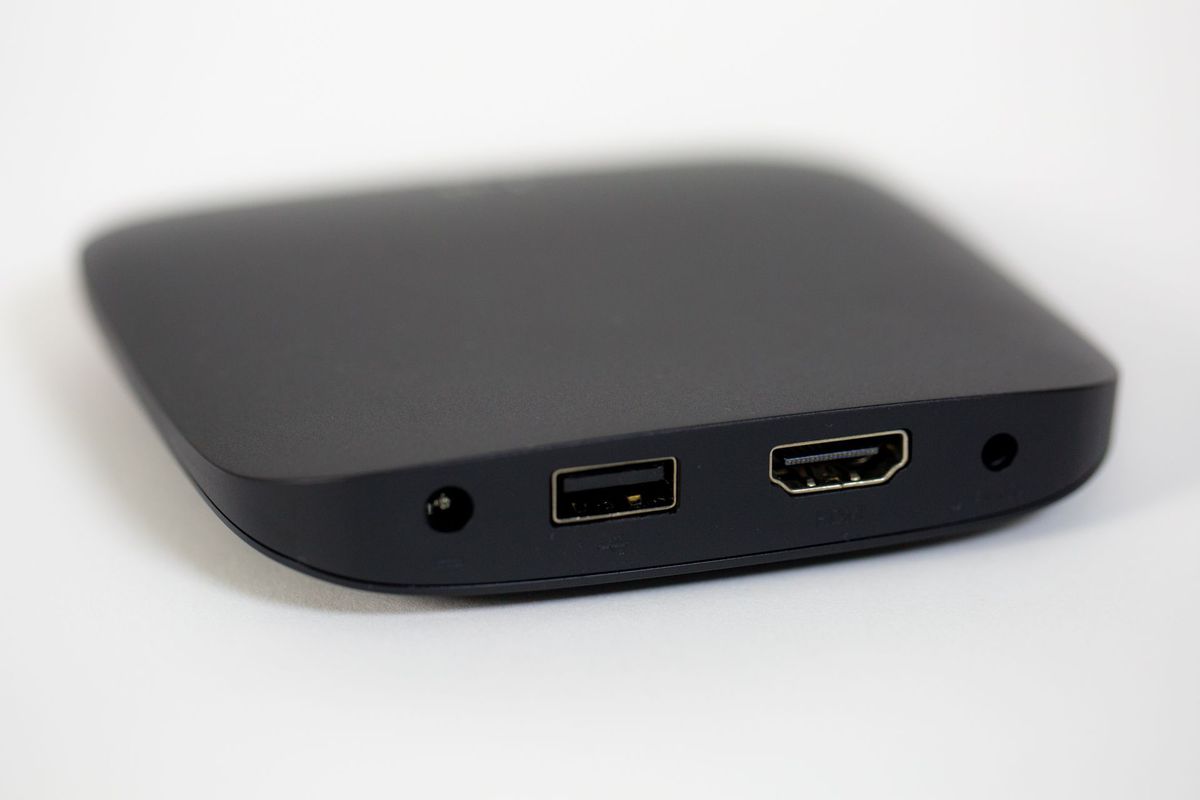
Xiaomi has continued its renowned reputation of offering well studded devices for ultra cheap price tags with the Mi Box and for $69, users get a host of features that the Mi Box offers. The Mi Box comes in a smallish size just about that of a pocket wallet with some more weight, and is colored in matte black with ports for HDMI , USBB, audio and power at the back. What could be said to be the main attraction on the device is its ability to stream 4K video at 60 frames per seconds (fps), something Apple TV cannot do. This 4K streaming ability places the device at par with Amazon TV box and Roku.
On the software end, the Mi Box runs Android TV which is reputed as having one of the better user interfaces and allows users to search universally for titles across multiple services. There is also the cool voice interaction feature via the tiny remote controls it comes with. In addition, the device comes with support for Google Cast which means it can function for the same purpose as Chromecast. Still on the software, the Xiaomi Mi Box enters the US pre-installed with live-TV service Sling TV. Mi Box owners get the added incentive of being able to check out the service for free for just the first day, even without inputting credit-card info. After that, they can begin the normal seven-day trial, and there’s also a $50 coupon for the Sling in the box if they choose to subscribe.
On the hardware terrain, the Xiaomi Mi Box packs inside it 2GB of RAM, 8GB of built-in storage, and has support for Dolby Digital Plus audio playback, DTS Surround Sound and is HDMI 2.0 compatible. The Mi box is powered by a quad-core ARM processor and a Mali 450 GPU. It comes with a Bluetooth voice remote and Xiaomi had earlier hinted the box will also work with a Mi Game controller for those who want to enjoy Android games on a large screen. The controller will likely be sold separately, though.
For all these, Xiaomi has pegged the price of the Mi Box at $69, far cheaper than all other comparable box in the US market that streams 4K video. Xiaomi has officially entered into retail partnership with Walmart who will sell the Box in close to 4,000 of its stores across the US. The device will likely be available for purchase by the end of the week.
It has emerged in the media that US tech giant, Google initially offered Huawei the opportnity to build the upcoming Pixel phones, which we’ll soon get to see in all their glories, but talks collapse over some nitty-gritty issues. Huawei’s partnership with Google dated back to the days of the Nexus smartphones and that partnership gave birth to the Nexus 6P and Nexus 5X. Curiously that was where trouble started brewing.
According to insider sources who were allegedly familiar with Huawei’s operatons who spoke with Android Police, Google promised Huawei when the Chinese smartphone maker was brought in to make the Nexus 6P, that the smartphone would be sold by all four US carriers. The reports indicated that Huawei who had been looking for an opportunity to enter the lucrative US market, immediately bought into the project and had specifically mentioned that they want the phones to be sold by Verizon, perhaps because Verizon rank as largest or second largest carrier in the US. However, that didn’t materialize and the Huawei-manufactured Nexus 6P and 5X ended up not being sold by any of the mobile carriers in the US.
Apart from that, Android Police reports that the insider sources also hinted that Google had also agreed terms with Huawei for both parties to spend hundreds of dollars to advertise the Nexus 6P but obviously that won’t work out since talks with the carriers didn’t work out. The US smartphone market is one that is very much carrier-dependent.
That seem not to have ended both giant’s affinity for each other, as Google was said to have approached Huawei not long after the launch of the Nexus 5X and 6P, unveiling its plans for the year’s portfolio. Google was said to have indicated interest in having Huawei build the Pixel phones but with a stringent condition attached. This condition was said to have led to the collapse of talks an what is it? Trns out Google wanted the phones to carry only Google’s logo without any recognition going to Huawei as the manufacturer. Huawei, according to the source, wanted none of that and taht immeddiately ended talks between both parties. Quite ironically, both smartphones would be sold by all four US mobile carriers just as Huawei had wanted but unfortunately the Pixel and Pixel XL are both HTC-manufactured.
Huawei and Google are still potential partners, though, recall they were rumored to be working on a tablet and Google is reported to have contacted Huawei again among other companies, to build a mid-range device which may likely drop mid-2017.
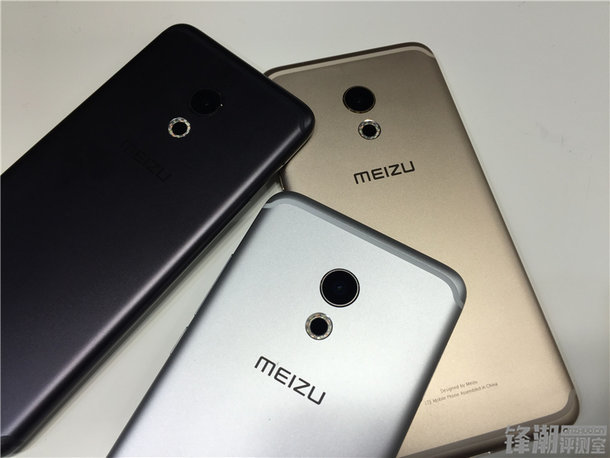
Rumours have been floating round for months now about a Meizu phone with an Exynos 8890 processor. There are also rumours of a Meizu Pro 7 with a dual-curved screen expected to launch soon and probably be the last flagship for the year. All these rumours have been clarified by Meizu Vice-President, Li Nan.
According to Mr. Nan, there will be no Exynos 8890 phone citing dual 4G network policy as the reason. He also mentioned that the Pro 7 will be released next year although he didn’t reveal any of the specifications.
His comment on the Exynos 8890 chip puts to rest earlier news that the company was going to release two more flagships this year: a Meizu Pro 6S with a new chip and a Pro 6 Plus with an Exynos 8890 and a 5.7” display.
So as it appears, the only one we’ll be getting is the Pro 6S. It has been reported that the Pro 6S will only be a slight upgrade from the Pro 6. The major upgrade of the Pro 6S is likely to be the swapping out the Helio X25 for a Helio P20 processor. Projected launch date for the Meizu Pro 6S is late October.
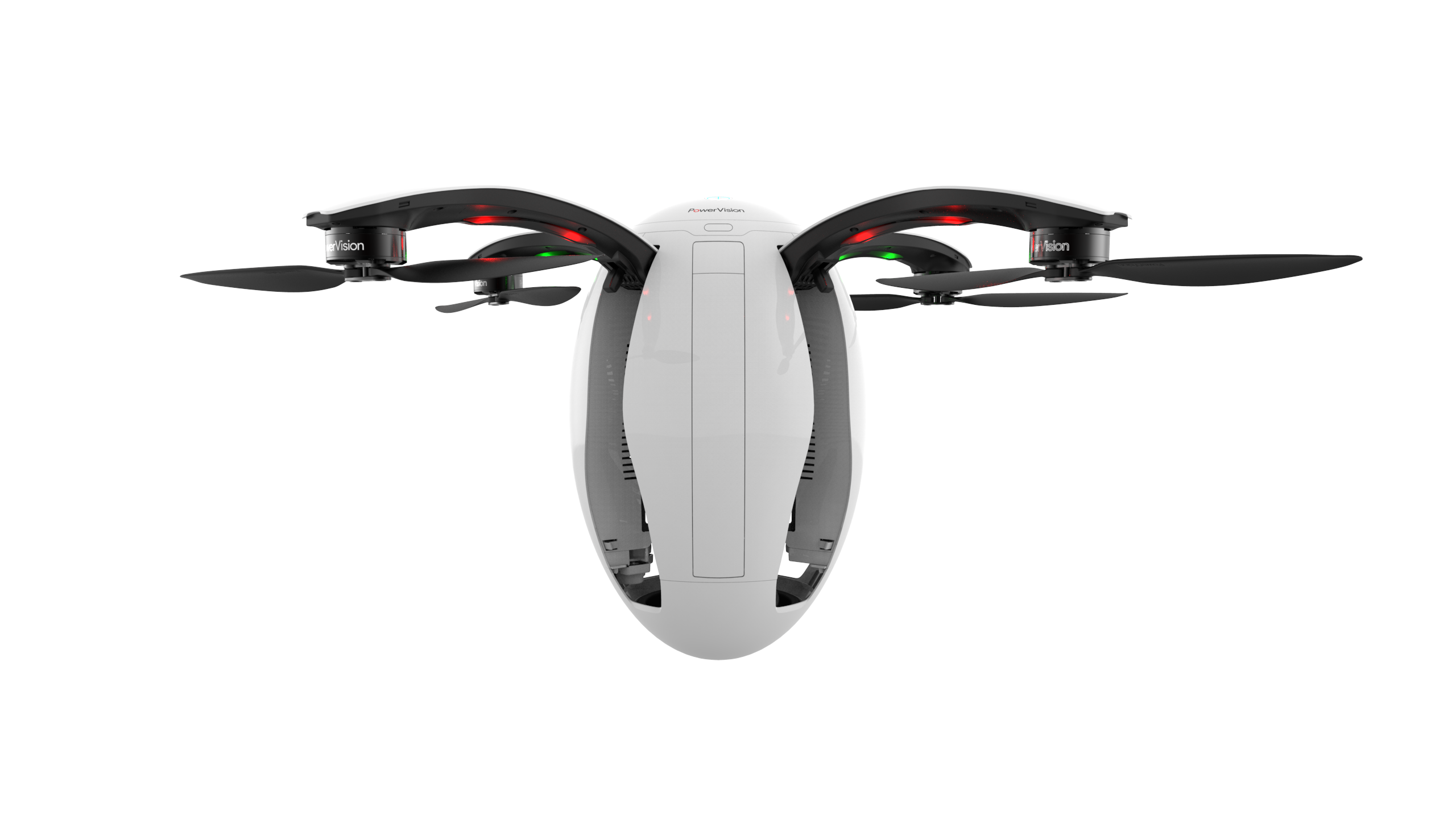
Zhen Di’s PowerEgg Arena UAV is now the highest backed domestic item in the history of Chinese crowdfunding. The unmanned aerial vehicle which debuted at IFA Berlin 2016 is shaped like an egg which is a first for drones.
The PowerEgg Arena has currently exceeded 86.48 million Yuan on Jingdong’s crowdfunding platform. Just two days into the crowdfunding campaign duration, they had crossed the 10 million Yuan minimum threshold by an excess of 21 million Yuan. The campaign is set to end on the 10th of October.
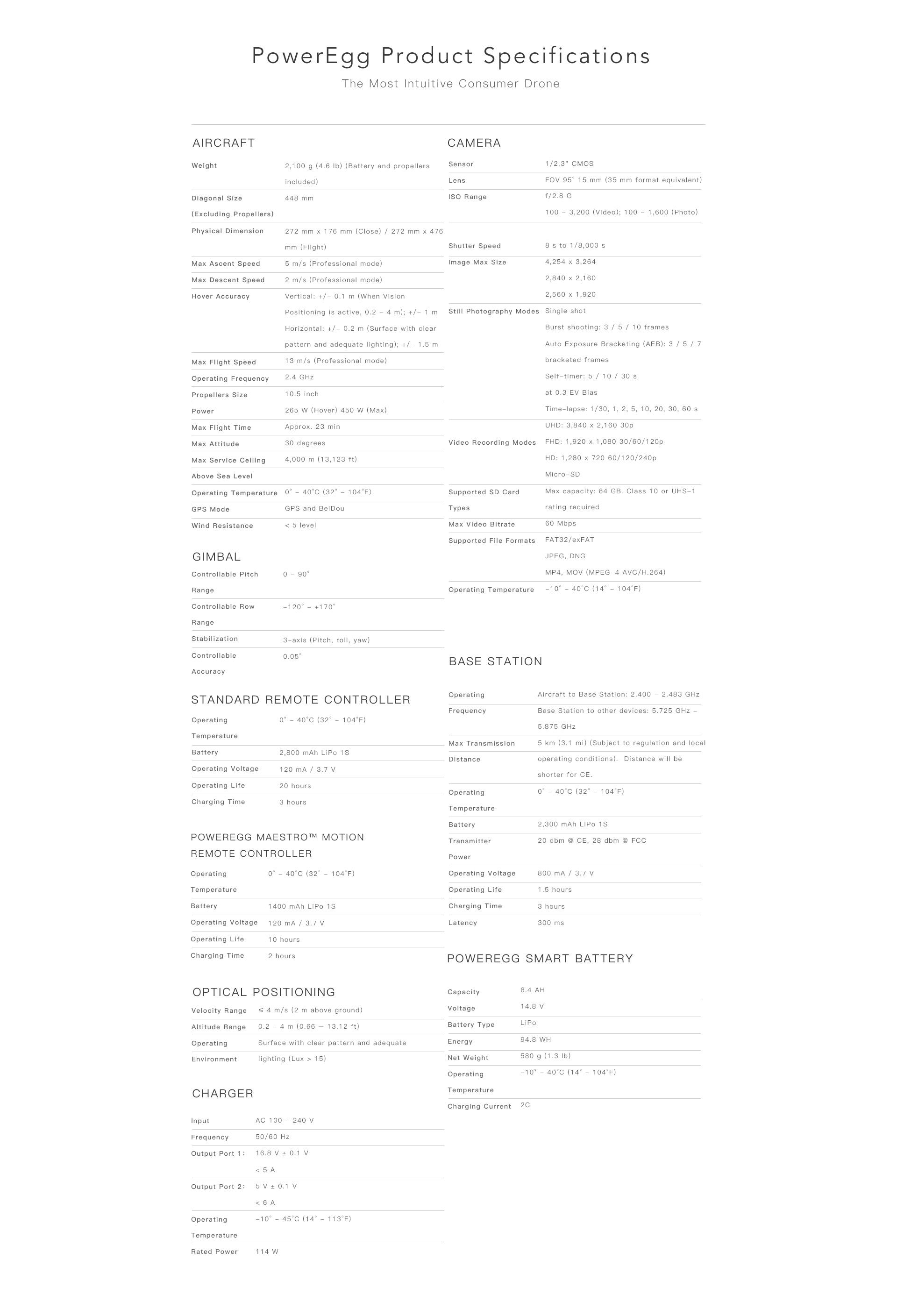
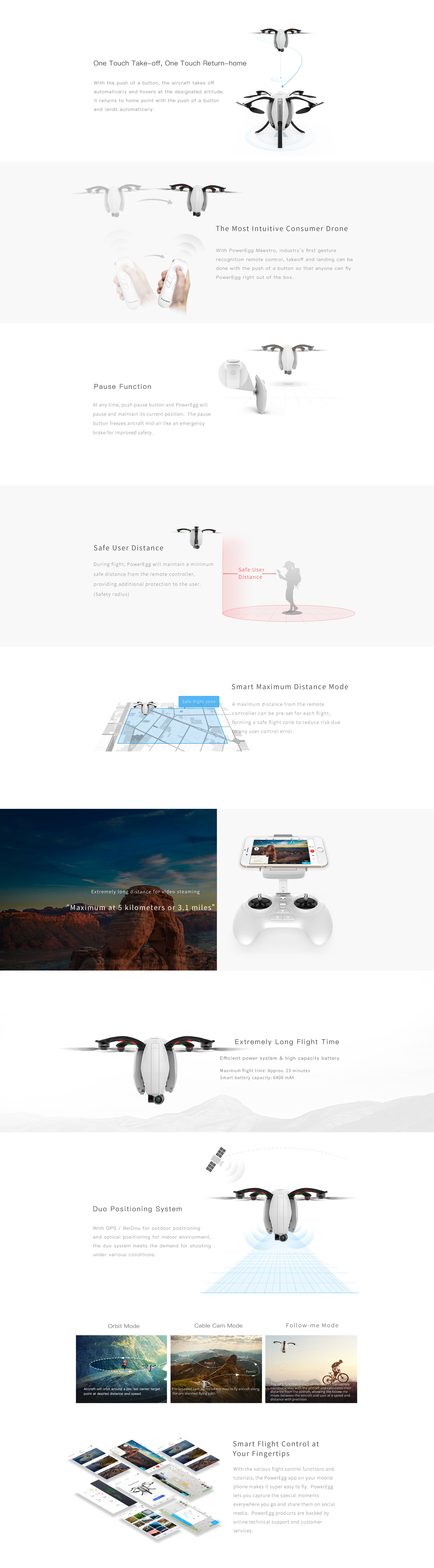
The PowerEgg Arena which is priced at 7888 yuan ($1182) has a gesture-based one-handed unmanned aircraft controller called the PowerEgg Maestro. Unskilled flyers can fly and land the drone just by pushing a button. The remote also has motion sensing capabilities allowing the drone to be controlled via gestures. Want to pause the drone in mid-air? You can also do that and save the drone from crashing into objects. There is also a different controller for those who prefer advanced navigation.
The drone has been praised for its portability and sleek design. It provides up to 5km real-time HD video transmission and up to 23 minutes of flight time with its 6400mAh battery.
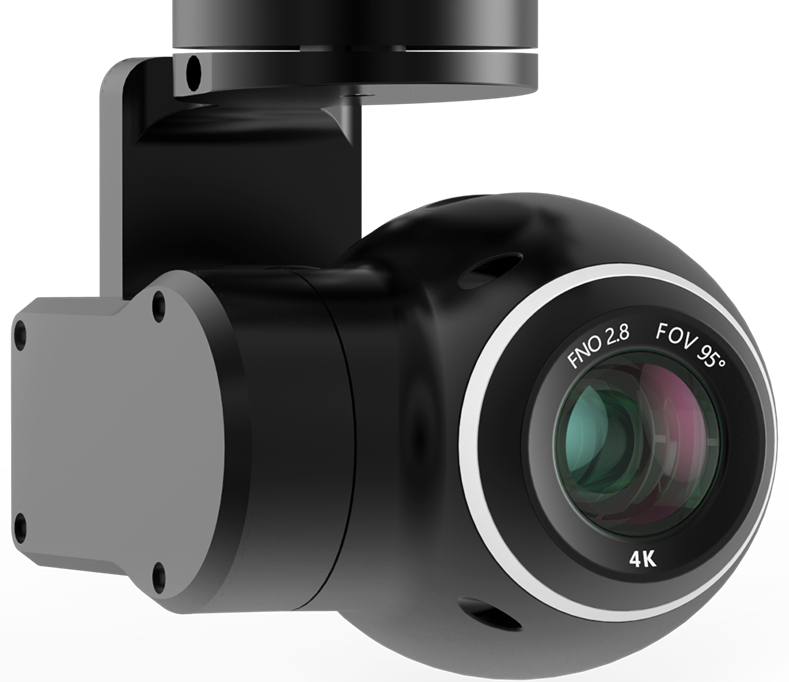
The PowerEgg can also shoot high quality videos with its 4K UHD camera and also record videos with 360° views. There are ultrasonic and visual sensors on board that scan the ground for patterns in the case of indoor flight.
We have reviewed quite a few phones made by Oukitel and we came to the conclusion that most of them are good devices for the price. The K6000 Pro model is one of the most interesting ones as it offers quite a lot of features for a low price. In fact, Everbuying.net currently has this phone on sale and you can get it for just $141.99.
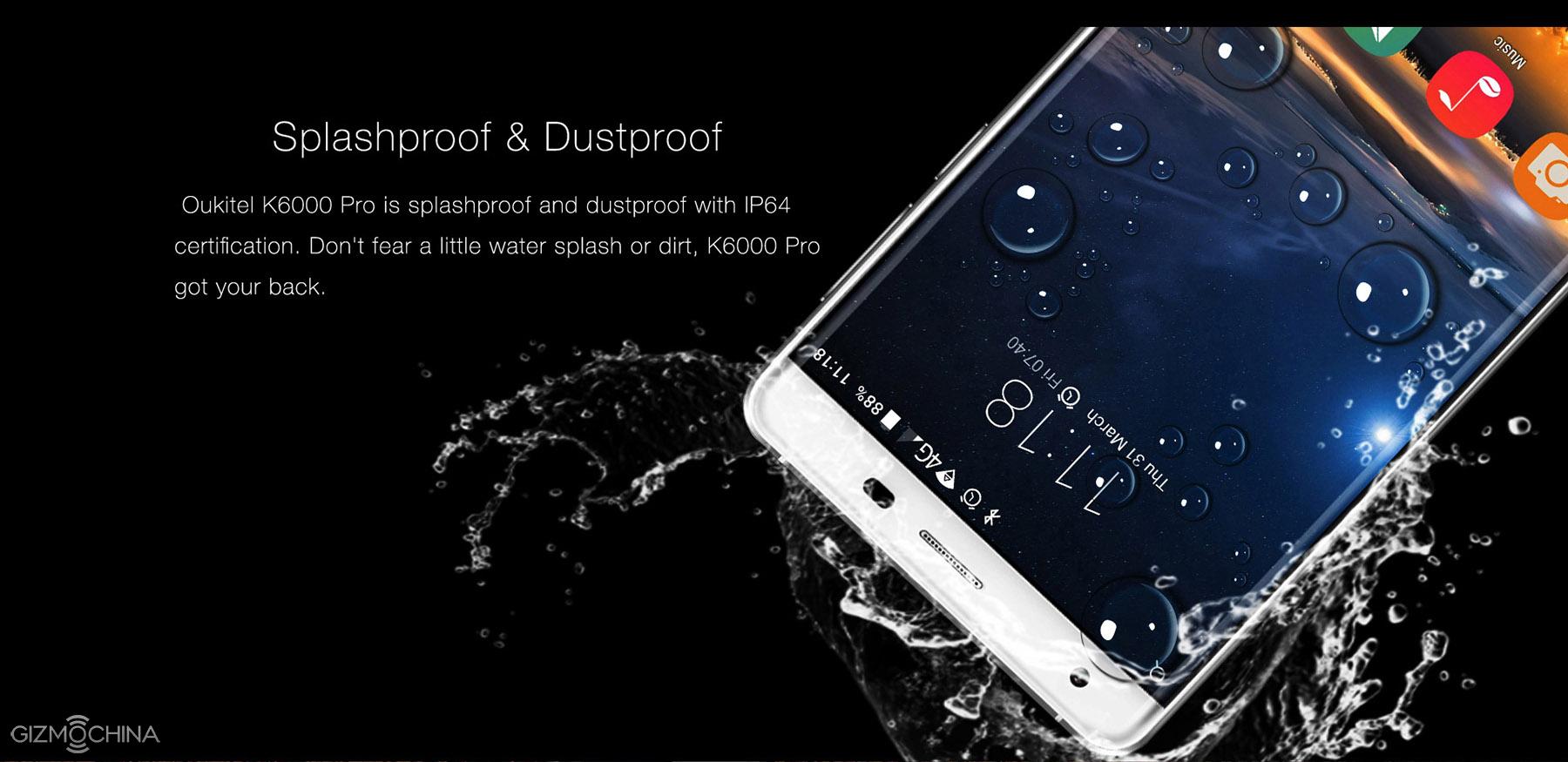
One of the key selling points of this device is its IP64 rating, meaning that the phone does not mind getting dusty or wet.
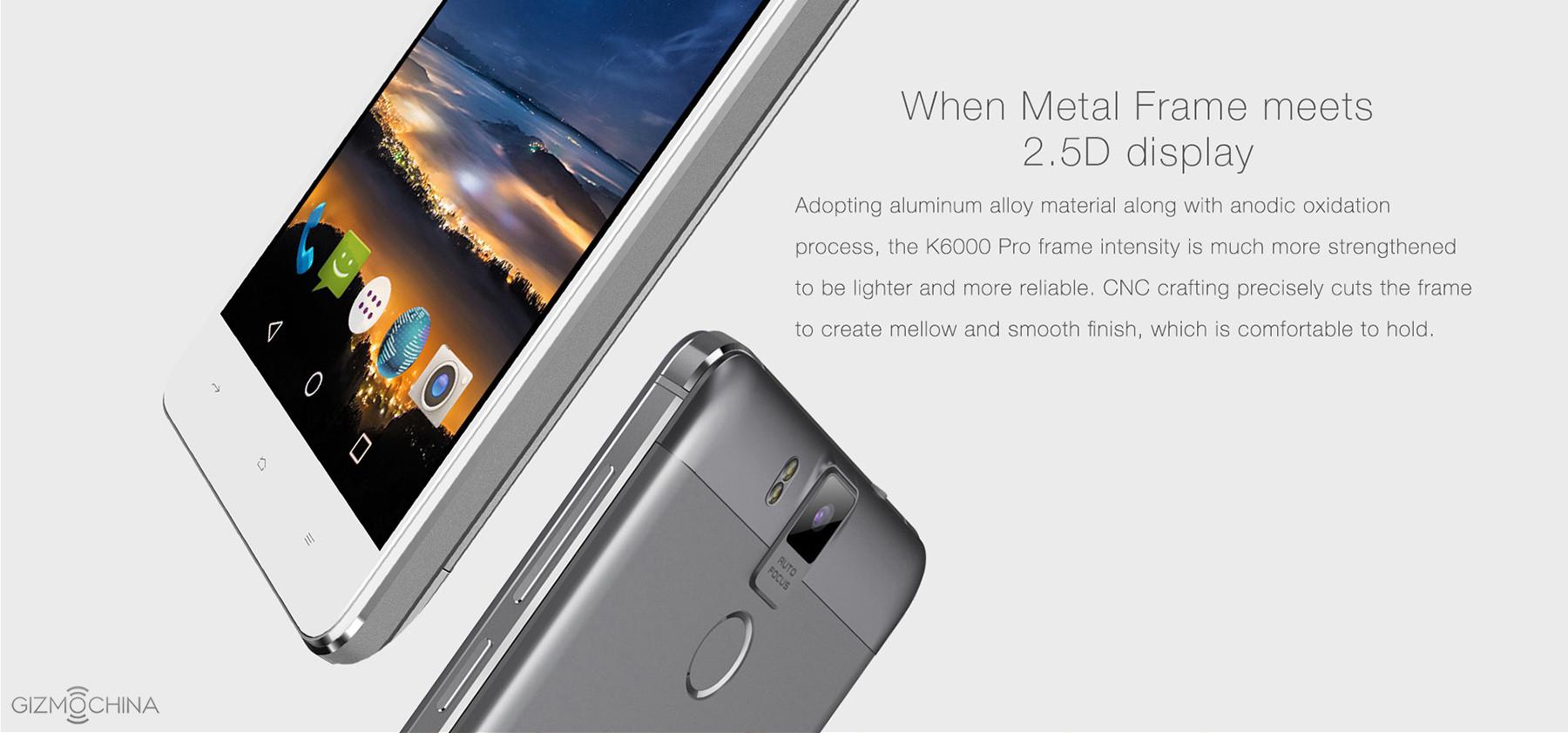
Also, the Oukitel K6000 Pro sports a metal frame that goes around the device, metal buttons and 2.5D-style 5.5″ 1080p display.
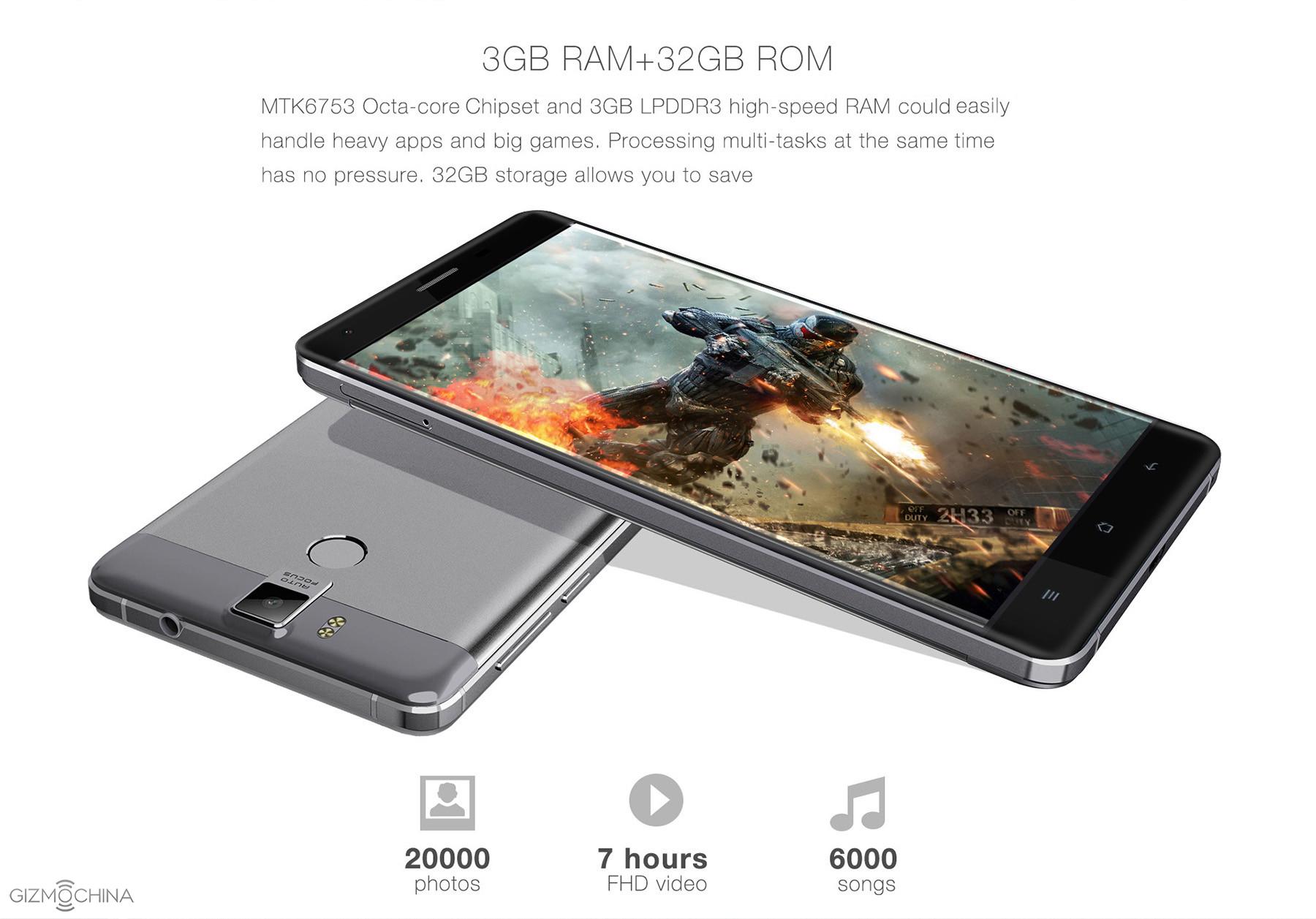
As far as sheer power goes, we are looking at a pretty reasonable specs sheet. The phone rocks an octa-core Mediatek MTK6753 (1.3GHz), 3GB of RAM and 32GB of expandable storage and the phone runs on the Android 6.0 Marshmallow.
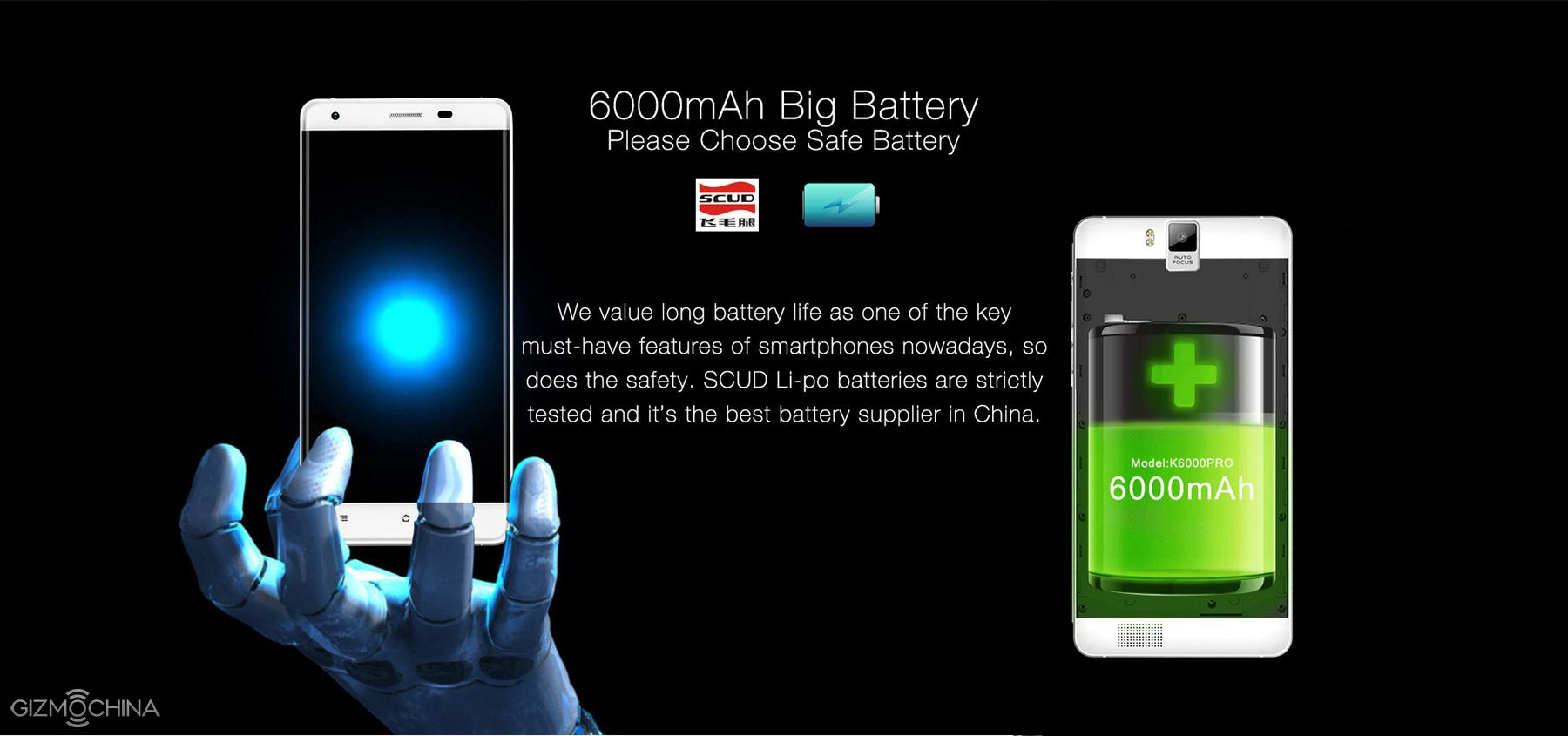
Another great feature of this phone is its huge 6000mAh battery, which should keep the lights on for quite a while. Also, it uses the SCUD Li-po battery cells to assure the best performance and reliability.
Other great features include a 16MP camera on the back and the fingerprint sensor.
Oukitel K6000 Pro may not be the only decent device on the market in this price range but it offers quite a lot of value for the price of just $141.99.
Looking at most of the phones released this year, we can confidently say 3GB RAM phones are the new 2GB RAM devices. We can also say 4GB RAM phones are the new 3GB RAM phones.
If you are out for a new phone, you sure can get one with 3GB of RAM for a little over $100 like the Vernee Thor, and if you want something from a brand with a bigger name and a different chip, the ASUS Pegasus/X550 sells for less than $120 and comes with a Snapdragon 615 processor. Android manufacturers are not the only ones who have caught the RAM bug, seeing as Apple’s iPhone 7 Plus has 3GB of RAM.
This year we have also seen phones launch with 6GB RAM like the OnePlus 3 and heard lots of rumours of phones sporting 8GB of RAM. While the latter hasn’t seen the light of day, we are sure it will start to appear next year.
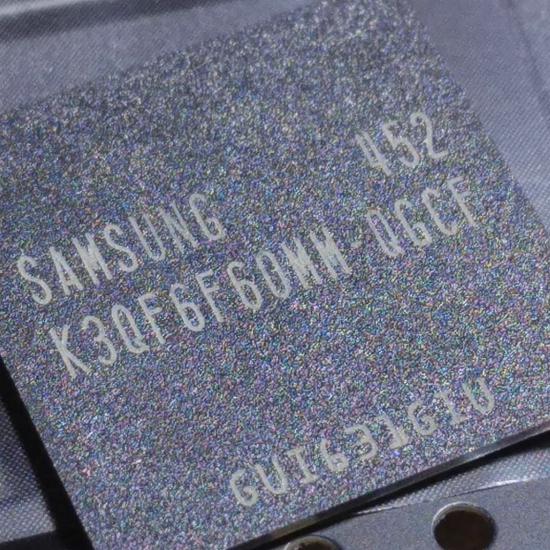
Larger RAMs if well optimised is a good thing but it has led to an increase in price of this important part of a phone. DDR3 and DDR4 RAMs have now hit the $2 mark in the last quarter and it is expected to continue rising.
Last month, 4GB DDR4 RAM sold for an average price of $2.17 which is an 18.6% increase. 4GB DDR3 sold for an average price of $2.08, an increase of 22.4%.
The increase in price is attributed to an increase in demand from Chinese manufacturers with supply not meeting up. DRAM production companies like Samsung, SK Hynix and Micron have also cut production which will further affect supply.
Analysts say the increase will continue into the fourth quarter and will be at least 15% higher than that of Q3.
We use cookies on our website to give you the most relevant experience by remembering your preferences and repeat visits. By clicking “Accept”, you consent to the use of ALL the cookies.
This website uses cookies to improve your experience while you navigate through the website. Out of these, the cookies that are categorized as necessary are stored on your browser as they are essential for the working of basic functionalities of the website. We also use third-party cookies that help us analyze and understand how you use this website. These cookies will be stored in your browser only with your consent. You also have the option to opt-out of these cookies. But opting out of some of these cookies may affect your browsing experience.
Necessary cookies are absolutely essential for the website to function properly. This category only includes cookies that ensures basic functionalities and security features of the website. These cookies do not store any personal information.
Any cookies that may not be particularly necessary for the website to function and is used specifically to collect user personal data via analytics, ads, other embedded contents are termed as non-necessary cookies. It is mandatory to procure user consent prior to running these cookies on your website.