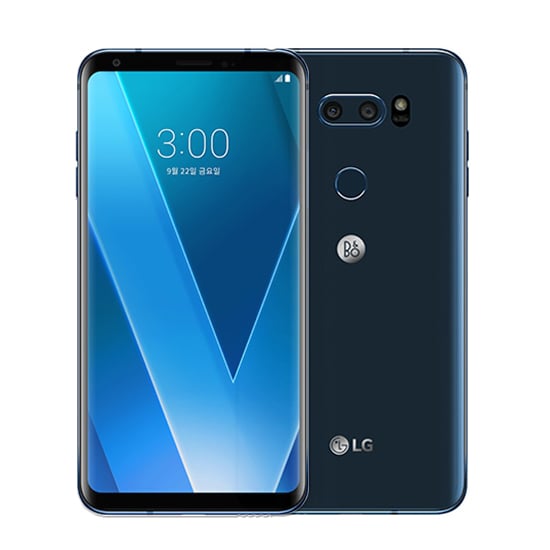
A couple of months ago, LG launched its late-2017 flagship smartphone — LG V30 at IFA 2017 in Berlin. Now, the company is all set to debut the smartphone in the Indian market.
As per the report, the company will launch LG V30 smartphone in India in December and will carry a price tag of Rs. 47,990 (approx. $743). The company is also expected to provide the B&O Play headset in India along with the purchase of LG V30.
The smartphone comes with a MIL-STD-810G standard IP68 certified aluminium chassis with Gorilla Glass 5 panel on its rear side. It comes with a thermal pad and heat pipe present inside the smartphone aimed at cooling off all the heat generated inside it.
It features a 6-inch QHD+ FullVision display with a polymer-OLED (P-OLED) screen — the first flagship smartphone from LG to come with a P-OLED display. The HDR 10 compliant display has an aspect ratio of 18:9 and a screen resolution of 1,440 x 2,880 pixels.
Under the hood, it is powered by Qualcomm Snapdragon 835 chipset along with 4GB of RAM. It is expected to be available in both variants — 64GB internal storage and 128GB onboard storage. There is also a microSD card slot that supports storage expansion up to 2TB.
The phone comes with a dual rear camera setup that includes the world’s widest f/1.6 aperture Crystal Clear lens of 16-megapixel, which includes features like 3-axis OIS, laser autofocus and phase detection autofocus (PDAF), coupled with a 13-megapixel secondary lens with f/1.9 aperture. On the front side, the device comes equipped with a 5-megapixel selfie snapper.
On the software front, the LG V30 runs Android 7.1 Nougat operating system based LG UX 6.0+. However, in India, we expect the smartphone to come loaded with Android 8.0 Oreo out-of-the-box, just like what LG did in Japan.
Along with the usual set of connectivity options, the phone also comes features a 32-bit advanced Hi-Fi Quad DAC which offers customizations like digital filters and sound presets. The smartphone is fueled by a non-removable 3,300mAh battery which as per the company can be charged quickly via USB-C due to the presence of Quick Charge 3.0 technology.
Once launched in India, it will compete against other premium flagship devices available in the country, including Samsung Galaxy Note 8, Google Pixel 2 and Pixel 2 XL, and the recently launched OnePlus 5T among others.
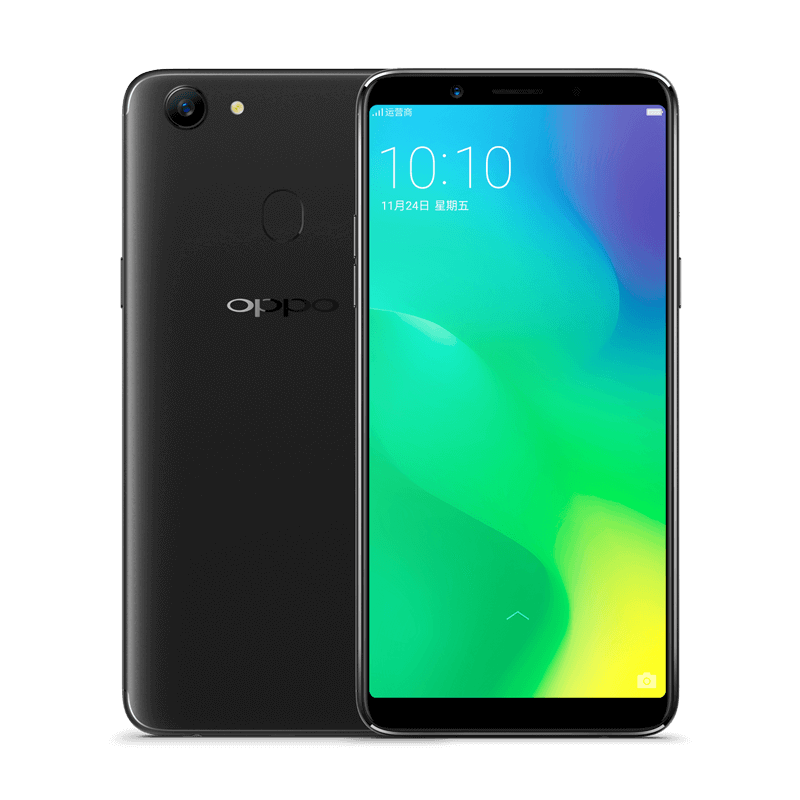
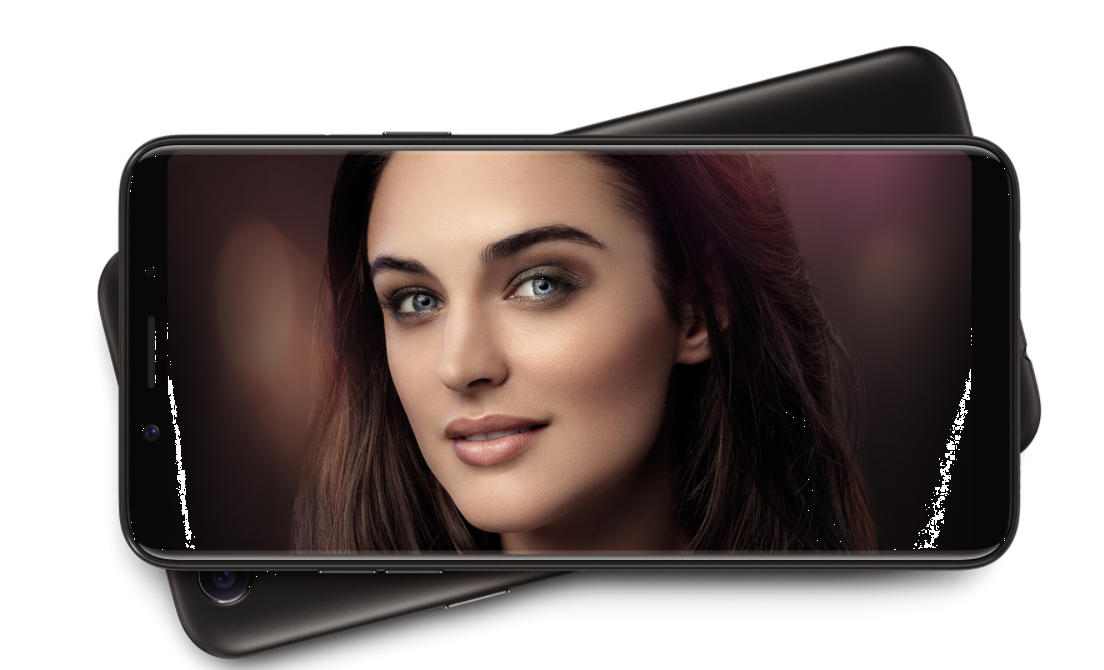
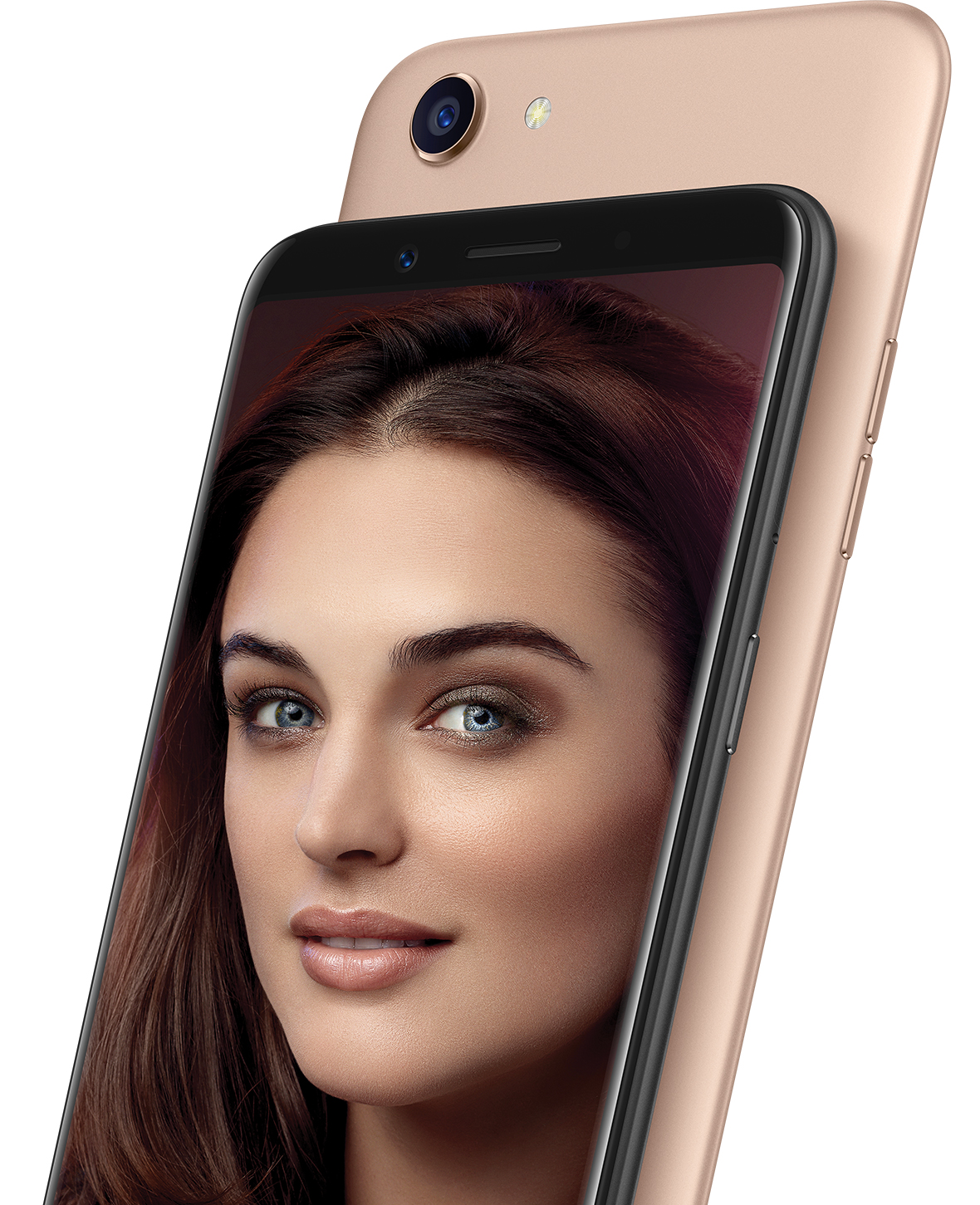
After launching its first full-screen 18:9 aspect ratio smartphone — Oppo F5, the company has now launched another smartphone in China. The company has launched Oppo A79, a mid-range smartphone. It is the same device that was spotted at TENAA and at China Telecom portal with full specifications, images and pricing details.
In terms of design, the smartphone looks quite similar to the recently launched Oppo F5 “selfie expert” smartphone. The Oppo A79 comes with a 6-inch FullView AMOLED display that has an aspect ratio of 18:9, with a screen resolution of 2180 x 1080 pixels. The display is almost bezel-less on the side edges and has slim bezels on the top and bottom.
Under the hood, the device is powered by a 2.5GHz octa-core MediaTek Helio P23 processor, coupled with 4GB of RAM. It has an internal storage capacity of 64GB that can be further expanded up to 128GB using a microSD card.
As of the camera specs, the smartphone comes with a 16-megapixel primary shooter with an aperture of f/1.8 and a 5P lens. On the front, the device features a 16-megapixel snapper with an aperture of f/2.0 and a 5P lens.
The smartphone also comes with a fingerprint sensor, located on the rear side, right above the brand’s logo. The device’s front-facing camera also supports facial recognition feature.
On the software front, the Oppo A79 runs on Android 7.1.1 Nougat based company’s own Color OS 3.2 operating system. Connectivity options on the device include dual-SIM slots, 4G LTE, VoLTE, Wi-Fi, Bluetooth 4.2, USB Type-C and GPS. The handset is fuelled by a 3,000mAh battery, which also supports company’s own VOOC fast charging technology, ensuring that the device gets charged quickly.
The Oppo A79 smartphone has been priced at 2,399 Yuan in China, which is approximately $360. It will go on sale on December 1 in two colour options — Champagne and Black. The phone is currently available for pre-order in China through the company’s own website. There is no information available regarding the phone’s availability in other markets.
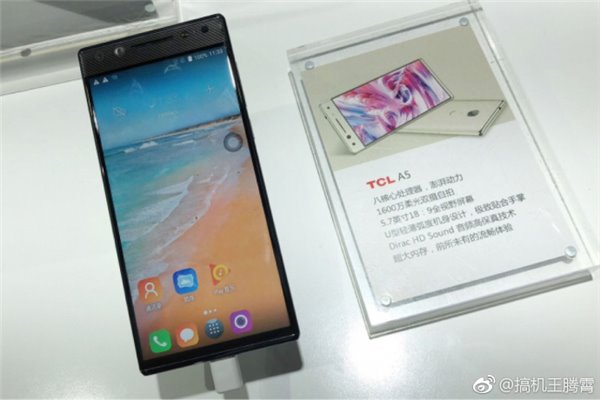
TCL may be known as the manufacturer behind Alcatel and one of the current licensees of the BlackBerry brand, that is not to say it has stopped releasing phones under its own name. At this year’s edition of the China Mobile Global Partner Conference Forum, a new phone called the TCL A5 made an appearance.
The first thing you notice about the TCL A5 is its tri-bezel-less design. Rather than have reduced bezels at the top and bottom, TCL has shaved only the lower bezel giving it a look similar to an inverted Xiaomi Mi MIX 2 or a Razer Phone with its lower bezel missing.
Specification details provided say the TCL A5 has a 5.7” 18:9 display. It is powered by MediaTek’s MT6750T octa-core processor and runs Android 7.0.
The TCL A5 has 16MP dual front facing cameras positioned on the left and a single rear camera of an undisclosed pixel count. It also has Dirac HD sound for Hi-Fi audio.
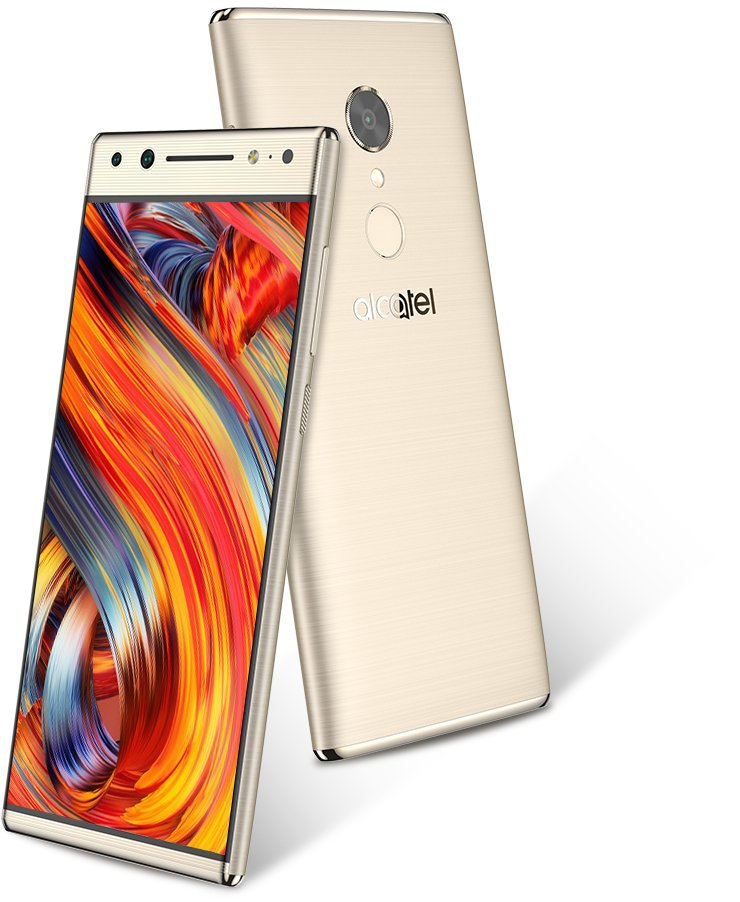
While this is said to be the TCL A5, the back of the phone has Alcatel’s branding which means this will launch under the brand in some markets. And we already know which Alcatel model this is.
Alcatel 5
Remember the Alcatel line-up leaked by Evan Blass last month, one of them is the Alcatel 5 and it has the exact design as the TCL A5. Come to think of it the name TCL A5 may actually just be short for TCLAlcatel 5.
The back of the phone is metal with a matte finish. The rear camera is positioned in the middle and below it is a LED flash and a fingerprint scanner. The rest of the specs are unknown but should equally be interesting.
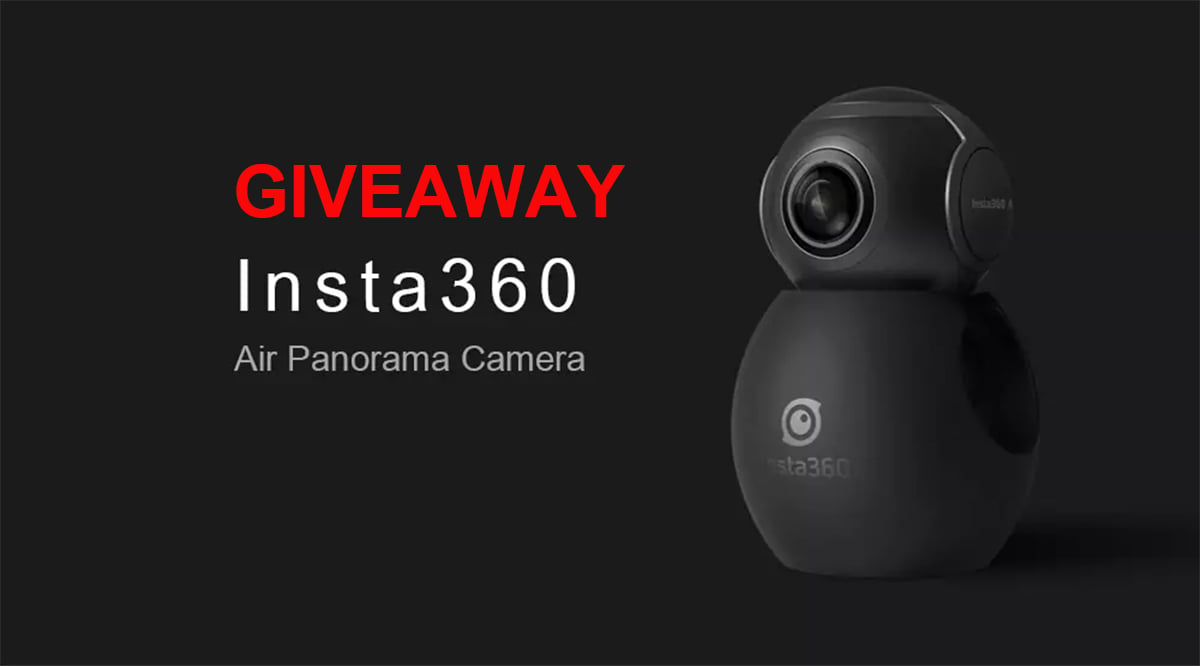
Gizmochina along with Gearbest is conducting an Insta360 Air VR camera as giveaway gift to one of our lucky readers. Like always, you just have to follow the steps mentioned on the Rafflecopter widget to get a chance to win this amazing VR camera.
How to entry this giveaway? Just follow these steps via Gleam widget:
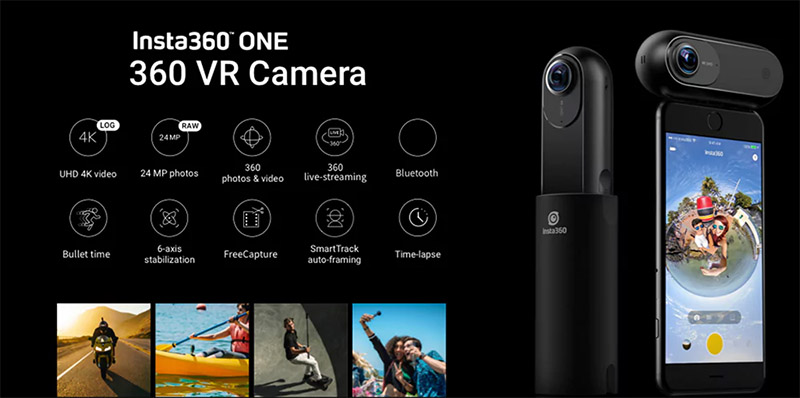
Insta360 ONE 4K Panoramic VR Camera is on sale at Gearbest, the original price is $299 on Amazon, and now only $269 on Gearbest, and will get a Free Xiaomi Mi Band 2 as gift when place order now.
1. The giveaway is an international giveaway. 2. We are not responsible for lost shipments. 3. We are not responsible for any duties, import taxes that you may incur. 4. We reserve all rights to make any changes to this giveaway. 5. The prize will be shipped in a week when the giveaway end.
Just follow the steps mentioned in the Rafflecopter widget to participate in the giveaway.
Once again, good luck.
When the OPPO F5 was launched in India, a less powerful version called the OPPO F5 Youth was revealed. However, specification and pricing details were not revealed, though OPPO did say it would go on sale in December. Today, the OPPO F5 Youth has been officially launched in The Philippines.
OPPO F5 Youth Design & Specs
The F5 Youth shares nearly the same design as its sibling. The key difference is the missing antenna lines on the Youth. Other than that, they can pass for identical devices.
The F5 Youth has a 6.0” FHD+ display just as the OPPO F5. The chipset is also the same MediaTek MT6763T. Where it differs is in the RAM and storage. You get 3GB and 32GB respectively. However, storage is expandable to 256GB via a dedicated MicroSD card slot.
Asides the RAM and storage another major difference between the F5 Youth and its sibling is the cameras. It doesn’t get the 20MP AI Beauty Selfie camera nor the 16MP rear camera. Instead you have a 16MP f/2.0 2.0um AI beauty selfie camera and a 13MP f/2.0 rear camera.
The OPPO F5 Youth has a 3200mAh battery that charges via a micro USB port. There is an audio jack, Bluetooth 4.2, dual band Wi-Fi, and dual nano SIM slots. It also has a rear-mounted fingerprint scanner in addition to Face Unlock.
The F5 Youth runs ColorOS 3.2 based on Android 7.1 which brings split-screen multitasking, DND gaming mode, and a Night Shield mode that reduces eye strain when in dark environments.
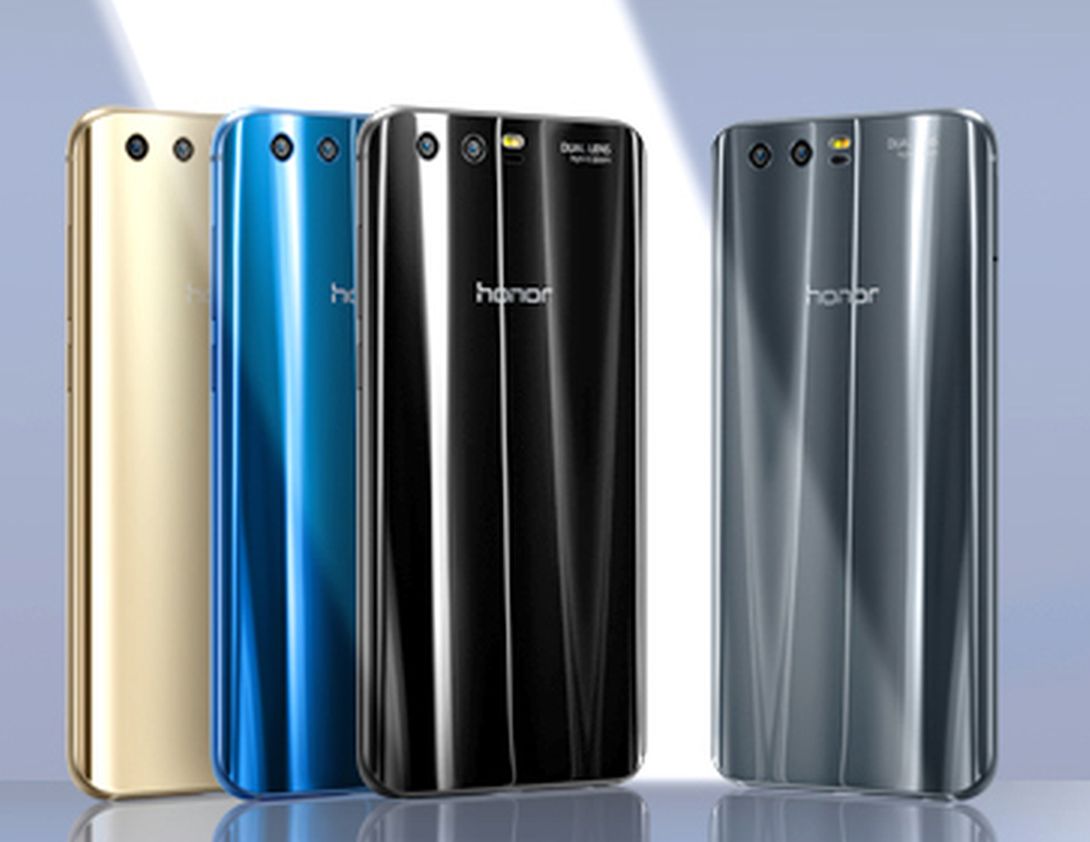
It seems we may be getting more than one Honor phone on November 28. Unconfirmed reports say apart from the Honor V10, Huawei will also announce the Honor 9 Youth Edition (or Honor 9 Lite).
According to the source, the Honor 9 Youth Edition may keep the double-sided glass design of the Honor 9. Some of the colors it will be available in are Obsidian Black, Sea Blue, Pearl White, and Seagull Gray.
The Honor 9 Youth Edition said to be codenamed “Leland” is reported to have gotten its 3C certification. Some of its key specs include a 5.2-inch full HD display with a 16:9 aspect ratio, a Kirin 659 processor and 4GB of RAM. Built-in storage is 64GB but will most definitely be expandable.
For optics, the phone will have a single 13MP rear camera. However it will pack dual front cameras, one of which is a 2MP sensor. Battery capacity is not stated but it will have support for 5V/2A fast charging. The Honor 9 is expected to cost ¥1999 (~$303).
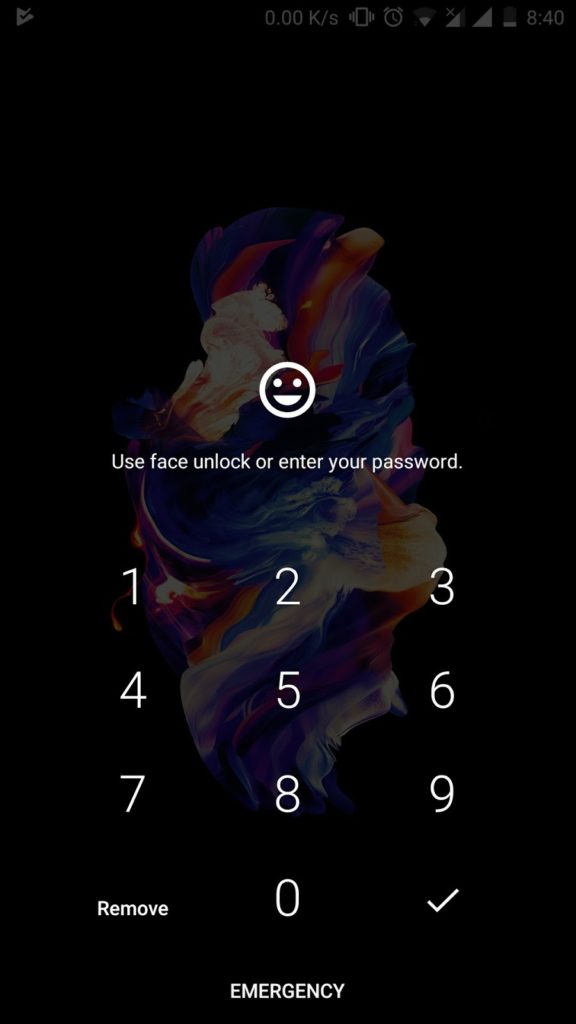
One of the features the OnePlus 5T brings other than a new display is Face Unlock. This is an alternative biometric security to fingerprint scanning and one of the praised features of the phone due to its speed.
A couple of days ago it was reported that the feature will not be available on the OnePlus 5. However, fresh details say the device will get Face Unlock when it receives its Android 8.0 Oreo update.
The feature is already available on the Android 8.0 Beta 2 update for the device. One user who has gotten the beta update has been kind enough to share screenshots. At the lockscreen of the image shared, there is now a prompt that asks to use Face Unlock or enter password. One of the screenshots also shows that the beta update comes with October’s security patch.
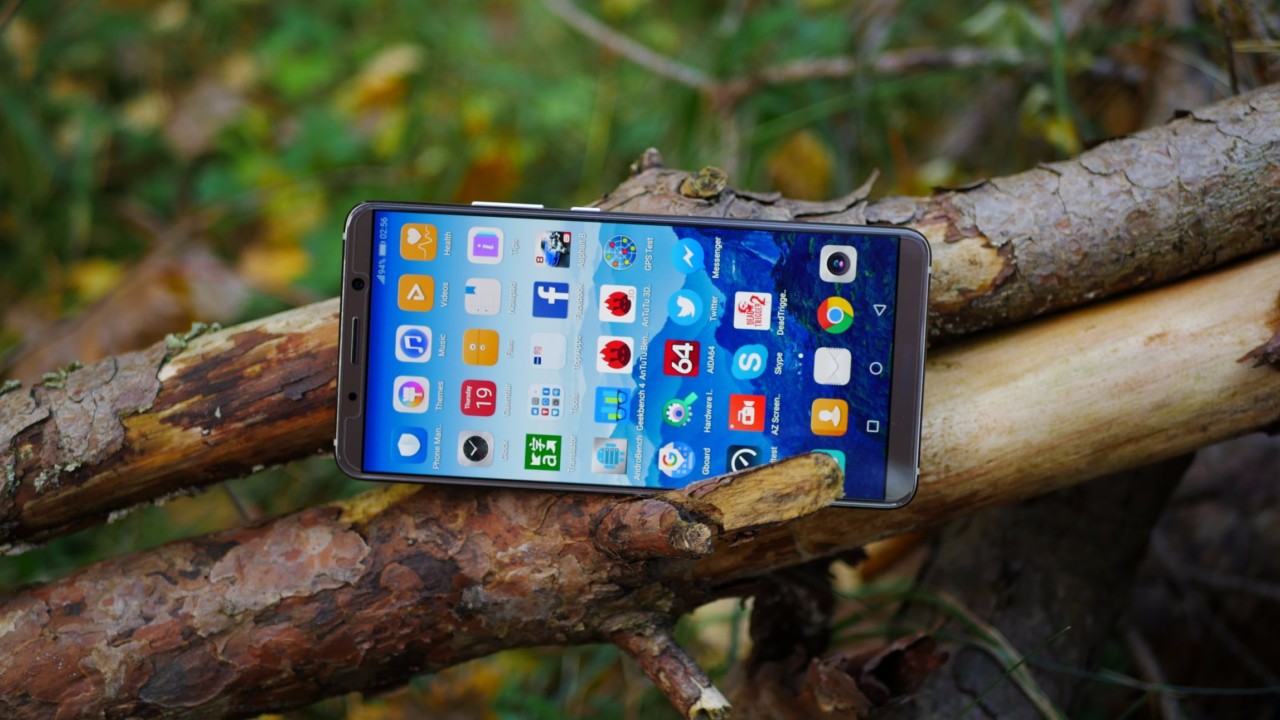
Huawei continued its strong outing this year with the launch of the Mate 10 Pro and the standard Mate 10. Both models were unveiled alongside the Mate 10 Porsche design on October 16 in Germany. Coming out at a time the highly publicized Samsung Galaxy Note 8 and Apple iPhone X were launched, the Mate 10 Pro has shown that it has what it takes to standard shoulder-to-shoulder with the duo.
Huawei has now revealed that the Mate 10 Pro has emerged as its fastest-selling smartphone in Western Europe. Huawei said this in an official statement revealed that the device surpassed all previous records for its pre-orders in Western Europe. Also, that the Mate 10 Pro exceeded internal sales targets for pre-order by over 100%. However, the tech giant failed to disclose exactly how many pre-orders were taken for the device.
The Huawei Mate 10 Pro is considered as one of the premium, top class bezel-less smartphones around. Not entirely bezel-less, the Mate 10 Pro comes with a full-screen design with the 18:9 aspect ratio. The device also packs a Kirin 970 chipset and an outstanding camera which is only second to the Pixel 2 XL in DXOMark’s rating. The device is sold in Europe for €799 (~$950) for the base model.
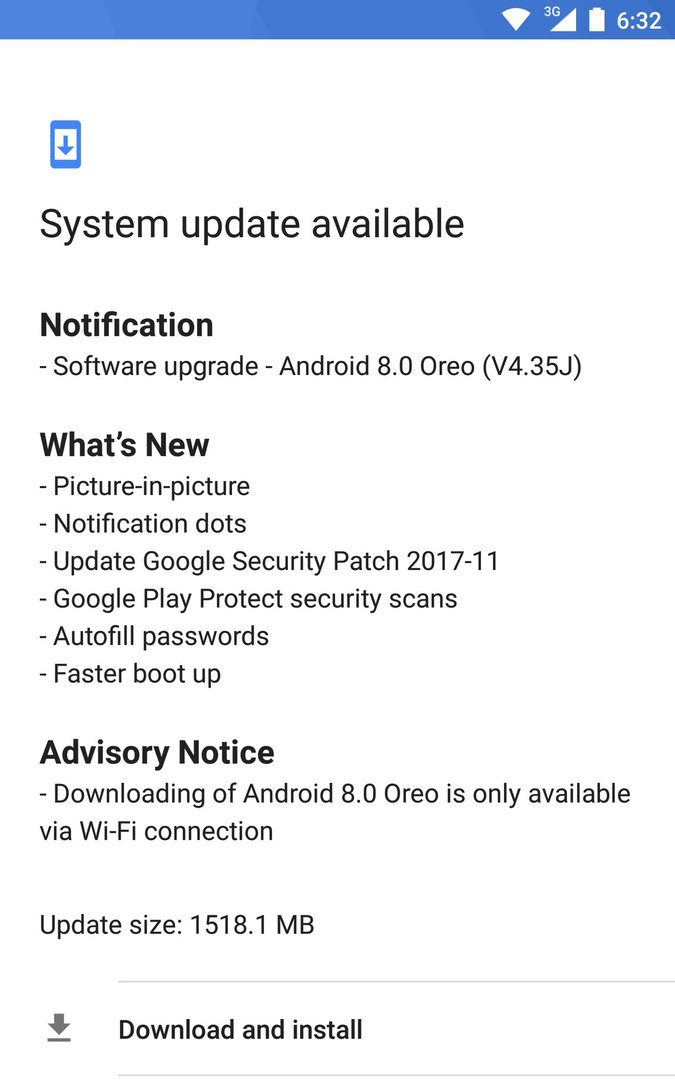
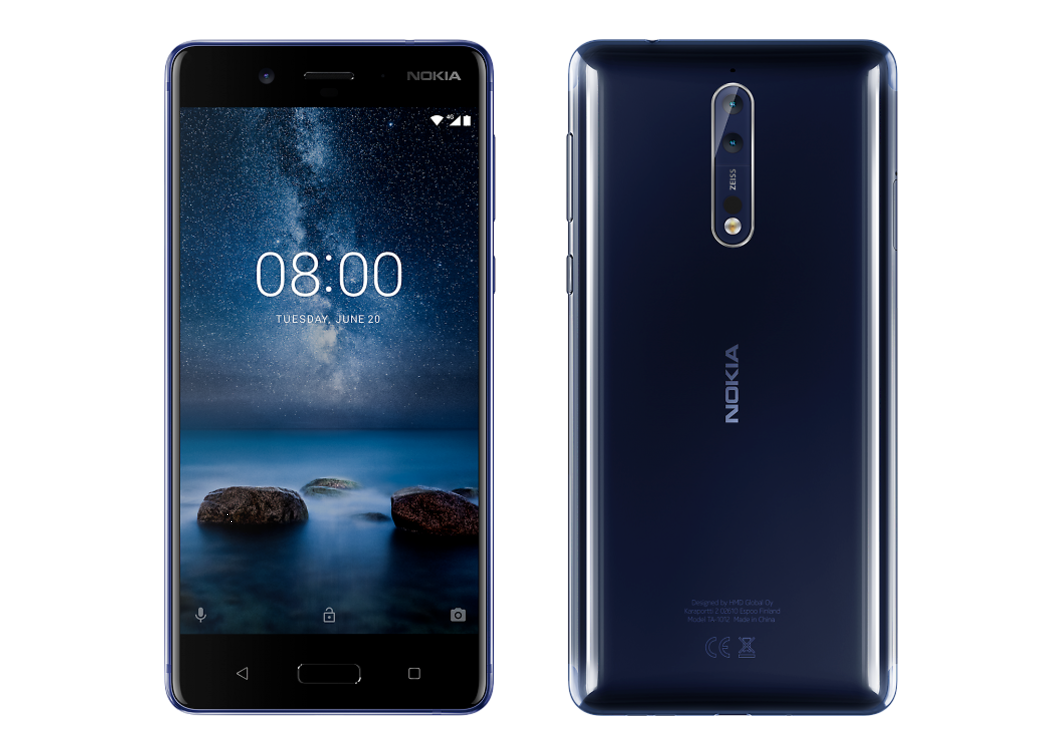
After releasing the beta version of Android Oreo update for the Nokia 8 users, HMD Global has now released the official Android 8.0 Oreo update for the smartphone. This was confirmed by Juho Sarvikas, Chief Product Officer at HMD Global, through Twitter.
Earlier, the beta build of the latest Android operating system was rolled out to the users who opted to become a beta tester. Now, the company has started rolling out the final build to its users across India, Finland and Poland. It should be available to all users within two days.
The update is available over-the-air and is around 1518.1MB in size. It also contains the November Android security update. It also brings several new features such as Picture-in-picture, detailed Notification dots for every app and Autofill passwords. The update improves the boot time and enables users to run YouTube seamlessly in the dual app mode.
The company has also improved the camera performance on the Nokia 8 smartphone, however still doesn’t allow users to set up the ISO and shutter speed manually. Android Oreo also comes with features like snoozing individual notification, wide-gamut colour for apps, adaptive icons, companion device pairing, keyboard navigation, and more.
Other Nokia smartphones — Nokia 3, Nokia 5, and Nokia 6 and the most recently launched Nokia 2, will also get the Android 8.0 Oreo update. In fact, the devices are also slated to receive the upcoming Android P version, as confirmed by HMD Global last month.
The Nokia 8 smartphone features a 5.3-inch QHD IPS display with a screen resolution of 1440 x 2560 pixels and a 2.5D curved Corning Gorilla Glass 5. The IP54 rated device is powered by a Qualcomm Snapdragon 835 SoC, coupled with 4GB of RAM and 64GB of inbuilt storage.
It has a dual rear camera setup on the back, which comes with two 13-megapixel sensors – one is an RGB sensor and features optical image stabilisation (OIS), while the other is a monochrome sensor. On the front, the Nokia 8 bears another 13-megapixel sensor with PDAF, 1.12-micron pixels, a f/2.0 aperture, and a 78.4-degree wide-angle lens.
Both the camera sensors at the back comes with a f/2.0 aperture, 1.12-micron pixel elements, phase detection autofocus (PDAF), a 76.9-degree wide-angle lens, dual-tone LED flash and an IR rangefinder.
Connectivity options on the device include 4G VoLTE, Wi-Fi 802.11ac, Bluetooth v5.0, GPS/ A-GPS, USB Type-C (v3.1), and a 3.5mm headphone jack. The smartphone is fueled by a 3,090mAh non-removable battery.
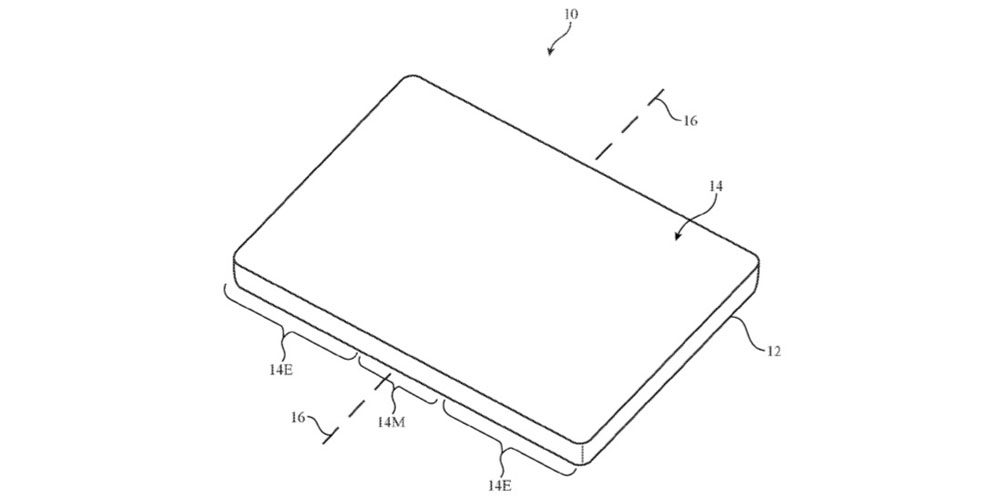
The US Patent & Trademark Office has published an application filed by Apple for a smartphone with foldable display. This news is in line with the previous reports which suggested that Apple is working with LG for a flexible display iPhone.
Apple is one of the several companies which have partnered with LG for display technology. The US-based technology giant is also reported to be planning to make an investment LG‘s plant for production of a foldable display.
The patent describes a smartphone display that can be “opened and closed like a book”. The patent application filed by the company covers all the bases, referencing LCD, OLED and microLED. It reads:
Display may include an array of display pixels formed from liquid crystal display (LCD) components, an array of electrophoretic display pixels, an array of organic light-emitting diode display pixels, an array of pixels formed from crystalline semiconductor light-emitting diode dies (sometimes referred to as micro-LEDs), an array of electrowetting display pixels, or display pixels based on other display technologies.
Apple has mentioned in the application that the flexible screen may have a flexible screen layer, a cover layer, a touch sensor interposed between the flexible screen layer and the cover layer, a support layer, and a polarizer layer.
The iPhone with a foldable display is expected to be unveiled in the year 2021. By that time, the company may have transitioned to microLED screens. Along with all the benefits of OLED, it further boosting brightness, saturation and power efficiency. Interestingly, Apple was recently reported to be working with TSMC on some of the technologies needed to use microLED panels.
However, there is a possibility that we won’t see Apple’s iPhone with a foldable display as not everything that gets patented goes into the production. While this doesn’t confirm that a foldable iPhone is on its way, it shows that Apple is atleast considered it.
While the foldable display iPhone is years away, if it’s ever coming, Samsung is gearing up to launch its foldable smartphone next year. It is expected to come with an “in-folding” design which would see the display fold inwards.
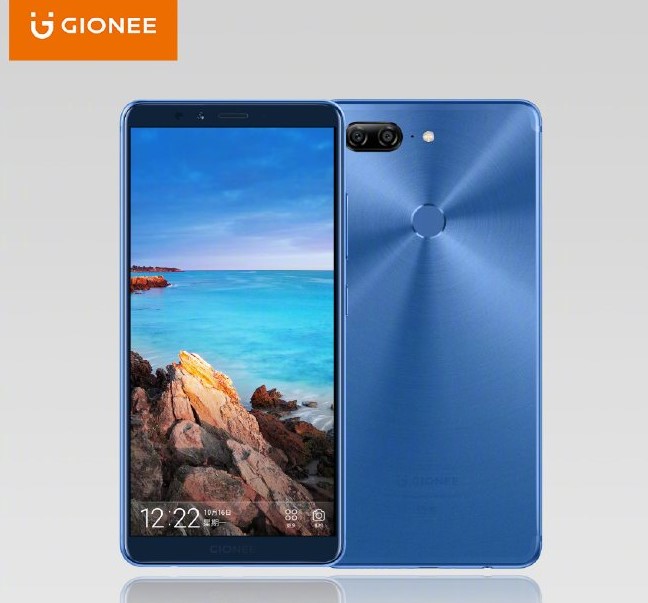
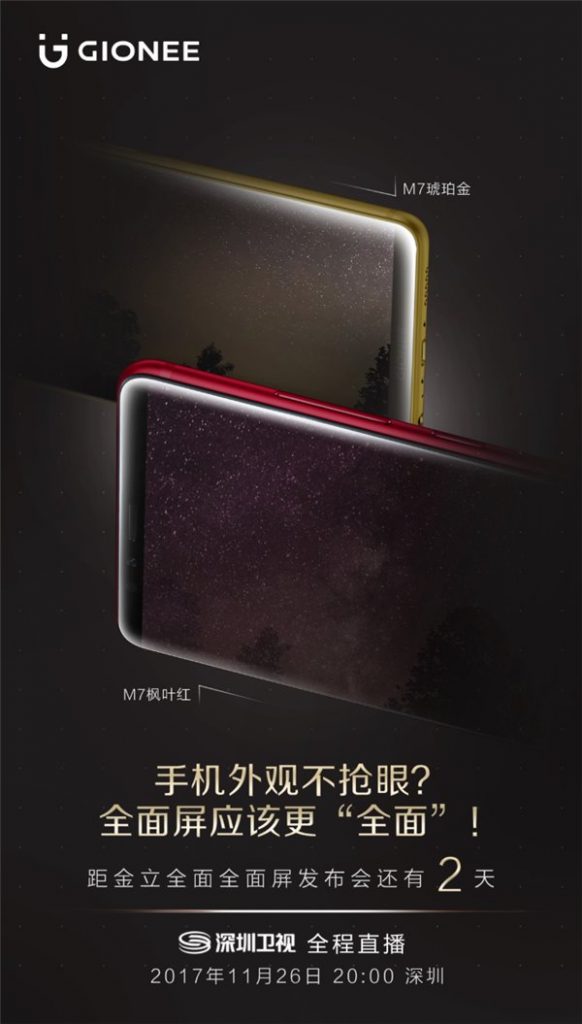
Gionee recently unleashed a poster which revealed it would be holding a press conference on November 26 where it intends to release an avalanche of smartphone models. The conference which would hold in Shenzhen, China will see the launch of eight smartphones including some models with the full-view display screen. Among the models expected to be launched is the full-screen Gionee F205 and Gionee F6 smartphones along with the Gionee M7 Plus, S11, S11S and Steel 3.
A new poster has now emerged, released on Gionee’s official Weibo page, showing that the Chinese company will also offer more colour variants for the full-screen Gionee M7 on November 26. The M7 which was first announced in September is already available in colours like the traditional black, Sapphire Blue, Star Blue, and Champagne Gold. The poster shows that colours like Maple Leaf Red and Amber Gold will be joining the pack.
Just in case you don’t remember, Gionee M7 is the first full-screen model in the company’s arsenal. The success of the model may have spurred the feast of full-screen smartphones we are about seeing from the company on November 26. The device sports a 6.01-inch FullView display with FHD+ resolution and 18:9 aspect ratio. The M7 features a 16MP + 8MP dual camera setup at the rear while at the front, there is an 8MP selfie sensor. The device also packs a massive 4000mAh battery under its slim body.
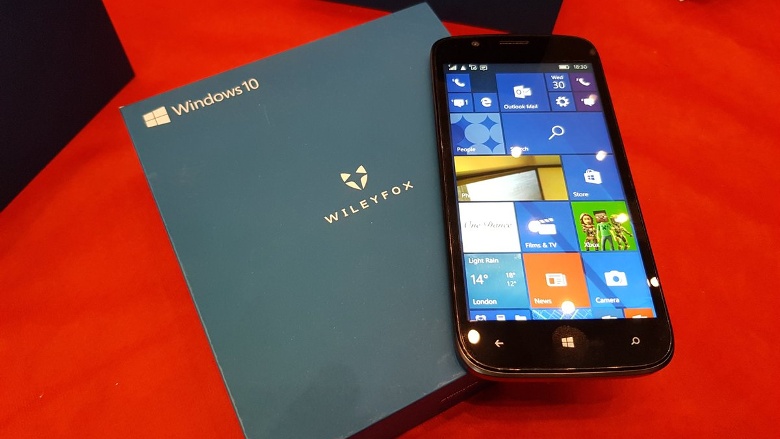
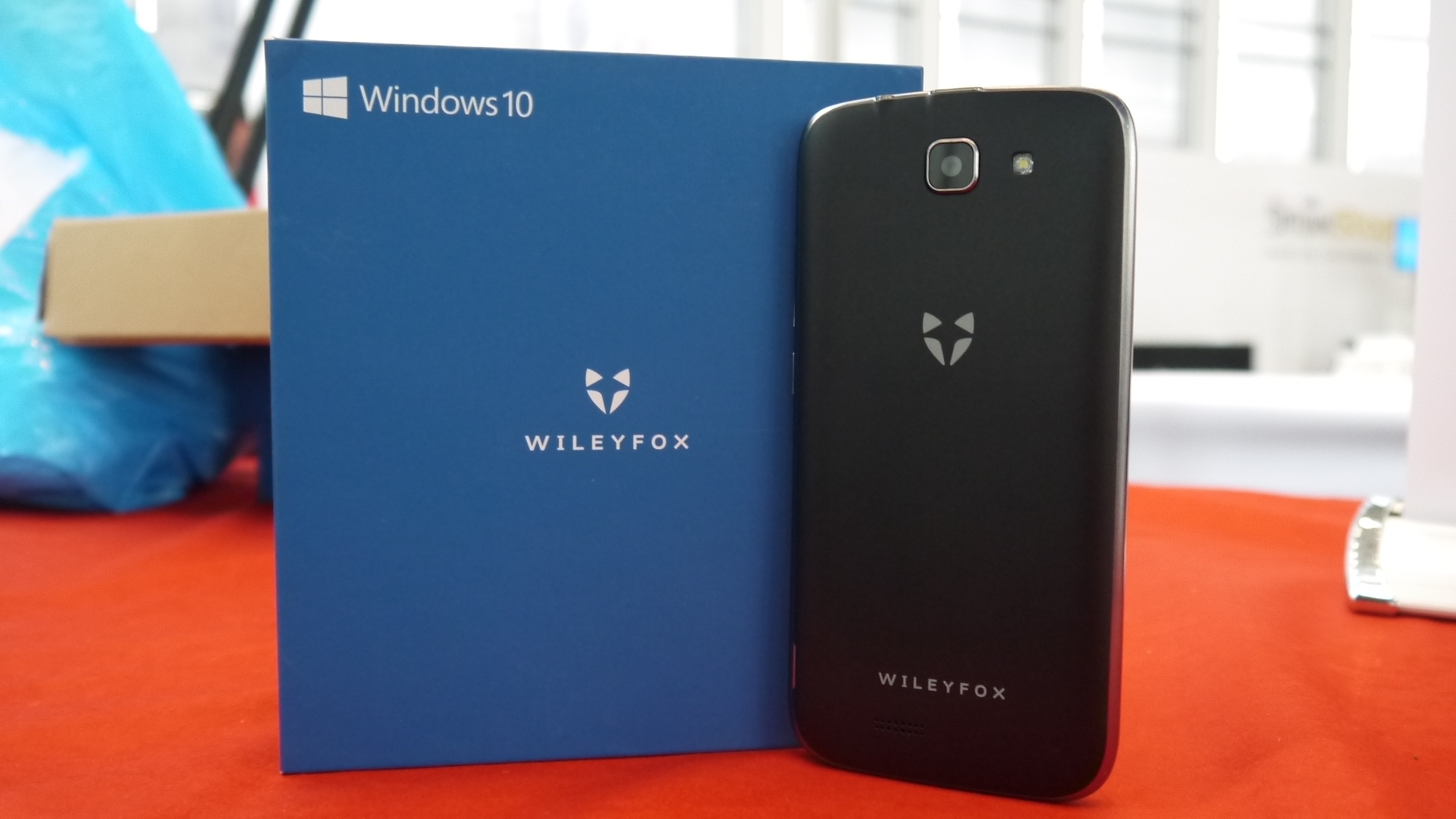
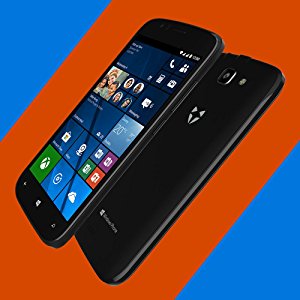
Windows phone may be considered dead, overshadowed by Android and iOS but one company is still giving one last shot at the once vibrant Mobile operating system that heralded the era of the Nokia Lumia series, later Microsoft Lumia. That company is British phone maker WileyFox. The company recently unveiled the WileyFox Pro business smartphone which runs Windows 10 OS out of the box.
The U.K based company seems to target the business community with the Windows-powered smartphone and have even promised software support for the OS until mid-2020. That could be a key selling point for the company as most businesses would appreciate the idea of software support for such an extended period, something many Android phones don’t offer.
Specs wise. the WileyFoxPro features a 5-inch HD display with a resolution of 1280 x 720 pixels. It is powered by an unnamed Quad-core processor which is touted as being enough for business multi-tasking and efficient working. The device is basically a budget smartphone as it packs just 16GB of storage but there is no indication if it is expandable. On the camera end, you get a most 8MP camera at the rear while selfies are taken care of by a disappointing 2MP front camera.
As for the price, the WileyFox Pro has a price tag of £189.99 (~$257). For such specs lineup, the device can be said to be an overpriced budget model. However, the design seems to be nice and for some, Windows phone still offers an amazing UI and lots of functions that aid businesses. So, if you’re interested, the model is presently on pre-orders at Amazon UK. The device will start shipping on December 4.
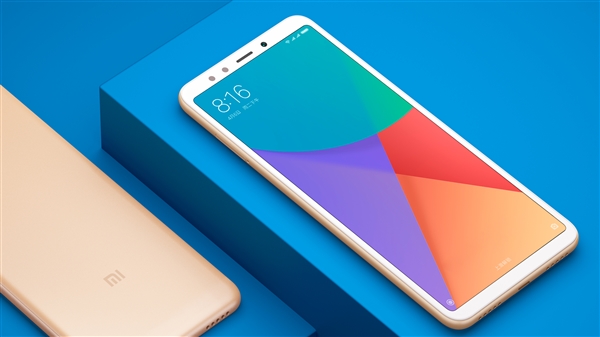
Xiaomi may have pioneered the full-screen design that is still trending in the smartphone industry but the Chinese giant has relatively been slow to adopt the design style on other models aside from the Mi Mix series. But lately, there have been rumours that Xiaomi is about to bring the full-screen design to its mid-range and budget Redmi series. We may have spotted the leaked render of one of the Redmi devices with a full-screen design that is expected to be released soon.
The device remains unnamed but clearly packs an 18:9 full-screen design. The screen-to-body ratio isn’t up to that of the Mi Mix 2 as there is still some amount of bezels on all four sides. However, the bezels are very much reduced on all fours. Despite having narrower bezels, the Xiaomi full-screen model may come with criticism as a result of the pronounced border on the two sides. The lower aspect is appreciably reduced as well as the upper aspect, just enough to house the selfie camera which looks like a dual camera setup. There is also room for the earpiece and other sensors at the top. We are only able to see the lower part of the back casing but the device may likely have a dual camera setup and a rear-mounted fingerprint sensor.
Apart from the full-screen design, the device has all the dressings of the mid-range Rrdmi models like a metal body and dual speakers located at the bottom edge. The device also seems to utilize a USB Type-C port among others.We can’t vouch for the authenticity of the renders but it is rumoured to be priced around 1,499 Yuan (around $226). Could this be the Xiaomi Mi 6C? We’re not sure yet but more details are expected to emerge in the coming days.
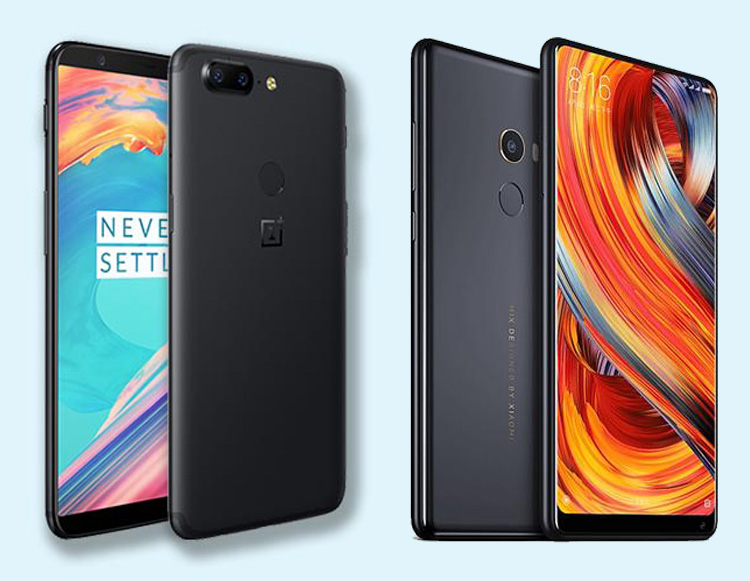
When you are out to buy a flagship under $500, the OnePlus 5T and the Xiaomi Mi Mix 2 are your best bets! These devices can be considered two of the best flagships sold at low prices, and they are very similar phones if we consider their specs. Seeing that their specs share many things in common and their prices are similar, the main question made by potential buyers is: which one is the best? This comparison will clear your mind and it will make you decide which one to buy if you are in search of a beast and you have a pretty low budget.
OnePlus 5T vs Xiaomi Mi Mix 2: Design and build quality
Innovation plays an important role in the design of these phones. Both have a trendy design with an elegant look and a solid build quality at the same time.
OnePlus 5T offers a design that is not so different from its predecessor (OP5) and it is almost identical to the one of Oppo R11s. There isn’t a glass back like most of the best flagships in the market: the Chinese company has decided not to put the highest efforts on the originality of the design. The size of the phone is 156.1 x 75 x 7.3 mm, its weight is 162 grams. The device is good to hold thanks to its borderless display which has an 80.5 percent screen-to-body ratio.
Xiaomi Mi Mix 2 has a unique design: to be accurate, it is a design format which has been copied by several Chinese companies. The phone has an even higher screen-to-body ratio if we compare it to OP5T. There are three bezels which are very narrow and another thicker one which contains the front camera for selfies. The size, in this case, is 151.8 x 75.5 x 7.7 mm, while the weight is 185 grams.
Talking about build quality, OnePlus 5T has an aluminum unibody design. It is not a unique design like the one of its opponent, but the build quality is very good. The display is protected by Gorilla Glass 5, the most powerful protection by Corning. The phone is thin, it is also borderless, but probably it will be much less fragile like many other flagships.
On the other hand, Xiaomi Mi Mix 2 has a frame made of aluminum and a back cover made of ceramic. There is also a variant which is entirely made of ceramic, but it is a limited edition with a higher price, and it is hard to find. The design is much more original and the phone is more compact than OP5T. But the device is more fragile, not only for the back side but also for the display that has the Gorilla Glass 4 protection.
OnePlus 5T vs Xiaomi Mi Mix 2: Display
A battle between full borderless displays with similar specs.
OnePlus 5T has a display with an 18:9 aspect ratio, the Optic AMOLED technology, a size of 6.01 inches and a Full HD+ resolution with 1080 x 2160 pixels. There is also the DCI-P3 technology and sRGB: thanks to these, the colors are much more accurate than normal. This phone has wide viewing angles, high brightness, and very deep blacks. The amount of detail is not the maximum for a flagship, but for its price it is good.
Xiaomi Mi Mix 2 has a 5.99-inch display, it is slightly smaller, but nothing so noticeable. It has an 18:9 aspect ratio, IPS LCD technology and a Full HD+ resolution of 2160 x 1080 pixels. We can see brilliant colors here too, with a high brightness which can adapt fastly to every condition. Unfortunately, the brightness sensor is located on the lower part and sometimes you may cover it with your fingers.
OnePlus 5T vs Xiaomi Mi Mix 2: Hardware
These phones have a hardware side which is identical, so expect similar performances.
The hardware side of OnePlus 5T includes an octa-core Snapdragon 835 SoC, the best one ever released by Qualcomm, which can run at a max frequency of 2.45 GHz. There is 6 GB of RAM and 64 GB of internal storage on the cheapest version and 8 GB of RAM with 128 GB ROM (UFS 2.1, with a very high data transfer speed). Considering that OP5, its predecessor, is still the Android phone with the best performances ever, we can imagine that this phone will be even better due to a better optimization. So, this phone has no rivals in terms of performances. It does not support micro SD cards, but it has a dual SIM slot.
Xiaomi Mi Mix 2 has an octa-core Snapdragon 835 processor by Qualcomm and it has been released in various configurations with 6 or 8 GB of RAM and 64, 128 or 256 GB of internal storage, depending on the variant. Just like OP5T, this device is among the best Android phones if we talk about performances. It delivers blazing speeds and it is very stable and smooth.
OnePlus 5T vs Xiaomi Mi Mix 2: Software
OnePlus has decided to install a clean user interface which is similar to stock Android inside its flagships. This contributes to making the phones faster and smoother. Inside OnePlus 5T there is OxygenOS, based on Android 7.1.1 Nougat. There are just a few exclusive features like a night mode and Face Unlock (you can unlock the phone with facial recognition in 0.4 seconds), but for the rest, it is a stock user interface.
Xiaomi Mi Mix 2 is exactly the opposite: it has the MIUI user interface installed, based on Android 7.1 Nougat, and it is a UI which has been fully customized by the company. You can find a graphic aspect which is drastically different from stock Android and many additional features. Even though it is a highly customized UI, the performances are great. Recently, the update to MIUI 9 has been rolled out, and it brought important new features like a new hardware acceleration technology and an advanced split screen feature with picture-in-picture mode.
OnePlus 5T vs Xiaomi Mi Mix 2: Camera
Both the companies have improved the cameras on their devices very much in the last year, so expect good photos by these handsets.
OnePlus 5T has a dual camera setup on its rear side, with resolutions of 16 and 20 MP. The aperture is f/1.7 for both sensors: this means that photos will be much better in low light conditions if we compare the phone with its predecessor OP5. The photo quality on OP5 was very good, even though it was not at the same level of the best camera phones in the market. Videos can be recorded in 4K resolution and with electronic stabilization. Unfortunately, EIS is not at the same level of the optical stabilization, but it is better than nothing. It is a great camera, but there is still a difference between this one and flagship cameras.
Xiaomi Mi Mix 2 has a single camera with a resolution of 12 MP, which is the same sensor as the Xiaomi Mi6 (without the secondary sensor). It is definitely one of the best cameras by Xiaomi, but it is far from being the best camera ever. It has great detail, very good stabilization, and an accurate autofocus, but nothing more than this. OnePlus 5T has a better camera.
OnePlus 5T vs Xiaomi Mi Mix 2: Battery
Even though we are talking about phablets, the batteries of these phones are not incredibly big.
OnePlus 5T has a battery with a capacity of 3300 mAh. The device is still not in sale, so there was no way to do a test. But, seeing that the phone is similar to OP5, the battery life should be similar as well. This device should be able to achieve one day of battery life even with stressed use. It has also a fast-charging technology called Dash Charge.
Xiaomi Mi Mix 2 has a 3400 mAh battery, but even though the capacity is higher than the OP5T, it should last less than its opponent. This is because OnePlus has managed to optimize the battery of its flagship better. Xiaomi Mi Mix 2 can arrive until the end of the evening, but not with every use. If you stress it too much with a too high brightness, you may need to charge it before the end of the day. The fast-charging technology supported is Quick Charge 3.0 by Qualcomm.
The better battery life on the OnePlus model is also evident from GSMArena battery tests, with OP5T scoring 82 hours as compared to Mi Mix 2’s 65 hours.
OnePlus 5T vs Xiaomi Mi Mix 2: Price
The price is the aspect that convinces most people to buy these flagships. They are two of the cheapest phones with Snapdragon 835 inside, so they have great value for money.
OnePlus 5T was launched with a price tag of 499 euros/dollars for the 6 GB of RAM variant and 569 euros/dollars for the one with 8 GB RAM. The device will be soon available to purchase on the official site of the company, and we do not expect any discount, at least in the next few months.
Xiaomi Mi Mix 2 with a bit of luck can be found at much less than 500 dollars (online street prices). For example, as of now, there are various stores selling it for about 450 euros. So, the Mi Mix 2 is cheaper than the OP5T at the moment.
OnePlus 5T vs Xiaomi Mi Mix 2: Winner
OnePlus 5T and Xiaomi Mi Mix 2 are both incredible low-priced flagships. OnePlus 5T has a better display and camera, while Xiaomi Mi Mix 2 has a better design and a software with more important features.
The OP5T feels like a better overall package as compared to the Mi Mix 2 because of its capable cameras. Further, if you prefer stock Android experience, the OP5T is for you. But if you are a fan of MIUI and are okay with a decent rear camera, the Mi Mix 2 is a good choice, especially with its cheaper price.
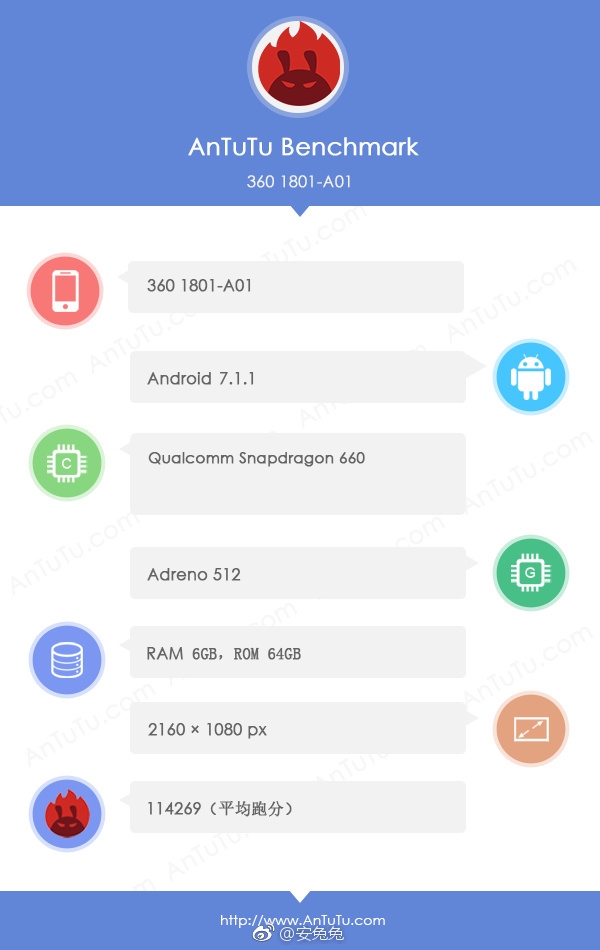
360Mobiles will be launching its first full-screen smartphone on November 28. The phone which is known as 360 N6 Pro had earlier been spotted on TENAA revealing its specs. Now, the N6 Pro has appeared on AnTuTu benchmark confirming the key specifications the model is expected to pack. The device appeared on TENAA with the model number 360 1801-A01 and identified on AnTuTu with the same model number.
One of the specs the 360 N6 Pro is expected to feature is a full-view display and is listed with a 2160 x 1080p resolution. The smartphone is also listed to pack a Qualcomm Snapdragon 660 processor which is backed by 6GB of RAM while there is 64GB of storage onboard. The chipset is also paired with an Adreno 512 GPU. The N6 Pro runs Android 7.1.1 Nougat out of the box which will likely be with some customization. AnTuTu also listed that the device scored 114269 points in test and this could be attributed to the premium SD 660 chipset.
A previously leaked posted had teased what is said to be the 360 N6 Pro’s design and we have also seen a couple of other specs which include a 4000mAh battery. We’ll get to find out more when the device goes official on November 28. But expect something spectacular from 360 Mobiles who already has a reputation for sleek smartphone designs.
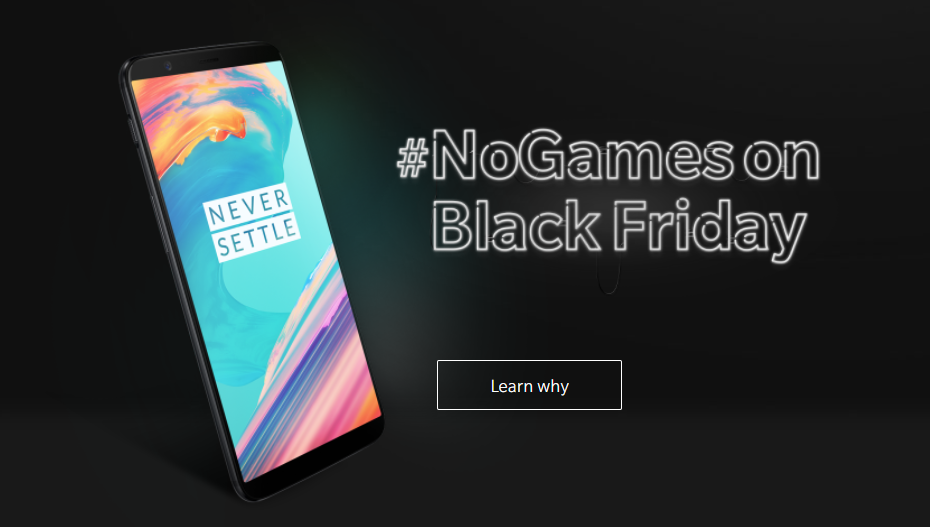
Black Friday, the most awaited shopping festival of the year in the U.S is only a day away. Many retailers and popular tech brands have revealed their Black Friday deals. However, OnePlus’ website states that the company will not be participating in Black Friday sales.
The Chinese firm claims that it always offering its devices with fair pricing throughout the year. So, whether it is Black Friday or Taco Tuesday or any day of the year, its products are always available with reasonable pricing. It has further stated that its customers are always saving money by purchasing its smartphones as it offers topnotch internals and user experience like rivaling phones.
Just for the sake of providing an offer, OnePlus is selling the Dash Power Bundle with 50 percent reduction in its pricing for 24 hours. The Dash Power Adapter along with 100cm Dash Type-C cable is available for $17.56. The usual pricing of this bundle is $34.90. With 150cm Dash Type-C cable, the bundle can be availed for $20.08 against its original price tag of $39.90.
What about the OnePlus 5T? The company is selling it with almost the price tag as it is offering a negligible discount of $0.01 for 24 hours. Hence, the official carries the text “#NoGames on Black Friday.”
A lot of information has been surfacing on the specs and features of the Samsung Galaxy S9 and Galaxy S9. A tipster has revealed that the Galaxy S9 duo would be offering a higher screen-to-body ratio than their predecessor.
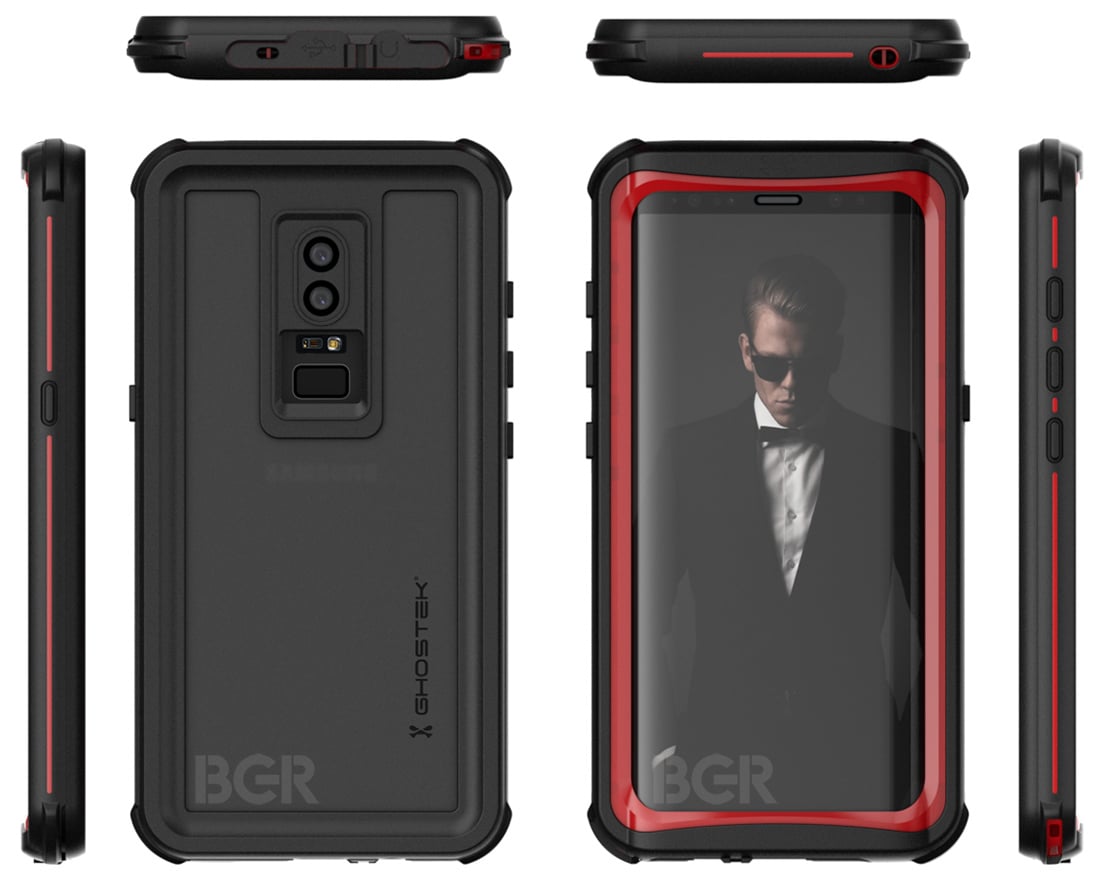
Earlier in this week, BGR had revealed case renders of the Galaxy S9 made by well-known case maker Ghostek. It is said that the renders show the near-final design of the S9 that were made on the basis of the information revealed by the factory manufacturing the flagship phones by Samsung. The source of the case renders claim that the upper bezel might be slimmer than what was shown in the renders.
Sam Mobile claims that its tipster has revealed that the Galaxy S9 would be offering 6 percent more screen-to-body ratio than the Galaxy S8. The screen-to-body ratio of the Galaxy S8+ is around 84 percent.
Apart from the reduction in the upper bezel, the Galaxy S9’s lower bezel has also been drastically reduced, claims the publication. It states that the bottom bezel will be “non-existent.” Hence, it is speculated that the Galaxy S9 duo may deliver around 90 percent screen-to-body ratio.
The above renders again show that Samsung will not be making drastic change to the design of the S9 as compared to its predecessor. The back panel of the Galaxy S9 can be seen housing a vertically arranged dual camera system with the flash unit and fingerprint sensor placed under it. The Galaxy S9 duo are expected to feature Bixby AI button and 3.5mm audio jack.
Reliable leakster Evan Blass has claimed that the Galaxy S9 will feature 5.8-inch display and 4 GB of RAM whereas the Galaxy S9+ will have a 6.2-inch screen and 6 GB of RAM. Like the S8 duo, the Galaxy S9 and S9+ will have Infinity Display that are curved at the edges. Both phones will feature 64 GB of storage and will be available in Snapdragon 845 and a similarly powerful Exynos chipsets in different markets. Blass has also stated that the Galaxy S9 and S9+ may get showcased at the upcoming Consumer Electronics Show (CES) 2018 that will be held in January next year.
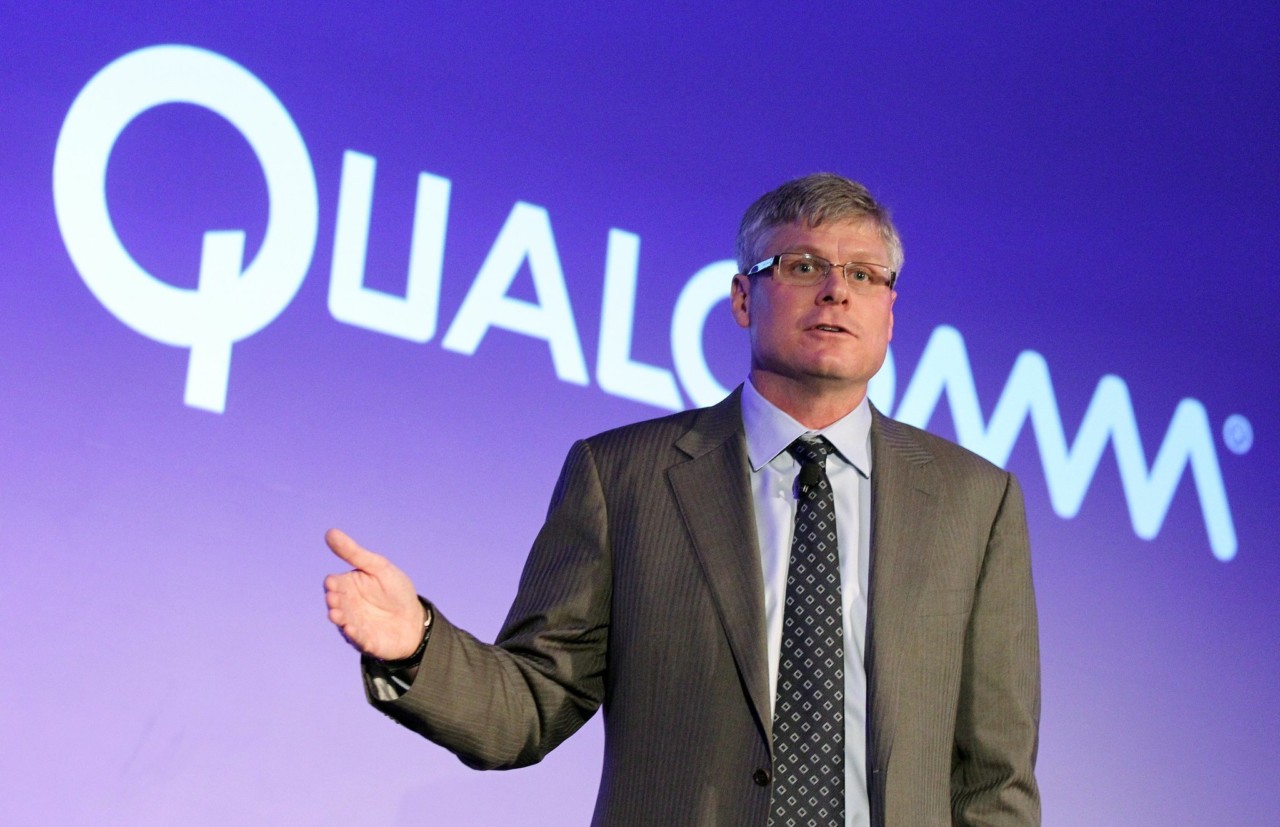
There are indications that Broadcom will launch another bid for Qualcomm. The chipmaker is reportedly contemplating raising the initial offer made to buy rival-company, Qualcomm. It would be recalled that Qualcomm rejected the initial bid launched by Broadcom and one of the reasons given was that the bid grossly undervalued the fabless chip manufacturer. Qualcomm is considered globally as the number one System-on-Chips manufacturer for mobile devices.
The improvement involves offering more of Broadcom’s stock and this idea is said to have been mooted after consultation with several of Qualcomm’s top shareholders, according to sources familiar with the affair. There was no news as to when Broadcom will launch the bid but the fact that the issue hasn’t died down is an indication that Broadcom is planning to mount pressure on Qualcomm to engage in negotiations. The pressure has all the dressing of a carrot and sticks approach. First, the carrot would be dangled by offering more stocks to Qualcomm’s shareholders and then they’ll wield the stick by threatening to replace its board of directors. Broadcom’s CEO Hock Tan has hinted that he is ready to lunch a takeover battle and sources had reported previously that the tech giant is preparing to submit a slate of directors before Qualcomm’s December 8 nomination deadline. Apparently, the tenure of the present board is about to expire. That would afford Broadcom the opportunity to swing things in its favour as Qualcomm shareholders that want the company to engage in deal talks with Broadcom will be able to vote for that slate at a March 6 shareholder meeting.
Already, Qualcomm shares have jumped by more than 2 percent pitching at $68.05 after the news of the possible sweetened offer. On the other hand, Broadcom shares were down 0.3 percent at $275.82. The last is yet to be heard on this Broadcom/Qualcomm affair.
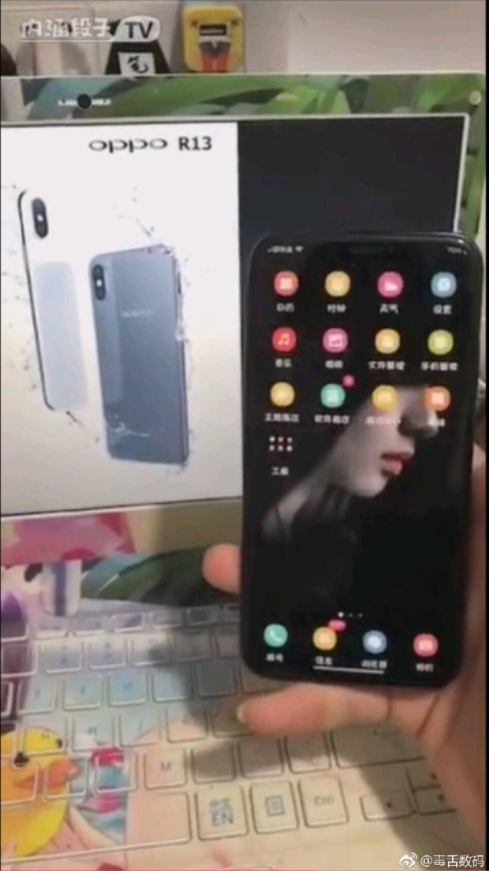
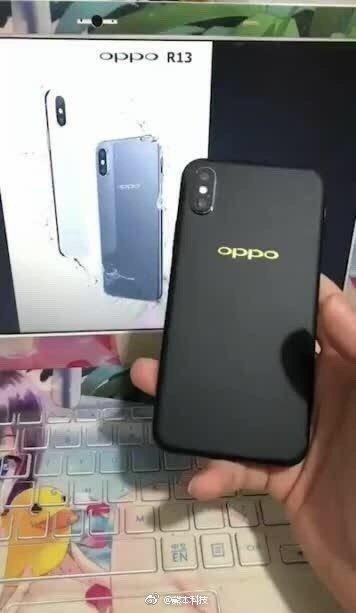
OPPO has recently released the OPPO R11s and R11s Plus smartphones and now it is rumored to be working on OPPO R13 smartphone. Leaked photos of the OPPO R13 that have surfaced on Weibo show that it resembles a lot with none other than the Apple iPhone X!
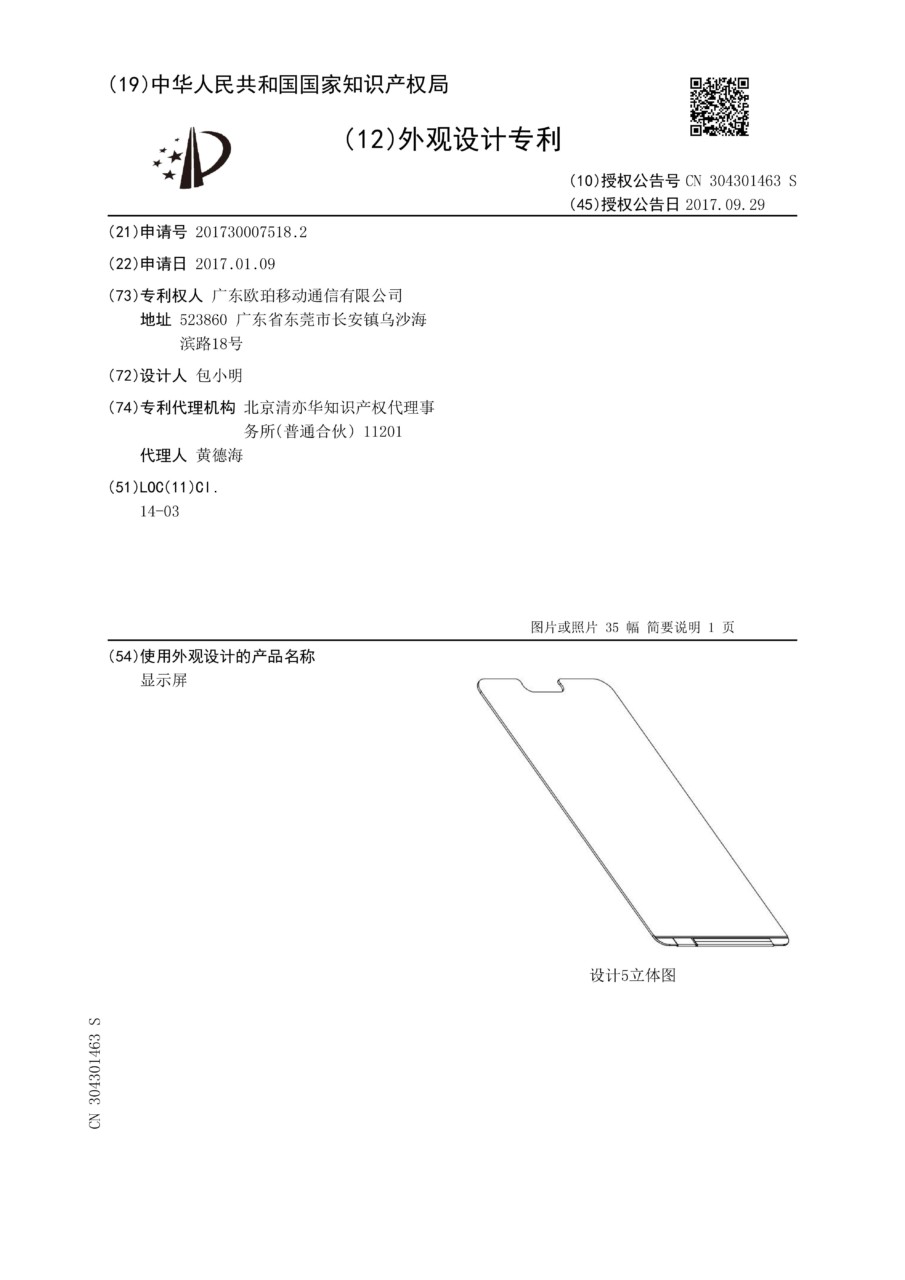
In September, OPPO had reportedly filed a display patent which showed a full screen design with a notch at its top. The leaked images of the so-called OPPO R13 resembles with the patent design shown in the above image. The front view of the rumored R13 also features a virtual home bar.
The backside of the OPPO R13 has a vertically stacked dual rear cameras at the top-left corner which again reminds us of the iPhone X. It seems that the handset will be available in two color choices of black and white. The rear panel of the smartphone also features an impressive neon green logo of the company.
There is no information available on the specifications of the OPPO R13. However, if the smartphone really exists, we may see more leaks in the coming weeks.
Do you think that the OPPO R13 really exists with iPhone X-like design? Let us know your opinion by posting your comments below.
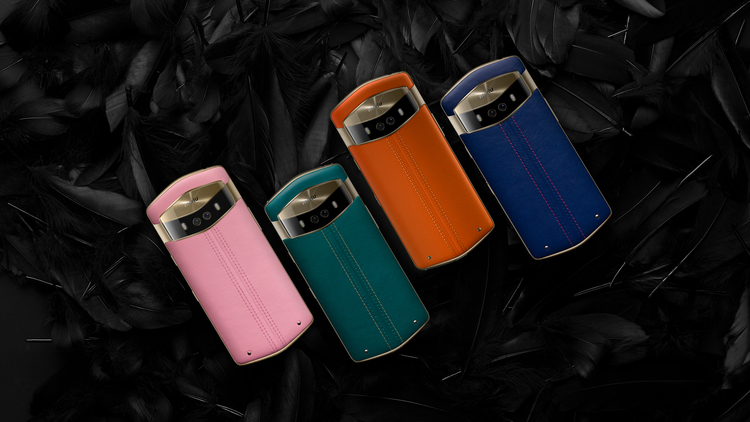
Meitu held a press conference today in Beijing, China where it unveiled its new branding. Along with that, the company also released its flagship smartphone — Meitu V6, which was launched a few weeks ago.
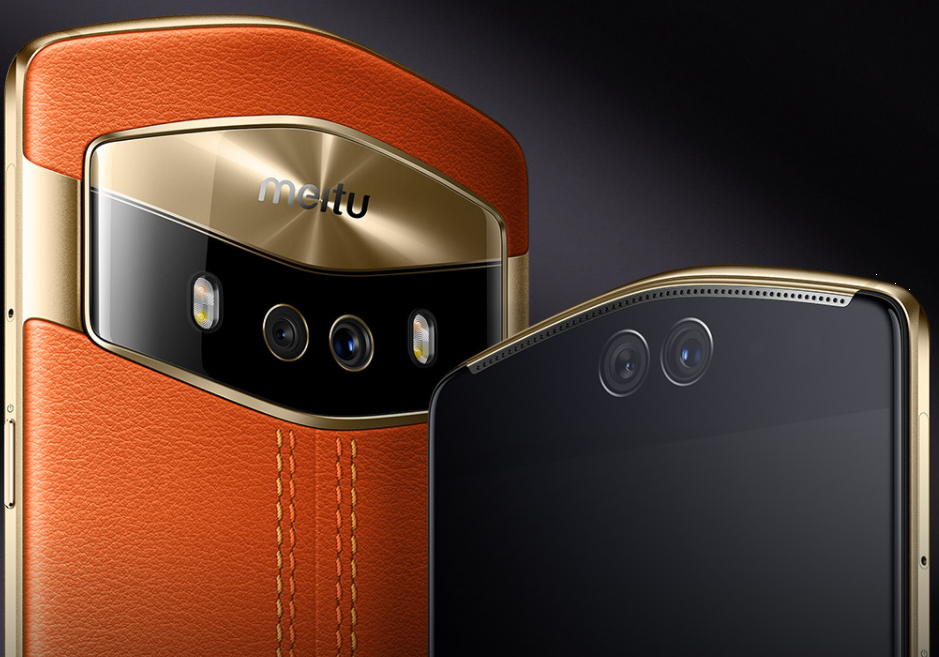
The Meitu V6 is a luxury device that comes with colourful hand-stitched calfskin leather and 18K gold rivets on its back, along with a gold coloured metal frame around the smartphone.
Apart from the luxurious design, the highlight of the smartphone is its camera. It features a dual camera setup at the back as well as at the front. It comes with dual Sony IMX362 sensor with 12-megapixel lenses.
The front, as well as the rear camera, comes with f/1.8 aperture, 6P lens along with fourth-generation dual ISPs and optical image stabilizer (OIS). As per the company, the camera can focus an object in just 0.13 seconds in real-time. The back camera comes with four LED flash.
It uses a new artificial intelligence technology that is developed by MTlab. There are several features based on that technology, including light effect camera, movie portraits, night view camera mode and backlighting mode. As per the company, the combination of phone’s hardware and this new AI technology enables the device to act like a “portable SLR”.
In terms of specifications, the smartphone comes with a 5.5-inch Full HD display with screen resolution of 1920 x 1080 pixels. Under the hood, it is powered by a 10-core processor from MediaTek, coupled with 4GB RAM and 64GB/128GB internal storage. The device packs a 3,100mAh battery and comes with the usual connectivity features such as 4G LTE, Wi-Fi, Bluetooth and GPS.
The smartphone runs on company’s own MEIOS 4.1, which is based on Android Nougat operating system. It features a face unlock mode, which has 106 face positioning points that automatically recognizes the face for quick unlocking. There is also a “super game mode”, which is basically a do not disturb mode for gaming.
The standard version of the smartphone comes in four colour options — Rotterdam Orange, Edinburgh Blue, Melbourne Green and Moroccan Powder (Pink). Along with that, the company has also introduced service that can be used to order a customized design. There’s a selection for leather, accessories, gift boxes, among others.
The Meitu V6 smartphone is priced at 5,099 Yuan for the Standard Edition, while the Advanced Custom Edition which costs 6,999 Yuan. The device will go on sale from November 23 through select stores, including the company’s official website and Meitu’s store on JD.com.
We use cookies on our website to give you the most relevant experience by remembering your preferences and repeat visits. By clicking “Accept”, you consent to the use of ALL the cookies.
This website uses cookies to improve your experience while you navigate through the website. Out of these, the cookies that are categorized as necessary are stored on your browser as they are essential for the working of basic functionalities of the website. We also use third-party cookies that help us analyze and understand how you use this website. These cookies will be stored in your browser only with your consent. You also have the option to opt-out of these cookies. But opting out of some of these cookies may affect your browsing experience.
Necessary cookies are absolutely essential for the website to function properly. This category only includes cookies that ensures basic functionalities and security features of the website. These cookies do not store any personal information.
Any cookies that may not be particularly necessary for the website to function and is used specifically to collect user personal data via analytics, ads, other embedded contents are termed as non-necessary cookies. It is mandatory to procure user consent prior to running these cookies on your website.