HMD Global in partnership with Foxconn have revived the Nokia brand once again and this year, they are set to launch the first set of Nokia smartphones under the new partnership.
Nokia’s authorized distribution partner in Malaysia, Avaxx, held an event for dealers recently where it revealed in a slide presentation that we will be getting between six to seven Nokia smartphones this year with models covering entry level, mid-range and high-end flagships. The new smartphones are said to start launching in the second quarter of the year.
The Avaxx slide also mentions that HMD will continue to launch Nokia feature phones. So expect more phones like the Nokia 150 and 150 Dual.
We already know about the Nokia E1, D1, D1C and Z2 Plus, so that means we should expect 2 or 3 more models (which might include a tablet) that have not even been mentioned at all.
The Nokia E1 is expected to be the entry level model with a Snapdragon 200 SoC while the D1 and D1C may come with chips from the Snapdragon 400 and Snapdragon 600 series respectively. The Z2 Plus on the other hand will be one of the flagships with a Snapdragon 835 processor.
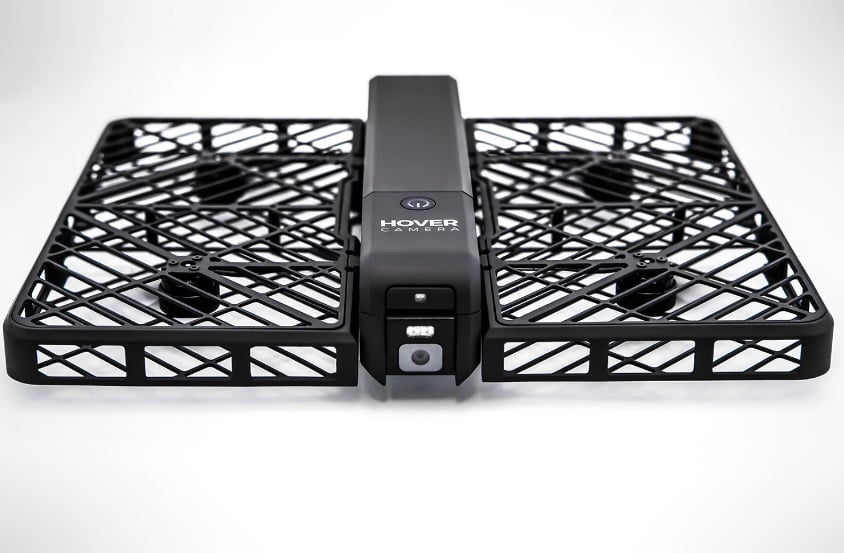
Selfie sticks are old-school already and selfie-drones are here to replace them. One of the products showcased at this year’s on-going Consumer Electronic Show is the Hover Camera Passport (made by Zero Zero Robotics): a selfie-drone that identifies its owner and automatically start recording or taking photos.
The Hover Camera Passport was actually first announced last year. Then, you had to use the companion app to select an object you wanted the drone to track. But now, all you have to do is register your face via the app during the initial setup and when next you bring out your drone, it scans for your face, locks on to it (and the rest of your body) and starts following and recording you. Want to take a selfie? All you have to do is raise your hand till the LED flashes
Hover Camera Passport Design and Specs
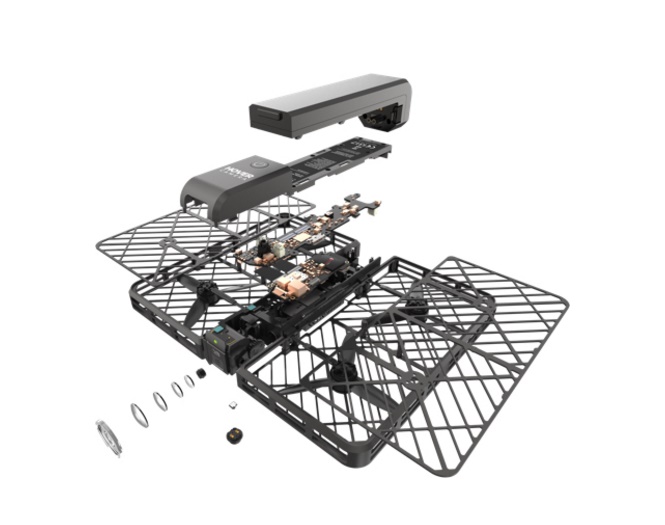
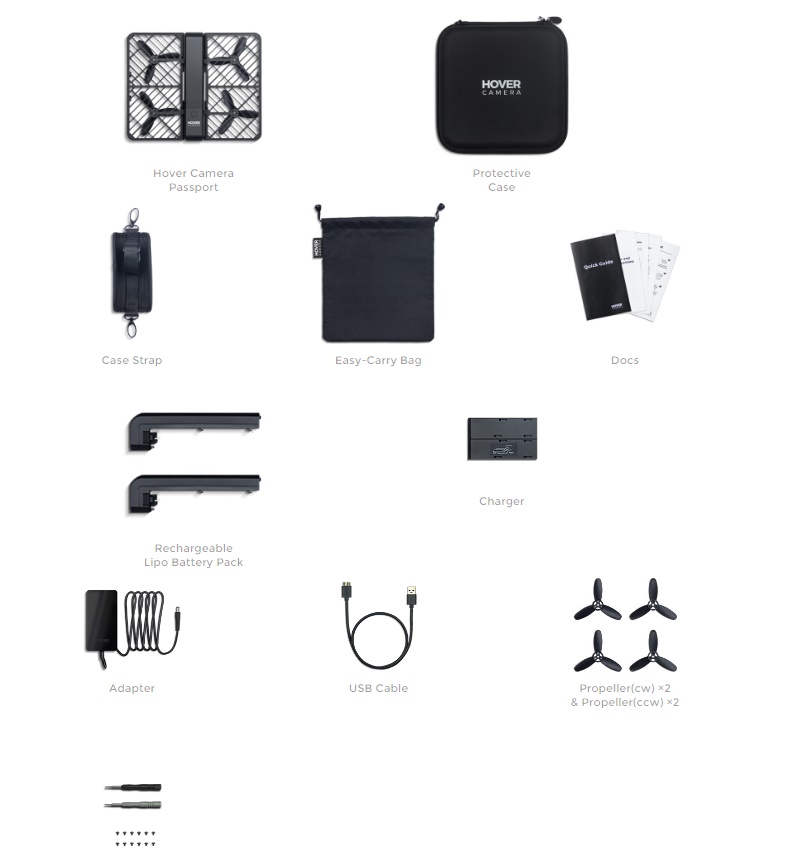
The Hover Camera Passport is lightweight and really portable. It weighs just 238 grams (242g including the battery) and its dimensions are 182 x 132 x 33 mm. Sporting a carbon fiber cage-like design protecting the quad-rotors that keep it airborne, the drone is also foldable and can easily fit into your bag.
There is a Snapdragon 801 SoC clocked at 2.3GHz that powers the drone. The Hover Camera Passport has a f/2.0 13MP camera that can record 4K videos at 30fps but also sports another camera underneath it that is used to calculate it’s speed and position to help it maintain balance while hovering.
The Hover Camera Passport isn’t a perfect device yet. Like most drones, battery life is still on the low side. You can get only 10-minutes of flying time from the 1360mAh battery before you are prompted with a low battery warning.
Hover Camera Passport Price
The Hover Camera Passport is currently priced at $599 which is pricey but the good thing is that it’s available right now and you can purchase one on their official website.
The debate has been raging on and on as to who would be the first to use Qualcomm‘s latest power-driven Snapdragon 835 chip and the main contenders have been Samsung‘s next gen Galaxy S8 flagship and the Xiaomi Mi 6. Lately, ASUS is tipped as planning to launch a new Zenfone flagship during CES 2017 and that the device will likely feature a Snapdragon 835 chip. If this happens, ASUS could as well trump Xiaomi and Samsung to the crown.
There seem to be no major contenders among the Chinese brands for who will first use the flagship chip, with only Xiaomi mentioned thus far. Well-known industry analyst Kevin Wang had earlier hinted that the Xiaomi Mi 6 would be the first Chinese brand that would use the Snapdragon 835 chipset and once again, the analyst has reaffirmed that position of his. Earlier on, Mr Wang had reiterated that the Mi 6 will not be affected by the low output of the Samsung 10nm node which is said to have prompted Samsung to shift the launch of the Galaxy S8 away from February.
Thus, it is very likely that the Mi 6 will not only be the first Chinese smartphone that would be powered by the flagship chip but also end up making it as the first brand globally that would feature a Snapdragon 835 chip onboard. Details on the likely specs of the Mi 6 has been scarce but the device is said to have a design that resembles a sized-down version of the Mi Note 2. The Xiaomi mi 6 is also rumored as packing a dual-lens camera at the rear as well as dual curved screen design. Xiaomi always doesn’t disappoint in the specs and designs of its smartphones and the Mi 6 is likely not going to be an exception.
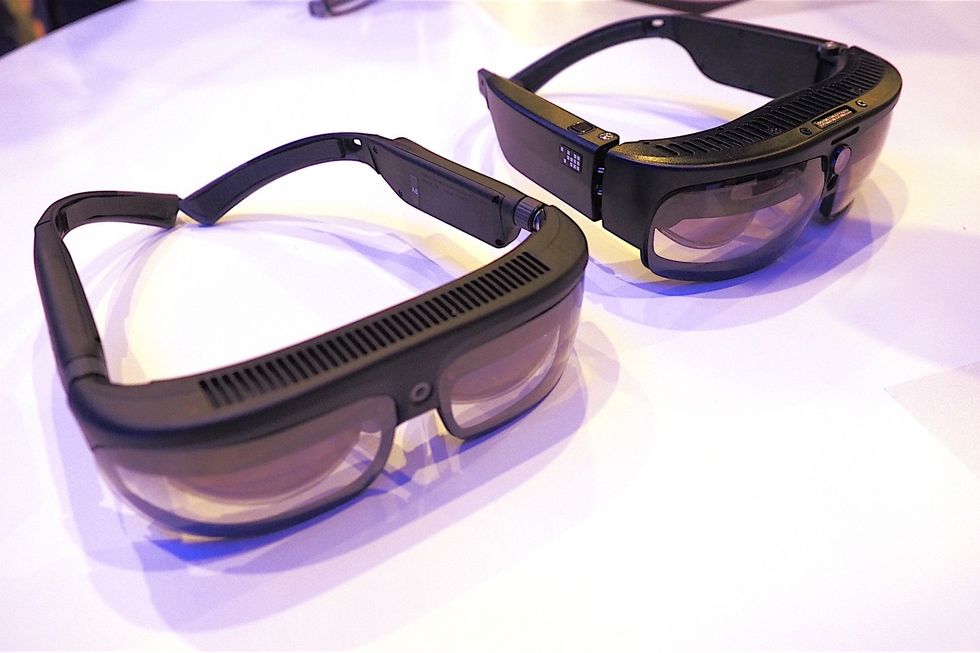
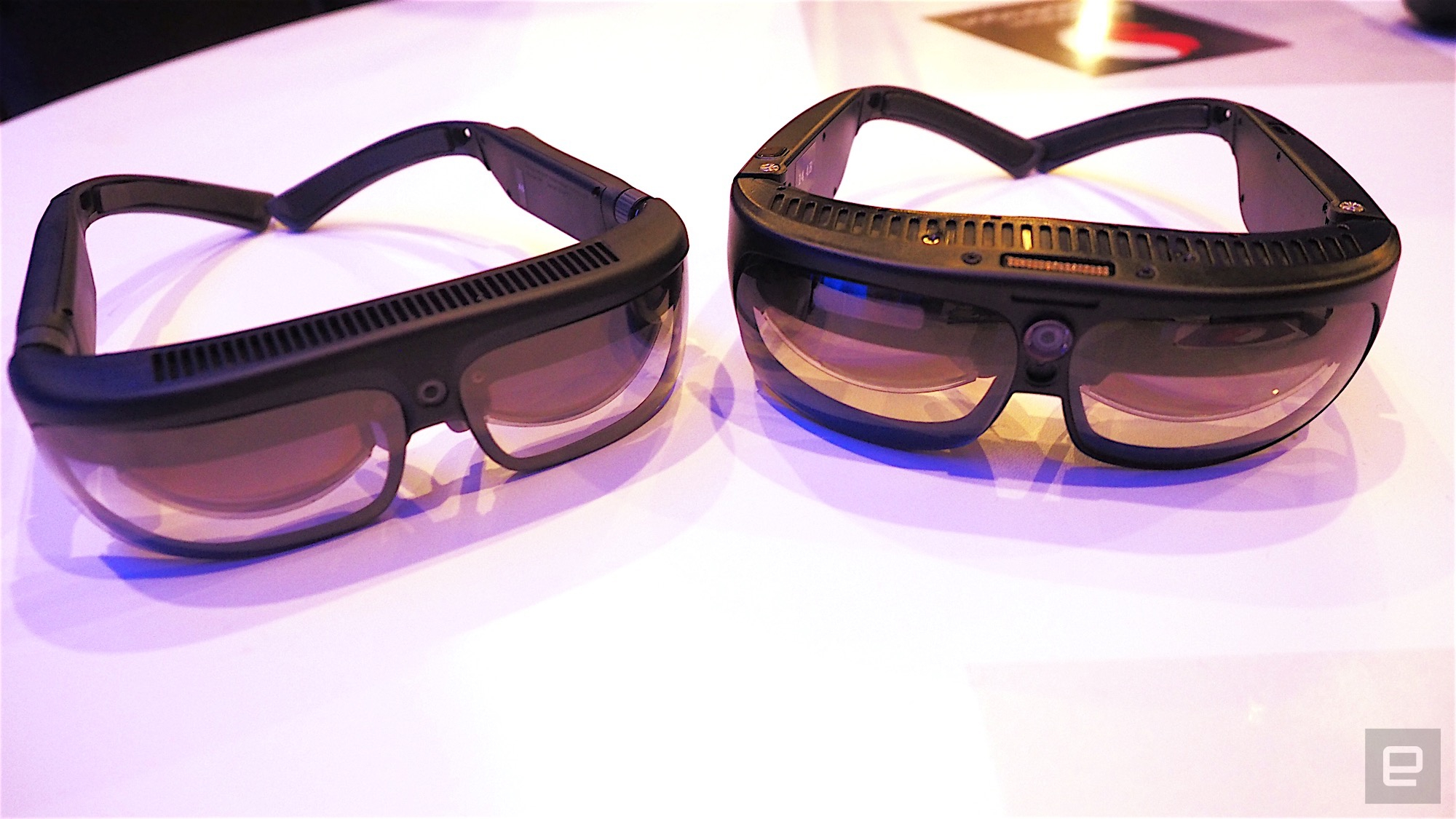
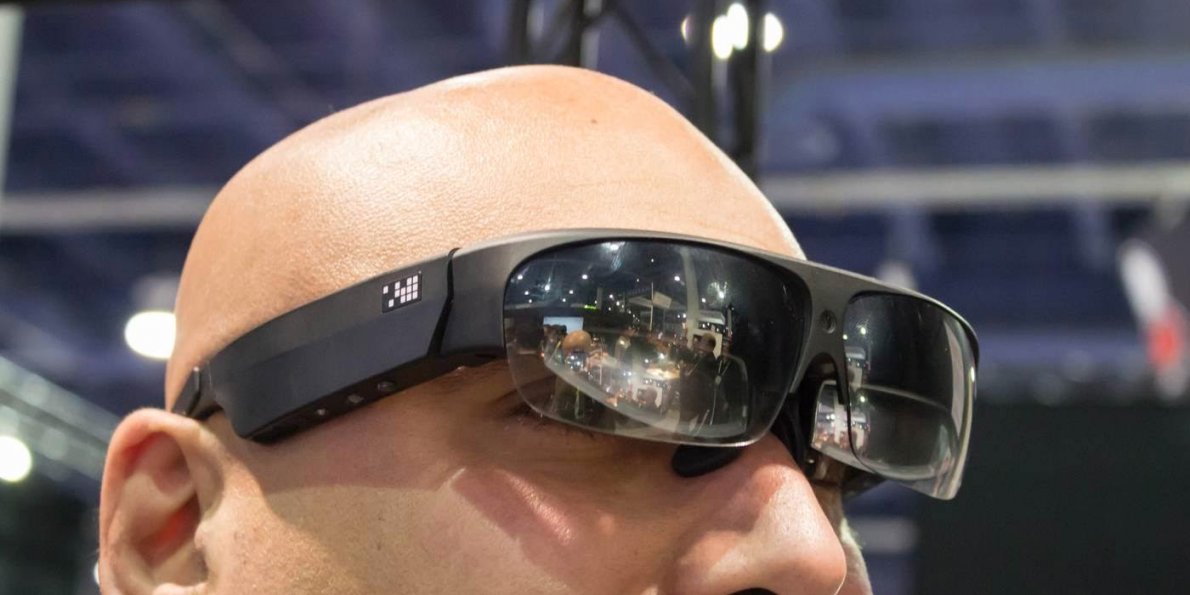
Although ODG isn’t a new player in the business of Augmented Reality (AR) glasses, the company is still not very familiar to many. The firm whose full name is Osterhout Design Group (ODG) has unvelied two of its latest reality smartglasses at CES 2017 and they are both capable of AR and Vr functionalities at the same time. The smartglasses are named R-8 and R-9 and what’s unique about them is that they are the first wearables powered by Qualcomm’s latest Snapdragon 835 flagship chip and they are more sophisticated than ODG’s earlier offerings raanging from the R-7, R-6 downwards.
The ODG R-8 and R-9 fuses both Augmented Reality and Virtual Reality features, capable of delivering both AR and VR. The R-9, however, packs a more sophisticated features and consequently has a higher price tag slammed on it.
While the ODG R-9 has a 50-degree field-of-view, the R- has a 40-degree field-of-view (FOV). They also differ in resoluton as the R-9 has a higher FHD (1080 pixels) resolution, while the R-8 has an HD (720 pixels) resolution. The R-9 also functions as a platform that can be sed to develop mobile AR and VR apps, as well as Smartglass apps.
Fusing the latest Snapdragon 835 chip inside the wearable improves the user experience more than ever, as the SD 835 is said to reduce the lag between motion tracking and what you see on screen, lowering the chances of triggering motion sickness. It also improves positional audio for more realistic experiences. These features places the new Smartglasses ahead of their R-7 predecessor.
Despite the much-improved features, the ODG R-8 and R-9 carry a far cheaper price tag that the $2,750 price tag of the R-7. The ODG R-9 is billed to ship in Q2 2017 with a price tag of around $1799. The R-8, on the other hand, will be available sometime in the second half of the year and will cost les than $1,000.
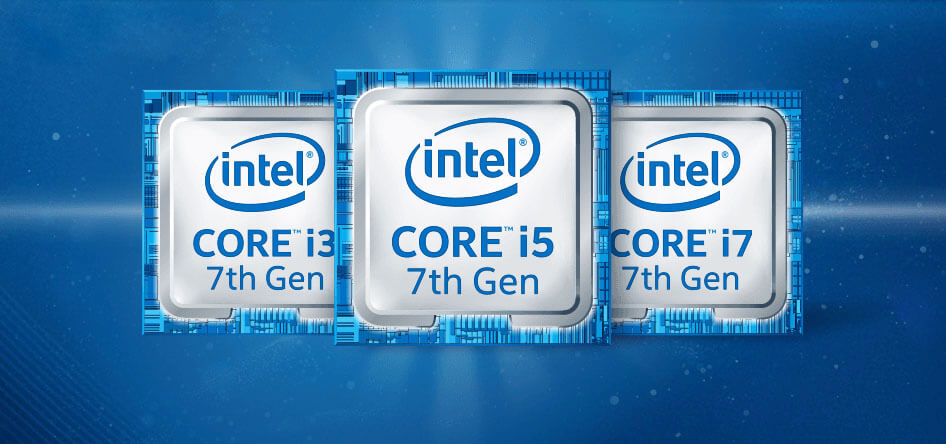
Few months ago, Intel had unveiled its seventh-generation processors for ultra-portable devices. Now, the company has announced seventh-generation processor codenamed as Kaby Lake for desktop and performance laptops.
The new processors from Intel for ultraportable belongs to the U series. The new CPUs meant for ultra-thin devices are from the Y series. The chip giant has now unveiled H-series seventh-generation processor for performance laptops and mobile workstations. The S-series processors have been announced to run on traditional desktops.
According to Intel, the S-series i7-7700K processor performs 25 percent faster than the older i7-4770k that was launched in second quarter of 2013.
Also, it can be used to make, share and stitch 4K resolution 360-degree videos 35 percent quicker than i7-4770k. When compared to fifth and sixth generation processors, the newer processor offers a slightly better performance.
The S-series i7-7700k processor can deliver a base clock speed of 4.2 GHz and maximum speeds of up to 4.5 GHz. It includes quad cores and eight threads. In comparison to it, the i7-6700k processor that was launched in Q3 2015 delivers clocking speeds of 4.0 to 4.2 GHz. The i7-7700k is packed with Intel HD 630 graphics.
The H-series processors have been produced for powerful laptops that can replace desktops. With support Nvidia 10-series GPU and Pola76ris GPU from AMD, the H-series can work well for heavy games.
The H-series processor is 20 percent quicker than fourth-generation i7-4700HQ. The handling prowess for 4K resolution 360-degree videos is also 65 percent faster.
Intel has announced an unlocked Core i3-7350k processor that can be used to power budget systems. It is a four-thread dual-core processor that can deliver processing speeds of up to 4.2 GHz. By overclocking, it can produce faster performance.
All the new Intel Kaby Lake processors can support up to 24 PCI Express 3.0 chipset lanes as well as up to 10 USB 3.0 ports. The claims made by Intel suggests that the Kaby Lake processor will support 4K videos efficiently, but there is no confirmation on whether the chipset built with 14nmm process can offer better battery performance.
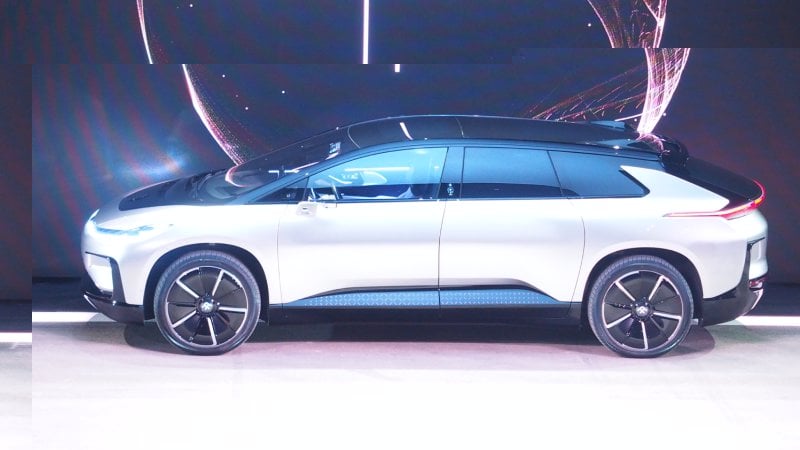
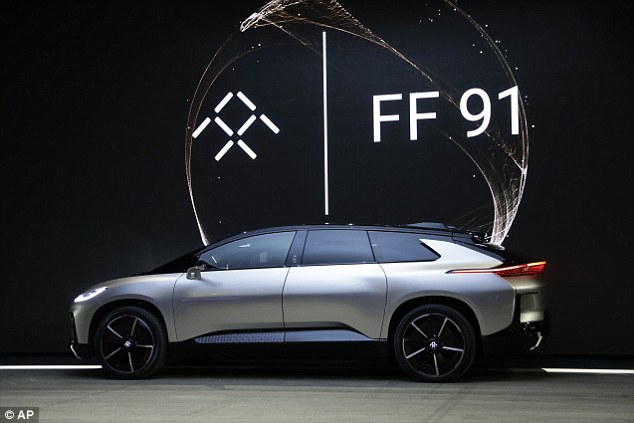
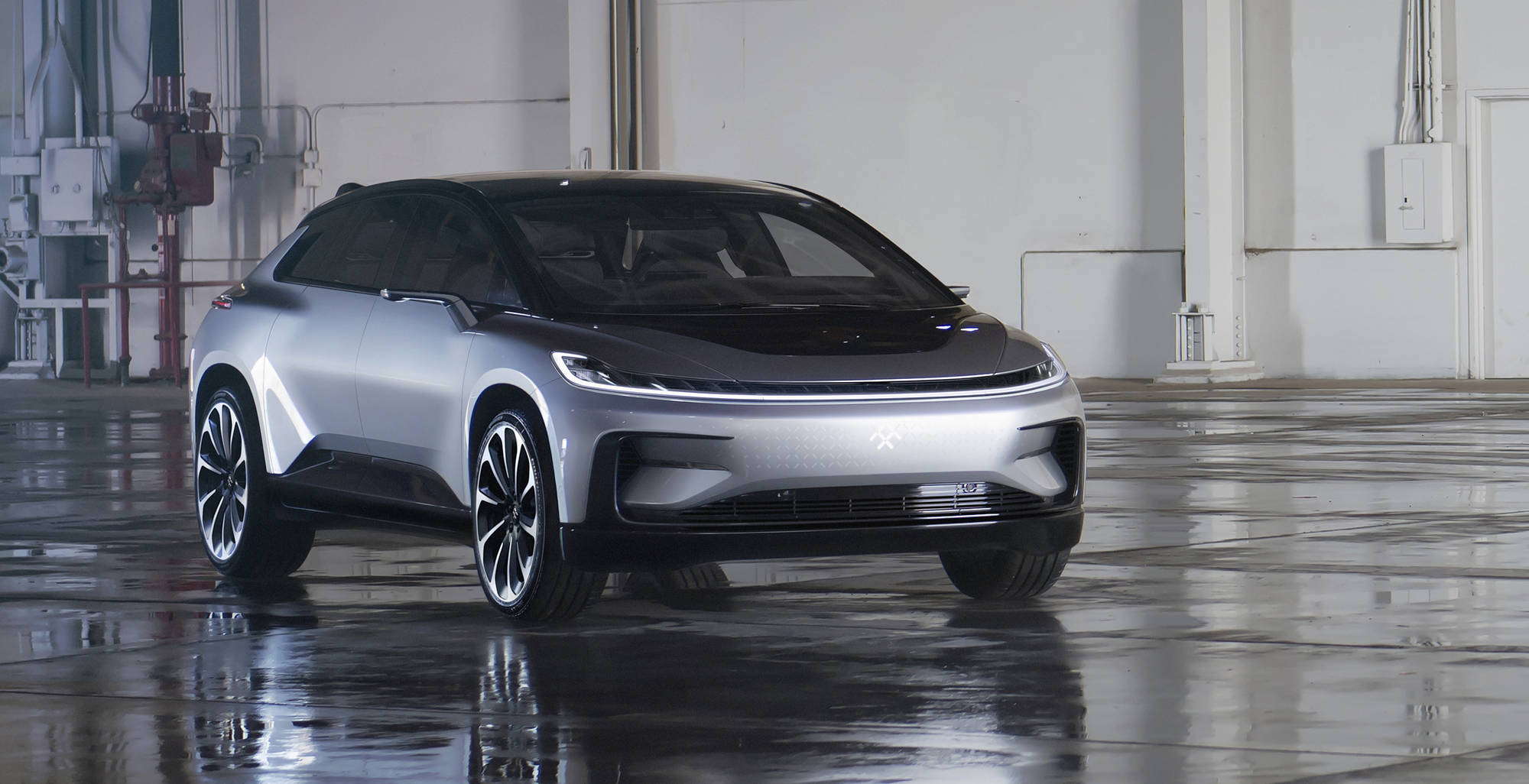
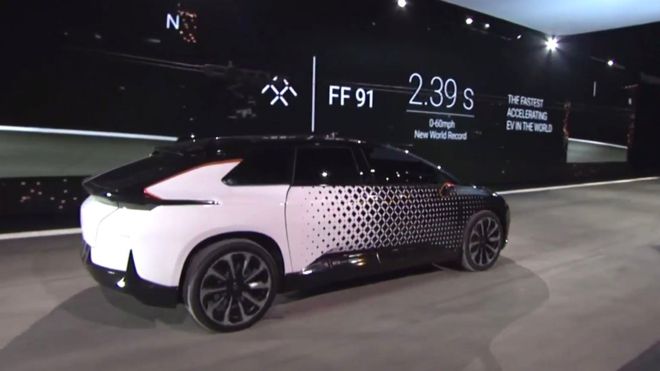
Innovative tech start-up Faraday Future has finally unveiled its first production car which it calls the FF91, in Las Vegas ahead of CES 2017. The Faraday Future FF91 electric car, whose production was backed by LeEco was exhibited live before a packed arena of tech enthusiasts and reporters and the company even demonstrated the prowess and features of the car. LeEco president Jia Yueting was there live actively involved in he exhibition.
The FF91 has an autonomous driving feature, something Faraday Future had not mentioned in the past. The self-driving feature allows for the driver to alight from the car and then send the car to go park itself as well as summon the car when needed. The company showed a video of the car searching for a parking spot and parking itself when it found one. This it was able to achieve using the avalanche of sensors, cameras, and radar which the car comes with.
Another highlight of the Faraday Future FF91 electric car is its speed. The car is touted as being able to hit 60 mph in just 2.39 seconds, a few miliseconds faster than the Tesla Model S. A video of the FF91 beating the Model S in a race was also shown. It was not just video sessions all through, as Faraday Future also demonstrated the car’s full acceleration on stage.
Aside that, the electric car also has an endurance range of 378 miles as against the 315 miles the Tesla Model S is capable of. In addition, the car has a lot of extra tweaking like a dual antenna that allows for Wi-Fi hotspot connectivity. There is also a facial recognition which allows the owner into the car without the need for the car key. More so, the car is not crammed up as there is enough space inside of up to 151 cubic feet.
Don’t get too excited, as the Faraday future FF91 electric car will not ship until next year, 2018. However, interested buyers can register for the car now with a deposit of just $5,000. The final price tag slammed on this innovative car isn’t known yet and its still not known if the car can successfully take on the Tesla Model S and Model X.
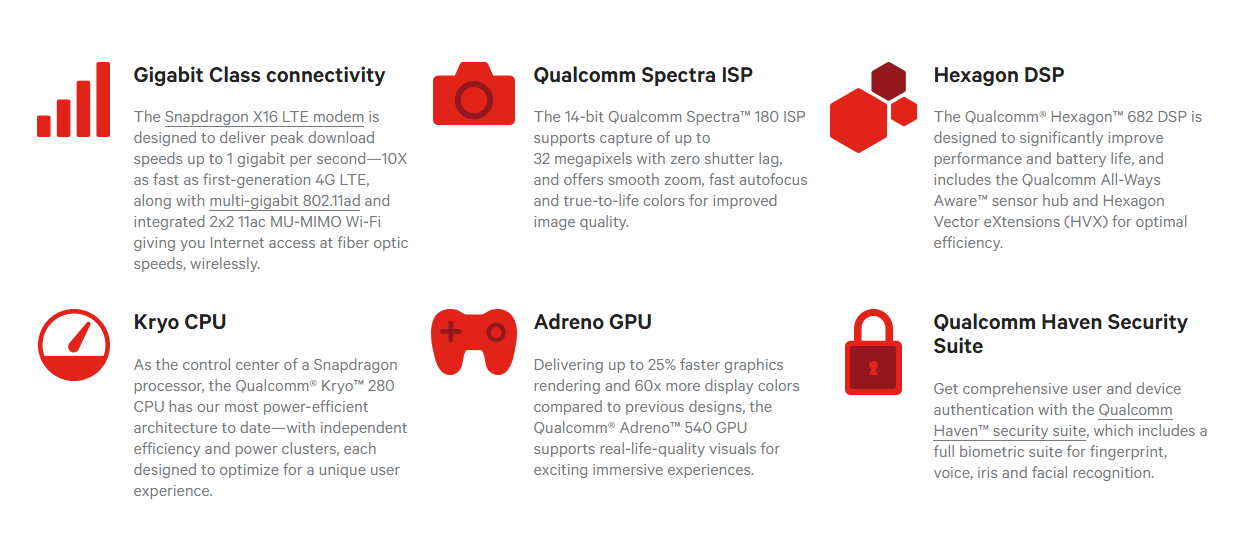
Thanks to a previous leak, we already knew a lot about the Qualcomm Snapdragon 835 chipset before its official unveil. Now that Qualcomm has officially revealed all the details about the new chipset at CES 2017, we can confirm that the details leaked before were true. Along with the improvement in general performance, which we see in every new iteration of Snapdragon chips, the Snapdragon 835 will make sure that it improves VR experience as well as efficiency. The chip consumes 50 percent less power as compared to Snapdragon 801 which was released in 2014 and up to 25 less power as compared to last year’s Snapdragon 820, thanks to its more efficient 10nm manufacturing node.
As for the main specs, the Snapdragon 835 features two clusters, a performance cluster with four cores clocked up to 2.45GHz and an efficiency cluster with four cores clocked up to 1.9GHz. The chip comes with faster 3D graphics and more colors, improving VR and AR support. It features the new Adreno 540 GPU with support for OpenGL ES 3.2, DX12 and Vulkan. Thanks to it’s improved VR capabilities, Qualcomm reveals that the chip can be found in many dedicated VR headsets. One such example is the new mixed reality headset from the wearables company ODG, which features the new SD835.
The new chip supports Quick Charge 4.0 which is 20 percent faster than QC 3.0 and is better equipped to protect the phone from overcharging. The company claims that the tech will provide up to 5 hours of usage in just 5 minutes of charging. Other improvements in the chip include enhanced ‘true to life’ sound, native support for optical zoom and new age autofocus, electronic image stabilization, and support for Ultra HD 4K Premium playback (including HDR 10).
The Snapdragon 835 comes with Qualcomm Location which supports major systems such as GPS, BeiDou, GLONASS, Galileo, and QZSS. As for connectivity, the chip comes with Snapdragon X16 LTE model with Cat 16 LTE support, 802.11ad multi-gigabit Wi-Fi, and Bluetooth 5.
You can read more about the features of the new SD835 from here.
Also, you can also read more stories from CES 2017 here.
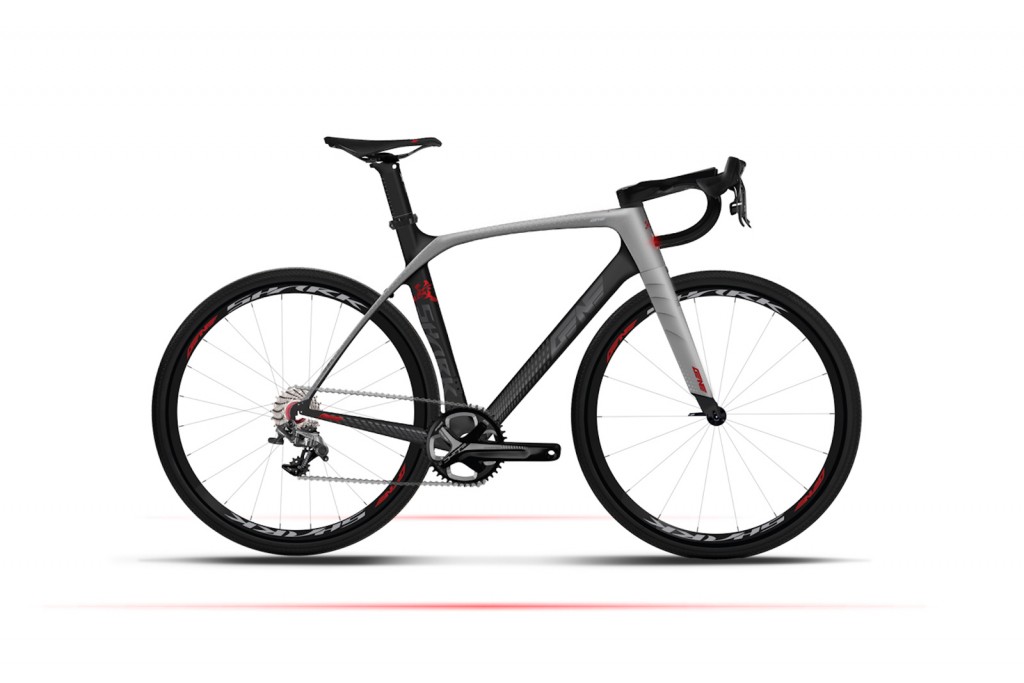
LeEco has unveiled two new smart bikes powered with Android at CES (Consumer Electronics Show) 2017. The Smart Road Bike and Smart Mountain Bike will be coming to the U.S. by Q2 this year.
The China-based tech company had showcased the Android powered bikes at a press conference in the U.S. At that time, the company had not revealed many details. However, the specifications and features of both bikes have been announced at CES 2017.
Both the bikes are powered by Snapdragon 410 chipset and they also feature 4-inch touchscreens. A 6,000 mAh removable and rechargeable battery is present on the bikes. The Android Marshmallow OS is customized with BikeOS from LeEco.
The BikeOS makes it easier for users to track their rides, health data and physical and share the information to their friends. Both the bikes have some more common features such as fingerprint scanner, bike security tracker, inbuilt alarm, GPS/GLONASS, Here Maps, walkie-talkie, music player 30-speed shift, lights, horn and a barometer.
Both Smart Road Bike and Smart Mountain Bike are equipped with Toray T700 carbon fiber frames and handlebars. They also feature 11-speed drivetrain.
The Smart Road Bike is designed for daily commute on streets as it weighs 18.5 pounds whereas the weight of Smart Mountain Bike meant for cycling in rough terrain is 26.9 pounds. The two bikes have respective seats, wheels and carbon fiber frames for the type of rides they have been designed for.
LeEco has not confirmed the pricing of its new super bikes for the U.S. audience. However, the company has been known for launching products with aggressive pricing, both bikes are expected to come with attractive pricing. The company has been selling similar Android powered bikes with a price range of $800 to $6,000.
As far as the availability is concerned, the Smart Road and Smart Mountain Bikes are expected to be available for purchase by the second quarter of this year.
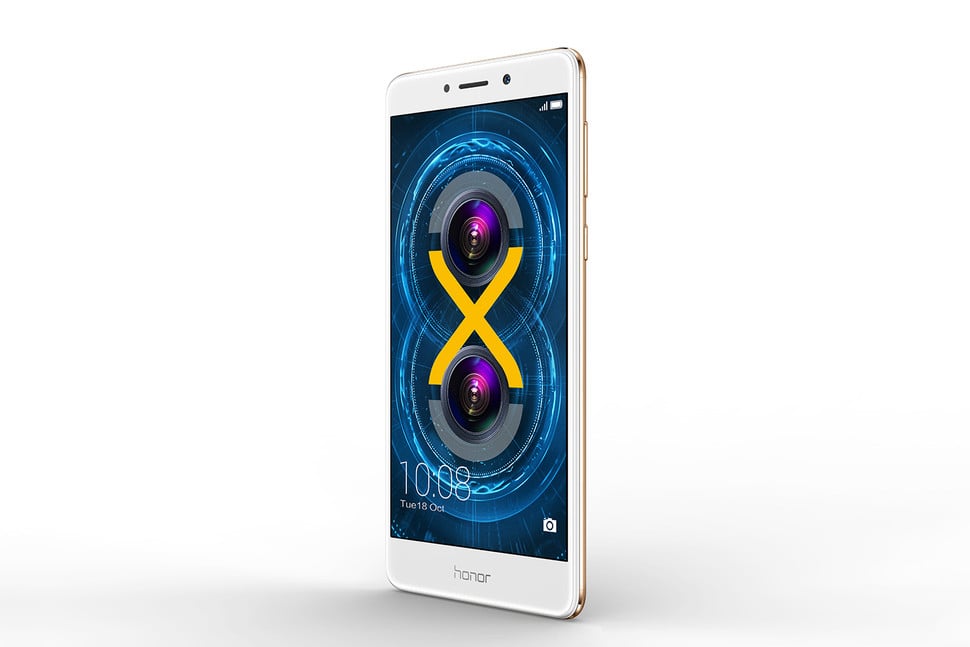
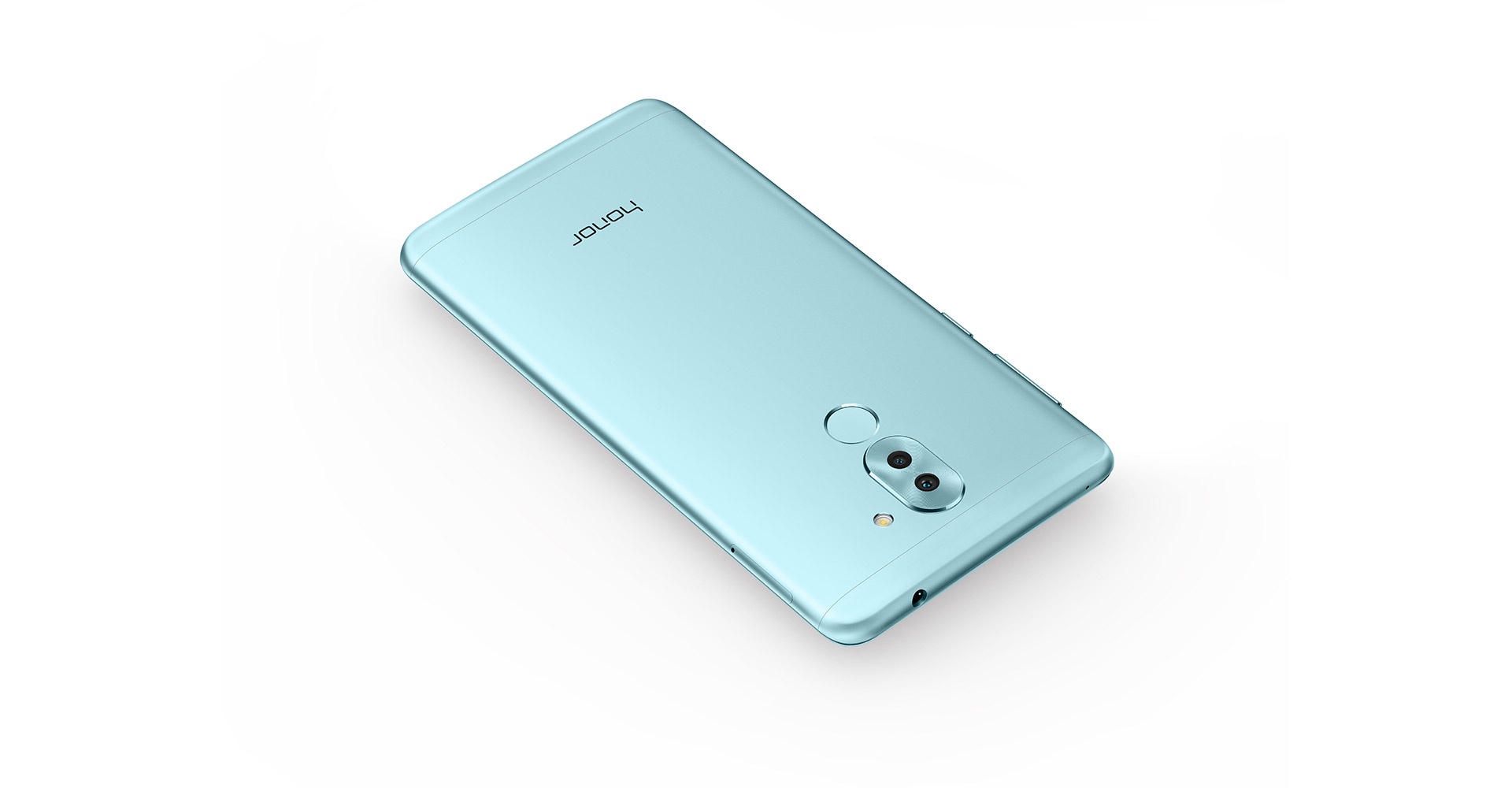
Huawei, over the weekend, teased what is billed to be the launch of a new interesting Honor phone that would drop on January 3 in the US ahead of CES 2017. Turns out the expected smartphone is the dual camera-packing, budget Huawei Honor 6X that was launched in China a few months back.
The Honor 6X is an upgraded version of the equally spectacular Honor 5X which was launched in 2015 with all-metal body, well studded specs lineup and yet a cheap $157 price tag. But then Huawei launched the Honor 6X with an upgraded specs tablet and the mid-ranger even packs a stunning dual-lens camera at the rear, yet was placed in the budget price category.
Design & Hardwares – Honor 6X
Talking about the design, the Huawei Honor 6X features an all metallic built, with 2.5D glass on the front. The phone has smooth and well chamfered edges with less design bezels at the sides, giving it a premium flagship look. It also has a compact body with a dimension of 150.9 x 72.6 x 8.2mm and weighing in at 162 grams.
As for the specs, the Honor 6X is powered by the Kirin 655 octa-core chipset clocked at 2.1GHz with Mali-T830 MP2 GPU which is a decent offering for a budget smartphone. The device sports a 5.5-inch display with 1080p resolution. Only the 3GB + 32GB storage version is available for both markets right now, but Huawei has said the 4GB RAM version will hit select markets in due course.
Going further, the phone features a dual camera setup at the rear consisting of one 12MP primary sensor and another 2MP secondary sensor. Huawei teased a photo captured by the Honor 6X’s rear cameras at dusk and the image was crisp clear, meaning it packs a powerful sensor onboard. Up front, there is an 8MP camera. Inside, the phone features a decent 3340mAh battery. As for the software, the device runs on Android 6 Marshmallow with Emotion UI 4.1 on top. Other features include fingerprint sensor at the back, dual SIM dual standby, 4G LTE, WI-Fi n and GPS.
Pricing
The Honor 6X comes in five different colors namely gold, rose gold, silver, gray, and navy. As for the price in the EU and US, the Honor 6X starts at $249 in the US for the 3GB RAM version. This is slightly higher than the $149 price tag it clutched on launch day in China a few months back. Pre-orders will open at Honor’s web portal on January 4, while the official sales would kick off on January 15. When the 4GB version enters the market, it will be priced at $300. Meanwhile customers in the U.S. can get the Honor 6X 3GB for a reduced price of $200 during flash sales at 10 a.m. (PT )on January 10, 17, 24, and 31.
For Europe, the Honor 6X will be available in the United Kingdom, France, Germany, Spain, Italy, Netherlands, Russia and others with sales starting January 4th for €249.
Human interface solution developer Synaptics has announced a new multi-factor biometric platform that can be used on smartphones, notebook PCs and tablets. The engine was developed in collaboration with KeyLemon, another facial recognition company.
The new platform is coming ahead of the CES 2017 and is said to use both fingerprint and facial recognition, thus allowing mobile devices to be unlocked in several ways, based on the user’s preference. Apart from the feature of unlocking the device, the platform also provides some level of security for financial transactions as well as unlocking of other sensitive information in the device because users will be required to go through two modes of authentication.
One good thing about the system is that it features anti-spoof technology and uses Artificial Intelligence (AI) to differentiate between the real owner of the device and any other imitation. So, it doesn’t only take note of the facial features but reflex actions like eye blinking and pattern of head movement in order to prevent spoofing or imitation.
Synaptics has hinted that it seeks to expand the platform to include additional biometric and security factors. The company also went on to introduce a fingerprint sensor technology which allows for scanning of the fingerprint through glass, thus opening up the potential for button-free display designs with embedded fingerprint recognition sensors. This isn’t new though as we’ve already got the Xiaomi Mi 5S with underglass ultrasonic fingerprint sensor.
Since Synaptics sells its patents and inventions to smartphone and tablet makers, the new technology could find its way inside smartphones in the near future. As to when exactly, that we cannot say.
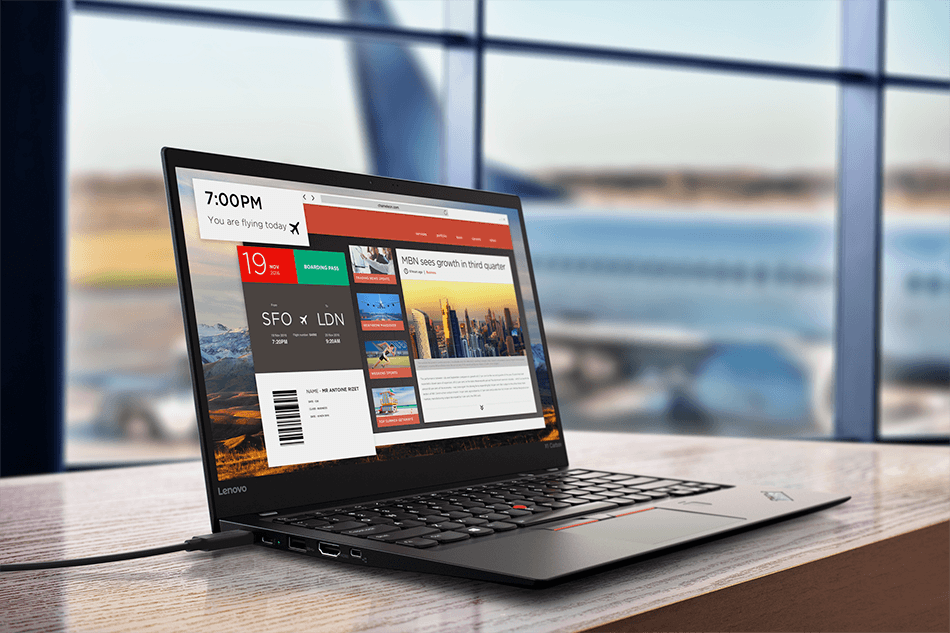
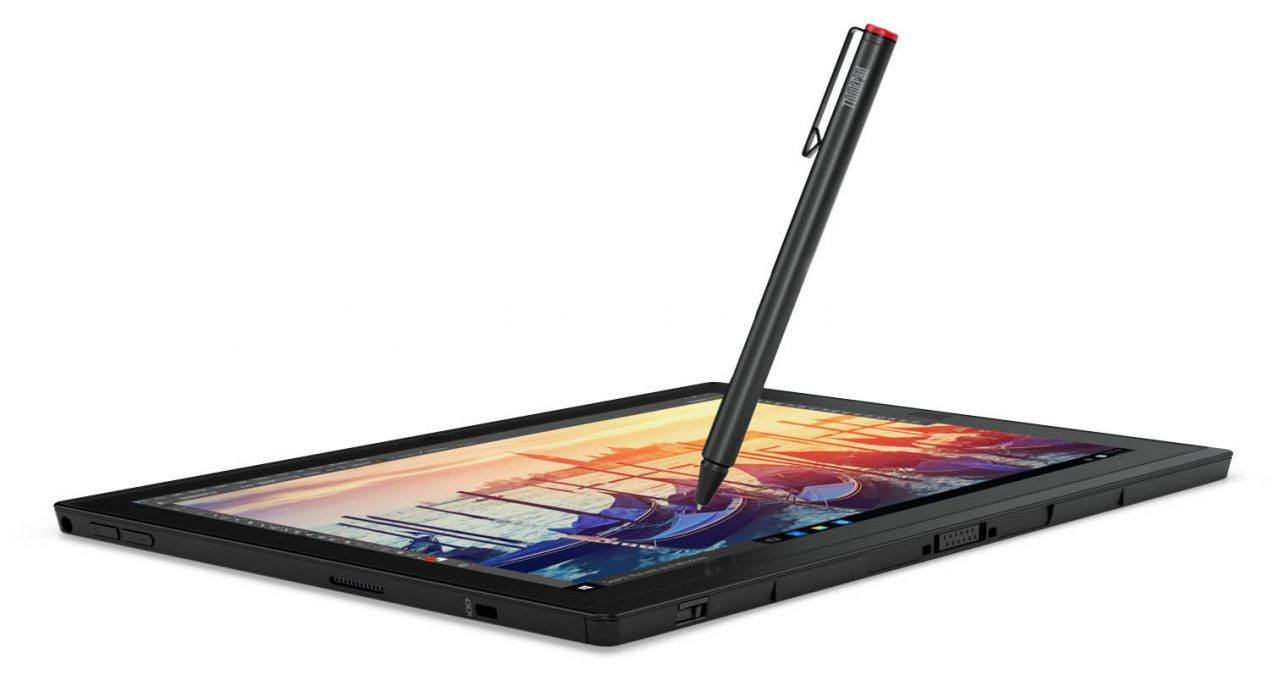
Lenovo, today announced a refresh to its ThinkPad X1 series. The ThinkPad series is a line aimed at business professionals and the new series doesn’t fall short of that. The new line includes the ThinkPad X1 Carbon, the ThinkPad X1 Tablet, and the ThinkPad X1 Yoga.
ThinkPad X1 Carbon
The new ThinkPad X1 Carbon is the 5th generation notebook in the ThinkPad line. Now available in silver for the first time, the Carbon still maintains its light weight, coming in at just 1.14 kg. Although equipped with a 14-inch display, the X1 carbon has a 13-inch form factor. The small form doesn’t mean ports are sacrificed. There are USB 3.0 ports, Thunderbolt 3 ports, and a HDMI port too. The battery life has also been upgraded as it now offers up to 15.5 hours.
The Carbon also has enhanced biometric authentication and now boasts an IR camera with face recognition support. According to Lenovo, the Carbon is the first business-class notebook to support FIDO-enabled biometric authentication for PayPal. The feature allows you to authenticate your PayPal via fingerprint instead of a password.
The Lenovo ThinkPad X1 Carbon will launch in February with pricing starting at $1,349.
Lenovo ThinkPad X1 Tablet
The new ThinkPad X1 Tablet with its 2-in-1 design weighs less than 1kg and passes the MIL-SPEC durability test. You can attach a number of modules to increase productivity such as a projector module; a battery expansion module that offers up to 5-hours of extra battery life and also additional ports; or you can settle for a keyboard dock. There is also LTE-A for connectivity so that you can keep working when on the road.
The ThinkPd X1 Tablet will be available in March for $949.
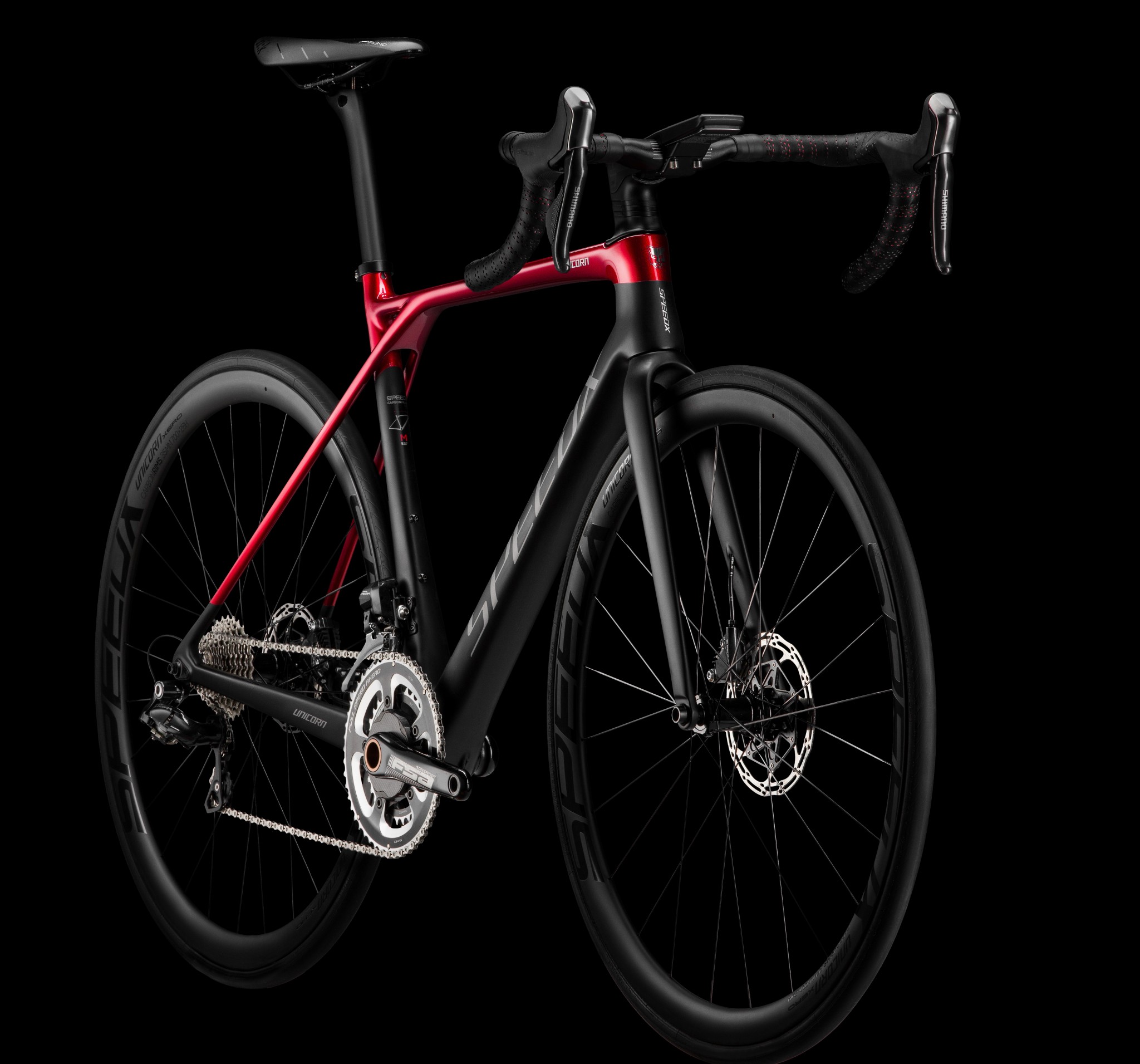
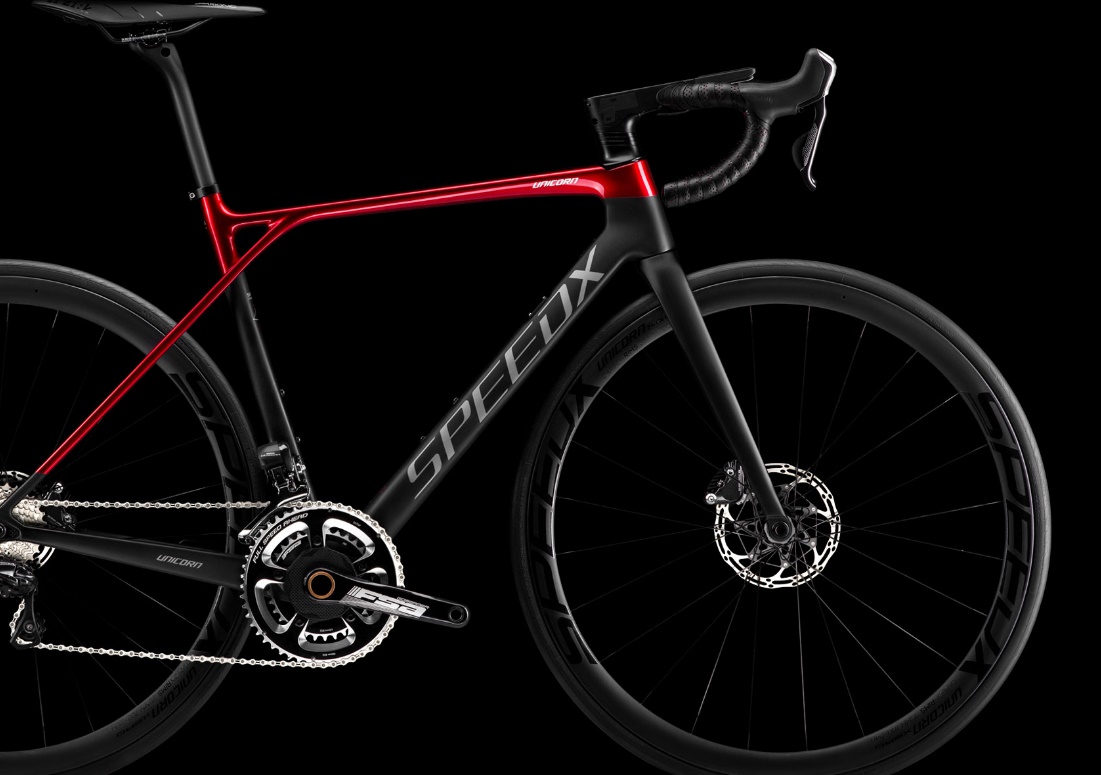
SpeedX, a smart bike company that launched its first bike the SpeedX Leopard in March last year is back with another one called the SpeedX Unicorn. The SpeedX Unicorn was unveiled today at CES.
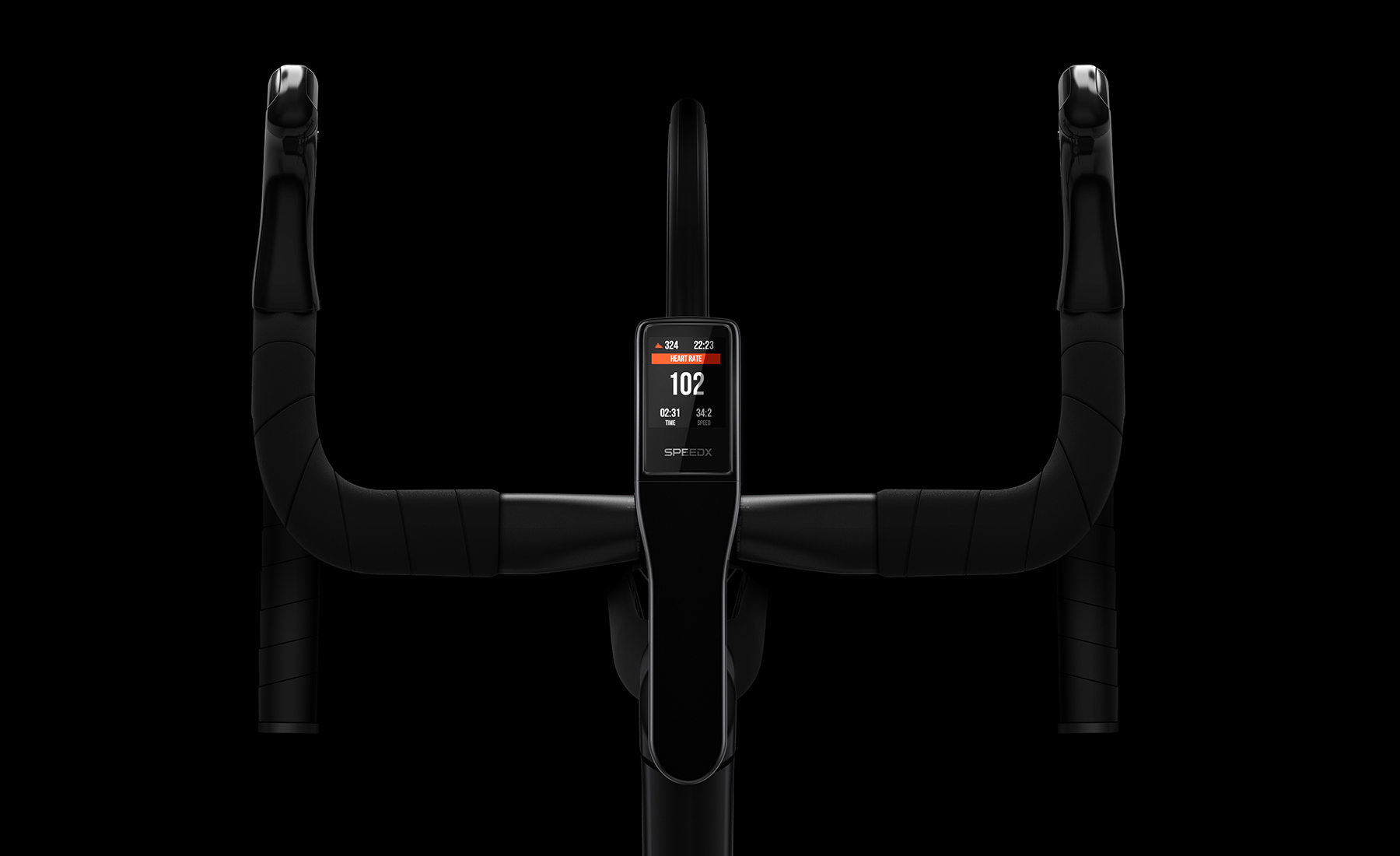
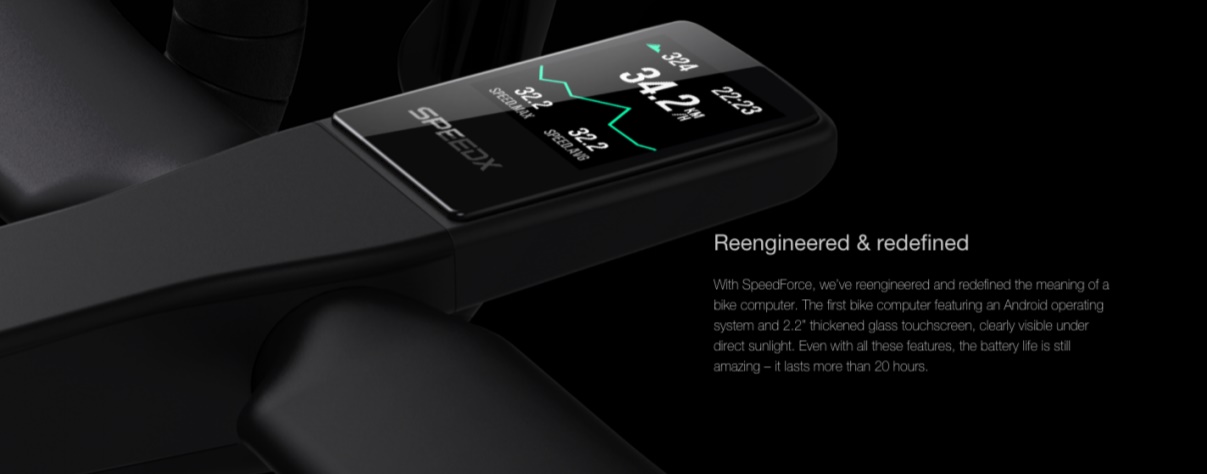
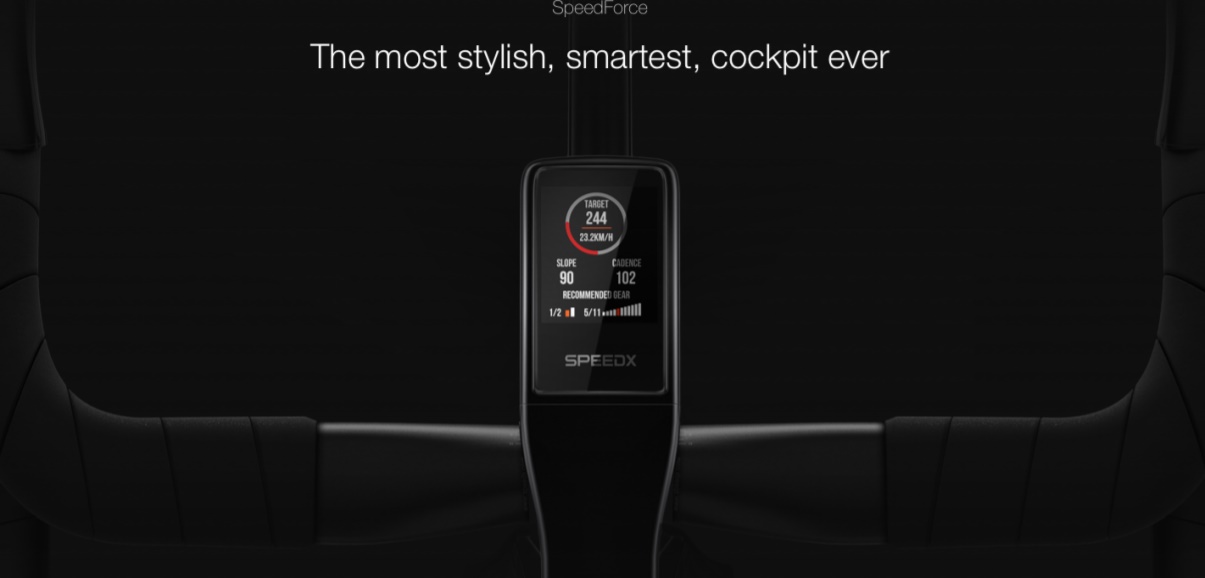
The Unicorn is an upgrade to last year’s Leopard road bike and boasts some new and interesting features. There is a detachable computer on the stem of the bike that runs a custom version of android and sports a 2.2-inch display. The computer displays your current, average, and maximum speed allowing you to measure your performance.
SpeedX says the new Speedforce computer apart from being visible under direct sunlight also has a strong battery life, lasting for more than 20 hours on a single charge. You also don’t need to take your hand off the bars to switch the screen as there re wireless buttons embedded in each handlebar.
The major upgrade in the SpeedX Unicorn is the integrated power meter which helps cyclists measure the effort on each ride. Other bikes require you to buy a power meter separately but SpeedX already has one built in.
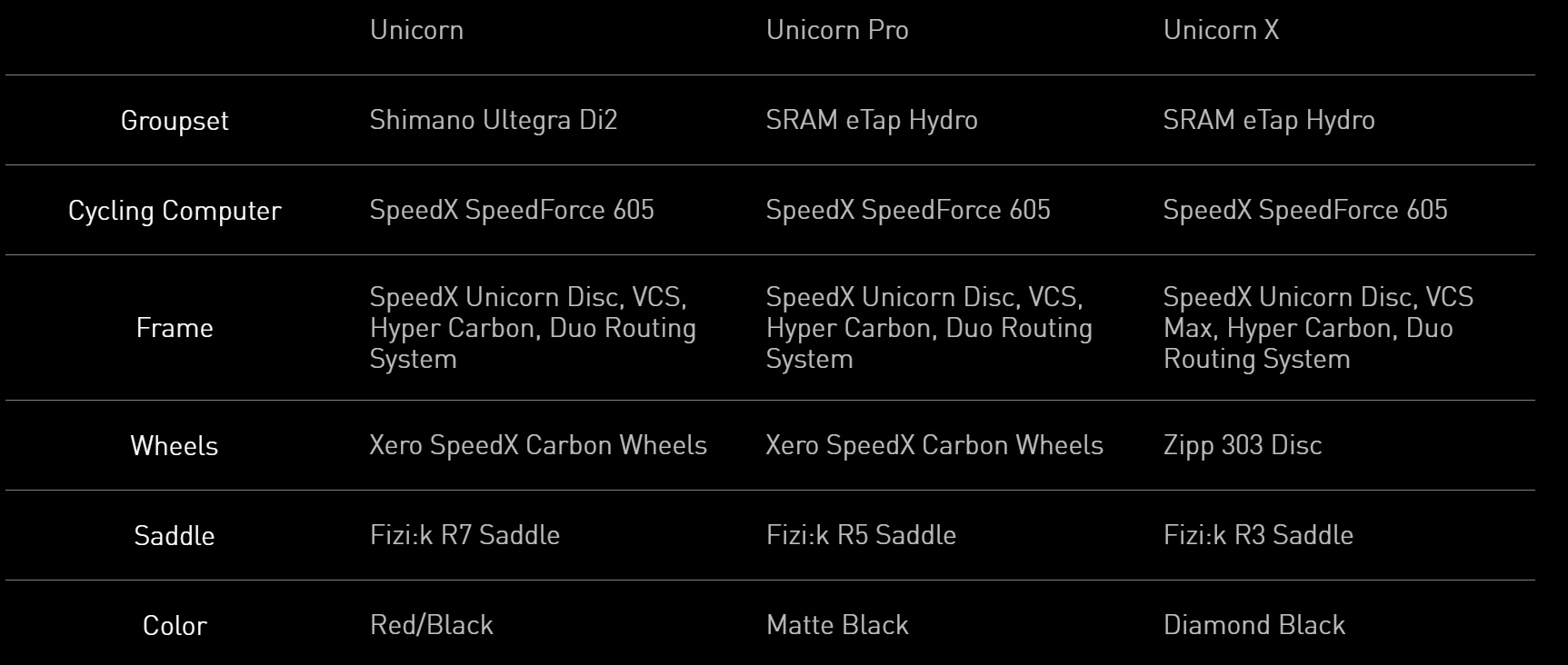
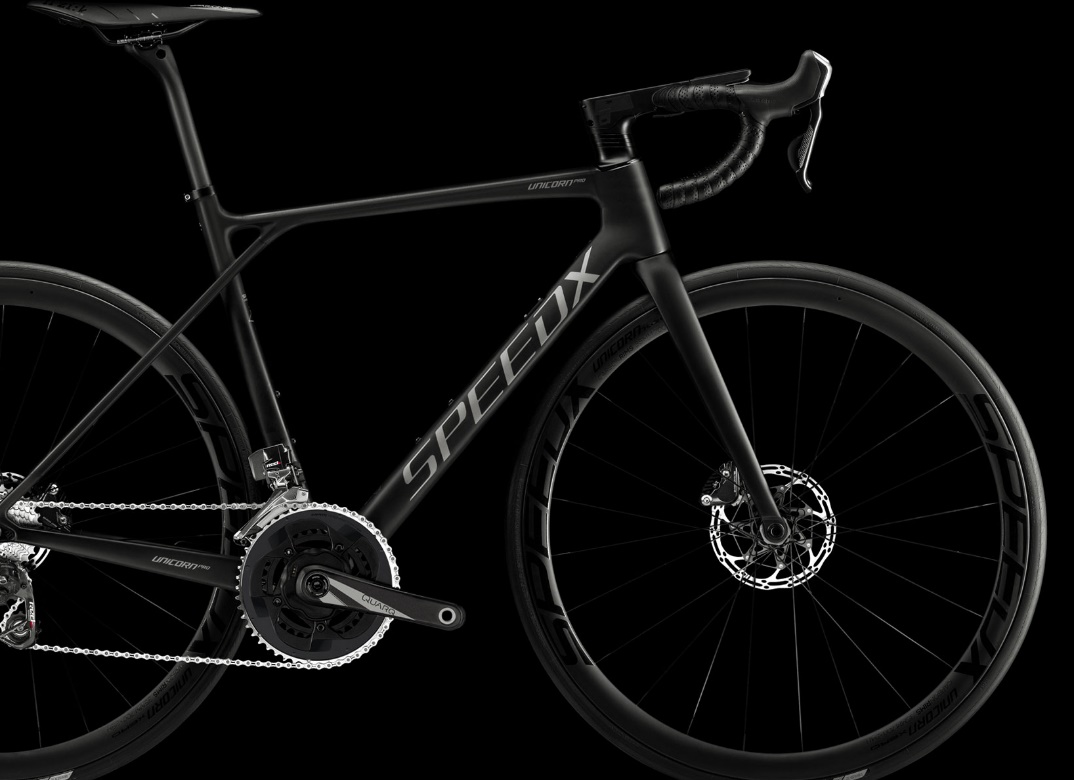
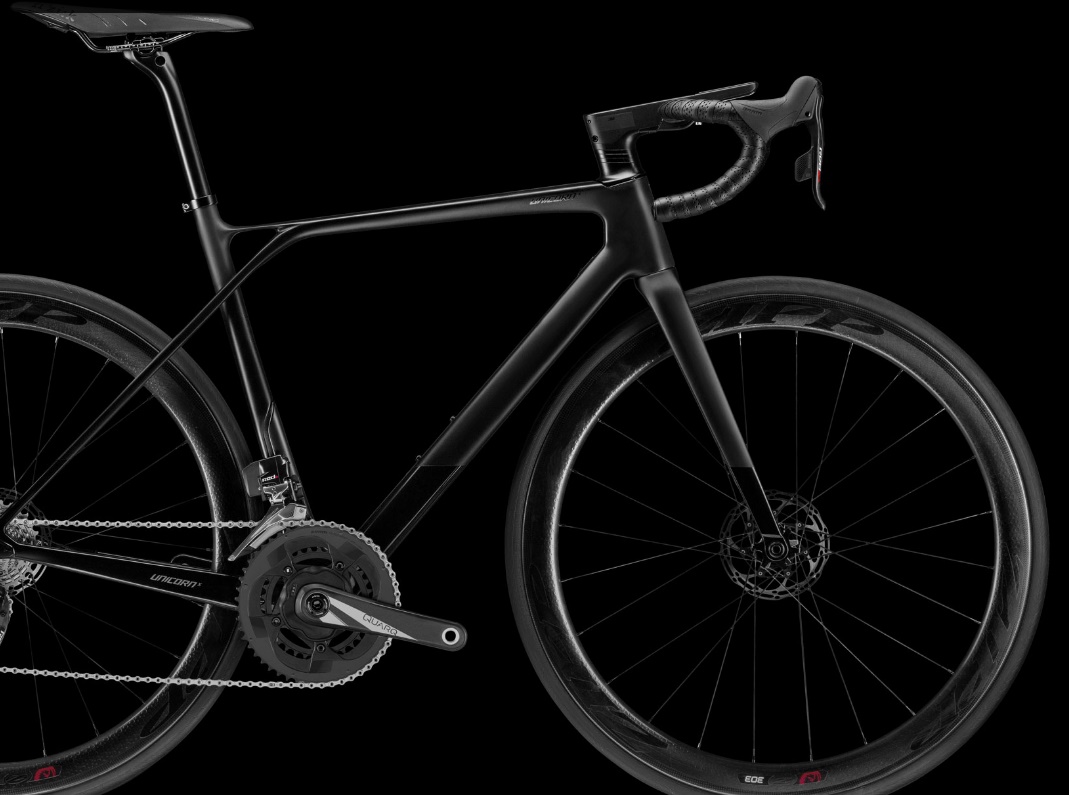
Want to buy the SpeedX Unicorn? Then you’ll have to back it up on Kickstarter like their last bike the Leopard, which if you still remember is the most funded bike campaign on Kickstarter. The SpeedX Unicorn has three models: the Unicorn Di2, The Unicorn Pro, and the Unicorn X.
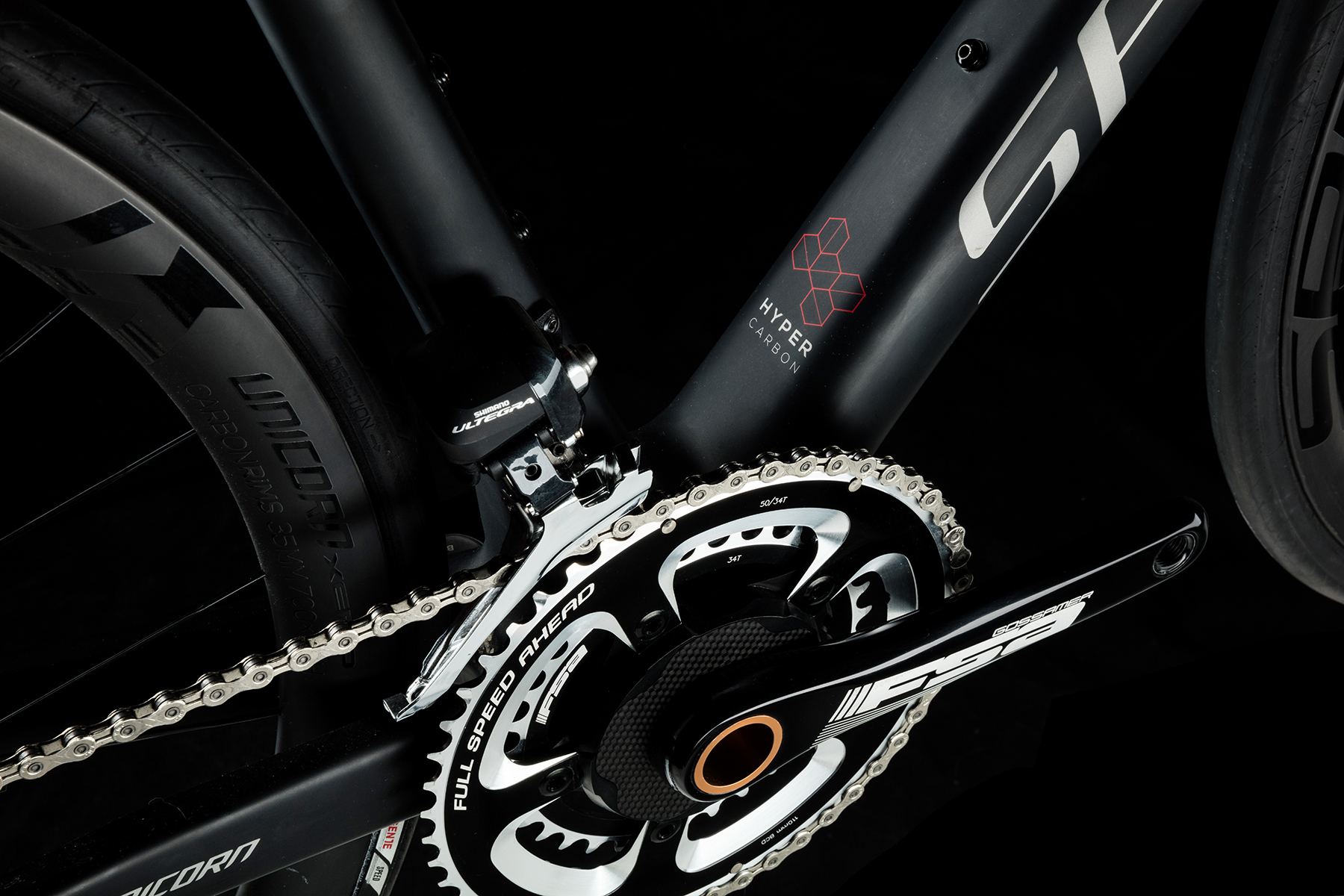
The lower-priced Unicorn Di2 has a Fizik R3 saddle, a pair of Xero SpeedX Carbon wheels and a Shimano Ultegra Di2 groupset for $3,499. The more expensive Unicorn Pro has a Fizik R5 saddle and a SRAM eTap Hydro groupset and costs $4,599. The Unicorn X priced at $5,899 has a Fizik R7 saddle and a pair of Zipp 303 wheels.
Backing it up on Kickstarter will get you a discount. The Unicorn Di2 is $3,199 for the early backers after which it will sell for $3,299; the Unicorn Pro is $3999 for the early birds and will sell for $4099 when all the early bird units are out of stock; while the Unicorn X is $5,299 for the early bird and $5,399 for the special price.
Just to let you know, the units set aside for the early bird price for all three models will soon be out of stock. Early birds will get their bikes by April while those who buy at the special price will get theirs in May.
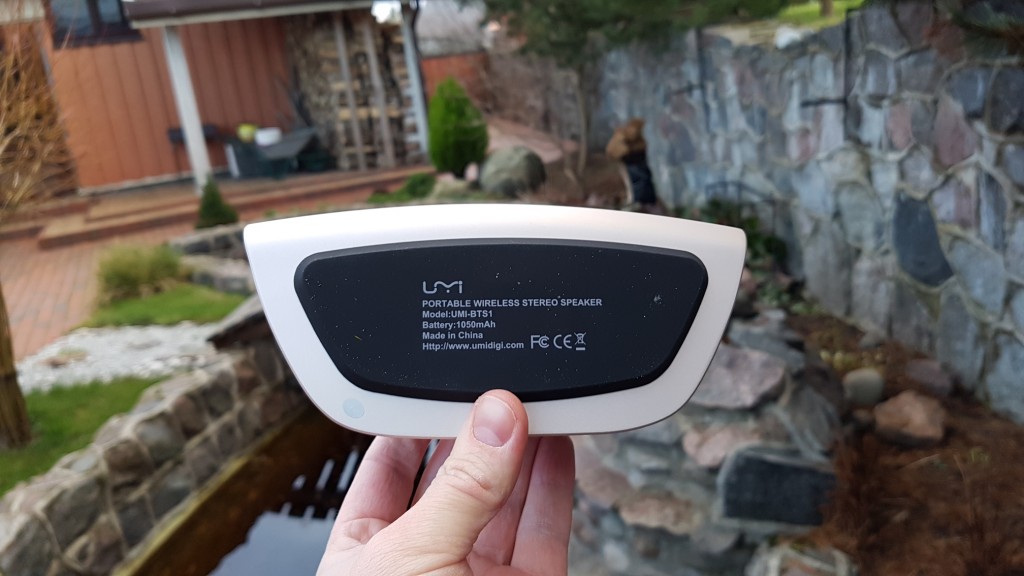
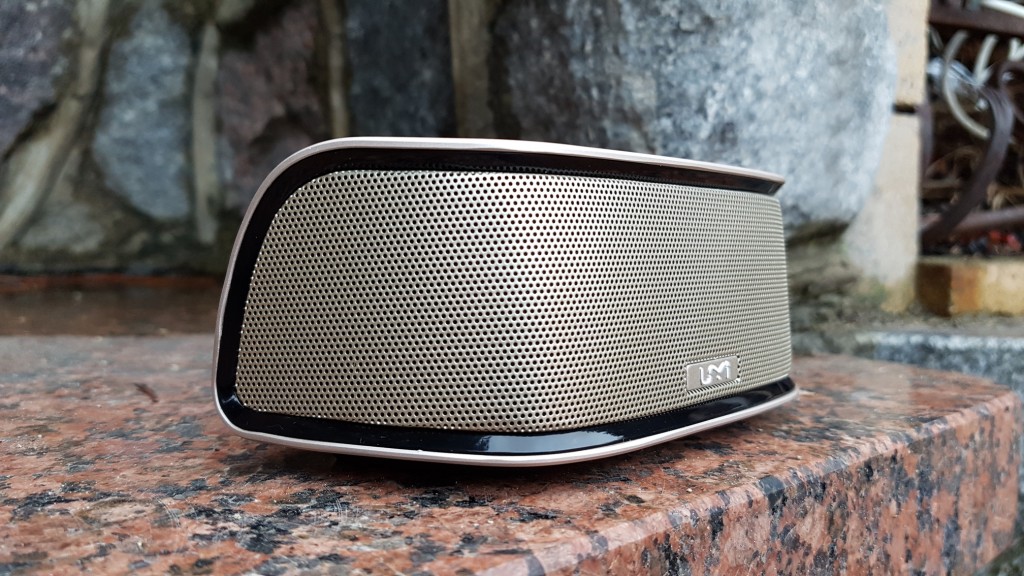
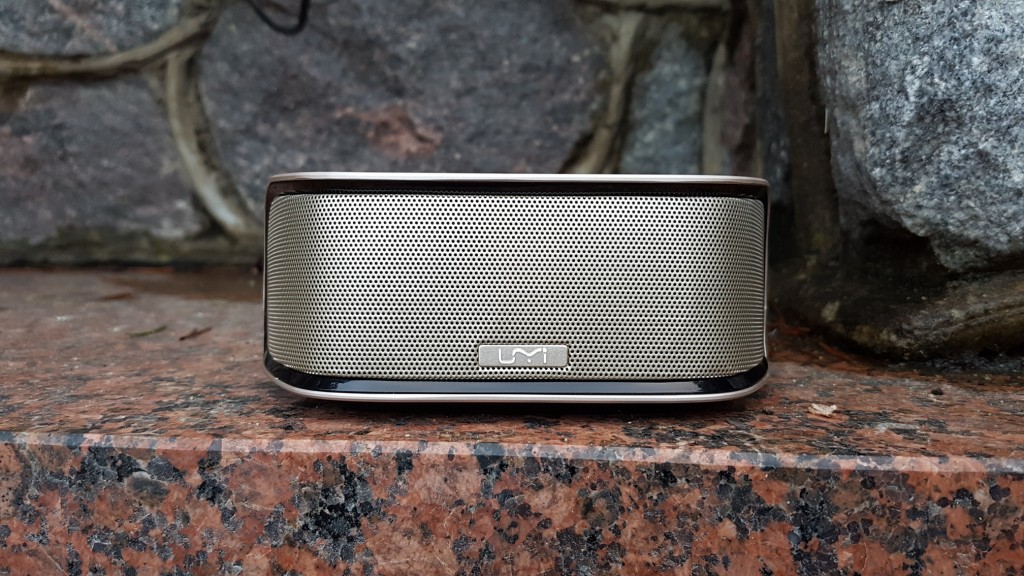
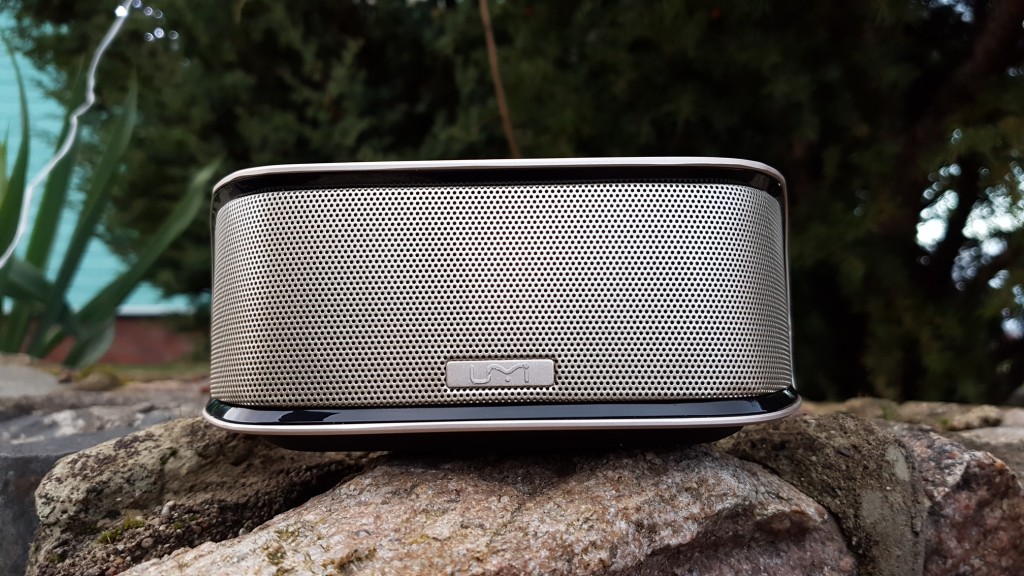
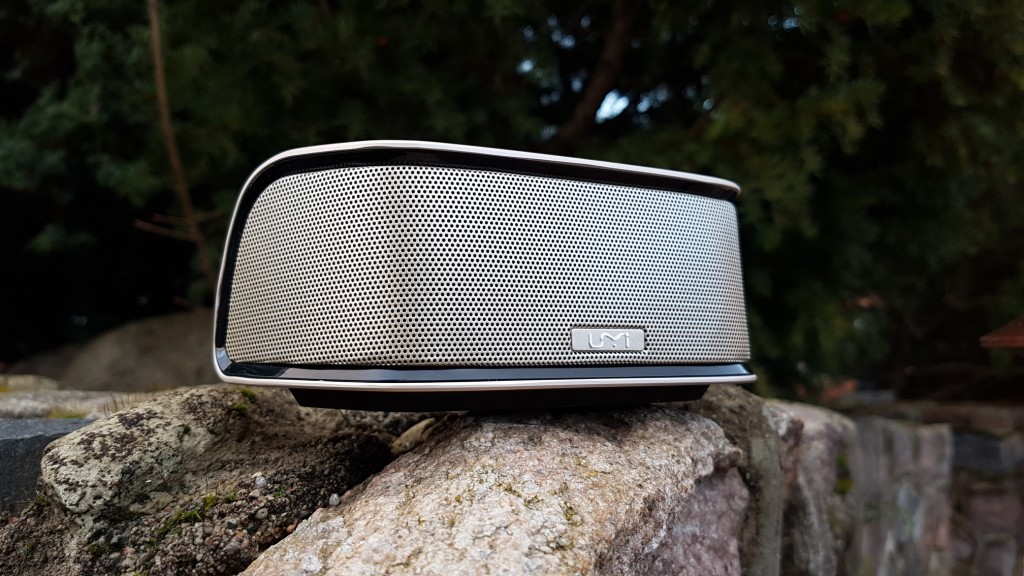
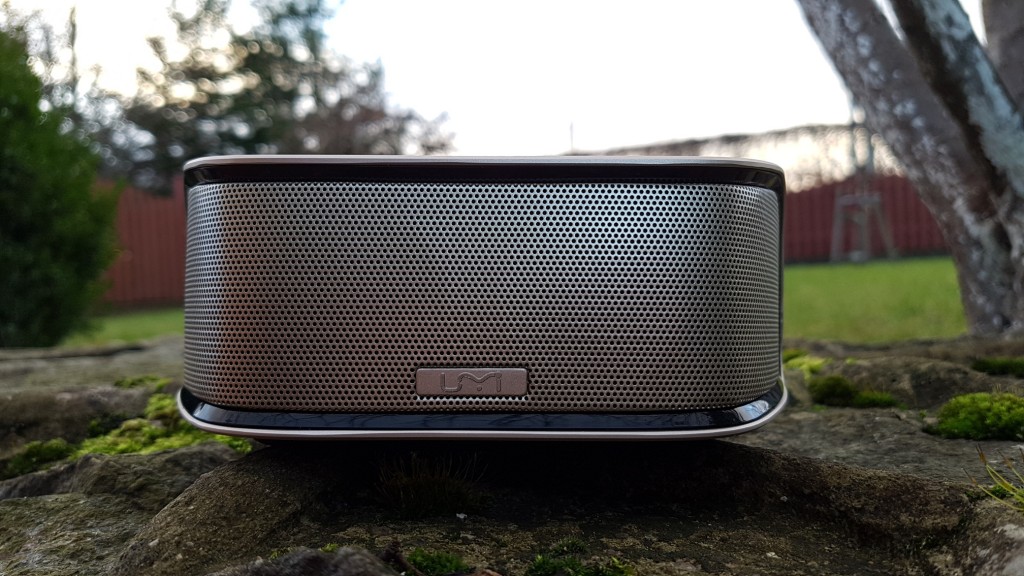
Umi, which has changed the name to UMIDIGI, has been known for producing quite a lot of smartphones but the company also makes other gadgets. We just came across their brand new Bluetooth speaker that costs just about $33. Learn more in our full review.
UNBOXING
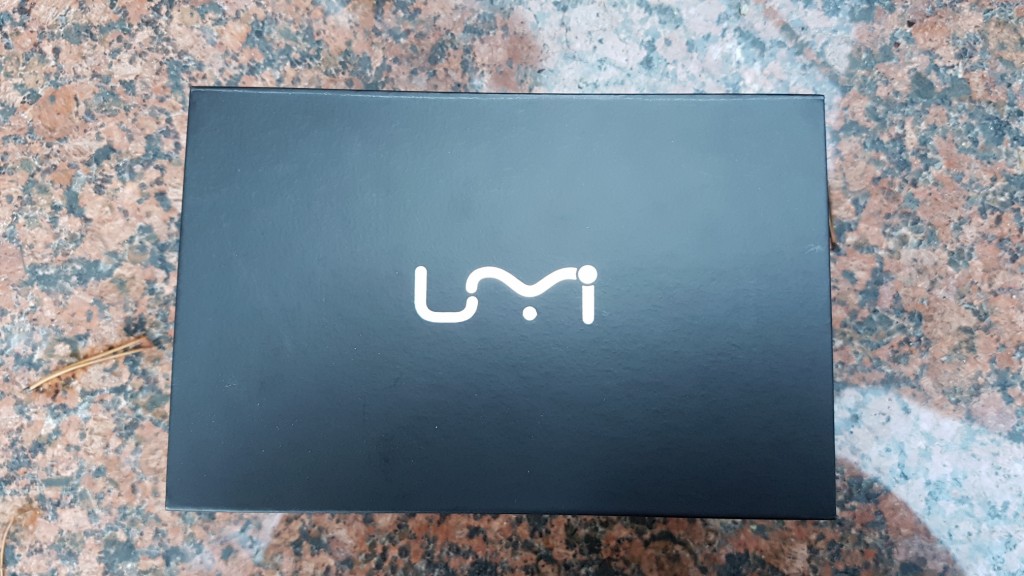
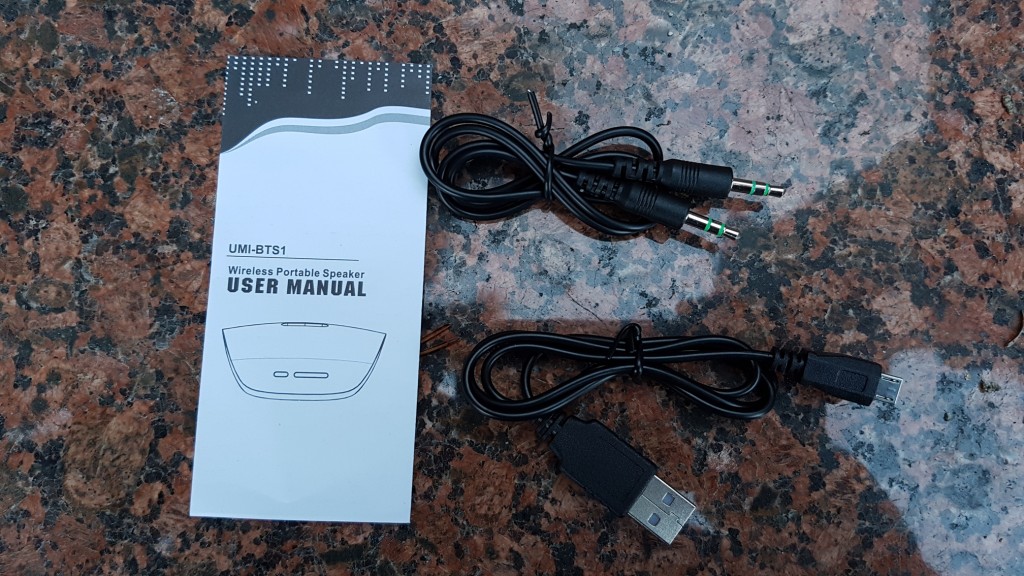
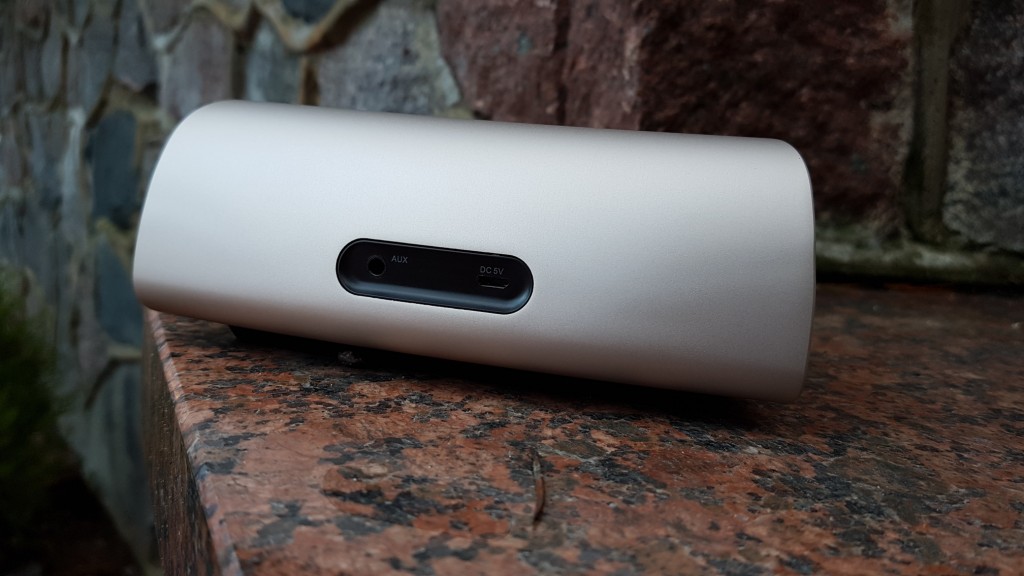
The speaker comes in quite a nice box. Inside of it, you can find some paperwork, AUX cable and the micro USB cable.
DESIGN
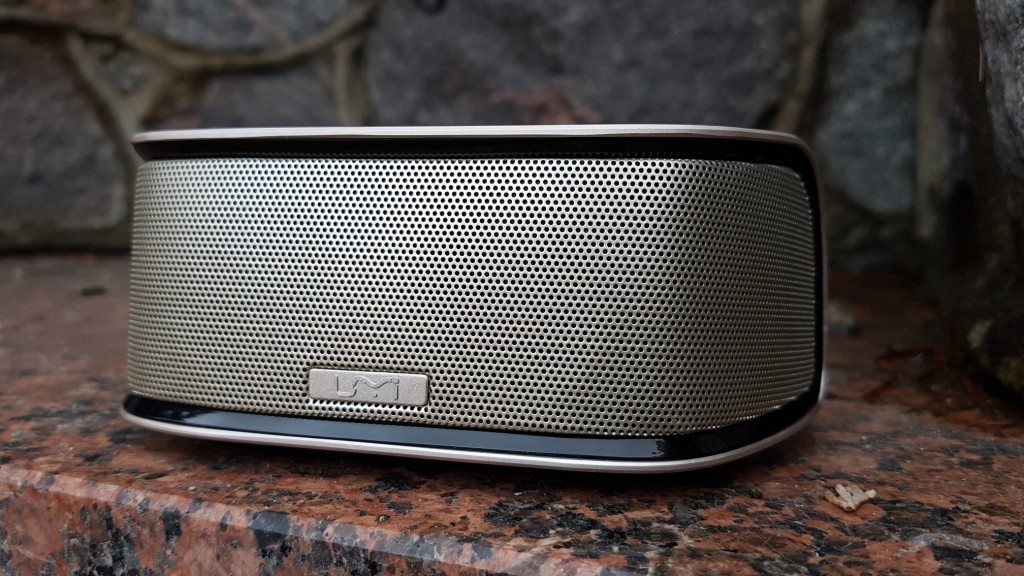
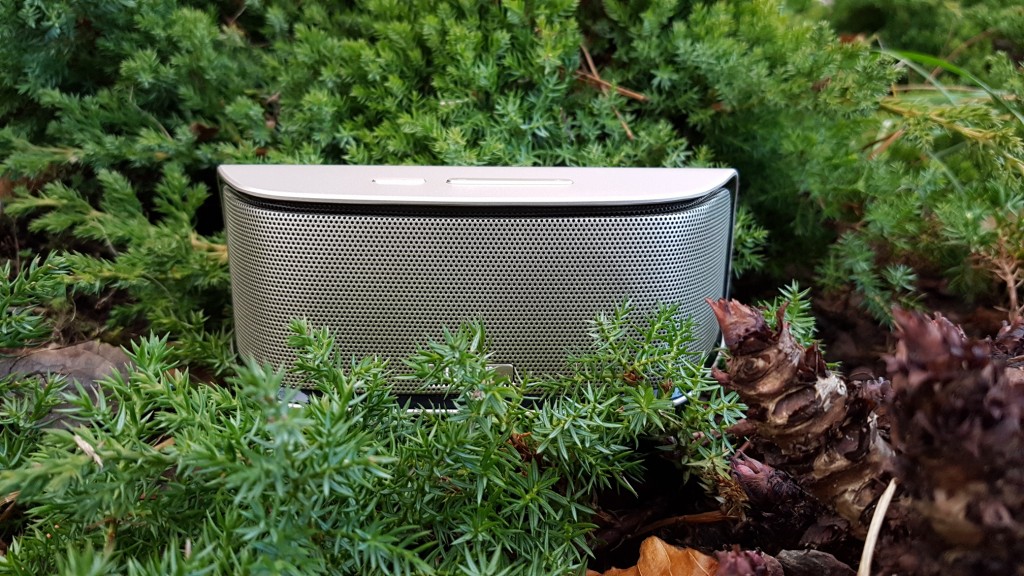
The very first impressions you’re going to get is that the speaker is very tiny and lightweight.
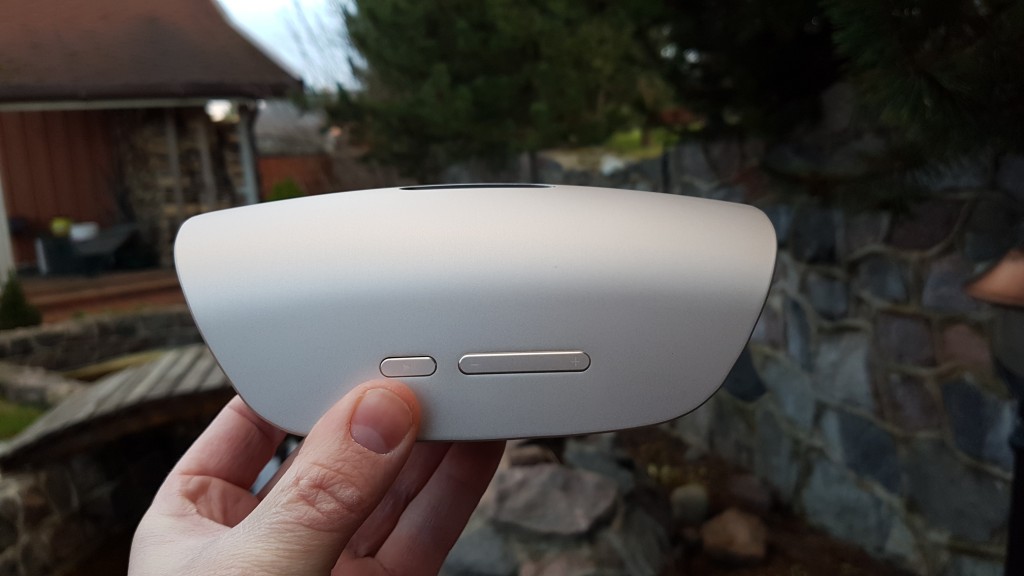
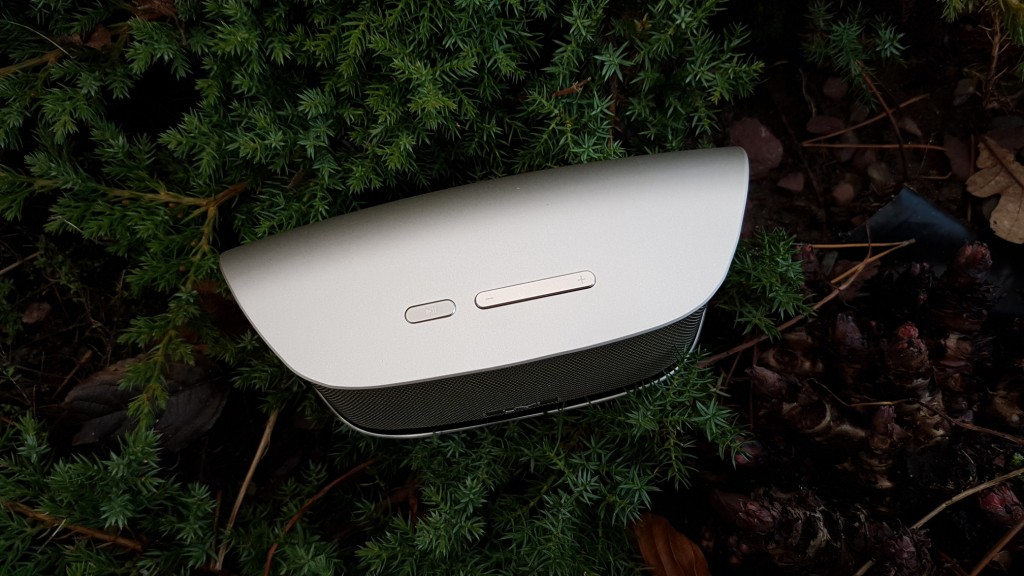
It is made entirely out of aluminium and the build quality is top-notch. Also, the buttons feel nice and tactile.
On the bottom, we have a silicone pad to prevent the speaker from sliding on the table.
Overall, this speaker definitely exceeded my expectations in terms of the build and the overall looks and feel.
PAIRING
Pairing the UMIDIGI Bluetooth speaker is very easy as the pairing mode turns on automatically once you power on the device. All you have to do is turn on the Bluetooth on your smartphone and select it. All other times the speaker will connect to your smartphone automatically in just a second.
SOUND QUALITY
For such a tiny speaker, the sound quality is pretty good. If you have tested hundreds of speakers like me, you will not be surprised that these tiny cheap speakers can sound pretty well.
The UMIDIGI speaker has a decent sound quality with some rich tones and clear vocals. Also, there is a decent amount of bass. However, the sound gets distorted quite a lot at the highest volume settings.
TEST NOTES
The built-in battery allowed us to listen to music for about 7 hours, which is a decent result.
The built-in mic lets you use the speaker for handsfree calling. The call quality is pretty good as we were able to make a clear conversation.
CONCLUSIONS
Overall, the UMIDIGI Bluetooth speaker is a pretty good device for the price. We cannot say that this is the only speaker you should check out in this price range but the UMIDIGI speaker has a premium design and build, it sounds pretty well and we did not have any connectivity issues.
Therefore, we can recommend this speaker to buy, even if it is not the only great option for this price on the market.
Gizmochina along with Elephone official is conducting a Elephone S7 phone as Giveaway gift to one of our lucky readers. Like always, you just have to follow the steps mentioned on the Gleam widget to get a chance to win this amazing phone.
First of all, Elephone wants to express their gratitude to their customers for their support for the year,and they say it’s your support that make them stronger and better day by day and they want to share the journey with you in the future.
What expect for elephone of 2017? Please leave comments under this article. Elephone will get better with your suggestions.
In order to thank Elephone for sponsoring the Elephone S7 giveaway, the one lucky winner will be selected among those who follow on Elephone Twitter:
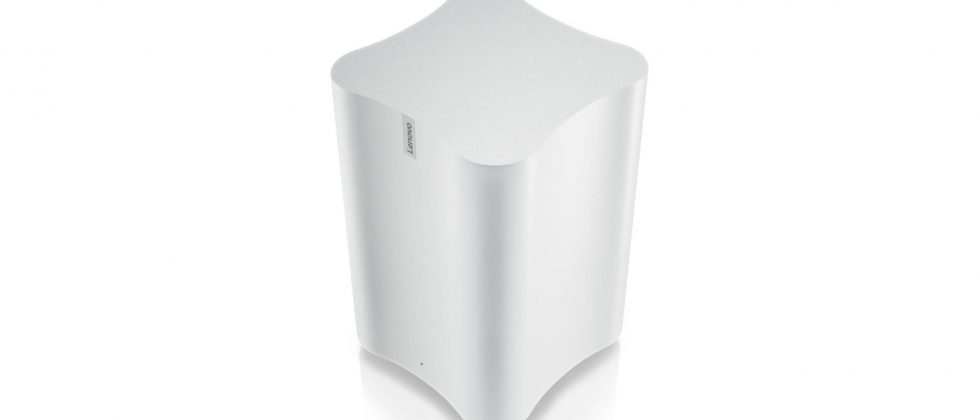
Launched along with its other CES 2017 surprises, Lenovo took the wraps off its Smart Storage device. The Lenovo Smart storage is a storage device that offers up to 6TB storage space and comes as a smart gadget with Dual-band Wi-Fi connectivity.
The Smart storage can be said to be ultra-smart as it also features a facial recognition for better sorting of synced photographs based on the faces in the photos in addition to the dual-badn Wi-Fi that allows peer-to-peer access.
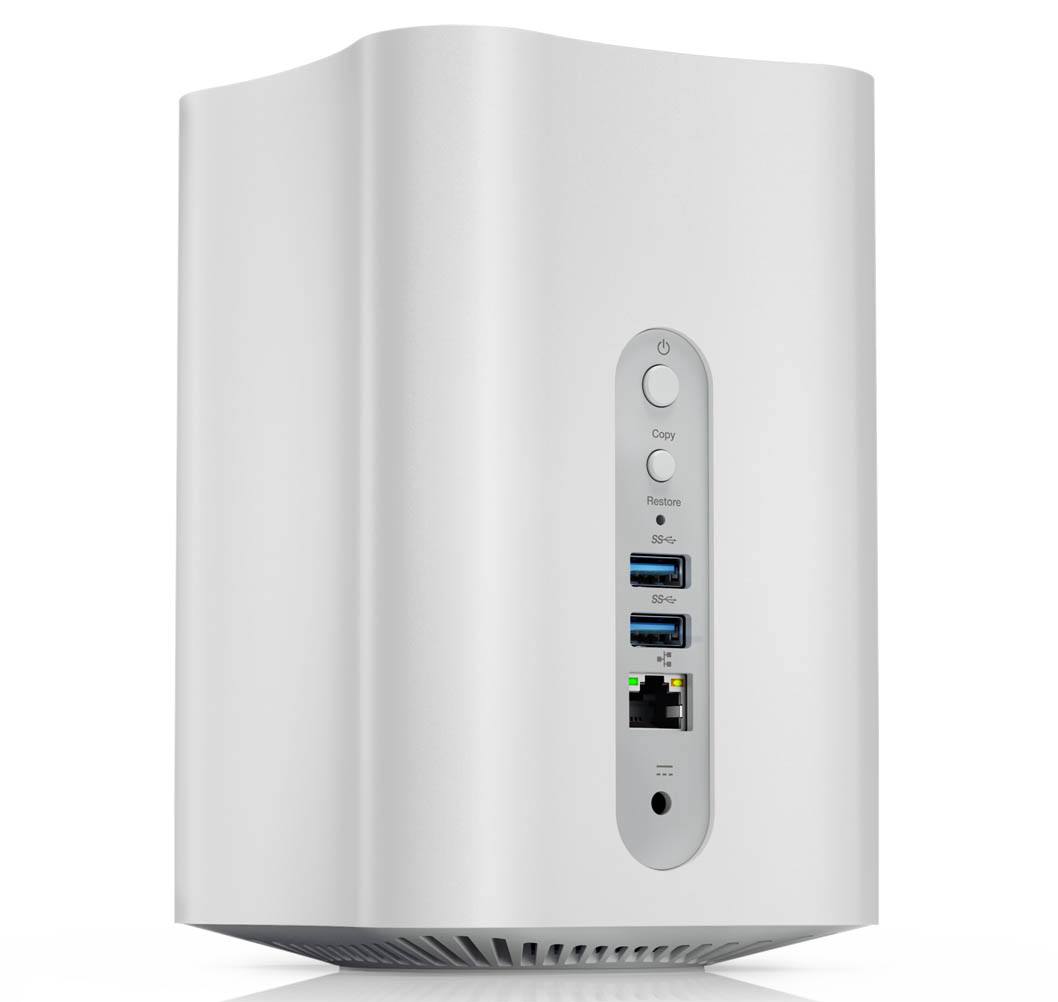
Powering the Smart storage is an Intel Celeron N3060 dual-core processor with a clock frequency of 1.6GHz. The processor is backed by 2GB of RAM and there is 8GB of internal storage. The unit takes a 3.5-inch SATA hard drive and can offer 2TB of storage as well as up to 6TB. There is a pair of USB 3.0 ports onbaord for connecting other devices as well as a button to upload stuffs and another to reset the device. There is also an RJ45 1000M port on the device.
The functions offered by the Lenovo Smart Storage are enormous. It can be used to watch movies over Digital Living Network Alliance (DLNA) platform and it also supports wireless data transfer between devices. If the wireless data connectivity is running at snail speed, you can also use a wired connection by connecting the two devices via USB ports. There is also the issue of confidentiality as files can be kept private and secured and it also auto Sync if that function is set up, and this enables the device transfer data to the hard drive automatically.
The Smart storage also enables users to print photos stored inside using Kite Photo Service and it is also compatible with the Lenovo Smart App. Talking about the price, the Lenovo Smart Storage device is priced at $139.99 USD and will be available for purchase in May, 2017.
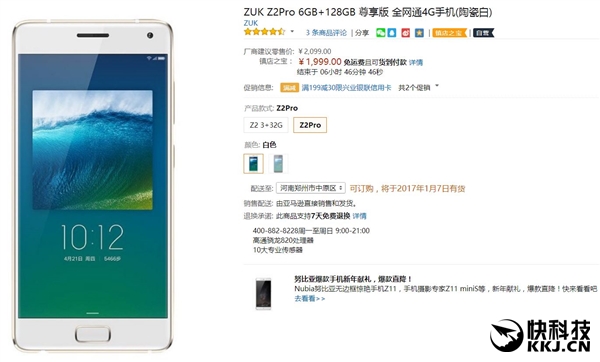
The Snapdragon 820 might be a year old already but it is still a powerful processor and since new phones sporting the new Snapdragon 835 processor will soon be released, phones with the older Snapdragon 820 are getting price cuts. One of them is the ZUK Z2 Pro.
Lenovo’s ZUK Z2 Pro is the more powerful variant of the Z2 series. It has a larger 5.2-inch Super AMOLED full HD display, 4GB/6GB of RAM, and 64GB/128GB of storage. The rear camera is a 13MP f/1.8 sensor with OIS, PDAF, and dual LED flash; and there is an 8MP f/2.0 shooter up front. You also get a front-mounted fingerprint scanner and the built-in 3100mAh battery also supports Quick Charge 3.0. Unlike some other flagships released last year, the ZUK Z2 Pro has an audio jack and sports a version 3.1 USB Type-C port.
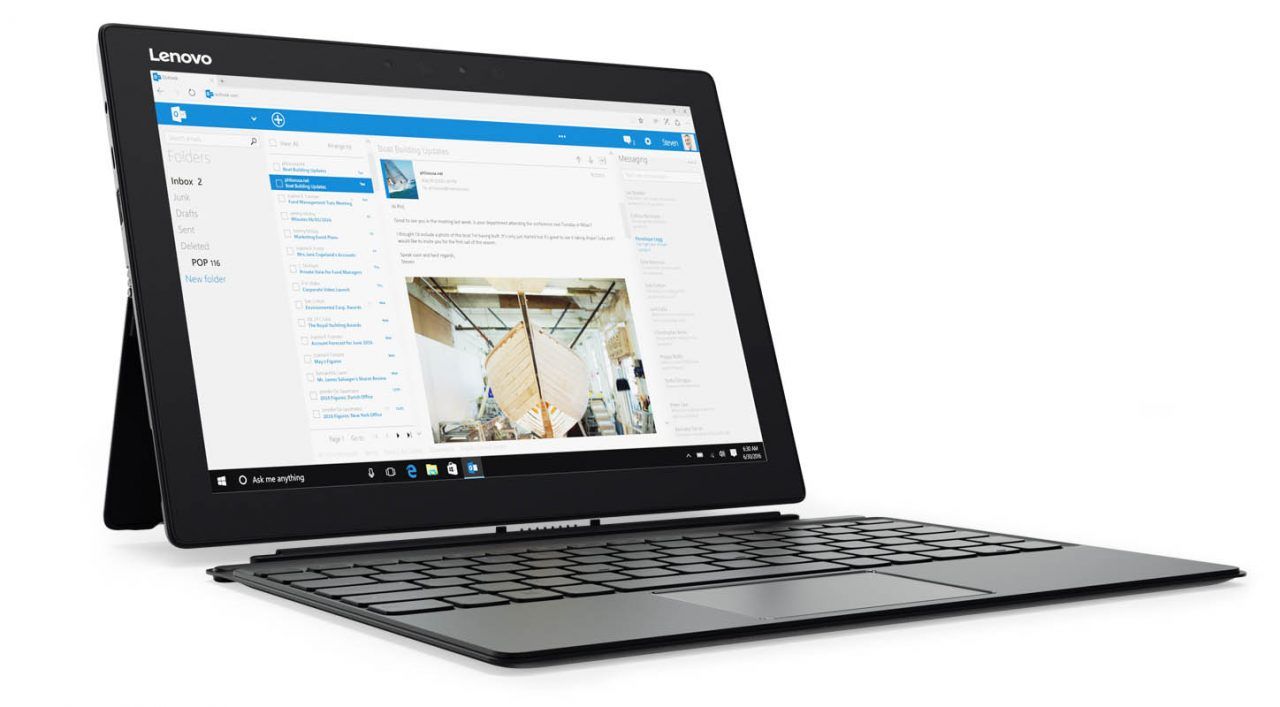
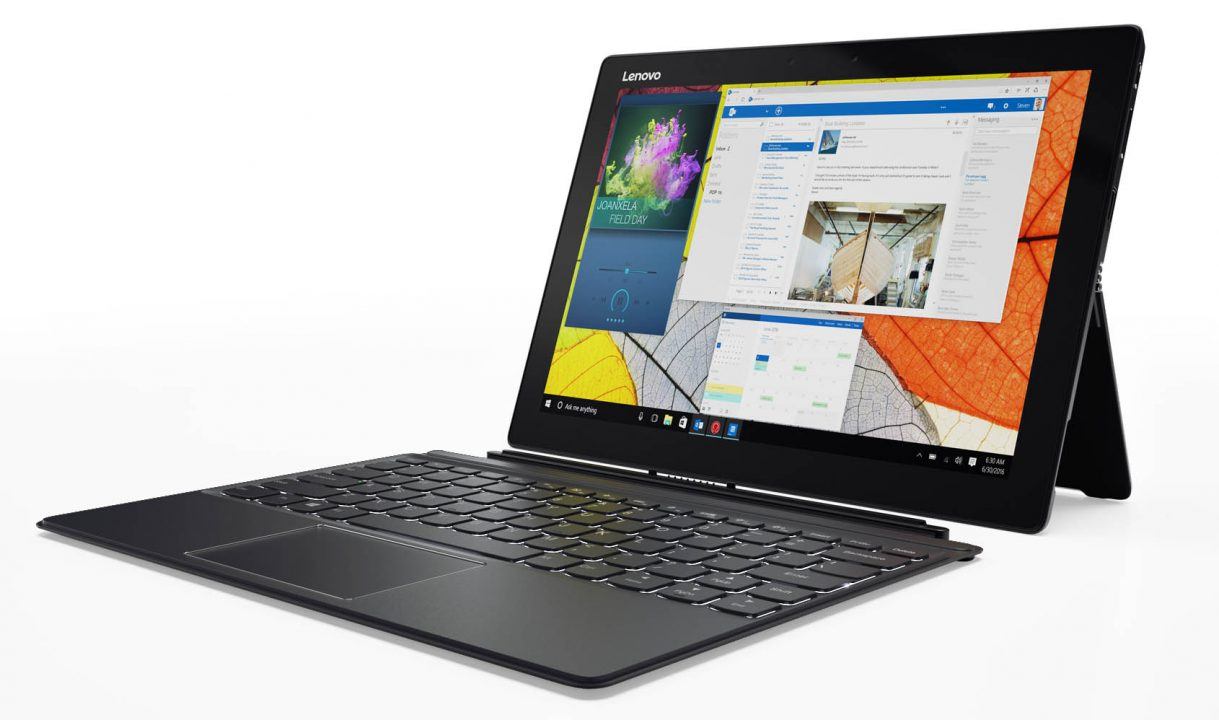
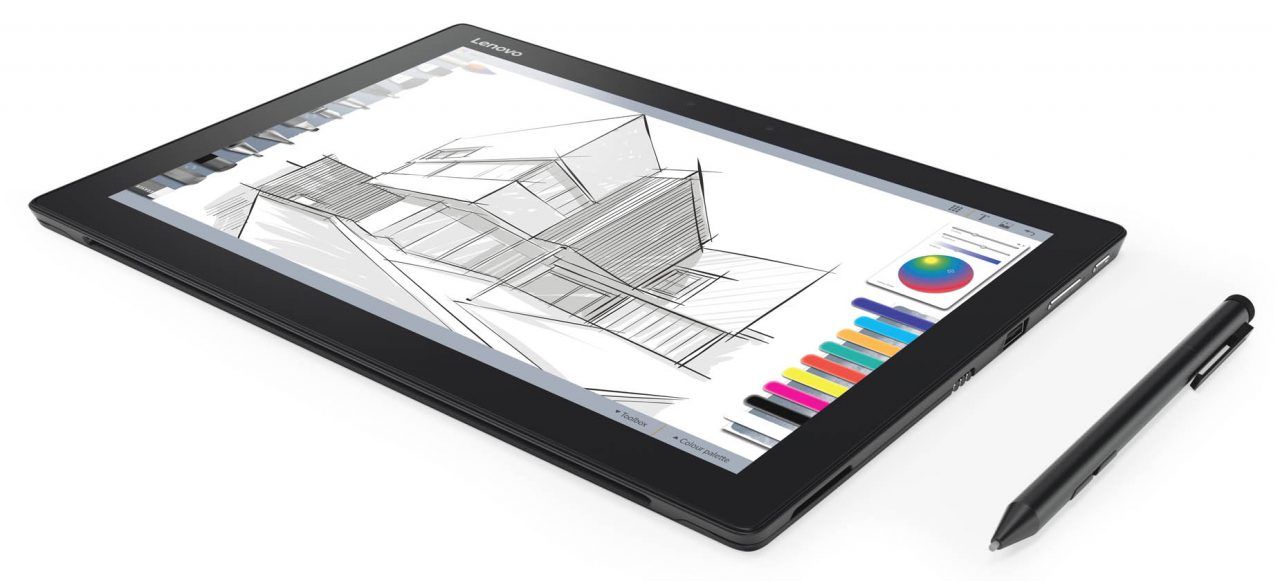
Lenovo has unveiled a new verson of the Miix 700 2-in-1 tablet which was released last year at CES 2016. The Lenovo Miix 720 unveiled just before CES 2017 takes on the Microsoft Surface Pro and it even takes the notch higher when compared to previous Miix tablets.
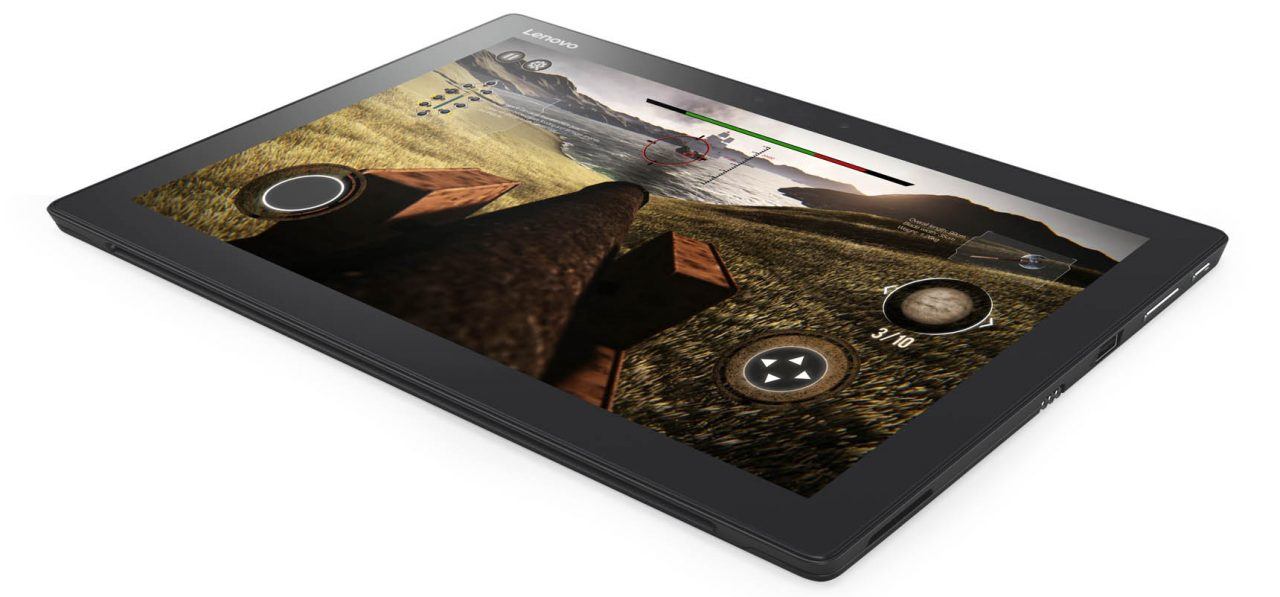
The Lenovo Miix 720 is actually a detachable PC that boots Windows 10 form the go. The gadget has a design where it easily transforms from a laptop design to a tablet just by detaching some parts. The tablet PC also comes with Lenovo’s Active Pen 2 and has a light weight design. The Lenovo tablet laptop is touted as an all-purpose digital vehicle and besides it being light weight, the stylus can be used for hands-on creations.
On the hardware, the Lenovo Miix 720 features a 12-inch touchscreen display with QHD+ resolution (aka 2880 x 1920 pixels). Lenovo touts the display as being ultra crisp with “graphics-enriched pitch”. The tablet weights just 2.4lbs and is somewhat thin at 14.6mm of thickness.
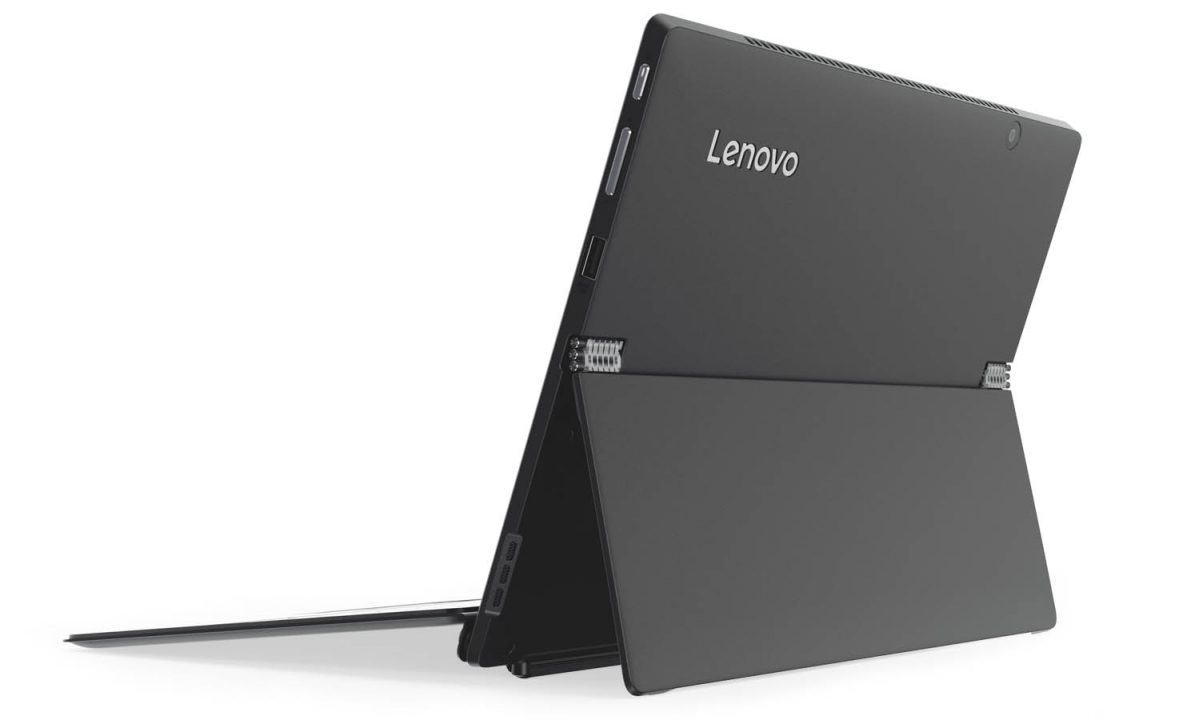
Still on the hardware, the Miix 720 is powered by the 7th generation Intel Core i7 “Kabu Lake” processor, tagging along with an Intel HD 620 graphics card.There is a 16GB of RAM onboard and a storage of up to 1TB. The device also carries a facial recognition feature and a powerful battery that can last up tp 8 hours of usage. Other features include a USB port, Thunderbolt 3, a rear camera and a kick-stand that can extend up to 150-degrees.
The new Active Pen 2 which comes with the Miix 720 is said to be ultra-sensitive with 4,096 levels of pressure sensitivity. The keyboard is backlit, so you don’t have to worry about operating the device in the dark.
The Lenovo Miix 730 2-in-1 Windows PC carries a price tag of $999.99 USD and would become available for purchase in April starting at $999.99. The Active Pen is sold separately and costs just $59.99 USD. It will be available from February 2017.
When Amazon released the Amazon Echo back in 2015, everyone was blown away. The speaker with a built-in smart assistant called Alexa performed a variety of functions. You could ask it questions, order items from Amazon’s website, set alarms and even control your other smart electronics with it. Other companies such as Google seeing how successful the Echo is launched their own version called Google Home with Google’s Assistant baked in.
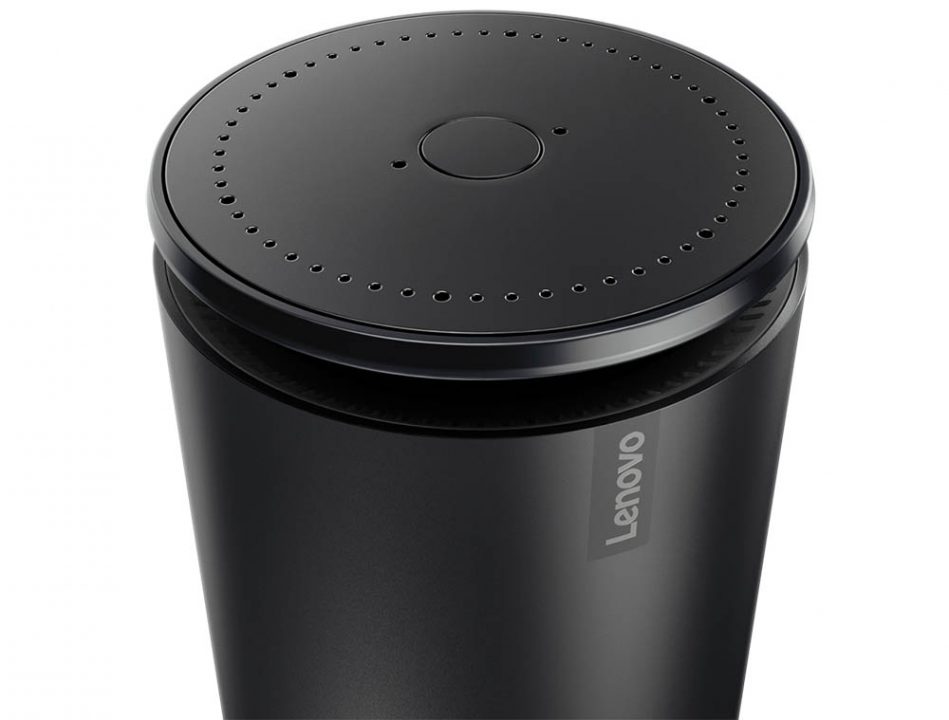
But what if you do not want to buy Google’s Home and you don’t like Amazon’s Echo because it’s only available in black and white? Lenovo has got you covered. The PC manufacturer just launched its own smart home speaker before CES 2017, called the Lenovo Smart Assistant which comes in very cool colors and the best thing about it is that it has Amazon’s Alexa built-in.
Lenovo Smart Assistant Design
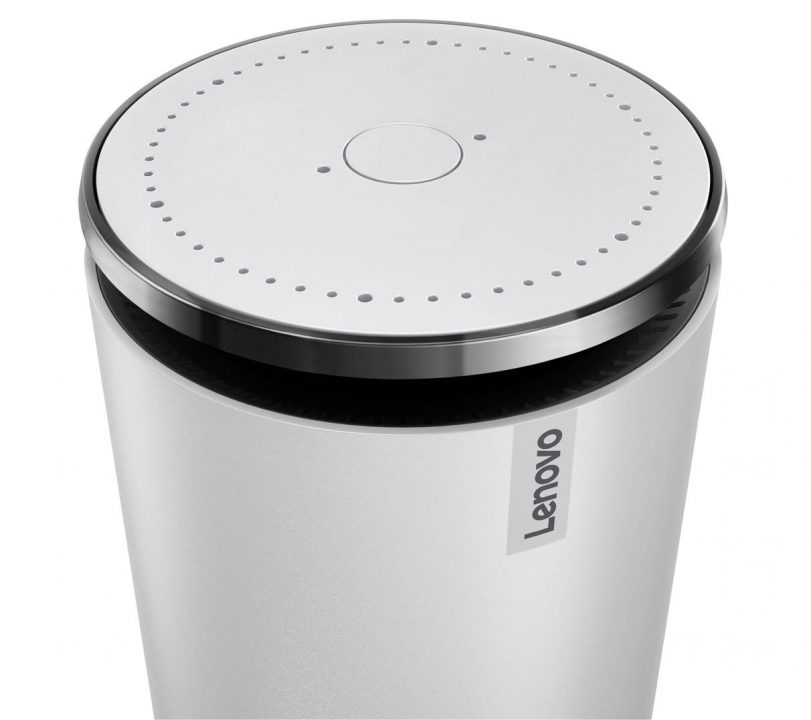
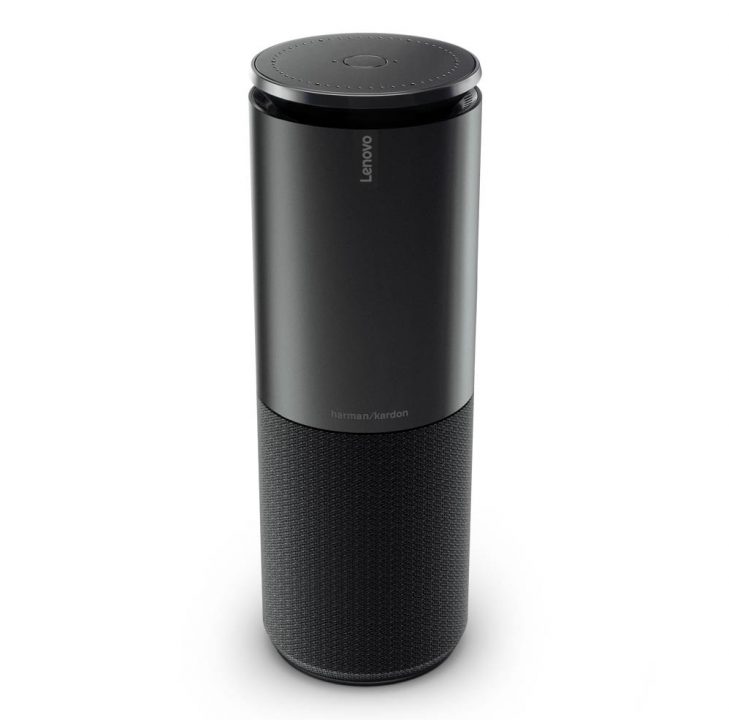
Lenovo’s Smart Assistant can be said to be a cross between the Echo and Google Home. The top half looks like an Echo and the lower half like the Google Home’s replaceable base. The top has just a single button but has a circular speaker grille similar to that of the Echo, although just one set of holes in the Lenovo.
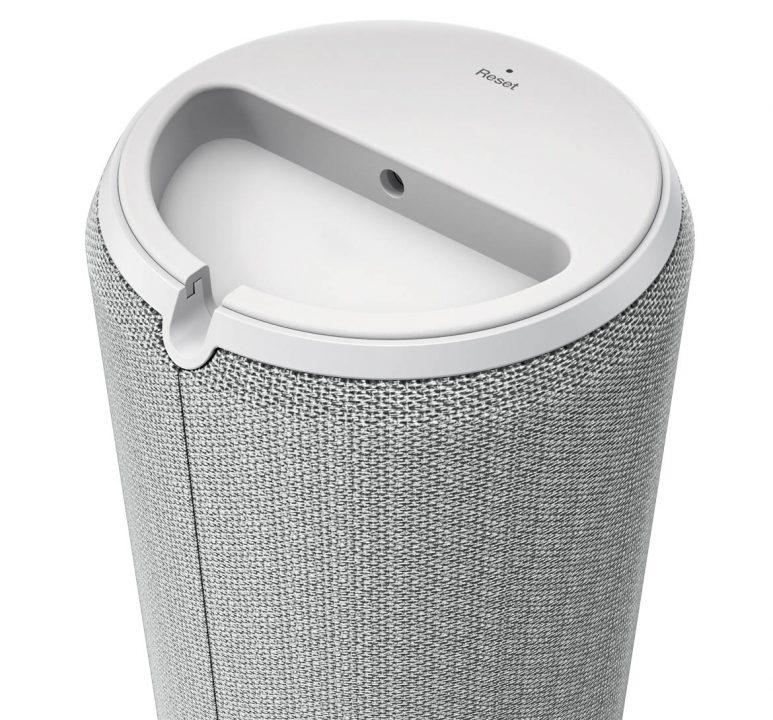
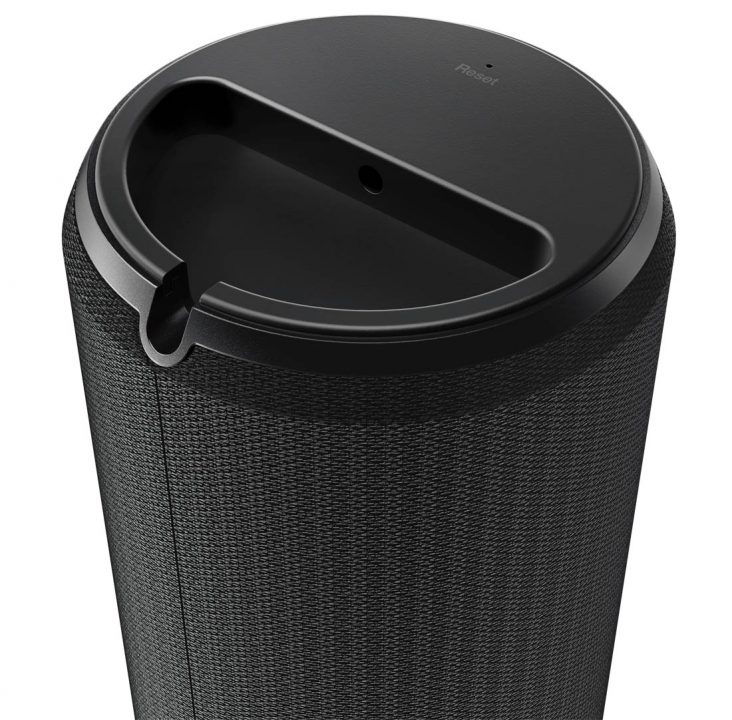
The top part has a ‘floating design” from the rest of the body and has an aluminium frame around it. Just below it is the remaining part of the first half that has Lenovo’s branding hanging like a banner outside a castle. The lower half is the part that looks like the Google Home with its fabric design which we believe is covering the speaker(s). While the Google Home has a removable base, the Lenovo Smart Assistant isn’t and you are stuck with whatever color you purchase.
The underside of the speaker has a cut-out groove for the power cord and a reset button that can be activated using a sim ejector tool or office pin.
The Lenovo Smart Assistant equipped with eight 360° far-field microphones with noise suppression and acoustic echo cancellation is designed to pick up users’ voice commands from up to 5 meters away. Lenovo says there is a special Harman Kardon Edition of the Smart Assistant for those who want premium audio quality when streaming music.
The Smart Assistant not only answers questions and takes commands but can also be used to control other Lenovo smart home devices as well as a number of existing 3rd part products.
Lenovo Smart Assistant Pricing and Availability
The Lenovo Smart Assistant will be available in May 2017 for $129.99 in White with either a Light Gray, Green, or Orange base and Black for $179.99 if you want the Harman Kardon Edition.
Note that our CES coverage can be read at CES 2017 Hub
The increase in cost of electronics from China has started and major manufacturers are already adjusting prices. First to effect the change is Meizu who have increased the price of the M5 Note and also their android TV box. Xiaomi is following suit and is starting with its smart TVs.
According to the source, LeEco was the first to increase the price of TVs before Xiaomi increased theirs. The price increase affects only two models though but there is no assurance that the rest will remain the same for long. The price changes are listed below:
Mi TV 3S 48-inches: initially priced at ¥1999 ($285), now ¥2299 ($331)
Mi TV 3S 55-inches: initially priced at ¥3499 ($503), now ¥3699 ($532).
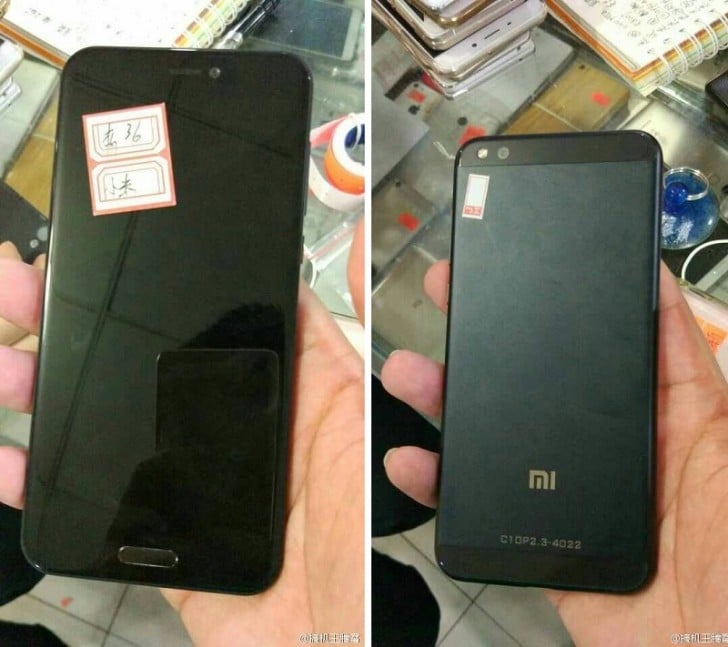
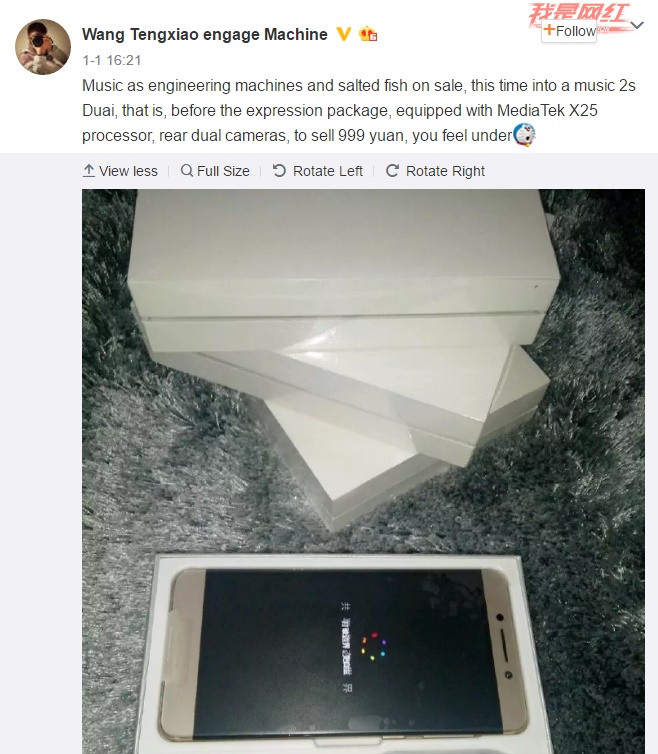
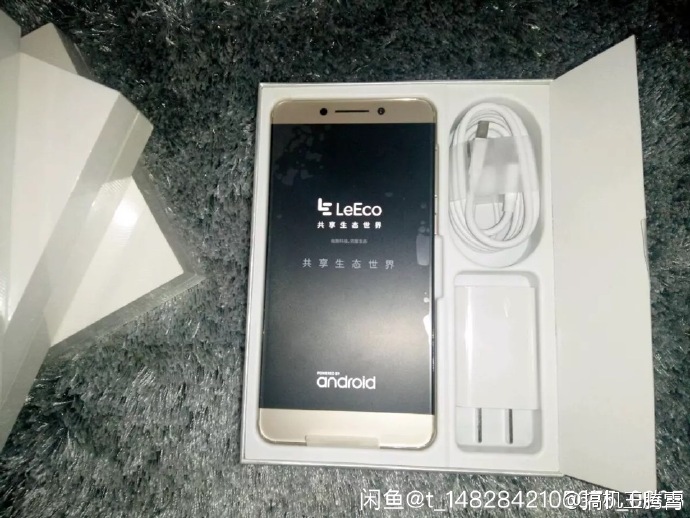
Yesterday we reported that a LeEco smartphone with dual cameras was seen online. The phone called the Le 2S Dual sports Mediatek’s Helio X25 processor and two 13MP sensors on the rear. Today, more pictures of the phone have been posted on Weibo by a user who goes the name of 搞机王腾霄 (Wang Tengxiao Engage Machine).
The Le 2S Dual in the pictures has a champagne gold coating with the unusual design of the dual camera setup standing out in a not so attractive way. Below the camera setup sits LeEco’s signature mirror fingerprint scanner. Up front, the first thing that hits you is the annoying black band around the screen (we hope Chinese manufacturers remove it from their phones this year). The top bezel has the sensor, speaker, and the 12MP front camera setup in the usual arrangement employed by LeEco.
While the images don’t show the top and bottom of the phone, the Le 2S Dual likely doesn’t have an audio jack. So you are left with the USB Type-C port as the only port on the phone.
We use cookies on our website to give you the most relevant experience by remembering your preferences and repeat visits. By clicking “Accept”, you consent to the use of ALL the cookies.
This website uses cookies to improve your experience while you navigate through the website. Out of these, the cookies that are categorized as necessary are stored on your browser as they are essential for the working of basic functionalities of the website. We also use third-party cookies that help us analyze and understand how you use this website. These cookies will be stored in your browser only with your consent. You also have the option to opt-out of these cookies. But opting out of some of these cookies may affect your browsing experience.
Necessary cookies are absolutely essential for the website to function properly. This category only includes cookies that ensures basic functionalities and security features of the website. These cookies do not store any personal information.
Any cookies that may not be particularly necessary for the website to function and is used specifically to collect user personal data via analytics, ads, other embedded contents are termed as non-necessary cookies. It is mandatory to procure user consent prior to running these cookies on your website.