We do not usually cover a lot of TV boxes but we believe this piece of gadget is worth your attention for a few reasons. Firstly, you can wake-up your old TV and transform it from non-smart to a smart one. In addition, you may just start enjoying high definition content on your TV screen using free services like Youtube or some paid services like Netflix rather than paying high digital TV subscription fees.
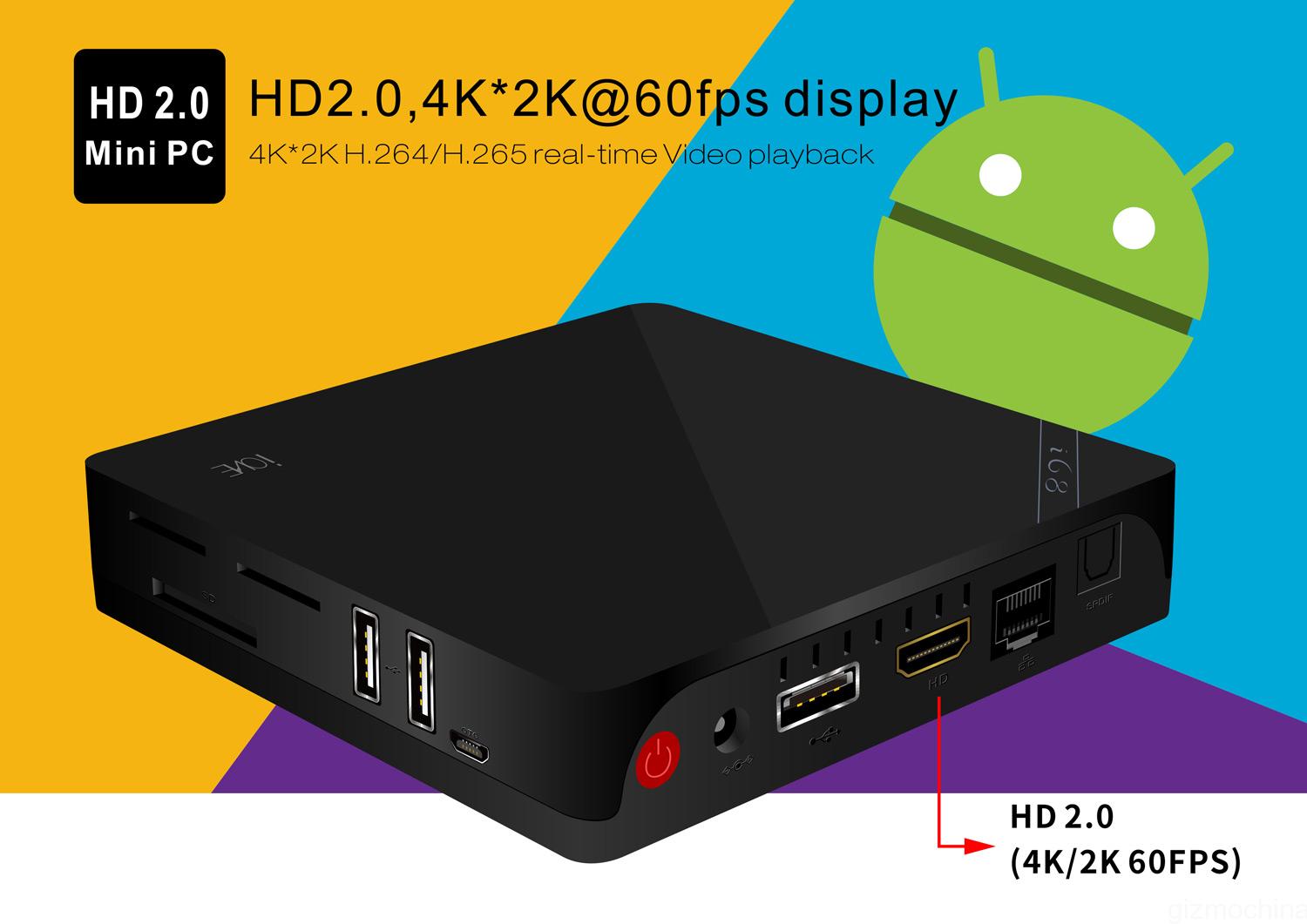
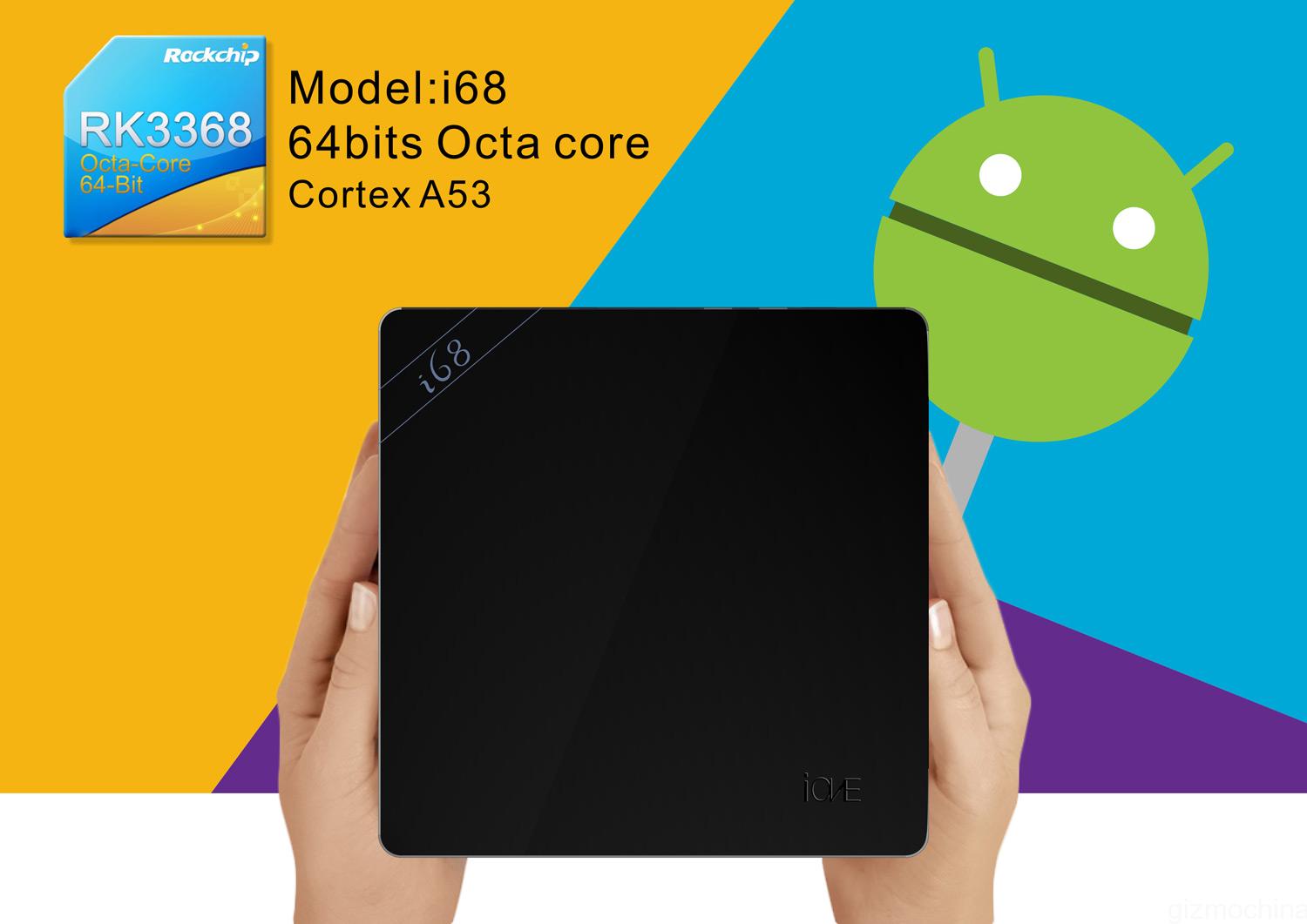
The Beelink i68 is actually a TV box that is worth your attention since it carries quite an impressive sheet of features and specs for the price of just above than $80.
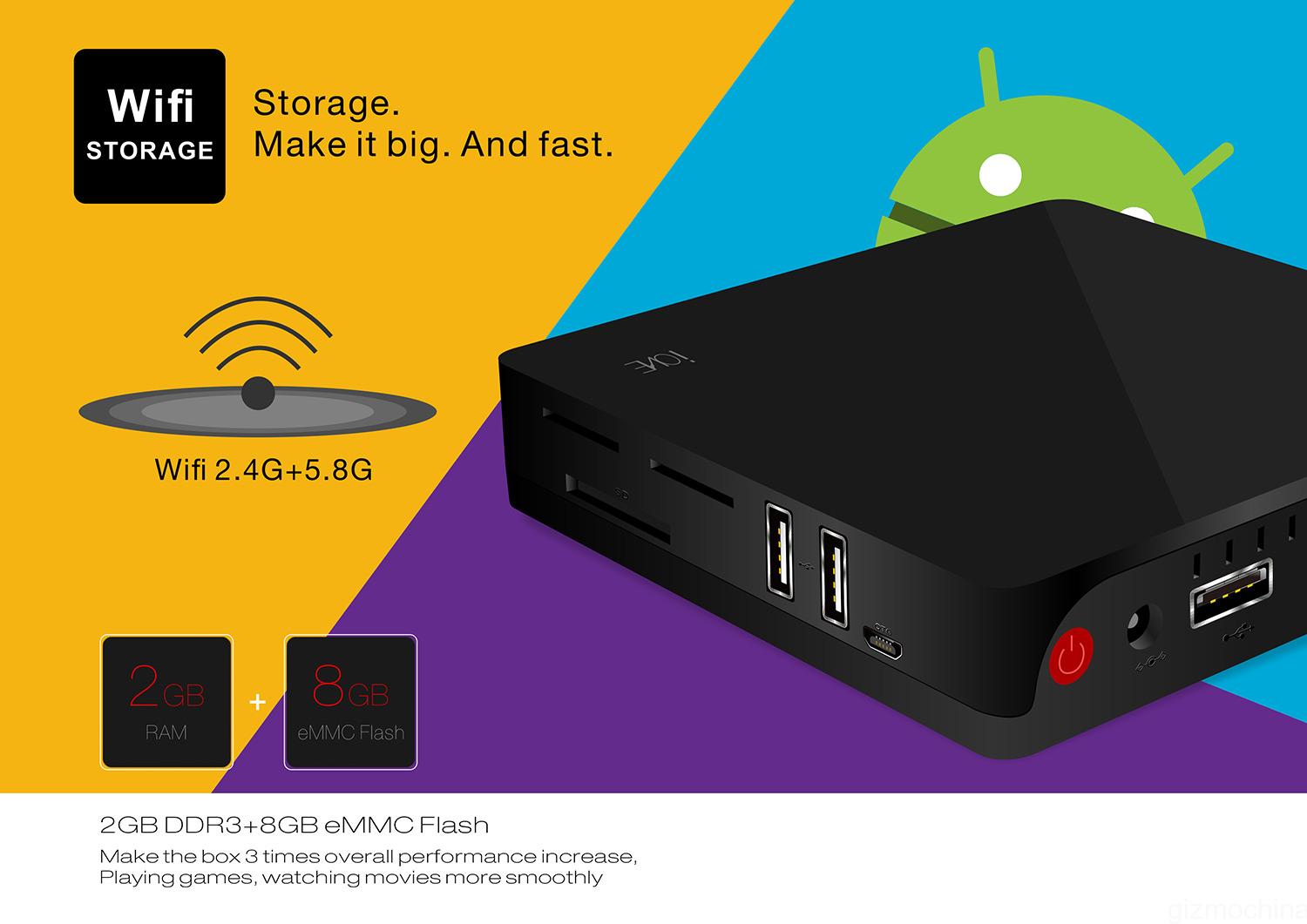
First of all, it has all kinds of ports to make it a very versatile device. All you have to do is to connect to your TV via the HDMI port and your TV gets a lot smarter. Other connectivity options include SD card slot, multiple USB slots, Ethernet port and so on.
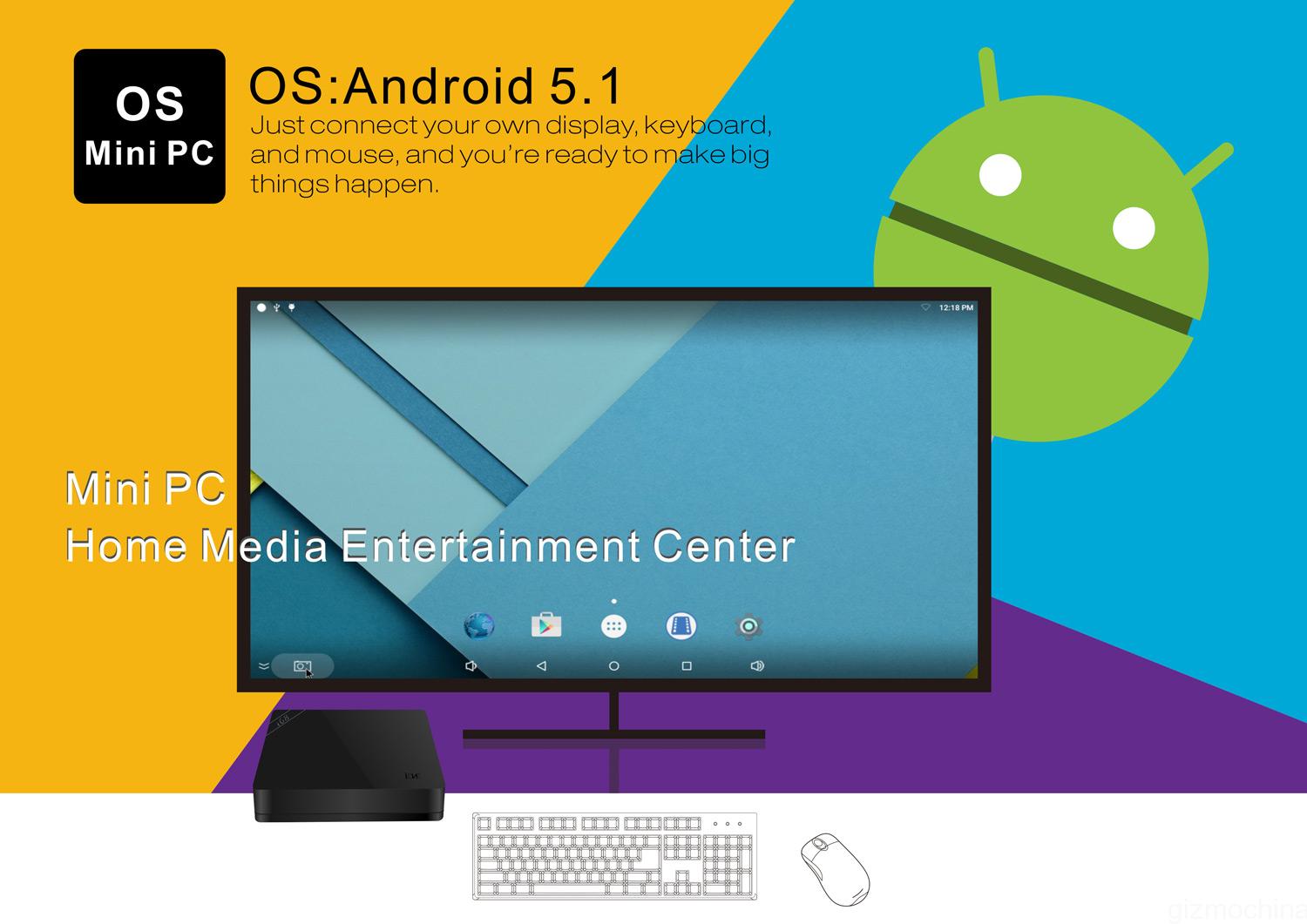
In addition, this device acts like a mini PC and you can even connect a mouse and a keyboard to start enjoying any content you wish on the Android 5.1 OS at the maximum resolution of 4k with the help of the most advanced video codecs.
To make all this possible, the Beelink has a great sheets of specs that includes a Rockchip RK3368 processor with the Octa Core 64 bit Cortex A53 graphics engine (GPU), 2GB of RAM, 8GB of expandable storage, Bluetooth 4.0, H.265 video decoding, 2.4G 5.8G WiFi and more.
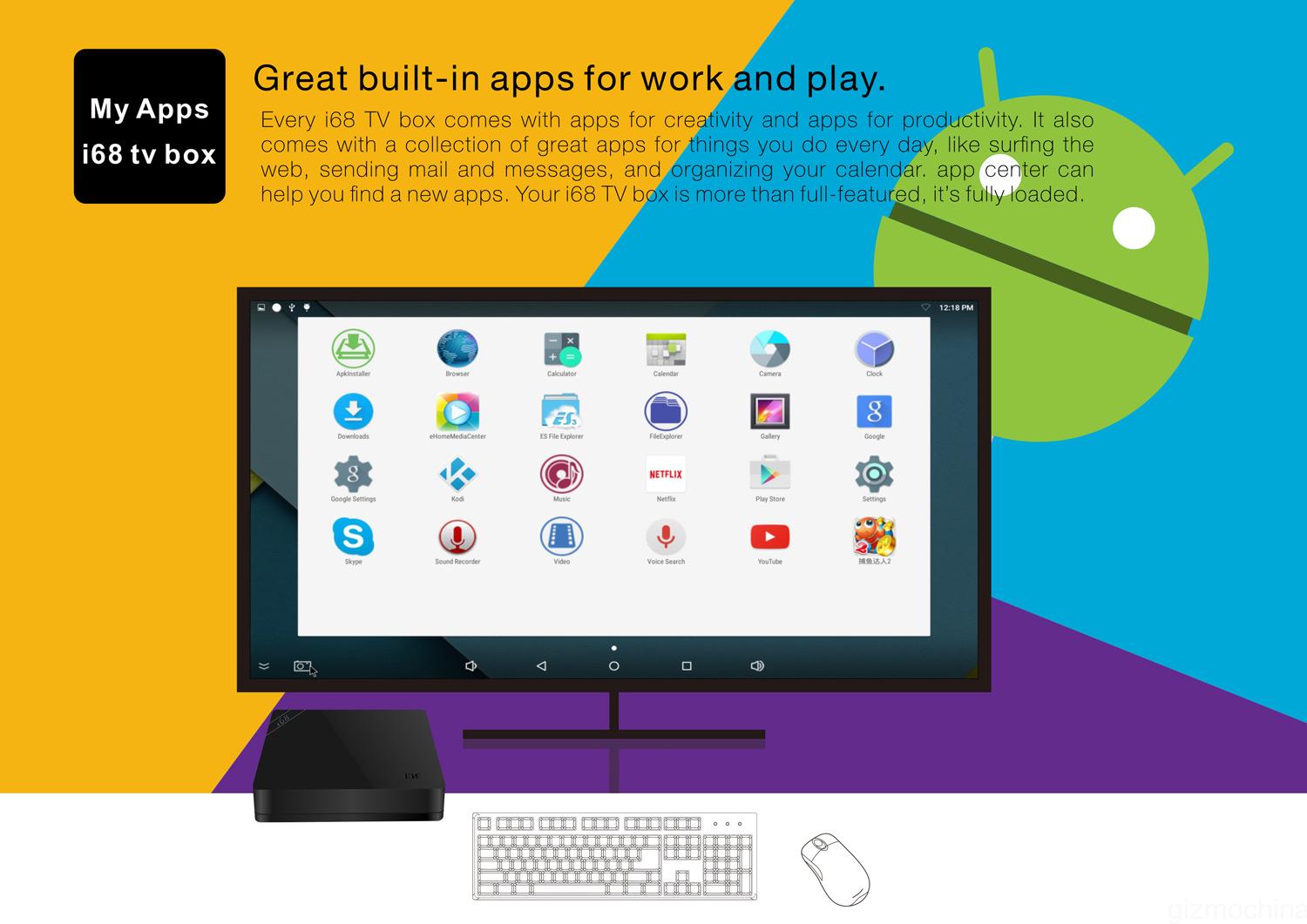
What is more, the device has tons of built-in apps both for productivity and entertainment. Anyway, the TV box runs Android OS, so you can delete them or download any new ones as you wish.
Other great feature is that this TV box can acts as a Wifi storage device meaning that the files stored on it can be shared among other devices wireless.
All of these goodies make the Beelink i68 a powerful TV box and fits everyone, who believes that it’s time to have a smart TV but does not want to spend a pretty penny on that or pay monthly subscription fees on a contract.
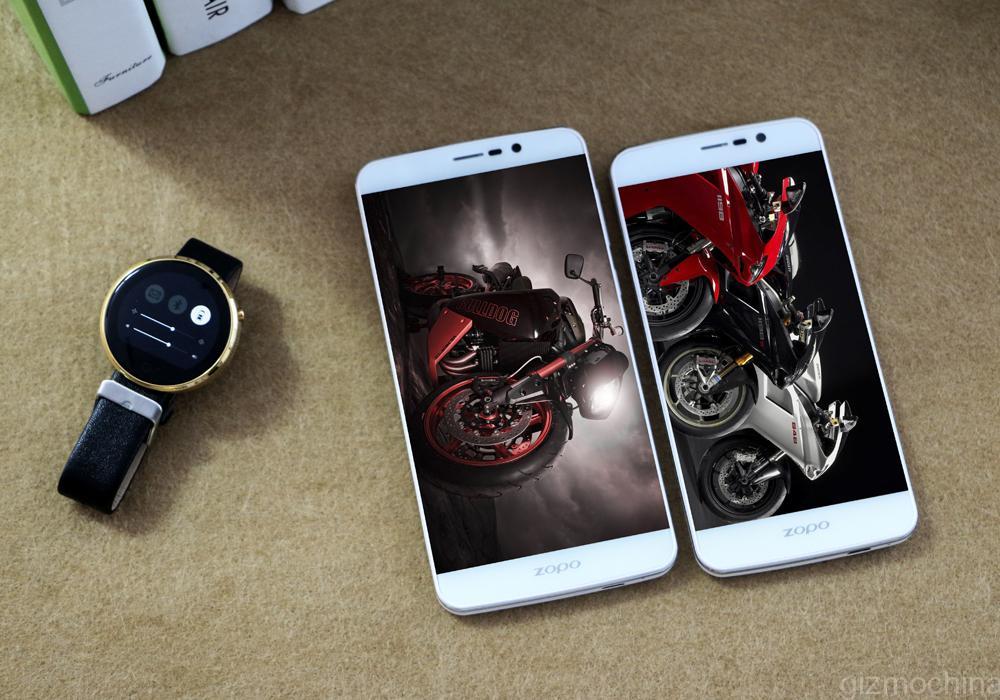
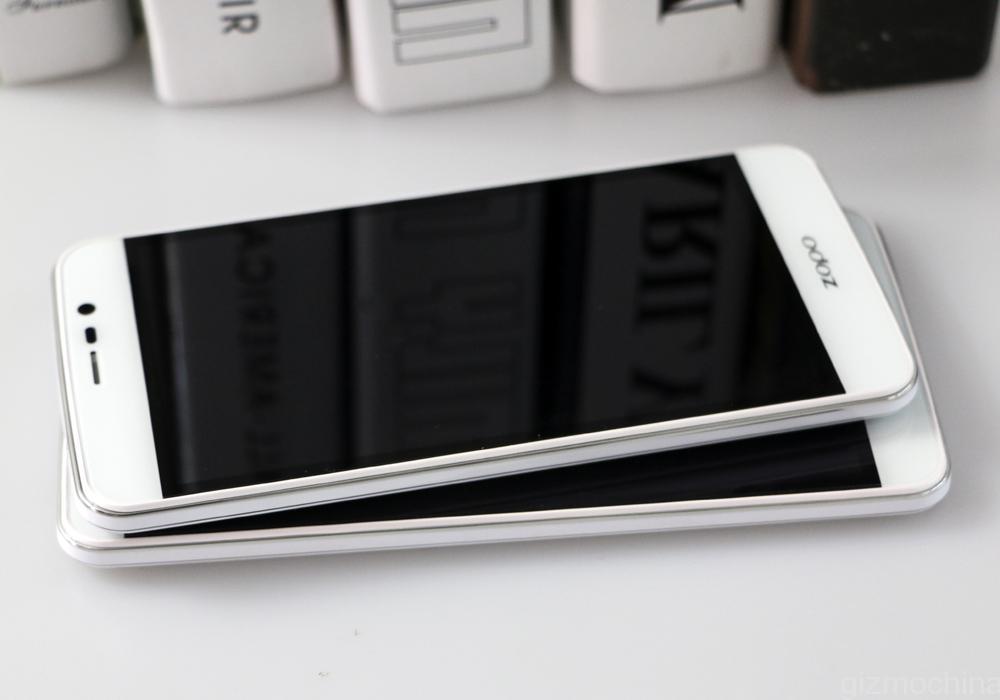
Apart from revealing its new spokesperson and strategy, the company also showed off the brand new ZOPO Speed 7 Plus and Speed 7 flagships at the event. Both look identical, expect for the size. Even the specs are more or less similar.
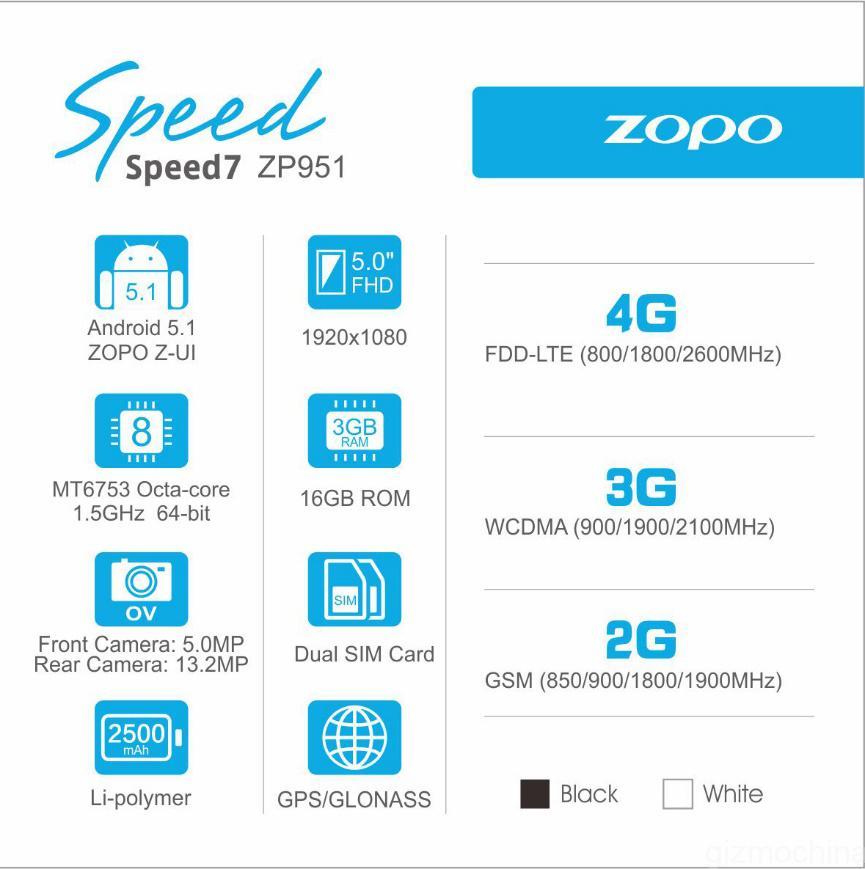
Both the phones come with MT6753 octa-core 64-bit chip with support for a lot of 4G bands along with 3GB RAM and 16GB of internal storage. This can be further expanded up to 64GB via MicroSD. There will be a 13.2MP rear camera at the back as well as a 5MP front facing shooter.
While these specs are similar, the major difference between the two handsets will be the screen size. The ZOPO Speed 7 Plus sports a 5.5-inch 1080p full HD display with 400 ppi pixel density, while the Speed 7 comes with a smaller 5-inch display and 1080p resolution. Also, the Speed 7 Plus has a larger 3000mAh battery as compared to Speed 7’s 2500mAh. Both come with dual SIM dual standby and support 4G LTE/ WCDMA/ GSM networks. Finally, these devices will run on Android 5.1 Lollipop OS.
The company has paid special attention the body of these two devices. The front is a rectangular body with round edges, while at the back, you have a brushed metal like finish. The back reportedly went through CNC precision grinding along with multiple spray coats.
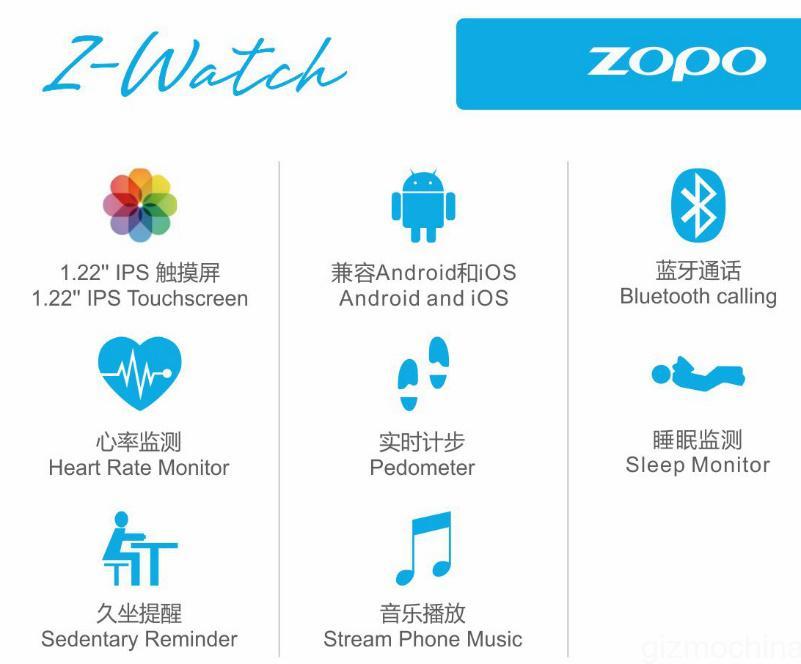
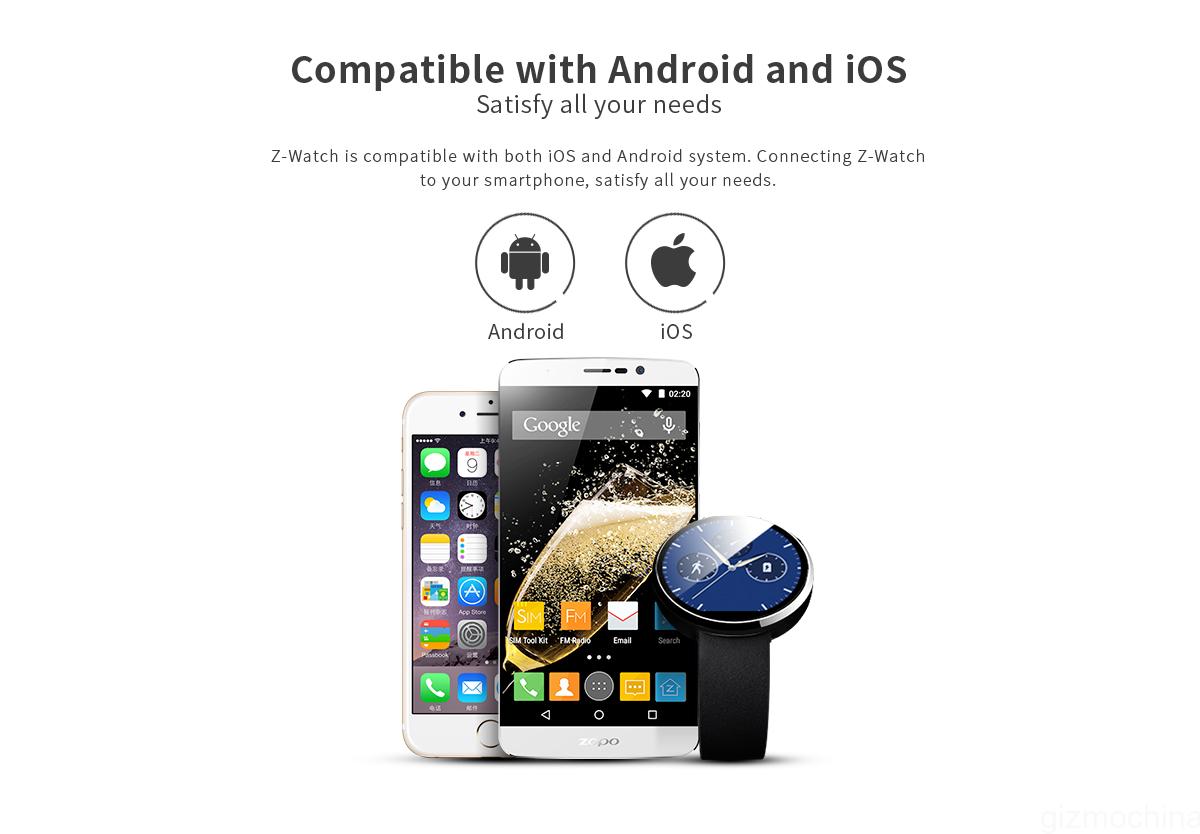
ZOPO also unveiled its first ever smartwatch, the ZOPO Z-Watch at the event. It will be a circular smartwatch with 360 degrees cambered surface 1.22″ touch screen. Some of the features of the smartwatch include, swiping to answer calls, checking text messages, remote music control, gesture wake, heart rate monitoring, sleep monitoring and even remote shooting via Bluetooth. Unfortunately, no ideas on the pricing for the Z-Watch yet.
The Speed 7 and the Speed 7 Plus will be available for pre-sale from August 3 at a price tag of $199 and $299 respectively. However, you can get a $40 OFF coupon directly from the company in the promotional period. You can generate the coupon from here. The company is also conducting a ‘Get A Free Speed 7’ activity on Facebook. You can check out its details from their official Facebook page.
Just a few hours back we reported that ZTE unveiled its ZTE Blade D6 mid-ranger at MWC Shanghai 2015. But for ZOPO, which is a relatively smaller Chinese manufacturer, this event was of much more importance. The company showcased a number of products at its booth during the event, including a brand new smartwatch called as the ZOPO Z-Watch.
Along with the new releases, at the event, ZOPO revealed that it had signed the two time Moto GP Champion Jorge Lorenzo as the Brand Spokesperson of the company. Charles Bird, the Brand Manager of ZOPO has to say the following after signing Lorenzo.
MotoGP racing is one of the most challenging sports” and “Jorge Lorenzo was the youngest racer who joined this world champions league in racing history. Winning the MotoGP championship was his dream when he was 15 and now his dream has been realized, twice. His spirit of striving hard to pursue the dream is consistent with ZOPO’s brand idea. We chose Jorge Lorenzo as our brand spokesman to deliver our brand ideals: “Zealous, Open, Persistent, Outstanding” to the whole world.”
Well, this is another Chinese company which is aiming to expand its foothold in the internal markets. In fact, according to the renewed brand strategy, the company will initially focus on Spain and European countries, followed by other international markets. The company reports that its user base is spread over 130 countries.
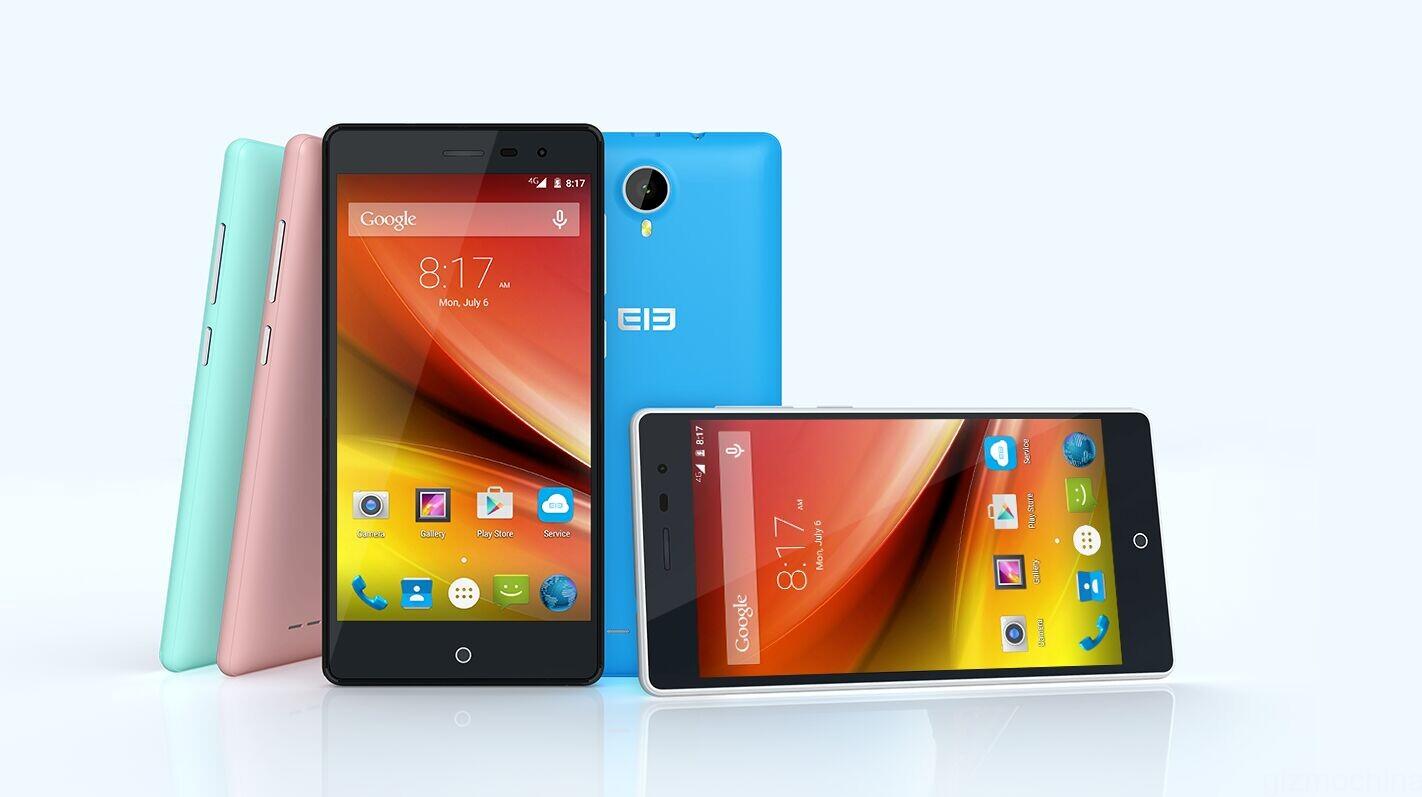
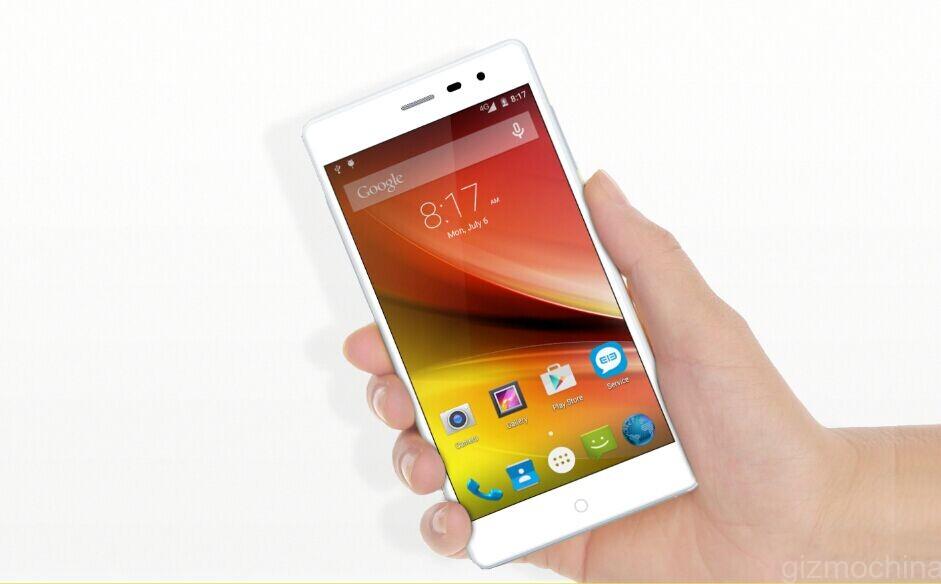
A new Sub brand has today been seen, the brand is named ‘Trunk’ and for those of you that have not figured it out yet, a closer look at the leaked pictures clearly shows the Elephone logo.
The phone in the pictures is said to come with a 5″ display (resolution not confirmed), a Snapdragon SOC (spec not confirmed), and a Samsung rear camera (resolution not confirmed), the phone will be available in a selection of colours white, black, mint green, baby blue and pink,this should make it a popular choice amongst fashion conscious teens and people that love to co-ordinate.
Out of the box the phones will run Android Lollipop 5.0, as yet we have not been told if this will be a stock version or contain a modified version to set it apart from Elephones main line of phones.
Sub brands are becoming popular amongst China phone companies, allowing the to differentiate between their premium based higher end/spec models and those aimed at the lower to mid tear or emerging markets.
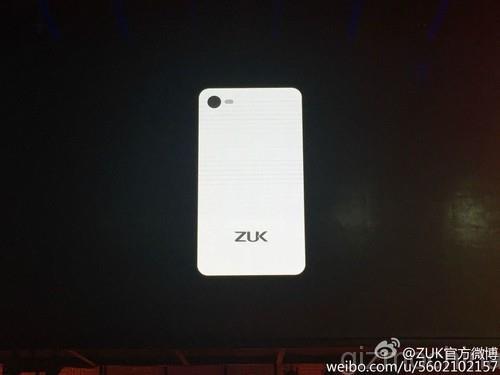
Recently we have also seen this happen with Lenovo and their release of the ZUK brand, its a trend that will hopefully make for better choices for mobile users.
I would love to hear your thoughts on the phones and sub brands in general, what are your hopes? affordable phones with lower specs? higher specs but plastic bodies? smaller screened phones say 4.7″ – 5″
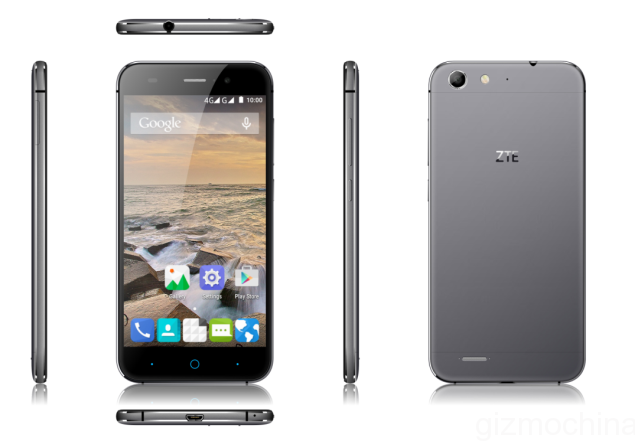
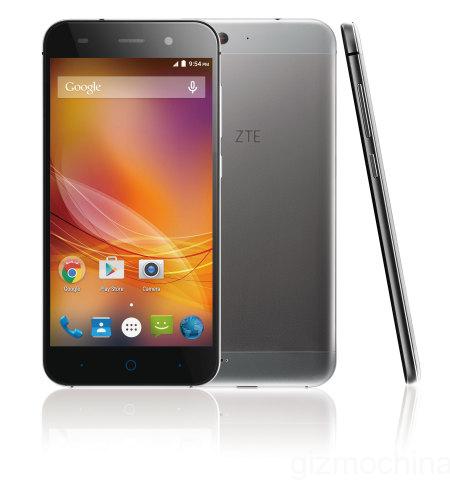
ZTE has just announced the ZTE Blade D6 smartphone as well as its first smart gateway, called as the ZTE SmartHome at the Mobile World Congress that is currently going on at Shanghai. This isn’t exactly a flagship smartphone, rather a mid-ranger with good enough specs for your every day needs.
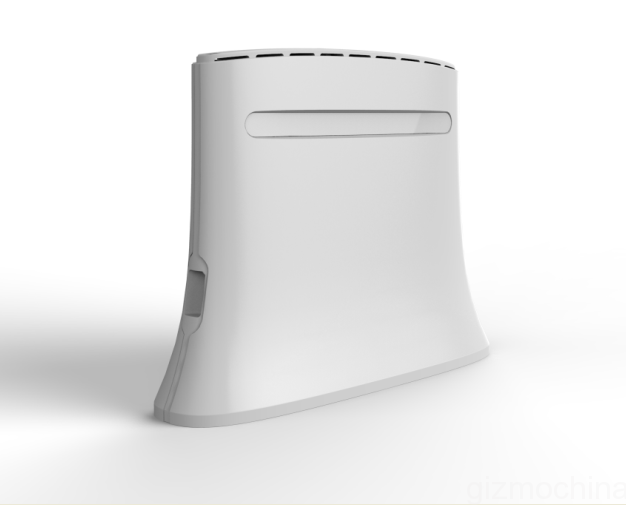
Before we move on to the specs of the new ZTE Blade S6, lets take a look at the ZTE SmartHome. This is the first such smart gateway from the company till date. With everyone so obsessed with smart home products, it looks like ZTE is also keen to join the party. The company’s new gateway enables customers to connect their everyday devices like baby monitors, light switches etc via a wireless protocol called as ZigBee which also works with 4G LTE connection. Controlling these smart home devices will be pretty easy with the help of a mobile application. So, the ZTE SmartHome gateway can be used for anything from home management, security and health.
As for the ZTE Blade D6, its a pretty compact smartphone. The device weighs just about 120 grams and measures 6.95mm in thickness. The body is made out of 6013 aluminum alloy. So, if you are looking for something slim and light, the D6 turns out to be a great option.
As for the specs, the phone comes with the quad-core MT6735 chipset clocked at 1.3GHz coupled with 2GB LPDDR3 RAM and 16GB of internal storage. This can be further expanded via MicroSD card, thanks to the given 3 in 2 Micro SIM + NANO SIM/ SD card slot.
The phone comes with a 5-inch 720p display along with a 13MP rear facing camera and true tone flash. The company has taken special care to satisfy selfie lovers with its 88 degrees wide angle 5MP camera up front. Moreover, you get a lot of camera options like beautification, smile shutter function, high definition continuous shooting and auto panorama. Inside, there’s a 2200mAh battery. As for the software, the phone comes with Android 5.0 Lollipop OS with ZTE’s own customizable MiFavor 3.0 UI on top.
The ZTE Blade D6 will be available in pink, gold, silver and grey colors in the coming months in countries like Australia, Japan and Russia.
Unfortunately, we still have no idea about the pricing of the both the products. But we will update this article, when we have more details.
You can check out the full tech specs as well as the supported bands from down below.
You may have heard of Umi – a small Chinese manufacturer that has not been in the industry for years but it has been known for good understanding how to design the phones. Firstly, the company attracted a lot of attention with its Zero model, which spotted some premium materials and decent specs at affordable price. Since that it has become clear that Umi will try to stay in the competition with a nicely designed handsets and thus lure some consumers. Their newest model Iron is no exception. Let’s take a look what we’ve got.
UNBOXING
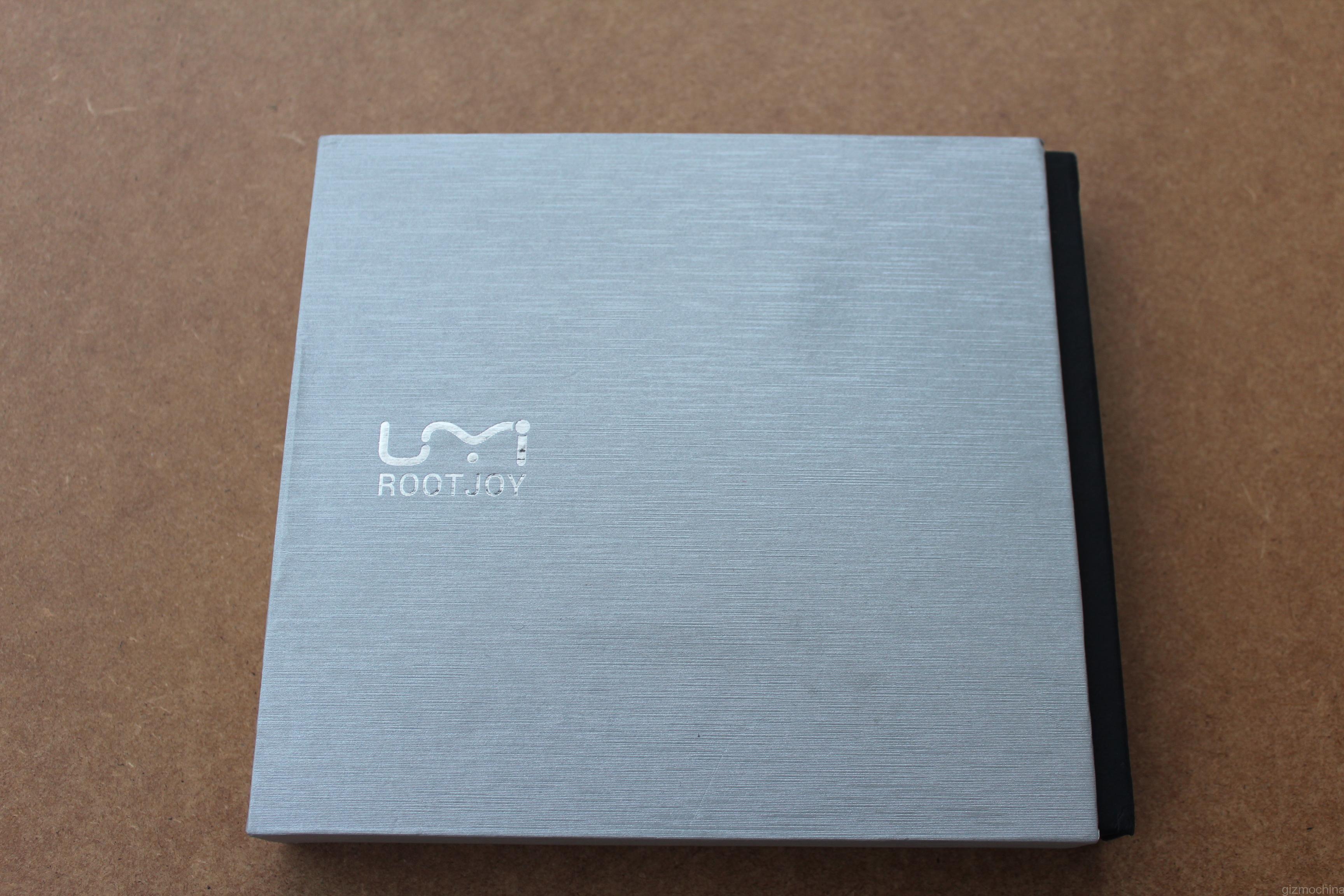
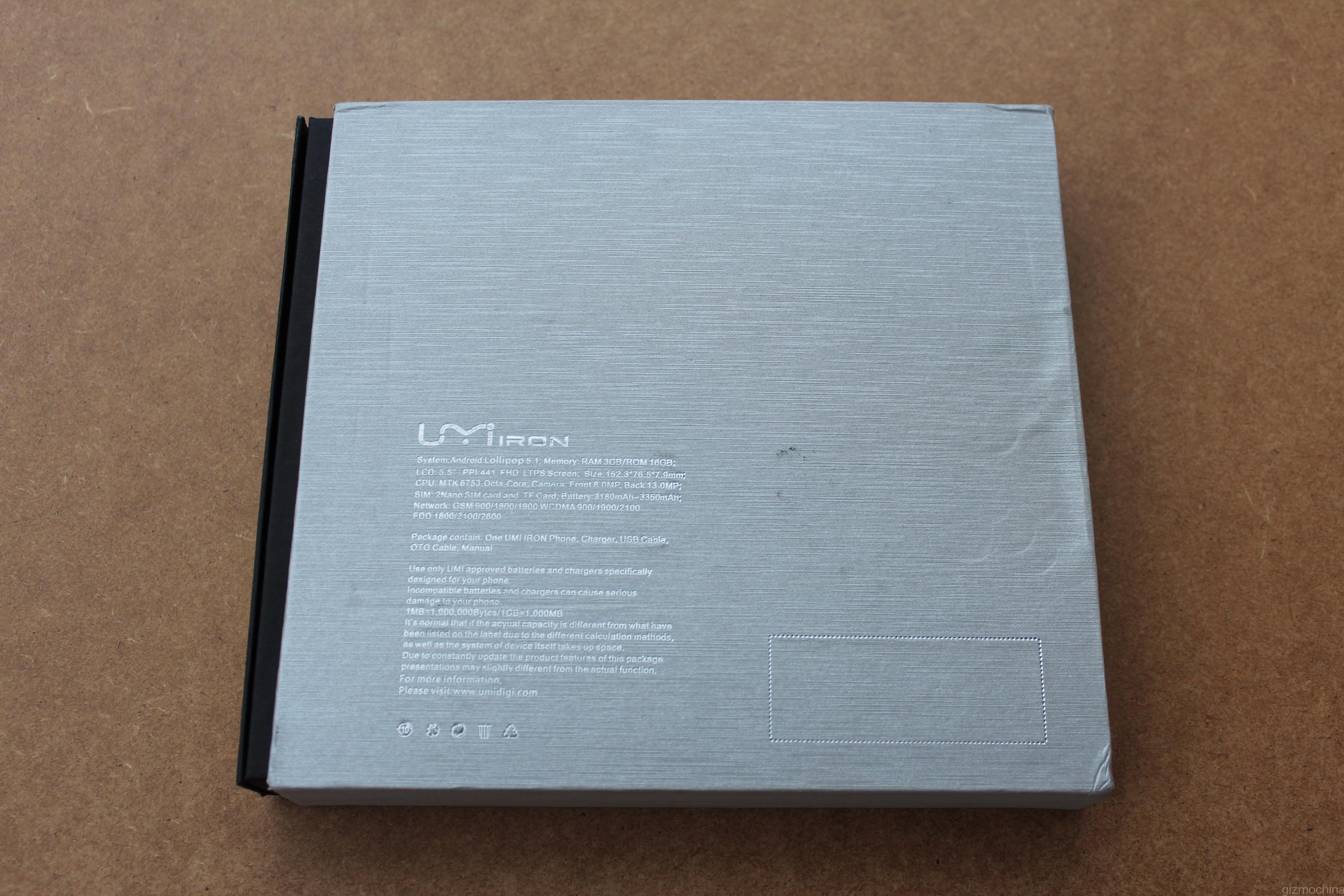
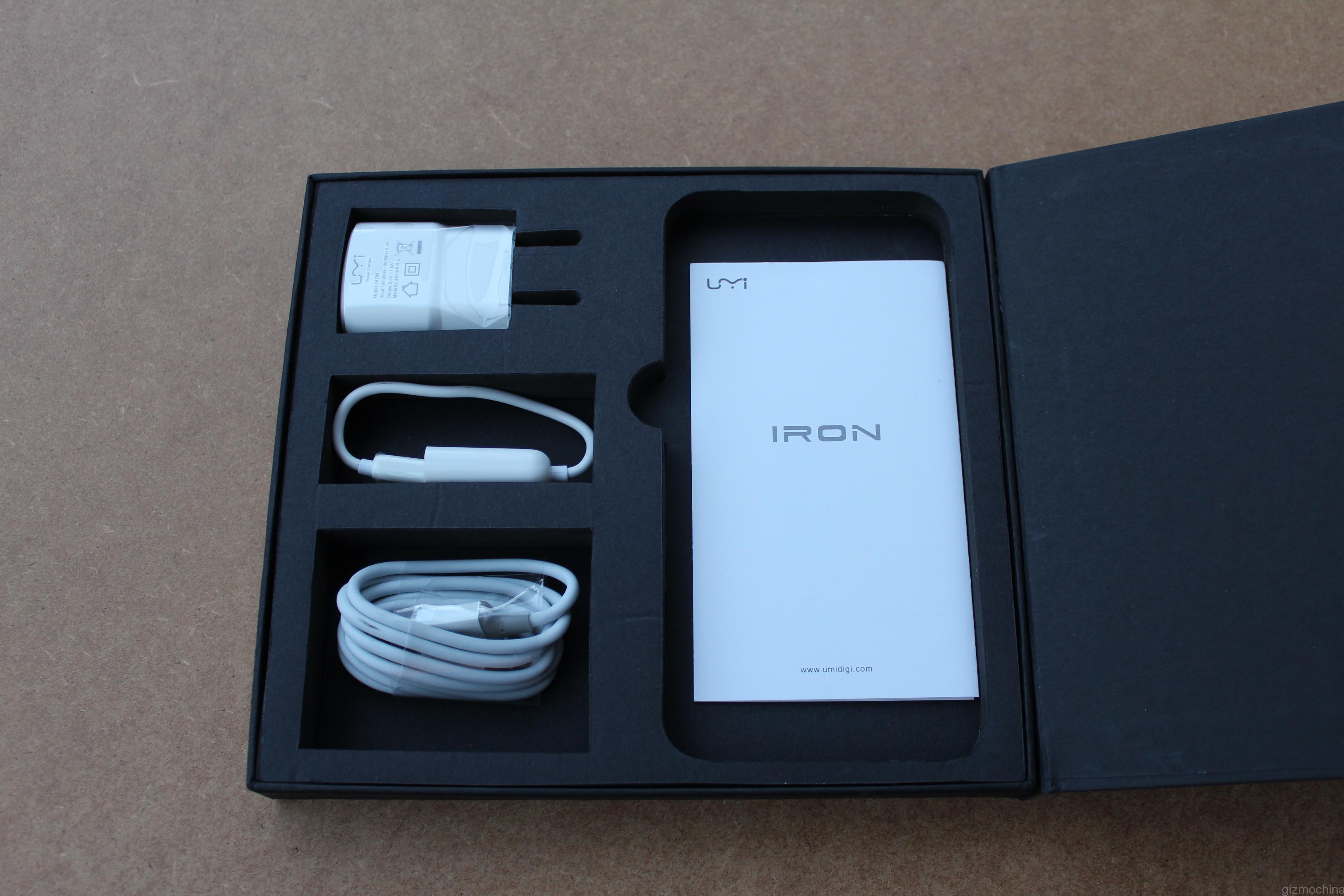
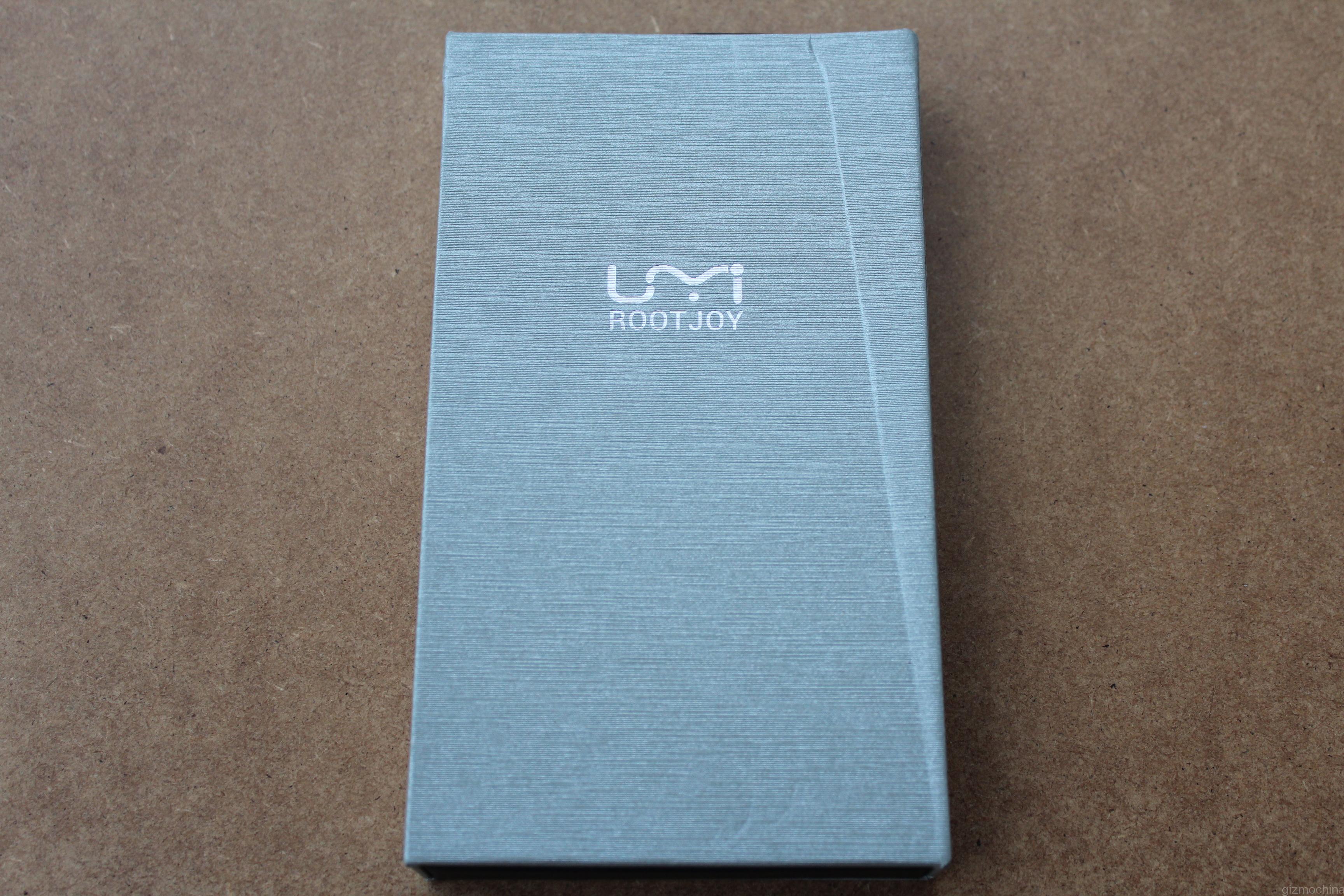
The packaging is a bit different than the majority of boxes as you have to pull one side to open it up. Then you will see all the items packed neatly.
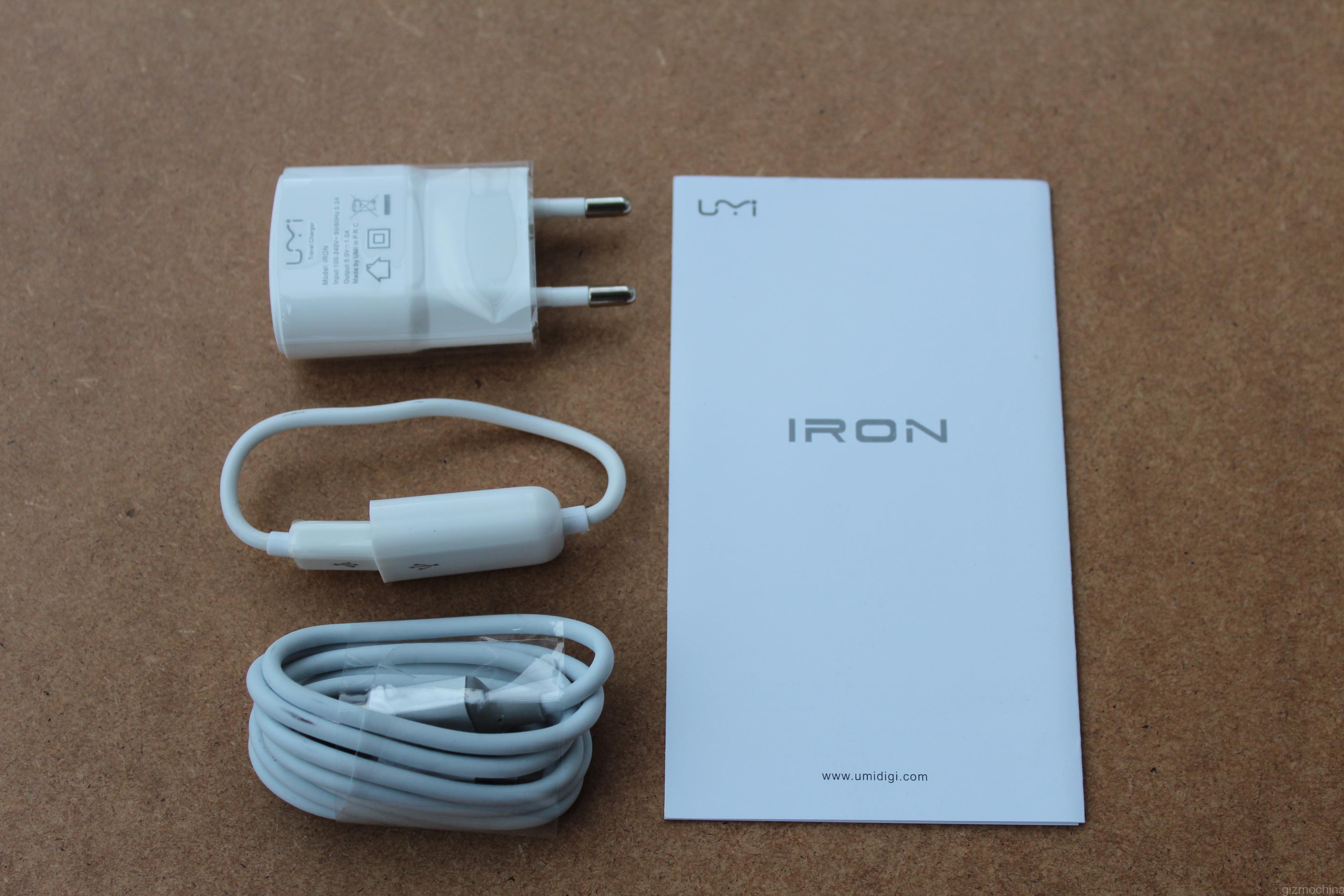
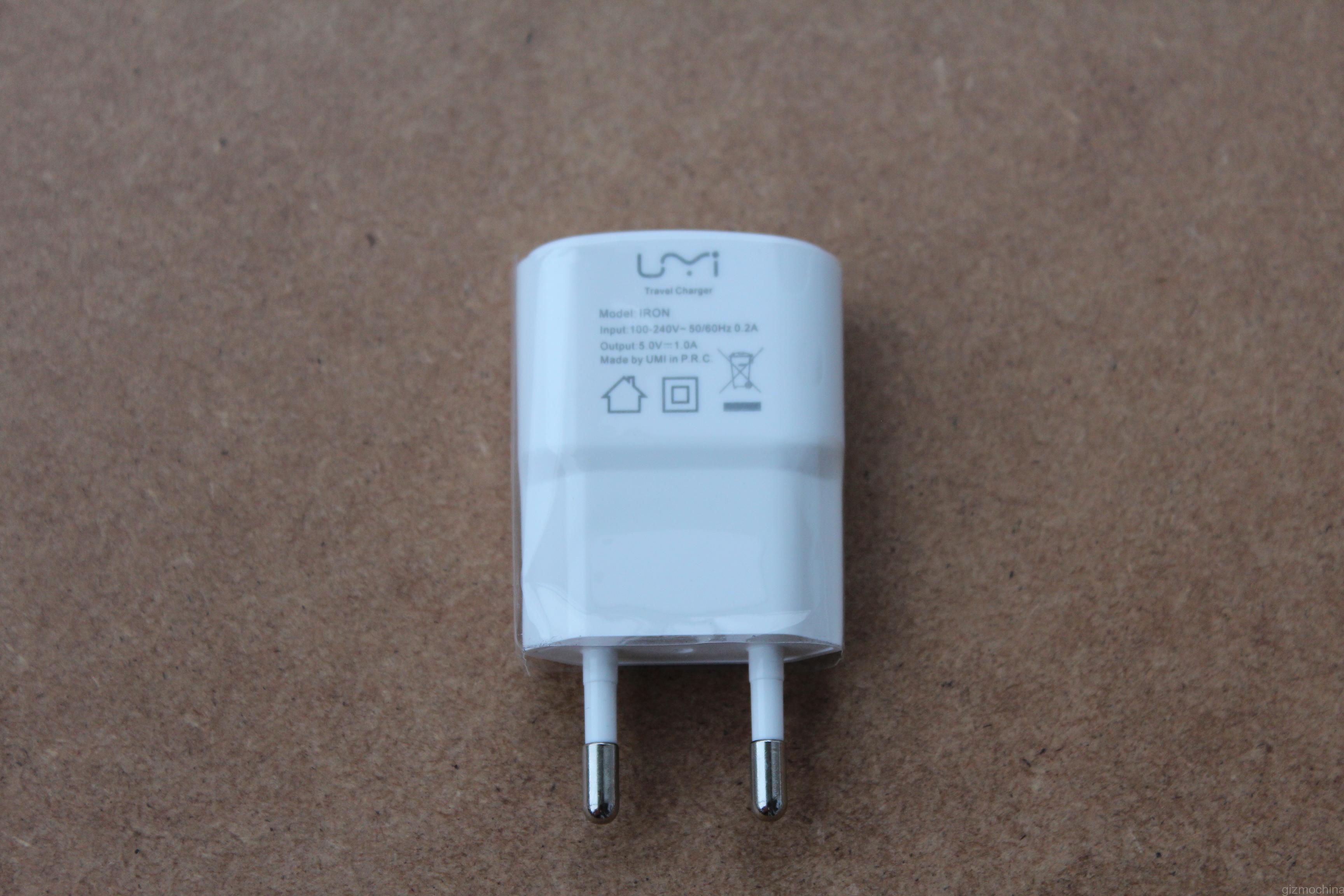
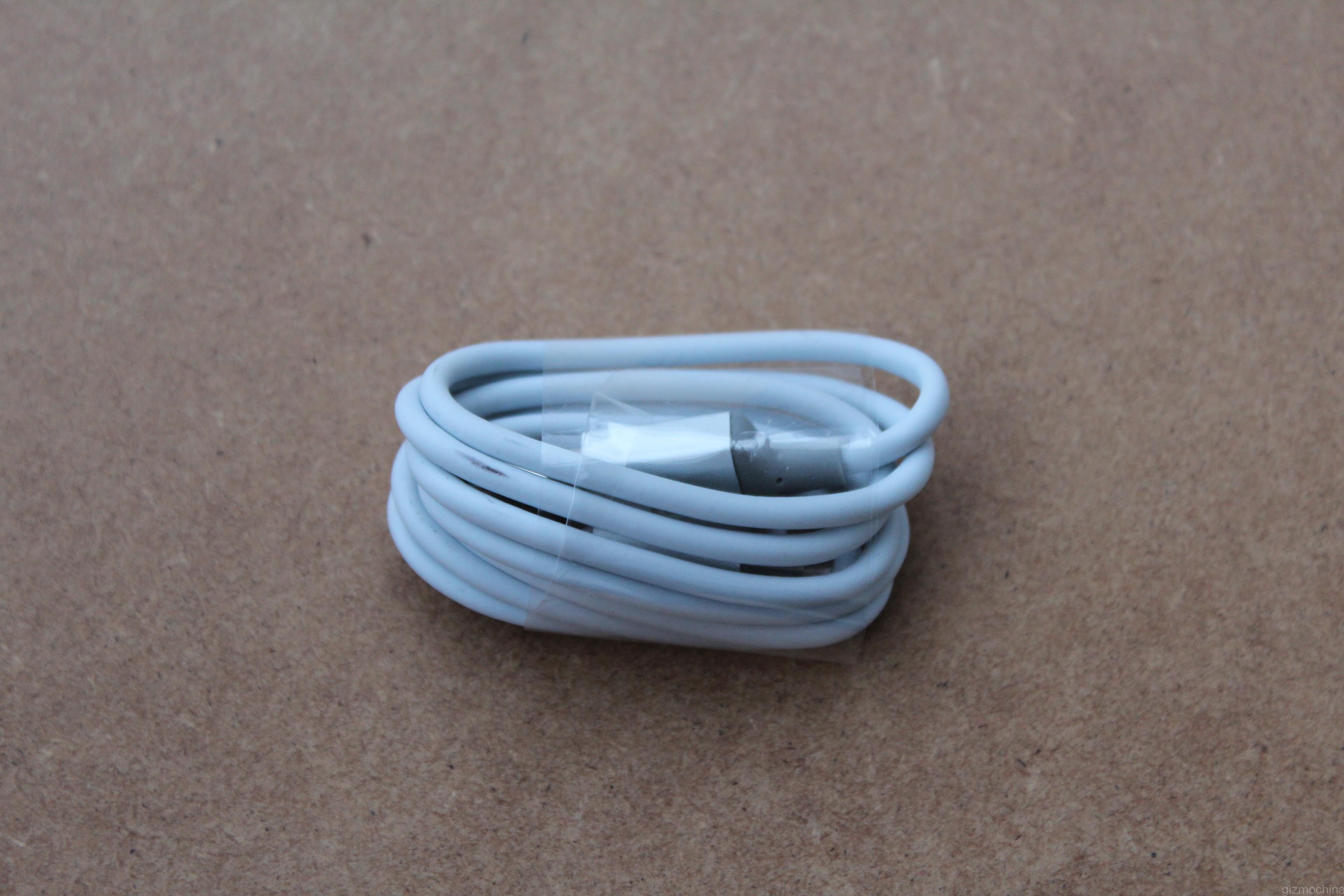
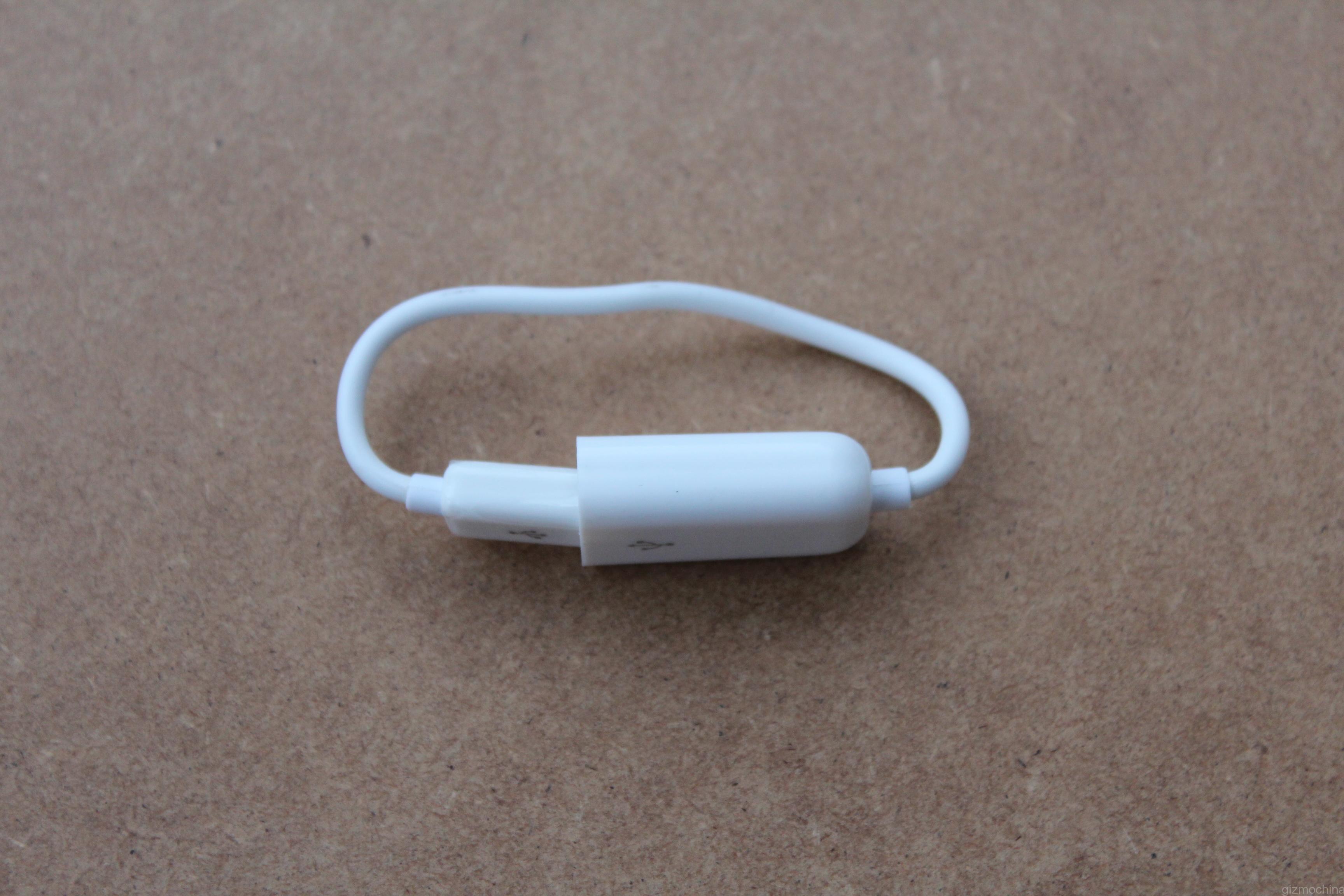
The accessories that are in the box include the instruction manuals, USB plug along with the USB cable. Last but not least the company added USB OTG cable. Well, any extra accessory is a great thing.
Overall, the contents look to be of good quality (but not the best).
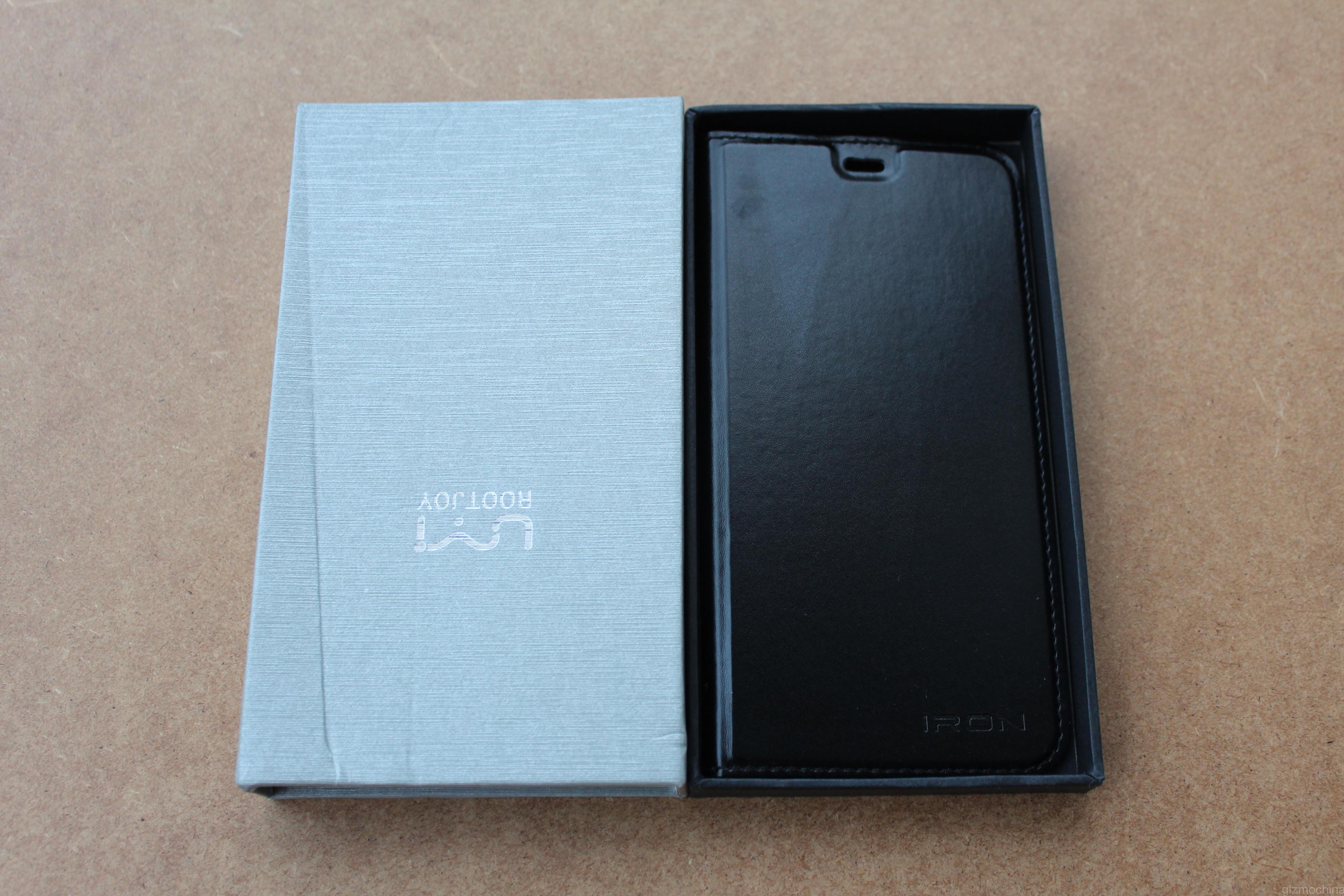
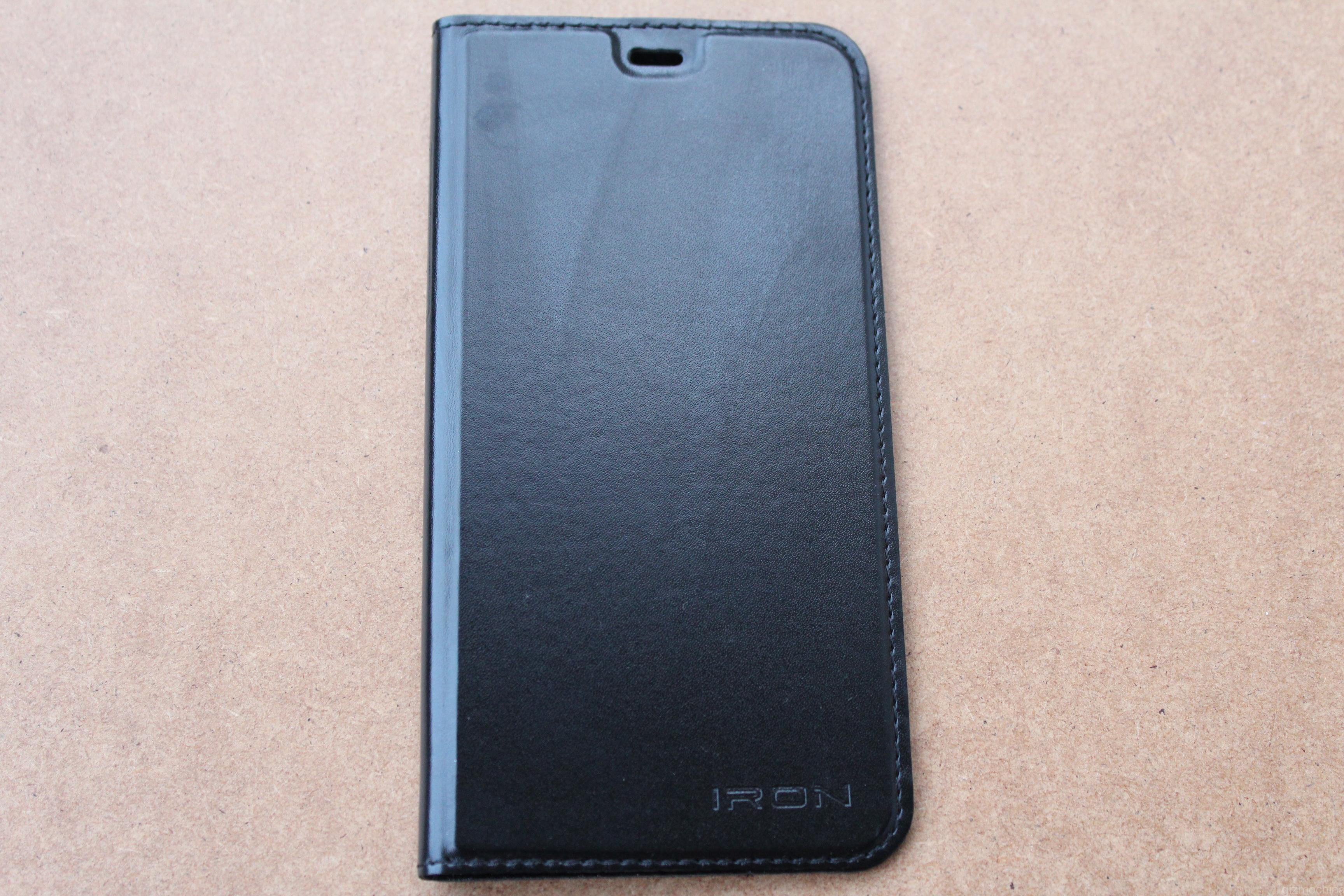
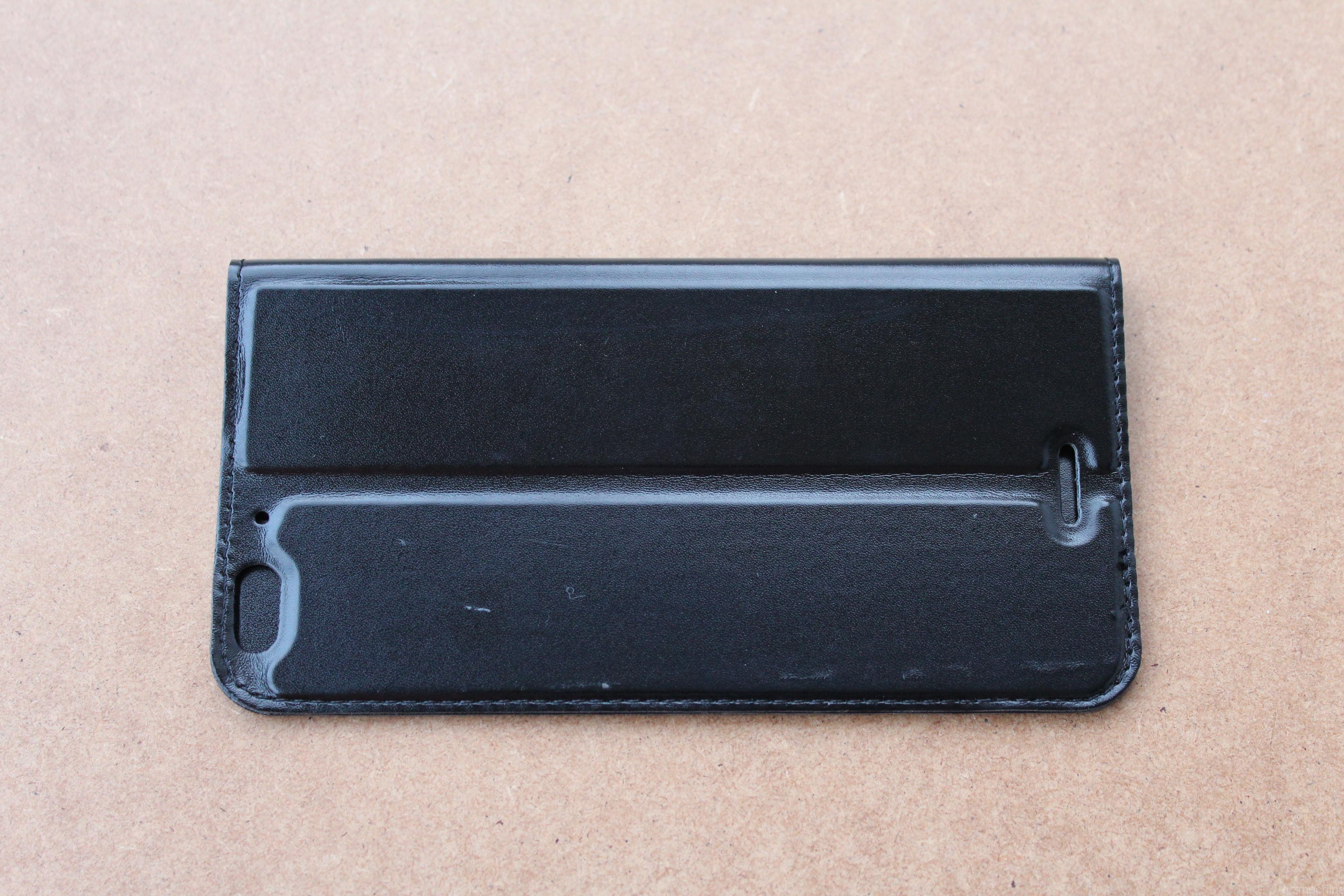
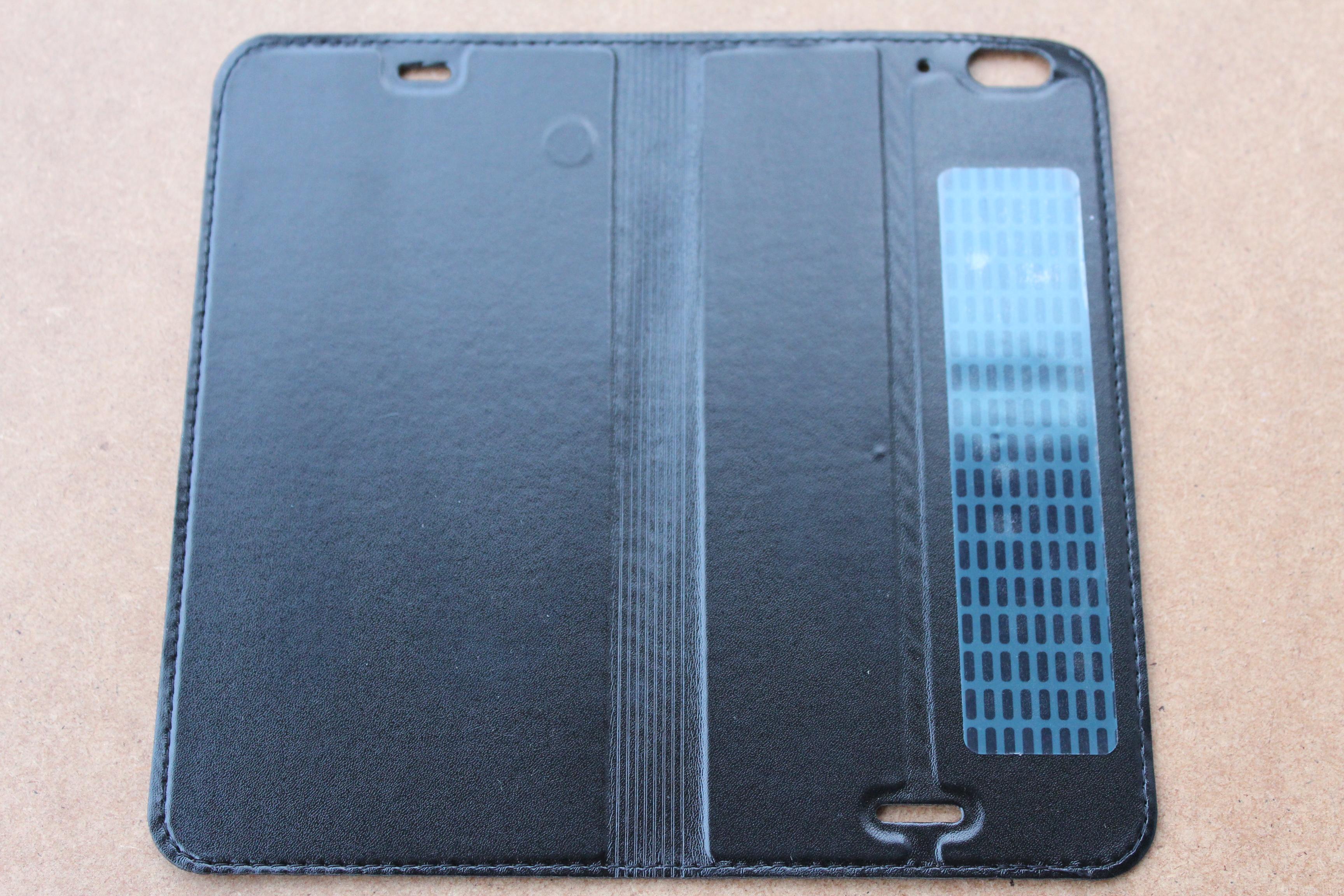
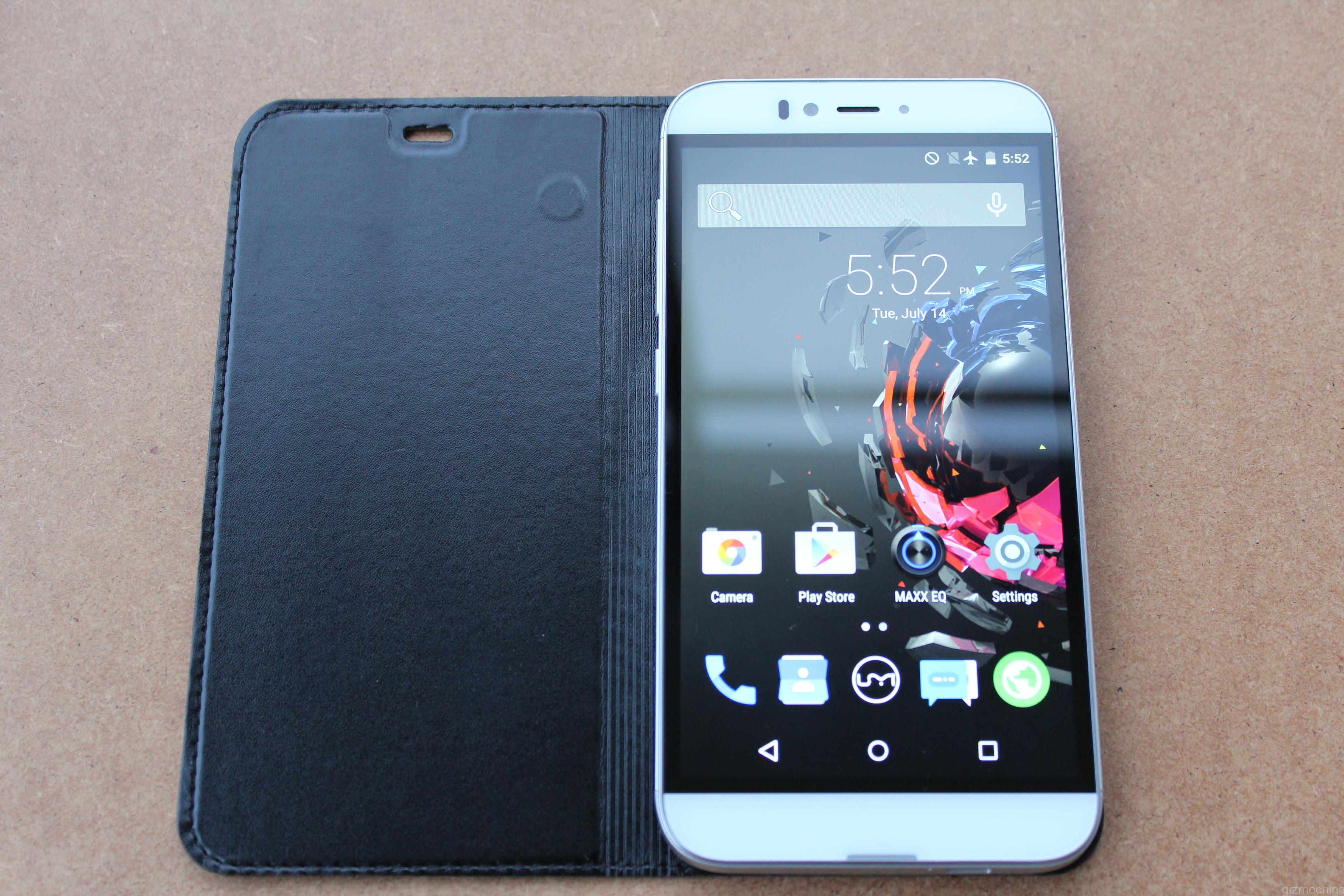
Not sure if it is included in every package but I have also received a decent quality leather flip cover case. Not sure if it is a real leather but it definitely feels like.
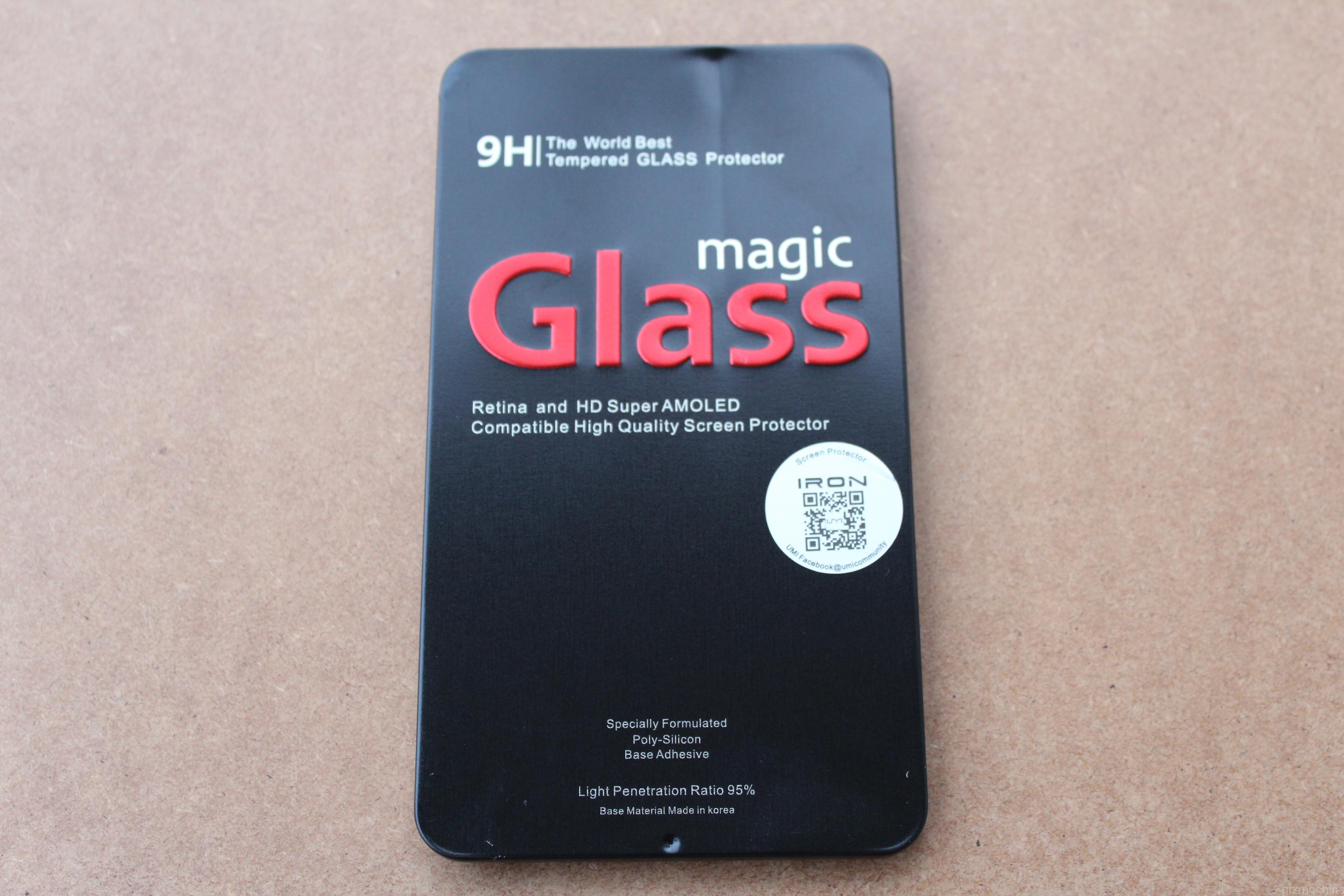
Last but not least I received a tempered glass screen protector. I will inform you if each smartphone comes with a free extra leather flip cover case and this glass protector or it was just me in the full review.
Umi Iron: DESIGN and DISPLAY
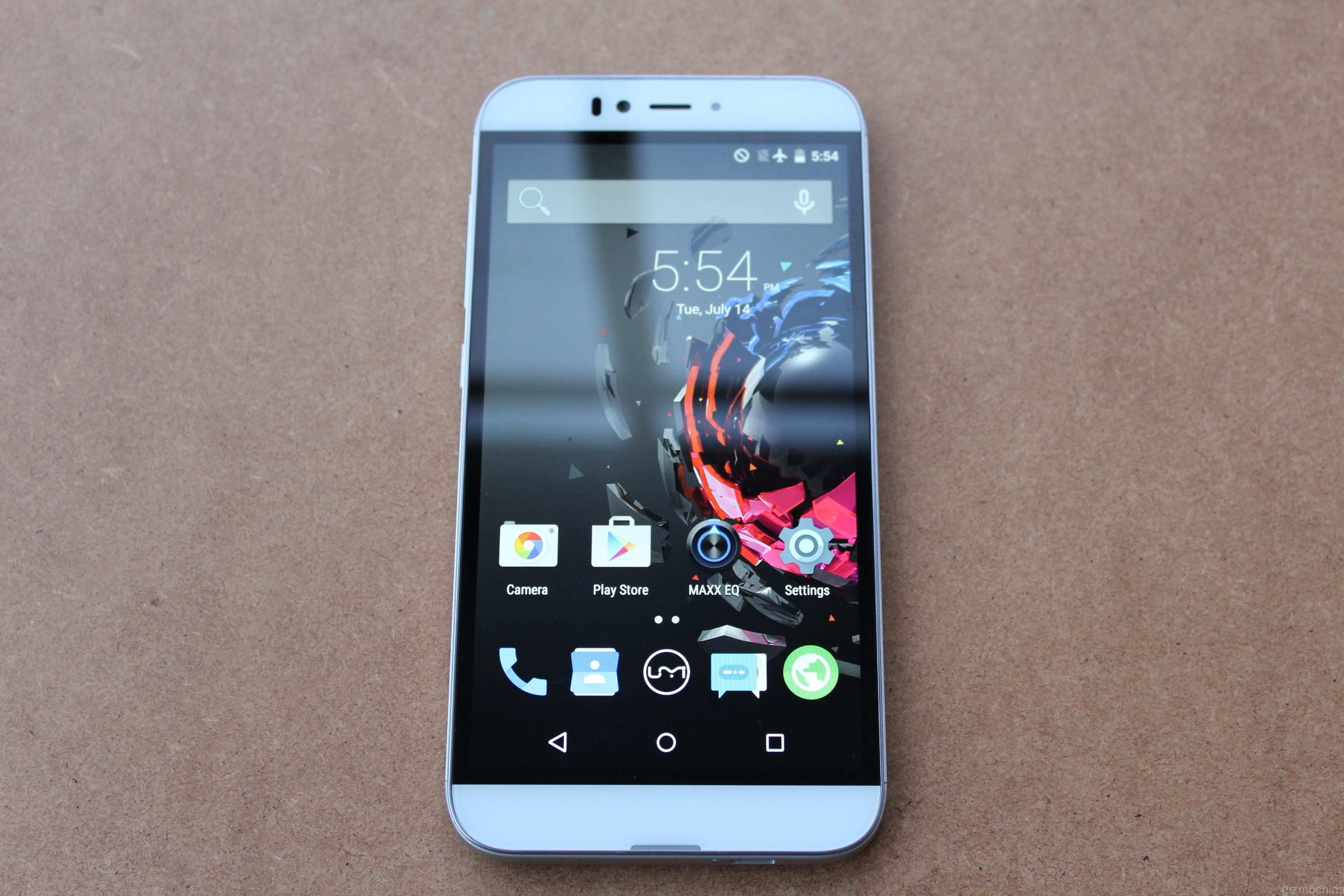
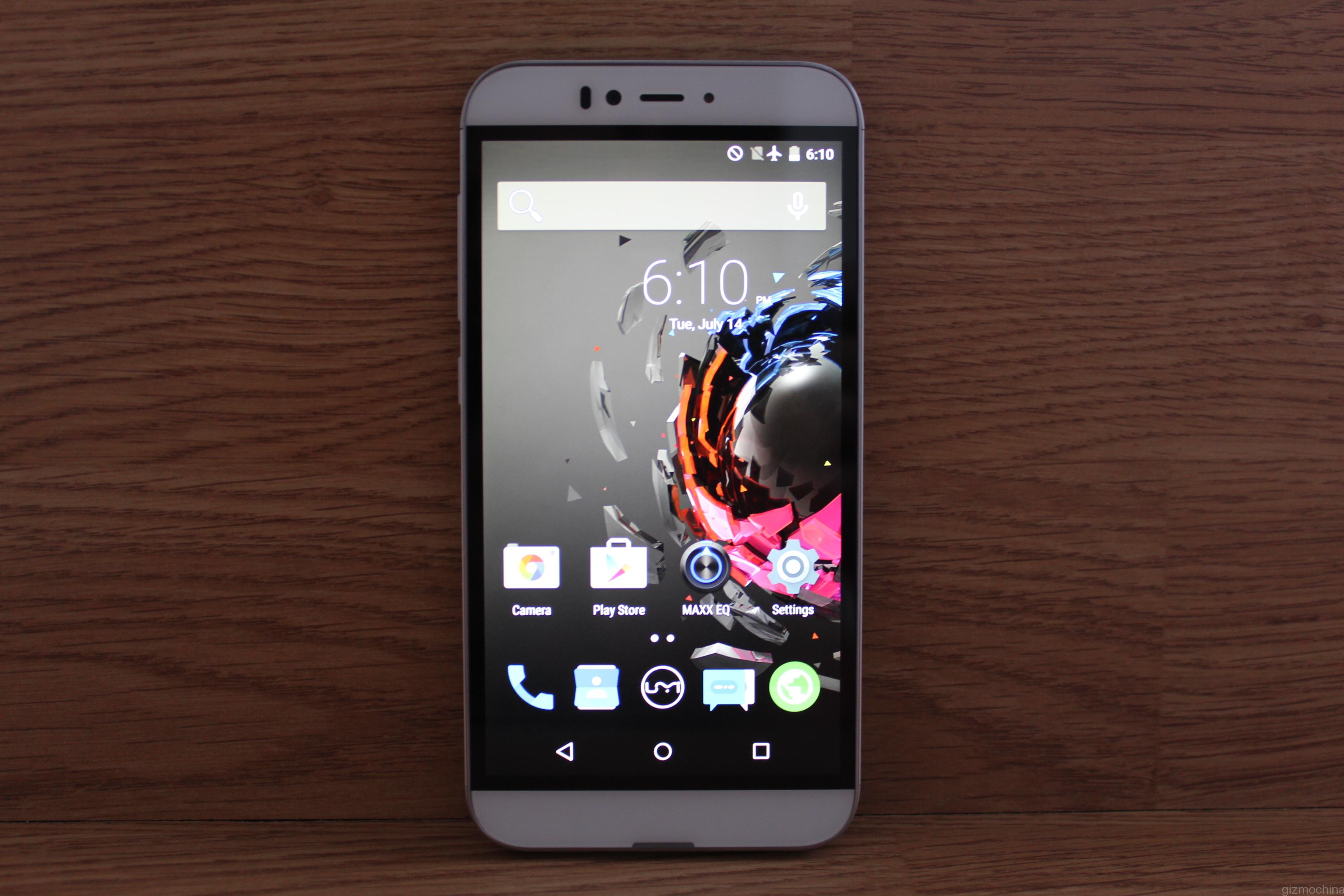
The device comes with a 5.5″ display, which is very bright, sharp and vivid. Also, it has great viewing angles and natural looking colours. Overall, it is a superb panel for a budget device and you will notice it immediately once you turn on the device.
On the top side there is a proximity sensor, 8MP camera sensor, earpiece and front firing LED flash for night selfies.
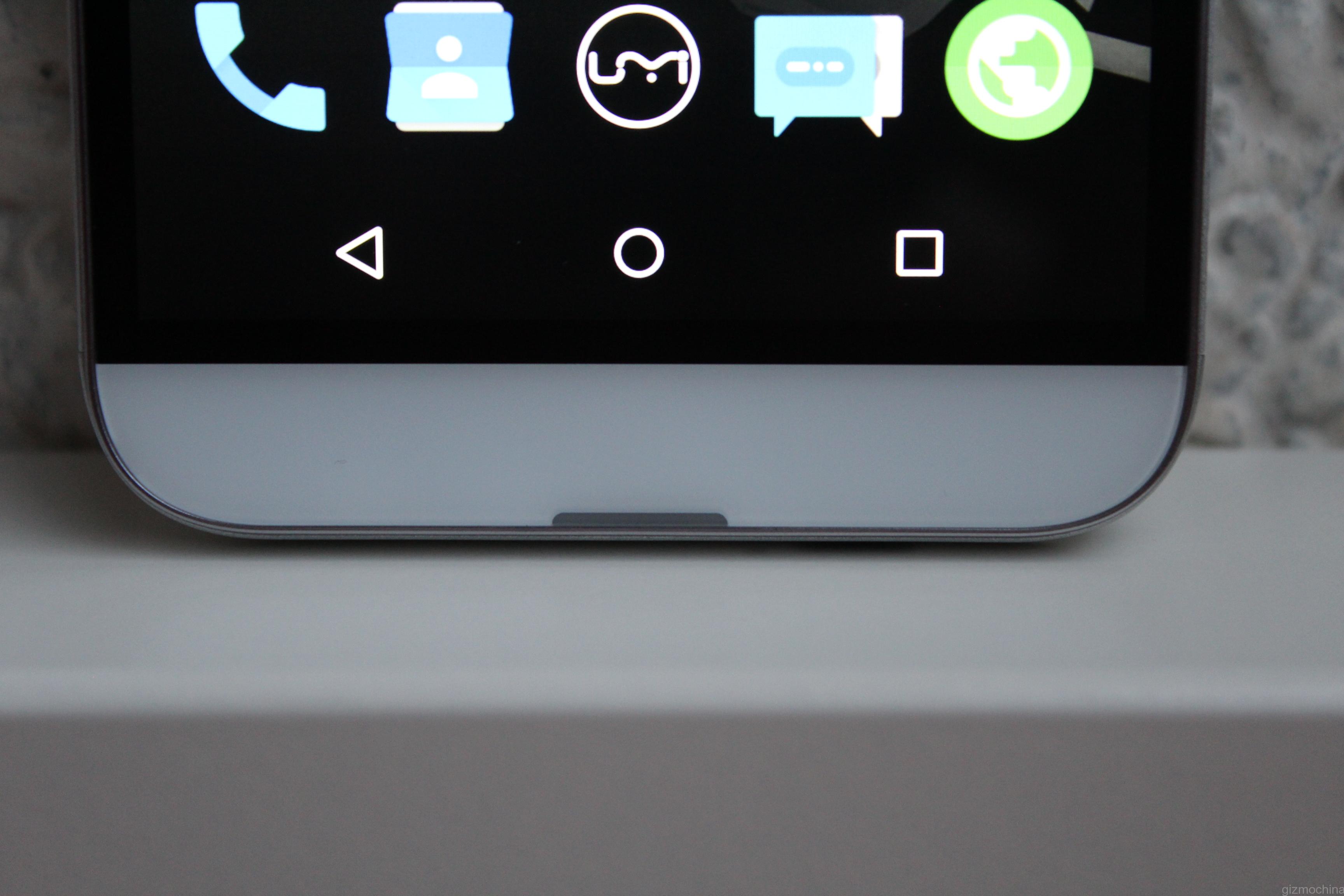
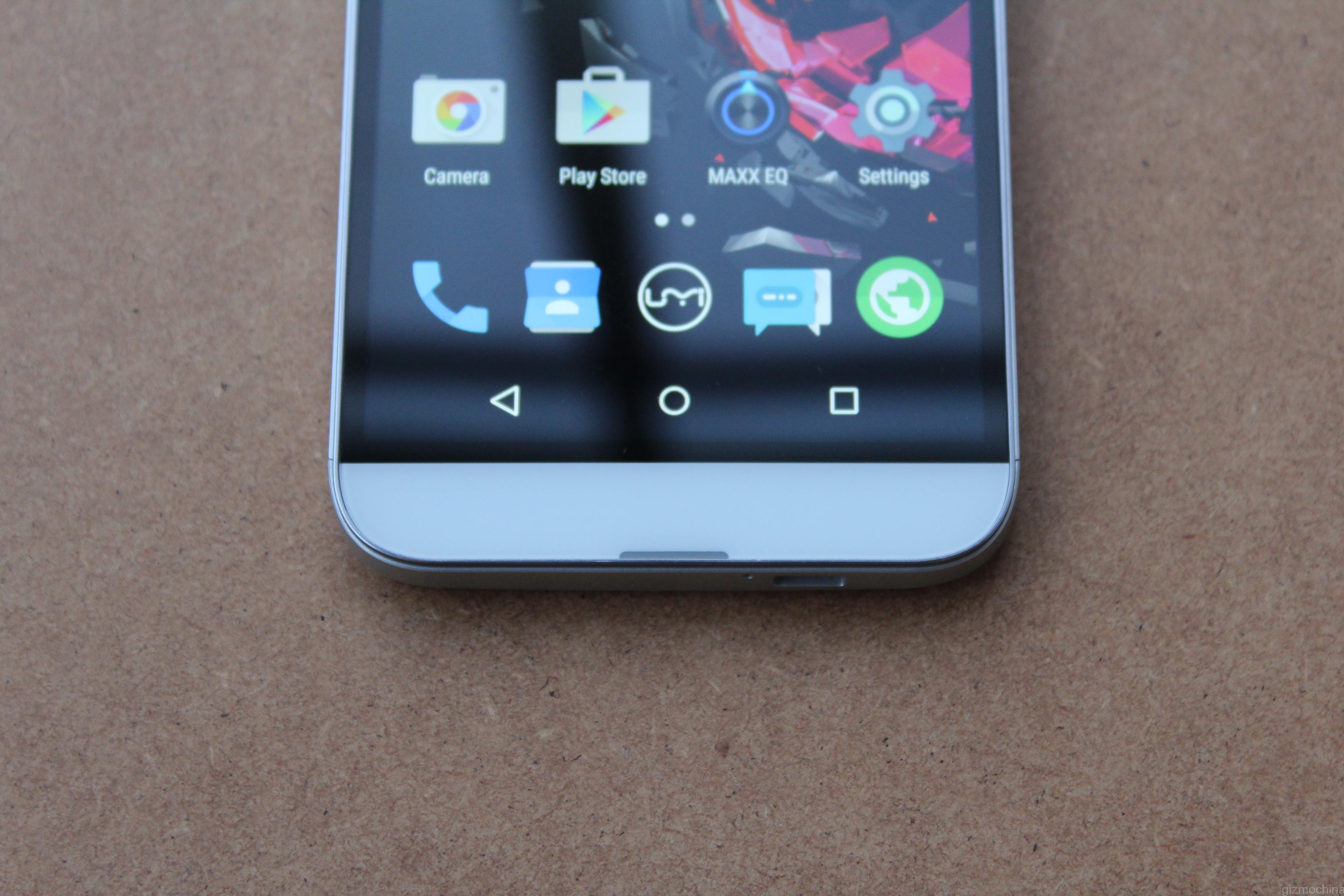
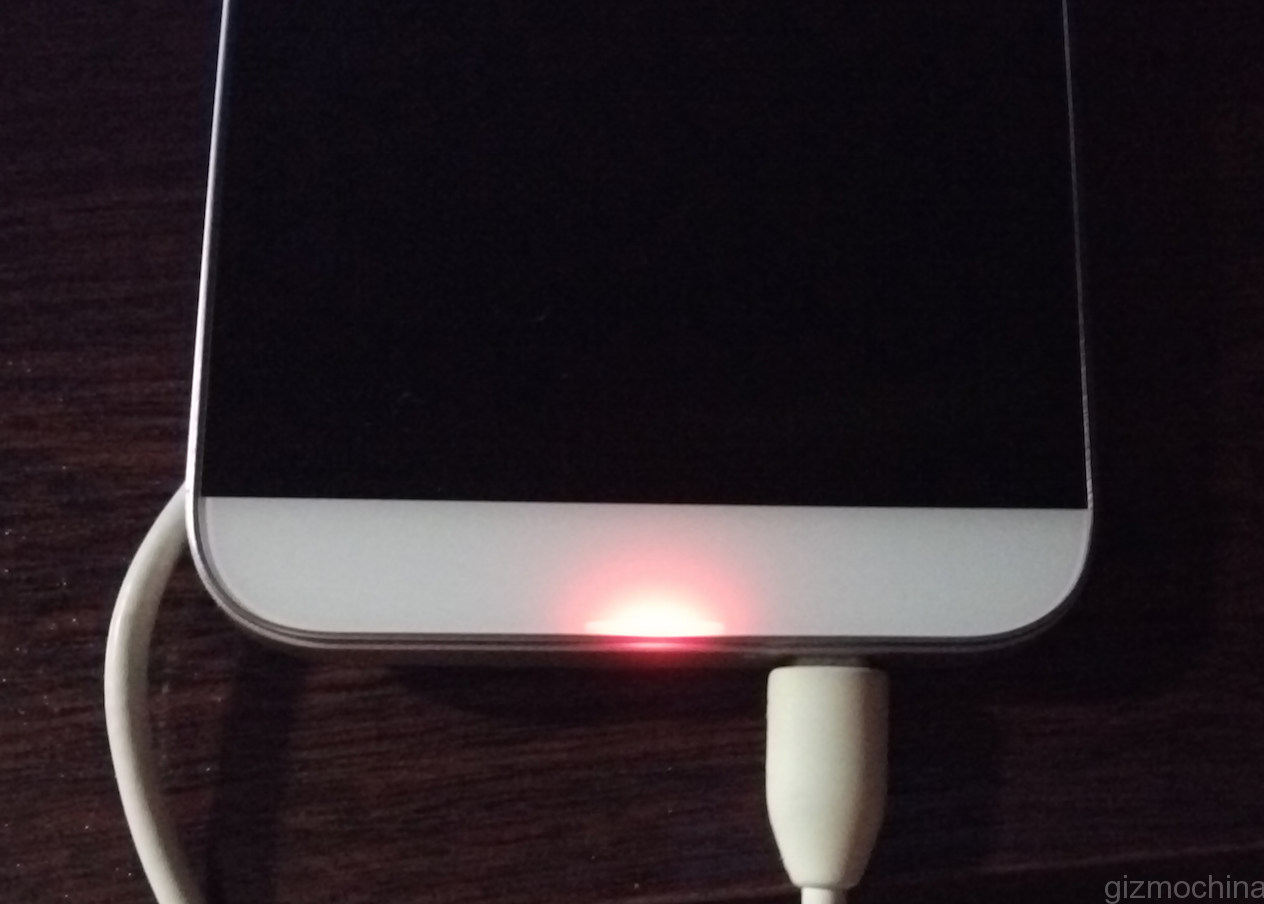
On the bottom side there is really nice looking notification LED light, which has a great looking pulsing effect. It flashes green for notifications and red for charging/low battery. However, the colours of the LED are not customisable.
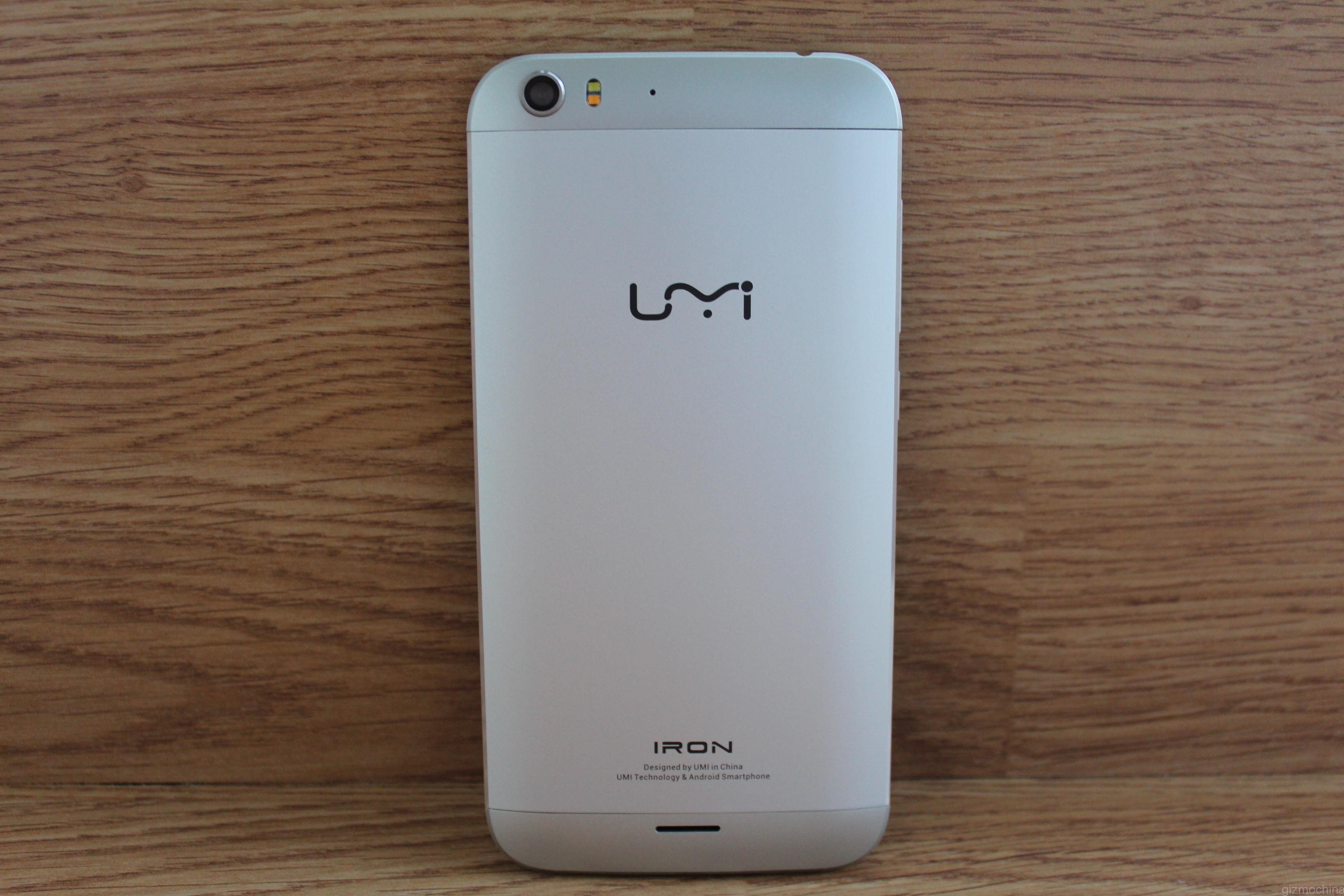
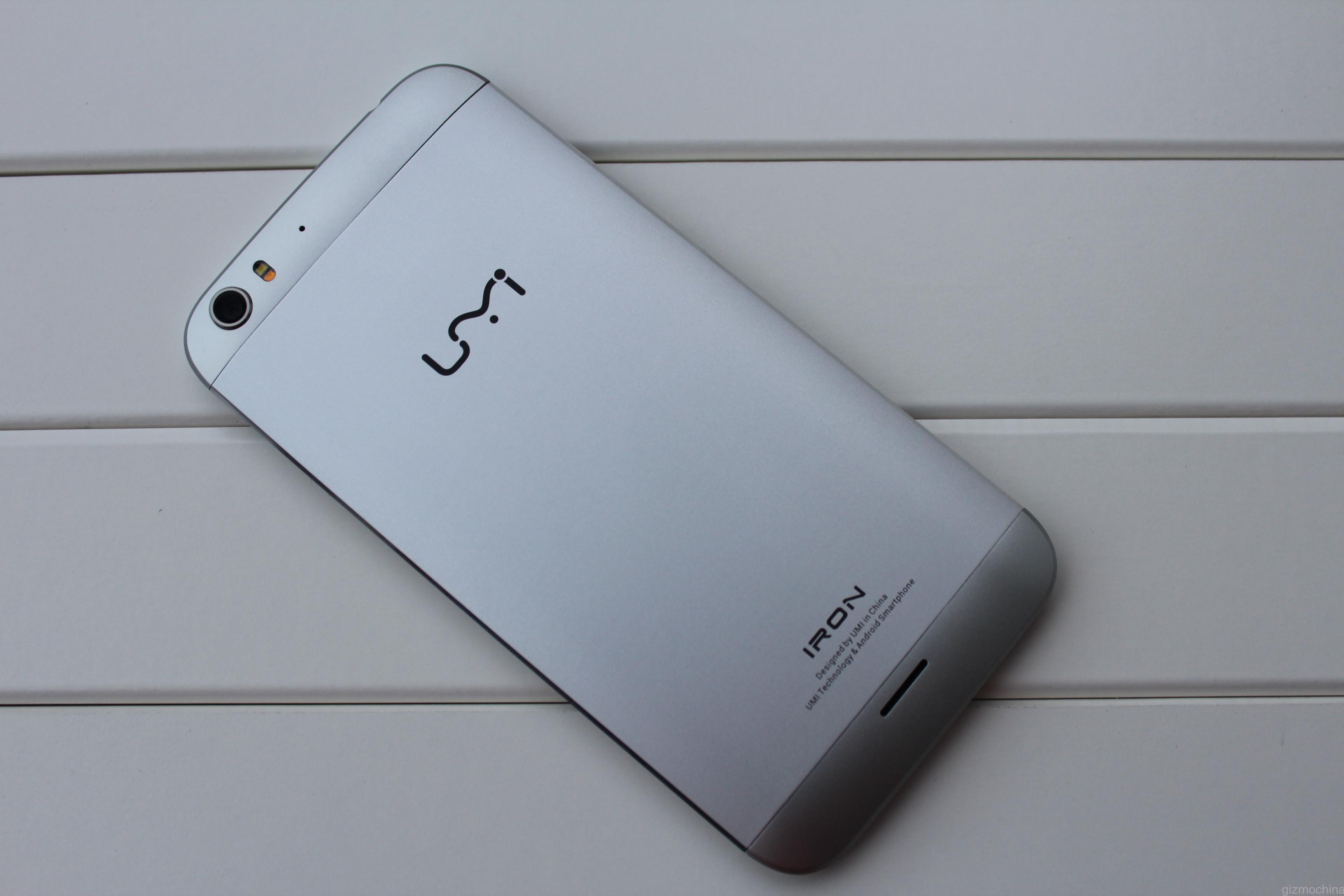
Here is why we call this model Iron as the back plate is made out of metal. It definitely feels like a high quality material and adds a bit of a premium look and feel. Also, it is very great in the hand (I may be subjective as I just love metal phones).
However, the top and bottom parts are made out of plastic as this is the solution Umi chose to implement to get a normal antenna reception.
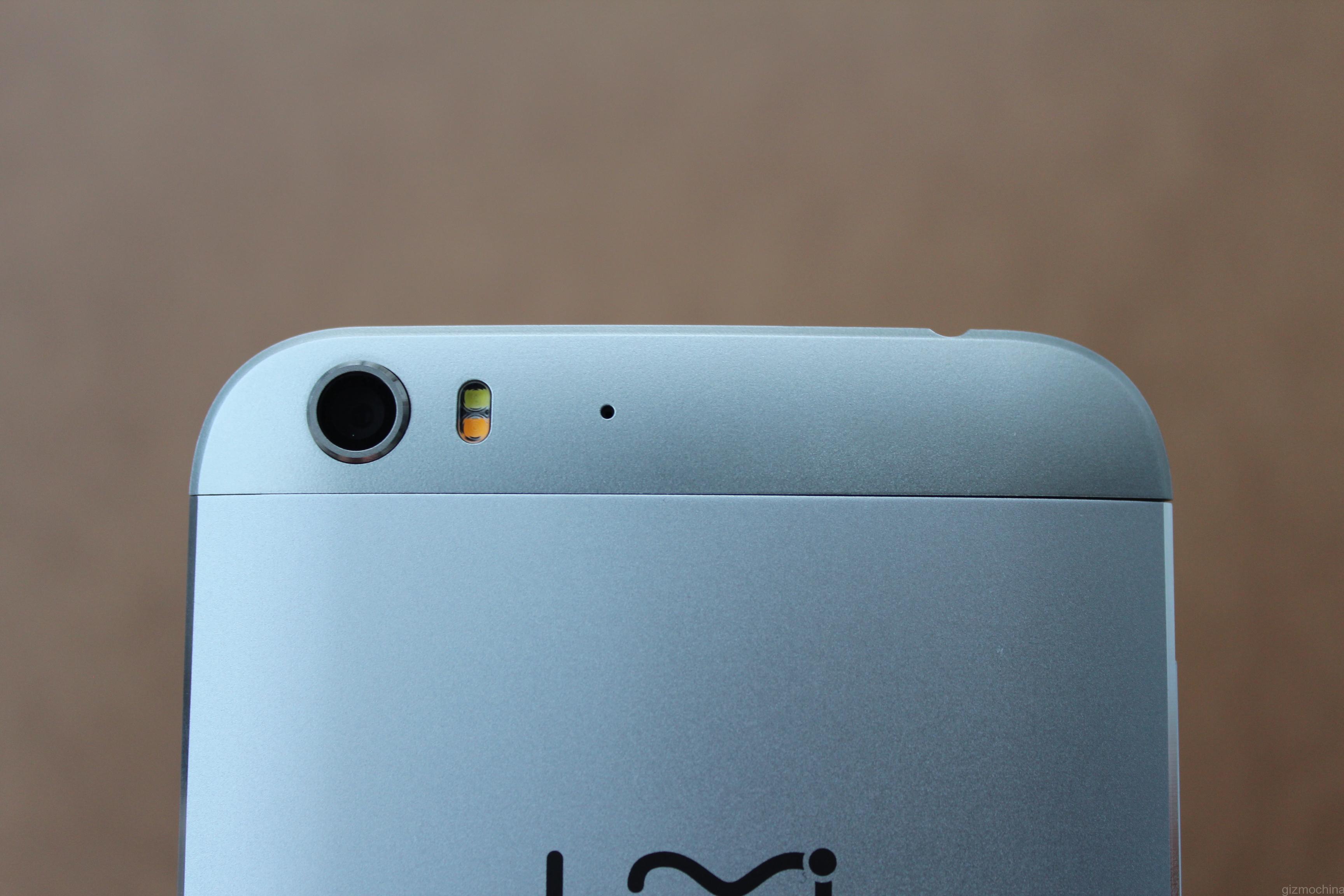
On the top side there is a 13MP Sony IMX214 shooter along with dual tone dual LED flash and a noise cancelling mic. It is worth mentioning that the camera lens are surrounded by a quality stainless steel ring.
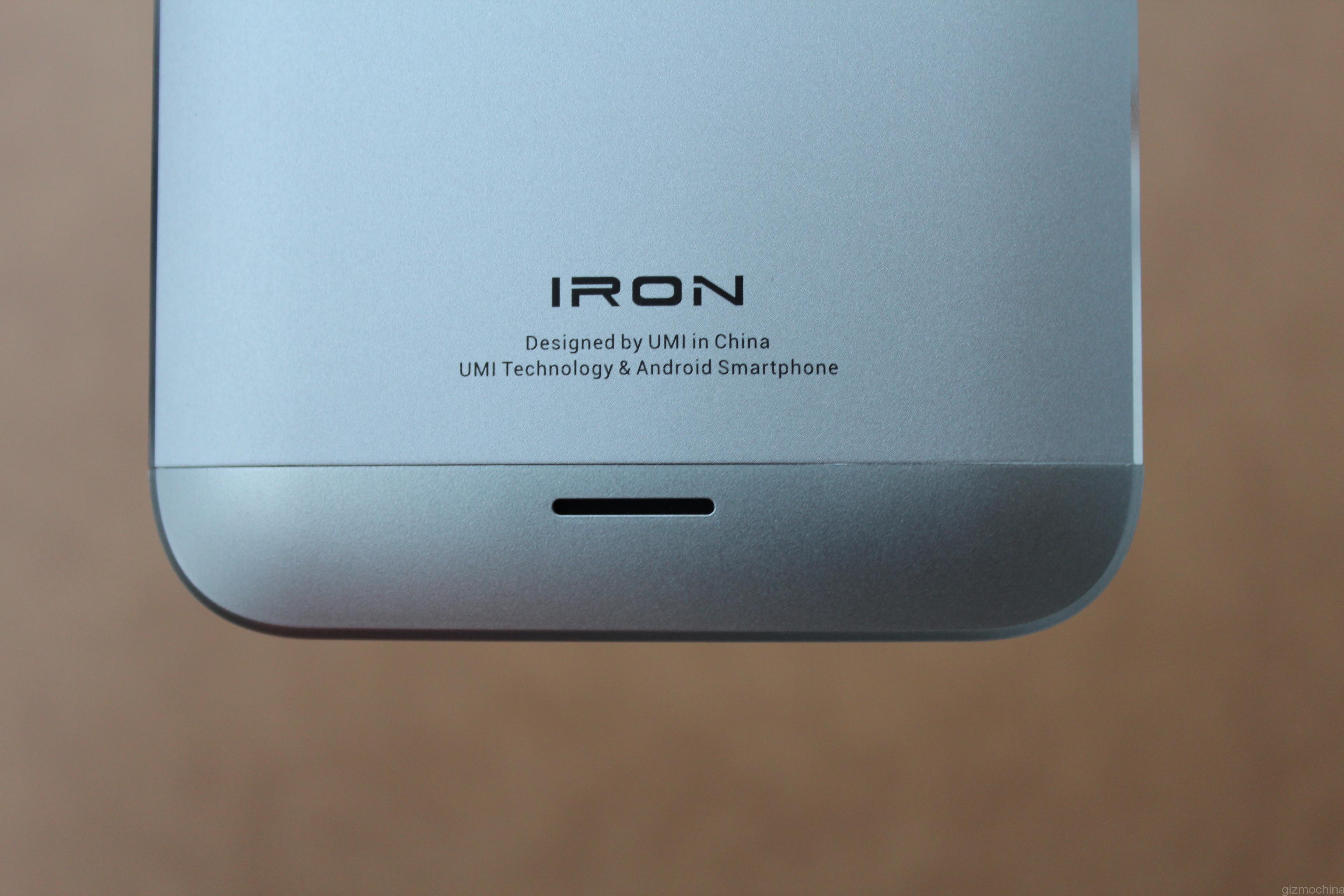
On the bottom side there is an UMI logo along with the loudspeaker.
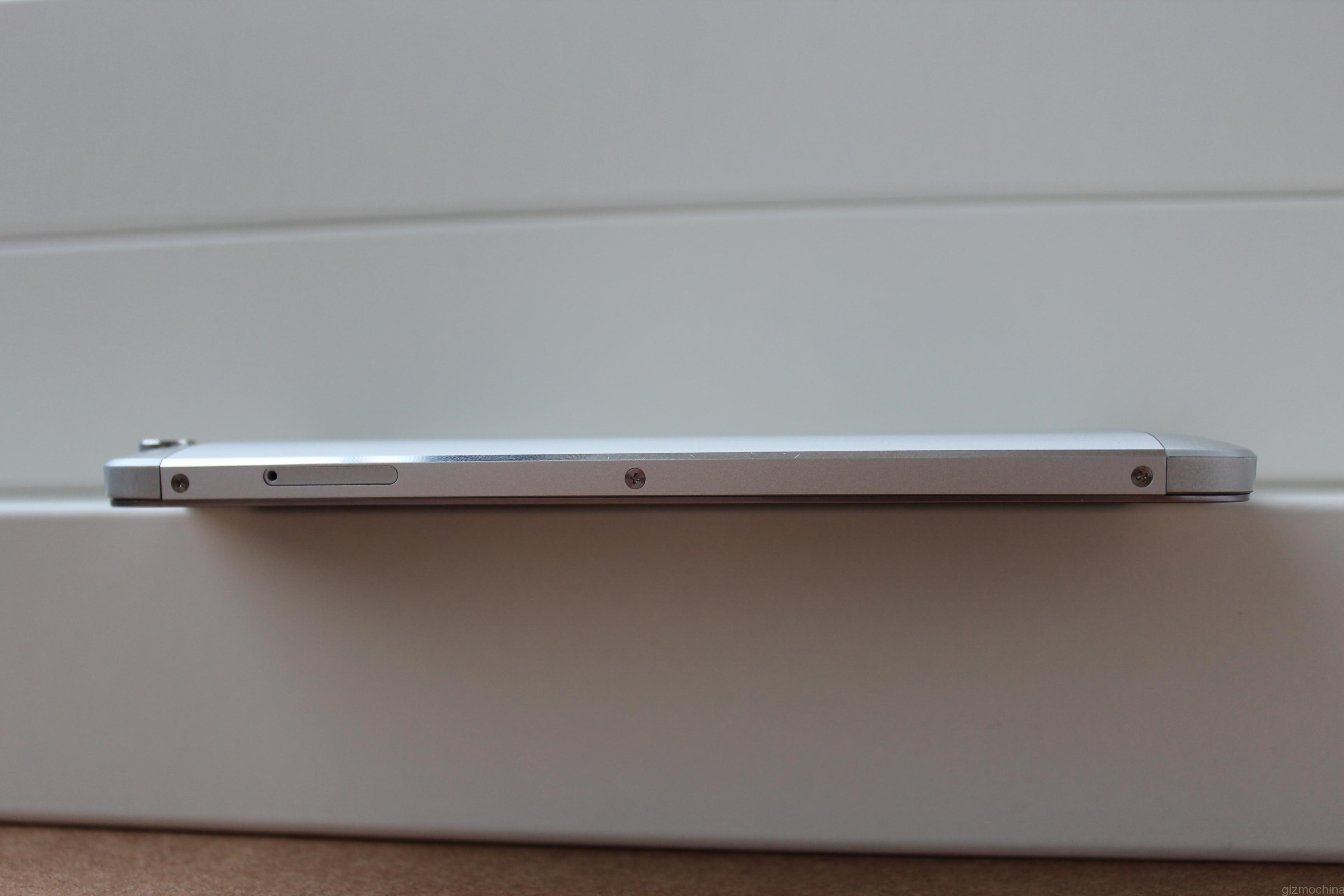
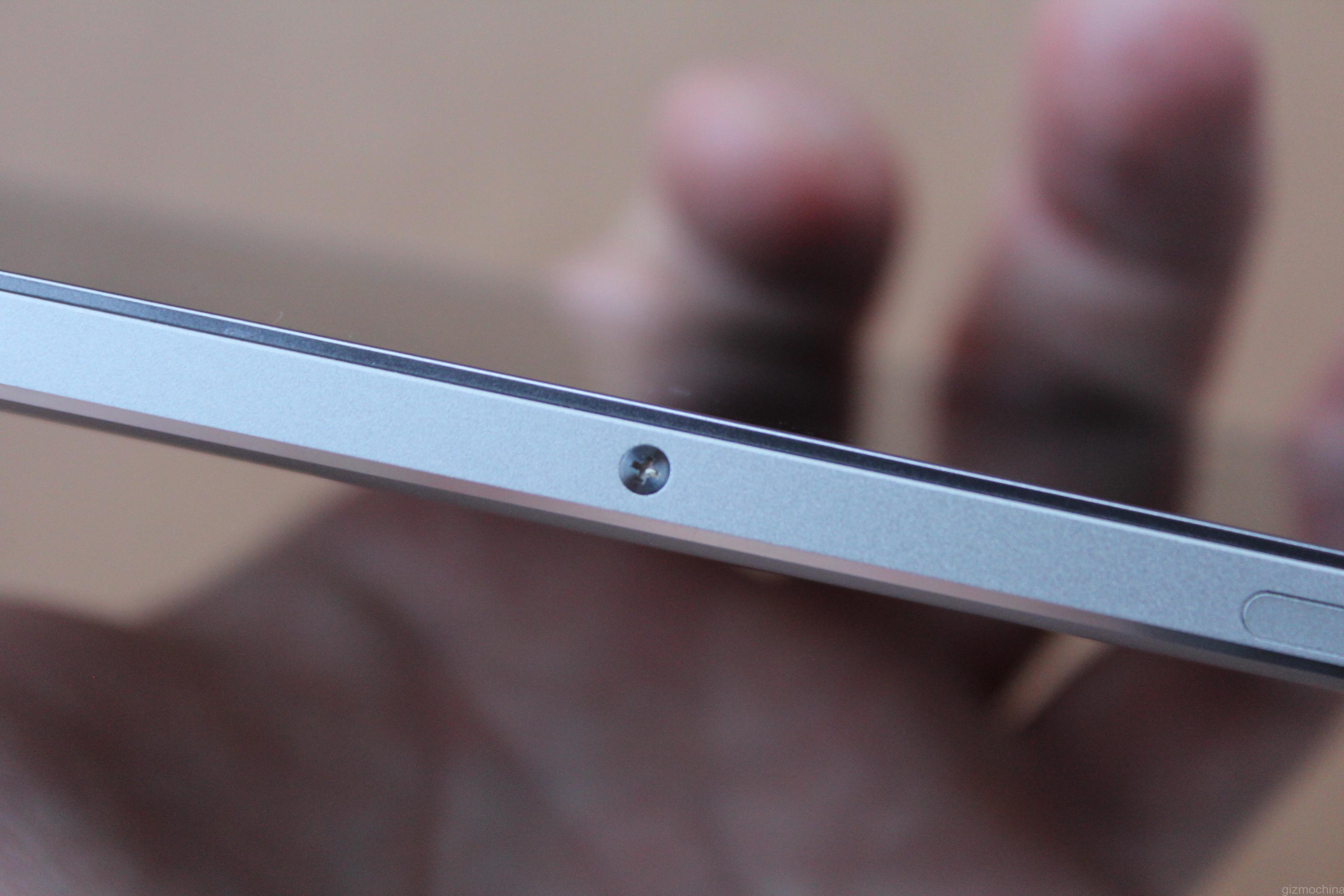
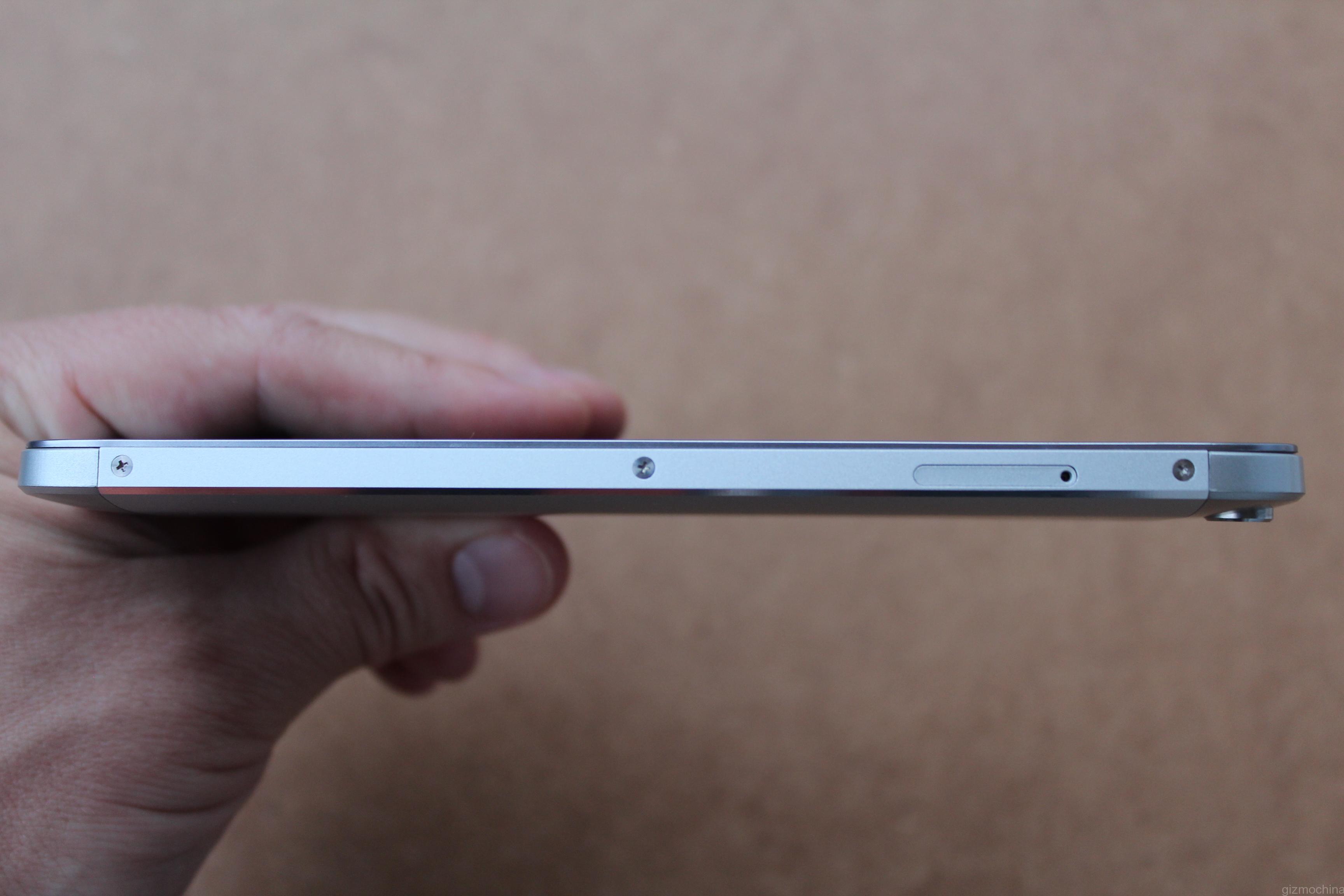
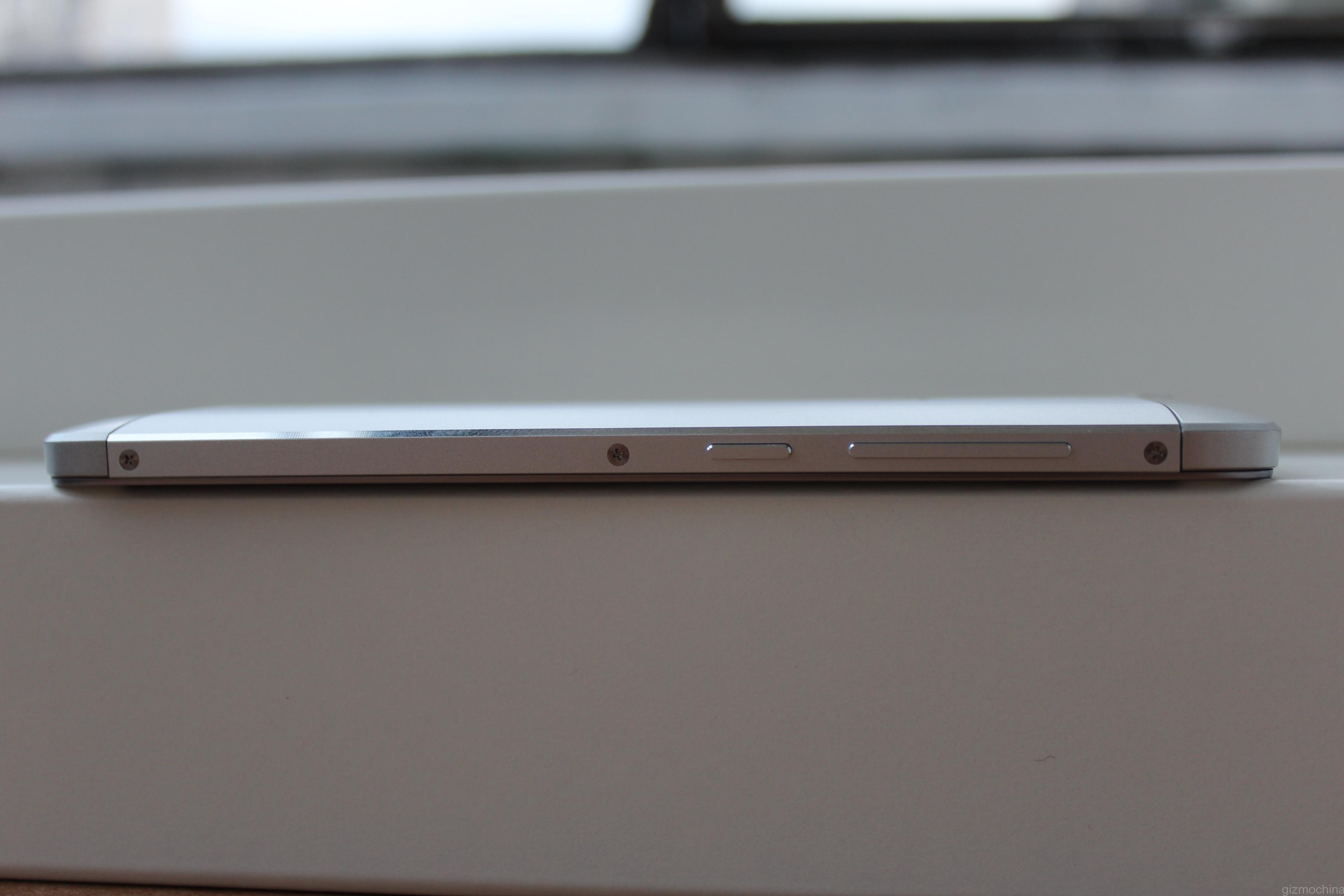
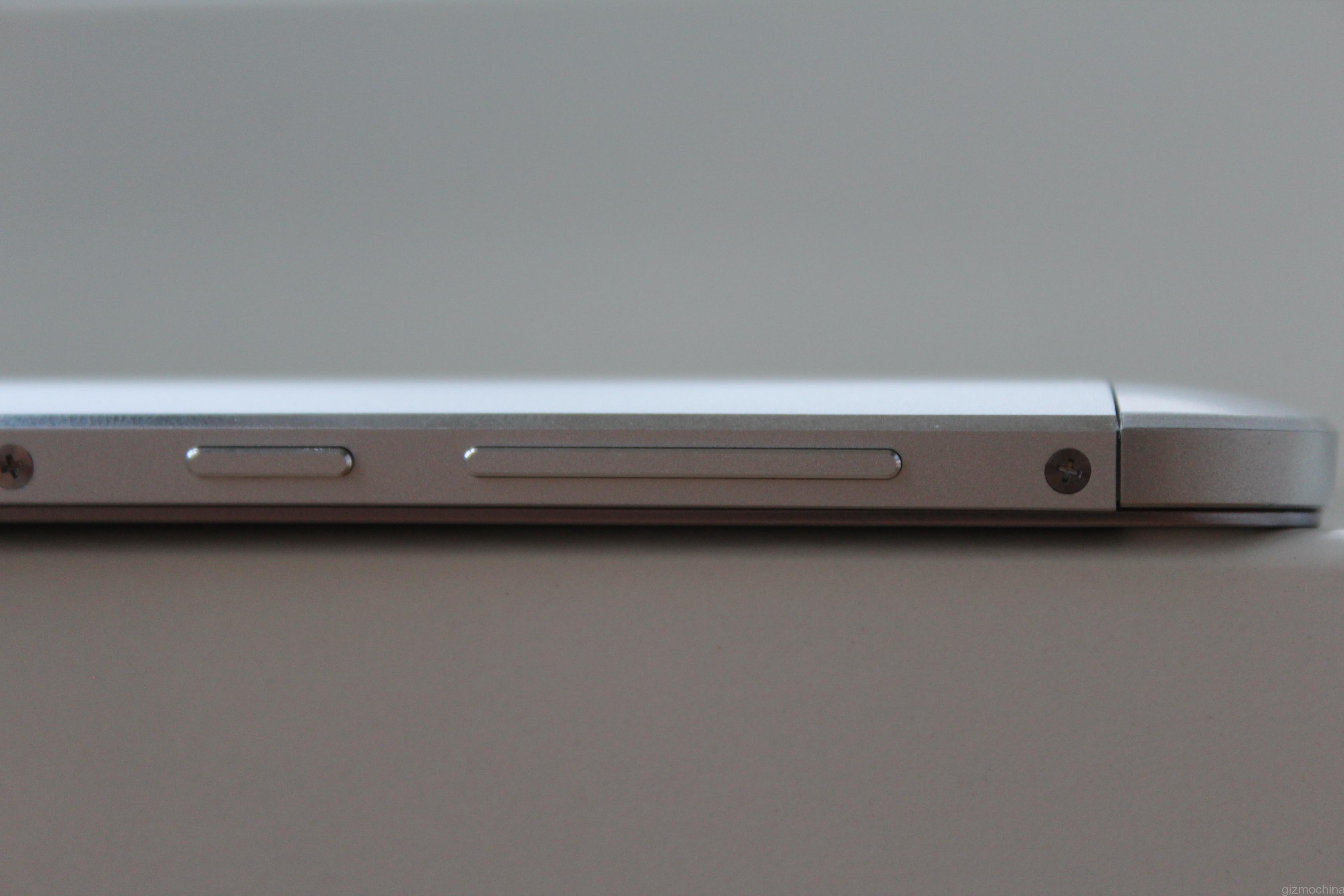
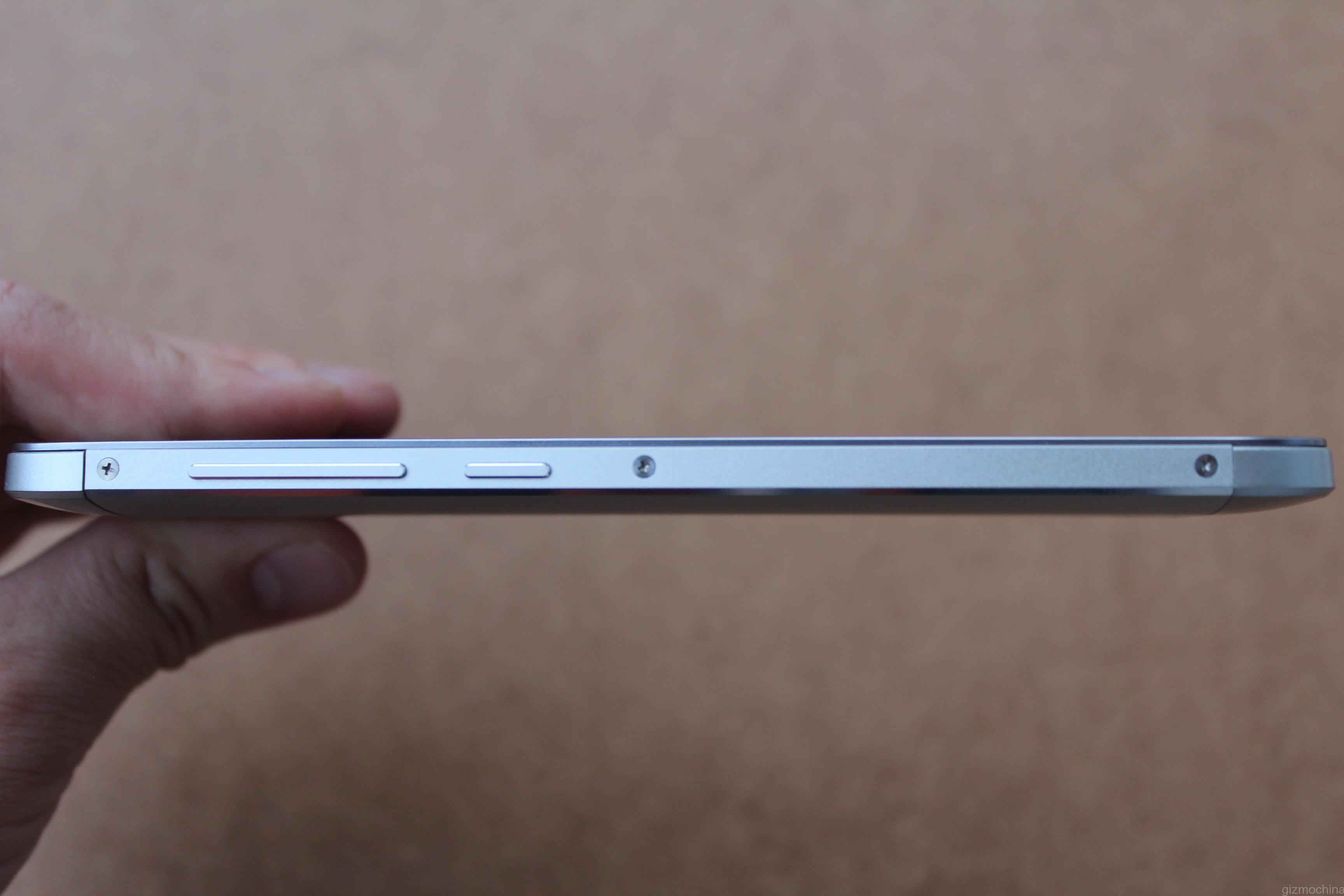
The metal shell continues to the sides of the device and it is tightened up with screws, which also provide a nice looking industrial design.
In addition, you can find a nano SIM card/microSD card (up to 64GB) slot , which you have to open up with a pin.
On the left side you can find a metal made power on/off switch along with a volume rocker.
On the top side there is just a headset jack.
Finally, on the bottom you can find a micro USB charging port along with the main microphone.
Umi Iron: INITIAL IMPRESSIONS
Umi Iron has actually made a great first impression. The first things you are going to notice once you take the device out of the box is that it is not your usual budget smartphone as it is made almost entirely out of metal as the name Iron implies.
Although the device has a 5.5″ display, the smartphone sits very comfortably in the hand due to rounded edges and decent ergonomics.
Other impressions include that it has a great, bright and vibrant display and the UI is running very smoothly.
Stay tuned for the full written and video reviews to Gizmochina. Also, some very hot new devices are coming to the review labs!
Lenovo has been quite a dominant player in the Chinese smartphone market for the past several years. The manufacturer has tons of different devices in its portfolio, but it still feels that the company cannot produce a device that everyone desires like Xioami is capable of doing so.
Believe it or not but the budget Lenovo K3 Note has become one of the most popular Lenovo’s models lately especially once it was officially launched in India.
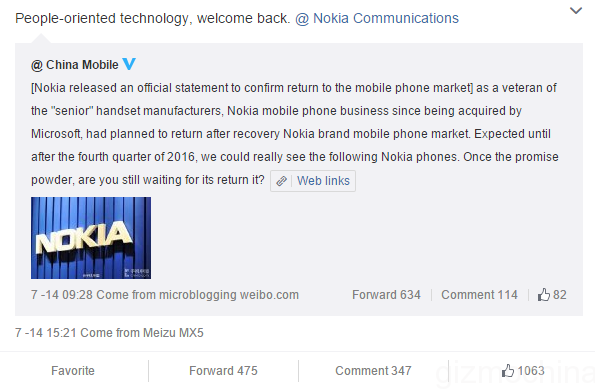
Yesterday, Nokia made the headlines after it said that the Finnish company was looking for a world class partner to re-enter the smartphone industry. Nokia had added that it believed a licensing deal was the ideal way to get back in this competitive industry. Now, it looks like we have a clue as to which company could be working with Nokia for the comeback.
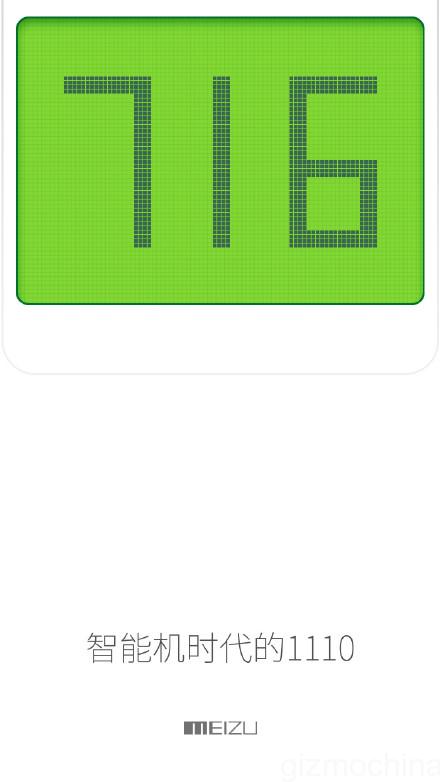
Earlier today, Meizu’s official Weibo account welcomed back Nokia. While this was suspicious enough, the account posted another teaser which probably hints at some kind of partnership with the company.
The teaser highlights the date, 7.16 which is tomorrow with the words the long era of intelligent machines 1110 (Nokia 1110?) written just below the image. This could hint at some kind of co-operation between the two companies.
Even if the company is partnering up with Meizu, it cannot develop and market its own smartphones until the end of 2016. The company can only start manufacturing phones under its name from next year.
But Nokia is known to make solid phones, much like the 1110 feature phone. It was one of the best selling phones in the market till date, selling about 250 million units worldwide. So, according to the teaser, it looks like Meizu and Nokia partnership aims to create such a best selling product.
This is not the first time we are hearing about a possible Meizu Nokia partnership. However, at that time, the company executive, Li Nan had said that it was all rumors. But given that the official weibo page is hinting at a possible co-operation, we could expect something like the MX5 Supreme Edition for international customers arising from such a partnership.
Well, we don’t have to wait too long to know what the company has in store for us. So, stay tuned to the website in the coming 24 hours as we will keep you guys updated with the details..
Gaming on the go on your smartphone is great fun but sometimes your smartphone needs a bit of help to give you the best experience possible. This is where additional mobile gaming gadgets come in, they spruce up your smartphone and make you feel more immersed.
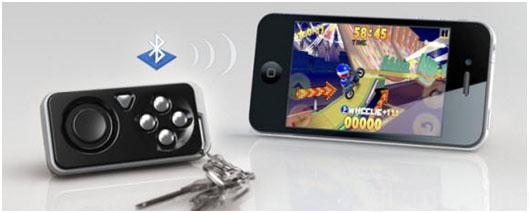
The iMpulse is a pocket sized joystick specifically designed for use with your iPhone. It connects to your phone via Bluetooth and before you know it you’re all set up. You can play online games with this too so you can review great new bingo sites after experiencing them with this gadget. This item will also help you find your keys if you contact it from your smartphone, so no more time spent hunting for them.
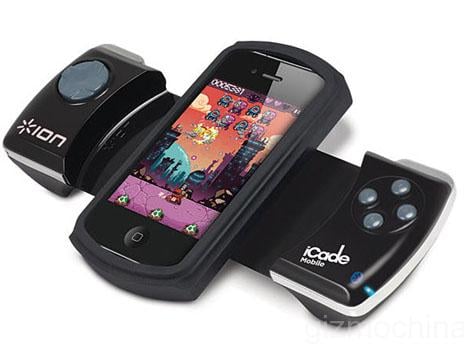
The iCade Mobile is another joystick but for this one you place your smartphone in the middle of the controller. You can play vertically or horizontally with this one and it comes with loads of compatible games. Having the screen in the middle of the device also helps get you into the game, especially if you’re playing a high octane racing game. Plus it also has a rechargeable battery so you can take it anywhere you want.
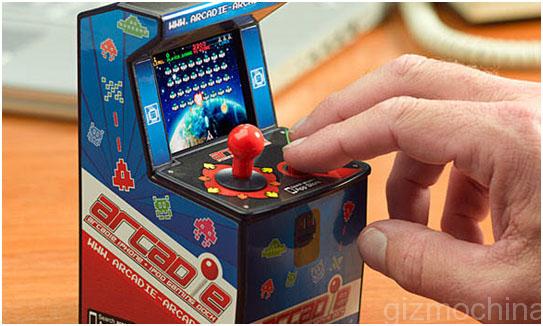
If arcade games are more your thing you can get Arcadie. This tiny, retro box fits around your mobile device and even sports a joystick so you can play your favourite arcade games the way the creators intended. Compatible games include Asteroid and Space Invaders, so players will get a real blast from the past with this product.
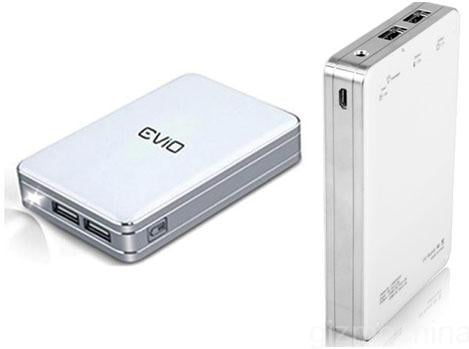
When you’re playing games with peripherals on your phone the battery doesn’t last long so you’ll need a product to bolster it. The EViO external battery will do just that, just charge it when you’re charging your phone and in a battery crisis it will give your phone a new lease of life. This battery also has an extra port so if you’re playing an intense head to head match, there’s no need to stop and find a plug point.
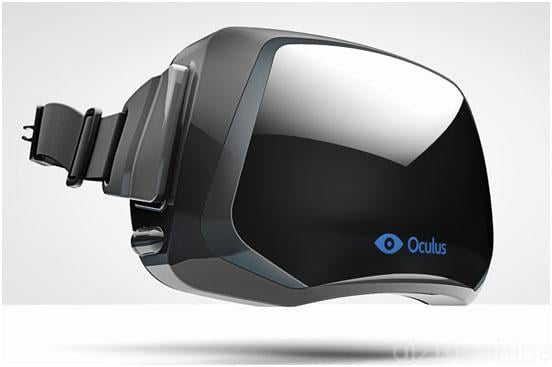
Enough about what’s available right now, let’s talk about some concept gadgets that could really kick your gaming up a notch. Virtual reality software, such as the Oculus Rift, transports players into a different world with just a pair of goggles. Right now games are being released for this platform that will amaze players, all it needs is a more staunch battery to get it more mobile. This platform is so powerful and has a whole host of applications once mobile, it could be used not just for gaming but for training emergency volunteers, allowing bedbound individuals to see outside and becoming a virtual meeting place.
There is a less high tech version of this technology for mobile devices already available, it consists of a cardboard frame which holds the user’s phone up to their eyes. This offers a similar experience to the rift in creating an immersive world. This DIY cardboard device is provided by Google.
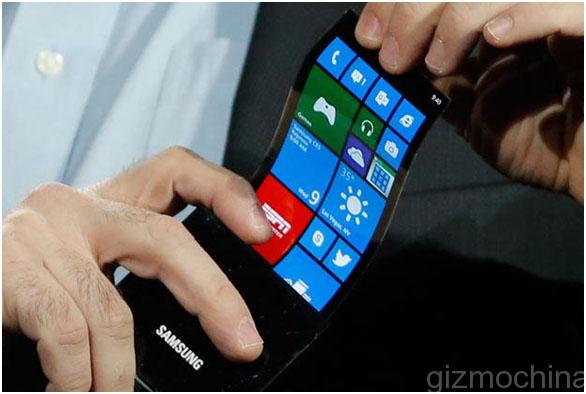
Imagine if your phone was a flexible sheet, much like thin plastic, instead of a rigid object. These concept screens would have loads of applications in the gaming world, imagine rolling your phone up into the shape of a roulette wheel and watching the icons spin. With all the gadgets on the market at present an upgrade of the physical matter of the phone would open up a lot of new avenues in gaming.
Though some of these futuristic designs exist today some of these concepts won’t be around for a long time. You may need to get used to rigid screens for now but you can still spice up your experience with some of the gadgets stated above.
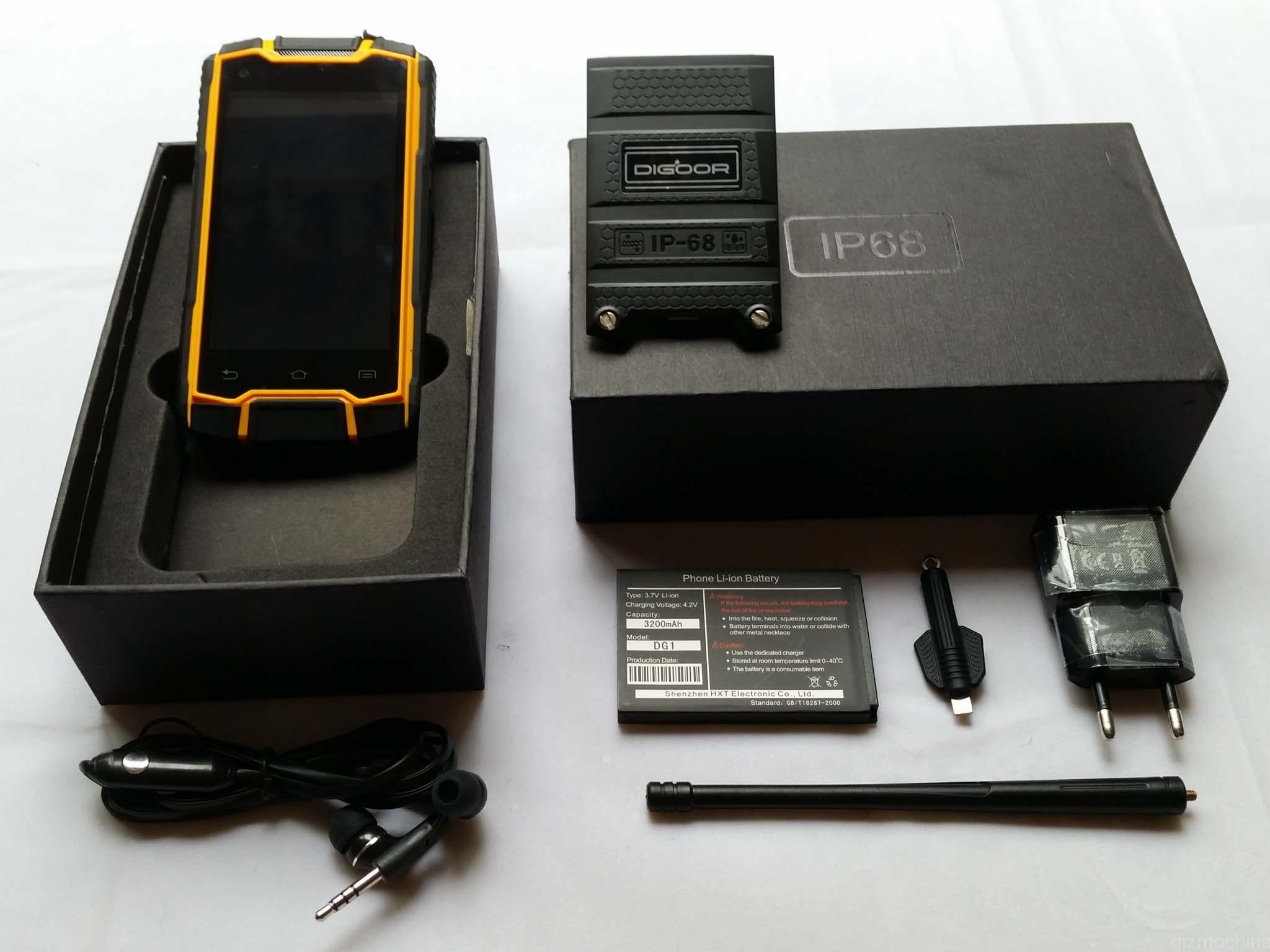
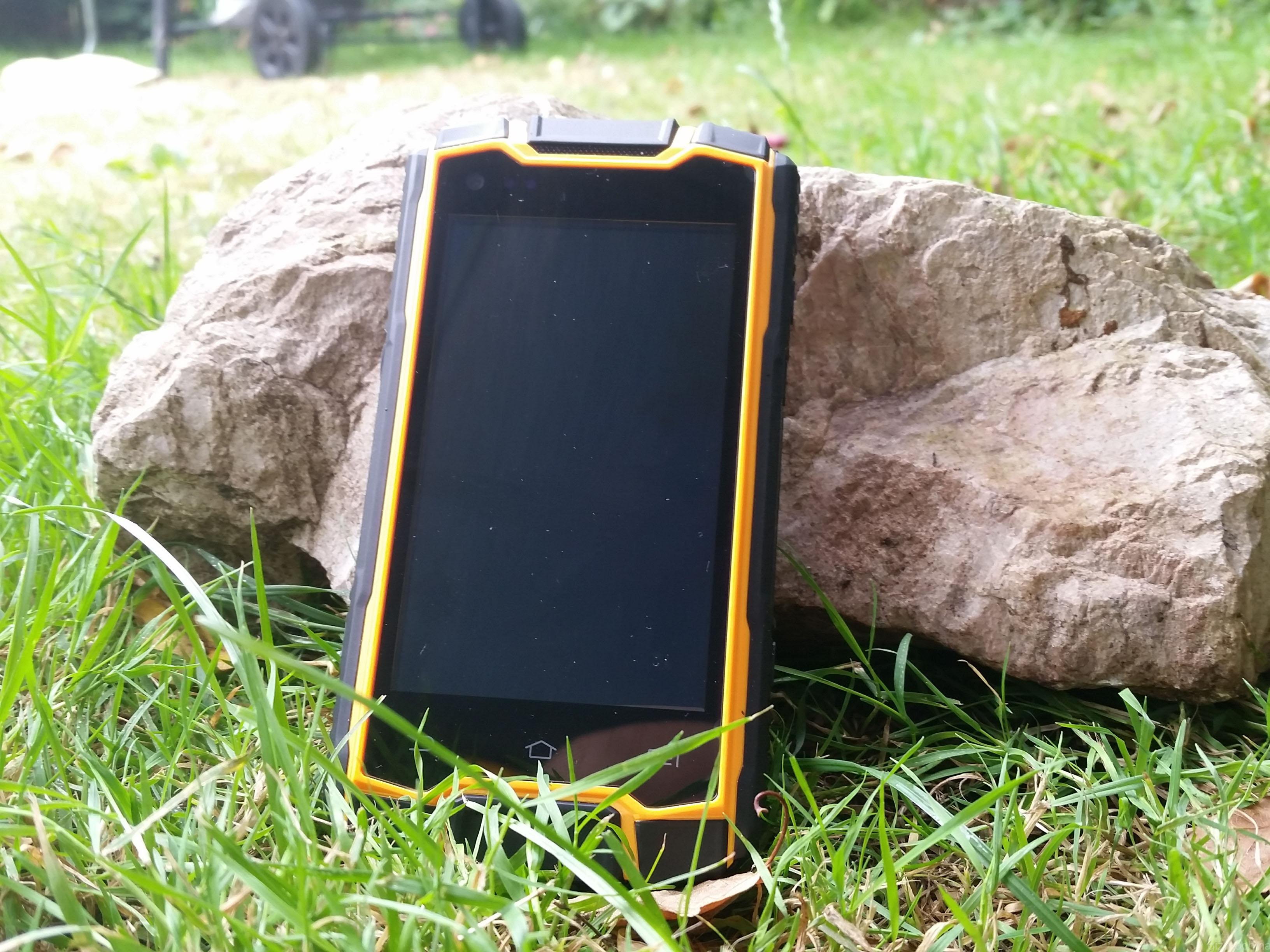
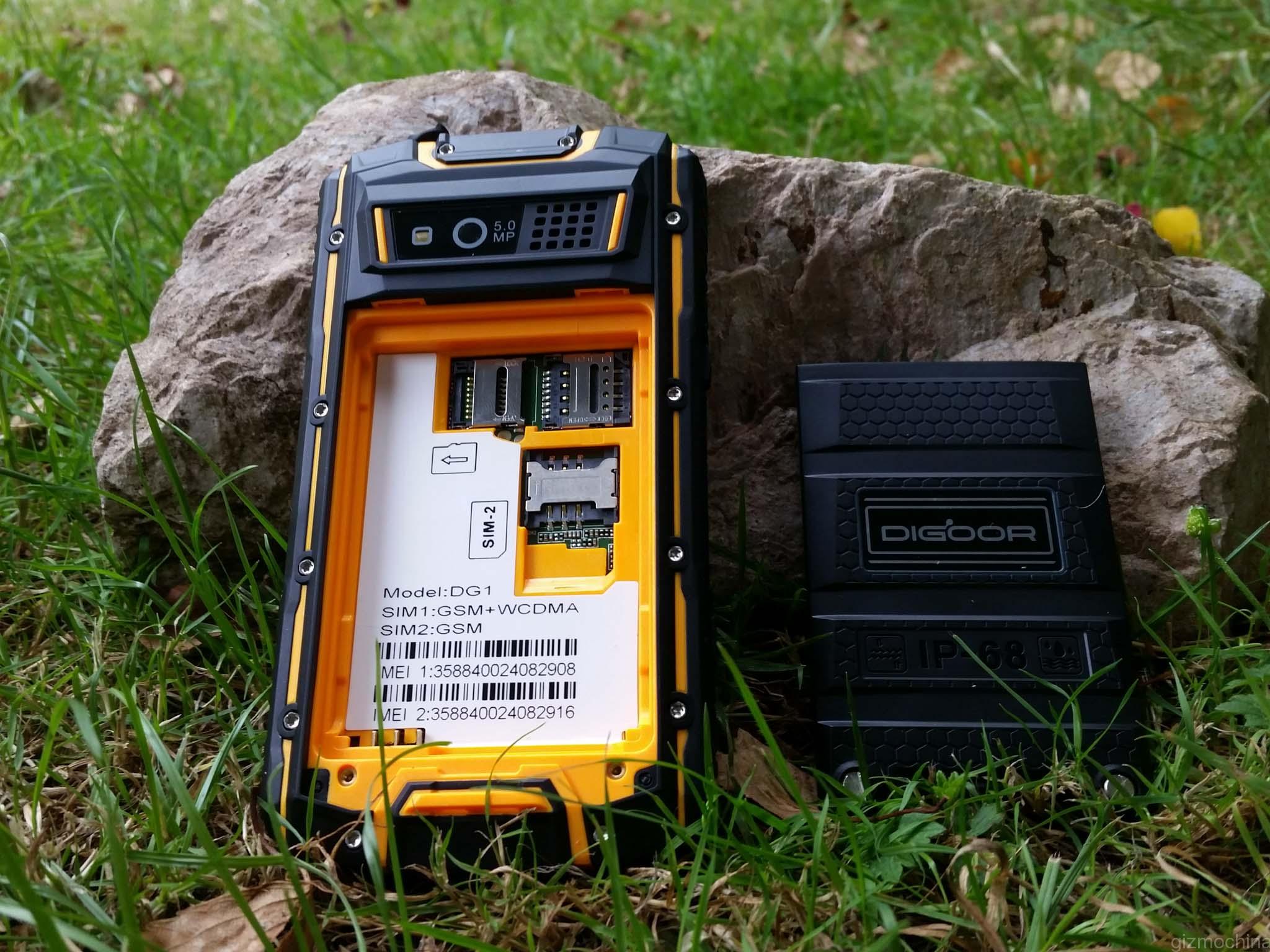
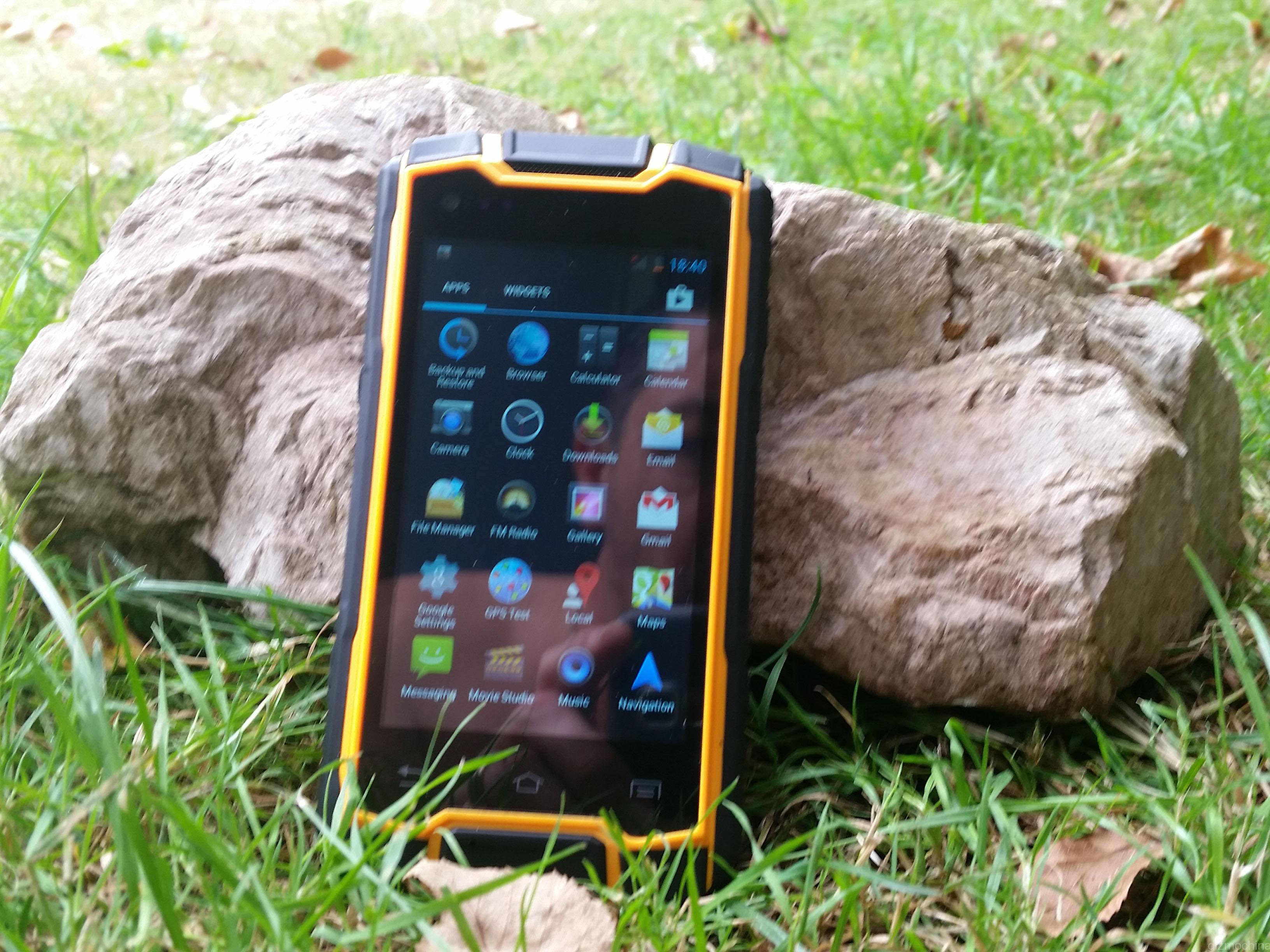
The phone comes in a sturdy box containing the phone, walkie talkie ariel, rear battery cover removal tool, usb cable (this has a standard micro usb connector but is longer to clear the rugged casing), a 3200mAH Li-ion battery and a 2pin Euro style charger block.
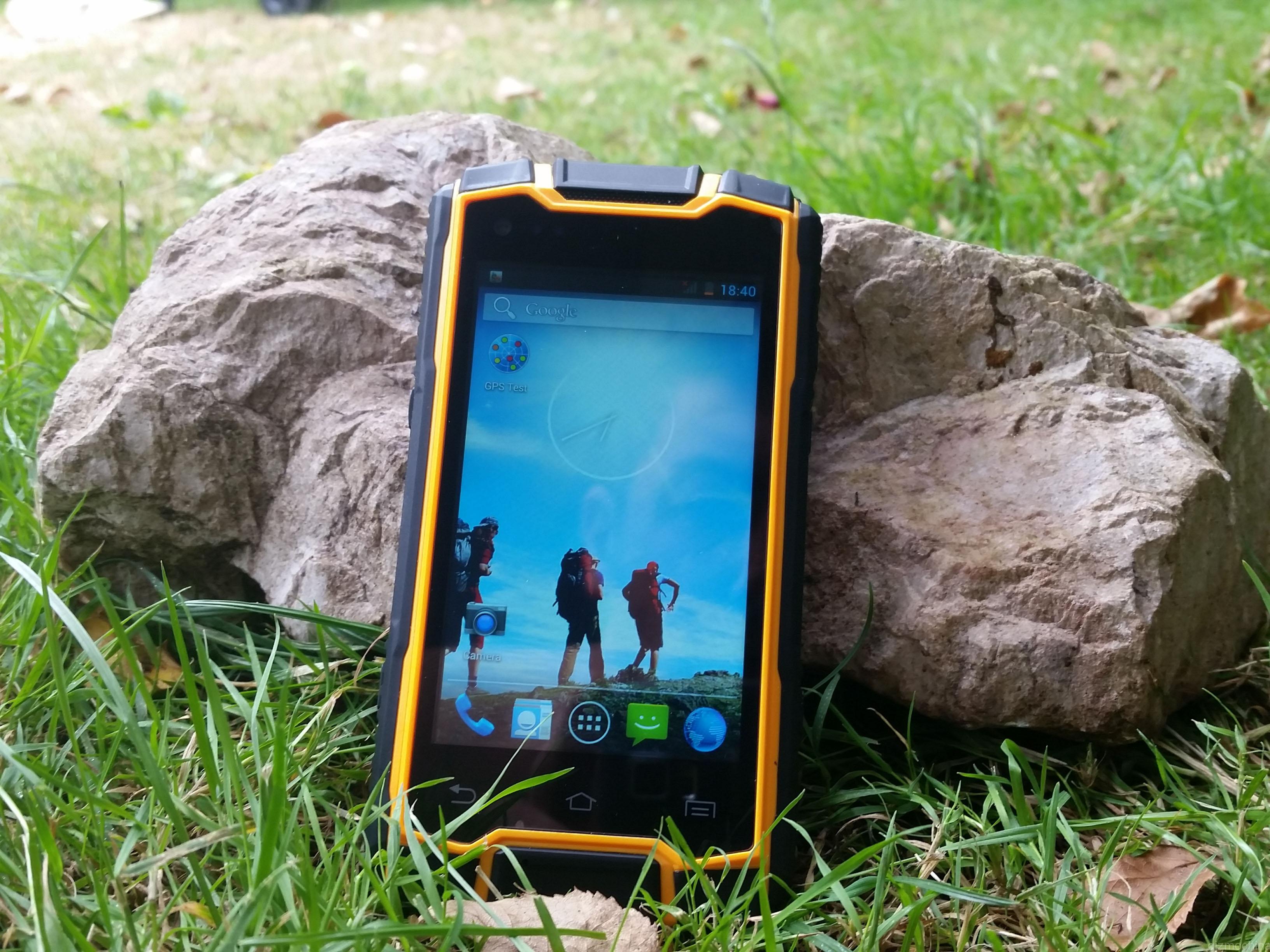
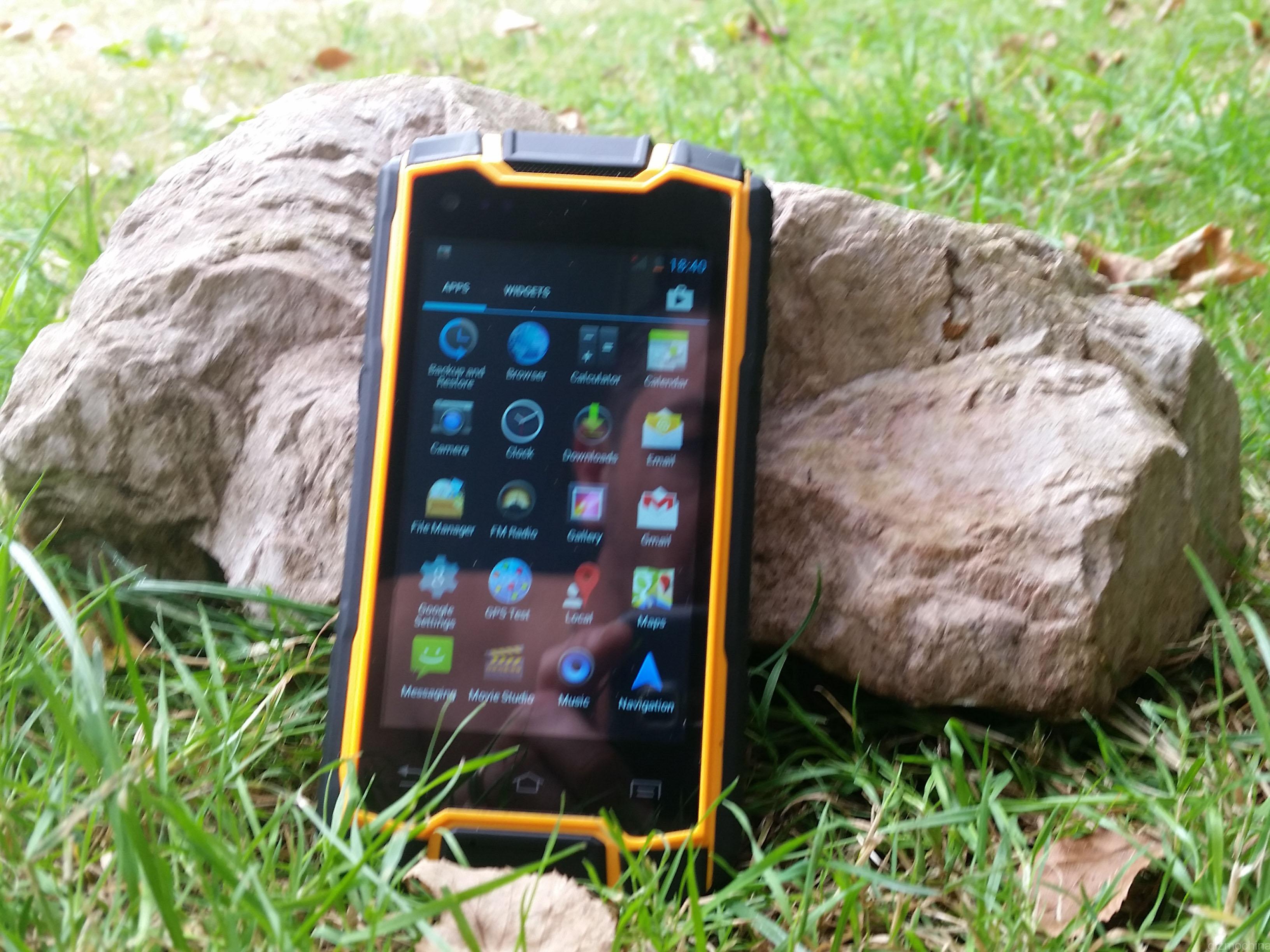
Having put the battery in and fired up the phone I was greeted with a stockAndroid 4.2.2 Ui, the screen is actually set back a little inside the protective casing to help protect it from damage from drops etc, it takes a few minutes of use to get used to the fact that you are not directly touching as you would with a OGS style screen, but soon becomes second nature.
The screen itself is a 4″ 480 x 800 WVGA IPS unit capable of 5 point touch, the brightness is not bad and can be seen in bright sunlight, the viewing angles are also very good.
Whilst the screen resolutions may be lower that we now expect on midrange and above phones, its worth remembering that this is a rugged phone that needs to not only survive impacts, dust and water but have a long enough battery life to keep you going and possibly even save your life one day, lower resolution screens use substantially less power than HD, FHD and 2K screens.
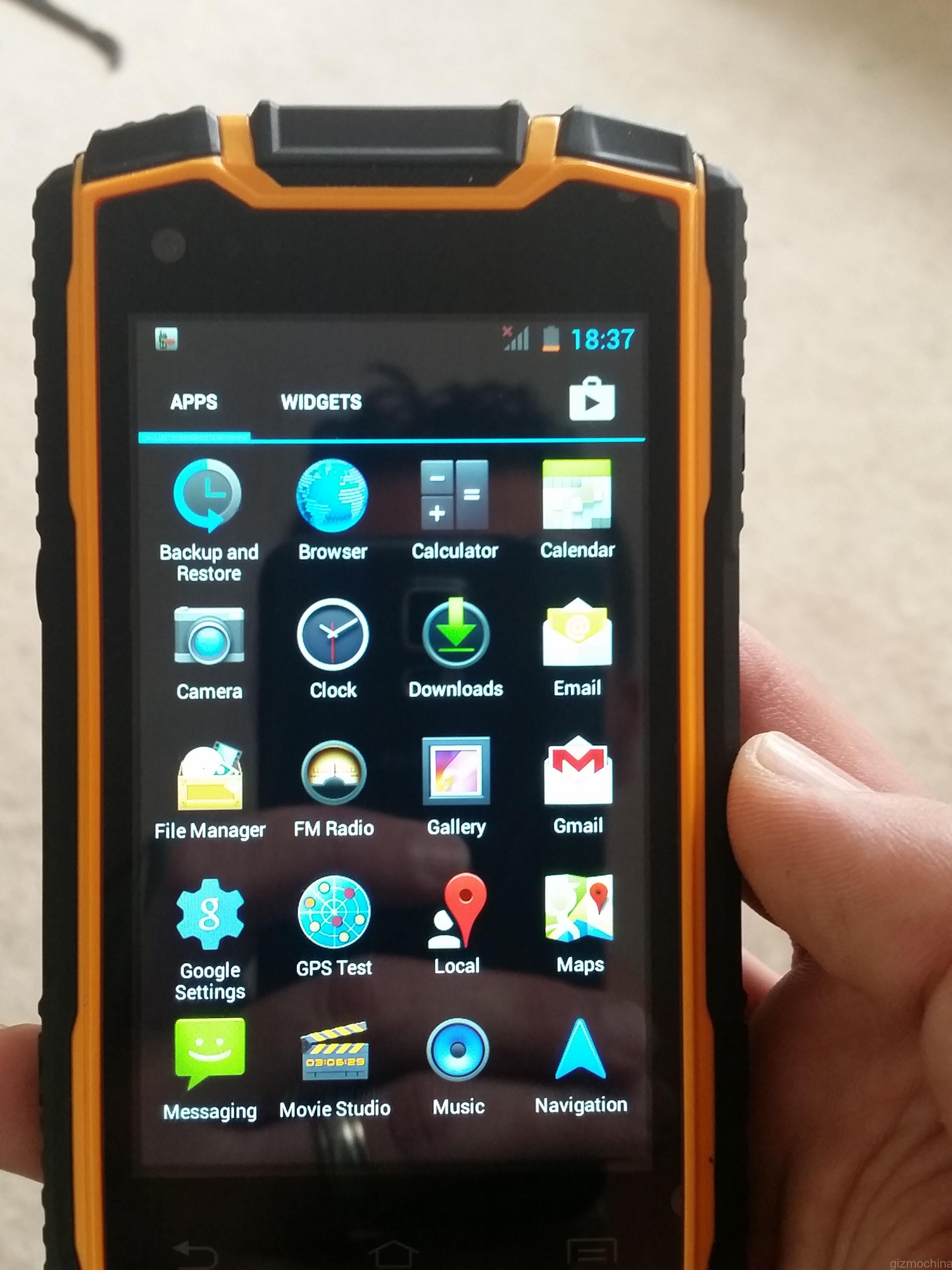
As mentioned above the phone runs stock Android Ver 4.2.2 which gives it a very clean interface and makes good use of the Mediatek MTK6582 processor.
The phone also includes some really nice goodies that you won’t find on flagship style devices, these are toys that the more intrepid amongst you will find very useful.
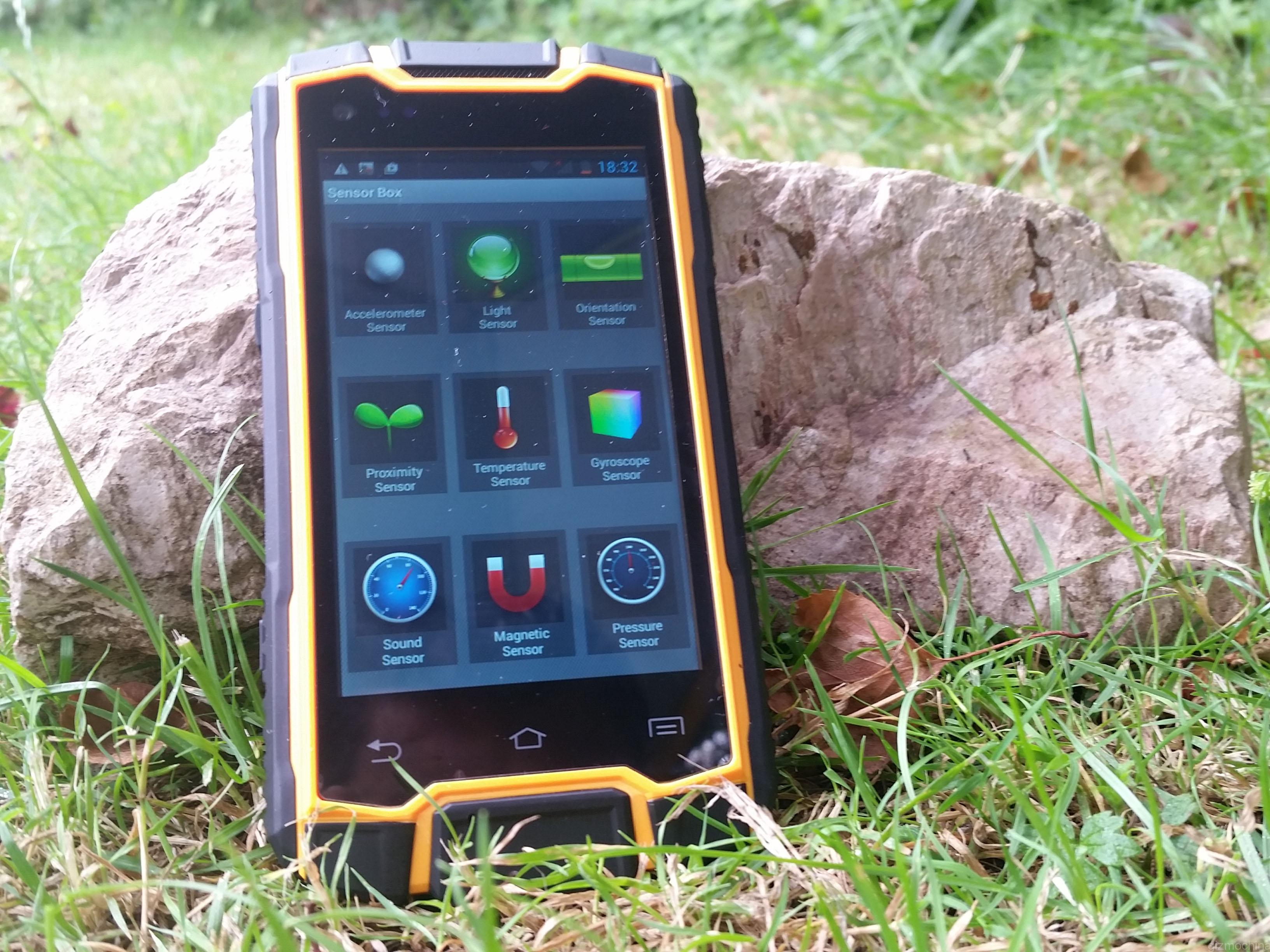
The sensor box App for example contains things like a temperature sensor giving ambient temperatures in both Celsius and fahrenheit, sound sensor giving external decibel readings, this would be very useful if you are working on site and noise levels have to be kept within certain parameters, but also fun if like me you enjoy loud car stereos and would like to see who really does have the loudest system!, pressure sensor providing a reading in mBars this along with other apps available from the app store can be used to properly calculate elevation.
The magnetic sensor is also able to show details of magnetic fields (and helps to align the phone to North for digital mapping).
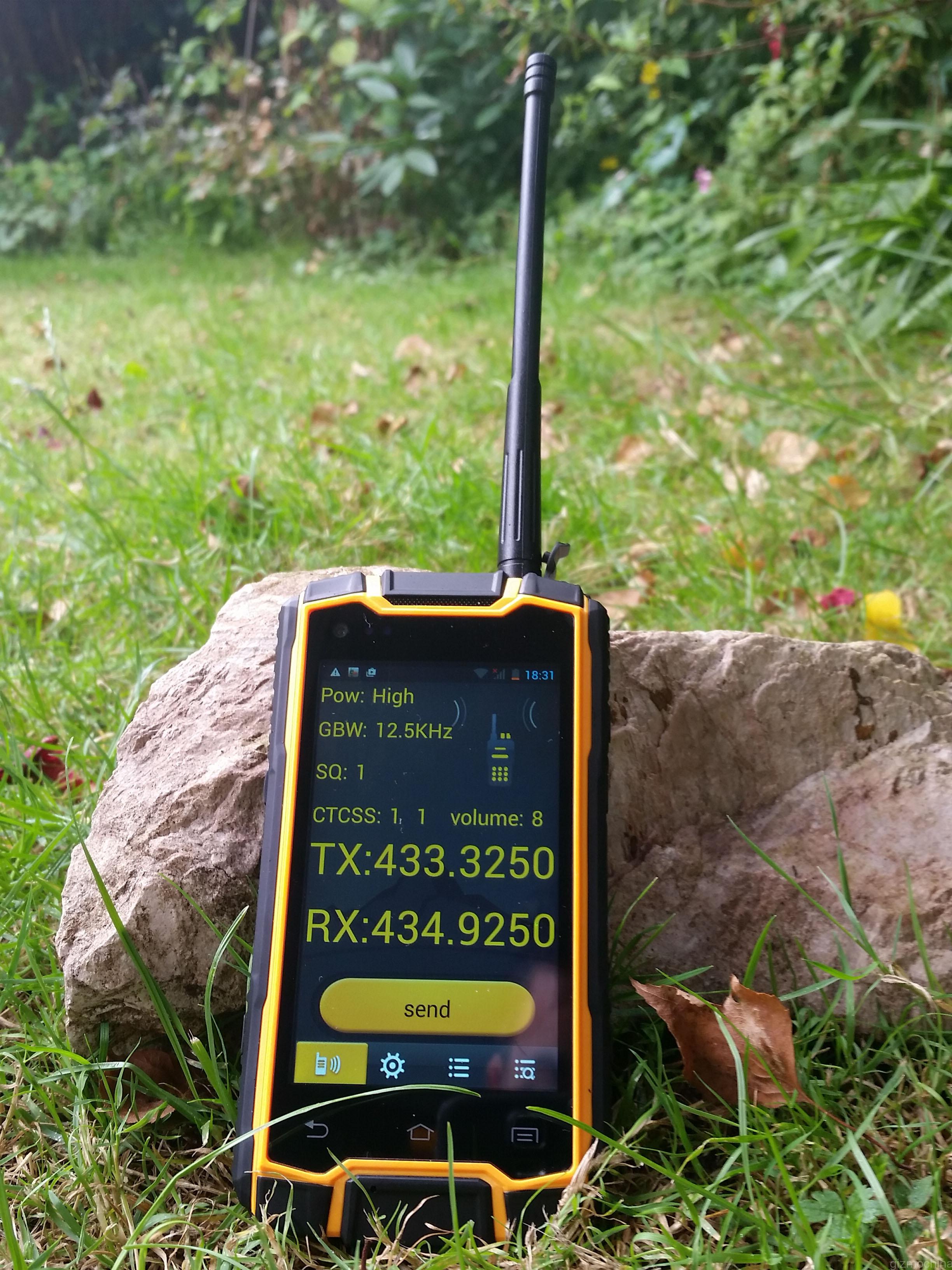
But the killer feature of the DG1 is the PTT transceiver, once you screw in the walkie talkie ariel and launch the PTT app you have access to a high powered 1W phone based walkie talkie capable of operating between 400-470mhz in the UHF 70cm bands, the range is around 3-5km dependant on obstructions.
If you are out and about in the wilderness or working on sites where there is very little or even no telephone signal the addition of the Walkie talkie feature is something that will make your life easier and could also save your bacon.
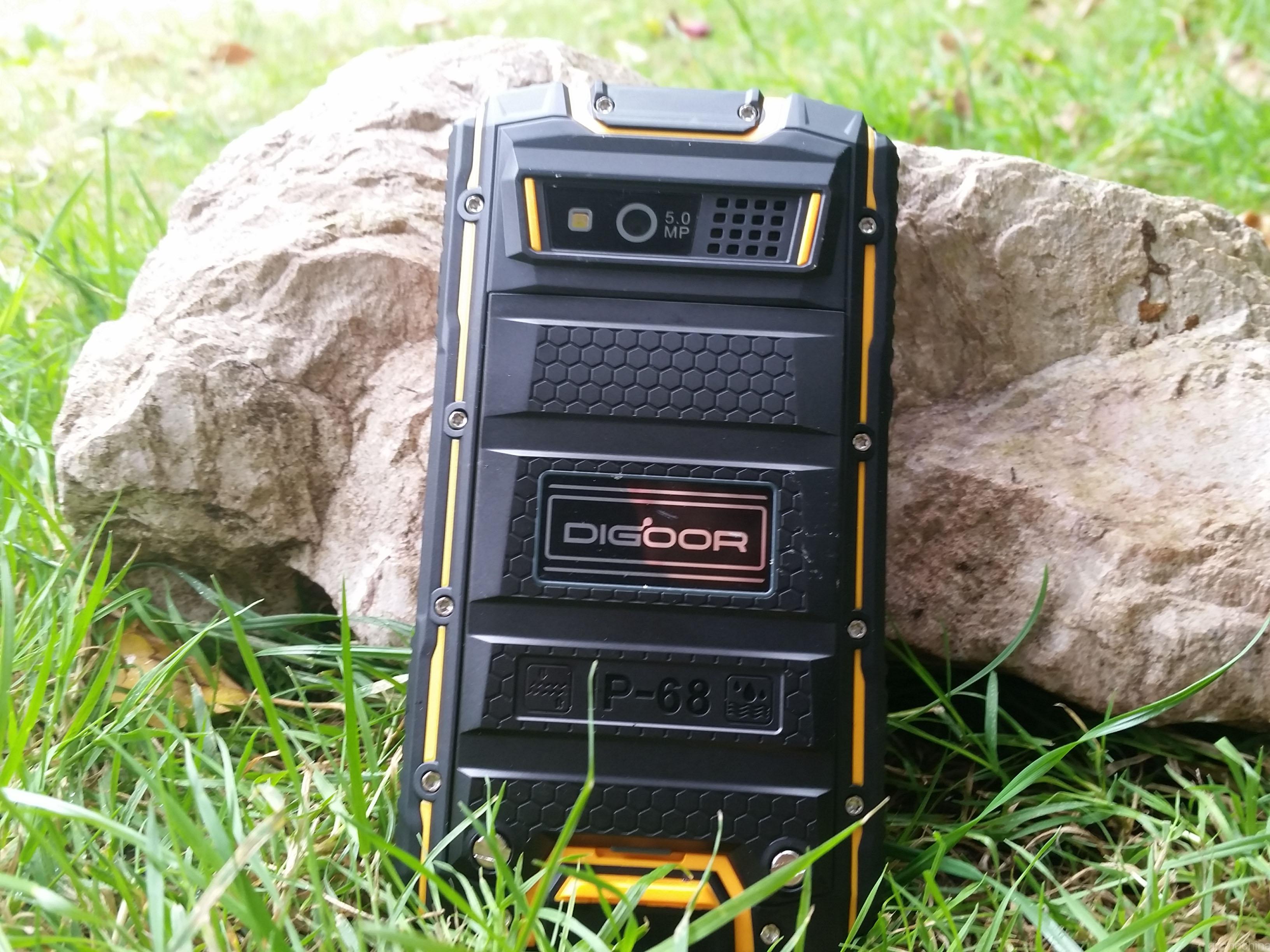
The rear camera is a 5mp unit and whilst not giving the best quality compared to some of the 13mp units seen on other phones, it is more than capable of capturing a special moment whilst your out and about in places that you would not normally be able to take your standard flagship phones.
It is worth noting that if you are out in direct sunlight, playing with the camera settings a little before taking a shot is very much worth doing in order to get the best possible picture (switching from auto white balance and selecting sunlight for scene will give much deeper colours).
The front facing camera is ok for selfies but again this is not a phone that you would be carrying to replace a proper camera, be it a DSLR or true point and click.
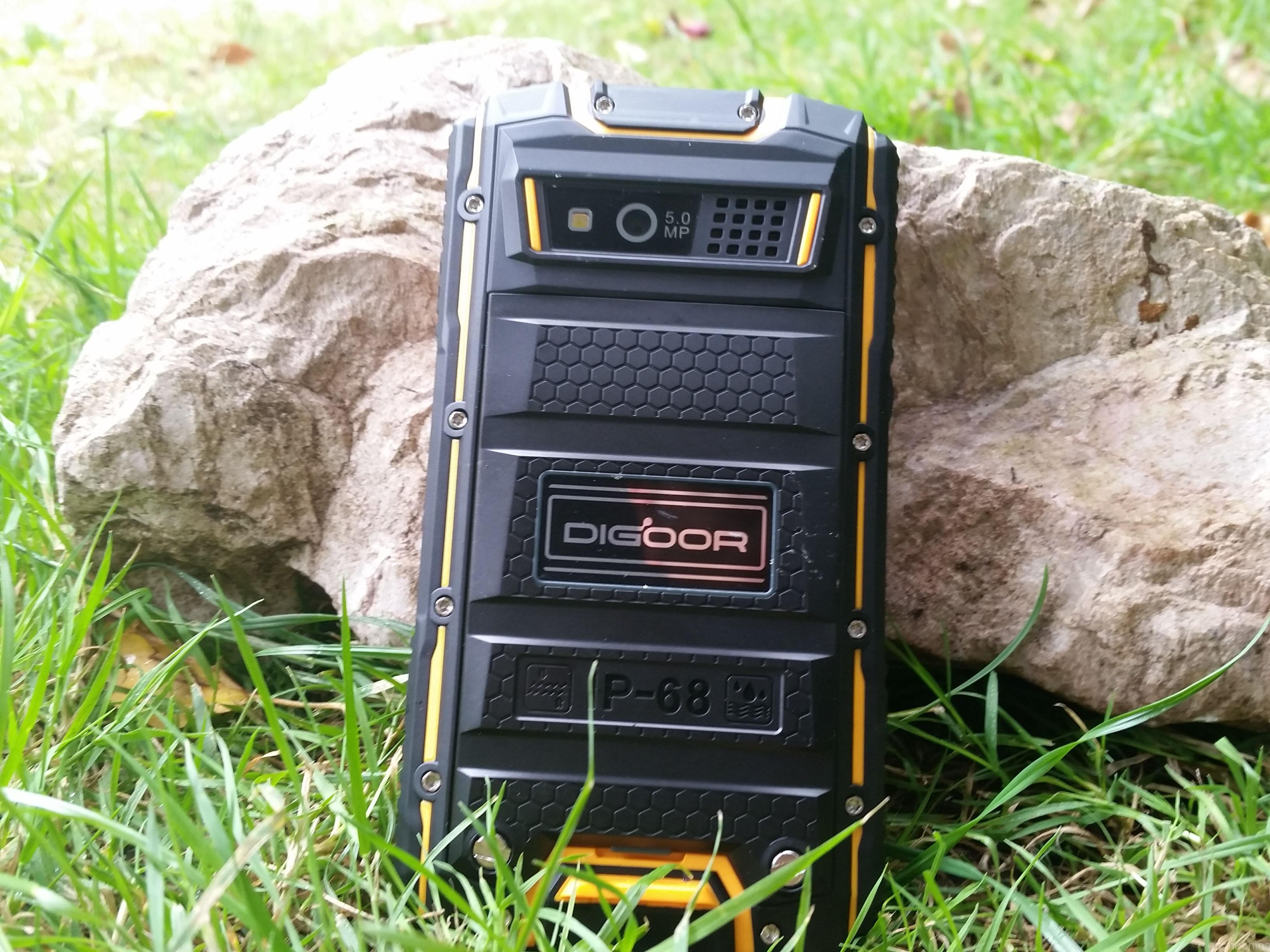
Speaking of going places where you would not normally take a phone or camera, the phone has an IP rating of 68, the 6 means that it is totally dust tight and the 8 means that it is protected against prolonged effects of immersion under pressure, this is a phone that you can take pretty much any where without fear of damage.
When you compare this to the Galaxy S5 which has an IP rating of 67 (the 7 means that it is protected against temporary immersion) you will see that this phone offers a go anywhere solution.
The battery life is not bad and has lasted over a day and a half without charging so far.
The phone features various hardware buttons, to the right of the phone are standard volume up and down keys as well as a dedicated camera key
The left of the phone has the PTT button as well as a dedicated S.O.S button that can be setup on the phone to give one touch access to local emergency services, there is also a dedicate reset button.
The top of the phone houses the power button as well as the lift up flap providing access to screw the provided walkie talkie ariel in to the DG1.
At the bottom you will finds the micro USB connector as well as 3.5mm headphone jack.
Having given the phone a thorough test, it feels very well built and considering the choice not to use a 64bit processor the OS runs very well and has great GPS.
If you need a go anywhere phone you could do a lot worse than the DG1.
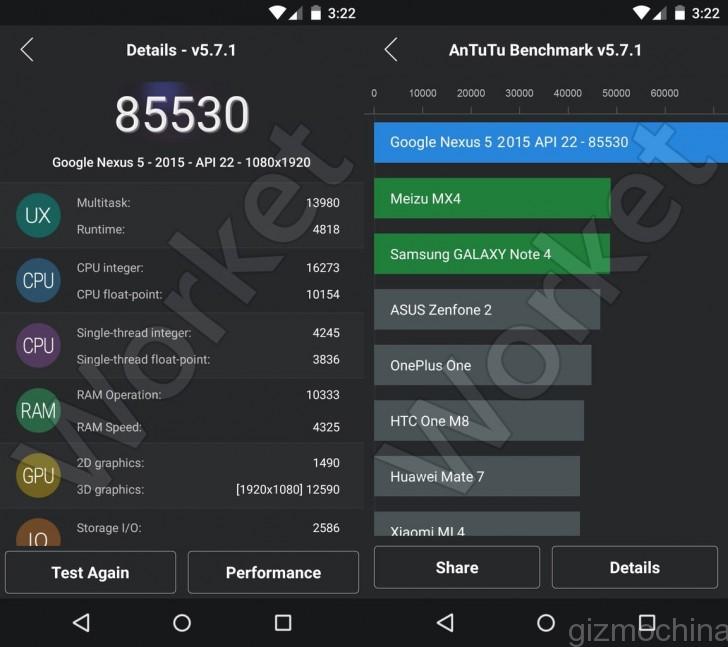
According to recent reports, we may see two Nexus devices this year, one made from Huawei and another one from LG. It looks like one of the Nexus devices just made an entry in the AnTuTu benchmarking site, blowing everyone’s mind with a score of more than 85000!
If you remember, the Samsung Exynos 7420 chipset is currently on top of AnTuTu with 65000+ points. However, with a score of over 85,000 this Nexus device beats Samsung’s chip by over 20,000 points.
This brings us to the big question, what exactly is running inside this Nexus device? Well, AntuTu 5 doesn’t reveal much about the specs inside the device, but the phone probably will come with the new Snapdragon 820 chip from Qualcomm. While the score is still too good to be true, considering Qualcomm’s desperate need for a comeback with 820, the company could have boosted its performance to a whole new level.
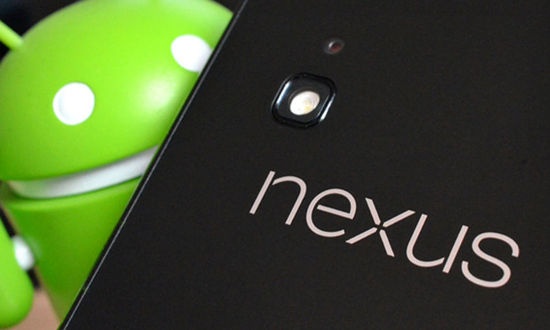
What we do know is that the phone will be called as the Nexus 5 (2015) model, which probably means that LG is not sticking with the incremental naming policy. Also, this may also give us a clue about the screen size, as you can expect it to be around 5-inches (5.2-inch would be just perfect). The Nexus 6 came with a monstrous 5.9-inch display, but it was too big to handle. So, this could actually be a good move. The resolution is surprisingly just FHD, which would be a downgrade from the QHD display on the Nexus 6.
Anyways, if the performance of Snapdragon 820 is really this good, we would like to know whether it overheats like the current generation 810. But we hope Qualcomm will have learnt its lesson by now.
Usually, Google announces its Nexus devices in fourth quarter of the year and we expect the company to continue the tradition this year too. By then, there could be a couple of Snapdragon 820 powered smartphones like Xiaomi Mi5 in the market. So, things could get interesting pretty soon!
ZUK will be simultaneously launching two versions of the Z1, A global version for international markets and a second model for mainland China.
The mainland China variant will come with a custom interfaced Rom, currently being developed in house by ZUK.
The Global variant will come with an officially supported version of Cyanogen.
Back in March of this year, there were various unconfirmed reports that Cyanogen CEO Curt McMahon had held meetings with ZUK executives in China, given the latest news about the official development of CM for the Z1 it would appear that the news of the meetings was based on fact, as they say there is no smoke without fire.
The fact that ZUK have chosen to partner with CM is understandable, given the way international users tend to interact with their phones, often preferring a more stock feel to their Android OS.
For those of you not familiar with Cyanogen (those of you that know and love CM feel free to skip this paragraph), CM is based of off the open source version of Android provided by Google, the CM team have taken the basics and improved and tweaked the OS to provide more functionality and refined the interface further.
Versions (ports) of CM are available for many phones, the modding community are able to contribute fixes and mods to the system, often meaning that devices can be made to run smoother and more efficiently and with greatly improved stability than if they were running an OS such as Touchwiz with its heavy CPU overheads.
Last year saw CM officially enter the China phone market in collaboration with ONE+, a launch that sent ripples through the industry and made many people outside of China sit up and take notice of the new emerging China phone industry.
The collaboration with ONE+ was fruitful and provided the new phone with an OS that many were envious of, unfortunately the relationship did not last, with ONE+ deciding to launch their own Rom variants, we are unsure exactly why they did this, perhaps it was due to the undisclosed negotiations with ZUK and the forthcoming launch of the Z1 featuring CM.
My source at ZUK has confirmed that the differences between the mainland China and Global versions of the Z1 will not be hardware based and that should China based users wish to try out the CM Rom on their handsets they will be able to do so by simply flashing the Global Rom to their handsets.
Although many China based handsets are available to buy internationally through re-sellers, only a small number of companies have truly branched out in to the international market place, of those that have most have stuck to launching in India.
ZUK are in a better position than most to launch their phones internationally, whilst others have been fearful of launching internationally, due to various patent issues and licensing agreements, ZUK’s parent company Lenovo’s purchase of Motorola, has given them access to a huge library of mobile based patents.
The Library of patents should be more than enough to ensure that they are not hit with issues and if they are should be able to negotiate cross licensing agreements.
ZUK have confirmed that they intend to really push the brand internationally and hope that it will quickly become an acknowledged player in the world phone market.
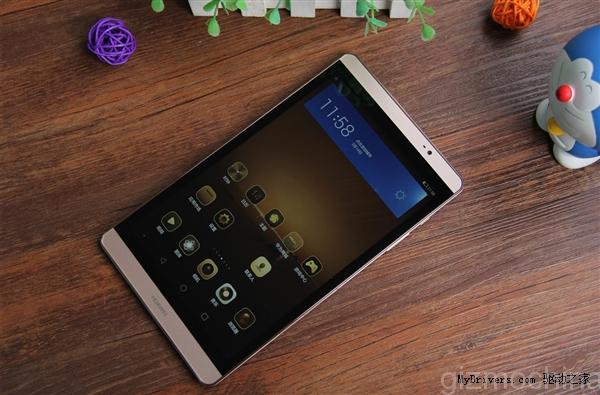
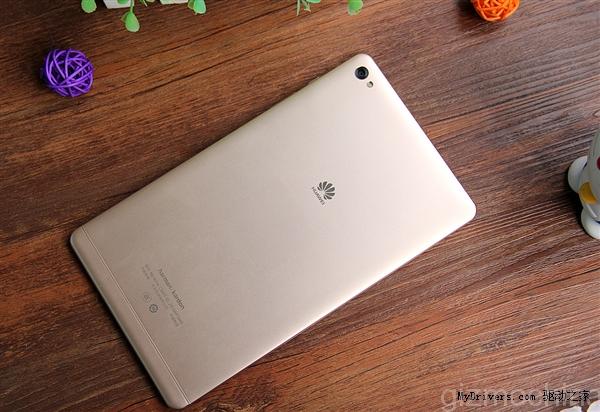
While Huawei announces it major flagships like the Huawei P8 with a lot of fanfare, earlier today, the company released its new Huawei M2 tablet in a conference at Beijing International Art Academy. The device is the next generation model of the Mediapad M1 tablet which was announced back in 2014. However, the company has incorporated a lot of new changes in terms of its design, specs as well as sound quality.
The Huawei M2 tablet is made out of 99.5% metal body. So, all metal lovers will definitely dig the new design. Moreover, the metal bezels on the side are slim, making the display stand out when the screen is off. But when you turn on the display, you can see black borders on the sides of the display. The overall body looks quite solid and measure just 7.8mm in thickness. This makes it a pretty slim tablet. The company also claims that the M2 comes with dual antenna design, which ensures good signal quality at all times.
Coming to the actual specs, the Huawei M2 tablet features the company’s current Kirin 930 octa-core chipset with Cortex A53e cores. There will be 3GB of RAM on board, which is more than enough to multitask. Further, you get 16GB and 64Gb internal storage options along with an 8MP rear + 5MP front facing camera. The 8-inch display will sport a resolution of 1920 x 1200 pixels.
If you compare these specs with the old M1 tablet, its a huge upgrade. Huawei Mediapad M1 just had 1GB of RAM and a crappy 5MP camera. So, the new M2 improves greatly on the old generation model. However, it features the same 4800mAh battery as found on the M1.
As for the software, the Huawei M2 tablet runs on EMUI 3.0 based on Android 5.0 lollipop version. The UI comes with nifty features such as split screen multitasking, magazine view etc.
One of the highlights of the new tablet are its speakers. The company has incorporated dual 1W speakers (13mm x 18mm) in particularly large sound chamber design boosting the overall sound output. The company claims that these speakers make sure that both the sound output and the bass are loud. Also, inside, you have the Harmon Kardon Clari-Fi sound technology, the same one which we saw on the HTC One M8 flagship. This tech reportedly restores the original rich quality of compressed audio files.
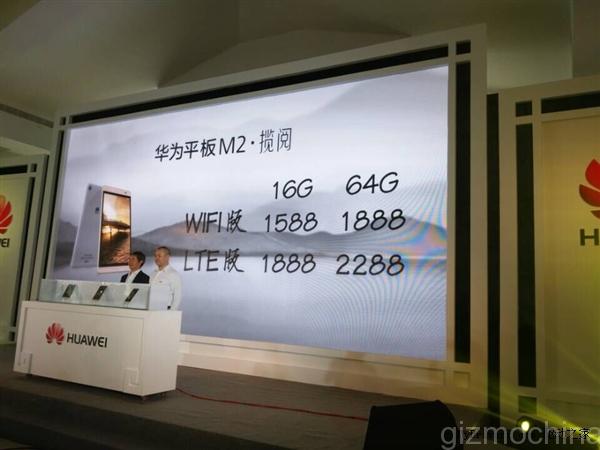
As for the pricing, the Huawei M2 Tablet 16GB Wi-Fi only version will be up for grabs after July 16 for 1588 Yuan. If you want the 64GB Wi-Fi version, you will have to shell out 1888 Yuan. The LTE model starts at 1888 Yuan (16GB) and goes up to 2288 Yuan (64GB).
So, what do you think about this new Huawei M2 tablet? Any takers?
The 5.5” multitouch Z1 will feature a 64 bit Snapdragon processor (SOC TBC) and come with 3gb of ram, it will come with a choice of three rom configurations 16/32/64gb
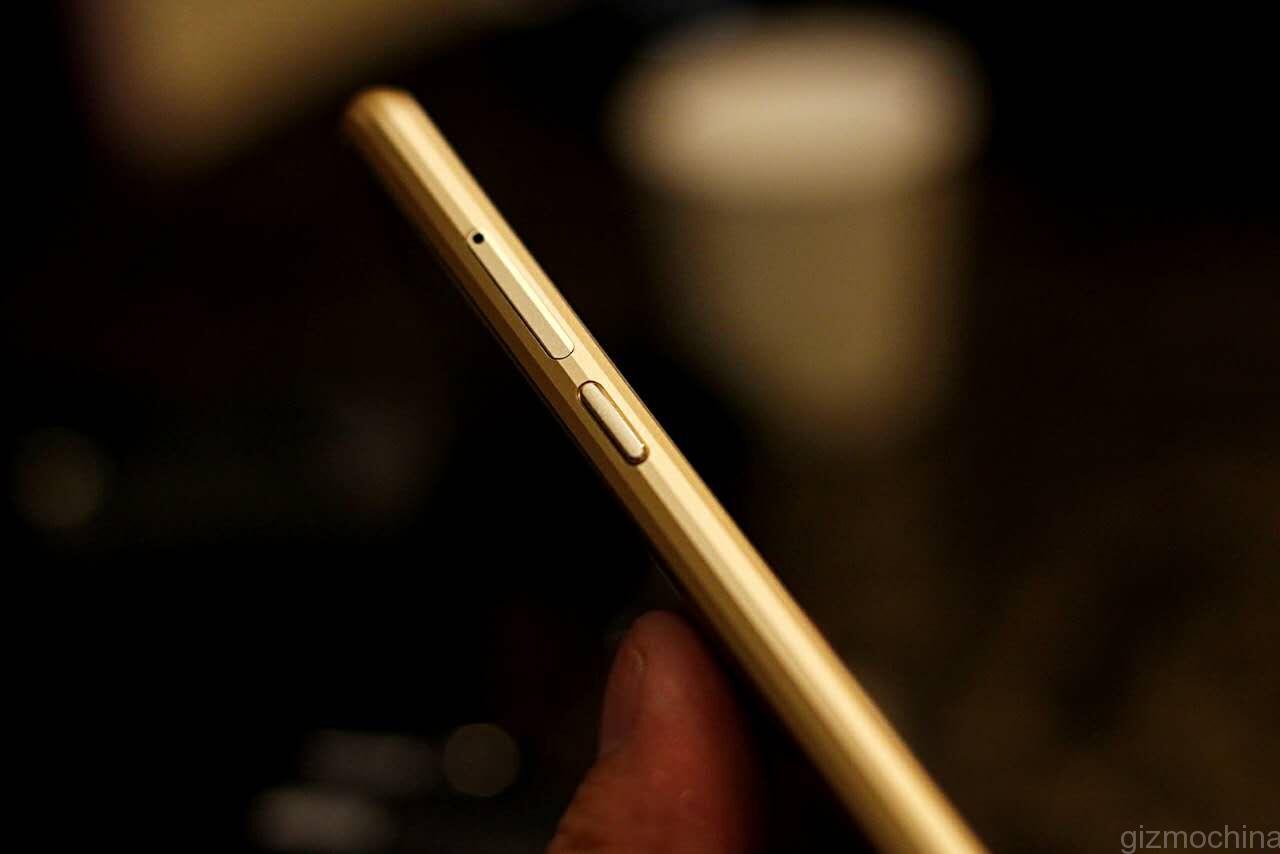
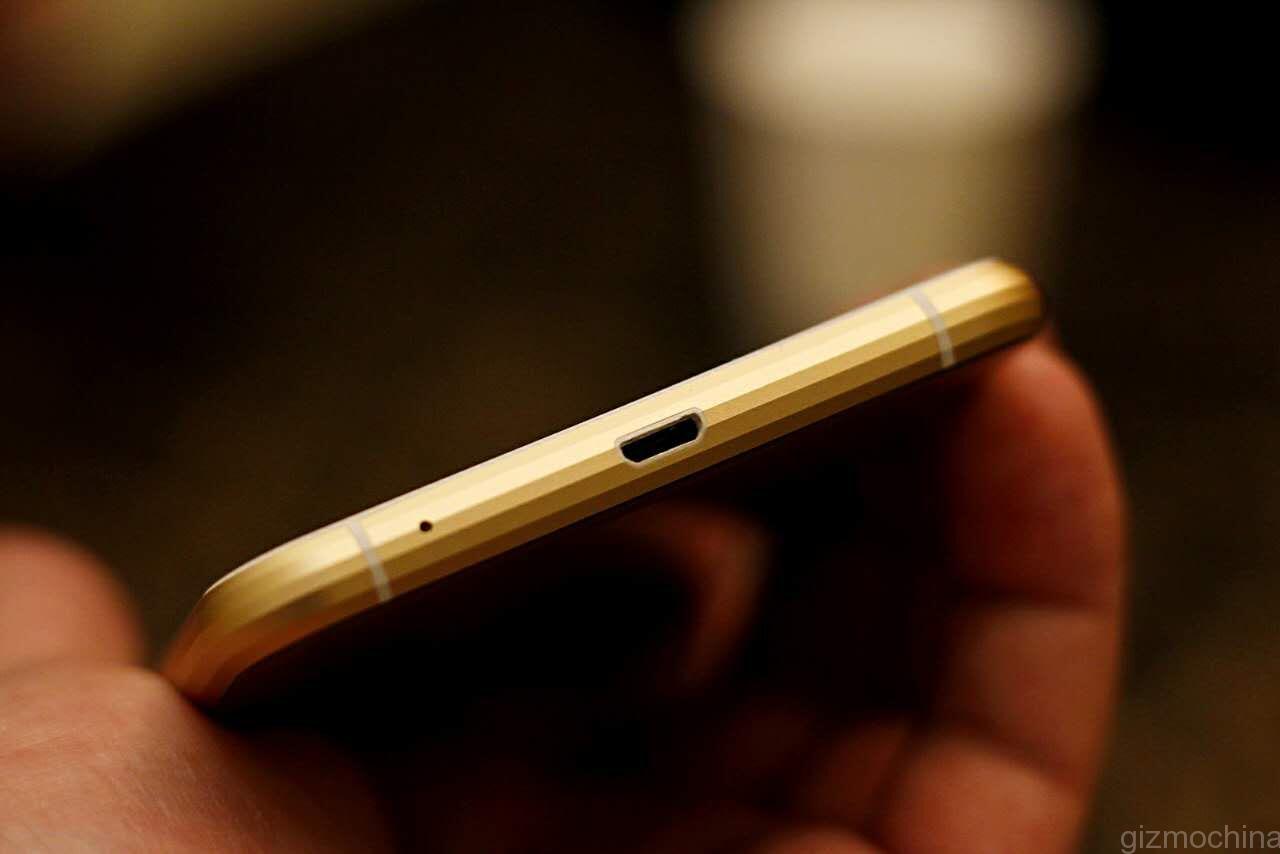
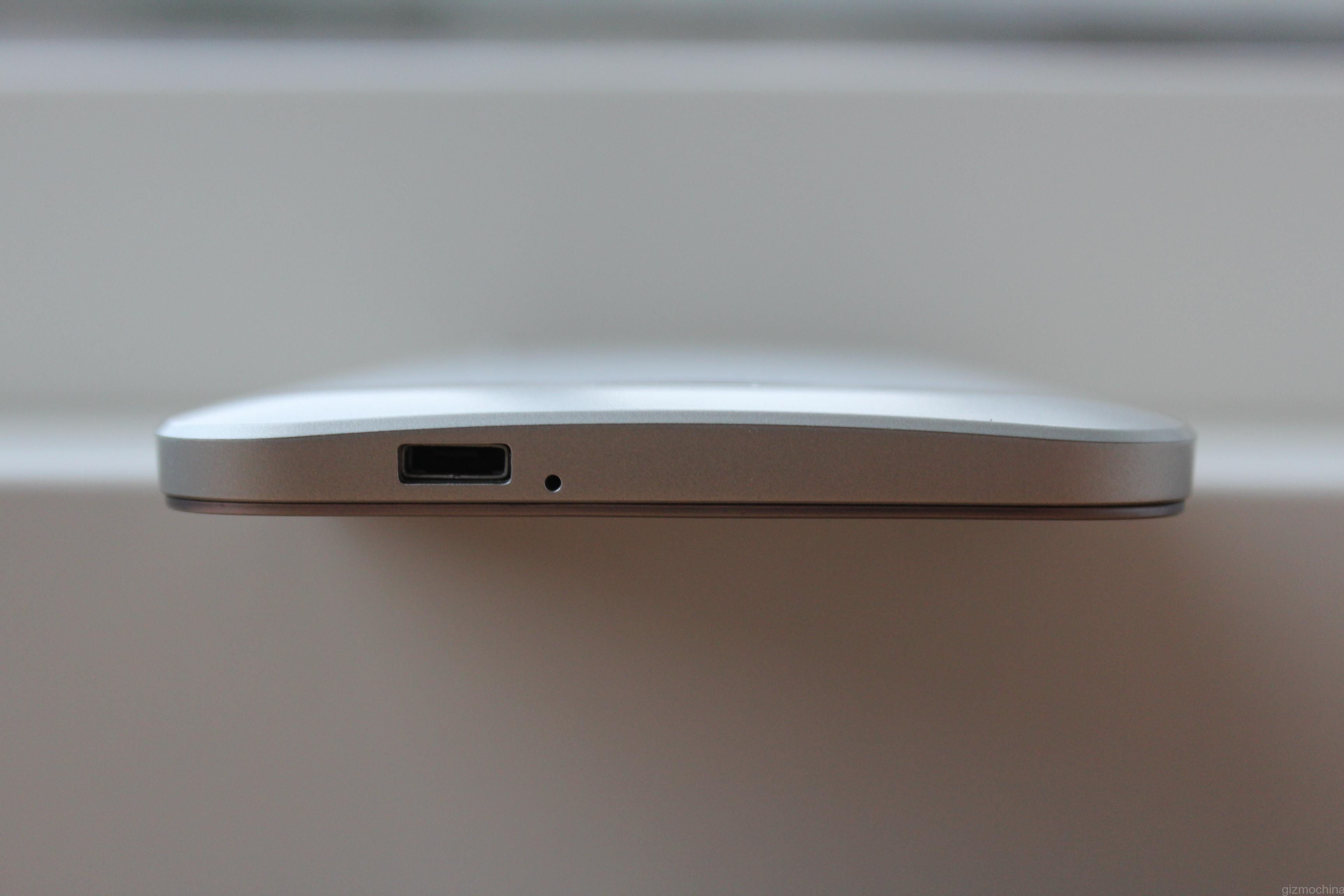
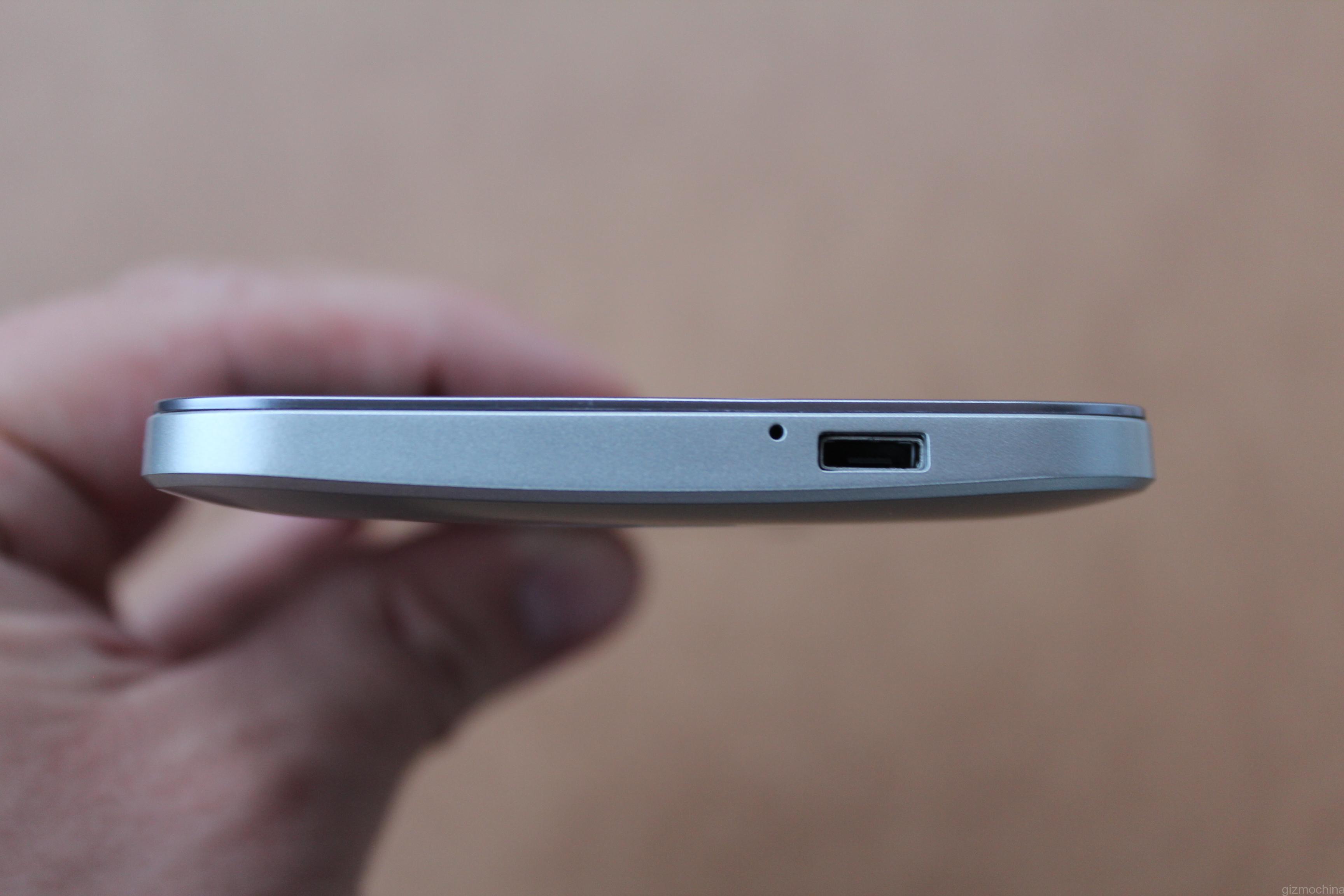
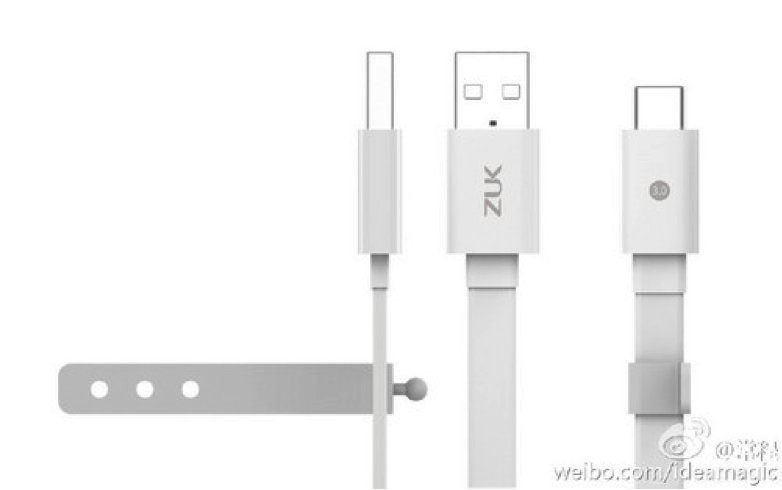
The phone will also come with support for USB 3.1 Type-C connections giving it superior data transfer rates (up to 5Gbps vs 480Mb for USB 2.0),
those of you with newer MacBooks will really feel the benefits when connected to the Z1
Another advantage of the connector is that it supports charging up to 3A, allowing the ZUK Z1 to charge must faster than phones using standard 1A connections.
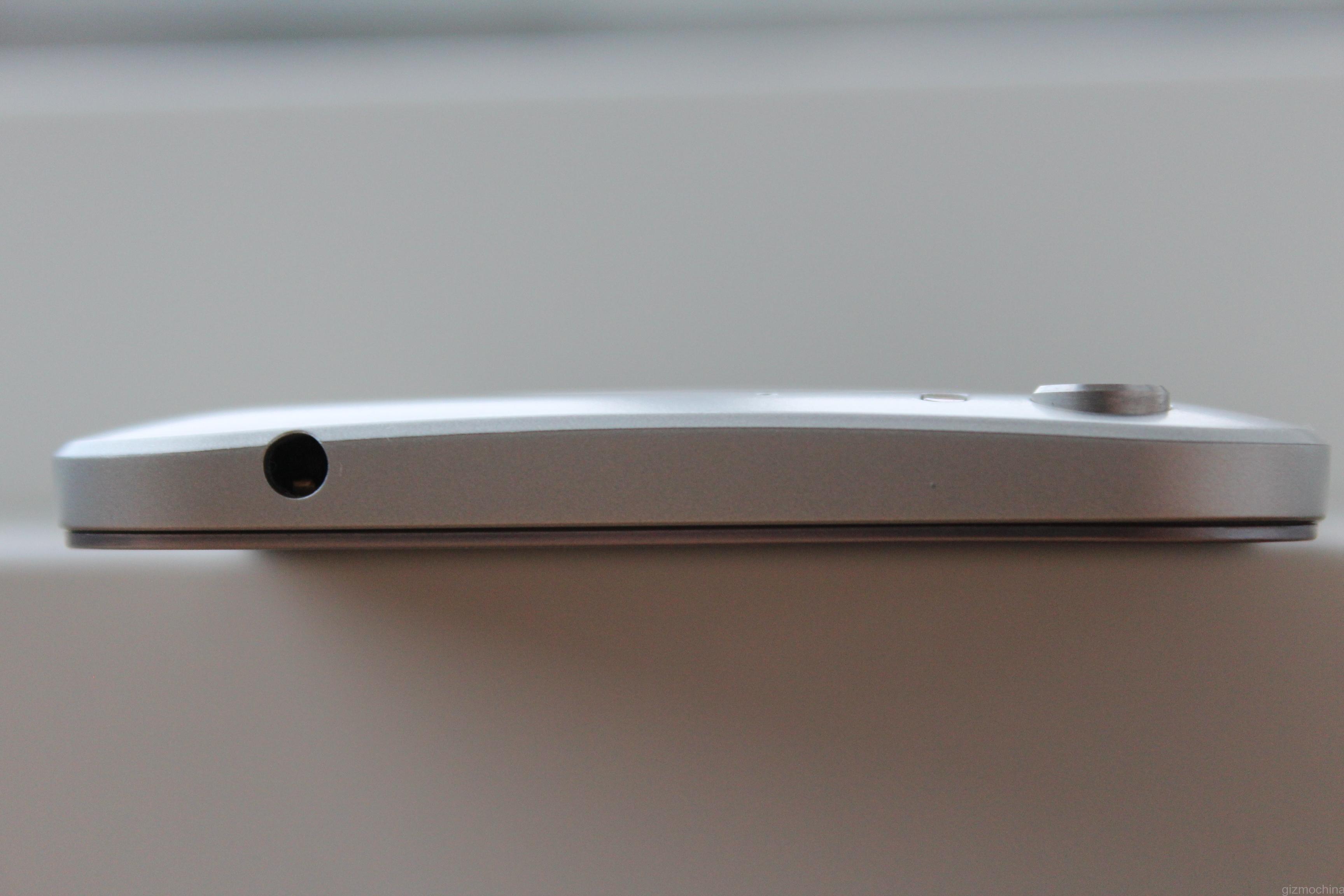
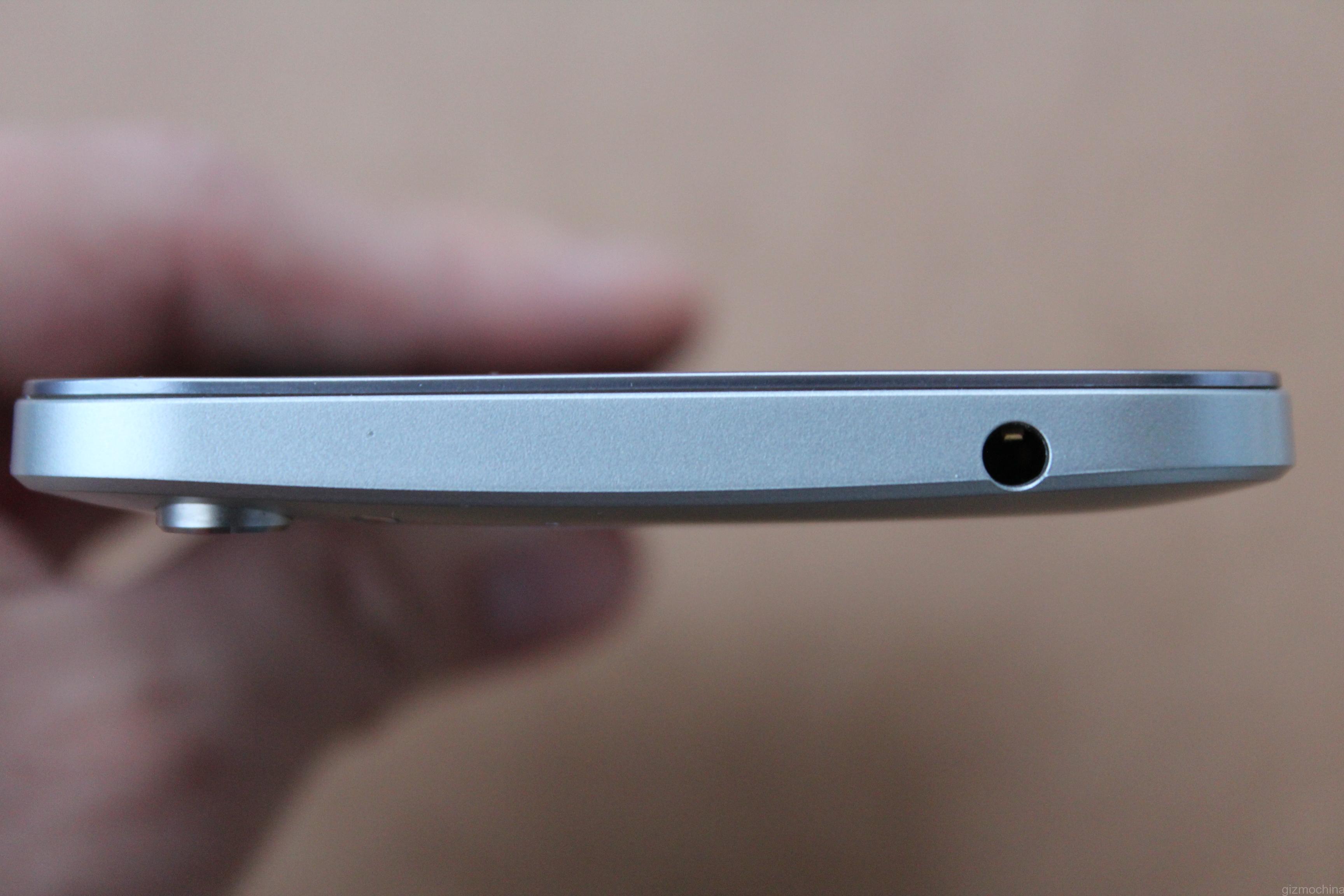
The USB type-c connector is also reversible,allowing it to be connected either way around, similar to the connector found on iPhones, making it faster to connect to your charger especially in lower light situations.
As previously mentioned the ZUK Z1 will support the full world spectrum, giving access to 7 modes and 18 network frequencies for 2G/3G/4G networks.
Everyone knows Meizu, a Chinese manufacturer, which makes affordable, yet great smartphones but it does not have a market share like Xiaomi or Huawei neither in its homeland not internationally. Still, this smartphone maker produces some really great phones and this time around we are looking at the Meizu M2 Note.
UNBOXING
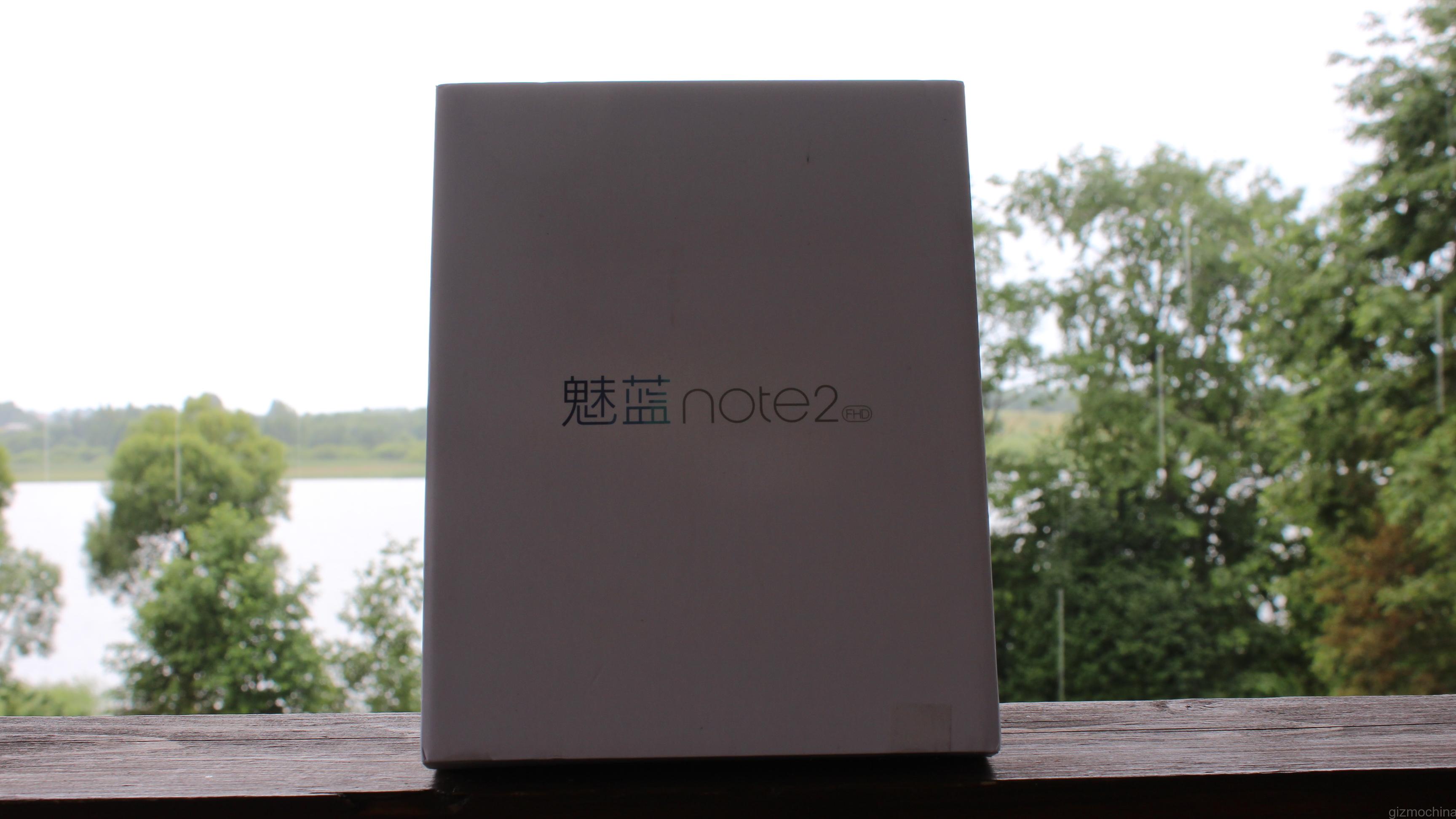
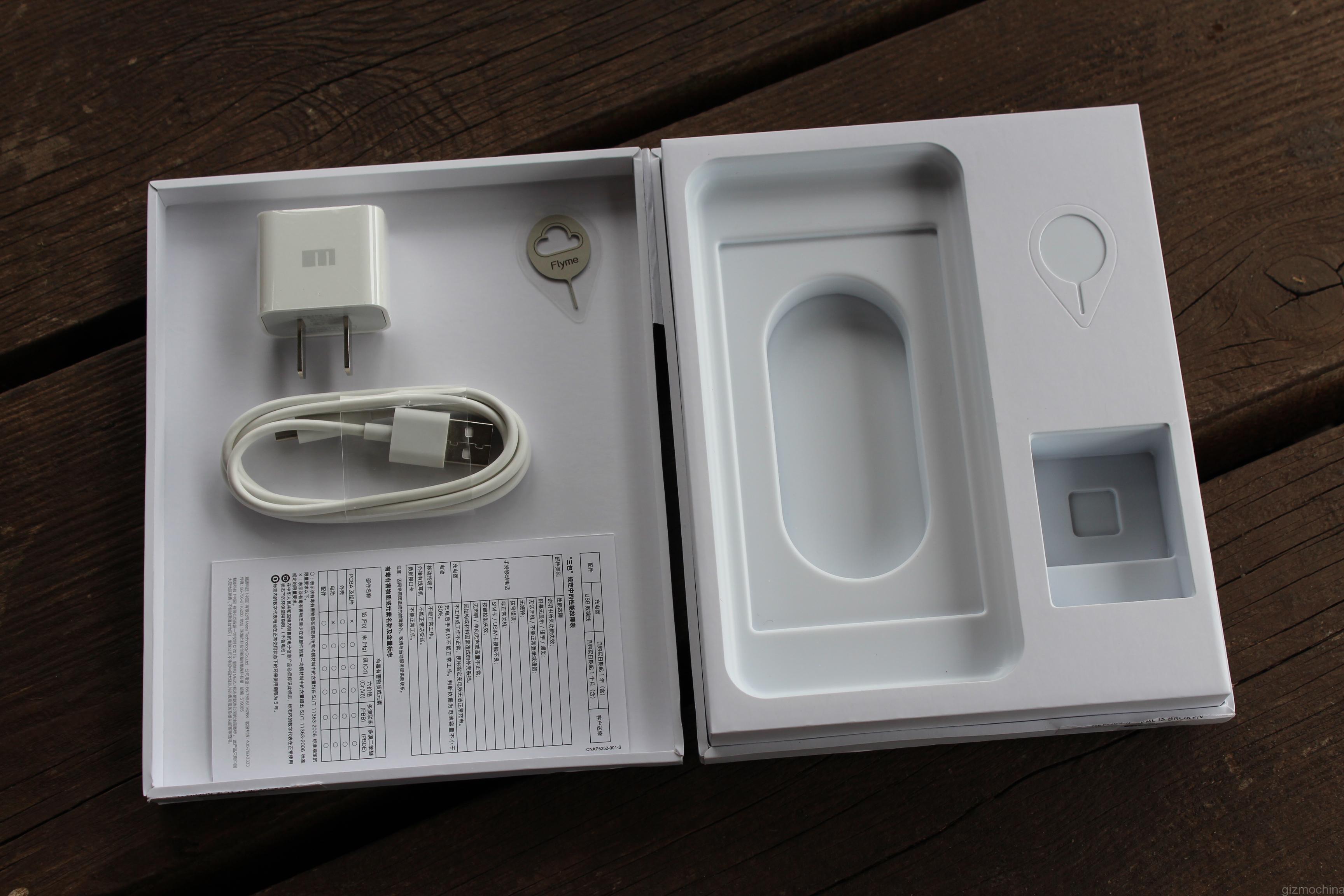
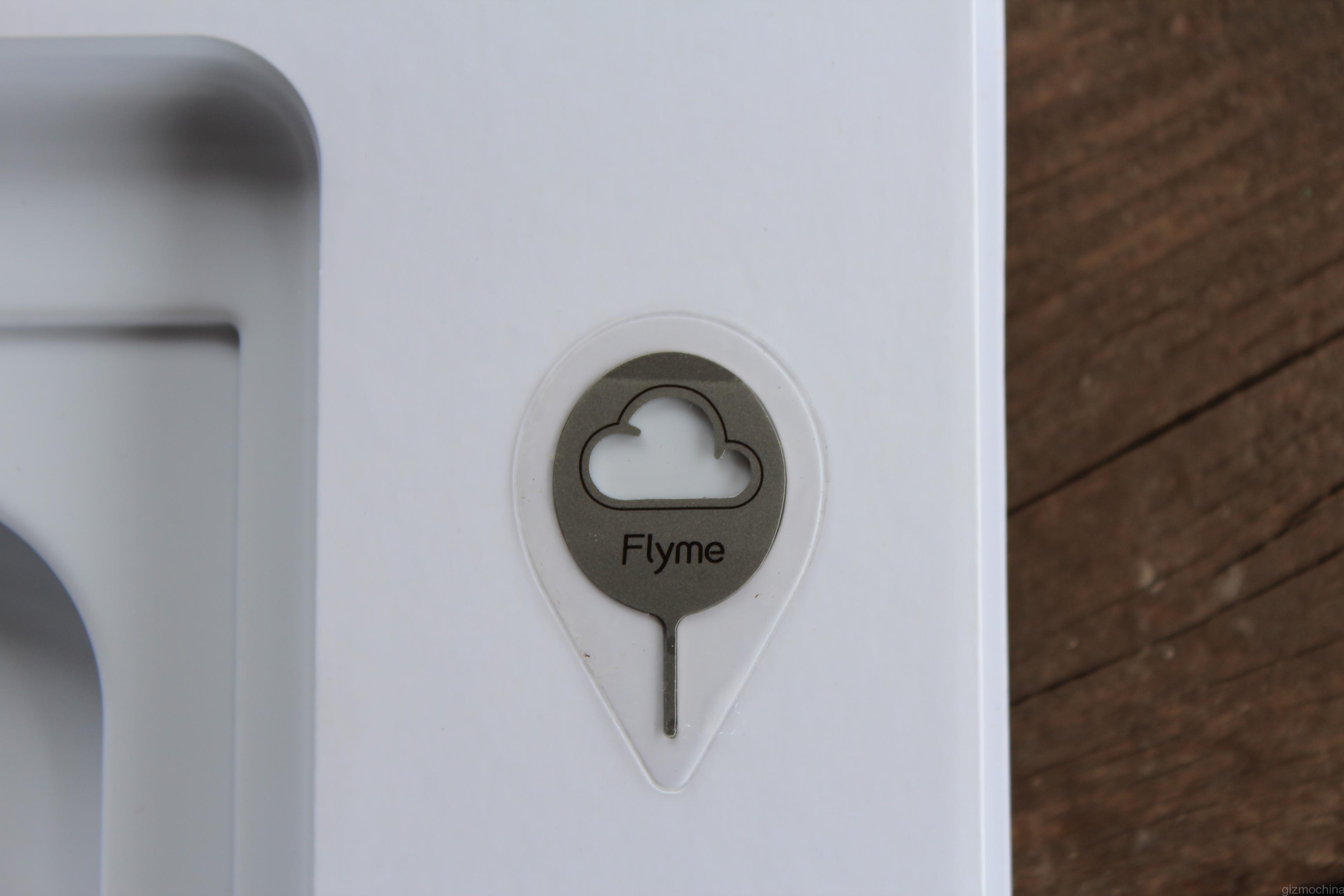
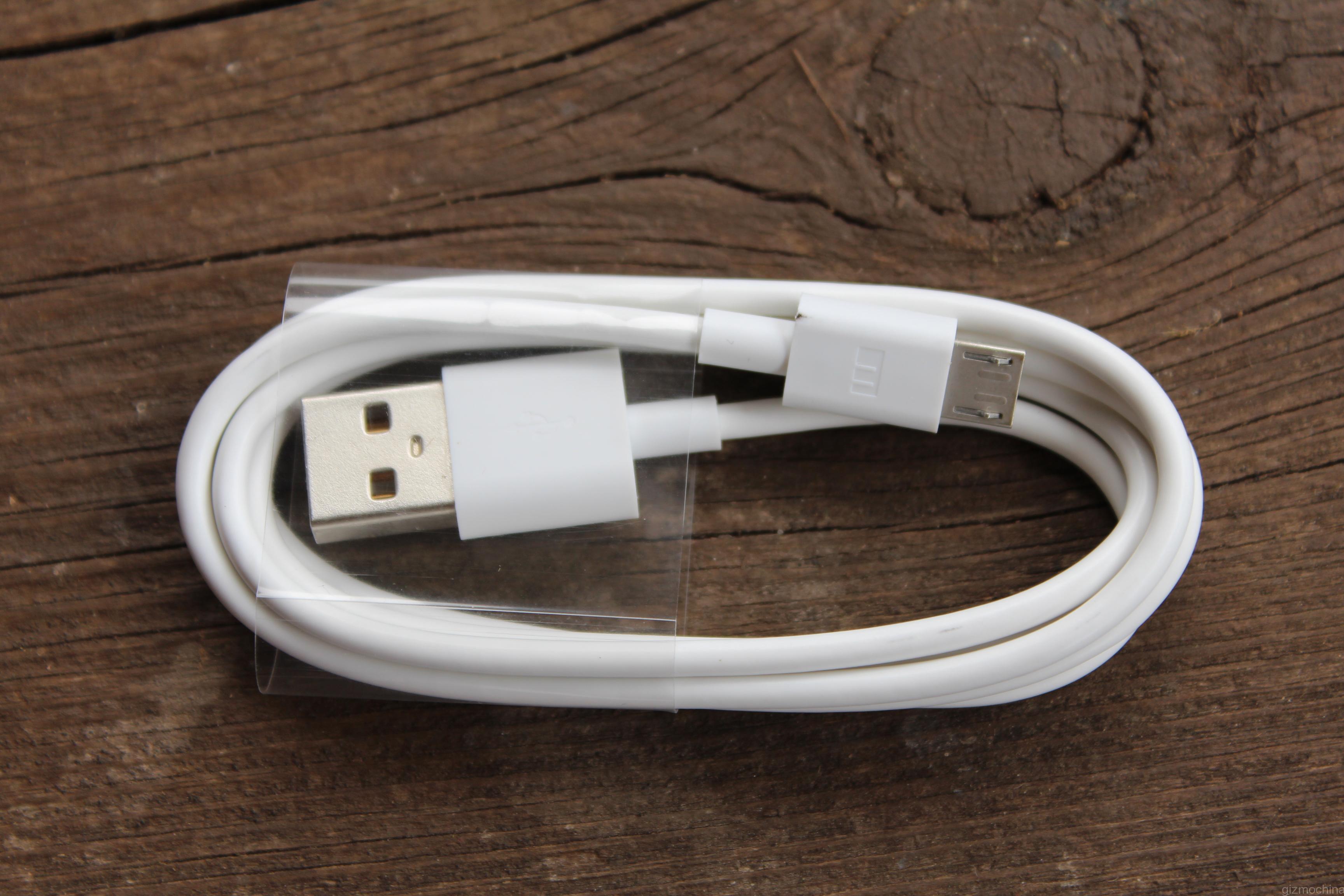
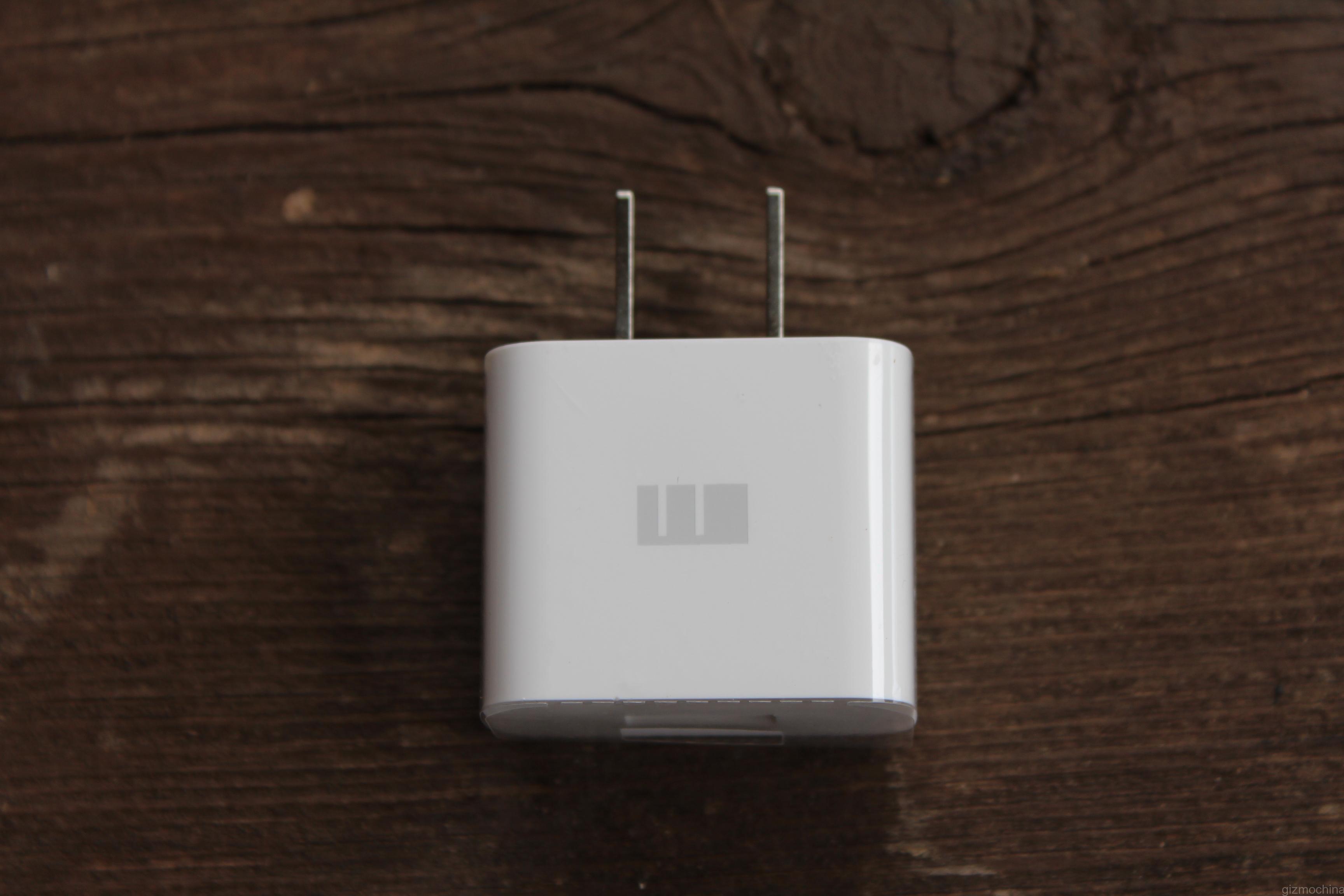
The box is quite a nice looking and all the items are packed neatly. The contents include the instruction manuals, charging plug (2A), USB cable and a fancy SIM ejector pin with Flyme logo on it.
Meizu M2 Note Unboxing: DESIGN
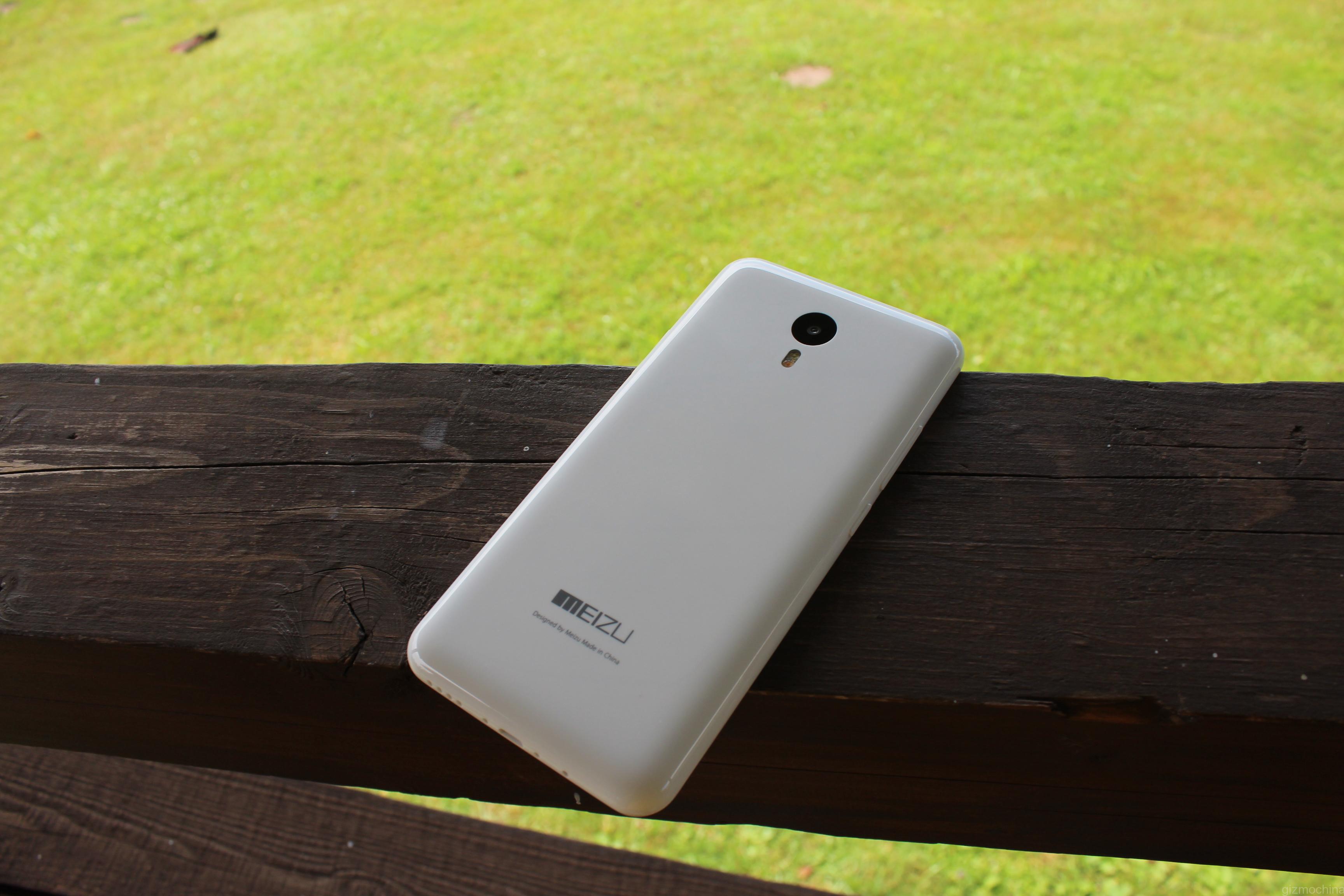
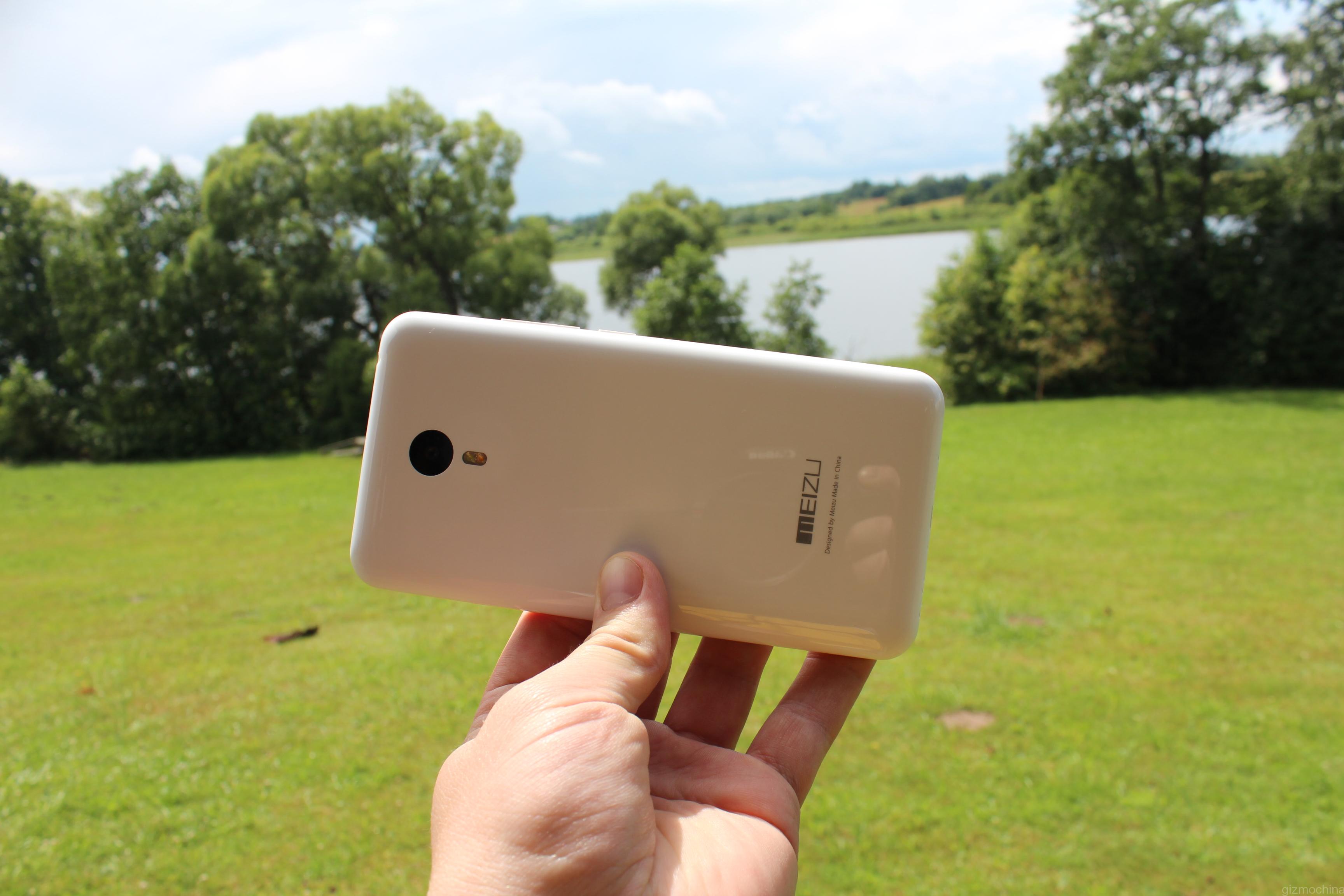
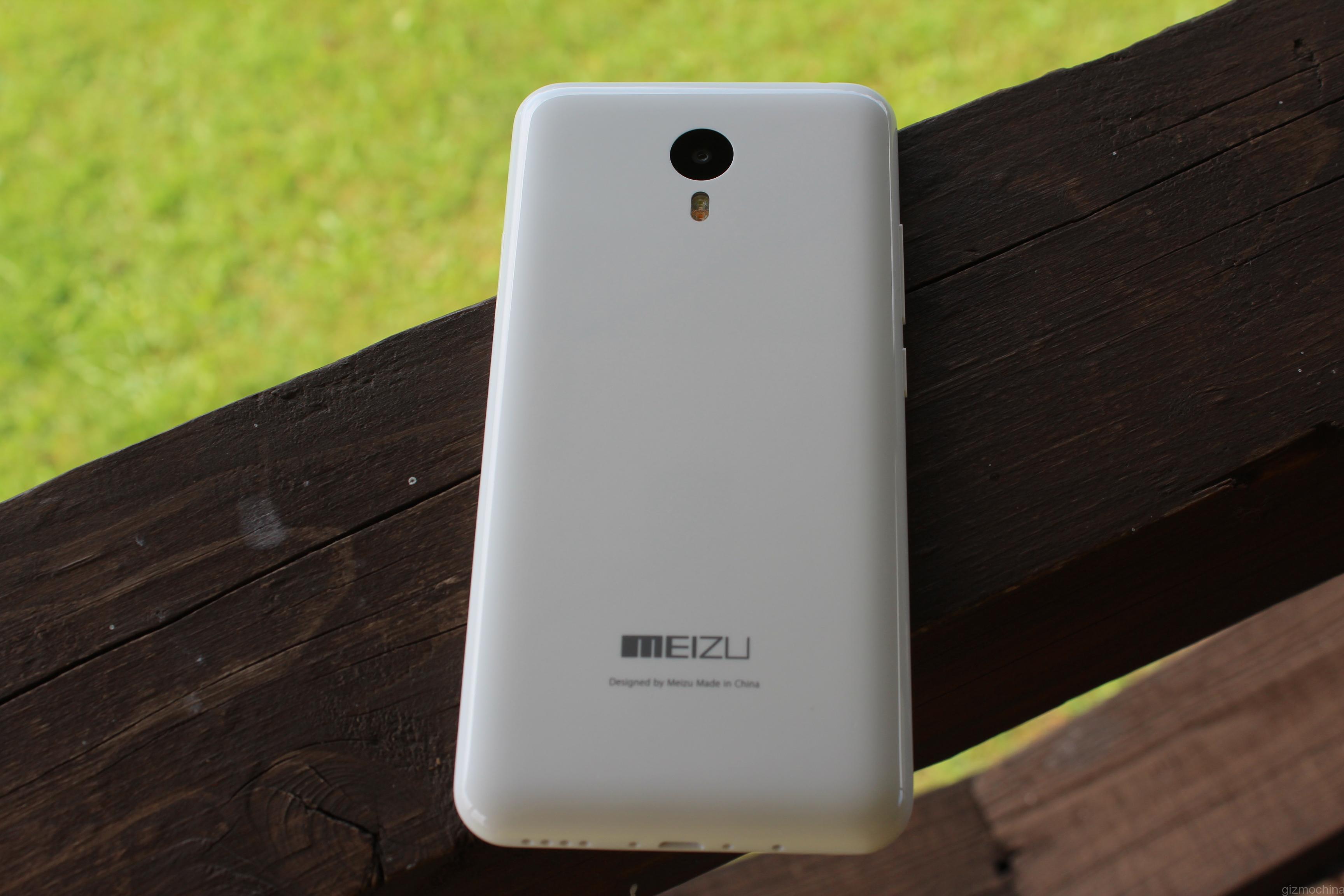
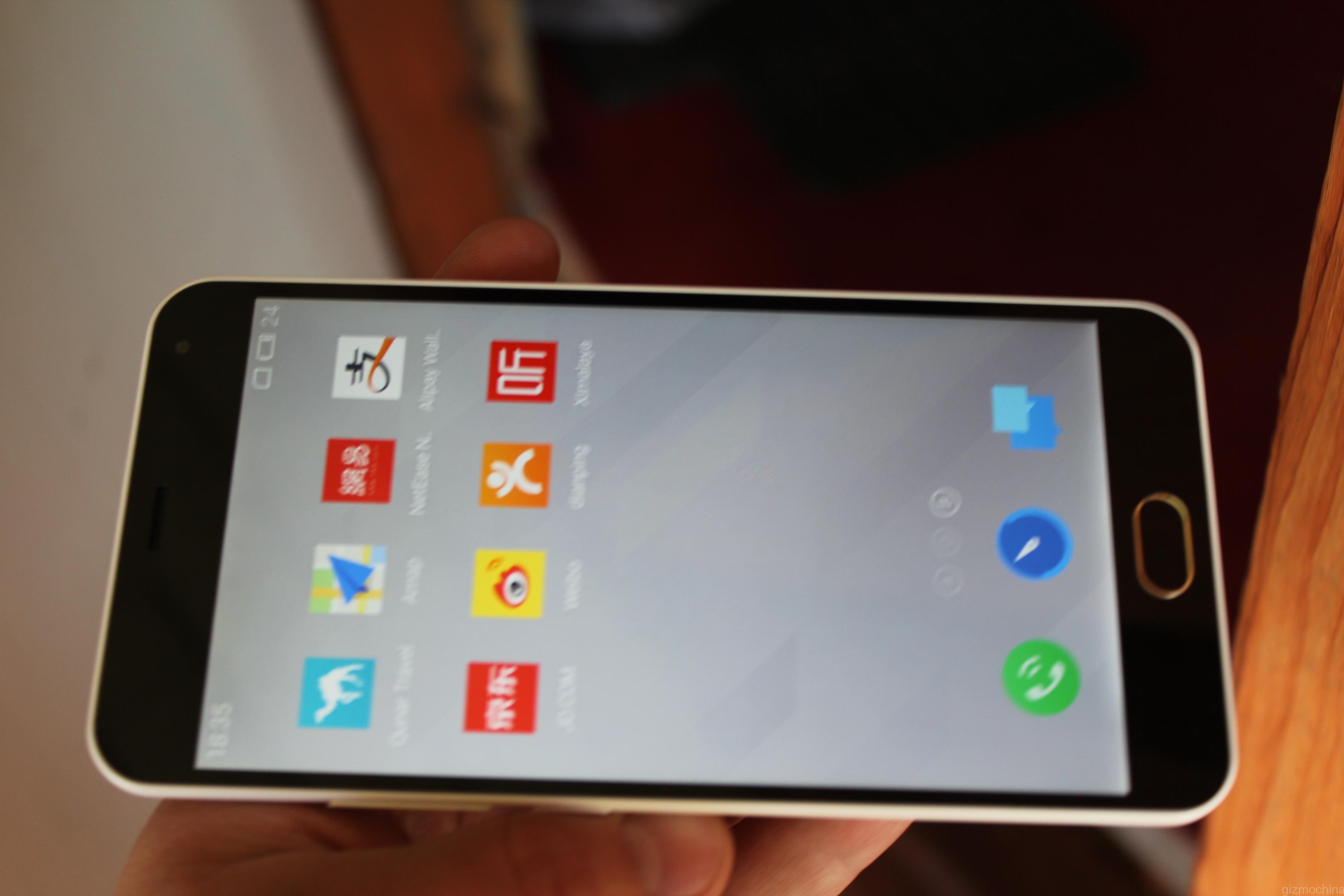
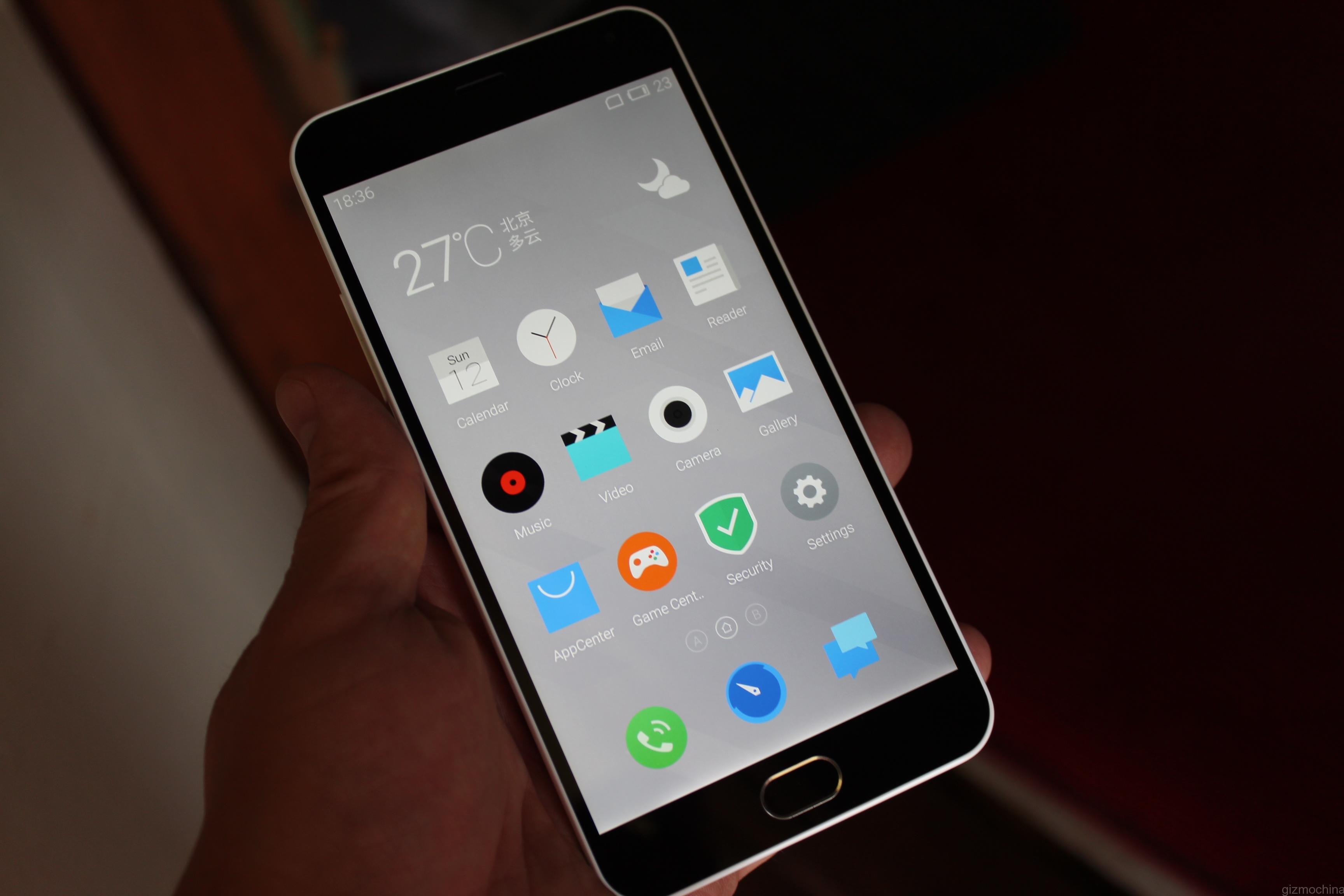
This time I want to talk about design starting from the back side of the device. The reason may be clear for the majority of users but if you still don’t know why, the Meizu M2 Note has a very similar design to the iPhone 5C.
Other than that the back is made out of glossy unibody plastic material and it naturally attract fingerprints and smudges. However, since my review unit is in white colour, they are not that visible.
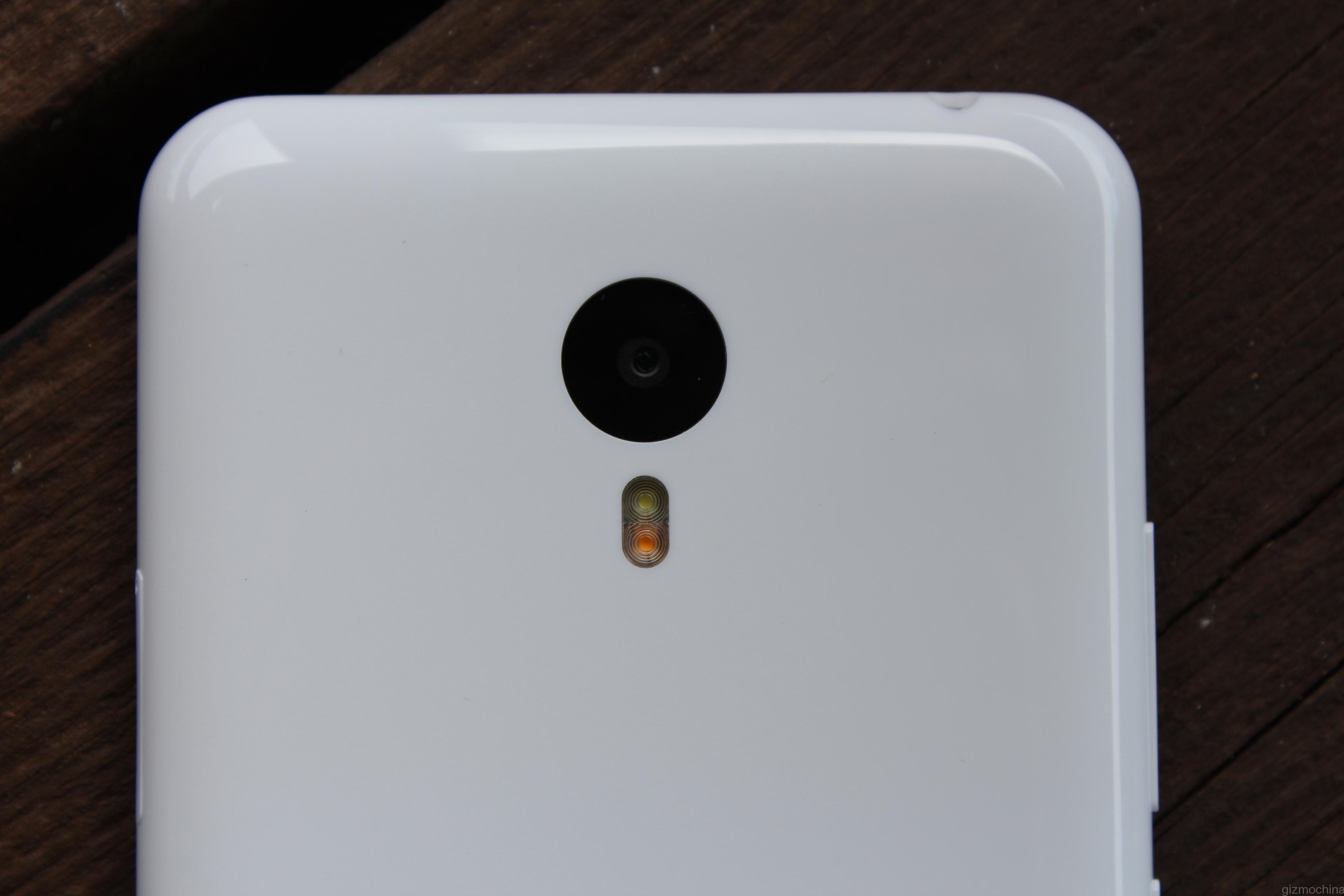
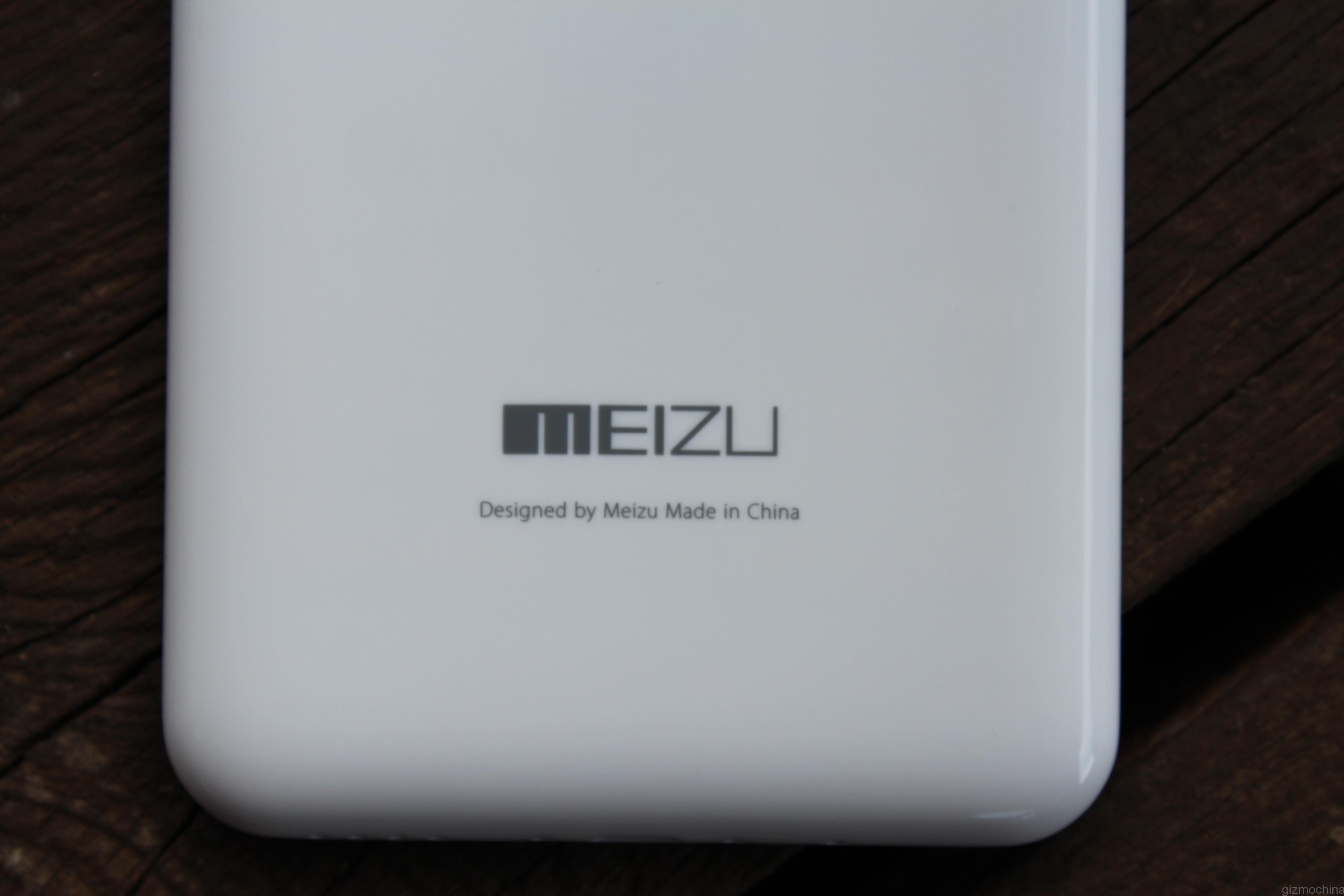
On the back side you can find 13MP camera with dual tone dual LED flash and the Meizu logo on the bottom side.
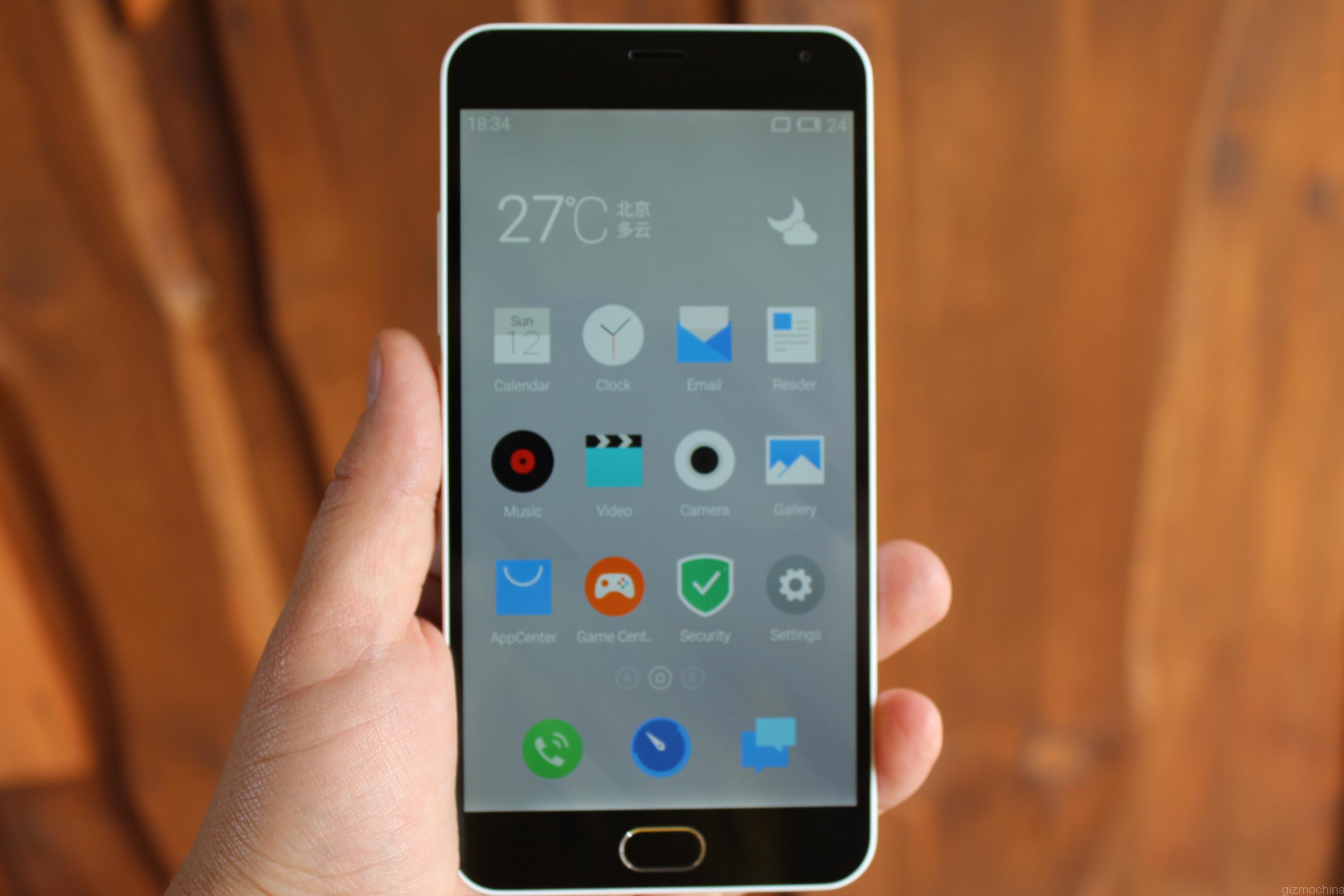
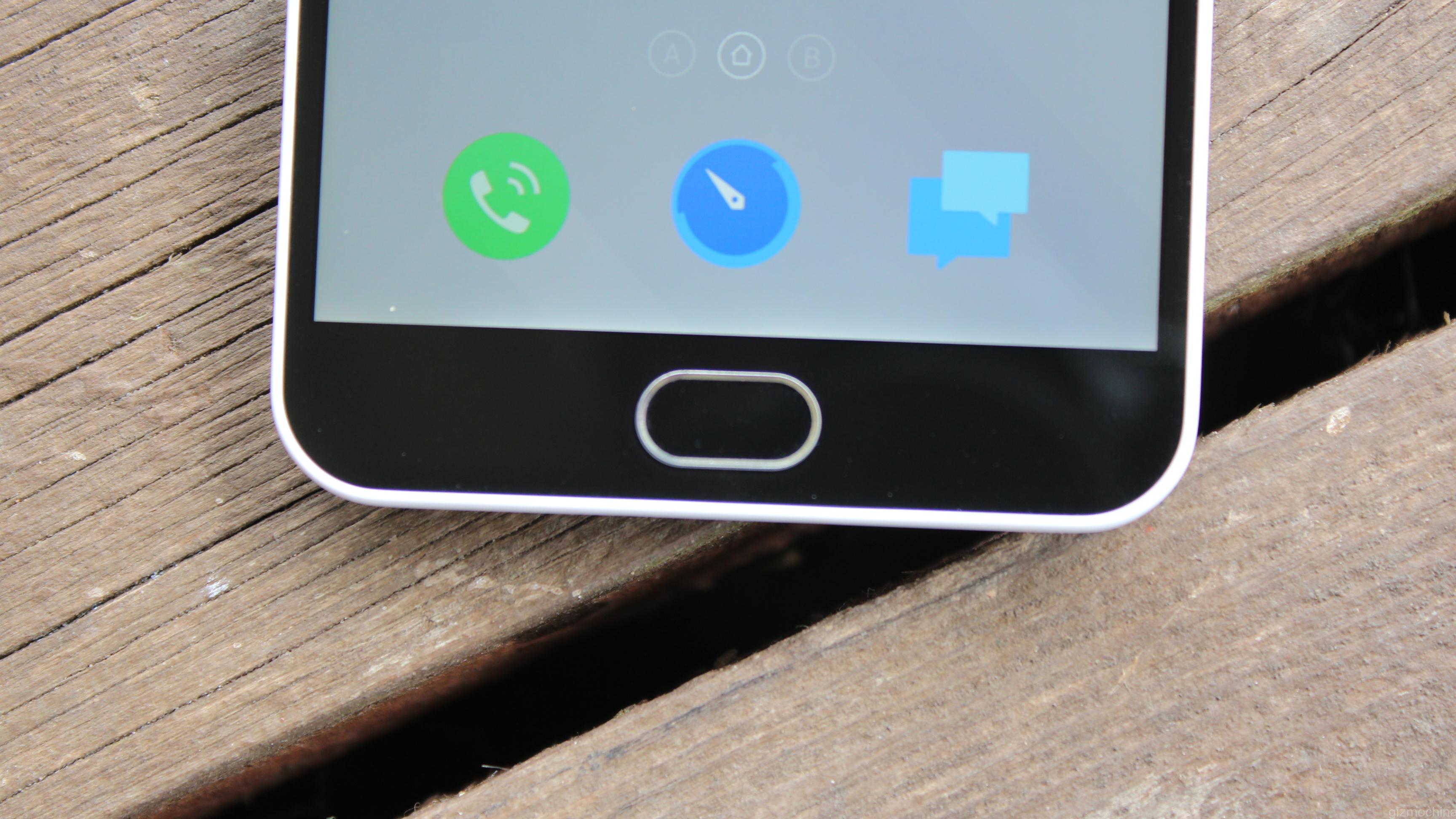
Flipping the device to the front side we can see a great looking 5.5″ display and a physical home button.
My first impressions are that the device feels very comfortably in the hand and it very well made. Honestly, the first thing that came to my mind when I took it out of the box was that I could not believe that this phone does not even cost $200.
Also, the UI performance is very smooth and it is just a pleasure to use this device. Also, I have already taken quite a lot of pictures and the Meizu M2 Note shapes up to be one of the best budget camera phones I’ve tested so far.
Overall, I believe this device can be definitely one of the best budget smartphones of the year, so please stay tuned to our full review as I will spend some quality time with the device testing each feature I possibly can.
We wanted to say thank you for our official partner Giztop for sending this review unit.
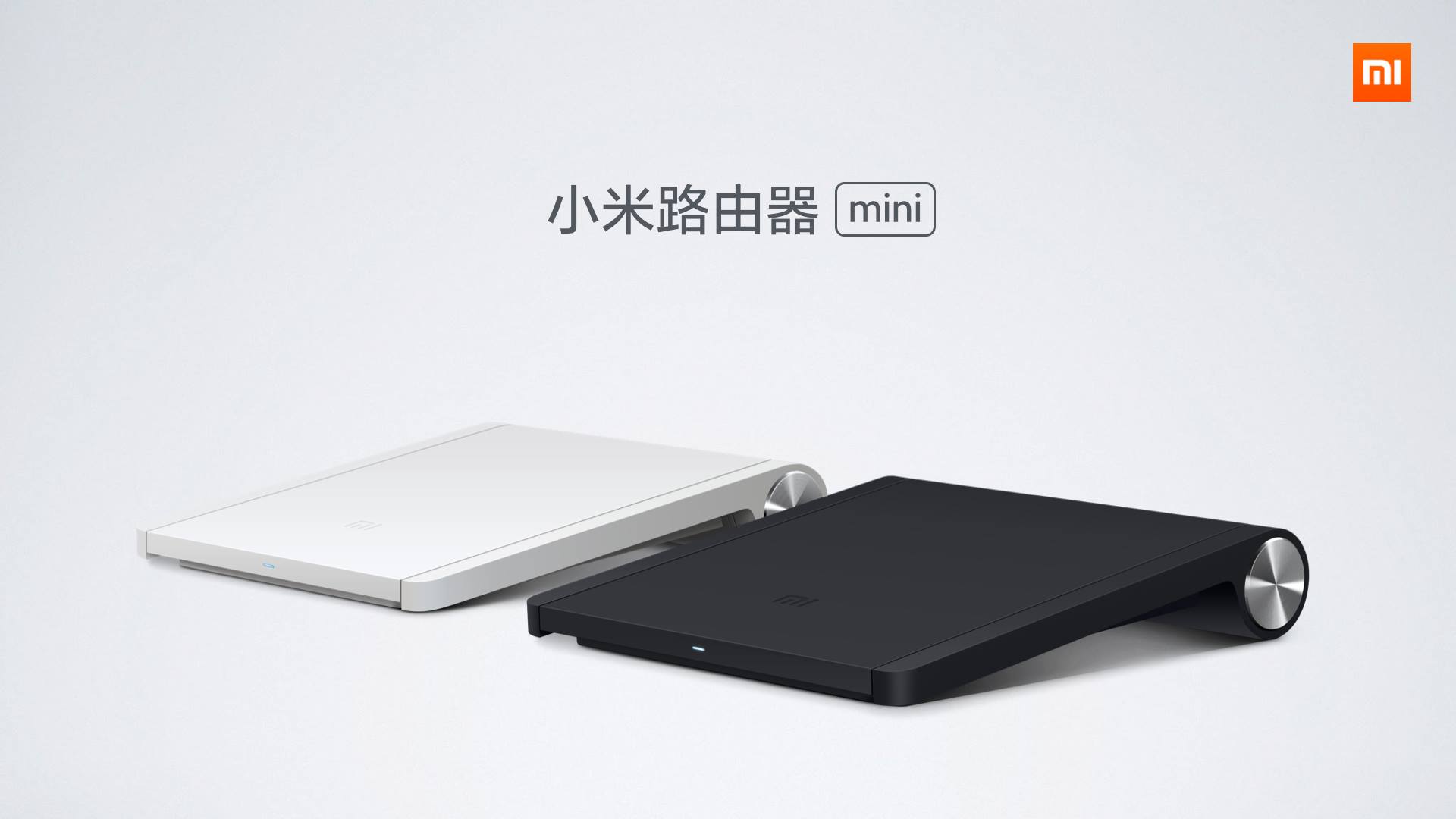
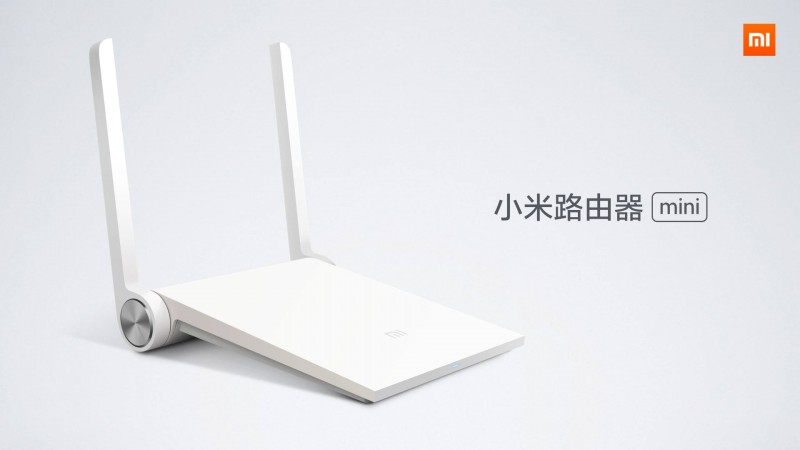
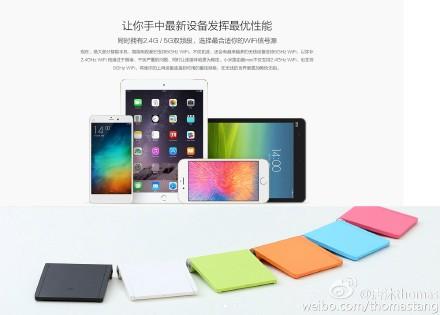
We all know that 802.11ac Wi-Fi is almost three times as fast as other standards. So, naturally, all the recent Wi-Fi routers that have made it to the market come with this standard. Even the Xiaomi’s Mi Wi-Fi router supports 802.11 ac dual band standard and given the extremely cheap price tag, this particular router is now the most shipped Wi-Fi ac router in the world.
Earlier today, Tang Mu, the lead of the Xiaomi Smart Wi-Fi router division revealed that the Xiaomi Mini router is now leads the Wi-fi ac standard router shipments, even beating routers from competitors like Netgear, TPLink and Linksys. With the huge volume of router shipments, he also said that Xiaomi has helped increase the share of AC routers in China.
While the Wi-Fi ac standard has been found in flagships since 2014, many routers still don’t support it. As a result, customers are often stuck with slower standards such as ‘N’ which suffer from lower coverage areas as well as slower transfer speeds. Also, the Wi-Fi N routers usually operate on 2.5GHz band as opposed to the less crowded 5GHz band. So, you are sure to benefit from Wi-Fi AC routers, if you live in a crowded area.
Considering that Xiaomi Wi-Fi router isn’t the company’s main product, this is definitely a great achievement. In case you are interested, the Xiaomi Mini router with Wi-Fi ac support is currently available for $34.
But these devices were from the Nubia division and there are a couple of ZTE’s own lineups like the ZTE Blade series as well as the Grand S series. It looks like one of these series will get a new flagship model on July 21.
Yes, we have received an invite from the company for a new flagship launch even which will be held on July 21. The invite further says that in addition to high-end specs, the new flagship will focus on its design as well as battery life. The company reportedly will incorporate a large high-density battery enough to last for about 50 hours.
Unfortunately at this moment, we are not quite sure which is this new flagship model. At this time of the year, the company usually launches the Nubia Z series smartphones but all the Z series models are already released. Moreover, both the Grand S and Blade series have got a new flagship model earlier this year. So, it would most likely be from the ZTE Star series. The latest flagship in the lineup (Star 2) was launched last year in December. Hence, its possible that the new flagship, the ZTE Star 3 will meet us on July 21.
Anyways, we will be keeping a close eye on the company for more updates. Yesterday, we reported that the company sold over 26 million smartphones in the first half of 2015 and aims to sell about 60 million by the end. So, its not surprising to see that the company is adding yet another flagship in its portfolio, which could boost its sales.
So, what do you think is this mystery flagship phone? Do you think its the Star 3 or do you have any other guesses?
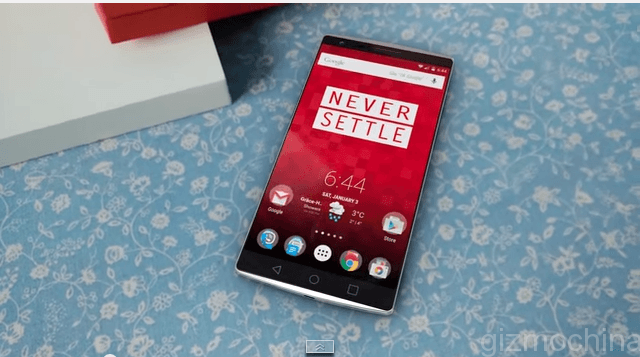
If it was a year back, sometime before April 2014, nobody would have ever heard of the name OnePlus. In fact, at that time if someone told you that OnePlus was the name of a manufacturer, there was a very good chance that you would have laughed at the name. Now, fast forward 1 year and OnePlus is the name that represents true value for money.
Before 2014, if you had to purchase a high end device (3GB RAM), you would have had to shell out no less than $500. This was a time when even Xiaomi was just opening up, expanding its lineup with cheaper and better models. And it was precisely at this point when OnePlus made the debut with its OnePlus One flagship. The specs represented a high-end flagship while the pricing was that of a mid-range. In every sense, the “One” was a flagship killer.
So, its no surprise that everyone is so fond of the company. All of us are excited to see what kind of features will be present on the new OnePlus Two flagship and the company has done a pretty good job of keeping us fans satisfied with timely teasers and updates.
In fact, we already know a lot about the OnePlus Two flagship. Probably more than most other smartphones that haven’t been released. And since a majority of these info comes directly from the company, we can be sure that they will end up on the new generation flagship.
Anyways, since we already know a lot about the OnePlus Two, I thought it would be best to put them all together in one place. So, down below are the 10 important things we already know about the OnePlus Two flagship.
1. CPU:
OnePlus recently confirmed that the new OnePlus flagship will come with Snapdragon 810 v2.1 (third generation) chipset. I am sure many would be disappointed with this decision, considering the overheating problem associated with the chip, but the company has promised that the new version of the chipset will be cooler than ever (probably a bit underclocked too, at least thats what we think). So, at this moment we are hoping that the promise is fulfilled.
We are not sure if we will see the same 5.5-inch 1080p display on the OnePlus Two, however, what we know is that the overall size of the handset will be smaller than the OnePlus One. So, those who complained that the device couldn’t fit comfortably in their hands, now have something to cheer about.
4. BATTERY:
One of the important features of a smartphone these days, the battery is reportedly bigger on the new handset. The company confirms that OnePlus Two will come with a 3300mAh greater than the 3100mAh capacity on the ‘One’.
5. Fingerprint Sensor:
One of the new features on the OnePlus Two will be the physical Fingerprint Sensor. The move isn’t surprising, given that all major flagships come with fingeprint recognition these days. The company also notes that this will be one of the fastest fingerprint sensors on a smartphone (even faster than touch ID).
6. USB Type-C:
Another welcome addition to the OnePlus Two is the new USB Type-C port. The LeTV series came with these reversible and more powerful ports and its no surprise to see them end up on the next-gen flagship. However, we don’t know whether it will be USB 2.0, 3.0 or even 3.1 like the ZUK Z1.
7. ROM:
Instead of the CyanogenMod ROM that came with the OnePlus One, the company will be debuting with the OnePlus Two its own Oxygen OS (HydrogenOS in China). This is a forked version of the AOSP ROM and is reportedly tailor made to work smoothly with Snapdragon v2.1.
8. Three Different Versions For Different Regions:
The company has confirmed three different versions of the OnePlus Two, each aimed at a specific region namely China, North America and Europe/ Asia. OnePlus has also confirmed the supported bands and they are as follow:
US
GSM: 850, 900, 1800, 1900MHz
WCDMA: Bands: 1/2/4/5/8
FDD-LTE: Bands: 1/2/4/5/7/8/12/17
Europe
GSM: 850, 900, 1800, 1900MHz
WCDMA: Bands: 1/2/5/8
FDD-LTE: Bands: 1/3/5/7/8/20
9. Swappable Back Covers:
OnePlus Two will come with at least five different swap covers which will be available at launch. We expect the popular ones like Bamboo and other wooden covers to be available for the new device.
10. Price:
Finally, OnePlus CEO has confirmed that the OnePlus Two will be priced below $450. While its still slightly higher than the original OnePlus One model, given the upgraded specs, if the price is indeed below $450, the phone still offers more value for money.
FYI, the invite system will be back for the OnePlus Two also. But the company has promised that it will be better than before.
As you can see, we know a lot about the upcoming OnePlus Two flagship. But there’s still a lot of question marks in areas like storage (whether expandable), camera, screen resolution and even build quality (which will most likely be metal!).
We expect more information directly from the company in the company before the official launch on July 27, so stay tuned.
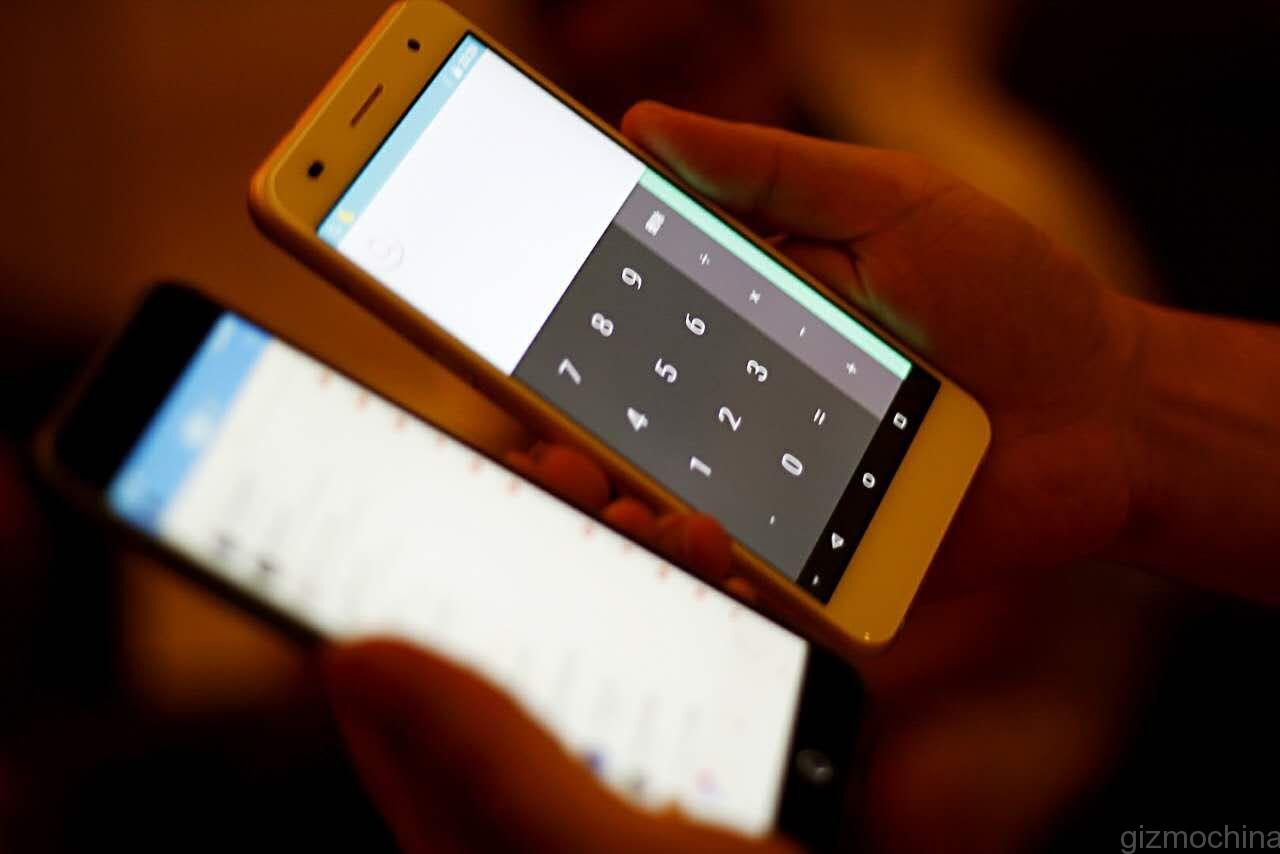
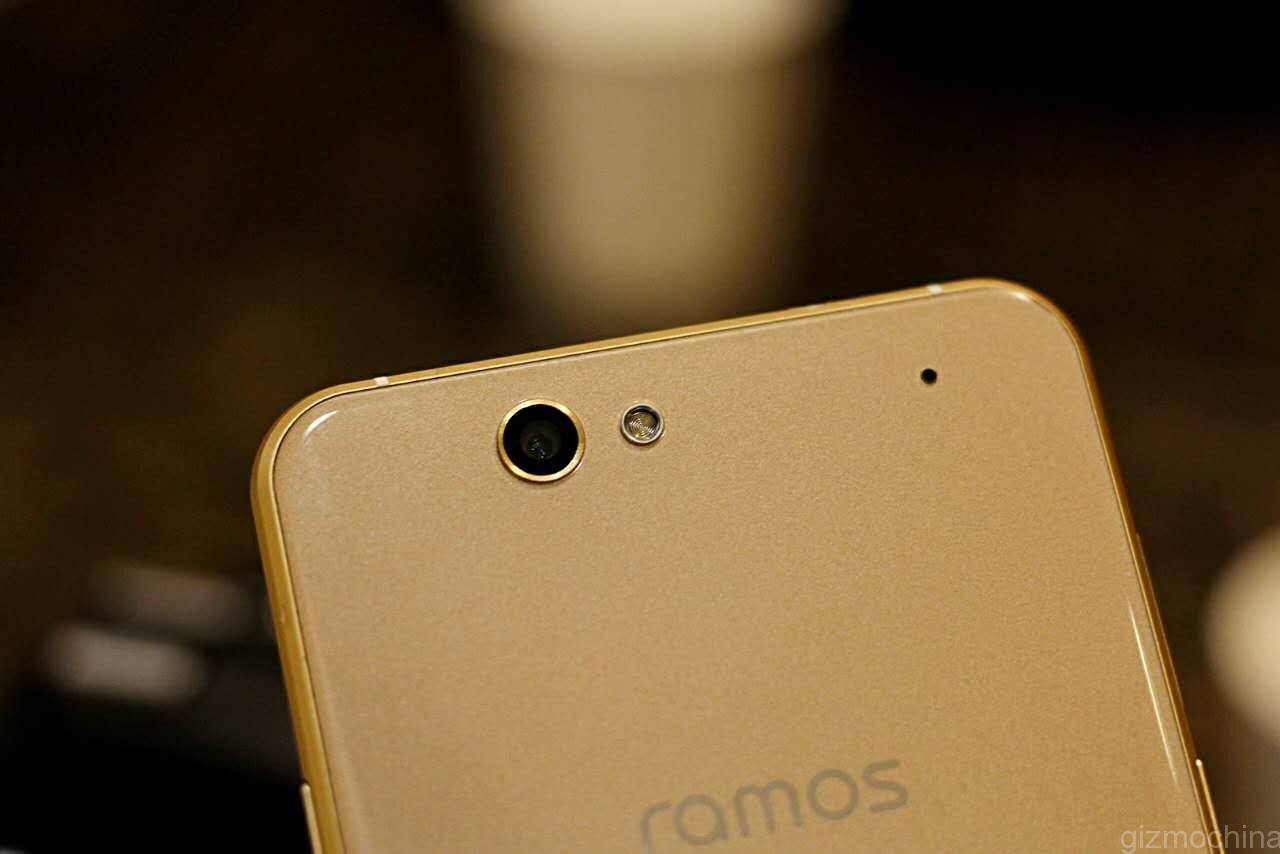
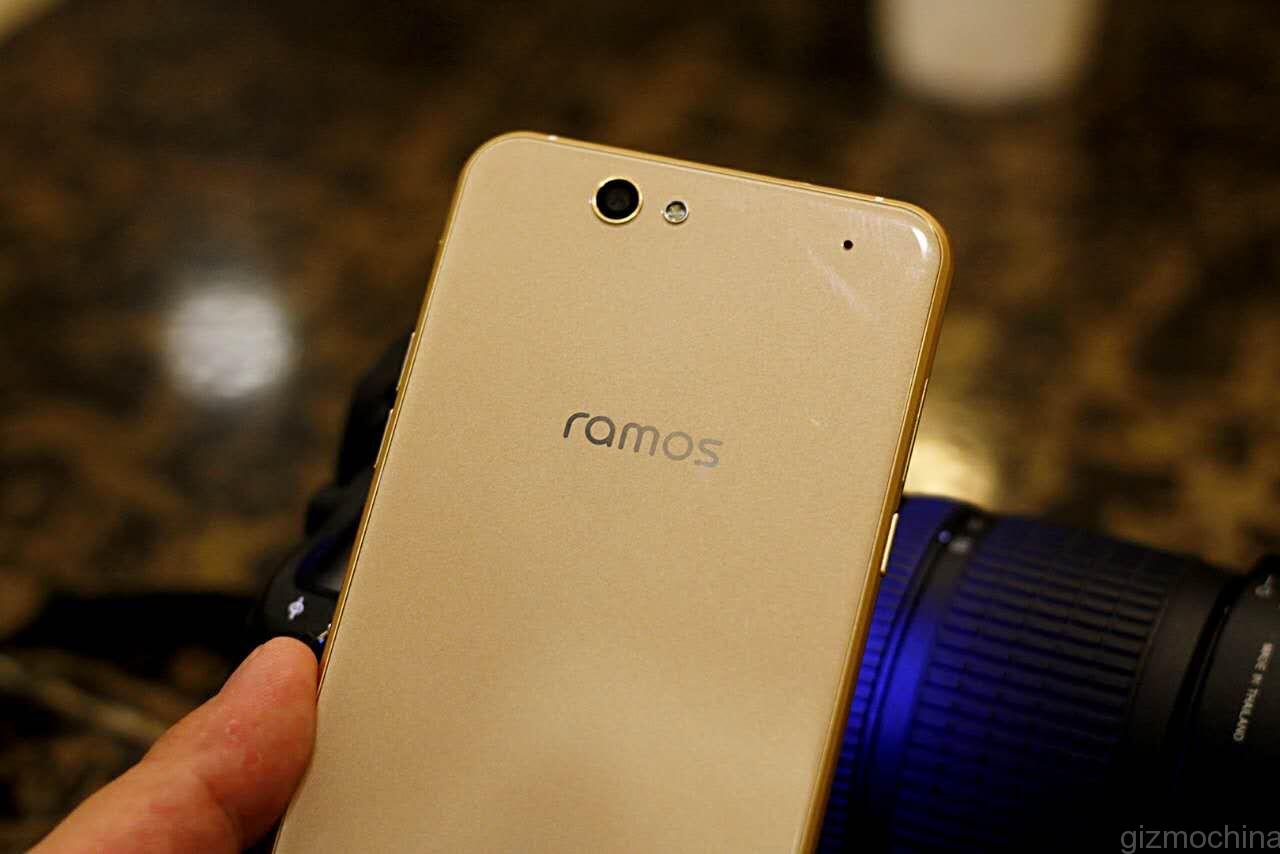
You must have heard of the Chinese company called Ramos, who is a well known tablet manufacturer. But a few weeks back, we got news that the company has decided to release a brand new smartphone called as the Mos1. This would also make it the company’s first smartphone.
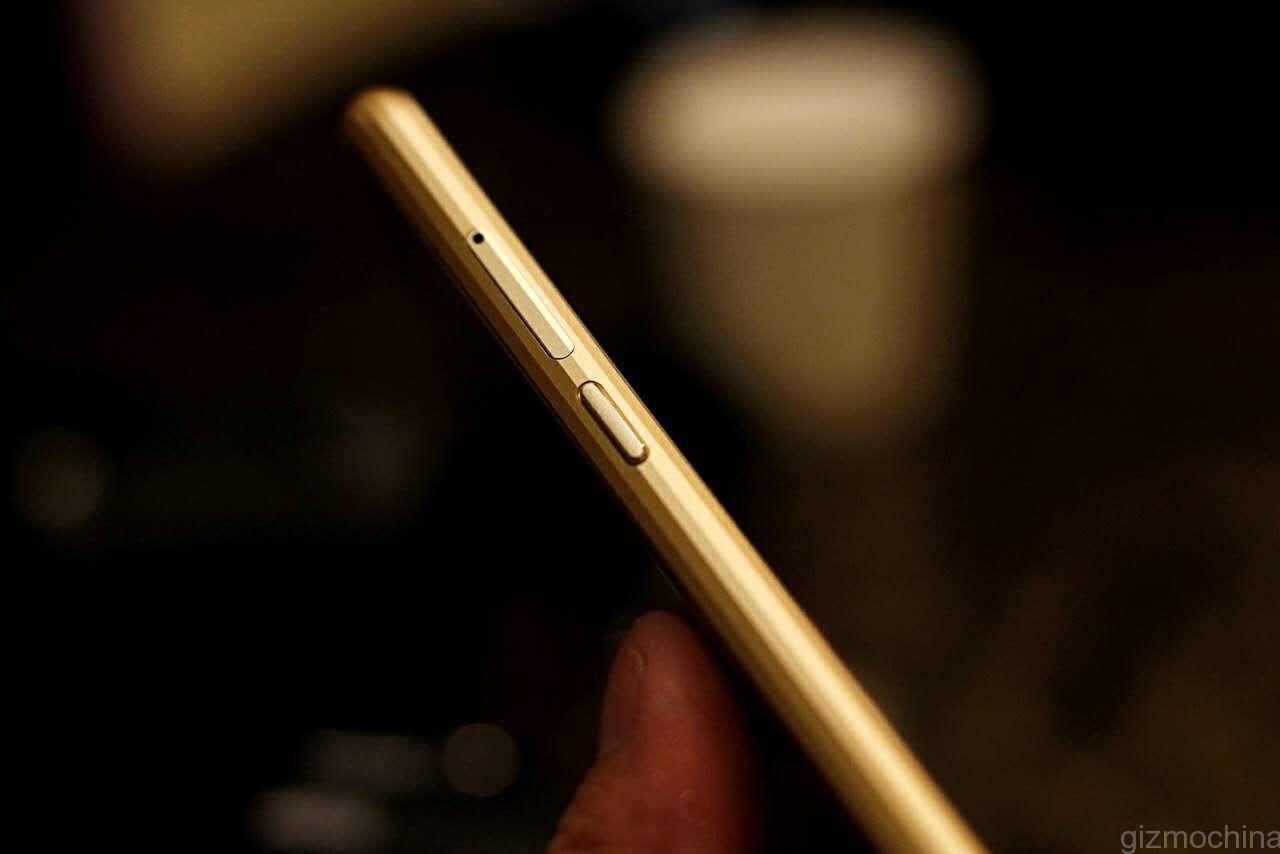
Now, the Ramos Mos1 is finally official and most of the details are in line with what we have been hearing for the past few days. First of all, since this is the company’s first smartphone, it has paid special care in the phone’s design. The Ramos Mos1 reportedly comes with five sided crystal cutting design along with 2.D glass on both the sides. If you remember, even the recent Vivo X5Pro had 2.5D glass on both sides.
To further improve the body, the company has used 6063 aluminum alloy material, which is reportedly tough and corrosion resistant. The body is quite slim too, measuring just 6.6mm in thickness. Finally, to make things even better, the bezels have been slimmed down. The phone comes with pretty narrow 1.9mm bezels on the sides, improving the overall look.
1 of 9
As for the specs, its quite good. The phone comes with Snapdragon 615 octa-core 64-bit chip under the hood. While we would have preferred something more powerful like Snapdragon 808, even 615 is fine as long as it doesn’t overheat. Other specs include 2GB RAM, 32GB of internal storage, 13MP rear camera and a 5MP front facing one. As for the software, the phone comes with MOUI 1.0 based on Android 5.0. The phone also comes with Hi-Fi Audio chip.
Unfortunately, unlike earlier rumors which suggested that the phone will have a massive 4850mAh battery, the Ramos Mos1 actually comes with just a 3050mAh capacity battery. But the battery life should be good since it will be made by BYD, which is a well known manufacturer of automobile rechargeable batteries. Further, the phone supports Qualcomm Fast Charge 2.0, which should definitely speed up the charging time.
You can check out the official video down below.
The phone will be available from August 10 via JD.com. The initial reservations start on July 31 for 1999 Yuan ($322). Ramos is also reportedly working on a Mos1 Max version with a 6-inch display and 6000mAh battery.
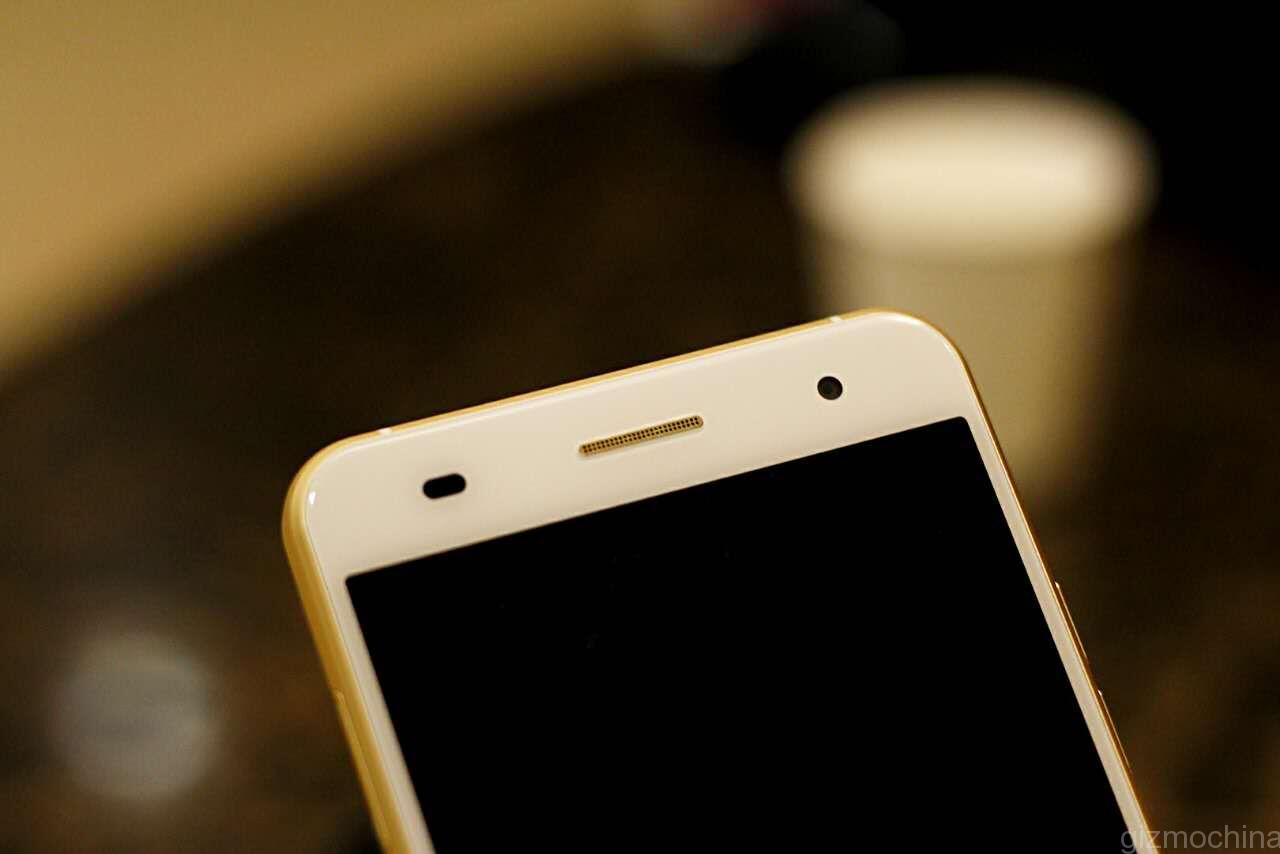
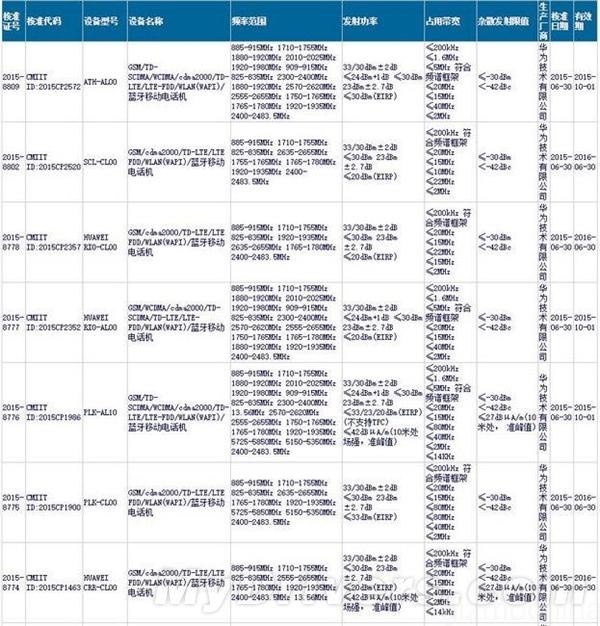
Its just been a couple of weeks since Huawei released its Honor 7 flagship in the market. However, it looks like the company is readying a new bunch of devices for launch pretty soon. As three new Huawei devices were recently spotted on the Chinese National Radio Certification website.
Unfortunately, we don’t have much details about these three handsets, except for their model numbers: ATH-AL00, RIO-AL00 and CRR-AL00. However, it is said that the first one i.e. ATH-AL00 is from the Huawei Honor family. So, if we had to guess, Honor 7 Plus would be one possible product in the series. The phone will most likely come with a CNC body. As for the CRR-AL00, the phone will come with dual SIM dual standby and will feature GSM / CDMA2000 / TD-LTE / FDD-LTE network support.
Although we expect to see Kirin 950 inside upcoming Huawei handsets, it is said that the company will most likely stick with Kirin 930 series chips for the upcoming handsets. This would increase the number of handsets running the chipset. But it would also delay the launch of the flagship Kirin 950 chip.
Anyways, if one of these models is really the Honor 7 Plus, we don’t think the company will wait too long to release the handset.
So, do you have any guesses for the rest two models? Huawei D8 perhaps?
We use cookies on our website to give you the most relevant experience by remembering your preferences and repeat visits. By clicking “Accept”, you consent to the use of ALL the cookies.
This website uses cookies to improve your experience while you navigate through the website. Out of these, the cookies that are categorized as necessary are stored on your browser as they are essential for the working of basic functionalities of the website. We also use third-party cookies that help us analyze and understand how you use this website. These cookies will be stored in your browser only with your consent. You also have the option to opt-out of these cookies. But opting out of some of these cookies may affect your browsing experience.
Necessary cookies are absolutely essential for the website to function properly. This category only includes cookies that ensures basic functionalities and security features of the website. These cookies do not store any personal information.
Any cookies that may not be particularly necessary for the website to function and is used specifically to collect user personal data via analytics, ads, other embedded contents are termed as non-necessary cookies. It is mandatory to procure user consent prior to running these cookies on your website.





 sible,allowing it to be connected either way around, similar to the connector found on iPhones, making it faster to connect to your charger especially in lower light situations.