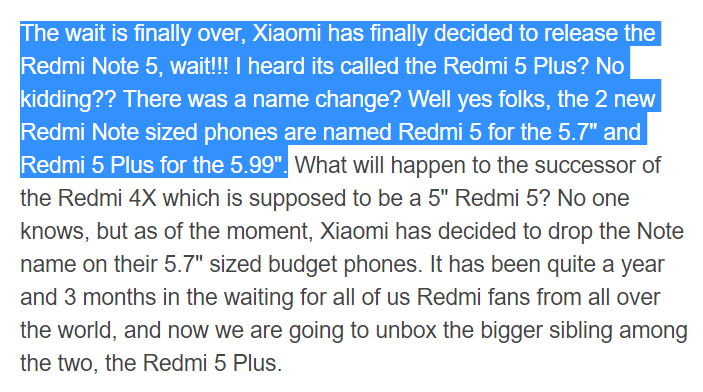
In 2014, Xiaomi released the Redmi Note – a bigger and more powerful version of the original Redmi released in 2013. In the following years, each Redmi version has always launched with a “Note” variant. However, that will not be the case for the Redmi 5.
Redmi 5 Plus will replace Redmi Note 5
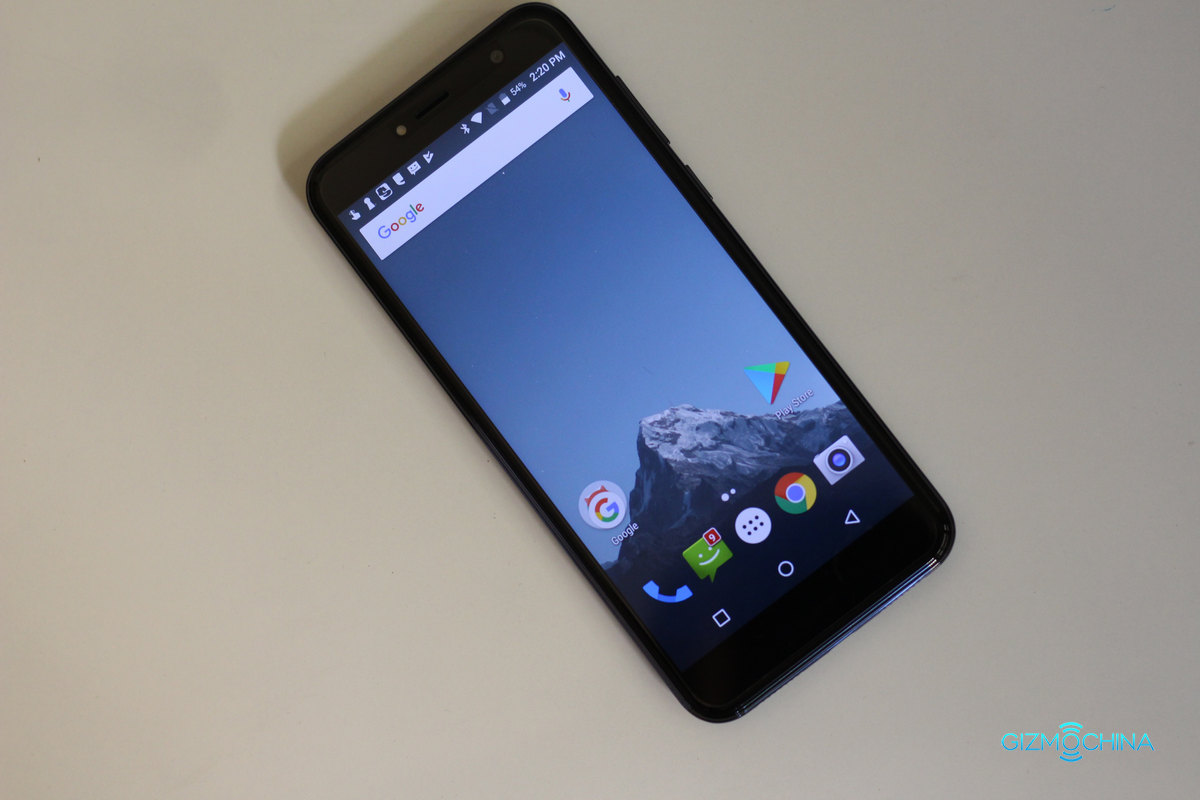
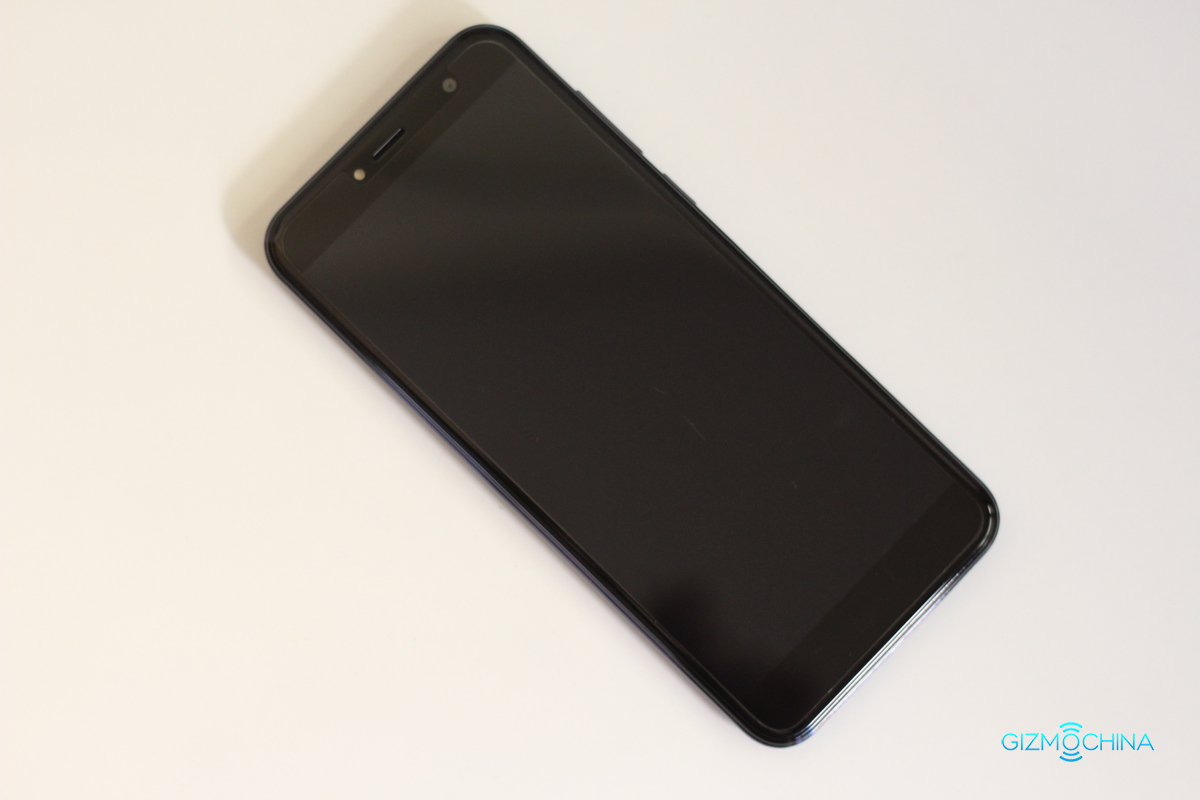
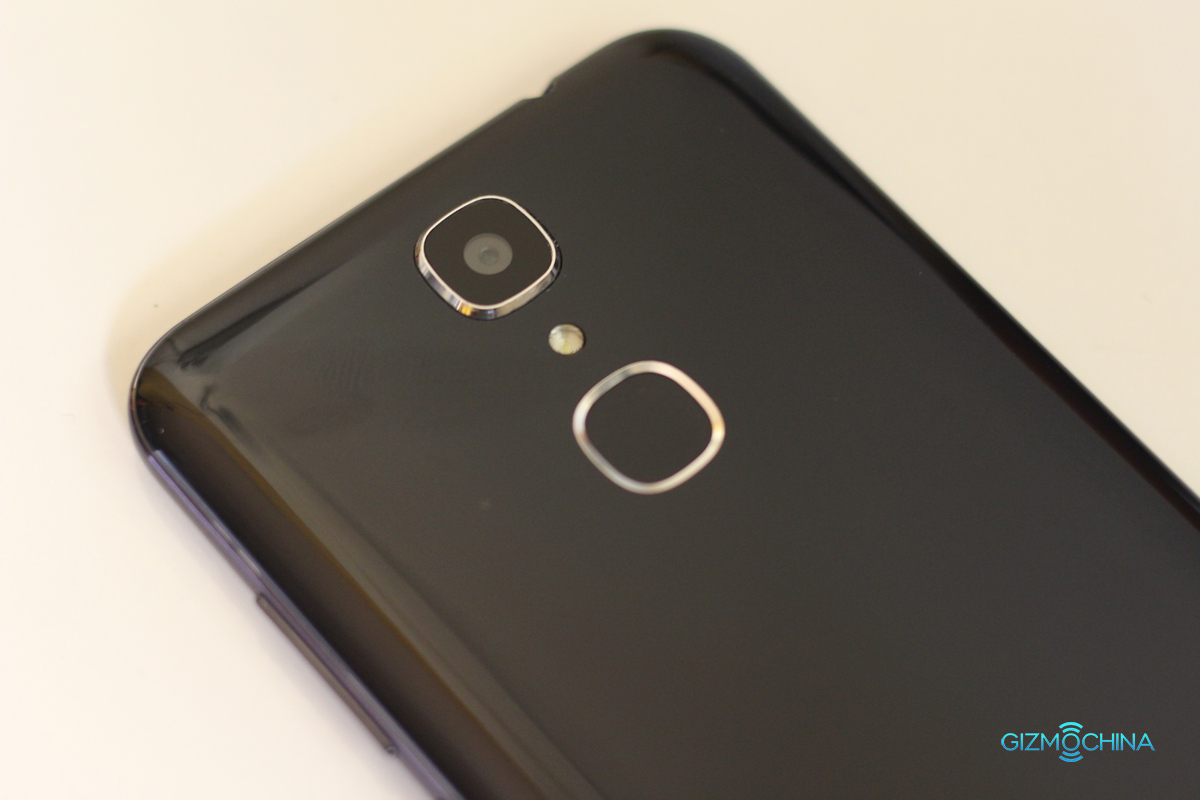
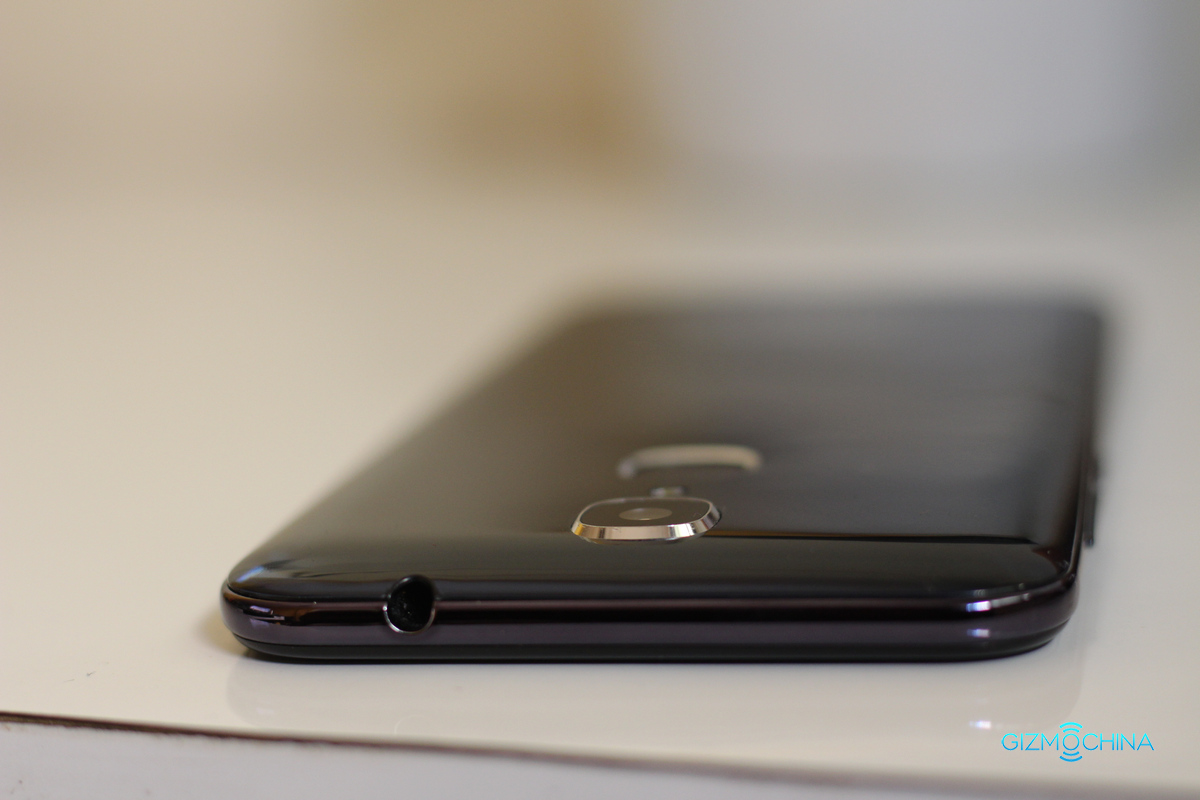
According to a super moderator (mitch002) on the MIUI Forum, Xiaomi will not be releasing a Redmi Note 5. Instead the Redmi Note 4’s successor will be the full-screen Redmi 5 Plus which already launched earlier this month.
Fans have been looking forward to a Redmi Note 5 which is expected to come with the same 5.99-inch FHD+ display as the Redmi 5 Plus but a Snapdragon 660 or at least Snapdragon 630 chipset.
Excerpt of Mitch002’s Post on the MIUI Forum
Unfortunately, they will be disappointed to learn that it is the Redmi 5 Plus with the same Snapdragon 625 processor as the Redmi Note 4 (Redmi Note 4X).
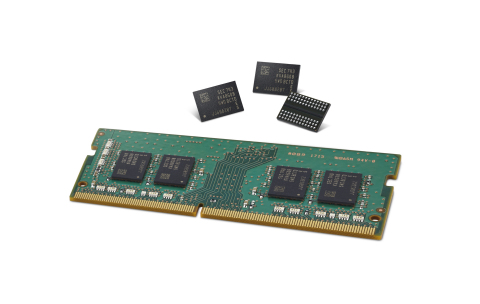
Earlier today, Samsung Electronics announced it has developed the world’s smallest DRAM chip.
Belonging to the 10nm class just like its predecessor, the 8-gigabit chip also features a 15% improvement in energy efficiency and a 10% increase in performance. Its operating speed has also increased to 3,600mbps per pin compared to 3200mbps of he first gen model.
Samsung’s new chip will make its way into mobile phones, graphic cards and cloud-computing centers. The Korean giant also added that it will change most of its existing DRAM production capacity to 10-nm chips next year.
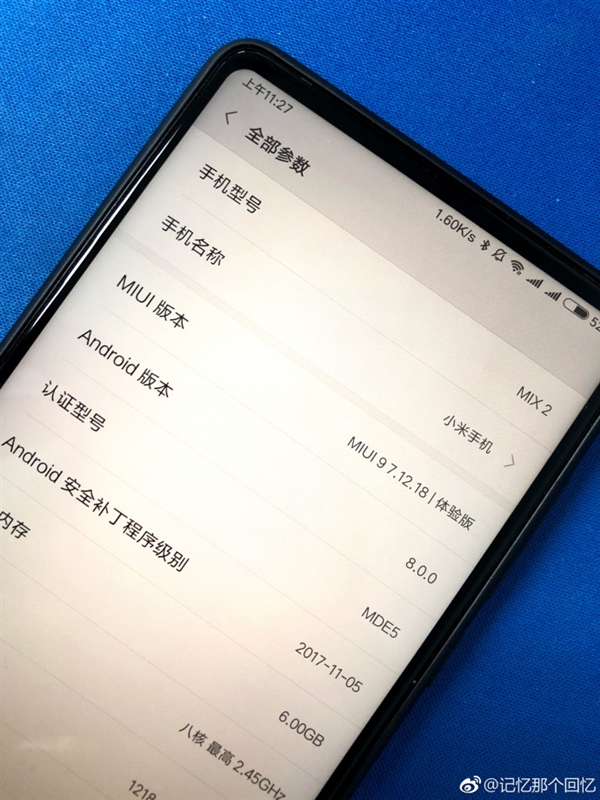
A few days ago, Xiaomi announced the Android Oreo beta program for the Mi MIX 2. Although interested participants have until December 24 to sign up for the program, it appears some folks are already running the beta version.
A screenshot showing a Mi MIX 2 running Android 8.0 Oreo surfaced online today, revealing that the beta update comes with MIUI 9 version 7.12.18. The security patch level is also that of November. Visually, it is said that it doesn’t look different from Android Nougat.
Xiaomi’s second flagship, the Mi 6 has already received a beta version of Android Oreo and while there are no visual changes too, it is reported that the multi-tasking menu has received a slight modification.
The features Android Oreo bring are mainly improvements which help increase battery life and speed by limiting background activity. Android Oreo also comes with features like picture-in-picture mode, Autofill, and a bunch of new emojis.
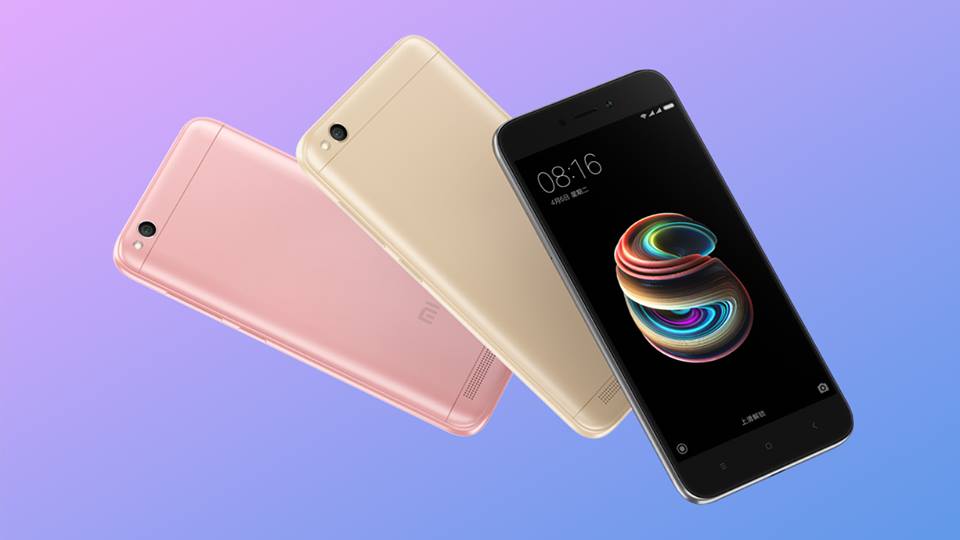
Xiaomi has announced its latest entry-level smartphone in Indonesia — the Xiaomi Redmi 5A. The smartphone was originally launched in China a couple of months ago and was recently launched in India with some customizations.
In Indonesia, the Xiaomi Redmi 5A has been priced at Rp 999.000, which roughly converts to $74 — cheaper than the phone’s price in China where it is available for 599 Yuan (approximately $96). It will go on sale from 27th December and will be available for purchase through Erajaya Retail Group as well as Xiaomi‘s official online store.
The Xiaomi Redmi 5A comes with a metallic matte finish and will be available in three colour options — Elegant Gold, Dark Grey and Rose Gold.
The phone features a 5-inch HD display with a screen resolution of 1280 x 720 pixels. It is powered by Qualcomm’s Snapdragon 425 quad-core processor, which is clocked at 1.4 GHz.
The Redmi 5A was launched in two variants — one with 2GB RAM and 16GB internal storage while the other model packs 3GB RAM and 32GB of internal storage. However, in Indonesia, only the 2GB RAM model will be available. There is also a microSD card slot to further expand the storage capacity.
For photography, the Redmi 5A features a 13-megapixel rear-facing camera with f/2.2 aperture and a 5-megapixel front-facing camera for taking selfies. The 5-element rear lens is equipped with features like LED flash, HDR, Panorama, phase detection auto-focus (PDAF) and Beauty Filter.
The device comes equipped with an IR blaster that can be used for controlling electronic devices such as air conditioner, TV or set-top box. The smartphone runs on Android 7.1 Nougat operating system based company’s own MIUI 9.
Connectivity options on the Dual SIM phone include 4G LTE, Wi-Fi 802.11 b/g/n, Bluetooth 4.1, GPS with A-GPS, GLONASS and a microUSB2.0 port. The device is fuelled by a 3,000mAh battery that is rated to offer 8 days of standby time, 21 hours of music playback and 7 hours of video playback.
The company recently launched Lake Blue colour variant for the Xiaomi Redmi 5A in China, but the colour option has not been made available in any other region.
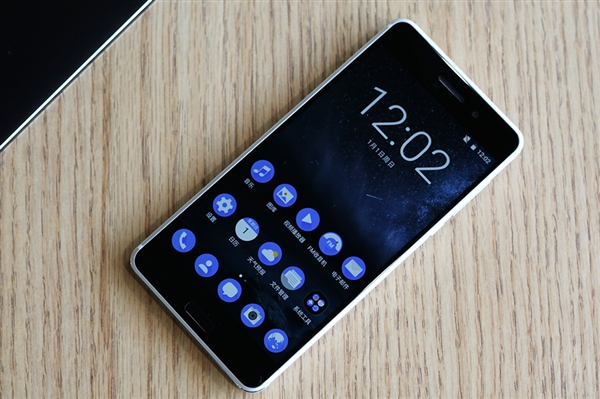
Owners of the Nokia 6 can now join Nokia’s Beta Labs program. This is HMD Global’s version of Google’s Android Beta Program which allows them to run beta versions of the OS, in this case Android 8.0 Oreo, before a stable update is pushed out.
Last week when HMD Global opened the program to Nokia 5 owners, its Chief Product Officer, Juho Sarvikas, revealed that the Nokia 6 was next in line.
If you own the Nokia 6 and are interested in joining the Nokia Beta Labs, head to this page and sign up. You should be able to get the beta builds when done.
Nokia’s version of Android is pretty much close to Vanilla with a very few changes to the UI to make it distinct. However, the one sold in China is a little bit different from the global variant.
The Nokia 6 was the first Android smartphone released by HMD Global. It has a 5.5” FHD display, a Snapdragon 435 processor, and is available in 3GB and 4GB RAM variants. Battery capacity is 3000mAh with fast charging support.
Google China that is situated in the Shanghai World Financial Center in Shanghai had only 20 employees in the previous year. However, with 150 employees this year, the Google China team is expanding rapidly. Fresh information suggests that Google China is working on various kinds of devices including wearables.
There are many smartwatches available in the market that are running on Android Wear OS by Google. However, the search engine giant is yet to launch a smartwatch with its own branding. Speculations are rife that Google China staff could be working on a Pixel Watch. There is a possibility that the company could be working on an entirely different wearable device.
Apart from wearables, Google China is said to be working on devices such as virtual reality (VR) headsets, Pixel phone, smart speaker Home and Pixelbook 2-in-1 notebooks. Since Google China is located close to its supply chain, it is speculated that it could be assigned with prototyping tasks. Even though its division in China is expanding at a quick pace, Google has not confirmed anything on selling its devices in the country.
It was in 2010 that Google had quit the Chinese market completely after it denied censoring the Google Search results in China. Later on, the search engine had also withdrawn the access to Play Store in the country. Earlier reports from this year have claimed that Google is working on bringing a custom-made version of Play Store for Chinese audience by partnering with a domestic company.
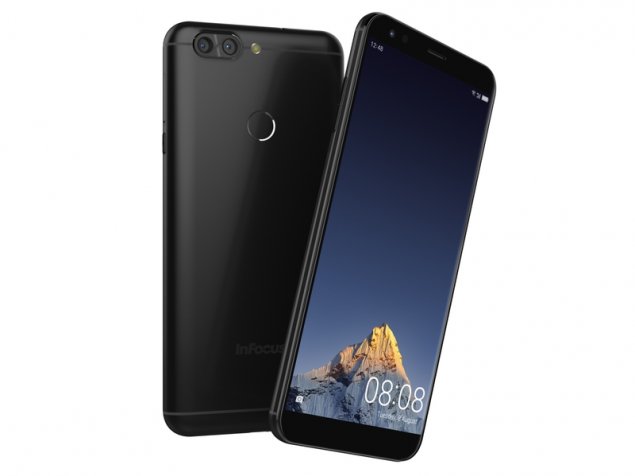
InFocus, the American smartphone manufacturer backed by Foxconn, has launched a new smartphone in the Indian market — InFocus Vision 3. One of the major highlights of the phone is that it features the trending 18:9 aspect ratio display.
The smartphone sports a 5.7-inch Full HD+ ONCELL display with a screen resolution of 1440 × 720 pixels and a 2.5D curved glass on top. While the bezels surrounding the display are quite thin, the phone isn’t a bezel-less smartphone.
Under the hood, the device is powered by a MediaTek MTK6737H quad-core processor clocked at 1.3GHz, along with 2GB of RAM. The phone packs 16GB of internal storage which can be further expanded up to 256GB using a microSD card.
The phone comes with dual cameras at the back, featuring a 13-megapixel primary camera which is coupled with a 5-megapixel secondary camera having 120-degree wide-angle lens. It also features an 8-megapixel front-facing shooter with beautification mode and portrait mode. The company is also offering a Nokia‘s ‘Bothie’-like feature called DualFie, which captures a picture with both the cameras simultaneously in the form of PIP mode.
Connectivity options on the device include 4G VoLTE, Wi-Fi, Bluetooth, Micro-USB, and a 3.5mm headphone jack. The phone is running Android 7.0 Nougat operating system with the company’s own Smile UX skin on top. The company has also confirmed that the phone will receive the Android Oreo update by mid-2018.
InFocus has also incorporated its own version of FaceID, allowing users to unlock the device through facial recognition. There is also a fingerprint scanner at the back for added security features. The smartphone is fuelled by a 4,000mAh battery.
The InFocus Vision 3 has been priced at Rs. 6,999 in India, making it the cheapest smartphone to feature a full-screen display. The phone will be exclusively available on Amazon India.
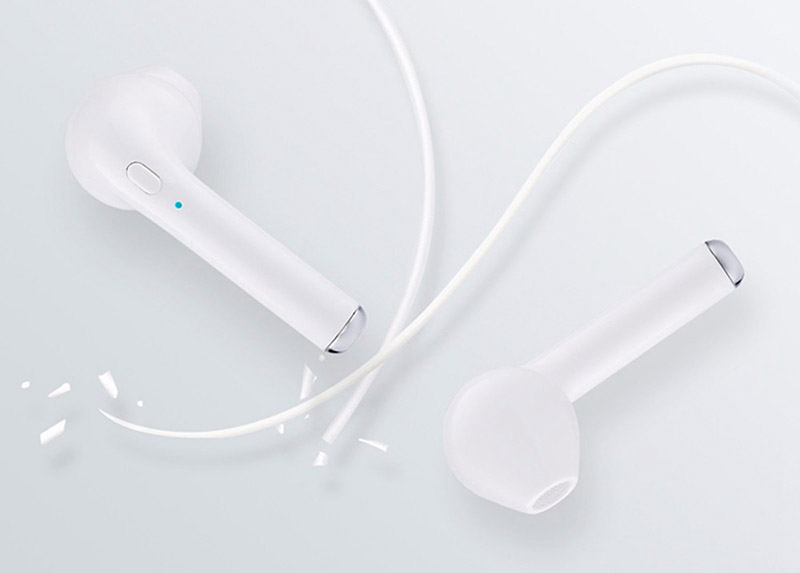
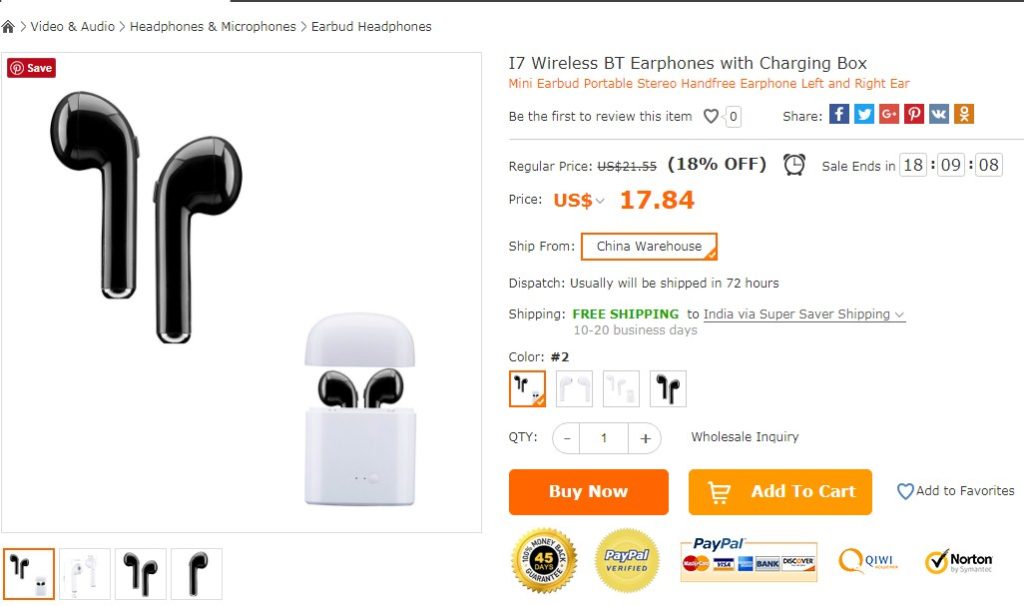
Music enthusiasts, rejoice! Cafago is offering a massive 18% discount on I7 Wireless BT earphones with charging box. You can now get your hands on the Mini Earbud Portable Stereo Handsfree earphone (Left and Right Ear) for just $17.84. The original price of the earphones is $21.55.
The device is usually dispatched within 72 hours and it is shipped within 10-20 business days. Those ordering the earphones with Charging Box can apply the promotion code ‘DPA4182’ before checking out to receive $4.36 discount and buy the I7 Wireless BT earphones for just $ 13.48.
It is imperative for customers to bear in mind that the aforesaid offer is only valid until January 15th, 2018. The package list comprises two earphones, one charging cable and a user manual. The package weighs in at 200g (7.1oz) and its size is 3.5×2.5×1.5cm (1.4×1.0x0.6in).
In terms of features, the I7 Wireless BT earphones come with A2DP / AVRCP stereo audio transmission and remote control protocol. It boasts an all-powerful noise de-noising circuit.
Sporting a lightweight design, the headphone is available in a vast range of ear tips to fit any ear flawlessly. This makes it an ideal gift for you and other music lovers. Head straight to this link to grab this offer before it comes to an end.
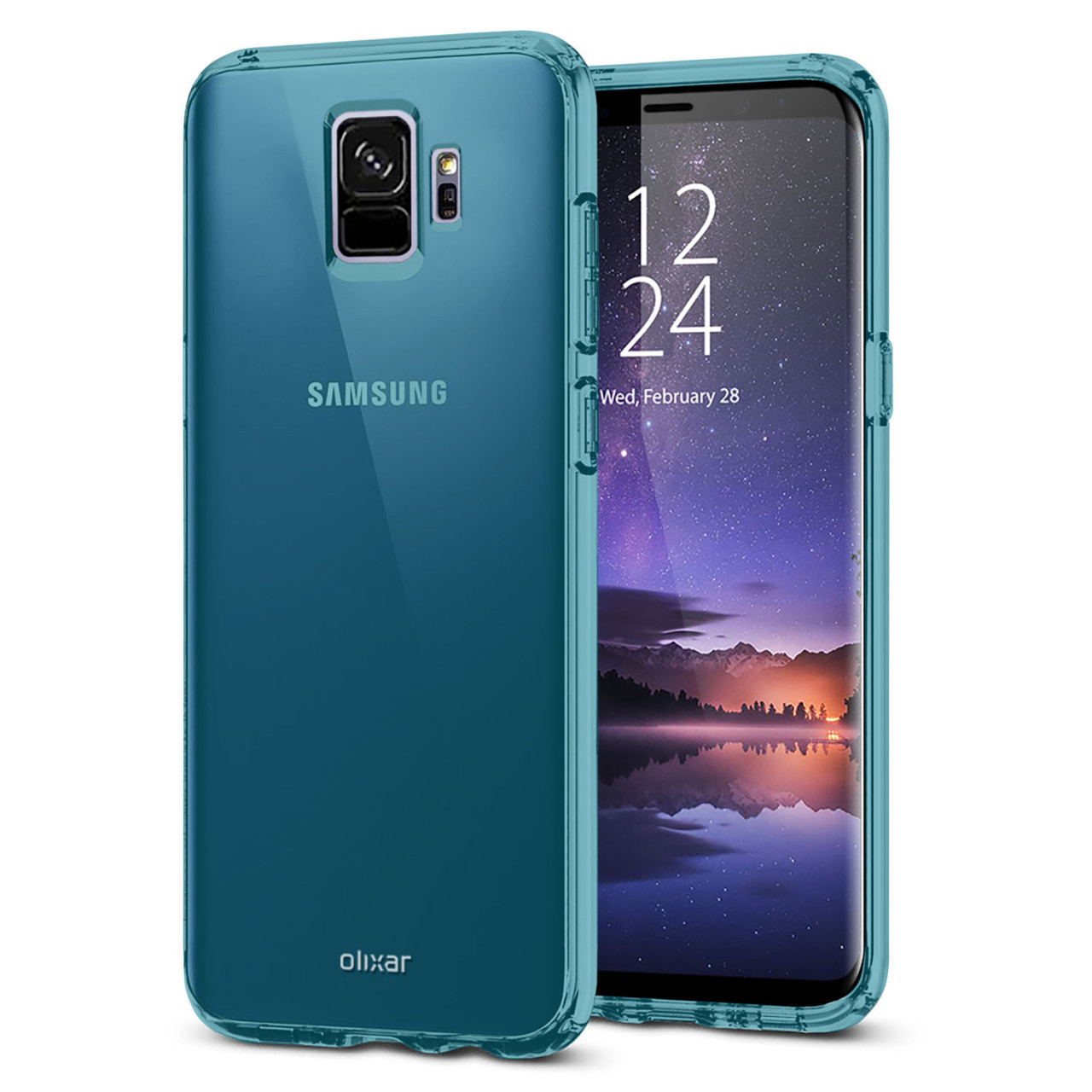
Fresh images showing the case renders of the Samsung Galaxy S9 and Galaxy S9+ from Olixar have surfaced. The ultra-thin cases have revealed the design of the front and rear sides of both phones.
The case renders show that the Galaxy S9 and S9+ will be appearing very similar to the Galaxy S8 and S8+ smartphones. A single rear-facing camera can be seen on the rear side of the Galaxy S9. However, the back panel of the Galaxy S9+ has dual rear cameras. The Galaxy Note 8 has a horizontally arranged dual camera setup, but the S9+ will be arriving with a vertically stacked dual camera system.
The Galaxy S9 and S9+ feature horizontally positioned fingerprint scanner beneath the camera sensor. The unit housing the LED flash and heart rate sensor can be seen sitting on the right side of the camera. As far as the frontside of both phones are concerned, it appears that their Infinity Display design will be delivering a screen-to-body ratio of around 85 percent.
When viewed from the front, the left edge of the Galaxy S9 and S9+ are equipped with Power key and volume rocker and the right edge features a Bixby button. Compared to the Galaxy Note 8, the corners of the S9 duo seem to be more curved. It appears that the Galaxy S9 and S9+ will be featuring a 3.5mm audio jack, a USB-C port and speaker grille on their bottom edge.
Rumors have it that the Galaxy S9 and S9+ models that are heading to the U.S. and China are powered by Snapdragon 845. Rest of the world are expected to receive the Exynos 9810 variants of the S9 and S9+. The Galaxy S9 may come with 4 GB of RAM, 64 GB of storage and 3,200mAh battery. The S9+ may feature 6 GB of RAM, 128 GB of storage and a bigger battery.
The Mobile World Congress (MWC) 2018 is rumored to be the platform where Samsung will be unveiling the Galaxy S9 and Galaxy S9+ smartphones. It is likely to hold a launch event on Feb. 27 to unveil the S9 duo.
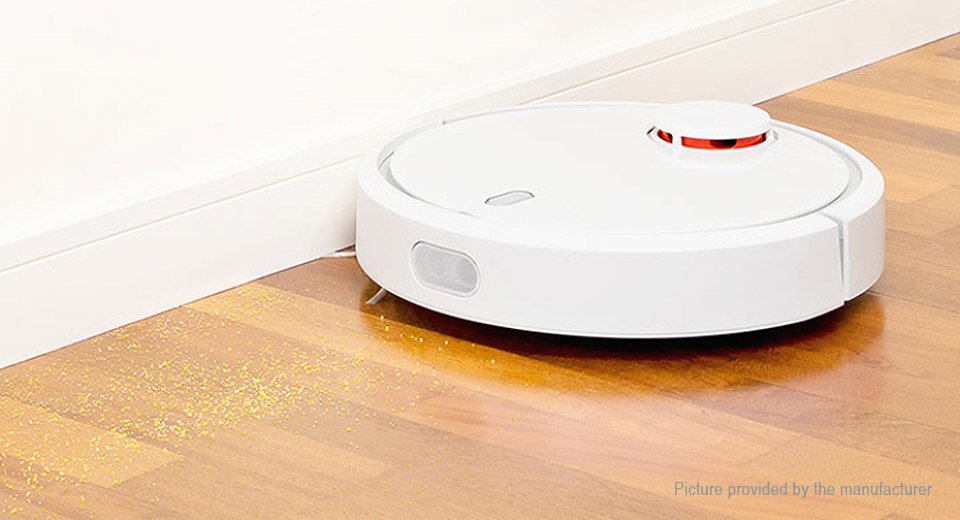
Chinese tech giant, Xiaomi announced the Mi Robot Vacuum on August 31, last year. The remarkably intelligent home cleaning device allows you to sweep and polish the floor with the mopping pad.
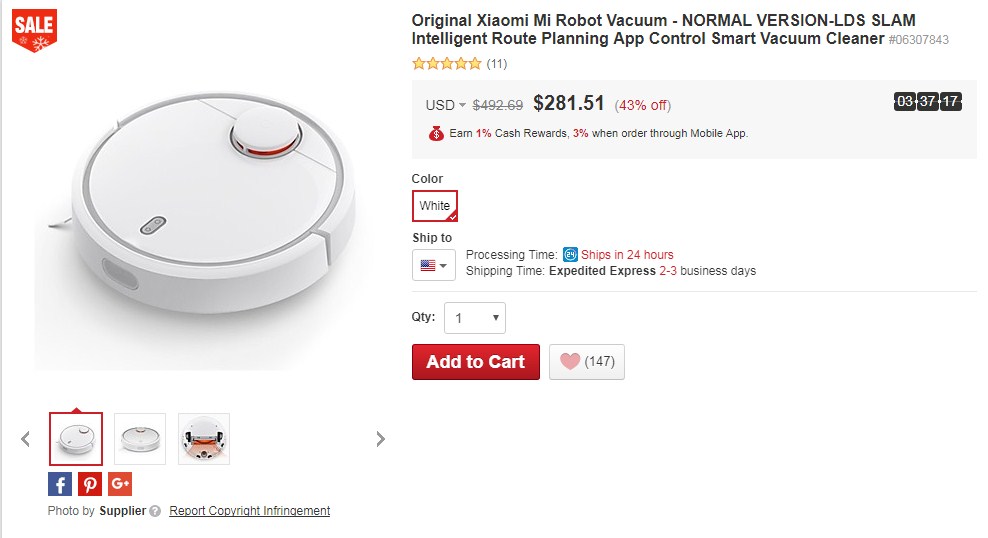
It looks like good news for those who have restlessly been waiting to get their hands on the original Xiaomi Mi Robot Vacuum as LightinTheBox is currently offering a considerable 43% off the three-dimensional vacuum cleaning system.
You can now buy the original Xiaomi Mi Robot Vacuum for just $281.51 on LightinTheBox, which is a massive drop from its original price of $492.69. Furthermore, you can earn 1% cash rewards, and 3% when ordering the device via the Mobile app. With expedited express, the Mi Robot Vacuum shipping time is slated for 2 to 3 business days.
Buyers are advised to add tax insurance when placing the order. Those who add tax fees while buying the item via LightinTheBox are eligible to receive the payment when they are charged with any sort of customs fees or taxes.
Deemed as the almighty helper by GearBest, the Mi Robot Vacuum is backed up by a 5200mAh large capacity battery, 2000Pa super suction, and comes with APP remote control. The device offers double cleaning wherein it sweeps and then mops the floor.
You can use coupon code ‘XIAOMIBOTA32D’ at the time of checking out. Click here to avail the 43% discount before it ends.
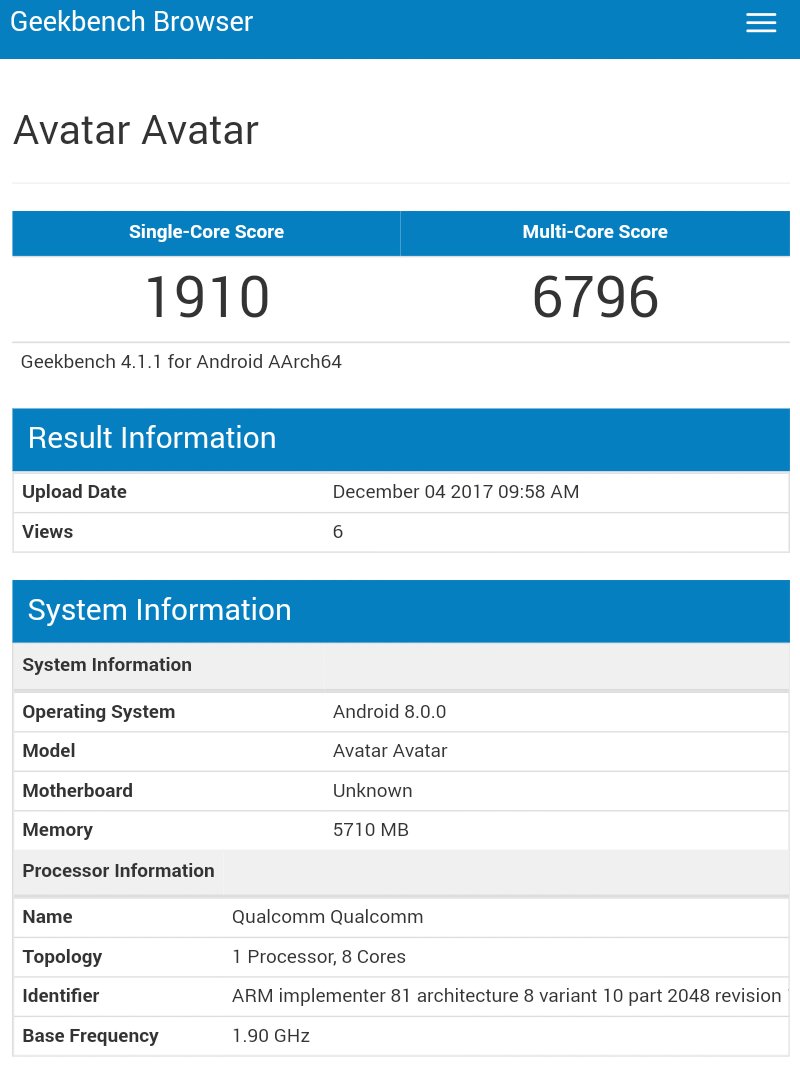
The FCC listing of the upcoming Nokia 9 phone had revealed that it has a model number of TA-1005 and its codename is Avatar. The same codename had appeared on Geekbench benchmarking site at the beginning of this month.
The Geekbench listing does not contain any information on the processor that will be powering the Nokia 9. However, it has been revealed through its FCC listing that it will be powered by Snapdragon 835 chipset. The SD 835 chip will be accompanied by 6 GB of RAM and the device will come preinstalled with Android 8.0 Oreo OS. The Nokia 9 has recorded a score of 1,910 in single-core test. In the multi-core test, it has scored 6,796.
HMD Global has already released a Snapdragon 835 powered phone, the Nokia 8, few months ago. It came with a 5.3-inch QHD display that was surrounded by thick bezels. It is no way close to the current trend of full screen design. A leaked render of the Nokia 9 that appeared earlier today shows that it will be coming with bezel-less design.
The FCC listing of the Nokia 9 has revealed it will be featuring a 5.5-inch screen supplied by LG Display. However, the exact resolution of the screen is not known. It is likely that it may carry support for FHD+ resolution and 18:9 aspect ratio. The new render of the phone shows that it will be arriving with dual selfie snappers. The back panel will be housing 12-megapixel + 13-megapixel dual camera system and a fingerprint scanner. It will include an internal storage of 128 GB and it will be fueled by a 3,250mAh battery.
The Nokia 9 is rumored to get announced on Jan. 19. HMD Global is also speculated to debut Nokia 8 (2018) alongside it.
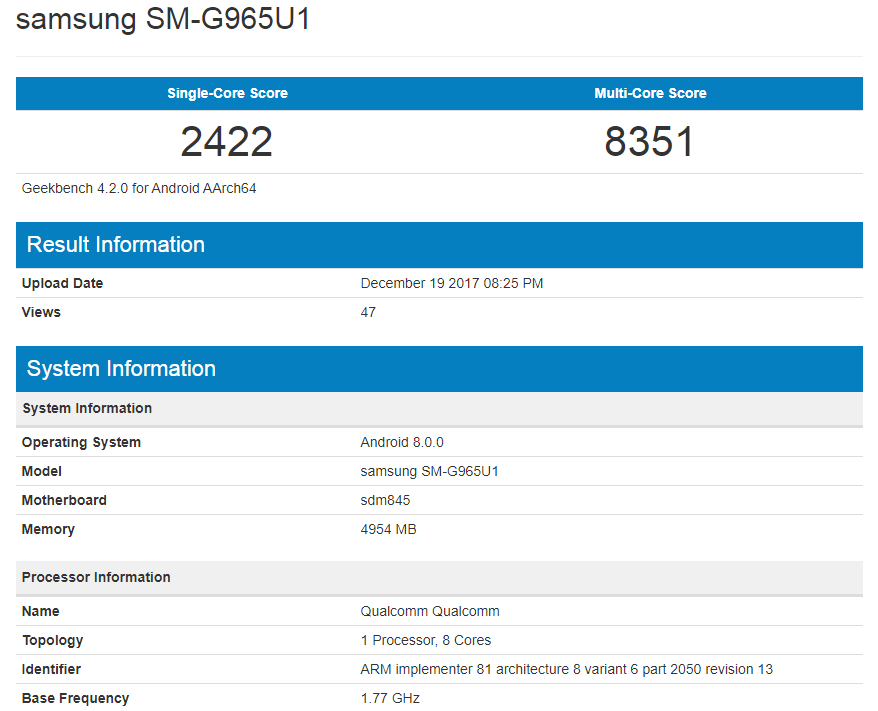
The upcoming Samsung Galaxy S9 and Galaxy S9+ are rumored to arrive as the first smartphones with Snapdragon 845 chipset. Plenty of information on both phones have surfaced in the recent weeks. Yesterday, the Samsung SM-G965U1 smartphone was benchmarked on Geekbench benchmarking platform. Previous rumors have revealed that the SM-G965 model number belongs to the forthcoming Galaxy S9+ smartphone. The benchmark score reveals that the smartphone is capable of delivering monstrous performance.
The SM-G965U1 phone is powered by sdm845 chipset. The presence of the Snapdragon 845 SoC indicates that this could be the U.S. variant of the phone. Other markets are expected to receive its Exynos chipset edition. The SD 845 SoC inside the SM-G965U1 is supported by 6 GB of RAM and the flagship phone is running on Android 8.0 Oreo.
In single-core test, the Samsung Galaxy S9+ has scored 2,422, and it has recorded 8,351 score in multi-core test. This is the first time that a Samsung smartphone has breached 2,000 mark on single-core test on Geekbench. Also, it is the best ever multi-core score by a Samsung phone on the benchmarking platform.
Recent rumors have revealed that the Galaxy S9 would be also arriving in Snapdragon 845 and Exynos chipset models. However, it will be featuring 4 GB of RAM. The Galaxy S9+ is speculated to feature 6.1-inch Infinity Display, a larger battery and dual rear cameras. However, its smaller sibling is likely to arrive with a 5.65-inch Infinity Display, 3,200mAh battery and single rear camera.
The Galaxy S9 and Galaxy S9+ are slated to get announced in February during the Mobile World Congress (MWC) 2018 event. To be more precise, the rumor mill speculates that Samsung may hold the Galaxy Unpacked 2018 event on Feb. 27 to unveil it.
The mobile phone market is brimming with ruggedized phones that are exclusively designed for users who do not find typical smartphones sturdy enough to sustain their daily routine. One such smartphone is from Spanish handset maker, DOOGEE.
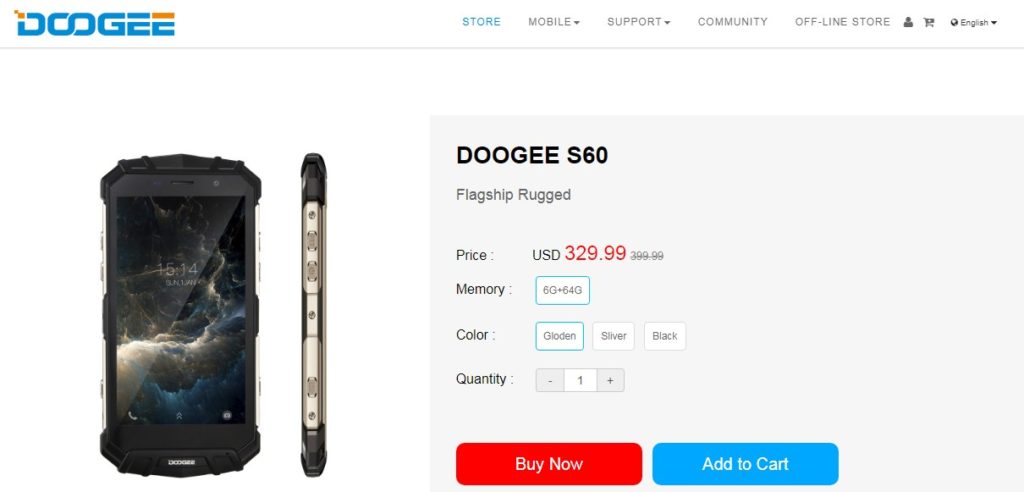
Thanks to its rugged good looks, waterproofing functionality and a slew of other solid features, DOOGEE’s latest S60 grabbed the number two spot on TechRadar’s list of best-rugged smartphones of 2017.
Despite offering some hefty features, the device does not bear a steep price tag. The handset is currently up for grabs at a discounted price of $329.99 on DOOGEE’s official website. The original price is $399.99.
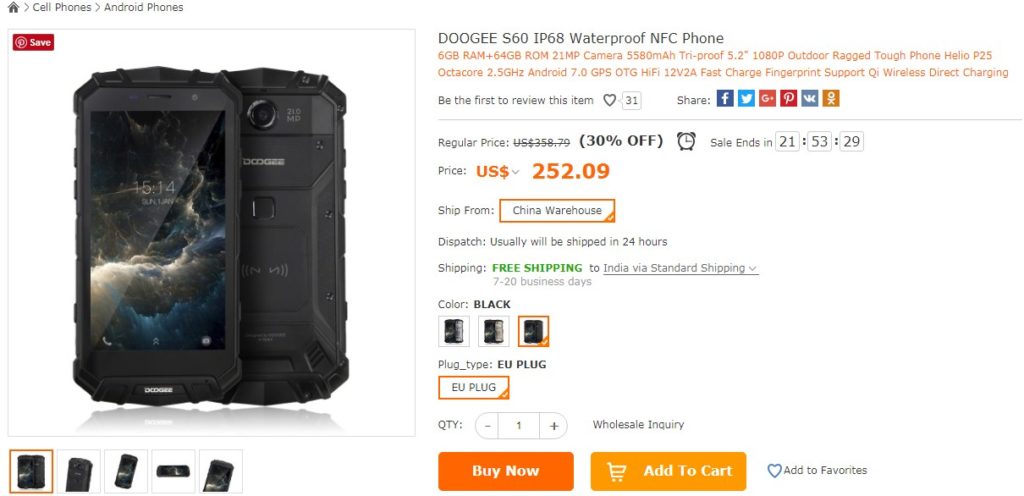
But if you’re looking for an even better deal, you can head straight to Cafago to buy the phone for just $252.09. Click here to avail this deal that ends on December 31, 2017.
Cafago is offering a considerable 30 percent off on DOOGEE S60 phone. The regular price displayed on the website is $358.79. Once ordered, the device will be dispatched within 24 hours while shipping is expected to take 7 to 20 business days. The S60 will be shipping from China warehouse.
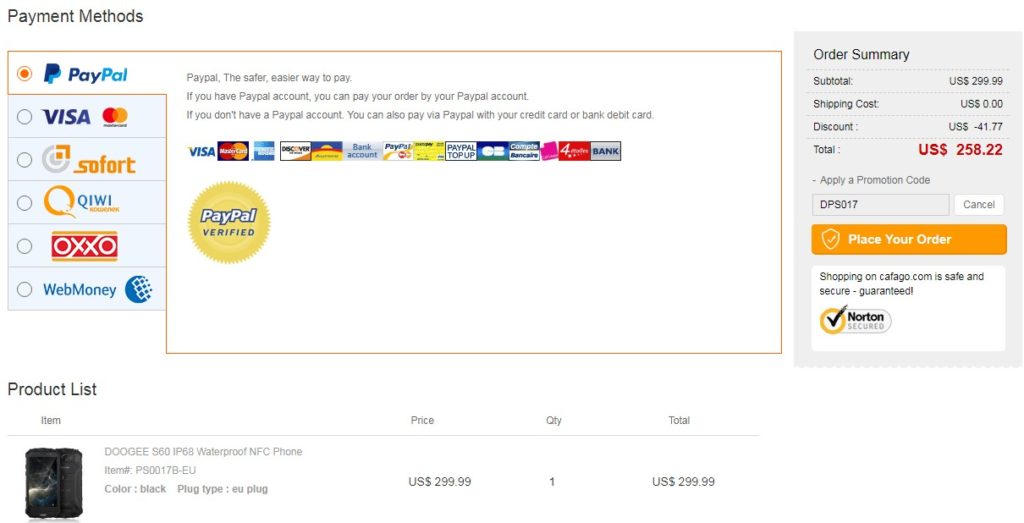
You can use coupon code ‘DPS017’ at the time of checkout to get a $41.77 discount. After applying the promotion code, the subtotal drops from $299.99 to just $258.22.
Even at this discounted price, DOOGEE S60’s packs an Helio P25 Octa-core 2.5GHz CPU, with 6GB of RAM and 64GB of ROM, under the hood. The device is backed by a robust 5580mAh battery.
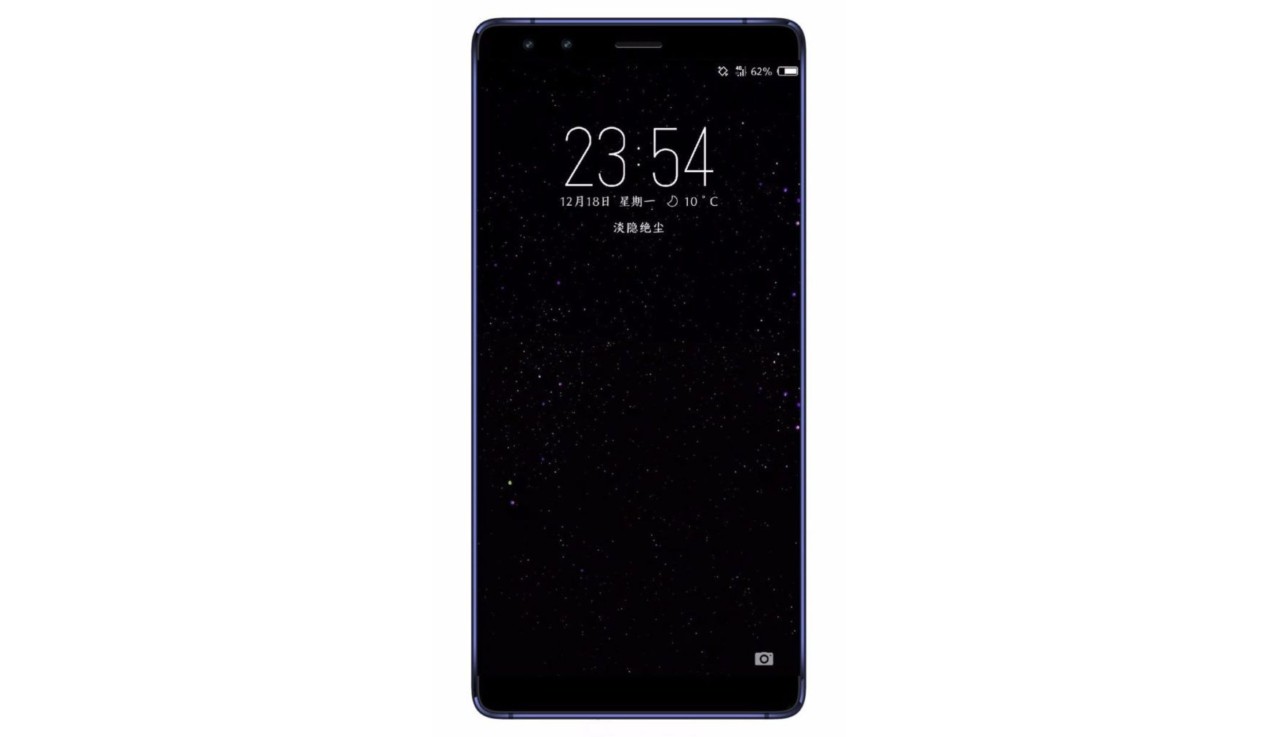
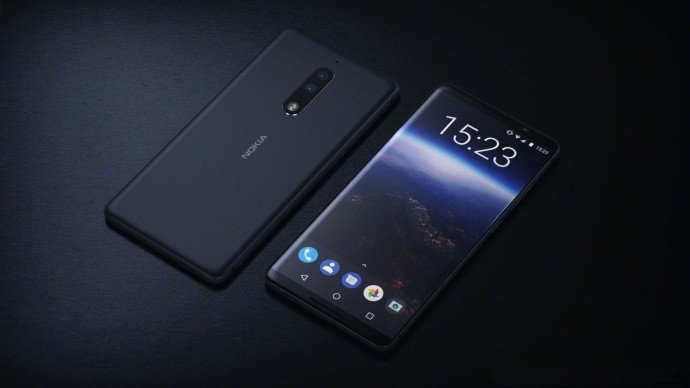
Nokia 9 has been recently certified by the Federal Communications Commission (FCC) in the U.S. The FCC documentation has revealed almost the entire specifications of the highly anticipated Nokia flagship. Today, a fresh render of the phone has been spotted on Weibo to reveal its frontal appearance.
There is no confirmation on whether the below image is legitimate. However, it seems to be one of the best Nokia 9 images that have been leaked so far. The Nokia 8 flagship phone came with thick bezels around the display, but the Nokia 9 shown in the new render reveals that it will be arriving with slimmer bezels.
Dual selfie cameras can be seen on the top bezel of the Nokia 9. It appears to be sporting a metallic chassis, but it is difficult to speculate on whether its back panel is made out of metal or glass. There is no front-facing fingerprint scanner which indicates that it could be present on the backside of the phone.
According to FCC listing of the Nokia 9, it will be featuring a 5.5-inch OLED screen. The exact resolution of the screen is not known. The Snapdragon 835 chipset will be powering the phone. Its rear will be equipped with 12-megapixel + 13-megapixel dual cameras.
FCC documentation of the Nokia 9 has revealed that the selfie camera of the Nokia 9 will be of 5-megapixel. It appears that this resolution could belong to one of the sensors of the dual selfie cameras. It will be coming with an internal storage of 128 GB. It will be fueled by 3,250mAh battery and it will be loaded with Android 8.0 Oreo.
Rumors have it that the Nokia 9 will be unveiled on Jan. 19. It is speculated that a second-generation Nokia 8 may also get announced alongside it.
What do you think about the above render? Does it appear legitimate? Share us your thoughts by posting your comments below.
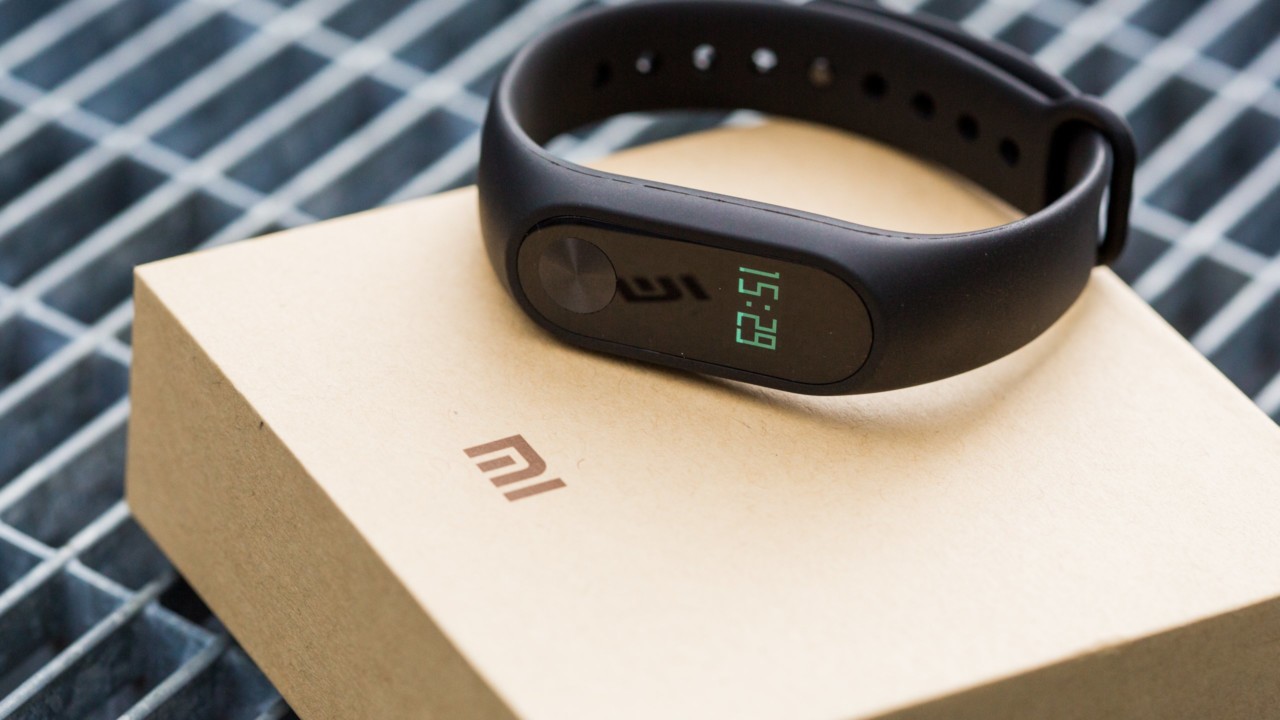
A year ago, Xiaomi unveiled a budget wearable activity tracker bearing the Mi Band 2. The latest version of the Xiaomi Mi Band 2 offers a 0.42-inches OLED screen capacitive button, apart from a myriad of other features without raising the price. The device is backed by a Lithium polymer battery with 70mAh capacity, offering an impressive 20-days standby time. The Xiami Mi Band 2 is IP67-rated and it only weighs in at 7g.
You can now get your hands on the Mi Band 2 from Banggood by shelling out just $ 29.99. This is a considerable reduction in the device’s original $32.99 price.
Buying 2 pieces will save you $3 more and you get them for $28.49 each. In other words, instead of paying $59.98 for two pieces, you’d pay $56.98. On top of that, you can earn 29 Banggood points by ordering this. Head over to this link to avail this deal.
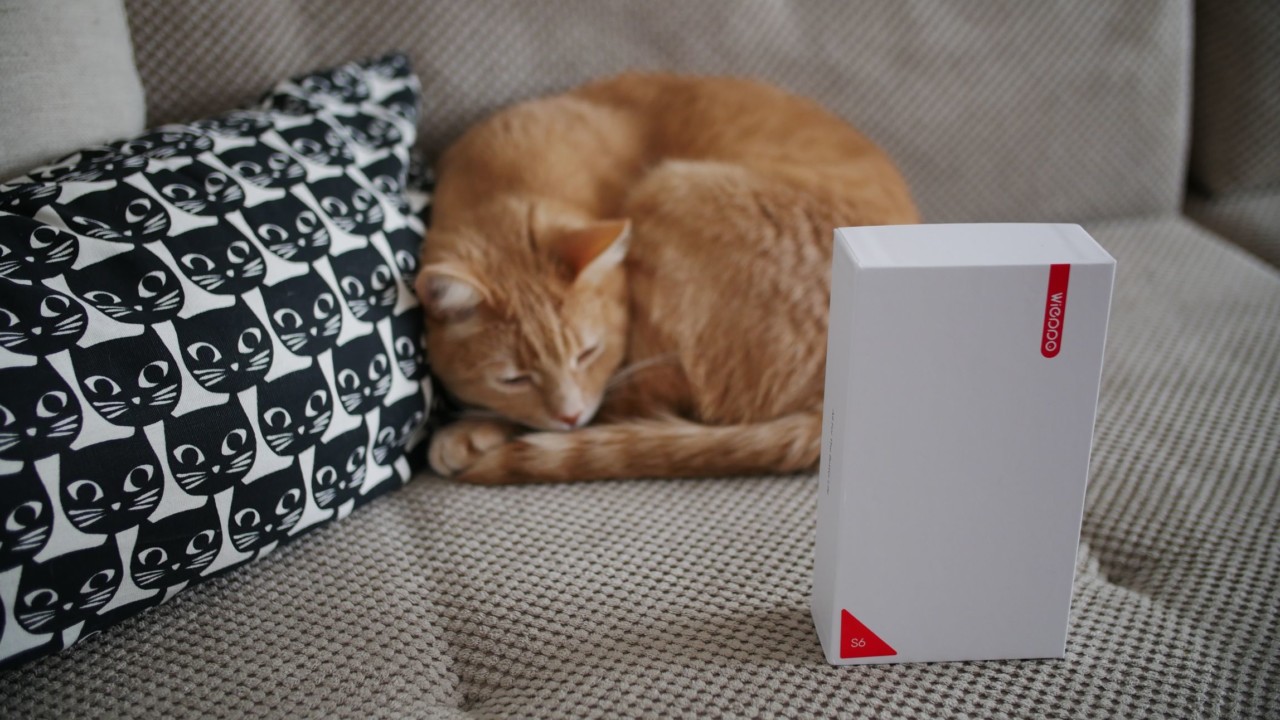
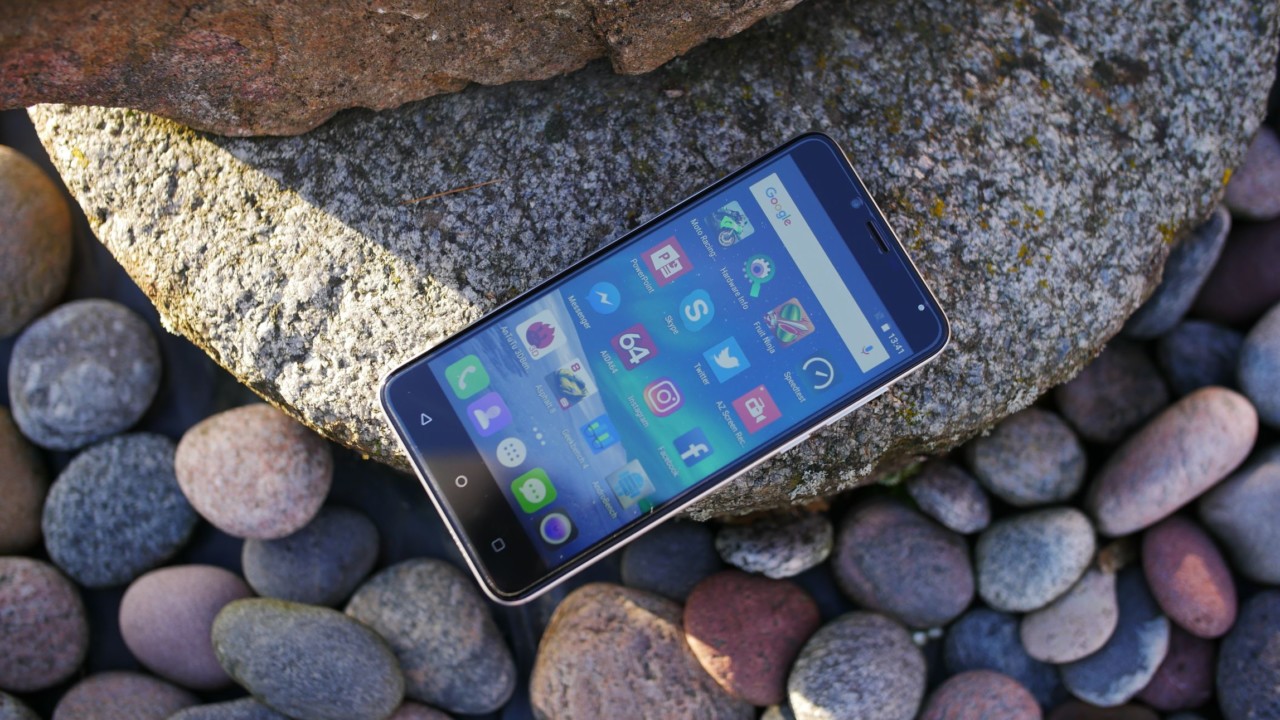
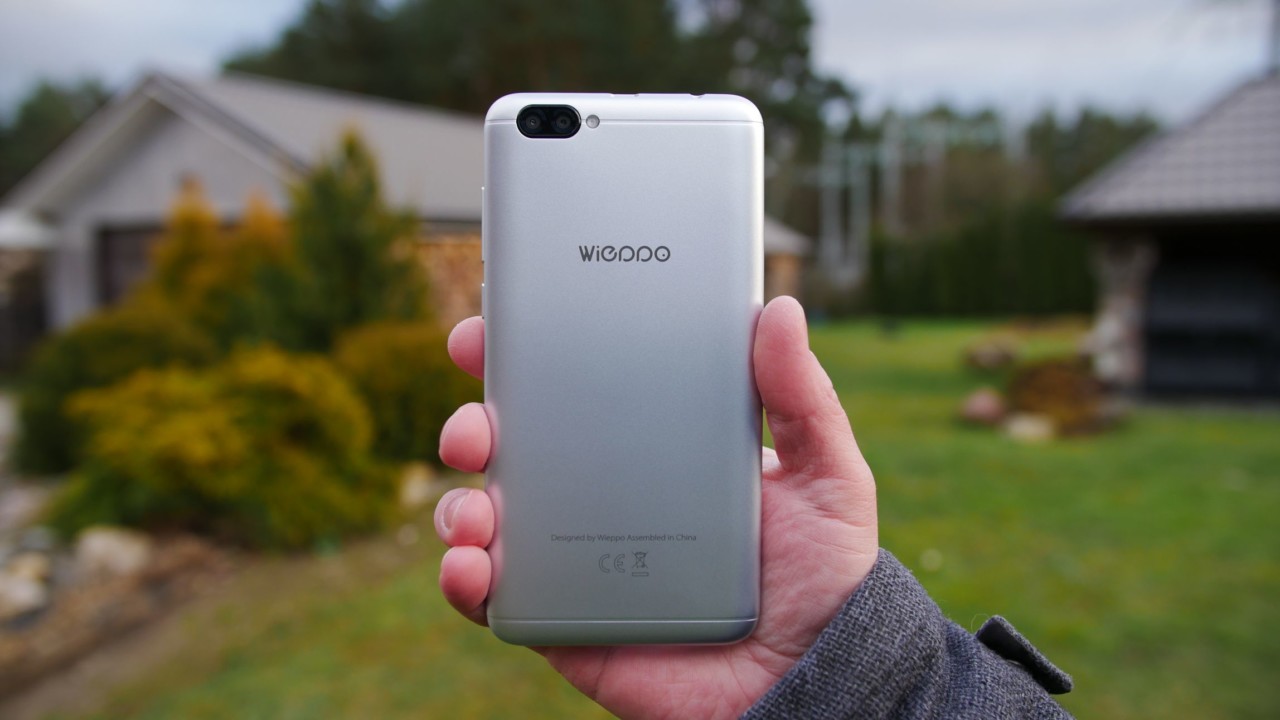
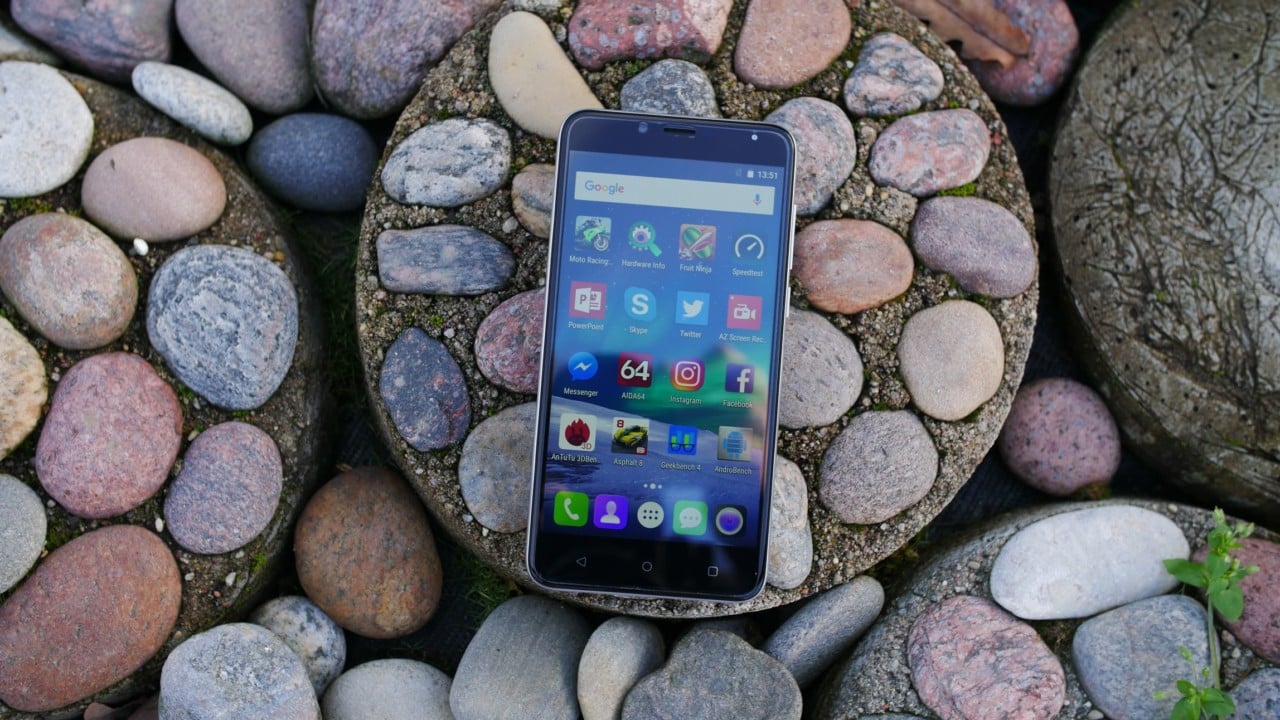
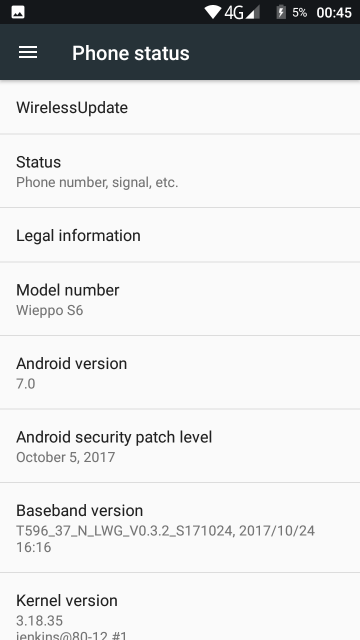
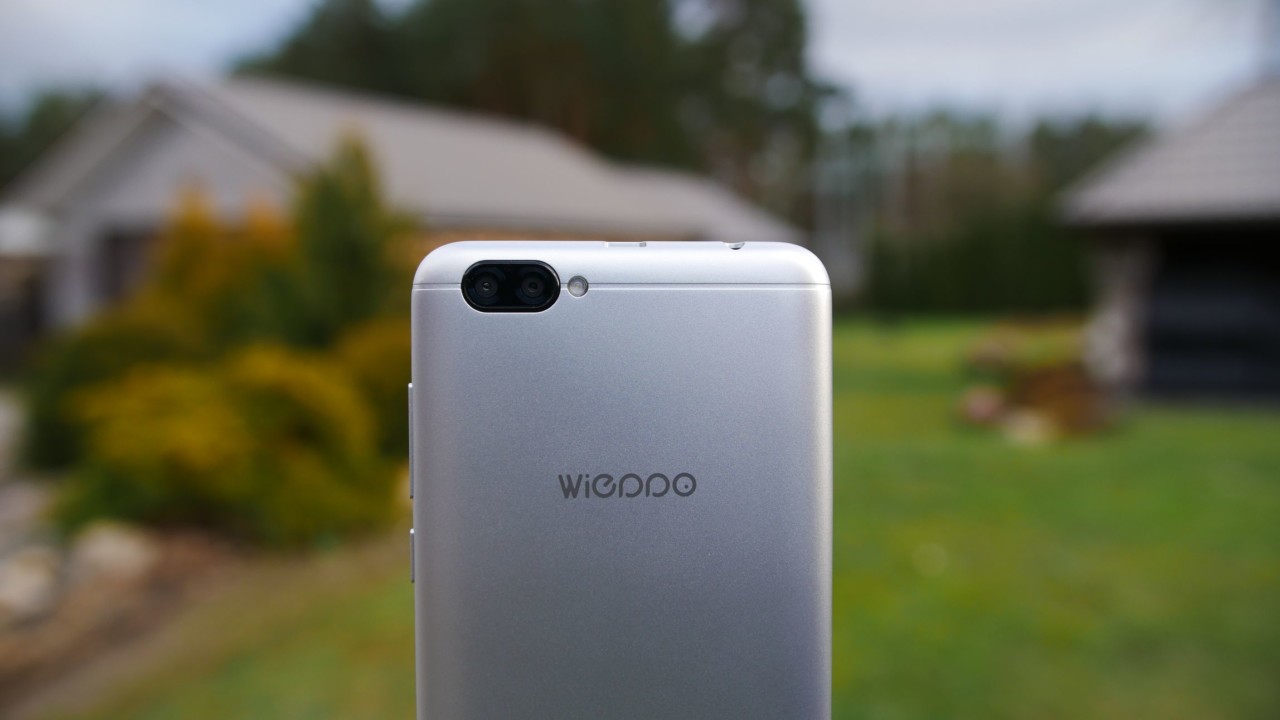
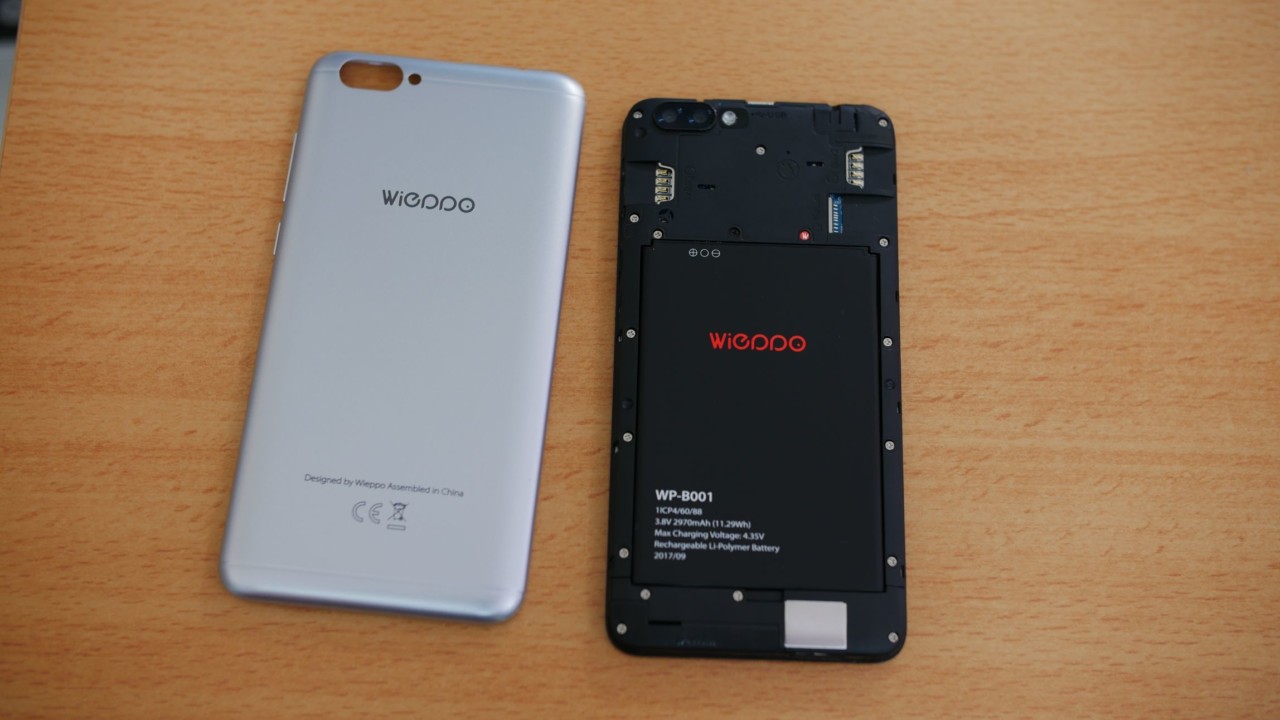
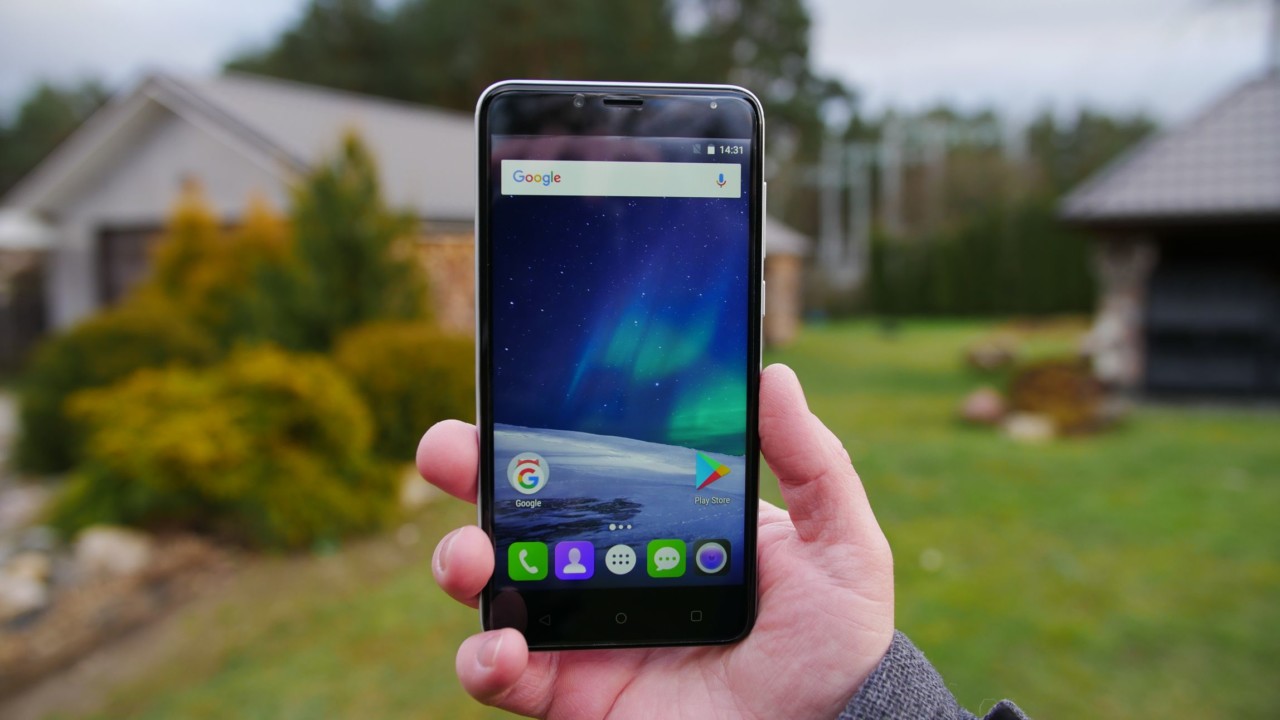
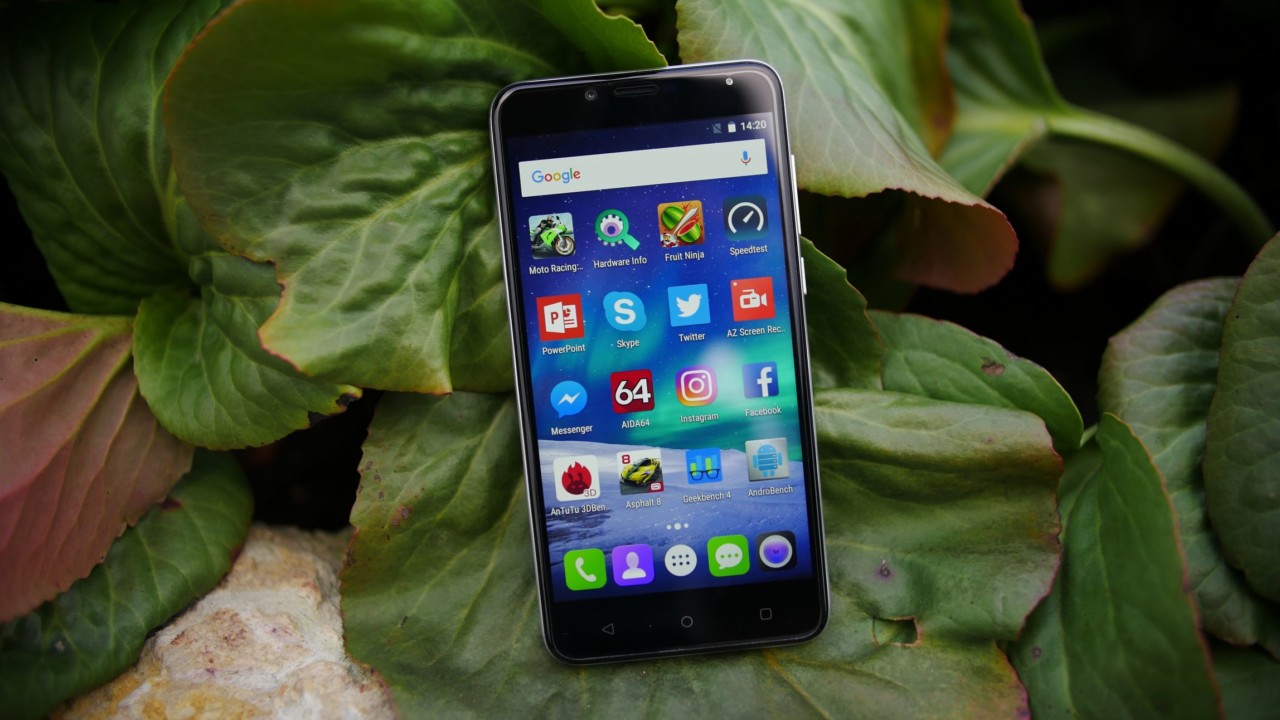
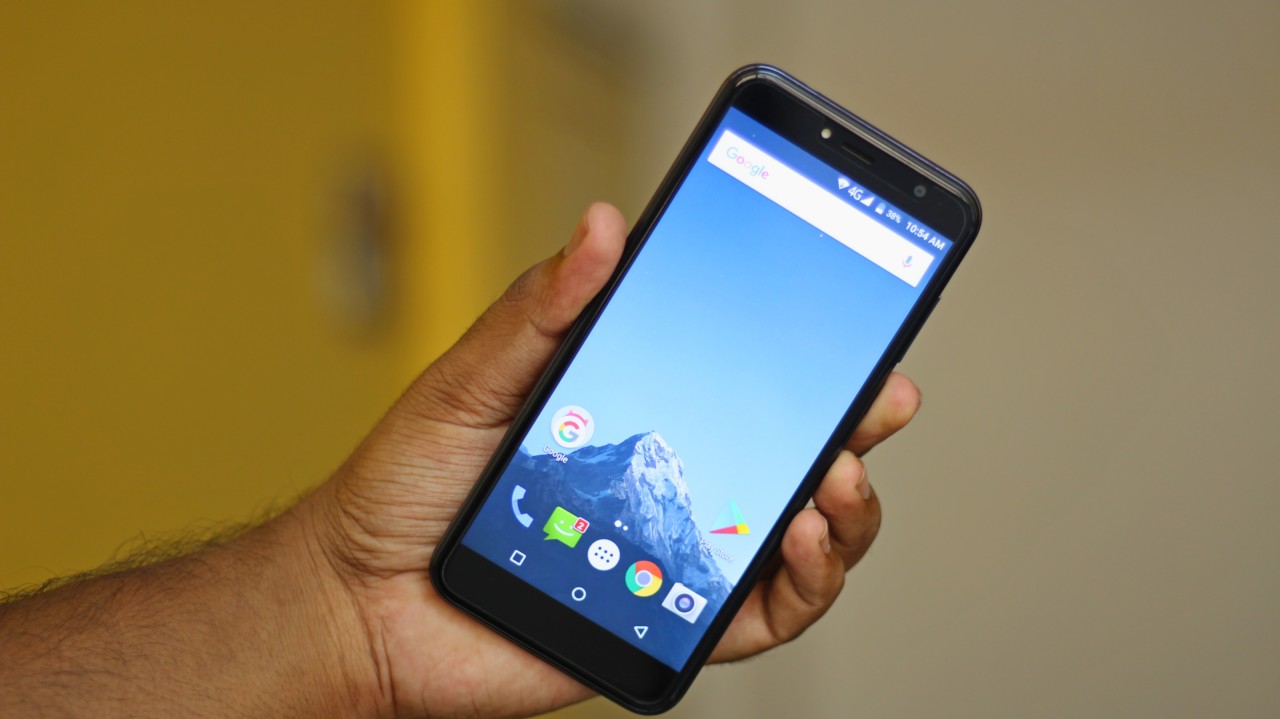
Wieppo is a newcomer to the smartphone game and their S6 model is the latest budget offering. It’s yet another cheap phone from China that aims to deliver a lot of value for the price. Does it succeed or not? Learn more in the full Wieppo S6 Review.
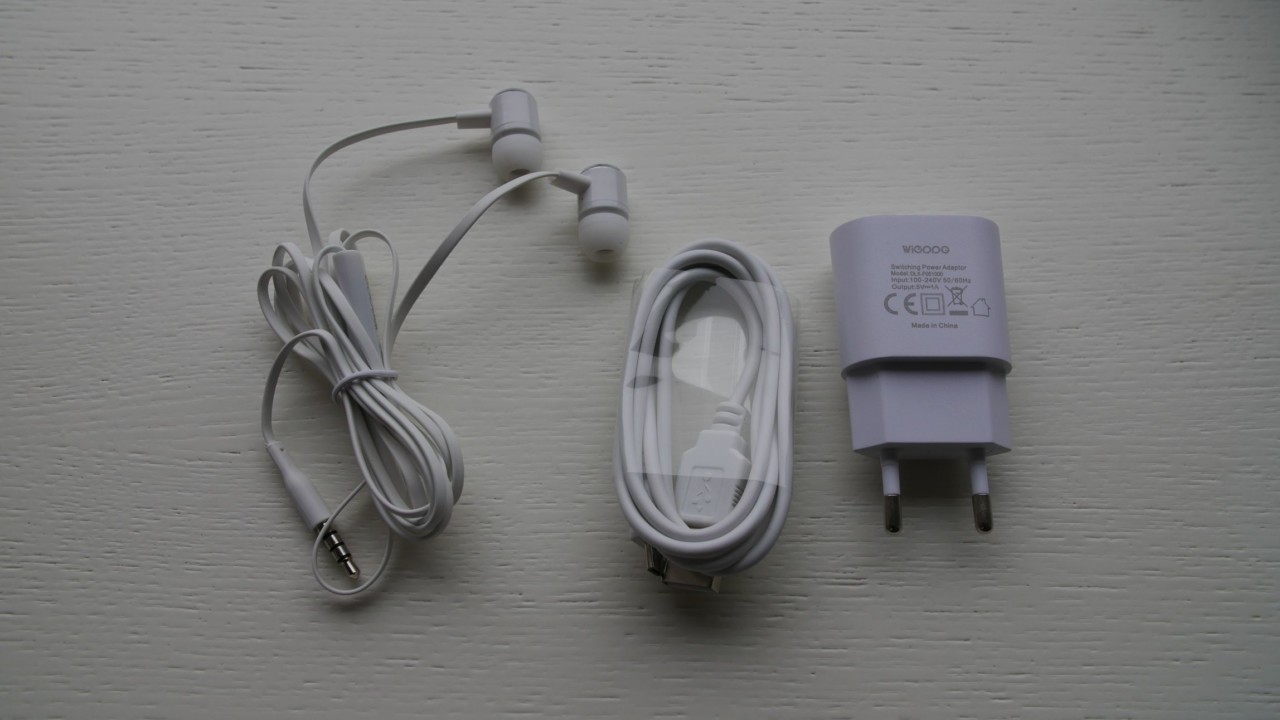
UNBOXING
DESIGN and DISPLAY
There are plenty of phones nowadays that offer a more premium or exceptional-looking design than the Wieppo S6.
The phone is made of plastic, it has huge bezels and honestly, the overall design looks outdated even if we consider the fact this is a sub-$100 phone.
The display is not the sharpest out there but it is a decent panel overall.
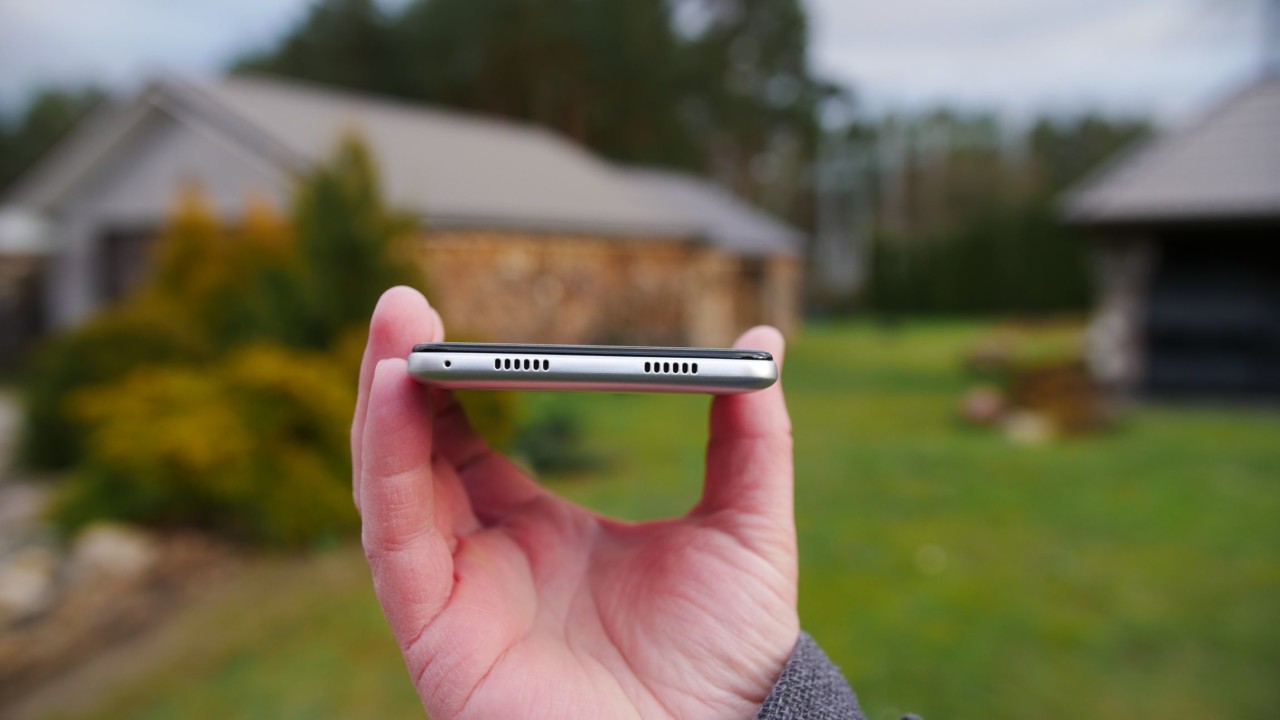
There is an imitation of a dual camera setup and the phone lacks some key features like a fingerprint scanner or backlit capacitive keys. There is no LED notification light but we have LED flash for night selfies. The loudspeaker does not really impress, like on most of the cheap phones.
HARDWARE and PERFORMANCE
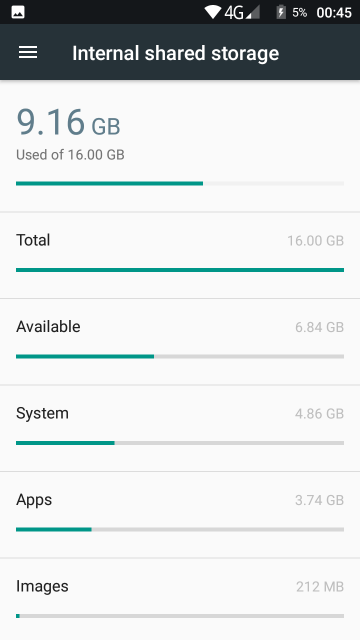
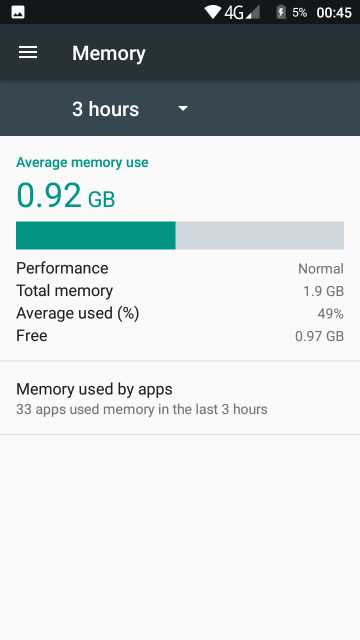
We have quite a typical list of specs for a budget phone but honestly, I expected to have more RAM and storage and this price point.
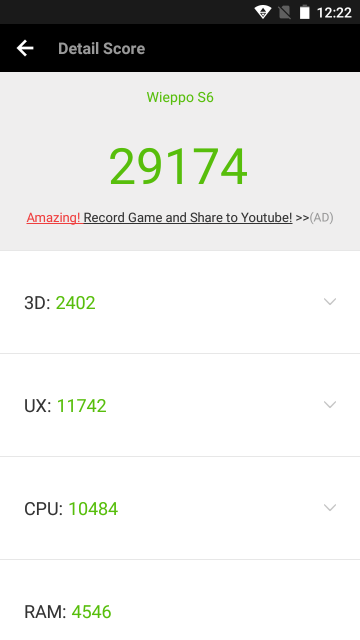
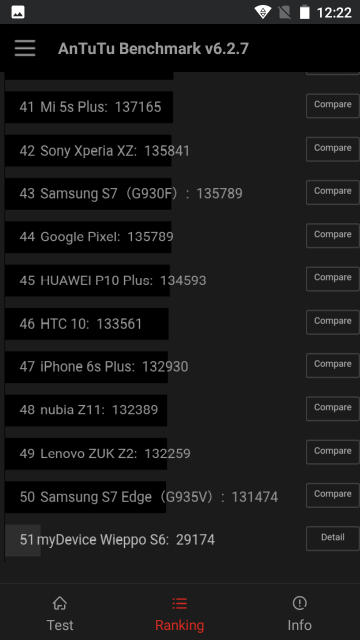
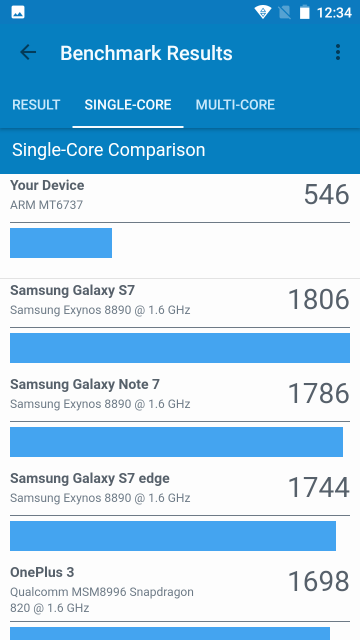
As usual, this kind of specs assures acceptable gaming performance only if you play most of the 3D games on reduced graphics settings but this is what you usually get with most of the budget phones.
BENCHMARKS
USER INTERFACE
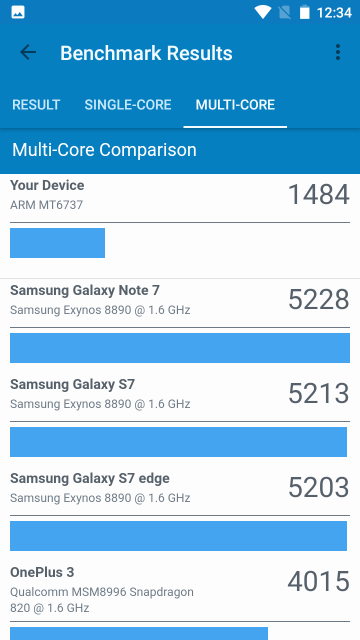
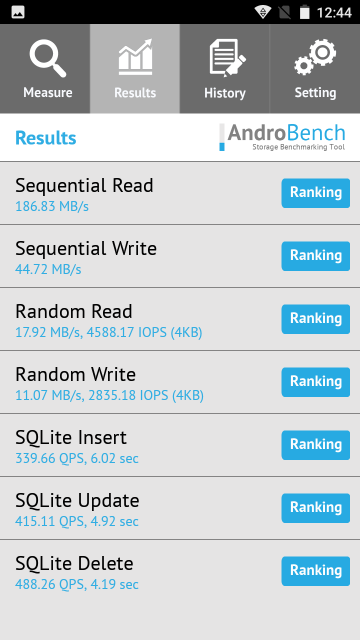
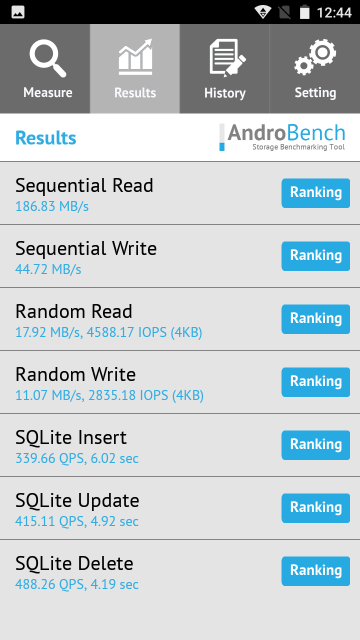
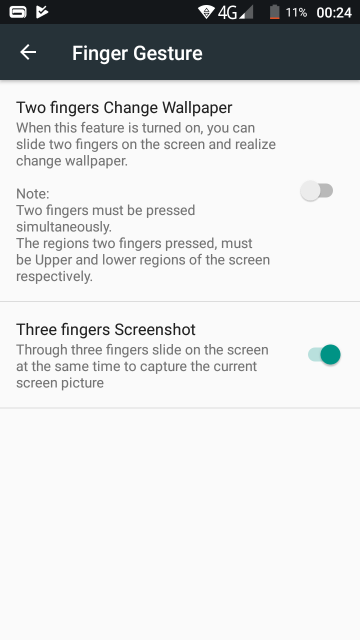
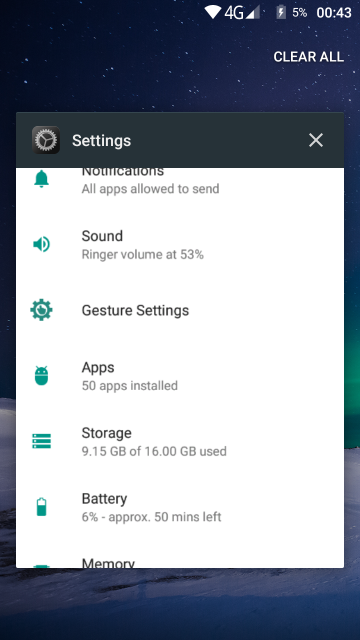
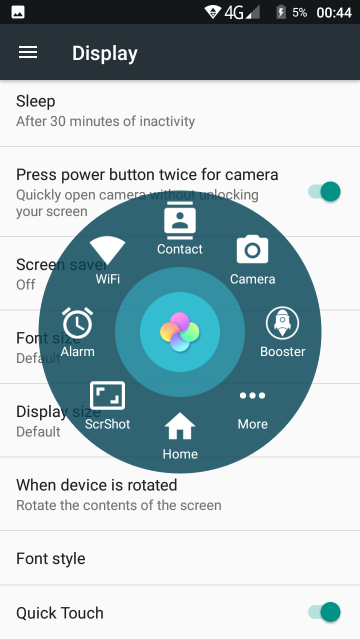
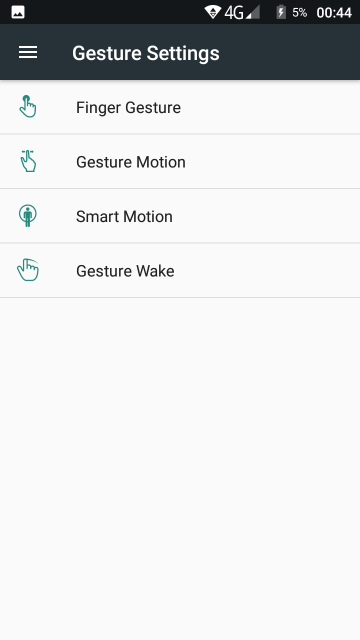
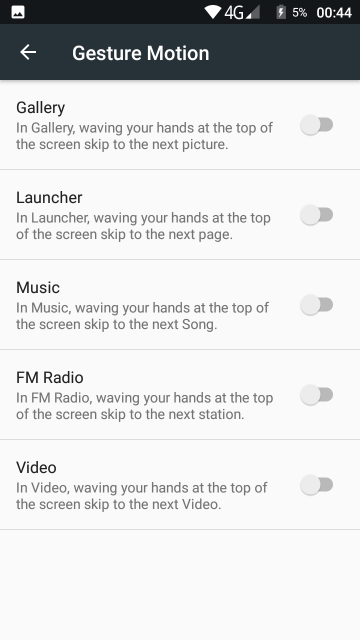
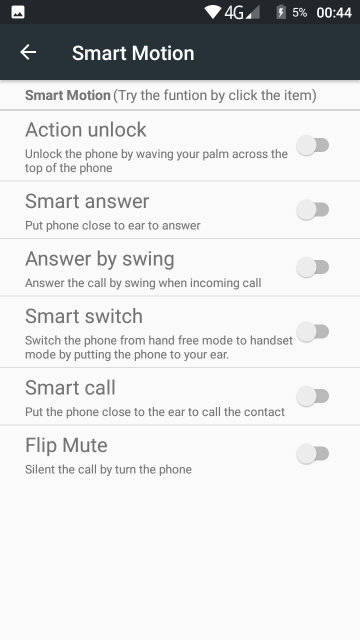
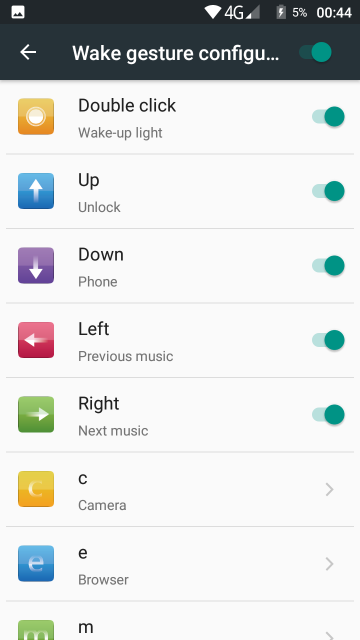
I like the fact that Wieppo stuck with the near stock Android 7 user interface and added just a few features like gesture or motion controls. Overall, the phone runs quite smoothly, I didn’t see any lag and therefore, I could say that the performance is pretty good for a budget phone.
IMAGE QUALITY
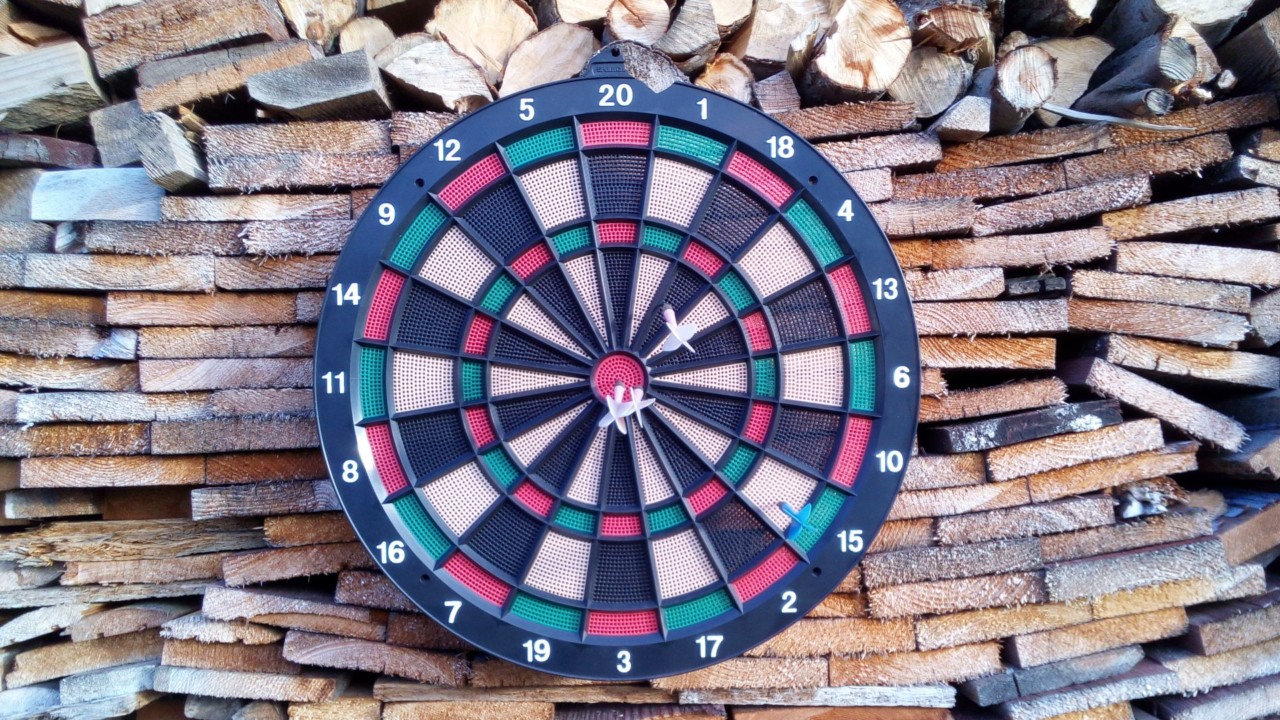
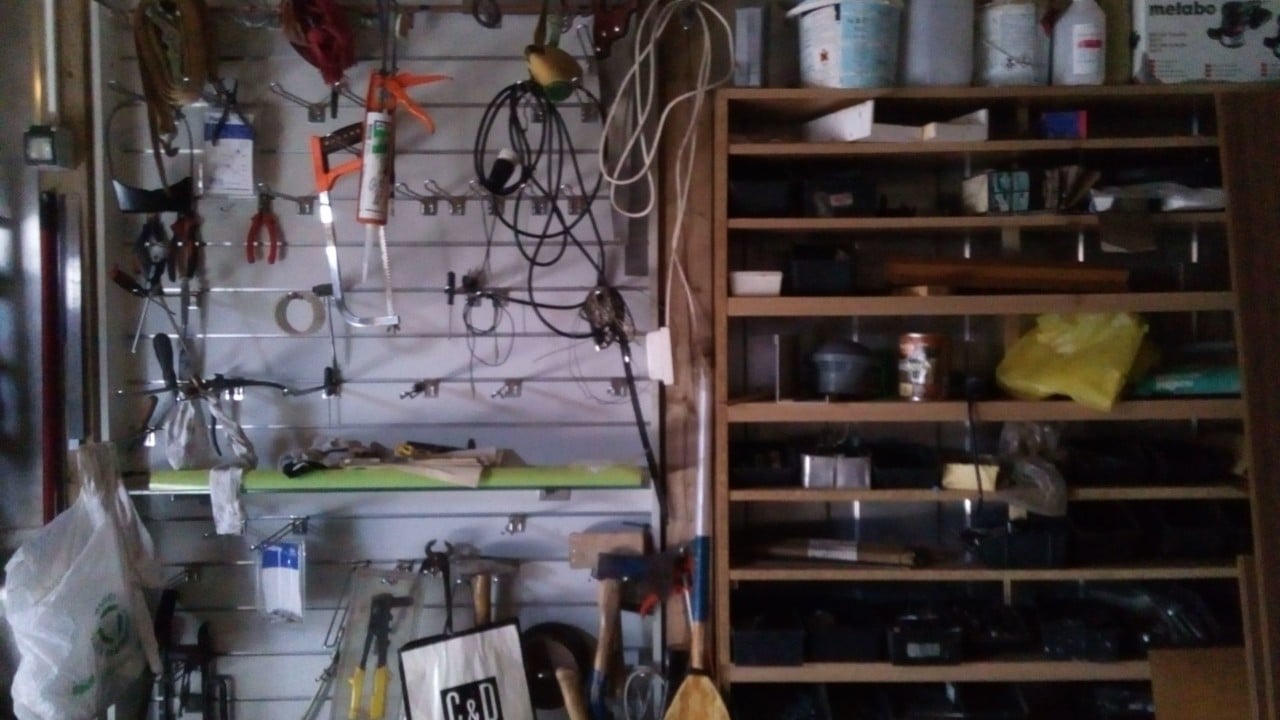
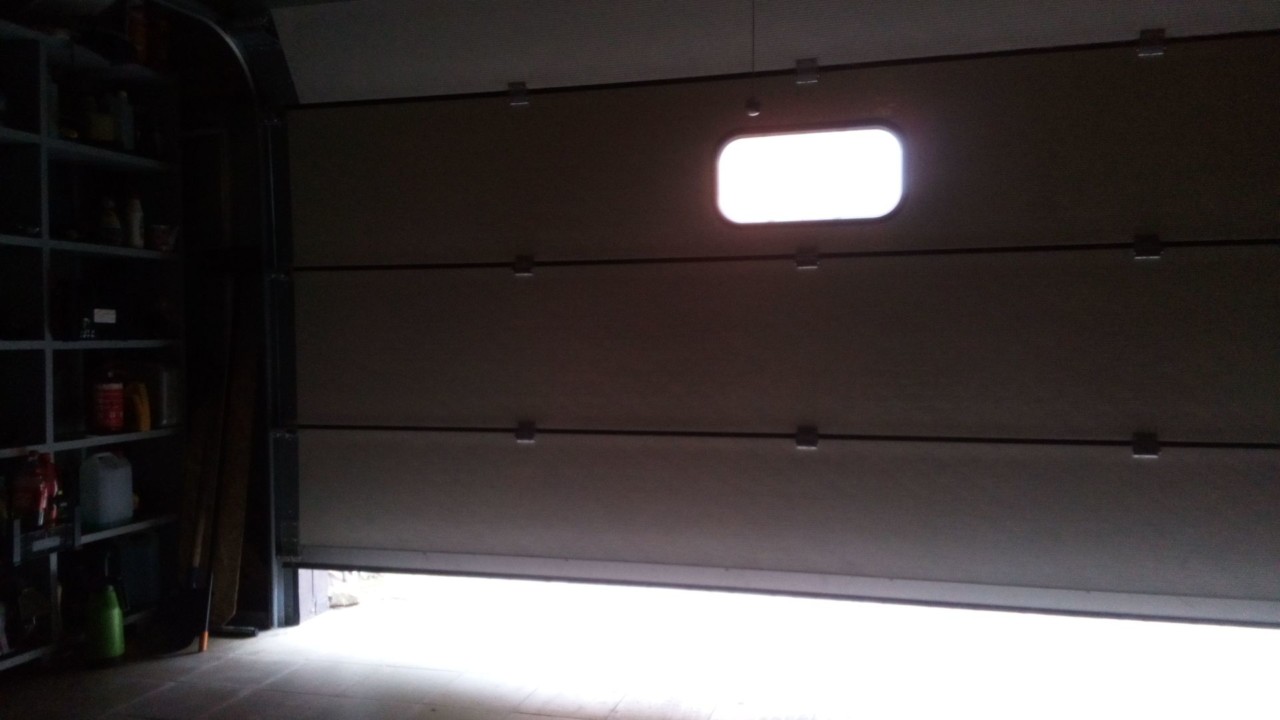
The overall image quality is bad. Sure, you can’t expect stellar results from the phone this cheap but there are many devices that can perform better than this. Same can be said about the selfie camera, pictures don’t look great either.
The video quality using both main and front-facing camera is just below average.
Signal reception is good but I found the call quality to be average. Other connectivity options including GPS work fine.
The phone does not have many sensors and there is no gyroscope on board.
BATTERY LIFE
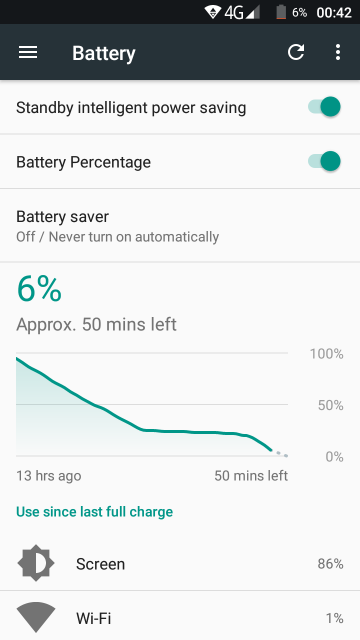
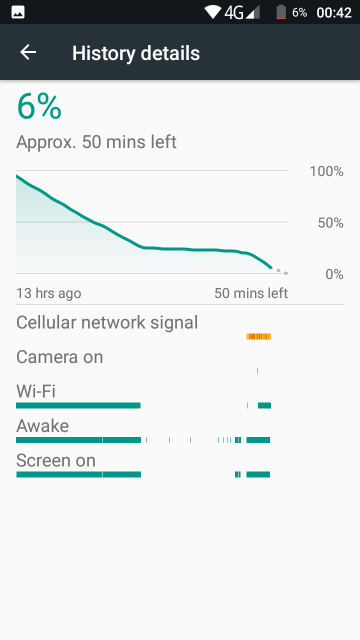
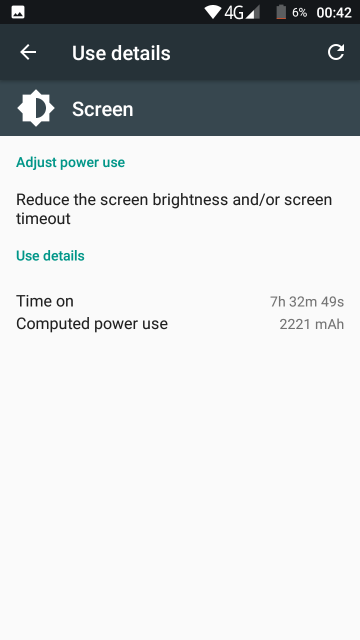
Battery life is actually pretty good. The maximum screen-on time I was able to achieve was over 7 hours. This is a very good result. However, it takes about 2 h to fully charge the phone.
CONCLUSIONS
The Wiepoo S6 is a budget phone that delivers in some ways but fails in other departments.
The phone runs almost stock user interface, meaning that the overall performance is decent. Also, you get an okay display and really good battery life considering its low capacity.
However, the Wieppo S6 lacks that key selling feature that would make it stand out from the crowd. I don’t set high expectations for any budget phone but this device is plain-looking, the camera is bad and there is no fingerprint scanner.
At the end of the day, you should consider how you use the phone, check out what the competition has to offer and if these shortcomings are important to you or not.
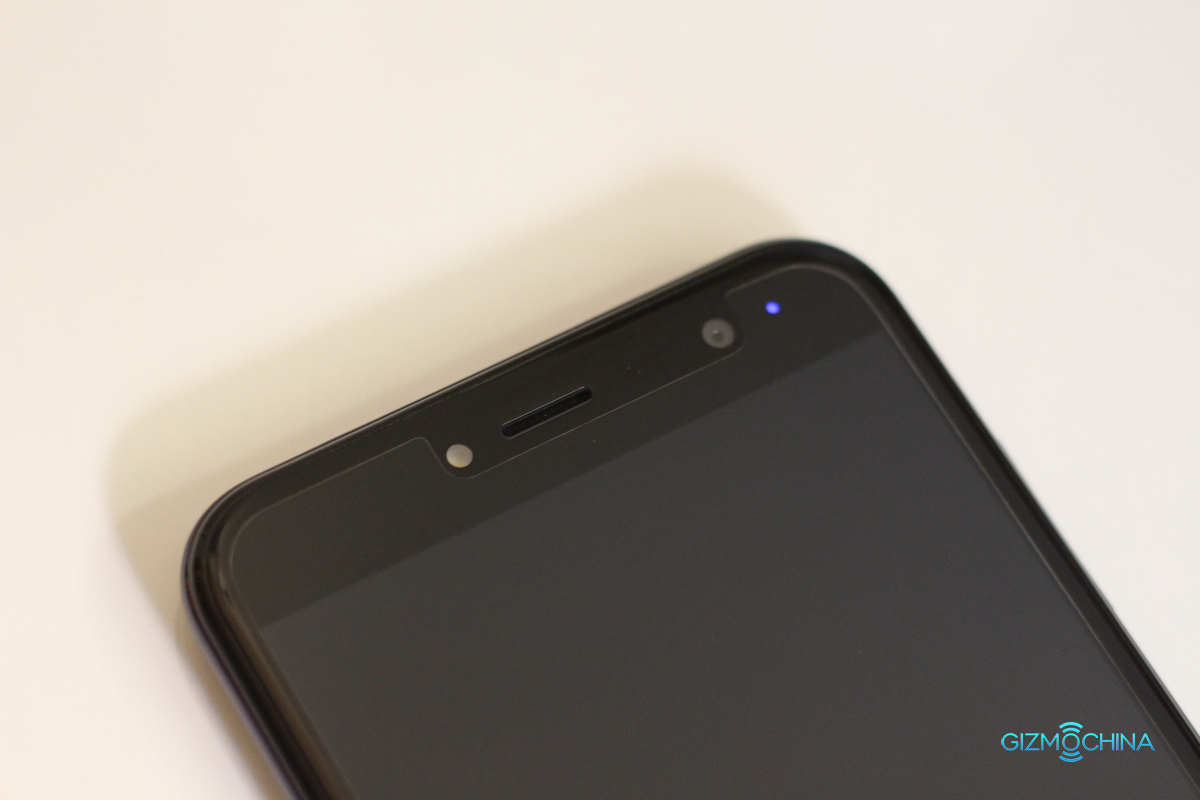
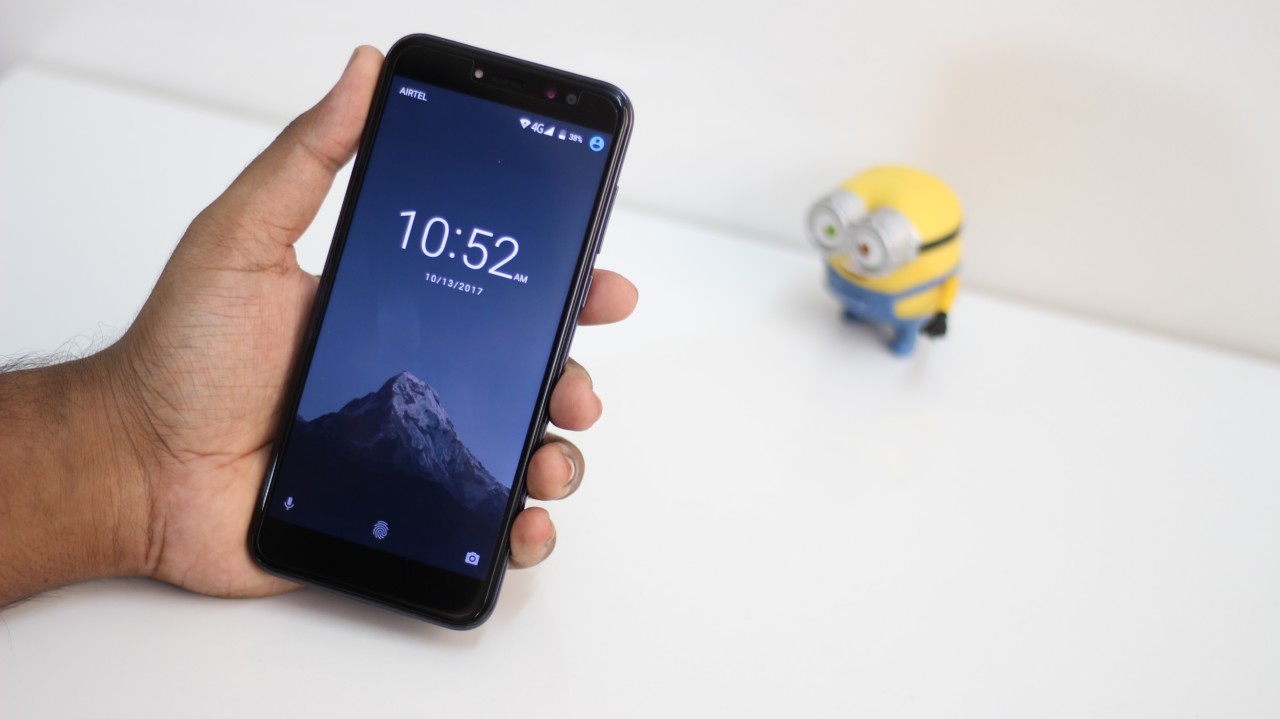
This year, the market has taken a shift from the traditional 16:9 to 18:9 displays. Initially, 18:9 screens were reserved for the premium segment — phones that cost more than $500. But things have changed in the past couple of months, with many budget phones adopting this new display aspect ratio standard, in the hopes that it will give it an edge over others. The Cubot X18 is one of these offerings, featuring a tall 18:9 aspect ratio on a 5.7-inch screen. While the display is one of its biggest selling points, the phone does offer decent overall specs making it worth spending $119.99, at least on paper. But how does it fare in real life? That’s what we try to find out in this review!
Cubot X18 Review: Design
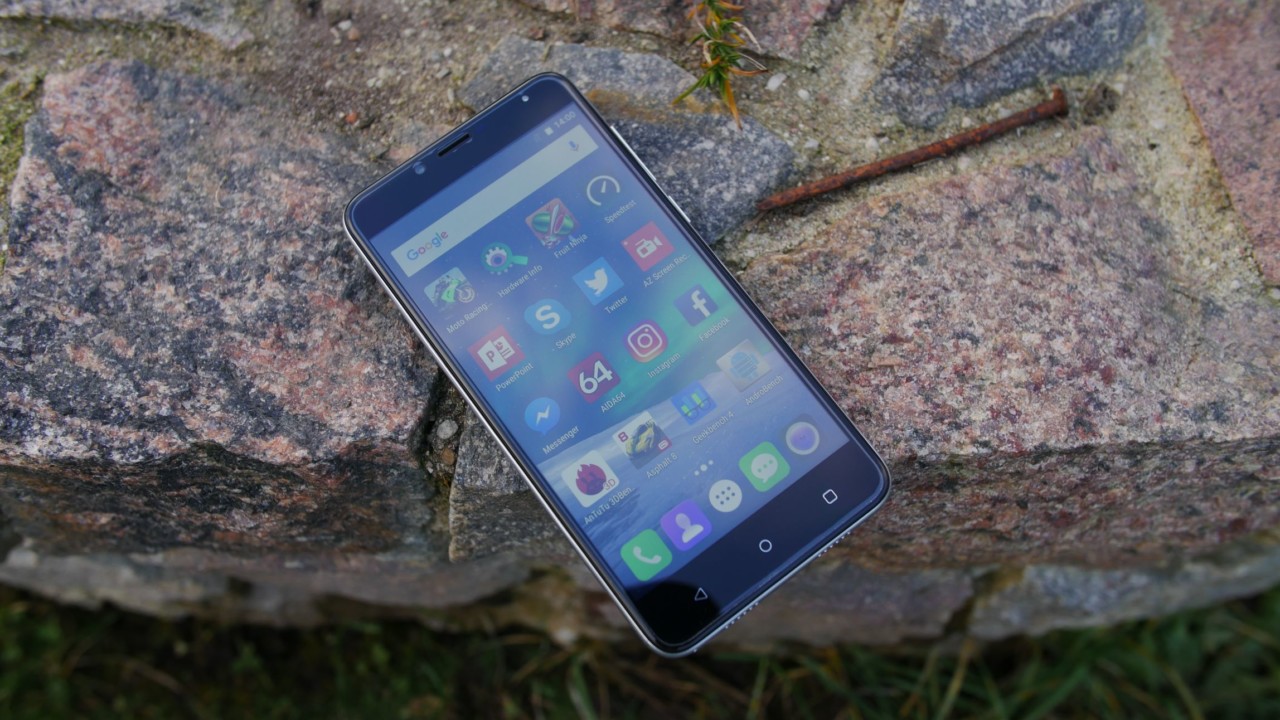
The first thing you notice about the phone is that it’s unusually tall. If you have never used an 18:9 phone before, note that it will take some time to get used to it. However, in terms of handling and one hand operation, things are easy, as the limited width helps you to hold the phone firmly. So, despite its large 5.7-inch screen, it’s only as wide, say as a 5-5.2-inch smartphone. The screen takes up a significant portion of the front, much higher than traditional phones.
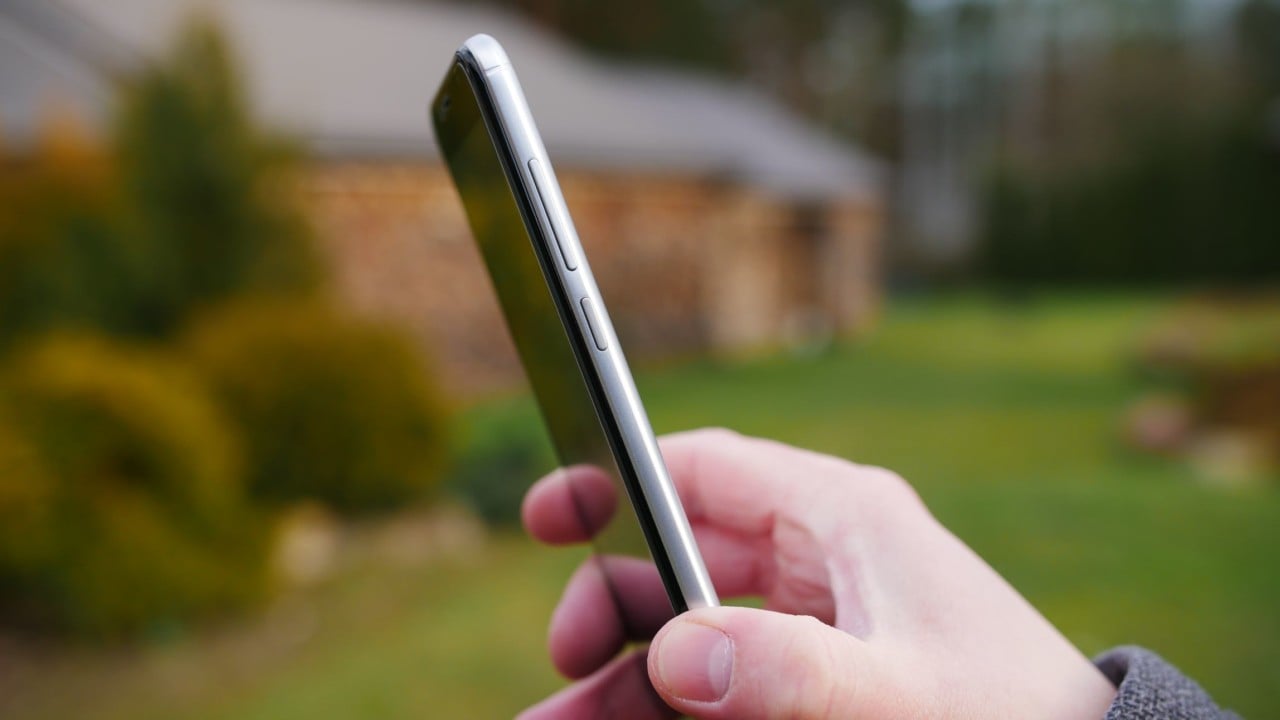
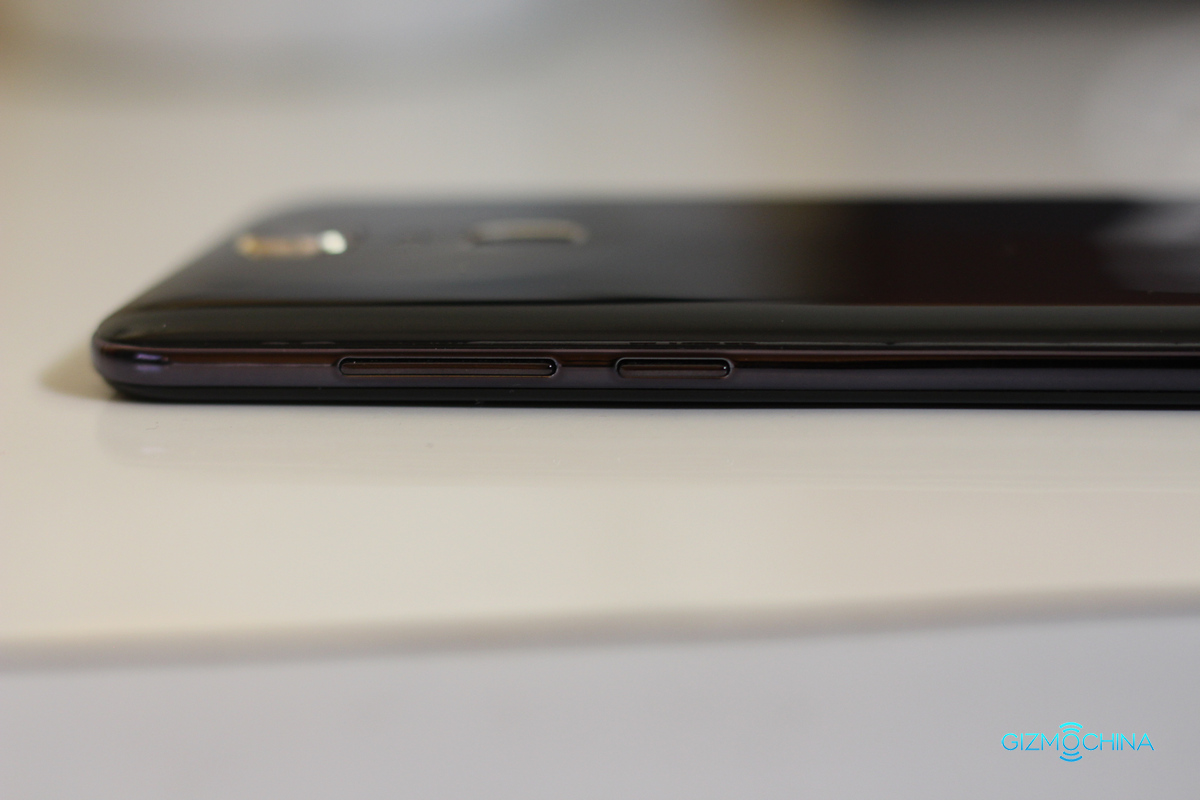
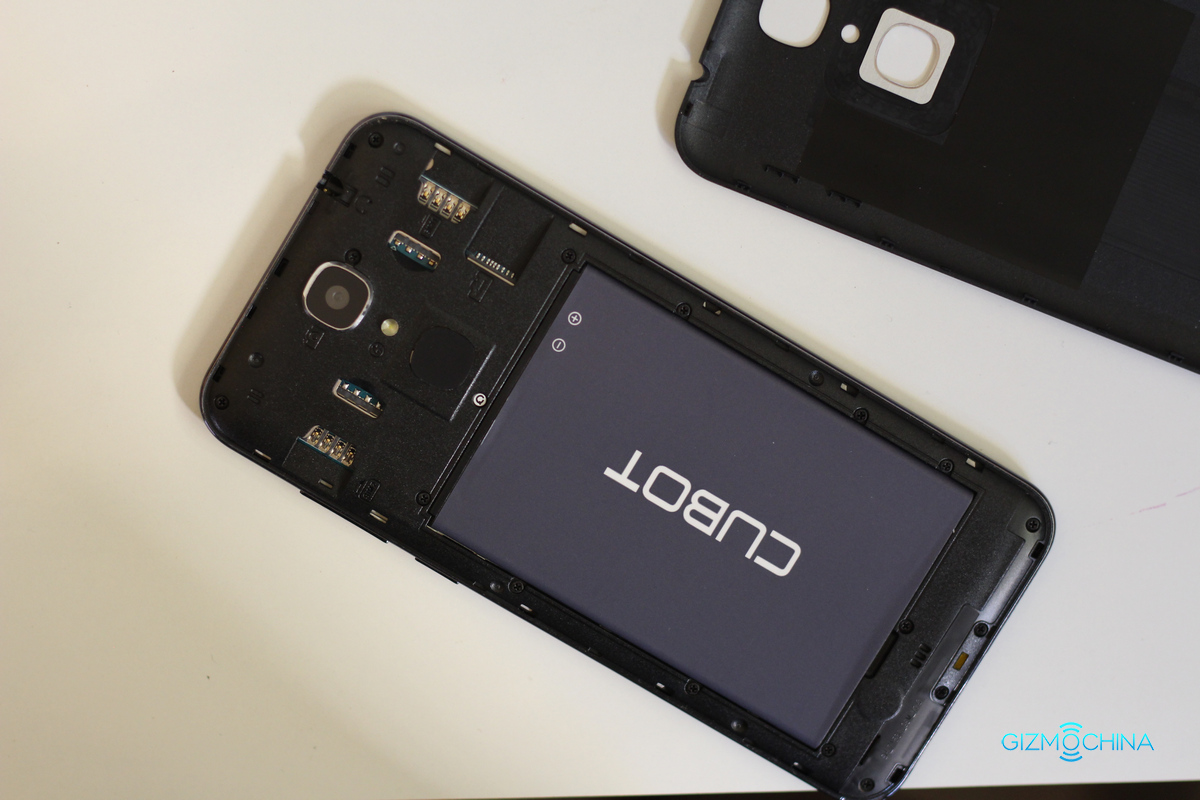
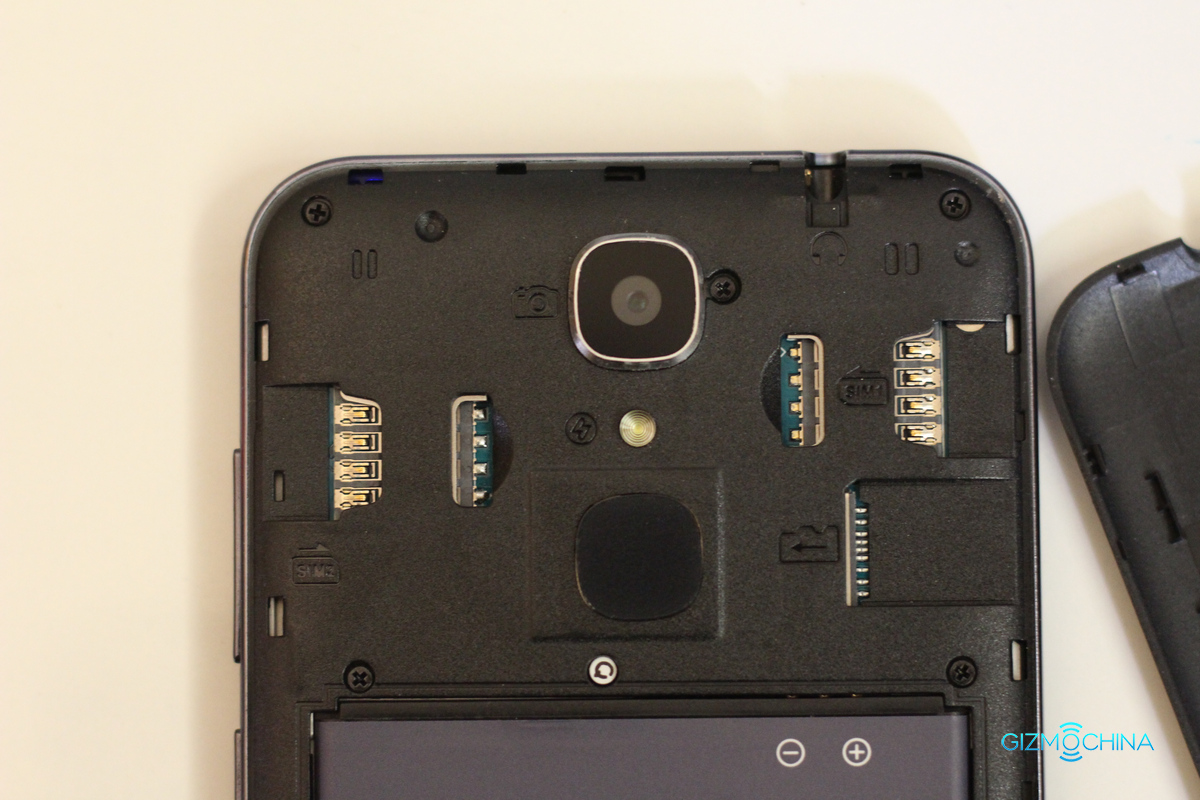
The body is made out of plastic, which is of good quality. There’s a solid frame that goes around the phone for rigidity. The buttons lie on the right side of the phone and are decent. The back is removable, so you can replace the battery as well. This also helps the company provide 2 x MicroSIM and 1 dedicated MicroSD card slots.
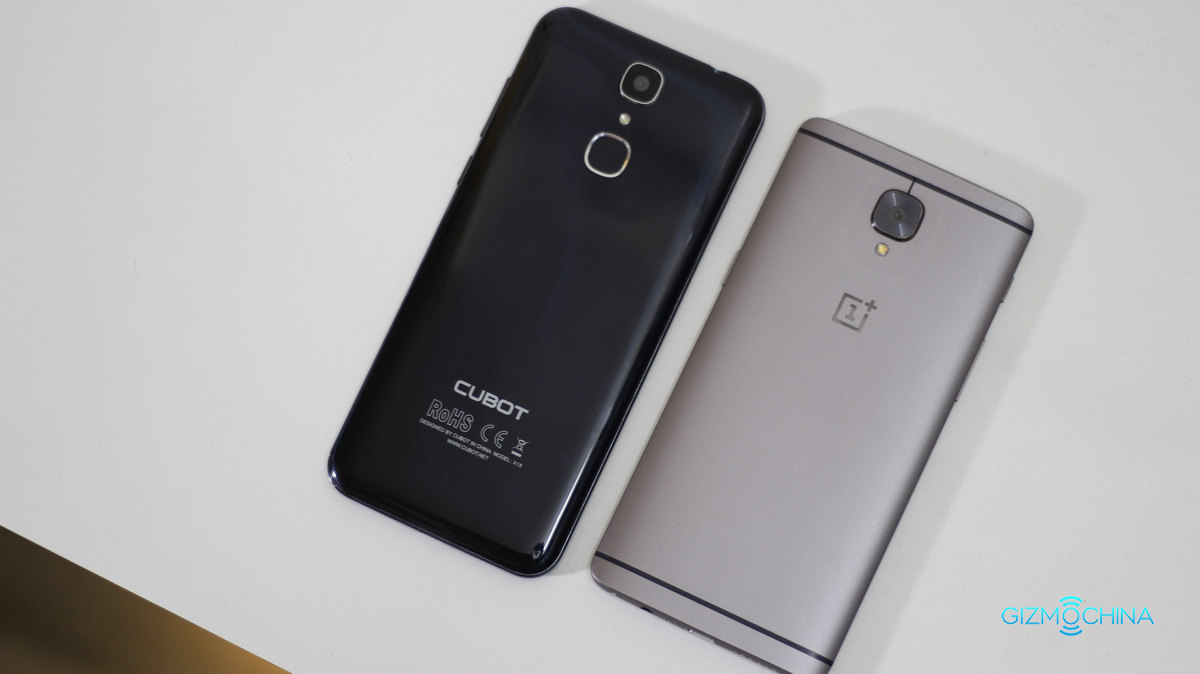
The overall built quality of the device is good, but I personally feel that the dark blue color on the phone is a bit disappointing. On most occasions, you would mistake it as a black color model and it doesn’t really pop out like the blue on the Doogee BL5000.
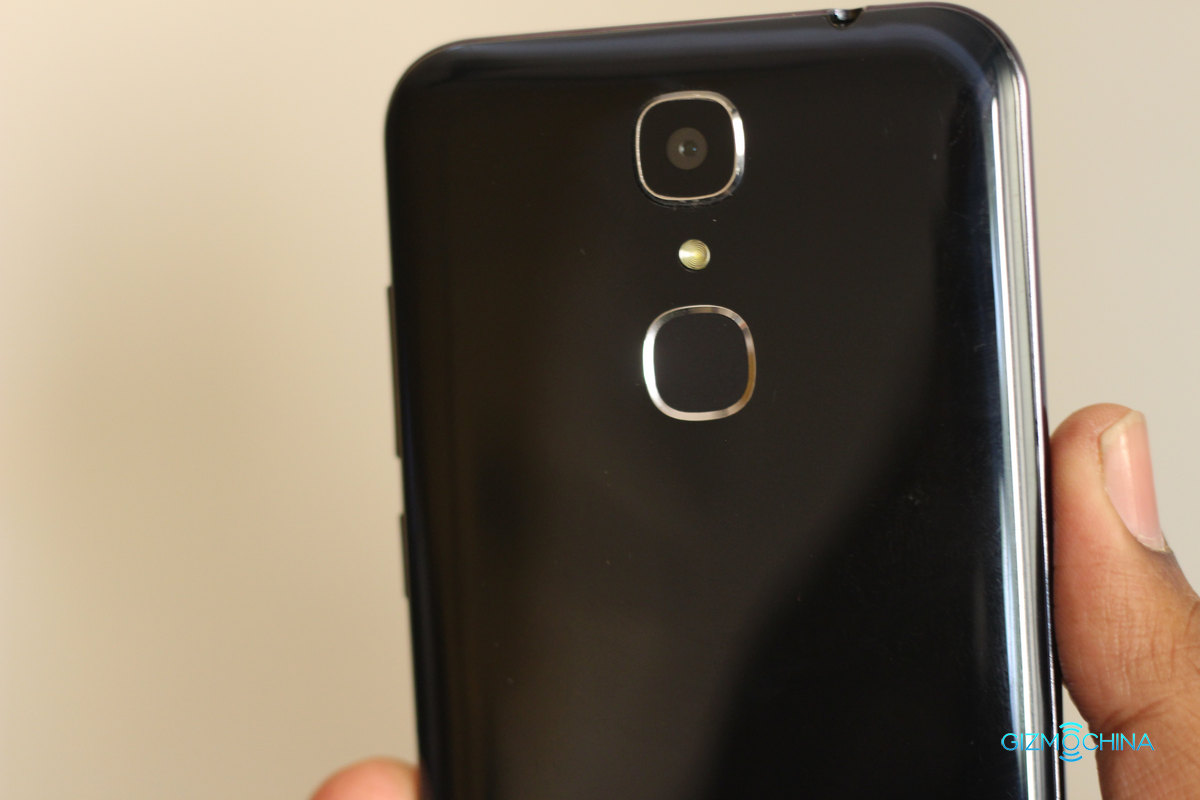
Also, the back is a fingerprint magnet and it’s not really easy to clean it to perfection. That said, the corners are curved and the overall design is non-slippery, giving a firm grip. The placement of the fingerprint sensor at the back was perfect for me. It’s not the fastest sensor I have seen, but it’s as good as most fingerprint equipped phones in this segment.
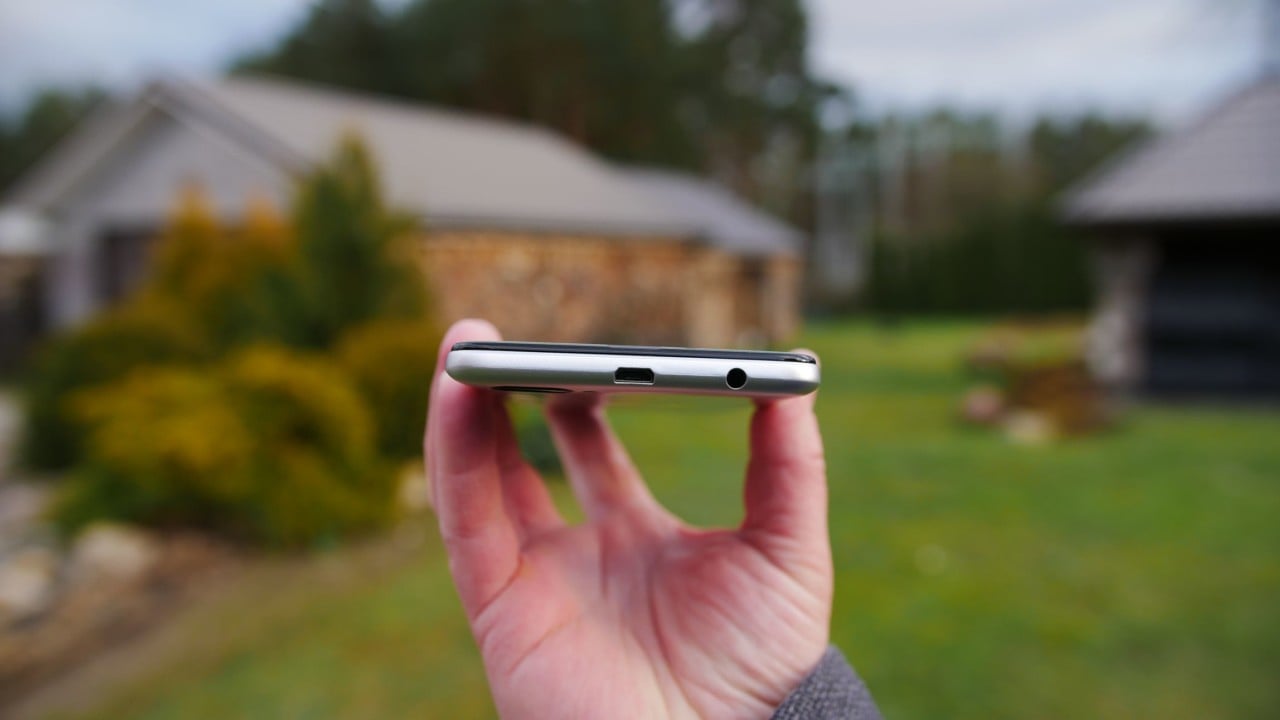
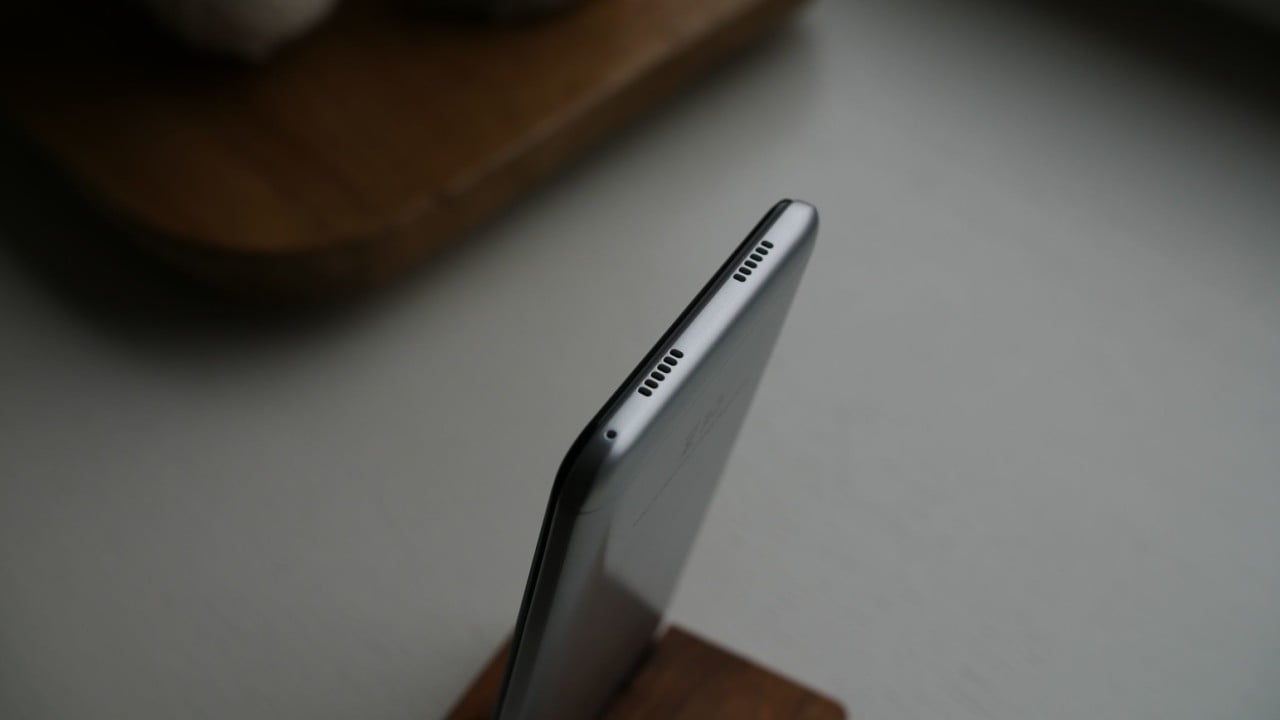
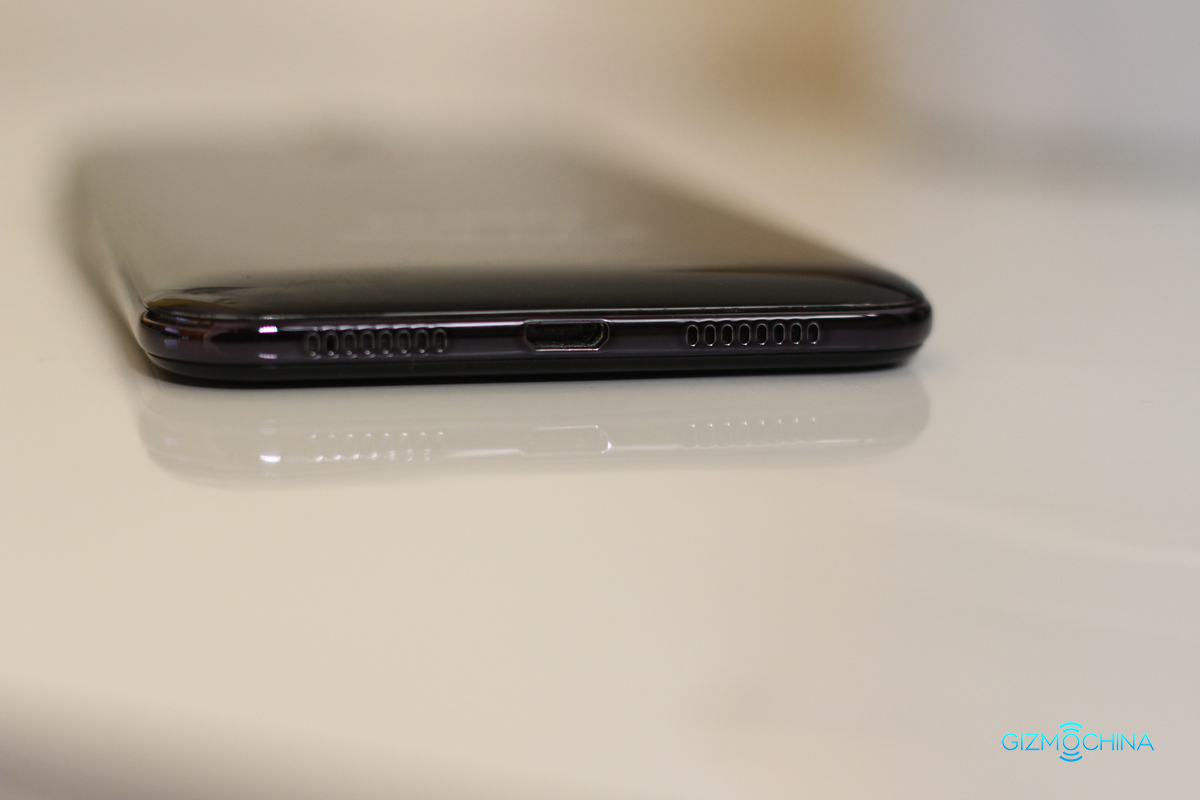
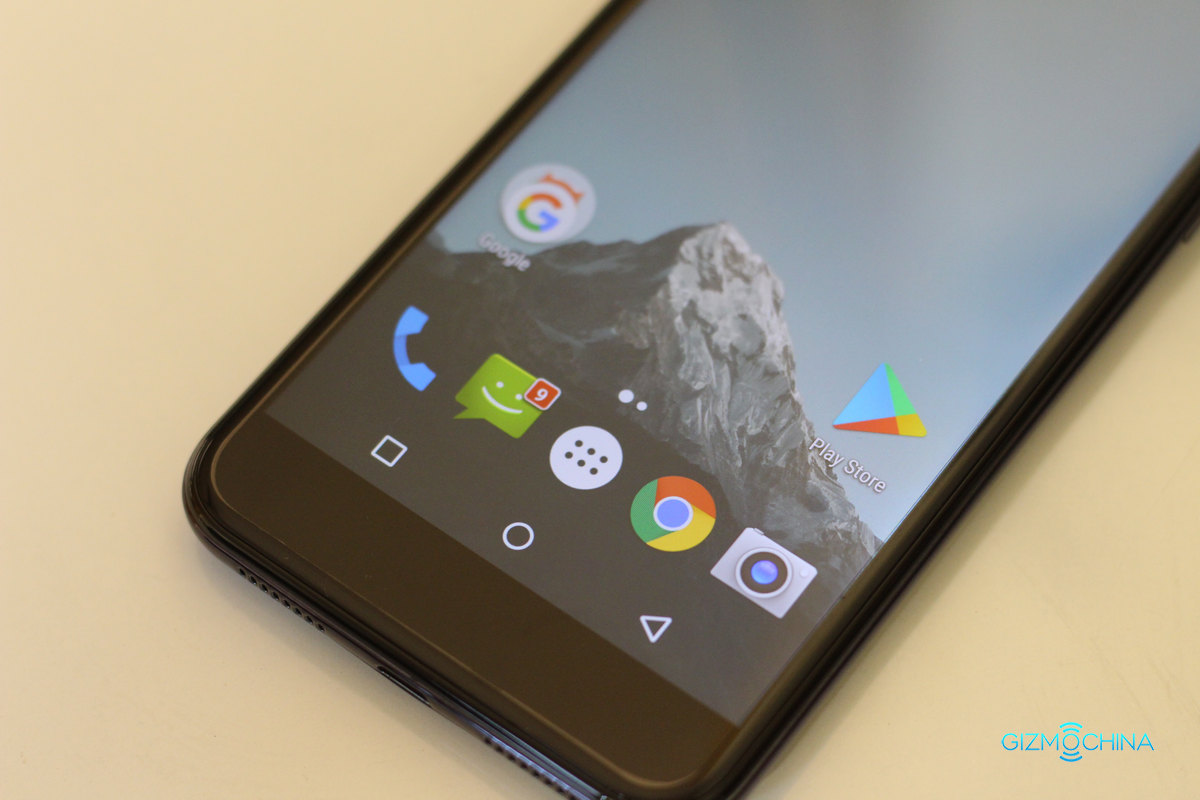
You have no physical buttons on the front, so navigation is through the on-screen buttons. The MicroUSB port and speakers lie at the bottom, while the headphone jack is located on the top.
Apart from the boring blue color shade, I m happy with the overall design of the Cubot X18, including its taller than usual form factor.
Cubot X18 Review: Display
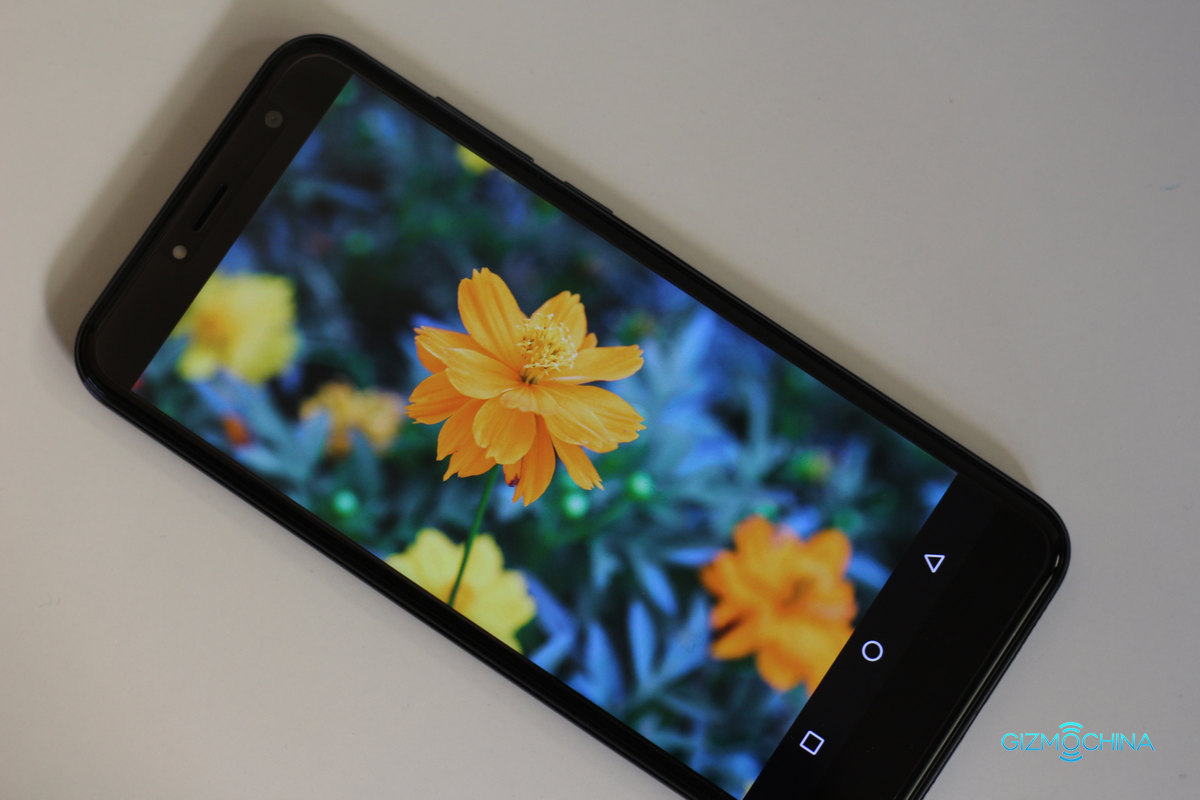
Coming to the screen, which is the highlight of the device — the Cubot X18 features a 5.7-inch 1440 x 720p display with 2.5D glass on top. As I mentioned earlier, this makes it an 18:9 aspect ratio phone. Note that for such a large screen, the resolution might seem too low, but it doesn’t reflect in reality. The screen quality is okay and saturation levels are decent. It might not be the best display in this segment, but it’s good enough for everyday use. But to be honest, the aspect ratio is the only unique thing about the display.
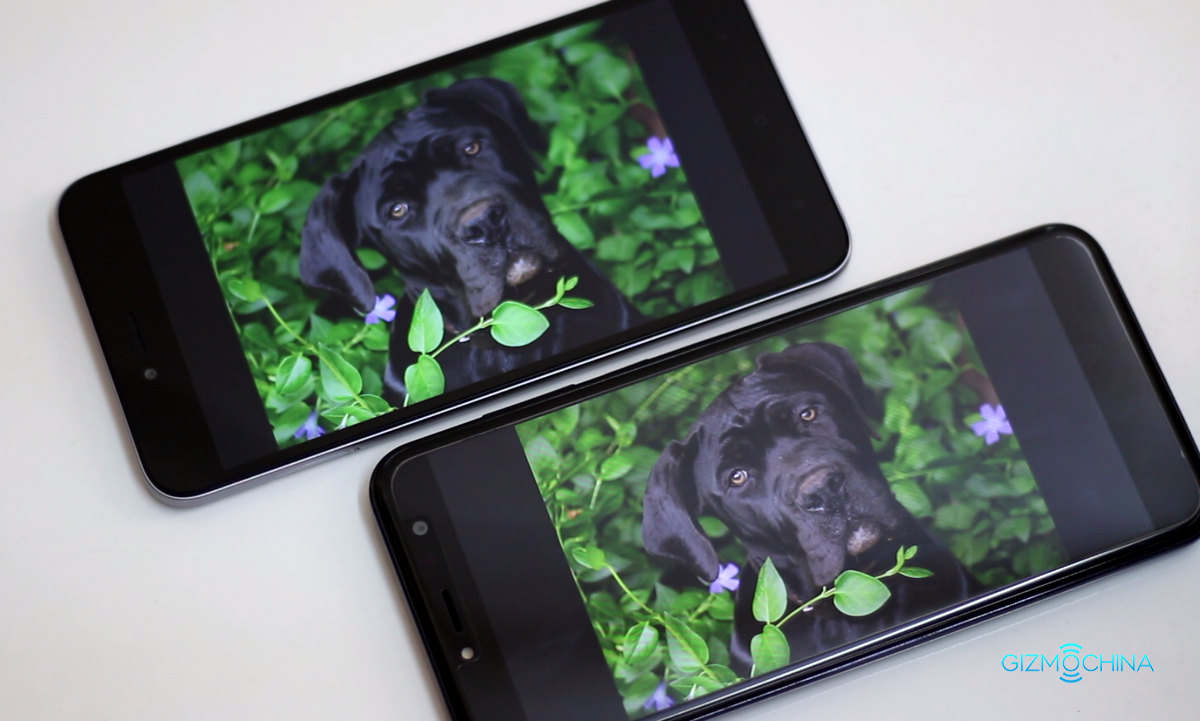
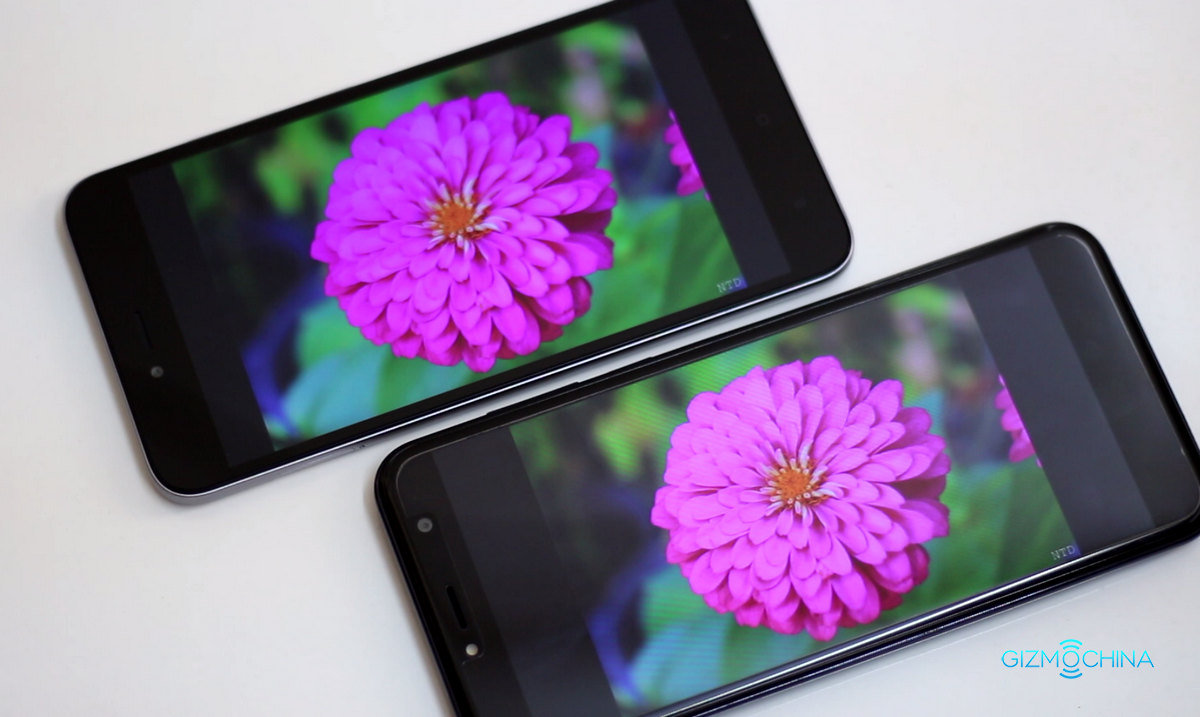
For example, let’s compare the X18’s display with that of the similarly priced Redmi Note 5A. It’s obvious that the saturation levels are not as good as the 5A but it’s not too bad either. Check out this comparison and decide for yourself.
Redmi Note 5a (Top) vs Cubot X18 (bottom)
Cubot X18 Review: Performance
The overall performance is fluid, which isn’t surprising given that we have seen MT6737T prove its worth in the low-end market. You don’t have any bloatware, just plain vanilla Android 7 experience. Apps open up quickly and things are smooth on most occasions.
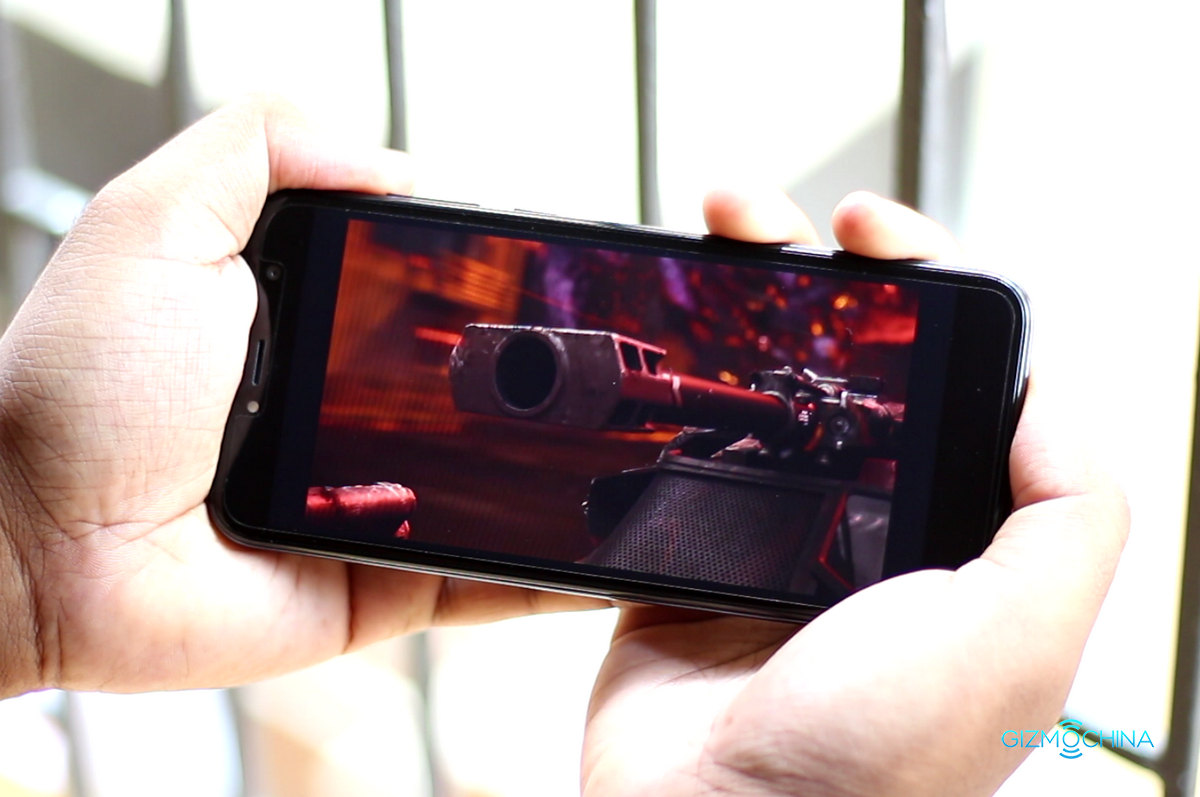
Gameplay is also fine. Games like subway surfer run without any glitches and even higher graphic games like Asphalt 8 run well with occasional glitches.
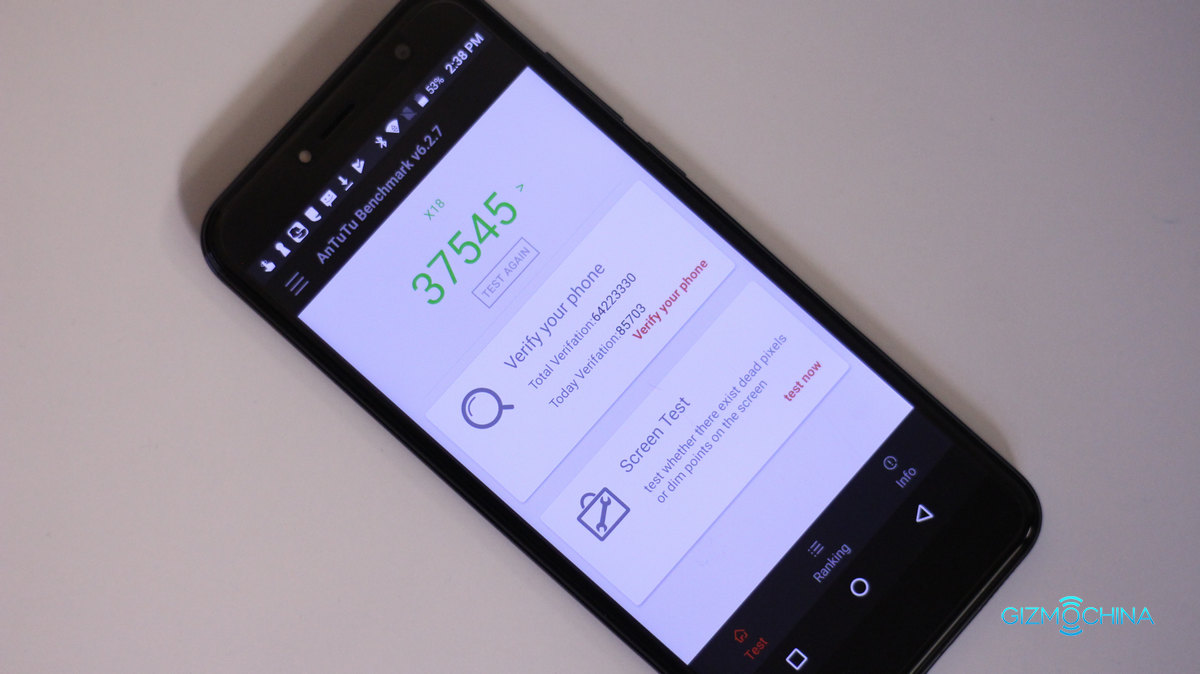
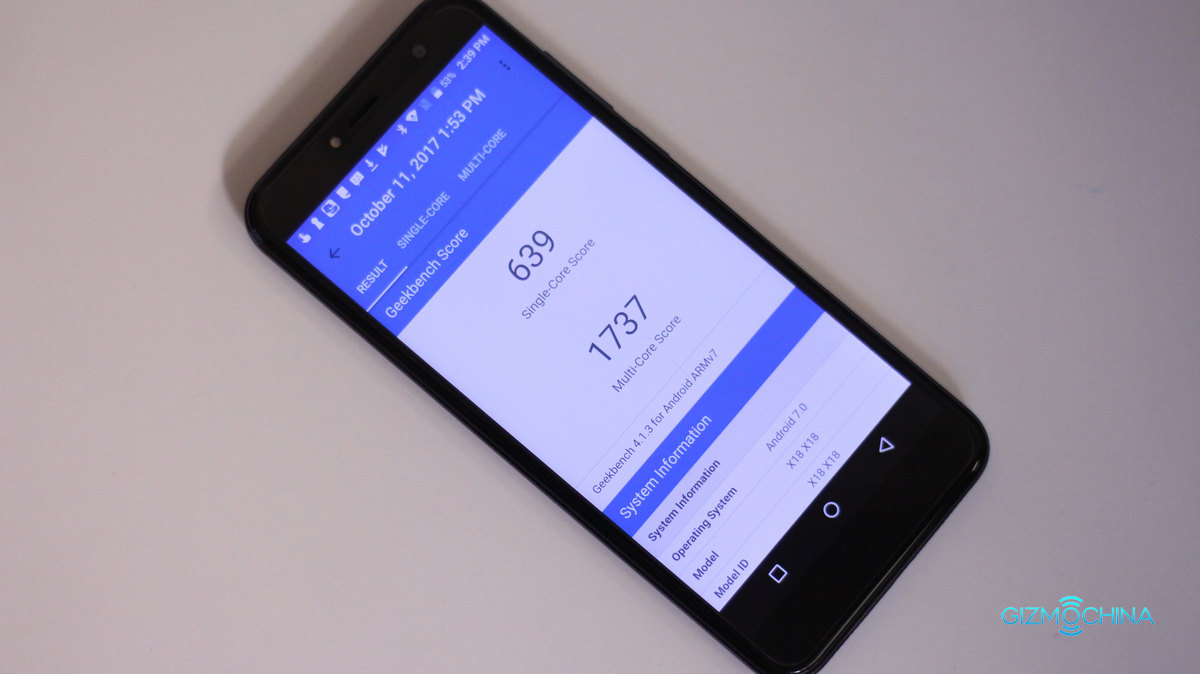
Benchmark Scores are not really great. The phone scores just around 37500 on AnTuTu & 639 &1700 in Geekbench tests which is similar to SD425, but as I have mentioned before, the real life performance is good and that’s what really counts end of the day.
Cubot X18 Review: Camera
The camera is decent but nothing out of the ordinary. You get the same kind of grainy pictures that you would expect from a budget chinese smartphone. One area where it lacked was the amount of details in each picture, but for basic social media photos, the X18 should work. The phone managed to capture images with sufficient lighting along with good colors. But night time photos were less than impressive as I struggled to capture blur free images. On most occasions, the camera produced blurry photos at night, which was disappointing. You can clearly see that the images are blurred in the samples from here.
Also, when it comes to the front camera the pictures are grainy and it’s hard to get a decent steady shot from the front shooter. The only good thing going for this phone is that you get a front-facing LED flash to light up your selfies.
Cubot X18 Review: Connectivity
The speaker quality is decent. It’s sufficiently loud and punchy.
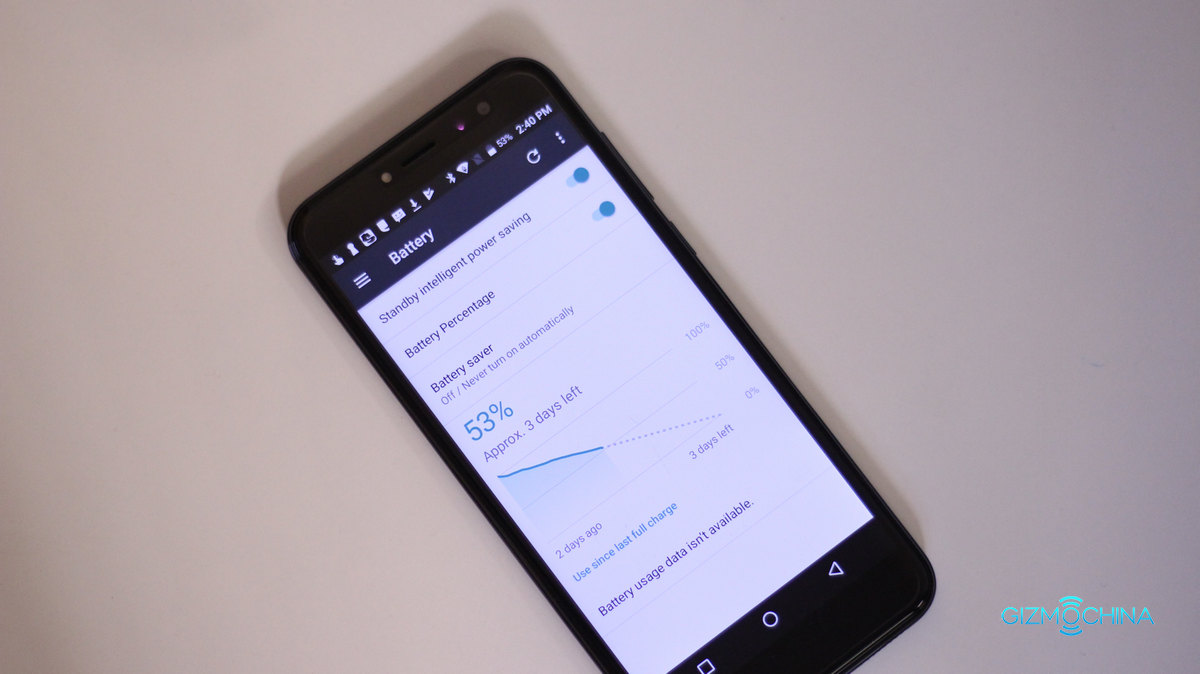
Connectivity is good, Bluetooth, Wi-Fi-, GPS all work well. Call quality is also pretty good. So, no real issues in this department. The battery is decent, and moderate usage should give you about a day’s use on a single charge. But personally, I would have expected better battery life with the efficient Mediatek chip powering the device.
To wind up, the Cubot X18 is a great option only if you are looking for an 18:9 display on a budget. Other than that, the phone doesn’t have much to offer. You can get better options at a similar price, especially after the new Redmi 5 models hitting the market at a slightly premium price tag.
Apple has increased prices of most of its smartphones in India after the government of India raised taxes on imported phones last week. The move of hike in customs duties seems to be aimed at boosting local production under its ‘Make in India’ initiative.
The Cupertino-based company has raised prices of most iPhones in India by 3 percent to 5 percent. The pricing for the iPhone 6 has been increased by Rs. 1,280 and now it costs Rs. 30,780 (approx. $481).
The smartphone model which witnessed the highest hike in price is the iPhone X, with an increase of Rs. 3,072 in its price in India. It now retails at Rs. 92,430 (approximately $1,443) for the 64GB variant and Rs. 1,05,720 (approximately $1,650) for the 256GB variant.
The iPhone 6s is available at Rs. 41,550 for the 32GB variant, while the 128GB variant will be available for Rs. 50,660. The 32GB and 128GB variants of iPhone 6s Plus are now priced at Rs. 50,740 and Rs. 59,860, respectively.
The iPhone 7 now costs Rs. 50,810 for the 32GB variant, while the 128GB variant is available for Rs. 59,910. The iPhone 7 Plus will now be available at Rs. 61,060 for the 32GB variant and Rs. 70,180 for the 128GB variant.
Apple’s recently launched iPhone 8 is available for purchase at Rs. 66,120 for the 64GB variant while the 256GB variant now costs Rs. 79,420. The iPhone 8 Plus is priced at Rs. 75, 450 for the 64GB variant and the 256GB will be available for Rs. 88,750.
The only iPhone model which has been exempted from this price increase if the iPhone SE, which is being manufactured locally in India. Apple’s Taiwanese contract manufacturer Wistron is assembling iPhone SE in the technology hub of Bengaluru.
The customs duty hike comes at a time when Apple is seeking various incentives from the Indian government to further expand manufacturing in India — one of its fastest-growing smartphone markets globally.
Meizu continues its restructuring efforts in a bid to achieve greater market presence. The company had earlier rejigged its entire operation, with the creation of the Meizu division as well as the Blue Charm division and the Flyme division. The Meizu division oversees the flagship smartphones while the Blue Charm division handles mid-range and budget models and the Flyme division handles the software aspect. Meizu’s CEO, Huang Zhang was identified as heading the Meizu division while the Blue Charm division is said to be headed by Li Nan, longtime Meizu VP.
It is now rumoured that Meizu’s CEO/ Founder Huang Zhang will personally oversee the Blue Charm division in a new adjustment. The report alleges that the CEO will be involved in the product planning and building in the division. This leaves us confused as to what happens to Li Nan who was earlier unveiled as the President of the Blue Charm division. But Li Nan is reported to have confirmed that Huang Zhang has taken over the Blue Charm division to enable the brand launch a major offensive next year from the division.
Meizu’s Blue Charm division is very well known for its mid-range and budget models which are usually with topnotch designs. The Blue Charm models could sometimes pass for flagship models like the M6 Note and several others. The company is expected to release a flagship or perhaps two products for its 15th anniversary next year. It may just be a scenario of the CEO trying to ensure the smartphones launched under both the flagship Meizu division and Blue Charm division come out with thrilling designs. We’ll be on the lookout to see how this pans out.
The Nokia 9 has been seen at the FCC revealing all its specification details. Judging from the specs and the release date which is said to be in January, it appears Nokia will be towing the same line LG took with the G6.
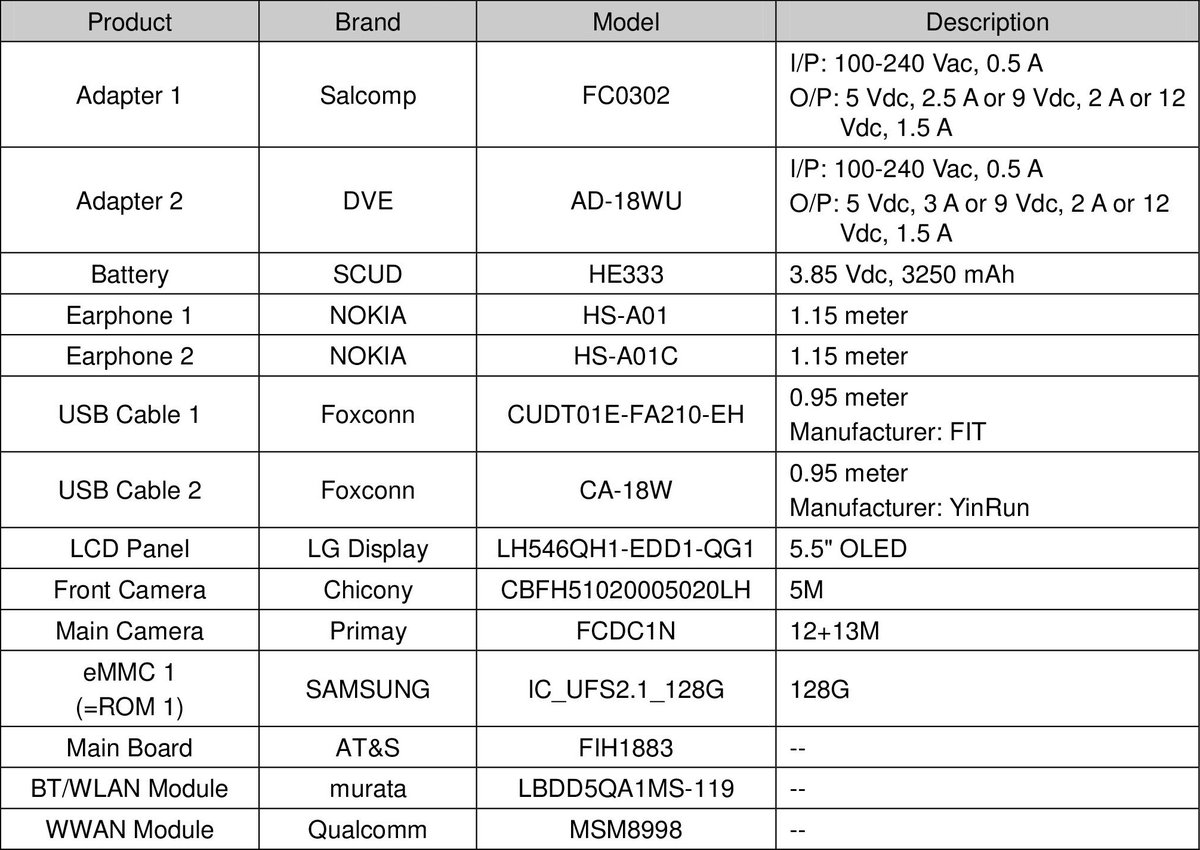
According to the specification list posted on Twitter by @ZyadAtef12, the Nokia 9 will come with a 5.5-inch OLED screen supplied by LG Display. The display which is not only larger than the Nokia 8‘s 5.3-inch IPS LCD screen, should also have a better color reproduction since it is OLED.
For optics, the Nokia 9 will come with dual rear cameras but in a 12MP + 13MP configuration. For selfies, it packs a rather modest 5MP sensor. We believe the Nokia 9 should also come with the Dual Sight feature of the Nokia 8.
HMD Global has packed 128GB of built-in storage supplied by Samsung into the Nokia 9. Will there be other storage variants? We can’t say for sure but we won’t rule out the possibility of a 64GB model.
There is Qualcomm’s MSM8998 A.K.A. Snapdragon 835 mobile platform on board. The processor will draw power from a 3250mAh battery which supports 18W fast charging.
The phone is most likely already in mass production by FIH Mobile (Foxconn’s subsidiary) which handles production for HMD Global.
The Nokia 9 will be one of the first flagships of 2018 but one with 2017’s features. However, its early arrival, if we are to believe the rumors, may help give HMD an early lead in the market.
We use cookies on our website to give you the most relevant experience by remembering your preferences and repeat visits. By clicking “Accept”, you consent to the use of ALL the cookies.
This website uses cookies to improve your experience while you navigate through the website. Out of these, the cookies that are categorized as necessary are stored on your browser as they are essential for the working of basic functionalities of the website. We also use third-party cookies that help us analyze and understand how you use this website. These cookies will be stored in your browser only with your consent. You also have the option to opt-out of these cookies. But opting out of some of these cookies may affect your browsing experience.
Necessary cookies are absolutely essential for the website to function properly. This category only includes cookies that ensures basic functionalities and security features of the website. These cookies do not store any personal information.
Any cookies that may not be particularly necessary for the website to function and is used specifically to collect user personal data via analytics, ads, other embedded contents are termed as non-necessary cookies. It is mandatory to procure user consent prior to running these cookies on your website.