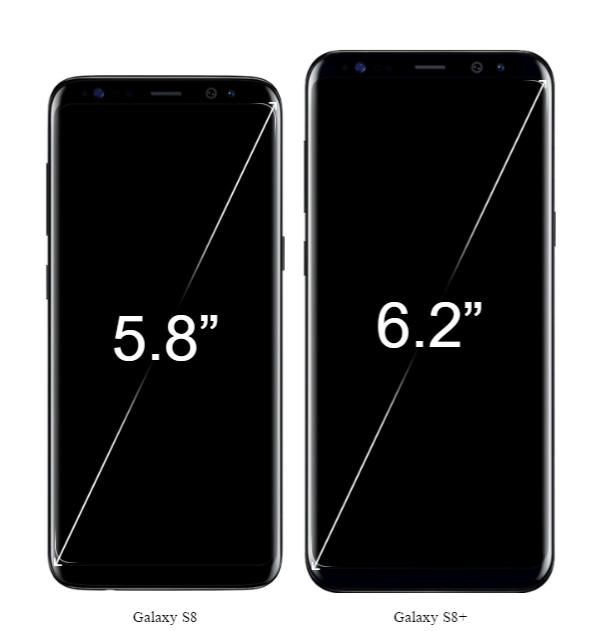
Samsung’s latest flagship comes in two sizes. There is the 5.8-inch Galaxy S8 and the 6.2-inch Galaxy S8+. Depending on the market region, both phones are either powered by the Snapdragon 853 or Exynos 8895 processor.
Pre-orders for both phones start tomorrow, April 7, before it goes on sale on April 21. Unnamed sources have said that Samsung is increasing production for the larger variant based on the early positive reports it has received from retailers.
As at the middle of March, production of the Galaxy S8+ stood at 40% of total output but it has now been raised to 45%. The increase in production is reported to affect supply of parts since both variants have some of their components such as the camera modules provided by different suppliers.
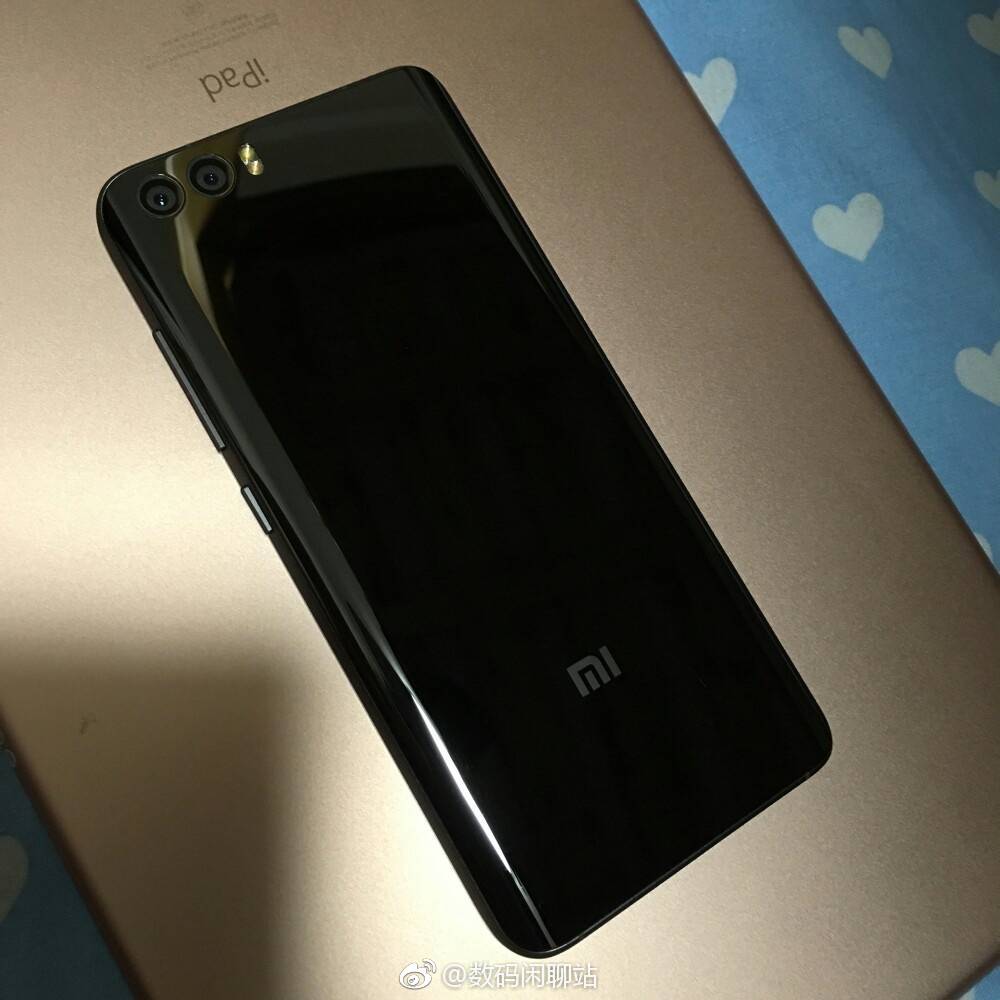
The Xiaomi Mi 6 is surely one of the most anticipated devices to come out of China. If the rumors are true, the Mi 6 should have been launched this time next week. While we await its release, you may want to feast your eyes on this new specification sheet from GFXBench.
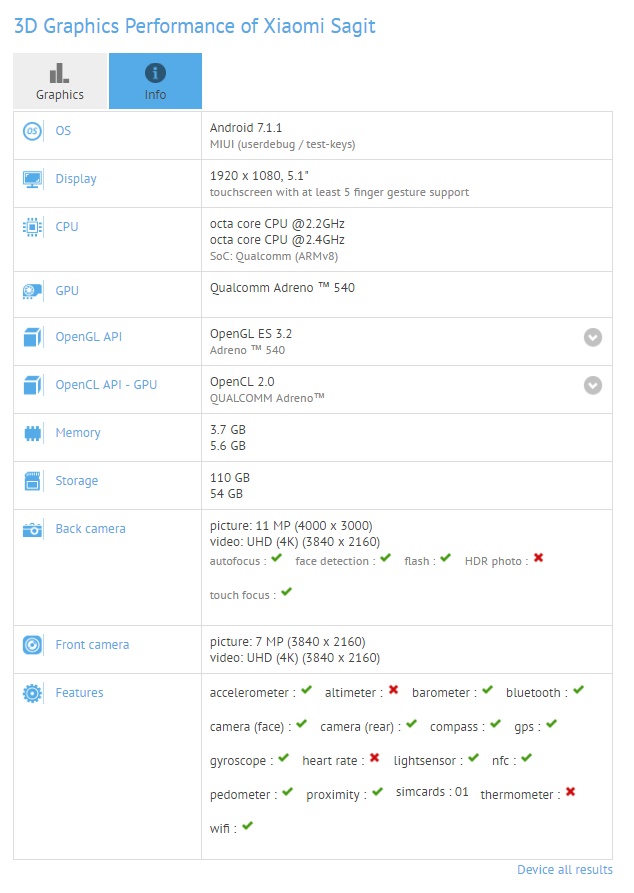
The device benchmarked here is called the Xiaomi Sagit and we believe that’s a codename for the Mi 6. Most of the specs are in pairs meaning that two variants were probably benchmarked together. It’s unusual but since its on GFXBench, we do not doubt its authenticity.
The Xiaomi Sagit sports a 5.15-inch display with a FHD resolution. The CPU is the first place we see there are two variants. The processor is an octa-core chip from Qualcomm and its definitely the Snapdragon 835 seeing as the GPU is an Adreno 540. The first listing shows it is clocked at 2.2GHz while the second one is clocked at 2.4GHz. It turns out that Xiaomi will continue its trend of underclocking the processor in the base variant of its flagship.
The RAM comes next. One is listed as having 4GB of RAM while the other has 6GB of RAM. For storage we get 128GB and 64GB. So we are looking at a 4GB + 64GB and 6GB + 128GB configuration when it launches.
Huawei has released three phones this week already. There is the Honor 8 Pro, the Huawei Y5 2017, and the Honor 6C. However, the Chinese manufacturer doesn’t seem to be done yet as a new Huawei phone has been seen on TENAA.
The new Huawei phone is listed as having three sub-models: TRT-AL00A, TRT-AL00, and TRT-TL10. The different models are assumed to be for various networks. The phone actually looks like the Xiaomi Redmi Note 3 with its three-stage back design. The larger part where the fingerprint scanner and camera setup sits is most likely metal. While the upper and lower parts which house the antennas are made of plastic.
The front of the device doesn’t offer much. Huawei’s name sits on the bottom bezel and at the top lies the front camera, earpiece and ambient light sensor.
The specification list of the phone says it sports a 5.5-inch HD display, 4GB RAM, and 64GB of storage. It is powered by an octa-core processor clocked at 1.4GHz and draws juice from a 3900mAh battery. The rear camera is a 12MP sensor and for selfies there is an 8MP shooter. It also runs Android 7.0 Nougat.
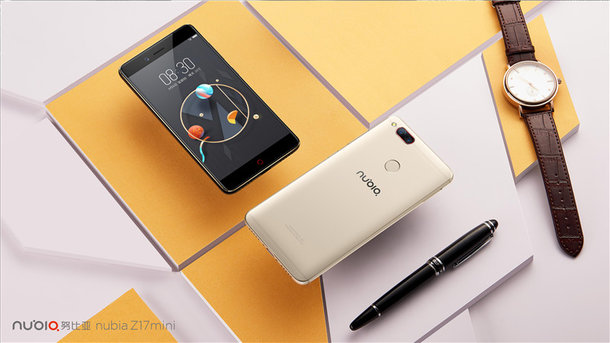
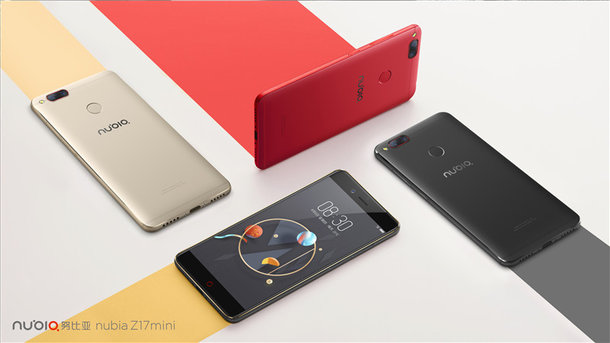
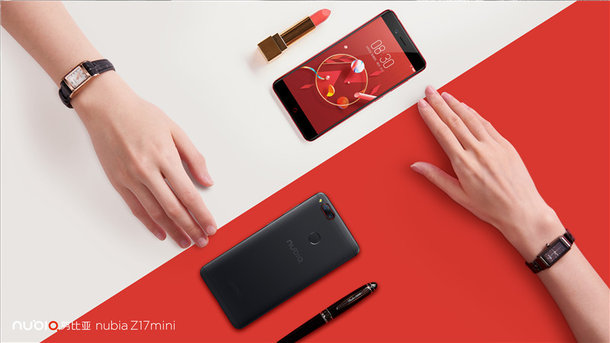
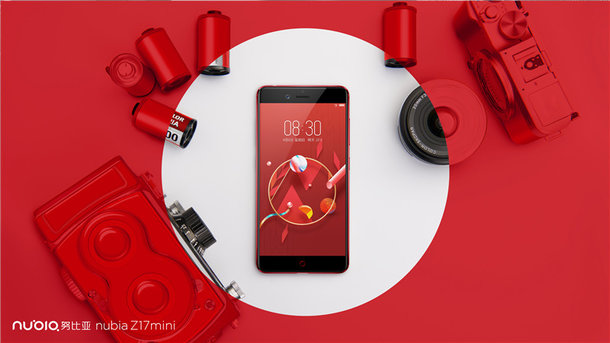
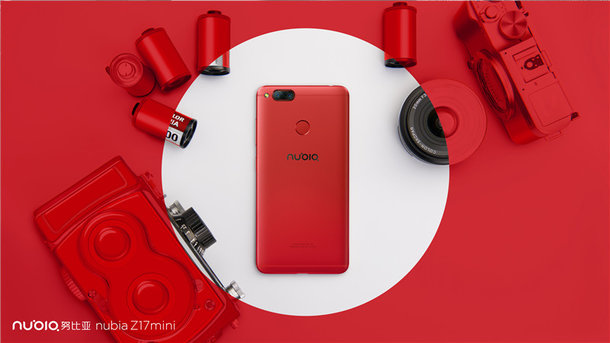
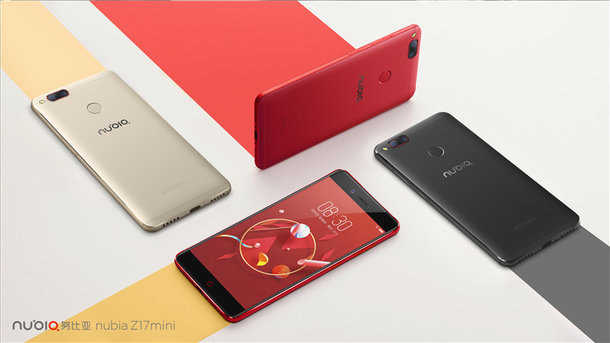
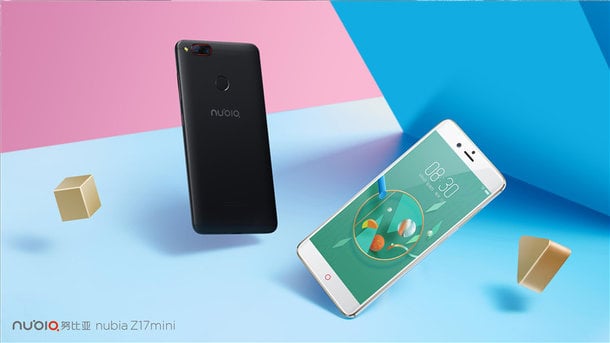
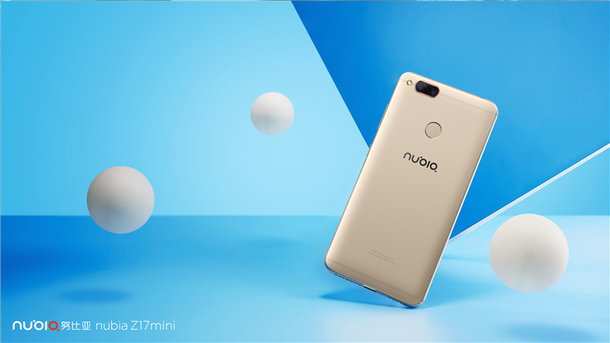
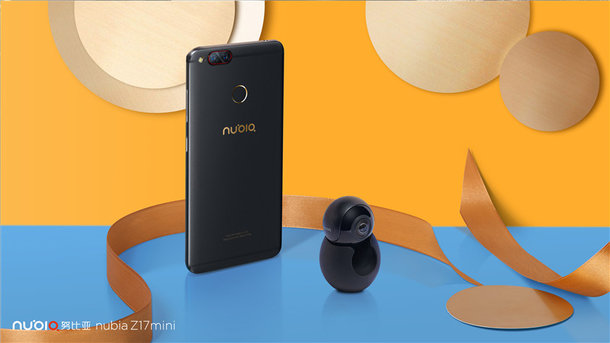
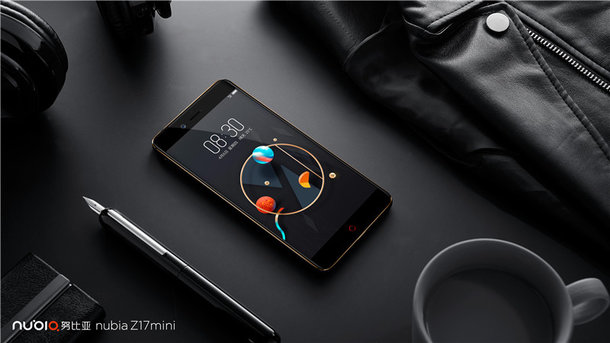
So it happened that while we are yet to see the Nubia Z17, Nubia has gifted us the Z17 Mini. The company took the wraps off the top mid-ranger today in a ceremony held in China. These hands-on images completely unmask the Nubia Z17 Mini giving us a view of the beautiful design characteristic of Nubia.
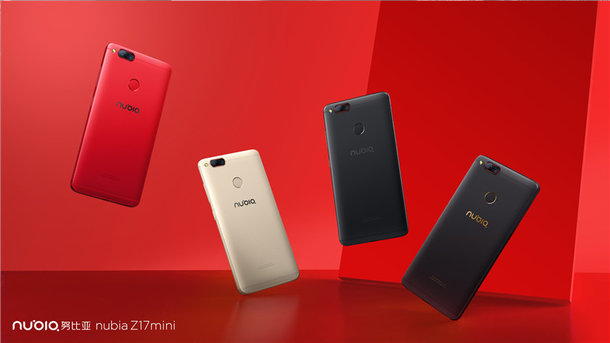
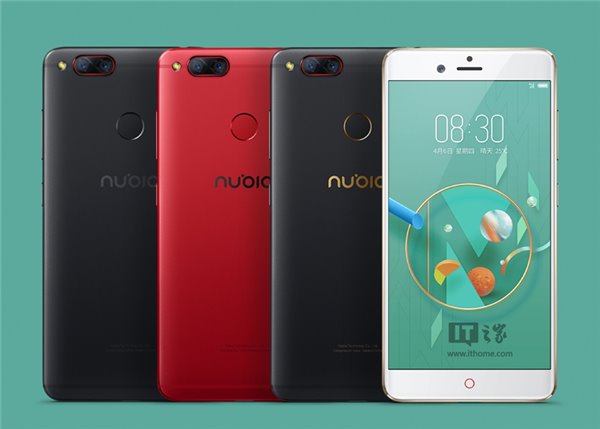
The Nubia Z17 Mini comes in four different colours which include champagne gold, black gold, red and elegant black and all four variants are featured here. Red is turning out to be the new trendy colour which is becoming a regular on most brands. It looks super attractive adorned in red and even the other colours look no less attractive. The champagne gold variant comes with white bezels around the display while the other colors have black bezels.
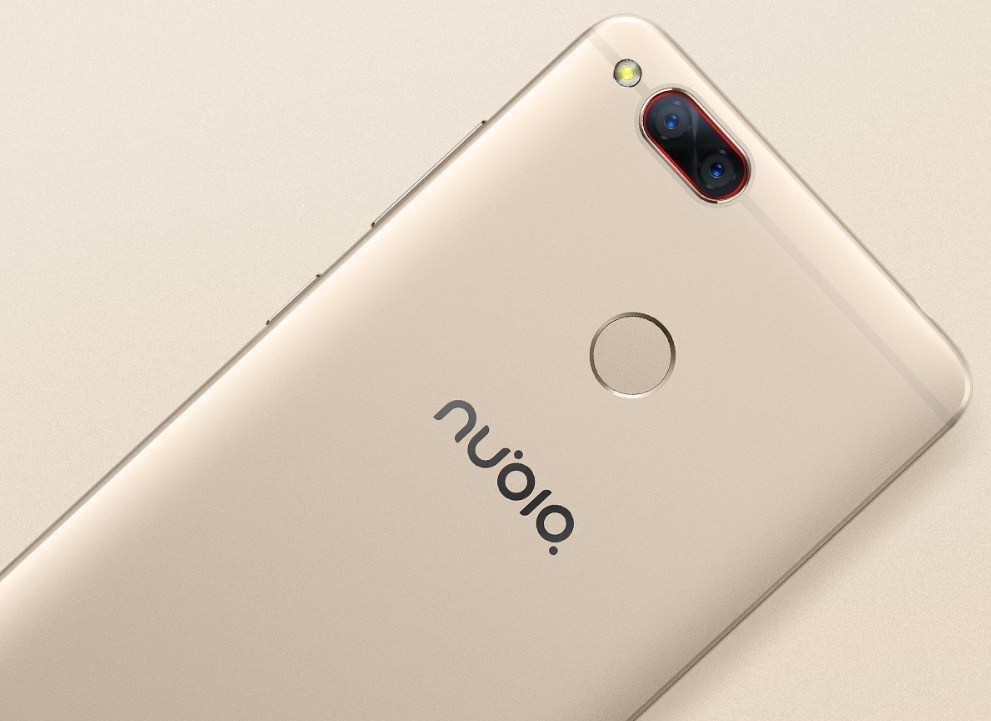
The Z17 Mini retains the tradition Nubia design language but with some prominent features like the dual-lens camera at the rear. The phone comes with a slim body which is 7.45mm thick and is made up of 97% metal body. There is no physical home button instead, the Z17 Mini uses a virtual button and in order to identify the location of the virtual home button, there is a small, red-colored ring at the centre. The edges of the phone are well chamfered, suited for easy grip with one hand.
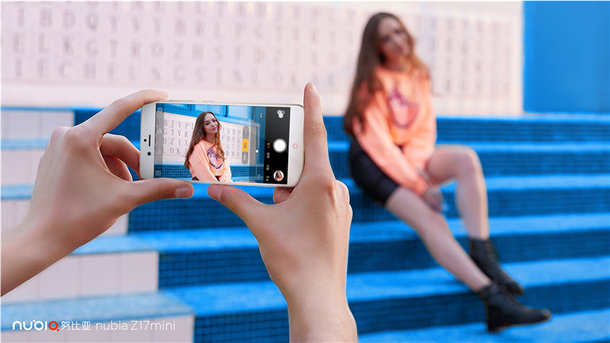
Perhaps, the most stand-out feature on the Nubia Z17 Mini is the dual camera setup at the rear, as well as the large pixel selfie shooter. The main camera is a powerful 13MP Sony IMX258 sensor and the secondary sensor is a black and white camera which is likely a depth of field camera. The dual camera supports 0.1s mixed focus and also 4K ultra-high definition video recording. It can also capture in slow motion and has time lapse feature. You can check out more sleek photos of the Nubia Z17 Mini after this line.
ZTE’s elite brand Nubia latest smartphone, the Z17 Mini which has just been launched today comes with a dual camera setup at the rear. The dual camera has been the major highlight on the phone right from when it appeared on TENAA to the teaser featuring Cristiano Ronaldo. Nubia had even teased some of the features of the dual cameras earlier on.
As if that was not enough, Nubia CEO Ni Fei also shared some sample images shot on the Nubia Z17 Mini rear cameras on Weibo. The quality of the photos is incontestably high with bokeh effects that give a blur effect to the adjoining environment but highlight the subject with clarity. The images don’t look like what was captured while in motion so, there is the possibility of a time-lapse feature being on the camera.
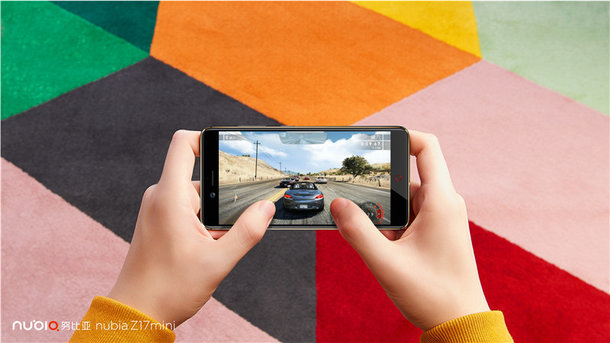
The Nubia Z17 Mini sports a 5.2-inch TFT 1080p display. It is powered by a Snapdragon 653 on one model, backed by 6GB of RAM and there is another model with a Snapdragon 652 processor that is backed by 4GB of RAM. Both models come with 64GB storage apiece which is expandable up to 200GB. The phone sports a 13MP sensor at the rear camera but there is also a second sensor likely a depth of field sensor. The front camera is a 16MP selfie shooter which should do justice to our selfie needs. Keeping the lights on is a 2,930mAh battery. Meanwhile, check out more sample photos from under.
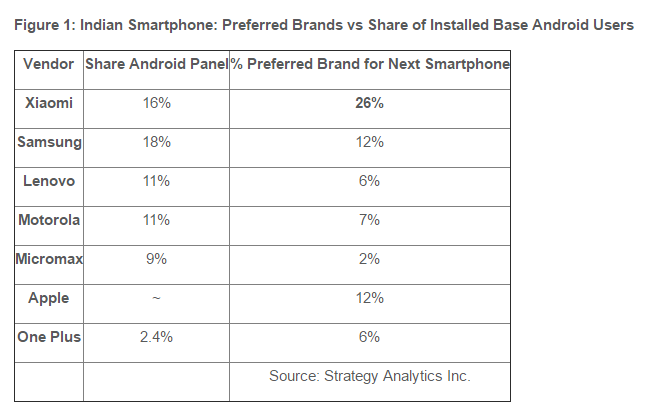
With the release of mid-range smartphone such as Redmi 3S, Redmi 3S Prime, Redmi Note 3, Redmi Note 4 and Redmi 4A, Xiaomi has managed to gain huge popularity in India. The popularity of Xiaomi in India is such that it has already outranked Samsung and Apple. A report by Strategy Analytics has revealed that Xiaomi is the most desired smartphone brand for Android users this year. Its popularity is expected to increase even more with the arrival of Redmi 4 and Redmi 4 Prime smartphones.
According to the report, a survey conducted on 2,000 users have revealed that 26 percent people in India are interested in purchasing a Xiaomi branded phone as their next Android smartphone. With 12 percent, phones from Samsung and Apple are the next preferred choices for smartphone buyers.
Previously Indian customers preferred smartphones with larger display and better camera. However, the research by Strategy Analytics has revealed customers now prefer to buy those smartphones that offer faster network speed and processor performance. This could benefit cellular network providers as they are seeking customers who prefer LTE connectivity. It is good news for chipset vendors as they are working towards migrating huge number of feature phone users in the country.
The research also suggests that smartphone makers promoting features like camera quality, megapixel and display resolution are not able to attract Android smartphone buyers in India. According to the senior analyst for Strategy Analytics, Rajeev Nair, from the time Xiaomi began selling its smartphones in India, it managed to slot itself in the top three smartphone vendors in the last quarter of 2016. Xiaomi has met with a stupendous year-on-year growth of 125 percent as well as quarter-on-quarter growth of 17 percent. In Q4 2016, it gained 10 percent of smartphone market share in India.
Nokia is slated to make a comeback between April and June in India. Its arrival can be a threat to some brands like Micromax, Sony, LG, Lenovo and Motorola.
The survey also revealed that only 6 percent of smartphone buyers in India prefer to buy high-end phones costing over Rs. 35,000 ($540). It states that half the number of smartphone customers in the country prefer to purchase smartphones priced between Rs. 10,000 to Rs. 20,000 ($155 to $308).
Huawei may be facing a possible UK ban if it fails to pay 4G patent royalties. The ruling was delivered by The High Court of England and Wales for a suit filed by Unwired Planet International.
Unwired had filed a lawsuit against Huawei for infringing on its 4G patents. The court’s ruling says that Huawei must pay licensing fees to Unwired or face a ban of sales of its 4G phones in the UK.
Originally, the patents belonged to Ericsson before they were acquired by Unwired. Huawei had a licensing agreement with the former owner but failed to draw up a new one with Unwired.
The patents are essential to implement established communications standards, hence the royalties paid must be fair, reasonable, and non-discriminatory (FRAND). So Huawei’s initial offer of 0.034 percent of its revenues on 4G equipment doesn’t meet the FRAND standard neither does Unwired’s request for 1.49 per cent on 4G handsets and 2.29 per cent on Huawei’s 4G equipment.
After a number of teases and leaks, Nubia has finally unveiled its new dual camera phone, the Z17 Mini. Nubia has gone all out with this new device and the specifications puts it at the top of the higher mid-range phones.
Nubia Z17 Mini Design
Nubia has settled for a full-metal design on the Z17 Mini. The front is however covered with glass from top to bottom. The dual rear cameras are positioned on the same line as the antenna and they feature Nubia’s signature red outline.
The front of the phone doesn’t sport the physical home button/fingerprint scanner seen on the Nubia M2. All you have is the red holo capacitive key staring at you. At the top, there is the earpiece which is flanked on the left by the front camera and at the top by the proximity sensor.
Nubia has released the Z17 Mini in four different colors. You can pick from either champagne gold, black gold, red or elegant black.
Nubia Z17 Mini Specs
The Z17 Mini sports a 5.2-inch display with 2.5D Corning Gorilla Glass for protection. The display offers a 85% color gamut and boasts a ppi of 424.
The memory configuration is quite impressive. You either get 6GB or 4GB of RAM but built-in storage remains 64GB on both versions. The difference in RAM is replicated in the processor too. The 6GB RAM variant is powered by Qualcomm’s MSM8976 Pro (Snapdragon 653) while the 4GB RAM variant gets the Snapdragon 652 processor. The Snapdragon 653 offers a 10% increase in performance just like the Snapdragon 821 does over the Snapdragon 820. So unless you need the extra memory and power boost, the 4GB RAM variant is cool.
Storage on both variants can be expanded via a MicroSD card (200GB max.), but you will have to sacrifice the second SIM slot to do that.
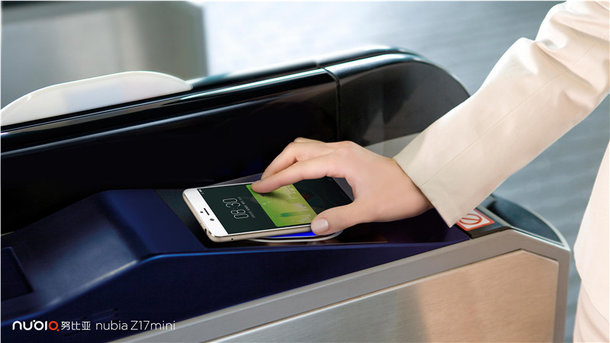
For connectivity, the NUbia Z17 Mini has dual band WiFi, NFC, GPS, and Bluetooth 4.1. There is DTS Audio Enhancement, a USB Type-C port, and a rear-mounted fingerprint scanner. Nubia has settled for a non-removable 2950mAh battery to power the Z17 Mini and will be shipping it with Nubia UI 4.0 based on Android Marshmallow.
Nubia Z17 Mini Cameras
You must have noticed I didn’t mention anything about the camera in the specs, that’s because it deserves to be separated. The rear cameras on the phone are dual Sony IMX258 f/2.2 sensors. One of the sensors shoots in color while the other shoots in black and white. The lens are covered by sapphire glass and there is EIS and OIS so you can take and record steady shots and videos. The front camera is a 16MP sensor with an 80° wide-angle lens and a f/2.0 aperture.
Nubia has also upgraded its camera UI, NeoVision to version 6. The upgrade brings new features such as portrait mode, time lapse pictures, monochrome pictures, 3D pictures and even supports aperture adjustment.
Nubia Z17 Mini Price
The 4GB + 64GB Z17 Mini will sell for ¥1699 ($247) and will go on sale on the 13th of April on Nubia’s official website, Lynx, and Suning.
The 6GB + 64GB model is priced at ¥1999 ($290) and will also be available on the 13th of April at 10 am on the official site, offline stores, and on Jingdong.
The Nubia Z17 Mini is not Nubia’s first dual camera phone, the Nubia M2 gets that title. We can’t tell which one takes better pictures but we hope to provide a comparison in future.
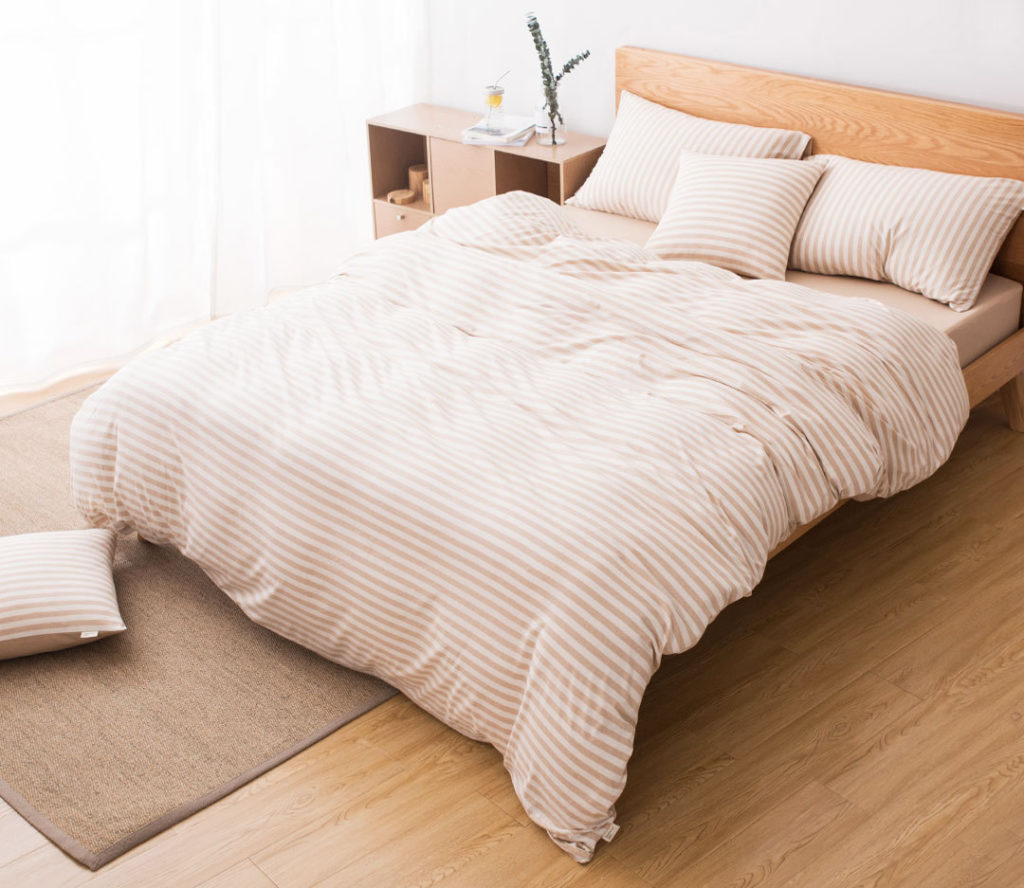
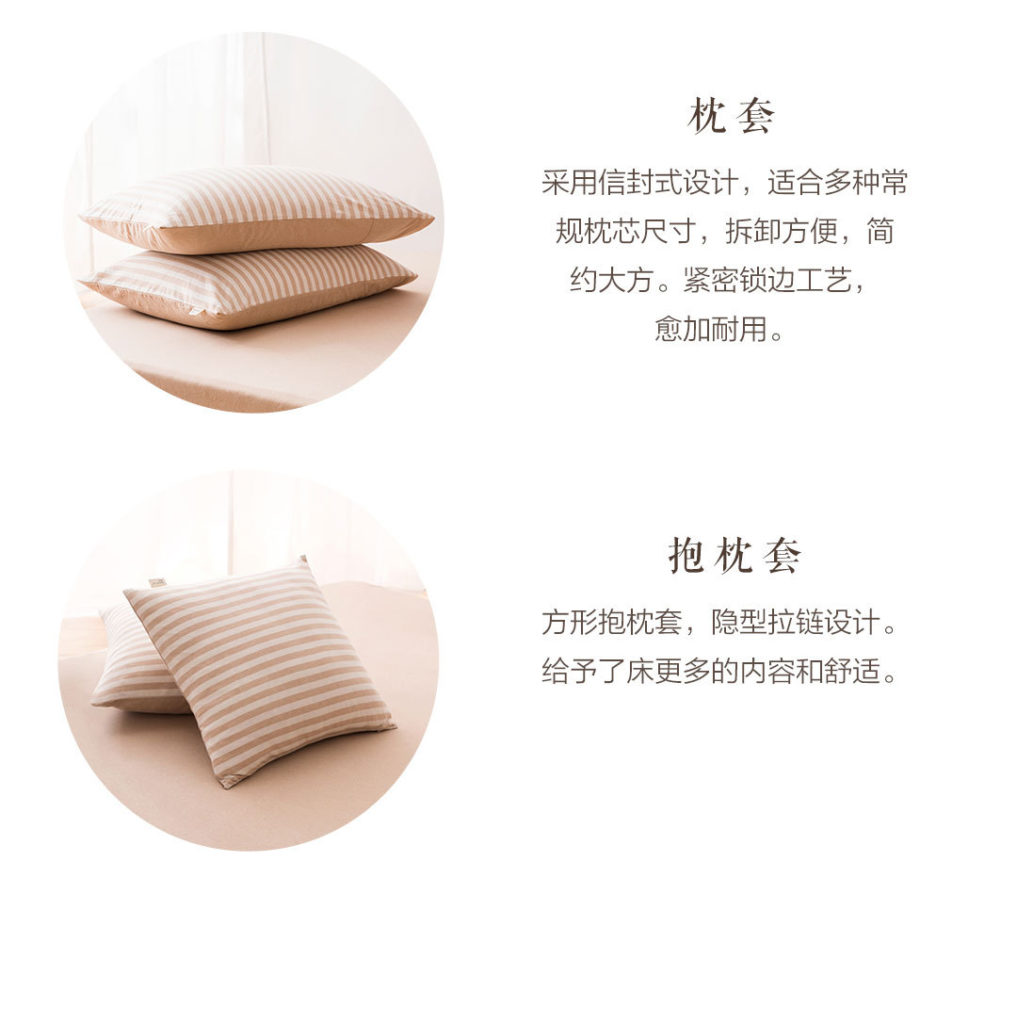
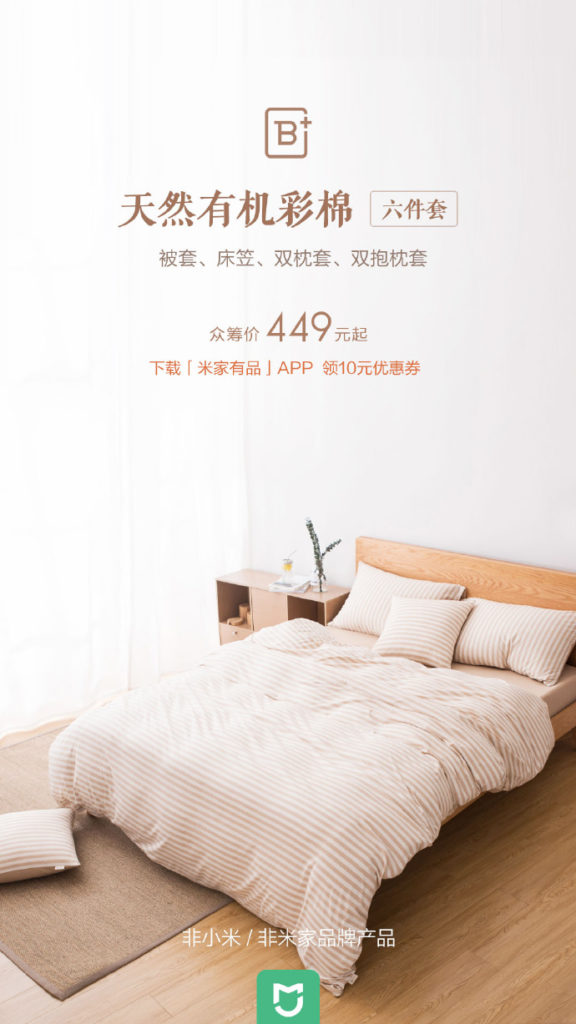
Xiaomi has launched a new crowdfunded product under the MIJIA brand. The product which happens to be the 75th crowdfunded product is a set of cotton bed, along with beddings, a pair of small and another pair of big pillows.
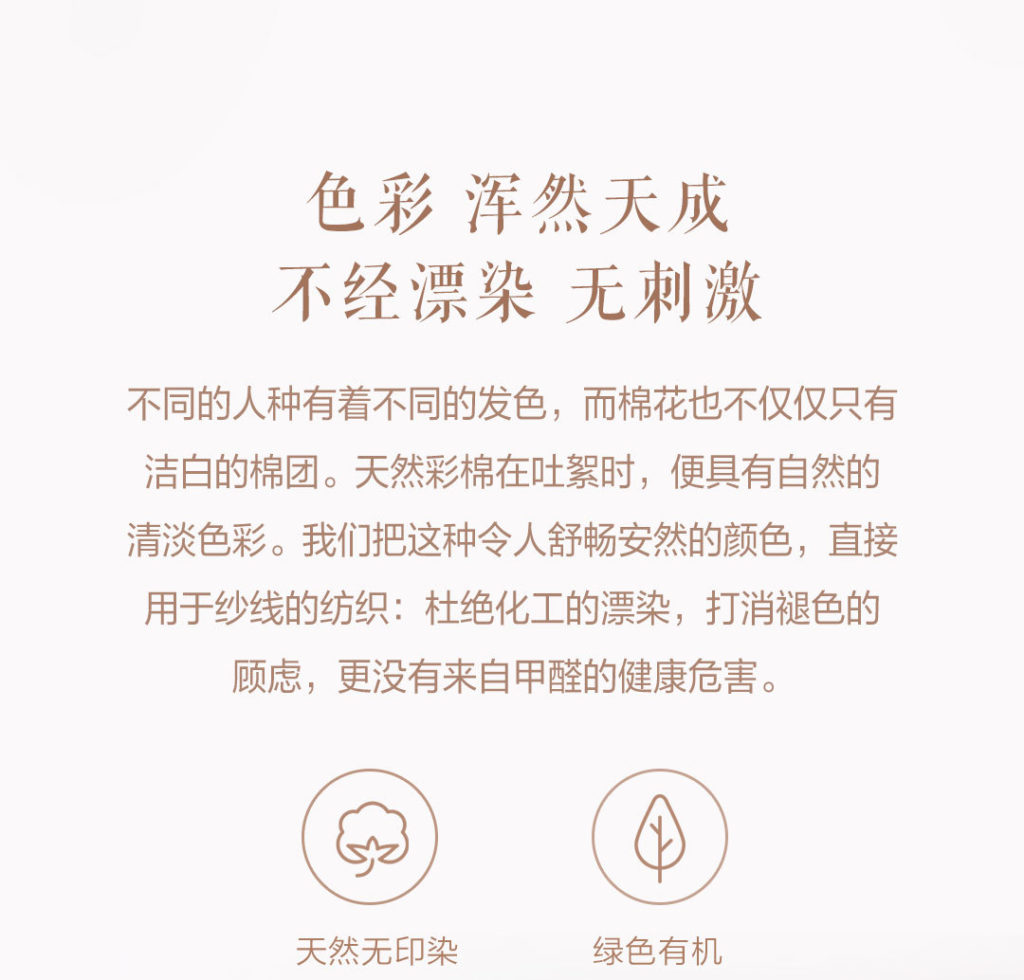
The new cotton bed is made 100% from organic cotton and is different from the traditional woven fabric. The cotton material makes it easy to clean when dirty and also will dry faster. Apart from using the bedding, the mattress can even be used bare as it comes with same pure cotton.
The mattress itself comes in two sizes, one which is 1.5 metres long and it retails for 449 Yuan ($65), while there is also a much bigger 1.8-metre version which is priced at 499 Yuan ($72). The product is open for funding on the crowdfunding official portal (home.mi.com) platform and it will start shipping as from May 20.
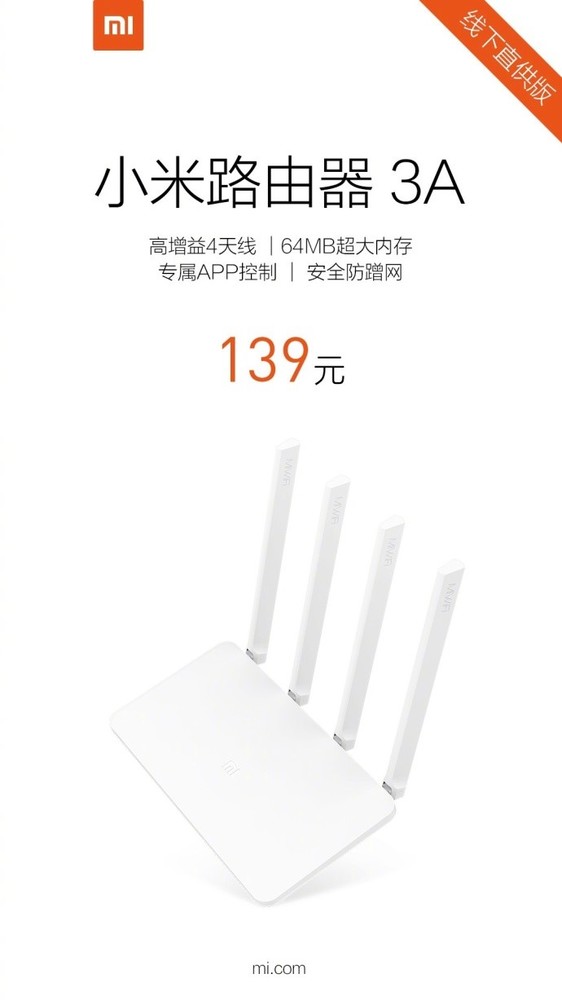
Today is a big day for Xiaomi. The Chinese manufacturer is celebrating its 7th anniversary. Today is also another edition of its Mi Fans Festival where a bunch of Xiaomi products are sold for less. Asides that, Xiaomi has announced a new product, the Mi Router 3A.
The Mi Router 3A is similar to the Mi Router 3C but offers a bit more. It has the same 4 high-gain PCB antennas and the same 64MB RAM. Where it differs is in the ROM which is 64MB. Far from what you have in the 1TB or 8TB models of the Mi Router HD but better than the 16MB NOR Flash in the 3C.
For that extra memory, you get to pay more too. Xiaomi has put a price tag of ¥139 ($20) on the Mi Router 3A. However, you might want to buy the original Mi Router 3 seeing as it is currently on sale for the same ¥139 price but has double the memory (128MB).
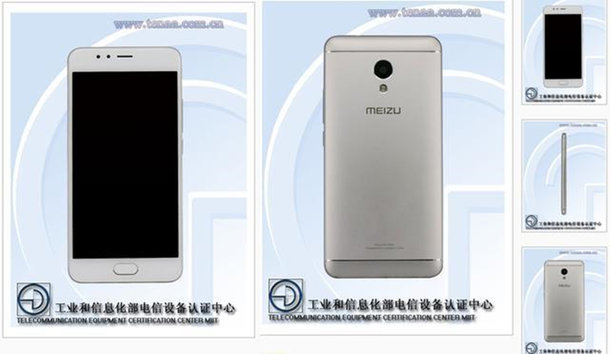
A new Meizu phone has popped up at China’s communication agency, TENAA. The new phone shares a similar design to the Meizu M5 Note released a few months ago.
The phone has model number M612C. Some sources have said the similarity in the model number of this new phone and the M5 Note hints at it being the Meizu M5X.
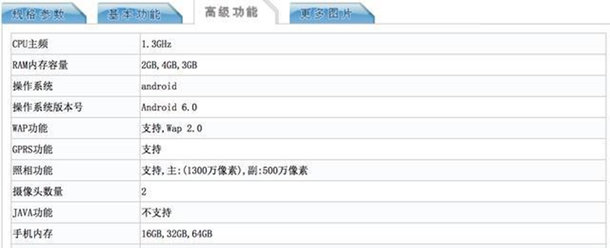
The listing shows the phone is powered by a 1.3GHz quad-core processor. It will also be available in three memory configurations. A base version with 2GB RAM and 16GB ROM; a standard version with 3GB RAM and 32GB of storage; and a high-end version with 4GB RAM and 64GB ROM.
The Xiaomi Mi 6 is expected to be launched this month and the company’s CEO has affirmed an April launch for the flagship. However, neither Lei Jun nor Xiaomi is yet to release an exact date for the launch event. That means we’ll keep on feeding off speculations and rumors until something official pops up.
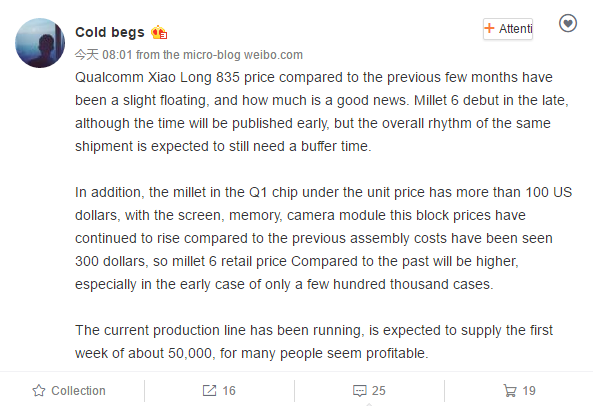
However, there is a new Weibo post which tips us on the likely date for the Mi 6 launch event. Don’t go jumping for joy yet, the post did not give a specific date in April but hinted that the Mi 6 would be launched in the later part of the month, slightly earlier than expected. The tipster also hinted that the Mi 6 is expected to have 50,000 units available in the first week and subsequently, production would climb gradually.
As for the price, the Weibo user revealed that the Mi 6 price will likely be higher than in the past. The Mi 6 was expected to start at 1999 Yuan(~$290) but the analyst says the cost price is around $300 when the production cost and cost of the chipset are factored in. So, it may likely be higher than $300 and this would be for the initial batch of a few hundred thousand units.
In the second quarter of 2017, several smartphone OEMs such as HTC, Xiaomi, and OnePlus are expected to launch their Snapdragon 835 chip driven flagship phones. Lenovo-owned Motorola too is expected to launch a successor model for Moto Z flagship from last year. A new tweet from the reputable tipster, Evan Blass has revealed the moniker for the upcoming Motorola flagship.
The Moto Z is one of the best flagship smartphones from 2016. Its support for Moto Mods accessories is the USP of the phone. It allows users to attach various kinds of accessories such as extra battery backup or external speakers to the set of pins available on the rear side of the phone. The idea of letting users attach new Moto Mods has turned out to be so successful for Motorola that it has confirmed that for at least three years it will be retaining the Moto Mods projects.
It means that the Moto Mods made for Moto Z (2016) will also be compatible with Moto Z from this year. Also, the company plans to make the Moto Z phone available on other carriers in the U.S. rather than being exclusive to Verizon. So, what would be the upcoming Moto Z phone called? The new tweet from Blass reveals that the Moto Z (2017) will be arriving with a Moto Z2 moniker. He has not revealed any details on the specs of the rumored Moto Z2.
The Moto Z was launched in June last year and it was made available for purchase by September. Hence, it is likely that the Moto Z2 may get unveiled in June this year. Motorola is also expected to launch Moto Z2 Play and Moto Z2 Force smartphones alongside the Moto Z2.
The new flagships from Samsung, the Galaxy S8 and Galaxy S8+, appear quite premium and aesthetically pleasing compared to predecessor Galaxy S series smartphones. Both the phones are flanked with glass panels on the front and rear sides. Their dual-edge curved screens occupy maximum portion of their front side. A Samsung Galaxy S8 drop test has been created by the folks at TechRax to reveal its durability. The same video also reveals the durability of the Red iPhone 7.
At the beginning of the video, a Red iPhone 7 is dropped from a height of 5 feet for a side-drop test. The iPhone was not damaged even though the screen of the iPhone had hit the ground. However, the red color at the bottom left corners of the phone was chipped off. Next, the Galaxy S8 is dropped from the same height for side-drop test. One of the top corners of the phone hit the floor very hard, but the Galaxy S8 did not receive any scratch on its front and rear sides. However, there was a slight discoloration on the corner of the phone that touched the ground first.
The front-facing drop test for the Red iPhone 7 cracked its screen. Also, the device could not start. The same frontal test for the Galaxy S8 caused damage to the screen. There are cracks on both the top corners of the phone. Its screen is not completely shattered, but the fall did result in the formation of spider web sort of lines on it. However, the phone did not switch off and its touchscreen worked fine.
Samsung is selling a wide range of protective cover and cases for the Galaxy S8 such as silicone cover, clear cover, keyboard cover, alcantara cover and the ugly 2Piece cover. These accessories can help in protecting the screen of the Galaxy S8 from occasional drops. Hence, we suggest our readers that if they are planning to purchase the Galaxy S8 and S8+, it is advisable to invest on a protective gear to shield the front and rear glass panels of both phones.
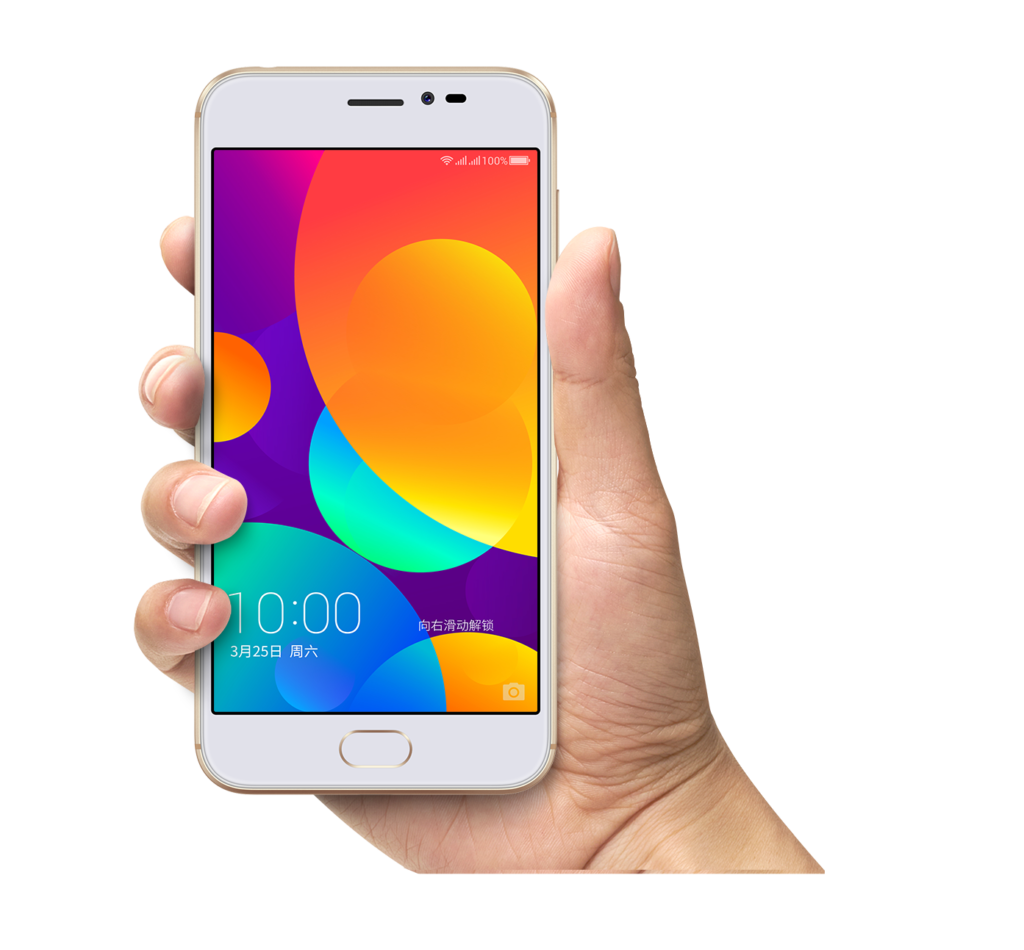
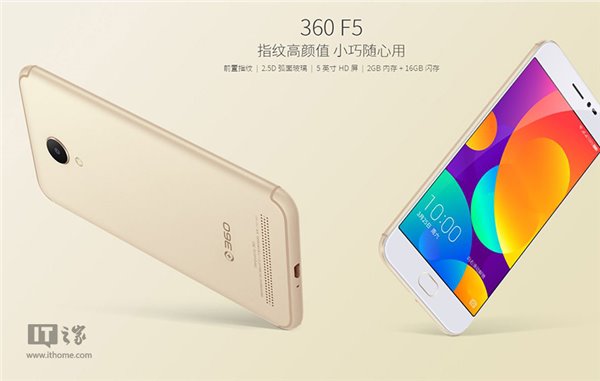
Chinese tech giant Qihoo 360 has quietly listed a new smartphone dubbed 360 F5 on its website. The device looks very much like the 360 Mobiles phone which was certified by TENAA weeks back. This is also coming on the heels of the launch of the 360 N5 with 6GB of RAM but this model comes with just a 2GB RAM.
According to the website listing, the 360 F5 sports a 5-inch IPS display with HD resolution. The screen has a 2.5D arc glass over it. The device is powered by a 1.3GHz Quad-core processor which is backed by 2GB of RAM. There is also 16GB of storage which is believed to be expandable.
As far as the camera aspect go, the 360 F5 packs an 8MP rear camera with LED flash while up front, there is a 5MP shooter. The device is kept on by a modest 2,000mAh battery and there is a fingerprint sensor onboard. The fingerprint sensor isn’t a rear-mounted one but is located on the home button. The F5 presents itself in a slim build, measuring 144.1mm x 71.7mm x 8.3mm and weighing in at 135g.
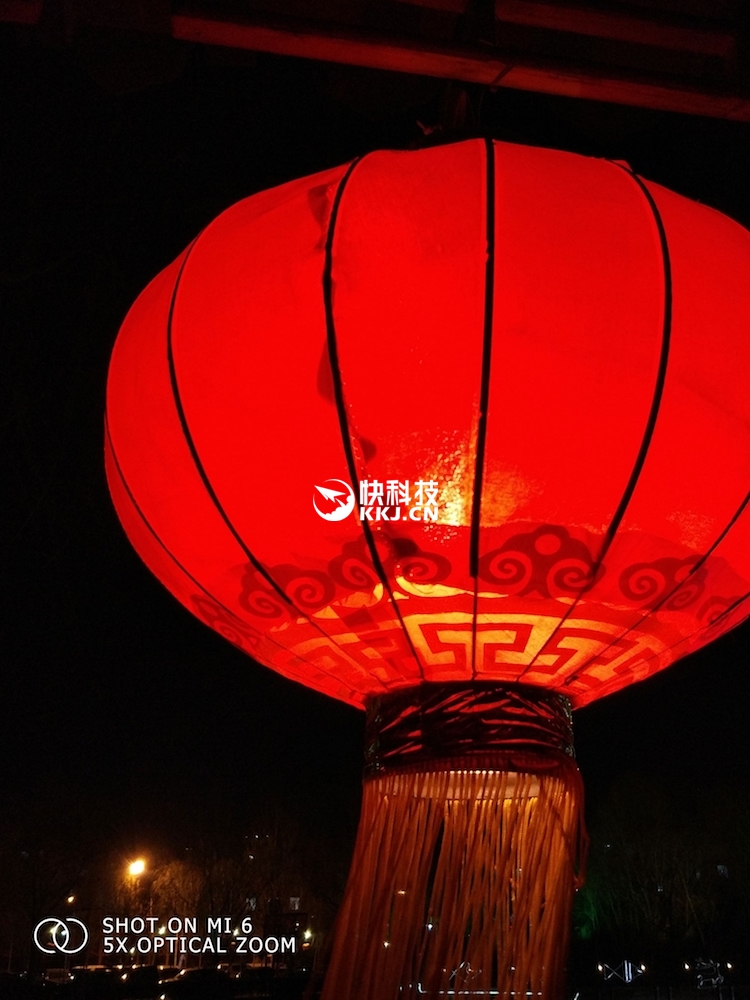
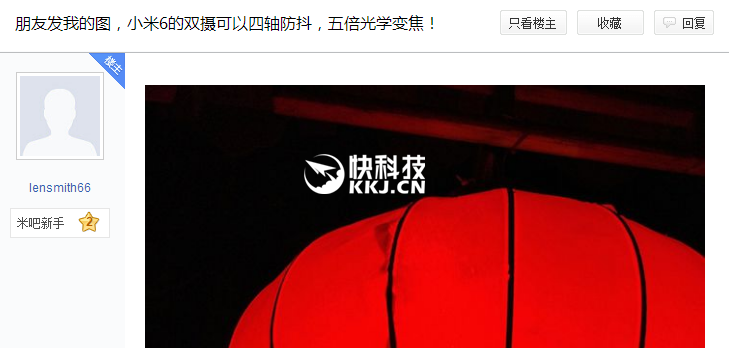
Xiaomi’s CEO steered the hornet’s nest when he confirmed that the Mi 6 would be launched this more. Since then, we have been inundated with rumours and leaks about the upcoming flagship. The latest leak is said to be sample image of the Mi 6 camera.
The Xiaomi Mi 6 is expected to come with a dual camera setup at the rear with the main shooter being a SONY IMX400 sensor, thus giving the prospect of a great camera. Even though we cannot verify the authenticity of the leaked image, it is still worth giving a shot. The image clearly indicates that it was shot on the Mi 6 with 5X optical zoom which shows the camera might have watermark effect. As for the picture quality, it comes out clear with a great attention to details even at 5X zoom.
Apart from a powerful camera sensor, the Mi 6 is expected with an equally powerful Snapdragon 835 processor backed by 6GB of RAM which would also assist the camera. The sample image might just be an attestation to the power of the camera which we dare not say is of DSLR quality until we see more official images. By the way, the Baidu post where the sample image was leaked is said to have been pulled off.
Today, LeEco started sending out invitations an event on April 11. The event is expected to be the launch of a new phone with dual cameras and a powerful AI system.
The dual cameras on LeEco’s new device are expected to work in a monochrome + RGB format. This will allow the cameras take better pictures under low light conditions. For the AI system, LeEco’s new phone will be able to work via voice alone. Just by speaking a command, you will be able to carry out functions like making a call. That sounds basic but it is also said that the assistant learns over time, increases its level of integration with the phone and even includes 3rd party apps functionality.
Just when we thought things were beginning to look up for financially troubled LeEco following the investment of $2.18 billion USD by Sunac Holdings, fresh facts have emerged that the Chinese tech giant delayed in paying the salary of its staff in the US March salary.
The Chinese company made a formal entry into the US market last year and since then it is reported to have in its employ over 500 staffs. Usually, LeEco is said to pay its US employees on the 15th and last day of every month but instead of paying on March 31st, the company inform employees that their paycheck would be delayed. A staff who declined to be identified hinted that they were informed that the delay was due to issues with moving money from China. However, a company spokeswoman disclosed that payment was later made on April 4.
Apart from the delay in payment of employee emoluments, some suppliers claim LeEco was behind on payments both in the US and China. Recall, the company was stripped of its broadcast rights for English Premiership games due to default in the payment of its subscription to the broadcast rights holder. There has also been an exodus of several high-profile executives in the last few months and the company was said to be thinking of sell its Silicon Valley property where it hoped to site its North America headquarters.
Despite all these, CEO Jia Yueting is still confident the company will bounce back and head right back to the top and we really hope they do, soon.
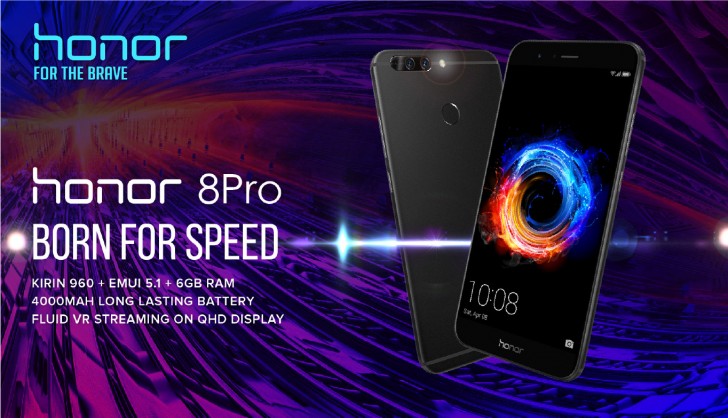
We all saw this coming. The Honor 8 Pro is now official and for those who have been following the news, it is the same device as the Honor V9 in China.
The Honor 8 Pro sports a 5.7-inch QHD display. That display is not for waste as one of the phone’s USP is its VR capabilities. Honor is pushing this by bundling the phone with a pair of cardboard VR glasses in the box and a VR game called Galaxy on Fire.
There is 6GB of RAM, 64GB of storage and a Kirin 960 SoC under the hood. The Honor 8 Pro has dual 12MP cameras and a fingerprint scanner on the back. The rear cameras have the same pixel count as that of the Honor 8 last year but have ditched the glass front and back for metal. The Honor 8 Pro is also missing the Honor 8’s Smart Key.
The camera up front is an 8MP sensor with an f/2.0 aperture. There is a 4000mAh battery that supplies power and Honor says you should be able to get 2 days from regular use or 1.44 days of heavy use. Even with the big battery, the Honor 8 Pro is just 6.97mm thick and weighs 183g.
A new report has revealed that Samsung Electronics and LG Electronics have together spent more than $11 billion in promotional efforts in the previous year. Among the two South Korean companies, Samsung has spent a whopping amount of around $10.2 billion whereas LG has spent around $1.1 billion on marketing in 2016.
Compared to the investment that Samsung did on advertising in 2015, it has spent 15 percent more in marketing in 2016. On the other hand, LG’s year-on-year expenditure on advertising has increased by 21.4 percent. Industry experts are of the view that the increased expenditure could have happened because of several reasons like Samsung’s increased focus on smartphone business and LG’s effort to market home electronics.
In 2016, Samsung ended up investing a lot in promoting the Galaxy S7 and Galaxy S7 Edge smartphones. It had to invest even more in the marketing of these 2016 flagships after the discontinuation of Galaxy Note 7. The Note 7 was launched in August last year. Since then Samsung had to carry out two recalls as issues about its explosion started surfacing from various regions of the world. Finally, the phablet was discontinued in October. Hence, Samsung had to invest more in in maintaining its brand reputation after the debacle of the infamous Galaxy Note 7. Also, competition from rival brands from domestic and global markets also made Samsung to input more money in advertising.
As far as LG’s expenditure is concerned, its spokesperson has said that the company has increased expenditure on advertising to boost its strategy on premium products. Industry experts believe that both companies will continue to aggressively market their products in this year. After poor sales record of LG G5 and LG G4, the company aims to cover lost ground with the release of LG G6. It will be available for purchase in the Western markets in this week. In the same way, Samsung is aiming to build trust with the much Galaxy S8 and Galaxy S8+ smartphones. These phones will be arriving to the global markets on April 21.
We use cookies on our website to give you the most relevant experience by remembering your preferences and repeat visits. By clicking “Accept”, you consent to the use of ALL the cookies.
This website uses cookies to improve your experience while you navigate through the website. Out of these, the cookies that are categorized as necessary are stored on your browser as they are essential for the working of basic functionalities of the website. We also use third-party cookies that help us analyze and understand how you use this website. These cookies will be stored in your browser only with your consent. You also have the option to opt-out of these cookies. But opting out of some of these cookies may affect your browsing experience.
Necessary cookies are absolutely essential for the website to function properly. This category only includes cookies that ensures basic functionalities and security features of the website. These cookies do not store any personal information.
Any cookies that may not be particularly necessary for the website to function and is used specifically to collect user personal data via analytics, ads, other embedded contents are termed as non-necessary cookies. It is mandatory to procure user consent prior to running these cookies on your website.