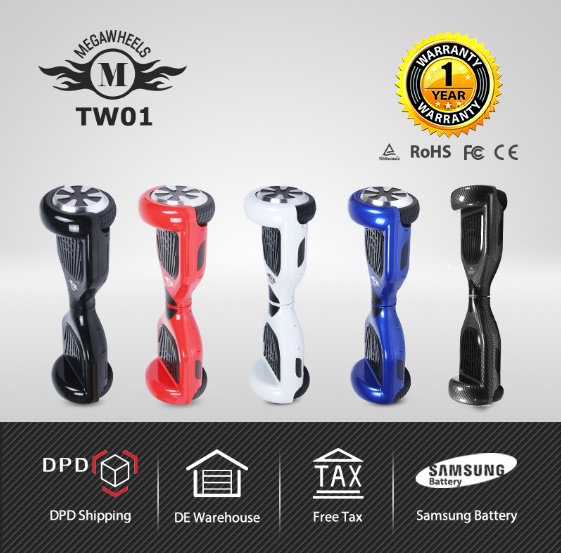
Just a few years ago, self balancing scooters (or hoverboards) were pretty popular. Then complaints started springing up about them catching fire while in use or while charging. It was a pretty big deal which resulted in stores like Amazon pulling them off their sites and airlines banning them from flights. But does that mean hoverboards are dead? Not at all. All you have to do is to make sure you buy an original one with a certified safe battery like the MegaWheels TW01.
MegaWheels is known as a supplier of hoverboards but has decided to launch its own. The TW01’s selling point is its 4400mAh Samsung lithium battery which is UL2272 certified. The hoverboard is also CE, RoHS and TÜV certified.
The MegaWheels TW01 is only available for the European market for now. It has dual 350W motors for a powerful and stable ride and boasts a maximum speed of 7mph (11.27kmh) It comes in white, red, blue, black, and carbon fiber and supports a maximum load of 120kg. MegaWheels says the TW01 has a 1-year warranty and is tax free for European buyers.
If you are interested in getting the MegaWheels TW01 you can head to their website or place an order on AliExpress or Ebay. The company says they are working on listing it on Amazon too. There is a promo on their AliExpress page and you can grab a number of coupons to save a bit on its $349 price. There is also a promotion where you can win a free unit or buy it for just $59. It’s on at the moment.
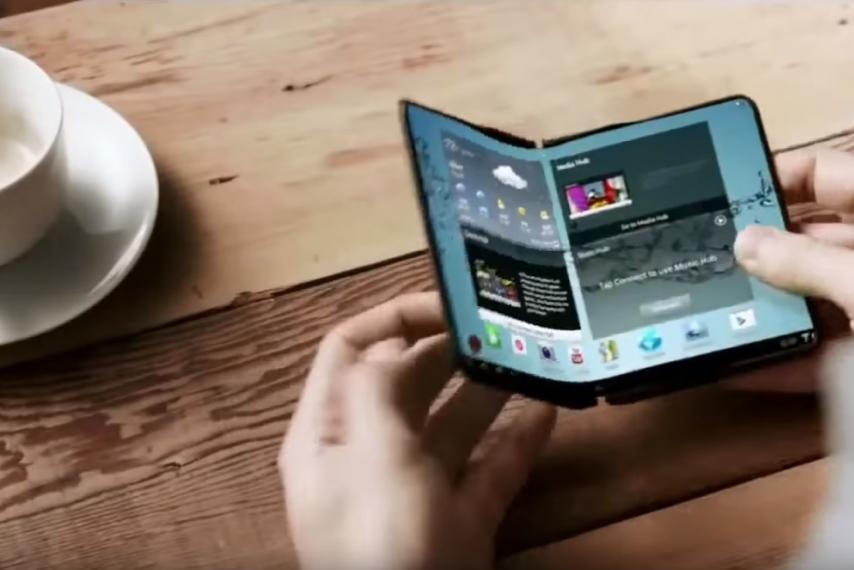
Several companies like Samsung, LG, Apple and Microsoft are speculated to launch bendable smartphones in the near future. Bendable phones are expected to feature flexible components. Researchers at the University of Exeter have revealed a new kind of storage system that can be used on forthcoming bendable smartphones.
The new flexible storage system for bendable phones would be made from a hybrid of graphene oxide and titanium oxide. Professor David Wright has said that the graphene oxide has been used in manufacturing memory components in the past, but they are quite large and offer slow performance. However, the graphene oxide – titanium oxide hybrid memory measures only 50 nanometers in length and its thickness is only 8 nanometers.
As compared to the conventional flash memory, the flexible memory would be offering “excellent endurance and retention performance.” It will not be only available with cheaper pricing but also it will be able to read/write data in 5 nanoseconds.
Graphene which is a slim layer of carbon is a very good conductor of electricity compared to silicon. It can transfer electrons at the rate of 1,000 km per second, which is 30 times quicker than silicon. It is also the slimmest compound discovered by man at one carbon atom in diameter. All these features makes it an ideal component that can be used in a compact-sized devices like a smartphone and even in smart clothing.
Since it is in developmental stage, it would take several years before it is made available locally. Several companies have been working on flexible smartphones and bendable li-ion batteries. Hence, well-known brands such as Samsung may invest in the new kind of flexible hybrid memory in the near future. Speculations have it that Samsung could be the first brand to launch a flexible phone which is dubbed as Galaxy X by the rumor mill. It is slated to launch in 2019. If this is so, the usage of the flexible storage may become a reality within the next five years.
Meizu has always positioned itself as a rival to Xiaomi in the Chinese market. There is no denying that both brands are innovative in terms of design and others, so it is usually not surprising when they release smartphones which look to take on each other most times. There are indications the Xiaomi Mi 6 might likely have a rival flagship from Meizu.
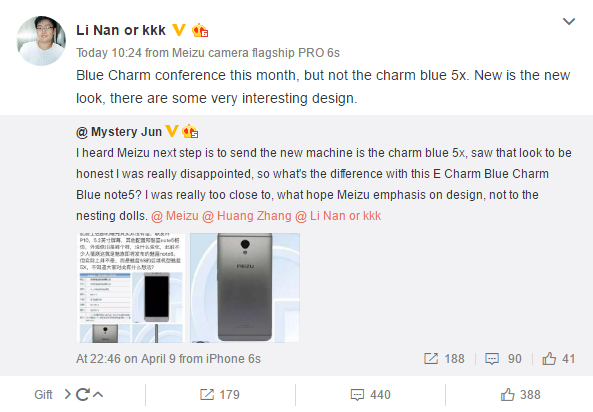
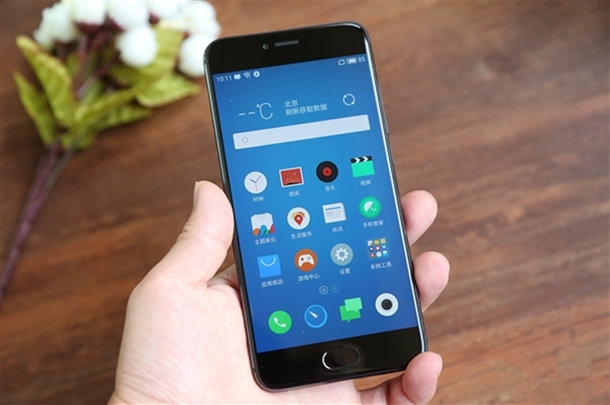
Meizu VP Li Nan seems to have hinted about the impending launch of the elusive Meizu Pro 7. The VP who was responding to an inquiry on Weibo hinted that the company would launch a smartphone this month and it isn’t the Meizu M5X but it comes with a new look and some very interesting design. Although he didn’t mention the name of the expected device, it is suspected to be the Pro 7. Firstly, Meizu launched the high-end Pro 6 in April last year and with the upcoming launch of the Mi 6, only the Pro-series smartphones can take on the Xiaomi flagship. Coincidentally, the Meizu Pro 6S which is the latest in the lineup has got a 200 Yuan price cut. This could be a way to offload the remaining stock before the launch of a new flagship.
An earlier leak had tipped the Meizu Pro 7 to come with a 5.7-inch 4K display (resolution of 3840 x 2160 pixels) with support for AOD display screen technology. The flagship is also said to feature an Helio X30 chipset and would also come packing a rear camera with 12MP Sony IMX362 CMOS sensor among several other features. We are not entirely sure, though, that we’ll finally get to see the long-awaited Pro 7 this month. It could turn out to be another model.
The Blackview BV7000 Pro is a rugged IP68 phone that is priced at just under $200. That price doesn’t get you just a phone that is waterproof and dust proof, you also get some pretty impressive specs.
The BV7000 Pro comes bundled with 4GB of RAM and 64GB of storage. On top of that you also get a 5-inch FHD display with Gorilla Glass 3 protection, a fingerprint scanner, a 13MP rear camera and an 8MP front camera. There is also a Mediatek MT6750T octa-core processor powered by a 3500mAh battery with 5V 2A fast charge.
All of the above features are bundled into a phone that is 12.6mm thin. Not impressive for your average smartphone but for a phone that is designed to be rugged, it is a feat.
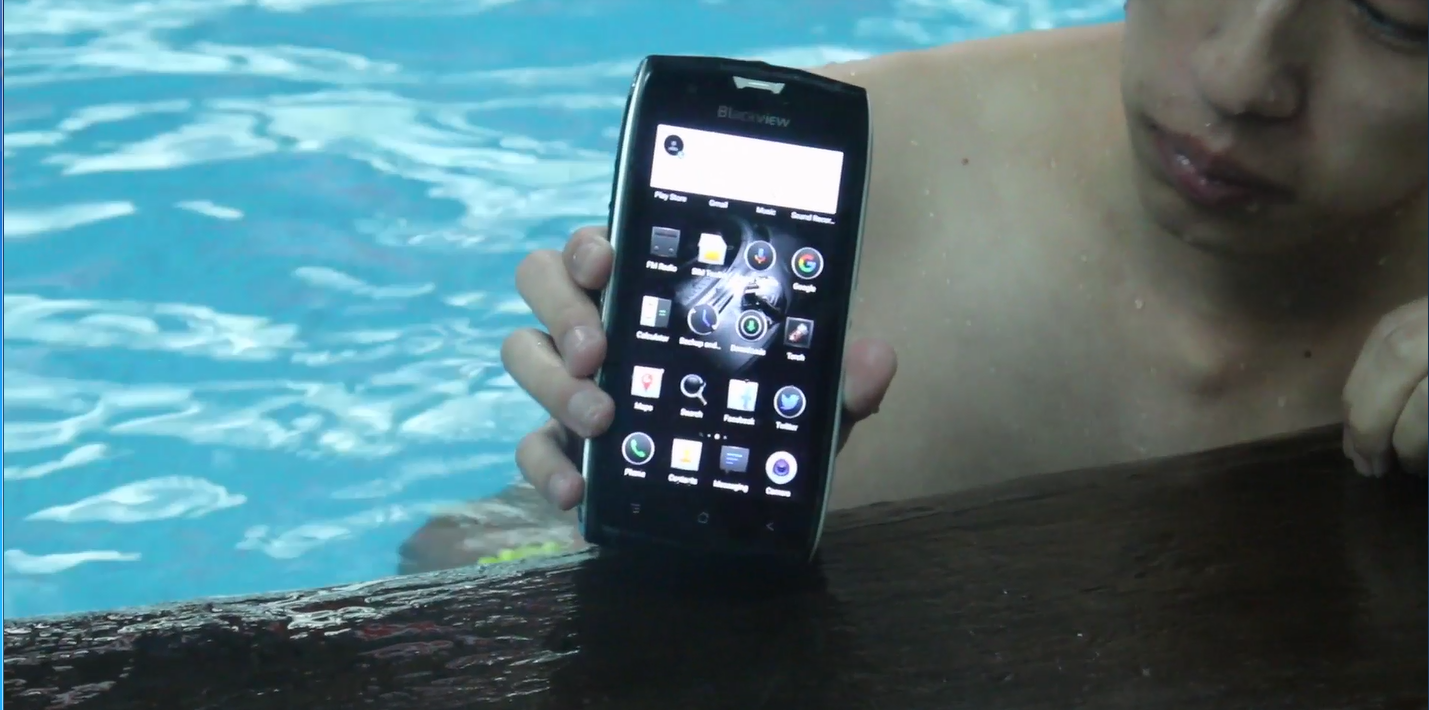
The team at Blackview have released a new video showing the BV7000 Pro getting unboxed in a swimming pool. It is unusual but it is a unique way of advertising that the phone is IP68 certified. However we are not entirely sure that the accessories are waterproof, especially the charger. So don’t try replicating the video at home.
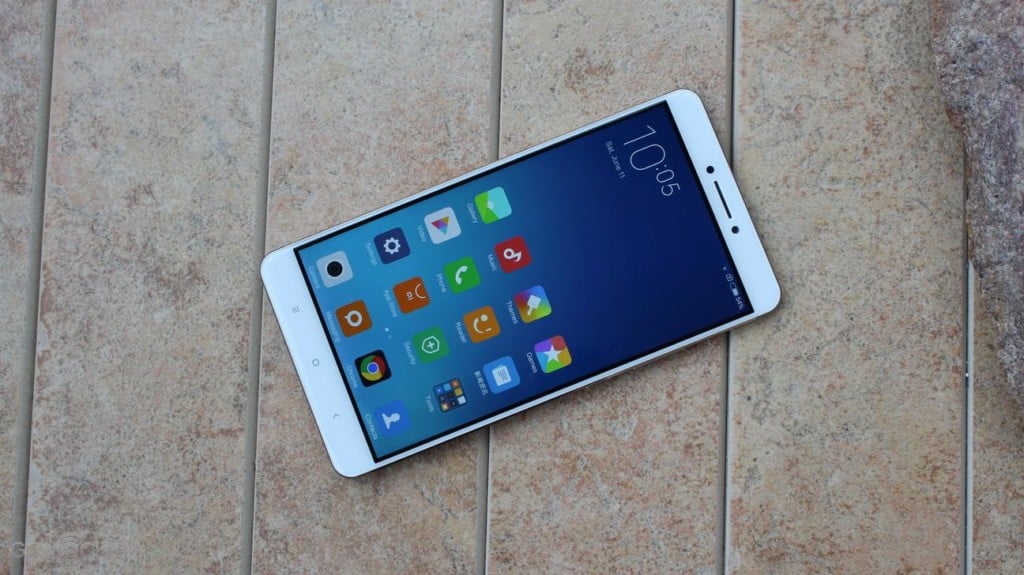
The first half of this year may likely see Xiaomi release a good number of smartphones and other gadgets. Already, we are expecting the Snapdragon 835-powered Mi 6 to be launched any moment from now. Another smartphone that will likely hit the market within the first half of the year is the second-generation Xiaomi Mi Max 2.
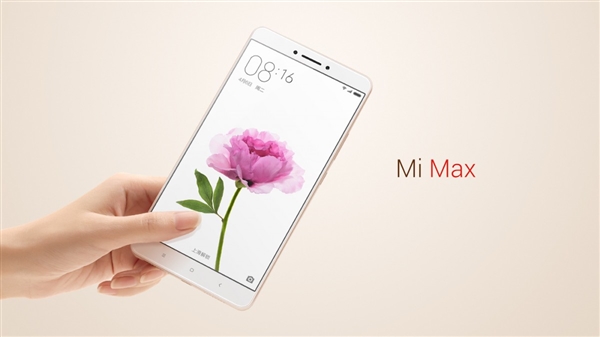
Xiaomi Mi Max
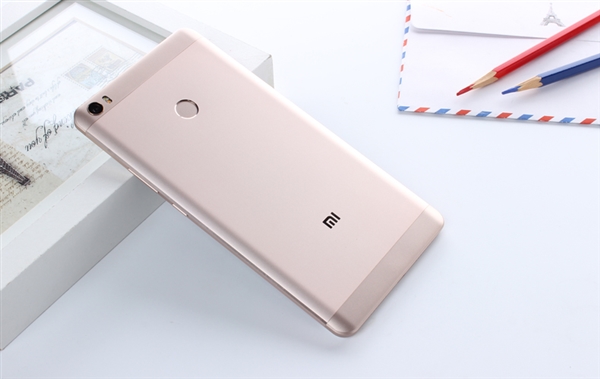
The Xiaomi Mi Max 2 is expected this year as a replacement for the Mi Max which was released last year and is even off the shelf on Xiaomi Mall presently. Latest details about the Mi Max 2 has emerged and there are indications that the next-gen Xiaomi smartphone will not use the yet-to-be-announced Snapdragon 660 chipset, as rumoured and purportedly spotted on benchmark, but will feature a Snapdragon 626 processor instead. The Snapdragon 626 chip is said to be the successor to the Snapdragon 625 and comes with an increase of about 10% in performance over the SD 625. The new SD 626 also has support for dual cameras while also retaining the qualities of the SD 625 in terms of power and battery life advantages.
Xiaomi Mi Max
In addition, the Mi Max 2’s camera is said to be another area of major upgrade. It is tipped to come with the same setup as used on the Mi 5S, which is a 12MP Sony IMX378 sensor but with a larger aperture in order to get better camera effect. On the other hand, the front selfie shooter will have a 5MP sensor. Earlier on, the Xiaomi Mi Max 2 was rumoured to come with the same 6.44-inch display with 1080p resolution. The device is tipped to run on Android 7.1.1 Nougat with MIUI 8 and with an increase in the battery capacity to 5000mAh. An earlier rumour also tips the Mi Max 2 as packing a Snapdragon 660 chip backed by 6GB of RAM and 4GB RAM on the standard version.
As for the price, the source of the latest leaked details hints that the Mi Max 2 price may be adjusted slightly but will still fall between 1499 Yuan and 1699 Yuan. Of course, nothing is certain until Xiaomi goes official with the next-gen phablet.
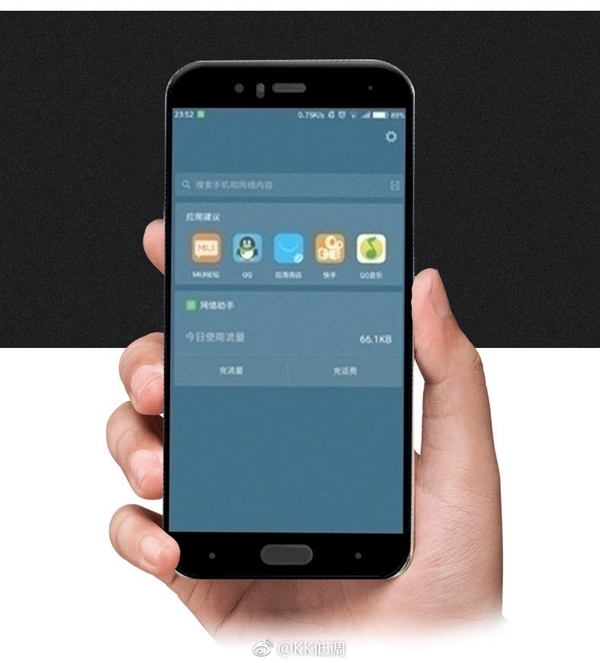
A new image of Xiaomi’s upcoming flagship, the Mi 6 has surfaced online. The image shows just the front of the phone but gives us a good look at the iris scanner and fingerprint sensor.
The iris scanner can be seen sitting in-between the front facing camera and the earpiece. It will serve as an additional way for users to unlock their phone. Design wise, Xiaomi doesn’t seem to be joining the bezel-less display train like other manufacturers with the Mi 6, the Mi MIX is its contender for that category. So its not surprising to see that there are still bezels visible on all sides of the Mi 6.
Sitting at the bottom is a fingerprint scanner flanked on both sides by capacitive and definitely backlit buttons. The scanner is said to not push down like a physical button but will work like a capacitive one. So this is probably an ultrasonic sensor.
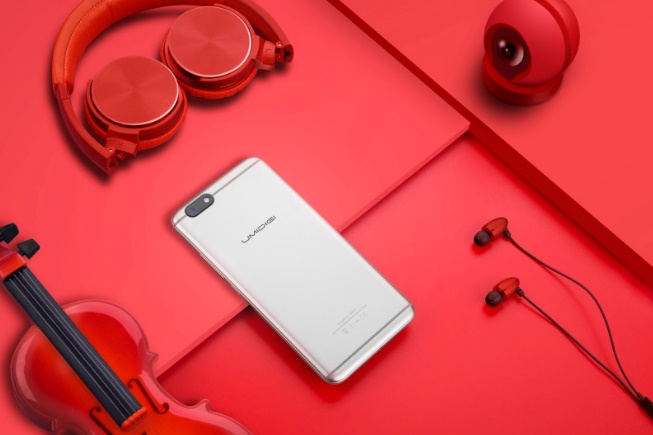
UMiDigi (formerly known as Umi) has a new phone, the all-metal UMiDigi C Note. The budget phone has a lot going for it but a new promotional video focuses on its battery life.
The video shows the UMiDigi C Note compared against Xiaomi’s Redmi Note 4. The test is actually a comparison of video playback time and its nice to see the C Note come out on top even with its smaller battery.
UMiDigi says the C Note is able to achieve this because its quad-core chip consumes less power than the deca-core Helio X20 in the Xiaomi. Not only that, but it also runs Android Nougat out of the box which features a less aggressive version of Doze.
The UMiDigi C Note features a 5.5-inch FHD Sharp IGZO screen, a 1.5GHz quad-core SoC, 3GB of RAM and 32GB ROM. Storage can be expanded via a MicroSD card slot (256GB max.). There is a 13MP rear camera on the back with dual-LED flash and a 5MP for selfies. It is powered by a 3800mh battery, has a front-mounted fingerprint scanner and costs just $150.
Following a High Court of England ruling against Huawei a few days ago, the table has turned for the phone manufacturer. A Chinese court has awarded Huawei Technologies a sum of $11.60 million (¥80 million) to be paid by Samsung.
According to a report by Quanzhou Evening News, the fine is the result of a ruling in a patent infringement case filed by Huawei against Samsung over a smartphone patent held by the former’s mobile division (Huawei Device Co. Ltd). The law suit was filed in May and is just one of several in China and the US. It is reported that Samsung also countersued Huawei in China for patent infringement.
The suit was filed against Samsung China Investment Co. Limited and two other units in Huzhou and Tianjin. It also includes two electronic companies involved in the manufacturing of more than a score of Samsung devices said to infringe on the patent. One of the devices is the Galaxy S7 released in 2016.
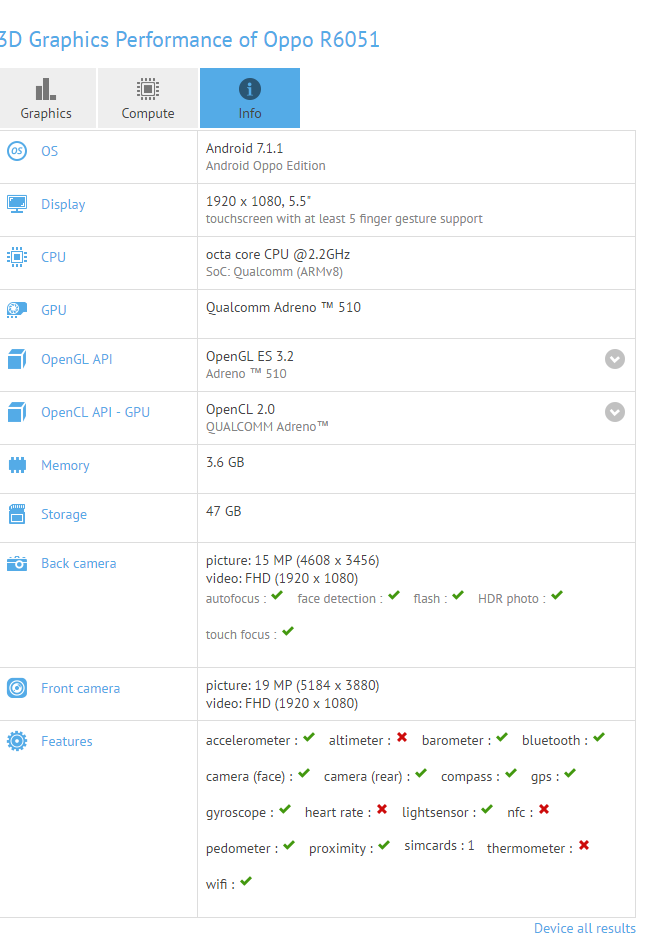
The Snapdragon 835 is the flagship chip for the year no doubt, but for mid-range phones, the Snapdragon 660 is the chip to look forward to. The Qualcomm chip built on Samsung’s 14nm LPP node is expected to power phones like the Nokia 7 and Nokia 8. Adding to that list is the OPPO R6051, a new device which has showed up on GFXBench.
The OPPO R6051 is a 5.5-inch phone with a 1920 × 1080 resolution. There is a Qualcomm octa-core CPU said to be the SD660 clocked at 2.2GHz and an Adreno 510 GPU under the hood. We were initially shocked to see that the Snapdragon 660 uses the Adreno 510 GPU and not the Adreno 512 as previously reported. But after comparing the results to that of the OPPO R9s Plus which is also powered by the same GPU, the difference is as clear as night and day.
The R6051 gets 4GB of RAM, 64GB of storage and surprisingly runs Android 7.1.1 Nougat. OPPO fans should be excited at that last bit seeing as the recently announced OPPO F3 Plus runs Android 6.0 Marshmallow and the OPPO R9, R9 Plus and F1 are also just getting updated to Android 6.0!!!
A new update for Xiaomi’s MIUI Developer ROM is now available. The update brings a major system optimization for CPU allocation, a feature expected to reduce lags experienced by users.
Android has come a long way in terms of performance. When Android 4.1 Jelly Bean was released it came along with new enhancements meant to reduce lags and improve experience, Google called it Project Butter.
In spite of that, manufacturers have seen that they can achieve more than what Project Butter offers in terms of performance and responsiveness. So developers working on custom Android versions like MIUI have been able to come up with ways to make their OS perform better.
The new CPU allocation feature is only available to MIUI 8 developer ROM based on Android 5.0 to 7.0. It is not yet available for MIUI based on Android 4.4 Kitkat and Android 7.1 Nougat (Xiaomi Mi 5C). The later will get the optimization later.
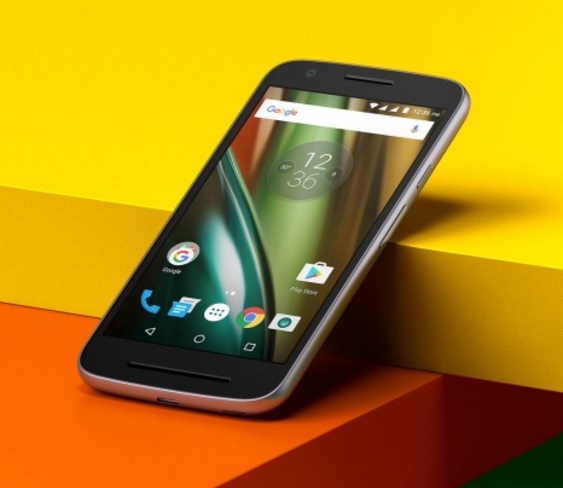
The Moto E is Motorola’s cheapest phone which means it sits at the bottom of the product chain. This year, Motorola will release the 4th gen model. That means it will get either the Moto E4 or Moto E 2017 name.
Last year, the Moto E3 was released in two variants, the original Moto E3 and the Moto E3 Power. The latter is equipped with a larger battery and double the RAM. This year, it seems we will be getting two models too and both will feature large batteries.
The Moto E4 which was first seen last week passing through the FCC sports a 4000mAh battery and this week we have seen another device suspected to be the Moto E4 Plus (XT1773) pass through the FCC with a 5000mAh battery.
Motorola XT1773 (what could be the Moto E4 Plus) w/ a 5000mAh (!!!!!!) battery and MediaTek SoC just went thru FCC: https://t.co/9Aorj6PaKp
Popular tipster, Roland Quandt tweeted a few days ago that the Moto E4 Plus will launch with a Mediatek processor. So apart from those two features nothing else is known about the phone. For the display we presume Motorola may leave it at 720p for a longer battery life.
Xiaomi is perhaps one of the most innovative tech companies in China. Its smartphones are usually packed with top class design and innovative technology. But one snag with Xiaomi phones is that they are never available in large stock. Despite the huge number of persons willing to patronise the company inside and outside China, it is difficult getting it to buy, right from the budget to the flagship smartphones.
Nevertheless, it looks like we’ll soon be getting Xiaomi smartphones in large quantities. Xiaomi CEO Lei Jun stated this much in a Weibo post while unveiling the company’s core tasks for this year which is innovation, quality and delivery. Lei Jun acknowledge that the smartphone division is the foundation of Xiaomi and so would be taken very seriously.
According to the Xiaomi CEO, the company would continue to pursue innovation and the use of new technology. Not only that, the quality of the products would remain high, even higher than those of its rivals. In addition, the company will also work hard to ensure the problem of low stock is also resolved. Very well then, but we wouldn’t expect to start seeing changes soon, especially on the Mi 6 which would be launched soon. That is because the Snapdragon 835 chip the Mi 6 would feature is short in supply. So that may affect the available stock of the Mi 6 when it is launched.
Lei Jun did not give details of how the company hopes to tackle the issues of stock shortages but he did say they will work to reduce it this year. Perhaps we’ll soon start seeing Xiaomi phones shipping out of China or India to its numerous fans around the globe. Who wouldn’t want that?
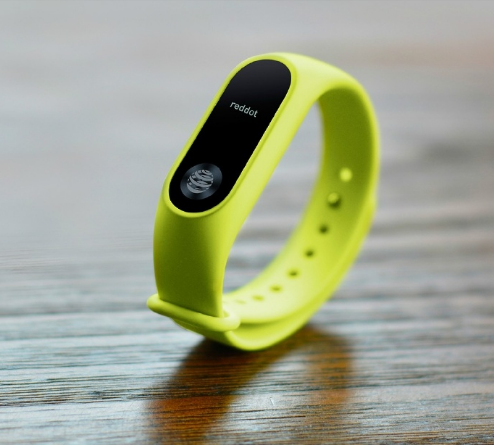
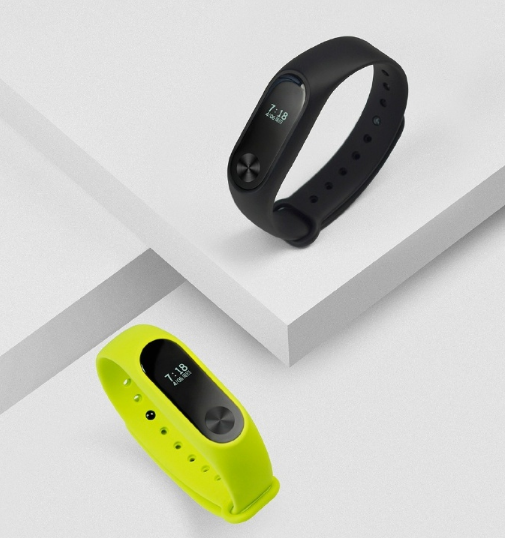
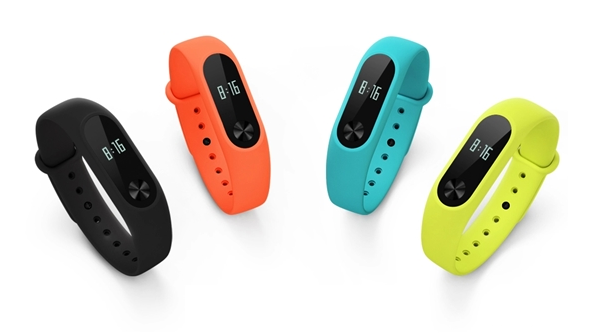
Xiaomi has officially revealed that its innovative smart fitness wearable, the Mi Band 2 has won an internatiional award for its sterling design. The Xiaomi Mi Band 2 is revealed via the official Mi Band 2 Weibo account to be among the winners of the 2017 Red Dot Design award for its innovative design.
The Red Dot Design Award is an international product design and communication design prize awarded by the Design Zentrum Nordrhein Westfalen in Essen, Germany. There are prize categories for product design, design agencies, and design concepts. Since 1955, designers and producers can apply for the prizes with the winners being presented in an annual ceremony. The award is very popular with records showing that the Red Dot Design Award had more than 15,500 submissions from 70 countries in 2014. This year’s figures are not yet known but the official award ceremony will hold in July 2017.
The Xiaomi Mi Band 2 joins a large number of other innovative products that also won awards in different categories. To mark this remarkable award, it is likely that Xaiomi will unveil a special commemorative edition of the Mi Band 2. The company teased the Mi Band 2 with the Red Dot design logo engraved on the touch button of the band. The display also has the name “reddot” imprinted on it.
It is not certain though, that could just be a graphic work to send home the message. Even if it turns out to be true, the Xiaomi Mi Band 2 Commemorative edition might not be put up for sale to the public but may be kept at the Red Dot museum either in Germany or the one in Taipei.
There are indications that a new Snapdragon 835-powered smartphone may hit the stands in China soon after the Xiaomi Mi 6 launch. Ordinarily, we would have expected another SD 835-powered phone to come from Huawei, OPPO, Vivo and other big shots but that may not be the case.
Gree phone isn’t a big name in the smartphone industry even though its parent company is a giant in the tech industry. However, Gree Mobile stunned the industry when it released the Gree Phone 2 with a Snapdragon 820 chip onboard. The company has now revealed via its Weibo account that they have a new surprise coming soon.
Although the surprise product wasn’t named, trusted analyst Pan Jiutang had earlier hinted that Gree would release a Snapdragon 835-powered smartphone. So, it is possible Gree might spring up another surprise by beating the big guns in launching a smartphone with Qualcomm’s latest chip after Xiaomi. This is not very certain but what else do you think could be the surprise product Gree is planning to unveil?
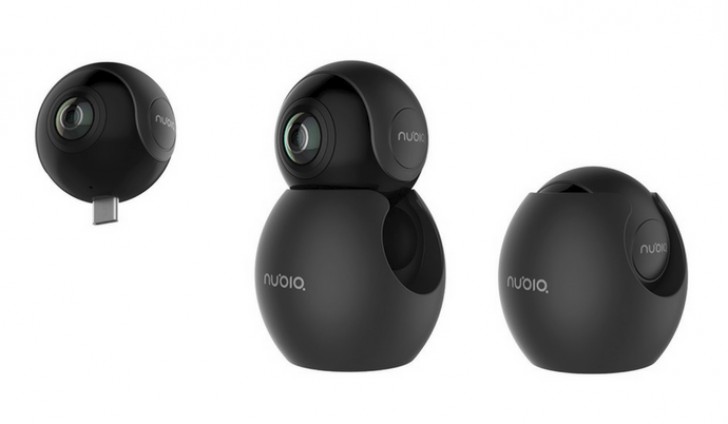
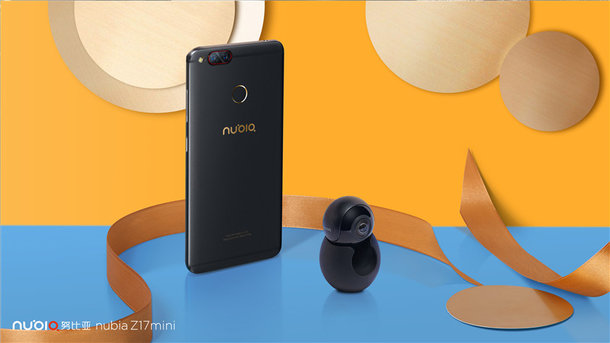
ZTE’s brand Nubia yesterday launched the elegant, dual-camera packing Nubia Z17 Mini in China. The Z17 Mini stole the show so much that we almost forgot Nubia also launched a cool new, cheaply priced camera along with it. The Nubia NeoAir VR camera boasts of a solid specs offering on top of a ultra-cheap price tag of about 699 Yuan (~$101).
The NeoAir VR Camera comes with two fisheye lenses which have a 210-degree field of view each as well as a f/2.4 aperture apiece. The two fish eye lens works in synchronisation with each other to offer a 360-degree photo capture at 3,008 x 1,504 (3K) resolution. On the other hand, videos can be recorded at a resolution of 2560 x 1280 pixels (2K).
Furthermore, the Nubia NeoAir VR camera comes with a USB Type-C connector which is perhaps, the coolest feature onboard. With USB connector, the camera can be plugged directly into an Android phone with the new Type-C port. This connection allows users to broadcast their 360-degree videos live on Facebook, Twitter, and YouTube. This works fine with any phone with the required port, as well as 2GB RAM and USB OTG support. You won’t have to bother about the weight as the camera weighs just 26.5g and measures 37.6mm in diameter. Unfortunately, the device doesn’t seem to come wth WiFi or Bluetooth support.
Xiaomi Mi 6 has taken all the attention of Chinese mobile fans in the past few months. But if you are looking for a bigger update, in terms of the screen size, we might have something interesting today — the yet to be announced Xiaomi Mi Max 2.
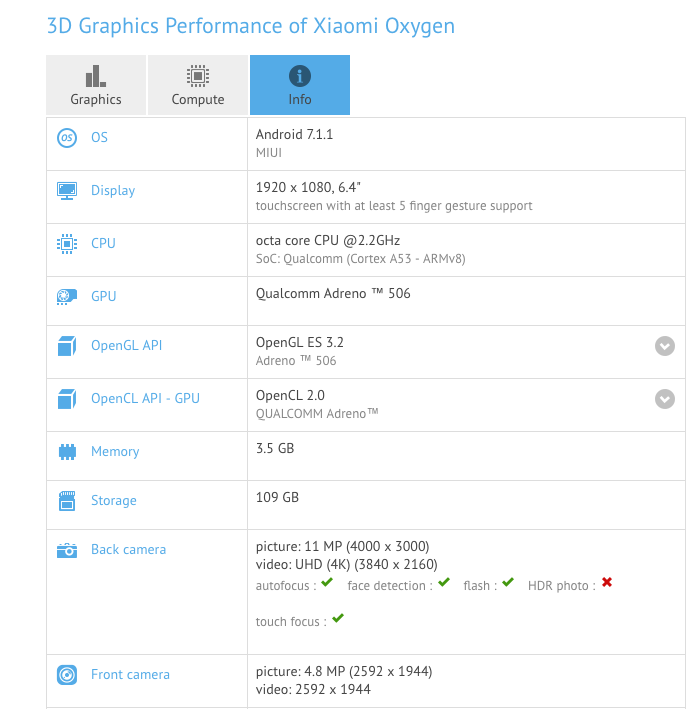
The Mi Max 2 model seems to have gone through the GFXBench benchmarking app under the code name Xiaomi Oxygen, revealing all the basic specs of the device. First of all, we know the phone is from the large phablet series mainly because of its supersized 6.4-inch 1080p display as revealed by the benchmark listing. Under the hood, the phone is powered by an octa-core Qualcomm Snapdragon processor clocked at 2.2GHz. While the exact model wasn’t revealed in the benchmark, it seems that this octa-core chip is none other than the rumored Snapdragon 660 mid-range processor. There were rumors about the same chip being used by a Xiaomi phone, so this kind of goes well with the previous leaks.
Other Xiaomi Mi Max 2 specs revealed by GFXBench include 4GB of RAM, 128GB storage, and Adreno 506 GPU. Then there’s a 12MP camera at the back capable of recording 4K videos and a 5MP shooter up front. In case you are wondering, there’s NFC as well.
To recap, the rumored specs of the Snapdragon 660 include octa-core architecture @ 2.2GHz, manufactured on a 14nm Samsung process, LPDDR4X memory support, X10 LTE and UFS 2.1. Of course, these are just rumored specs and we will have to wait for Qualcomm to officially take the wraps of the chip to confirm them.
Popular Chinese e-commerce platform Jingdong (JD.com) has listed a special edition of the OnePlus 3T which would go up for sale on April 10 at 10 AM. The sale is not the regular flash sale but an auction and that is because the edition is a special Han Han edition. The OnePlus 3T Han Han Special Edition comes with the super star’s autograph signed at the back of the phone and on the packaging box.
In case you don’t know him, Han Han is a Chinese professional rally driver, best-selling author, singer, creator of Party, One and China’s most popular blogger. The special OnePlus 3T Han Han edition also comes with Han’s private and commonly used apps, in addition to his autograph.
The Han Han Edition of the OnePlus 3T’s auction is a fundraiser for the China Children and Teenagers’ Fund perhaps part of OnePlus and Jingdong’s collaborative Corporate social responsibility. The page also lists the Hatsune Miku special edition of the Xiaomi Redmi Note 4X for auctioning as well. The configuration of the OnePlus 3T special edition includes a Snapdragon 821 chip as well as 6GB RAM and 128GB storage. It carries a starting price tag of 3199 Yuan (~$463) and you can access the auction page from here.
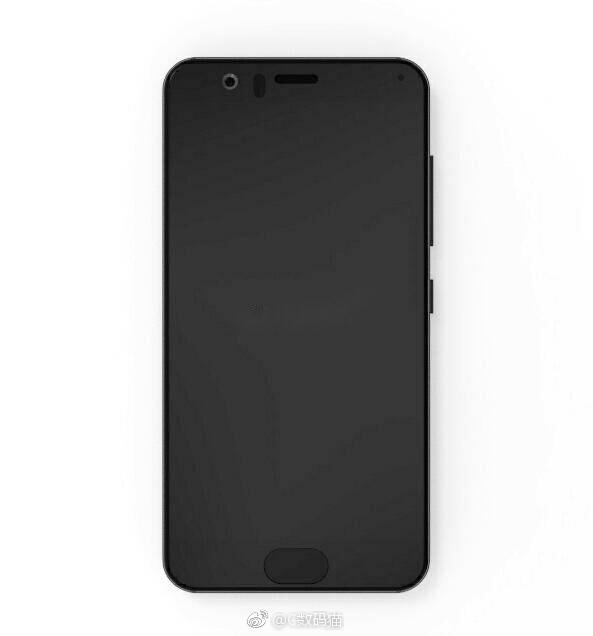
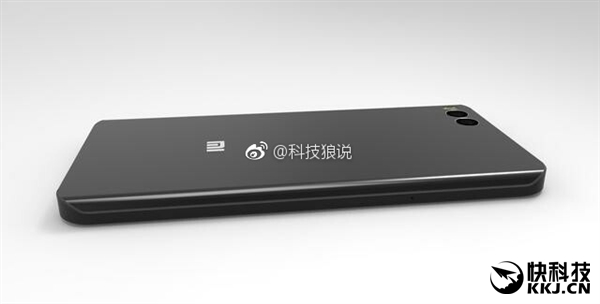
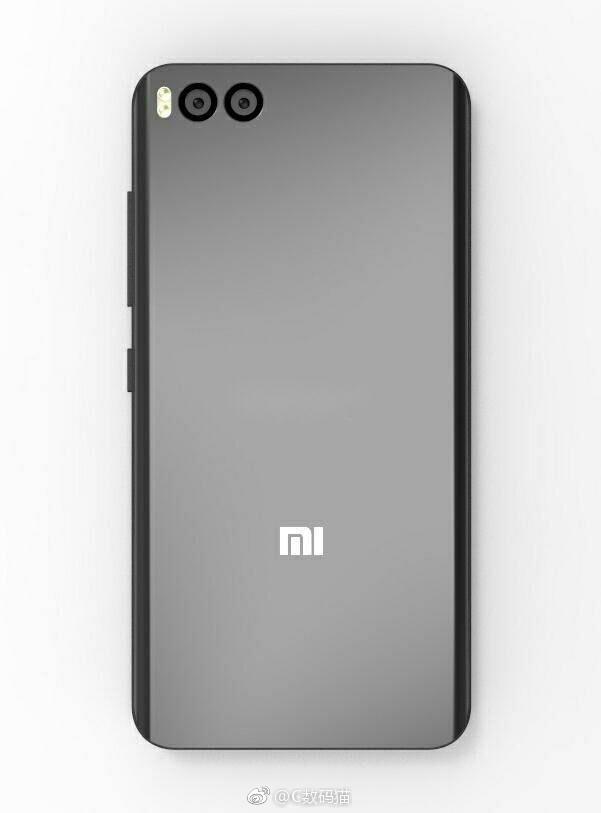
A fresh set of Xiaomi Mi 6 renders have leaked online, this in High Definition (HD) images. The new set of renders shows both the front and the rear of the expected Xiaomi flagship. They are coming not too long after the Mi 6 appeared on GFXBench codenamed “Xiaomi Sagit”.
The new renders are consistent with the previously leaked renders of the Mi 6 even though it may not be a true representation of the final design of the Mi 6. First, the renders show the Mi 6 features a curved edge design at the rear. Where things get a little bit confusing is the actual location of the LED flash at the rear. While most of the renders place it at the left side of the camera, a supposedly leaked photo of the Mi 6 shows the LED sitting at the right side of the dual cameras.
The front view renders also highlight some key features, like the iris scanner that is rumoured to come with the flagship. The underglass ultrasonic fingerprint sensor is another feature highlighted but this one is a going to be a bit bigger than the Mi 5S’ and is said to be like the one the Huawei P10 features. The display will likely have a 2.5D curved glass above it and indeed, the Mi 6 will not have a curved screen but an entirely flat one.
Recall that the Mi 6 is expected to come with a waterproof body with the 3.5mm audio jack removed. We can’t be so sure about all these renders. The Mi 6 may turn out looking a bit different in design but then, we’ll find out about that soon because the device will launch this month.
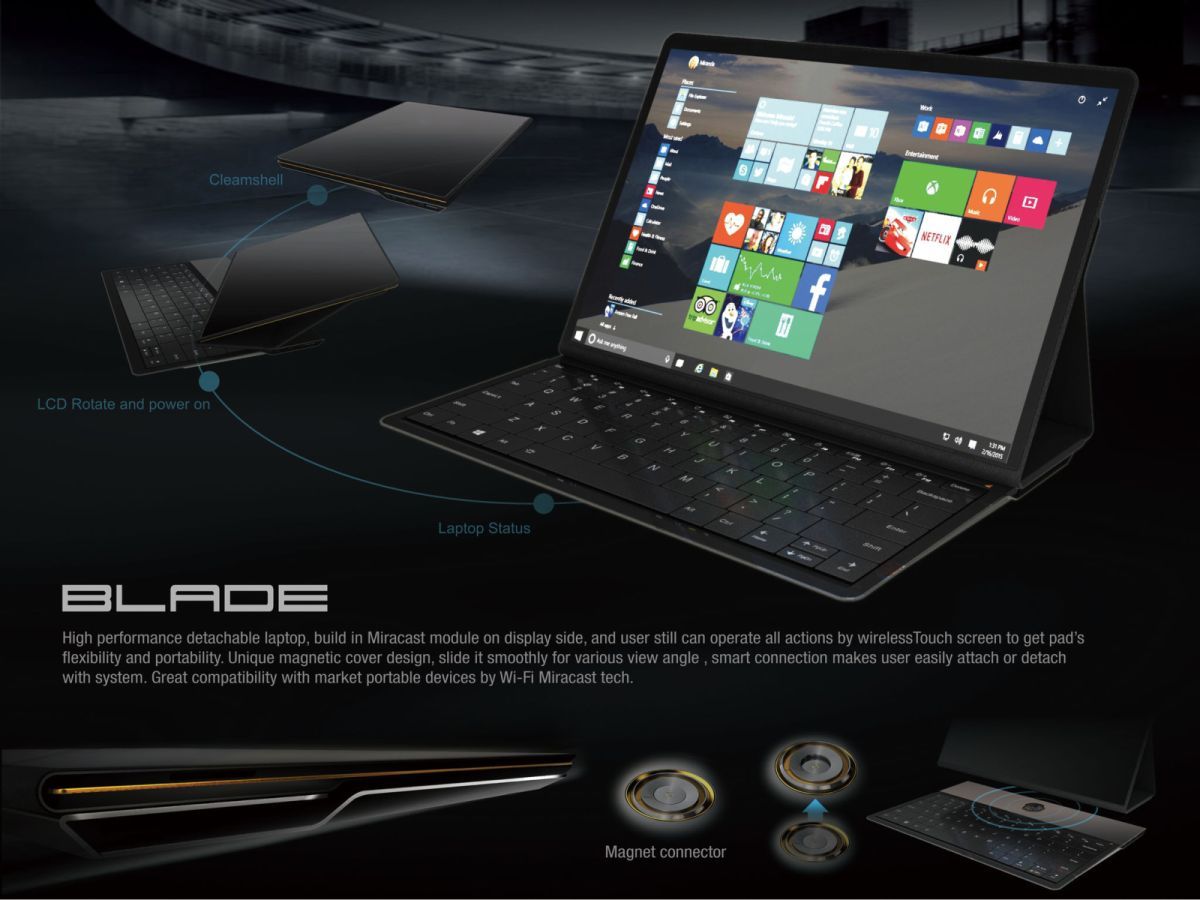
Lenovo has impressed its fans by launching innovative devices such as Yoga 2-in-1 convertible and the Yoga Book virtual keyboard. Now, the Chinese firm is speculated to be pondering over a new 2-in-1 tablet concept that is called Lenovo Blade.
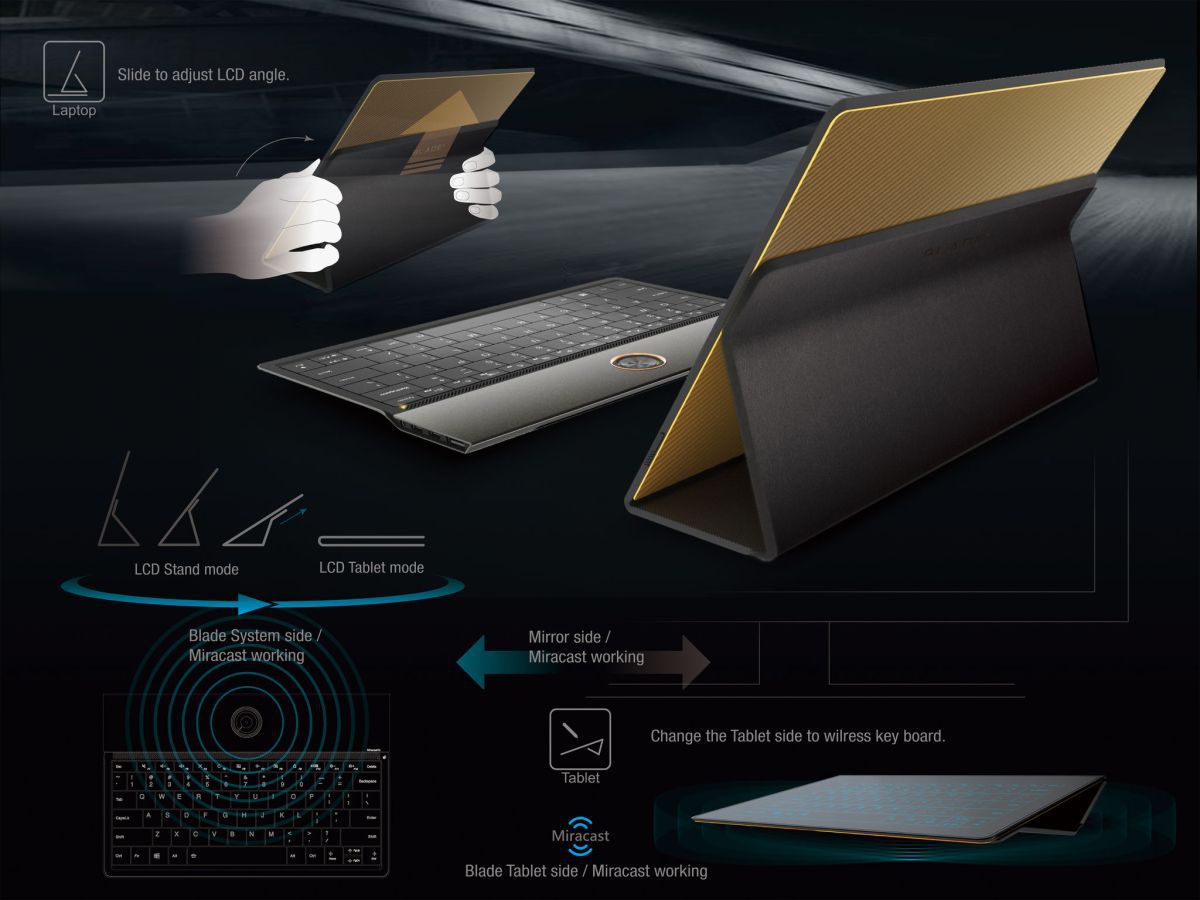
Lenovo has showcased the Lenovo Blade concept device on IF World Design Guide website. The Lenovo Blade concept device is a 2-in-1 PC that features a detachable keyboard. There is no kickstand present on the device like the one present on Microsoft’s Surface Pro 2-in-1 PCs.
Instead, the Blade has a cover that it is built into to the tablet part of the device. While using the device, the cover will function like a kickstand. The stand can be adjusted in different angles or it can be laid flat to use it as a tablet. When not in use, the cover can protect the screen of the device.
The detachable keyboard can be connected to the tablet through magnetic connector and not through pogo pins. This way it can be used as a notebook for productivity. It is a high-performance device with Miracast module placed on the display part. With Miracast wireless display tech onboard, the tablet can be used a touchscreen keyboard while showing the contents of the screen on an external display.
There is no information available on the specifications of Lenovo Blade, but it is likely that it may feature a 13-inch or a 14-inch display. It is likely that both parts of the Lenovo Blade may be equipped with dedicated hardware components. It is likely that the keyboard section may be powerful enough to work like a Windows PC whereas the display may function as a standalone Android tablet.
There is no confirmation whether the Chinese brand has any plans to launch it soon or it is just a concept model. It appears to be a wonderful and an innovative concept that may compel other competitor brands to launch similar devices in future.
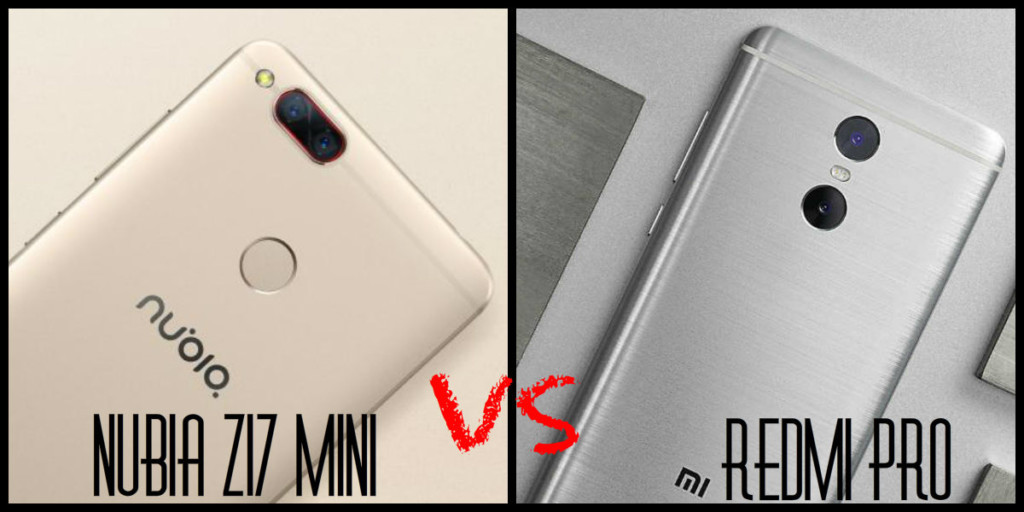
ZTE Nubia Z17 Mini has finally debuted on April 6 after a few weeks of leaks. It is a budget smartphone that features a dual rear camera. The Xiaomi Redmi Pro phablet that was launched in July 2016 is one of the major rivals of Nubia Z17 Mini. Here is a comparison between the two smartphones to find out which one is better phone.
ZTE Nubia Z17 Mini vs Xiaomi Redmi Pro: Design
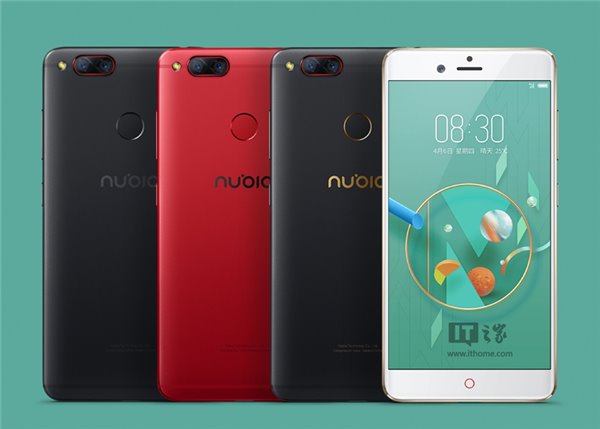
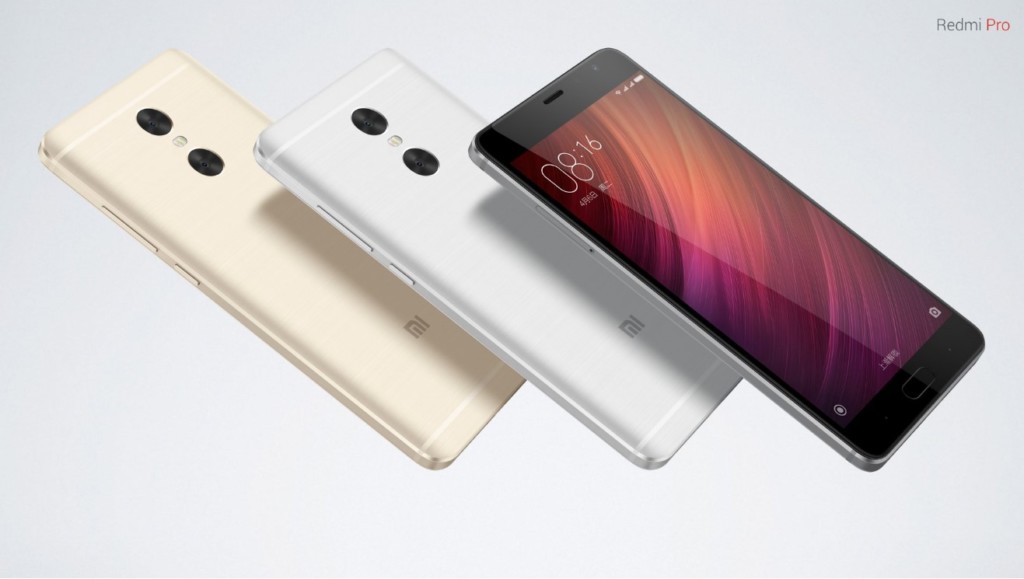
The ZTE Nubia Z17 Mini has a metal unibody design that measures 146.7 x 72.5 x 7.5mm and weighs 155 grams. It comes in color options such as Silver, Gold and Gray. The Redmi Pro also sports a full metallic chassis and it sports narrow bezels. Since it measures 151.5 x 76.2 x 8.2 and it weighs 174 grams, it is taller, wider, thicker and slightly heavier than the Nubia Z17 Mini. It comes in colors like Black, Gold and Red.
The bezels of Redmi Pro are slightly thicker than the bezels present on Nubia Z17 Mini. The physical Home button on Redmi Pro has a fingerprint scanner embedded in it. The Nubia Z17 Mini has a capacitive Home button and it features a rear-mounted fingerprint scanner.
ZTE Nubia Z17 Mini vs Xiaomi Redmi Pro: Display
The Nubia Z17 Mini comes with a 5.2-inch IPS LPTS display that produces a full HD resolution of 1,920 x 1,080 pixels. It produces a pixel density of 424 ppi and offers a screen-to-body ratio of 70.1 percent. Xiaomi has included an OLED LTPS screen of 5.5 inches that also produces full HD resolution of 1,920 x 1,080 pixels with a ppi count of 401. It offers a screen-to-body ratio of 72 percent. Both the screens are flanked with 2.5D curved glass.
ZTE Nubia Z17 Mini vs Xiaomi Redmi Pro: Specs
CPU
The Nubia Z17 Mini comes in two CPU editions. The Standard variant is powered by Snapdragon 652 whereas the High variant is driven by Snapdragon 653. On the other side, the High and Exclusive editions of the Redmi Pro is fueled by MediaTek Helio X25 SoC and the Standard model is driven by Helio X20 SoC.
RAM, ROM and MicroSD
The Nubia Z17 Mini Standard edition has 4 GB of RAM and its High edition has 6 GB of RAM. Both the variants have 64 GB of internal storage. The Exclusive edition of Redmi Pro has 4 GB of RAM and its native storage is 128 GB. The other CPU variants of Redmi Pro come with 3 GB of RAM and internal storage choices of 32 GB and 64 GB. The second SIM compartment on the hybrid SIM slots of both phones carries support for microSD card.
Battery
The ZTE Nubia Z17 Mini has a 2,950 mAh battery whereas the Xiaomi Redmi Pro is packed with a larger battery of 4,050 mAh. Both phones carry support for 5V/2V fast charging through the USB Type-C port.
ZTE Nubia Z17 Mini vs Xiaomi Redmi Pro: Software
Both the phones are loaded with Android Marshmallow OS. The Nubia Z17 Mini has nubia UI 4.0 proprietary software overlaid on Android OS whereas the Redmi Pro features MIUI 8.0 skin.
ZTE Nubia Z17 Mini vs Xiaomi Redmi Pro: Cameras
The Nubia Z17 Mini has a 13-megapixel monochrome sensor and a 13-megapixel RGB (Sony IMX258) sensor in its dual rear camera setup. It is equipped with a single LED flash. It houses an 80-degree wide angle 16-megapixel selfie camera on the front.
The Redmi Pro features a 13-megapixel Sony IMX258 sensor and a 5-megapixel depth sensor from Samsung in its twin camera setup. It is coupled with a dual-LED flash. Its frontside features a 5-megapixel 85-degree wide angle lens.
ZTE Nubia Z17 Mini vs Xiaomi Redmi Pro: Pricing & Availability
The Redmi Pro Helio X20 | 3 GB + 32 GB, Helio X25 | 3 GB + 64 GB, Helio X25 | 4 GB + 128 GB were respectively priced at 1,499 Yuan ($217), 1,699 Yuan ($246) and 1,999 Yuan ($289). The prices have been slashed since (check the table). The Nubia Z17 Mini that has been announced recently will on sale from April 13. Its 4 GB RAM model is priced at 1,699 Yuan ($246) and 6GB RAM at 1,999 Yuan ($289).
We use cookies on our website to give you the most relevant experience by remembering your preferences and repeat visits. By clicking “Accept”, you consent to the use of ALL the cookies.
This website uses cookies to improve your experience while you navigate through the website. Out of these, the cookies that are categorized as necessary are stored on your browser as they are essential for the working of basic functionalities of the website. We also use third-party cookies that help us analyze and understand how you use this website. These cookies will be stored in your browser only with your consent. You also have the option to opt-out of these cookies. But opting out of some of these cookies may affect your browsing experience.
Necessary cookies are absolutely essential for the website to function properly. This category only includes cookies that ensures basic functionalities and security features of the website. These cookies do not store any personal information.
Any cookies that may not be particularly necessary for the website to function and is used specifically to collect user personal data via analytics, ads, other embedded contents are termed as non-necessary cookies. It is mandatory to procure user consent prior to running these cookies on your website.