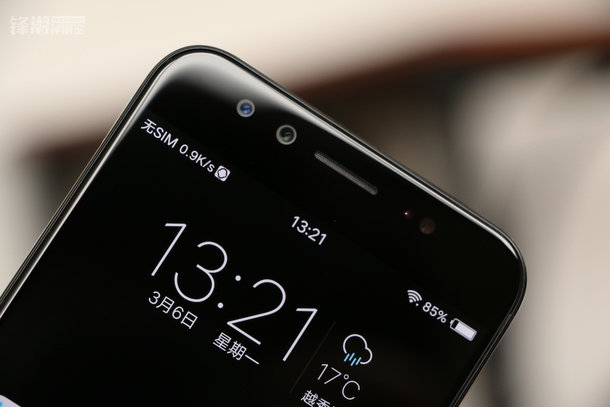
Xiaomi is all set to launch its 78th crowdfunded product under the MIJIA platform and this new product will surprise you. It is a smartband which looks very much like the Mi Band 2 that some thought it was, perhaps, the Mi Band 3 when Xiaomi teased the product launch yesterday. But all is now clear as the MIJIA platform has explained that it is a third party product manufactured by smartwatch maker Weloop.
The upcoming smartband is teased to have a very long lasting battery which can last up to 30 days while running continuously without any interruption. That is a super powerful fire power which dwarfs the Mi Band 2 battery. At most, the Mi Band 2 can do 7 days with continuous use but 30 days? That is interesting.
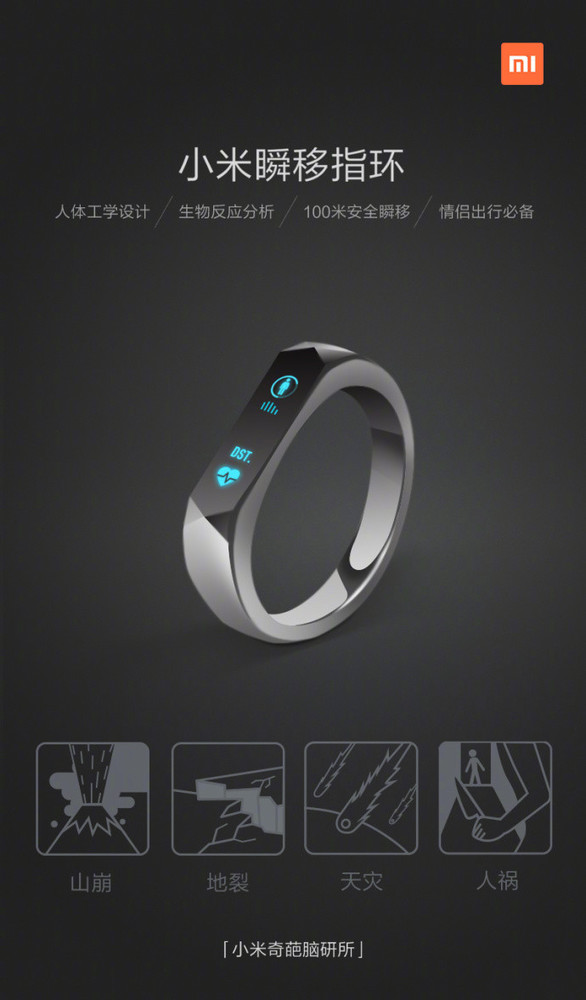
A new twist has been added to the mix, with the emergence of a Xiaomi poster with the smartband bearing the name “Xiaomi teleport ring”. The ring is teased as being able to teleport someone from a disaster or unsafe zone to safety. Now, teleportation is a stuff of science fictions and just isn’t possible presently. This might just be some prank as what is likely coming is a smart fitness band that should perform like the Mi Band 2 and even better.
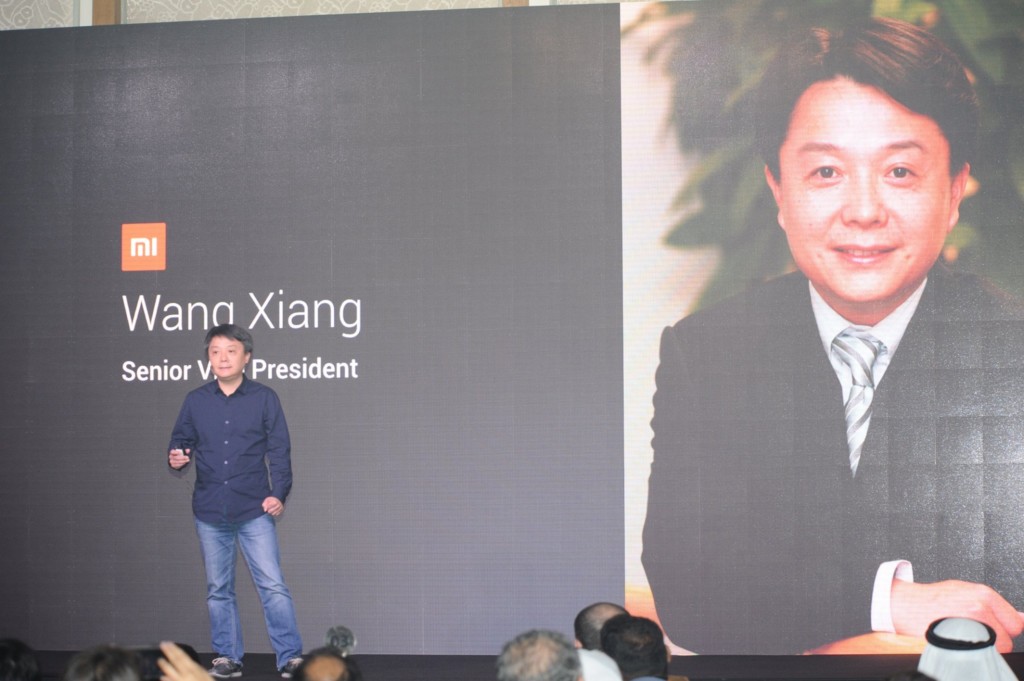
Xiaomi has been hinting that it would be selling its smartphones in the U.S. However, in an interview with Engadget, Wang Xiang, the Global VP of Xiaomi, confirmed that expanding its market in the U.S. is not the priority for the company.
Xiaomi has just launched its flagship phone, the Mi 6. In this year, it is speculated to launch several smartphones such as Xiaomi Mi 6 Plus, Mi Note 3, Mi Max 2, Redmi Pro 2 and Mi MIX 2. However, Xiaomi fans in the U.S. and Europe who are eagerly waiting to see the arrival of Xiaomi fans will have to wait longer as they won’t be able to purchase these phones in their countries this year.
It means the only way to avail Xiaomi phones is to order them from Chinese online retailer sites such as GearBest or Giztop that are selling them with slightly expensive pricing. Xiaomi does not want to sell its smartphones directly in the U.S. like other brands like OnePlus and Honor (Huawei’s sub-brand) are doing. It feels that selling phones directly in the U.S. will not help in building its relationship with the carriers in the U.S. and this could negatively impact the reputation of the company in the U.S.
Like other major brands, Xiaomi too wants to penetrate the U.S. market at the right time after negotiating with carrier companies. It also aims to set up full-fledged customer service. Currently, Xiaomi is selling its phones in 30 regions that are considered as developing markets.
Xiaomi is a very popular brand and has a good potential of growing in these markets. Currently, it is on the number two smartphone brand in India and in countries like Ukraine, Indonesia and Myanmar, Xiaomi is at placed at number three position. Since it encountered supply chain issues, it is now on the fifth spot in China. However, the U.S. market is saturated where brands like Apple and Samsung are the ruling the smartphone market. Wang said that it is not in a hurry to arrive in the developed markets.
Before making its phones available through the U.S. carriers, the company should go through extensive testing process for its smartphones. However, it does not have sufficient engineering resources for it, but it is looking forward to making its smartphones available through the four popular U.S. carriers such as AT&T, T-Mobile, Verizon and Sprint.
Last year, Google introduced the Pixel and Pixel XL that were branded as “made by Google” smartphones. Rumors that surfaced earlier this year revealed that Google may release as many as three handsets this year.
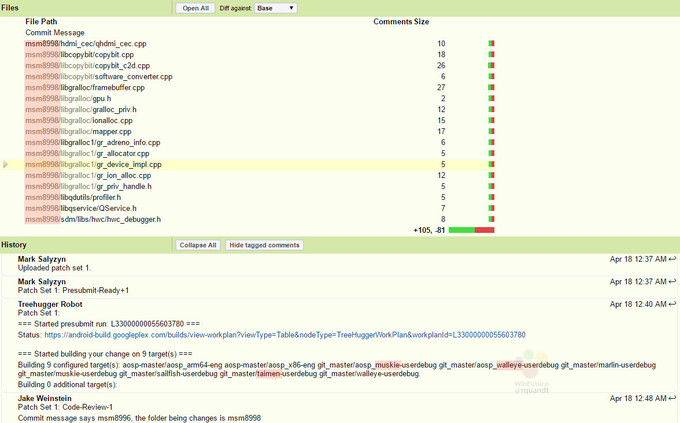
The new information that has surfaced on Android Open Source Project has revealed that Google’s upcoming smartphones are codenamed as Walleye, Muskie and Taimen. Walleye is said to arrive as a successor for Pixel and Muskie could be launching as sequel for Pixel XL. However, Taimen seems to be a mysterious device. Speculations have it that it could be a new tablet with Google branding.
In the last month, it was reported that Taimen could a device that is different from Walleye and Muskie which probably means that Taimen may arrive as a non-Google Pixel phone. Google has been following a pattern of codenaming its smartphones with the names of fishes. Taimen is world’s largest salmonid which indicates that it may arrive with a larger screen compared to Pixel 2 series phones.
The other important information that has surfaced through AOSP is that Snapdragon 835 chipset. Rumors that surfaced at the start of this year stated that Google may release a cheaper edition of Google Pixel phone dubbed as Pixel 2B for the developing markets. However, Rick Osterloh who is the Senior Vice President for Hardware for Google has confirmed that Pixel phones will remain premium which means there won’t be any budget friendly edition of Pixel phones.
Osterloh has also shed some information on the Google Pixel 2 release date. He has said that the company will follow an annual launch cycle for it which probably means that Google Pixel 2 and Pixel 2 XL would be launching in October this year.
Early rumors have revealed that Google Pixel 2 phones would be sporting waterproof chassis and they would be also featuring improved cameras featuring large-sized megapixels for advanced low-light photography. Also, the upcoming Pixel 2 smartphones are unlikely to feature 3.5mm audio jack.
Xiaomi took the smartphone industry by storm last year when it announced the bezel-less Mi Mix concept phone actually went commercial unlike other concept devices. The Mi Mix was a mixture of innovative technology right from the ceramic body to the display to the earpiece and others. Due to the 91.3% screen-to-body ratio and teh absence of bezels at the top, Xiaomi had to come up with some innovation to place the selfie camera, ear piece and proximity sensor.
Cantilever Piezoelectric ceramic technology
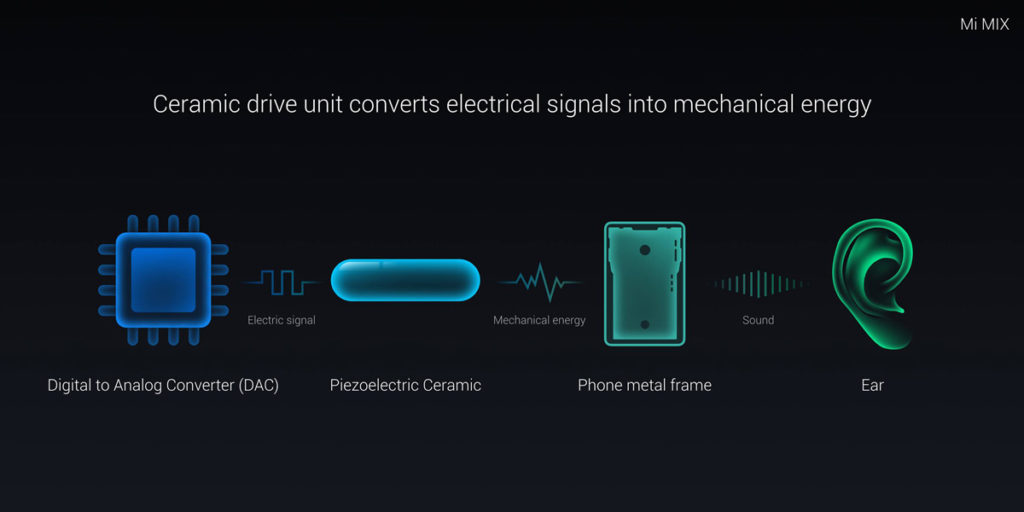
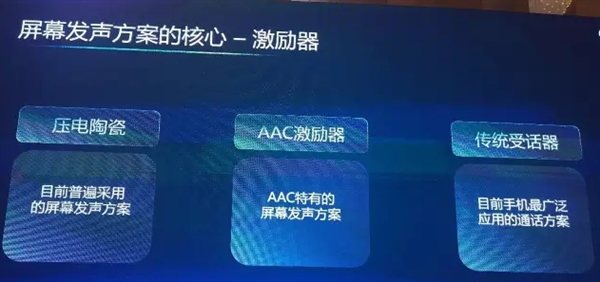
Thus, the Mi Mix uses a Cantilever piezoelectric ceramic technology which replaces the traditional ear piece. The technology utilizes the process tht transmits electric signal from the digital to analog converter to the piezoelectric ceramic which turns the electric signal to mechanical energy which vibrates the phone’s frame and the vibration reaches the ear through the screen.
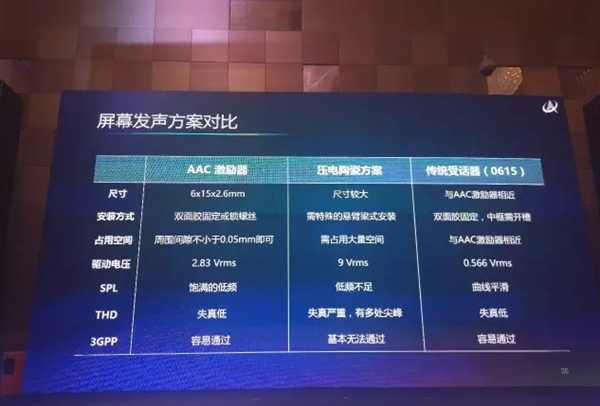
Although the piezoelectric ceramic technology is an innovative one, user experience hasn’t been all that positive and Xiaomi is likely to replace it. There are indications that the Xiaomi MI MIX 2 which is expected to launch this year will bring a different innovation in its ear piece sound aspect. This was said to have been disclosed by industry analyst Sun Changxu on WeChat recently. According to the lady tech analyst, Xiaomi will partner with AAC technologies who will develop a better new generation technology known as AAC actuator which would be used for the ear piece sound output. The AAC actuator is said to achieve a better screen sound especially at low frequency. It also works better with the 3GPP standard.
The Xiaomi Mi Mix 2 is expected with a higher 93% screen with a curved display as well as other innovations. The device may launch along with the Mi Note 3 just like Xiaomi did last year.
The Snapdragon 835 just started showing up in devices. At the moment, you can count the number of phones powered by the chip on one hand. There will be others definitely but they are scheduled for release later. News has it that Qualcomm and Samsung have started working on a successor currently called the Snapdragon 845.
The Snapdragon 845 is not the confirmed name yet. I don’t even want to think of it as the final name as Qualcomm has been unpredictable with the naming of their chips these past few years. Snapdragon 810, 820, 821, and 835. Who is to say the next chip won’t be called Snapdragon 853 (this is not a typo this time)? Industry sources say the most likely name is 845.
The new chip is expected to power the Galaxy S9 (another unconfirmed name) when it is released in 2018. The Snapdragon will be manufactured by either TSMC or Samsung but the latter seems more likely. Reason is because Samsung has just completed development of its 2nd-gen 10nm FinFET process called 10LPP (Low Power Plus) and since they are also handling the production of the Snapdragon 853, why .
When Xiaomi announced the Mi 6 last week Wednesday, fans of the brand were disappointed to find out that it lacked a 3.5mm jack. If anyone had predicted a year ago that Xiaomi would follow Apple’s footsteps in ditching the audio jack, no one would have believed him.
Xiaomi is not the only Chinese manufacturer to toe this line. LeEco is another example and actually the first manufacturer in the world to do so. However, they make up for it with the CDLA technology bundled with the phone. They also released the world’s first USB Type-C headphones that takes advantage of the technology.
While most manufacturers will defend the removal of the audio jack as a sacrifice to make the phone waterproof, Xiaomi can’t play that card. The Mi 6 is just splash resistant. That means you can’t dunk it in water or take it for a swim. So what then is the reason for the removal?
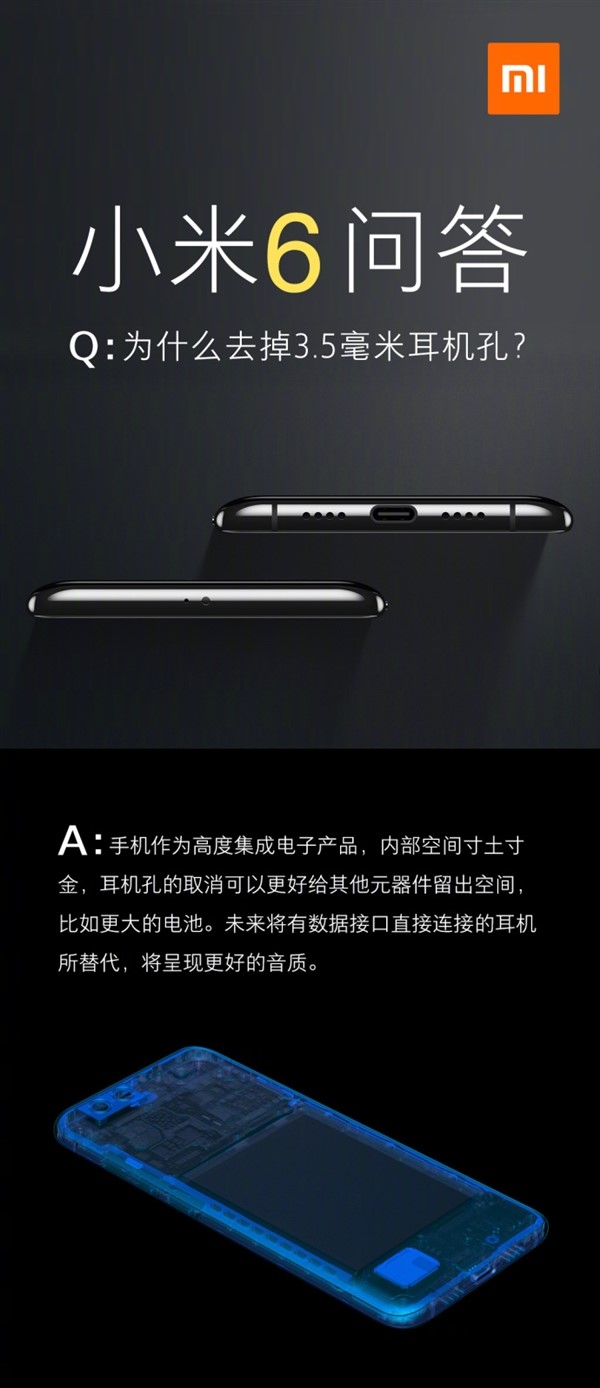
An official statement by Xiaomi via their Weibo account says the removal was to make space for other components such as a bigger battery. They also had to keep apart the charging interface and data transfer interface of the phone which would not be possible without the removal of the audio jack.
The Xiaomi Mi 6 will go on sale on Friday, April 28. The new flagship is available in two storage variants; there is the 64GB model for ¥2499 ($363) and the 128GB for ¥2899 ($421). These Mi 6 price tags are MSRPs, so if you’re not buying from the official Xiaomi store or licensed partners, you’ll be paying a whole lot more.
Third party resellers are usually the ones that grab the bulk of the purchase during flash sales and there is even a limited supply to begin with. Jingdong Mall says it has recorded 600,000 pre-order registrations and if the news of the first batch of Mi 6 units being a measly 80,000 is true, expect some resellers to jack up prices much higher.
So how much will you be paying if you wish to get it from third party resellers?
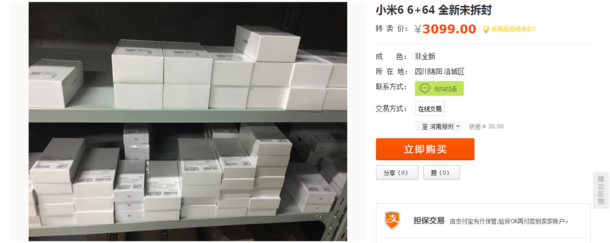
A reseller store in China has the 64GB model listed for ¥3099 (~$450), ¥600 more than the official price. International resellers like Gearbest has the 64GB version listed for $599 and the 128GB model for $699. Giztop has it for less though but still more than the official price. The 64GB version is priced at $499 while the 128GB model will go for $599. On AliExpress, only the 64GB is available and the price is $499.99.
HMD’s Nokia elicited a favourite feeling of nostalgia when it launched the Nokia 3310 at the MWC 2017. The device was announced alongside the Nokia 3, Nokia 5 and Nokia 6 which had earlier made its debut in China. The new Nokia 3310 is a remodelled version of the rugged, legendary Nokia 3310 released in 2000. The feature phone unexpectedly received a lot of attention but one of its major drawbacks was the 2G band which it features.
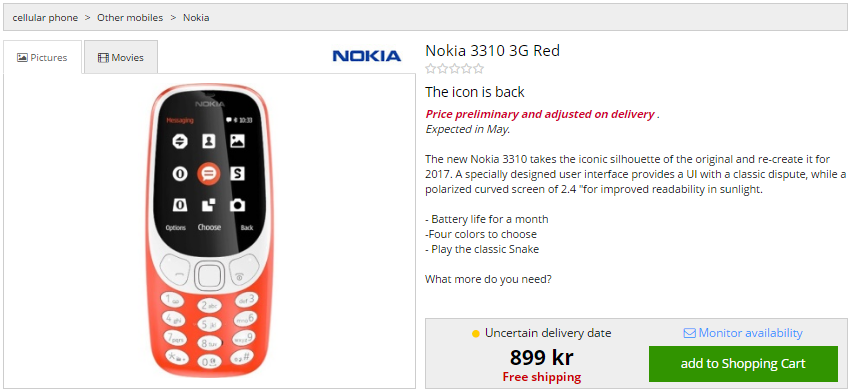
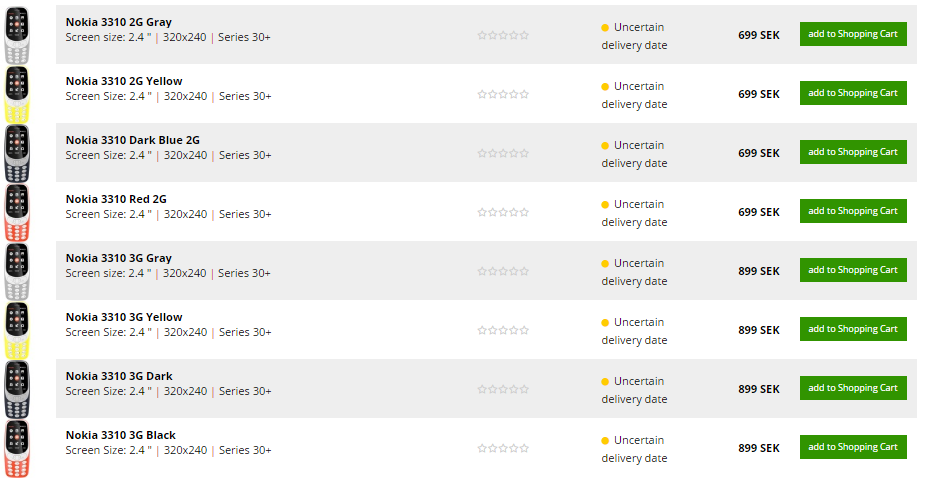
The feature phone unexpectedly received a lot of attention but one of its major drawbacks was the 2G band which it features. The 2G network band makes it unsuitable for use in places like the US where the 2G network are gradually being dismantled. Also, some might find it unattractive because of the 2G band. But in a new twist, the Nokia 3310 was spotted on the website of a Swedish retailer and the website listed the 3310 as available in 2G and 3G versions. The retailer is currently accepting pre-orders for both versions.
While this is coming as a surprise, to further confirm the listing, the prices of both versions vary. The 2G version has a price tag of 699 Swedish Krona (~$78), while the 3G version comes with a price of 899 SEK (~$101). Both prices are clearly stated as tentative and could be adjusted when the device is available. But then, HMD has come out to refute the existence of a 3G version of the Nokia 3310. According to the company’s response, the 3310 remains a 2G phone. Despite this response, the retailer is still accepting pre-orders. Perhaps they know something we don’t know. So we’ll watch out for further details as the device is listed as expected in May.
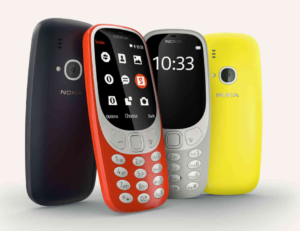
As a reminder, the Nokia 3310 comes with a 2.4-inch curved window screen with an entire dimension of 115.6 x 51 x 12.8mm. The device is available in four color options — Warm Red and Yellow with glossy texture and Grey and Dark Blue with Matte finish. You can check out details on the specs from here. The Nokia 3310 is expected to go on sale in Q2 2017 globally for €49 (~$52).
When the Huawei P10 and P10 Plus flagship phones were introduced at the Mobile World Congress (MWC) 2017, Huawei had stated that these phones feature UFS 2.1 storage chips. However, recent benchmarks from AndroBench app of Huawei P10 and P10 Plus have revealed that the Chinese manufacturer has included different storage chips that produce slower read and write speeds. The company has now issued an official statement on why it has done so.
It was revealed on a Huawei forum in China that some P10 users get more than 700 Mbps read and write speeds whereas some could not cross read and write speeds of 300 Mbps. Hence, it is speculated that Huawei may have used six combinations of RAM and storage types on P10 and P10 Plus:
LPDDR3 RAM and eMMC 5.1
LPDDR3 RAM and UFS 2.0
LPDDR3 RAM and UFS 2.1
LPDDR4 RAM and eMMC 5.1
LPDDR4 RAM and UFS 2.0
LPDDR4 and UFS 2.1 storage
The starting three combinations are the worst possible combinations while the last combination offers the best read and write speeds. It was found that the most expensive variant of Huawei P10 Plus that comes with 6 GB of RAM and 128 GB storage is found to include eMMC 5.1 that offers the slowest speeds of less than 300 Mbps.
Huawei has now released an official statement which confirms that it has used multiple storage chips on P10 and P10 Plus smartphones since it ordered them from multiple suppliers in a bid to avoid shortages. Here is an excerpt from the official statement:
“To meet global demand of millions of units, Huawei has employed the standard industry practice of sourcing solutions from multiple trusted suppliers to ensure a balance between user experience, quality and sustainable supply. Relying on a single component supply can lead to a shortage, meaning delays for consumers who wish to buy our new products. In the case of flash memory, in this instance, Huawei has chosen multiple simultaneous mainstream solution suppliers.”
According to Huawei, AndroBench app that was used to find out different storage chips on P10 and P10 Plus do not provide benchmark scores on the basis of daily use of these smartphones. It further added that it is randomly using memory chips on P10 and P10 Plus on the basis of the components that it receives from suppliers. So, it means that there is no confirmed way of getting a Huawei P10 or P10 Plus with the best memory chip.
. The company also claims that it has not made any false claims on P10 and P10 Plus. ”Among all Huawei P10 marketing collateral, there has been no commitment to the use of only one specific flash memory,” the company said. It disagreed on making any “discrimination or intention to defraud consumers.”
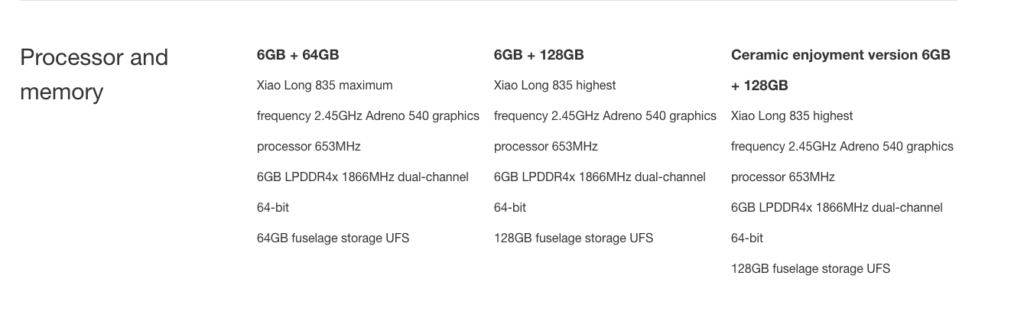
After the Xiaomi Mi 6 was launched a controversy over the Snapdragon 835 processor emerged. In Xiaomi’s official website, the Snapdragon 835 chip onboard the Mi 6 was listed to feature an Adreno 540 GPU with a clock frequency of 653MHz. Whereas, the official Qualcomm listing for the SD 835 pegged the GPU frequency at 710MHz. This, thus, fuel speculations that the Mi 6 comes with a Snapdragon 835 chip with reduced frequency.
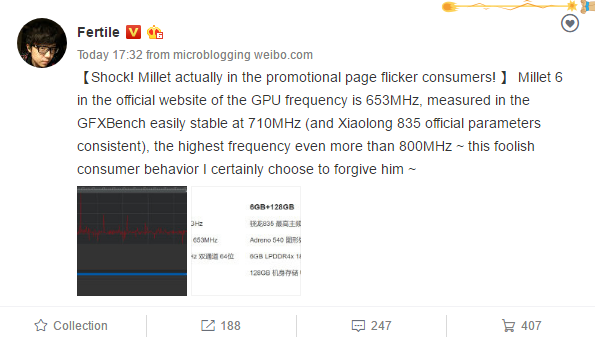
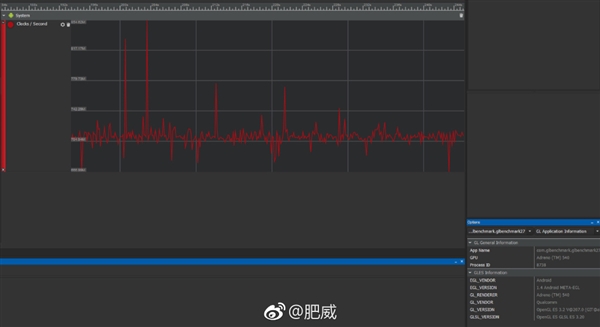
This question has remained unanswered since then but a Weibo user has shared a GFXBench result that shows that the Xiaomi Mi 6 was able to attain a GPU frequency of 710MHz and was even able to surpass that up to 800MHz. One wonders what sort of lapse could have caused this reduced GPU listed. Is Xiaomi trying to play safe? Perhaps, an official statement might emerge soon. We’ll keep you posted as usual here on Gizmochina if that happens.
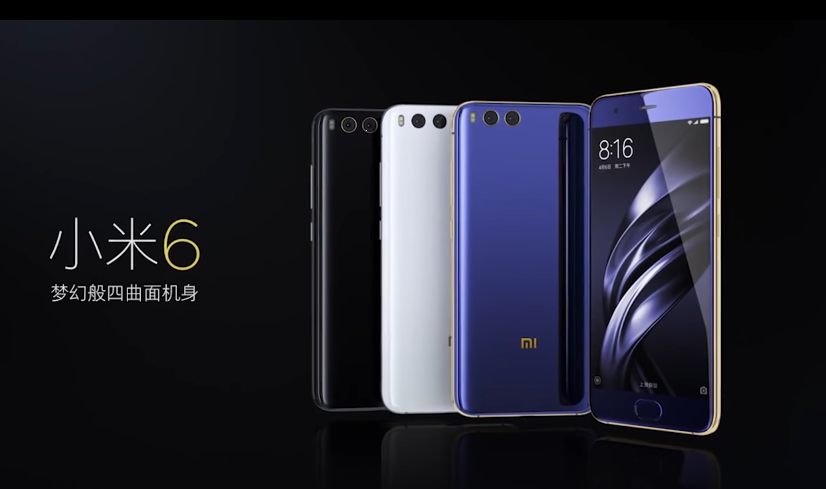
As a recap, the Xiaomi Mi 6 features a 5.15-inch 1080p display and is powered by Qualcomm’s latest Snapdragon 835 chipset backed by just 6GB of RAM on all versions. There is 64GB storage version, as well as a higher 128GB version. Both versions are expandable. The device uses a curved glass body with a metal fuselage and also comes with an anti-splash body.
The Mi 6 also comes with a dual camera setup at the rear consisting of a 12MP main sensor and 12MP telephoto sensor. It runs MIUI 8 based on Android 7.0 Nougat and has a 3350mAh battery under its hood. The device is available in Blue, Black, White, Silver and Ceramic options. As far as the prices go, the Mi 6 will start at ¥2499 ($363) for the 64GB model and ¥2899 ($421) for the 128GB version. The special edition with a ceramic body and 128GB of storage will be sold for ¥2299 ($435).
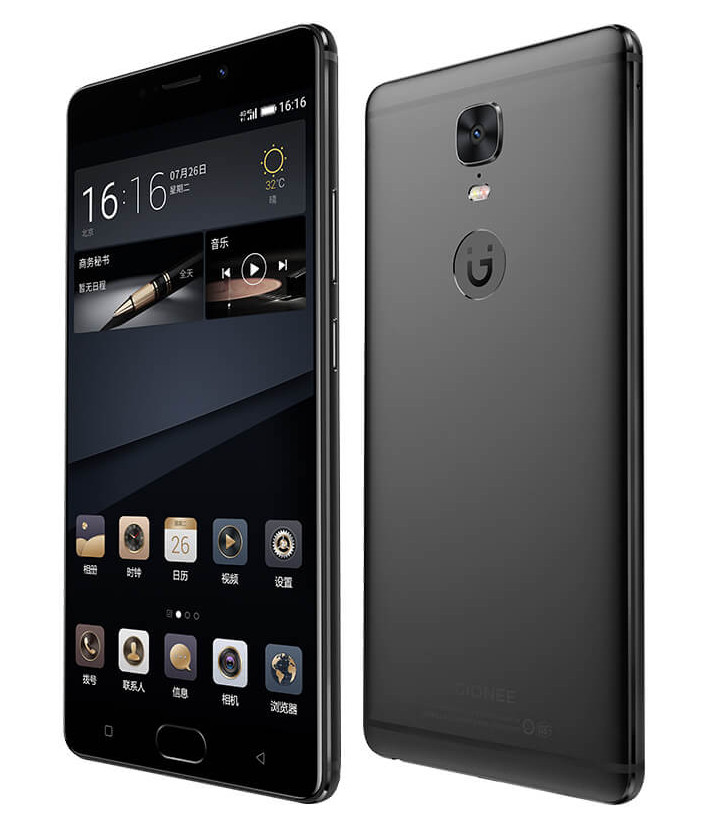
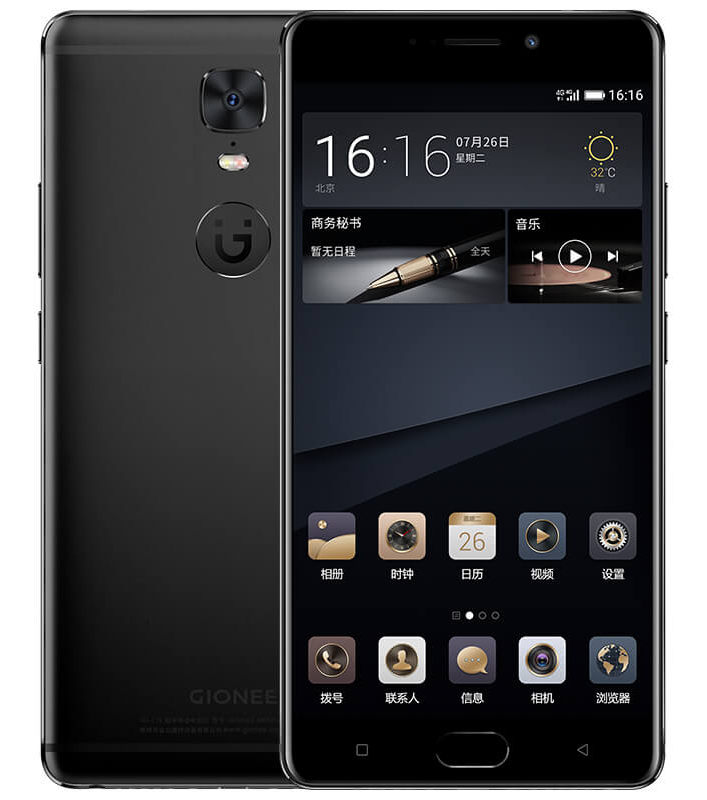
Gionee has announced a new smartphone today in China dubbed M6S Plus. The Gionee M6S Plus comes about 9 months after the Gionee M6 and M6 Plus smartphones were announced, with models boasting of mid-budget specifications. The Gionee M6 and M6 Plus perhaps stood out because of the security encryption chip they feature.
Gionee M6S Plus – Design & Specification
Design wise, Gionee continues with its reputation of designing beautiful smartphones on the M6S Plus. The Gionee M6S Plus proves itself to be a true phablet as it sports a 6-inch Samsung AMOLED display with Full HD resolution and 2.5D curved glass protecting the screen from scratching. The display looks curved at the sides with ultra-thin bezels, while at the top and bottom, the bezels are minimum. The bottom bezel houses the front home button which comes in an oval shape and also has the fingerprint sensor embedded under. The device also comes with the same fingerprint encryption that featured on the M6 and M6 Plus which can be used to unlock the device and for fingerprint payment etc. It uses a metal body and the body is said to have been trimmed using a diamond cutting method with the edges well-chamfered, making the phablet easy to hold. As far the specs go, the M6S Plus packs a Snapdragon 653 processor backed by 6GB of RAM. The phablet comes in two memory variants of 64GB and a higher version of 256GB. Both storages can be expanded up to 256GB via microSD. The new Gionee smartphone is infused with a giant 6,020mAh battery with support for Quick Charge 3.0 fast charge. The phone also comes with an intelligent power management system which minimizes power consumption.
Talking about the camera, the M6S Plus is equipped with a 12MP rear camera with 1.4um individual pixel, f1.9 aperture, and 0.03s fast focus. The device comes with full network support, 4G+ connectivity, and 16 frequency bands.
The Gionee M6S Plus comes with a price tag of 3499 Yuan (~508) for the 6GB + 64GB version while the higher 6GB + 128GB version goes for 4299 Yuan ($624). The smartphones will go on sale on Jingdong as from May 2.
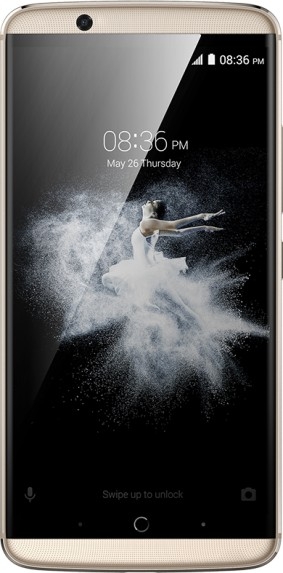
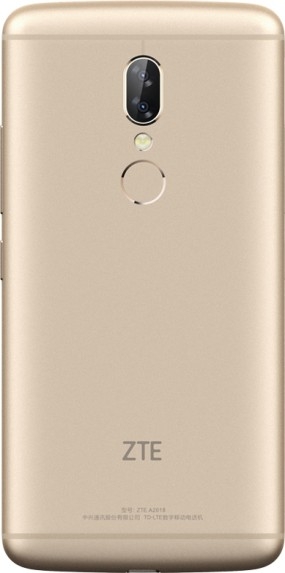
In the press release that was released on April 17, ZTE had announced the arrival of ZTE Axon 7s, an upgraded edition of the Snapdragon 820 powered ZTE Axon 7 smartphone that was launched in May 2016. ZTE Axon 7s’ press release only revealed that the Axon 7s is fueled by Snapdragon 821 chipset. Now, the Chinese firm has finally revealed the full specifications of the ZTE Axon 7s.
The Snapdragon 821 chipset is accompanied by 6 GB of RAM whereas the ZTE Axon 7 has 4 GB of RAM. The original phone has 64 GB of native storage. However, the newer phone is packed with 128 GB of internal space. As far as the display is concerned, the Axon 7s has the same 5.5-inch quad HD screen that is available on the Axon 7. The new phone also features a microSD card slot and carries support for Google Daydream.
The Axon 7 has a single camera on its rear panel, but the Axon 7s has a dual camera system. The newer phone still features the 20-megapixel Sony IMX350 sensor (1.25µm pixels) from the original phone. However, it is paired with a 12-megapixel Sony IMX368 camera sensor (1µm pixels) from Sony. It seems that both the cameras have f/1.8 aperture that will allow users to shoot brighter photos in dim lighting conditions. The other camera features include phase detection autofocus and 4K video shooting. For snapping selfies, the ZTE Axon 7s continues to sport 8-megapixel snapper like its predecessor.
Unlike the original phone, the ZTE Axon 7s does not sport external speaker grilles that can be seen on the top and bottom bezels of Axon 7. The battery on the Axon 7s is 3,400 mAh which is larger the 3,250 mAh battery present inside the Axon 7. The Axon 7s carries support for Quick Charge 3.0 fast charging through USB Type-C port. The official pricing of the ZTE Axon 7s is not available, but it is speculated to cost around 4,099 Yuan ($595).
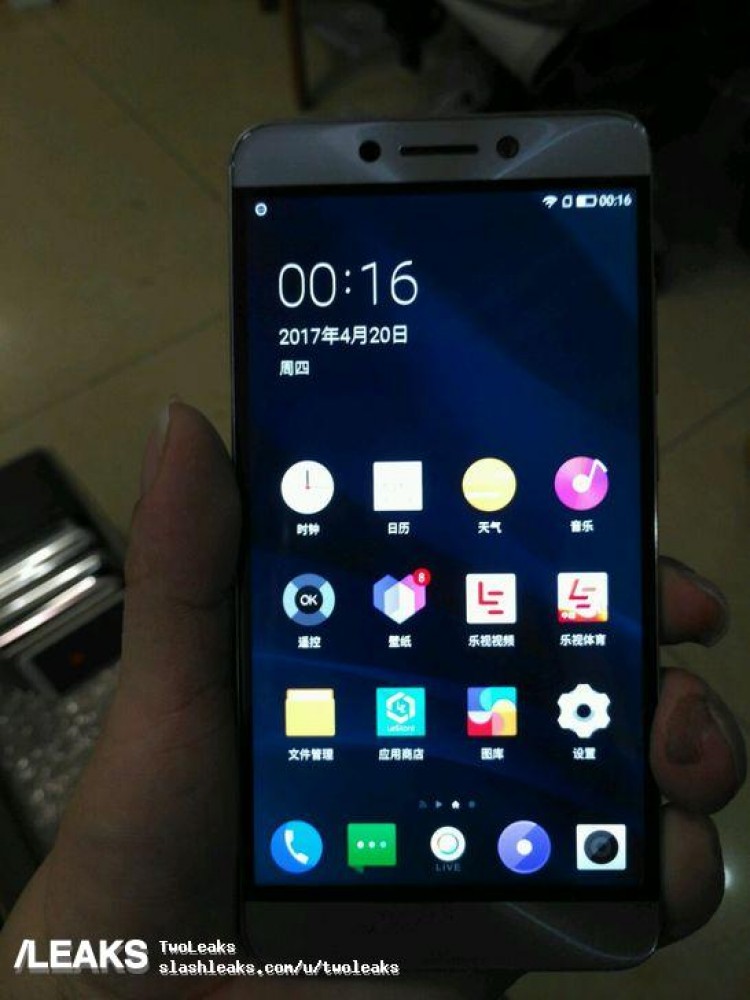
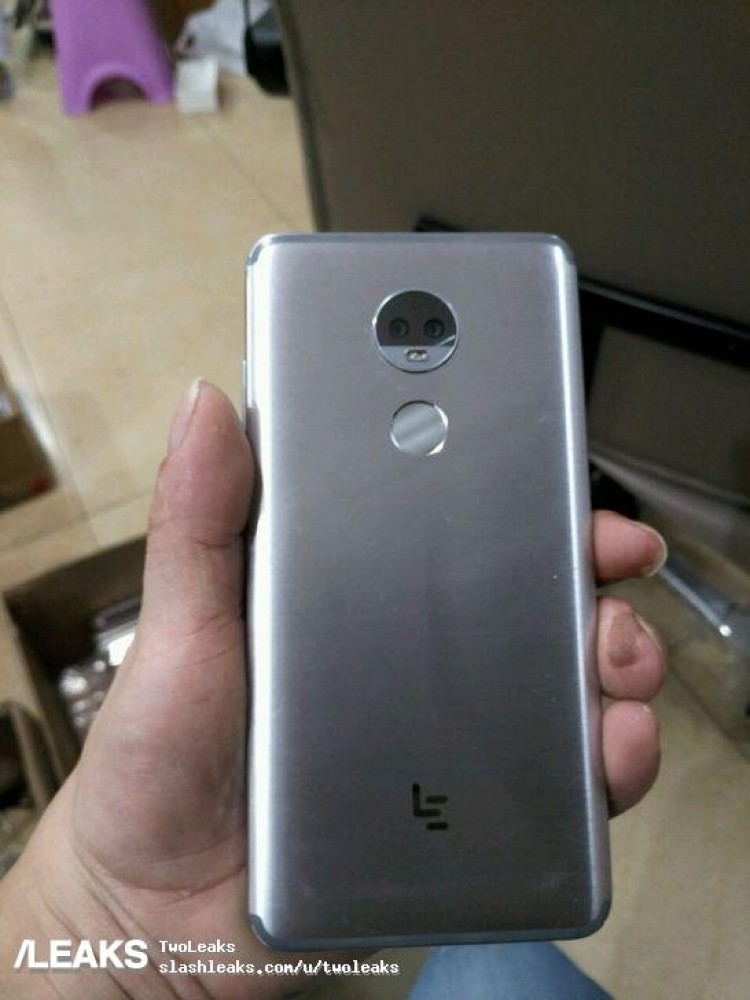
When LeEco was about launching the Le Pro 3 AI Edition, we had thought that the Le Max 3 was the device in question. Albeit, some were left disappointed when it turned out an Helio X23 and Helio X27-powered Le Pro 3 AI Edition was announced. Well, the idea of a LeEco Le Max 3 coming wasn’t wrong after all, as the device has appeared online in a couple of leaks. The latest leaked image of the Le Max 3 appeared recently on Slashleaks, showing both the front and rear view of the device.
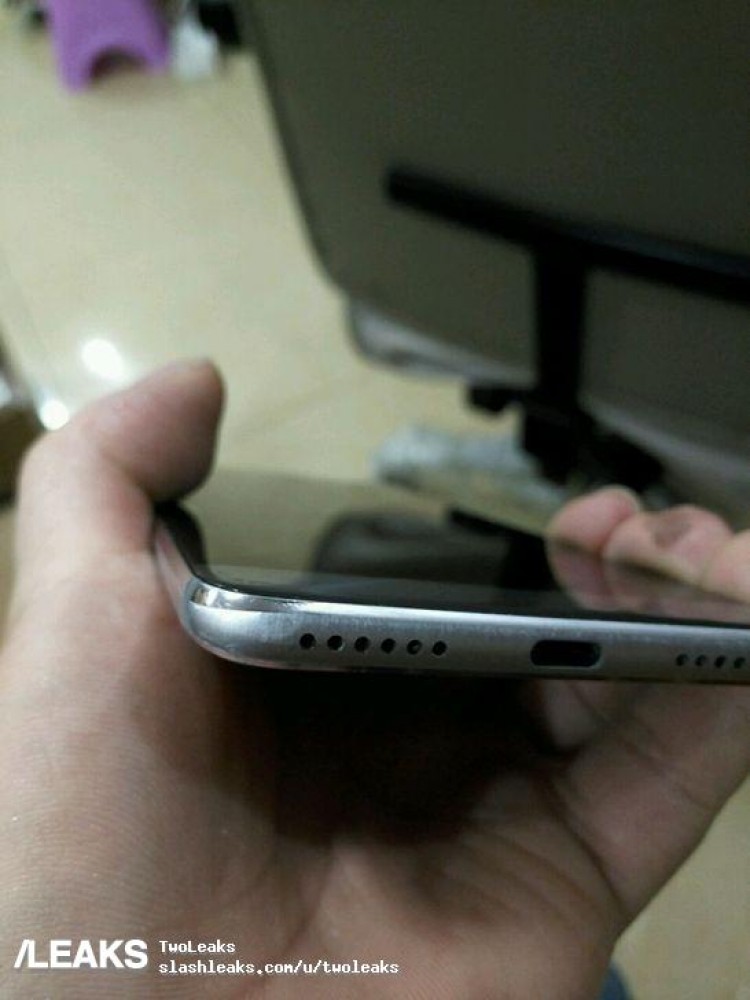
The front image is similar to the one we have seen before which leaked as LeEco LeX920, but the rear image can be confused with the LePro 3 AI edition with its biscuit man-looking camera. The camera setup is a dual one with the flash sitting at the bottom, all looking like a face with the two cameras forming the eyes and the mouth. There is also a rear-mounted fingerprint sensor just under the camera ring while the antenna band design is a fused one sitting at the top and bottom extreme edges. The device comes with a metal body and also seems to use the USB Type-C port. The device may also not feature the 3.5mm headphone port.
The tipster who posted the images on Slashleaks also included the specifications the device would feature. The Le Max 3 is listed as sporting a 5.7-inch QHD display and would be powered by a Snapdragon 821 chipset. The processor would be backed by 6GB of RAM while there will be 128GB storage onboard. Further, the LeEco Le Max 3 will come with a 16MP selfie camera while the dual camera at the rear is said to be a 13MP dual camera.
We don’t know when the LeEco Le Max 3 would be launched but considering the fact that LeEco has got fewer smartphones out this year, the Le Max 3 launch may not be too far away.
BBK subsidiary, OPPO may really have laid the Find series to rest for now, since the R-series is recording huge successes for the company. The R9 started the journey and was followed by the R9S and R9S Plus released last year. OPPO looks set to release a new R11 model in China soon. While the Find 9 remains elusive, the OPPO R11 has severally been popping in and out of leaks.
Images of the OPPO R11 has appeared again, this time said to have been grabbed from a TV commercial in China. The pictures show the device in the hands of Chinese pop singer and Actor, Wang Junkai. OPPO and Wang Junkai have a long standing relationship beginning from the R9 days. The Chinese superstar was one of the celebrities who endorsed the R9.
One feature that can easily be grabbed from the photos is that the R11 will come with dual rear cameras. The dual camera setup is located at the top left corner of the device, arranged in a horizontal plane, with the LED flash located next to it. The camera bump is slightly protruded out of the body of the phone.
The OPPO R11 model also received Radio frequency approval recently and it reveal that OPPO will be coming out with four different models namely, OPPO R11t, OPPO R11 Plus, OPPO R11 Plust, and R11 Plusk. All four models come with entire network function and are likely to vary in RAM and storage. While all versions will be powered by a Snapdragon 660 processor, there will be a 4GB and 6GB RAM versions. The models will also run on Android 7.1.1 OS with Color OS. Apart from dual rear cameras, there may be front dual cameras as well.
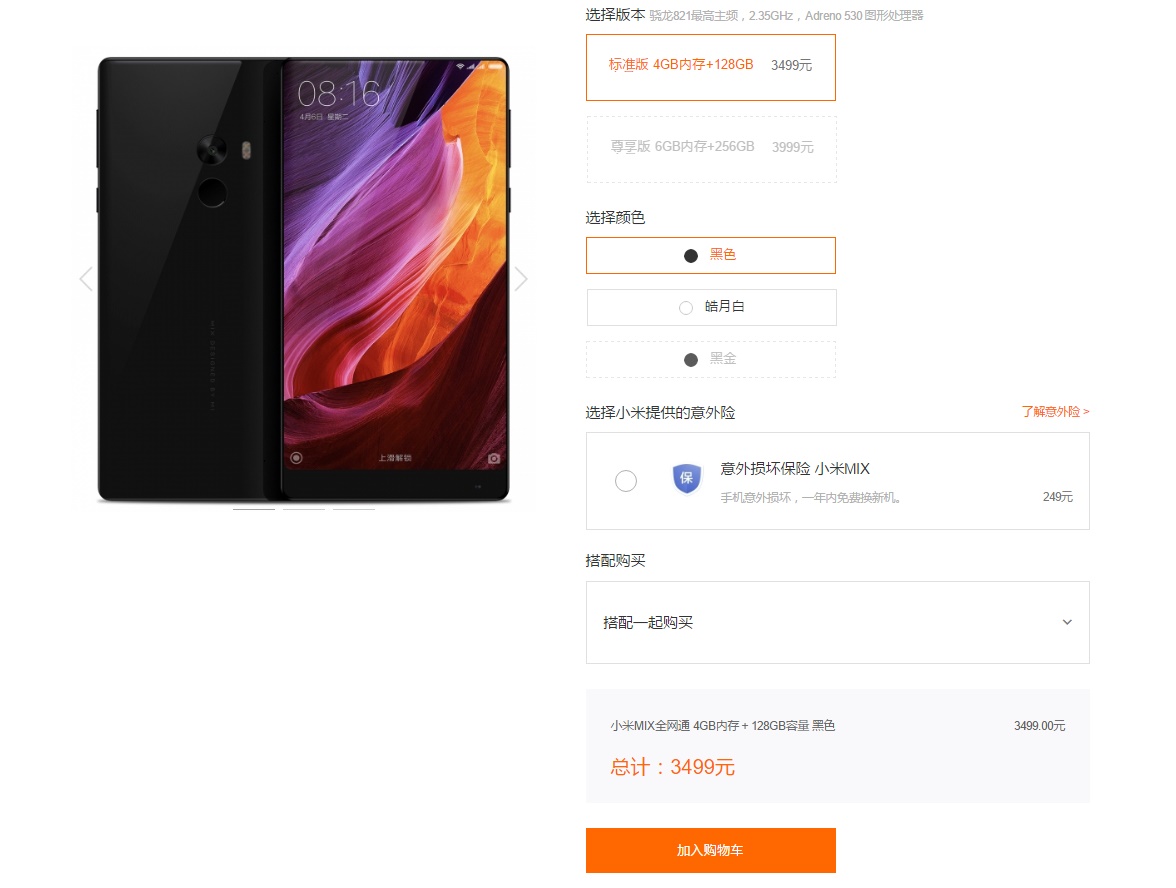
The Xiaomi Mi MIX may have spawned multiple clones and imitations but none can hold a candle to it. The Snapdragon 821 powered tri-bezel-less phone was released alongside the Mi Note 2 but has been plagued by shortages arising from the difficulty associated with the production of its ceramic back.
New report says the short supply will soon become a thing of the past as Xiaomi will now able to meet up with demand. An insider has revealed that Xiaomi has taken stock of all three color variants. The possible explanation is that the challenges with the production of the ceramic body have been resolved. We do not know if this is as a result of the recent ¥8.7 billion investment in ceramic production by Changying Prescision but whichever way, this is good news for fans of the Mi MIX.
The official Xiaomi website has the Mi MIX in stock. There is the black variant, the pearl white version unveiled at CES 2017, and the exclusive black gold version with gold plated rings around the camera and fingerprint sensor. The black gold and pearl white models are still out of stock at the moment but hopefully that should change soon.
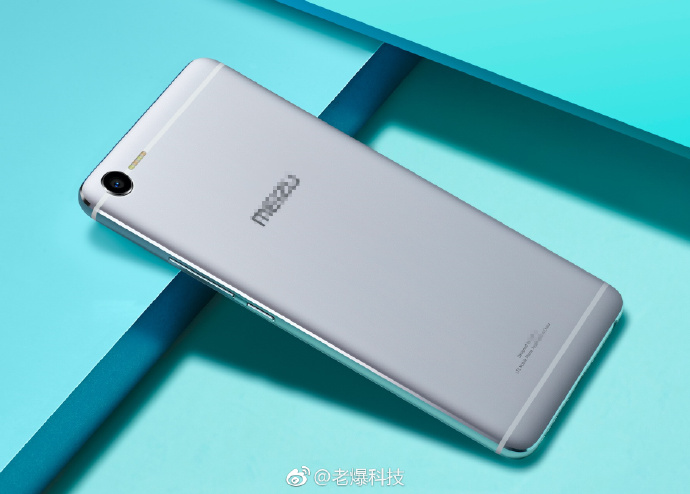
The Meizu E2 is scheduled for an April 26 launch. That’s just two days away. In the past week we have seen multiple images said to be of the device. And every single one of them sports a different camera and LED flash design.
First, there was the leaked image that showed the Meizu E2 would have a ring camera flash like that of the Nexus 6. It was followed by another image that had the camera sitting on the top left corner with the LED flash missing. Twenty-four hours later, a new image surfaced. This one had a design similar to a dual camera setup but is actually a single camera positioned beneath the antenna line. Fast forward to Friday and a fresh image with a new camera and LED flash design was released again.
We want to believe the last leaked image is the one Meizu is sticking to for the E2 as a leaked press image on Weibo by @Old Technology has the same design. In the new image, the camera sits on the same line as the antenna line.
The interesting part of the design is the LED flash which is integrated on the antenna band like jewels lining a cloth. It is a new take on the way the LED flash is designed but it looks really good. Zoom in on the image and you can see there are about four LEDs, all a mixture of white and amber. That’s a lot of light for a camera. The rest of the design is typical Meizu.
The Vivo X-Series is one series that pioneered dual selfie camera and also has a premium build that envelopes its mid-ranger position. The series which is made up of the X9 and X9 Plus is set to get another sibling dubbed X9S Plus.
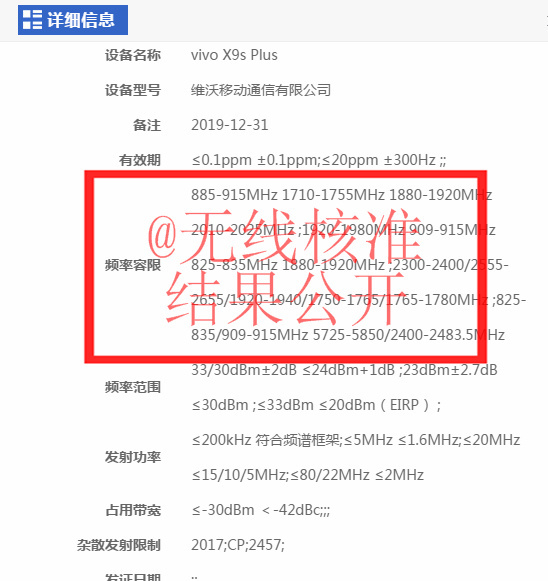
The X9S Plus is coming barely half a year after the X9 was announced and a recent leak on the internet indicate that the Vivo X9S Plus has received Radio frequency certification in China. That shows the device is a step closer to being released but we don’t know how soon.
From the details made available, the X9S Plus will likely be the first Snapdragon 660-powered phone. The SD 660 is a new chipset, still unannounced, which uses the 14nm process and integrates an Octa-core Kyro CPU. The SD 660 comes with an Adreno 512 GPU and support dual-channel LPDDR4X memory, UFS 2.1 storage, and X10 LTE baseband.
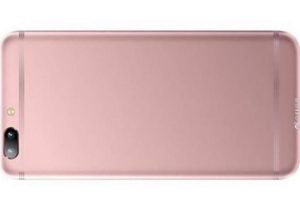
The Vivo X9S Plus is also expected to come with a dual selfie camera setup and Vivo may decide to take things a bit further by including a dual camera at the rear. If this happens, the X9S will join the likes of Alcatel Flash featuring four cameras.
According to the schedule announced by Xiaomi, the Mi 6 flagship will go up for its first flash sale on April 28 at 10 am, which is just four days away. Going by latest details, the flash sale is likely going to leave many persons disappointed because, like previous Xiaomi phones, the Mi 6 units may still come out scarce.
Recently, popular Chinese tech blogger Lu Yiwen V leaked a photo which showed the first batch of Xiaomi Mi 6 has been packaged, awaiting shipment. The number of units of the very first batch of the Mi 6 wasn’t revealed then but now, the blogger has in another Weibo post revealed that the first batch is made up of just 80,000 units. Also, that only the black colored 64GB storage version will be up for grabs in the first flash sale.
Presently, the Xiaomi Mi 6 is said to have already amassed over 800,000 reservations on Jingdong (JD.com). Statistics of the reservations on the other channels are not known right now but that figure would likely double when reservations on all the sales channels are collated. In addition, Xiaomi had also indicated that the Mi 6 will go on sale in its Mi Home stores across China on April 28. Reservations for the Mi Home sales will open on April 27 and will require payment for the device. An ID card entitles the owner to just one unit which will be more than assured if booking is successful than getting the device via the flash sale. So, are we looking at another shortage situation here? Or Xiaomi has it all covered by making more units of the flagship ready before the first flash sale? We expect demand to far outweigh supply for the Mi 6 during this first sale, but in line with Xiaomi’s aggressive sales drive this year, the device will likely become available in large stock as time goes on.
Xiaomi has released an official theme song for its recently launched Mi 6 flagship phone. The name of the song is ‘Only One’ and it is composed by Jiang Han, a singer from China. The lyrics of the song is based on the description of the flagship phone.
It is said that the theme song has been released to make the people of the world know that it is an international product, even though it is now being sold solely in China. The lyrics of the song are beautiful that highlight the premium features of the Xiaomi Mi 6 such as its marvelous ceramic body and glass design.
The Xiaomi Mi 6 was introduced on April 19 and it will be hitting the market by April 28 in the home country. Fresh information suggests that over 600,000 people have registered for Xiaomi Mi 6 on JD.com, an online retailer from China. It will be also available through other Chinese online retailers. Speculations indicate that Xiaomi Mi 6 registrations across other Chinese retailers may cross 2 million mark.
The Xiaomi Mi 6 has a 5.15-inch IPS LCD display that supports full HD resolution of 1,920 x 1,080 pixels. The SoC of the phone is Snapdragon 835. Its 64 GB and 128 GB storage models have 6 GB of RAM. There is no microSD card slot available on the Mi 6.
It has a 12-megapixel dual rear camera and 8-megapixel frontal camera. it is running on Android 7.1.1 Nougat OS overlaid MIUI 8 skin. It has a front-mounted fingerprint scanner and a USB Type-C port. It is packed with Quick Charge 3.0 enabled 3,350mAh battery. The rumor mill had been talking about a larger Mi 6 Plus smartphone. However, it was not unveiled alongside Mi 6. Fresh news suggest that it may be launching in the next two months.
The Xiaomi Mi 6 will be available in color choices such as Black, White and Blue. A recent TENAA listing has revealed that the Xiaomi Mi 6 would be arriving in several more colors. The 64 Xiaomi Mi 6 is selling at $365 whereas its 128 GB variant is priced at $420 in China. The special edition of Xiaomi MI 6 featuring ceramic chassis is available for $435.
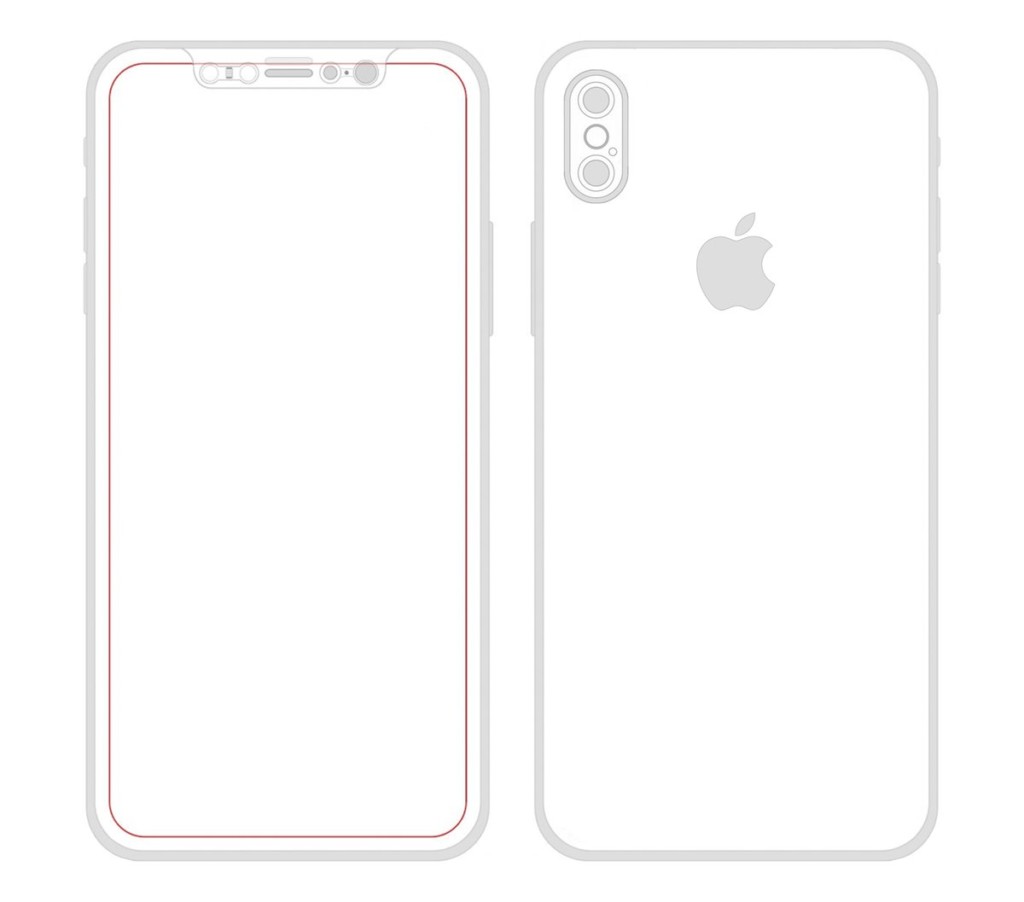
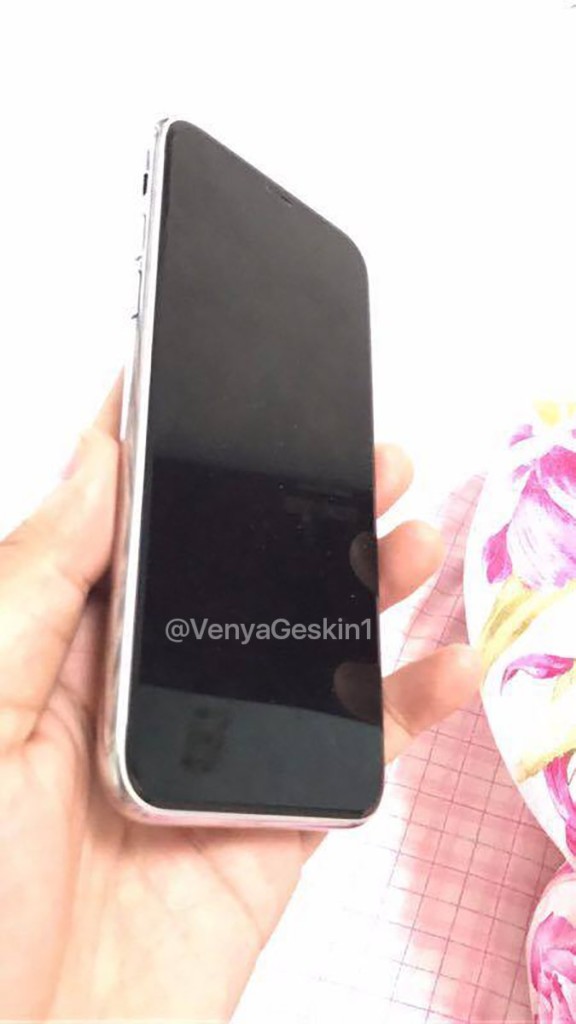
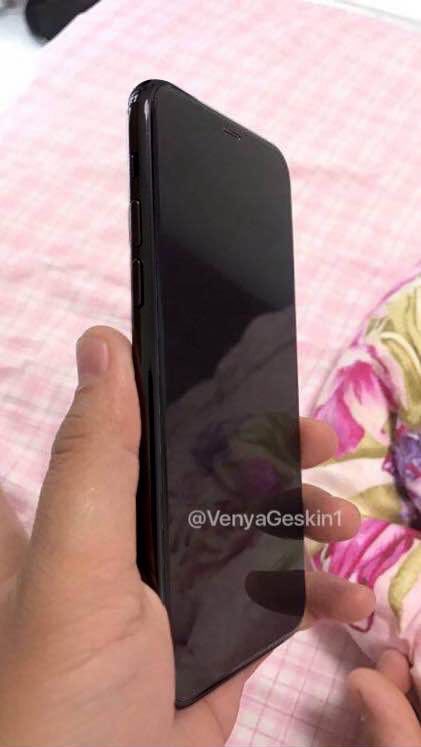
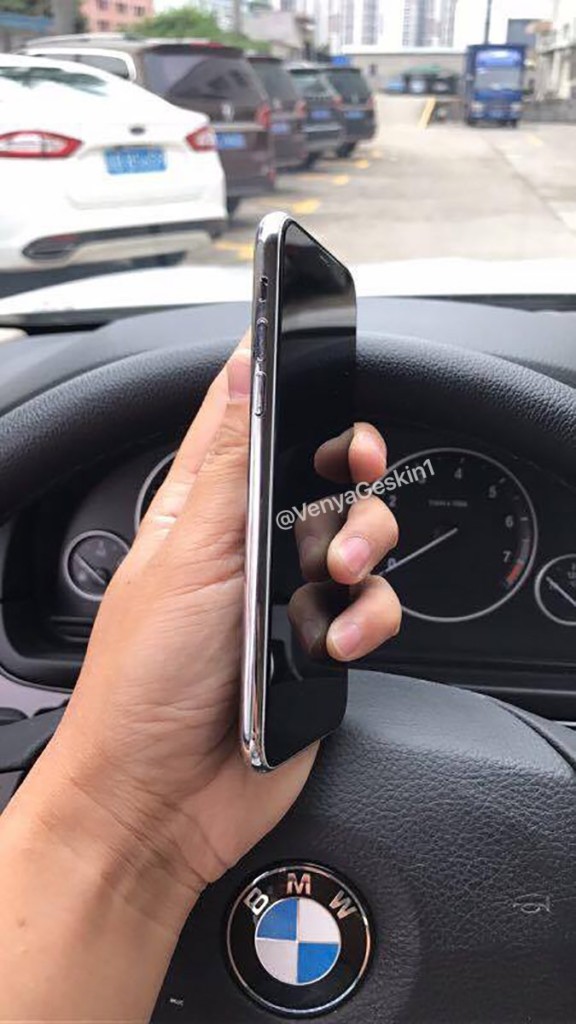
in the past few months, the rumor mill has been speculating only on the specifications and features of iPhone 8 which is rumored to be releasing to celebrate the 10th anniversary of iPhones. However, recently a leaked schematic of the alleged iPhone 8 had surfaced showcasing its features like full glass design and vertically positioned dual rear camera. Now, Benjanim Geskin, designer of concept phones who had recently revealed an iPhone 8 schematic has now come with up fresh photos of a dummy unit of iPhone 8.
Apple has been using metal unibody design of Apple iPhones starting from iPhone 5 in 2012. The iPhone 4 and 4S smartphones that were launched earlier had glass panels on front and rear sides flanked with a metallic frame in between. The iPhone 8 rumors have been claiming that Apple would be bringing back glass design on it.
According to Geskin, the iPhone 8 would be coming with 2.5D curved glass on the front as well as on the back with a stainless-steel frame running along its edges. The new photos of the purported iPhone 8 dummy unit show the smartphone featuring a display that covers the entire front. Since a physical Touch ID Home cannot be seen, it can be guessed that the biometric recognition will be present underneath the display.
It will continue to sport slim bezels of up to 4mm and it is also features a Lightning port on the left which also houses the volume controllers. The right side features an elongated Power button along with a SIM tray. The thickness of the iPhone 8 is speculated as 7.1mm. The iPhone 7 has the same thickness.
In the camera department, the iPhone 8 seems to feature a dual camera setup that is arranged in a vertical design. Both the snappers are separated by an LED flash. Geskin claims that the iPhone 8 would also be featuring dual cameras on the front.
Other sources have claimed that the iPhone 8 would be housing a 5.8-inch OLED display. Like the iPhone 7, the iPhone 8 would continue to sport IP68 certified chassis. Other rumored features include wireless charging, iris scanner and 3D facial recognition.
We use cookies on our website to give you the most relevant experience by remembering your preferences and repeat visits. By clicking “Accept”, you consent to the use of ALL the cookies.
This website uses cookies to improve your experience while you navigate through the website. Out of these, the cookies that are categorized as necessary are stored on your browser as they are essential for the working of basic functionalities of the website. We also use third-party cookies that help us analyze and understand how you use this website. These cookies will be stored in your browser only with your consent. You also have the option to opt-out of these cookies. But opting out of some of these cookies may affect your browsing experience.
Necessary cookies are absolutely essential for the website to function properly. This category only includes cookies that ensures basic functionalities and security features of the website. These cookies do not store any personal information.
Any cookies that may not be particularly necessary for the website to function and is used specifically to collect user personal data via analytics, ads, other embedded contents are termed as non-necessary cookies. It is mandatory to procure user consent prior to running these cookies on your website.