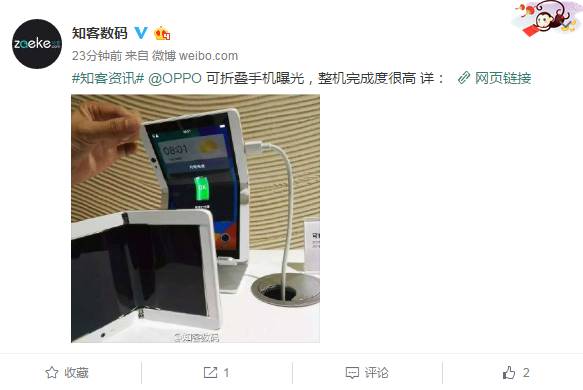
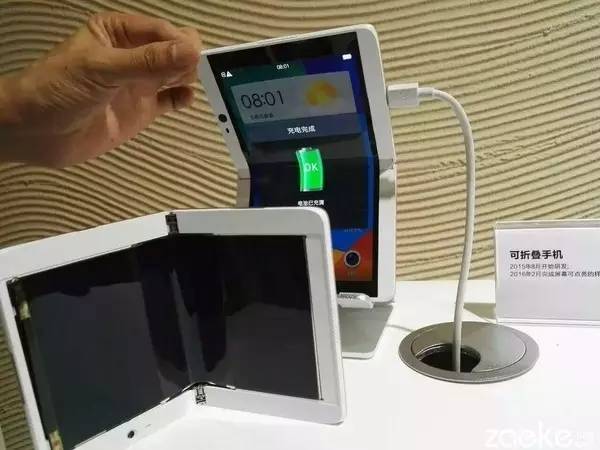
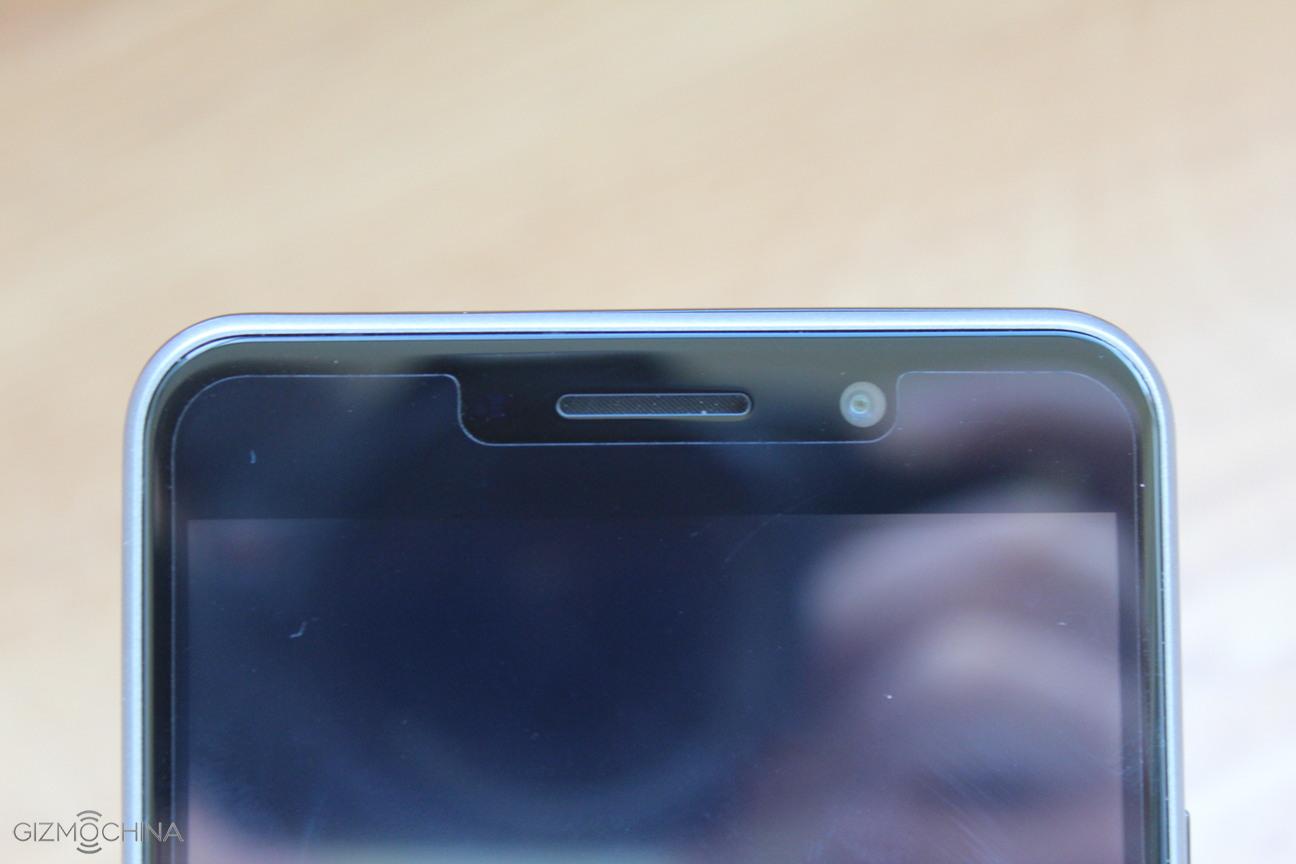
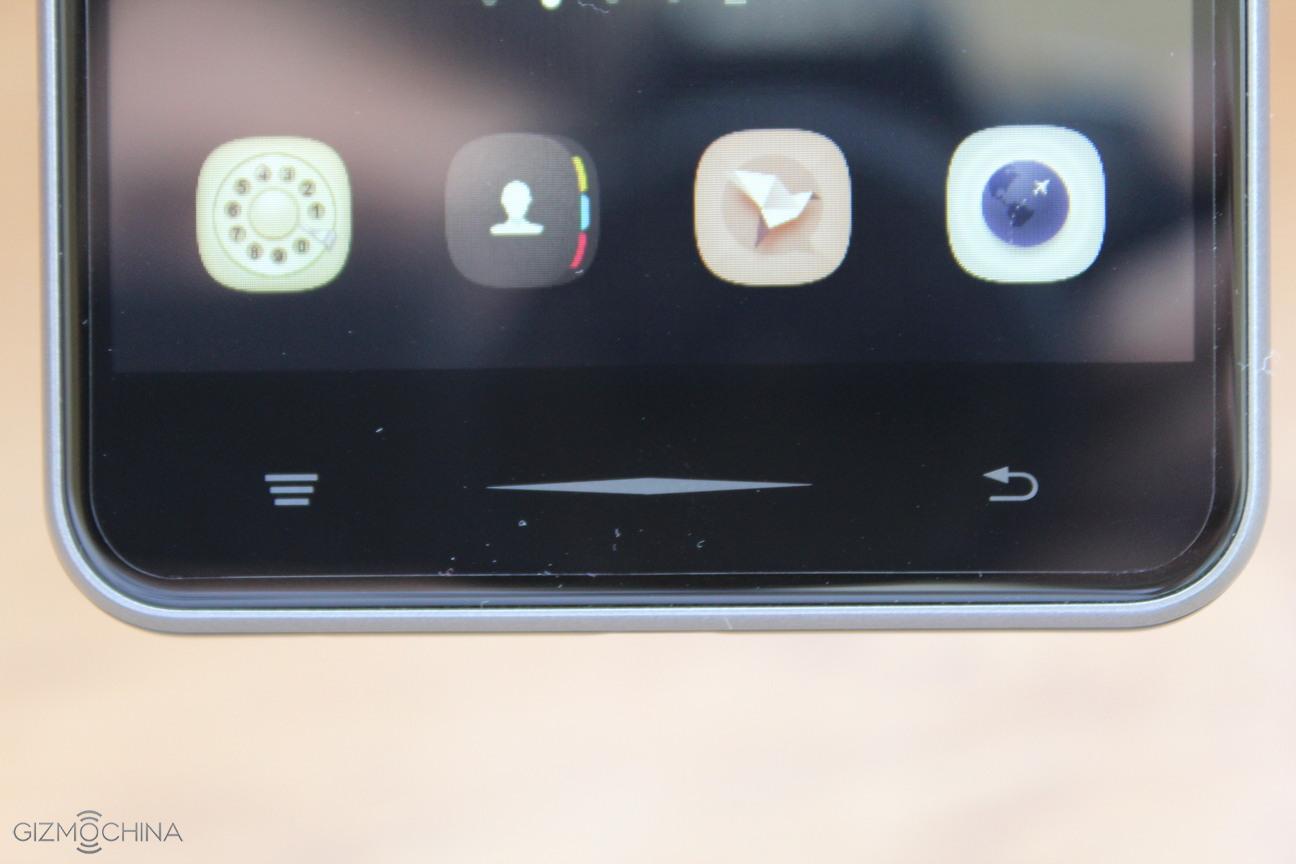
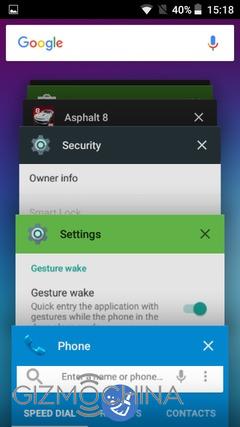
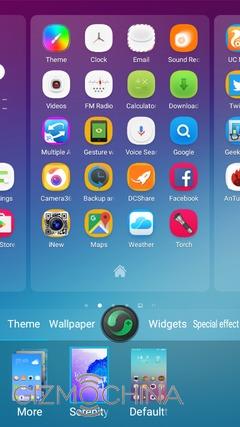
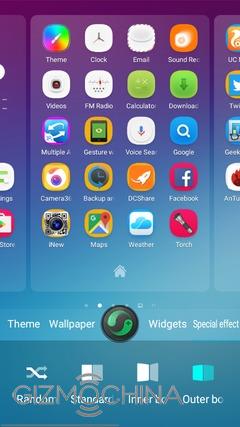
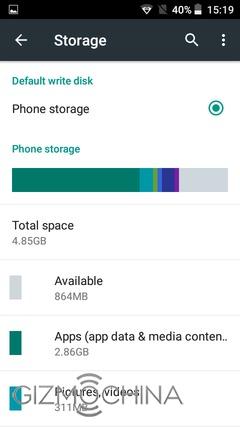
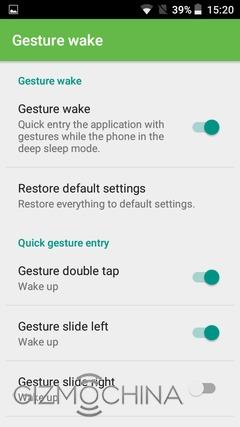
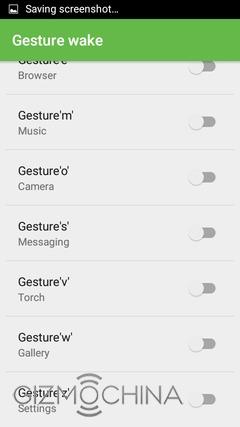
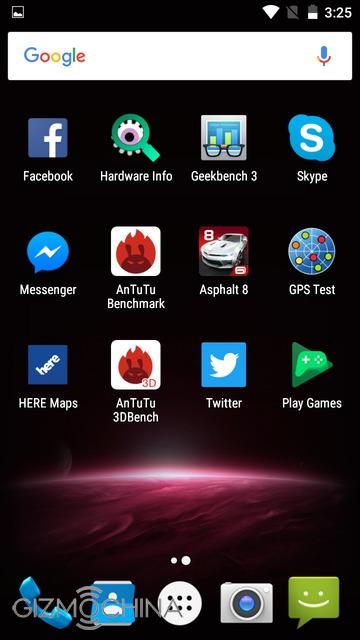
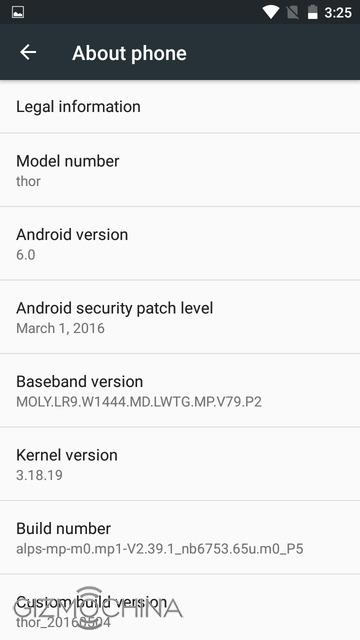
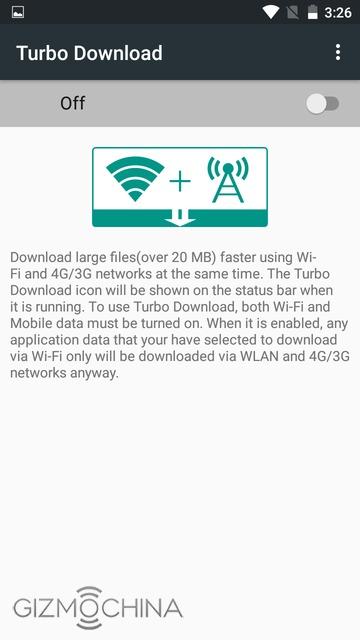
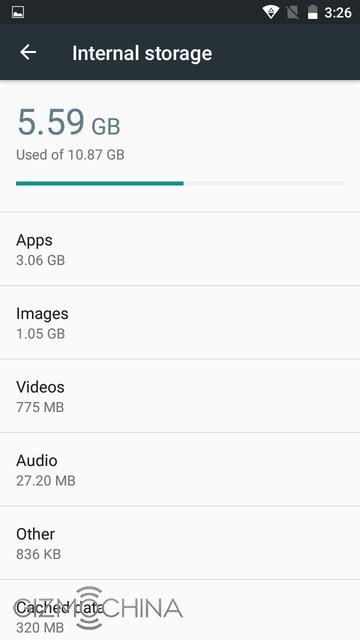
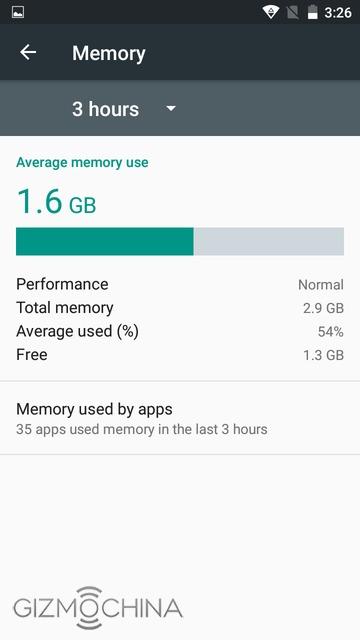
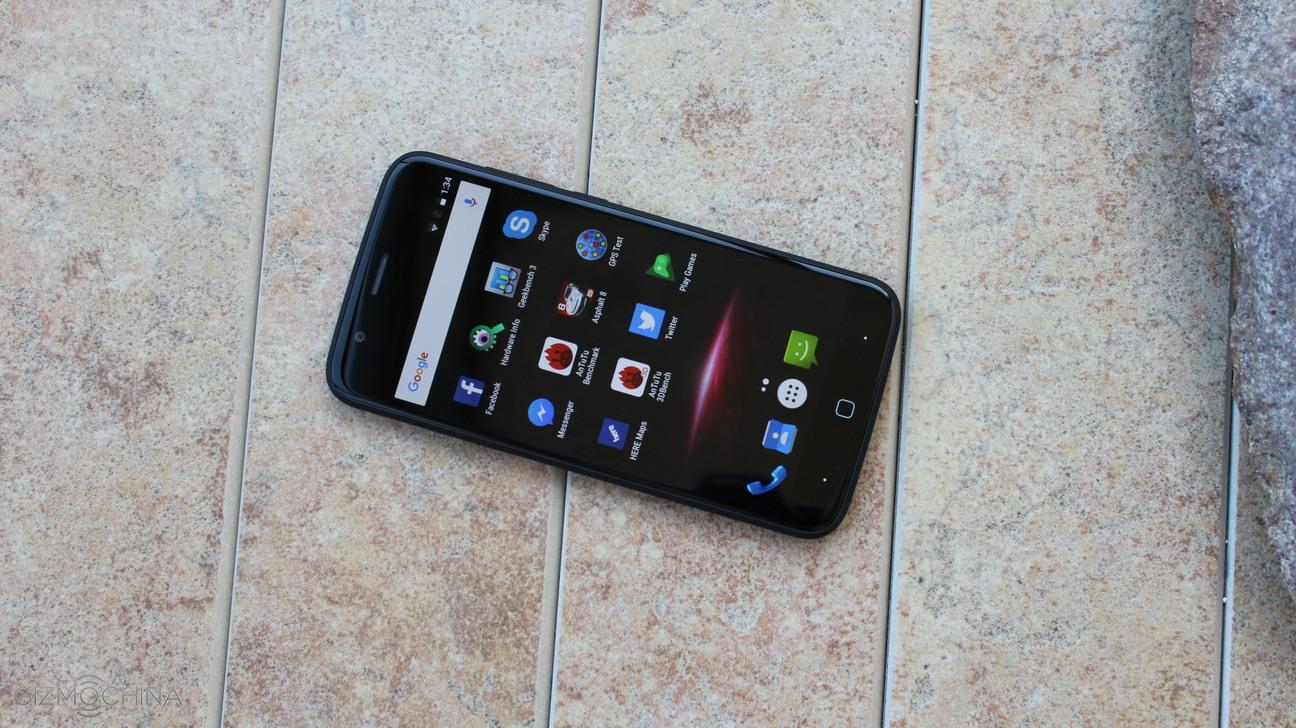
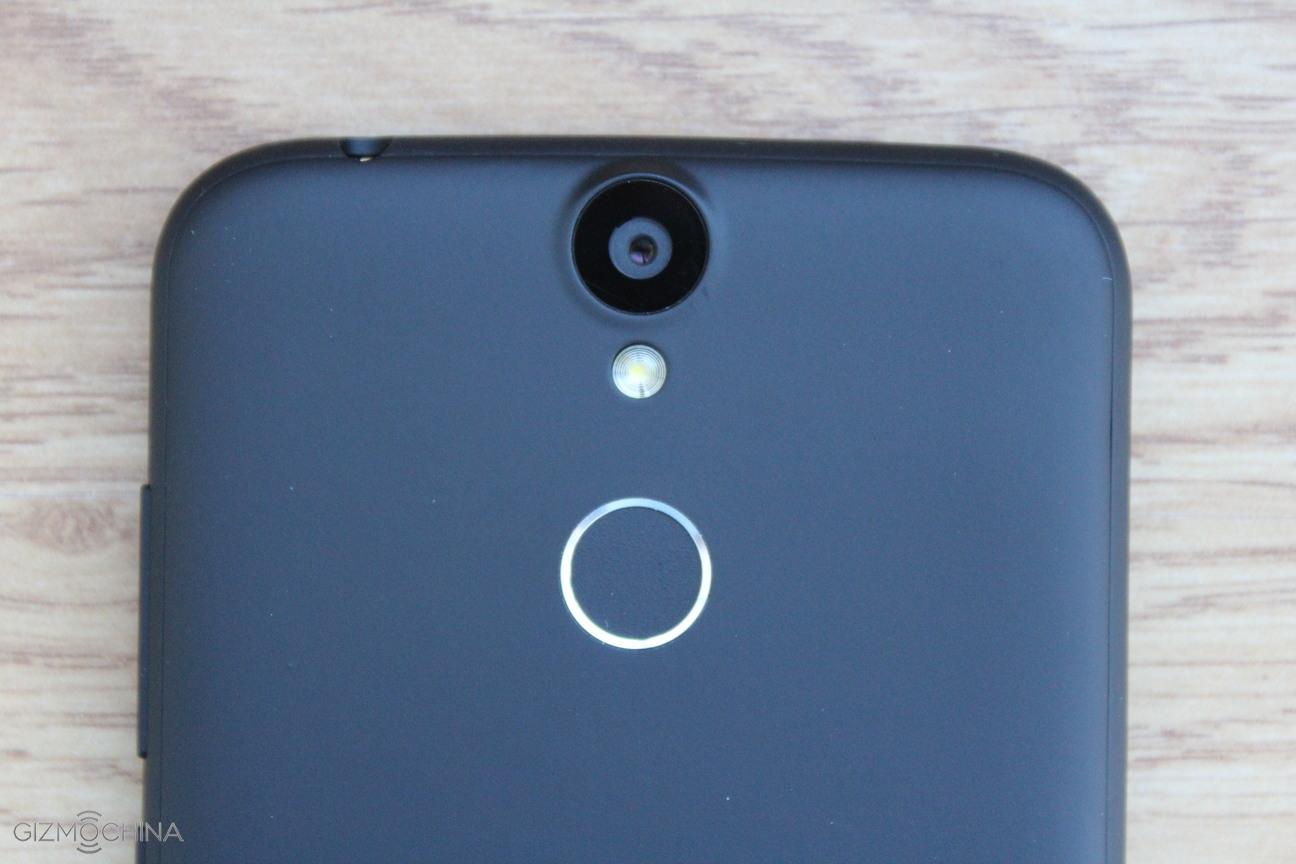
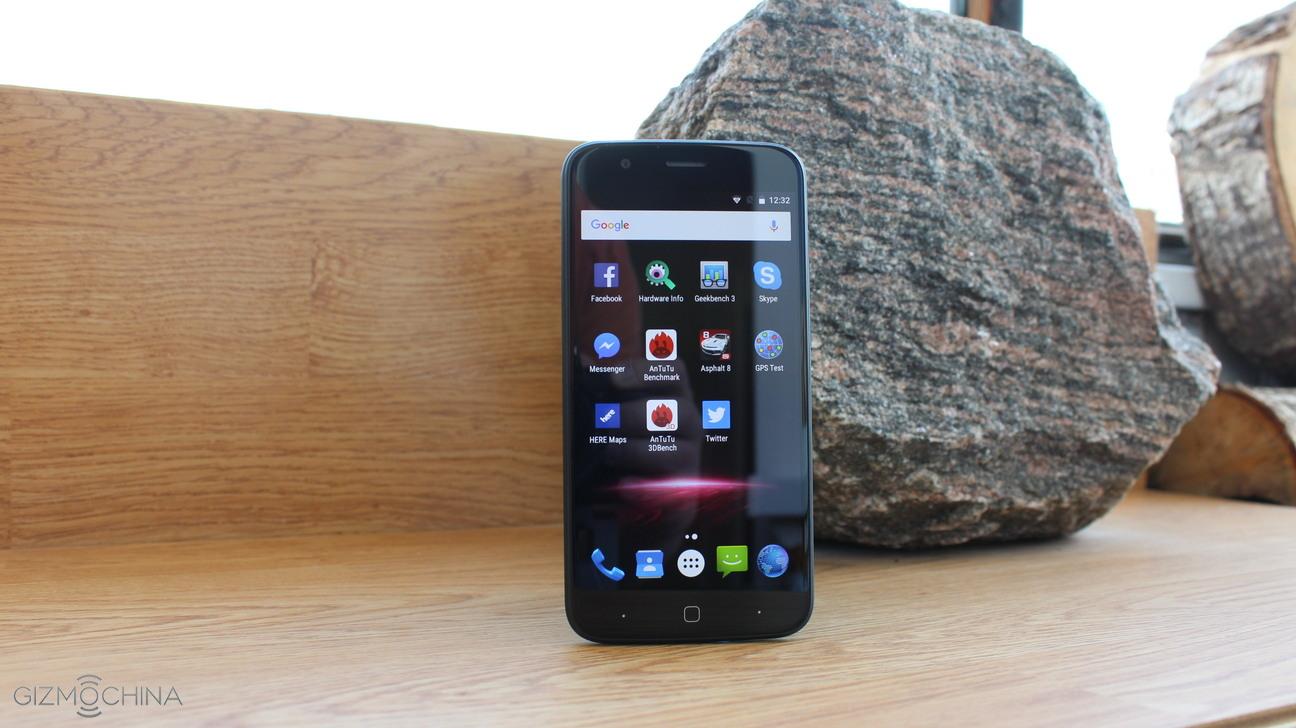
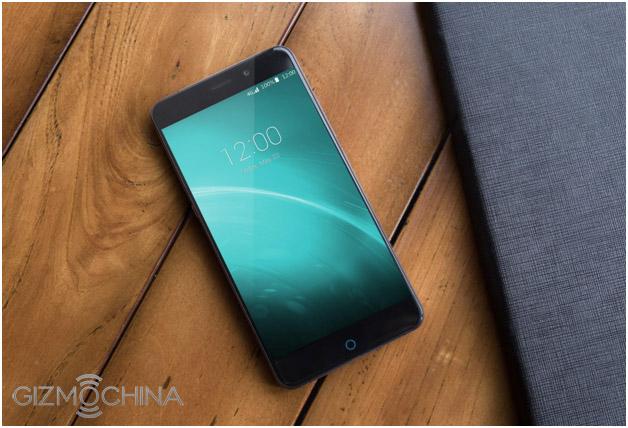
We have heard about foldable smartphone from Samsung, but this is the first time we are seeing one from the Chinese company, OPPO. The leak gives us a good look at the device through clear pictures as well as a video. But it is said that the OPPO’s foldable smartphone is still in the prototype stage, and the actual market release of the device has not been finalised yet.
The new foldable smartphone was reportedly in development since August 2015 from OPPO, and the first prototype was completed in February 2016. Now, this version that we see in the images and video runs on Android and even supports the company’s VOOC flash charging technology. We know VOOC is fast and it is said that this foldable smartphone charged from 3% to 57% in a matter of just 5 minutes!
So, foldable smartphones may not be too far away from launch. If OPPO has a working prototype with Android and VOOC on board, we can expect a retail version, maybe in 2017? Of course, OPPO won’t be confirming any of these information but since this prototype has surfaced, it is safe to assume that we can expect a lot more information about the device in the coming months.
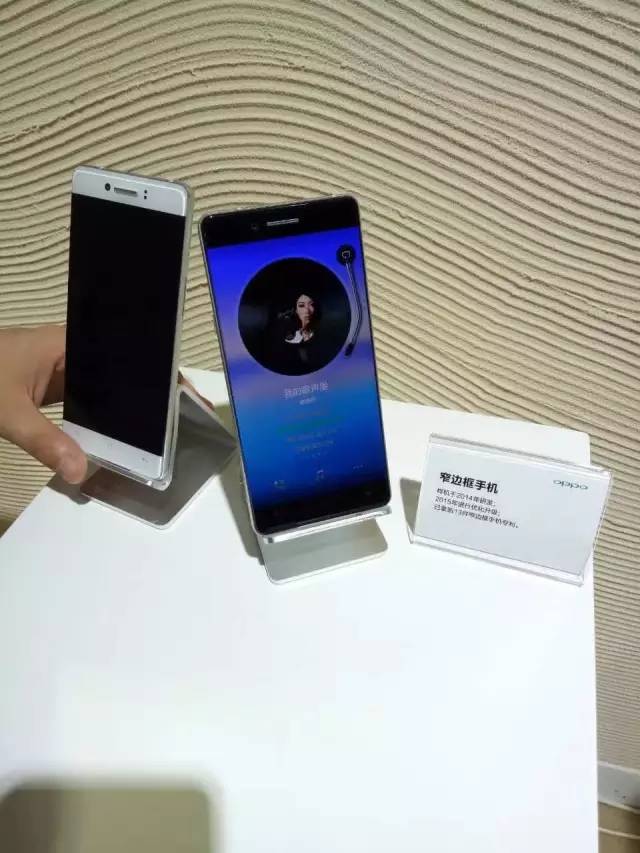
Meanwhile, you can check out the bezel-less and beautiful OPPO smartphone which was leaked last year but never saw the light of the day. Maybe we’ll see the device this year. You can read more about this phone from here.
In a surprising move, Huawei has filed a lawsuit against the top smartphone maker, Samsung in two major markets, US and China. This marks the first time the Chinese giant has filed an Intellectual Property lawsuit against the South Korean company. It is usually the other way around, top smartphone makers suing Chinese companies, but this time we see a reversal of roles. If you remember, last year, it was Ericsson who sued Xiaomi and asked for a sales injunction of Xiaomi smartphones in India.
“We hope Samsung will … stop infringing our patents and get the necessary license from Huawei, and work together with Huawei to jointly drive the industry forward,” said Ding Jianxing, president of Huawei’s Intellectual Property Rights Department, in a statement
Huawei’s lawsuit asks for compensation in US and China for the unlicensed use of 4G technology, operating systems and user interface software inside Samsung’s smartphones. While we aren’t sure whether the Chinese giant is looking for a monetary compensation, it is said that the company could be looking for a deal wherein it could use Samsung’s technology. This could potentially help Huawei in its plans to expand its international plans, which has been slow, but still better than competitors like Xiaomi and Meizu.
Huawei has been doing well in the past couple of years, expanding its smartphone lineup and continuously upgrading its flagships with new technology. The company already has a couple of dual camera smartphones in the market, as well as 3D touch phones. In fact, Huawei reported that it invested more than $9 billion in R&D last year and owned 50,377 patents globally by the end of 2015.
We don’t know what will be the result of this lawsuit, but we will keep you guys updated with more information in the coming months.
Fans have been waiting patiently for OnePlus to unveil the new OnePlus 3 flagship for the past few months. While the company has been revealing more details about the new flagship model, it is yet to announce a release date for the device. But now, thanks to a conversation screenshot between a Oneplus fan and a company representative, we might have a final date.
When the fan asked the question, when was the OnePlus 3 launch, the representative answered that the OnePlus 3 will be unveiled on June 14, which is a Tuesday, through the company’s VR experience. In case you missed, CEO Carl Pei had already revealed that OnePlus 3 launch would be the first global VR shopping experience, wherein users can purchase the device during the launch in virtual reality. You can read more about the VR launch from here.
According to the latest information, the OnePlus 3 flagship will come with a 5.5-inch 1080p display with Qualcomm Snapdragon 820 chipset, 64GB ROM and a 16MP rear camera. What’s more interesting is that the same leak revealed the new OnePlus model was running on the Android N preview build, which kind of hints that the phone will run on the new OS once Google announces it officially. Also, the leak said that NFC will make a return!
There are two memory variants expected, one with 4GB RAM + 32GB storage and another with 6GB RAM + 64GB storage. Pricing is expected to start at just $310, with the 6GB RAM version costing around $385. The company is yet to confirm these details, but most rumors have given prices close to this figure.
There’re tons of mid-tier smartphones on the market. And we usually hear ” You get what your pay for”, but in this case, you’ll get a little bit more than you pay for. As the time is flying away, some flagships of last year still remain competitive. Here is our top four picks of the most cost-effective mid-range smartphones in the market right now, and they are Bluboo Xtouch, Umi Touch, Elephone P7000 and Doogee F5.
All the devices cost around 130 usd online. But there has to be a winner in every battle. Which one is the best in terms of performance, specifications and price. Let’s find out in the video below.
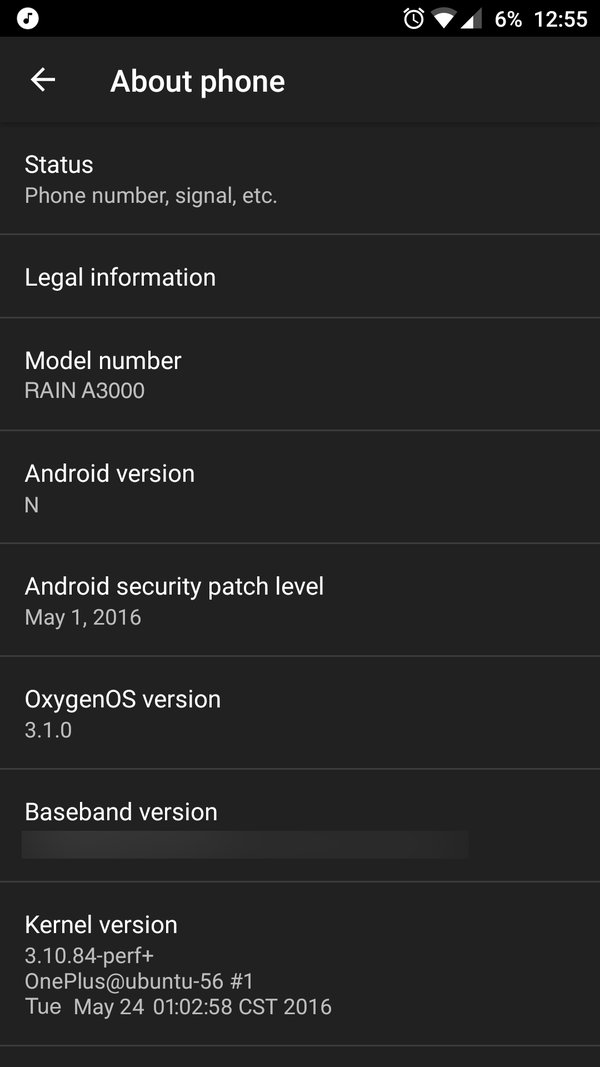
OnePlus 3 will soon meet us, probably at the start of June. But that doesn’t stop the numerous leaks that crop up online. The latest information about the OnePlus flagship comes via the noted leaker, Evan Blass, who revealed a screenshot of the upcoming device along with a few specs details as well.
According to the new screenshot, the OnePlus 3 is seen running on an Android N preview build. The model number is RAIN A3000, the same model that we saw on the benchmarks a few weeks back. The phone seems to be running on the Oxygen version 3.1.0 along with the kernel version 3.10.84. This is clearly a preview build running on the new handset, but expect the Android Marshmallow version out of the box when the phone is released. You will probably get to play around with Android N after it’s released and the phone is updated via OTA.
While evleaks is known to release credible information about upcoming smartphones, some users at XDA claim that the kernel version should be updated, as well as the Oxygen OS version. We aren’t sure whether this is fake or not but the info seems to match with the earlier leaks. He added that the phone will come with Snapdragon 820 with a 5.5-inch 1080p display, 64GB storage, 16MP rear camera and for some, the most important feature — NFC.
The screen resolution of 1080p might be great for the battery, but when it comes to things like VR, it falls short of the requirement. We have time and again seen that 2K is the minimum resolution to enjoy VR in good clarity, and when OnePlus is so focused on VR, we wonder whether the new flagship will be limited to Full HD resolution.
Well, there are two variants reported, one with 4GB RAM and another with 6GB RAM. Maybe one of the variants would come with 2K display. We can’t be sure of that at the moment, but let’s wait for more details.
A beta build of Android N was released following the Google I/O keynote on April 18. The new build promises increased stability, to the extent that Google is encouraging developers, and even casual users, to install it on their primary devices.
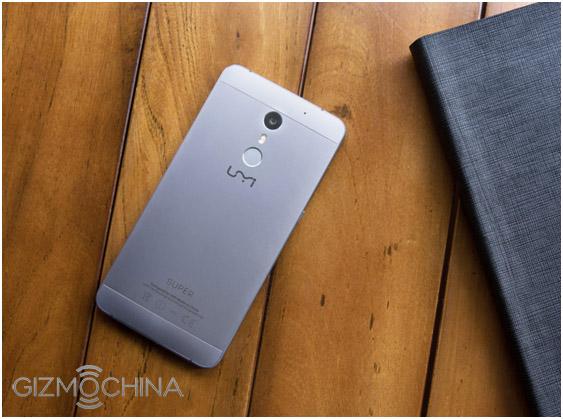
UMi’s one of the first Chinese phone makers serve Android 6.0 Marshmallow out of the box by UMi TOUCH and UMi Super, the one who constantly integrate multiple ROMs offer to intall to their devices via rootjoy.
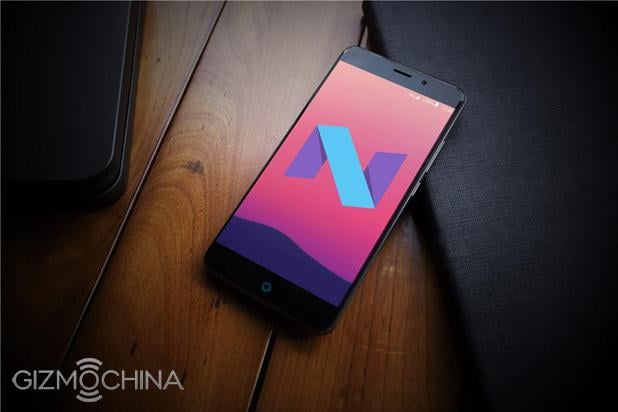
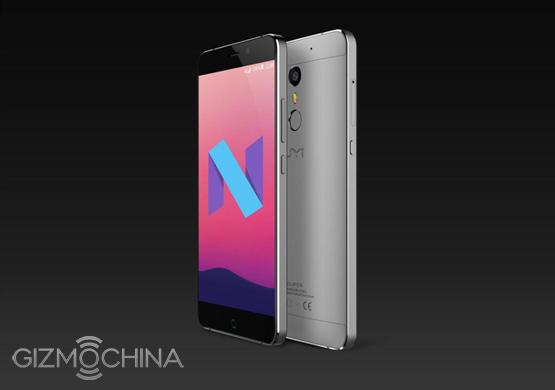
Today UMi’s developer sent out a couple of pictures showing they are already getting their hands on Android N beta ROM.
Accordingly to UMi, the company is getting in touch with Google team under a package of deals regarding software upgrade possibility to all their device. If there any, UMi Super could be the first to get update, on the N.
We don’t know if this is true and we don’t know when this will happened. Like Jack Ma from Alibaba said, what if dream come true? We never know!
So we hope UMi developes could make this come true for everyone.
If you are looking at this UMi Super, it’s currently on presales for $179.99 from their official Aliexpress shop:
Bluboo has been silent for the past few months. The latest we have heard from the company was about the Bluboo Picasso, the low cost, good looking budget offering from the company. Now, there’s new information that the company is working on a brand new smartphone and it will be called as the Bluboo Maya. There isn’t much information available about the device at the moment, but here’s all we know about the phone till now.
You can check out the first leaked render of the device from above.
It is said that Maya will be a 5.5-inch device. The company will focus on the looks of the device as well as the camera performance. In fact, Maya could be a great phone for those who are looking to take good selfies from a budget device. Unfortunately, we don’t have any sensor specs of the device yet.
The Bluboo Maya could come with a similar design as the Picasso. So, at the back, we could see a 3D diamond pattern texture. The phone is also said to sport a unique fence grain design for better aesthetics and grip. Many liked this unique pattern on the Picasso, so there is a very good chance that the company will use a similar pattern on the back of the Maya as well, which is also going to be a budget device.
While we have not yet received any confirmation from the company yet, it is said that Bluboo Maya could be announced as soon as June. However, our previous experience has taught us that unless the phone is actually announced and goes on sale, we can’t be sure of the official release time frame of the device.
If the release is indeed in June, expect more details pretty soon.
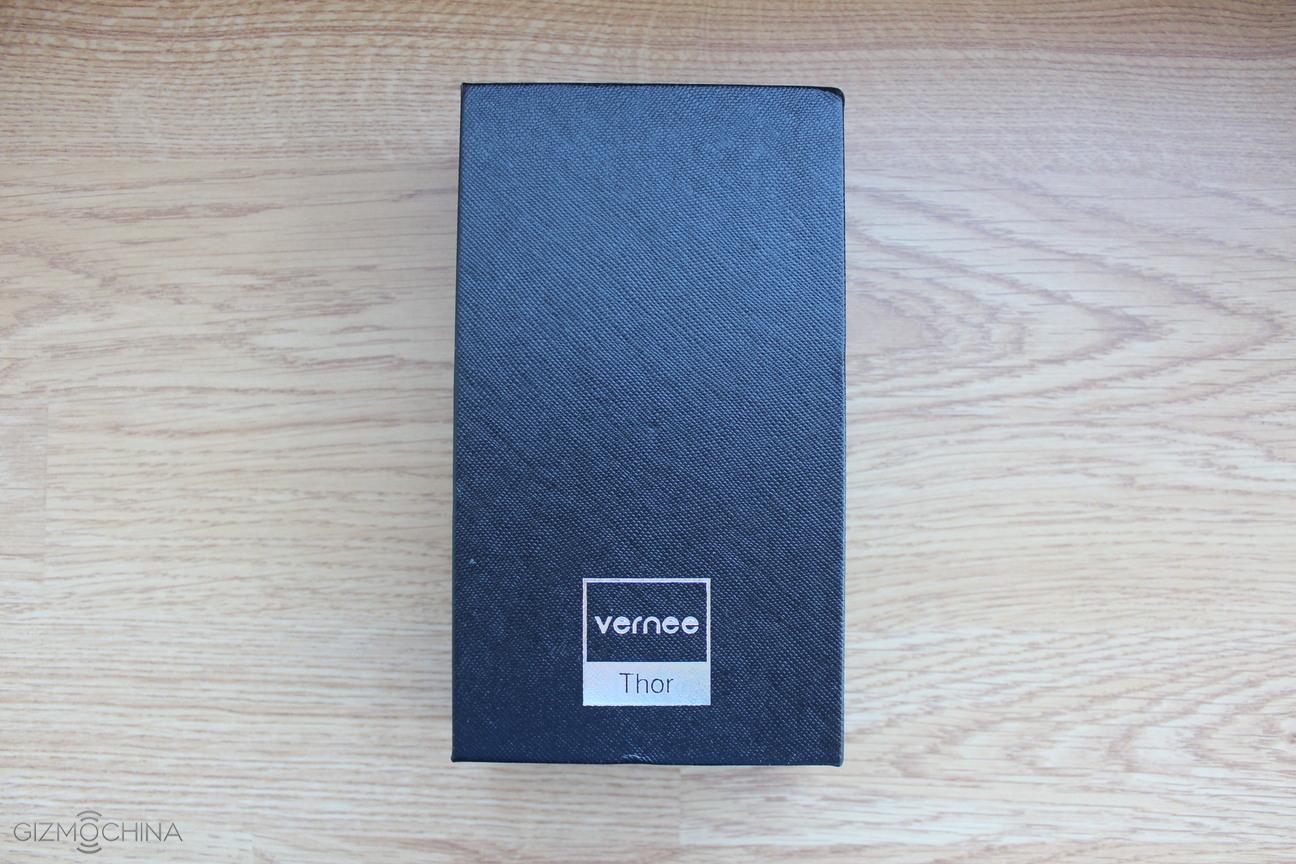
If you are a known reviewer with lots of fans or someone who can review the new Vernee Thor smartphone well, then you might want to consider applying for the Vernee Thor Global Reviewers Recruitment Program. The company will be selling the new Vernee Thor smartphone to eligible reviewers for a price tag of $49.99, making sure that you don’t have to shell out the entire price, in return for an honest and well-written review.
However, you will have to purchase the Vernee Thor for its full price from partner shops listed in the reviewer program. Once you have got the phone, review it and share it on multiple social media channels. Then, send the links of your review along with required information to the official email ID of the shop from whom you purchased the device. If your review is good enough and passes the requirements of Vernee, your could get $50 coupon from the retailer.
Check out the official website of Vernee for more details about this program. Remember that the program starts today and goes on till May 31. Also, the total units for the program will be limited to 2000.
To recap, the Vernee Thor comes with a 5-inch oncell screen with Android 6.0 out of the box, MT6753, 0.1s fingerprint ID, durable body, and 3GB of RAM. For $119.99, the phone is definitely a good buy. In fact, you can check out our review of the Vernee Thor if you are planning to purchase the device.
Below are a few interesting videos of the Thor which you can watch.
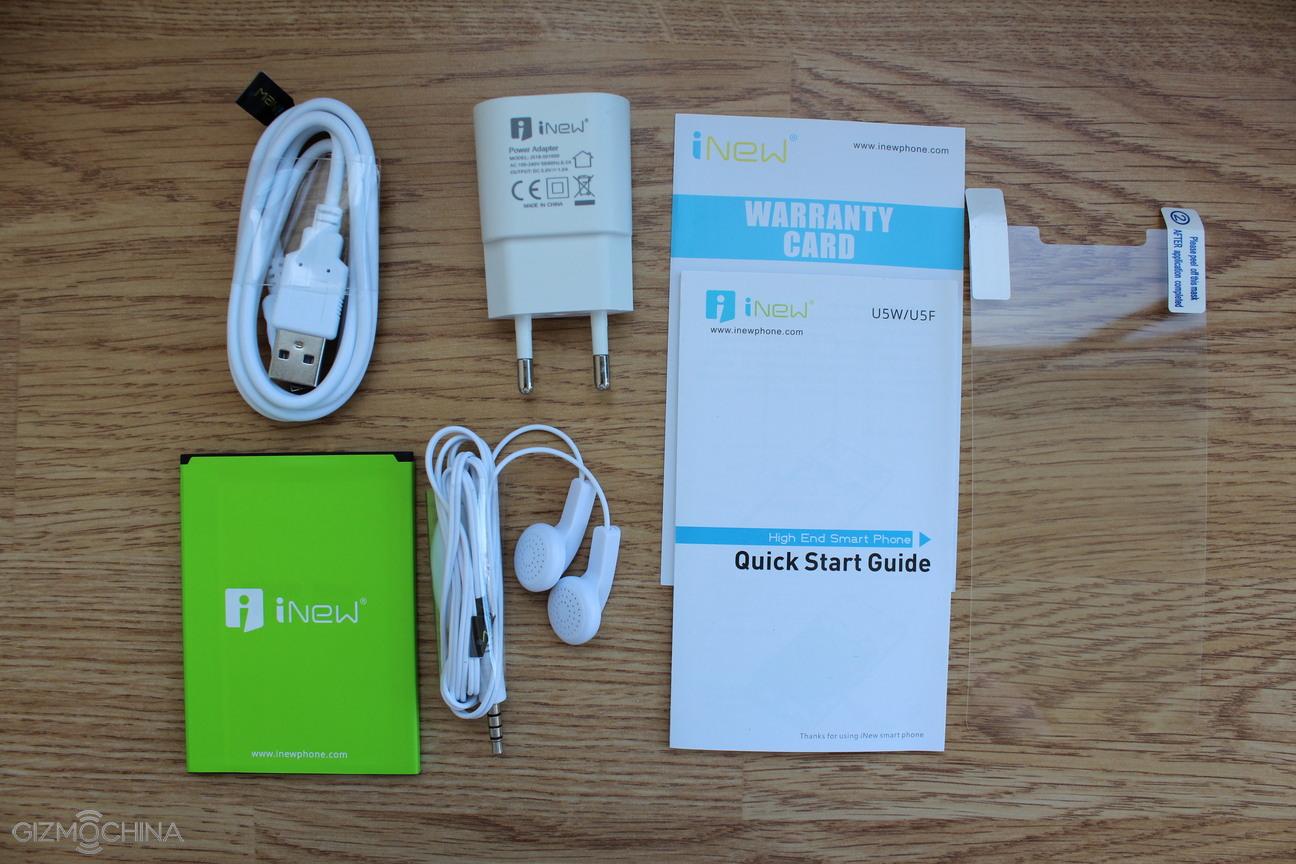
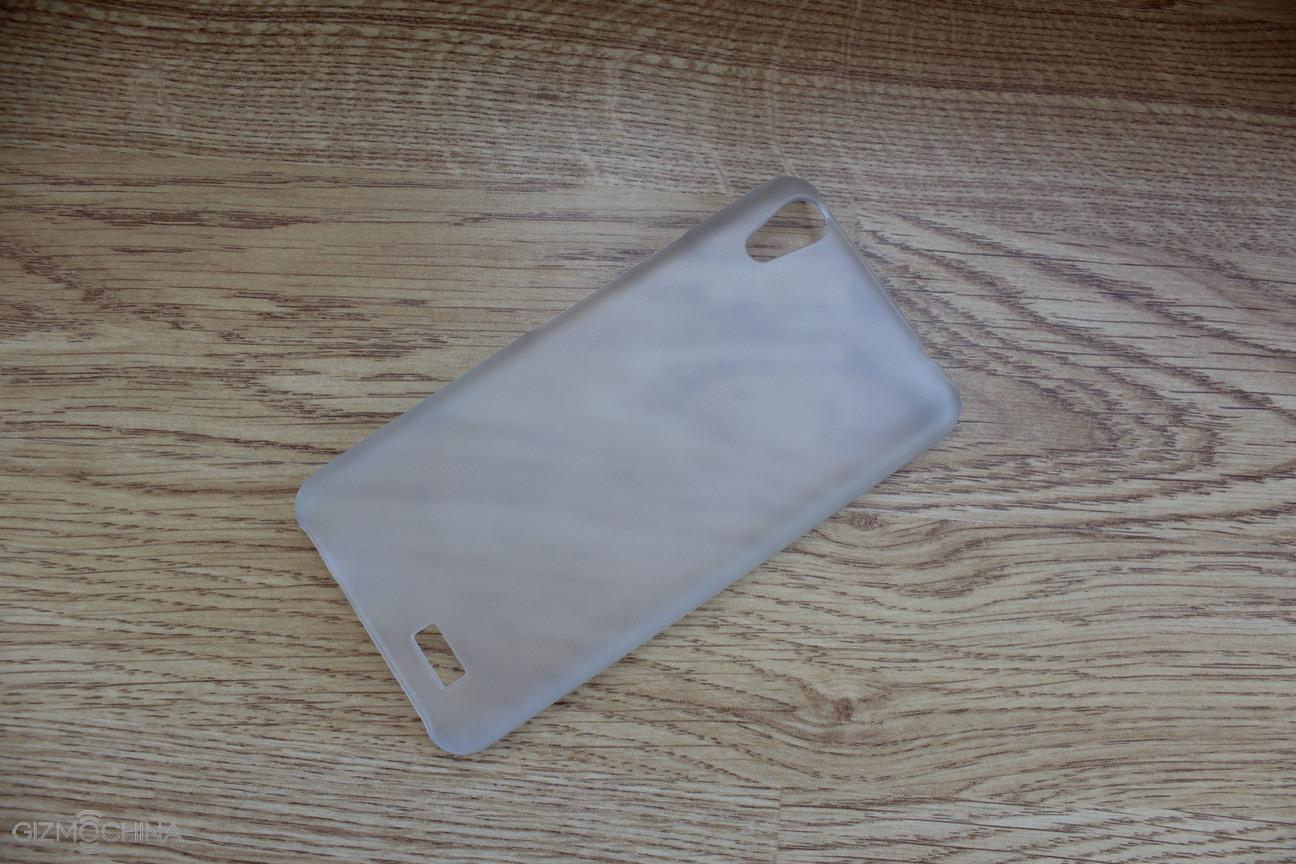
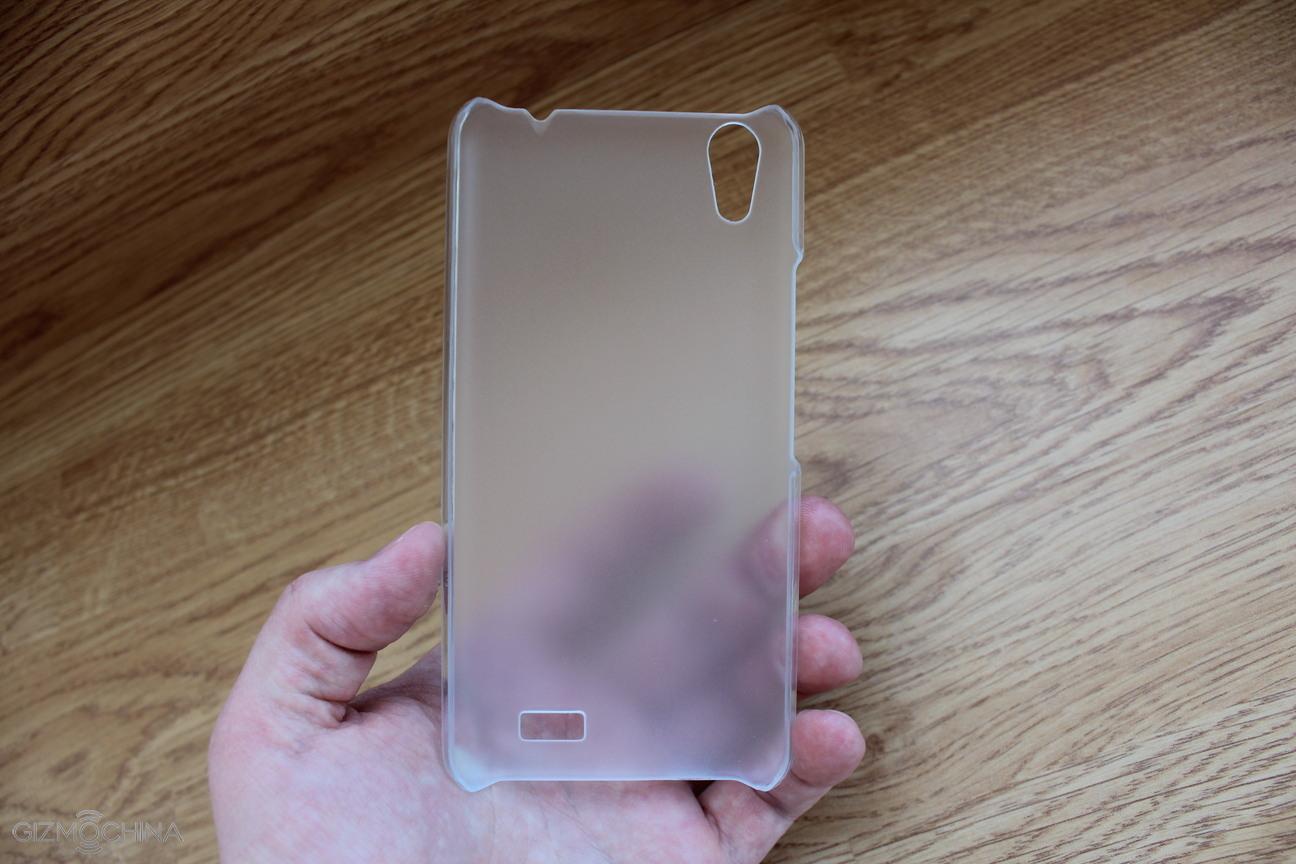
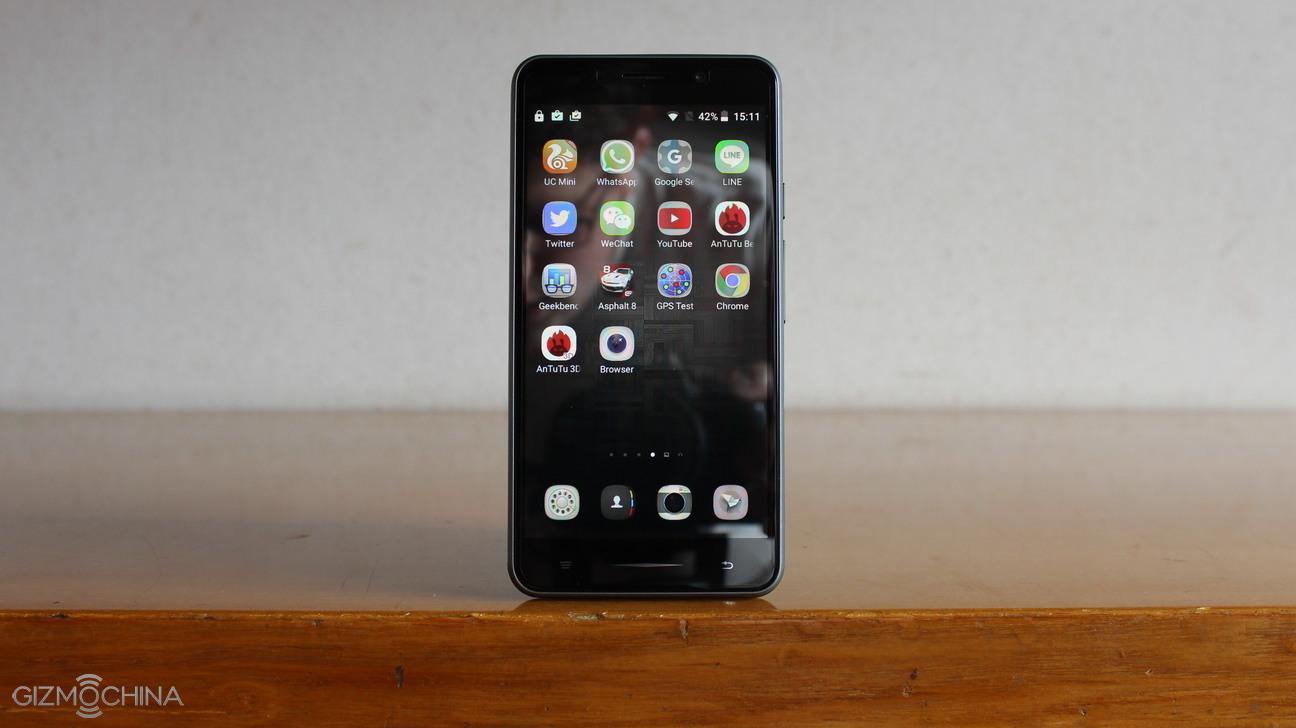
The phone ships with all the usual stuff and some extras include a pair of earphones, a soft TPU case and a screen protector.
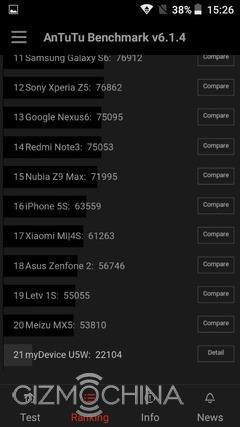
iNew U5W Review: SPECS, PERFORMANCE, BENCHMARKS
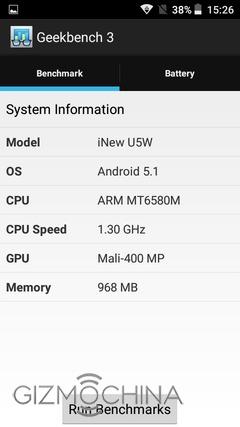
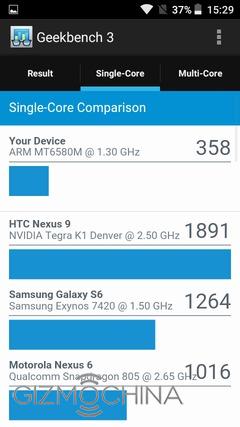
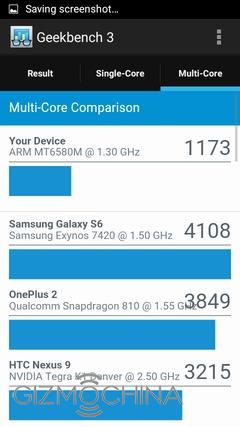
Let’s start by taking a look at what kind of specs-sheet you are getting for such a low price. The iNew U5W ships with a quad-core MTK6580 chip with the clock speeds of 1.3GHz, 1GB of RAM and 8GB of expandable storage.
The gaming performance is actually not bad. Of course, the graphics don’t look spectacular but I didn’t have any lag or major hiccups when I played Asphalt 8 on the lowest graphics.
iNew U5W Review: DESIGN, DISPLAY, FEATURES, BATTERY LIFE
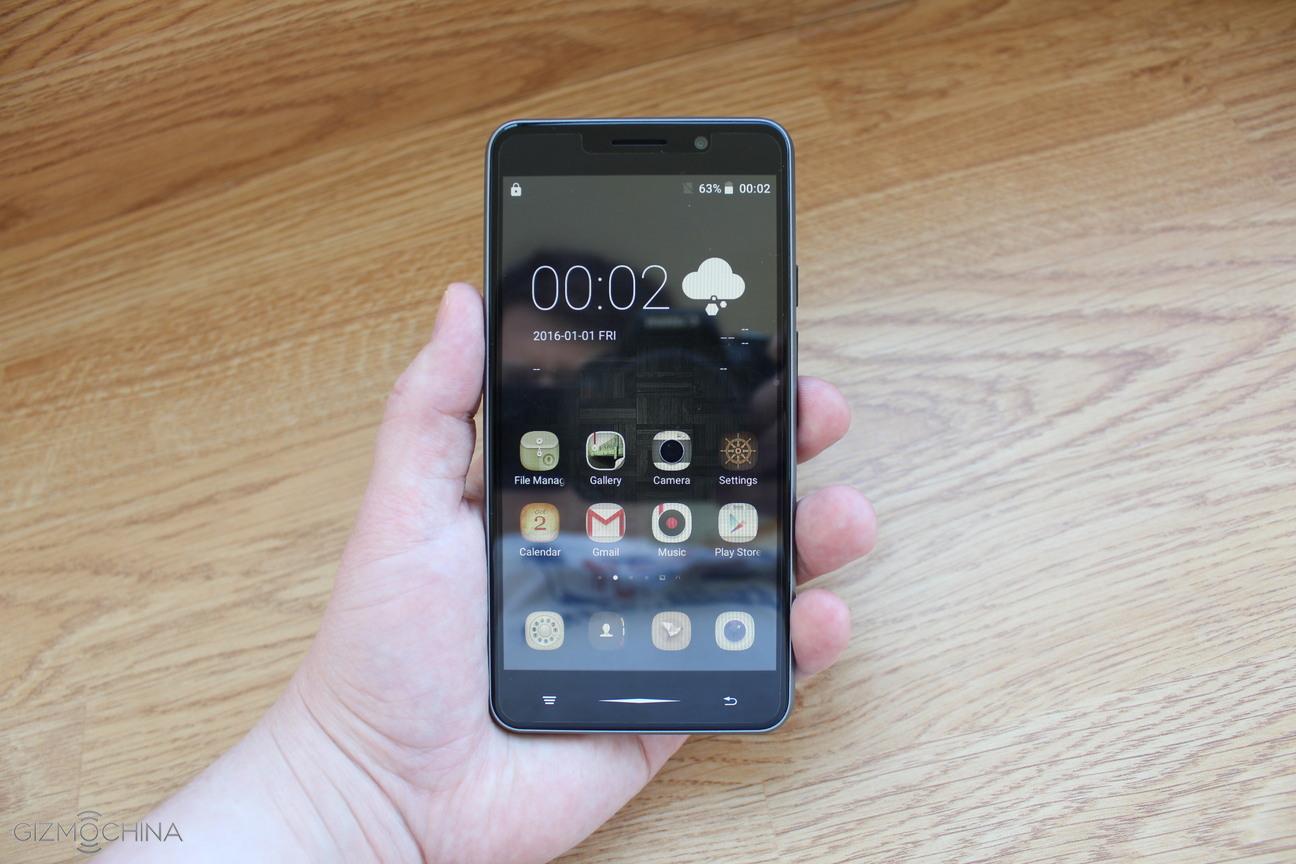
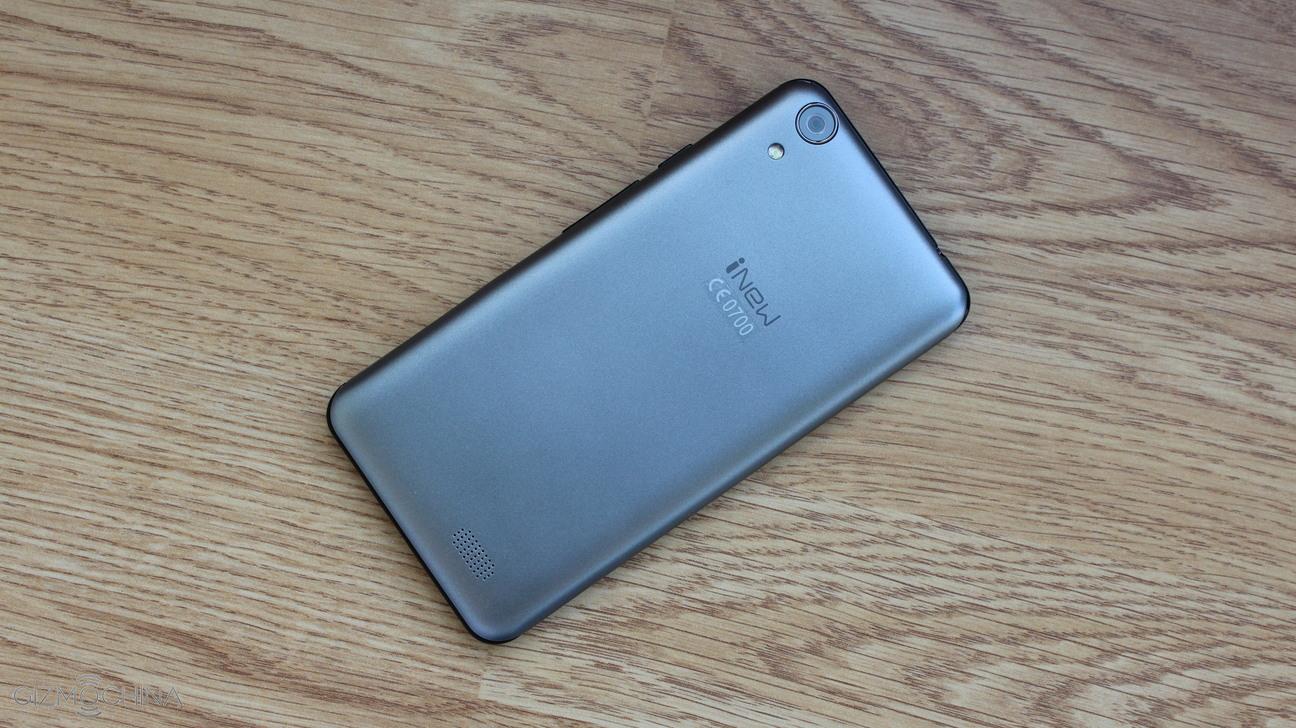
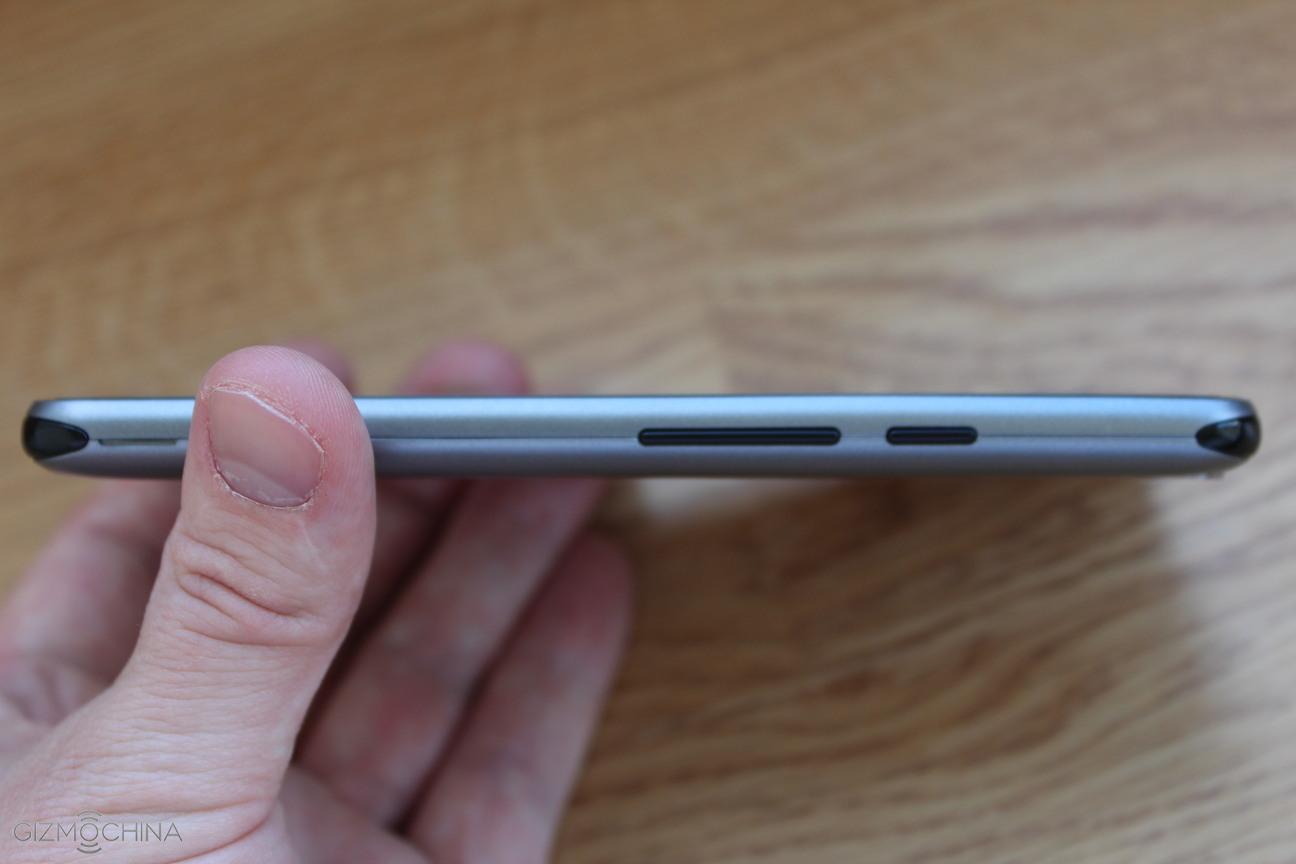
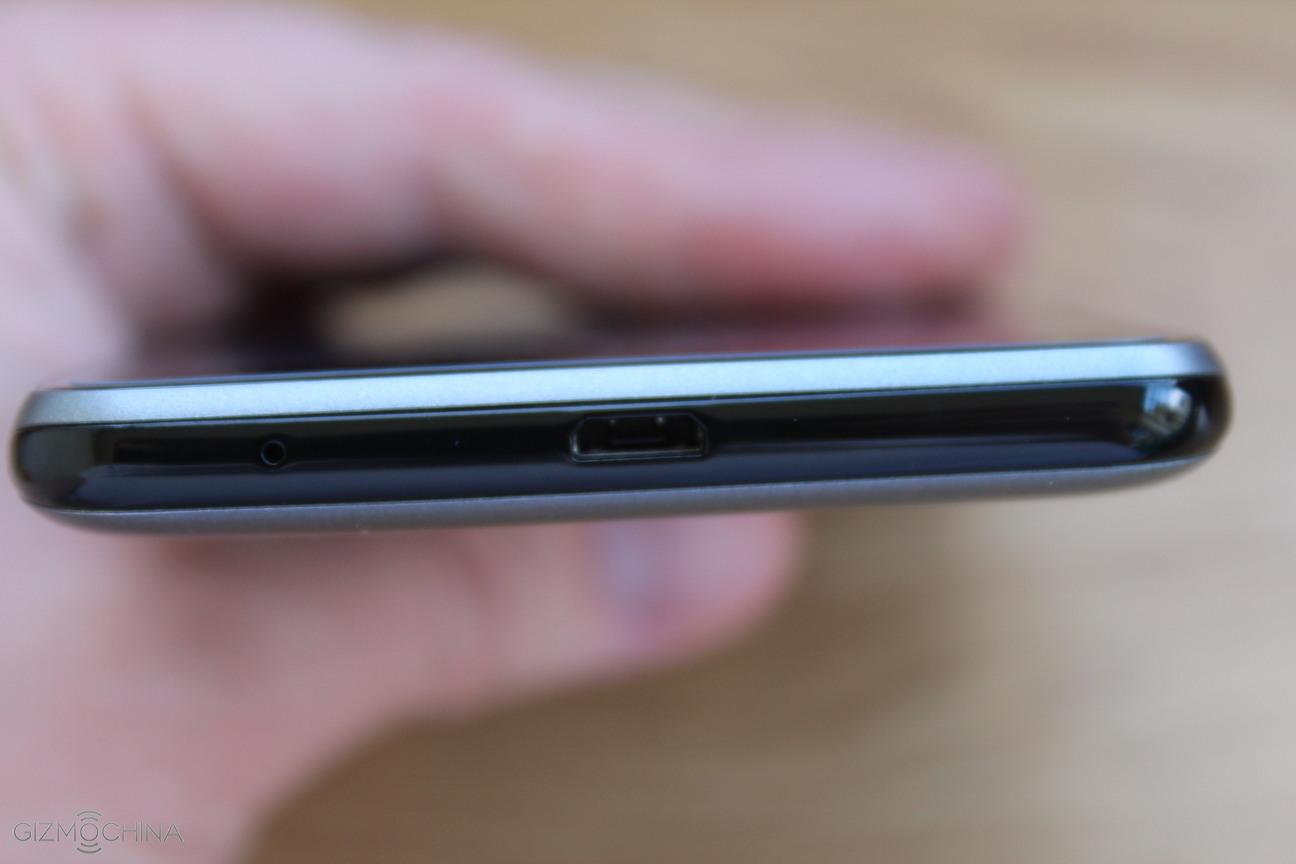
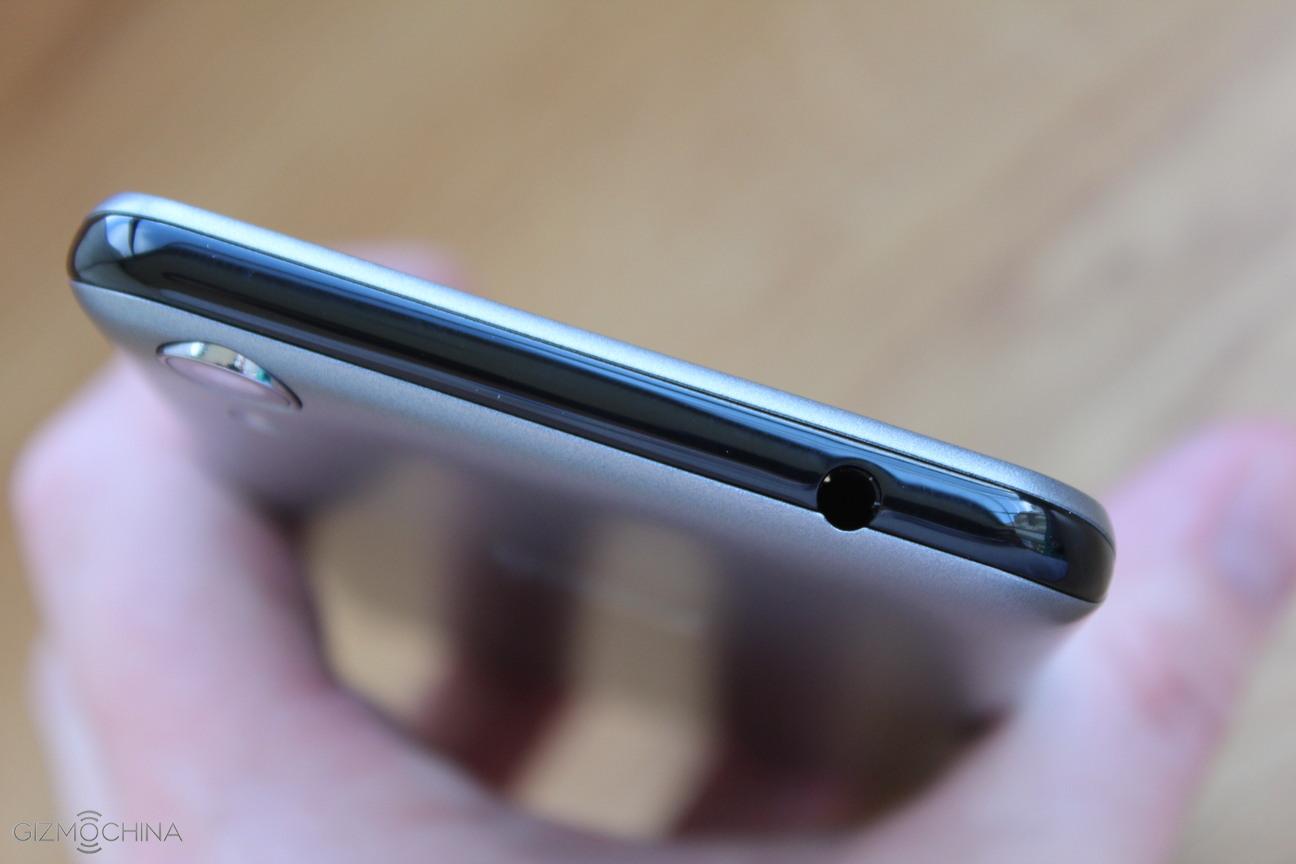
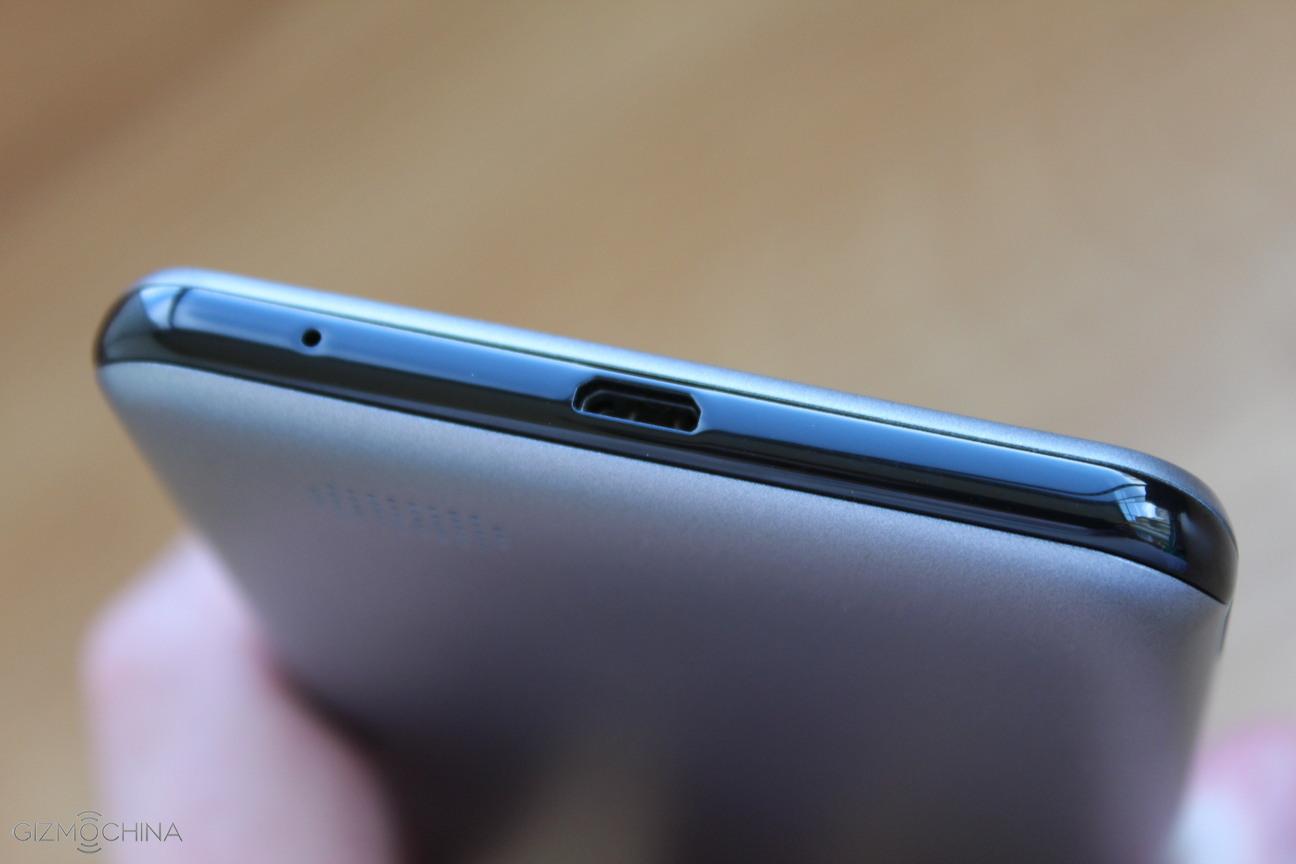
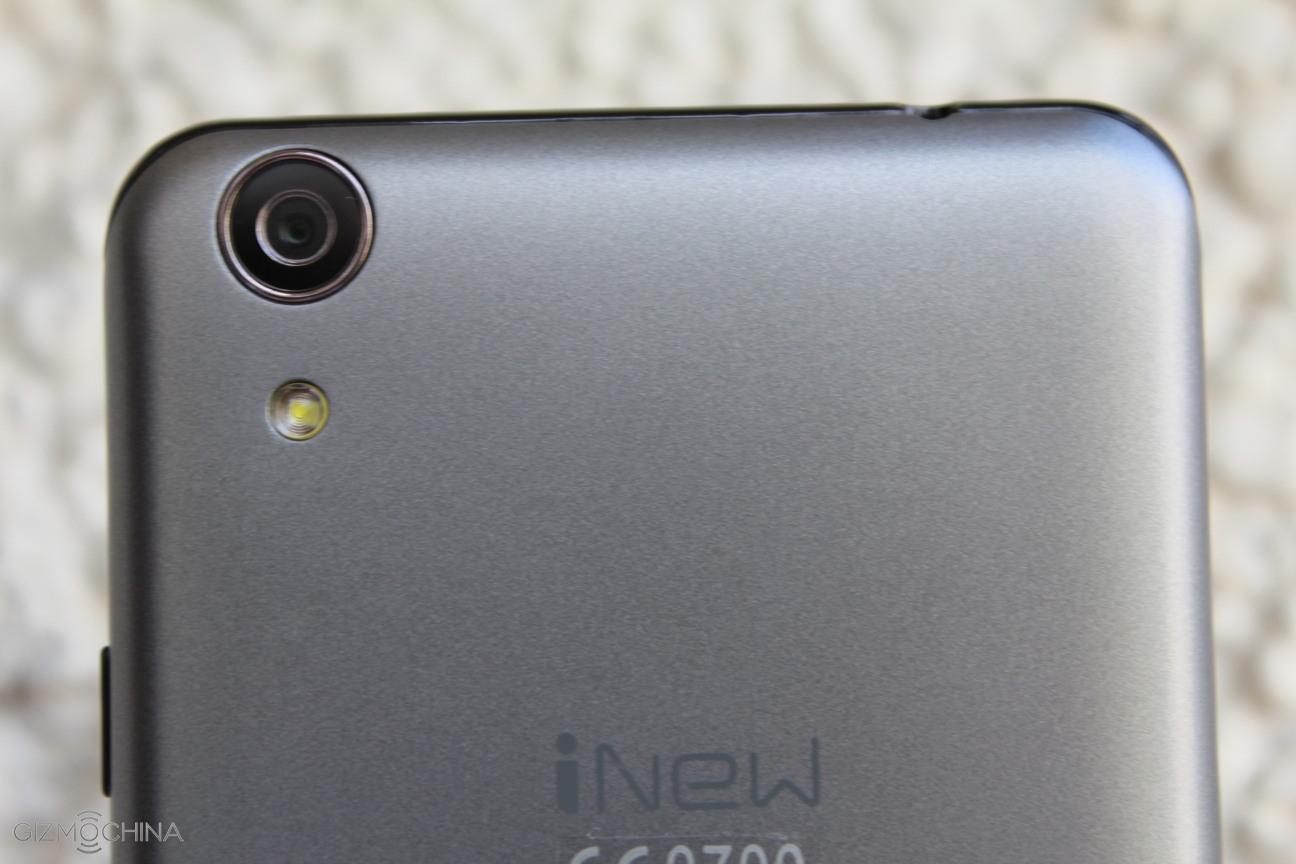
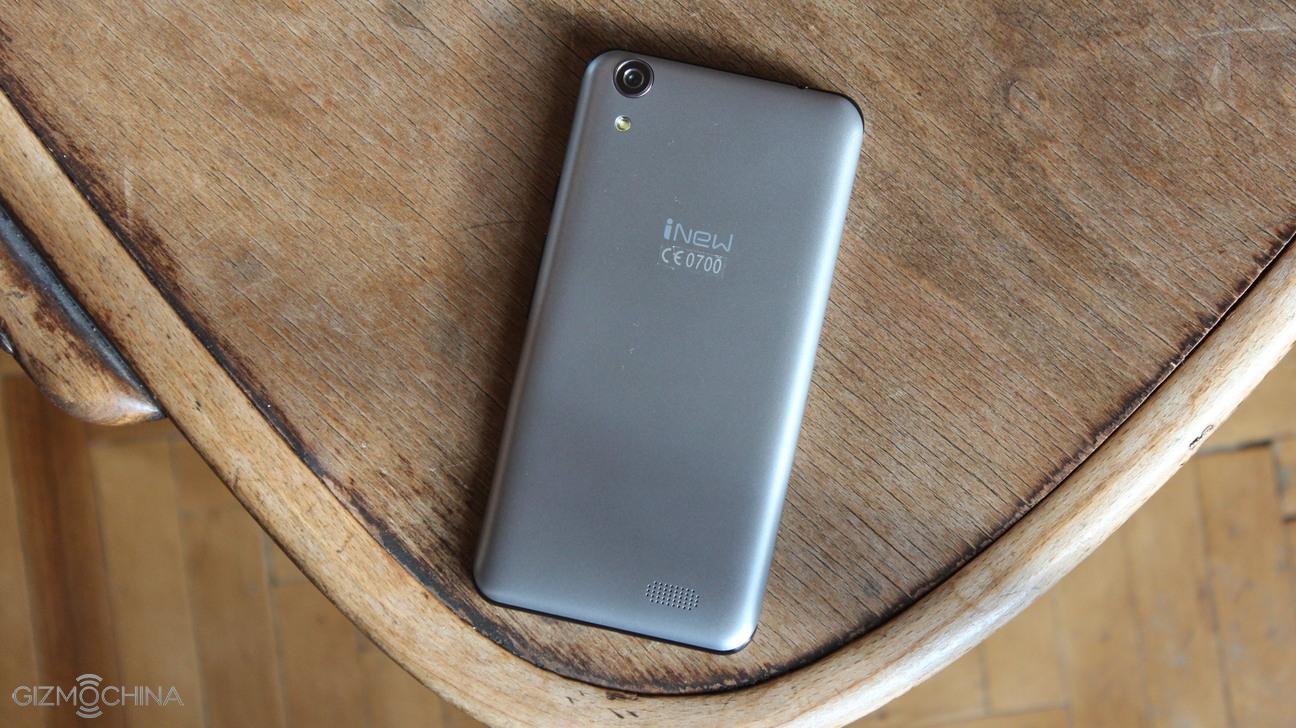
The phone has a decent build quality and it uses plastic in the construction. The phone is compact and sits conformably in the hand.
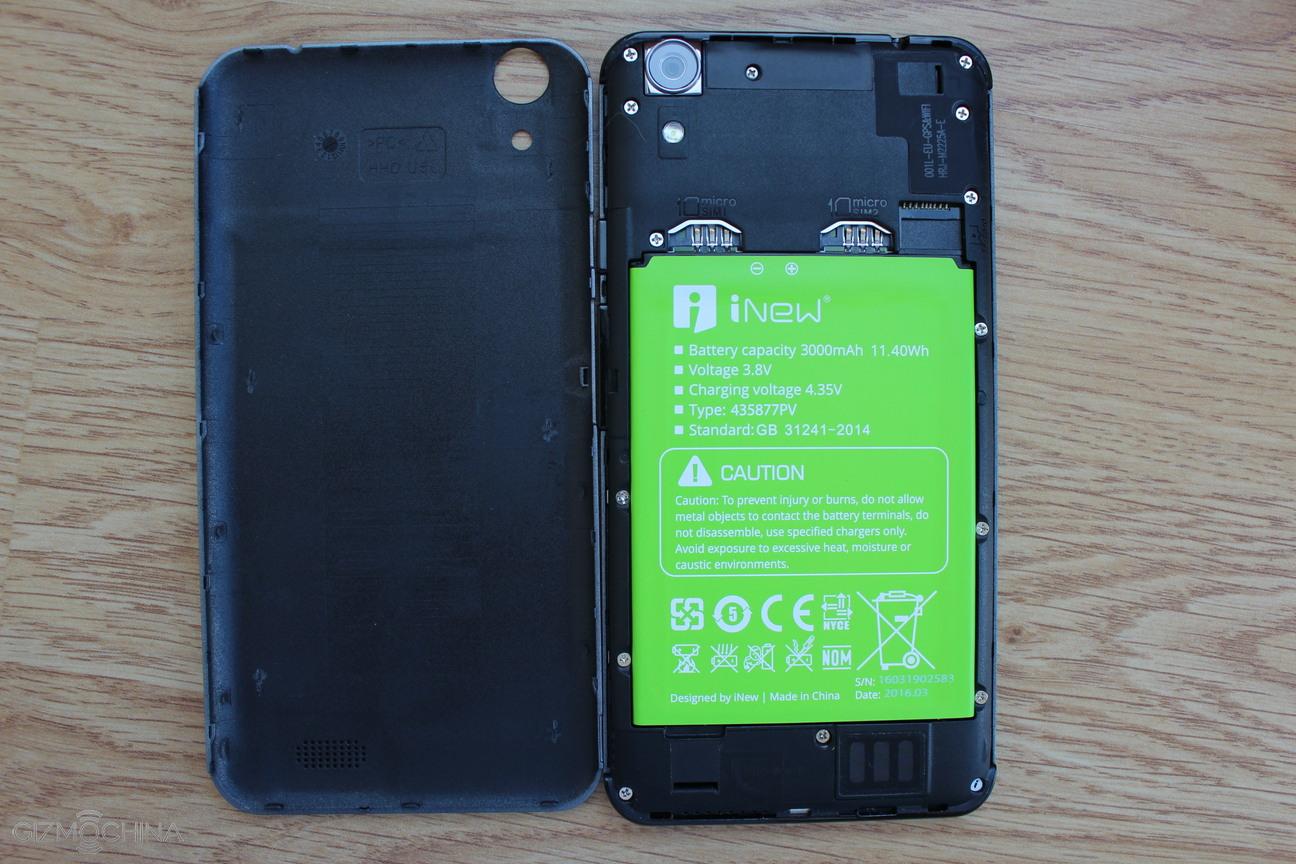
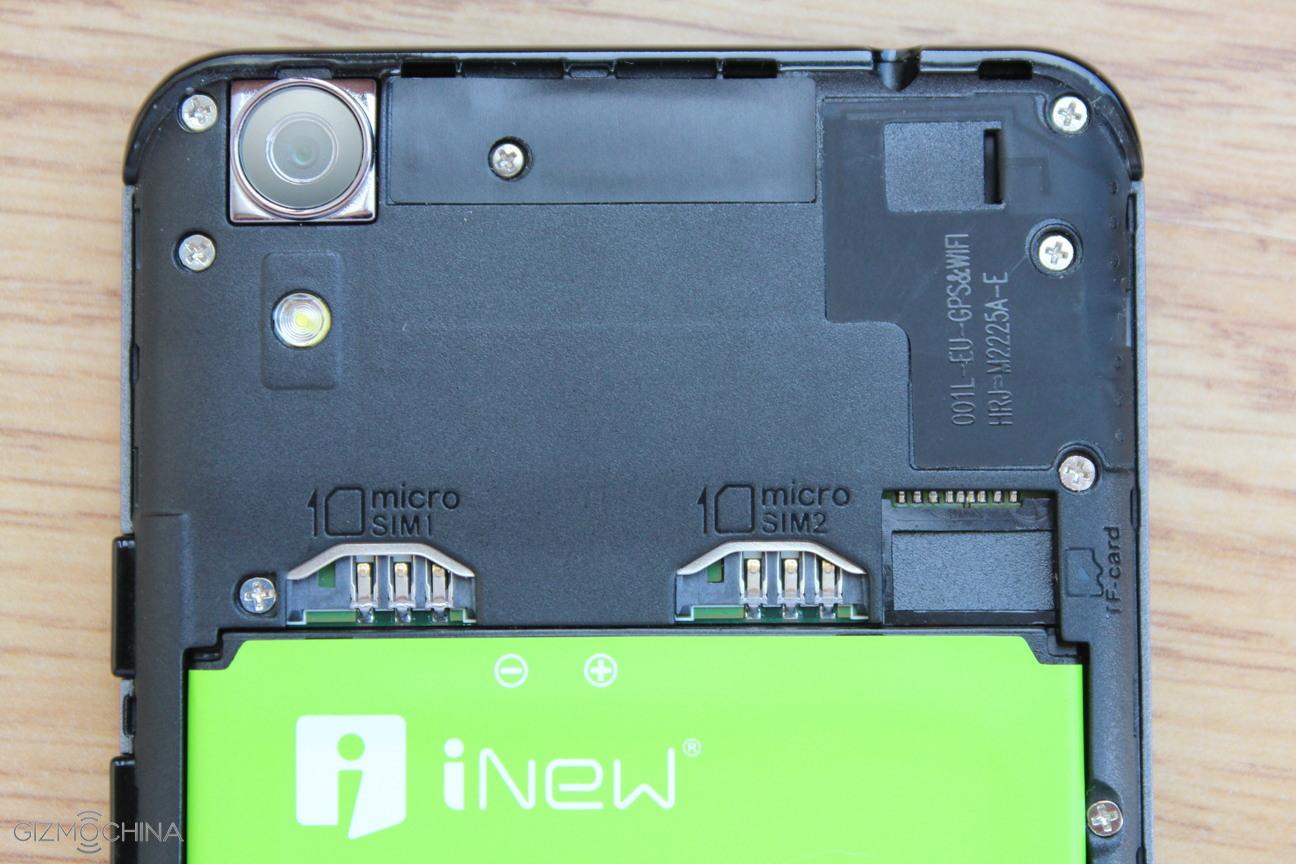
You can easily remove the backplate and underneath it you will find a removable 3000mAh battery, two SIM card slots and the microSD card slot.
Speaking of the battery, it performs very well. I could get over 5.5 hours of screen-on time, which is a great result for the phone this cheap.
We have a 5MP camera but you should not expect any stellar results from it as this is a $65 phone after all. You may get some okay looking images usable for social media but most of the shots will not look great.
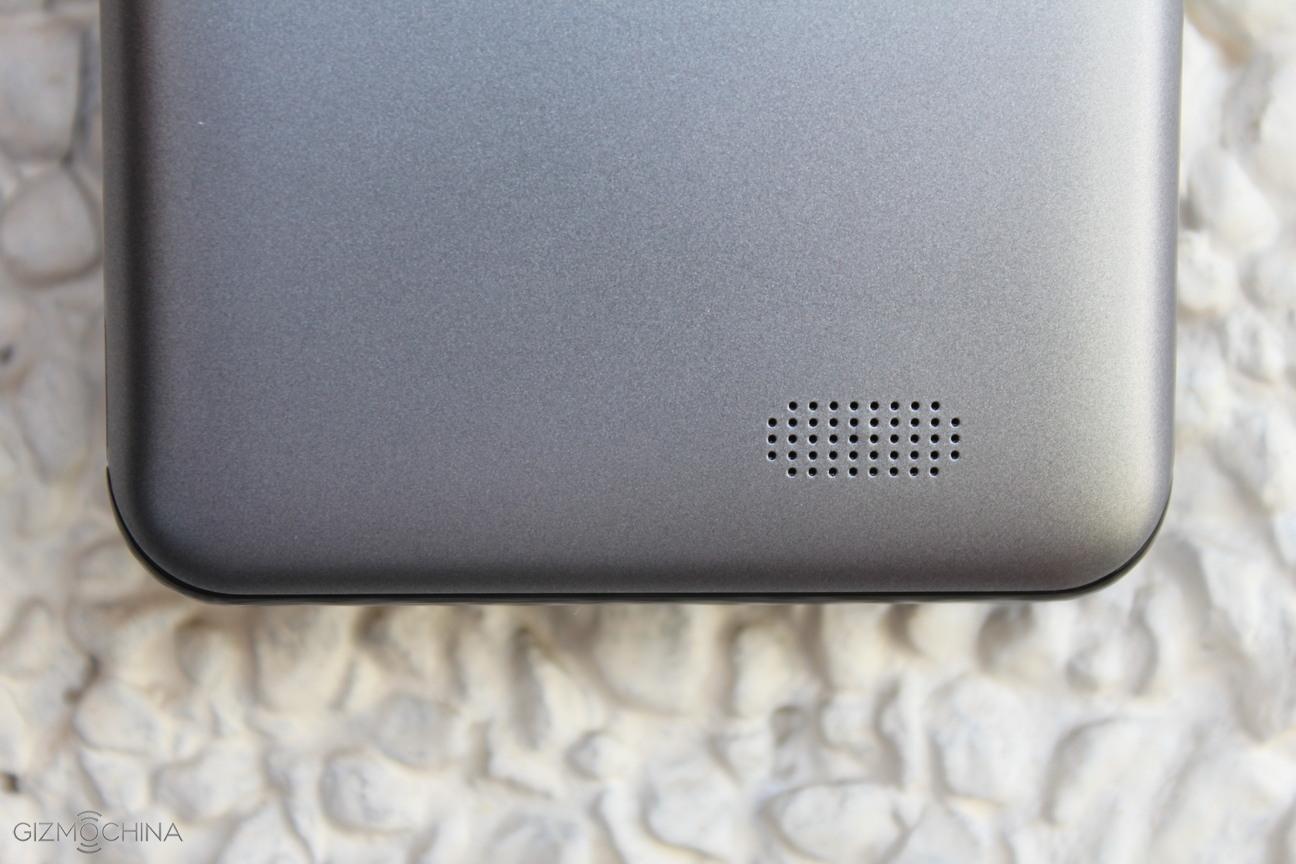
The loudspeaker is actually pretty good and you simply cannot ask more at this price point.
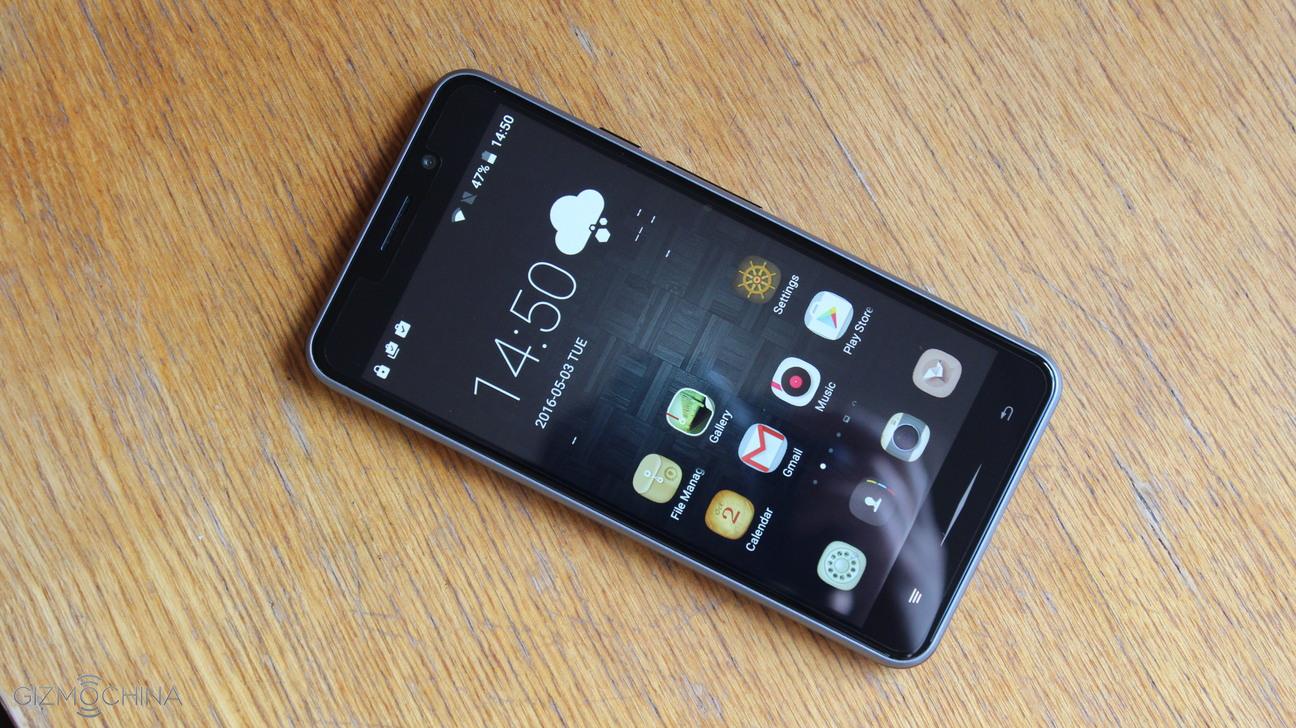
The 5” display does not even sport an HD resolution. Still, it is pretty good panel for the price of the phone. However, it would have been nice to see at least HD resolution.
On the front we have a 2MP shooter, which is not really impressive but you may get an okay looking selfie in good lighting conditions.
A few shortcomings would be that the capacitive buttons are not backlit and there is no LED notification light.
iNew U5W Review: UI
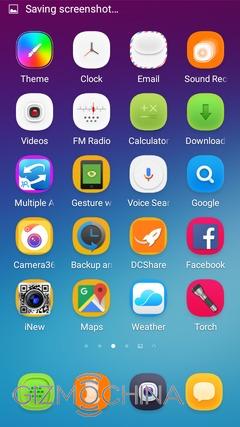
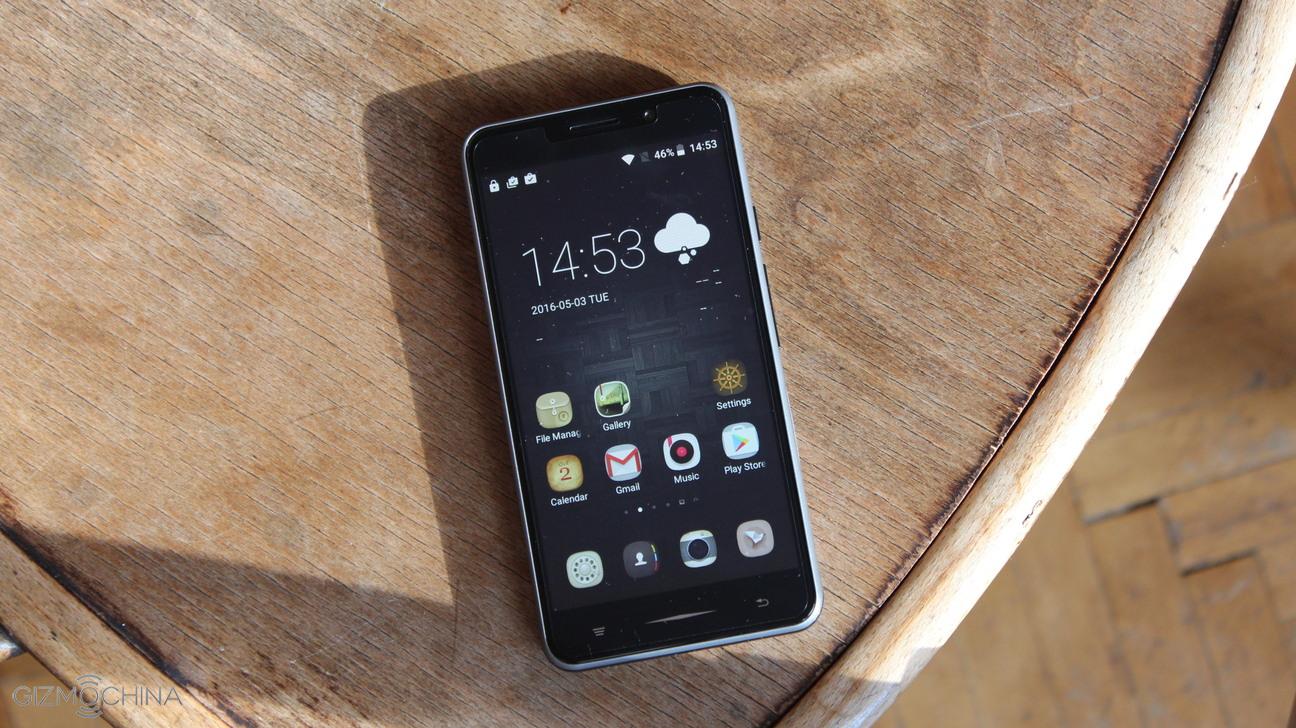
iNew U5W ships with Android 5.1 with some added features and customization options.
To begin with, there is no app tray but we have some fancy looking widgets, ability to customize your phone with different themes, transition effects, wallpapers and so on.
Most importantly, the phone does not lag or stutter on a daily basis.
iNew U5W Review: CAMERA
We have a 5MP camera but you should not expect any stellar results from it as this is a $65 phone after all. You may get some okay looking images usable for social media but most of the shots will not look great.
On the front we have a 2MP shooter, which is not really impressive but you may get an okay looking selfie in good lighting conditions.
iNew U5W Review: CONNECTIVITY
We didn’t have any major connectivity issues. The GPS lock speeds are good but the accuracy could be slightly better.
iNew U5W Review: CONCLUSIONS
iNew U5W is yet another cheap phone from China and this device shows that it has become possible to buy a basic smartphone for basic daily tasks.
Sure, you will not get a good camera or even and HD display but the iNew U5W gets the basics right.
It has a decent design and build, the UI has quite a few customization options and it runs smoothly most of the times.
We don’t say that this is the only phone that you should look for if you are on a tight budget but it is an option worth checking out, if you don’t want to spend more than $65.
OnePlus 3 is expected to be unveiled sometime early June, and the company has already starting hyping the device before its launch. We know that the company will continue the tradition of launching its smartphone in VR, as the OP3 will be unveiled in the company’s virtual space station called the Loop. Now, the CEO of OnePlus, Liu Zuohu aka Pete Lau has given us a first picture taken by the OnePlus 3 flagship.
The picture is taken from the front camera of the phone, which should be an 8MP sensor. While we can’t be sure of the lighting conditions when the photo was taken, it looks like the camera has done a decent job of capturing even the dark areas. But we would have liked the image to be clearer.
The company seems to have adopted a new sales strategy this year. For example, the OnePlus 3 launch will include the world’s first VR shopping experience, which allows viewers to purchase the device before anyone else when in virtual reality. So, it looks like OnePlus is finally ditching the invite system for good. The company also gave away 30,000 Loop VR headsets to its fans worldwide yesterday which can be used to watch the event. But the event can be viewed with any standard VR headset.
As for the specs, according to the previous leak, the OnePlus 3 is expected to come with Snapdragon 820 chipset and 4GB / 6GB RAM options. At the back, there will be a 16MP camera, while up front, the phone will feature an 8MP shooter. There should be a 3000mAh battery on board, a 5.5-inch AMOLED display and Android 6.0. Pricing is expected to start at $354 for the 4GB RAM + 32GB version and $384 for 6GB RAM + 64GB ROM version.
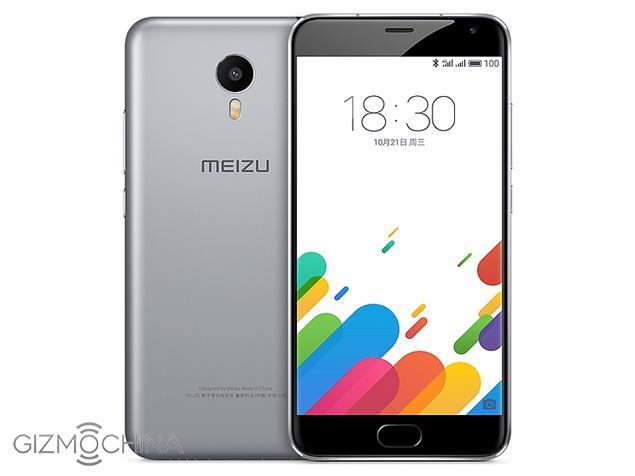
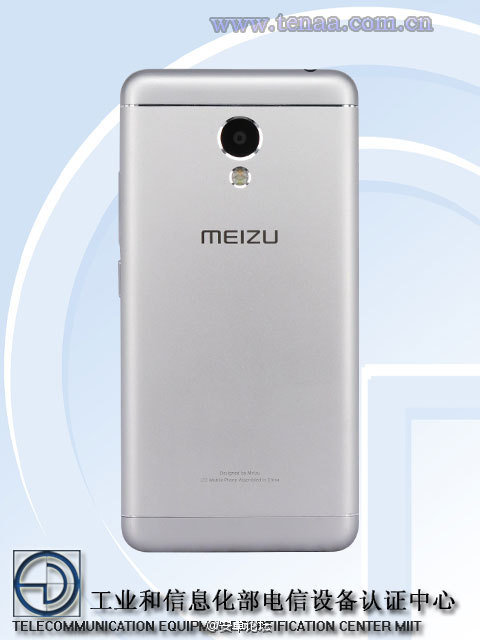
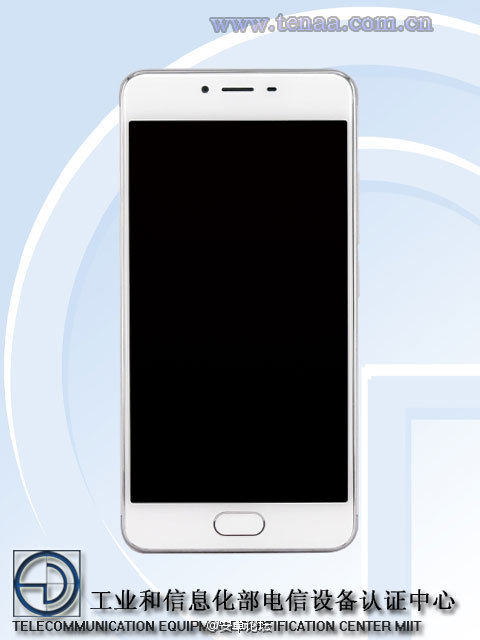
Meizu unveiled three new phones just last month. While the company is said to be working on a couple of high-end devices, a new report from China states that Meizu will release the metal version of its Meizu M3 budget smartphone on June 13. While the report didn’t reveal the exact name of the handset, it’s probably going to be called as the Meizu m3 Note, succeeding the Meizu M1 Metal that was announced back in October 2015.
Meizu M1 Metal
It is said that there won’t be many differences between the regular Meizu M3 and the M3 Metal. But the new model is said to ditch the polycarbonate back in favor of metal. Another important change as revealed by the report is that the Meizu M3 Metal will come with Android on board, instead of YunOS running on the regular version. So, for those fans who were disappointed to hear the presence of YunOS on the budget model, this news should come as a relief.
Thanks to an earlier TENAA certification, we know that the specs are going to be similar to the earlier released model. So, you can expect the phone to feature the octa-core MT6750 chip clocked at 1.5GHz, 2GB + 16GB and 3G + 32GB options, 13MP rear camera, 5MP front camera, 5-inch 720p display and a 3000mAh battery on board. Like mentioned above, the phone will be running on Android 5.1 instead of YunOS.
Coincidentally, Meizu is also rumored to release the Meizu MX6 flagship on June 20. That would be just a week away from this launch. Usually, we would have dismissed this info saying that the two launches are very close together, but after seeing what Meizu did in April, we won’t be surprised if we see two launches in consecutive weeks.
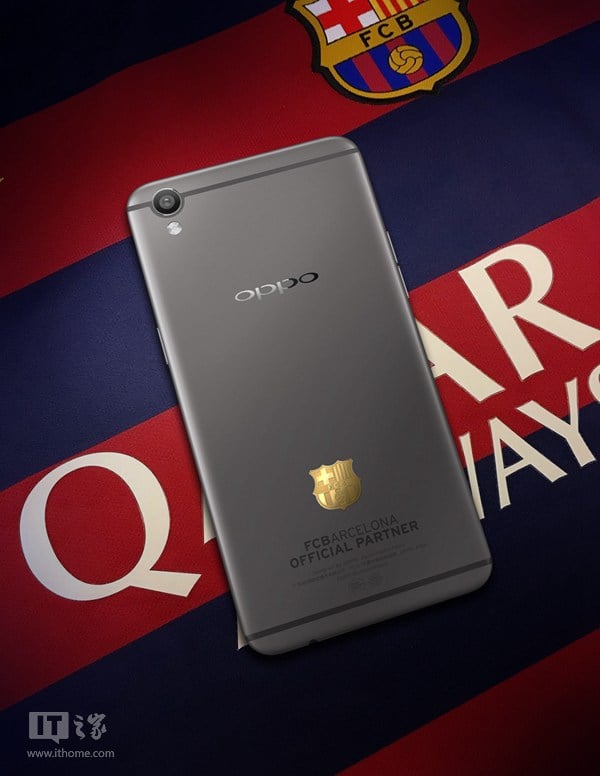
OPPO R9 has been selling very well for the company. In fact, it is said that the production capacity of the R9 is around 2 million per month, which is almost twice (updated production capacity) of the Mi 5 and much more than Huawei Mate 8’s 800,000 per month. We had heard about an FC Barcelona special edition version of this popular model, and now, the phone has been leaked in pictures.
The new leaked images reveal that the OPPO R9 FC Barcelona Edition will come in Red and Grey variants. The phones will have FC Barcelona’s logo at the back with the words “FCBarcelona” Official Partner. Design wise, rest of the looks remain the same as the regular version.
However, OPPO had revealed earlier that the FC Barcelona edition will come with specialized ringtones and UI tweaks to match the theme. Further, these limited edition models will be reportedly signed by FC Barcelona players, adding further value. Finally, OPPO had also revealed that the phone will be quite affordable. But at this moment, we don’t have information on the pricing of the device.
Expect the specs to be the same as the regular version. So, the OPPO R9 FC Barcelona Edition will come with a 5.2-inch FHD 1080p display with 4GB of RAM and 64GB of internal storage on board. Inside, the phone will be powered by the Helio P10 MT6755 octa-core chip. At the back, the phone sports a 13MP sensor with f/2.2 aperture, while up front, you get an even better 16MP sensor with f/2.0 aperture. As for the battery, you get a 2850mAh capacity one with fast charging that charges from 0 to 75 percent in just 30 minutes.
OPPO is yet to reveal an exact date for the release of this special edition, but we can expect more details pretty soon.
LeEco unveiled three new smartphones in April, namely Le 2, Le 2 Pro and Le Max 2. All three phones offered best bang for your buck, which meant that everyone is patiently waiting for the phones to be available in the international markets. Now, LeEco (formerly known as LeTV) has started sending out media invites for an event on June 8 and it is safe to assume that it should be for the India launch of the three new smartphones from the company. While the invite doesn’t say anything about the launch of these three models, the timing is ideal for the new phones to be launched in the market.
LeEco phones are extremely popular in China as well as India, selling out within minutes. In the first sale of the three phones, over a million units were sold out within a matter of two hours in China. That’s pretty impressive! Now, it looks like the company is all set to unveil these three power phones in India and expect a pretty good response for them in the country.
To recap, all these three phones ditch the traditional 3.5mm headphone jack and instead uses a CDLA standard that works with the phone’s USB Type-C slot. Why this change you ask? Well, LeEco believes USB Type-C powered headphones are the future, and it wants to be the first one to make the jump. And guess what, iPhone 7 is rumored to ditch the standard slot as well!
Specs wise, the Le Max 2 stands on top of the lineup, featuring the mighty Snapdragon 820 quad-core chip with 4GB / 6GB RAM options and 32GB / 64GB storage variants. There will be a 5.7-inch QHD display on board with a 21MP rear camera and 8MP front shooter. You can read more about the specs of the three devices from our launch coverage.
We are not quite sure whether we’ll see all the three smartphones and their versions launched in India, but let’s wait for more details.
While Xiaomi makes one of the best value for money smartphones in the market right now, the company is currently facing one major issue — timely supply of its orders. The demand for its products, especially smartphones are much more than its supply, which means there are many disappointed Mi fans in the market who are left without their favorite devices. We have seen Xiaomi Mi 5 selling out in seconds, even in the third and fourth flash sales. This is mainly because, the company is reportedly manufacturing only around 700,000 units of the Mi 5 per month, lower than its demand. But, now that Lei Jun has personally taken charge of the company’s supply, we should soon see an improvement in the shipments.
Now, a new report from China states that Inventec has increased its production capacity to boost the shipments of the Xiaomi Mi 5. In fact, it is said that the total production of the Mi 5 has just been increased to 1 million per month from just 700,000 before. Earlier, an industry analyst, Sun Changxu, revealed that Xiaomi Mi 5’s production was not adequate because of the limited supply of the in-demand Snapdragon 820 chips. But that doesn’t seem to be an issue anymore.
It is further said that Inventec has increased its production capacity utilization ratio of its Nanjing plant to 90 percent recently. Also, to meet the increasing demand, Inventec is working on its Nanjin Phase II project which comprises of 27,000 acres and six floors, which will further boost up its production capacity.
With Lei Jun taking charge of the company’s supply, and Inventec increasing its production capacity, looks like Mi 5’s flow of shipments should be steady very soon.
Definitely good news, but do you think it’s too late?
Since the debut of the Vivo XPlay 5, the world’s first 6GB RAM smartphone, we have seen a couple of other Chinese manufacturers enter the 6GB RAM market. ZUK is one of these companies and its ZUK Z2 Pro smartphone went on sale today for an amazing price tag of 2699 Yuan which comes to just $412. This makes it one of the cheapest 6GB RAM phones in the market right now. So naturally, when the phone was made available for purchase earlier today, there were lots of buyers interested in the device.
Within a few minutes of the sale, which started at 10:00 AM today, the phone was sold out. Today, the ZUK Z2 Pro White Ceramic version was made available for buyers with 6GB RAM and 128GB internal storage. The company now reveals that this top-end version was sold out within 5 minutes. To be exact, it was out of stock in just 4 minutes and 23 seconds. Unfortunately, the company did not reveal how many total units were offered for sale today.
As for the specs, the ZUK Z2 Pro comes with the Snapdragon 820 chipset with 6GB RAM and 128GB of internal storage. The phone features a 3D glass body and comes with ultra-narrow 1.41mm bezels which makes the display stand out. There are a lot of unique features of the Z2 Pro, which you can read from here. If you are interested in the full specs and features of the device, check out our launch article from here.
The next flash sale is exactly a week away, i.e. on May 31 and along with this top-end model, the 4GB RAM + 64GB ROM version will also be made available for sale that day. Interestingly, ZUK is yet to reveal a price tag for this version and the company has asked its fans to guess the right price. The company will reveal the price on May 31 and those who get it right will get some discount vouchers.
Xiaomi is all set to unveil its first drone tomorrow at 7PM in Beijing. The company has been teasing the new device for the past few days, revealing some features as well. Now, the latest teaser for the Xiaomi drone reveals another important feature of the device — portability.
The teaser shows that the Xiaomi drone can be carried around inside a regular backpack, which means the product’s form factor would be compact. This is definitely good news since carrying around a large drone can be a hassle and it is always better if you can fit it inside your everyday backpack while travelling.
In case you remember, the earlier teasers had confirmed that the new drone will come with a four-rotor design and a rotating camera. The drone is said to support 4K video capture at 30 fps. As for the pricing, it is said that the new drone will be priced at around 3999 Yuan ($610) which will be great considering that this will be a high-end drone comparable with market leaders.
Xiaomi has a tradition of disrupting the existing market leaders and looks like it is all set to do this in the UAV market as well. At present, the popular DJI is known for its Phantom and Inspire series drones, but these are costly products and out of the reach of many everyday drone lovers. Xiaomi’s new offering could be a potential solution to such buyers, who want to get the best out of their new drone without having to empty their pockets.
It is said that Xiaomi won’t be manufacturing the new drone, instead has given this to a third party manufacturer. We will get more details during the launch tomorrow, so stay tuned for more details.
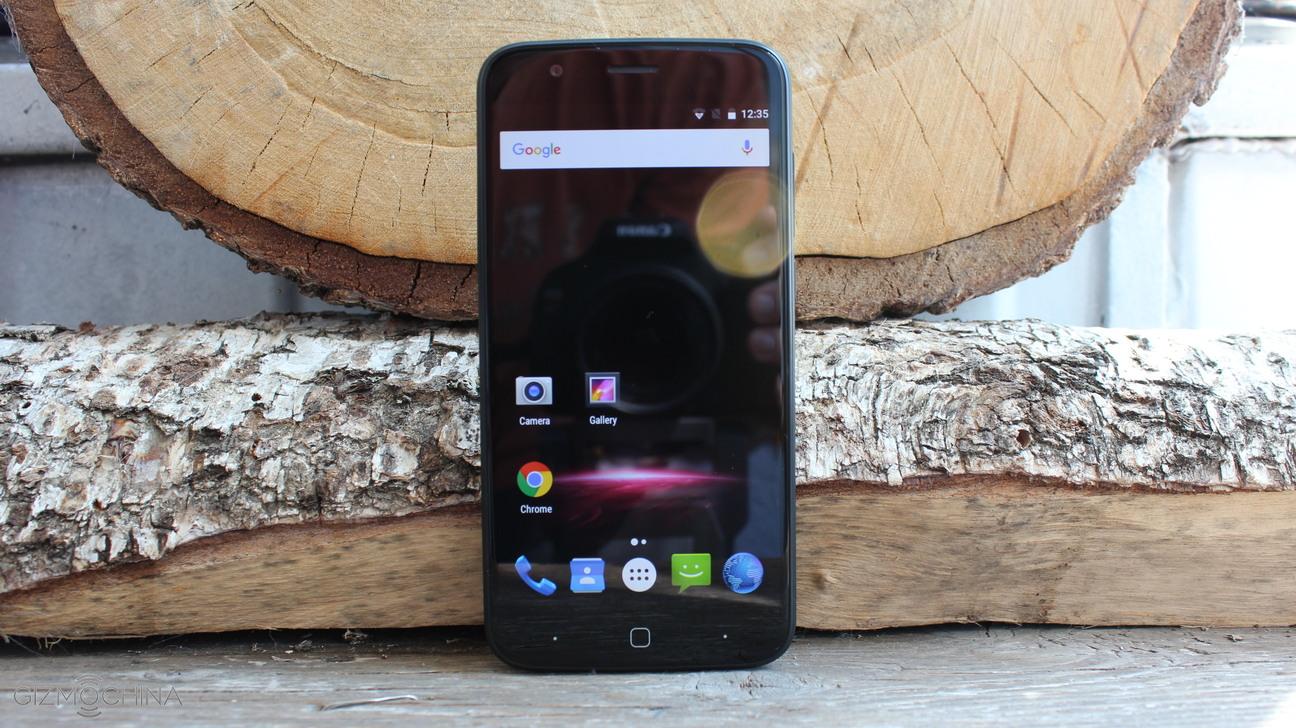
We haven’t reviewed any phones made by Vernee and it will be interesting to see what kind of devices this company has to offer. Today we have a Vernee Thor in our review labs. The phone costs around $120 and it has some decent specs. Learn more in our full review.
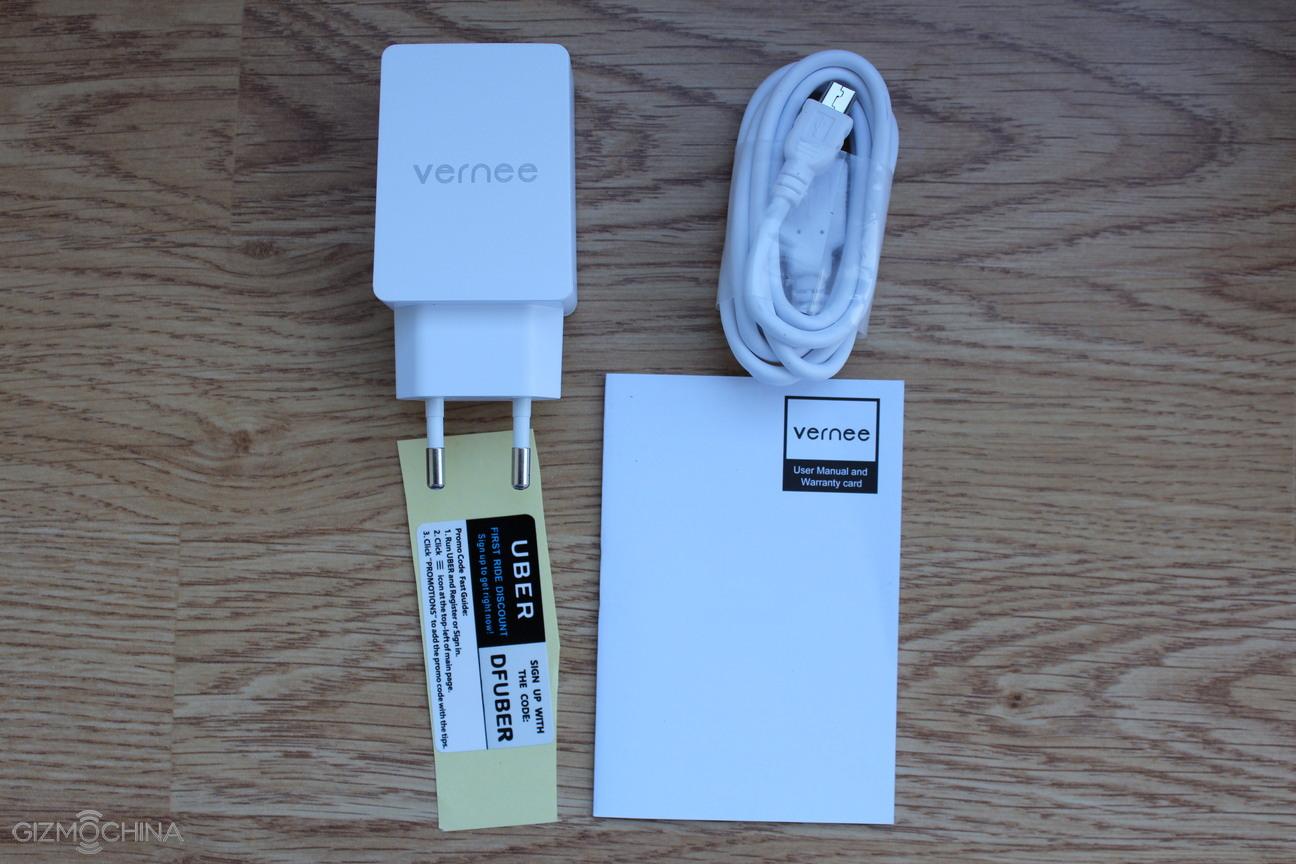
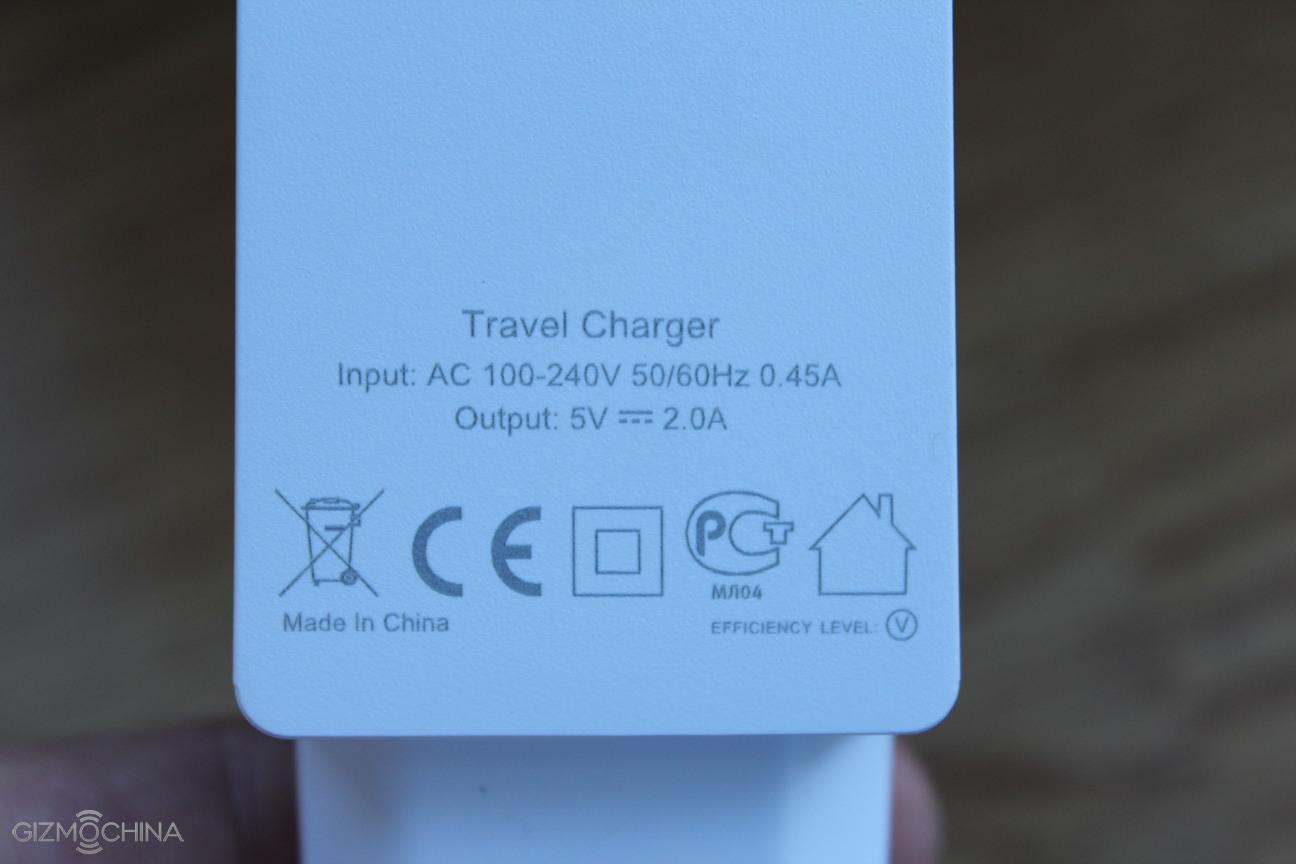
The phone comes with all the usual stuff. One thing worth mentioning is that the phone ships with a fast charger.
Vernee Thor Review: DESIGN
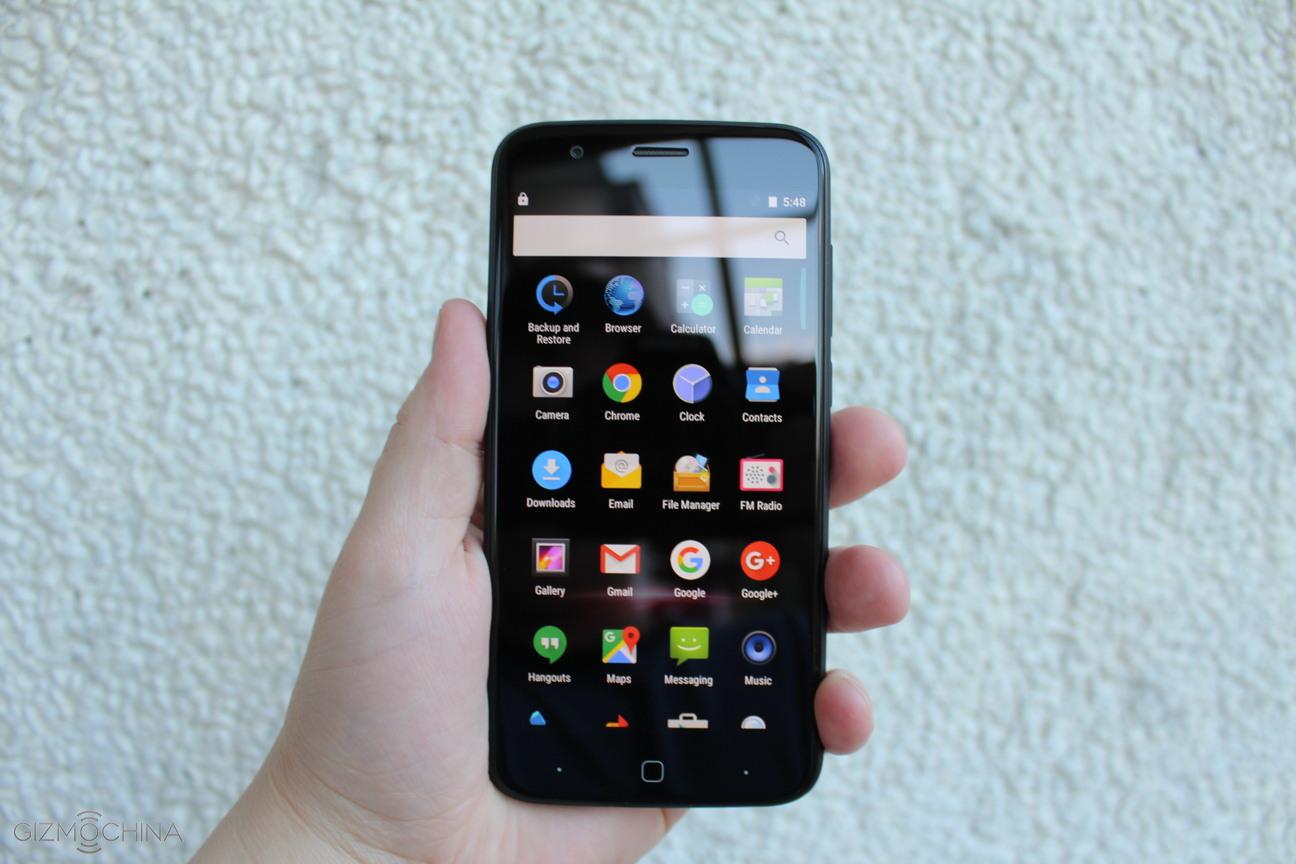
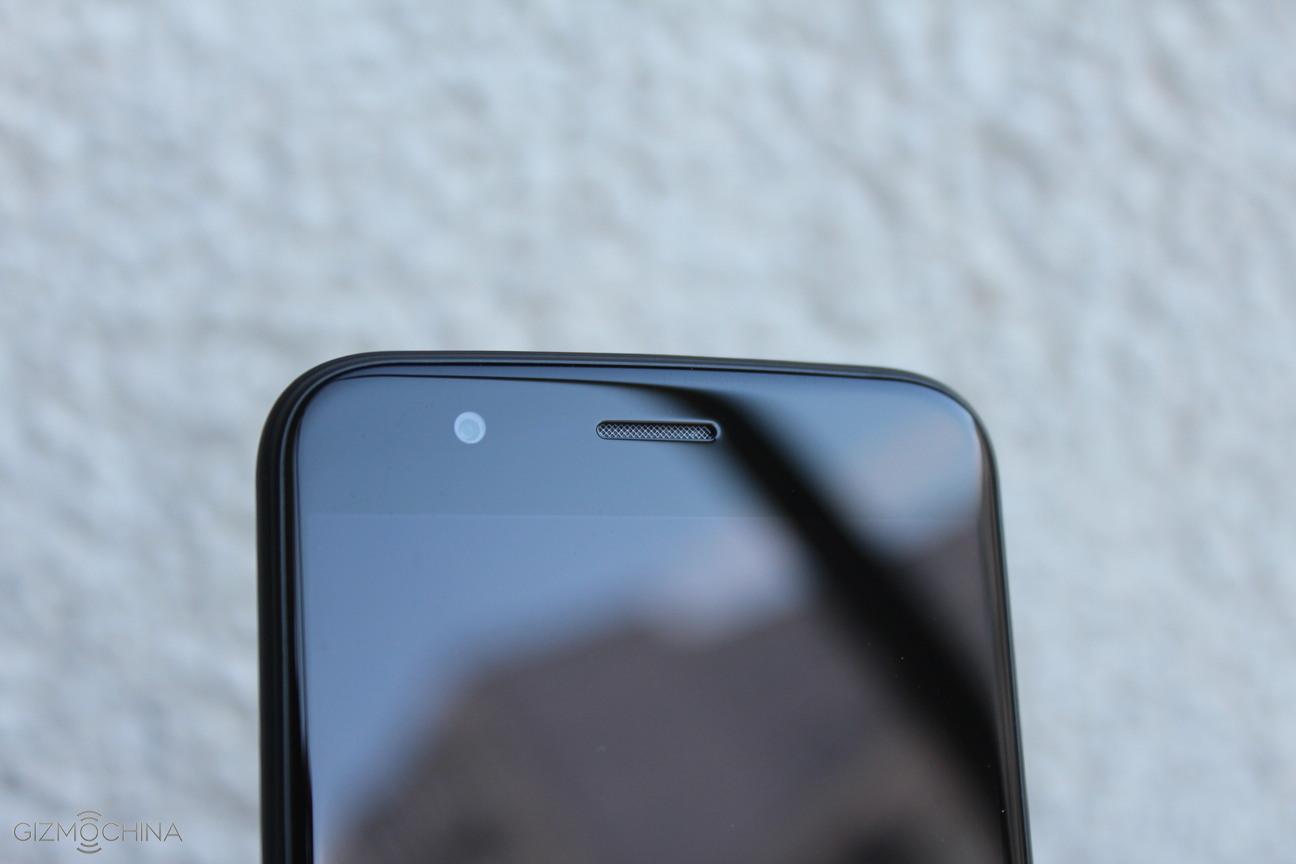
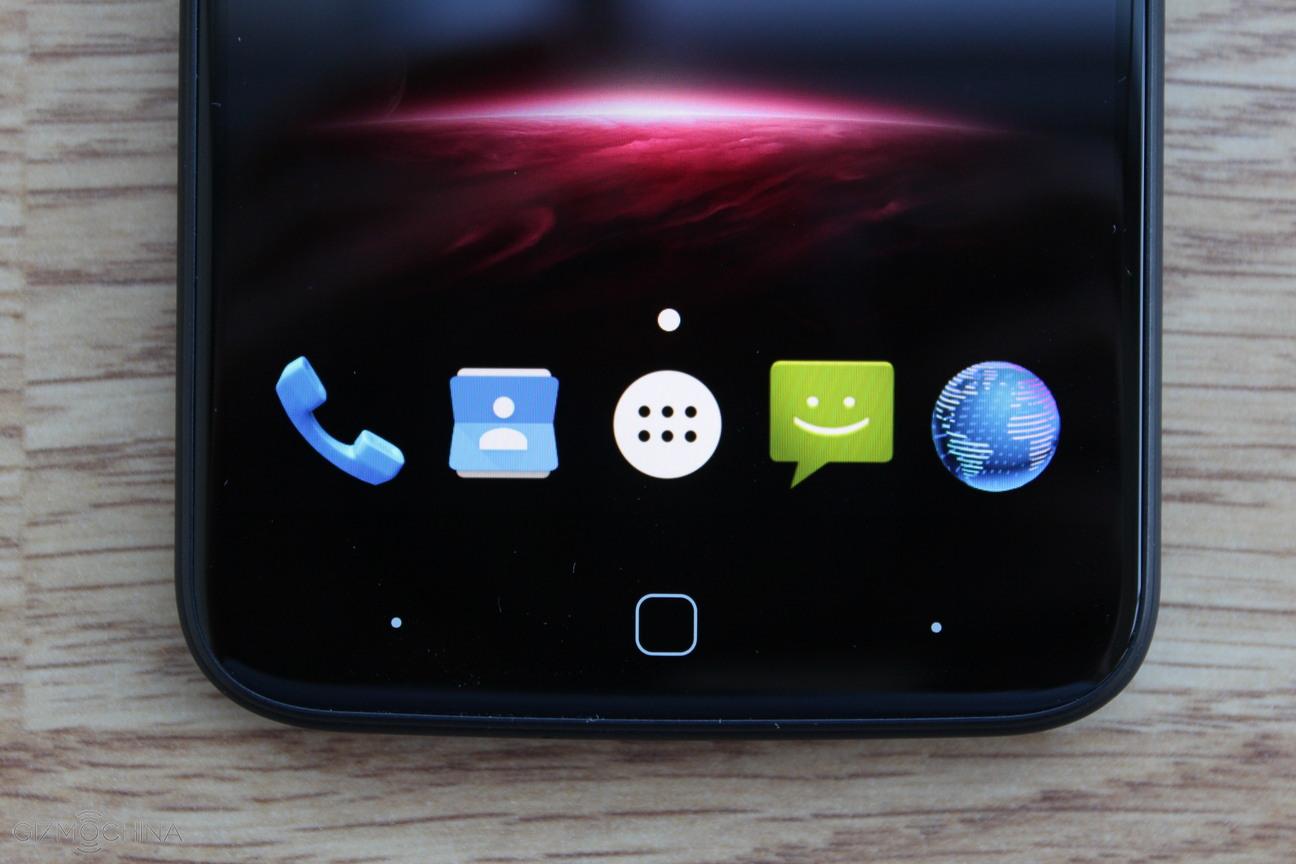
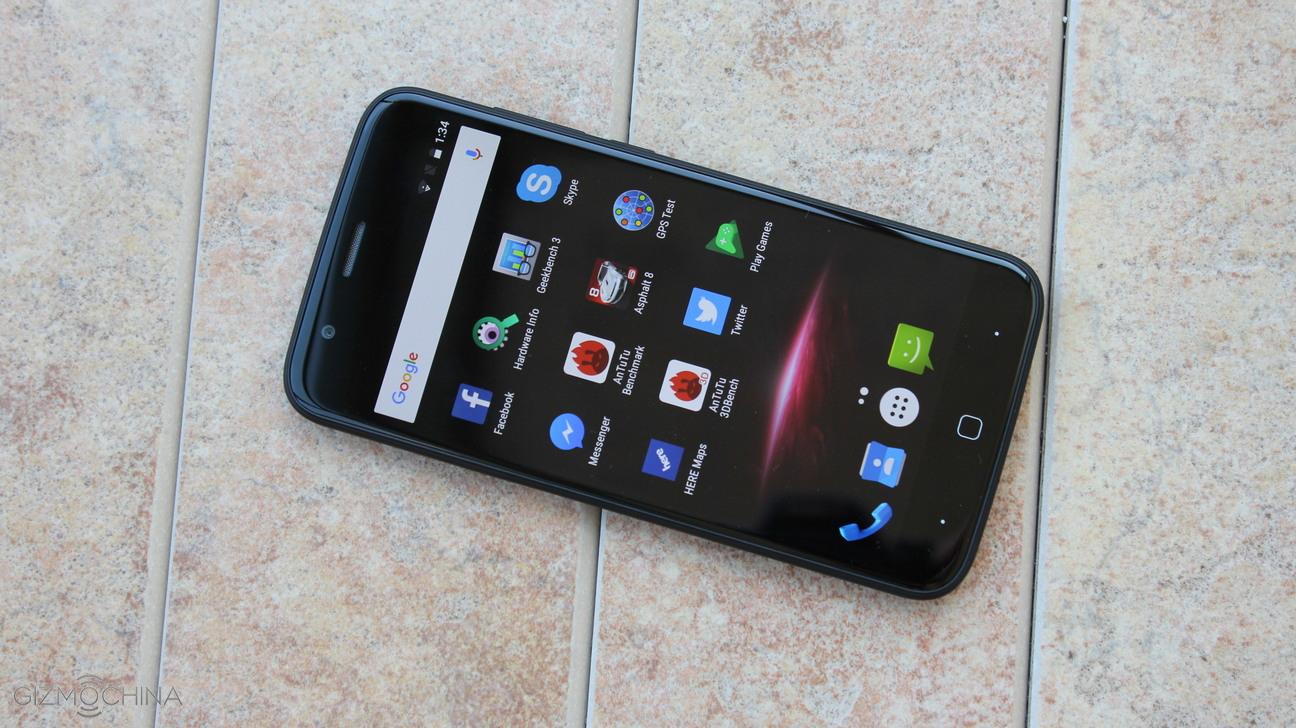
We are looking at quite a compact phone due to its 5″ 720p display (covered with Gorilla Glass 3), which is actually very nice to look at. It is quite sharp, vivid and it is a decent HD panel overall.
We have a 5MP selfie camera and non-backlit capacitive buttons. However, there is no LED notification light.
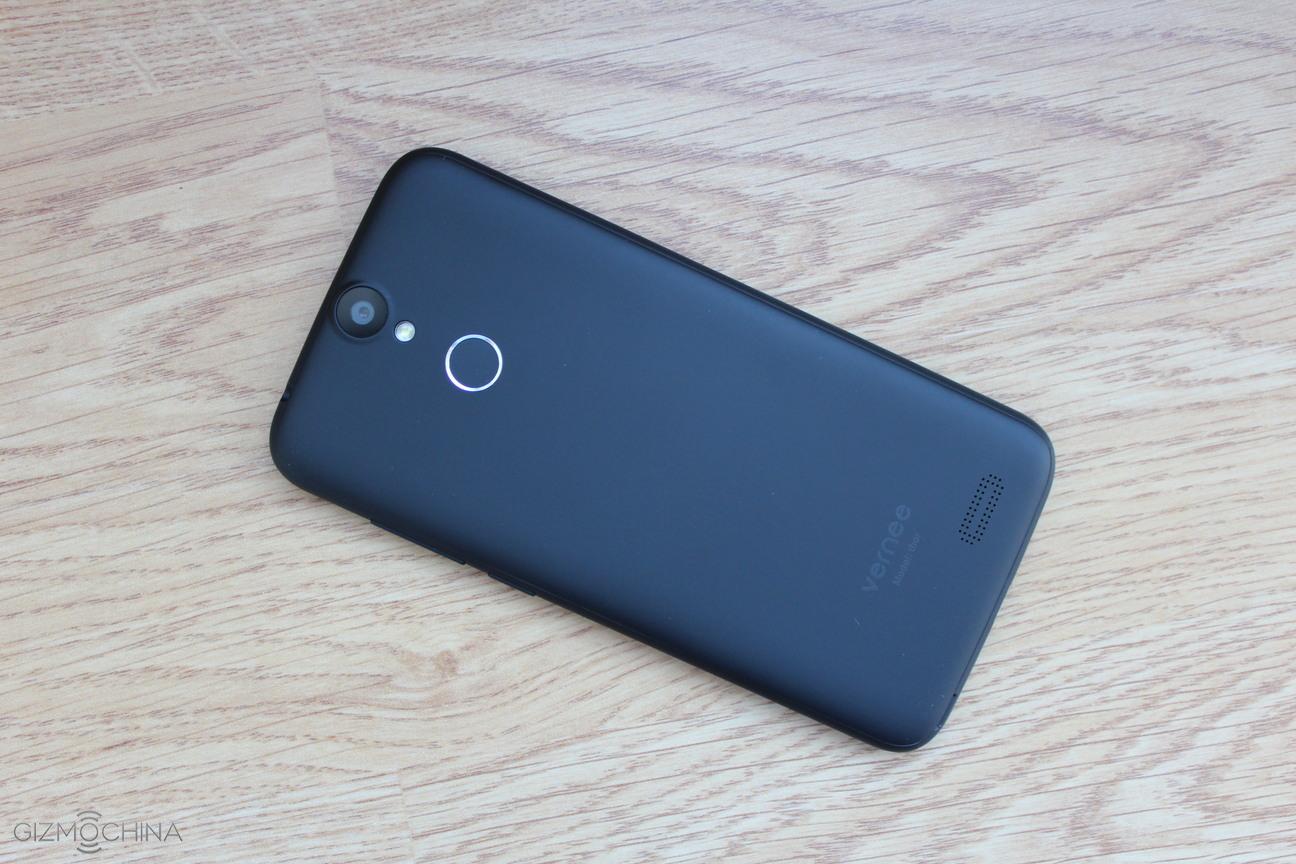
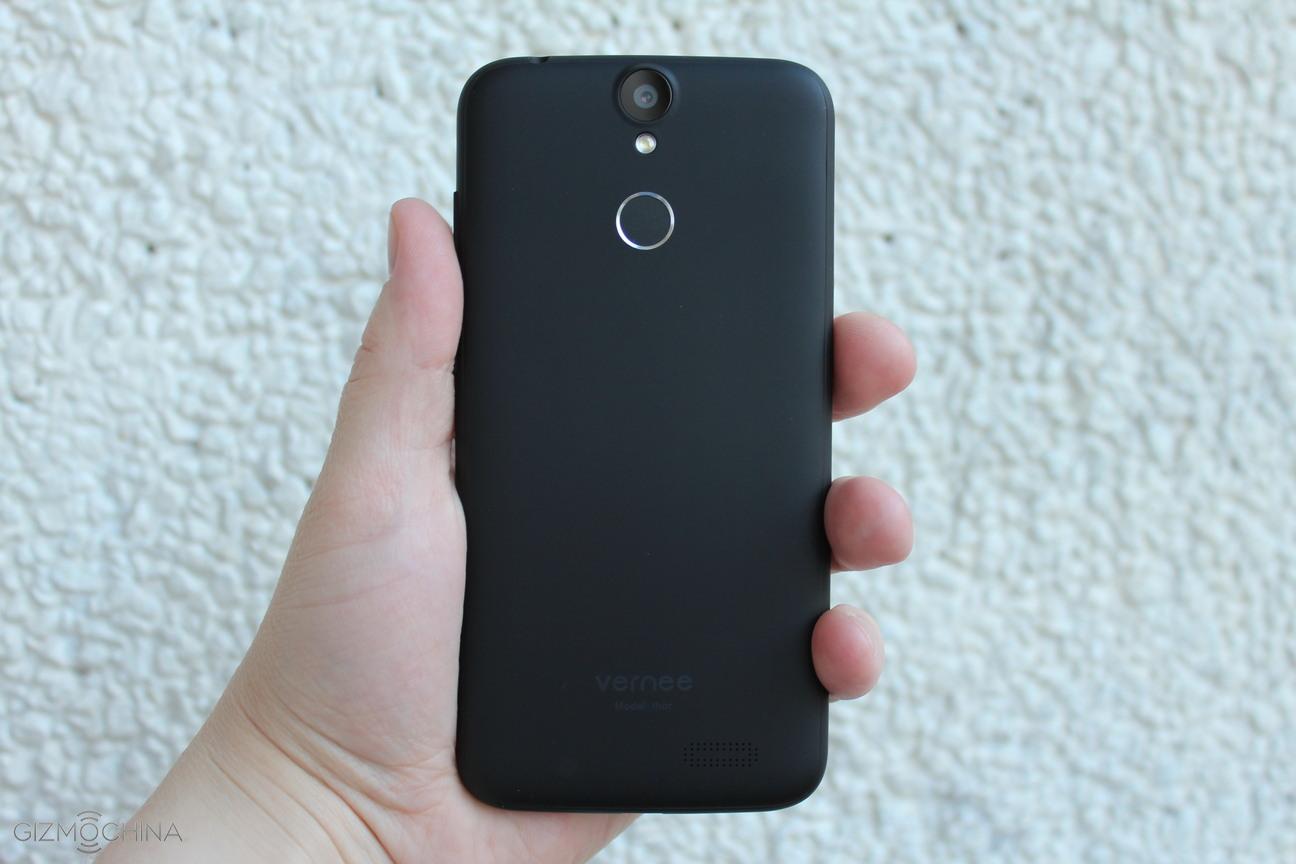
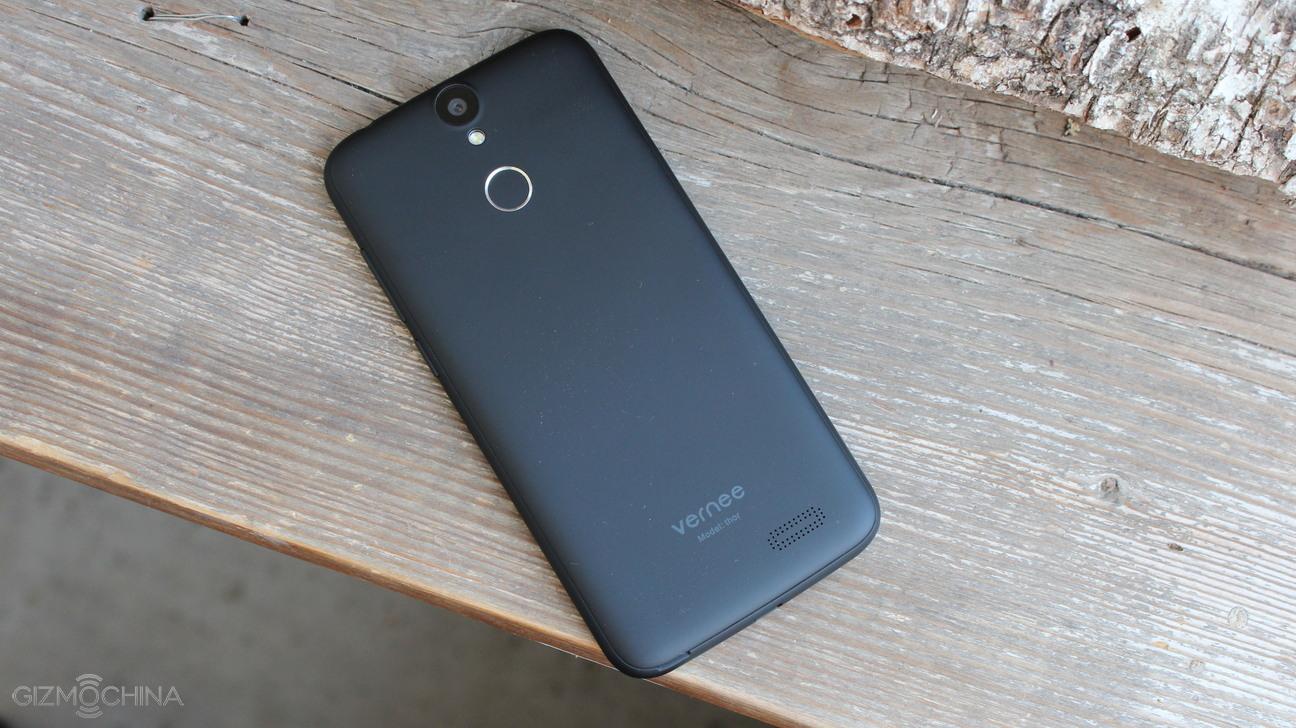
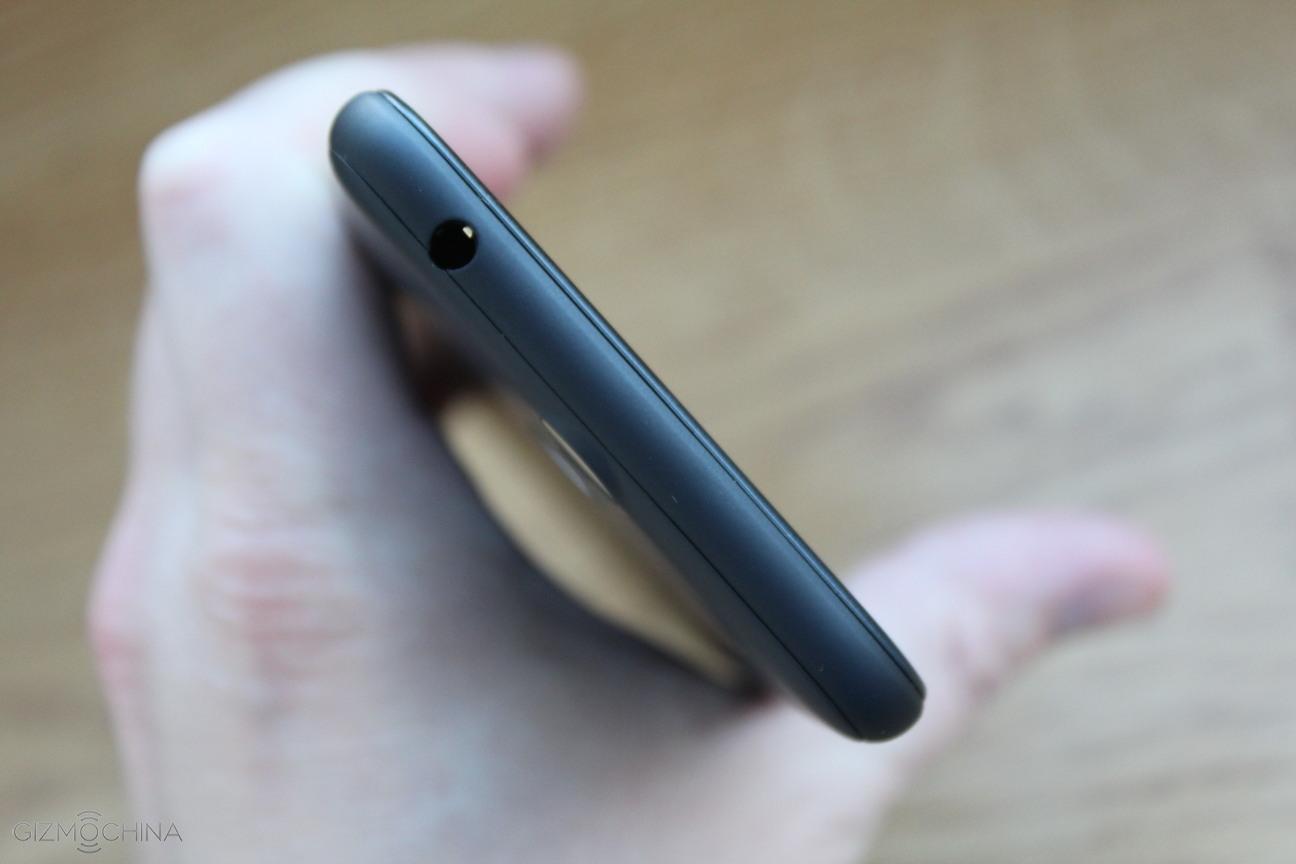
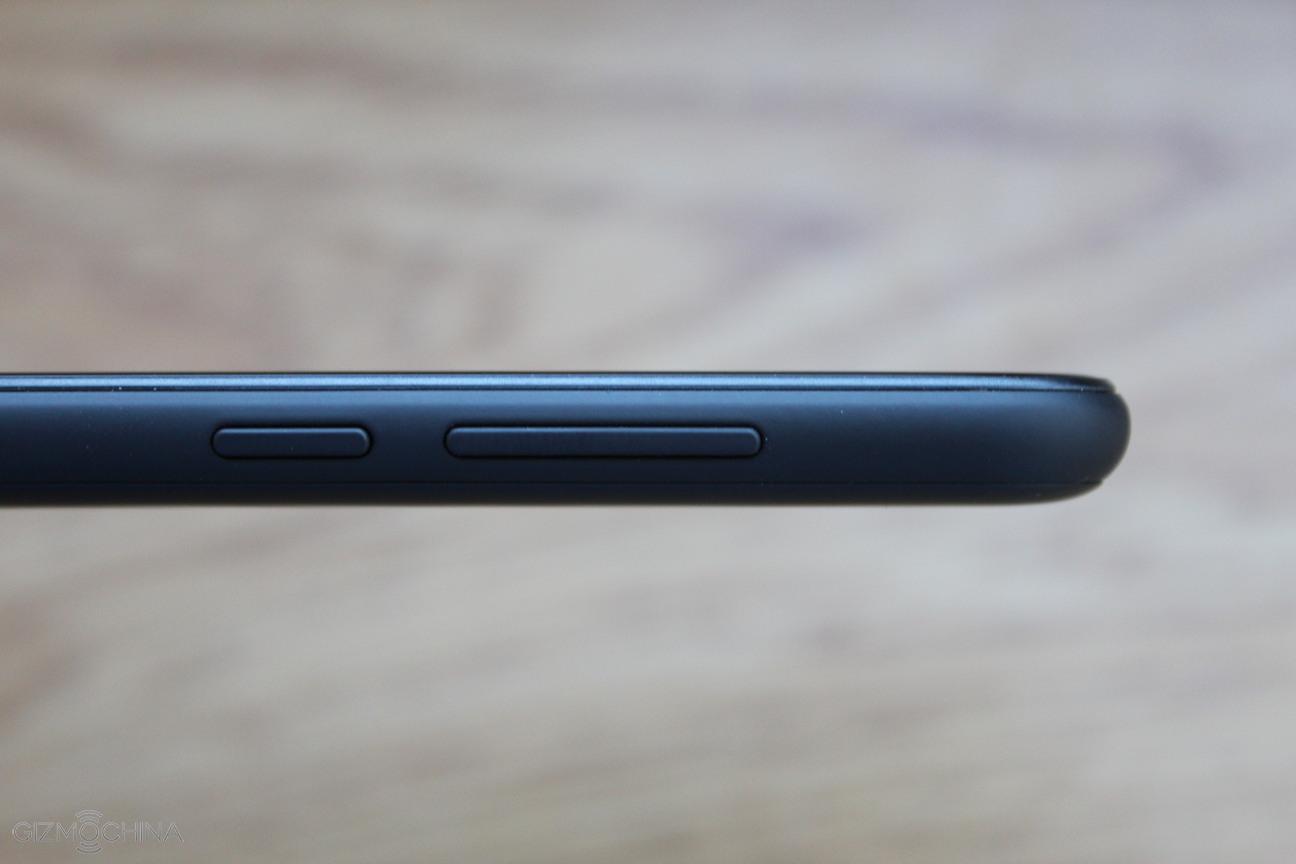
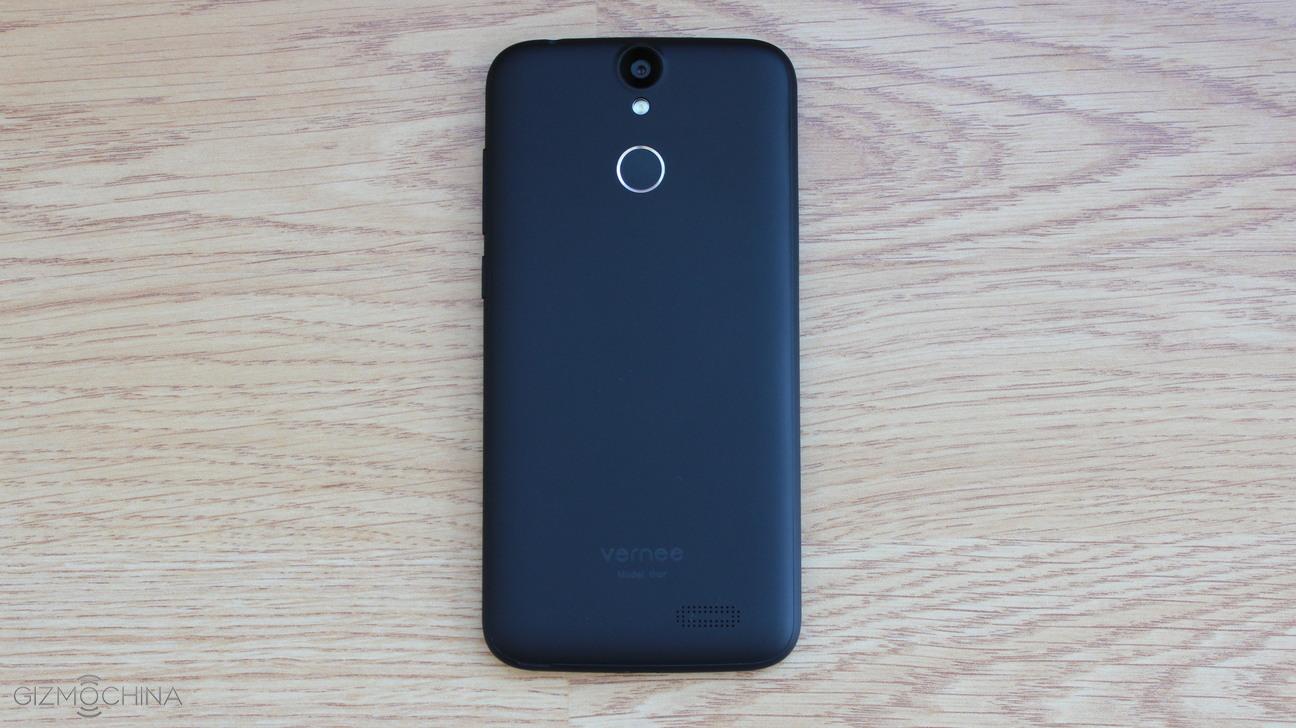
The phone is made of plastic but it does not feel cheap at all. In fact, it sports a soft “baby skin” coating and it makes the phone feel very nice in the hand. Also, rounded edges help with the grip and thus the phone is very comfortable to hold.
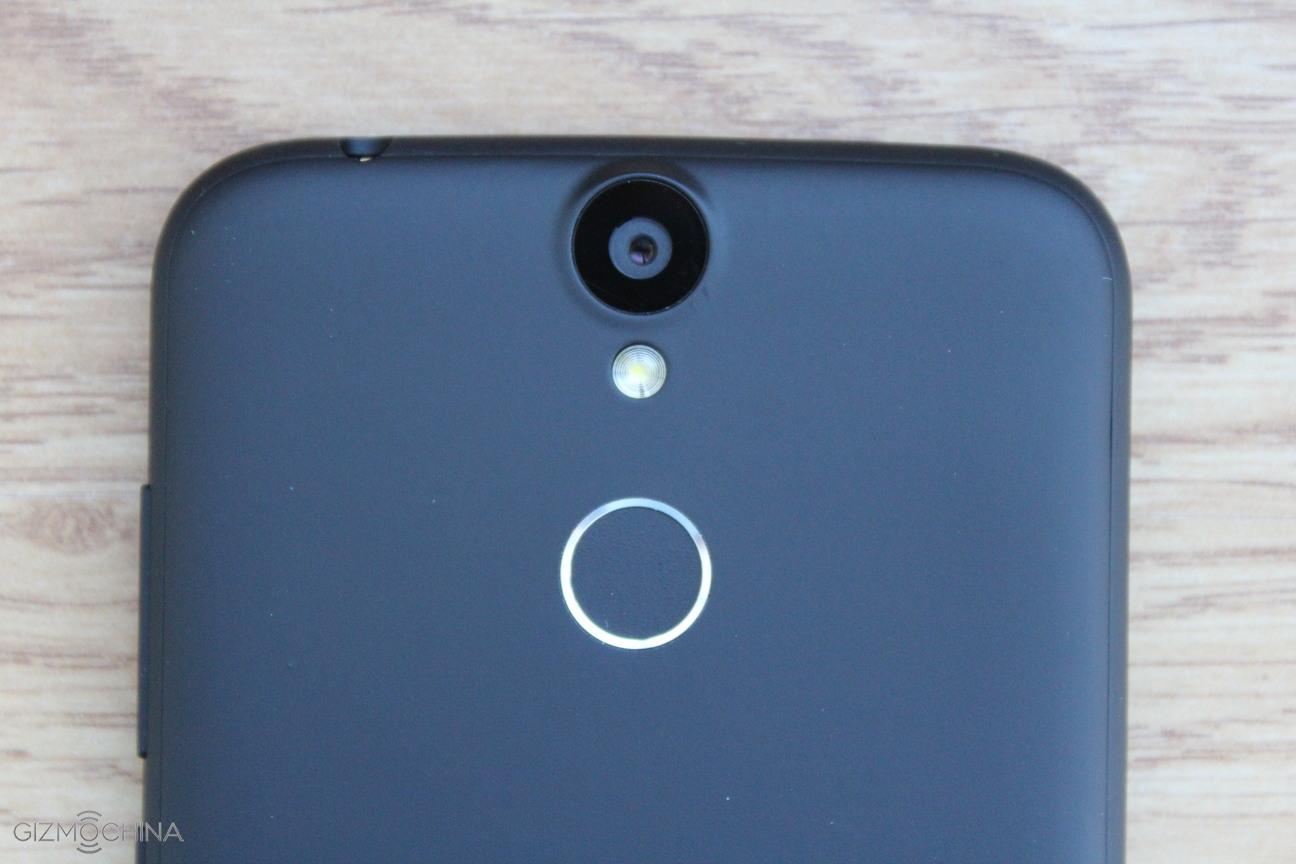
The phone sports a 13MP camera with a single LED flash. Just below the camera we can find a fingerprint scanner. We found this security option to be fast, accurate and it works straight from the standby mode. However, the display could light up a little bit faster after the fingerprint has been recognized.
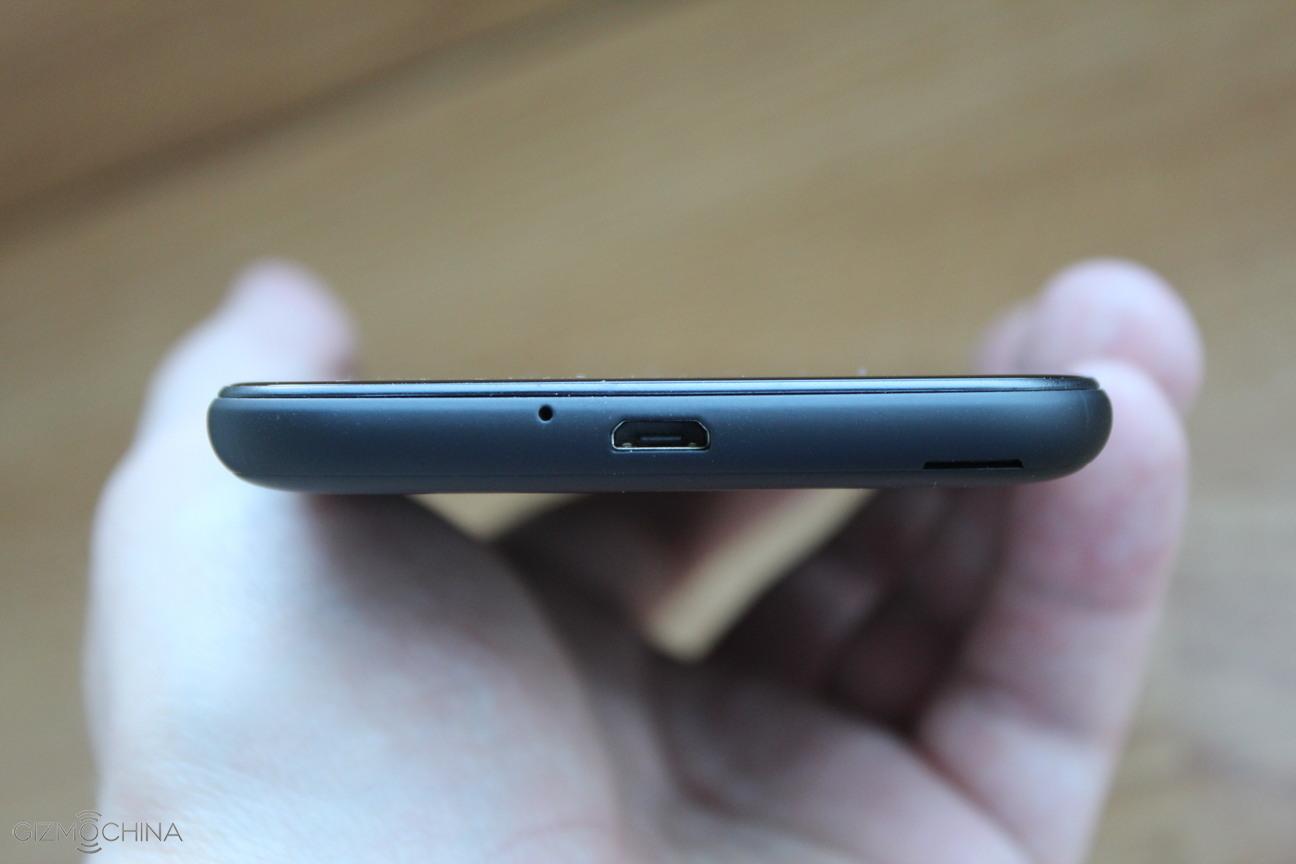
On the bottom there is a loudspeaker, which is pretty good but, as usual to budget phones, the sound could have more depth.
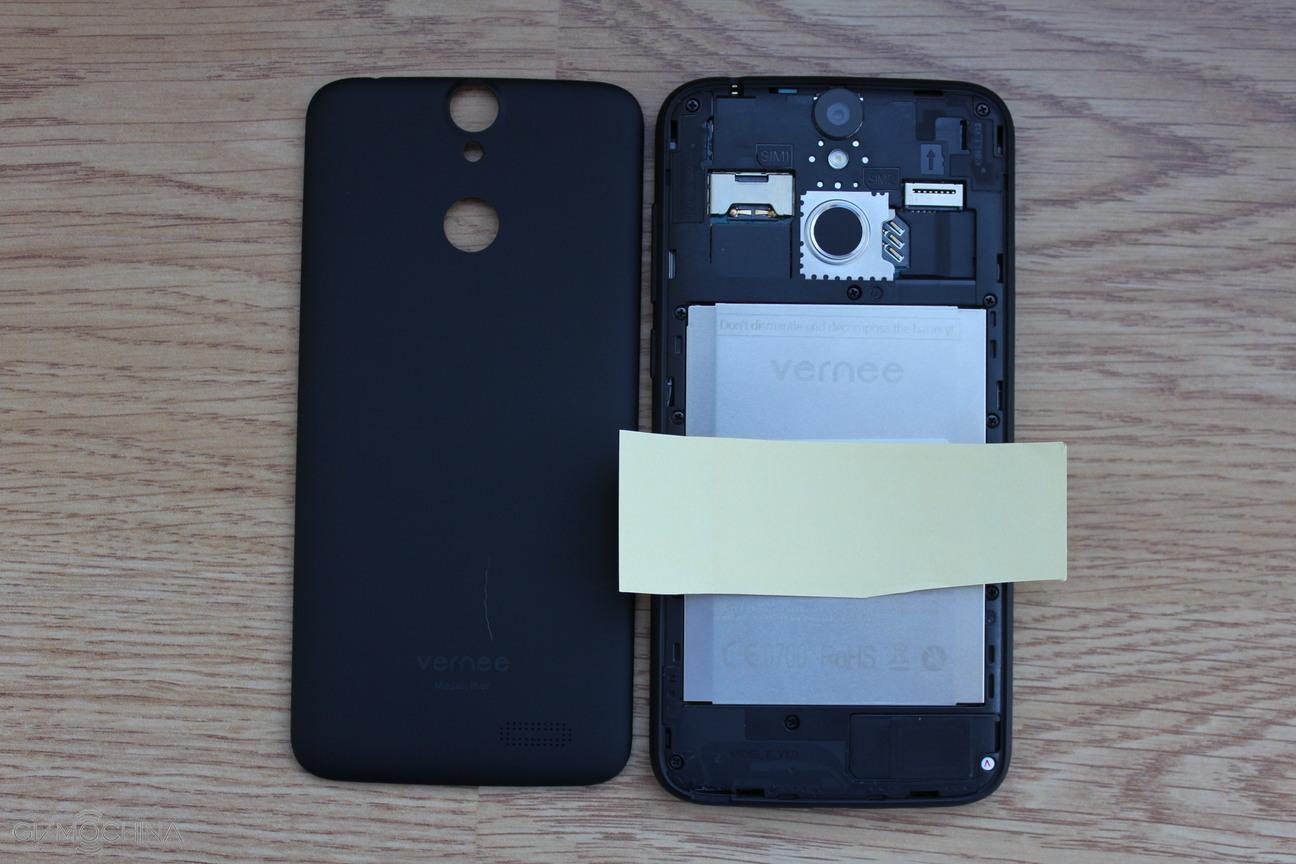
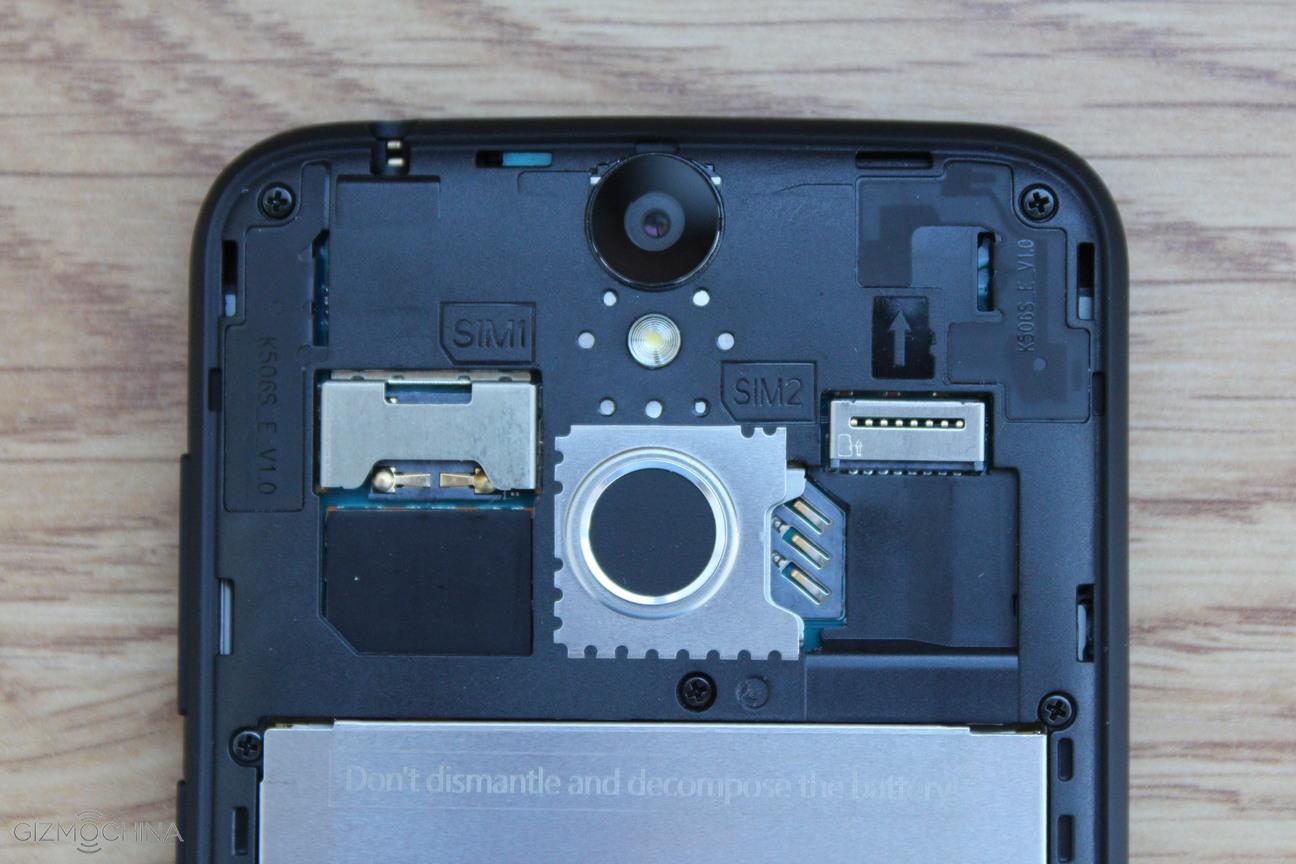
The backplate can be removed and underneath it you can find 2 SIM card slots and the microSD card slot for storage expansion. A 2800mAh non-removable battery powers up the device.
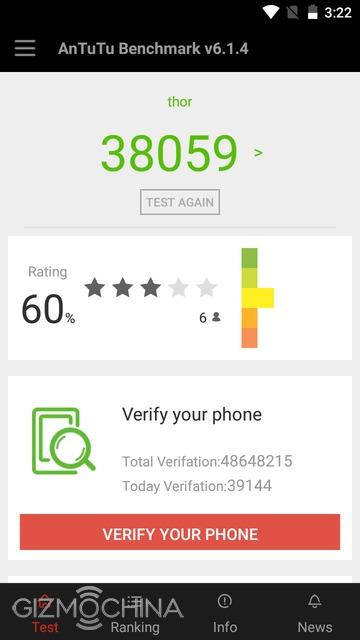
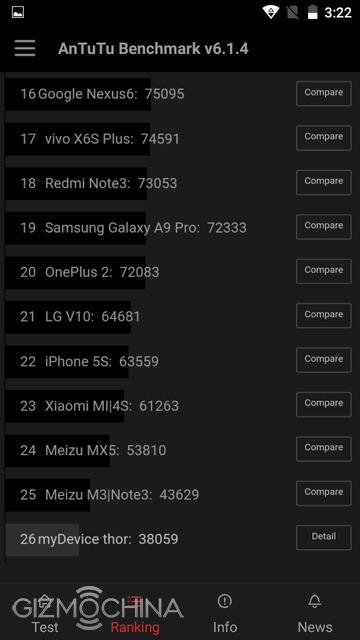
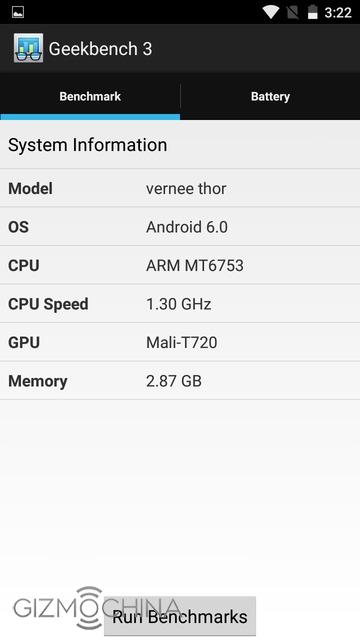
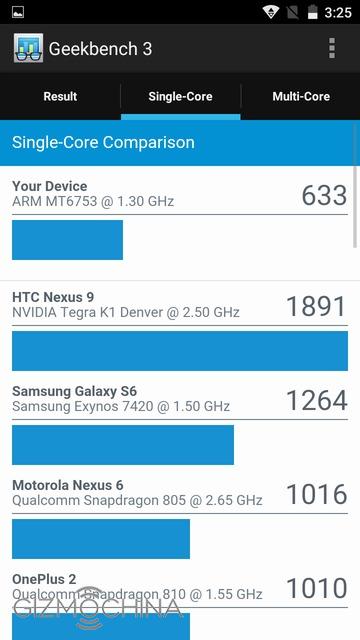
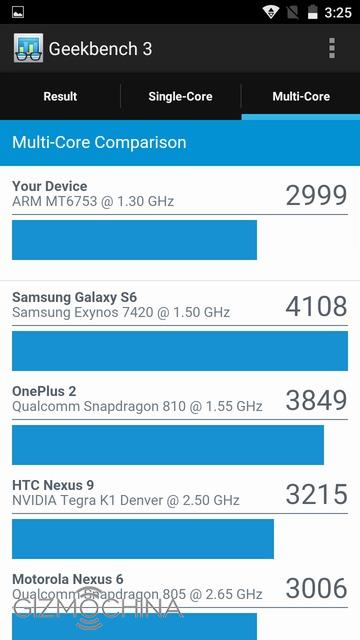
Vernee Thor has some pretty good specs for the price. It sports an MTK6753 chip (1.3GHz,) 3GB of RAM and 16GB of expandable storage.
The phone handles 3D gaming very well. I was surprised that Asphalt 8 ran with no lag or stutter even on highest graphics (see a video review for gaming performance).
Vernee Thor Review: UI
Vernee Thor is also a great performer on a daily use. Almost stock looking Android 6.0 based user interface does not have many features but it is very fast and responsive even after installing lots of apps.
Vernee Thor Review: CAMERA
The 13MP camera can take some good looking images in good light but since we are talking about $120 phone, they are not ideal. The main issue that I found is that the colors look a bit washed out in some of the shots.
When it comes to the low-light shots, they are not really impressive but this is what you have to expect from a phone at this price.
As for video, it could be less shaky and look a bit sharper. See a video review for a video sample.
A 5MP front camera does not impress. The pictures lack detail and sharpness but most importantly there are no wide-angle lens that we are used to.
I didn’t have any issues with this phone. Wifi, GPS and Bluetooth works fine and call quality is decent.
Vernee Thor Review: BATTERY LIFE
Speaking of the battery, it performs great. I could constantly get around 5 hours of screen-on time on a mixed use and if you need to re-charge it, a fast charger comes to help.
Vernee Thor Review: CONCLUSIONS
Vernee Thor is a pretty good offering for the price of $120. It has a decent design and build, the display is nice and the phone is a good performer both in terms of day-to-day use and gaming. Also, the device has a pretty good battery life.
However, the low-light camera performance is not impressive and a selfie camera is quite terrible.
Overall, the Vernee Thor is a decent phone for the price if you don’t mind a few shortcomings.
Coupon code for Vernee Thor at Oppomart: VENE20,$20 off.
Meizu seems to be on a roll the past few months. The company unveiled three new smartphones in three different lineups in April. While you may have thought that the company was going to be silent for the next few months, according to recent reports, that’s probably not going to be the case. Meizu is said to be preparing for the launch of another important flagship next month, and that is going to be none other than the rumored Meizu MX6 flagship.
Usually, MX series smartphones are released around June-July period. It looks like the company is going to continue the tradition this year as well, as the release is expected to be on June 20. If true, this would make nearly four smartphone launches, all in different lineups in a matter of 3 months. That’s pretty aggressive even for a Chinese smartphone maker.
As for the specs, earlier leaks have said that the phone will feature 3GB RAM and 4GB RAM variants. The former could start at $275 and the latter at around $305, which would put it in competition with the Xiaomi Mi 5. But inside, this device is said to feature Mediatek’s Helio X20 instead of X25 chip that powers the Pro 6 flagship.
Considering the rumored specs and pricing, the Meizu MX6 should comfortably sit between the top-end Pro 6 and the mid-range Meizu M3 Note. Further, it is said that apart from the MX6, there is at least one more device from Meizu in the works — a dual curved edged smartphone with Exynos 8890. That is sure one flagship that we would want to see, but expect a launch only by the end of the year.
UMi show an amazing performance between UMi Super and iPhone 6S Plus, UMi TOUCH by Recording the time about battery drained and auto off.
It’s good practice to show the battery level. iPhone 6s Plus first appeared low battery tips and drained, when 3.5 hours had been recorded video.Surprisingly, Super could be record 4 hours and 55 minutes in the end. 20mins more then UMi TOUCH.
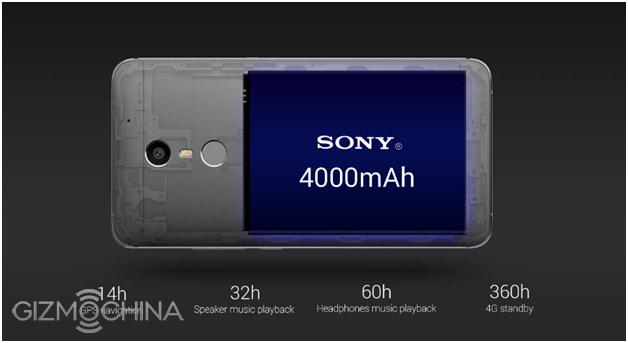
According to official data,UMi super with SONY® 4000mAh battery could offer 15 days of 4G standby. Even though UMi TOUCH sharing the same battery capacity 4000mAh, because of the strong CPU with greater RAM, UMi Super has a lot of improvement in durability. Yet, UMi Super is equip with the PE+ Quick charge technology. With USB Type-C, UMi Super could charge up to 75% in 30 minutes. If you need a big battery to get through the day, UMi super will be good for you.
Price: $249.99, now available to get $70 off by subscribtion
The UMi Super arrives on the global market on May 25, including major online shops Aliexpress and Amazon. You can pre-order this new smartphone in gold or dark gray from May 25th, with a nice extra – free delivery. The UMI Super will be priced at just US$249.99.
Last year, OnePlus gave its fans an opportunity to experience the OnePlus office during the unveiling of its brand new flagship smartphone, the Oneplus 2. While the company’s VR event received a mixed response from viewers around the globe, the company will continue the tradition of a Virtual Reality (VR) launch for its next major flagship, the OnePlus 3. This time around, you won’t be experiencing the company’s office, instead, the launch will be at the company’s virtual space station called the Loop.
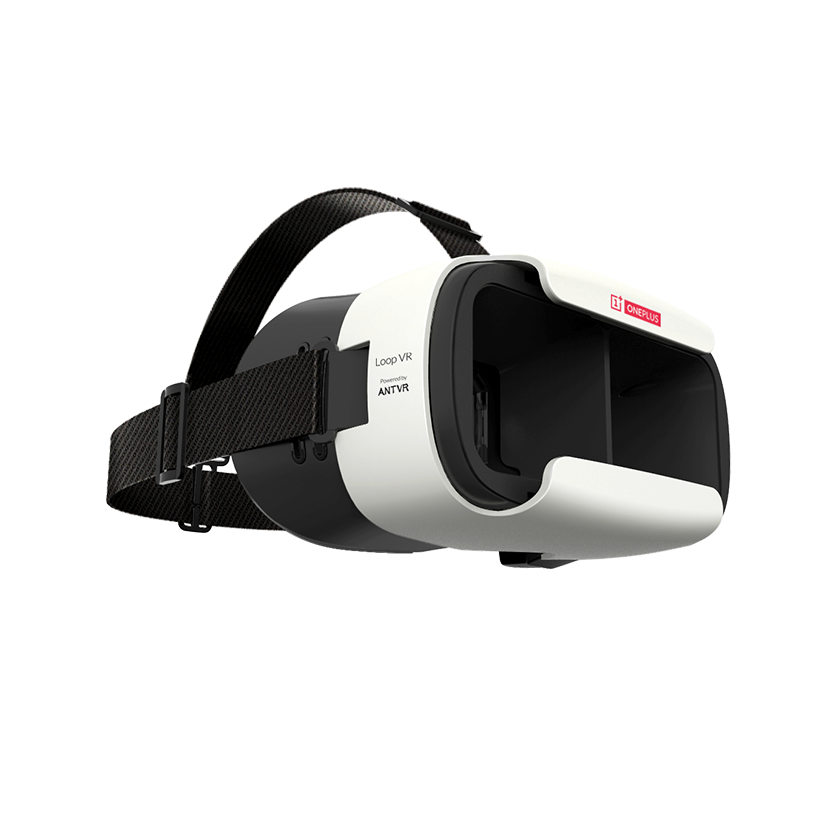
And to make things special this year, the company will be allowing users to directly purchase the OnePlus 3 flagship in the Loop, before anyone else, making it a first global VR shopping experience. For VR, you need a headset and in case you don’t have one, OnePlus will be giving away free 30,000 OnePlus Loop VR Headsets to its fans this year. The company has partnered with Ant VR to make this headset, which is much more sturdy and durable than the cardboard ones sent last year.
But getting hold of one could be a hassle. First of all, the link that Carl provided was for only US customers. So, initially, it was thought that the free Loop VR headsets were limited to US. Later, it was revealed that you have to change the country from the bottom right corner. The ideal solution was to enter your country code in between the link, e.g. www.oneplus.net/uk/oneplus-loop-vr. As for Indian OnePlus users, it looks like the Loop VR sale will be on Amazon. You can register for the sale from here.
We use cookies on our website to give you the most relevant experience by remembering your preferences and repeat visits. By clicking “Accept”, you consent to the use of ALL the cookies.
This website uses cookies to improve your experience while you navigate through the website. Out of these, the cookies that are categorized as necessary are stored on your browser as they are essential for the working of basic functionalities of the website. We also use third-party cookies that help us analyze and understand how you use this website. These cookies will be stored in your browser only with your consent. You also have the option to opt-out of these cookies. But opting out of some of these cookies may affect your browsing experience.
Necessary cookies are absolutely essential for the website to function properly. This category only includes cookies that ensures basic functionalities and security features of the website. These cookies do not store any personal information.
Any cookies that may not be particularly necessary for the website to function and is used specifically to collect user personal data via analytics, ads, other embedded contents are termed as non-necessary cookies. It is mandatory to procure user consent prior to running these cookies on your website.