Adoption has been slow but a few more manufacturers have joined Vivo on the list of manufacturers with a phone(s) with an in-display fingerprint scanner. Vivo’s X20 Plus UD released at the beginning of the year as the first commercially available phone with an in-display fingerprint scanner is now joined by phones from Huawei, Xiaomi, and Meizu.
While the technology does work the same way in all phones, some manufacturers have adopted special ways to make it faster and less power draining. One of such manufacturers is Xiaomi whose in-display fingerprint technology present in the Mi 8 Explorer Edition and Mi 8 Pro adopts an additional feature to give it an edge over that of other manufacturers.
This post will explain how Xiaomi’s in-display fingerprint technology differs from that of Vivo. For this comparison, we’ll be pitting the Vivo X21 UD against the Xiaomi Mi 8 Explorer Edition as they both use the same fingerprint sensor which is supplied by Goodix and Synaptics.
[envira-gallery id=”213590″]Types of fingerprint sensors?
There are two main types of fingerprint sensors used in phones. They are the optical sensor and the capacitive sensor. The optical scanner has an image sensor that captures a picture of the fingerprint on the scanner and compares it to that stored on the phone. If it matches, it unlocks the phone.
The duration from capture to unlocking is a fraction of a second. The in-display fingerprint scanner used by Xiaomi and Vivo are optical sensors so they work using the same principle.
In-display fingerprint scanner
So we have established how the optical fingerprint scanner works but when placed under the display, things are a bit different. An in-display fingerprint scanner currently only works with OLED displays as the sensor can scan the fingerprint through the OLED dots. An LCD display uses a backlight which won’t allow the sensor to see through the screen.
Vivo X21 vs Mi 8 Explorer Edition
Reviews have shown that the fingerprint scanner in the Vivo X21 UD isn’t as fast as that of traditional fingerprint scanners that are not placed under the display. It requires your finger to stay on the display for a little longer before it scans and matches. This is understandable as the whole technology irrespective of manufacturers is still new. As the technology improves, the duration taken to unlock the device should be shorter.
However, that isn’t the only flaw of the Vivo X21 UD. The scanner also uses up more power. This is because the sensor is always pinging the screen to know if a finger is present for scanning.
For the Mi 8 Explorer (and Mi 8 Pro), Xiaomi decided to find a solution to these problems. It came up with an additional sensor – a highly sensitive pressure sensor.
The pressure sensor is doing two jobs here – first, it reduces the time taken to unlock the device as you don’t have to keep your finger on the screen for as long as required by the Vivo X21. Its high sensitivity helps it detect the faintest of touches from your finger which then prompts it to wake the fingerprint sensor for scanning.
Secondly, the fingerprint sensor is only active when the pressure-sensitive sensor wakes it up. It is not constantly scanning for a finger like the Vivo X21 which means it isn’t consuming as much battery. These features give Xiaomi an edge over Vivo’s own devices with in-display fingerprint scanners.
READ MORE: Xiaomi Mi 8 Lite first official teaser for global launch released




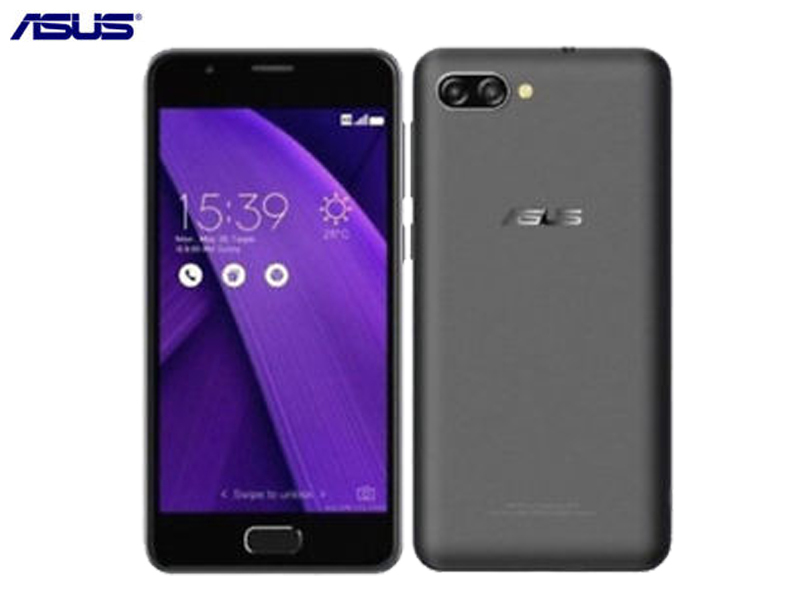 ASUS recently introduced a new phone to its well-received ZenFone series of Android smartphones. The Taiwanese handset maker beefed up the phone with top-end specifications and made it worth the price tag it carries by packing it with an impressive array of features.
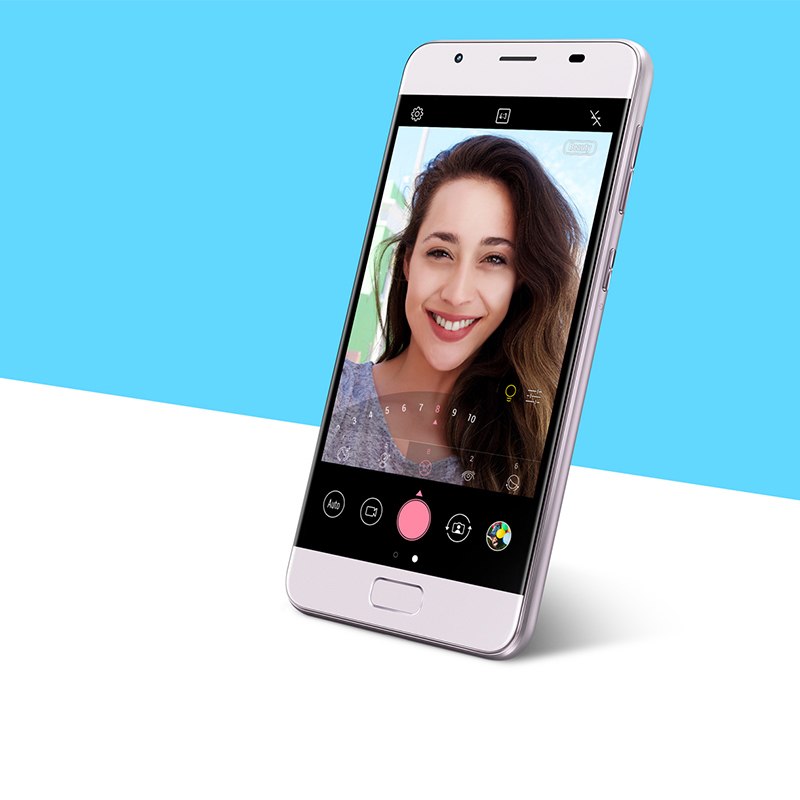 Despite carrying this dropped price sticker, the feature-laden ZenFone 4 Max ZB500TL is quite an irresistible smartphone. The device is housed in an eye-catching polycarbonate body which is further augmented with a 2.5D curved glass screen and rounded edges.
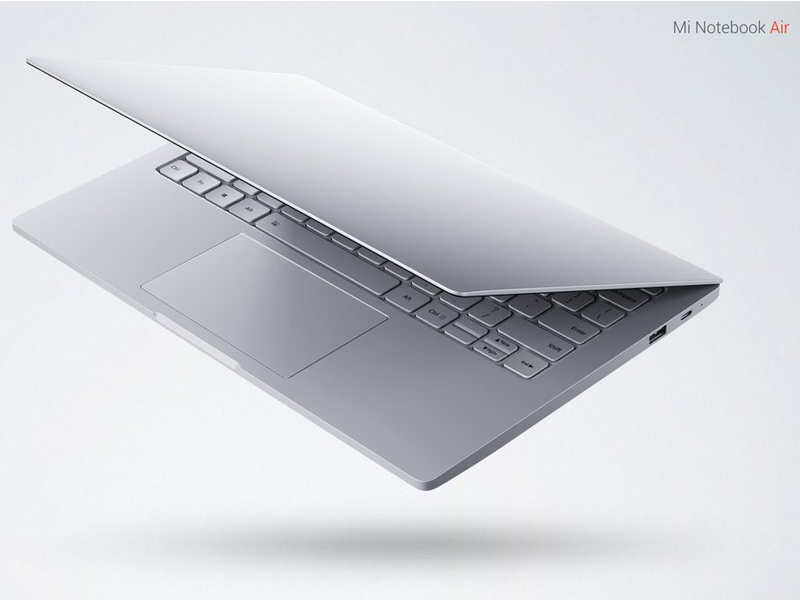 If you’re in the market for a cost-effective notebook that boasts top-end specs, you might want to take a gander at the Mi Notebook Air. The Xiaomi-branded laptop that packs an array of exceptional specifications and awe-inspiring features has now gone up for sale at a lowered price on GearBest.