Advertisement

Average Selling Price Of Chinese Smartphones Now Closer To Samsung

Chinese smartphones were once regarded as cheap alternatives to Samsung and iPhone models. While we still have a variety of cheap Chinese handsets in the market, that offers much more value than competitors, the quality and prices of these Chinese smartphone models have gone up in the past few years. While Xiaomi and Meizu still focus on the low-end and mid-range markets, manufacturers like OPPO, Vivo, and Huawei are really improving the average selling price of Chinese smartphone companies.
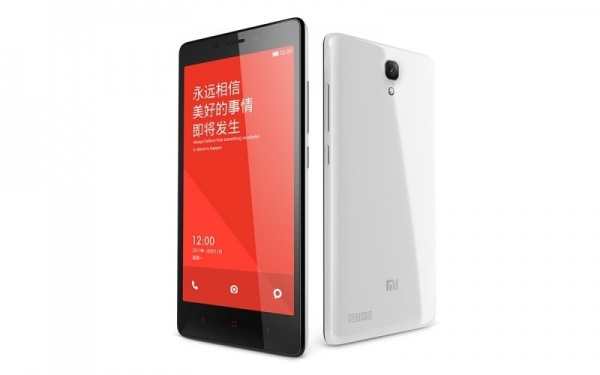
Xiaomi RedMi Note pre-order

Chinese smartphones are no longer replicas of Samsung or Apple, rather many of them have managed to bring innovation to the stagnant smartphone market. Lenovo managed to release its first Tango-enabled phone, the Lenovo Phab2Pro and Xiaomi managed to bring dual curved display design to the affordable price segment with the Xiaomi Mi Note 2. Not to forget, the Xiaomi Mi Mix is one of the most revolutionary smartphones that we have seen in recent times.

As you may have noticed, these Chinese smartphone manufacturers have slowly transformed themselves from low-cost phone makers to innovators, releasing interesting products and thereby justifying the release of pricier smartphones that also improve profitability.
avg selling price chinese phones

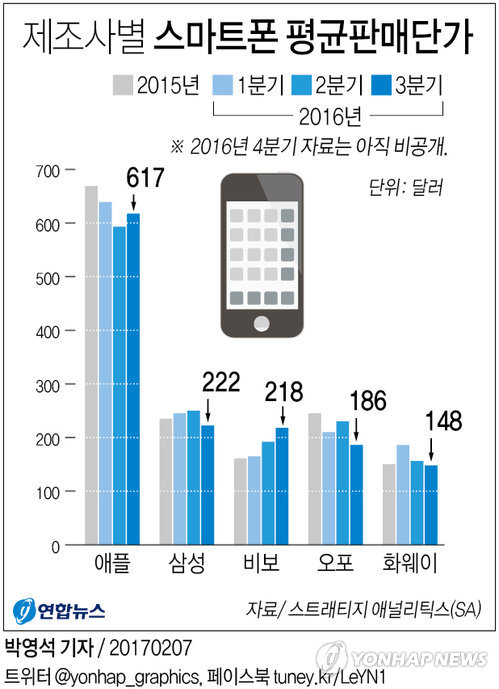
According to Strategy Analytics, the average selling price of Chinese smartphones in Q3 2016 was $184, which was closer to the avg. selling price of Samsung phones in the period. The bar in gray (in the image above) represents the avg. selling price of the company in 2015, while the ones in shades of blue are of the three-quarters of 2016. The data for the fourth quarter of 2016 was still not available.

RELATED: Xiaomi aims to exceed 100 billion Yuan in sales in 2017

As you can see, Apple’s ASP is way higher than its Android counterparts, $617 for Q3 2016. In the same period, Samsung’s ASP was $222, with Vivo very close behind at $218. The company managed to increase its ASP in the third quarter, thanks to the sale of its expensive models like the Vivo XPlay 6. OPPO has an ASP of $186 while Huawei had an ASP of $148 in the same period.
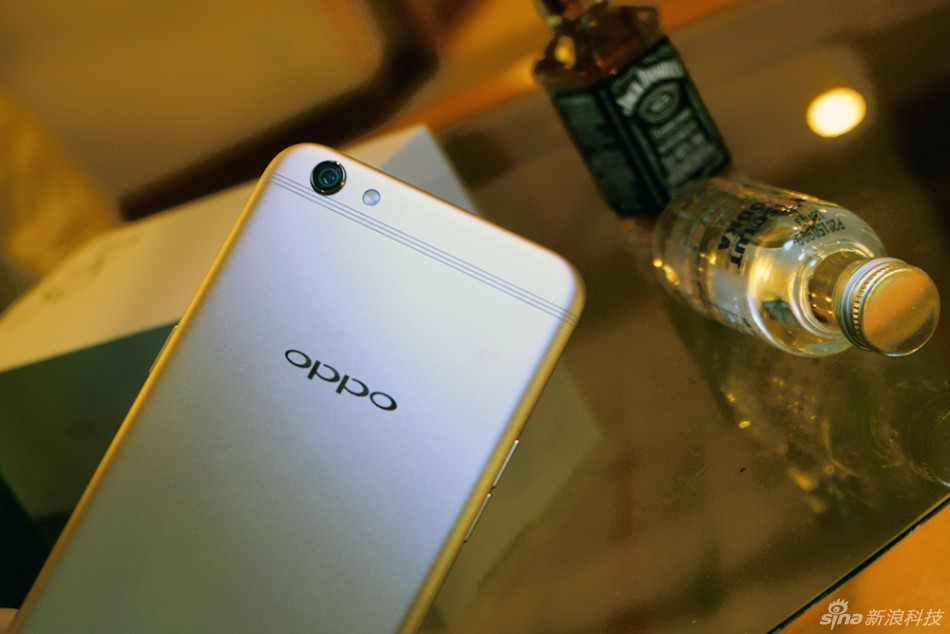
oppo-r9s-hands-on-07

While in general, you see that the ASP for OPPO and Huawei has fallen down a bit in this period, what’s important to note here is that both the companies have managed to expand their market share aggressively in 2016. OPPO R9 managed to sell very well in 2016 and Huawei’s low-end models and high-end models like Huawei P9 have together helped the company increase its shipments significantly and reduce the gap in terms of sales when compared to Samsung.

READ MORE: Apple Beats Samsung to Occupy Top Spot in Global Smartphone Market Share in Q4 2016

What’s even more interesting is that Samsung isn’t likely to increase its average selling price this year, to ensure that it retains its majority market share, which is slowly being snatched by Chinese phone makers like Huawei and OPPO.

“The Chinese manufacturers are going to the low-end phone business and going to second-hand phones,” said Chung Hae-sik, an analyst at the Information Technology Promotion Center (IITP). “As technology has improved and domestic market trends have changed, “He said.

Chung added, “Samsung Electronics is not easy to raise prices because it is trying to check Chinese makers while using market share.”


(source)
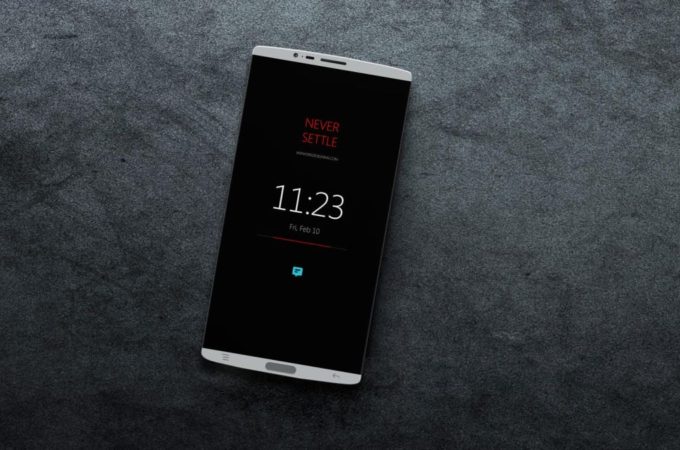
DBS Designing’ Renders of the OnePlus 4 is A Dream: Runs Lineage OS, Has 8GB RAM and Waterproofing

OnePlus is still basking in the aura of positive reviews generated by the OnePlus 3T. So there is no reason to rush to release a successor yet. The folks at DBS Designing can’t wait for a successor and have made a render of the OnePlus 4.

For the design, DBS Designing have gone back to the OnePlus 1 for inspiration which personally, I believe has a better design than the OnePlus 3. Basically, you can call it the OnePlus 1 (2017) as it incorporates all the features you should find in a flagship device released this year.

OnePlus 4

First you have got thinner bezels on all sides. Practically non-existent on the left and right and considerably thinner at the top and bottom. That way, the phone can have a larger display but still maintain the footprint of the OnePlus 3. The top bezel still houses the front camera, speaker and proximity sensor, while the lower bezel holds a physical home button and capacitive back and recent apps keys. It seems the home button also doubles as a fingerprint scanner since there is none at the back.

The OnePlus 4 also gets the dual-camera treatment on the rear. You will notice they have made sure not to exceed the length of the camera housing of the OnePlus 1 but at the expense of ditching the laser focus module.

For specifications, the OnePlus 4 will sport the Snapdragon 835 processor, have 8GB of RAM and 256GB of storage, though there will be a 6GB RAM + 128GB ROM variant. The rear cameras will be 18 megapixel shooters while the front camera will remain a 16MP sensor. Although the screen size is unknown as that looks larger than 5.5-inches but expect it to be a Quad HD+ screen, giving it Daydream support.

2017 seems to be the year where you either make your phone waterproof or you go home. This OnePlus 4 render ticks the waterproof box but expect it to raise the price of the device. There is a 5000mAh battery under the hood and with Dash Charge support. The bottom of the phone also sports a USB Type-C port flanked on both sides by dual speakers.

READ MORE: Tutorial: Turn Your OnePlus 3T into A Google Pixel

Xiaomi Redmi 4A Review: Light, Compact & Super Affordable

We all know how much Xiaomi likes to release new smartphones in the market. On an average, the company seems to be releasing at least a couple of smartphones every month, which is a lot! Sometimes, a particular model seems to take the limelight, and rightly so, because of its decently powerful specs at an affordable price tag. But this also means that there are a few models that receive less attention, like the Xiaomi Redmi 4A.

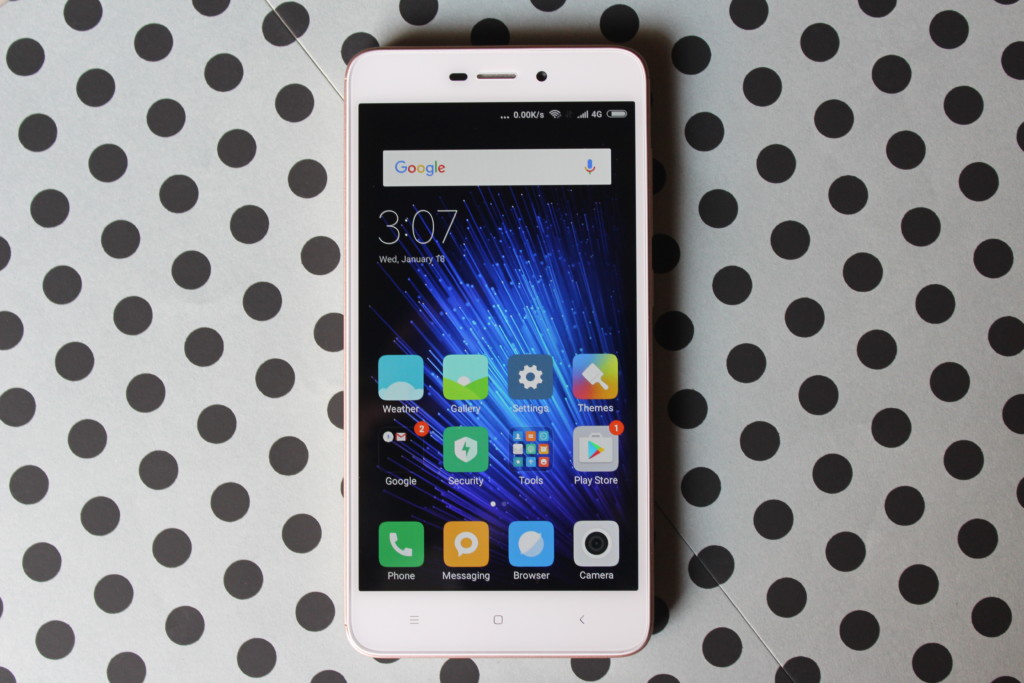
redmi 4a review

Today, in this Xiaomi Redmi 4A review, we take a look at what this phone brings to the table.


Xiaomi Redmi 4A Design

If you have ever unboxed a Xiaomi smartphone before, (which I’m sure majority of our readers have at least according to this poll), you know what’s inside the box. You have the Redmi 4A smartphone, a manual, charger, and USB cable. So, basically, the usual stuff.

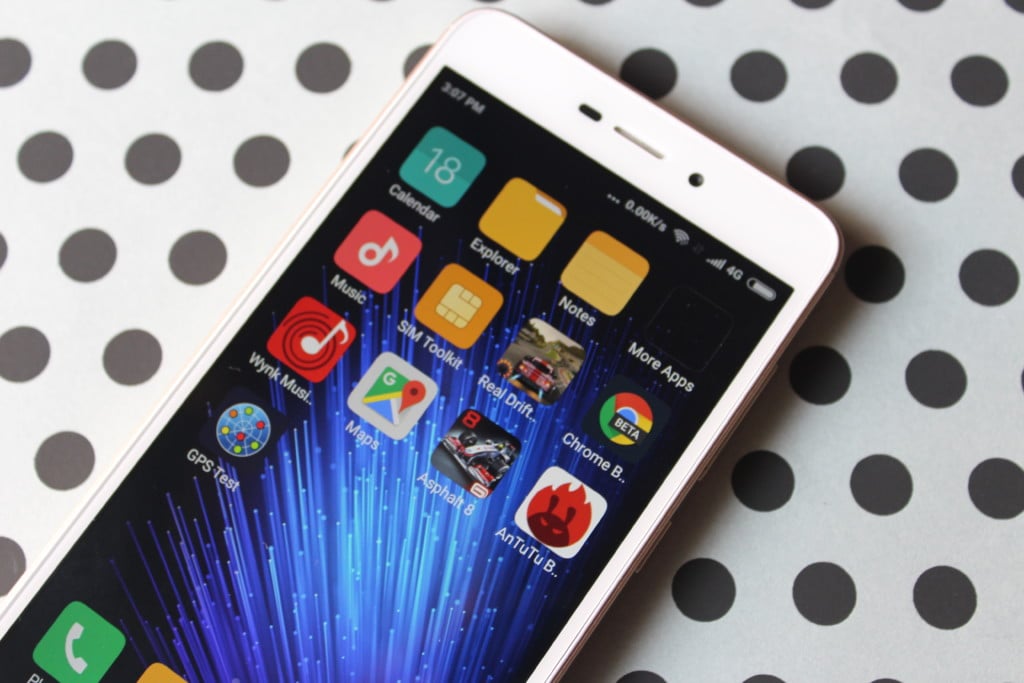
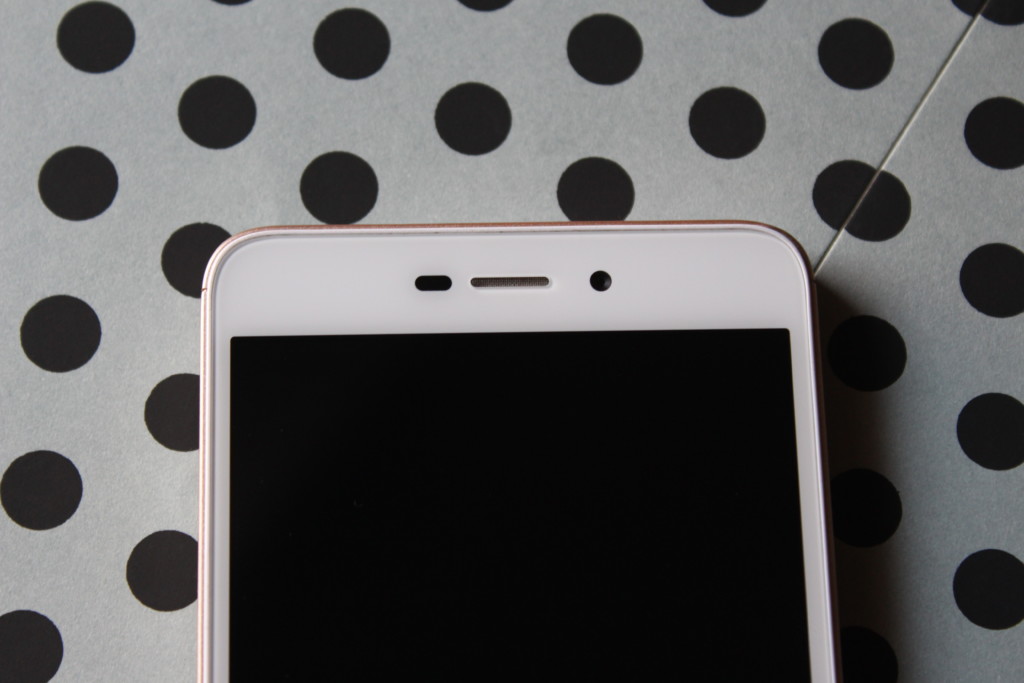
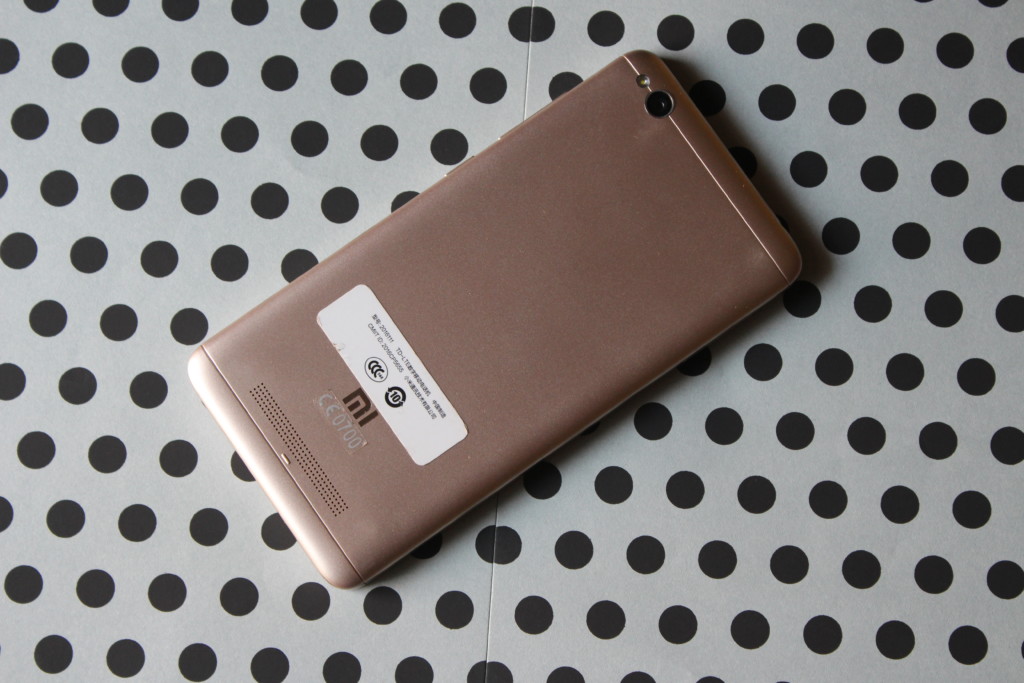
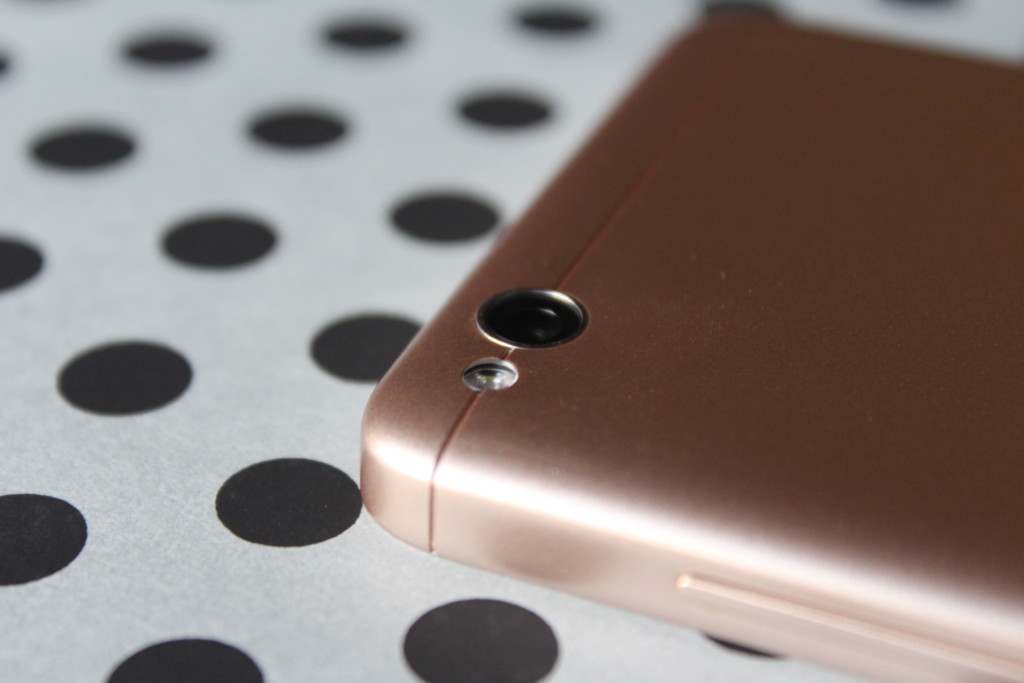
In the design department as well there are no surprises. The Xiaomi Redmi 4A continues the traditional Redmi design language, coming with an all metal body, non-removable back in gold and rose gold color options. But the Redmi 4A is a bit different from the Redmi 4 in terms of its design. The phone features the non-protruding rear camera on the top left corner accompanied by a single LED flash. Despite its low-end placement, the camera is decent, but more on that later.

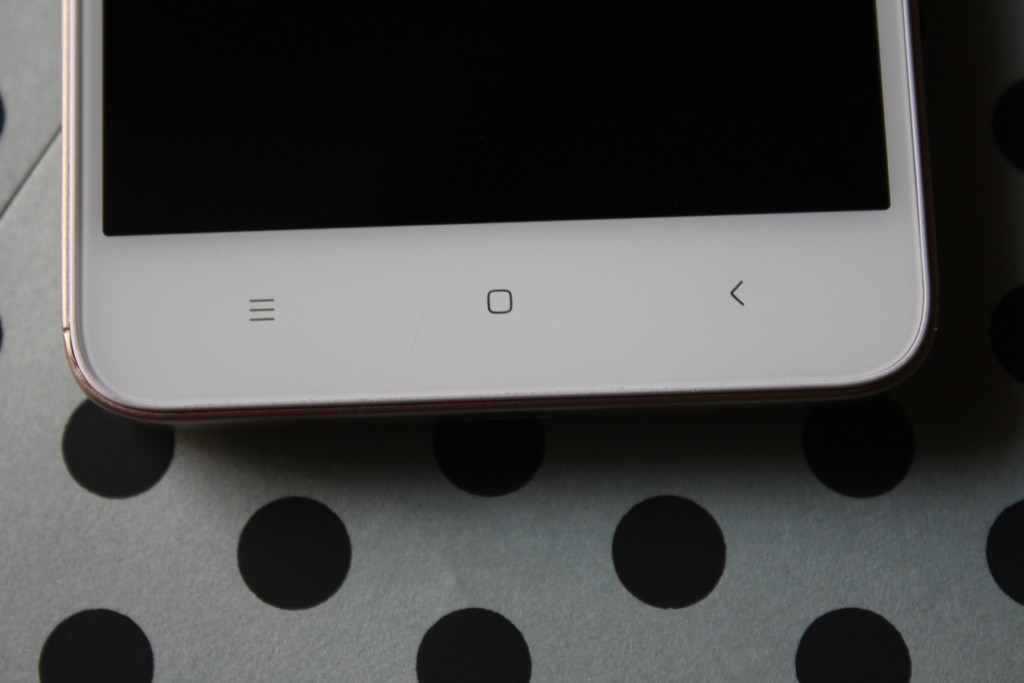
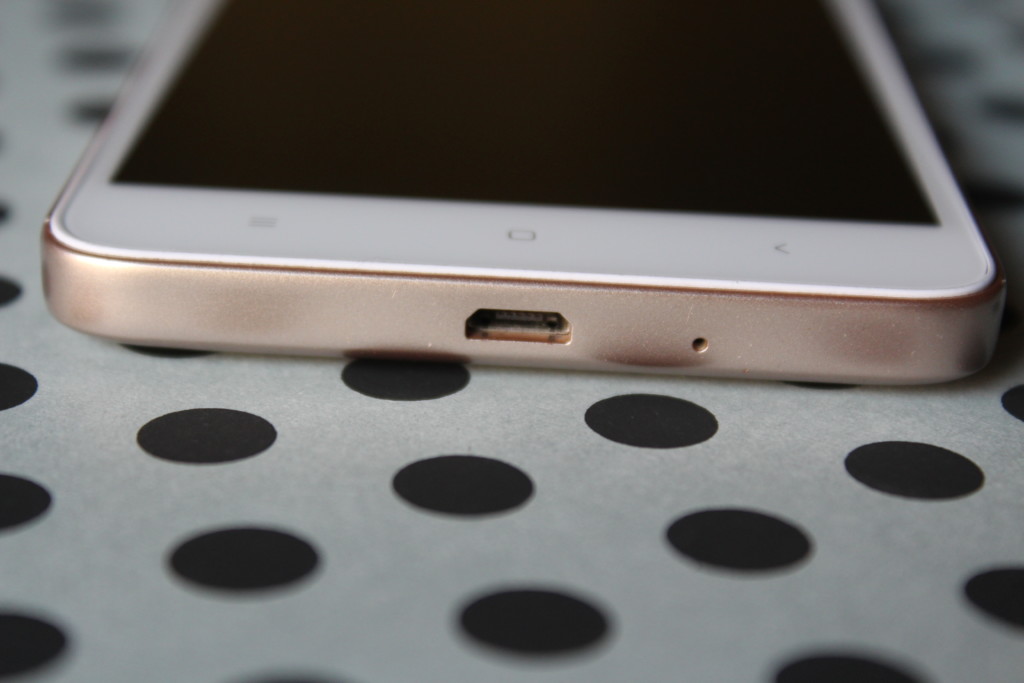
You have the MI logo etched at the back along with speakers below it. Buttons are tactile and are made out of metal. On the left, you have the hybrid SIM tray while at the bottom there’s a regular MicroUSB port. Since the front of the phone is white, the bezels on the side look a bit thick. But it doesn’t really come in the way of using the phone, thanks to its vibrant display.

redmi 4a review

One thing to note here is that the Xiaomi Redmi 4A is super light. It weighs just around 132 grams and is super easy to carry around. It’s compact and thin as well, measuring 139.5 x 70.4 x 8.5 mm. This makes it thinner as well as a bit more compact than its elder sibling, the Xiaomi Redmi 4.

redmi 4a review


Xiaomi Redmi 4A Display

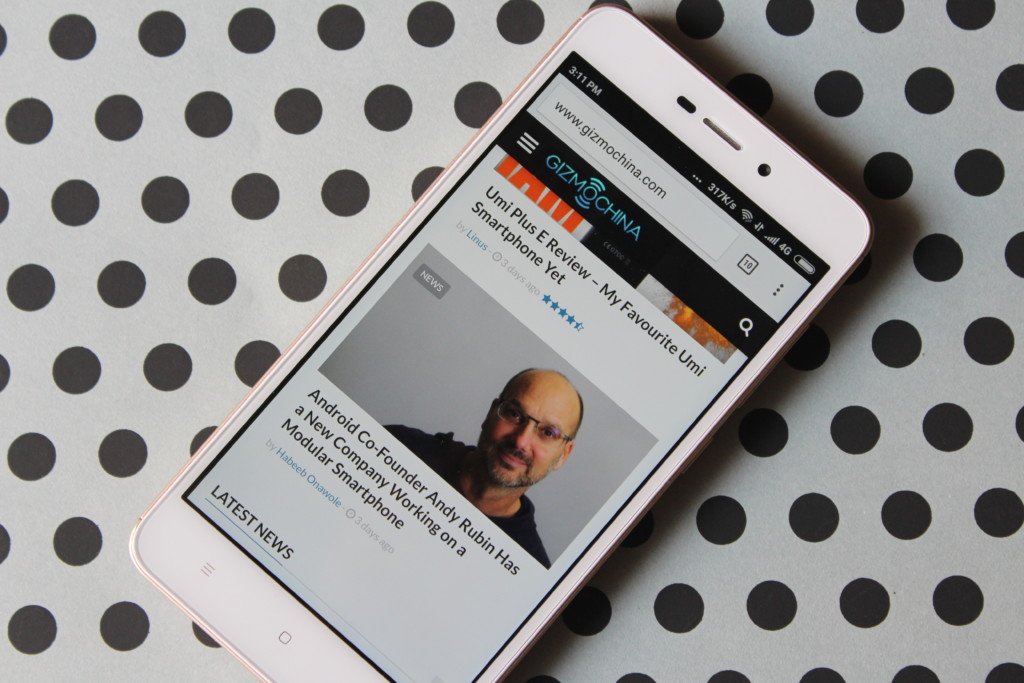
The Redmi 4A comes with a pretty good display. The screen is sharp and the colors are vibrant. Brightness isn’t too high as compared to some other phones like the Moto G4 Plus, but I found no issues using the display under direct sunlight. In fact, I personally found the display on the Redmi 4A ideal for reading.

redmi 4a review

Specs wise, the display isn’t that great — 5-inch 1280 x 720p resolution (294 ppi) but in real world usage, you won’t be disappointed.

redmi 4a review display

Xiaomi Redmi 4A Hardware & Performance

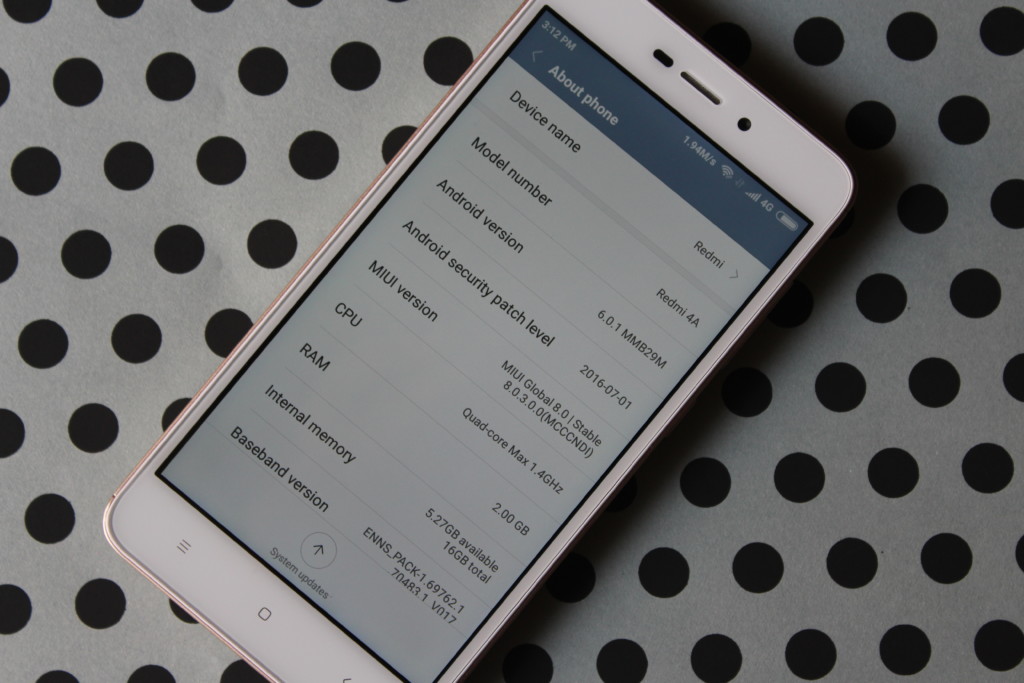
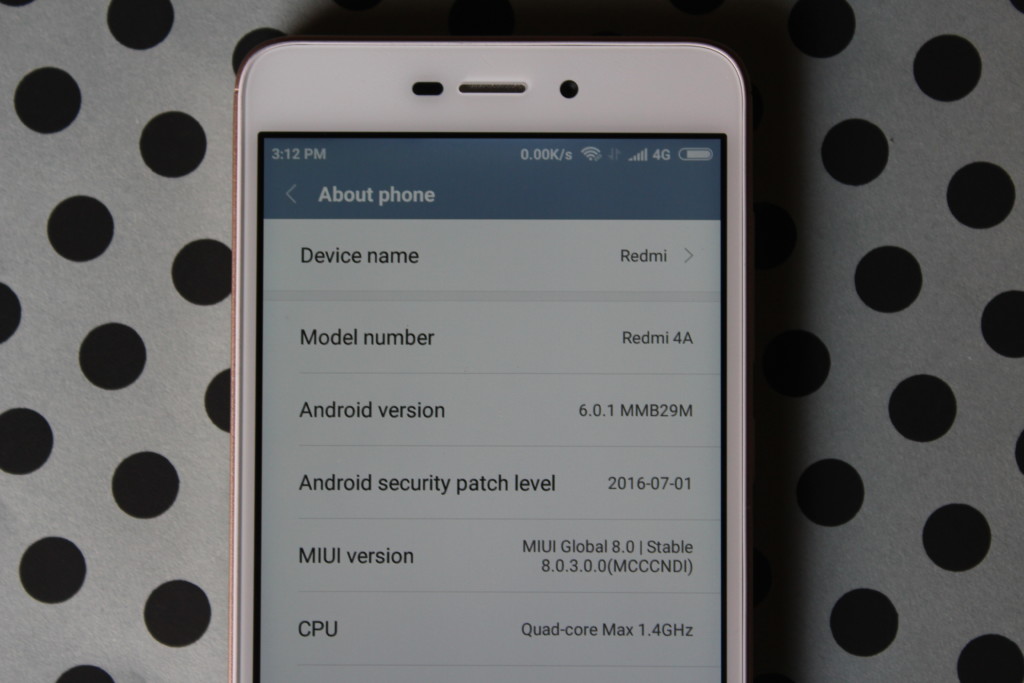
Given its low-end segment, don’t expect anything out of the ordinary from this device. The Redmi 4A handles almost every task with minimum lag and for your everyday usage like browsing or watching a few videos, the Snapdragon 425 chip inside should be sufficient. Note that the major difference between the Snapdragon 430 that powers the Redmi 4 (and even Nokia 6) and Snapdragon 425 inside the Redmi 4A is the GPU on board. The former comes with Adreno 505 while the Redmi 4A features a slightly slower Adreno 308.

redmi 4a review

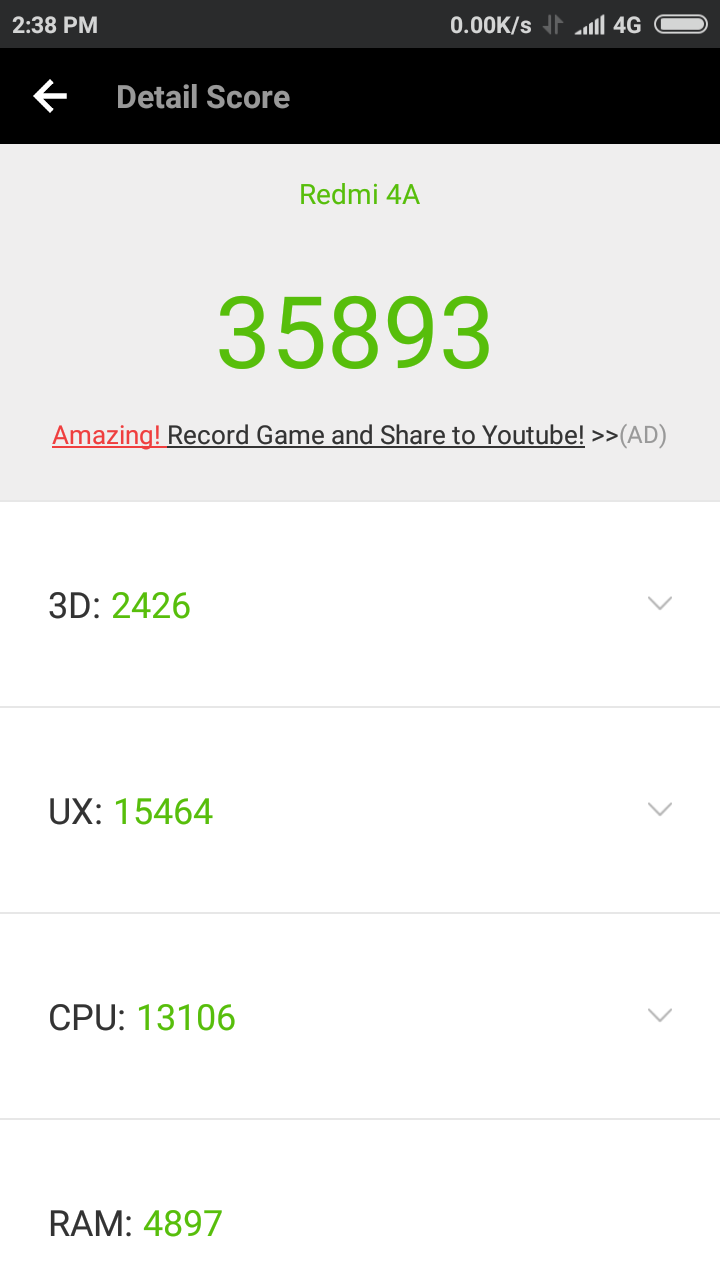
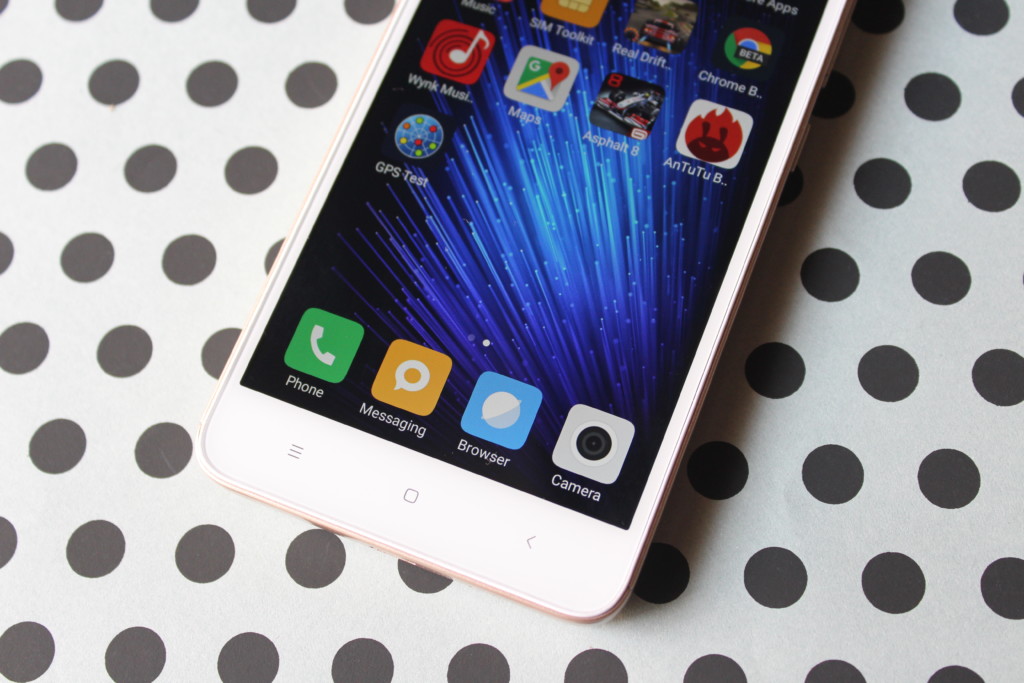
Gaming on the Redmi 4A was a pleasant experience. There were a few skipped frames here and there, but overall, the phone managed to tackle games like Asphalt 8 and Real Drift Racer without any significant hiccups. Even opening up apps and games were pretty quick. So, for your basic everyday usage, the Snapdragon 425 and 2GB RAM should just be enough.

redmi 4a review

Overheating is not an issue with the Redmi 4A. Even after half an hour of gaming or consistent browsing, the phone doesn’t seem to overheat, which is a good sign. Check out the full hardware specs of the model here.

redmi 4a performance

As for the battery life, I could get an entire day with the 3000mAh battery inside. This includes moderate usage like browsing for an hour, watching a few videos on youtube and talking for about an hour. Messaging apps and internet tend to drain down the battery quite quickly, but still, if your usage is moderate, the phone will last an entire day without much trouble.


Xiaomi Redmi 4A Camera 

The phone comes with a 13MP f/2.2 aperture camera at the back and a 5MP shooter up front. The rear camera is pretty decent, managing to take pictures with good clarity under good lighting conditions.

redmi 4a review

Low light images are bad, but HDR mode is something that helps you overcome lighting issues in most situations.

The HDR mode on the rear camera managed to capture much better photos, especially indoors, where lighting conditions were not exactly favorable.

The front camera is also decent and is good enough for a few selfies. Nothing out of the ordinary, just what you can expect from a sub-$150 smartphone.

The full-size samples and even a video have been uploaded here. Feel free to check them out.


Xiaomi Redmi 4A Software & Features

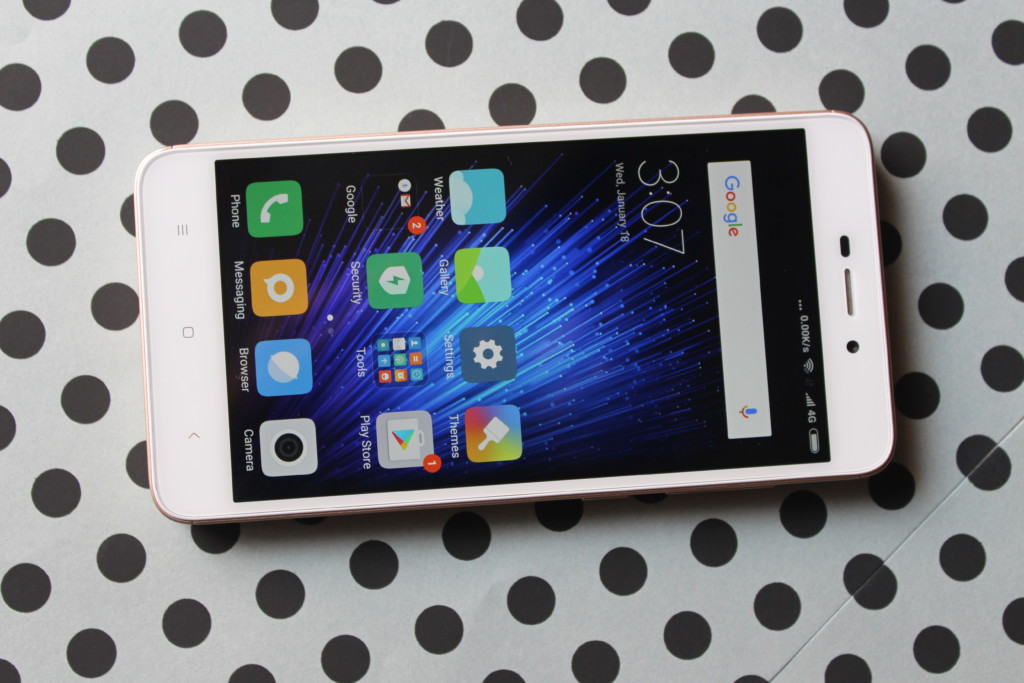
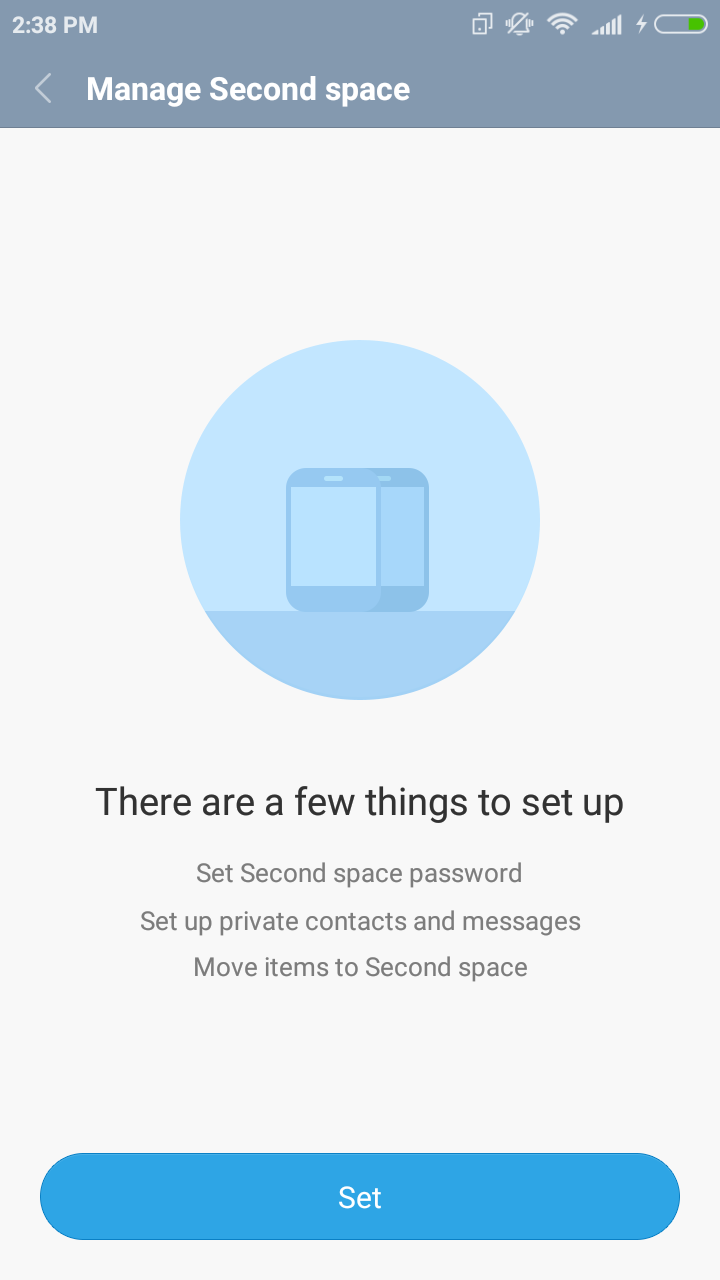
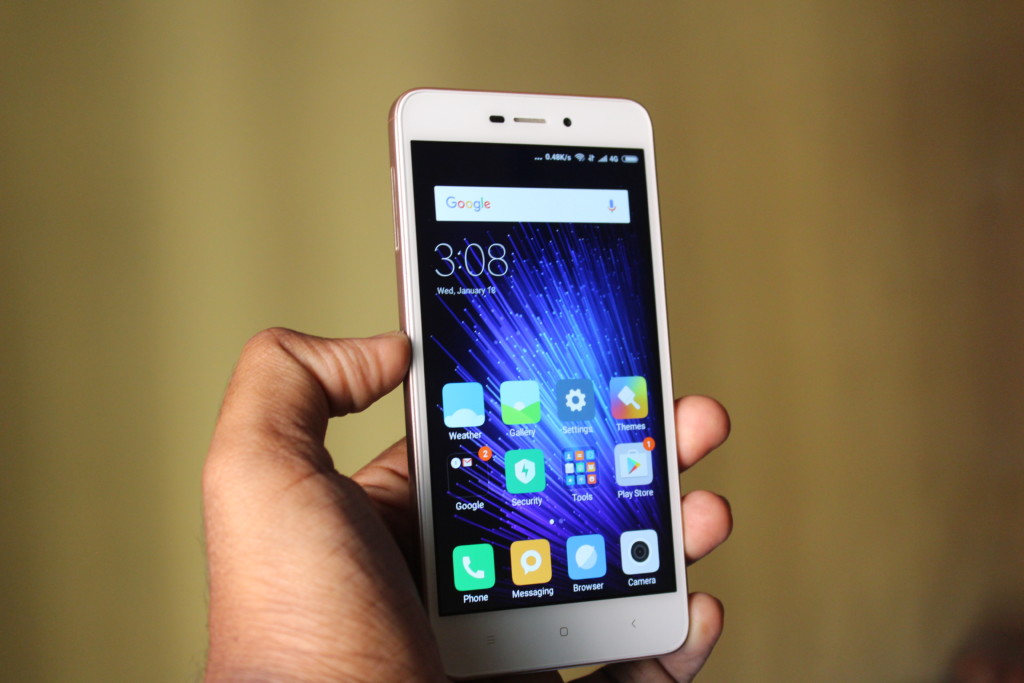
The UI is smooth and the animations are fluid, as is the case with most MIUI powered phones. The phone is currently running Android 6.0.1 with MIUI 8 on top. The software comes with all the basic features found on MIUI 8, including Second Space and Dual Apps. The Second Space is like a second smartphone inside. You can use this space to customize for a particular need, like choose the themes, apps that will be displayed in this mode.

You can set a password for protecting the data on this space as well as quickly transfer apps to this new space. Revert back to the first space (using the icon on the home page) and you get all your original data back. It’s a smart way to manage your work and home profiles in one phone. You can also duplicate apps on the device, which is yet another smart feature on MIUI 8.

redmi 4a review

I have been using this phone as my primary device for making and receiving calls for the past several weeks and I must say that given its super light weight body, you can talk for hours on the device without any issues. The call clarity is decent and you won’t find any trouble hearing the person on the other side.


Xiaomi Redmi 4A Review: Conclusion

xiaomi redmi 4a review

Overall, the Xiaomi Redmi 4A is a pretty decent smartphone at its price. If you are looking for something that’s compact, lightweight and can tackle most tasks without much hassle, then the Redmi 4A is for you. The phone looks pretty good, the display is bright and good for reading and the overall experience is good. The camera could have been better, but for a couple of images once in a while, it will suffice.


Xiaomi Redmi Note 4X Specs & Images Leaked: Benchmark Shows Good Performance

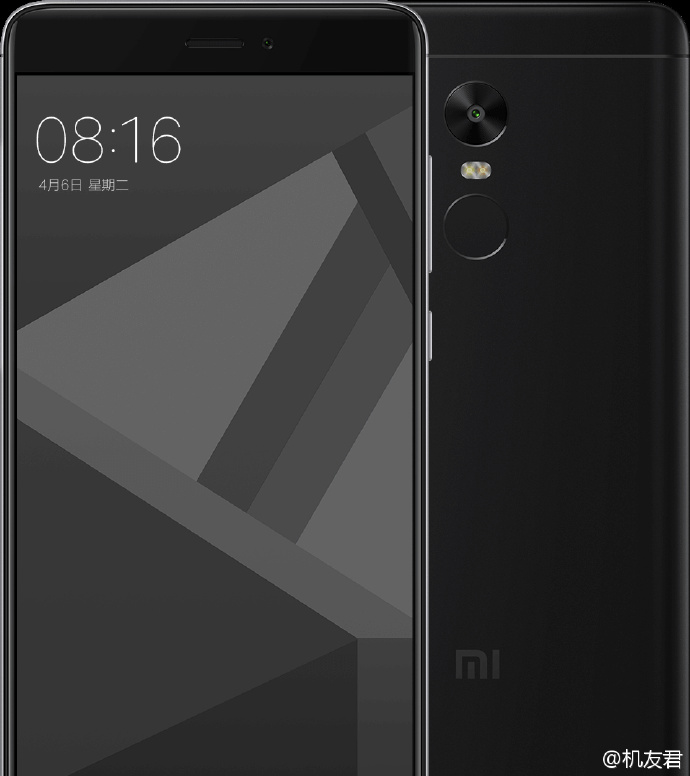
Xiaomi‘s first new smartphone release in China this year would likely be the Redmi Note 4X. The device has already been tipped as coming this February 14, while sales may likely start on the 16th of February. Ahead of the official launch, the device had made appearances in several leaks, gifting us some of the specs as well as a few renders of the Redmi series smartphone.

Xiaomi Redmi Note 4X


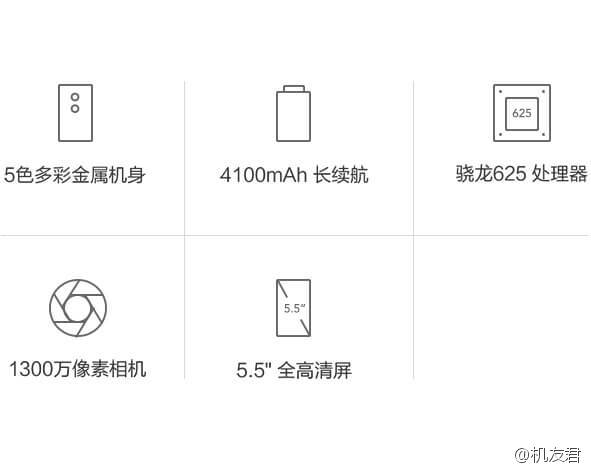
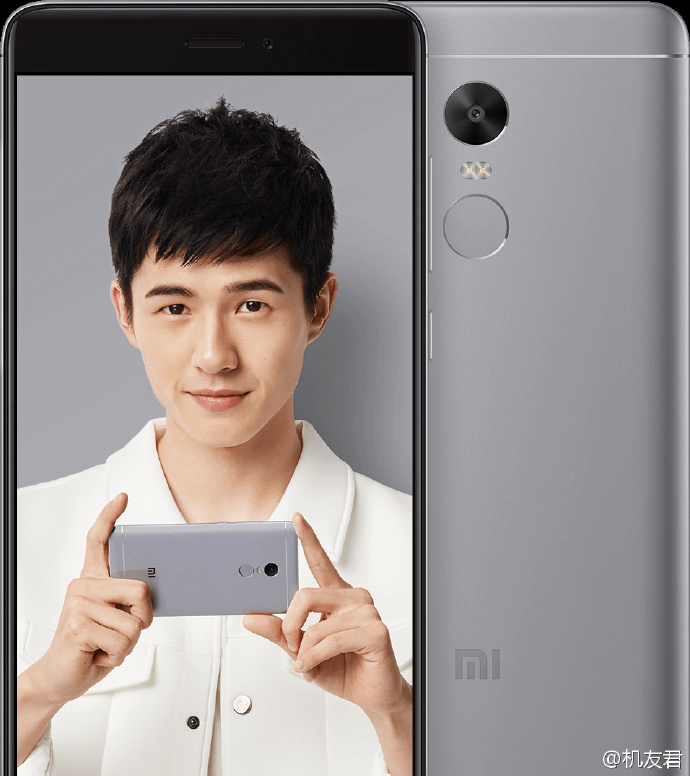
Presently, the specifications of the Redmi Note 4X has again featured in a leak which also gifts us some live, official looking images of the smartphone in the hands of Xiaomi’s brand ambassadors. Among the specs listed is a 5.5-inch display, a large 4100mAh battery, 13MP rear camera, 5MP front sensor as well as a Snapdragon 625 chipset.

Xiaomi Redmi Note 4X

Read More: Helio X20 vs Snapdragon 625: Chips Inside the Redmi Note 4 Versions Compared

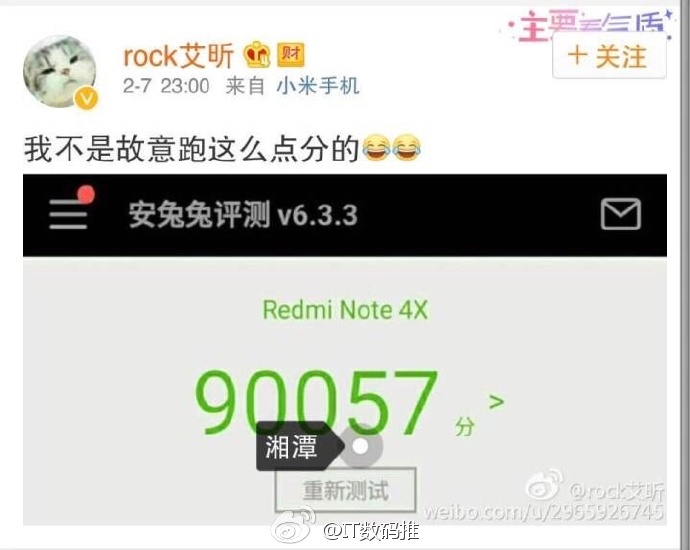
In the same vein, a screen shot of what is said to be the Xiaomi Redmi Note 4X AnTuTu benchmark score has leaked and it shows the Redmi Note 4X scored well over 90K points (90057 points) on benchmark. Now, that is way over the capabilities of the SD 625 chip it features. The SD 625 is only capable of a score in the region of 60K points and not over 90K. If it had been the Helio X20 chip onboard, then perhaps we would have believed because it reached over 80K on benchmark onboard the Redmi Note 4. So, it is possible this AnTuTu benchmark score is fake.

Redmi-note-4x

You can check out more live images of the Xiaomi Redmi Note 4X from down below.

Xiaomi Redmi Note 4XRedmi-note-4x-9Redmi-note-4x-4Redmi-note-4x-6

Moto G5 Plus Leaked Photo Reveals Smaller 5.2-inch Display

At the beginning of January, the Moto G5 Plus was spotted on an online marketplace. Since then the rumor mill has been consistently leaked information and photos of the Moto G5 Plus. Roland Quandt, a known leakster has now revealed a leaked photo of the smartphone that suggests that it will be coming with a 5.2-inch display.

The Lenovo Moto G5 Plus leaked photo has alleged surfaced from Brazil. The protective plastic cover is placed on the device carries “Moto $$” moniker. Some of the key features of the smartphone is also mentioned on it.

According to what’s mentioned on the protective film, the alleged Moto G5 Plus would be arriving with a 5.2-inch full HD screen, a 2.0 GHz octa-core processor, a 12-megapixel Rapid focus camera, a fingerprint scanner and NFC support, a 3,000 mAh battery with TurboPower and Motorola Experience (can be exclusive apps from Motorola).

Related: Moto G5 Plus Wallpaper and Ringtones Leaked, Downloadable Here

Previous rumors have revealed that 2.0 GHz octa-core processor belongs to the Snapdragon 625 chipset. Also, it is expected to come with other features such as 4 GB of RAM, 32 GB native storage and Android 7.0 Nougat OS.

Rumors have it that the smartphone would be coming with polycarbonate chassis. The variant that will be releasing in Brazil will be equipped with additional features like Digital TV tuner and dual SIM standby with support for only nano SIMs.

The Moto G4 and Moto G4 Plus that were launched last year feature 5.5-inch displays. However, it is surprising to see the Moto G5 Plus sporting a 5.2-inch screen. The probable reason behind it may be that the Moto Z Play that is compatible with Moto Mods accessories feature a 5.5-inch display and it is also powered by Snapdragon 625 SoC.

By releasing the Moto G5 Plus with a smaller screen, Lenovo can avoid having two devices with identification specs. Another noticeable change in the leaked photo is the shape of the front-facing fingerprint reader. It seems to sport a different shape compared to fingerprint scanner available on the predecessor model.

The Moto G5 Plus is slated to get announced on Feb. 26, through a pre-MWC 2017 event. The Moto G5 featuring a 5-inch screen and a Snapdragon 430 SoC is expected to launch alongside it.  The smartphones are expected to be buying by early next month.

(Source)

Meizu To Announce A New M series Product with fast charging on February 15

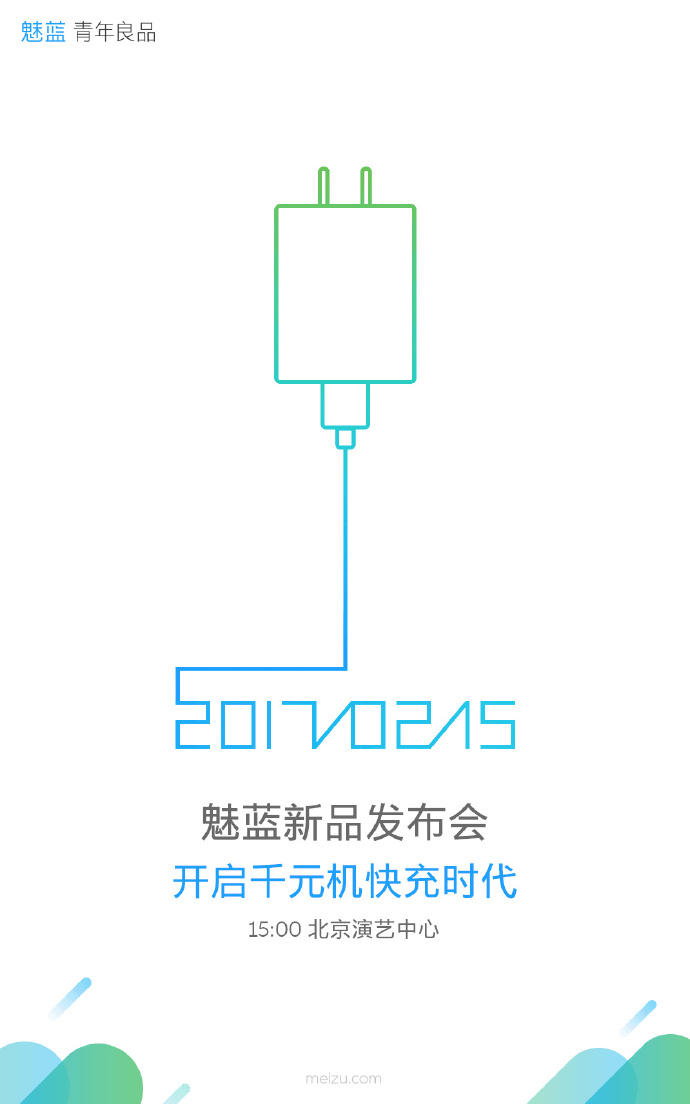
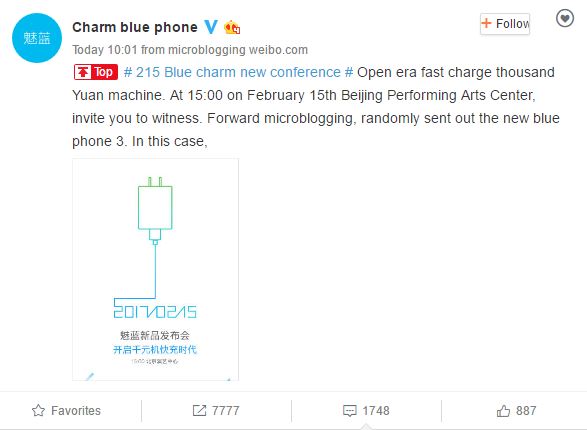
Meizu has officially teased what should be the launch of a new M-series smartphone which would take place on the 15th of February, 2017. The teaser also seems to highlight the fact that the said smartphone will have as its main feature, a fast charging technology.

Meizu

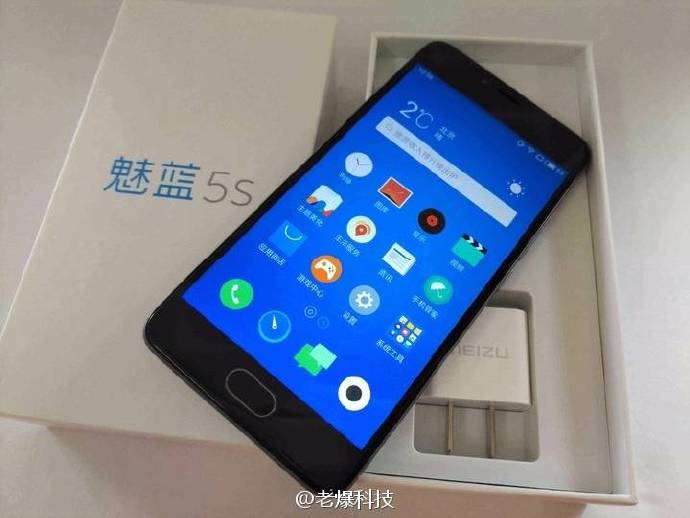
Although no specific mention was made of the device that would launch on February 15, there is hardly any doubt that the device that would take the spotlight that day would be the Meizu M5S. The mid-range M5S has been the subject of several leaks and rumors of recent and among the rumors is the hint that it would launch this month.

meizu m5s launch

Meizu had hinted earlier on that it would do less with launch events this year in order to cut costs, but the launch event is scheduled to hold at the Beijing Performing Arts Center at 15.00, China time on February 15. As a parting shot, just a reminder that the Meizu M5S will feature a 5.2-inch IPS display and is powered by a MediaTek MT6753 octa-core processor. The device is said to come with 2GB, 3GB, and 4GB RAM options as well as storage options of 16GB, 32GB, and 64GB respectively.There is also a 13MP rear camera, a 5MP front-facing camera, and a 2,930mAh battery.

meizu m5s

Related: Meizu M5S Gets 3C Certification, Sports 4GB RAM and an Octa-Core SoC

Other features include dualSIM/ dual Standby support, 4G LTE, Meizu mCharge fast charging technology, as well as Meizu’s mTouch fingerprint identification technology. The M5S runs Android 6.0 Marshmallow. There are suggestions in some quarters that the M5S is price around 999 yuan ($145) price tag. While there are also rumors that it could go for as high as  1,299 yuan ($189). Bear in mind that there are three memory versions, so the price could fall within the range of the two rumored prices.

(source)
MediaTek Announces Helio P25 Chip: Clock up to 2.5GHz, Supports 6GB RAM & Dual Camera

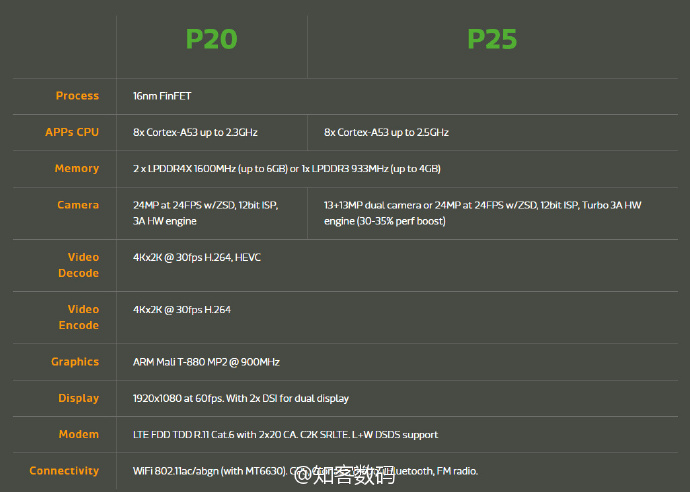
Chipmaker MediaTek has announced another chip in its mid-level P-series. The Helio P25 it is called, and it comes as an upgrade over the previous generation Helio P20 chip. The new upgraded chip brings several new features to the table including support for dual cameras.

helio-p25-2

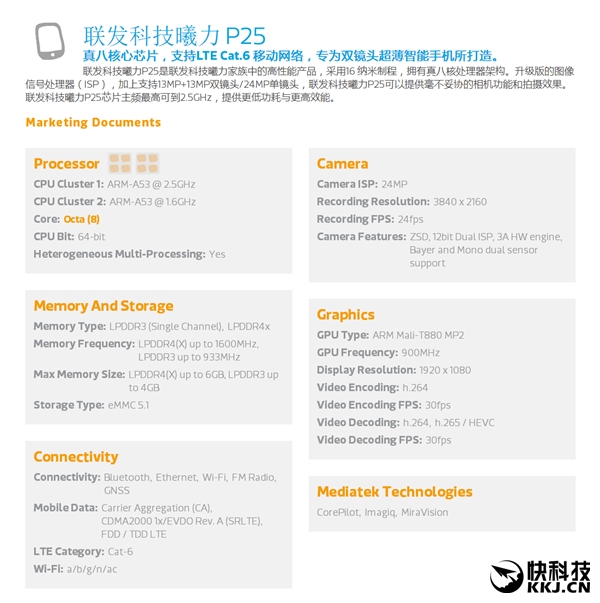
The MediaTek Helio P25 supports a high level of camera resolution than the P20, up to 24MP single camera sensor, or 13MP + 13MP dual camera setup. The new chip not only supports a dual-lens camera, the chip also brings onboard features such as noise reduction feature, color as well as black and white intelligent dual camera and real-time depth of field (Bokeh) effect. In addition, there is a high dynamic range (HDR) imaging support as well as a higher performance of the automatic shooter. It also brings 3A hardware engine upgrade and reduction in exposure convergence time by 30-55%.

helio-p25

Read More: Qualcomm & Leadcore Said To Join Forces To Make Low-End Chips: MediaTek in trouble?

The Helio P25 uses a 16nm FinFet manufacturing process and brings a reduction in the power consumption by 25% when compared to previous SoCs in the P series. On the specs, the P25 has an octa-core architecture composed of eight Cortex-A53 cores. It has a maximum clock frequency of 2.5GHz and features the same Mali-T880 MP2 GPU as the P20, clocked at 900MHz. The P25 also supports up to 6GB of LPDDR4X memory, another upgrade it has seen. It also comes with a stronger baseband chip to support LTE enhanced upload and a substantial increase in data transmission efficiency, as well as reduced power consumption and heat.

(source)
Xiaomi Redmi Note 4X to Be Available in Four Colors

The Xiaomi Redmi Note 4X is set to launch on the the 14th of February. Apart from the launch, the company is also expected to announce a new spokesperson. Earlier today, Redmi’s official Weibo page posted a video hinting at the new spokesperson who will be unveiled on the 13th of February.

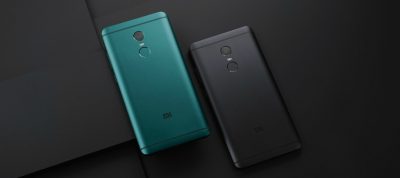
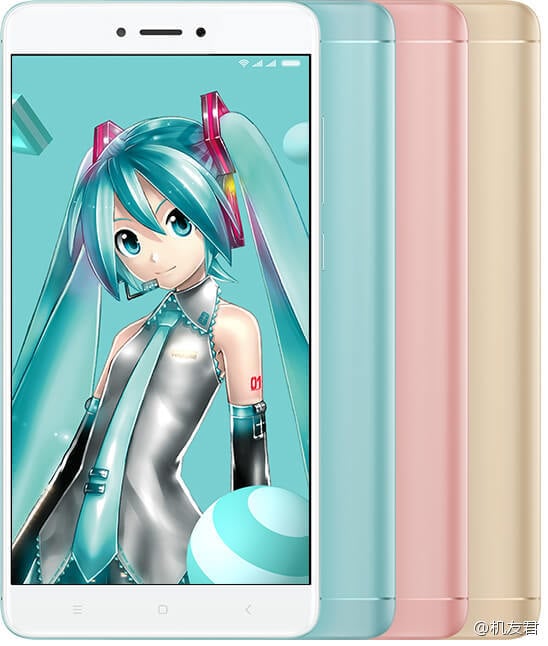
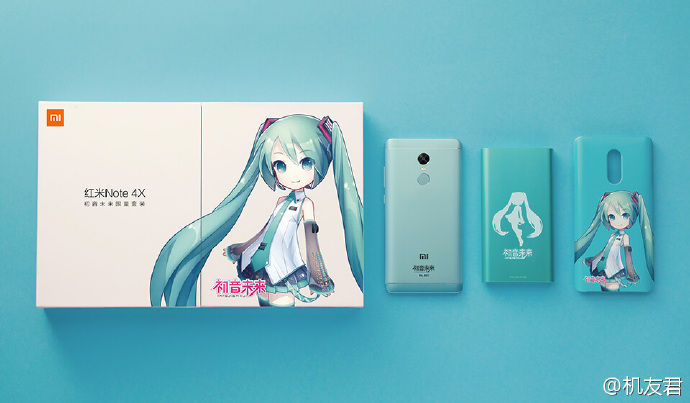
Some sources say the video also hints at the four colors the Redmi Note 4X will be available in when it launches. It is said that the green and black font used in the means that in addition to the silver and gold colors which are default, the Redmi Note 4X will also be available in black and green.

Redmi Note 4X green and black

A render of the two new color variants have been posted online. So in addition to sporting a new processor and memory configuration, the Redmi Note 4X will also have new color options.

READ MORE: Xiaomi’s Pinecone Processor Details Emerge: Higher Version Using 10nm Process

Blackview P2 Review – 6000mAh Battery Yet Slim and Powerful!

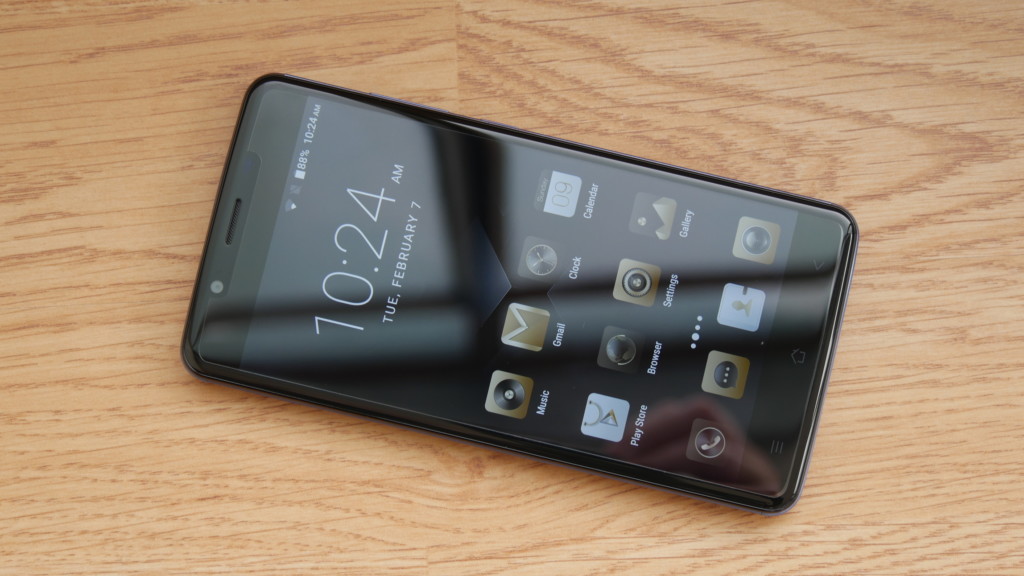
Blackview has made quite a few phones this year but the P2 is actually one of the most interesting models. The phone is well-made, it has good specs and a huge 6000mAh battery. Is it any good? Learn more in our full review.

VIDEO REVIEW

[embedyt] http://www.youtube.com/watch?v=hS0RfMCbdNI[/embedyt]

UNBOXING

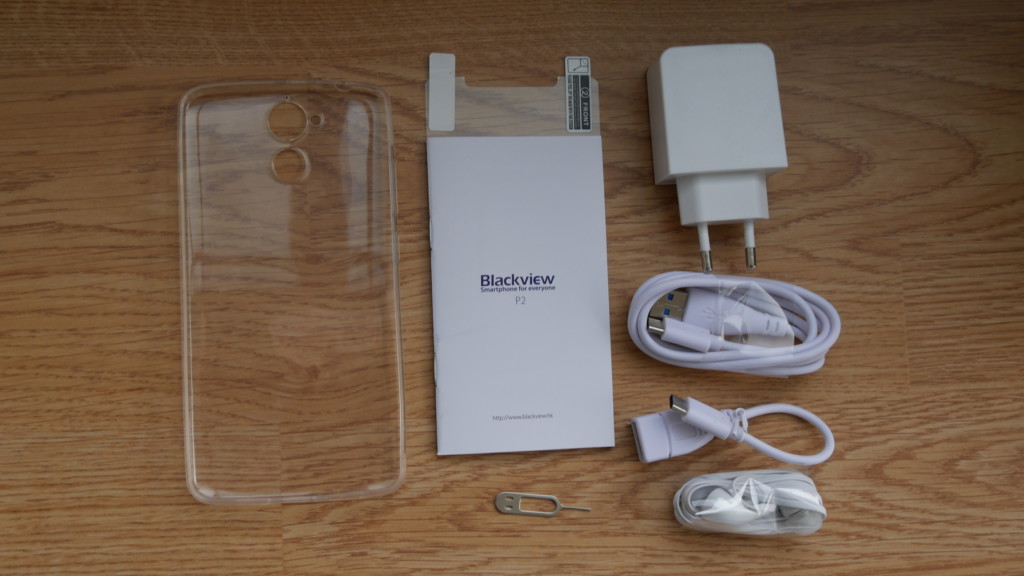
P1070497JPG P1070498JPG

The phone ships with all the usual stuff and it has some extras like a soft TPU case, a pair of earphones, a screen protector and the USB OTG cable.

DESIGN and DISPLAY

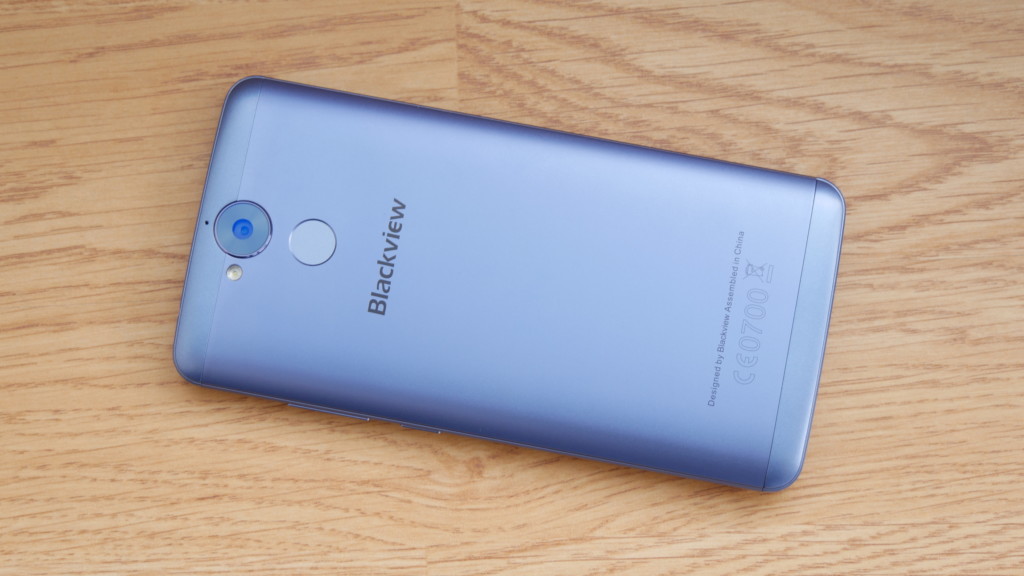
P1070505JPG

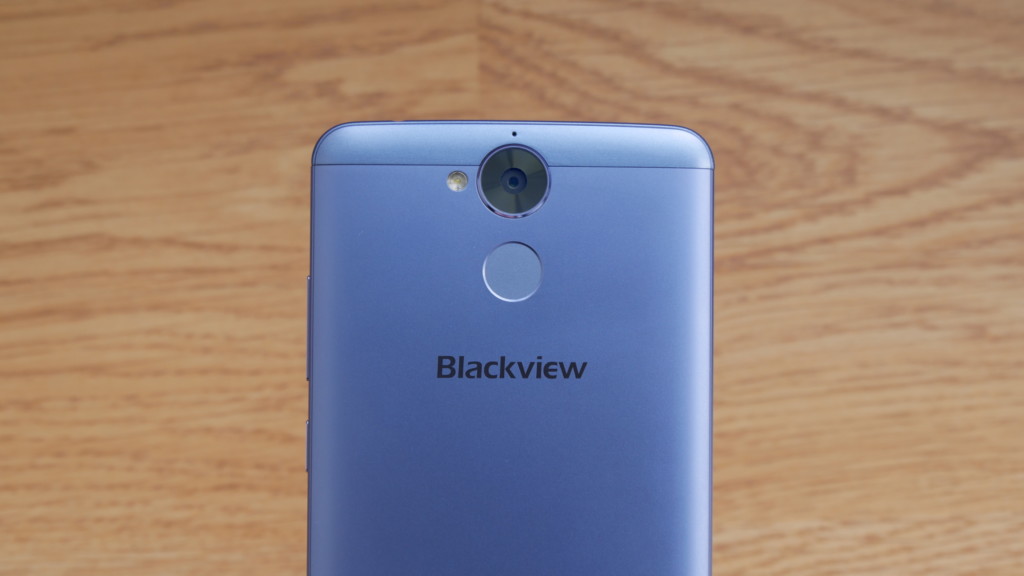
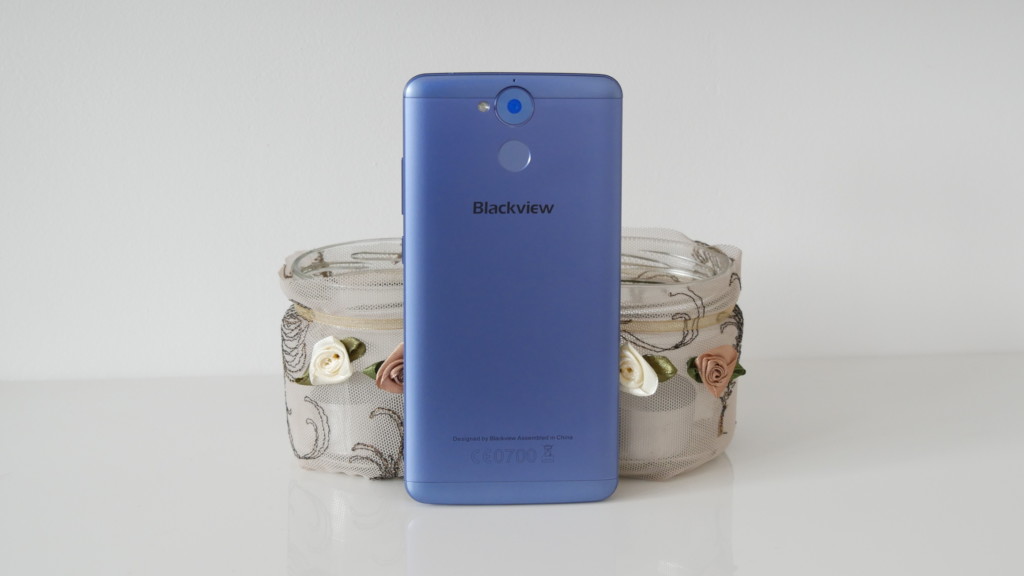
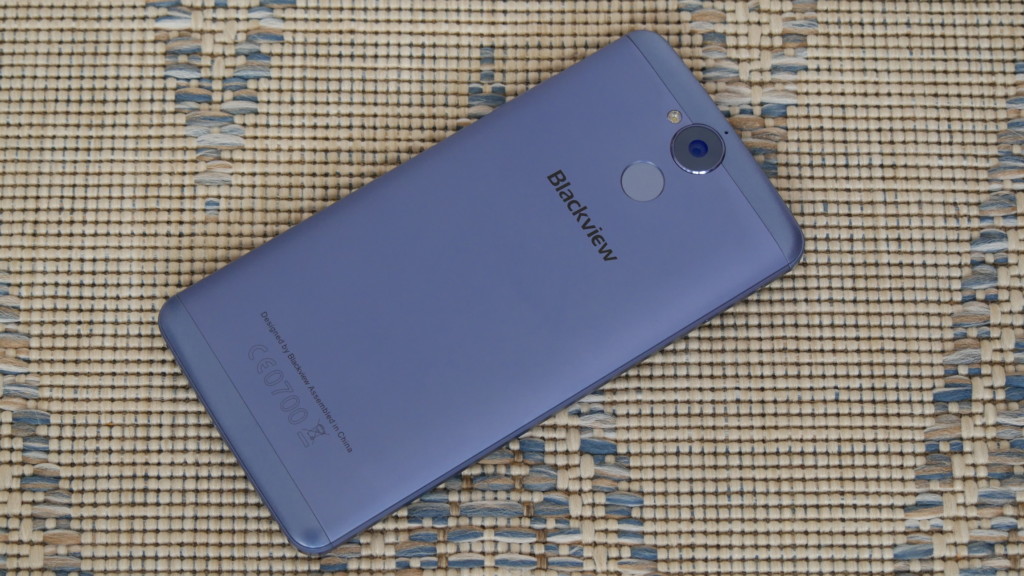
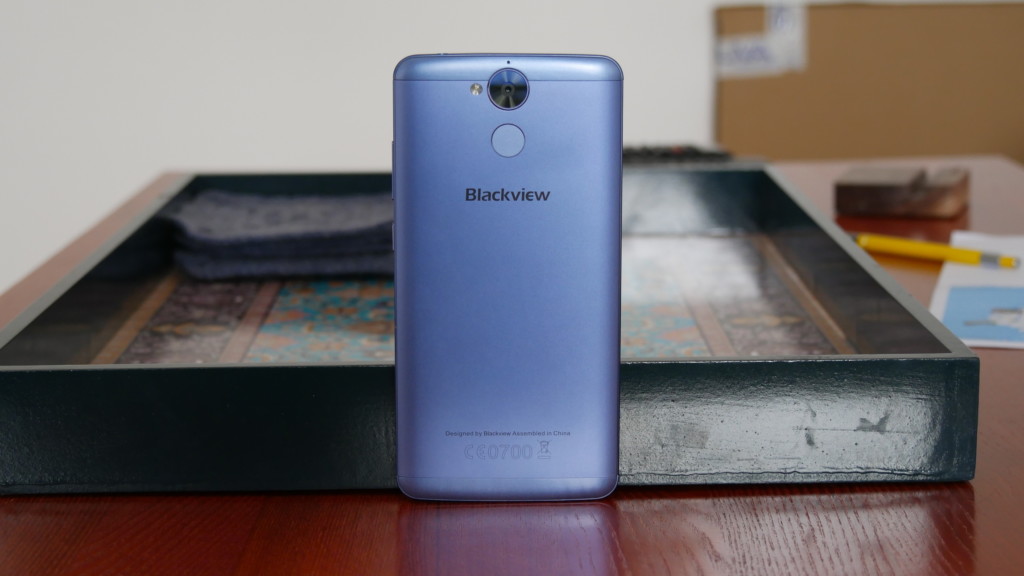
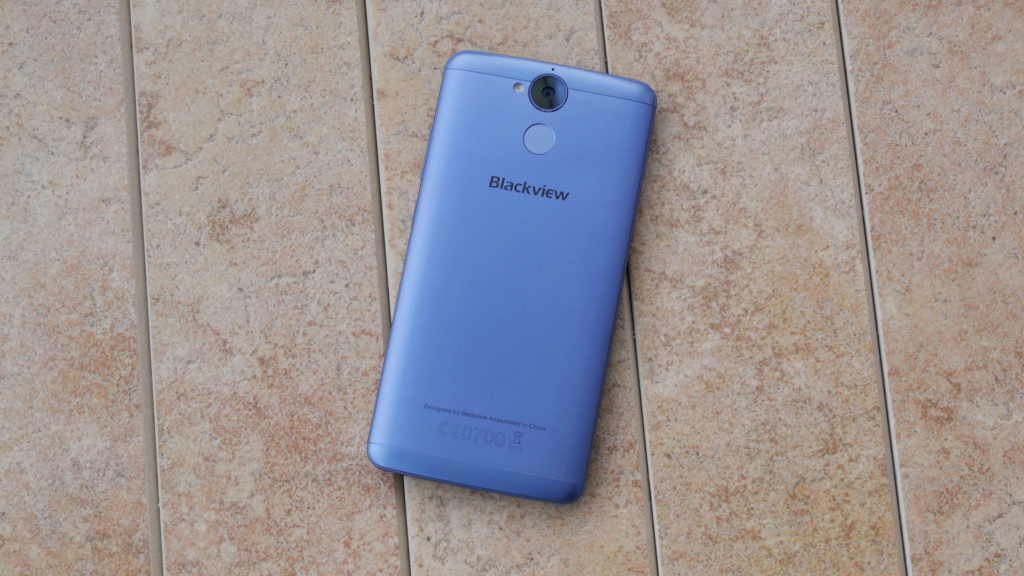
The Blackview P2 is a well-made phone that sports a great build quality and it uses mostly metal in the construction. Also, I really love this light blue colour of the phone.

P1070504JPG

Once you first pick the phone up, you will notice that the device is quite heavy (232g) and it is a little bit thicker due to a huge 6000mAh battery inside. Still, I’m quite impressed that the thickness of the phone is just above 10mm considering such a huge capacity of the battery.

P1070541JPG

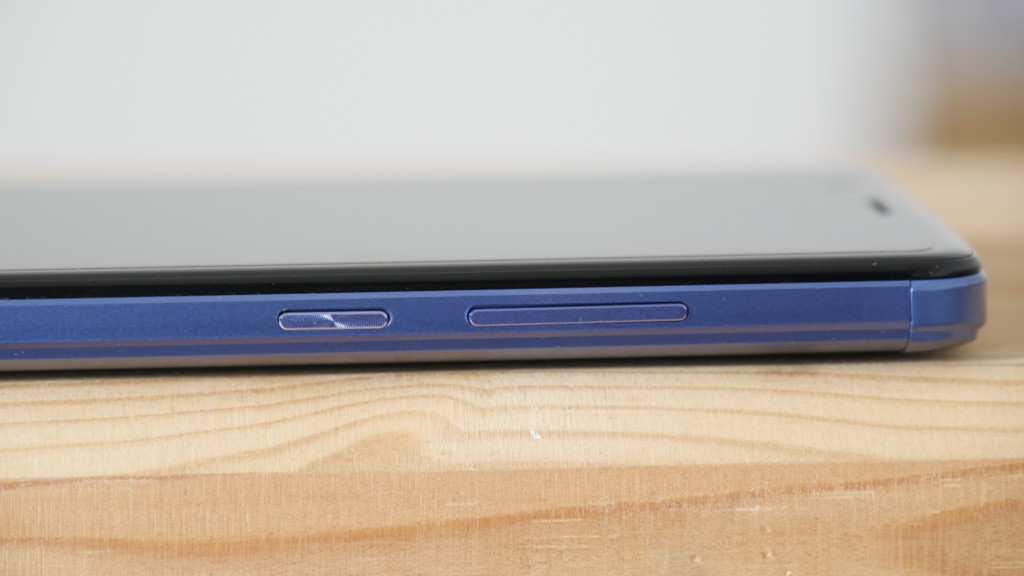
The buttons are nice and tactile but they rattle a little bit.

P1070513JPG

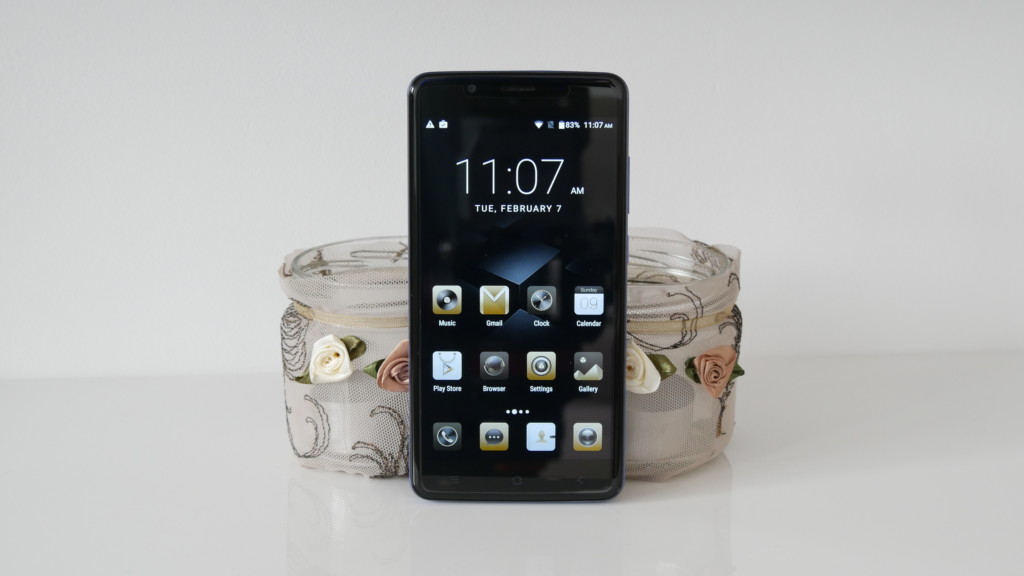
The 5.5” 1080p display is sharp and vibrant. However, it has somewhat colder-looking colours for my taste.

P1070550JPG

We have an 8MP front facing camera and the LED flash on the top.

P1070510JPG

However, the capacitive buttons are not backlit.

P1070509JPG

On the back, you can find a 13MP camera, a single LED flash.

The fingerprint scanner is fast, accurate and it unlocks the phone straight from the standby mode.

P1070535JPG

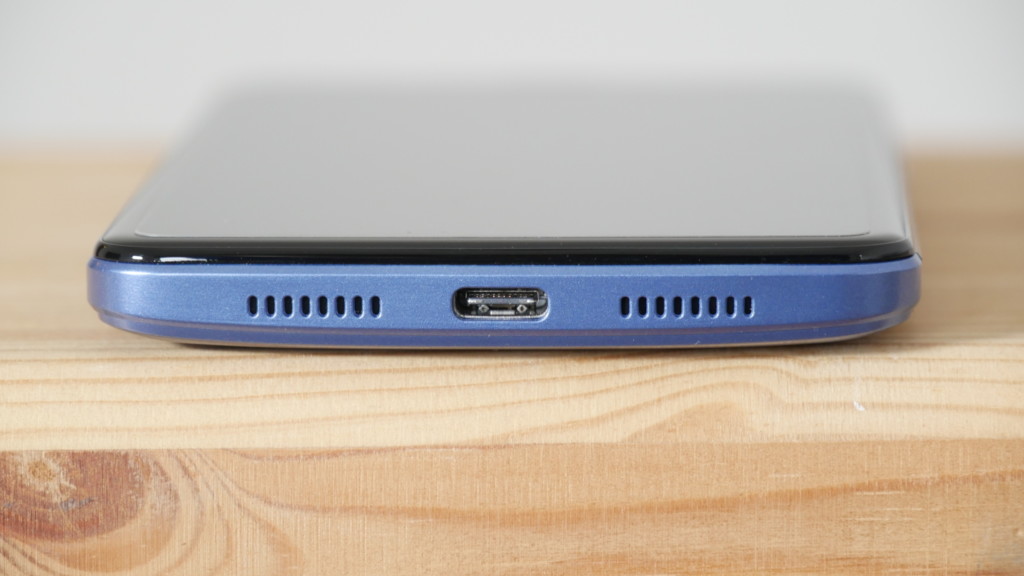
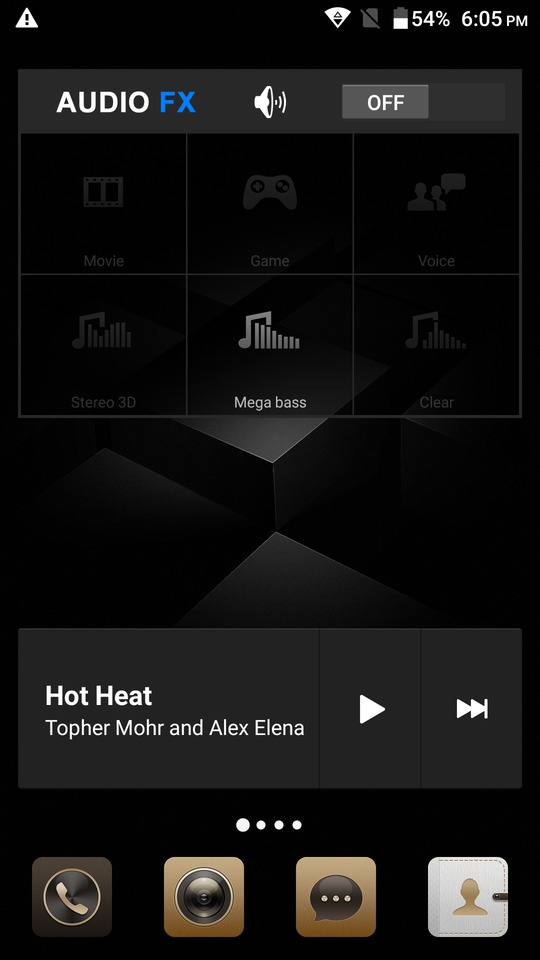
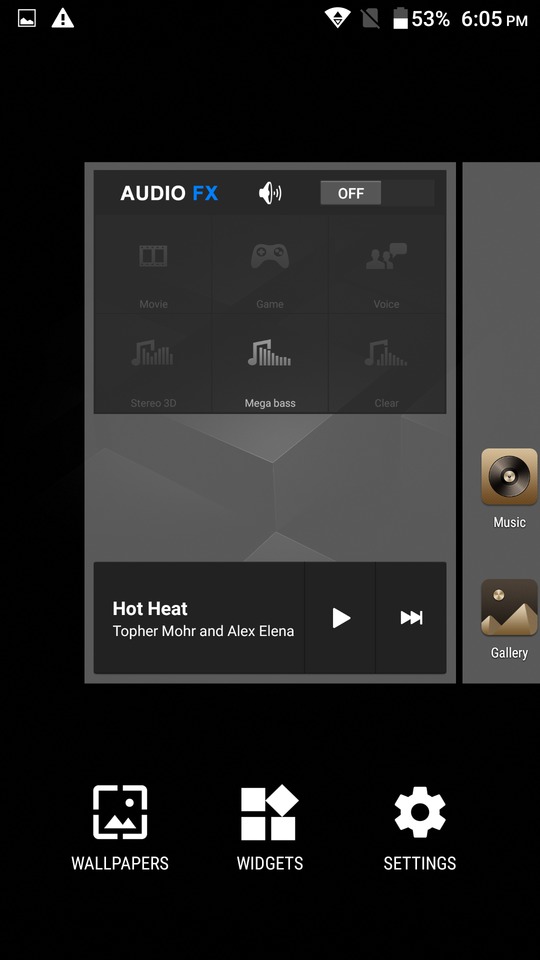
The loudspeaker is placed on the bottom, which is okay but the sound quality is kind of mediocre. The sound is flat. The phone comes with the Audio FX sound enhancement, which works as the sound equalizer.

HARDWARE and PERFORMANCE

P1070547JPG

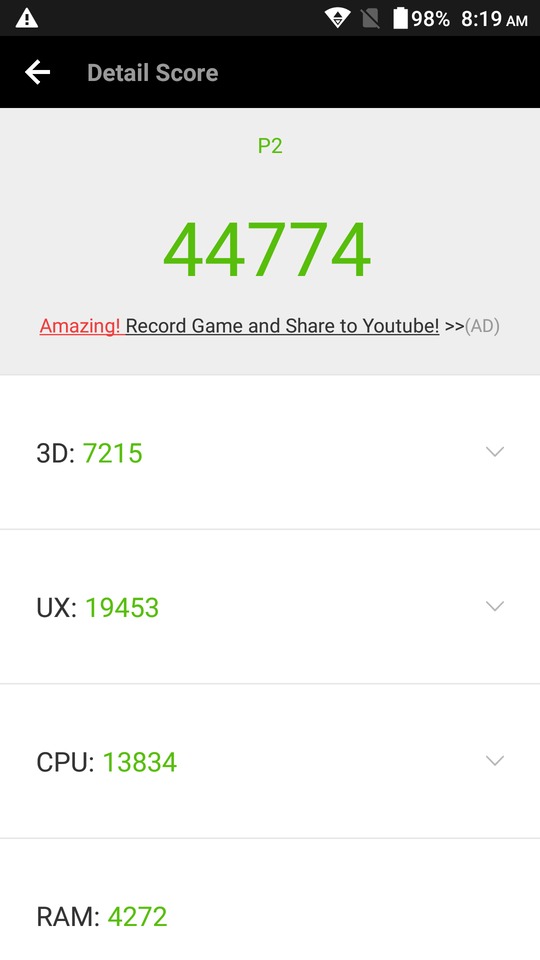
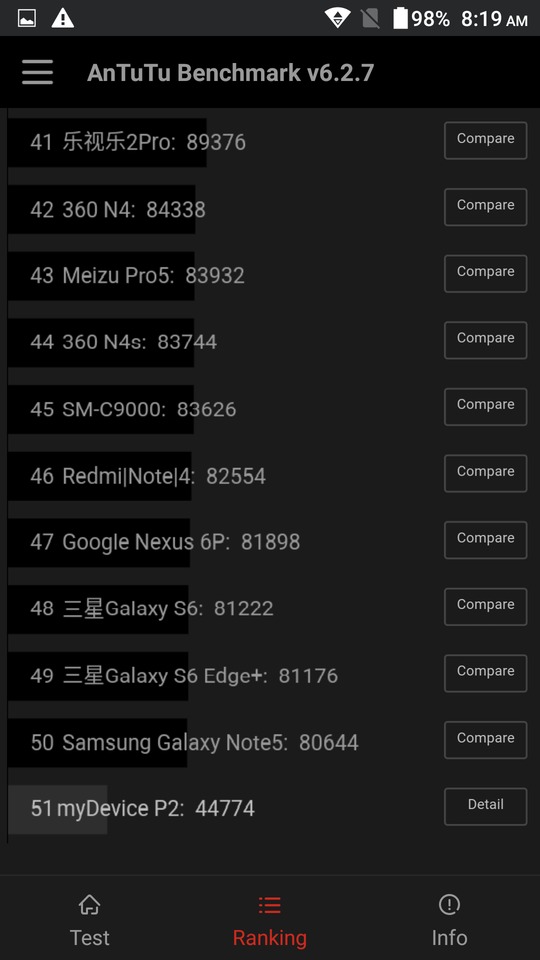
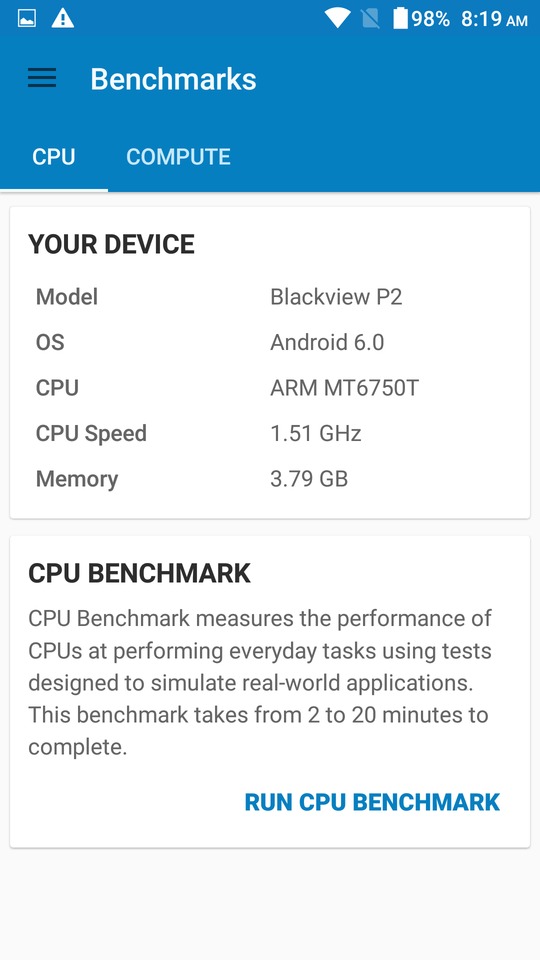
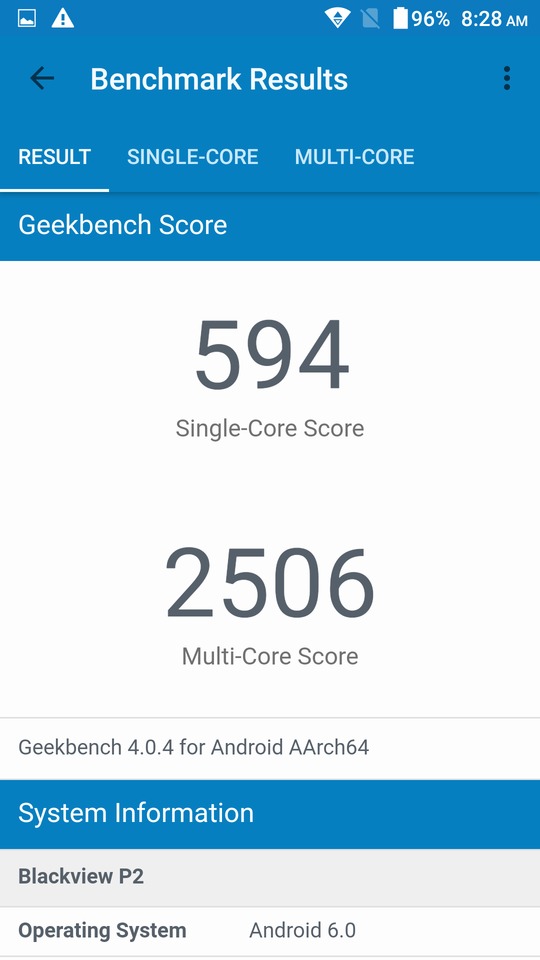
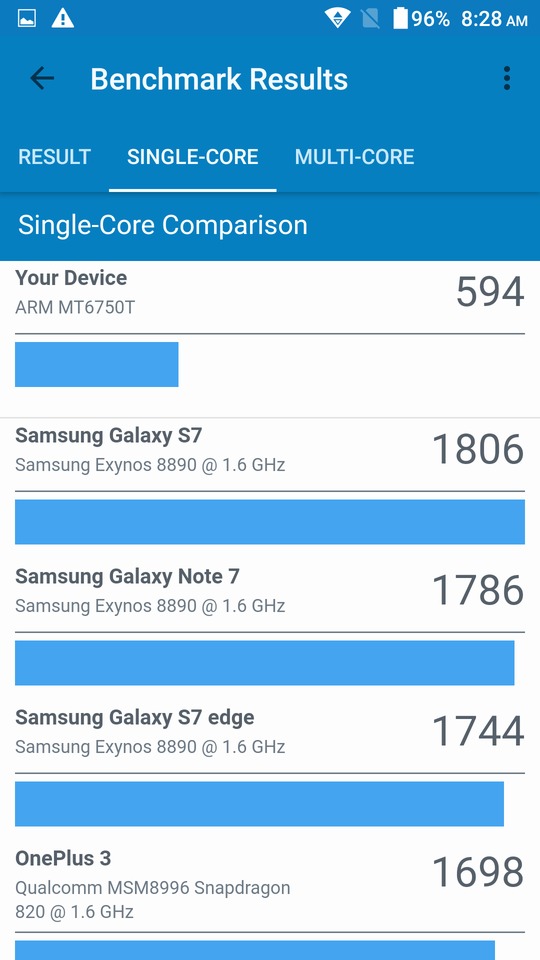
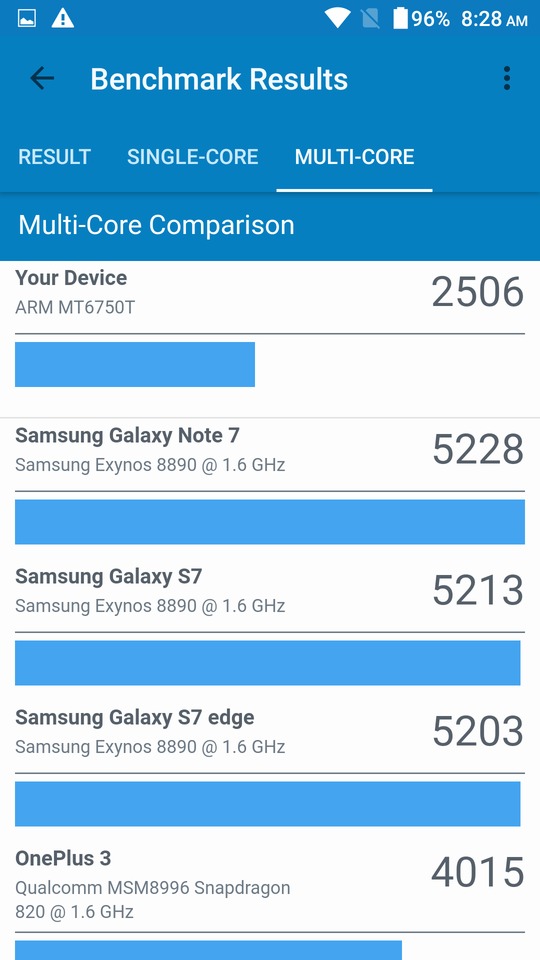
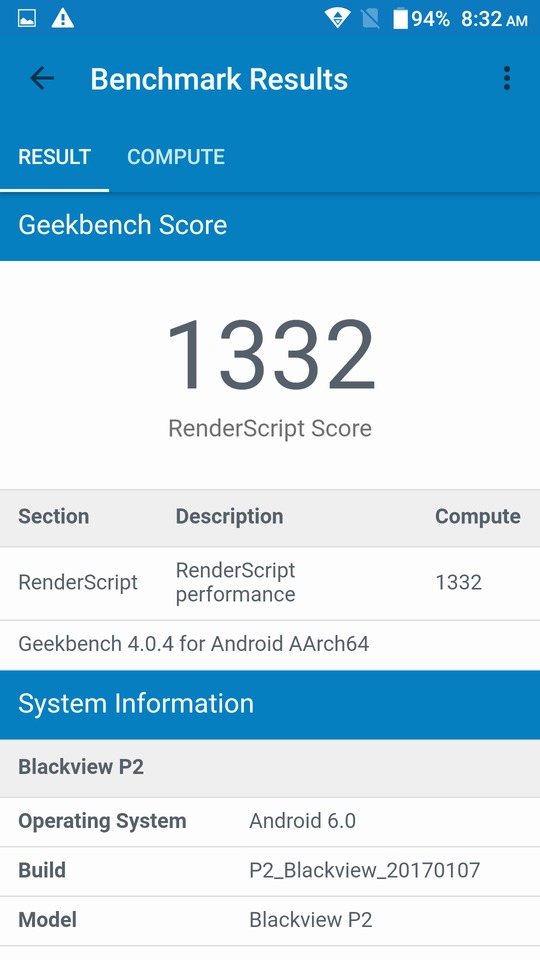
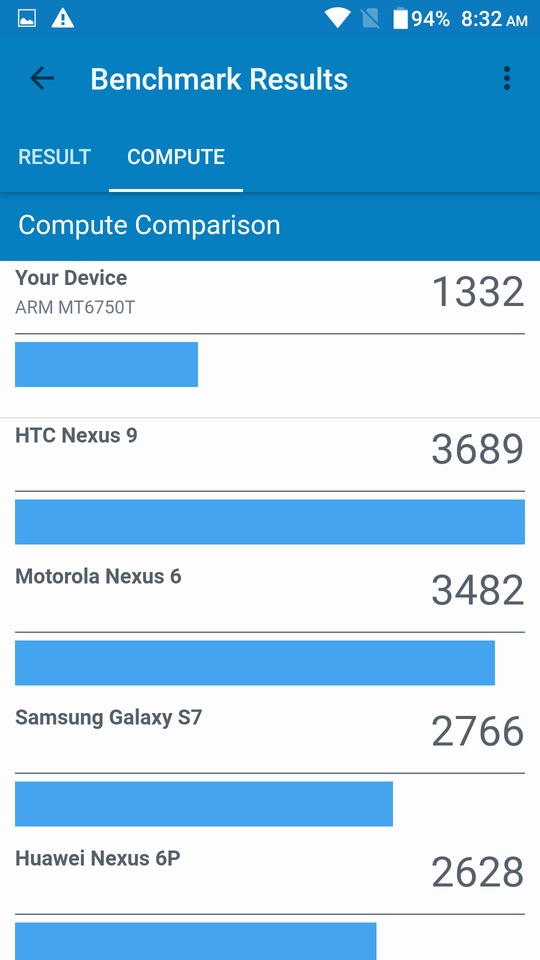
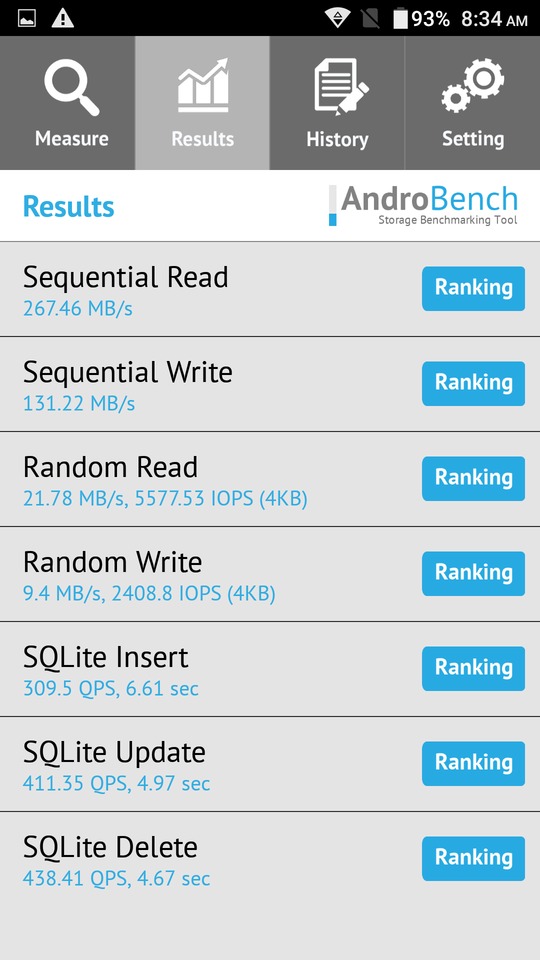
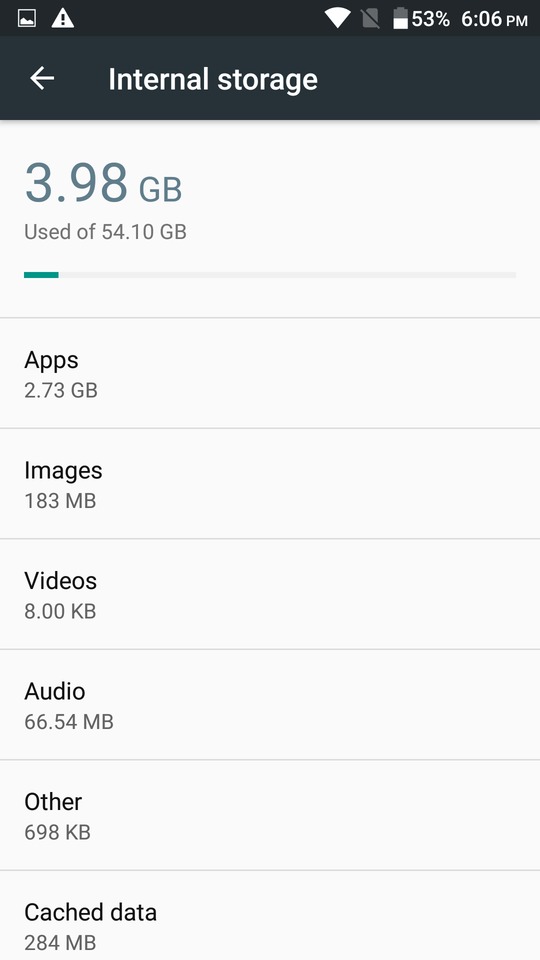
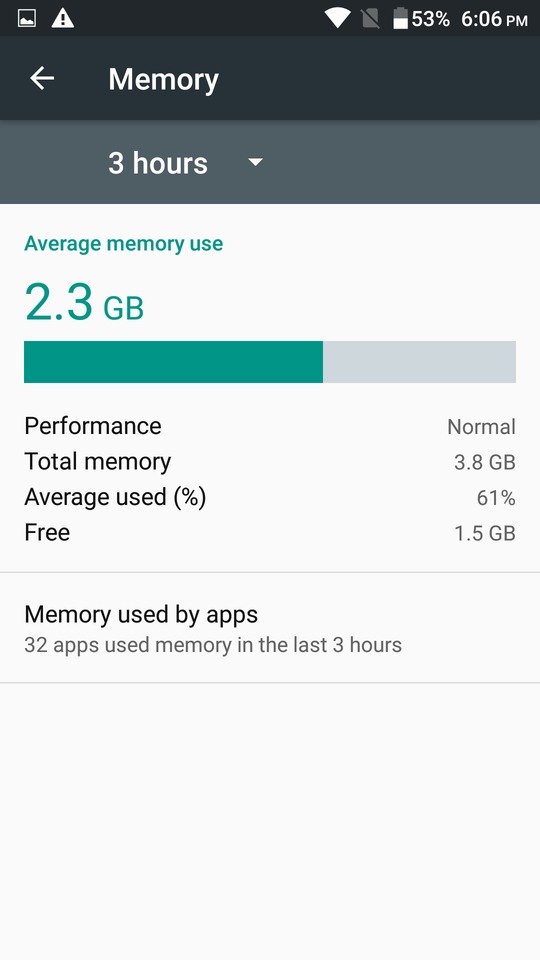
The Blackview P2 is quite a powerful device for the price. It ships with an octa-core MTK6750 chip, which is clocked at 1.5GHz, 4GB of RAM and 64GB of storage.

The gaming performance is good but not great. I had quite a few skipped frames on the Asphalt 8 on the highest graphics settings. On the other hand, the phone handles this game on medium graphics without any issues.

Finally, the phone doesn’t have any overheating issues.

BENCHMARKS

SOFTWARE

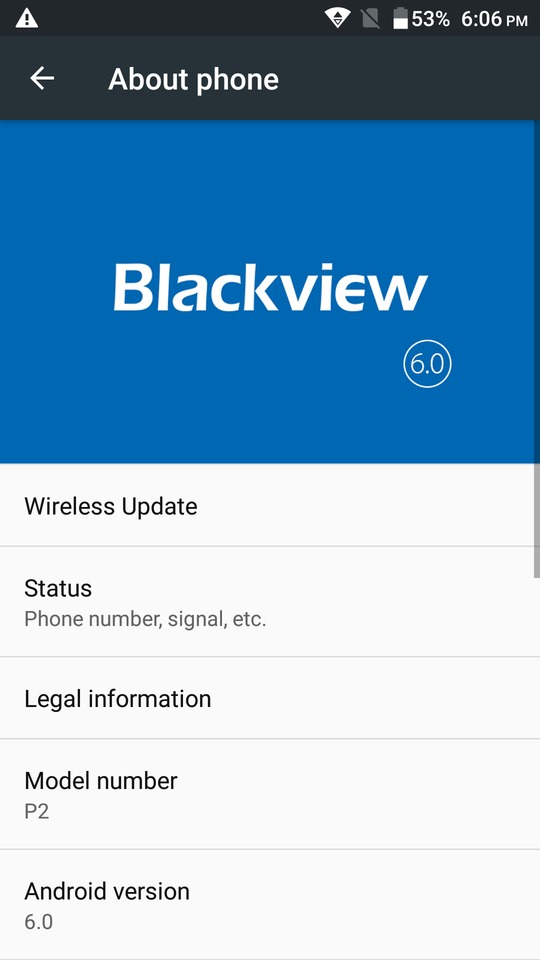
The Blackview P2 comes with the Android 6.0 out of the box with the proprietary skin on top of it.

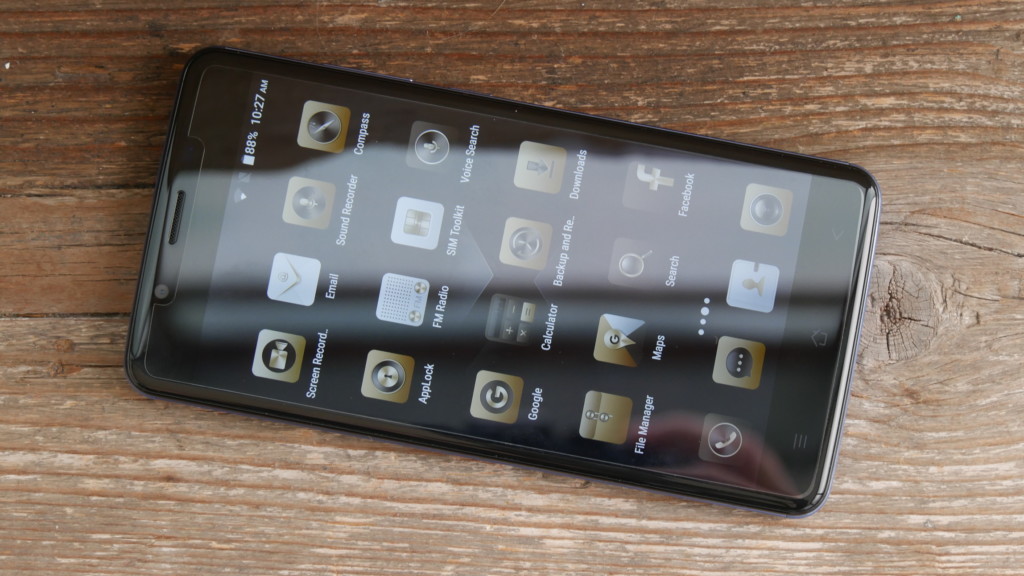
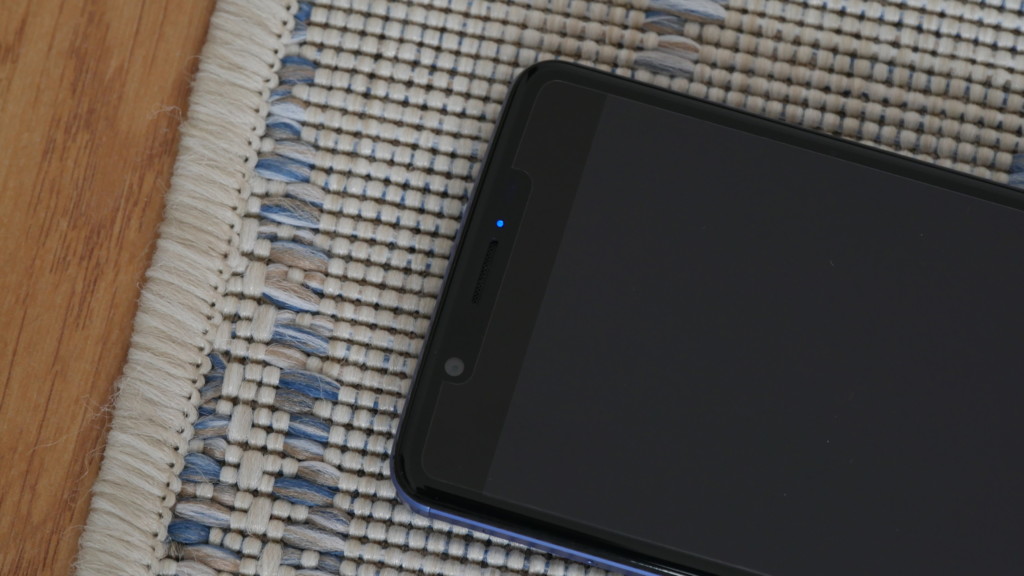
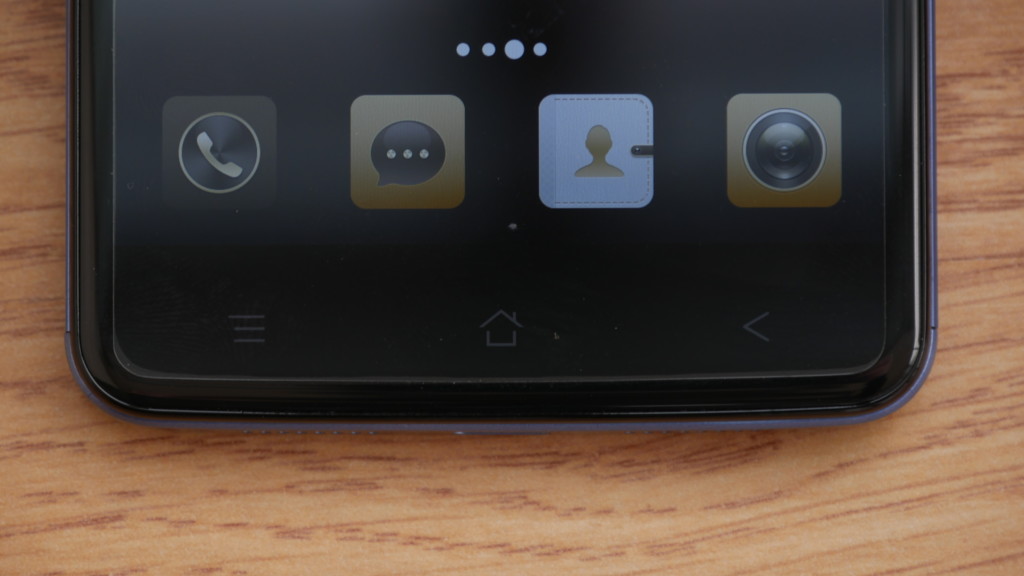
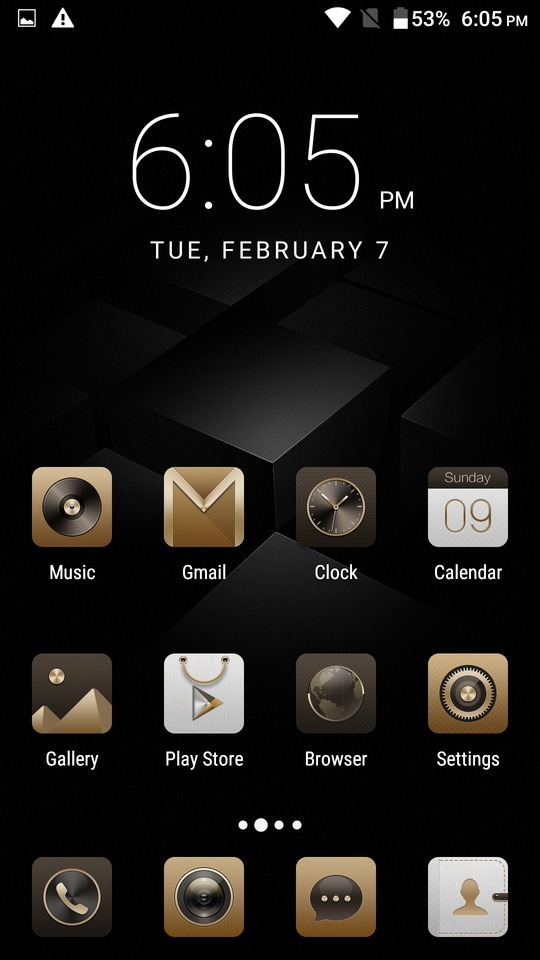
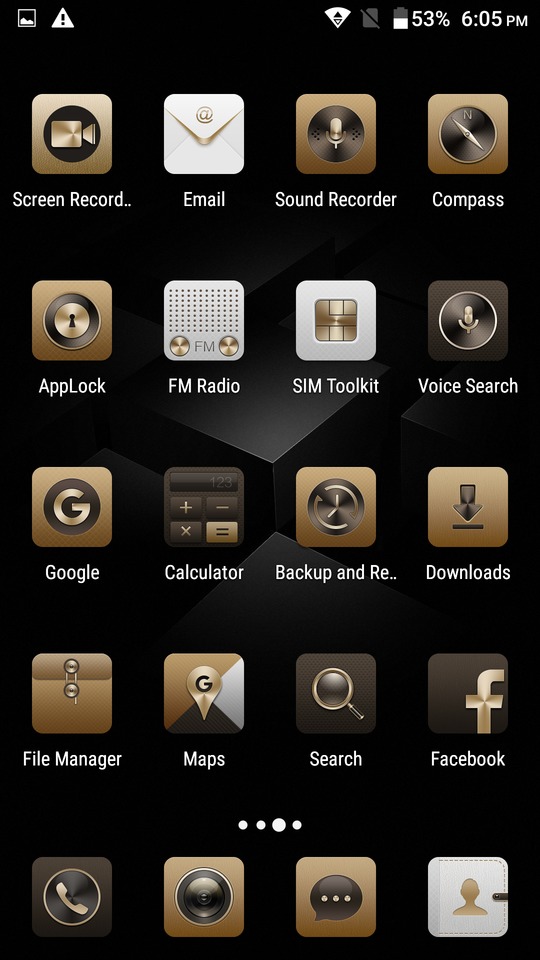
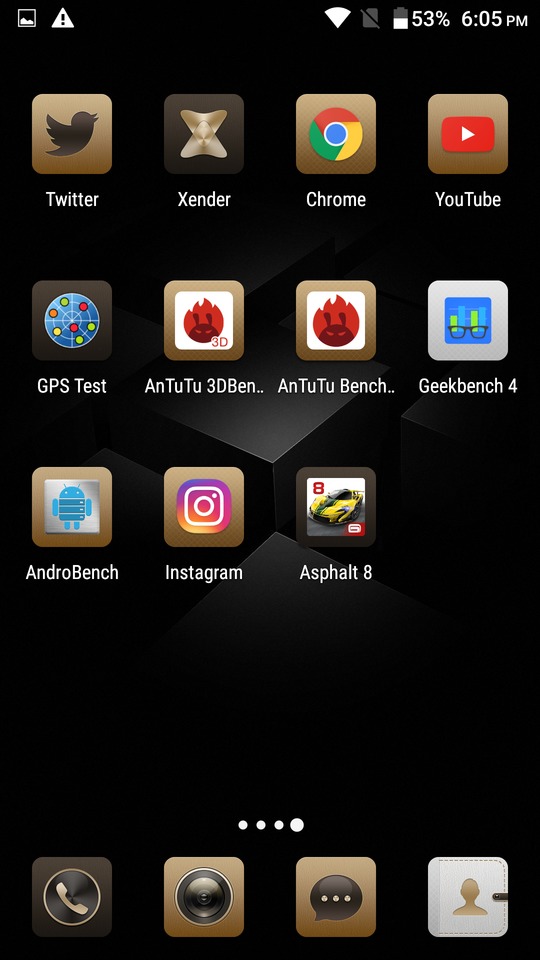
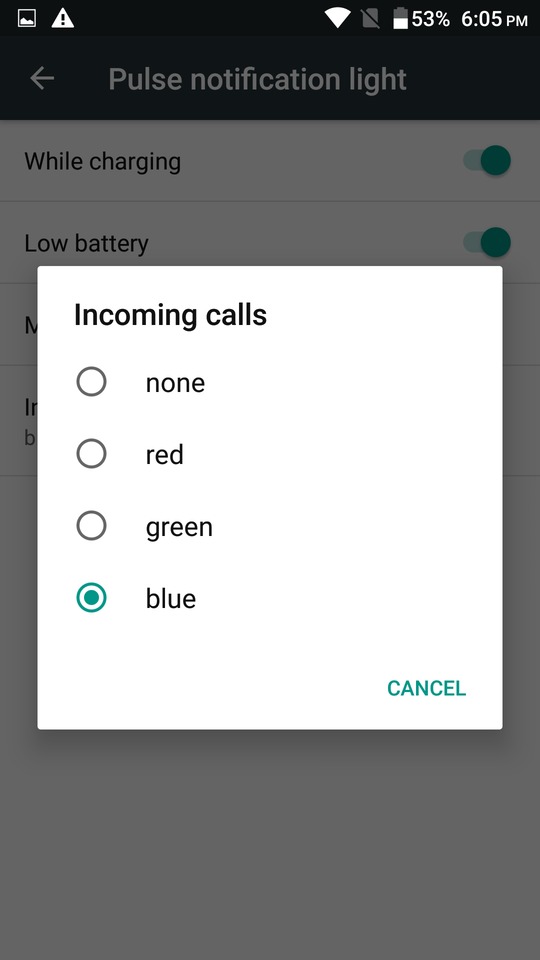
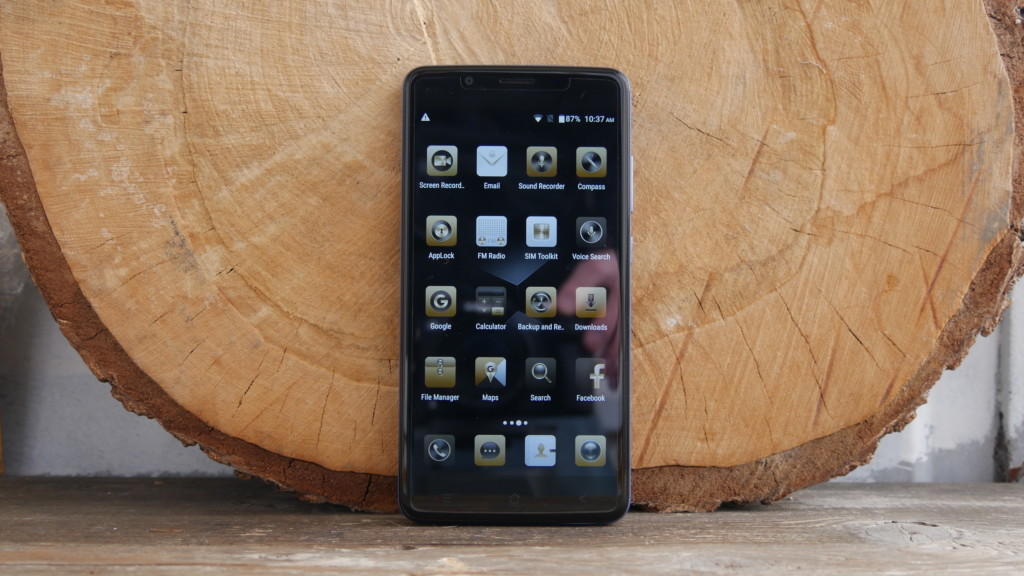
The skin removes the app tray and completely redesigns the icons whether you like it or not. The phone doesn’t really have extra features to play with except for the fact that you can customize a few things like the notification LED light.

Most importantly, I didn’t have any lag or stutter even after installing quite a few apps.

IMAGE QUALITY

When it comes to the image quality, you can take some decent daylight images. The colours look nice and there is a decent amount of detail. However, you may see a bit of noise and softer focus on the corners in some of the shots.

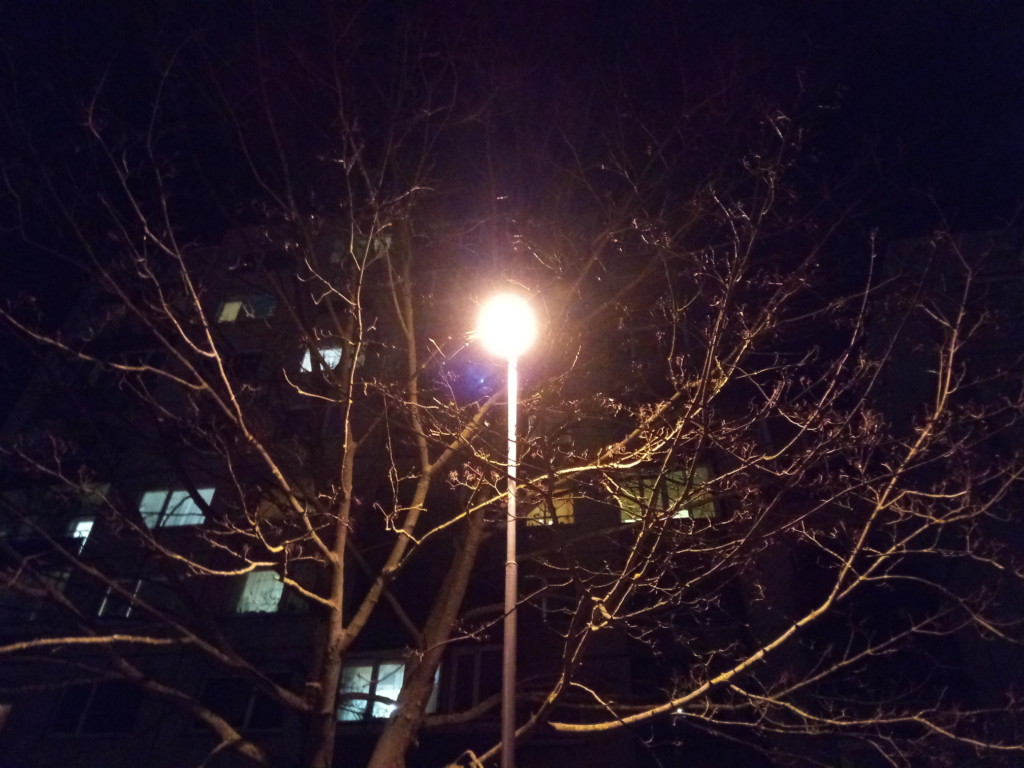
The quality decreases in lower-lit situations and if you take a lot of close-up shots, you need to hold your hand steadily to avoid blurriness. Also, the night photos could definitely look better. There is quite a bit of noise and less detail.

The 1080p video quality is not bad and you can take some decent-looking footage. However, there are quite a few video artefacts.

The front-facing camera takes okay-looking selfies but the colours could look more natural.

Download full resolution camera samples

CONNECTIVITY

P1070551JPG

As far as connecivity, I have no complaints at all. The signal reception has been strong all the time, the call quality is good and the GPS is accurate.

BATTERY LIFE

P1070546JPG

One of the key selling points of this phone is the 6000mAh battery that performs very well on the daily basis. I could easily 2 days of moderate usage out of this phone, which is a very good result. If you are a light user, the phone will last you at least 3-4 days. That translates to more than 8 hours of screen-on time, which is a great result.

P1070500JPG P1070501JPG

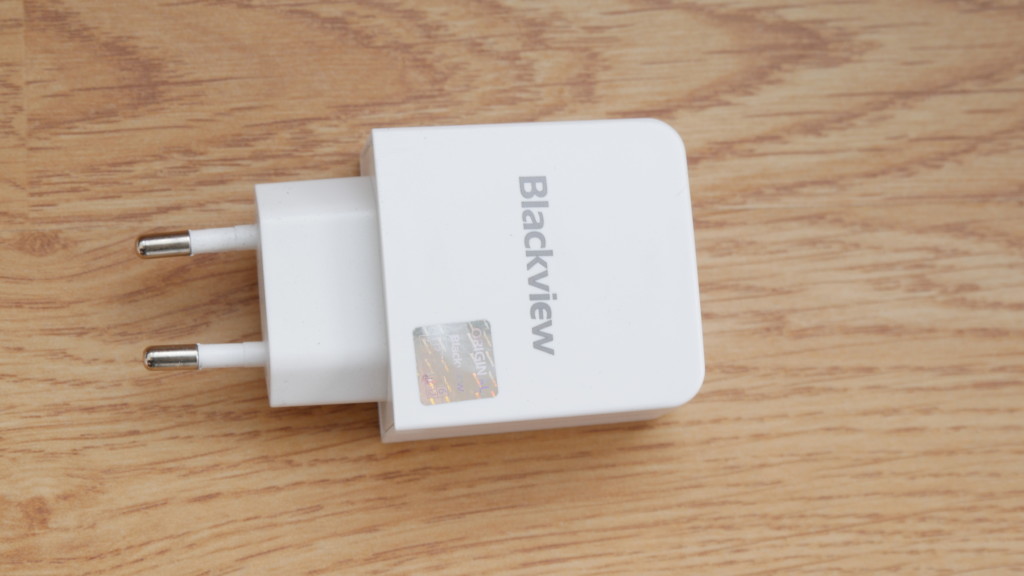
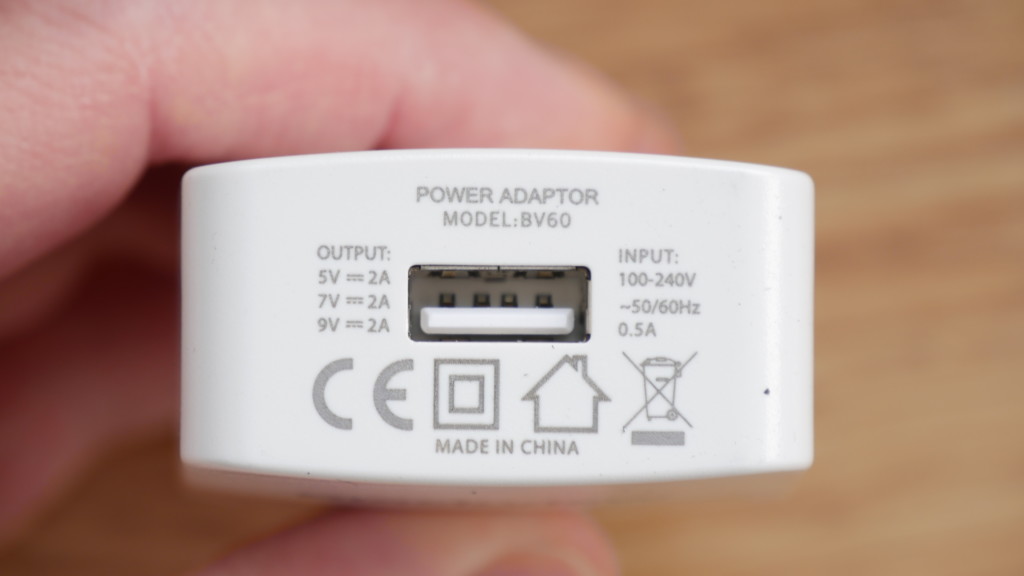
Also, the phone comes with the fast charger and I was able to fully charge the phone in around 1h and 40 mins.

CONCLUSIONS

P1070526JPG

The Blackview P2 is a pretty solid smartphone for the price of $190 but it does not mean that it is a perfect phone.

P1070532JPG

It has a great design and build quality, a sharp display, good daily performance and a fantastic battery life thanks to the built-in 6000mAh unit. Also, the phone has great specs for the price.

P1070519JPG

However, the camera is not always consistent, especially when it comes to the low-light photography. Also, the capacitive buttons are not backlit and the loudspeaker could be better.

P1070504JPG

At the end of the day, the Blackview P2 is a decent offering for the price but as always, you have to consider a few shortcomings before making a purchase.

The ZTE Quartz is an Android Wear 2.0 Watch

Chinese smartphone manufacturer ZTE is set to enter the smartwatch market this year. The company has a watch in the pipeline called the ZTE Quartz which will launch with Android Wear 2.0 according to details from Evan Blass’s website VentureBeat.

The ZTE Quartz is said to have gotten its Bluetooth certification recently under the model number ZW10. The listing on the Bluetooth SIG website also mentions that the ZTE Quartz will have UMTS/3G connectivity which means you should be able to receive and make calls with it.

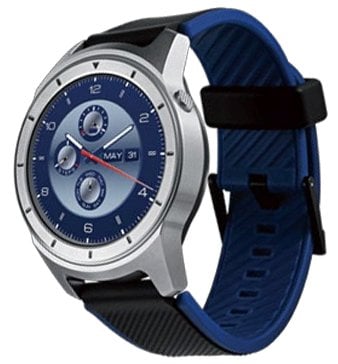
ZTE Quartz

For the design of the watch, ZTE is following the steps of other smartwatch manufacturers by giving it a round face. The single available image shows the ZTE Quartz has just one button on the right and the bezel also doesn’t look like it rotates. While this unit does have a black and blue rubber strap and a silver colored face, there is a high chance of more color options being available when it launches.

The ZTE Quartz will work with devices running Android 4.3 and up and iPhones running iOS 8.2 and above.

READ MORE: ZTE Blade A2 Plus Released in India

Qualcomm & Leadcore Said To Join Forces To Make Low-End Chips: MediaTek in trouble?

Recently, the media was awash with news that Xiaomi is teaming up with Leadcore technology to manufacture its own processor dubbed Pinecone processor. That arrangement was said to be so that the Chinese smartphone giant will reduce its dependence on MediaTek and subsequently save some bucks for itself. Xiaomi is arguably one of the largest smartphone makers, occupying the top 3 position globally in 2014, and also one of MediaTeks main patrons.

If that move by Xiaomi did unsettle MediaTek, this latest news would certainly send ripples through the spine of the chipmaker. According to industry sources, Qualcomm and Leadcore are rumored to be in talks about a possible JV partnership which would see them manufacture low-end processors. MediaTek already has a strong hold on the low-end market but with the strength and financial muscle of Qualcomm, that control could easily be broken. Apart from MediaTek another low-end processor manufacturer that needs to be worried is Spreadstrum.

qualcomm

Related: MediaTek Announces Two New High-End Chips – Helio X23 & X27

The move is also a surprise one because Qualcomm chips are presently divided into low-end, mid-range, high-end and flagship product lines which correspond with the Snapdragon 200, 400, 600 and 800 series respectively. Qualcomm’s own low-end share of the market which is quite substantial could also be affected by the said Joint Venture (JV), so one wonders why the company would want to pursue such. Perhaps it is a ploy to put pressure on MediaTek. What purpose? To distract MTK from the high-end market, perhaps. We’ll bring you more details on this if it turns out to be true but for now, take it with a pinch of salt.

(source)
Taiwanese smartphone market: Sony Still in Top 5, Samsung Mesmerizes

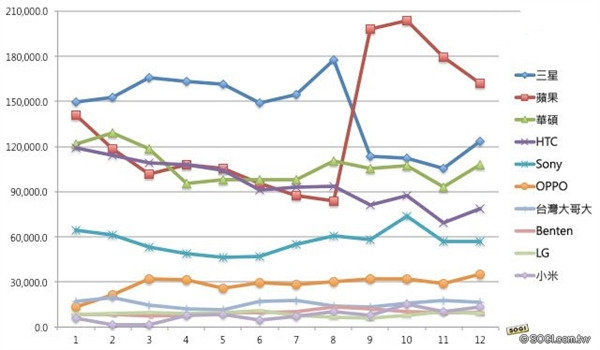
The Taiwanese smartphone market experienced a slight decline in sales in 2016 when compared to the recorded in the previous year (2015). According to a market research agency report posted on Sogi.com.tw, the entire mobile phone sales for last year was 8 million, reduced by 530,000 from the figure of the previous year.

taiwan-mobile

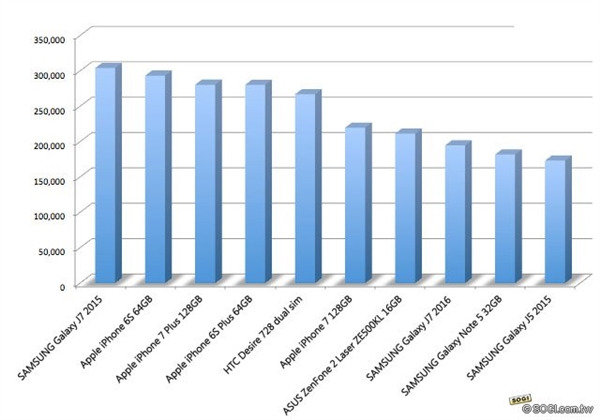
The statistical data shows that Samsung still continues to maintain its lead in the Taiwanese market, a feat it is achieving most of the major markets globally. Samsung singlehandedly sold 1.72 million units of its smartphones in Taiwan last year to rank top in the market, giving it a 21.60% share. Of the range of Samsung’s mobile devices that were up fro sale last year, the mid-range Galaxy J7 (2015) proved quite popular, selling over 300,000 units alone. Even the J7 (2016) is also doing marvelously well, as it squeezed itself into the top ten hottest selling phone in Taiwan last year.

Apple came second with a 19.82% share of the market, in a trend that mirrors the control which both companies command globally. Taiwanese brand ASUS came in at third position with 16.04% share and then another Taiwanese brand HTC occupied the number four position with 14.37%.

taiwan-mobile-2Read More:  Korean Government Confirms Note 7 Battery Problems

Japanese smartphone giant Sony continued its exploit in Taiwan by maintaining its top-five position, sitting at number 5 with an 8.53% share of the market. It is quite surprising that no Chinese brand made it up the top five ladder but talking about the top 10, OPPO and Xiaomi did appear there. While high-flying brand OPPO came in at number 6 with a 4.26% share in sales. Others are Taiwan Mobile with 2.33% at the seventh position, Benten with 1.46% at the eighth spot, LG at the ninth with 1.31%, and finally, Xiaomi completes the top ten with 1.18%.

(source)
Alleged Galaxy S8 Real Life Image Leaked

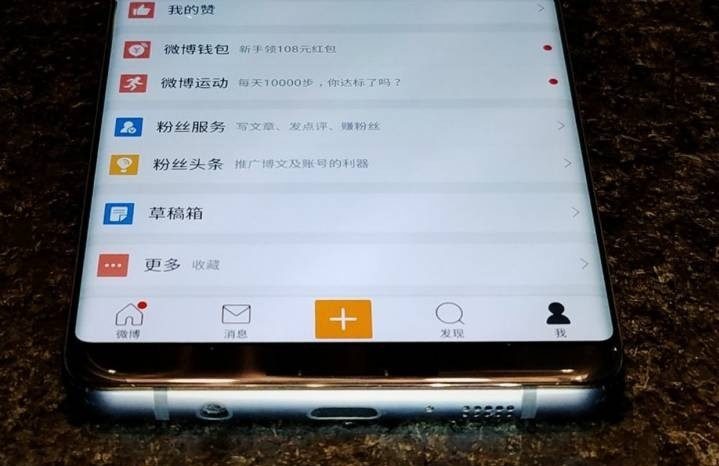
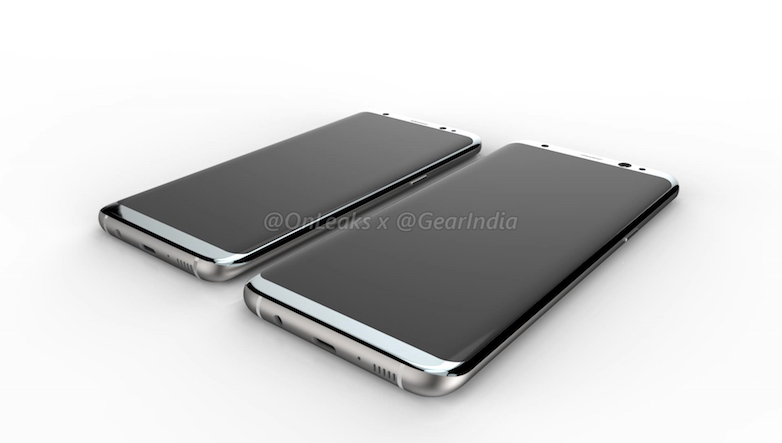
A real-life image of what is said to be the Samsung Galaxy S8 just leaked online. The image which shows the lower half of the device shares design similarities to a set of renders that were also posted online today.

The image shows the S8 does have dual-curved displays and lacks a physical home button, confirming the rumors and leaks. The lower bezel is also smaller meaning the Galaxy S8 would have a higher screen-to-body ratio.

Samsung Galaxy S8 Leaked Image

Galaxy S8 and S8 Plus Render

The image also reveals the position of certain ports. There is the audio jack positioned on the left side of the phone, followed by the USB Type-C port and a primary microphone. We also have a single bottom speaker sitting on the right side of the device. Two antenna lines serve as borders for the ports, microphone and speaker grille. We can’t make out the color of the device but the metal frame between the bezel and the rear of the phone appears  to be painted rose gold.

READ MORE: Samsung Galaxy J7 (2017) Benchmarked Ahead of MWC 2017 Announcement

Apple Tries Again to Sell Used iPhones in India

India is a very important market for Apple right now.  The Cupertino-based company is trying all it can to increase its share of the Indian market and one of the ways it thinks it can do so is by selling used iPhones.

We all know iPhones are expensive. Apple knows it too but won’t reduce the price of its devices. Instead it wants to sell refurbished units. That way more people will be able to afford its phones in India. However, the Indian government doesn’t want that. Apple had previously requested for permission to sell used iPhones as one of the concessions to start local manufacture of iPhones. The reasons the Indian government gave for turning down the request back then are not far fetched.Apple iPhones

Allowing the sale of refurbished electronics may see India turn to a sort of dumping ground for used electronics. In addition to that, India’s Prime Minister, Narendra Modi is canvassing for manufacturers to ”Make in India”, so granting Apple the sale of refurbished electronics contravenes it.

According to Bloomberg, Apple’s defense is that it will build a manufacturing infrastructure needed to make them compliant with quality standards and will also allow third party audits and checks to verify the condition of resold items. Apple wants to try again and if it is granted permission now, it will be the first company to import used smartphones into India.

READ MORE: Apple Scores Best Quarter of Any Company in History

New Snapdragon 835 Benchmark Result Released

Qualcomm’s Snapdragon 835 is possibly the most talked about chip right now. The new processor is expected to be seen in flagships to be released this year, so when benchmark results are announced we are usually eager to see how it performs.

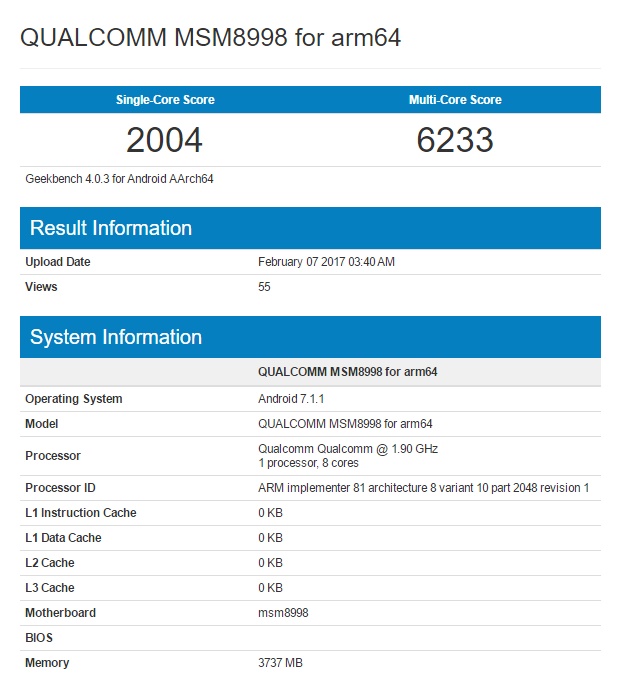
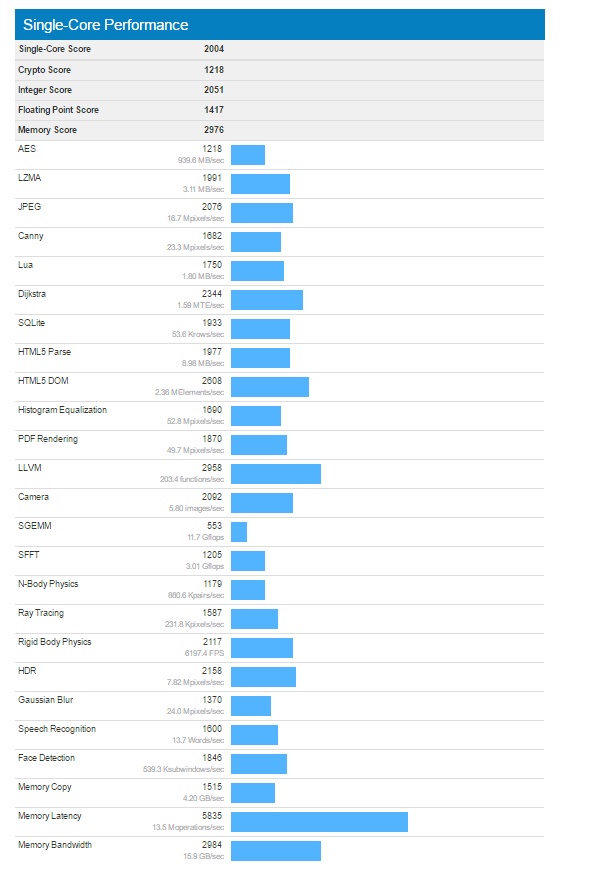
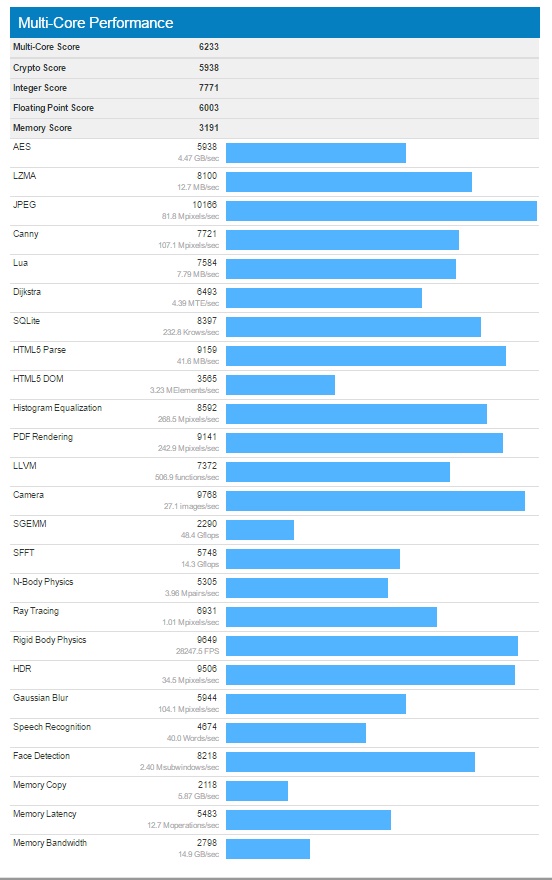
The first benchmark result of the Snapdragon 835 was posted shortly before the end of 2016 and the results lagged behind that of the Kirin 960. A new benchmarking test has been carried out probably after some tweaking and modifications and the results are quite impressive.

Snapdragon 835 Geekbench 2a

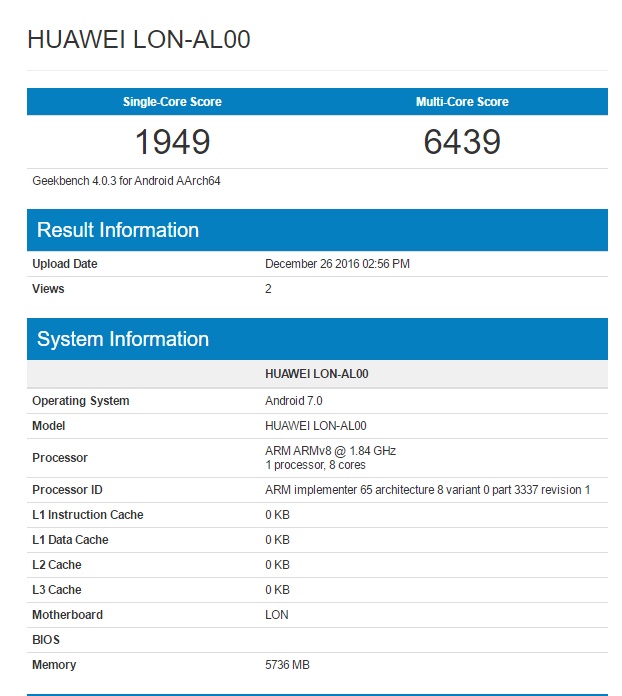
huawei-mate-9-geekbench

Unlike the first test which listed the device as being an Essential FIH-PM1, the device used for this test is unknown. Though we can see it runs Android 7.1.1 and has 4GB of RAM. The new result shows the Snapdragon 835 processor scored a total of 2004 points in the single-core test and 6233 points in the multi-core test. Compare that to what it scored in the first benchmark (1844 and 5426 points) and the difference is crystal clear.

READ MORE: Apple Takes Qualcomm to Court Over Excessive Royalties: Wants $1B; Qualcomm Responds

The multi-score test is still lower than that of the Kirin 960 but a GPU benchmarking test will need to be carried out to further determine the better processor.

The Snapdragon 835 is expected to power devices such as the Samsung Galaxy S8, the Xiaomi Mi 6, and the Moto Z (2017). HTC is also reported to be working on a flagship device that will sport the processor.

Snapdragon 835 geekbench2b Snapdragon 835 geekbench2c

ASUS ZenFone 4 Key Specs Surface; Release Date in May?

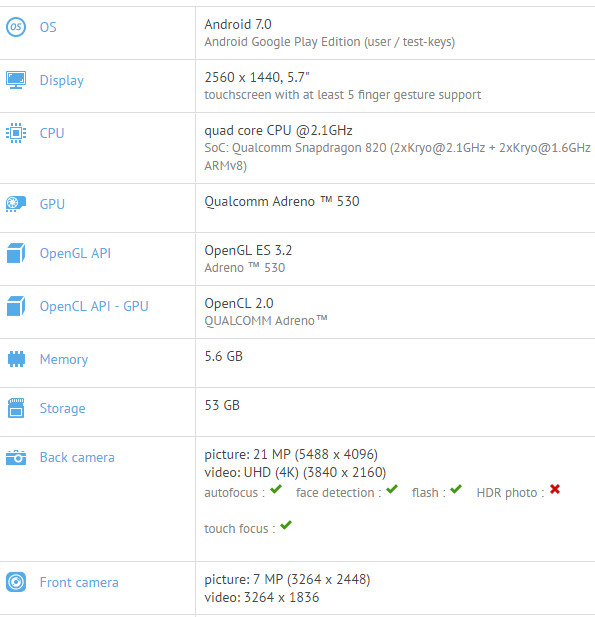
According to previous rumors, ASUS ZenFone 4 is speculated to launch in May. Its arrival seems imminent as the its key specs have reportedly surfaced on the GFXBench.

ASUS was rumored to launch the ZenFone 4 at the Consumer Electronics Show (CES) 2017, but it announced the camera-centric ZenFone 3 Zoom and ZenFone AR enabled with Google Tango AR and Daydream VR features. The arrival of ZenFone 4 seems to be drawing near as its alleged key specs have surfaced on GFXBench benchmarking platform.

ASUS had launched ZenFone 4 in May 2014, but it was a 4-inch device with meagre specs.  The ZenFone 4 that has reportedly appeared on GFXBench is packed with flagship specs. The listing on the benchmarking site does not directly reveal that the name of the smartphone, but the high-end specs does indicate that it could belong the ZenFone 4 that is rumored to launch in May this year.

Asus ZenFone 4 on GFXBench

Related: ASUS Launches New ZenPad 3S 10 with Snapdragon Processor

The alleged ZenFone 4 features a 5.7-icnhd display that supports a quad HD resolution of 2,560 x 1,440 pixels. The device is powered by Snapdragon 820 chipset. The company has already released a Snapdragon 820 driven smartphone, the ASUS ZenFone 3 Deluxe in the previous year.

The ZenFone AR that was released earlier this year is powered by Snapdragon 821 chip and 8 GB of RAM. The listing on the benchmark site shows that the SoC on the alleged ZenFone 4 will be featuring 6 GB of RAM and a native storage of 64 GB.

For photography, the smartphone would be coming with a 21-megapixel shooter on its rear side. The front will be packed with an 8-megapixel selfie snapper. The smartphone will come loaded with Android 7.0 Nougat OS.

Other details of the smartphone like battery size are not available. ASUS is known for targeting different kinds of customers by launching smartphones in various price points. Hence, the ZenFone 4 is also speculated to arrive in multiple chipset, RAM and storage options.

In December 2016, a mysterious ASUS X00GD smartphone was spotted on TENAA with specs like 5.2-inch display, an unnamed 1.5 GHz octa-core processor, a 13-megapixel rear camera and an 8-megapixel selfie camera and a large battery of 4,850 mAh battery. These specs may belong to another budget-friendly device from the Taiwanese company.

As far as ASUS ZenFone 4 release date is concerned, the company is now rumored to showcase it at Mobile World Congress (MWC) 2017 to make it available for releasing it in May.

(Source)
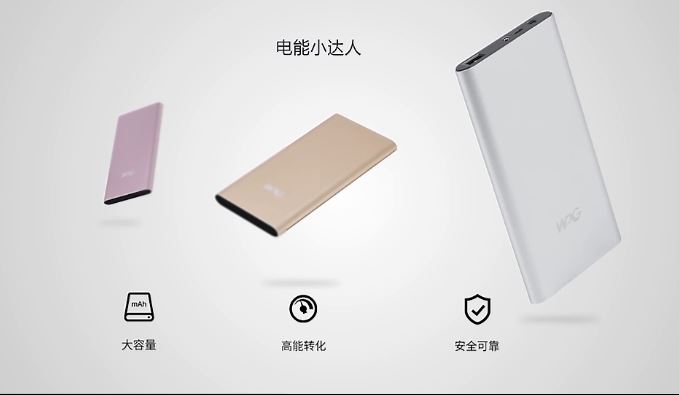
Graphene-Powered Mobile Power Bank Unveiled, 5,000mAh Full Charge in 10 minutes

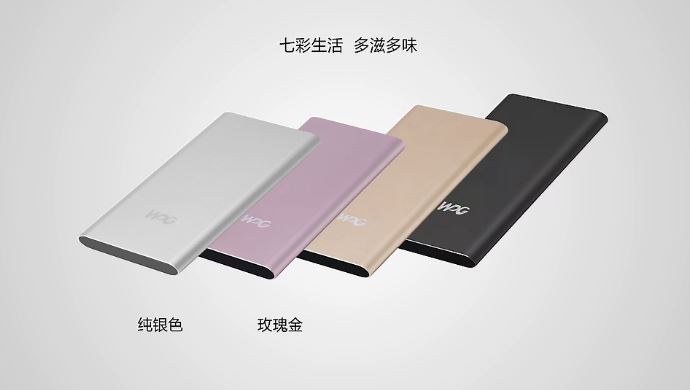
Huawei first brought to our attention the power of graphene in the manufacture of battery for mobile devices when it announced in conjunction with Watt Laboratories that it had achieved a breakthrough in the technology. While we were still expecting Huawei’s durable batteries, up from the sidelines sprang a new company WPG who developed a mobile power bank using graphene.

wpg

Being a small startup, the WPG needed funds to commercialize their power bank and as a result, they put it up for crowdfunding on Jingdong. The product was listed as WPG Graphene lightning mobile power bank and the plan was to raise 100,000 yuan. That figure was soon achieved in no time and yet the support kept coming in for the product. As at the time of writing, the project has achieved 216, 810 yuan and it keeps rising. Just so you’ll be aware, the product will still be open on crowdfunding for the next 11 days, so expect a monumental figure at the end of the crowdfunding exercise.

WPG Graphene lightning mobile power bank

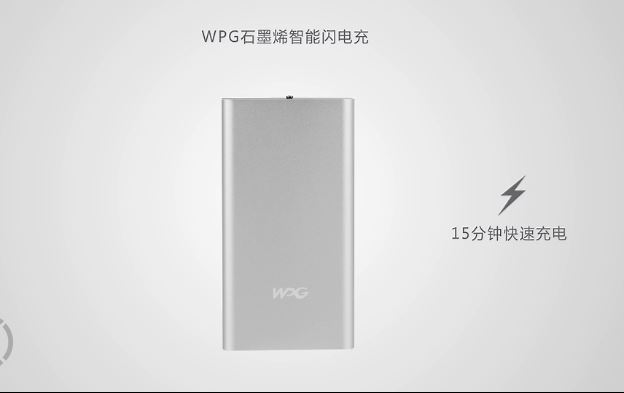
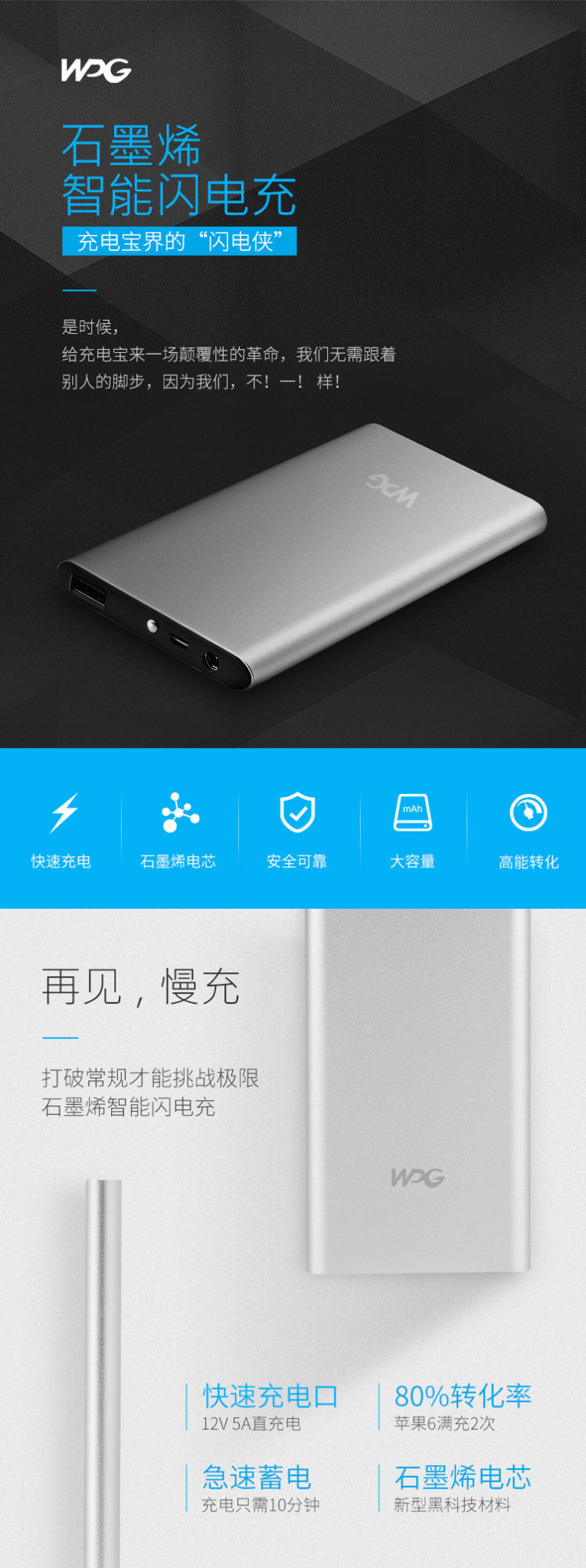
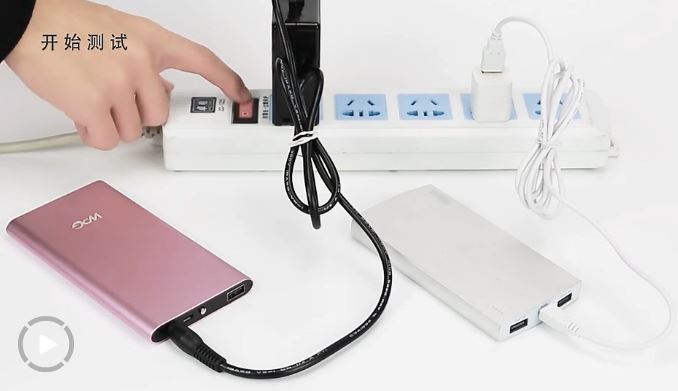
Perhaps participants are encouraged by the revelation that the 5,000mAh graphene mobile power band only needs 10 minutes to achieve a full charge. There is also a 1,000mAh capacity version and both support 12V / 5A fast charge. The power bank also supports other ratings such as 5V / 3A, 9V / 2A, 12V / 1.5A, and has a maximum power output of 18W. Despite these power capabilities, overheating won’t be one of its challenges because of the presence of graphene.

WPG Graphene lightning mobile power bank

Read Also: Huawei Achieves Breakthrough in Graphene-Assisted Battery Technology

The WPG Graphene mobile power bank comes in sterling silver, matte black, gold and rose gold colors. As to when it would be available and price tag, they are not yet stated.

(source)
WPG Graphene lightning mobile power bank


WPG Graphene lightning mobile power bank

Google Play Store Censored Edition Coming to China?

Google is attempting to launch its Play Store in China. The search engine is trying to collaborate with NetEase, a domestic Chinese firm to launch its app store in the country.

Google Play store that had launched as Android Market exited the Chinese market in 2010. However, the rumors of the Google Play Store making a comeback in 2016 started swirling in the last quarter of 2015. Google was expected to launch a stripped-down version of the Play Store by adhering to the data storage and content laws of China. However, the Play Store for Chinese audience did not arrive in 2016.

Even though Google and NetEase have not openly spoken about partnership, but the latter has approached the search engine giant to bring back Play Store in China. There is no confirmation whether the proposed partnership will develop into an agreement.

google-nexus-event-sept29-01

Related: Google Pixel 2 Rumors: Topnotch Camera, Advanced Processor Coming on Pixel 2; Budget-Friendly Pixel 2B In Works

It seems that Google’s partnership with NetEase will result in a launch of heavily censored version of the Play Store. It means that the content that is available to global users of Play Store will not be available for users in China. Since the partnership between the two companies may relaunch Play Store in China, this could be the reason why Google could have scrapped it plans for launching it in 2016.

As of this writing, there is no confirmation on the timeframe of the arrival of Google’s app store in China. NetEase has a track record of partnering with Western companies to make their products available in China. Hence, it could be another attempt from NetEase to assist to relaunch its app store in the country.

Google had left Chinese market completely in 2010 because it denied to censor its search results which caused the government of China to add restrictions to Hong Kong edition of Google Search. Ultimately, Google had to withdraw the access to Play Store in China.

Even though Android is most popular mobile OS in the country, there are only a handful of smartphone OEMs that shipped devices with Google Play Store preinstalled. Hence, Android device users in China make use of other popular app stores Baidu App Store, Tencent App Gem, Wandoujia, app stores from Xiaomi and Huawei and others.

(Source)
OnePlus 3T now available for purchase on the spot via JD.com

OnePlus added the OnePlus 3T flagship as an upgraded version of the OnePlus 3 and it went official in November last year. Since then, the device has been eluding potential buyers because of the high demand for the flagship when compared with the availability. Thus, the 3T has only been available via flash sales.

OnePlus 3T

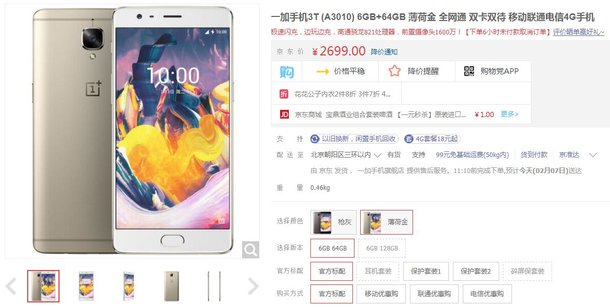
However, it seems OnePlus is making things a lot easier as the OnePlus 3T has been listed on Jingdong (JD.com) for on the spot sales. The sale is only open for the 6GB + 64GB variant of the device and you get to choose between the Gunmetal and Soft Gold color options. The version with 128GB of storage seems not to be available at the moment but could join the fray later on. But if you’re keen on having the 128GB variant of the 3T, then check it out on Giztop.
OnePlus 3T

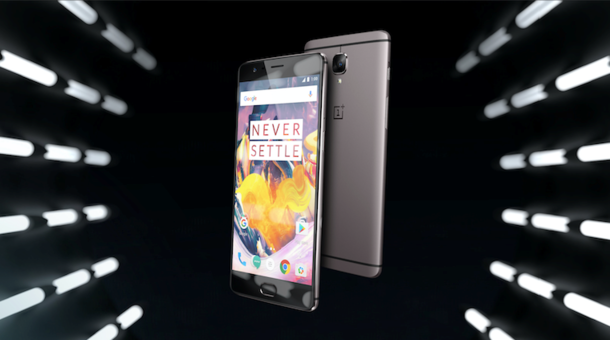
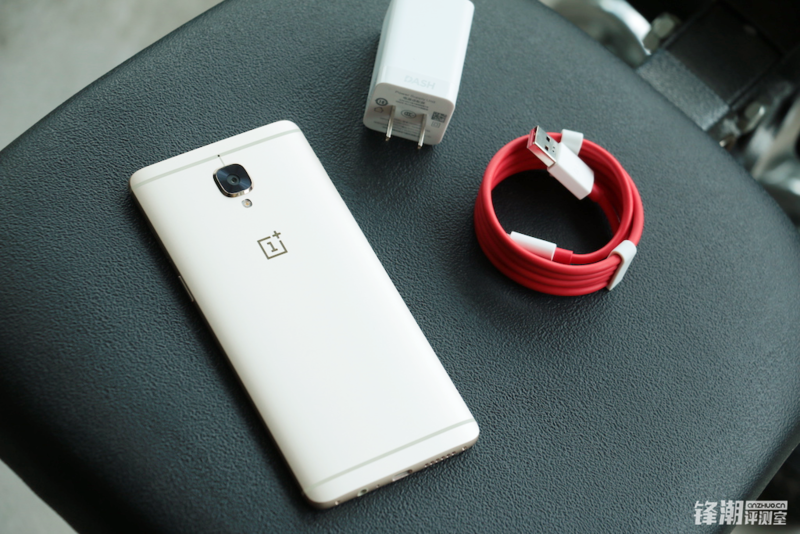
As a reminder, the OnePlus 3T features a premium and sleek metal unibody with a 5.5-inch Optic AMOLED display and a Snapdragon 821 processor clocked at 2.35GHz. The device also has a larger 3,400mAh battery than its predecessor, as well as a 16MP front-facing camera and a rear camera with EIS and covered by sapphire glass. There is 6GB of LPDDR4 memory onboard with 64GB and 128GB storage versions available.

oneplus

Read More: Giztop Now Has The 128GB Variant of The OnePlus 3T

The OnePlus 3T is priced at 2699 yuan ($392) for the 6GB RAM + 64GB ROM variant which is now available on Jingdong, while the 6GB RAM + 128GB variant retails for 2999 yuan ($435) and can be gotten on Gizmochina’s e-commerce platform – Giztop.
LG G6 Release Date in US is April 7; MWC 2017 Invite Teases Huge Display

In the previous month, LG has already teased the arrival of LG G6 at the upcoming Mobile World Congress (MWC) 2017 event. Now, it has sent an official invitation of the LG G6’s Feb. 26 launch event. Popular leakster, Evan Blass has revealed the LG G6 release date for South Korea and the U.S.

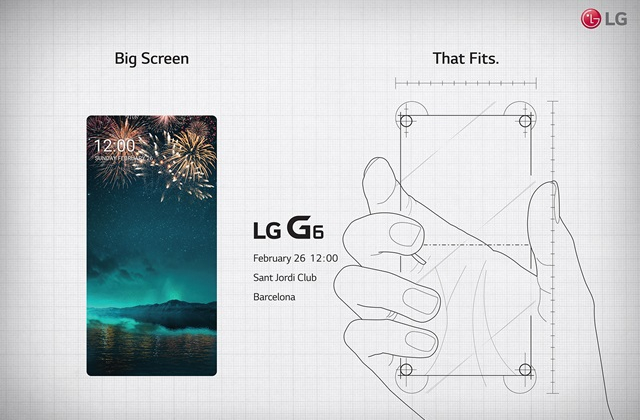
The South Korean company will be unwrapping the LG G6 on Feb .26 at Sant Jordi Club, Barcelona, Spain. The event will begin at 12 PM. The official invitation shows that the LG G6 would be arriving with a larger screen. And it also suggests that even though the phablet is arriving with a larger display, users will be able to hold it comfortably.

Previous reports have revealed that the LG G6 would be coming with a 5.7-inch display that will deliver an aspect ratio of 9:18 and it will carry support for a display quad HD+ resolution of 1,440 x 2,880 pixels. Several smartphones that support quad HD resolution of 1,440 x 2,560 pixels have 9:16 aspect ratio.

LG G6 MWC 2017

Related: LG G6 Latest Images Captured from All Angles, G6 Hits GeekBench

Hence, the LG G6 is expected to come with an elongated display and it will be sporting super-slim bezels. The company has confirmed that the quad HD+ display of LG G6 will be called “Full Vision” on release. The display for the LG G6 are supplied by LG Display. Several leaked photos of the LG G6 have surfaced in the recent past.

According to Blass, the LG G6 is slated to sell in South Korea on March 9. However, it will be releasing a month later in the U.S. as it is expected to launch on April 7.  It is expected to be cost more than the LG G5 and is rumored to be priced around $700 for the unlocked model. The smartphone is speculated to be priced aggressively to rival the Galaxy S8 that will be releasing by mid-April in the U.S.

The LG G5 modular phone met with poor reception mainly because of its add-on accessories. Hence, LG G6 will be arriving without any modular accessories. It is expected to support IP68 certified metal unibody chassis and it will be fueled by Snapdragon 821 chipset and not by Snapdragon 835 that will power compatriot Samsung’s Galaxy S8 and Galaxy S8 Plus smartphones.

(Source)