Samsung’s next flagship is the Galaxy S8. It will also feature a larger variant called the Galaxy S8 Plus which has been spotted on GeekBench earlier today.
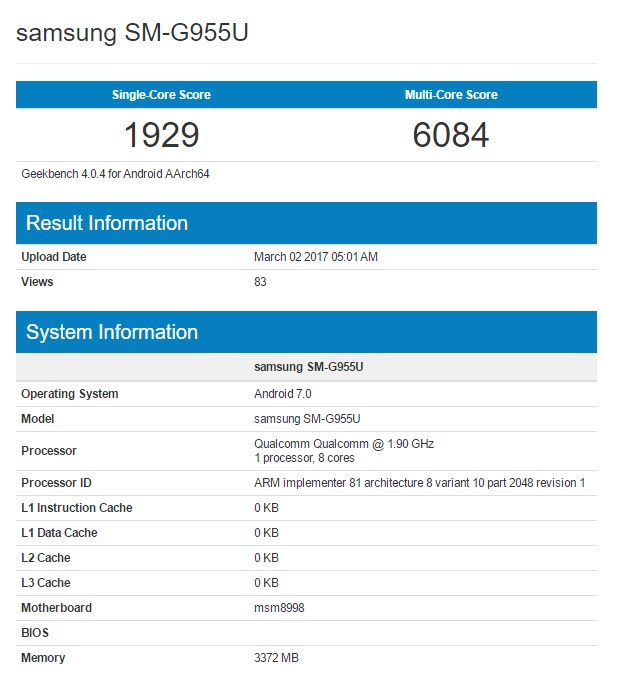
The Galaxy S8 Plus is expected to feature a 6-inch display with curved display. The phone is listed as SM-G955U and is equipped with the msm8998 aka Snapdragon 835. It also sports 4GB of RAM and runs Android 7.0 Nougat.
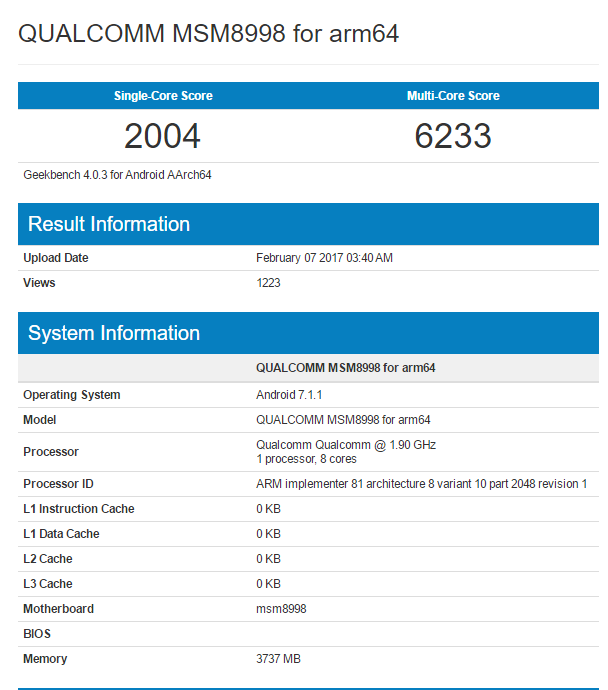
The benchmark scores shows the phone pulling in 1929 points in the single-core test and 6084 points in the multi-core test. The scores are close to that of a Snapdragon 835 test device that was benchmarked early last month.
Back in January, Xiaomi announced screen recording will be available for beta testing on the Xiaomi Mi 3, Mi 4, Mi 5, and Mi Note. They also said that it will be added to the developer ROM by the end of February.
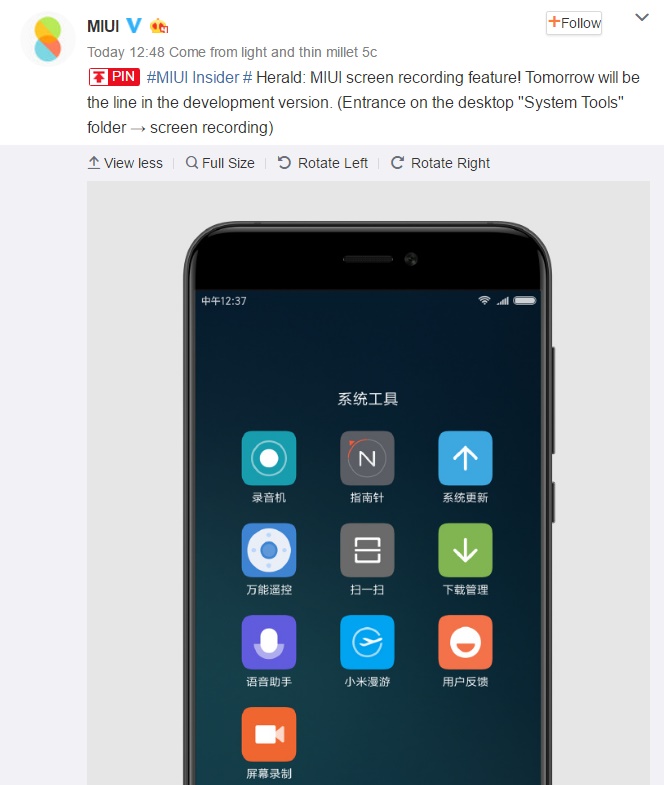
Today, MIUI officially announced that the new feature will be available tomorrow to phones running MIUI developer edition. If you get the update tomorrow, you might still experience stability issues since it is not a final release yet but it should be better than the beta test version.
Accessing the screen recording function is pretty easy. Just open the “System Tools” folder on your homescreen and you should find the app there. You also do not need to root your device before you get the feature.
With the new MIUI screen recorder, users will be able to add their own commentary; customize resolution, video quality,and frame rate; and not have to bother about the play/pause button showing on the recorded video.
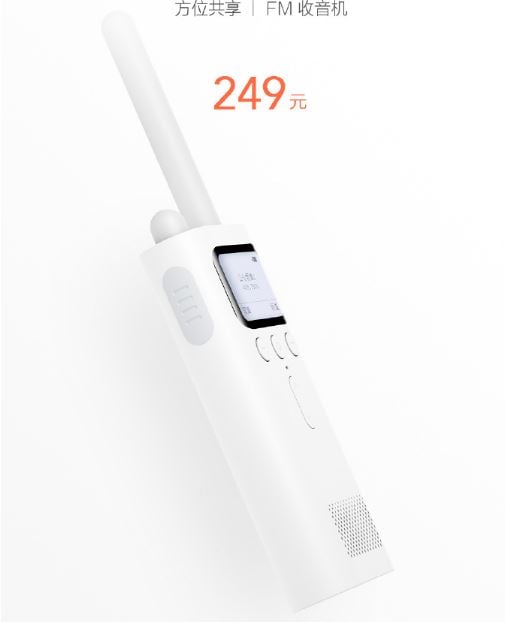
Xiaomi today launched two unique products, one of which is the Xiaomi walkie-talkie while the other is a train recorder.
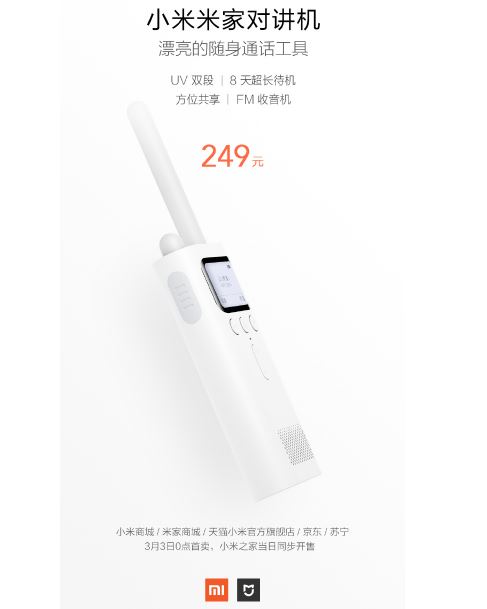
The Xaiomi walkie-talkie comes as a pair suitable for two-way communication in different locations. The walkie talkie comes with FM Radio so apart from communication, you also get entertained. It supports azimuth sharing and comes with a durable battery with a standby time of up to 8 days. It comes with UHF frequency range of 403-470MHz, and VHF frequency range of 136-174MHz. This gives it the ability to be used in a densely populated area as well as in the wild where there is little or no obstruction to the radio waves.
The device comes in white color with a display and some buttons on the surface. It carries a cheap price tag of 249 Yuan ($36) and will go on sale on March 3 via Xiaomi Mall, Xiaomi home, Jingdong, Lynx and Suning, all at the same time (0.00 hour).
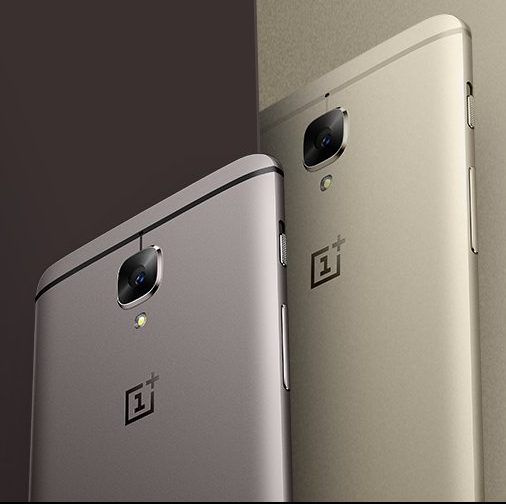
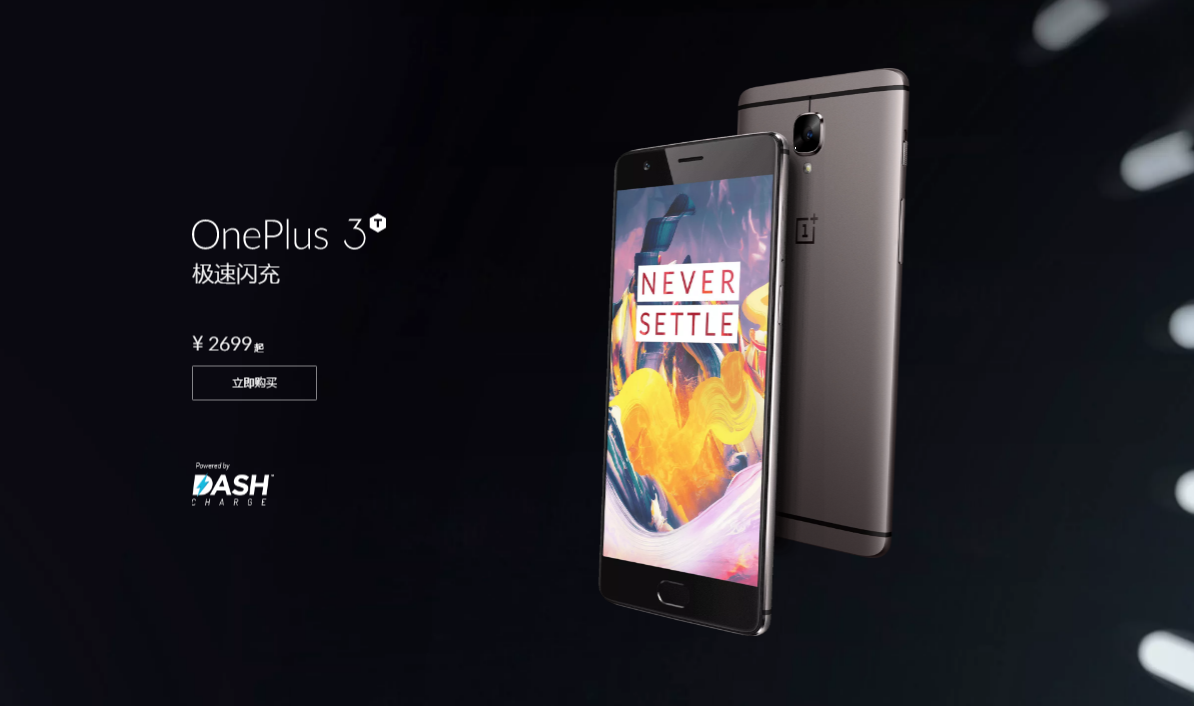
The updates will bring Android 7.1.1 upgrade and also there is a new Shot on OnePlus wallpaper option. There are also improvements in the gallery such as a new photo editor with watermark and photo straightening has been added as an option. Also, newly added media will now be highlighted in the photos section and image location will be displayed on grid view. There is now the option of grouping media by month and year added and users can now hide folders and individual media.
The upgrade also brings some general bug fixes and some known issues like Android Pay not working on London TFL and Tube has now gotten a solution. Compatibility issues with certain third party apps have also been taken care of. This is a Beta update so, OnePlus has stated that they would disable the download link once they get enough feedback. You can download the Android 7.1.1 Open Beta for the OnePlus 3 here and for the OnePlus 3T here.
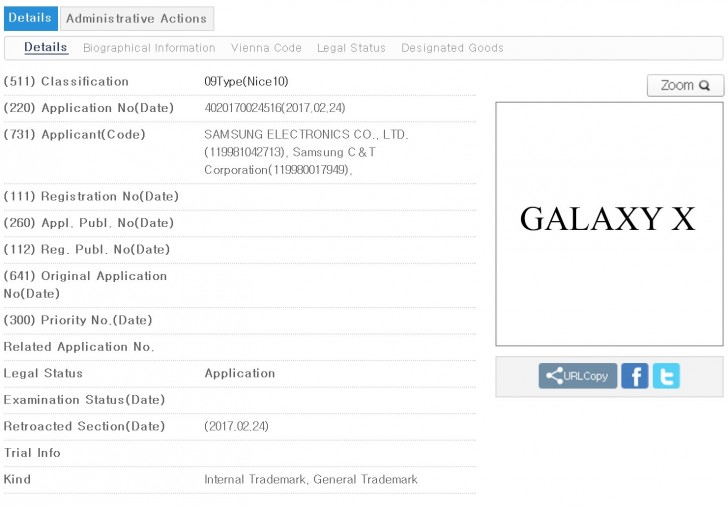
Since a couple of months, more information has been surfacing on Samsung’s alleged foldable smartphone – the Galaxy X. The device is said to be codenamed as Project Valley that has been in works since over a year. The Seoul-based tech giant has trademarked the ‘Galaxy X’ moniker indicating that its release is drawing near.
The trademark was filed at KIPRIS (Korea Intellectual Property Rights Information Service) Previous rumors have stated that Samsung is working on two variants of its Galaxy X foldable smartphone. Both the rumored variants are Galaxy X1 with model number SM-X9000 and Galaxy X1+ with model number SM-X9050.
Speculations have suggested that the Galaxy X1 would be coming with a 5-inch foldable screen supporting 4K resolution and its fold-out mechanism would allow users it use it as a 7-inch tablet. It is pegged to be equipped with biometric sensors for fingers, face, iris and palm.
Rumors have revealed that the company had previously tested fold-in mechanism for Galaxy X, but now the foldable phone would be coming with outwards folding mechanism. The probable reason why it may have axed ditched the fold-in design is that it could be an inconvenience to the users to unfold it each time they wanted to see notifications.
The fold-out design for Galaxy X puts the screen on the outer side. This technique possibly allows the company with more options to display information on both the sides of the Galaxy X when folded
At the beginning, Samsung is reportedly aiming to release only 100,000 units of Galaxy X in a bid to gauge the market response. Rumors suggest that the South Korean company may have showcased in secret to investors at the ongoing Mobile World Congress (MWC) 2017. Since Samsung has trademarked “Galaxy X” name, it is likely that its arrival of its first foldable phone is close at hand.
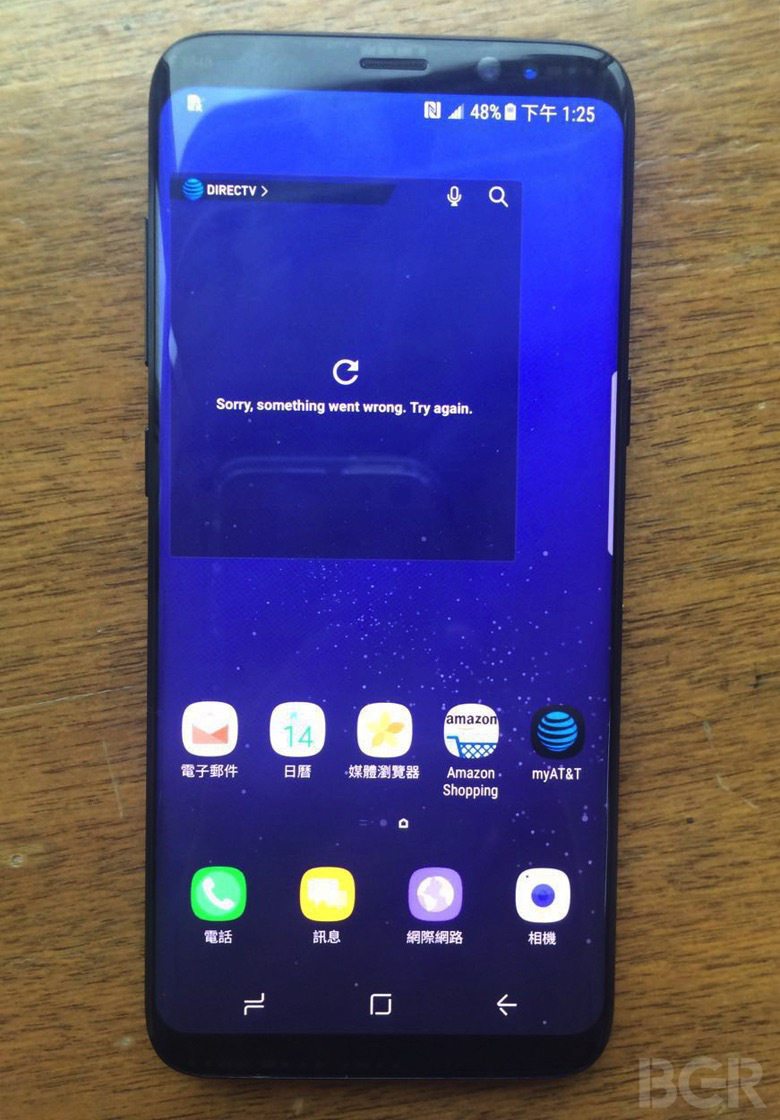
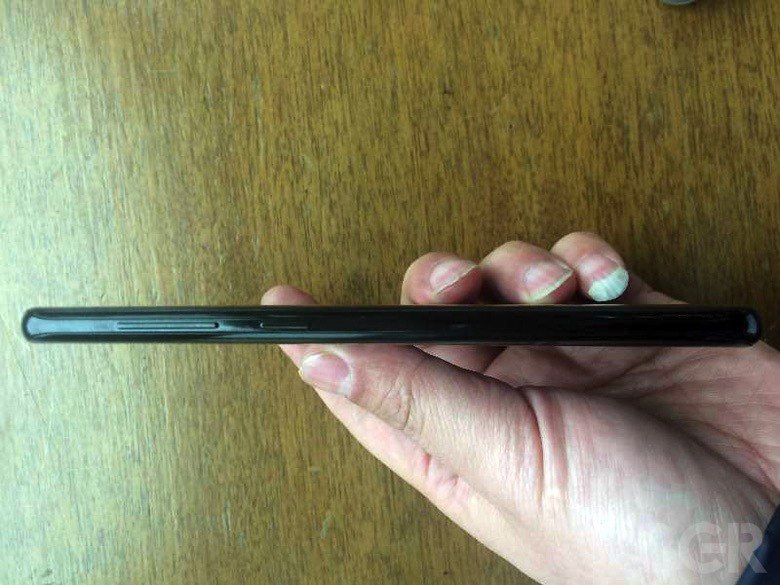
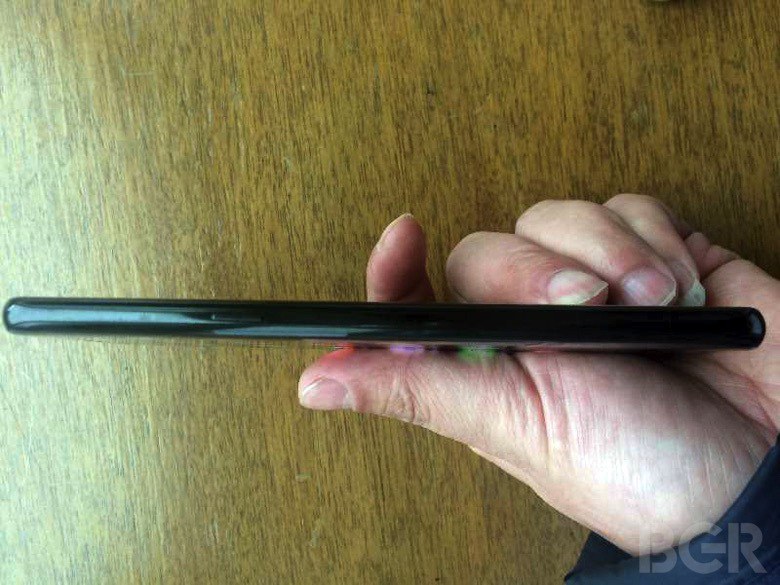
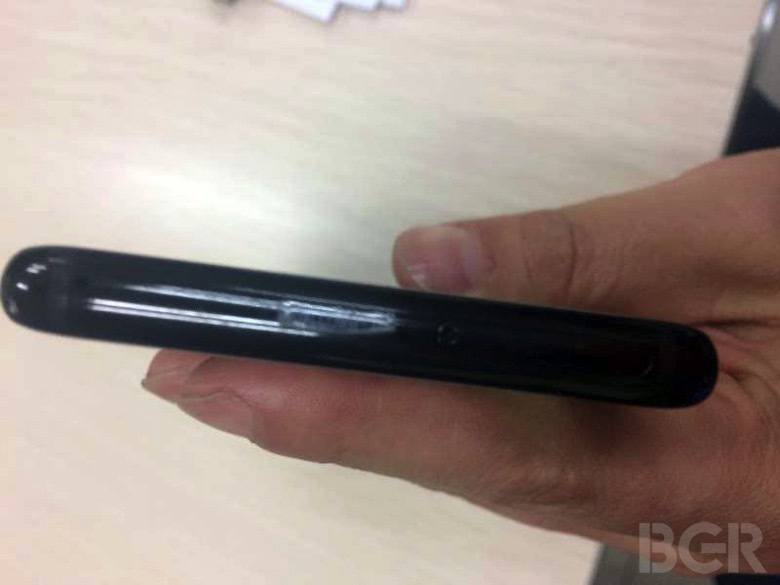
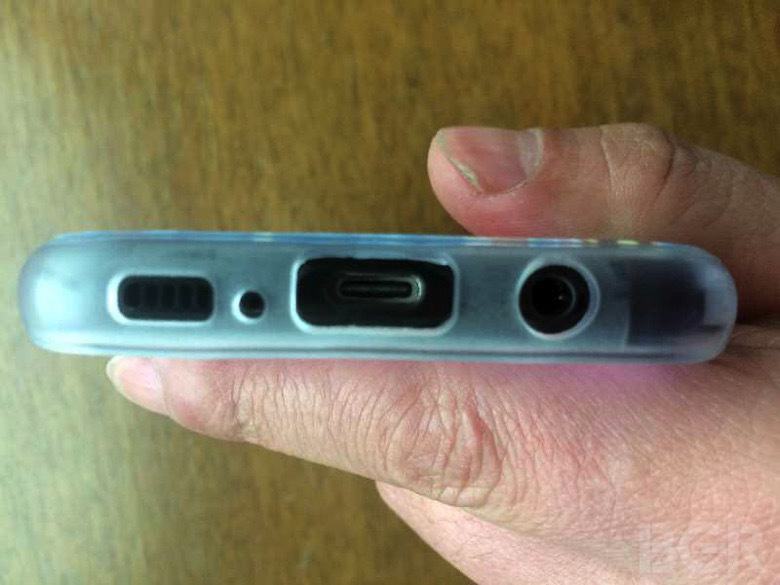
Yesterday, Evan Blass had released a leaked render that revealed the front side of the Samsung Galaxy S8. Yet again, new photos of the Galaxy S8 have surface to showcase its front and its four sides.
The Galaxy S8 in the new photos seems to be quite similar to the S8 shown in the teaser that was shown at the Mobile World Congress (MWC) 2017 on Feb. 26. The source (BGR) of the newly leaked photos claims that it contains actual Galaxy S8 smartphone. As previous images have revealed, the new photos also shows that Galaxy S8 would be arriving with a dual-edge curved display and it will be sporting slimmer bezels at the top and bottom.
The S8 that is seen in today’s photos has the myAT&T app and AT&T Direct TV widget on it which suggests that it may be an AT&T carrier variant. The text for the apps is in Chinese language. Since the screen occupies major space at the front, the Galaxy S8 is expected to come with impressive screen-to-body ratio.
The top bezel has a front-facing camera that is expected to come with improved autofocus and it is also pegged to feature an iris scanner. It also features an LED light for notifications.
There is no Home button at the front. The S8 has on-screen buttons for task Recents, Home and Back. The fingerprint sensor is now placed on the rear side of the phone. It is now placed on the right side of the rear camera.
The right side of the device has volume rockers and power button. Its other side seems to house a dedicated button to launch Bixby virtual assistant. Its top side appears to be barren whereas its bottom features an external speaker, a USB Type-C port and a 3.5 mm audio jack. This clearly reveals that Samsung won’t follow Apple’s strategy of axing the standard 3.5 mm headphone jack on iPhone 7 and 7 Plus.
Apple has removed the audio jack on its iPhone 7 models in a bid to make them sport slimmer chassis. Another reason was that it could help in making water-resistant iPhone. The Galaxy S8 and S8+ will be arriving with IP68 certified water-resistant and still continue to feature the standard headphone jack. The iPhone 7 and iPhone 7 Plus are equipped with IP67 certified chassis.
The Galaxy S8 would be coming with a 5.8-inch S-AMOLED display whereas the S8+ would be coming with a larger 6.2-inch S-AMOLED screen. Since phones are expected to support quad HD+ resolution, rumors have it they may support a display resolution of 2,880 x 1,440 pixels and an aspect ratio of 18:9 like the LG G6.
Both flagships that will be released in the U.S will have Snapdragon 835 SoC onboard. The international variants are rumored to be running on Exynos 8895 chipset. Both S8 and S8+ are poised to feature 4 GB RAM, 64 GB native storage and microSD card slot.
Both phones will have 12-megapixel Dual Pixel camera and 8-megapixel selfie shooter. The S8 and S8+ are rumored to respectively to feature 3,000 mAh and 3,500 mAh batteries. The Samsung Galaxy S8 and S8+ are slated to get announced on March 29 in New York and are speculated to be available for purchase from April 21.
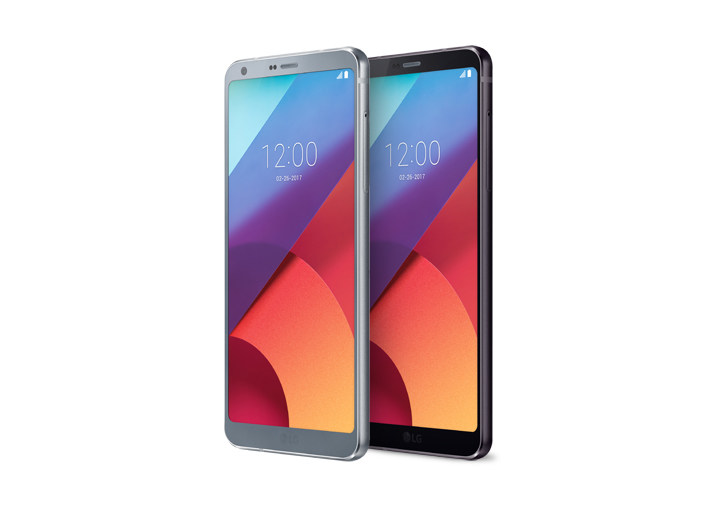
The LG G6 was launched a few days ago and so far, its been getting lots of positive reviews. It has been praised for its unique display and impressive camera. It has also gotten positive comments for its new design which features a mixture of metal and glass.
LG has disclosed the price of the G6 and says it will cost 899,800 Korean Won (roughly $800). If you are going to be churning out that kind of cash, you’ll want to find out how well made the phone is and if it can survive everyday handling.
A group of guys in a bar are saving you the hassle of finding out yourself if the LG G6 is scratch resistant and have made a video of their torture test. Using a small knife, markings are made on the back of the LG G6 and the result is amazing. The phone doesn’t scratch at all!!
Yes, the LG G6 doesn’t have a single scratch. The reason for that is not far-fetched. LG says the rear glass is Corning Gorilla Glass 5! The rear cameras are covered with Gorilla Glass 4 and the display features Gorilla Glass 3. That’s pretty impressive. So worry not, your phone should survive scratches from keys and should even survive bites from your toddler. You also shouldn’t worry about him/her drooling over it as the LG G6 is waterproof.
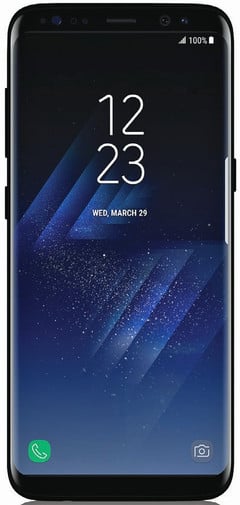
Just a while ago, we got what is likely the first real press render of the Samsung Galaxy S8. We have seen leaked casings, concept images, and so on of the Galaxy S8 but none quite looks as real as this one leaked by popular tipster Evan Bass. For one, Evan Bass, who tweets from the handle @evleaks, has got a high level of credibility in leaks such as these. The leaked images of the LG G6 and several others from his end in the past were accurate.
We’ll do a brief analysis of the Galaxy S8 render in other to verify some of the features the device packs. You might have taken note of the numerous apertures, on-screen features and buttons revealed on the leaked press render without knowing what they really are.
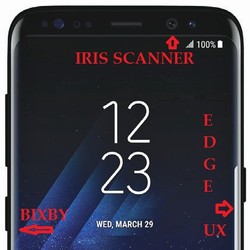
First, the Samsung Galaxy S8 comes with the same top bezels as found on the Galaxy Note 7 despite it having a higher screen-to-body ratio. The top bezel houses the front-facing camera as well as an iris scanner. The iris scanner is located at the top right (pictured above) and is supported by a LED light. At the left side of the top bezel lies the selfie camera and a LED notification indicator, as well as an ambient light sensor and proximity sensor.
At the left side of the display is a dedicated button for activating the Samsung Bixby Assistant that would debut on the Galaxy S8. The Bixby Assistant is an AI which functions like the Apple Siri, Google Assistant, Microsoft Cortana and Amazon Alexa. The button sits under the volume rocker. Also, the Samsung Galaxy S8 will likely feature the Edge UX as the pull tab for the interface is clearly visible on the right corner of the curved display. The Edge UX is a customizable quick app launcher on which favorite and frequently used apps like contact app, and others could be added.
We won’t fail to mention the unusually tall height of the Galaxy S8. Despite using an all-screen display with a higher screen-to-body ratio, the S8 isn’t very wide because it uses a new industry aspect ratio format (18:9) which is called Univisium. The LG G6 uses the same format and it gives manufacturers the leverage to make the device large but only wide enough to fit into the hand for one handed operation. It is also said to make split-screen multitasking which comes with Android Nougat fit in properly.
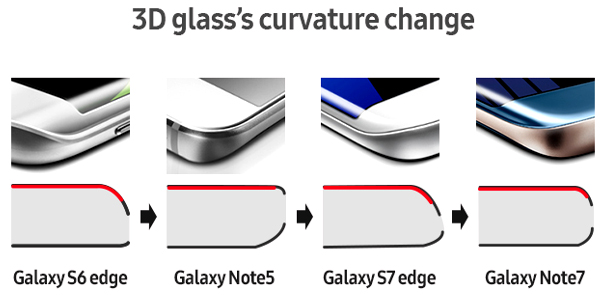
It should be noted also that the Samsung Galaxy S8 curvature radius at the edges has been slightly reduced and is similar to that of the ill-fated Galaxy Note 7 (see illustration above). This is done to improve aesthetics and also to avoid unintended touches. Really, it looks way better and more beautiful this way. We expect to see more leaked details in the coming days until Samsung officially takes the wrap off the Galaxy S8 and the S8 Plus on March 29.
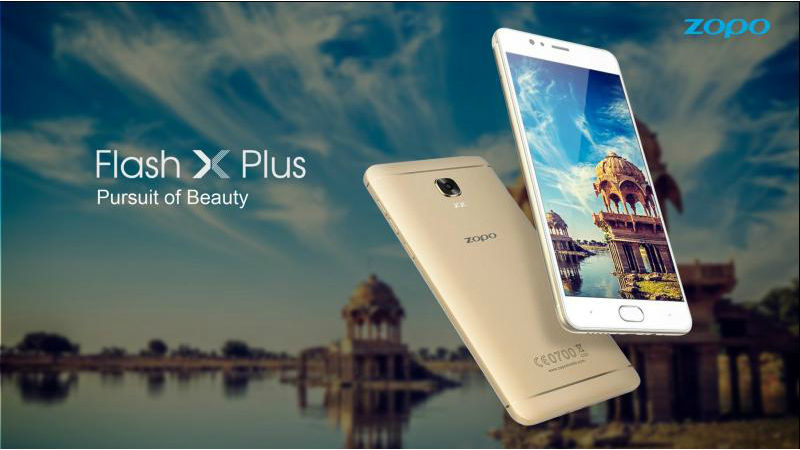
Chinese smartphone manufacturer, Zopo has launched a new phone in India. The new phone called the Zopo Flash X Plus features the old MTK6753 octa-core chipset and comes with Android Marshmallow out of the box.
The Zopo Flash X Plus has a 5.5-inch Full HD display with 2.5D glass. There is 3GB of RAM and 32GB of storage on-board and a microSD card slot as well. The rear camera is a 13MP sensor with dual LED flash and the front facing camera is an 8MP 90° wide-angle shooter with moonlight flash.
It also has VoLTE, WiFi 802.11 b/g/n, Bluetooth 4.0, FM radio, and an audio jack. The Flash X Plus is powered by a 3100mAh battery and features a fingerprint scanner up front. Zopo says the phone will go on sale in mid-March and will be available on Amazon India, Flipkart, Snapdeal and Shopcules for Rs. 13,999 ($210).
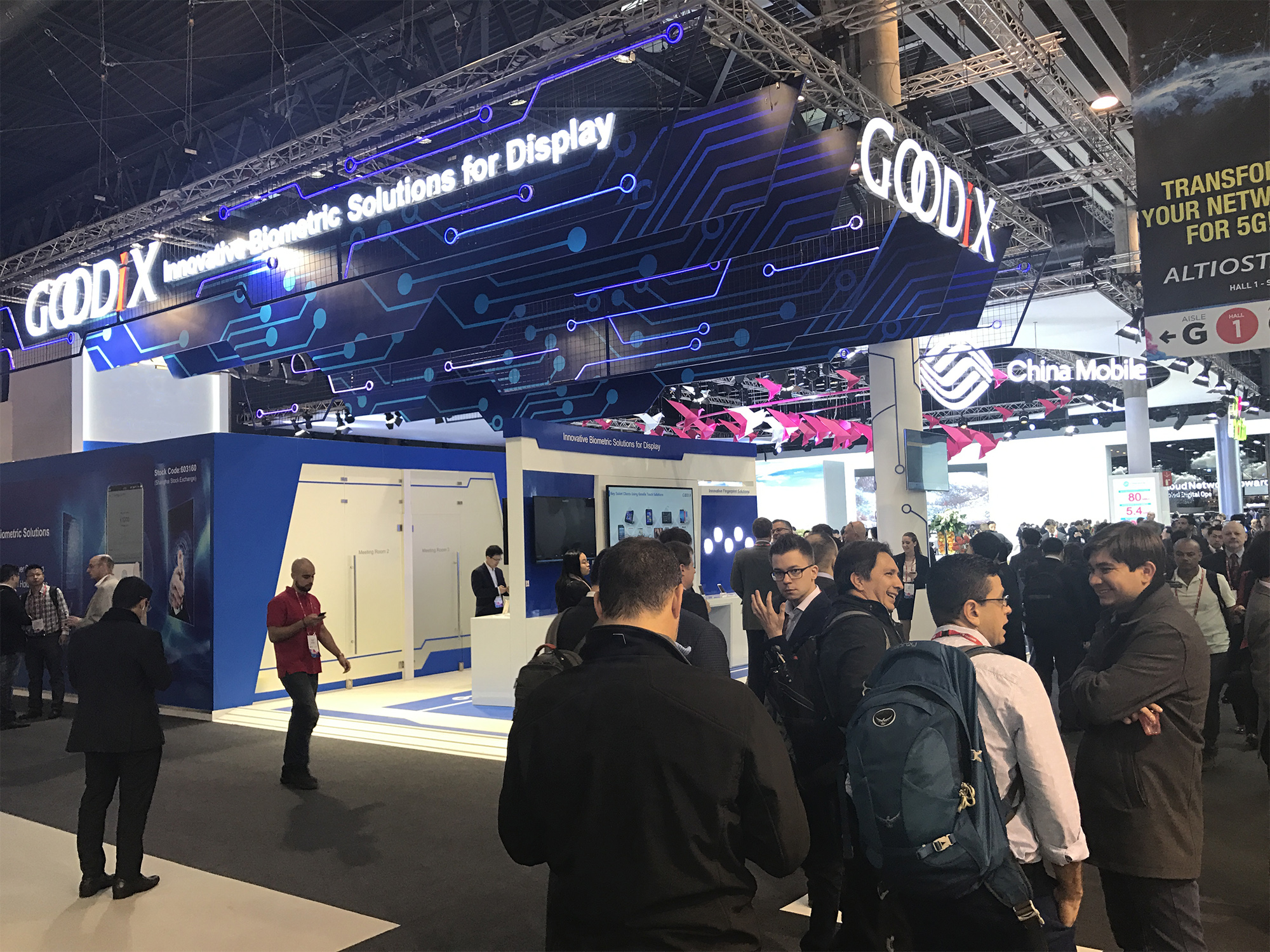
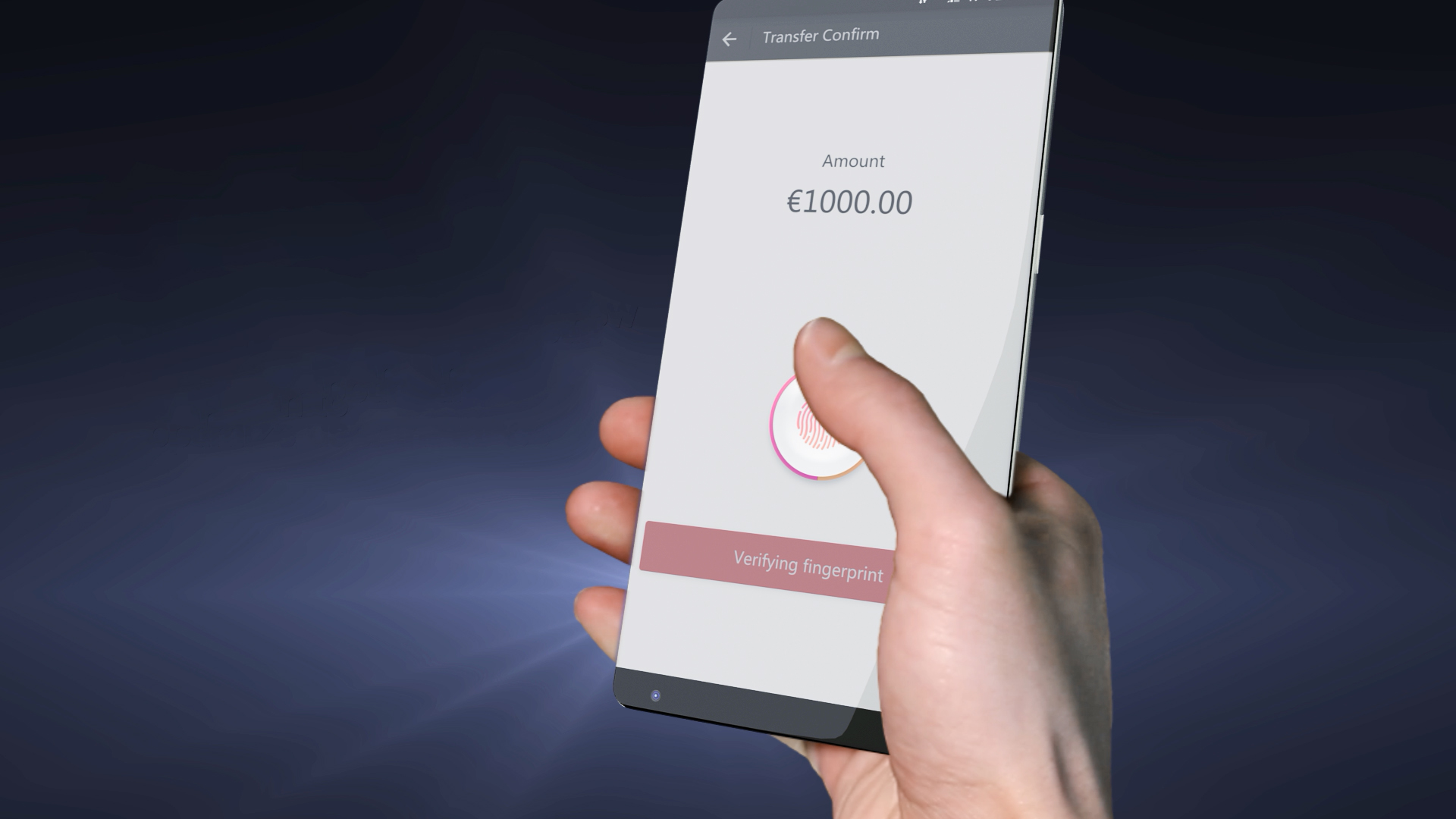
Another Chinese tech company Goodix has unveiled its new innovative technology for mobiles which it calls in-display fingerprint sensor on the floor of MWC 2017. The technology is the first of its kind in the world and it is integrated into the AMOLED display of mobile devices. The Goodix In-Display Fingerprint Sensor can transform a defined part of the display into a fingerprint sensor, thus removing the need for a fingerprint sensor button or a rear-mounted sensor.
The fingerprint technology also supports the latest curved displays which are presently the beautiful brides of flagships. As a result of the elimination of the need for a physical button under the display, the technology thus increases the screen-to-body ratio on smartphones using the technology. The Goodix In-Display fingerprint sensor is compact in size and has very low power consumption as well.
Goodix has got years of experience in the development of fingerprint recognition technologies and its solutions are used by mobile phone makers like Huawei, OPPO, Vivo, Xiaomi, ZTE, LG, Nokia, and ASUS. So we expect the In-Display fingerprint sensor to be one great innovative technology that may find its way into smartphones soon. Meanwhile, you can learn more about this innovation from Goodix’s official website.
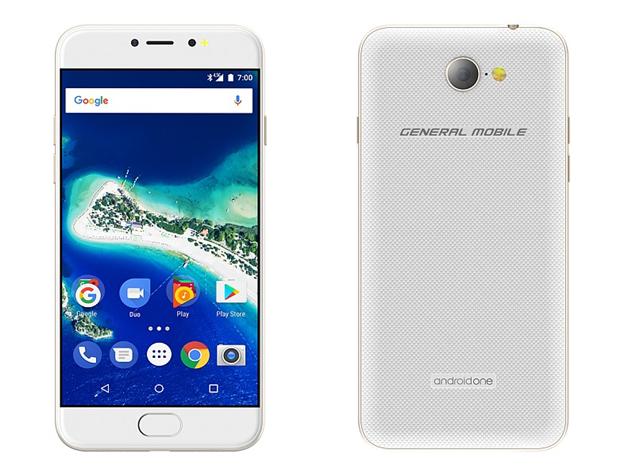
Google launched the Android One line back in 2014 as a way to offer low-cost pure Android smartphones to people without paying as much as they would for a Nexus or Pixel phone. The project is a partnership between Google and OEMs in various countries. The OEM handles the hardware and warranty side while Google handles software and security updates. One of the OEMs in the Android One Project is Turkish manufacturer, General Mobile and they have announced a new phone called the General Mobile GM 6 at MWC.
The General Mobile GM 6 is the successor to the General Mobile 5 Plus which was announced at MWC 2016. The GM 6 has a 5-inch HD screen with Gorilla Glass 4, 3GB of RAM and comes with Android 7.0 Nougat out of the box. There is 32GB of built-in memory with the option to expand it via a microSD card slot (128GB Max).
General Mobile was the first Android One OEM partner to release a phone with a Snapdragon Processor but surprisingly the GM 6 comes with a MT6737T chipset clocked at 1.5GHz.
There is a 13MP rear camera with dual-LED flash and an 8MP camera up front with its own LED flash too. The General Mobile GM6 has support for 4G LTE+, Wi-Fi 802.11 b/g/n, Bluetooth v4.2, GPS and has a Micro-USB port. There is also a fingerprint scanner that doubles as a home button and a 3000mAh battery under the hood.
The General Mobile GM 6 weighs 150g and measures 144 x 71.3 x 8.6mm. The manufacturer didn’t mention a date of release neither did it give a price but says it will be available in gold, rose gold and space grey.
Samsung has already released a teaser hinting at the launch of the acclaimed Galaxy S8 flagship on March 29 in its self-styled “Galaxy Unpacked” event. The Galaxy S8 was expected to be unveiled at MWC 2017 but that did not happen, instead, the company released a new Galaxy Tab S3 Tab to the disappointment of journalists and fans alike.
Ahead of the March 29 launch event, the Galaxy S8 press render has leaked once again, courtesy of popular Twitter tipster @evleaks. The press render is that of a device with a clean, classic design and top-notch finishing. We must say, indeed, the Galaxy S8 was worth waiting for even though we only get to see the view from the front.
The Samsung Galaxy S8 press render further affirm the design features the Samsung flagship is said to come with, such as an all-screen curved display and all-glass body both at the front and rear. The Galaxy S8 is also going to be tall even though it features a 5.8-inch display. The device is said to use an 18:9 aspect ratio which would help for better display of images. The render also shows the clear absence of a physical home button up front as well as a lack of design bezels.
Samsung is also expected to unveil a Galaxy S8+ variant with a larger 6.2-inch display but having the same design and aspect ratio as the Galaxy S8. Obviously, we don’t expect both flagships to come cheap but we still don’t know their likely press tag. March 29 is just at the corner, so we’ll wait to find out about that when the device goes official.
BlackBerry KEYone, dubbed as the most secure Android smartphone ever, was introduced at Mobile World Congress (MWC) 2017. TCL, the Chinese firm that oversees hardware and distribution of BlackBerry smartphones is rumored to be working on a midrange smartphone as its freshly leaked photos have surfaced.
One of the key markets where BlackBerry has been consistently doing decent business is Indonesia. In the last quarter of 2016, BlackBerry signed a pact with the Indonesian PT BB Merah Putih for launching BlackBerry devices in the country. In December 2016, a BlackBerry device with model number BBC1001-1 was seen on POSTEL, an Indonesian regulator website.
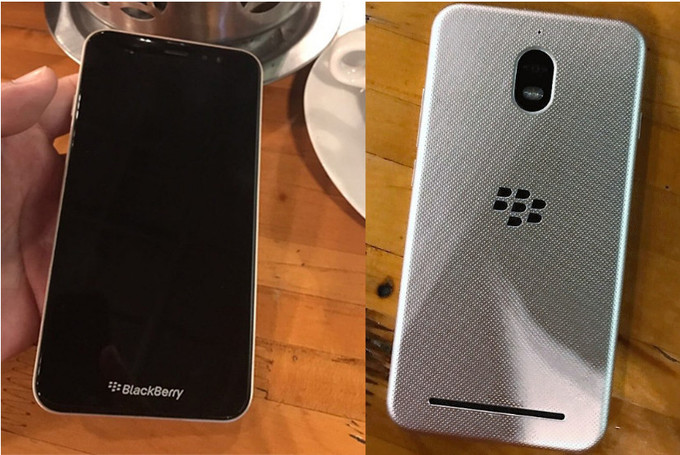
The leaked images of the mysterious BlackBerry-branded smartphone seem to belong to the BBC1001-1 smartphone that is rumored to be targeted towards Indonesian market. The leaked images suggest that it may be a midrange smartphone.
The first image shows the front side of the device with the BlackBerry logo and company name on the bottom bezel. The second image shows the grey colored rear panel that houses a camera module at the top, a large-sized BlackBerry logo at the center and a speaker grille at the bottom.
According to leaked information that had surfaced in December last year, the BBC100-1, it will be arriving with a 5.5-inch display that will be supporting an HD resolution of 720 x 1280 pixels. It is rumored to be fueled by Snapdragon 425 SoC that features an octa-core processor working at 1.4 GHz.
The SoC is pegged to be supported by 4 GB of RAM. It is expected to feature 32 GB of native storage. It is speculated to support dual-SIM cards and come equipped with a 3,000 mAh battery.
The leaked photos have reportedly surfaced after TCL CEO Nicolas Zibell confirmed that it will be releasing two more smartphones this year. Speculations hint that one of them is the BBC100-1 midrange phone. However, there is no confirmation on whether the smartphone would be released outside of Indonesia. Rumors have it TCL is also working on successor models for BlackBerry DTEK50 and DTEK60 from last year.
Mozilla that is best known for its Firefox internet browser, officially confirmed on Feb. 27 that it has acquired the famous online bookmarking app, Pocket. It will now function as a subsidiary of Mozilla Corporation. It is the first time the company has made a decision to acquire a firm.
Pocket that was launched in 2007 by Nathan (Nate) Weiner as Read it Later was initially available as an extension for the Firefox browser. It was originally intended to serve only desktop users. However, it is now available on multiple platforms like Android, iOS, Windows and web browser like Firefox, Google Chrome and Safari
It allows readers to save articles so that they can be read later. The articles are saved in a reader-friendly format that does not include any advertisements. The content is also stored so that it can be read offline. In 2015, Pocket was integrated in the Firefox browser as a default bookmarking service.
Mozilla CEO, Chris Beard stated in a blog post, “We believe that the discovery and accessibility of high quality web content is key to keeping the internet healthy by fighting against the rising tide of centralization and walled gardens. Pocket provides people with the tools they need to engage with and share content on their own terms, independent of hardware platform or content silo, for a safer, more empowered and independent online experience.”
According to Pocket CEO, Nate, “They’re adding fuel to our rocketship. We have worked closely with Mozilla as we partnered with their Firefox team, and established a deep trust with their team and vision. They have extraordinary resources, global scale, and reach to put Pocket in more places, and help us build an even better product, faster.”
Six years ago, Evernote had attempted to acquire Pocket that was then known as Read it Later. However, Nate had refused to accept the deal. Currently, Pocket that has a small team of 25 employees based in San Francisco has 10 million active users each month. Till date, its users have saved 3 billion content pieces.
After the acquisition, the source code of Pocket will now belong to the Mozilla Open Source Project. Both Mozilla and Pocket have confirmed through their press releases that the buyout not change anything at Pocket. It will continue to operate independently driven by the existing team.
Firefox is a popular web browser for desktops. However, it has been struggling on mobile devices. The acquisition of Pocket by Mozilla Corp is aimed towards increasing the popularity of Firefox on mobile devices. In the near future, Pocket is expected to receive few major updates. It is also expected to introduced a lite version that can run on a mobile browser. As of this writing, there is no information available on the financial terms of the acquisition.
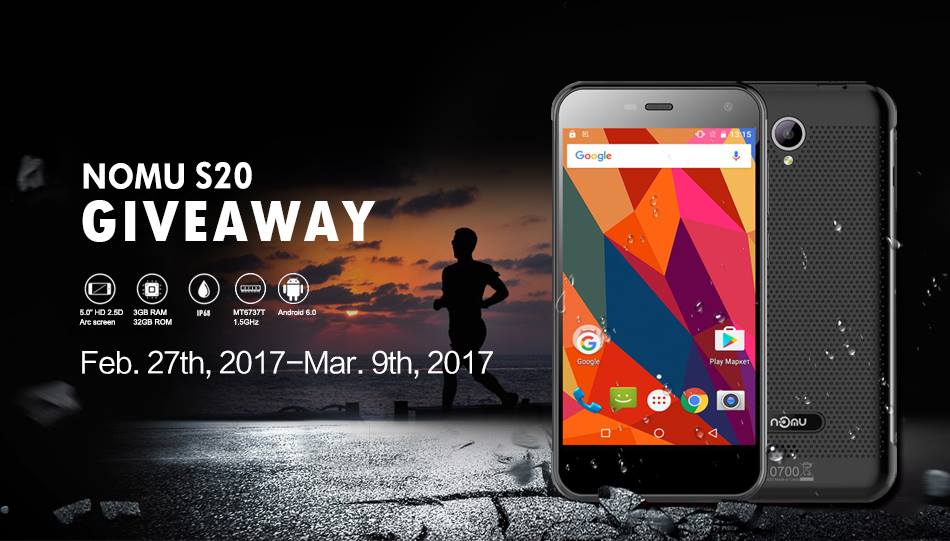
Gizmochina along with Nomu official is conducting a Nomu S20 rugged phone as Giveaway gift to one of our lucky readers. Like always, you just have to follow the steps mentioned on the Gleam widget to get a chance to win this amazing phone.
Here is the main features of Nomu S20:
Display: 5.0 inch, 1280 x 720 pixels HD screen CPU: MTK6737 1.5GHz Quad Core System: Android 6.0 RAM + ROM:3GB RAM + 32GB ROM Camera: 8.0MP ( SW 13.0MP ) rear camera with AF and flash light + 2.0MP ( SW 5.0MP ) front camera Sensor: Geomagnetic Sensor, Ambient Light Sensor, Gravity Sensor, Proximity Sensor SIM Card: Dual SIM dual standby, dual nano SIM cards Feature: GPS, A-GPS, Glonass Bluetooth:4.0 Network:
2G: GSM 850/900/1800/1900MHz
3G: WCDMA 900/2100MHz
4G: FDD-LTE 800/900/1800/2100/2600MHz
Meanwhile, Nomu official Facebook provide another Nomu S20 phone as Giveaway gift to their followers, just click here to entry:
How to entry this giveaway? Just follow these steps via Gleam widget:
Visit Nomu’s Facebook and follow them;
Share this article to your Facebook or Twitter
Leave comments under this article, tell us how do you think about rugged phone
Terms & Conditions:
1. The giveaway is an international giveaway.
2. We are not responsible for lost shipments.
3. We are not responsible for any duties, import taxes that you may incur.
4. We reserve all rights to make any changes to this giveaway.
5. The prize will ship when it is available to purchase.
Just follow the steps mentioned in the Gleam widget to participate in the giveaway.
Once again, happy new year everyone and good luck.
The original Huawei Watch was released in September 2015 and up until the release of Android Wear 2.0, it was one of the best Android Wear watches in the market. More than a year later, we get a successor, the Huawei Watch 2.
The Huawei Watch 2 should have been released last year if Google had not delayed the release of Android Wear 2.0. Although the new watch brings along a number of new features apart from the updated OS, fans of the original watch might not be too pleased with the design.
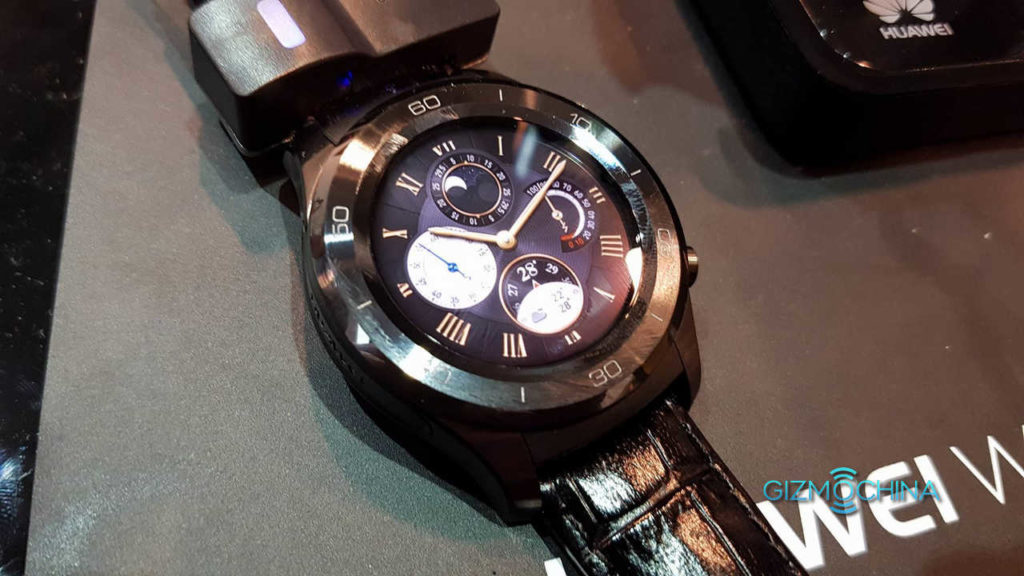
Huawei announced two variants of the watch: the Huawei Watch 2 Classic with leather straps and the Huawei Watch 2 which is a sport themed variant with rubber straps. Sadly, we won’t be getting the wire mesh strap of the original. For the hands-on, we were able to get our hands on the Huawei Watch 2 Classic.
The Huawei Watch 2 has a smaller screen than the first-generation Huawei Watch. Both versions have a 1.2-inch AMOLED display with a 390 x 390 resolution as against the 1.4-inch (400 x 400) of the original. The smaller screen is not the only change, the bezels are also thicker and are marked like a tachymeter.
The bezel is where the antenna of the watch is located which is a good thing as that means you can change the straps unlike the LG Watch Sport which has its antenna embedded in the straps.
Why Huawei decided to settle for this design is best known to them but some people say they might have had plans for a rotating bezel but later decided against it. The result is a chunky watch 12.6mm thick and weighing 47g (excluding the straps) with markings you probably might never find use for.
You’d think Huawei would have thought it wise to include a crown since the bezel wasn’t designed for navigating the watch. Sorry to burst your bubble. You will have to navigate through the watch with your finger which is pretty uncomfortable since the display is smaller. If you have thick fingers, you’d probably be covering a large chunk of the display while navigating.
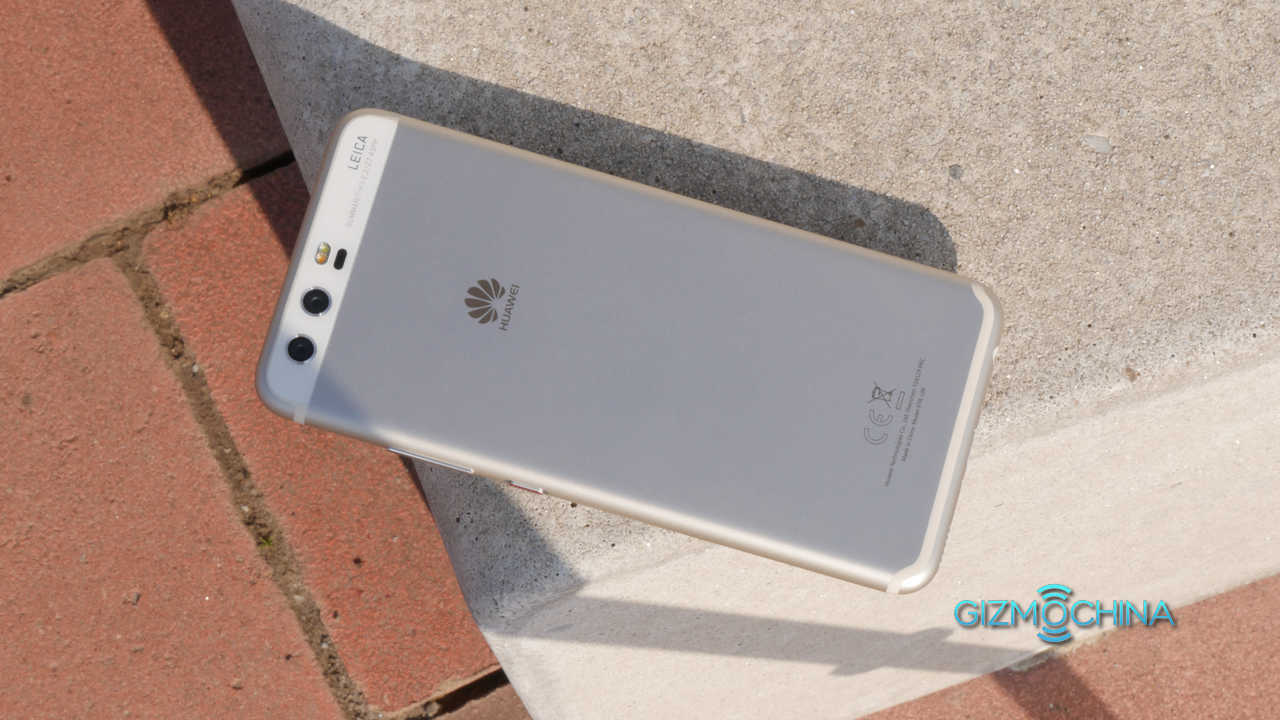
Huawei’s latest flagship P10 was just unveiled and it looks pretty good. The phone is made of metal and the build quality is nothing short of a true flagship.
I love how nicely the phone sits in the hand due to rounded edges on the back and all-aluminum housing that is smooth to the touch and it does not attract fingerprints or smudges like the glass-made phones.
When it comes to the camera, the Huawei upgraded its Leica-branded dual camera system by using the latest 20MP monochrome sensor, which is mainly used to capture sharper detail. Also, there is another 12MP shooter, which is essentially used to capture colors. The camera system has OIS, dual tone dual LED flash and finally, the cameras use f/2.2 aperture Leica lens.
The first camera samples suggest that this camera system is able to capture some pretty good daylight images but more on that in the full review.
As far as selfie camera, Huawei also cooperated with Leica and as a result, we have an improved 8MP selfie shooter with a bright f/1.9 aperture lens. We also have a notification LED light on the top.
The P10 runs on HiSilicon Kirin 960 and it has 4GB of ram and 64GB of expandable storage.
The display looks really good. It sharp, bright and it has vivid colors. Also, the display has the latest Gorilla Glass 5 for scratch resistance.
As for user interface, we have the Emotion UI 5.1. it runs smoothly and there are plenty of features, customization options etc but as always, it all comes whether you will use them or not.
The first impressions are that the phone is very solid, it has a powerful camera setup, great specs and so far we love what we see. Stay tuned to Gizmochina for a full review
After seeing the revolutionary 5X camera technology from OPPO yesterday, today another Chinese brand Meizu has taken the center stage at MWC 2017 in Barcelona with its amazing Super mCharge fast charging technology. Meizu already has a fast charging technology in its kitty but this latest Meizu Super mCharge delivers fast charging at supersonic speed.
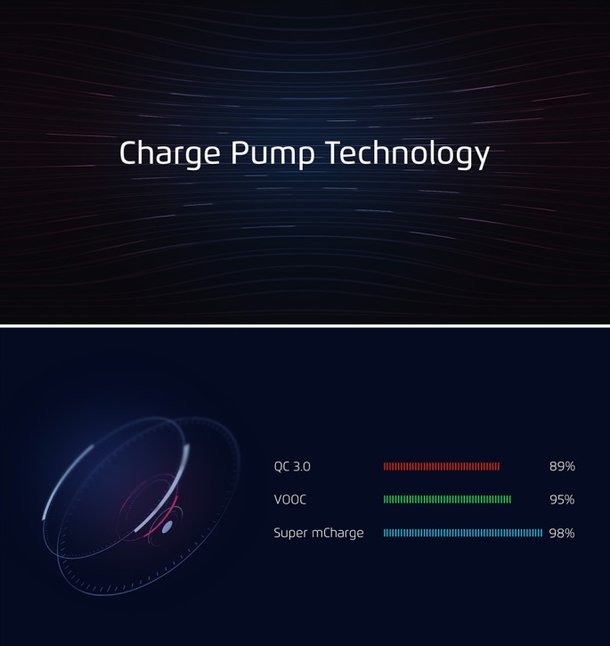
The Meizu Super mCharge uses a new charge pump technology with a conversion efficiency of up to 98% in order to solve the reduction in efficiency caused by charging heat lags. Safety is also taken care of as the new technology also reduces the charge when the phone heats up too much. The Super mCharge comes with a power rating of 55W (11V, 5A), utilizing both high voltage and high current.
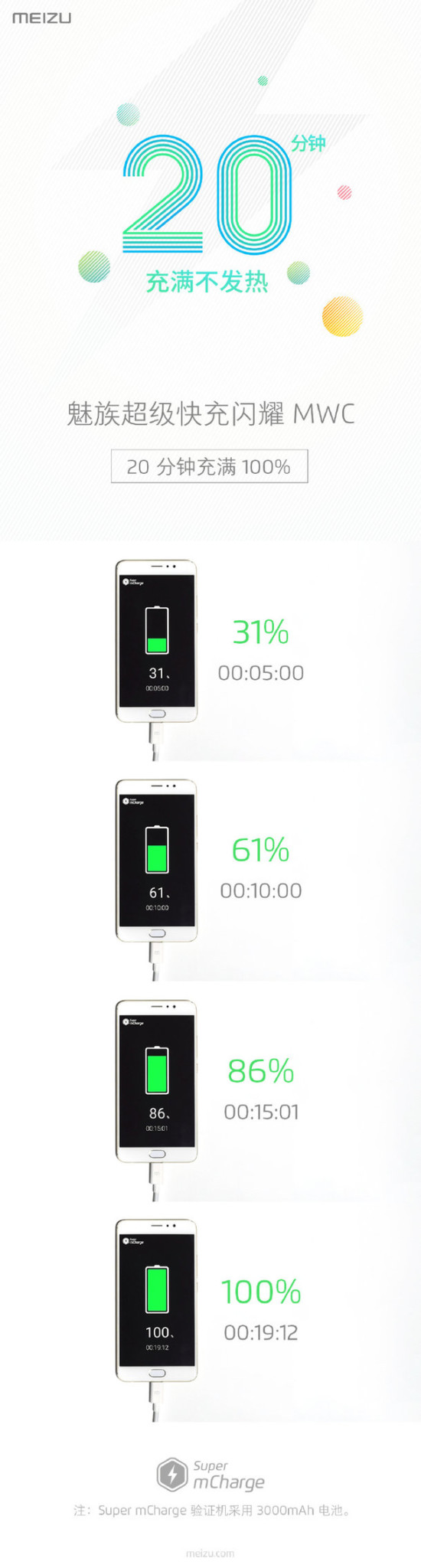
The technology was tested with a 3000mAh battery and the result is stunning. In just 5 minutes the battery had reached 30% from zero and that figure doubled to 60% in 10 minutes. As the percentage of charge increased, the rate slightly reduces but is still ferocious. In 15 minutes, the battery charge had gotten to 85% and in 19 minutes and 12 seconds, the phone was 100% charged. Meizu claims the Super mCharge is 3 times faster than the ordinary fast charge. It is also said to be faster than the Quick Charge 3.0 and VOOC fast charge technology.
The 3,000mAh battery, though, isn’t just any battery but Meizu’s new high-performance battery which can even withstand up to 4 times the current delivered by the Super mCharge. The battery is said to be manufactured using a new lithium-based material which is durable. Meizu claims that even after 800 cycles of charging, the battery still has more than 80% of its capacity, thus can last up to two years of normal usage.
Meizu did not disclose when we should expect to see the Super mCharge inside its smartphones but it should be expected with the next Meizu flagship smartphone.
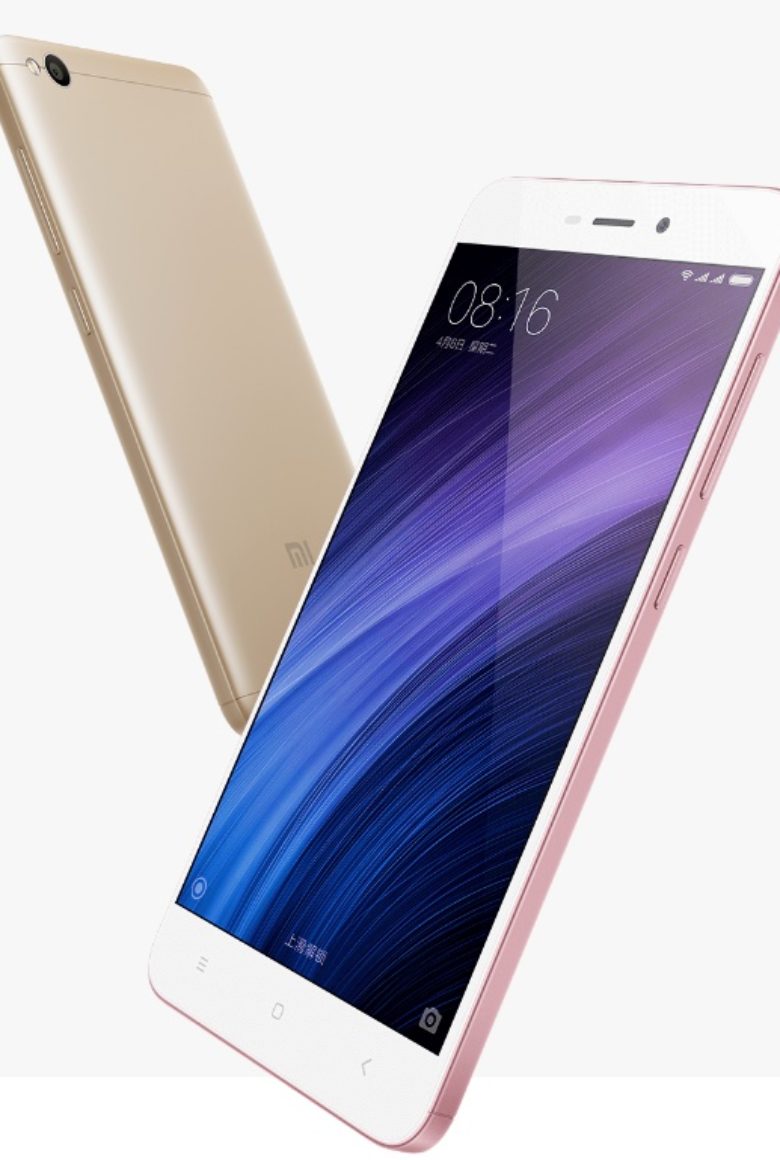
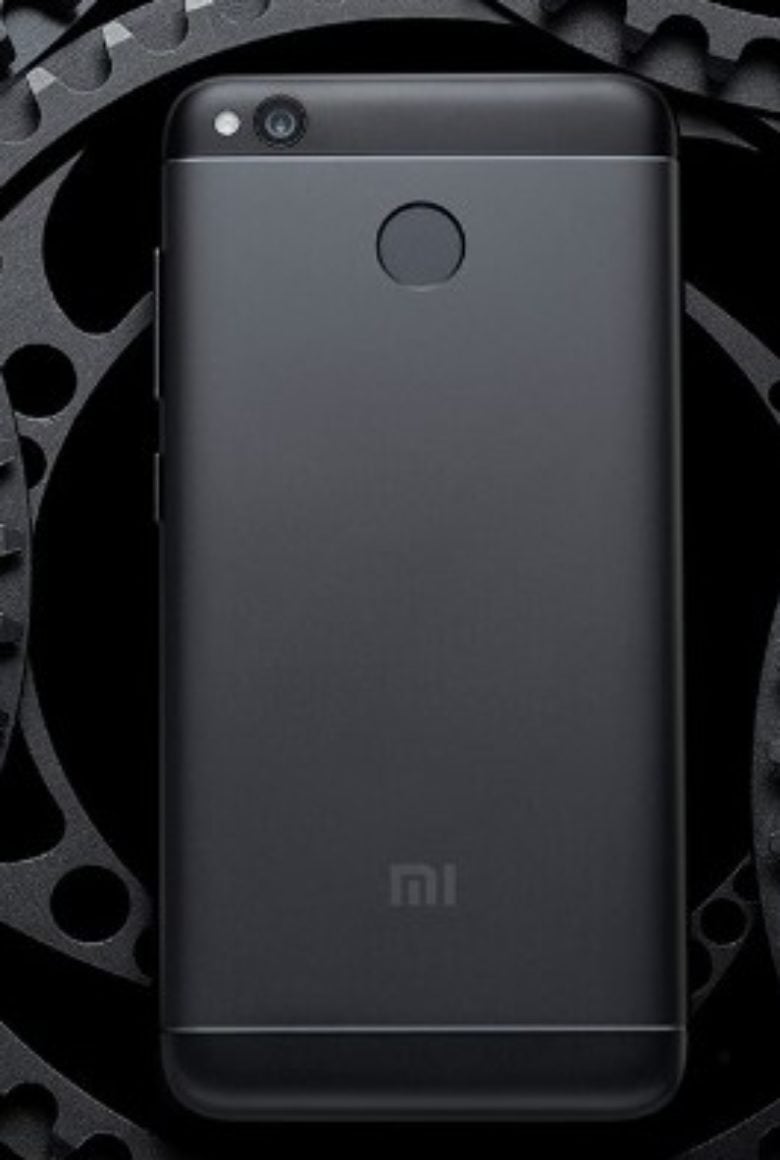
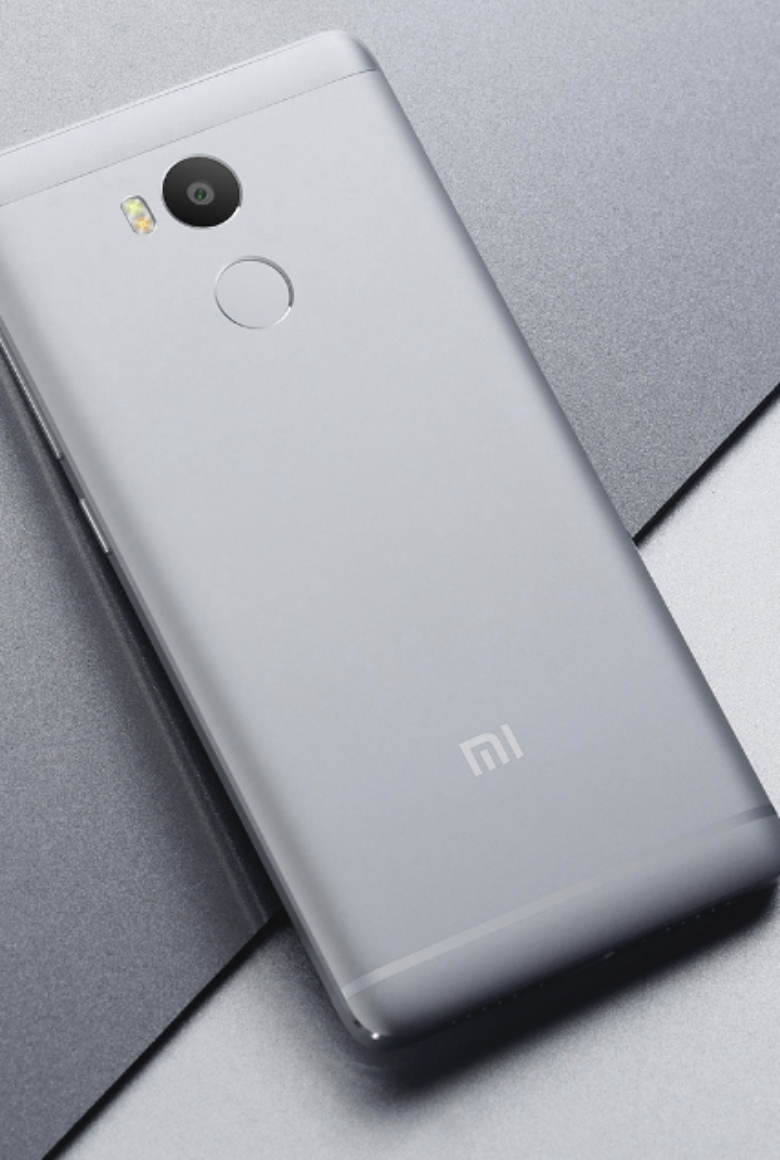
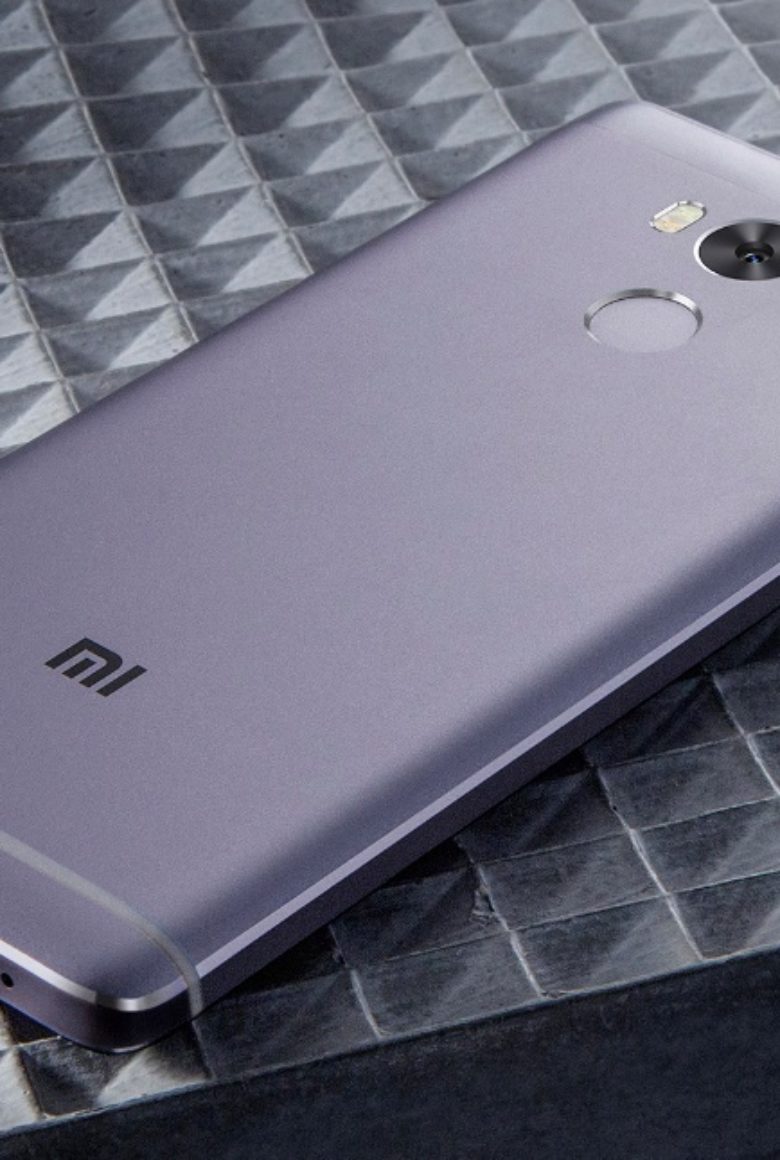
Following the announcement of the Xiaomi Mi 5C came the unveiling of the Xiaomi Redmi 4X. The launch of the Redmi 4X should not come as a surprise to those familiar with Xiaomi. It was already obvious the Redmi 4 will get the X-treatment after the Redmi Note 4X was announced.
With the addition of this new phone, we now have a total of four Redmi 4 devices: the Redmi 4A, Redmi 4, Redmi 4X, and Redmi 4 Prime. You can call them the Fantastic Four if you wish.
All four phones are well made and are priced at less than $200. However, even though they share the same name, they differ in lots of ways. So if you are having a hard time deciding which is right for you, you should read this to the end.
All the phones in the Redmi 4 line come with a 5-inch display making them perfect for one hand use. The difference lies is in their resolution. While the Redmi 4A, Redmi 4, and Redmi 4X have 720p displays, the Redmi 4 Prime has a 1080p screen. That translates into different PPIs too, 294 as against 441.
If you want your display sharp and crisp, you should look to the Redmi 4 Prime but if you don’t care much for that, the Redmi 4, 4A or 4X is fine.
Processors: Different Dragons
Xiaomi has settled for Qualcomm chips only. The Redmi 4A sports the Snapdragon 425; the Redmi 4 gets the Snapdragon 430, the Redmi 4X has the newer Snapdragon 435, and the Redmi 4 Prime uses the popular Snapdragon 625. The Redmi 4 Prime is basically the Redmi Note 4X with a smaller screen. Nothing more, nothing less. So I won’t compare its chip to the rest.
The Snapdragon 425 has a quad-core CPU clocked at 1.4GHz and an Adreno 308 GPU. The Snapdragon 430 and 435 on the other hand are octa-core chips clocked at 1.4GHz and have a more powerful Adreno 505 GPU. The advantage the Snapdragon 435 has over the Snapdragon 430 is in LTE speeds. The SD435 has Cat.7 LTE as against the SD430’s Cat. 4 LTE. That means you will get faster download speeds on the Redmi 4X.
RAM and ROM
The Xiaomi Redmi 4A and Redmi 4 ships with 2GB of RAM and 16GB of storage. The Redmi 4X is available in two variants: a 2GB RAM + 16GB ROM and a 3GB RAM + 32GB ROM. The Redmi 4 Prime is only available with 3GB RAM and 32GB of storage. All four devices support microSD cards of up to 128GB. If you want a larger RAM, the Redmi 4X or Redmi 4 Prime is your best option.
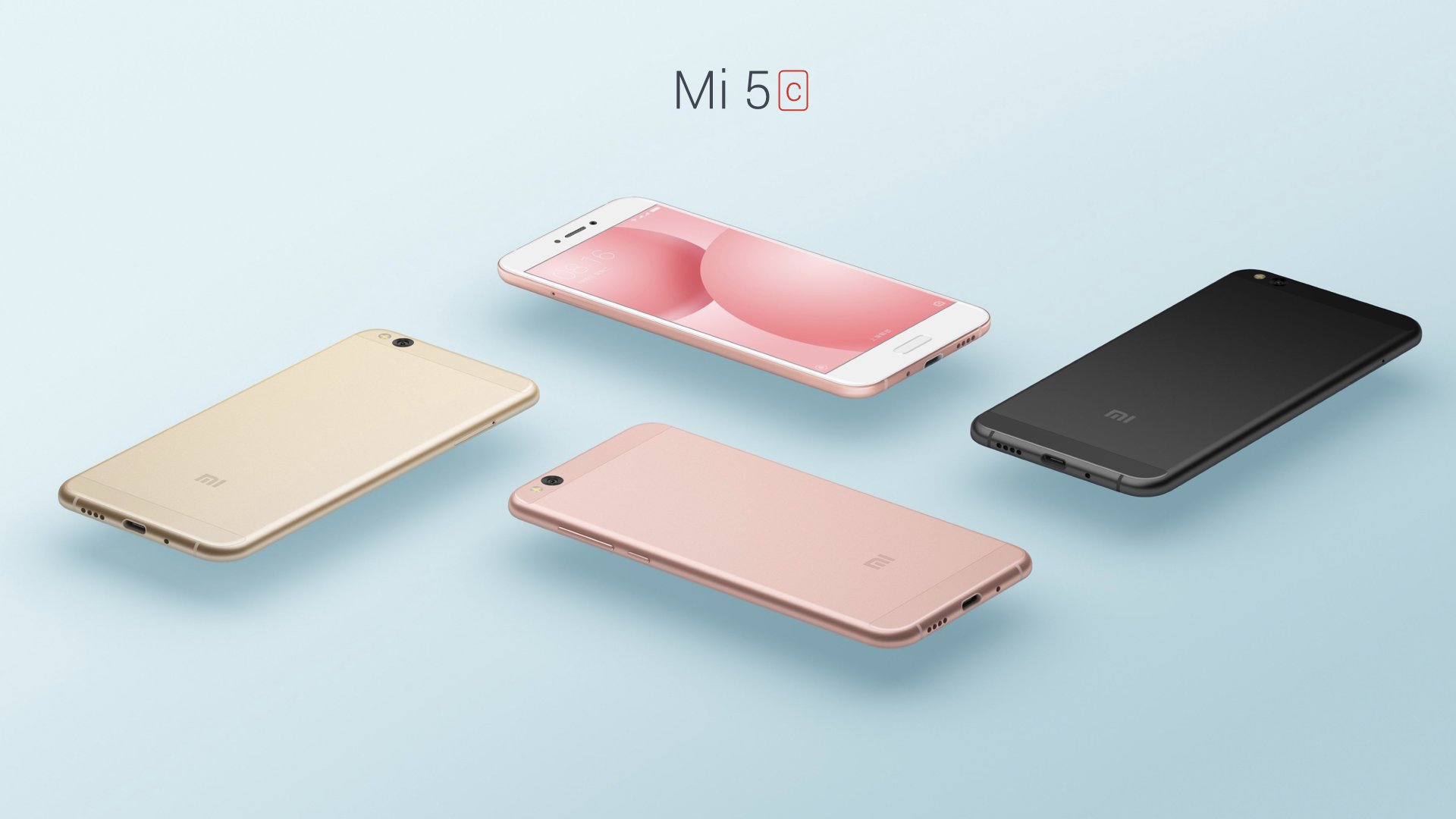
After a long wait and a persistent spinning of the rumor mills, Xiaomi finally launched its in-house Pinecone Surging S1 processor. Along with the chipset came the Mi 5C actually powered by the SoC just as rumored.
The Surging S1 processor is the first of what would likely be a long line of chipsets. The processor comes with an octa-core architecture with 4 x Cortex A53 cores clocked at 2.2GHz and 4 x Cortex A53 cores at 1.4GHz. The chip will be built on a 28nm HPC+ process. The company claims the combination of four powerful and four efficient cores result in a perfect balance of performance and power efficiency. As for GPU, the chip is using ARM Mali-T860, which comes with 40% better power efficiency as compared to its predecessor, support for AFBC and ASTC image compression technology and the latest Vulkan standard.
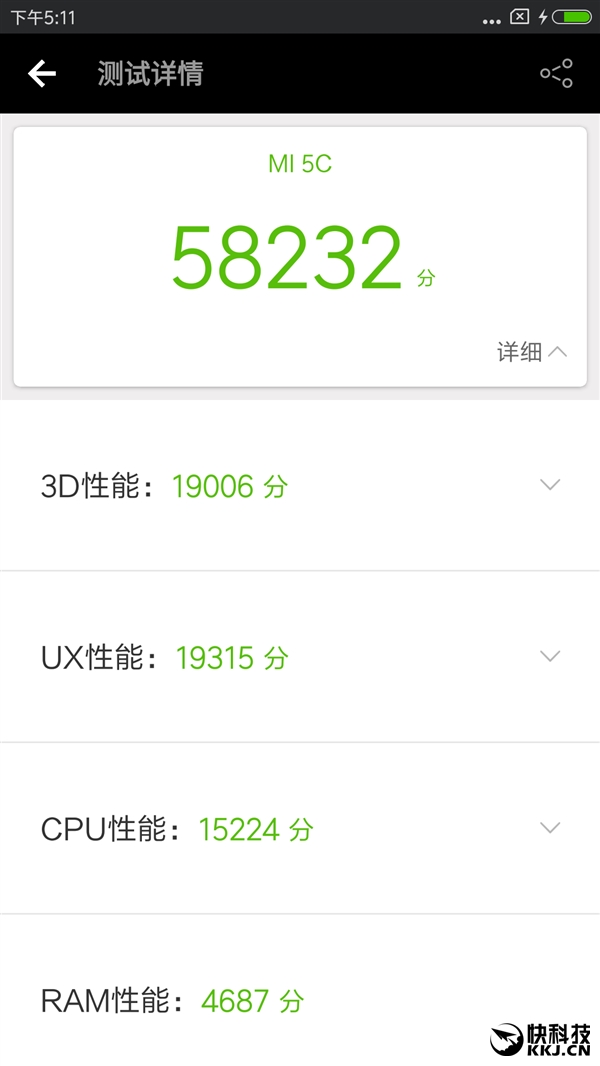
But then, how does the Pinecone chip fare in benchmark tests. Apparently, we won’t wait for long to find that out as the Mi 5C benchmark score has been revealed online. A set of screenshots grabbed from what is said to be the Mi 5C running through AnTuTu benchmark have appeared online showing not just some details of the phone but also the AnTuTu score.
Xiaomi claims the Surge S1’s overall performance is slightly stronger than those of the Snapdragon 625 and Helio P20. The Mi 5C powered by the Surging S1 chipset was able to achieve 58323 points on an independent AnTuTu test which is not a bad score. This is, however, lower than Xiaomi’s listed score of 64,817 points as against 64,143 points which the Helio P20 scored and 60,948 polled by SD 625 chip. The guy who ran the test were quick to point out that the benchmark app was run when the device was having a battery capacity of 50%. We may have to wait for a confirmatory test before we judge. But that doesn’t take away the fact that Xiaomi has done a great job releasing their own chipset.
We use cookies on our website to give you the most relevant experience by remembering your preferences and repeat visits. By clicking “Accept”, you consent to the use of ALL the cookies.
This website uses cookies to improve your experience while you navigate through the website. Out of these, the cookies that are categorized as necessary are stored on your browser as they are essential for the working of basic functionalities of the website. We also use third-party cookies that help us analyze and understand how you use this website. These cookies will be stored in your browser only with your consent. You also have the option to opt-out of these cookies. But opting out of some of these cookies may affect your browsing experience.
Necessary cookies are absolutely essential for the website to function properly. This category only includes cookies that ensures basic functionalities and security features of the website. These cookies do not store any personal information.
Any cookies that may not be particularly necessary for the website to function and is used specifically to collect user personal data via analytics, ads, other embedded contents are termed as non-necessary cookies. It is mandatory to procure user consent prior to running these cookies on your website.