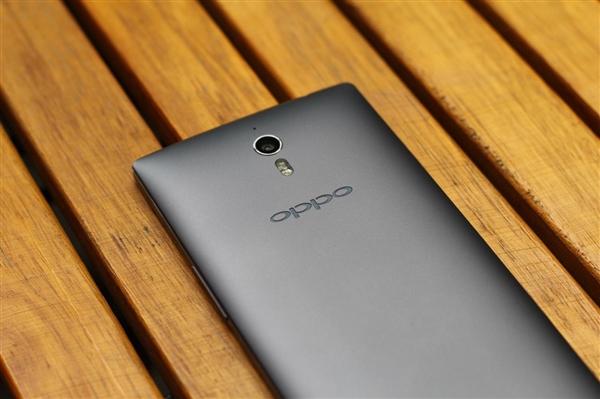
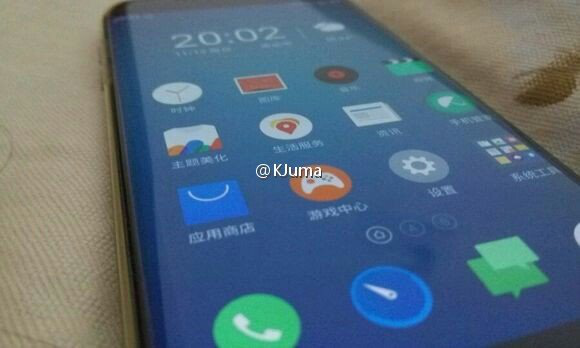
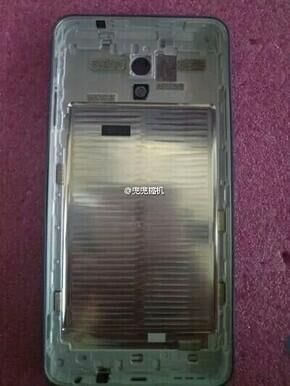
The elusive OPPO Find 9 is in the news again, this time the device is rumored as coming within the first quarter of next year, precisely in March. Not just that, the device is also rumored to feature Qualcomm’s latest Snapdragon 835 chip making it a true flagship device.
The OPPO Find 9 has been in the rumor mill even long before the OPPO R9 and R9 Plus surfaced. The device is long expected considering that it is two clear years since OPPO released the OPPO Find 7 which is its most recent smartphone in the elite Find series. The latest disclosure was made by a Weibo user but we cannot authenticate its veracity. But the rumor somehow aligns with words of known analyst Pan Juitang that the Find 9 would be released in the summer of next year.
If eventually the device drops next year, most of its rumored specs would have become outdated such as the Android 5.1 Lollipop it is rumored as running. Certainly that would have been upgraded to Android Marshmallow if not the latest Android N. The device is also rumored to come with a 5.5-inch dual edge AMOLED display with QHD resolution. The device was before now rumored to feature Snapdragon 821 chipset as against the Snapdragon 835 listed on this latest rumor. The phone is also rumored to feature a whopping 8GB RAM as well as 128GB of internal storage on board.
Further, the OPPO Find 9 is said to pack a 21MP rear camera sensor with OPPO’s smart stabilization tech that was showcased at MWC 2016. Up front, there is a 16MP sensor. The device also pack a 4,100mAh battery with Super VOOC fast charging and lots more.
A few days ago OnePlus announced the date the OnePlus 3T would go on sale in certain regions. Its already available in the US for a starting price of $439 and will be available in Europe on the 28th for €439. The company however failed to give a date and price for China until today.
The Snapdragon 821 toting OnePlus 3T will be launched on the 29th of November at 2 pm in Beijing and will go on sale immediately, although the company has failed to list a price. If you head to the OnePlus website, you will be greeted by a countdown clock for the event.
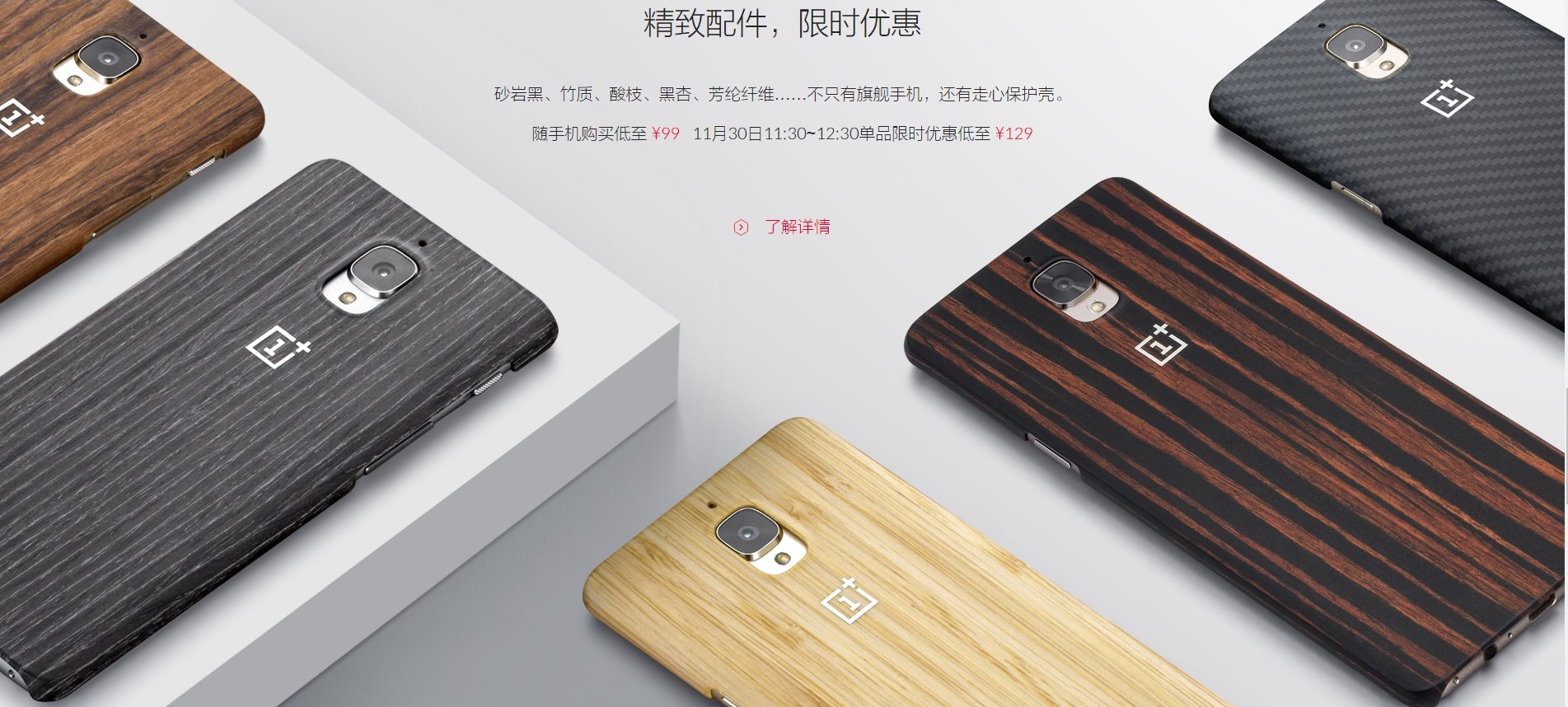
The company is also offering incentives to buyers in China. First of all, the famous OnePlus cases will be available for ¥129($19) (original price is ¥149/$22) albeit for a limited time. You also qualify for free shipping if your orders are above ¥99 ($14). The promotion runs from 11:30 to 12:30 on the 30th of November, so you have to be really fast to grab the deals.
The OnePlus 3T is expected to be priced at 2799 yuan ($406) for the 64GB version and ¥3299 ($478) for the 128GB version. It sports a faster Snapdragon 821 processor, an upgraded front facing camera, and a larger battery compared to the OnePlus 3 and will get updated to Android Nougat next month.
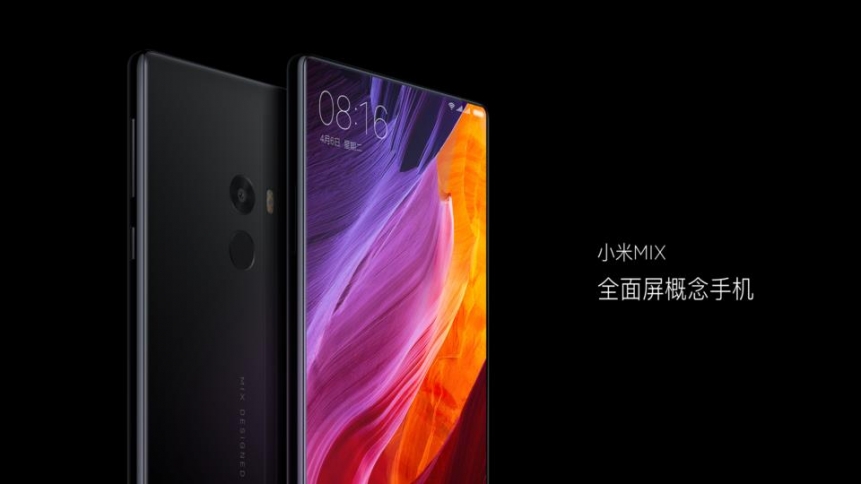
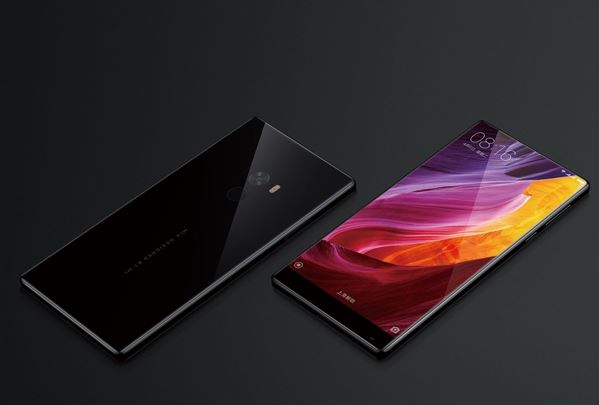
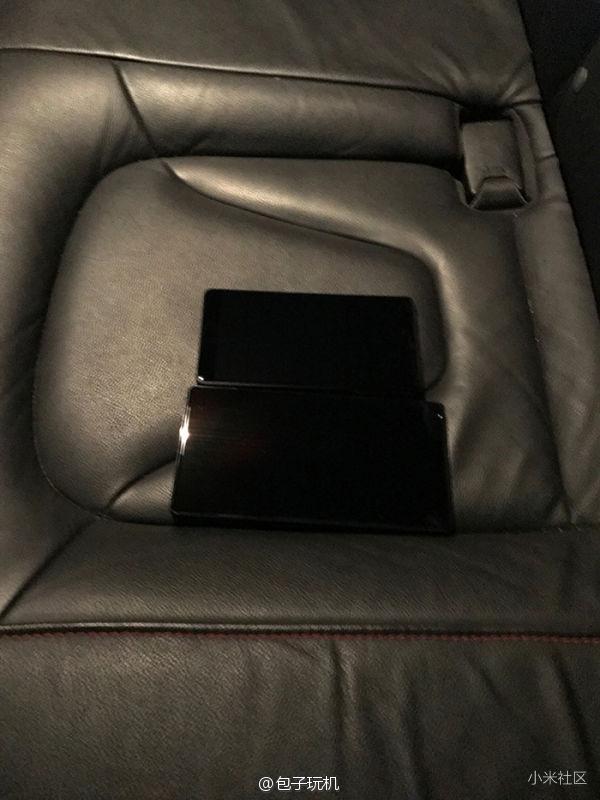
The Xiaomi Mi Mix is set to go up for what should be another round of reservation since the device was put up for sale. Xiaomi today officially announced that the device will officially be open for reservations starting from tomorrow Friday, November 25 by 14:00.
This time around, those who successfully make reservations for the device will be able to buy the Concept phone from Xiaomi stores in China on Sunday November 27. To be able to access this reservation, interested buyers will need a valid identity card and a mobile phone number as well. These only qualifies an individual to buy just one unit of the device. In the past, the reservation tickets were put on sales for exhorbitant prices by those who catch in on the huge demand for the device and get the reservation ticket before selling it up to other willing buyers.
Both the Mi Mix Standard edition with 128GB storage as well as the 256GB Exclusive edition will be up for sale on that day. Also a leather protective casing for the exclusive edition would be made available in January next year and buyers of the Exclusive edition would be able to get theirs free.
We expect nothing less than a quick sell out when the stores open on Sunday and even then, we might still see a couple of Xiaomi fans waiting overnight in front of the Mi stores.
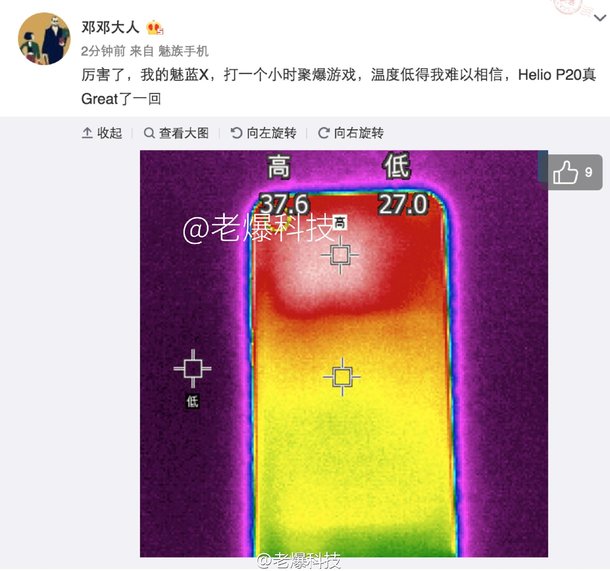
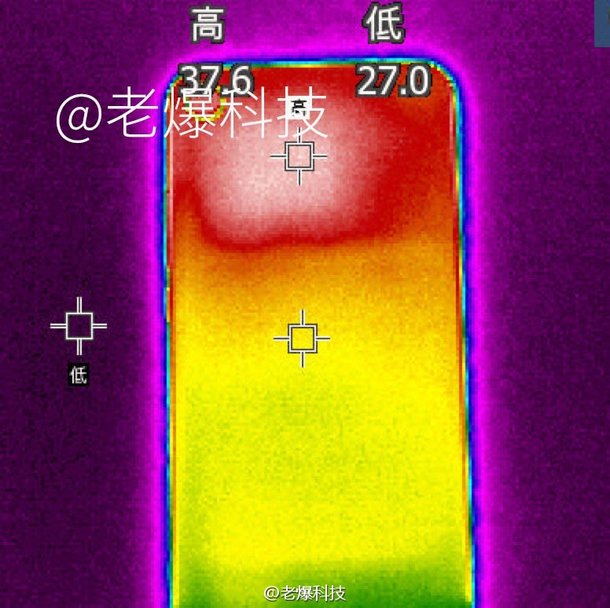
Meizu is set to launch the Helio P20 powered Meizu X on Wednesday, 30th of November. A Meizu official decided to carry out a temperature test on the phone to see how hot it gets when playing games.
The results of the test were posted on Weibo by the engineer who goes by the username @dengdeng. Although its hard to make out the name of the game played during the test, thermal images show that the highest temperature recorded during the hour-long gaming session was just 37.6°C and the lowest temperature recorded was 27°c.
There is a chance the temperature might be even lower since the test was carried out at Guangzhou which is a bit warm at this time of the year.
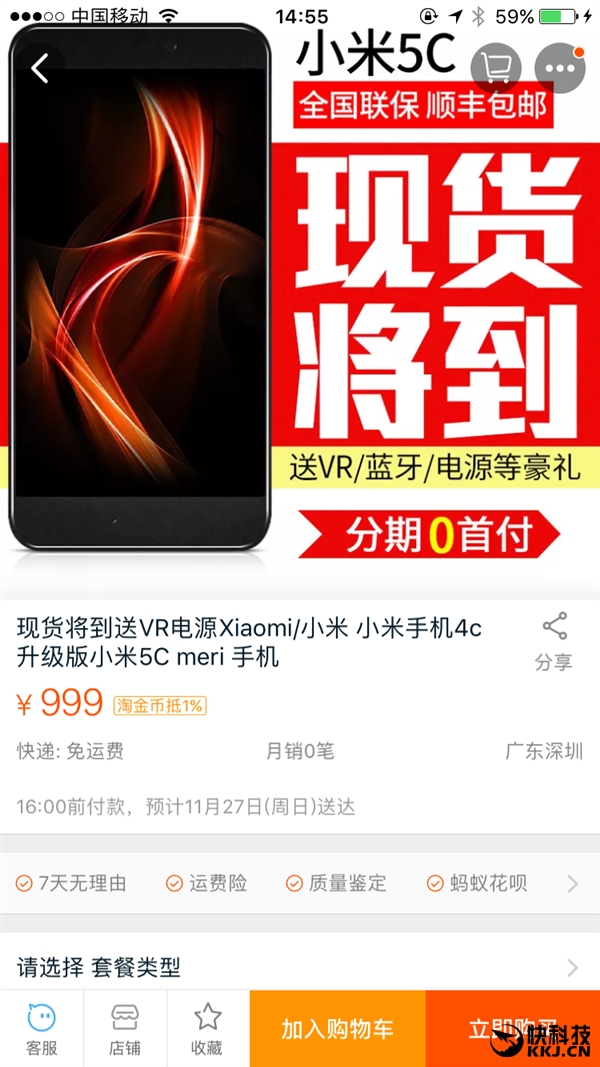
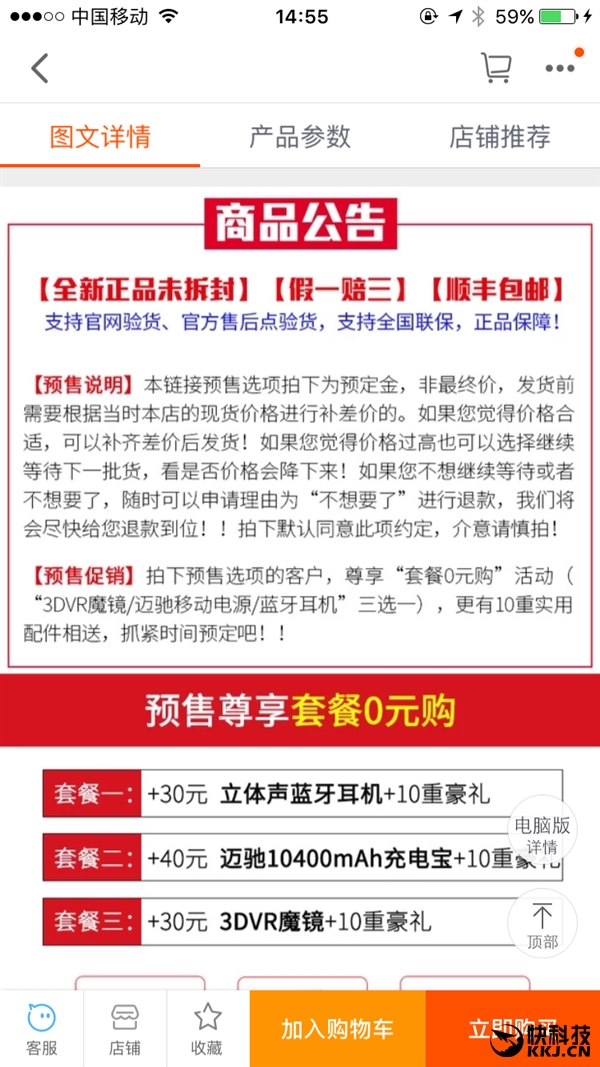
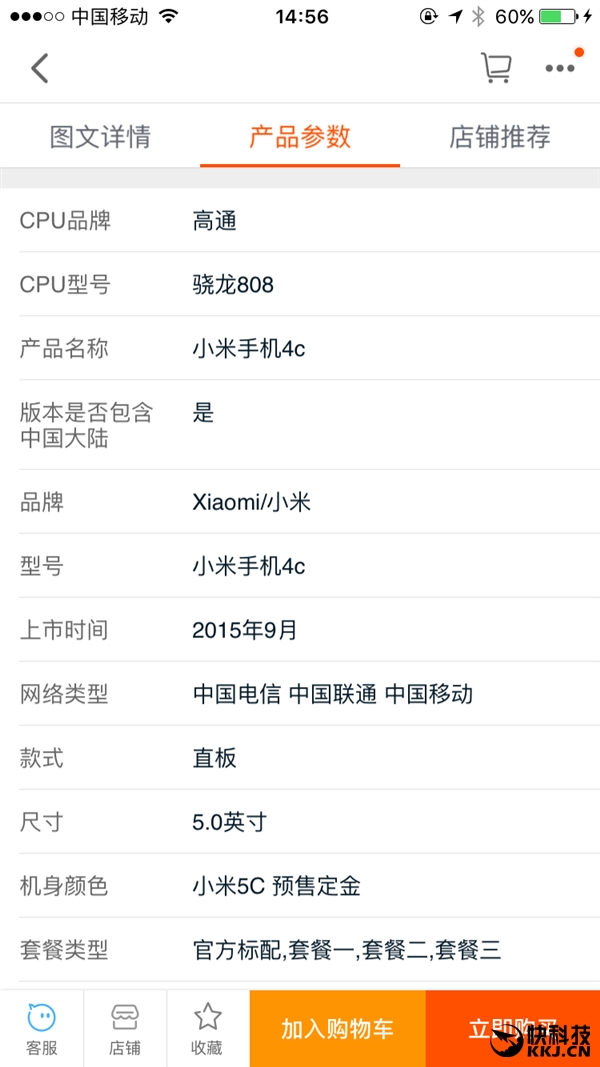
News about Xiaomi releasing a smaller version of its Mi 5 flagship, called the Mi 5c, have been circulating for a while. Latest report says that the Xiaomi phone code-named Meri is actually the Xiaomi Mi 5c. Surprisingly, online mall, Taobao, has already listed the phone on its site.
While it is not unusual for a retail site to list a phone before its official release, this still caught us unawares as phones that are usually listed before their release date are phones that are very popular and whose release are confirmed such as Samsung’s S series flagships, a Nexus or an iPhone.
The Xiaomi Mi 5c is listed on Taobao for 999 Yuan ($144) but they’ve also added that its a sale price and not the final price.
The page says the Mi 5C is also VR ready and you can decide to add a VR glasses (or a power bank or bluetooth headphones) to your order. One weird thing is that the specification page lists the specs of the Xiaomi Mi 4c and not the specs of the Mi 5c that have leaked. The processor is listed as a Snapdragon 808, the screen size as 5-inches, and the release date as September, 2015.
The Xiaomi Mi 5c on the other hand is expected to launch with a 5.5” display, Xiaomi’s in-house processor named ”Pinecone”, and the release date is still unknown. All these contradictions lead us to doubt the authenticity of the images. So until Xiaomi officially launches this phone, we’ll have to take this with a pinch of salt.
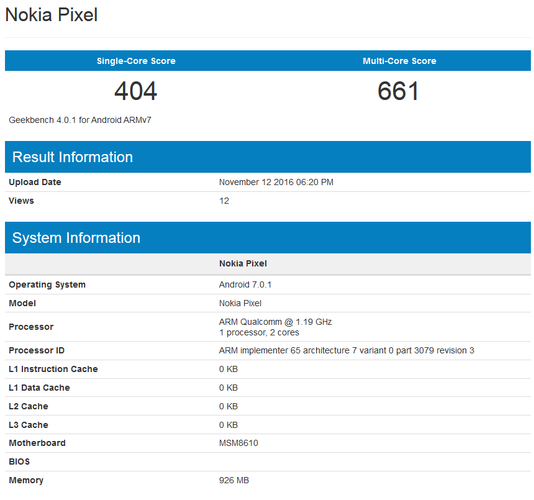
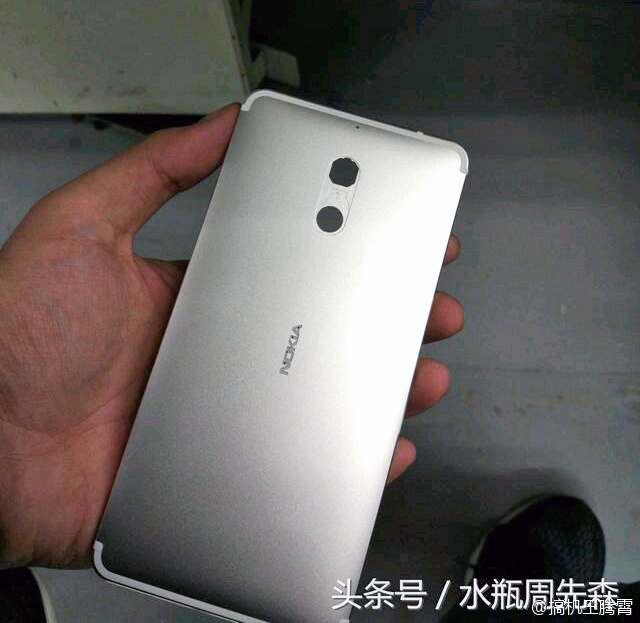
It is becoming obvious by the day that the return of smartphone legend Nokia into the Android market is imminent. The company was tipped to release a smartphone before the year runs out but that isn’t likely anymore. Even at that, a return in the first quarter of 2017 is possible and GeekBench may have given us an idea of what to expect from the Finnish company. A Nokia smartphone dubbed Nokia Pixel has been spotted on benchmark website GeekBench database, revealing some of its specs.
The Nokia Pixel doesn’t really tickle on the specs table as it is listed as sporting a Snapdragon 200 chip under its hood which is a Dual-core CPU clocked at 1.19GHz. There is also an Adreno 302 GPU and just 1GB of RAM onboard. The device has Android 7.0 Nougat pre-installed inside despite the low-level spec listed.
The device can be nothing but an entry level smartphone because the benchmark results also didn’t fly. The Nokia Pixel posted a score of 404 points on the single-core test and 661 points on the multi-core test. Apart from these, not much is revealed about the Nokia Pixel which would likely not bear the same name when launched.
This comes just when the dust generated by the Nokia D1C was dying down. The D1C made the rounds on benchmark, appearing on AnTuTu, Geekbench but then the device took a new twist when it appeared on GFXBench placing a 13.8-inch tablet specs on the device. We’ll just have to wait for more leaks to surface about the expected Nokia products which would likely be more than one.
Recently the internet went agog with news of a trimmed down version of the elegant and large Xiaomi Mi Mix and the device was said to go by the name Xiaomi Mi Mix Nano. Seems that is just an unfounded rumor as Xiaomi marketing director has debunked the rumor via a Weibo post that seems to have been deleted now.
The Xiaomi Mi Mix Nano got us really excited because it only meant that those who can’t afford the high-end, premium concept Mi mix could go for the smaller version. Besides, a smaller size meant the device would be easily to carry around more easily. Several alleged renders of the device were even leaked but they were not clear enough to make out the details of the device.
According to the leak, the Xiaomi Mi Mix Nano goes by the code-name “Nano” and sports a smaller 5.5-inch display when compared to the 6.44-inch Mi Mix. The Mi Mix Nano is also rumored to come equipped with Qualcomm Snapdragon 821 processor which implies there is an Adreno 503 GPU onboard in addition to a Quad-core CPU. In addition, the Mini device is said to pack a modest 4GB RAM as well as 64GB of storage inside it.
All these seem to have gone with the winds now, if the statement by @ Zang Zhiyuan, Xiaomi’s marketing director is anything to go by. The Xiaomi Exec alleged that Nano is just the handwork of another brand using “low level trick” to promote their device. Well, we would have swallowed the statement hook line and sinker if not that the post seems to have been pulled down from his Weibo account. Perhaps the statement was incorrect, just perhaps. So we’ll still wait for the last word on this from Xiaomi.
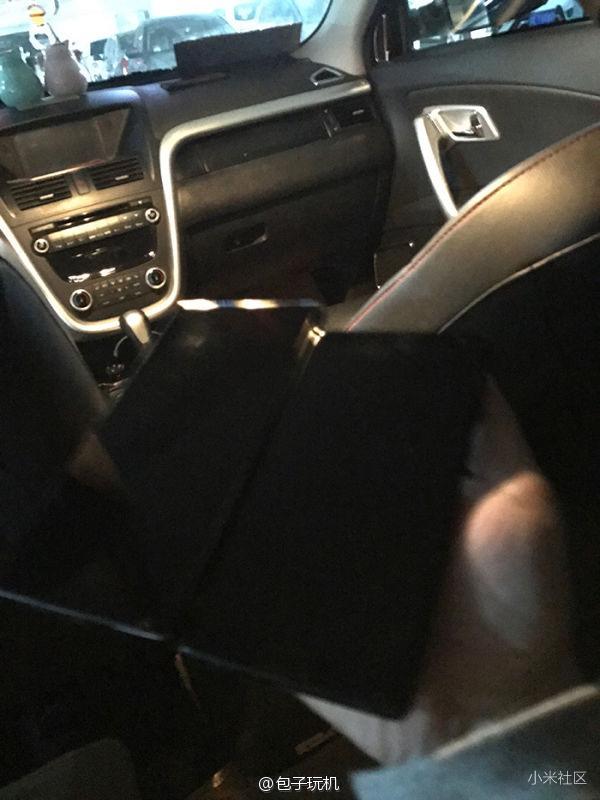
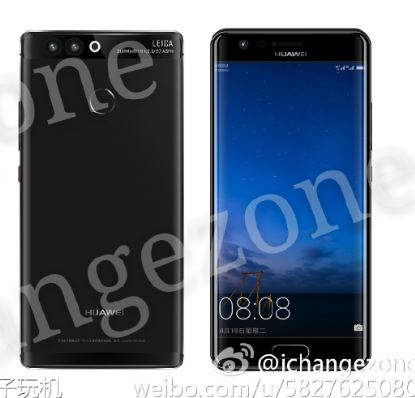
A couple of renders of the Huawei P10 flagship has again featured in a fresh leak revealing some details about the design features. The P10 isn’t expected till early next year but that hasn’t stopped leaks about the device from coming out. The latest renders reveal the likelihood of a straight screen and curved screen version on the device that might likely be named Huawei P10 and P10 Plus.
The renders show that the P10, just like the Huawei Mate 9, would come with an hyperboloid or curved screen version which in appearance isn’t looking very different from the Samsung Galaxy S7 Edge. The device would also have a flat screen version whose render is also leaked and shows the device as not having a home key button.
However, the curved screen version seems to pack more spectacular features on the design of its front and back. Apart from the curved display, there is a front capacitive home key button, oblong in shape and lying just beneath the display. Remember the P10 is rumored to likely feature same underglass ultrasonic fingerprint sensor found on the Xiaomi Mi 5S. But in a curious twist, the leaked renders also reveal the presence of a rear fingerprint sensor that is round in shape.
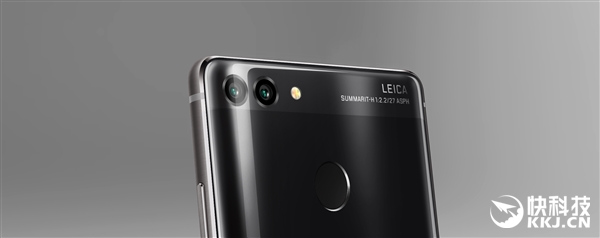
The dual Leica rear camera can be seen aligned in a horizontal plane and having a round shaped LED flash just by their side. Apart from that, the Huawei P10 is likely to come with a more attractive body than the beautiful Huawei P9. The leaked renders suggests the device would feature a glossy glass body on the back as well as its dual tone LED flash having a round shape.
In the specs arena, the Huawei P10 is tipped to feature a 5.5-inch 2K display and will be powered by a Kirin 960 chip supported by a 4GB / 6GB RAM. The device is rumored to have seen some improvements in its cameras from the P9 which would improve its performance in low light conditions.
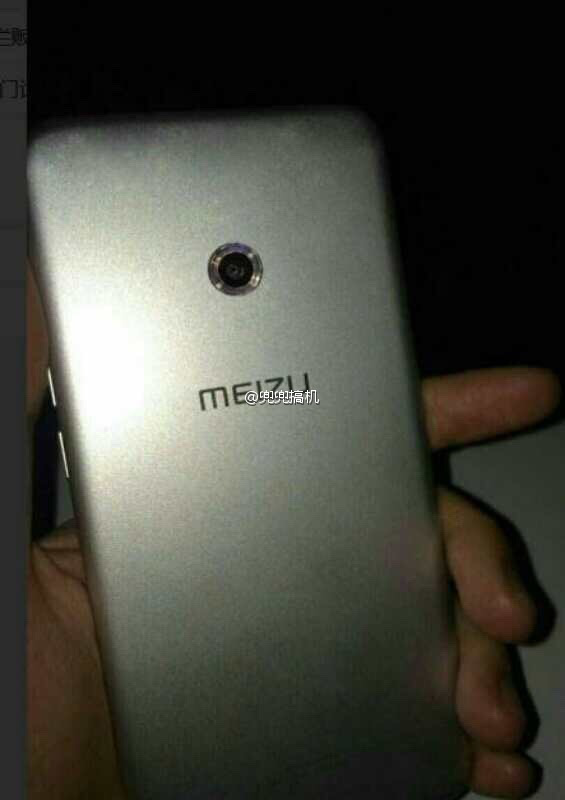
Meizu X came out of the blues recently and we almost forgot a Pro 7 flagship is being expected from Meizu. Now, new images of the Meizu Pro 7 have popped up online reminding us of the device and revealing the possibility of the device launching alongside the Meizu X on November 30.
The Meizu Pro 7 is said to feature a curved display and that is likely to be on one version of the device because earlier rumor also hint at the existence of a flat screen version. We had earlier seen renders of the curved display but these renders also show the device from the back view. The Meizu Pro 7 features a unique ring flash at the rear, circling round the 12MP rear camera.
The Pro 7 is also rumored as coming in two versions with one sporting a 4GB RAM + 32GB ROM as well as a high-end versiom with 6GB RAM + 64GB of storage. There is a large 3,500mAh inside the device said to feature wireless charging.
The Meizu X is confirmed to launch on November 30 just as it is almost confirmed to pack a Helio P20 chip as well as run on Flyme 6.0 OS. Perhaps Meizu will confirm via another teaser, the launch of the Pro 7 or the X may even just be the Pro 7. We can’t be so sure about that, so we’ll wait till then.
By now everyone must have read about LeEco’s financial woes. Rumours going round presently are saying the company is having issues with unpaid contractors. Some of those contractors are chip makers, Qualcomm and Mediatek.
The source has said that LeEco’s inability to pay outstanding debts to both companies have led to a suspension of orders for Qualcomm’s Snapdragon 625 chip and Mediatek’s Helio P20 processor.
According to the source, Mediatek’s decision not to supply the Helio P20 processor has deprived LeEco of being the first manufacturer to release a phone sporting the new chip.
An insider at LeEco has however responded to the rumours, saying they have no issues with any of the chip makers and their relationships are not strained in any way. The source also said that they do not plan to launch any phone with a Snapdragon 625 chip neither do they have any Helio P20 device in the pipeline.
In addition to the above, the source mentions that LeEco’s sales have reached 17 million units and they expect it to reach 20 million possibly before the year runs out.
Many of us have must have noticed the ratings on SD cards which lets us know the class of the card and an idea of its read and write speeds. It appears that won’t be the only classification on SD cards as the SD Association has come up with another rating.
The new rating called Application Performance Class Specification is a part of SD Specification 5.1 and it allows us to know which cards are best suited for running apps. In addition, cards bearing the rating will probably perform better when you use them as adoptable storage in phones running Android Marshmallow and later.
When Google released Android 6.0 Marshmallow last year, they included a feature that lets you add your SD card to your phone’s internal storage instead of as a separate storage. And since you’ll most likely install apps on the added storage, then a SD card that has the new rating will function better.
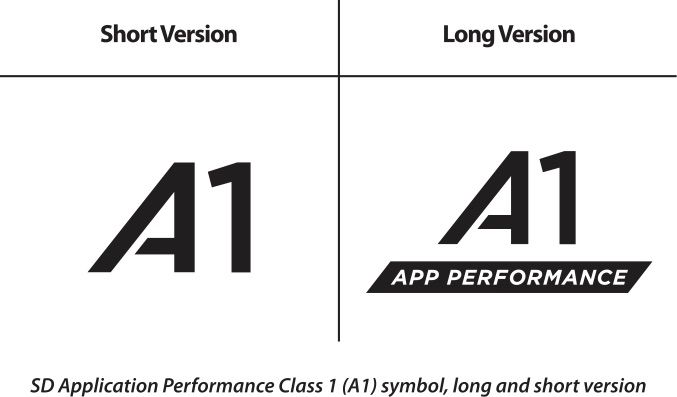
A SD card with the new rating will have the symbol ”A1” which indicates its app performance rating. So once you see it on a SD card it means it meets or exceeds standards such as Random Read Input-Output (IOPS) of 1500 per second, Write IOPS of 500 per second, and sustained sequential performance of 10MB per second.
There is also a chance that the new symbol will make it to phones and tablets just so you know that not only your card meets up to run apps efficiently but your device as well.
Japan Display Incorporated (JDI) is one of the big names in display manufacturing. The last we heard from the company was that they had unveiled a dual-panel foldable display. However, it seems they have been working on other projects as news has it that they just announced a dedicated VR display.
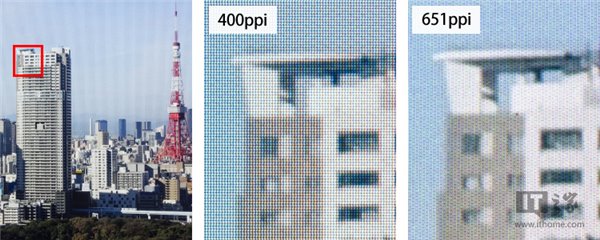
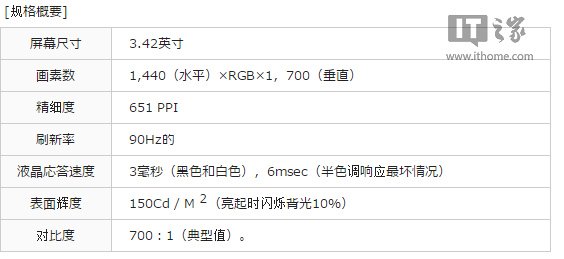
The LTPS TFT-LCD display has a screen size of 3.42-inches with a pixel density of 651ppi and will be used in VR glasses. It will solve the grainy image issue plaguing current VR display and the fact that it uses Low Temperature Polycrystalline Silicon Thin Film Transistor Technology allows it to have such a high resolution.
The display also has a high refresh rate of 90Hz and a liquid crystal response speed of just 3ms. It also has an improved animation mode which results in clearer images.
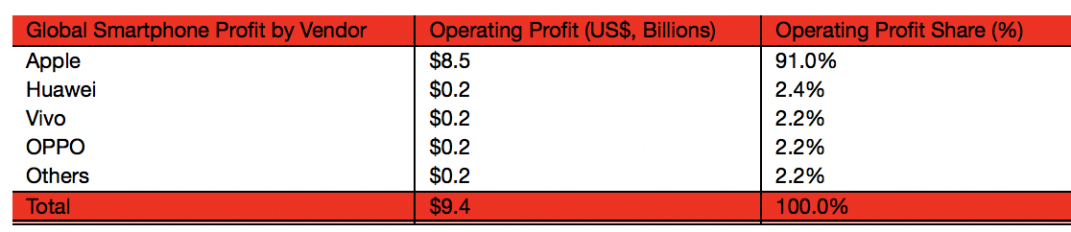
Sales and marketing consulting company, Strategy Analytics, released its report for the overall profits made in the smartphone industry last quarter, and Chinese giant, Huawei leads the pack of android manufacturers.
Although Huawei secured 2.4% of the total $9.4 billion the industry recorded, it is still a far cry from the top earner, Apple. The iPhone maker accounted for a whooping 91% of the profits making it the most profitable phone manufacturer for Q3 2016. We are sure investors in the Cupertino-based company are really happy about the figures.
Apple was able to record such high profits due to their strategy of minimizing production costs and maximizing pricing.
Huawei’s $200 million pales in comparison to Apple’s $8.5 billion but they have done well to emerge at the top of android manufacturers. Executive Director at Strategy Analytics, Neil Mawston, says Huawei was able to achieve this because of their efficient supply chain, sleek products, and effective marketing.
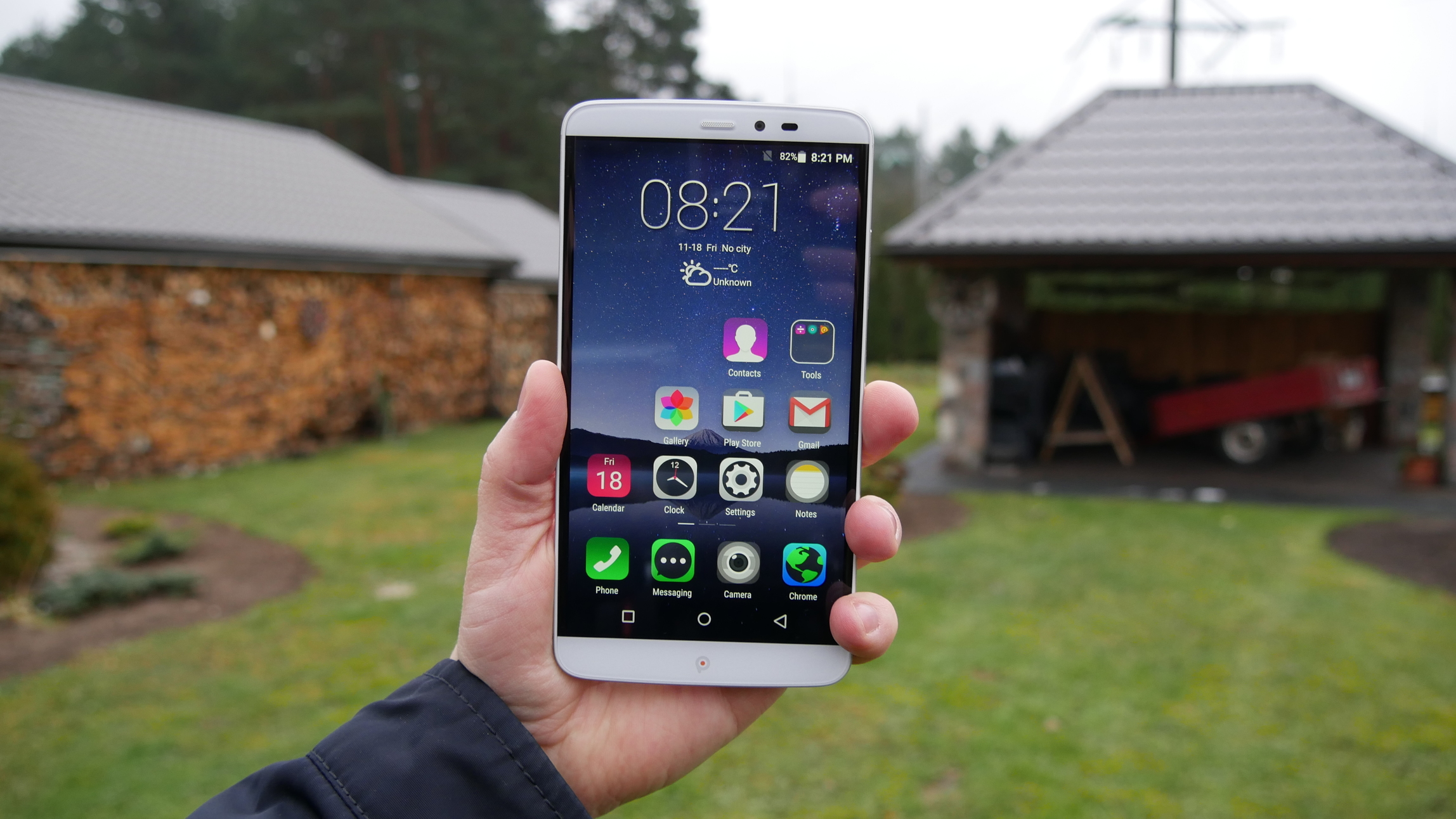
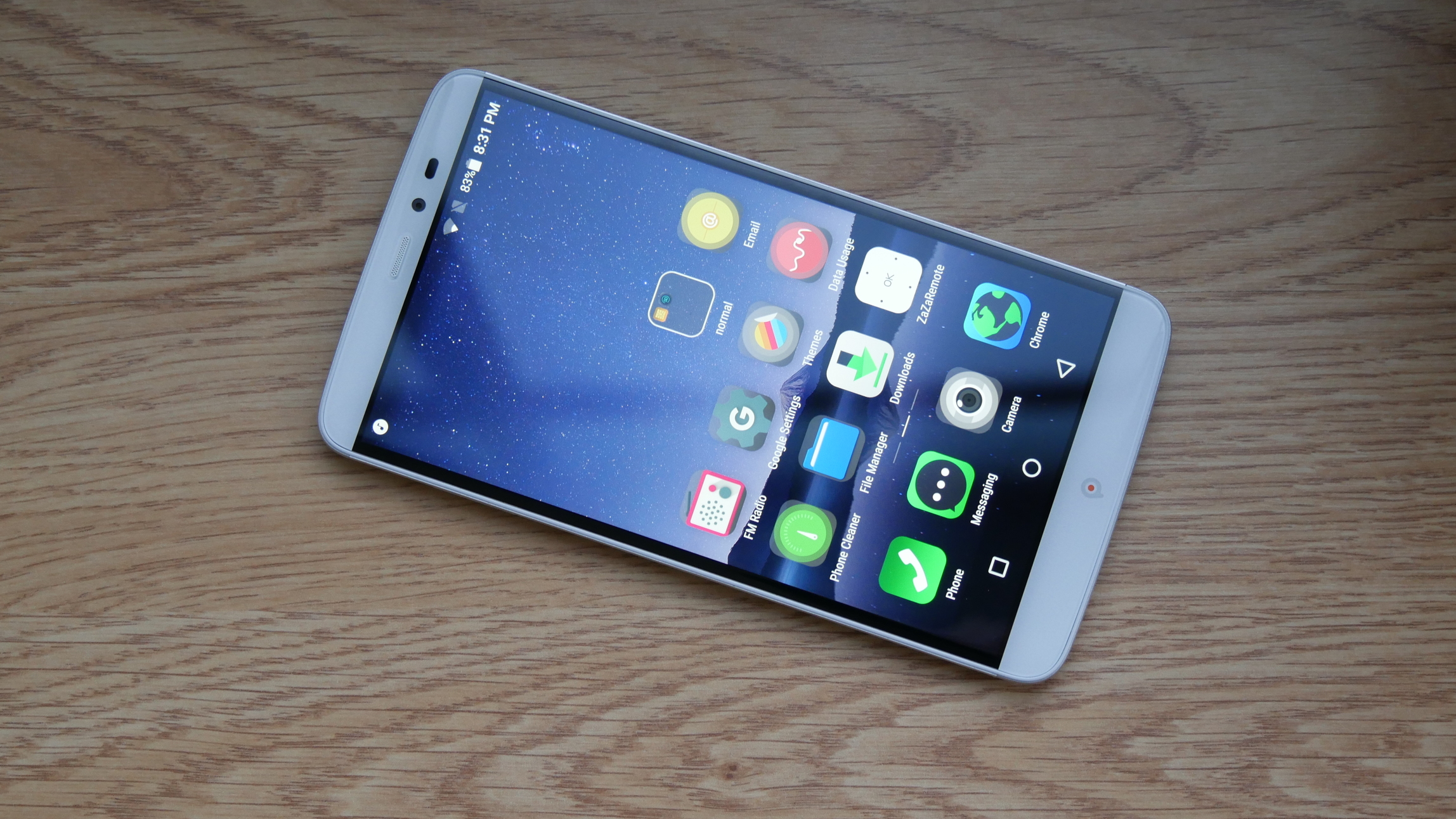
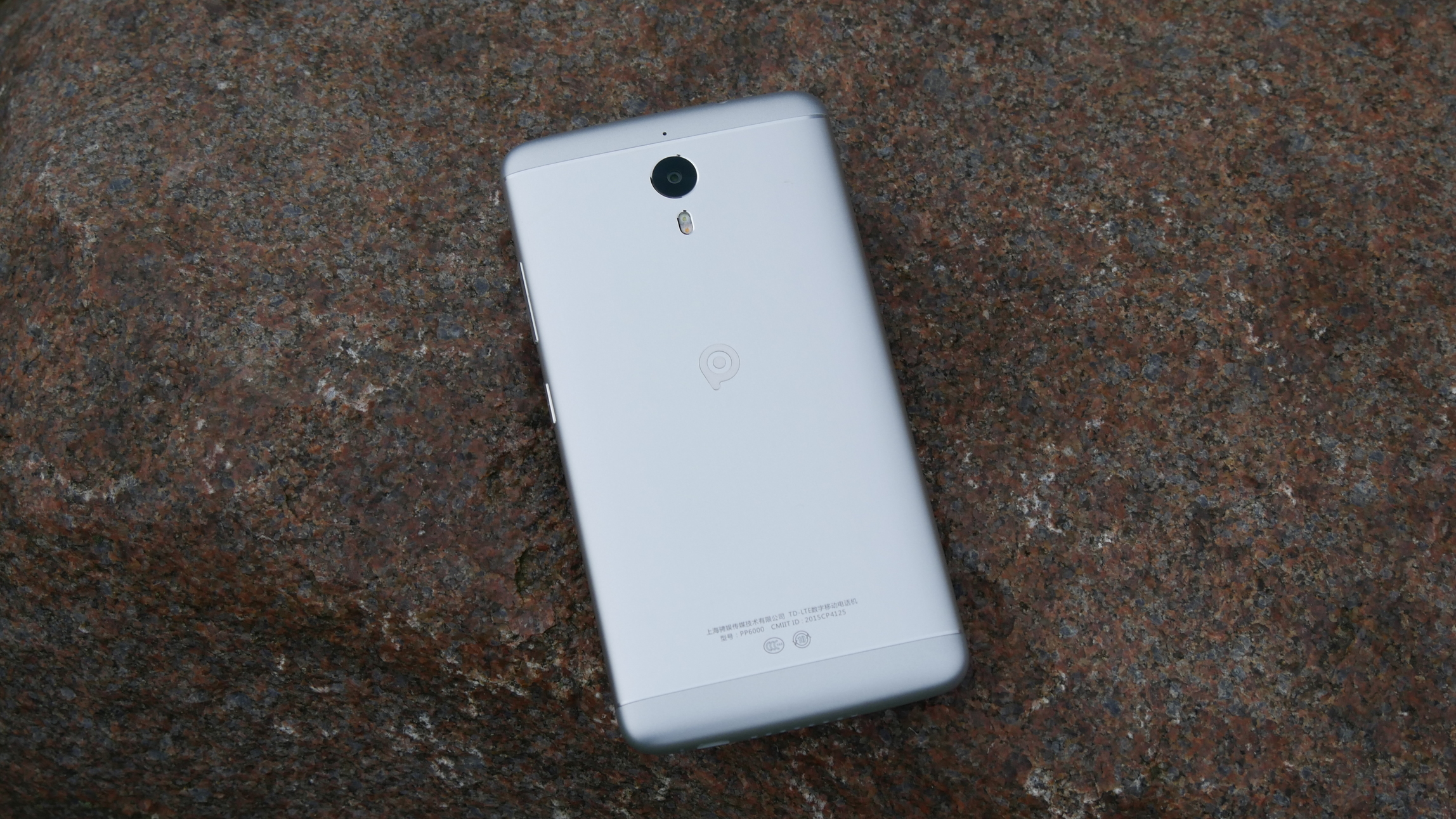
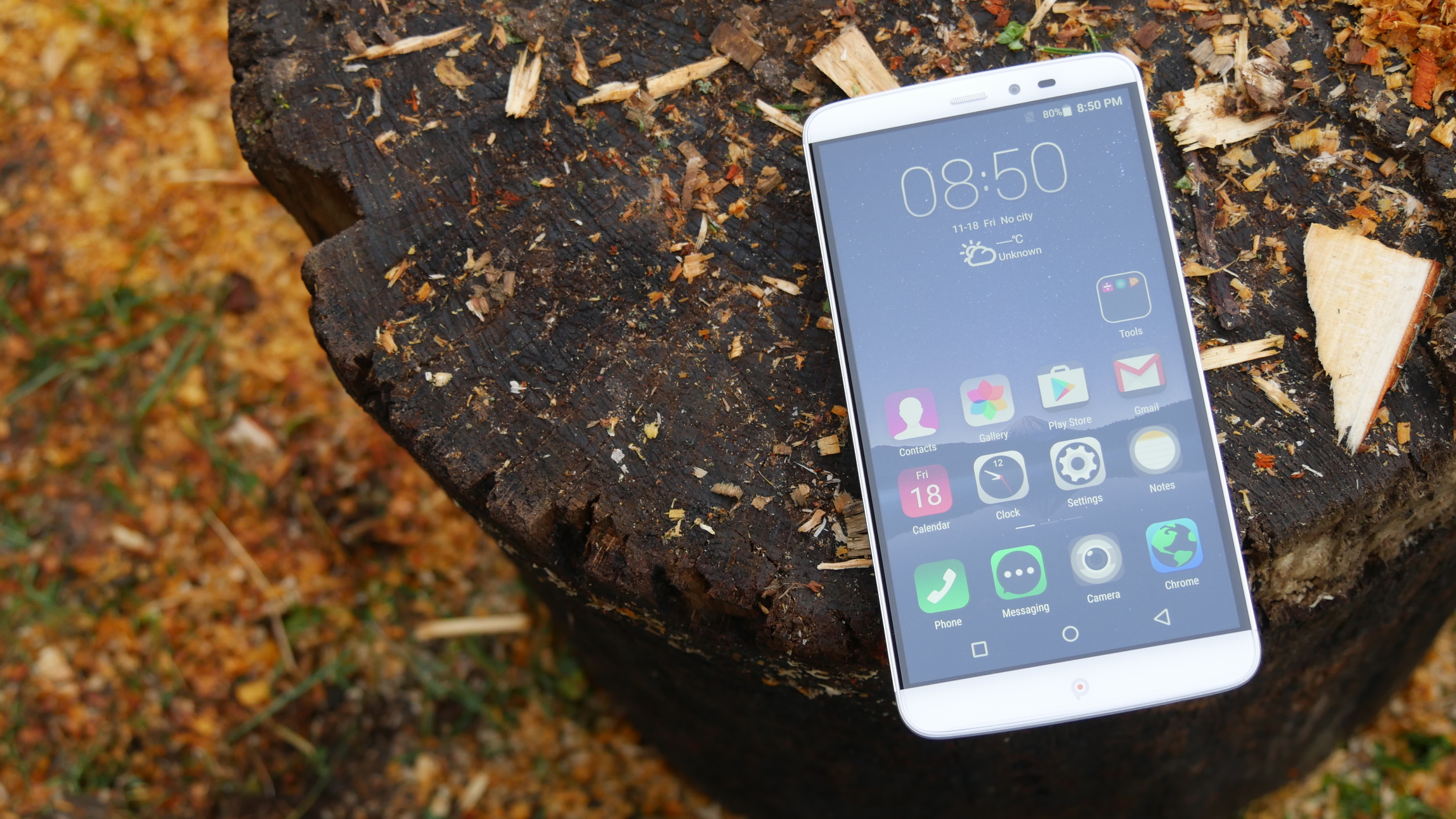
You know, I’ve reviewed quite a few smartphones over the time but some of the devices keep astonishing me. I just came across the unknown and unheard 6” all-metal phone that is called PPTV King 7. It not only looks great but it is powerful and it costs just $130. Learn more in our full review.
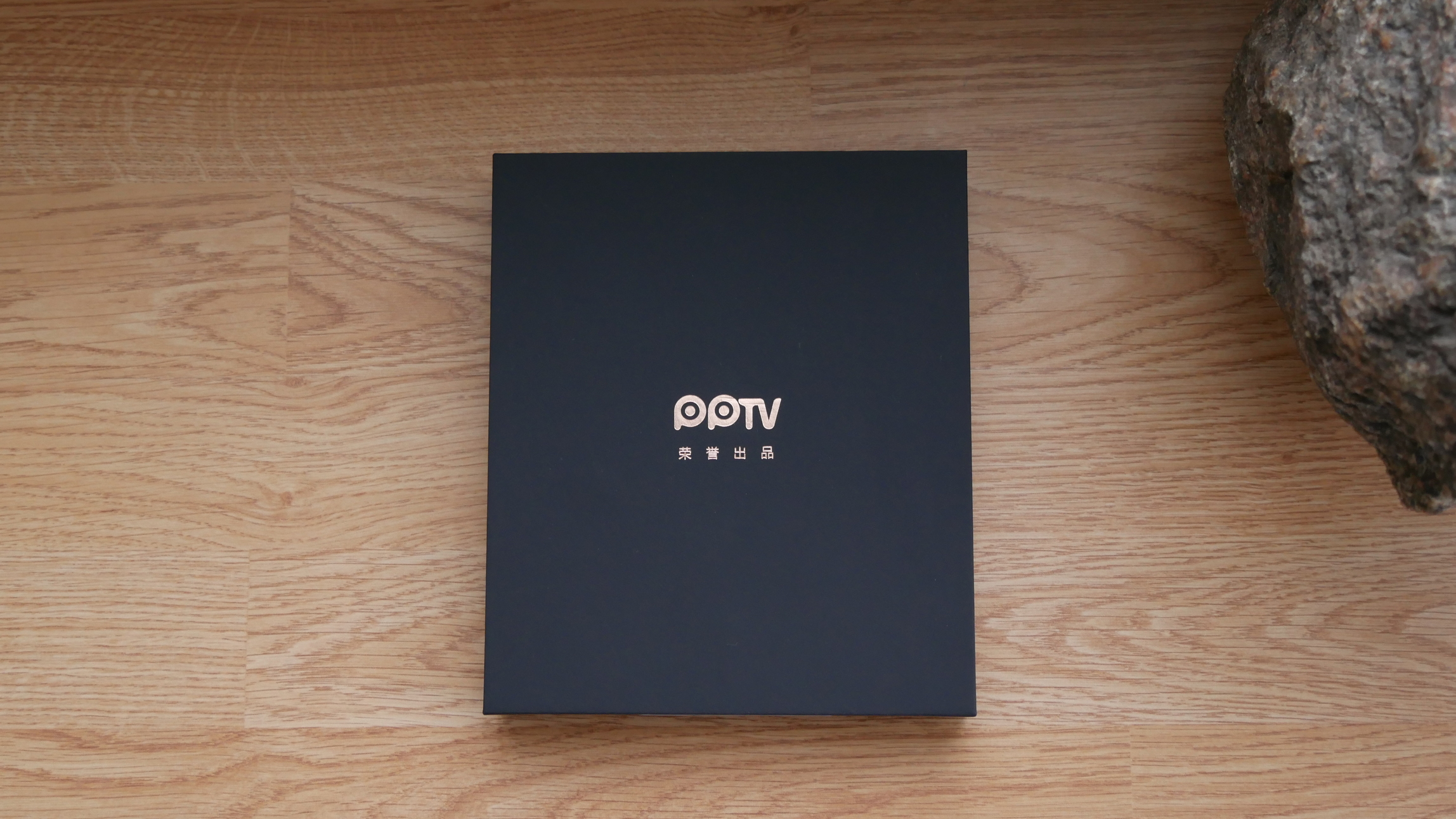
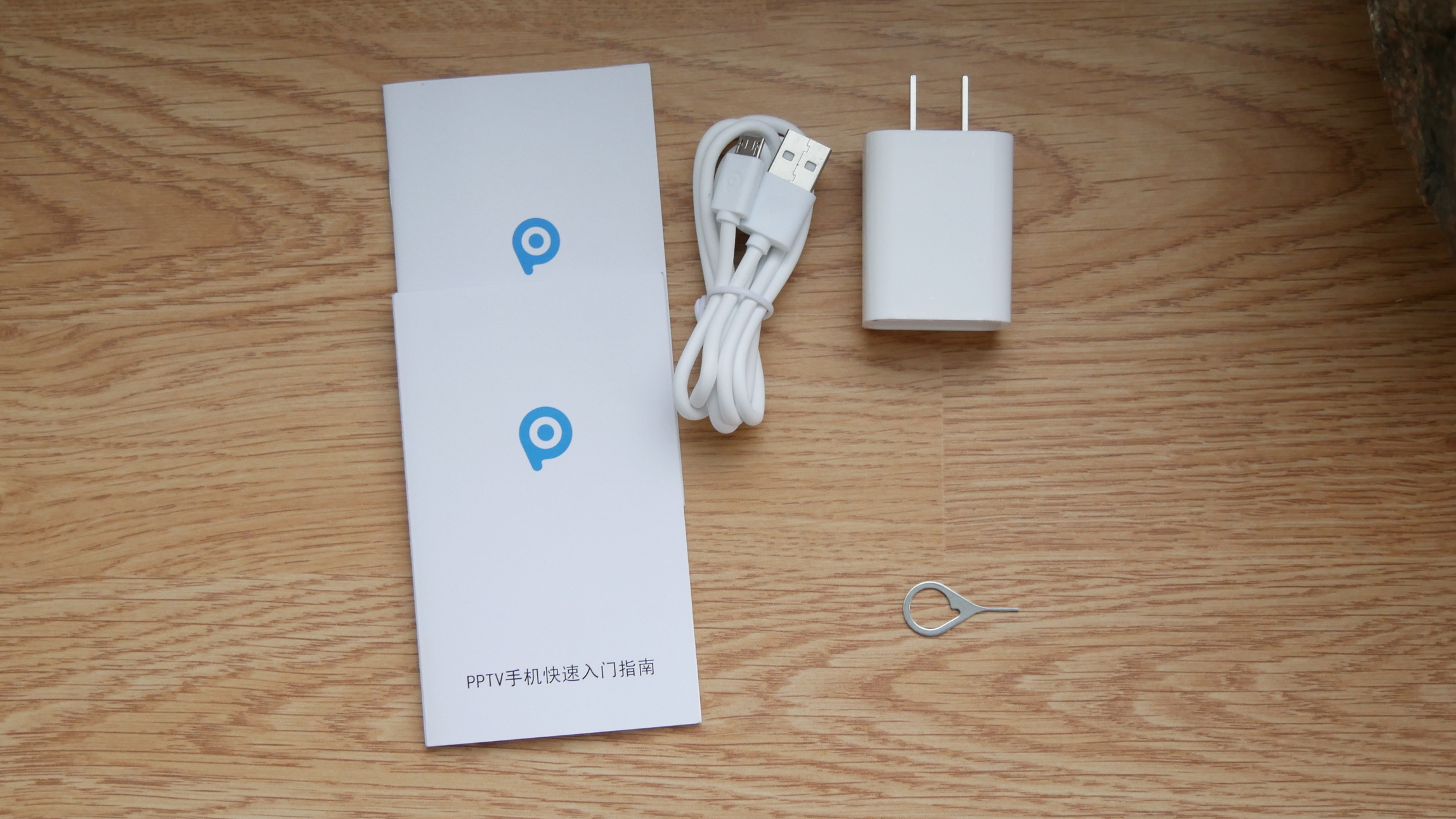
The phone ships in a premium box where all the items are packed neatly but there are no extras included.
PPTV King 7 Review: DESIGN
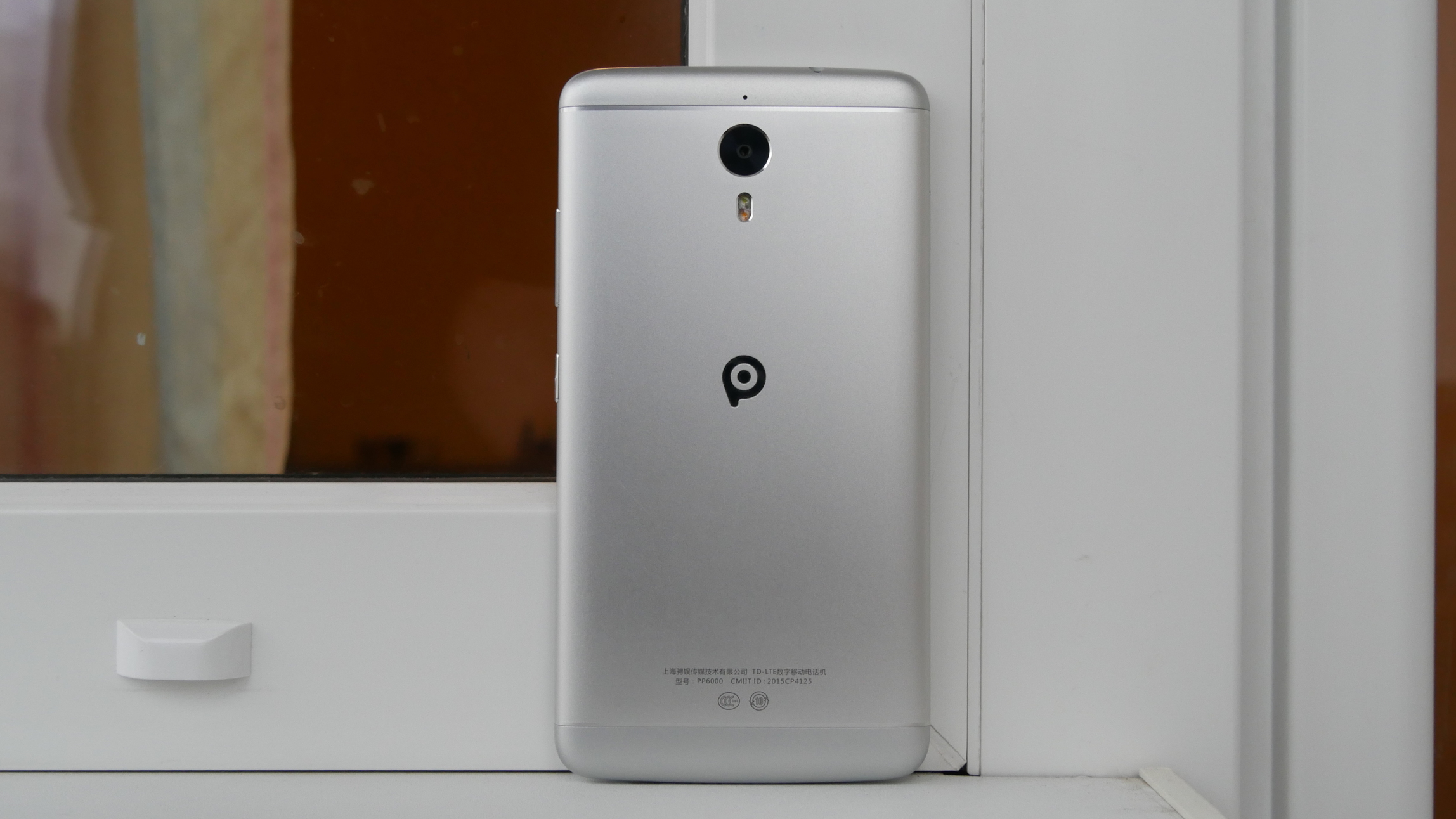
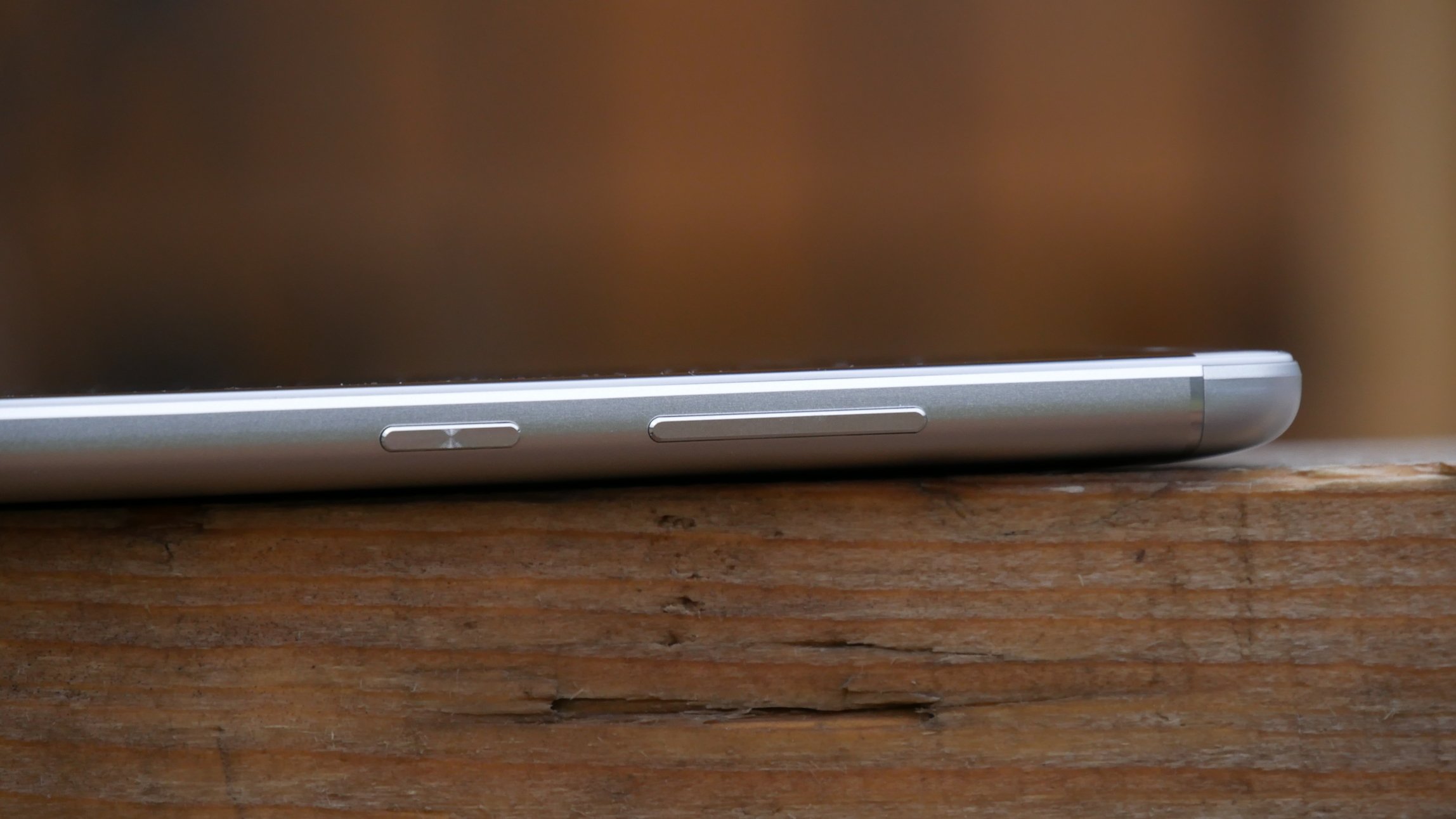
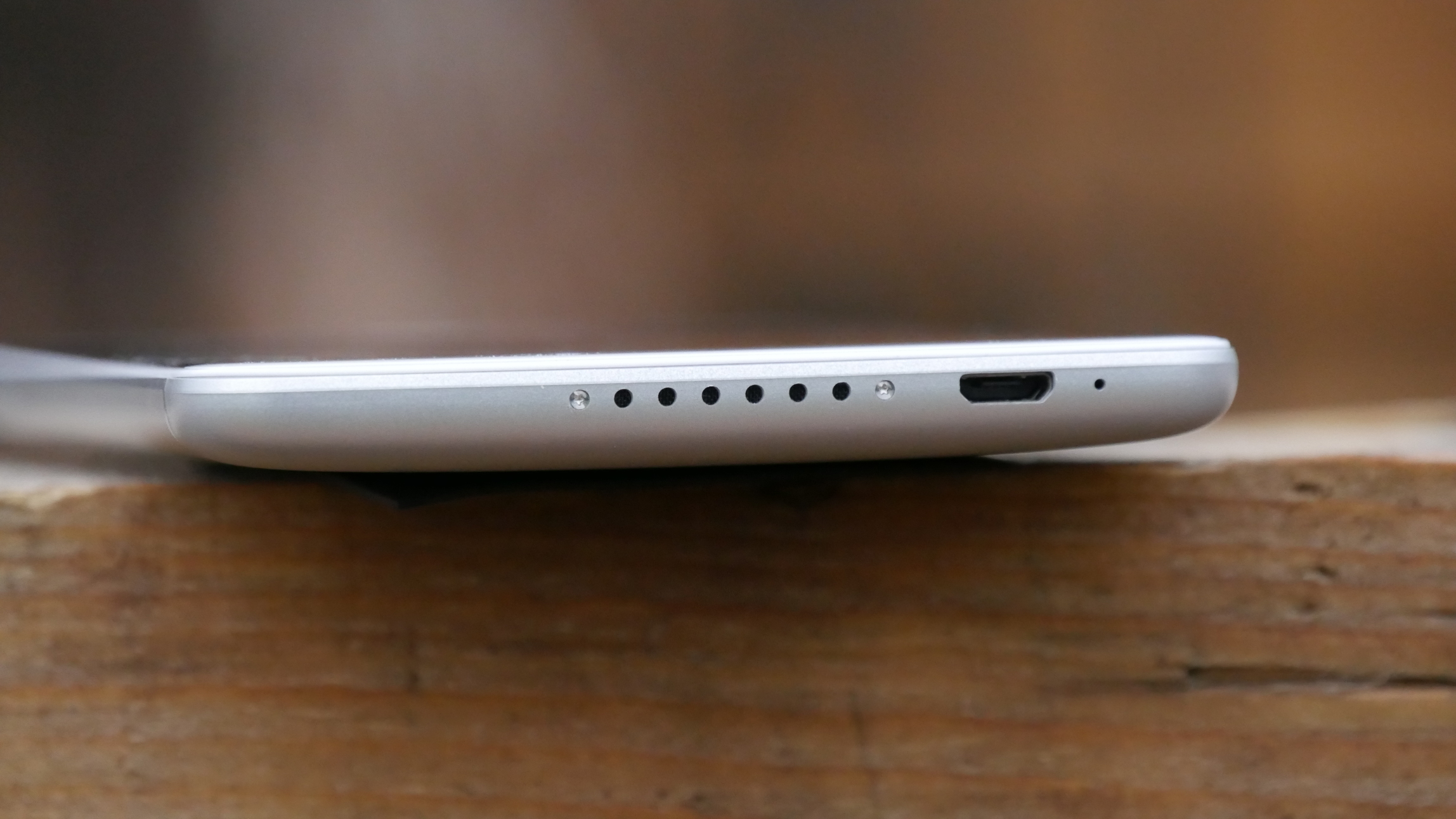
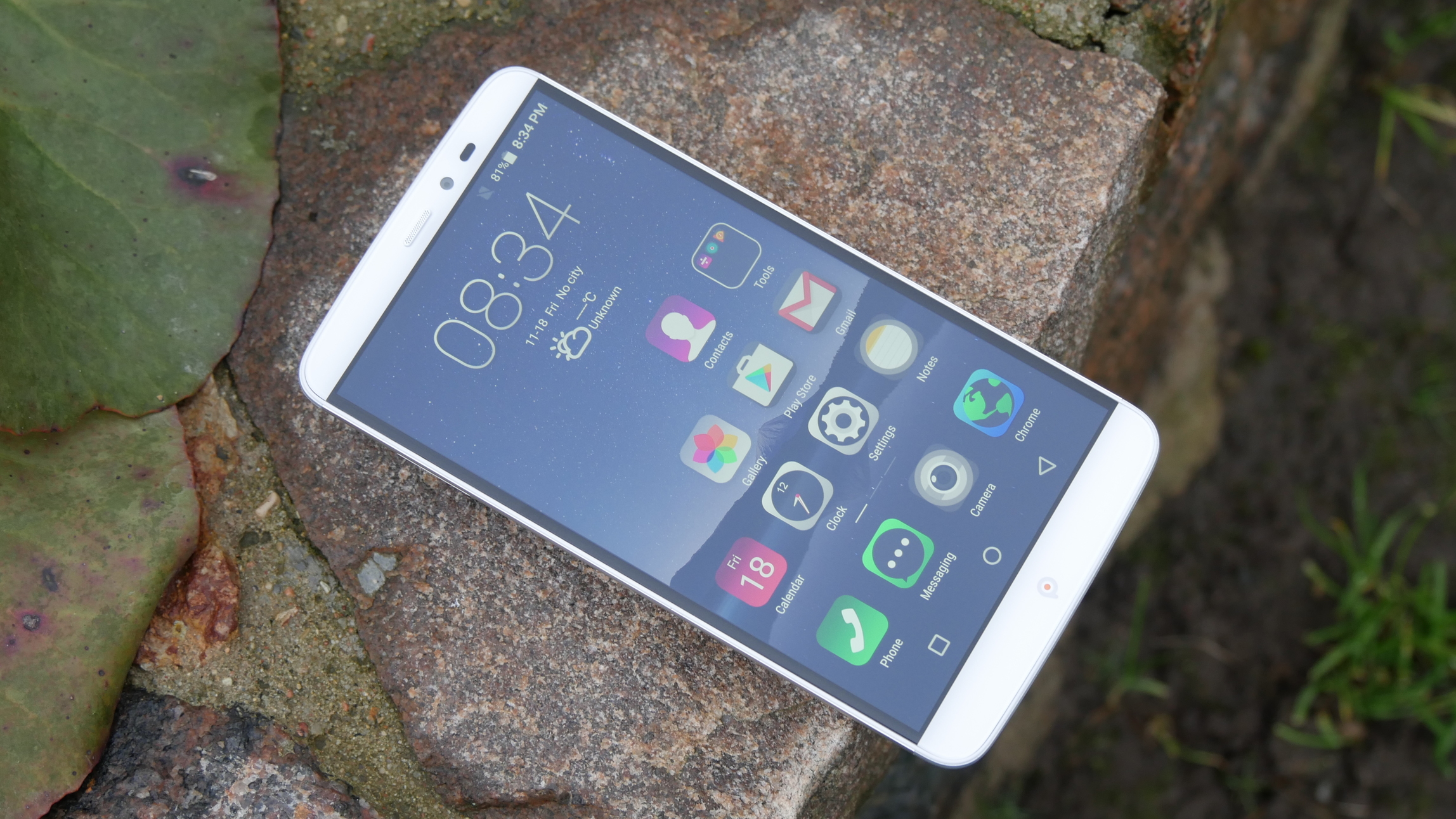
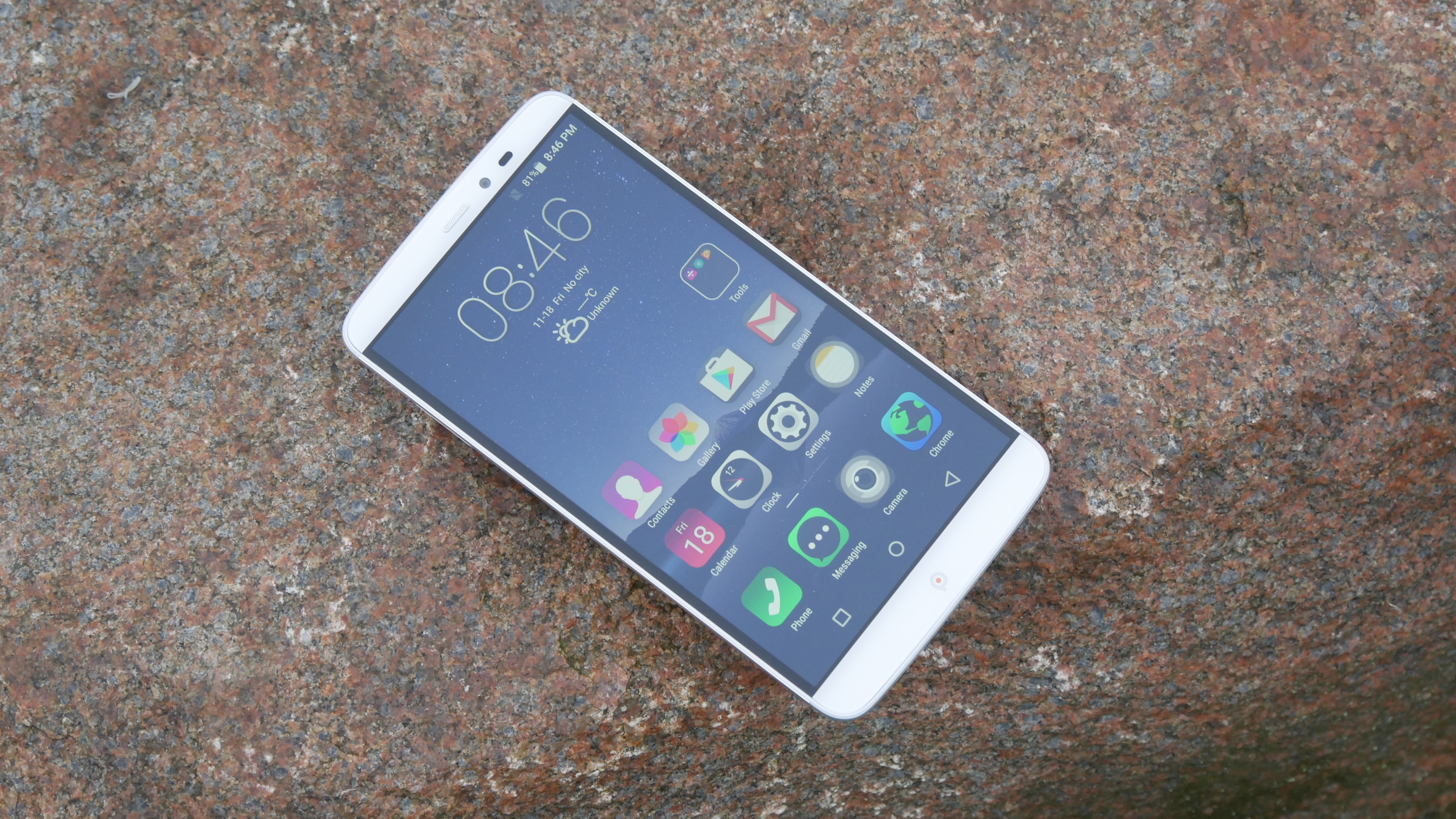
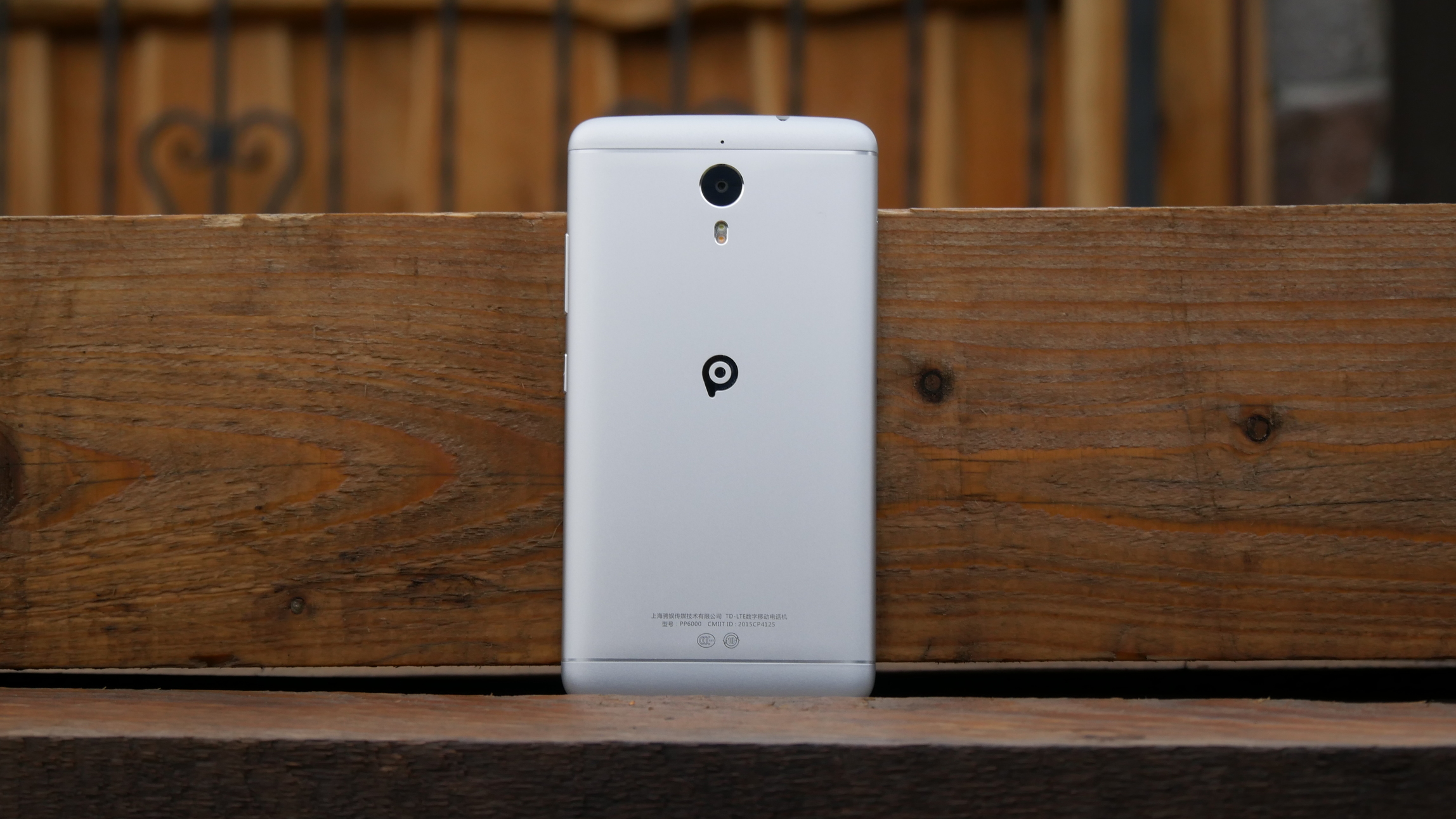
The King 7 is a truly premium-looking device since it is made almost entirely of metal (except for the top and bottom parts for antennas), the metal buttons are tactile, and they do not rattle, and finally, the phone sits nicely in the hand.
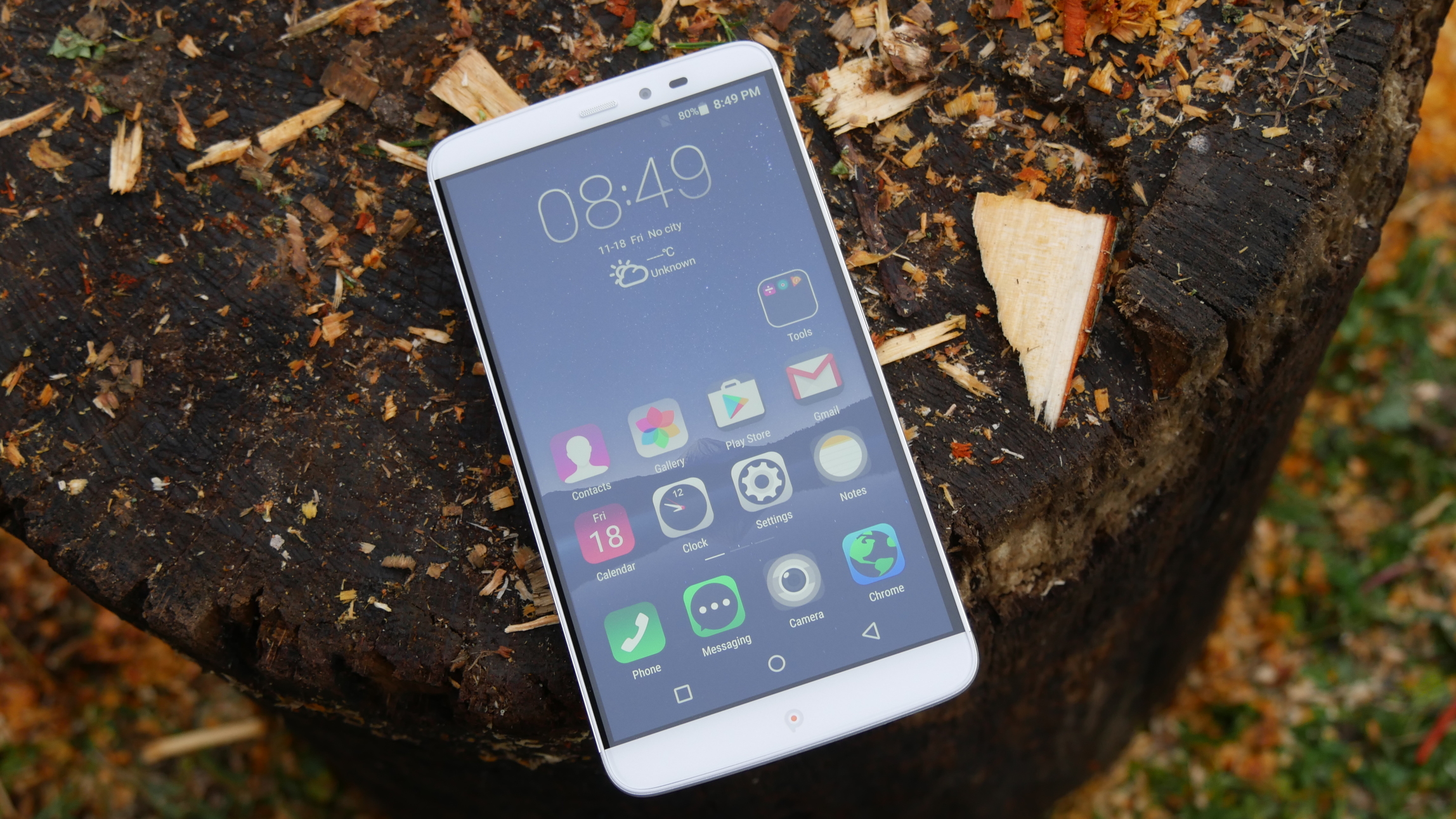
The phone is huge due to its 6” display, which has 2K resolution and it is definitely one of the best panels you can’t find on any device in this price range. I know that many people complain about the black bezels around the display but I’m okay with that. Well, you can’t have it all at this price point.
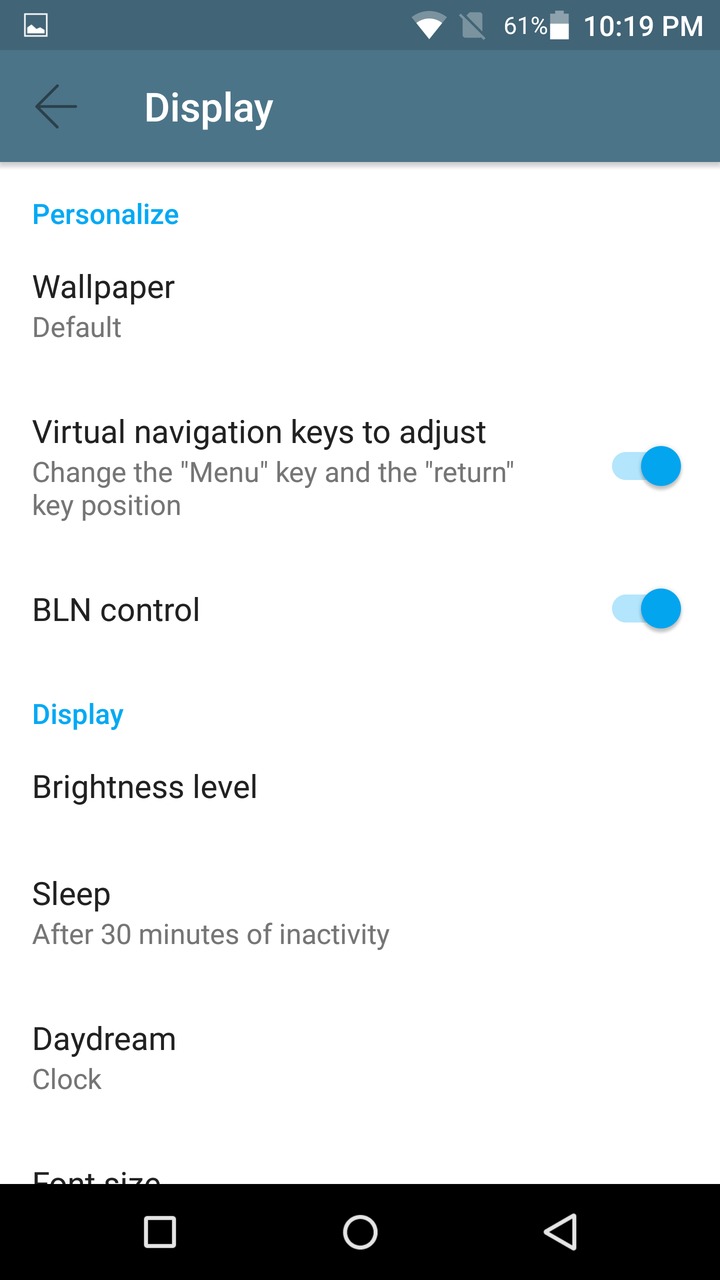
We have an 8MP camera and a nice pulsing notification LED light on the front. I don’t like the fact that there are only the on-screen navigation keys but at least you can switch the position of them.
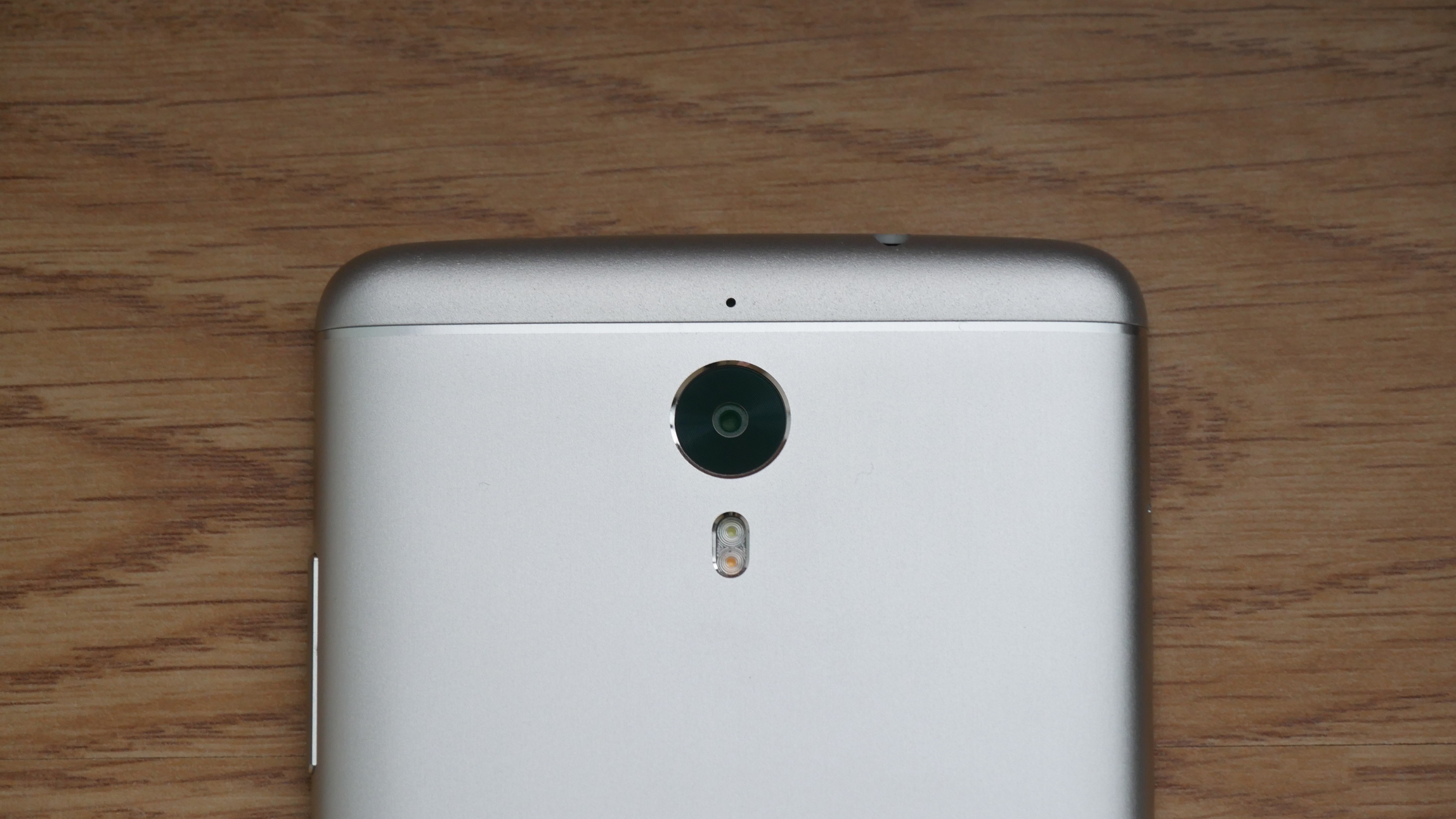
As for the main camera, we have a 13MP shooter that is coupled with a dual-tone dual LED flash.
When it comes to audio, the loudspeaker is easily one of the best in this price range.
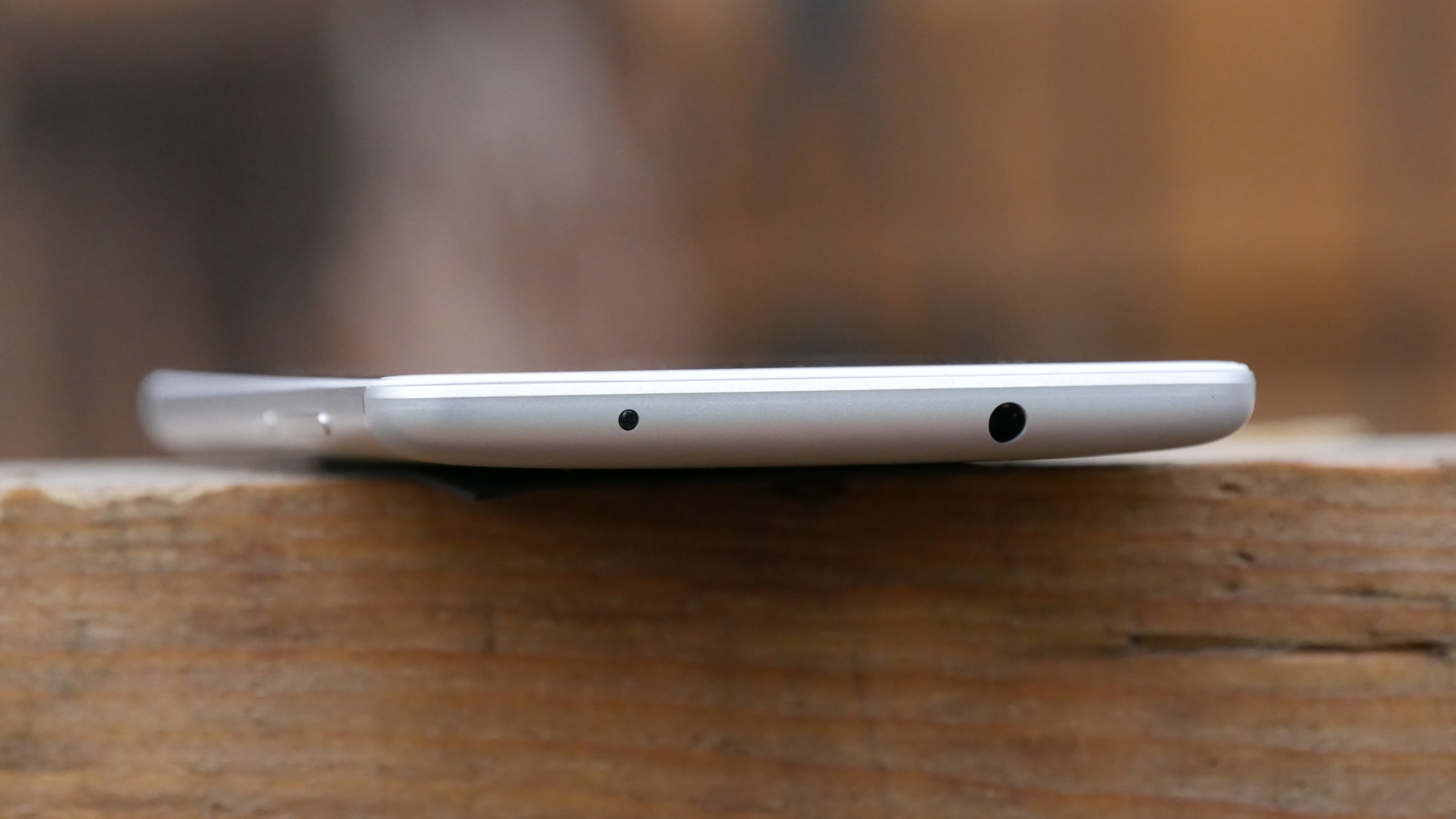
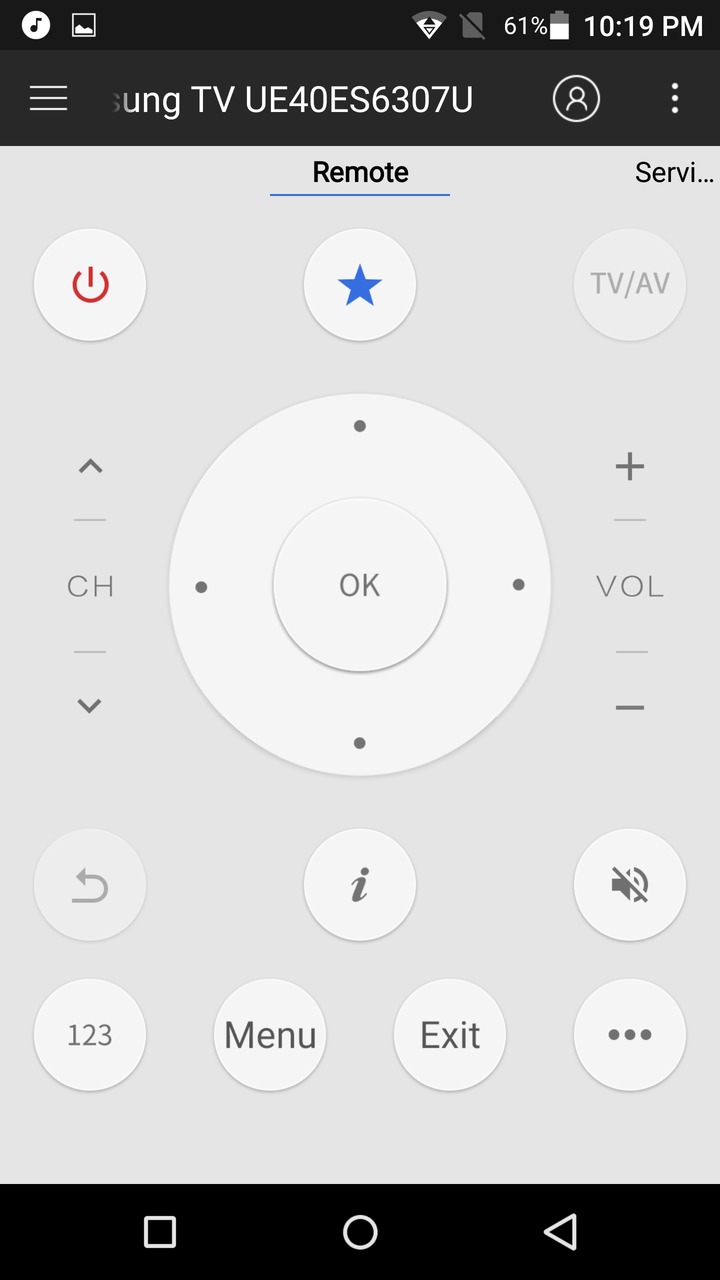
Also, the sound quality via earphones is just great since the PPTV phone has a built-in Hi-Fi audio chip. Finally, the top-mounted IR blaster works just fine with my Samsung TV.
PPTV King 7 Review: HARDWARE and PERFORMANCE
When it comes to the specs, the King 7 is a little outdated but it is still plenty powerful for such a low price.
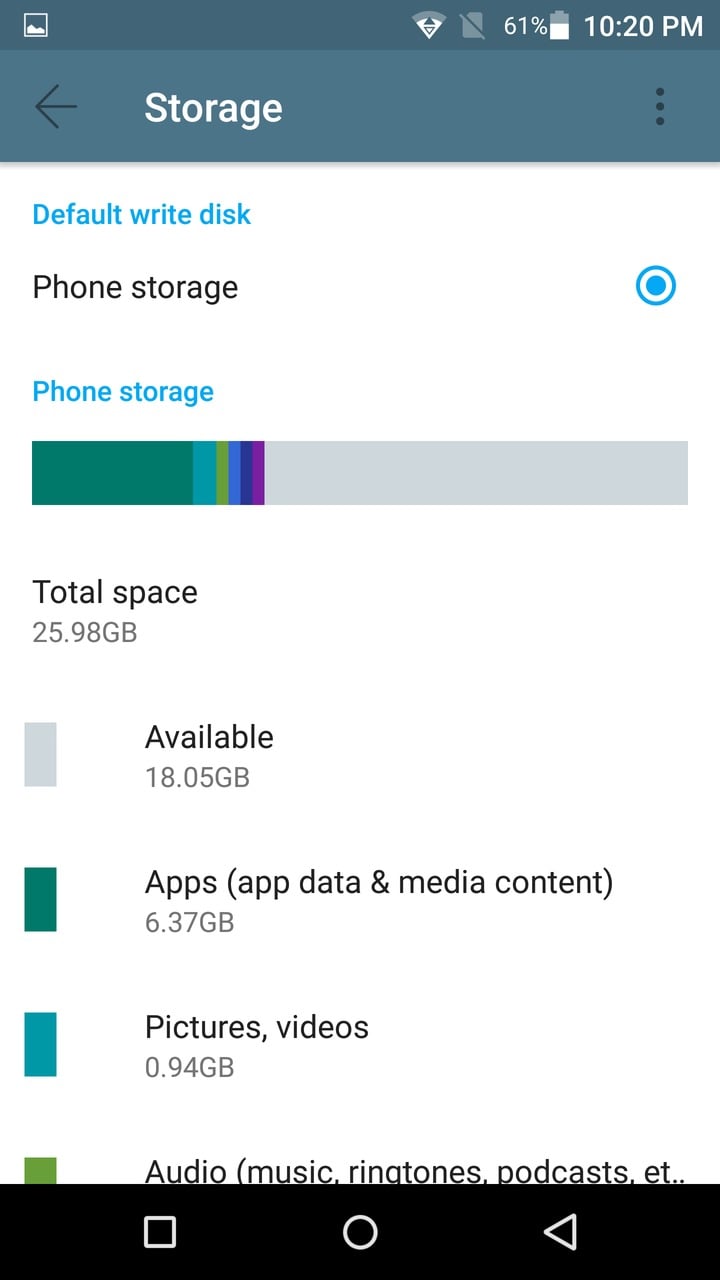
The phone ships with the Helio X10 chip, 3GB of RAM and 32GB of storage, which can be further expanded via the microSD card slot.
The 3D gaming experience is pretty good. Although you may see some skipped frames on the highest graphics in some games but switching graphics to medium solves the issue.
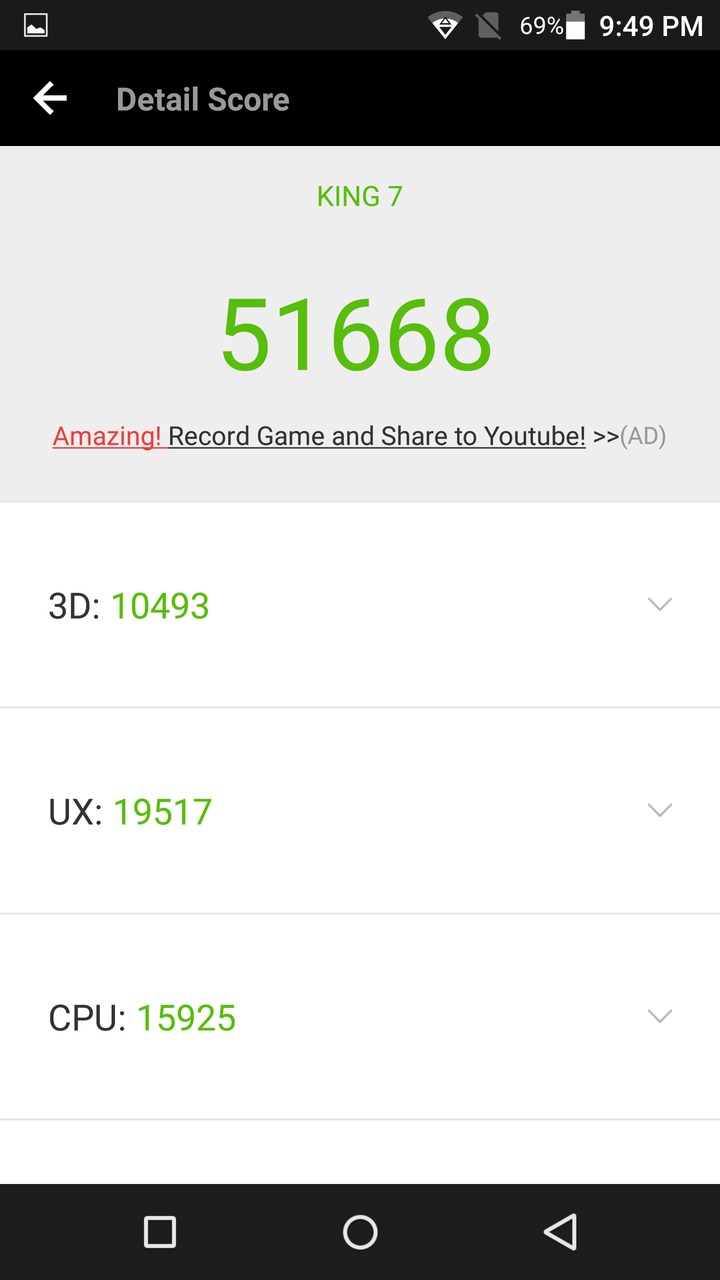
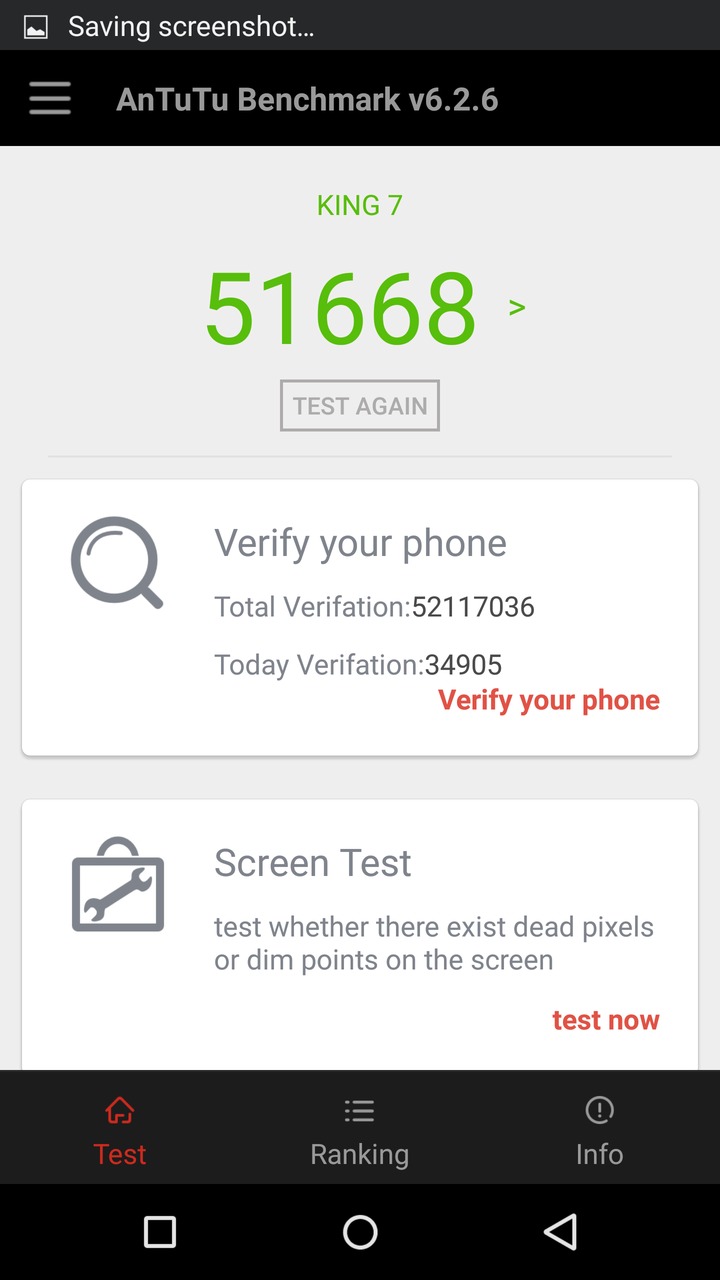
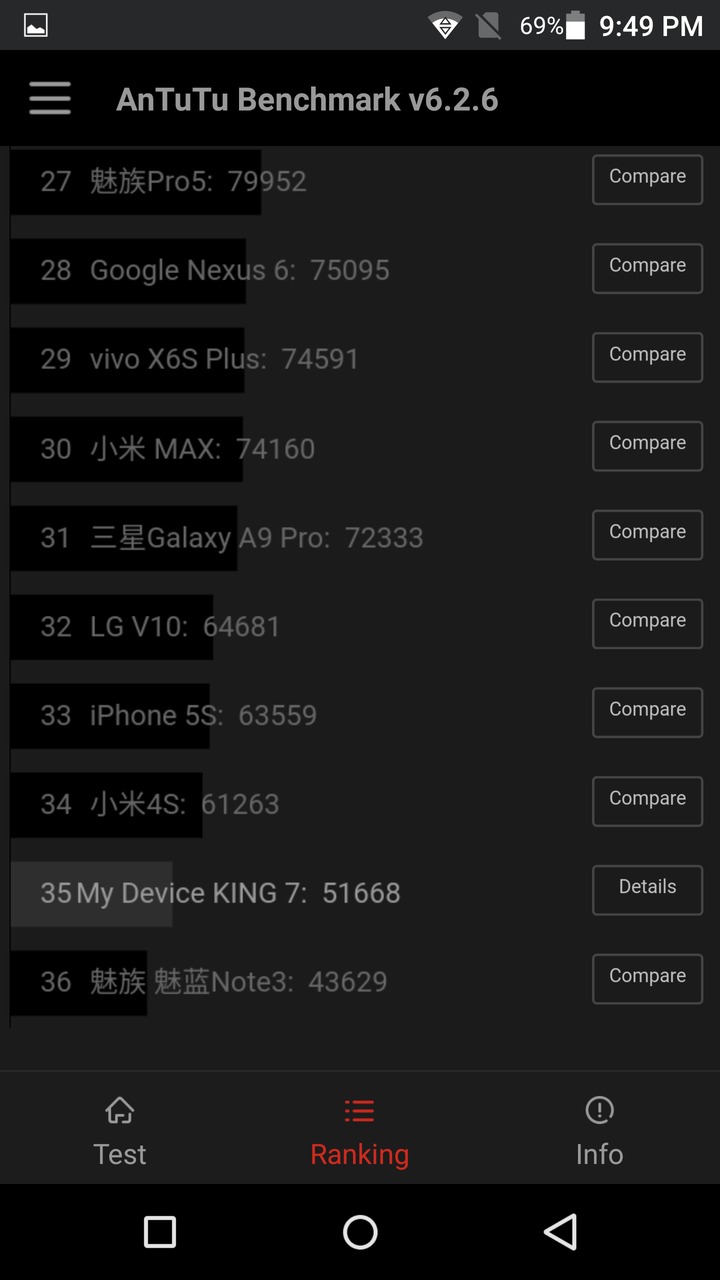
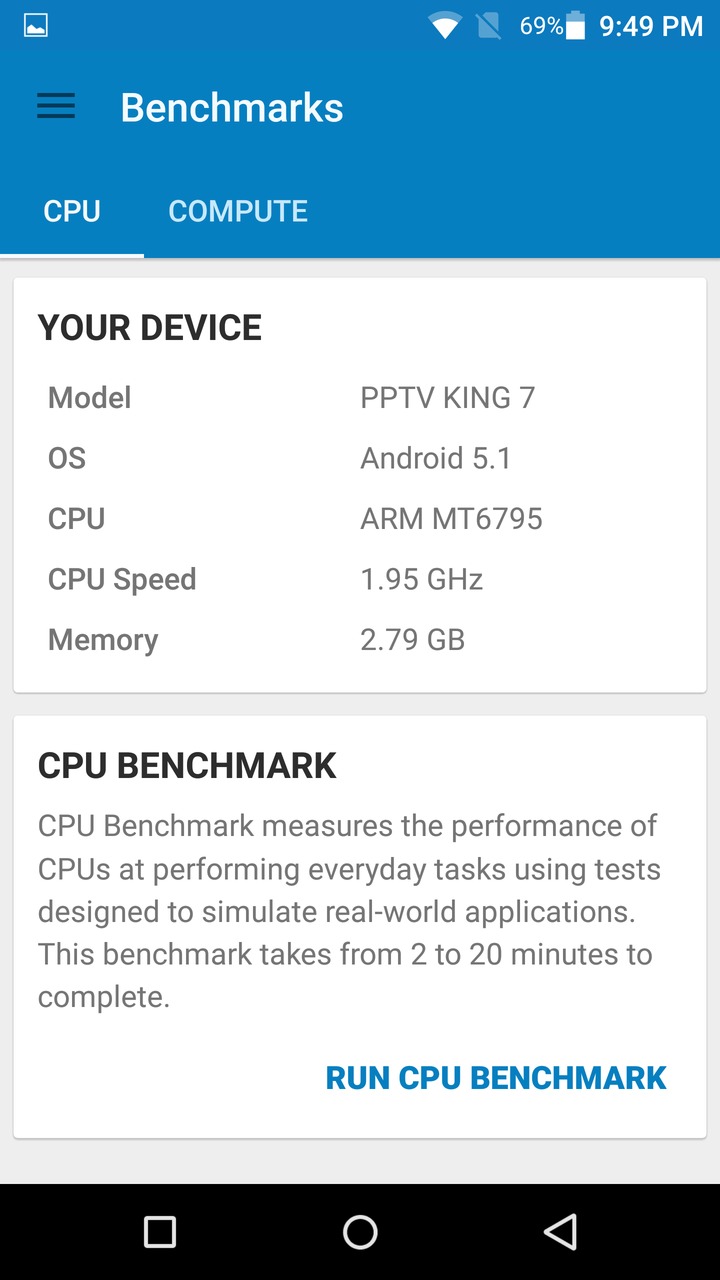
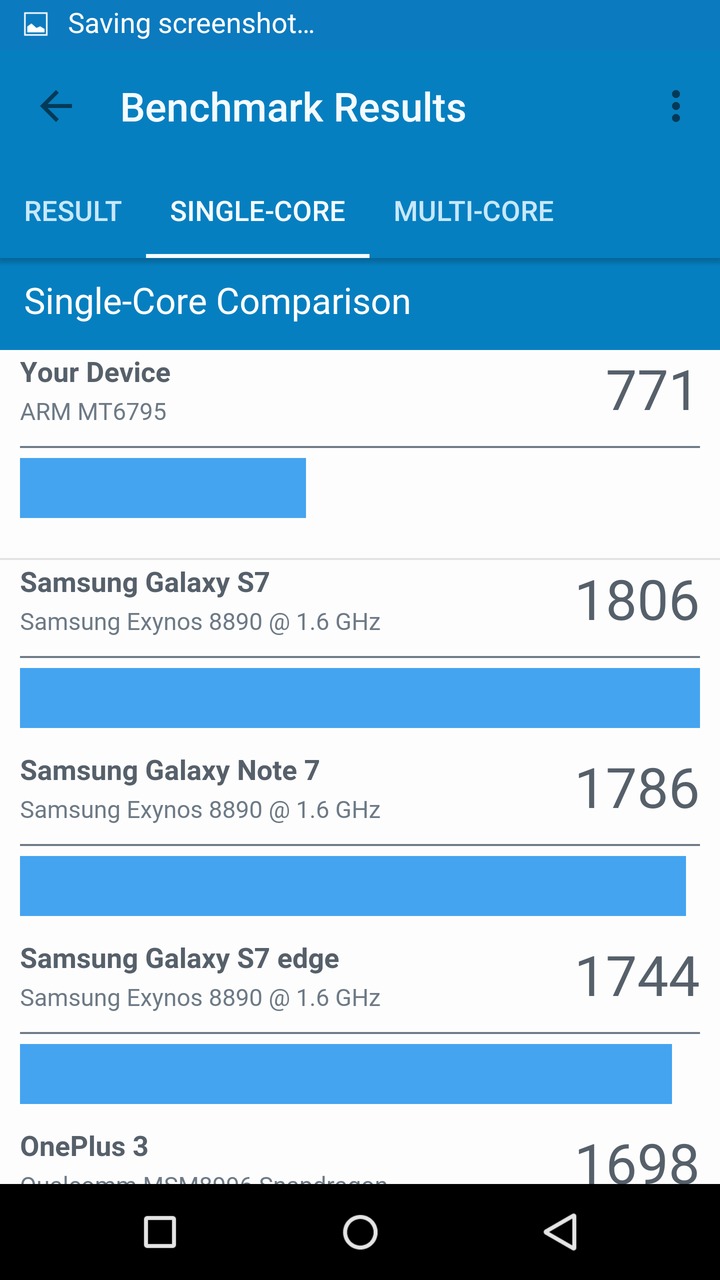
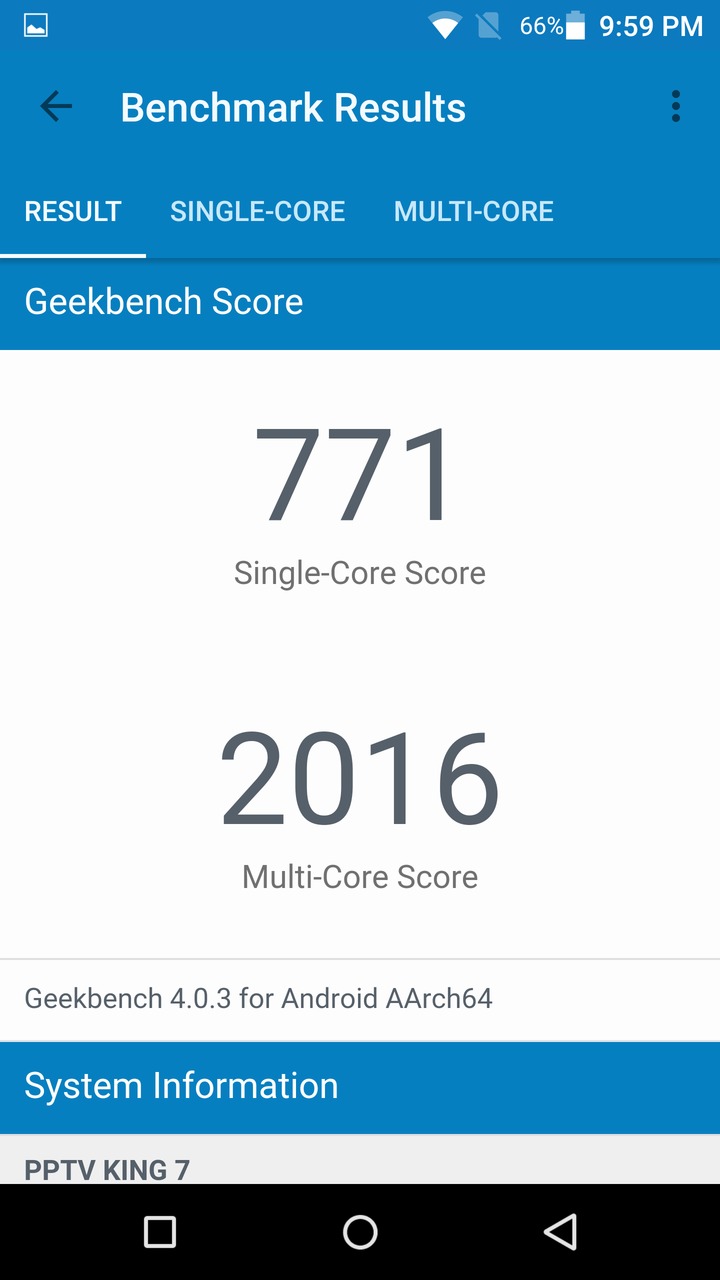
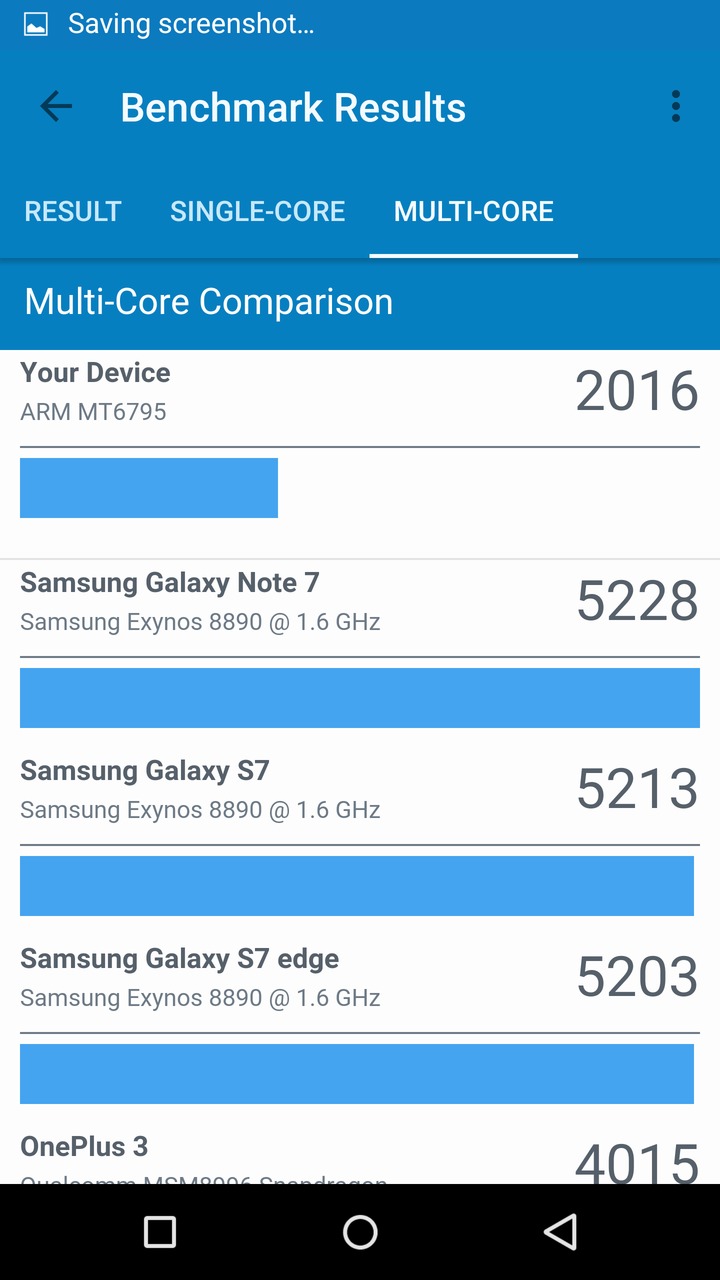
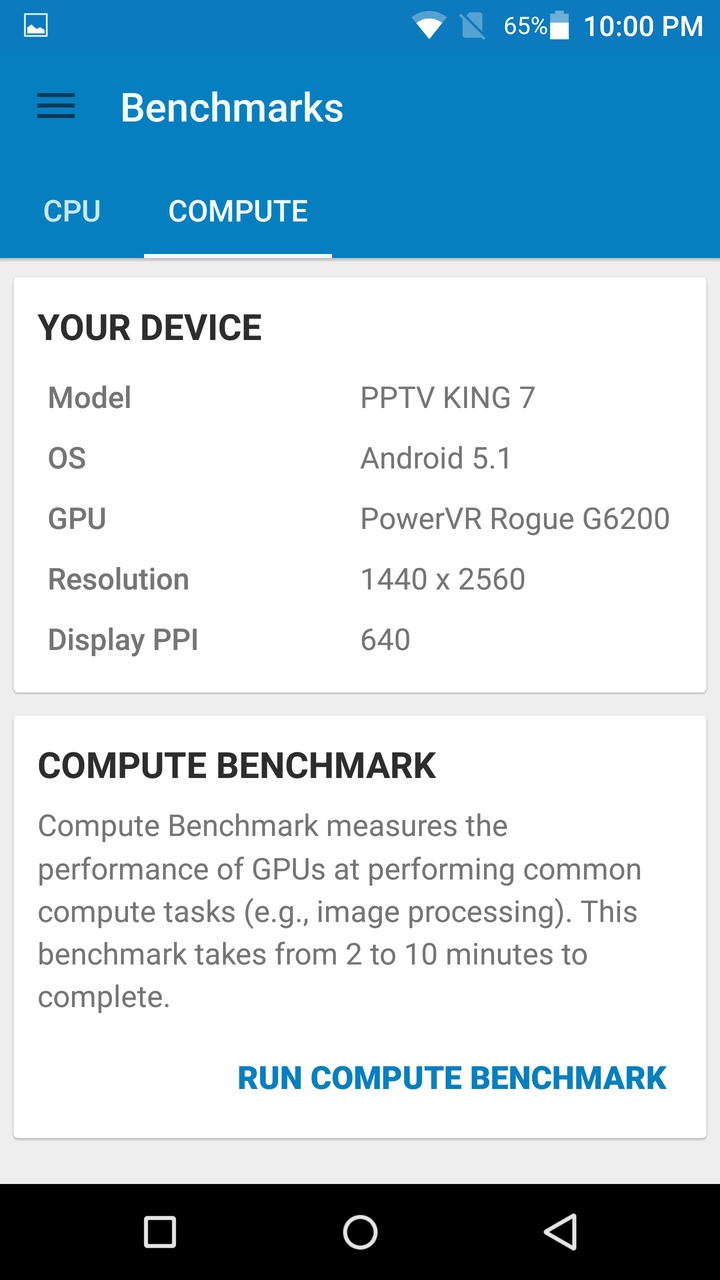
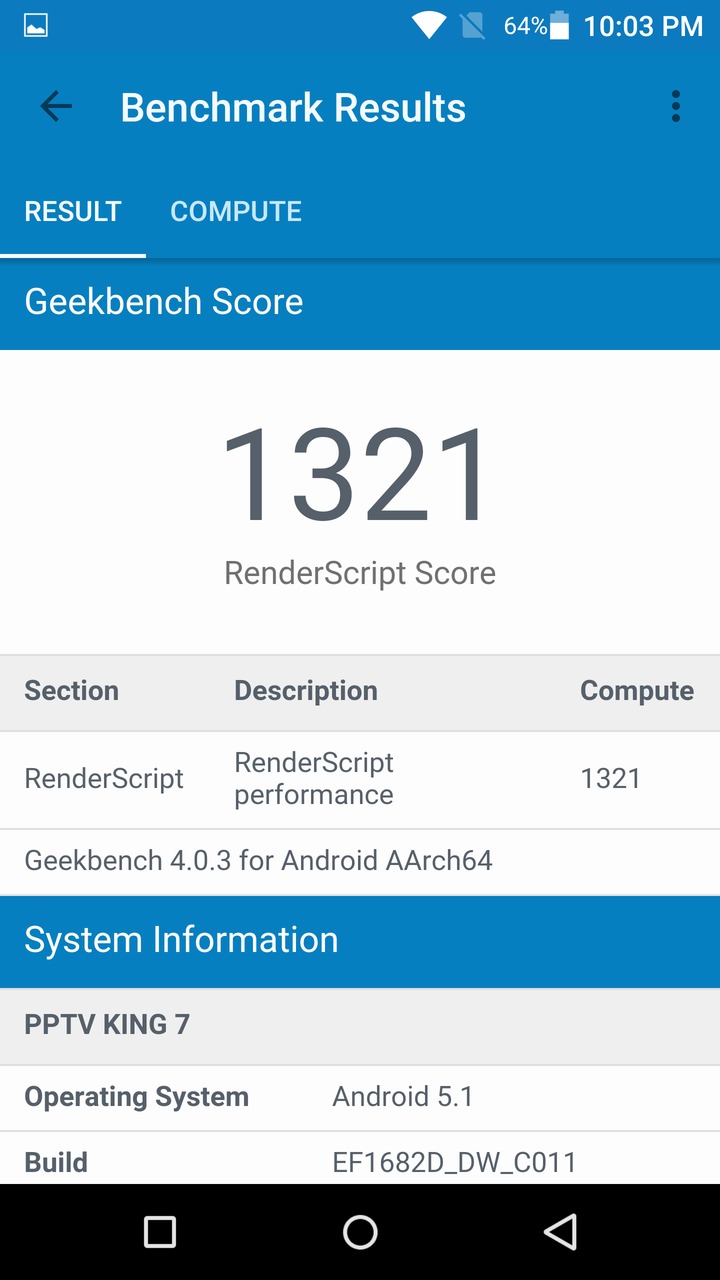
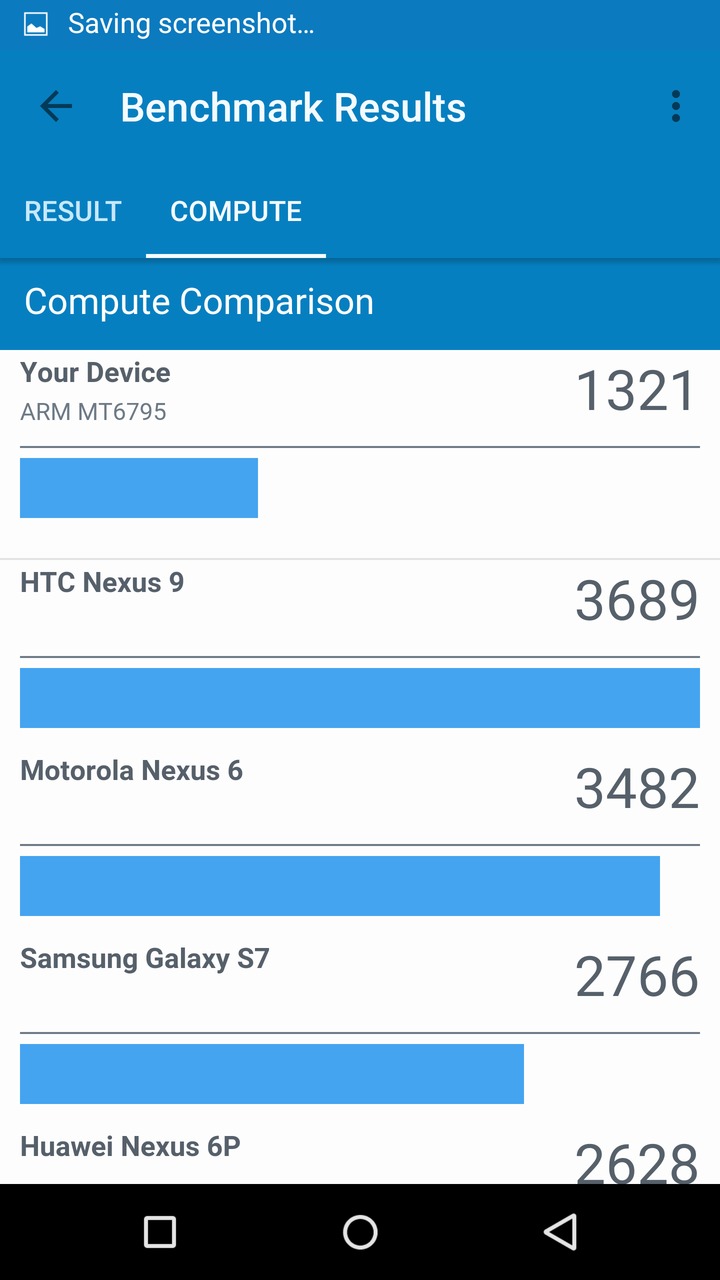
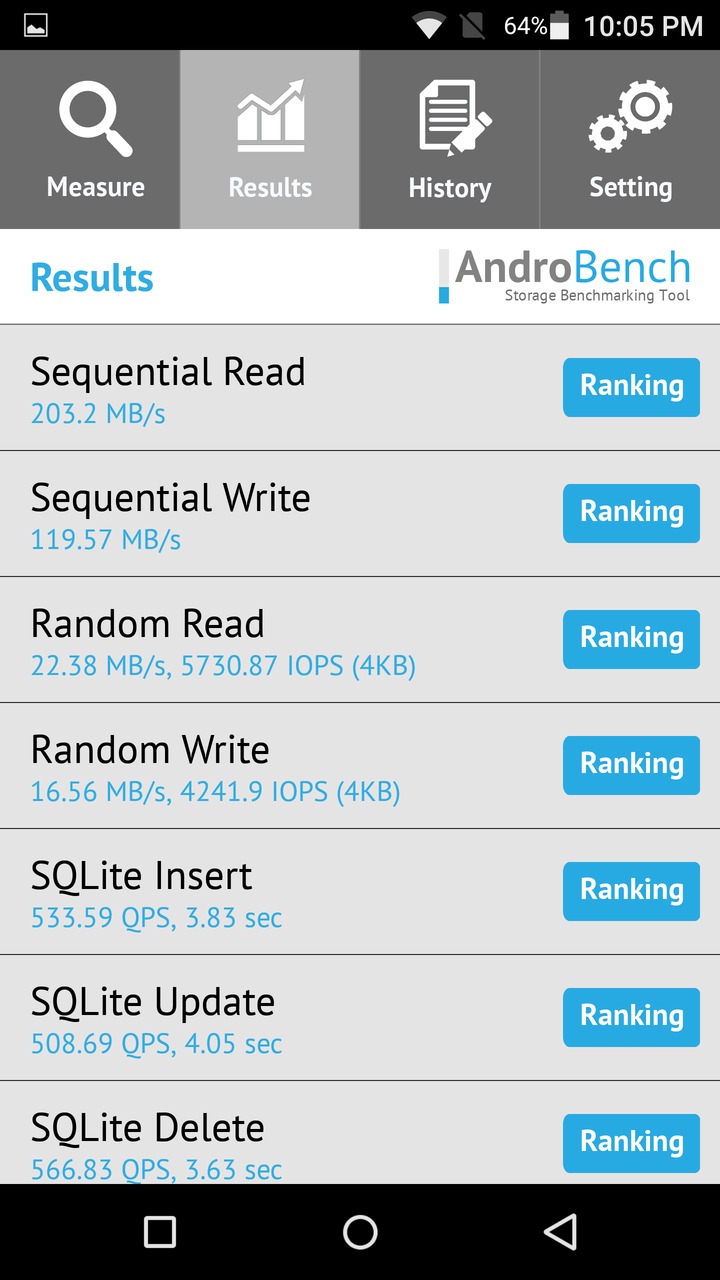
PPTV King 7 Review: BENCHMARKS
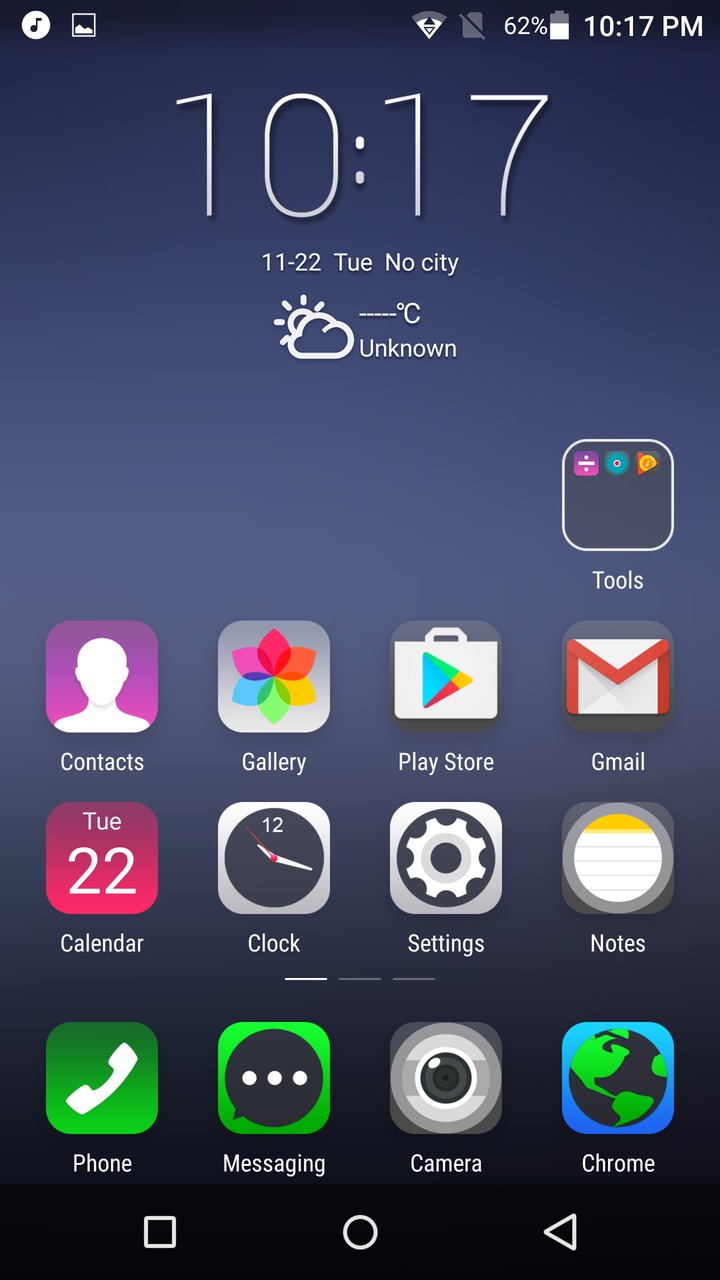
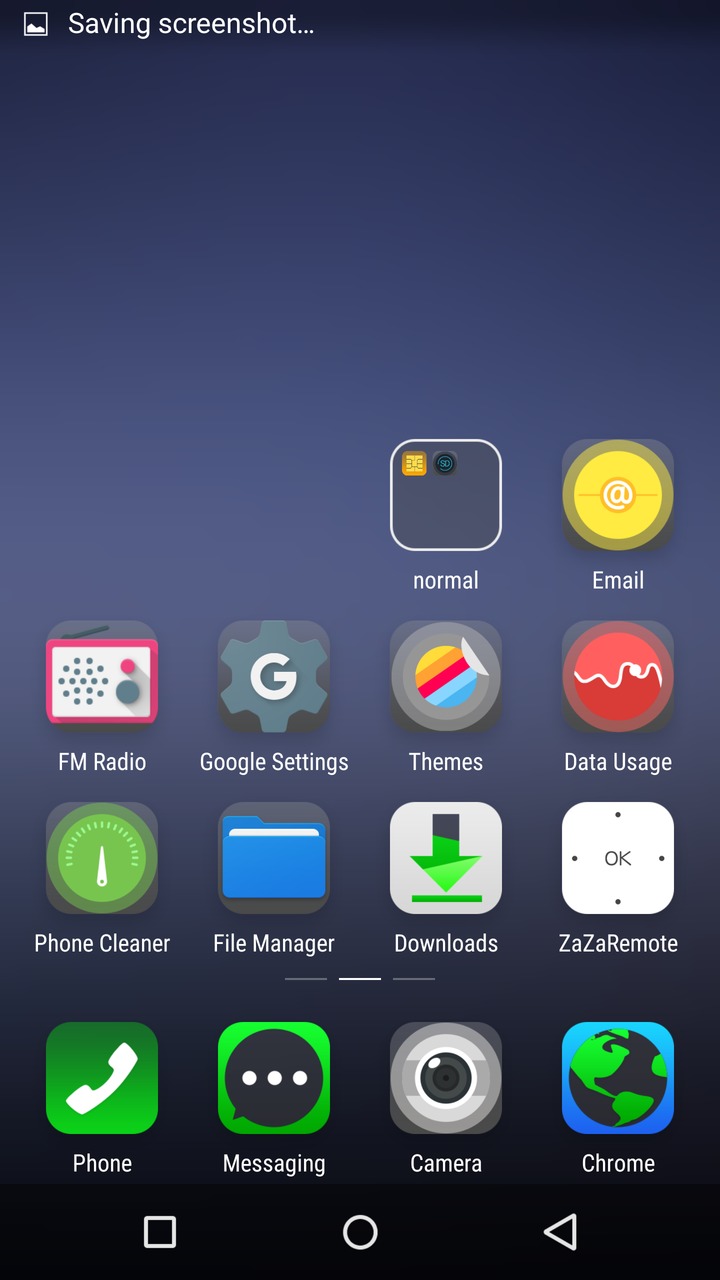
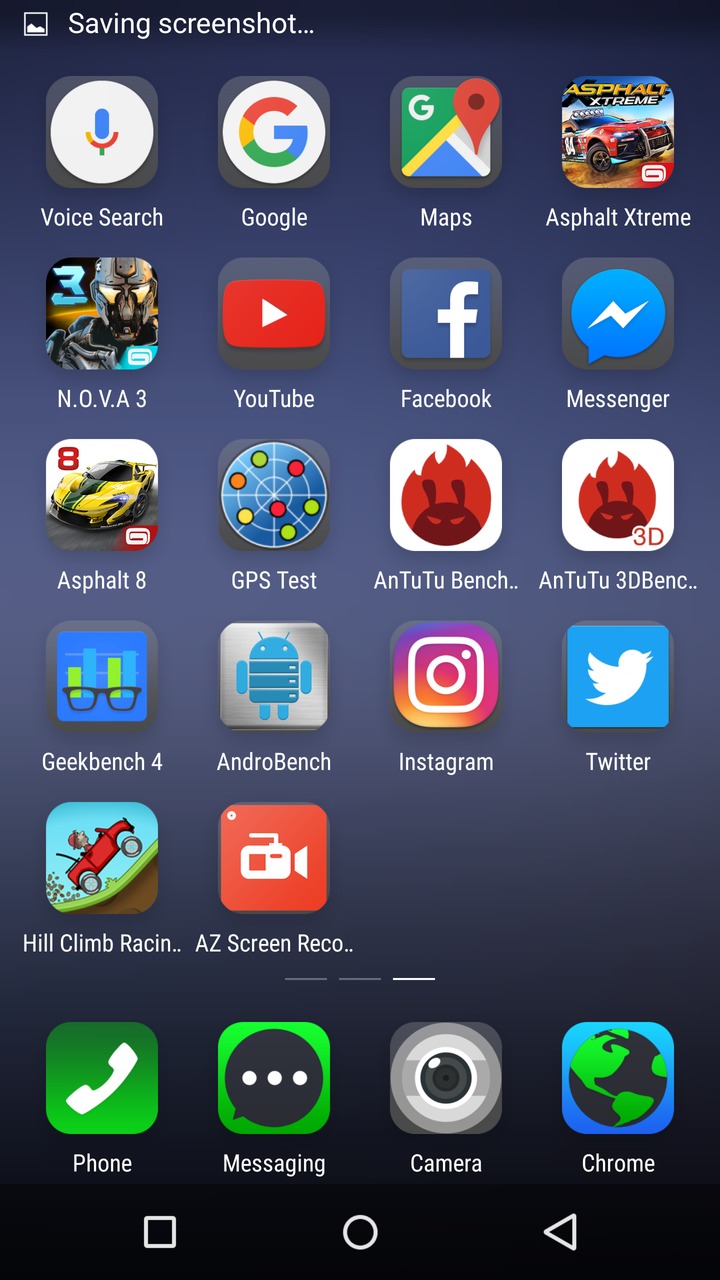
PPTV King 7 Review: USER INTERFACE
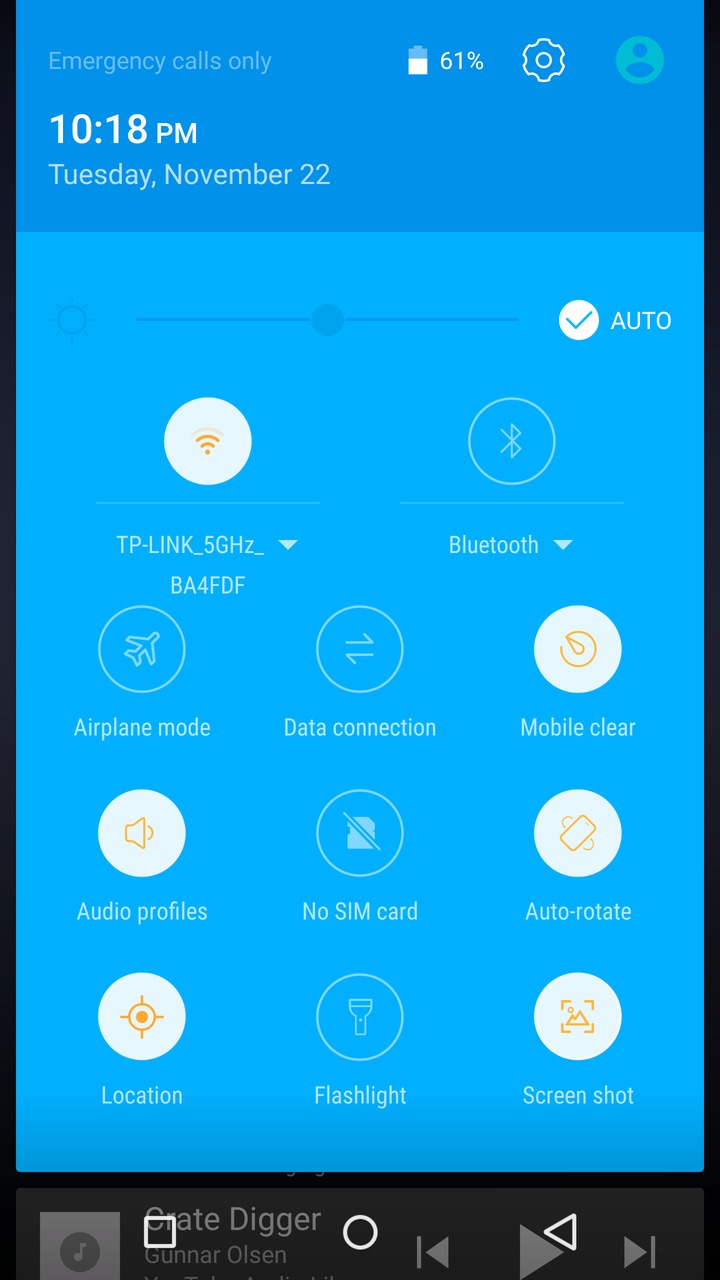
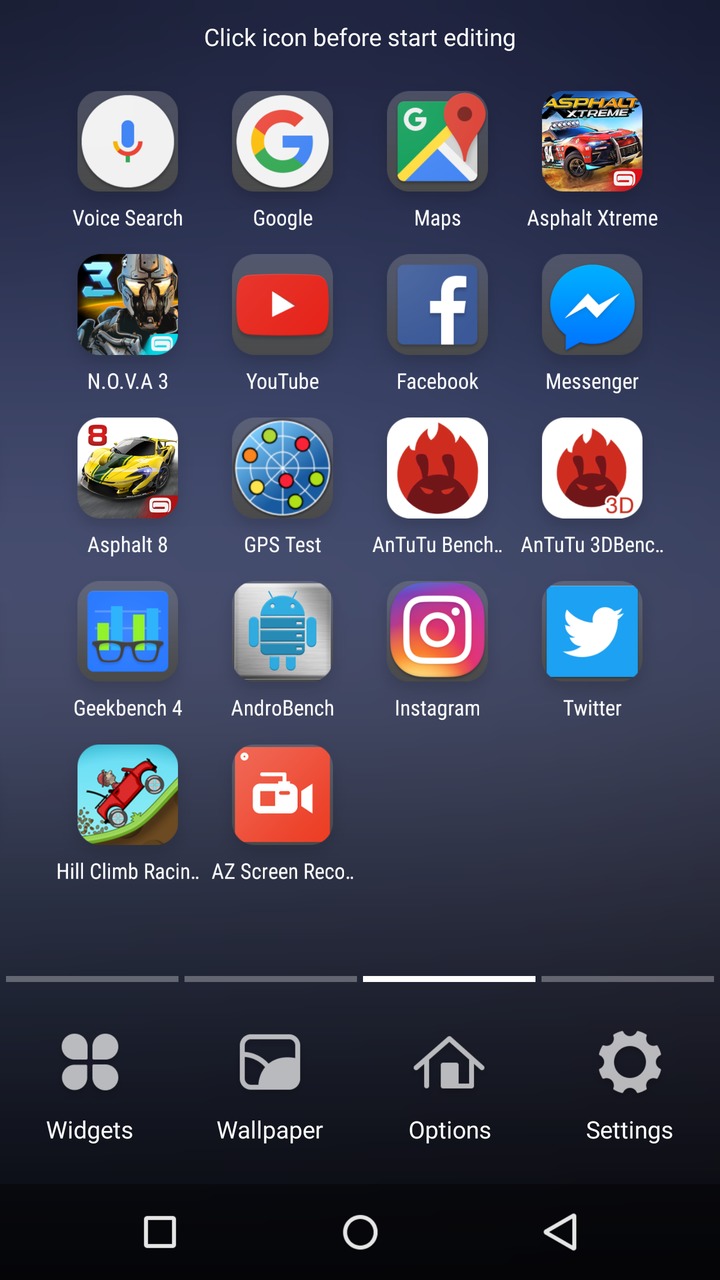
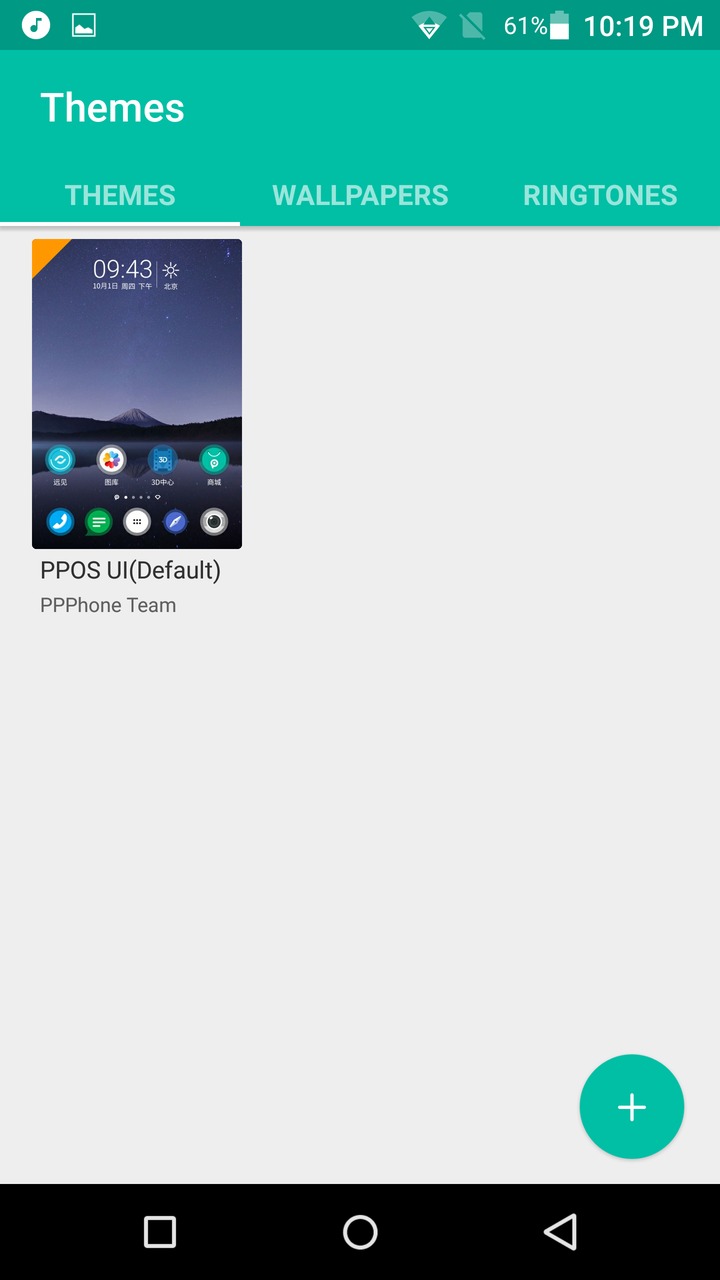
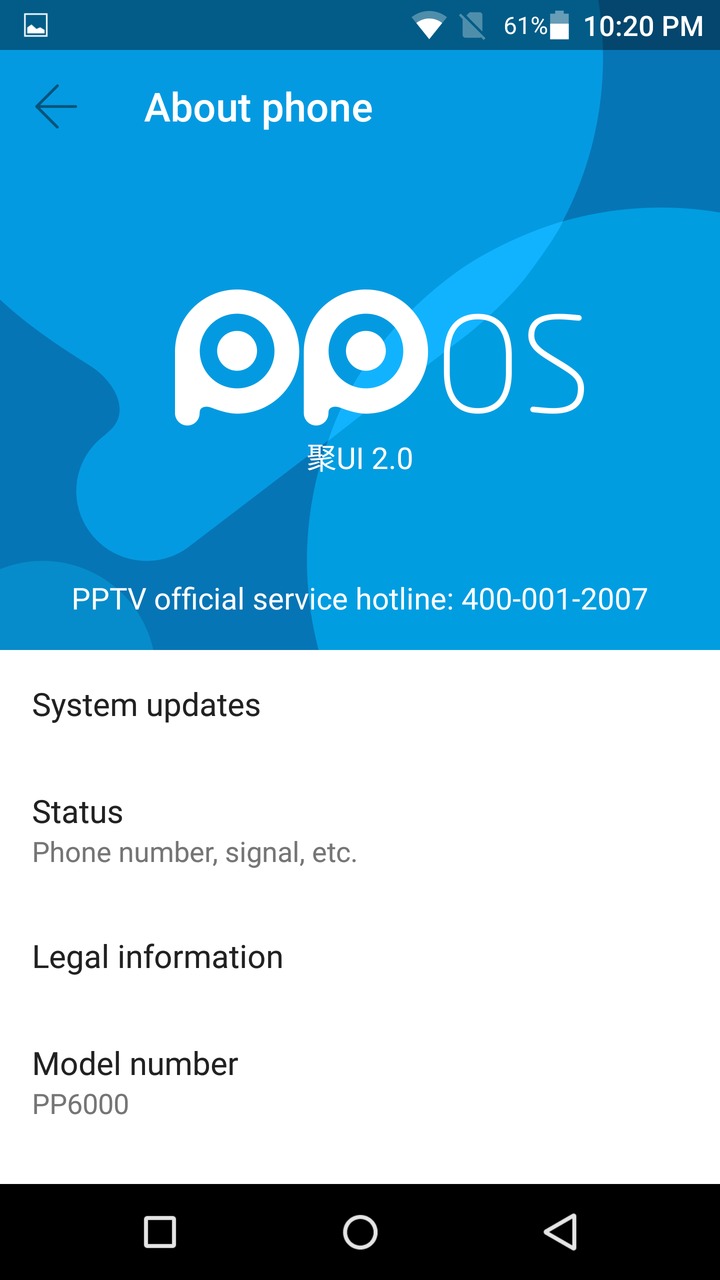
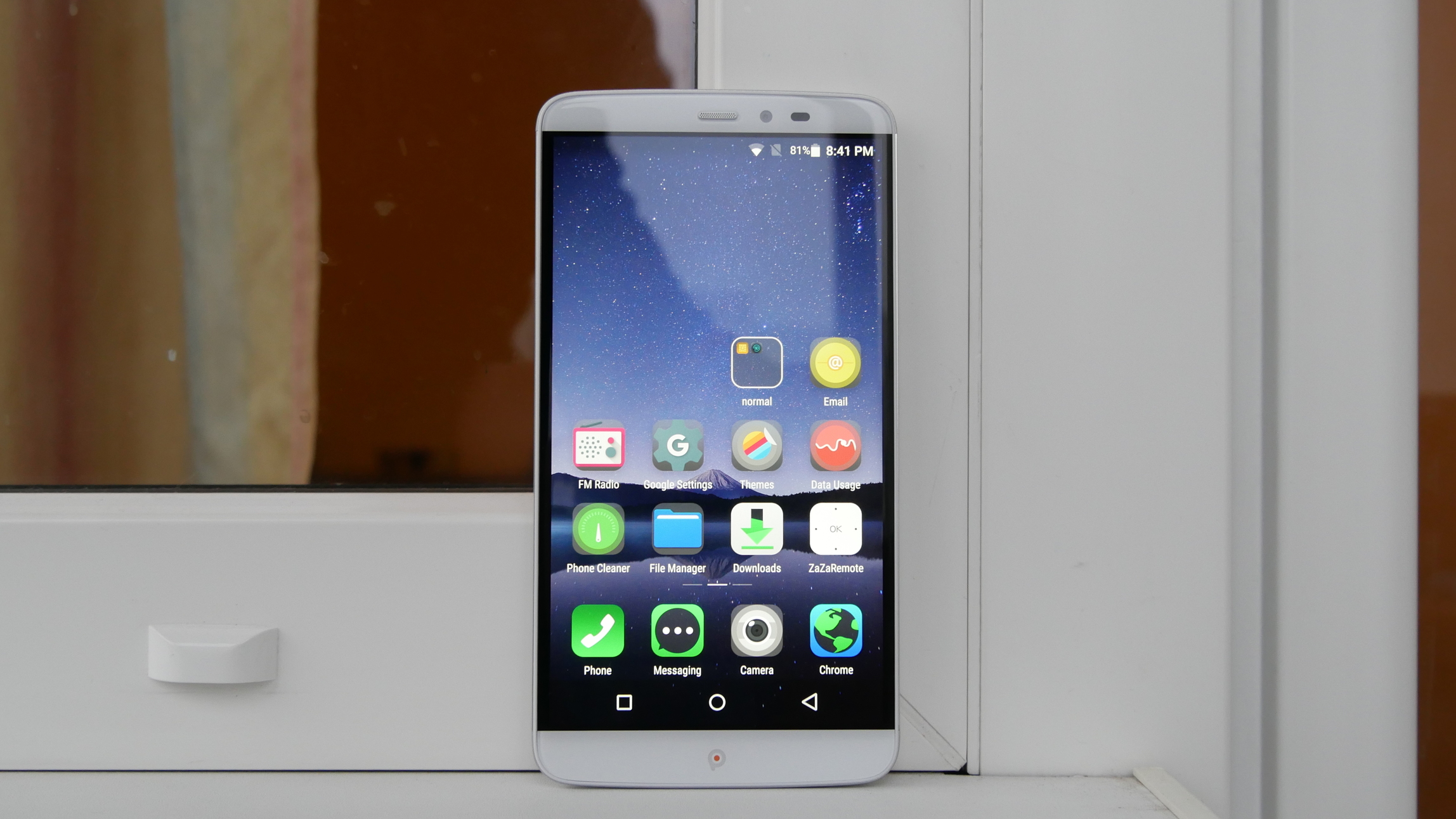
As far as the user interface, you will love it or hate it. The phone runs on the outdated Android 5.1 and there is a heavily customised PP OS UI skin on top of it.
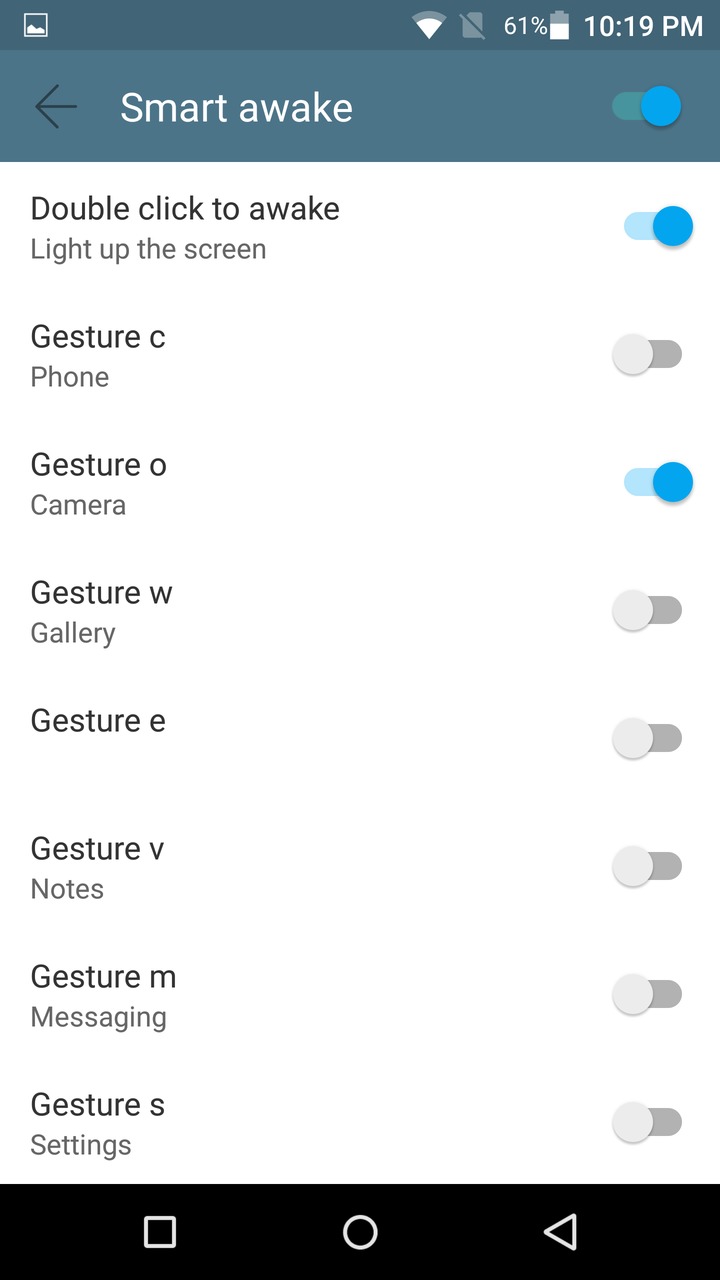
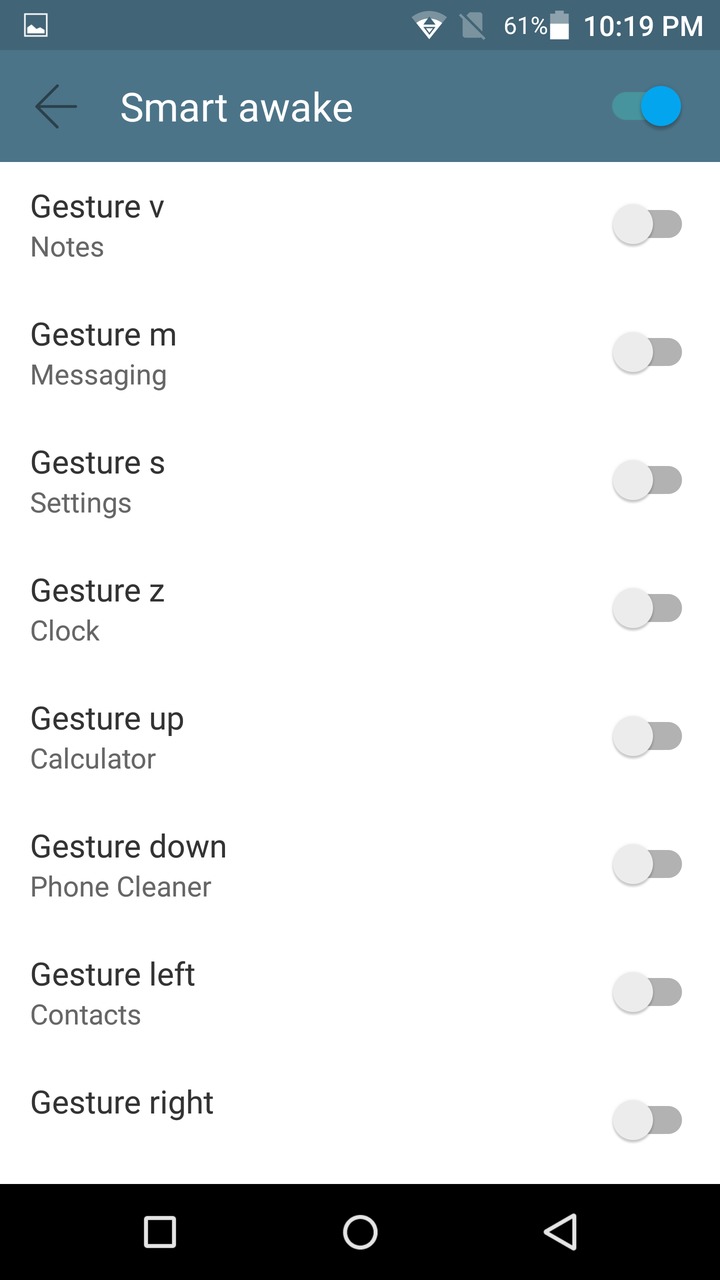
The performance of the UI is pretty good as I didn’t have any lags or stutter. You may love the user interface because there are plenty of customization options, various settings and tweaks to play with. On the other hand, you may hate it since there is no app tray, the icons look cartoonish and you may not need all those extra features if you are a more conservative user.
Well, I can definitely live with this user interface as it has been running smoothly but I always prefer stock Android, so I downloaded the third-party launcher.
PPTV King 7 Review: IMAGE QUALITY
IT IS HIGHLY-RECOMMENDED TO DOWNLOAD FULL RESOLUTION CAMERA SAMPLES TO SEE THE ACTUAL IMAGE QUALITY. THE PICTURES UPLOADED ON THE WEBSITE ARE 50% SMALLER IN RESOLUTION.
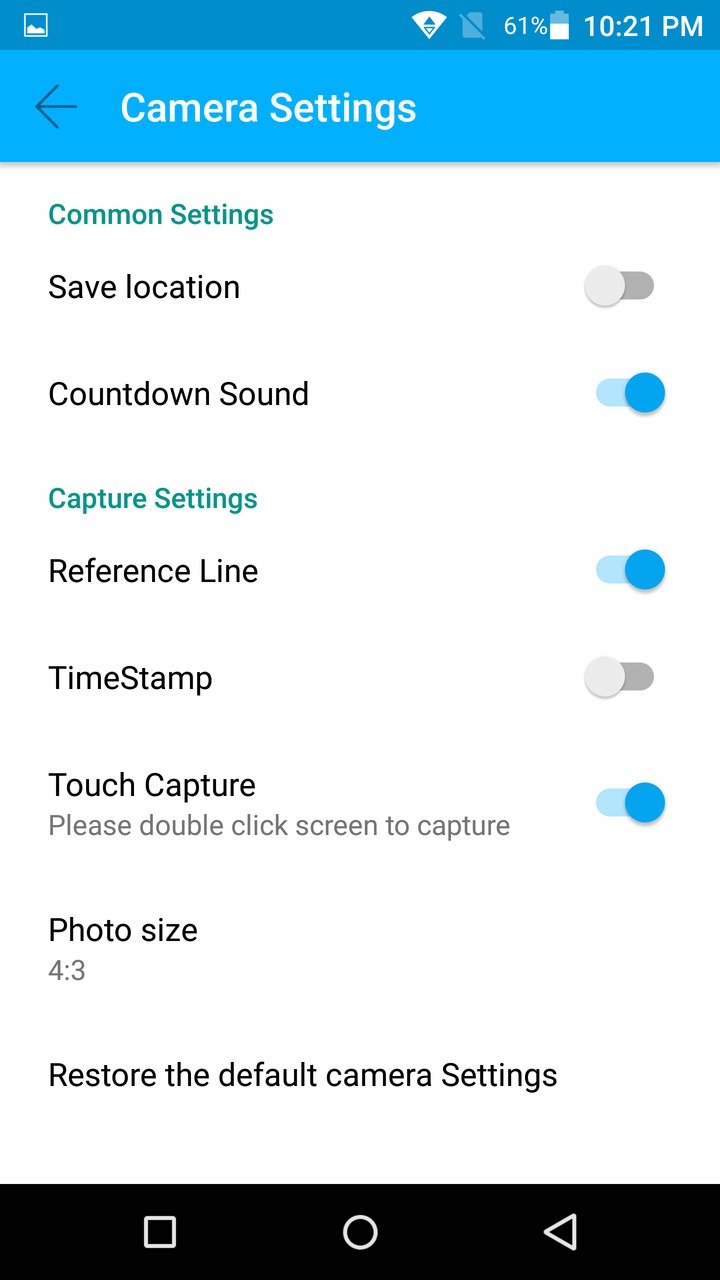
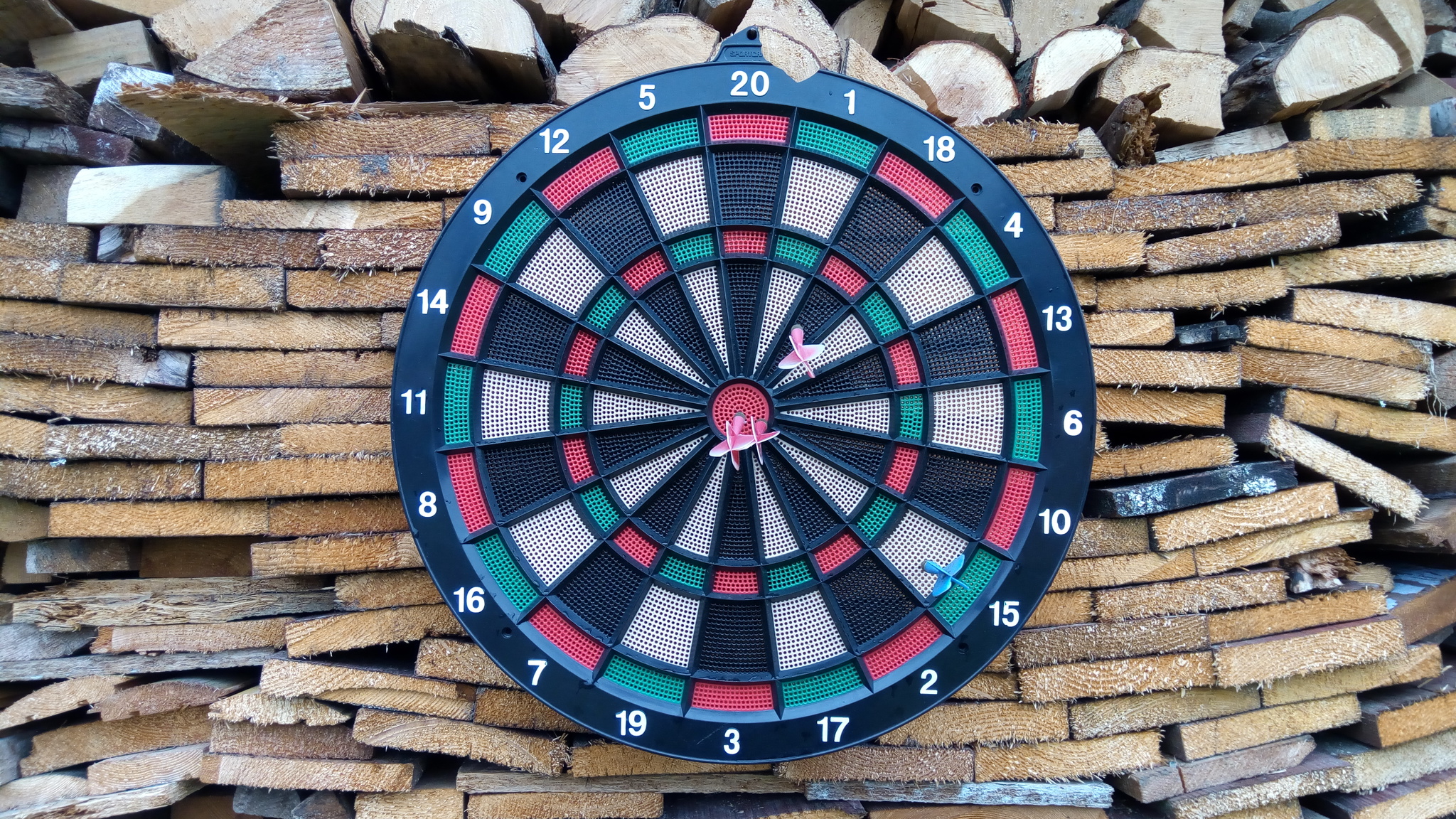
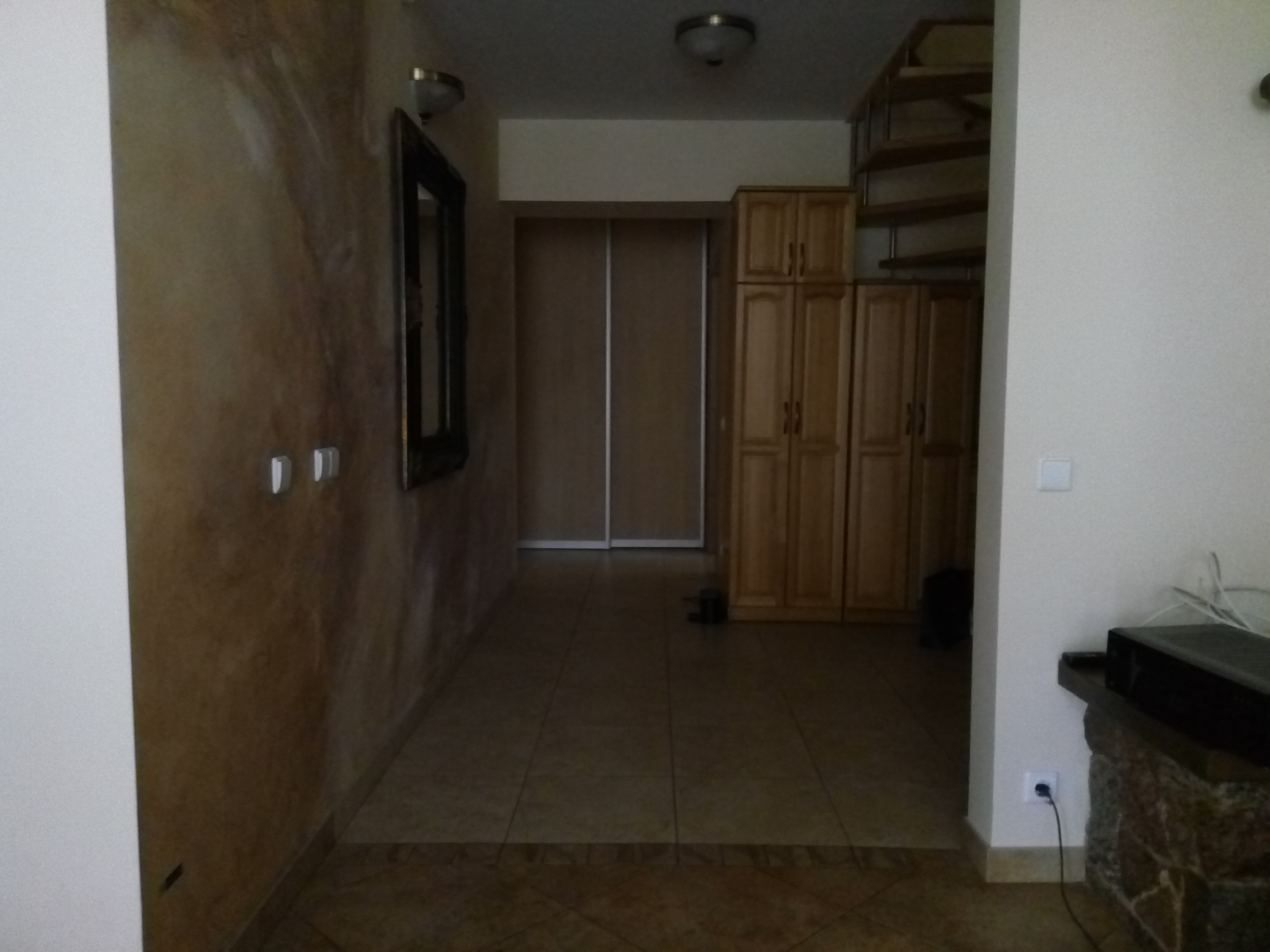
As for image quality, you should not expect any stellar results from a cheap phone like this. Still, you may get some nice-looking photos that are pretty sharp and detailed. However, the camera has some issues with the edge-to-edge focusing and there could a little bit more detail in some of the shots.
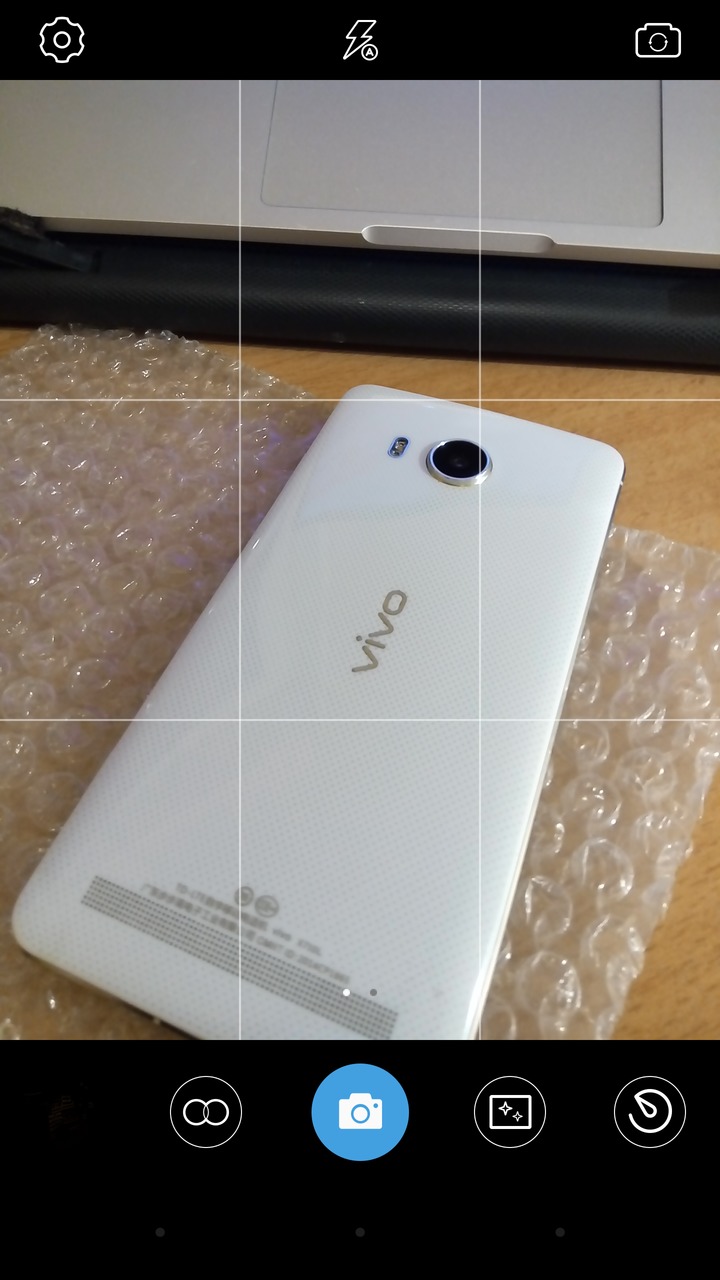
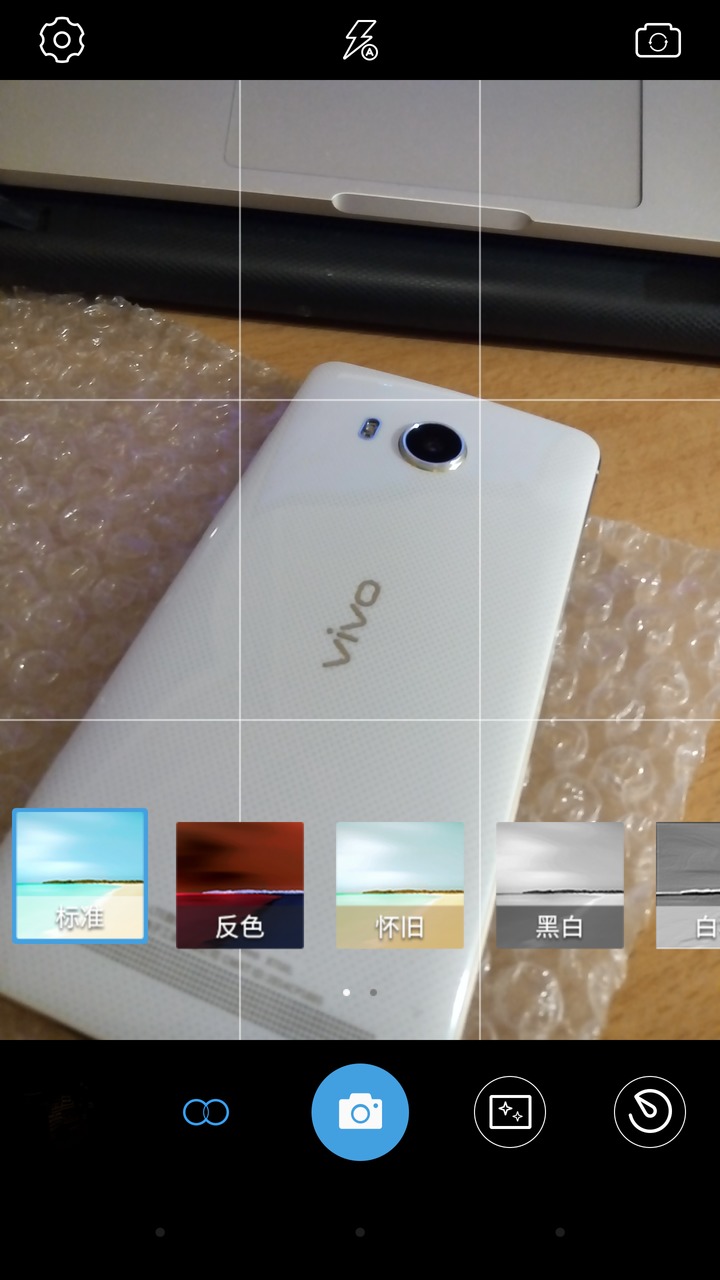
The selfie camera has a pretty aggressive beautification mode so the images will definitely look great on social media.
The video quality is just mediocre as on most of the cheap phones. Unfortunately, I could not play any 4K video samples on my Mac due to format compatibility issues but make sure to check out the video description for original camera samples. See the video review or download original camera samples using the link below.
When it comes to connectivity, the phone performs well. The signal strength and call quality are good, the Wifi, Bluetooth and GPS work fine.
PPTV King 7 Review: BATTERY LIFE
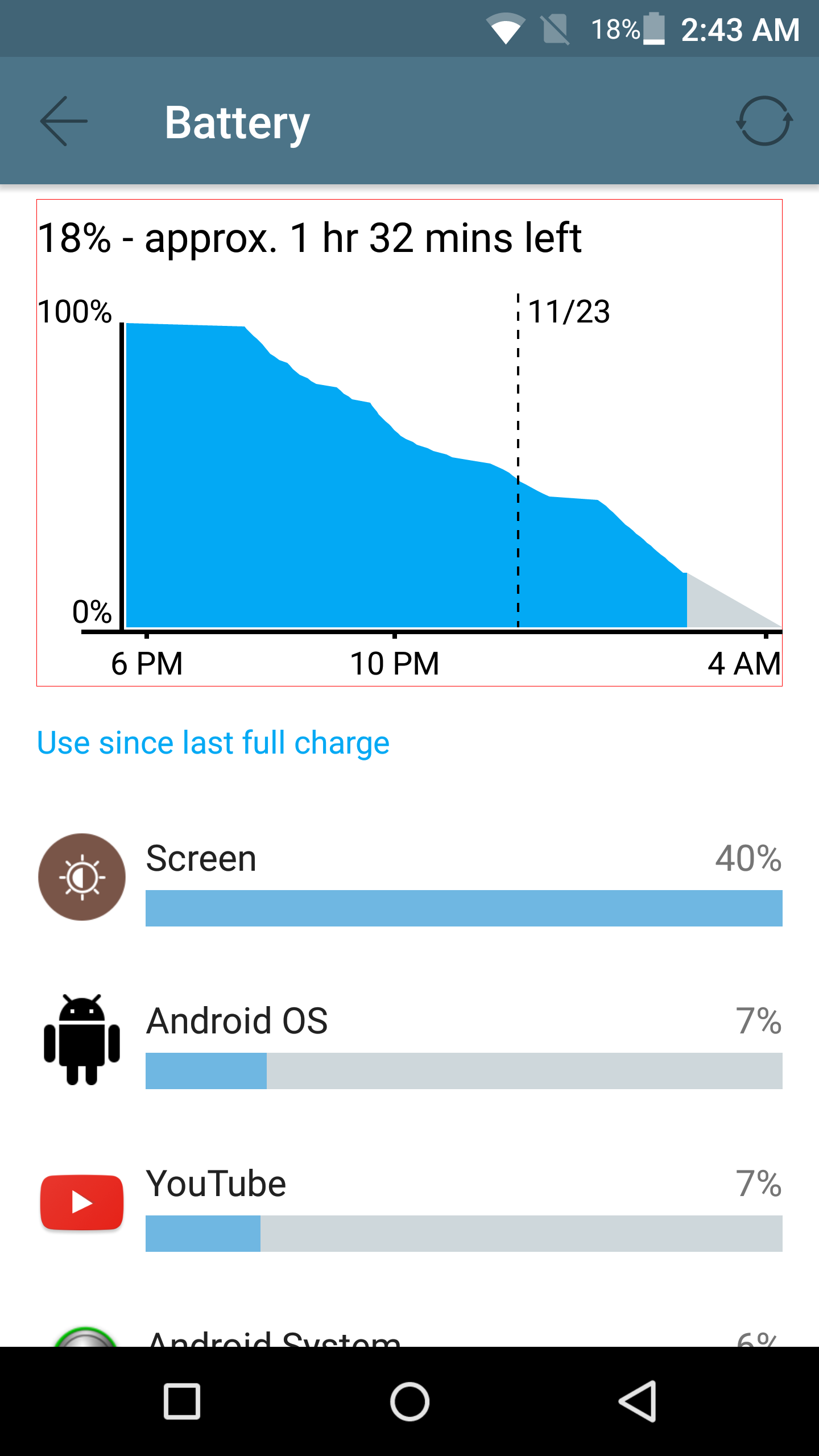
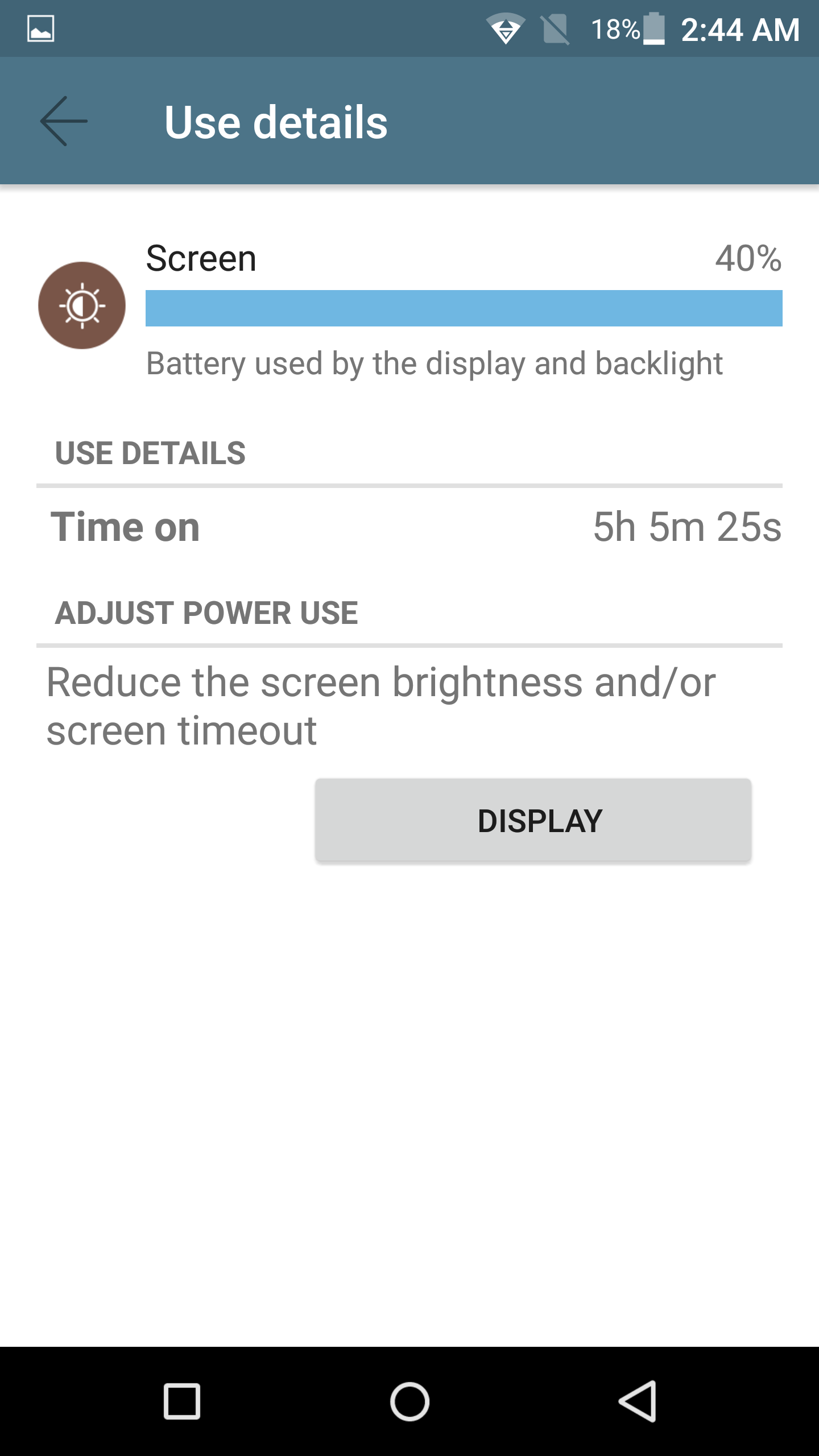
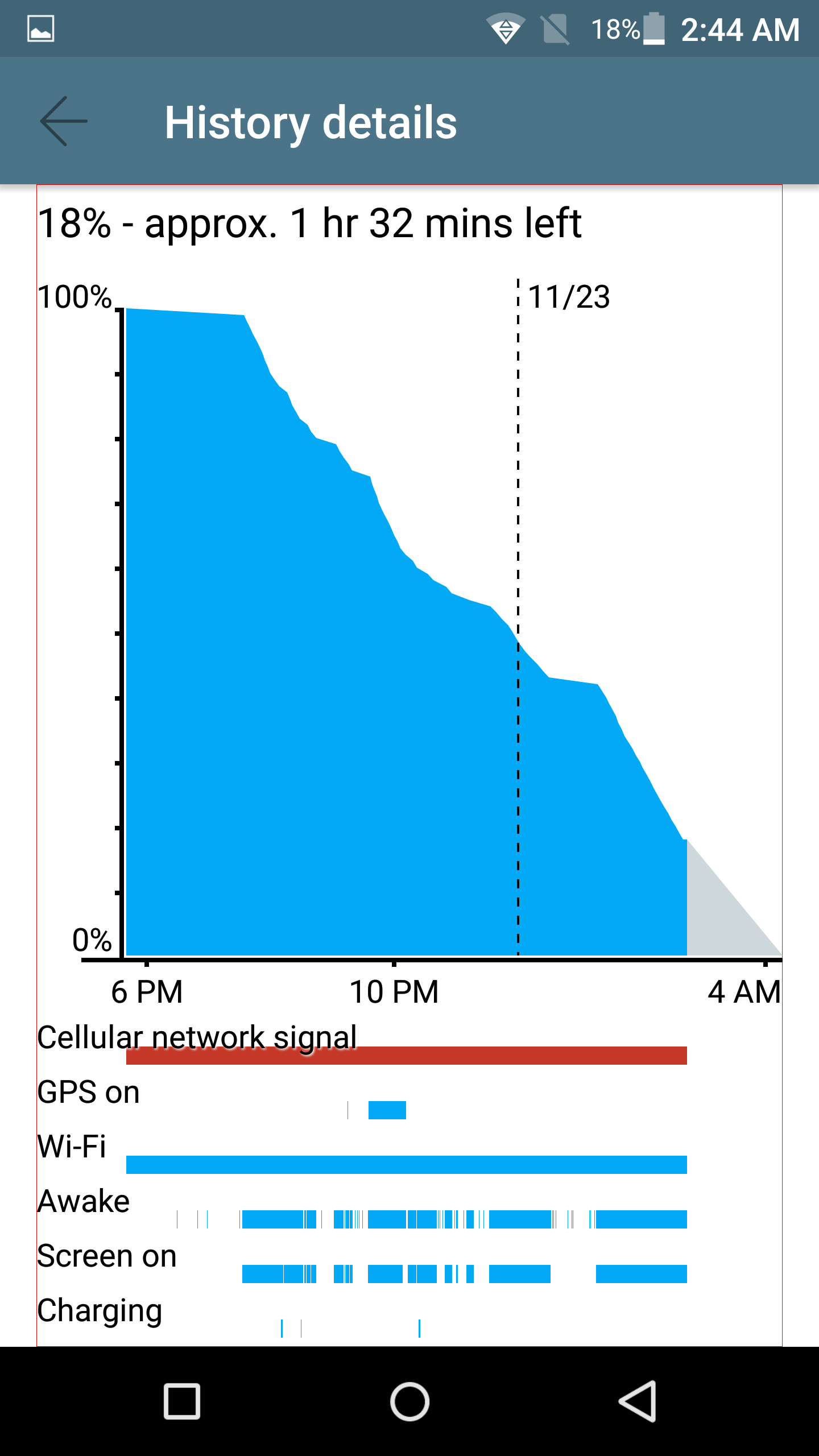
The King 7 ships with the 3610mAh battery and it has to power a huge 2K resolution display. I was sceptical once I first saw the spec sheet but surprisingly, I managed to get over 5 hours of screen-on time on a mixed use, which is a good result. Unfortunately, the phone does not ship with the fast charger.
N.B. charging graph indicates the time when the phone was connected to the computer for approx. 1-2 mins for data transfer.
PPTV King 7 Review: CONCLUSIONS
Honestly, I have never heard about the PPTV company before but the King 7 exceeded my expectations, to say the least.
For the price of just $130, this phone is a great value since it has an excellent build quality, very nice and sharp 6” 2k display, a little outdated but still decent specs, feature-rich UI and a pretty good overall performance.
Obviously, the phone is not for everyone due to its size. Also, some may hate the black bezels around the display, the phone runs on the outdated Android 5.1 and there is no fingerprint sensor.
Still, if you consider that this phone has a decent camera, great sound quality and a pretty good battery life, the PPTV King 7 is an awesome phone for the price, despite previously mentioned shortcomings.
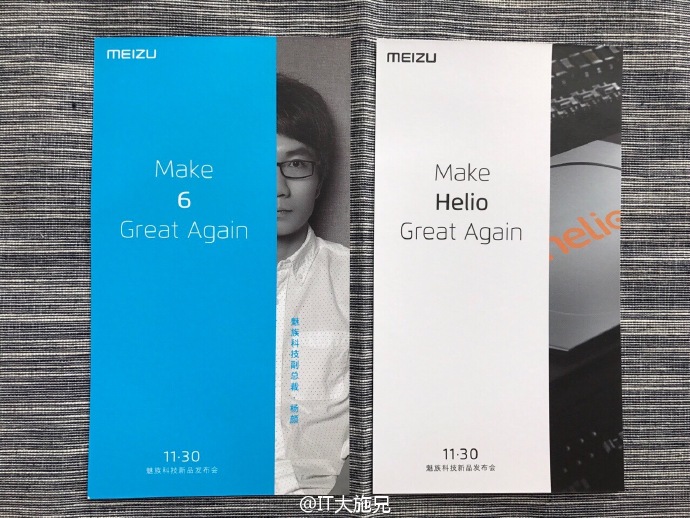
Meizu has again released another poster or press invite for its November 30 conference holding in China. This time around, the press invite contains another teaser and is captioned, “Make 6 Great Again” perhaps referring to its next Flyme 6 OS. This is coming on the heels of the “Make Helio Great Again” campaign first feature in its earlier press invite. We had also seen a teaser that suggested the Meizu X is th main smartphone for release on that day.
The latest “Make 6 Great Again” campaign likely points to the release of a new Flyme 6 operating system on that day, and probably pre-installed on the Meizu X. Recall that the Meizu X is said to be powered by a MediaTek Helio P20 chipset hence the “Make Helio Great again” mantra.
Fitting all the pieces together probably give us an idea of some key features of the mysterious Meizu X which include Helio P20 chip and Flyme 6 OS. The new Flyme 6 OS is said to be likely based on Android 6.0 Marshmallow instead of the latest Android 7.0 Nougat. We don’t know for sure, so we’ll wait till November 30 when all the packages would be unveiled.
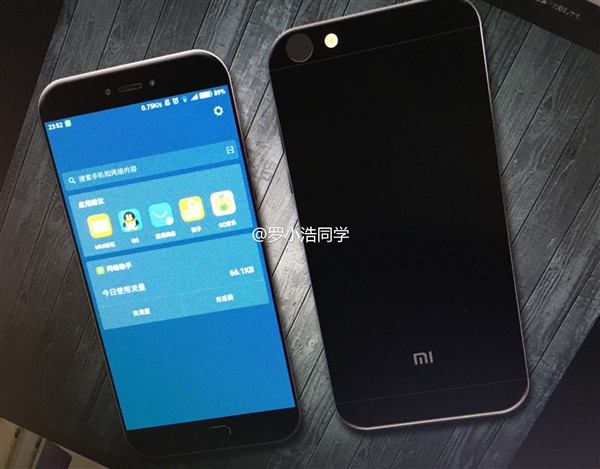
It seems to have been established that the Xiaomi smartphone code-named Meri is in fact the Mi 5C and leaks about the expected phone is coming out more often. The latest is a set of leaked renders of the Xiaomi Mi 5C showing the front and back view of the sleek device.
The latest leaked renders surfaced on Weibo and although the user did not give a specific name to the phone model (pictured above), the image looked very similar to the previous renders of the Mi 5C.
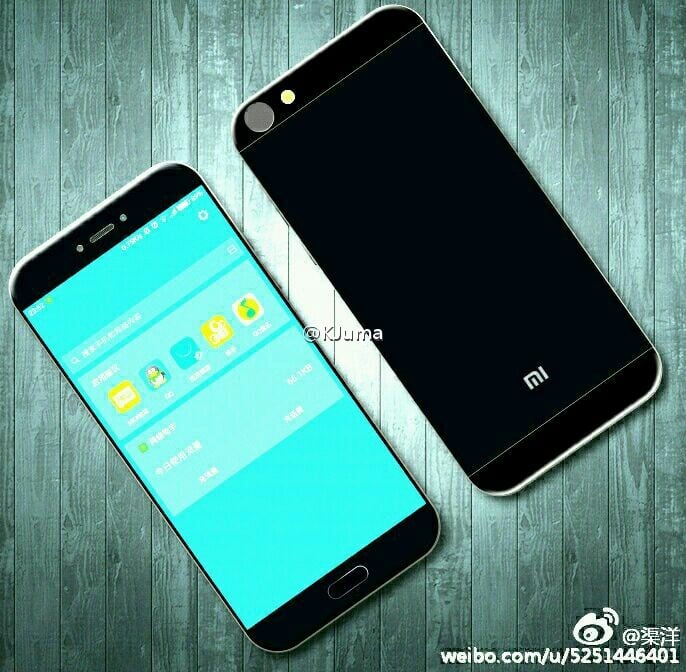
Popular tipster @kjuma also revealed similar renders of the device sporting a different color theme on the display. In one of the renders which seem to be a screenshot from one of the e-commerce website, the device is labelled as Mi 5C with the code-name Meri as well but the 999 Yuan price tag might be incorrect.
The Xiaomi Mi 5C features a unique and beautiful design, sporting n all-metal body surrounding a 5.5-inch display with 2.5D glass on top. There is also narrow bezels surrounding the display. The device is said to be Xiaomi’s first smartphone to feature its in-house Pinecone processor supported by 3GB of RAM. The Mi 5C will also feature a front fingerprint sensor embedded under the oblong-shaped home button. The recent leaks could be indicators that the Mi 5C would be released soon and of course, earlier rumor hint at the device being available for the 12.12 sales next month.
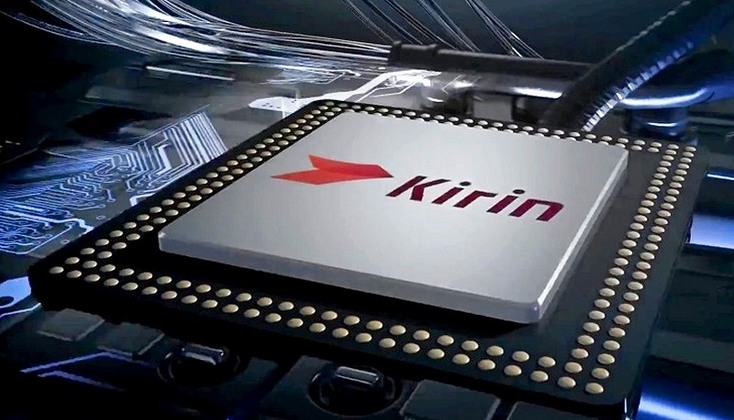
Smartphone chip makers are always on the move, improving their chipset with more powerful offering and reduced size in the face of demands for smartphones that consume less power and are are capable of seamlessly fast performance. Huawei recently released the Kirin 960 flagship processor that benchmark tests have shown to be superior in performance to its present contemporaries, yet the company is rumored to be working on a Kirin 970 chipset.
According to latest media reports in Taiwan, the next generation Kirin 970 will be Huawei’s first to be built on the TSMC 10nm process. The Kirin 970 is said to likely still be on an octa-core architecture but will integrate a baseband with support for Cat. 12 global LTE. The present Kirin 960 chip is composed of a quad-core Cortex-A73 chip, another quad-core Cortex-A53 chip and an octa-core Mali-G71 GPU. The Kirin 960 was however built on TSMC 16nm process and it comes with a wonderful CPU performance but the GPU cannot perform at full capacity. So a switch to the 10nm process is said to greatly reduce the heat and allow full extraction of the GPU performance.
In building the Kirin 970 on the 10nm process, Huawei is following the trend, catching up with would-be early starters like Qualcomm which just announced the Snapdragon 835 processor built on Samsung’s 10nm manufacturing process and to debut in the first quarter of next year on the Galaxy S8. MediaTek is also out with its Helio X30 chip built on TSMC 10nm process and to debut in the first quarter of next year also. MediaTek is also billed to release an Helio X35 chip within the first half of 2017 which would upgrade to provide Cat. 12 LTE band support.
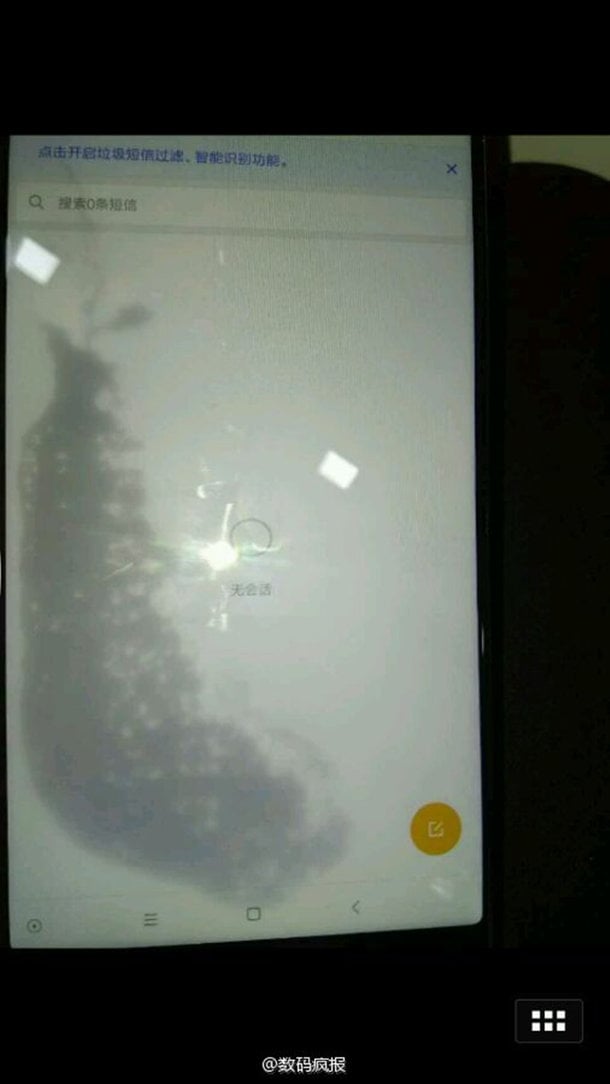
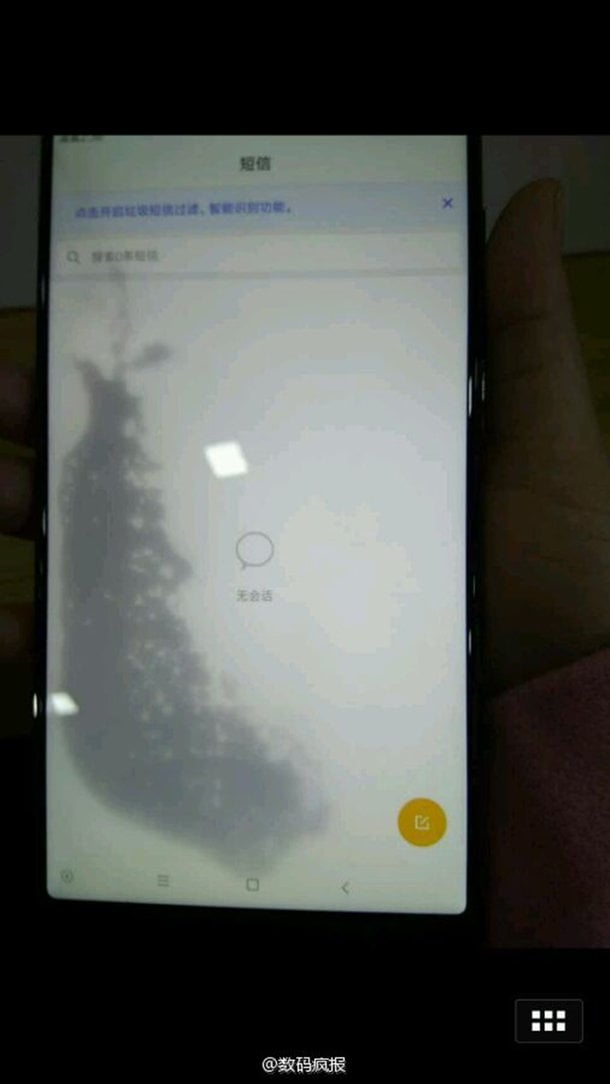
The Xiaomi Mi Mix is an amazing looking smartphone that has managed to impress everyone with its mind blowing 90%+ screen to body ratio. However, when your display covers a majority of the portion of the body, there is always the issue of what happens when you drop your phone. We have already seen a few cases of careless users dropping their Mi Mix, and most of them have ended up with broken screens or bodies.
But it looks like the Xiaomi Mi Mix now has another problem — display leak. A user recently reported that his Mi Mix’s screen had some kind of internal leak. We still don’t know what kind of issue is within the display, but he shared a couple of pictures which reveals some kind of blotch on the phone’s massive display.
Before Xiaomi Mi Mix users start panicking, note that we still don’t know whether this was caused due to some kind of impact or it emerged in regular usage. Xiaomi’s after sales service doesn’t seem to recognize such an issue with the Mi Mix, so we will have to wait and see if more models are facing this. Or it could be just an individual case.
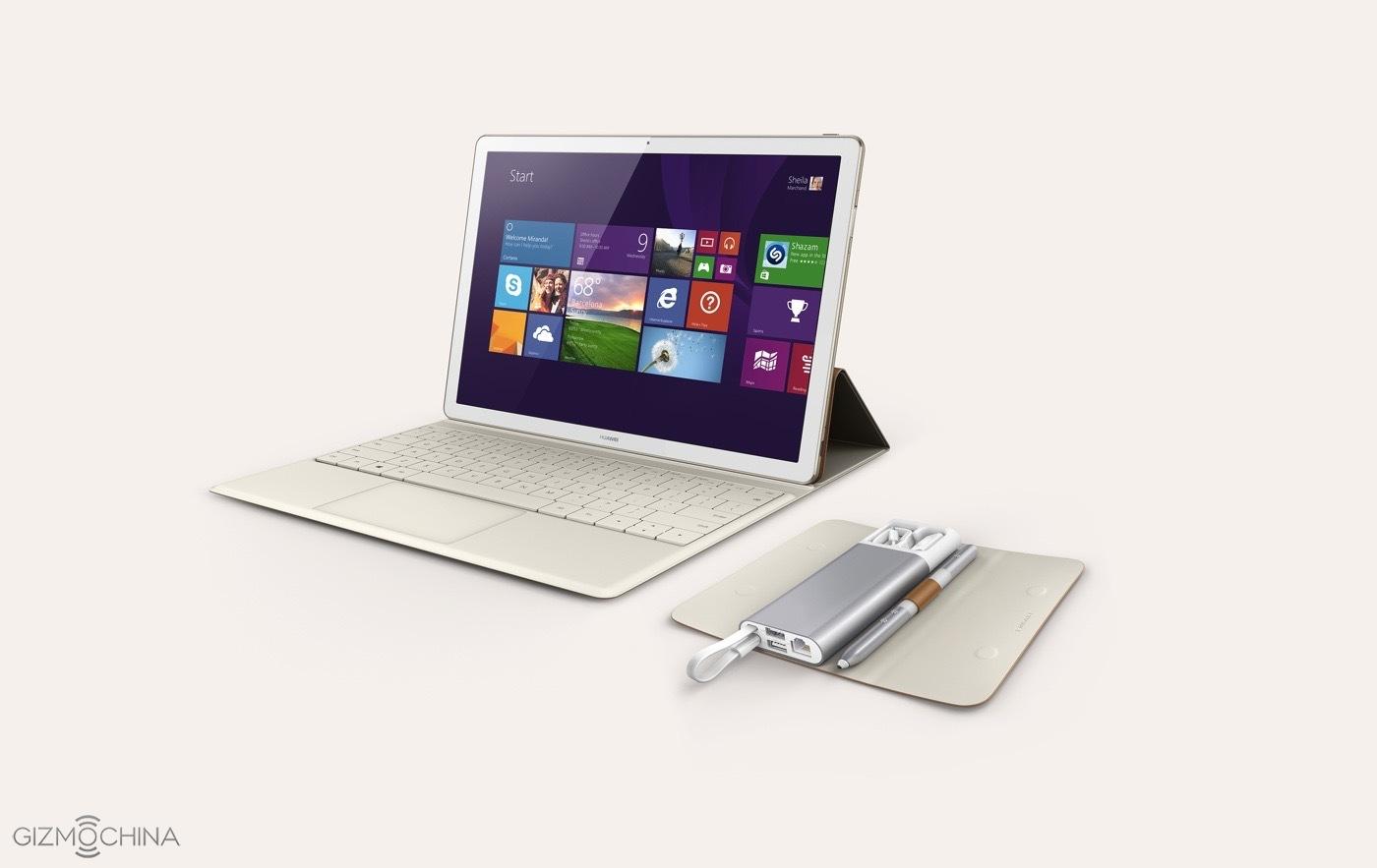
Huawei has had a successful year and like any other serious company, it already has plans for the forthcoming year. One important detail we have learnt from an industry source as regards their plans is that the company’s next Matebook will have two new sizes.
The original Matebook has a 12-inch display like the Surface Pro, but the source has mentioned that the company will be going bigger by releasing 13-inch and 15-inch versions next year. According to the source, Huawei will contract the order for the notebooks to Taiwanese company, Foxconn.
Huawei also plans to expand its smartphone portfolios and has said it will release more phones aimed at the younger generation under the Nova line. The Nova series is expected to be the rival to phones from OPPO and Vivo.
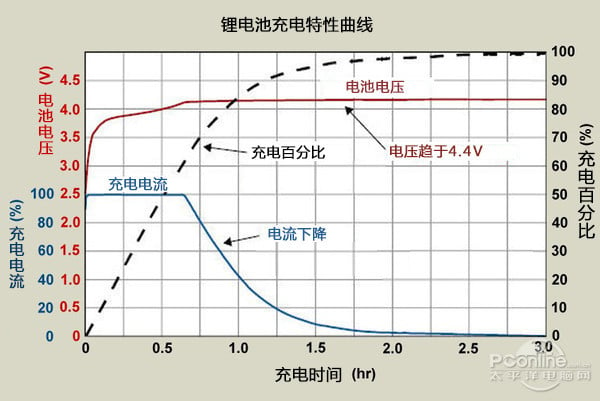
Recent surveys have shown that a good number of smartphone users spends a great deal of time with their smartphones, running into several hours. The biggest casualty of this trend is usually the phone’s battery which is designed to last just a few hours of heavy usage. That is where fast charging technology comes in, to give phones a quick charge resulting in several percentage in just few minutes. The Huawei Mate 9 is touted as having a Super Charge feature which delivers fast charging.
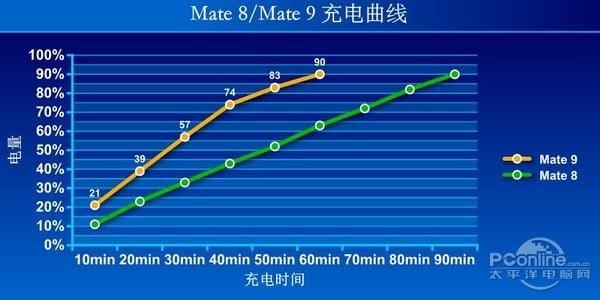
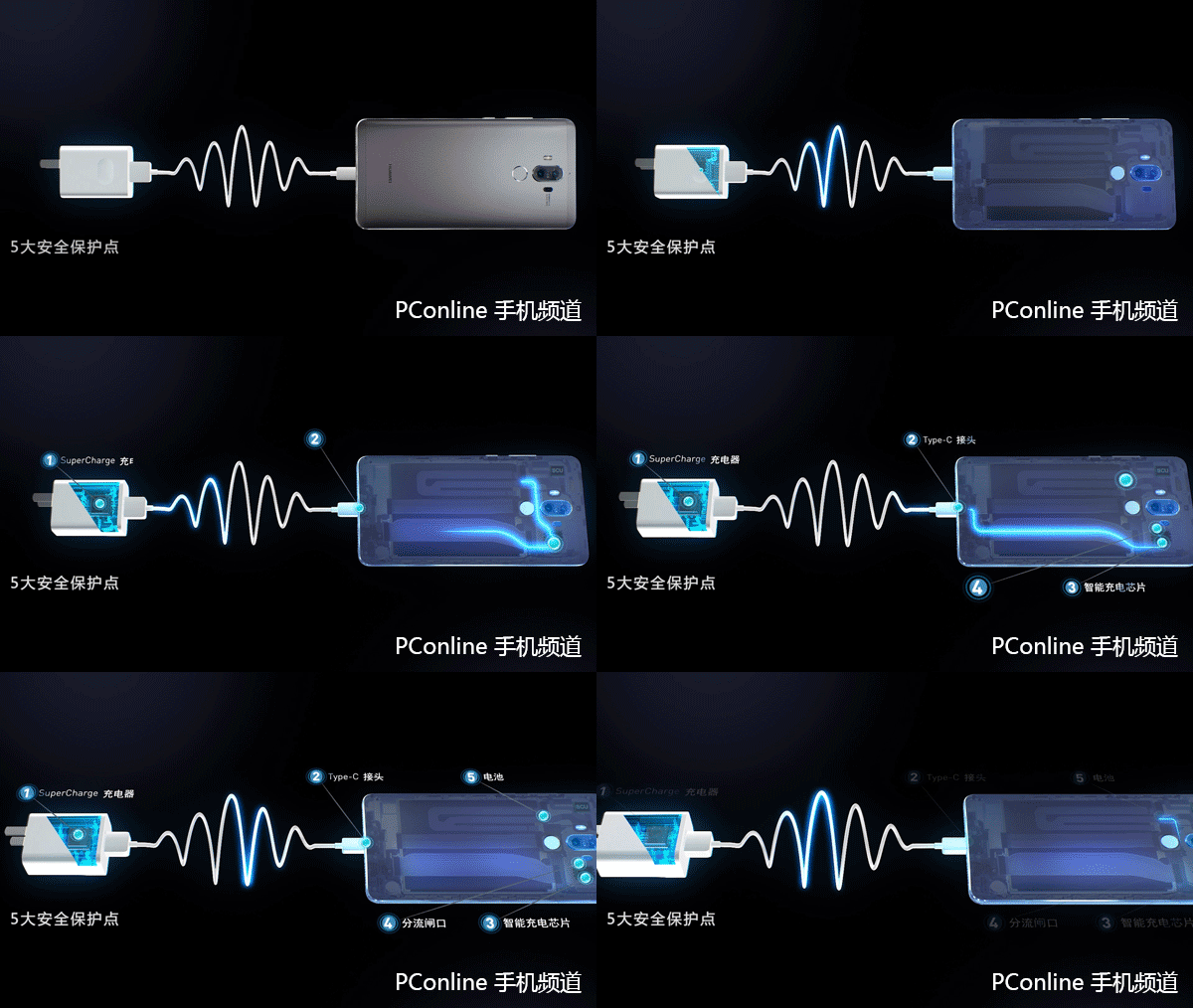
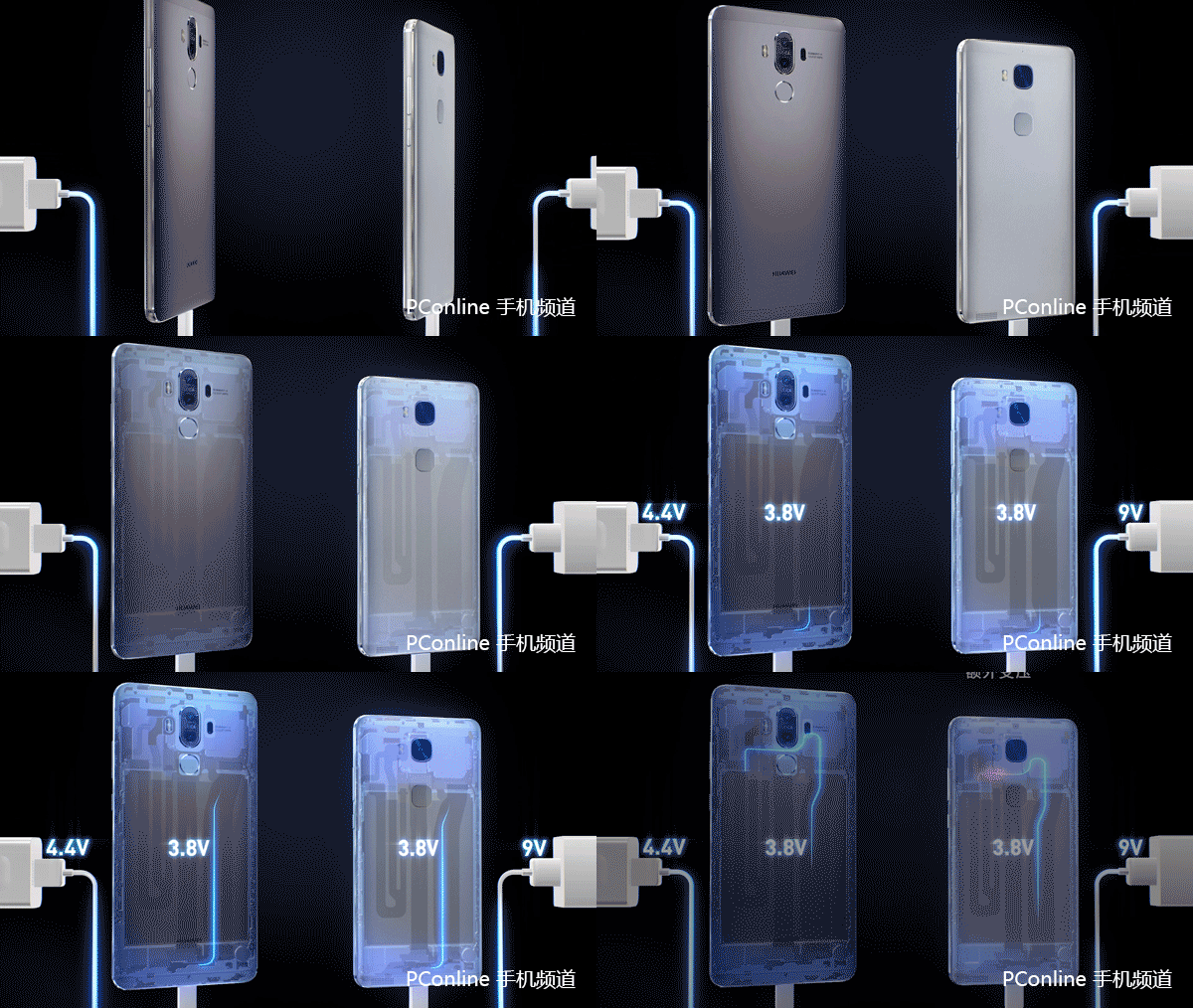
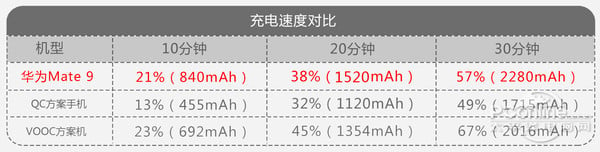
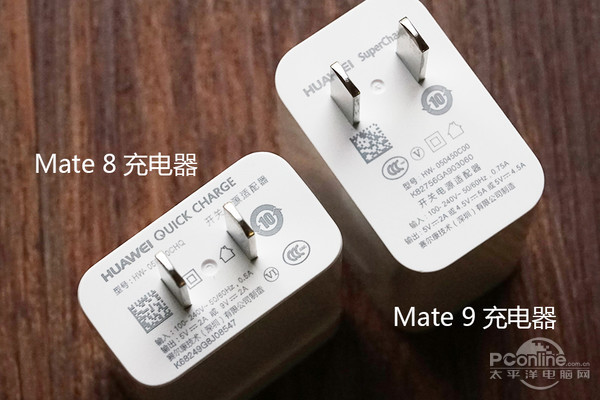
The Mate 9’s Super Charge was recently subjected to test by PCOnline to determine the potency and reliability of the Mate 9’s fast charge technology. The fast charger is configured to support 5V / 2A, 4.5V / 5A and 5V / 4.5A, three output specifications. The fast charge is said to be 50% faster than the Mate 8’s and can achieve up t 58% charge capacity in just 30 minutes.
From the test results, the Huawei Mate 9 was able to charge up to 21% in just 10 minutes. Whereas the Mate 8 was able to achieve 11% in 30 minutes, the Mate 9 reached 57%. In the same vein, the Mate 9 reached 90% in 60 minutes while the Mate 8 was still at 63%.
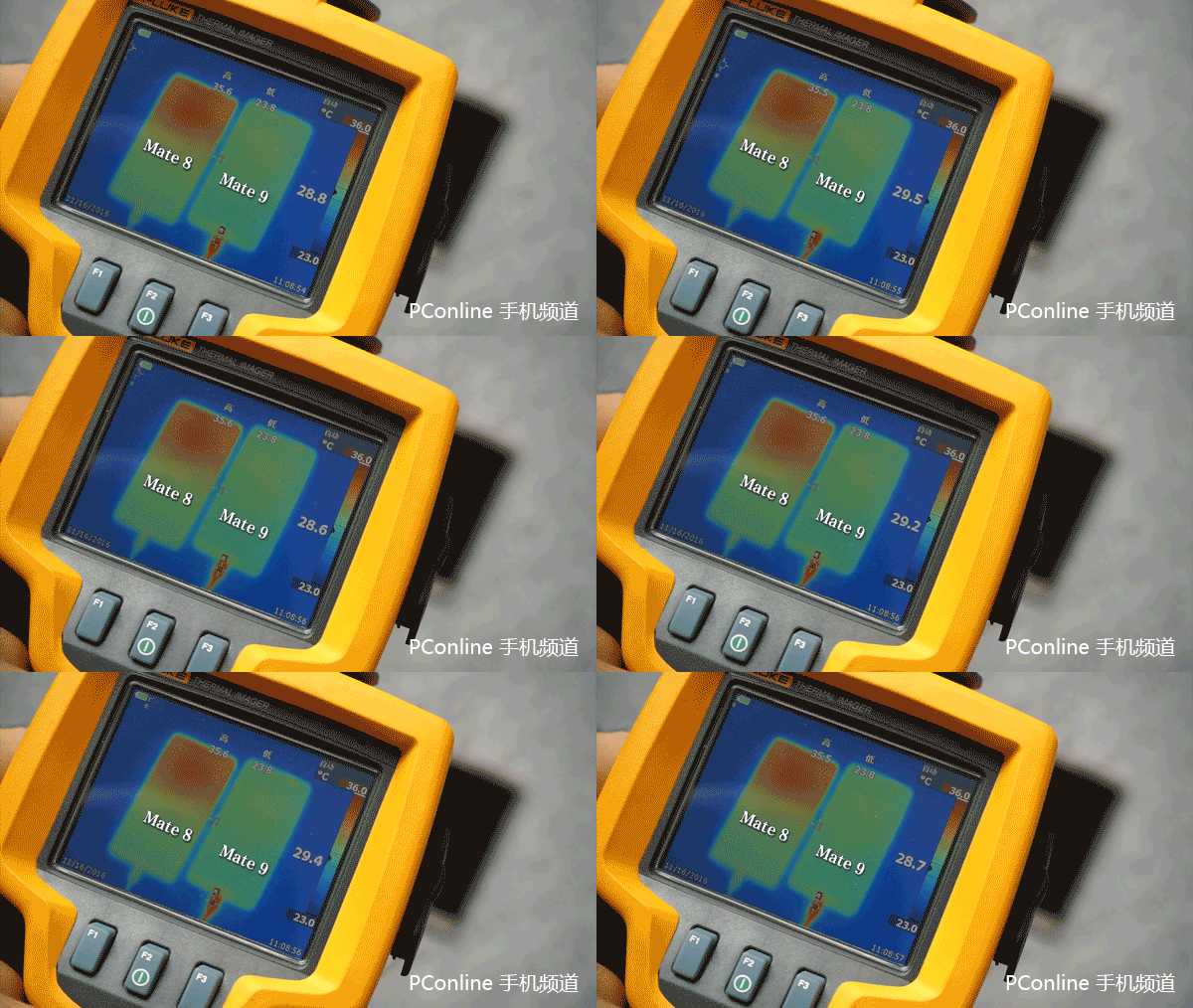
Another question that might prop up is how much heat would the device generate as a result of the fast charge. That was also determined as the Mate 9 uses low voltage, high current fast charge solution in order to reduce the heat inside the circuit. The temperature of the device was tested at 10 minutes, 20 minutes and 40 minutes of charging and compared to that of the Mate 8 and the heat generated isn’t that bad.
In addition, the fast charge technology comes with various safety apparatus both inside the device, in the charge as well as on the battery to ensure that it is safe and wouldn’t lead to cases of exploding device. This is tipped as the fastest charging technology in the market presently, faster than the VOOC fast charge technology and the Quick Charge technology.
We use cookies on our website to give you the most relevant experience by remembering your preferences and repeat visits. By clicking “Accept”, you consent to the use of ALL the cookies.
This website uses cookies to improve your experience while you navigate through the website. Out of these, the cookies that are categorized as necessary are stored on your browser as they are essential for the working of basic functionalities of the website. We also use third-party cookies that help us analyze and understand how you use this website. These cookies will be stored in your browser only with your consent. You also have the option to opt-out of these cookies. But opting out of some of these cookies may affect your browsing experience.
Necessary cookies are absolutely essential for the website to function properly. This category only includes cookies that ensures basic functionalities and security features of the website. These cookies do not store any personal information.
Any cookies that may not be particularly necessary for the website to function and is used specifically to collect user personal data via analytics, ads, other embedded contents are termed as non-necessary cookies. It is mandatory to procure user consent prior to running these cookies on your website.