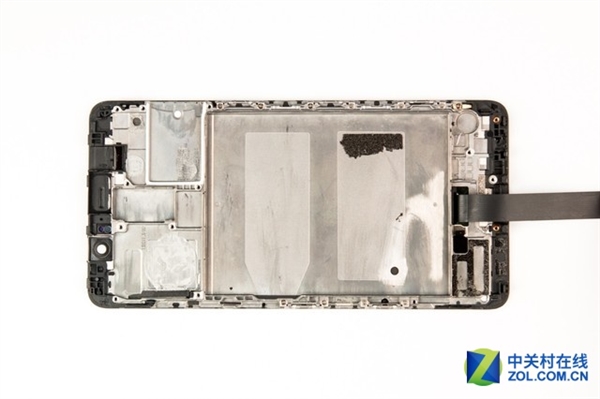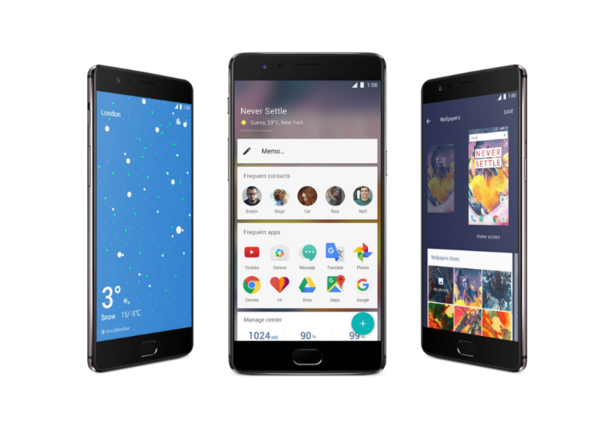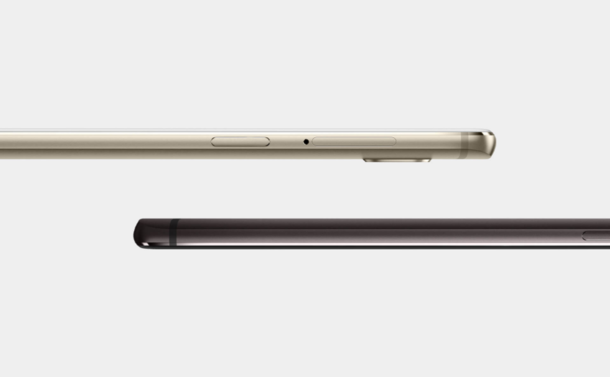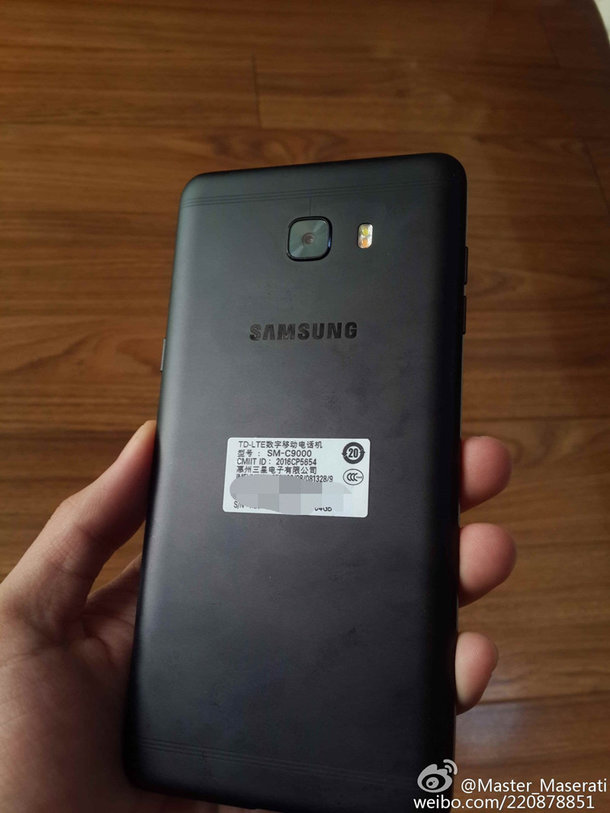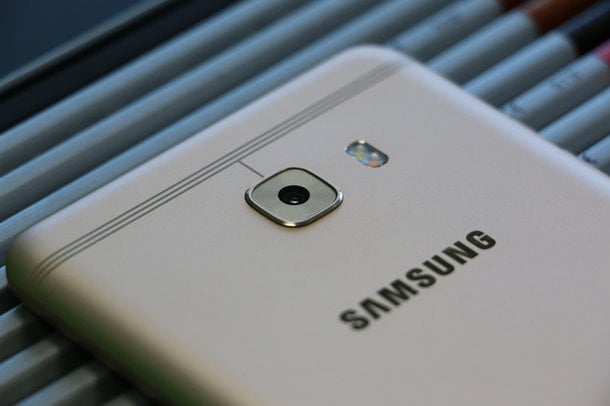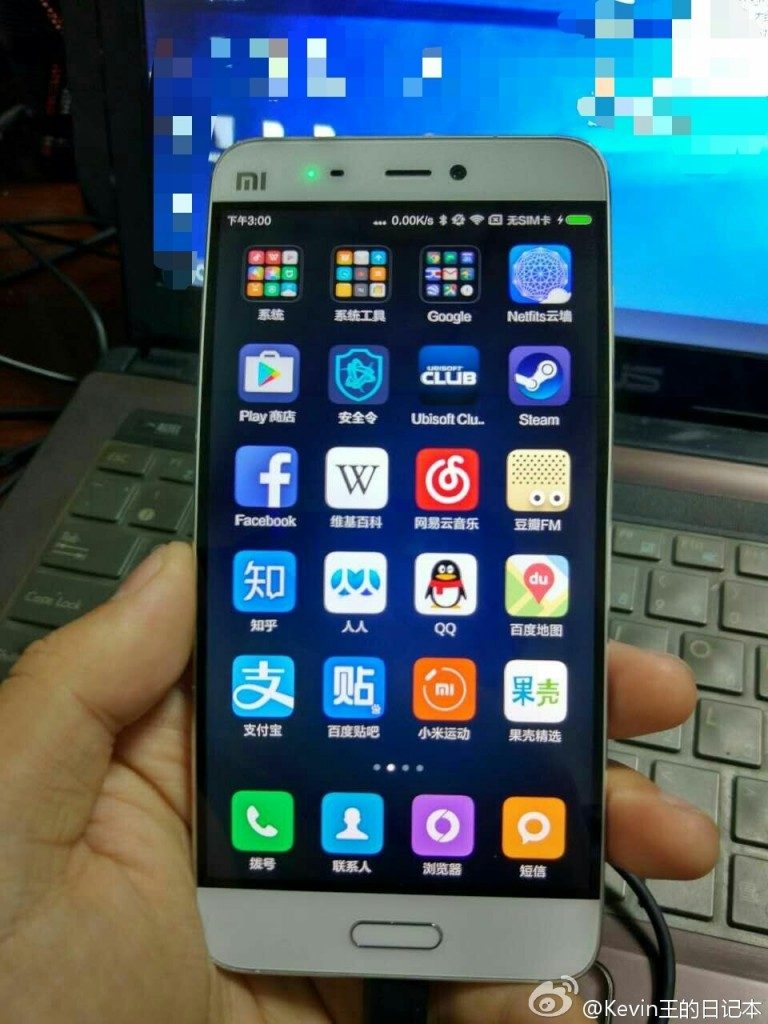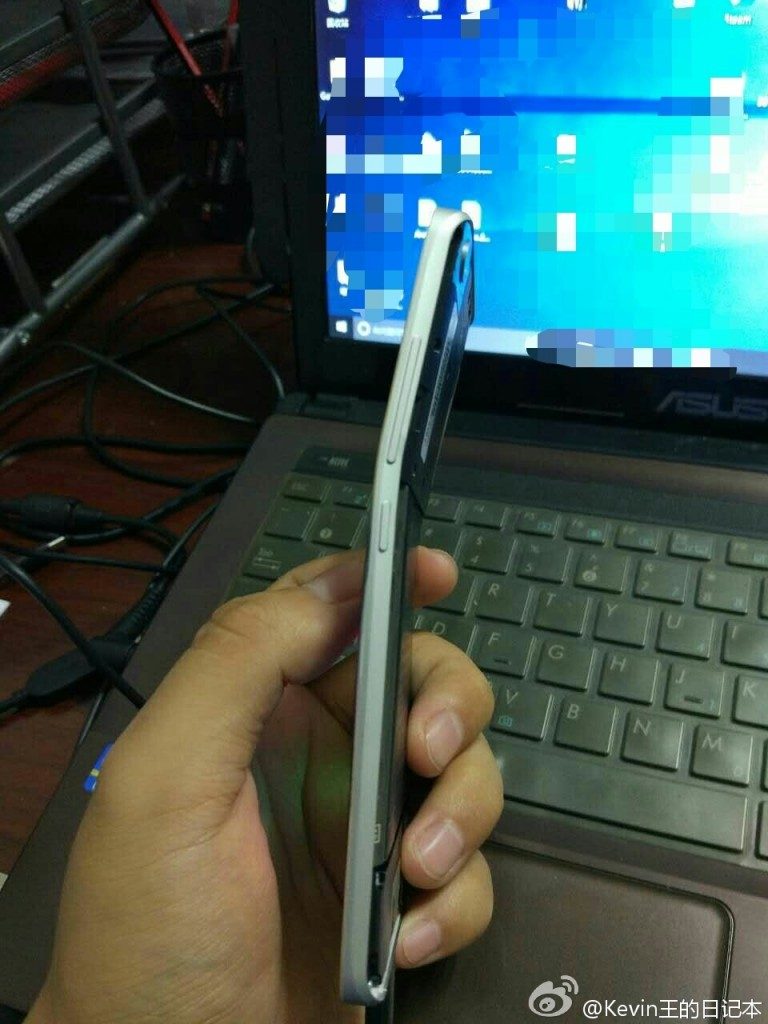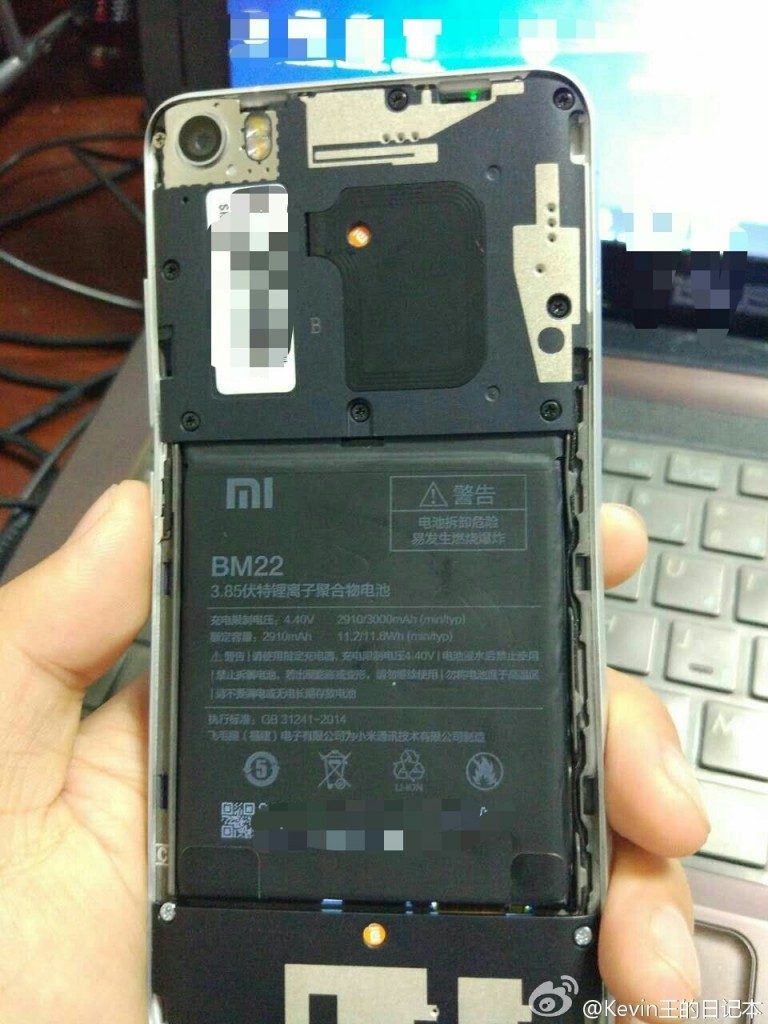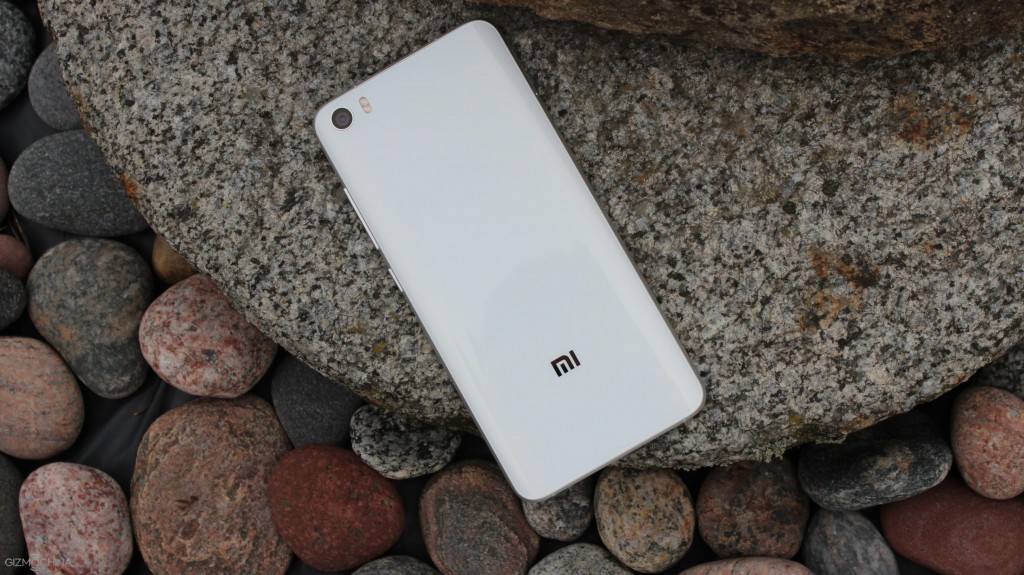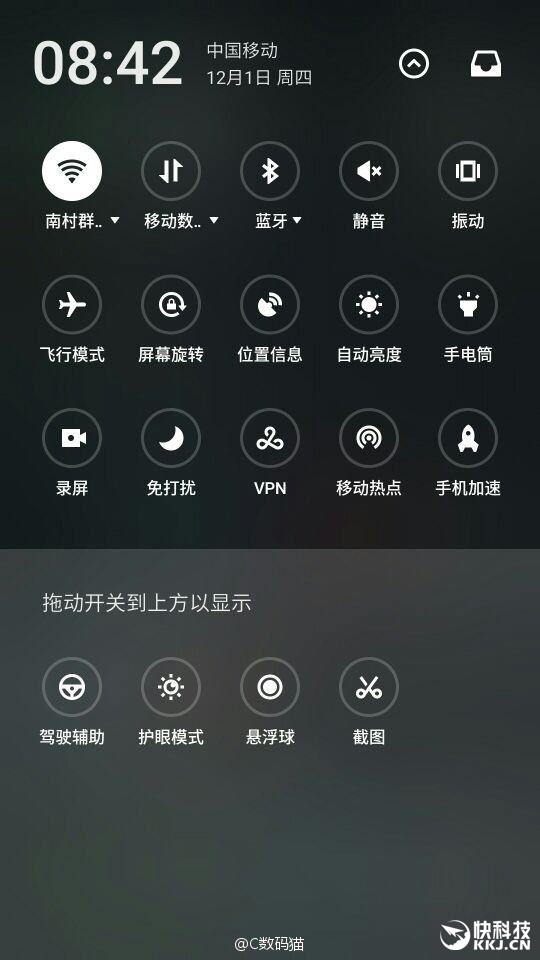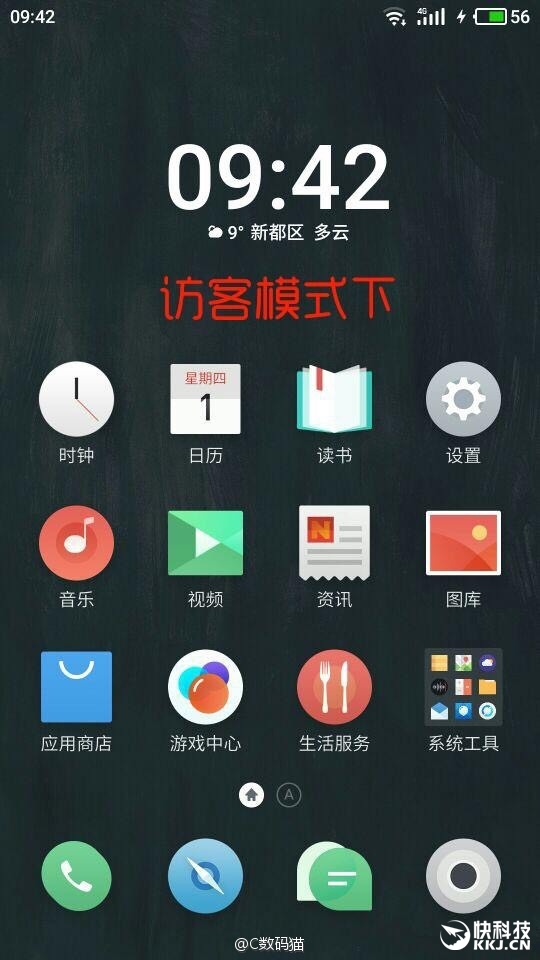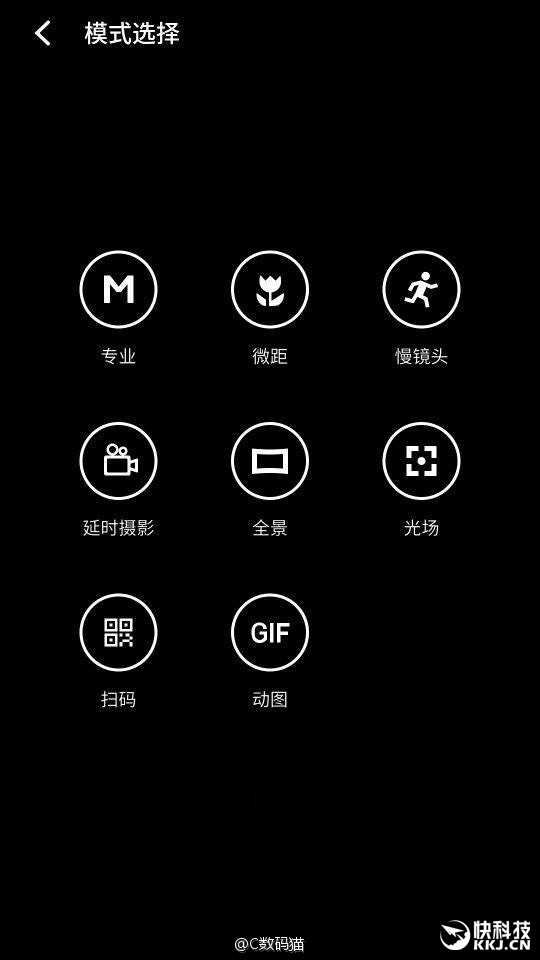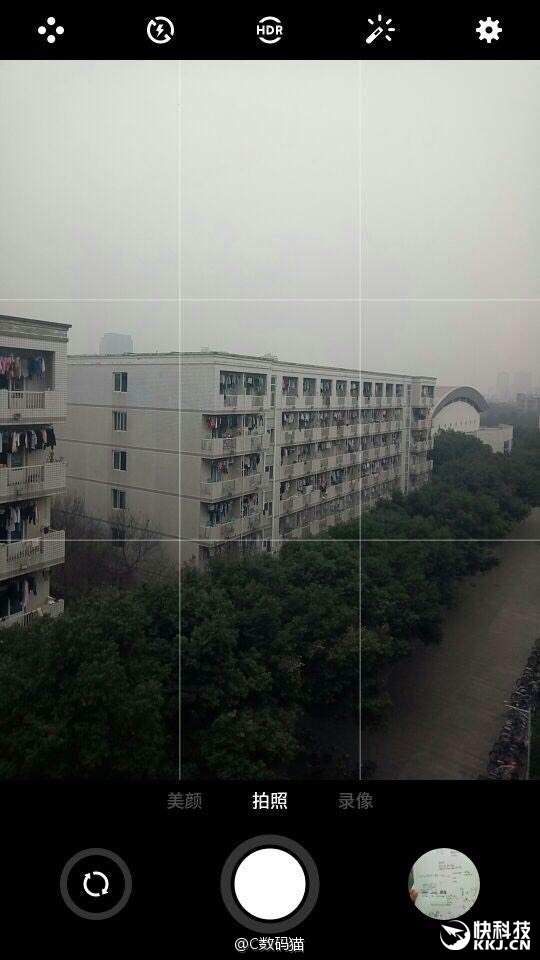
The forthcoming Elephone Ivory featuring a Mediatek 8 core MT6753, a 5.0 inch 720P 2.5D on-cell display screen is set to go on sale later this week for just $99, the phone will be released with Android 5.1 out of the box.
As with most budget phones, the fear is that software support will be left somewhat lacking, with updates coming few and far between, this is something that has always been pointed at Elephone in particular.
Thankfully as has been seen recently with updates for phones like the P8000 and Trunk, Elephone appear to be trying to overcome that image and make better handsets with ongoing software support.
To this point Elephone have today confirmed that the Elephone Ivory 6.0 marshmallow update will indeed be making its way to the phone, regarding time scales nothing firm has been but in place except for the fact that the Elephone Ivory will be updated from Android 5.1 Lollipop to the Elephone Ivory 6.0 marshmallow update some time before next March.
Keep checking back for more Elephone Ivory 6.0 marshmallow news.
Please feel free to leave any comments or questions below
Redesigned Ele Power 10,000mAh power bank images have today been sent over byElephone.
The redesigned Ele Power 10,000mAh power bank has an all new design that is now even sleeker and more stylish than the original, with a smooth finish and accent colours to give it a more personalised feel.
The Ele Power 10,000mAh power bank will be available in Black with red highlights as well as White with Rose Gold highlights.
Whilst the capacity of theredesigned Ele Power 10,000mAh power bank remains the same, the number of USB outputs are down from two to a single full sized USB, and a micro USB input that is used for charging up the power bank
Pricing for the redesigned Ele Power 10,000mAh power bank have yet to be announced but the original was priced at just $4.99, making it a true bargain
Please feel free to leave any questions or comments below
ZTE unveiled the bezelless Nubia Z9 back in May this year. Given that its been more than six months since the launch of the device, we have started seeing leaks and rumors about its next generation version, most likely called as the ZTE Nubia Z11.
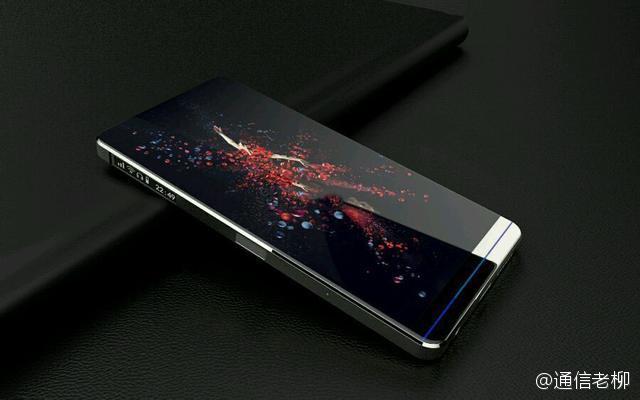
Earlier today, new renders of the Nubia Z11 surfaced online revealing a similar design as its previous generation. The display will be bezelless, thanks to the aRC (arc refractive conduction) technology and there will be a gold colored version of the device, as you can see in the picture below. The phone is said to come with same FiT (Fringe Interactive Technology) as its predecessor.
The specs of the device is going to be super high end. You can expect to see the new Snapdragon 820 quad-core chipset under the hood with Adreno 530 on board and 4GB of RAM plus 128GB of internal storage. The display is expected to be of 5.2-inches with 2560 x 1440 pixel resolution. This translates into pixel density of 565 ppi. At the back, the Nubia Z11 is expected to come with a 20.7MP camera while up front, expect a 13MP shooter. The phone is expected to launch sometime early 2016, which would be less than a year after Z9’s launch.
Unfortunately, we don’t have any concrete proof to confirm these features. No TENAA listing or 3C certifications of the device till now, so you better take this news with a pinch of salt. Meanwhile, we will keep you updated about the new Nubia Z11 if something interesting comes up in the next few days.
Xiaomi surprised us all by announcing that we will meet the Xiaomi Redmi Note 3 tomorrow. All this while, we were expecting the new Redmi model with fingerprint ID and all metal body to come with the name Redmi Note 2 Pro, but it looks like the company decided to jump right to the next generation just three months after the release of a new model in the series.
In the past few weeks, there have been so many leaks and rumors about the Redmi Note 3, that its hard to keep track of everything. So, as promised, in this article, I will summarize what we know about the device till now. Given that the launch is tomorrow, I don’t expect much to change after posting this article. So, this is pretty much everything we know about the Xiaomi Redmi Note 3.
Xiaomi Redmi Note 3 DESIGN
If you have been following Xiaomi for the past few months, you would know that almost every model from the company comes with the same basic design as the rest, featuring plastic. Design wise, I personally liked the Xiaomi Mi Note series, but it still featured a plastic body disappointing some metal lovers.
official Redmi Note 3 teaser
However, the company aims to redesign its lineup with the new Xiaomi Redmi Note 3 and its following generations. This particular smartphone will be of great importance to the company given that it will be Xiaomi’s first all metal device. Also, it will be the first smartphone from the company to feature a fingerprint sensor, which is something that’s found in most flagship and even mid-range smartphones these days.
Redmi Note 3 TENAA images
1 of 4
So, the Xiaomi Redmi Note 3 will feature all metal body as well a fingerprint sensor at the back, something that has been repeatedly confirmed via leaked images as well as TENAA certification.
Despite the fact that the new model will be called as the Xiaomi Redmi Note 3, there won’t be much difference in terms of specs between this model and the Redmi Note 2.
The Redmi Note 3 is expected to feature the fast Helio X10 MT6795 octa-core chip clocked at 2.0GHz. There will be two versions of the device, as confirmed by an updated TENAA listing. One with 2GB RAM and 16GB of storage and the other with 3GB of RAM and 32GB of storage. The display will be the same as Note 2, 5.5-inch with FHD 1080p resolution. At the back, you will most probably find a 13MP camera with PDAF with dual LED flash and a 5MP shooter up front. Although initially we expected the battery to be 3060mAh, recent reports have said that the Redmi Note 3’s battery will be much larger, around 4000mAh. If true, this would be a great achievement given that the body measures just 8.75mm in thickness. TENAA confirms this thickness and further adds that the phone will weigh 165 grams. As for the OS, we are quite sure that the new device will feature MIUI 7 OS based on Android 5.0.1 version.
As mentioned in the design, the phone will also come with a fingerprint sensor at the back.
Xiaomi Redmi Note 3 PRICE
Xiaomi is known for its aggressive pricing, something that we have witnessed in the past few months, especially with the Redmi Note 2 which costs just 799 Yuan ($124). So, we are expecting the new Redmi Note 3 to be priced around the same lines, only slightly costlier. Although we don’t know the official pricing yet, our best guess would be 999 Yuan ($155) for the 2GB + 16GB version. The 3GB + 32GB version could be priced at 1099 Yuan ($172).
Xiaomi Redmi Note 3 RELEASE
Xiaomi has officially confirmed that it will release the Redmi Note 3 at tomorrow’s Grand Finale event. So, we just have to wait for a few hours more to meet the device officially.
If this pricing and specs turn out to be real, competitors like Meizu Metal will be in real trouble. The Metal starts at 1099 yuan ($172) for the 2GB version. So, on paper, at least for now, the Xiaomi Redmi Note 3 looks like a winner.
I think, I covered everything that we know about the Redmi Note 3 till now. If you have any more questions feel free to ask them via the comments section below. I ll try my best to answer them.
It was a big surprise when Xiaomi revealed late yesterday that we will meet the Xiaomi Redmi Note 3 at tomorrow’s Grand Finale event. This will make Redmi Note 2 one of the shortest product generations that we have seen recently. Now, according to an updated TENAA listing, the Redmi Note 3 will feature a 3GB RAM version as well, a step up from the 2GB version on the previous generation.
So, as of now, we know that the phone will come in at least two versions, one featuring 2GB RAM and 16GB of storage and the other with 3GB RAM and 32GB of storage. Other specs are pretty much the same as the previous generation, so expect Helio X10 MT6795 chip under the hood and 13MP rear camera with PDAF, 5MP front camera and 5.5-inch FHD 1080p display.
According to new rumors, the Redmi Note 3 is expected to come with a large 4000mAh battery, a step up from the 3060mAh capacity on the Note 2. As a result, the phone will be thicker as well, but only by a small amount. The TENAA listing reveals that the phone will be 8.75mm thick (Redmi Note 2 was 8.3mm thick), which is actually a pretty great for a device with such a large battery. In comparison, the ZUK Z1 with a 4100mAh battery measures 8.9mm in thickness.
Xiaomi had hinted earlier that the upcoming phone was going to feature a large battery despite its thin body. So, this can actually turn out to be true. If these specs are what we see tomorrow, then Xiaomi fans are definitely in for a treat. The company is expected to price its 2GB version at 999 Yuan ($155), but lets wait for official confirmation.
Chinese smartphone market is full of affordable flagships that both have great specs and performance. However, how do they stack up against each other? This is the comparison of OnePlus 2, Letv Le 1 Pro, ZTE Axon Elite and Meizu MX5, which is brought to you by the TechLineHD. Find out more in the our review.
OnePlus 2 vs. Letv Le 1 Pro vs. ZTE Axon Elite vs. Meizu MX5: DESIGN
Let’s take a look at the design first. These Chinese flagships are not the smallest out there as all of them sport 5.5” displays.
Still, Letv Le 1 Pro is the most compact one followed by the Meizu MX5.
As far as the choice of materials they are all metal-made except for the OnePlus 2 as it uses a combo of a metal chassis and sandstone back cover, which can be replaced to a variety of different ones.
To be honest, only the Letv Le 1 Pro is truly all-metal device as both the ZTE Axon and Meizu MX5 have plastic top and bottom parts for antennas.
As far as the build quality, they are all top-notch. However, Meizu MX5 has a bit rattling buttons but they are far from the deal breaker.
As far as selfie cameras go, OnePlus 2 and Meizu MX5 have 5MP shooters, Le 1 Pro sports 4MP Ultrapixel snapper and the ZTE Axon leads the way with 8MP in terms of megapixel count.
As far as notification LEDs, OnePlus 2 is a clear winner as it has a highly-customisable one.
All devices have fingerprint scanners except for the Le 1 Pro. If you ask me, I would say that the ZTE Axon has the fastest and the most accurate implementation despite being the only one with the scanner on the back. The second is the MX5 and the third is OnePlus 2 as it clearly lags behind in terms of speed and accuracy.
The button placement is very similar on all the phones except for the fact that Le 1 Pro and the Axon phone have volume rockers on the right.
The bottom is the part where the majority of devices have their loudspeakers but only the Axon phone has a front firing speaker grill.
As far as connectivity goes, the OnePlus 2 and the Le 1 Pro are more future-proof as they both use the USB Type-C ports whereas other phones in this review have standard micro USB ports.
All in all, I have to say that all phones have great design and build but my personal preference is the Le 1 Pro as it is the most compact and it is the only truly all metal phone out of the pack. However, design part is always subjective.
OnePlus 2 gallery:
1 of 20
Check out the OnePlus 2 vs Letv Le 1 Pro comparison review:
OnePlus 2 vs. Letv Le 1 Pro vs. ZTE Axon Elite vs. Meizu MX5: DISPLAY
When it comes to the display, the Le 1 Pro has an edge in terms of sheer specs as it has a 2k panel. However, it is really hard to tell the winner as it all comes to the personal preference e.g. if you like slightly warmer or colder colours or if you prefer the Amoled panel found on the Meizu MX5.
Still, my personal preference goes to the ZTE Axon as it has the most pleasing to the eyes display for me.
OnePlus 2 vs. Letv Le 1 Pro vs. ZTE Axon Elite vs. Meizu MX5: UI
When it comes to the UI, each phone has a different take on Android.
OnePlus 2
1 of 31
OnePlus 2 runs on the Oxygen OS, which has preserved most of the looks of stock Android. Timely software updates assure that you will get a smooth experience overall.
In short, you are getting a stock Android experience with quite a few customisation options and some useful added features.
Letv Le 1 Pro (original stock Chinese ROM):
1 of 46
When it comes to the Le 1 Pro, it runs on the Le UI, which is built on Android 5.0. The Chinese ROM works very fast and there is no lag whatsoever. It has a nice and flat design, some added features and some design inspirations from Apple. However, you have to keep in mind that the Chinese ROM is mainly designed for the Chinese users and the home button serves as a quick access toggle for Letv streaming services. Also, there are quite a few Chinese apps out of the box.
However, the stock Chinese ROM does not have Google Play services pre-installed. Thankfully, there is an easy way of doing that and you may find the detailed instructions in the video below:
Letv Le 1 Pro with the unofficial international ROM:
1 of 7
You have to keep in mind that many third-party resellers ship the Letv phones with the unofficial international ROM, which has Google Play services out of the box, multi-languages and all the chinese apps removed and that’s a good thing. However, I don’t recommend this ROM as it comes with lots of bloatware apps that you can’t simply remove, significantly worse UI, battery and camera performance. Please go with the Chinese ROM as you can easily live with the Chinese content on the phone and wait for the official release of international ROM.
ZTE Axon Elite:
1 of 77
I have the Chinese version of the ZTE Axon Elite for a review and thus it has a Chinese ROM. In short, it runs fast and fluid, it has lots of customisation options and no app drawer. Keep in mind that there are no Google services pre-installed on the Chinese version, but they can be easily side-loaded.
Meizu MX5 (older version of the FlyMe OS):
1 of 41
Meizu MX5 with FlyMe OS 5.0.1:
1 of 16
The Meizu MX5 runs on the FlyMe OS, which was recently updated to 5.0 version. This is a Chinese version I have at the moment but to be honest, it doesn’t bother me at all.
I’ve been a fan of FlyMe OS for quite a while as it has tons of customisation options, probably the best working gesture controls on any Android phone and it is very fast and responsive UI overall.
However, the newest version of FlyMe OS has some questionable changes. Well, I really appreciate the recent apps menu that is finally more conventional but there are some odd decision made by Meizu. For example, the gesture controls menu is transferred to accessibility menu… but most importantly, I am absolutely disappointed by the new camera interface.
In the old version, everything was nice and straightforward, you could change the modes by simply swiping up and down very quickly. However, right now you need to go to a separate menu and it takes a lot more time.
Overall, all the UIs of these phones are great to use. At the end of the day, it all comes to the personal preference. I love LeUI, I like FlyMe OS but at the moment I’m in the mood of stock Android, so I’m choosing the Oxygen OS on the OnePlus 2.
OnePlus 2 vs. Letv Le 1 Pro vs. ZTE Axon Elite vs. Meizu MX5: BENCHMARKS
OnePlus 2:
1 of 8
Letv Le 1 Pro:
1 of 12
ZTE Axon Elite:
1 of 5
Meizu MX5:
1 of 7
OnePlus 2 vs. Letv Le 1 Pro vs. ZTE Axon Elite vs. Meizu MX5: HARDWARE and PERFORMANCE
All the phones in this comparison have flagship-grade specs except for the Meizu MX5. It is still quite a powerful package as it has a Mediatek Helio X10 chip, 3GB of RAM and the base model has only 16GB of non-expandable internal storage.
OnePlus 2, Letv Le 1 Pro and ZTE Axon have Snapdragon 810 chips with slightly different clock speeds and different storage options. Keep in mind that only the Elite version of the Axon phone I have has the microSD card slot.
When it comes to the graphically intensive tasks, the Snapdragon 810-powered devices will provide you with the best possible experience. As far as Meizu MX5, it can also handle 3D games quite well but the level of graphics is simply not quite there yet.
OnePlus 2 vs. Letv Le 1 Pro vs. ZTE Axon Elite vs. Meizu MX5: MULTIMEDIA
When it comes to multimedia, consuming HD content is just a blast on all phones.
As far as loudspeakers go, I would choose the Axon phone since it has a front firing speaker, which is loud and has a decent amount of depth in its sound.
I would give the OnePlus 2 the second place, the third and the fourth to the Le 1 Pro and the MX5, respectively.
When it comes to the music via earphones, the Le 1 Pro is simply the best and the Axon phone is the closest competitor as both of these phones have dedicated Hi-Fi audio chips.
The OnePlus 2 and the MX5 are pretty much the same.
OnePlus 2 vs. Letv Le 1 Pro vs. ZTE Axon Elite vs. Meizu MX5: CAMERA and IMAGE QUALITY
You may check the out the camera interface of each phone in the dedicated reviews.
When it comes to the image quality, I tested these phones under exactly the same conditions and you may check out a dedicated in-depth camera comparison video as well, where I also included the Samsung Galaxy S6 Edge and the vivo Xshot:
As usual, the daylight images are pretty much comparable and all phones are capable of producing really nice photos. However, OnePlus 2 manages to do the best job if we summarise the quality of lots of images. It tends to capture a very good amount of details, colours look nice, although they tend to be on a warmer side. Also, contrast and dynamic range are usually handled okay but not all the time.
Other competitors are very close to each other but I’m choosing the either Letv Le 1 Pro or the Meizu MX5 for the second and third places and the Axon phone for the fourth.
As far as the night shots, OnePlus 2 leads the way as it tends to capture more details and the images have less noise and it is simply the most consistent performer.
The second place goes to the Le 1 Pro but sometimes you can take a better shot with either the Meizu MX5 or the ZTE Axon. Thus, it is really hard to rank these phones. That leads to the conclusion that they are pretty much comparable but the night shots will be a hit or miss.
At the end of the day, the OnePlus 2 is your best bet when it comes to the overall image and video quality.
Check out a detailed 1080p and 4k video comparison of each smartphone in the video below:
OnePlus 2 vs. Letv Le 1 Pro vs. ZTE Axon Elite vs. Meizu MX5: CONNECTIVITY
When it comes to connectivity, I don’t have major complaints regarding call quality, signal reception, Bluetooth or Wifi. The only thing is that the GPS may be less accurate on the Meizu MX5 but the difference is not that significant.
OnePlus 2 vs. Letv Le 1 Pro vs. ZTE Axon Elite vs. Meizu MX5: BATTERY LIFE
When it comes to the battery, OnePlus 2 has a 3300mAh unit, Letv Le 1 Pro and ZTE Axon both have 3000mAh and finally the Meizu MX5 comes with 3150mAh battery.
The actual battery life is pretty much comparable on all phones except for the Letv Le 1 Pro. Still, the maximum screen-on time of almost 5 hours can be reached on the OnePlus 2 but it is only possible when doing non-demaning day to day tasks. The Meizu MX5 comes out second with the average 4-4.5 hours of screen-on time, the Axon phone comes third with around 4 hours or less. Finally the Letv Le 1 Pro reaches only around 3.5 or max. 4 hours of screen-on time if you reduce the brightness significantly.
OnePlus 2 vs. Letv Le 1 Pro vs. ZTE Axon Elite vs. Meizu MX5: CONCLUSIONS
We have finally come to the conclusions and you may ask what’s the best phone out of the pack.
Well, it’s not that easy to answer as all offerings are great bangs for the buck but I will try to rank them according to my personal preferences.
I really care about the camera, the battery life and the fact that the phone has a great software designed for international users. Thus, I am choosing the OnePlus 2.
The second option would be the Letv Le 1 Pro and that is mainly due to the all-metal design and fantastic build quality, good camera and probably the best-in-class audio quality via earphones. Also, due to the recent price drops, the Le 1 Pro is just an absolute steal.
The third place goes to the ZTE Axon as it is also a very well designed phone with mainly metal materials, although those fake leather stitchings may look more appealing for female users.
Finally, I love the Meizu MX5 due to its nice metal design but mostly due to great software experience. However, Mediatek Helio X10 processor is good but it is not as powerful or future-proof as the Snapdragon 810 chip found in the latter 3 phones.
At the end of the day, all phones are great choices if you are looking for affordable Chinese flagship. You really need to ask yourself what are your personal preferences but if you ask me, the OnePlus 2 and the Letv Le 1 Pro are your safest bets.
Check out the OnePlus 2 vs. Letv Le 1 Pro comparison review:
The past few weeks have been eventful for Xiaomi fans given that we have seen a lot of leaks, rumors and well as teasers directly from the company. We are expecting to see atleast two product launches at the company’s Grand Finale Event on November 24. All this while, we expected the new Xiaomi smartphone with fingerprint sensor to be called as the Xiaomi Redmi Note 2 Pro. However, the company has officially revealed via a new teaser that the phone is going to be called as the Xiaomi Redmi Note 3.
As a result, coming Tuesday, we will meet the Redmi Note 3 as well as the recently teased Xiaomi Mi Tab 2. No wonder, the company is calling it the Grand Finale event as both the devices are going to be new generation versions.
You can read more about the Redmi Note 3 specs from our previous coverage.
16GB (expandable via microSD card slot up to 64GB)
Oukitel K4000: UNBOXING
As usual, let’s start by unboxing and what you get in the packaging are a fast charging brick, USB cable, instruction manuals, a pair of earphones and and a soft plastic case.
Oukitel K4000: DESIGN
As soon as you pick up the phone, you will notice that it is a heavy device as it weighs 208g and it is 11mm thick.
Nevertheless, the phone has only 5” display and thus it is easily manageable with one hand.
On the top we have 2MP camera for selfies and on the bottom you have 3 capacitive buttons, which are, however, non-baclit.
The backplate is made of soft plastic, which is nice to the touch and definitely helps with the grip.
As far as optics, Oukitel implemented an 8MP shooter, which is interpolated to 13MP and it is supplemented with a LED flash.
On the bottom there is a speaker grill.
You can easily remove the back cover and underneath it you can find two SIM card slots and the microSD card slot.
Oukitel K4000 is surrounded by a CNC metal frame and on the right we have a volume rocker and the power key, a headset jack on the top and the micro USB port on the bottom.
Overall, Oukitel K4000 is well constructed, it feels great in the hand and the design is pretty decent.
Oukitel K4000: DISPLAY
The phone rocks a 5” 720P panel, which is quite a typical affair for budget phones. It is okay to look at but it is far from perfect. The display could be brighter and the a slight blue tint is a bit annoying.
On the other hand, Oukitel declares that it uses a super tough glass, which translates to 9H hardness. Well, I didn’t want to to hit it with a hammer but at least Oukitel feels pretty confident about its screen.
Oukitel K4000: UI
When it comes to the UI, we have Android 5.1 out of the box with a light Oukitel’s skin on top of it.
What you are getting is a stock Android with some differently designed icons. Otherwise, there are no extra features like gesture controls and this is a pretty much bare bones UI.
Overall, the user interface is fast, responsive and I didn’t even have any hiccups. Well, you keep it simple, you keep it fast.
Oukitel K4000: HARDWARE and PERFORMANCE
Oukitel has an MTK6735 chip, which is clocked at 1GHz, 2GB of RAM and 16GB of expandable storage. Well, we’ve seen this combo on lots of China phones lately….
However, graphically intensive games are very laggy and there is just too much stutter to call it an enjoyable experience.
Oukitel K4000: MULTIMEDIA
When it comes to the multimedia, the loudspeaker is like any other speaker on a cheap phone. It is okay for the price of the phone but it lacks depth and the sound is simply tinny.
Oukitel K4000: CAMERA
The 8MP shooter, which is interpolated to 13MP is actually not bad for a budget phone but it is not always reliable. If you are lucky, you may get a shot with a decent amount of details and okay colour reproduction.
If you are not that lucky, you may get a blurry shot.
Other cons are usual to all budget phones – the dynamic range is usually off, the contrast levels are not perfect and the low-light shots do not impress.
When it comes to the video quality, the footage looks shaky and lacks details. See the video review or download original video sample from the link below.
As far as connectivity, I have no major complaints with the call quality, signal reception or wifi. GPS locks speeds and accuracy are pretty good too, although navigation is not that precise as on Snapdragon-powered phones.
Oukitel K4000: BATTERY LIFE
The 4000mAh battery should last forever given a 5” display and a light UI. I have to say that the longevity is indeed impressive as I could constantly get over 5 hours of screen-on time.
Oukitel K4000: CONCLUSIONS
So here it is, Oukitel K4000. Is it another cheap phone from China? Well, yes. It is not a perfect phone but it is not a bad choice either.
The device has a decent design with great build quality, okay display, which is not perfect but it is built to last, a very good battery life, okay camera and fluid UI.
However, the Oukitel K4000 is heavy phone and you will feel that immediately. Also, the UI doesn’t have any extra features we see on other phones. Well, it’s good that it is not overblown with gimmicks but a few extra features would have been nice. Lastly, while the camera is pretty good, it is not consistent and the low-light shots do not impress.
Finally, Oukitel K4000 is a decent phone but there is nothing we haven’t seen before. For the price of just below $120, it is a good offering but you may also want to check out some other devices too.
Gizmochina is the place where we usually cover Chinese smartphones but we have already expanded our review section to the Bluetooth speakers, power banks and all sorts of other gadgets (e.g. car jump starters, smart LED light bulbs).
This time around we are taking a look at arguably the world’s smallest quadcopter – Cheerson CX-10 4-Channel Mini. Find out more in our full review.
Cheerson CX-10 4-Channel Mini Quadcopter Review: UNBOXING
The quadcopter comes in a plastic box and the contents include the quadcopter itself, a proprietary charging cable, remote control, instruction manuals and some extra parts in case you brake the device.
Cheerson CX-10 4-Channel Mini Quadcopter Review: DESIGN
The very first thing that is going to amaze you is the fact that this quadcopter is super small. Honestly, it is hard to believe that the thing of this size can even fly. Well, it for sure can.
It is made entirely out of plastic and the build quality is great.
It has a little on/off switch as well as a proprietary charging port (it takes less than an hour to recharge the device).
It has red/blue LED lights under each of the axis.
The remote control is also made of plastic and it is pretty straight forward. It has ascend/descend lever on the left and left/right flying lever on the right. Also, the up/down button works as a trimmer for ascending/descending. The left/right button is a trimmer for the left/right side flying. Finally, the remote controller has a power on/off switch and the power indicator.
The remote controller is powered by two AAA type batteries.
Cheerson CX-10 4-Channel Mini Quadcopter Review: SETUP AND FLIGHT EXPERIENCE
I’ve played enough with this little quadcopter and I want to share my experience, so you won’t brake it immediately. First of, I suggest you going outside and have a bit of a practice in the field with a soft surface. The grass would be great. The football pitch would be ideal. I don’t recommend going to the forest, though.
The first thing you have to do is to put the quadcopter on a flat surface and turn it on using a power switch.
Then you have to turn on the remote controller, pull the left lever to the lowest point till you hear beep, then push the lever to the highest point (you will hear the beep again) and finally push the left lever to the lowest point again.
The blue LED lights on the quadcopter should stop blinking and that means that the quadcopter and the remote controller are paired. This is the “pairing” procedure you have to do each time you turn on the device.
Once you’ve done that, you are ready to take off by slowly pushing the left lever up.
Cheerson CX-10 4-Channel Mini Quadcopter Review: MY EXPERIENCE and CONCLUSIONS
To be honest, this was my first ever quadcopter and I had a lot of fun playing with it. The reason I suggest you going outside for your first flight is that it is not that easy to control it and you need to get used to it.
Also, the all the moves you try to do with this quadcopter, it does it freaking fast and sometimes it is impossible to control it once you are just starting.
However, I got used to it in a few days and I have to tell you that it is pretty fun and it may be a perfect gift if you have a little brother or for your children.
A few downsides are that the instruction manual is very complicated as it is written in Chinglish but that’s not the worst thing. I was pretty disappointed that the battery could not even last full 10 minutes. A good thing is that it doesn’t even take one hour to recharge it.
You can grab Cheerson CX-10 4-Channel mini quadcopter for around $15. It is not a perfect toy but it is a cheap way to buy a quadcopter for beginners or kids.
In the past few days, Xiaomi has revealed a lot of information about its November 24 Grand Finale event that will be held at the Chinese National Convention Center in Beijing.
Beijing National Convention Center
For the first time, it looks like the company will make more than one major product announcement in an event. This is why we decided to summarize everything we know about the upcoming Xiaomi event in one article. Things were getting confusing with rumors, teasers and leaks all around, and this article should help you to understand what exactly to expect from the Grand Finale event next week.
WHY IS XIAOMI CALLING IT AS THE GRAND FINALE EVENT?
At the November 24th event, Xiaomi will be announcing a number of new products simultaneously. Its going to be a big event for the company as well as its fans worldwide. This is the first time the company is releasing so many products together, which is probably why Xiaomi is calling it the “Grand Finale” event.
HOW MANY XIAOMI PRODUCTS ARE GOING TO BE ANNOUNCED?
As of today, we know for sure that there are going to be at least two product announcements at the event. Xiaomi’s President Lin Bin confirmed via multiple teasers that we will be meeting the Xiaomi Redmi Note 2 Pro and the Xiaomi Mi Pad 2 tablet at the next week’s Grand Finale Event.
However, I think there could more than two announcements. We had recently seen a new metal Xiaomi device painted in gold, which was a bit different than the Redmi Note 2 Pro pictures that were leaked earlier. This could be a smaller device, probably from the Redmi family (could be called as Redmi 2 Pro or Redmi 3) and could launch alongside the Redmi Note 2 Pro at the Grand Finale event. For now, Xiaomi has not officially revealed any details about the device, so we can’t be sure.
So, at the moment, you can expect at least two announcements on Nov 24, namely Xiaomi Redmi Note 2Pro and Xiaomi Mi Pad 2.
WILL XIAOMI ANNOUNCE MI5 AT THE GRAND FINALE EVENT?
UNLIKELY! If Xiaomi were to release a flagship like Mi 5 at the event, we would have definitely heard about the phone by now, either by way of teasers or via leaks/ rumors. Since the internet has been silent about Mi 5 till now, I don’t think we’ll see Mi 5 next week.
Another reason for dismissing this possibility is because of the importance of the launch of a device like the Mi 5. Its going to be the flagship smartphone of the company after more than a year. So, the company wouldn’t want to take away its glory by announcing it together with so many products.
Well, this is all we know about the Grand Finale Event for now. I will be updating this article in the coming days to include more details.
Also, in case you are interested in knowing the specs, features, pricing etc of Xiaomi Redmi Note 2 Pro and Xiaomi Mi Pad 2, we will be covering both these devices in detail in our upcoming articles. So, stay tuned.
Meanwhile, let us know what you think about the Xiaomi’s Grand Finale Event.
Yesterday, Vivo confirmed a new event for the launch of its recently teased Vivo X6 flagship. But it looks like we may see not one but two launches at the event, as the company released a new teaser on its Weibo page with the tagline, X6&More. The image actually shows us a picture of another device in the background which could be the rumored new Vivo Xshot model.’
After a long break, it looks like Vivo will be a lot busy in the coming days. The original Xshot featured great specs with an amazing camera, and we expect the new Vivo Xshot version to be even better. We had already heard rumors about this particular model a few days back and the leaked image showed off a phone came with a large camera sensor at the back. The design was more or less similar to previous releases from the company, but it featured a fingerprint sensor at the back like the X6.
earlier leaked Vivo Xshot model
Given that the company has started teasing the second product, which is most likely the new Xshot, we can expect to hear more details about the device in the coming days.
According to the recently leaked image of the new Vivo Xshot, the phone features two extra buttons on the side in addition to the power and volume buttons. The one on the top should function like iPhone’s mute button while the second one near the bottom is expected to be a dedicated camera button. Hopefully, we can confirm these features in the coming days.
So, mark your calendars, November 30 just got a lot more exciting for Vivo fans!
Ever wondered what is the most popular smartphone screen size in the world? Well, we have finally got some idea thanks to a new report from Device Atlas. The company has analyzed data from the web to determine which display size and resolution turned out to be the most popular.
According to their report, 4.7-inch is the most popular display size in the world. Well, this is actually not that surprising given that the iPhones which sell in millions every year comes with a 4.7-inch screen. Out of the 10 major countries whose data was available, 7 countries had 4.7-inches as the most popular size. The next popular display size seems to be 5-inches.
But if you are doubtful of Apple’s dominance even now, then the next line will cast away those doubts for sure. The report further adds that the most common display resolution is unsurprisingly the 1334 x 750 pixel resolution, which only the iPhones can boast of. The next popular resolution is FHD, i.e. 1920 x 1080 pixels. Quad HD resolutions are also catching up particularly in US and Australia.
1 of 3
With smartphone sizes and resolutions improving every year, we can expect this data to change in 2016.
So, what do you think? What will be the most common display size and resolution in 2016?
Coolpad’s Ivvi brand has just announced a trio of smartphones in the market, in its new “small bone” lineup. The company is targeting the budget market with these devices, with the cheapest model, namely the Ivvi Small Bone starting at just 999 Yuan. There are two other models, namely the Small Bone Pro and the Small Bone Exclusive Edition costing 1399 Yuan and 1499 Yuan respectively.
Despite its good looks, the specs of the device fails to impress. The Ivvi Small Bone comes with a modest Snapdragon 410 quad-core chip with 1GB of RAM and 8GB of internal storage. At the back, there will be a 8MP camera while up front, you will find a 5MP shooter. The screen is quite compact measuring just 4.7-inches with unknown resolution (most likely 1280 x 720p). The battery is also small measuring just 1800mAh capacity.
In case of the Small Bone Pro edition, the only major difference is that the phone will feature a fingerprint sensor at the back. The sensor is reportedly fast, unlocking the device in just 0.24 seconds. This particular edition also features a special CPU cooling technology to keep the phone cool at all times.
Yesterday, Xiaomi’s President Lin Bin revealed a new teaser which kind of confirmed that the rumored Xiaomi Mi Pad 2 will meet us at next week’s event. The teaser image, just revealed a portion of the device. Now, a new render has cropped up on the Chinese social networking website Weibo, revealing the new Mi Pad 2 in all its glory.
From yesterday’s image we knew that the upcoming Xiaomi tablet was going to feature a new design, slimmer and rounder than before. Today’s image confirms this, showing off the tablet in silver shade. There’s very little change up front. But at the back we can see an aluminum unibody shell with slimmer design and rounder corners, kind of like the iPad lineup.
The tablet is said to come in two different variants, the low version priced at 1499 Yuan ($235) and the high version at 1799 Yuan ($282). Unfortunately, as of now, we don’t know the exact difference between these two variants.
The Mi Pad 2 was recently spotted on Geekbench, revealing an Intel chipset clocked at 2.2GHz with 2GB of RAM. Considering these mid-range specs, this could be the low-end version costing $235. Anyways, we are sure the company will release more features and information about the upcoming tablet in the coming days, so stay tuned to gizmochina for more updates.
When we talk about economical handsets, we wish one equipped with high specs but at a low cost. Alfa 5, launched by LEAGOO recently, is a perfect balance between performance and price. Now this device as low as 65.99$ is on sale on November 20th.
Leagoo Alfa 5 features 1.3GHz Quad Core Processor and is powered by 2200mA battery. It supports up to RAM 1GB+ ROM 8G internal storage and a 32GB external micro SD card. The 8.0- megapixel rear and 5-megapixel front camera is better than reasonable taking its low cost into consideration. As for software, the phone runs Lollipop out of the box. After elaborately design, it is available for selected and classic colors say midnight black, champagne gold and dazzling White. And the slightly small 5.0-inch full HD display wrapped in sizable bezels offers a comfortable grip for easily one hand use. I believe some of you can’t wait to meet with this handset. Here are the specs about it.
Main Specs of Leagoo Alfa 5:
OS Android 5.1
1Dimension 143.9*71.5*8.9mm(L×W×H)
Weight 136.8g
CPU 1.3GHz Quad Core Processor
Battery 2200mA
Rear Camera 8.0 MP
Front Camera 5.0 MP
Flash light Support
Display Size 5.0″
Display Quality HD IPS
PPI 294
Resolution 1280*720
Video Shooting 720P HD 30Frame/s
Internal Memory RAM 1GB+ ROM 8G
External Memory Micro SD card ( T-FLASH card), max 32GB
It seems that LEAGOO has made up mind to make their latest device a win-win smartphone with customers. Budget conscious buyers can enjoy an eminently usable phone now. Alfa 5 offers a combination of efficient performance and elegant design. The most important is it only costs 65.99$.
You may have never heard of the name UHANS before, and even I didn’t until a few days back. We have reported about their new smartphone, the UHANS U100 a couple of times in the past few weeks. The phone was marketed as a unique device in its price segment (sub-$120) since it features a luxurious design. Well, we have seen many manufacturers claim that their design is luxurious only to be disappointed with their finishing. So, when I first heard about the UHANS U100, I was skeptical.
But yesterday evening, I finally got my hands on the U100. And to be honest I was surprised as well as impressed by the way in which the U100 was designed. Its a lot different than the traditional budget phones that I have got my hands on till now. I personally like smartphones with unique designs rather than the traditional plastic ones, so the U100 did look impressive to me.
Although the U100 comes from a relatively unknown company, they have done a great job in its finishing. Everything seems to be in place with no loose parts or edges. The aluminum sides with sharp cuts does give the phone a premium finish.
The UHANS U100’s body is made from three different materials namely leather, metal and plastic. The back is made out of leather, which feels pretty good on hand. The leather back is removable and once its removed, you’ll find one standard SIM card slot, one Micro SIM slot and another MicroSD card slot on board. Then there’s the metal sides, that looks good over its black body. Finally, there are a few parts of plastic on top as well as bottom of the device, but even that’s pretty sturdy.
You get three capacitive button up front and speakers just below it in a Vertu like design. Even the camera at the back is on a metal box over the leather back.
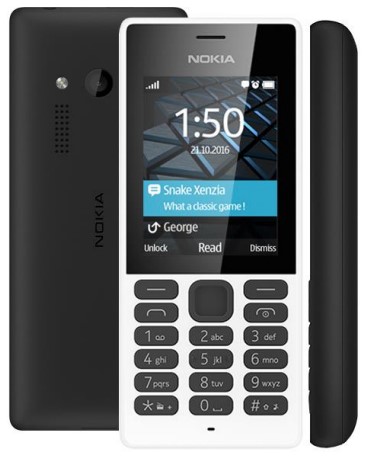
Specs wise, it features a decent MT6735 quad-core processor with 2GB of RAM on board. The display is of 4.7-inches with 720p resolution. There’s a 13MP camera at the back along with a 5MP front facing shooter. It comes with a 2200mAh battery and runs on Android 5.1 Lollipop OS out of the box.
Overall, the first impressions of the device turned out to be pretty good. I will be reviewing the phone in detail in the coming days, so stay tuned. Meanwhile, if you have any questions about the UHANS U100 feel free to ask them via the comments section below. I will try my best to answer each one of your questions in my review.
If you thought smartphone batteries could not get any bigger, take a look at the newly announced MACOOX EX1! This particular device is probably the first smartphone in the market with a whopping 9000mAh battery on board. This is definitely an impressive feat which means you no longer have you worry about re-charging your device at least for four to five days. This is actually possible not just because of the large battery, but also because of its entry level specs.
The MACOOX EX1 comes with an undisclosed quad-core processor with 1GB of RAM, 8GB of internal storage and a 4.5-inch display. At the back, there will be an 8MP camera and a 2MP shooter at the front. While these specs are just entry level, you would be happy to hear that it supports 4G LTE networks.
The small display on the device doesn’t really help in its thickness. The phone is so thick that it even puts some large powerbanks to shame. Although we don’t know the official figure, from the images, we can expect it to be at least 14-15mm thick. So, it will be hard to carry the EX1 in your pocket unlike other regular smartphones. The company is yet to reveal a price tag for the device.
With such modest specifications and bulky appearance, I am doubtful about the everyday usability of the device. Its not really powerful enough to demand a large battery, nor is it compact enough to have an advantage over powerbanks. So, in the end, the EX1 is just a regular entry level smartphone with an overly large 9000mAh battery at the back.
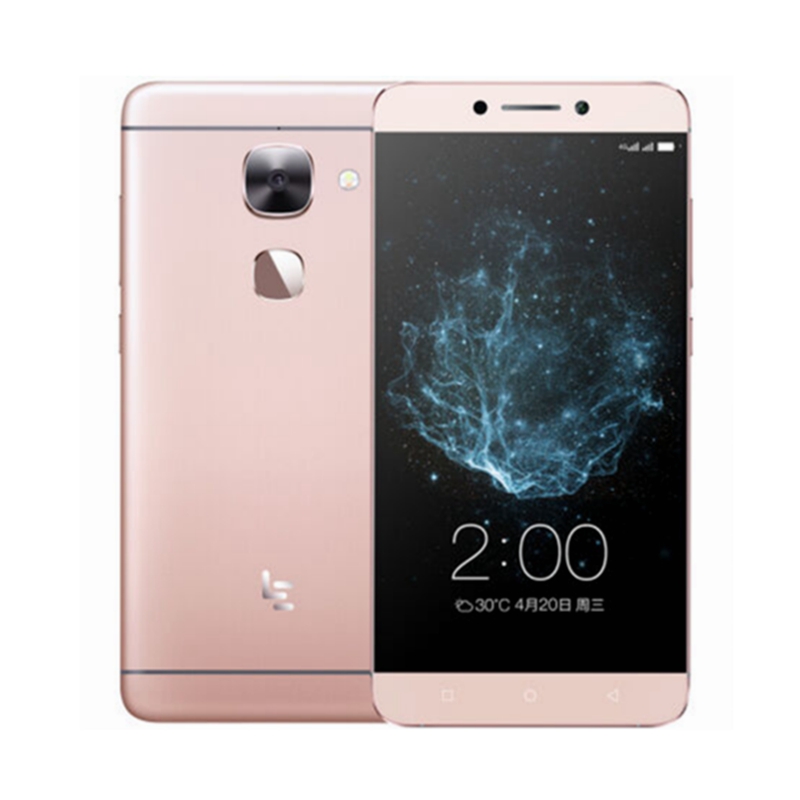
What do you think? With such specs, does the EX1 look like a device you will use everyday?
The Huawei Mate 8 will reportedly come in two different variants, one with 3GB of RAM and 32GB of storage while the other with 4GB RAM and 64GB of storage. It will be powered by the octa-core Kirin 950 processor and will feature a large 6-inch display with FHD 1920 x 1080 pixel resolution. There will be a 16MP camera at the back along with a 8MP front facing shooter. Also, it will run the latest Android 6.0 Marshmallow OS.
With these specifications, we can expect pretty good scores on AnTuTu. According to today’s listing, the phone scores between 76K and 79K on AnTuTu. This is higher than the Meizu Pro 5 handset with Exynos 7420 on board. What’s even more interesting is that this is the v5.x of AnTuTu and it is said that Huawei’s Kirin chips should post better results in the new AnTuTu v6.0. The new version is said to be developed in consideration with a number of chipmakers including Huawei for an open and fair evaluation of all chips.
Huawei Mate 8 will be the first smartphone to feature the Cortex A72 powered Kirin 950 chipset. From today’s listing we can see it posts great results on AnTuTu. Hopefully, it will be able to fulfill our expectations in real life as well.
UPDATE: So, initially we thought this was the Redmi Note 2 Pro, however there are a few subtle differences in design. So, it could be a different model like Redmi 3 or Redmi 2S or Redmi 2 Pro!. We can’t be sure of that at the moment. So, better wait for the official release.
Meanwhile, you can expect to meet the device shown in the images down below on November 24 in any of the above mentioned names. Our best guess would be the name Redmi 2 Pro.
The launch is just a few days away, till then, relish the high quality pictures of the device that we have added down below.
The phone comes in an all metal design in beautiful gold color. Unlike usual leaks, which are of low quality, these images are of extremely good quality, which means we now know how good the device looks in real life. The gold color in particular gives it a premium look on its all metal body.
The phone’s design is similar to the one we saw on TENAA a few days back. But there are a few differences which could mean that this is a different device. For example, there’s only single LED flash, also it sports a camera sensor with a ring around it, both of which were not found on the TENAA images of the Note 2 Pro. But there’s a fingerprint sensor below it like the previous leak. On the right, there’s the power button and the volume button while on the left, you have the SIM card slot. At the bottom, on the right, there’s the traditional USB connector (unfortunately no USB Type-C) and on top, you get an headphone jack. We can see that there are microphone openings on both the top as well as the bottom.
Well, there’s no denying that the design seems to be inspired from the Meizu’s Blue Charm lineup. As for the specs, if this is a new device like the Redmi 2 Pro or the Redmi 3, we have very little information. If we had to guess, we could expect MT6752 and 2GB RAM on board, but lets wait for some official information.
So, what do you think? Is this the Redmi 3 or the Redmi 2 Pro?
We have been patiently waiting for the official launch of the Vivo X6 flagship. The company has been teasing this device from the start of this month, but didn’t reveal any specific release date till now. However, earlier today, Vivo via its official Weibo page revealed that we will meet the Vivo X6 flagship on November 30. That’s less than 2 weeks away!
Vivo has also started sending out invites for the event in China. Its going to be held at the beautiful National Aquatics Center also known as Water Cube in Beijing, China.
In the past couple of weeks, we have received a lot of information about the new Vivo flagship. The phone is confirmed to feature 4GB of RAM along with a fingerprint sensor at the back that supports payments. While we are unsure about the processor, a recent leak revealed that we could see the mid-range MT6752 octa-core chip under the hood. But that’s highly unlikely considering the other high-end specs, so you can expect something like Helio X20 or at least Helio X10 inside. As for the display, the phone is expected to come with a large 5.5-inch screen with full HD 1080p resolution. The flagship will feature all metal unibody in at least three different colors namely, gold, rose gold and silver.
One of the highlights of the phone will be the recently teased dual charging technology. Its reportedly faster than traditional methods of charging and features dual charging chips and dual circuits for speeding up the charging process.
As for the pricing, with such features, don’t expect it to be cheap. The X6 should retail anywhere upwards of 2500 Yuan ($390).
You can see the official invite for the X6 event in pictures down below.
We use cookies on our website to give you the most relevant experience by remembering your preferences and repeat visits. By clicking “Accept”, you consent to the use of ALL the cookies.
This website uses cookies to improve your experience while you navigate through the website. Out of these, the cookies that are categorized as necessary are stored on your browser as they are essential for the working of basic functionalities of the website. We also use third-party cookies that help us analyze and understand how you use this website. These cookies will be stored in your browser only with your consent. You also have the option to opt-out of these cookies. But opting out of some of these cookies may affect your browsing experience.
Necessary cookies are absolutely essential for the website to function properly. This category only includes cookies that ensures basic functionalities and security features of the website. These cookies do not store any personal information.
Any cookies that may not be particularly necessary for the website to function and is used specifically to collect user personal data via analytics, ads, other embedded contents are termed as non-necessary cookies. It is mandatory to procure user consent prior to running these cookies on your website.