Xiaomi has reportedly started the development of its next generation of MIUI custom ROM. This was made known during a live Q & A session conducted by MIUI on Mi Live and the disclosure was made by no less a person than the vice-president of the MIUI software division, Huang Longzhong. Mr. Huang confirmed that MIUI 10 or MIUI X will be released by Xiaomi later in this year.
Huang revealed that the development of the upcoming MIUI next major version has commenced and it is named, named as MIUI 10 or MIUI X tentatively. The Xiaomi VP also interacted with Mi Fans and sought for their opinion and feature request for MIUI 10.
This really isn’t coming out as a surprise despite the fact that the MIUI 9 Stable ROM just rolled out Stable ROM just came onboard. Currently, more than 27 Mi or Redmi devices have received MIUI 9 updates and that is enough to move on to the next big thing. Huang also told the audience that MIUI developers are gearing up to commence pushing updates for MIUI 9 to the third batch models. In an earlier interview, Xiaomi’s Hong Zhong had hinted that MIUI 10 will be focusing on artificial intelligence. However, it is still unsure whether it will be called MIUI 10 or MIUI X.
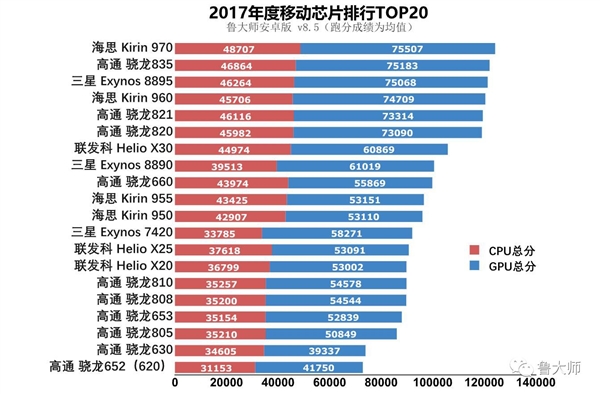
Chinese benchmarking tool, Master Lu has released its benchmarking results for 2017. We already covered for the top 10 smartphones for 2017 here. This article is for the top Android chipsets in terms of performance.
According to the results, Huawei’s Kirin 970 is the top chipset for 2017. It scored 75,507 points in the GPU test, a slight increase over the Adreno 540 in the Snapdragon 835. For CPU, the Kirin records 48,707 points and this time beats the SD835 by almost 2000 points.
Third on the list is Samsung’s Exynos 8895 that powers the Galaxy S8, S8+, and Note8. Scoring 46,264 and 75,068 points in the CPU and GPU tests respectively, the Exynos 8895 is just a tiny bit behind Qualcomm’s Snapdragon 835.
The fourth, fifth, and sixth positions are occupied by the Kirin 960, Snapdragon 821, and Snapdragon 820 respectively. All three chips powered the flagships of 2016.
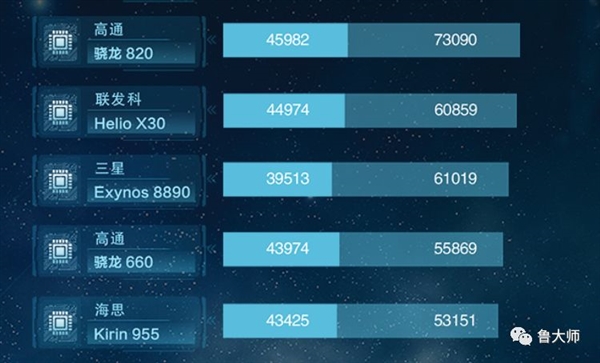
MediaTek’s Helio X30 clinches the 7th spot. It beats the Exynos 8890 by no small margin in the CPU score but slightly scores less in the GPU test. The Snapdragon 660 is another mid-range chip that has performed well. It also beats the Exynos 8890 in the CPU test but scores less in terms of GPU performance. Its total score put it above the Kirin 955 and 950.
As of this writing, there is no information available on the specifications of the Micromax Bharat Go entry-level smartphone. Rumors have it that it would be priced around Rs. 2,000 (~$30). Speculations are rife that the smartphone would be launched around India’s Republic Day (Jan. 26).
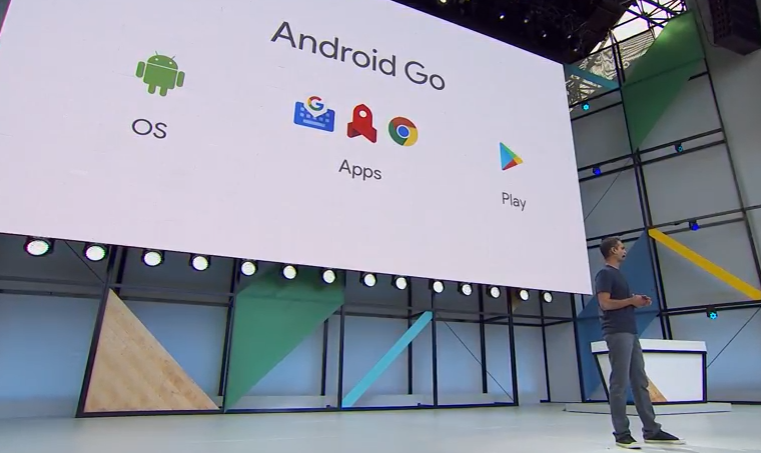
Google had unveiled Android Go in May 2017 during the I/O 2017 event. It is a customized version of the Android OS that is designed to run on low-end smartphones featuring as low as 512 MB of RAM. Such smartphones will be aimed towards emerging markets. Two of the major chipset makers such as Qualcomm and MediaTek have confirmed that they will be supporting Android Go.
The search engine giant had confirmed in the previous month that the Android Go will be based on Android 8.1 Oreo. Smartphones running on Android Go will be featuring toned-down version of apps for Play Store, Google Go, Gmail Go, YouTube Go, Maps Go, Google Assistant Go and so on.
Indian smartphone makers have lost their market share in India thanks to increased popularity of smartphones from Chinese brands like Xiaomi, OPPO and Vivo. Android Go is expected to allow Indian smartphone manufacturers to regain their market share in the country. After Micromax, other Indian brands such as Lava, Karbonn and Intex are also expected to release Android Go smartphones.
In March, HMD Global is expected to debut the Android Go driven Nokia 1 smartphone. Also, Huawei is also rumored to be working on an Android Go handset.
Ahead of its first product release in Wednesday, Meizu held a press briefing today in Beijing. At the meeting, the Chinese company revealed its sales figure and revenue for 2017.
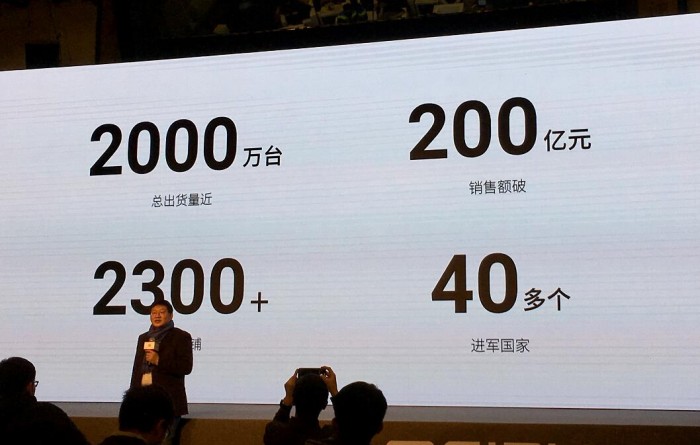
Senior Vice-President Yang Xun, who was at the event revealed that Meizu sold close to 20 million phones in 2017 in a total of 40 countries. He added that the revenue from sales also exceeded ¥200 billion.
Back in 2016, Meizu sold 22 million phones. Even though the company says it achieved full profits for 2017, it still sold less smartphones than the preceding year. However, this decline in sales is not unique to Meizu alone as stats have shown that smartphone sales declined in China in 2017.
Statistics from the Chinese Ministry of Industry and Information Technology have revealed that the Chinese market suffered a whopping 32.5% decrease in sales.
Notwithstanding, some of Meizu’s phones also did not sell as much as expected last year, like the dual-screen Pro 7 and Pro 7 Plus even. Things later turned around with the launch of its first Snapdragon-powered phone, the M6 Note.
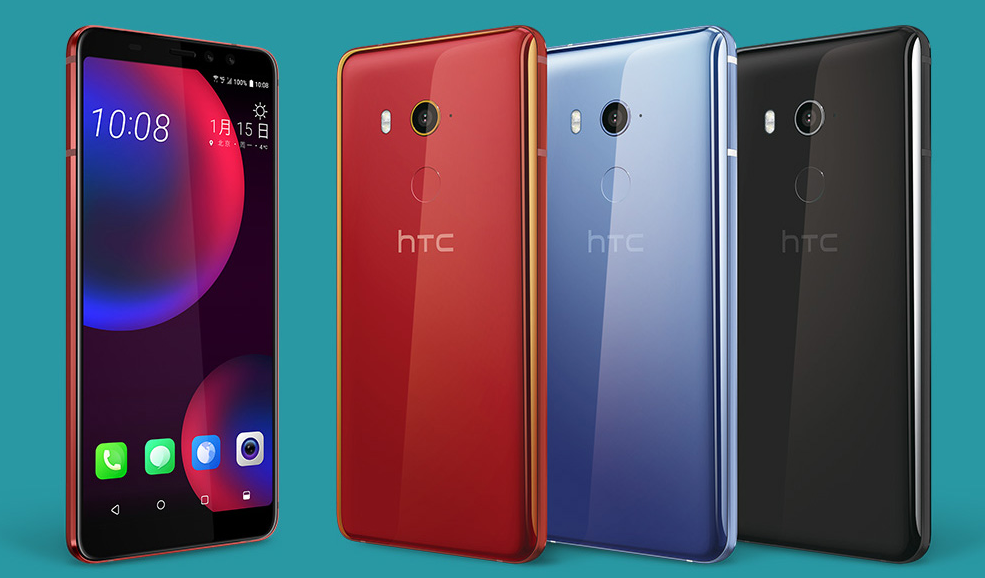
HTC has unveiled the U11 EYEs as its first smartphone for the year 2018. The USP of this mid-range smartphone is that it comes equipped with dual front-facing cameras and it is the first phone from the company to arrive with facial recognition feature. Also, it features a full screen design and a massive battery.
HTC U11 EYEs Specifications and Features
Measuring 157.9 x 74.99 x 8.5 mm and weighing 185 grams, the HTC U11 EYEs comes in three color choices of Red, Silver (with bluish tint) and Black. Like the other U11 series phones from HTC, the U11 EYEs also features a reflective 3D glass panel that gives it a premium appeal. It is a dustproof and waterproof device as it features a IP67 rated chassis.
The U11 EYEs is fitted with a Super LCD 3 display that measures 6 inches. It offers an aspect ratio of 18:9 and a Full HD+ resolution of 2160 x 1080 pixels. The display is protected by a layer of Gorilla Glass 3.
The U11 EYEs inherits the same 12-megapixel UltraPixel 3 rear-mounted camera that is available on the HTC U11. It comes with features like f/1.7 aperture, dual-LED flash, ultrafast autofocus, fast HDR, back-illuminated sensor (BSI), Optical Image Stabilization, slow-motion video shooting, and 4K video shooting.
At the front, it houses an f/2.2 aperture 5-megapixel + 5-megapixel dual camera setup that is designed to capture vivid selfie shots. It is enabled with features like, beauty mode, fast HDR, voice selfie, full HD video recording and bokeh mode that allows users to adjust depth of field in real-time. Apart from facial recognition, the handset also includes a rear-facing fingerprint scanner.
Since it belongs to the U11 family, the U11 EYEs comes equipped with squeezable Edge Sense pressure-sensitive frame. By squeezing the phone, users can perform customized tasks on the phone such as starting an app, snapping a photo and more. The U11 EYEs is running on the Android 8.0 Oreo OS that is customized with the latest HTC Sense UI. HTC is providing the users of the U11 EYEs with USonic Smart Sonar headphones that features advanced sonar-like technology that can analyze the inner shape of the ear to deliver the best audio experience.
The Snapdragon 652 chipset and 4 GB of RAM are present under the hood of the U11 EYEs smartphone. It has an internal storage of 64 GB and it also features a microSD card slot. A 3,930mAh battery found inside the HTC U11+ flagship phone powers the U11 EYEs. The phone supports Quick Charge 3.0. The other features of the U11 EYEs include dual SIM support, NFC, Bluetooth 4.2, Wi-Fi 802.11ac, 4G LTE and GPS. The handset does not feature the standard 3.5mm audio jack.
HTC has started the pre-orders of the U11 EYEs in China from today. It carries a price tag of 3,299 Yuan (~$512) in China. The shipments of the pre-ordered units will begin from Jan. 25. The smartphone has been also unveiled in other markets like Hong Kong and Taiwan. In Hong Kong, it is priced at HK $3,898 (~$498) and in Taiwan, it is available with a pricing of 14,900 TWD (~$505). During pre-orders, the buyers of the U11 EYEs will in these markets will be receiving some accessories such as HTC Rapid Charger 3.0 with USB-C, a protective cover, a screen protector, USB-C to 3.5mm plug adapter and an HTC 20 t-shirt. The freebies may vary depending on the market
What’s your opinion on the HTC u11 EYEs? Share us your thoughts by commenting below.
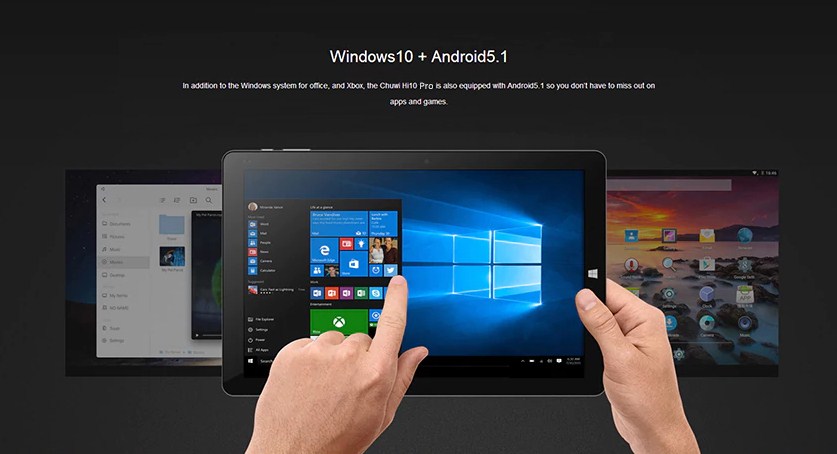
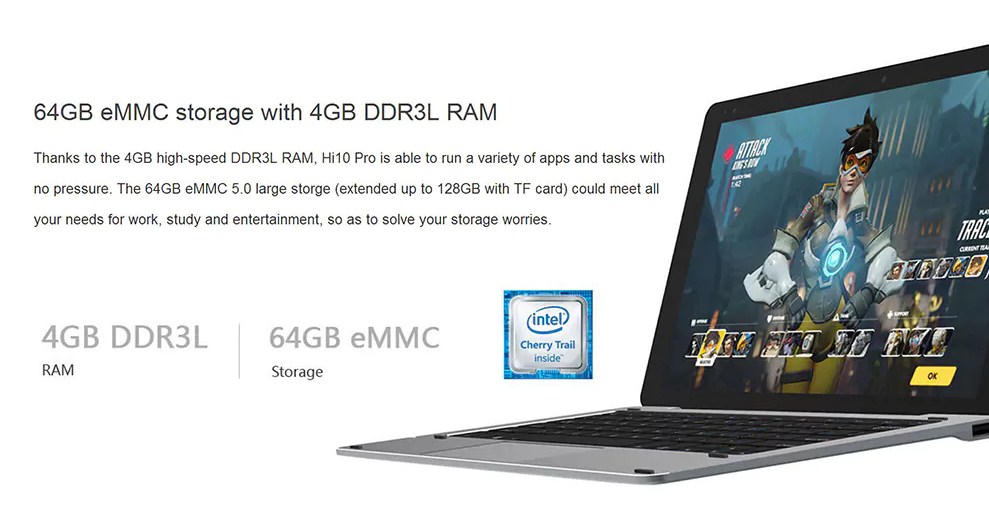
CHUWI CWI529 2-in-1 ultrabook-tablet PC sports a 10.1-inch IPS display with a screen resolution of 1920 x 1200 (WUXGA) pixels. On the photography front, the CHUWI-branded tablet PC feature dual cameras i.e. 2MP front camera and a 2MP rear-mounted camera.
You can now buy the CWI529 2 on GearBest without spending a fortune. The site is currently offering two versions of the device including a gray-tinted Intel Cherry Trail X5-Z8350, which carries a price tag of $204.84. By shelling an additional $6.05, you can go for US PLUG+Intel Cherry Trail 5-Z8350 version, which bears a slightly higher price tag of $210.89. But if you want to buy the X5-Z8350 version of this dual OS tablet PC without burning a hole in your pocket, we have good news for you.
Before checking out, you can use coupon code ‘HNYear274’ and buy Intel Cherry Trail X5-Z8350 version of CHUWI Hi10 Pro CWI529 2 tablet PC for just $195.99. It’s worth noting that the coupon code is valid only for 50 units. Head straight to this link and take advantage of the discount before it comes to an end.
The advent of smartphones brought with it a great chance of cracked screen as a result of the large surface area which the display now occupies. This is even more complicated by the adoption of the full-screen design which sees the bezels getting reduced. Somewhere in the world right now, someone has just dropped his or her phone accidentally and the screen has shattered. But this may soon be a thing of the past as a team of Korean researchers have developed a new self-healing material dubbed “Elastomer,” which can restore dents and cracks within 30 minutes.
Ordinarily, an elastomer is a polymer with viscoelasticity (having both viscosity and elasticity) and very weak inter-molecular forces, generally having low Young’s modulus and high failure strain compared with other materials. The new material comes with double the highest level of existing tensile strength which means it is resistant to breaking under tension. This has been a problem with self-healing materials in the past. The Elastomer is also able to heal itself under room temperature and has a tensile strength good enough to make it commercially viable. The team also disclosed that the new material can be used as a protective layer on mobile devices and it automatically restore any outside cracks within 30 minutes.
This isn’t the first time we’re hearing of a self-healing material for smartphones. Late last year, a team of researchers from the University of Tokyo in Japan reportedly discovered one. Earlier in 2017, a self-healing material was discovered by chemists at the University of California at Riverside and the University of Colorado that could not only stitch itself back together within 24 hours but also it could stretch 50 times its original size. In August 2017, Motorola was granted a patent for a glass-like plastic polymer can restore on its own when cracked. However, the use of self-healing materials for phone screens may still be a long time from becoming a reality.
Much to the delight of budget-conscious smartphone buyers, the Knight 2 4G smartphone is currently up for preorder on Banggood at a heavily discounted price.
As part of its promotion sale which kicked off on Sunday, January 14, Banggood is offering a considerable 10% discount on Knight 2’s original asking price of $165.99. In other words, you can now get your hands on this already-affordable smartphone by shelling out just $149.99.
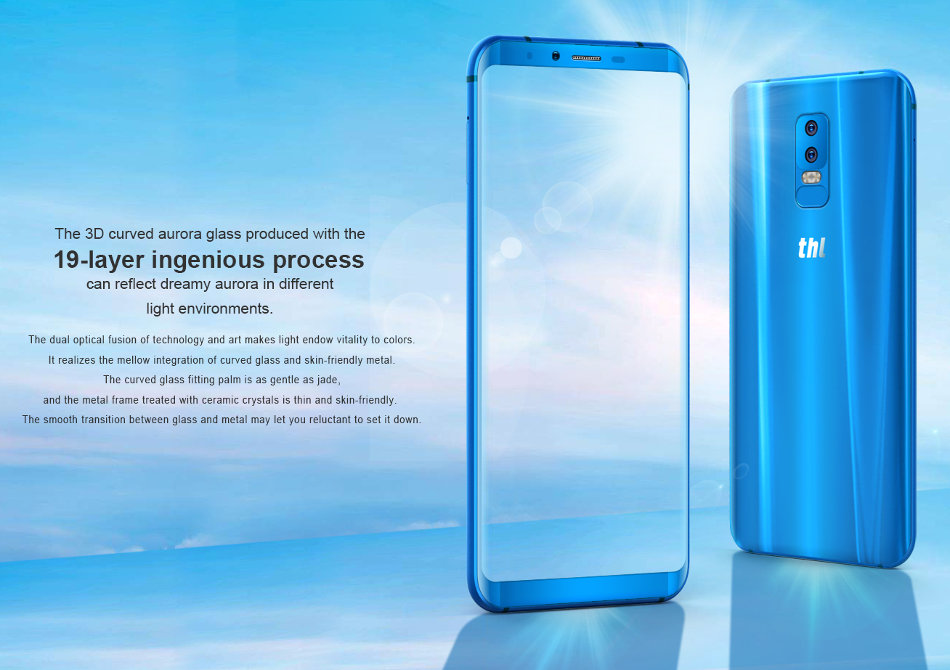
Despite bearing a relatively low price tag, the Knight 2 smartphone is brimming with a slew of top-drawer specs and features. For instance, it packs an all-powerful MediaTek MT6750T processor, which is coupled with 4GB of RAM and 64GB of onboard storage. Moreover, THL’s recently launched Knight 2 smartphone sports a 6-inch HD+ display with a screen resolution of 1440 x 7220 pixels. On the photography front, it sports 13MP + 5MP rear-mounted cameras and an 8MP front snapper for selfies. It is backed by a robust 4,200 mAh Lithium-Polymer battery.
You can choose from two color versions of the Knight 2 smartphone including blue and black. It’s worth noting that only 63 pieces were left at the time of writing. Also, the promo is slated to end on January 22.
In addition to earning 149 Banggood points, you also get a free wireless charger when you’ll preorder THL Knight 2 smartphone by heading straight to this link.
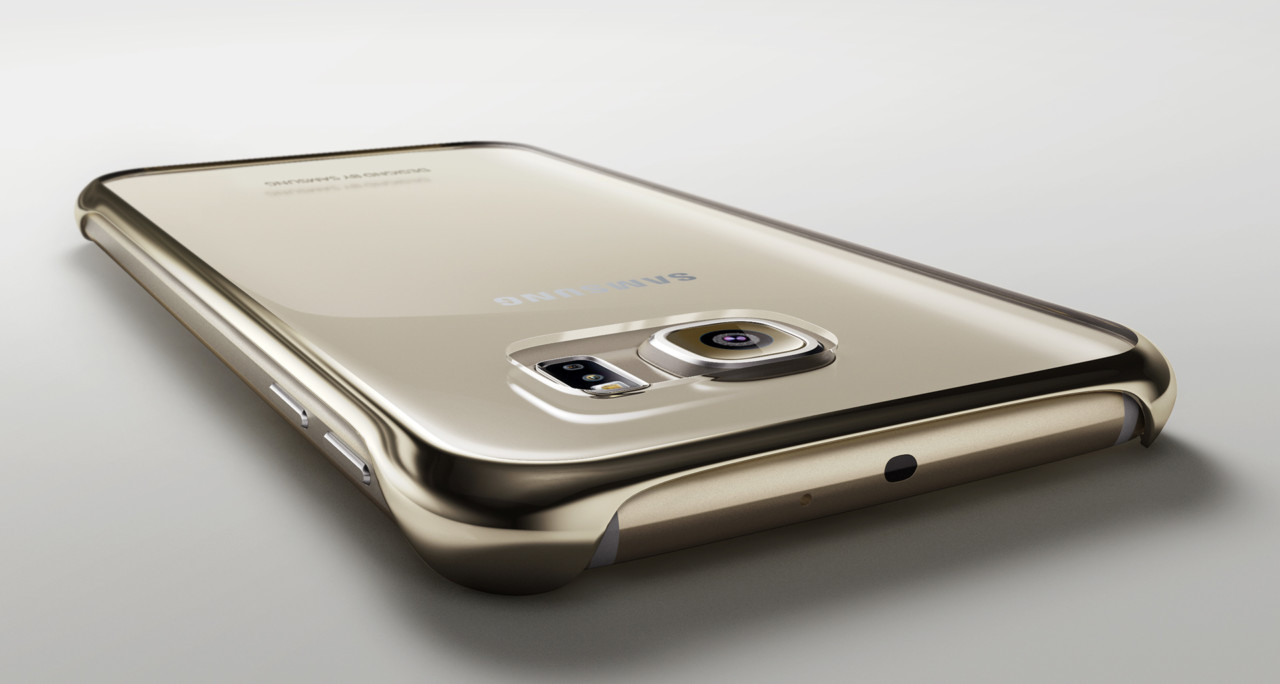
The recently unveiled Samsung Notebook 9 (2018) 2-in-1 laptop-tablet hybrid is made out of “Metal 12,” a durable and lightweight alloy of magnesium and aluminum. The South Korean tech giant has recently trademarked “Metal 12” with European Union Intellectual Property Office (EUIPO). Its filing has revealed that the new alloy would be used on upcoming Galaxy smartphones and Gear smartwatches.
The lightweight Metal 12 gives a sophisticated appeal to the Notebook 9 (2018). Hence, magnesium-aluminum alloy body that not only weighs less but also adds a premium appeal is expected to arrive on forthcoming flagship devices from Samsung.
Before the launch of Samsung Galaxy S7, the rumor mill had predicted that it would be coming with a magnesium alloy chassis. However, the Galaxy S7 was launched with glass chassis like its predecessor model. The South Korean tech giant is expected to continue using the glass chassis for the upcoming Galaxy S9, Galaxy S9+ and Galaxy Note 9 that will be releasing this year. The Samsung flagship phones that will be arriving in 2019 may feature Metal 12 chassis
Do you think that Samsung should ditch the glass design and embrace Metal 12 alloy for its forthcoming smartphones? Share us your views by posting your comments below.
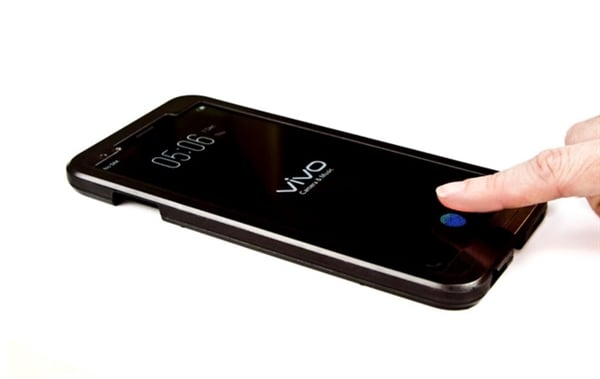
Vivo X20 Plus UD, which is believed to the world’s first smartphone to feature an under-display fingerprint sensor, will reportedly go on sale later this month in China for a price of 3,698 Yuan, which roughly converts to $574.
At Consumer Electronics Show (CES) 2018 in Las Vegas, Vivo showcased the world’s first commercial phone to feature a fingerprint scanner under the display. However, the company refrained from revealing the phone’s name as well as its specifications and design.
It is said that the China-based company has already started mass production of the device and is expected to launch it soon. While we were expecting the device to get unveiled at the upcoming Mobile World Congress in Barcelona, the phone might get announced sooner. If the latest reports are to be believed, then the phone, which is believed to be the Vivo X20 Plus UD, will go on sale from this month itself.
Alex Feng, Senior Vice President at Vivo had revealed that the phone will be officially announced in early 2018. He further added that the device provides a more comfortable authentication experience. The phone packs an in-display fingerprint technology by Synaptics which only works with OLED displays, and thus, the handset will feature an AMOLED display.
The fingerprint scanner will be placed between the glass panel and the OLED display panel. When the finger touches the glass panel, the OLED panel illuminates the fingerprint area and the chip inside processes the beams of light emitted.
The Vivo X20 Plus UD recently received 3C certification. Previous leaks have suggested that the phone will be similar to the Vivo X20 Plus in terms of design as well as specifications. It is said to feature a 6.43-inch full-screen display with 18:9 aspect ratio. The phone will be powered by Qualcomm‘s Snapdragon 660 processor, coupled with 4GB RAM and 128GB of internal storage. The device is also said to be fuelled by a 3,900mAh battery.
One major concern about this new fingerprint scanning technology is the speed of recognition. The prototype showcase had the response time of about 0.6s – 0.7 seconds, which is a bit slower than the regular fingerprint sensors. However, we expect the response time to improve by the time phone makes its debut.
Alcatel has teased 3 new series of phones at CES 2018 which will be called with simple numbers: 1, 3, and 5. According to the famous leakster Roland Quandt, three smartphones from these series will be officially announced next week. The most reliable hypotheses suggest that each of the handsets which should be launched by TCL (the Chinese company that acquired the French smartphone manufacturer) may belong to different series. So we may see a phone from the 1 series, one from the 3 series and another from the 5 series.
Alcatel 1 is a series of budget phones which will be sold with price tags under $100, the 3 series will be sold under $200, and the 5 series will contain the most powerful phones by the company which will still be affordable compared with the best flagships, as they will cost under $300. All the series should be equipped with bezel-less displays which will have an 18:9 aspect ratio. Obviously, the resolutions will change depending on the prices of the various phones.
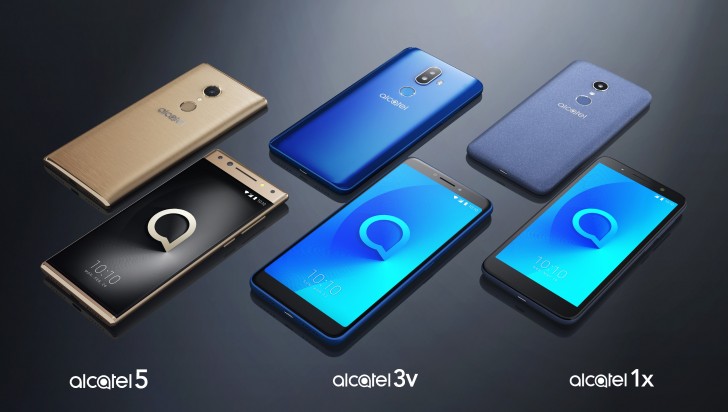
Some renders related to new Alcatel phones have already surfaced at CES 2018, and they show three models: Alcatel 1x, 3v and 5.
The first is the most entry-level one, but even though it will cost less than $100, it has a fingerprint reader on the back side. 3v should be the mid-range device and it is equipped with a dual camera setup on its rear side. However, the fact that it has a dual rear camera does not prove that the phone will have good camera performance. Under the dual camera, there is a fingerprint reader as well. The Alcatel 5 is the most powerful one and it seems to have the highest screen-to-body-ratio.
At present, Xiaomi is not among the top three smartphone brands in China. However, the Chinese smartphone manufacturer has been doing quite well in India as International Data Corporation (IDC) research firm’s market survey for Q3 2017 revealed that it is the number one smartphone brand in India. Xiaomi and Samsung respectively held a market share of 23.5 percent in Q317. The stupendous popularity of Xiaomi in India is mainly because of its strategy of selling its smartphones with aggressive pricing online. In order to regain the numero uno spot in the country, Samsung India has decided to launch a new lineup of phones that will be sold online exclusively.
Samsung’s forthcoming smartphones that will be sold online will contain impressive specifications and they will be priced between Rs. 5,000 to Rs. 15,000 to take on the bestselling smartphones from Xiaomi. Currently, the Galaxy On series of smartphones from Samsung are only available for purchase online in India. The recently launched Galaxy A8+ (2018) with Infinity Display design that is exclusively available on Amazon India with a pricing of Rs. 32,990 is a direct competitor for the Xiaomi Mi MIX 2 flagship phone that carries a price tag of Rs. 32,999.
According to Counterpoint Technology Market Research firm, the significant popularity of Xiaomi phones in India is mainly because there is no major competition from any other smartphone brand in the online space. Xiaomi accounts for around 50 percent share of online smartphone sales in the country.
Samsung is now looking forward to rival with Xiaomi by increasing its e-commerce sales in the country. As far as offline sales are concerned, the Samsung has around 1.5 lakh offline stores across India whereas Xiaomi has recently started to build its presence offline.
The South Korean tech giant is of the view that Xiaomi will take some time to build a huge offline network. In order to concentrate on selling its smartphones online, it has reportedly reduced the number of trade partners to 2-3 from 10-12 earlier.
Around two months ago, HMD Global rolled Android 8.0 Oreo update for the Nokia 8 flagship phone. In the previous month, it also began Android Oreo beta program for Nokia 6 and Nokia 5 smartphones. Today, on the official Weibo account, the Finnish firm has confirmed that it has started rolling out Android 8.0 Oreo update for the newly unveiled Nokia 6 2nd Gen smartphone and the Nokia 7.
Before releasing the stable Android 8.0 Oreo update for the Nokia 8, the Finnish company had released the beta version. However, the company seems to have skipped beta version of Android 8.0 Oreo for the newly announced Nokia 6 (2018) and Nokia 7 that was unveiled in October 2017. The Weibo post that confirms the rollout of Oreo update for these phones also claims that the first-generation Nokia 6 will be also upgraded to Android 8.0 Oreo very soon.
Currently, the Nokia 6 (2018) and Nokia 7 are only available in China. However, it is speculated that HMD Global will be bringing the Nokia 7 to India later this month.
The Nokia 7 is the first smartphone from the company to come with glass chassis and it is also first device from the company to feature Snapdragon 630 chipset. It features a 5.2-inch FHD display, 64 GB storage and comes in 4 GB and 6 GB RAM variants. It has a rear-mounted camera of 16-megapixel and a selfie snapper of 5-megapixel. It includes a 3,000mAh capacity battery.
Nokia 6 (2018) that is powered by Snapdragon 630 borrows some features like OZO audio recording and Bothie camera mode from Nokia 7. It has a 5.5-inch FHD display and includes 4 GB of RAM. It is available in 32 GB and 64 GB storage models. It has a 16-megapixel rear camera and an 8-megapixel frontal snapper. It is fueled by a 3,000mAh battery.
According to the latest reports, Xiaomi — the China-based technology company, has selected Morgan Stanley and Goldman Sachs Group for its planned initial public offering (IPO). Along with them, Credit Suisse Group AG and Deutsche Bank AG have also been selected to work on the IPO.
The report, which comes from Bloomberg, cites people with direct knowledge of the matter as its source. The report further adds that the China-based company is targeting a valuation of $100 billion. Earlier, there were rumours suggesting Xiaomi seeking $200 billion valuation, but that is highly unlikely.
However, reports suggest that the company is still considering its Chinese underwriters, as well as the timing and location of the share sale. Xiaomi’s IPO could be the biggest IPO since Alibaba Group Holding Ltd.’s $25 billion debut.
Xiaomi was valued at around $45 billion when it last raised a funding round in 2014. Once, it held the title of the world’s most valuable technology company. Xioami also successfully achieved its annual revenue target of 100 billion Yuan ($15 billion) in October 2017. The company broke its target by 18 percent and recorded as much as $1 billion in net profit. For 2018, Xiaomi has set a target of $2 billion in profits.
The China-based technology company bounced back from a disastrous 2016. The company, which mastered the online sales model, is now focusing on the offline channels to boost its sales. The company has strengthened its position in emerging markets like India, where it is now the largest smartphone vendor, ahead of Samsung.
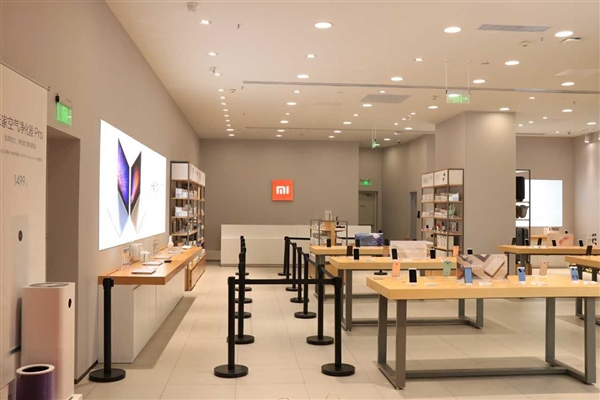
In line with the company’s renewed strategy, Xiaomi is now looking to establish its presence in the offline market. Having launched more than 300 Mi Stores in China, the tech giant plans to open over 1,000 physical stores in different Chinese cities by the year 2020.
There are also reports suggesting that Xiaomi is also planning to enter the US market and is currently in talks with some network carriers to sell its flagship devices from this year. While the company is in talks with AT&T and Verizon, there is no assurance if the deal will happen.
Recently, Huami — the makers of the Amazfit smartwatch line as well as Xiaomi’s Mi Band line, filed for a $150 million IPO in the United States. The company filed with the US Securities and Exchange Commission on Friday.
In its filings, Huami reveals that Xiaomi, which owns 19.3% of the company’s shares, is the sole customer and distribution channel for Xiaomi wearables. Sales of Xiaomi products contributed 97.1% in 2015, 92.1% in 2016, and 82.4% for the nine months ended on September 30 in 2017 to its revenue.
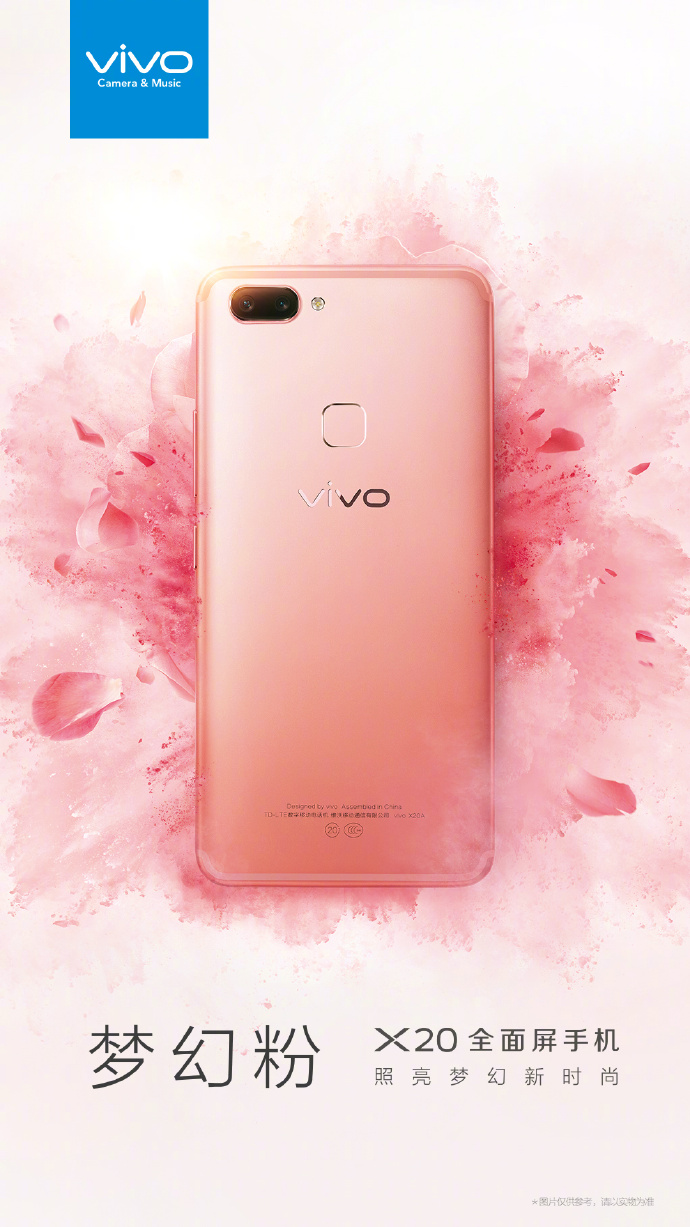
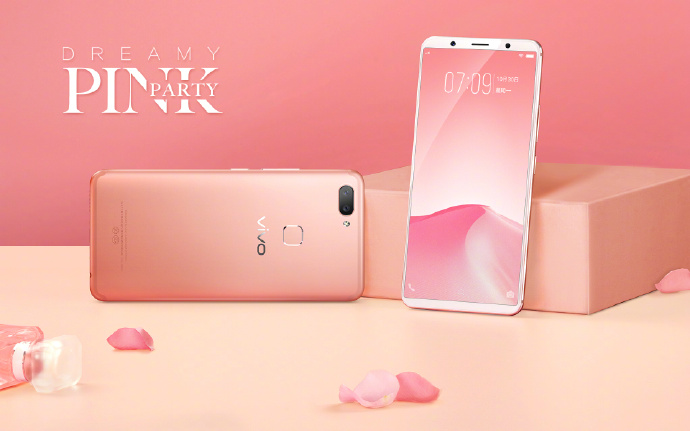
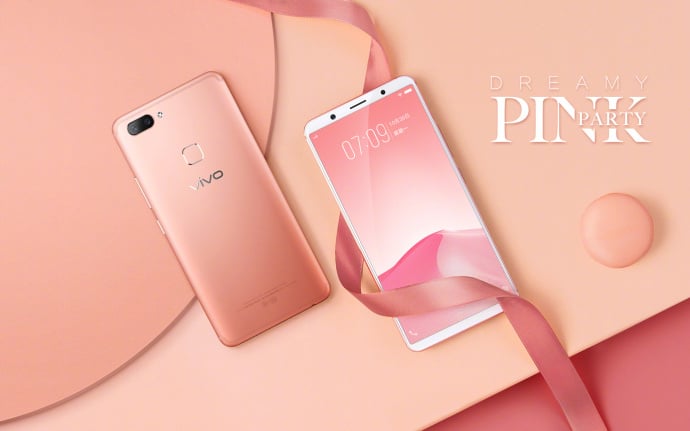
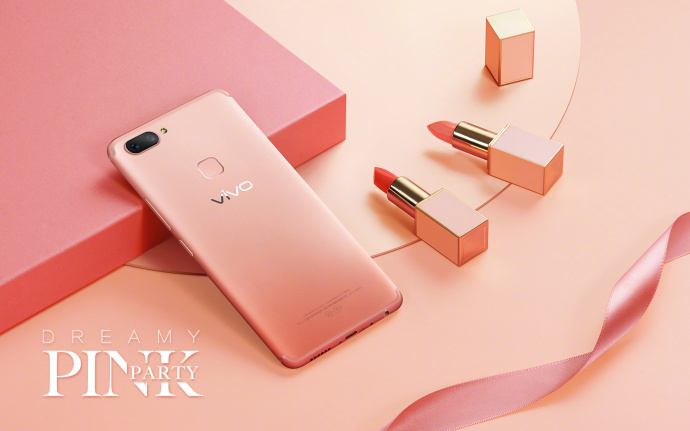
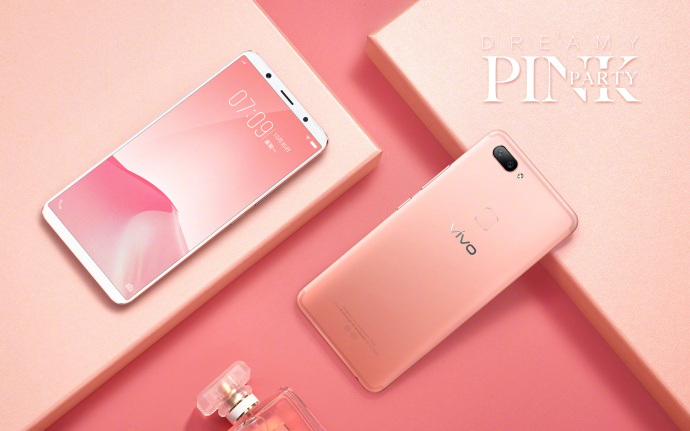
Vivo X20 was launched in October 2017 in three color choices like Gold, Rose Gold and Matte Black. Soon after making the smartphone available for buying in China, the X20 was available in various color choices such as Black/Gold, Blue and Red. On its official Weibo account, Vivo has confirmed that it will start the pre-sale of the Dreamy Pink color from Jan. 16 in China
The images of the new Pink edition of the Vivo X20 shows that this color variant is different from the Rose Gold model that also a slightly pinkish appeal. Targeted towards the women, the Pink Vivo X20 carries a pricing of 2,998 Yuan (~$465). Apart from different color variants for the Vivo X20, the company launched it in various special edition models such as Swarovski Gift Box version, King of Glory Edition and FIFA World Cup Edition
As far as the specifications of the Pink colored Vivo X20 is concerned, it will be coming with the same hardware that is available on the other color variants of the Vivo X20. It houses a 6.01-inch AMOLED display that supports full HD+ resolution and an aspect ratio of 18:9. The Snapdragon 660 chipset lies under the hood of the phone. The SoC is supported by 4 GB of RAM and it has a native storage of 64 GB.
The rear panel of the Vivo X20 houses a pair of 12-megapixel + 5-megapixel dual camera setup. For snapping selfies, it includes a 12-megapixel selfie camera. It is packed with a 3,250mAh battery and it runs on Android 7.1.1 Nougat OS.
It appears that its larger version, the X20 Plus won’t be available in the Pink color option. It is speculated that the company may launch an under-display fingerprint model of the X20 Plus in the near future.
What do you think about the new Dreamy Pink edition of the Vivo X20? Share us your views by posting your comments below.
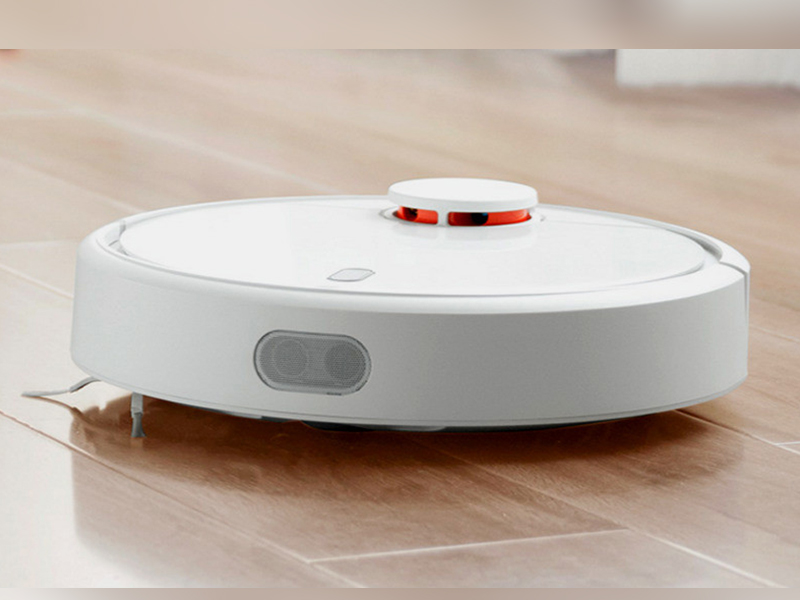
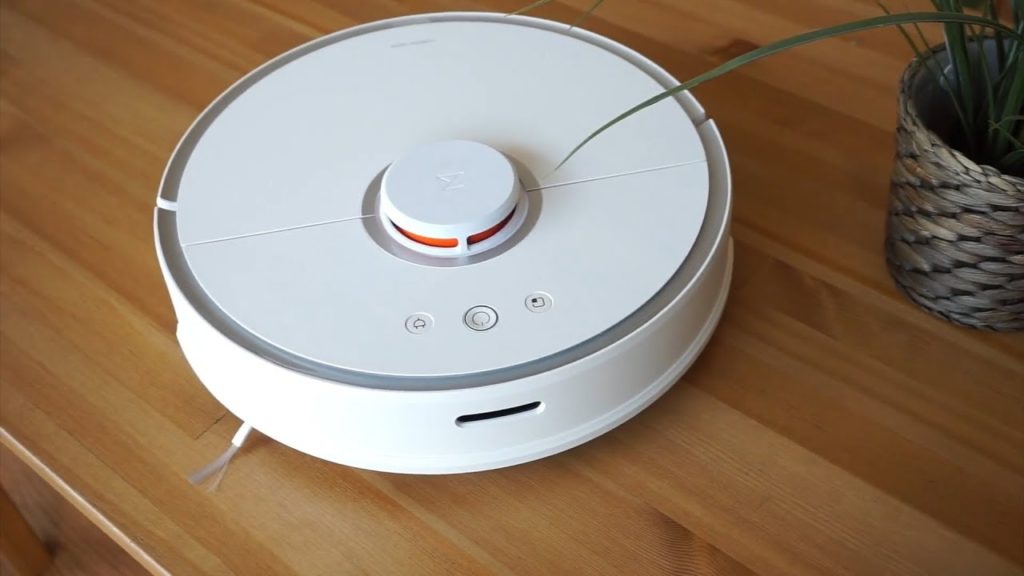
If you like to keep your home spanking clean without spending on expensive housekeeping appliances such as a vacuum cleaner, we have good news for you. You can now get your hands on Xiaomi Mijia Roborock Vacuum Cleaner 2 without shelling out a lot of money.
Despite bearing a massive 23% discount on its original asking price of $699.99 On GeekBuying, the Mijia Roborock Vacuum Cleaner 2 comes with both sweeping as well as mopping function. Moreover, its filter is designed to absorb water automatically while retaining sufficient water content.
Although you spend just $539.99 to buy the Mijia Roborock Vacuum Cleaner 2 on GeekBuying, you can still save more money. At the time of checking out, use promo code ‘MICLEANER2’ and save $40 more. This brings your subtotal down to just $499.99.
While you can choose from a myriad of other options of the all-purpose vacuum cleaner on GeekBuying, it’s worth noting that the discount you receive is based on the option you select. For instance, the aforesaid 23% discount is available for HK Stock (International Version) of the Xiaomi-branded vacuum cleaner.
Similarly, if you go for Germany Stock (International Version) of the Mi Robot 2, you’d be eligible to receive 17% discount, which brings the device’s original selling price of $699.99 down to only 579.99.
Regrettably, the promo is slated to end soon. If you’re interested in checking out all other options of the Mi Robot 2 available on GeekBuying and take advantage of the promo before it comes to an end, head straight to this link.
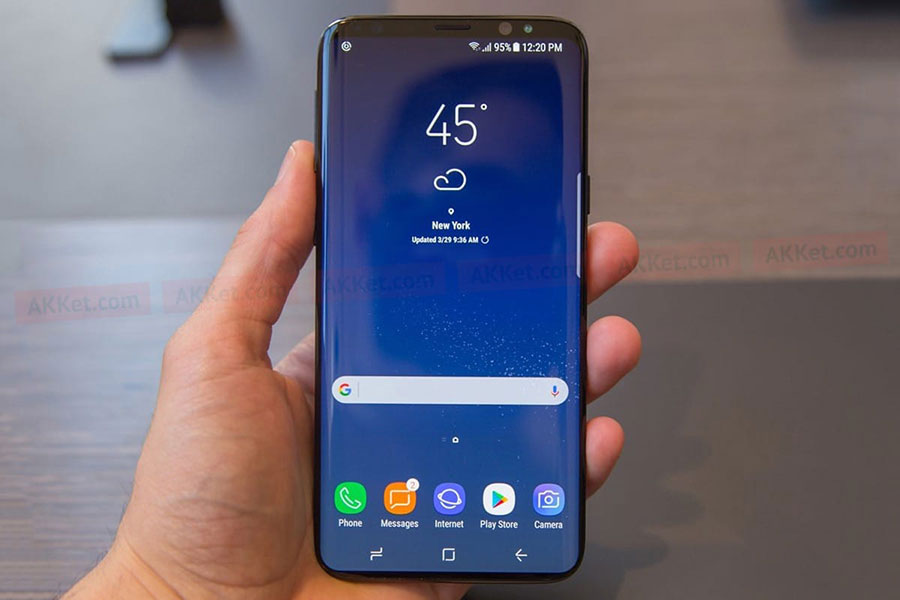
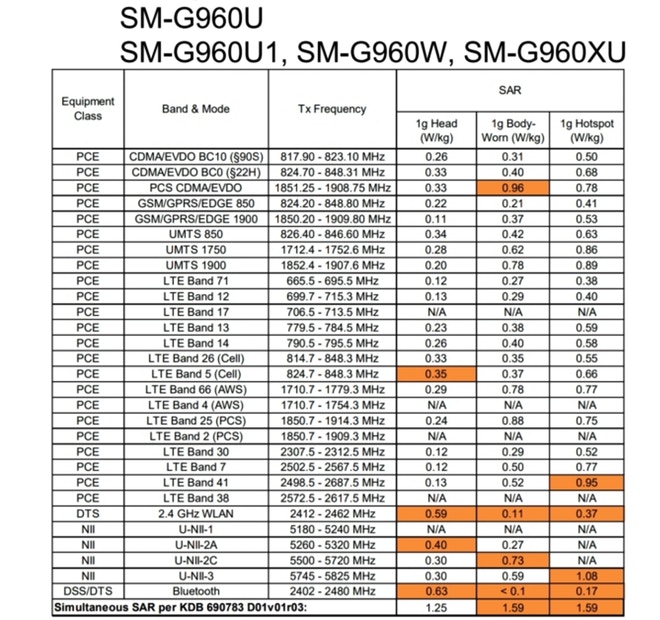
Samsung Galaxy S9 and S9+ have been spotted in the listings of the U.S. FCC (Federal Communication Commission): their existence is officially confirmed for the nth time together with their model numbers. The model numbers appeared at FCC are SM-G960U, SMG960U1, SM-G960W and SM-G960XU. The first model number refers to the U.S. unlocked variant of the phone, the one with the octa-core Qualcomm Snapdragon 845 SoC.
The second identifies the version for the Canadian market, while the fourth is the model number of demo units. Together with the model numbers, the LTE band charts of Samsung Galaxy S9 and S9+ have appeared as well. This year there is a single name: SM-G96XU, that is for all the bands like GSM, LTE, CDMA, and UMTS. Sadly, this is the only info surfaced at FCC about the two handsets, and there is no info regarding the specs.
According to the latest leaks, Samsung Galaxy S9 and S9+ will be released with bezel-less displays that will have sizes of 5.8 and 6.2 inches, and narrower bezels compared to the previous generation. The standard version is expected to sport a single camera, while the Plus variant should have a dual camera setup. The handsets will be officially unveiled at MWC 2018 in Barcelona.
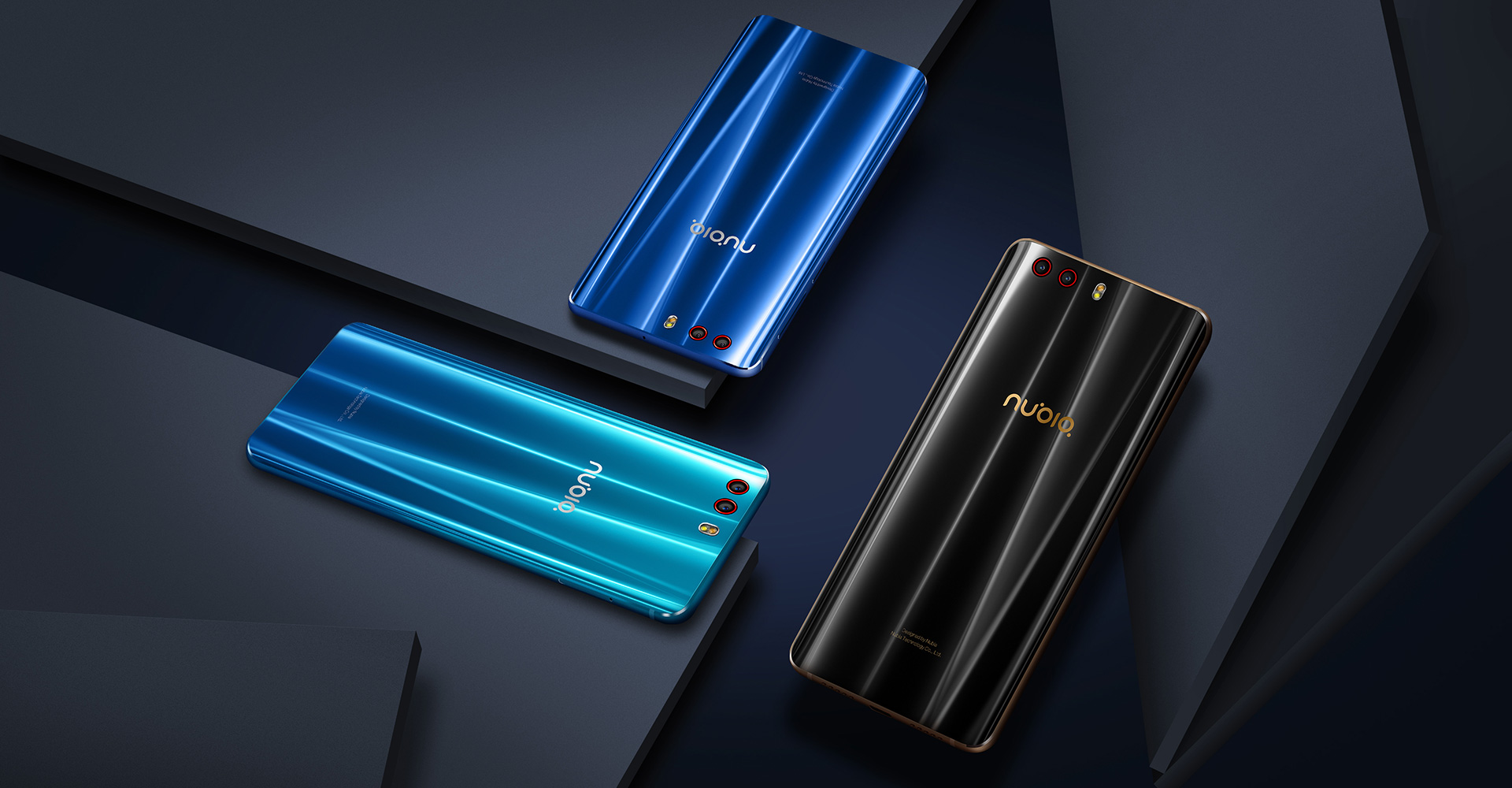
Nubia Z17miniS, which was launched a few months ago in China for about 1,999 Yuan (approximately $310), is now available at just 1,699 Yuan (approximately $263). The upper mid-range smartphone has received a price cut of 300 Yuan, thanks to the company’s promotional activities for the new year.
The phone’s body is a combination of metal and glass. The back panel has a 3D glass that curves and the company say that it is the industry’s first to use a colour gradient process. There is a metal frame between two sheets of glass. The Nubia Z17miniS is available in three colour options — Black Gold, Deep Blue, and Aegean Blue.
Coming to the specifications of the Nubia Z17miniS, the phone features a 5.2-inch Full-HD in-cell display supplied by JDI, along with Corning Gorilla Glass 3 protection layer on top. Powered by Qualcomm‘s Snapdragon 653 processor, it packs Adreno 510 graphics processor and 6GB RAM.
There is 64GB of internal storage, but there is no microSD card support for expanding the storage capacity. The phone comes with four cameras – two on each side, front and rear. The rear cameras are two Sony IMX258 13MP sensors in the monochrome and RGB configuration. It comes with f/2.2 aperture, phase detection autofocus (PDAF) and dual-tone LED flash.
The front-facing dual cameras are a combination of a 16-megapixel f/2.0 aperture and a 5-megapixel wide-angle sensor with f/2.2 aperture. While there is no dedicated LED flash on the front side, the screen lights up for brighter selfies. There are features like beauty adjustment and real-time bokeh effect, along with Nubia’s NeoVision 7.0 camera software.
Connectivity options on the device include dual-band Wi-Fi support, Bluetooth 4.1, and a USB Type-C port. There is no 3.5mm audio jack. Below the display, there is a home button which also doubles as a fingerprint scanner. Running on Android Nougat based nubia UI 5.0, the device is fuelled by a 3,200mAh non-removable battery, which the company claims that provide battery life of about 1.41 days on a single charge.
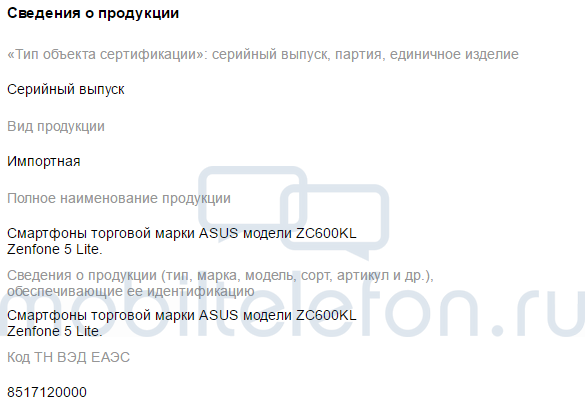
In 2017, ASUS had delayed the launch of the ZenFone 4 series smartphones by several months. During an interview with ASUS CEO Jerry Shen in September last year, he had confirmed that the ASUS ZenFone 5 series smartphones would be unveiled as early as March 2018. It appears that the company is prepping up on the launch of the ZenFone 5 smartphones as the ZenFone 5 Lite mid-range phone has been recently certified in Russia.
The certification of the smartphone has revealed that it has a model number of ZC600KL where “KL” confirms that it would be fueled by Snapdragon chipset and it carries support for LTE connectivity. The number “60” present in the model number suggests that it would be packed with a 6-inch display. There is no confirmation on whether it will be supporting an aspect ratio of 18:9.
It is unclear whether the Taiwanese tech company will be unveiling the ZenFone 5 lineup at the Mobile World Congress (MWC) 2018 tech exhibition in the next month. There is a possibility that the company may hold a dedicated launch event for unleashing the new ZenFone 5 series of smartphones. The rumor mill is expected to reveal more information on the forthcoming ASUS phones in the coming weeks.
Huawei has announced that it has started rolling out its upgraded operating system — EMUI 8.0, which is based on Android 8.0 Oreo. It seems that the company has decided to change the numbering scheme of its Android-based custom skin to sync it with the Android version numbers.
The company has described the upgraded EMUI 8.0 as “an avant-garde technological software which is efficient, secure and above all, user-friendly.”
According to the company, EMUI 8.0 — which is the successor to EMUI 5.1 — comes with artificial intelligence that makes the software experience smarter and quicker. The updated version of the operating system comes with features like Real-Time Scene and Object Recognition, Smart Tips, and AI-accelerated language translation, among others.
It also brings some artificial intelligence-based capabilities such as resource allocation, context awareness as well as user behaviour or behaviour prediction. Thanks to Android Oreo, users will also have access to features like split-screen interface, navigation dock, one-hand operation and smart view.
Huawei’s spokesperson said that users can witness a faster and smarter phone experience, powered by advanced AI technological features. He adds that the update significantly cuts down on the number of steps needed to achieve the desired function through its smart applications like navigation dock and smart screen, and enables the user to reach 90% of the core functions in just a single click.
The company’s recently launched smartphone — Honor V10 in China or Honor View 10 in other regions, already comes running EMUI 8.0 based on Android Oreo. The latest EMUI will now also be rolled out for other devices from the company, including Honor 8 Pro, Honor 9i, Honor 7X, and Honor 8 Lite. However, the company has not yet revealed any specific timeline for this roll-out.
The Honor 9 Lite, which is scheduled to launch in India on 17th January, exclusively through online retailer Flipkart, also comes powered by EMUI 8.0 based on Android Oreo operating system out-of-the-box.
We use cookies on our website to give you the most relevant experience by remembering your preferences and repeat visits. By clicking “Accept”, you consent to the use of ALL the cookies.
This website uses cookies to improve your experience while you navigate through the website. Out of these, the cookies that are categorized as necessary are stored on your browser as they are essential for the working of basic functionalities of the website. We also use third-party cookies that help us analyze and understand how you use this website. These cookies will be stored in your browser only with your consent. You also have the option to opt-out of these cookies. But opting out of some of these cookies may affect your browsing experience.
Necessary cookies are absolutely essential for the website to function properly. This category only includes cookies that ensures basic functionalities and security features of the website. These cookies do not store any personal information.
Any cookies that may not be particularly necessary for the website to function and is used specifically to collect user personal data via analytics, ads, other embedded contents are termed as non-necessary cookies. It is mandatory to procure user consent prior to running these cookies on your website.



 But if you want to buy the X5-Z8350 version of this dual OS tablet PC without burning a hole in your pocket, we have good news for you.
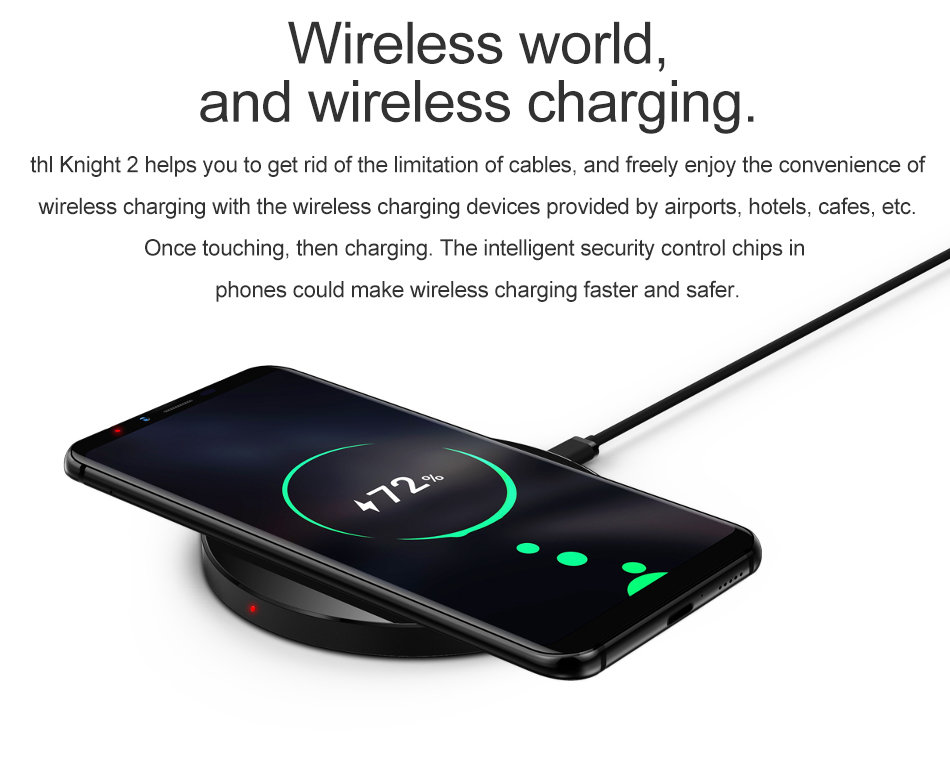 Moreover, THL’s recently launched Knight 2 smartphone sports a 6-inch HD+ display with a screen resolution of 1440 x 7220 pixels. On the photography front, it sports 13MP + 5MP rear-mounted cameras and an 8MP front snapper for selfies. It is backed by a robust 4,200 mAh Lithium-Polymer battery.