The unveiling of the Moto X (2017) seems to be approaching fast as a leaked photo of what appears to be a press render of the phone has appeared. Its key specs have surfaced. As previous rumors have hinted, the upcoming Motorola Moto X (2017) is rumored to be a mid-range phone.
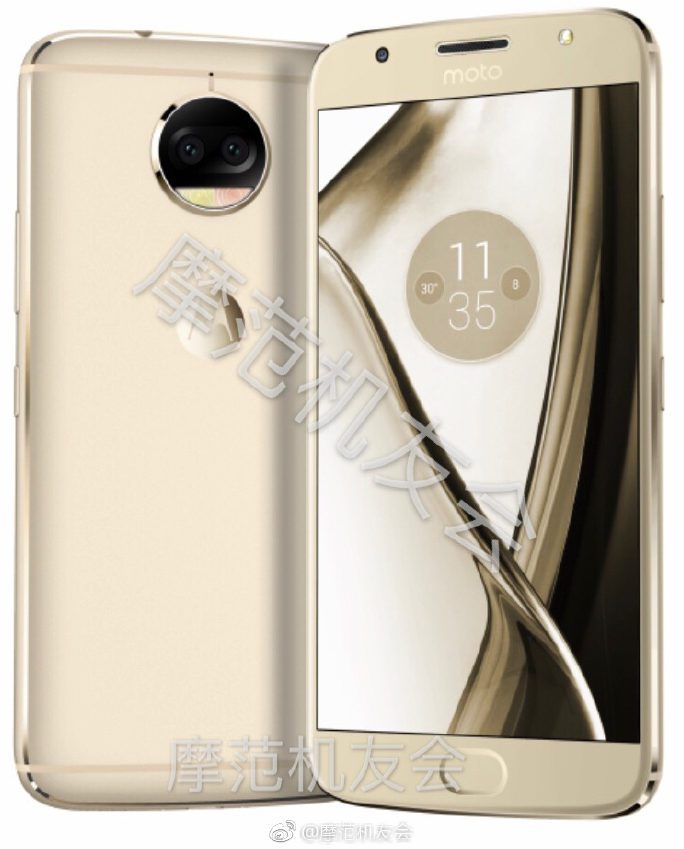
Four leaked images of the alleged Moto X (2017) had appeared In the previous week. The leaked images had shown the smartphone in black color. A new leaked press render of a golden colored variant of the alleged Moto X (2017) has appeared to reveal its front and rear.
The upcoming Lenovo phone seems to feature a LED flash for the selfie camera above the display and it seems to feature a physical Home button with oblong design below the screen. The rear side of the phone has antenna bands on the top and bottom portions.
At the center of the rear panel is a batwing logo from Motorola. Above it is the circular dual camera setup that seems to be coupled with a dual-tone LED flash. The bottom part of the back panel does not feature pins to attach Moto Mods accessories.
The volume rockers and power button are placed on the right side, and topside seems to feature a 3.5mm audio jack. The design of the phone seems quite similar to the Moto G5 and Moto G5 Plus phones that were announced recently.
According to a well-known tipster, Roland Quandt, the Moto X (2017) is codenamed as Sanders and its model number is XT180x. The smartphone is driven by Snapdragon 625 chipset which is a clear indication that it is not a flagship phone. Between 2013 to 2015, Motorola has released flagship phones under Moto X moniker, but the upcoming Moto X (2017) seems to be a mid-range phone.
Motorola Moto "X 2017" XT180x codename "Sanders": Snapdragon 625, 3/4GB RAM, 32/64GB ROM. 13MP camera (don't know if second cam sensor same)
It is expected to arrive in 3 GB and 4 GB RAM models along with storage options such as 32 GB and 64 GB. The leakster claims that one of the sensors of the dual rear camera is of 13-megapixel, but he is not sure whether the second sensor is also of 13-megapixel. As of this writing, there is no information on the battery capacity of the device.
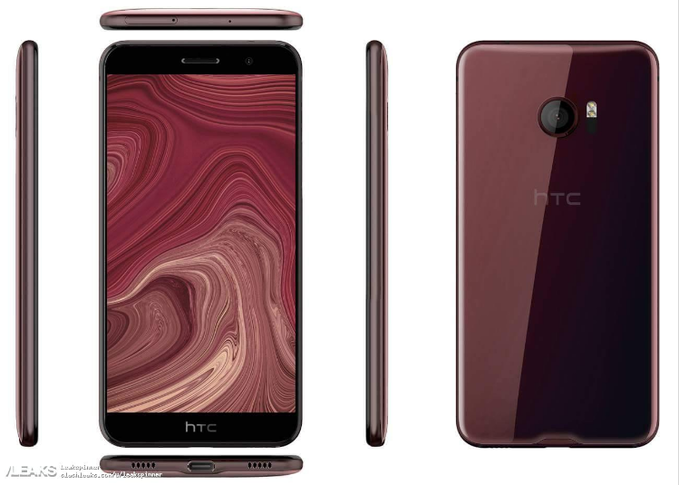
HTC U is the alleged flagship smartphone that is expected to get unleashed soon. A fresh render of the phone has appeared to reveal its design from all angles.
According to previous leaks, the purported HTC U flagship is codenamed as HTC Ocean. As it can be seen in the leaked photo, the left and right sides of the display are flanked with super-slim bezels. The top and bottom bezels also appear to be trimmed compared to the bezels seen on the HTC 10 flagship phone from 2016. There is a HTC logo on the chin of the device.
The HTC U seems to be sporting a full metallic chassis. The bottom side of the phone has dual speakers with a USB Type-C port in between. HTC Ocean rumors have consistently hinted that the phone won’t be featuring any physical buttons. The sides of the HTC U are heavily speculated to be flanked touch-sensitive sensors.
Hence, all the functionalities like volume controls and power button are speculated to be accessible through its touch-sensitive frame. Since the fingerprint scanner is not visible, it may arrive embedded under the display. The device does not seem to feature a 3.5mm audio jack. The rear camera of the phone seems to be present with a slight bump.
HTC U has a 5.5-inch screen that will carry support quad HD resolution of 2,560 x 1,440 pixels. It will be powered by Snapdragon 835 chipset. It is expected to be available in two storage models like 64 GB and 128 GB. The appearance of an alleged HTC flagship phone on AnTuTu benchmarks has revealed that the phone with 4 GB of RAM.
The rear camera of the phone is speculated to be of 12-megapidxel whereas its front-facing shooter is pegged to come with 16-megapixel. It is expected to run on Android 7.0 Nougat OS that will be skinned with HTC Sense 9 UI. As of this writing, there are no details available on its battery.. It is rumored to get unveiled in April and is expected to be available in market for purchase by May.
On March 31, Xiaomi released a teaser saying it was going to announce the latest version of its OS, MIUI 9 today. Since the day after was the 1st of April which was April Fool’s Day, Xiaomi knew people would think of it as a prank. So they explicitly said that it wasn’t one.
Xiaomi fans have been waiting for the release of MIUI 9 since the announcement last year. But it seems their wait will continue as the launch was actually a prank. Leaves us wondering why they had to lie about it not being one in the first place?
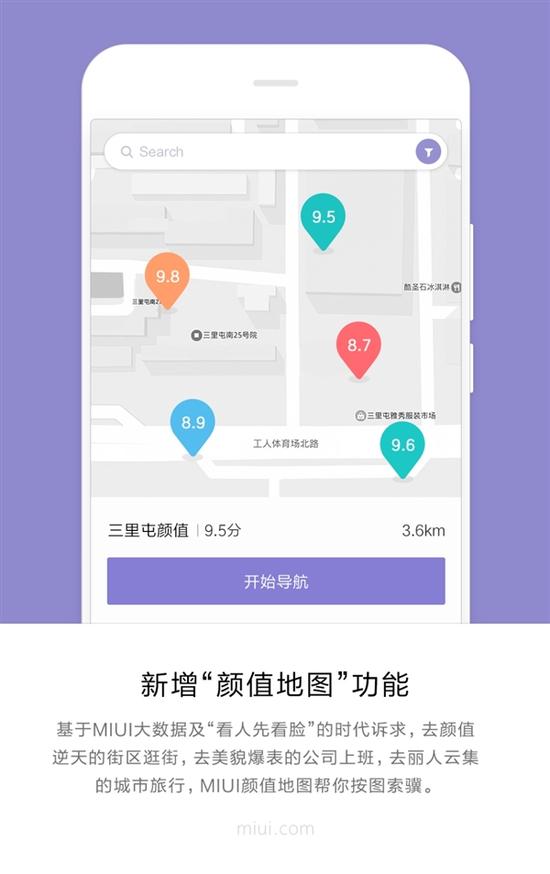
The announcement revealed five new features that are said to be present in MIUI 9, four of which are camera modes while the last is a map feature.
The first is called Truth Mode. This is like the reverse of beauty mode which makes you appear better when you take a picture. So instead of removing blemishes and brightening up your face, it does the complete opposite.
The next is tagged Eccentric Beauty Mode. This is useful for group selfies. What it does is automatically recognize the owner and makes him/her look better than the other person(s) appearing in the photo.
There is also the Couple Match Mode. All you have to do is take a selfie and upload it to MIUI cloud. An algorithm probably automatically matches you with someone else who has also uploaded his/her picture.
Another feature that loosely translates into Positive Energy Mode provides compliments when it detects that the owner looks sad when taking a selfie.
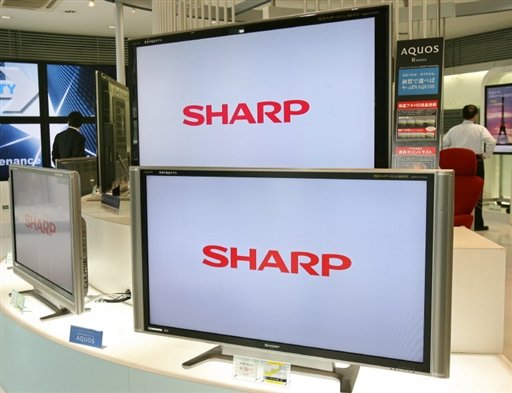
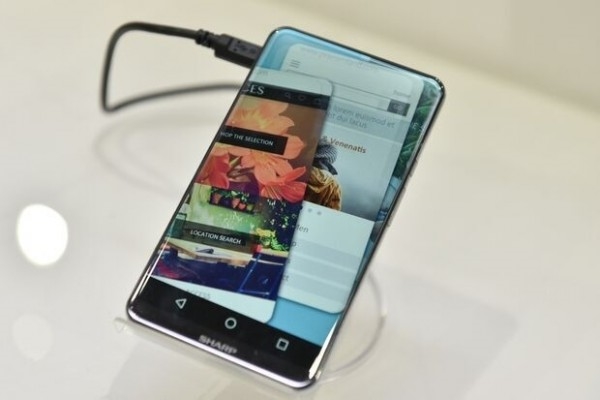
There is an indication that Japanese electronics giant Sharp’s business fortunes are turning around for the better as the company has doled out close to 60 million yen (around $538720) to all of its staff. Each of the staff in Japan was paid 3,000 Yen (~$27) and according to the report, a total of 19,000 staffs got the largesse. Sharp is currently run by Foxconn who completely acquired the company in 2016.
Foxconn’s model which promotes cost reduction and other strategies seems to be working as the company is said to have recorded a good profit for the fourth quarter of last year between October and December which was something it had failed to do in the previous two years. There is also the prospect of the company declaring some profit for the first half and second half of the company’s fiscal year.
This is said to be the rationale behind the 3000 Yen cash gift the company gave to all of its 19000 staff. The cash which came in an envelope was accompanied by a personal message from Sharp’s president Masashi Horiori, expressing appreciation to the staffs for their dedication and hardwork.
Sharp Corporation was one of the largest TV manufacturers in the world a couple of years back but that isn’t the case anymore. The company was also a leading force in the smartphone industry and in fact, Sharp is reputed to have manufactured the first commercial camera phone in 2000. The company used to be the top smartphone maker in Japan but has since dropped to number 3. Outside Japan, Sharp phones are very difficult to even come by despite their innovation in LCD display technology. With Foxconn’s intervention, it is hoped that the company would mount a comeback both on the home front and globally.
April Fool’s Day has evolved from people playing pranks on each other to involve global brands doing the same to the general populace. Tech giant, Google has been doing this for years and we thought it’d be fun to revisit some of their pranks from the year 2000 till date.
You can tell this is pretty old based on the way the search page looks. Google MentalPlex was a “special” search technology that required you to search for something by staring at the MentalPlex circle and thinking of what you wanted to search for. No need for manually typing search terms. If you clicked on the MentalPlex circle for you result, you got a result for April Fools and a message saying your search result was unclear.
2004: Google Moon Recruitment
This prank for 2004 involved Google making a fake recruitment for new staff for its moon research center scheduled to open n Spring of 2007. It was simple and straightforward.
Google Gulp Beta was a set of flavored smart drinks launched by Google in 2005. There were four flavors: Beta Carroty, Sugar-free Radicals, Glutamate Grape, and Sero-Tonic Water. Pretty cool flavor names. Gulp Beta was said to increase intelligence and optimize the use of Google Search.The only way to get Google Gulp was to find someone who had a bottle cap of the drink. I can only imagine all those who went in search of a bottle cap only to find out it was a prank.
Gmail Paper was a hoax website created for users to print emails instead of deleting them. Google will print the e-mails and send them to you free of charge. Cost of shipping and printing was covered by the ads written on the back of the pages.
2008: Mars Settlement Plan (Project Virgle)
Google’s prank for 2008 was project Virgle and it was a mars settlement plan that was going to extend till 2018. It included choosing a settlement on the planet in 2010; the deployment of equipment to space in 2014; construction of a settlement on the planet in 2015; transporting of humans to Mars in 2016; and by 2108 virgle City will be a flourishing human habitat.
This was a prank to get you to print fake 3D glasses you could use to view google chrome in 3D.
2013: Google Nose
Google Nose was built in 2013 as a way to be able to perceive things you search for on the web. All you had to do was enter your search term and click on smell test and then “start sniffing”.
2014: Google Chome Emoji Translator
This was an emoji translator that converted written text into emojis
2015: Google Maps Pac-Man
Google maps was turned into a Pac-man game. This same prank has been repeated this year. Open Gmaps on your browser and by the left bottom corner,select insert coin. Your current location will be changed to a Pac-Man game that you can play using the directional buttons.
VR was really popular last year so Google decided to play this nice prank on people. It was a transparent piece of plastic designed like Google’s Cardboard that let you see the world as it was. Google called the technology Actual Reality.
2017: Google Gnome, Google Wind, Haptic Helpers
Google Gnome: works just like Google Home but for outdoors. It will tell you what the weather is like, control your water hose, and decline requests that should be handled by Google Home. It will also tell you what direction the Wind is blowing from.
Google Wind: Developed by the Google team in The Netherlands. It is a project that connects all the wind mills in the country together and makes them work as giant fans that can blow rain clouds away. The reason for this is because The Netherlands experiences a lot of rain annually, so there is usually little sunshine.
Haptic Helpers: This is aimed at Virtual Reality lovers. A haptic helper is an individual that will come to your home to simulate experiences that accompanies your VR experience. Is the wind blowing in your VR game, then the haptic helper will hold a fan to your face. Did you get pricked by a cactus, the haptic helper will pinch you.
That’s all for the Google April Fool Day Pranks. Make sure you play safe when pranking others.
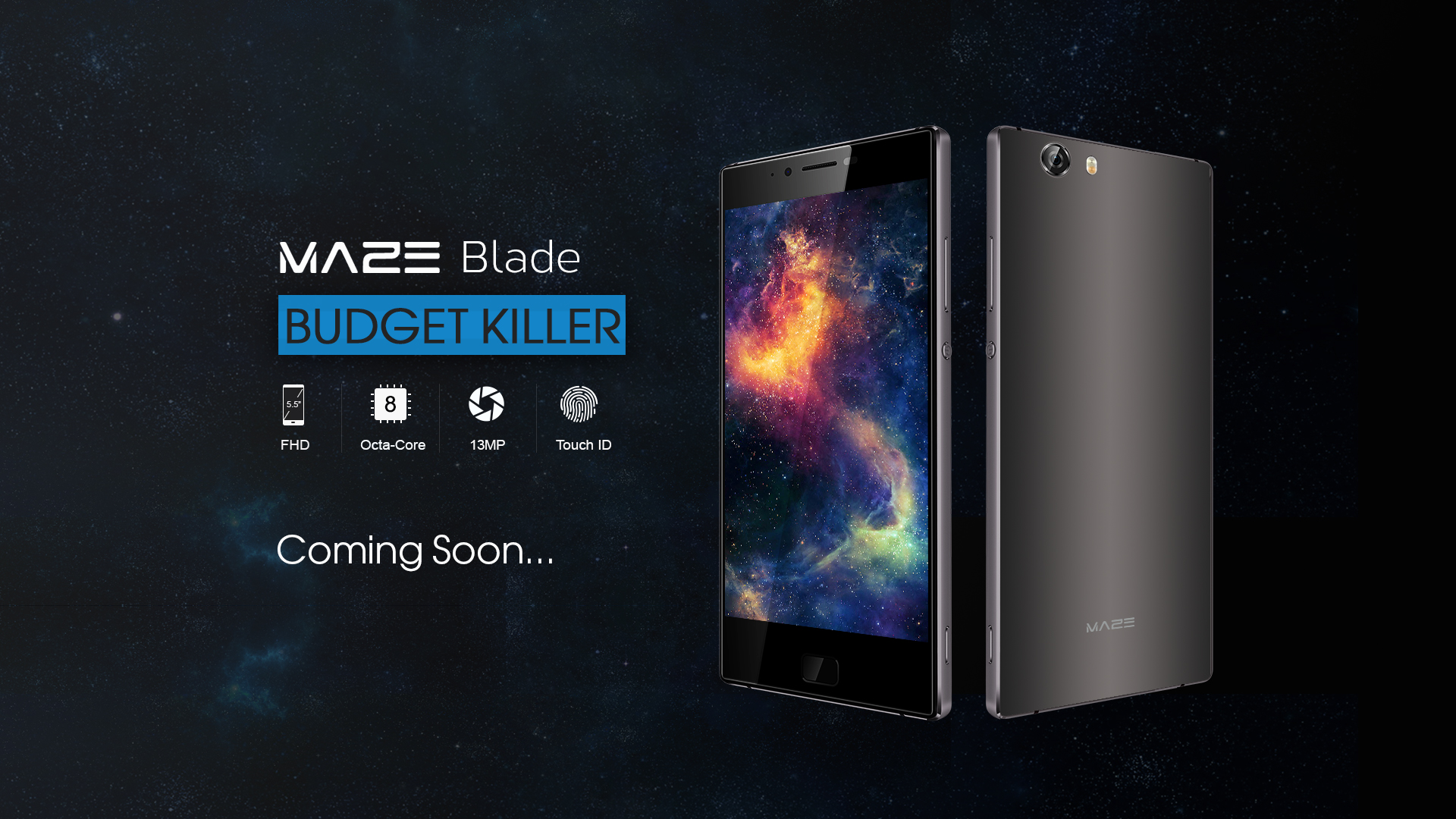
The Maze Blade is the second device from newcomer Maze. Their first device is the Maze Alpha, a bezel-less phone set to take on Xiaomi’s Mi MIX. The Maze Blade is being marketed as the budget-killer and from the images looks to be set on that path.
A first look at the Maze Blade and it reminds you of another device, the Sony Xperia Z5. From the 7H glass back to the circular physical power button on the right side of the anodized aluminium frame, to the huge front bezels, its more than a striking resemblance.
Where it differs from Sony’s phone is in the position of the fingerprint scanner which sits in front. Another difference is in the outlay of the rear camera setup and the use of capacitive buttons. Fans of the Xperia Z5’s design will definitely like the Maze Blade.
The Maze Blade is not just a good-looking device. It also packs some interesting specs. There is 3GB of RAM, 32GB of storage and the screen is a 5.5-inches FHD display. The rear camera on is a 13MP Sony IMX 214 sensor with OIS and EIS. Now that is something you don’t see in a budget device. Up front sits an 8MP Sony IMX 179 84° wide-angle camera.
[envira-gallery id=”125101″]
The Maze Blade is powered by a MT6753 octa-core processor clocked at 1.3GHz which draws power from a 3000mAh battery. There is Android 6.0 Marshmallow running on it and support for dual SIMs and a memory card.
The phone measures 158.5 x 77 x 8 mm and weighs 190g. It is available in gold, silver, and black and will go on sale early this month on different online platforms. There is no price yet but we expect the Maze Blade will not only be killing the other budget phones with its looks but also its price.
Dual cameras became pretty popular last year. Even Apple joined the train with the iPhone 7 Plus. Samsung on the other hand felt no need for it seeing as its single camera Galaxy S7/S7 Edge were strong contenders for the best camera phone for 2016. So when the Galaxy Note 7 was released, no one complained about its lack of dual cameras.
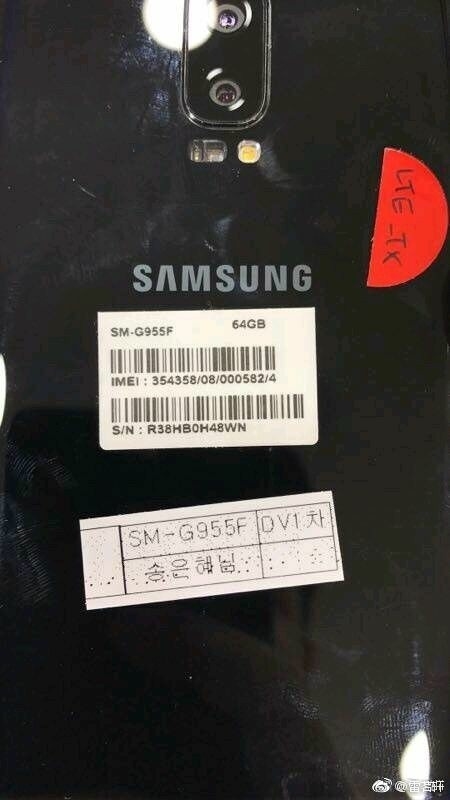
A few days ago, the Galaxy S8 and Galaxy S8+ were announced. While none of the two devices sports dual cameras, it turns out Samsung considered giving the Galaxy S8+ dual sensors. This didn’t end as an idea that was mentioned during a meeting to discuss what features the next flagship should have. Samsung actually made a prototype but sadly it was not approved as the final device.
An image of the prototype has been posted on Weibo by @Lei Ming Xuan. Not only do we see the dual-cameras but we can also see that Samsung didn’t place the fingerprint scanner on the rear in this unit. So apart from the Galaxy S8 having an additional sensor, it would also have had its fingerprint scanner in front.
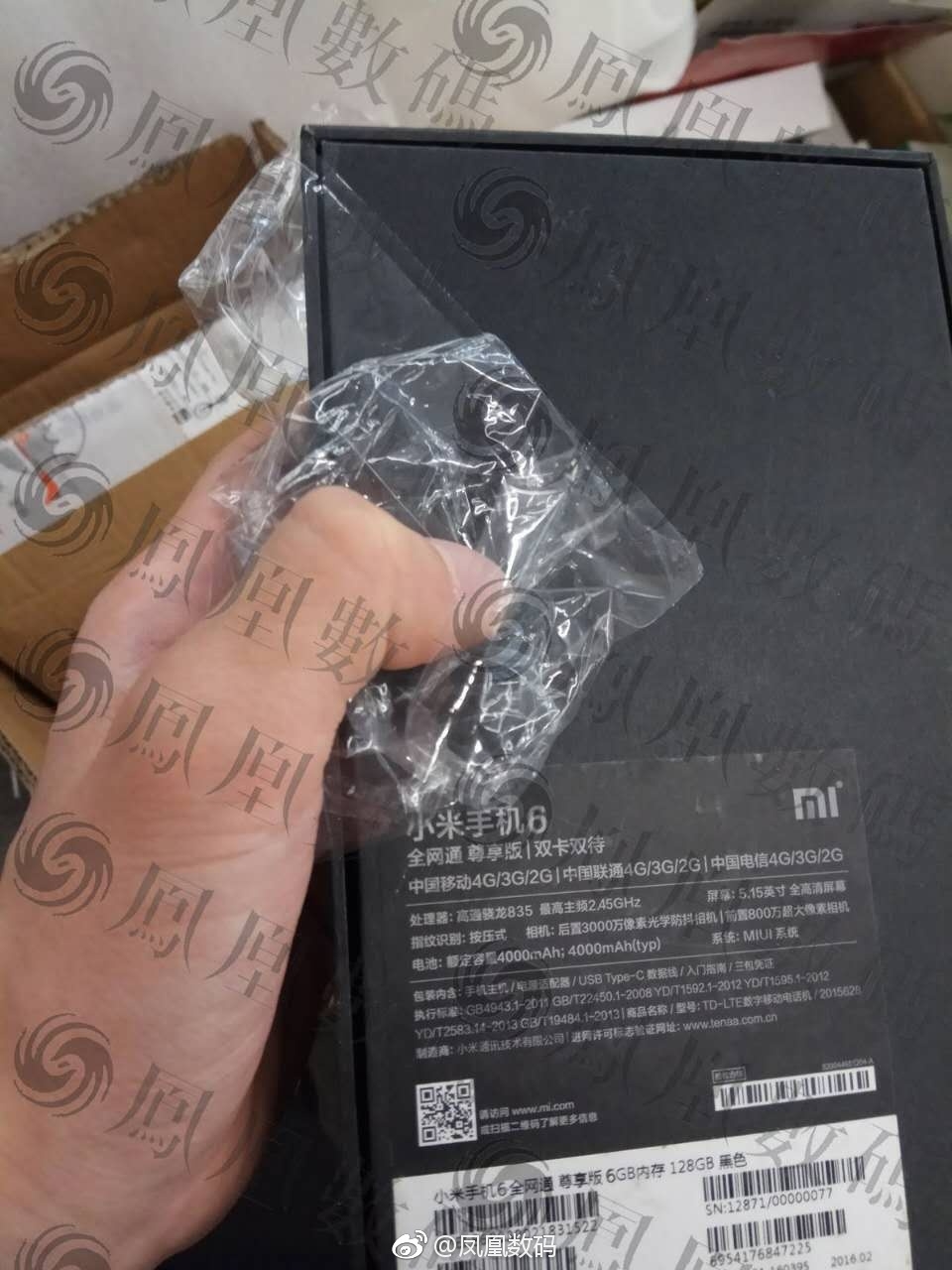
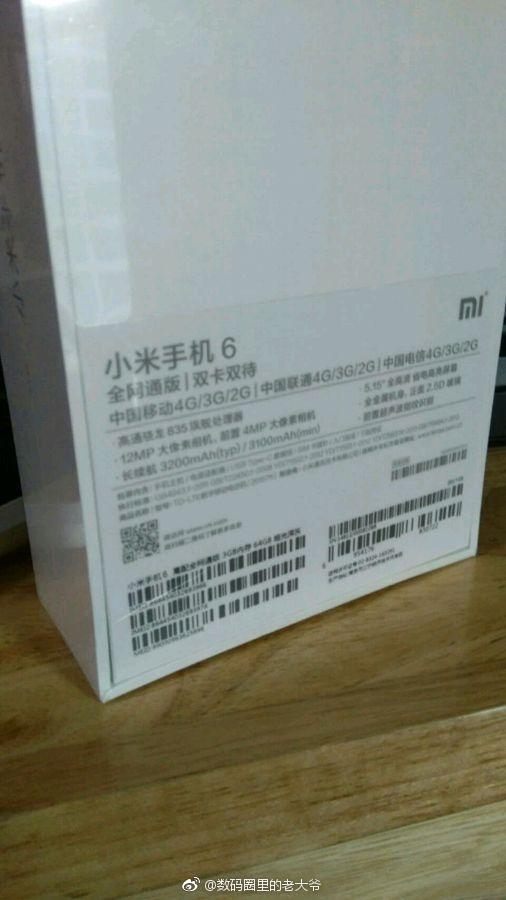
The Xiaomi Mi 6 is coming this month and it is confirmed already. Xiaomi’s CEO explicitly said so during a livestream but didn’t specify the date. But that’s not the focus of this article. What surfaced today has us excited about the upcoming device(s). Today we have images of the boxes for the Mi 6 and while they bring answers to some of our questions, they still leave us with more.
One image comes from a Weibo account (phoenix digital) and the other one from another account. These are two separate boxes for the Mi 6. Not only are the boxes different in color, they also have different specs. Let us examine each of them.
Xiaomi Mi 6 Black Box (Most Likely Plus version)
The details on the box reveals that this variant sport a 5.15-inch display. It is powered by the Snapdragon 835 processor and the chip is clocked at 2.45GHz. There is 6GB of RAM on board and 128GB of storage. For the cameras, the Xiaomi Mi 6 sports a 30MP sensor with optical image stabilization on the rear and an 8MP camera up front. The box also states that there is a 4000mAh battery under the hood. That’s a big battery for a 5.15-inch phone no doubt.
Other details revealed says it has full network support, dual SIM slots, and a USB Type-C port.
Xiaomi Mi 6 White Box
The white box is a lot different from the one at the top. First, the sticker bearing the specs extends the whole width of the box and the specs are different too. The Mi 6 variant in the white box has the same 5.15-inch display with a 2.5D glass. It is also powered by the Snapdragon 835 processor but surprisingly, the clock speed is absent. Is this a hint that Xiaomi is clocking them differently? We hope not. The RAM and storage also get axed to 3GB and 64GB respectively on this model.
The cameras are also different. Instead of the 30MP sensor we have on the black box, this is just a 12MP shooter on the rear. The front facing camera also remains a 4MP ultra pixel sensor like that of the Mi 5. The camera is not the only part that takes a dip. The battery capacity remains 3200mAh just as we have in the Mi 5s.
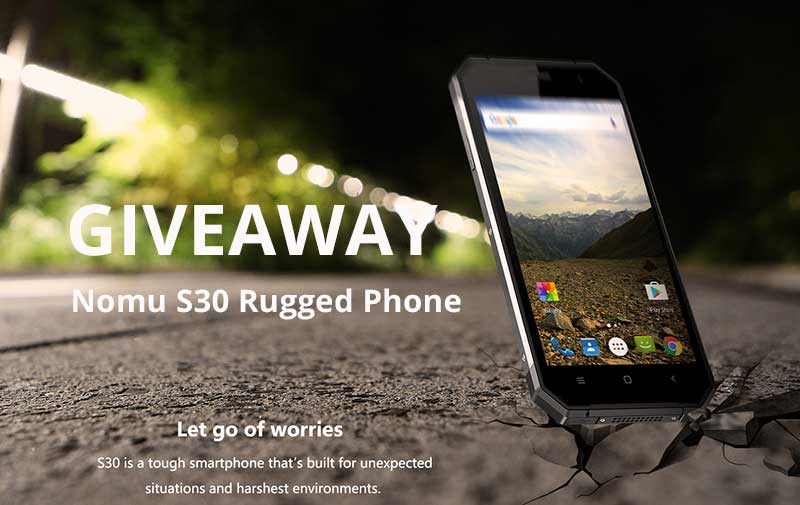
Gizmochina along with Nomu official is conducting a Nomu S30 rugged phone as Giveaway gift to one of our lucky readers. Like always, you just have to follow the steps mentioned on the Gleam widget to get a chance to win this amazing phone.
Here is the main features of Nomu S30:
Display: 5.5 inch, 1920×1080 pixels full HD screen CPU: MTK MT6755 2.0GHz octa-Core System: Android 6.0 RAM + ROM:4GB RAM + 64GB ROM Camera: 13MP Sony IMX214 rear camera with PDAF and flash light Sensor: Geomagnetic Sensor, Ambient Light Sensor, Gravity Sensor, Proximity Sensor SIM Card: Dual SIM dual standby, dual nano SIM cards Feature: GPS, A-GPS, Glonass Bluetooth:4.0 Network:
2G: GSM 850/900/1800/1900MHz
3G: WCDMA 900/2100MHz
4G: FDD-LTE 800/900/1800/2100/2600MHz
How to entry this giveaway? Just follow these steps via Gleam widget:
Visit Nomu’s Facebook and follow them;
Share this article to your Facebook or Twitter
Leave comments under this article, tell us how do you think about rugged phone
Terms & Conditions:
1. The giveaway is an international giveaway.
2. We are not responsible for lost shipments.
3. We are not responsible for any duties, import taxes that you may incur.
4. We reserve all rights to make any changes to this giveaway.
5. The prize will ship when it is available to purchase.
Just follow the steps mentioned in the Gleam widget to participate in the giveaway.
Once again, happy new year everyone and good luck.
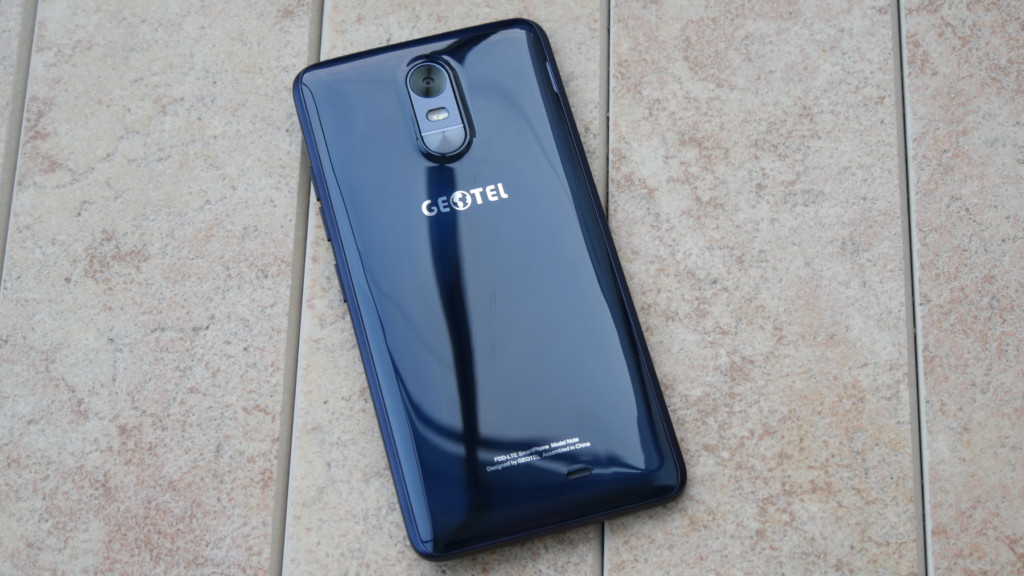
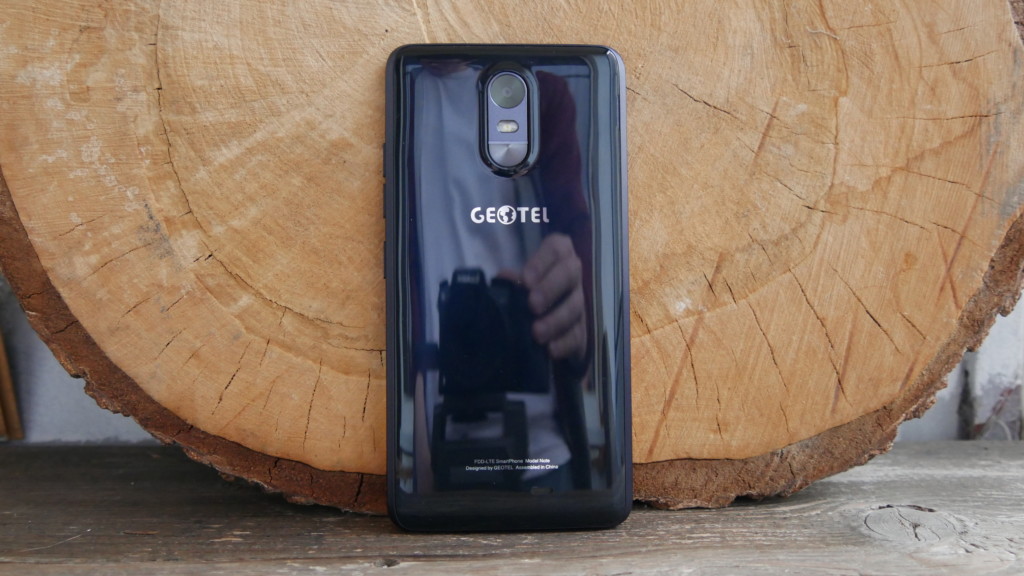
Geotel is one of the new smartphone makers and they have a pretty nice looking yet a very cheap device that is called Geotel Note. The phone costs just below $90 but it has a lot of cool features.
When it comes to the design, the phone is made entirely of plastic. It does not feel very cheap but some metal elements would have added a more premium look.
When it comes to hardware, the Geotel Note has some decent specs for the price.
The phone ships with a quad-core MTK6737 chip, 3GB of RAM and 16GB of expandable storage. Other key specs include 5.5” 720p display, 8MP front-facing, and 13MP main cameras, notification LED light, a replaceable 3200mAh battery and Android 6.0 out of the box.
You can now enter a GIVEAWAY to win your brand new Geotel Note smartphone. Follow the link below to enter.
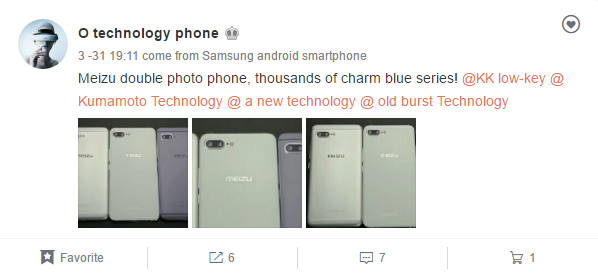
More mobile phone manufacturers are now embracing dual camera technology on their smartphones and this ranges from flagship devices to mid-budget smartphones. Many fans were quite disappointed with the lack of dual cameras on the Samsung Galaxy S8 or S8 Plus but Xiaomi is expected to feature such on the upcoming Mi 6. Meizu is not one to be left out of the party as a recently leaked set of images have shown what is likely Meizu’s first dual camera phones.
The leaked images which originated from China’s Weibo isn’t very clear but we are able to see that the smartphone comes in three distinct colours of gold, green and gray. All that we get is the rear view of all three color options but the dual rear camera would likely be the standout feature on the smartphone. The dual cameras sit in a horizontal plane at the top left corner of the phone while the LED flash and what is likely an OIS is at the right side of the sensors.
Also, the dual sensors are noticed to be of two different sizes with one bigger than the other. The main camera sensor is likely the bigger one while the supporting sensor should be the smaller one. The supporting sensor is most likely a depth of field sensor. Furthermore, the leaked dual camera smartphone also has a metal body which we could tell from the fused antenna band design which is visible at the top and bottom edges.
Now, these aren’t very clear renders and given the three different designs with dual cam setup, there’s a good possibility that this is the work of photoshop. The leakster probably wanted to just show off the design of the setup and not the entire back. So, if you were hoping for some real images of an upcoming dual camera Meizu device, you would probably have to wait for some more time.
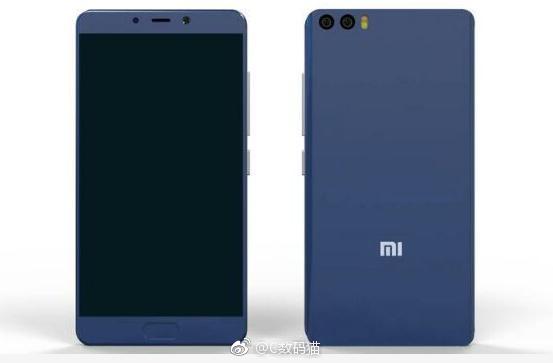
Not too long after a device suspected to be the Xiaomi Mi 6 was spotted in China’s 3C website, the Mi 6 is in the news once again. This time around a render of the likely Plus-sized version of the Mi 6 captured from the front and rear has leaked online. As would be expected, the render gifts us a look at the device from the front and rear end.
This new render comes in a coral blue colour but the images are similar to those which had leaked earlier on but obviously, this one doesn’t look real. Up front, we could see the home button looks similar to the Mi 5S’ underglass ultrasonic fingerprint sensor while there is no opening for the iris recognition technology which the Mi 6 is rumoured to feature. The Mi 6 Plus is said to come with a 5.7-inch HD display and the render shows a thin bezel at the two sides of the display but the screen to body ratio isn’t spectacular.
The rear view shows the dual-lens camera setup that the Mi 6 is almost certain to come with. The cameras are arranged in a horizontal plane while the LED flash sits to the right of the cameras. The capacitive buttons on the right side protrude abnormally that they seal this images as likely not being real live renders. Perhaps it is a fan generated work which isn’t a bad depiction anyway, even though it doesn’t look too captivating as we would have expected the Mi 6 Plus to be.
Earlier rumours had tipped the Xiaomi Mi 6 Plus to come with 6GB of RAM, 64GB / 128GB storage versions, Sony IMX362 12MP main camera, and an 8MP front camera (Ultrapixel) as well as a large 4,500mAh battery. On the other hand, the Mi 6 is expected with a smaller 5.15-inch display and two versions with 4GB and 6GB of RAM as well as three storage versions of 32GB, 64GB and 128GB. The Mi 6 will likely also pack a lesser 3,2oomAh battery. Both smartphones will likely be unveiled this April so brace up for more leaks and rumours.
Presently, China is nowhere near the top 10 countries with the best internet connectivity but that could change in the near future as China Aerospace Science & Industry Corporation (CASIC) has announced the country’s plans to send an army of 156 mini-satellite into space in order to speed up its broadband coverage.
The entire 156 mini-satellites will orbit at 1,000 km above the ground and according to CASIC, it’s the first low orbiting, networked satellite project developed in China. Orbiting at a low altitude would ensure that there wouldn’t be signal delay.
The satellites are apparently ka-band satellites as they are said to fall in the 26.5GHz to 40GHz frequencies bands which is the range of the ka-band. The Ka-band has become the band of choice for many satellite operators due to its increasing capacity availability and its applicability for broadband services. The project is a long term one as the first satellite will be sent into space before next year and then four more will join by 2020 to form a constellation. All 156 mini-satellites will be in operation by the end of 2025.
OnePlus teased yesterday via its twitter account that it had a Dash Charge Product scheduled to launch today. Most of us were probably expecting a new charger or an electronic product at most. Alas! Turns out we were wrong. The new product is actually an energy drink, the Dash Energy Drink. I bet you didn’t see that coming.
OnePlus says the Dash Energy Drink is nutritional and will “unlock a person’s hidden potential. OnePlus is even using the “a day’s power in half an hour” slogan to market the energy drink. They say with the energy drink, you don’t need to sleep for eight hours to recharge. That time can now be cut down to just 30 minutes with the Dash Energy Drink. This is probably a joke.
Interested in testing out this theory? Then you can get the Dash Energy Drink starting tomorrow. If you live in London, you will be able to get a taste of the drink at Bishops Square, Spitalfields, London between 12 midday to 4PM. For those in India, the OnePlus Experience Store in Bangalore will have it starting at 11AM IST. EU residents can enter the online raffle(not yet active as at the time of writing) to win a pack of four energy drinks.
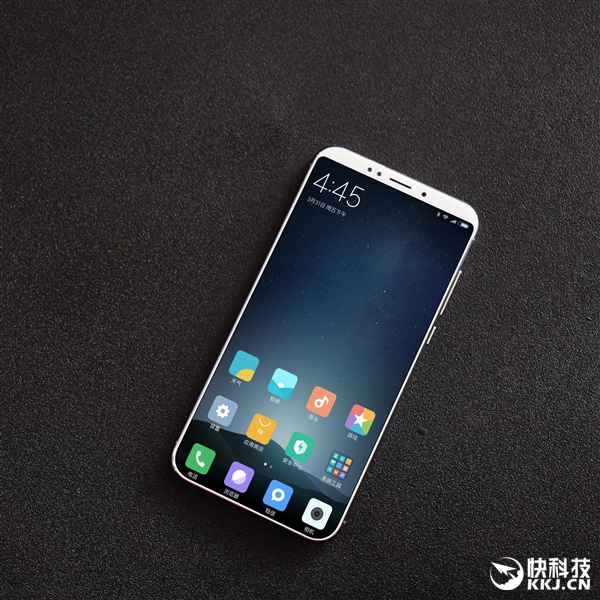
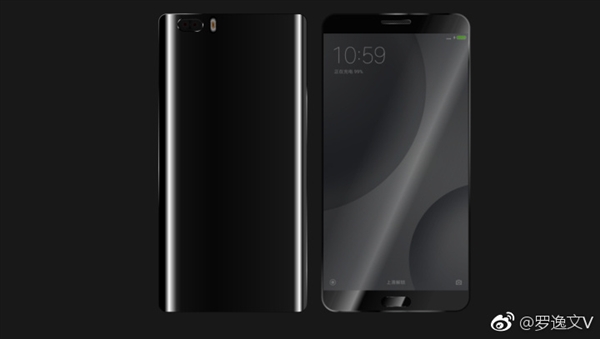
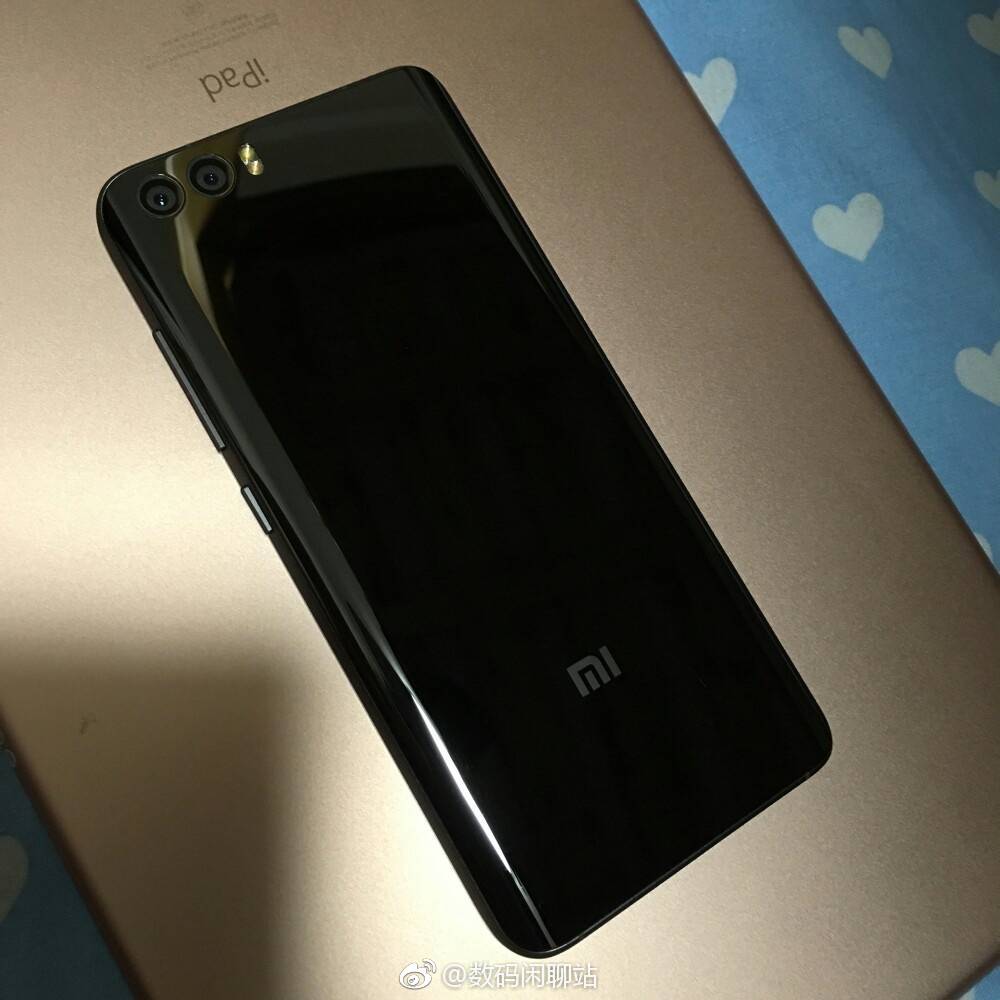
Another day and another Xiaomi Mi 6 leak. This time around, it’s not the specs or the pricing that has been leaked, rather a new set of Mi 6 images that show us one of the possible designs of the upcoming flagship. To be honest, this is one of the best looking Xiaomi Mi 6 images we have seen till date. The fact that the display takes over most of the front part of the phone once again throws light on the design philosophy being adopted by smartphone flagships in 2017. Last year it was the unique antenna band placement at the back by the likes of Meizu and iPhone. This year, it’s much more significant — a bezel-less front.
As you can see in the image above, the phone comes with a bezel-less front, except for the thin part above the body. It’s not a curved display like the Samsung Galaxy S8+, nevertheless, it looks pretty beautiful. The basic idea seems to be inspired from the Xiaomi Mi Mix, in a much rounder and compact body. The standard sensors are located on the top, including the front camera. On the right, we can see the power and volume buttons.
At the back, there’s the dual camera setup as rumored. However, the cameras are arranged vertically as opposed to the recent alleged Mi 6 images which featured a horizontal dual camera placement. This definitely makes things more interesting (and confusing).
While we can’t be sure this is indeed the real Xiaomi Mi 6, let’s hope that the design is something similar. Mi 6 needs a refreshing design, or else there is a good chance that it might end up among the numerous value for money flagships that are going to be announced in 2017 without standing out.
As for the other specs, the Xiaomi Mi 6 is expected to feature some advanced tech like iris recognition, waterproofing, and even wireless charging. Of course, none of these features have been confirmed yet, so we better wait for April, until the phone is officially announced.
So, what do you think about these leaked images of the Xiaomi Mi 6? Like it or hate it?
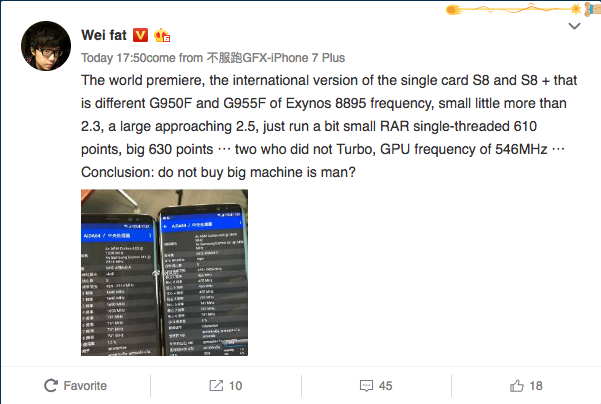
Its been two days since Samsung took the wraps of the Galaxy S8 and Galaxy S8+. Since the launch, we have been getting new details on both phones from those who have been able to get some hands-on time with the devices. One of such people is a Chinese blogger who has had the chance to compare the Exynos 8895 variants.
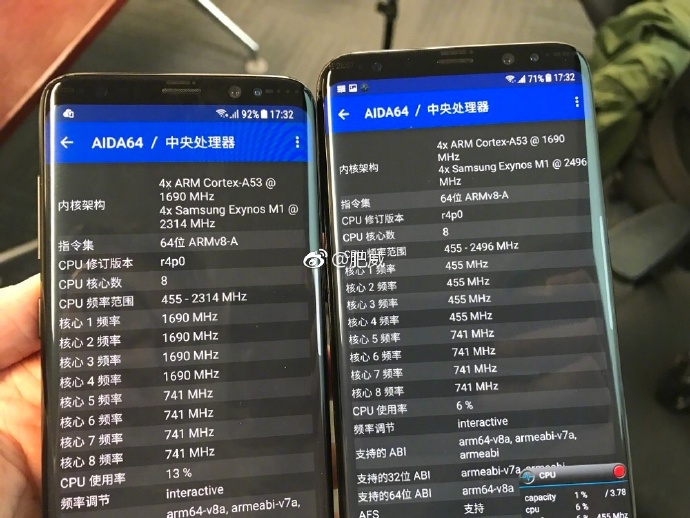
Tech blogger @肥威 took to Weibo to say that comparison tests between the Exynos powered variants of the Galaxy S8 and Galaxy S8+ showed that the larger variant is more powerful. He includes a picture to back up his claim.
The image shows both devices running hardware and software information utility app, AIDA64. The app shows that the Exynos 8895 in the Galaxy S8 is clocked at 2.3GHz while that of the Galaxy S8+ is clocked at nearly 2.5GHz (2.49GHz). The finding has only been reported by him for now but other reviewers might come across it as well.
The difference in clockspeed might be negligible and is not something we haven’t seen before. The Xiaomi Mi 5 (3GB + 32GB) has its Snapdragon 820 SoC clocked at 1.85GHz while the Mi 5 Prime and Pro (3GB + 64GB & 4GB + 128GB) has the same processor clocked at 2.15GHz. There is also no info if this applies to the Snapdragon 835 variant too.
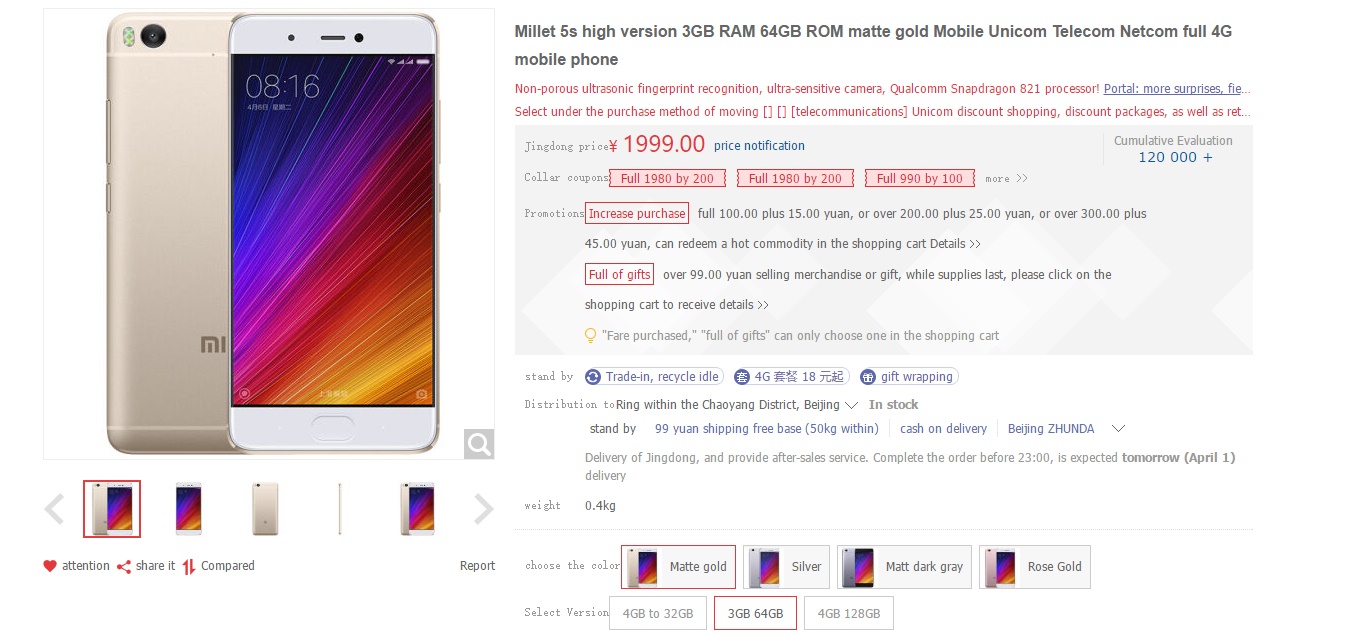
Turns out the Xiaomi official website is not the only place where discounts for the Mi Festival will run. Online mall, Jingdong will also be running its own sales. If you are out for a new phone, then you may want to consider the Xiaomi Mi 5s which is getting discounted on the site.
The Mi 5s is the successor to the Mi 5. They have the same screen size but the Mi 5s is powered by a Snapdragon 821 processor and features an under-glass fingerprint scanner up front. The Mi 5s is also made out of metal instead of glass like the Mi 5.
The 3GB + 64GB variant sells for ¥1999 ($290) but Jingdong will let you have it for ¥1799 ($261) if you pay in full upfront. If you pay ¥990 ($144) upfront, your discount is lowered to ¥100. Sadly, the discount doesn’t apply to the 4GB + 32GB variant and the 4GB + 128GB model. The former sells for ¥1949 ($283).
A new Xiaomi smartphone has just received 3C (CCC) certification in China and there are indicators pointing at the possibility of this being the expected Mi 6. The 3C certification is a mandatory product certification system in China with the aim of protecting consumer’s security through the supervision of products concerning health, hygiene, security, environment and anti-fraud.
The Xiaomi smartphone received the 3C certificate on March 29, according to the listing and is shown to have been manufactured for Xiaomi Communications Co. Ltd by FIH Precision Electronics (Langfang) Co. LTD which, simply put, is Foxconn. The suspected Mi 6 comes with the model number MCE16 and is shown to support LTE connectivity.
In addition, the device is shown to have support for three charging output ratings including 5V, 3A/9V, 2A/12V, 1.5A, with a minimum power rating of 15W and maximum of 18W, which is the fast charge standard. The device is suspected of being the Mi 6 because of the fast charger which it is listed to feature but that doesn’t give the speculation any certainty. It could turn out to be another device, even though we don’t know of any other smartphone Xiaomi is getting out into the market anytime soon.
The Xiaomi Mi 6 is expected out in the open this April and the rumored features it is expected with keep piling up, positioning the device as a true flagship. The Mi 6 is said to use the latest Snapdrag0n 835 chip and very recently it was revealed that the device may likely be without the legendary 3.5mm headphone jack and would be waterproof. Other rumoured features include an iris recognition technology, wireless charging, colourful body and fast charge support.
Xiaomi will next week begin its annual Mi Fan Festival. The festival is actually Xiaomi’s way of marking its anniversary. This year will be the 7th edition of the event and like others expect lots of price slashes.
Instead of waiting till the festival starts to begin announcing the price slash, Xiaomi has started churning out teasers to get us excited. First, on the list is its line of Mi Routers. The price slash cuts across most of its current catalog.
The price cut starts with the Mi Wi-Fi Cat Power that allows you to extend the signal from your Mi router to other parts of your home where the signal is weak or non existent. Starting on the 6th of April you will be able to purchase the signal converter and the WiFi extender combo for ¥249 ($36).
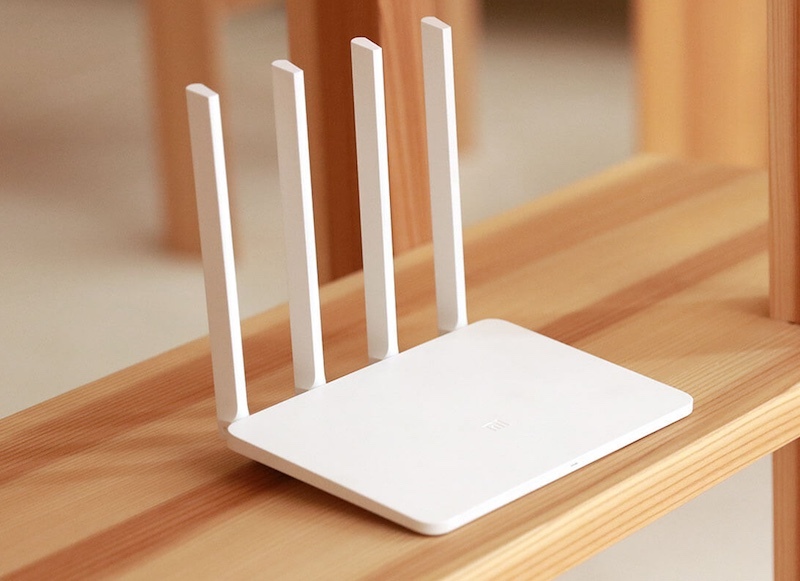
Next is the Mi Router 3. This router doesn’t have all the bells and whistles of the Mi Router HD announced at CES 2017 such as a Qualcomm chip or a large storage but there is dual band WiFi and it sports four antennas too. The Mi Router 3 usually sells for ¥149 ($22) but will get a cut to ¥139 ($20).
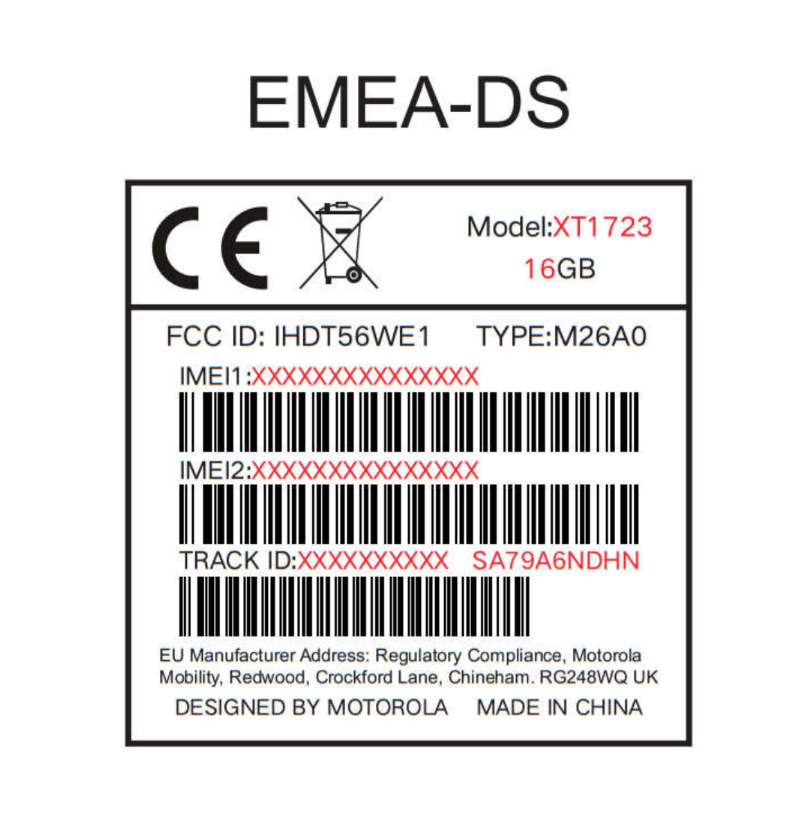
A new Motorola smartphone with model number XT1723 has been spotted on the US Federal Communications Commission (FCC) website where it has been certified. The device is suspected to be the Moto E4, successor to the Moto E3 (Moto E 2016) released last year. The Moto E3 also got certified by FCC last year with the model number XT1706.
Usually, the FCC site doesn’t reveal much about the device being certified but in this case, the little listed is enough to get us excited. The Moto XT1723 model is listed with a massive 4,000mAh battery which dwarfs that of the Moto E3 which came with a 3,500mAh battery. The device is also listed with a 16GB storage which is believed to be its base version. There will likely be a 32GB storage version in the long run. That is just where it ends but we hope to see more about the device in the coming days.
The FCC certification means the Motorola, owned by Lenovo, has now gotten the green light to sell the Moto E4 in the US and Canada. The E4 will likely join two other Motorola models which had earlier appeared on WiFi Alliance with model numbers XT1750 and XT1754.
We use cookies on our website to give you the most relevant experience by remembering your preferences and repeat visits. By clicking “Accept”, you consent to the use of ALL the cookies.
This website uses cookies to improve your experience while you navigate through the website. Out of these, the cookies that are categorized as necessary are stored on your browser as they are essential for the working of basic functionalities of the website. We also use third-party cookies that help us analyze and understand how you use this website. These cookies will be stored in your browser only with your consent. You also have the option to opt-out of these cookies. But opting out of some of these cookies may affect your browsing experience.
Necessary cookies are absolutely essential for the website to function properly. This category only includes cookies that ensures basic functionalities and security features of the website. These cookies do not store any personal information.
Any cookies that may not be particularly necessary for the website to function and is used specifically to collect user personal data via analytics, ads, other embedded contents are termed as non-necessary cookies. It is mandatory to procure user consent prior to running these cookies on your website.