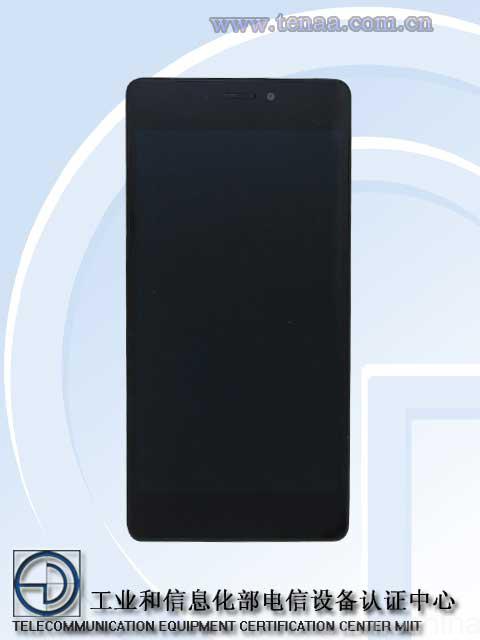
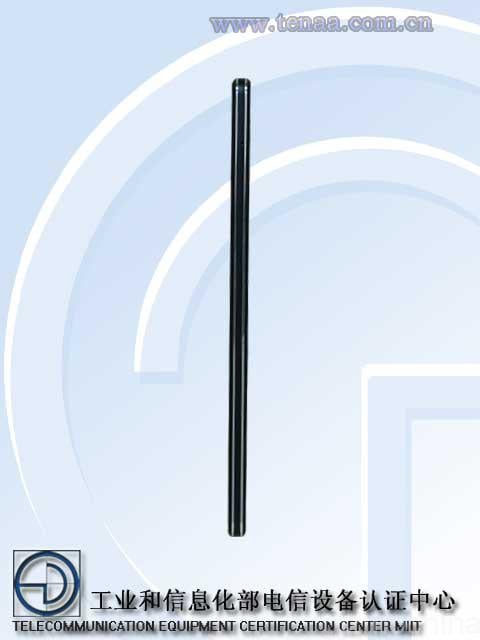
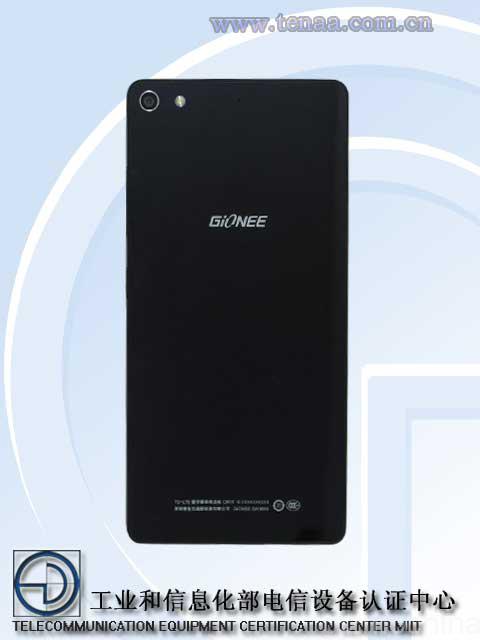
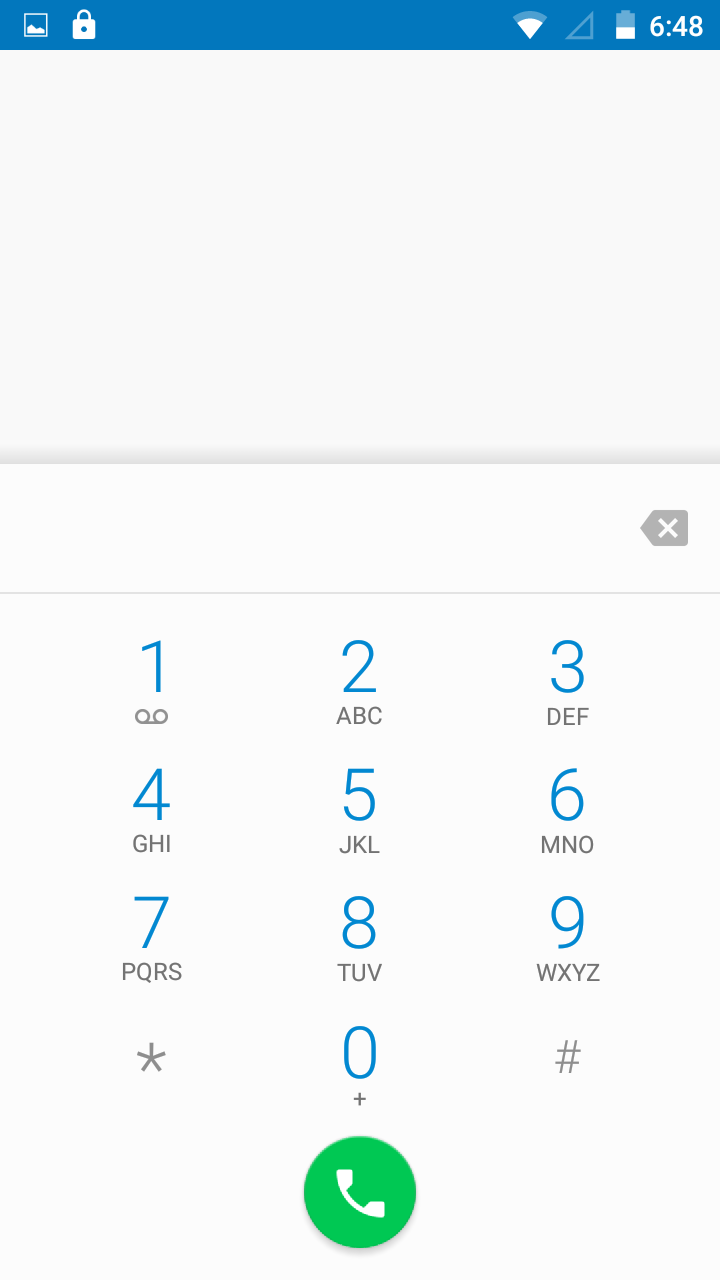
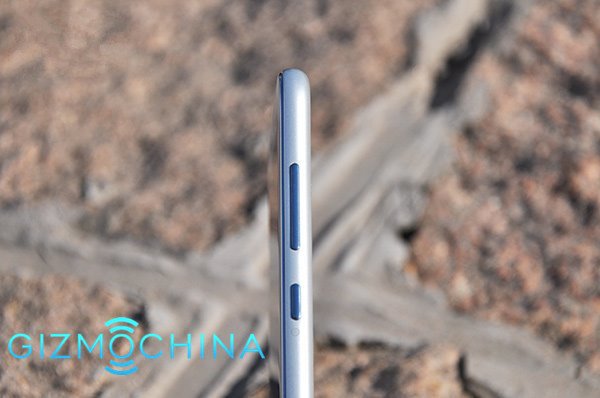
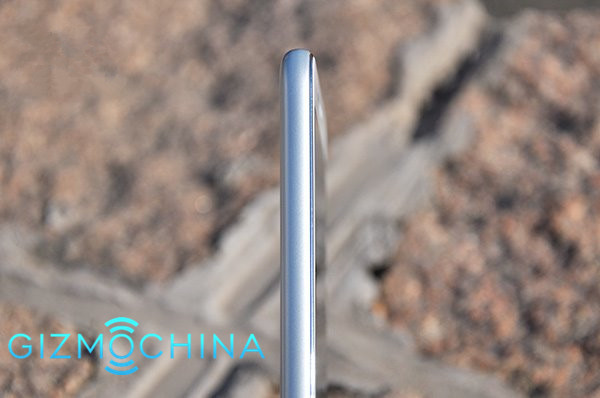
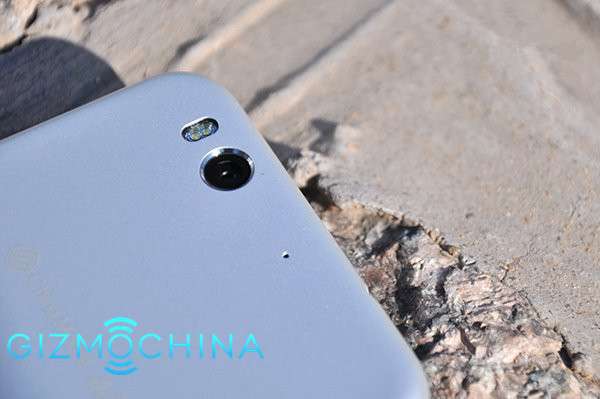
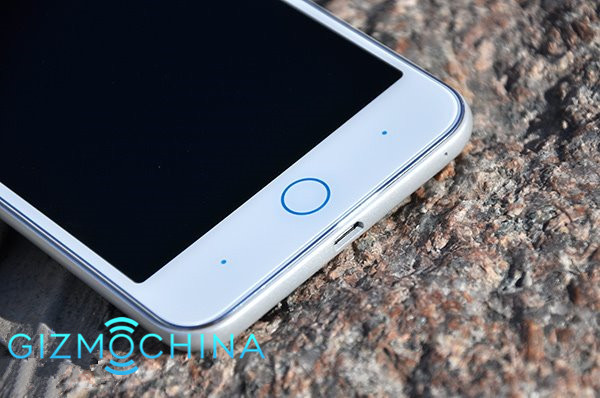
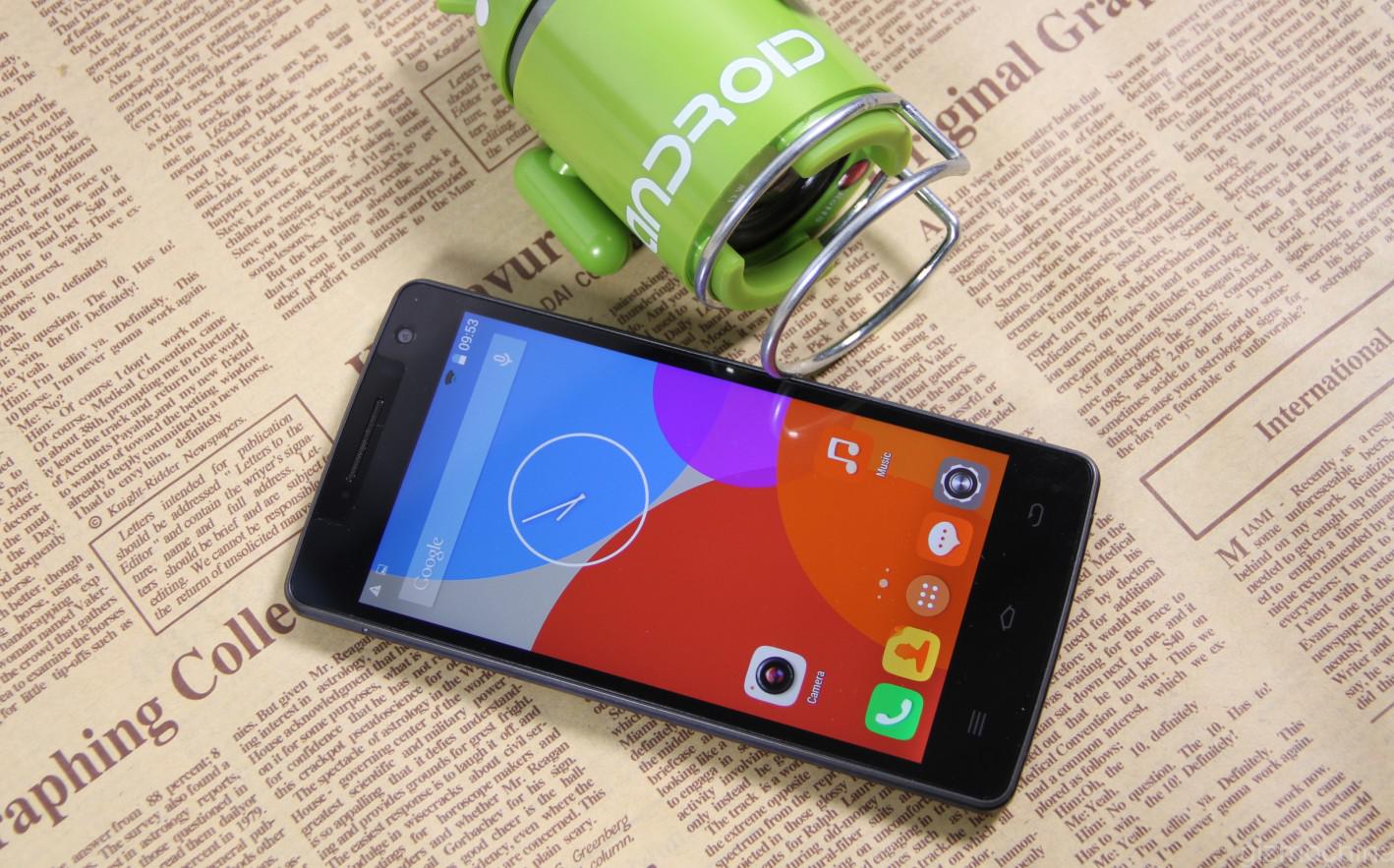
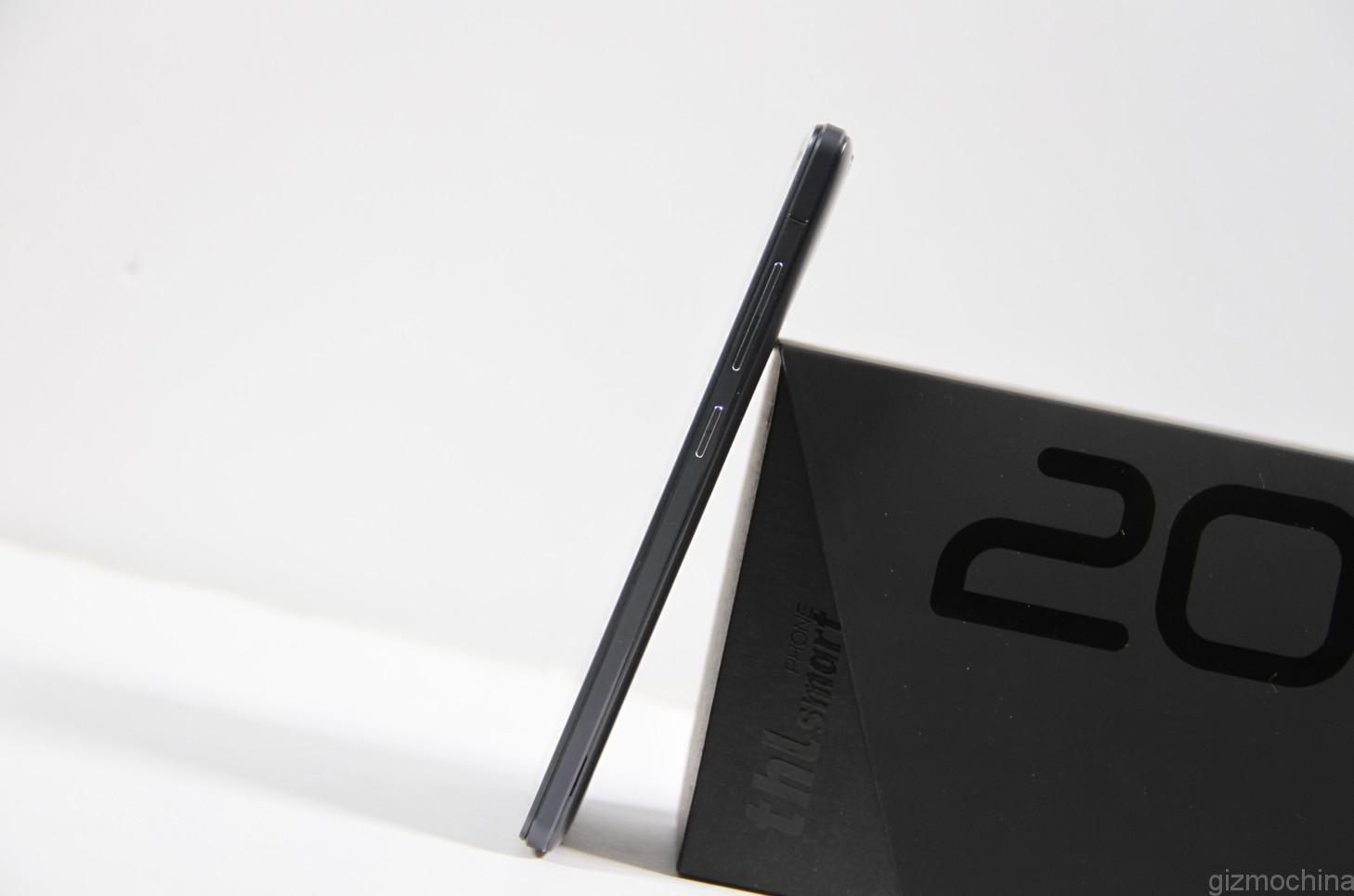
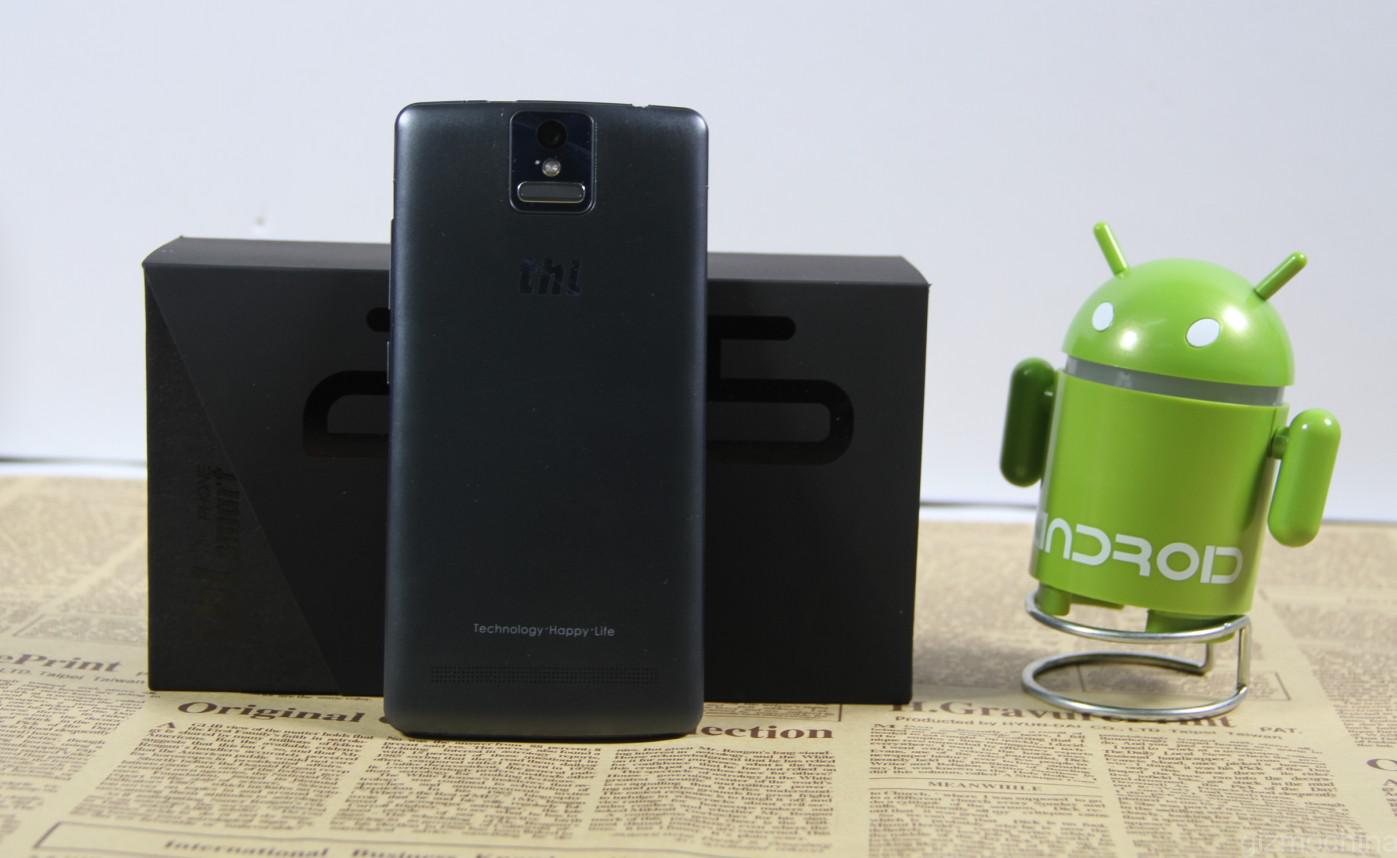
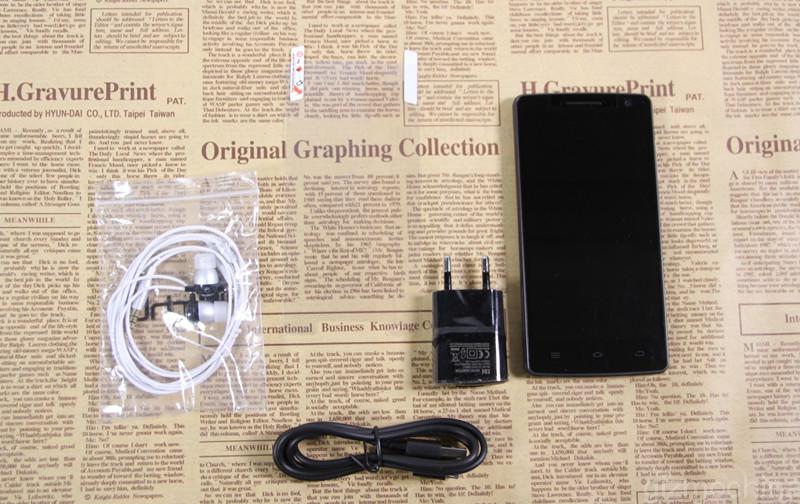
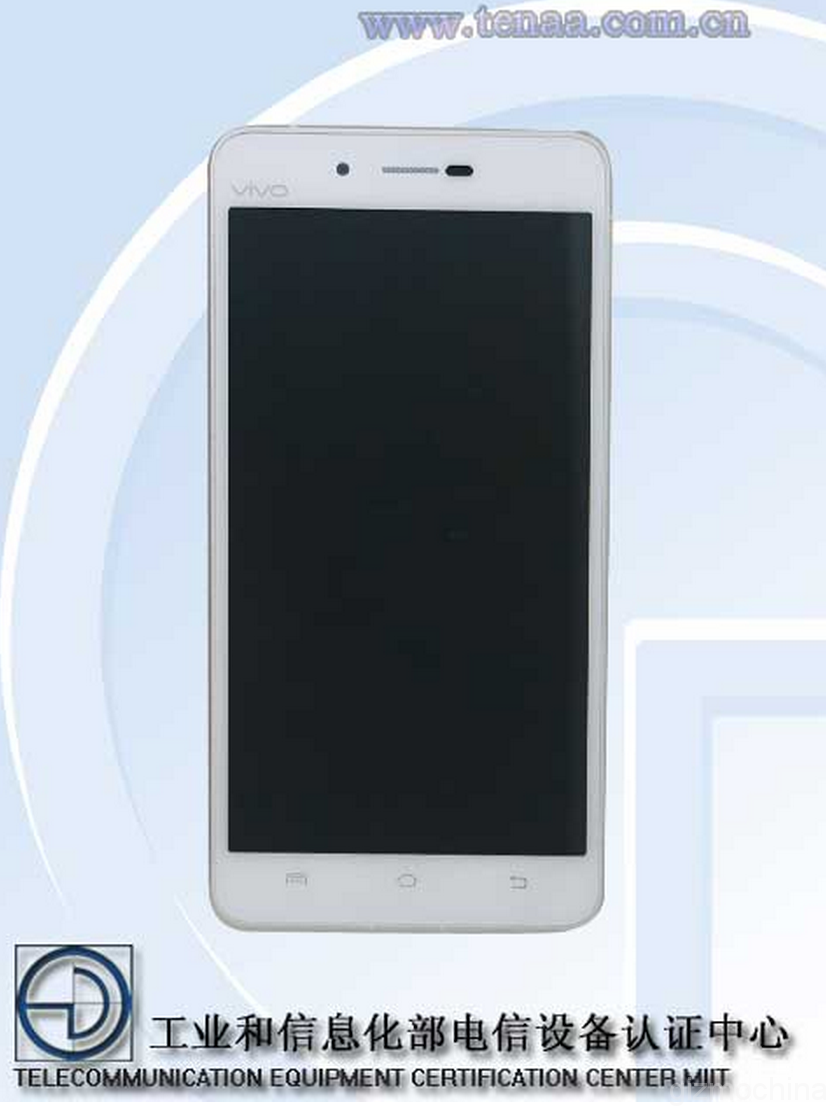
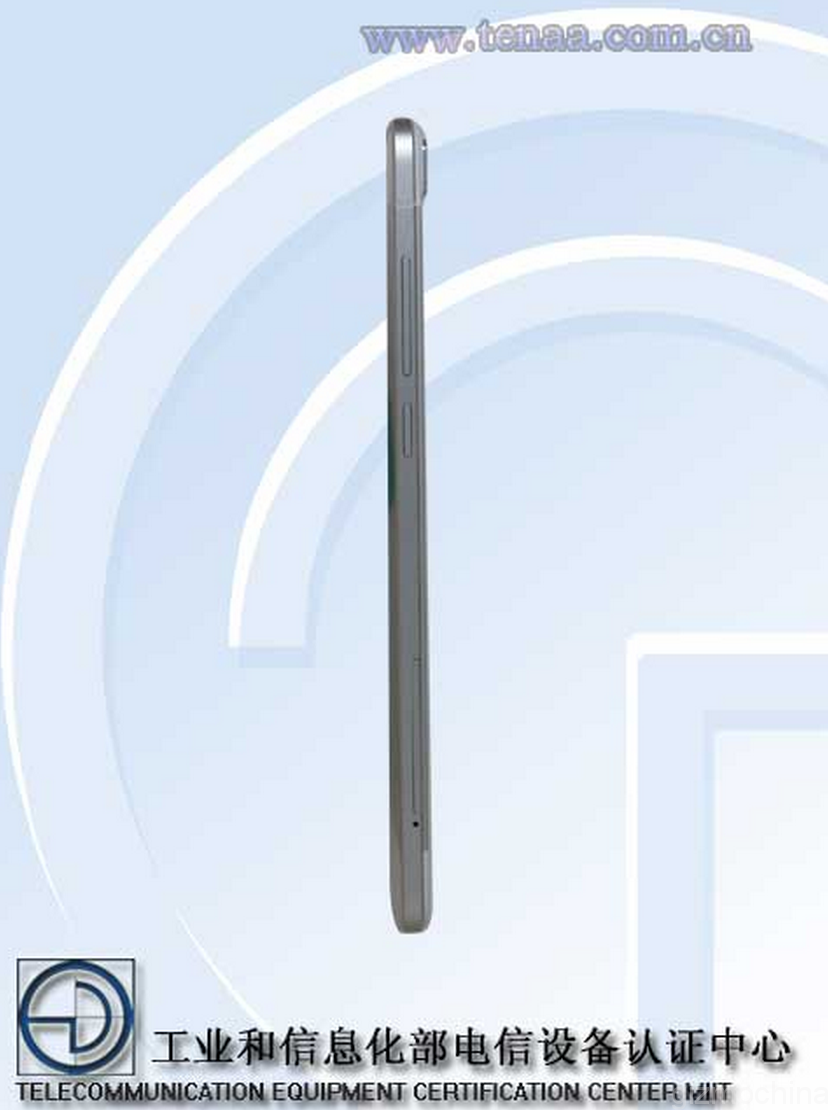
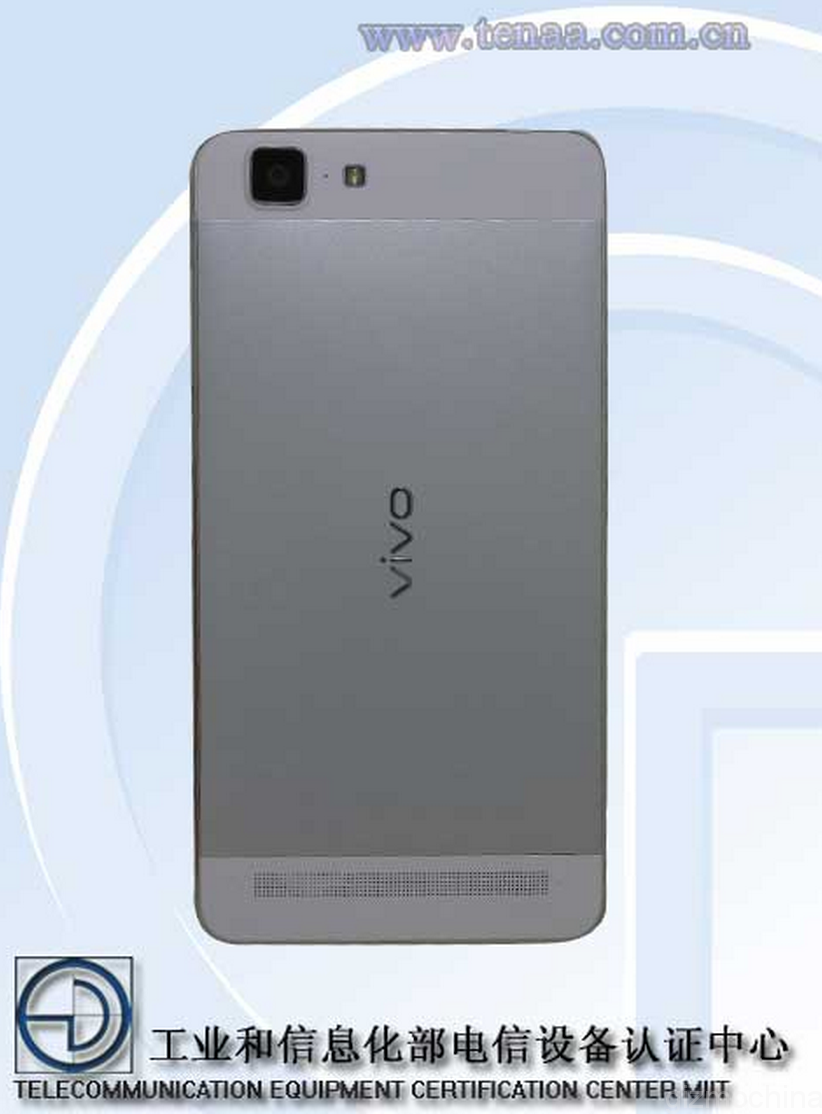
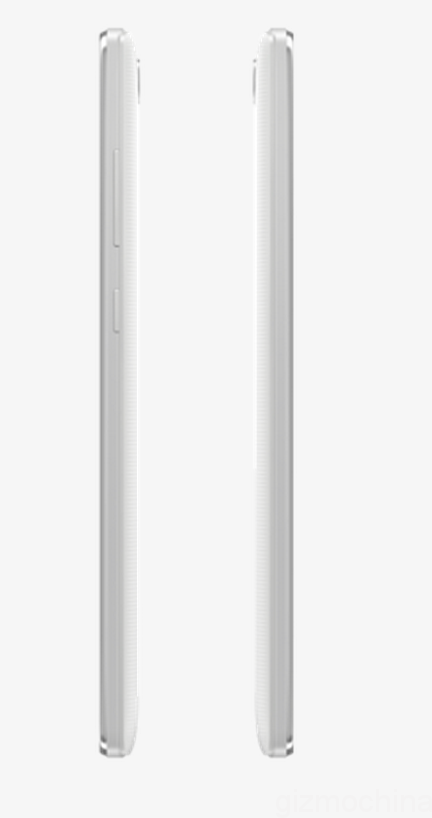
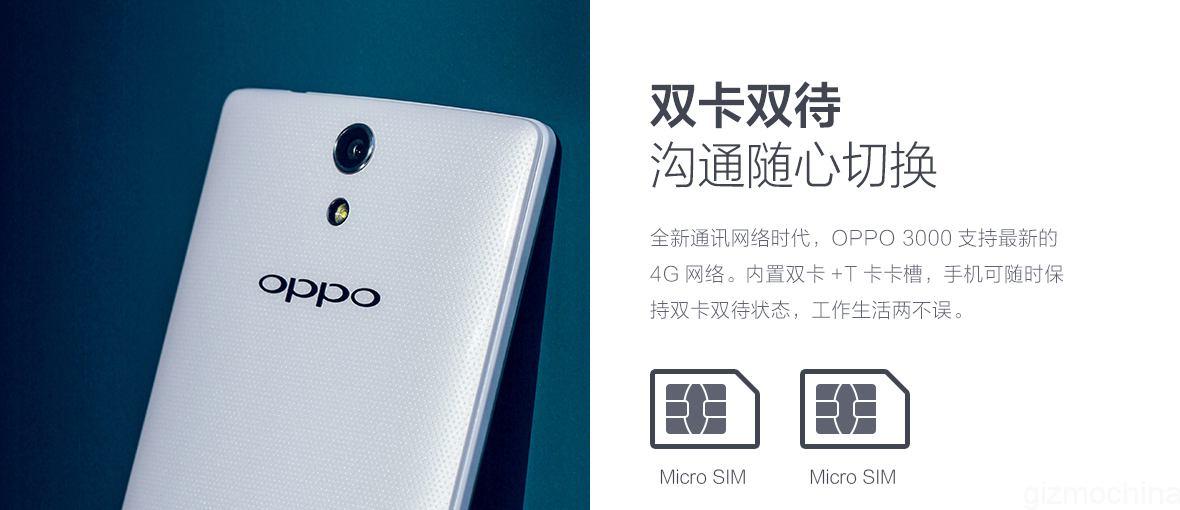
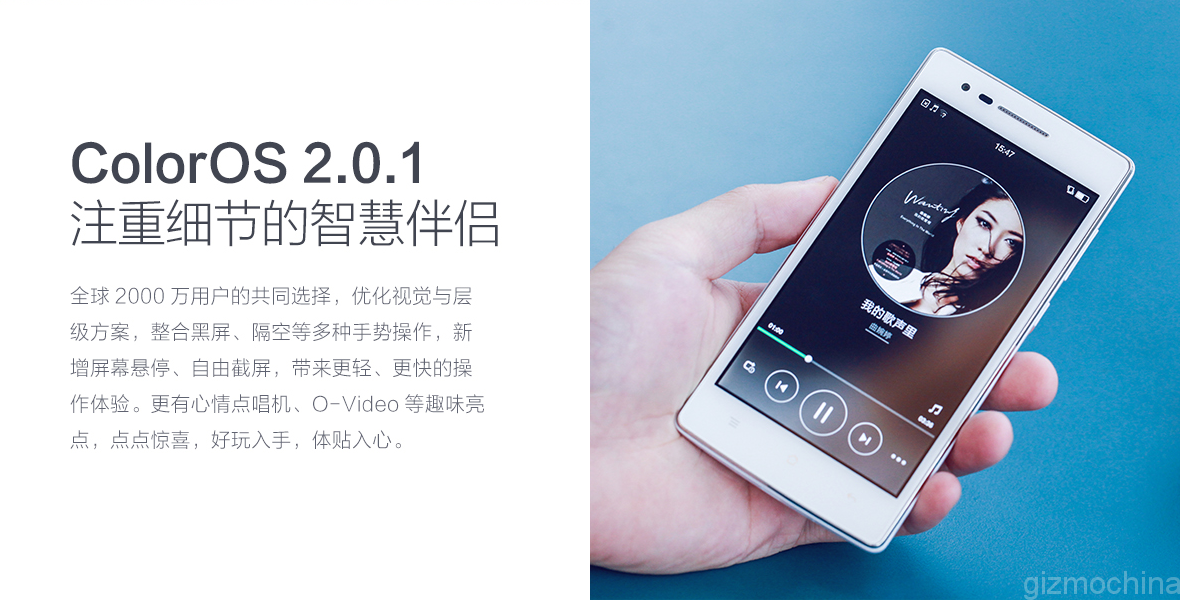
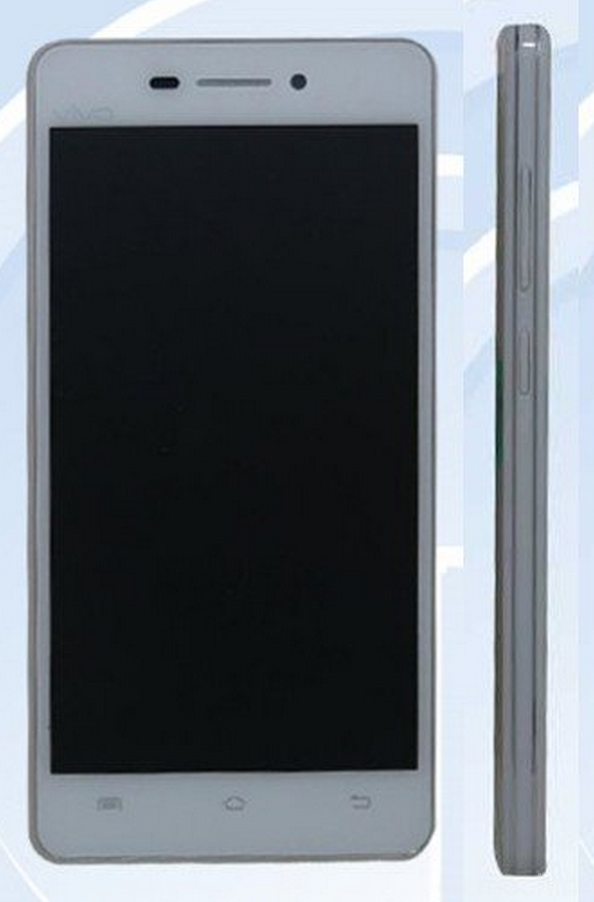
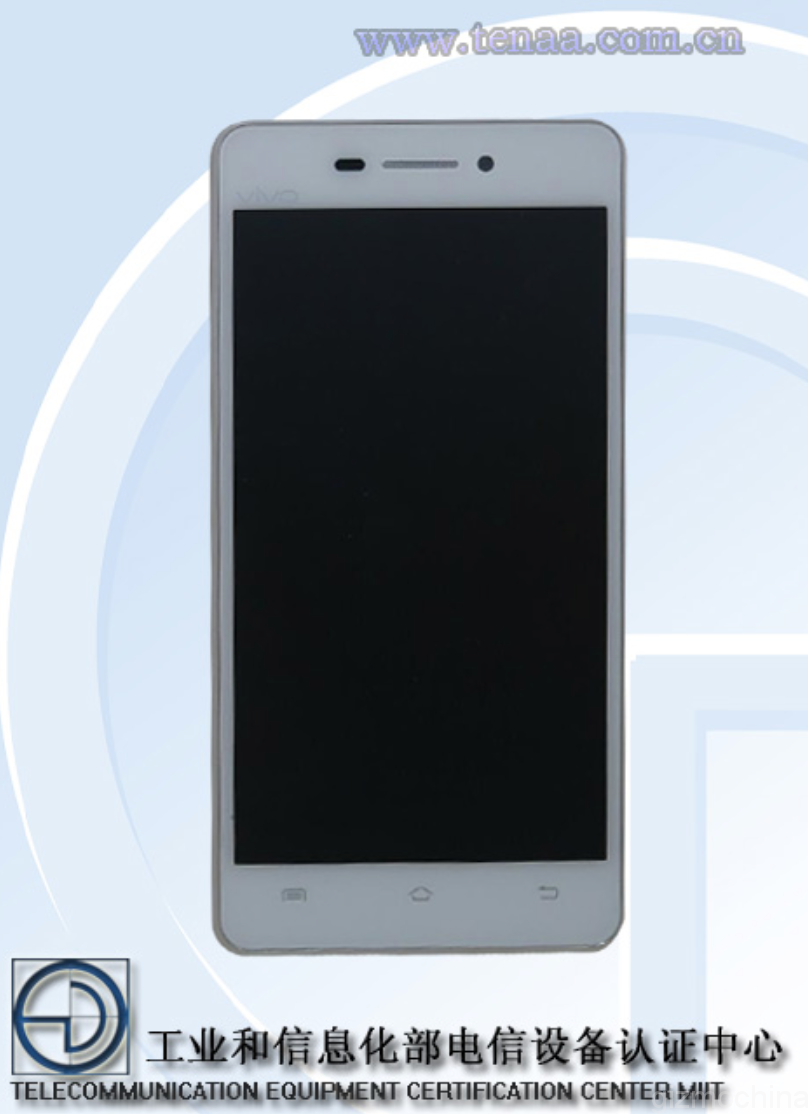
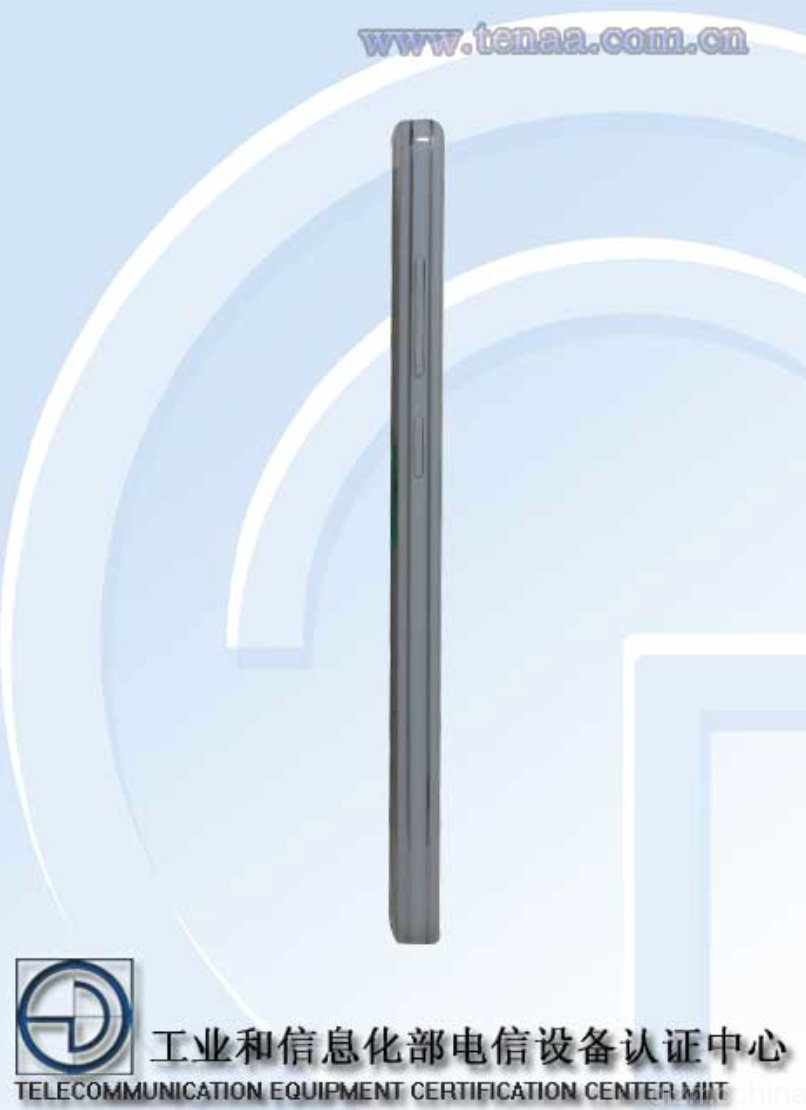
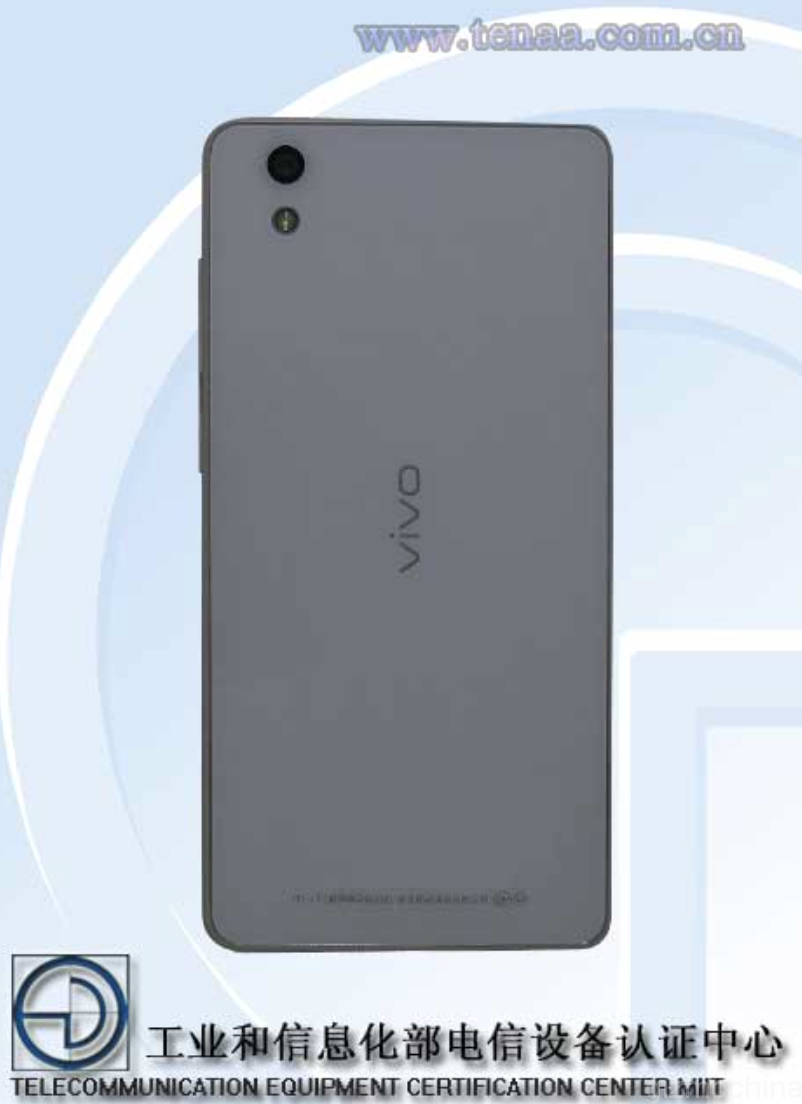
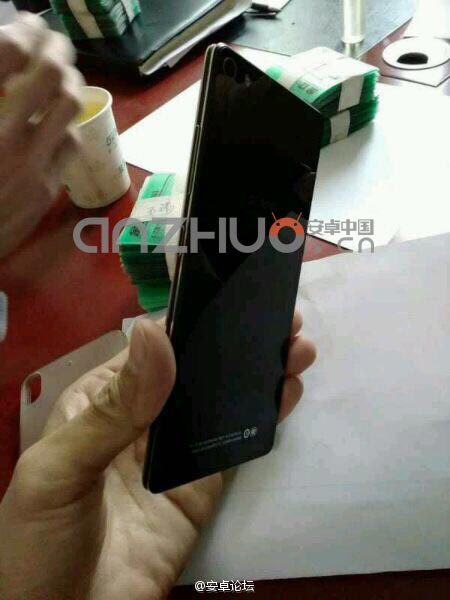
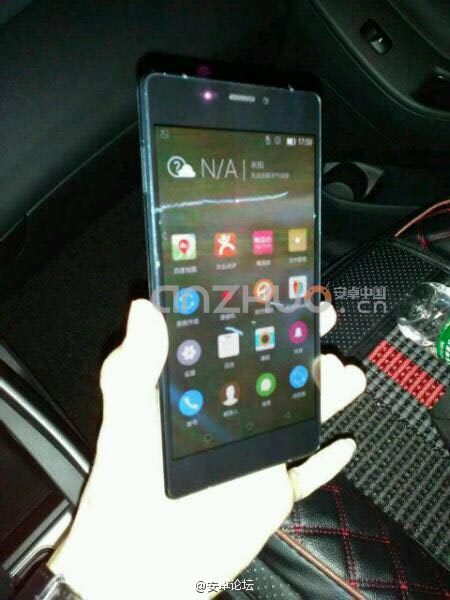
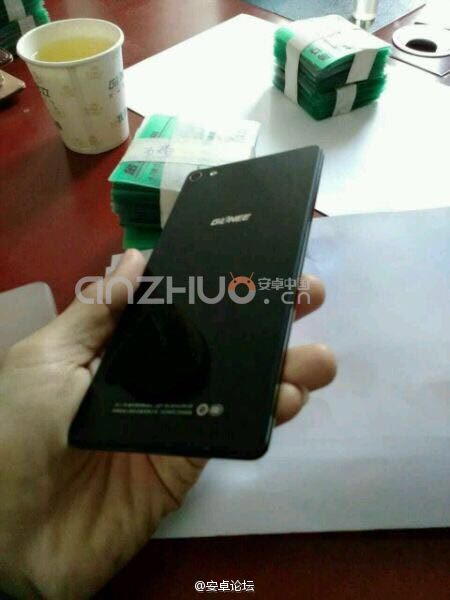
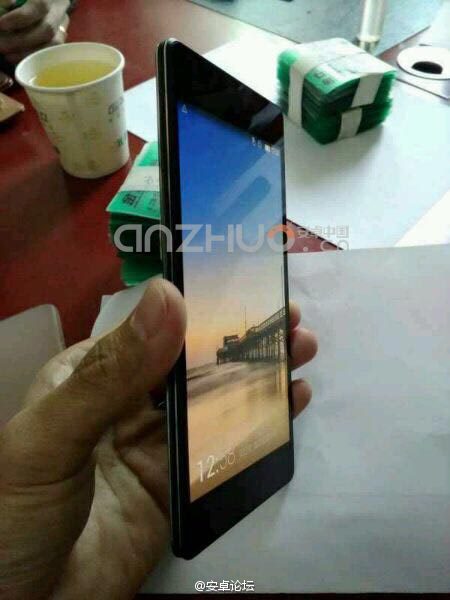
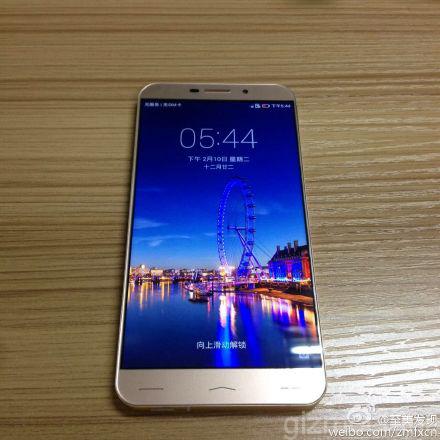
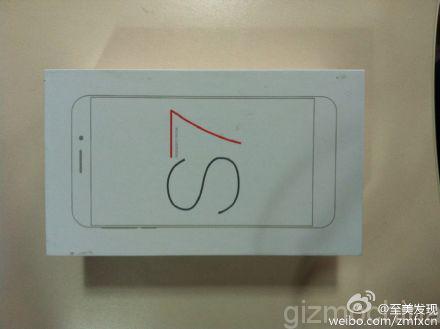
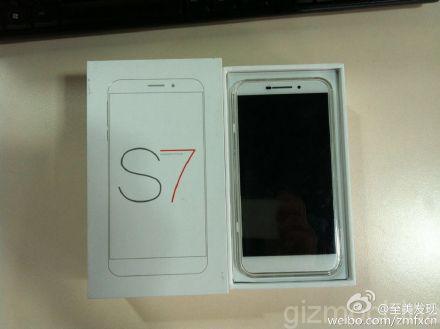
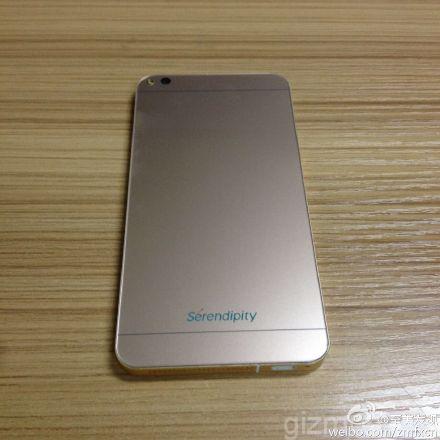
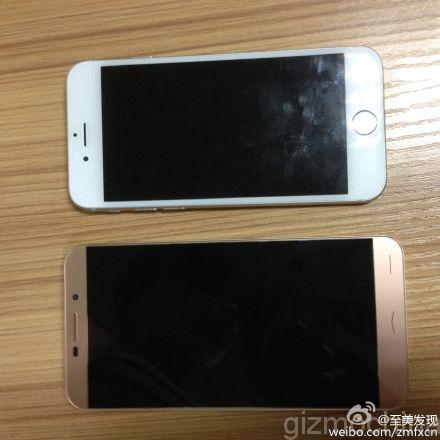
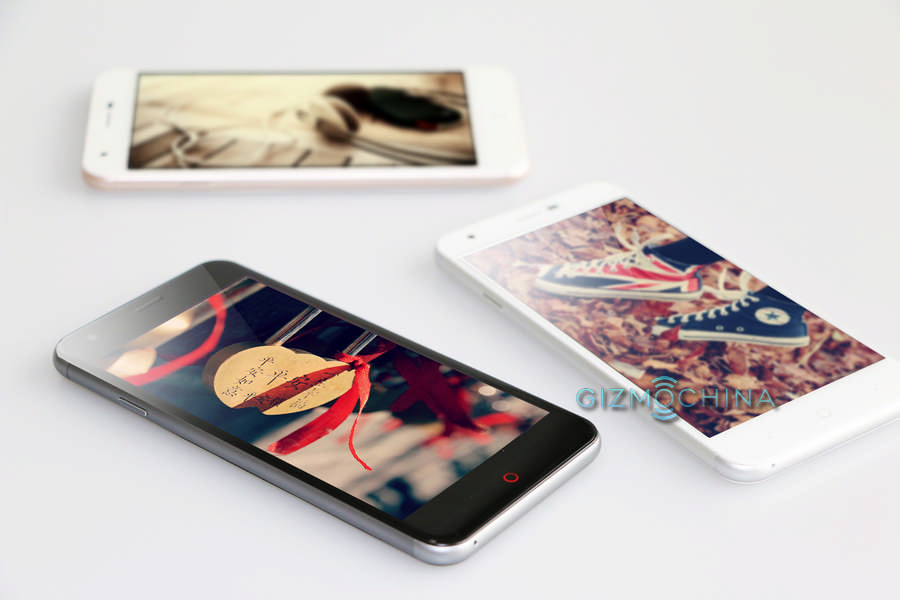
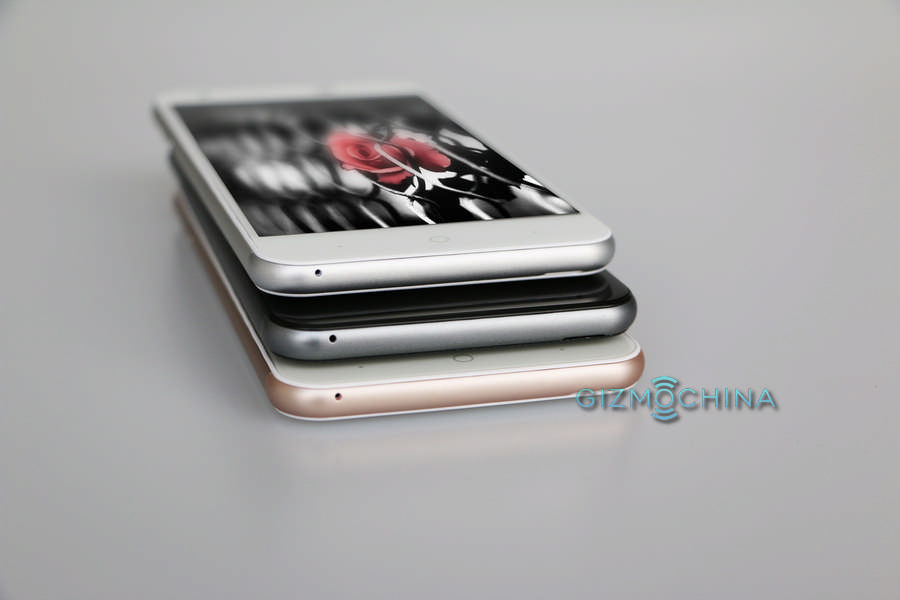
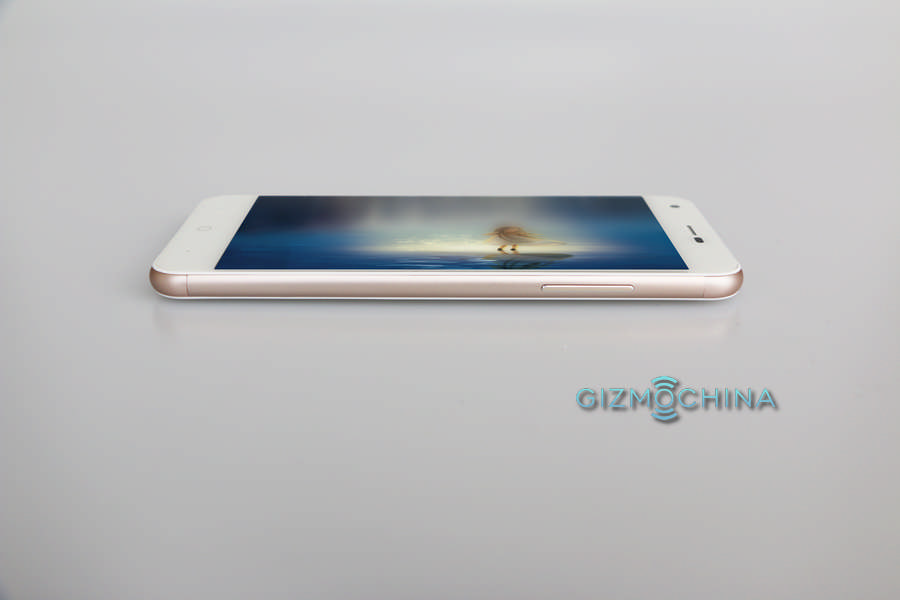
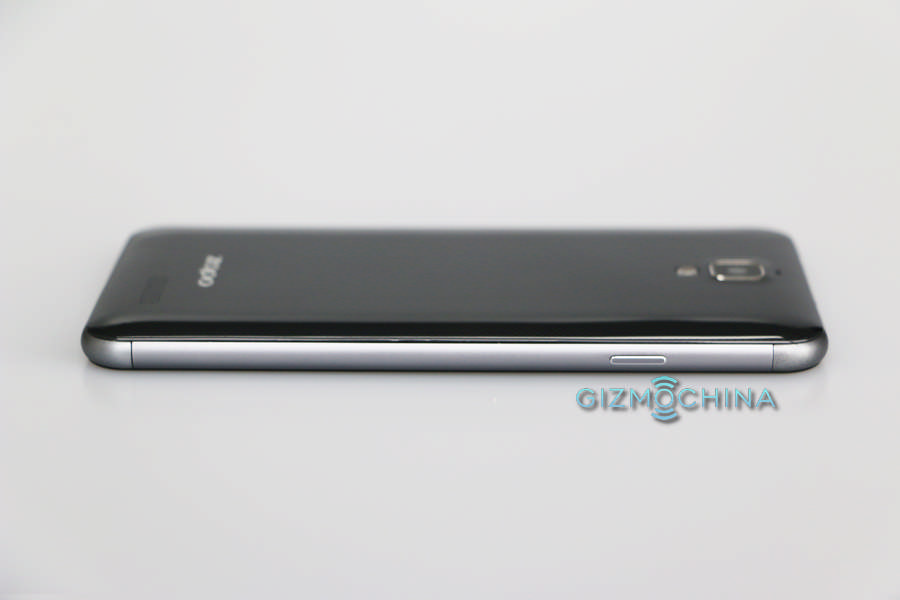
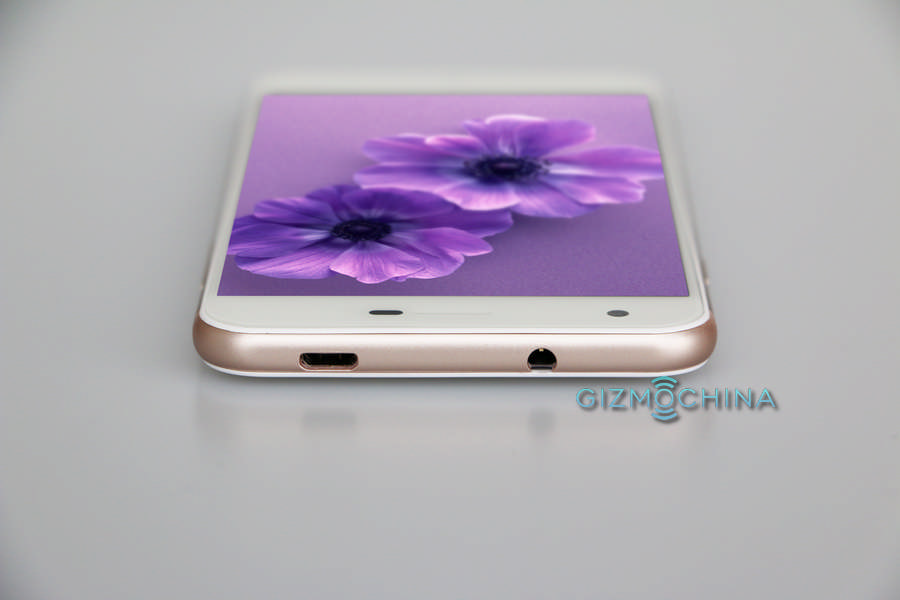
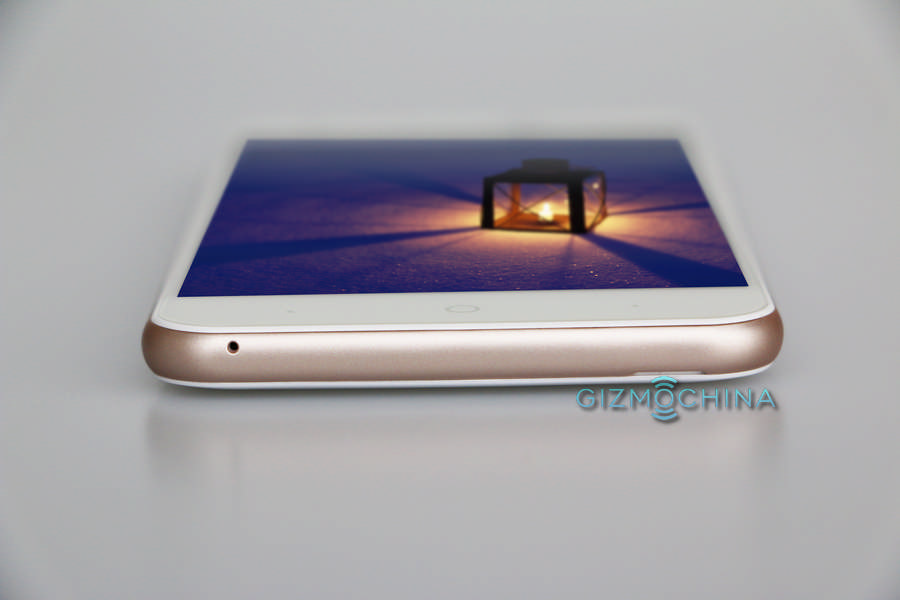
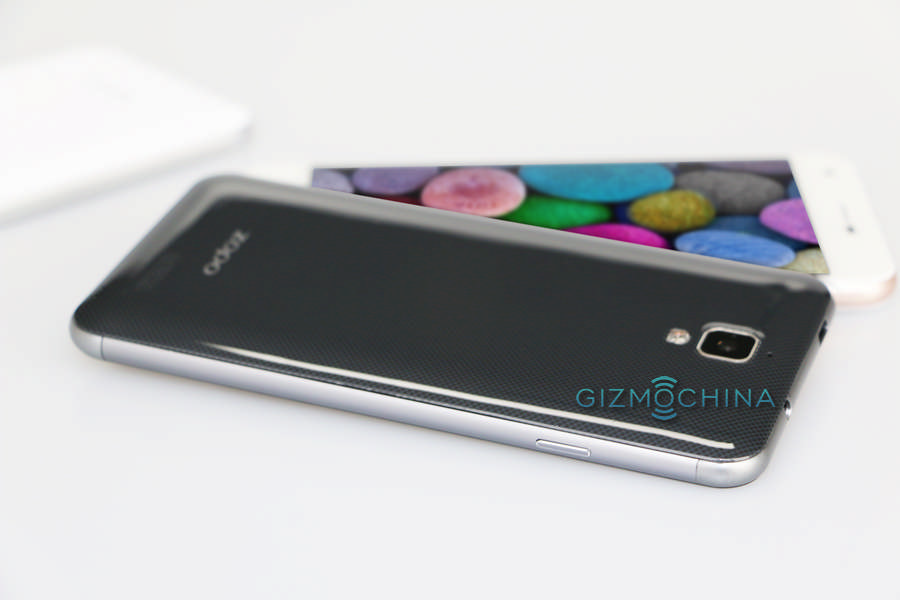
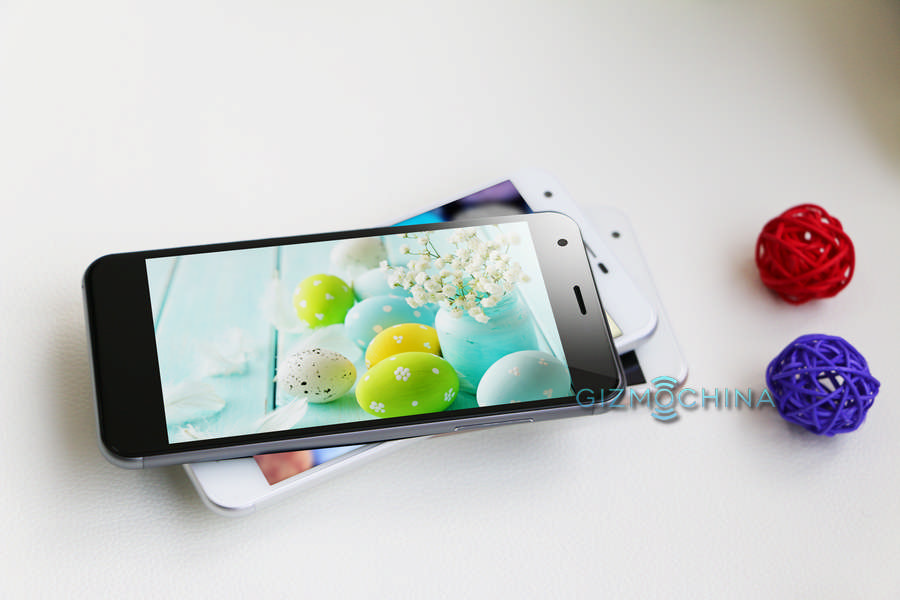
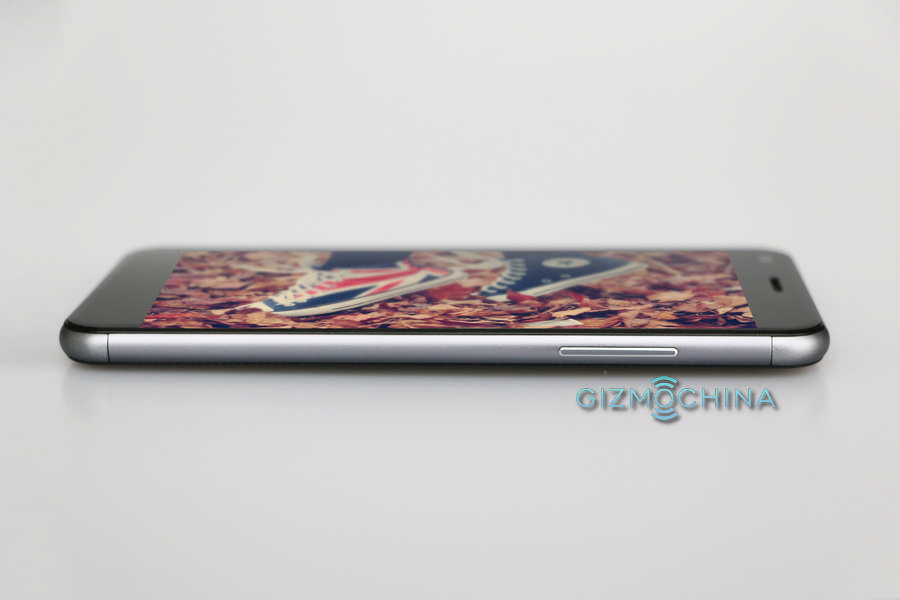
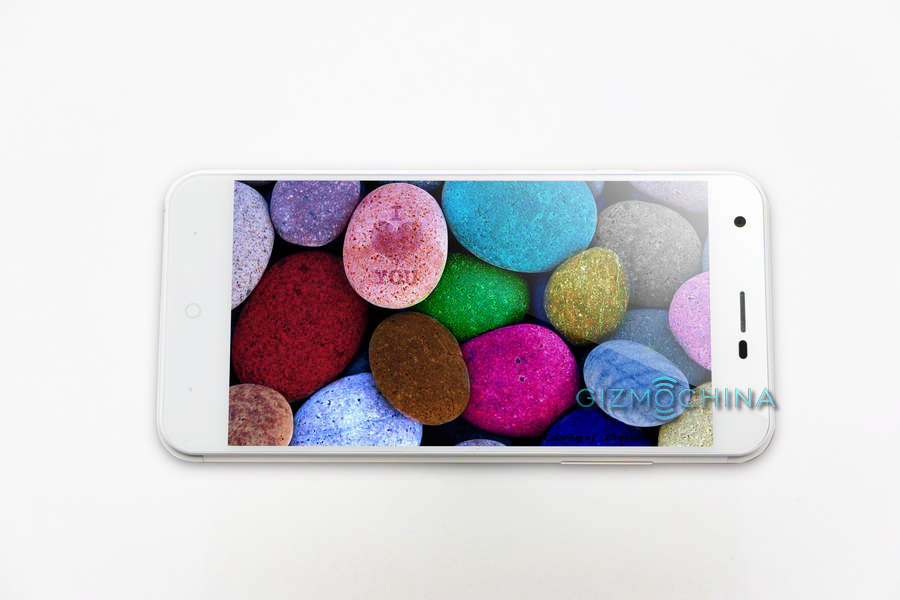
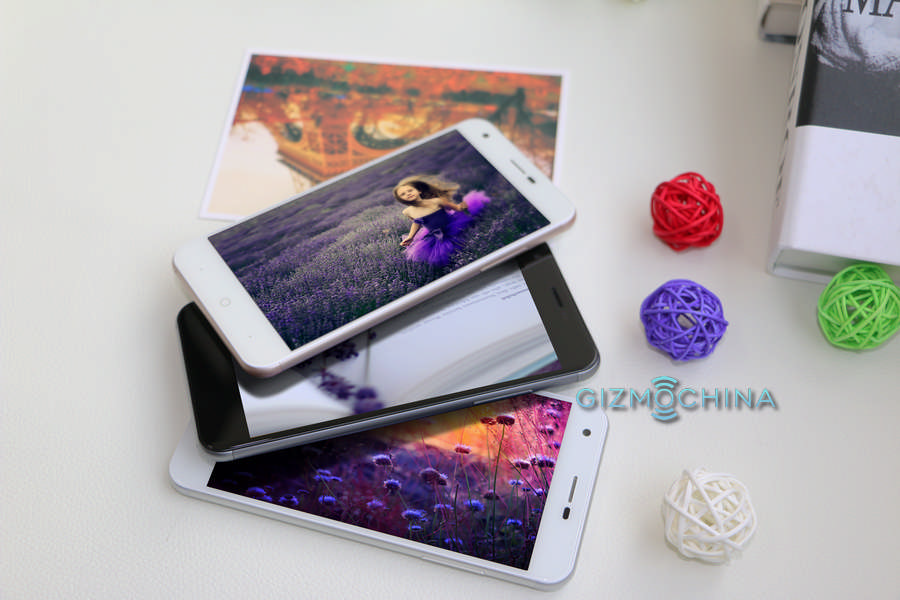
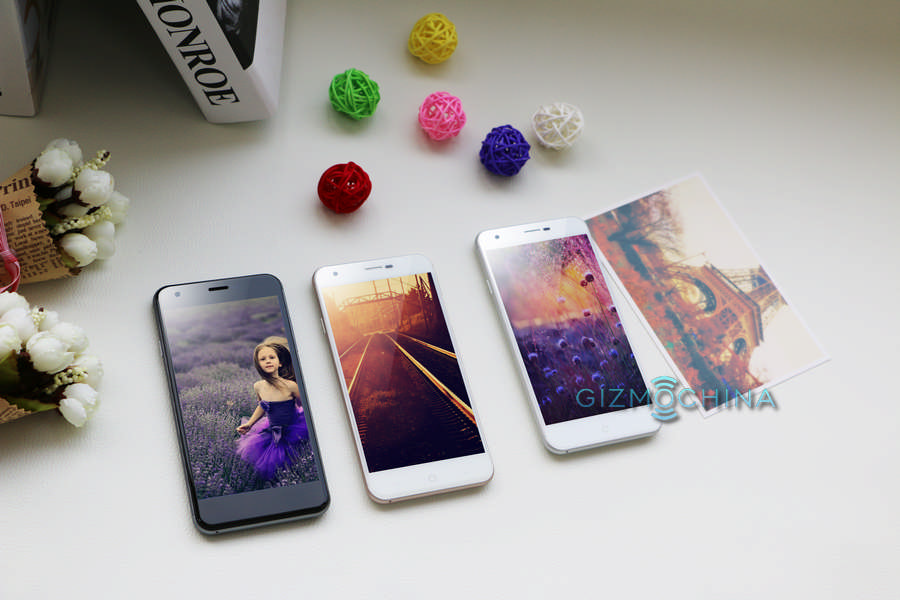
We recently came to know that Gionee was planning to launch a new smartphone in the market which would most likely overthrow the Vivo X5 Max Ivvi K1 Mini as the thinnest smartphone in the world. The company is reportedly launching the device at one of the world’s top tech events of the year, the MWC 2015.
Now, a Gionee device has hit TENAA, revealing all the key specifications of the device. The Gionee GN-9006 model actually makes things a lot more interesting as if it turns out to be the device that the company will show off at MWC, then fans are definitely going to be disappointed. This is because, Gionee GN-9006 is reportedly coming with a 5.5mm body, which although is very slim, won’t make it the slimmest smartphone in the world. The previous rumors claimed that Gionee S7 will have a 4.6mm body.
While TENAA certifications doesn’t reveal the name of the device, there are certain reasons we believe this could be the one showcased at the event. First of all, the pictures uploaded on the TENAA page looks a lot similar to the ones that were leaked two days back — Gionee S7. Further, the company’s previous flagship super slim device, the Gionee S5.1 had the model number GN-9005, which means this new device directly succeeds the previous one. Also, the leak said that the phone will have a 2700 mAh battery which would be practically impossible to incorporate in a device with just 4.6mm thickness. So, there’s the Gionee S7 is not as thin as we expect.
Other tech specs of the Gionee GN9006 are high end. They are as follows:
5.2-inch 1080P resolution display
13MP rear camera + 8Mp front camera
Supports 4G LTE networks (China Unicom)
Android 4.4.4 KitKat OS version
Colors: Black, White and Blue
Measurements: 148.8 × 72.4 × 5.5 (mm)
Weight: 126.5 (g)
There’s a very slight possibility that the rumored Gionee S7 with 4.6mm body could be a totally different phone. But we can’t confirm that at the moment and hence, we will have to wait for an official word from the company, which will probably be directly at MWC 2015.
Meizu made a breakthrough in the market by announcing the two new affordable yet powerful smartphones, Meizu M1 Note and the 5-inch Meizu M1. Both the devices bring tremendous value in this once boring low end segment. Only a few other smartphones like the Xiaomi Redmi 2 and a handful of Chinese phones, can even come close to the value for money quotient that these devices bring to the table.
Since, both the devices are from the same family and even looks similar, we decided to review them together. So, lets take a look at the Meizu M1 Note vs Meizu M1 comparison.
Like always, we will take a look at a number of parameters such as the design, display, hardware, battery, camera and even software.
DESIGN
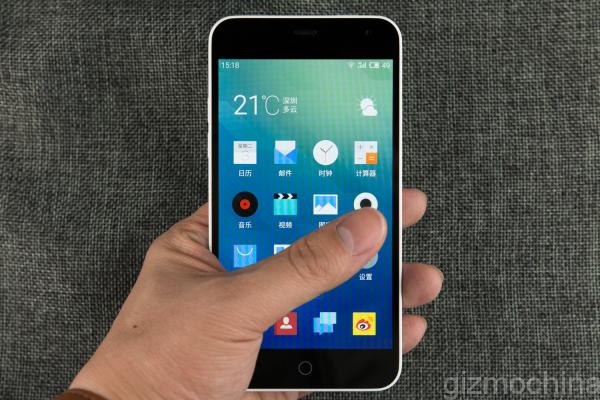
Well, both the Meizu M1 Note as well as the Meizu M1 have derived inspiration from the two smartphones in the Meizu’s top end lineup, the Meizu MX4 and the Meizu MX4 Pro. In fact, the design is a very good indicator of the phone’s brand. If you have ever seen the Meizu MX4, you’ll instantly recognize that both the M1 Note and the Meizu M1 come from the same family.
Meizu M1 Note, like the name suggests is the bigger model of the two. It comes with a 5.5-inch display, which makes it even bigger than the flagship MX4. The measurements of the M1 Note comes to 150.7 x 75.2 x 8.9 mm which is pretty decent for a phone with a 5.5-inch screen. On the other hand, the M1 comes with the measurements, 140.2 x 72.1 x 8.9 mm. As you can see, both the models have the exact same thickness, 8.9mm.
Since the M1 Note is larger, it feels as though the device is narrower than the M1. But as you can see from the measurements, the phone is indeed a bit more broad around 3.1mm. This makes the M1 Note look more like the MX4 Pro and the M1 like the Meizu MX4.
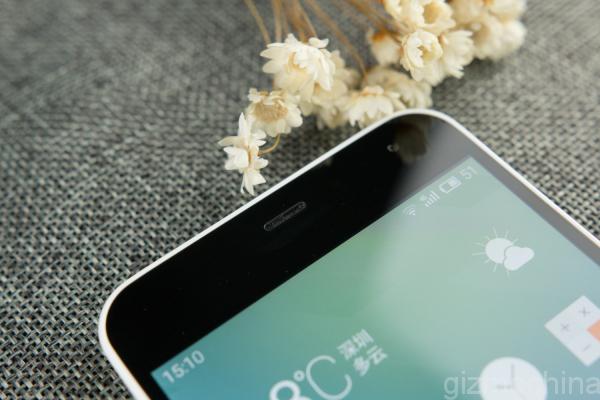
On top of both the device’s displays, you have the exact same components. So, there’s the receiver mesh and sensors and front camera on the right. One thing to note here is that the front camera on both the models are exactly the same – OV5670 5-megapixel sensor, F / 2.0 aperture and wide-angle 69 ° lens.
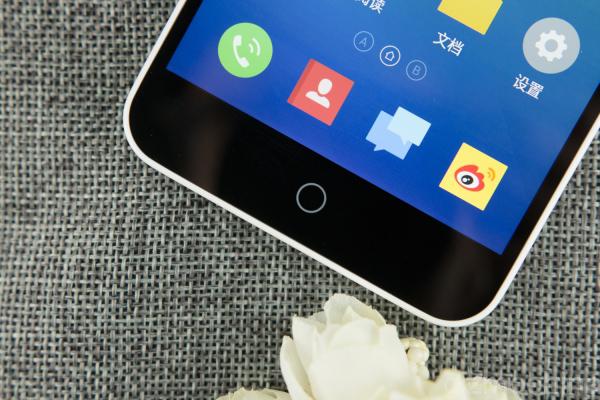
Even below the display, things are similar. So, you have the trademark Meizu round home button with a breathing notification light. The bezels on the phones are pretty thin considering their competitors. They are narrow and blend well with the display.
The sides are a bit protruding on both the phones which can actually save your display from directly hitting the ground if its falls. While this may cause some issue while using the touch screen display, we think its actually a better design especially when it can save the display.
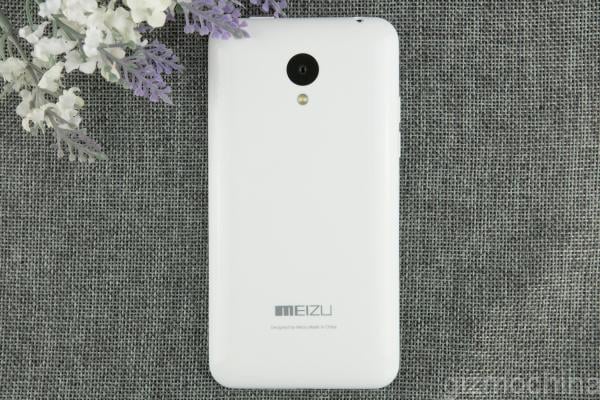
The back cover is made of polycarbonate material on both the devices. This gives it a very appealing look, which is something that’s not usually found on phones in this price range. However, you will have to be careful while handling the device, especially if you have sweaty palms. Also, the Meizu M1 being the smaller model, is more comfortable to hold as compared to the M1 Note.
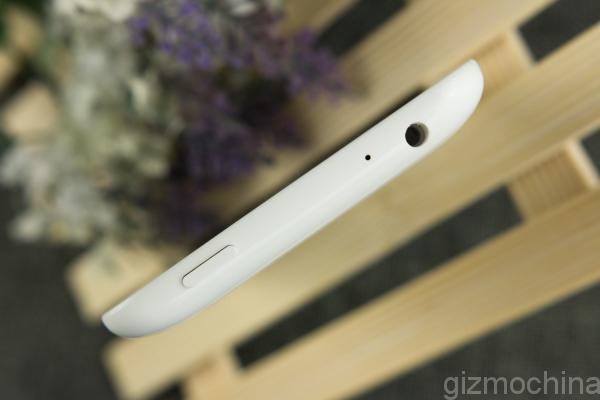
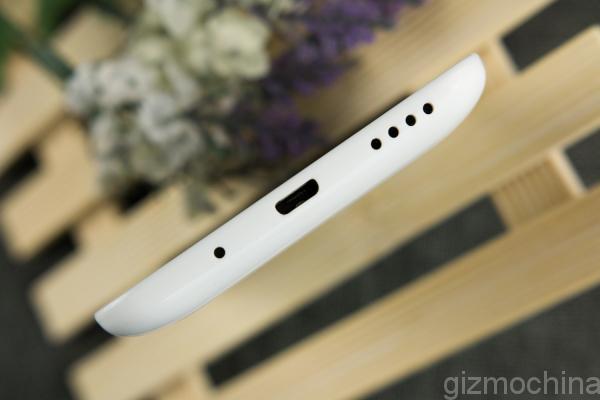
On top of both the devices lies the 3.5mm headphone jack, a microphone opening as well as the power button. At the bottom, you have the speakers, microUSB and microphone.
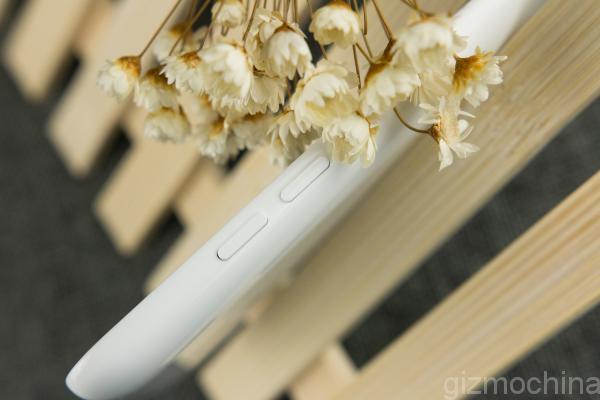
On the left side, you have the volume keys while on the right, you have the slot for the SIM card slot(s). Now, here things get interesting. Meizu M1 Note comes with NO MicroSD card slot. Instead, the slot on the right will habor two SIM cards making it a dual SIM dual standby supported phone. On the other hand, the 5-inch Meizu M1 comes with a MicroSD card slot too (Yay!) but then supports only one SIM card. It was essential for M1 to come with a memory card slot since it features just 8GB of storage. On the other hand, the M1 Note comes with 16GB / 32GB storage options.
Overall, both the phones look well built and premium. However, if we had to change one thing from both the devices, it will have to be the power button on the top. It simply doesn’t feel natural to reach out to the top side just to power on the device. This is especially a big problem when the phone becomes larger like in the case of 5.5-inch M1 Note. But its not something we couldn’t manage and hence, we feel a few hours of use will make the action more natural.
DISPLAY
This time, we could analyze the display to a great extent on both the devices. First of all, we have two other top end flagship phones for comparison with these two Blue Charm devices namely the Meizu MX4 and the HTC One M8. This should give you guys a better idea as to how these budget phones compare with those two top end phones.
The Meizu M1 Note comes with a 5.5-inch IGZO display with a full HD 1920 x 1080p resolution. On the other hand, the Meizu M1 features a 5-inch 1280 x 768 resolution TFT capacitive LCD display. Both the displays are protected by Corning’s Gorilla Glass 3. The M1 Note features a screen to body ratio of 72.9% while the Meizu M1 sports a ratio of 69.9%. Interestingly, the Meizu M1 features dual domain pixel technology on its display which will help in improving the viewing angles of the phone.
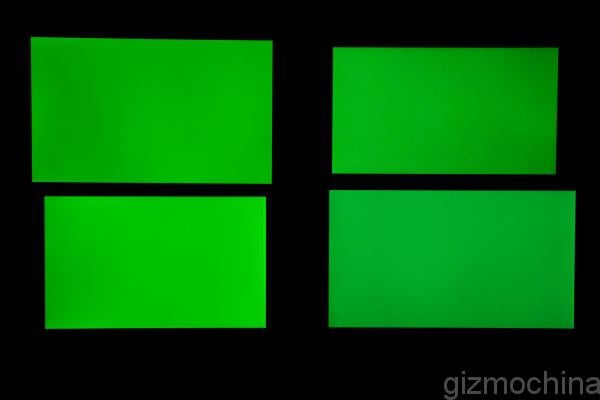
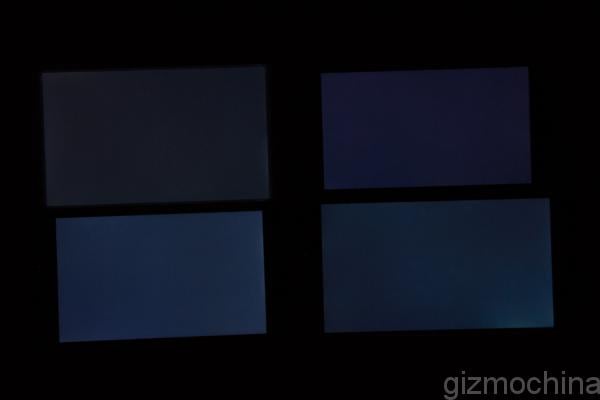
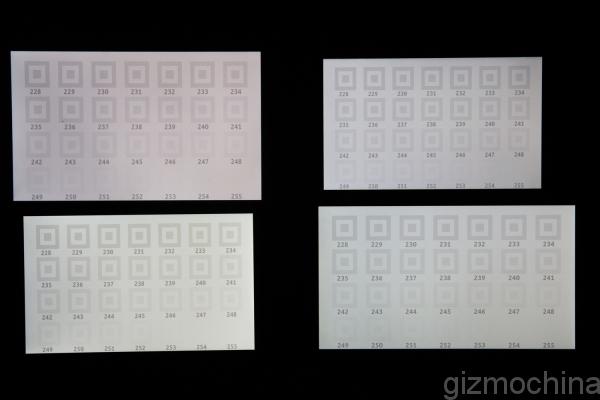
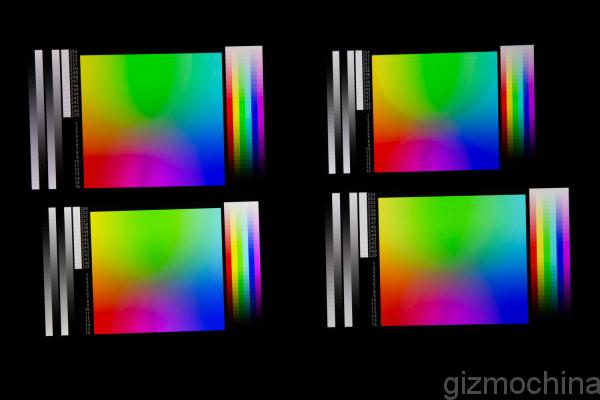
Coming to the screen contrasts, the four models that we will be comparing use different display technologies. As a result, don’t expect similar results and any difference that you may see could be just because the phone uses a different panel.
Have a look at the images below. On top row there is the Meizu MX4 and the HTC One M8 on the right. At the bottom row, there is the Meizu M1 Note and then the Meizu M1 lying on its right.
1 of 9
Here are some images displayed on these devices.
HARDWARE SPECS
Meizu M1 Note naturally comes with the better hardware of the two. The phablet features the recently announced MT6752 64-bit octa-core processor from Mediatek clocked at 1.7GHz. On the other hand, the Meizu M1 features the 64-bit MT6732 quad-core processor clocked at 1.5GHz. Both the processors are based on ARM’s Cortex A53 architecture and comes with Mali T760 GPU.
M1 Note has an additional RAM module, which adds up to 2GB as compared to M1’s 1GB RAM. Also, the storage is much higher, 16GB / 32GB options as opposed to Meizu M1’s 8GB storage. However, as mentioned above, the for the slightly additional storage and Dual SIM support, you’ll have to live with whatevery storage that comes inbuilt on the Meizu M1 Note, as there’s no slot for a memory card.
Performance wise naturally Meizu M1 Note outdid the MT6732 quad-core processor on the M1 by a considerable margin. In the AnTuTu test we consistently got around 41,000 points on the M1 Note. On the other hand, the M1 could only score upto 30,000 in the same test.
You will experience some slight lag while using the M1, but its only when there are a lot of heavy duty applications opened. Under normal usage, the device performed pretty well. We could get a maximum of 568MB RAM free on the device at any time. This reduced to around 100-150MB when we opened up a new app. However, in practical usage, it doesn’t cause much issues. Like we mentioned above, just make sure you don’t open a lot of apps and things will be pretty smooth.
Coming to the MT6752 octa-core M1 Note, we had no issues with this device. Everything was butter smooth and apps too opened up very quickly.
Connectivity features are exactly the same, except for Dual SIM support on the Meizu M1 Note. The supported network bands are as follows:
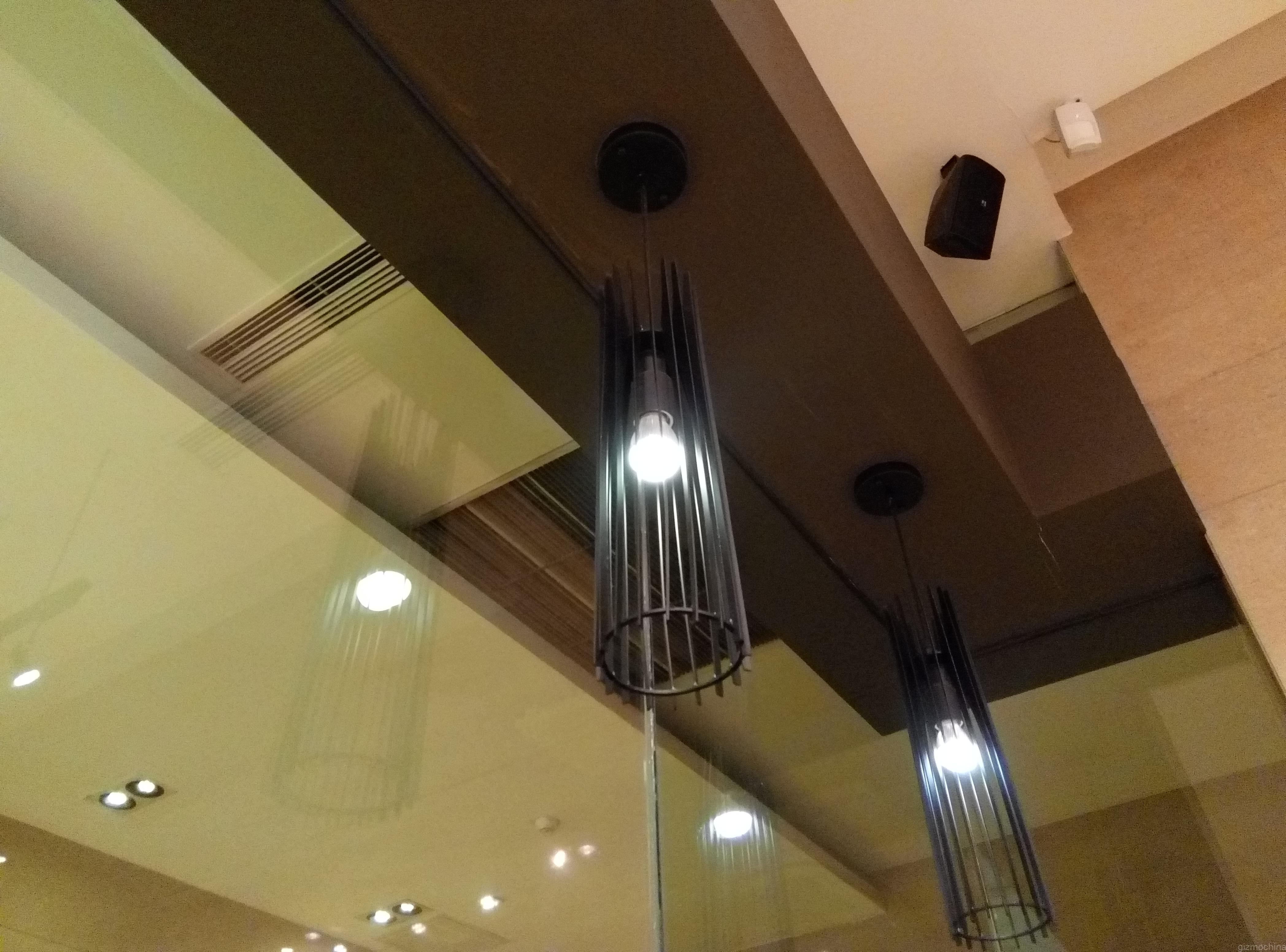
Camera is one of the most important features that users look for in a smartphone these days. In this regard, both the phones does not disappoint. You will be happy with its camera if you are reasonable with your expectations. To be frank, you won’t get Galaxy Note 4 like picture quality and that’s acceptable. What you will get though is decent image quality especially when there’s enough light. There is noise prevalent on images captured on both the devices, but then Meizu is not really famous for its stellar camera phones and hence, it isn’t surprising.
Moreover, the rear camera module is the same on M1 Note as well as the M1. So, you get the Samsung’s 13 million-pixel CMOS sensor size of 1 / 3.06 inches with F / 2.2 aperture. So, camera performance under normal lighting conditions should be more or less the same. But it will differ a bit at night shooting as the M1 Note comes with dual LED Dual Tone flash as opposed to the single LED flash on the Meizu M1. The rear camera module is capable of recording 1080p videos at 30 fps. However at this resolution, the video files tend to be quite large, which will definitely be a concern on the 16GB Meizu Blue Charm Note without expansion slot!
We have already specified the details about the 5MP front camera, but in case you skipped that part, here are the specs: OV5670 5-megapixel sensor, F / 2.0 aperture and wide-angle 69 ° lens.
Here are some samples for you to see of both the devices.
1 of 6
M1 NOTE
M1 NOTE
M1 NOTE
M1 NOTE
M1 NOTE
M1 NOTE
Macro shots on the Meizu M1 came out pretty good.
1 of 5
M1 5
M1 2
M1 3
M1 1
M1 4
BATTERY
Both the phones feature non-removable batteries. The Meizu M1 Note comes with a 3140 mAh battery which is actually pretty good for a device in its price range. On the other hand, the Meizu M1 features a 2500 mAh battery. The capacity was initially 2160 mAh but Meizu recently reduced it to 2500 mAh.
The battery life on both the phones are pretty good. You get a day’s usage with moderate usage. To give you a figure, expect around 4.5-5 hours of dscreen on time on the Meizu M1 Note and a slightly less figure on the Meizu M1.
Unfortunately, we didn’t have enough time to test out the battery, so this is all we could get from our initial tests.
SOFTWARE
Both the phones come with the company’s latest Flyme 4.2.0 version which is based on Android 4.4 KitKat OS. Meizu has improved the Flyme OS considerably in the past few months and you can instantly see the difference. The transition effects were pretty smooth and so were the other animations.
You also get a host of other gesture features, that were available on the company’s top end devices like the Meizu MX4 and MX4 Pro. The Flyme ROM also comes with its own power saving function which can limit the usage of the device to just phone calls and text once the battery falls below a certain level. In fact, in this mode, you can extract up to 24 hours of standby with just 10% battery.
PRICE AND AVAILABILITY
Due to the immense popularity of Meizu M1 Note and Meizu M1 its very hard to get hold of the device directly from the company. So, you will have to resort to various online resellers to purchase the device.
While we checked out the various resellers to find out the prices online, we found a website where there were many reputed resellers listed with their prices. So, its better you check out the the website link given below if you are interested in purchasing the device.
The cheapest price we could find for the Meizu M1 Note was on aliexpress, for $199.99. But if you are not sure about aliexpress, then you can also check out Pandawill, which is a reputed reseller where the phone is listed for $209 but you can get it for around $205 with a coupon from discountion.com.
Unfortunately, we couldn’t find any trusted resellers selling Meizu M1, but we expect them to stock up in the next few weeks. We’ll update you guys with more information at that time.
We think both the models offers great value for money! What do you think about both the devices? Would you pay up a little extra to get the M1 Note or will you be happy with the $112 Meizu M1?
As nowadays each device is getting smarter and smarter, a watch, which at first sounds like a classic thing, is in the process of changing itself. Well, thanks to the smart technologies and solutions implemented in it. Some of the smart watches have developed to that extent that it can even easily replace your smartphone. Other type of smart devices are more likely just smart wearables, which are mostly dependent on your smartphone, but still have some great standalone features such as pedometer and other goodies for sports enthusiasts. We will take a look at the latter type of smart watch.
Check out our full video review of a very affordable iMacwear i5:
As you can see from our full video review embedded above, the iMacwear i5 is not that feature packed as our previously reviewed M7 model. However, you should keep in mind that these products fall into different categories and iMacwear i5 is much cheaper device.
This device definitely gets its job done as your sports and smartphone companion. We loved its great battery life both in standby and operation modes. In addition, it is waterproof, so you can use it in any weather conditions.
Also, the pedometer feature works well and lets you achieve your sports goals. Other highlight features we liked that you can literally dial and answer the phone directly from the watch and the call quality was great on both ends.
Moreover, the watch can be connected to a smartphone despite the fact that it is already connected to other bluetooth device like bluetooth headphones. Thus, you can control the music from your wrist.
What is more, the remote camera shutter is a very useful feature especially if you need to take a picture of a group of people. Also, in case you usually forget your phone, the Anti-lost system may be useful for you.
All in all, for the price tag of just $20, this is a great bang for your buck if you need the job done in the features we just mentioned.
Back in December, Ulefone Be Pro smartphone made headlines because of its high-end specs and the latest Android 5.0 update which was promised by the manufacturer. As a result, many people bought this new device. In fact, the company reported last month that it sold over 10,000 units of the device in the past few weeks alone. While everyone marketed the device as Android 5.0 Lollipop smartphone, the phone actually shipped with the old Android 4.4 KitKat version.
However, a recent video uploaded online has revealed that the Ulefone Be Pro Android 5.0 update is almost completed. The timing is in line with what the company promised. It earlier said that the phone will get the update in February / March of 2015. So, its not surprising that the Android 5.0 update is almost ready.
1 of 5
Ulefone official released a video of preview of Ulefone Be Pro equipped with Android 5.0. Ulefone take the leading position, become the first one to adapt to Android 5.0 among Chinese domestic brand manufacturer. In the past weeks, lots of manufacturers highly promote that their models adapt to Android 5.0, but there are not any actual photos or video released till now.
But Ulefone official state that this version Android 5.0 still exists several bugs, parts of functions still need to be tested. As per current progress, Android 5.0 is really coming soon. While users will be excited to hear the news, we expect the update to roll out only after a few days, since the existing bugs need to be fixed. Its always better to get an (almost) perfect update rather than a buggy one which will adversely affect the performance of the device.
After this news we are sure that the lollipop update will induce even more buyers to purchase this popular device.
You can check out the best prices at different retailers for ULEFONE BE PRO from the link below.
OnePlus is all set to announce more details on its recently unveiled OxygenOS later today. However, even before the announcement, a new image was found on Weibo which showed off the company’s OS for the Chinese market. The leak says that the new ROM in the home market will have a different name. The ROM will be called as the OnePlus HydrogenOS.
We don’t know whether this leak is real or not, but it does sound a bit surprising to name its OS something different like HydrogenOS in China. OnePlus has confirmed the name OxygenOS and it was actually recommended by one of the fellow forums fans of the company. So, we doubt that the company would go with a different name.
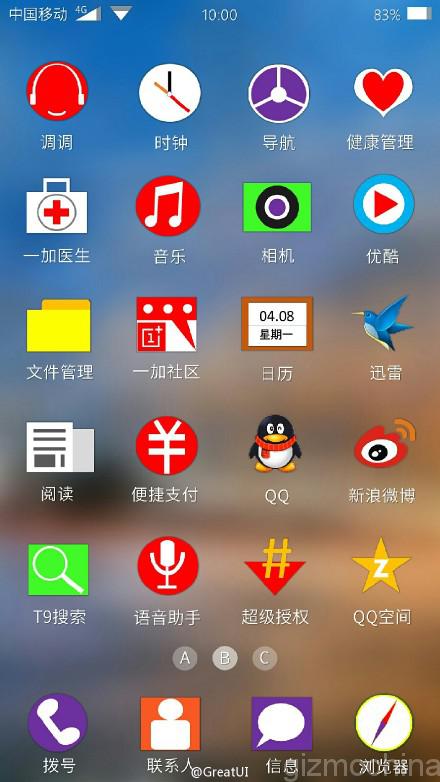
Anyways, we have added an image that was leaked along with the name.
Do you think OnePlus will have a different name for its ROM like hydrogenOS in China?
Xiaomi is not just a device manufacturer, the company also has its special MIUI operating system built on Android which comes pre-installed on all of its smartphones. In fact, the company makes some profit through the various apps and software provided in this OS.
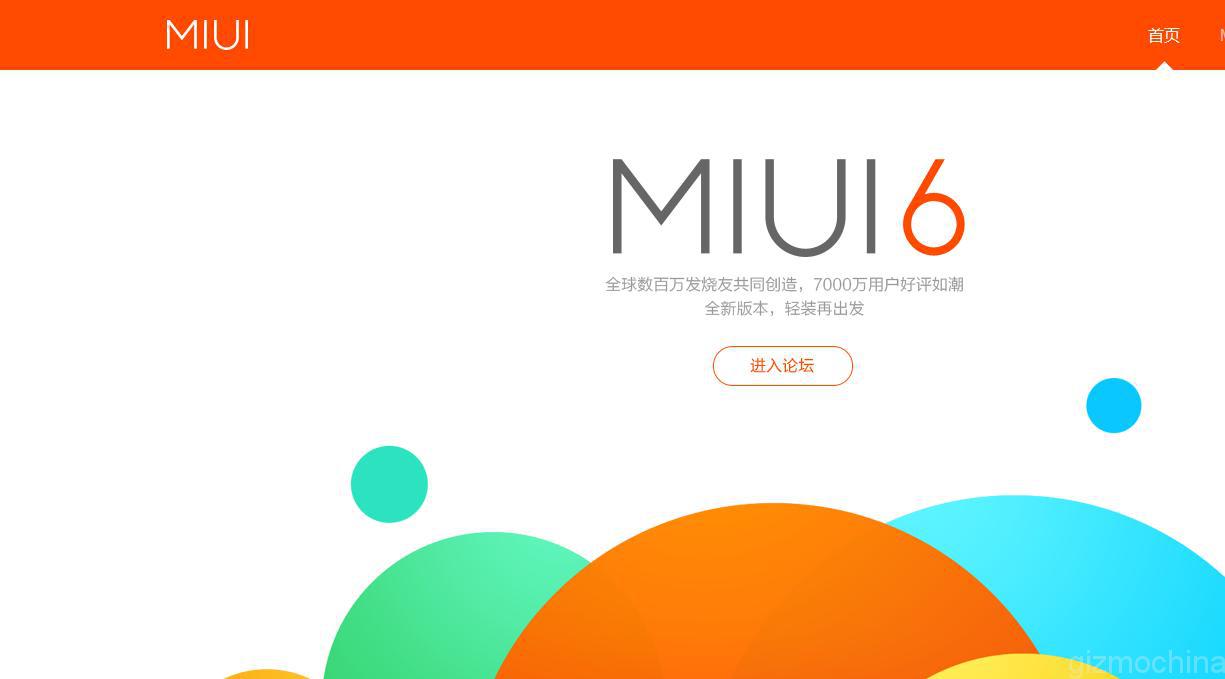
Now, Xiaomi is all set to announce that it has crossed over 100 million MIUI users worldwide. That’s a very impressive feat and most of the growth probably happened in the past 15 months.
The company on its weibo page revealed that MIUI had hit 30 million in December 2013 and 50 million in May 2014. Then there’s a blank for the figure that’s going to be announced tomorrow, which will be 100 million users!
The company also has kept a special event in San Francisco later today. While its PR executives have denied any plans for a release of a new Xiaomi device in US at the event, it is said that the company will unveil the relatively unknown MIUI OS in the country. The timing couldn’t be more perfect as the event could be to celebrate this milestone as well as to expand its OS into newer markets to boost its growth.
Since all of Xiaomi smartphone comes with MIUI pre-installed, its actually a good idea to launch the OS first in a country and then maybe later launch the devices. People will have time to get used to the UI and considering that MIUI has been a hit in emerging markets such as India, its more than likely that many will start enjoying the new appearance.
Anyways, we’ll update you guys if anything concrete comes up in the next few hours. Stay tuned.
Almost every tech fan will have heard of the name DJI. This Chinese company based in Shenzhen has become one of the most advanced company manufacturing and selling UAVs. The company’s quadcopters such as the DJI Phantom as well as the DJI Inspire One have received positive reviews from users throughout the globe. In fact, anyone who is looking for a professional camera equipped drone will most likely end up buying one from DJI.
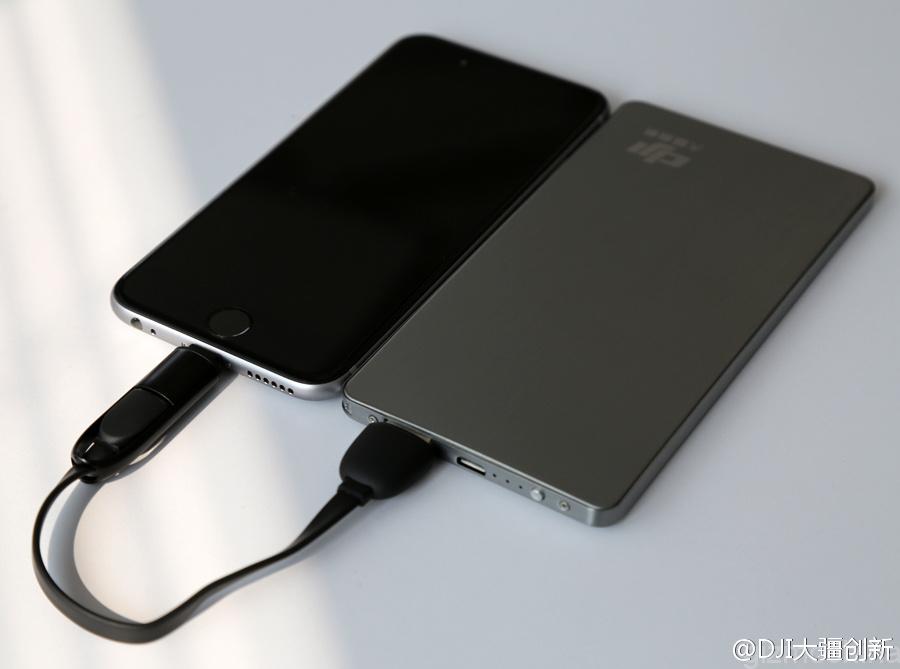
It looks like this Chinese company is all set to expand into another line of business. Several images were recently spotted online which showed off a new power bank with the brand name DJI. From the size of the accessory, we can expect the DJI powerbank to be quite high capacity.
As you can see in the image above, the DJI powerbank is charging up an iPhone 6 model.
While we don’t know whether this product is for real, if it does turn out to be true, it won’t be surprising given that DJI has a number of accessories which include batteries for its devices listed on its website. So, this would just be an expansion into the smartphone and other devices market.
DJI’s drones are regarded as the best in the market, which is why they cost hundreds and sometimes even thousands of dollars.
You can check out some of their popular drones from here.
Although Xiaomi had officially taken the wraps off the new MIUI 6 OS back in August, as of yet, there are plenty of Xiaomi users who have still not received the update.
For those who were patiently waiting for the update, we have some good news. The company has started rolling out the MIUI update to Redmi 1S users. The users will be able to download and install the new MIUI 6 beta system version this week. It is said in the next few weeks, more users will be upgraded to this new MIUI version.
Also, all the Xiaomi phones will soon be able to upgrade to MIUI 6 according to the report. So in case you are still on the old version, keep checking for an update in the coming weeks.
Meanwhile, users who couldn’t wait for an official may have already downloaded the unofficial MIUI 6 ROM. You can check it out from here. But if you haven’t installed it already, its always better to wait for the official release of the update, which is just a few days away.
Ever wondered what will happen to the recently announced Xiaomi Mi Note flagship when you shoot at it? Well, you no longer have to imagine what happens next as some guys over from China took some time to shoot Xiaomi Mi Note and also show us what happens in a video.
They shot a bullet right through the Xiaomi Mi Note smartphone and well, the rest is history. Naturally, the phone didn’t survive the test. In fact, as soon as the bullet hit the device, the phone started falling apart due to the impact.
The video added above shows us exactly what happens when you shoot Xiaomi mi note, that too in slow motion. Its quite awesome to look at, so make sure you check it out at least once!
The competition in practically every segment of the smartphone market is becoming fierce. At first, manufacturers were obsessed with the slimness of their smartphones, hence we have seen super slim devices like the Vivo X5 Max, OPPO R5 and even the new Gionee Elife S7 4.6mm.
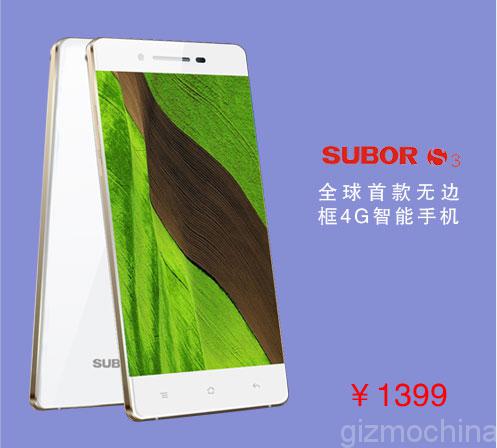
Now, looks like manufacturers are focusing on yet another area of a smartphone – bezels. Over the past two years, the bezel size on smartphones have reduced to a great extent. Just yesterday we received more details about the Serendipity S7 which claimed to feature the narrowest bezels (0.7mm) in the industry. Now, yet another smartphone manufacturer has come up with a phone with practically zero bezels. We don’t have much details about the phone maker but the Subor S3 ‘s listing has revealed some of its specs.
First of all, the Subor S3 will come with a 5-inch 720p display with ultra narrow bezels. Its so thin that we can say that the phone is nearly bezel-less. Inside, there will be Mediatek’s MT6732 quad-core processor with 1GB RAM and 16GB of expandable memory. The phone features dual camera module, however the company has not yet revealed the resolution on both the front and the rear shooters. The Subot S3 will support the high speed 4G LTE networks along with standard 3G and GSM networks. It will run on Google’s Android 4.4 KitKat OS.
Also, the image on the website reveals that the phone will cost 1399 Yuan which comes to around $223.99. That’s a decent price for a phone with these features and super slim bezels.
Unfortunately, this is all we know about the device. No details on the battery, camera resolutions or even LTE frequencies are known at the moment. However, like the Serendipity S7, expect some more details in a few weeks time.
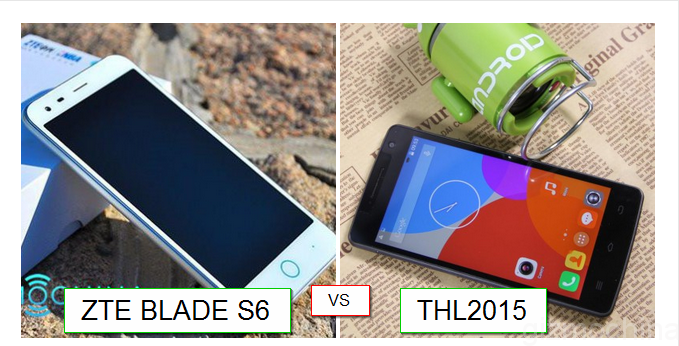
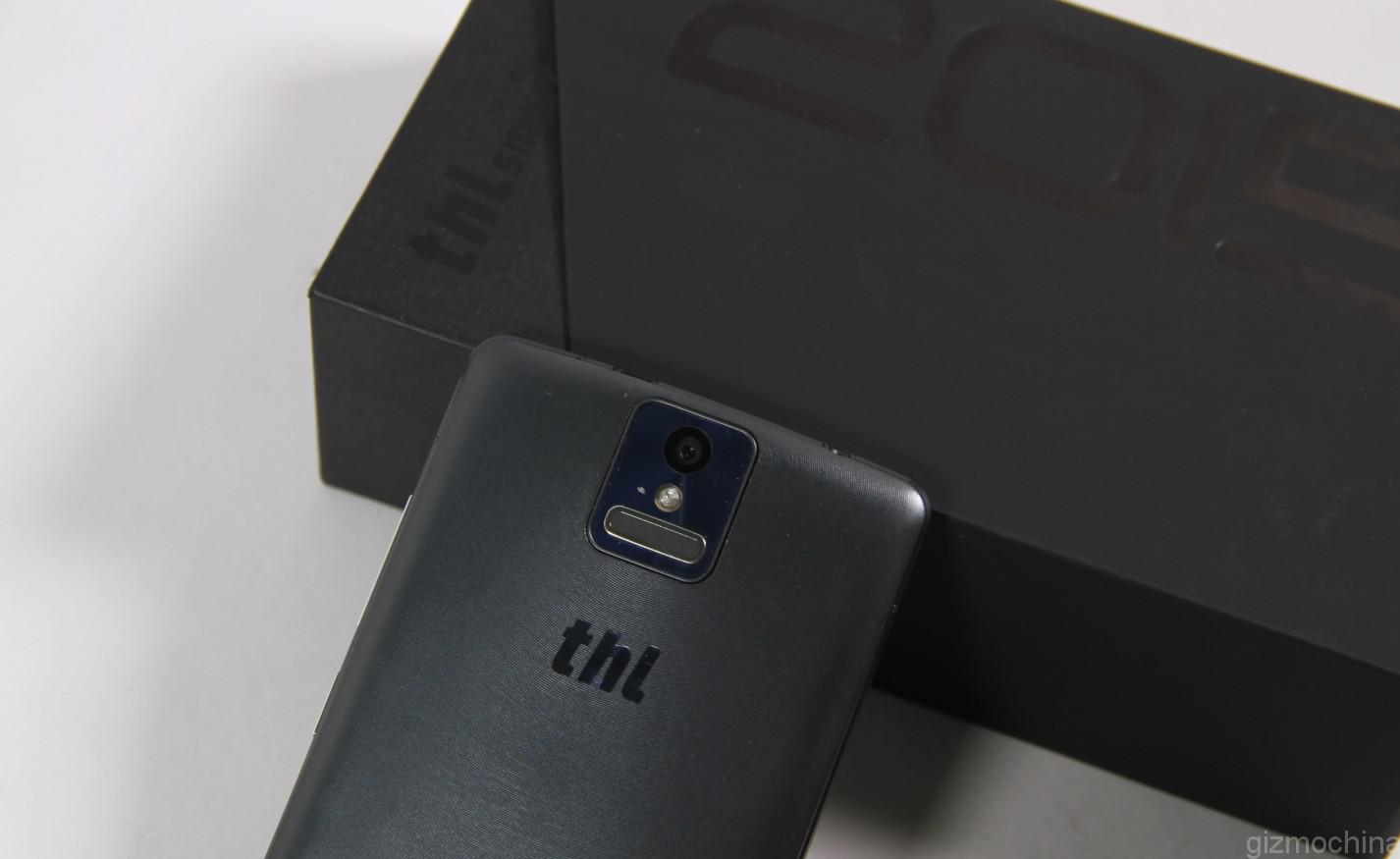
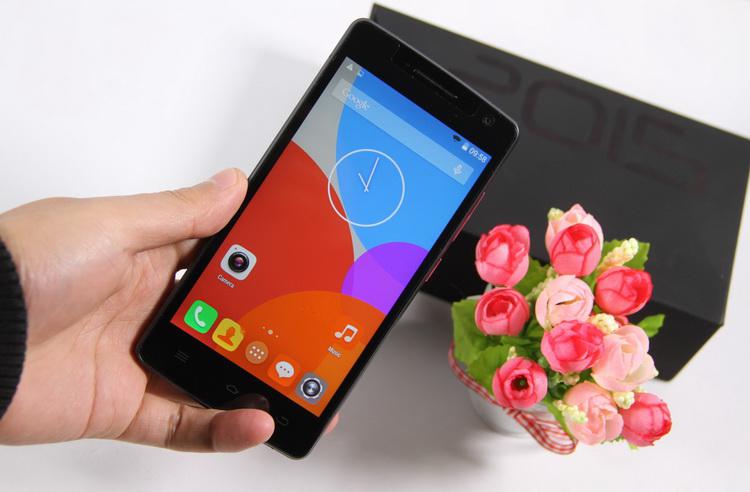
Today, we take a look at the two hot smartphones that’s currently available in the market (THL2015 is available for pre-order). Both the phones have very good specifications and are priced around the same price band. So, we decided to compare both the devices, picking out the pros and cons of each device to help you choose which one is best suited for you.
While we don’t have the device in our hands, we can take a look at the specifications as well as the features of the device to decide which one comes out as the winner.
For convenience and simplicity, we will be comparing ZTE Blade S6 vs THL2015 in a number of different categories. These include processor, RAM, display, camera, connectivity, special functions and so on.
So, lets not waste any more of your time and move on with the ZTE Blade S6 vs THL2015 comparison.
DESIGN:
We usually start off with the design in most of our reviews and comparisons. So, lets do the same in this article.
1 of 6
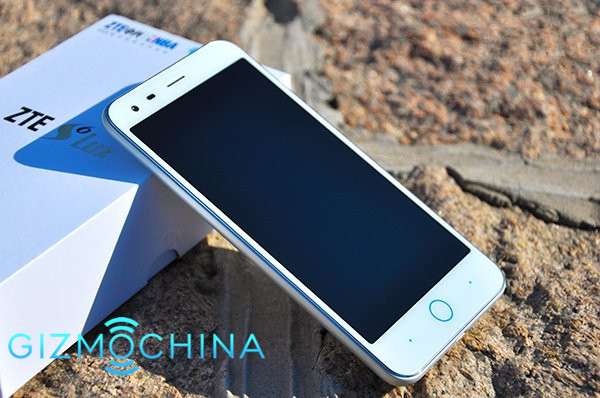
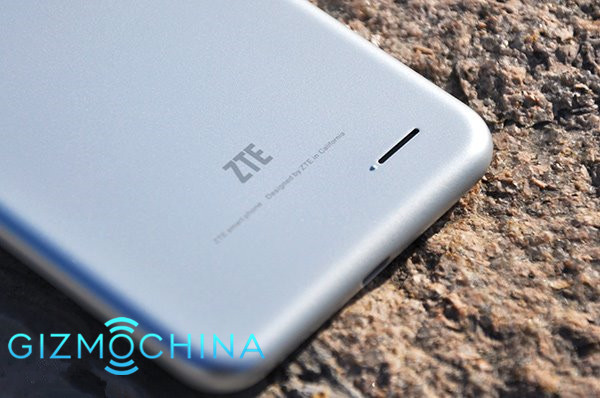
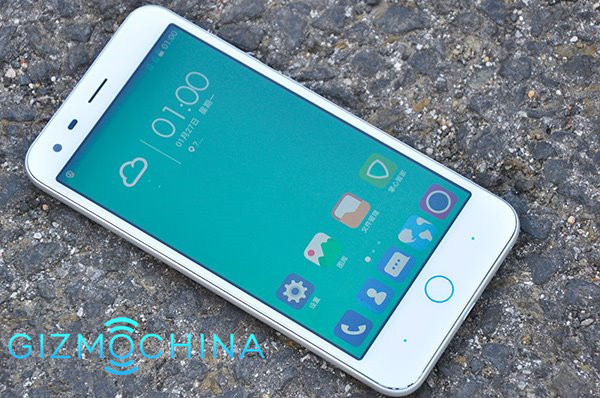
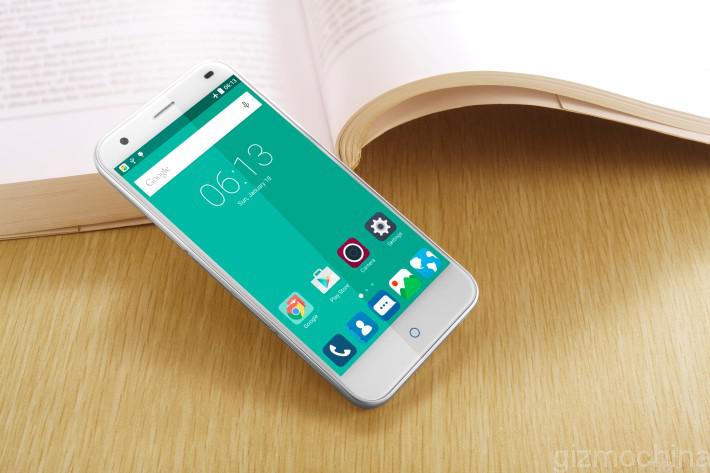
If we had to choose a device just on the basis of its design, then there’s no doubt that the ZTE Blade S6 will be the clear winner in this category. The device takes its design inspiration from the Apple iPhone 6 which is regarded as one of the best looking smartphones that’s available in the market right now. So, its no surprise that the Blade S6 looks way better than the THL2015.
The ZTE device comes with a unibody design with a home button which looks similar to the one on the iPhone 6. Moreover, the button doubles as a notification light, which adds to the beauty of the device. The sides are round as are the corners giving it a smooth finish. There are two other keys located besides the home button, namely the back and menu keys. At the back, there is the ZTE logo, which is almost at the same place where you would find the Apple logo on the iPhone models.
The volume keys as well as the power button are located to the right of the device. On the left side, you have the MicroSD and SIM card slots. The Dual SIM Dual Standby slot supports one Micro and one Nano SIM. While the overall texture of the phone is made to look like a metal finish, don’t be fooled, since everything is pure plastic.
1 of 5
As for the THL2015, the design is a bit more traditional. So, you have the rectangular block look that is found on most smartphones today. The back is made out of glossy plastic, which may attract some fingerprints. The frame is metal and so is the buttons on the device. Both the volume keys and the power button are located on the right side, just like the Blade S6. However, since the design is not unibody, the MicroSD slot and the Dual SIM card slots (1 standard SIM + 1 Micro SIM) are both located besides the removable battery.
Overall, the device looks well built and well designed. So, if you are looking for something different, you can go for the THL2015. However, if you like Apple’s design and want something that looks like it, then you can opt for the ZTE Blade S6. Its totally a personal choice. But in my opinion, the ZTE Blade S6 does feature better looks.
PROCESSOR
Although priced around the same figure, both the models feature processors from two different chipset makers. The ZTE Blade S6 comes with the new Snapdragon 615 64-bit octa-core processor clocked at 1.5Ghz.
On the other hand, the THL2015 features an octa-core 64- bit MT6572L processor clocked at 1.7GHz.
Both the models feature one of the best recent releases from their respective chipmakers and hence, the performance should be amazing. If you are looking to pick out a winner in this category, you can’t really do that, because we expect both the processors to deliver stellar performance.
MEMORY
The memory configurations are exactly the same on both the devices. So, you get 2GB RAM and 16GB internal storage on these devices. Although the storage is further expandable in the phones, the THL2015 takes only up to 32GB MicroSD while the Blade S6 takes cards up to 64GB in size. However, this shouldn’t make a big difference in your purchase decision. So, we are once again giving it a tie!
DISPLAY
Fortunately, in this category, we can pick out a clear winner. Both the models feature the same 5-inch capacitive multi-touch displays, however the resolutions are different. The THL2015 sports an impressive resolution of 1920 x 1080p, while the Blade S6 comes with just 720p resolution.
This definitely gives THL2015 an edge over the ZTE model. So, here the winner will be THL2015.
However, from our personal experience, 720p display on 5-inch phones looks quite good and even though THL2015 has a better pixel density figure, the Blade S6’s screen should be clear and bright enough for your daily usage.
CAMERA
Once again both the models feature similar camera specs. The ZTE Blade S6 comes with a 13MP Sony IMX214 with LED flash + AF + Multi-shot support. Even the THL2015 features a 13MP (unknown make). So rear camera performance shouldn’t differ much.
As for the front camera, the THL2015 comes with a larger resolution 8MP shooter while the Blade S6 just has a 5MP camera. But expect similar performance from both the camera units, since megapixels alone don’t tell the whole story.
So, we can’t really choose one as a clear winner in this category.
CONNECTIVITY
Connectivity is a place where you will have to make a choice. While both the models feature standard stuff like Bluetooth 4.0, Wi-Fi and GPS, the network support is a bit different. The ZTE Blade S6 supports both TDD-LTE and FDD-LTE networks which gives an edge over the THL2015 which only supports FDD-LTE networks. However, it all depends on where you want to use the device. So, if your country or carrier uses FDD-LTE, which will be the case in majority of countries, you will be happy with both the devices. However, if your carrier utilizes TDD-LTE only, then you will have to compulsorily purchase a TDD-LTE supported version. Thankfully, only a few countries support this technology.
With the additional support, we have to pick ZTE Blade S6 as the winner in this category.
FUNCTIONS
You get the same Gravity, distance and light sensors on these devices. As mentioned above, they support dual SIM dual standby as well as OTG connections.
However, the THL2015 has something extra. The device comes with a fingerprint sensor at the back, which makes it a very powerful package. While we have seen the sensor on cheaper phones like the Elephone P3000S, it is still a great feature on a device that retails for less than $230!
ZTE model does have a special feature called AliveShare which helps users transfer content between phones without internet connection or even Wi-Fi.
But, we would have to pick THL2015 as the winner in this category because of this premium sensor.
BATTERY
Battery is again an area where the lower priced THL2015 triumphs over ZTE device. The THL model comes with a 2700 mAh battery which is bigger than the 2400 mAh battery found on the Blade S6. Some even say that the THL battery will be of 3000 mAh but for the moment, lets be conservative and assume that its 2700.
As you can see, the battery on THL is bigger than that of ZTE device. However, we will have to consider other factors like a 1080p display on THL2015 instead of a 720p one on ZTE flagship. The larger resolution screen will take in more power than the 720p one and hence, if the battery capacity difference is this small, expect the battery life on both the devices to be more or less the same.
SOFTWARE
Here ZTE Blade S6 takes the lead since it comes with the latest Android 5.0 Lollipop OS with the company’s own MIFavor 3.0 UI which is highly customizable. On the other hand, the THL2015 comes with the older Android 4.4 KitKat OS out of the box.
This makes the ZTE Blade S6 the winner in this category. But remember, you can anytime root the device to install your favorite OS, that is, if you know how to follow instructions perfectly (since there are many guides online to root and flash a new ROM).
PRICING
We decided to compare both the devices because it was priced similarly with very similar spec sheet.
So, all boils down to your preference. We feel both the devices are too similar to pick out a winner. The only few differences they have are not really drawbacks but rather a matter of choice.
If we had to choose one, we would probably go with the ZTE Blade S6, mainly because the company is quite big and well known. Otherwise, only comparing the specs and the pricing, both the devices stand equal!
Now that the ZTE Blade S6 is finally available for sale, you must be looking at the cheapest price to buy this amazing device. ZTE made sure that the device is available only through select reputed stores, so there aren’t many options available.
After some research, we have finally found out the best price to buy ZTE Blade S6. The device can be bought for as low as $219. Usually the same phone retails for around $249.
Just use this coupon during checkout and your total price in the cart price will reduce to $229.
To recap on the specs, the ZTE Blade S6 comes with a Qualcomm Snapdragon 615 64-bit octa-core SoC along with 2GB RAM and 16GB storage.
There’s a 5-inch 720p display up front which translates into a pixel density of 326 ppi. At the back, there is a 13MP Sony IMX214 camera along with LED flash and up front you get a 5MP shooter.
The Blade S6 comes with Android 5.0 Lollipop out of the box! The phone’s design looks beautiful, thanks to the iPhone 6’s design inspiration. Also, the phone is thin with measurements 144 x 70.7 x 7.7mm.
You can check out the tech specs before you buy ZTE Blade S6 from down below.
As you may know, Vivo currently holds a title of having the thinnest device (just 4.75mm) on the planet in its portfolio – Vivo X5Max, which was released last December. However, it seems that the company has a bit more affordable version of the device in its pipeline, which is a Vivo X5Max+.
1 of 3
As TENNA website suggests, the different version of the device will be a bit thicker – at 5.1 mm and a tad heavier – 153g (original Vivo X5Max is 146g). Also, the device is said to use a more energy-efficient eight-core MediaTek MT6752 processor, which can effectively enhance its 2000mAh battery life (will see if it works out in our review in the future).
As far as other specs go, Vivo X5Max+ will have pretty much identical specs as its thinner brother, which include 5.5 inches 1080P screen, built-in 2GB of RAM, 16GB of storage (expandable up to 128 via Micro SD card slot). Moreover, there will be a 13 and 5mp camera modules on the back and front, respectively. The device will be run by the Funtouch OS 2.0, which is based on Android 4.4.4 and support both 3G and 4G networks. Last but not least, the smartphone will have Vivo’s signature Hi-Fi system (upgraded 2.0 version). Finally, the price point is said to be 2999 Yuan in China. We don’t have a word on international pricing or availability yet.
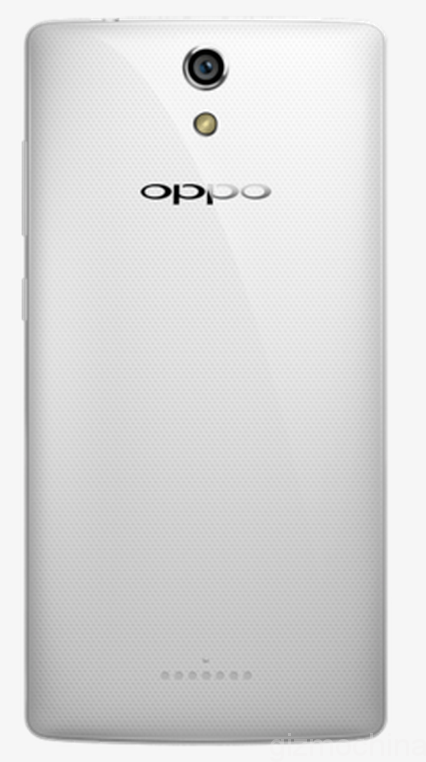
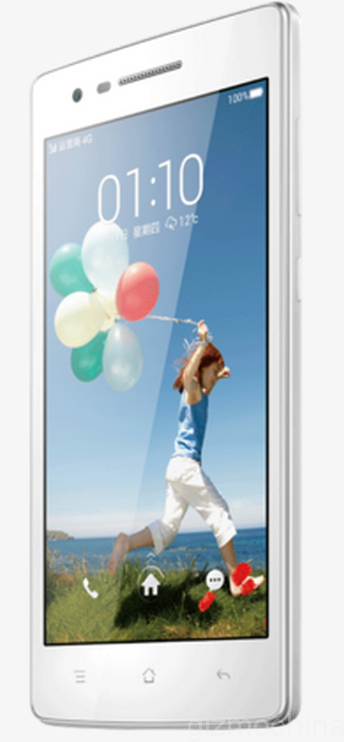
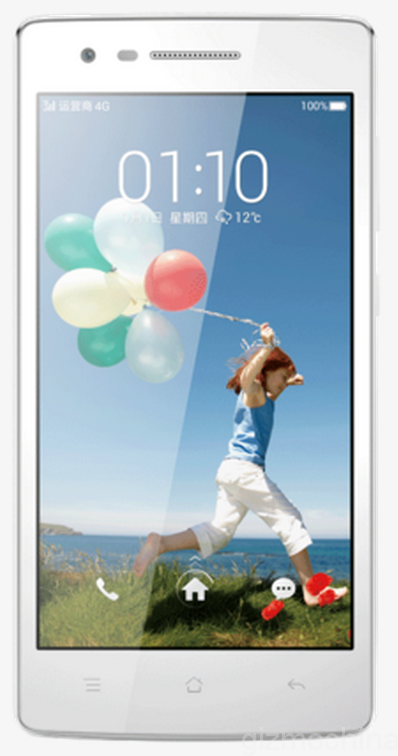
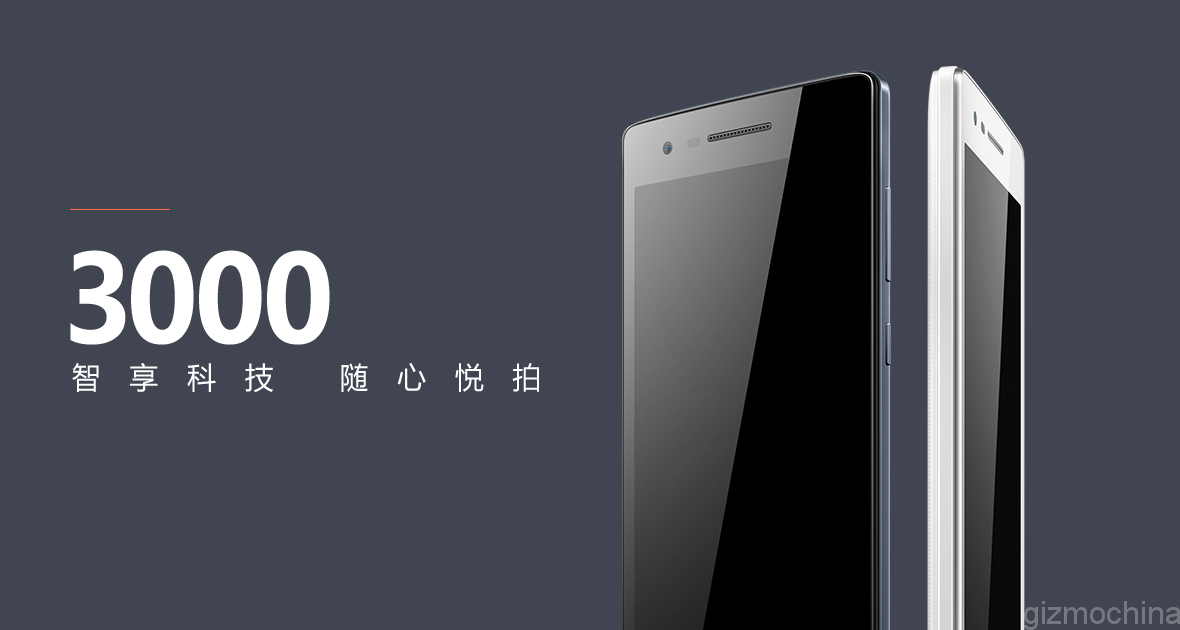
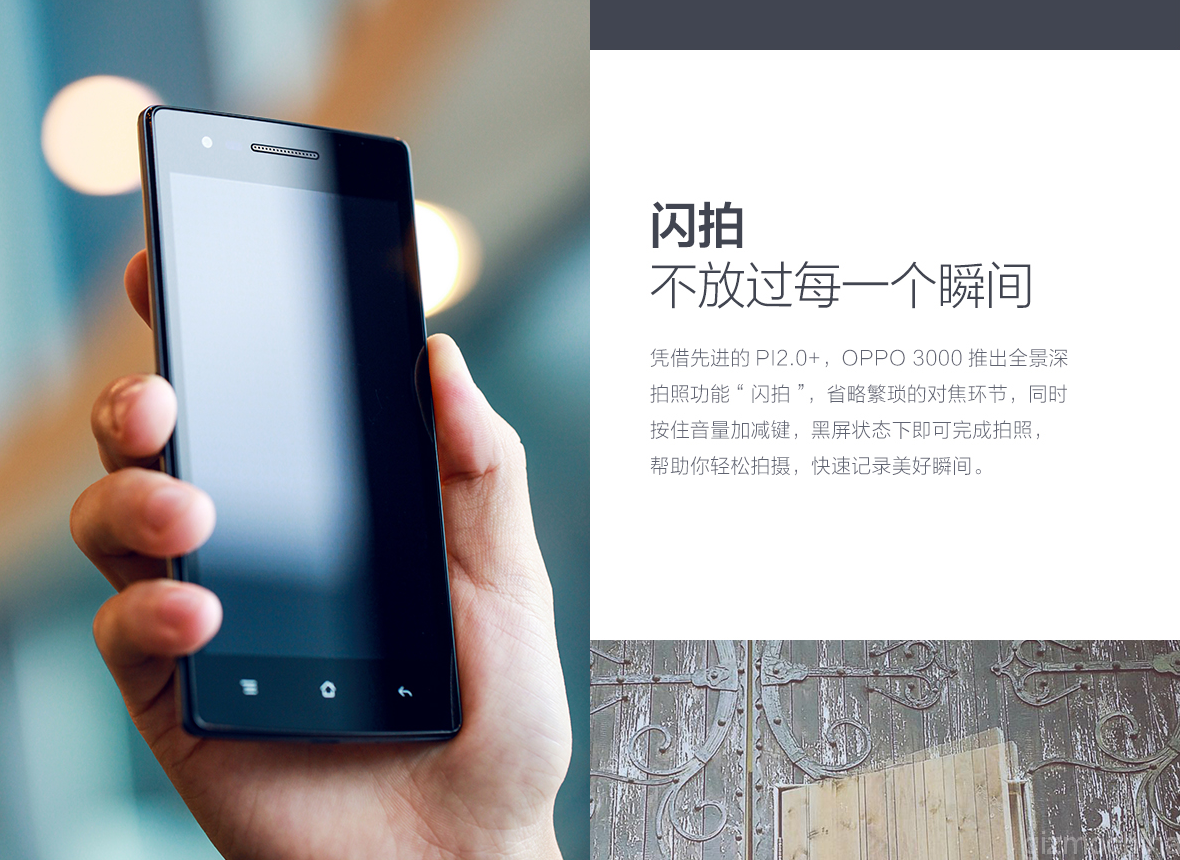
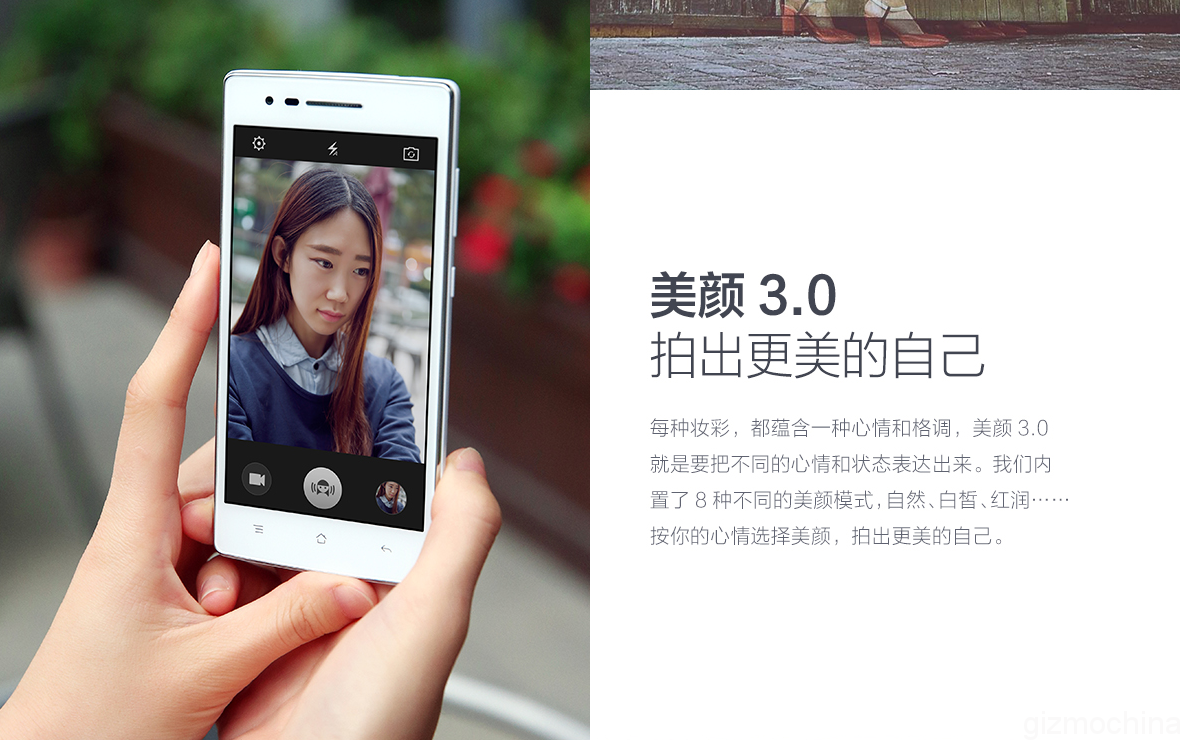
Oppo is one of the Chinese manufacturers that produces both great, yet not that expensive devices if we compare it to the rivals from South Korea or Cupertino company. At the end of the last year Oppo launched a few new products, which included Oppo N3 with a rotatable camera and crazy thin (4.85mm) Oppo R5. It seems that the company does not want to stop launching new device as they have quietly launched their new product – Oppo 3000.
1 of 4
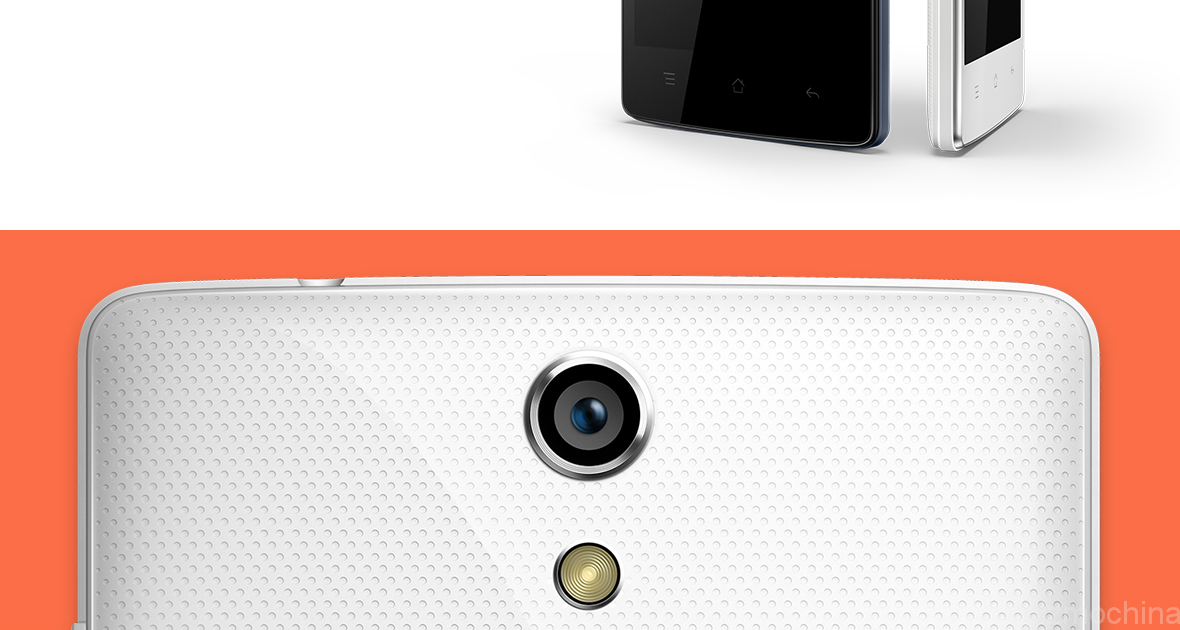
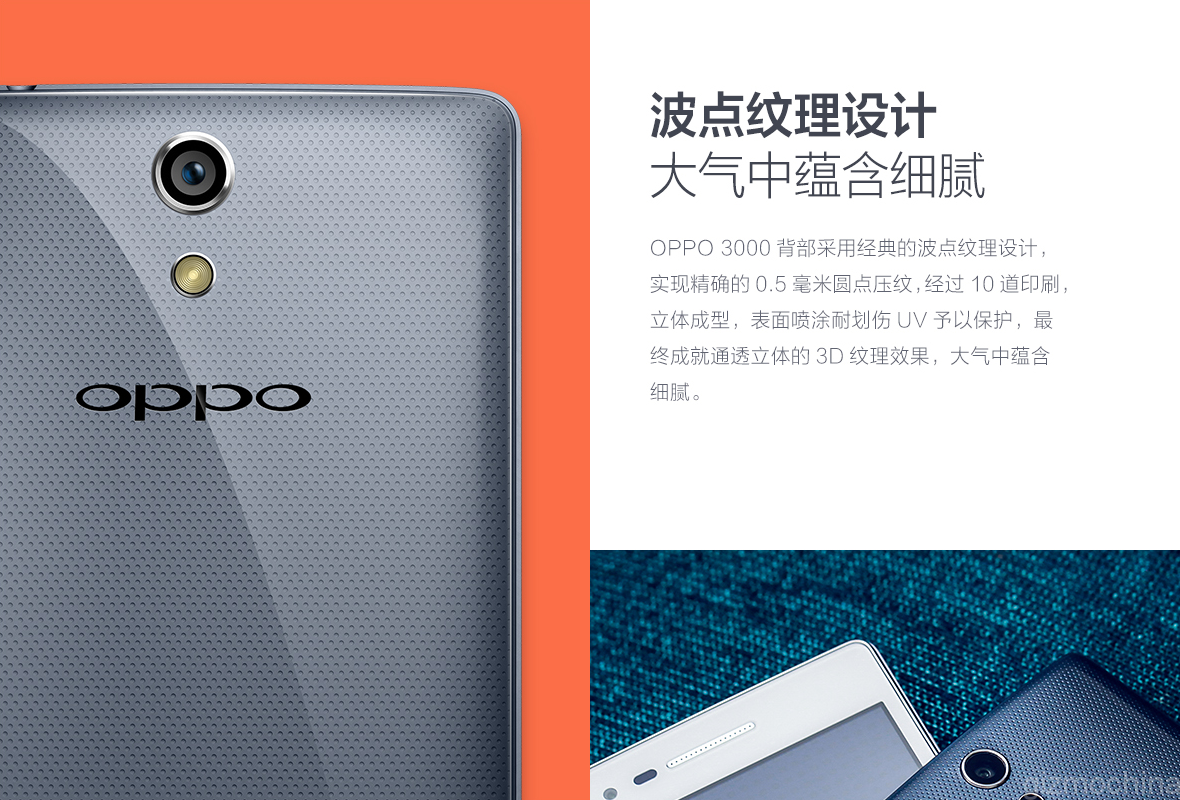
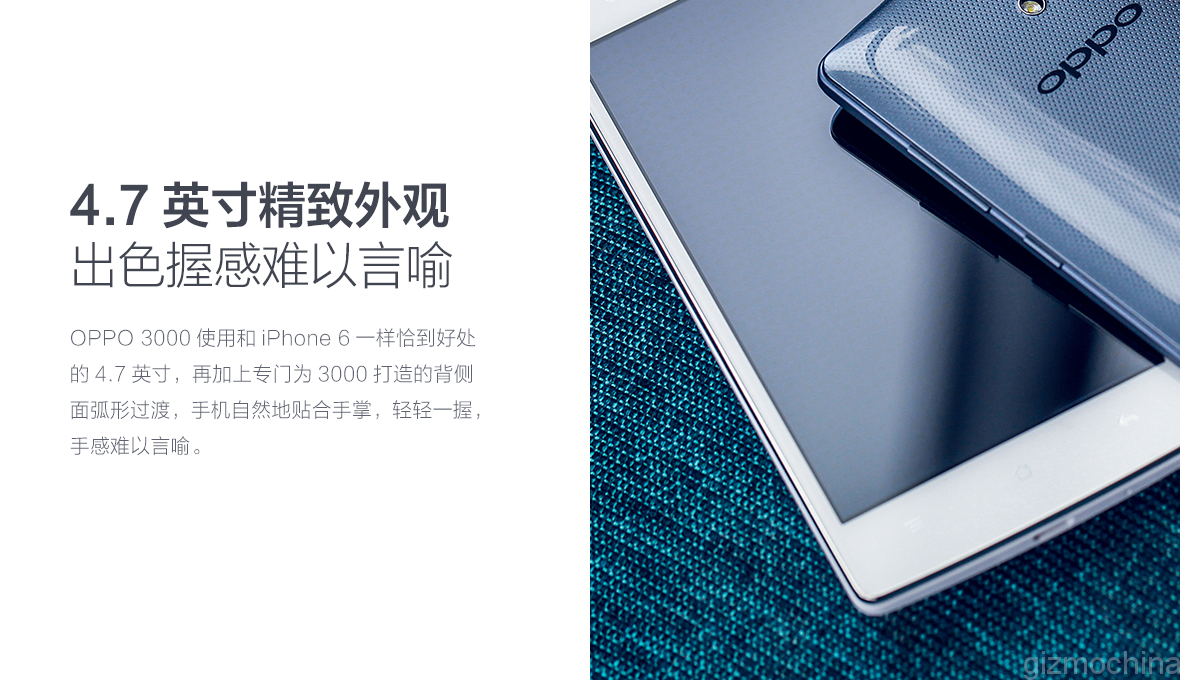
As far as design goes, we see a typical Oppo style with the corners being curved a bit on each side. Also, there are usual 3 capacitive buttons on the bottom, earphone along with the 5mp front facing shooter. What is more, the screen size is only 4.7 inches (720p variety), and the whole device is very compact at only 137 x 68.8 x 8.95mm.
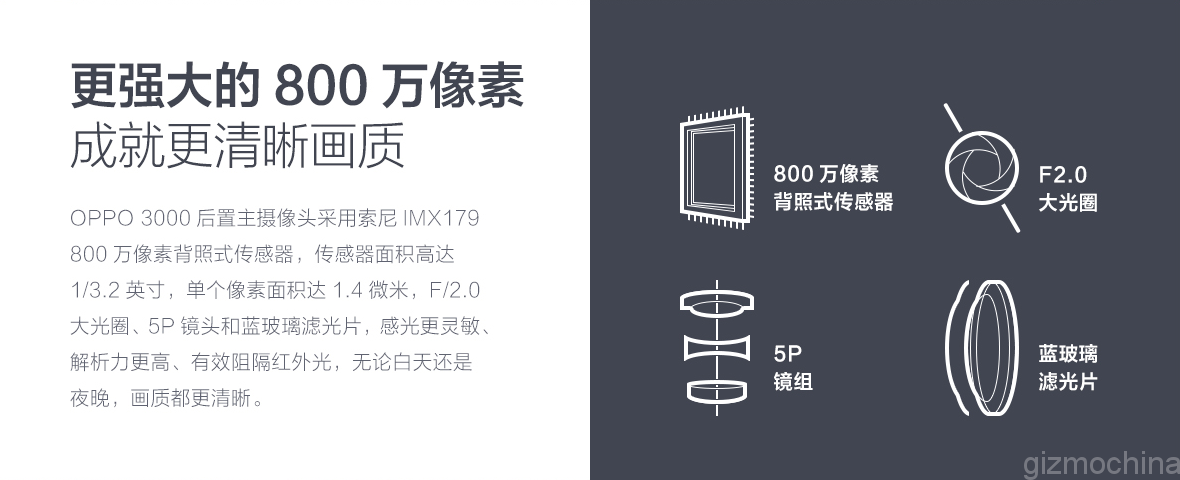
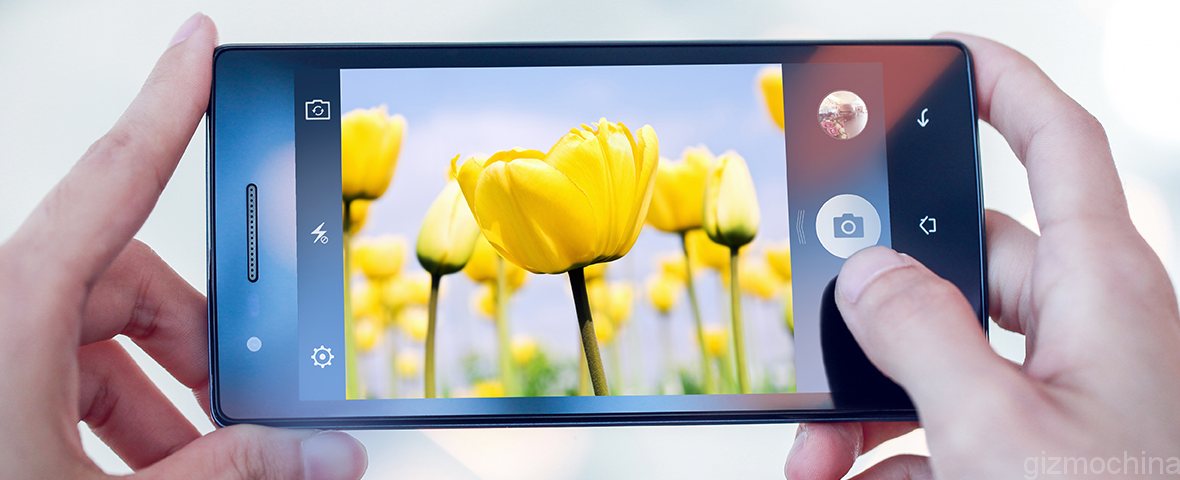
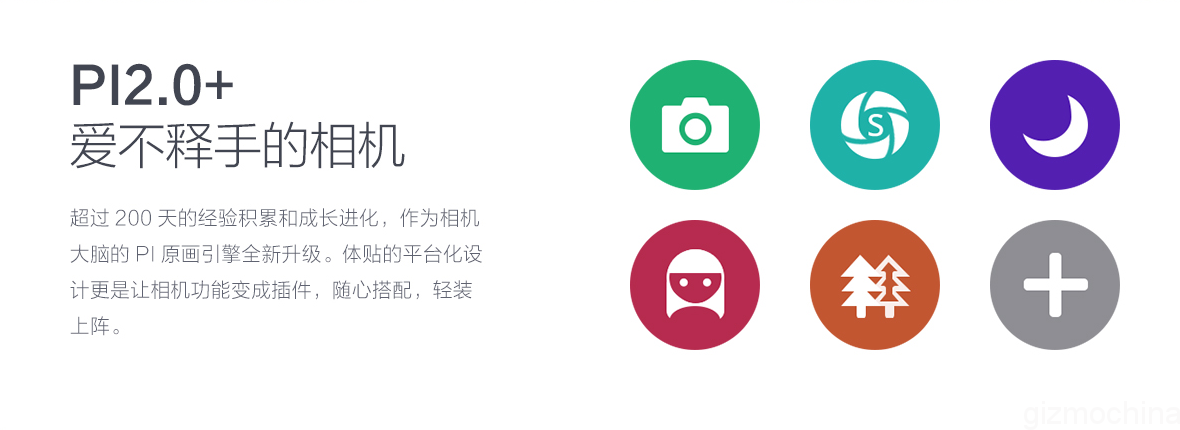
Oppo 3000 seems to be a mid-ranger with a great camera. It has an 8mp Sony IMX179 sensor with a f / 2.0 aperture. In addition, there sensor has 5-element lens and has an addition blue glass filter, which should provide a great picture quality. On the front, there is a 5mp wide-angle shooter.
As far as other specs go, the device has a Snapdragon 410 64-bit quad-core processor , clocked at 1.2 gHz and it is backup up by Adreno 306 GPU. Also, there is a 1 GB of Ram for multitasking along with a 8 GB of storage, which can be expanded up to 128 GB with a Micro SD card.
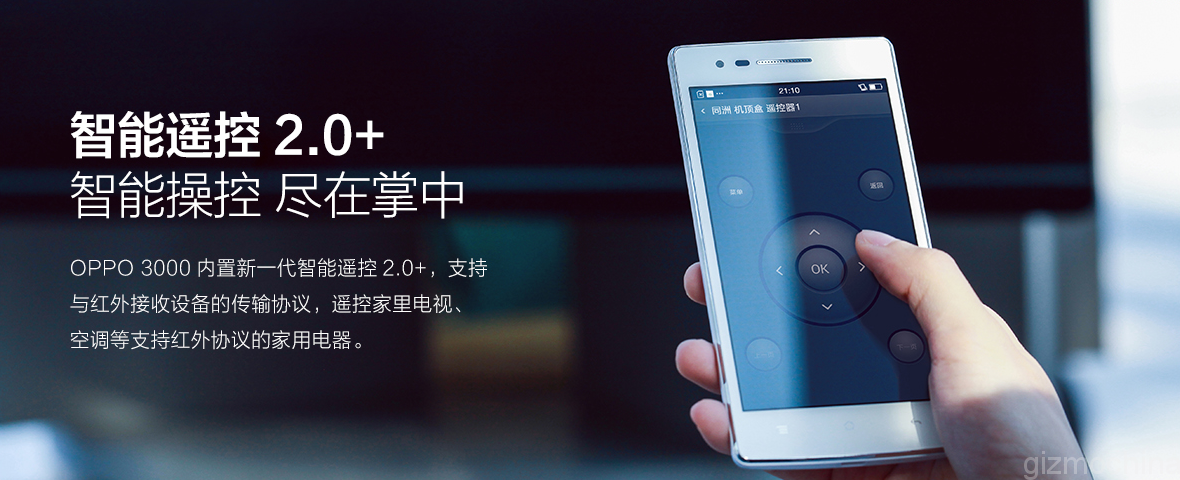
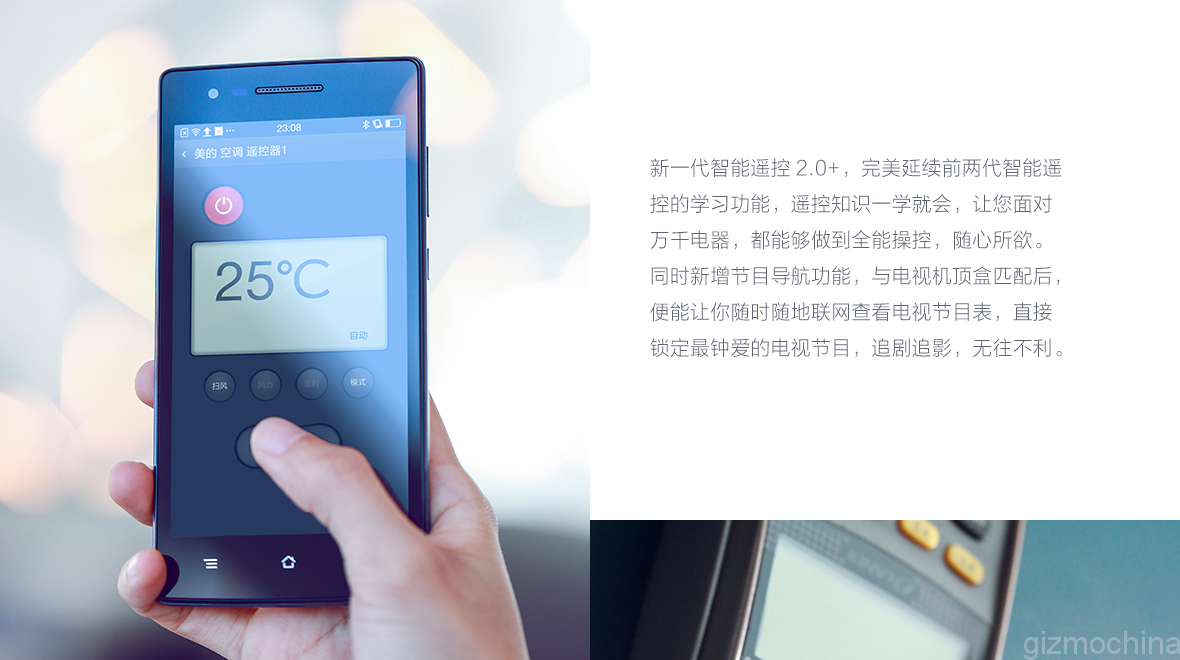
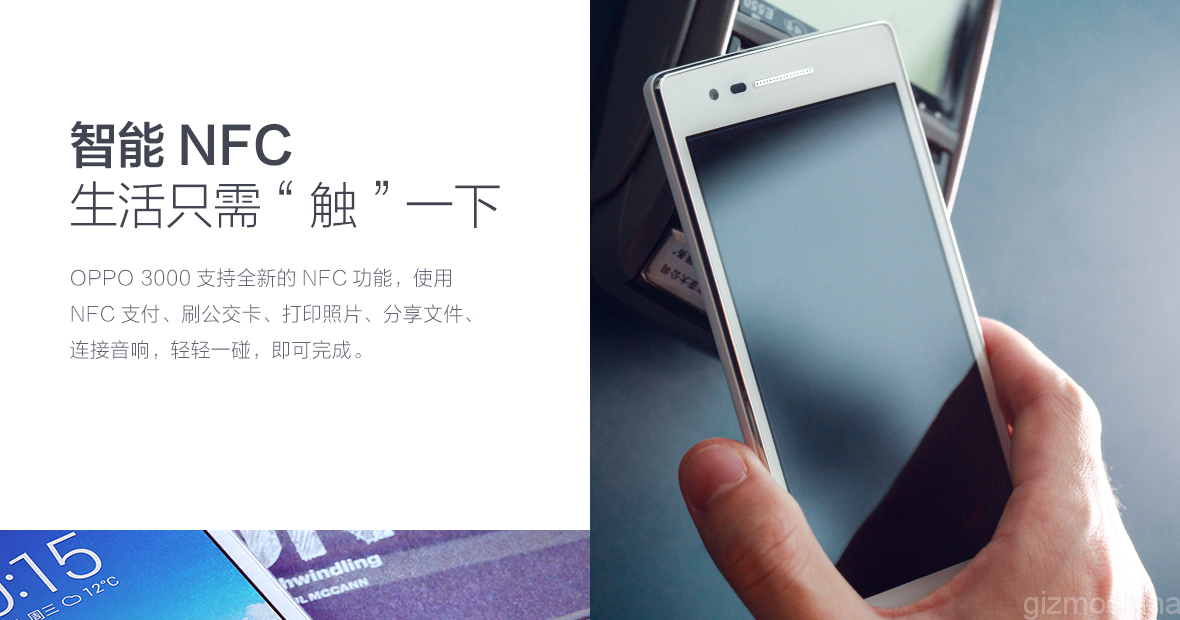
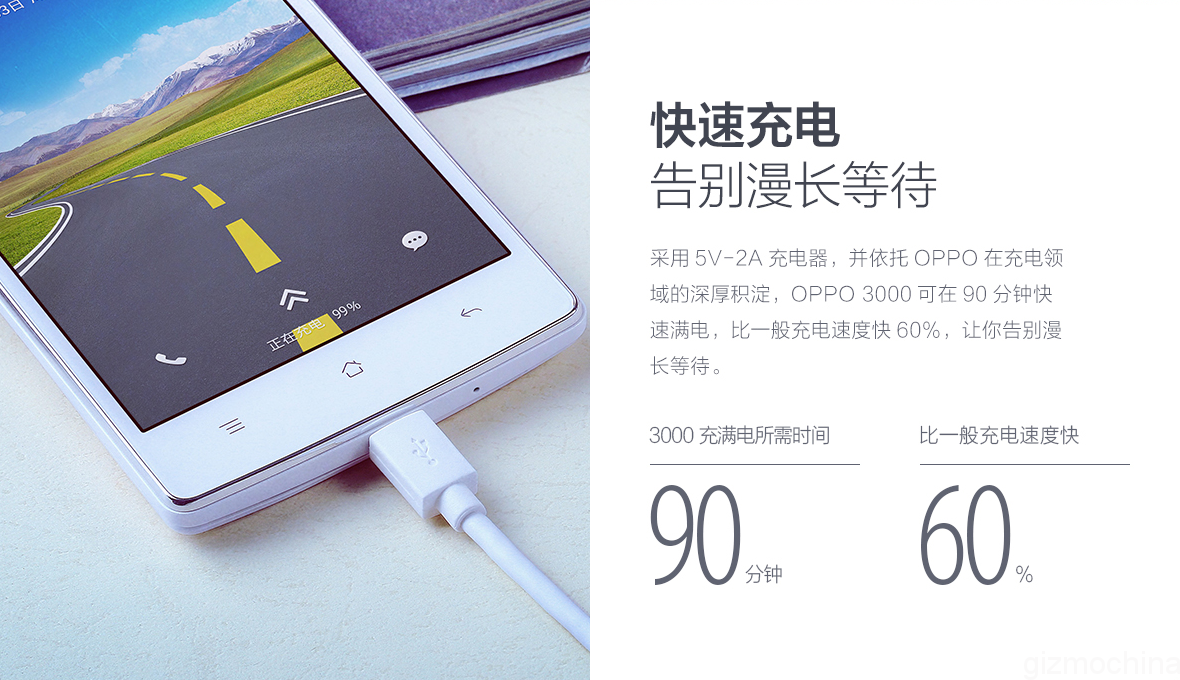
What is more, the device will support China Unicom 4G / 3G / GSM network and have dual card slots with a dual standby capability. Also, there will be NFC along with all other usual connectivity packages. Moreover, there will be a Quick Charging 2.0 technology with an included proprietary charging brick. All of these internals will be powered by the 2000 mAh battery and Android 4.4 based custom Color OS 2.01.
Finally, the device can be already purchased in China for 1599 Yuan. There is no word of internationally availability and pricing though.
After the Chinese company Vivo did not have much success with its double-glassed Y29 smartphone, the company is ready to launch a new device – Y929, which targets mid range market.
According to the pictures and specifications, which were exposed in the Chinese certification agency – TENNA, the device will have 4G networking capabilities, will have Corning Gorilla glass 3 on the front and the back, metal frame with chamfered edges and will have a thinness of 6.67mm. Also, it will have the weights of just 128g.
1 of 3
As you can see from the picture below, the device will have usual Vivo looks, which include 3 capacitive buttons on the bottom (which most likely do not light up).
Here is the summary of the specs of the vivo Y929 device:
5 inches 720P resolution screen
– Powered by Qualcomm Snapdragon 1.2GHz quad-core processor
– Front 5mp + 13mp rear camera
– Built-in 1GB RAM + 16GB ROM, supports SD memory card expansion up to 128 GB
– FunTouch OS 2.0 based on Android 4.4.4
– Support of 4G / 3G / 2G GSM network, with a dual SIM dual standby support
– 2000 mAh battery and the price of 2198 Yuan in China, which is quite expensive considering a lot of offerings in the industry.
It seems that manufacturers have been fighting for the slimmest device in the world planet for some time. The fight does not seem to come to an end as we have some fresh news that there might be a new thinness king in the industry!
1 of 4
It seems that the Chinese manufacturer Gionee is ready to take the slimmest device on the planet crown as we have some actual photos of the device – Elife S7, which only has 4.6mm thinness taking the crown from the Vivo X5Max, which has the thinness of 4.75mm. Also, the Gionee is breaking its own thinness record, which was set by Elife S5.1, which measures at 5.1mm. However, 5mm does not sound impressive achievement for these companies anymore.
The device is expected to be released in the upcoming MWC 2015 in Barcelona. What is more, the leaks suggest that the device will have 2 GB of Ram and amazingly huge for its thinness 2800mAh battery capacity! That means that we may have not only thin, but also great battery life device. Last but not least, the device is said to have Amigo 3.0 skin on top of Android 5.0 system.
Are you excited about new king of thinness (or thickness?) ? Let us know in the comments below.
Back in December, we were one of the first ones to report that Serendipity was developing a smartphone called as the Serendipity S7 which will comes with almost zero bezels and a slim profile.
While we wait for the device to be available for sale, today the company offered more details on this ultra slim serendipity s7 bezel-less phone. Serendipity revealed that making a phone like the S7 was quite a big task and hence it was not possible for them to manufacture the phone in large quantities in the initial period.
So, the company managed to manufacture about 2000 units and they were available in the offline market in China (pricing still unknown). However, Serendipity adds that the second batch of units could be available just before the Spring Festival in China. After the festival, the company plans to increase the production. Maybe then, we’ll be able to see the device in real.
The Serendipity S7 is truly a revolutionary phone, as the company claims that the device has the narrowest bezels around 0.7mm. The phone also boasts of the best screen to body ratio. Moreover, the phone is super light, despite its large 5.5-inch screen and weighs only about 120 grams. That’s pretty impressive considering all the specs on board.
As for the design, the serendipity S7 bezel-less phone features Corning Gorilla Glass 3 protection on both the sides. The company has used aircraft grade aluminum frame for the best possible built. On the front, you have a 5.5-inch Full HD 2.5 Arc display.
Inside, the phone features a quad-core Snapdragon 400 MSM8928 processor with 2GB RAM and 16GB onboard storage. There is a 13MP camera at the back along with a 5MP shooter up front. The battery will be of 2600 mAh which is quite decent for a phone this big. Connectivity features include Wi-Fi, Bluetooth, GPS, and TD-SCDMA / WCDMA / GSM support.
Unfortunately, the company has not revealed the pricing of the device. Expect more details after the upcoming Spring Festival in China.
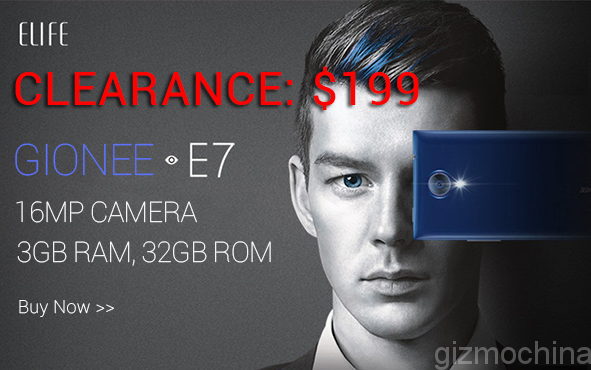
Gionee is all set to announce the slimmest smartphone in the market on March 2nd. But if you don’t care about slimness, then you can get the company’s powerful Gionee E7 for a bargain this week.
We just spotted the Gionee E7 on Oppomart for just $199. Yes, the phone which usually retails for $400 is now available for sale from the retailer for the said price. This is a great price considering the specifications of the device and anyone who is looking for a smartphone under $200 should definitely consider the Elife E7. The reduced price is a part of the retailer’s clearance sale and we don’t know how much stock or till what time will the sale continue.
To recap, the Gionee Elife E7 comes with the powerful Snapdragon 800 processor clocked at 2.2Ghz with Adreno 330 GPU for amazing graphics performance. There’s 3GB RAM onbaord with 32GB onboard storage. On the front, there is a beautiful 5.5-inch FULL HD 1080p IPS display with Corning Gorilla Glass 3 protection. The rear camera is of 16MP with LED flash and Geo-tagging, touch focus, face/smile detection while the front shooter is of 8MP.
The phone supports single SIM card with GSM, WCDMA, FDD-LTE compatibility. The OS is a bit old, Android 4.2 Jellybean, however users can easily root the device and install a custom ROM for the best expereicne.
Just two days back, we reported that ZOPO is all set to release a new device in the market. Now, we have received a lot of new photos that show off this upcoming device. We also have the ZOPO ZP530 full specifications, so all those readers who were asking for more information can finally relax and take a look at the specs given below.
1 of 6
First of all, lets take a look at ZOPO ZP530’s design. There is no doubt that the phone takes its design inspiration from last year’s iPhone 6 model. And this is exactly why the device looks so good.
On the front, the ZOPO ZP530 sports a 5-inch 720p IPS ONCELL Full Lamination display. Above the display, on the left lies the 5MP camera, while on the right of the ear piece are the sensors. Below the display there’s a round home button similar to iPhone. The front features 2.5D arc glass, which makes it look even more premium.
Coming to the back, the phone has an IML Fashion Vein cover, which further enhances its looks. There’s an 8MP camera on the top with f/2.0 aperture and LED flash. Below, you’ll see the ZOPO logo along with the speaker grill.
The buttons are made of metal and so is the frame that runs around the device. On the right side, you have the volume rockers, while on the left, you get the power button.
Coming to the ZOPO ZP530 full specifications, the phone features the MT6732 quad-core 64-bit processor based on Cortex A53 architecture and clocked at 1.5GHz. For GPU, the phone has ARM’s Mali 760 MP2. The 8MP camera is capable of recording 1080p FULL HD resolution videos. Inside, there is 1GB of RAM along with 16GB internal storage further expandable up to 64GB via MicroSD.
Connectivity features include Wi-Fi, Bluetooth, GLONASS / GPS / A-GPS, and GSM+WCDMA+FDD-LTE support. The compatible frequencies are given below. As for battery, you get a decent 2100 Li-Polymer battery inside, which should last for a day with moderate usage.
ZOPO ZP530 full specifications are as given below:
You may have not heard of pocket Hi-Fi players, as its a very niche industry and only those who are hard core music lovers would even think of getting these costly high resolution music players.
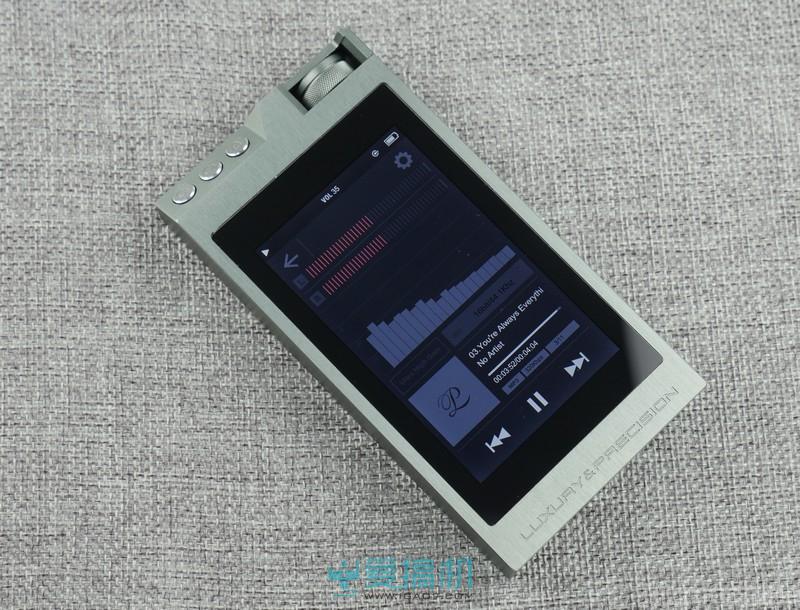
Today, we take a look at the Luxury&Precision’s LP5 pocket Hi-Fi player which brings you the best music output in a beautiful metal body. This particular device is much similar to the Colorfly C4 Hi-Fi player which is kind of popular among music lovers. However, the C4 had a very retro feeling to it, which was loved by some but hated by others. Not everyone was a big fan of the Black Walnut wood finish from America. So, if you were one of those people who didn’t like the looks of the Colorfly C4, then check out this new age, metal bodied L5.
The Luxury&Precision L5 comes with a 3.5-inch touchscreen display with a resolution of 800 x 480 pixels. While this isn’t the best display that we have seen in a device recently, its good enough for daily usage.
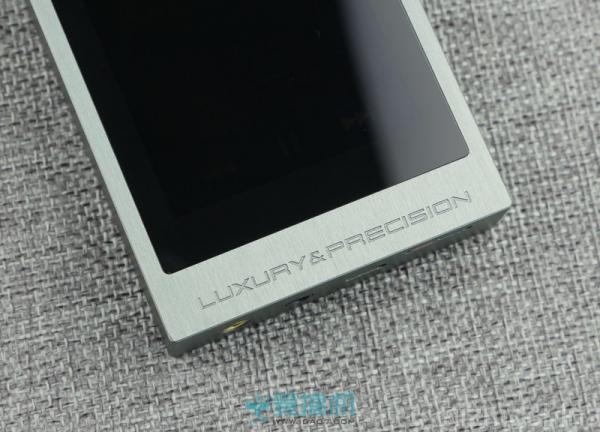
The front features a full brushed metal finish which looks premium. At the bottom, below the display, you’ll find the company name Luxury & Precision engraved.
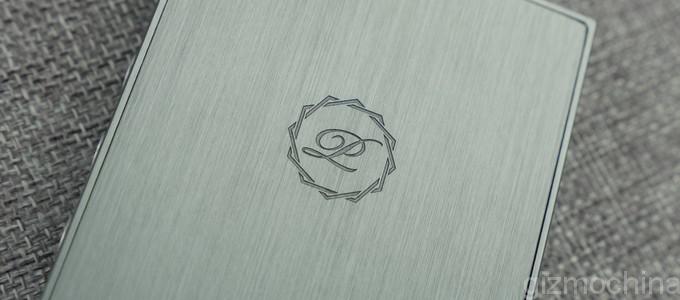
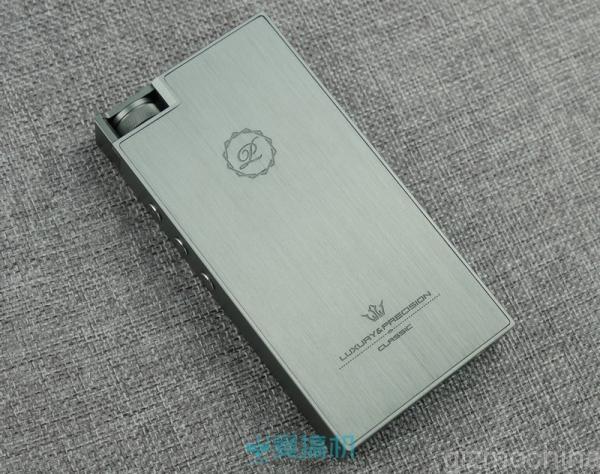
The back too features this beautiful finish. The company notes that the music player is built using a 6 series magnesium aluminum alloy with integrated CNC machining and the surface is anodized and sandblasted to make it look premium. On top of the back, you have the beautiful LP logo and at the bottom, you have the company name.
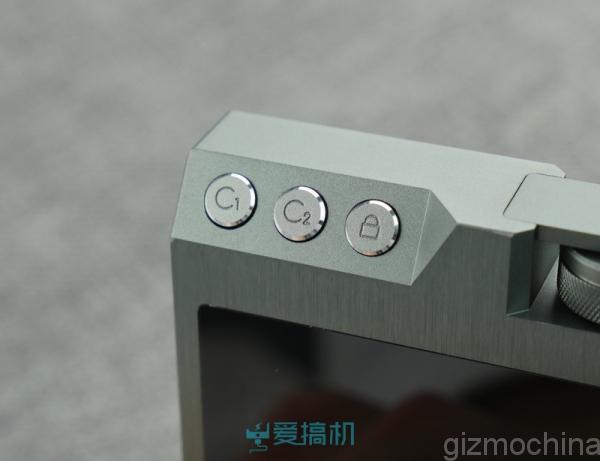
The L&P L5 comes with three button on the top left corner, namely C1, C2 and a lock button. The first two buttons, i,e, C1 and C2 are function keys. C1 acts as the back button while the C2 acts as the PLAY/ OK button. The one with the lock symbol naturally is the lock/ unlock button.
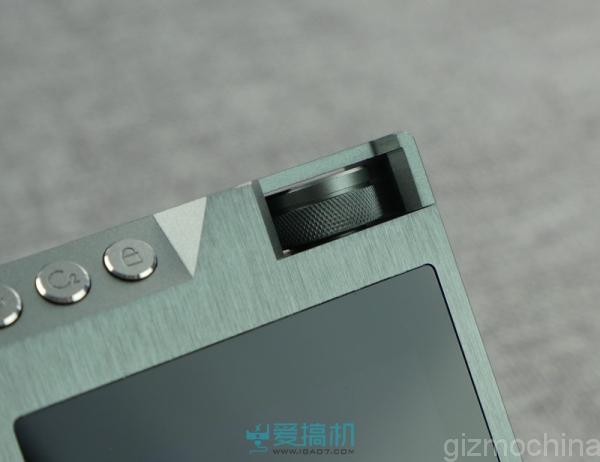
On the right side, you will see a large knob. This is the ALPS professional volume slider.
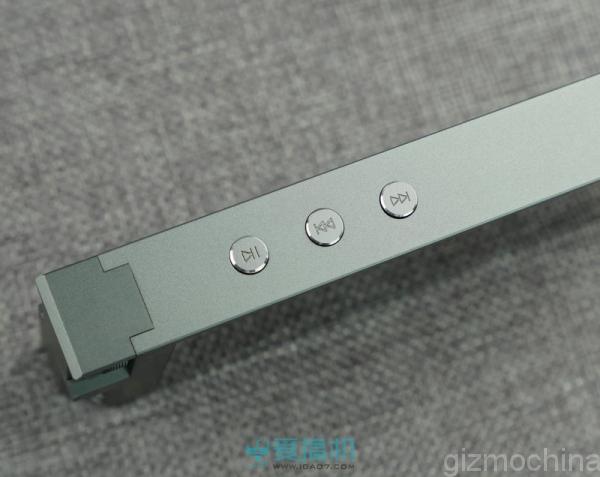
On the right side of the L5, you’ll see three buttons. The first one allows you to play/ pause a track, the other two are next track and previous track buttons.
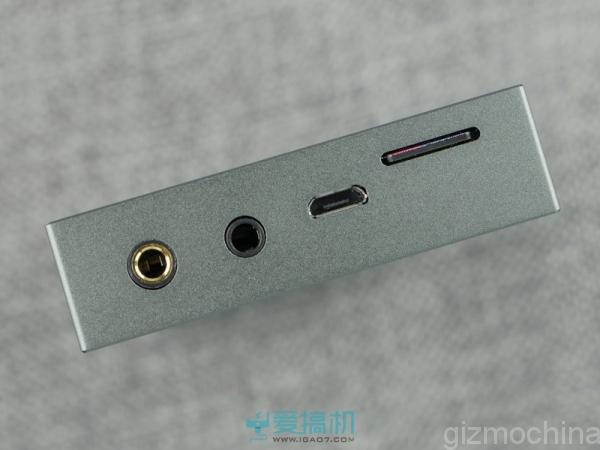
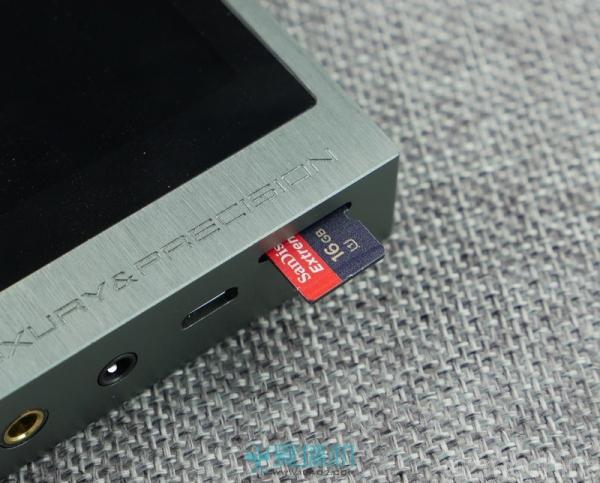
All the input / ouput ports are located at the bottom. From left to right are the 3.5mm headphone jack, 3.5mm line out port, microUSD slot and the SD card slot. The device can take up to 128GB SD cards.
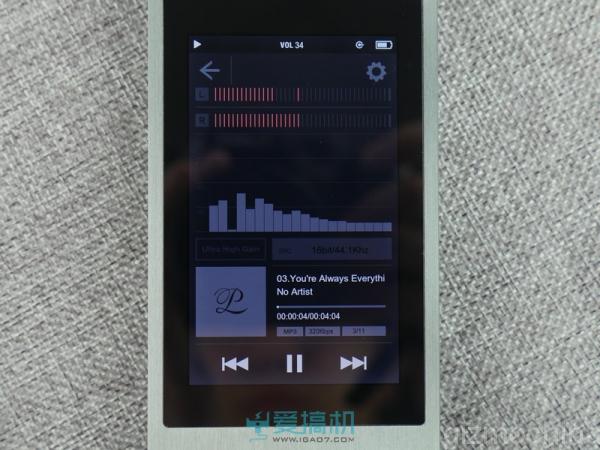
Coming to the software, the L5 features a number of options to control the audio output (even DoP mode is supported). However, there are other options as well to adjust the touchscreen, keys, automatic shutdown, sleep time settings etc.
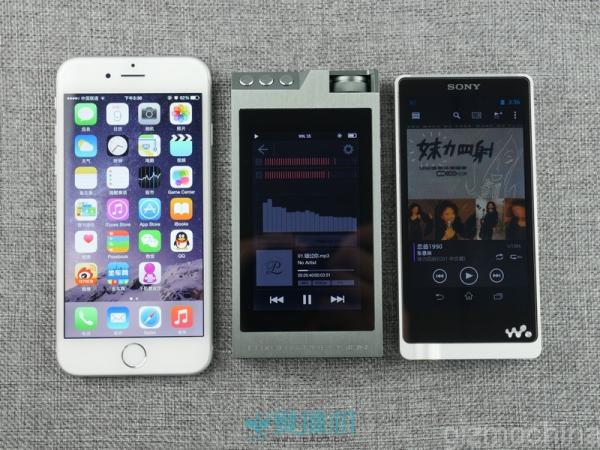
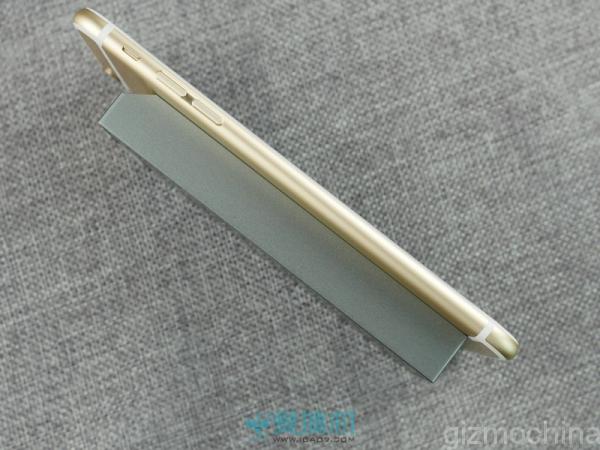
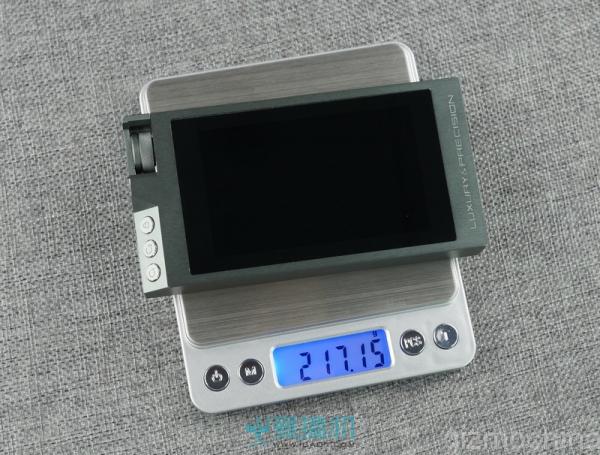
As you can see in the images, the L5 is pretty bulky. In fact, if you put it alongside the 7.1mm iPhone 6 Plus, you can see that its more than twice as large as the Apple device. The exact measurements of the L5 are 123 * 63 * 16.9mm. Also, it weighs about 217 grams.
The Luxury and Precision L5 outputs very high quality audio which is essential for any Hi-Fi player. Just connect a good pair of headphones to get the best out of the beautiful pocket Hi-Fi Player!
Full Tech Specs of the L5 are as given below:
Dimensions: 123mm * 63mm * 16.9mm. Display: 3.5-inch display with a resolution of 800 * 480 low-temperature polysilicon glass color number 16.7M colors. ONCELL touchscreen technology, protective glass and fit the whole screen. Body and keys Materials: 6 Series aluminum-magnesium alloy, CNC integrated molding process, anodized surface Lasi Jia sandblasted. Key: Play pause, forward / back, volume knob button, hold button, two custom function keys. Audio interface: 3.5mm gold-plated headphone jack with shielded, 3.5mm line-out (LO) interface /3.5mm coaxial digital output interface, USB DAC interface.
The basic hardware configuration:
Master: 1812C DAC chip: AKM latest generation VERITA 4490 (DAC supports sampling rates 32BIT 768KHZ, DAC supports up DSD256) Crystal: 1PPM TCXO Op amp: 1812O double crown amp: 1812A single crown coprocessor: 1812M supports up 32BIT decoding and hardware solutions of various power management chip DSD format: 1812P Professional volume chip: CS3310 PCB: 6 layer 3U Jinya Guang Shen black inductance: Taiyo Yuden closed electromagnetic inductance capacitor filter: ultra-low ESR MLCC Murata X7S 6.3V100UF Key: Alpine long life are the key built-in storage: 16GB / 32G, Micron long life dual channel FLASH, endurance of about 50 times the life time: about 12 hours charging voltage and current: the charging voltage 5V, the charge current must be greater than 500mA, 1.5A charging current recommended above, in order to obtain the fastest charge rate.
We use cookies on our website to give you the most relevant experience by remembering your preferences and repeat visits. By clicking “Accept”, you consent to the use of ALL the cookies.
This website uses cookies to improve your experience while you navigate through the website. Out of these, the cookies that are categorized as necessary are stored on your browser as they are essential for the working of basic functionalities of the website. We also use third-party cookies that help us analyze and understand how you use this website. These cookies will be stored in your browser only with your consent. You also have the option to opt-out of these cookies. But opting out of some of these cookies may affect your browsing experience.
Necessary cookies are absolutely essential for the website to function properly. This category only includes cookies that ensures basic functionalities and security features of the website. These cookies do not store any personal information.
Any cookies that may not be particularly necessary for the website to function and is used specifically to collect user personal data via analytics, ads, other embedded contents are termed as non-necessary cookies. It is mandatory to procure user consent prior to running these cookies on your website.