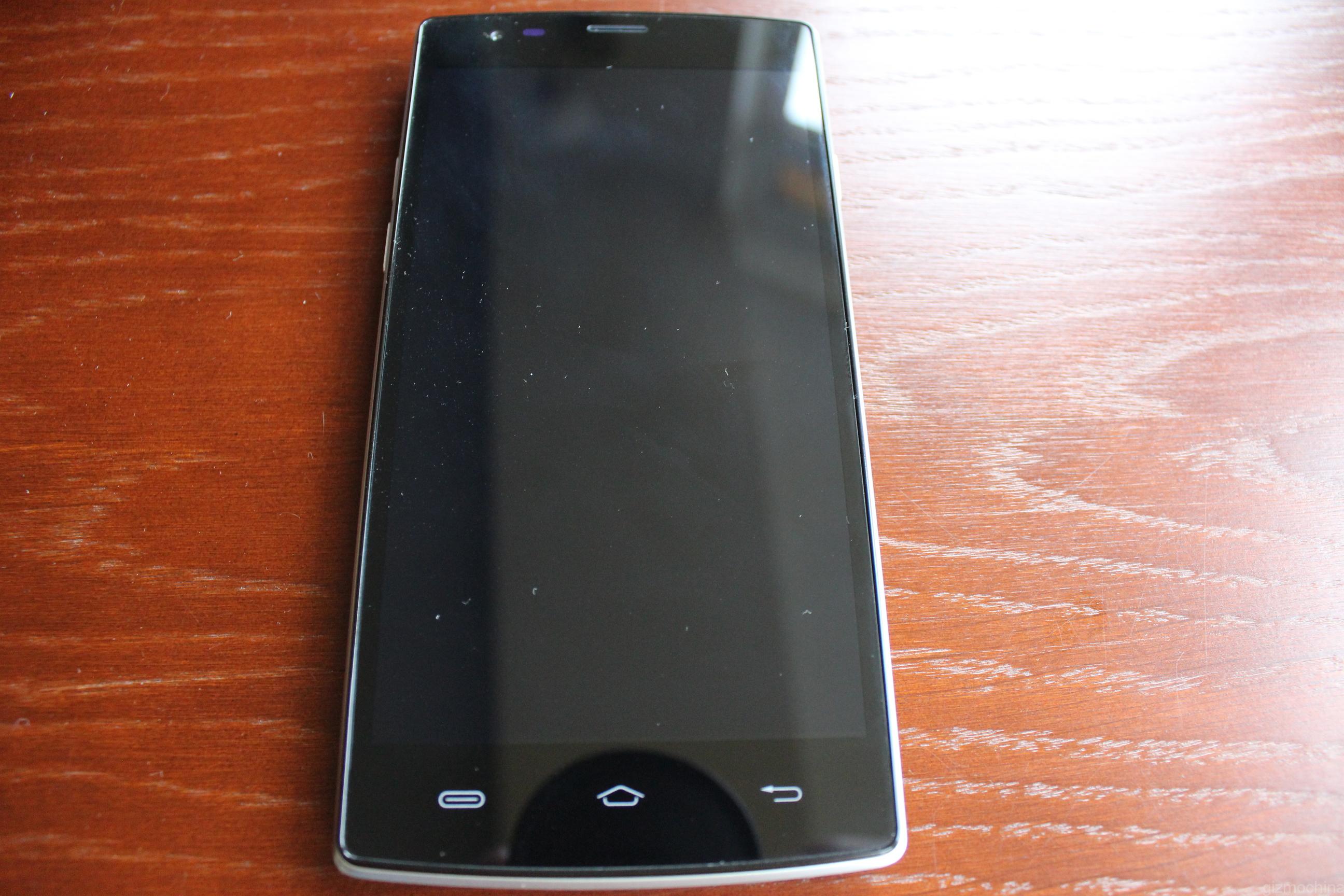
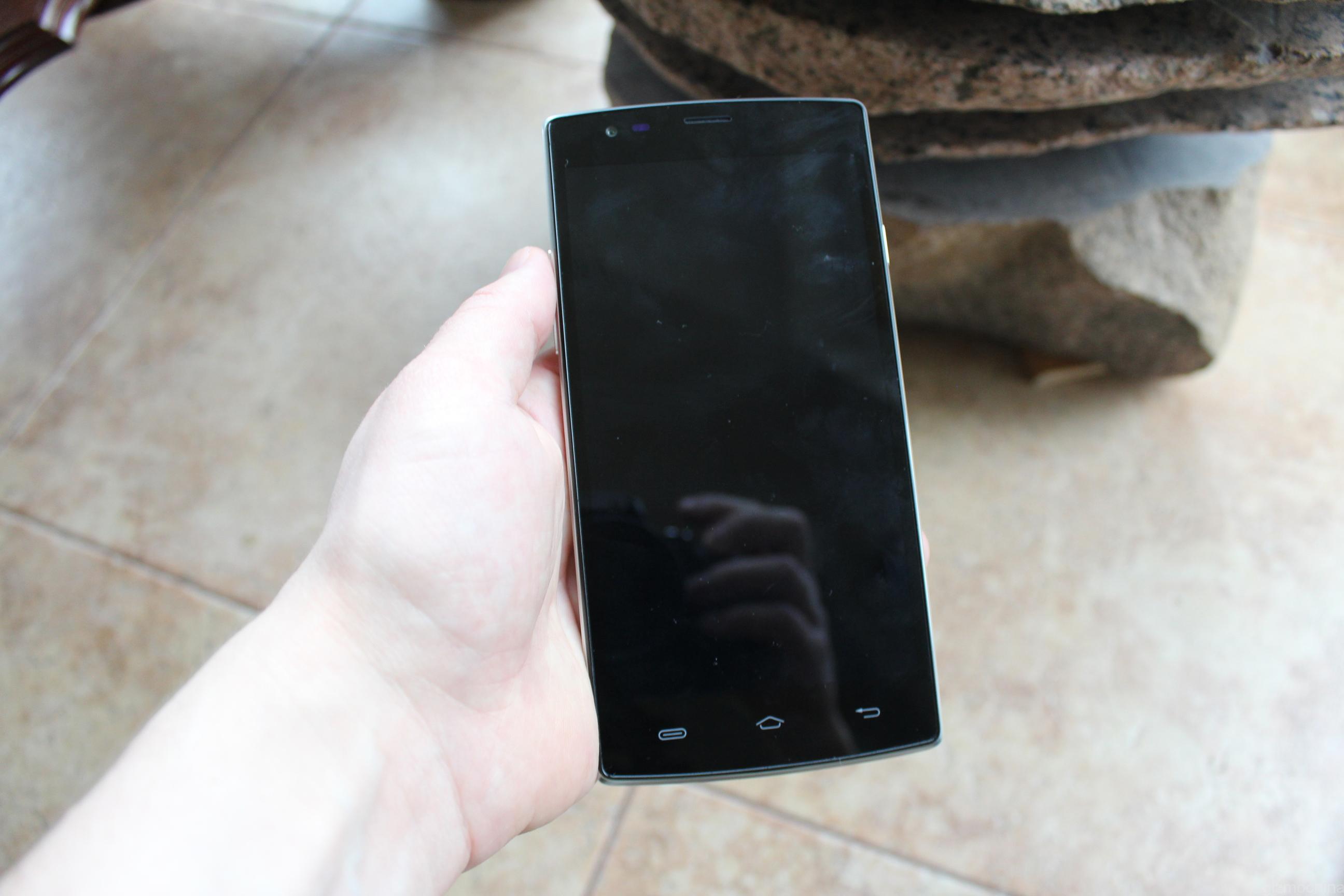
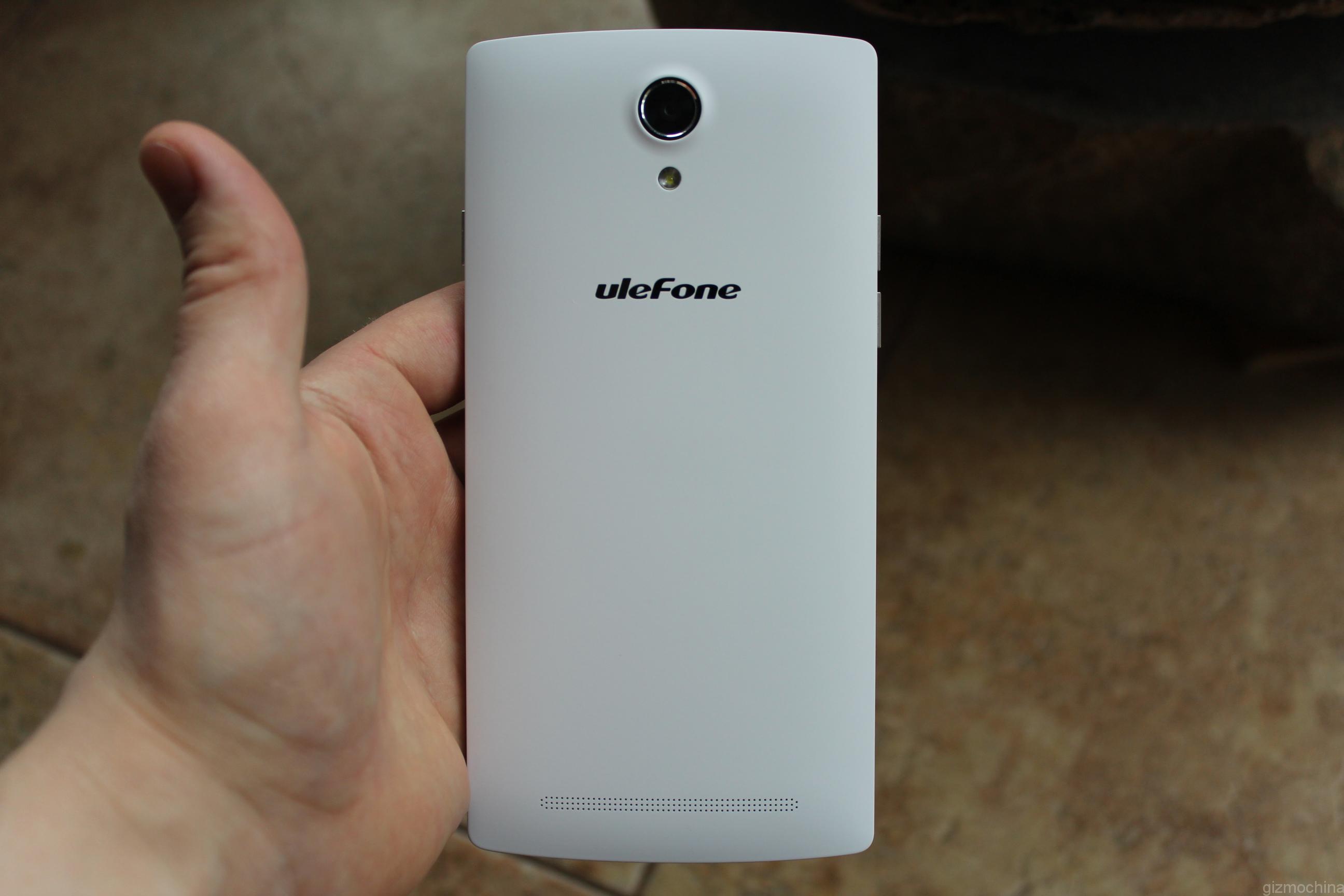
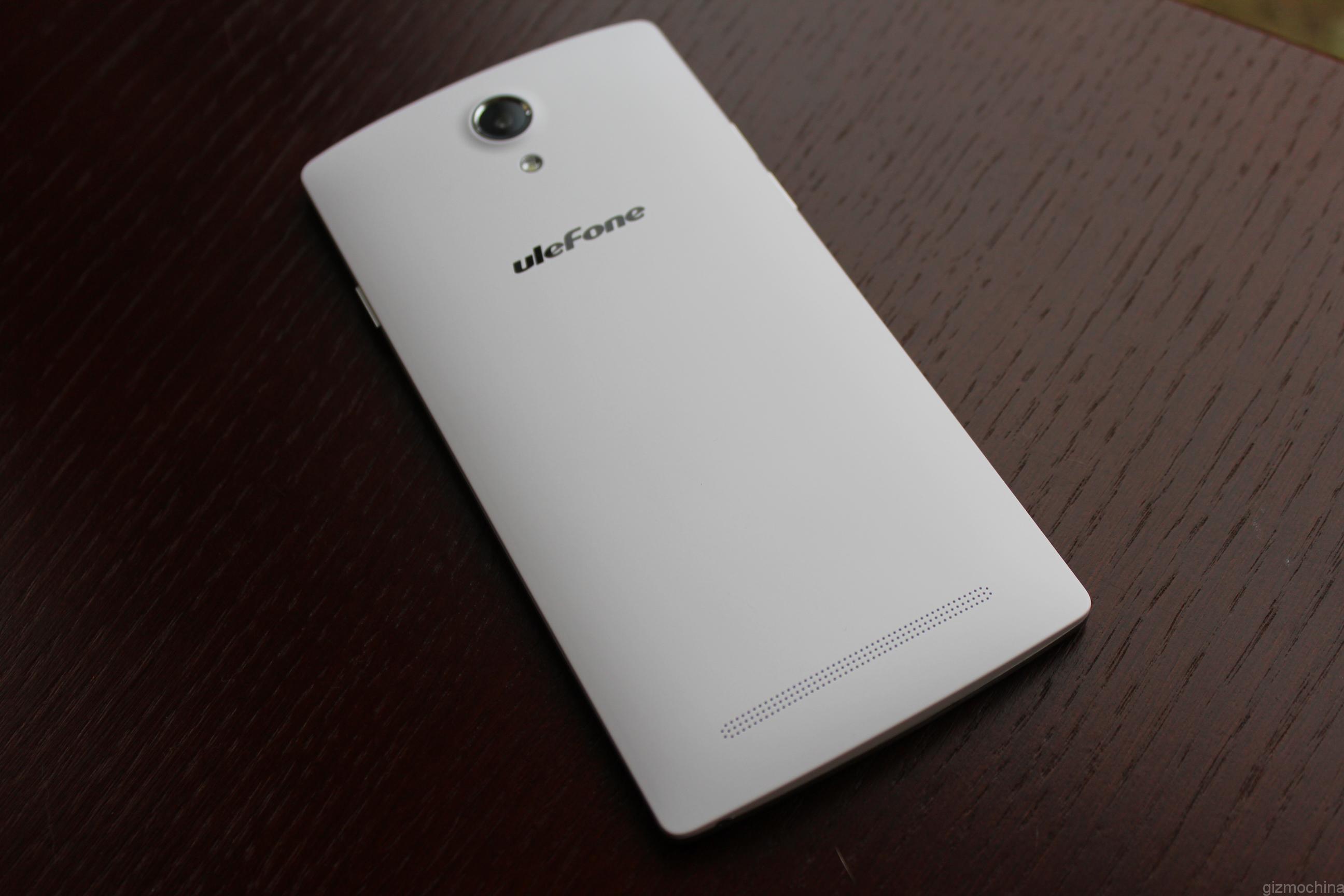
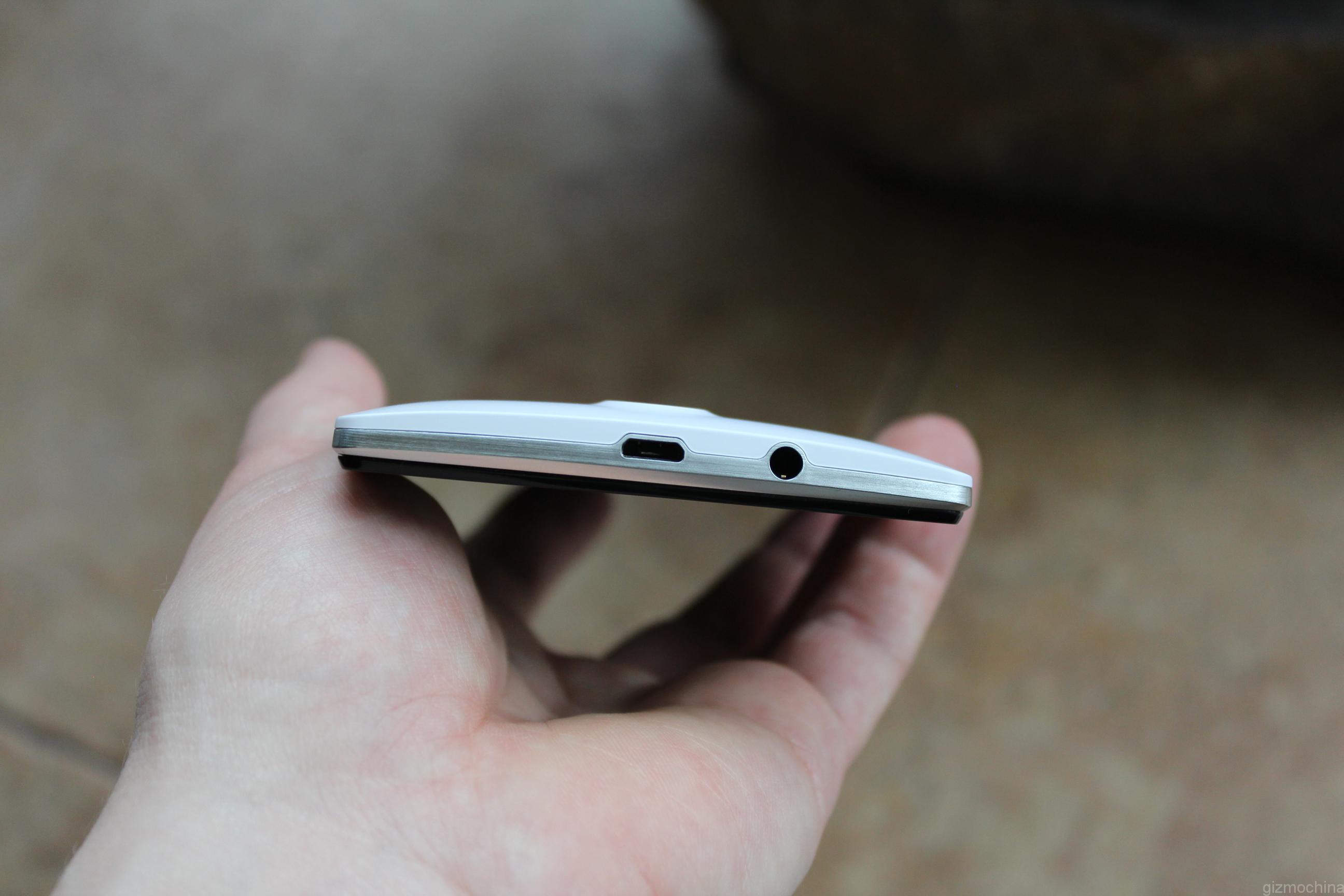
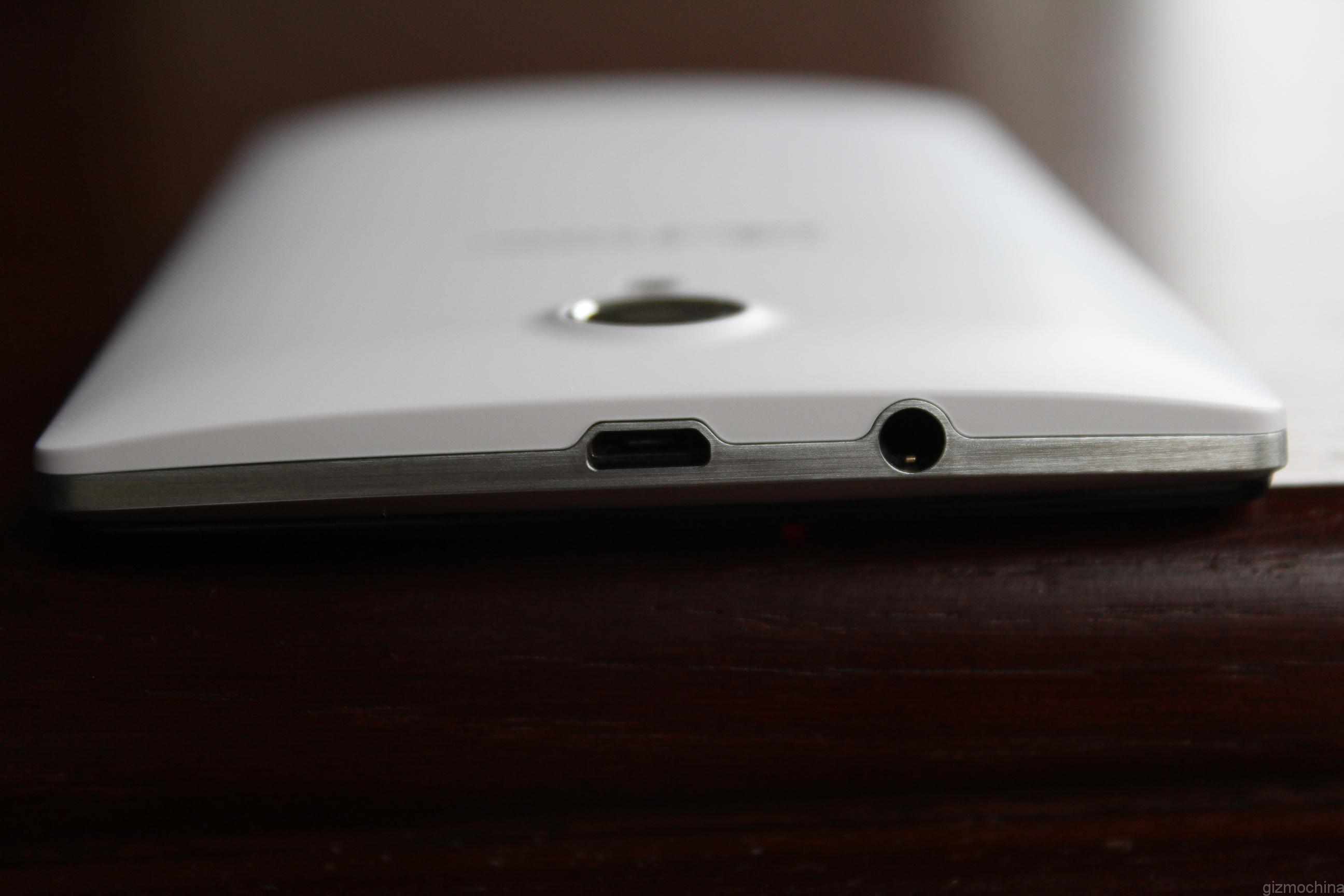
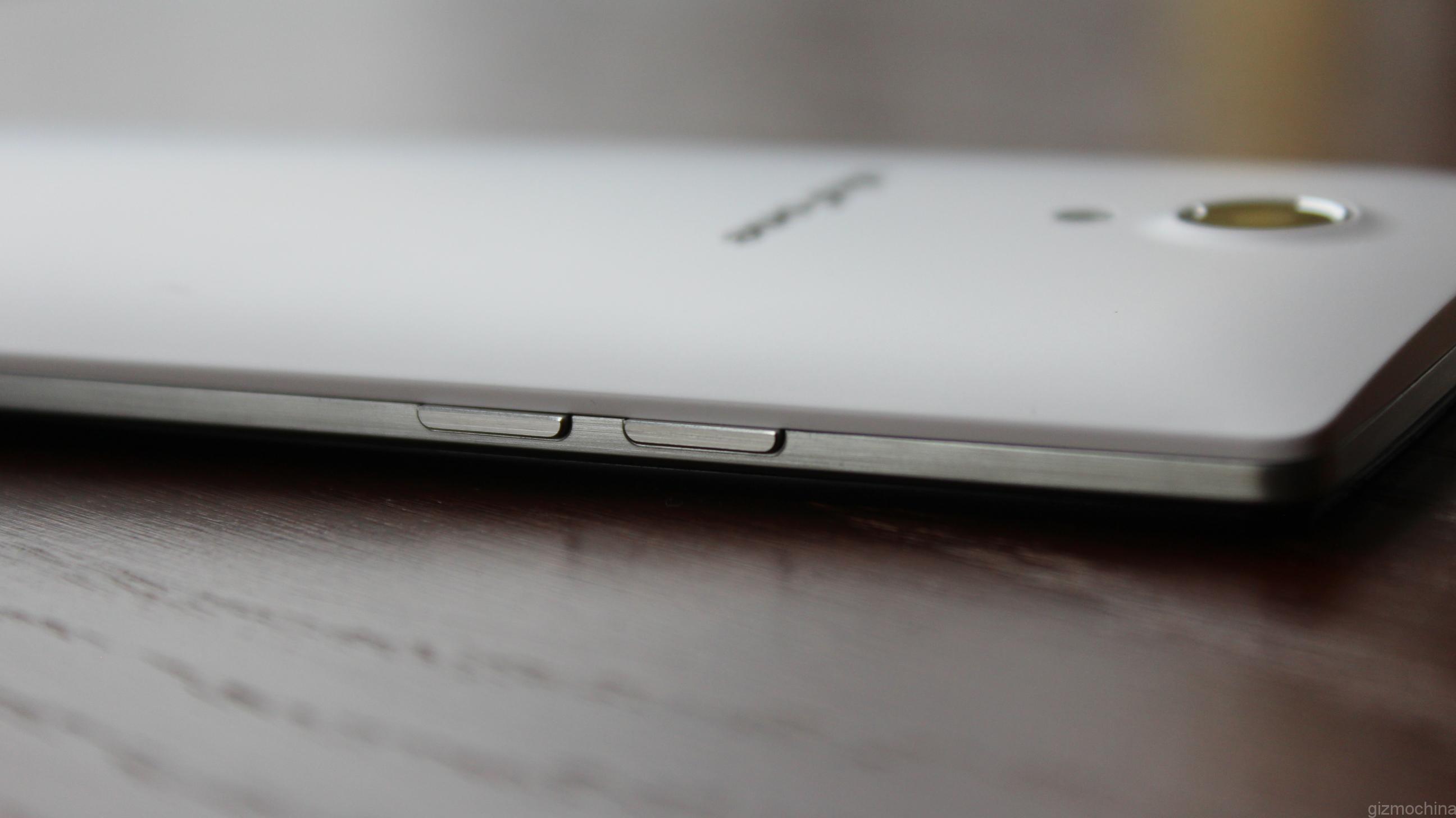
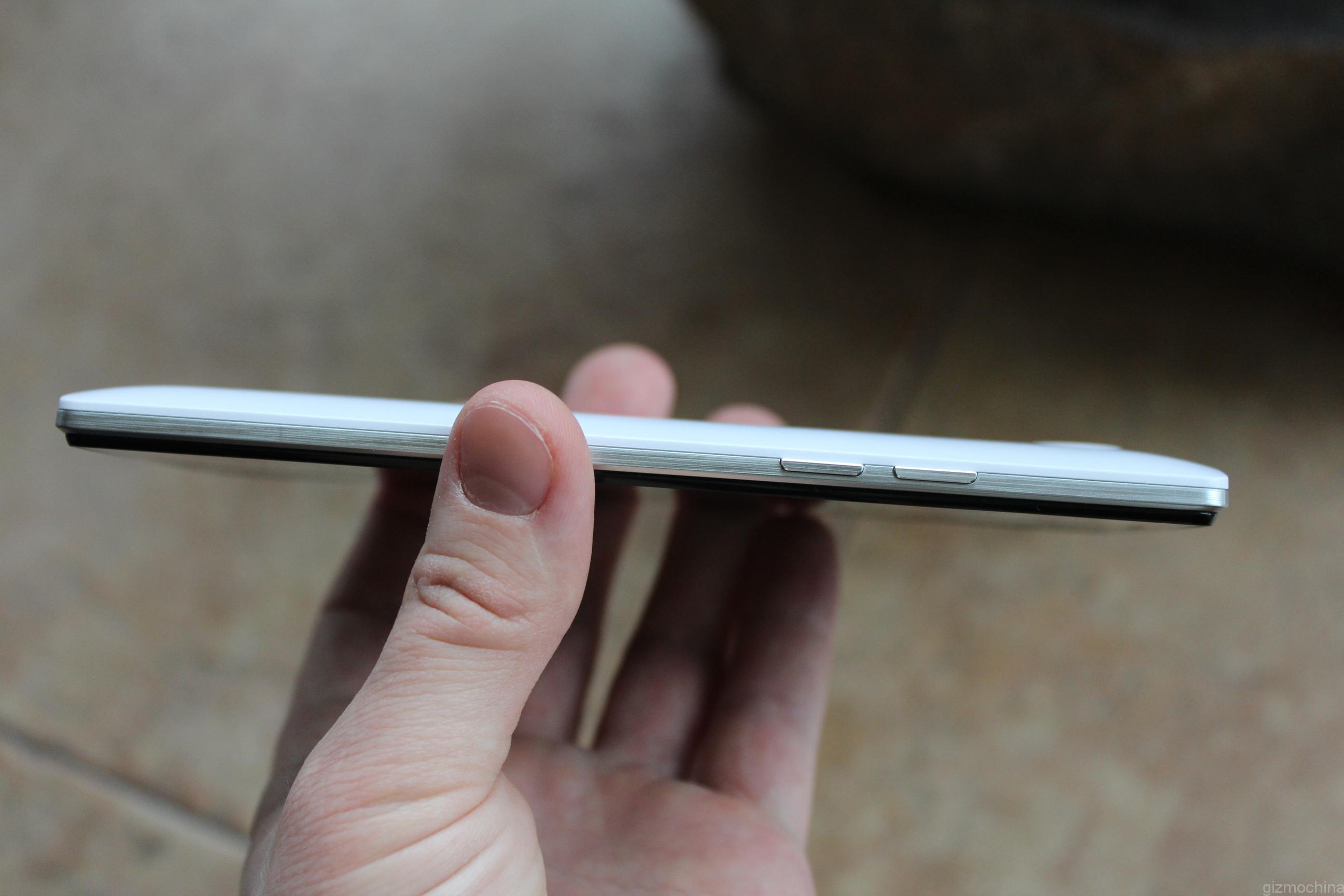
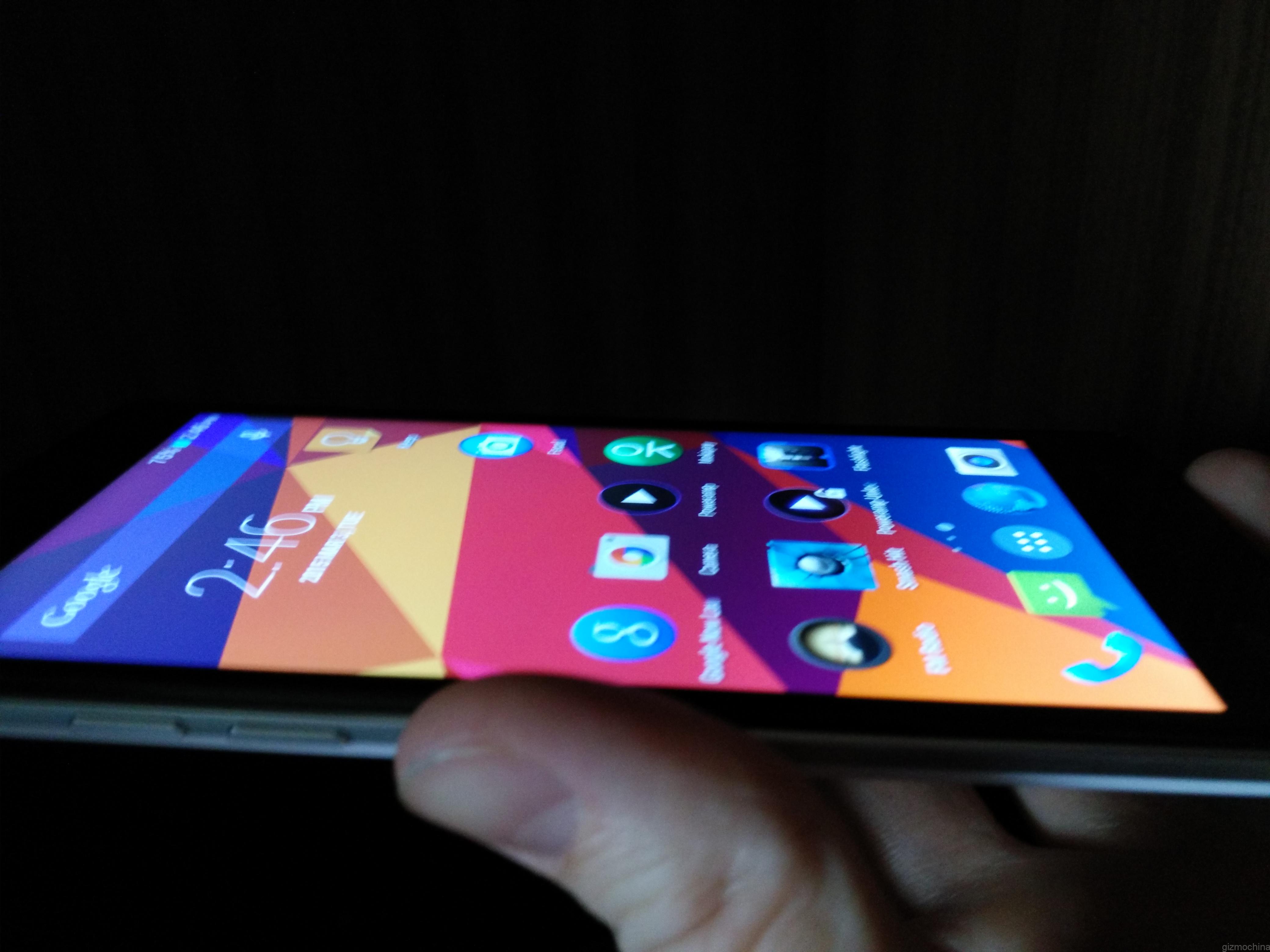
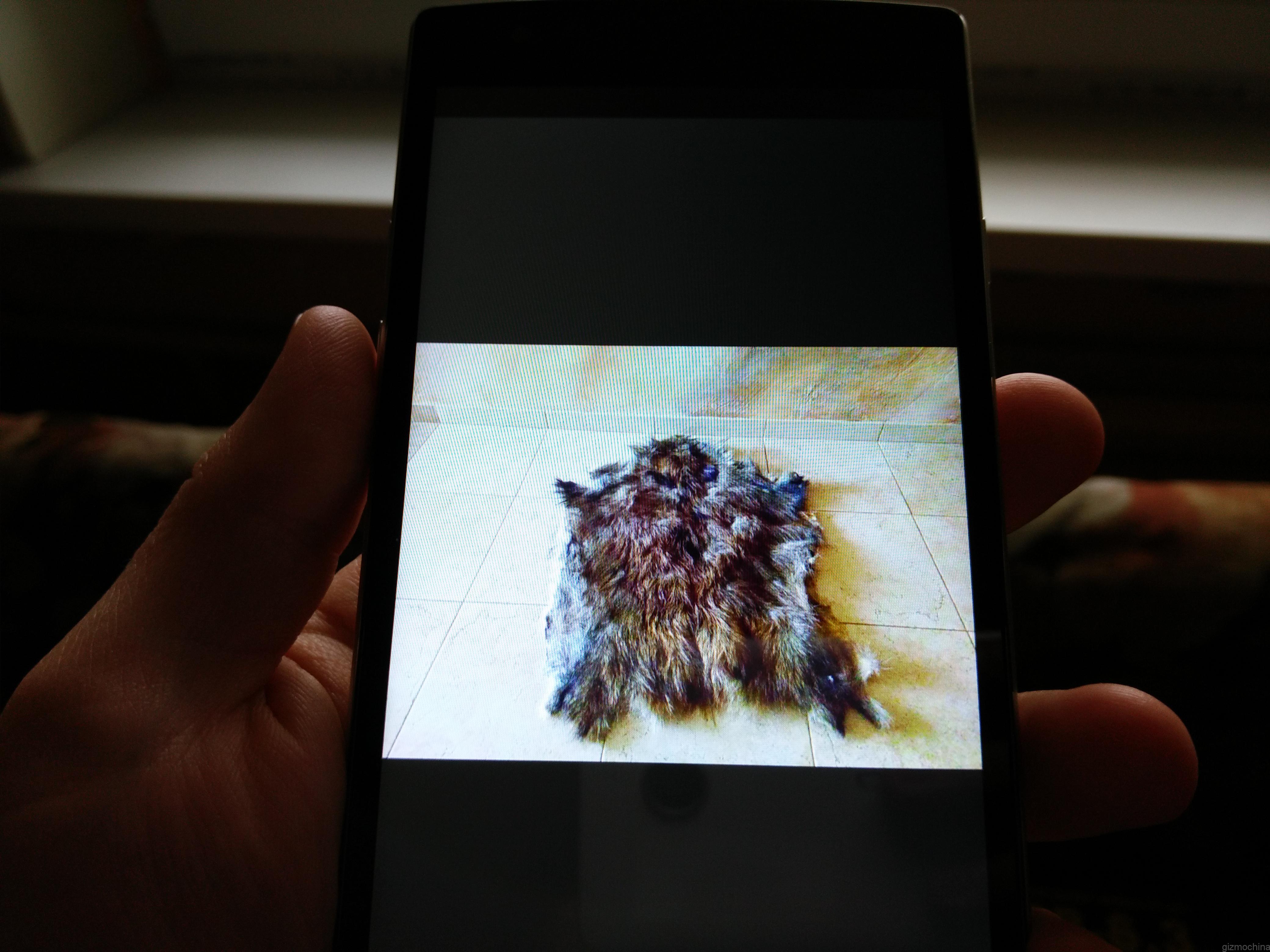
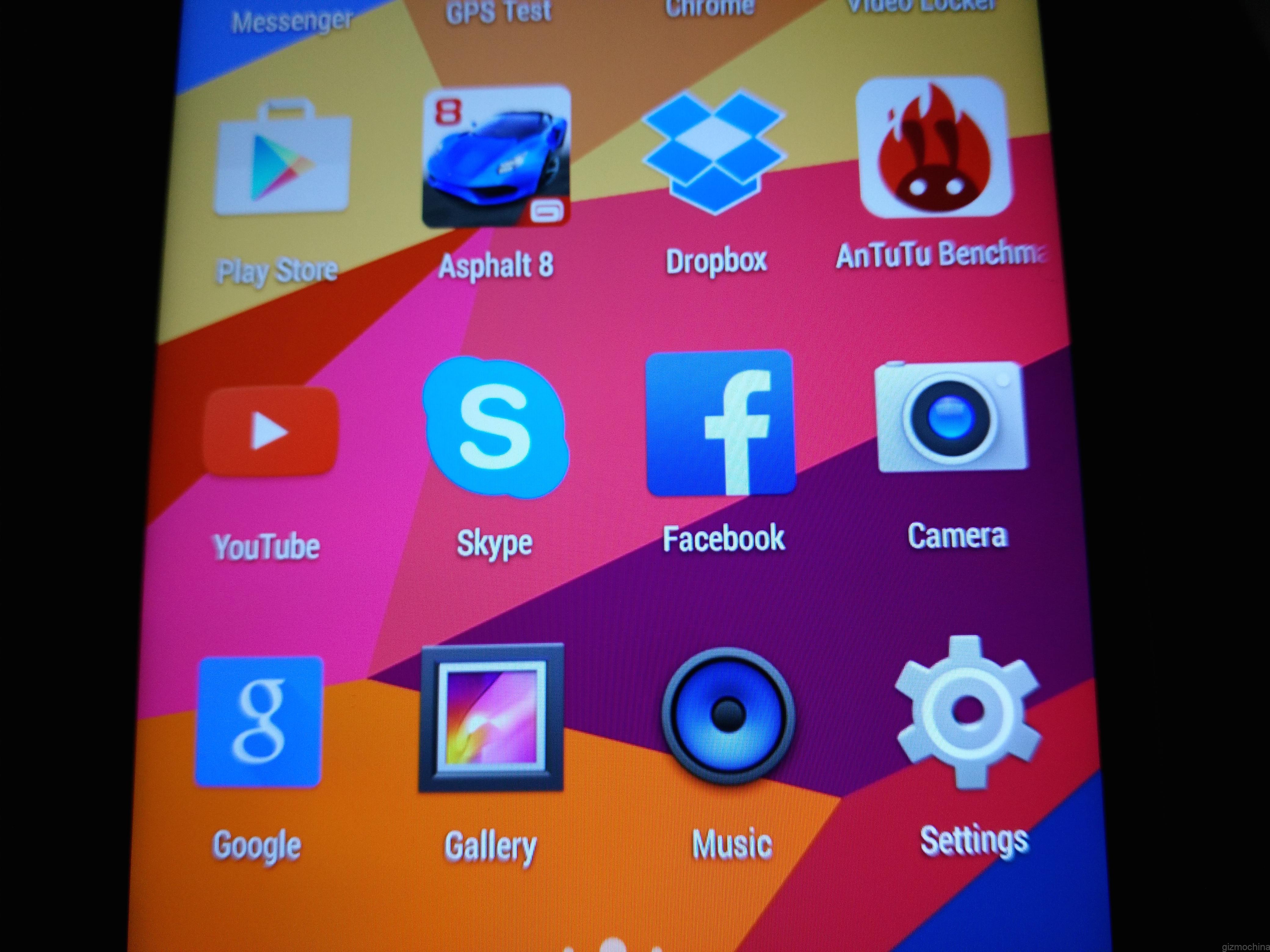
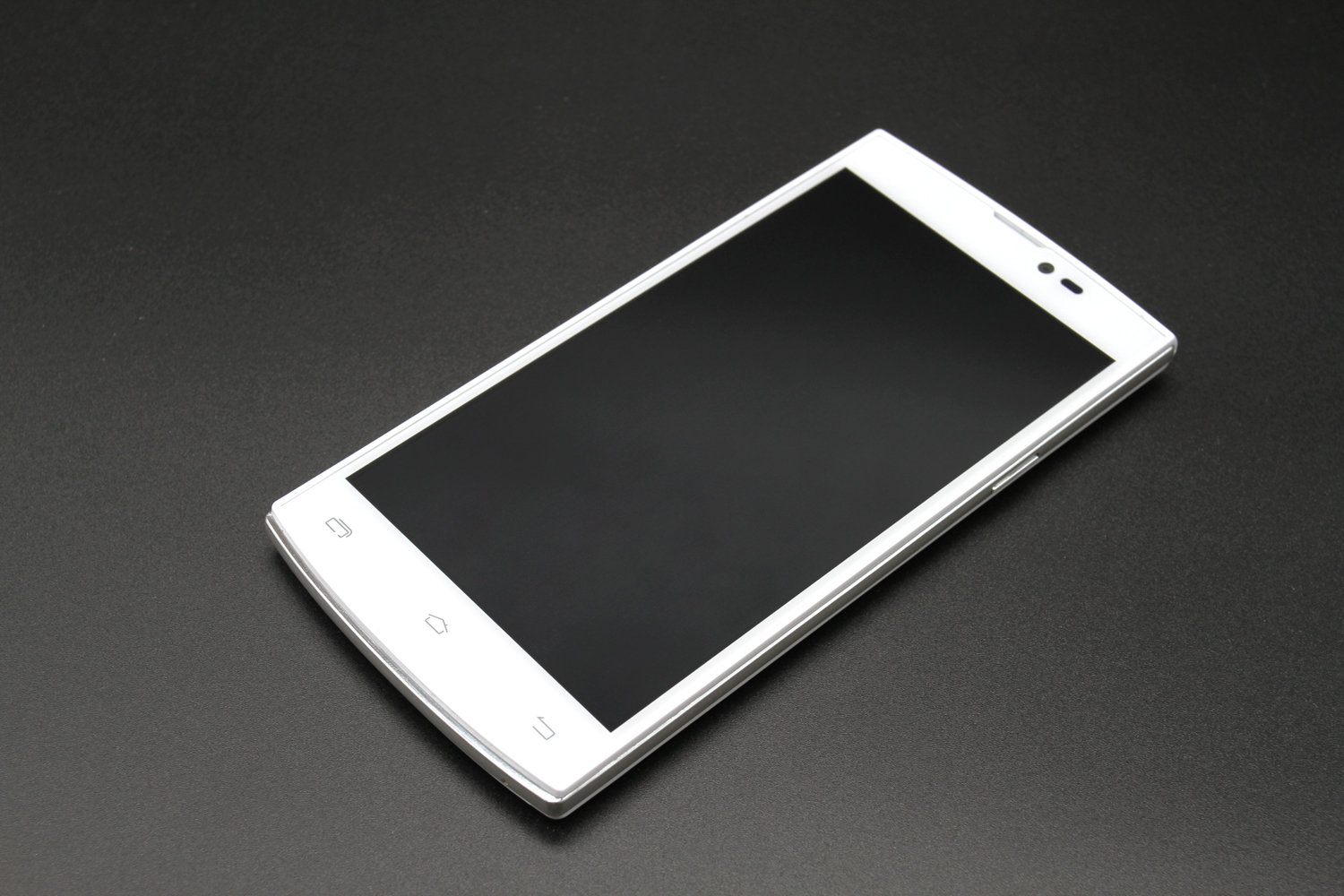
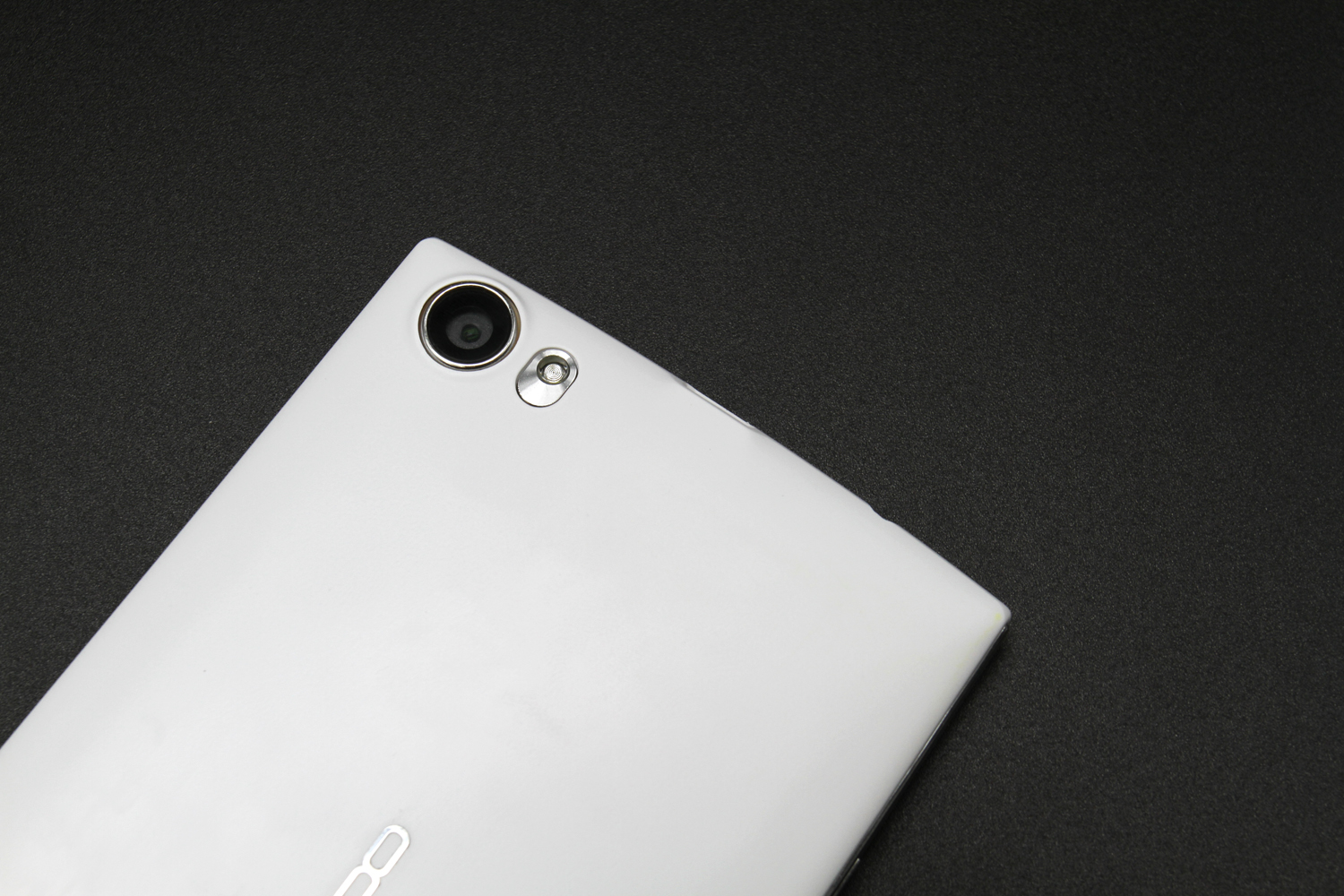
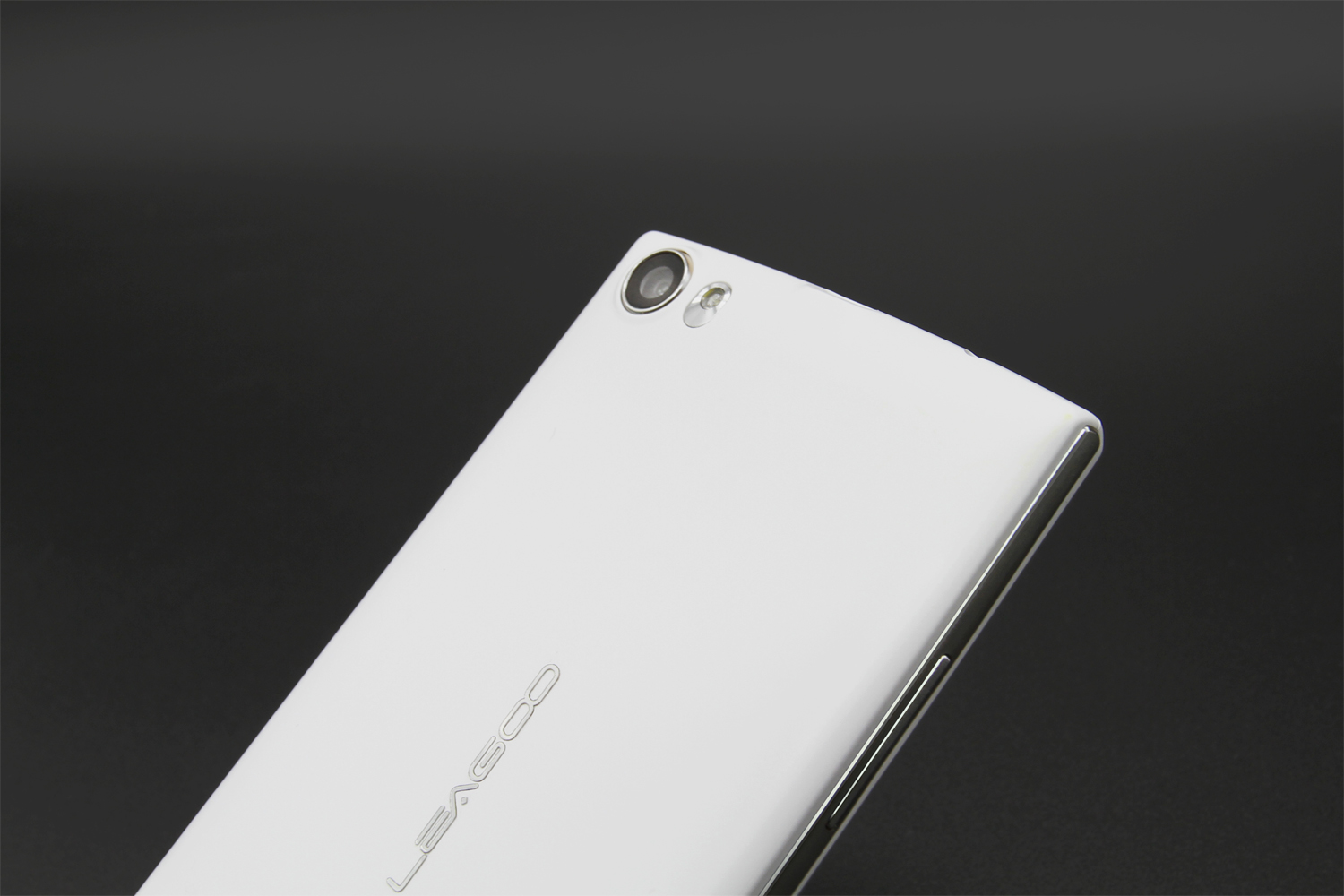
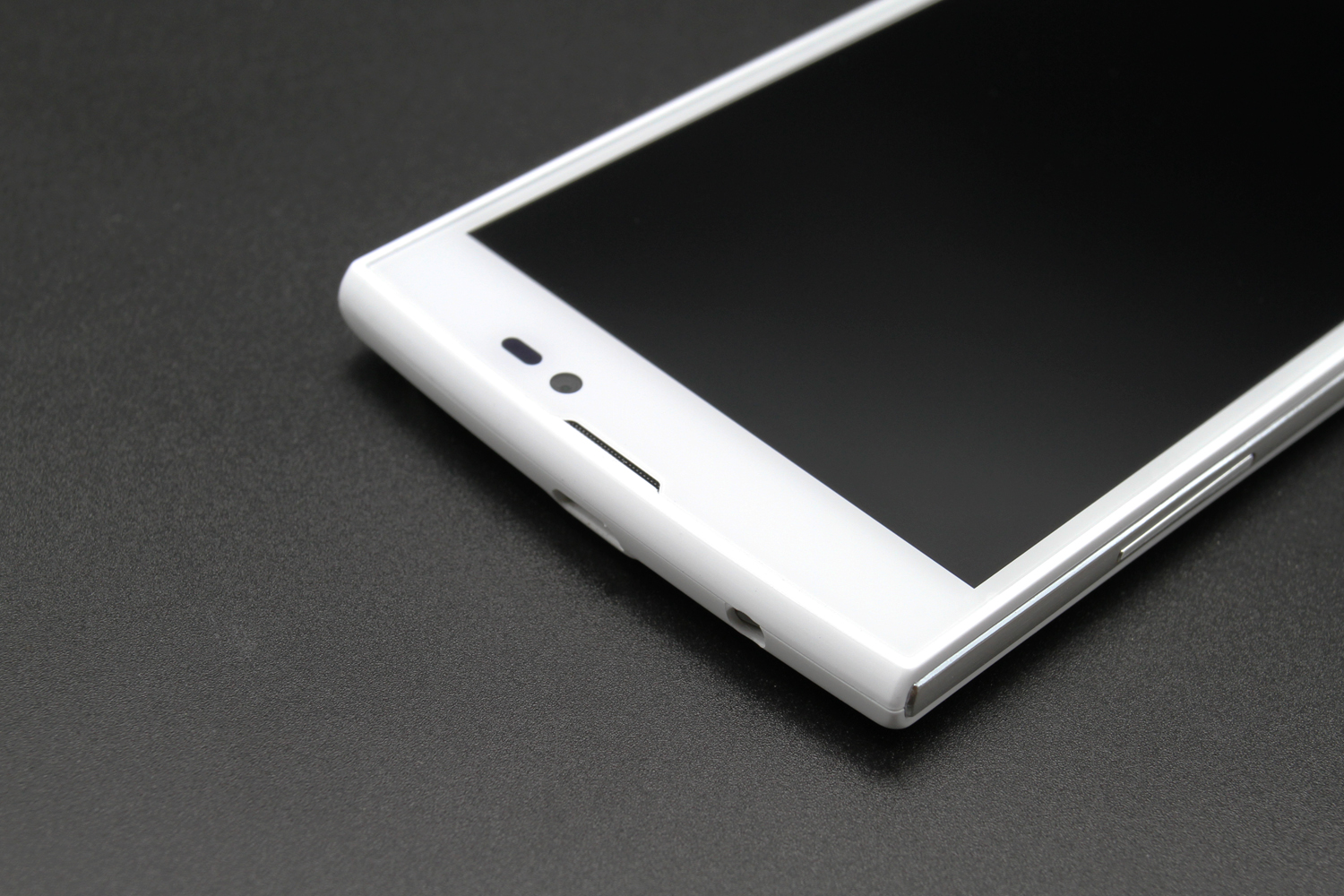
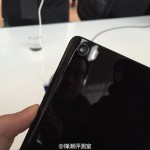
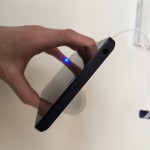
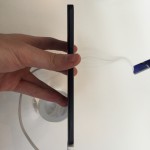
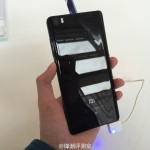
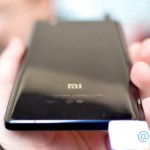
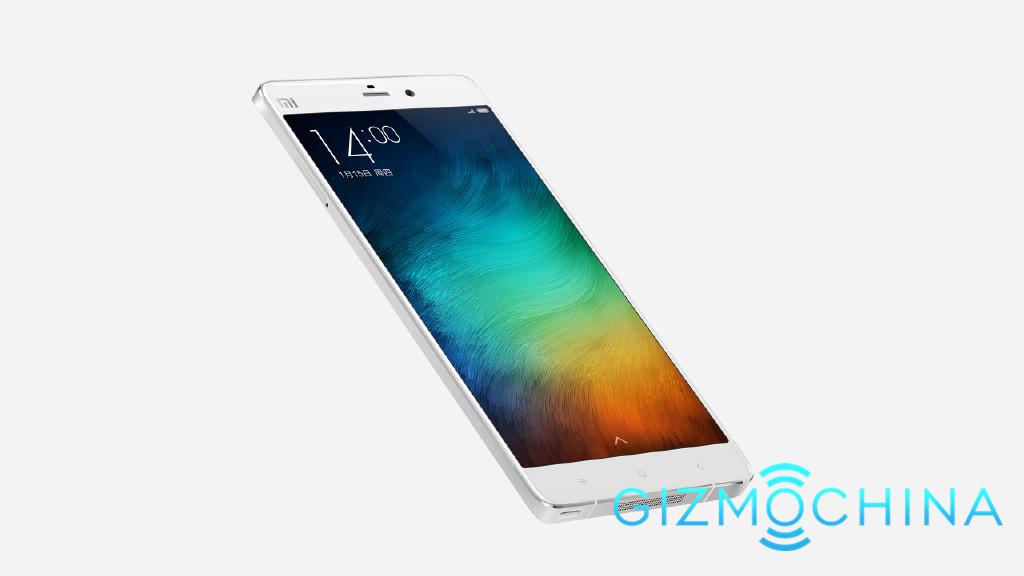
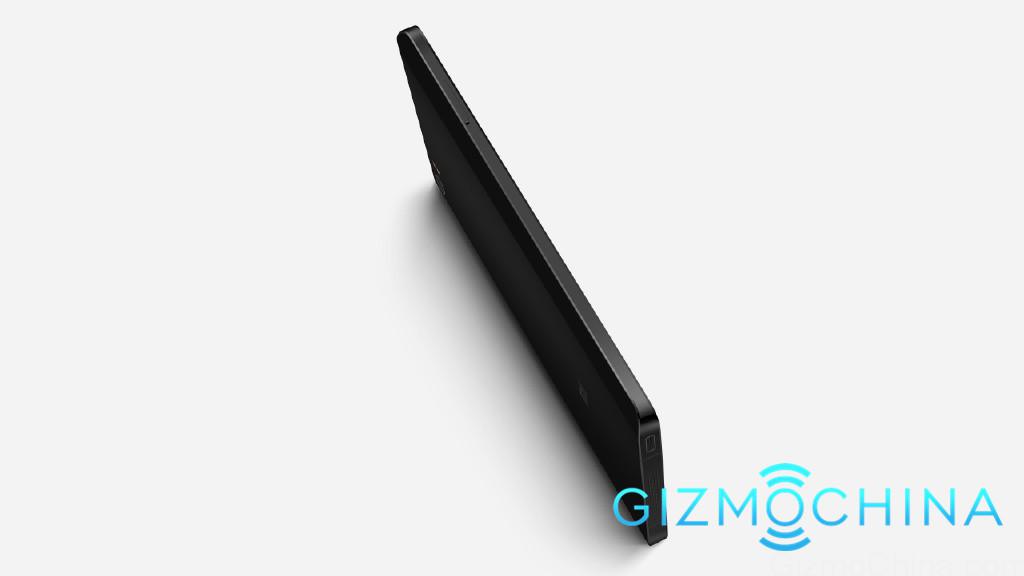
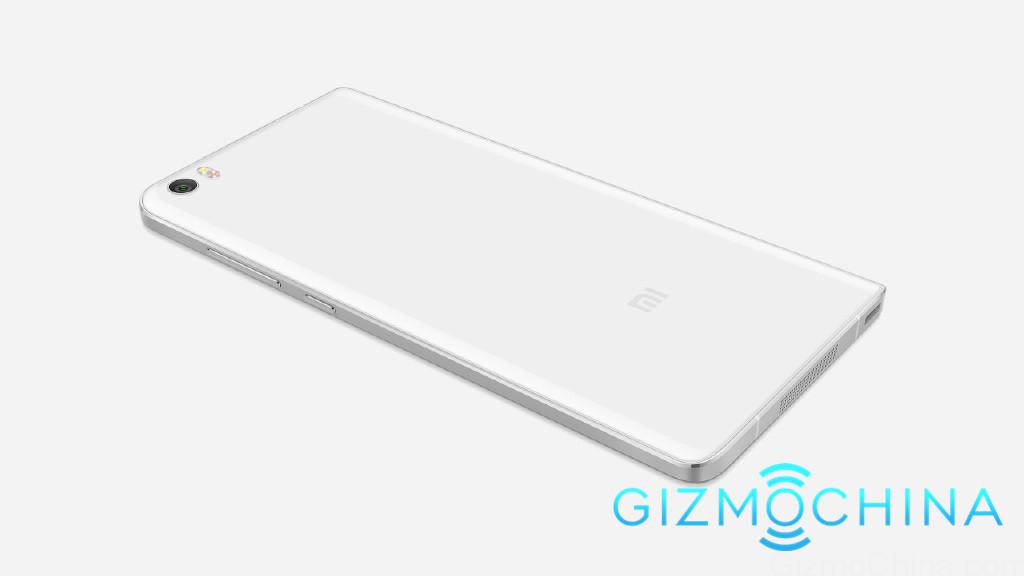
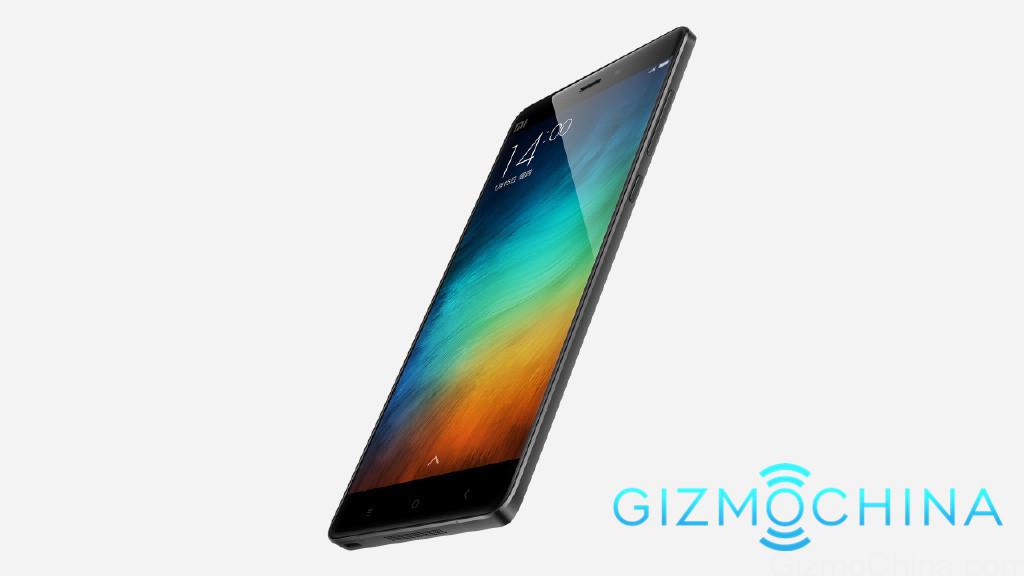
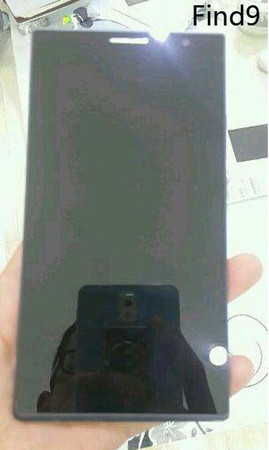
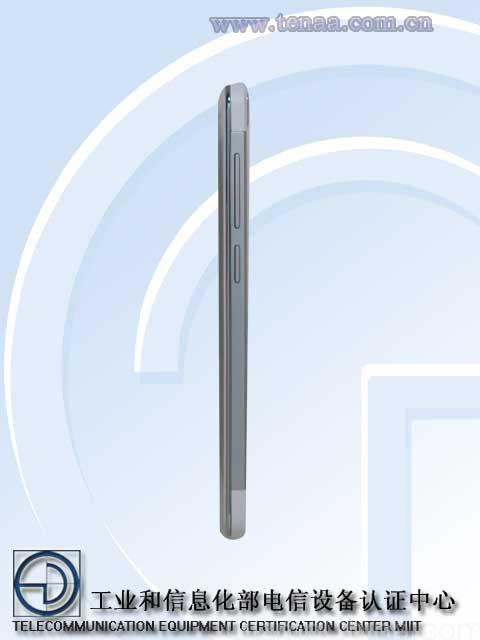
OPPO has been making the headlines for the past few days, thanks to the number of rumors and leaks that we have seen recently. But they have been mostly about the company’s upper mid-range devices and not flagships. However, a new image recently cropped up online claiming to the upcoming OPPO Find 9, which could be the company’s next flagship device.
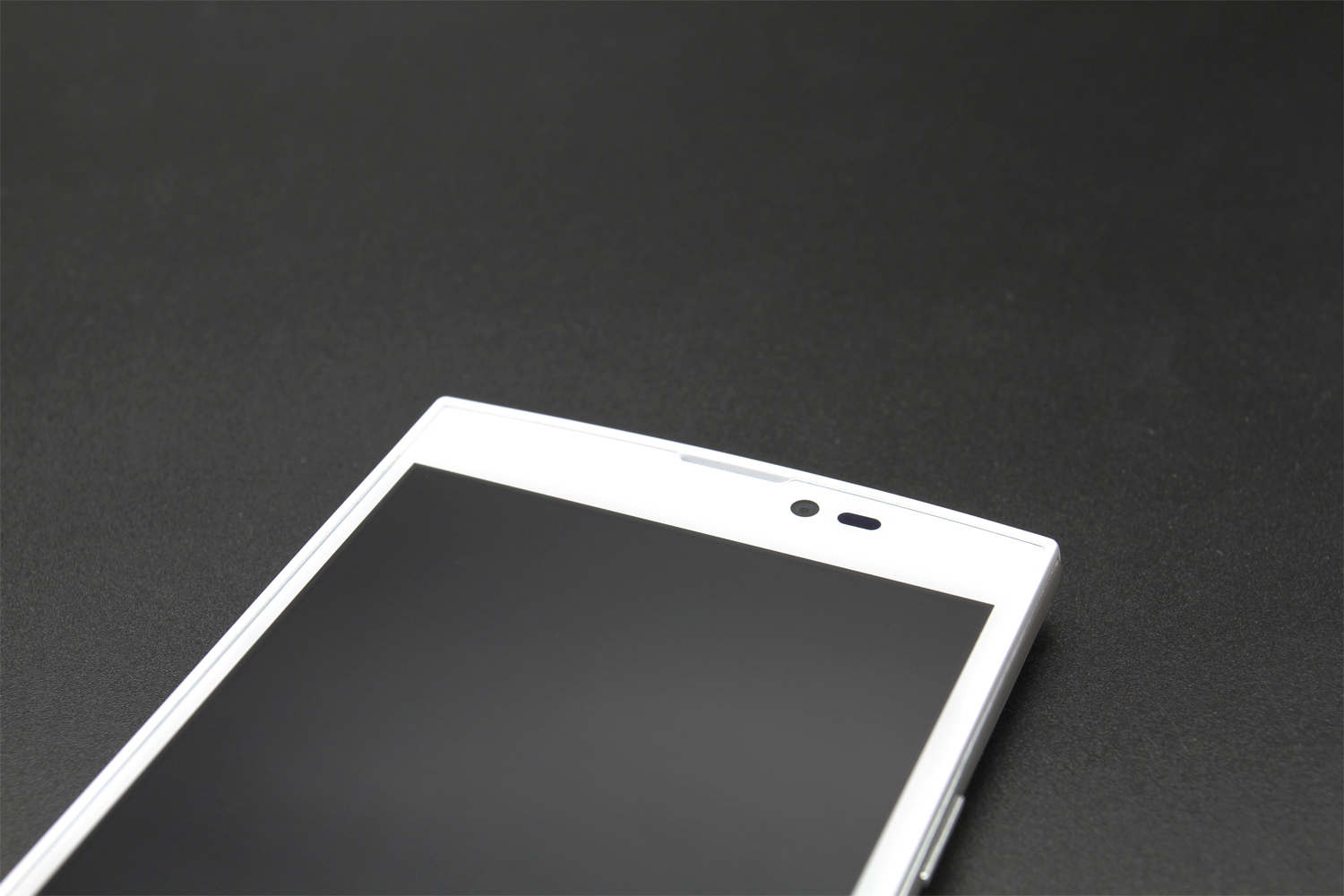
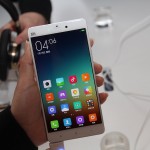
The source reveals a phone with a large display,with the ear piece and the sensors too close to the top edge. So, the display could be covering a large portion of the device, making it nearly borderless.
The phone features a similar design profile as the Find 7, however its more flat and the display also covers a larger proportion of the overall body.
Unfortunately, there is nothing in the picture that says its the upcoming OPPO Find 9. Also, as of now, no technical specifications of the device have been leaked till now. So, as always, we will advise you to take the news with a pinch of salt.
We’ll keep you updated if any more specs details or images turn up online, but until then, its safe to assume that this news is probably fake.
Back in December, Xiaomi and Midea entered a strategic partnership to develop smart home products for the consumers. Now, first reports are coming in which says that the two companies will jointly unveil its first product, a smart Xiaomi Air Conditioner later this year.
For those who haven’t heard of Midea, it is a privately held Chinese company specializing in electronic consumer products. Xiaomi and Midea’s partnership could give birth to a new range of smart connected devices in China. In this regard, it is said that Xiaomi sent out its specialist engineers to work with Midea’s team to develop and finalize on a smart Air Conditioner.
On a traditional AC, you have to manually set the temperature, wind speed, and other functions. However, in this new range of smart ACs, everything will be automatically set according to your preset preferences and surrounding conditions. So, things like temperature, wind speed and humidity controls will be automated.
One of Midea’s lead engineers, Zhu Liang Hung said that Air Conditioner is just one part of the picture. The joint partnership will result into a number of new products including smart washing machines, air purifiers, humidifiers and even refrigerators.
Clearly, Xiaomi is advancing into newer product categories and may soon have a wide range of product portfolio under its belt.
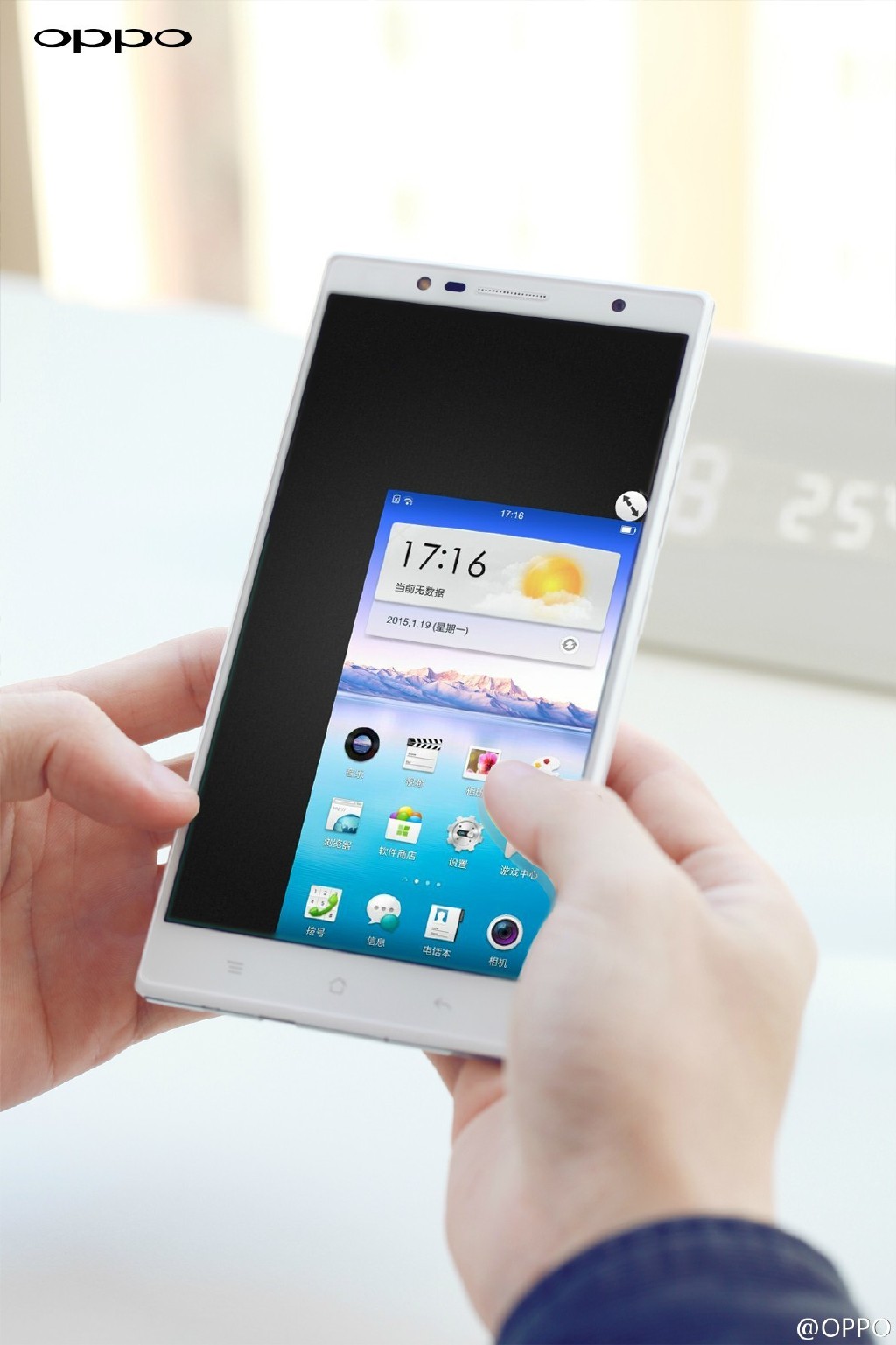
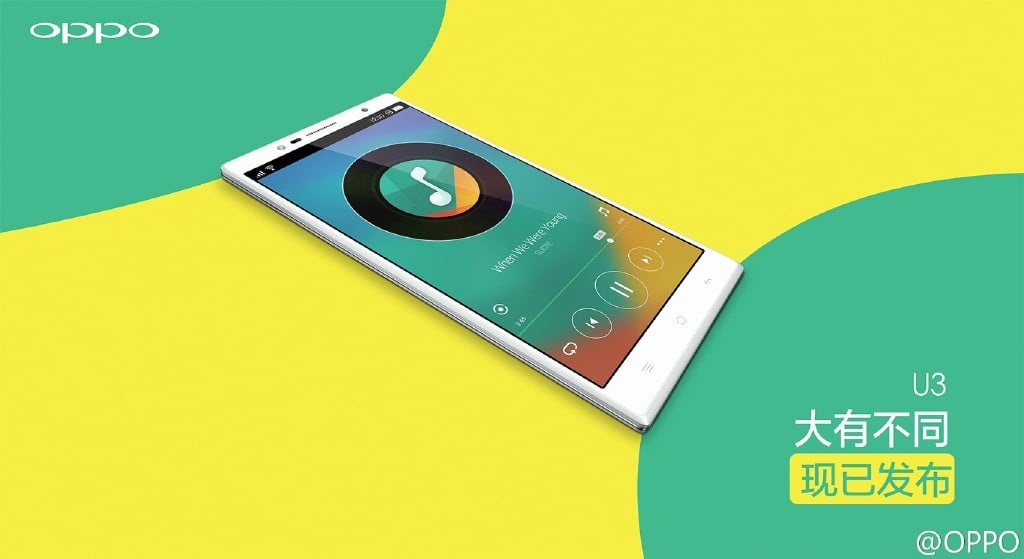
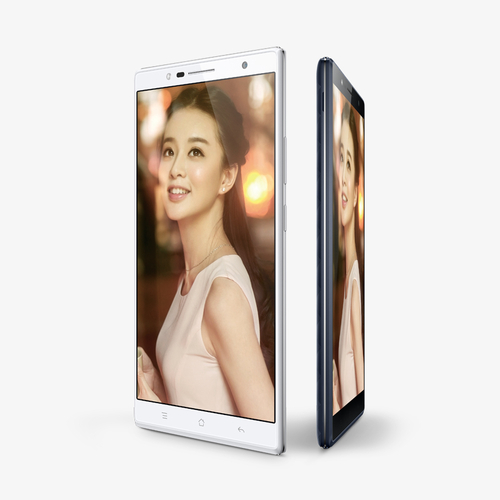
A few days back we had revealed that OPPO is working on a giant phablet that will be around 6-inches in size. At that time, we expected it to debut alongside the full glass OPPO R1C. But the company has finally made the OPPO U3 smartphone today and its (almost) everything that we predicted it to be.
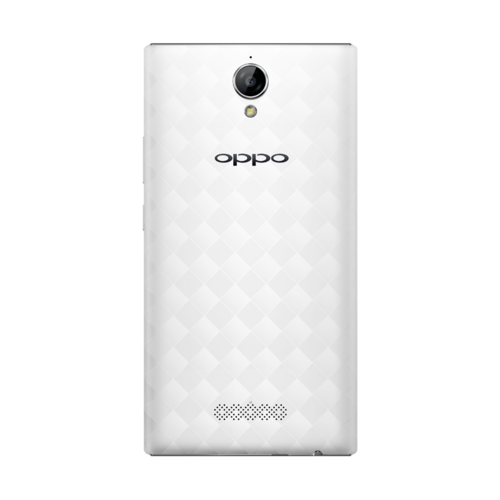
The phone was seen in pictures way before it was launched and the official images reveal the same design as seen in the previously leaked images. The U3 borrows some of its design aspects from the R1C, so you have the same diamond cut technology used on the device, but without the glass panel. Nevertheless, the phone looks pretty solid and well built.
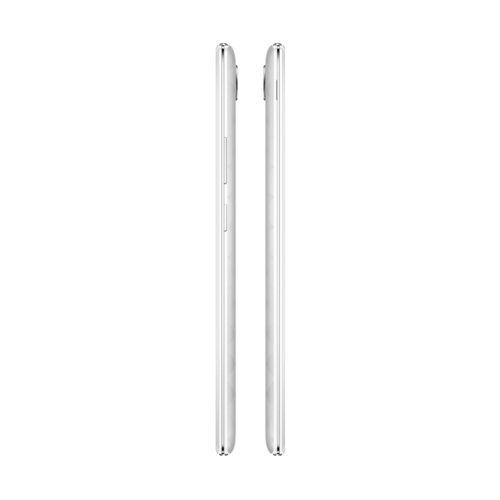
Coming to the specifications, the OPPO U3 will come with a large 5.9-inch display with a resolution of 1920 x 1080 pixels. Given the size of the display, the OPPO U3 covers almost 75% of the phone’s body. This makes it’s overall size comfortable with measurements 156.8 x 81 x 8mm despite its large size.
OPPO has made sure that the U3 boasts of a good camera. The phone comes with a 5MP front camera with wide angle lens, ideal for group selfies. Moreover, the front shooter can add professional soft fill light to make things more camera friendly. The rear camera is a Sony IMX214 sensor which can take photos up to 50MP in resolution by using interpolation. There are a ton of other camera features as well such as night mode, ultimate beauty 3.0 and slo-mo video playback at 120 fps. Unfortunately, no 4X optical zoom as rumored earlier.
The leaked pictures revealed headphones alongside the U3, which we thought hinted at some audio friendly chip for better output. Looks like we were true as the company has incorporated the AK4961 audio chip which delivers hifi audio output, so the phone will definitely attract a lot of music lovers. Finally, the device has the VOOC fast charge feature which achieves up to 75 percent charge in just 30 minutes!
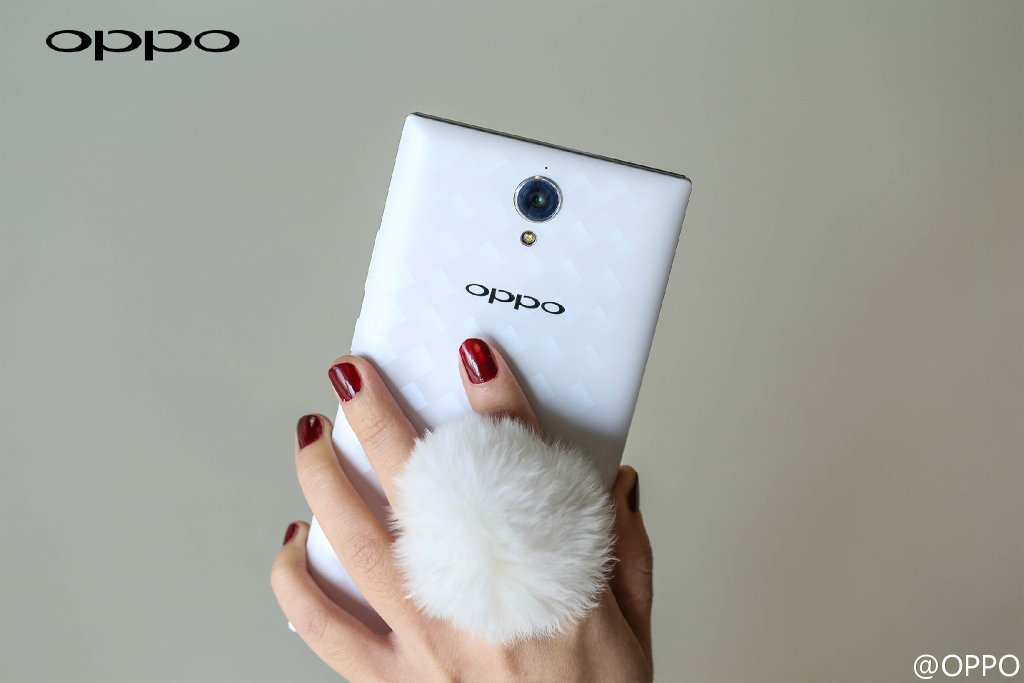
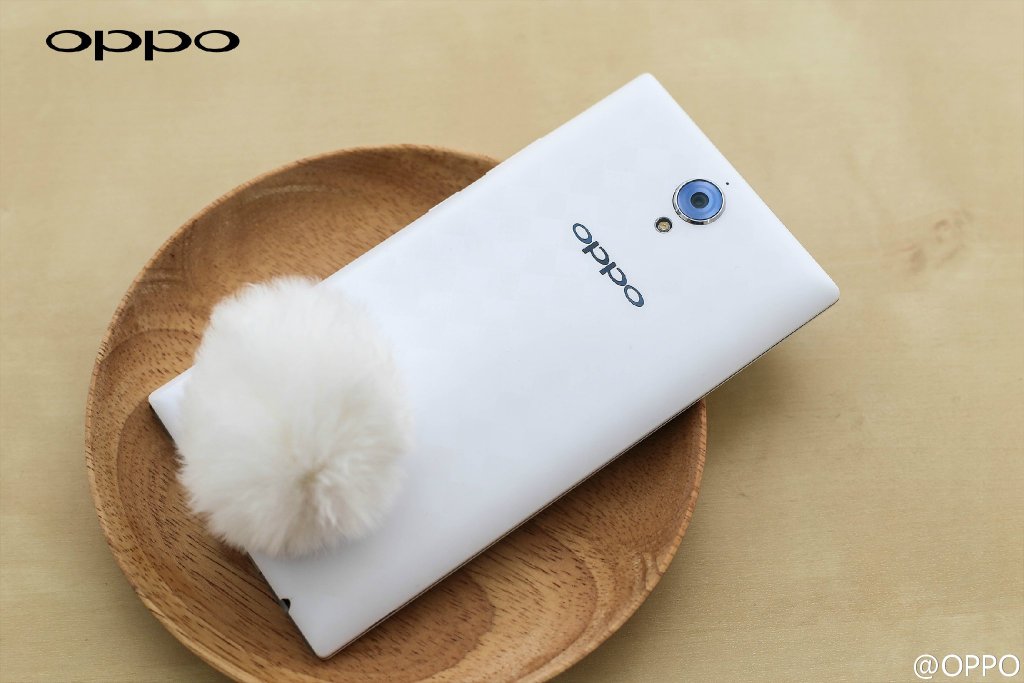
OPPO U3 Rabbit's Tail case
1 of 2
The company has unveiled a special case for the OPPO U3 which is called as the rabbit’s tail. This case has a white furry ball attached to its rear cover, which looks like a rabbit’s tail (hence the name!). As it is attached to the device, the cover makes it easier for the user to hold and operate the 5.9-inch U3. There are certain software specific features as well which will make it easier to use the device, even with one hand.
The company has made the device available in two colors – dark blue and white, however we still don’t know OPPO U3’s price. But expect more details soon.
A long time back, the Finnish giant Nokia had announced a brand new Nokia booklet 3G laptop. At that time, the company was almost at its peak and it was only natural to expand into newer segments. However, the company didn’t do so well in the later years and it was eventually sold off to Microsoft last year.
However, Nokia is not dead. At least not yet. The company released a brand new tablet called as the Nokia N1 which has received tremendous response in China. In fact, in its second flash sale, the tablet went out of stock within minutes.
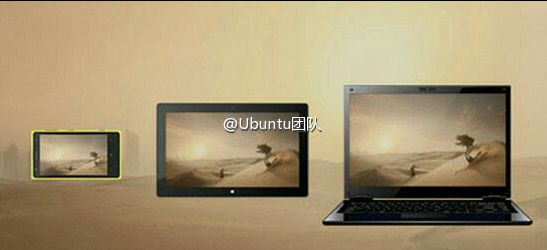
Now, a new image has cropped up online showing off a new Nokia laptop. While the source doesn’t reveal any specifications or release details of the device, it is said that the device will be soon listed for sale along with the long rumored Nokia smartphone (C1?) . Also, the device will be red in color and will sport dual OS, probably Windows and Android.
The leak just reveals a poster with three devices, a Nokia smartphone, the recent N1 tablet and a laptop. Unfortunately, that’s all that we can take from the leak. No leaked specs, features or release dates.
Also, its quite hard to believe that a new Nokia laptop is coming just on the basis of one picture. So, how much ever you may want to believe this, make sure you take this news with a pinch of salt.
We’ll keep you updated if anything more concrete comes up.
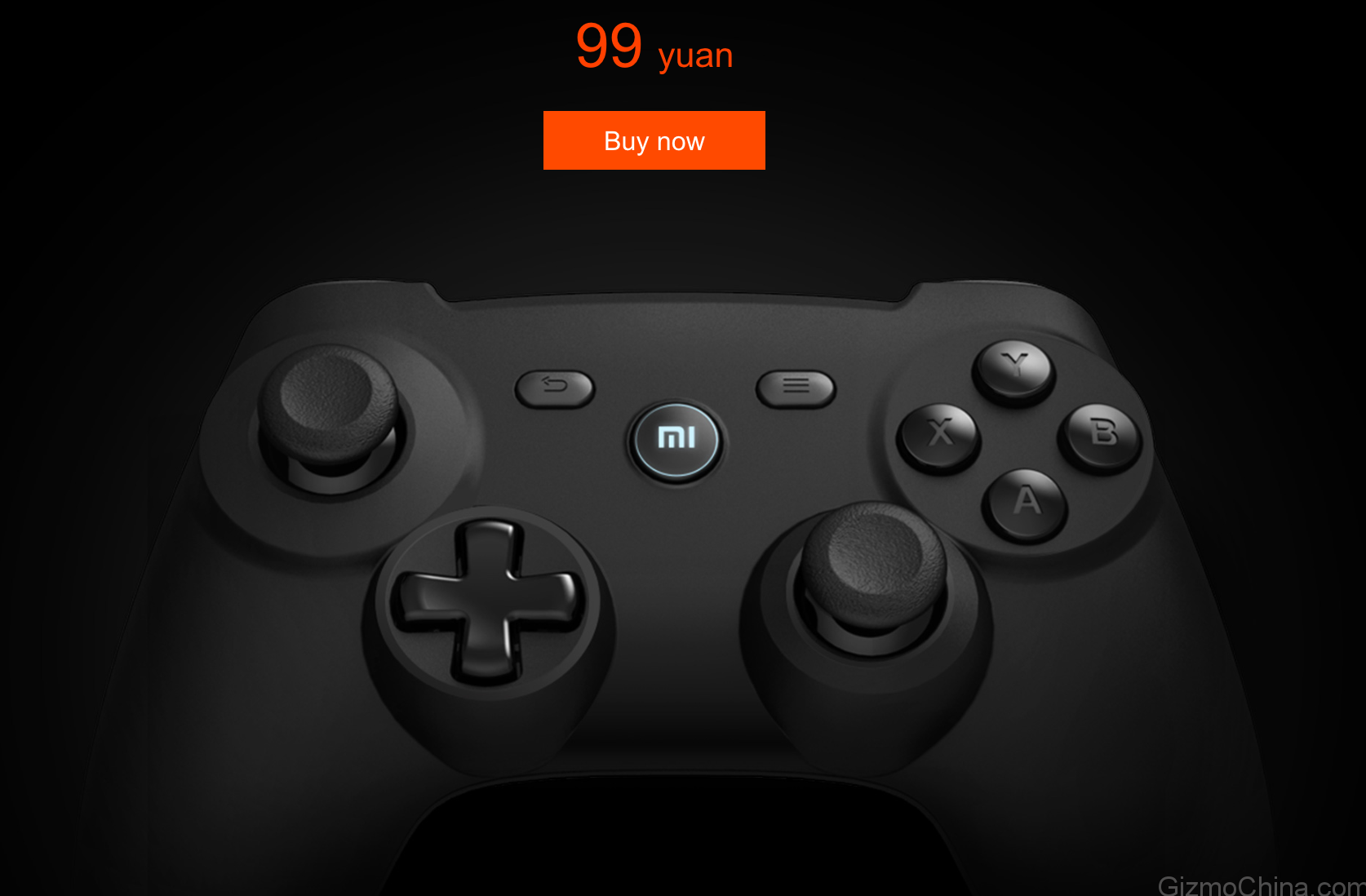
There have been some talks in Chinese blogs and forums as well as some teasers by the company itself that it will release something on January 20th that will “Vibrate and feel good”. It seems that this vibrating device is a bluetooth game controller, which carries an amazingly low price tag of just 99 Yuan in China.
The Xiaomi asserts that this device has a very ergonomic and comfortable shape whereas the shell is made of the tough material manufactured by Samsung. It is claimed that the remote controller is made using the same quality manufacturing process as Sony PS4 remote. What is more, the shell material including the the buttons is made with a heavy gamer in mind, meaning that it is scratch and sun light resistant. What is more, a special coating helps feeling comfortable even if your hand are sweating. That means that it will allow you operate the controller for hours without getting tired.
In addition, the remote has high precision arrow keys, which will let you enjoy the gaming experience to its fullest. They have a 360 degrees movement technology ensuring a uniform gap around the keys.
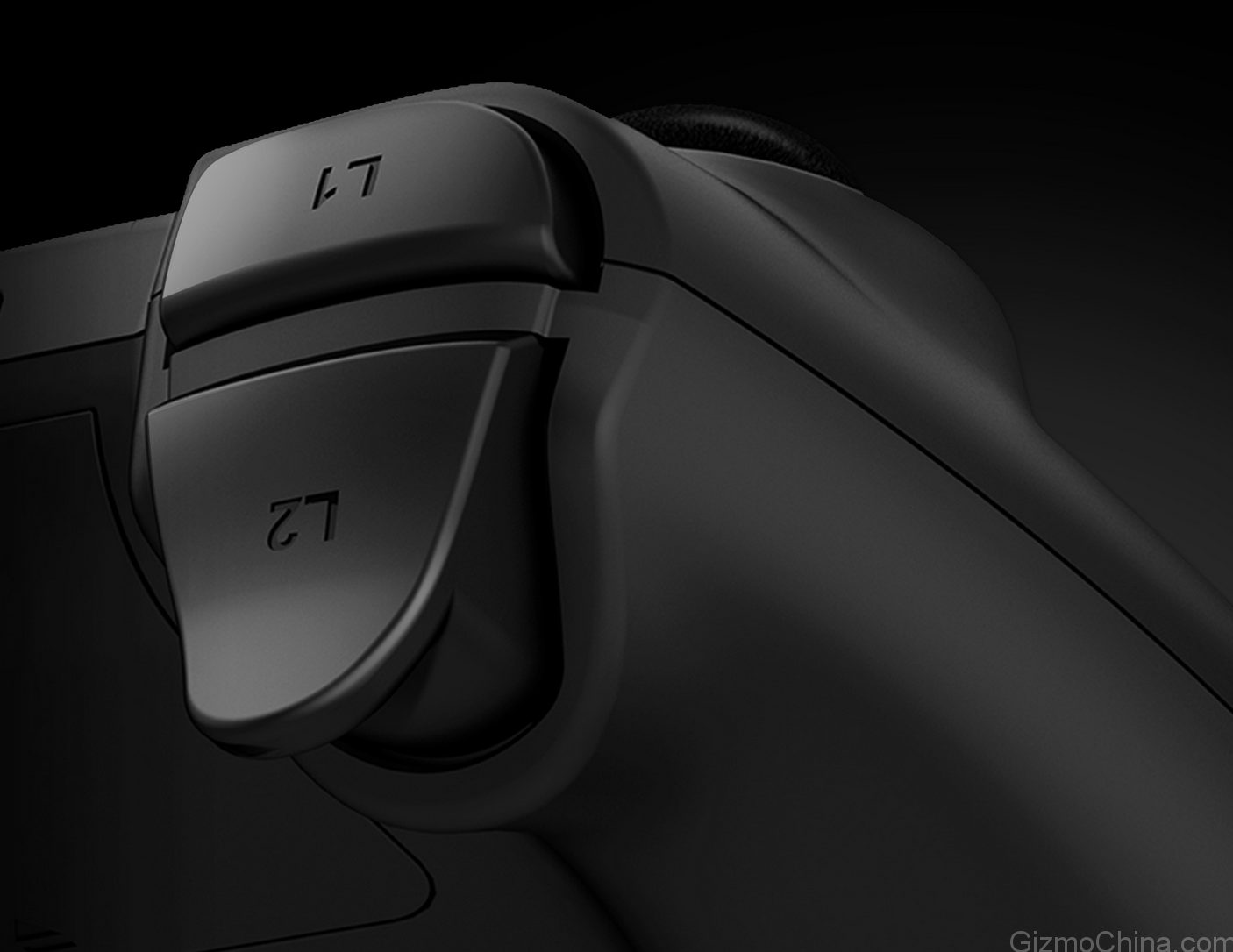
Also, the device spots the curved arc design, which should ensure that it is very comfortable to hold it in the hand. Further, the remote has the keys, which have a perfect touch and click response. It is said that the buttons can sense the depth of the finger pressing, precise identification of the pressure magnitude and speed. In racing games that can precisely control the brakes and throttle to bring exquisite gaming experience.
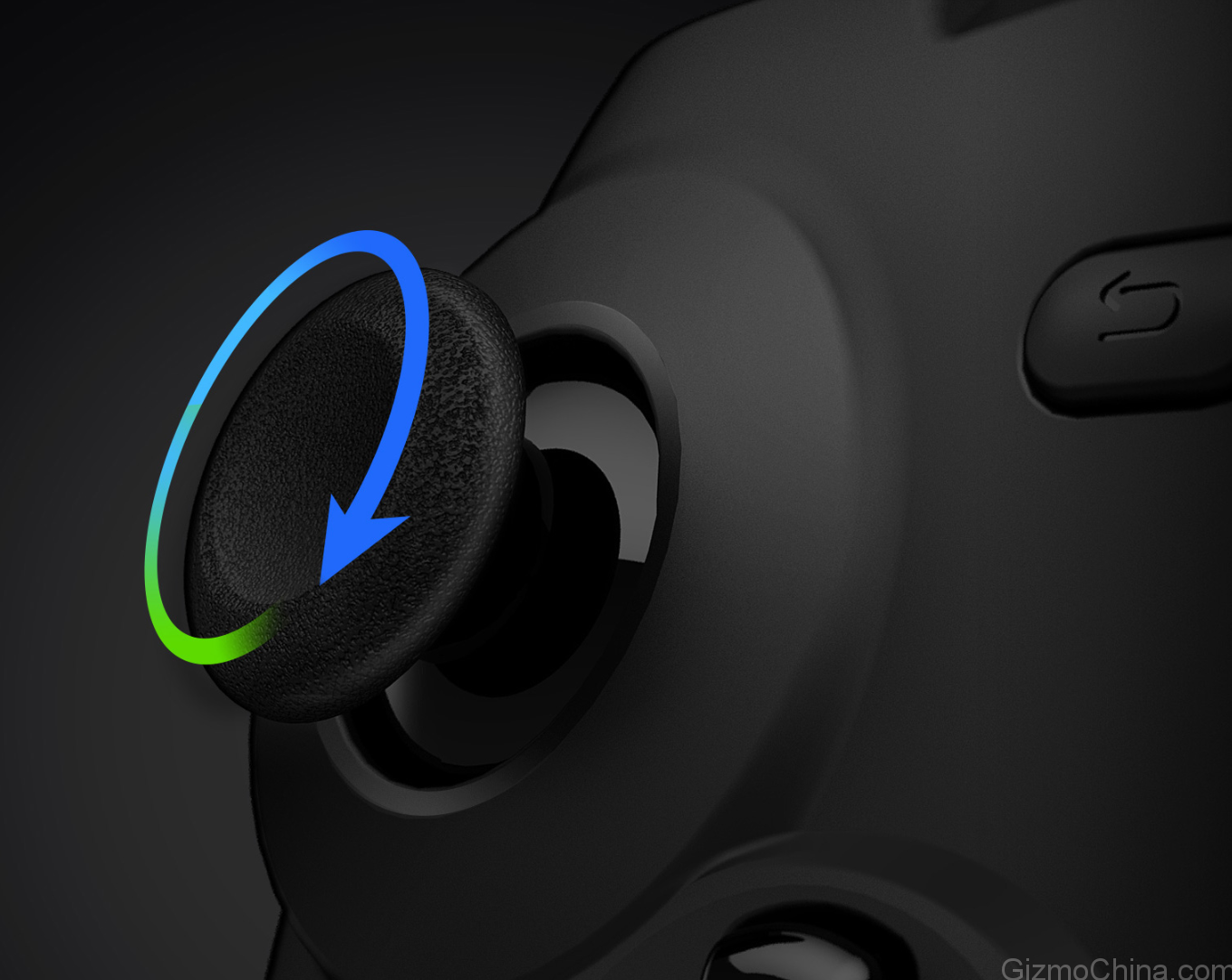
What is more, the Rocker has a 360-degree field of precision positioning, which has an accuracy of 0.172 degrees. Also, it has a shaking, center-specific anti-tampering measures of 0.5 degrees. The overall use of soft down hard two-shot injection molding, rocker cap fit the unique design of the scroll thumb curves, soft hand touch part of the texture, making the soft touch and comfortable, combined coarse grain drying surface, can effectively prevent finger slipped.
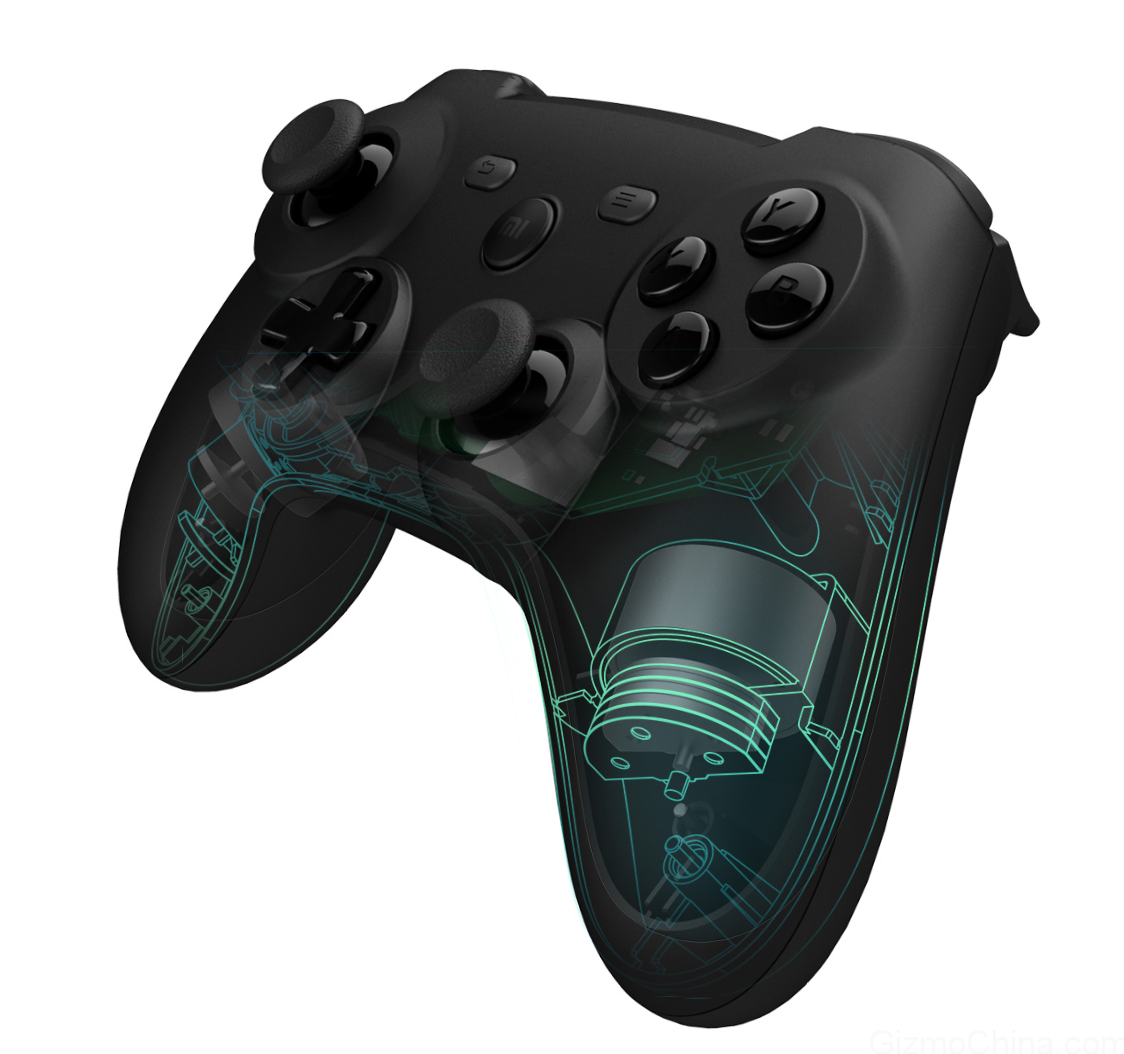
The device has a world class vibration motors inside. They have asymmetrical design, the motors are adjustable with software, which decides how the motors should work in different gaming environments like sports, racing, action and other games. Furthermore, it has one of the best built-in gravity sensors, which is made by Bosh.
Other goodies include Bluetooth 3.0, which should ensure uninterrupted gaming experience. Also, the device packs an amazing battery. It uses an intelligent power management, which turns the device into standby mode after 5 mins of idle. What it more important, the remote controller can stay up to one year in a standby mode, which is really impressive.
All in all, it seems that the Xiaomi is expanding its portfolio in a variety of ways. This time around, the gamers should be excited as the company offers a great product at an amazingly low price.
Meizu and Haier have announced a cooperation between the two companies that might spawn a collection of connected home appliances and white goods!
Meizu have already announced that their new launch will be aimed at a “Connected” life, and teasers from yesterday hinted that the company could be aiming to build a collection of smart connected devices, well today we have the actual proof.
On the official Meizu Weibo this morning, Meizu announced that it had teamed up with white goods maker Haier. Haier are a Chinese manufacturer of home appliances (washing machines, air conditionaers) and consumer electronics (TV’s, phones, tablets), who have factories across China, Asia, Europe and even the U.S.
Although the details of the cooperation are still under wraps it doesn’t need much imagination to see Haier smart products connected to a Meizu smarthome though Flyme cloud services and Meizu smartphones.
We can’t wait to see the first smart products from the Meizu and Haier collaboration, perhaps they will be on show during the January 28th launch event?
The Xiaomi has just announced their two flagship phablet devices – the Mi Note and the Mi Note Pro, which pack top notch specs, which include the almighty Snapdragon 810 64-bit chip, 2k 1440×2560 pixels screen, 4 GB of Ram, 64 GB of storage, Hi-Fi audio chip and other stuff (we are talking the Pro version here).
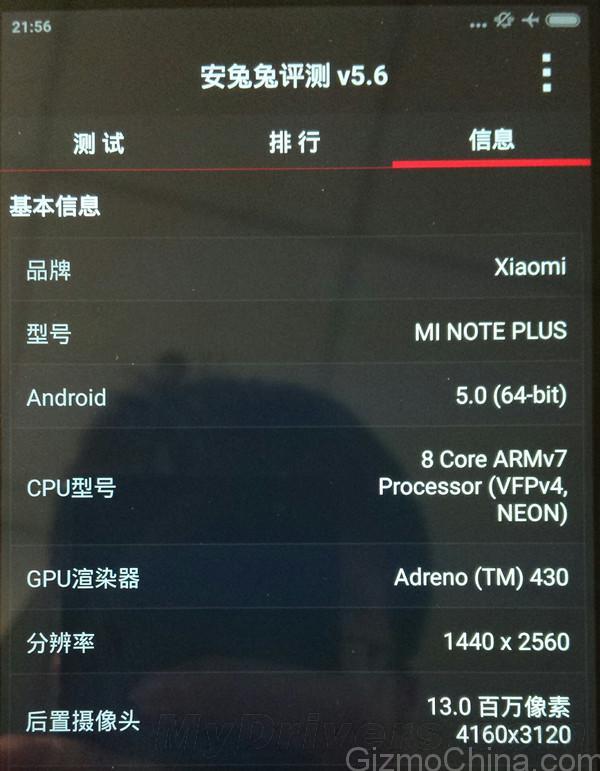
However, it seems that Xiaomi has something more to show for the public and two devices were not enough. Well, at least this is what Antutu database says.
According to this information on Antutu database, the Xiaomi has the Note Plus version in its pipeline. As you can see from the specs, the device will come with the Android 5.0 out of the box with the MIUI skin on top of that. Also, it will pack the 8 core chip, which is most likely the Snapdragon 810, Adreno 430 GPU, 2k 1440×2560 pixels screen, 13mp camera.
From the above mentioned specs we can see that it will be almost identical device as the the Mi Note Pro. That keeps us wondering why the Xiaomi decided to release one more version of its phablet portfolio and how different it will be.
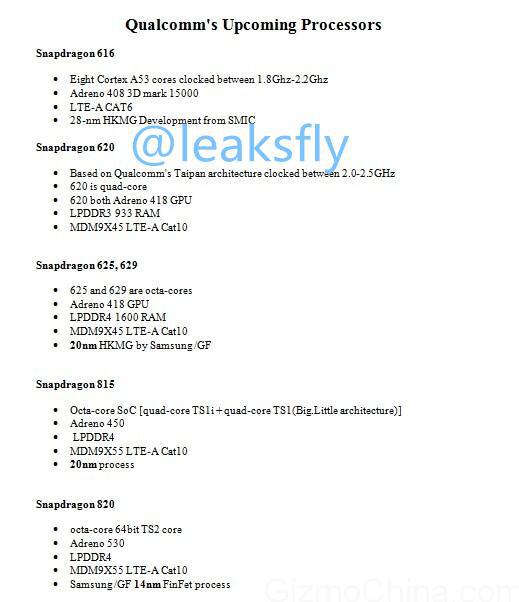
Just yesterday we saw what Mediatek had in store for us for 2015. Now, we have a new image which shows off what Qualcomm has planned for 2015. The image reveals details about the new Snapdragon 820, Snapdragon 815 and the other mid-range SoCs from the 600 series.
The most awaited processor this year is none other than the mighty Snapdragon 820! According to the leakster, this new64-bit SoC will be feature eight TS2 cores making it an octa-core beast. The leakster didn’t reveal the clock speeds. Further, this new SoC will come with Adreno 530 GPU and LPDDR4 RAM. It will support MDM9X55 LTE-A Category 10 networks and will use the advanced Samsung / GF ‘s 14nm FinFet process.
Coming to the next SoC i.e. the Snapdragon 815, it will be an octa-core SoC with four TS1i + four TS1 cores based on ARM’s big.LITTLE architecture. It will use the 20 nm process. The SoC will feature Adreno 450 and LPDDR4 RAM. It will support the high speed MDM9X55 LTE-A Cat10 network band.
The next three are mid-range offerings from Qualcomm. The Snapdragon 629 and 625 will feature eight cores with Adreno 418 GPU and LPDDR4 1600 MHz RAM. The processor will use a 20nm HKMG process by Samsung/ GF. The two along with Snapdragon 620 will support MDM9X45 LTE-A Cat. 10 networks. The Snapdragon 620 will be based on Qualcomm’s Taipan architecture with four cores clocked between 2.0 ~ 2.5 GHz. This one too will feature Adreno 418 GPU but supports the LPDDR3 933 RAM.
Finally, the Snapdragon 616 will feature eight Cortex A53 cores clocked between 1.8Ghz to 2.2Ghz. It will be built upon a 28nm HKMG process from SMIC and will feature Adreno 408 GPU and support LTE-A Cat. 6 networks.
Overall, it looks like Qualcomm has an advanced SoC lineup this year and it would be interesting to see the performance of these ultra fast processors in real life.
Although Qualcomm is the generally better known chip manufacturer, Mediatek SoCs are also gaining some popularity in the last few months. Not just Chinese and budget manufacturers, but also well known companies are using the chips made from this Chinese chip maker.
Now, a report claims that the company has a long list of releases scheduled for 2015. We recently saw the MT6752 and MT6732 64-bit SoCs from the company based on the Cortex A53 architecture. Then there is the Mediatek MT6795, the fastest of them all, running on a 64-bit Cortex A57 + Cortex 53 architecture and built upon a 28nm process. Unfortunately, even this latest processor didn’t support the ultra high speed 4G LTE Category 6 networks i.e. LTE Advanced network.
However, according to this new document, Mediatek does have a processor under development which will be built upon the 20nm process and will support this high speed Cat. 6 network which theoretically can provide download speeds of up to 300 Mbps. The report also says that the MT6795 64-bit processor has entered mass production which means, we will soon see a lot of high end smartphones using this SoC.
There are five more SoC’s that are expected to be released in the Q2 2015. The MT6753, MT6735 and the MT6735M are all built upon the Cortex A53 architecture and 28nm process. This is going to be the company’s mid-range offering but the highlight of these processors is the support for LTE+C2K networks. This means, the devices which run this processor will support CDMA networks too. The MT6753 is an octa-core processor clocked at 1.5GHz, the Mt6735 has four processors clocked at 1.5Ghz and finally the MT6735M processor also has four cores but clocked at just 1.0 GHz.
There are two other low cost SoC which are expected to hit the markets by the end of Q2/ start of Q3 2015. They are the MT6582 (quad-core clokced at 1.3GHz) and the MT6570 (Dual-core clocked at 1.3Ghz).
The upcoming MT67XX is the one which will directly compete with Qualcomm’s Snapdragon 810 chipset as it also supports Cat. 6 LTE networks.
Last year Vivo unveiled the world’s thinnest smartphone, dethroning OPPO’s R5! Later, the company unveiled the Vivo X5S, in the same lineup, which also boasted of a thin profile (although at 6.3mm not as thin as the X5 Max) and upper mid-range specs.
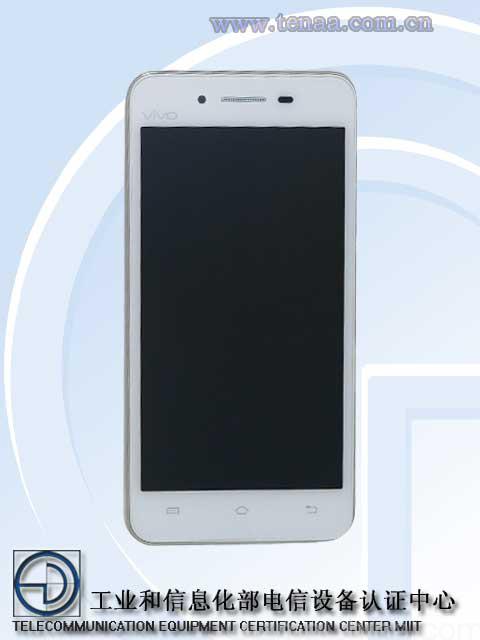
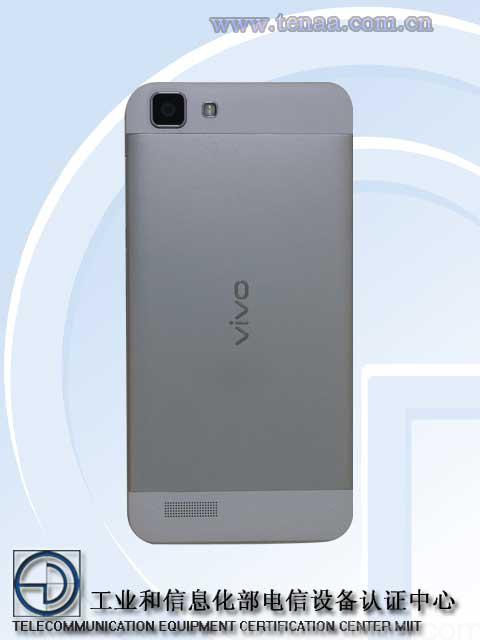
Now, it looks like the company is all set to target the low-end budget market as a new Vivo device called as the Vivo Y27iL was spotted recently on the Chinese certification agency, TENAA. The listing reveals modest specifications, at an affordable price tag of 1000 Yuan i.e. $160.
The new Vivo Y27iL retains the traditional design of Vivo, which is actually a good thing considering its low-end specifications. So, the workmanship and other overall build quality of the device should be good. The phone is thin, and at 6.99mm, its almost the same thickness as the iPhone 6 Plus. Its also pretty light weight too and weighs just 137 grams.
Coming to the specs, the phone comes with a 4.7-inch display with HD 720p resolution. It will be powered by the Snapdragon 410 quad-core processor and will come with 1GB RAM onboard. There will be 8GB internal memory which can be further expanded via MicroSD. The rear camera will be of 8MP while the front shooter will be of 5MP.
The USP of the device is probably its LTE connectivity at such a low price tag. The Y27iL will support GSM, TD-SCDMA, TD- LTE, LTE FDD network, and dual SIM dual standby. Vivo has included the FunTouch skin on top of Android 4.4 KitKat OS.
As you can see, the phone doesn’t have anything special to attract a large number of users. Still, the price tag, Vivo’s brand name as well as LTE connectivity should be enough for the device to get some attention in this highly competitive budget smartphone segment.
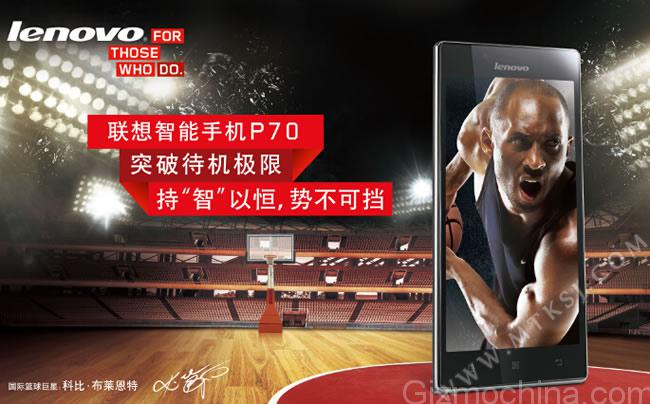
Remember last month we said Lenovo was working on a 4000 mAh battery smartphone called as the Lenovo P70t? Looks like the phone will have two different variants — the new one especially targeted at people who would like to have something more powerful.
A new report suggests that the Lenovo P70t from the company’s affordable P series lineup with have a 64-bit MT6752 octa-core variant as well. Apart from the powerful processor, the company has also upgraded the RAM to 2GB instead of the 1GB that we saw earlier. This should make sure that the phone can handle everything that’s thrown at it.
The rest of the specifications remain more or less the same. So, you have a 5-inch display with a resolution of 1280 x 720p. The camera too remains the same. So, there will be a 13MP rear camera and a 5MP front shooter. As for the software, both the models run Android 4.4 KitKat version with the company’s own Vibe UI 2.0 on top. Connectivity options are pretty much standard, so you have 4G / 3G / GSM with dual SIM dual standby support.
Even with the much powerful processor, the selling point of the device remains its massive 4000 mAh battery. And that’s not the impressive part. The company managed to put in this massive battery in an 8.9mm body with a total weight of just over 149 grams. This is what makes Lenovo P70t a breakthrough machine as it proves that an average sized phone can even pack a battery as large as this one. The phone can even reverse charge other devices using an OTG connection! The standby time is a massive 40 days and a 15 minute charge would give you almost 6 hours of talktime!
The 64-bit MT6532 quad-core variant is available for sale in China in the local market for around 1399 Yuan ($225.18). This powerful Lenovo P70t is expected to retail at a much higher price tag, somewhere around 1599 Yuan ($257.18).
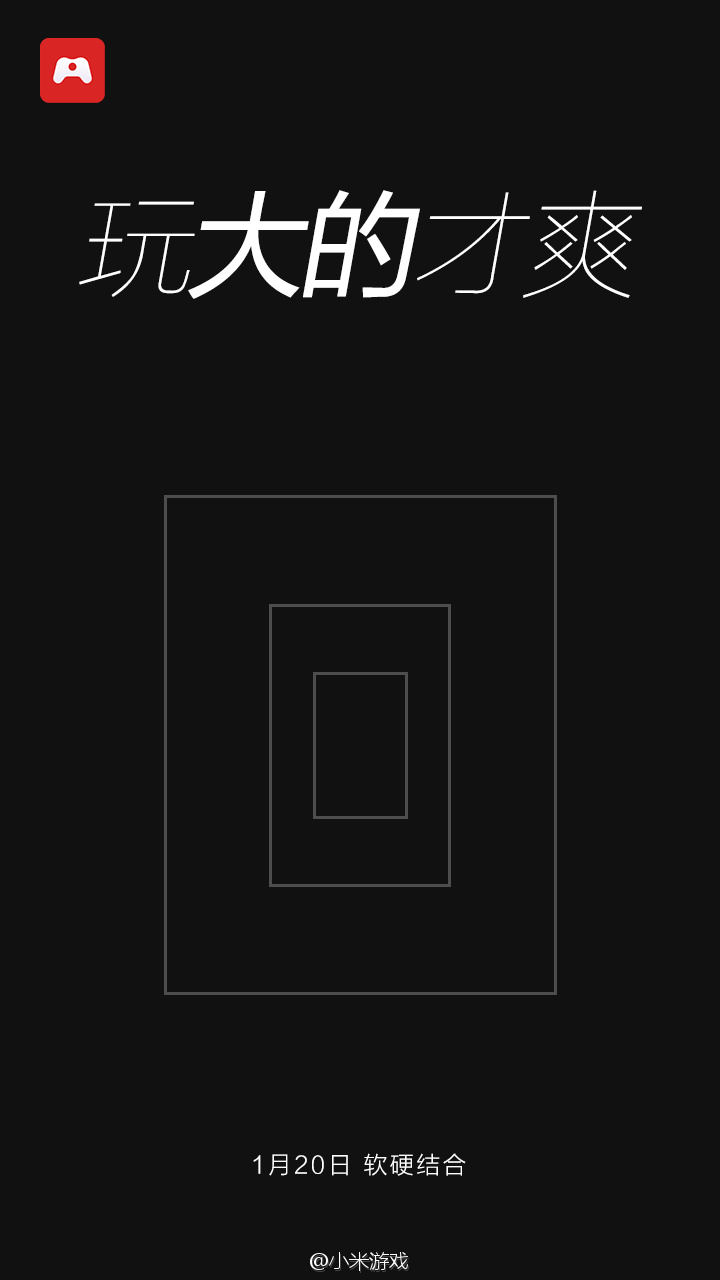
Just when we thought things have settled down for a few days, Xiaomi went ahead and released a new image on its official Weibo page. This hints at a possible new announcement by the company on the 20th of January 2015. The teaser image comes not from its smartphone weibo account but from its official gaming account. As always, the teaser image doesn’t reveal what the device would be.
As you can see in the image added to the post, it features three rectangles, with the title — Bigger is Better. Below, you can see the date, 20 January 2015 which is probably the launch date of the device. Given that this image comes from the company’s gaming weibo account, its very likely that this upcoming device is a gaming hardware. But that’s doesn’t help us short down the list.
Along with the image, the page said the following lines: “不管多大、一举拿下”以及“玩大的才爽” whose translation comes to “No matter how big it is, can be taken in one hand”. Now, this means the device will be large, yet compact, which is actually a contradicting statement.
We have a number of theories about the upcoming device, but aren’t sure about any. The first possible option is a new Xiaomi Mi gaming console. The largest rectangle in the picture could represent this. The words, bigger yet compact suits this possibility as consoles can be connected to your large screen HDTVs which makes the overall set up large, however, a console by itself is quite small. But there’s is one problem with this option — Xiaomi just recently unveiled the Mi Box Mini which can also run Android games. There’s even the Xiaomi Mi Box, which is a larger version of the Mini. Now, a dedicated gaming console looks like a great option, but there’s a very little chance that it is actually going to happen.
This brings us to another possibility — a gaming controller. A controller would be logical given that Xiaomi Mi Box was unveiled recently and a controller would be the perfect hardware partner for its users to play games. But this doesn’t explain the bigger is better tag line. So, we are not sure about this.
Another possibility is a gaming focused tablet. Xiaomi could rebrand its Mi Pad lineup to a gaming centric tablet or it could unveil a brand new device itself. This makes better sense and it is in line with the tagline and would be much bigger than the existing Xiaomi Mi Note and the Xiaomi Mi4 devices. It could also bring gaming directly in your hands, instead of a console + TV combination, which could be why Xiaomi hinted that its large yet can be taken in one hand.
As we mentioned earlier, these are just our speculation and we are not yet sure which one of these will be unveiled on January 20. Maybe it will be a whole new device itself, but for now, we don’t know what it is.
We expect more details about the upcoming device in the next two days, so stay tuned to our website for more updates.
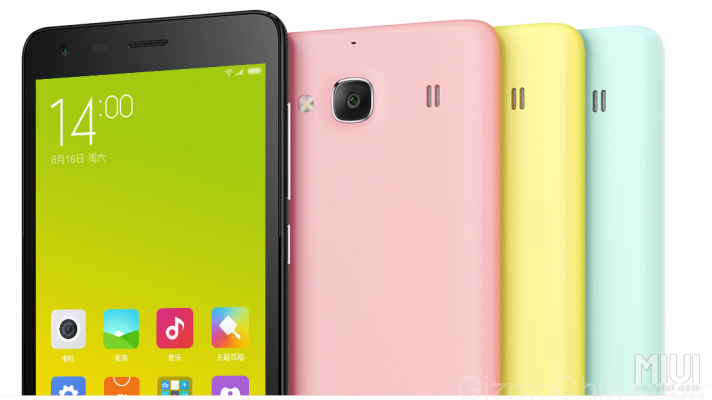
Amidst the hype for the mysterious new phone (which turned out to be a Xiaomi Note) that Xiaomi teased it’s fans with early January, it’s easy to forget about it’s lesser known (but still wildly famous) sibling, the Xiaomi Redmi 2. This Xiaomi Redmi 2 review should convince you that the phone is no less impressive than the Xiaomi Mi phones when it comes to the price tag it’s offering for the specs. Admittedly this is the cheaper sibling, so parts of it cannot compare. Xiaomi launched the new year with a successor to the Xiaomi Redmi phone, the Redmi 2, with with less hype as compared to the higher speced Xiaomi Mi phones and the Redmi Note phones.
Each package of the phone is accompanied by a travel charger, a usb data cable and a battery for the Redmi 2. The Redmi 2 itself is a comfortable size at 5.27 x 2.64 x 0.36 inches (134 x 67.21 x 9.2 mm) and weights at 4.72 oz (134 g).
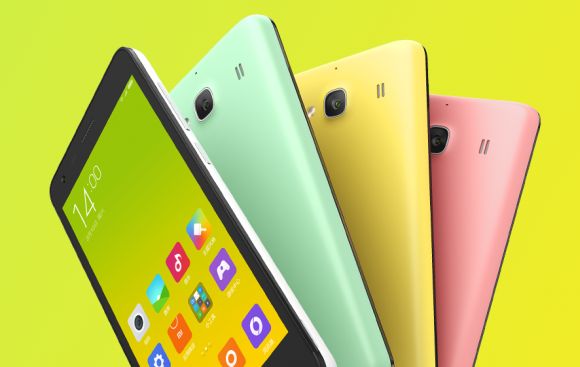
Xiaomi packaged Redmi 2 in the signature cardboard box with everything packed to perfection inside the box. The phone is rounded at the edges, a marked difference compared to the Redmi.
The touch keys on the Redmi 2 are in soft red tones while the top of the phone has a well-received proximity sensor. The edges on the phone are not excessively deep either, which means that it will be easier to dust.
The top of the phone holds the headphone jack while the right side holds the volume and power buttons. Meanwhile, the micro-USB connector is situated at the bottom of the phone along with the main microphone.
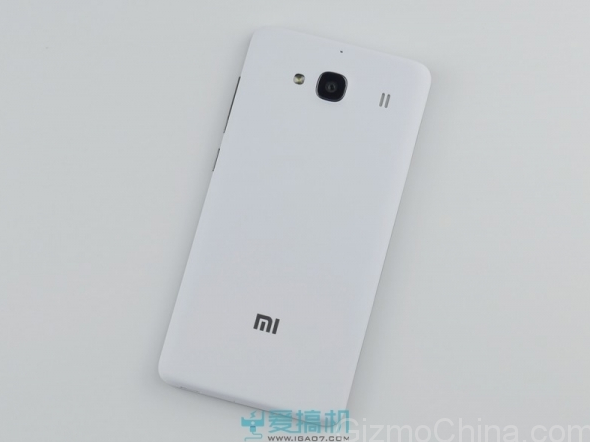
On the back of the phone, you will find the signature MI logo. The flash is set to the right of the main camera while the speakers sit on the left. The phone is comfortable to hold, with the matte texture that means that it won’t be too easy to let it slip and fall from your grasp.
The cover is detachable and thus easily replaceable with any of the other color choices that you fancy, from Black, Pink and Yellow to White and Light Green.
The Redmi 1S was released with a 2,000 mAh battery, but the Redmi 2 is packed with a slightly larger battery of 2,200 mAh capacity.
Display
Redmi 2 houses a 4.7 inch display with a resolution of 720 x 1280 pixels, which is equivalent to what Xiaomi Redmi Note is offering at the moment. The smaller screen on the Redmi 2 means that it has a different PPI (pixel per inch) compared to the Redmi Note (5.50 inch screen size), at 312 PPI compared to the lower 267 on the Redmi Note.
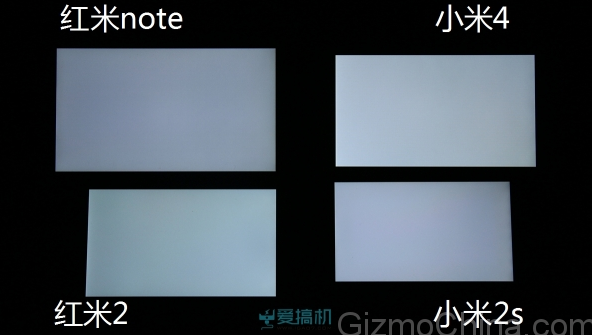
In a brightness comparison test by igao7.com, it can be seen that the Redmi 2 (lower left) has an overall whiter display compared to the Redmi Note (Upper Left), the Xiaomi Mi 3 (Upper Right) and Xiaomi 2S (Lower left). The screen displays on the predecessors appear to have a reddish warm hue to them.
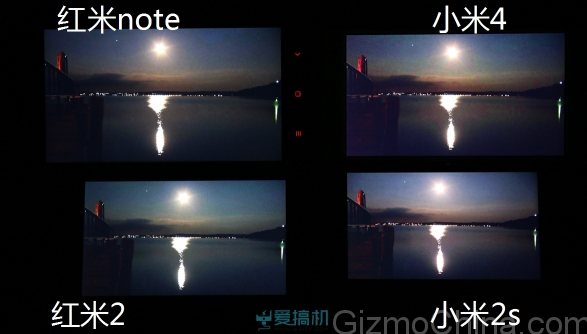
The reds, green , blue and yellow on the Redmi 2 are no less impressive, performing up to, and even beyond, the standard of the Xiaomi Note, Xiaomi Mi 2 and Xiaomi Mi 4 as shown in the images below.
Similarly, pictures on the Redmi2 displays less of the red-tint that seems to be present on the other Xiaomi phones. The color schemes appear to be more vibrant compared to the other phones, which is a great improvement.
What better way than to have a look at the pictures as seen on the phone yourself, as illustrated by igao7.com in the following comparisons.
These last two pictures illustrate how the Redmi 2 is able to display the deep green hue of the grass and leaves while retaining the lighter green patterns and the lightness and transparency of the morning dews.
The details and sharpness of the Redmi 2 can be seen in the picture above, again with a distinct lack of the red-hue that the Xiaomi Note and the Xiaomi Mi 2s seem to have.
This sunset picture is absolutely breathtaking and while the details are not lacking in any of the phones in the picture, the Redmi 2 again wins hands-down in terms of toning down the redness in the pictures.
Redmi 2 has a scratch resistant, impact-tested and extremely responsive Corning Gorilla Glass screen.
The In-Plan Switching (IPS) technology on the phone also means that the Redmi 2 will have an impressive viewing angle, allowing the phone to be viewed from the sides without much difficulty.
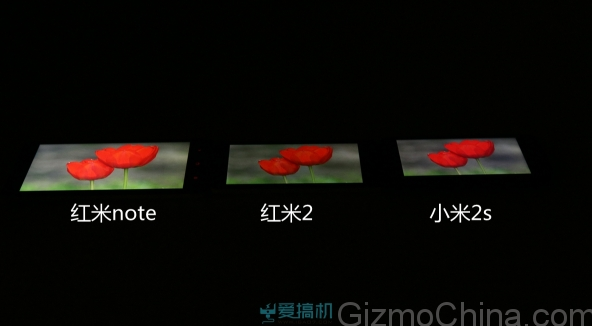
When put side by side with the Redmi Note (first) and Xiaomi Mi 2s (third), it appears that the Redmi 2 (middle) loses in terms of the brightness and sharpness, however.
When viewed from the side, all three phones (Xiaomi Note, Xiaomi Redmi 2, Xiaomi Mi 2s) suffer from whitening, making the colors less vibrant and more dull, sadly. The Xiaomi Mi 2s has less of the whitening effect compared to the Xiaomi Redmi 2, however.
To sum up, the Redmi 2 performs really well in terms of brightness, color density, and viewing angle.
Camera
Redmi 2 has a 8 megapixel main camera and a 2 megapixel front camera that takes pretty impressive photos. The main camera comes with five precision lenses and can support HDR, Special Effects, Filters, Panorama, Continuous Shooting, Voice Shutter and other shooting modes.
The camera interface uses the MIUI 6, with all the functions readily available as you take pictures. It even offers a list of previews of all the filters available.
The camera is noticable faster than the Redmi 1 and Redmi Note, comparable to even the Xiaomi Mi 3 and even Mi 4. However, the focusing speed on the phone is on the slower side.
The colors on the camera are true to reality, with a slightly bluish hue to the pictures. You can turn on the effects on the phones (such as HDR, Panorama, ect.) to try out what each of the effects will bring you.
The camera is even capable of catching clear pictures at night, with the pictures close to what the naked eye can see, though the glare from the light is sometimes off-putting.
Overall, the camera on the phone is quite impressive and more than enough for the regular phone addict. However, for selfie-addicts out there, the 2 mega pixel front facing camera may not be quite good enough, sadly.
Operating System
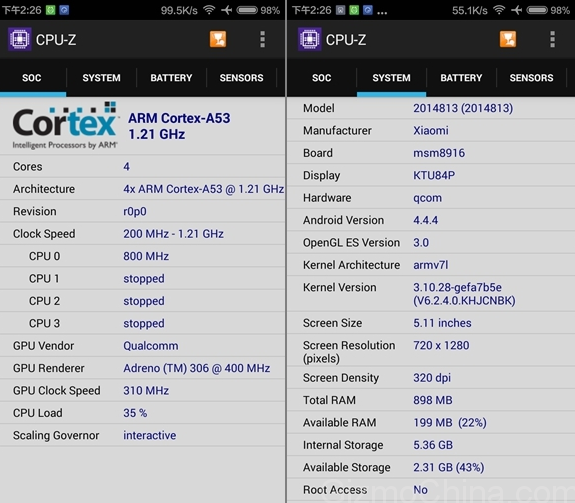
Redmi 2 is processed by a Snapdragon 410 chipset that features a quad-core processor that can clock up to 1.2 GHz. It has a modest 1GB RAM with 8GB of storage that is expandable to up to 32GB via a microSD slot and is accompanied by Adreno 306 graphics.
The Android 4.4 operating system is complemented by MUIU, a minimalistic user interface that is developed by Xiaomi Tech based on the free software Android Operating System (which in this case, is Android 4.4).
This OS is similar to the iOS platform and functions on the Redmi 2 perfectly. The gorgeous animation and smooth user interface may take some getting used to for first time users, but is well worth the small effort.
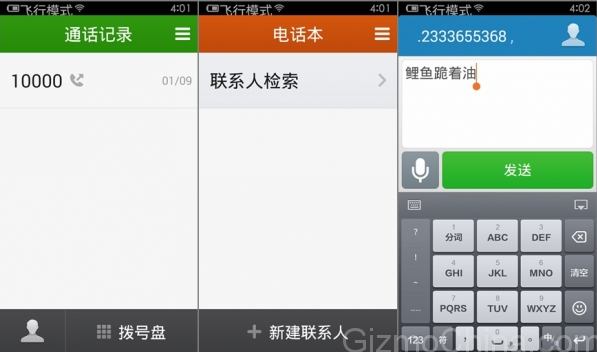
The dialing, contacts, text messages and other common applications can all be reverted back to old school type use, with exaggerated and huge fonts that allows you to make use of it at a glance.
This is a reminder for old-school phones with buttons instead of touchscreens and not surprisingly, is a favorite amongst the older generation.
Performance
Redmi 2 did relatively well in regards to the performance test with the Qualcomm Snapdragon 410 quad-core processor.
The phone is smooth to operate and does not jam or crash with small and medium-sized games. Even Asphalt 8 was able to run on the phone withou much difficulty.
However, you have to remember that the Redmi 2 only has a modest 1GB of RAM, with the available memory at about 400mb. This means that there is a limited capacity on the phone so open on application too many and you’re only bringing pain to yourself.
On the other hand, the Redmi 2 houses MIUI 6 memory compression technology that can allow you to manually clean up space on the phone to let you operate more RAM-consuming applications.
This requires the most basic knowledge on phones, so if you even if you’re not an avid phone user who doesn’t understand RAM and is not willing to learn a bit more and lean out of your comfort zone, you could just download an app to turn this into a simple, one-click task for you.
Battery
The Redmi 2 is packed with a slightly larger battery of 2,200 mAh capacity that can be last for an impressive amount of time, depending on what you use it for. The temperature on the phone does not run too high even with high usage.
The volume on the Xiaomi Redmi 2 also impressive, with a slightly larger volume compared to the Redmi Note, at more than 83 dB.
Conclusion
The Redmi 2 is a reasonable product that is able to do much of what you can throw at it without a problem. Given it’s reasonable price tag, it is well worth it. Don’t let the small RAM turn you off since it is easily solved by simply turning off unused apps, which is already using up the battery on your phone anyways. If it falls within your budget, we can safely say that you will not be able to find a better phone with the same price anywhere. However, if your budget can be higher, then go for the Xiaomi Mi phones or the Xiaomi Note.
Pros
Lightweight, decent-sized phone
Impressive screen resolution, color density, and viewing angles
Great Operating System
Price
Cons
Small 1GB RAM
2 megapixel front camera
In the end, it all breaks down to your budget and what you’re looking to do with the phone. If the smaller RAM and 2 megapixel front camera doesn’t bother you, then go for the Redmi 2. As we’ve said, you won’t find a better phone at that price tag of $155 anywhere else.
In 2014 the Android market space was shaken by the arrival of the powerful, yet competitively priced OnePlus One. However the invite system and the insufficient supply made many potential buyers give up hope of ever owning one. Here comes the Ulefone Be Pro review, a smartphone that takes many design points from the OnePlus One, but offers them to you at a much more affordable price point.
You can also check out our full video review of Ulefone Be Pro:
https://www.youtube.com/watch?v=KnvaPWfZJdI
UNBOXING
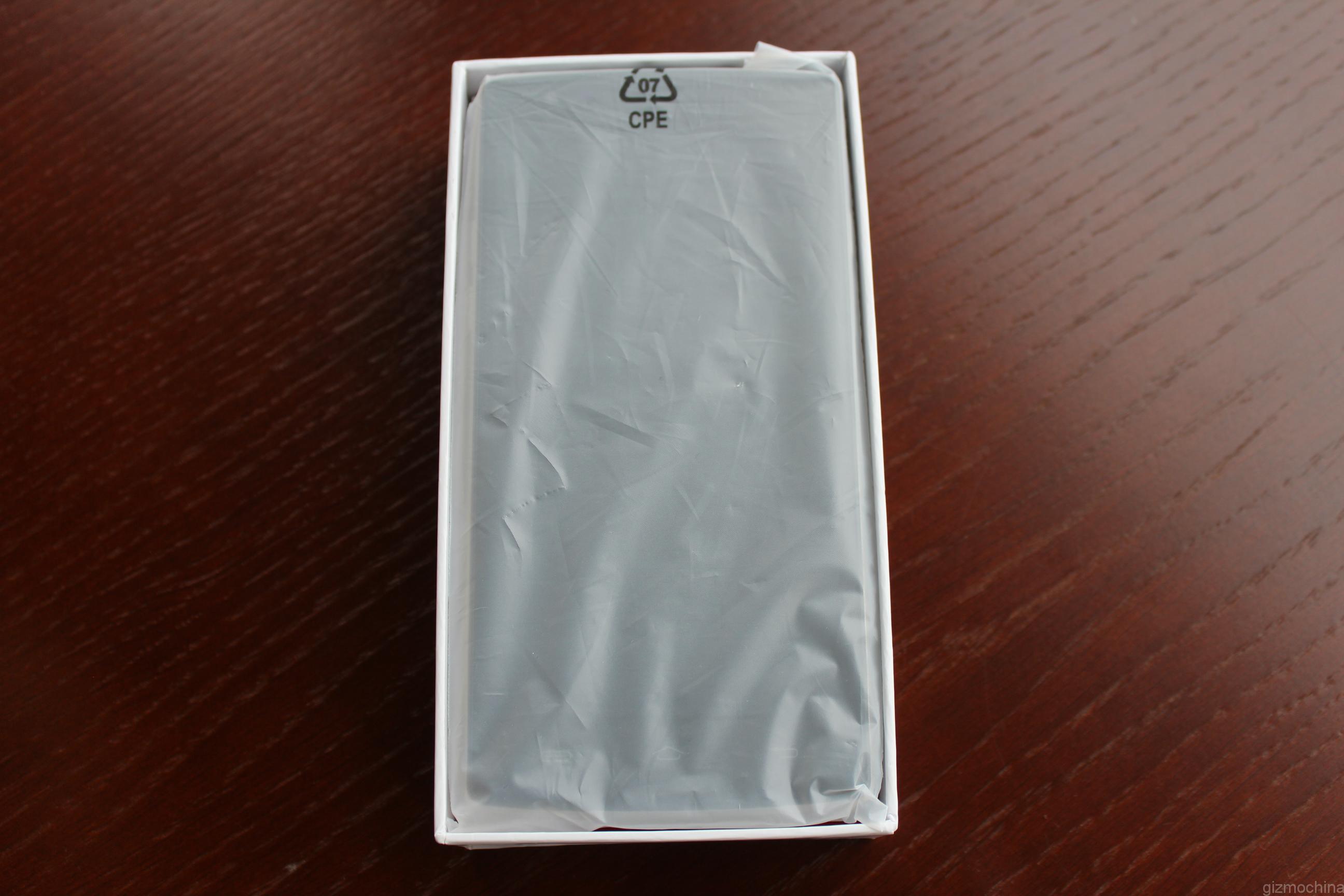
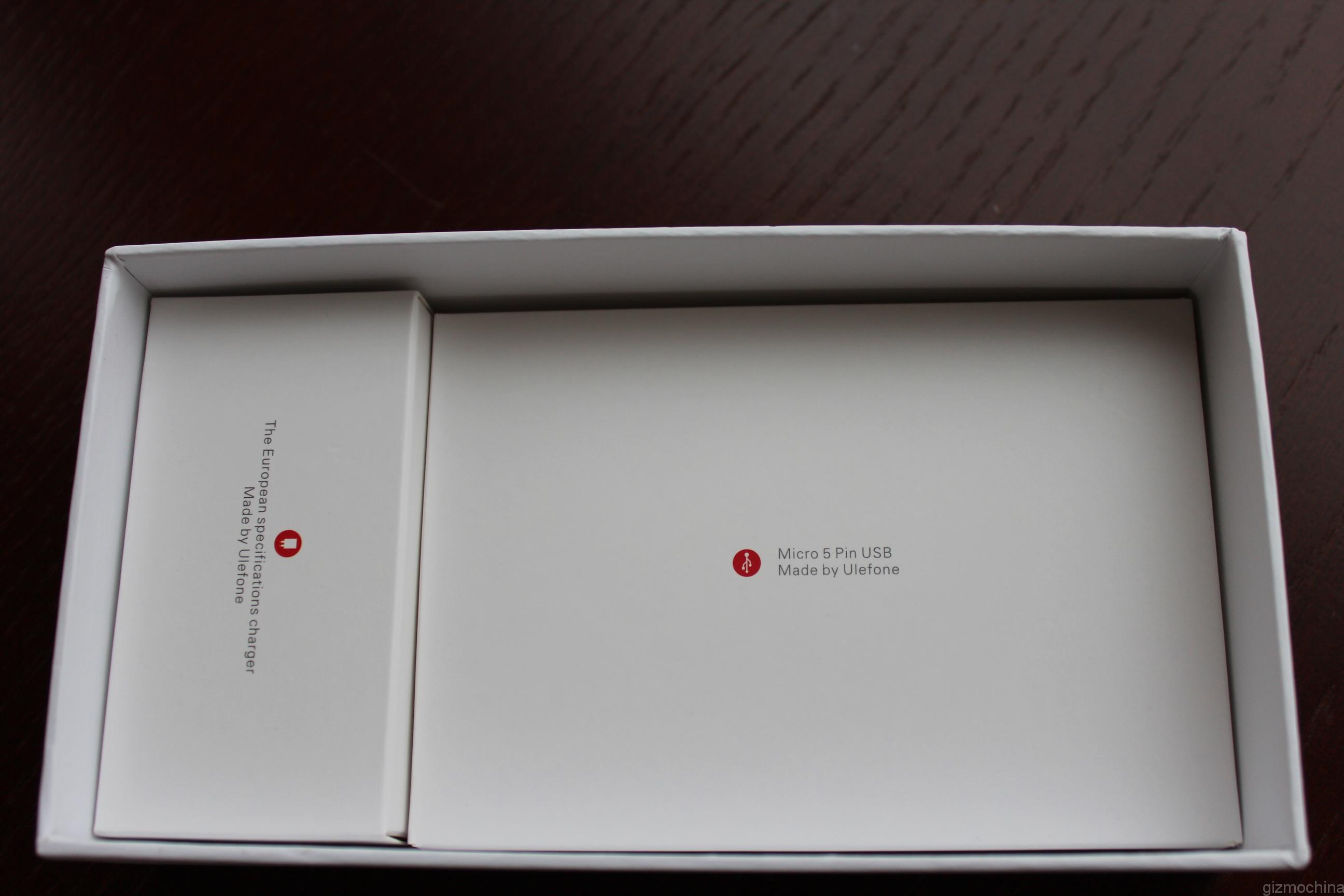
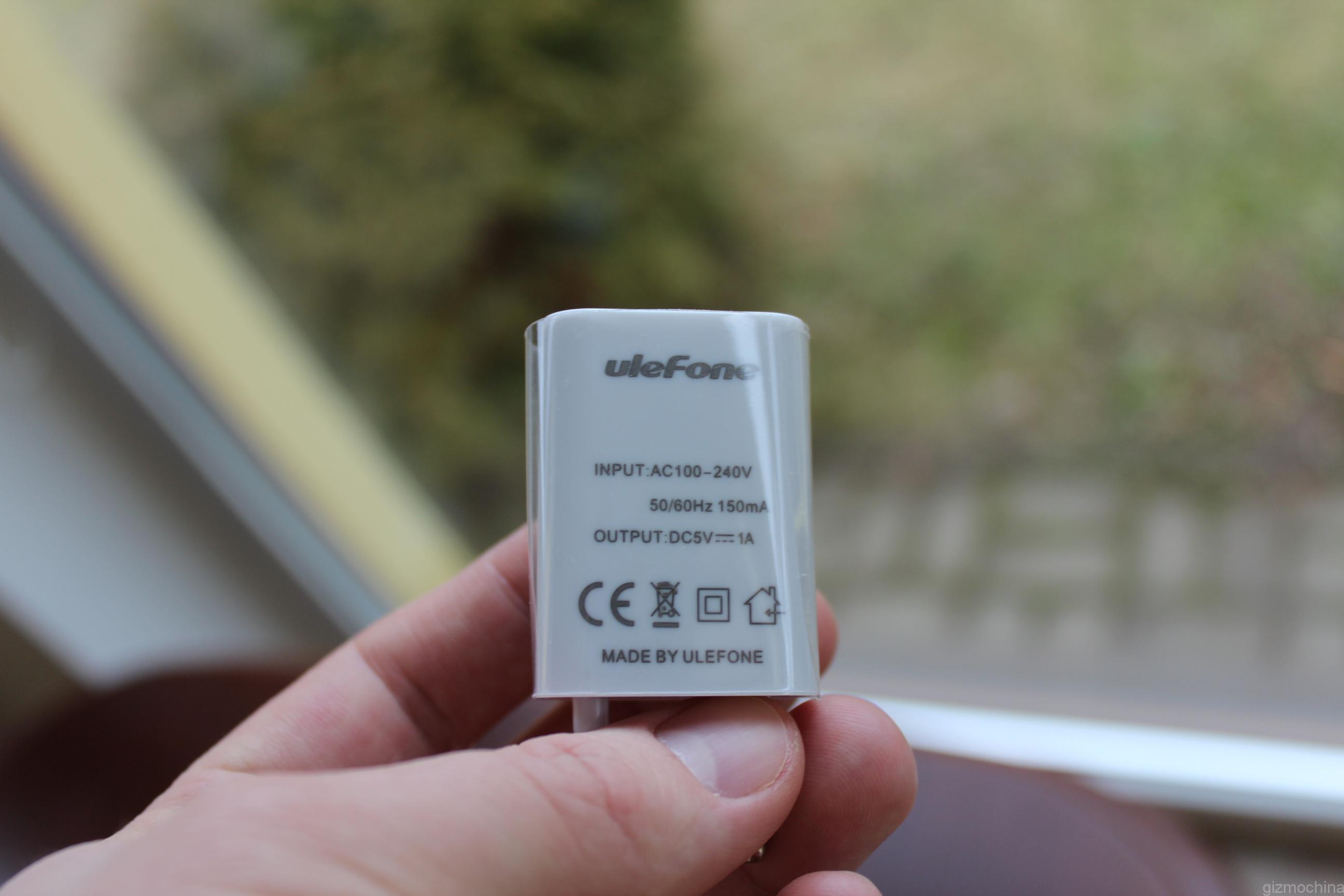
I’ve been using this device for more than a week right now, but I repacked it just to show you guys all the contents that come in the box. First, the packaging is fairly simple it has a Ulefone branding on it and some basic specs on the other side of the box.
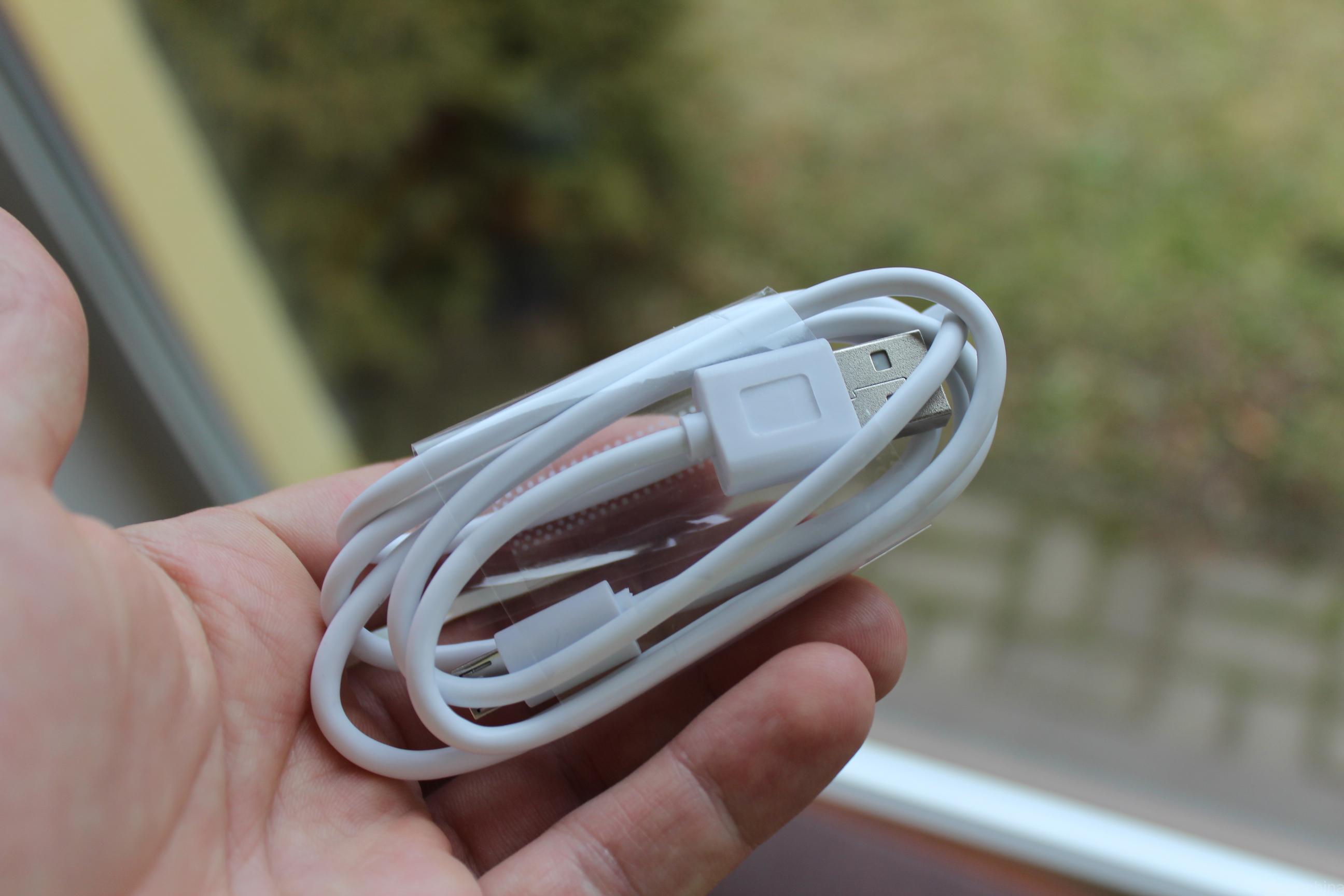
Another item that comes in the nice separate box is a regular micro USB charging cable.
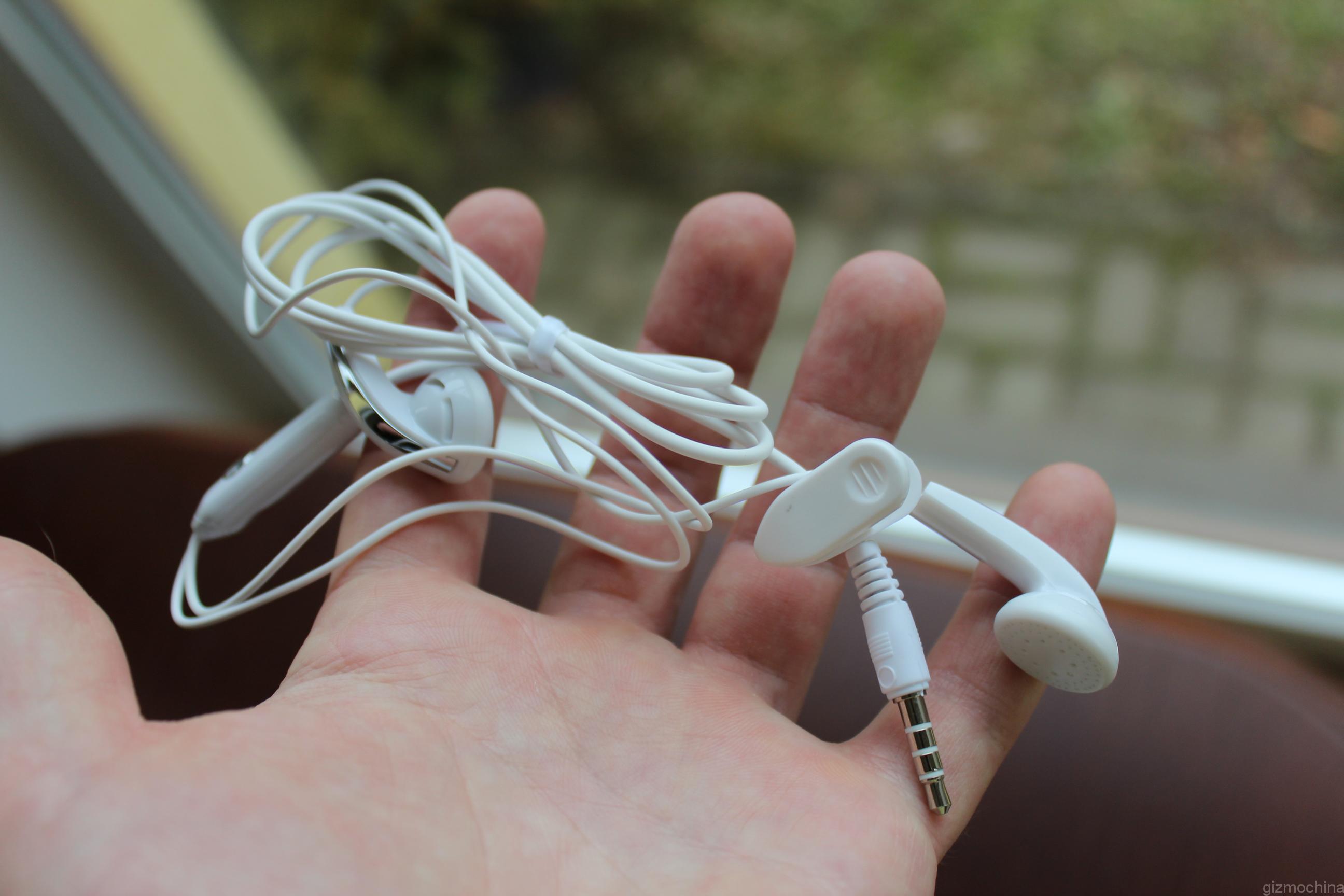
Also, there is a pair of headphones included. They don’t seem to be made out of the highest quality materials, but still, it is a nice touch by the manufacturer to include it. The headphones are made out of plastic with some chrome elements. Also, it has a dedicated mic with the functional key.
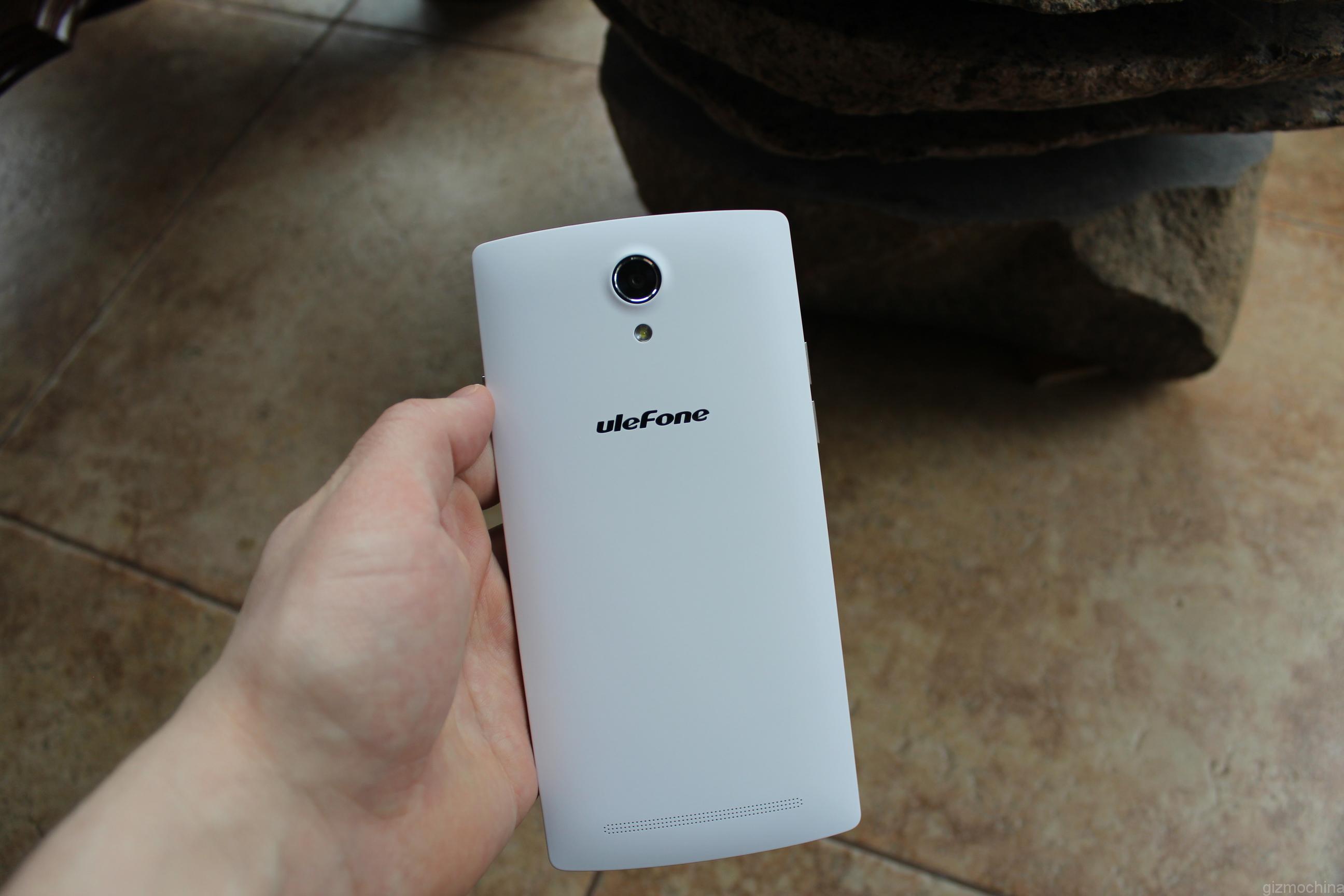
Finally, the last item that is included in the box is the smartphone itself. The first impressions are that it is made out of plastic and glass materials. Still, it does not look very cheap and has quite solid feel in the hand. The design has some inspiration by OnePlus One, but I will get back to it later very soon.
THE DESIGN
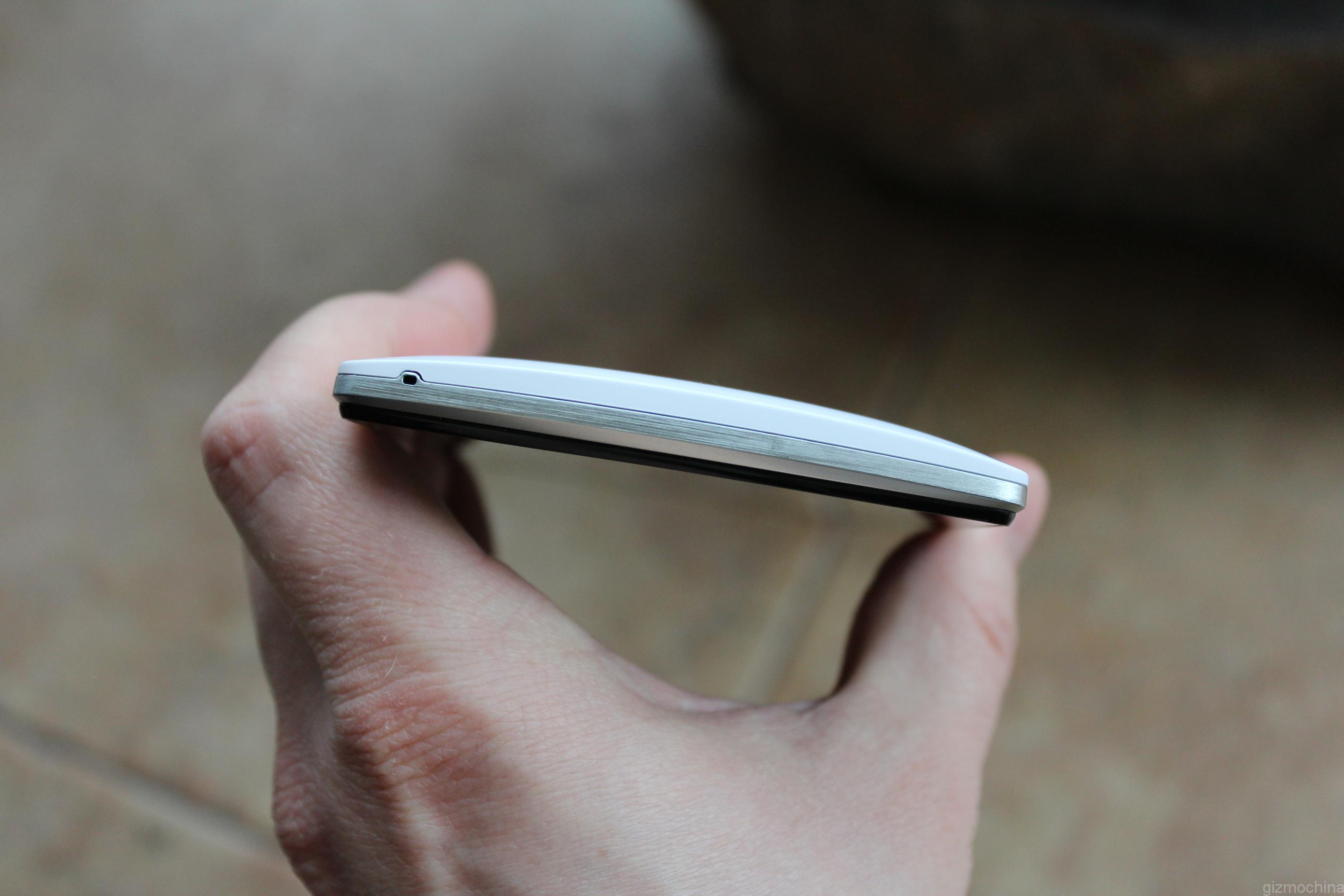
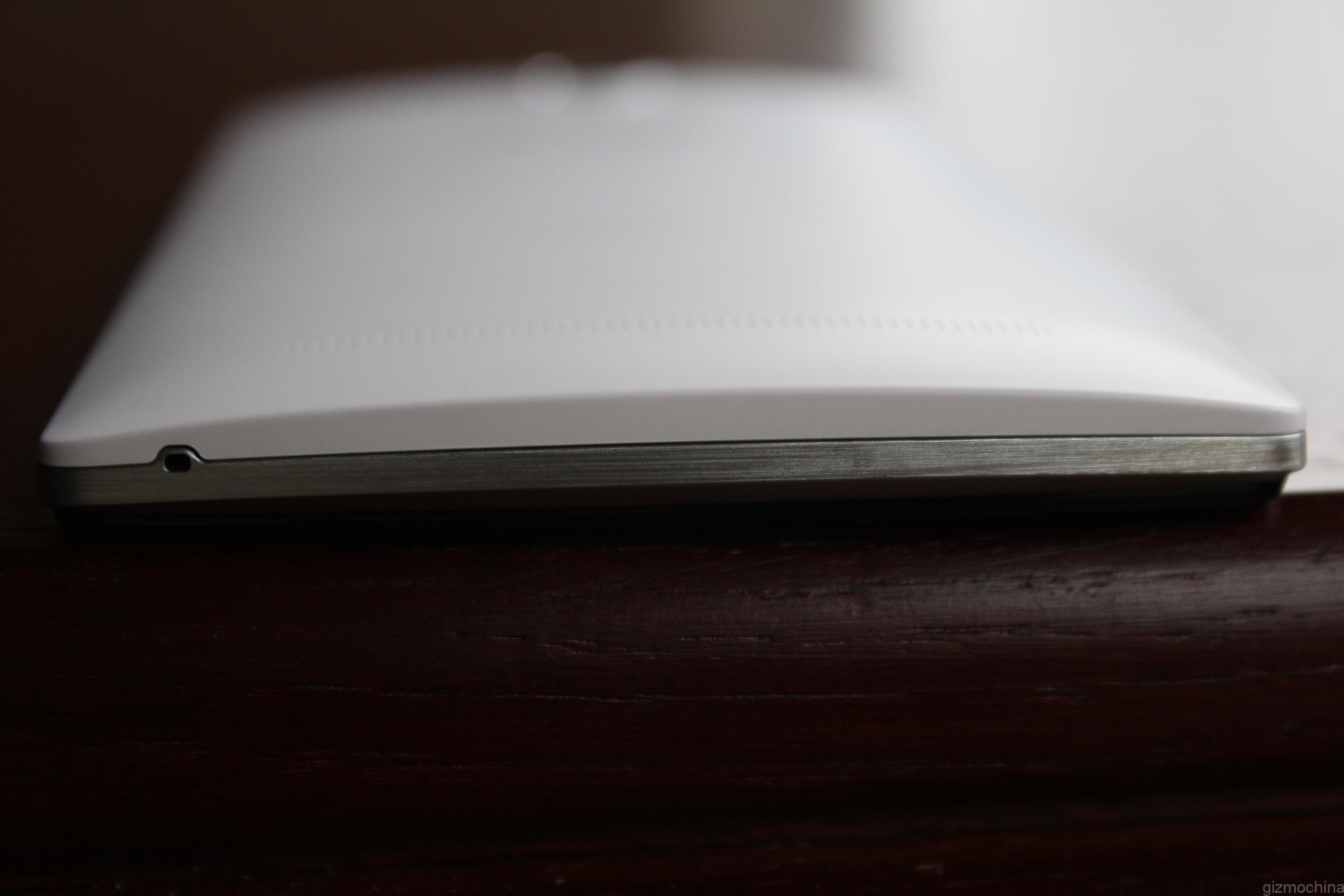
While it’s true that the Ulefone Be Pro borrows its design quite heavily from the OnePlus One that still doesn’t change the fact it’s still a good-looking phone. The dimensions of the phone are 156.5 x 77.8 x 10.2 mm which should point out this isn’t a small device by any means. The in-hand feeling is quite good since the sides of the phone aren’t completely rounded so the chance of you accidently dropping the phone is quite small. It should also be noted that back cover of is removable and you can choose between three different color options (white, dark blue and sandstone black).
The device spots a 5.5 inches display with the 720p resolution. The front side of the smartphone does look very similar to the OnePlus One. On the bottom there are 3 capacitive keys, which, however, don’t have the backlight. On the top side, there is an 8MP shooter along with the proximity sensor, earphone and LED light.
The screen is protected by the Gorilla Glass and I don’t see any scratches on it after one week of use. I will get back to this 5.5 inches screen quality very shortly.
1 of 8
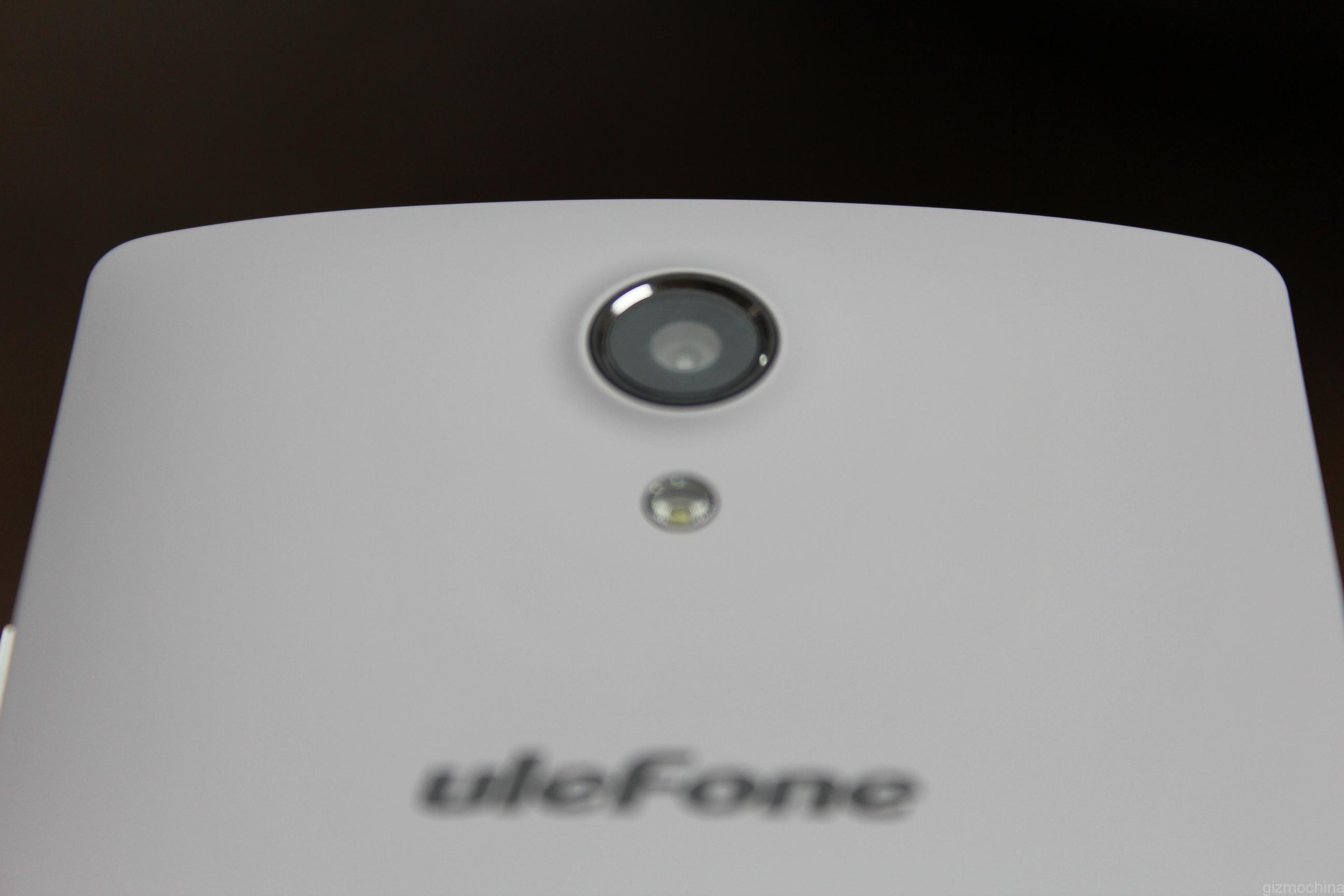
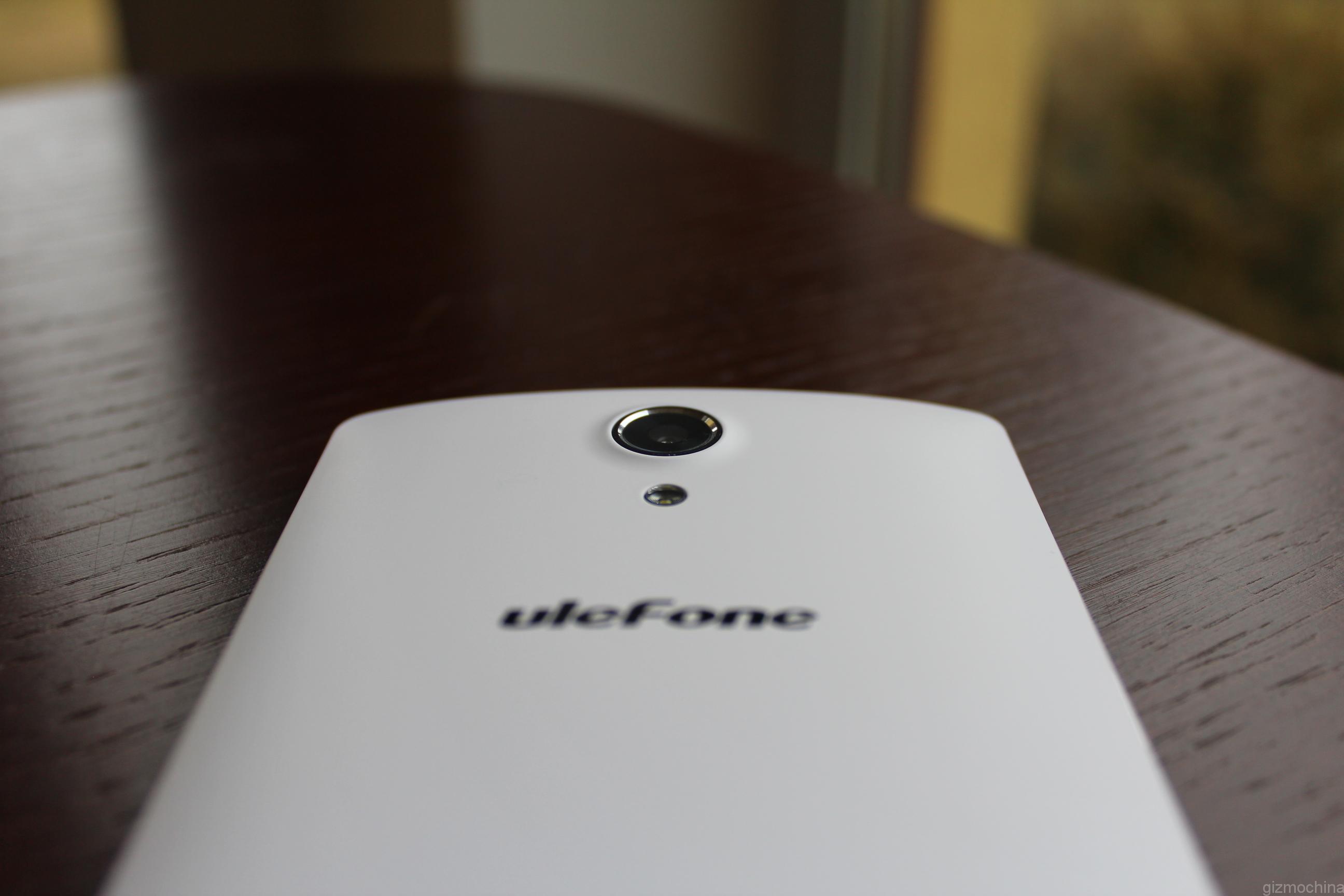
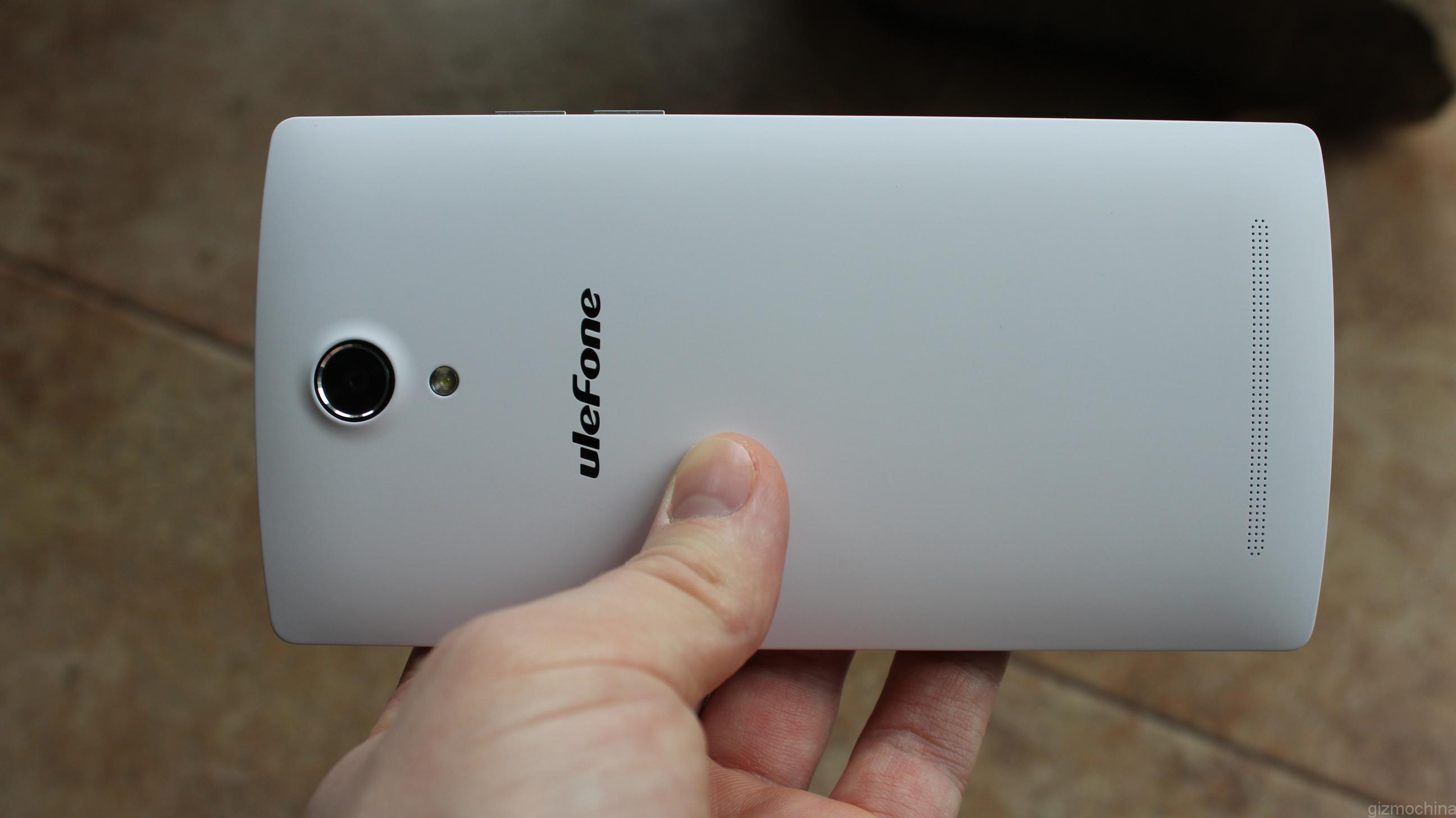
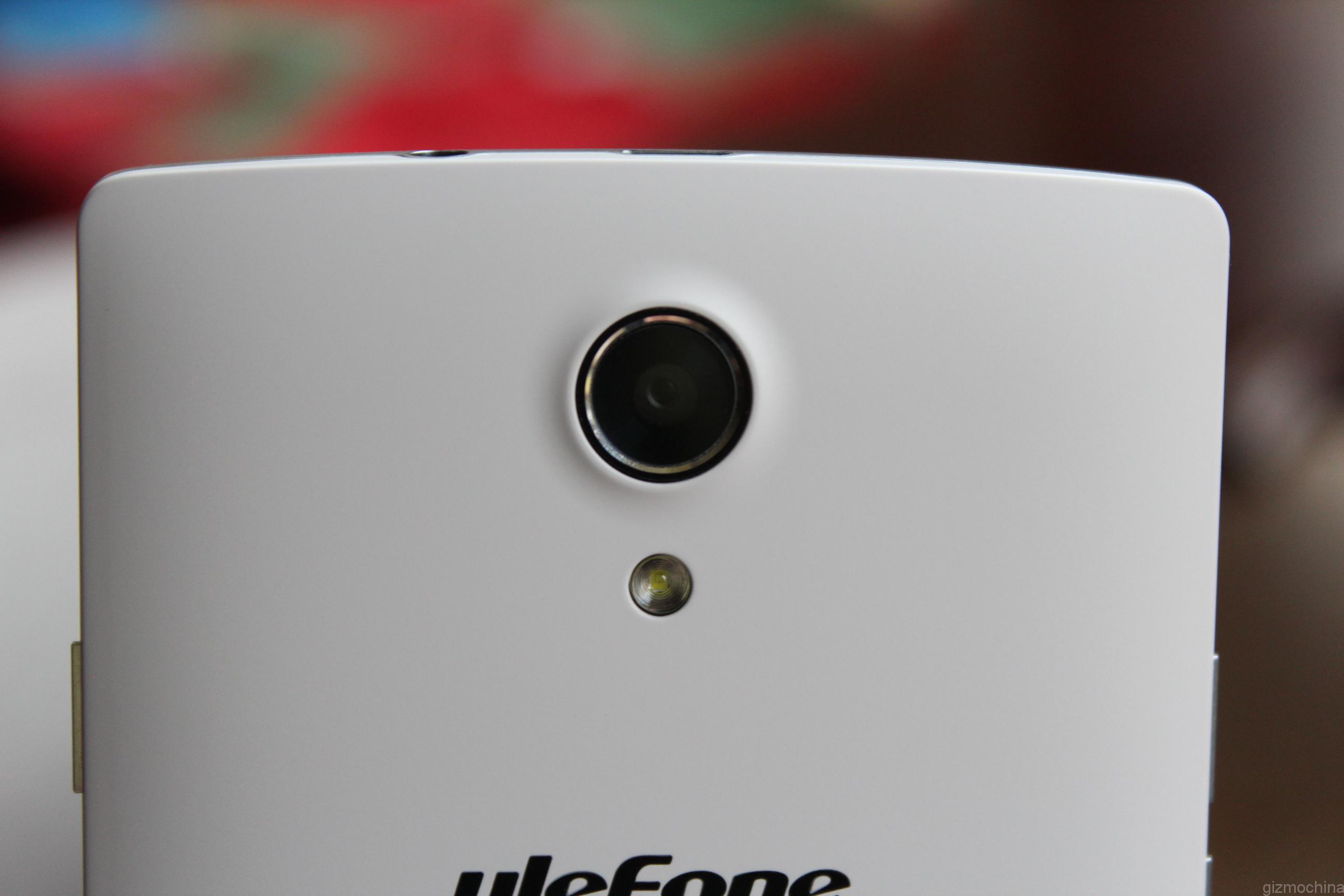
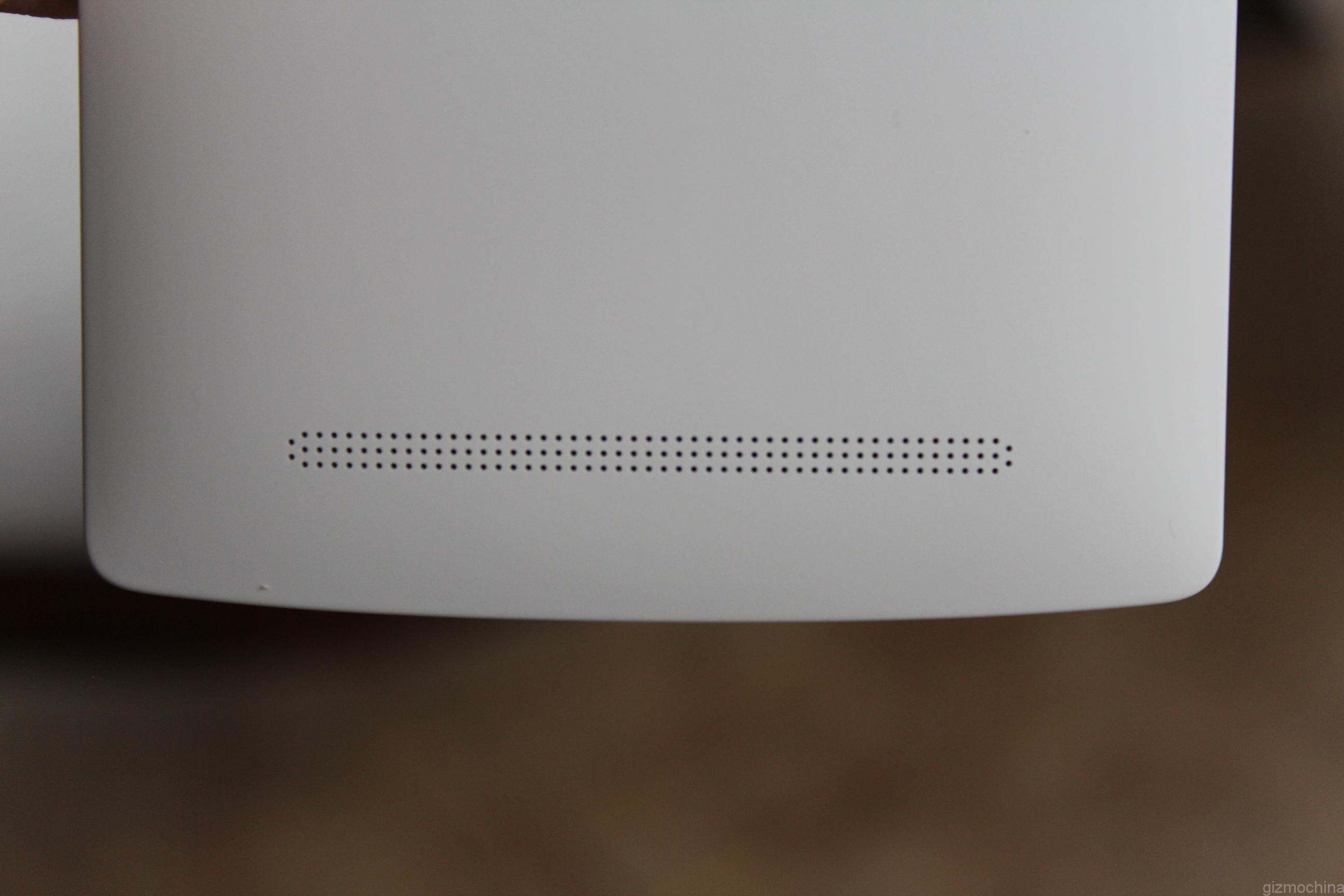
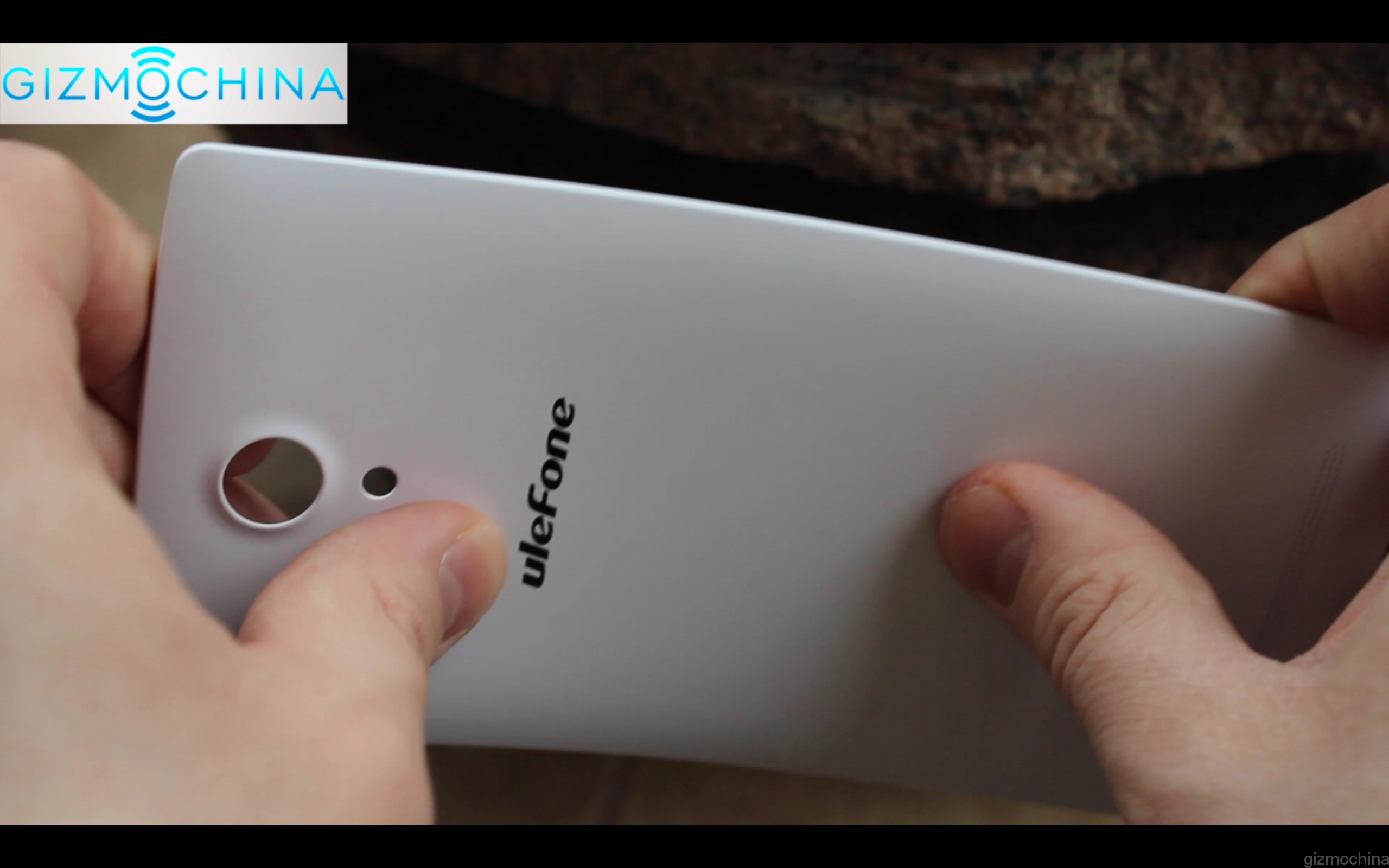
The back shell of the device has a very smooth matt surface, which doesn’t attract fingerprints. Also, there is a 13MP snapper along with the single LED flash on the top. What is more, there is a Ulefone logo in the middle and the speaker grill on the bottom. The speaker has an average quality, but is very loud. You can watch our video review to hear the audio sample of it.
1 of 3
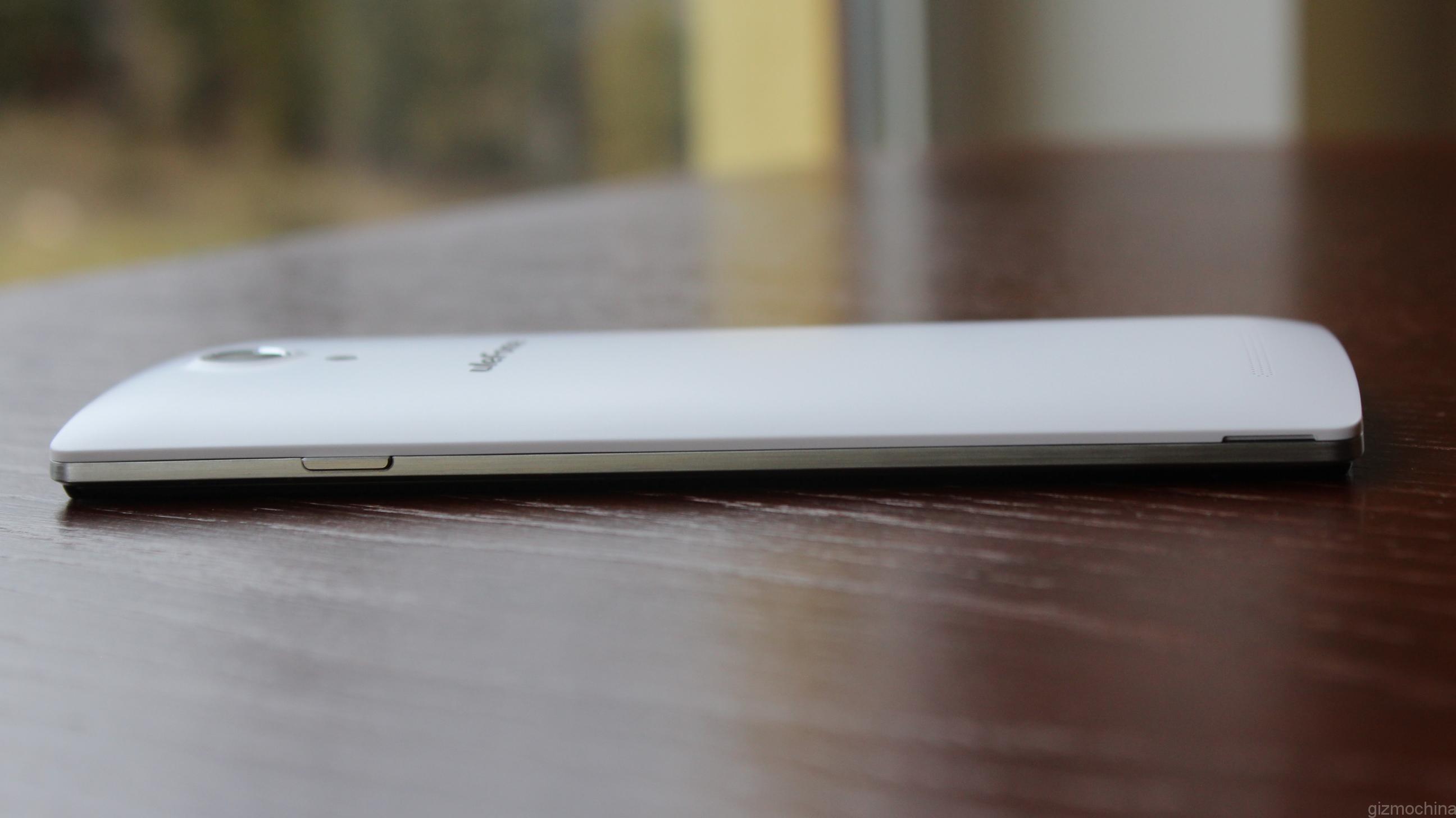
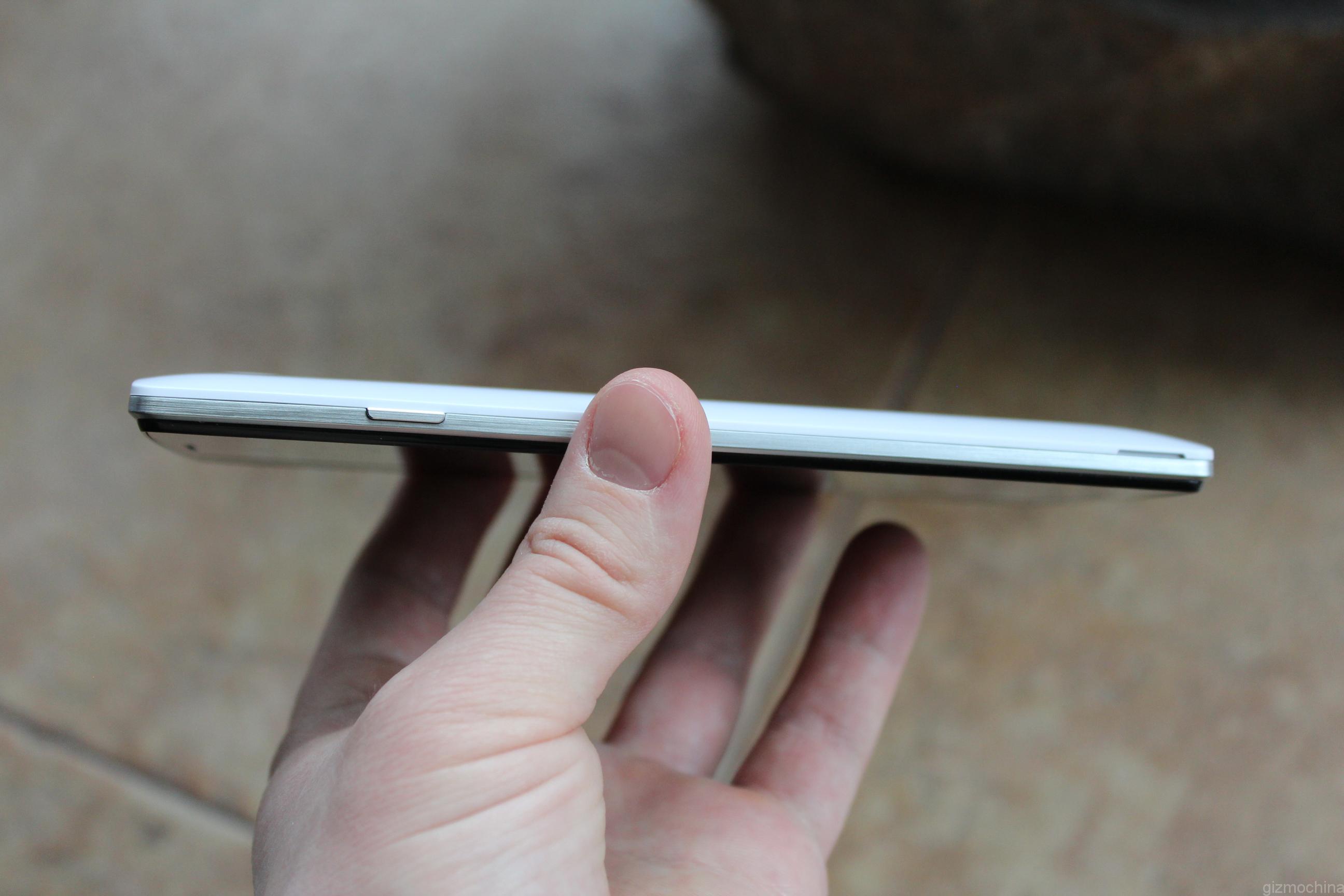
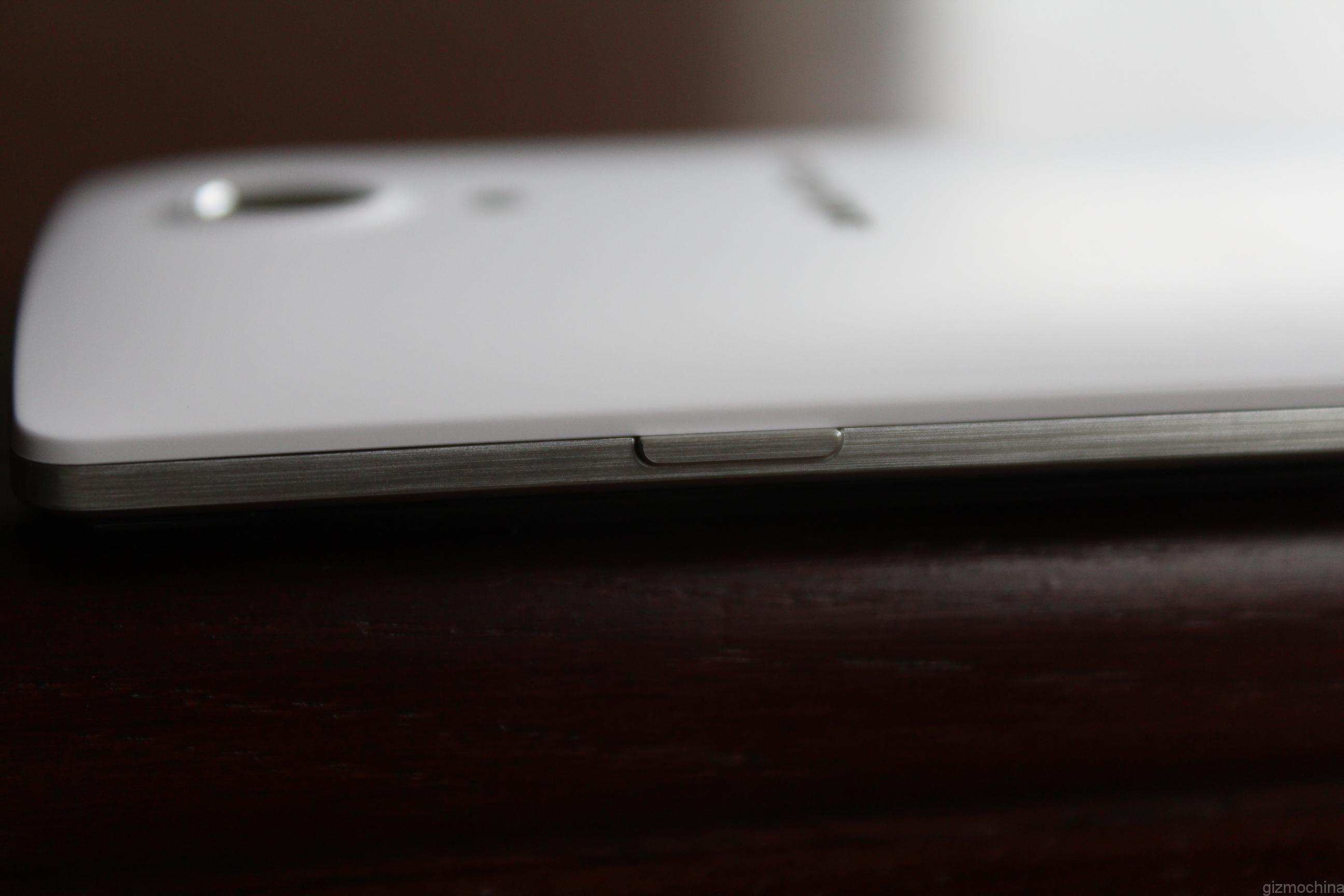
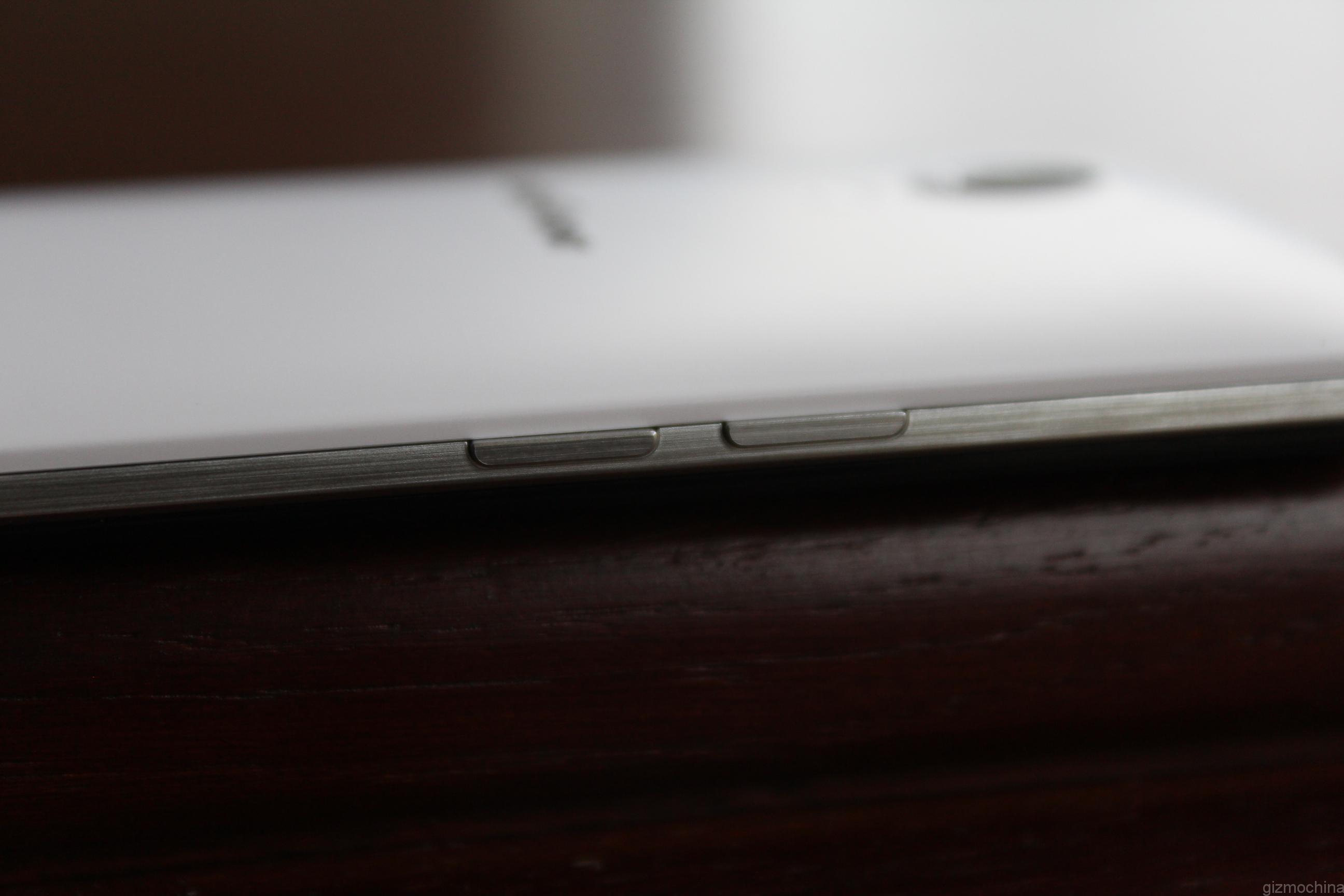
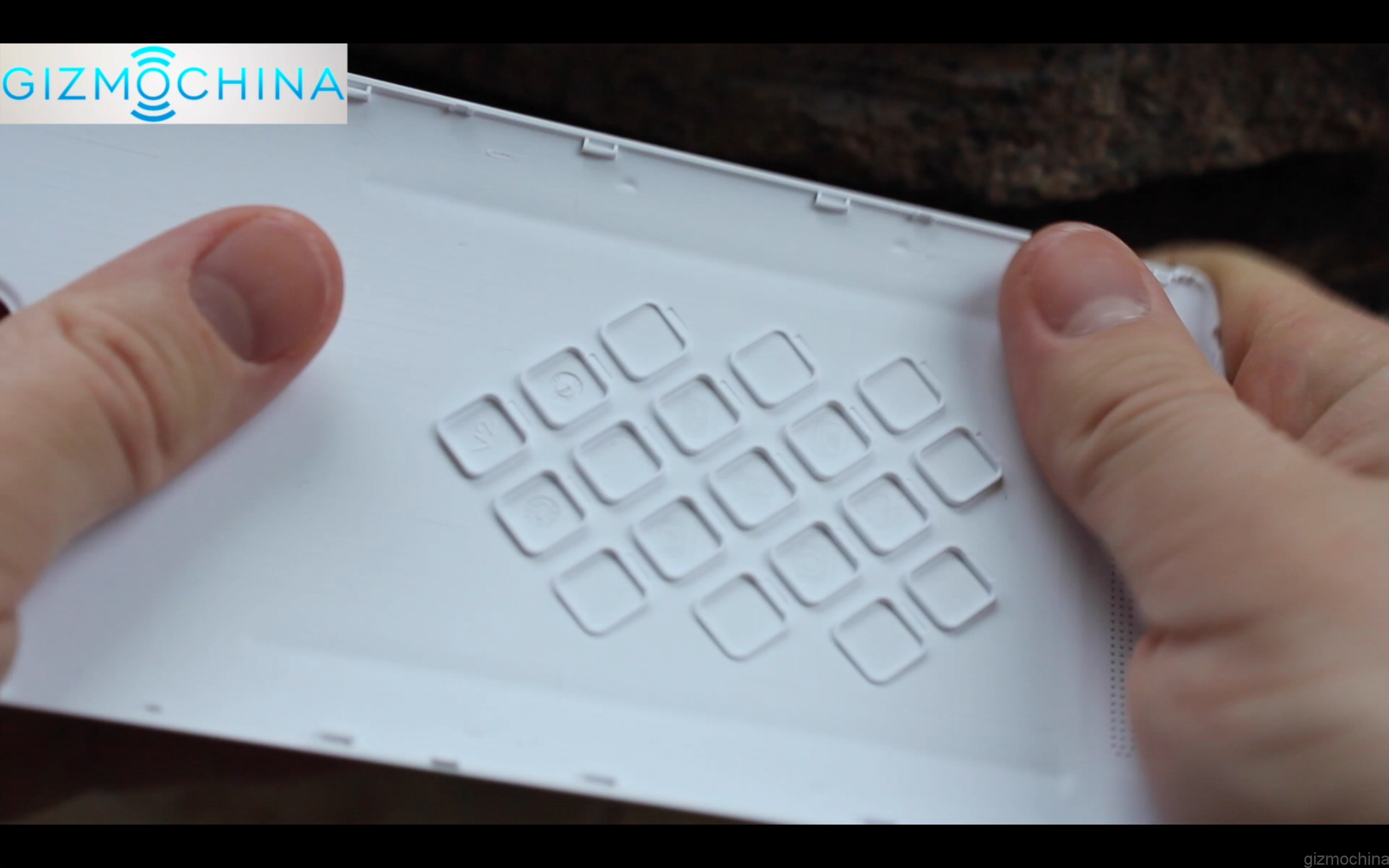
The Ulefone Be Pro has a plastic frame, which is painted in metallic colour. On the right side there is a power key, which, in my opinion, could be placed a bit lower to be able to reach it easier. Also, there is a little spot, where you would need to start opening the back cover.
The top side spots a 3.5 mm headphone jack along with the Micro USB charging port. I don’t think that putting the charging port on the top is the best solution, but it’s not a deal breaker.
1 of 3
On the left side you can find the volume up and down keys. In general, the buttons feel a bit plasticky, but they are responsive and easy to press.
Finally, on the bottom of the smartphone you find only the microphone. That is the only mic installed as I don’t see any noise cancelling mics on the device.
1 of 4
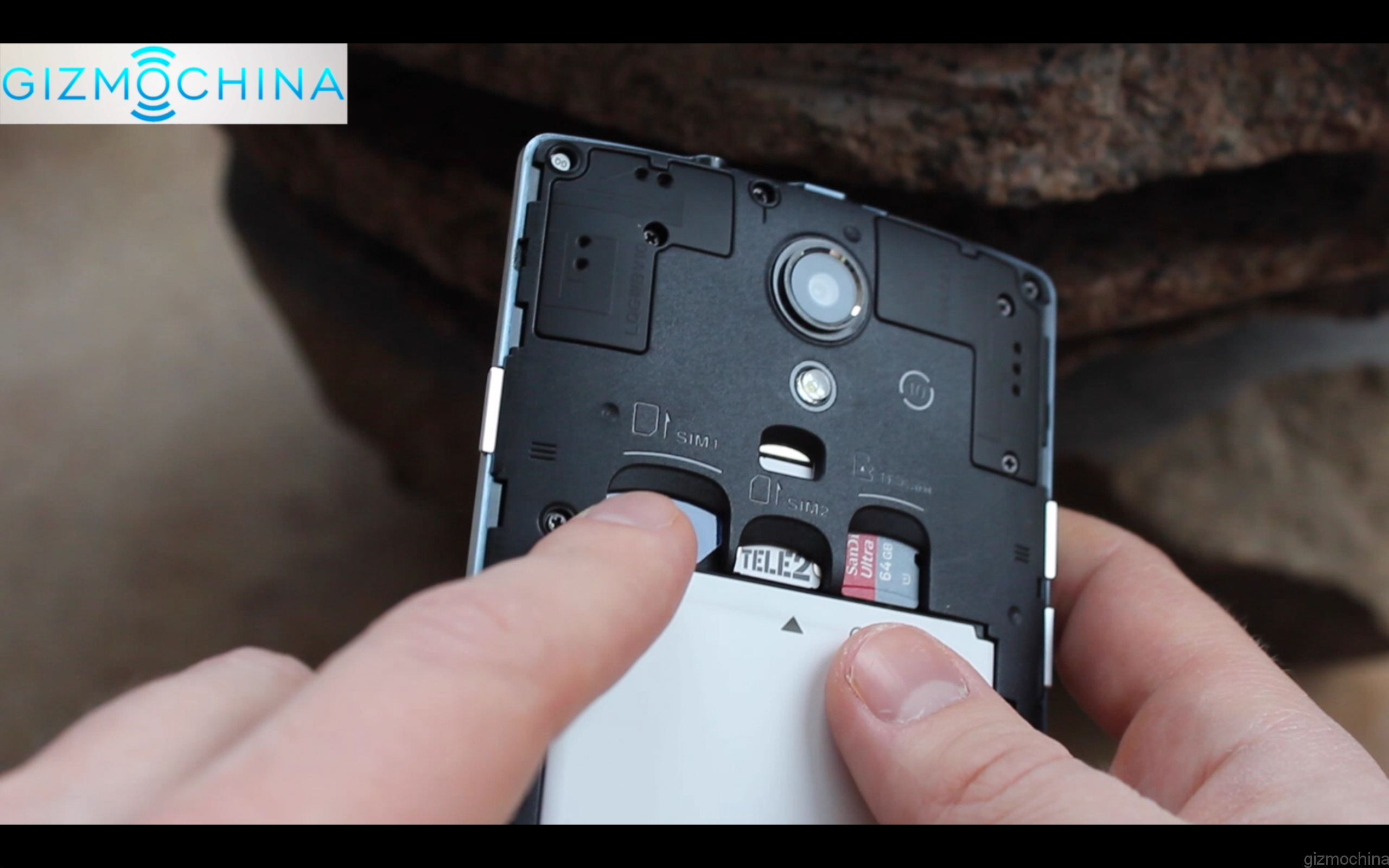
Let me take the back plate off to show you what we have inside. The best way to do it is to use the credit card, because the back cover has a very tight fit, so it’s a bit annoying taking it off using only the nails.
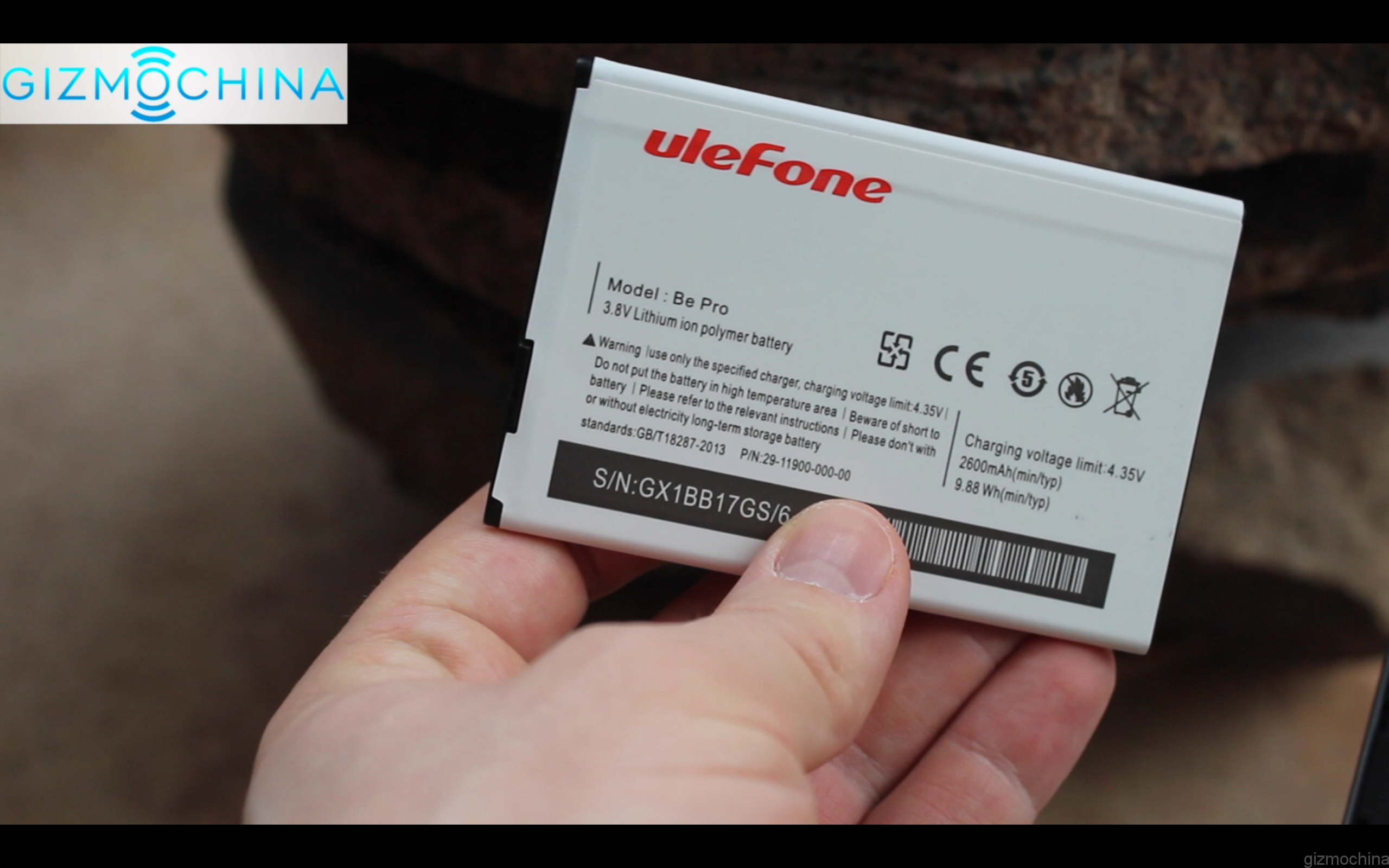
The back shell is made out of quality plastic material and feels sturdy when trying to flex it. Under the cover there is a one full sized SIM card slot, which can only support 2G networks. Another is a Micro SIM card slot, which supports all the networks, including 4G. So far the 4G connectivity has been absolutely flawless. The last slot is dedicated to the Micro SD card up to 64 GB and works without any issues. Finally, the battery is removable and has the capacity of 2600 Mah.
Putting back the back cover is very simple as you just have to press it till you get all the clips in place. As I said, the back plate doesn’t come off very easy, but the good thing that it sits very tight and there are no moving parts or wobbling noises.
THE DISPLAY
1 of 5
The display on the Ulefone Be Pro is 5.5 inches diagonally and comes with a 1280 x 720 resolution and a pixel density of 267 ppi. While it is not the best resolution in its size range, the display is still very pleasant. The colours are vibrant and the viewing angles are quite good as well. The whites looked white while the blacks were black impressive for an IPS panel. Since we are talking about an IPS panel, the screen does get bright so you don’t have to worry too much about sunlight completely washing out your screen. We are also dealing here with an OGS display which helps keep the phone a bit slimmer. The auto brightness on the phone seemed to do its job quite well, however, I guess many people like me will constantly keep it on 80% all of the time.
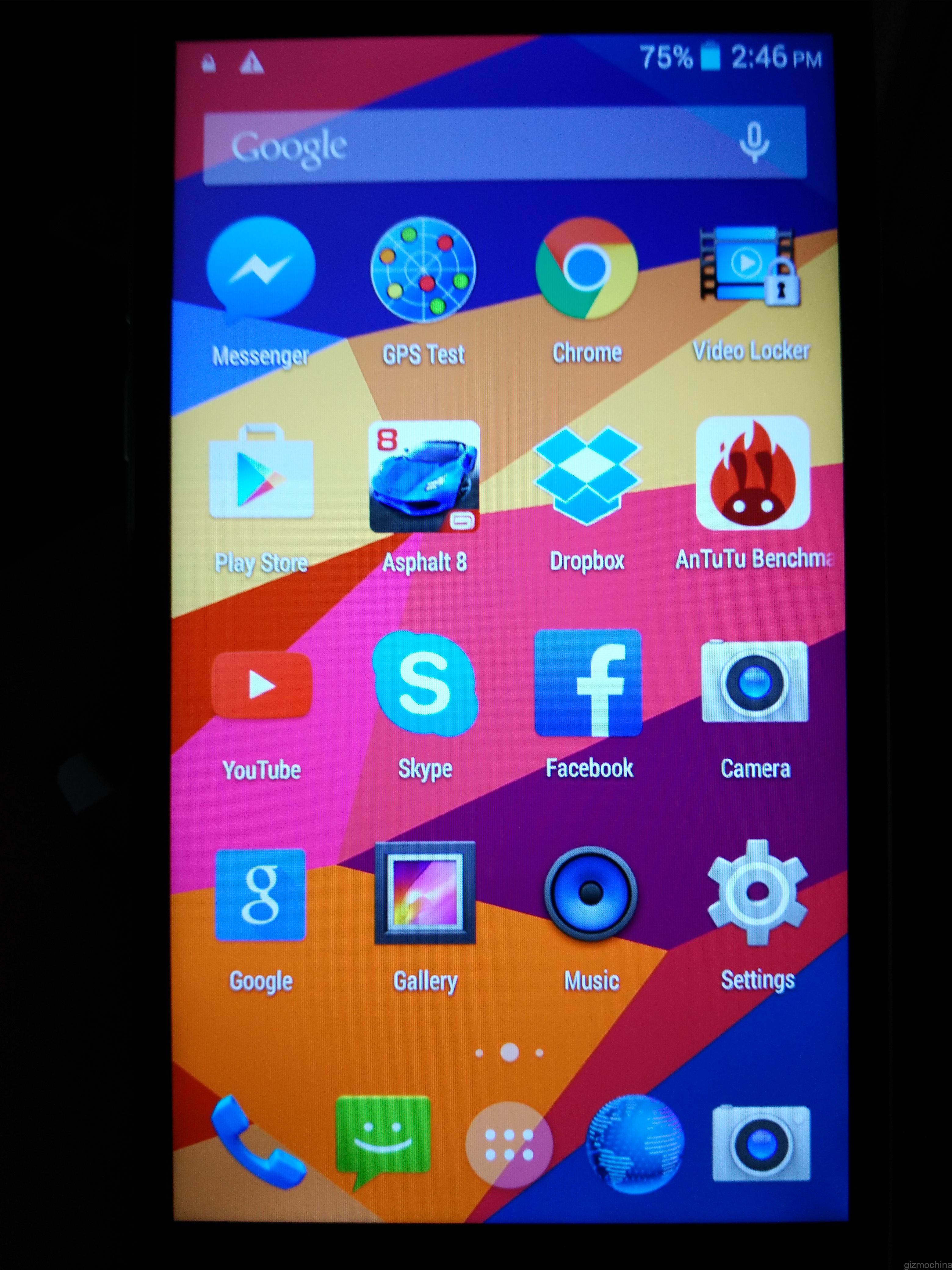
The UI is very light and it runs Android 4.4 Kitkat. The Lolipop update should be released very soon. It is almost stock Android version and runs very smooth and fast, without any hiccups so far. The great thing is that I received a few software updates within one week (no Lolipop yet, though), but it sounds very promising as Ulefone seems to care about software upgrades and improvements.
The performance of the Ulefone Be Pro is really solid. The phone is being powered by MTK6732 SoC which has 4 A53 cores clocked at 1.5 GHz and backed by 2GB of RAM. Combine that with an almost stock build of Android and you get a smooth and fast experience. Graphically intensive games seem to work really well thanks to the powerful Mali T760, also having an only 720p display means there aren’t that many pixels to push around. I had no problems playing Asphalt 8 or any game other game I threw at it. Browsing the web seemed smooth and the web pages loaded fast. The GPS performance is very good and it locks on relatively fast and it seems to hold the signal as well.
Here are some Benchmark scores for your reference. Usually, I’m not that kind of guy that cares about synthetic benchmarks, but still, for the those of you who care, here are the results of Antutu test. The Ulefone managed to get a very good result, which is just under LG G3. Very impressive for a budget mediatek device.
Antutu: 32,400
Antutu X: 31,103
Geekbench single-core test: 742
Geekbench multi-core test: 2155
GFXBench Manhattan test: 508 (8.1fps)
GFXBench Manhattan off screen test: 252.4 (4.2fps)
GFXBench T-Rex test: 1040 (18fps)
GFXBench T-Rex off screen test: 620 (12fps)
CAMERA
The phone comes equipped with a 13MP back camera made by OV and an impressive 8MP front camera. It captures photos relatively fast, but I’ve seen faster on the high-end devices. Besides the the standard picture taking mode, there is a PIP or picture in picture mode, which enables you to take pictures using back and front camera simultaneously.
Other shooting modes include live photo mode, motion and panorama modes. All in all, the camera app is clean and simple to use. I took some pictures with the device, so you can have an idea how the Ulefone Be Pro performs.
As far as the picture quality, it is a bit interesting, because once you take the picture and look at it on the smartphone, it looks that the quality is just about average. However, once you look at the same pictures on the computer screen, their quality is actually very good. First, I didn’t expect much from the camera, but the pictures have plenty of detail, they look sharp and the colour reproduction is very natural.
I have to say that for the device that costs just under $170, the daylight picture quality is indeed very good.
Once you take pictures inside the house, where the camera sensor can’t get so much light, the shutter speed is slower and you have to hold the smartphone steady, so that don’t get any blurriness in the picture. If you are able to do that, you may take some really good looking photos. Taking pictures in the artificial lightning can sometimes be a hit or miss as far as color reproduction goes. The camera tends to capture brighter images. Still, the quality is not bad.
The front facer is perfect for all of you selfie lovers since with the 8MP sensor it will capture probably as much detail as you want and perhaps even more. The camera app does come with a few additional features that aren’t found on a stock Android phone.
The 1080p video recording is quite good. It captures the average level of detail, white balance is good and the color reproduction is natural. The quality of video recording is not on par with the best flagships, but acceptable for a budget 4G device.
Once you boot up the Ulefone Be Pro you quickly realize that they went with an almost completely stock Android experience. This keeps the UI running fast and smooth. And instead of adding unnecessary bloat, the company decided to add some software bonuses to the experience. One of my favorites is the ability to customize the LED notification light. You can decide what kind of light blinks for what kind of notification. While this can be done with apps, it’s nice to see it built in. Other enhancements are seen in the camera app with features like beauty mode. All in all, the software is really good and gets the job done. And because it’s so stock like Ulefone has already said that they will be updating the phone to Android 5.0 Lolipop quite soon.
BATTERY
As far as the battery life goes, the capacity of just 2600 mah doesn’t sound impressive on paper, but I was surprised by how good the Ulefone Be Pro performs in real life. During my testing time I did a bit of gaming, watched some youtube and hd videos stored on the phone, surfed the web and did all other stuff. My conclusion is that it can get you though the day quite easily in a normal use.
THE VERDICT
All in all, before reviewing this device I knew that it was very popular in budget devices category, so I wanted to see if it was really worth all the buzz. After using it as my daily driver and testing everything I can, I can firmly say that I love what I see for a device under $170. MTK6732 64-bit Quad Core along with the 2 GB of RAM makes the smartphone a fast performer both in benchmarks and real life. I didn’t have any lags or stutters while using it. It even performed well while playing graphically intensive games like Asphalt 8. Also, the 5.5 inches 720p resolution screen doesn’t sound impressive on paper, but it gets the job done and is pleasant to the eye. Moreover, I loved the camera. It may not have the fastest focus time in the world, but the pictures, especially those taken in the daylight are very impressive. Also, the video quality is quite good. Another thing worth mentioning is that design and choice of materials is great and the smartphone looks and feels solid in the hand. Furthermore, the connectivity like 4G, Bluetooth and GPS worked without any issues. Indeed, I tested out GPS using a dedicated test app and GPS applications and it performed very well. Also, the battery life is good and it you can go through the day with this device. All in all, the Ulefone Be Pro is a device that is really great choice if you are looking for a budget device with a huge screen and great all-around performance. If you have any questions, just let me know in the comments section below.
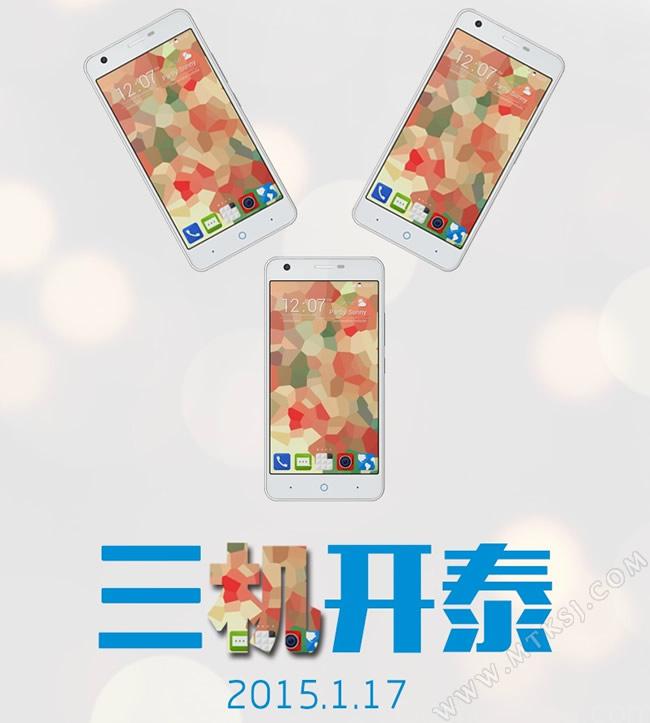
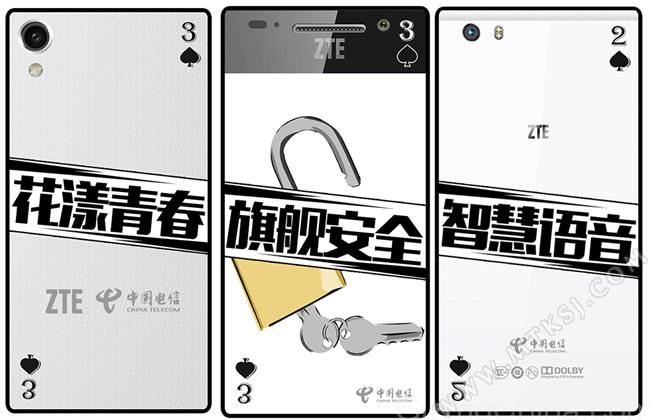
The past few weeks have been very busy for most notable Chinese manufacturers. Meizu, OPPO and Xiaomi have unveiled brand new products to take over the mid-range and top end markets. Looks like, ZTE too is all set to join the party as a new report says that the company may soon unveil three new products in the market. The report does give us a date, and if it turns out to be true, then we’ll see the ZTE Qingyang 3, ZTE Grand S3 and the ZTE Star 2 special edition as soon as tomorrow. And yes, all the models are said to come with a CDMA edition.
The ZTE Grand S2 was the company’s popular flagship smartphone at an affordable price tag. While the report does not put light on the possible specifications of the successor to this phone, we expect a bump up in the specs and software without a significant increase in price. Although, we have not recieved any significant leaks about the phone in the past few weeks, earlier in December some images cropped up online claiming to be the render images of the upcoming flagship. The design looked premium, especially with the special Nano molding technology (NMT) that will reportedly feature on this phone. Moreover, a few set of camera samples too was seen online and according to our initial analysis, they are quite good. Plus, many of the security features of the Grand S2 will end up on this new device, so you will most likely see the ZTE’s patented voice recognition system in this phone too.
Coming to the second model, the ZTE Qingyang 3, the phone will be the successor to the ZTE Qingyang 2. The Qingyang series usually packs in high end specifications at around $500. The same could happen with the phone’s successor. Unfortunately, we don’t have much information about this device, so lets move on to the next one.
The third and the final announcement that could be made tomorrow is the ZTE Star 2 CDMA edition. The company already announced the phone back in December with full Voice control system. The specifications too were quite good and at $400, the 2300 mAh battery was the only major drawback of the phone. This upcoming CDMA edition too is expected to come with the exact same features. We hope the company will somehow increase the battery in this edition, but that’s probably not going to happen.
Anyways, if this report is indeed true, we don’t have to wait too long for their release. Stay tuned to our website for more updates.
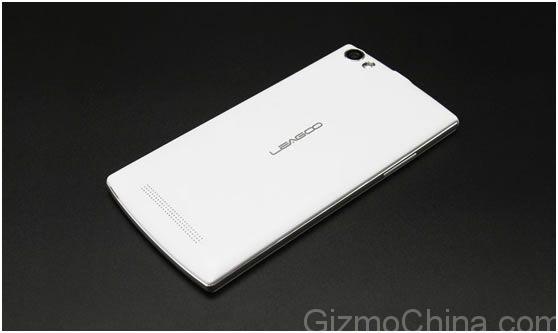
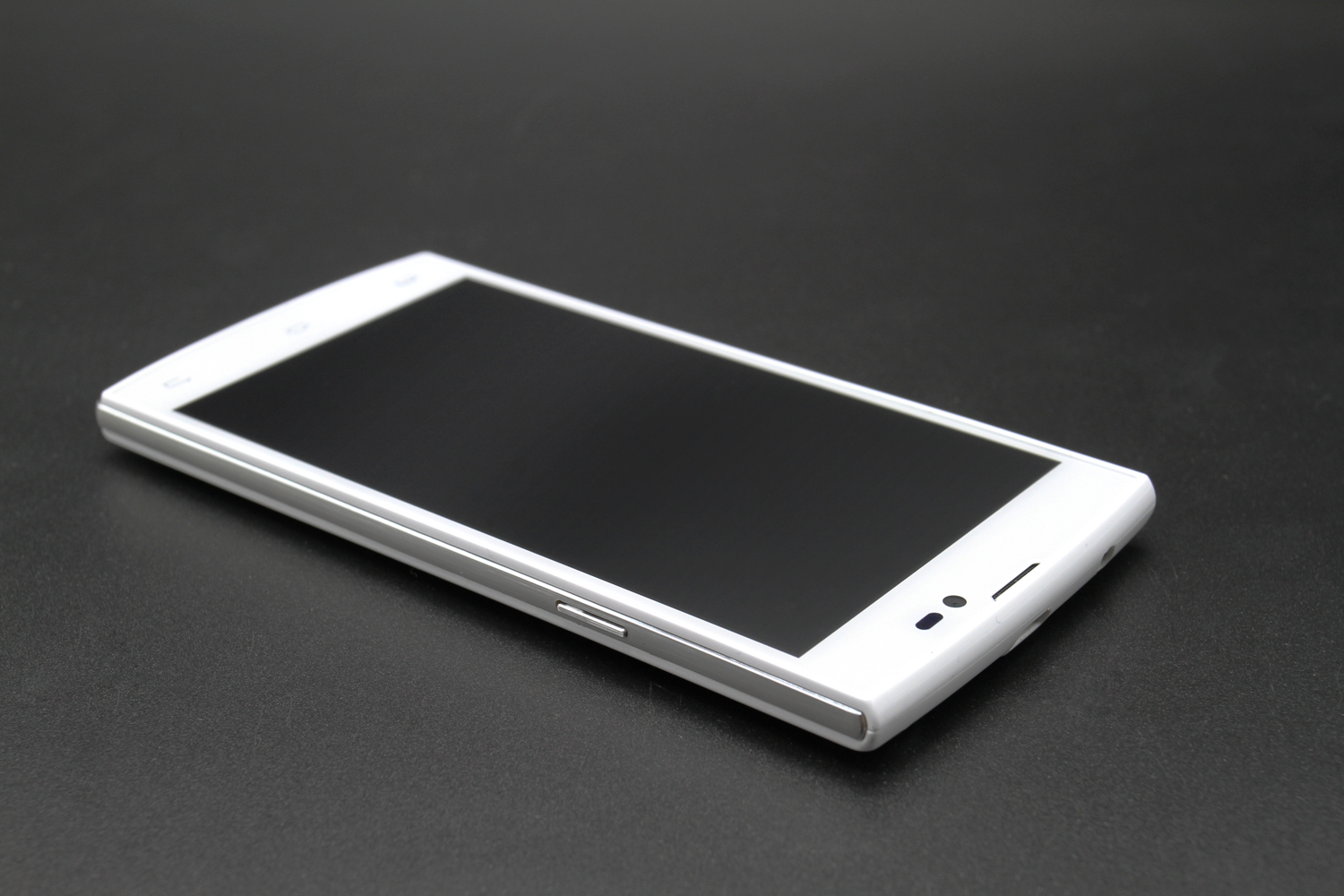
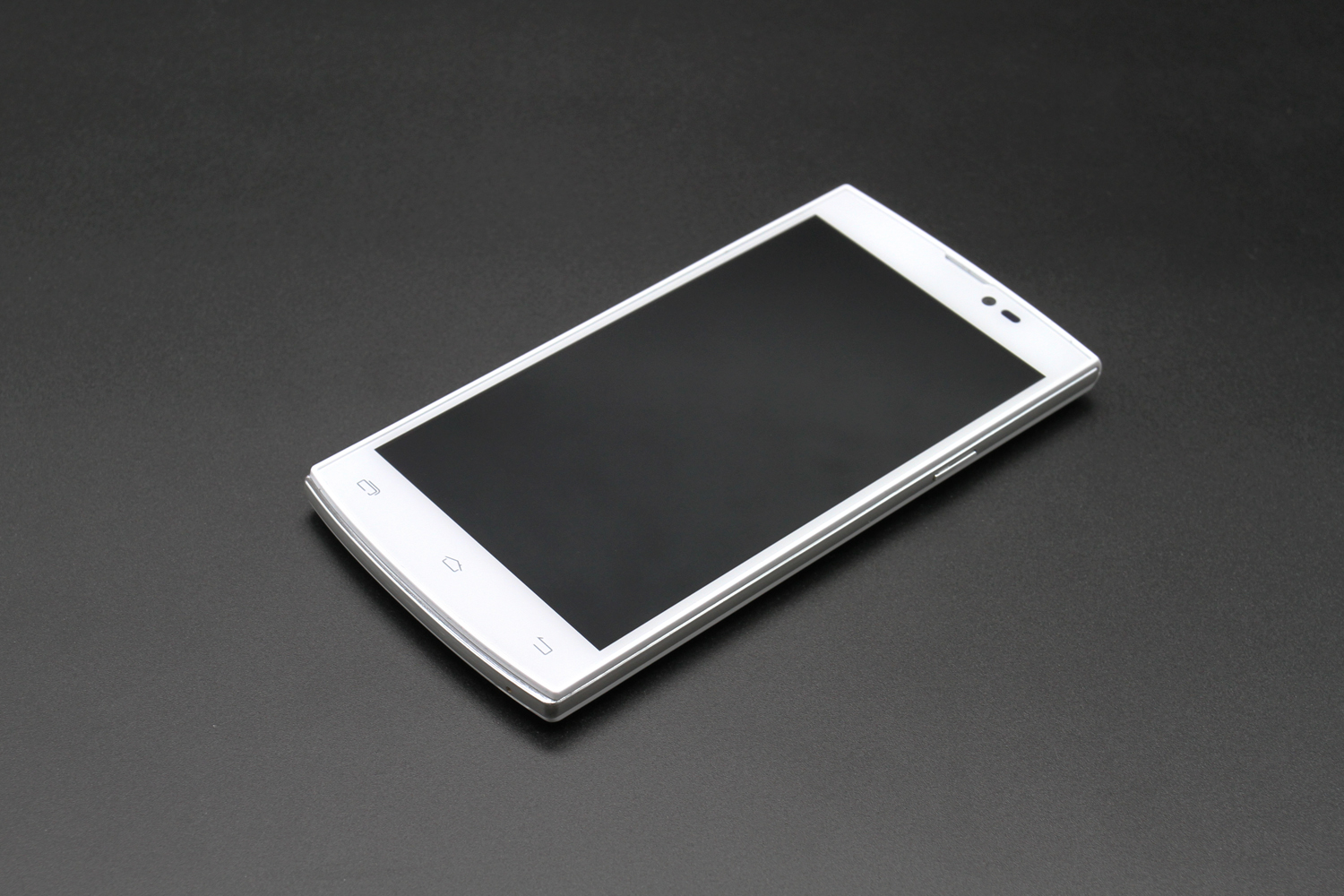
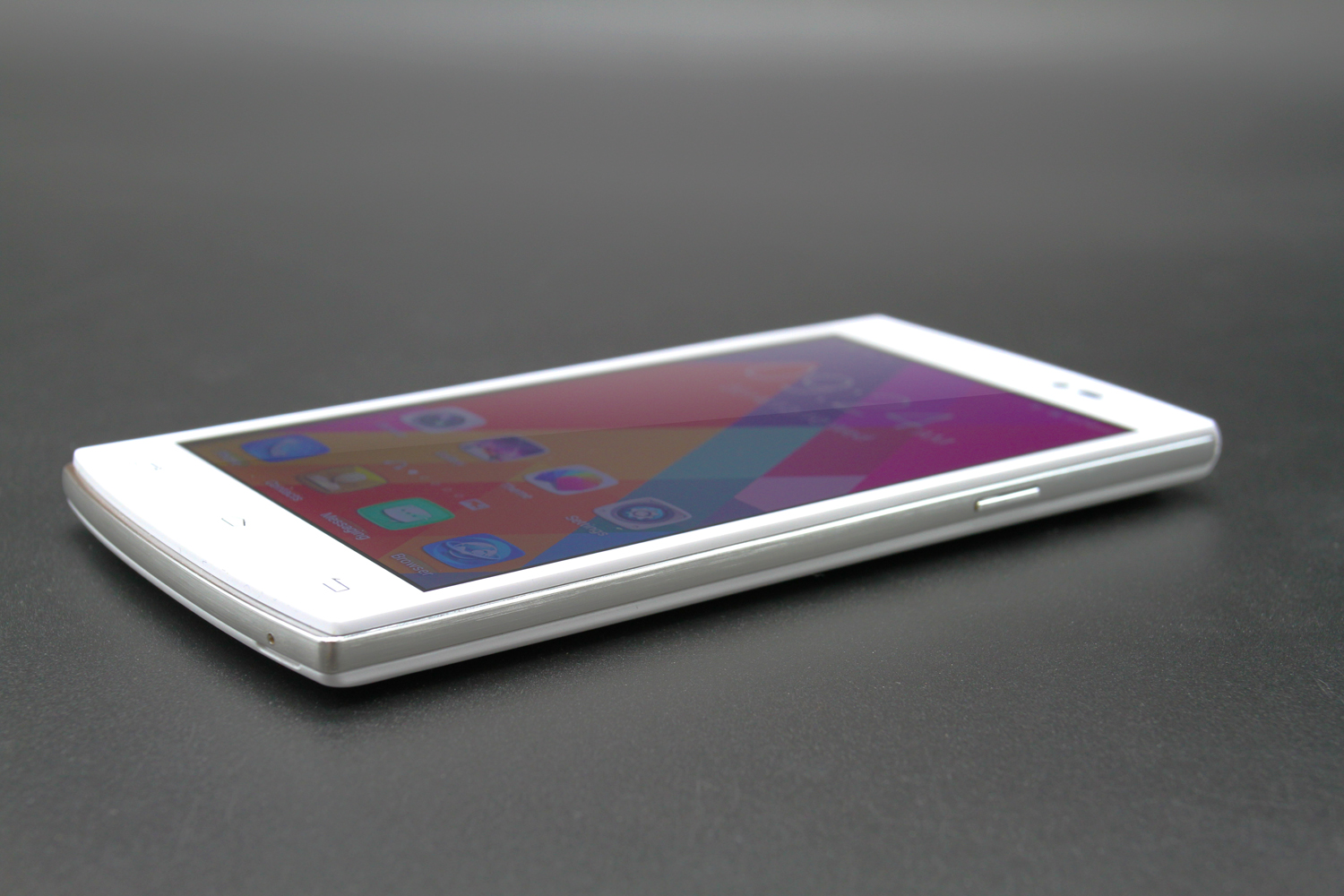
Leagoo Lead 7 – a new player in the long-running smartphones market.
Leagoo is a new brand name for many, but for some, who have used the company’s previous smartphones, the brand will be well recognized. This is because, in just a matter of a year, the company has developed and released a number of successful products in the market. We have already reviewed some of the company’s phones in the past, and they have all turned out to be surprisingly good for their price tag. For example, both the Leagoo Lead 3S (it made it to our best smartphones under $100 list!), and the Leagoo lead 2, performed exceptionally well for its price tag.
This time around, we are looking at another gem of a product from LEAGOO, the all new Leagoo Lead 7 flagship. Yes, the company has put the best of everything that you can get in under $130! And trust me, you won’t expect these features in this price range!
Its time to look at the TOP FEATURES which makes this device one of the best, if not THE BEST phone in its price range.
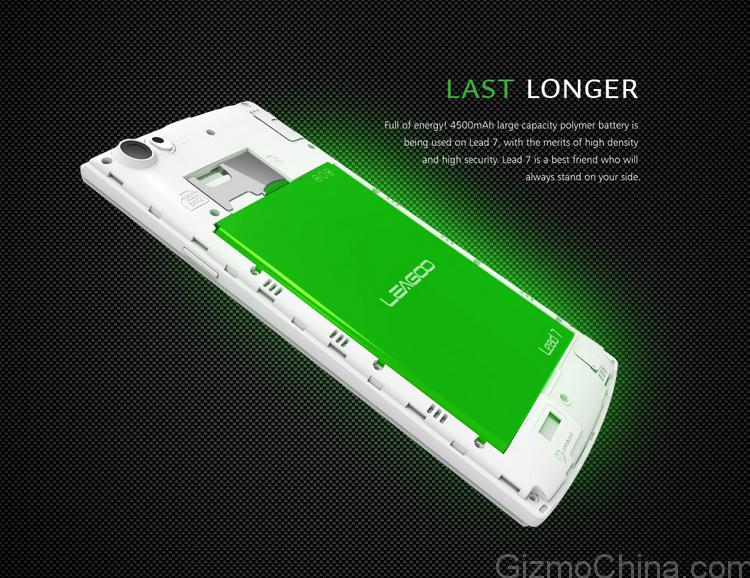
First amazing feature: 4500mAh battery
Yes, you heard it right! The phone has a very large 4500 mAh battery. Even phones in the $200-$300 price range struggle in this category. The battery is so large, that we don’t think you’ll ever need to worry about your phone’s battery again. Yes, there we said it, the thing that haunts most smartphone users these days is exactly where the Leagoo Lead 7 triumphs! The cherry on the cake is the charge time. The phone will charge to 80% from 0% in under an hour! Thats a very impressive feat for a 4500mAh battery device. Further, even when your phone has switched off due to 0 percent battery, it will start again as soon as you plug in the charger. You no longer need to wait till it reaches to 1 percent.
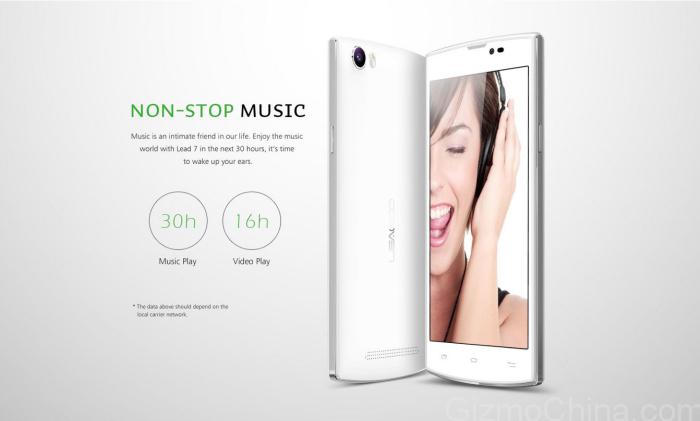
Coming to the most exciting part of the device, i.e. its talk time. The Leagoo Lead 7 is capable of giving you an impressive, 23 hours of talktime in a single charge! You can listen to your favorite music for up to 30 hours or even watch videos for up to 16 hours by charging it just once. And if you are worried about running out of charge when the phone is idle, don’t, because this battery has a massive 450 hours of standby time.
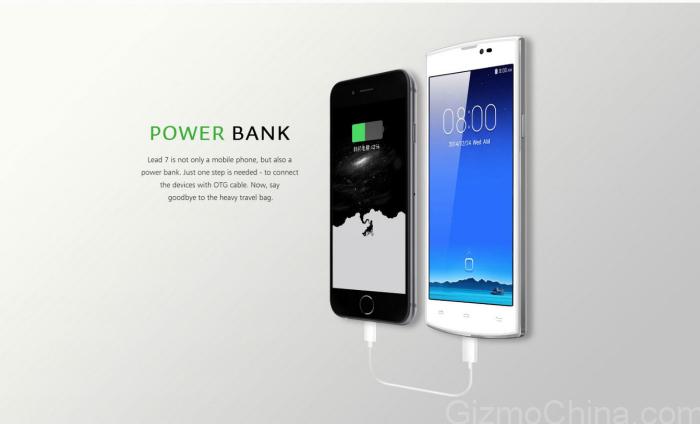
And if you have other devices with small batteries, don’t worry as Leagoo Lead 7 can also act as a power bank to charge these devices. Just plug in a OTG cable between the two devices and Lead 7 will instantly transfer the charge to the connected device.
Overall, the Leagoo Lead 7 is the ultimate phone that you can get in this price range. Its enormous 4500 mAh battery throws every other competition out of the game.
Second wonderful feature: MTK6582 Quad core 1.3GHZ Processor
MTK6582 processor is standard when it comes to budget phones. So, it no surprise that the Lead 7 packs in this quad-core processor clocked at 1.3GHz with 1GB RAM. While this isn’t the fastest processor out there, the performance is quite decent and you can pretty much do everything you want on the device with the SoC. Moreover, the Mali 400MP multi-core GPU will handle your graphics needs pretty smoothly.
Third wonderful Feature: 5.0 Inch 1280 * 720 HD JDI IPS Screen
LEAD 7 is equipped with a 5.0 inch JDI display, which applies low temperature poly-silicon technology and is beneficial to improve 30% permeability and reduce the power consumption. Once again, this screen is pretty much standard for any device in this range and is good enough for satisfying all your entertainment needs.
The 5-inch display is particularly handy for operating the device. Its big enough to watch videos and play games with ease, yet compact enough to operate it even with a single hand. You may call the 1280 x 720p resolution low, but remember that just a couple of years back, even 540p displays were considered good enough. And the flaghips came with a 720p screen which was considered awesome. So, you should have no complaints with this wide angle 720p display!
Fourth wonderful feature: 13.0MP Master camera and 8.0MP Front camera
The Lead 7 features dual cameras. The rear camera measures 13MP and has f/2.2 aperture. Most smartphones don’t have the main camera with 13.0MP in this price range. However, this phone takes thing a bit further by integrating the stacked CMOS sensor technology by Sony, 5P lens and other complicated technologies. The 13MP shooter will make sure that your pictures are not pixelated and you get clear shots, both in day as well as night. Of course, night shooting won’t be the best in such cheap phones, but a little bit of additional artificial light should get you decent and clear shots.
The front camera is even more awesome. Given the popularity of selfies, the phone comes with a 8MP shooter up front, which is uncommon among phones in this price range. To make things more interesting, the company has a special beauty shot feature which allows users to select the make up before taking the selfie. This makes sure that you get a very good looking picture.
Fifth wonderful feature: OTG, 3G, Google play store, multi-language
You have every other practical feature that you need — OTG, Google Play Store support and even multi-language support. As mentioned above, the OTG is particularly useful in charging your other devices. Google Play store ensures that you have millions of free and paid apps at your disposal and multi-language supports ensures that everyone can use the phone in their native language.
Sixth wonderful Feature: Beautiful Design
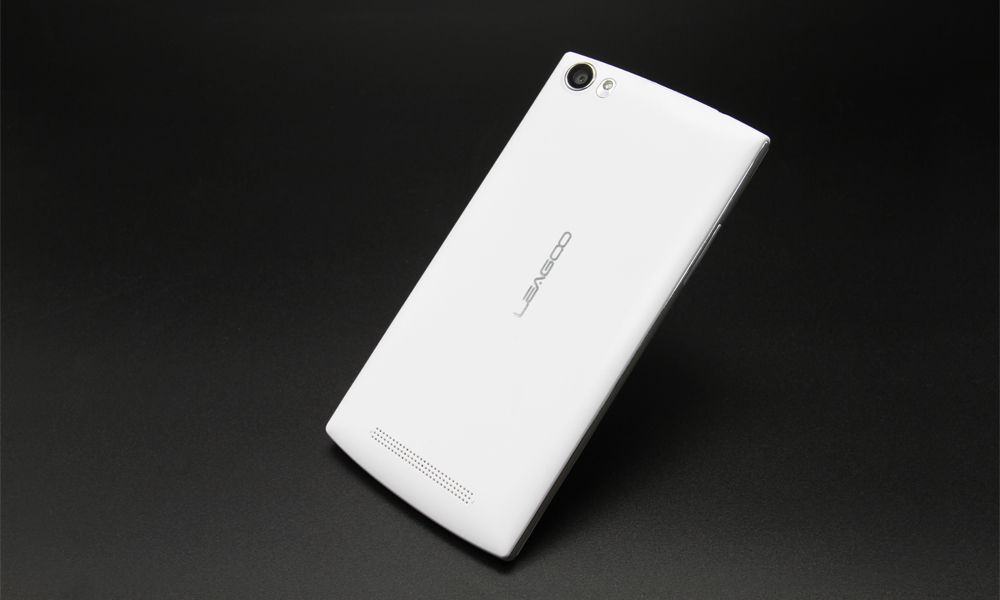
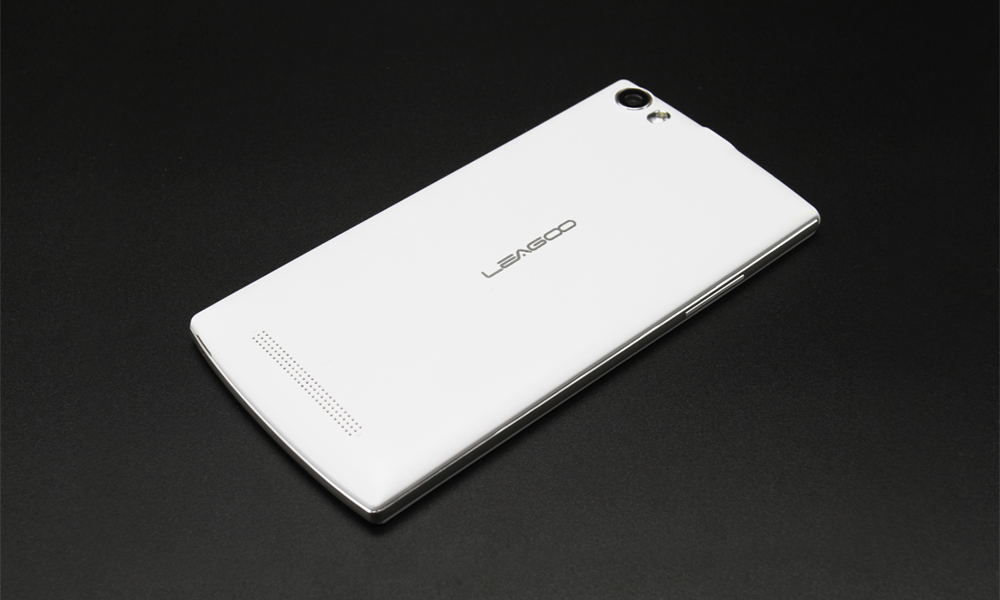
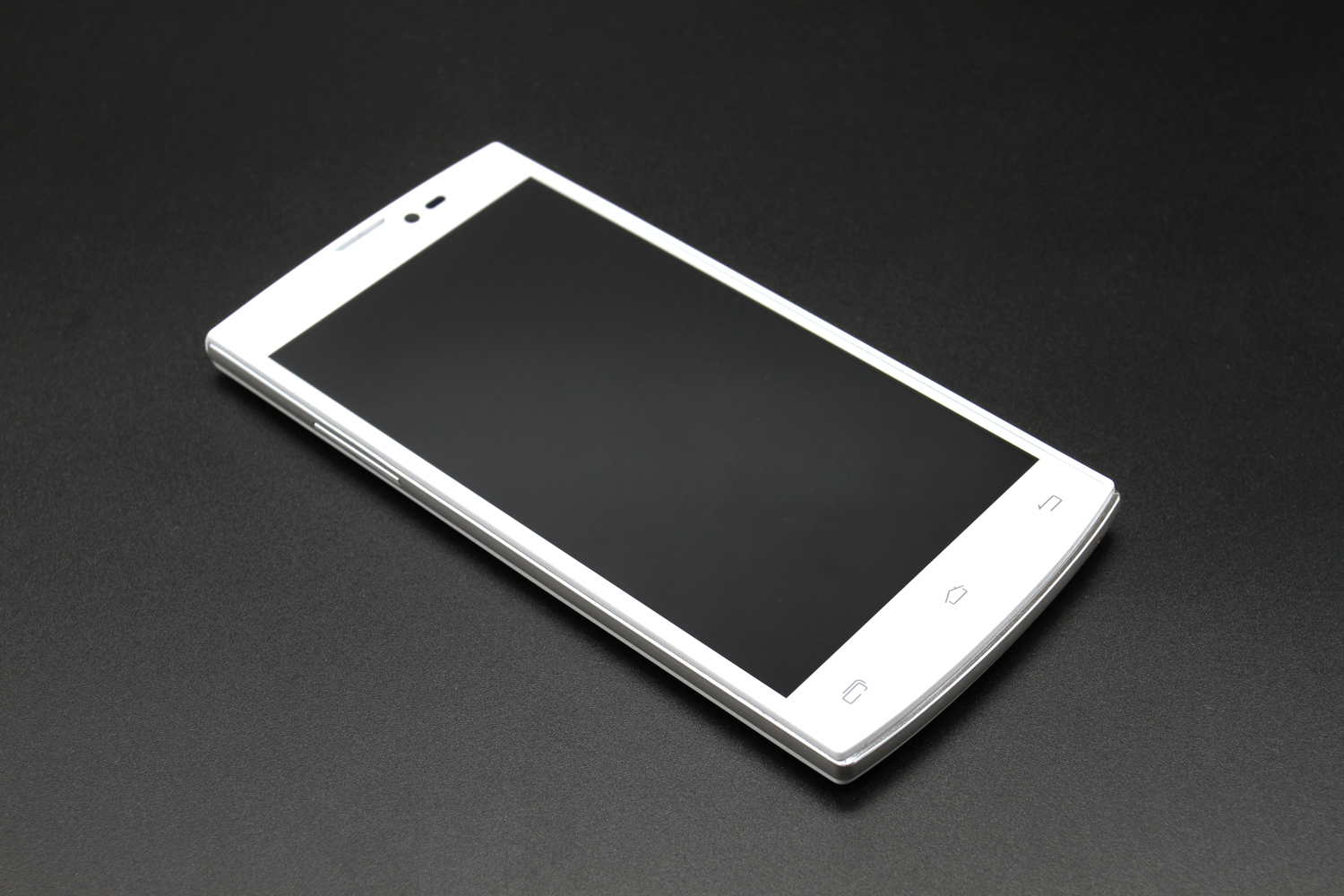
The Leagoo Lead 7 looks very different than other traditional offerings in this price range. The phone has round look, thanks to its slighly curved top and bottom edges. This gives it a unique look, setting it apart from the numerous block rectangular designs available in the market. The color options are standard, so you have white and black colors to choose from.
Both the colors looks exceptionally good, but if we had to choose, we would go with the white version because it looks a lot more premium.
Colorful and Smart UI
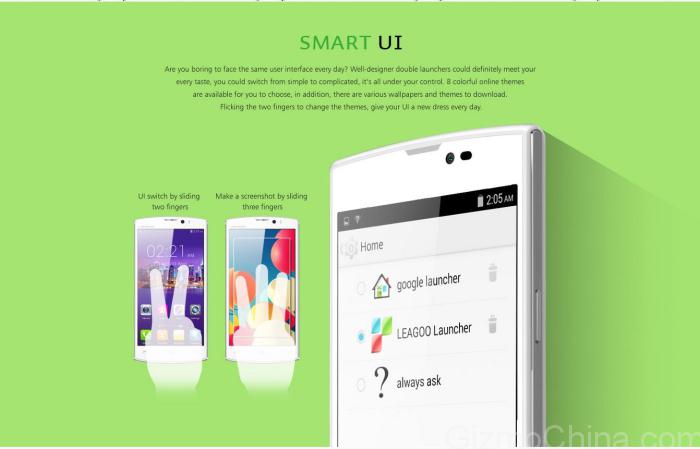
LEAGOO UI 3.0 keeps the flat design style and further improves the user experience. The phone basically runs on Android 4.4 KitKat out of the box with this Leagoo UI. It comes with several nifty features to ease up your every day interaction with the phone. For example, you can switch UI by sliding two fingers, or make a screen shot by sliding three fingers. There are many gesture features available too!
LEAGOO XENDER
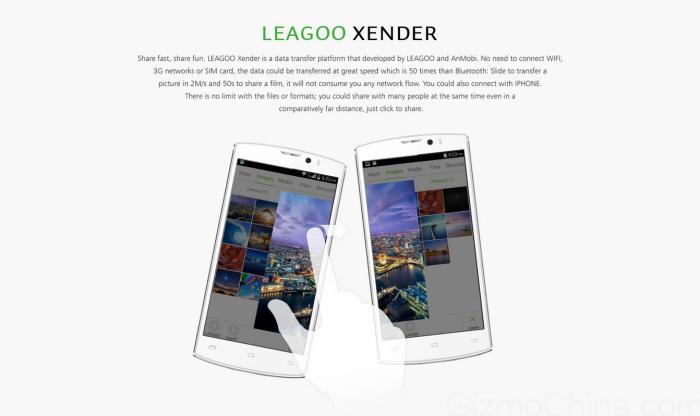
LEAGOO LEAD 7 XENDER is a data transfer platform that is developed by LEAGOO and AnMobi. This advanced technology enables you to transfer anything to and from your phone with speeds that are 50 times faster than a traditional Bluetooth connection. And if you are wondering about data charges, then you’ll be surprised to know that the phone does not need Wi-Fi or 3G networks to conduct this transfer. So, its a very good way to share things between two phones.
Check out the video below to see how well it works in real life. We have also added a coupon after the video to reduce its price tag by $15 for a limited period!
Now, you see why we think this is the best phone in its price range?
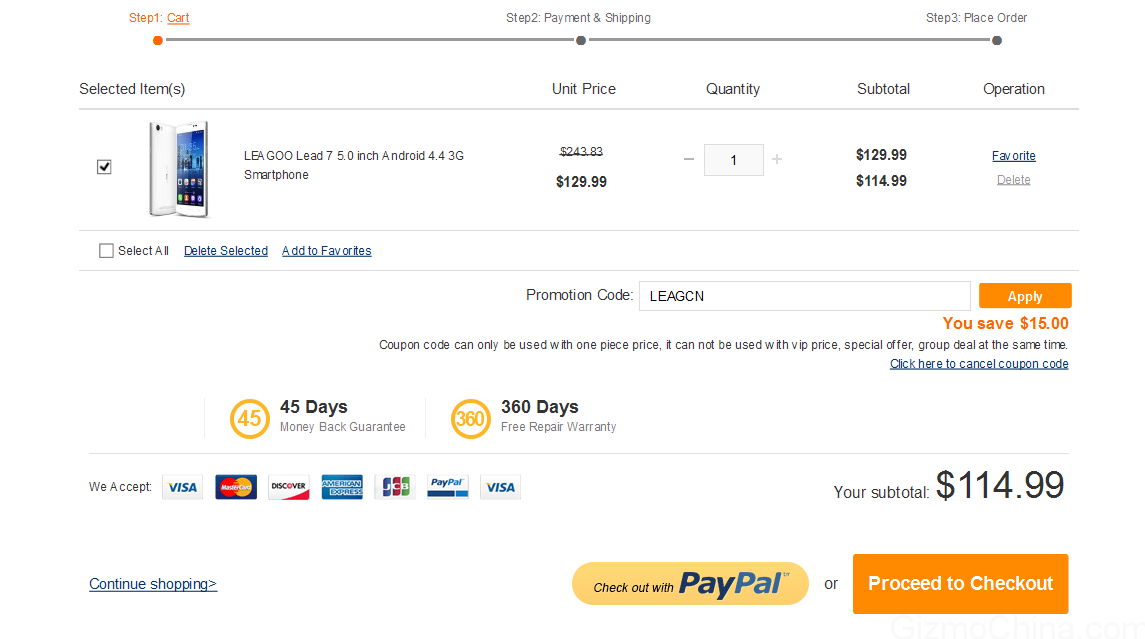
To make things even more fun, we have got a special coupon for you. Usually the phone retails for more than $130+ on the online stores, however, we have received a special coupon which allows you to buy it for just $114.99. Yes, you get a discount of more than $15 on this already cheap device, which definitely makes it one of the best phones in its range.
Unfortunately, the above deal expired. But we have got another deal for you guys from everbuying.net.
You can buy the device from the reputed online reseller, everbuying.net for $117.98with a coupon from discountion.com ! We don’t know when this coupon expires, so make sure that you make the purchase as soon as possible.
Brand / Model LEAGOO Lead 7 System
OS Android 4.4
CPU MT6582 Quad Core 1.3GHz
GPU Mali -400MP
RAM 1GB
ROM 8GB
Extend card MAX supports 32GB Class 10 Micro SD Memory Card (TF-Card) Screen
Display Size 5.0 inch HD
Screen Resolution 1280×720
Screen Type IPS-LCD, Multi-Touch Capcitive Screen
Display Colour 16 Million Colors
Color Black / White/ Gold
Dimensions 144 x 71.6 x 8.9 mm
Net Weight 165g with battery Camera
Front Camera 8.0 mega pixel, supports Skype Video Calls
Rear Camera 13.0 mega pixel / Auto Focus / Flash Light Band
2G GSM: 850 / 900 / 1800 / 1900 MHz
3G WCDMA: 850 / 1900 / 2100 MHz
SAR 0.5 W/Kg
SIM Card Slot Dual Sim, supports W+G / G+G Support Format
Audio MP3, AAC, WAV, etc
Video AVI, MP4, FLV, 3GP, MOV, ASF, MPEG, RMVB, H.263, H.264, etc Data Transfer & Connectivity
Data transfer Bluetooth 4.0, USB 2.0
Mobile internet WiFi, EDGE, GPRS, UMTS, HSPA, HSPA+
GPS GPS, A-GPS Functions / Features
Functions / Features G-sensor, P-Sensor, FM radio, Wifi, GPS, Multi-touch, Dual SIM, Schedule Power on/off
Sensor Gravity Sensor, Proximity Sensor Battery
Battery Li-Pol Battery 4500mAh What’s in the box
What’s in the box Battery x 1, Earphone / Headset x 1, Power Charger x 1, USB Cable x 1
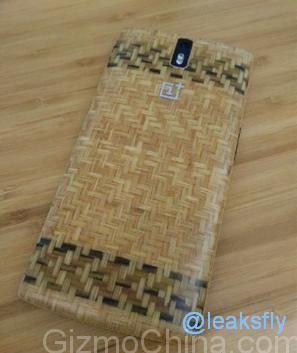
OnePlus One was probably the best smartphone of 2014 when it came to specifications and pricing. The company has constantly made sure that their users are happy with the device by releasing accessories like earphones, back covers etc. Today, we have spotted yet another cover that will probably be released by the company soon.
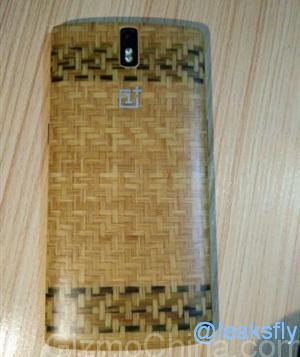
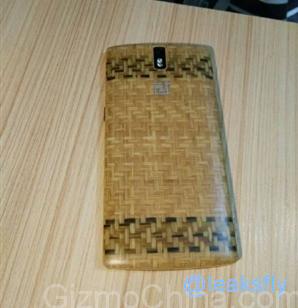
Once again, its the leakster with the twitter handle, @leaksfly who revealed a set of images which is said to be of a new back cover that will be released soon.The pictures, which we have added below shows off a new bamboo mat finish.
The source didn’t reveal whether it would feel like the real bamboo, but it looks like it just a finish and not made from the real material. Still, at least in the pictures, the cover looks quite cool and will definitely look great on the OnePlus One smartphone. Unfortunately, we don’t know any more details on the cover like when it will be released, but stay tuned for more updates.
We personally like the OnePlus One’s rough sandstone black finish, but in the long term, its always better to have an extra set of back covers. There are already many different covers available for the device and if this is true, then we will have one more option to choose from.
So, do you like this leaked bamboo mat finish covers for the OnePlus One?
Xiaomi has just announced their highly anticipated new device, which is Xiaomi Mi Note and another high-end version of it – Note Pro. We are happy to share with you some first hands-on pictures with you fresh from the announcement stage!
Take a look at the gallery below:
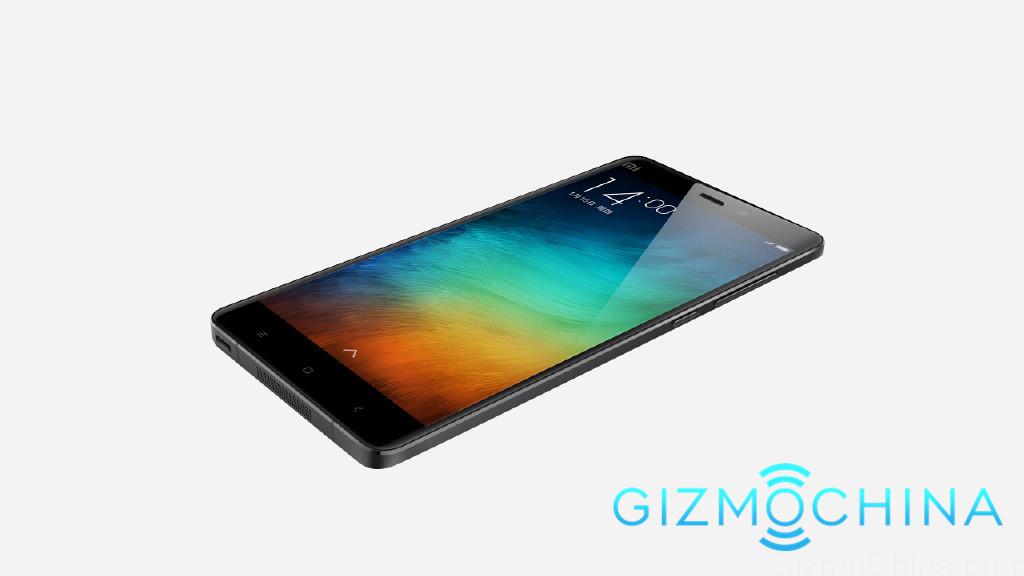
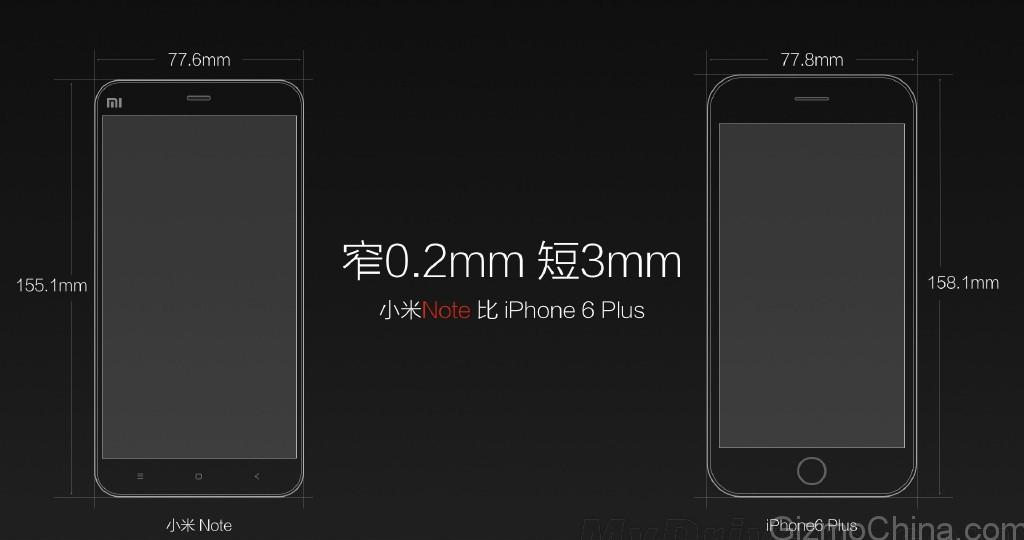
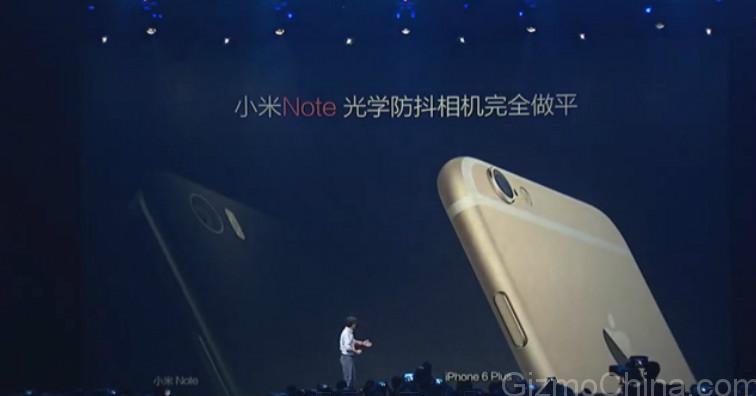
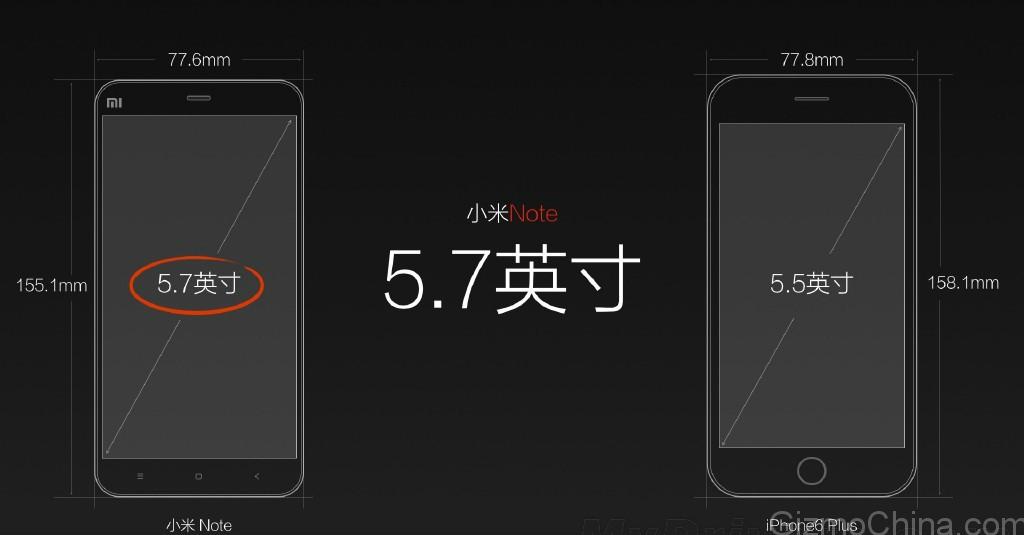
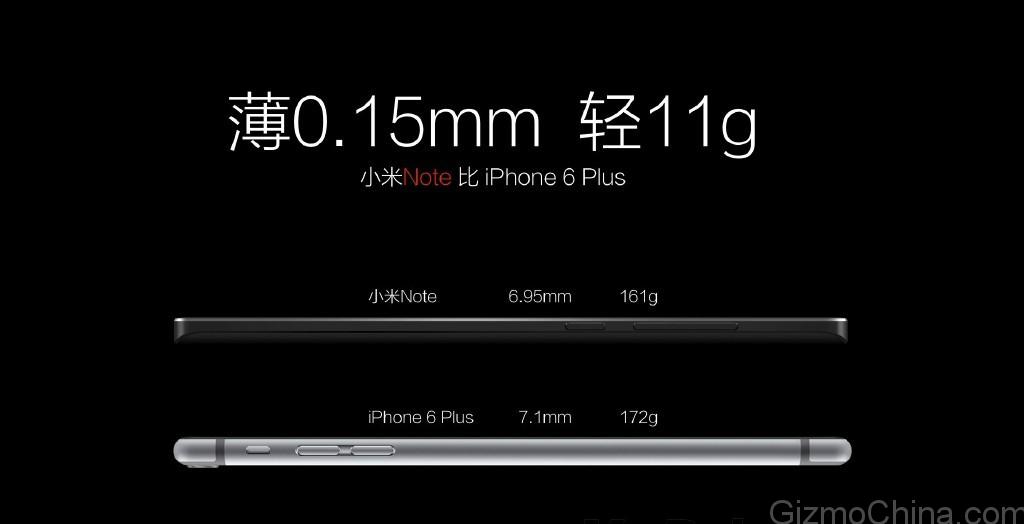
As you can see, the device has some design inspiration from the company’s own Xiaomi Mi4 as it has 3 capacitive keys on the front bottom, metal farm and white plastic back. However, the Mi Note has something new to offer, which includes a 3D glass (on the high-end version) and 2.5 glass (on the lower-end version). Moreover, there is a 4Mp Ultrapixel camera sensor on the front, which is the same as the one on the HTC One M8. What is more, the device spots an interesting back design, which is curved. It provides a great look and better grip for a user. In addition to this, there is a 13mp camera sensor provided by Sony (most likely IMX214), which is also equipped with the OIS and dual tone dual LED flash setup. We are happy to see that the camera sensor and its lenses remain flat with the surface of the back. All of this beauty sits in a fairly compact body for the 5.7 inches phablet device: 55.1x 77.6 x 6.95mm. In comparison, the iPhone 6 Plus measures 158.1 x 77.8 x 7.1 mm. As usual, the Xiaomi was happy to make a lot of iPhone 6 comparisons, where their new flagship phablet wins.
Besides a great design, the Xiaomi Mi Note and the Note Pro have a flagship grade specs. If we start with the regular Note version, it has a Full-HD screen (1080 x 1920), which has a pixel density of 387 ppi. Inside the device, there is a quad-core 2.5GHz Qualcomm Snapdragon processor with Adreno 330 GPU, 16/32 GB of storage. Also, the device has a support for dual 4G SIM cards and has 3GB of RAM. What is more, the Mi Note packs a QuickCharge 2.0 technology, Hi-Fi ESS ES9018K2M DAC high performance two channel 32-bit mobile Hi-Fi Audio chip, all of this is powered by the 3,000 mAh battery and being run by the MIUI skin on top of the Android 5.0.
The high-end version will feature the almighty Snapdragon 810 64-bit chip, 2k 1440×2560 pixels screen, 4 GB of Ram, 64 GB of storage and all other features already included in the regular Mi Note version.
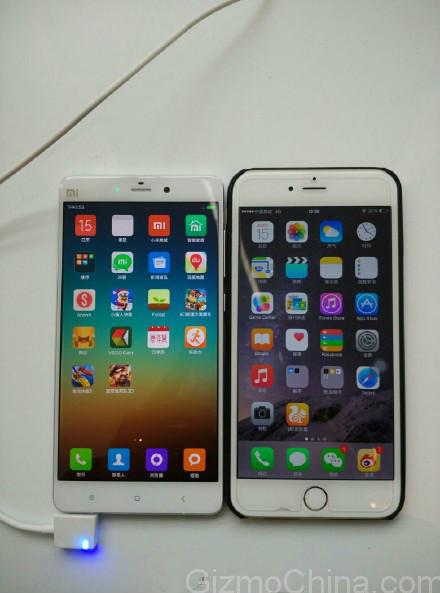
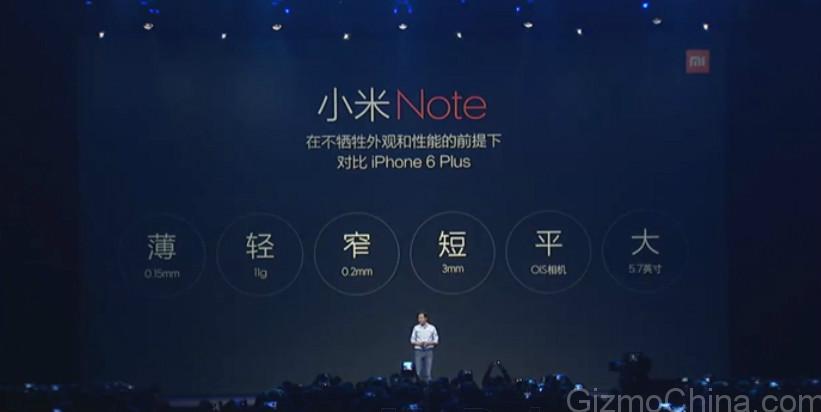
Today’s the day! Xiaomi held a launch for its new releases, one of which is the Xiaomi Mi Note cell phone. This phone, Xiaomi has boasted, is said to be bigger than Apple’s iPhone 6 Plus. Today, we see if that is the case with Xiaomi Mi Note vs iPhone 6 plus. At the launch, Xiaomi CEO, Lei Jun, introduced the Xiaomi Note cell phone and compared it with Apple’s iPhone 6 Plus. Let us take a look, shall we?
Here are some discrepancies between the Xiaomi Mi Note and the iPhone 6 Plus that the company noticed. This phone is 0.15mm thinner than the iPhone 6 Plus. It is 11g lighter than the iPhone 6 Plus. It is also 3mm shorter in length. Its dimensions are 155.1mm x 77.6m x 6.95mm. It also only weighs 161g and sports a 5.7-inch display screen.
The reason why the MiNote is shorter than the iPhone 6 Plus is that it does not fingerprint scanner at the bottom. It also has a lower gamut count because it has a low brightness index.
Furthermore, the Mi Note is also the first Xiaomi phone to have a OIS camera. It does not have a protruding camera unlike the iPhone 6 Plus. This is because it has a lower optical index. The front is covered by a 2.5D glass protector, while the back is covered by a 3D glass protector.
The Xiaomi Mi Note, seems like an interesting phone. This phone is said to use Qualcomm’s Snapdragon 810 processor which they will showcase on January 23. This processor is said to be Qualcomm’s most powerful cell phone processor to date with eight cores and its use of the Adreno 430 GPU.
With the introduction of the Xiaomi Mi Note, maybe we can now turn our attention to the follow-up to the Xiaomi Mi4, the Xiaomi Mi5, which is set to come out this year as well. In fact, some photo samples taken by the phone have already been posted. We cannot wait to see it.
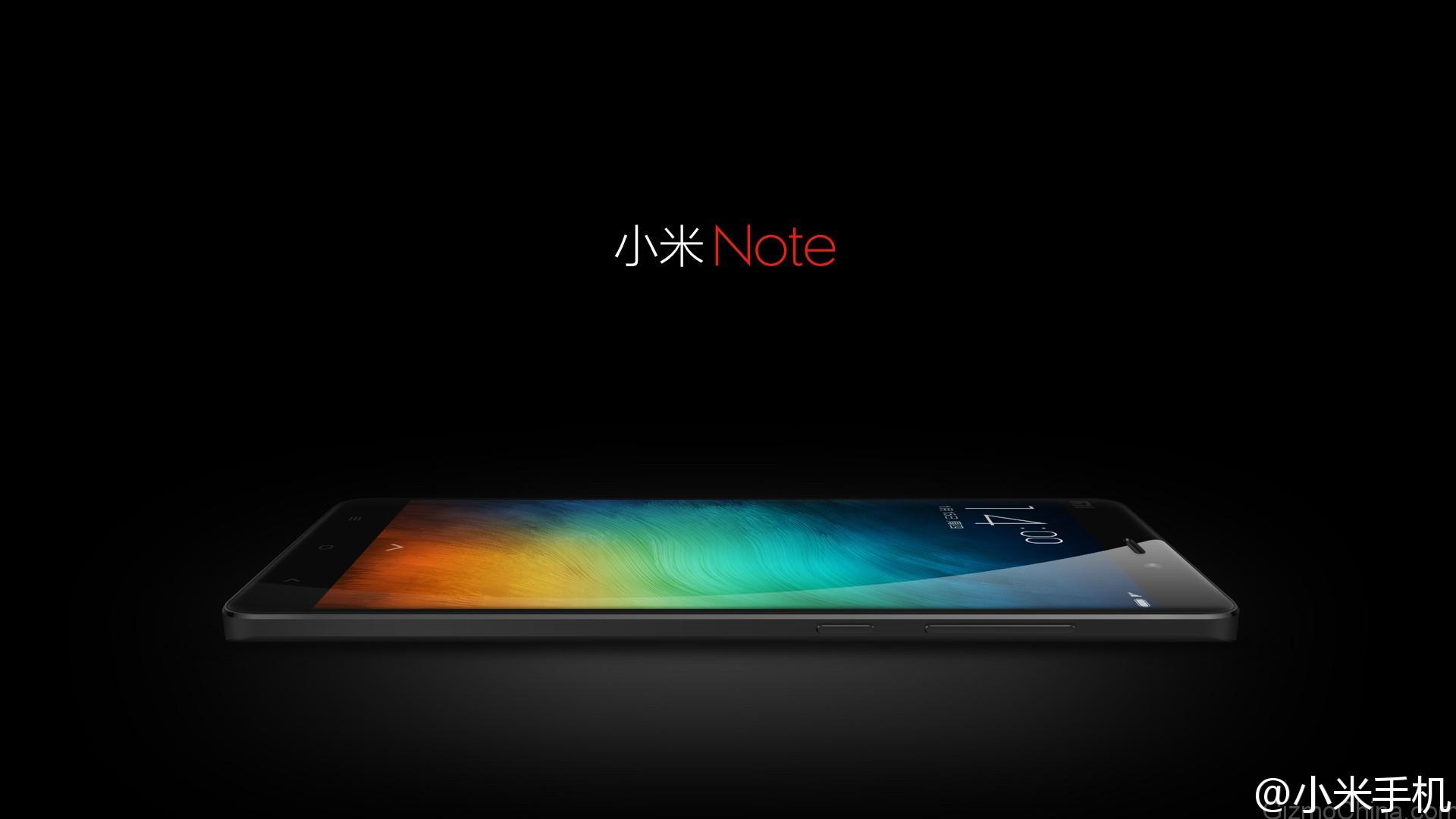
We have been waiting so long for this day to arrive. Xiaomi has officially unveiled the Xiaomi Note flagship. This will be first device in the new lineup and will pack in top end features which will definitely blow your minds away.
We have been hearing about this super sized smartphone for quite some time now, however, it was only a few days back that we realized that it could be a new lineup itself. And we were quite right in assuming so as the company has today confirmed it. Just yesterday, we heard a rumor that the device was going to be one of the two Snapdragon 810 powered smartphones that will be announced in the market soon.And the rumor was right indeed! There will be two variants of the new Mi Note. One which will be powered by the Snapdragon 801 processor and the other with the latest and the ever powerful SNAPDRAGON 810! Yes, there is a high end version of the Mi Note called the Xiaomi Mi Note Pro which will make many of the fan’s dreams come true.
Anyways, lets not waste any more time and move on to the specs of the device.First lets talk about this new HIGH END XIAOMI MI NOTE version. The phone will come with a 3D curved glass display. Yes, you heard it right! It features a 3D curved glass screen which will sport an impressive resolution of 2K on its 5.7-inch display. There will be Snapdragon 810 processor onboard with 4GB LPDDR4 RAM and 64GB eMMC5.0 ROM. There will be a Sony rear 13MP camera with OIS and a 4MP ultrapixel front shooter, which will also end up in the regular Mi Note version. The Mi Note Pro will run on the latest Android 5.0 Lollipop OS. The phone will support 4G LTE Category 9 networks and will be available for sale starting January 27 for a hefty 3299 Yuan ($532). This makes the high end Xiaomi Mi Note– the world’s second Snapdragon 810 powered smartphone (considered LG G Flex2 was already announced)! Rest of the features are the same as the regular version of the Mi Note, so lets move on to that now.
The regular version of the Xiaomi Mi Note will also feature a large 5.7-inch but with 2.5D curved display and Gorilla Glass 3 protection. The display will be a Negative LCD panel with the new Pixel level dynamic adjustment (NTSC color gamut up to 95 percent!). Xiaomi just revealed that it will feature a lower 1920 x 1080p resolution display which translates into pixel density of 386ppi. The old Snapdragon 801 processor will power the device along with 3GB RAM onboard. There will be 16/64 GB internal storage options. At the back, there is a 13MP rear camera with dual tone dual LED flash and OIS (Optical Image Stabilization tech). The front camera will be of 4MP 2um Ultrapixel which is the same rear camera module from the HTC One M7.
Both the variants have the same body and design, so we can talk about them together. The phone won’t be as thin as expected. Xiaomi reveals that the Mi Note will feature a 6.95mm thin body, which is still slim for a device of this size. The overall measurements come to 55.1x 77.6 x 6.95mm. In comparison, the iPhone 6 Plus measures, 158.1 x 77.8 x 7.1 mm. As you can see, even the iPhone 6 Plus which is considered as a very thin phablet has a 7.1mm thin body. Also, the Xiaomi Note will weigh just 161 grams which is almost 12 grams lighter than the Apple phablet! Finally, a 3000 mAh battery will power all these features with fast charging 2.0. This is the minimum battery capacity that a 5.7-inch device requires. Since the large screen display will require a lot of charge to run for an entire day, this 3000 mAh battery may just be enough. Like Xiaomi teased earlier, the phone will come with ESS ES9018K2M DAC high performance two channel 32-bit mobile Hi-Fi Audio chip which is a great news for music lovers around the globe. This is the same chip used in many audiophile grade music players, blu-ray players, recording players and digital audio workstations. What’s more, you can get a the 499 Yuan ($80) headphones to take advantage of the full audio performance of the device. Finally, it will support 4G LTE dual SIM card dual standby.
Now, coming to the most important part of the announcement, the pricing of the Mi Note. Xiaomi has set an unbelievable price tag for this regular variant. The company has priced the device at 2299 Yuan which comes to around $371 which is an amazing price for a device with such specifications. This is the around the same price as Meizu’s MX4, so the competition is definitely getting tougher. The given price is for the 16GB version and for the larger 64GB storage variant, you’ll have to shell out a few more Yuan. The 64 GB Xiaomi Mi Note will be available for sale for 2799 Yuan which comes to around $451! Chinese Xiaomi Note users also can get accidental insurance for an additional 199 Yuan i..e $32.
Here are the key specs:-
3D curved Gorilla Glass 3 with metal frame
5.7-inch Sharp/JDI Full HD display (95% NTSC, 1400:1 contrast ratio)
Snapdragon 801 2.5GHz, Adreno 330, 3GB LPDDR3 RAM
Dual 4G SIM (micro/nano), Dual Standby
Sony 13MP camera f/2.0, Optical Image Stabilisation (OIS)
4MP front camera with large 2-micron pixels
Hi-Fi audio system, 24-bit/192KHz lossless playback support
We use cookies on our website to give you the most relevant experience by remembering your preferences and repeat visits. By clicking “Accept”, you consent to the use of ALL the cookies.
This website uses cookies to improve your experience while you navigate through the website. Out of these, the cookies that are categorized as necessary are stored on your browser as they are essential for the working of basic functionalities of the website. We also use third-party cookies that help us analyze and understand how you use this website. These cookies will be stored in your browser only with your consent. You also have the option to opt-out of these cookies. But opting out of some of these cookies may affect your browsing experience.
Necessary cookies are absolutely essential for the website to function properly. This category only includes cookies that ensures basic functionalities and security features of the website. These cookies do not store any personal information.
Any cookies that may not be particularly necessary for the website to function and is used specifically to collect user personal data via analytics, ads, other embedded contents are termed as non-necessary cookies. It is mandatory to procure user consent prior to running these cookies on your website.

 source reveals a phone with a large display,with the ear piece and the sensors too close to the top edge. So, the display could be covering a large portion of the device, making it nearly borderless.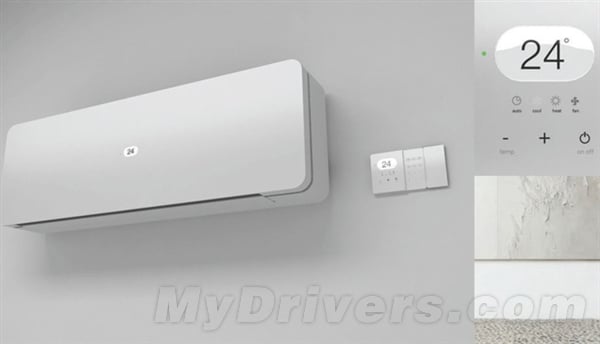















 The colors on the camera are true to reality, with a slightly bluish hue to the pictures. You can turn on the effects on the phones (such as HDR, Panorama, ect.) to try out what each of the effects will bring you.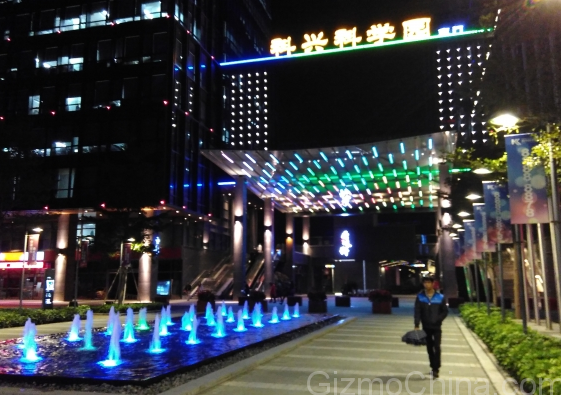

 Overall, the camera on the phone is quite impressive and more than enough for the regular phone addict. However, for selfie-addicts out there, the 2 mega pixel front facing camera may not be quite good enough, sadly.
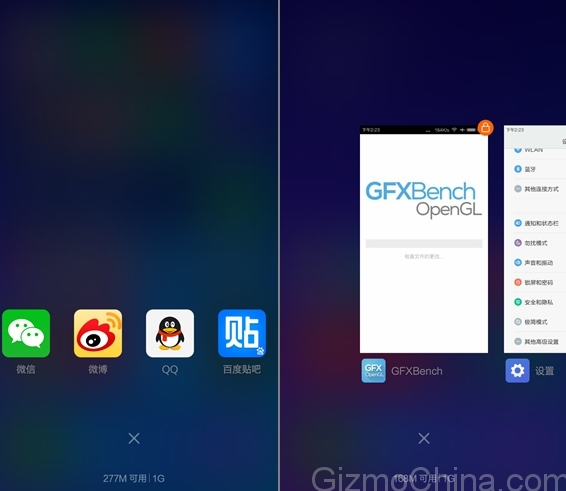



 This requires the most basic knowledge on phones, so if you even if you’re not an avid phone user who doesn’t understand RAM and is not willing to learn a bit more and lean out of your comfort zone, you could just download an app to turn this into a simple, one-click task for you.