After launching Nokia 3, 5, 6 and the most recent Nokia 8, HMD Global, the Finnish company is gearing up to launch a new flagship smartphone — Nokia 9. While the phone is not making its way to the market until next year, we now know how it will look.
Nokia is expected to launch three new smartphones early next year, including Nokia 2, 7 and 9. After the images Nokia 2 made its way to the internet, now is the turn for Nokia 9.
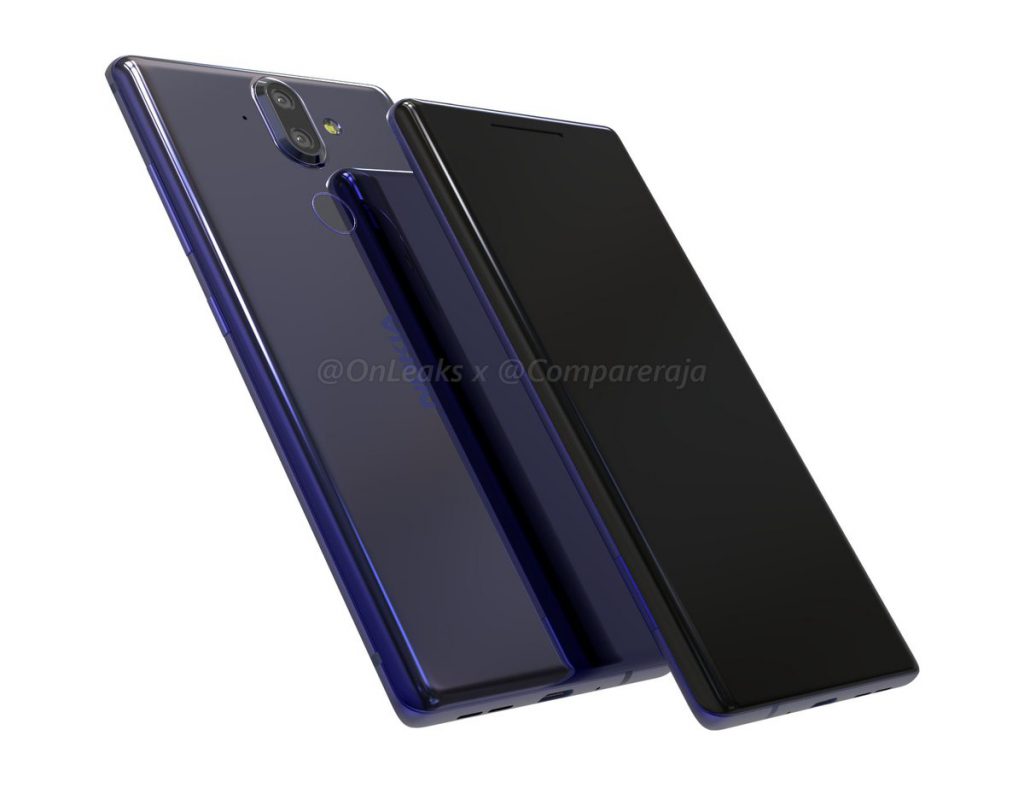
Well-known leaker @OnLeaks has rendered HMD Global‘s upcoming flagship based on CAD files, which gives us a look at the phone and what to expect from it.
From the renders, it appears that the company has jumped the narrow bezels bandwagon for the Nokia 9. The smartphone is expected to come with a 5.5-inch AMOLED Quad HD display. Based on the render, it looks like it will come with a curved screen.
It is likely to be powered by Qualcomm’s Snapdragon 835 processor, along with 4GB of RAM. As per the speculations, it will have two storage options to choose from — 64GB and 128GB.
The smartphone will probably run on the latest Android 8 Oreo operating system. The device is said to measure 140.9 x 72.9 x 7.5 mm, but the camera bump will increase the thickness to 8.9 mm.
The renders show vertically stacked dual-lens camera setup at the back, just above the fingerprint sensor. While the details about the camera sensor are not known, it is speculated to be of 12-megapixel or 13-megapixel.
At the bottom, there is a USB Type-C port along with speaker grille and a microphone. The USB Type-C is the only port on the phone. The company is following the trend of removing the 3.5mm audio jack.
The phone is speculated to have an aluminium frame. It is said to come with an IP68 rating and wireless charging support. Although the device looks beautiful based on the render, there’s always a chance that things could change before it goes to production.
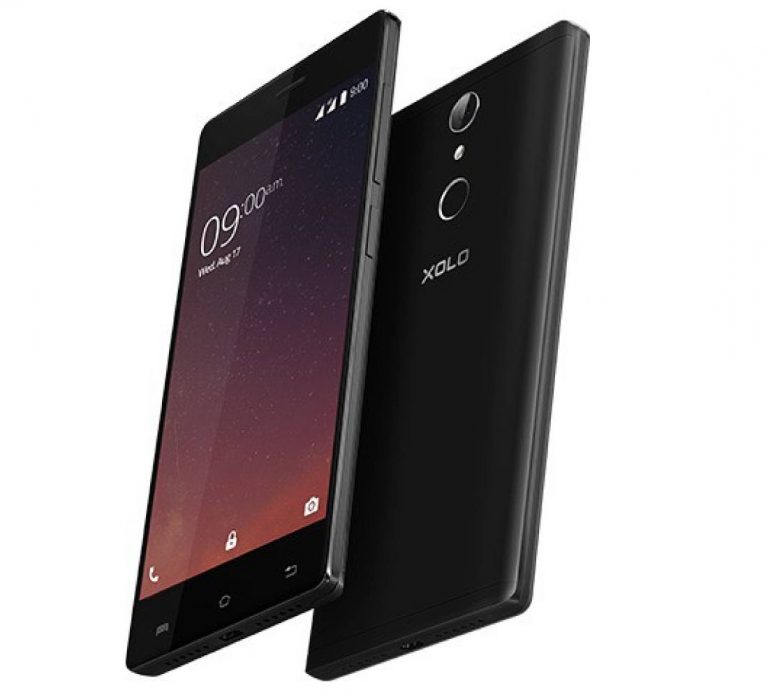
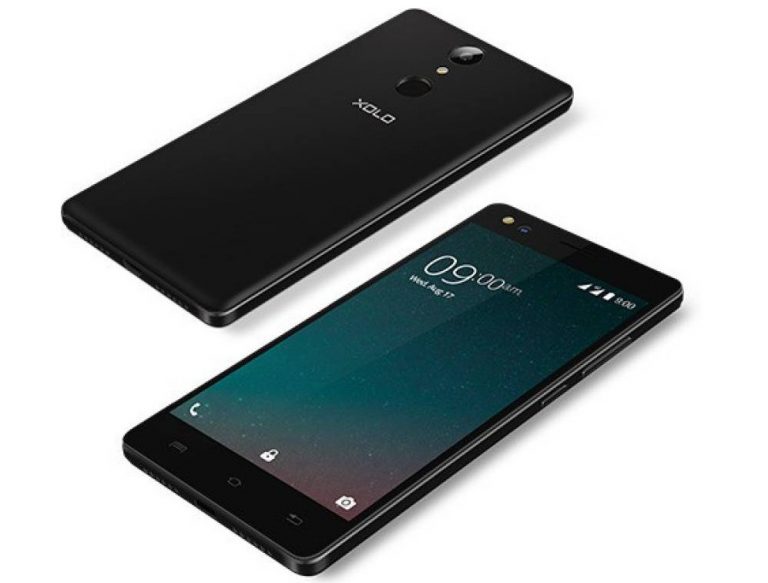
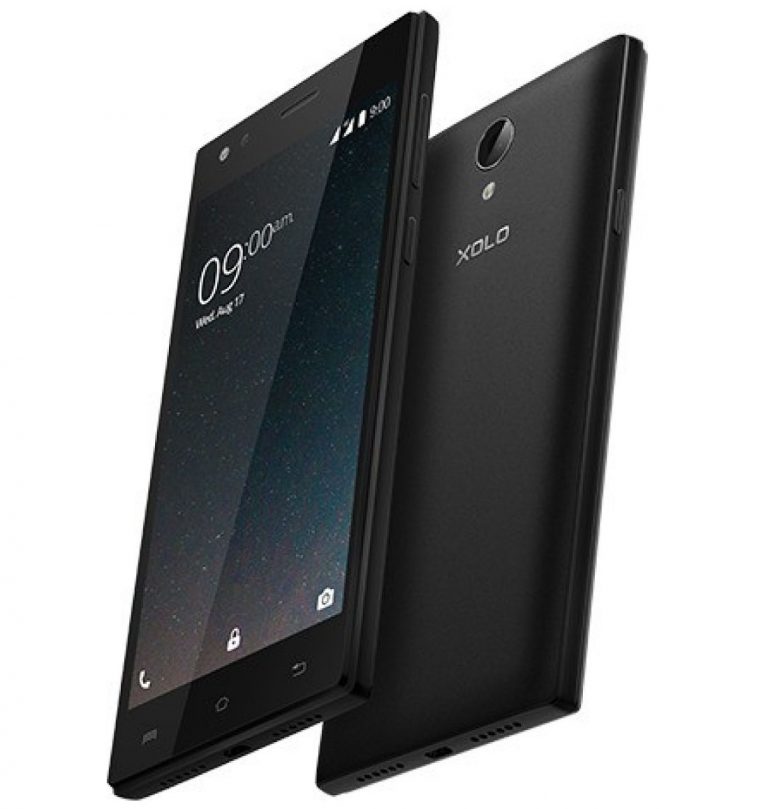
Xolo has launched three new entry-level to mid-range smartphones in India — Era 3X, Era 2V and Era 3. The company seems to be targeting selfie-obsessed users with its new Era smartphones.
Xolo is also offering one-time screen replacement on the purchase of any of these three smartphones, valid for one year from the date of purchase.
Xolo Era 3X
The smartphone comes with a 5-inch HD IPS display with Corning Gorilla Glass 3 on top. It is powered by quad-core MediaTek MT6737 processor clocked at 1.25GHz with 3GB of RAM. There’s 16GB internal storage, expandable up to 32GB via microSD card.
It features a 13-megapixel autofocus rear camera with LED flash and f/2.2 aperture. There is also a 13-megapixel front-facing camera. It also comes with a fingerprint scanner for added security.
Along with the usual set of connectivity options such as Wi-Fi, Bluetooth, 3G, it also supports 4G with VoLTE. The device runs on Android 7.0 Nougat operating system.
Xolo Era 2V
This one features a 5-inch HD Oncell IPS display with screen resolution of 1280 x 720 pixels. It is also powered by 1.25GHz quad-core MediaTek MT6737 64-bit Processor with Mali T720 GPU.
It packs 2GB of RAM and 16GB of internal memory which is expandable up to 32GB with a microSD card. The phone runs Android 7.0 Nougat OS and features a fingerprint scanner.
There is an 8-megapixel rear camera with LED Flash, f/2.0 aperture, 5P Largan lens, Blue Glass Filter. It also has a 13-megapixel front-facing camera with 5P lens, f/2.2 aperture and LED flash.
The phone supports 4G VoLTE, WiFi 802.11 b/g/n, Bluetooth 4.0 and GPS. It is powered by a 3,000mAh battery.
Xolo Era 3
Lastly, the Era 3 has a 5-inch HD Oncell IPS display with screen resolution of 1280 x 720 pixels. Powered by the same MediaTek MT6737 processor, clocked at 1.2GHz, it packs 2GB of RAM and 8GB storage. Running on Android 7.0 Nougat, it supports storage expansion of up to 32GB.
It comes with a 5-megapixel camera at the back and an 8-megapixel front camera. It is backed by a 2,500mAh battery. This one too supports 4G VoLTE along with WiFi 802.11 b/g/n, Bluetooth 4.0 and GPS. The smartphone packs 2,500mAh battery.
The Xolo Era 3 is priced at Rs. 4,999 (~ $76) and comes in Slate Black colour. The Xolo Era 2V costs Rs. 6,499 (~ $99) and comes in Jet Black colour, and the Xolo Era 3X is priced at Rs. 7,499 (~ $115) for Pash Black colour.
All three devices are currently up for pre-orders and will go on sale from 14th October, exclusively via online retailer Flipkart.
In yet another blow to its business model and patent licensing practice, Qualcomm — one of the leading chipmaker for smartphones, has been fined a record NT$23.4 billion ($774 million) by Taiwan’s Fair Trade Commission.
The Taiwan Fair Trade Commission is accusing Qualcomm of abusing its dominant position. The commission said that the company’s dominance in CDMA and LTE chips, as well as its key patent holdings for such technologies, let the company abuse its position and refuse to license necessary patents.
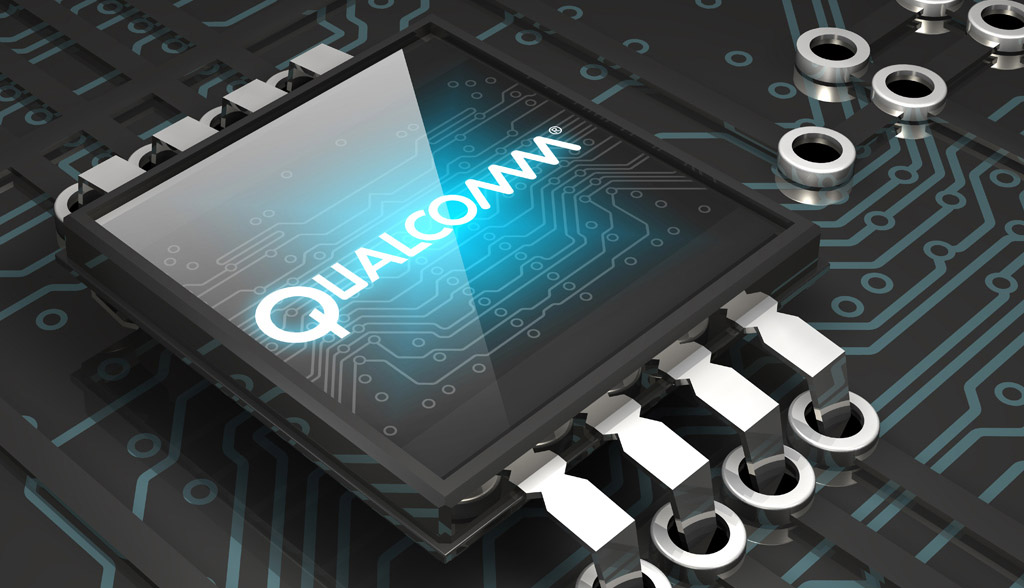
Qualcomm chip with logo
Regulators claimed that Qualcomm had been violating antitrust rules for at least seven years. They further said that during those seven years, it sold chips worth of around $30 billion to local companies and collected about $13 billion in licensing fees from them.
The penalty is the largest handed out to a single company since the Taiwanese antitrust authority was established. The ruling comes as another blow to the chipmaker which is currently facing an international wave of regulatory and legal challenges.
Besides the fine, the Fair Trade Commission also told Qualcomm to withdraw previously signed deals that forces competitors to provide price, customer names, shipment, model name and other such information.
However, Qualcomm disagrees with the decision and says that it will appeal the FTC’s decision in the Taiwanese court. It plans to call for a stay on “any required behavioural measures”. In a statement, the company said,
The fine bears no rational relationship to the amount of Qualcomm’s revenues or activities in Taiwan, and Qualcomm will appeal the amount of the fine and the method used to calculate it.
Qualcomm has been fined $854 million in South Korea and $975 million in China. It is also facing lawsuits from Apple and the FTC in the United States. European regulators have also expressed antitrust concerns over its $38 billion bid to buy NXP Semiconductors.
While the regulatory and legal attacks over Qualcomm differ in some details, the key matter is the allegation that Qualcomm uses its dominant position in the market to charge unfair royalty rates for its patents.
Razer is known as a gaming hardware maker. It makes gaming laptops, mechanical keyboards, mouse-pads, and gaming mice. It also released two wearables -the Nabu and the Nabu X and a gaming tablet.
Back in January, the company bought smartphone startup Nextbit, makers of the Robin, a cloud-connected smartphone that kept most of its files in the cloud. Today, Razer released a teaser confirming that its first smartphone will arrive on November 1.
CEO Min-Linag Tan confirmed a few weeks ago that the company was planning a phone launch before the end of the year. The smartphone according to him will be focused on “gaming and entertainment”. There was also an image on the internet last week that showed Min-Liang Tan with a Razer-branded device shaped like a smartphone in his pocket.
The official teaser shows a man holding a device to his face sitting against an image carousel background. What better way to depict entertainment?
There is no info on the specs of the Razer smartphone and we are pretty eager to know what it packs and how it will measure up against current smartphones. Nevertheless, the company has done a pretty good job keeping details of the phone from public eye but we believe more details will surface in coming weeks.
After launching Honor 7X smartphone at an event in China, Honor is now all set to host another event. The company has started sending out media invites for an event that is taking place on 5th December in London.
The invite reads “Max Your View”, and mentions the date of December 5. The invite also shows the outline of a smartphone with extremely thin bezels, but it doesn’t reveal anything related to the phone in question.
However, the interesting thing is that while some have received invites with outlines of two smartphones, some invites only shows the outline of just one.
At the bottom, there is a logo which looks similar to “IOOI”. We are not sure what to make of it, but going by the tradition, the symbol “OO” — two Os usually stands for dual camera setup. So, we are assuming that the phone will feature dual cameras.
After dual cameras, bezel-less phones have now become a new thing in the smartphone industry. The trend, which started with the Mi MIX, has followed via many flagship smartphones, including Samsung Galaxy Note 8, Apple iPhone X, LG G6 and V30, and the more recently Xiaomi Mi MIX 2, and Google Pixel 2 XL, among others.
Given the fact that the recently launched Honor 9i features two cameras on the front as well as on the back, it will be interesting to see if the company continues the trend.
Yesterday, Honor launched its new smartphone — Honor 7X, which features a 5.93-inch Full HD+ display with slim bezels and 18:9 aspect ratio. It packs HiSilicon Kirin 659 octa-core processor with 4GB of RAM. The storage options include 32GB, 64GB and 128GB. The camera includes a dual 16MP + 2MP camera setup at the rear and an 8MP shooter up front. A 3,340mAh battery with fast charging keeps it running.
It comes with HiSilicon Kirin 659 octa-core processor, paired with 4GB of RAM. The storage comes in three options — 32GB, 64GB, and 128GB. The camera setup includes a dual 16-megapixel + 2-megapixel cameras at the rear and an 8-megapixel shooter up front. It is powered by a 3,340mAh battery with fast charging support.
The Honor 7X is available in Gold, Blue, and Black color options. The 32GB variant will sell for ¥1699 (~$200), the 64GB version will cost ¥1699 (~$260) and the 128GB model carries ¥1999 (~$304) price tag.
The OnePlus 5 is out of stock in several markets and the rumor is that there is a new model in the pipeline. If OnePlus is going to follow the same tradition as last year, then the new device will launch as the OnePlus 5T and next year’s model will be called the OnePlus 6.
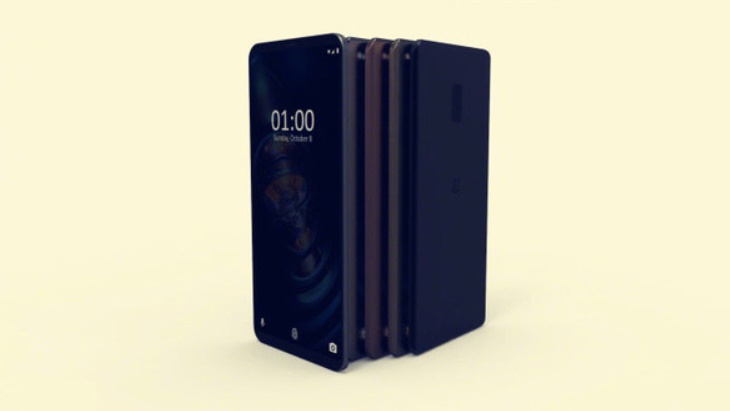
While we try not to get ahead of ourselves, some pretty interesting concept renders of the OnePlus 6 have showed up online. Like most concept renders, this one has a pretty thin body and a sleek appearance but we can all agree the final phone will never look like this.
The trend this year is full-screen devices and only a few manufacturers have not released a phone with that design. OnePlus is one of them and will most likely join the train this year if it does release the OnePlus 5T or next year with the OnePlus 6.
The concept OnePlus 6 has a large display with thin bezels. The display size isn’t stated neither is the resolution but from the images, it doesn’t look like its less than 6” (this is the OnePlus 6, 6” sounds right). Aspect ratio is 18:9 and the resolution may as well be FHD+ to keep the price low.
We can’t make out the other features on the front of the phone but we presume there is a camera sitting at the top bezel. The lower bezel is too small to house the fingerprint scanner so that’s missing. However, its not at the back either. According to the source, the scanner is embedded beneath the display.
If OnePlus sticks to its usual Summertime release frame, then it should be able to launch the OnePlus 6 with its fingerprint scanner under the display going by Qualcomm’s release schedule for its embedded fingerprint scanners. Let’s also not forget that Qualcomm’s demo phone for its under display fingerprint scanner is the Vivo XPlay6 – a phone made by OnePlus’s sister company, Vivo.
Fans of phones with a glass back will be disappointed to see that the OnePlus 6 concept renders feature a metal back. It still looks slippery though.
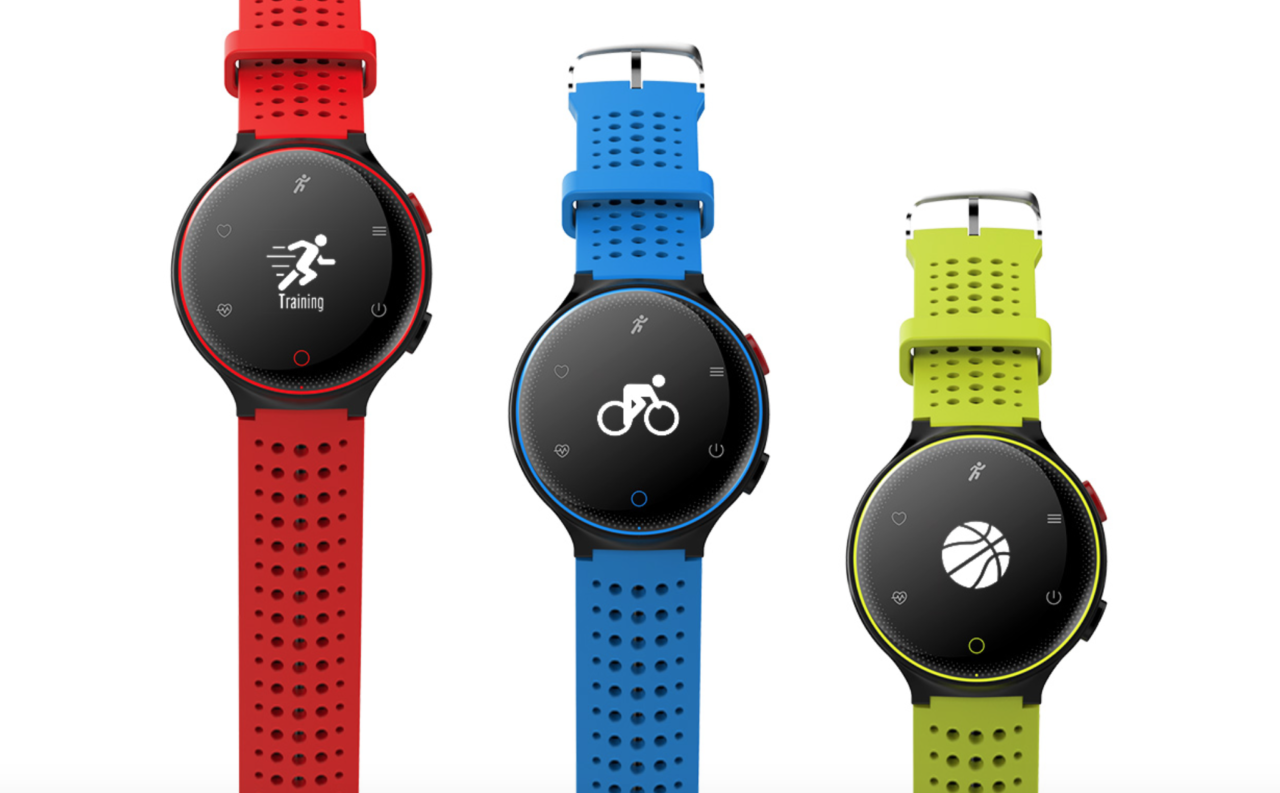
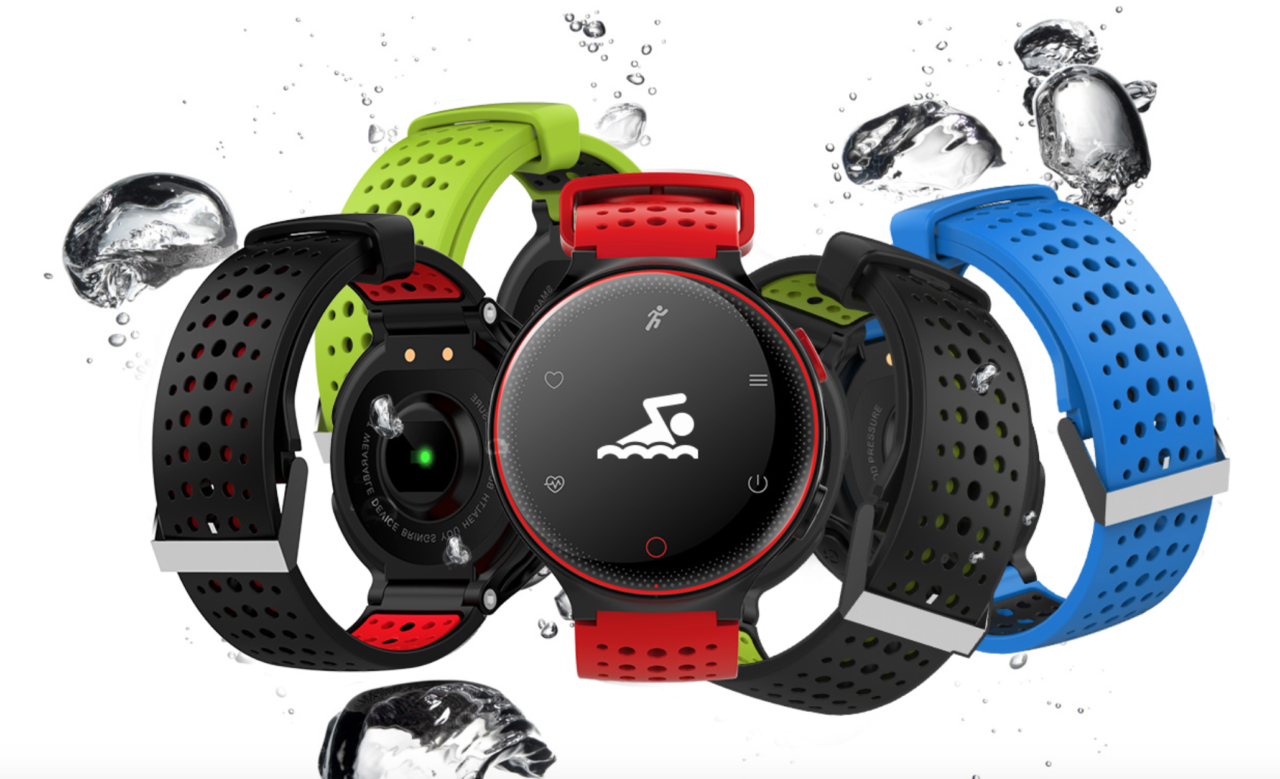
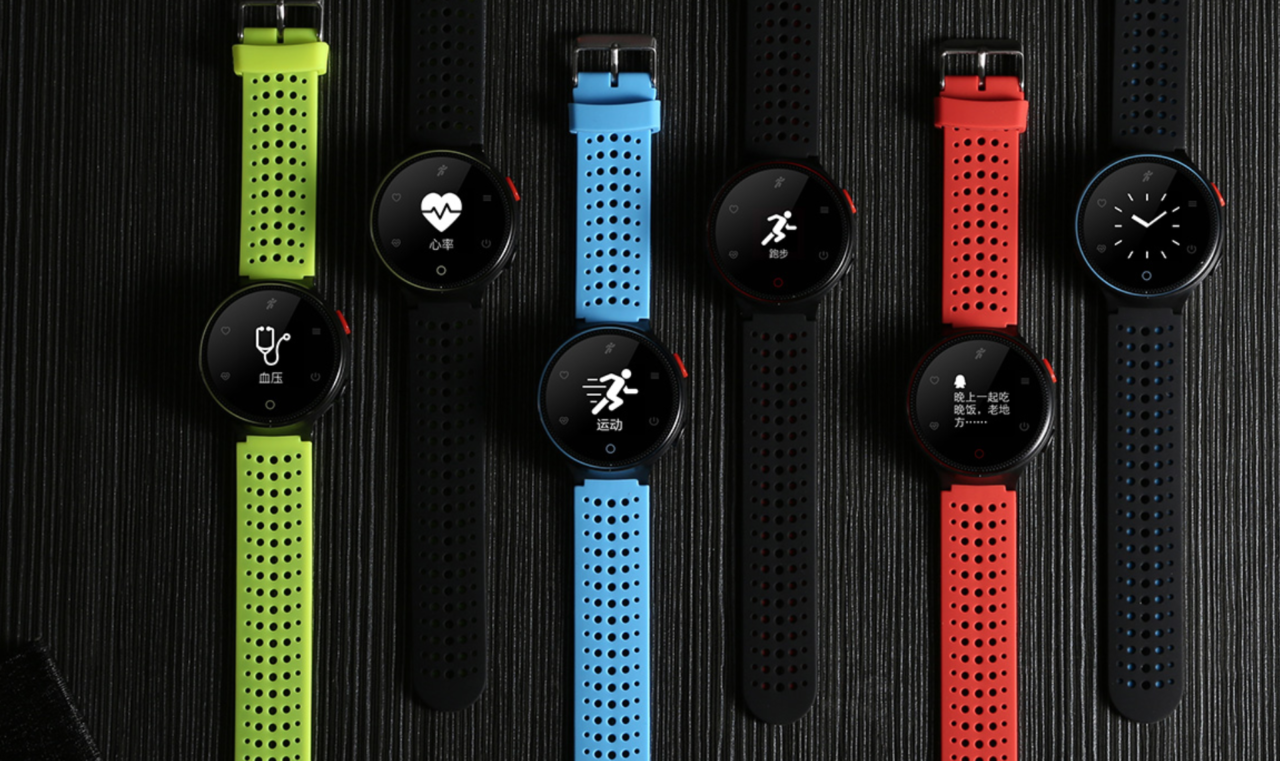
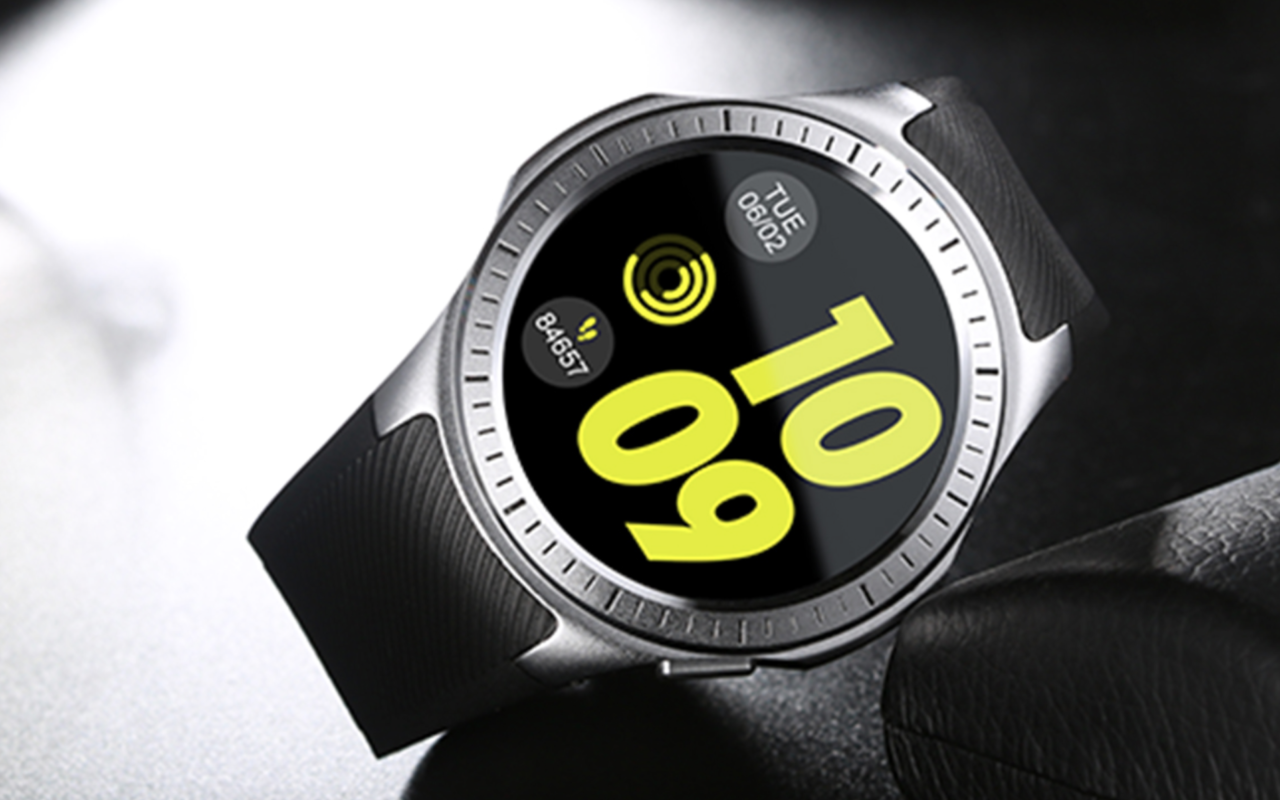
One of the key features is that the watch has a very long standby time of 180 days or 90 days if you use it every single day. Furthermore, the watch has IP68 certification for water and dust resistance.
Also, it has replaceable watch bands to customize the look and feel. One of the key features is that the watch has a lot of sensors and fitness related features: heart rate monitor, pedometer, sleep monitor, barometer, altimeter,
What’s more, the Microwear X2 has quite a few connectivity options and sensors that include Bluetooth, Heart Rate monitor, Pedometer, Sleep Monitor, Sedentary, Message Reminder and so on.
Finally, the watch has a multi-sport mode that supports running, swimming, riding, playing badminton and so on.
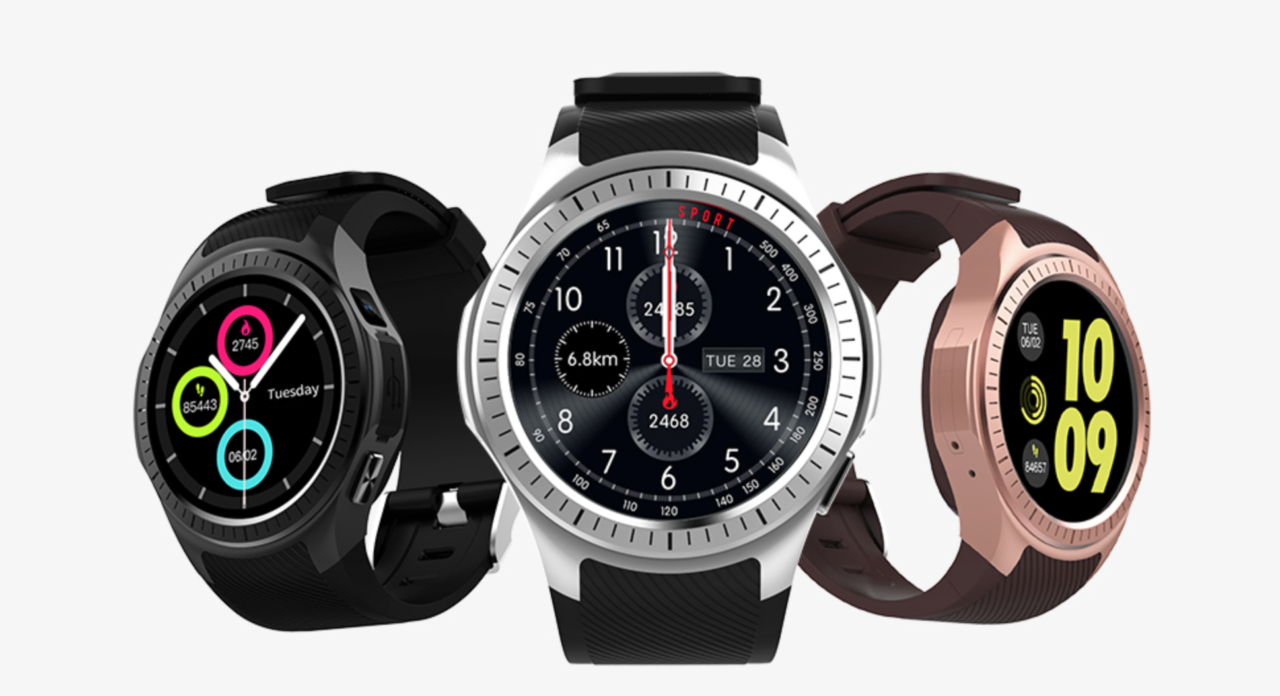
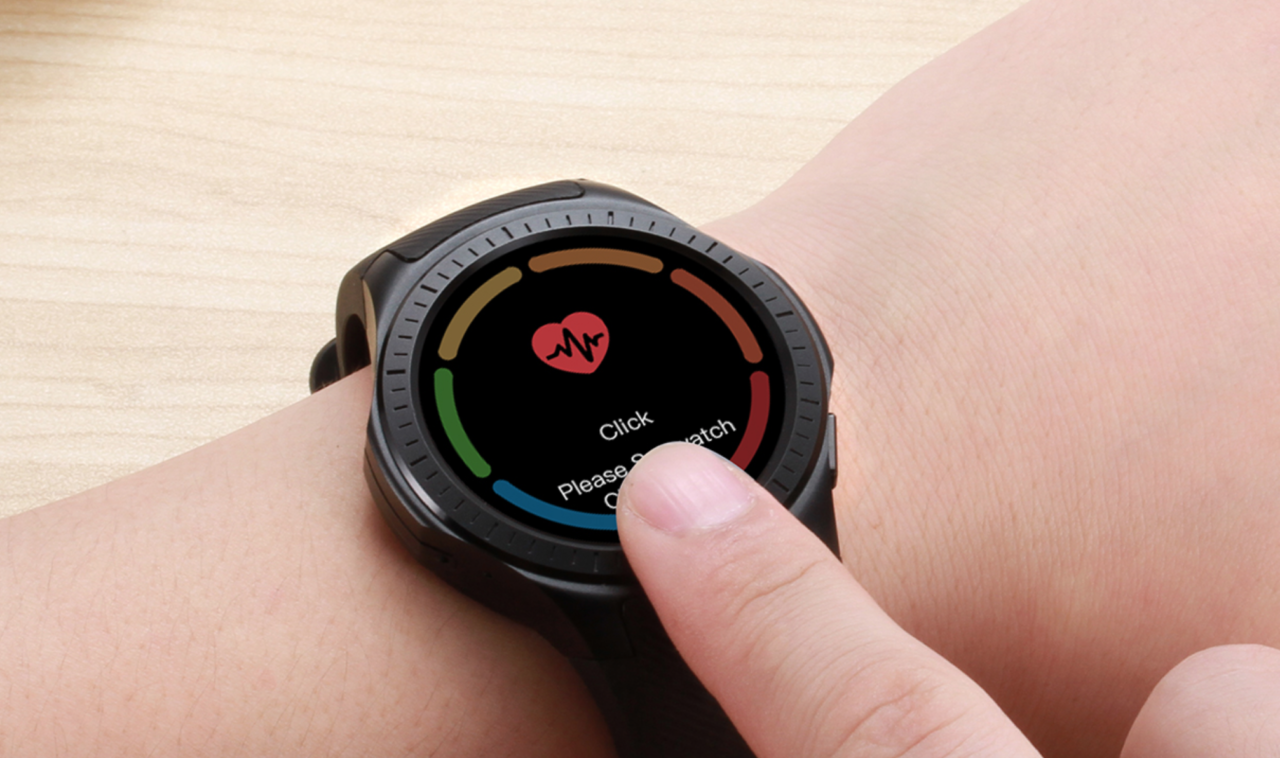
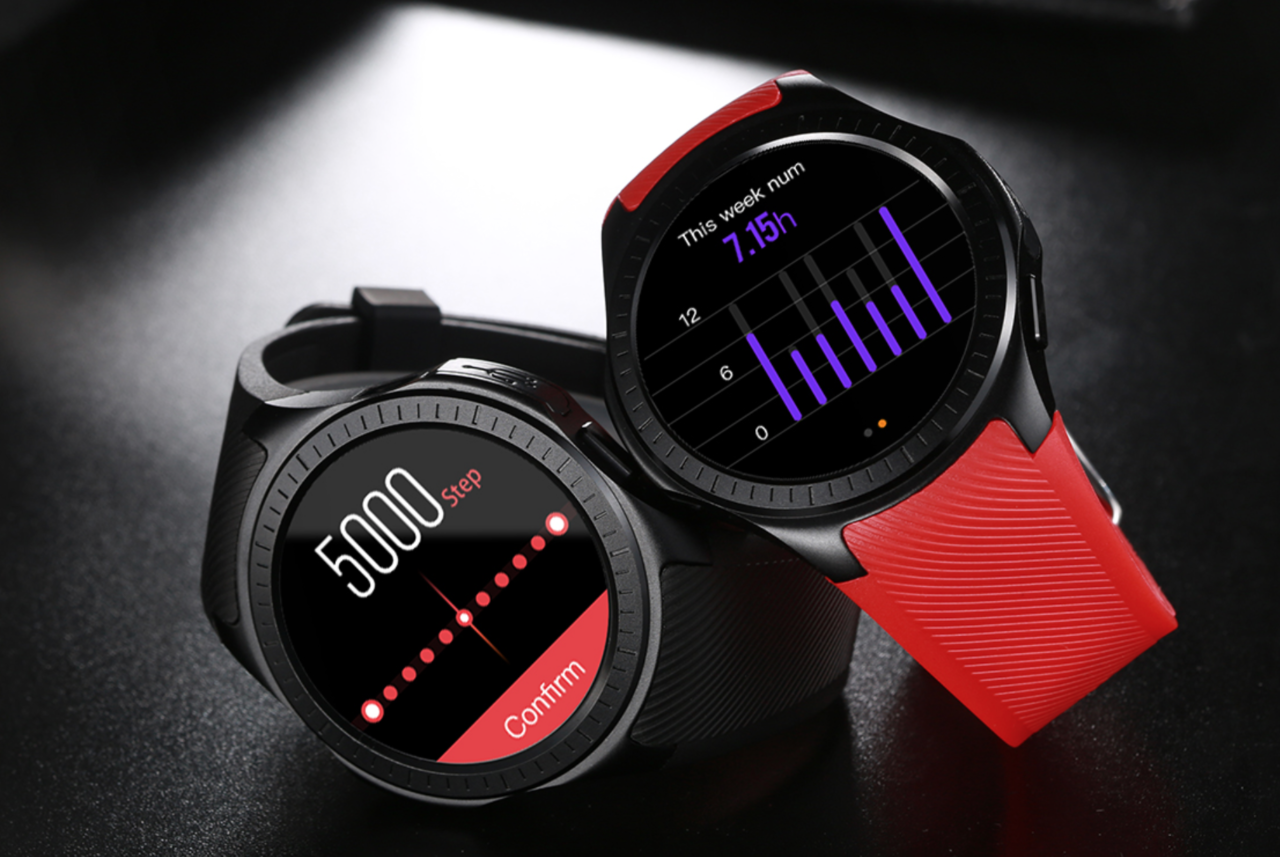
One of the key features is that the watch has a lot of sensors and fitness related features: heart rate monitor, pedometer, sleep monitor, barometer, altimeter, thermometer, compass, automatic recognition motor pattern, GPS Route Record and so on.
Also, it has replaceable watch bands to customize the look and feel. In addition, it supports 3G, so you can make calls right from your wrist (the watch supports micro SIM cards).
What’s more, the Microwear L1 has quite a few connectivity options and sensors that include Wifi, Bluetooth, Heart Rate monitor, Pedometer, Sleep Monitor, Sedentary, Massage Reminder and so on.
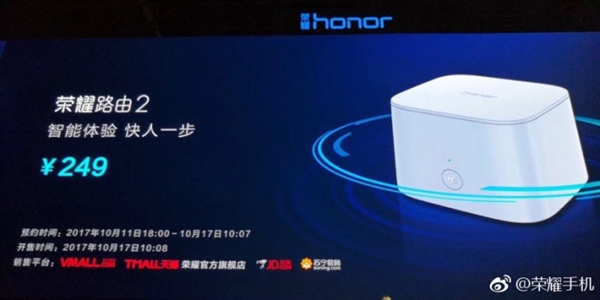
Huawei’s Honor brand has announced a new, more powerful Honor router with an extended coverage capability and the Honor Router 2 in addition to the Honor 7X smartphone and Honor Waterplay tab. The Honor Router 2 specification is not yet known but the Honor Router with wider distribution comes with a multilayer 3-in-1 design which means all three gadgets can then be placed in different rooms in an apartment, all functioning as a single router. With this arrangement, the Honor Router provides an extended coverage.
With the new Honor Router, there won’t be need for a Wi-Fi extender or amplifier. The router comes with support for smart network optimization and also recommend the best location it should be placed for optimum network coverage. In addition, the router supports 5G network and can be controlled via a smartphone app even though it is a plug and play device.
The new Honor extended router will be open for reservations on Vmall as from October 11 and that would terminate on October 31. The device will go on sale on November 1 at 0.00 hours for 899 Yuan (~$137). The Honor Router 2 will sell for 249 Yuan (~$38).
This year, three devices were launched with an eSim -the Apple Watch 3, the Pixel 2 and the Pixel 2 XL. Add them to last year’s Samsung Galaxy Gear S2 3G and the iPad 9.7, the first two devices to come with what is called an eSim and that makes it five. For this new technology, this is just the beginning.
Image Source: emnify.com
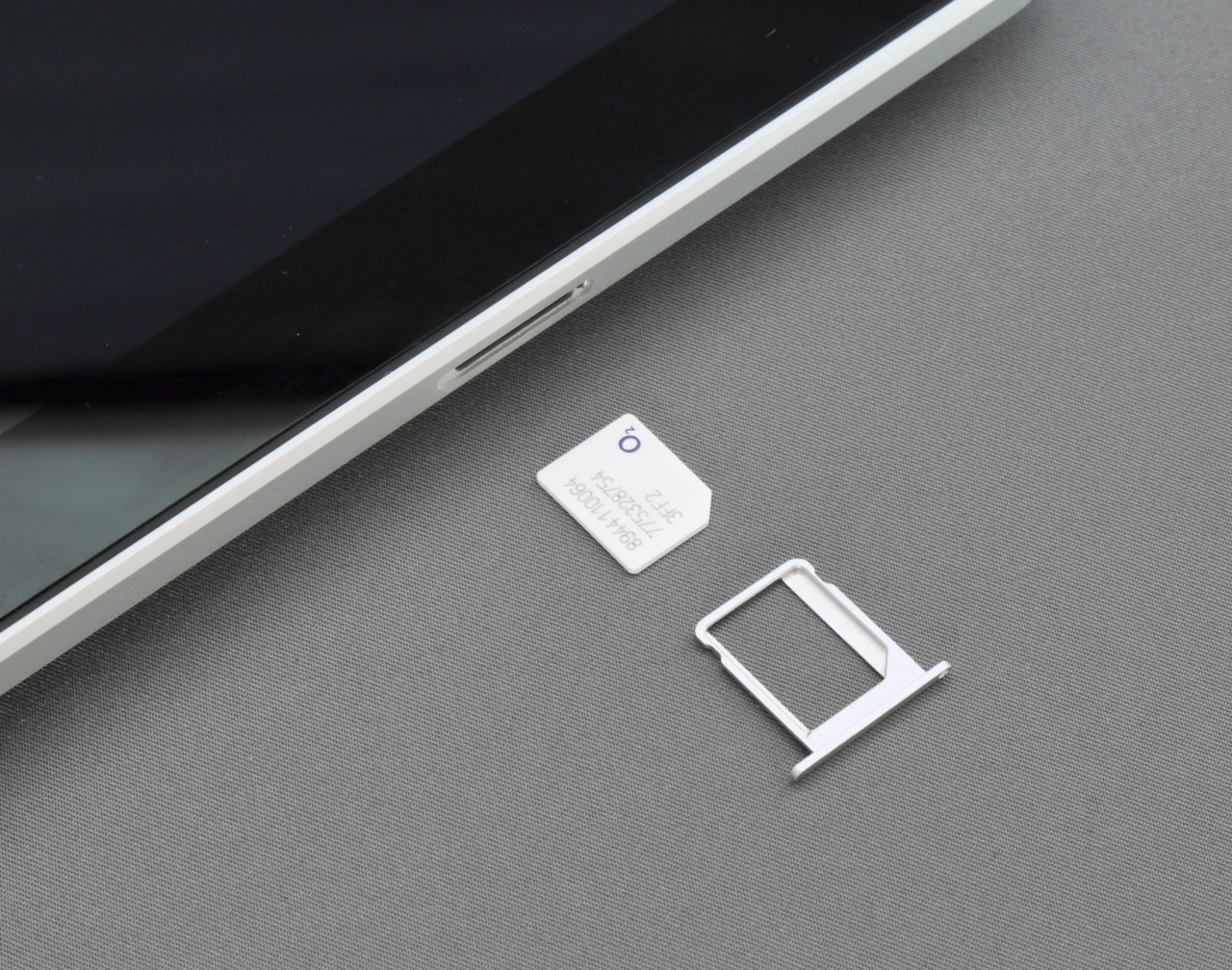
An eSIM/eUICC (embedded SIM or embedded UICC) is a replacement for the current physical SIM cards that we use in our smartphones and a bunch of other devices. While users can remove the physical SIM cards in their phones, an eSIM cannot be removed. Most people do not know how an eSIM works, this post is aimed at explaining how it works and the benefits it brings to consumers.
Evolution of SIM Cards
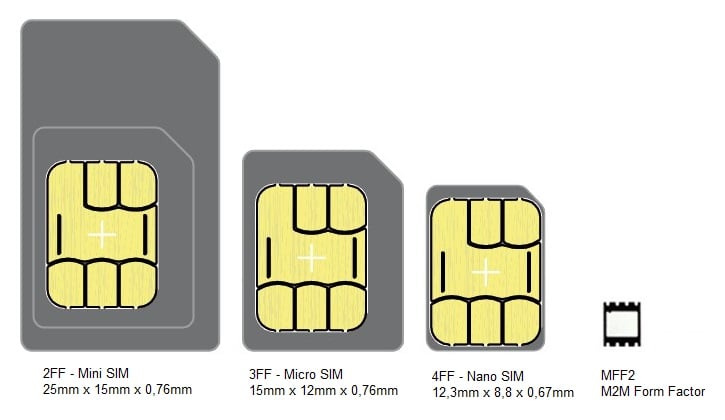
Ever since mobile phones became mainstream, users had to buy a SIM card from their preferred network operator to be able to use their services. The SIM card had a number attached to it and a security key that allowed the network to identify and authenticate subscribers of its services. It can also store contacts and text messages. Over the years, the physical SIM card has reduced in size. Starting first as what is today called the Mini SIM, then getting a reduction to what is called the Micro SIM and finally the Nano SIM. All three SIM types are still in use but the last two are the common ones used by smartphones.
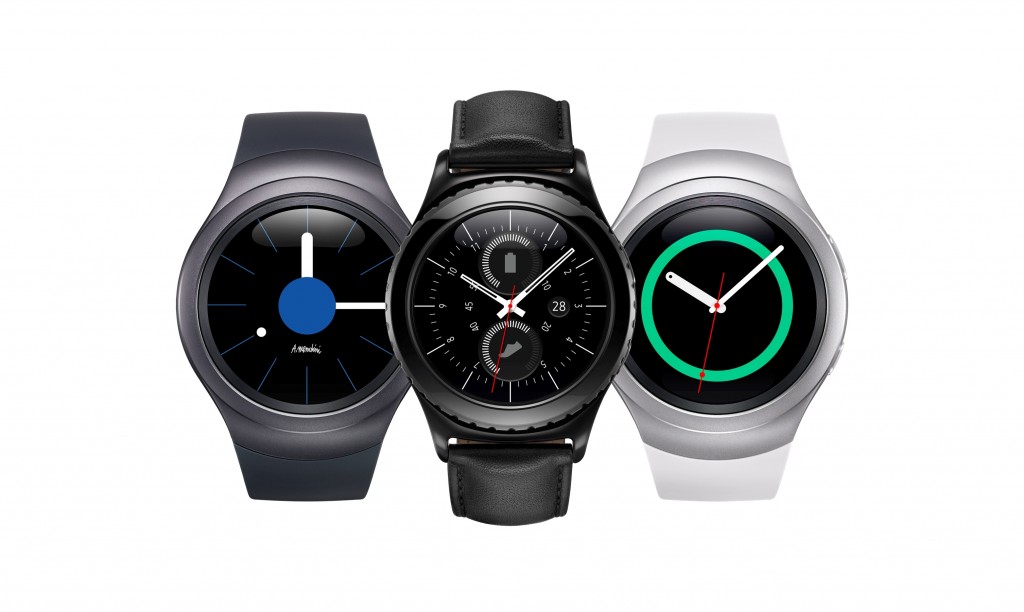
Samsung’s Gear S2 Comes With eSIM support
So why has the size of the SIM reduced over time? To create space. Smartphones have gotten thinner over the years and space has become so precious. The Mini SIM takes a lot of space along with the tray and the reduction in size makes it possible for manufacturers to fit more components on the device or better still, create a thinner device.
How eSIMs Work
With the use of an eSIM which is a fraction of the size of a nano SIM and the complete elimination of the SIM tray, there is more space for other components as well as an overall thinner device.
Apart from space, eSIMs will also allow users switch between networks with ease. This is different from roaming (you don’t pay roaming charges) and is done over the air. eSIMs will be able to store different network profiles and consumers will be able to switch easily between networks. How this is supposed to work is that you should have multiple profiles on your eSIM and switch between any of them easily. So you can have a data plan on one SIM profile and a voice plan on another SIM profile, and because it is the same number, calls and SMS are not missed.
For easy switching, there has to be a unifying standard that makes it easy for SIM profiles to be loaded on the eSIM. The GSMA has a standard called Profile Interoperability which simplifies the process and makes the relationship between operators and OEMs more flexible. There are hundreds of operators all over the world with different SIM profiles, so it is only logical that there is a standard that everyone can adopt. The two videos below explain how this is supposed to work.
While the Pixel 2 and Pixel 2 XL’s eSIM works on only Google’s Project Fi network for now, the Apple Watch 3 can be used on Verizon, T-Mobile, or Sprint. Users should be able to keep their mobile numbers when they switch but they may be charged a fee when moving to a new operator for the first time. This fee will be similar to what you pay when you purchase a SIM but may include free data and voice calls too in the package.
The Future of eSIMS
It may take a while for eSIMs to be adopted widely for smartphones, but it will be easier to adopt into devices like wearables, cars, and computers which require mobile connectivity. Microsoft and Qualcomm’s upcoming ARM-powered computers are expected to have eSIMs for on-the-go connectivity. Microsoft also announced that its new Surface Pro will come with LTE via an eSIM but that version won’t arrive till Spring next year.
For Windows PCs with eSIMs, users will be able to purchase data plans from the Windows Store. T-Mobile, AT&T and some other foreign operators have already signed on to work with Microsoft on this.
There are still some concerns associated with the use of eSIMs. Let’s say your phone is low on battery and you have a traditional SIM card, you could simply remove the SIM and put it into the other phone. For devices with eSIMs, you can’t do that.
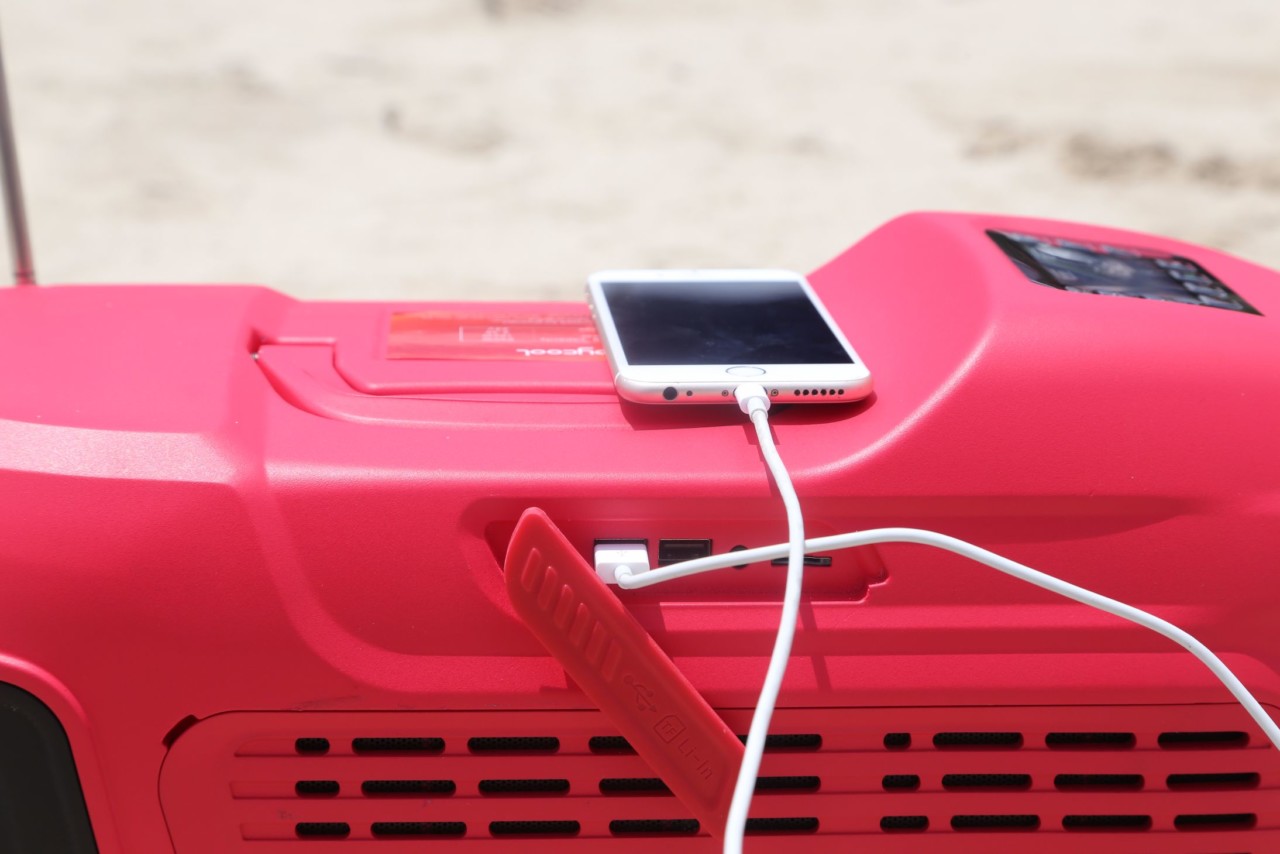
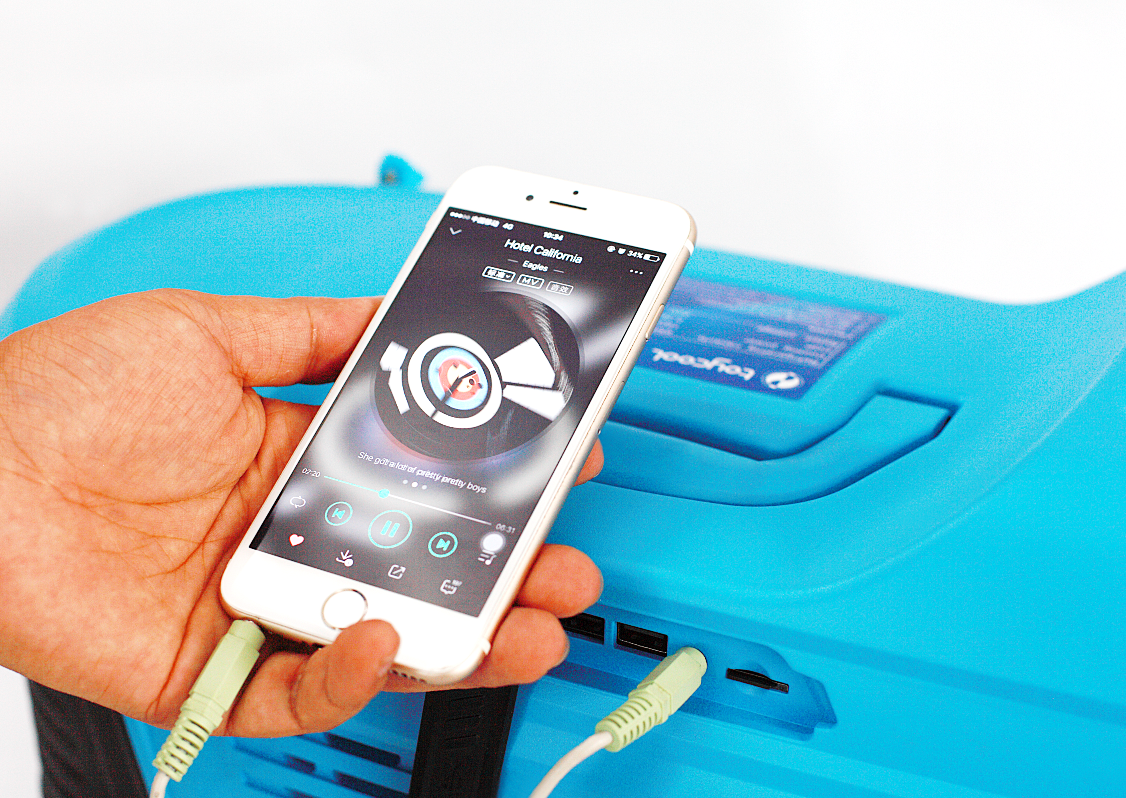
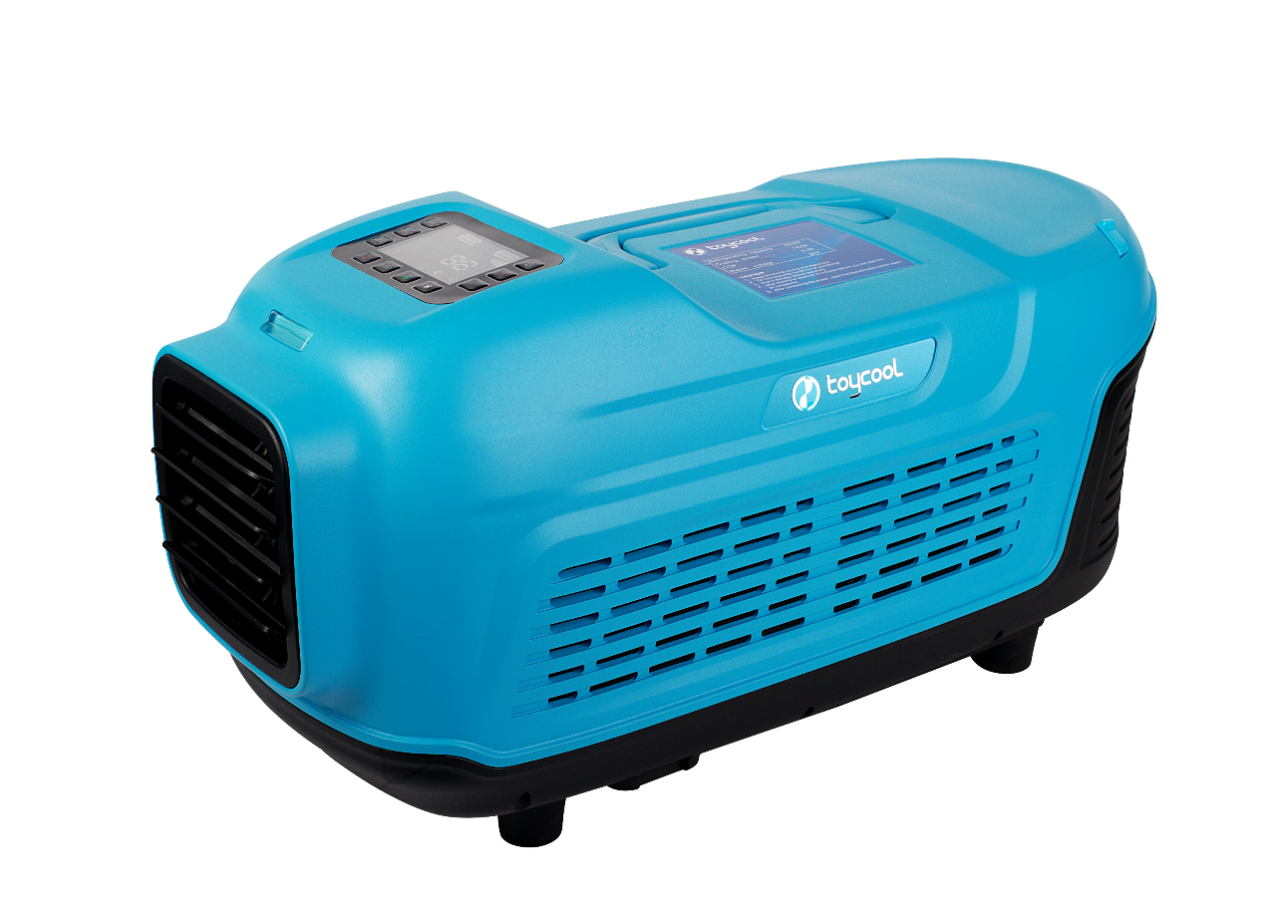
We have all been at the beach to have a great time but it’s not always fun to stay there if it’s hot. Obviously, you can go and take a swim in the sea or ocean but if you don’t like doing that, you may feel uncomfortable simply lying and sweating. The TOYCOOL came up with the solution that serves as an outdoor air conditioner and it has a ton of other cool features.
Here is a quick summary of the features this multifunctional device has:
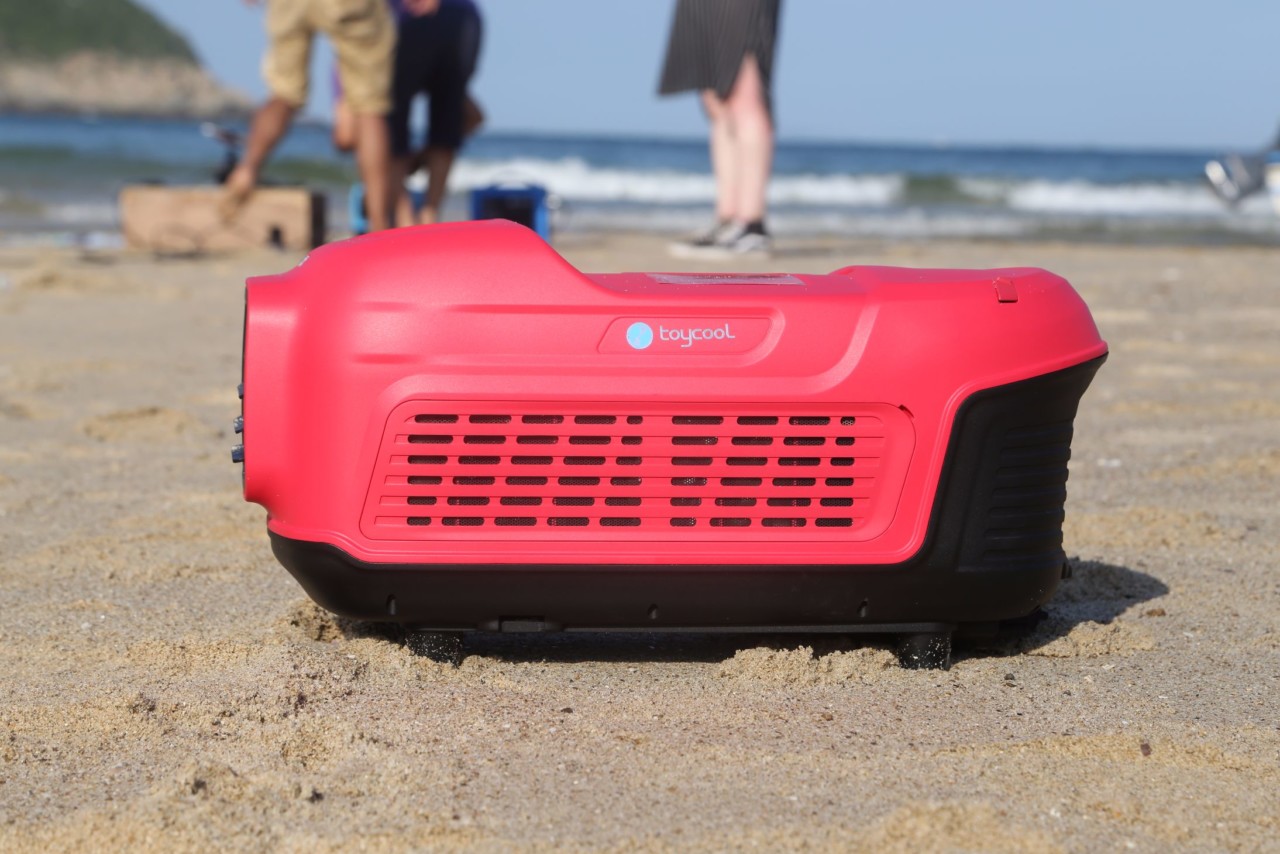
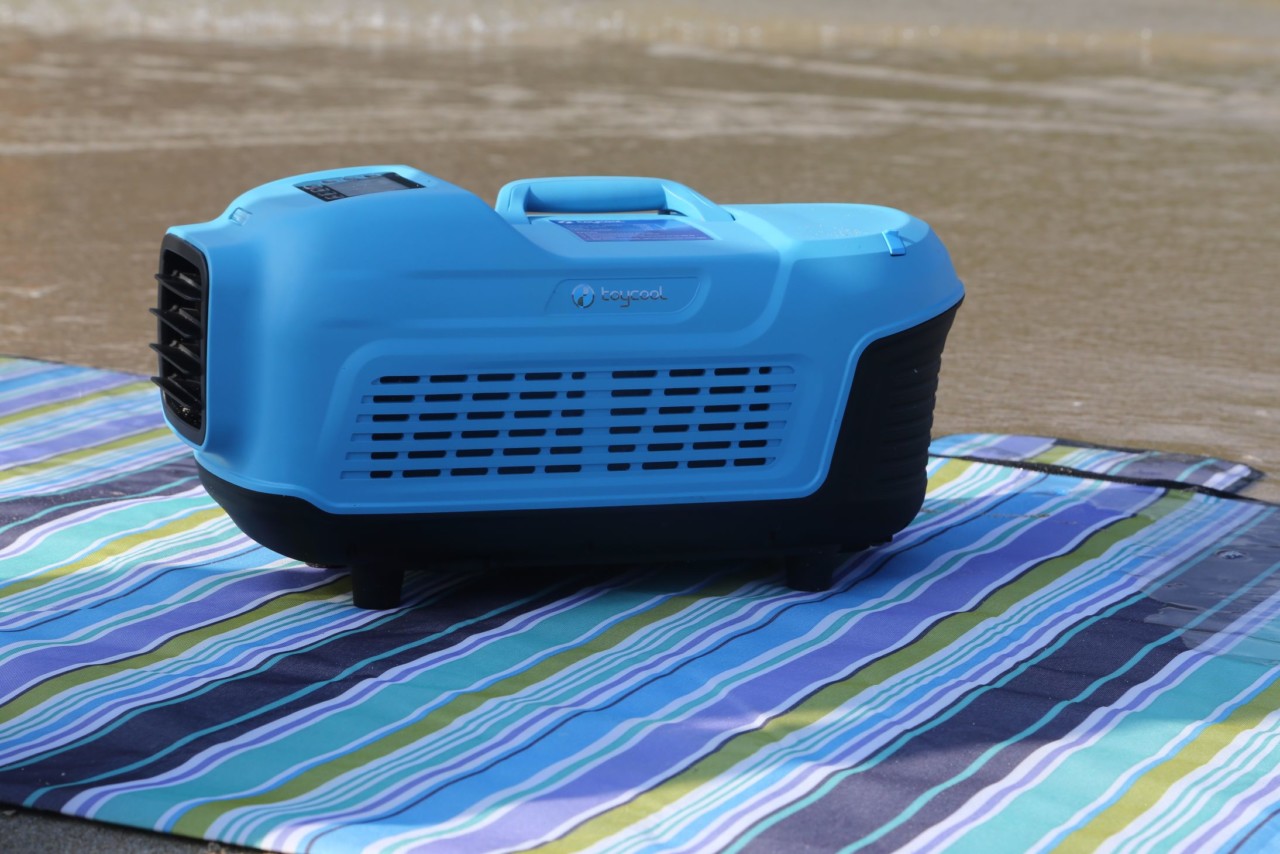
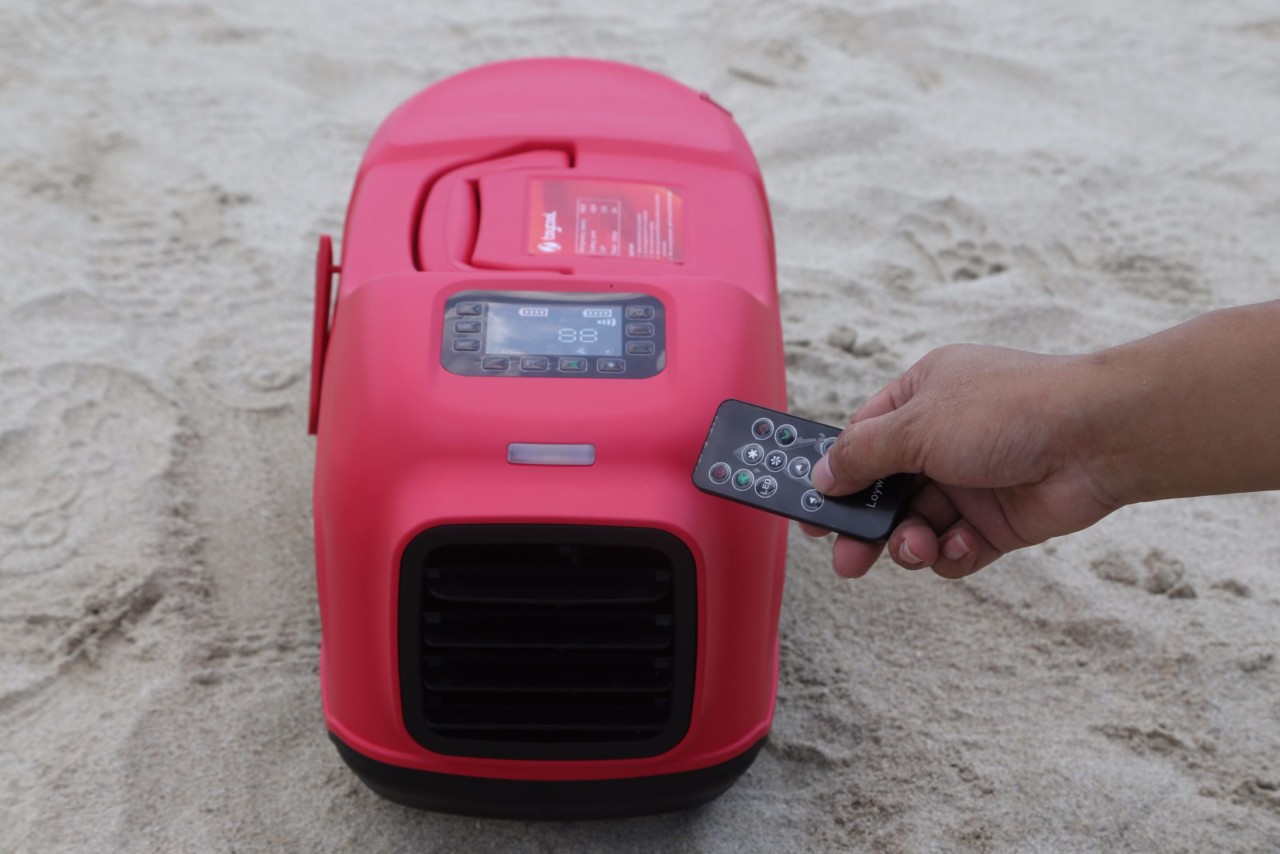
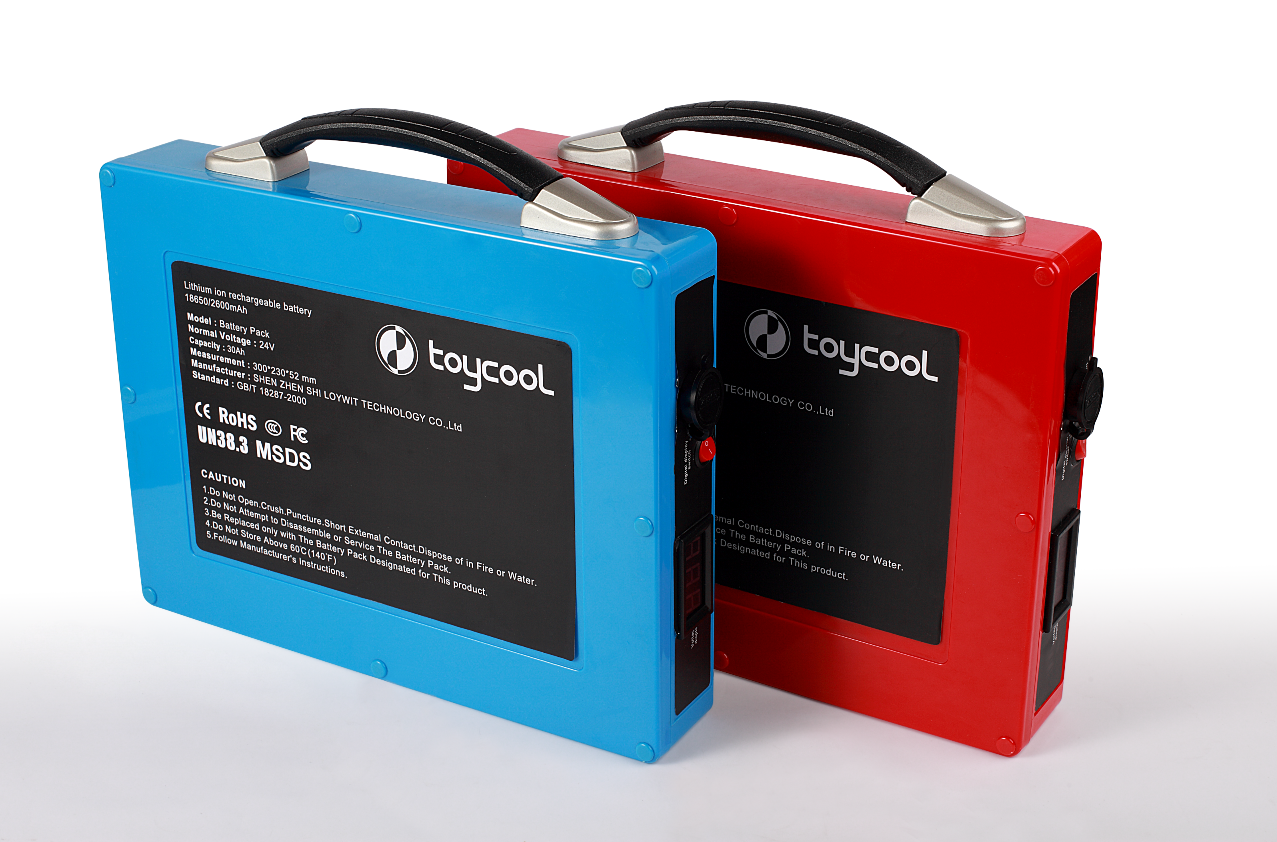
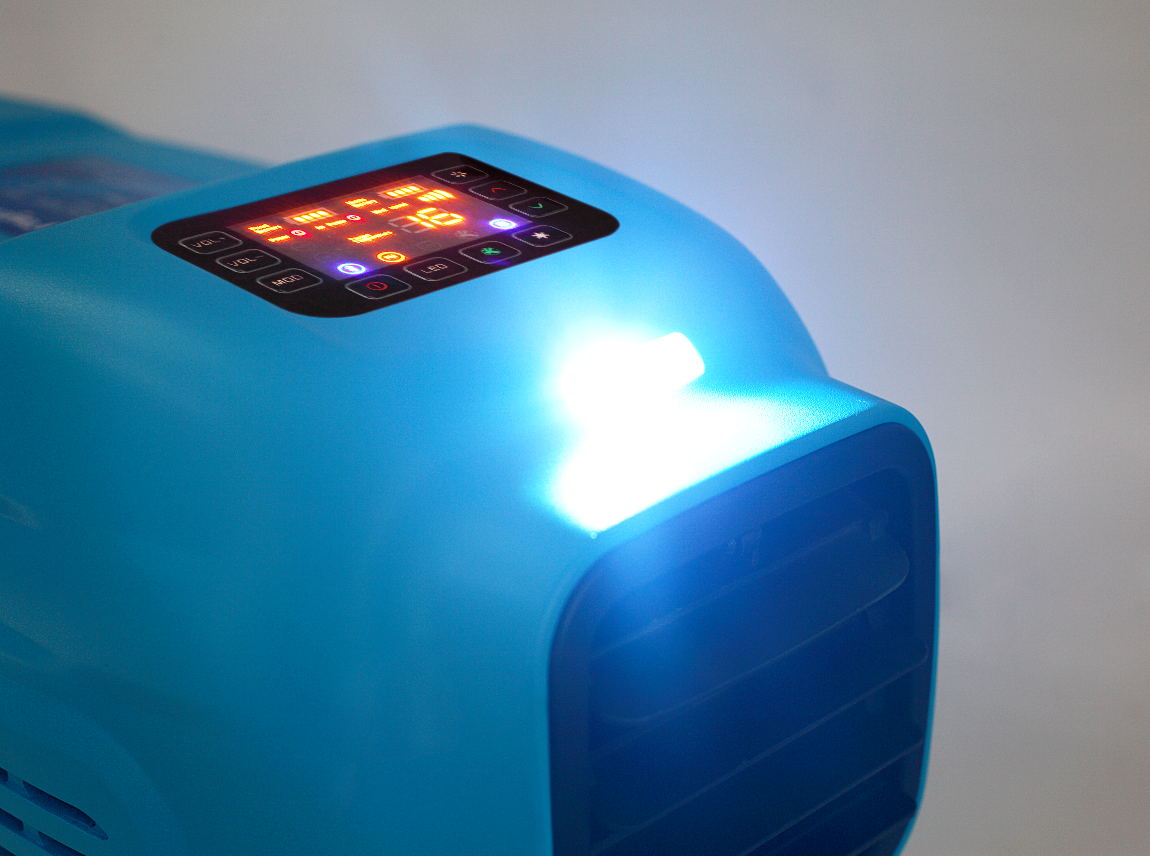
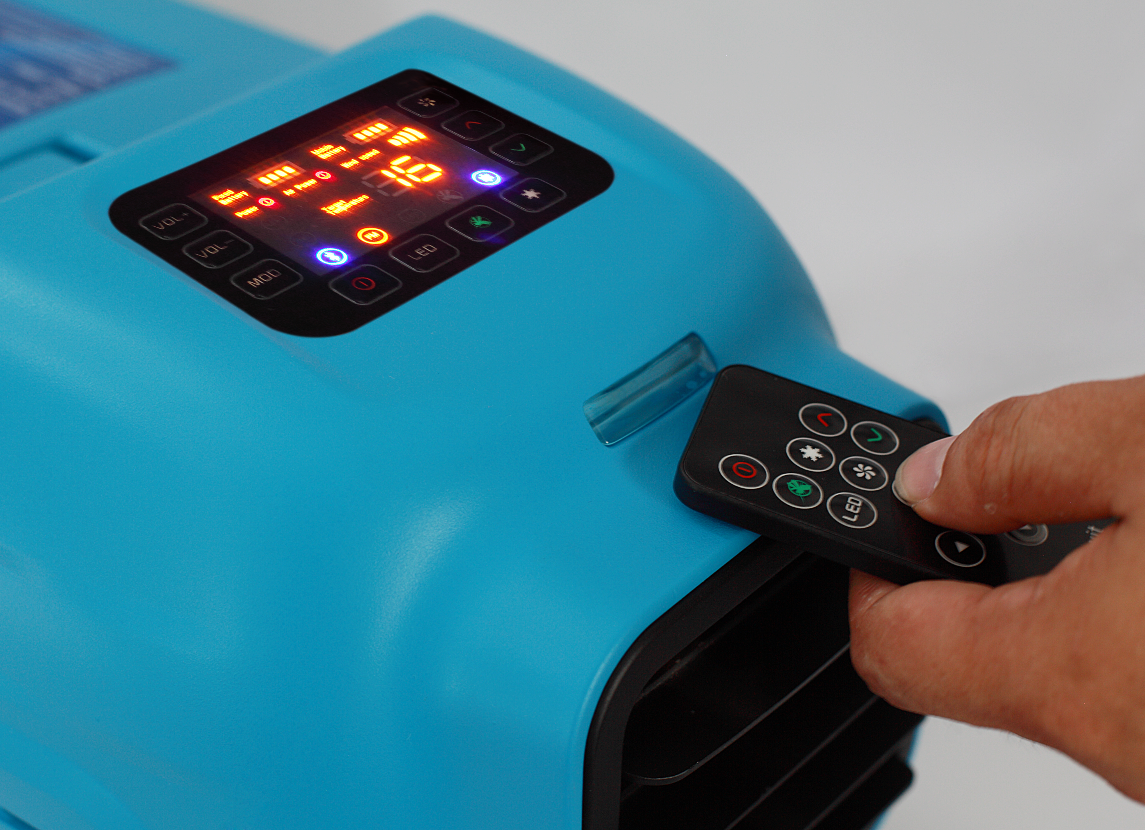
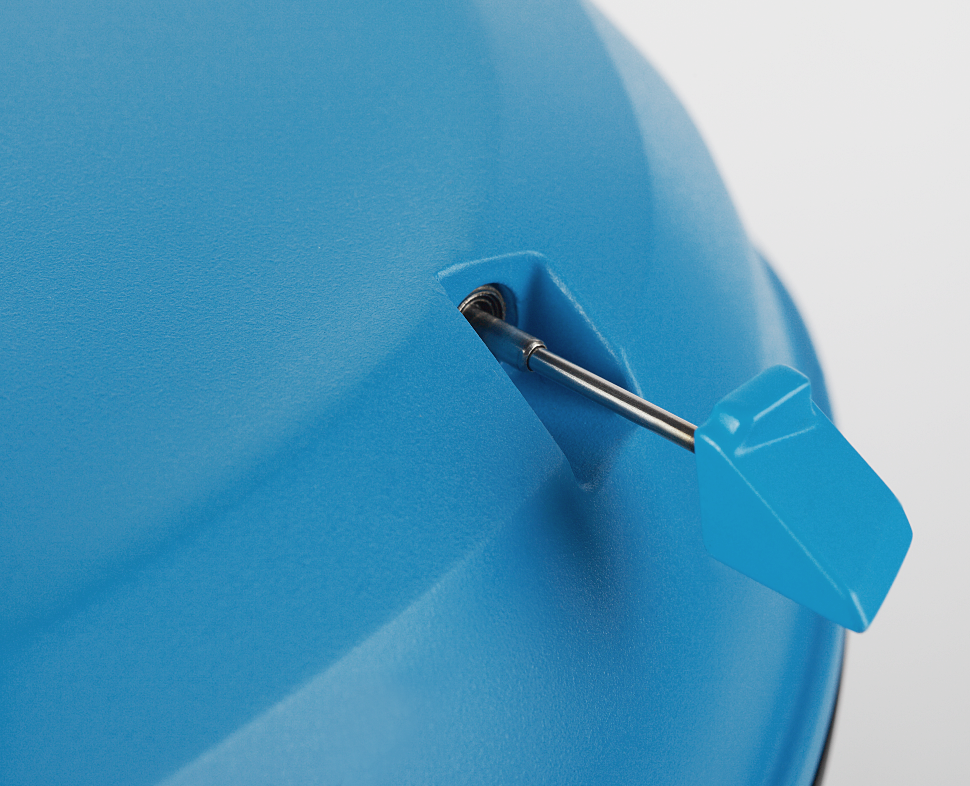
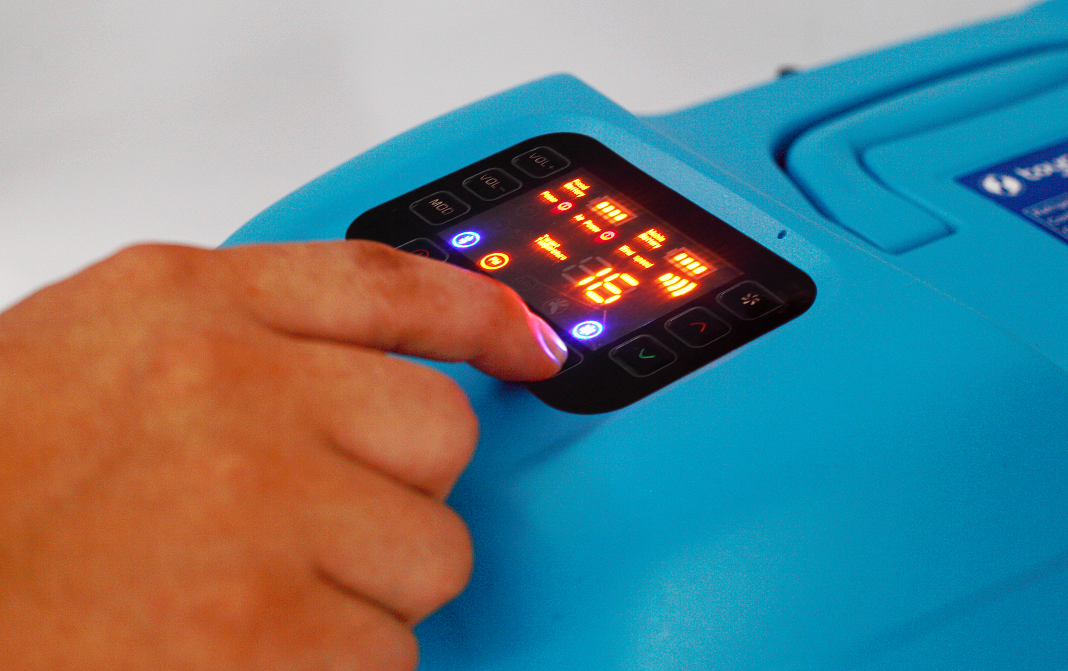
TOYCOOL is a portable and multifunctional air conditioner that also functions as a Bluetooth speaker, a radio player, a mosquito repellent, a night light, and a charging station. TOYCOOL is small in size and portable to carry that can be placed in a tent, a boat, an RV, on a beach, a tailgate or any other places where heat may be an issue.
This is quite a unique device that has a lot of features packed into a compact body. This device is made by young and forward-thinking entrepreneurs.
TOYCOOL multifunctional outdoor AC in pictures:
About ToyCool:
ToyCool is a young team formed in 2016. We’re a group of people dedicated to the development and production of smart AC, smart cooler and other portable cooling equipment. Our cooling products are small in size and portable to carry that can be placed in a tent, a boat, an RV, on a beach, a tailgate or any other places where heat may be an issue. We keep in faith with “customer first, quality first, the pursuit of excellence” and look for to service you with sincerely.
The TOYCOOL multifunctional outdoor AC is now on Indiegogo campaign and you can now get it for much lower ($599) than the final retail price.
Following the recall of the ill-fated Galaxy Note7, Samsung relaunched the phone in July with a smaller battery and under a new name – the Galaxy Note FE. The Galaxy Note FE’s release has been limited to Samsung’s home country but report says it could be making its way to Malaysia soon.
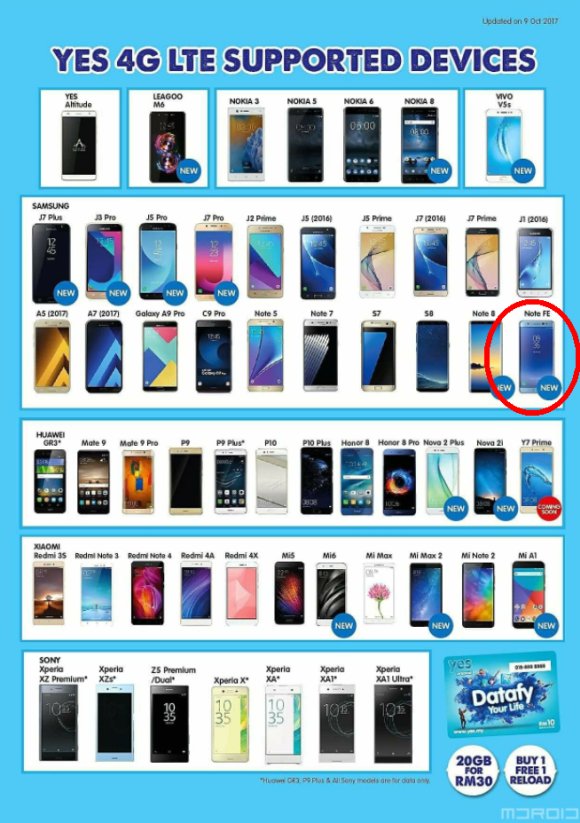
Proof of a possible launch is an image that lists the supported 4G LTE devices of Malaysian network operator, YES. Underneath the section that has Samsung devices is the Galaxy Note8 and the Galaxy Note FE with a “NEW” text bubble on both devices indicating that they were just added. It is also important to note that YES only lists devices sold in the country.
Samsung has not yet announced when the launch will be, but it should be around the corner. Prospective buyers may also want to take note of stock being limited seeing as how quickly it went out of stock in its home country.
The main difference between the Galaxy Note FE and the Galaxy Note7 is the battery, since that was what caused it to be recalled in the first place. The 3,500mAh battery has been replaced with a smaller 3,200mAh battery.
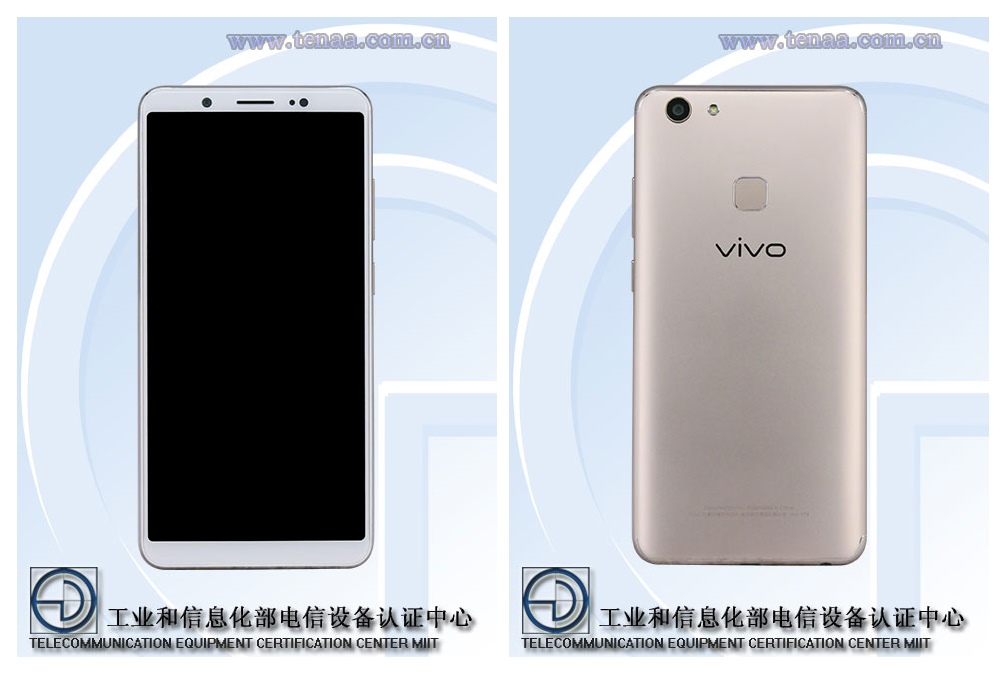
In the previous month, Vivo had unveiled the Vivo V7+ smartphone with full screen design in India. A new device with Vivo Y79 has received TENAA certification in China. Its specifications suggest that Vivo V7+ may launch as Vivo Y79 in China.
The images of the Vivo Y79 shows that it resembles the Vivo V7+. The TENAA listing show that the Vivo Y79 measures 155.87 x 75.74 x 7.7 and its weight is 160 grams. Like the Vivo V7+, the Y79 features a 5.99-inch display that supports HD+ resolution of 720 x 1,440 pixels. It may boast a high screen-to-body ratio of over 84 percent.
The Vivo Y79 is fueled by 1.8 GHz processor and 4 GB of RAM. It appears that the smartphone would be driven by 1.8 GHz Snapdragon 450 SoC that powers the Vivo V7+. Both the handsets feature 64 GB of storage. The Vivo Y79 will be coming preinstalled with Android 7.1.2 Nougat OS that will be probably overlaid with FunTouch OS.
A 16-megapixel camera will be present on the rear side of the Vivo Y79 whereas its front may feature a 24-megapixel Moonlight selfie camera. The back panel of the phone features a fingerprint reader. The only major difference between the Vivo V7+ and Vivo Y79 is that the former includes a 3,225mAh battery and the latter has a 3,150mAh battery.
TENAA has also certified another Vivo phone with Vivo Y79A moniker. Except for support for CDMA 2000 network on Vivo Y79A, both the Y79phones seem to carry the same specs. Like V7+, the Y79 may come with similar features like Hi-Fi audio chip and face scanning. It is expected to arrive only in gold color.
After a year, Huawei has released a successor to the Honor 6X. The Honor 7X brings a bunch of upgrades and an entirely new design but makes sure to keep the dual cameras of its predecessor.
Honor 7X Design
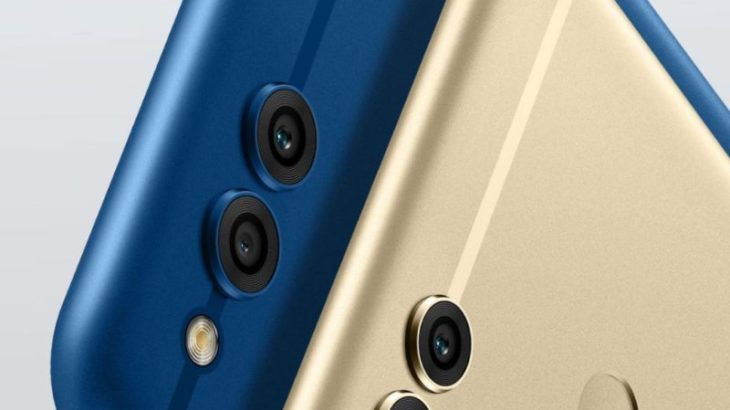
The Honor 7X has a metal unibody similar to that of the Honor 8 Pro but with a few changes. The dual camera has moved from the vertical setup of the Honor 6X to a horizontal one. The sensors sit along the antenna line along with the LED flash in an attractive fashion.
The fingerprint scanner is rear-mounted and that’s not because Honor is trying to keep it in the same spot as that of the 6X but because there is no space in front for it thanks to the 5.93-inch 18:9 display. The bezels are not super thin but are significantly reduced. Overall, this is a huge improvement over the 6X.
Honor 7X Specs
The 5.933” screen has a 2160 x 1080 resolution. Like the Maimang 6, Huawei’s other 18:9 smartphone, the Honor 7X is powered by the Kirin 659. There is 4GB of RAM and buyers will be able to choose from 32GB, 64GB, or 128GB of storage.
The processor is not the only feature the Honor 7X shares with the Maimang 6, its dual rear cameras are also the same 16MP + 2MP configuration. However, it doesn’t get dual front cameras but a single 8MP sensor instead along with a LED flash.
There is dual SIM support (hybrid, nano only & 256GB max. card), Bluetooth 4.1, and Wi-Fi. The battery capacity is still 3340mAh and can be recharged via the micro USB port at the bottom. Sitting on the left of the port is a 3.5mm audio jack.
The Honor 7X runs Android 7.0 Nougat out of the box with EMUI 5.1 on top. It is 7.6mm thick and weighs 165g.
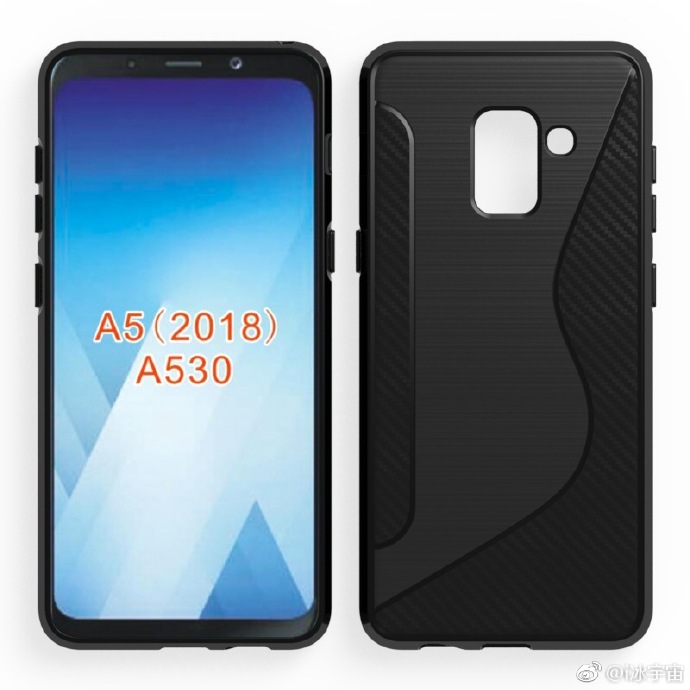
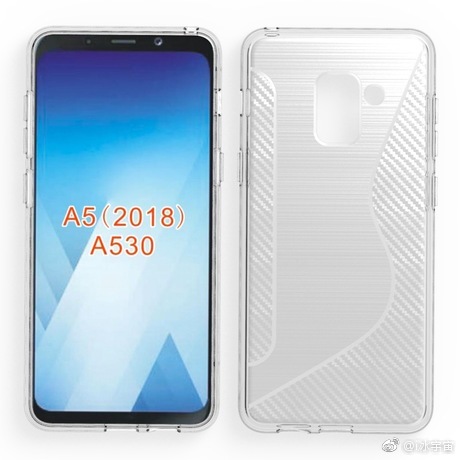
Samsung had introduced the Infinity Display design on the Galaxy S8 and Galaxy S8+ smartphones. The rumor mill has been speculating since couple of months that the upcoming Galaxy A7 (2018) and Galaxy A5 (2018) smartphones would be also sporting a full screen design like the Galaxy S8 duo. Fresh renders of the Galaxy A5 (2018) that have surfaced on Weibo again indicate that it would be supporting an Infinity Display design. Hence, it appears like mini version of Galaxy S8.
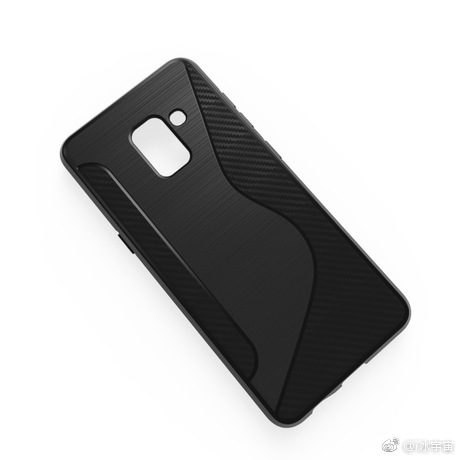
Samsung is known for adding the some of the best features of Galaxy S series phones on Galaxy A phones. Rumors have revealed that Infinity Display and Bixby AI button are some of the features of the Galaxy S8 that will be arriving on Galaxy A (2018) smartphones. The renders that actually show the cases of the Galaxy A5 (2018) reveals that it has a model number of SM-A530F.
The above renders of the Galaxy A5 (2018) not only reveals the speculated 18.5:9 Infinity Display, but also its left edge seems to feature a dedicated button for launching Bixby assistant. The display of the Galaxy A5 (2018) is likely to carry support for Always-on Display.
The rear side of the case for Galaxy A5 (2018) features a large cutout that may house a camera and a fingerprint sensor below it. Some of the key specs of the Galaxy A5 (2018) have already appeared.
In the past, Samsung has released Snapdragon and Exynos models of Galaxy A phones. A recent report has suggested that the Galaxy A5 (2018) may arrive in Snapdragon 660 and Exynos 7885 chipset models. both the models are expected to include 4 GB of RAM. The SD 660 variant may be aimed towards China whereas the Exynos 7885 model may be released in international markets. Rumors have also suggested that the Galaxy A (2018) phones may carry an expensive price tag.
The rumor mill has revealed information on the Galaxy A7 (2018). It is also likely to sport the same design. However, there are no details available on Galaxy A3 (2017). The 2016 and 2017 Galaxy A3 phones have smaller screen of 4.7 inches. Hence, the Galaxy A3 (2018) may come with a regular screen, and not an Infinity Display. There is a possibility that the South Korean company may not release Galaxy A3 (2018).
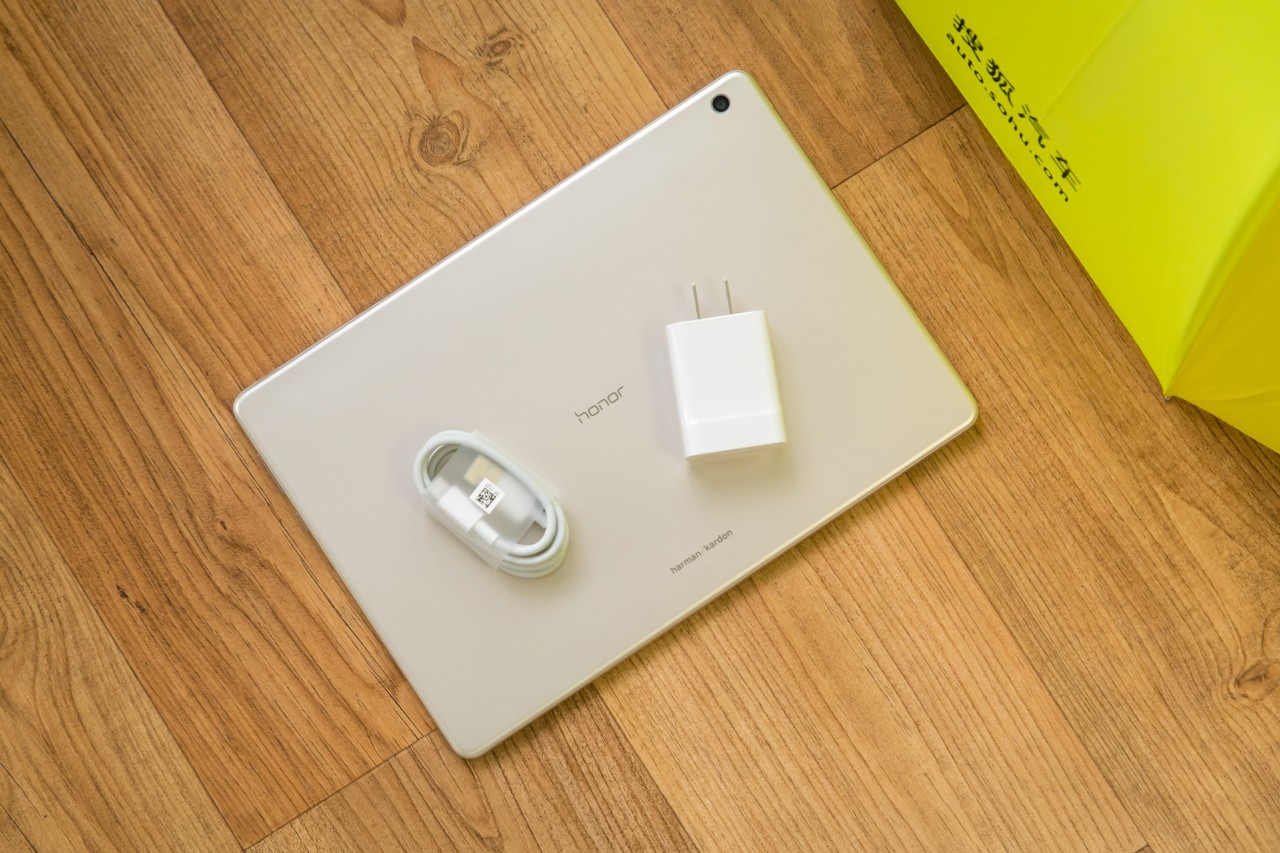
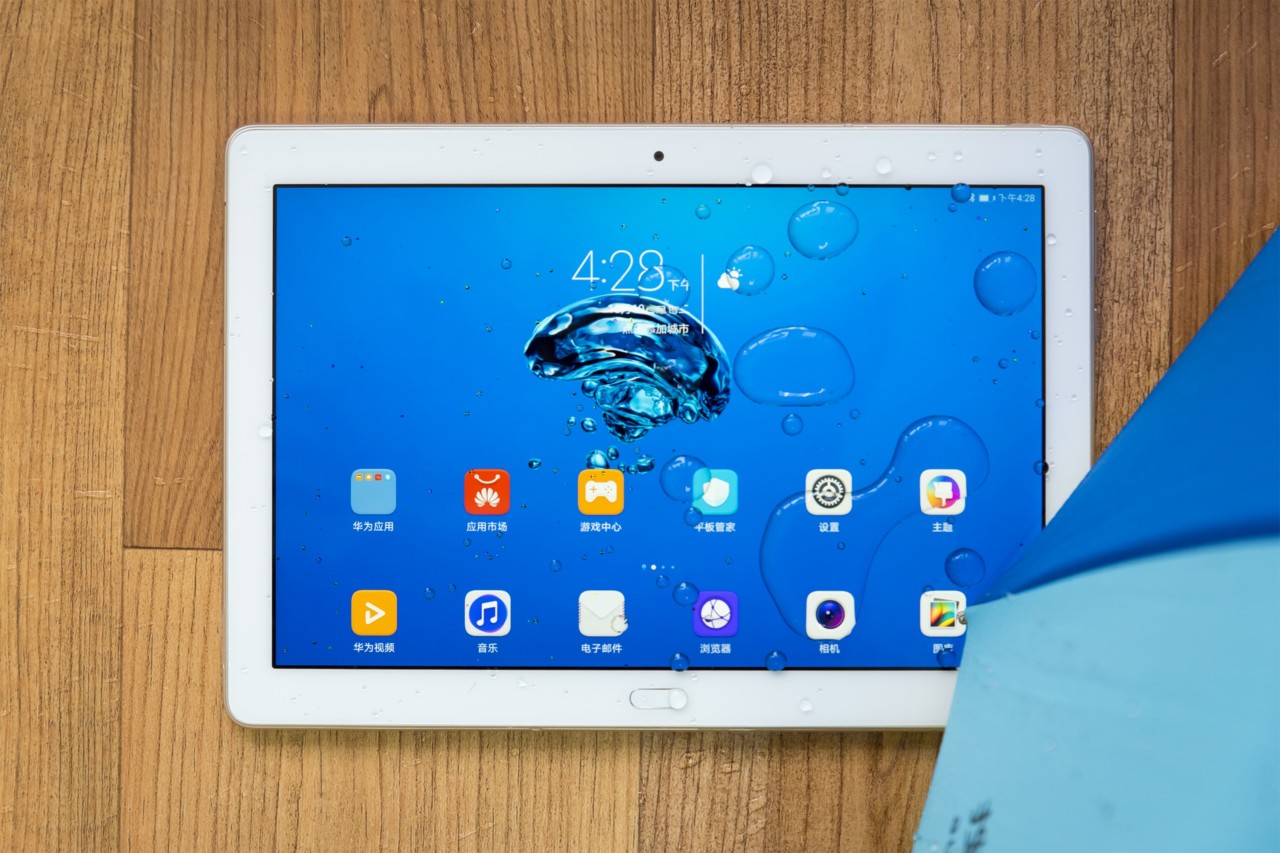
Huawei‘s Honor has today launched a new tablet at a press event in China — Honor Waterplay. As the name itself suggests, the device is waterproof and comes with the IP67 rating.
Another major highlight of the Honor Waterplay Tab is the sound. To offer better music output, the company has opted for Harman Kardon audio to tune and optimize the sound effects. It is equipped with four stereo speaker which gives 3D surround sound for an immersive experience.
Coming to the specifications, the tablet comes with a 10.1-inch Full HD display with screen resolution of 1920 x 1200 pixels and pixel density of 224ppi. It is powered by Huawei’s own Kirin 659 octa-core processor.
It has options for RAM — 3GB RAM and 4GB. The device comes with a microSD card slot for expanding storage capacity up to 256GB. Based on the memory options, the device is available in three different variants — 3GB RAM + 64GB storage, 4GB RAM + 64GB storage and a third variant which supports LTE connectivity.
There is also a fingerprint sensor placed on the home button. The tablet features a camera on the back as well as on the front side. However, the megapixel count of the camera sensor is not yet known. But, the company has revealed that the front-facing camera can capture images with blurred background — making it the first tablet to support such functionality.
The tablet is running on Android 7 Nougat OS, with the company’s own Emotion UI 5.1 on top. The OS is optimized in such a way that the app opening time has been reduced by 20%, says the company. It further adds that the UI comes with a new fresh and simple interactive design.
It is powered by a big 6,660mAh battery, which also supports fast charging. There is a USB Type-C port for charging the battery, as well as for connecting media devices. The company claims that it can get fully charged in about 2.5 hours, and also supports reverse charging.
While the sale of Honor Waterplay will start from October 24, the company has already started taking pre-orders for the tablet.
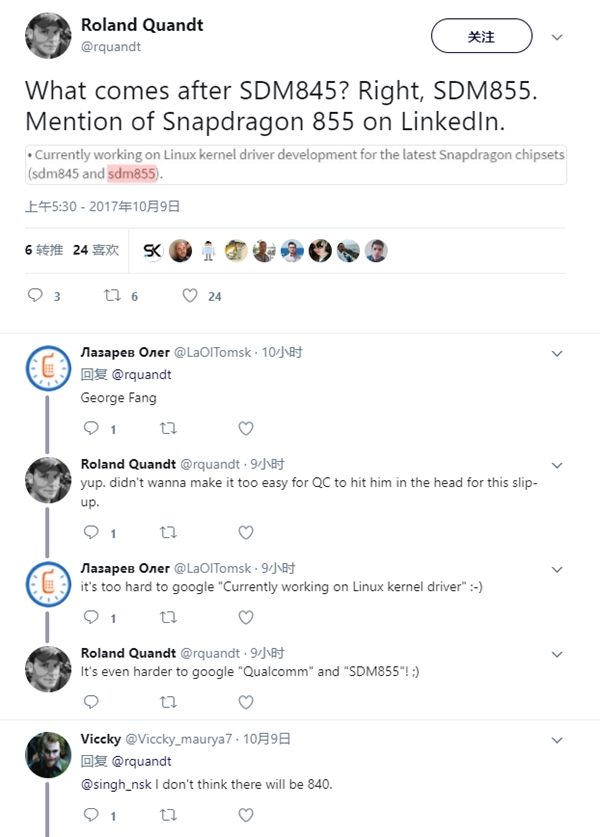
The rumor mill has been talking about the Snapdragon 845 chipset that is expected to power the Samsung Galaxy S9 and Galaxy S9+ flagship phones in 2018. The Snapdragon 845 is speculated as 10nm chipset. Fresh information revealed by well-known tipster Roland Quandt suggests that the company has already started working on Snapdragon 855 that is likely to power flagship phones arriving in 2019. Rumors have it that the Snapdragon 855 will be a 7nm chipset.
Quandt the references in the Linkedin profile of a software engineer named George Fang. It appears that the company is developing Linux kernel driver for the upcoming Snapdragon 845 and Snapdragon 855 chipsets. It has been also unearthed that the Snapdragon 845 that is described as “a complex SoC of a latest mobile processor (SDM 845) owned by Qualcomm” is codenamed as Napali v2.0. The Snapdragon 855 is described “a latest processor (SDM855 series) owned by Qualcomm” and it is codenamed as Hana v1.0.
Recent reports have revealed Samsung will not be manufacturing 7nm chipsets for Qualcomm. The latter has reportedly has chosen Taiwan-based TSMC for building the Snapdragon 855 chipset. This SoC may presumably power the Samsung Galaxy S and Galaxy Note coming 2019.
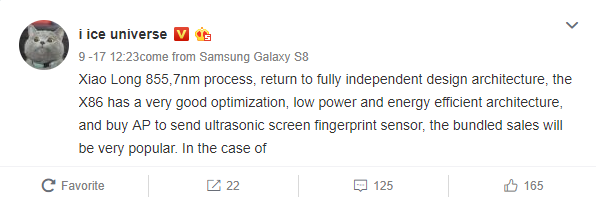
Other rumors have revealed that the Snapdragon 855 will come with several enhancements over the SD 845 chip. A Chinese leakster has previously claimed that the SD 855 will deliver 30 to 40 percent better performance, improved AI capabilities and enhanced power efficiency.
The SD 855 powered devices are also speculated to come with ultrasonic fingerprint scanners embedded under the display. Even though this technology is already available on some the existing Snapdragon chipsets, its performance is expected to improve on Snapdragon 845 and with the arrival of Snapdragon 855, this technology is expected to become mainstream in 2019. Rumors suggest that the Snapdragon 855 may get officially unveiled in Q4 2018.
It’s too early to talk about the Snapdragon 855 considering the fact that Qualcomm is yet to introduce Snapdragon 845. Hence, we advise our reader to take the information on the features of the SD 855 with a pinch of salt.
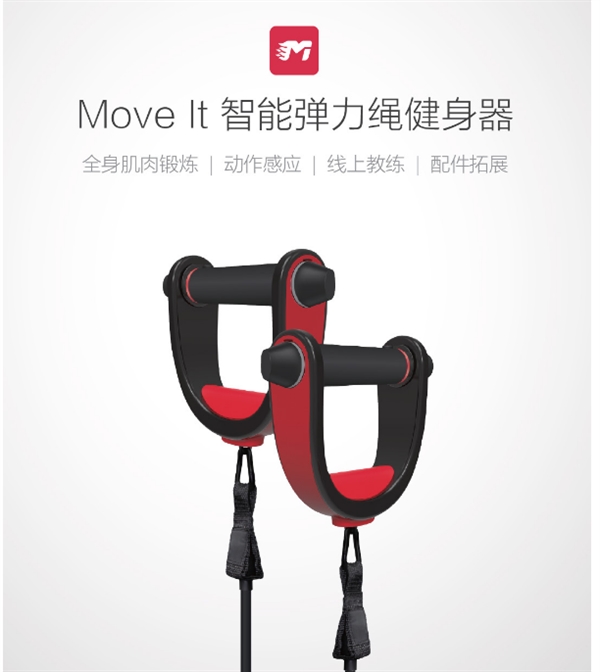
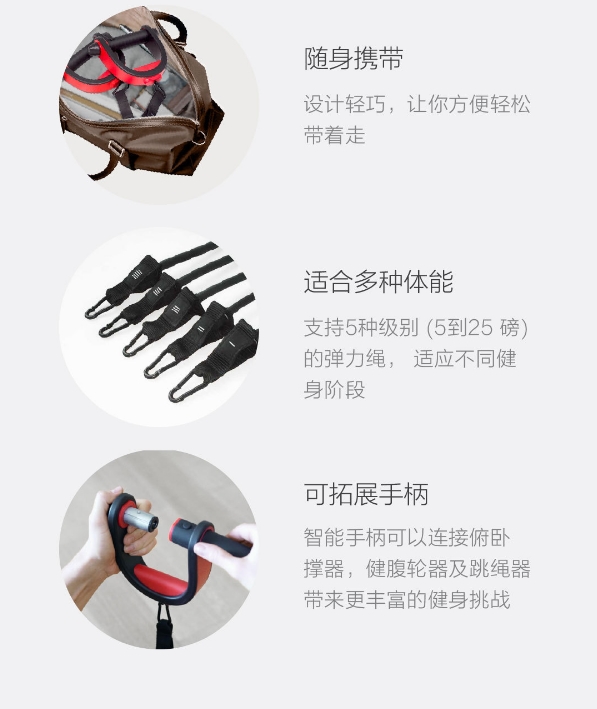
Xiaomi has once again veered into the field of fitness equipment with the launch of the Mind It smart elastic fitness band which is also called exercise resistance band. Resistance bands are a great addition to any strength training routine or rehabilitation program and come in a variety of sizes, lengths, and strengths.
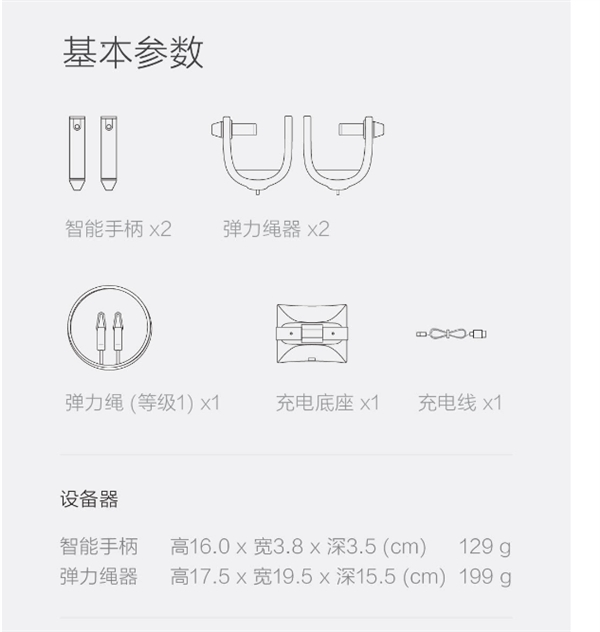
The Move It fitness band has three parts; a smart handle, an elastic rope and an elastic rope device. There is also a charging cable as well as charging port. The smart elastic band can be used to achieve 30 different movements and is suitable for strengthening the legs, back, shoulders, arms and also for cellulite shaping.
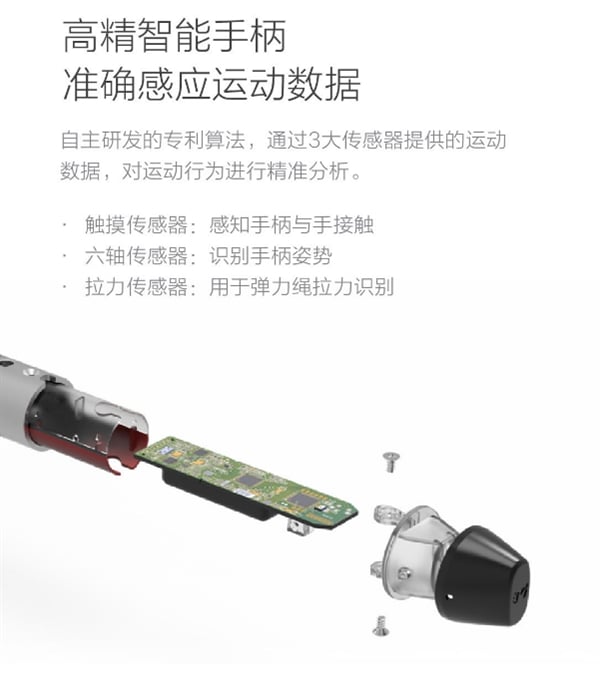
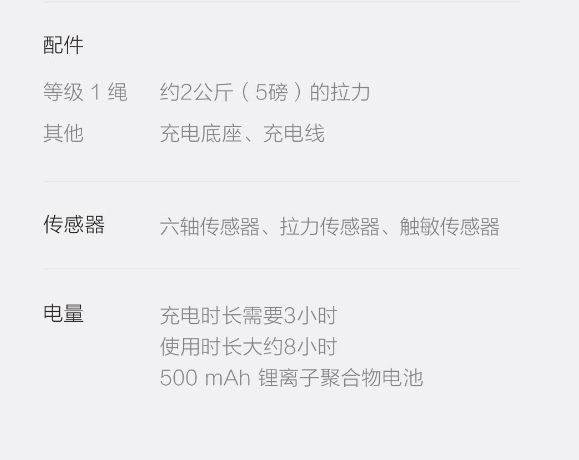
In case you are wondering how this is a smart fitness band, here is how. It has three large sensors, one is a touch sensor which detects when the hand is touching the handlebar. The second sensor is a six-axis sensor which identifies the handle posture while the third is a rally sensor for the elastic rope tension identification. The device also comes with Bluetooth 4.0 and can be connected to a mobile app to keep track of the progress of the fitness regime.The app is able to display actions like the completion of a fitness schedule, suggest correct movement posture, signify when an exercise is done correctly or wrongly. The app also records the consumption of each calorie and provides 24-hour online personal trainer support as well as private customization plan, health menu introduction and so on.
The Move It elastic exercise resistance band has a built-in 500mAh lithium-ion polymer battery which can be fully charged in 3 hours and has a maximum usage time of up to 8 hours. It costs just 549 Yuan (~$83).
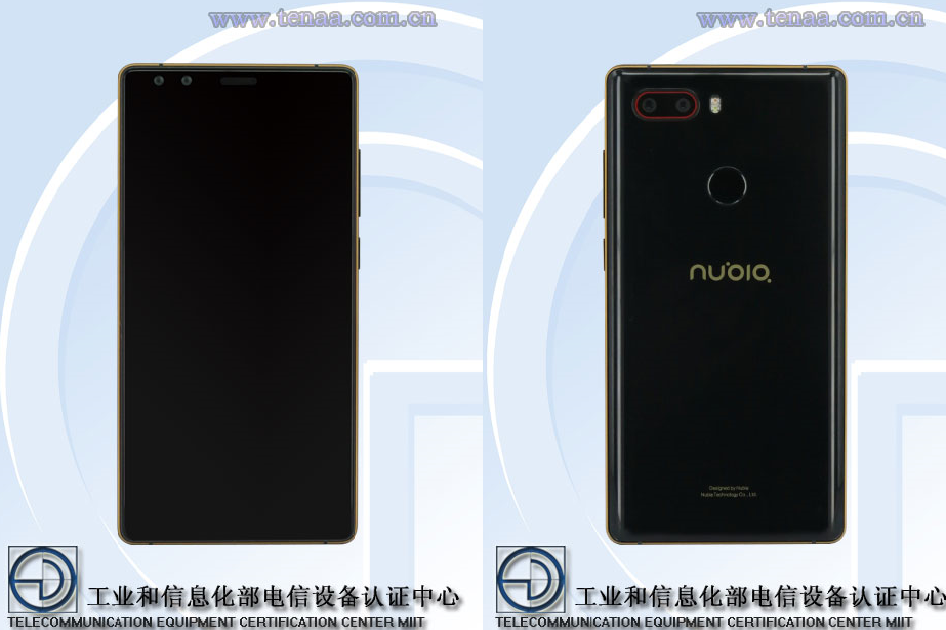
The upcoming ZTE Nubia Z17S and Z17 Mini S have appeared on 3C page of Jingdong. These phones were momentarily made available for registrations on the retailer site and then removed. This suggests that the Chinese manufacturer will be unleashing not only the rumored Z17S flagship phone on Oct. 12, but also a smaller phone dubbed as Z17 Mini S.
Nubia Z17 Mini S
Let’s talk about the Z17 Mini S first. Last year, ZTE had introduced ZTE Nubia Z11 Mini in April and in October it had released an upgraded model with Z11 Mini S moniker. Compared to Nubia 11 Mini, its upgraded model came numerous improvements like larger display, better chipset, better cameras, and bigger battery. It seems that the Chinese manufacturer will be adopting the same strategy this year.
In April this year, the company had released the ZTE Nubia Z17 Mini and it appears that NX589J Nubia phone that was certified by TENAA in the previous may launch as ZTE Nubia Z17 Mini S. The TENAA listing has revealed that the Z17 Mini S would be coming with a 5.2-inch full HD display like Z17 Mini.
The Snapdragon 653 along with 6 GB of RAM powers the Z17 Mini. However, the Z17 Mini S is expected to feature 2.0 GHz octa-core processor and 6 GB of RAM. Like the Z17 Mini, the newer model is pegged to feature 64 GB storage.
The most striking difference between the two phones is that the Z17 Mini S features dual front and rear cameras. The Z17 Mini has a 2,950mAh battery and the Z17 Mini S is speculated to house a larger battery of 3,100mAh capacity.
The Nubia Z17 was announced in June this year. It is packed with a true bezel-less display of 5.5 inches and is driven by Snapdragon 835 chipset and 8 GB of RAM. It measures 152.6 x 72.4 x 7.6mm.
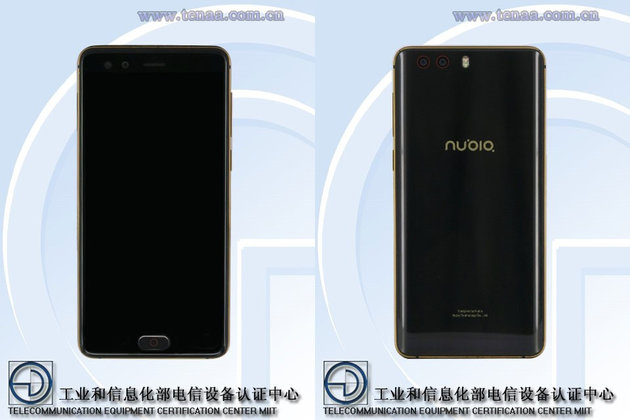
The TENAA listing of alleged Nubia Z17S has revealed that it measures 147.5 x 72.7 x 8.6mm. It appears to be a smaller and thicker device that houses a larger FHD display of 5.73 inches as compared to the Nubia Z17. It does not feature an elongated 18:9 display as the FHD resolution suggests that it will be offering an aspect ratio of 16:9. Since it includes a bigger screen, the usual red-circled Home button that was found below the display has been removed.
The alleged Z17S is powered by 1.8 GHz processor which is slower than the clocking speed of Snapdragon 835 that powers the Z17. Hence, it may feature a different chipset. It is also expected to feature 8 GB of RAM. Like the Z17 Mini S, the larger Z17S also features dual front and rear cameras.
A recent official-looking poster had tipped that the Meizu MX7 will be released on October 11. That isn’t likely going to happen. As a matter of fact, we may not be seeing the flagship MX7 this year, if words of Meizu’s Senior VP Jeffery Yang are anything to go by. The Meizu VP took to Weibo to respond to questions concerning the MX7’s launch and he categorically stated that the much-anticipated flagship model will be released in 2018 instead of this year.
This shouldn’t come as a surprise, though, because the Chinese tech giant has released the flagship Pro 7 this year and the product is still performing well in the market. The Meizu exec did specify that the MX7 will debut in Spring 2018 which should be anytime between March and June. That means we may not see a Pro 8 next year or we could get two flagship models from Meizu next year.
The Meizu MX7 is a flagship model, the MX series was Meizu’s only flagship series until the birth of the Pro-series. The MX7 will take the reins from the MX6 launched around July 2016 packing an Helio X20 chip and a powerful 12MP Sony IMX386 rear camera sensor. The MX7 was expected to launch in September this year packing an Helio P30 chip, according to the leaked Meizu product schedule for this year that has so far been fairly accurate but September is already gone. Jeffery Wang is Senior VP in charge of the flagship Meizu division so he is in the best position to say when the device will be launched. However, considering the MX7 was listed on Chinese e-retail website Taobao recently, Meizu could spring up a surprise and still launch the device this year.
We use cookies on our website to give you the most relevant experience by remembering your preferences and repeat visits. By clicking “Accept”, you consent to the use of ALL the cookies.
This website uses cookies to improve your experience while you navigate through the website. Out of these, the cookies that are categorized as necessary are stored on your browser as they are essential for the working of basic functionalities of the website. We also use third-party cookies that help us analyze and understand how you use this website. These cookies will be stored in your browser only with your consent. You also have the option to opt-out of these cookies. But opting out of some of these cookies may affect your browsing experience.
Necessary cookies are absolutely essential for the website to function properly. This category only includes cookies that ensures basic functionalities and security features of the website. These cookies do not store any personal information.
Any cookies that may not be particularly necessary for the website to function and is used specifically to collect user personal data via analytics, ads, other embedded contents are termed as non-necessary cookies. It is mandatory to procure user consent prior to running these cookies on your website.