Google announced the Pixel 2 and Pixel 2 XL last week and one thing that stood out is the powerful camera the flagship models are said to pack. The Pixel 2 camera is presently DXOMark’s highest rated smartphone camera, a fact that was only revealed after the launch. But one question still unanswered is how the Pixel 2 and Pixel 2 XL fare in benchmark tests.
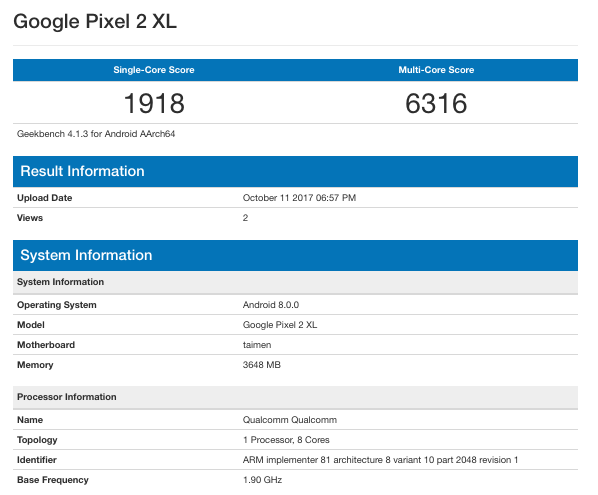
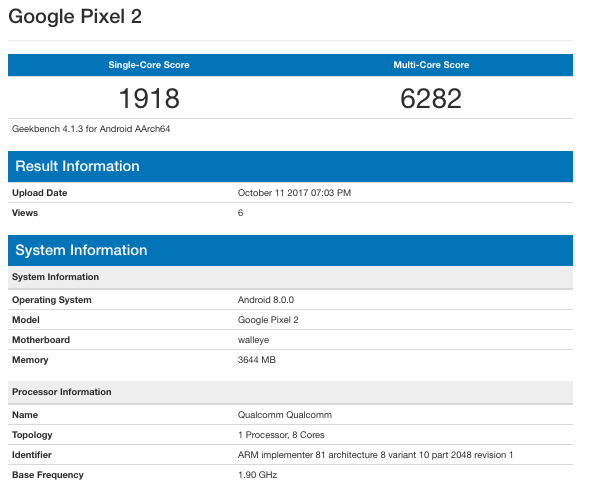
That has now come out to the open because the Pixel 2 and Pixel 2 XL have been spotted on the database of Geekbench. Obviously, both smartphones are powerful terminals with a Qualcomm Snapdragon 835 processor piloting the affairs in both models. The Pixel 2 Geekbench score shows it scored 1918 points on the single core test and expectedly, the Pixel 2 XL also recorded the same score.
On the other hand, on the multi-core score, the Google Pixel 2 scores 6,282 points while the Pixel 2 XL polled a slightly higher 6,316 points. Comparing the scores to that of other Snapdragon 835 phones benchmarked already like the Galaxy S8 (single-core: 1929, multi-core: 6084), OnePlus 5 (single-core: 1963) (multi-core: 6687) and the Xperia XZ Premium (single-core: 1943, multi-core: 5824), the Pixel phones didn’t perform badly. Even the HTC U11 from the same manufacturer of the Pixel phones also scored points hovering around the same range on the single and multi-core tests.
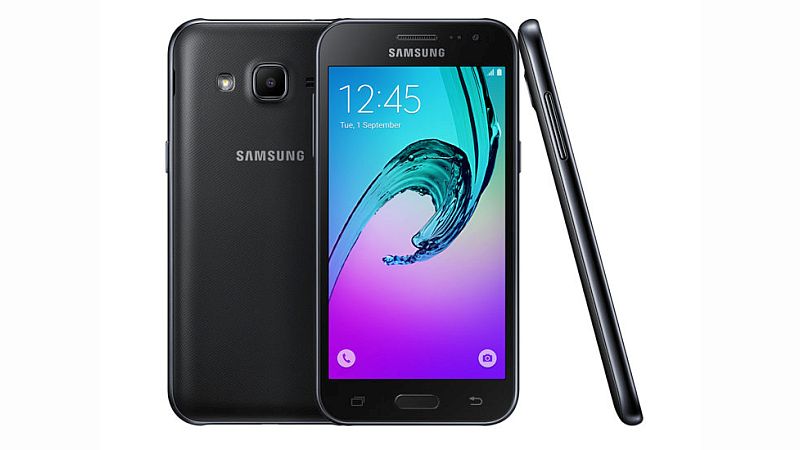
Samsung has discreetly introduced a new budget phone called Samsung Galaxy J2 (2017). The new phone with model number SM-J200G is now listed on the Indian edition of Samsung’s official site.
The Galaxy J2 (2017) is fitted with a 4.7-inch Super AMOLED display that supports qHD resolution of 540 x 960 pixels. The smartphone receives power from a 1.3 GHz quad-core Exynos chipset. The exact model number of the Exynos chip is not known. It is fueled by a 2,000mAh removable battery that offers talk time of up to 12 hours.
The SoC is coupled with 1 GB of RAM and the phone includes an internal storage of 8 GB. It provides users with a usage space of 4.3 GB as the remaining is used by preloaded apps and Android OS. It also includes an external storage slot for adding up to 128 GB of microSD card.
For photography, the Galaxy J2 (2017) includes a 5-megpaixel CMOS sensor on the rear panel. It is enabled with features like LED flash and autofocus. The front side features a 2-megapixel CMOS sensor. The handset is running on Android OS. The exact version is not listed on Samsung’s site. It includes some handy software features like Smart Manager that can be used for cleaning memory automatically and it also comes with Ultra Data Saving Mod that can allow users to save up to 50 percent of 4G/3G data.
The Galaxy J2 (2017) is a dual-SIM phone that comes with usual connectivity features like USB OTG, 4G, 3G, Wi-Fi 802 b/g/n, v4.1 Bluetooth, GPS and 3.5mm audio jack. It sports a polycarbonate botty that features a textured rear cover. It measures 136.5 x 69.4 x 8.4mm and it weight is 130 grams. Apart from Absolute Black, there are no color choices available for Galaxy J2 (2017). There is no information available on which other markets will be receiving the Samsung Galaxy J2 (2017).
The Apple iPhone X is the only smartphone from the company that features the all new Face ID biometric recognition feature. The Touch ID sensor is still available on the iPhone 8 and iPhone 8 Plus that were unveiled alongside the iPhone X. Fresh information revealed by KGI Securities analyst Ming-Chi Kuo states that the 2018 iPhones will arrive with TrueDepth Camera and Face ID. This indicates that iPhones arriving next year are unlikely to feature Touch ID sensors.
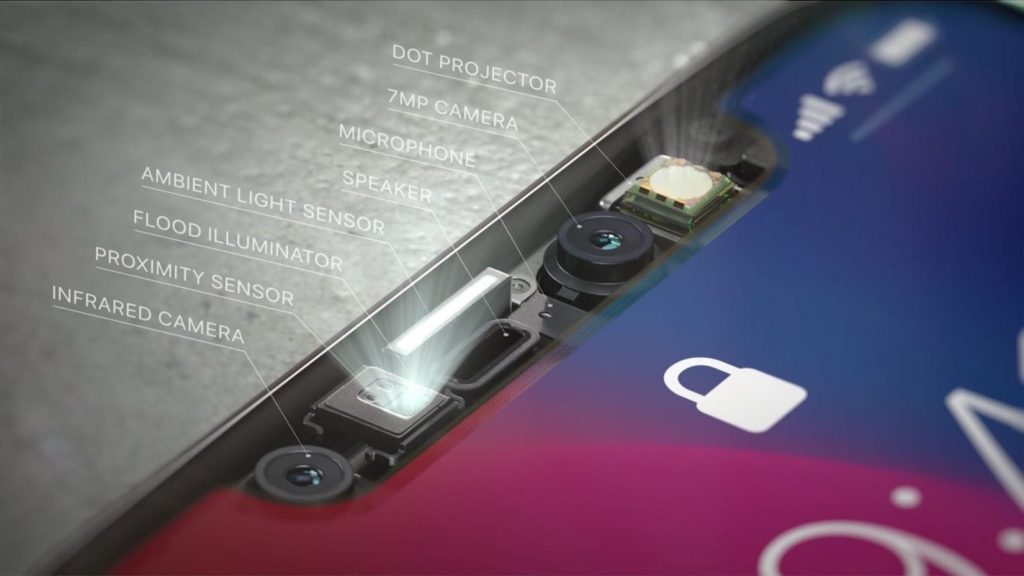
The TrueDepth camera system that includes multiple sensors enables facial recognition feature on the iPhone X. Soon after the announcement of the iPhone 8, 8 Plus and iPhone X, Kuo had predicted that all the 2018 iPhones will feature Face ID. His new statement confirms the same information. Earlier this week, he had claimed that the 2018 iPad Pro models will also feature TrueDepth Camera and Face ID.
The rumor mill has claimed that Apple wanted to incorporate fingerprint scanner under the display of its premium iPhone X that features an OLED panel. However, since it could not ready the technology on time, it had to ditch the feature.
The newly introduced Face ID not only users to unlock smartphone by simply looking at the iPhone X, but also it can be used for authenticating payments on Apple Pay. The Cupertino company has claimed that the Face ID security feature is extremely accurate and the possibility of someone bypassing it is considerably lesser than fingerprint recognition.
One should be aware of the fact that Face ID on iPhone X currently supports only one face per device. Hence, the feature is not very convenient for users who like to share their iPhones with family members. However, family members can still use the same device by entering a pin code when it fails to recognize a face. There is no such problem with Touch ID as users can register up to 10 individual fingerprints.
Various Android phone makers are also expected to introduce facial recognition feature on their smartphones through a system like TrueDepth Camera from Apple. Hence, we may soon see Android phones in future with facial recognition feature.
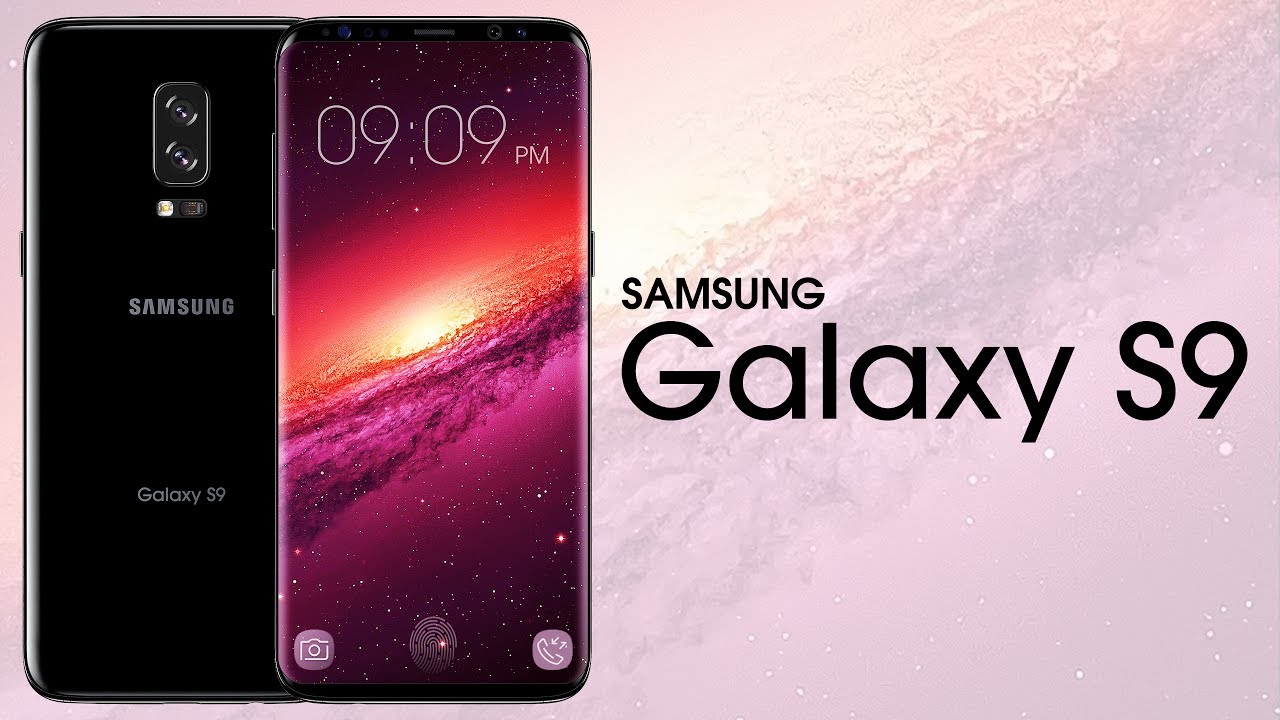
Rumors related to Samsung’s upcoming flagship smartphone — Galaxy S9 have already started coming in. As per the latest rumour, the Galaxy S9 may feature a 3D sensor equipped front-facing camera.
With the addition of the new 3D sensor, the South Korean giant is aiming to improve facial recognition functionality. Apart from the accuracy, also expect improved safety features and better speed.
Notably, Samsung has been offering facial recognition feature since it launched Galaxy Note 7. The company has also introduced Iris scanner to Galaxy S8 and Galaxy Note 8’s Face Unlock feature.
However, the facial recognition feature by Samsung has often been criticized for not being the safest. With the introduction of Apple’s Face ID — released with iPhone X, the battle for better recognition and safety has moved a step forward.
It seems like Samsung is now headed towards Apple’s Face ID path. The company is working on its own 3D image mapping sensors. The camera takes a 3D scan of user’s face from all angles and then it is securely saved in the smartphone.
The technology will likely be similar to the TrueDepth system that Apple uses. If this rumour turns out to be true, then the future of the iris and fingerprint sensor seems to be in jeopardy.
Other rumours related to the Galaxy S9 suggests that the phone could come with a rear-mounted dual camera system with its 3-layer image sensor.
Samsung’s recent patent filing indicates that there’s a possibility that the upcoming flagship smartphone from the company may come with an environmental sensor that measures the quality of air by detecting various particles in the air.
Previous reports have revealed that the Galaxy S9, carrying a model number of SM-G960, will be powered by Qualcomm’s Snapdragon 845 chipset along with 6GB of RAM.
It is expected to feature an Infinity display that we saw on the Galaxy S8, with QHD+ resolution. It is pegged to come pre-installed with Android 8.0 Oreo operating system.
When Huawei had unveiled the Mate 9 smartphone last year, it had also unveiled the premium Mate 9 Porsche Design that carried a hefty price tag of $1,500 on Amazon. A firmware file that is named as BLA-AL00-porsche-cn has surfaced to confirm the existence of the Mate 10 Porsche Design. Hence, it appears that the Chinese manufacturer will debut the Mate 10 Porsche Design alongside the Mate 10 and Mate 10 Pro on Oct. 16.
The firmware file could belong to the Chinese variant of the Mate 10 Porsche Design. Actually, BLA-AL00 is rumored as the model number of Mate 10 Pro. Hence, it appears that the Mate 10 Porsche Design could be based on Mate 10 Pro. The Mate 9 Porsche Design was based on Mate 9 Pro.
[envira-gallery id=”153107″]
The firmware file does not contain any information on the specifications and features of the Mate 10 Porsche Design. However, it includes some signature item such as wallpapers, boot animation and sound files. The firmware file may include some new items for Mate 10 Porsche Design among the files for its predecessor.
By far, the firmware file is the strongest evidence to believe that the Mate 10 Porsche Design does exist, claims XDA Developers. However, some of the images also indicate a Porsche Design smartwatch.
In the previous month, reliable leakster Evan Blass had claimed that the Mate 10 series includes three devices such as Mate 10, Mate 10 Pro and Mate 10 Lite. However, the Mate 10 Porsche Design may exist as a fourth device in the family. Blass too had hinted the existence of Mate 10 Porsche Design through a recent tweet.
Since the Porsche Design model is expected to be based on Mate 10 Pro, it is rumored to arrive with an 18:9 ratio display that produces QHD+ resolution. It could be powered the Kirin 970 chipset and may house the same Leica branded dual rear cameras. One thing that is likely to differentiate the Mate 10 Porsche Design from Mate 10 Pro is design. The Mate 10 Porsche Design will be housing a premium body and it will be also sporting a Porsche Design logo.
Even though OnePlus had released its second flagship for 2016 just before the end of the year, the rumor mill speculated that the Chinese manufacturer may not release a new smartphone after OnePlus 5. However, recent reports suggest that the company is working on an improved flagship phone that may debut in the next month. A render of the alleged OnePlus 5T smartphone has appeared on Slash Leaks
The above render shows that the OnePlus 5T will be arriving with a full-screen design. The presence of an elongated display suggests that it may support an aspect ratio of 18:9. Since the birth of the company’s first phone – OnePlus One, all the smartphones from it have featured 5.5-inch screens. However, the OnePlus 5T is speculated to arrive with a 6-inch display. It is rumored to produce a Full HD+ resolution of 2,060 x 1,080 pixels.
Why should OnePlus launch OP5T? OnePlus is known for releasing “flagship killer” smartphones. Hence, its smartphones are known to carry flagship specs at unbeatable price. OnePlus 5 has pretty decent features like Snapdragon 835, 8 GB of RAM and dual cameras, but it does not sport a full screen design like recent flagships like Apple iPhone X, Samsung Galaxy S8, Galaxy Not 8 and LG V30. Hence, the OP5T is expected to arrive with a full screen to rival with these phones.
The new render shows that the alleged OnePlus 5T will have rounded corners. The usual buttons like Mute Switch, volume controllers and Power key can be seen on the edges. The render has received a low trust score of 13 percent on Slash Leaks which indicates it could be a fake. The rumors of OnePlus 5T have surfaced because OnePlus 5 has gone out of stock in various markets. If the device really exists, we may soon see some teaser from the company.
The OP5T may not feature improved specs as there is no better processor available. Hence, it is speculated to arrive with the same hardware specs. The Chinese manufacturer may add a new face scanning feature on the rumored smartphone. Also, like the OnePlus 5, the alleged 5T is speculated to arrive in 64 GB and 128 GB storage models. Rumors have it that these models will be respectively available with a pricing of $519 and $579.
Do you think that OnePlus 5T exist and will be unveiled soon? Add comments below to express your views on it.
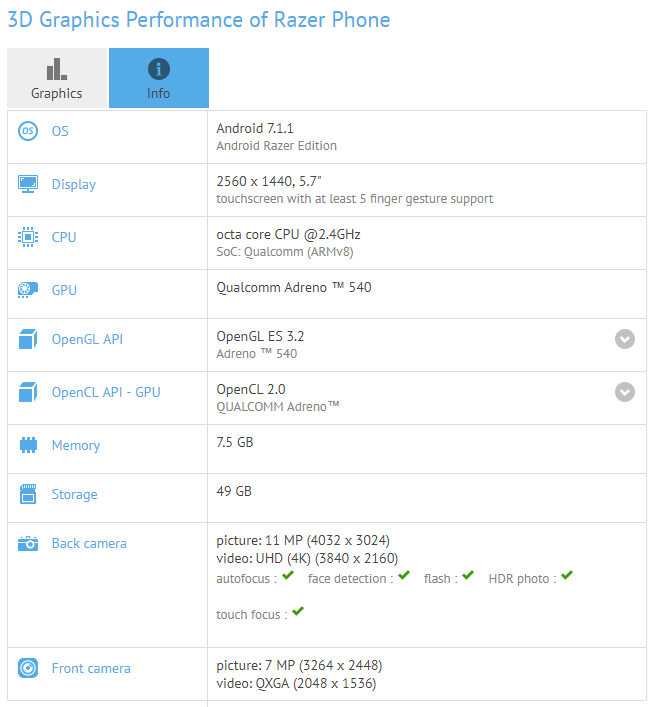
The official teaser from Razer that had surfaced earlier in this week revealed that it will be announcing its first gaming smartphone on Nov. 1. However, the company is silent on the specifications and features of its smartphone. A smartphone labelled as “Razer Phone” has appeared on GFXBench benchmarking site. The listing reveals that the upcoming smartphone Razer will arrive with topnotch specifications.
According to GFXBench listing, the Razer Phone features a 5.7-inch display. It appears that it won’t be supporting 18:9 aspect ratio that is available on recent flagships like Samsung Galaxy Note 8 or LG V30. The screen of the Razer Phone offers a resolution of 2,560 x 1,440 pixels which means it carries support for the usual 16:9 aspect ratio.
It appears that the Snapdragon 835 chipset will be present under the hood of the Razer Phone. It will be coupled with 8 GB of RAM. There are not many 8 GB RAM smartphones in the market. The ASUS ZenFone AR is the first 8 GB RAM smartphone that is powered by Snapdragon 821 SoC. The ZTE Nubia Z17 that arrived earlier in this year is the first Snapdragon 835 driven phone with 8 GB RAM. However, the Nubia Z17 is not available outside of China. OnePlus 5 also features Snapdragon 835 and 8 GB of RAM.
The Razer Phone is running on Android 7.1.1 Nougat. However, the smartphone might not feature a stock version of Android. Razer is likely to add its own skin to the Android OS. It will be arriving with an inbuilt storage of 64 GB. The rear side of the phone features a 12-megapixel snapper that carries support for 4K video shooting. An 8-megapixel selfie snapper is available on the front.
In January this year, Razer had acquired Nexbit that manufactured the cloud-centric Robin smartphone. Hence, the team members of Nextbit could be involved in the making of Razer Phone. Reports that had surfaced earlier in this year has revealed that the upcoming smartphone from Razer will be targeted towards hardcore gamers. More details on the Razer Phone is expected to surface as the launch date nears.
What do you think about the first smartphone from Razer? Share us your views by commenting below.
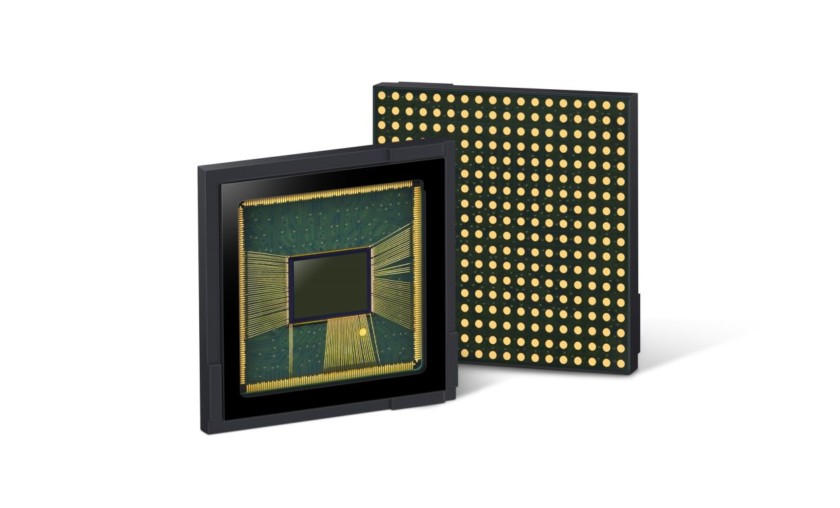
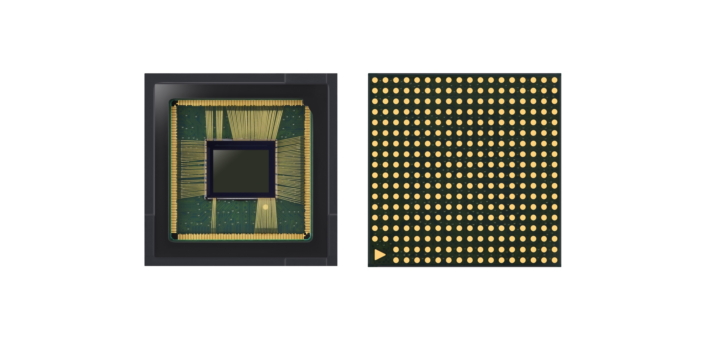
Samsung helped fuel the raging bezel-less storm that has overtaken the industry presently, with the launch of the Galaxy S8 and S8 Plus as well as the Galaxy Note 8. The global smartphone market leader has again announced another leading technology that could find its way into bezel-less phones sometime soon. The technological products are two new camera image sensors that offer high-end hardware with a slim design, which could be used in future bezel-less smartphones. The two new camera sensors are christened – ISOCELL Fast 2L9 and ISOCELL Slim 2X7 and they are both for smartphones.
ISOCELL Slim
The ISOCELL Fast 2L9 is a 12MP sensor with 1.28µm dual pixels having two photodiodes in each. It brings down the pixel size from 1.4µm pixels while maintaining the dual pixel support. The two photodiodes in each pixel enable fast and highly accurate autofocus on still as well as moving objects. The sensor is able to focus on tiny objects even in low light conditions with the 12 million focus detecting pixels it packs. Dual Pixel technology essentially allows single lens cameras to click images with depth-of-field effect for taking out-of-focus photographs. The reduced size of the ISOCELL Fast 2L9 makes it possible to fit in slimmer camera modules, enabling bump-less cameras on Samsung smartphones.
ISOCELL Fast
On the other hand, the ISOCELL Slim 2X7 has a size of 0.9 µm and is Samsung’s first 24MP camera sensor having a size less than 1 micron. But the small size doesn’t affect the quality, as it is capable of taking brighter pictures even in the dark. This is because the sensor has Tetracell technology, which allows it to take brighter images in dark settings, along with more detailed photos in brighter settings. The technology merges four neighbouring pixels to work as one producing brighter pictures even in the low light conditions. The small size of the sensor enables it to be fitted in thinner camera modules, giving a slim and elegant design to smartphones.
WIth this two new camera sensors, Samsung may be preparing the ground for its 2018 Galaxy S9 flagship that could utilize the sensors. The Galaxy S9 is expected to continue with the same full-screen, bezel-less design the Galaxy S8 used and so, it all makes sense.
Xiaomi has big plans to sell more phones and rake in more profits and India is one market the Chinese tech maker is looking up to. One way they aim to achieve that in addition to online sales is by selling their smartphones in branded Mi stores across the country. Xaiomi has just revealed one way it aims to sell its Redmi Note 4 and Redmi 4 phones in India and it may come as a surprise.
The tech giant has announced a new partnership with Future Group’s supermarket chain to sell Redmi 4 and Redmi Note 4 handsets from the offline store during the festive season. Xiaomi’s VP Manu Kumar Jain made the disclosure via a Twitter post. With this development, Mi fans in India can now walk into any outlet of Supermarket chain Big Bazaar and buy any of the Redmi 4 and Redmi Note 4.
The Xiaomi VP also revealed that this is the first time any brand is selling phones at a supermarket chain. The tech giant hopes to utilise the new partnership to cash in on the Diwali festive season which is usually a boom time for commerce. Online sales in India is already taken care of by Flipkart, Amazon and Xiaomi’s own Mi Home while it already has over a thousand authorized dealers with brick and mortar stores scattered all over India in addition to its Mi Stores. There is no clear indication if the deal with Big Bazaar extends beyond the Diwali season but we believe that would depend on the performance of the products. This may be just a test run of the channel. Also, other smartphones may become available as time goes on.
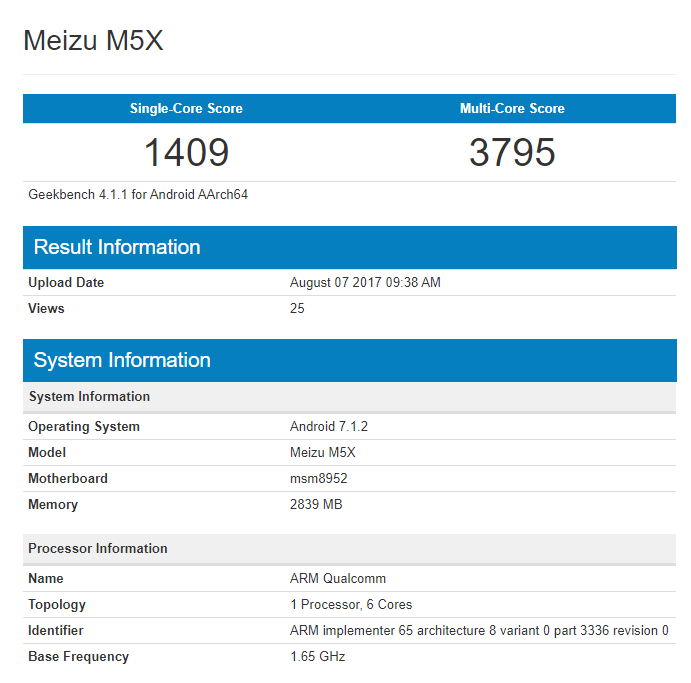
A few months ago, Meizu released its first Snapdragon powered smartphone, the M6 Note. A Geekbench listing has revealed that it may have another phone powered by a Qualcomm chip in the works. The Meizu M5X was benchmarked back in August and the site reveals a few details about the device.
The Meizu M5X is shown as running Android 7.1.2. There is a msm8952 chip on board which is the part number for the Snapdragon 617. The Snapdragon 617 was announced back in 2015 which makes us wonder why Meizu would settle for a 2-year old processor?
However, that’s not the only confusing thing. The benchmark site lists the chip as having six cores, which is wrong as the Snapdragon 617 is an octa-core processor. The clockspeed is also 1.65GHz, more than the processor’s 1.5GHz max. clockspeed.
The Meizu M5X has 3GB of RAM. It scored 1409 points in the single core test and 3795 points in the multi-core test which is significantly higher than that of other similar powered phones like the Moto G4 Plus.
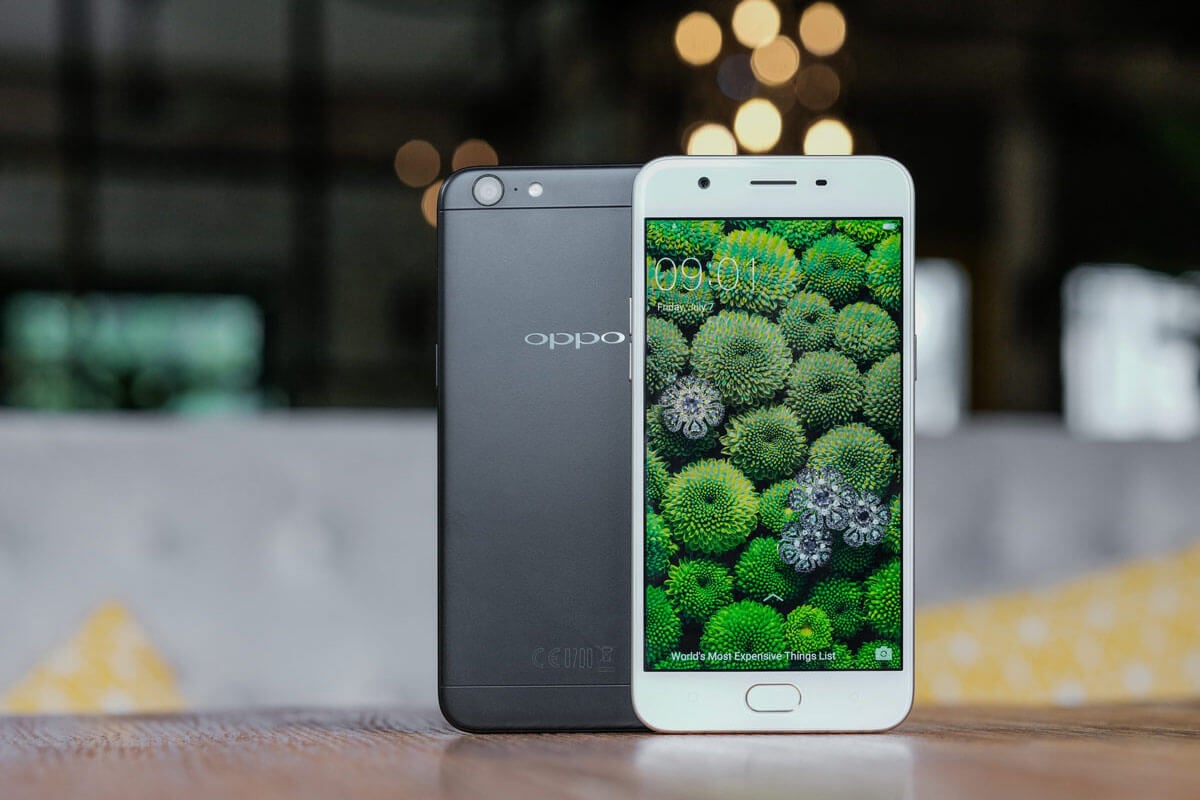
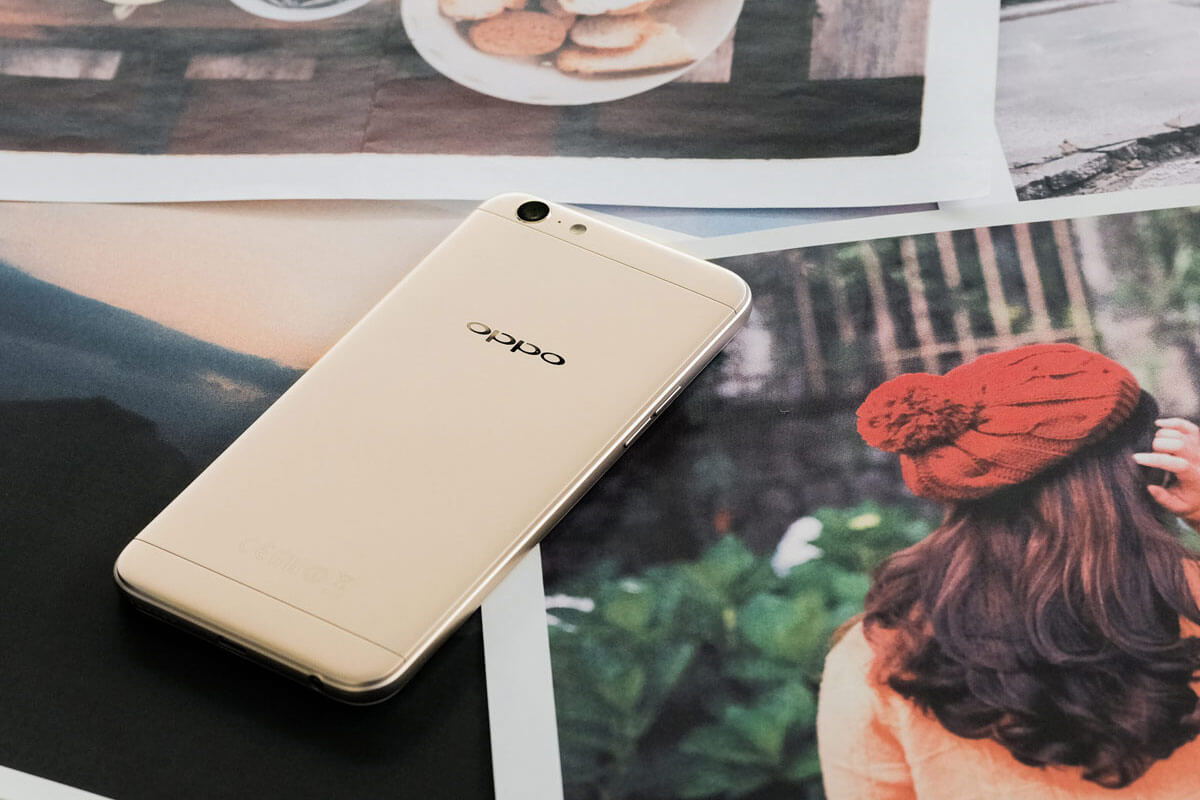
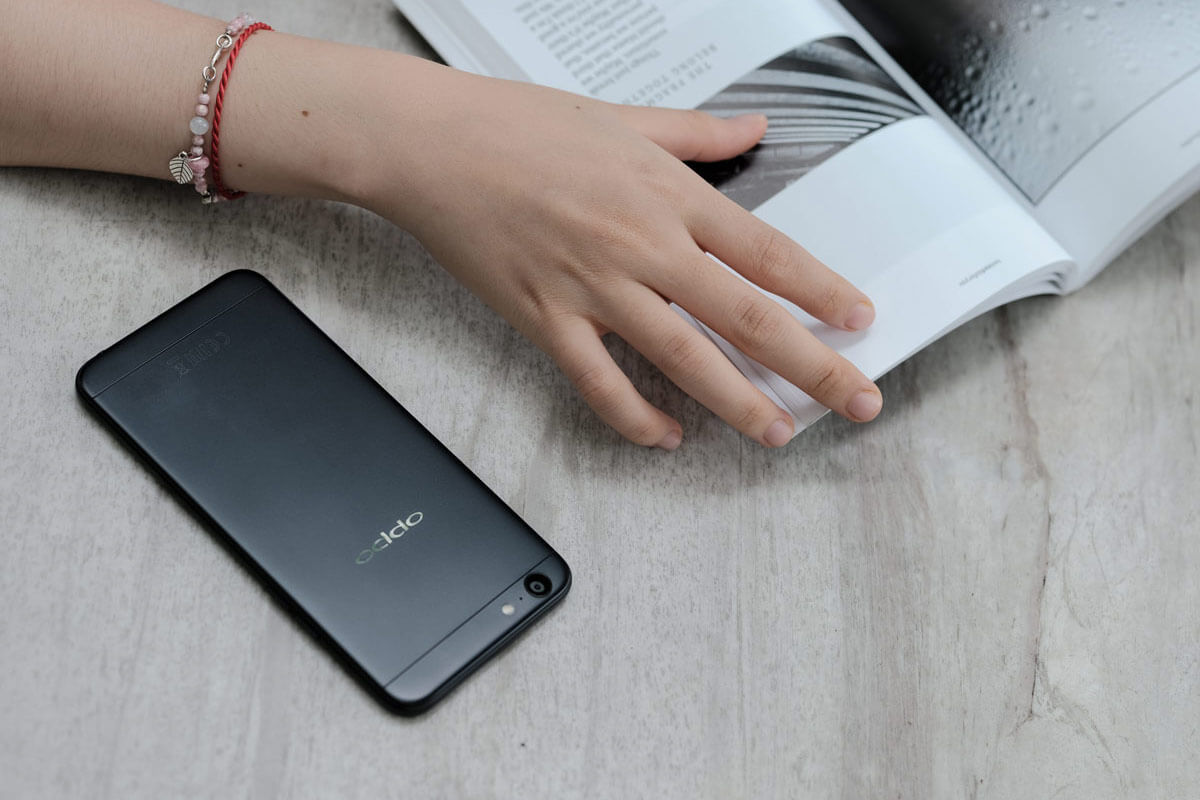
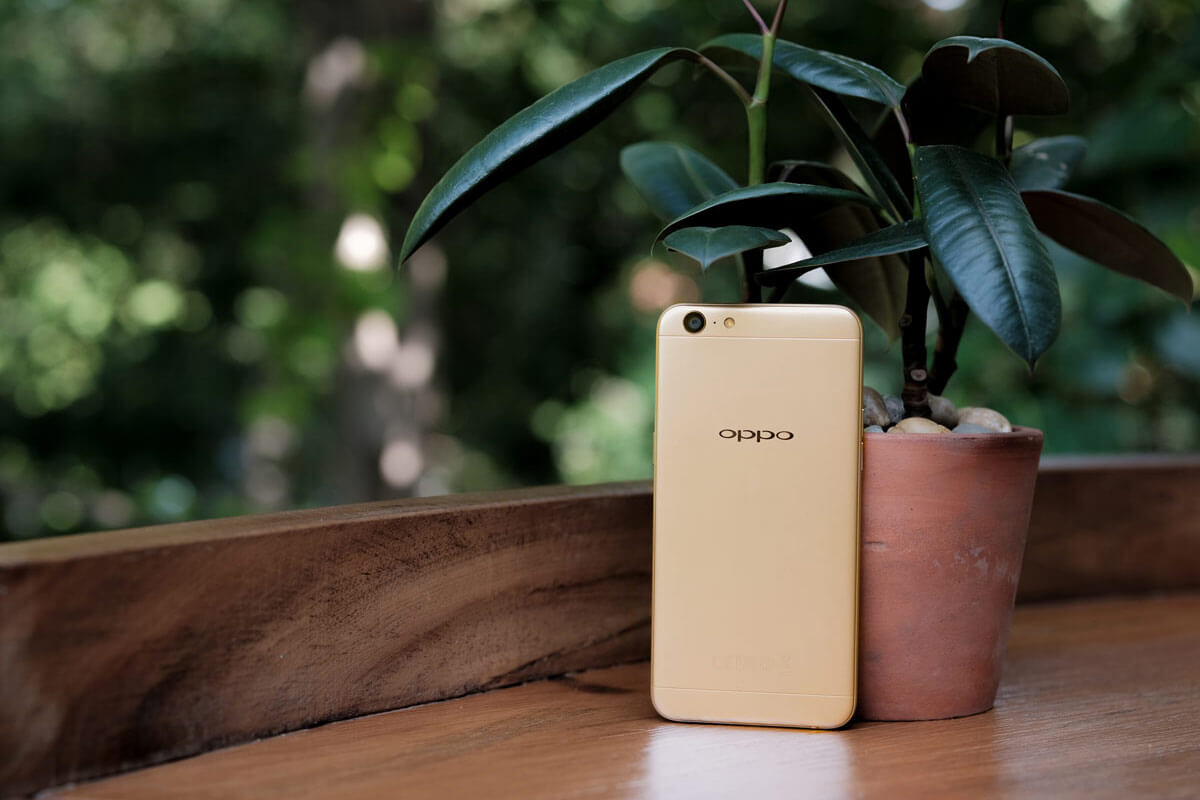
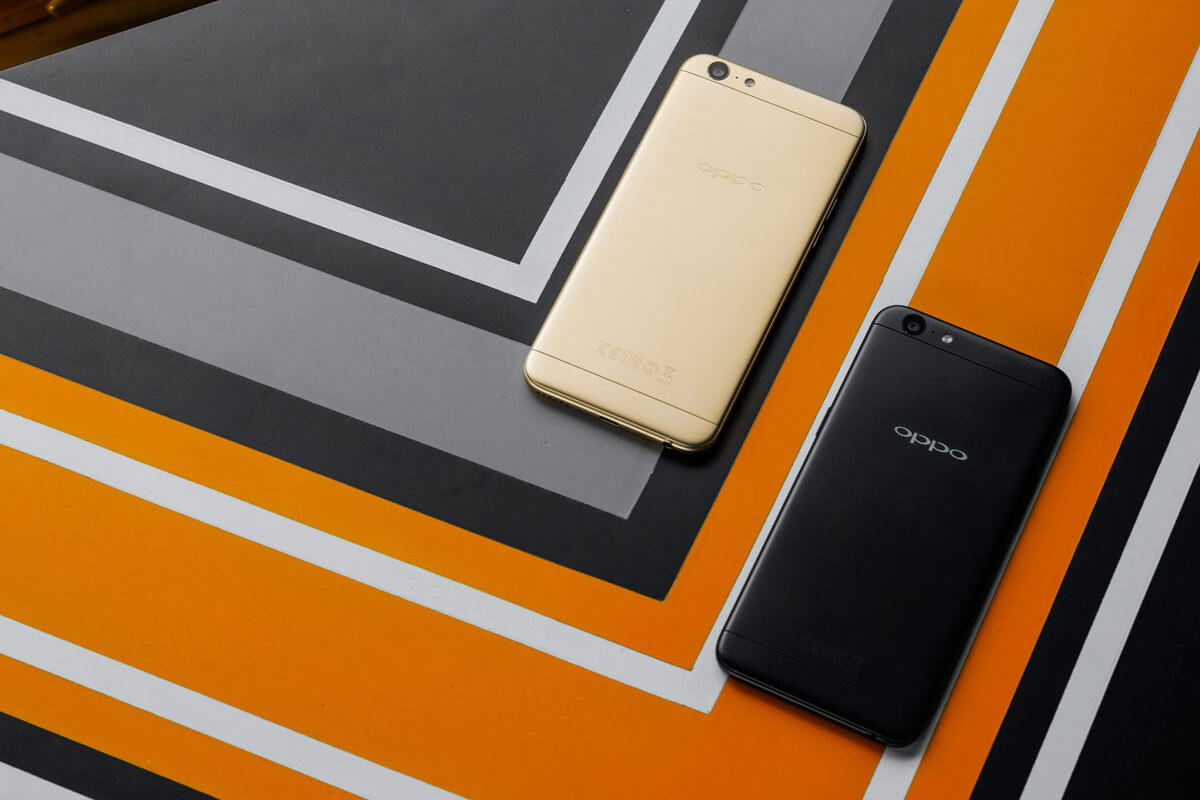
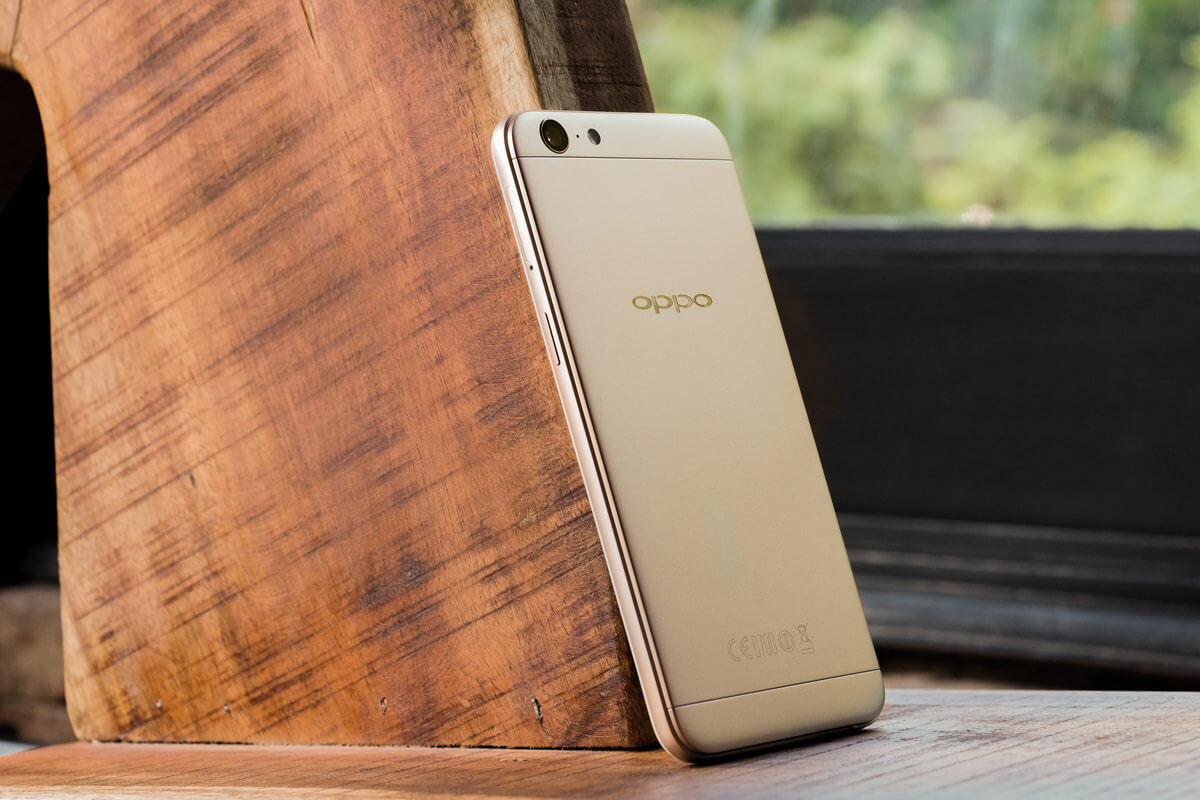
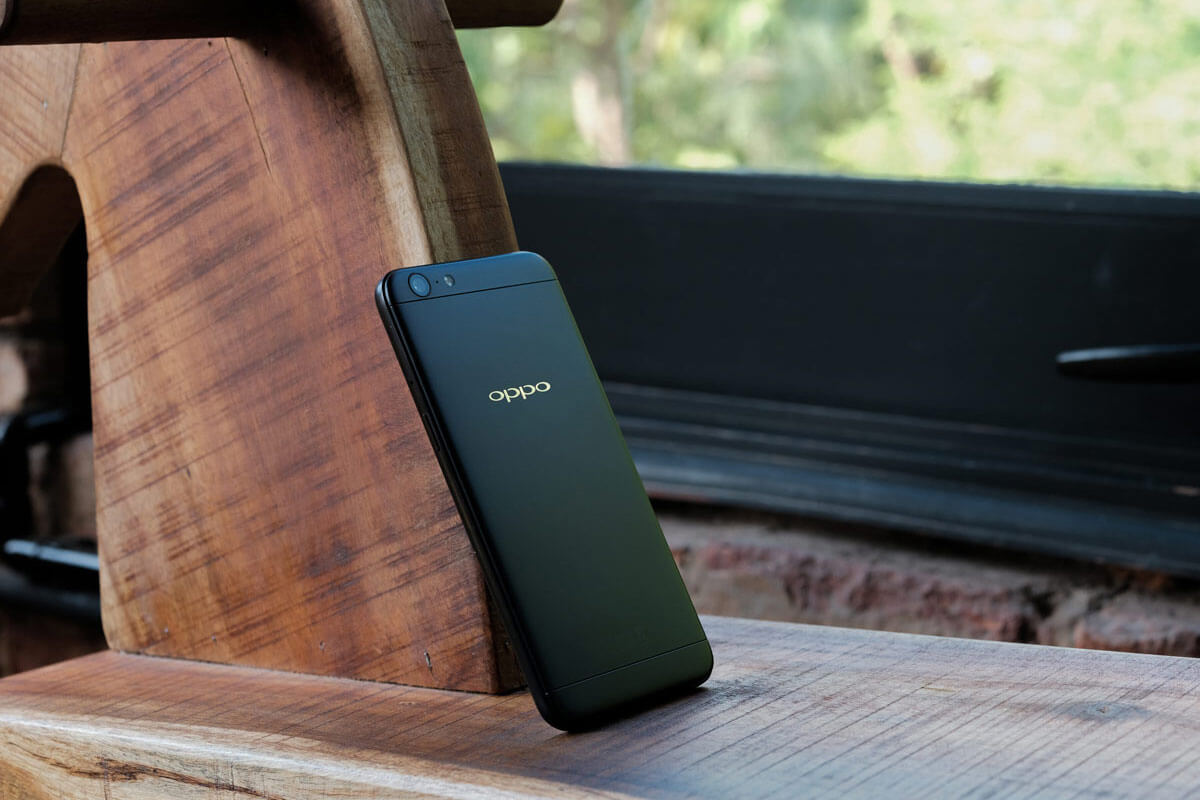
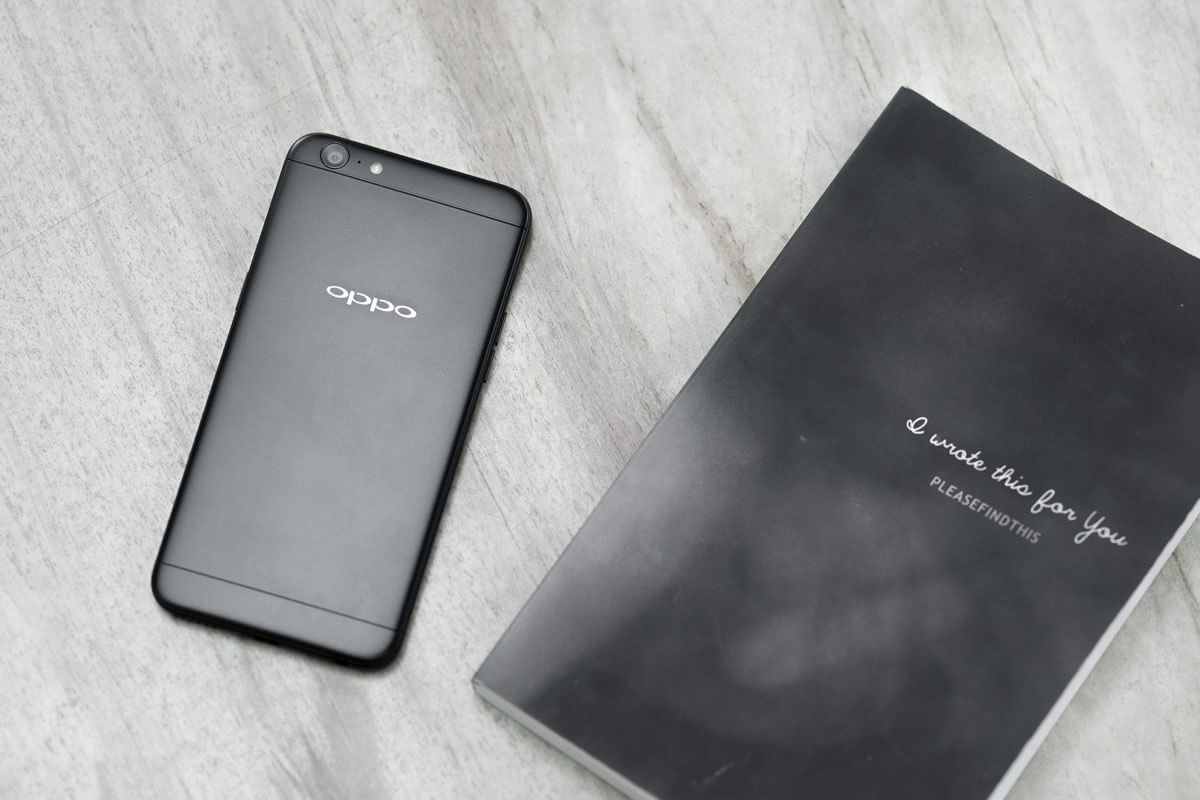
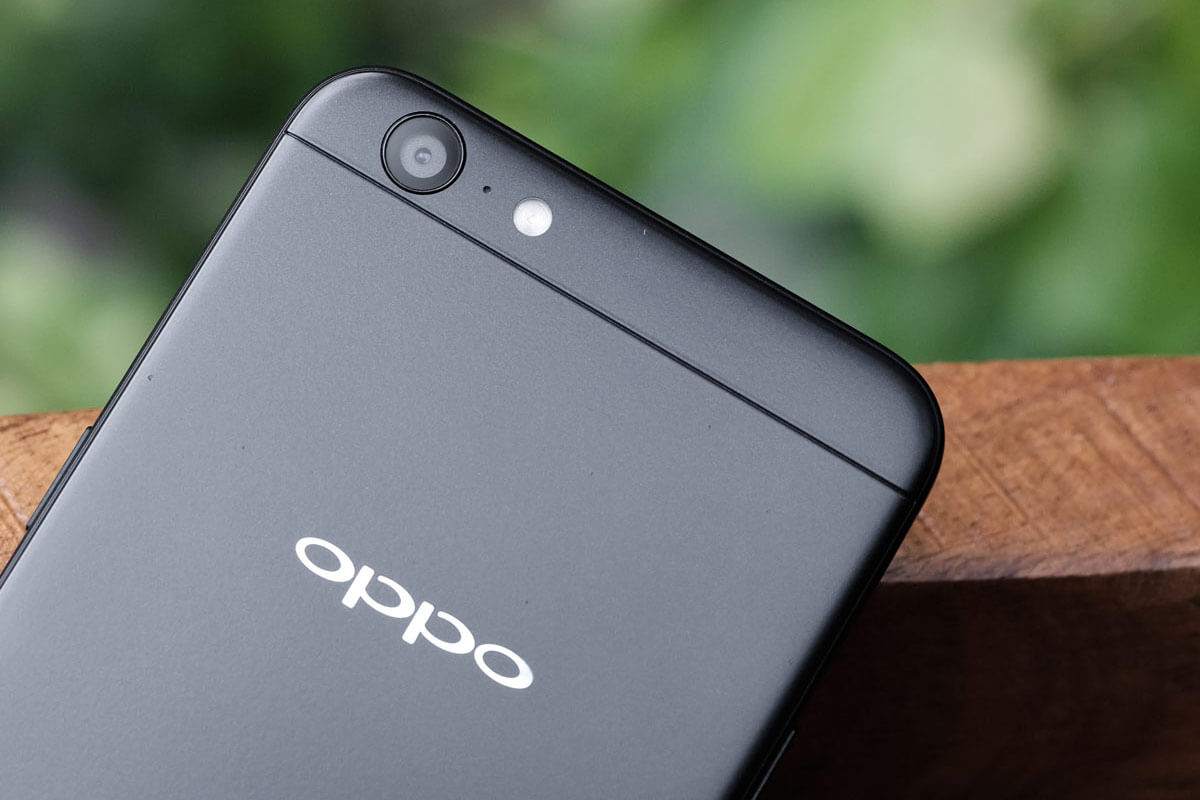
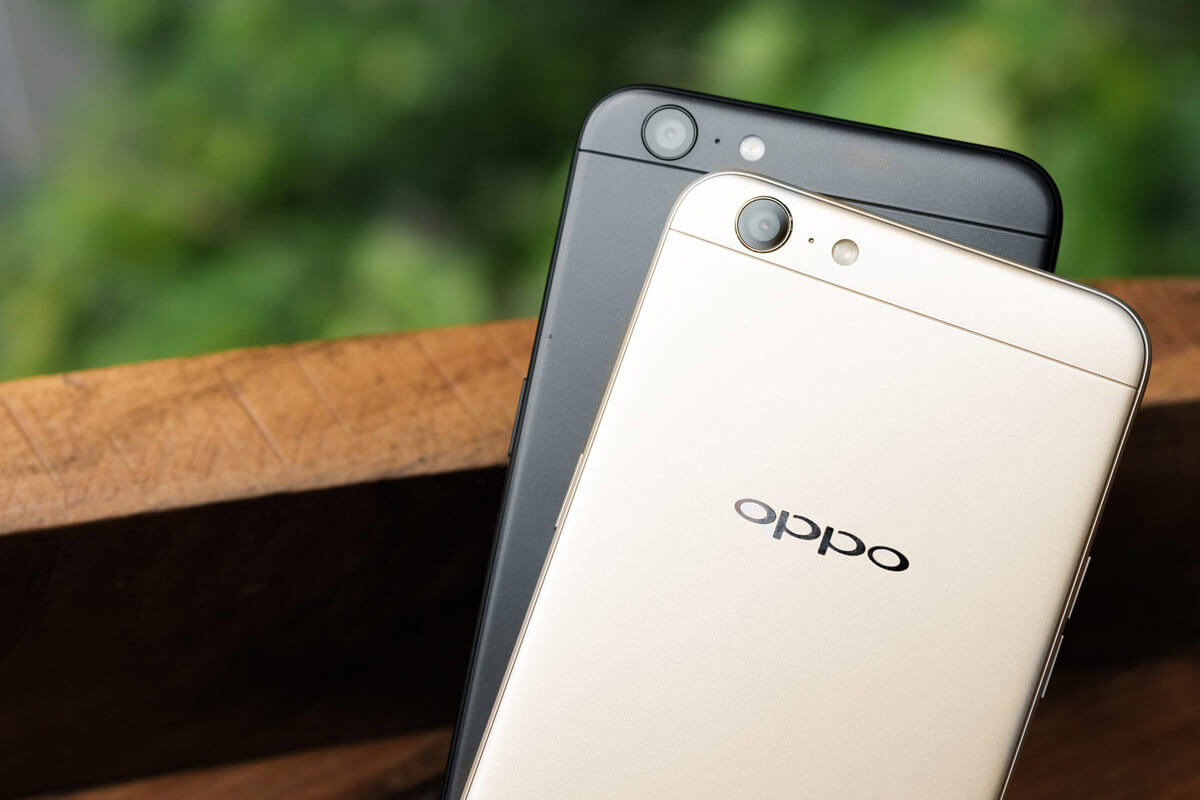
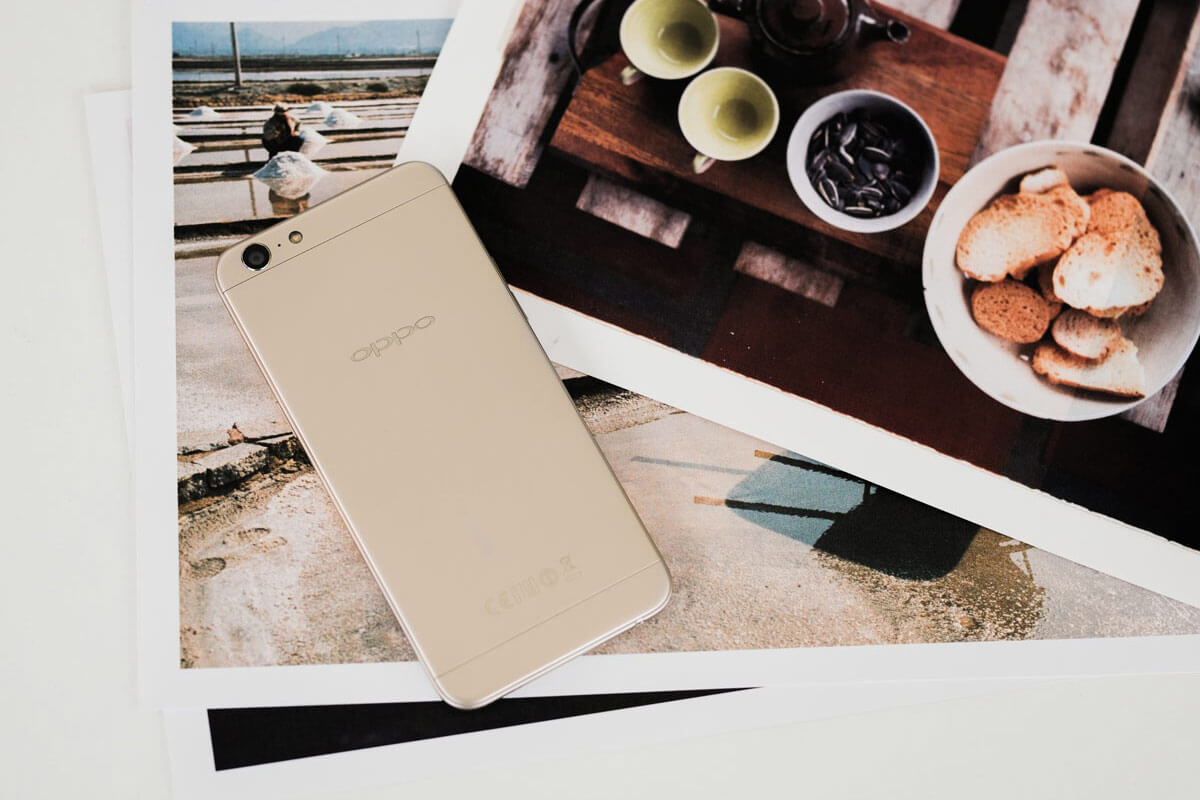
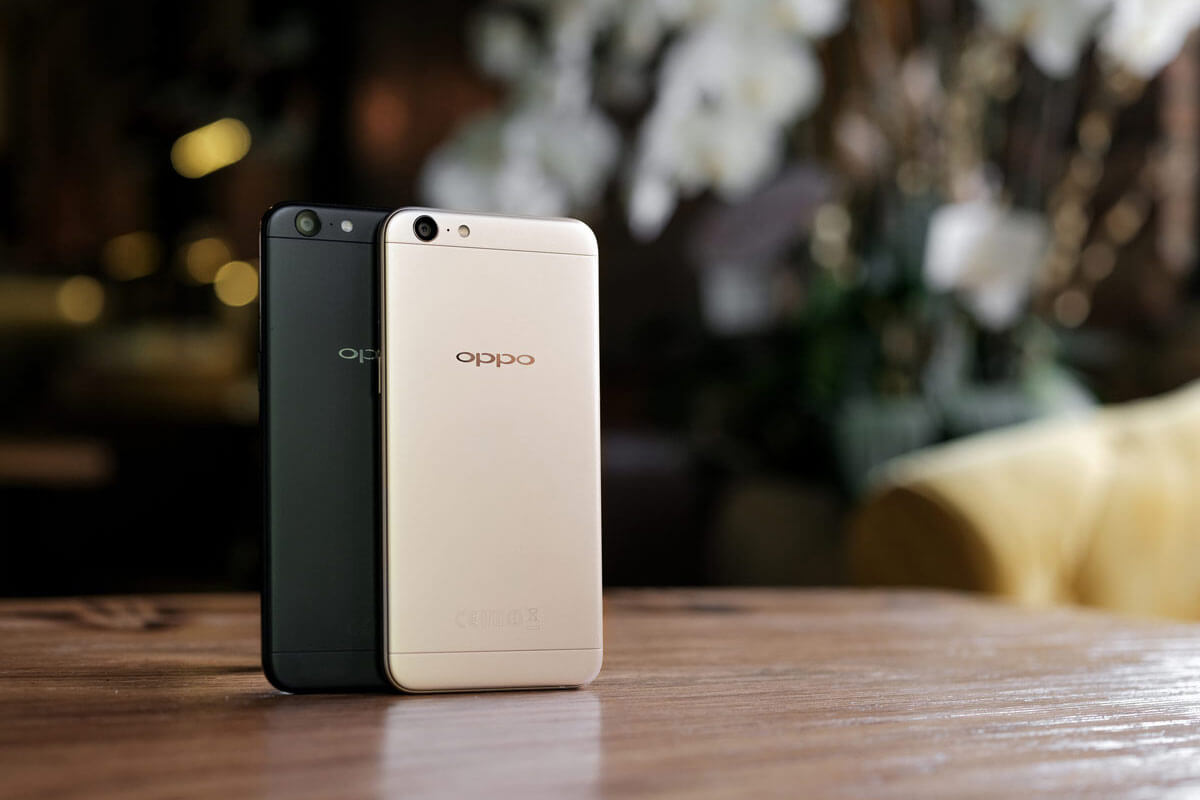
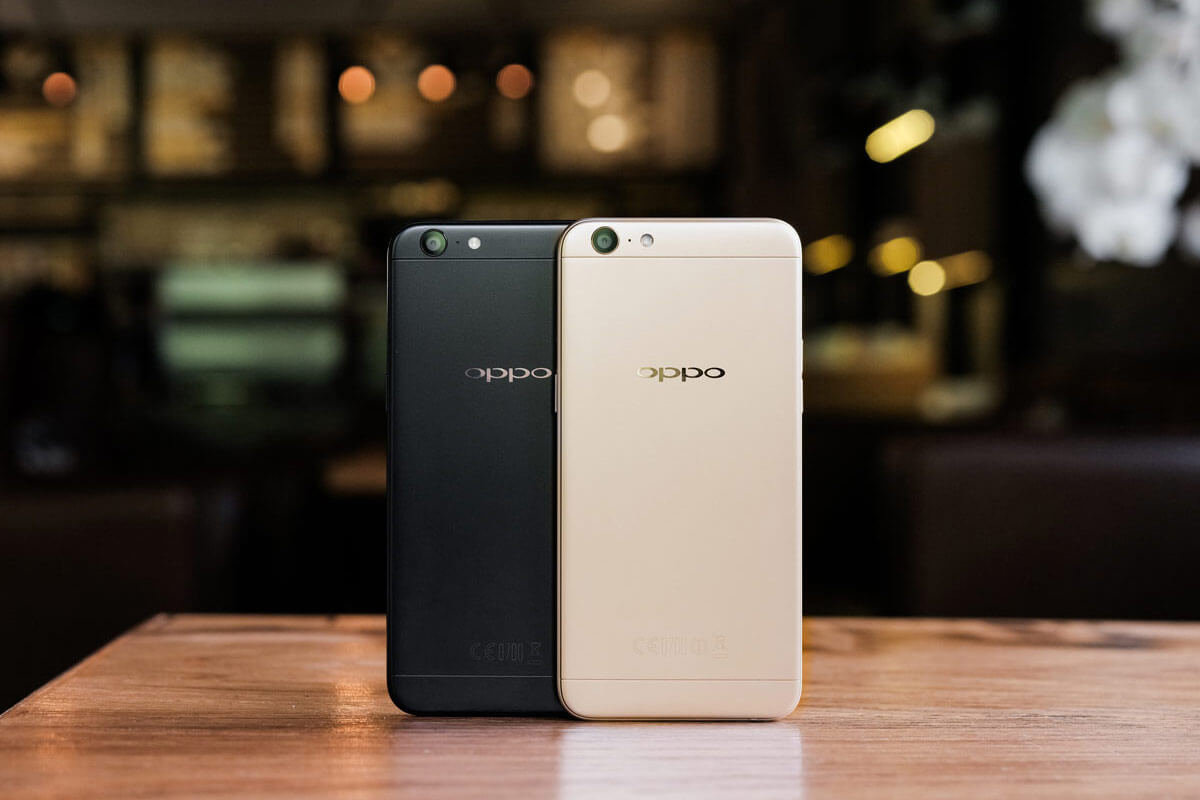
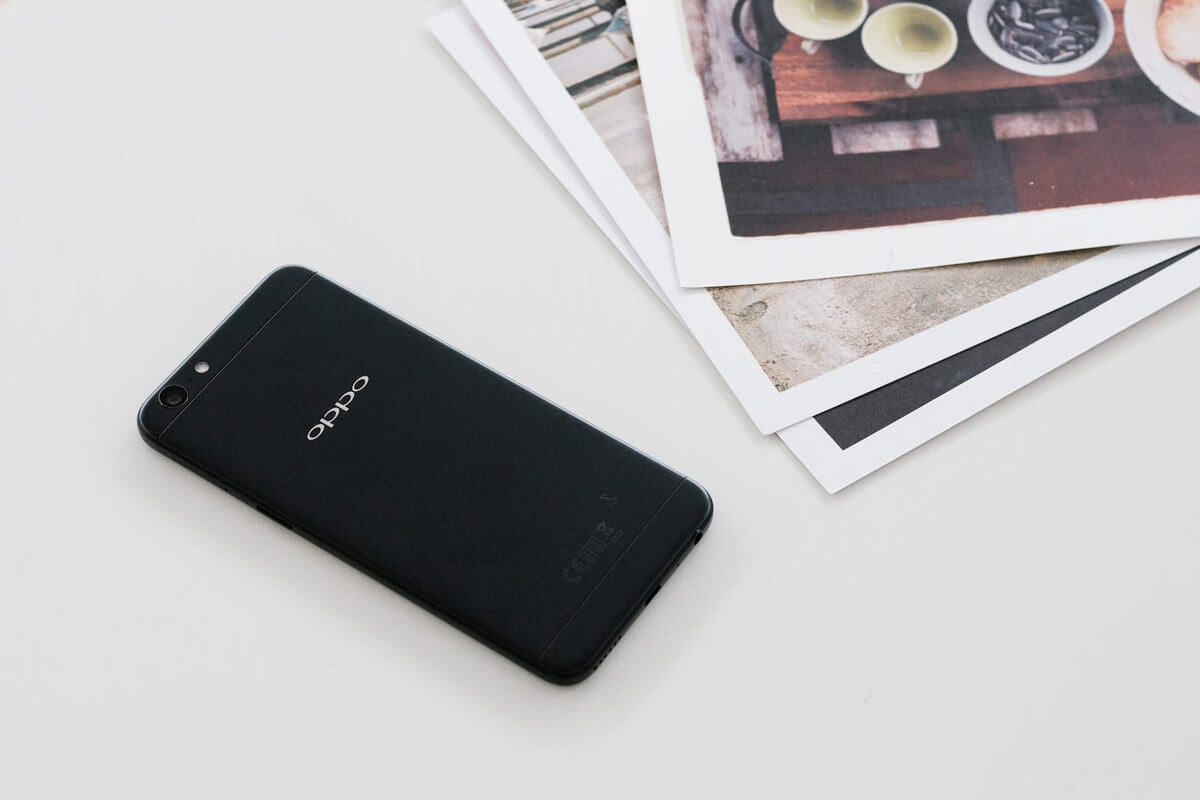
OPPO has launched yet another budget smartphone targeted at markets outside its stronghold China. This time around OPPO did not roll out the drums but quietly announced the OPPO F3 Lite in Vietnam. The F3 Lite which is very similar in design to the F3 announced a couple of months back but doesn’t pack a dual camera of any sort, unlike the F3 which features dual selfie cameras. The F3 Lite utilizes an all-metal body with the fused antenna band design situated at the top and bottom part of the device’s back.
The F3 Lite utilizes an all-metal body with the fused antenna band design situated at the top and bottom part of the device’s back. The terminal is equipped with a 5.2-inch IPS LCD display with HD resolution (1280 x 720p). The display comes with the Corning Gorilla Glass 4 protection. A Qualcomm Snapdragon 435 processor is onboard and is paired with 3GB of RAM. There is 32GB of native storage inside the F3 Lite and the good thing is that the storage is expandable up to 256GB.
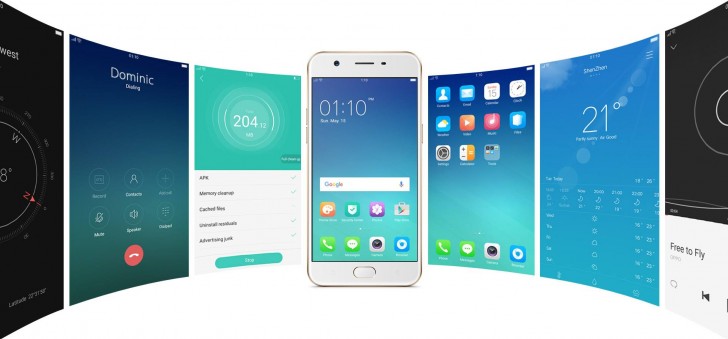
One major feature of the OPPO F3 Lite is the 16 MP selfie shooter which it packs. With such a large pixel selfie camera, the device is projected as a selfie expert which can deliver crisp clear photos with vivid clarity even in low light condition. The software also lets users beautify the photos in order to blur the background, so the foreground object pops up. The F3 Lite also sports a 13 MP Sony sensor with PDAF and LED flash at the rear. The smartphone also comes running Color OS 3.0 based on Android 6.0 Marshmallow. It also packs a front fingerprint sensor embedded under the home button. Also, present are the usual connectivity tools like Bluetooth, Wi-Fi, 4G LTE and much more.
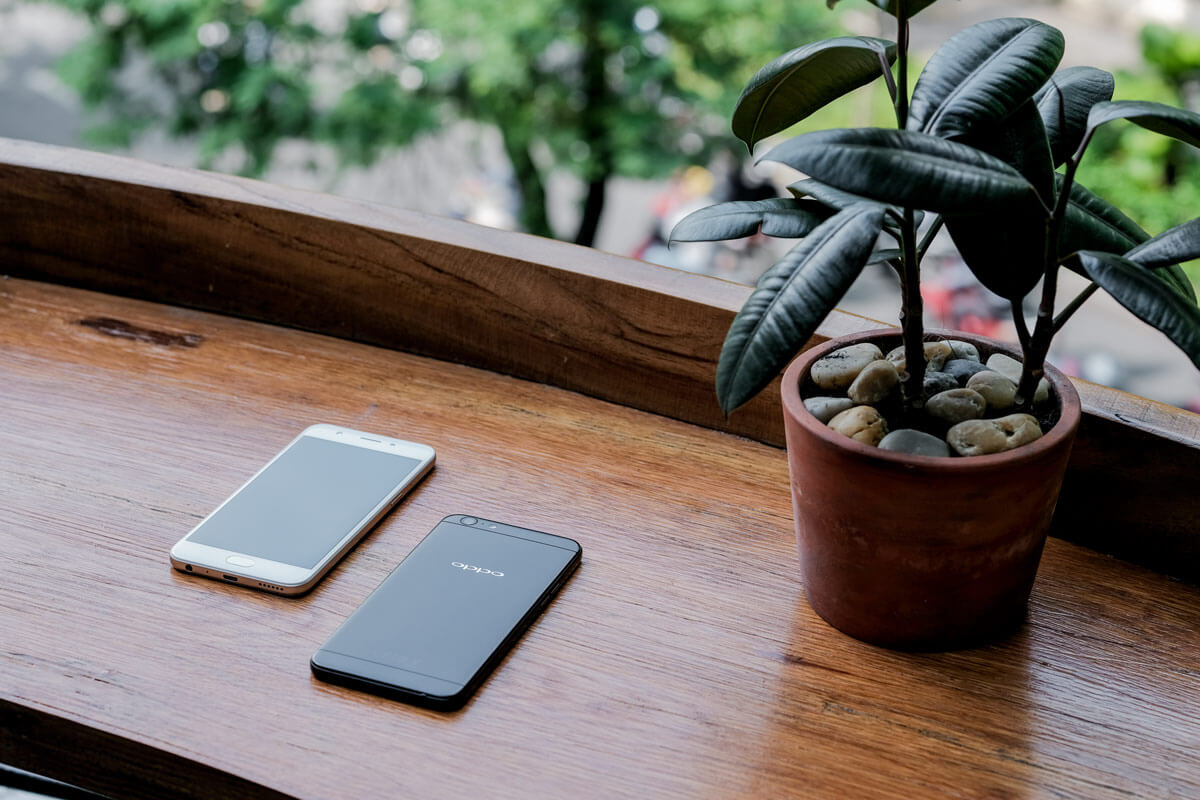
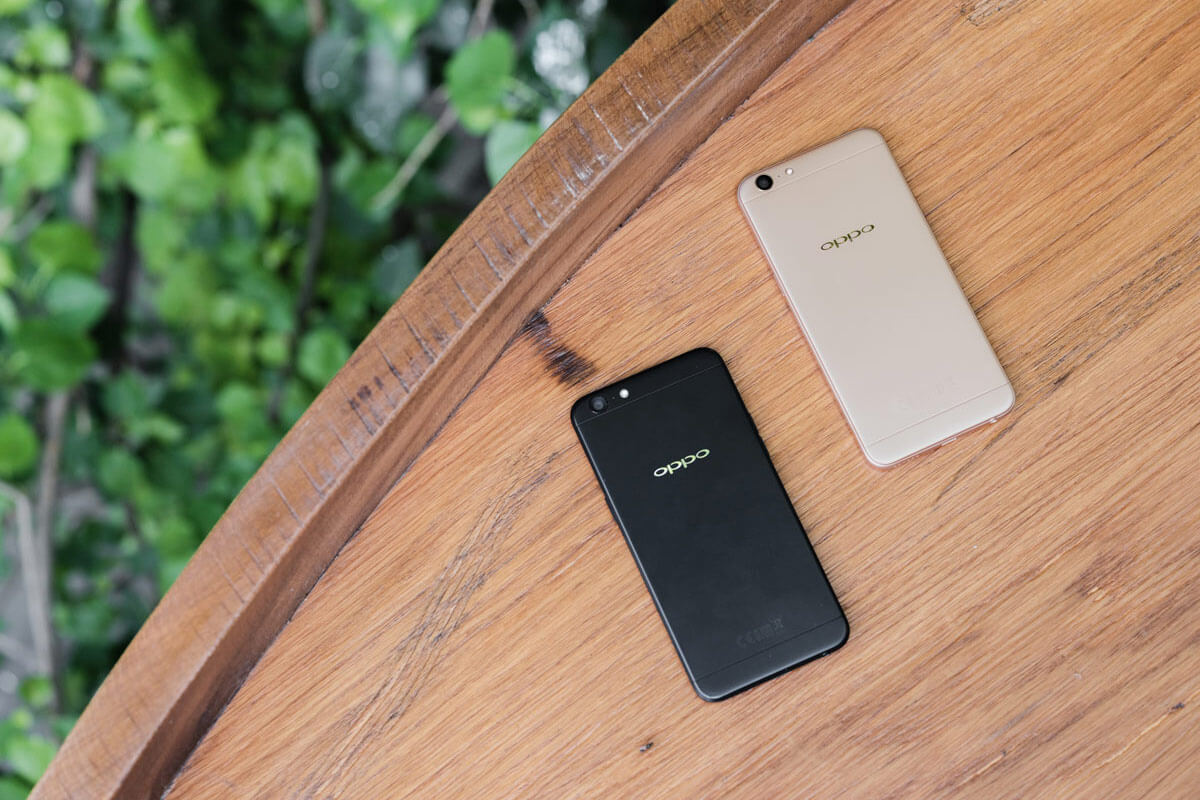
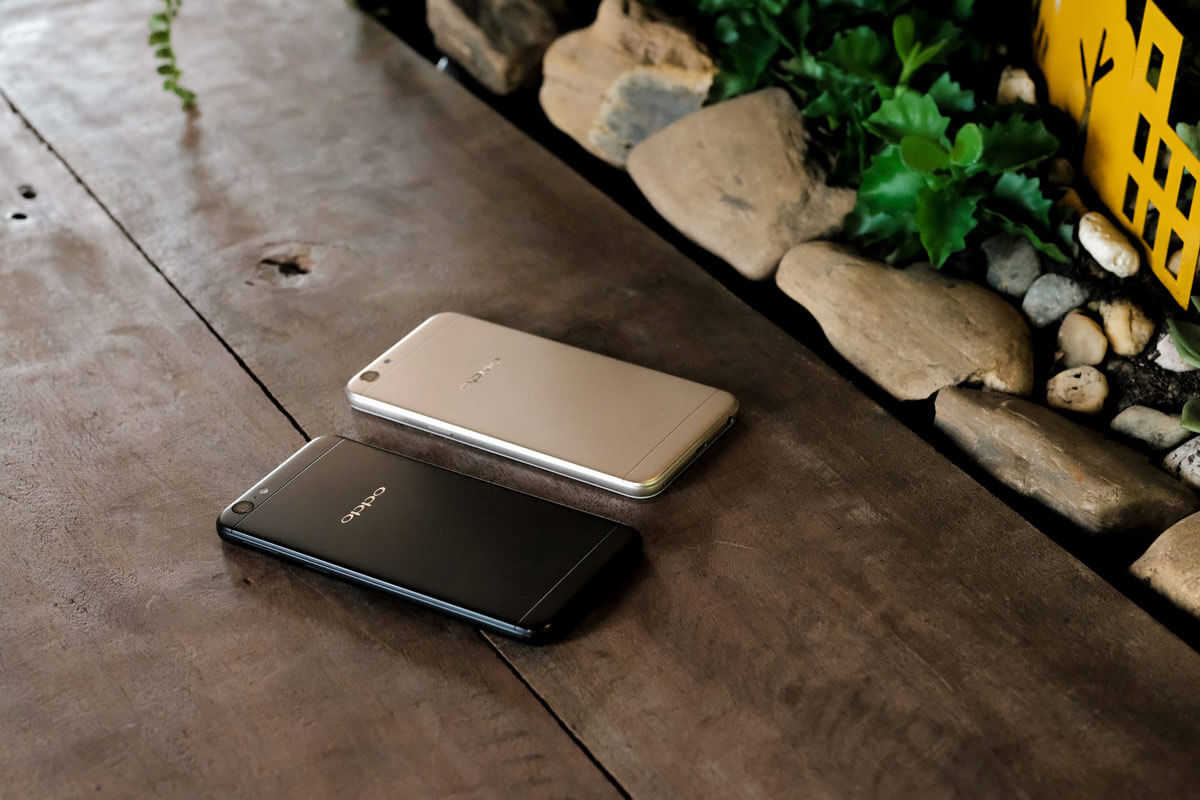
Talking about the price, the OPPO F3 Lite will be sold in Vietnam for VND5,49 million which is around $240. The device will be available in Black and Gold colours. Check out the OPPO F3 Lite photo tour below.
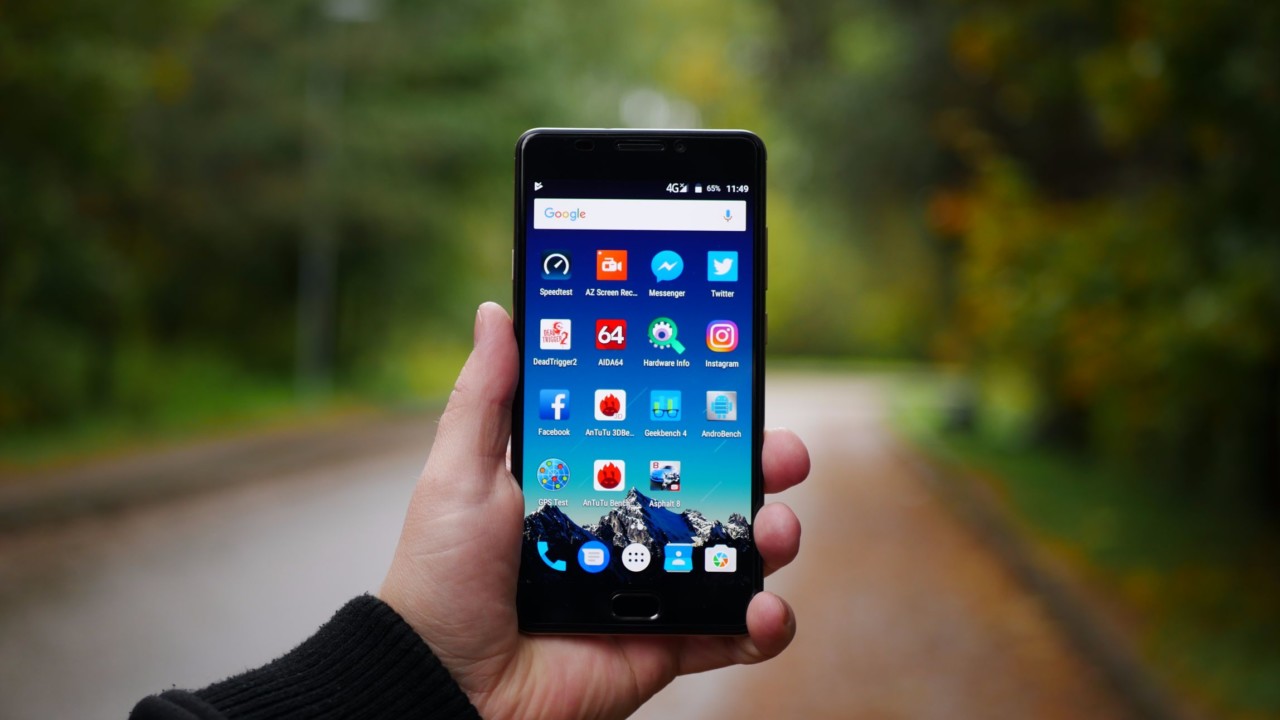
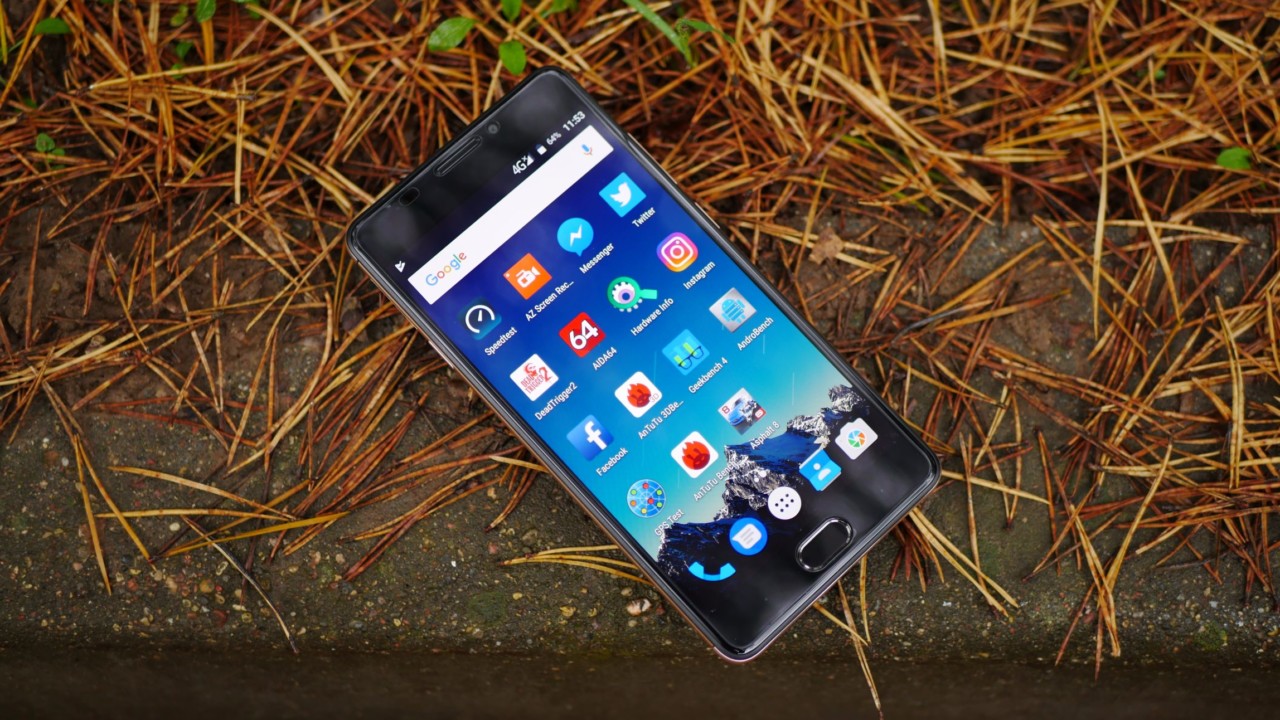
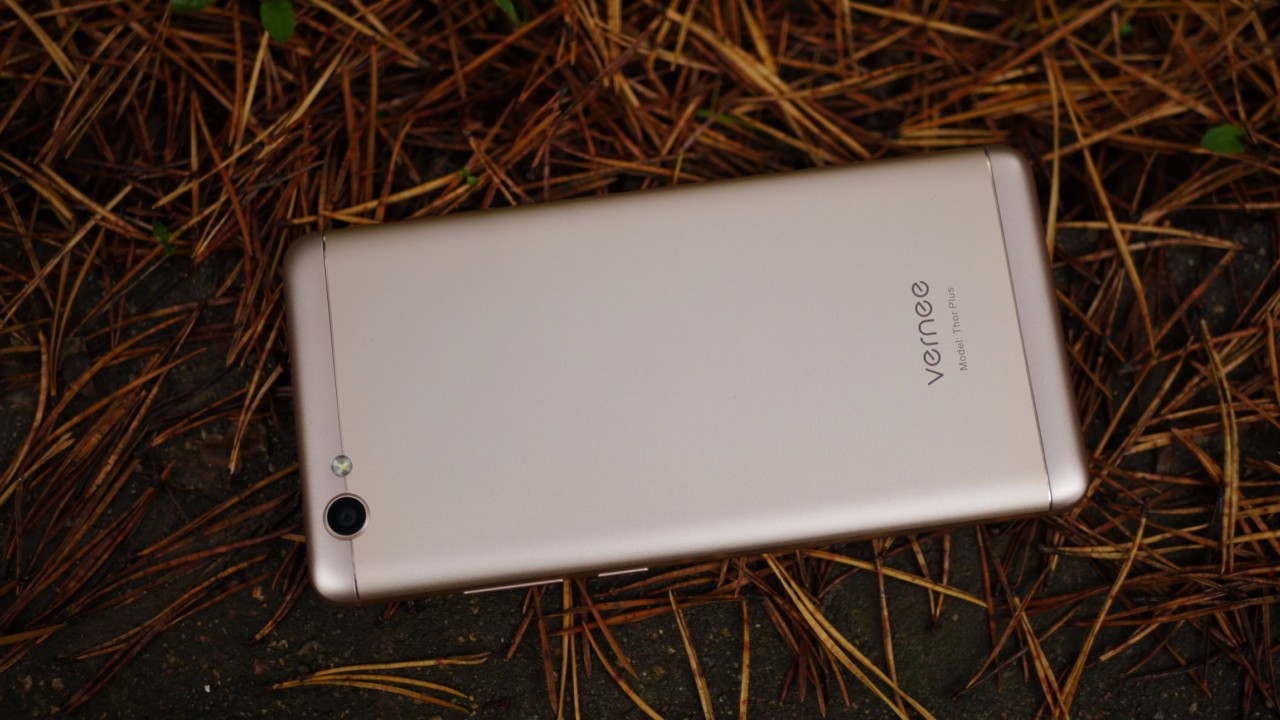
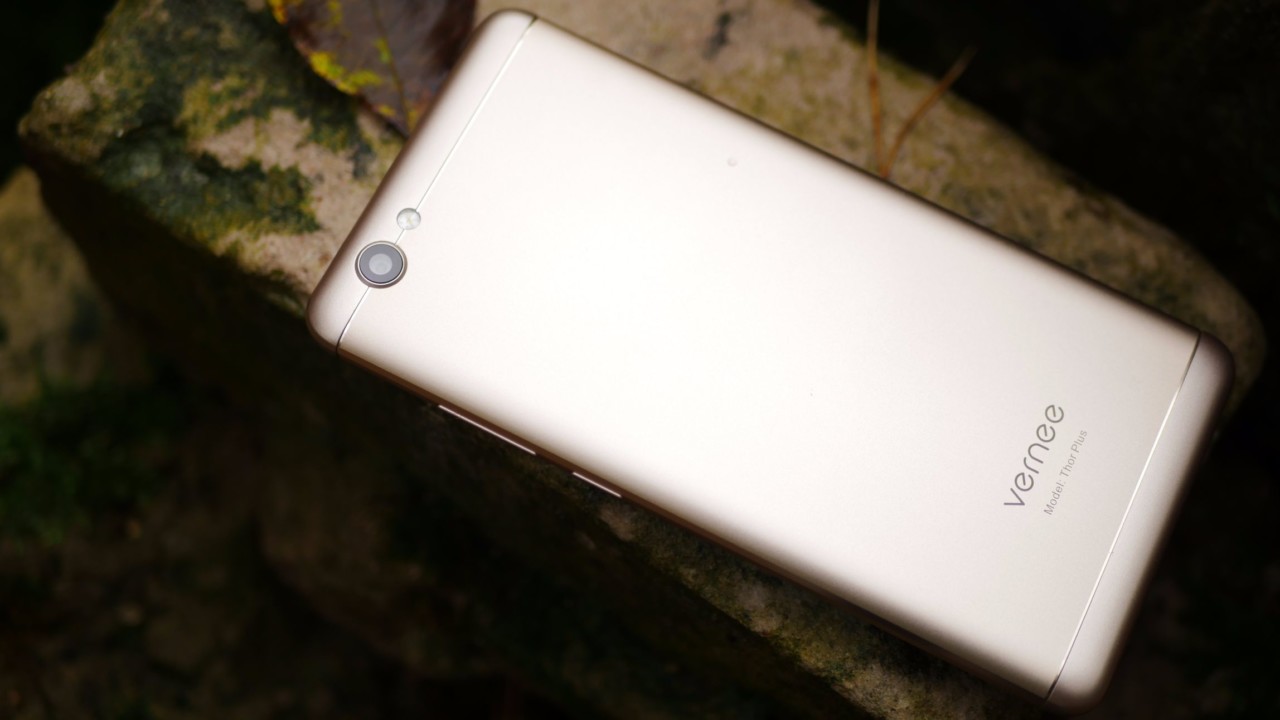
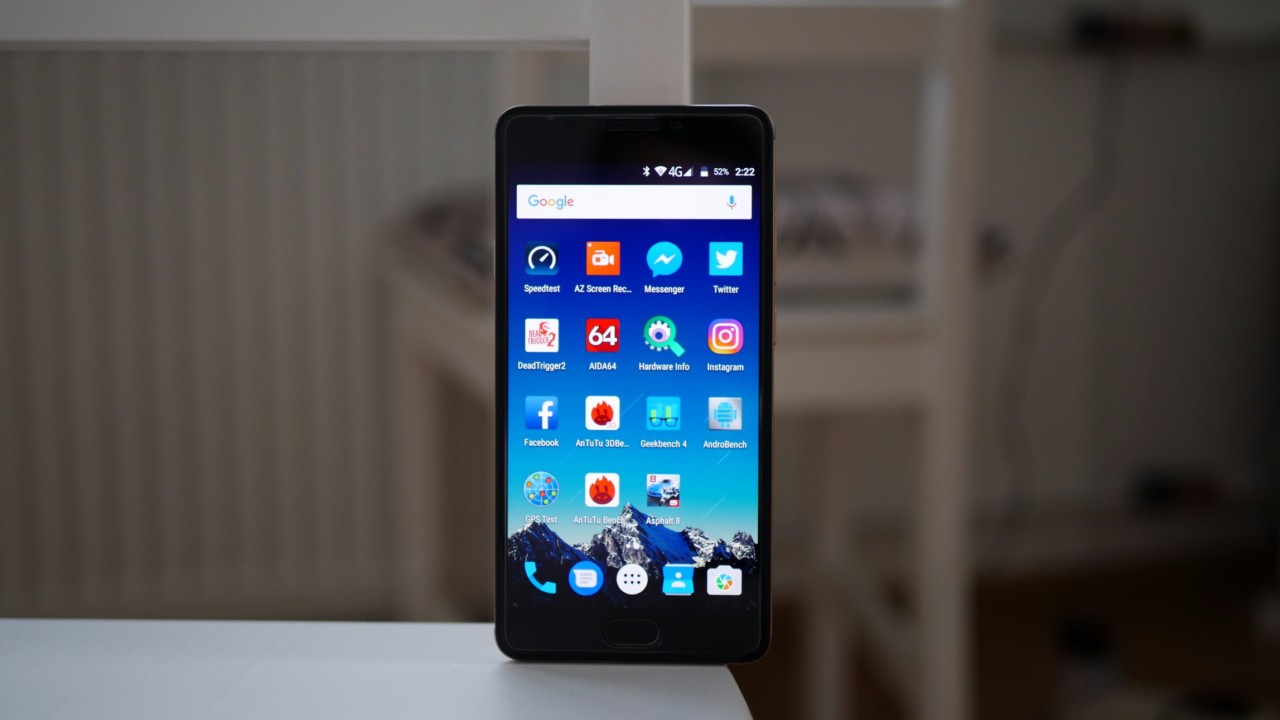
Vernee has made quite a few budget phones over the time and the Thor Plus is one of the latest models that has an enormous 6200mAh battery and all-metal design for about $130. Learn more in the full Vernee Thor Plus Review.
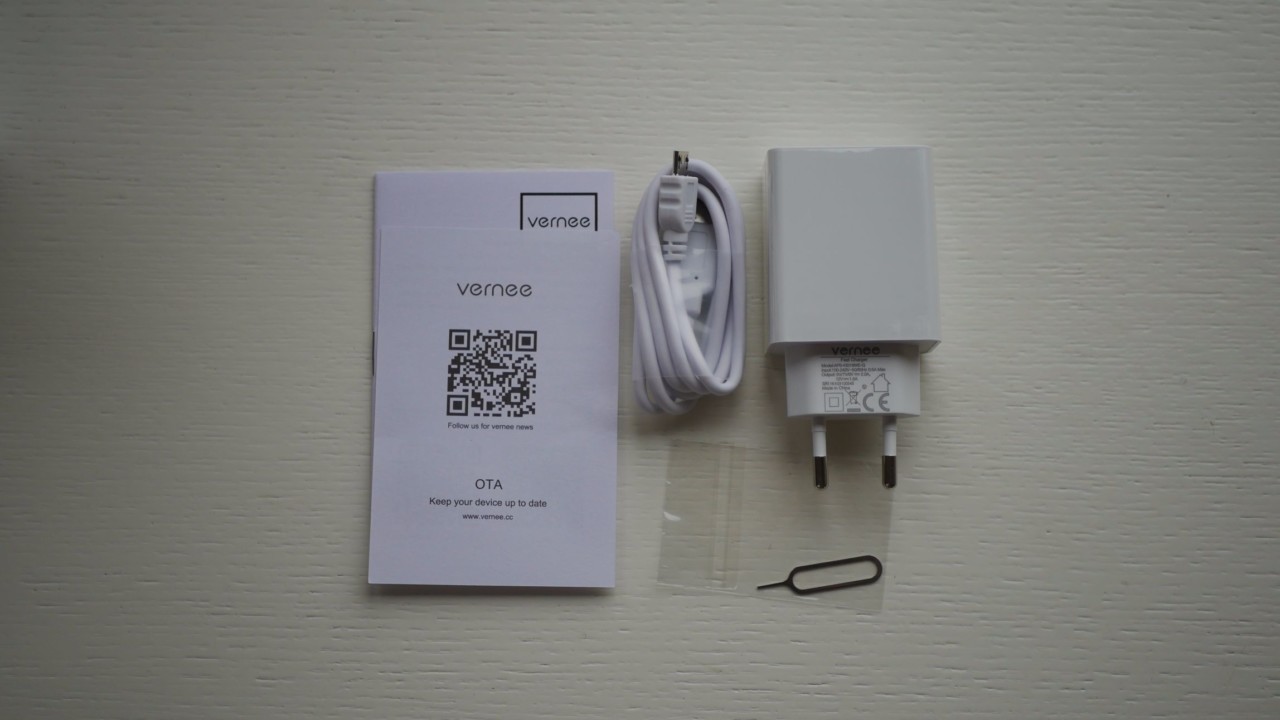
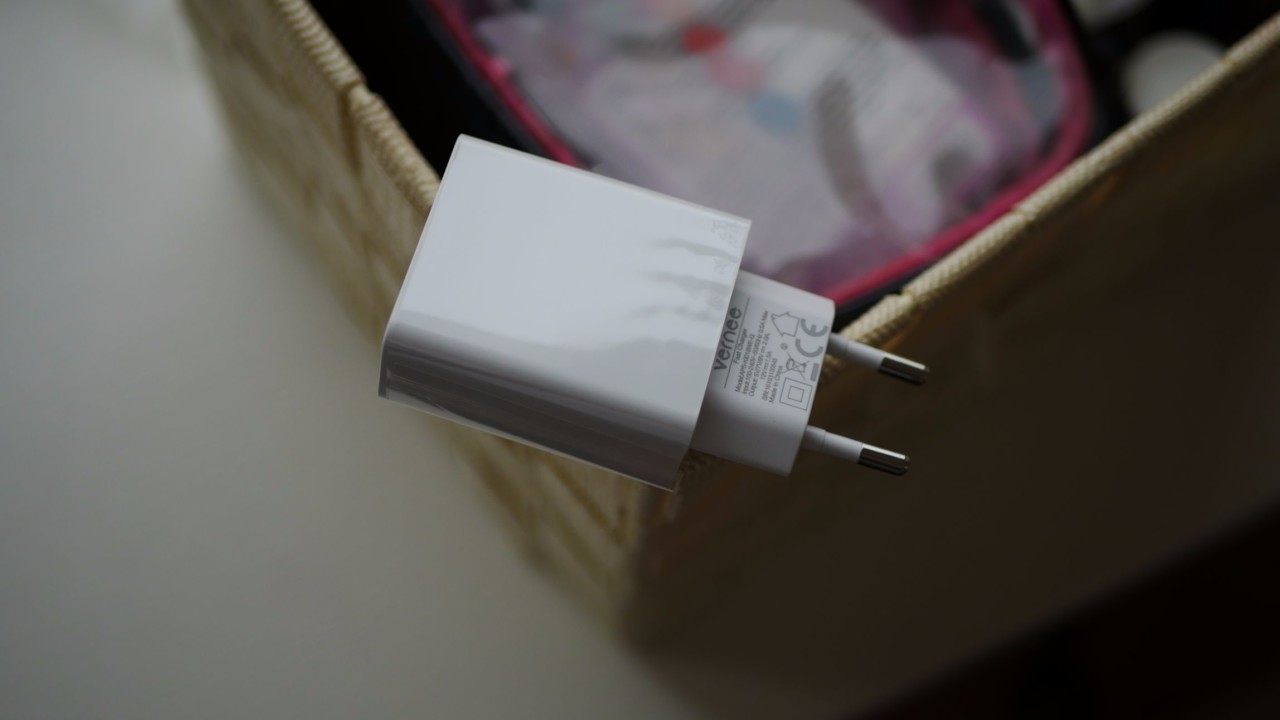
The phone ships with all the usual stuff including a fast charger.
DESIGN and DISPLAY
The Vernee Thor Plus does not look fancy or anything, especially if we compare it with some budget full-screen phoenes. It sports a classic design with the bezels on each side. However, its main selling point is a huge 6200mAh battery that is crammed in an all-metal profile that is surprisingly thin measuring at just 7.9mm at its thinnest point.
Also, I just love the 5.5” AMOLED display. Even though it’s only 720p, it’s sharp and vibrant and it looks much better than the majority cheap 1080p panels.
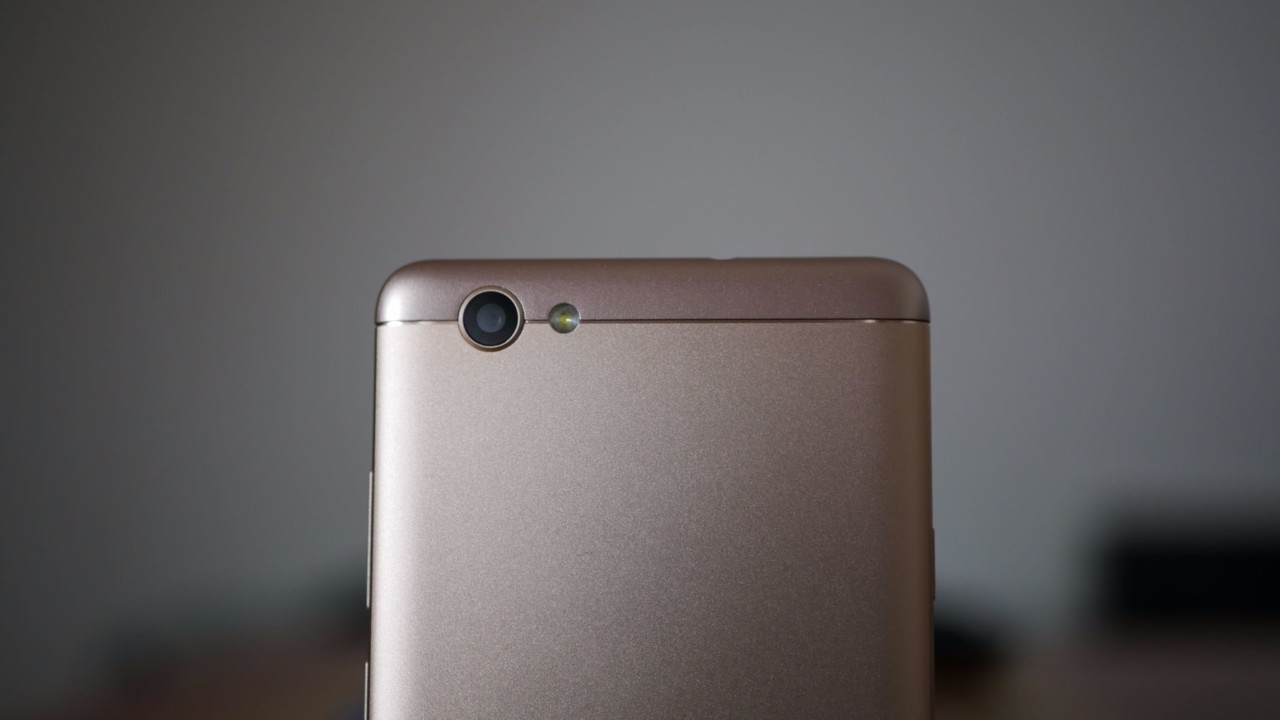
As for the camera, we have a 13MP shooter.
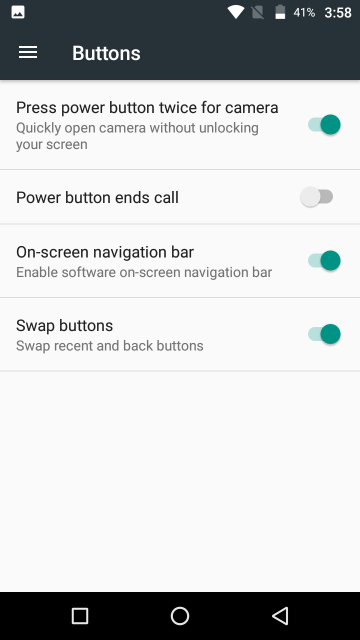
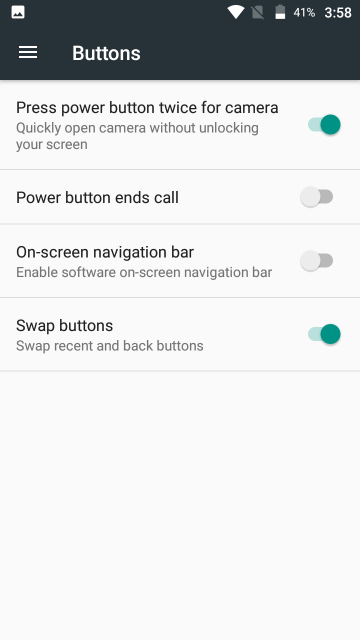
Now a few features in a nutshell: a fingerprint scanner is fast and accurate, and it doubles as a home button. You can also choose between on screen and physical capacitive keys. There is also an 8MP selfie camera, LED notification light and a dedicated button that triggers an ultra-power saving mode that allows you to use the phone for days.
Finally, the loudspeaker quality is kind of mediocre, like on most of the budget phones. Also, it’s placed on the right side, so you will easily cover it up if you hold the phone in the landscape mode.
HARDWARE and PERFORMANCE
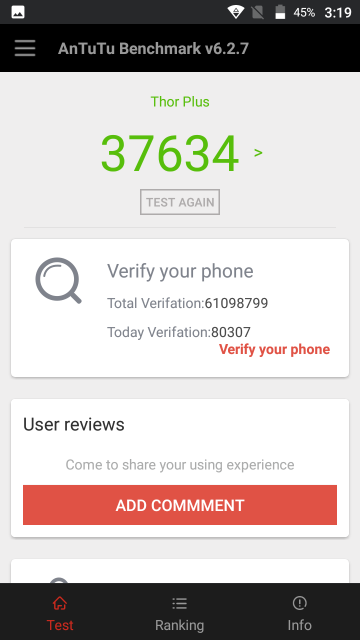
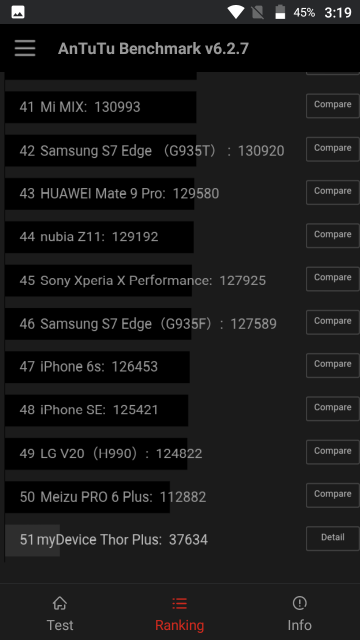
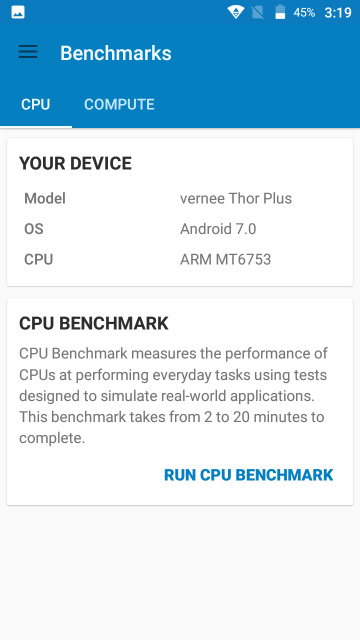
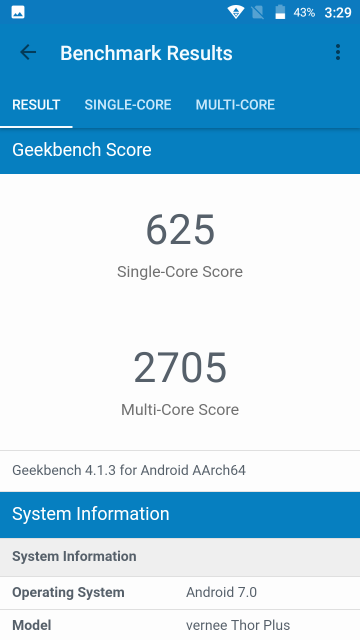
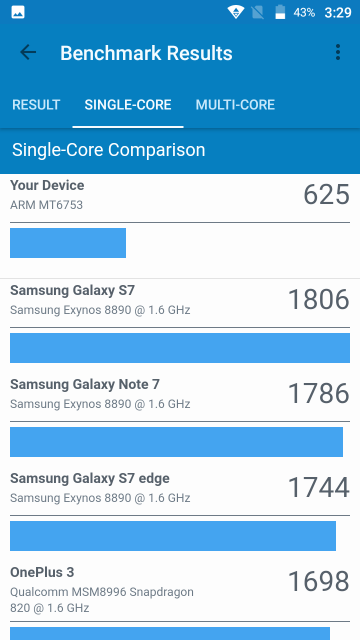
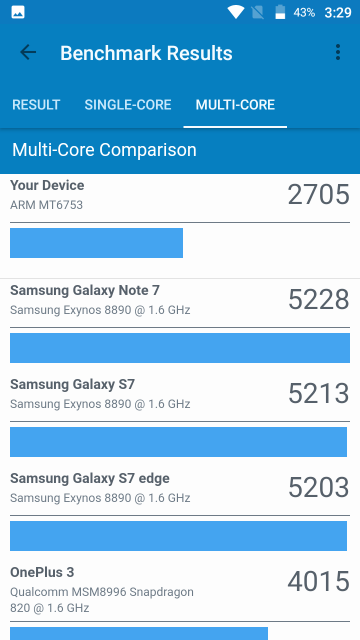
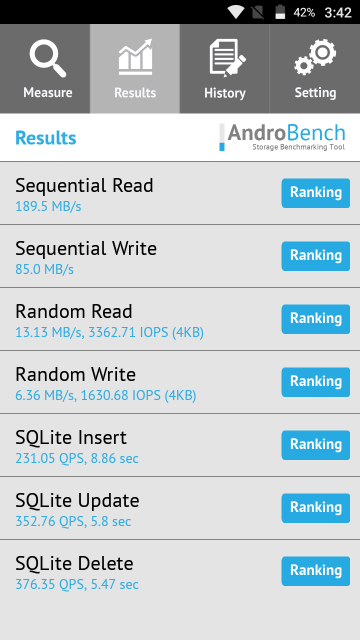
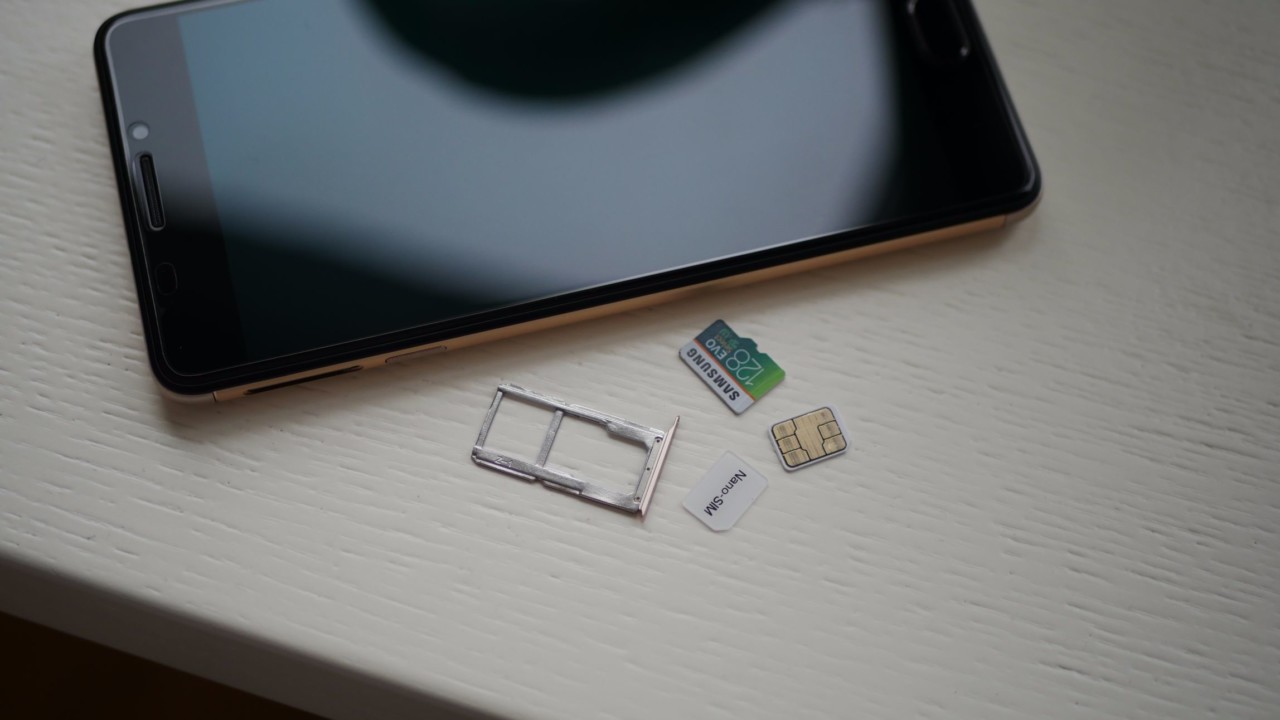
The Vernee Thor Plus has pretty much standard budget phone specs that include octa-core MTK6753, 3GB of RAM and 32GBGB of expandable storage.
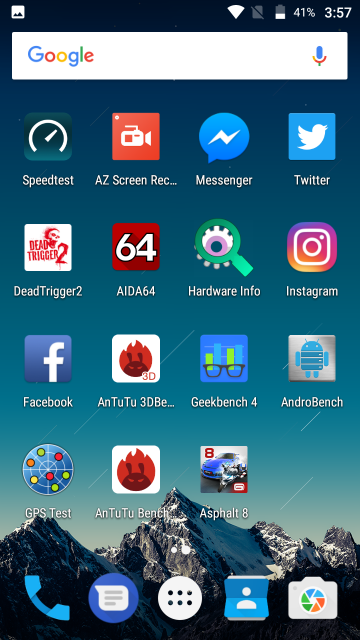
The chipset is mediocre but it’s all about optimization. On most of the budget phones, games like Asphalt 8 stutter or lag on the highest graphics, but the Vernee Thor Plus performs surprisingly well. Also, other 3D games I tested run just fine.
BENCHMARKS
USER INTERFACE
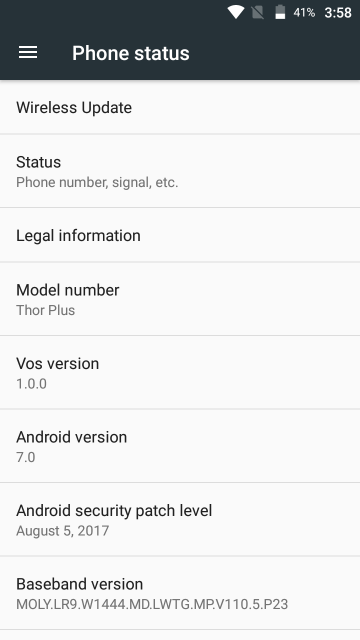
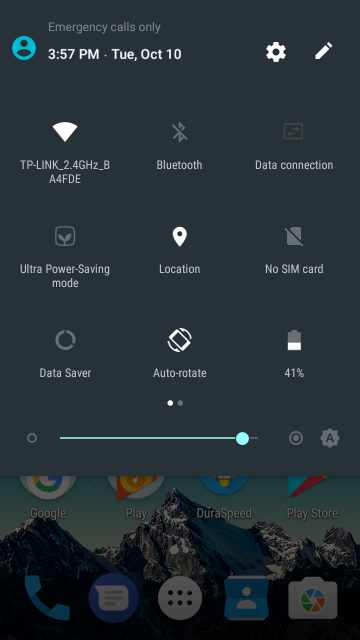
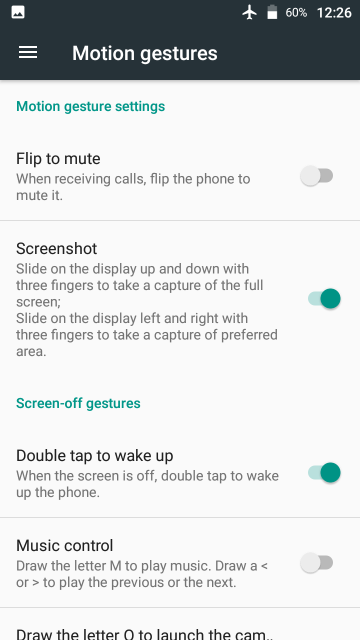
I usually love Vernee phones because they run on almost stock Android. The Thor Plus is no exception. The Android 7.0 based UI runs fast and fluid, there are no hiccups whatsoever. Besides all the usual stuff, there are some gesture and motion controls that work quite well.
CAMERAS
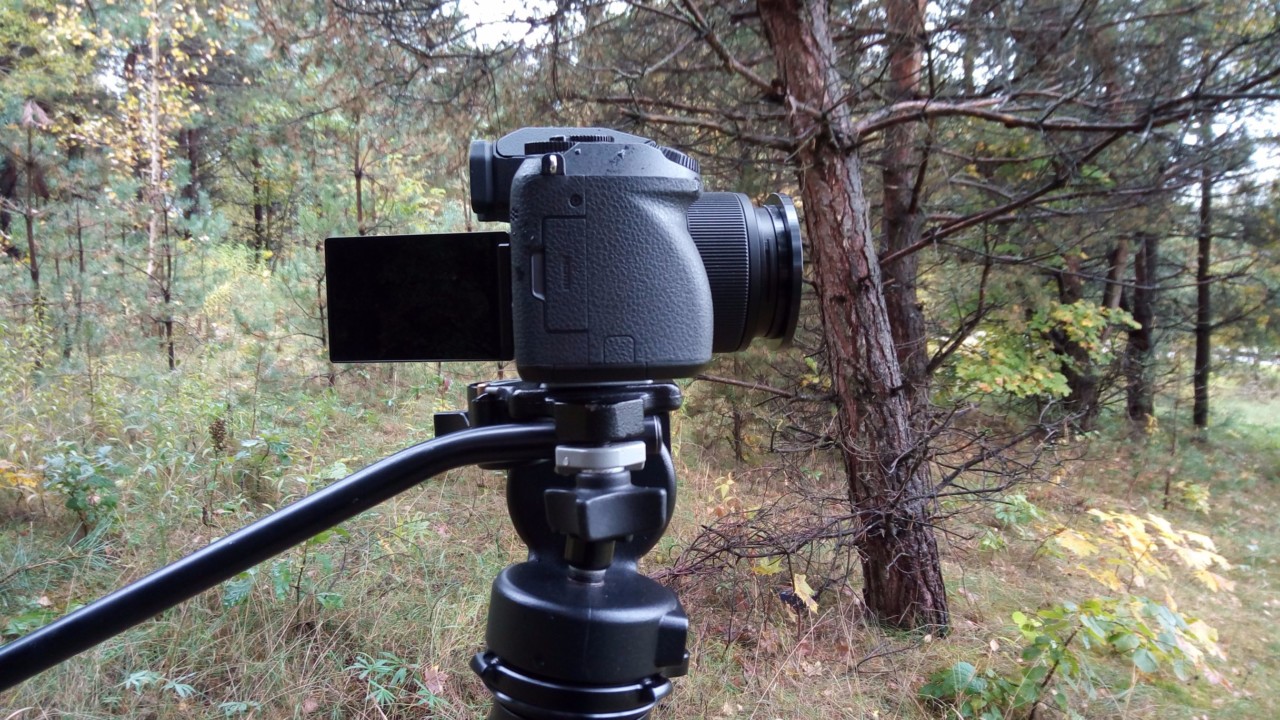
Image quality is kind of mediocre like on most of the budget phones. Although I took all the pictures on a cloudy day, I still expected pictures to be sharper and have more detail. On the other hand, it’s possible to take some good looking images for social media needs with both main and front-facing cameras.
I found the call quality to be kind of mediocre. Also, sometimes it may take some time to get the GPS position but the navigation works quite well.
Also, the phone has only a few sensors and there is no gyroscope, meaning that the phone does not support VR headsets.
BATTERY LIFE
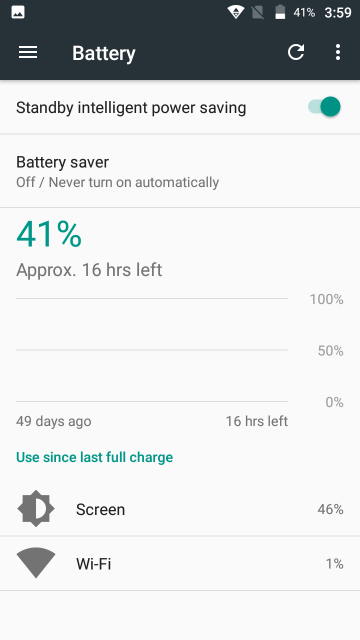
The battery life is one of the best you can get on any phone, especially if you use that ultra power saving mode.
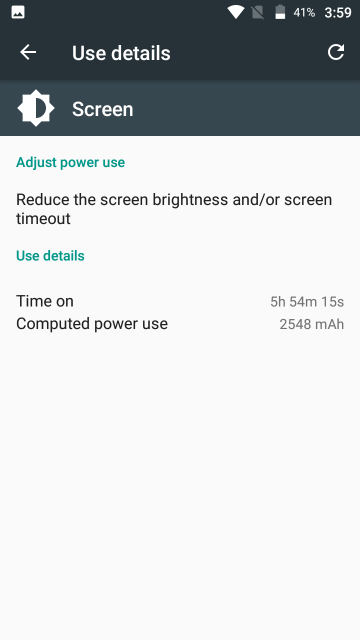
You can literally use the phone for days without the need to recharge it. I was able to achieve a 5-day battery life on an average use and turning on that ultra power saving mode from time to time. I’m pretty sure that it’s possible to get even more out of this huge battery.
Finally, it takes about 1 hour and 40 mins to fully charge the battery with the supplied fast charger.
CONCLUSIONS
The Vernee Thor Plus does not have any exceptional looks but it excels in features other budget phones lack.
That gigantic 6200mAh battery performs very well, the display is one of the best in class, a metal construction of the phone feels nice and sturdy and I’m quite impressed with the overall performance.
A few weaknesses are common to most of the budget phones – mediocre camera and subpar loudspeaker.
Other than that, I was pleasantly surprised that the Vernee Thor Plus is a pretty good budget phone with some standout features that other phones lack, even though it’s not a perfect device.
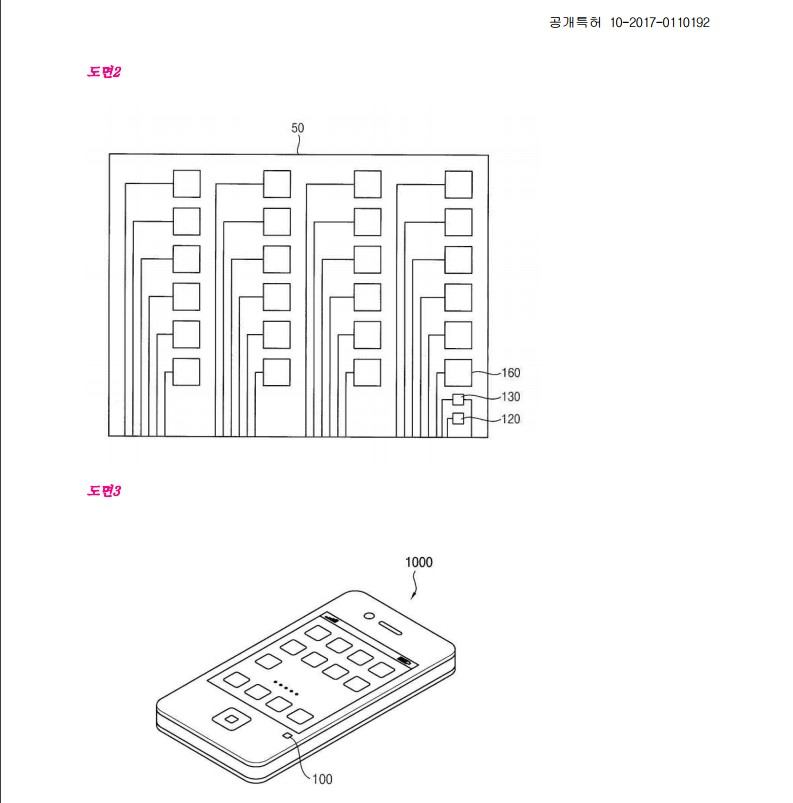
If Samsung‘s recently published patent filing is to be taken seriously, we may be seeing the upcoming Galaxy smartphones incorporated with environmental sensor very soon. Samsung has just revealed it filed a patent sometime last year for an “environmental sensor” that measures the quality of air by detecting various particles in the air.
Who would have thought an air sensor would be so small to fit into a smartphone but Samsung seems to have done that. The patent is accompanied by some sketches which show how the tech giant was able to achieve the feat. The air quality sensor is designed in a flat pattern and is then incorporated into the display substrate. The air sensor is capable of measuring particles of different sizes and amount present in the air. The available details don’t include how air will reach the flexible AMOLED display’s glass substrate itself.
We can’t say for sure if this new patent would be included in Samsung smartphones as early as the Galaxy S9 but that doesn’t look impossible. We have seen a number of Samsung patents in the past which are yet to see the light of day. But in most cases, when Samsung patents are brought to the full glare of the public, their launch in a retail device is not far away. The patent is only being brought to the open one year and six months after it was filed wich means Samsung is ready to go official with it.
A new research on Artificial Intelligence has shown that U.S tech giant Google is on top on their game when it comes to the AI market. Google’s AI was compared with those of co-travellers in the AI market like Apple, Baidu, and Microsoft but they all fail to match the brainpower displayed by Google’s AI. The report interestingly shows that Google’s AI is almost at the same level as the level of intelligent a normal six-year-old child would display.
The study seems to have been conducted last with Google’s AI having an IQ score of 47.28 points. This is just some figures lower than the IQ of a 6-year-old child whose IQ score is 55.5 points. Interestingly, Google’s AI intelligent qotient was just 26.5 points back in 2014, meaning that the score nearly doubled in a span of only three years. Google is closely followed by Chinese web services company Baidu’s AI with 32.92 points. Baidu is one of the largest internet companies and one of the top class AI leaders in the world, so this feat isn’t so surprising. Apple’s Siri is not even in the top 3 spots as Microsoft’s Bing AI scored 31.98 points to occupy the third spot ahead of Siri which sits at the fourth spot with 23.94 points.
The analysis is based on considerations such as their amount of available data, usefulness, and ability to synthesize information. The ranking also considers the form that the AI is intended to be used. All the AI considered are cloud-based, so they cannot achieve a high ranking based on the size of information available to them alone. Their ability to demonstrate understanding, critical thinking, learning, and synthesis affects how well they will rank which affects their weight in the total IQ score.
Google recently unveiled its latest smart home products including the Pixel 2 and Pixel 2 XL. One major thing that was consistent during the announcement was the improved AI capabilities of the smartphones. This is an indication that the AI could score higher when a test is conducted this year.
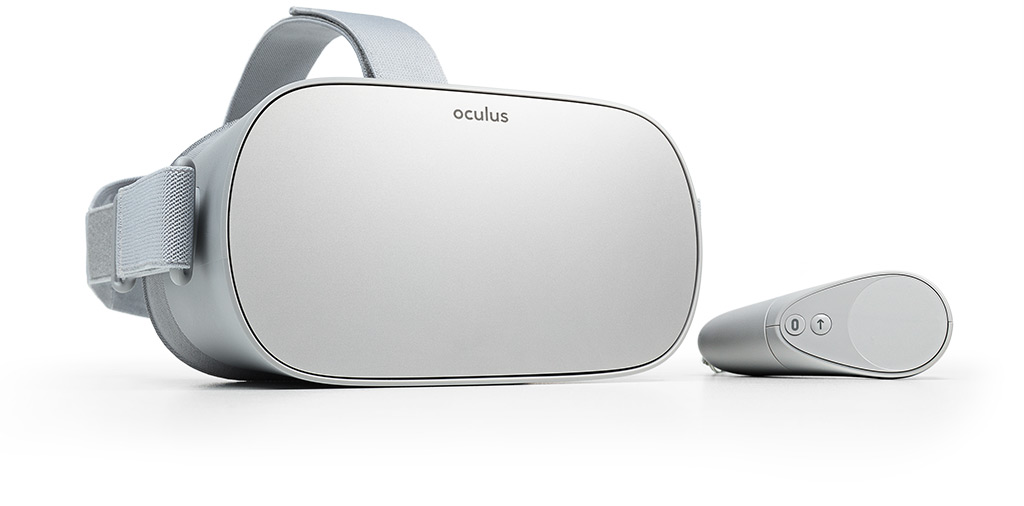
Facebook-owned Oculus VR had its Connect Conference yesterday. At the event, the company announced a new standalone VR headset called the Oculus Go.
The Oculus Go is a gray headset with a power button, a small circular button, and a volume rocker, all at the top. It is made of breathable fabric and has an adjustable strap.
Former Xiaomi VP Hugo Barra, who left the Chinese smartphone maker this year to join Oculus as its head, said the Go is “hands-down the easiest way to get into VR”. The headset has a 2560 x 1440 screen, new lenses, and spatial audio which means users don’t require headphones.
It also has a remote control that has a large circular dial, a back/return key and another button with the Oculus logo. There is also a trigger button in front and a wrist strap.
There is no mention of the battery capacity and the Oculus Go doesn’t have inside out tracking. The headset is expected to ship early 2018 with a price tag of $199 but development kits will be available in November.
HTC is supposed to launch a Daydream VR headset called the Vive Focus before the end of year. So also is Lenovo. Oculus has beat them to it by announcing its own first even though it won’t be available until next year. However, the pricing and specification details of the Vive Focus and Lenovo’s headset will determine which consumers will settle for.
Oculus also permanently cut the price of the Rift headset to $399 with Touch controllers included. Buyers will also get six free apps. This move is probably in a bid to compete against Microsoft’s Mixed Reality headsets which start at $399 and goes up to $499 depending on the brand.
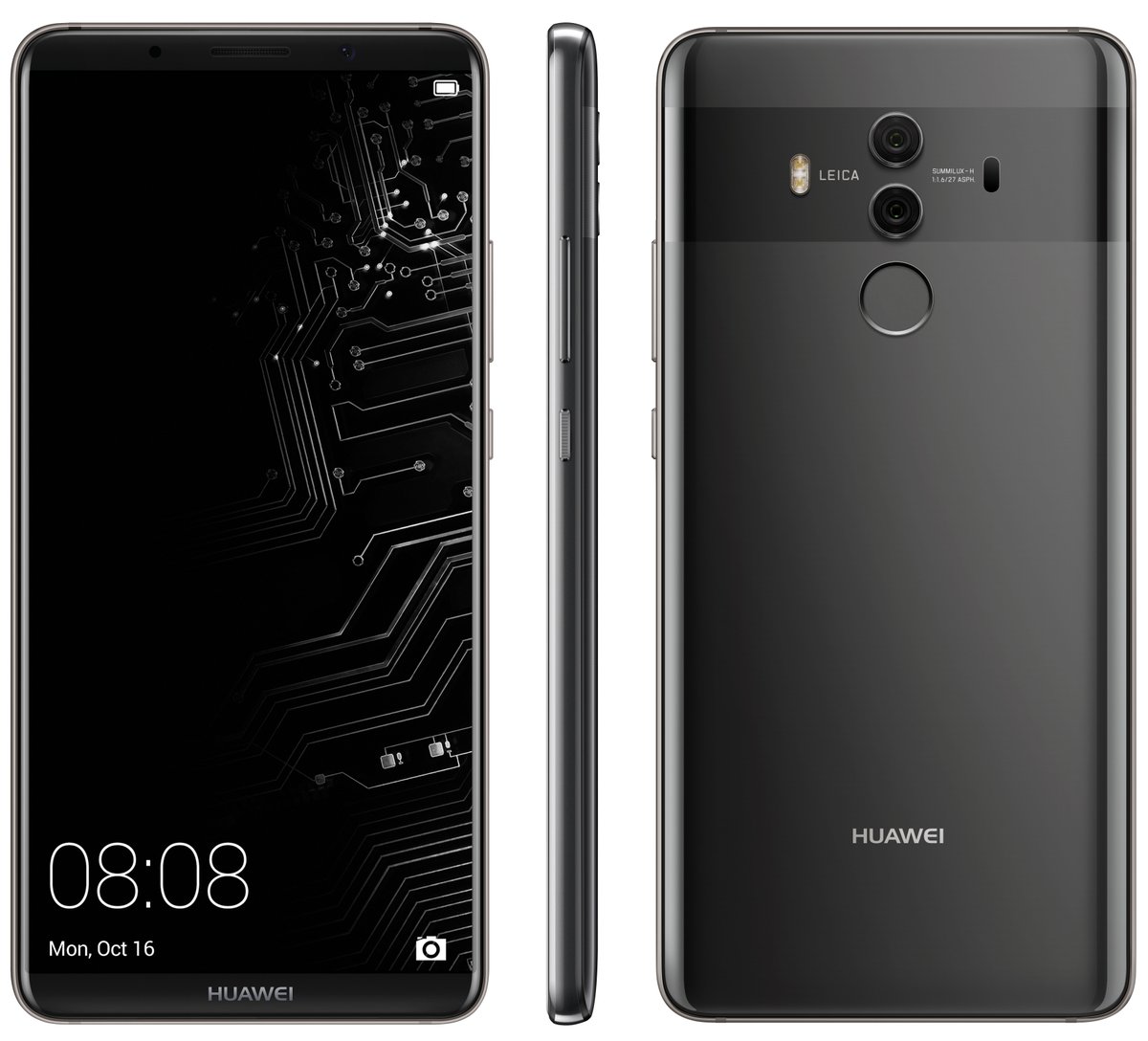
Huawei is all set to launch its Mate 10 smartphone series on October 16. A couple of days ago, the promotional posters of the Huawei Mate 10 Pro got leaked and now Evan Blass has posted press renders of the same.
Evan posted a render of the Mate 10 Pro in Black colour, which shows the phone’s front panel as well as the back panel. Apart from Huawei branding, there is a dual camera setup at the back with Leica branding and a fingerprint sensor just below it. On the front, it features a bezel-less full-screen display.
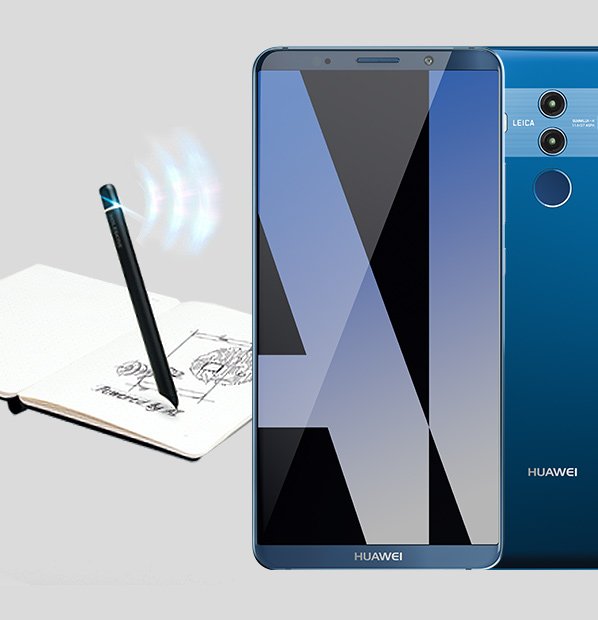
In the latest render that Even Blass posted on Twitter, the smartphone is showcased in Blue colour. However, the interesting part is that the phone is shown next to a stylus pen drawing something on a notebook. The stylus pen and the notebook appears to be Moleskine’s Smart Writing Set.
This could mean that Huawei has entered into a partnership with Moleskine for some kind of promotional bundle with Mate 10 Pro. However, we are not sure about it and this is just a speculation.
It’s unlikely that the company would include such accessory to be bundled with the Mate 10 Pro at no extra cost, but expect some sort of a combo discount.
The Smart Writing Set consists of three objects — Paper Tablet notebook, Smart Pen+, and a companion app. It enables users to digitally edit and share whatever user creates on paper in real-time without taking a photo, uploading files, or scanning documents.
The Huawei Mate 10 Pro will be powered by the company’s own Kirin 970 processor. It is expected to come in four configurations — 6GB RAM/64GB storage, 6GB RAM/128GB storage, 6GB RAM/256GB storage, and 8GB RAM/256GB storage.
It will run latest Android 8.0 Oreo out-of-the-box, with the new version of Emotion UI on top. The smartphone will be powered by a 4,000mAh non-removable battery, with support for fast charging.
The phone is expected to come in different colour options, including Black, Blue, Rose Gold and Coffee Brown. It will launch on October 16, along with Mate 10, Mate 10 Lite and Mate 10 Porsche Edition.
The pricing of Mate 10 Pro is expected to start from 5,499 Yuan for the base model and could go up to 7,499 Yuan for the top-end variant.
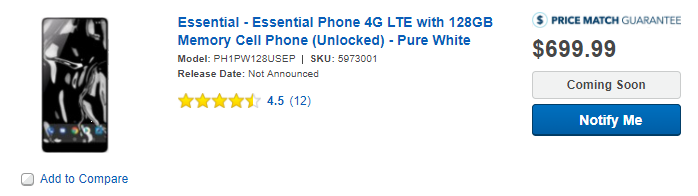
When the Essential Phone launched, it was revealed it will be available in Black Moon, Pure White, Ocean Depths and Stellar Gray. When it finally went on sale, only the black variant was available with a promise to release the white variant soon. Last night, Essential announced that buyers could now purchase the Pure White model.
The Pure White Essential Phone is now available on Essential.com. It is said to be available on Amazon, BestBuy, and Sprint too according to the tweet from the official account. However, Amazon still says shipping is within a month or two, and BestBuy says coming soon. Sprint, on the other hand says it is sold out. I guess they have probably not updated the stores yet. The price is still $699 if you want the unlocked version or $33/month if you are buying on contract.
Apart from the ceramic rear that is white and the titanium frame that is silver, both phones are identical when placed side by side face up. That’s because the front is also black. However, all the accessories are white.
The Essential Phone has a 5.71-inch tri bezel-less display with a cut-out at the top for the front camera. It has 4GB of RAM, 128GB of storage and is powered by the Snapdragon 835.
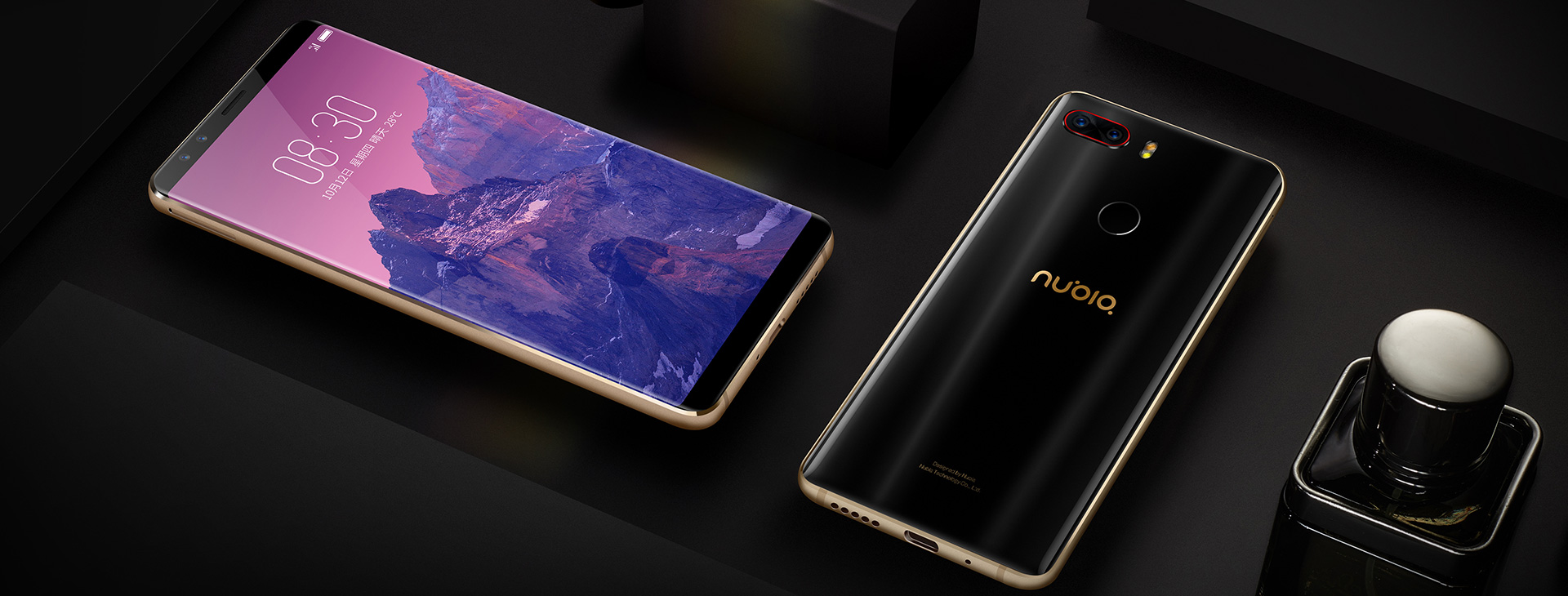
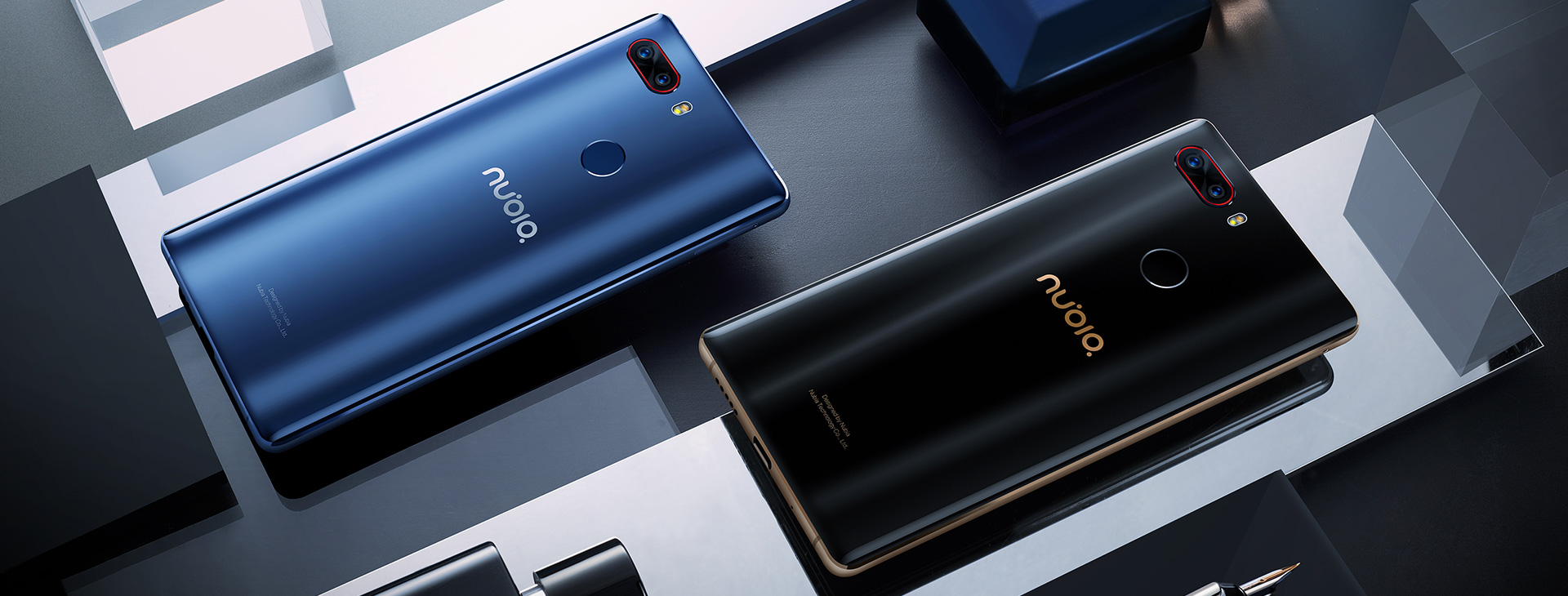
Today, at a press event in Beijing, China, Nubia has launched its latest smartphone — Nubia Z17S, along with Nubia Z17 MiniS.
The Nubia Z17S comes with a bezel-less full-screen display, which has become a norm these days. Almost every company is now coming out with a bezel-less smartphone — a trend that started with Xiaomi Mi MIX.
It comes with a 5.73-inch display with a screen resolution of 1080 x 2040 pixels and pixel density of 403ppi. The screen has an aspect ratio of about 17:9 and sports DCI-P3 wide colour gamut, with colour saturation of 96 percent.
There is a layer of Gorilla Glass 4 on top of the display for added protection. To make space for the bigger display, the company’s trademark red-circled home button has been removed.
The smartphone is powered by Qualcomm‘s flagship Snapdragon 835 octa-core 64-bit processor, clocked at 2.45GHz along with Adreno 540 GPU. The device is available in two variants — one with 6GB of RAM and 64GB of internal storage, while other with 8GB of RAM and 128GB of onboard storage.
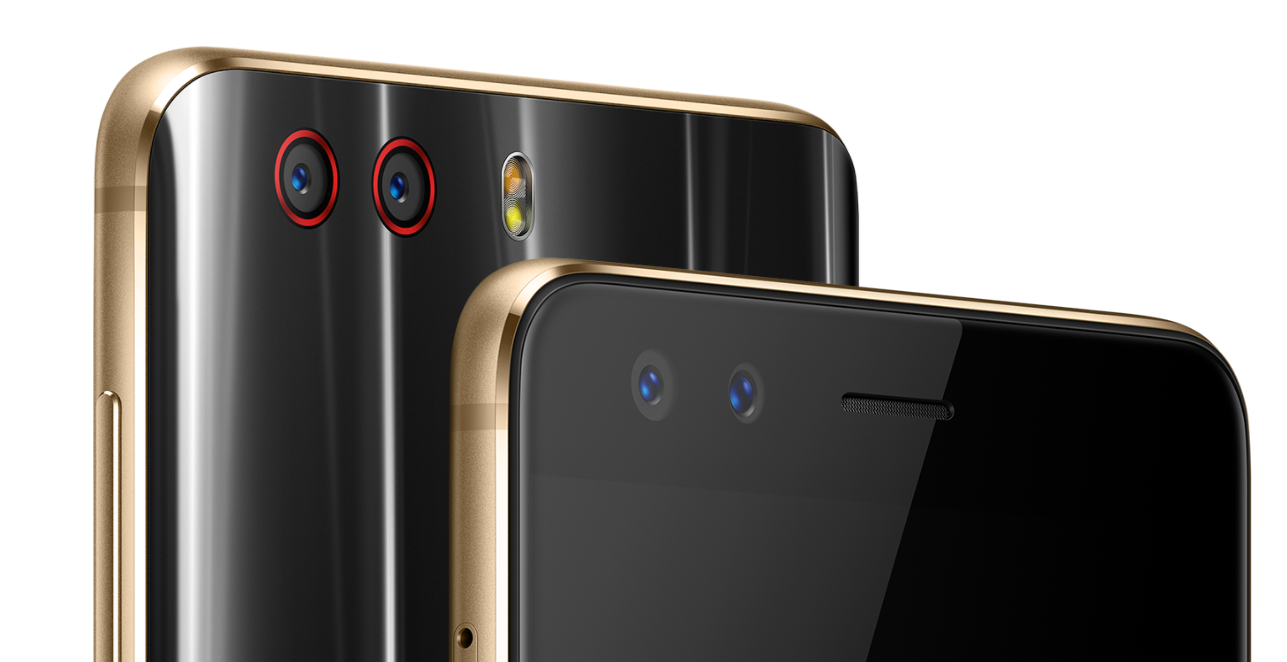
Camera department has been the strength of Nubia’s smartphones, and this one too follows the suit. The phone features four cameras — two at the back and two at front.
The Nubia Z17S comes with a dual camera setup at the back. It has a 12-megapixel primary camera and a 23-megapixel auxiliary camera. It has 1.4-micron pixels, f/1.8 aperture, and 6P optical lens. The camera supports 2X optical zoom and 10X digital zoom. It comes with additional features such as 3D noise reduction. It comes with a layer of sapphire protection lens.
The camera comes with the all-new NeoVision 7.0 image engine. It has AI Portrait mode — an algorithm for personality learning for additional features such as face recognition, edge processing, 3D beauty, level enhancement, among others.
On the front, it features a 5-megapixel dual camera setup with an 80-degrees wide angle lens and f/2.2 aperture. It also supports background blur and beauty mode along with multi-effect filter.
The phone supports 4G LTE along with the usual set of connectivity options, which includes Wi-Fi 802.11 ac, Bluetooth, NFC and GPS. There is one port on the device — USB Type C.
It is powered by a 3,100mAh non-removable battery which supports 26W fast charging that can charge the phone up to 50% in 25 minutes. Even though the battery capacity is smaller, the company claims that it can last for up to one and a half day as it is optimized by NeoPower 3.0 — a power saving technology.
The 6GB RAM + 64GB storage model of Nubia Z17S is priced at 2,999 Yuan, while the 8GB RAM + 128GB storage variant costs 3,999 Yuan. It comes in two colour options — Black Gold and Blue. The phone is available for pre-order and will go on sale from 19th October.
Early today in Shenzhen, Nubia unveiled a new smartphone – the Nubia Z17miniS. The new device packs impressive specs that put it in the upper mid-range category and also features a familiar design.
Nubia Z17miniS Design
The phone is a mixture of metal and glass. The back is a 3D glass that curves to fit your palm that is specially made. Nubia says it is the industry’s first to use a color gradient process that is time consuming with a yield of less than 5%.
Between the two sheets of glass is a metal frame. This is a Nubia phone and there are some signature designs like the red accents around the rear cameras and the red holo circle on the home button. In all fairness, the Nubia Z17miniS is a beauty.
Nubia Z17miniS Specs
The Z17miniS has a 5.2-inch FHD in-cell display supplied by JDI with Corning Gorilla Glass 3 protection. There is 6GB of RAM on board paired with Qualcomm’s Snapdragon 653 mobile platform and an Adreno 510 GPU.
The 28nm octa-core CPU is the successor to the Snapdragon 652 and brings a faster modem and a higher clockspeed. There is 64GB of built-in storage with no option for expansion.
Nubia has equipped the Z17miniS with four cameras – two on each side. The rear cameras are two Sony IMX258 13MP sensors in the monochrome + RGB configuration. Aperture size is F/2.2 and there is PDAF and a dual LED (dual-tone) flash.
The dual front cameras is a combination of a 16MP F/2.0 and a 5MP F/2.2 wide-angle sensor. It lacks a dedicated LED flash but the screen lights up for brighter selfies. There is beauty adjustment and real-time bokeh effect along with Nubia’s NeoVision 7.0 camera software.
The Z17 MiniS comes with a 3200mAh non-removable battery which Nubia claims should last 1.41 days. Beneath the screen is a home button that doubles as a fingerprint scanner along with NFC with support for bus payment. It has dual band Wi-Fi support, Bluetooth 4.1, and a USB Type-C port. Sadly, it doesn’t have a 3.5mm audio jack.
The phone also comes with Smart PA technology for improved audio quality. The Nubia Z17miniS measures 147.5 x 71.2 x 7.6 mm and weighs 155g.
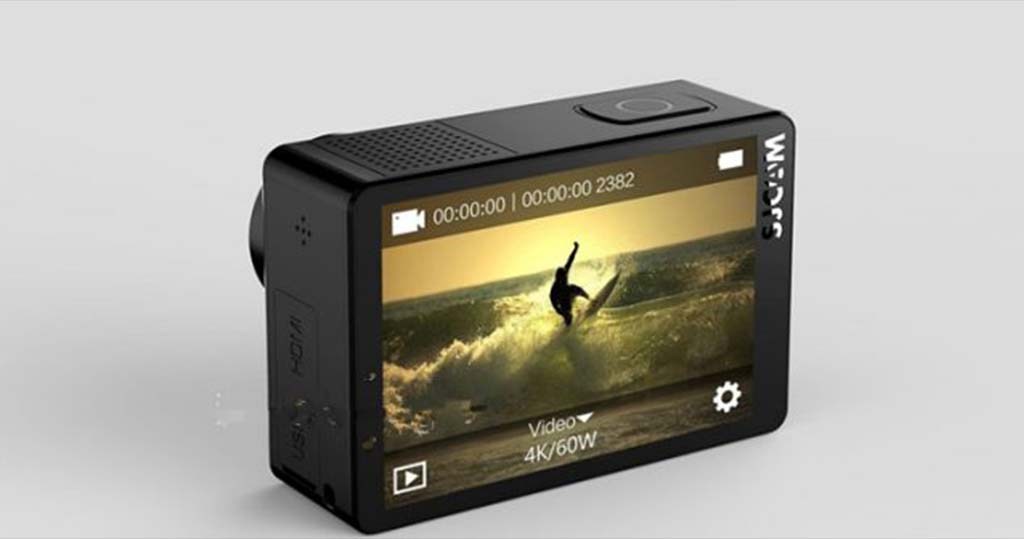
You might forget about Go Pro Action cameras because of the Chinese manufacturer ‘SJCAM’. The company continues to provide breathtaking sports/action cameras under a stupendous price tag. The legends include SJ 5000, SJ 5, and SJ 6 Legend. There’s no denying that SJCAM is no rookie in the action cameras business. But recently, the company is going to do its best under one action camera known as ‘SJCAM SJ8’. The camera will release next month, but for we have the incredible specs and rumored price to keep the anticipation going.
Let’s get into the details and know the upcoming SJCAM SJ8 Action Camera:
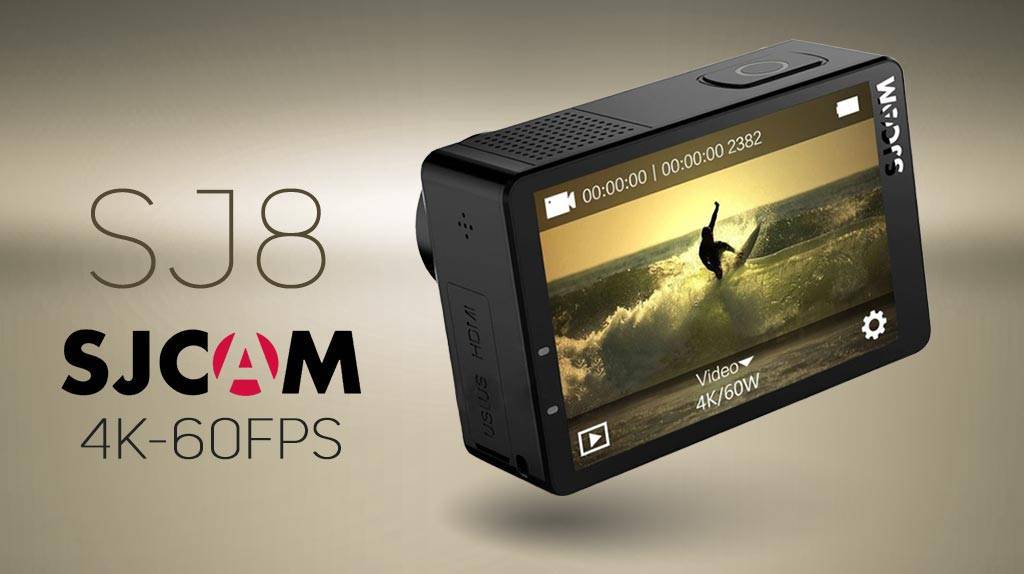
SJCAM SJ8 – The First Chinese Action Camera With 4K 60 fps on Dual Screens
SJCAM is going to target the new Xiaomi Mijia 4K Camera and upcoming Go Pro 6. You might think that it’s not the first camera with 4K video recording at a maximum 60 fps. However, it’s the first Chinese Action camera with dual screens to support 4K 60 fps video recording.
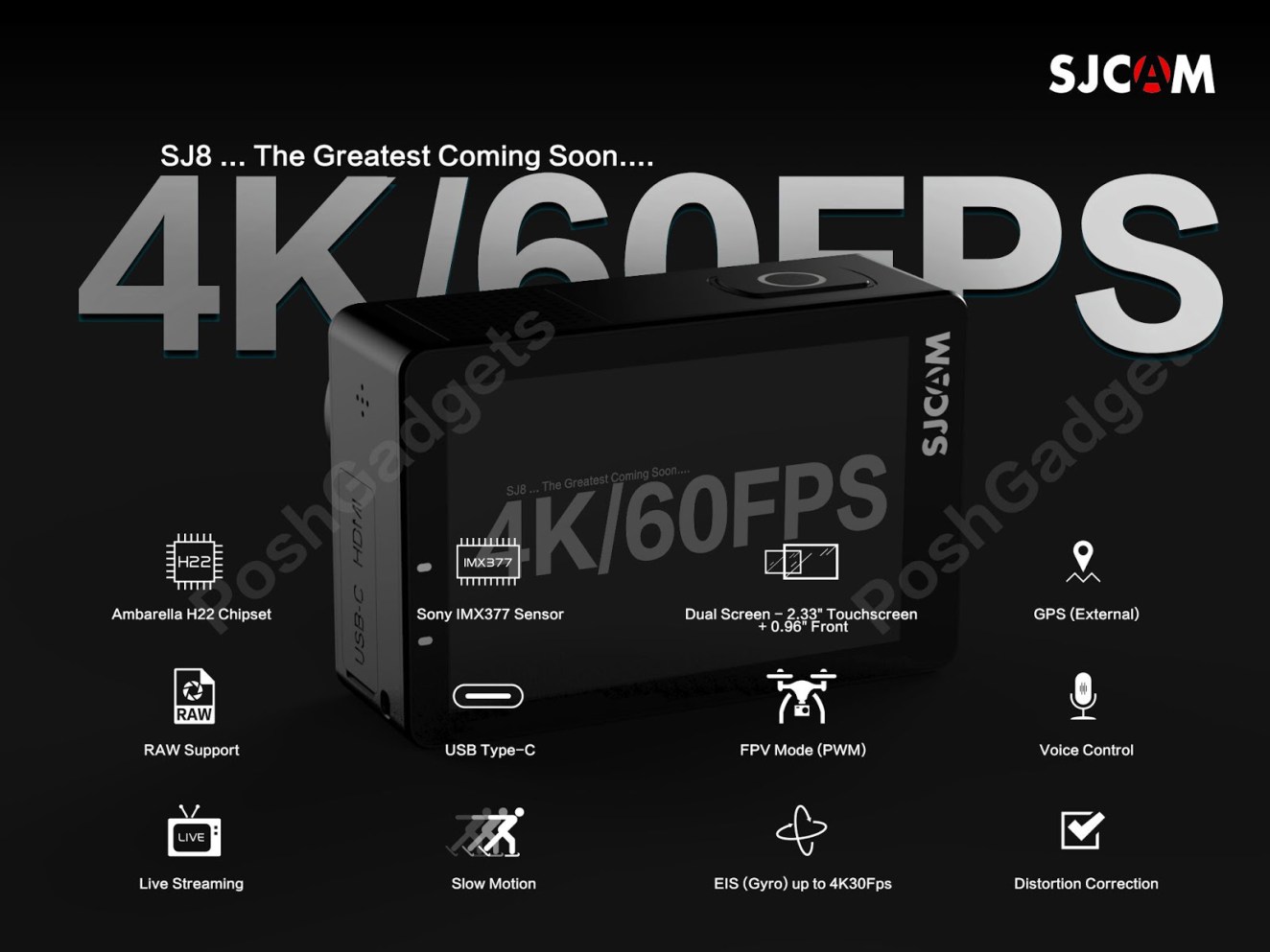
Weeks ago, we had the first leaked image of the camera exposed as well. From the leaked image mentioned above, SJ8 appears to be a typical rugged action camera with a stunning 2.33-inch, 360 x 640 touchscreen on the rear and a front 0.96-inch touchscreen. The dual screen appears to be similar to SJ6 Legend but SJ6 is limited to 4K recording at only 24 fps. The dual screen configuration is the selling point of the upcoming flagship apart from the 4K video recording.
Furthermore, SJCAM SJ8 was also leaked on Gearbest as well. It’s available in the Chinese Global store but the stock has not arrived yet. The details mentioned there are interesting as well. According to the specs provided on Gearbest, the camera occupies a space of only 7.00 x 4.00 x 3.00 cm and is super lightweight weighing only 70 grams. It appears to be a rubberized plastic built from the leaked image of the prototype. However, it will be a dream come true if the housing turns out to be aluminum metal with CNC process similar to iPhone 7. You know SJCAM is full of surprises and we might not know what’s the big thing coming.
Moreover, the casing like rest of the SJCAM action cameras is IP68 certified, waterproof up to 30 meters. Gearbest confirms the presence of EIS (Electronic image stabilization) for a non-shaky video. Moreover, another highlight and a dream feature will be the first integration of GPS module under the hood of a Chinese sports camera. Even Gearbest mentions it along with WiFi module working in a range of 10 meters.
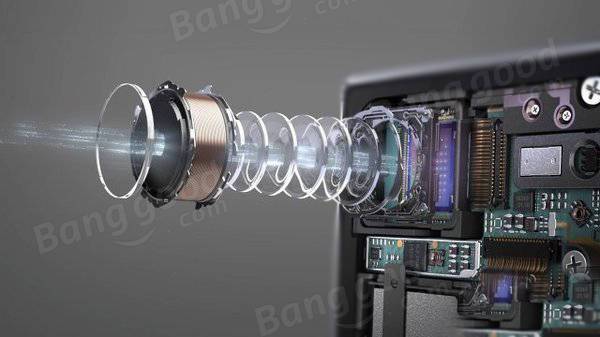
As it supports 4K video recording at 60 fps, the hardware indeed will be powerful. We expect it to feature the latest Ambarella H22 chipset coupled with a Sony Sensor (maybe IMX 377). A 1000mAh battery will power the camera. Surprisingly, Gearbest states that the battery life is 1 hour on 4K @60 fps, standby time is 3 hours, and charging time 2 hours via Type-C interface. Other features include:
FPV Mode
Live Streaming
Remote Control
Apart from these, we will love you witness the introduction of PiP (Picture-in-Picture) feature so it can act as a ‘slave’ back camera as a dashcam.
Specification Sheet
Brand
SJCAM
Model
SJ8
Chipset
Ambarella H22
Sensor
Sony
Screen
2.33 inch
Screen resolution
360 x 640
Video format
MP4
Video Resolution
4K (3840 x 2160) 60FPS
Storage
Max External Card Supported: TF 128G (not included)
Battery
1000mAh
Audio System
Built-in microphone/speaker (AAC)
Image Format
JPEG
Working Time
1 Hour
Standby time
3 hours
Charging Time
2 hours
WiFi Distance
10 meters
Waterproof Rating
IP68
GPS
Yes
G-sensor
Yes
HDMI Output
Yes
Anti-shake
Yes
Interface Type
Micro HDMI, TF Card Slot, Type-C
Price & Availability
There are some many expectations from the upcoming SJCAM SJ8. Let’s see which might turn out to be true, next month. As far as the price tag is concerned, it’s tagged at a shocking $439.08 on Gearbest. But that’s the rumored price. Obviously, Gearbest will lower the price once the flagship releases. With all these features we expect it to be around $300 to $400 as a 4K @60 fps, Dual Screen Action camera.
We use cookies on our website to give you the most relevant experience by remembering your preferences and repeat visits. By clicking “Accept”, you consent to the use of ALL the cookies.
This website uses cookies to improve your experience while you navigate through the website. Out of these, the cookies that are categorized as necessary are stored on your browser as they are essential for the working of basic functionalities of the website. We also use third-party cookies that help us analyze and understand how you use this website. These cookies will be stored in your browser only with your consent. You also have the option to opt-out of these cookies. But opting out of some of these cookies may affect your browsing experience.
Necessary cookies are absolutely essential for the website to function properly. This category only includes cookies that ensures basic functionalities and security features of the website. These cookies do not store any personal information.
Any cookies that may not be particularly necessary for the website to function and is used specifically to collect user personal data via analytics, ads, other embedded contents are termed as non-necessary cookies. It is mandatory to procure user consent prior to running these cookies on your website.