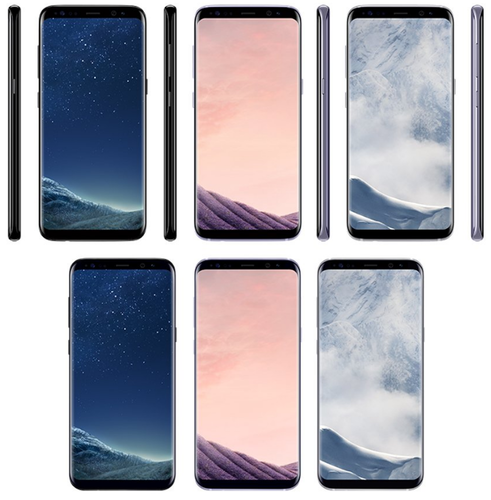
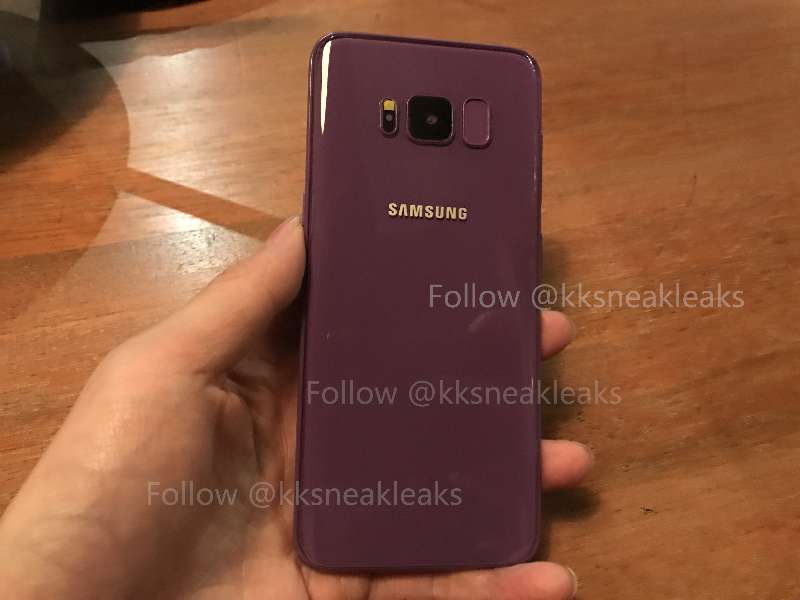
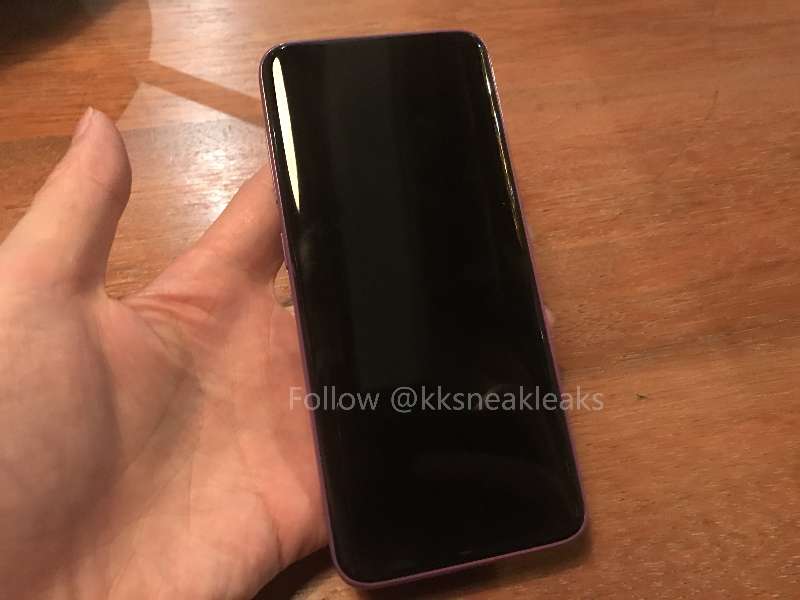
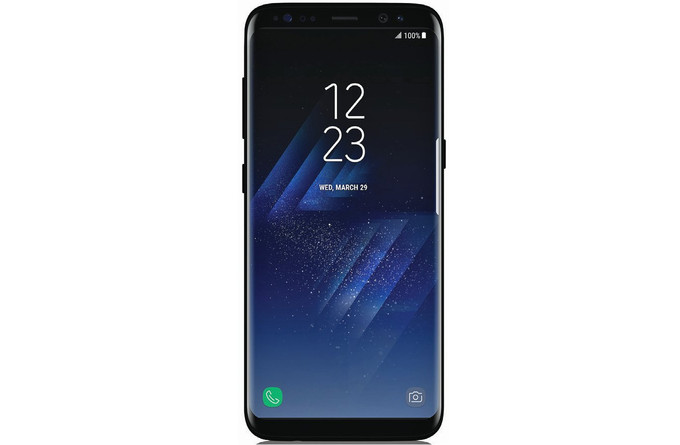
Ming-Chi Kuo, an analyst with KGI Securities, had revealed in the previous week that the Galaxy S8 and Galaxy S8+ flagship smartphones from Samsung would be coming in seven color options. Leaked photos of some of the color variants have now appeared.
Now, the well-known leakster, Evan Blass has revealed the Galaxy S8 and Galaxy S8+ in three colors like Black Sky, Orchid Grey and Arctic Silver. Another leakster #kksneaksleaks has the Galaxy S8 in a Purple version.
In another tweet, Blass has also revealed the alleged pricing of Galaxy S8 as 799 euros ($860) and that of Galaxy S8+ as 899 euros ($967). Kuo had revealed that both the upcoming flagship smartphones from Samsung would be arriving in seven colors like gold, silver, bright, matte black, blue, orchid and pink. Hence, it is likely that the upcoming leaks may reveal the color variants of S8 and S8+.
The Galaxy S8 and S8+ would be arriving with several common specs. According to Kuo, the Exynos 8895 edition of these phones will be released in the Europe and Asia and the Snapdragon 835 variants will be arriving in markets like the U.S., Japan and China. The internal storage on both phones will be 64 GB.
Both chipset models are expected to be coupled with 4 GB of RAM. Samsung is rumored to release 6 GB RAM option for both phones exclusively in China and South Korea.
Both phones reportedly feature 12-megapixel f/1.7 aperture rear-facing cameras and they are also expected to come with autofocus enabled 8-megapixel f1.7 aperture front-facing cameras. Both flagships are rumored to be arriving with 3.7-megapixel RGB sensor on the front for face detection and iris scanning. Both phones are preloaded with Android Nougat OS.
The Galaxy S8 is expected to house a 5.8-inch Super AMOLED display that carries support for 1,440 x 2,960 pixels. The S8+ is rumored to be fitted with 6.2-inch S-AMOLED display with the same display resolution. Both the displays are expected to support an aspect ratio 18.5:9. The S8 is rumored to house a 3,000 mAh battery whereas the S8+ is pegged to be packed with a 3,500 mAh battery. Both phones are slated to get officially unveiled on March 29.
The Galaxy S8 is coming. And its coming in April. Everyday there seems to be something new about Samsung’s upcoming flagship. Today, a video showing the Galaxy S8 being benchmarked on AnTuTu has surfaced online and the final result is amazing.
Samsung’s new flagship after being put through the usual tests comes up with a total score of 205284!!! Over 20,000 points more than Apple’s iPhone 7 which used to hold the top spot with 181,807 points, and a good 40,000 points more than the OnePlus 3T which held the position of top Android smartphone with 162,423 points.
There is no mention of the specific chip in the phone, so it might be the Qualcomm Snapdragon 835 or Exynos 8895. Both chips will be present in the S8 depending on the region. Usually the Snapdragon variant is sold in the US and China while the Exynos version is available in its home country, South Korea.
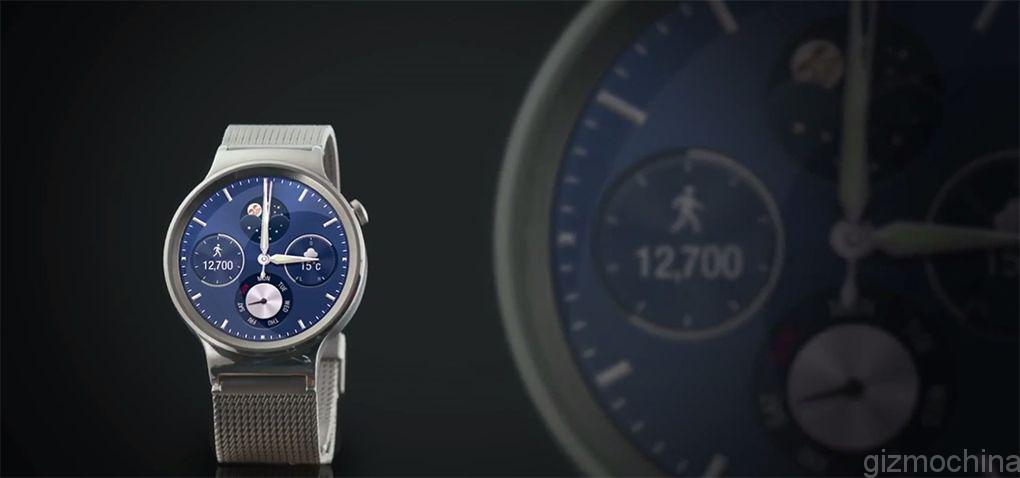
Android Wear 2.0 launched last month and it first appeared on LG’s G Watch Style and Sport. However, you might not need to buy a new smartwatch to enjoy the new features of Android Wear 2.0 as Google says the update will be available to eligible devices, one of which is the Huawei Watch.
The Huawei Watch already has two successors, the Huawei Watch 2 and Watch 2 Classic, but like most Android Wear 2.0 watches we have seen, they disappoint. The original Huawei Watch is still the best looking android watch you can buy and the new update breathes new life into this 1½ year old watch.
We have been hearing about the Vernee Apollo flagship for a long time, maybe a bit too long. The company did takes its sweet time to launch the flagship smartphone, and after months of promotions, the device was officially released in December 2016. The Apollo was an important device, not just for Vernee but also for local Chinese smartphone enthusiasts. The flagship promised stellar build quality and performance but we know, not many promises are kept in this market. Hence, it was important to see, whether a new entrant like Vernee could live up to our expectations.
I have been using the Vernee Apollo for the past couple of weeks and I would like to thank Gearbest for sending in this phone for review. You can currently get the Vernee Apollo as low as $249 from the Gearbest store.
My overall experience using the Apollo so far has been positive. The company did keep most of its promises and you end up with a flagship smartphone that you can proudly flaunt as your daily driver.
Read on to know everything about the phone in this Vernee Apollo Review.
Vernee Apollo Unboxing
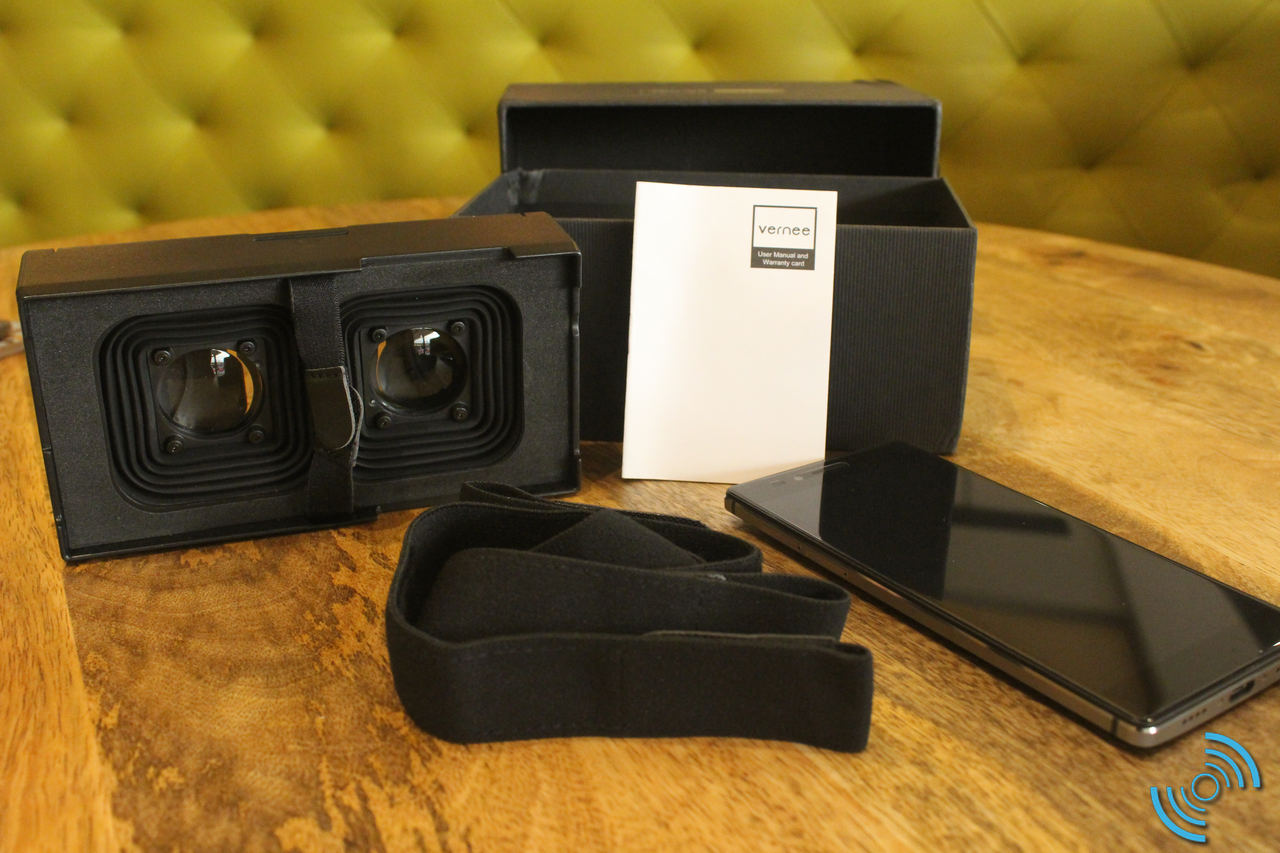
In the box you have the following:
Vernee Apollo Smartphone with Scratch Guard installed
A decent VR Headset
Strap for VR Headset
SIM Ejector Pin
Manual
Vernee Apollo Review: Design
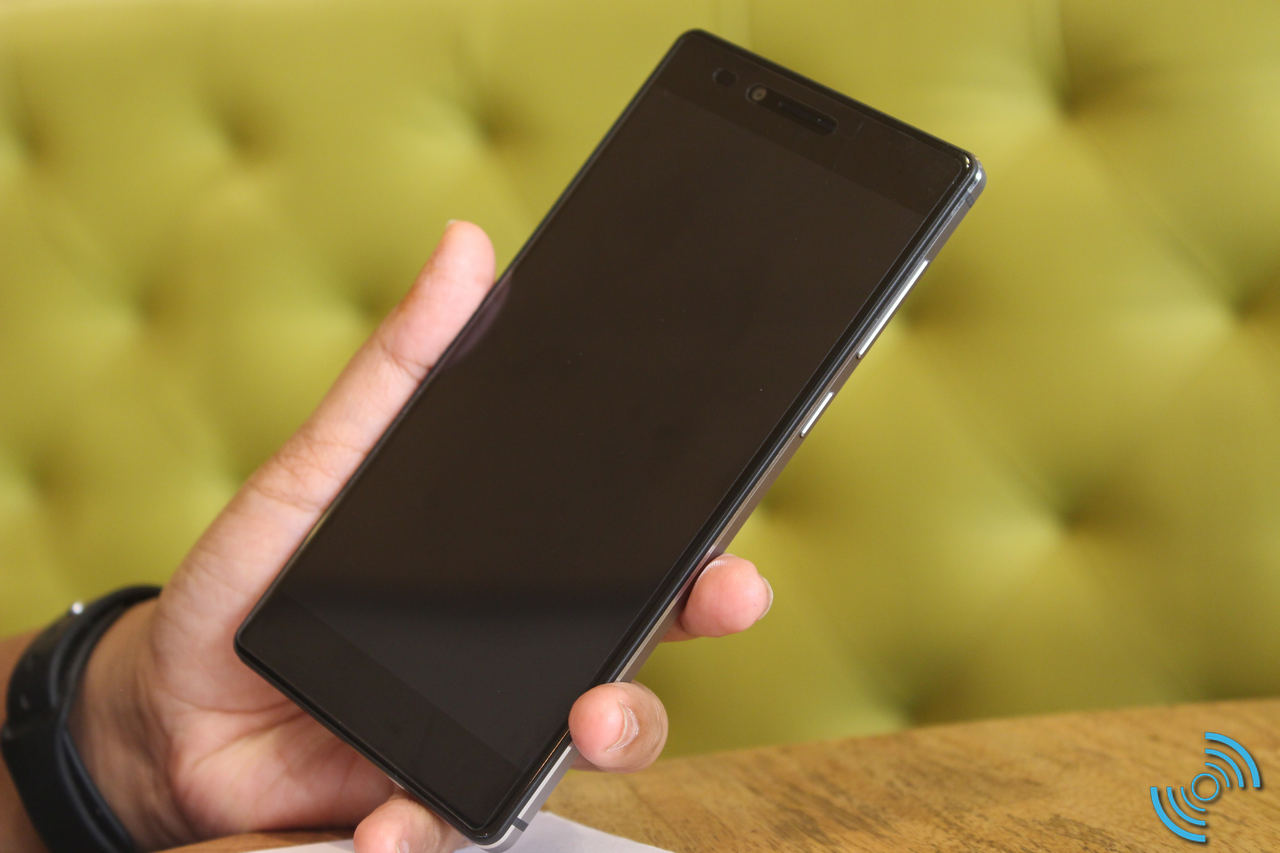
Like I said above, the Vernee Apollo is extremely well built. I use the OnePlus 3T as my daily driver and I have to say the Apollo matches the OnePlus model in terms of design. The back of the Vernee Apollo is as good as the OnePlus and it looks beautiful. Coming to the front, after like a week of using the phone, I have seen that the scratch guard that comes with the phone isn’t too good. The basic front looks good, but make sure to change the scratch guard with something better. For a phone that’s marketed as a flagship, I would have expected better scratch resistant film up front. However, don’t worry, the screen underneath is protected by Gorilla Glass 3 and it is just the scratch guard that’s not up to the mark.
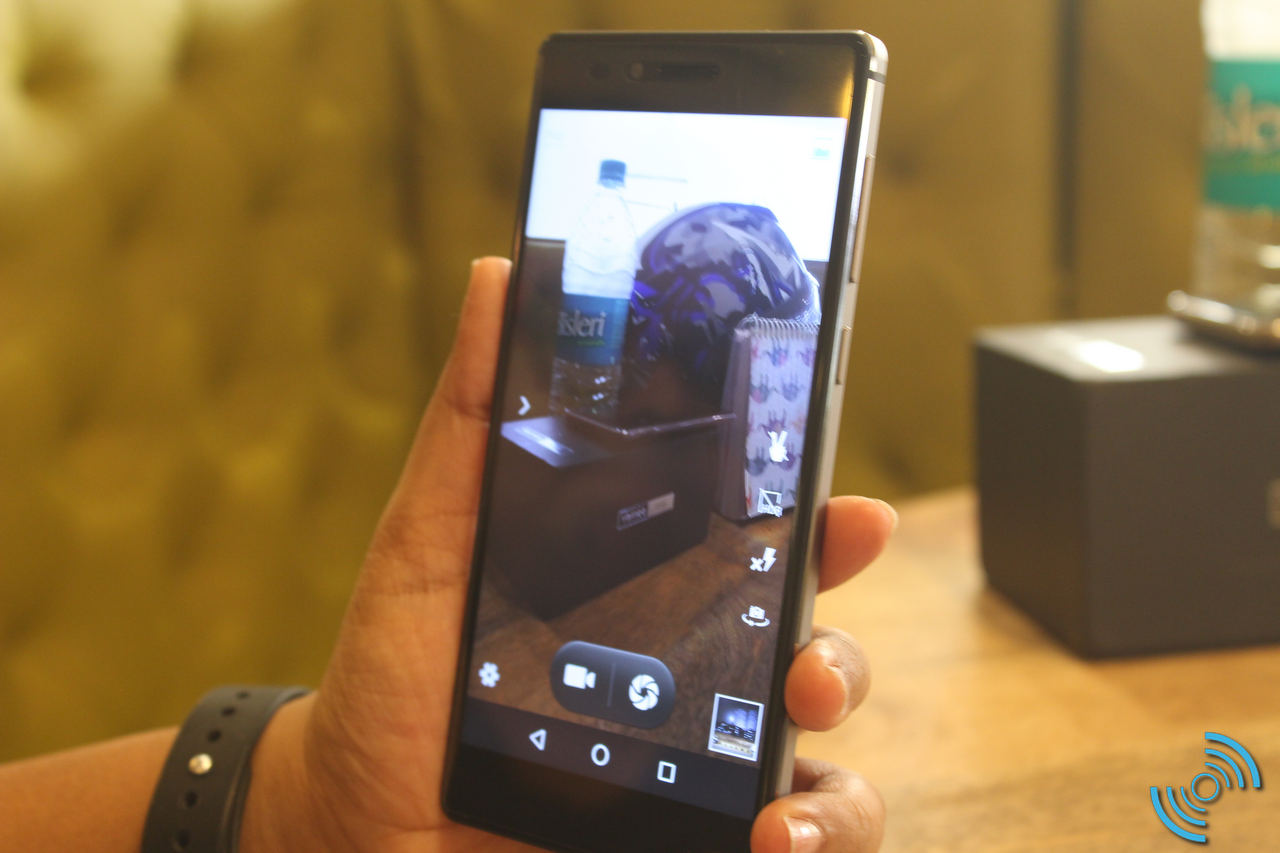
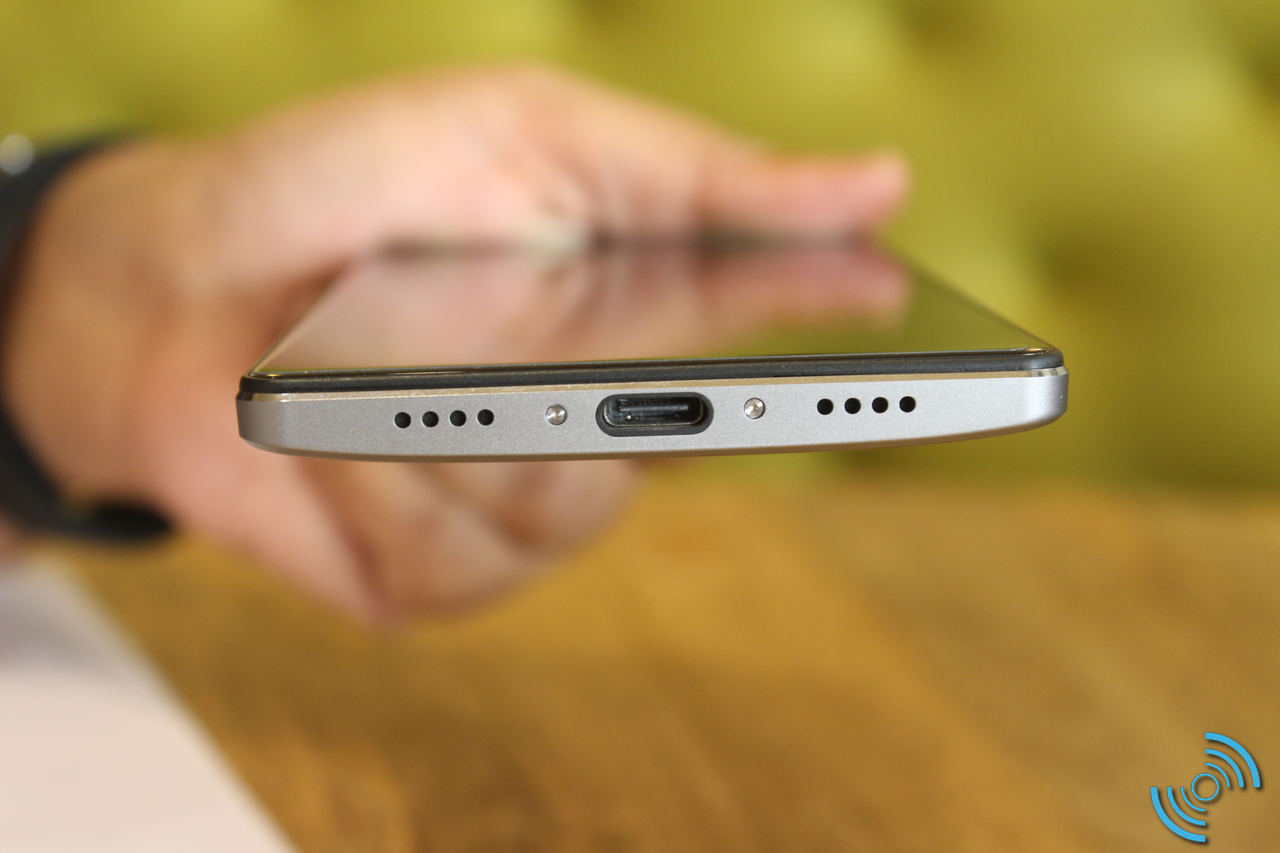
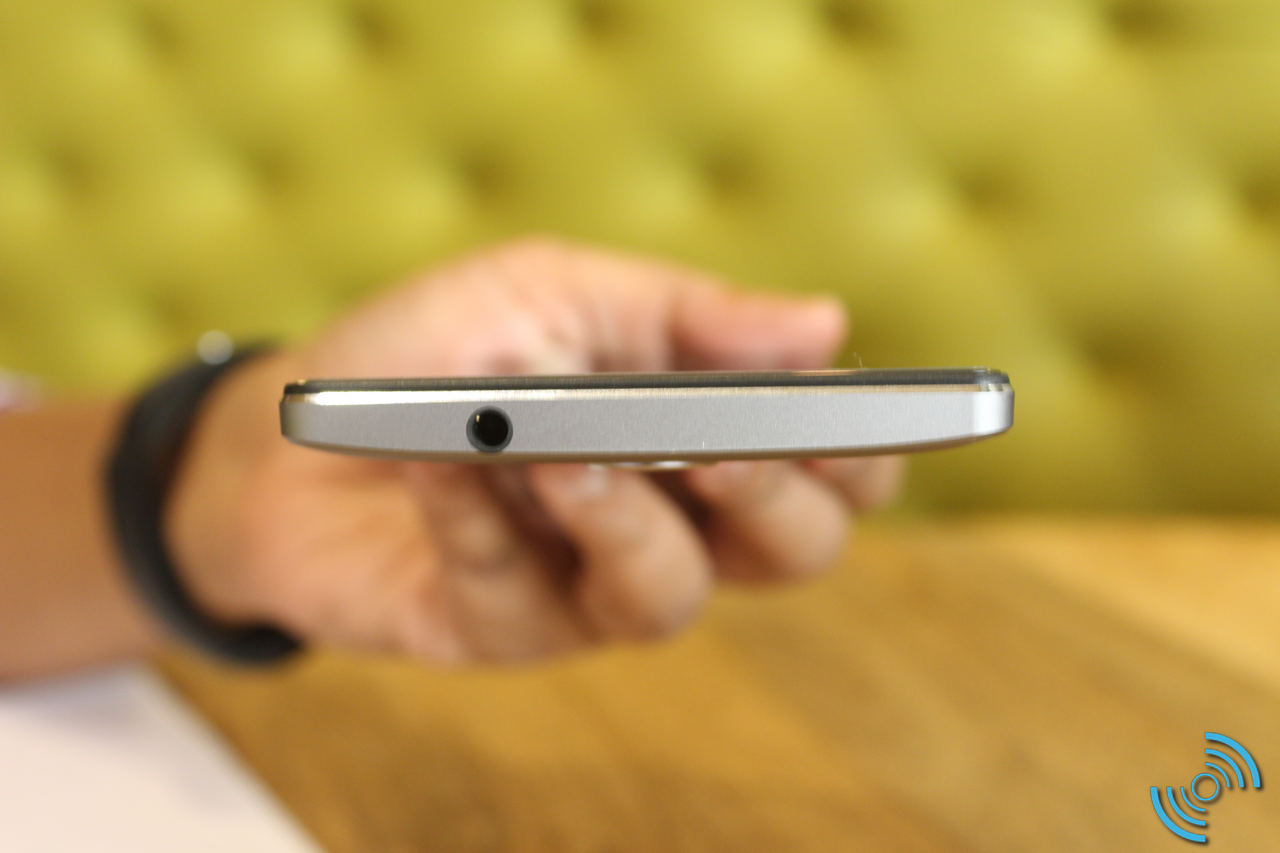
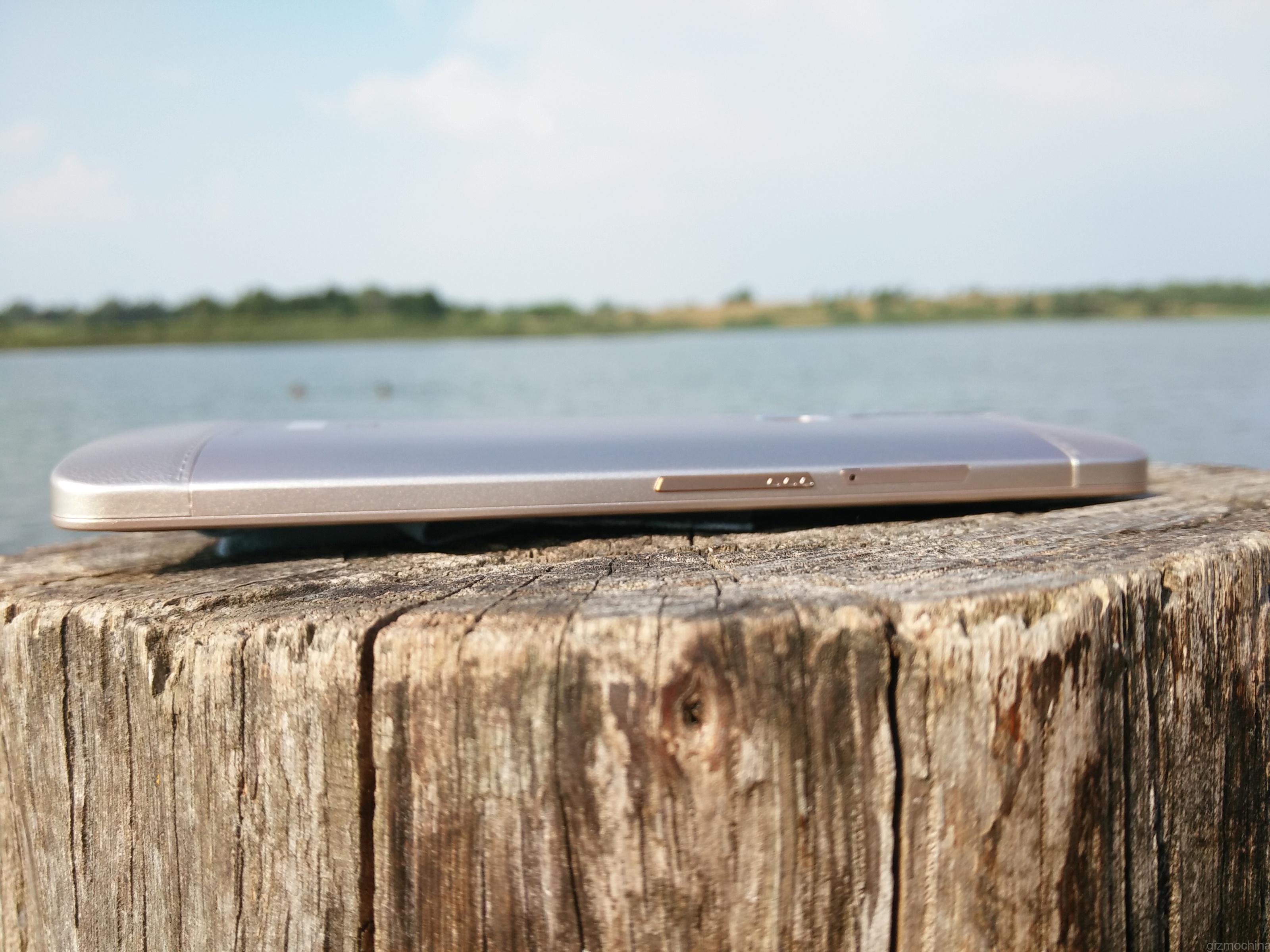
The Vernee Apollo feels good in hand. It may not be as thin or lightweight as some other flagships, but the difference isn’t too noticeable. You have the power and volume keys on the right side. At the bottom, there is a USB Type-C port along with dual speakers. On the left side, there are slots for MicroSD card as well as dual SIM cards. Finally, on top, you have a regular 3.5mm headphone jack.
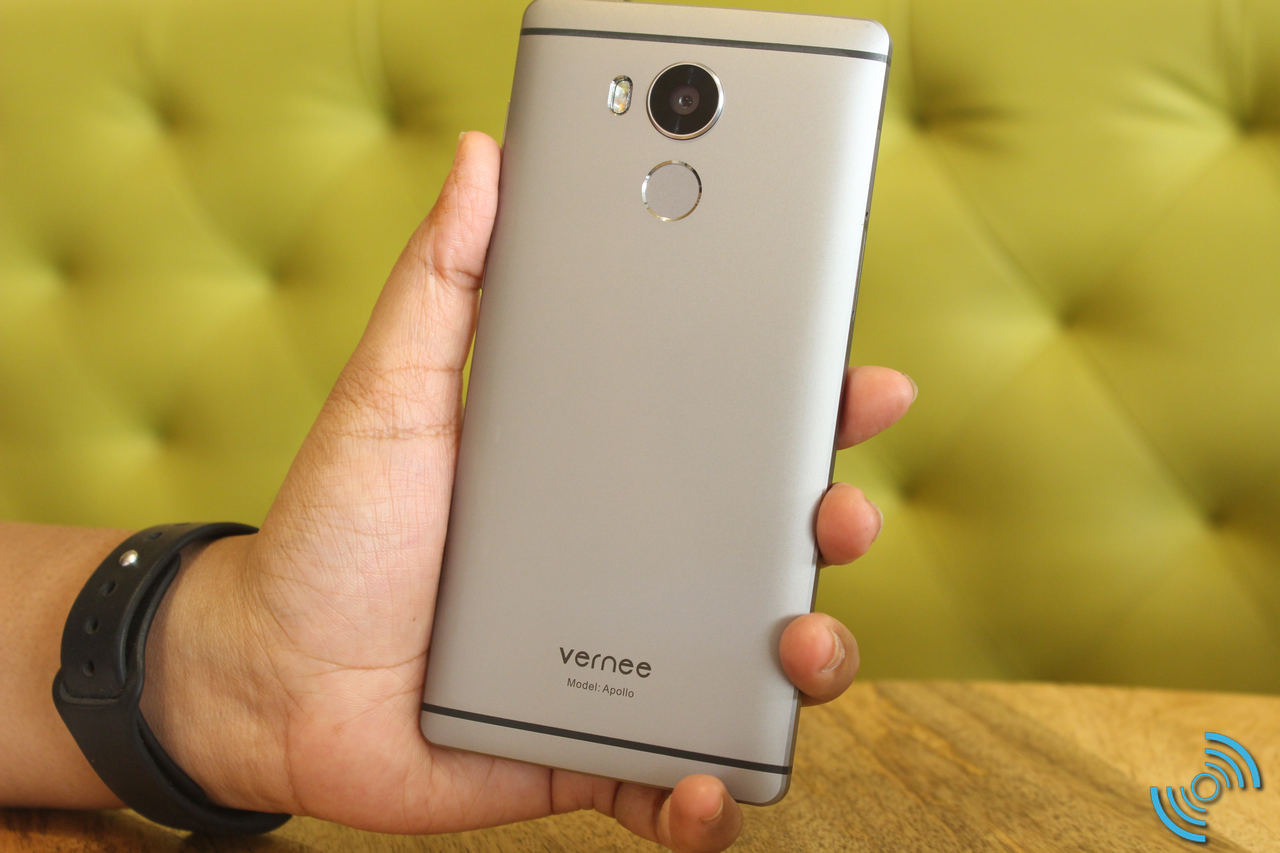
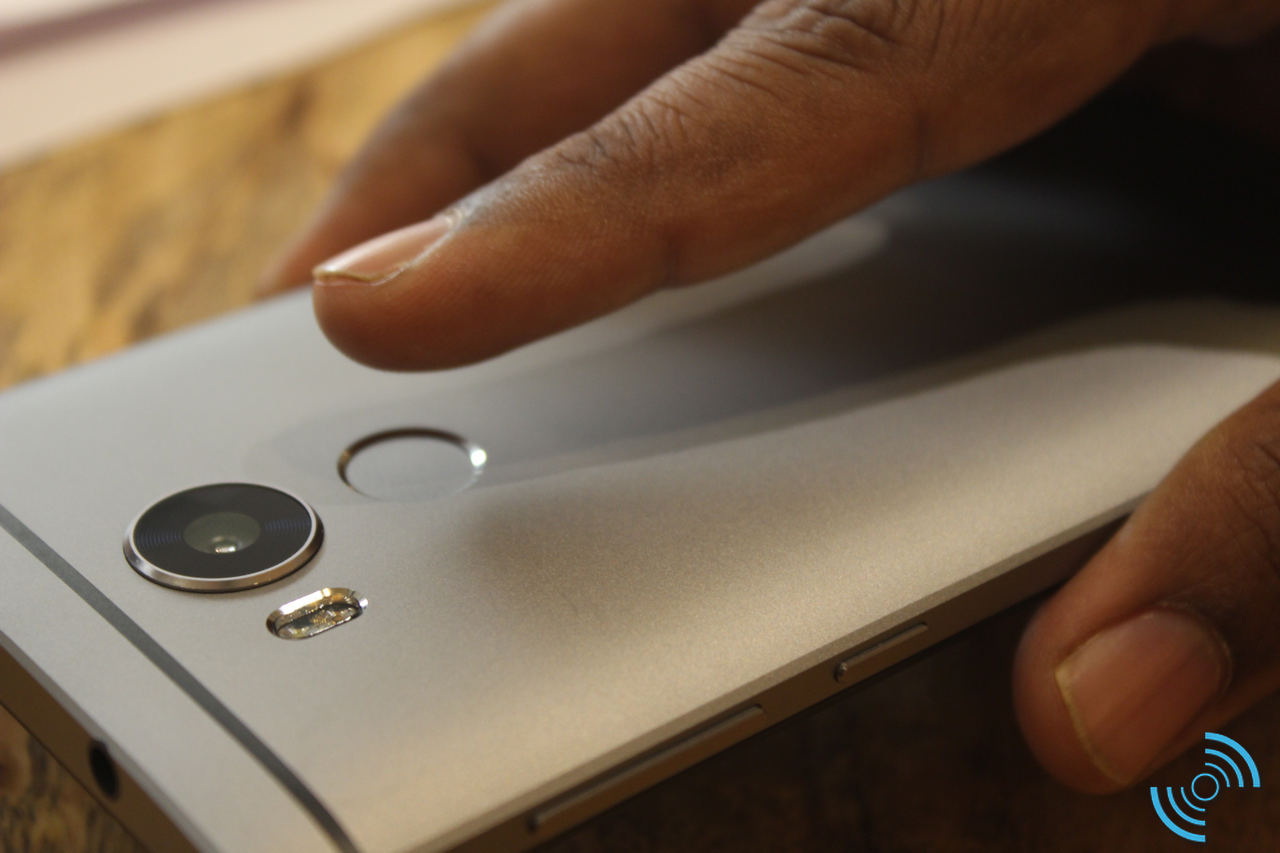
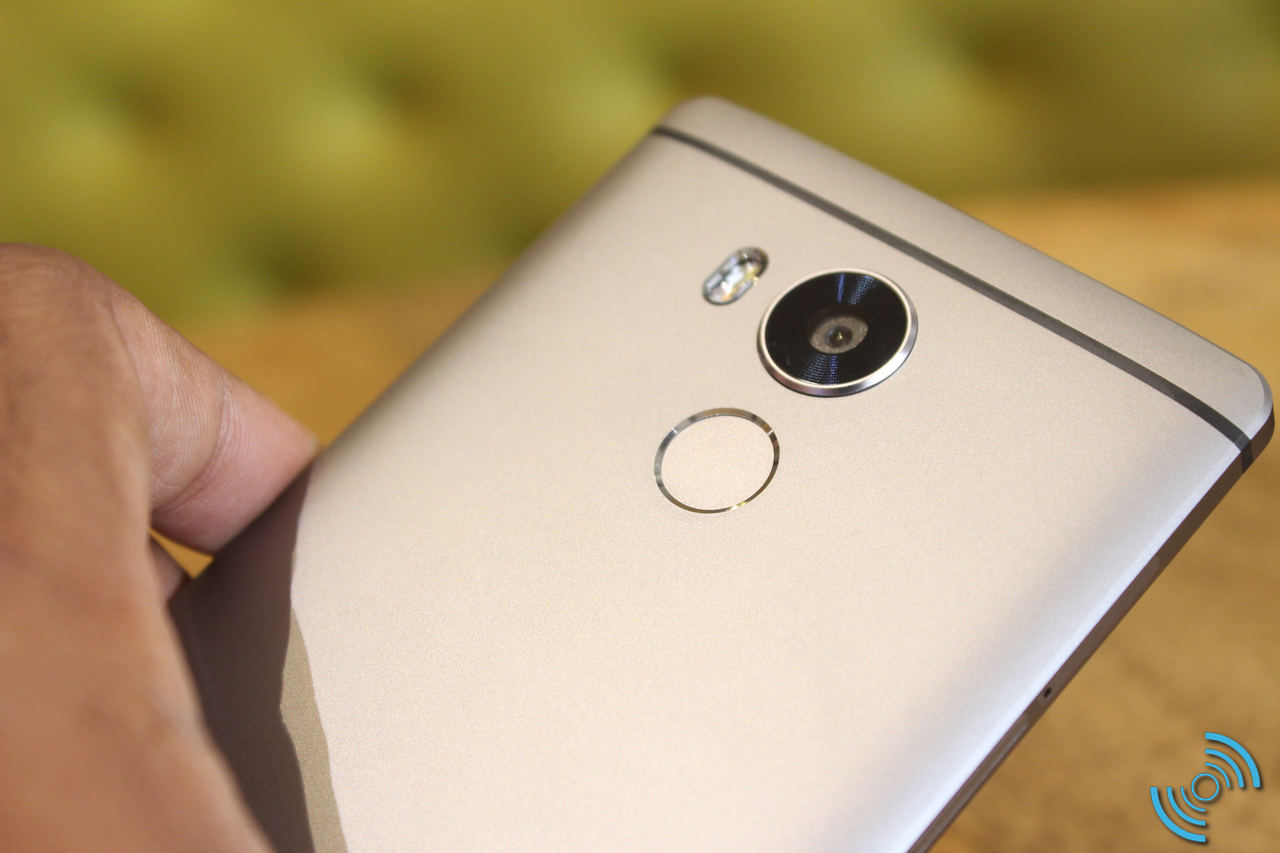
Coming to the back, you have a slightly protruding camera hump with dual LED dual tone flash on its left. Just below it, you have a round fingerprint sensor that works well. Rest of the back is clean and polished, except for the Vernee logo down below. The gray antenna bands go well with the overall phone’s design language.
[envira-gallery id="124474"]
Vernee Apollo Review: Display & VR Performance
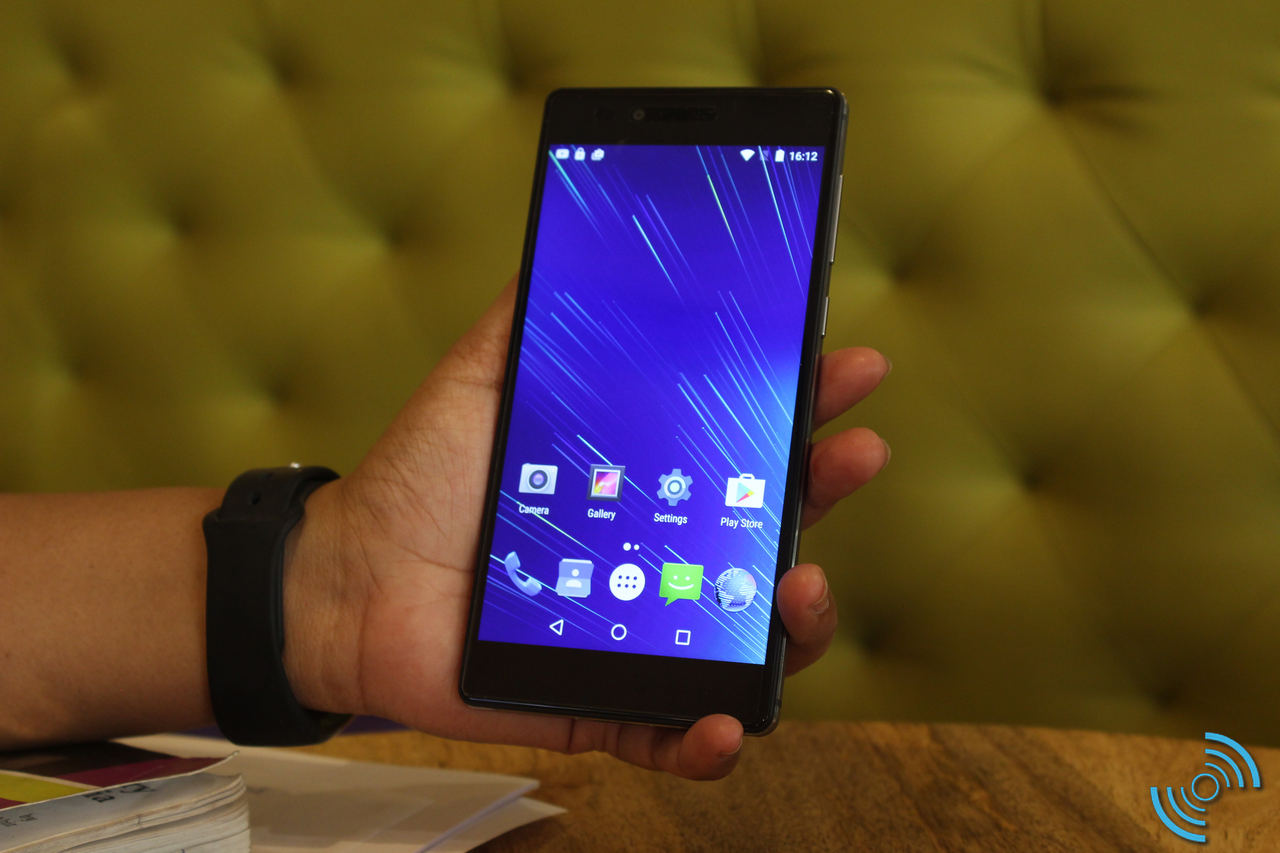
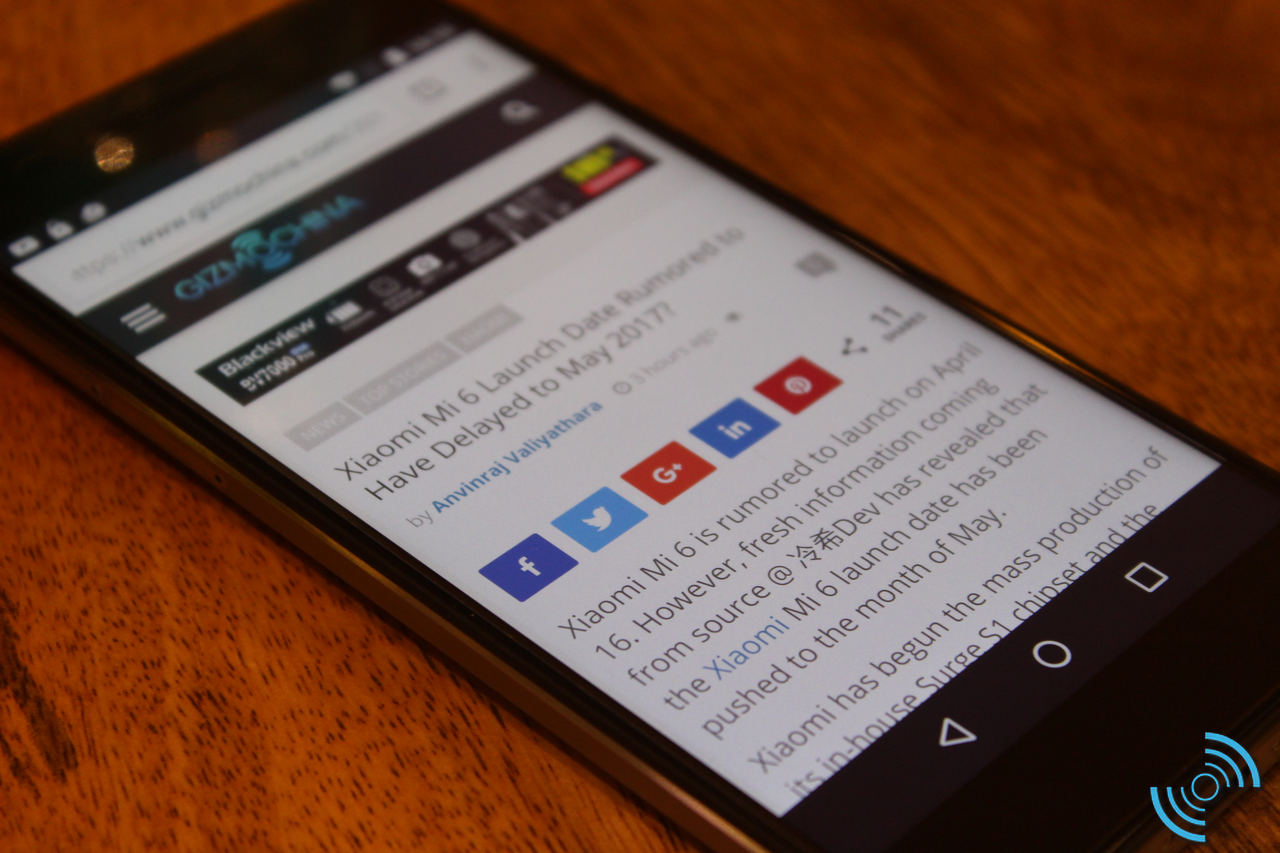
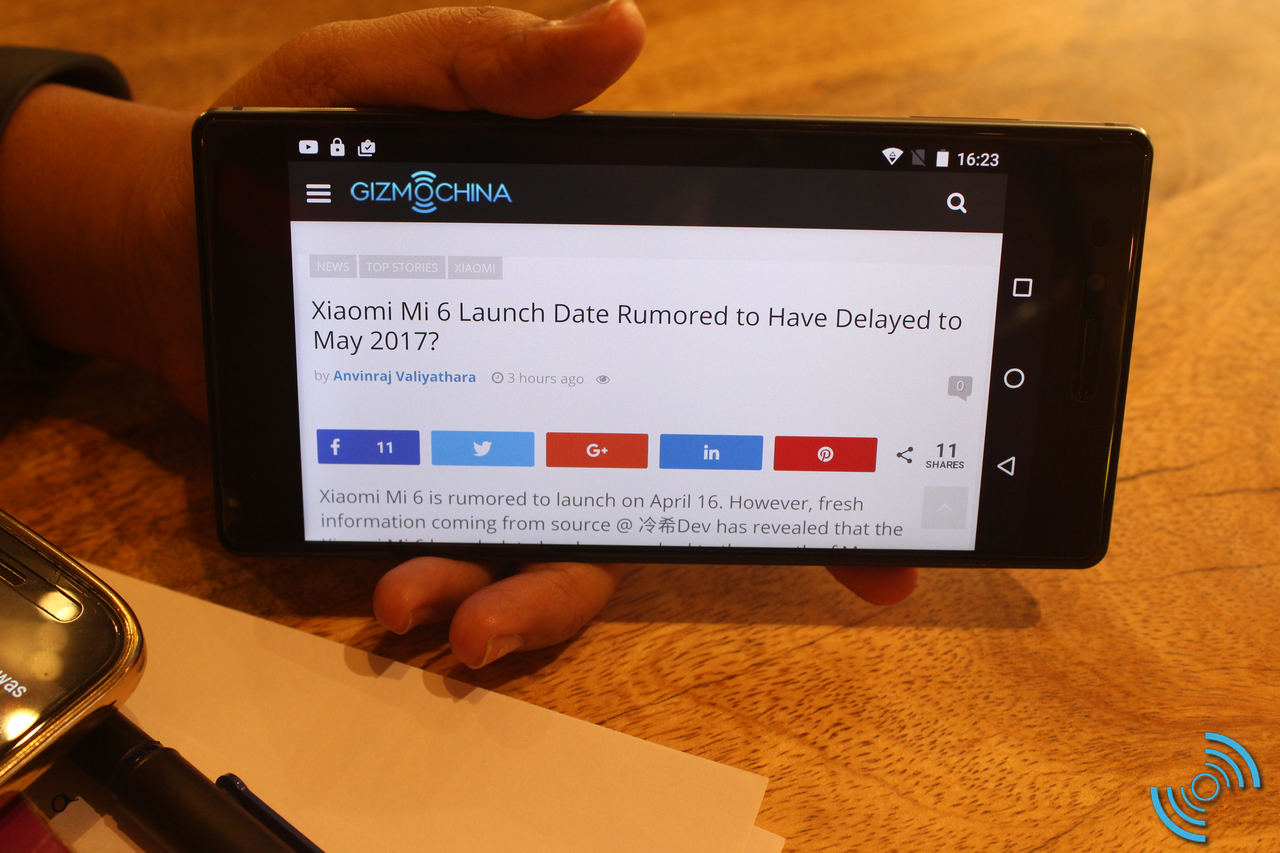
The Apollo comes with a 5.5-inch 2K display. Yes, the phone boasts of such high-resolution and joins the elite club of quad HD display flagships. The display on the Vernee Apollo looks pretty decent. The colors come out well and thanks to the super thin side bezels on the display, the overall display experience is good. Personally, I would have liked the display to be a bit warmer so that it’s more pleasant to the eyes.
However, note that the phone comes with onscreen buttons which eat up some space on the screen. Also, the bezels on the top as well as the bottom are a bit large, at least larger than what I would have wanted. I feel the display would have looked even better if the bezels were smaller in these areas.
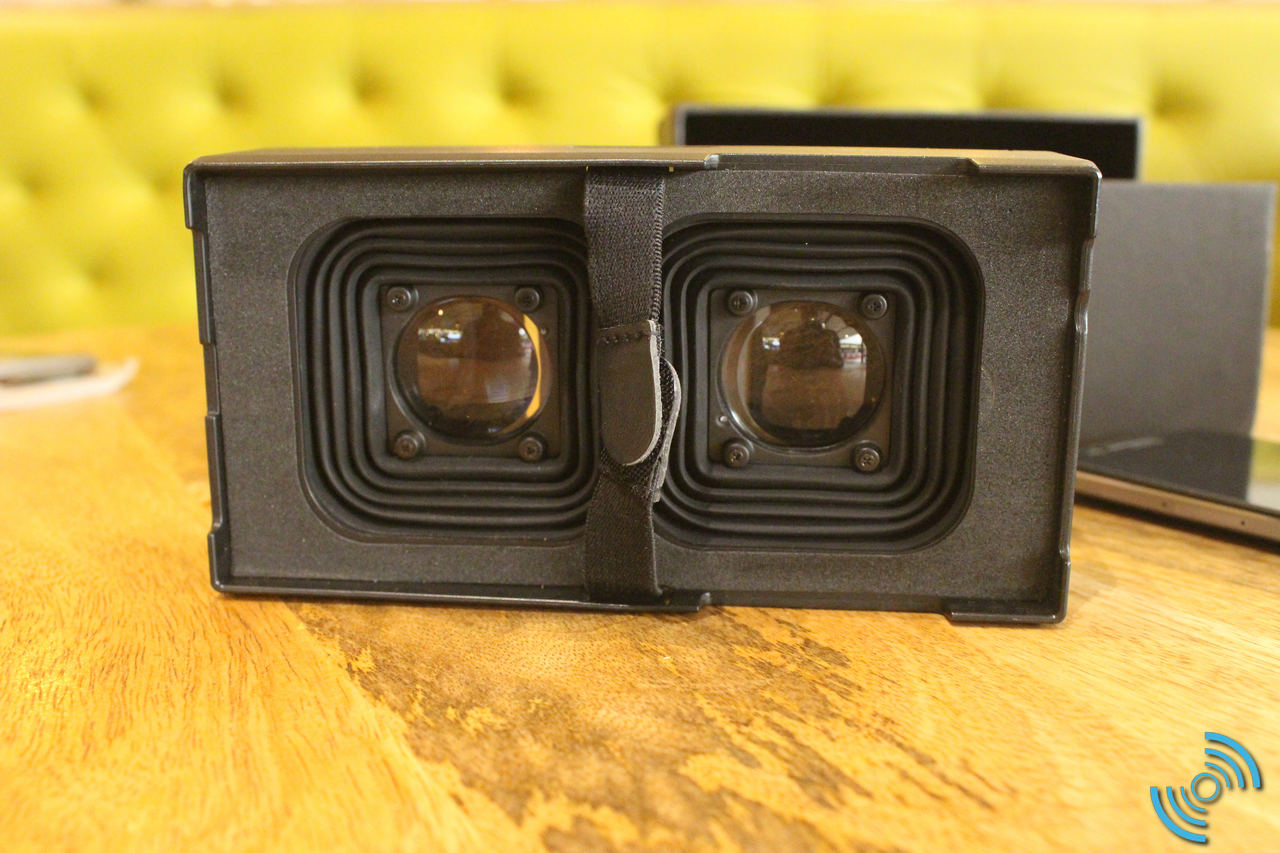
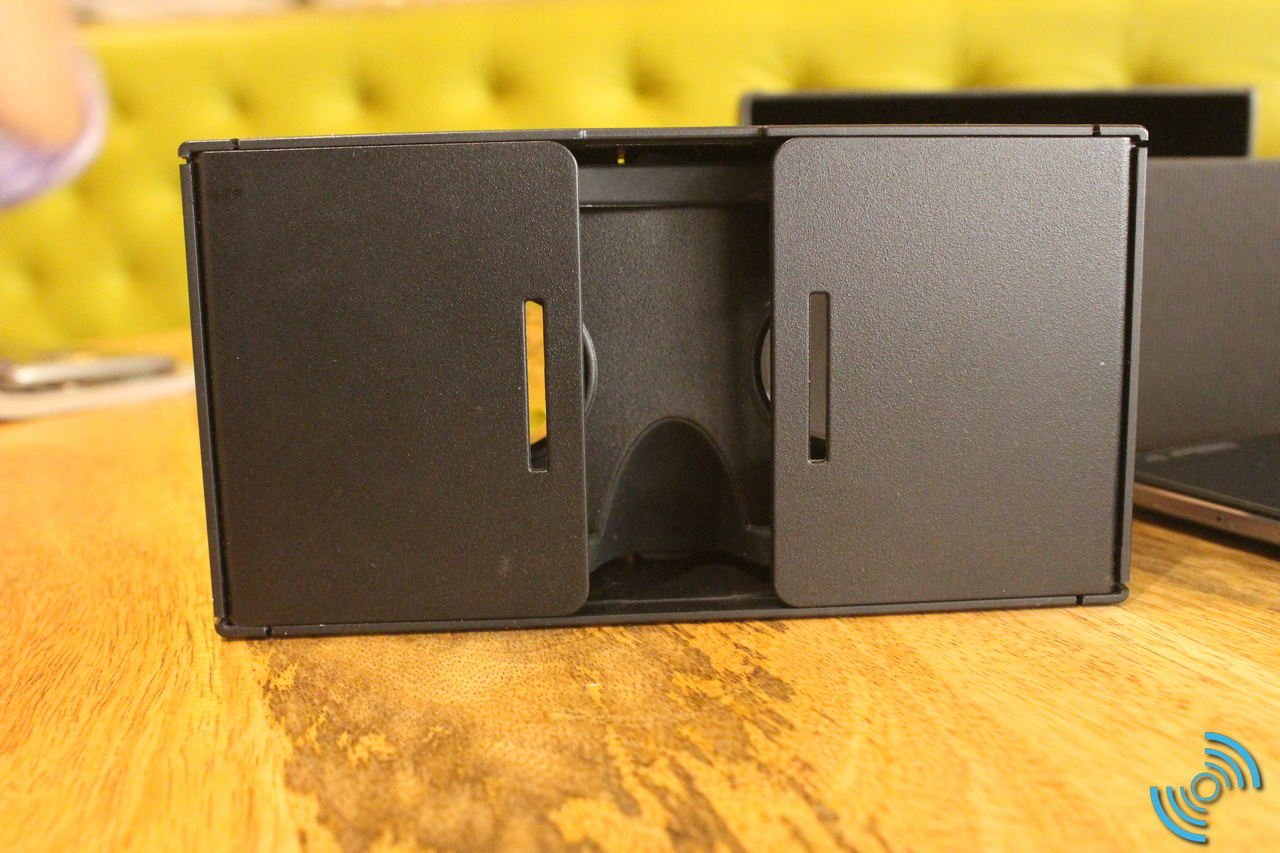
Vernee is marketing the Apollo’s 2K Display as ideal for VR experience. This is exactly why you get a free VR headset inside the box which is a nice addition. The box is pretty well built for a freebie. The 2K display isn’t the best I have seen for VR but it does provide a decent VR experience. So for someone who wants to watch a few VR videos, the Apollo would be fine.
Insert the phone here
The doors open up to reveal two lenses
Vernee Apollo Review: Hardware and Performance
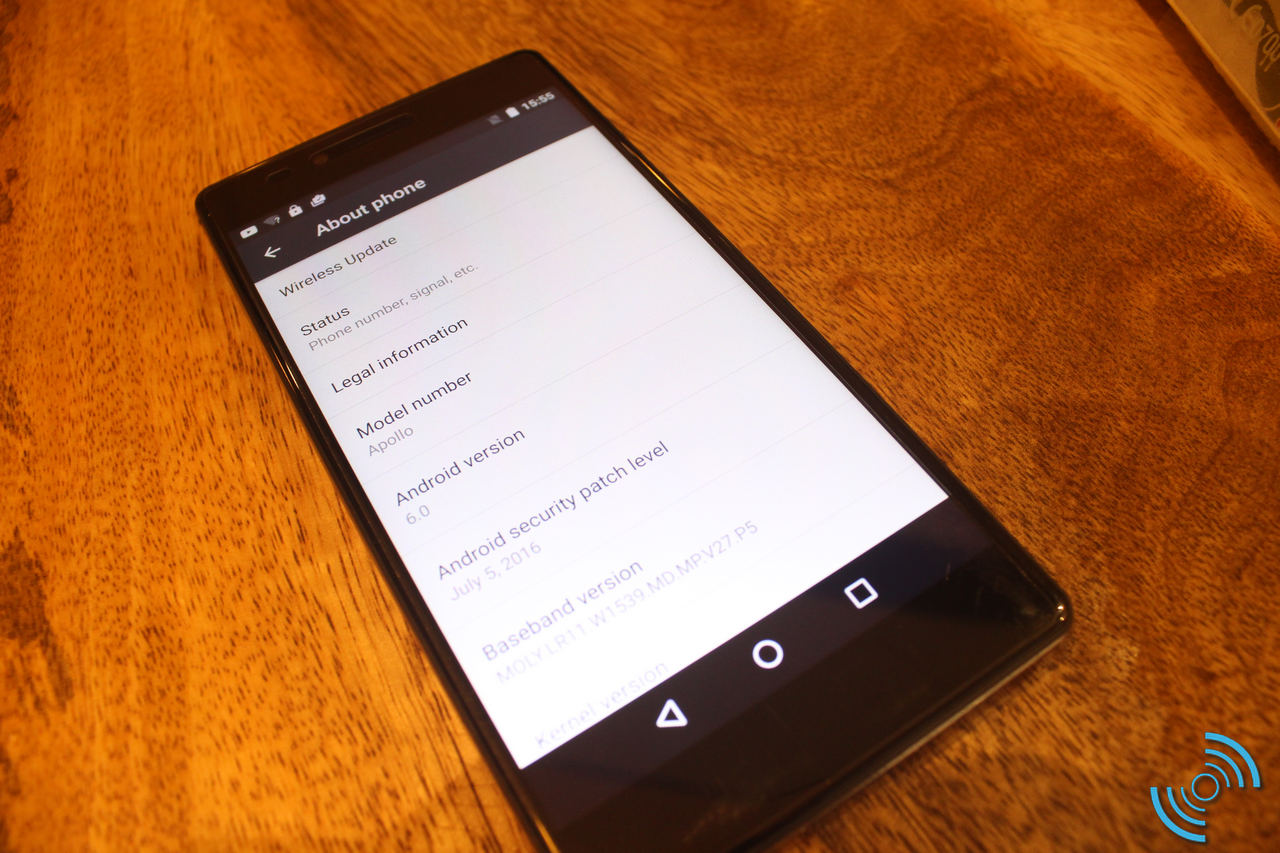
In the hardware department, the Vernee Apollo won’t disappoint most users. Like I said above, the Helio X25 chipset is a good performer and is more than enough to fulfill all your everyday needs. The UI is stock Android Marshmallow (yes, unfortunately, the phone isn’t on Nougat yet) and the UI is smooth and responsive.
Under the hood, the Vernee Apollo comes with 2.52GHz Helio X25 chip with 4GB of RAM and 64GB of internal storage. These are pretty decent specs for under $300 smartphone. Now we know Helio X25 is not as good as Snapdragon 820 in terms of GPU performance, but gaming was pretty smooth on the phone.
Vernee Apollo’s fingerprint works well. The phone unlocks in less than a second.
I played a few games on the Apollo, like Asphalt 8 and Subway Surfer. I found no missed frames or hiccups in the gameplay as the Helio X25 chip managed to render the graphics well. So, although on paper, the Snapdragon 821 beats the Apollo by a great margin, in real life, for everyday usage, the deca-core X25 should be enough.
Even browsing on the Apollo was a pleasant experience with no hiccups loading and scrolling through multiple pages.
Overall, the Vernee Apollo is a great mid-range smartphone. But if I had to point out a drawback of the device, then it would be its camera. Inside, the phone comes with a Sony IMX230 camera sensor with f/2.2 aperture. Now, this is a pretty good setup, capable of churning out good quality pictures. But the quality of images captured doesn’t just depend on the sensor inside, but also on the software optimization from the company. This is where I feel, the Apollo could have done better.
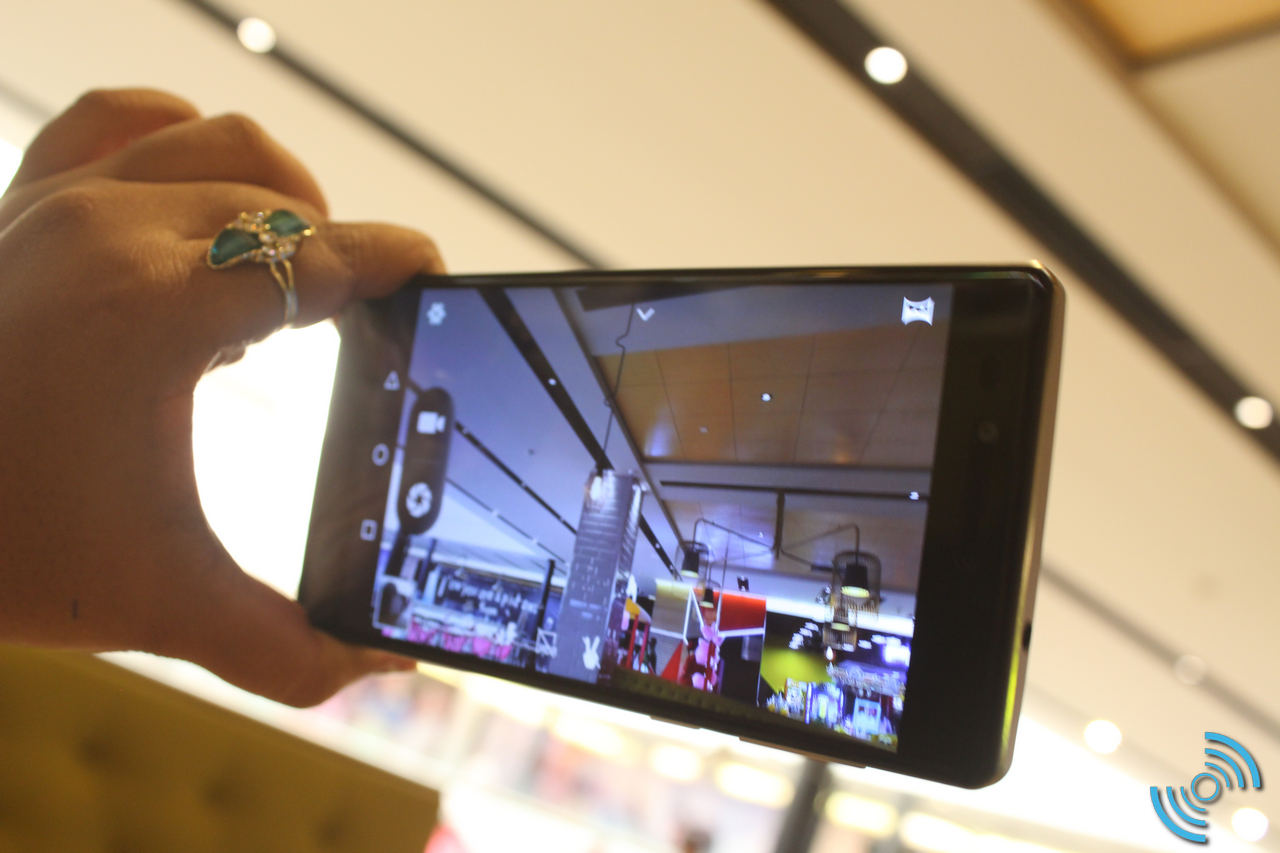
The default camera app takes a few seconds to focus on an object and sometimes it even takes multiple trials for a successful lock. Sometimes, especially indoors, the phone managed to capture grainy images. Given the slow focus speed and the grainy image result, I wasn’t too happy with the camera experience.
However, there’s a trick. If you can resist from focusing on an object, the camera turns out to be quite good. Don’t touch the camera screen when you are trying to lock in on an object. By default, the Apollo’s camera locks in on the object in front of you quickly. If you try to touch the area you want to focus, the camera app tries to focus again, which is where things get slow and grainy. So, I would suggest just Point & Shoot. Just point at the object/scenery you want to capture and shoot it quickly. You should be able to get better images.
As you will see in the samples added in the google drive folder, the Vernee Apollo did manage to capture decent pictures in ample lighting conditions. Don’t expect anything out of the ordinary but the camera is capable of capture average decent shots.
The video quality is also decent, nothing out of the ordinary. As for the front camera, it’s also average. I managed to capture decent selfies with the phone’s front shooter.
Vernee Apollo Review: Connectivity
I was continuously using the Vernee Apollo on Wi-Fi and I didn’t notice any drop in speed or signal. Pairing to speakers, wearables, and even other phones via Bluetooth was also pretty straight forward. No issues in these two departments. The call quality is decent and you won’t have issues talking on the phone for a while.
The speaker output is pretty good as the sound comes out loud and clear. The headphone output is also decent as you get clear audio through good headphones. I didn’t find any specific issues with GPS as well.
Overall, the standard connectivity features work well.
Vernee Apollo Review: User Interface
What you get is a stock UI experience. Almost everything is stock Android interface, so nothing special and nothing out of the ordinary. In fact, it’s good to see that Vernee went with vanilla Android experience as we have seen Chinese manufacturers mess up the interface when they try to add in their features.
What’s disappointing is that the Vernee Apollo comes with Android Marshmallow out of the box. I haven’t heard about the Nougat update for the phone yet (despite Apollo Lite and Thor getting them), but I am hoping that this company flagship gets the Android 7 update soon.
Vernee Apollo Review: Battery
Given that the Helio X25 is an efficient deca-core chipset, you easily get a day with the Vernee Apollo. Now, 3180mAh isn’t exactly big in today’s standard, but it manages to last an entire day with moderate usage. But what’s best about the Vernee Apollo is that the phone charges very quickly.
You keep the phone on charge for half an hour and the charge goes up from 15% to 50%+ in that time. That’s pretty impressive for a budget flagship smartphone. If you manage to charge the Apollo for like 30 minutes, you are set for an additional 4-5 hours of usage.
My Take
Vernee is definitely a company that we have to keep an eye on. The new entrant is here to change the way we look at local Chinese smartphones and the Vernee Apollo is just a glimpse of the kind of quality products we can get from them.
That being said, the Vernee Apollo is not without flaws. The display on board needs some tweaks in color temperature for the best result and the camera is decent but often captures grainy images.
What I like about the phone is its stellar built quality and finish, the efficient Helio X25 chipset inside with 4GB RAM, ample 64GB of storage with MicroSD expansion option and finally a fast charge equipped default charger. The Vernee Apollo has all the traits of a flagship smartphone, with its design being the biggest plus point.
Make note that the Vernee Apollo is no OnePlus 3T killer, but it definitely can stand on its own as an affordable flagship.
We first got to hear of the Mi Pad 3 early this year in the form of leaked slides showing the specification of the upcoming tablet. What we have today reveals more details and clear things up a bit.
For the Mi Pad 3, the source says Xiaomi will be launching two screen and OS variants. The first one will retain the original 7.9-inch display size like its predecessors but there is no mention of its screen resolution. It will have 4GB of RAM and will have 64GB and 128GB storage variants. The 7.9-inch Mi Pad 3 will come with Android 7.0 Nougat and will be priced at ¥1299 ($188) and ¥1599 ($231) respectively.
The second variant which will be called the Mi Pad 3 Pro will have a 9.7-inch display. Display resolution is unknown for this too but RAM and storage options are the same as the smaller one. It will be powered by an Intel 8750 (probably the Atom x7-Z8750) and will ship with Windows 10 on board. The price for the larger variant will start at ¥1699 ($246).
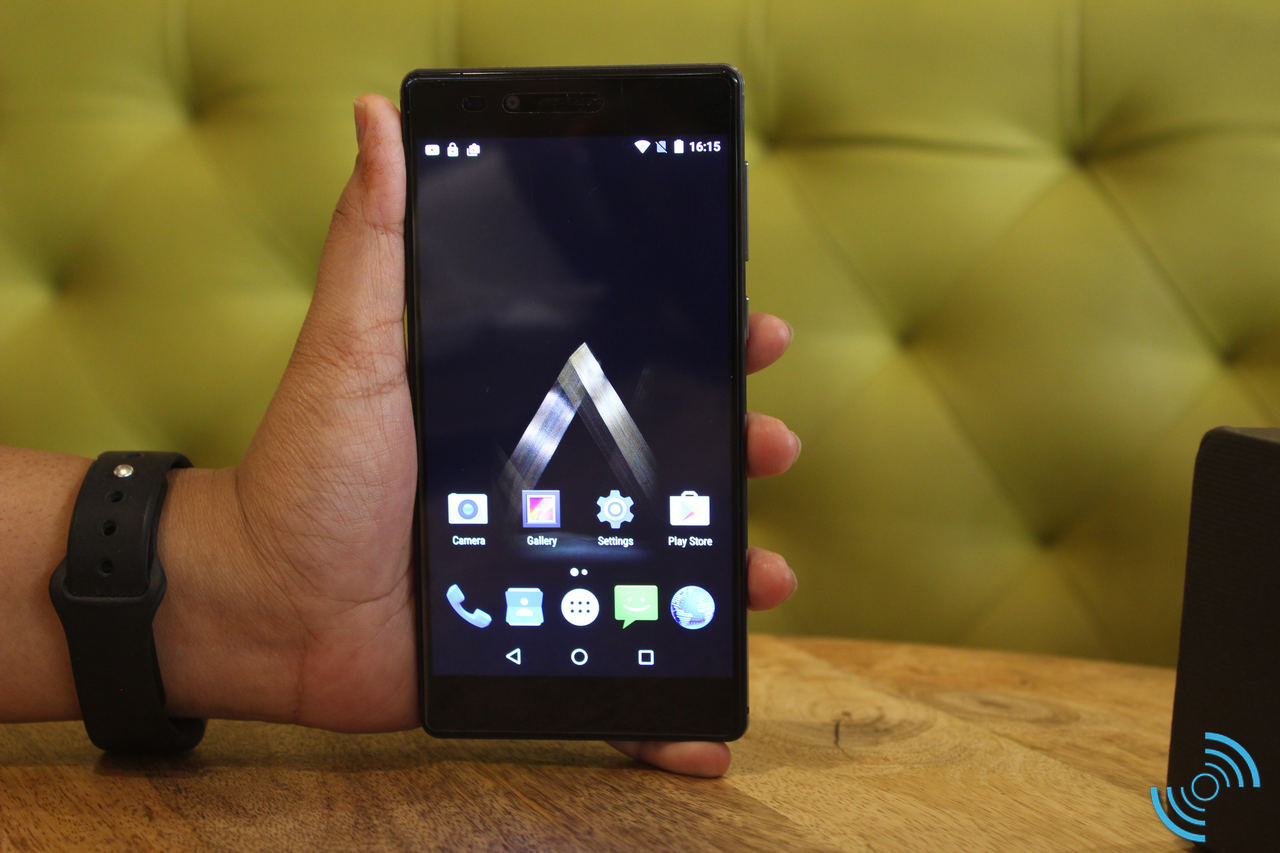
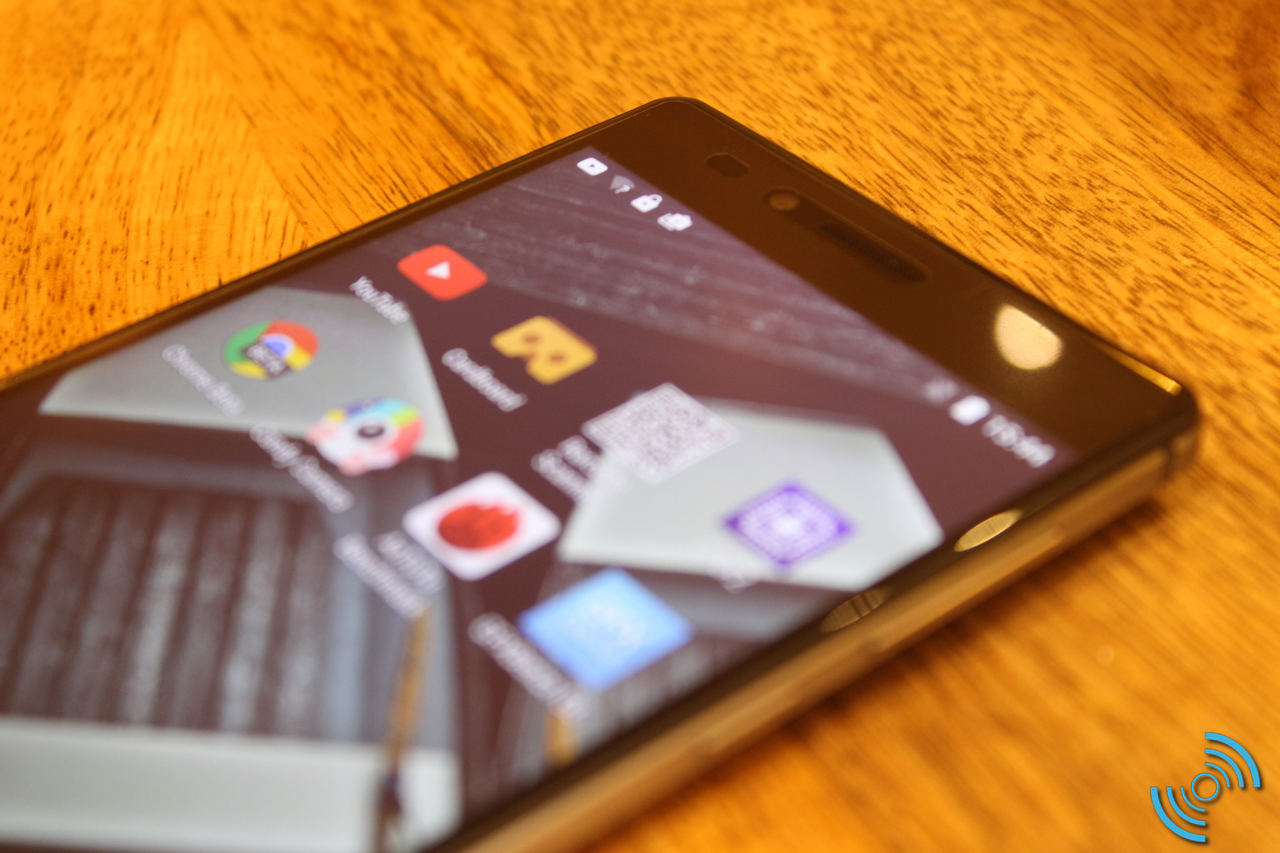
OPPO has scheduled March 23 as the day it unveils its OPPO F3 and OPPO F3 Plus smartphones. Both devices are going to launch with dual front cameras, taking the “Selfie Expert” tag to another level. The larger variant, the F3 Plus has showed up on GFXBench.
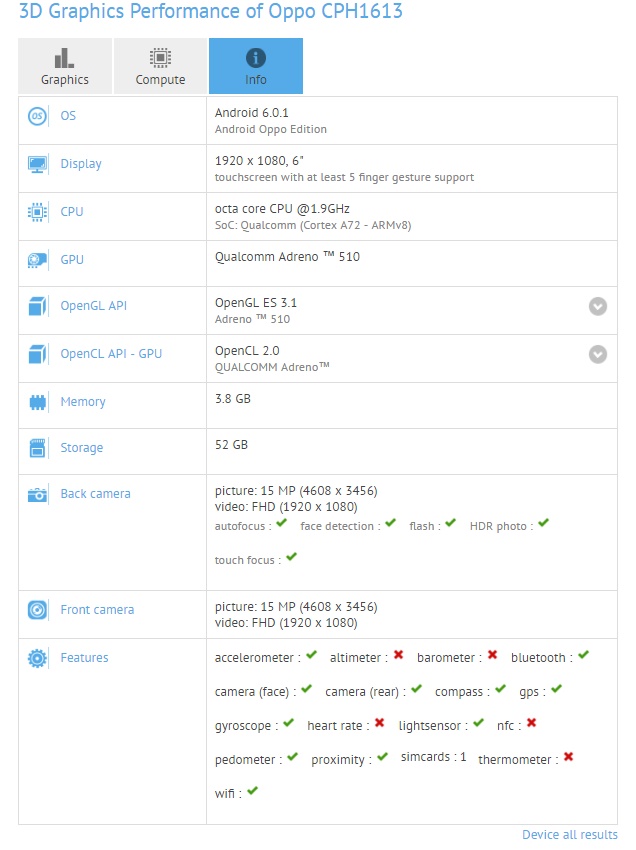
Like a previous spec sheet leak we saw last week, the OPPO F3 Plus comes with a 6-inch full HD display. There is 4GB of RAM on board and it is paired with 64GB of built-in storage. The OPPO F3 Plus is powered by the Snapdragon 653 SoC and the Adreno 510 GPU.
The GFXBench listing reveals the rear camera as a 15MP(16MP) sensor and only shows one of the front cameras which is another 16MP sensor. While the device does pack some impressive specs, the disappointment comes in the version of OS the F3 Plus comes with it. Instead of the more recent Android Nougat 7.0 (or 7.1), OPPO has installed its own custom version of Android 6.0 Marshmallow on the device.
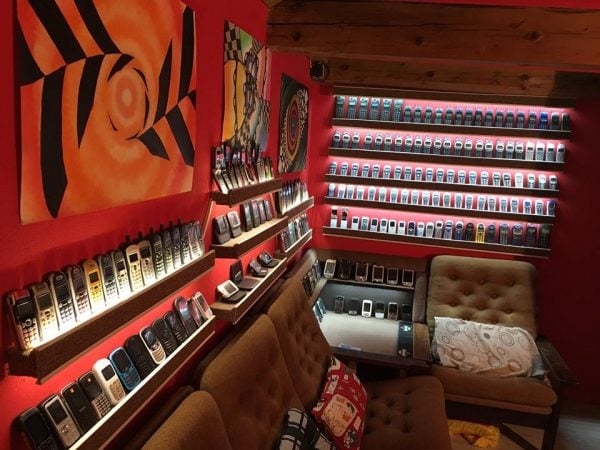
The mobile phone industry has come a long way in the last decade or so since the advent of mobile phones. Some may not appreciate the revolutionary changes that the industry has seen over the years except they have been actively involved in the process or have the opportunity to see vestiges which embody the changes that have taken place.
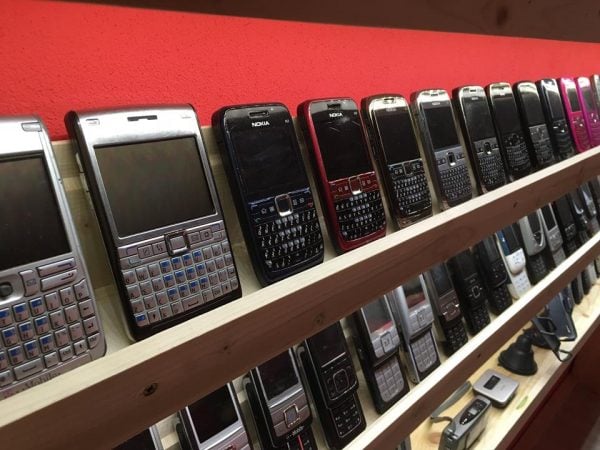
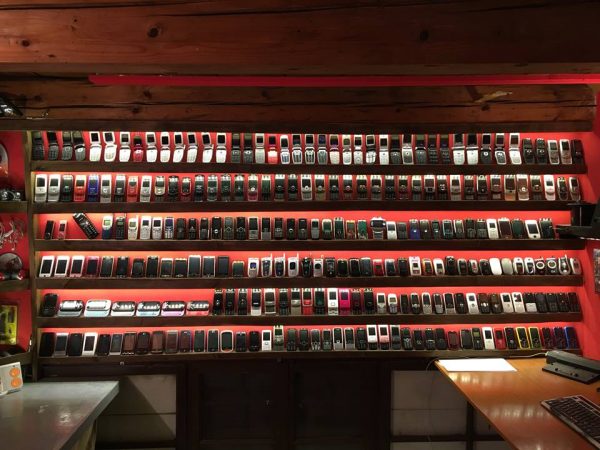
The Dobsina Museum of Old Mobile phones located in the town of Dobsina in Slovakia is the perfect place to get to understand the monumental changes that have taken place in the industry over the years. The museum houses a large cache of old mobile phones, including models which had ruled the airwaves in the past, long before the advent of smartphones.
The museum’s collection is made up of a total of 3,500 mobile phones, which are from 1,231 different models. They models cut across 14 different brands from Alcatel, Sagem, Siemens, ZTE, Ericsson, Samsung, Trium, Nokia, Panasonic, Motorola, Mitsubishi, Bosh, Sony-Ericsson right to Philips. These brands were all popular ack in the days but today a good number of them have closed shop or have been sold to bigger brands. Only brands like Samsung, ZTE, still exists as solid brands but the others have not been so lucky. Nokia has exchanged hands severally, Motorola was recently bought by Lenovo, Alcatel is now owned by TLC. The story goes on and on.
Presently smartphones hold sway and the advent of smartphones may be responsible for the demise of some of the brands. In a way, the museum shows the role played by Chinese brands in the entire process. If you take note, only ZTE and Alcatel are the Chinese brands which are among the collector’s items but presently, Chinese brands occupy strategic positions in the top 10 smartphone brands globally. Perhaps the model which would elicit nostalgia is the Nokia line up comprising models like the legendary Nokia 3310, Nokia E-series, N-series and other range of business phones which held sway before the death of the brand.
Make no mistake, the museum isn’t state-owned but the brainchild of 26-year-old Stefan Polgari who spent the last 2 years collecting a large number of the phones. Stefan bought someone’s collection of 1,000 old phones for a few thousands of euros 2 years ago and has been hunting for missing models to add to his already impressive collection ever since until he was able to amass 3,500 “ancient” mobile phones, about half of which still work.
So, want to travel down memory lane and bask in the euphoria of the feeling which enveloped you when you first had your first mobile phone? Even if you can’t head down to Slovakia, we have you covered with photos of Stefan’s collection.
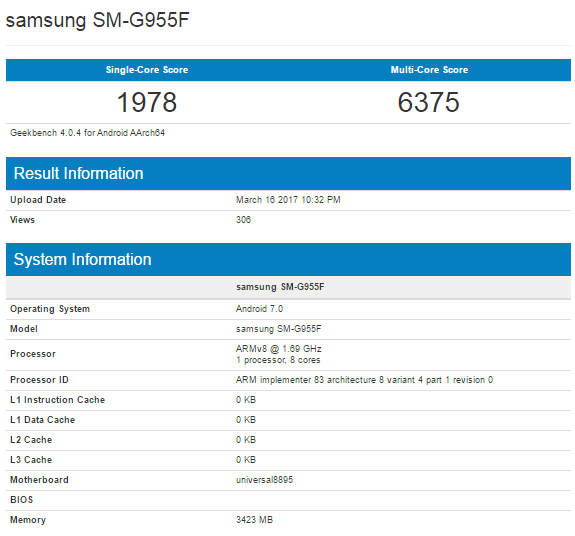
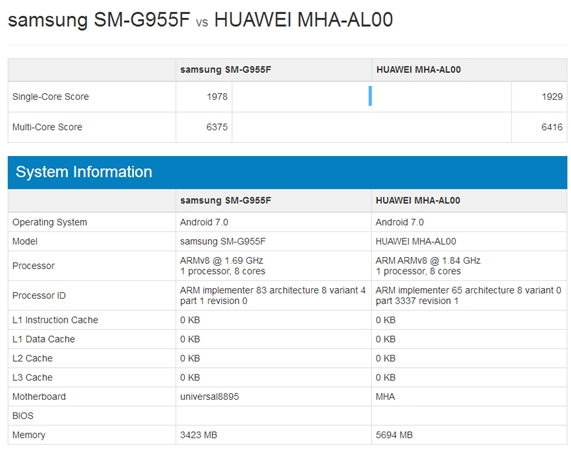
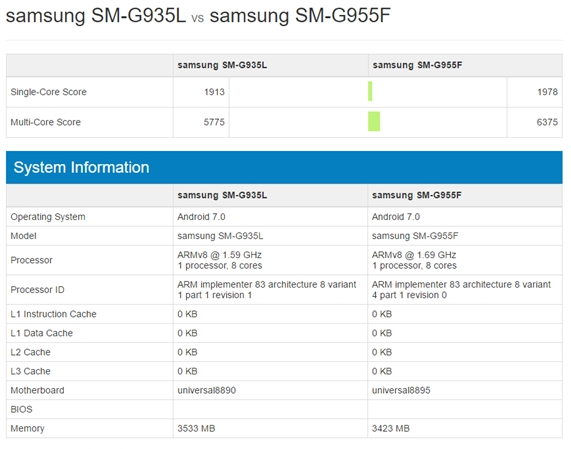
Barely three weeks after unveiling the first Exynos 9 Series processor, the Exynos 8895, the processor has been spotted on benchmark website GeekBench database. The Samsung Exynos 8895 chip is built on the 10nm process, meaning more power efficiency and less heat generation.
Samsung SM-G955F (Exynos 8995)
The Exynos 8895 was seen onboard a Samsung new smartphone on Geekbench which carries the model number SM-G955F which is likely a version of the Samsung Galaxy S8 Plus. Recall that the Galaxy S8 Plus fired up by a Snapdragon 835 chip appeared on Geekbench with a similar SM-G955U model number. The device is clearly shown to be powered by an Exynos 8995 chipset backed by 4GB of RAM. On the single core test, the smartphone scored 1978 points while on the multi-core test it polled a total of 6375 points.
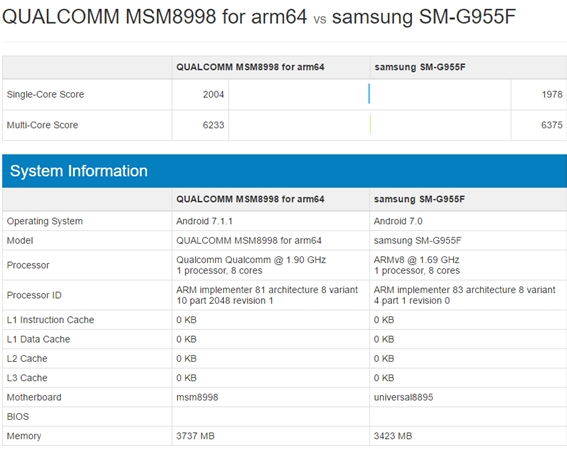
Snapdragon 835 vs Exynos 8995
When compared with the Qualcomm MSM8998 which is SD 835, the MSM8998 performed better both on the single core and multi-core tests but the difference is not too significant. Another factor that may account for the slight difference may be the higher 1.90GHz clock frequency at which the SD 835 ran.
Kirin 960 vs Exynos 8995
Also when the test score is pitched against the Geekbench score of Huawei Kirin 960 chipset, the result also reveal a slight difference. This time around, the Exynos 8995 performed better on the single core test but the Kirin 960 fared better on the multi-core test score. But then, there is no doubt the three flagship processors fall in the same category.
The Exynos 8895 chip brings a number of improvements such as a 27% increase in performance and a 40% decrease in power consumption. The SoC uses a combination of four second-gen custom CPU cores and four Cortex-A53 cores and also features a Mali-G71 MP20 GPU. The improvements are clearly evident when the Geekbench score of the previous generation Exynos 8990 chip is compared to the Exynos 8995.
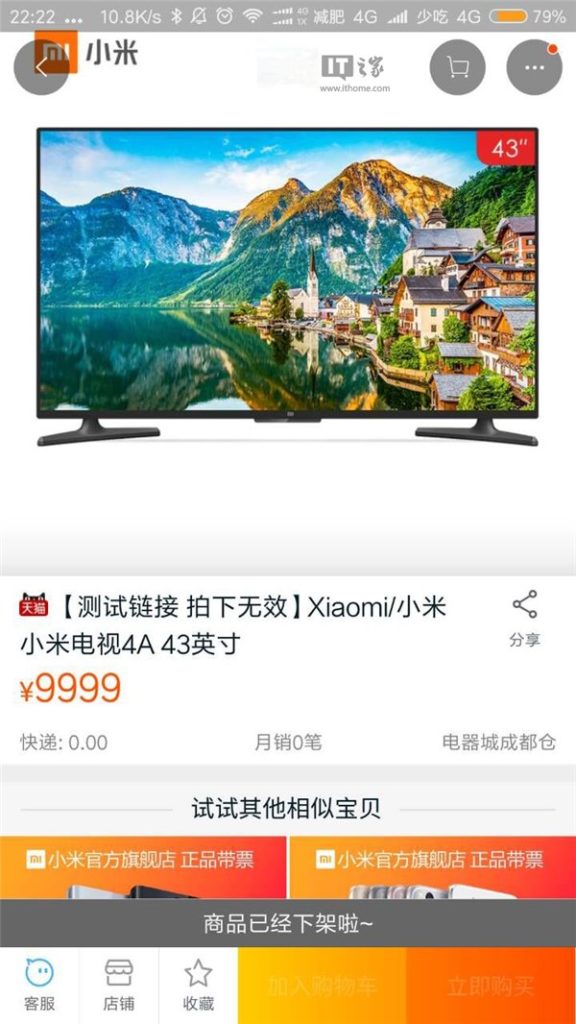
Xiaomi has left us with a herculean task of figuring out how the heck a fighter jet is linked with its upcoming Mi TV product. Just yesterday, Xiaomi released a teaser which points to the launch of a new product looking like a new Mi TV scheduled to take place on March 21. The first teaser was that of a child decked in a Super man attire seemingly heading for the sky.
If the first teaser points at a smaller Mi TV with a lesser price and cool functions, we are not sure what to make of the fighter jet teaser. The teaser which is entirely in Chinese also has a question which translates as,”What do you want to send a Fighter jet?”. Perhaps, an indication of the speed of the processor the TV would use or the effectiveness of the product. There are even suggestions that the product is perhaps a video game but that is unlikely because it is shared on the official Xiaomi Mi TV Weibo account. In addition, there are feelers that the product is likely the Xiaomi Mi TV 4A with a slightly reduced 43-inch display from the 65 inches the top model of the Mi TV 4 uses. The product appeared on Xiaomi’s flagship store on Lynx ahead of March 21.
The new Mi TV product is open for pre-order already and each pre-order comes with an offer of 100 Yuan off the final price when buying. We’ll get to know the entire details on March 21. Keep a date.
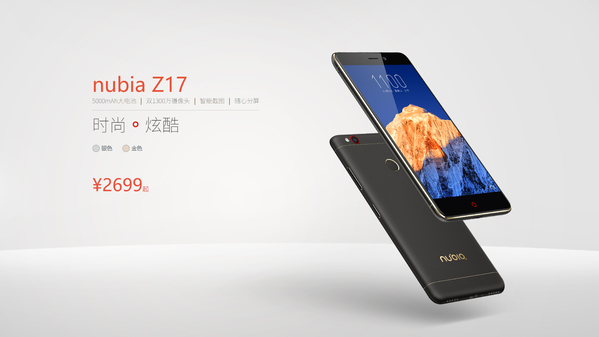
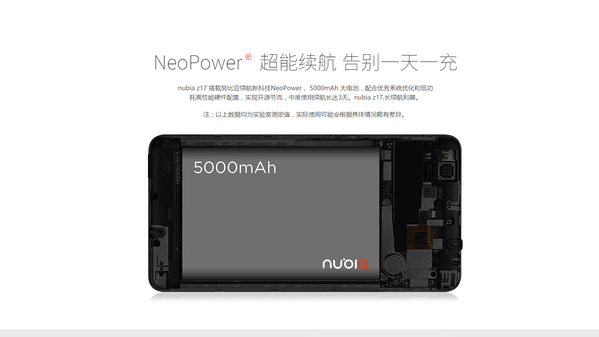
ZTE’s elite brand Nubia has always reserved the Z-series for its flagship models but today Nubia official website in a strange manner teased an unannounced Nubia Z17 smartphone which sports a sleek design. As usual, Nubia’s smartphones come with spectacular designs that are always beauties to behold.
The Z17 doesn’t disappoint either, despite not really falling into the flagship cadre. But that isn’t the most spectacular thing about the teased smartphone. What stands out the most on the device is the mammoth 5,000mAh battery touted to be inside the smartphone which is sure going to keep the lights on for a long time. The device features a metal body which would likely be available in black and gold colors.
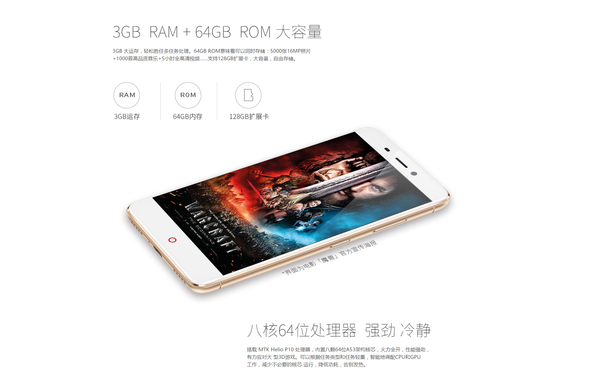
Specs wise, the Nubia Z17 sports a 5.5-inch LCD display with a resolution 1920 x 1080 pixels. The smartphone is powered by a mid-range MediaTek Helio P10 chipset backed by 3GB of RAM. This is a clear indication that the smartphone is a budget smartphone but some will be disappointed the phone isn’t having a Snapdragon chip. Further, the Z17 comes with 64GB of internal storage which can be expanded up to 128GB via microSD card.
On the camera department, the Z17 features a 13MP rear camera with 5P lenses, f/2.2 aperture and 3D noise reduction, LED flash and more. The phone also comes with dual SIM/ dual standby support and there is a rear-mounted fingerprint sensor.
The teaser also went further to include the price of the Nubia Z17 which is listed as 2699 Yuan ($390). The smartphone is quite pricey for an Helio P10-powered smartphone but then, it’s not been officially launched and could be withdrawn from the website any moment. Nubia has scheduled a launch event for March 21 and the company was initially billed to launch the Z17 Mini on that day. Perhaps, the Z17 would be officially unveiled also.
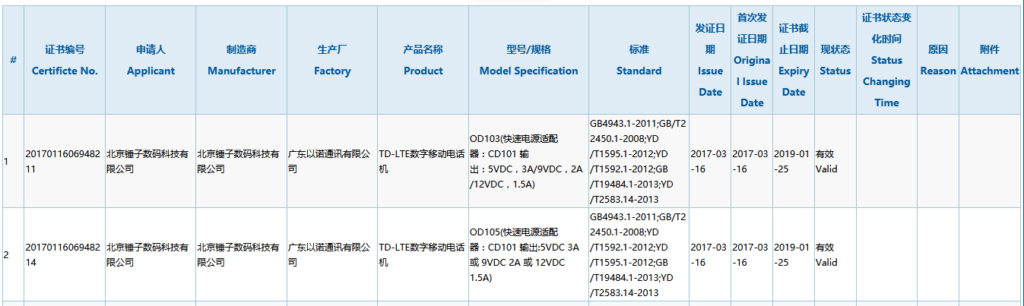
Smartisan is scheduled to hold a conference this Spring where they would release a high-end smartphone. Ahead of that, two new Smartisan smartphone models are shown to have received 3C certification in China. The models go by the model numbers OD103 and OD105.
A look at the certification data reveals that the two Smartisan models come with support for 18W fast charge and entire network support. As is known, the 3C certification details are usually scanty and this case isn’t different. The
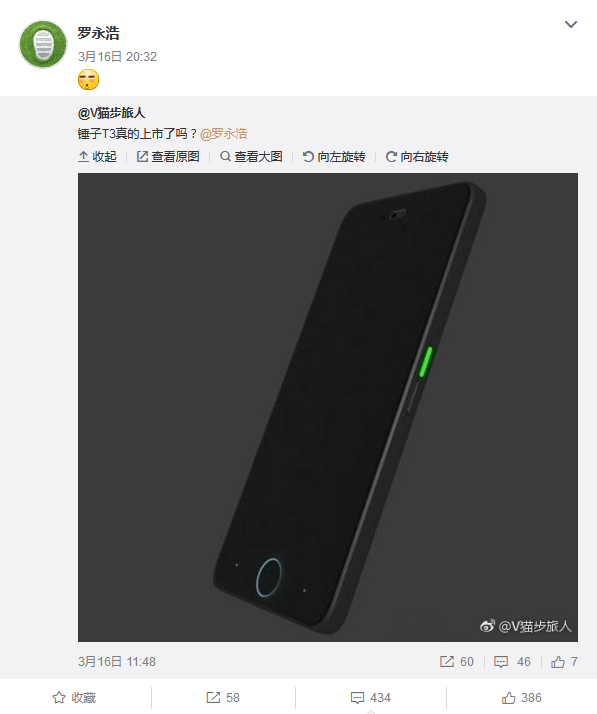
We are not sure which series the new smartphones fall into, perhaps the T-series, but Smartisan CEO had earlier hinted that the company’s upcoming smartphone will use the same sleek design as well as round home button similar to those of Apple iPhones which the Smartisan M1 and M1L featured. Smartisan stunned the smartphone world by releasing the M1 and M1L powered by Snapdragon 821 chips, we wouldn’t expect anything less from these upcoming smartphones which would likely be separated by their display sizes. It is also too early to look at the prospects of the phones coming with SD 835 as that is unlikely. There are indications the company would hold a news conference in April where they are expected to release the two smartphones.
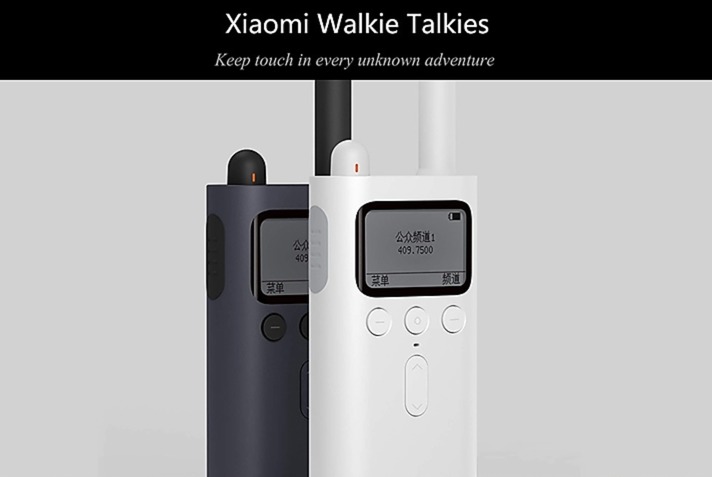
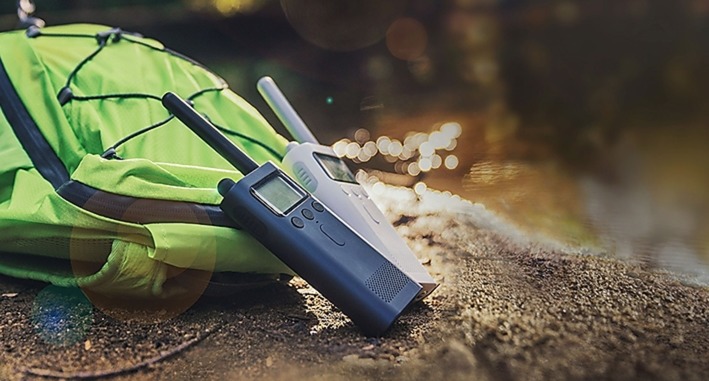
Xiaomi is known for producing all sorts of gadgets that offer great value for money. Besides smartphones, the company makes other means of communication – walkie-talkies. In fact, you can get them at the discounted price of just $54.88 from lightinthebox.com.
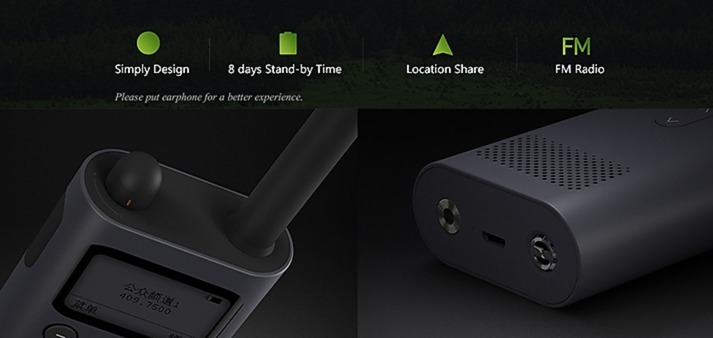
One of the key features of any gadget is the battery life and Xiaomi is known for doing it right on their smartphones. The walkie-talkies offer 8 days of standby time and 17 hours of normal use, which will be more than enough for the weekend-long hiking trip.
Another cool feature is that you can simply share your location with the press of the button and your friends will be able to track it on the smartphone app. Also, the Xiaomi walkie-talkies have the built-in FM radio tuner.
The Xiaomi walkie-talkies have a pretty good signal reception range, which is about 10km in sea level environment and about 6km in the urban area.
Finally, the device has the feature that allows you to quickly form the team of the member with just a click of the button.
You can now get the Xiaomi walkie-talkies at a very low price of just $54.88 from lightinthebox.com, which sounds like a great deal considering the Xiaomi’s history of high-quality communication devices.
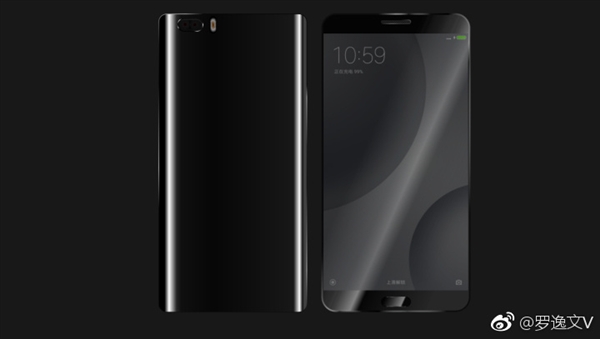
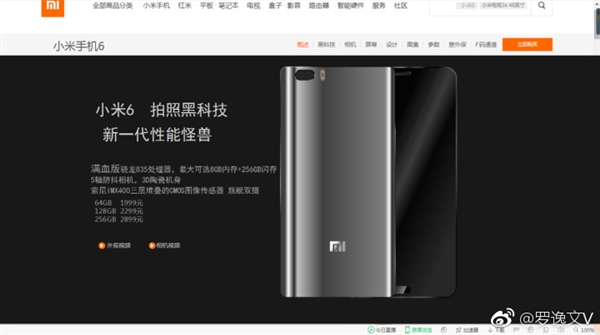
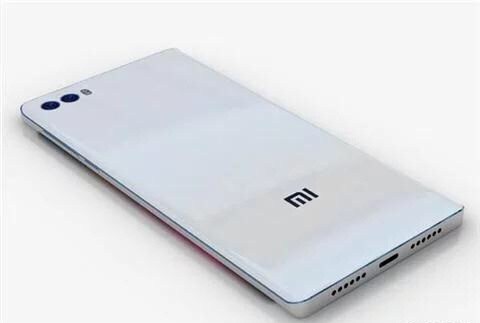
Whenever there is a roll call of smartphone makers with highly innovative designs on their phones, Xiaomi should rank among the elite. Indeed the Chinese smartphone giant has again come up with another stunning design, this time on the upcoming Mi 6. What is said to be renders of the Xiaomi Mi 6 has appeared online, perhaps giving us our first glimpse of the much-touted Mi 6.
Xiaomi Mi 6
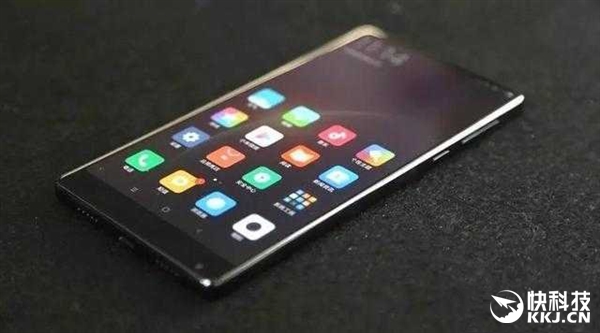
The images seem to be of the ceramic variant as well as a gray-coloured version of the Xiaomi flagship and they are images of the device captured from the front and rear view. On the whole, the images resemble those of the Mi Note 2, bringing to mind earlier rumor that the Mi 6 would get a design similar to the Mi Note 2. Where there is a noticeable difference is that the Mi 6 seems to use a flat screen display as against the curved edge spec the Mi Note 2. Despite not being a curved display, the design is one with an ultra-thin bezel and high screen-to-body ratio.
At the rear, the device packs a dual rear camera setup which is tilted to the left corner of the device. There is a LED flash by the side of the camera but there is visibly no rear fingerprint scanner. Perhaps, the physical home button up front will have the fingerprint scanner.
The Mi 6 is said to come with SD835, 8GB of RAM, likely on the top-end model and three storage versions of 64GB, 128GB, and 256GB. The top end model uses a premium 3D ceramic design. The rear camera is listed as packing a SONY IMX400 sensor with support for 5-axis optical image stabilization. Finally, the likely prices of the different versions were also listed as follows; 1999 yuan ($289) of 64GB version, 2299 yuan ($332) for the 128GB version, while the 256GB version carries a price tag of 2899 yuan ($419).
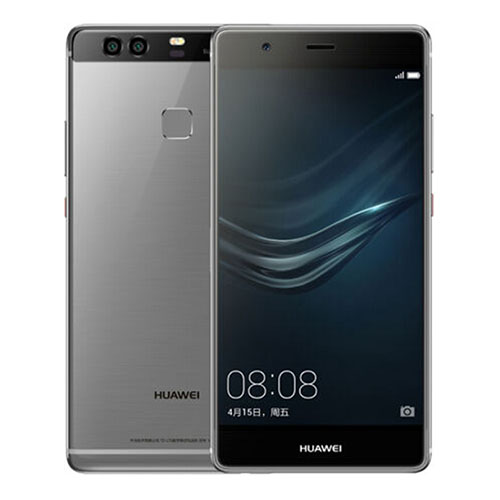
Earlier in this month, Huawei had released a patch to resolve the arbitrary memory read/write vulnerability issue on Huawei Mate 9 and Mate 9 Pro. Now, the Chinese firm has come across a vulnerability on Huawei P9 Plus that makes it possible for the hackers to access its vibrator service to cause the system to crash.
Huawei has also fixed the issue on P9 Plus by releasing the B386 software update. However, before the update was released, the vibrator service of the smartphone had a Denial of Service (DoS) vulnerability (assigned as CVE ID: CEV-2017-2731) because of a lack in checking parameters. It could allow hackers to use a malicious app installed on the P9 Plus to send a parameter to the vibrator service of the phone to cause the phone to freeze.
If the patch was not released quickly, hackers could have used the vulnerability to create ransomware that could have made the smartphone unusable unless their demands were met. Even though the issue has been resolved, there is no confirmation on how many P9 Plus smartphones were actually hacked through the vibrator service vulnerability.
Huawei P9 Plus owners should be aware of the fact that the hackers could successfully exploit the vibrator service vulnerability only after users were tricked to install a malicious app. A simple way to avoid such a hack attack is to be careful and install only those apps that are credible.
The vulnerability for Huawei Mate 9 and Mate 9 Pro could allow hacker with root access on both devices to read and write memory data anywhere. The hackers could also initiate an arbitrary code in the TrustZone. Only Mate 9 and Mate 9 Pro that are currently running on B156 or older version are vulnerable to the attack. However, the latest firmware for these phones are enough to resolve this exploit.
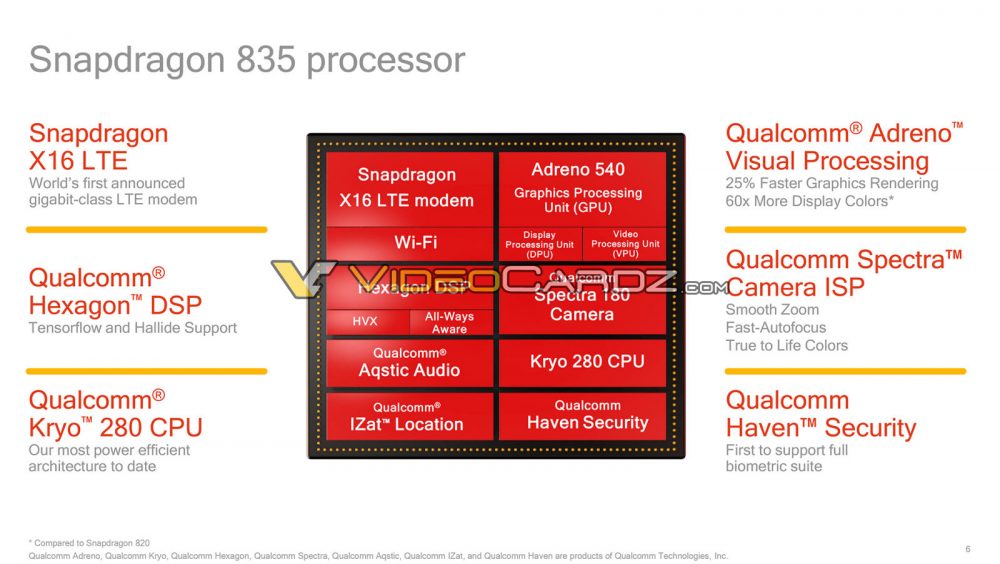
In order to position its products in a better way to its customers, Qualcomm will undergo brand redesigning before it launches its next-generation products. The first change that Qualcomm wants to introduce is that it won’t be referring to Snapdragon as a processor, but as a platform.
Even though the semiconductor industry has used the word “processor” for the technology that powers advanced devices, Qualcomm says that the term is an insufficient way to describe it. It has further stated that Snapdragon is not just a processor, but a technology that comprises hardware, software and services. Since it cannot be described as a processor, Qualcomm will be calling it “Qualcomm Snapdragon Mobile Platform.”
The Snapdragon Mobile Platform will be a way to let the customers know it is not just a SoC (system-on-a-chip) that comes with CPU, GPU, DSP and integrated modem, but also includes a wide range of other technologies such as Quick Charge, DAC, Wi-Fi, fingerprint reader, and touch controllers. These technologies coupled with the SoC deliver the best user experience not only on smartphones but also on other verticals like mobile PCs, IoT and automotive.
In future, “Qualcomm Snapdragon Mobile Platform” will be only used for its premium mobile platforms. So, the low-powered Snapdragon 200 series will be referred to as “Qualcomm Mobile.” By this way, it will distinguish entry-level solutions from flagship and high-end mobile platforms. It indicates that Qualcomm wants to show that Snapdragon is a topnotch brand. The upcoming Snapdragon 835 is a premium mobile platform that can even power a full version of Windows 10 PC.
In technical sense, Qualcomm may have taken a right decision in rebranding its Snapdragon processor as it includes more technologies other than CPU and GPU. However, it may not make much of a difference to the consumers as the “Snapdragon” name is credible enough for customers to make a purchasing decision. The rebranding decision for the company can be a good way for Qualcomm to see its suite of technology to its OEMs who purchases hardware and software from it.
Xiaomi‘s upcoming flagship smartphone, the Mi 6 has all along been tipped to launch packing a Snapdragon 835 chipset onboard. The device is tipped as the first Chinese brand to use Qualcomm’s latest chipset and the launch was set for April. Perhaps the rumours didn’t take into consideration Samsung’s own demand for the Snapdragon 835 and the slow production output of the 10nm node process the SD 835 uses.
Well, there may be a shortage of the flagship SD 835 chip for a couple of months more and as a result, there are rumours emanating from China’s Weibo that Xiaomi will use a Snapdragon 821 chipset instead on the flagship Mi 6. Well, at least at the initial stage, then a Snapdragon 835 variant will be launched at a later date.
Really, we don’t know what to believe anymore. The Xiaomi Mi 6 was earlier said to use a Snapdragon 835 with reduced clock frequency because of the strain of demand by Samsung for the version with the higher clock frequency. But recently, analyst Kevin Wang assured that the Mi 6 will get enough supply of the Snapdragon 835 chipset. Also recently, there were talks of the Mi 6 launch scheduled for April getting shifted to May in order to get enough stock of the Snapdragon 835 chip after Samsung must have launched the Galaxy S8 and S8 Plus.
Recall the LG G6 was launched with a Snapdragon 821 chipset in the face of the scarcity, so if Xiaomi toes the same line they won’t be the first to do so. So long the device gets a Snapdragon 835-powered version later, we’d say it isn’t a bad move. But of course, this is just a rumor and nothing is certain yet. We still haven’t got an official launch date but Xiaomi is tipped to out the Mi 6 flagship next month which is April.
Semiconductor Manufacturing International Corporation is one of the top foundries in the world. Based in China, with its headquarters in Shanghai, SMIC manufactures chips for Qualcomm, Broadcom and Texas Instruments. The CEO of the foundry, Tzu-Yin Chiu has announced plans to begin R&D for 7nm production later this year.
The announcement will mean the entry of another major player in the race for 7nm chip production. Other semiconductor manufacturers that have announced 7nm production plans are TSMC and Samsung.
SMIC is reported to be working with a number of partners like Huawei and nano-electronics research institute, Imec. “The foundry is also working with many IC design service providers including Brite Semiconductor, Cadence Design Systems, Synopsys, ARM and Mentor Graphics, and is partnering with equipment and materials suppliers such as Applied Materials, Advanced Micro-Fabrication Equipment (AMEC), ASML, Shin-Etsu Handotai and Sumco” says CEO Chiu.
For backend, SMIC is working with Jiangshu Changjiang Electronics Technology (JCET). Both companies have set up a joint venture to provide a more complete supply chain for advanced-node manufacturing.
ZTE Axon lineup has been really popular since these phones bring a lot of value to the table. I reviewed the original Axon phone 1.5 years ago and I was really impressed with it given its price tag of about $400. Right now you can get this phone for as low as $170 and I believe this is one of the best smartphones you can buy at the moment. Learn more in our full review.
32GB (expandable via microSD card slot up to 200GB)
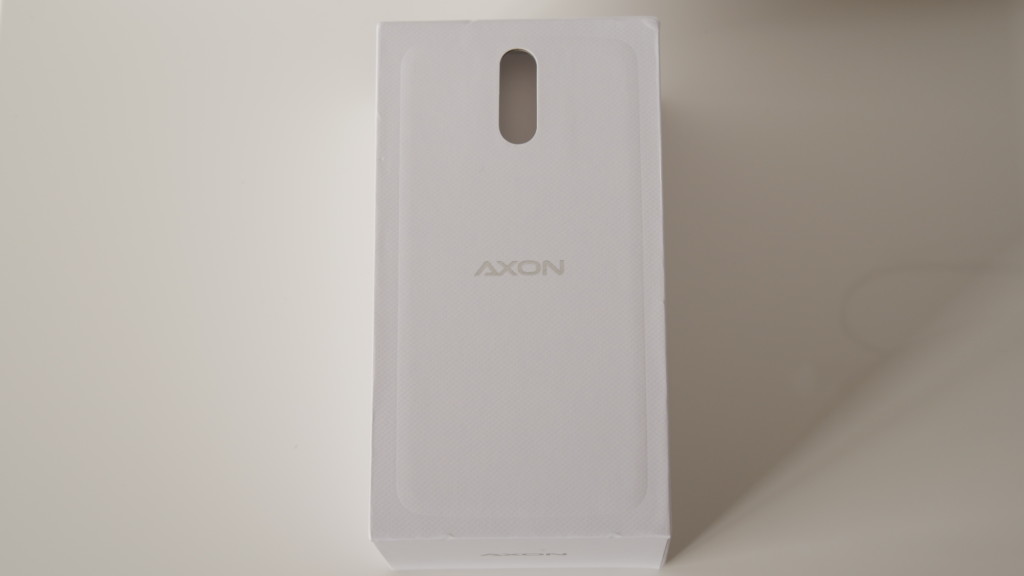
ZTE Axon Review: UNBOXING
1 of 10
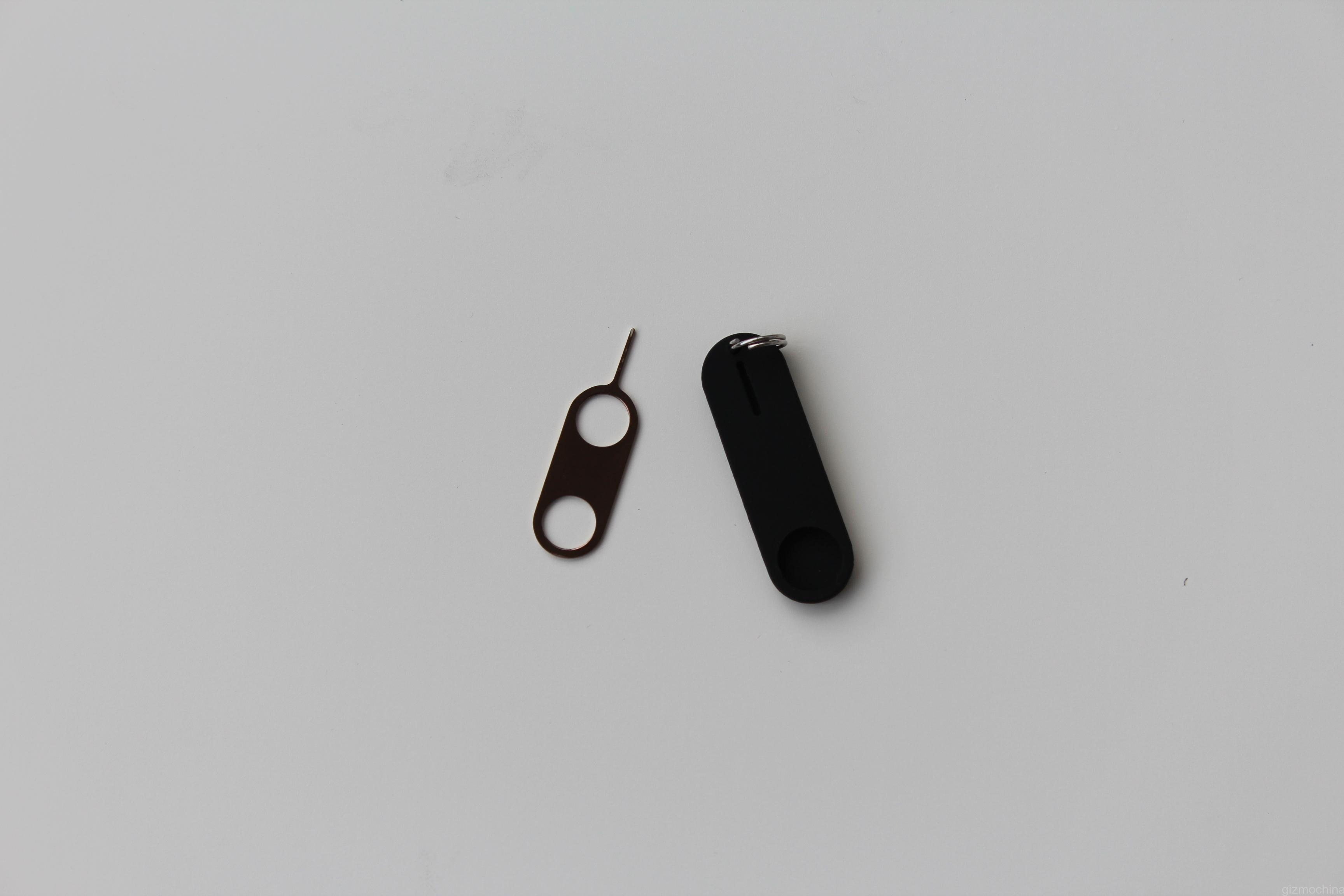
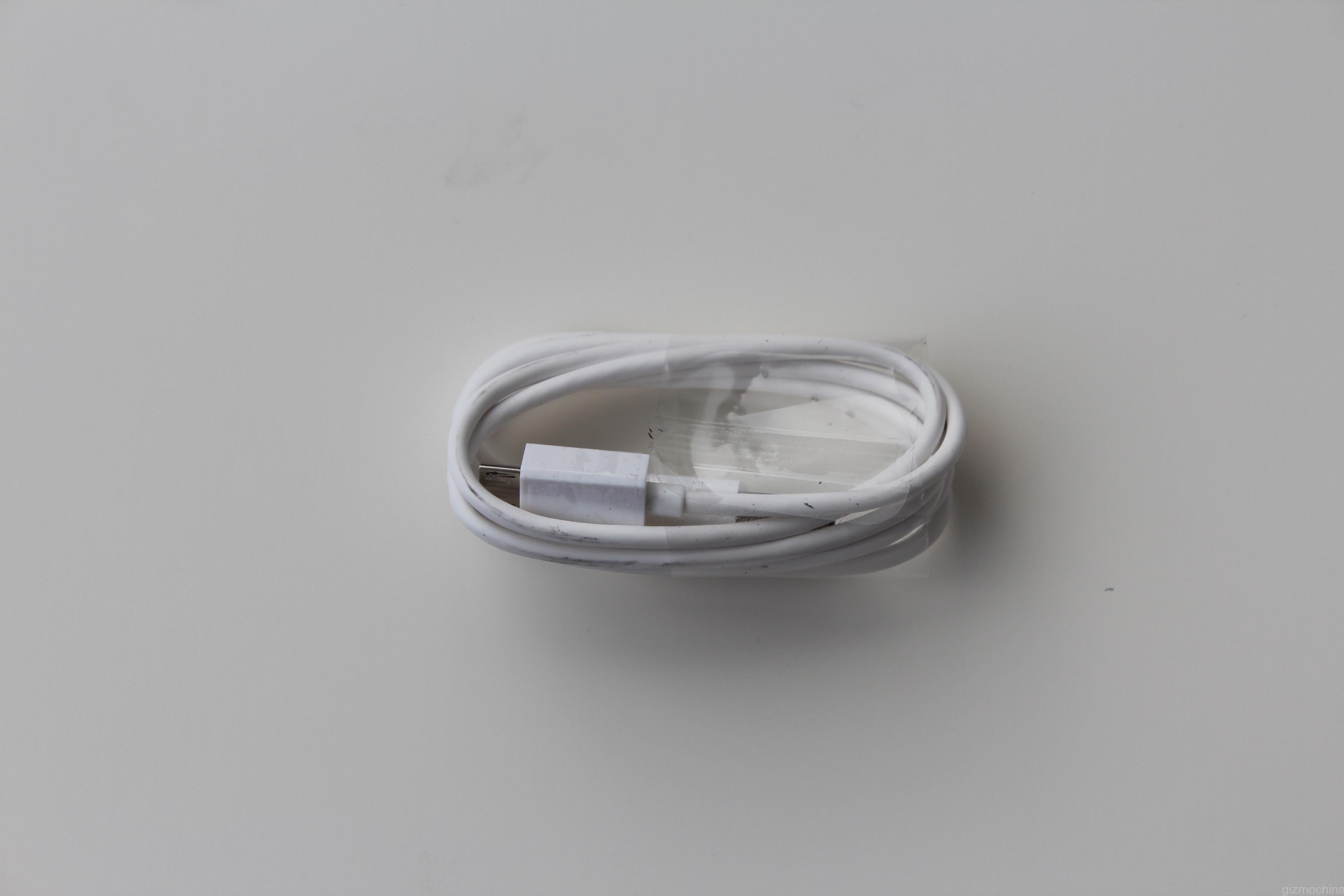
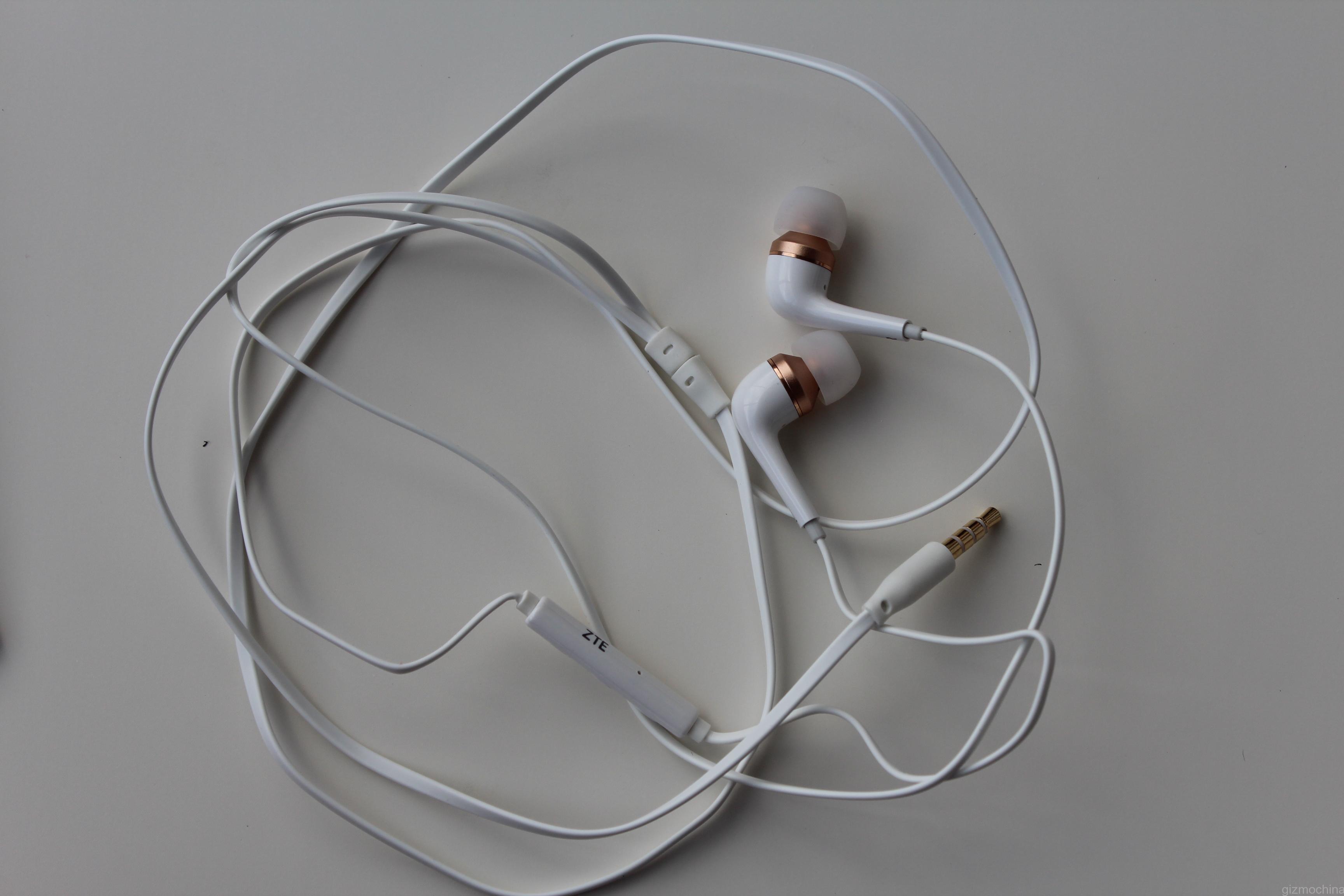
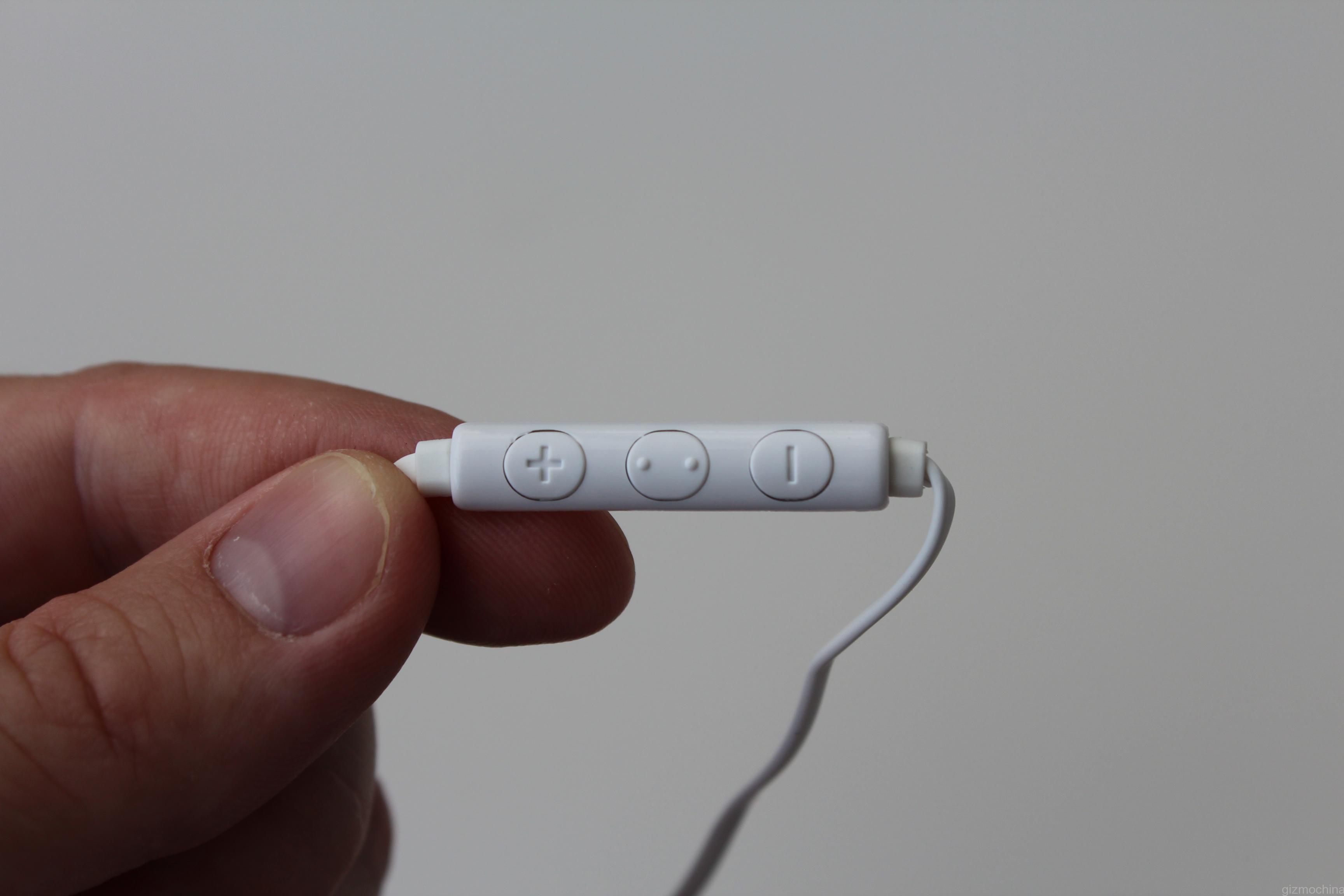
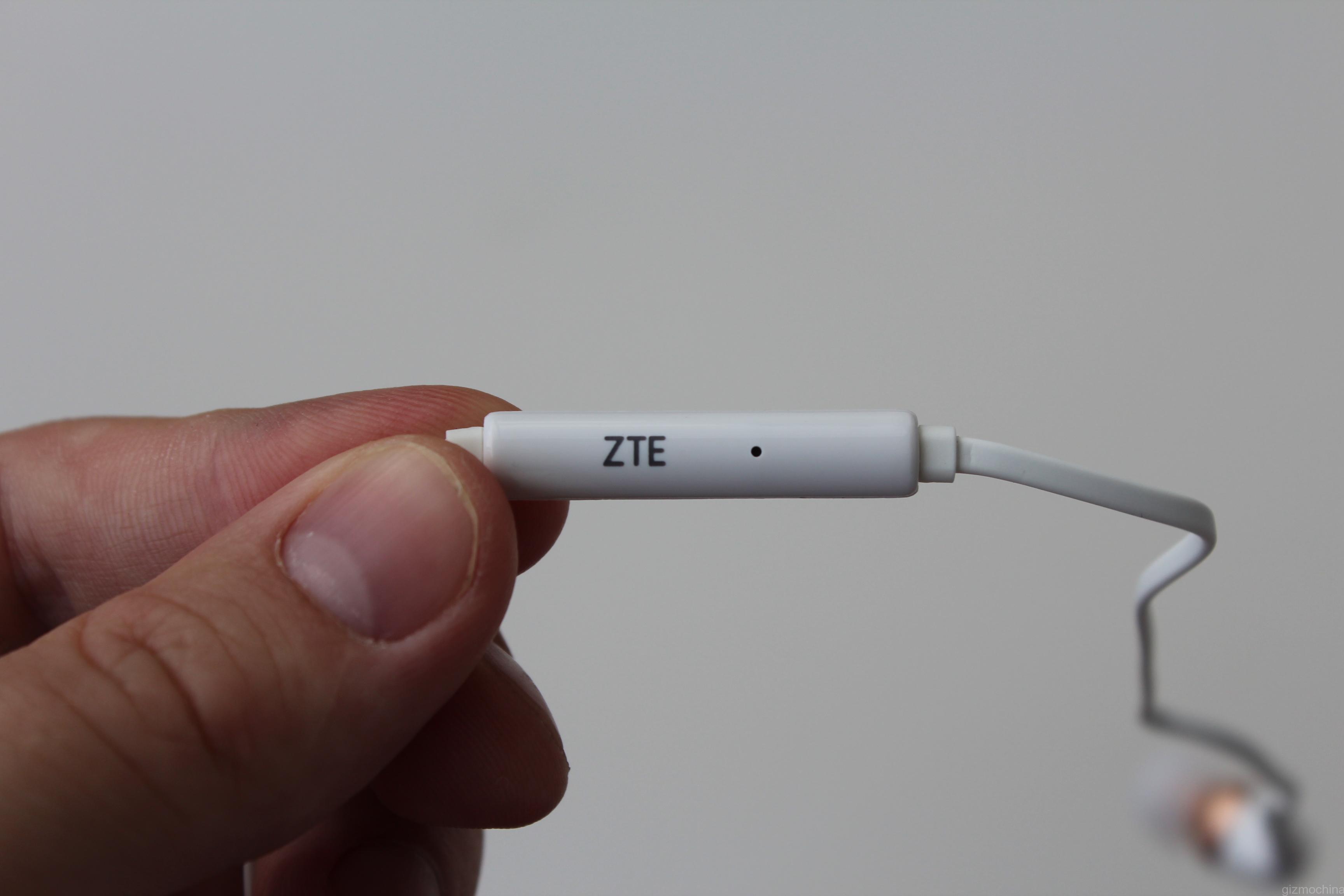
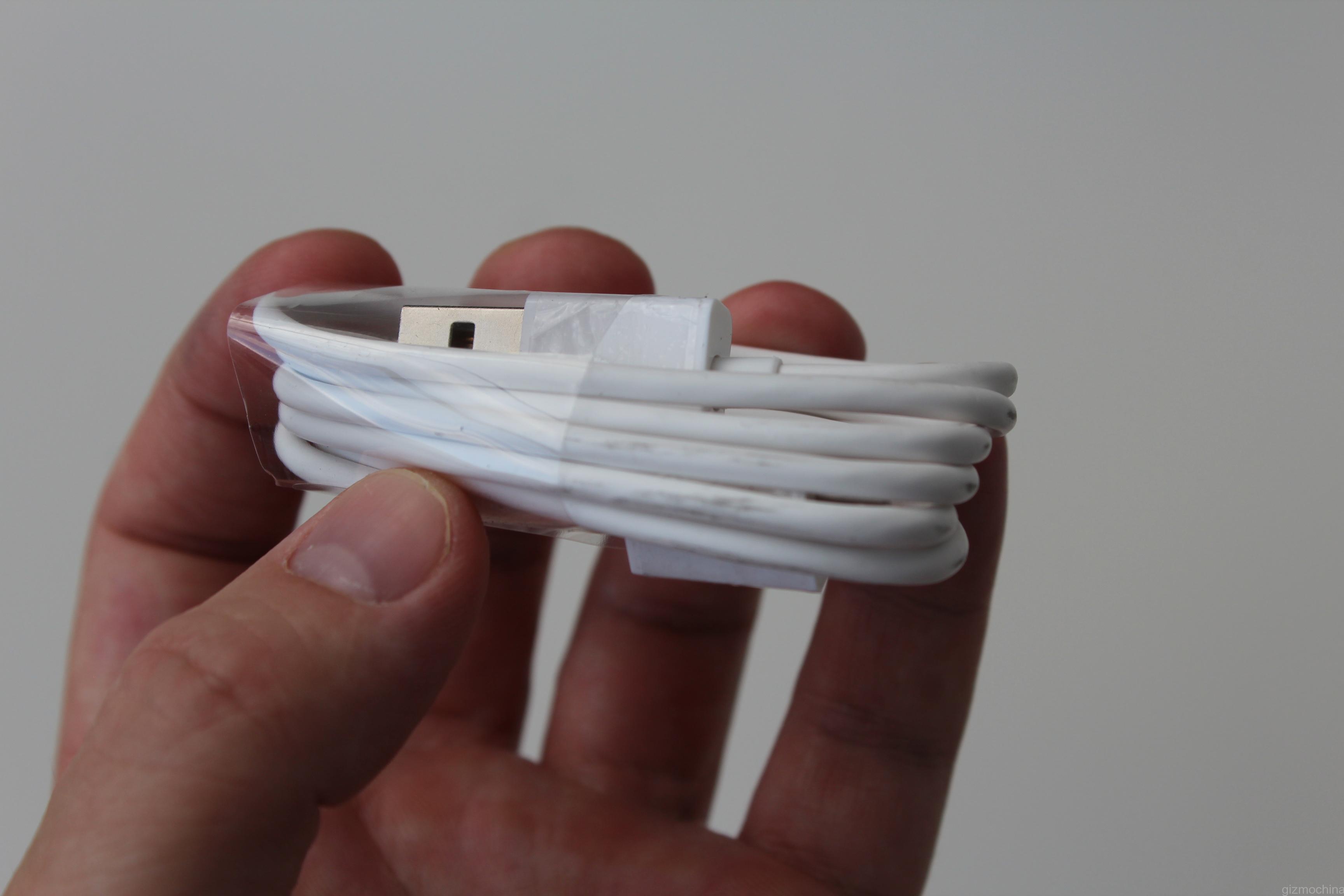
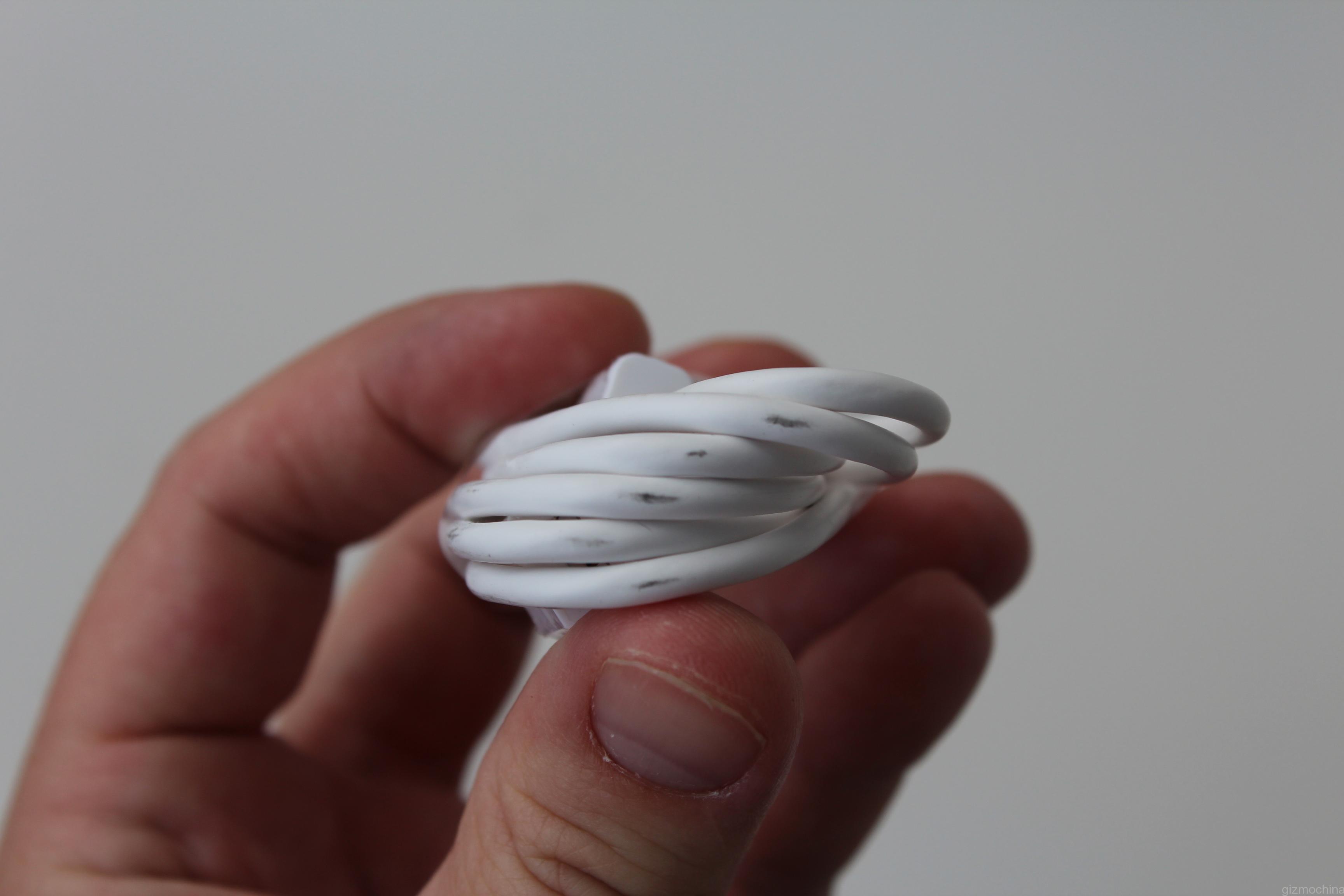
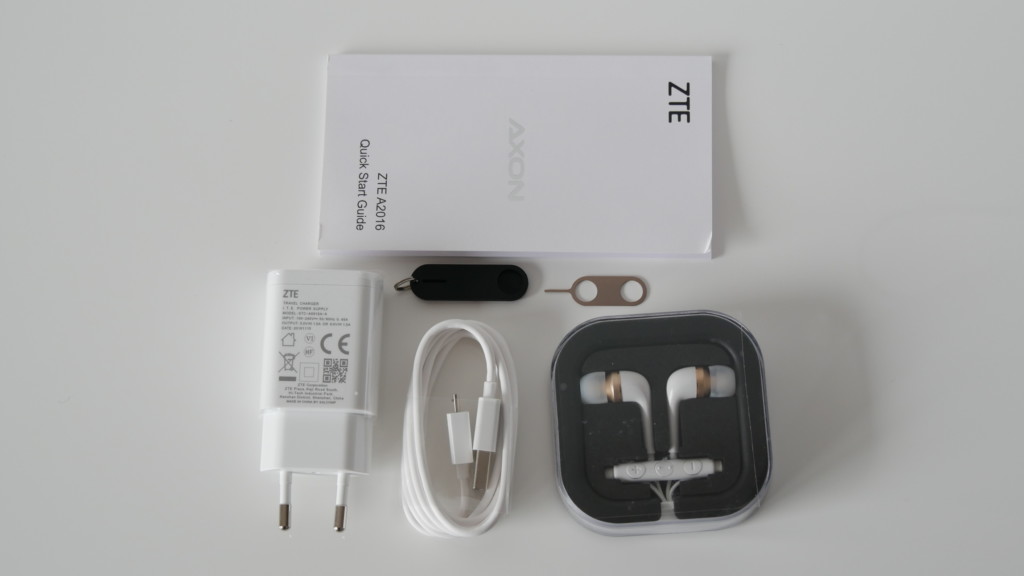
Inside the box, you can find a pair of earphones, USB cable, a power plug, instruction manuals and the SIM ejector pin, which has a nice little carrying case.
ZTE Axon Review: DESIGN and DISPLAY
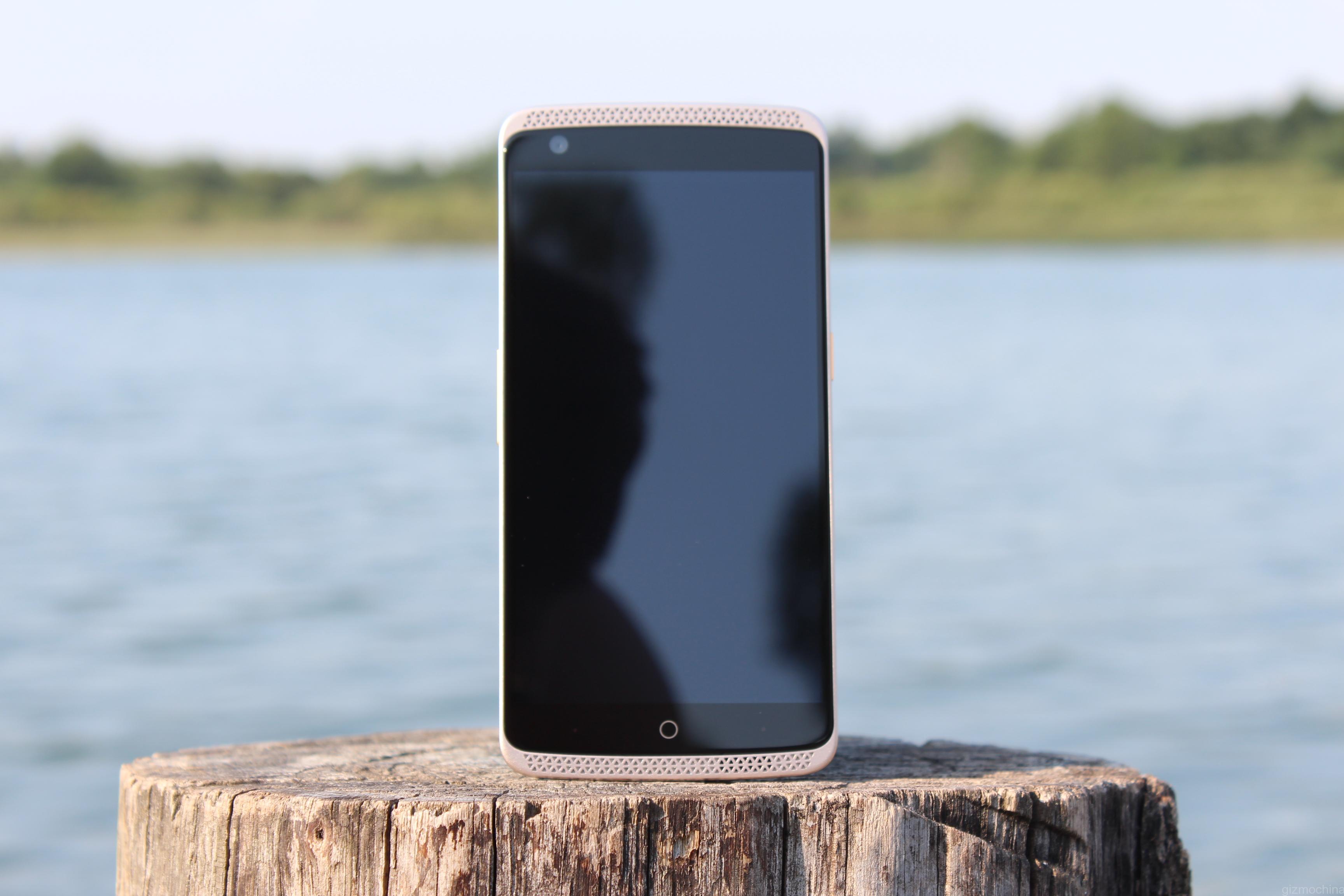
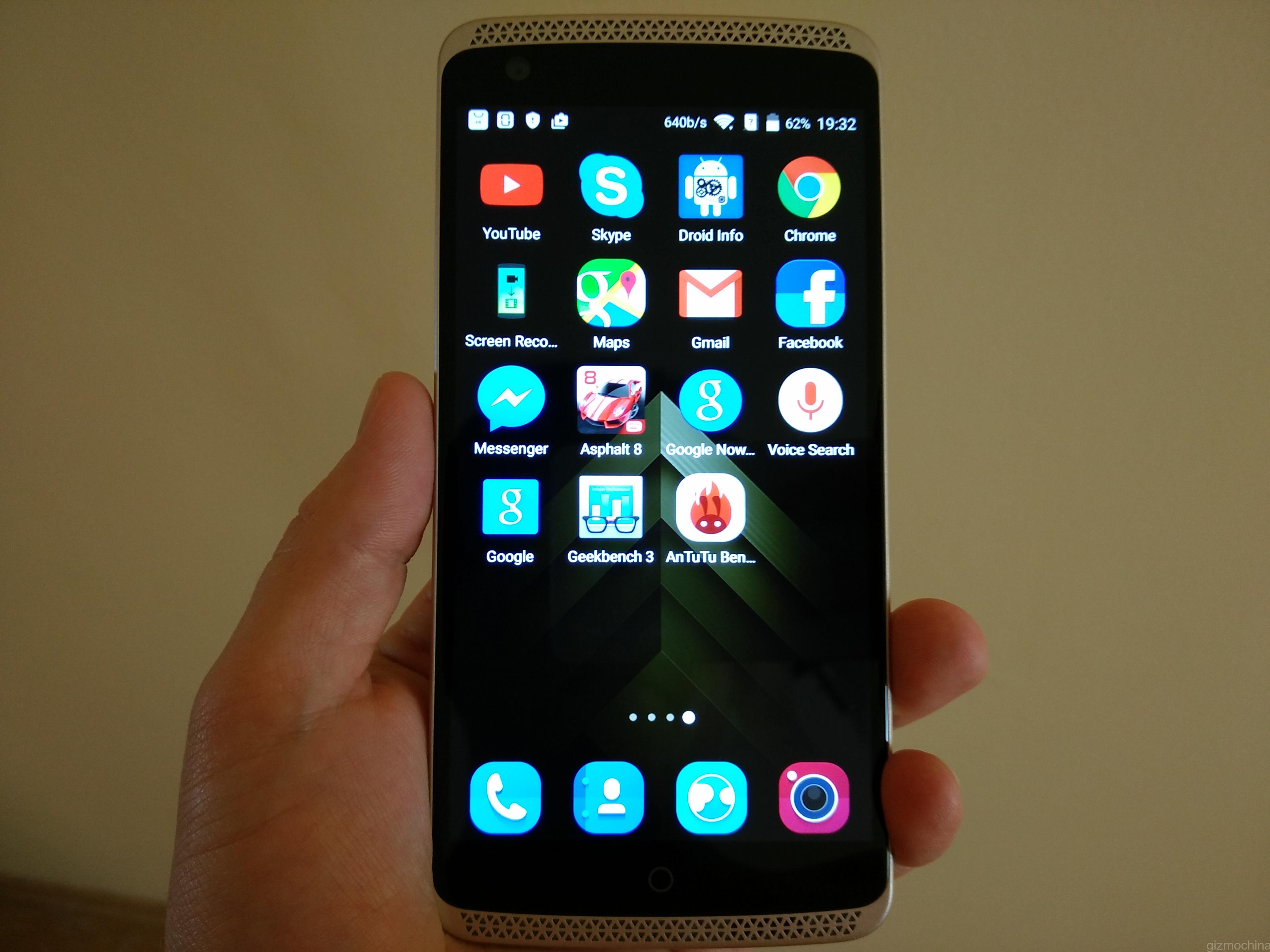
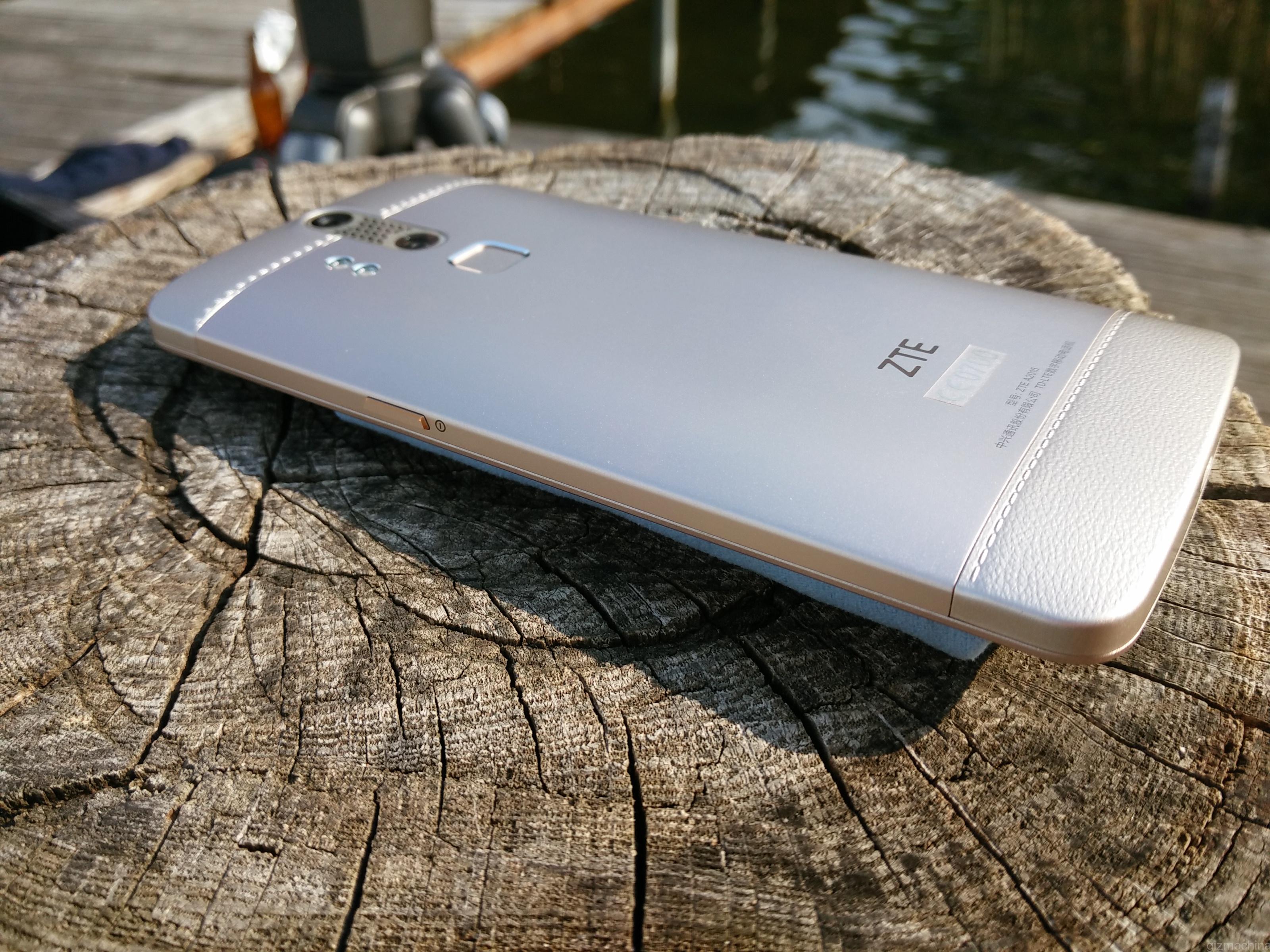
Once you pick the phone up, the first impression is that the phone is premium. It is made mostly of metal, the buttons are nice and tactile and the device feels great in the hand due to rounded edges on the back.
The ZTE Axon comes with a 5.5″ 1080p display.
The panel is very sharp, vivid, has great viewing angles and good sunlight visibility. Overall, it is a very high-quality display and it is one of the best out there even if you compare it with some of the today’s flagship devices. Also, the display has a Corning Gorilla Glass 3 with the antimicrobial coating. I could not check if the antimicrobial feature really works but what I can say that it is much easier to clean the display in comparison to some other phones.
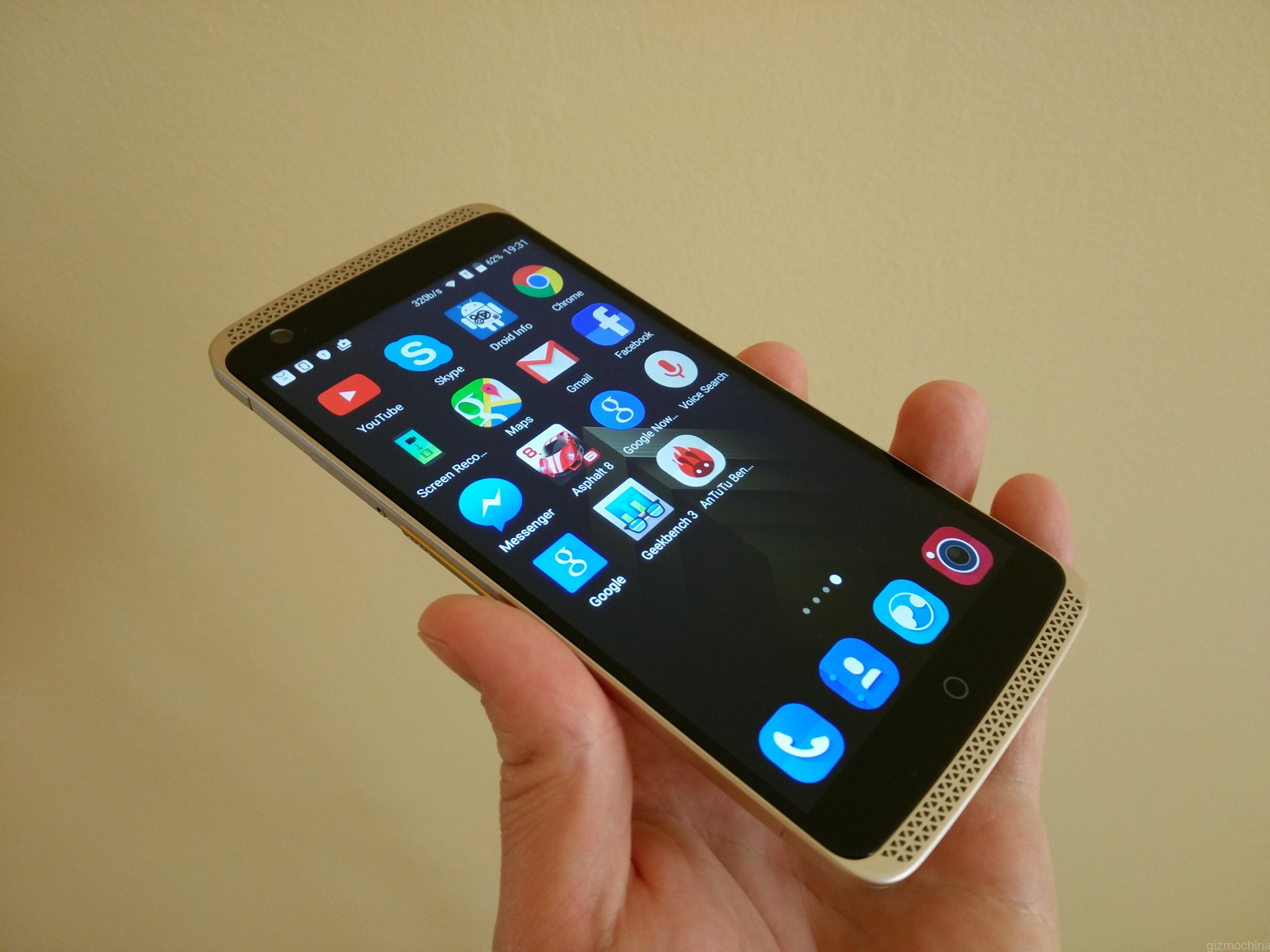
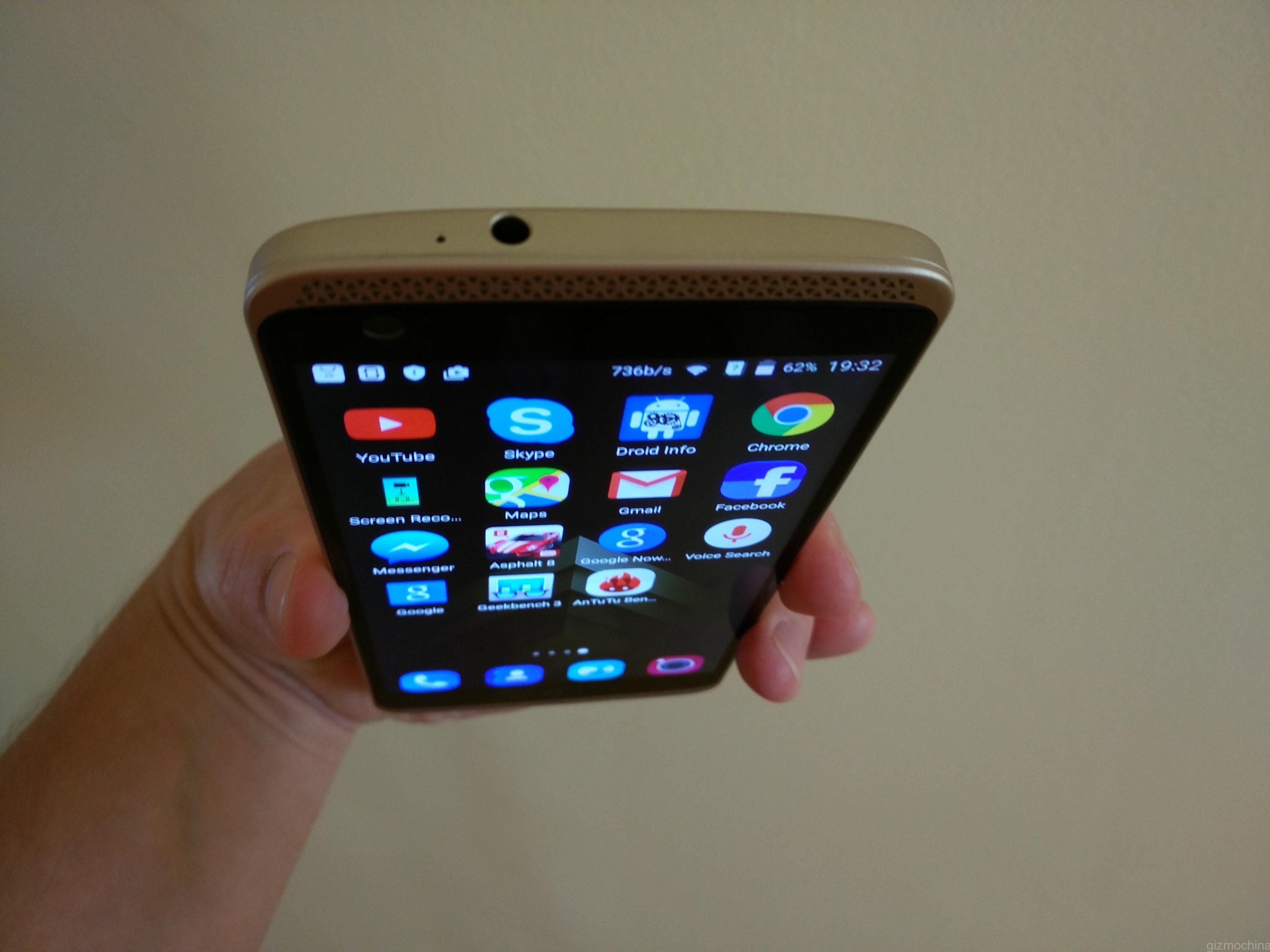
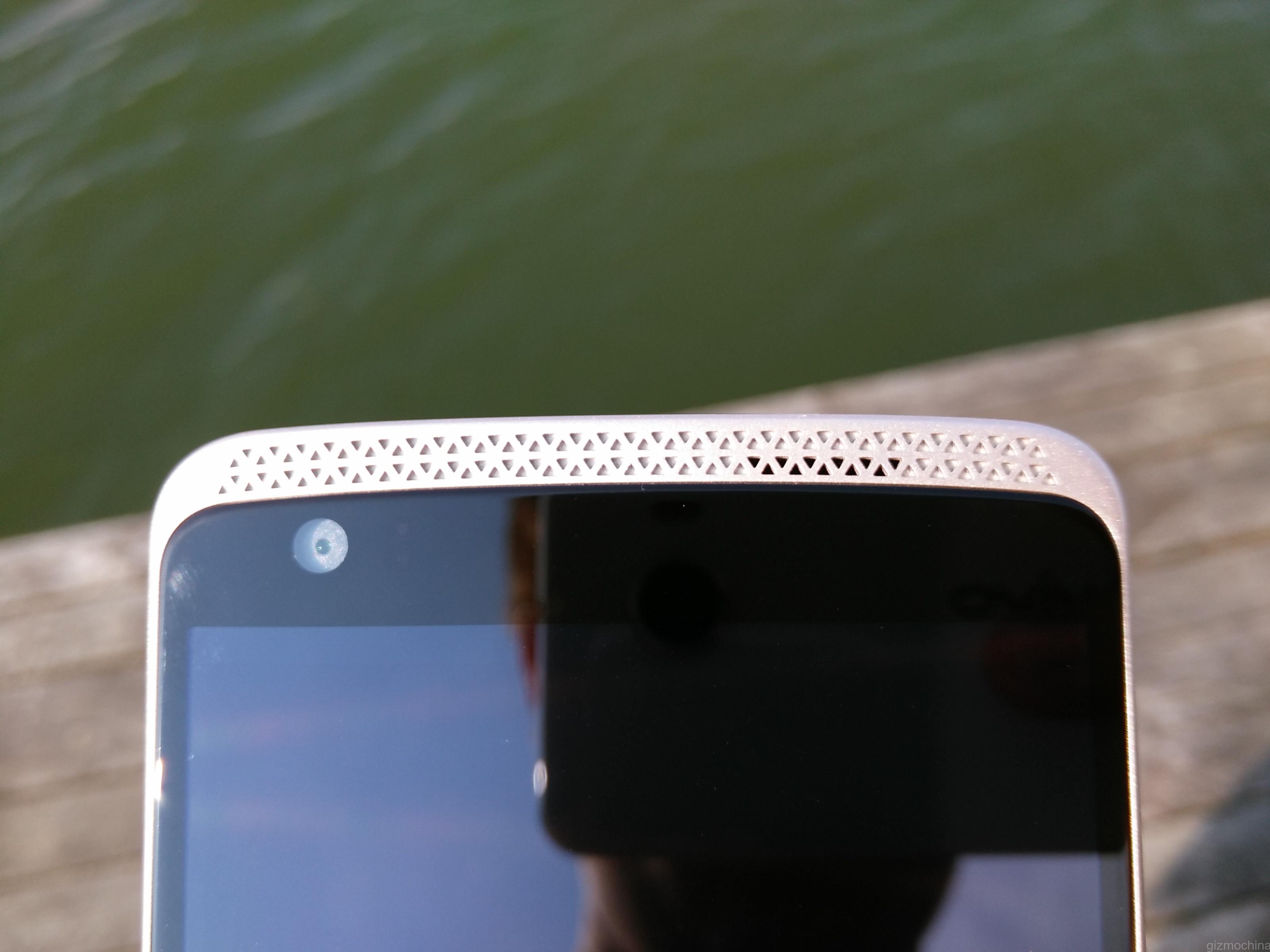
On the top side, there is what may look like a speaker grill but it turns out that it is just a design element. Inside of it, you can find just an earpiece, which is located on the right side. Underneath the earpiece, there is an 8MP front facing snapper.
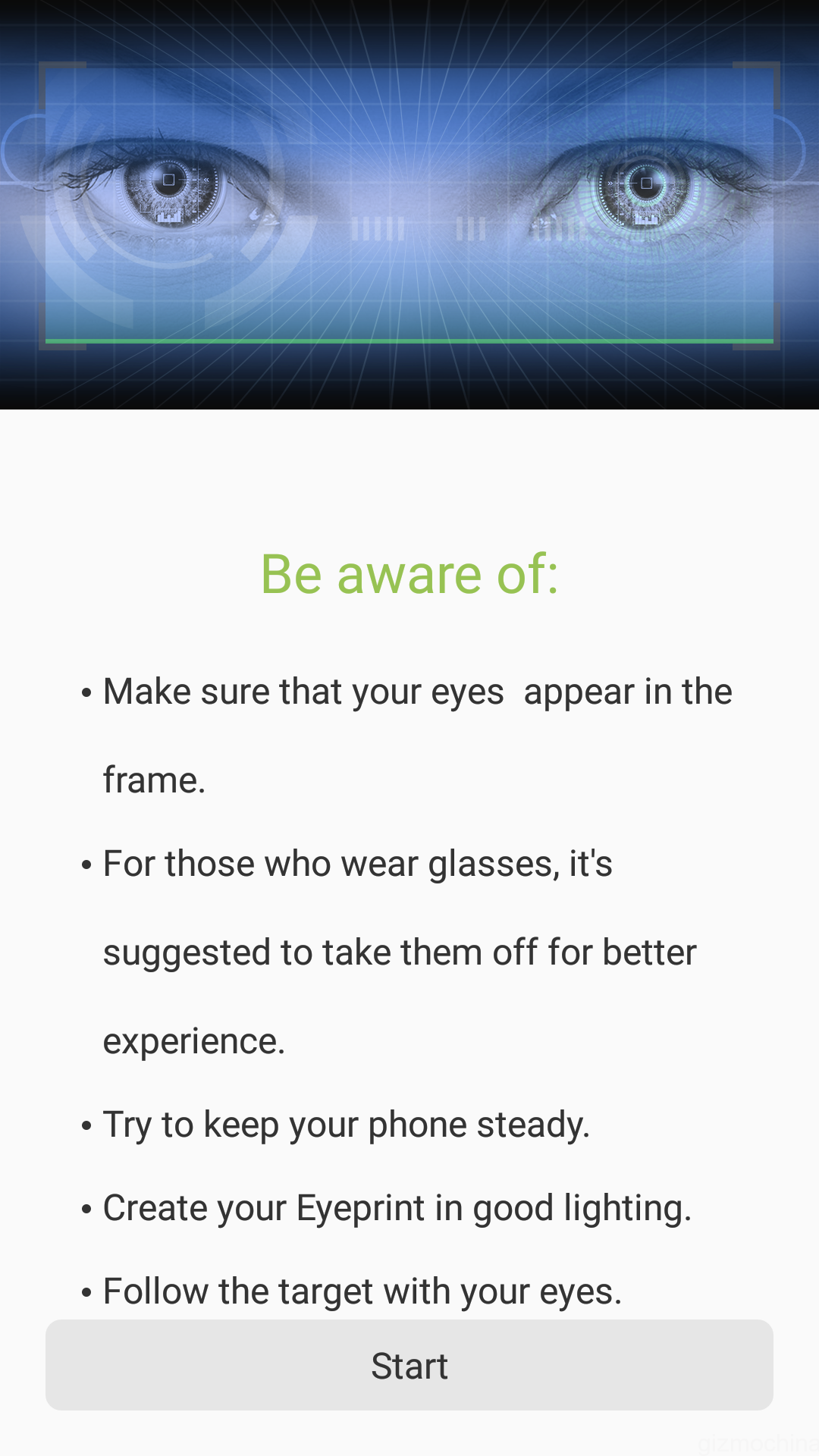
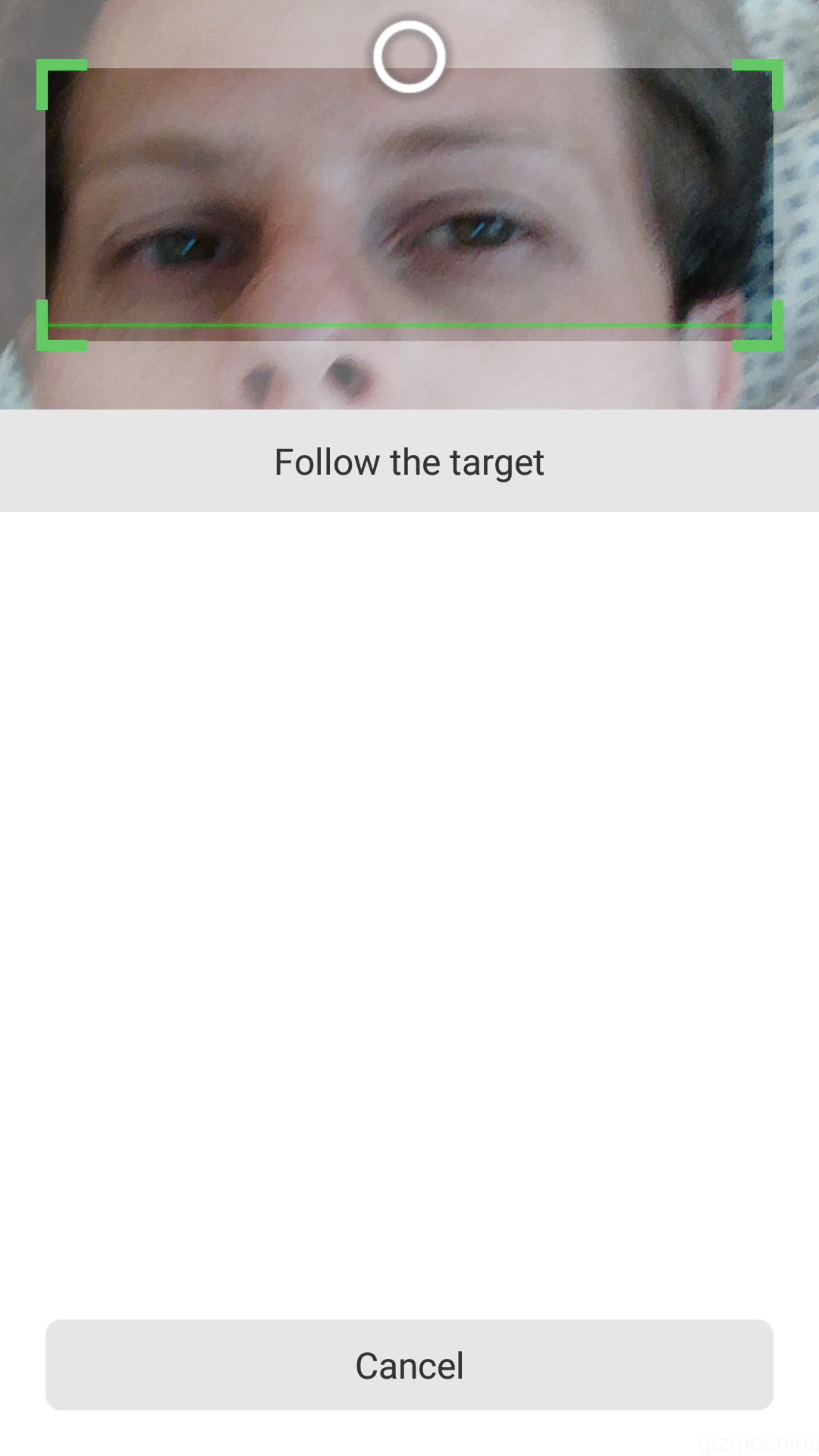
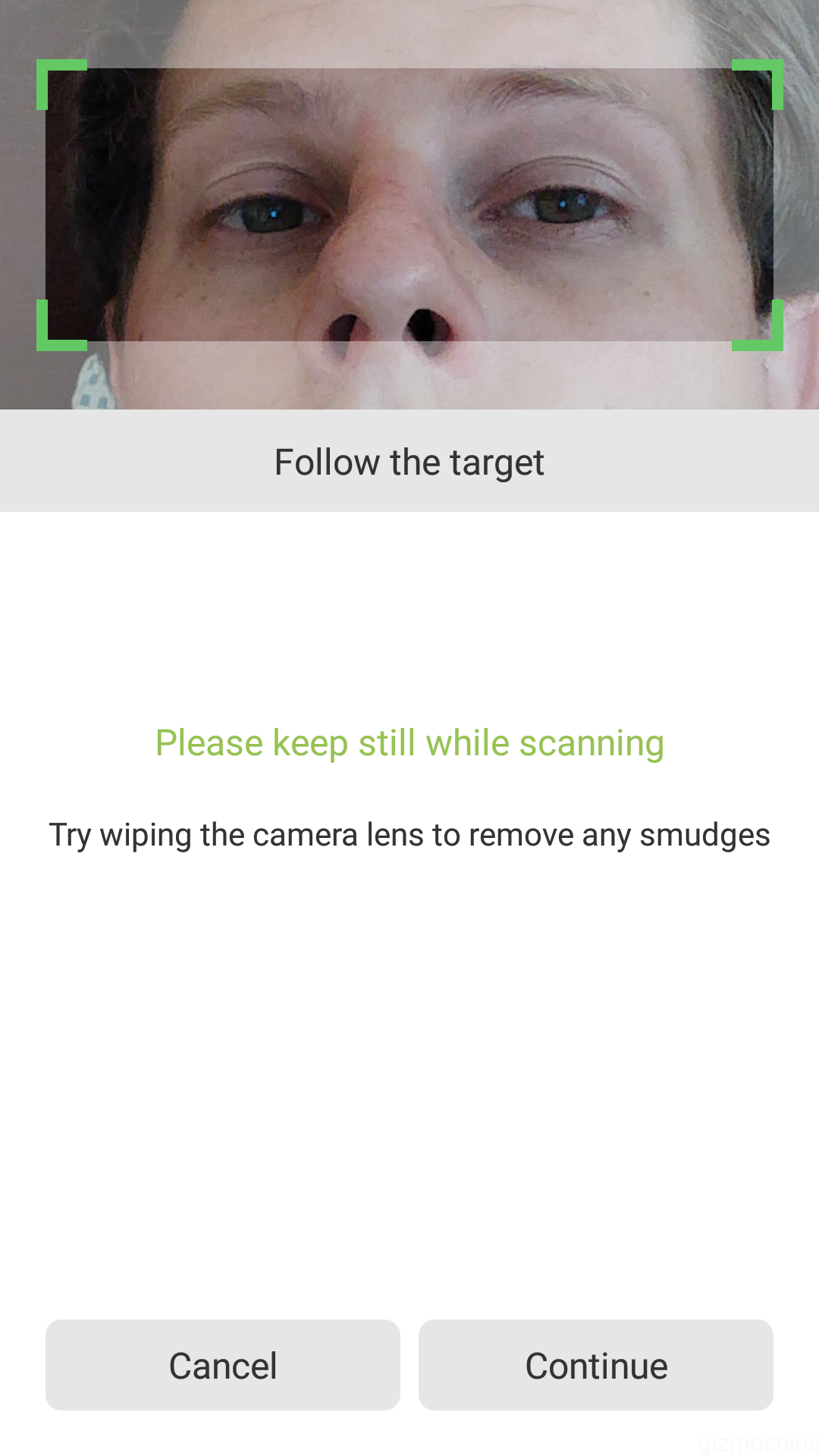
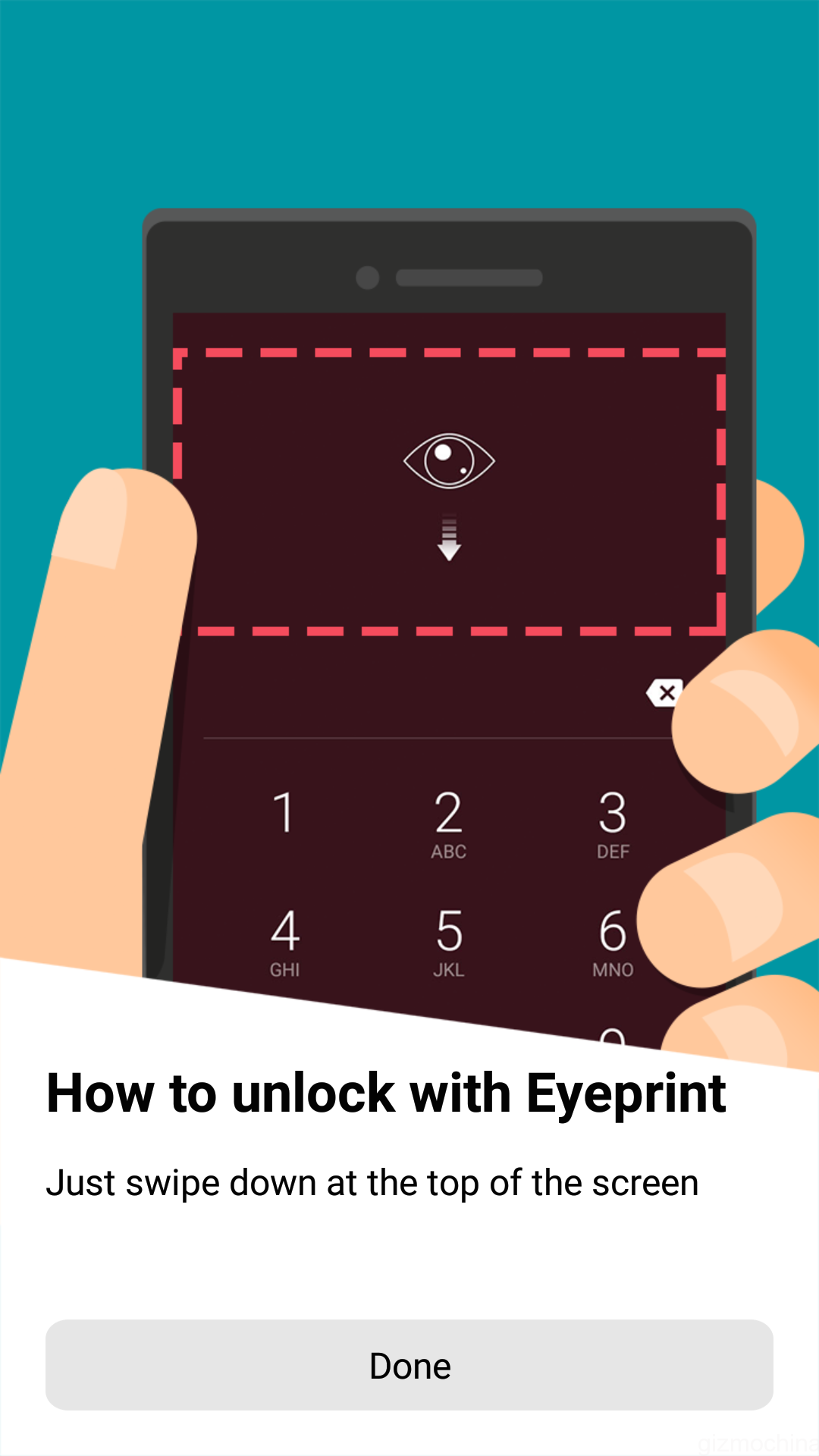
The selfie camera can be also used as an iris scanner, which works pretty well in good lighting. However, I found it to be more of a gimmick since you first need to click the power button, then swipe down the display and only then let the phone scan your eyes.
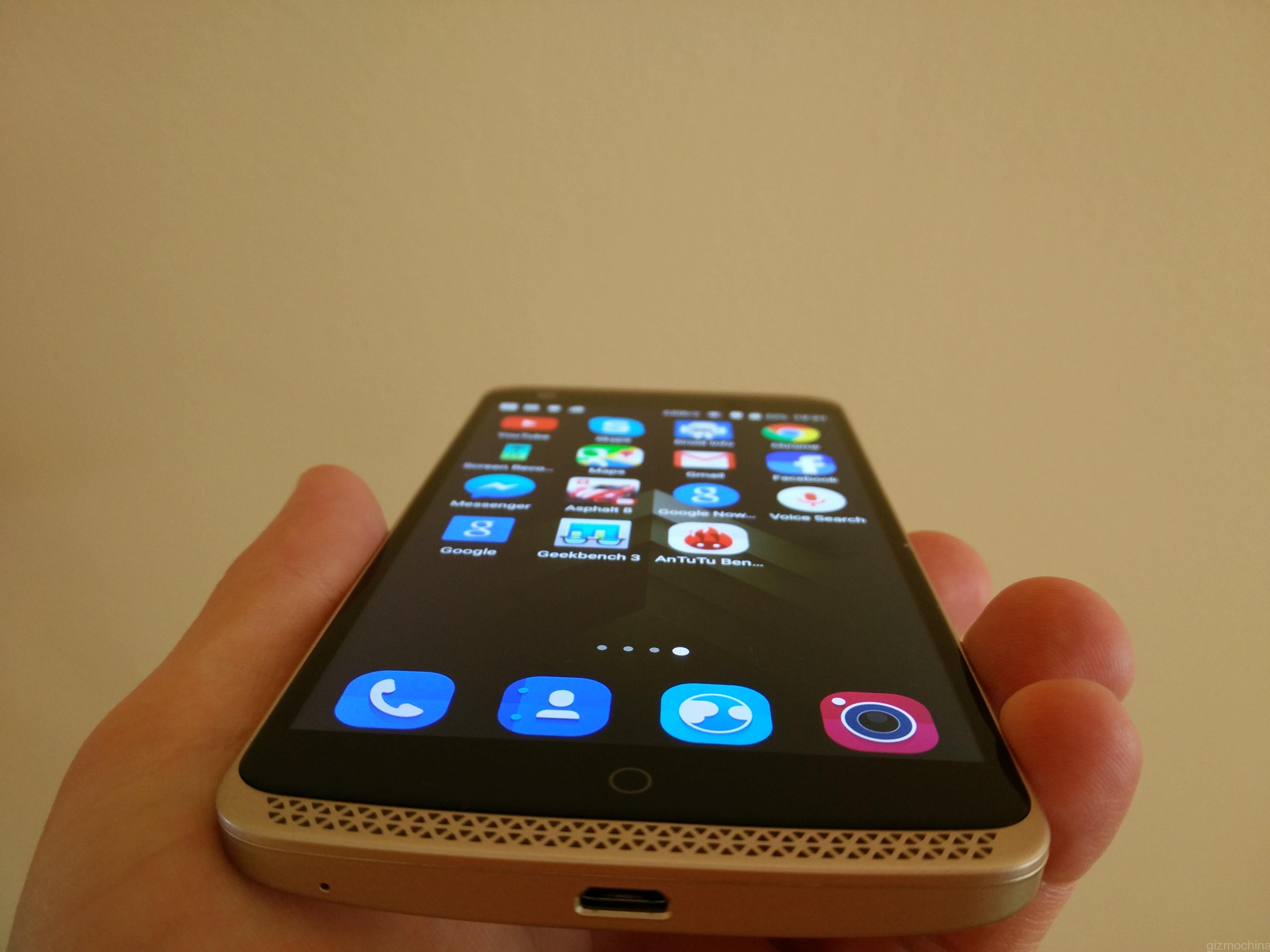
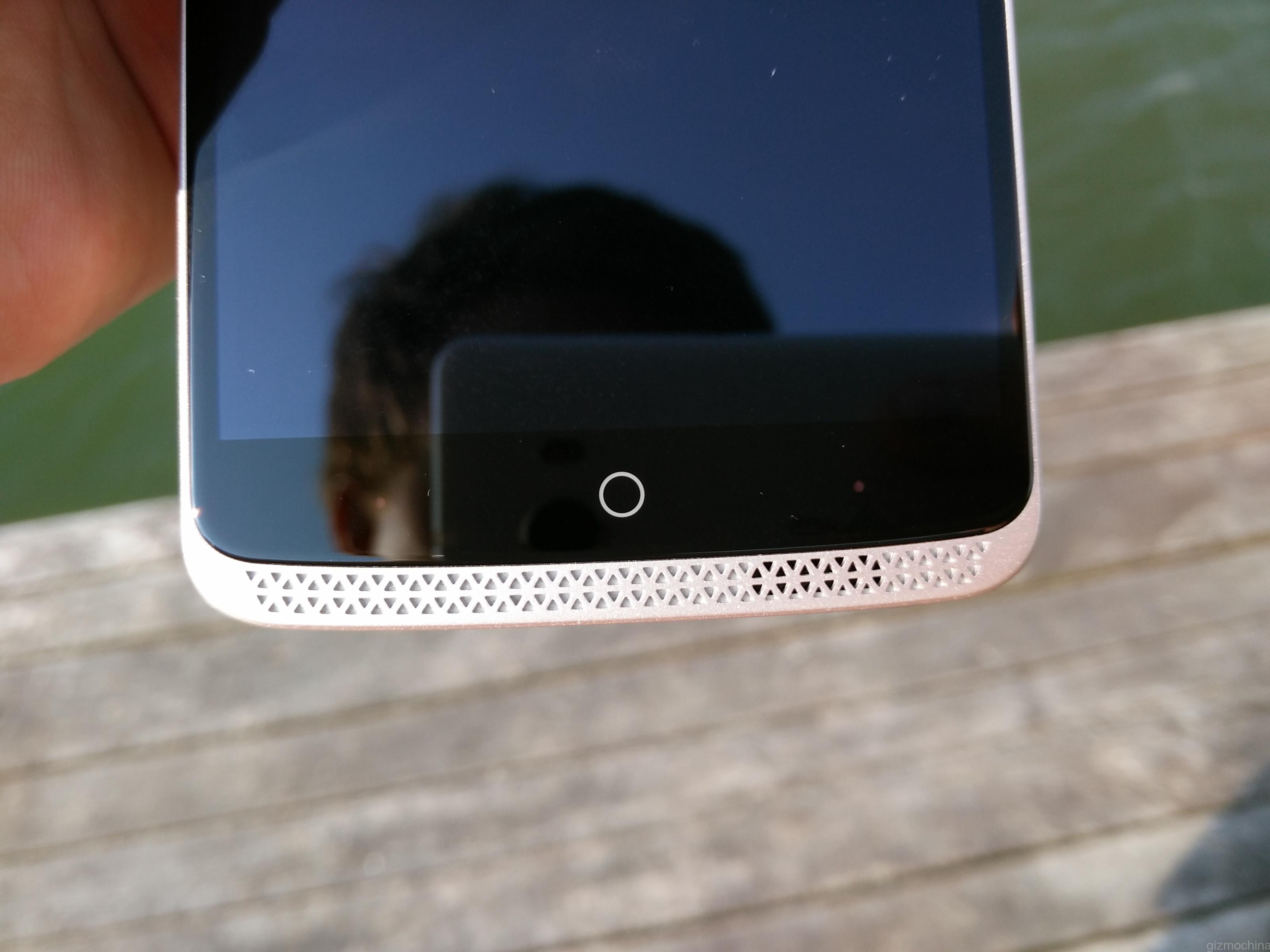
On the bottom, there are 3 customizable capacitive keys, which also have a nice backlight (although they are pretty much invisible outdoors). Also, the home button serves as a pulsing notification LED light.
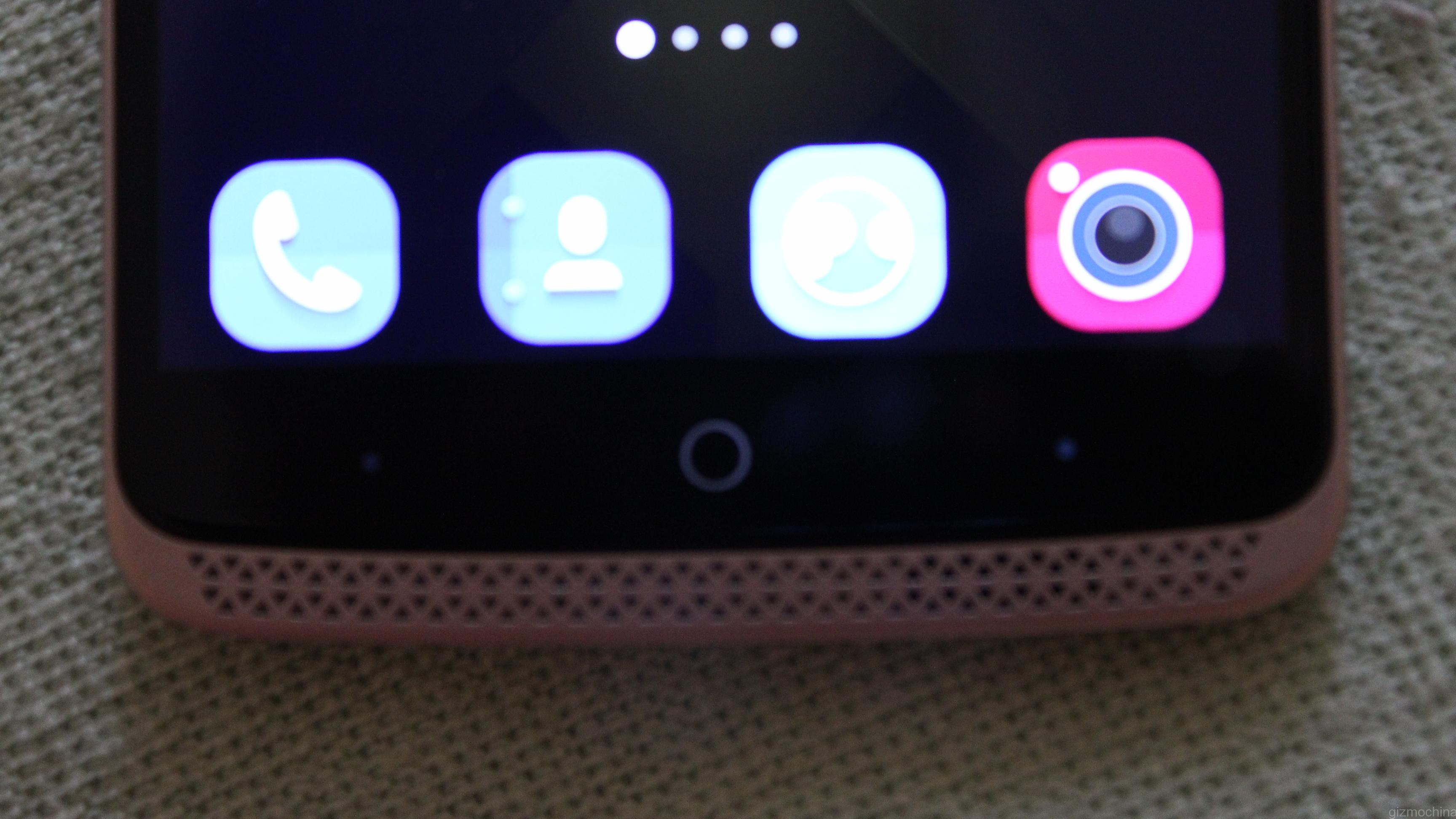
Underneath the capacitive buttons, you can find another grill but only the right side is where the actual speaker can be found. The sound quality is just great. It is loud and has a lot of depth and bass for a tiny speaker. In fact, this is one of the best loudspeakers you can find on any budget phone.
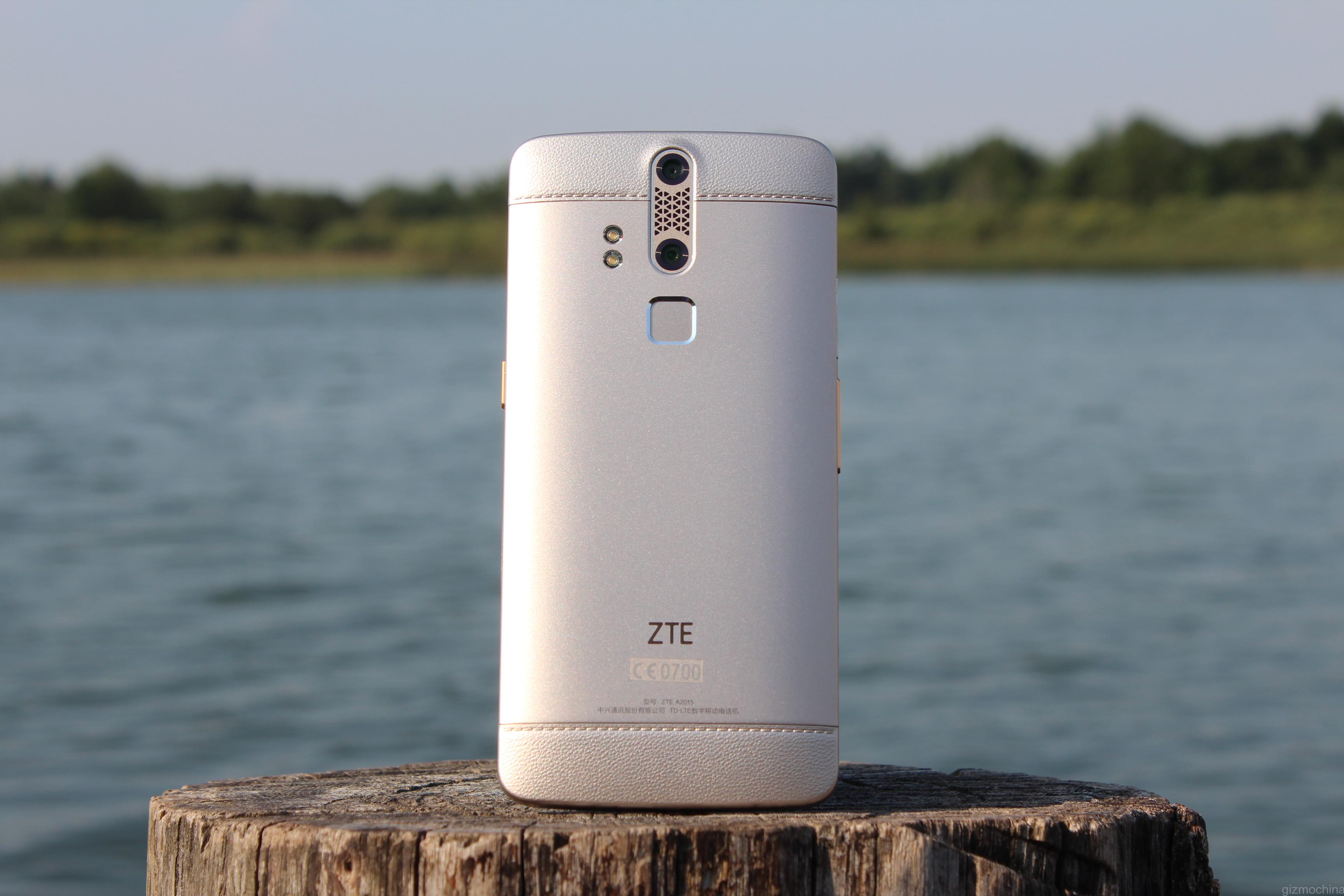
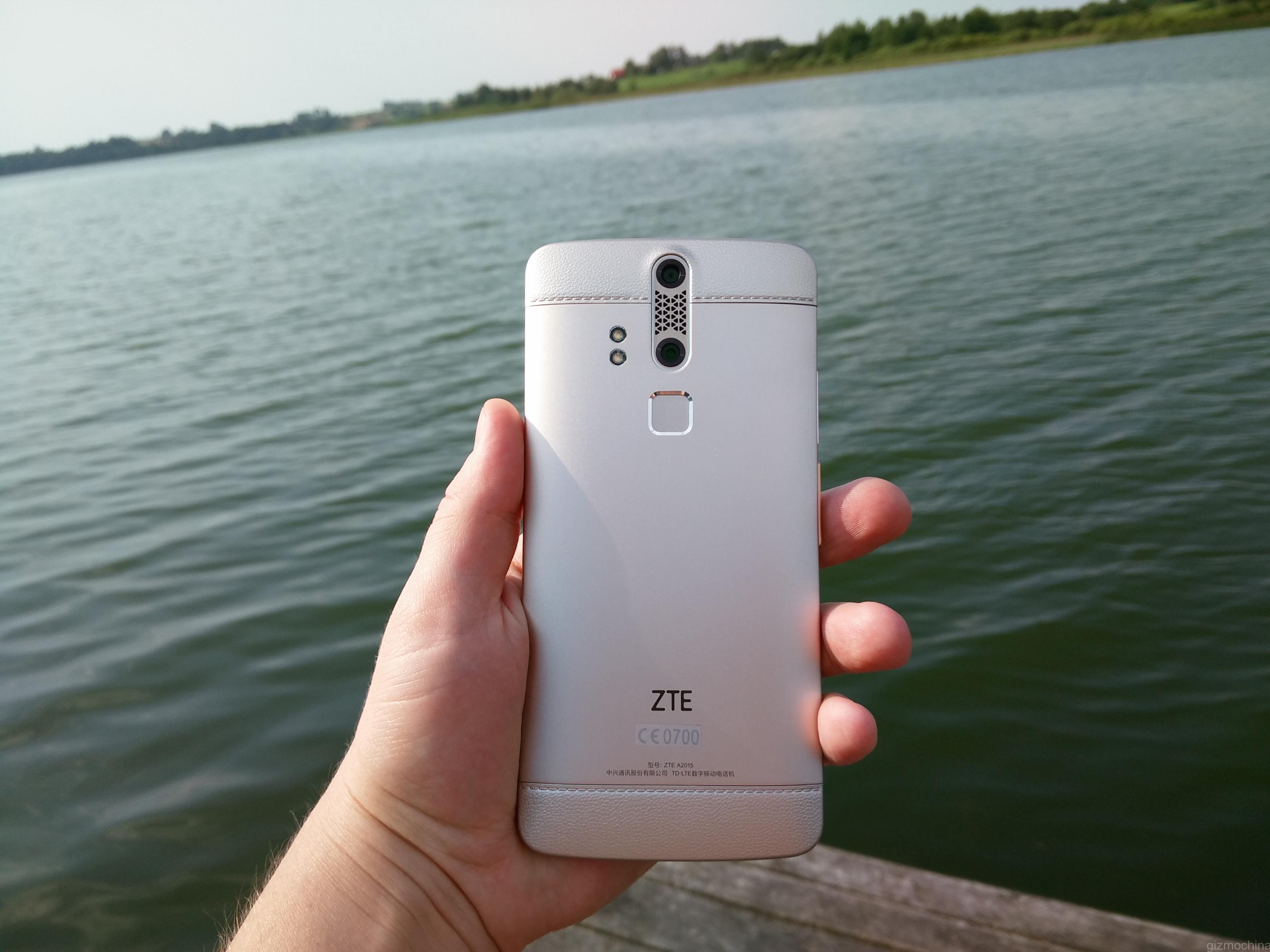
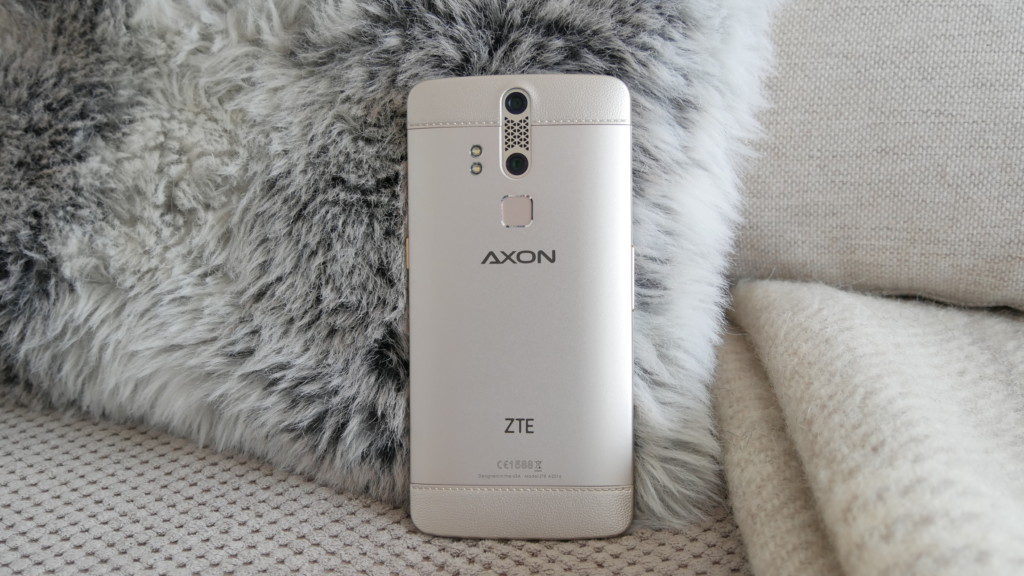
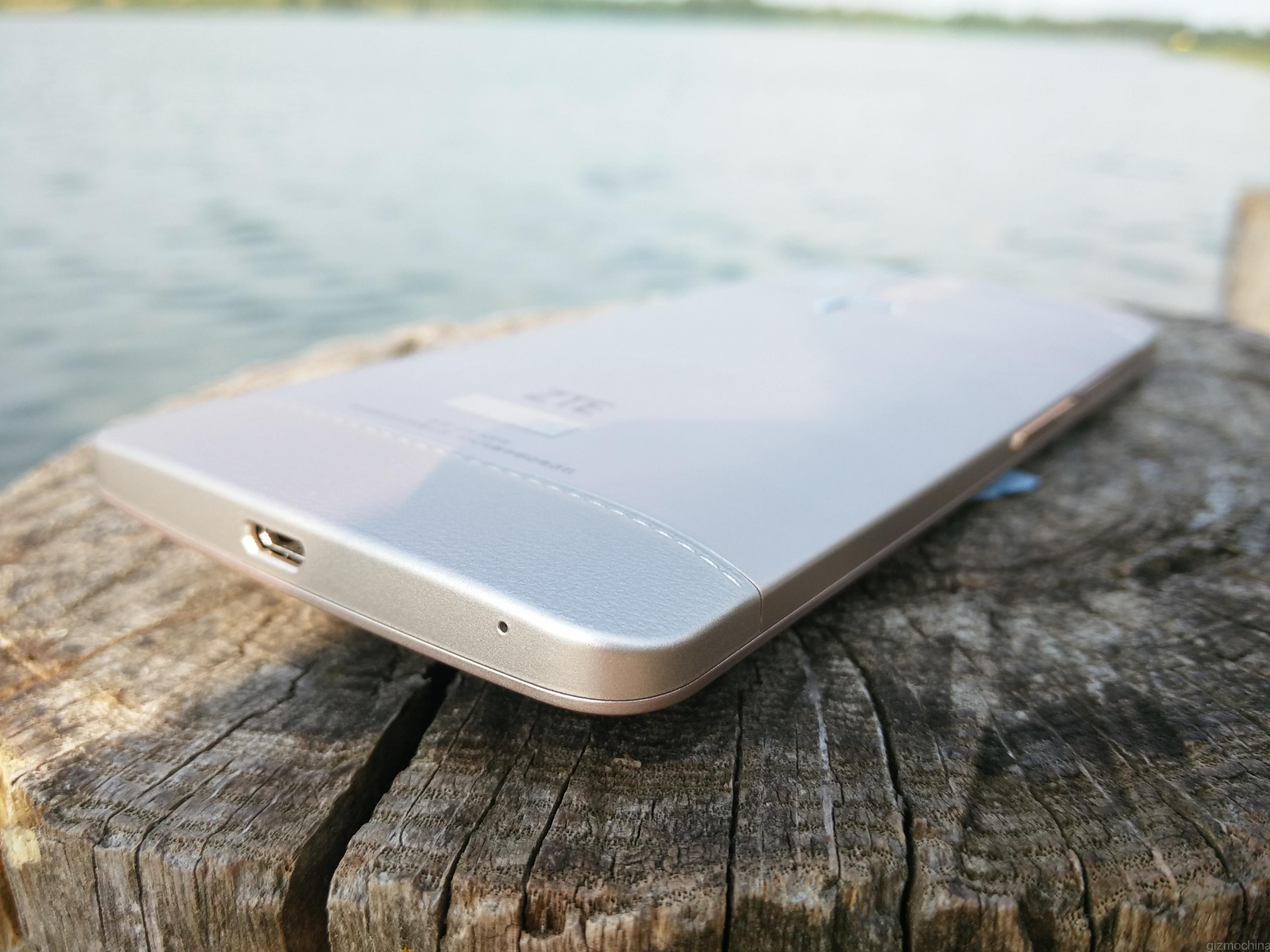
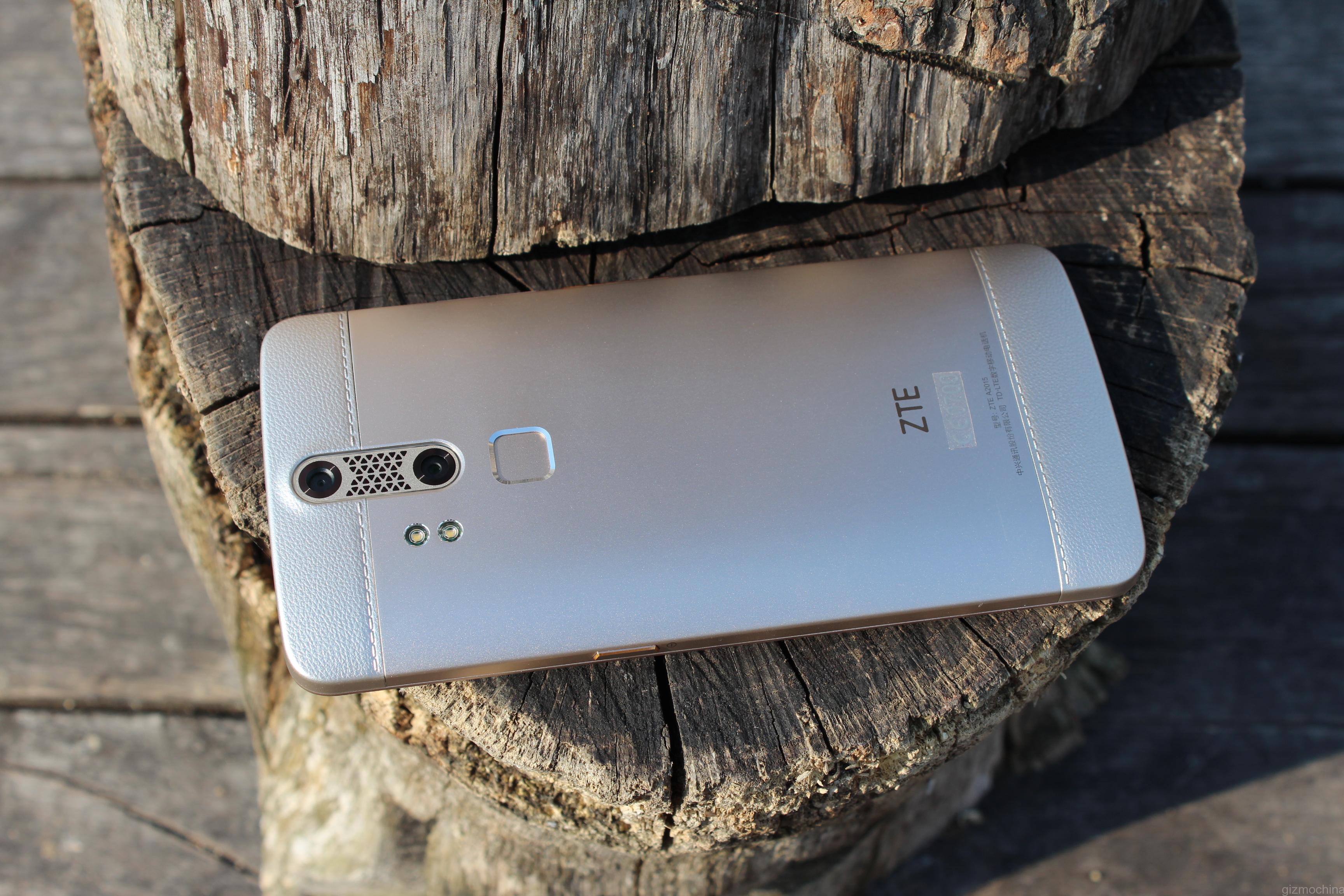
The back plate is made of gold aluminum material but the top and bottom parts are made of plastic. These parts sport a somewhat leather-like finish (well, it is plastic) with some fake stitching. They don’t look or feel cheap but I would prefer just all-metal design.
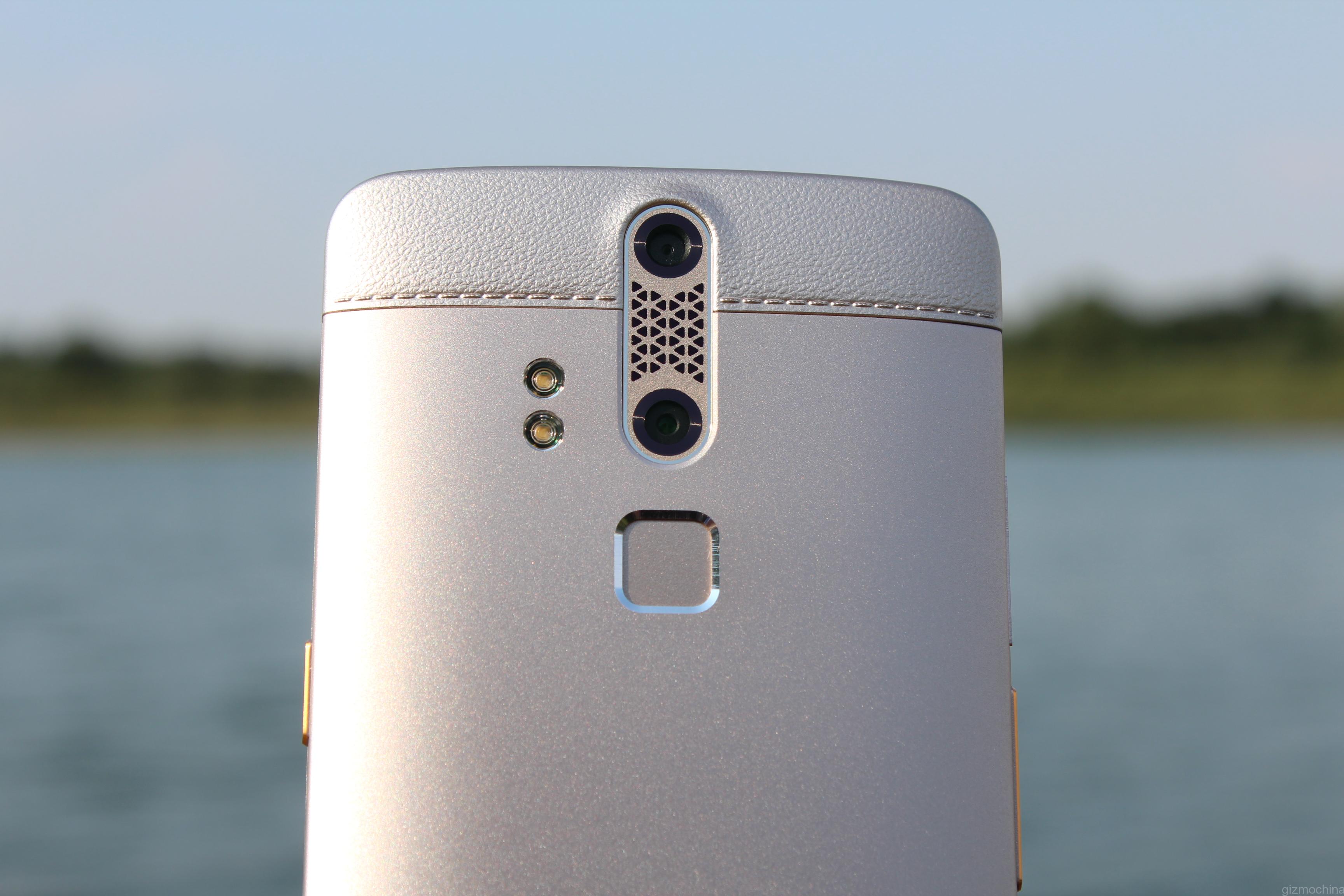
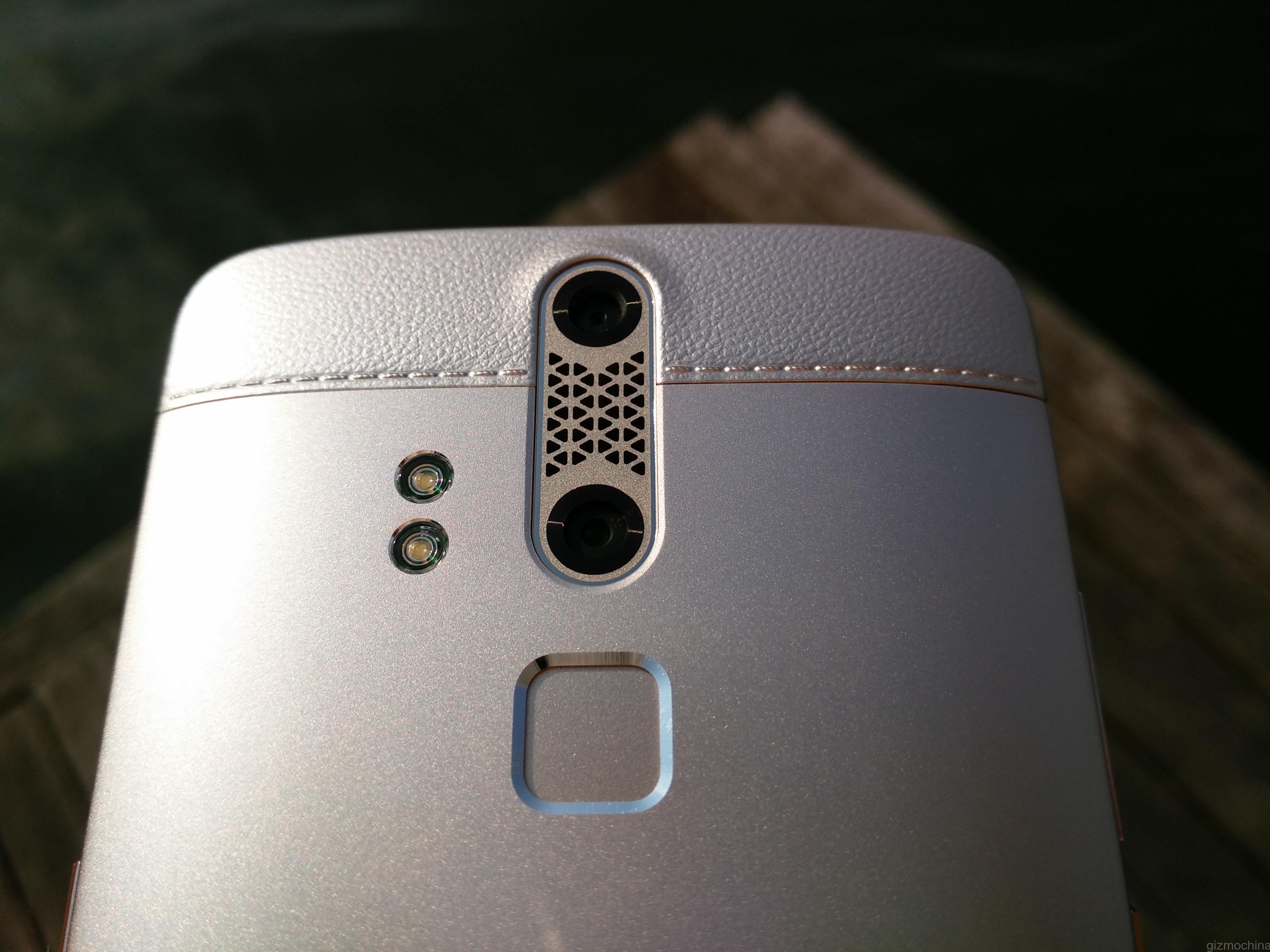
If we get a closer look at the top side, we can find a lot of things going on here. It all starts with the dual camera setup that includes .a 13MP Sony sensor with OIS, f/1.8 aperture and a single tone dual LED flash.
There is a dedicated2MP camera sensor, which collects depth information and it is mainly used for the bokeh shots and focus adjustments after taking the picture.
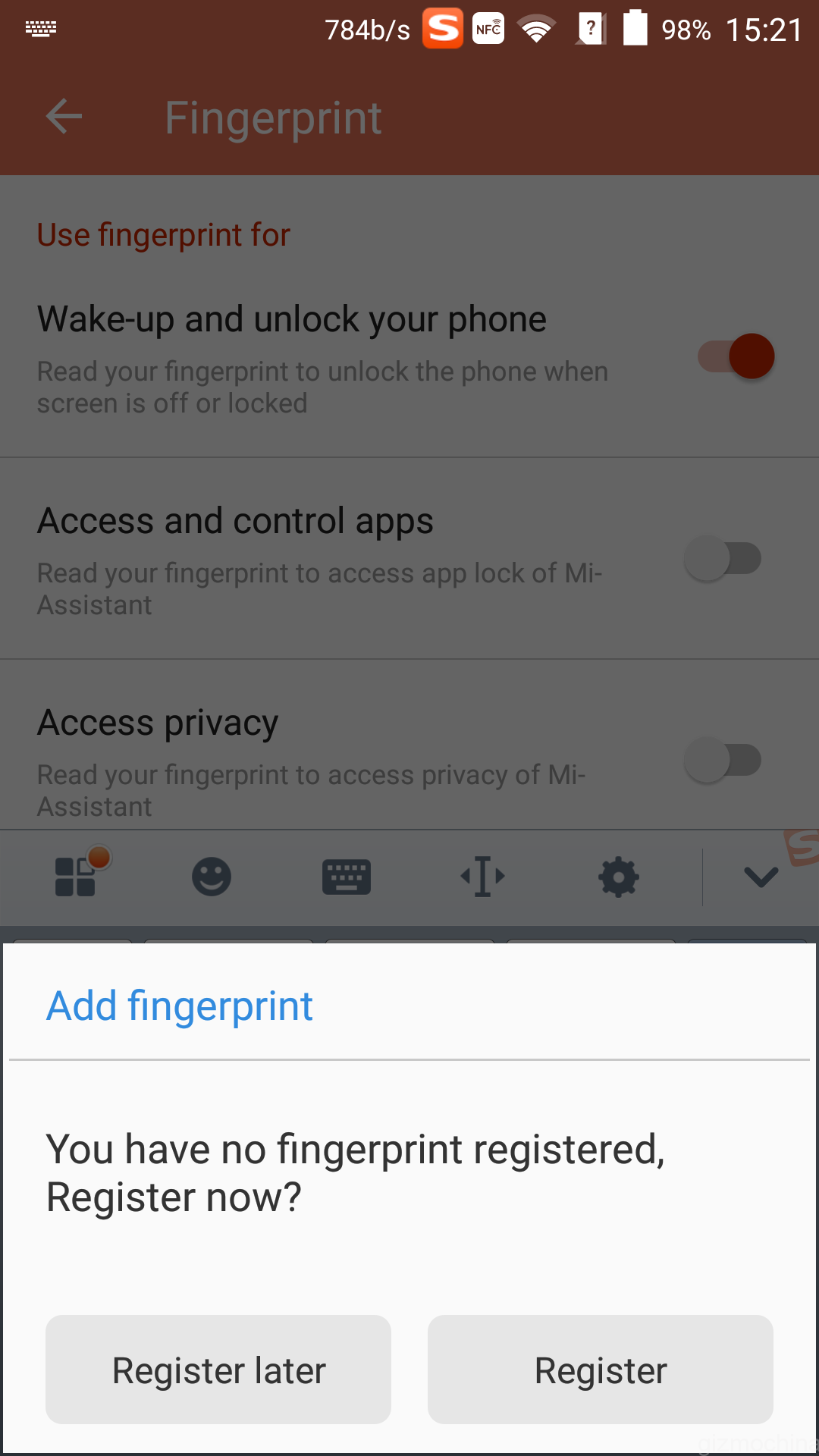
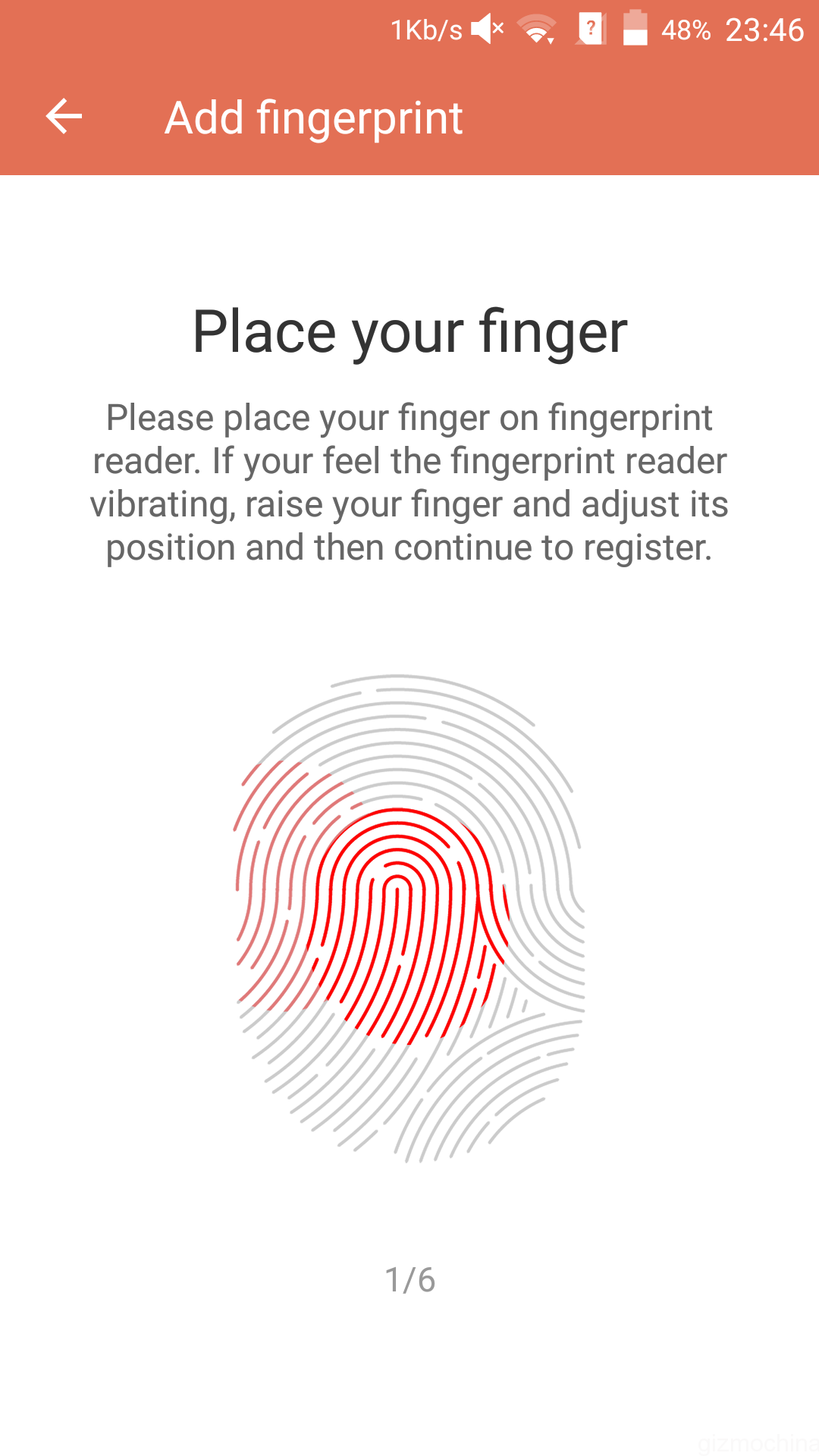
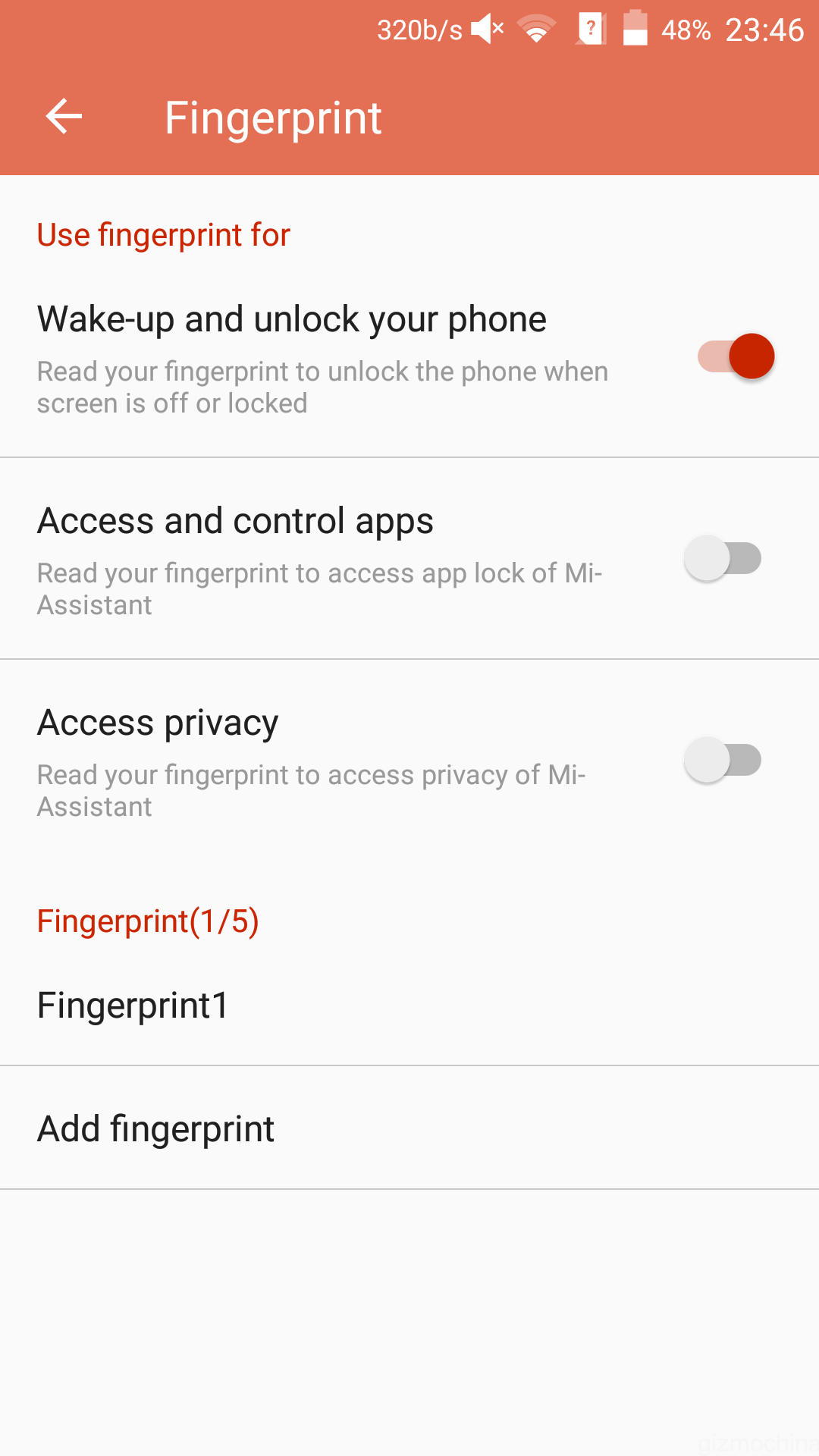
The fingerprint scanner is fast and accurate even if we compare it to today’s flagship smartphones. Also, you can unlock the phone straight from the standby mode.
The buttons are made of metal and they are tactile.
The ZTE Axon was being advertised as the “First Hi-Fi smartphone in North America” 1.5 years ago. The sound via headphones is indeed very good, which has a very loud volume output, rich tones and a lot of depth. Even today, it is undoubtedly one of the best phones for music lovers out there
Finally, on the bottom you can find a micro USB port and the main mic.
ZTE Axon Review: HARDWARE and PERFORMANCE
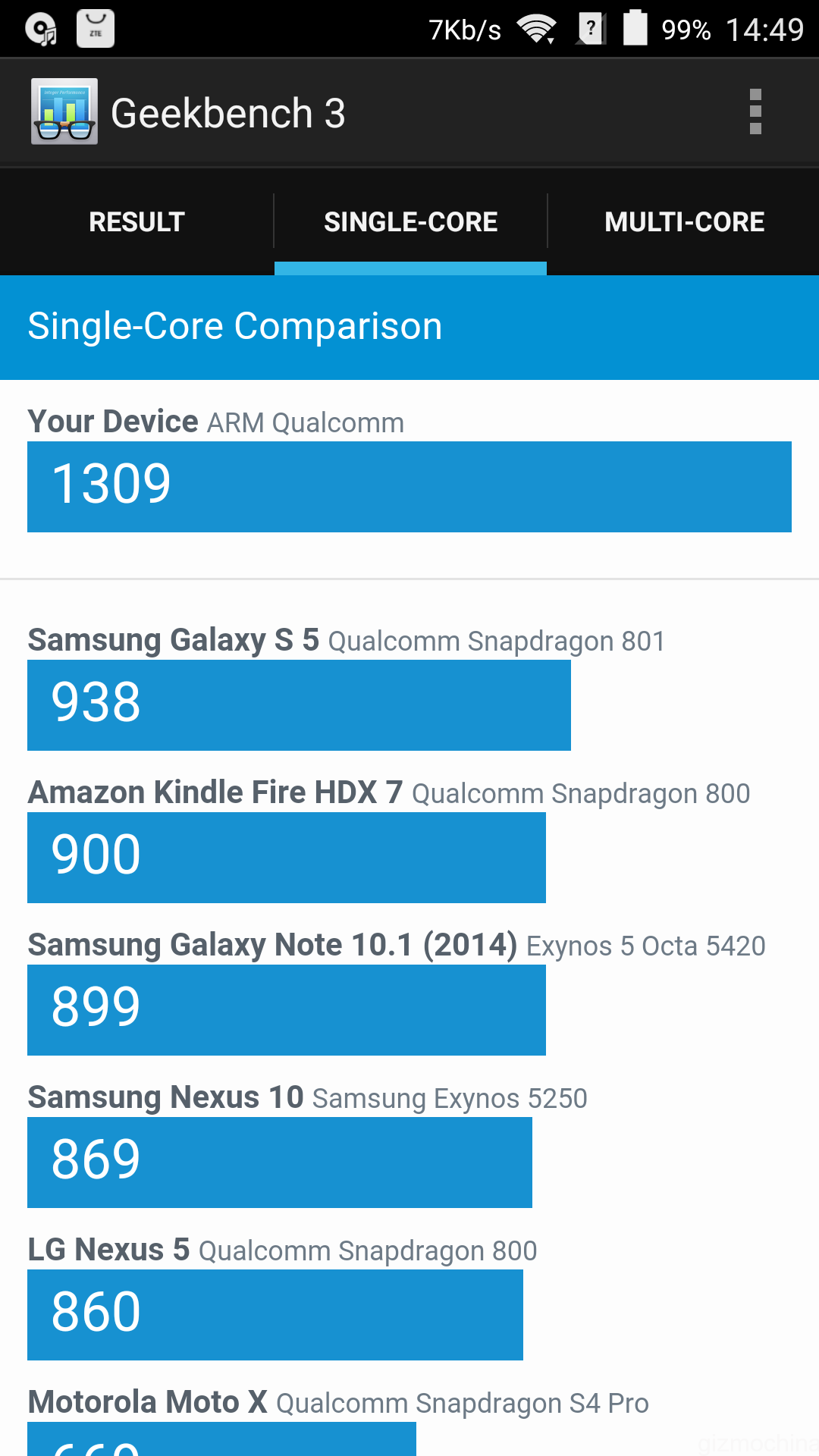
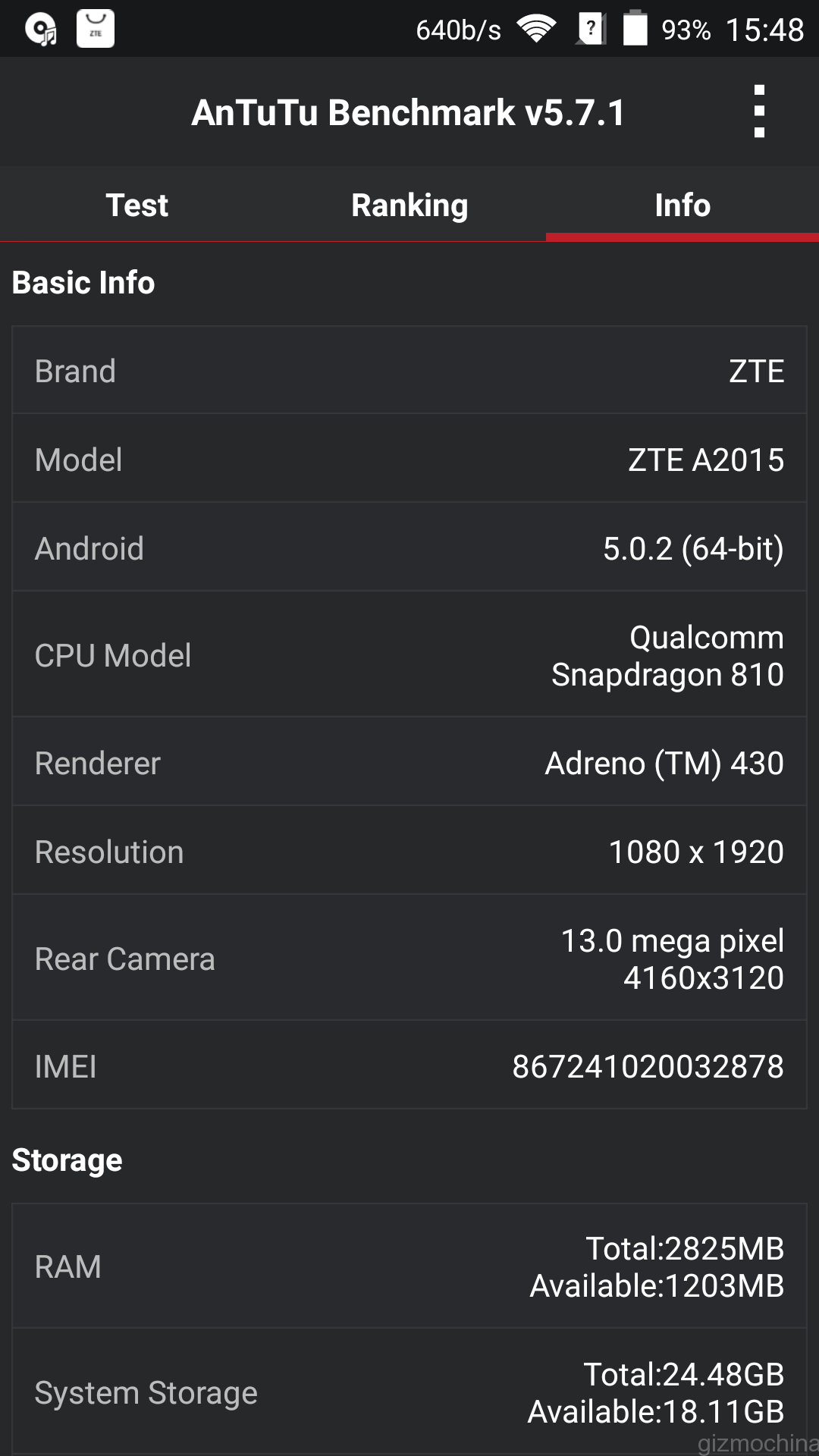
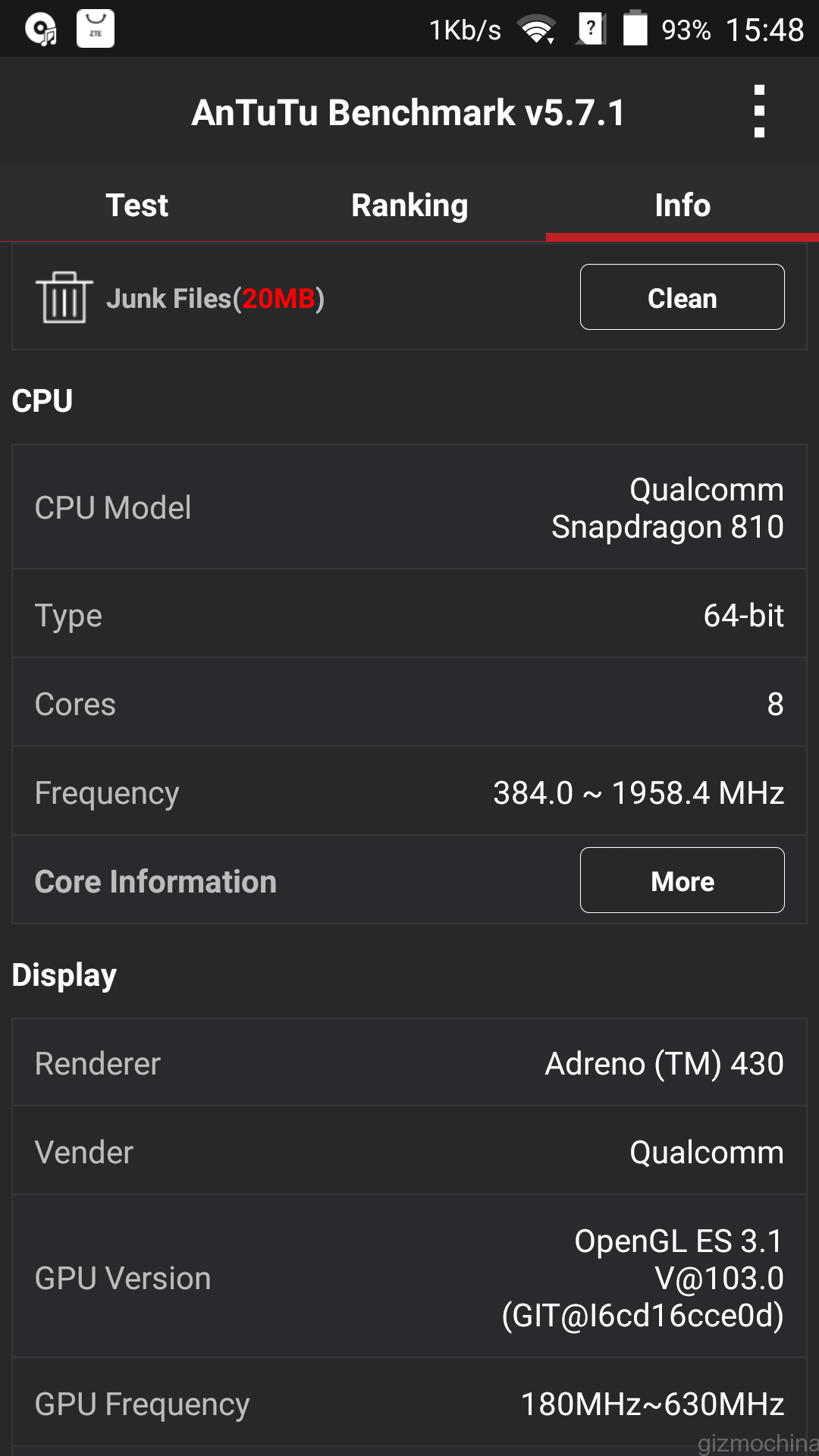
Even though the ZTE Axon was released quite a while, it still has great specs that include a Snapdragon 810 chip, 3GB of RAM and 32GB of expandable storage.
Graphically intensive tasks like gaming fly on the ZTE Axon and the graphics look stunning. Even today, I can say that this is a flagship-grade performance as didn’t have stutter or lag in any games I played.
The device gets warm a bit but it does not heat up to uncomfortable levels even after extended periods of gaming. It may feel a bit warmer than usual due to a natural heat dispersion on metal surfaces, though.
ZTE Axon Review: USER INTERFACE
1 of 12
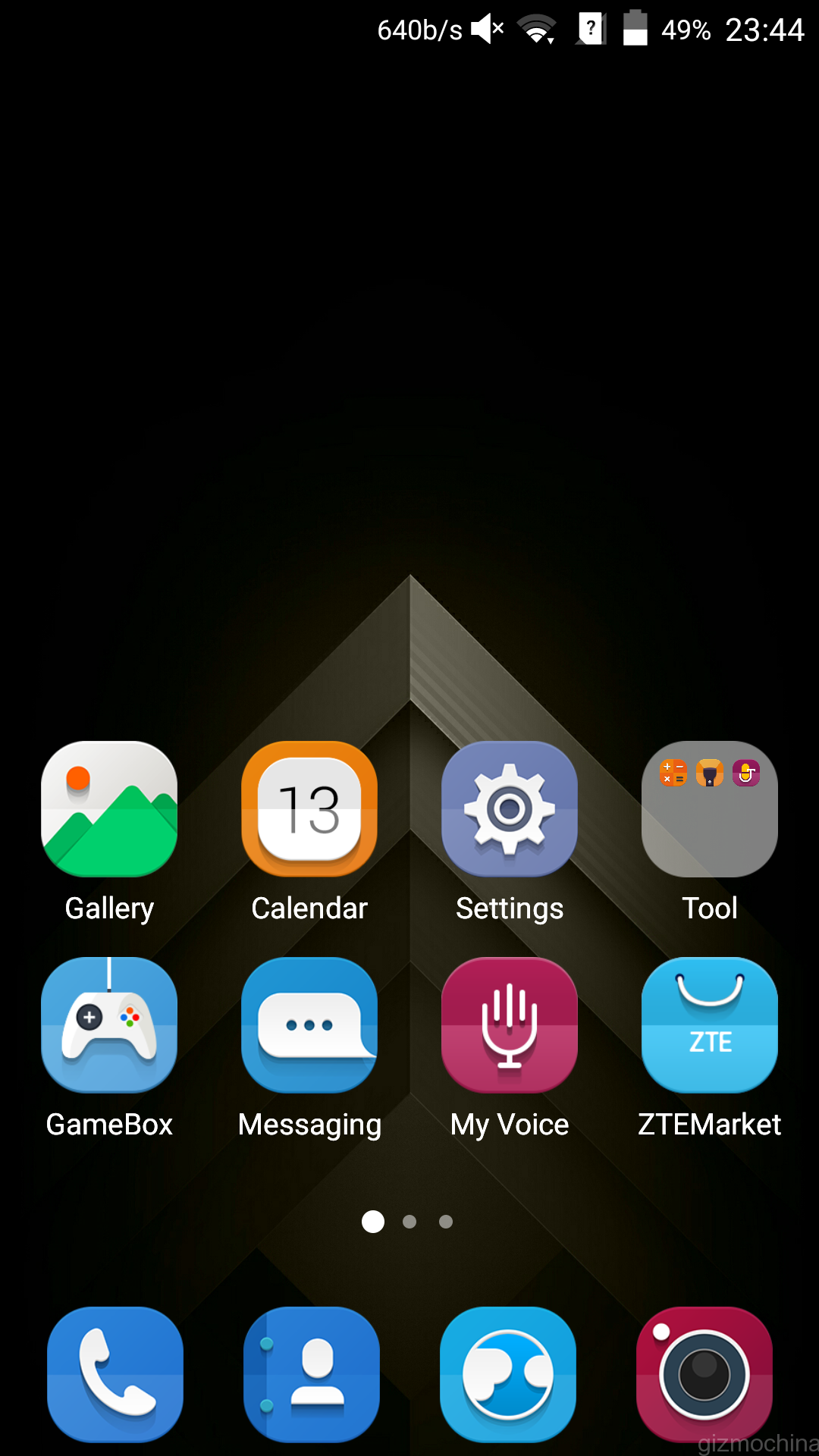
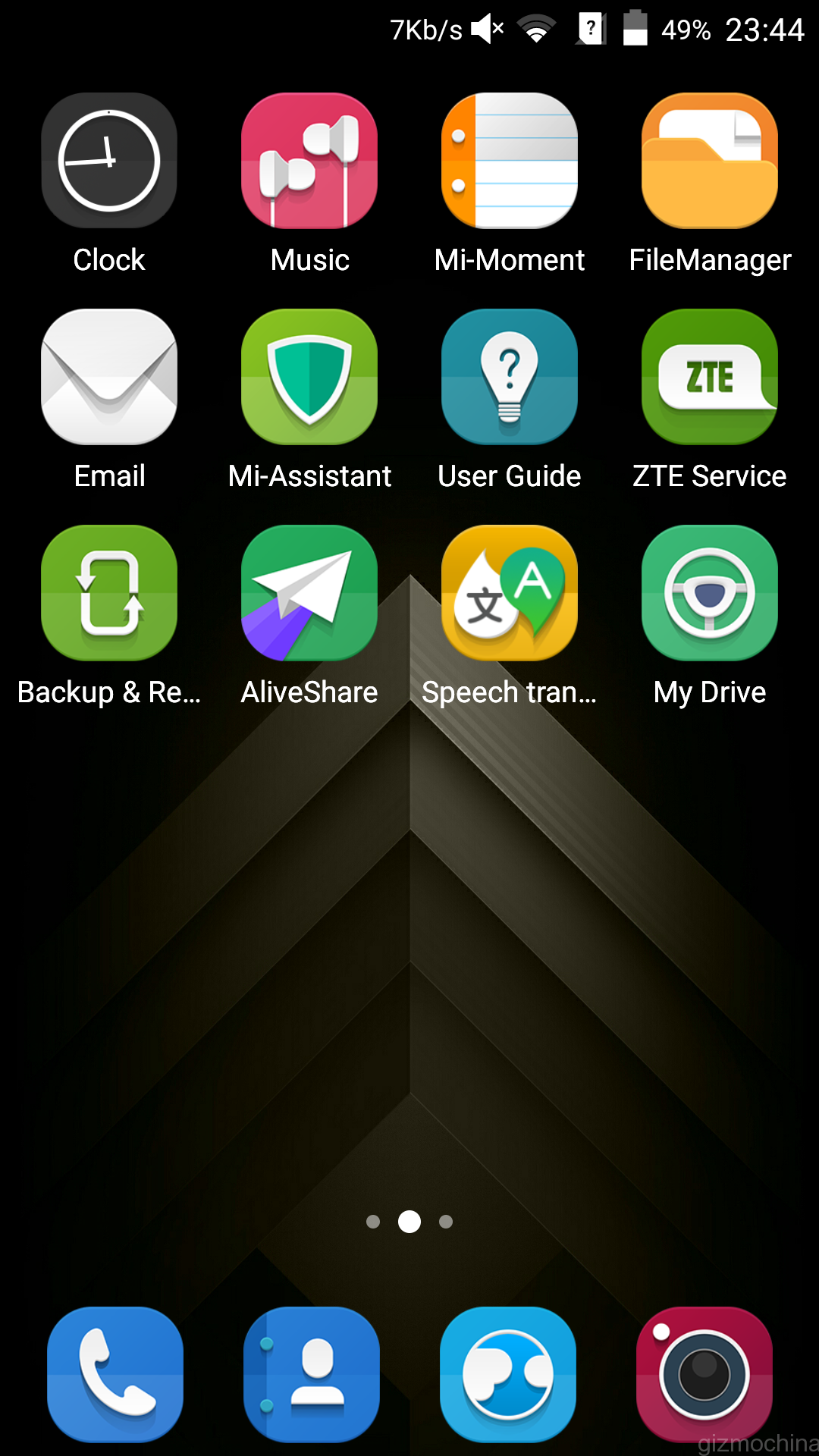
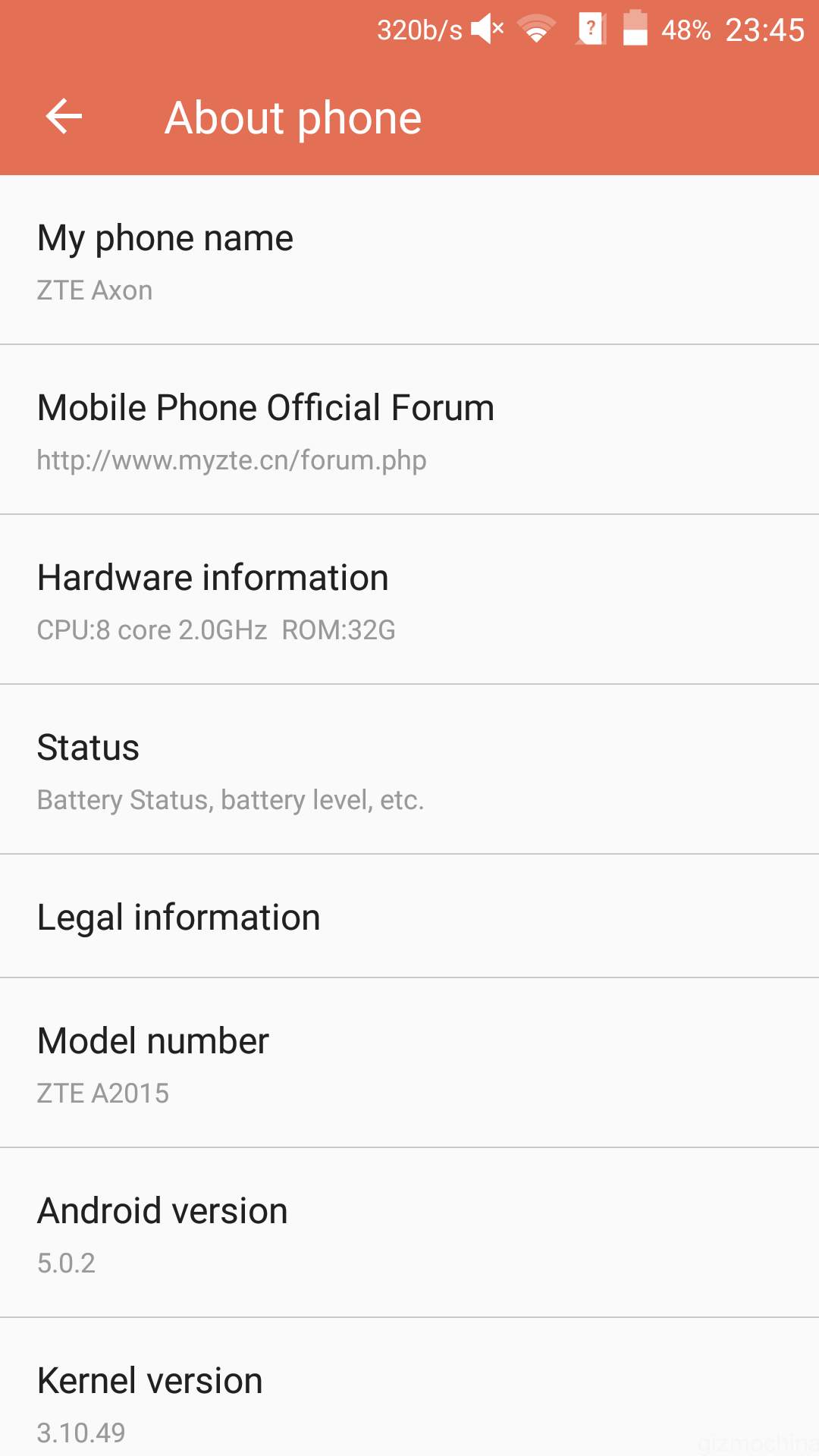
The ZTE Axon runs MiFavor UI 3.2, which is company’s own take on the Android 5.0.2 Lollipop. Honestly, it is really frustrating that ZTE didn’t update this phone at least to Android 6.0.
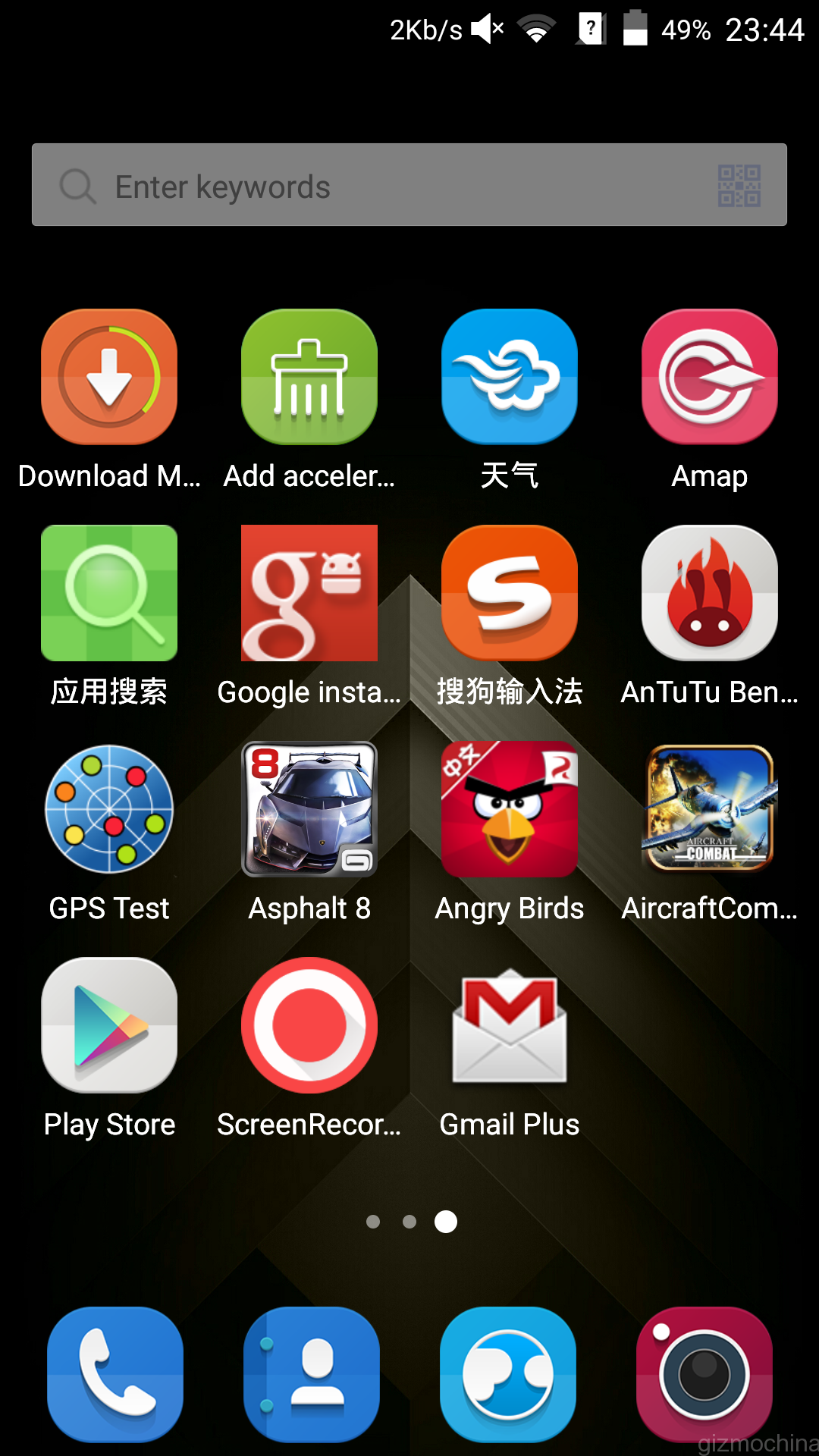
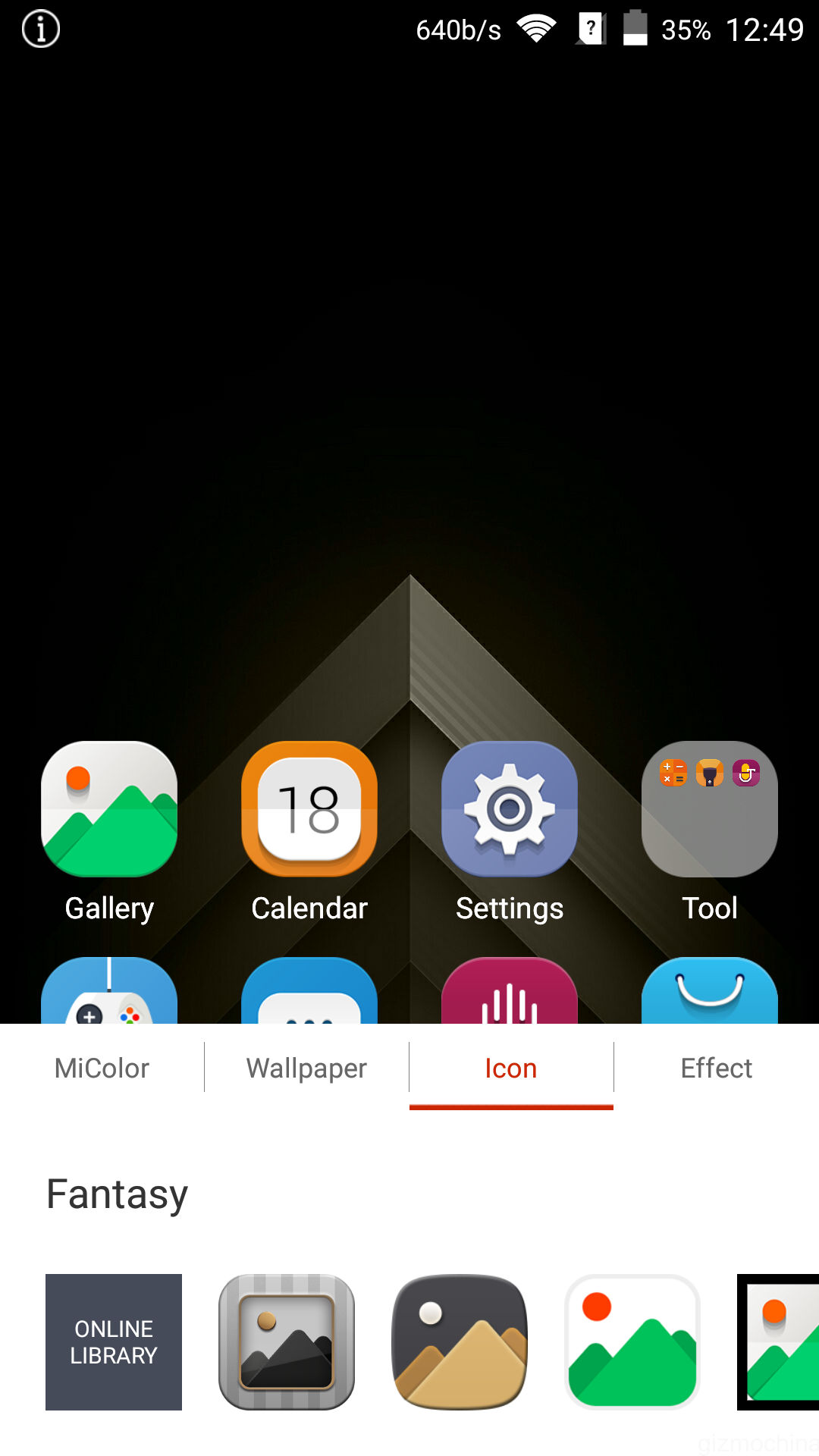
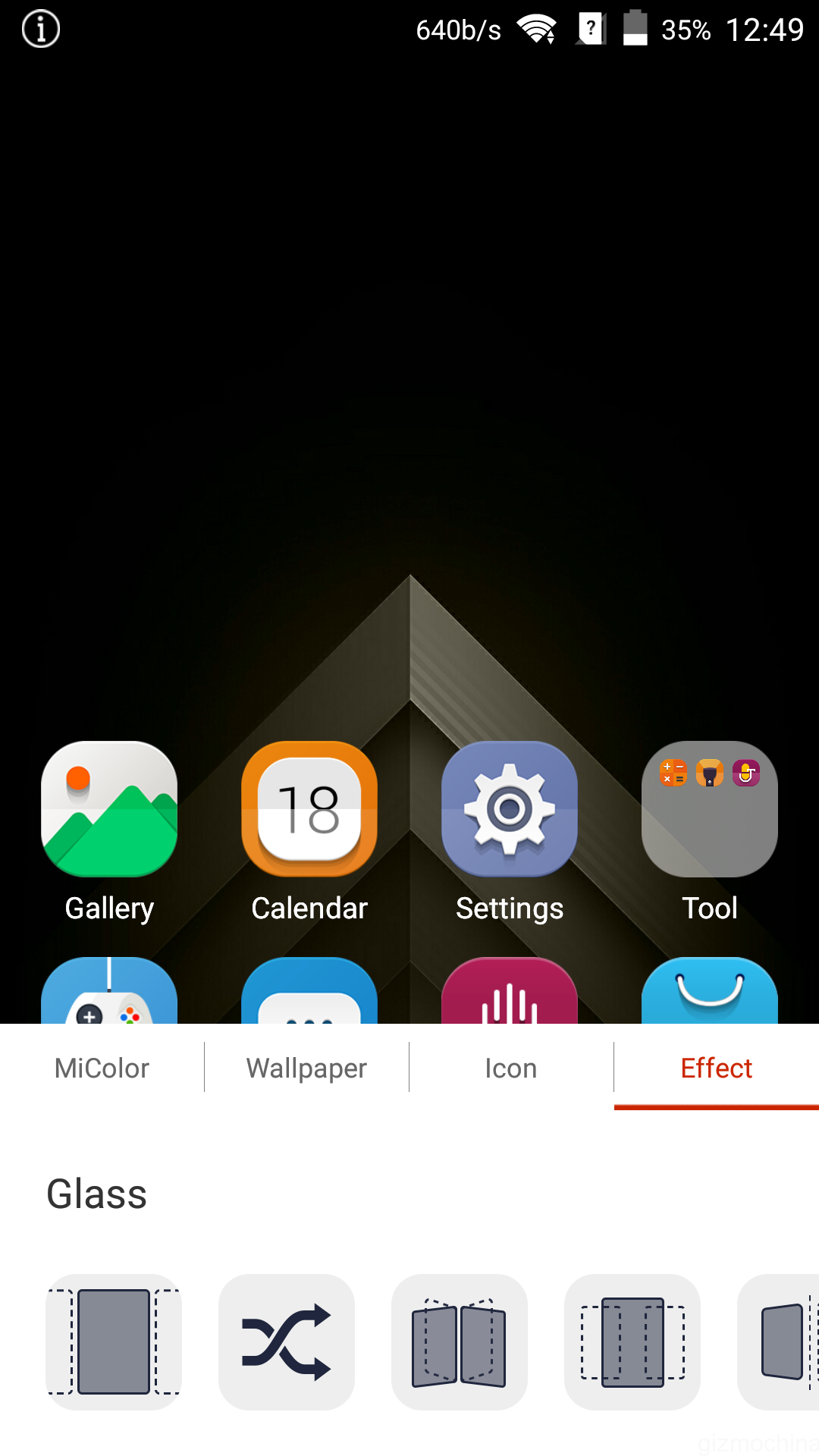
The user interface has preserved the aesthetics of the stock Android but ZTE added quite a lot of its own by offering some extra features, kind of cartoonish looking icons and tons of customization options. As usual to the Chinese phones, there is no app drawer and all the apps sit on the home screens.
1 of 6
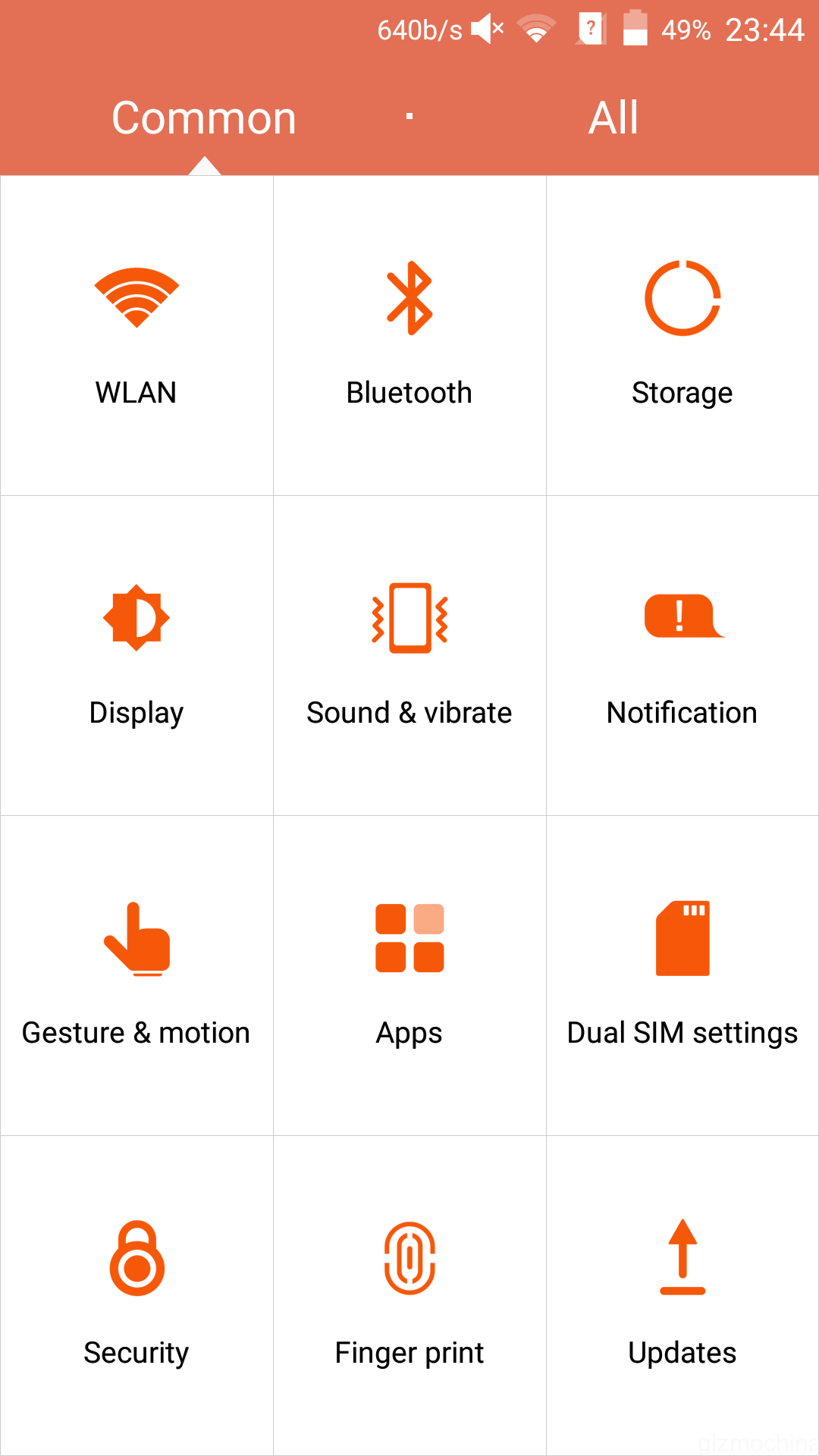
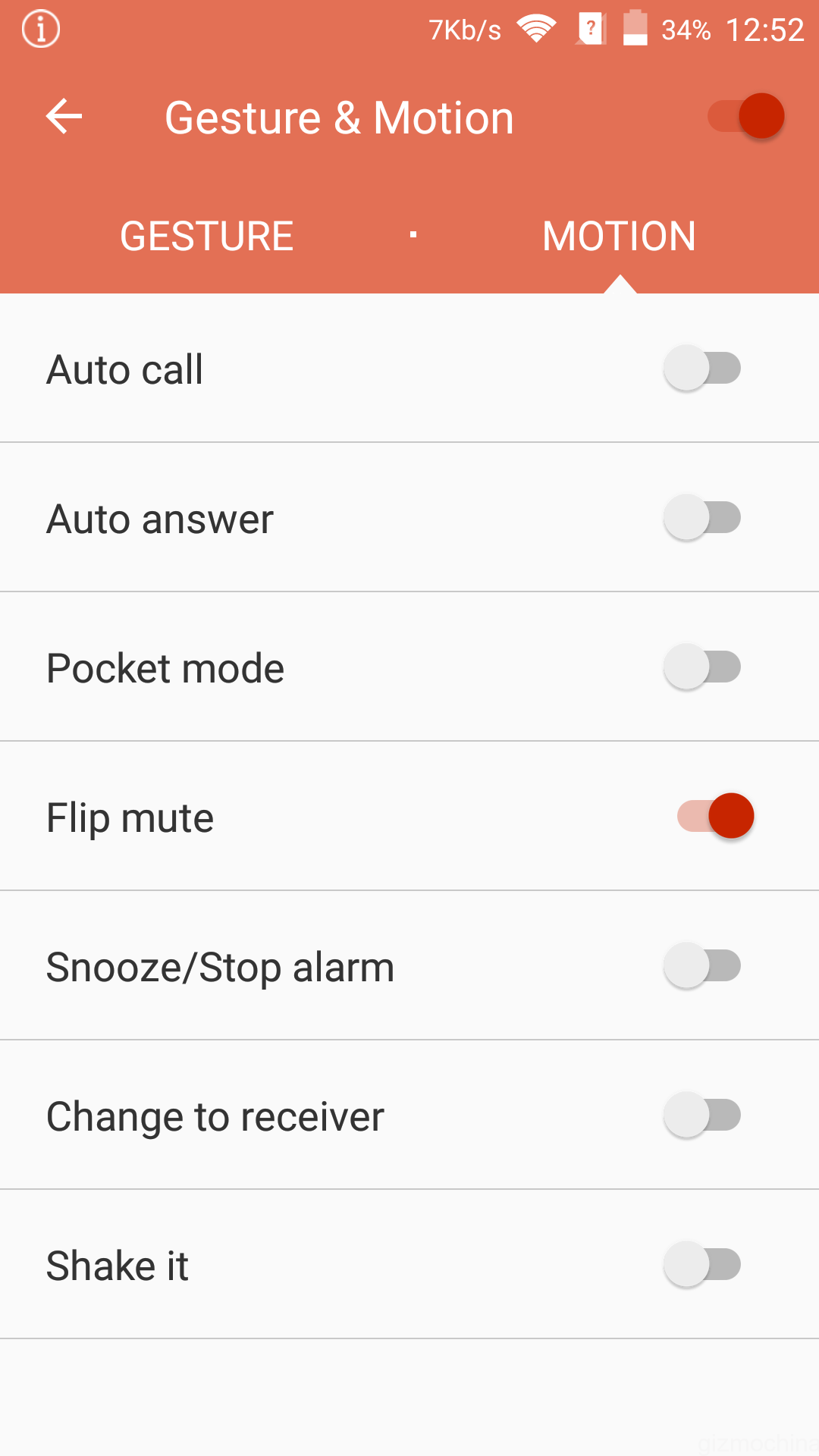
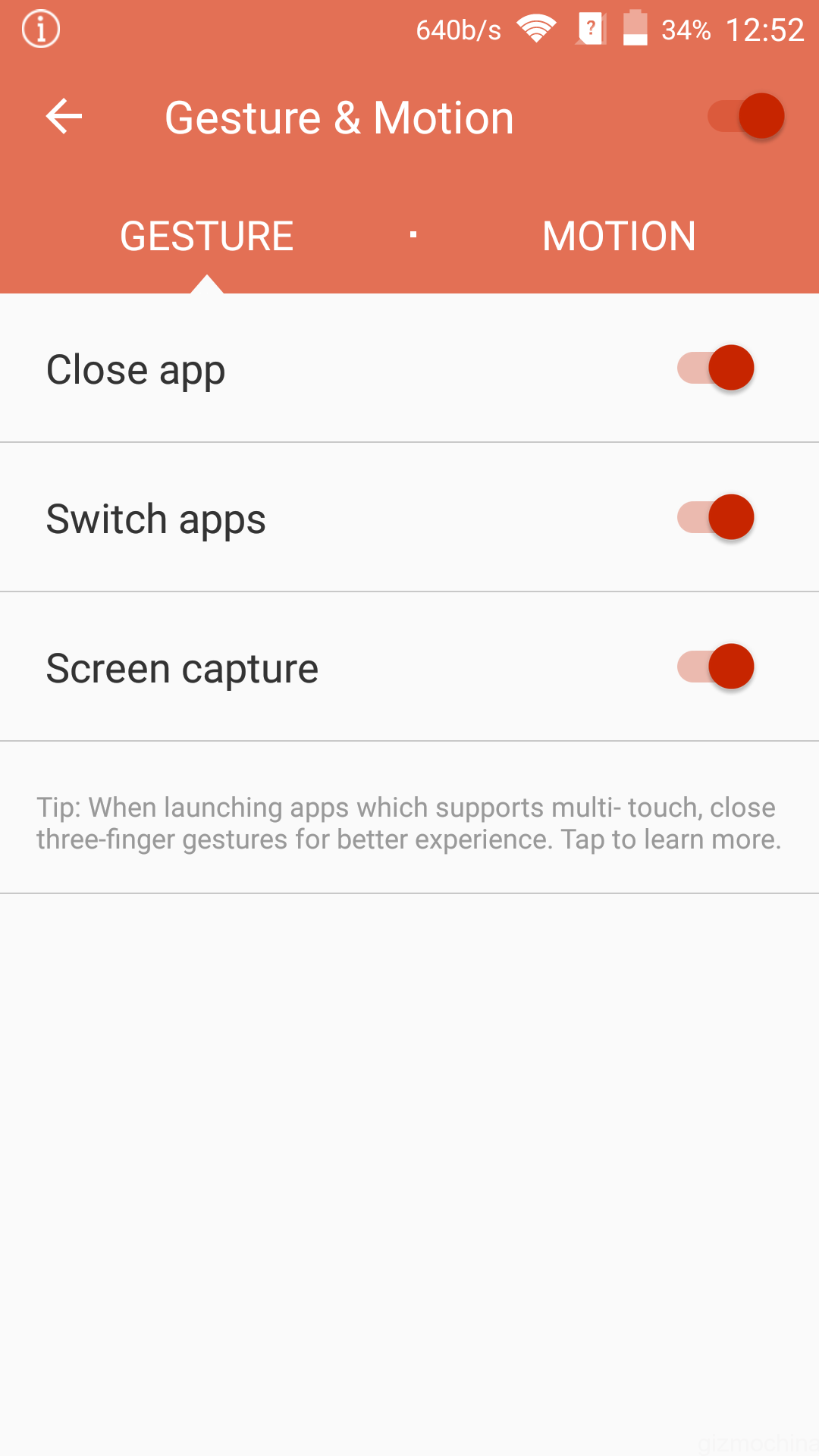
ZTE added some functionality with the gesture controls. Also, you can customize the phone by changing transition effects, accent colors and so on.
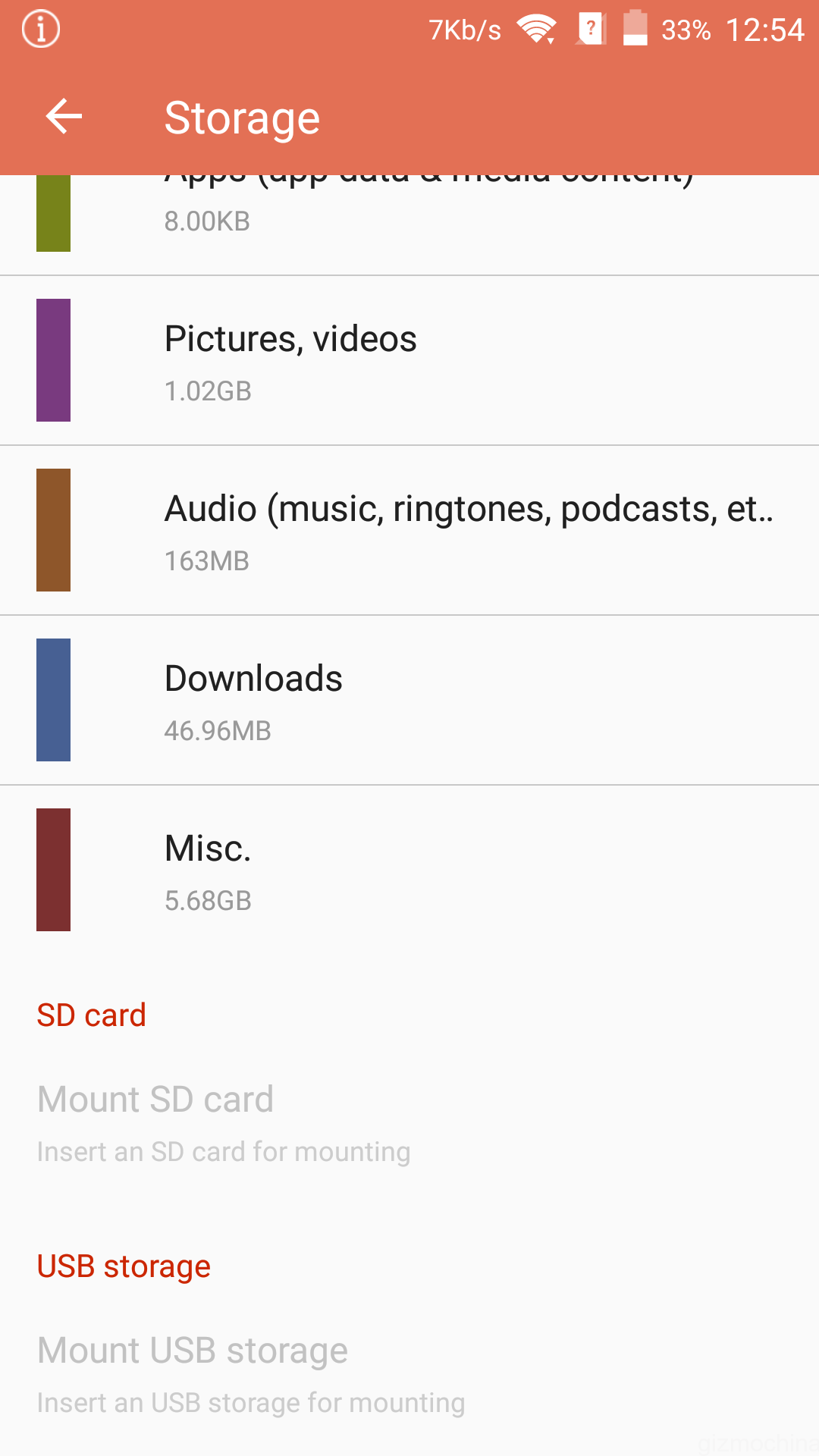
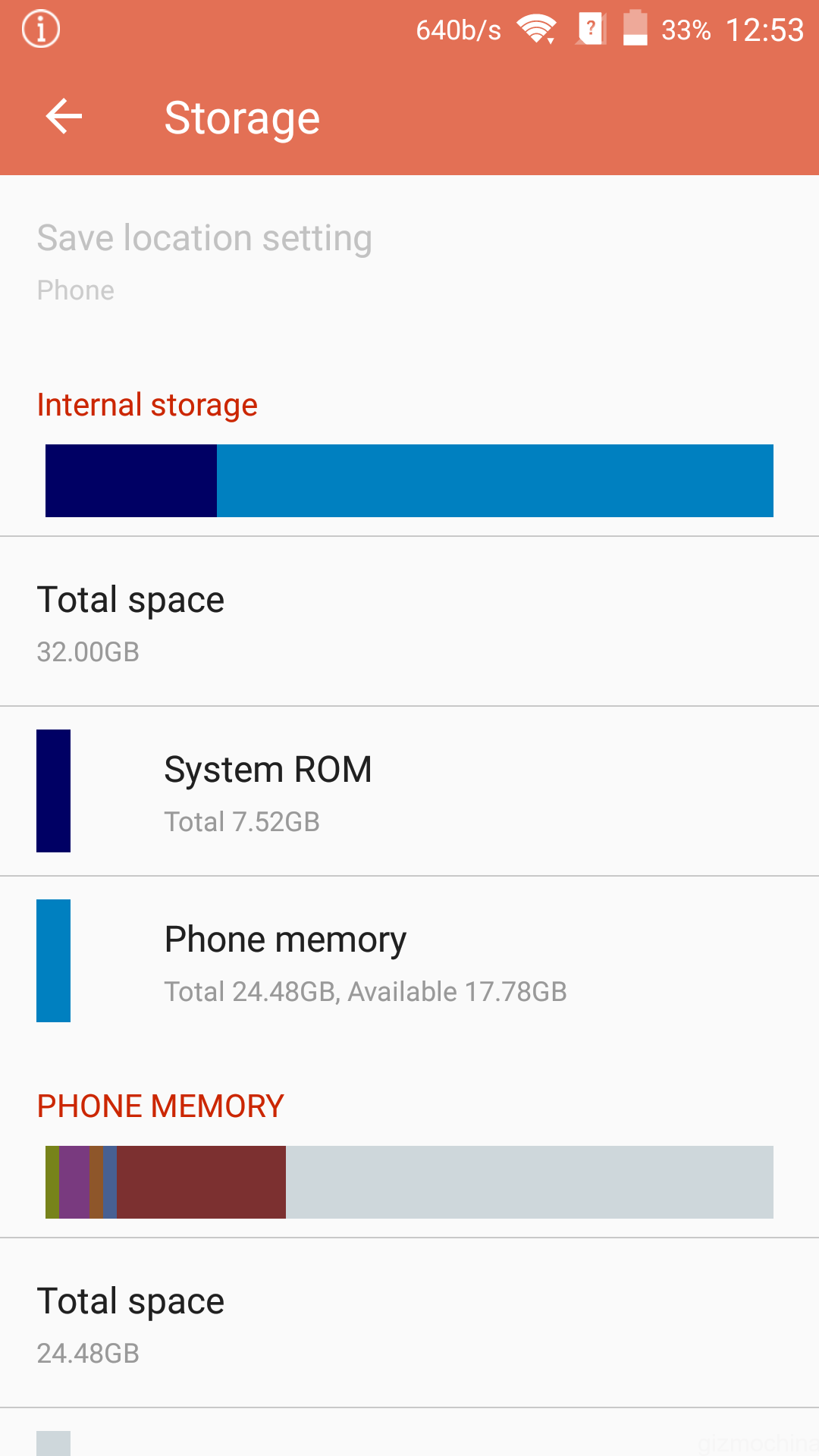
The system ROM takes a hefty amount of 7.5GB. Fortunately enough, the device comes with the microSD card slot.
Overall, I am very pleased with how the UI works even though it is based on the outdated Android 5.0. Most importantly, the phone is fast and responsive on the daily basis.
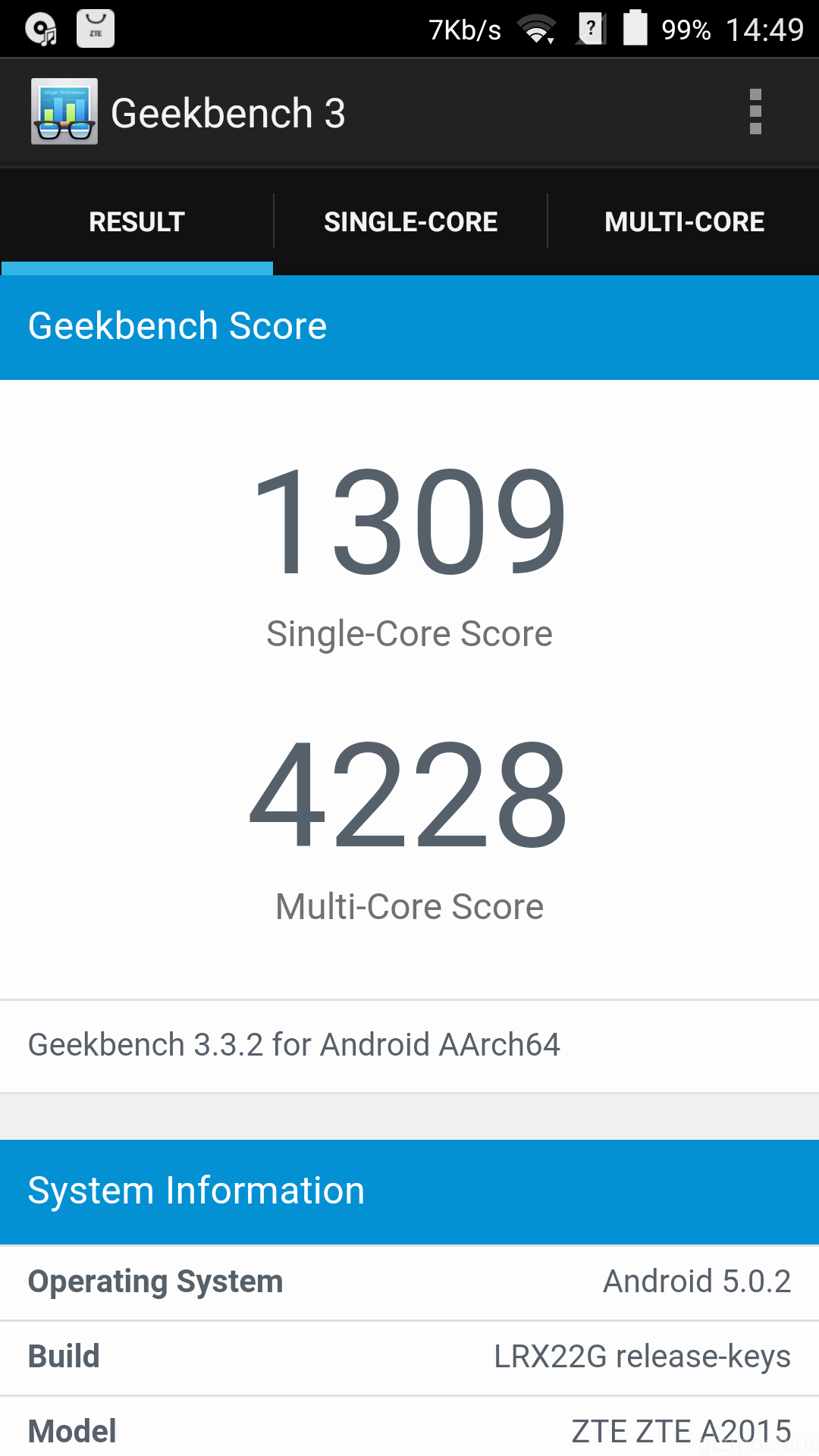
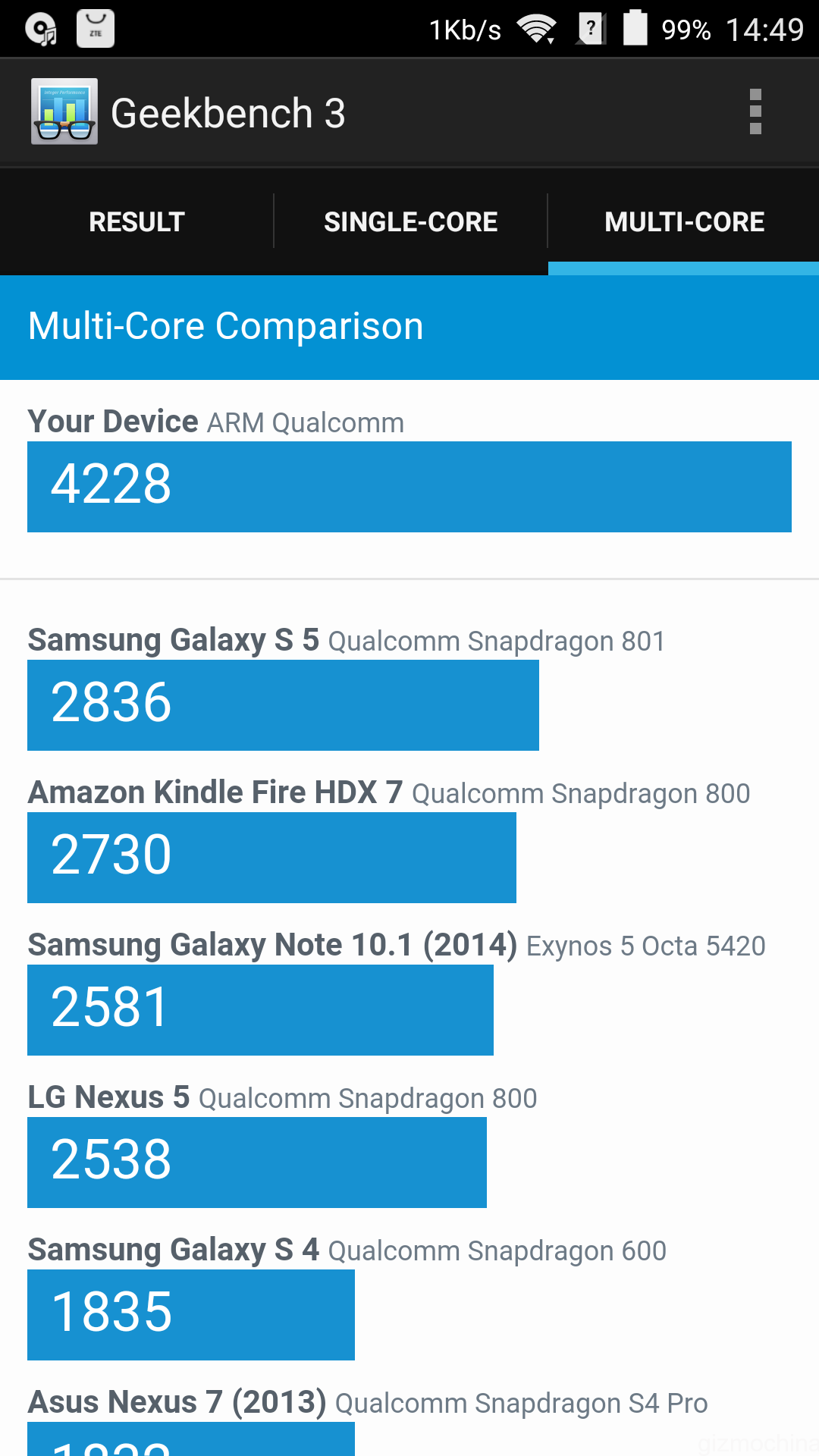
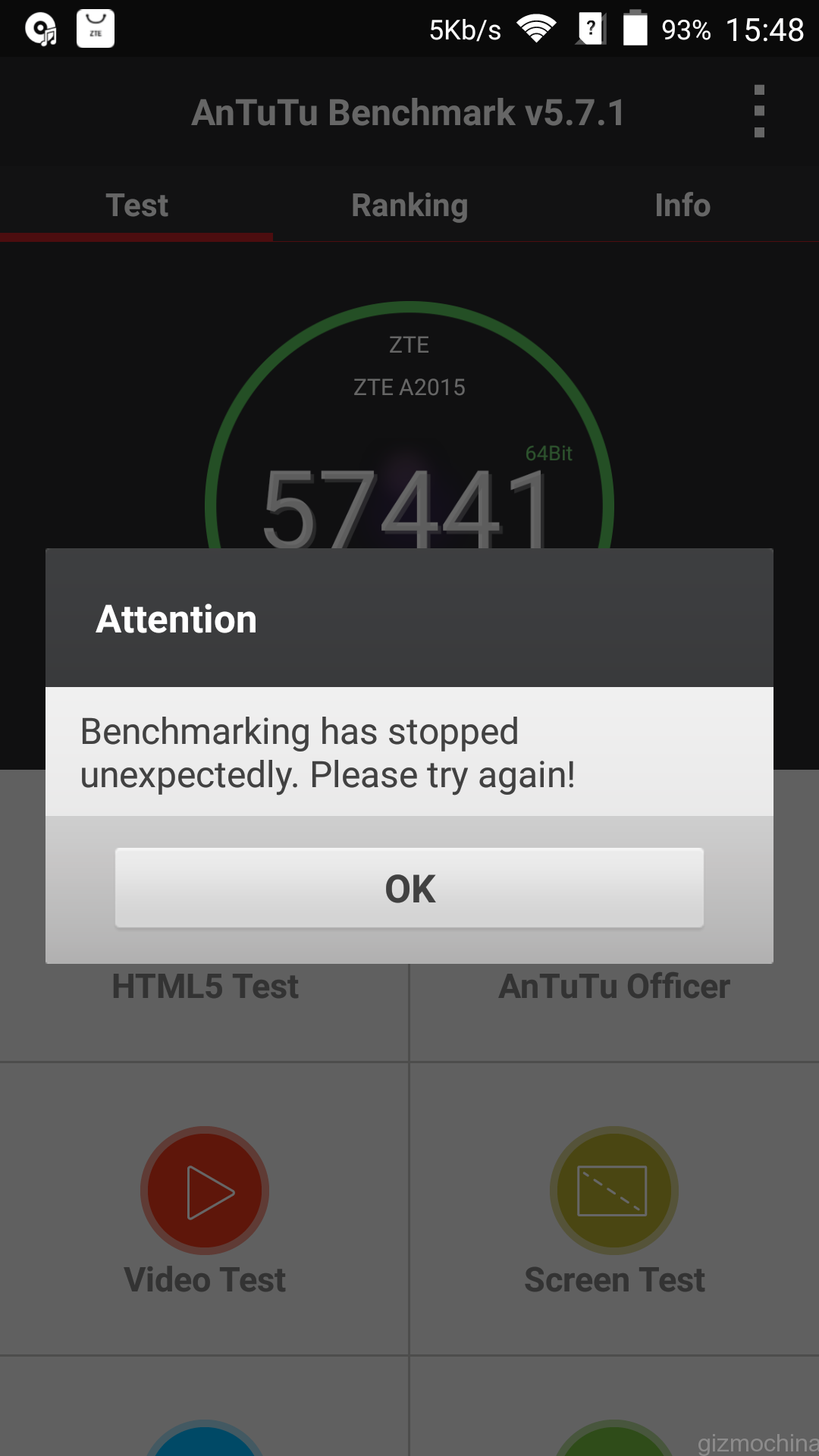
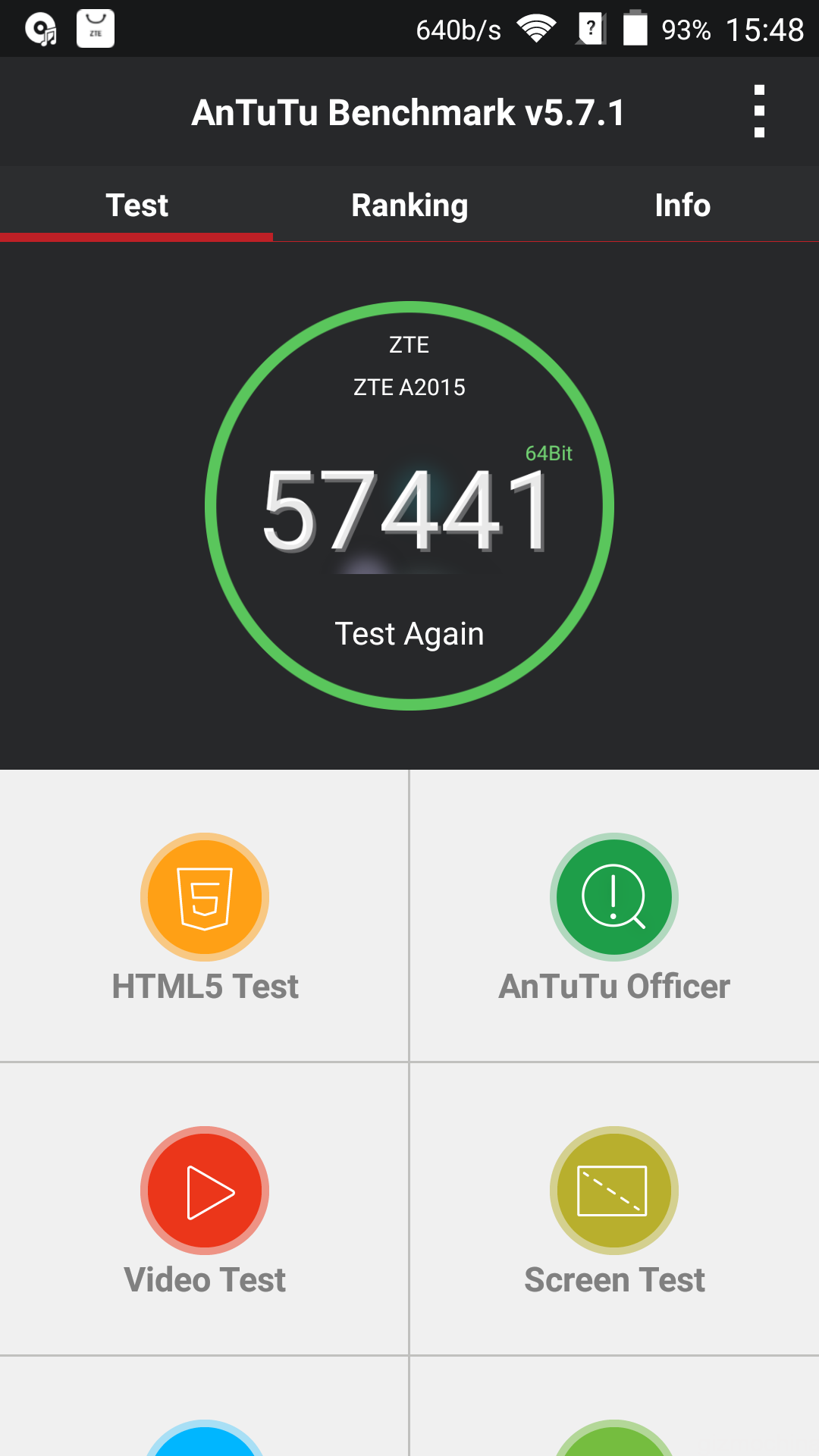
ZTE Axon: BENCHMARKS
1 of 7
ZTE Axon Review: CAMERA
1 of 7
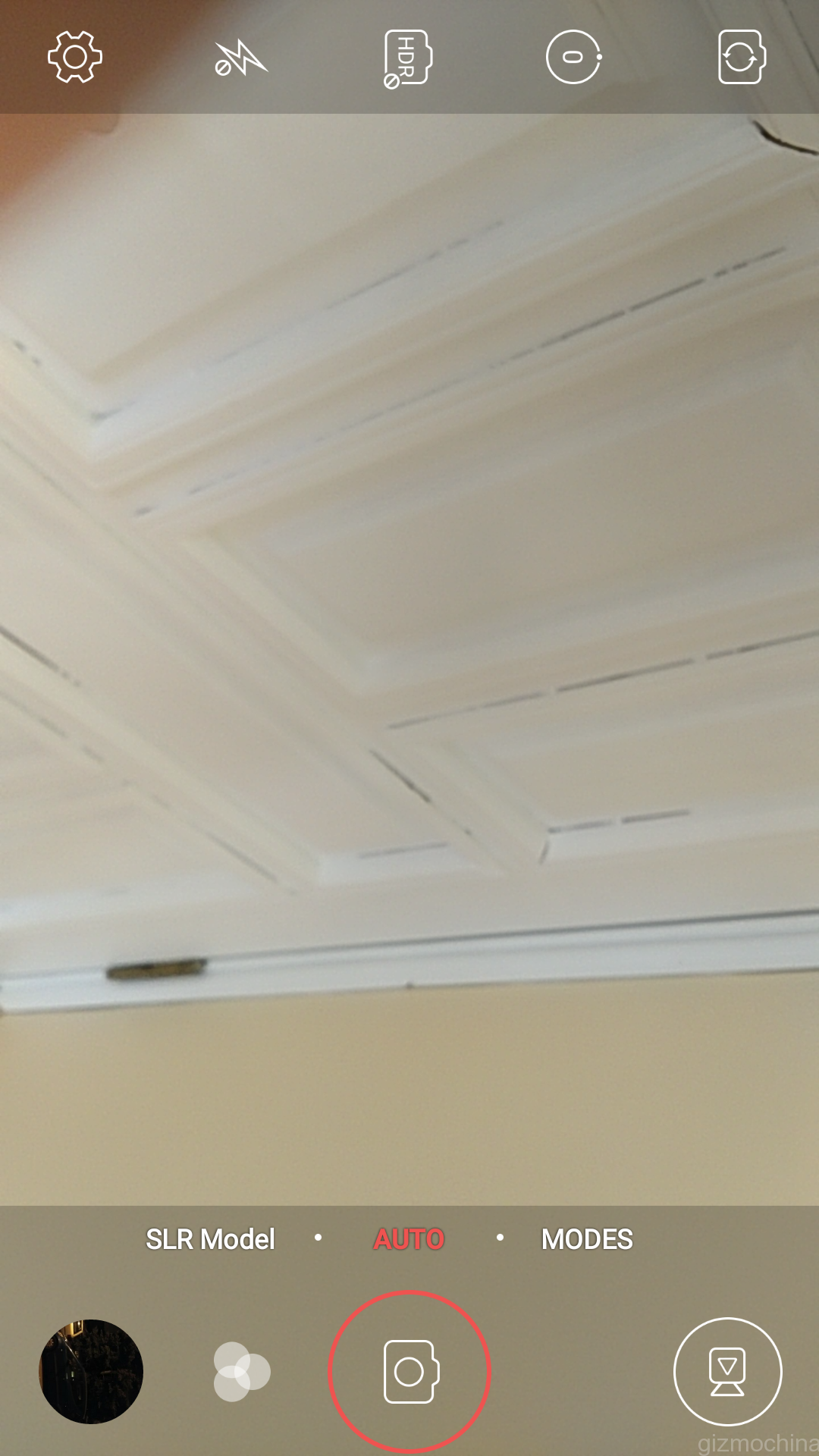
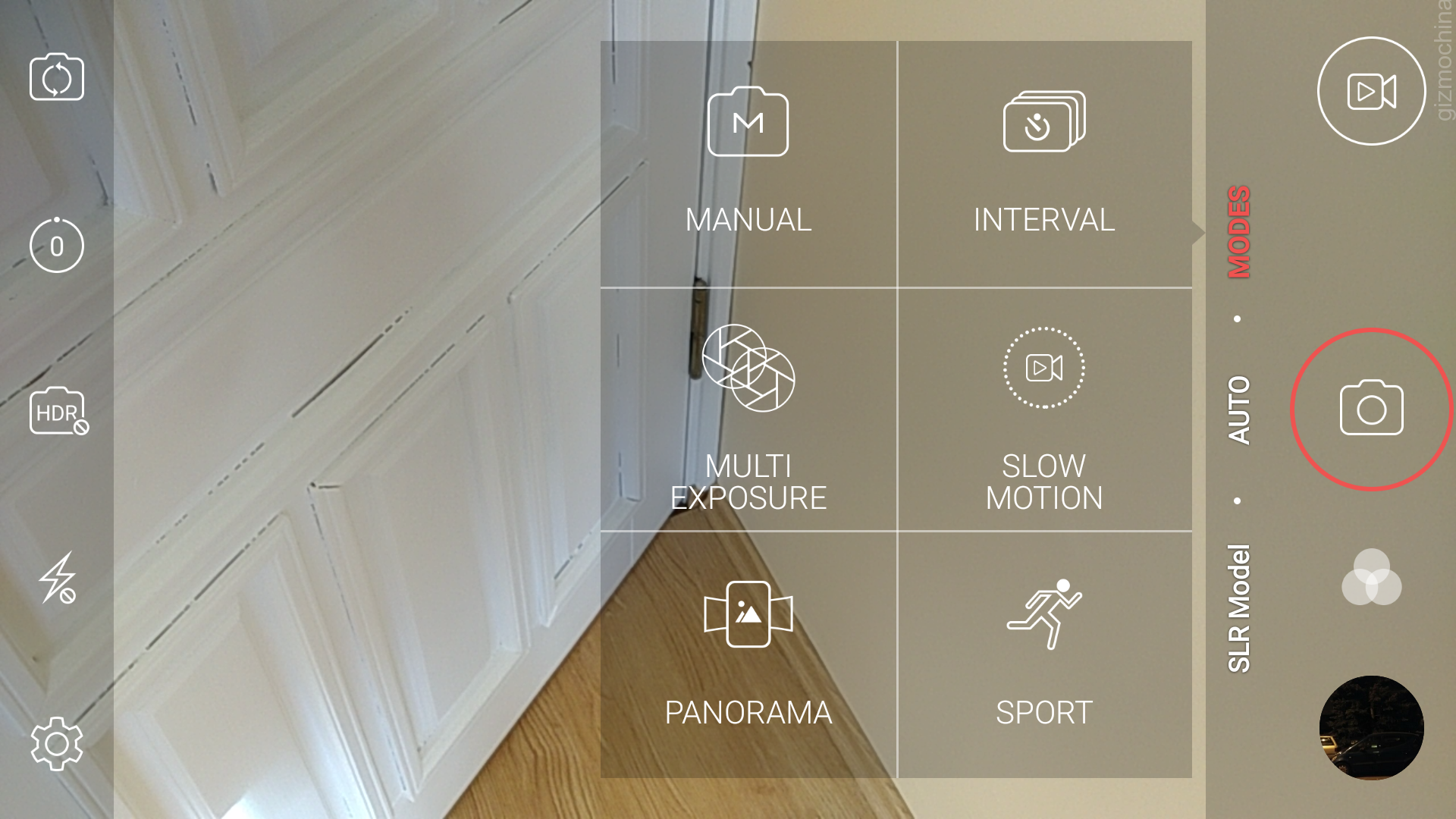
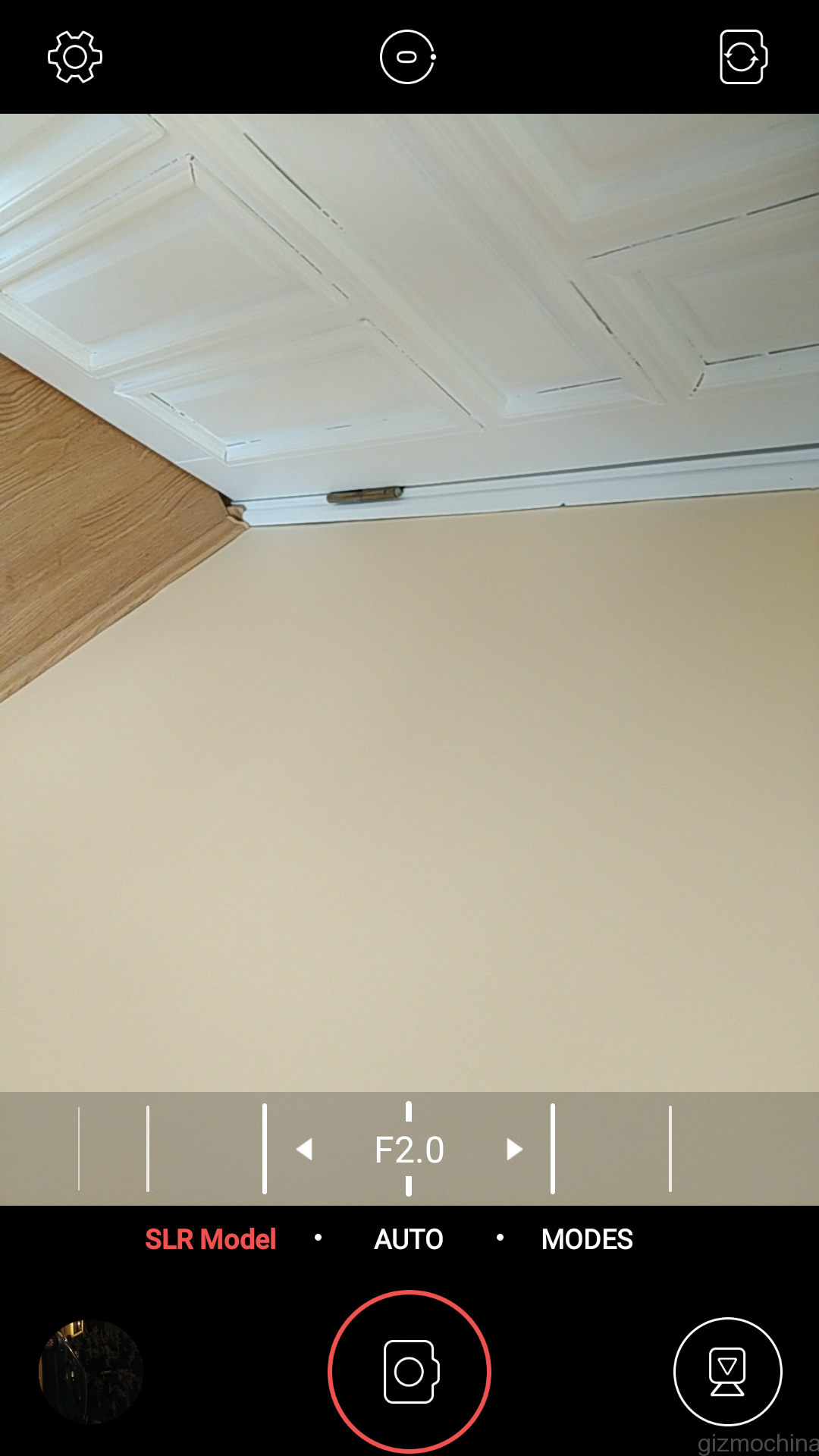
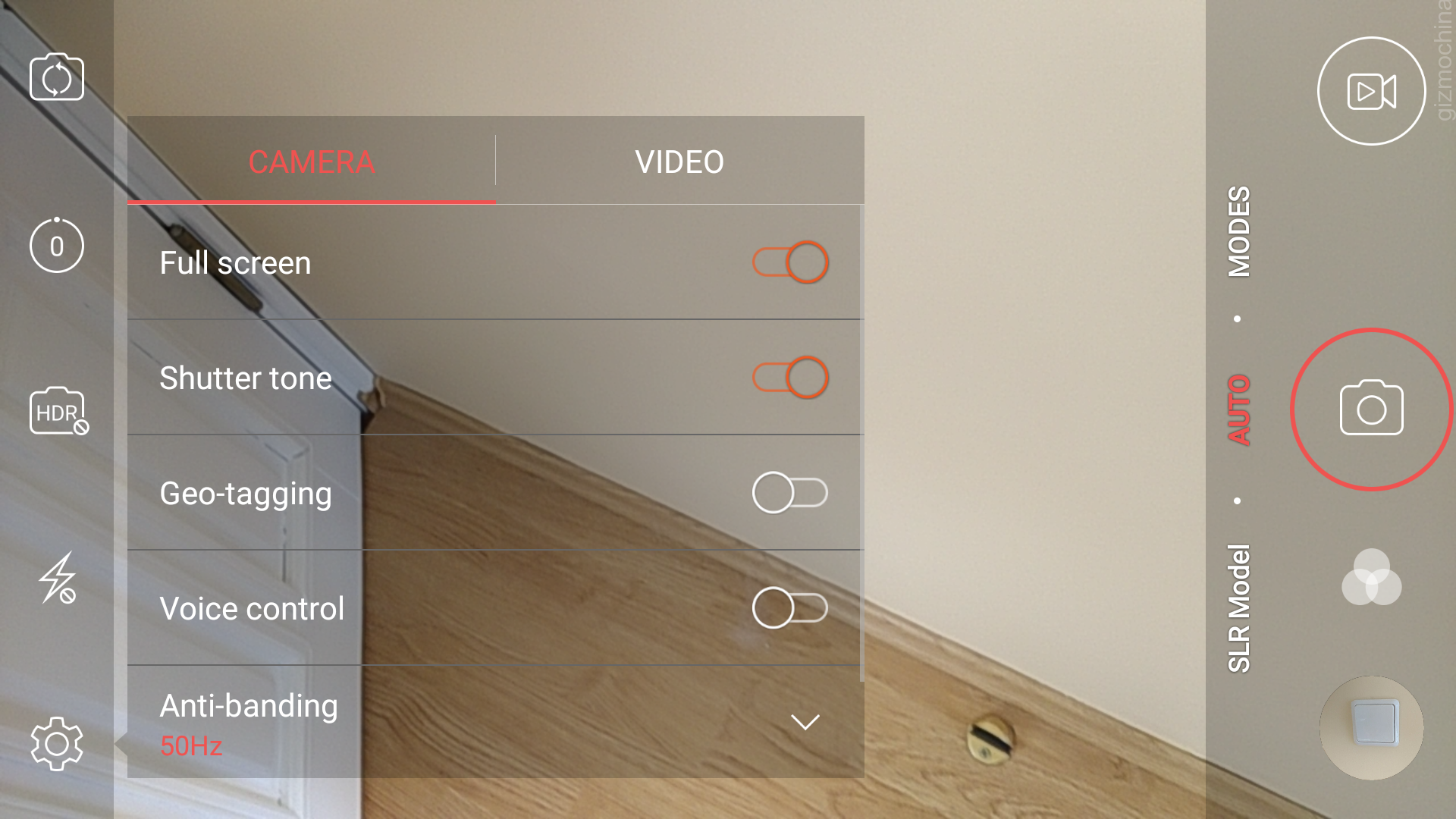
The camera app is fast and responsive, and it has tons of controls, shooting modes and features. You may take pictures using the auto-mode or choose the “SLR mode” to take a full manual control of the camera. A neat feature is that you can play with the aperture number as well.
In addition, the “SLR mode” allows you to use the secondary 2MP camera sensor and change the focus point and level of it after you take the picture. I was actually really pleased with the results you can achieve with the extra camera sensor. Well, sometimes pictures may look a bit artificial but other times you can get some really nice-looking images.
ZTE Axon Review: IMAGE QUALITY
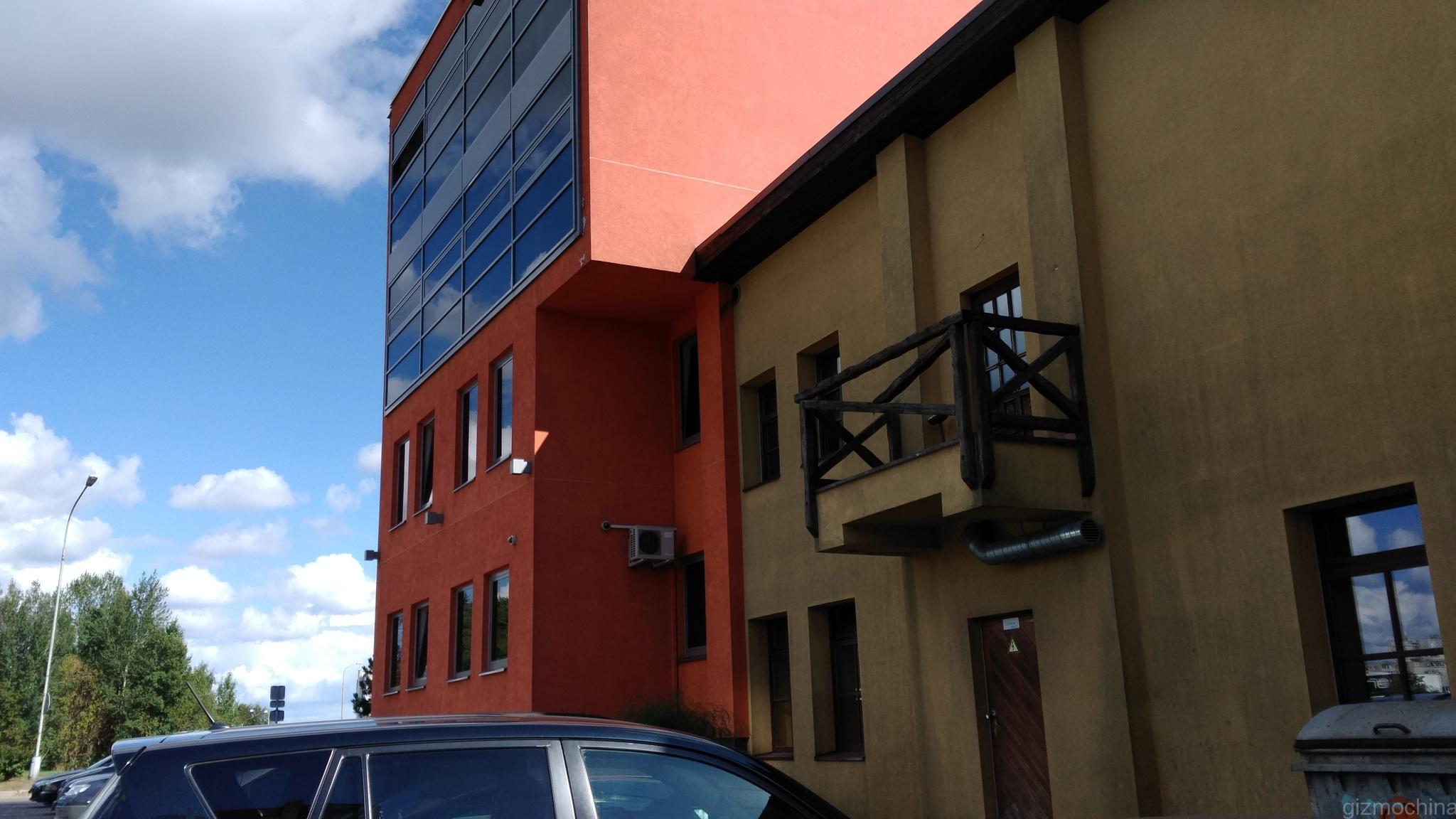
If you consider that the ZTE Axon costs just $170, the image quality is one of the best in class.The daylight images look great as they have plenty of detail, colours look nice and pictures look sharp overall. Sometimes the dynamic range can be off, though.
The images taken indoors usually look good too but with a bit less lighting, a visible noise kicks in and the amount of detail goes down significantly, like on most of the phones.
As for the low-light shots, they look prety good for such a cheap phone.
I tried to play with the bokeh effect using the “SLR mode” to see what the secondary 2MP camera sensor is capable of. What I can say is that you can get some really nice-looking images but it will not happen all the time. Sometimes some objects may look a bit artificial. Still, this is one of the best dual camera setups on any budget smartphone.
The 1080P footage looks quite good but the video may look shaky even though the phone has OIS..
http://www.youtube.com/watch?v=iQkdWmVh8D4
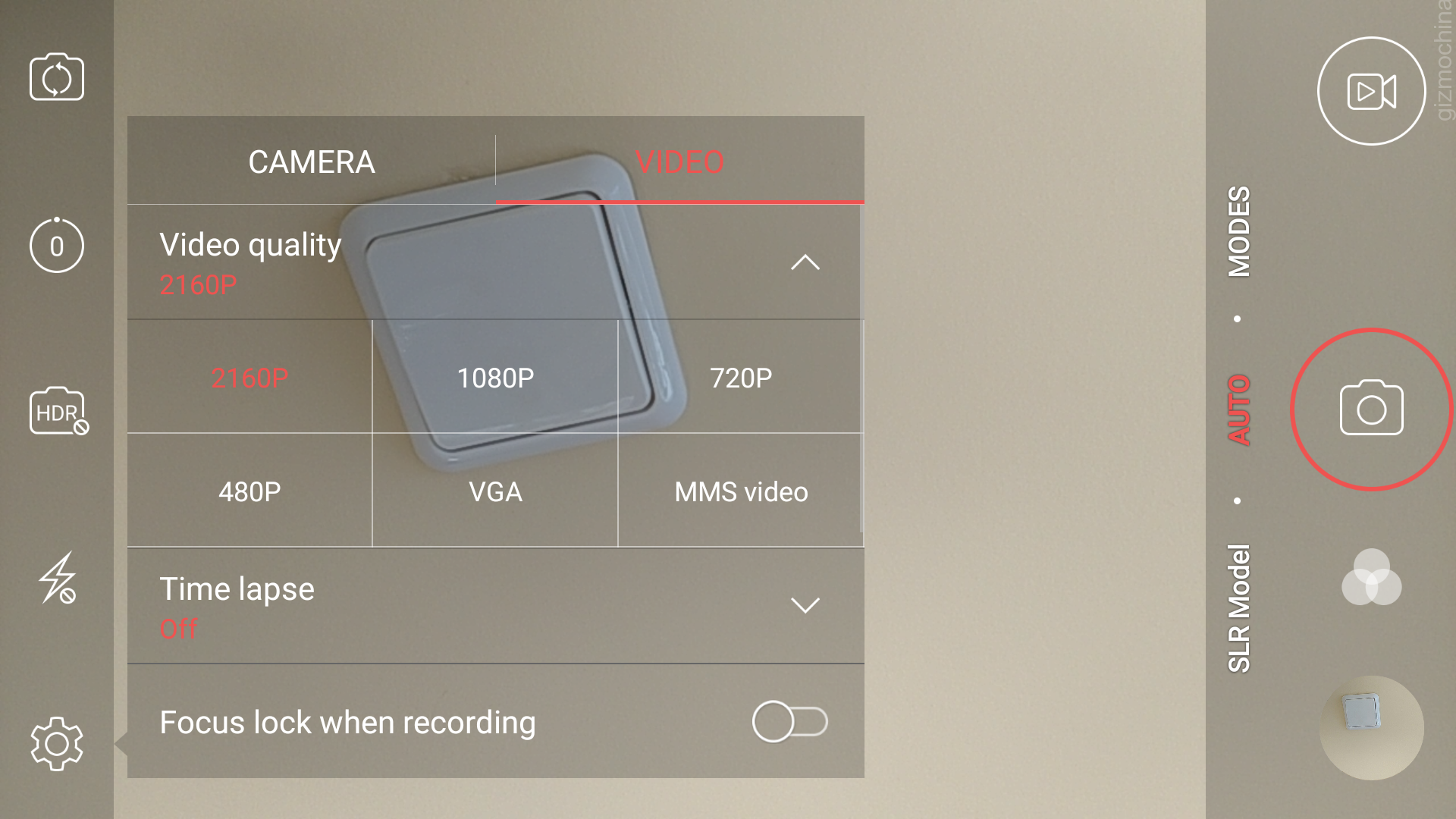
The 4K video looks a lot better and the quality may be the best in this price range.
There are some extra shooting modes like slow-motion video at 720p, which looks pretty good.
The selfies look pretty good and there will be enough quality for social media purposes. The 1080p selfie video looks good too. Also, the audio recording quality is excellent. Again, thanks to the two-way Hi-Fi audio chip that improves audio recording quality too.
ZTE Axon Review: CONNECTIVITY
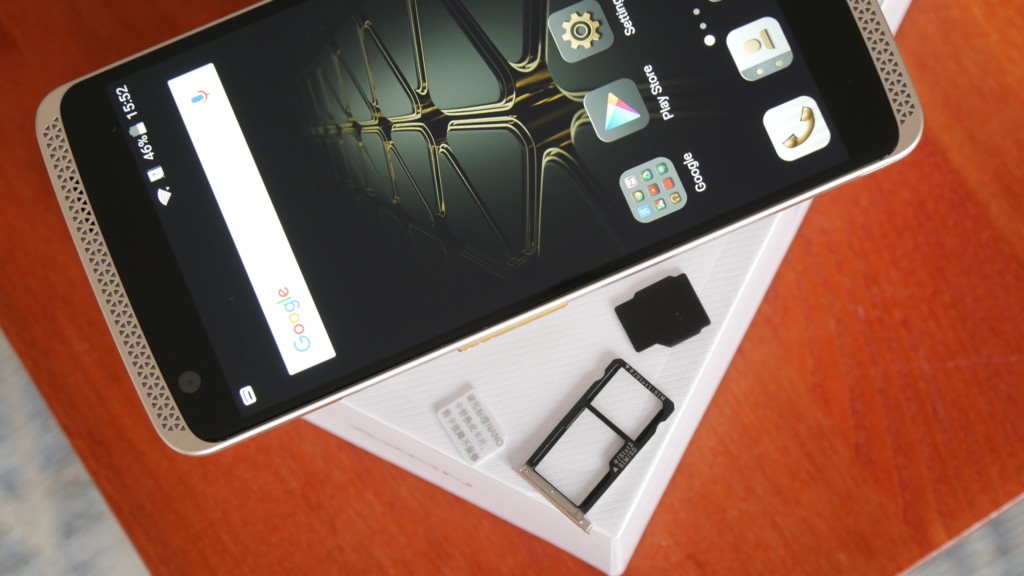
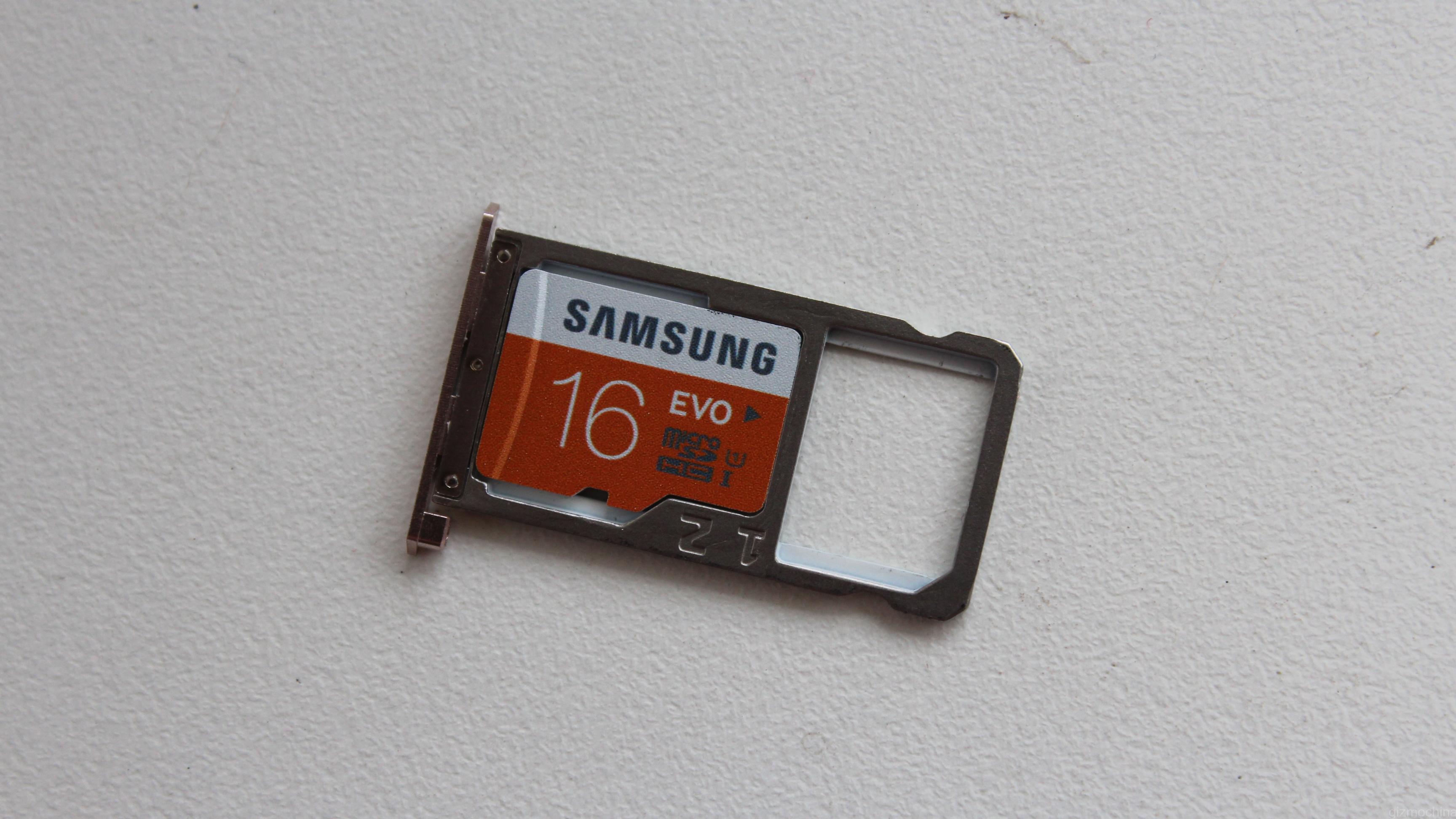
When it comes to connectivity, the Axon phone has a hybrid dual-SIM card tray that can take either 2 SIMs or 1 SIM and the microSD card.
All the connectivity options like GPS, Bluetooth, Wifi and NFC work great. Also, the call quality is stellar as the earpiece is loud and the sound is very clear. Finally, the reception quality is very good on each of the nano-SIM card slot.
ZTE Axon Review: BATTERY LIFE
1 of 2
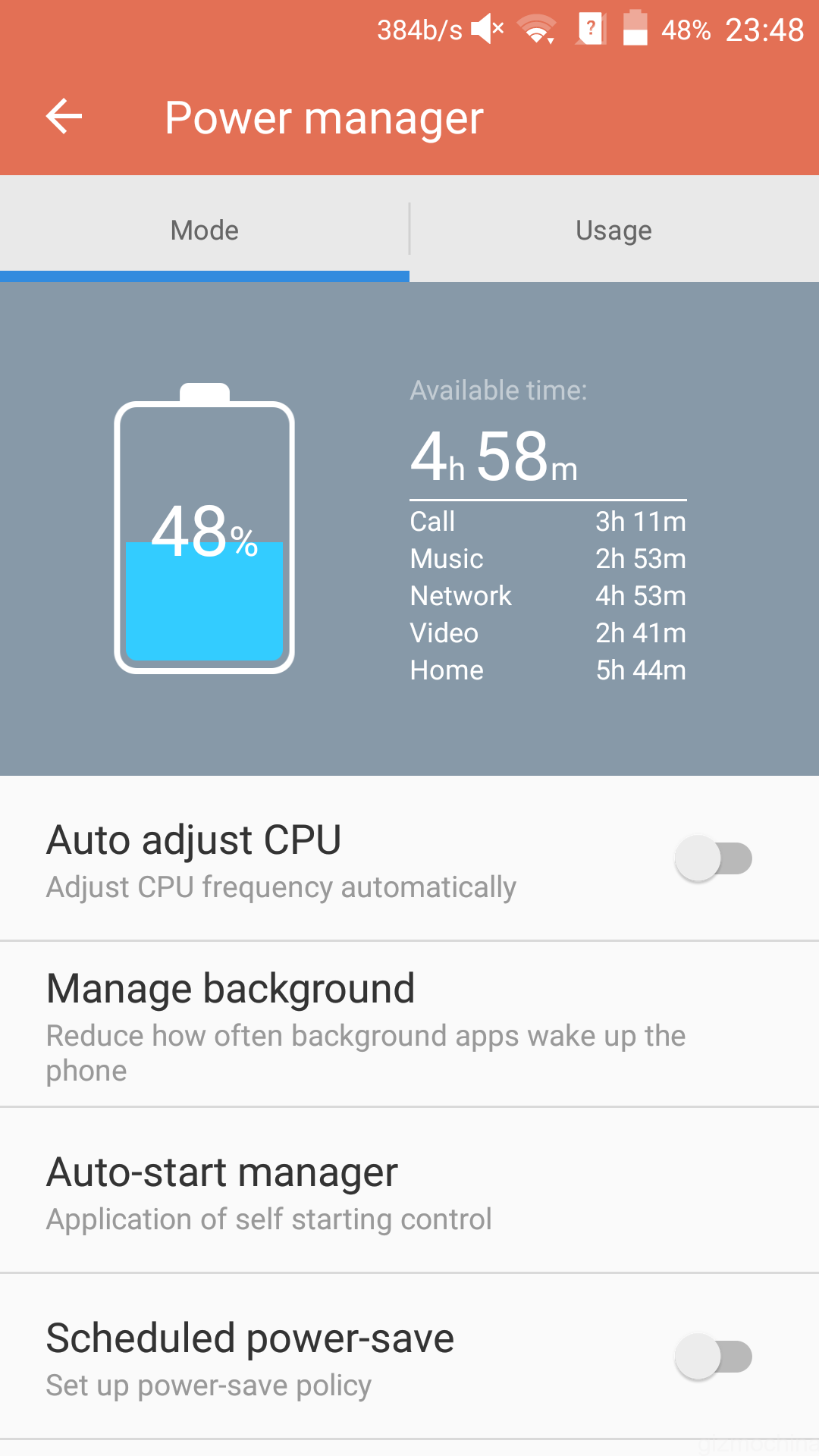
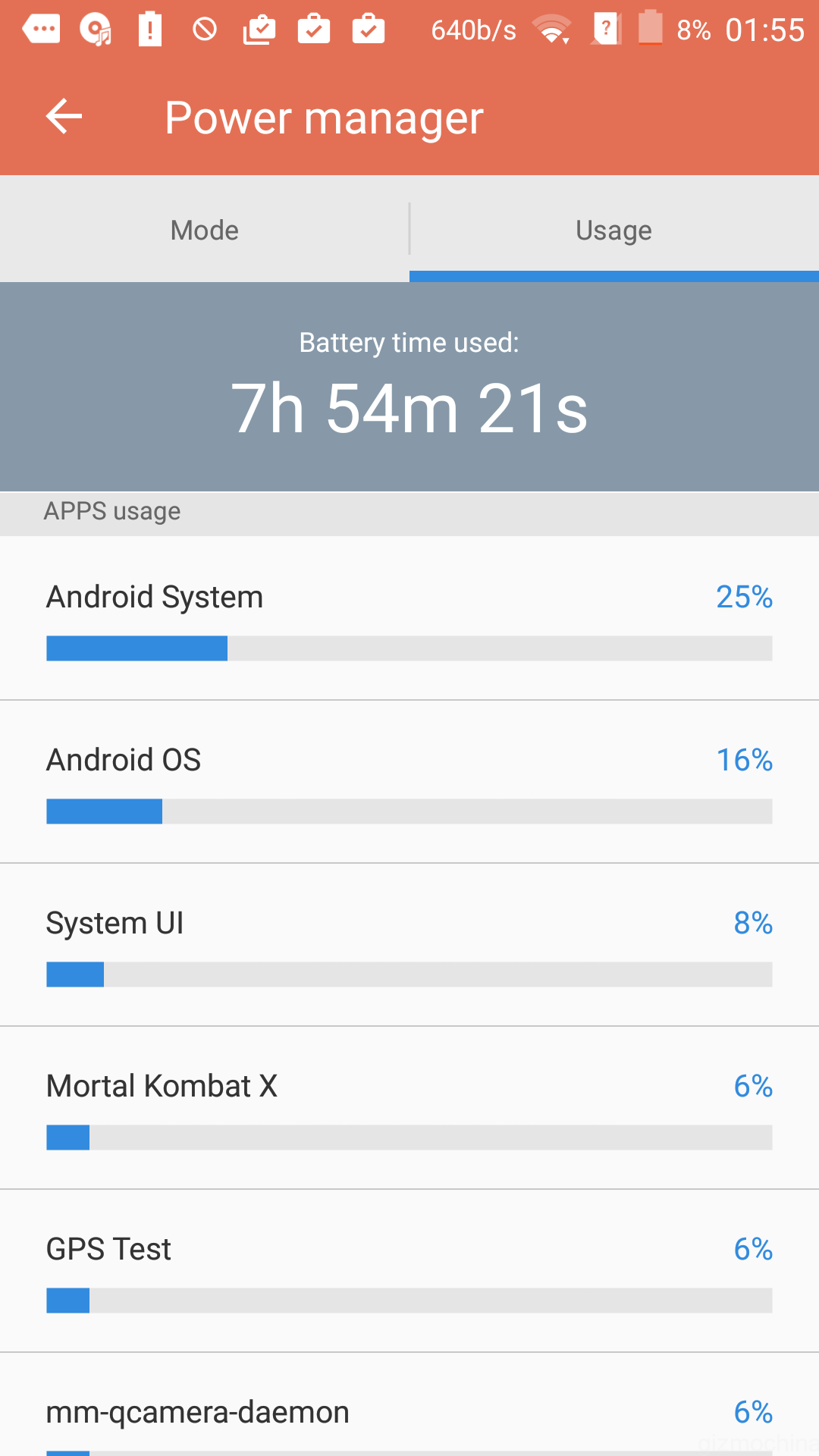
The battery life on the ZTE Axon is good but not great. It will most likely get you through the day as you can get just below 4 hours of screen on-time if you consume a lot of multimedia, use a lot camera and play some games.
The screen-on times may increase up to 4.5 or even 5 hours if you are not doing a lot of demanding tasks.
If it happens so that you need to recharge your battery in the middle of the day, the Qualcomm’s Quick Charge 2.0 comes handy adn you will be able to fully charge the phone in about 1,5h with the supplied charger.
ZTE Axon Review: CONCLUSIONS
So, there you have it, ZTE Axon after 1.5 years. Even today, the phone looks and feels premium and it has a wonderful display. Also, the chipset may be outdated but the phone still has enough processing power to handle almost anything you throw at it.
The user interface has tons of features and it runs fine but you will be probably stuck with the Android 5.0, which is a shame to ZTE. Even though the phone looks and feels premium, I’m not a huge fan of the fake leather top and bottom parts on the back.
These are minor shortcomings considering a low price of the phone. In fact, if you consider that the phone can take really good pictures, audio quality is top notch both from the loudspeaker and via the headset jack and you even have some extra features like the iris scanner, the ZTE Axon is easy buying recommendation for the price of about $170.
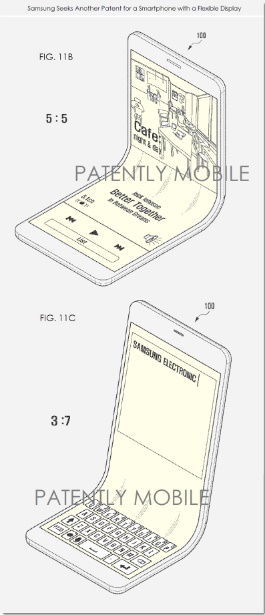
At CES 2013, Samsung wowed a lot of attendants when it first showed off its flexible display technology. While a bit of that technology has made it to their flagships with the Edge suffix, we are still not close to getting a fully foldable phone.
The reason for that stems from Samsung still finding it hard producing quality foldable phones in large quantities. The smartphone giant may be applying for patents left, right, and center but the challenge is in mass production.
Samsung’s aim is to make the device very thin such that its thickness when folded doesn’t exceed 10mm. That means a thickness of about 4mm when unfolded. Samsung is also advertising the phone as a “luxurious ultra premium device”. That means it has to make use of high quality materials that are durable of which some are usually not easily bendable.
Take for example the adhesive used to attach the display to the rest of the chassis. It has to be very flexible and also durable to withstand several folding and unfolding actions. So while Samsung really wants to see foldable phones reach the market as soon as possible, it also needs to be careful to prevent releasing a device that will suffer from issues like the Galaxy Note 7.
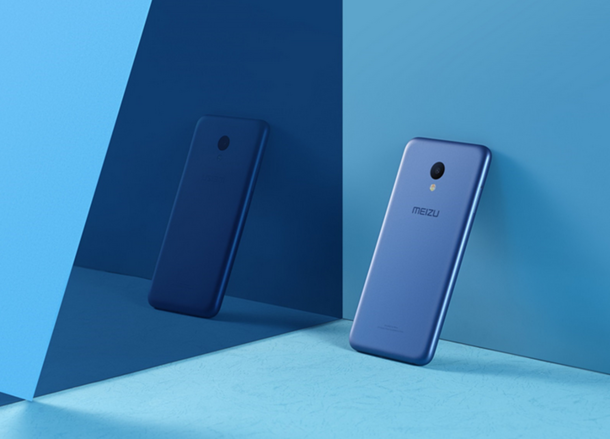
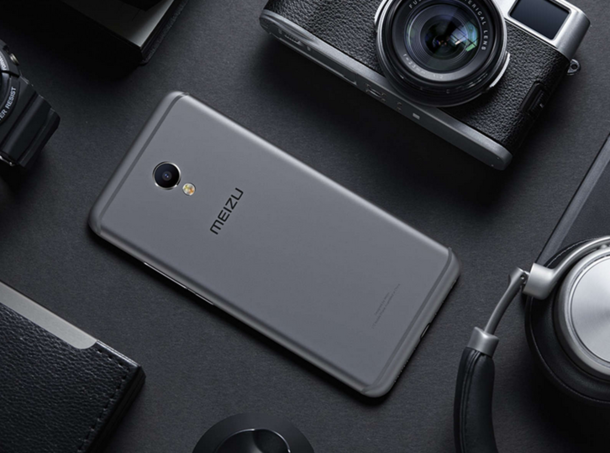
Meizu recently reached a settlement with Qualcomm, thus bringing the lingering conflict that has seen the US chipmaker sue the Chinese phone maker in multiple lawsuits. The conflict had meant Qualcomm chips were consistently missing on Meizu smartphones for a long while now and fans of the brand yearn for a time when they would have a Qualcomm-powered Meizu smartphone.
Since the settlement with Qualcomm, there have been no official words from Meizu as to when a Snapdragon-powered Meizu phone would debut but a leaked Meizu 2017 product schedule had earlier revealed a Snapdragon 626-powered Meizu smartphone coming in December. A recent rumor had also disclosed that the Qualcomm-fired Meizu smartphone would meet with us in Q3 2017.
Meizu VP, Li Nan sort of confirmed that a Qualcomm-powered Meizu phone would launch towards the end of this year in response to a question on Weibo. The Meizu VP today hosted a Question & Answer session where he responded to questions by a fan as to when a Meizu phone with a high-end chip would launch. The VP disclosed that it takes an average of 8 months for Research and Development (R&D) for a new smartphone to get concluded and then production, certification, and other factors could see the time stretch from 8 to 12 months before the phone is launched. So, a Qualcomm-powered Meizu phone may hit the market at the end of this year. This puts paid to speculation of the expected Meizu Pro 7 sporting a Qualcomm chip but at least there is a ray of hope that we’ll finally have a Meizu phone, probably a high-end model, rocking a Qualcomm chip this year.
We use cookies on our website to give you the most relevant experience by remembering your preferences and repeat visits. By clicking “Accept”, you consent to the use of ALL the cookies.
This website uses cookies to improve your experience while you navigate through the website. Out of these, the cookies that are categorized as necessary are stored on your browser as they are essential for the working of basic functionalities of the website. We also use third-party cookies that help us analyze and understand how you use this website. These cookies will be stored in your browser only with your consent. You also have the option to opt-out of these cookies. But opting out of some of these cookies may affect your browsing experience.
Necessary cookies are absolutely essential for the website to function properly. This category only includes cookies that ensures basic functionalities and security features of the website. These cookies do not store any personal information.
Any cookies that may not be particularly necessary for the website to function and is used specifically to collect user personal data via analytics, ads, other embedded contents are termed as non-necessary cookies. It is mandatory to procure user consent prior to running these cookies on your website.