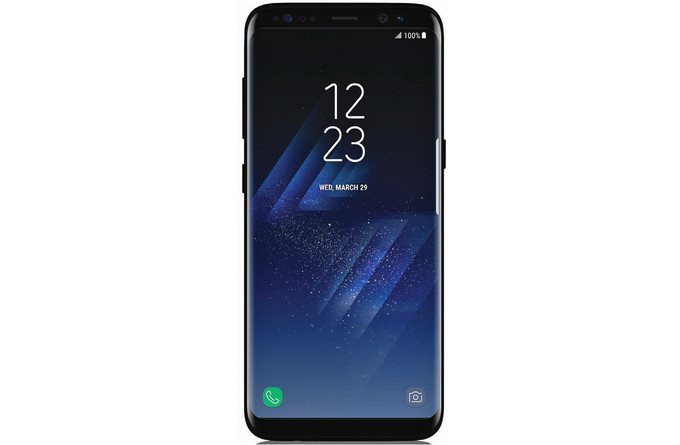
The new focus for phone manufacturers is on making phones with little or no bezels or displays that nearly covers the entirety of the front. We have seen this trend start to pick up following the announcement of the Xiaomi Mi MIX. LG adopted something similar for the LG G6 and Samsung’s Galaxy S8 and S8+ are on the train too. Latest report coming in says Meizu is cooking something up as well.
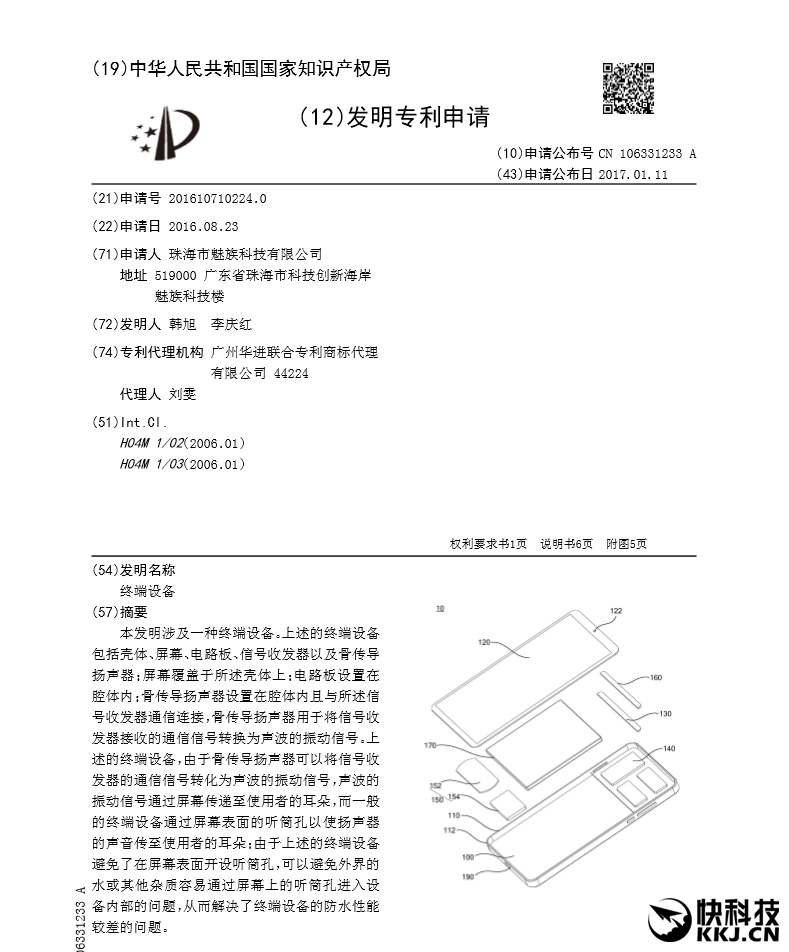
The news comes from the official Meizu forum where it was reported that the Chinese manufacturer has applied for a patent for a new display. An excerpt from the patent filing shows a dis-assembled phone similar in design to that of the Galaxy S8 with the display stretching from top to bottom. A rough translation of the text mentions that the phone will use bone conduction technology for the speakers just like the Mi MIX that’s why there are is no cut-out for the earpiece. There is also no mBack button/fingerprint scanner, neither does the rear case show a cut-out for a fingerprint module. This points at a likelihood of it using on-screen buttons and sporting a biometric scanner embedded underneath the display.
Yesterday, we reported that the company seems to be working on an optical fingerprint scanner that will sit right under the screen. The hint was based on a screenshot of VP Li Nan forwarding an article on Apple’s optical fingerprint technology to a group of friends.
OnePlus has released Android 7.1.1 Nougat customized with OxygenOS 4.1.0 skin for OnePlus 3 and 3T users earlier in this month. The update is expected to soon arrive to OnePlus 2 users as it has been spotted with Android 7.1.1 Nougat on Geekbench benchmarking platform.
Since OnePlus 2 with Nougat update has appeared on Geekbench, it seems that the Chinese manufacturer is testing the new software update on the flagship phone from 2015. At present, the most recent update for OnePlus 2 brings Marshmallow flavored OyxgenOS 3.5.8 that also includes Android Security Patch for this month.
OnePlus is expected to be more careful in launching a stable Nougat update for OnePlus 2. The reason behind it is that the Chinese firm’s first iteration of Android 7.0 with OxygenOS 4.0.1 update that arrived at the end of December 2016 for OnePlus 3 and OnePlus 3T was riddled with bugs.
In mid-January, OnePlus had released OxygenOS 4.0.2 update to fix issues like fluctuating Wi-Fi connectivity problems and Google Play Store download bug. The OxygenOS 4.0.3 that arrived in February brought improvements to Wi-Fi connectivity, camera app and more.
It took nearly 3 months to release a stable version of Nougat to OnePlus 3 and 3T users. It seems the arrival of Nougat update for OnePlus 2 got delayed as the company seems to have prioritized on releasing stable Nougat update for its 2016 flagship phones. The Android 7.1.1 Nougat update with the latest OxygenOS may possibly arrive to OnePlus 2 users in April or May. OnePlus 2 users will also get Google Assistant update.
The older OnePlus X and OnePlus One do not quality for Nougat update as their Snapdragon 801 processors do not support the graphics driver of Android 7.0 Nougat.
In the recent years, malware infections have significantly increased on mobile phones. The bi-annual “Threat intelligence Report” for 2016 from Nokia has revealed that the infection rates have shot up by 400 percent and as many as 85 percent devices were infected.
According to the report, phones and tablets running on Android OS are highly vulnerable to malware infections. Hackers mostly attack Android devices as there are huge number of devices that are powered by Android OS. Hence, among all the mobile devices, 81 percent malware infections were carried out on Android devices and 15 percent attacks were found on devices running on Windows. And 4 percent of Apple’s iOS devices were also infected with malware.
The last Threat Intelligence Report that was released in September 2016 stated that the number of infections doubled between January to July compared to the number from the second half of 2015. In April 2016, the monthly rate of infections was at 1.06 percent, but it peaked to highest level of 1.35 percent since Nokia started reporting on security threat in 2012.
In September and October, the Mirai botnet caused massive DDoS attacks which revealed how susceptible the Internet of Things (IoT) can be. Hence, the security of IoT devices has become a matter of big concern and there is an urgent need to add security measures to such devices. Nokia’s report also revealed that some smartphones whose software updates are being managed by Shanghai ADUPS Technology were found to pass private details of the user as well as SMS text messages to servers operated by ADUPS.
Nokia’s report further states that the smartphone malware infection rates increased by 400 percent in 2016. Mobile devices have been found to be infected by various kinds of malware attacks such as ransomware, SpyPhone applications, Trojan SMS, adware and theft of personal information. The Threat Intelligence Report was generated by the Finnish company by accumulating data from millions of devices across numerous networks that deployed NetGuard Endpoint Security solution in regions like Europe, North America, Asia Pacific and the Middle East.
Users of OnePlus 3 and OnePlus 3T running on OxygenOS 4.0.2 will be surprised to know that security bugs like CVE-2017-5624 and CVE-2017-5626 on both phones can allow hackers to make use of malicious chargers to slyly access sensitive information without their consent.
Aleph Security has released two videos that demonstrate how the OnePlus 3 and 3T can be hacked. The attack is carried out in such a way that their owners have no clue about it as the hack can be implement in just few seconds when the device is momentarily turned off after connecting a malicious charger.
As it can be seen in the videos, a malicious charger is first connected to OnePlus 3T and within few seconds the device turns off automatically. The attack which is already in progress provides device’s root access by exploiting CVE-2017-5624 and CVE-2017-5626.
The hackers have access to root until the next time the OnePlus 3/3T is rebooted provided that the malicious charger is not plugged on to it. The attack installs a malicious system partition to replace the original one.
The first step of the hack attack provides hackers with access to root, but does not provide prompt access to user data as the partition is unmounted and encrypted. However, it is only after finishing the second step of replacing the system partition by a malicious one by exploiting CVE-2017-5626 that attackers can compromise sensitive information.
By exploiting CVE-2017-5624, hackers can prevent the device from showing warning messages about modification of the system partition. If the bootloader of OnePlus 3 or 3T is unlocked, the malicious charger will not need to exploit CVE-2017-5626.
As of this writing, OnePlus 3 and 3T are the only phones from the Chinese smartphone maker that are vulnerable to the hack demonstrated above. As mentioned before, the attack is only possible on OnePlus 3 and 3T devices that are running on OxygenOS 4.0.2. However, the older OnePlus 2 running on the same OxygenOS 4.0.2 is not vulnerable to the attack. OnePlus was notified about the security exploit by Aleph Security. The latest OxygenOS 4.0.3 carries a patch to fix the problem.
There is no doubt the Xiaomi Mi 6 is on its way and its launch is drawing closer, considering the spate of new leaks surrounding the device. The Mi 6 promises to offer lots of new features and among the lot is the Snapdragon 835 chipset that would pilot the affairs on board the flagship.
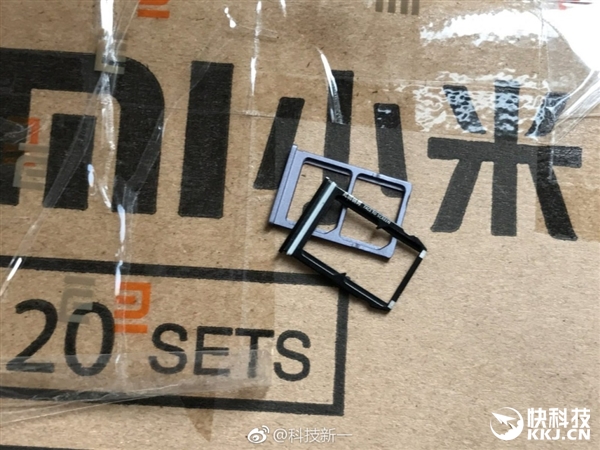
Another new feature may have just been discovered with a new leak that emerged. The leak is that of the SIM card tray of the Mi 6 lying on top of that of the Mi 5. In comparison, the Mi 6 SIM tray looks thicker with watertight features than the Mi 5’s SIM tray which isn’t water tight. Apart from revealing that the Mi 6 would pack dual SIM slots, the SIM card tray also reveal another stunning feature which is the presence of waterproofing on the trays.
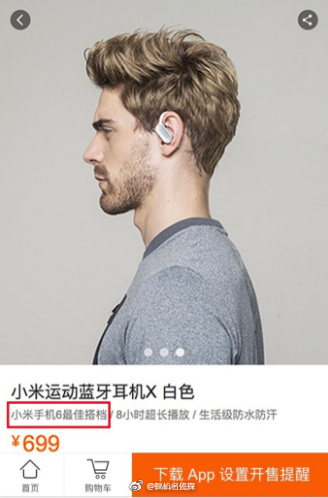
Waterproofing the SIM tray or making it water tight only means one thing, that is the presence of IP67 level of water and dust protection on the flagship. If that should be the case, then earlier rumours that the Mi 6 would not feature the 3.5mm audio jack may just have some credibility. We had also seen leaked image of the Xaiomi Bluetooth headphone X which would function as the Mi 6’s wireless headphones. We still haven’t seen how the USB Type-C slot would look like in order to support the waterproof and dustproof feature. The Mi 6 details just keep getting juicier. Keep it locked on Gizmochina for more details as they emerge.
OPPO‘s latest smartphones the R9S and R9S Plus are still turning out strong sales figures amidst widespread patronage. The OPPO R9S is reported to have sold over 3 million units in January alone and is presently the best selling smartphone in China and the company seems poised to keep up this pace. There are rumours that OPPO is already developing a new smartphone in the R series known as R11.
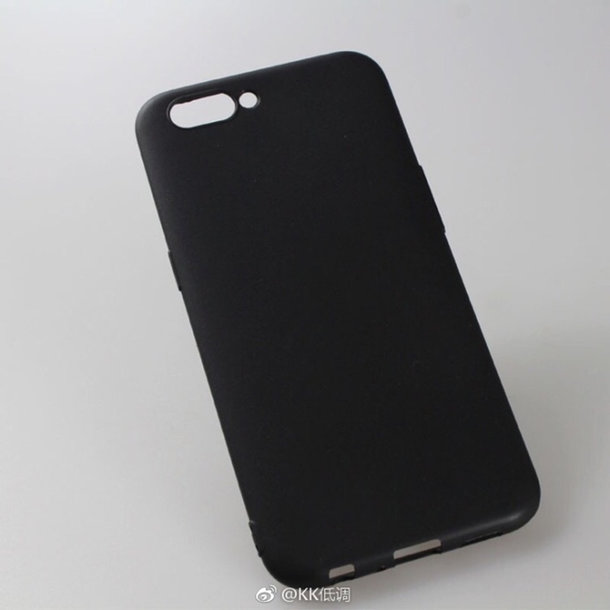
According to the source, the OPPO R11 would be tailored after the pattern of the R9 and R9S, coming with a 5.5-inch display. There would also be an R11 Plus which would be 6 inches in size. Both models would offer dual lens cameras at the rear and may even pack dual selfie cameras.
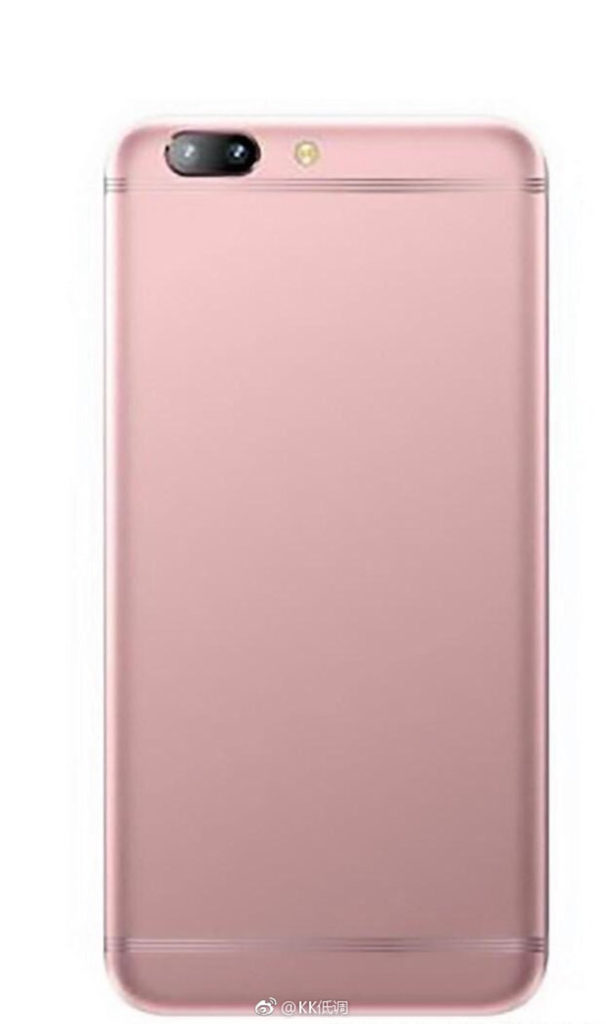
OPPO R11 casing
In addition, OPPO’s dual camera technology which offers 5 times zoom showcased at MWC 2017 is said to likely feature on the R11. On the hardware aspect, the OPPO R11 will be powered by a Snapdragon 660 processor which uses the 14nm process, integrating Qualcomm’s own Kyro CPU in an octa-core arrangement. The cores are a combination of four big and four small cores with the big cores having a frequency of 2.2GHz and 1.9GHz for the small cores.
The OPPO R11 is expected to launch in June and as a parting shot, this news may dial down speculations about the elusive OPPO Find 9. OPPO may have turned the R-series into its flagship series as a result of its huge success.
The Xiaomi MIJIA brand is coasting at a rapid rate with an almost daily release of one product and in some cases two. While it launched its 72nd product, an air mask for kids today, Xiaomi also teases the launch of another product via the crowdfunding platform. The teased launch event is for the launch of the MIJIA brand’s 73rd product.
The new product is scheduled to be announced on March 30 at 10 AM and from the teaser, it is likely a heart rate or blood pressure monitor. In other words, we may just be looking at another fitness product but one specifically for monitoring the heart rate or blood pressure. Recall that the Xiaomi Mi Band and Mi Band 2 came with heart rate monitoring function among other but this isn’t likely another smart band. The details of the product are still not known at this moment but we look forward to its launch to know more.
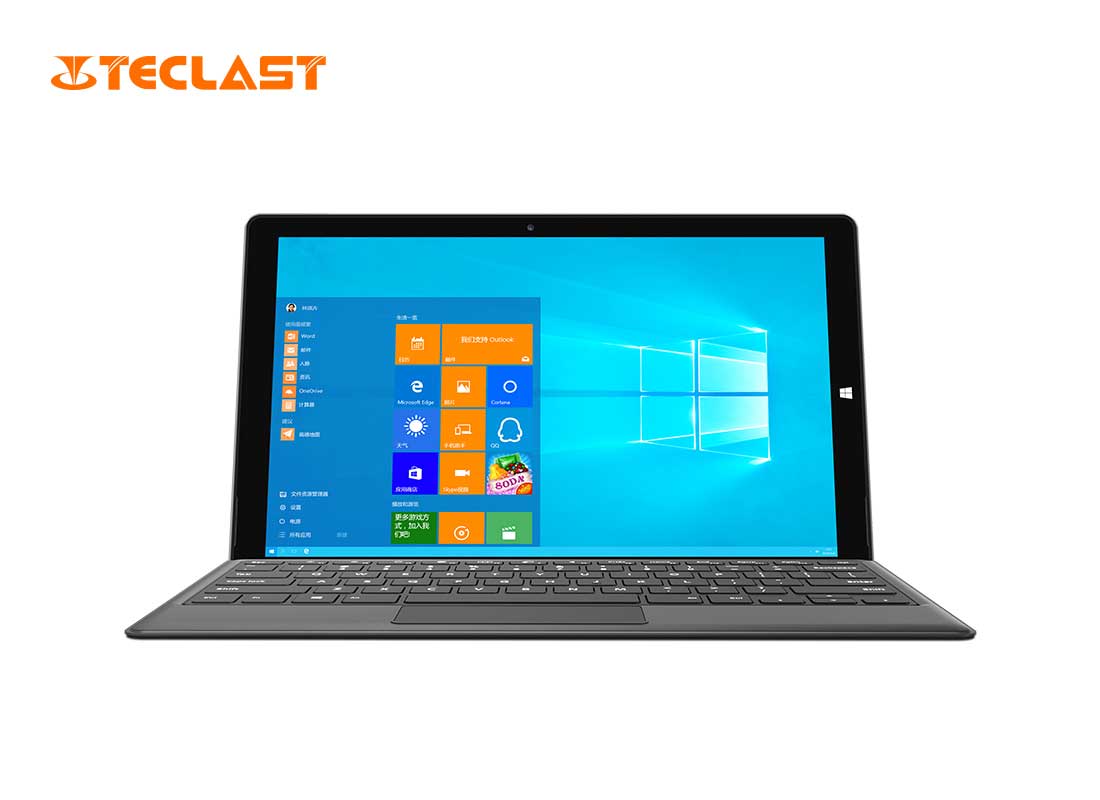
Teclast is a Chinese brand best known for manufacturing tablets and 2-in-1 notebooks. Their products are usually cheaper alternatives to those from other big name manufacturers. However, lately we have seen them produce unique products that can hold their own against the competition. One of them is the new Teclast X3 Plus tablet
The Teclast X3 Plus is an 11.6-inch tablet powered by Intel’s Celeron N3450 Apollo Lake processor. The large display has a 1080p resolution and the processor has a burst speed of 2.2GHz.
The unique selling point of the X3 Plus is its RAM. There is 6GB on board, a first for a tablet. That large RAM is paired with 64GB of storage which can be expanded via a MicroSD card slot.
The X3 Plus has a kickstand but if you want it to serve as a laptop replacement, you can purchase a keyboard dock or pair it to any bluetooth keyboard you already own. There is a full size USB 3.0 port, an audio jack and a micro HDMI port. You can also pick up a stylus if you want.
The Teclast X3 Plus runs Windows 10 Home and has a 6800mAh battery. There is also a 5MP camera on the rear and a 2MP camera up front for Skype video calls. The X3 Plus will go on sale starting on the 28th of March on Aliexpress. From the 28th to the 30th, you will be able to purchase the tablet starting at $279.99 before it rises to $350.
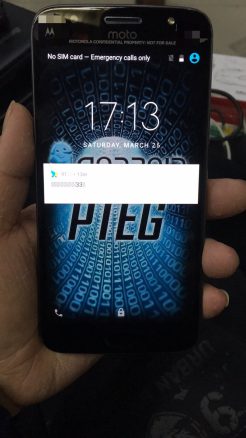
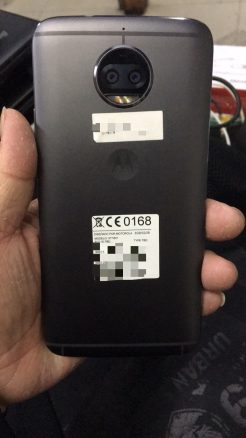
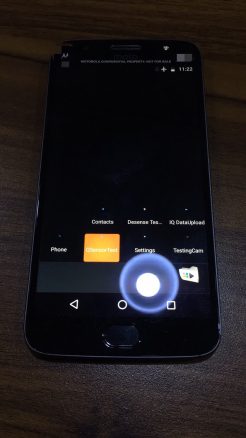
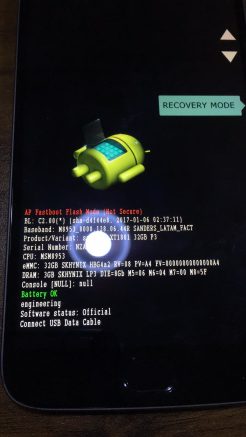
The Motorola Moto X smartphone was last seen in 2015. At that time, it had arrived with flagship specifications. In 2016, there was no Moto X smartphone, but Lenovo had introduced the Moto Z line of smartphones that carries support for Moto Mods modular accessories. There were speculations that the Moto Z series had replaced the Moto X lineup. Now, four leaked photos of an alleged Moto X (2017) smartphone with model number XT1801 revealed by known leakster, +HelloMotoHK on Google+ suggest that we may see a new Moto X phone this year. However, the leakster’s post is no longer accessible.
The alleged Moto X (2017) prototype seen in leaked images has a curved metallic chassis and appears like Moto G5. The front side features a 5.5-inch display and below it is an oblong Home button featuring a fingerprint reader like the one found on Moto G5 / Moto G5 Plus smartphones.
There is no information available on its display resolution, but it is likely to come with support for full HD resolution of 1,920 x 1,080 pixels. The selfie camera seems to be accompanied with a LED flash.
The back panel shows the presence of antennae lines at the top and bottom. The circular camera module present on the purported Moto X (2017) is also similar to the camera housing on Moto G5 phones. However, one of the leaked images suggest that the smartphone features a dual rear camera that is coupled with a dual-tone flash below it.
The distinctive “batwing” logo can be seen below the camera module. The rear does not feature the pins for attaching Moto Mods accessories. As far as specs are concerned, the alleged Moto X (2017) is driven by Snapdragon 625 SoC which reveals that it will be a mid-range phone. The SoC is coupled with 3 GB of RAM and the native storage of the device is 32 GB.
There is no information available on the release date of Moto X (2017). More information on the new Moto X is expected to surface in the near future.
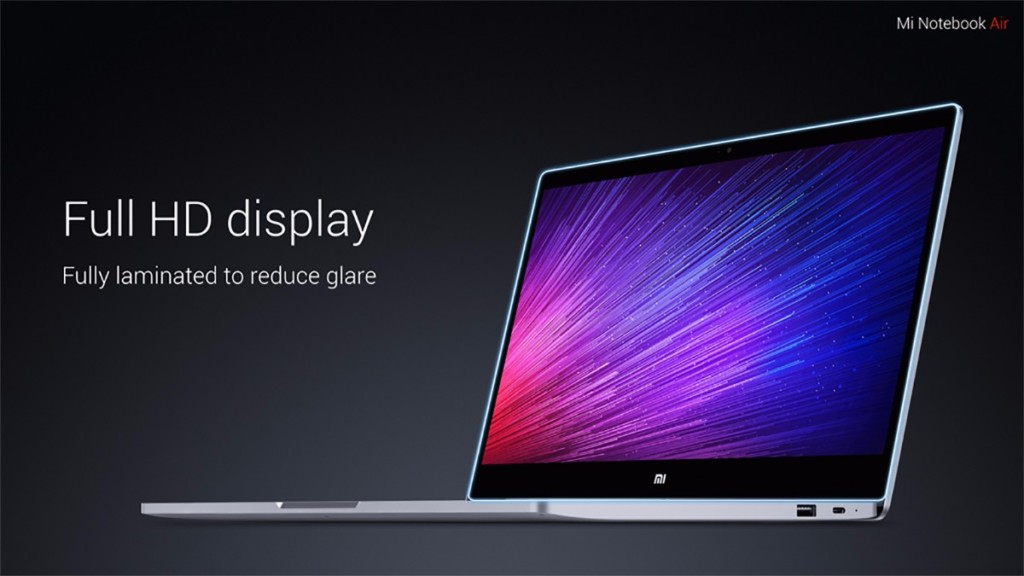
The Xiaomi Mi Notebook Air comes in two variants – one 12.5″ and one 13.3″- it directly rivals the premium Apple Macbook range and by its features and dimensions, it does a very good job, especially in the battery department where it can achieve great battery life. The company’s pricing policy has always been very aggressive and the same happened with the new category it entered.
The model on offer is the 13.3″ model with Intel 5-6200U chipset, 8GB RAM and 256GB SSD (there is an extra SSD slot available for extra storage) and 7.4V/5400mAh 40Wh battery capacity with which you can achieve up to 11.5h of usage time. The display is an IPS OGS panel with 1080p resolution and edge-to-edge protective glass and included are a USB Type-C port, USB 3.0 port, HDMI and a 3.5mm headphone jack. Two custom AKG speakers offer great sound quality and support Dolby Digital surround sound.
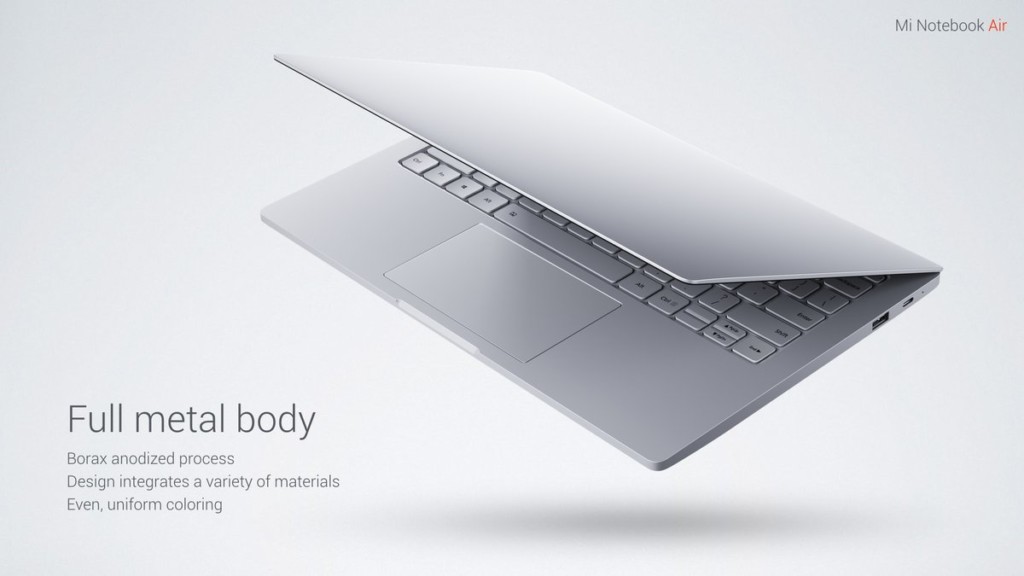
Finally, the Notebook comes in a premium all-metal unibody design.
Samsung needs the Galaxy S8 and the S8+ to be a huge success. This is due to a report released by Hana Financial Investment Co. which shows a decrease in the number of high-end phones sold by Samsung.
The stat shows Samsung’s high-end smartphones sale for Q1 2017 was less than 30% of total sales, a first for the Korean giant. The number has actually seen a decline in recent years.
Back in Q2 2013 when the Galaxy S4 was released, 75% of Samsung’s smartphone sales was from high-end phones. Fast forward to 2015 and that figure dropped to 40%.
One reason for the drop is said to be due to the success of its other phones in the A, C,E and J series in emerging markets. These phones are less expensive than the galaxy flagships but still bear the Samsung name.
Andy Rubin is best known as the founder of Android before Google acquired it. After a couple of years working with the search giant, Andy has moved on and started a new company, Essential Products Inc. Essential is reportedly working on a modular phone scheduled to be launched later this year and we just got a first look at the new device.
This is actually a teaser image showing a man we think is Andy holding a phone with practically no bezels. Only a small part of the top of the phone is visible but we believe that the lower part is also bezel-less. That black line you see is actually the back of the phone meeting the screen in front.
I'm really excited about how this is shaping up. Eager to get it in more people's hands… pic.twitter.com/LRzQCFSKTm
Just like Mr Rubin, we are super excited to see the rest of this phone and hold it in our hands. The other major feature the phone will have is modularity. Essential describes it as ‘‘the ability to gain new hardware features over time’’. One of the modules for the phone is a camera that allows owners to shoot high res 360° images. The Essential phone is expected to launch by the middle of the year.
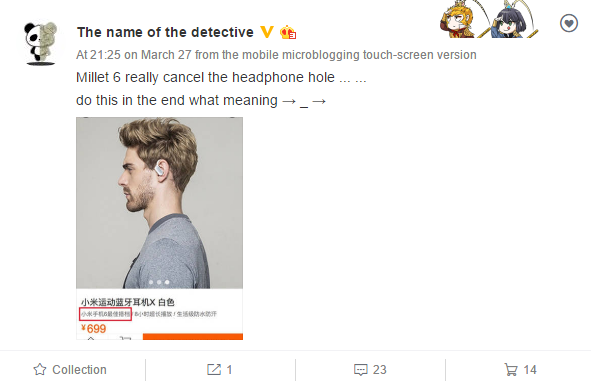
One of the latest rumour surround the expected Xiaomi Mi 6 is that it would not feature the traditional 3.5mm audio jack even when we still get regular releases of its Mi Piston Pro in-ear earphones. But that the company is planning to release a new set of Bluetooth earbuds. This is another dimension coming to the device which is expected to launch in April packing Qualcomm’s latest Snapdragon 835 chipset.
The rumour, as usual, originated from China’s Weibo and it was even accompanied by screenshots of Xiaomi’s official website displaying a new upcoming Xiaomi Bluetooth headset X product priced at 699 Yuan ($101). The Xiaomi Mi Bluetooth headset looks similar to the ear pods Apple launched alongside the iPhone 7 and 7 Plus which by the way, were without the 3.5mm jack. But the Bluetooth headphone, even if Xiaomi has got it in the works, isn’t an indication that the Mi 6 would not feature a 3.5mm audio jack but could be a separate product on its own.
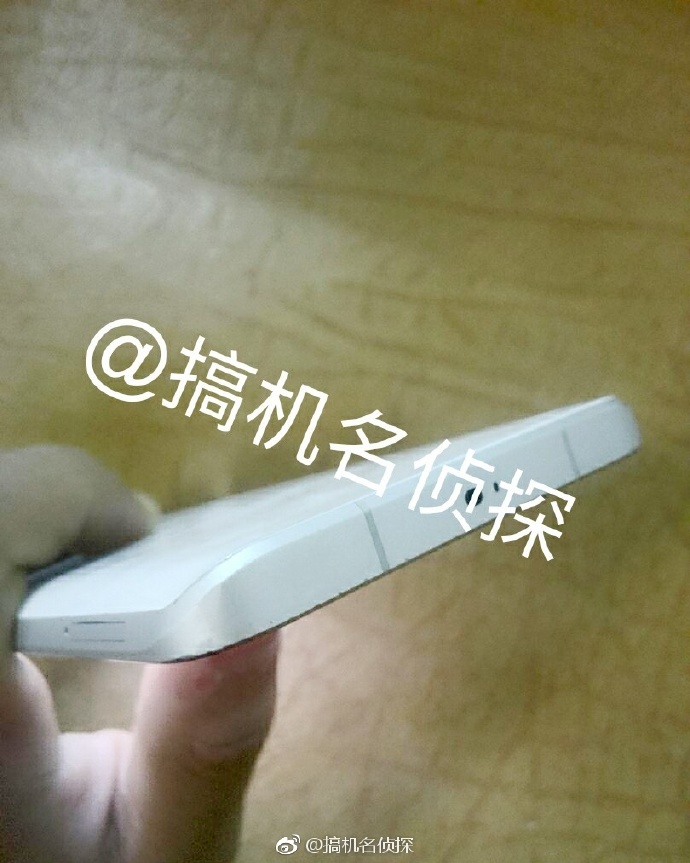
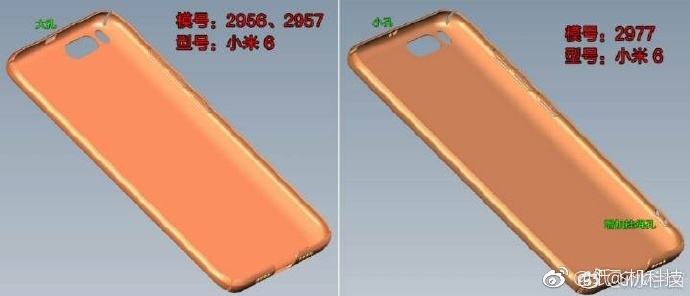
A Weibo user even shared a leaked Mi 6 image and protective casing without the 3.5mm port at the top edge where it is usually located. It isn’t at the bottom edge, either, as could be seen from the Mi 6 protective casing leaked but the location of the opening for the LED flash on the leaked protective casing calls to question its authenticity. The severally leaked real images of the Xiaomi Mi 6 show the LED flash would be located at the right side of the dual cameras and not the left side.
However, we are not yet convinced Xiaomi is joining the growing number of smartphone manufacturers who are killing off the legendary 3.5mm headphone port from their smartphones. We’ll be on the look out for more details on this.
The OPPO R9S was released in October 2016 alongside a bigger sibling called the R9S Plus. Both phones were released as upgrades to the OPPO R9 and R9 Plus. Initially available in just Black, Gold, and Rose Gold, OPPO has added two more color options: a red variant released in January and a new green variant released last week.
OPPO has released promotional images of the new color variant and they don’t look bad at all. The promo images show various Asian stars such as Singer/Actress Chen Qiao En (Joe Chen), Lin Yun, and Dong Li posing with the new phone.
OPPO says it has timed its launch of the green R9S to coincide with the beginning of spring. They have also decided to use young stars to advertise the new phone as a way to appeal to youths.
When Xiaomi released its Mi Mix flagship with a near bezel-less display, it labelled it a concept device due to the limited quantity that can actually be produced. But the difficulty in mass producing a bezel-less smartphone isn’t deterring other companies from attempting similar ventures.
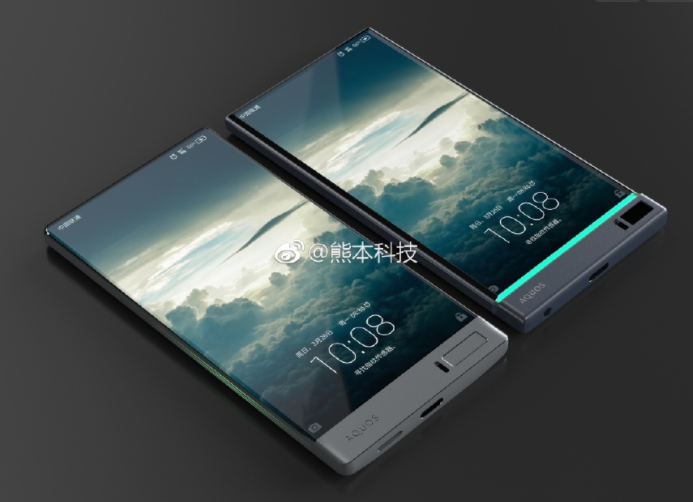
Recently, a set of leaked images of a Sharp smartphone revealed the company is working on its own bezel-less smartphone. We really won’t get too excited about this because, despite the innovative display style, we may end up not seeing the smartphone to buy. Sharp is a Japanese company and almost all its sales are in Japan.This isn’t Sharp’s first bezel-less smartphone, though, the company had launched the Sharp Aquos Crystal in 2014 without bezels at all the sides of the display.
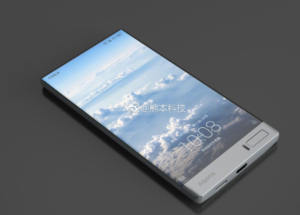
The Sharp Aquos Crystal is said to have inspired the Xiaomi Mi Mix’s design which also came without bezels and has received lots of positive reviews and appraisals since it was unveiled last year. Sharp’s own leaked bezel-less smartphone features a high screen-to-body ratio but there is a physical home button which is rather weirdly tilted to the right edge of the screen and would possibly function as a fingerprint scanner. The smartphone is obviously a Sharp Aquos model as the name is written just under the display.
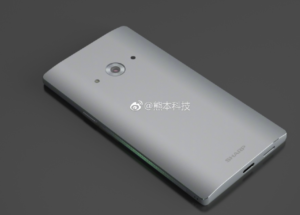
What looks like a selfie camera is located at the side of the fingerprint scanner and there is a notification strip around the display which would be cool if real. The rear view of the device reveals a single round camera with the LED flash circling the camera. There is also a laser autofocus at the side of the camera.
It is not clear if this is just a concept render which it looks like, or a real smartphone but either way we can only wish Sharp starts shipping its smartphones outside of Japan. Until that happens, don’t dream of buying this one if you don’t live in Japan.
Xiaomi now has two factories in India but is still focused on expansion. The Chinese phone maker recorded a revenue of $1 billion in India last year and has set a $15 billion target for overall global revenue for 2017. To achieve that, Xiaomi will have to restructure its sales mechanisms, one of which is focusing on offline sales.
Xiaomi’s founder, Lei Jun has said that the growth response in India, its second largest market, has been overwhelming. But despite the fact that there are two factories already, demand still outweighs supply greatly. To solve that, a third plant is in the picture.
Speaking in an interview with the Economic Times, Lei Jun said an IDC report puts them at number one in online sales. A clearer picture of that statement is that out of every three phones sold online, one is a Xiaomi phone. That number can be higher if supply increases. The company sold 250,000 Redmi 4A phones in four minutes during its last flash sale. That figure pales in comparison to the 1 million recorded pre-booked orders.
Mr. Jun says the plan is to replicate the success in online sales to offline sales. The company’s short term goal is to grab 50% of the online market share (29.3% as at 2016, and over 30% now) then grab 50% of the offline market share.
Xiaomi says it will adopt its efficiency model to keep their phones priced the same as they are online even though offline retail cost is higher. For a country like India with a massive population, there are still a lot of folks who do not use the internet. Meeting the demands of that group will require more investment in the building of more local warehouses and an expansion of service stores.
Xiaomi India MD, Manu Jain says Xiaomi is setting up a third warehouse in Delhi already and has plans to double its service centers from 250 to 500 by the middle of the year. There are also plans to bring
Lei Jun also said that there are plans to bring more products in its ecosystem to India. He is also considering investing in start-ups in India through Shunwei Capital and Xiaomi India.
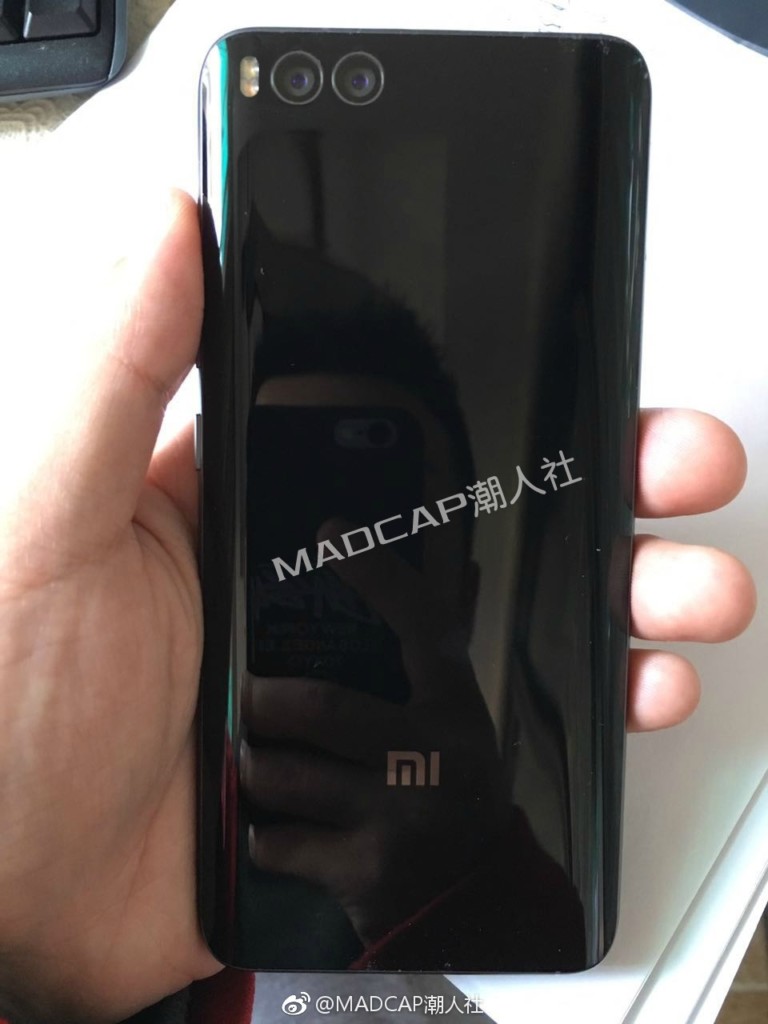
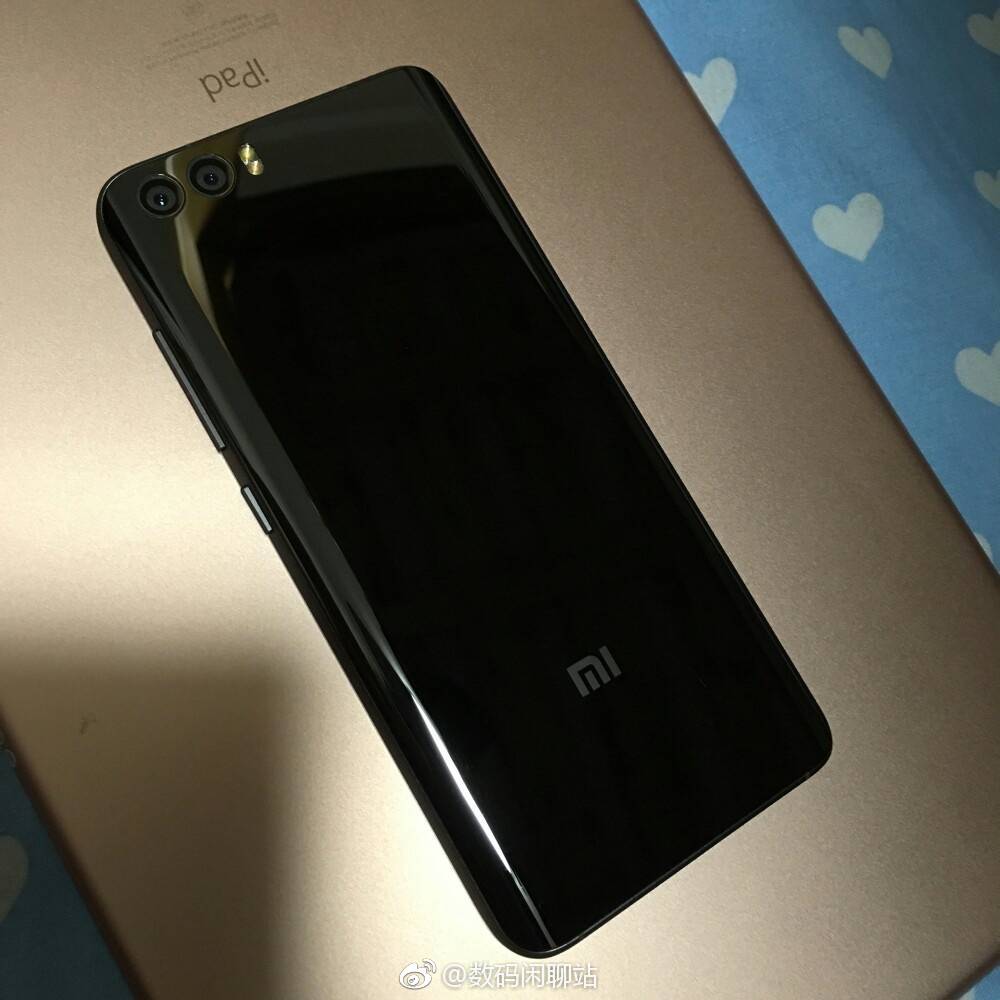
Xiaomi Mi 6 is already late and fans just can’t wait to see the phone being launched officially. As we near the release date of the device, which should be somewhere around mid-April, more and more leaks and rumors about the Xiaomi Mi 6 have started to come in. We have already seen the Mi 6 renders that show off the dual cameras, as well as a blurred image of the flagship with the same setup. Now, we finally have a good look at the Xiaomi Mi 6’s back in good clarity. In case you are wondering, it’s the same image as yesterday, but this one is much clearer than before.
Yes, this is the first time we are seeing the Mi 6 in such clarity and the phone definitely has taken a familiar design language as other Xiaomi Mi branded phones. There’s the curved back as well as dual cameras on top. From the back, the phone reminds me of the Xiaomi Mi Note which was announced a couple of years back. We have one more image of the phone, which is once again clear, but a bit confusing. The phone below shows the dual tone flash on the right, while the one above has the flash to the left. Now, if you remember, the first image that we saw related to the phone was the leaked Xiaomi Mi 6 case and it had an opening for the flash before the dual cameras. So, the picture above could be the real deal.
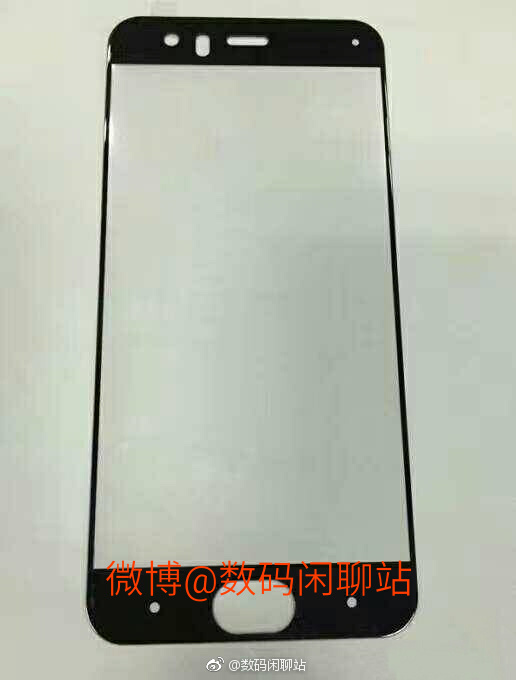
Now apart from these two conflicting images of the Mi 6, we have also got what looks like the front panel of the device.
Now, there’s something interesting about this Xiaomi Mi 6 front panel. The one who leaked this image also revealed that the phone comes with a special cut out on the top, for what looks like an iris sensor. Now remember, it’s not easy to get quick results with iris recognition, which is why Samsung Galaxy S8 is said to add a facial recognition feature. So, it remains to be seen whether Xiaomi decides to add an iris sensor on its important Xiaomi Mi 6 flagship. Well, if you are curious, below is an image of what looks like a teaser from Xiaomi about Iris recognition. Remember, this is not an official teaser, just a leak.
It Says: Apart From Fingerprint Sensor, What Else?
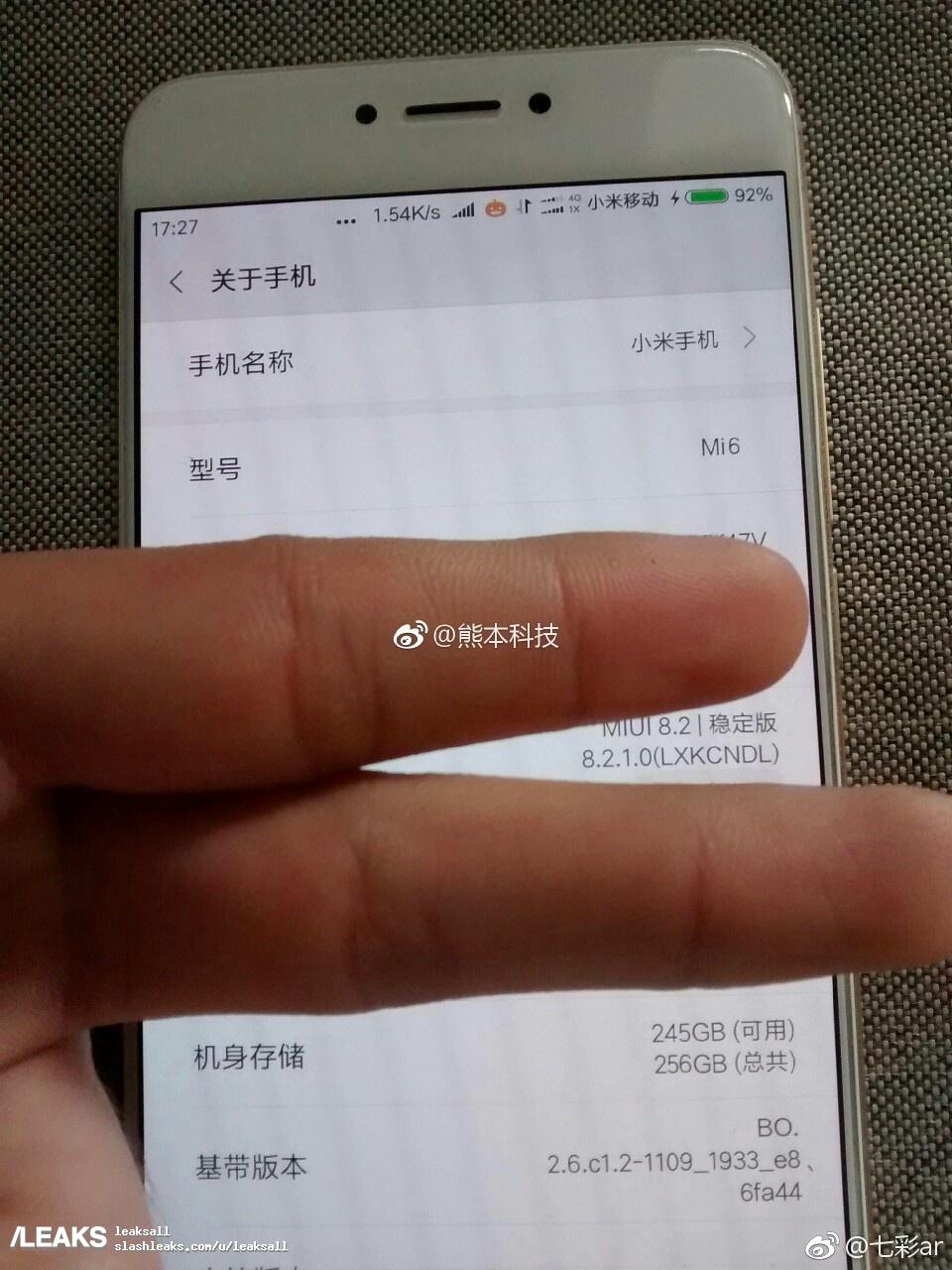
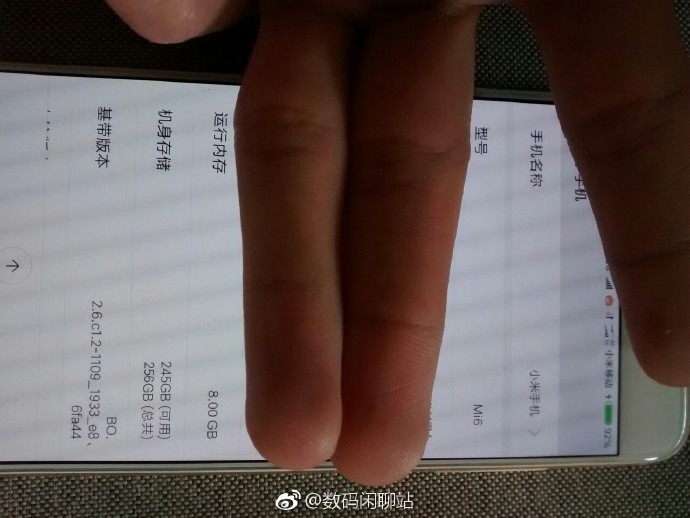
Now, finally, we have some images of the ‘about section’ of the phone. The screen seems to confirm it’s the Xiaomi Mi 6 with MIUI 8. What’s interesting about this screenshot is that it’s showing 8GB of RAM on board and 64GB of storage. So, is it time for 8GB RAM to become mainstream on phones, starting with the Mi 6? Can’t say yet. It’s always best if you take these leaks with a pinch of salt.
image source: Slashleaks
Another thing you notice is that there is no additional sensor on top of this phone. Unlike what the leaked Mi 6 front panel revealed.
To be honest, at this moment, it’s very hard to confirm what’s true and what’s not. Dual cameras seem to be the only constant among these leaks. So, maybe we can say that the Mi 6 will come with two cameras at the back. But even their placement is disputable at this moment.
Overall, today’s series of Xiaomi Mi 6 leaks were rather confusing.
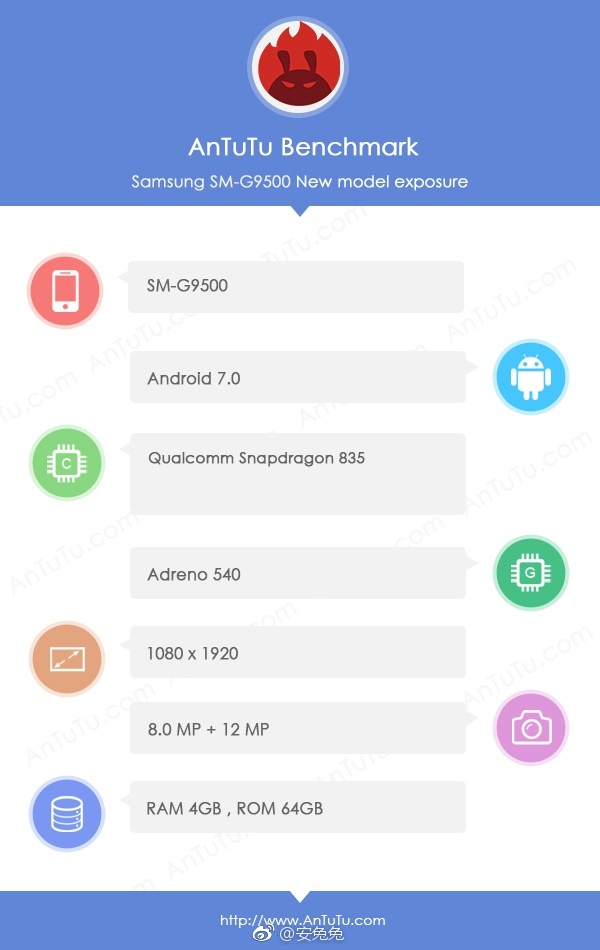
Samsung Galaxy S8 is scheduled to be officially unveiled on March 29 during the Galaxy Unpacked event Samsung has lined up for that day. The Galaxy S8 is expected to launch alongside the Galaxy S8 + and preparatory to that launch, AnTuTu has published on its Weibo page, the benchmark score and details of the various versions of the Galaxy S8 and S8 +.
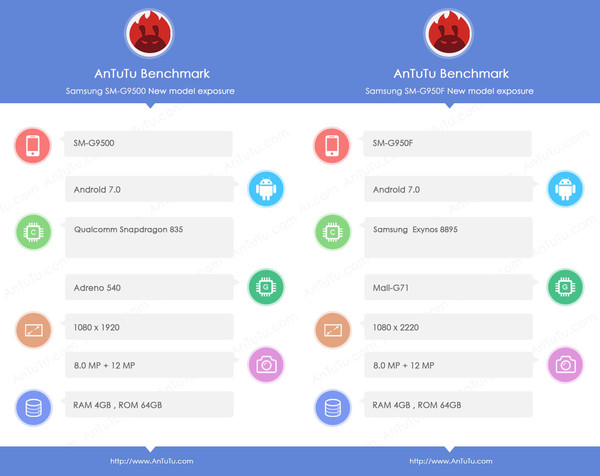
A total of four different models with model numbers SM-G9500, SM-G950F, SM-G955F and SM-G955U, all models of the Samsung Galaxy S8 and S8+ were listed. The version with model number Samsung SM-G9500, which is suspected to be the Chinese version of the Galaxy S8, is listed with a Snapdragon 835 chipset with the Adreno 540 GPU. AnTuTu also revealed that the SD 835 onboard the flagship would likely pull a score exceeding 180,000 points inside the machine than the engineering machine which it was first benchmarked with, scoring 170,000 points. The processor is backed by 4GB of RAM and there is 64GB of storage crammed inside. The SM-G9500 also pack a 12MP main camera and an 8MP shooter at the rear.
AnTuTu also featured another model with number SM-G950F which is likely the international version and as rumoured, the model packs Samsung’s own Exynos 8895 processor with the Mali-G71 GPU firing up the graphics. This version also has 4GB of RAM onboard as well as a 12MP rear camera and 8MP selfie shooter.
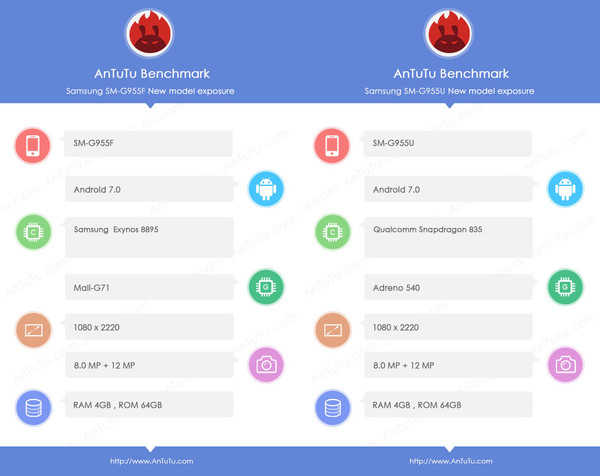
Further, a third model Samsung SM-G955F which is likely the Samsung Galaxy S8 + international version was also featured AnTuTu’s website. The Galaxy S8 + International version, just like the Galaxy S8, will use Samsung’s Exynos 8895 processor with the same 4Gb + 64GB combination as well as 12MP rear and 8MP front shooters. The Galaxy S8 + is also listed with a Snapdragon 835-powered model that carries the model number SM-G955U and packs the same specs as the Galaxy S8 China version.
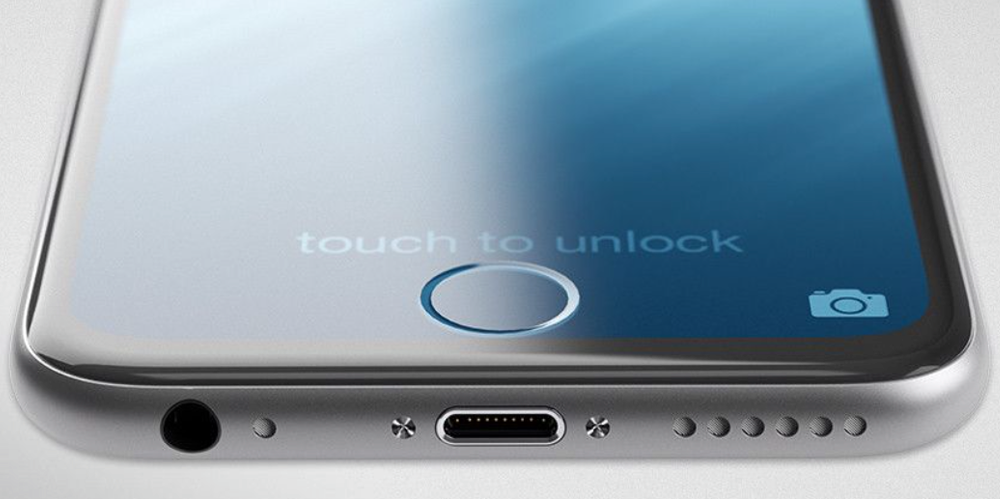
The next evolutionary step for fingerprint scanners is a move from being in front of the phone below the screen, or on the back or even on the side like in Sony phones to being right under the display. This is different from the Xiaomi Mi 5s’ ultrasonic fingerprint scanner that is embedded under the front glass but still has the display above it.
In this case, the display extends through the scanner. The image below gives you an idea of what it looks like though without the indentation.
Apple is in the forefront of adopting the optical fingerprint scanner technology for its iPhone 8. However, it appears Meizu is also planning on doing the same. A screenshot of an article forwarded by Meizu’s VP, Li Nan to a group of friends is said to be the hint. The article is on Apple’s optical fingerprint program and sources say those in the group are involved in the development of fingerprint technology (for Meizu).
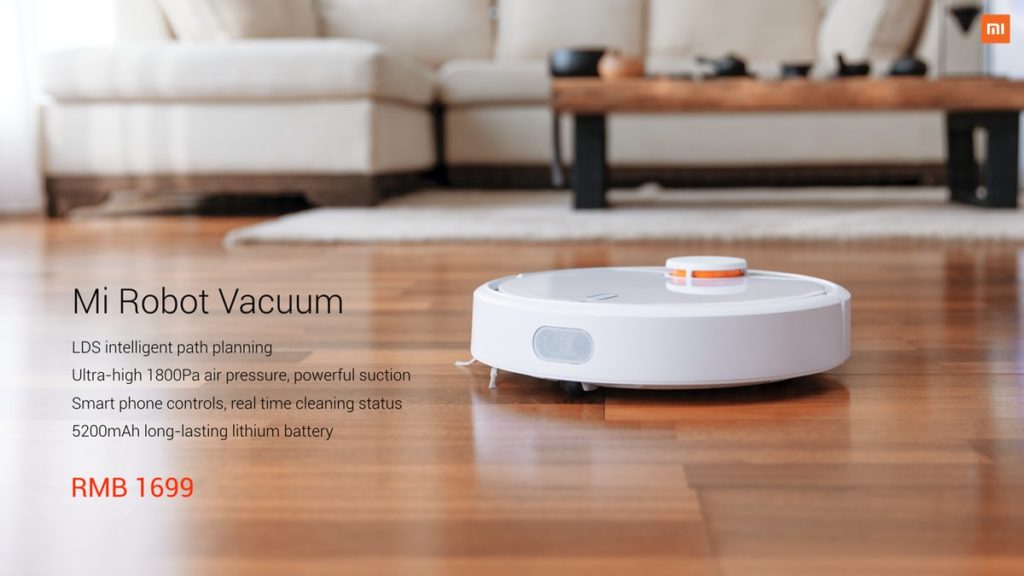
Xiaomi has today launched one of its innovative smart home products, the Mi Robot Vacuum cleaner in a conference held in Taiwan. The launch in Taiwan is the first time Xiaomi is unveiling the portable gadget outside of Mainland China.This is perhaps, towards the actualization of Xiaomi’s drive to get its products into the hands of more persons in diverse markets, thus increasing the chances of meeting its set target of over 100 billion yuan ($14.5 billion USD) in revenue for 2017.
The product comes with a higher price tag than the Chinese version as it is priced at NT$ 8895 which is about 2,021 Yuan. Recall that the Mi Robot Vacuum started at 1699 Yuan ($254 USD) in China when it was launched last August. This is likely due to shipping cost, tax and other factors. However, the Mi Robot Vacuum cleaner comes with exactly the same features and functionality as the one launched in China.
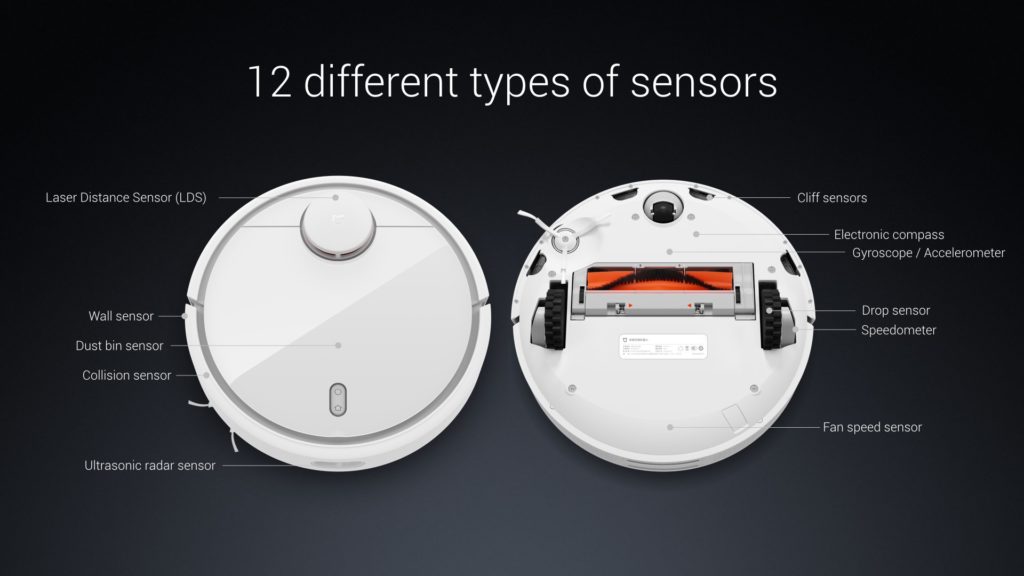
As a reminder, the Xiaomi Mi Robot Vacuum cleaner comes with a low-noise brushless fan supplied by the Japanese firm, NIDEC. The fan has a maximum pressure of 1800Pa which provides greater suction power when dealing with tough dirt. It sports three dedicated processors which help the vacuum cleaner receive data in real time from the 12 sensors performing different functions which it features. The sensors include LDS, ultrasonic radar sensor, wall sensor and cliff sensor etc. Of the lot, the Laser Distance Sensors provide a 360-degrees scanning (1800 times/second) similar to what you will find on a self-driving car.
The device packs a 5200mAh Li-ion built-in battery supplied by LG and Panasonic which is capable of delivering up to 2.5 hour cleaning time from a single charge. This is a smart gadget, so it is programmed to work with the Mi Home App, allowing owners to set cleaning schedules, modify cleaning modes, and monitor cleaning process in real-time. In addition, owners can be able to it to clean the house right after you leave the house or before your arrival in case you are bringing home guests and you left a pet at home.
The Xiaomi Mi Robot Vacuum will go on sale in Taiwan on April 6 at 10 AM. Xiaomi’s Mi Fan Festival is also scheduled to commence on April 6 by 10 AM and termiate on April 7 at 10 PM, offering Xiaomi fans in Taiwan 36 hours of unprecedented discounts on its products. Apart from the Mi Robot, other gadgets like the Mi Alarm clock, 10000mAh Xiaomi Mobile power bank. Xaiomi will also be offering some of its smartphones with free accessories, like the Mi 5S which would come with a free Piston Pro earphone, the Mi Note 2 with a free flip casing and lots more.
We use cookies on our website to give you the most relevant experience by remembering your preferences and repeat visits. By clicking “Accept”, you consent to the use of ALL the cookies.
This website uses cookies to improve your experience while you navigate through the website. Out of these, the cookies that are categorized as necessary are stored on your browser as they are essential for the working of basic functionalities of the website. We also use third-party cookies that help us analyze and understand how you use this website. These cookies will be stored in your browser only with your consent. You also have the option to opt-out of these cookies. But opting out of some of these cookies may affect your browsing experience.
Necessary cookies are absolutely essential for the website to function properly. This category only includes cookies that ensures basic functionalities and security features of the website. These cookies do not store any personal information.
Any cookies that may not be particularly necessary for the website to function and is used specifically to collect user personal data via analytics, ads, other embedded contents are termed as non-necessary cookies. It is mandatory to procure user consent prior to running these cookies on your website.