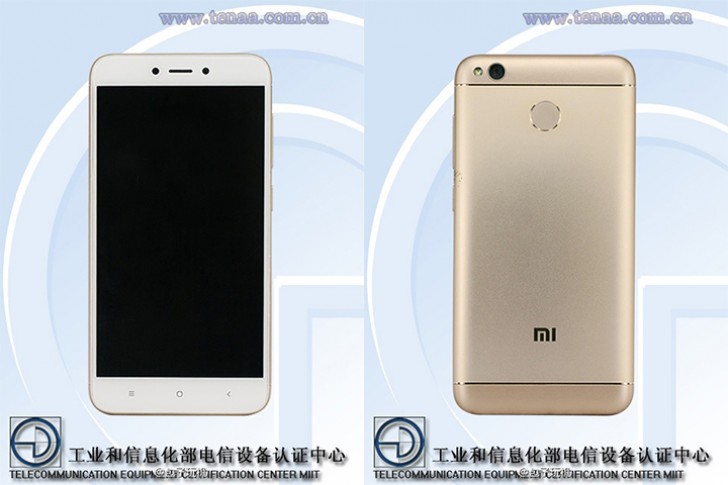
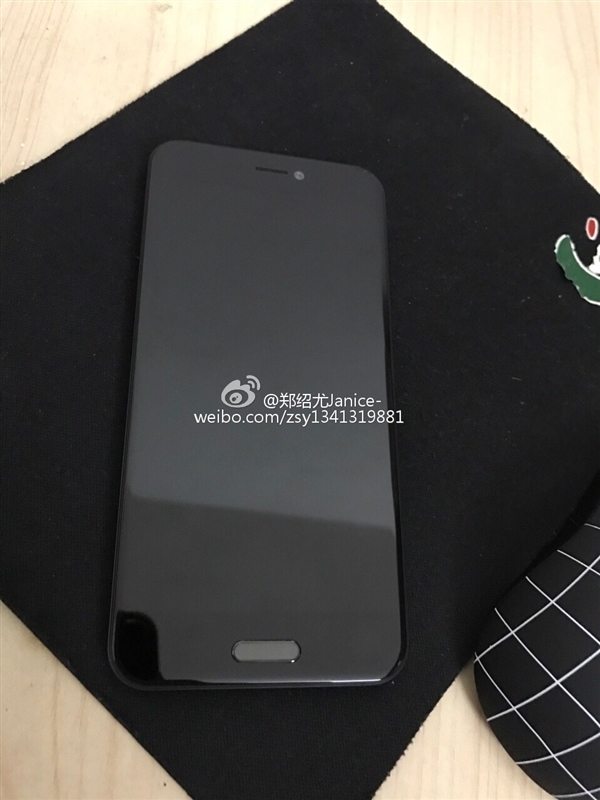
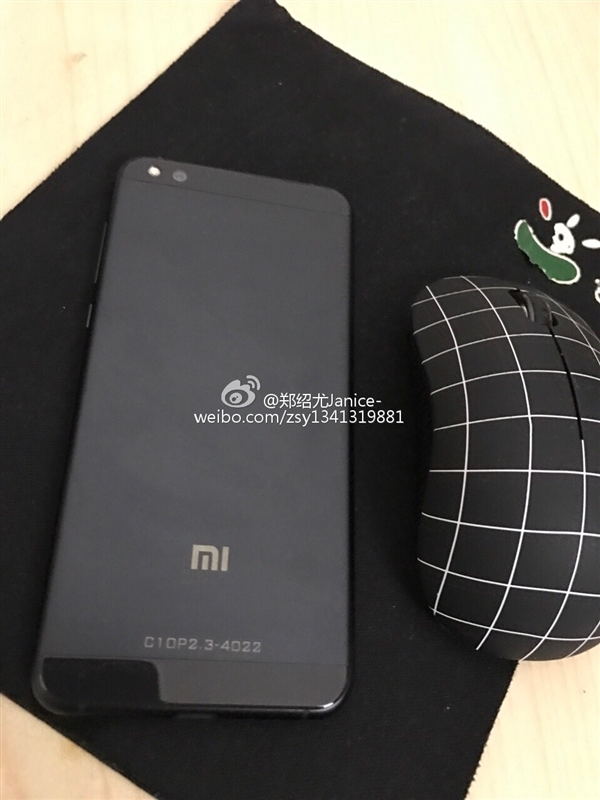
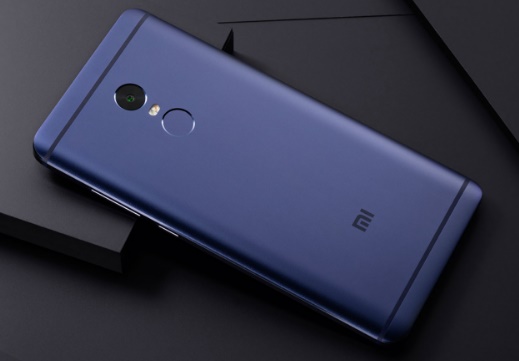
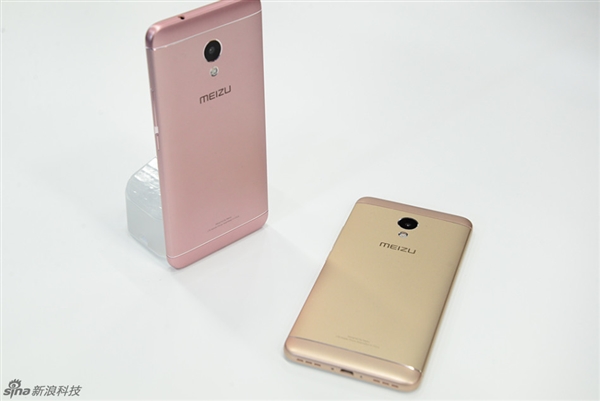
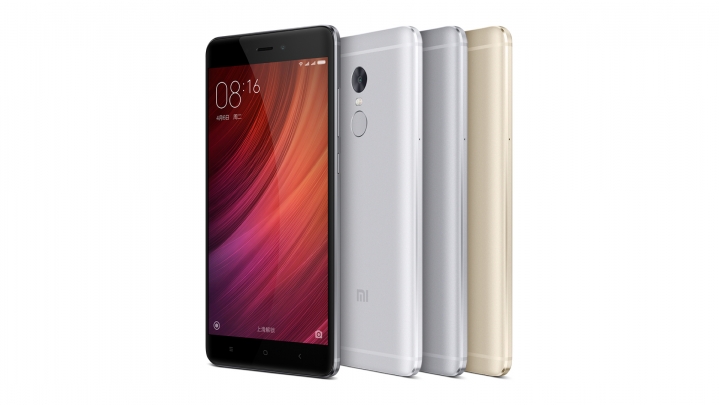
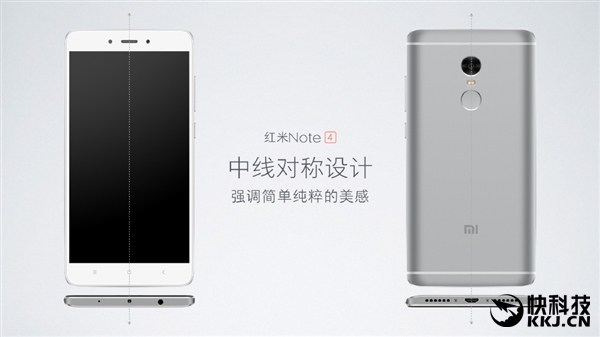
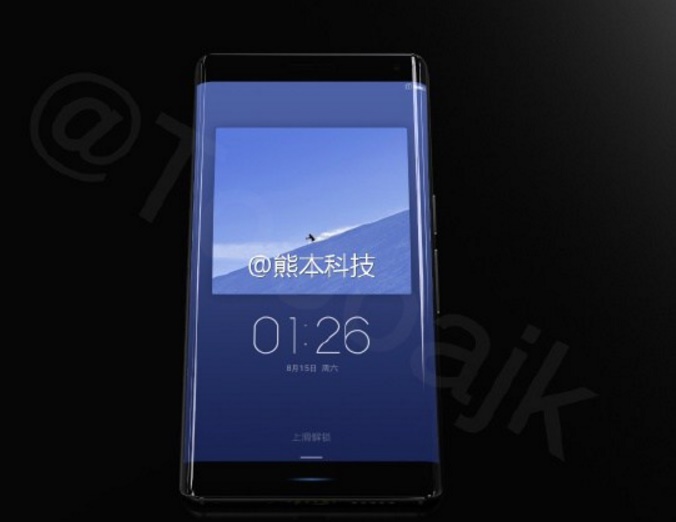
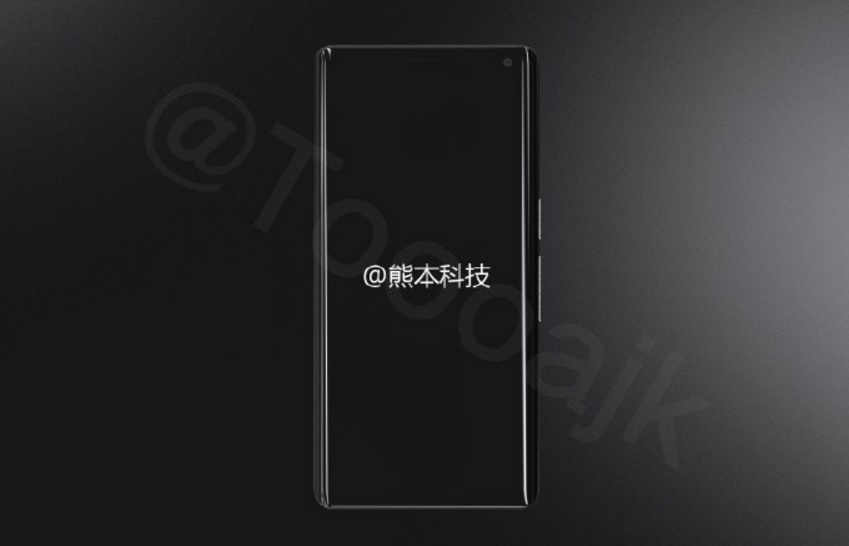
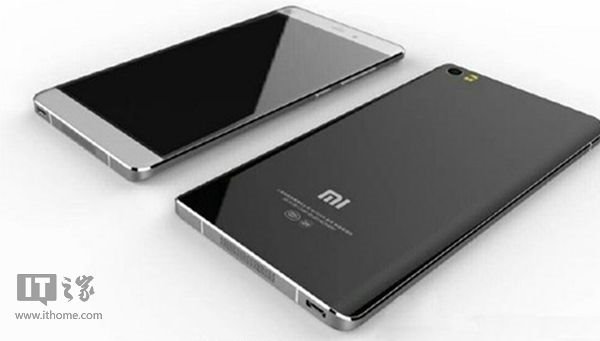
A new Xiaomi smartphone with a 5-inch display has been certified by China’s telecoms regulatory body TENAA. The phone was spotted on TENAA yesterday accompanied by a set of cool renders of the device.
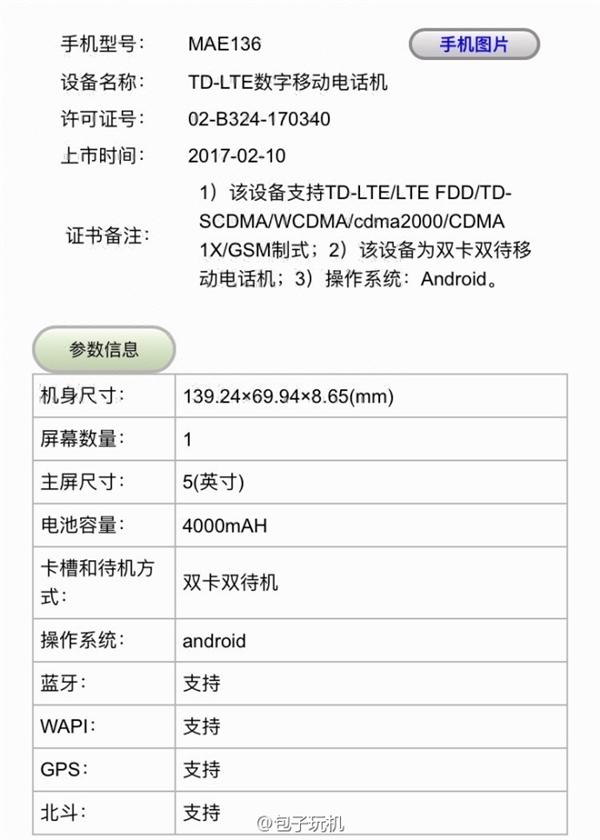
The Xiaomi smartphone is identified with the model number MAE136 and strangely packs just a few specs, unlike the usual TENAA listings. Xiaomi is becoming synonymous with large capacity batteries and the new device is listed as having a large 4000mAh battery under its hood. It also has a dimension of 139.24 x 69.94 x 8.65 mm.
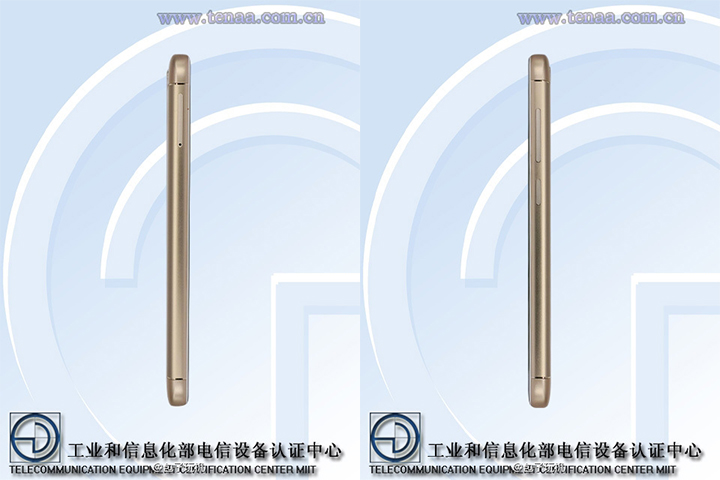
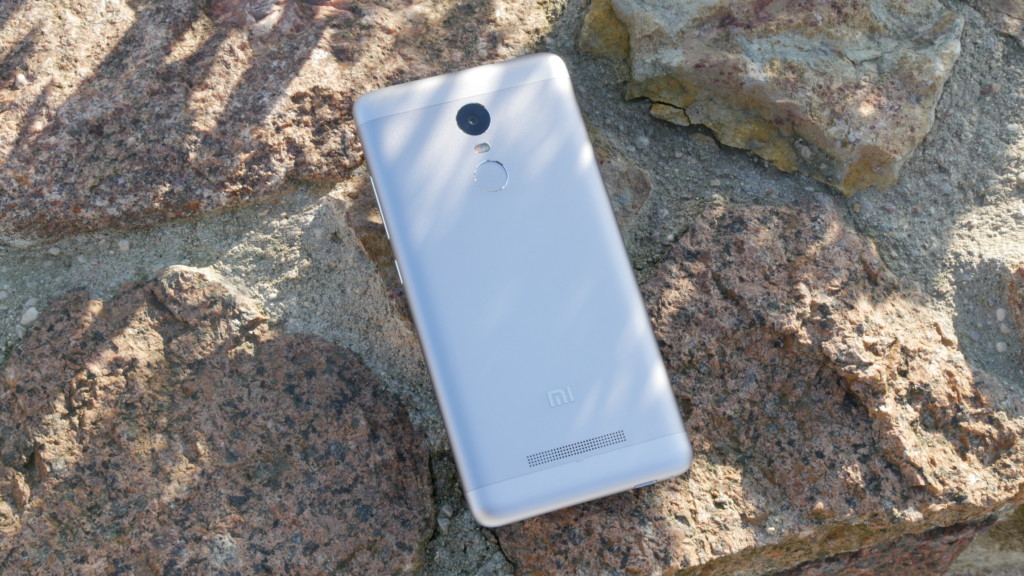
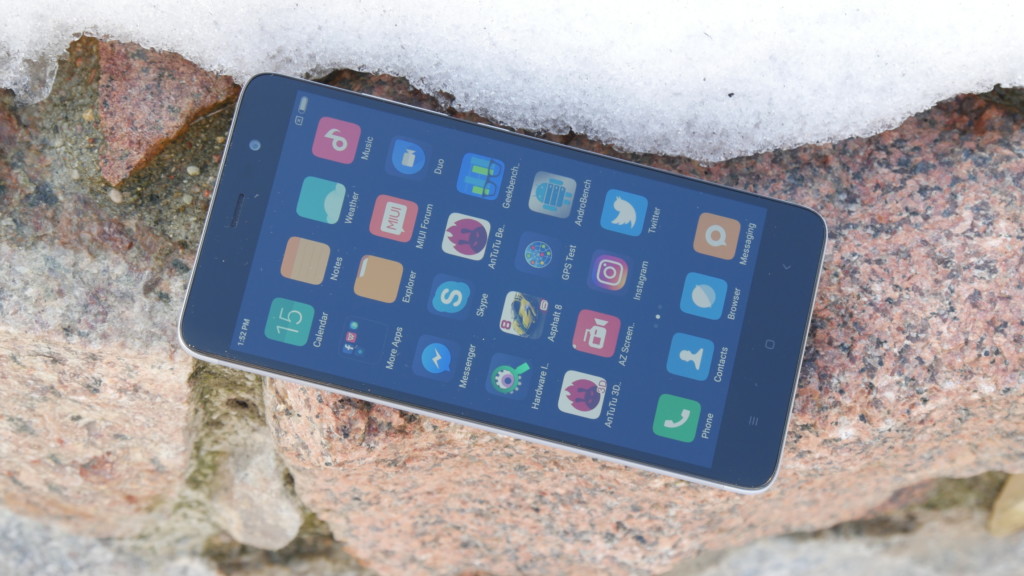
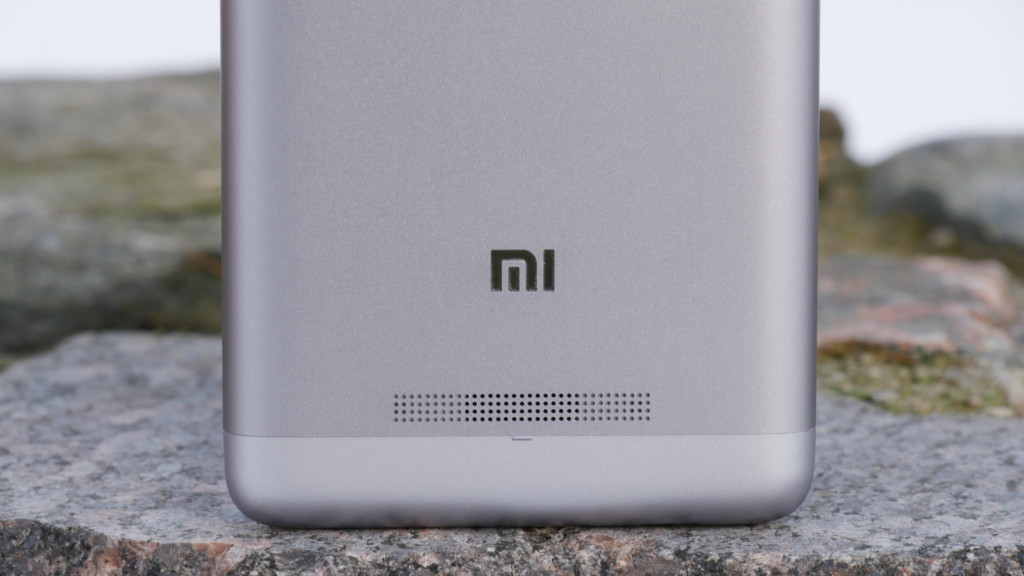
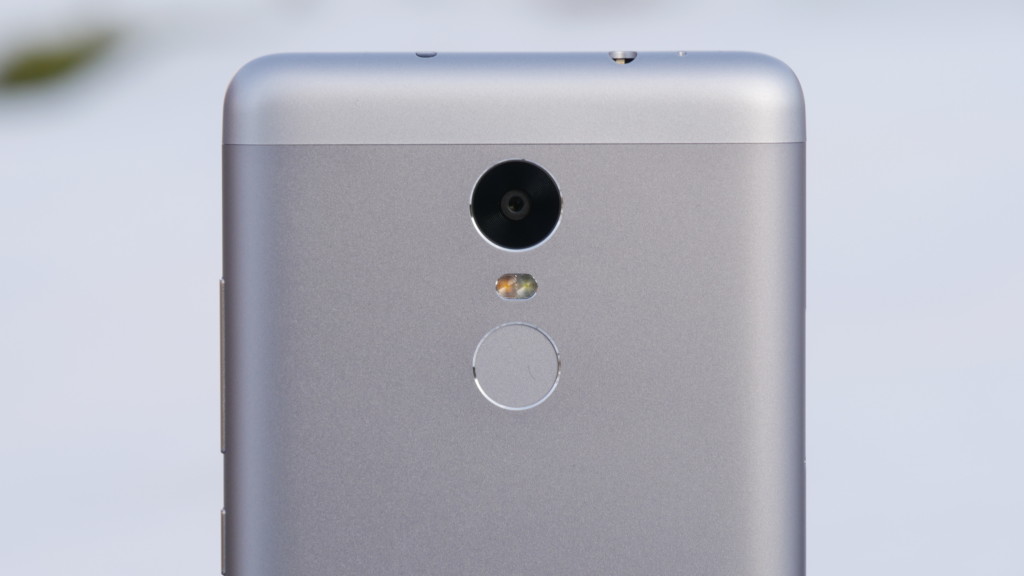
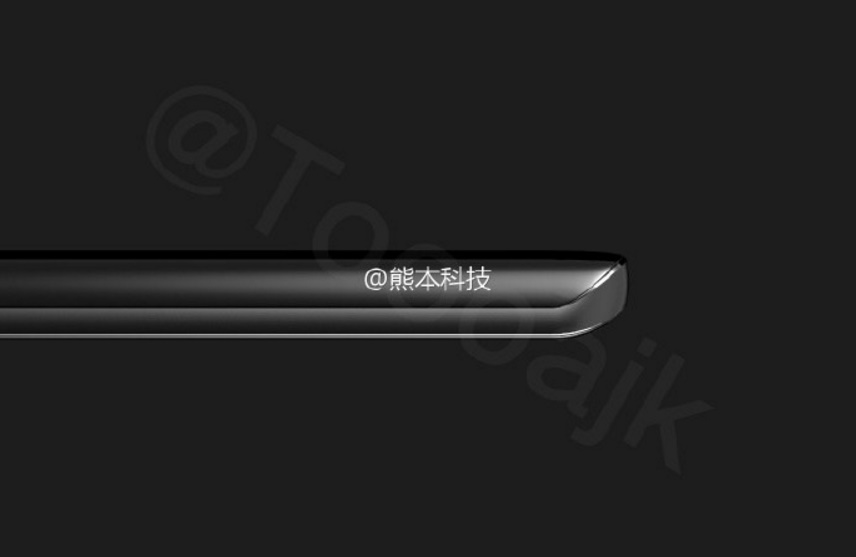
Speculations are rife that this could be the Redmi 5, but it only bears a very slight resemblance to the Redmi 4. The device lacks a physical home button under the display and at the rear, there is a fingerprint sensor at the middle while the rear camera is tilted to the top left corner of the phone. The edges of the phone are more rounded than that of the Redmi 4 and there is a unique antenna band design at the back. There is a SIM tray slot at the side of the phone, indicating that it would be a dual SIM phone.
The phone is listed as coming with a host of network bands including LTE. Unfortunately, nothing is known about the processor it features or the camera sensors or memory. Hopefully, some more details would emerge in the near future.
ASUS has launched the ZenFone Go 5.0 LTE in India. The company is expected to launch a very similar smartphone called ZenFone 3 Go in the home country of Taiwan and some other markets.
During a recent press conference, ASUS confirmed that it will be launching the ZenFone 3 Go budget smartphone and the camera-centric ZenFone 3 Zoom and the high-end ZenFone AR in the first quarter of this year. Apart from snapping beautiful selfies, the ZenFone 3 Go will be able to make impressive live streams.
The ASUS ZenFone 3 Go features a metallic chassis that is flanked with a 2.5D glass on the front. Unlike the ZenFone Go 5.0 LTE, the ZenFone 3 Go does not feature volume rockers on the backside, but they are placed on the right edge of the phone. It is expected to arrive in color options like gold, rose gold and blue.
The ZenFone 3 Go is expected to feature a 5-inch display that offers a resolution of 720 x 1,280 pixels. It is powered by Snapdragon 410 chipset and 2 GB of RAM.
The native storage of ASUS ZenFone 3 Go is 16 GB. Its main camera is of 13-megapixel the features 1.4 μm pixel size and single LED flash. Its selfie shooter of 5-megapixel. It is also accompanied with an LED flash for better shooting selfies in low-light conditions. The device lacks a fingerprint scanner.
It is pegged to run on Android 6.0.1 Marshmallow OS that will be customized with Zen UI 3.0. Since it is a selfie-centric phone, it comes with beautification mode for adding videos on Facebook and YouTube.
Like the ZenFone Go 5.0 LTE, the ZenFone 3 Go is expected to come with dual microphones and five-magnet speakers with smart amp for impressive audio experience. The ZenFone Go is rumored to include a 2,600 mAh battery. Speculations also indicate that it may feature a USB Type-C port.
ASUS had announced the ZenFone 3 Zoom and ZenFone AR in the previous month at the Consumer Electronics Show (CES) 2017. The ZenFone 3 Zoom is going to sell with a pricing of $399 in North America and in Taiwan for 14,990 TWD. The pricing of ZenFone AR is not known yet.
Since both smartphones are now rumored to go on sale by next month and the ZenFone 4 is pegged to launch in May, the ZenFone 3 Go budget phone might get announced at the Mobile World Congress (MWC) 2017 later this month. It is expected to sell for 150 euros ($162).
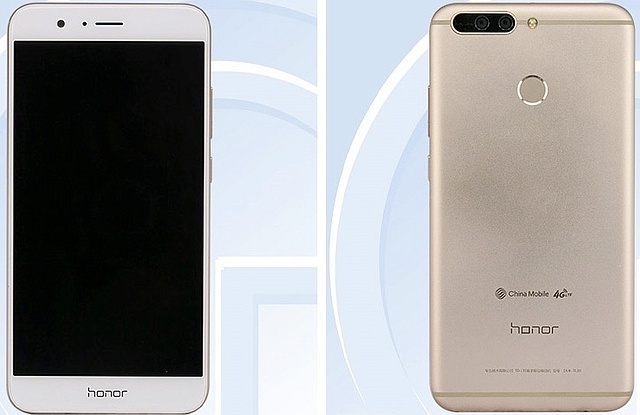
It is not unusual for Chinese manufacturers to launch a phone with one name in their home country and another name for the international variant. An example is OPPO’s R9 whose international variant is called the OPPO F1 Plus. News as it that Huawei plans to do the same with the soon-to-be released Honor V9.
The Honor V9 is a dual-camera phone scheduled to launch on February 21. It will be available in 4GB RAM and 6GB RAM variants and will have a 5.7-inch 2K display.
A Russian website, Hi-Tech says a phone with the same specs called the Honor 8 Pro will be announced at MWC. The Honor 8 Pro will have a Kirin 960 SoC clocked at 2.4GHz, 6GB of RAM, up to 128GB of expandable storage and two 12MP cameras on the rear. The front facing camera is an 8MP sensor and there is a rear-mounted fingerprint scanner. It will also come with Android Nougat out of the box.
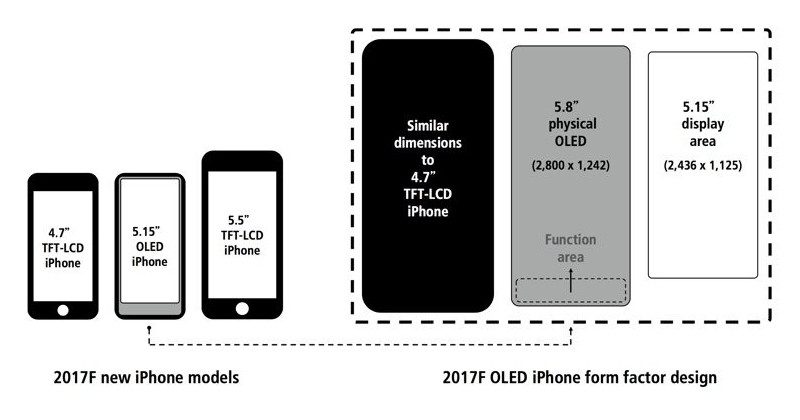
The iPhone 8 is the name given to the special edition iPhone we are getting this year to mark the 10 year anniversary of the phone. There have been rumors going round that the phone will be the first to sport an OLED display. However, things just got more exciting bout the display.
According to KGI analyst Ming-Chi Kuo, the iPhone 8’s 5.8-inch display which is said to take up most of the front of the device will have the lower part reserved for a “function area”. This function area is presumed to house unknown virtual keys.
Android devices usually have on-screen navigation buttons or capacitive keys. Some even have both and might even have a physical home button too. Apple is said to be ditching the home button this year which also doubles as the Touch ID scanner.
The rumor is that the function area will be similar to the touch bar in the new MacBook Pro with one of the virtual buttons serving as a home button and the others possibly changing according to the app in use or being preset by the user.
So what happens to Touch ID? Previous leaks had said Apple will use an under-glass fingerprint scanner but Kuo believes that it will be replaced by another form of biometric security system such as an iris scanner.
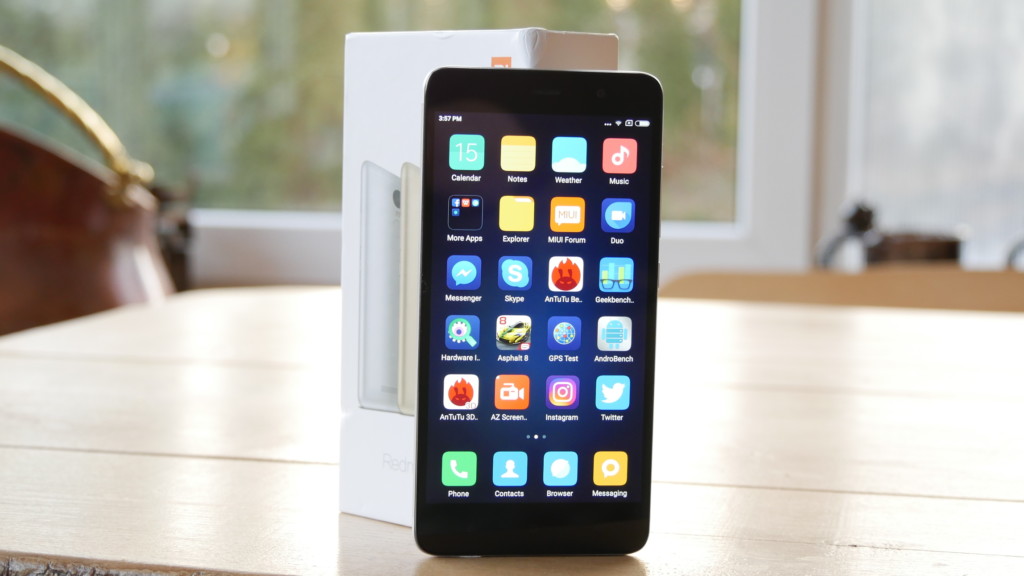
Xiaomi has released a lot of phones in 2016 and it seems that they are planning to do the same this year. Even though the Redmi Note 4 was launched quite a while back, the Redmi Note 3 Pro is still one a very solid offering. Learn more in our full review.
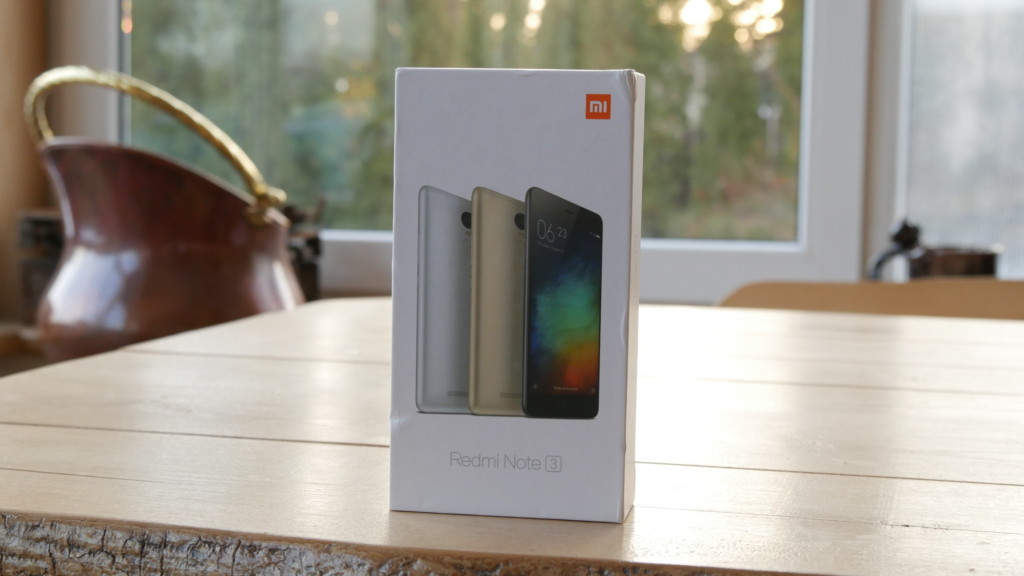
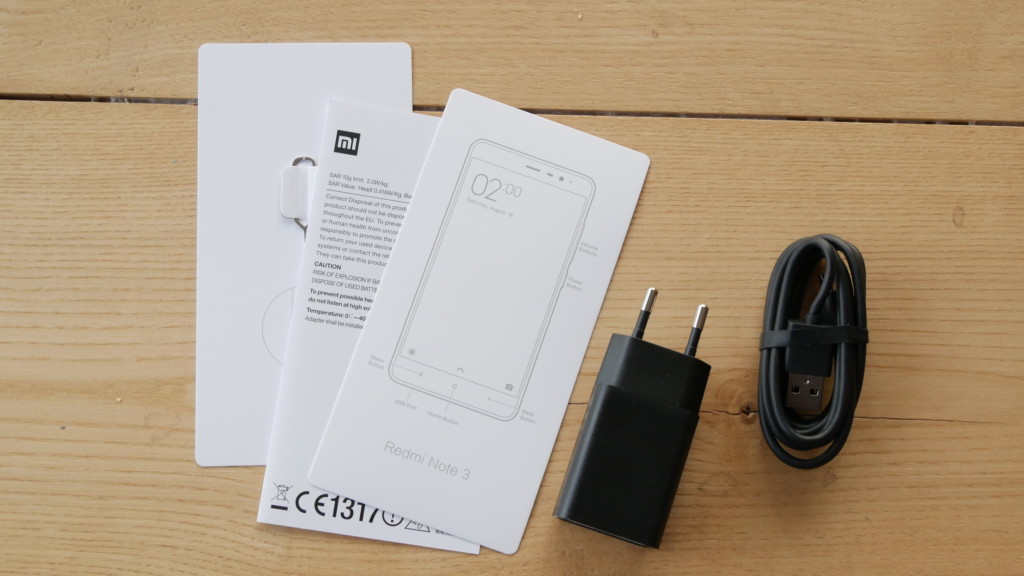
In the box, you get all the usual items, no extras included.
DESIGN and DISPLAY
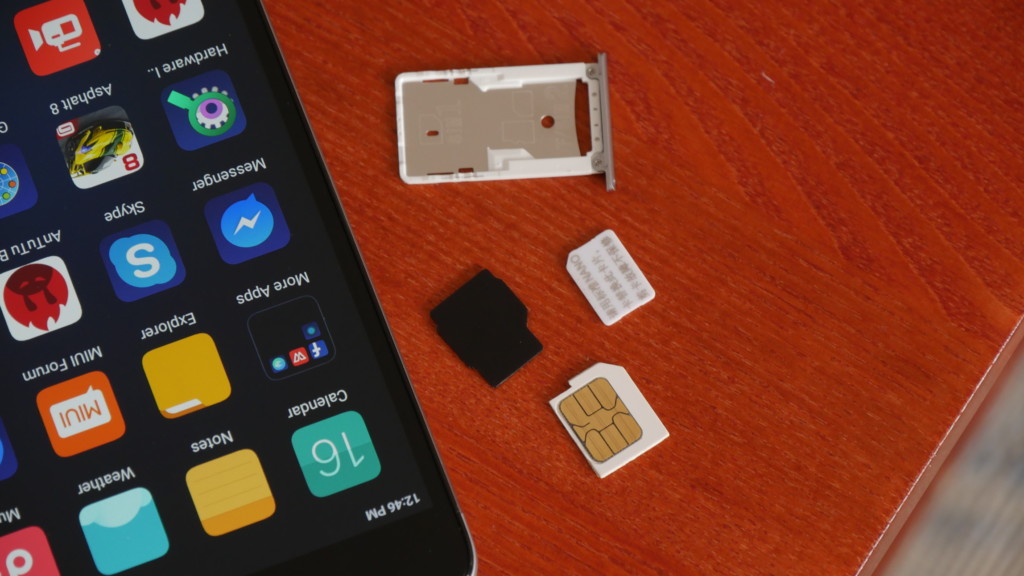
I have the international version of the phone that has 32GB of storage and it costs just over $180. You can also opt it for a much cheaper yet less powerful model that costs $140. All the links will be down below in the video description.
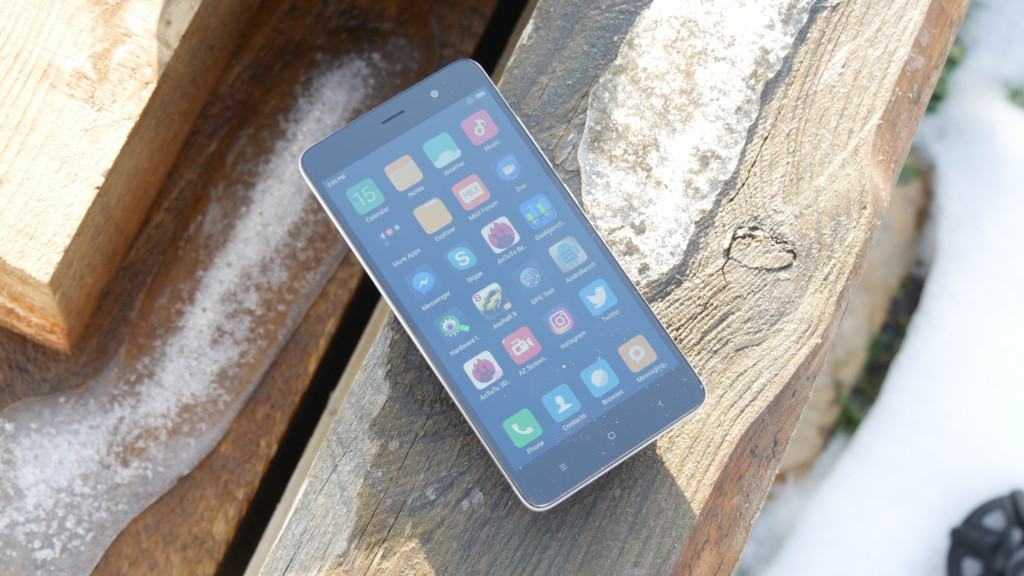
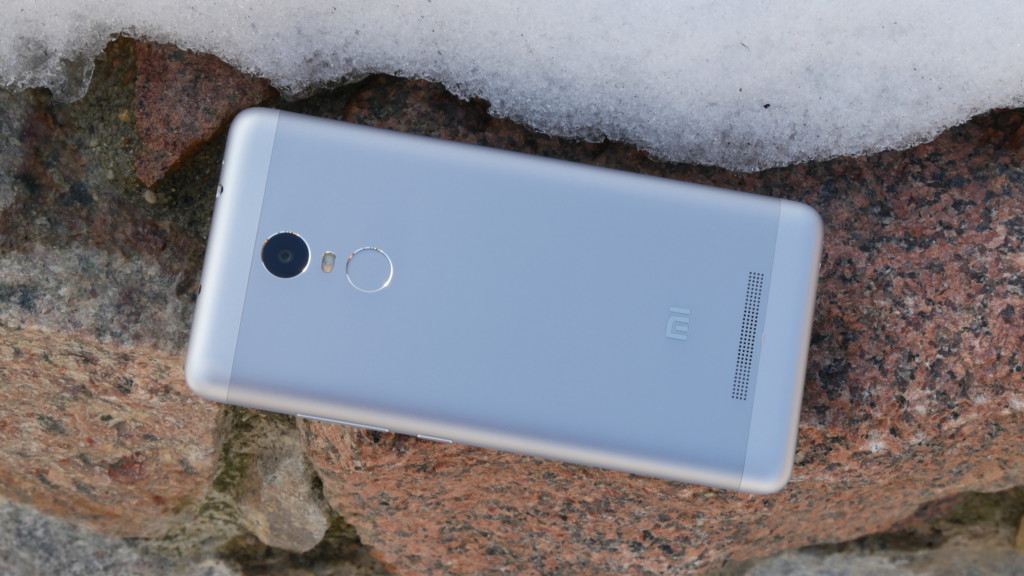
The Redmi Note 3 Pro follows a familiar design language of the Note series. It sports a metal design (except for the top and bottom parts on the back for antennas), rounded edges and tactile metal buttons.
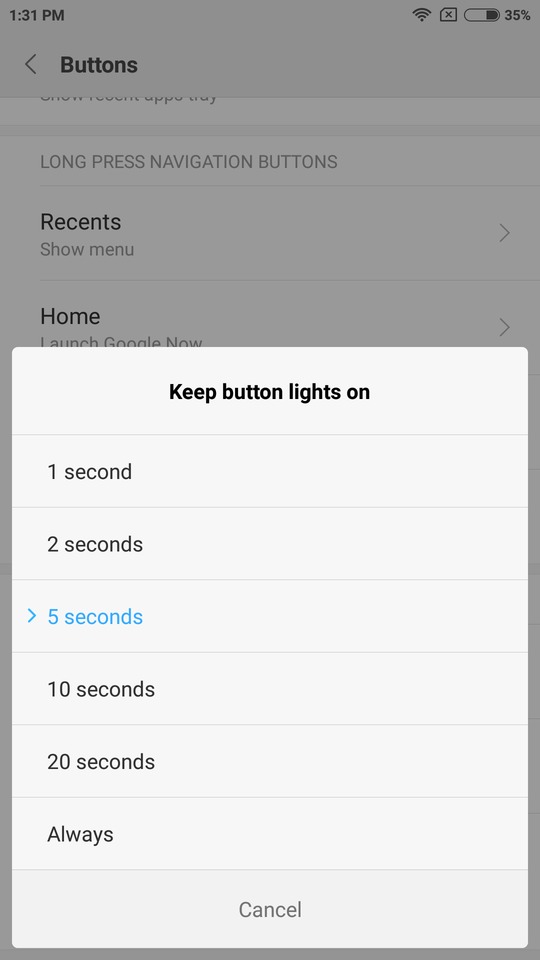
I love that the phone feels great in the hand despite it’s 5.5” 1080p display, which is sharp and vibrant but the sunlight legibility could be slightly better. As usual to the Note series, we have a highly customizable LED notification light and nicely backlit capacitive keys.
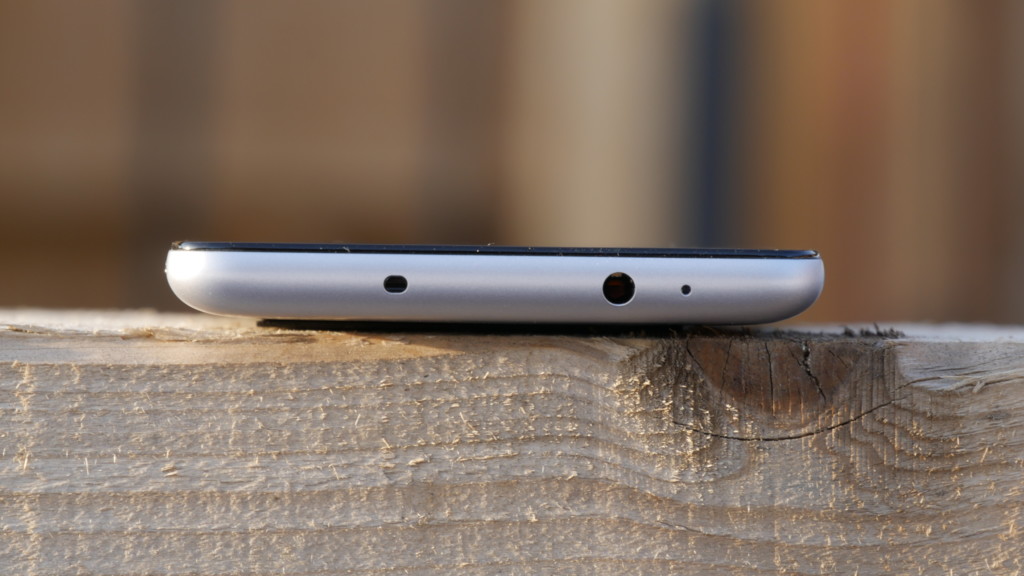
I like the sound quality via the headset jack and same can be said about the loudspeaker. The sound is crisp, balanced and definitely one of the better ones you can find in this price range.
The fingerprint scanners on Xiaomi phones have been great and the Redmi Note 3 Pro is no exception. It is fast, reliable and it unlocks the phone straight from the standby mode.
Finally, the phone has the IR blaster that allows you to control other devices like TVs.
HARDWARE and PERFORMANCE
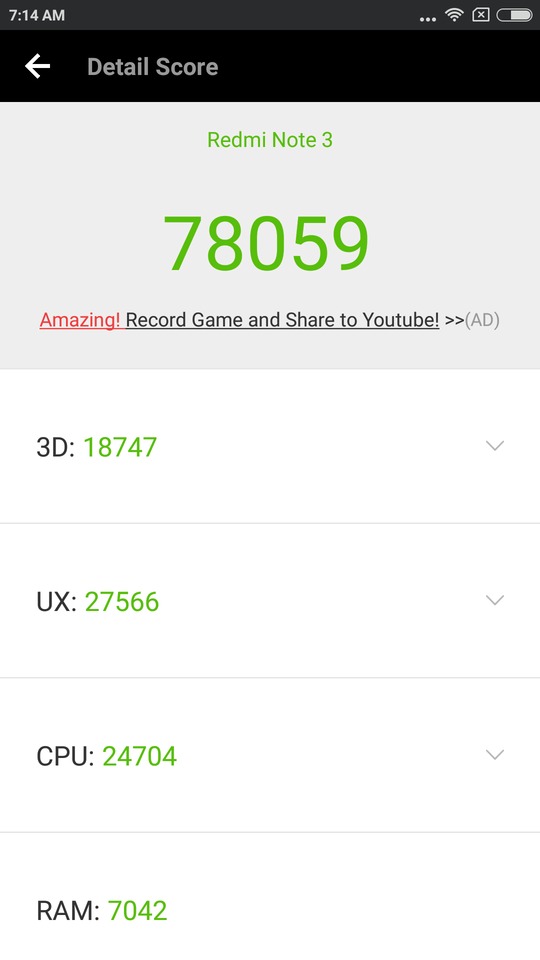
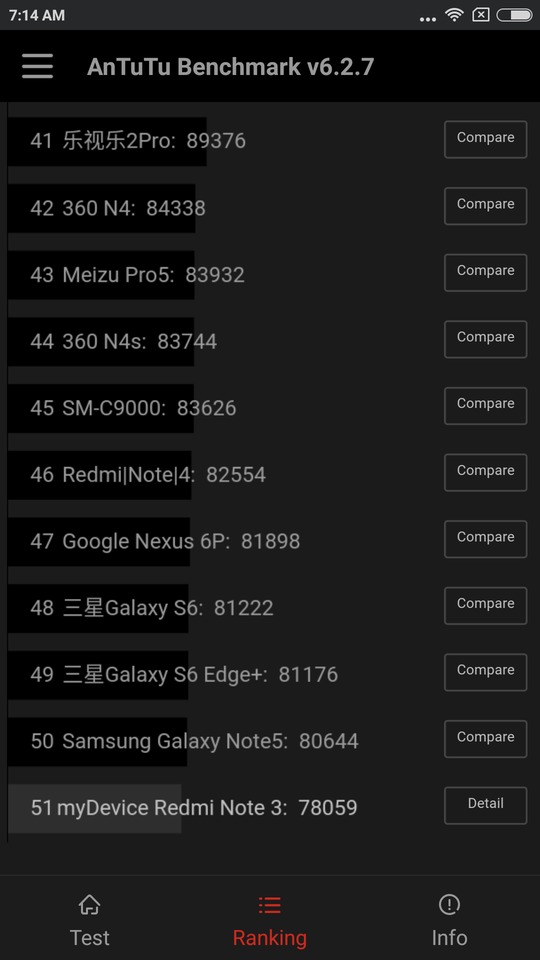
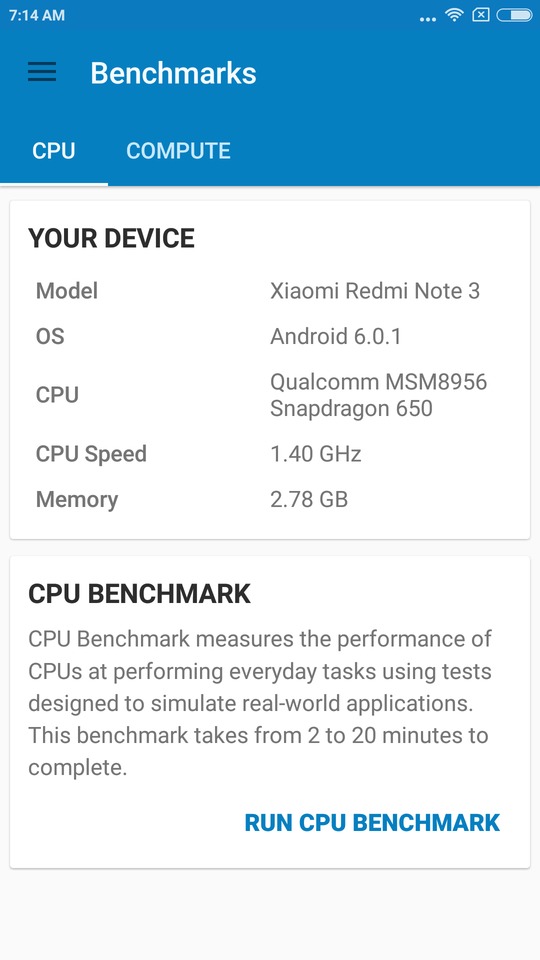
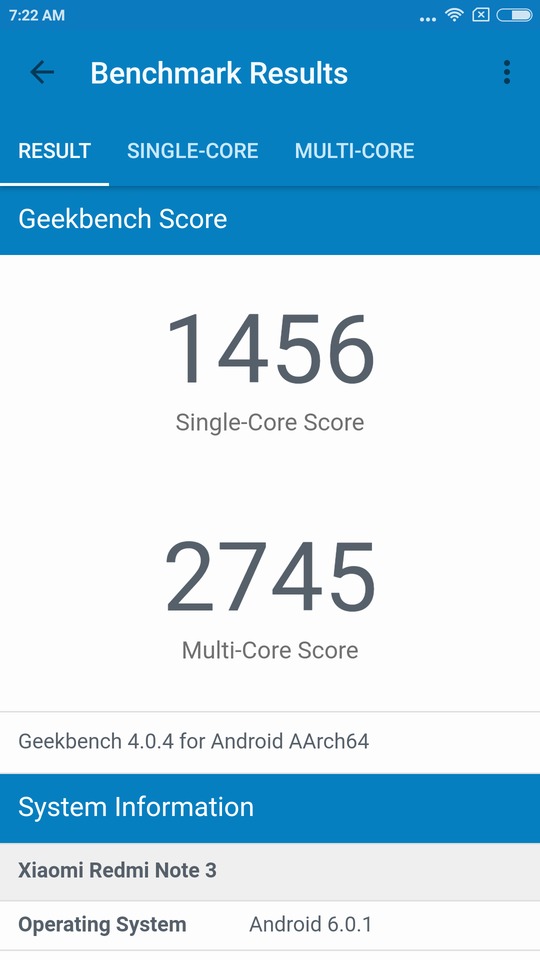
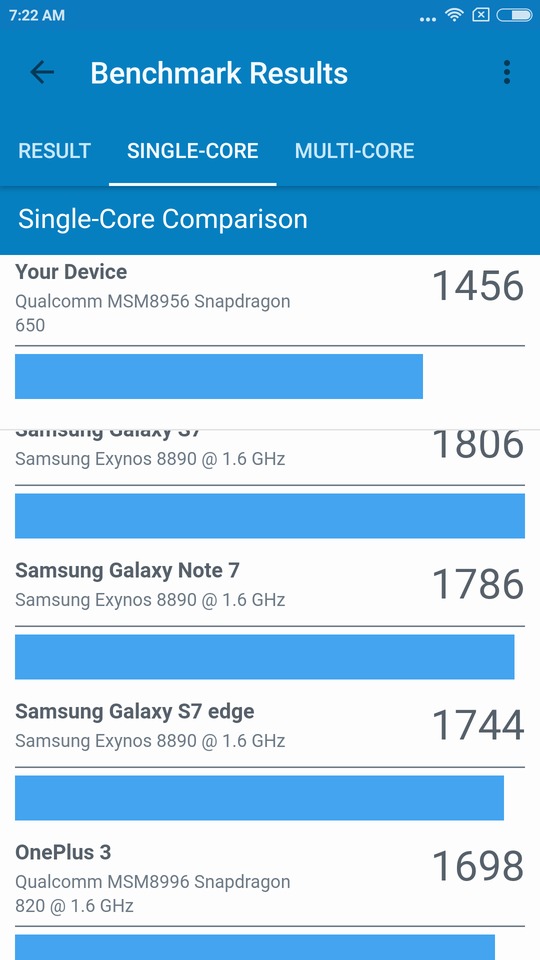
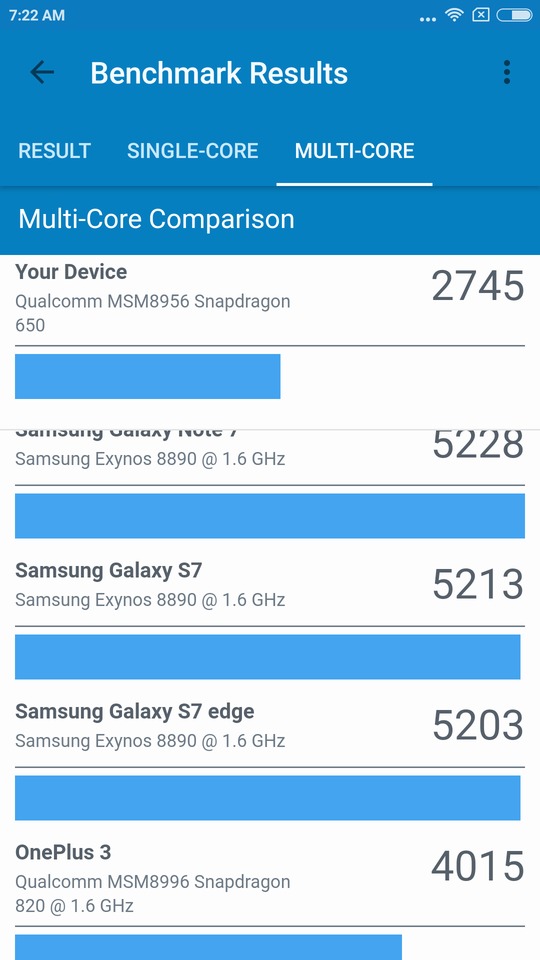
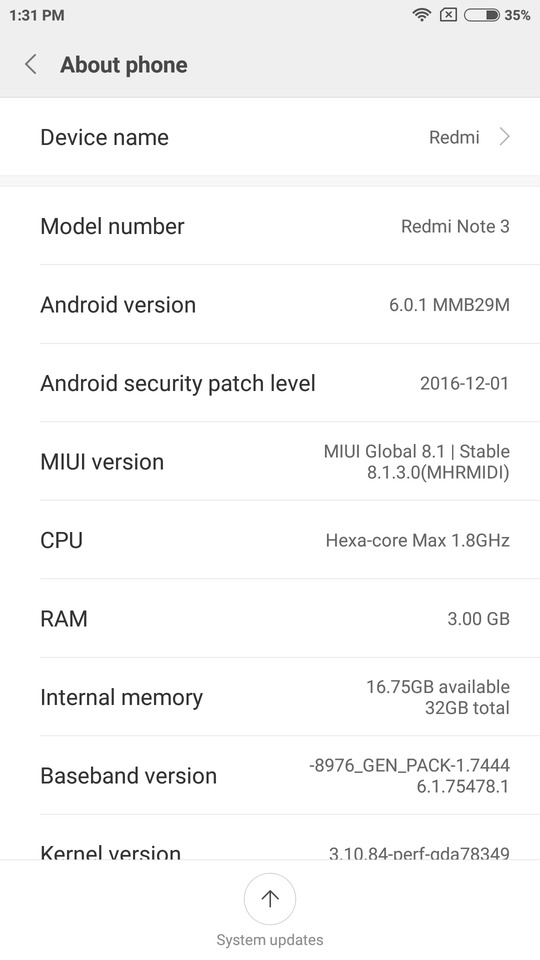
Hardware department is where the Redmi Note 3 Pro shines. Even though it was released back in February, the Snapdragon 650 chip coupled with 3GB of RAM and 32GB of expandable storage is a great combination.
Yes, you may see a few skipped frames in some games if you play them on the highest graphics but you can’t really complain about that.
The device gets a little warm when gaming but it does not overheat.
USER INTERFACE
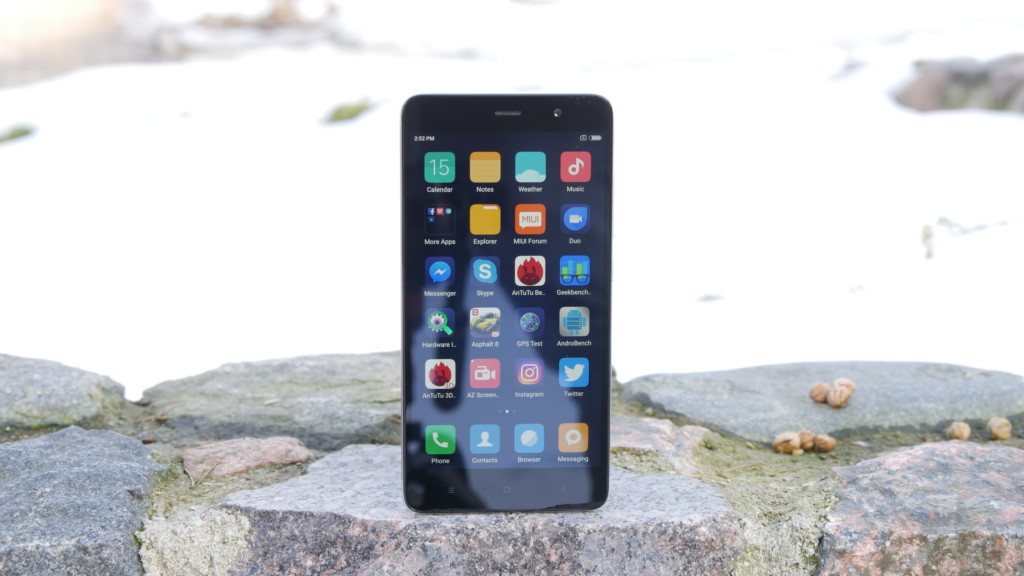
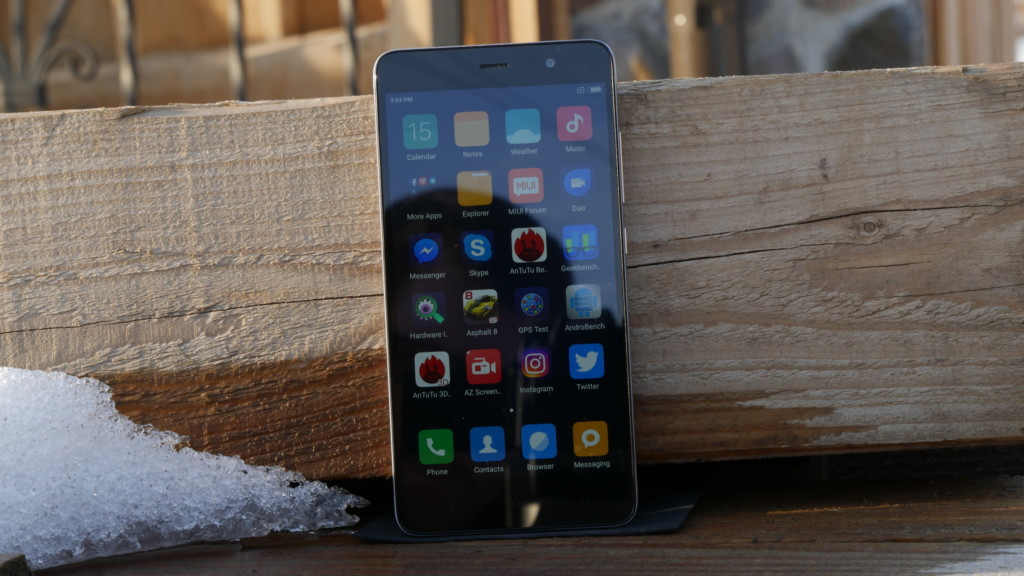
The international version of the Redmi Note 3 Pro comes with the MIUI 8, Google Services pre-installed, all the Chinese bloatware removed and OTA support. Even after installing quite a lot of apps, the phone runs smoothly and I’ve yet to see the Android 6.0-based MIUI 8 lag.
That is even more impressive given a formidable feature set and plenty of customization options. Just to name a few, you can change the looks by using one of the largest theme stores on any phone.
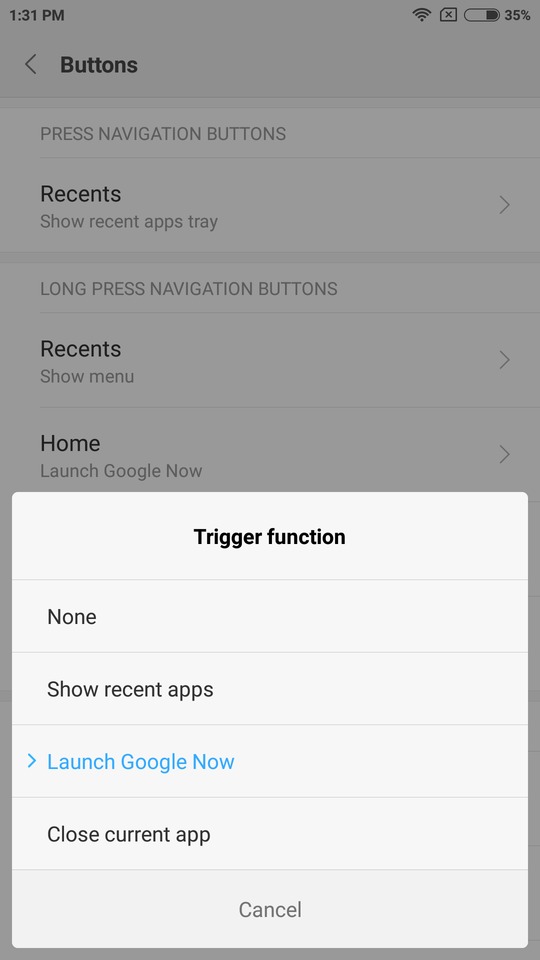
My other favorite features include the ability to customize the capacitive keys, quickly launch the camera or adjust the display settings. The list of features goes on but these are my favourites.
CAMERA
IT IS HIGHLY-RECOMMENDED TO DOWNLOAD FULL RESOLUTION CAMERA SAMPLES TO SEE THE ACTUAL IMAGE QUALITY. THE PICTURES UPLOADED ON THE WEBSITE ARE 50% SMALLER IN RESOLUTION.
The Redmi Note 3 Pro has a 16MP camera with f/2.0 aperture and a single LED flash.
The stock camera app allows you to take pictures very fast. Also, you can select from a few shooting modes like a pro mode for photos or slow-motion mode for videos.
The daylight images look great. There is plenty of detail, sharpness and the color reproduction is pretty good. There were a few photos with inaccurate white balance though.
You can also take some good-looking macro and indoor shots if there is enough light.
The low-light camera performance is a lot worse. There is much more noise, the level of detail is lower and sometimes you may a red tint in the outdoor shots.
The 1080p video looks pretty good but it would be great to see a bit more detail. A great thing is that the CAF works quite well.
The front-facing camera uses a 5MP sensor. The selfies look kind of soft and they could definitely have more sharpness. The selfie video is mediocre. The footage not only looks soft but also, the auto-exposure was really struggling on the sunny day when I tested out the camera.
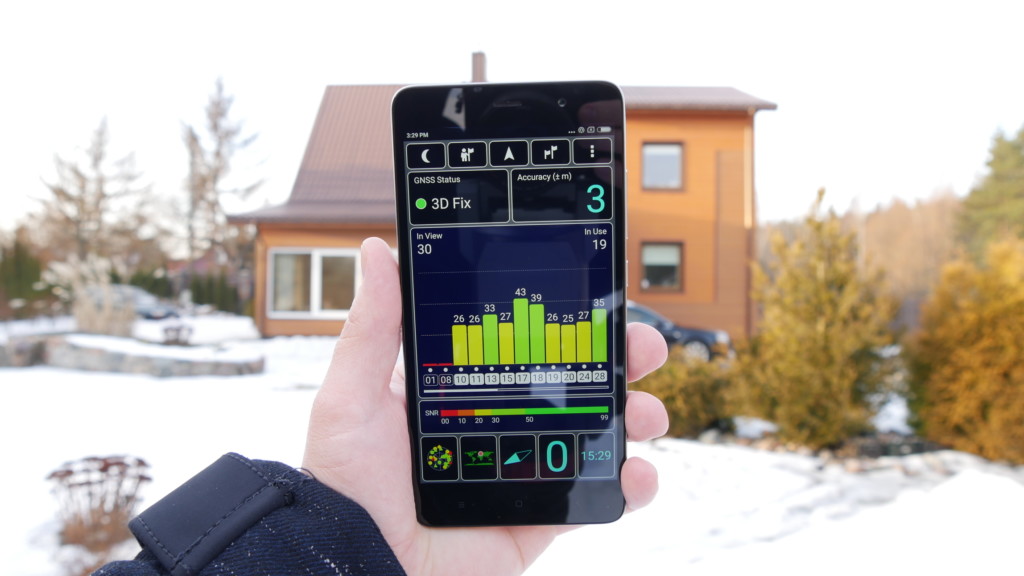
When it comes to connectivity, I have no complaints. The wifi works well, the GPS is really fast and accurate and finally, I didn’t have any issues with neither signal reception nor call quality.
BATTERY LIFE
One of the key selling points of the Redmi Note 3 Pro is a huge 4050 mAh battery that performs great. Depending on your usage habits, you will be able to get about 6 or even 7 hours of screen-on time, which is a great result.
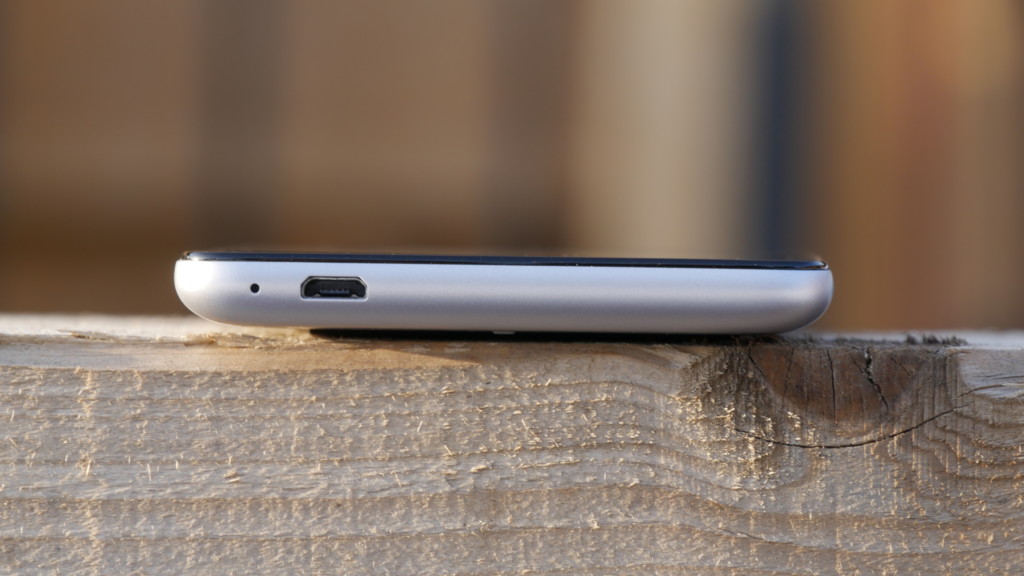
Since the Redmi Note 3 Pro was released like a year ago, it uses the standard micro USB charging port. The phone supports the Qualcomm’s Quick Charge 3.0 tech but the supplied charger does not support this feature. It takes about 2.5h to fully charge the phone with it.
CONCLUSIONS
So, there you have it, the Xiaomi Redmi Note 3 Pro after 1 year of the official release. I still think it is a very solid offering, especially if you consider that you can get it for aslow as $140.
The phone has a sturdy metal design, it sits comfortably in the hand and the display is plenty sharp for everyday use.
Also, I love that the Snapdragon 650 chip has enough power for 3D gaming and MIUI 8 is well-optimized for a smooth performance. In addition, the camera is still one of the best in this price range and finally, the battery life is fantastic.
However, you have to know that low-light camera performance is kind of mediocre and there is no 4k video recording. Also, if you want to use the Quick Charge 3.0 tech, you would need to buy a fast charger separately.
Speaking of charging, the micro USB port is slowly becoming a legacy port and this phone may slow down your transition to the USB-C standard.
At the end of the day, we have to agree that the Xiaomi Redmi Note 3 Pro has some shortcomings that you have to consider but I can still recommend it as one of the best offerings for the price, even after 1 year of the official launch.
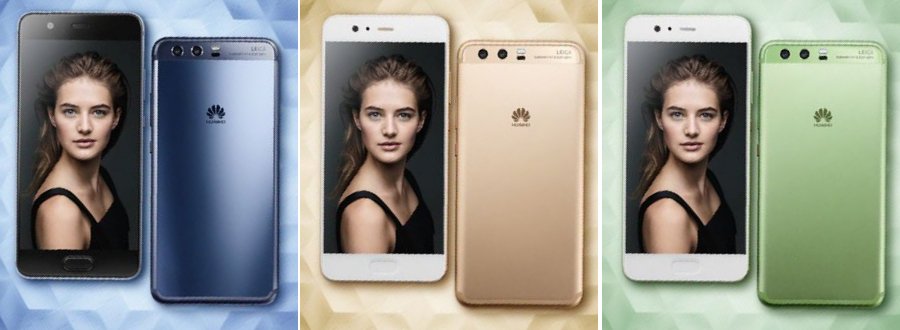
Yesterday, images of the Huawei P10 Plus leaked online. Today they have been followed by that of the Huawei P10, courtesy of Evan Blass.
The Huawei P10 and P10 Plus will both be unveiled next week at Barcelona. The new devices are the successors to last year’s Huawei P9 and P9 Plus and bring along new and improved features.
The main difference between both devices are their displays. Both feature 5.5-inch displays but only the P10 Plus gets the dual-curved treatment. The P10 will instead sport a flat display.
The leaked image confirms that the device will be available in new and attractive colors. The image shows the blue, gold and green variants and we expect there should be more. The P9 is available in eight different colors, so chances are more colors will be announced in future.
Huawei P10Huawei P10 Plus
Other differences between both devices are the camera setup and fingerprint scanner. Both have dual-cameras and according to leaks are the same sensors. However, the LED flash and laser focus module are positioned differently. The flash and laser focus module are stacked on top of one another in the P10 but are standing vertically in the P10 Plus. For the fingerprint scanner, the P10 Plus has its own on the rear which is a little above where the Huawei logo is on the Huawei P10. The P10 on the other hand settles for a physical home button that doubles as a fingerprint scanner.
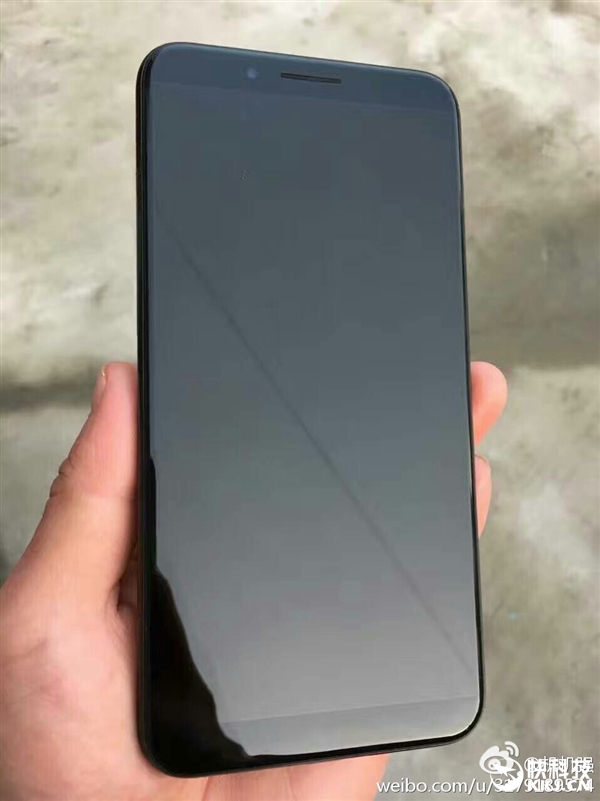
The Xiaomi Mi 5C is expected to be the first Xiaomi phone released with the Pinecone V670 processor. Rumored to be released in March, a new image of the phone has been leaked online showing it sporting a new design.
When the first set of images of the Mi 5C were leaked online back when it was still called Xiaomi Meri, the device featured a physical home button. However, this new image leaked on Weibo by @strong machine and said to have originated from a Foxconn factory lacks the physical home button. Another difference is the position of the front camera which has been moved from the right to the left.
New Xiaomi Mi 5CXiaomi Mi 5C Old LeakXiaomi Mi 5C Old Leak
This new device is better looking and the front bezels are thinner but since there is no picture of the rear we can’t confirm the position of the fingerprint scanner. The front also lacks the groove of the ultrasonic fingerprint scanner in the Mi 5S. So we can’t say if there is one embedded underneath the display.
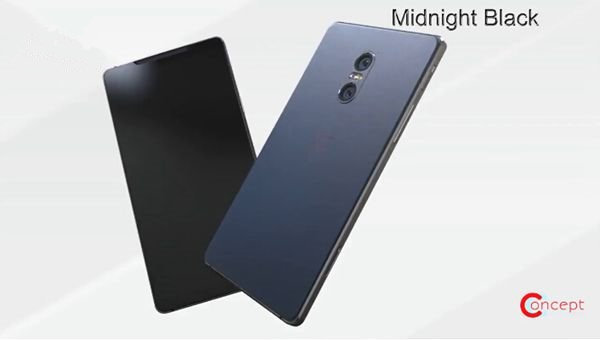
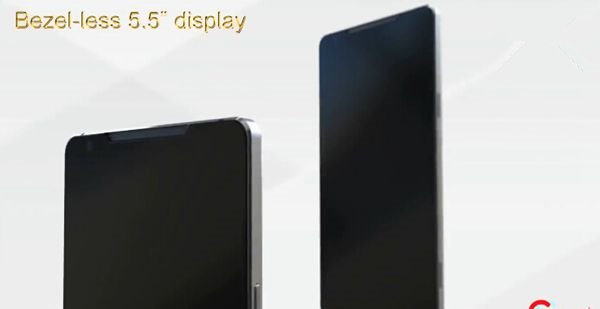
OnePlus gave us a touched up version of the OnePlus 3 late last year, christened OnePlus 3T, so we are expecting another OnePlus flagship this year. This perhaps precipitated the design of a purported OnePlus 4 concept whose renders and specs appeared online recently. We would have taken this as a hint that OnePlus is indeed working on a new flagship called OnePlus 4 if not for the fact that the number 4 isn’t a lucky figure in China and manufacturers most times avoid it.
Ideally, since the last flagship from the company is the OnePlus 3 or 3T, the next would be the OnePlus 4 so it is still possible the company is actually working on a OnePlus 4 flagship which would hit the stands this year. It is also likely the next-gen OnePlus smartphone may be called OnePlus 5.
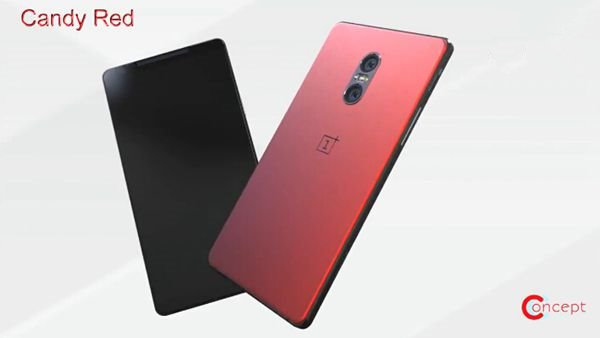
The renders leaked online recently and are said to be those of the OnePlus 4. The color style takes a deviation from the Gunmetal and Soft gold paint jobs we are accustomed to on the OnePlus 3 and earlier models. Instead, there is a red colored styling as well as a black and a white variant.
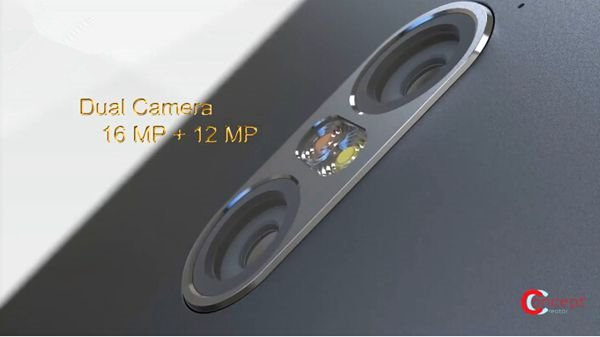
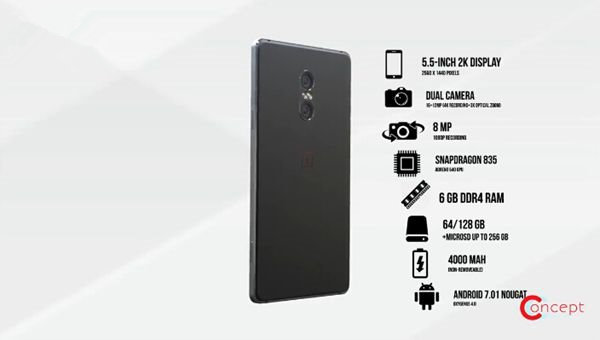
Another spectacular innovation is the dual-lens rear camera mounted onboard the device, aligned in a vertical direction with the dual-tone LED flash sitting in between the two lenses. The dual cameras are said to have a 16MP main shooter and a 12MP sensor on the secondary camera. Up front, there is an 8MP sensor. The display is a 5.5-inch display with a whopping 2K resolution.
The OnePlus flagship is also rumored to come with the Snapdragon 835 chip, supplemented by 6GB of RAM. There is also a 64GB and 128GB storage versions which can be expanded up to 256GB. The OnePlus 4 is listed to feature a 4000mAh battery capacity with support for OnePlus’ DASH fast charge technology.
Earlier on, Carl Pei who is OnePlus’ co-founder had hinted that the next-gen OnePlus smartphone would be equipped with OLED display. The device is also expected to run Android Nougat-based Oxygen OS.
Nokia that relaunched itself into the smartphone business in the previous month has been sued by Blackberry for infringing its patents. The legal suit against cover products and services from Nokia that use AT&T and T-Mobile LTE networks in the U.S.
On Tuesday, BlackBerry filed a lawsuit against the Finnish company in federal court in Willington, Delaware. The lawsuit states that products such as Flexi Multiradio base stations, radio network controllers and Liquid Radio software that belong to Nokia has infringed 11 patents from BlackBerry.
The Canadian firm has accused Nokia for letting major carriers in the U.S. such as AT&T and T-Mobile to using its patents without seeking license. It has further added that when the Finnish company applied for some of it new inventions it used the patents from BlackBerry.
In 2011, Rockstar Consortium group that also included BlackBerry had acquired Nortel’s IP for $4.5 billion dollars. The company ended up receiving patents for aforementioned products and services through the acquisition. Interestingly, Nokia had also made an attempt to acquire Nortel’s IP in 2009, but the deal did not come through since the latter filed for bankruptcy.
As of this writing, there is no confirmation on how much the Canadian firm is seeking from Nokia as licensing royalties. The lawsuit states that, “BlackBerry seeks to obtain recompense for Nokia’s unauthorized use of BlackBerry’s patented technology.” The publication has further stated that since BlackBerry has not gained anything from its smartphone sales, John Chen, BlackBerry CEO is looking for new ways to generate revenue through BlackBerry’s technology.
One of the BlackBerry patent technologies that Nokia has been sued for is the use of 3GPP without seeking permission. The company does not intend to prevent its usage and it only seeks damages from the Finnish firm for not complying. BlackBerry has also stated that it According to CNET, “We’re aware of the complaint, will study the claims made and take whatever steps are necessary to defend our rights.”
Apple has Siri voice assistant on its iPhones. The Google Assistant was introduced on Google Pixel smartphones. Microsoft smartphones have Cortana onboard and Amazon’s voice assistant is called Alexa. Also, Samsung is heavily pegged to launch Bixby voice assistant on Galaxy S8. Fresh information has revealed that Huawei, the third largest smartphone manufacturer in the world is all set to rival the existing AI assistants by introducing its own digital assistants.
According to Bloomberg, the Chinese smartphone manufacturer is currently developing its own voice assistant and it has over 100 engineers working on it. The report states that Huawei’s digital assistant would be aimed towards domestic audience as it will carry support for Chinese languages.
Huawei smartphones that will be sold outside of China will include AI services from Google and Amazon. As of this writing, none of the existing Chinese smartphone manufacturers have its own voice assistant. Hence, Huawei smartphones that will come its own AI service will be stand out from devices from the oversaturated Chinese smartphone market where Google services are blocked and Amazon’s Alexa does not support Chinese language.
Google Assistant comes preloaded only on Pixel and Pixel XL smartphones. It Is also available on Android Wear 2.0 smartwatches and Google Home. Google is rumored to introduce Google Assistant on third-party devices by making it available pre-installed.
Google has been struggling to re-launch its services in China and if the world’s third largest smartphone maker launches its own AI service, Google’s plans will be further affected. According to IDC, Samsung and Apple are currently leading the global smartphone market and Huawei is placed on the third spot. Richard Yu, the consumer head of Huawei has said that the company aims to grab the first spot by 2021.
Unlike Apple and Samsung, Huawei smartphones are not sold through popular carriers of the U.S. such as AT&T, Verizon, T-Mobile and Sprint. Huawei is also expected to increase its market share in the U.S. market by partnering with major carriers.
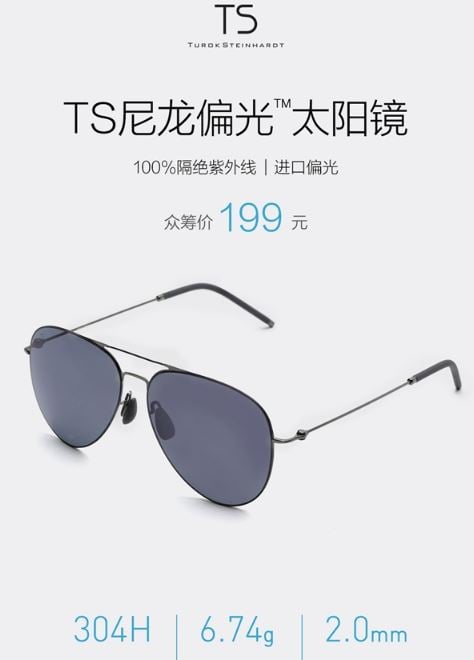
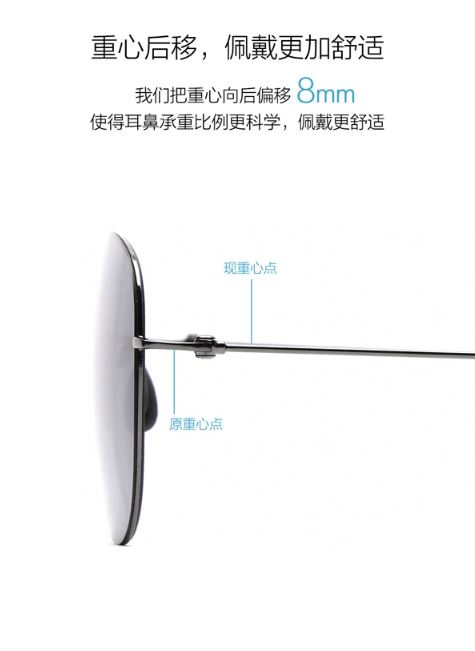
Xiaomi has added another product to its crowdfunding platform’s kitty and just as we deduced from the earlier teaser, the gadget is a Sunglasses which carries the Turok Steinhardt branding. The Xiaomi Turok Steinhardt sunglasses is a polarized sunglasses which comes with a no border design and filters ultraviolet light completely. The glasses weighs only 18g.
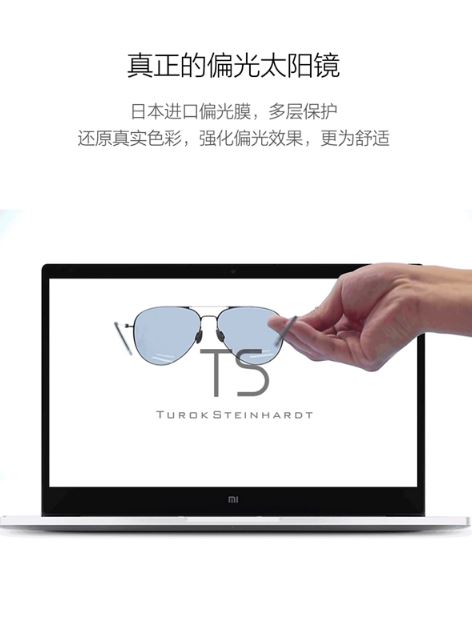
The Turok Steinhardt sunglasses was produced using nylon polarizing material similar to the one used on space masks worn by astronauts such that its isolates UV rays and other harmful rays in the universe from hitting our eyes. It also removes glares, scattered lights, reduces fatigue and gives a clearer vision.
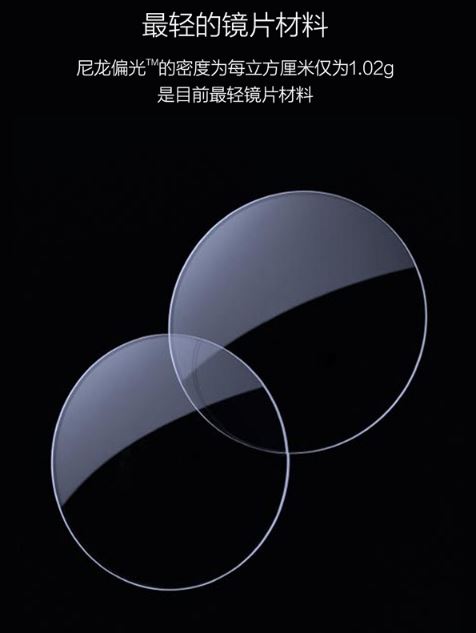
The Nylon polarization material it uses is said to be one of the lightweight lens materials around with a density of around 1.02g and an excellent ant-impact property. The material does not break or fragment easily under impact to a reasonable degree but that will depend on the intensity of the impact. It also comes with a stylish frame design.
The Turok Steinhardt sunglasses is open for funding via Mi home and comes with a price of just 199 Yuan ($29). The frame is available in gun color while the lens come in gray, gold and blue color options.
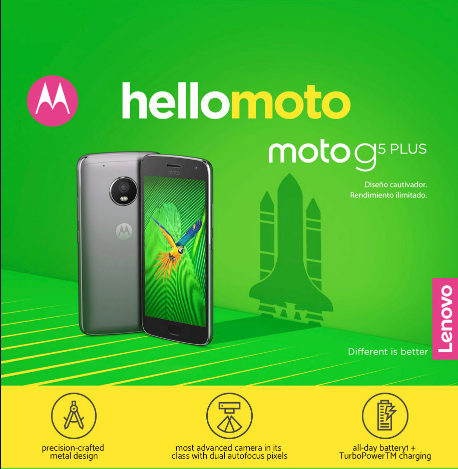
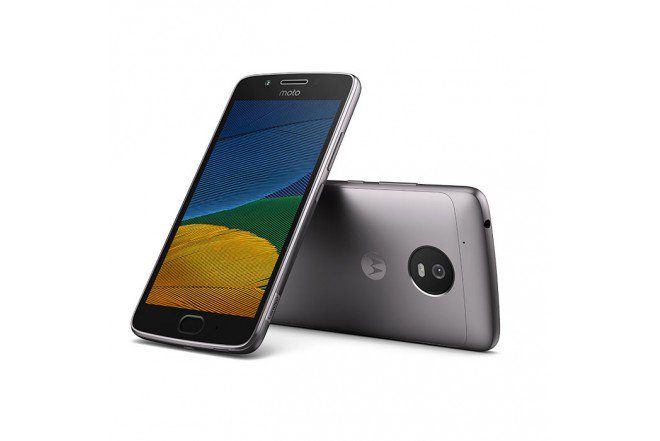
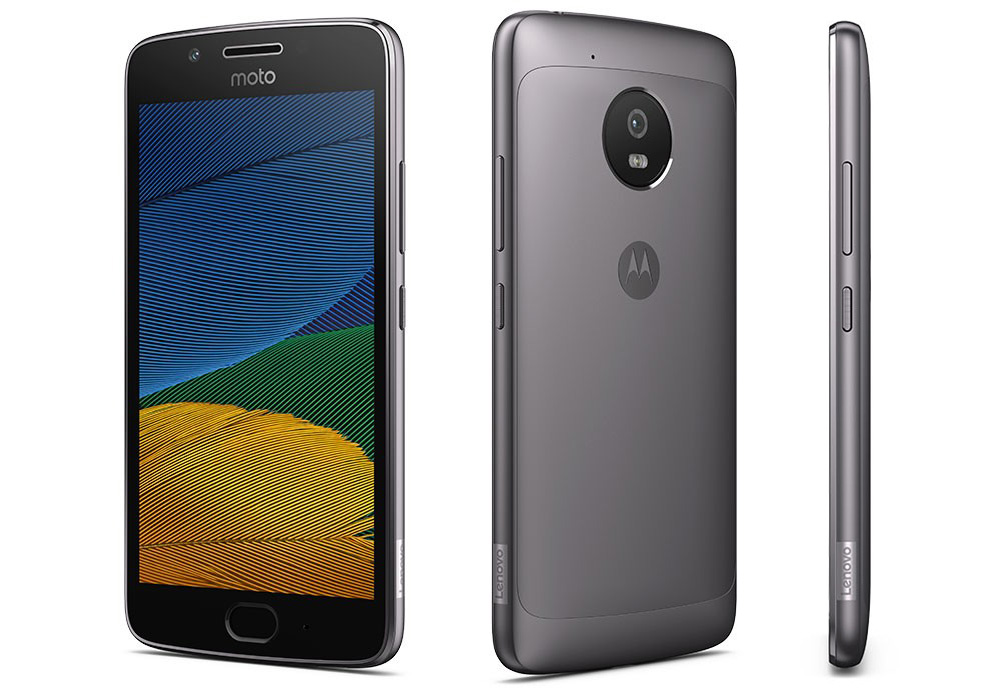
Lenovo is all set to announce Moto G5 and Moto G5 Plus on Feb. 26. The Moto G5 Plus was spotted on Krtonix, a retailer from Spain ahead of the upcoming launch event. The listing is no longer accessible, but some Redditors have managed to grab its images and specs that were revealed by the Spanish retailer.
Moto G5 Plus Specifications
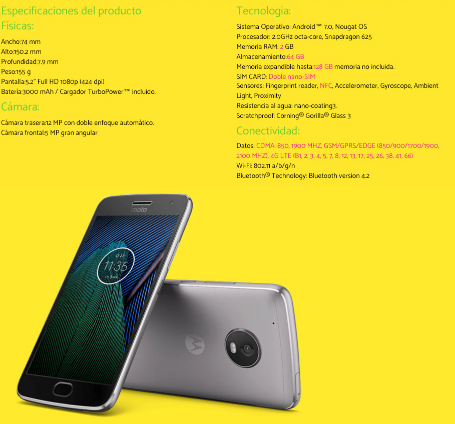
Moto G5 Plus features a 5.2-inch screen that produces a full HD resolution of 1,920 x 1,080 pixels that is flanked with Gorilla Glass 3. It is powered by Snapdragon 625 SoC that is packed with a 2.0 GHz octa-core processor and 2 GB of RAM. It may feature a 4 GB RAM variant. The native storage of the smartphone is 64 GB and it also includes an external storage slot that supports up to 128 GB of microSD card.
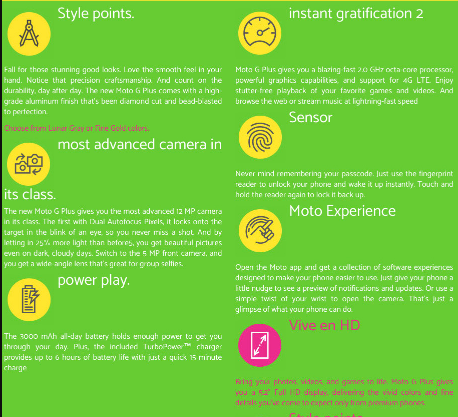
Apart from the dual autofocus 12-megapixel camera, it has a front-facing shooter of 5-megapixel. The fingerprint scanner is present under the physical Home button at the front. It is loaded with Android 7.0 Nougat OS and also includes a NFC chip. It is packed with a 3,000 mAh battery. Earlier rumors have stated that the Moto G5 Plus edition that will head to Brazil will include DTV receiver feature.
Moto G5 Plus Images
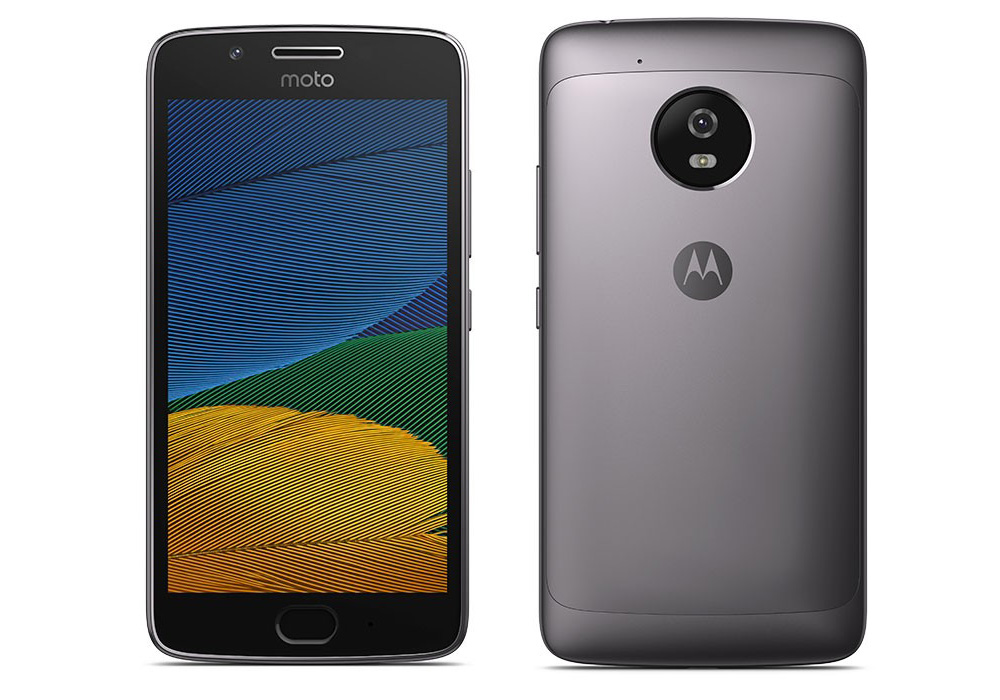
Here are some more images revealed by tipster @krispitech:
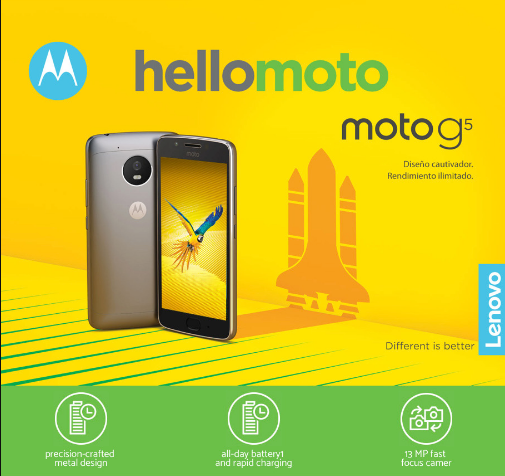
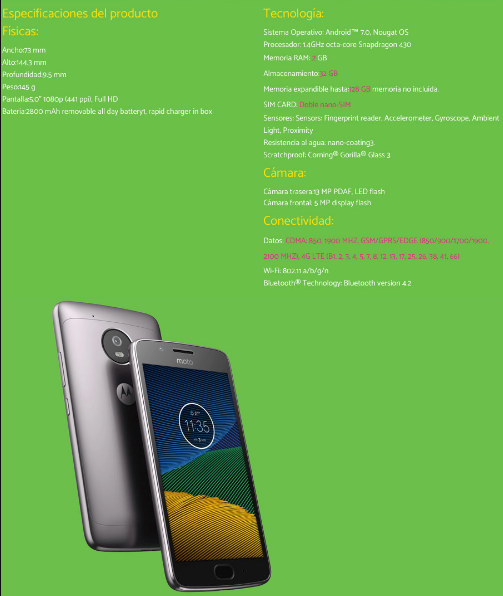
The Moto G5 is the smaller sibling of G5 Plus that includes a 5-inch full HD display. It has a 1.4 GHz Snapdragon 430 octa-core processor and 2 GB of RAM under its hood. Its internal storage is 32 GB and it also features a microSD card slot.
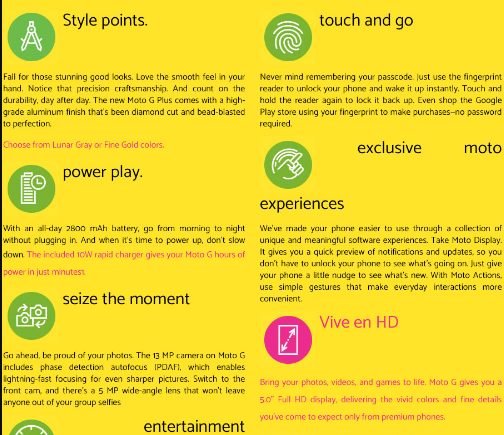
The 13-megapixel rear shooter of Moto G5 is equipped with phase detection autofocus. Its front-facing camera is of 5-megapixel. Like Moto G5 Plus, it is also equipped with a fingerprint scanner embedded under the Home button. It will be also arriving with Android 7.0 Nougat pre-installed. It includes a 2,800 mAh battery.
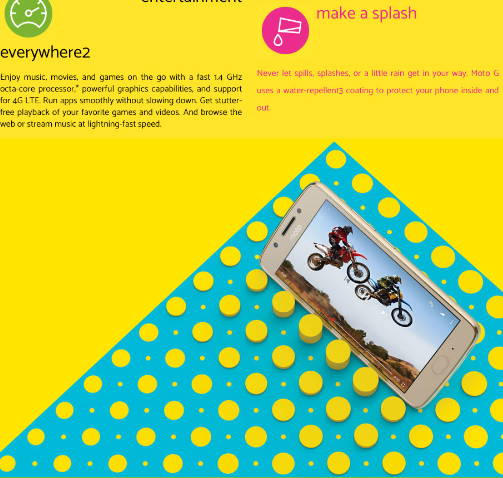
The Moto G5 and G5 Plus smartphones appear similar in design and are packed with chassis that are equipped with water-repellent coating. Both phones come in color choices like Lunar Gray and Fine Gold.
Moto G5 Images
Both smartphones come with TurboPower charger that adds up to 6 hours of battery life by charging them for only 15 minutes. Other common features include double nano-SIM slots, Wi-Fi 802.11 a/b/g/n, v4.2 Bluetooth, 4G VoLTE, and exclusive Moto Experience through the Moto app. The pricing of both Motorola phones is under the wraps, but these details are poised to get announced at the Feb. 26 launch event.
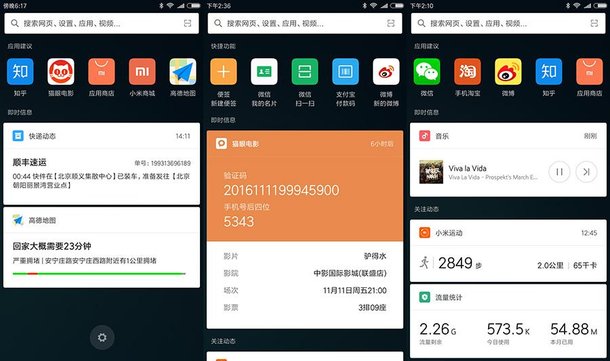
Xiaomi has announced today that the MIUI 8 has got an upgrade to MIUI 8.2 and that it has pushed the stable ROM of the MIUI 8.2 to Xiaomi smartphones. The upgrade brings a new desktop intelligence assistance by large data analysis in order to provide users with more intelligent services. There is also a new system sound and some new ringtones, as well as automatic task management and other functions. In addition, there is a change of the notification bar in the new version’s interface.
The new Smart Desktop Assistance feature enables users to quickly setup several features like e-book reading progress, traffic usage etc. Apart from the Smart Desktop Assistance, the MIUI 8.2 also comes with a new Security Centre and there are other noticeable changes like notification bar design, sound effects like camera focus, screenshots, charging, lock screen etc.
According to the information, the MIUI 8.2 will be pushed immediately using OTA online upgrade. There is also the option of upgrading manually at the MIUI Forum. A total of 24 Xiaomi phones would get the upgrade in the first instance, making this the largest single OTA upgrade in Xiaomi’s history. The phones include Xiaomi Mi 2, Mi 2S, Xiaomi Mi 3, Mi 3 Unicom version, Mi 4, Xiaomi Mi Note, Redmi Note, and lots more. Subsequent OTA push would integrate more Xiaomi models.
Also, the MIUI 8.2 will be available for international users to upgrade and the first batch of phones supported include Xiaomi Max, Xiaomi 4i, Xiaomi Mi 4, Xiaomi Mi 3, Mi Note, Redmi Note 4G, while more models will be supported subsequently. The MIUI 8 is Xiaomi’s latest interface which was released last year. Already, more than 2 million users representing 60% of users have upgraded to MIUI 8.
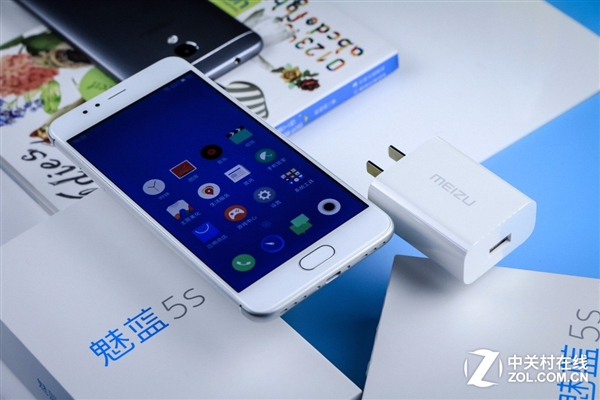
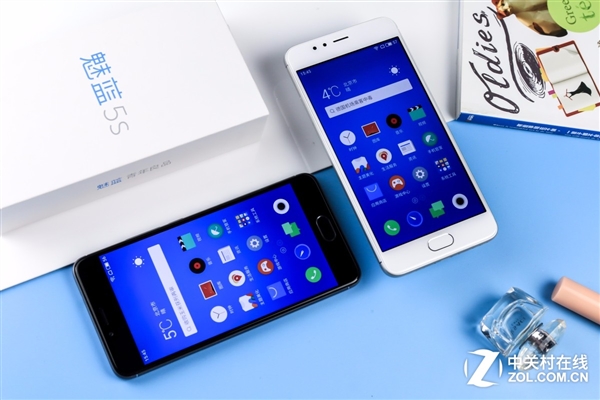
Meizu went official with its mid-range M5S today and the smartphone is touted as coming out to take on the Xiaomi Redmi Note 4 which just received a makeover recently. Both smartphones are mid-rangers and have a slight resemblance to each other in their designs. Even the specifications of both the Meizu M5S and Redmi Note 4 tend to overlap but we’ll draw a comparison between the two smartphones to see where they differ.
In the aspect of design, the Meizu M5S and XiaomiRedmi Note 4 both feature premium, sleek designs but while the Meizu M5S comes with a 5.2-inch display with HD resolution and a 282 ppi, the Redmi Note 4 sports a 5.5-inch display with full HD resolution and 401 ppi. One distinct feature on the two smartphones is the absence of a rear-mounted fingerprint sensor on the M5S. Instead, the smartphone uses Meizu’s mBack fingerprint technology.
Both smartphones feature a fused antenna band design which is located at the top and bottom edges. The camera and flash are centrally located with the flash sitting under the rear camera in both smartphones. There are capacitive buttons on the side as well as a physical home button up front which performs dual role on Meizu M5S.
Processor & Memory
The Meizu M5S is powered by an octa-core MediaTek MT6753 processor clocked at 1.3GHz with Mali T-720 GPU and supplemented by 3GB of RAM on all versions while the Redmi Note 4 packs a MediaTek MT6757 (Helio X20) chip which is a deca-core chip and is clocked at 2.1GHz with the Mali-T880 MP4 GPU. The M5S has two storage versions of 16GB and 32GB while the Redmi Note 4 has 16GB of storage on the standard version and 64GB of storage on the higher model. Xiaomi recently released a version of the Redmi Note 4 which comes with a Snapdragon 652 chipset in India and that is sort of an edge for those who love to see Qualcomm chips in their smartphones.
Camera & Battery
The Xiaomi Redmi Note 4 packs a 13MP rear camera with f/2.0 aperture, PDAF and dual-tone LED flash while up front is a 5MP camera. The M5S on the other hand equally packs a 13MP rear camera with f/2.2 aperture and LED flash as well as a 5MP front-facing camera.
The Xiaomi Redmi Note 4 squarely thumps the Meizu M5s on the aspect of the battery they both pack. WHile the Redmi Note 4 packs a 4000mAh battery, the M5S crams a 3,000mAh battery under its hood. Meizu made up for that by including an 18W fast fast charging technology inside the M5S. Both smartphones come with dual SIM card / dual standby support and feature connectivity options like Wi-Fi 802.11 a/b/g/n/ac, dual-band, WiFi Direct, hotspot and lots more. The M5S runs on Flyme 5 while the Redmi Note 4 boots MIUI 8, both based on Android Marshmallow.
On a final note, we must add that both the Meizu M5S and Xiaomi Redmi Note 4 come with ultra-cheap price tags that don’t justify the premium looking design and rich specs lineup they feature.
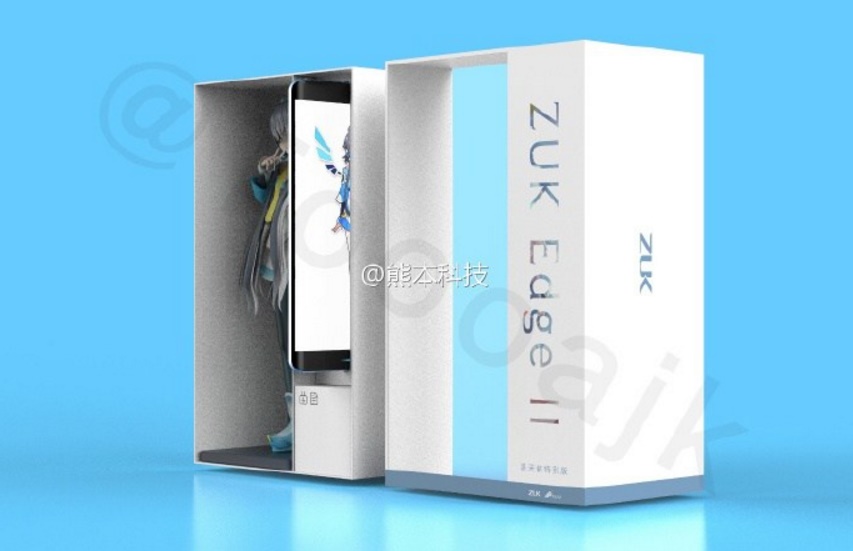
I know, you are surprised. We are just as surprised as you are, if not more. The Lenovo ZUK Edge is barely 2 months old and we are already getting leaks of not the ZUK Edge II but the ZUK Edge II Special Edition.
Yesterday we reported the first leak of the ZUK Edge II Special Edition and mentioned the similarity to the recently announced Redmi Note 4X Hatsune Miku Limited Edition. The latter’s theme is also based on a vocaloid called Luo Tianyi. Today we get first look at what the phone is reported to look like.
ZUK Edge II Special Edition Doubles It Up
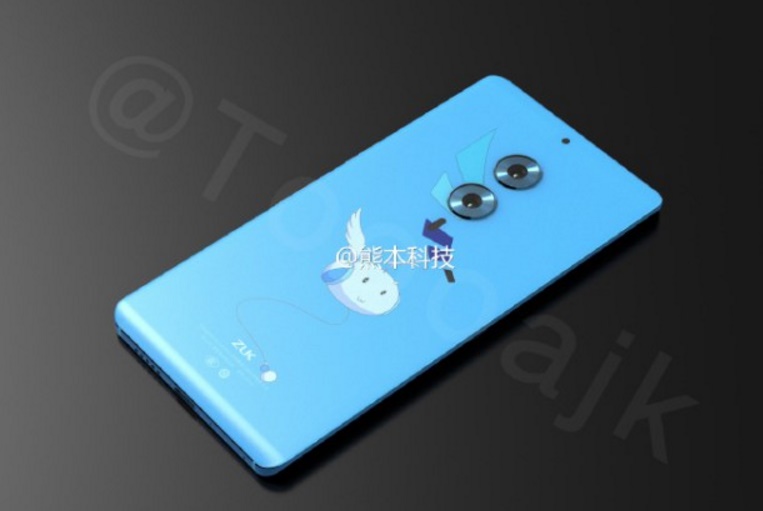
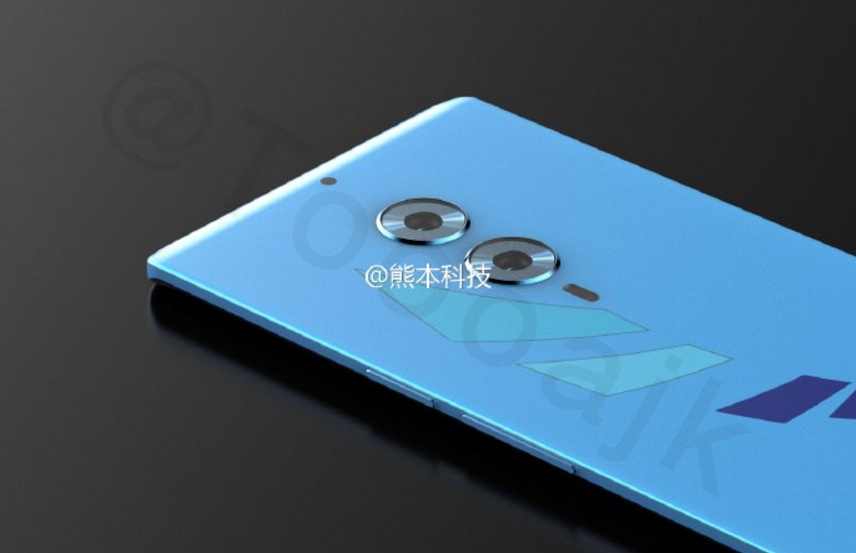
Yes this is the ZUK Edge II and Lenovo literally doubles it up. The leaked images shows the phone will launch with dual rear cameras and a dual-curved display. The camera design is similar to that of the ZUK Edge which looks like a disc. They are housed separately and almost extend to the middle of the phone. There is a laser focus module below the camera setup and a LED flash sitting a good distance above.
While we were quite disappointed that the ZUK Edge didn’t feature a curved display, they seem to want to give it to us in full measure now. The display is curved on both sides but so also is the top and lower part of the rear plate.
The display size is unknown but the bezels are thin. Chances are that the display might be about 5.7 inches – 5.9 inches. To account for the large display, the power button and volume rocker have been brought lower to allow your fingers reach them easily.
The color variants of the ZUK Edge II Special Edition shown are blue, white and black. There is no news of a release date and Lenovo/ZUK have not confirmed the existence of the device yet. One thing I have come to realize is that nothing is certain. There is no news as to how the sales of the ZUK Edge is fairing. If they decide to release a successor so soon and stop production of the ZUK Edge, who can fault them?
In the previous month, Huawei had reportedly released a timetable that revealed that it plans for rolling out the Android 7.0 Nougat update for its smartphones like Huawei P9, Huawei P9 Plus, Huawei Mate 8 and so on. Fresh information suggest that software update rollout is well on track to be available for smartphones by this month and March.
The Chinese smartphone manufacturer has officially confirmed on Facebook that it is currently testing the beta version of Nougat update for Huawei Honor 5c (GT3) in Ukraine. The public beta testing is only available for 20 users and the update rollout that began on Feb. 13 will continue until Feb. 24.
The beta version has been released to Honor 5C users so that Huawei can fix all the bugs. Alexandr Ivanyk, a local Huawei coordinator has said that the all software issues will be fixed within a span of two weeks. Hence, the Huawei Android 7.0 Nougat update with Emotion UI 5.0 for Honor 5C is expected to be available by next month.
A Russian tech site has further revealed that Huawei will also begin the rollout of Nougat update for Huawei GR5 2017 (Honor 6X), Huawei Nova and Huawei P9. Huawei has officially begun the rollout of the Android 7.0 Nougat update from Feb. 11. The update is expected to be available for all the owner Honor 8 users by the end of this month.
The timetable of software update that was revealed in the previous month stated that Huawei Mate 8, Huawei P9, Huawei P9 Plus, Honor V8, Honor 8 and Huawei Nova are all slated to get the update in the first quarter of 2017. In the second quarter, the update is expected to be available for other devices like Huawei G9 Plus, Honor Note 8 and M3 tablet are expected to get the software update in the second quarter of this year.
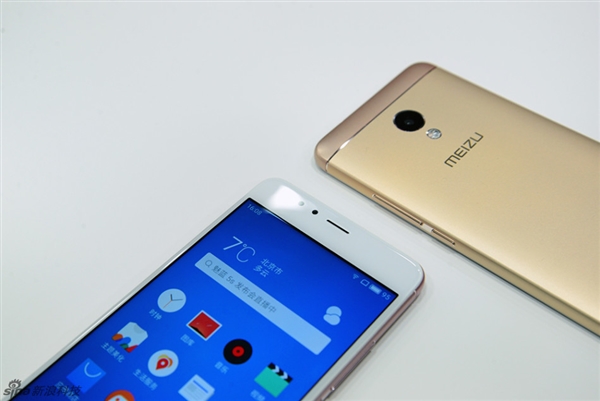
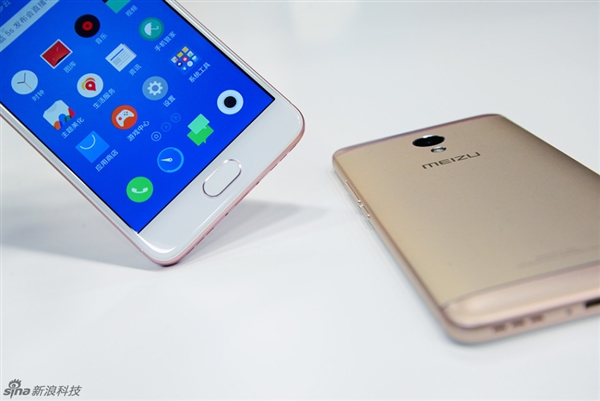
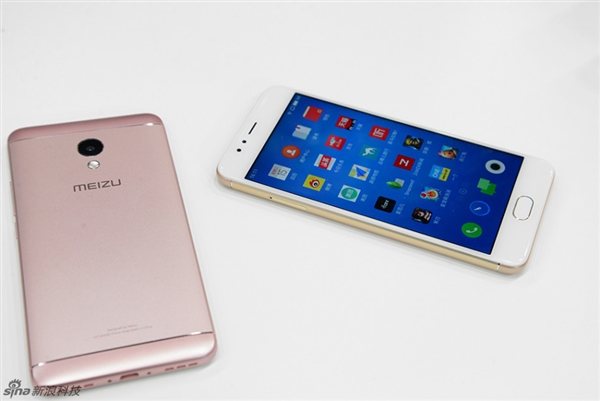
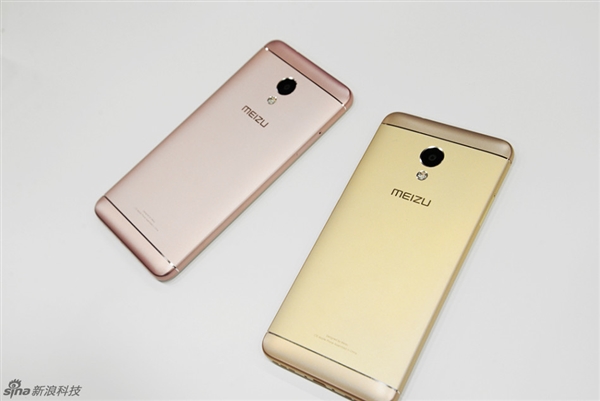
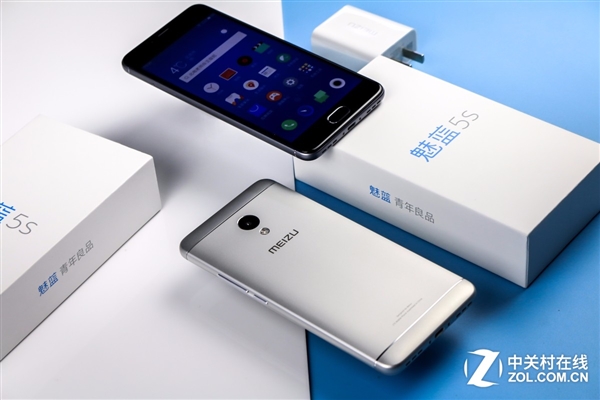
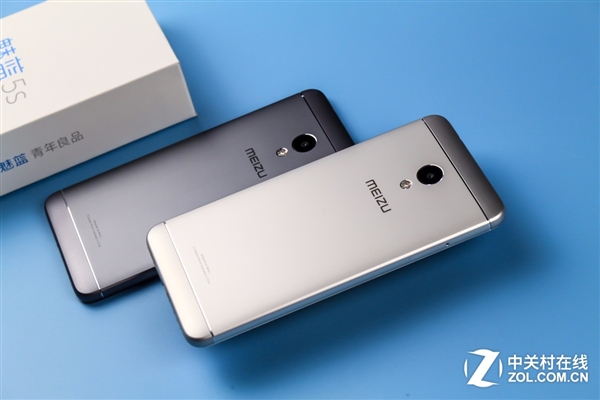
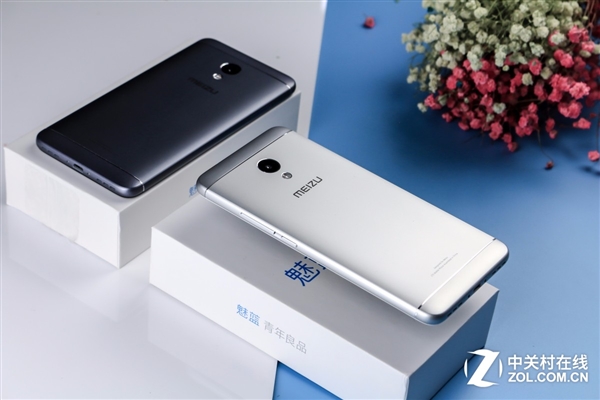
Meizu officially unveiled its budget M5S smartphone today and already we’ve got a large cache of hands-on images of the device right here. The Meizu M5S happens to be Meizu’s first smartphone for the year and it really doesn’t disappoint in the design aspect and even on the specs table.
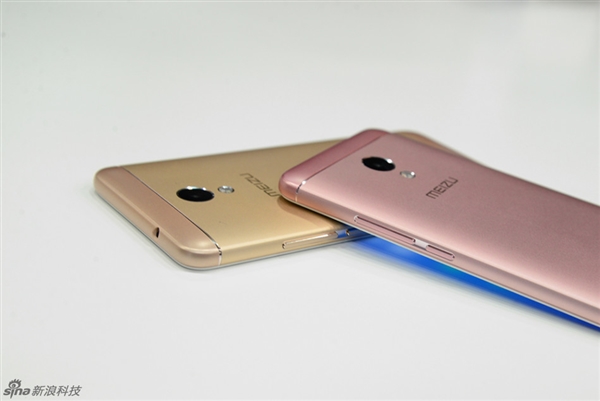
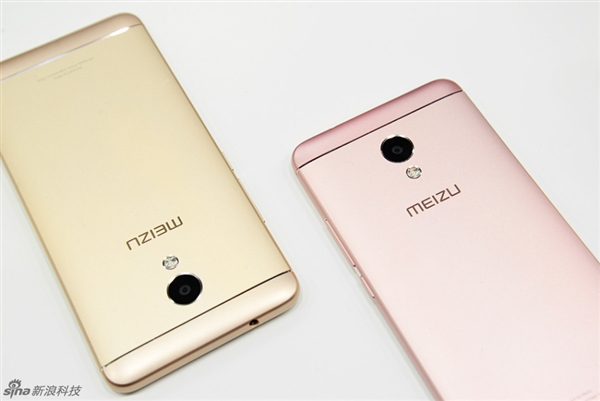
The Meizu M5S adopts almost similar design language to those of its previous gen models. The device adorns an all-metal body with CNC finish, giving the device a sleek look that some make you forget this meant to be a mid-budget smartphone. Added to a premium design, the M5S has got up to four different paint jobs. It comes in champagne gold, rose gold, moonlight silver and start gray color variants.
Added to the great colors, the device also has a lightweight body build, coming in at 143g. The display is a 5.2-inch display with HD resolution (720 pixels). There is a 2.5D curved glass b top the screen. Meizu M5S packs a decent octa-core MediaTek MT6753 processor. The processor is supplemented by 3GB of RAM and feature a 16GB as well as 32GB storage versions.
If the front view of the Meizu M5S looks pretty, the back takes it a notch higher with a more beautiful design styling. The rear camera lens is said to have an oleophobic coating on the rear camera lens. There is no fingerprint sensor mounted at the rear instead, the M5S features Meizu’s mTouch fingerprint sensor embedded on the home button up front. Other features you get on the cheap smartphone include 4G VoLTE, dual SIM / dual standby, and lots more.
Providing the interface on the sleek smartphone is Meizu’s Flyme 6 OS with One Mind AI but what is perhaps the most standout feature on the M5S is the 18W fast charging technology it packs. The M5S packs a modest battery and in order to keep the smartphone running 24/7, Meizu has included a fast charge technology on the budget smartphone.
Despite these flagship grade features and design, the Meizu M5S comes with a cheap price tag of 799 yuan ($117) for the 3GB + 16GB version and then 999 Yuan ($145) for the 3GB + 32GB version. The device will go on sale on February 20 but registration for the smartphone is already on. You can check out more hands-on images of the Meizu M5S from down below.
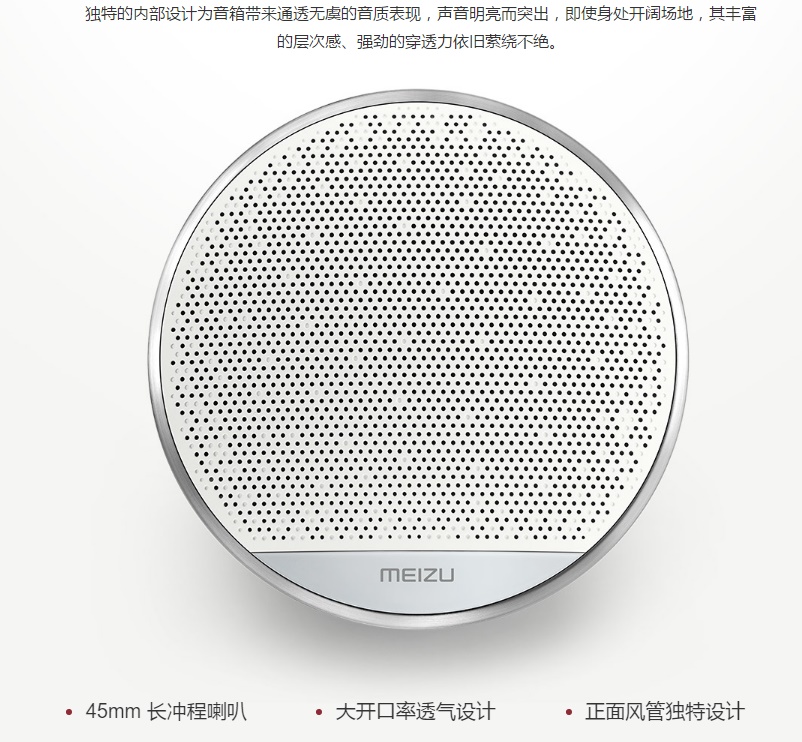
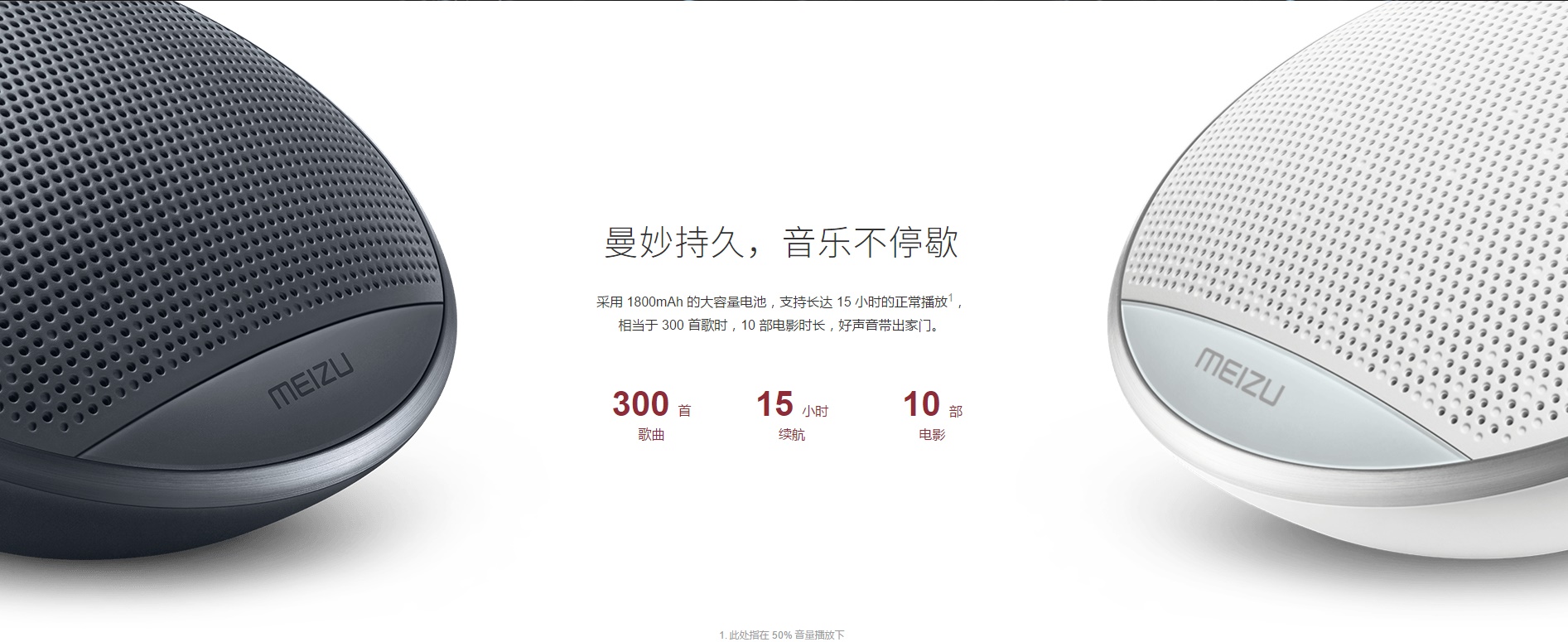
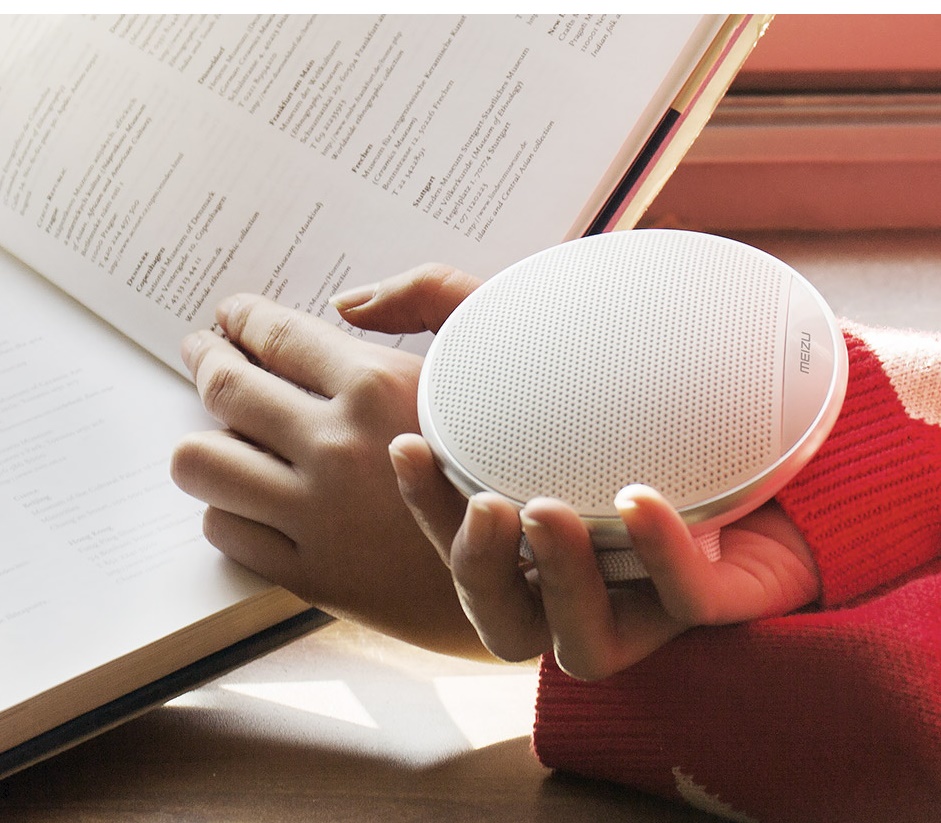
Aside the Meizu M5S released today, Meizu also announced a new bluetooth speaker. The new bluetooth speaker which has a round design is priced at ¥169 (~$25).
The Meizu bluetooth speaker has a tilted circular base so that it directs the sound at you when placed on a flat surface. It weighs 170 grams and measures 108 x 108 x 55 mm. The body is made of brushed aluminium and the speaker unit has a 45mm diameter. Meizu says the speaker features MAXX Audio enhancement technology from Grammy Award winning Israeli company, Waves.
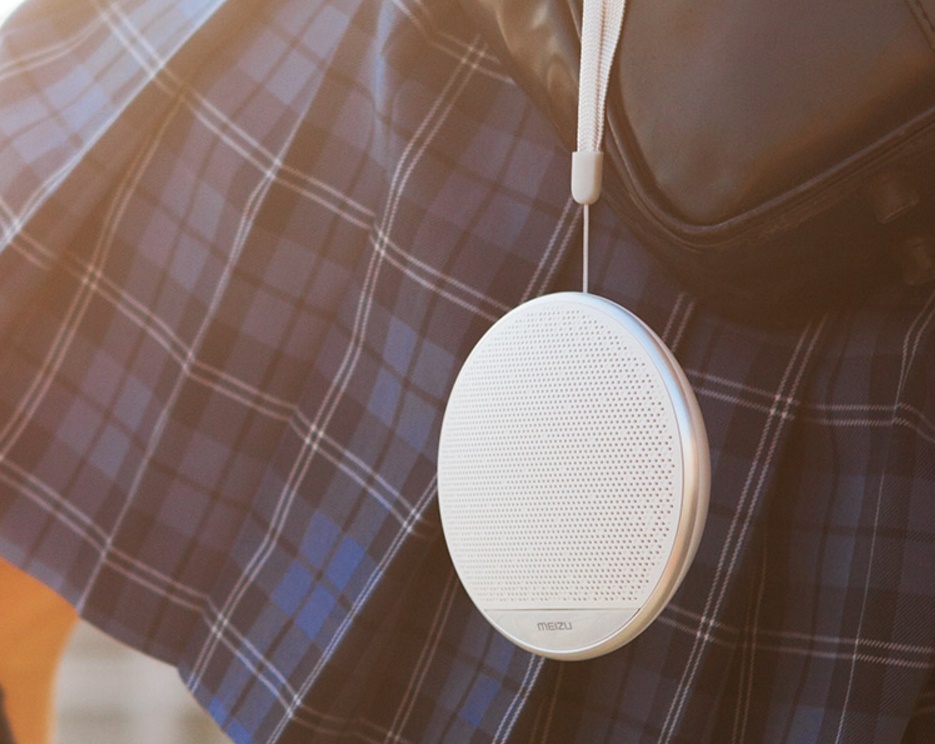
The speaker comes with a built-in 1800mAh battery that should last for up to 8 hours on a single charge at maximum volume and up to 15 hours of continuous playback when volume is at 50%. Charging time is estimated to take 4 hours. You can attach the speaker to your bag via a lanyard cable that comes with it.
The Meizu Bluetooth Speaker has Dynamic Range Compression (DRC) and can be paired to your device via Bluetooth 4.2 or via the 3.5mm aux port.
The Meizu Bluetooth Speaker is available in Moon White and Deep Space Gray. It will go on sale on the 17th of February at 10:00 am on Meizu’s official website. It will also be available on Lynx and JD Mall on the 20th of February. If you purchase the speaker together with the Meizu M5S, you get ¥20 (~$3) off.
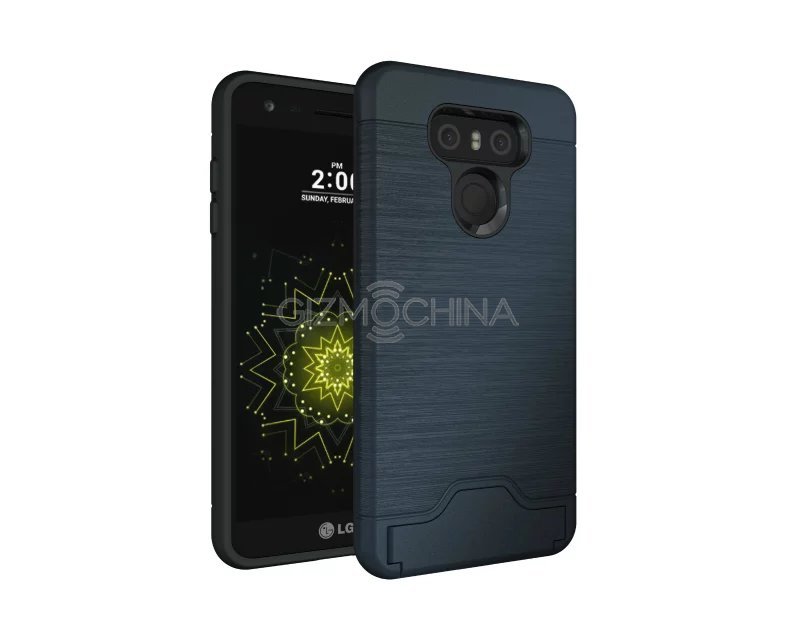
LG’s new flagship is set to launch exactly eleven days from now. Not very far off but that is not stopping more details from coming out. New details have emerged about the battery capacity of the LG G6.
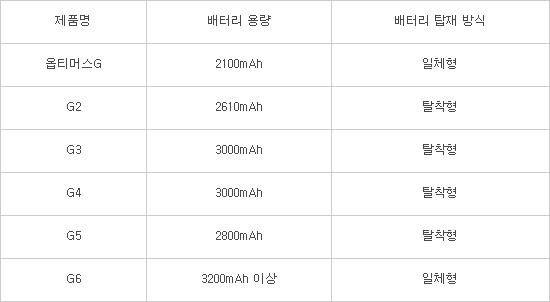
A Korean Media announced yesterday that the LG G6 will ship with a battery larger than 3200mAh, citing an unnamed senior official as their source. The battery is expected to last about 12 hours on a single charge if all you do is web browsing. However, a real life test will be needed to confirm this claim.
The image above is a comparison of the battery capacities of LG’s G Series since inception. Last year’s LG G5 shipped with a 2800mAh battery but it also had a smaller 5.3-inch QHD display. Considering the fact that the LG G6 will have a 5.7-inch display with a 2880 x 1440 resolution, a battery larger than 3000mAh sounds alright.
The exact capacity of the battery is assumed to be between 3200mAh and 3300mAh. If it were higher than 3300mAh, the official could have simply said so. Like previously reported, the LG G6′ battery will not be user-removable but the phone will have water and dust resistance.
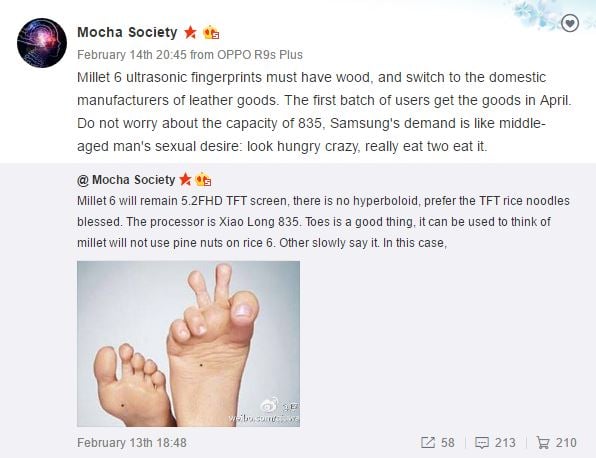
Barely few days after the Xiaomi Mi 6 was rumored to have a flat 5.2-inch 1080p TFT LCD display as against the curved AMOLED that was being expected, a fresh rumor has emerged about the Mi 6. Also emerging from the same source is the rumor that the Mi 6 won’t have an ultrasonic fingerprint sensor.
Weibo user @Mocha Socialist Workers who leaked the first news of a lack of curved AMOLED display on the Mi 6, also added some more details of the expected flagship. The leakster has rumored that the ultrasonic fingerprint scanner which Xiaomi first featured on the Mi 5S would be missing on the Mi 6. Instead, Xiaomi would patronize one of the local manufacturers of fingerprint technology. The ultrasonic technology featured on the Mi 5S was manufactured by US company Qualcomm.
The tipster also revealed that the Mi 6 would be available in April. He also assured that the Mi 6 would pack Qualcomm’s latest Snapdragon 835 chip just as expected. It is very likely then, that the Mi 6 would be released sometime in March if it will actually go on sale in April.
We use cookies on our website to give you the most relevant experience by remembering your preferences and repeat visits. By clicking “Accept”, you consent to the use of ALL the cookies.
This website uses cookies to improve your experience while you navigate through the website. Out of these, the cookies that are categorized as necessary are stored on your browser as they are essential for the working of basic functionalities of the website. We also use third-party cookies that help us analyze and understand how you use this website. These cookies will be stored in your browser only with your consent. You also have the option to opt-out of these cookies. But opting out of some of these cookies may affect your browsing experience.
Necessary cookies are absolutely essential for the website to function properly. This category only includes cookies that ensures basic functionalities and security features of the website. These cookies do not store any personal information.
Any cookies that may not be particularly necessary for the website to function and is used specifically to collect user personal data via analytics, ads, other embedded contents are termed as non-necessary cookies. It is mandatory to procure user consent prior to running these cookies on your website.