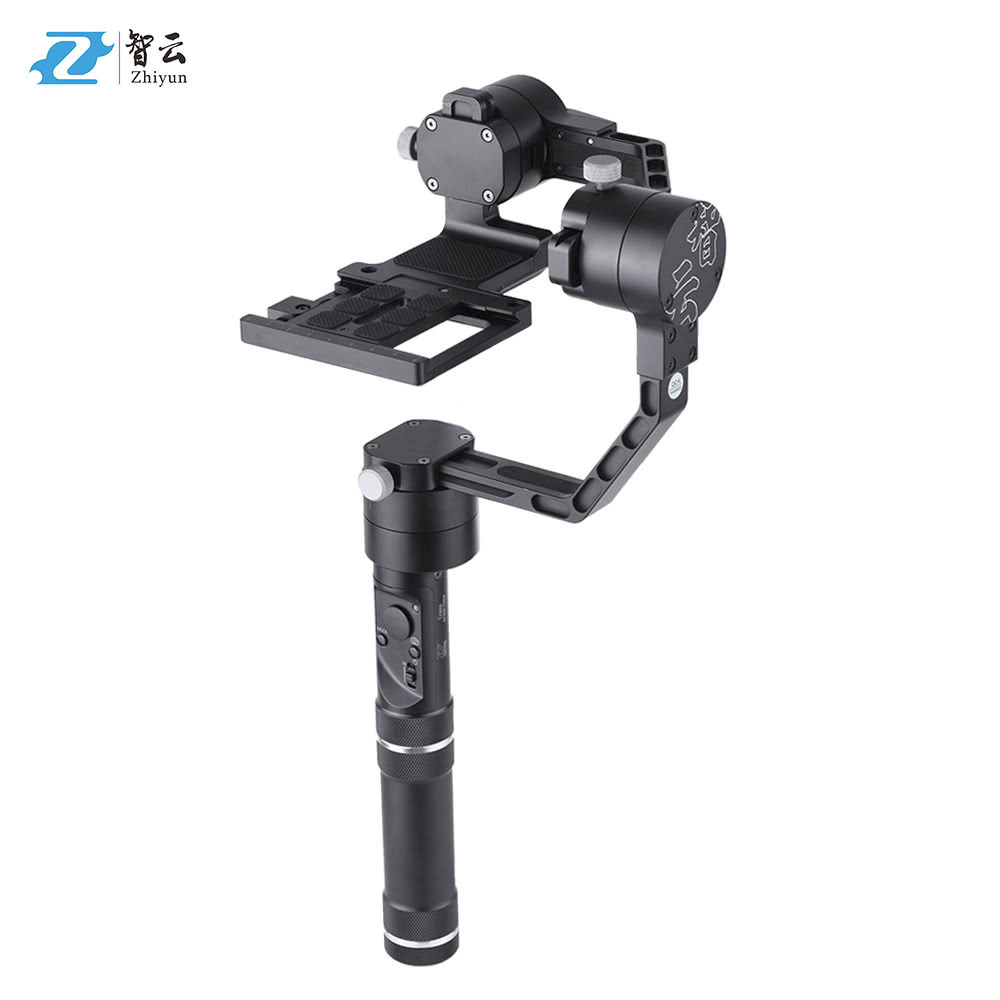
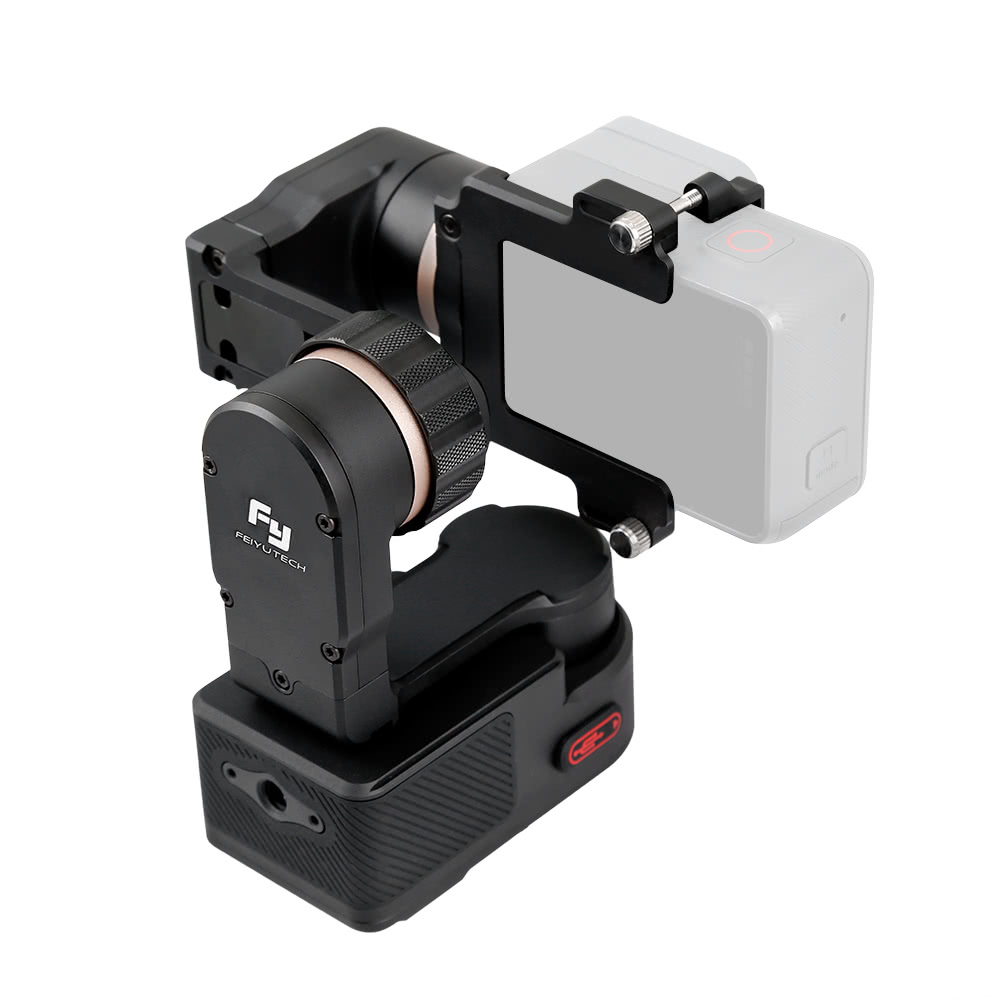
Online store TomTop is offering up to $60 in discounts on the Zhiyun Crane V2 and FeiyuTech WG2 Gimbals.
The Zhiyun Crane V2 stabilizer is a 3-axis handheld gimbal that is compatible with mirrorless cameras like the Sony a7, Panasonic Lumix, Nikon J, and Canon M series.
It is actually priced at $549 but if you use the code ZHCRV2, TomTop will knock off $60 from the price bringing it down to $489.
The FeiyuTech WG2 on the other hand is for action cameras such as the Go Pro Hero5/Hero4, Xiaoyi Yi 4K and Xiaomi Mijia Mini 4K action camera.
The gimbal which is great for time-lapse videos costs $269 comes but down to $224 when you use the code FYTWG2 at checkout.
TomTop says both the Zhiyun Crane V2 and FeiyuTech WG2 gimbals will be shipped for free from their warehouse in the US. So hurry up and grab these deals if you plan to step up your photography game come 2018.
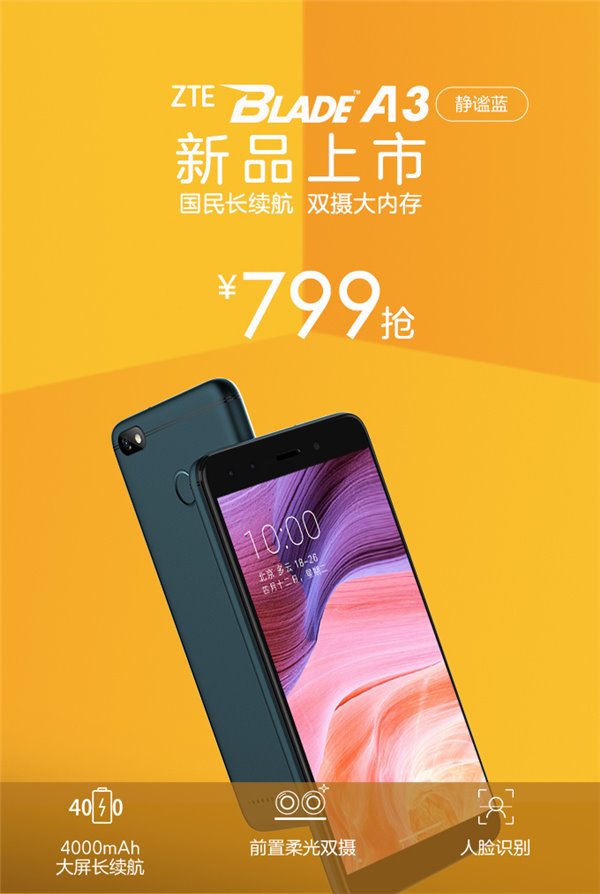
The ZTE Blade A3 is a mid-range phone that was released back in October. When it was announced, it launched in Glacier Blue and Obsidian Black; today ZTE has announced a third color variant.
The new color variant called Quite Blue actually looks more like a dark shade of teal. It also has black front bezels unlike the Glacier Blue variant with white bezels.
The specs of the new color option as well as the price remains the same as the others. You get a 5.5” HD display with 2.5D glass on top. There is 3GB of RAM paired with MediatTek’s MT6737T processor and 32GB of storage.
The selling points of the Blade A3 are its dual front cameras (5MP + 2MP) with flash, its 4000mAh battery, and a dedicated MicroSD card slot. The Blade A3 uses a triple card tray which lets you insert two SIM cards and a MicroSD card slot at the same time.
The Blade A3 packs a 13MP rear camera, an earphone jack and a micro USB port. It also has a rear-mounted fingerprint scanner or if you want you can decide to use the Face Unlock feature instead.
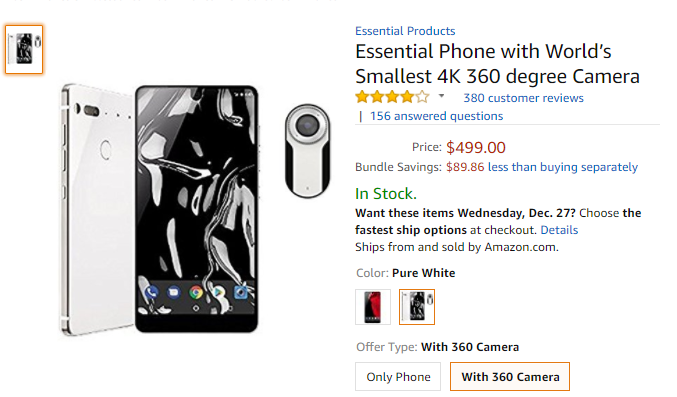
We can’t help but agree that the cut in the price of the Essential Phone from $700 to $500 has made it one of the most affordable flagships. While the phone isn’t perfect – it sure has gotten a lot better since its launch.
If you are on the lookout for a new phone to begin the new year, you can purchase the Essential Phone for $449 on Amazon. Or better still, throw in an extra $50 and get the world’s smallest 360° camera too. The price cut applies to both the Black Moon and Pure White variants.
Essential has continued to push out more updates to improve the performance of the cameras which is the issue people had with it when it launched. While it is still far from the Pixel 2 or iPhone X‘ camera level, the Essential PH-1’s cameras have drastically improved. If you still are not satisfied, you can side-load modified versions of the Pixel’s camera app too.
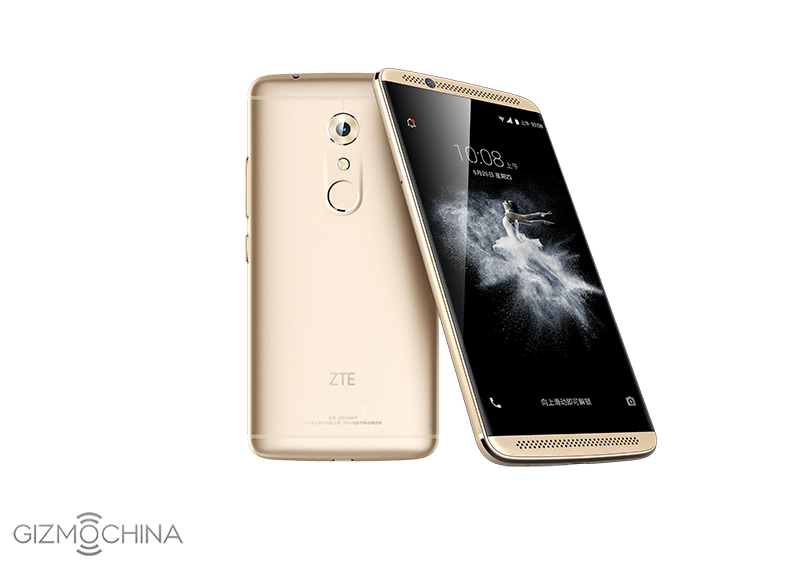
Earlier this week, we reported that ZTE confirmed that it will roll out the latest Android 8.0 Oreo update for the Axon 7 smartphone. However, the company refrained from providing any specific timeline for the said update at that time.
But, according to ZTE Germany, the Android Oreo update for the Axon 7 will be available from April next year. The company has also revealed that the update will have a new skin layer called “Stock + UI” which is expected to remove bloatware that was a part of the customer interface.
By the time the Android Oreo update starts hitting the Axon 7, the phone will be almost two years old, surpassing the two years time limit for rolling out major updates. The Android 8.0 Oreo comes with several new features such as Picture-in-Picture, smart text selection, notification dots, Project Treble, and more.
The ZTE Axon 7 was ranked among one of the best affordable premium smartphones last year. It comes with a 5.5-inch display with 2K resolution, 2.5D curved glass and a layer of Gorilla Glass 4 protection on top. The phone is fuelled by a 3,250mAh battery, which also supports Qualcomm’s Quick Charge 3.0 technology.
Under the hood, the device is powered by Qualcomm Snapdragon 820 processor, coupled with 4GB RAM and 64GB internal storage. It comes with a 20MP f/1.8 aperture camera with OIS and EIS on the rear side, while up front, there is an 8MP f/2.2 88-degree wide angle shooter.
A couple of months ago, ZTE confirmed that it is working on a successor of the Axon 7 but apart from that confirmation, no other information is available related to the phone. We will just have to wait until more information comes up.
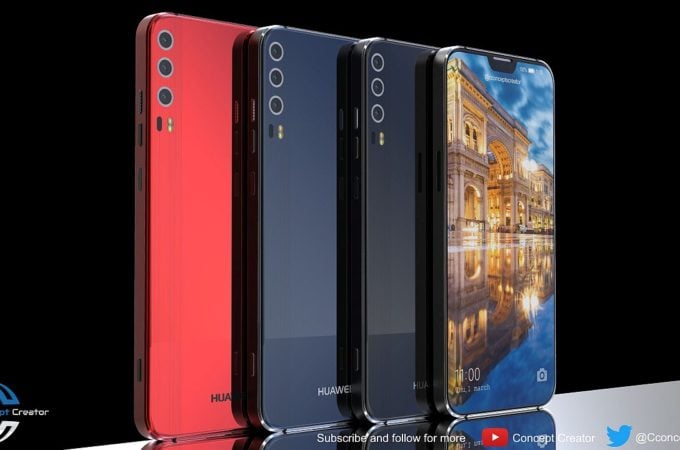
There’s still time for the launch of the Huawei P11 flagship but that doesn’t stop creators from releasing concept videos of the upcoming device. A new video from the YouTube channel concept creators recently tried to shed some light on the potential looks of the Huawei P11 flagship. The concept model, which the creator calls as the Huawei P11 X, tries to club some of the recent rumours along with some high-end features resulting into a good looking premium concept flagship smartphone.
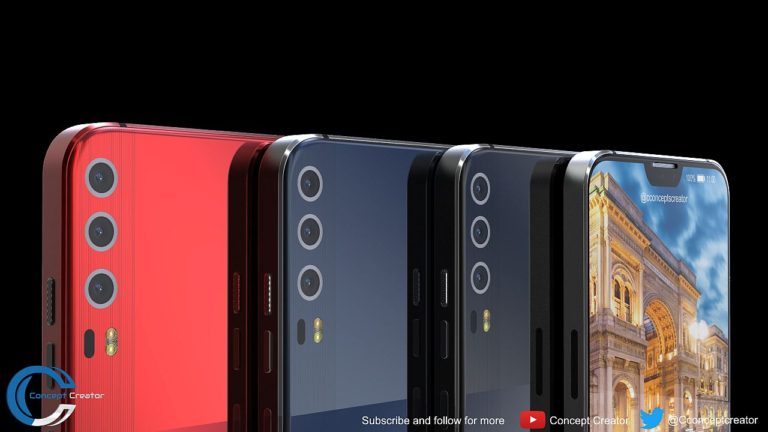
The Huawei P11 X concept features round edges and an iPhone X like notch on top of the display. But this notch is significantly smaller than the Apple model. Apart from this notch, the phone adopts a full-screen design with little to no bezels going around the phone’s front.
From the video, the Huawei P11 X seems to be made out of metal and glass. There are four buttons on the right side of the phone: one textured power button, two volume buttons, and one dedicated camera button. These days, we don’t see a dedicated button for the camera, but it’s a good addition to the concept considering how the real Huawei P11 is expected to be a camera monster.
The back features a mirror-like finish along with three cameras on its left border arranged vertically. There’s dual LED flash and laser focus to assist the rear cameras. The front dual cameras are housed inside the small notch above the display. While a triple camera design is quite unusual in a smartphone, there’s a small possibility that the real phone packs three sensors at the back. Evan Blass had released a few advertisements for the Huawei PCE P11 series earlier in December which talked about the phone’s 40MP triple camera lens with 5X hybrid zoom. While this video is just a concept, now you know from where the triple lens design gets its inspiration.
Other features of the Huawei P11 X Concept phone are pretty standard: headphone jack, speakers at the bottom, and red and black color options.
You can check out the entire fan-made concept video down below.
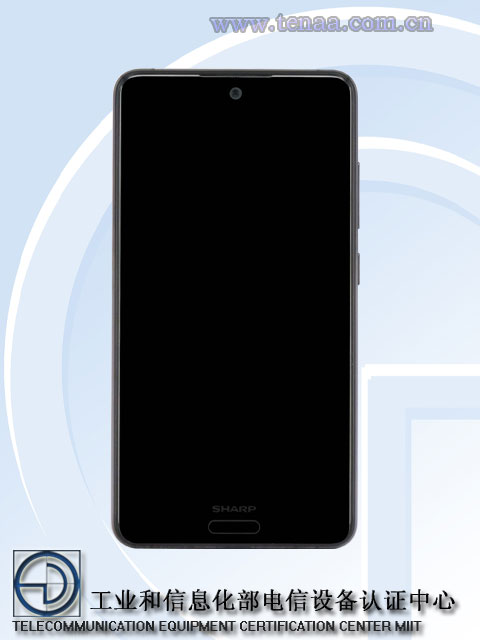
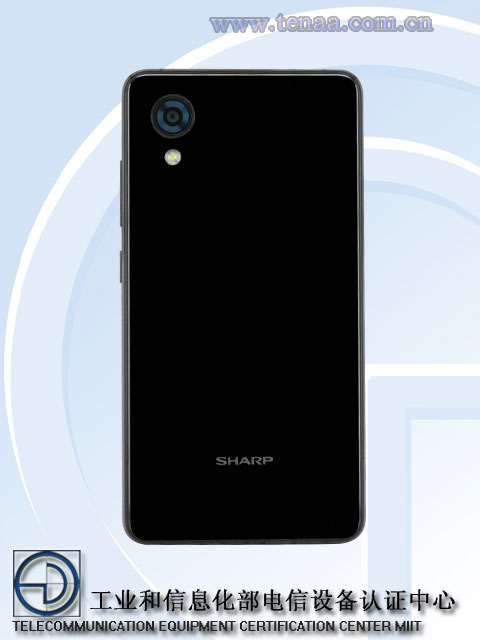
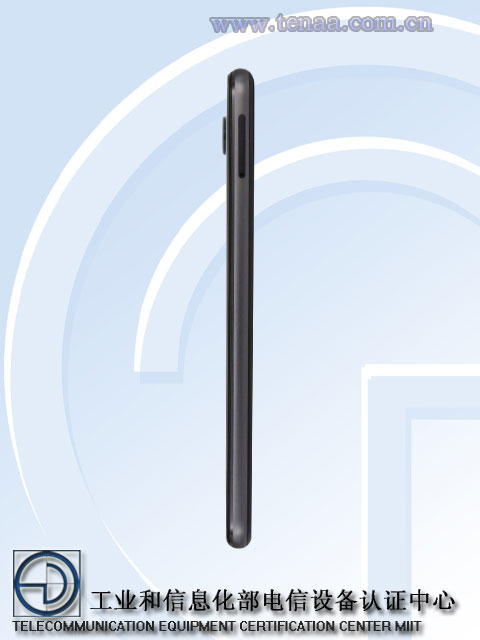
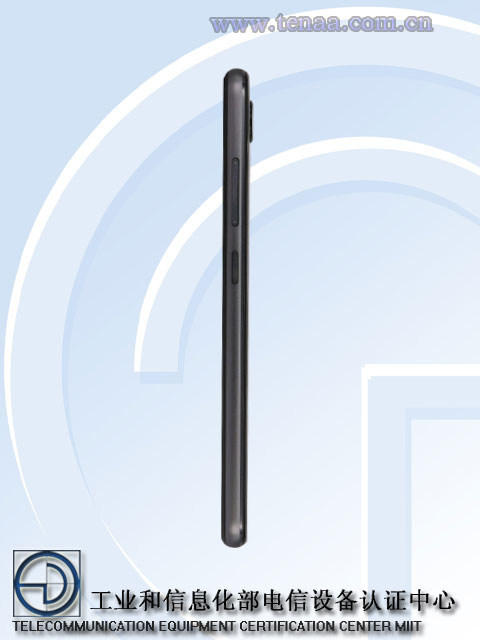
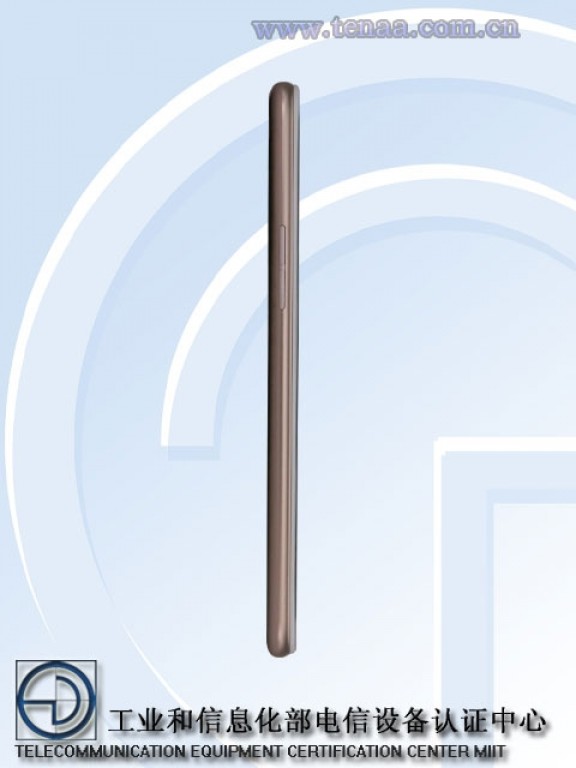
After visiting Geekbench a few days back, the Sharp FS8018 model has just surfaced on TENAA. So now we have an official look at the phone’s design, which reminds a lot of the Aquos S2 that was launched in China back in August. Like the S2, the phone has the front camera at the center and a fingerprint sensor equipped oblong home button below the display. While we can’t see the bezels around the display, it’s likely that Sharp continues the design of the recently launched Aquos family into the new model.
So, what’s the big difference between the Aquos S2 and this FS8018 model?
The Sharp FS8018 comes with a single camera at the back, instead of dual cameras. The primary camera is of 16MP while on the front, you get a 20MP selfie shooter. Inside, there’s a 2.2GHz processor, which is likely going to be the Snapdragon 630. If you remember, the Sharp Aquos S2 was the first smartphone to feature the SD630 chipset (on the cheaper variant), so it’s likely the same 2.2GHz processor is carried forward into the new model. Further, there are two RAM variants: 4GB and 6GB with 64GB and 128GB of storage options.
The screen continues the odd resolution found on the Aquos S2 — 5.5-inch 2040 x 1080p. It’s a pretty lightweight phone as well, weighing 140 grams (again same as the S2) and measuring 142.7 x 73 x 7.8mm.
Given the single camera setup on the FS8018, it’s possible that this is a cheaper model in the Aquos family. Still 6GB + 128GB and 4GB + 64GB options place it in the upper mid-range segment. The battery is kind of disappointing, measuring just 2930mAh in capacity.
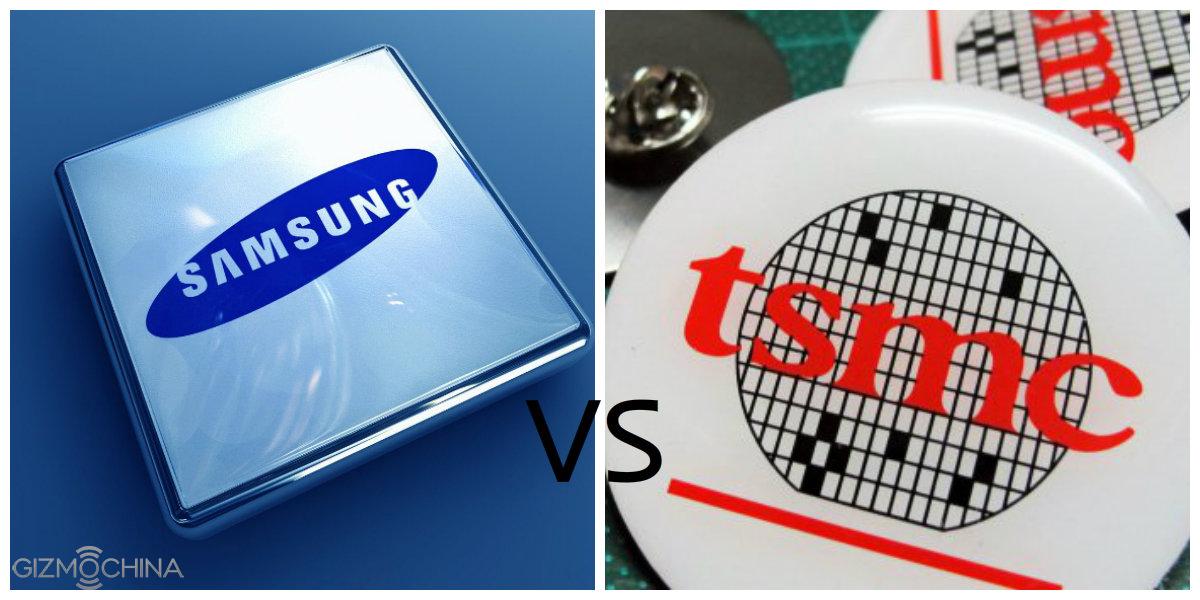
Samsung and TSMC are two big players in the semiconductor foundry business. Both the companies play an important role in the manufacturing of the processors used inside today’s smartphones. For example, TSMC manufacturers Apple’s A11 Bionic processors, while Samsung takes care of its own Exynos chipsets as well as Qualcomm’s flagship processors like Snapdragon 835.
This year, Samsung was the sole manufacture of the flagship Snapdragon 835 processors and this gave the company’s smartphone division a solid head start in the supply of the powerful chipset. So it was no surprise that the Galaxy S8 and the S8+ were the first smartphones in the market featuring the new chipset. Even last year’s Snapdragon 820 chipsets were produced by Samsung. This shows that Qualcomm and Samsung have had a solid partnership in the past few years.
However, things are likely to change in 2018. A new report from Nikkei reveals that Qualcomm may partner with TSMC for manufacturing its 2019 Snapdragon 855 chipsets. So, after sticking with Samsung for next year’s SD845, the company would likely shift to TSMC for its successor.
Current Gen. Snapdragon 835
There’s a solid reason for this change. The Snapdragon 845, which will end up in phones next year, is still built on a 10nm processing node (used by SD835). However, its next generation version, the Snapdragon 855, which will be launched in 2019, will be manufactured using an even more advanced node — 7nm process. This is where things get interesting.
Both Samsung and TSMC have made significant investments to develop and perfect the 7nm manufacturing process. However, it looks like TSMC has got an edge as the semiconductor foundry is said to deliver 7nm chips as soon as 2018. The Snapdragon 855 production is expected to kick off by the end of 2018, so Samsung could have been a bit late to the party.
It’s also said that TSMC will manufacture a modem chip for Qualcomm as soon as H1 2018. So expect more details about the partnership in the coming months.
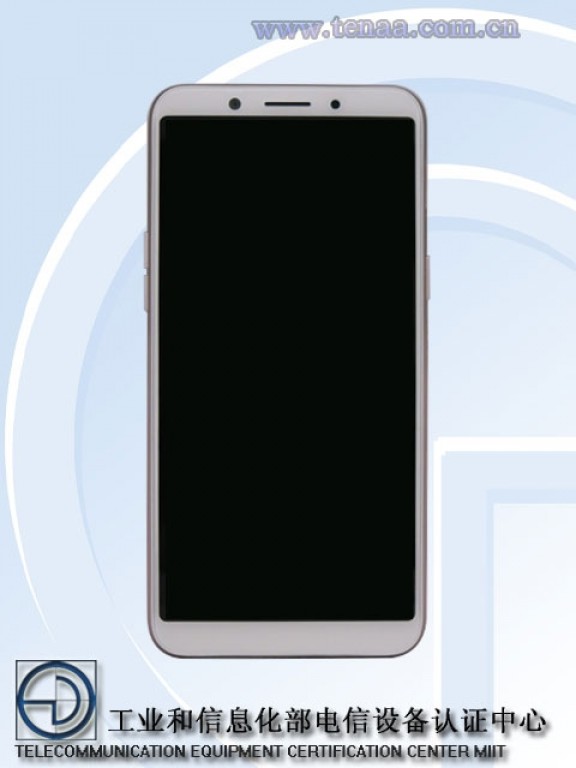
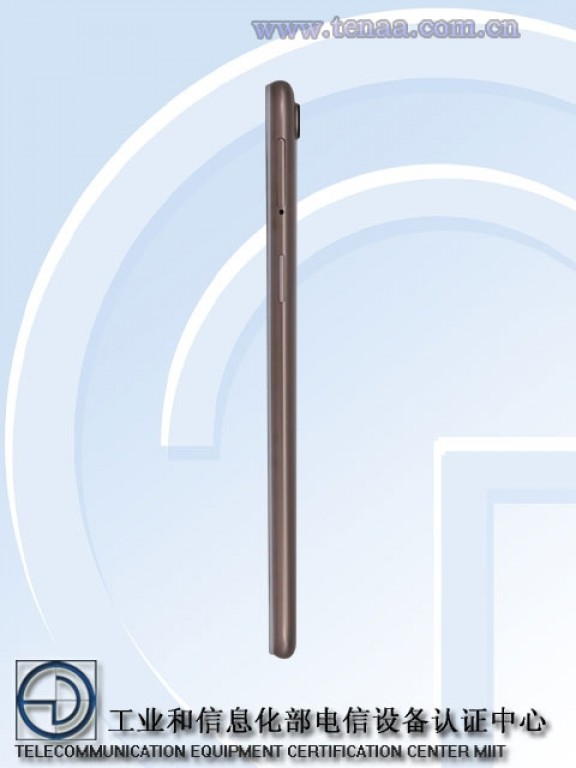
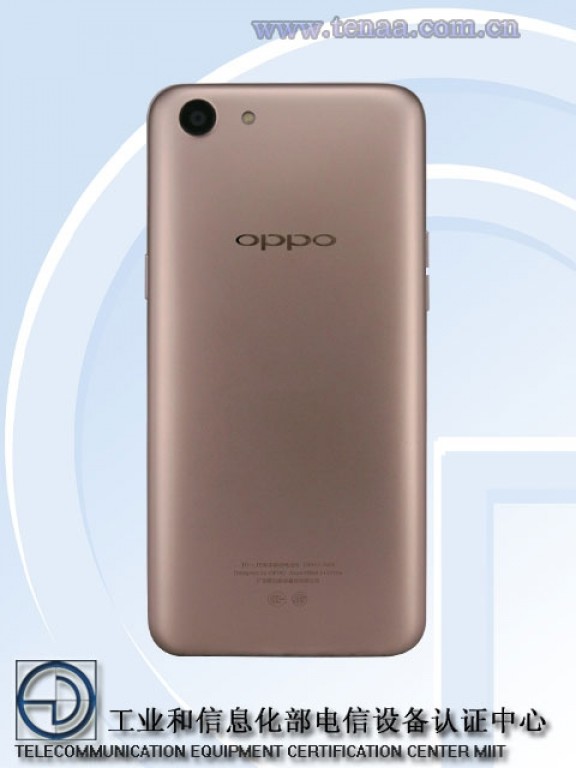
Everyone is obsessed with 18:9 displays this year and lately, companies are releasing smartphones with this unique aspect ratio for as cheap as $150. After Xiaomi and Huawei released the Redmi 5 / Redmi 5 Plus and Huawei Enjoy 7S smartphones, it looks like OPPO is cooking something similar to these devices. A new smartphone, going by the model number OPPO A83 has just cropped up on TENAA, revealing a mid-ranger with a high screen to body ratio. However, considering OPPO’s premium pricing standard, expect it to retail above $200-$250.
The certification website reveals a 5.7-inch LCD HD+ 1440 x 720p display with an octa-core 2.5GHz processor and 4GB of RAM. There’s 32GB of ROM on board along with a MicroSD card slot which takes cards up to 256GB. As for the camera, the phone features a 13MP rear shooter and an 8MP front-facing shooter. There’s Android 7.1.1 on board with ColorOS on top. Finally, there’s an average 3090mAh battery inside.
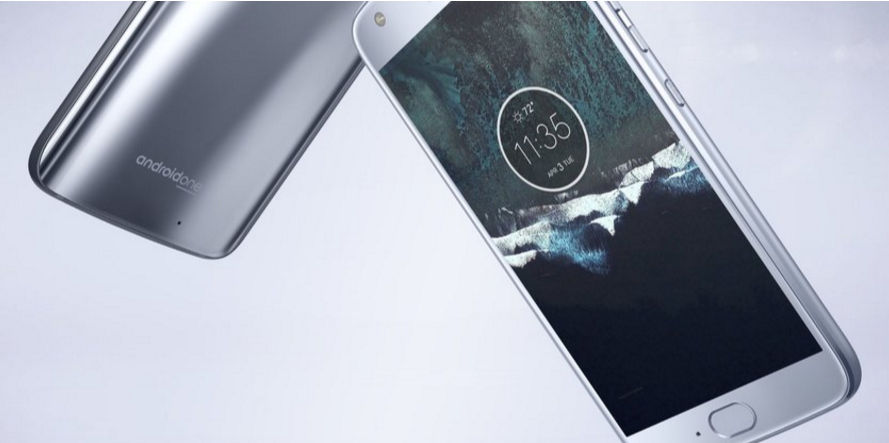
Motorola’s Moto X4 has reportedly started receiving the latest Android 8.0 Oreo over-the-air (OTA) update in the US. Earlier, the Lenovo-owned company had promised to roll out the Android Oreo for the Moto X4 Android One edition by the end of this year.
The update, which carries the build number OPW27.1, comes with some new features as well as the latest Android security patch version. If you are using Moto X4 Android One edition, you should have received a notification to download and install the update. If you haven’t received the update notification, check it manually by going to About phone and then check System updates.
To remind you of the specifications, the phone features a 5.2-inch Full HD display with a screen resolution of 1920 x 1080 pixels with a layer of Gorilla Glass on top for added protection. The phone is powered by a 2.2GHz octa-core Qualcomm Snapdragon 630 processor.
The device packs 3GB of RAM and 32GB of internal storage along with a microSD card slot which allows users to further expand the storage capacity up to 256GB. The phone comes with a dual camera setup at the back, featuring a 12-megapixel lens and an 8-megapixel lens. There is a front-facing camera of 16-megapixel with f/2.0 aperture and LED flash.
The phone comes with an IP68 certification, making it water and dust resistant. It runs Android Nougat operating system out-of-the-box and also supports Amazon’s personal assistant Alexa. The phone is fuelled by a 3,000mAh non-removable battery.
The Moto X4 Android One edition was unveiled for Google’s Project Fi in the US for a price of $399. Notably, it is the first non-Google phone to join Project-Fi network, which was previously exclusive to the Pixel and Nexus devices.
At the time of the launch, the company promised that the Moto X4 Android One edition will be “among the first to receive the Android P update.”
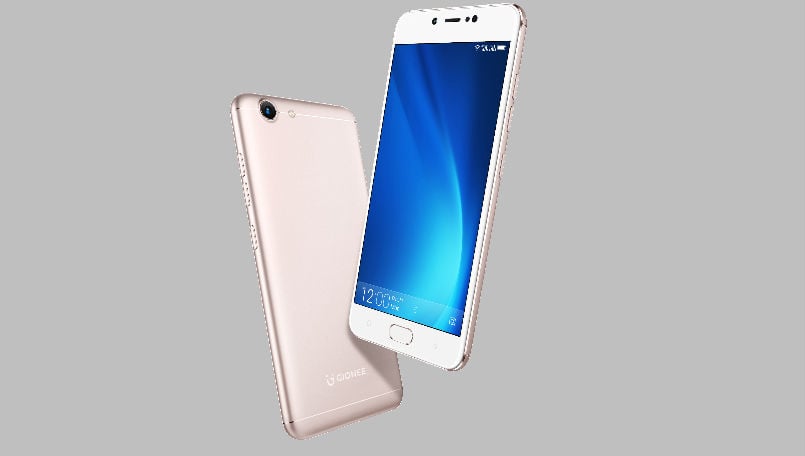
Gionee has launched a new budget smartphone in the Indian market, dubbed as Gionee S10 Lite. The phone is a watered-down variant of the Gionee S10 which was launched in China earlier this year in May.
The phone is priced at Rs. 15,999 (approximately $250) and will be available for purchase from today, i.e. 23rd December, through offline stores. The phone will be available in two colour options — Gold and Black.
Along with the purchase of this device, the company is also offering two Paytm Cashback Voucher Codes worth Rs. 250 each, which are applicable for purchases worth Rs. 350 or more on Paytm Mall.
Further, the users will also receive additional 5GB free data per month for a period of 10 months from Reliance Jio. Reliance has extended this offer for new as well as existing subscribers, on recharges of Rs. 309 or above.
The Gionee S10 Lite phone features a 5.2-inch HD display with a screen resolution of 1280 x 720 pixels. Under the hood, the phone is powered by a 1.4GHz Qualcomm Snapdragon 427 processor, along with 4GB RAM and 32GB of internal storage.
There is a microSD card slot, which allows users to expand the storage capacity of the device to 128GB. The phone features a 13-megapixel rear camera with auto-focus, LED flash with f/2.0 aperture. The device packs a 16-megapixel front-facing camera with f/2.0 aperture for taking selfies even in low light conditions.
Connectivity options on the device include 4G VoLTE capability, Bluetooth 4.0, Wi-Fi 802.11 b/g/n, GPS/ A-GPS, a micro USB port, and a 3.5mm headphone jack, along with FM radio support.
The phone runs Amigo 4.0 based on Android 7.1 Nougat operating system. The Gionee S10 Lite enables WhatsApp Clone — a feature that enables 3 accounts of the instant messaging application to run simultaneously. The device is fuelled by a 3,100mAh battery, which should be enough to provide a day of usage on a single charge.
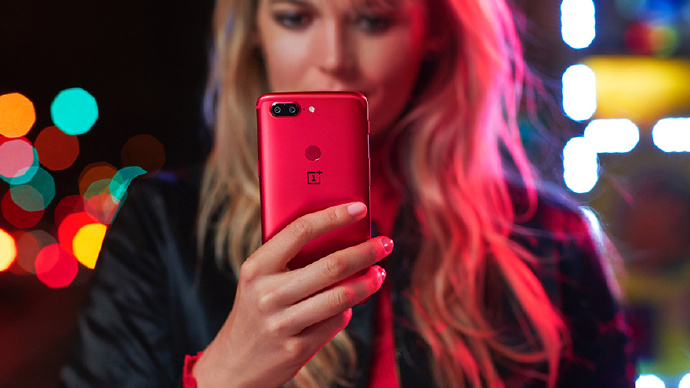
OnePlus 5T was released just a few weeks back and it came with an amazing full screen display. But along with the screen, one of the highlights of the new device was its facial unlock feature. The company managed to add facial recognition to the new flagship without using any fancy hardware — just the regular smartphone front camera. The tech surprisingly works pretty well and while its not as accurate as other tech like that on the iPhone X, its still a great way to unlock your smartphone on a daily basis.
But it turns out, the facial recognition tech being used on the OnePlus 5T could be infringing atleast one patent from SensibleVision, a company specialising in facial recognition and biometric authentication. While talking to mysmartprice, George Brostoff, SensibleVision co-founder and CEO revealed that OnePlus could be infringing on the company’s illumination patent.
But it remains to be seen whether SensibleVision aims to take matters to court. In his conversation with mysmartprice, George revealed that the company has not licensed their patents to OnePlus. But even if the Chinese company is found to be using a similar tech as SensibleVision, it will be hard for the case to hold up considering how the phone relies on just the front camera and its display for facial unlock.
Another thing, Mysmartprice notes that taking the legal route might not be in the best interest for SensibleVision. Many of their patents are licensed in the US and even if OnePlus was found to be infringing on their patents, it would not make sense financially as the settlement payment would be quite less considering OnePlus’ limited reach in the US market.
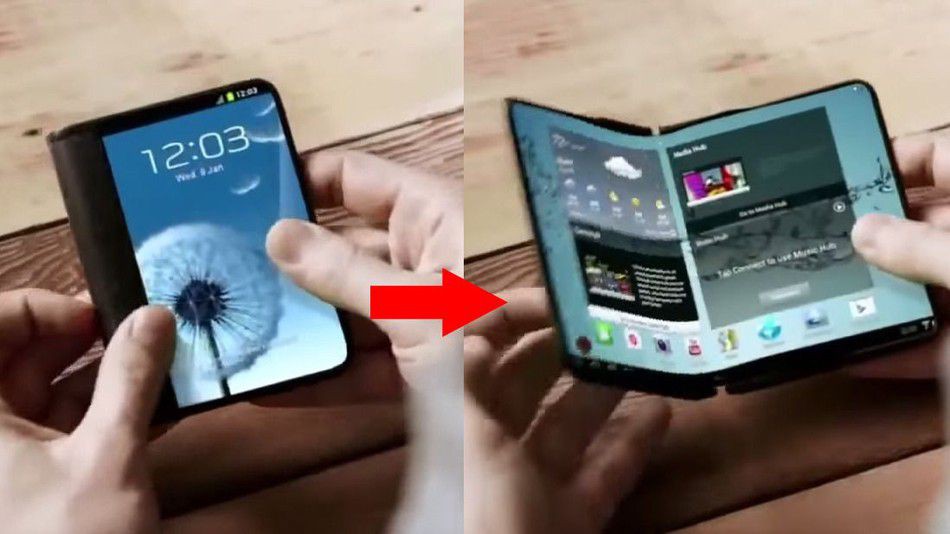
It has been years since rumors about a foldable phone by Samsung have surfaced online. Reports have become more concrete thanks to some reliable rumors and certifications. But it seems that several concrete things about this device are wrong. Months ago, a device dubbed SM-G888N0 appeared in the database of South Korea’s National Radio Research Agency, hinting at a possible launch of the foldable phone in South Korea.
This codename has been spotted even at the Bluetooth SIG and it was expected to receive its official certification. That is why many people thought that a foldable phone was going to be released in 2018 by Samsung under the name of Galaxy X. But now it has been revealed that SM-G888N0 is not the codename which identifies Samsung’s foldable phone. According to the colleagues from Sammobile, SM-G888N0 is just a rugged phone which has been realized by Samsung for train personnel in South Korea.
The company is given the task to create the world’s first LTE-R network for trains in South Korea, and this device is part of this project. According to previous rumors, Samsung Galaxy X will be released in 2018 and an alleged patent has already surfaced. But we are not talking about SM-G888N0, and at this point, we can say that there is no official certification that proves its existence.
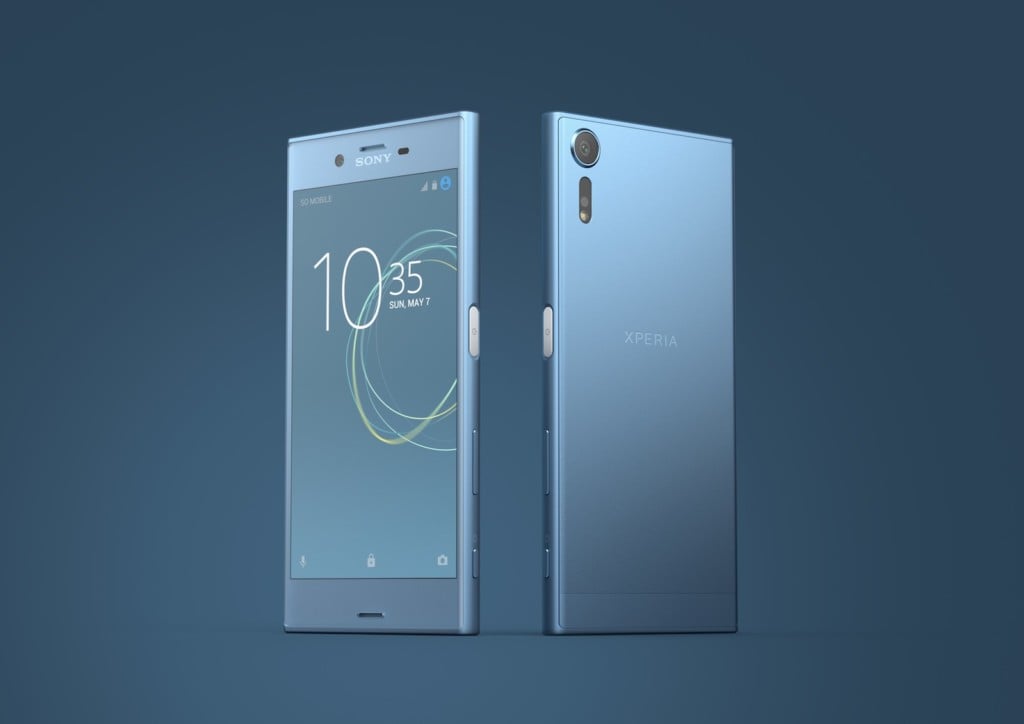
Sony Xperia XZs, the smartphone under Sony’s flagship Xperia X series, was launched in India in April this year for a price of Rs. 49,990. Now, the phone has received a massive price cut of Rs. 13,600 on Amazon India.
With this price cut, the smartphone is now available for purchase in India at just Rs. 36,399 (approximately $569). However, only the Black colour variant is available for that price. The Ice Blue and War Silver models are priced a bit higher and are available for Rs. 37,750 (approximately $590) and Rs. 37,495 (approximately $586), respectively.
To remind you of the phone’s specifications, the Sony Xperia XZs comes with a 5.2-inch Full HD display with a screen resolution of 1080 x 1920 pixels. The device is powered by a Qualcomm Snapdragon 820 processor along with Adreno 530 GPU. It is backed by 4GB RAM and comes in two options in terms of internal storage — 32GB and 64GB. The storage on the device can be expanded further up to 256GB using a microSD card.
The phone features a 19-megapixel rear camera which comes with anti-distortion shutter, triple image sensing technology, predictive Hybrid Autofocus, 5-axis stabilisation. It also supports 4K video recording, Super slow motion 960fps video capture and Predictive Capture. On the front, there is a 13-megapixel Exmor RS camera sensor with 22mm wide-angle lens and f/2.2 aperture.
Connectivity options on the device include Dual SIM, 4G VoLTE, Wi-Fi, Bluetooth 4.2, NFC, USB Type-C port. The device is IP65/IP68 certified meaning that it is water and dust resistance. It is fuelled by a 2,900mAh battery which supports Quick Charge 3.0 technology.
The Sony Xperia XZs runs Android Nougat operating system out-of-the-box with the company’s own UI skin on top. However, the phone has recently been upgraded to the latest Android 8.0 Oreo operating system.
Nokia has released a new holiday television advertisement that goes straight to our hearts. The video, which has been also published on YouTube, is called “Be The Gift“, and it is not completely focused on the phones released by the company. The video shows a mother and her young son who are far from each other and stay in touch through messages, calls, and media sharing on their Nokia phones.
In some parts of the video, we can clearly see features and apps present in the latest devices launched by HMD Global: but it is not the main point of the new holiday ad. Through this video, Nokia Mobile gives a message which is hard to find inside an advertisement video related to Android phones: the company tells us to switch off our phones and spend some time with our loved people for Christmas.
Indeed, at the end of the video, there is a happy reunion between the mother who was sad for being far from her son, and her child who is happy to see his mother again. There is no trace of the specs of Nokia devices in the video, which seems to be more focused on the brand-quality, besides focusing on people and on giving an important message in this holiday season.
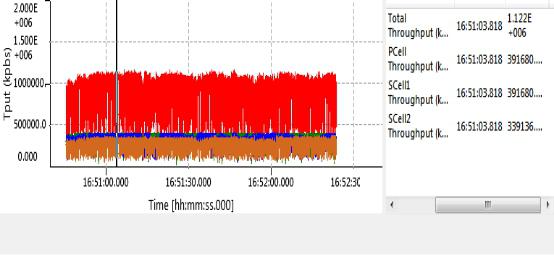
The Chinese carrier China Unicom has reached the fastest 4G LTE download speed in the world: 1.2 Gbps. The company has just announced that the tests for the 1.2 Gbps speed have been completed, and there is no carrier which has obtained such fast download speeds. To be accurate, the maximum download speed reached is 1155.8 Mbps, that is almost equal to 1.2 Gbps. We are every day closer to 5G networks and connection is getting definitely getting faster, but it will take some time for the 1.2 Gbps speed to be available for China Unicom customers.
Indeed, the device which reached this result is equipped with the Snapdragon 845 SoC. It is the latest flagship processor launched by Qualcomm and it is still not on sale. We will probably see the first phones with Snapdragon 845 in Q1 2018 and they should be the alleged Sony Xperia XZ2 recently surfaced in some leaks, Samsung Galaxy S9 and Xiaomi Mi 7.
Qualcomm Snapdragon 845 has reached the 1.2 Gbps download speed in the tests by China Unicom thanks to its Snapdragon X20 Cat. 18 LTE modem. Other specs of the Qualcomm Snapdragon 845 include 4x Cortex A75 and 4x Cortex A55 CPUs for a maximum frequency of 2.8 GHz. The SoC supports an AI platform and Wi-Fi 802.11ac Multi-Gigabit (with 4×4 MIMO).
Chinese smartphone makers have always been accused of copying the designs of top brands like Samsung and Apple. Apple has perhaps suffered the most from copycat and one model which looks like a clone of the iPhone 7 Plus is the OnePlus 5. The OnePlus 5 received lots of knocks for its uninspiring design and not so spectacular design. That may have prompted OnePlus to quickly release the OnePlus 5T which features a full-screen design that looks nothing like the iPhone. Next year’s OnePlus 6 is expected to feature a full-screen design and several other features.
Image source: apple.com
There are now rumours that OnePlus may include the Face ID technology which made its debut on the iPhone X recently on the OnePlus 6. The Face ID was one of the new and standout features on the latest iPhone X and already, several OEMs like Huawei are tipped to be working on including it on their own upcoming smartphones. While it is too early to speculate what features may be on the OnePlus 6, a tipster who is deemed as reliable has hinted at the presence of a similar advanced facial recognition system as found on the iPhone X. This suggests that the OnePlus 6 will come with a similar camera hardware setup like the iPhone X, including a 3D camera module that will use infrared light to measure depth.We are not expecting a similar notch on the display as found on the iPhone X, though. Rather, the device is said to have a full top bezel where the extra sensors should be located.
OnePlus had adopted its own facial recognition system on the OnePlus 5T dubbed Face Unlock. The technology is super faster than Apple’s Face ID. Unfortunately, it is less secure than Face ID such that OnePlus acknowledges that it is insecure for mobile payments. It remains just a convenient way of unlocking the phone. However, OnePlus promised to improve on it and that improvement could come in the form of the 3D Facial Recognition technology used on the iPhone X.
Things couldn’t get any better for Chinese smartphone giant Xiaomi as the company is rumoured to be set to shoot past ts 2017 revenue target. Reports emanating from China indicates that the tech company has indicated that its revenue target for 2017 could well be toppled by as much as 18%. Bankers projections show that Xiaomi is expected to rake in a net profit of at least $1 billion USD and this projection is based on the company’s revenue estimate of $17 billion to $18 billion. For 2018, Xiaomi’s profit is estimated to hit the region of $2 billion.
This latest projection reflects the positive comeback the tech giant has witnessed lately after a slump in sales in recent years. The slump led to a general overhaul of the tech giant’s business approach. The tech giant shifted from an online-focused sales model to integrating both online and offline sales. In addition, more brick and mortar stores were opened in China to cater for offline sales. We must not forget Xiaomi’s strong marketing burst in India which contributed immensely to its rebound. Xiaomi has also has re-launched sales in dozens of countries, including Indonesia, Vietnam, Russia and the United Arab Emirates.
Xiaomi is expected to roll out an IPO next year with a $100 billion USD valuation and with such revenue projections, that could well be possible. The tech giant’s revenue source transcends its cheap smartphone offerings and includes smart home gadgets as well as wearable. Xiaomi was recently shown in a report by IDC to have trumped Apple to emerge as China’s No.4 smartphone vendor. Despite its strong showing, it still has to contend with giants like Huawei, OPPO and Vivo for a slice of the market share.
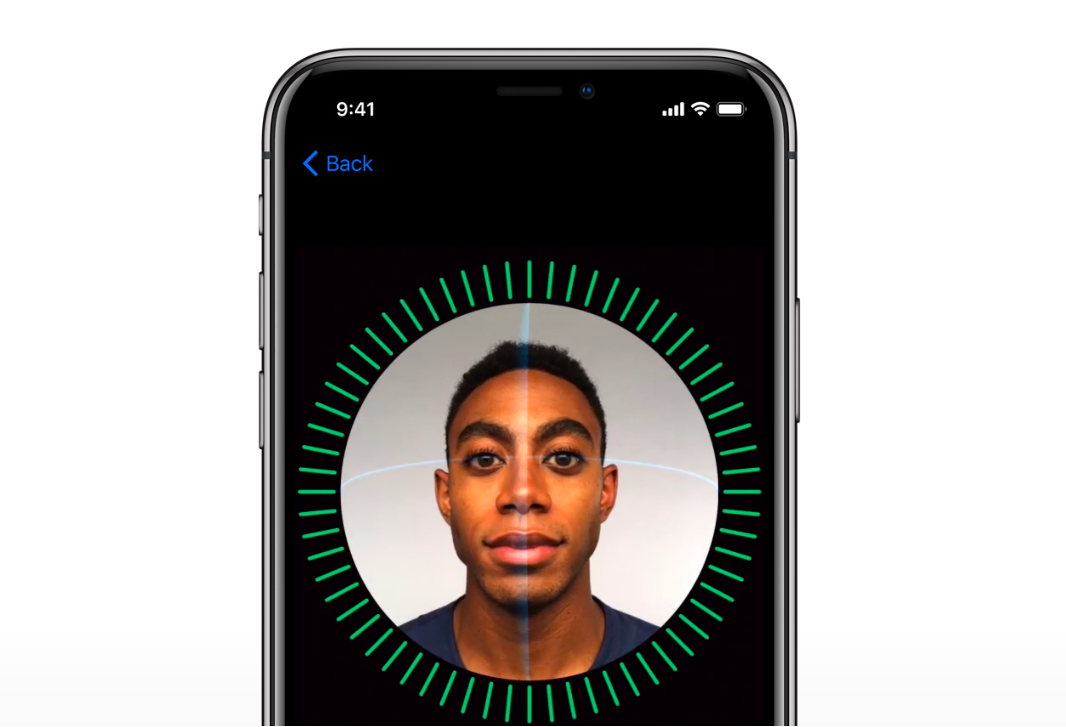
Chinese users are accusing Apple of being racist because Face ID is not always reliable as expected, at least in China. The episode that led people to complain about Apple and Face ID is about a boy being able to unlock his mother’s iPhone X without knowing the password. A husband from Shanghai has reported that his son was playing with his mom’s phone which was locked with Face ID, but he unlocked it without any effort, just by looking at the device and without knowing the password.
According to the Cupertino giant, it is a rare and isolated case, but it seems that the company has started investigating the report made by the Chinese man who has been identified with the surname Liu. Chinese people are starting to be worried about the security and privacy features of iPhone X, as this is not the first case in which another Chinese person has been able to unlock a phone locked by its owner with Face ID. A few days ago we learned that a woman had its iPhone X unlocked by her colleague. The women went to an Apple Store to report the issue, and the staff attributed the issue to a “faulty TrueDepth camera”, so they offered a replacement.
But interestingly, the woman’s colleague was able to unlock even the second iPhone X, and right after that, it was discovered that she was able to unlock every iPhone X in the Apple Store. This happened despite the two women having different features (different hair and other features). This is why some Chinese users have started accusing Apple of racism, but we obviously believe that it is just a technical issue and a future update would probably block other Chinese users from unlocking a third party iPhone X.
Do you trust the security provided by iPhone X with Face ID or you think it should get improved by the Cupertino giant?
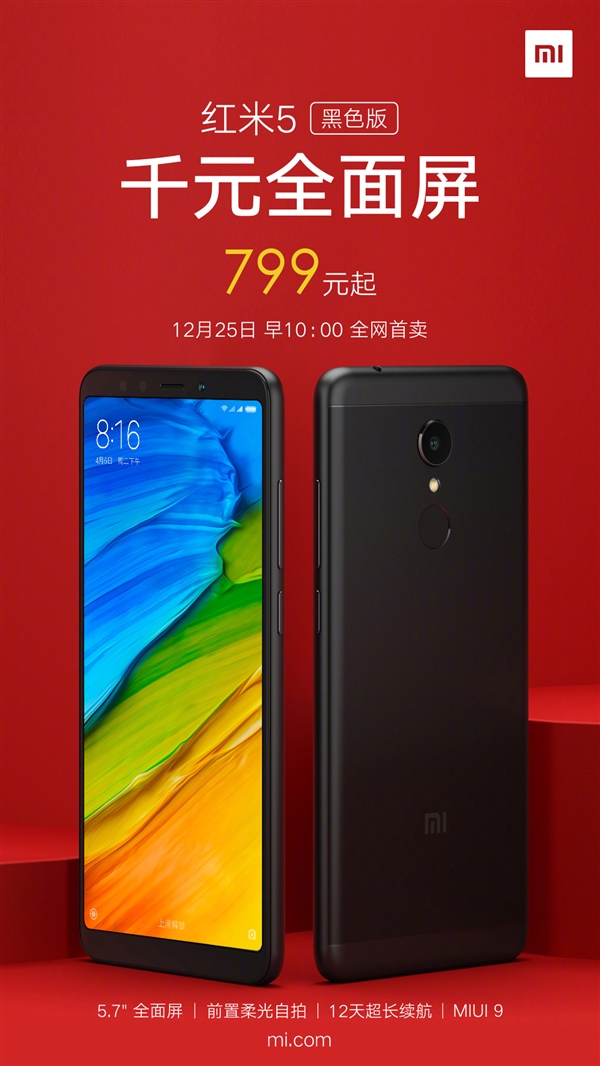
Earlier this month, Xiaomi joined the growing list of smartphone manufacturers who have launched a smartphone will a full-screen display. The company launched two phones — Redmi 5 and Redmi 5 Plus, featuring an 18:9 aspect ratio display.
At the time of announcing the smartphones, the company revealed that it will be available in four colour options — Gold, Rose Gold, Blue and Black. The Redmi 5 went on sale last week, but the Black colour option was not available.
Today, the company has announced that the Black colour variant for the Redmi 5 will now be available from 25th December, at the same price — 799 Yuan (approximately $122) for the 2GB RAM model while the 3GB RAM will be available for 899 Yuan (approximately $137).
The Xiaomi Redmi 5 sports a 5.7-inch HD+ display with screen resolution of 720 x 1440 pixels and an aspect ratio of 18:9. The phone is powered by Qualcomm Snapdragon 450 octa-core processor clocked at 1.8GHz, along with Adreno 506 graphics.
The phone, which has a full metallic body, comes in two options — 2GB RAM with 16GB internal storage and 3GB RAM with 32GB onboard storage. There is also a microSD card slot, allowing users to further expand the storage capacity.
There is a 12-megapixel rear camera sensor with a f/2.2 aperture with 1.25 µm pixel size that is equipped with a Soft-LED flash. It comes with features like phase detection auto-focus (PDAF), dark light enhancement technology, facial recognition, HDR, Panorama and Burst mode.
It also comes with a 5-megapixel selfie snapper that is coupled with features like Smart Beauty 5.0, facial recognition, and full HD video recording at 30fps. The device is running on Android Nougat operating system based MIUI 9.
Connectivity options on the device include hybrid dual SIM slot, micro USB, full Netcom support, 4G LTE, Wi-Fi 802.11 b/g/n, Bluetooth 4.2, 3.5mm audio jack and GPS. The device is fuelled by a 3,300mAh battery.
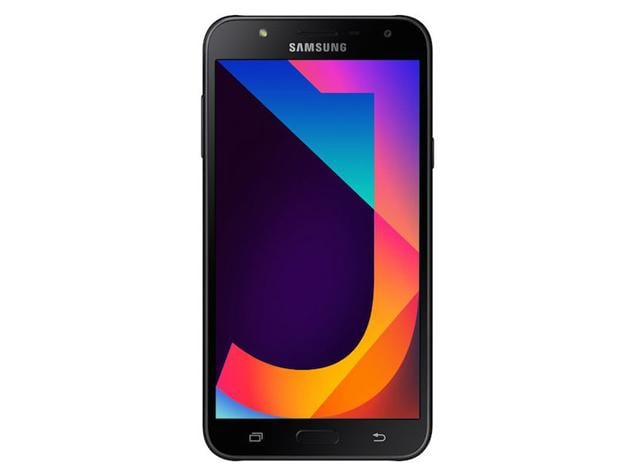
Samsung has today launched a new variant of the Galaxy J7 Nxt with 3GB RAM and 32GB of internal storage in India. The company had originally launched the Galaxy J7 Nxt with 2GB RAM and 16GB internal storage earlier this year in July.
The 3GB RAM model has been listed on the company’s website and is also available for purchase through offline stores across the country. This new Samsung Galaxy J7 Nxt smartphone features Samsung Pay Mini and also supports AR stickers.
The 3GB RAM model of Galaxy J7 Nxt is priced at Rs. 12,990 (approximately $203). It is available in Black colour variant only and is currently listed as “Sold Out”. On the other hand, the 2GB RAM and 16GB ROM model is currently available for Rs. 10,500.
The smartphone comes with a 5.5-inch HD Super AMOLED display with a screen resolution of 1280 x 720 pixels and is powered by a 1.6GHz Samsung Exynos 7870 octa-core processor. With the launch of this new variant, the phone is now available in two models — one with 2GB RAM and another with 3GB RAM.
The 2GB RAM model comes with 16GB of internal storage while the 3GB RAM model comes with 32GB of onboard storage. There is also a microSD card slot, allowing users to further expand the storage capacity up to 256GB.
In the camera department, the Galaxy J7 Nxt features a 13-megapixel rear camera sensor with autofocus, f/1.9 aperture and an LED flash. The front camera has a 5-megapixel camera sensor for taking selfies and video calling.
Connectivity options on the device include 4G LTE, Bluetooth 4.1, Wi-Fi 802.11 b/g/n, GPS, and GLONASS. The phone runs on Android Nougat operating system out-of-the-box with Samsung’s own UI skin on top. The device is fuelled by a 3,000mAh battery.
We use cookies on our website to give you the most relevant experience by remembering your preferences and repeat visits. By clicking “Accept”, you consent to the use of ALL the cookies.
This website uses cookies to improve your experience while you navigate through the website. Out of these, the cookies that are categorized as necessary are stored on your browser as they are essential for the working of basic functionalities of the website. We also use third-party cookies that help us analyze and understand how you use this website. These cookies will be stored in your browser only with your consent. You also have the option to opt-out of these cookies. But opting out of some of these cookies may affect your browsing experience.
Necessary cookies are absolutely essential for the website to function properly. This category only includes cookies that ensures basic functionalities and security features of the website. These cookies do not store any personal information.
Any cookies that may not be particularly necessary for the website to function and is used specifically to collect user personal data via analytics, ads, other embedded contents are termed as non-necessary cookies. It is mandatory to procure user consent prior to running these cookies on your website.