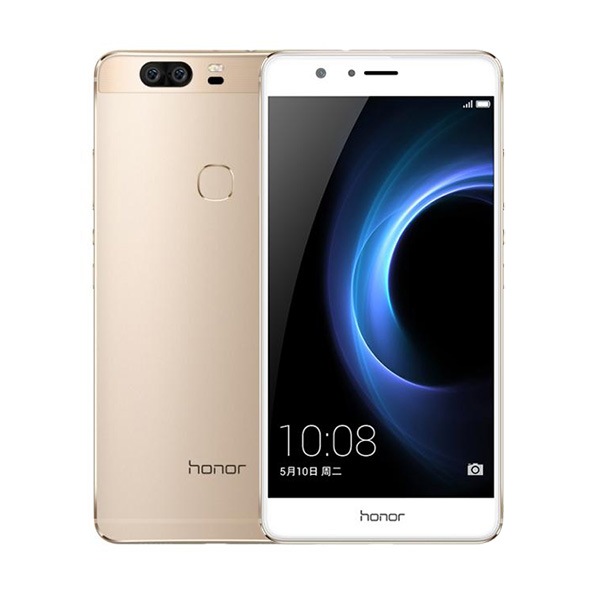
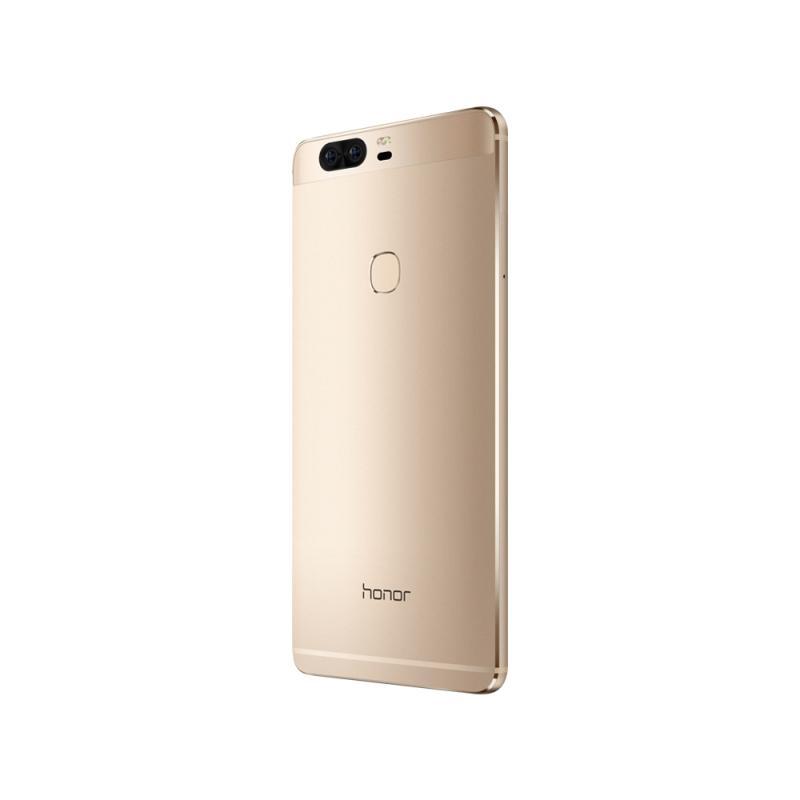
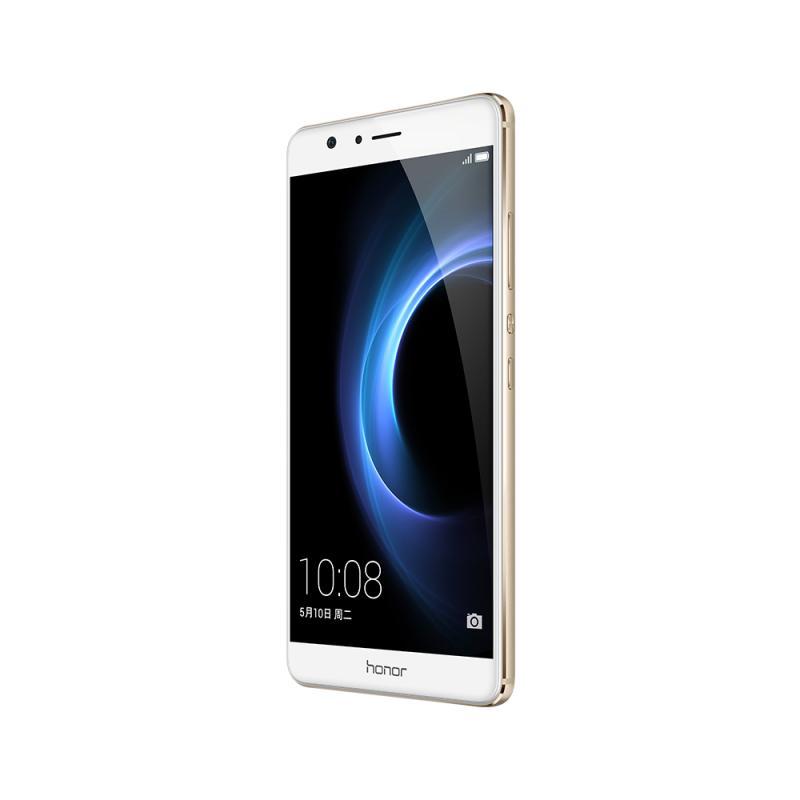
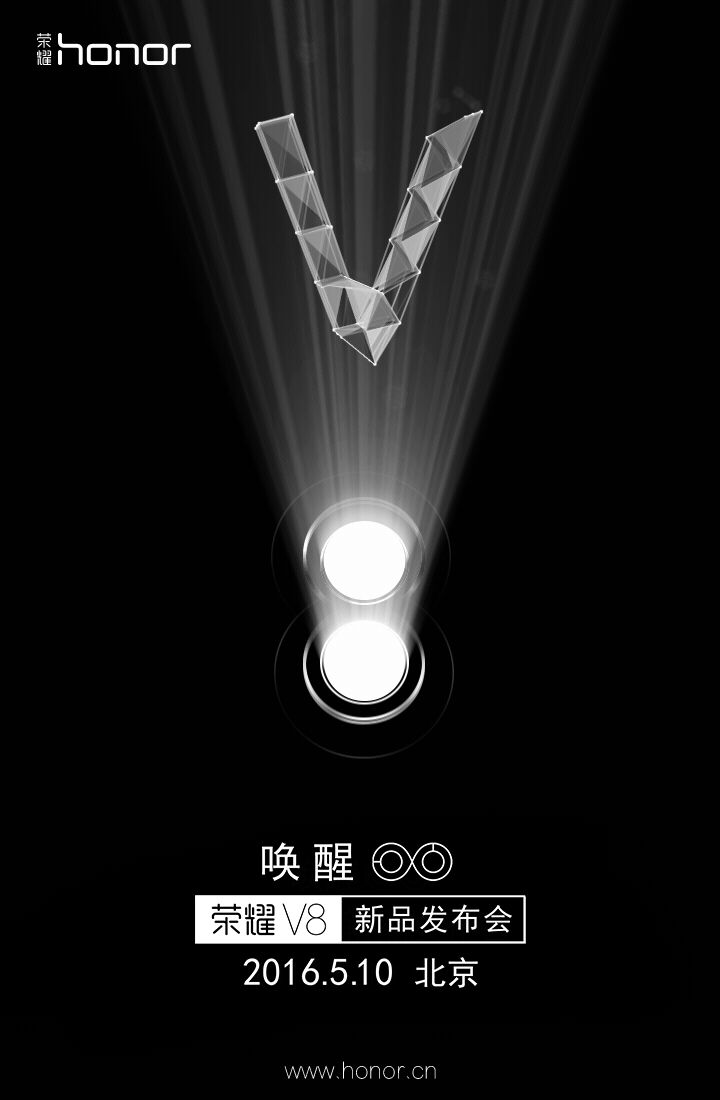
Huawei has officially unveiled Honor V8 flagship series models at an event today in China. The company had been teasing the new lineup for the past couple of weeks and now, all the details about the device have been made official.
Like expected, the new Honor V8 comes with a diamond cut all metal body for a premium finish. The basic design seems to be built up from Huawei P9 series. The company will be making the phone available in six different colors, ceramic white, rose gold, ice silver, champagne gold, elegant gray, and light gold platinum. Huawei is targeting the young generation with this device and wants the V8 to be a platform for them to enter the world of virtual reality.
In case you are wondering, here are the measurements of the device: 157.00 * 77.60 * 7.75 (mm)
Weight: 170 grams
The Honor V8 comes with a large 5.7-inch 2K display which translates into a resolution of 515 ppi. There’s a standard version as well which features 1080p resolution. The phone reportedly features a professional eye protection technology for the screen. The display is ideal for watching movies because the phone has a special cinema mode in landscape, plus there are other features like stereo speakers to enhance the overall viewing experience.
Under the hood, there will be the Kirin 950 octa-core chipset with i5 co-processor, 4GB of RAM and 32GB / 64GB of internal storage. The storage is further expandable via MicroSD. The battery will be of 3500mAh capacity and supports 9V 2A fast charging technology. As for the fingerprint, the Honor V8 comes with 3D fingerprint technology which prevents fake fingerprint payment possibilities and unlocks the device faster. The phone also supports mobile payments and NFC enabled credit card payments.
Now, coming to the interesting part, the Honor V8 comes with dual 12MP cameras at the back. One sensor collects the black and white information while the other collects the color information. The setup supports PDAF, depth of focus and Laser Focus, so basically three different types of focuses. The aperture on this device is reportedly 36% larger than the Honor 6 Plus, delivering 40% increase in performance. The phone also comes with support for dynamic 3D panorama camera feature. We have not yet seen any samples from this setup, but we can expect them pretty soon. Up front, you have a standard 8MP camera for selfies.
Other features of the Honor V8 include 4G LTE support, dual SIM dual standby, Wi-Fi, IR Port, NFC (available in certain versions) etc. The phone runs on Android 6.0 Marshmallow with EMUI 4.1 on top. V8 will be available in three different variants. The difference is mainly in the memory and resolution. The details are as follows:
Honor V8 (4GB RAM + 32GB ROM + FHD Display + NO NFC): 2299 Yuan ~ $352
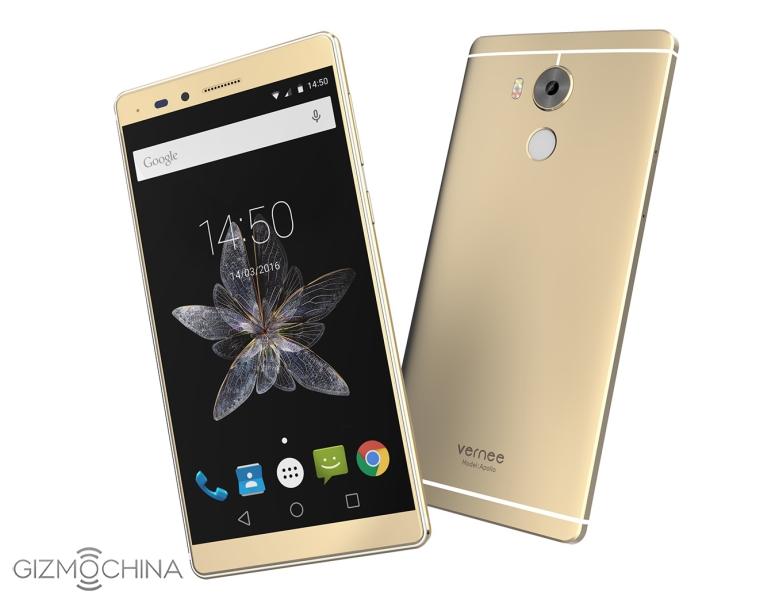
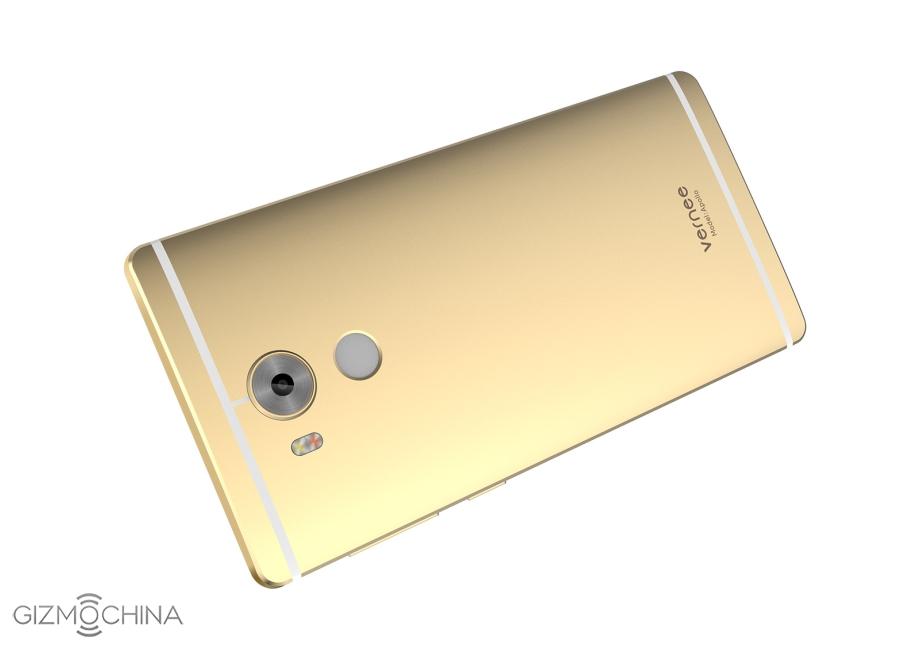
We all are waiting patiently for the Vernee Apollo smartphone, the first 6GB RAM phone from the company. Vernee had revealed a few months back that its flagship model was going to come with the Helio X20 chip on board. We have seen that this deca-core chip is a pretty good performer, however, last month, MediaTek released a faster variant of the chipset, the Helio X25 clocked at a higher frequency. Now, it looks like Vernee has decided to use this faster Mediatek Helio X25 chipset inside the upcoming Apollo flagship.
Rest of the specs seems to be the same as before. So, only the chipset has been upgraded to X25. Other specs as revealed by the company earlier include 6GB of RAM, 128GB of internal storage, and 5.5-inch 2K display. At the back, the phone will reportedly come with a 21MP Sony IMX230 camera sensor. Other features of the Apollo are metal unibody design, USB Type-C port and pressure sensitive display.
The launch of the device has been delayed to July. However, the Vernee Apollo Lite version will be launching sooner, sometime in June.
The company has also released a 3D video of the upcoming Apollo flagship. Check that out from down below.
Xiaomi officially released the MIUI 8 OS, the next generation version to the MIUI 7 OS developed by the company. The release is a good three months ahead of schedule, which isn’t surprising given that in this competitive world, the release cycle has reduced drastically. Now that the MIUI 8 OS is released and its features detailed, it is time to look at what this new operating system brings to the table. Read on to know more about this newly announced OS.
Xiaomi kicked off the event by revealing that MIUI had reached 200 million users worldwide which is an amazing feat for the company. With so many users hooked to the OS, it becomes necessary to upgrade features as well as visuals regularly to keep everyone interested. To make things simple and organized, let’s take a look at the changes in different categories.
VISUALS:
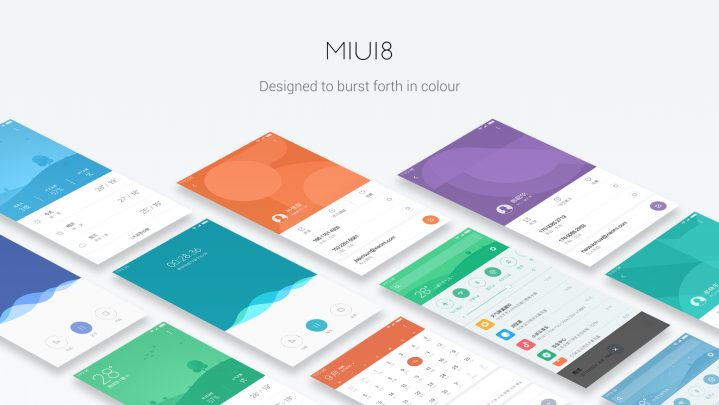
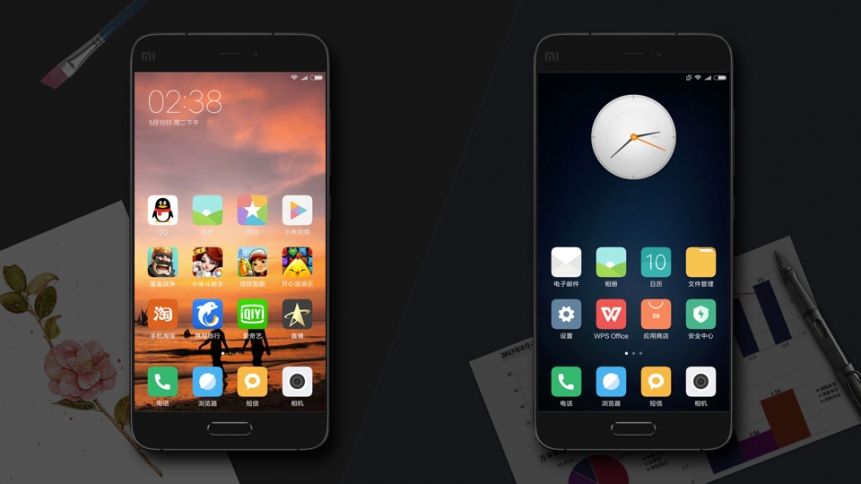
One of the biggest changes in the new MIUI 8 OS is the visuals. The company has used rich and young colors for the OS, which reportedly provides more information to the user in a pleasant, comfortable and natural way (these were the exact words used by the company at the event!).
So, what new visuals can we expect to see on MIUI 8?
First up, the color changes as the month changes. So, for one month, you might see a yellow shade and a purple shade for another. Then, the colors change as the weather changes as well. And finally, you will also see changes in colors according to the surrounding sounds. For example, when recording, the color in the app can change according to the tone of the sound. So, the OS can change colors based on emotion, perception of temperature and sound understanding.
color changes according to climate
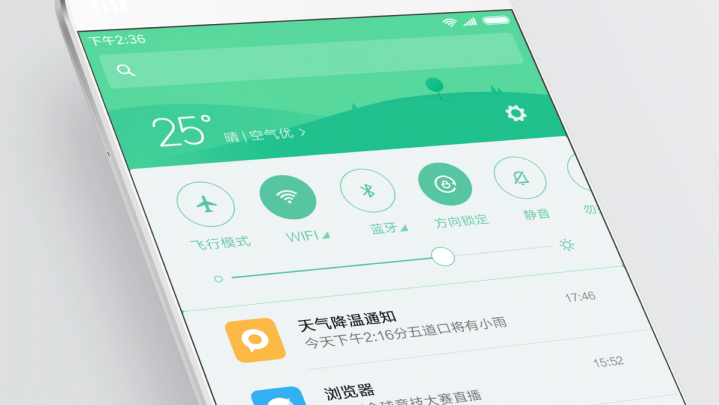
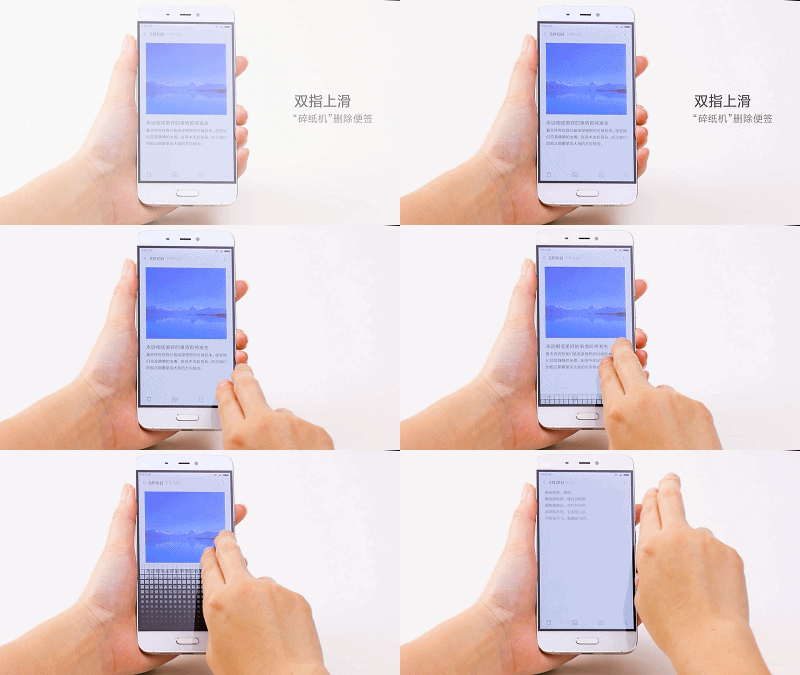
The dial pad is also changed a bit as compared to the MIUI 7. The notes app gets a new delete animation — paper shredder effect. When you have connected to Wi-Fi successfully, there’s a new colorful animation as well.
Mi Lanting Font
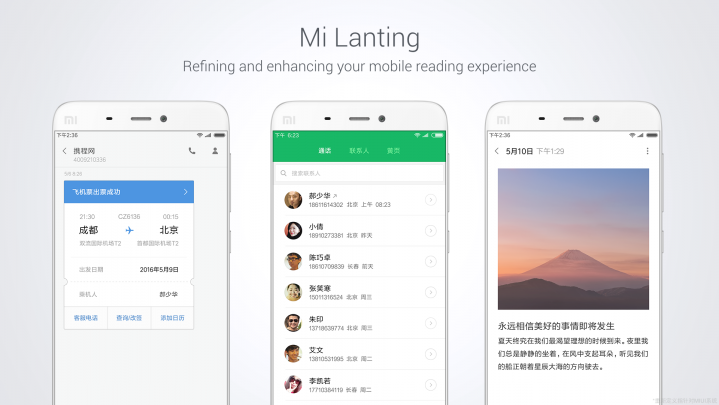
Since users read a lot on their smartphones nowadays, it becomes necessary for the phone to have the right font that won’t hurt your eyes even after reading for 6 hours on it. This is why Xiaomi has developed a new font for its MIUI 8 OS called as the Mi Lanting. The company says that they have used a new concept called “center of gravity of fonts” to design the perfect fonts for the new OS.
MIUI 8 FEATURES:
Lock Screen
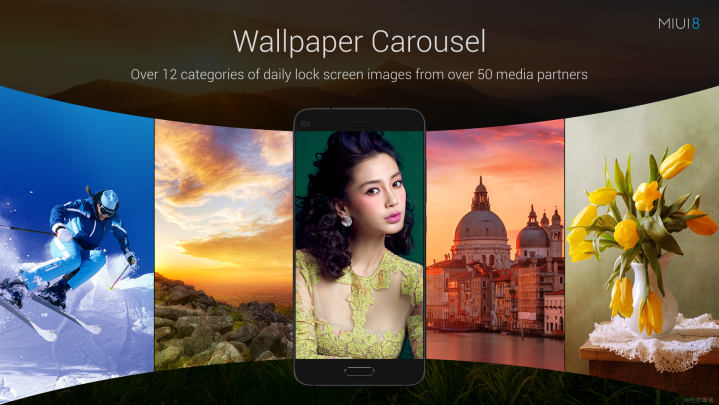
Xiaomi has partnered up with over 50 different media outlets to bring high-quality lock screens for your MIUI 8 powered smartphone every day. The basic design seems to be the same, but there are going to be a lot more screen lock images at your disposal.
Gallery
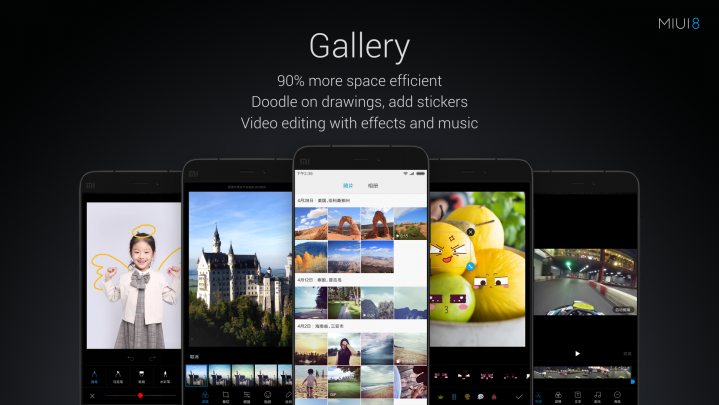
Xiaomi has redesigned the new Gallery app to make it more user-friendly and feature rich. For example, there are three main changes. First, you will be notified whether your photos have been synced directly in a more friendly manner. Also, similar pictures will be grouped together instead of showing you individual ones in the gallery. GIF photos will have a “Gif” logo on them to identify them directly from the gallery app. There’s a new feature as well which will keep the thumbnail of the HD photo on your smartphone and the original one will be available on the cloud. This reportedly saves up to 90% of gallery storage.
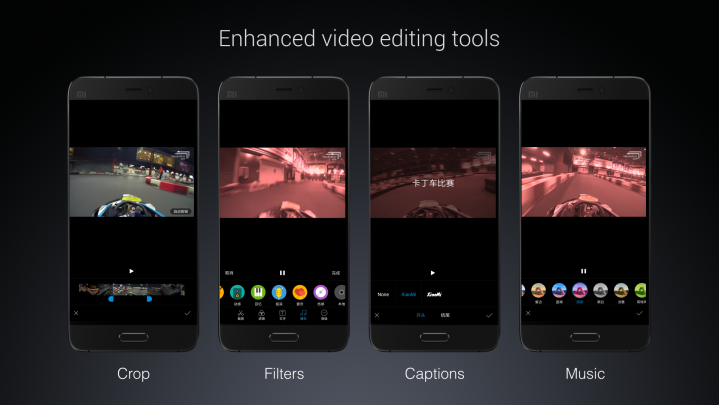
Then there are new editing features on the gallery app as well. You can add doodles, graffiti, and other filters on photos. Also, you can edit videos in the gallery, and perform functions such as cropping, adding filters, captions or even music. Finally, there is a new SWIPE to share feature for easy sharing of your photo.
MIUI 8 Scanner
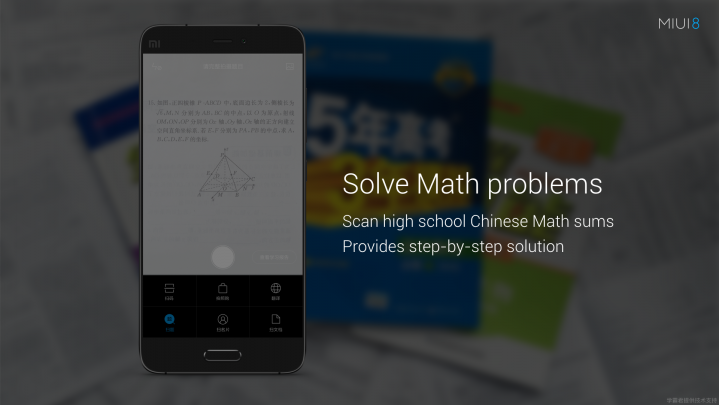
The new scanner comes with Quick QR code generation for WeChat Wallet and Alipay in China. You can also scan barcodes to search and purchase products online. The scanner also converts information in images to text at any angle. Another interesting feature is the ability to solve maths problems with step by step solutions.
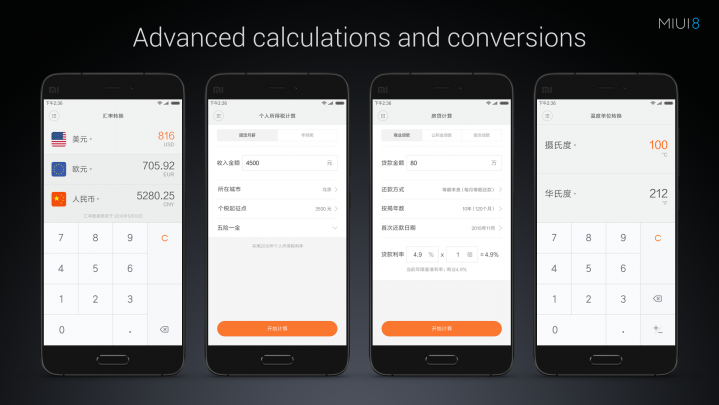
MIUI 8 Calculator
The new OS adds support for advanced calculations and conversions in the calculator app. Your everyday calculations like mortgage, currency conversion etc are simplified in the new app.
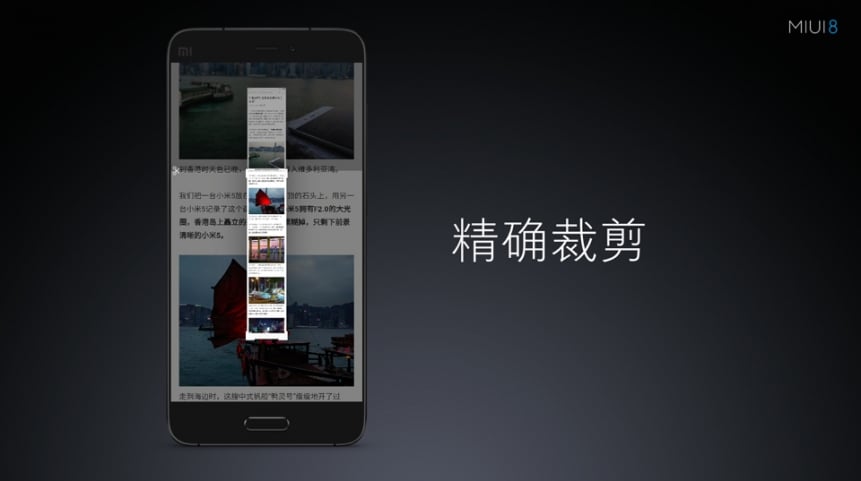
Long Screenshots Feature
The new OS comes with a better long screenshot feature which makes it easier to take long screenshots. It also helps you to cut the portion of the screenshot required without much hassle since you can get a preview of the background image during the process.
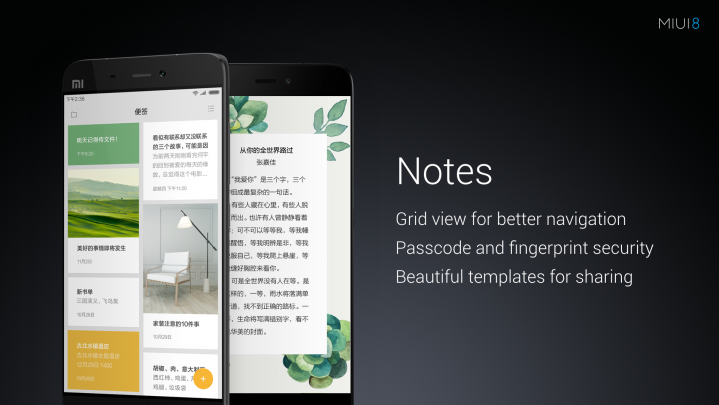
MIUI 8 Notes
The new notes app comes with passcode and fingerprint lock options. There are a few templates options for the new app. Also, the notes can be viewed in grid view mode for easier navigation.
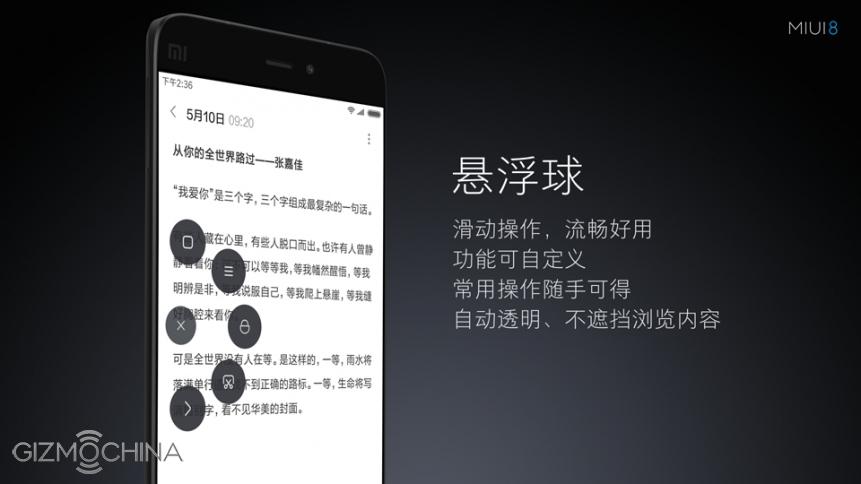
Hovering Options Menu
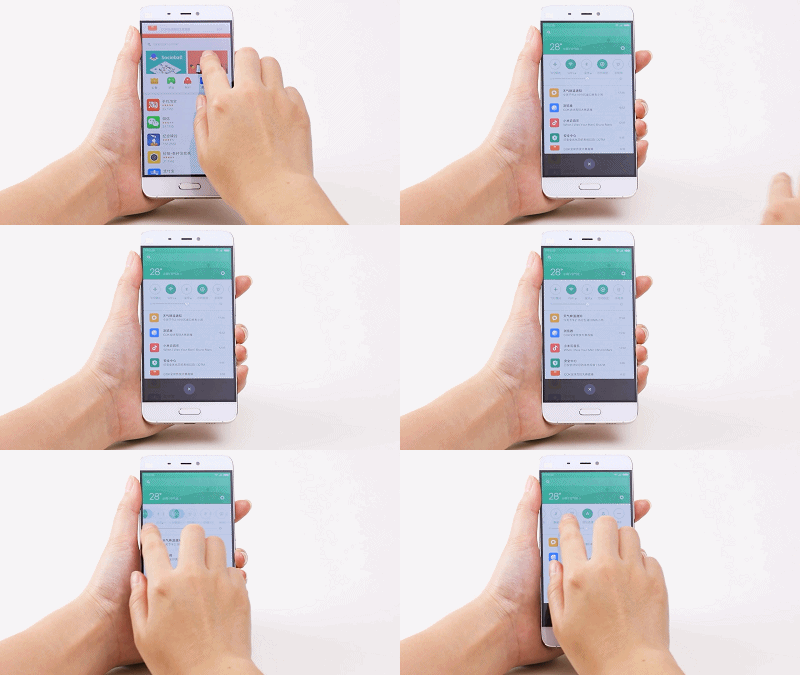
The MIUI 8 OS comes with a semi-transparent hovering options circle which you can position it anywhere on the screen. You can set common functions as well as applications in the menu and drag it anywhere. It will help in one-handed operation of the device as well as to perform quick functions.
Two Different Passwords
different passwords take you to different desktops
You can set two different passwords on your MIUI 8 powered smartphone. Each password will take you to a different desktop on the device and the information on each desktop will be different. So, you can dedicate a desktop for a particular function like entertainment, work etc. Also, it looks like a single phone can run two copies of an application at a time. And the data of the app on one desktop won’t interfere with the other.
New Text Selection & Translate Tool
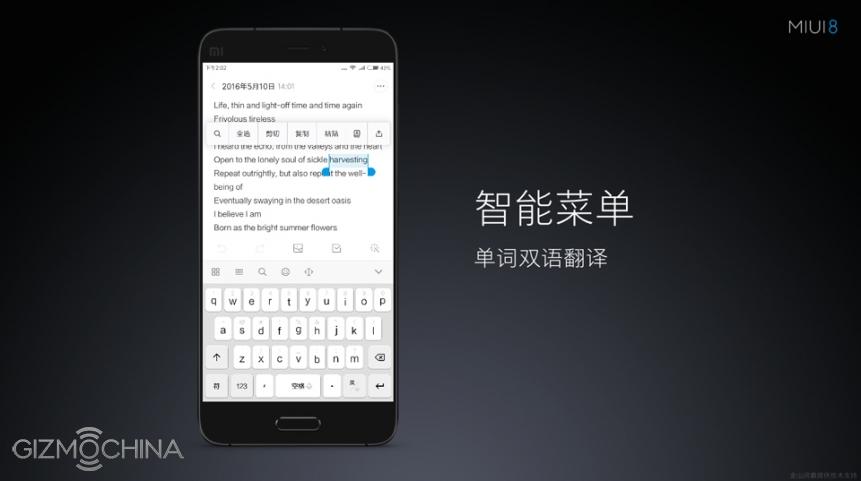
MIUI 8 comes with a new text selection tool which offers word translation options. So, when you select a word on the screen, you get the option to translate from Chinese to English or vise versa. Further, if your selection contains important details like phone numbers or contact details, you will also get options to call or save as contact.
New Power Saving Mode
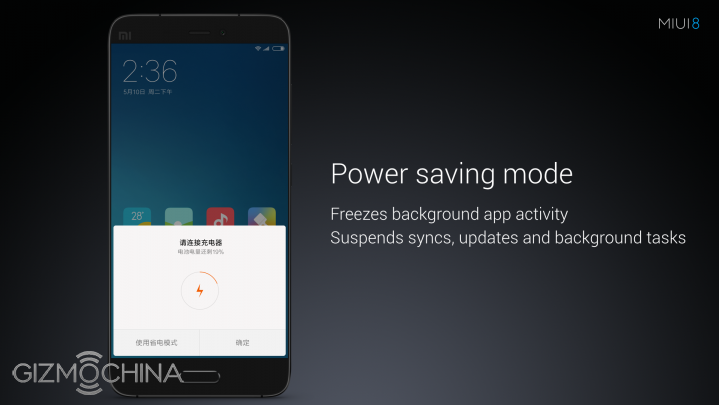
The company has tweaked the way the chain of applications interacts with each other. This reportedly helps to increase the battery life of the device by around 2-3 hours on its power saving mode. This mode freezes background applications and suspends sync to add more battery life to your device.
SMS Fraud Detection
The MIUI 8 OS comes with inbuilt SMS fraud detection system to ensure that your important personal details remain safe. The OS can analyze the SMS received by your phone and can pop up a warning if it suspects that the SMS is fraudulent. Further, when clicking on the link inside such messages, it will remind the user of the risks. And finally, even when you are in the browser with the URL about to open, it will give you a final warning to ensure that you do not give out any details to fraudulent websites.
So, this seems to sum up all of the important features of the MIUI 8 OS.
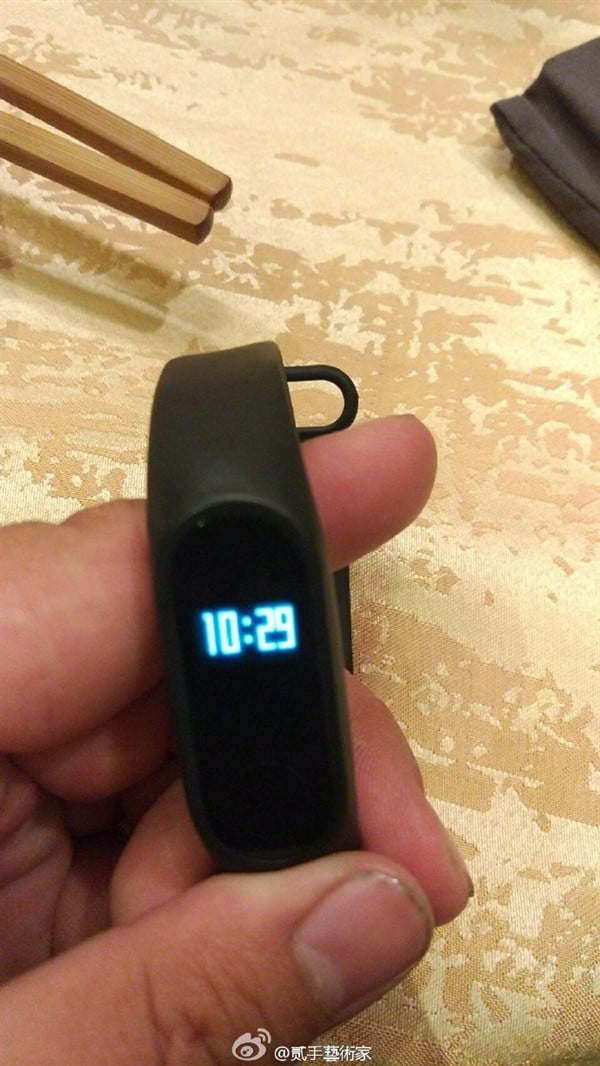
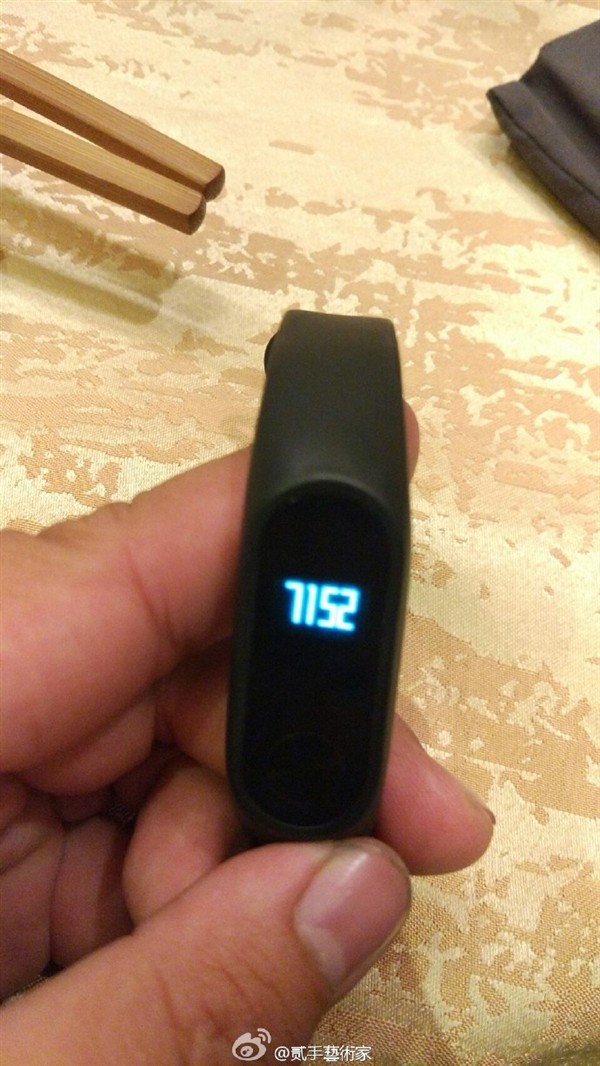
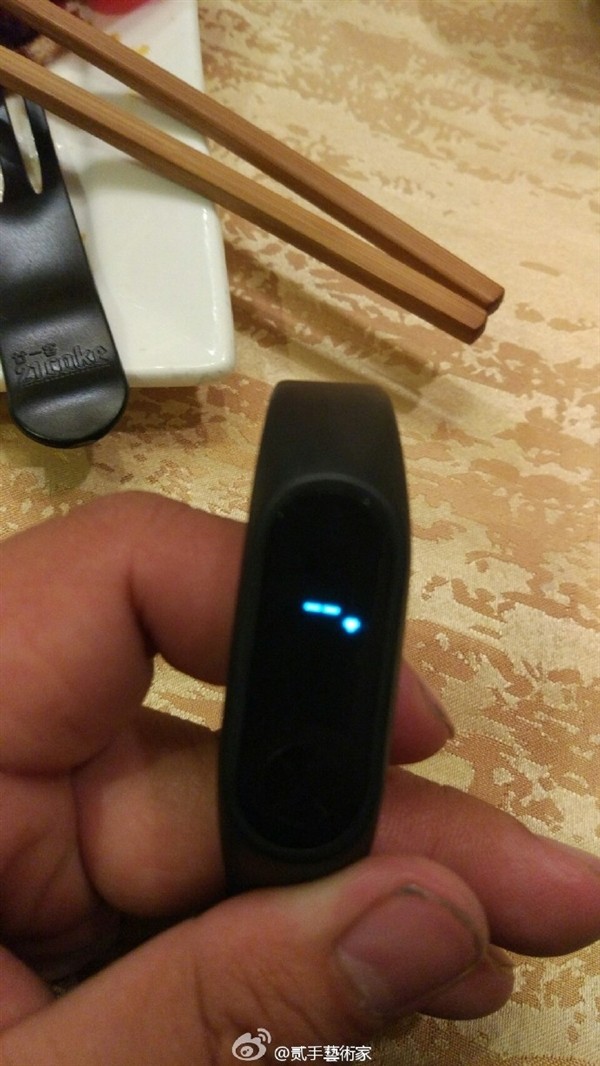
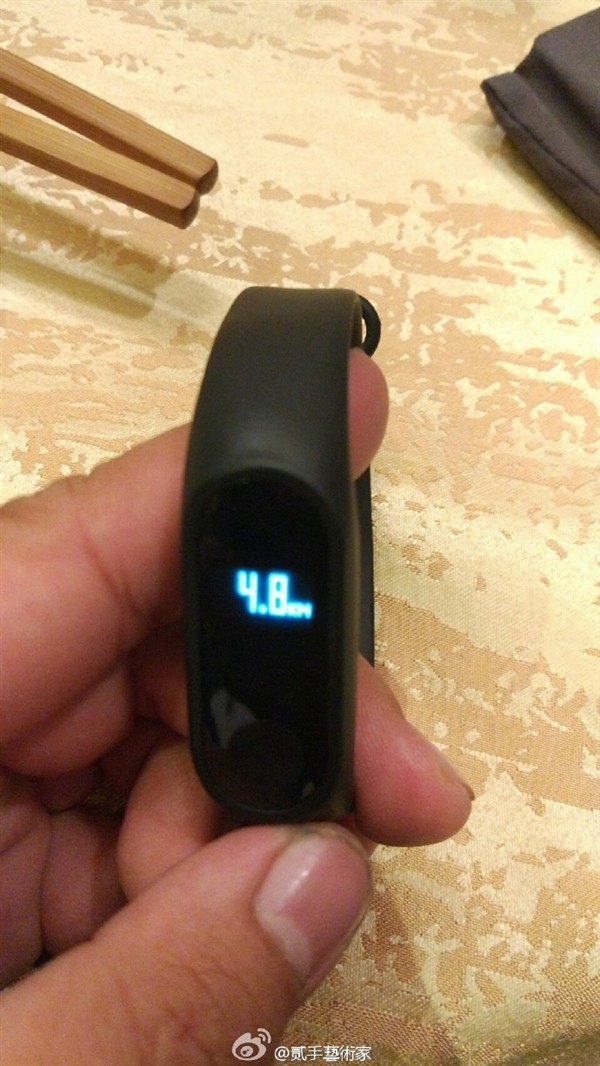
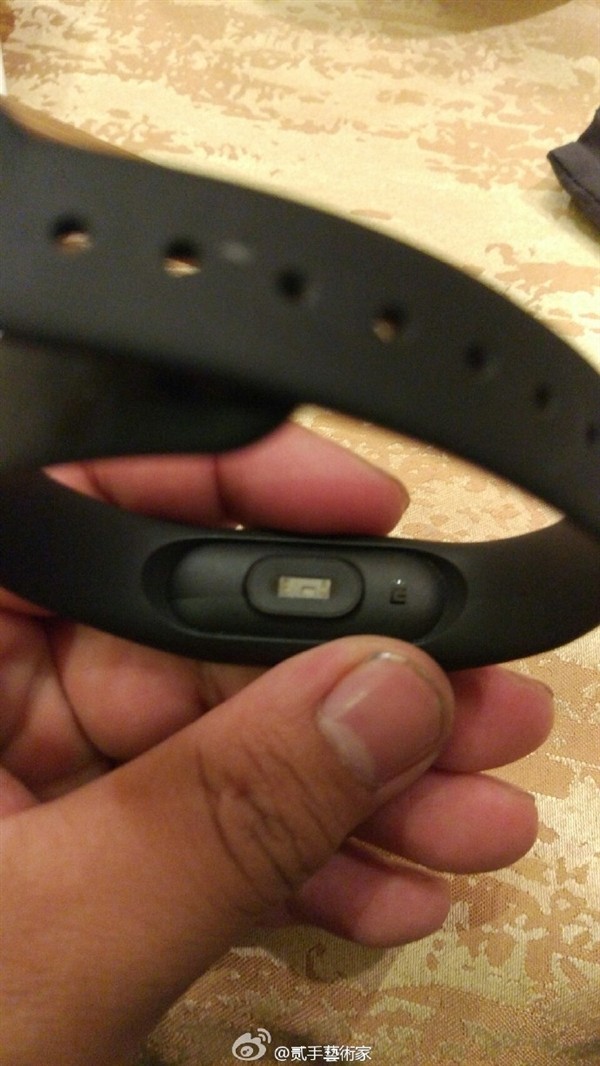
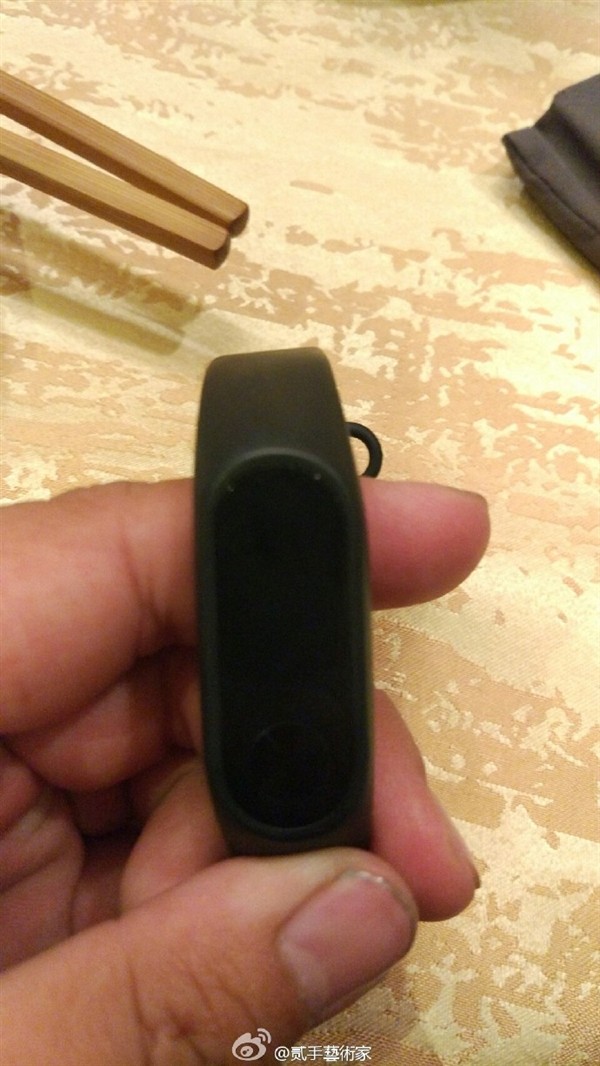
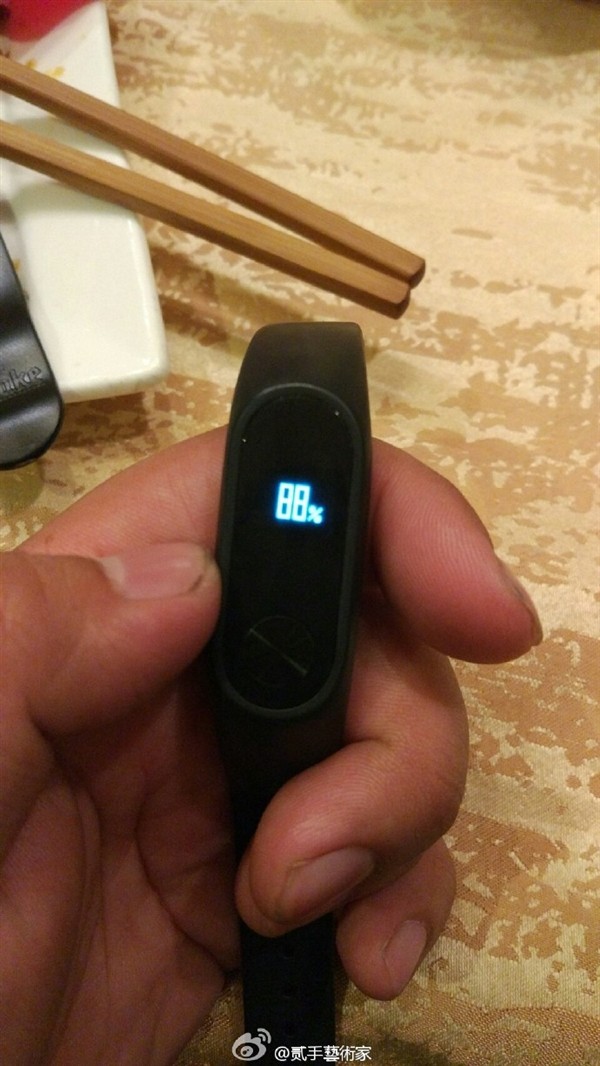
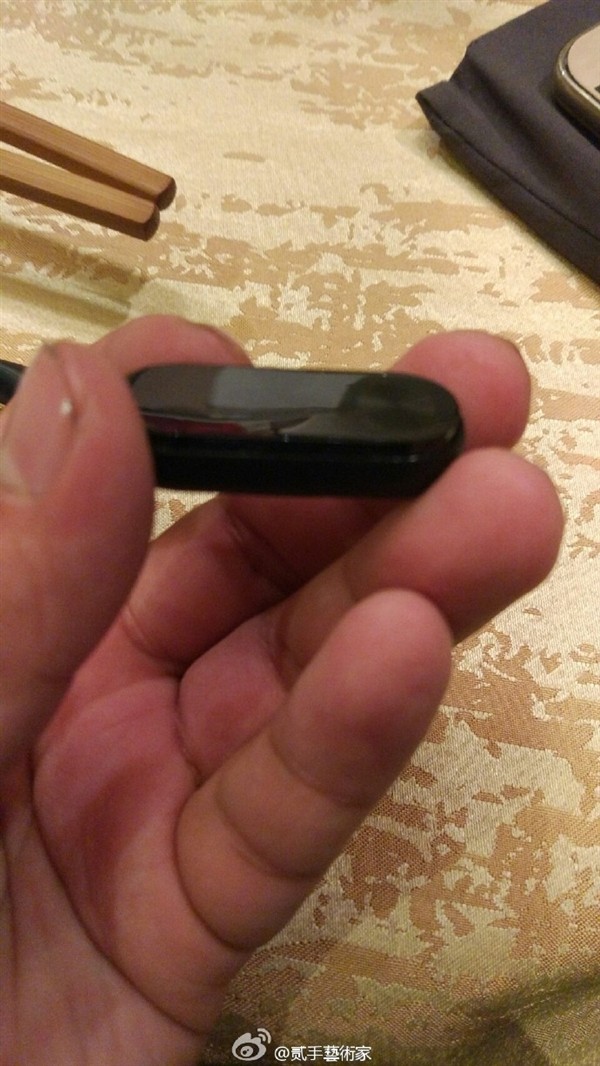
Xiaomi has officially confirmed the existence of the Xiaomi Mi Band wearable. However, a few days back, Xiaomi CEO revealed that the new band’s release was going to be delayed by around a month due to mass production issues. We had first seen the Mi Band 2 on the hands of the Xiaomi CEO, Lei Jun a couple of weeks back. Now, new pictures of the same device have cropped up online revealing more details about the smart band.
Thanks to the earlier leaks, we already knew that the new Mi Band 2 was going to come with a display on board. This new leak again confirms the LED display on the wearable, which now shows a lot more information than previous generation models. Given that the Mi Band and the Mi Band 1S just had indicator lights (white or colored depending upon model), users had to check their connected smartphone for details. But with the display on top, the new wearable can show more details.
So, what information can we expect to see on the LED display of the new Mi Band 2? Today’s leak reveals that the smart band will be able to display the battery left in percentage, steps taken, speed, heart rate and time through its screen. So, you no longer have to check your smartphone app for these details.
While we aren’t sure whether this is the final version of the new band or an engineering prototype, it is said that Xiaomi will keep its price cheap. The Mi Band models sold well because they were super cheap, costing less than $20. So, it makes sense that the new Mi Band 2 comes at a cost-effective price tag as well.
Since the company is facing production issues with the new Mi Band version, we are not quite sure whether we will hear anything about the device at today’s conference.
To remind you, Xiaomi will announce the Max phablet and the MIUI 8 OS at the event today in China. Even Huawei has an event today for the unveiling of the Honor V8 flagship with dual cameras. So, stay tuned to gizmochina as we bring more news in the next few hours.
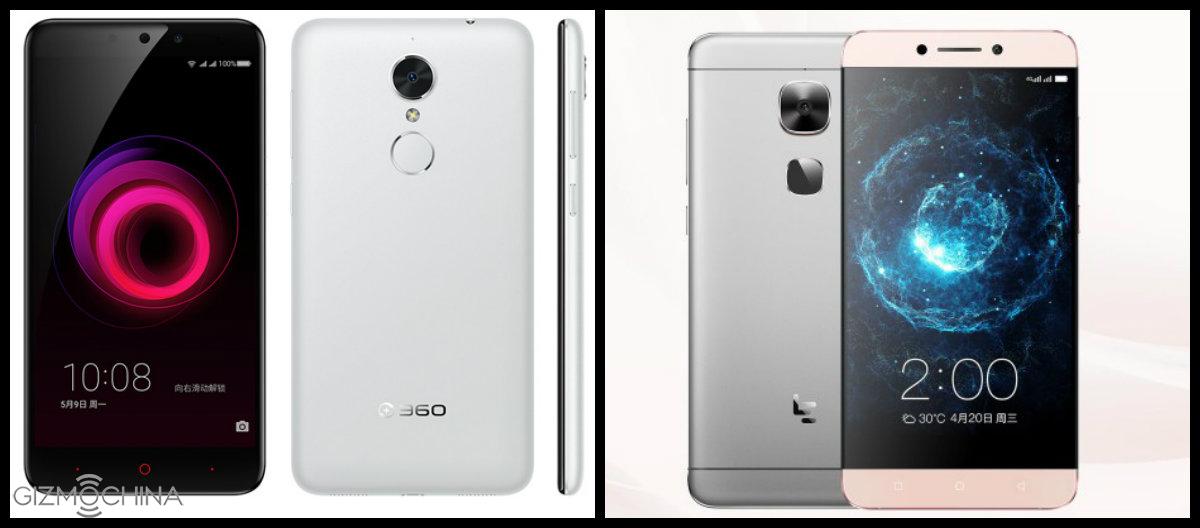
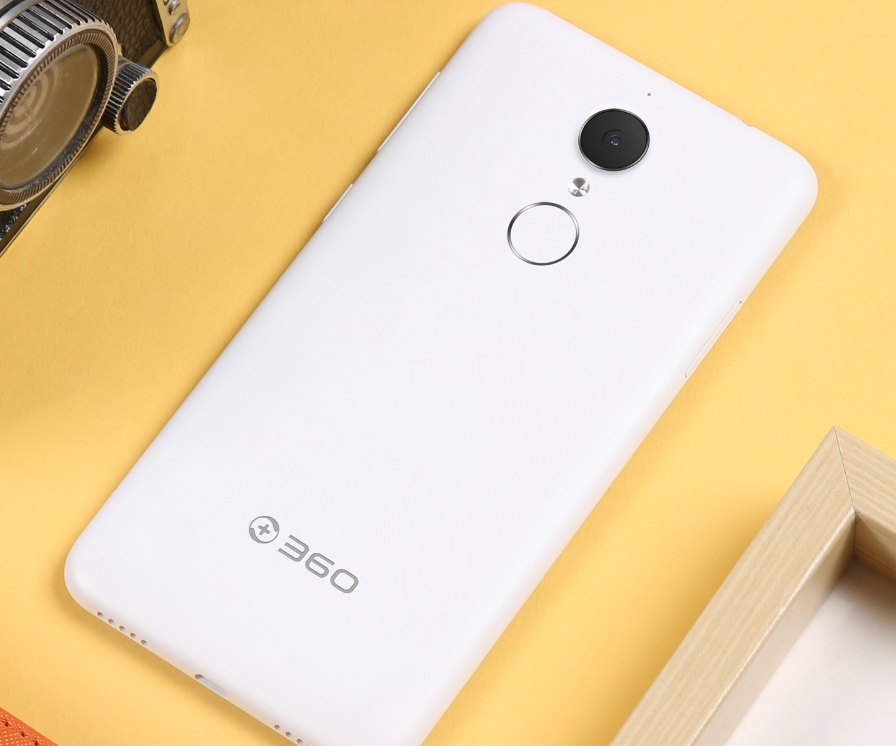
360 Mobiles unveiled the brand new 360 N4 mid-ranger earlier today at an amazing official price tag of $138. The phone beats most rivals in its segment and gives tough competition to the Le 2 smartphone that was announced last month. Since they both practically fall in the same mid-range segment and come with Helio X20 chip inside, we decided to compare these two value for money devices to see whether there are any significant differences between the two and whether we can pick out one of these two as the winner in this comparison.
Turns out, there are quite a number of differences between the two smartphones, despite nearly the same pricing. So, let us move to the 360 N4 vs Le 2 comparison.
360 N4 vs Le 2: Design
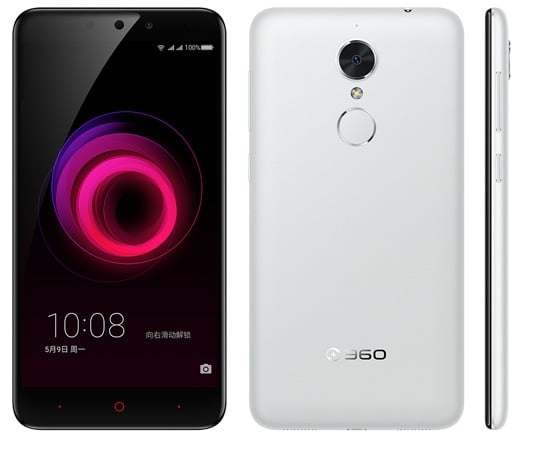
Like always, we start off with the design of the two smartphones. These two companies have used two different design philosophies on their devices. The Le 2 comes with an all metal design, continuing the tradition set by the first generation Le 1 products. On the other hand, 360 Mobiles have used a plastic body on the N4 which doesn’t look too bad either. While the N4 may not be as premium looking as the Le 2, its design is still simple and elegant and I am sure there would be many readers who like this design.
MEASUREMENTS:
360 N4: 149 x 75.7 x 8.3mm
Le 2: 151.1 x 74.2 x 7.5mm
Weight:
360 N4: 140 grams (plastic keeps the weight down)
Le 2: 153 grams
360 N4 vs Le 2: Specs
While we would have thought that these two devices have very similar specs, that is true only to a certain extent. Both the devices come with Helio X20 deca-core chipset on board, but their clock speeds are different. 360 N4 comes with a slightly underclocked X20 chip at 2GHz, on the other hand, the Le 2 features a 2.3GHz Helio X20 chip. Both have Mali-T880 GPU inside.
360 N4 comes with 4GB of RAM while the Le 2 has just 3GB of LPDDR3 RAM on board. Storages are same on both the devices — 32GB as standard. But only the 360 N4’s storage is expandable via MicroSD (hybrid slot) up to 128GB. Another thing to note here is that the storage on the 360 N4 is eMMC 5.0, while the one on the Le 2 is eMMC 5.1 standard. Both have 5.5-inch FHD 1080p screens with 400+ ppi pixel density.
Coming to the cameras, Le 2 seems to have a slight advantage here. It comes with a 16MP sensor with support for 4K recording and slo-mo videos at 720p @ 120 fps. Then there’s PDAF and dual tone LED flash. Up front, you will find a 8MP f/ 2.2 sensor. On the other hand, the 360 N4 comes with a 13MP sensor with 2K video recording support, f/ 2.0 aperture and single LED flash. On the front, the phone has a 5MP f/2.0 aperture camera.
As for the battery, both have almost similar specs. The 360 N4 comes with 3080mAh capacity battery inside with turbo flash charge which charges to 100% in just 1.5 hours. Even the Le 2 comes with a 3000 capacity battery with fast charge.
Both have fingerprint sensors located at the back. Connectivity features seem to be standard like Wi-Fi, 4G LTE, Bluetooth 4.0, GPS, A-GPS, dual SIM cards etc. However, the Le 2 does have a small addition of an infrared port.
Now, coming to the biggest difference between the two devices, and also a deal breaker for many, the Le 2 does not feature a 3.5mm headphone jack. Instead, the phone uses the CDLA standard (Continuous Digital Lossless Audio) which works with the USB Type-C port at the bottom. On the other hand, the 360 N4 features the standard 3.5mm headphone jack and comes with MicroUSB.
Both run on the new android Marshmallow version with their own UI on top. N4 features the 360 OS while the Le 2 comes with the company’s EUI 5.6.
360 N4 vs Le 2: Pricing
If you read our launch article earlier today, you would know that the 360 N4 is much cheaper. The phone starts at just $138 (899 yuan) for the regular version while the full netcom version retails at $154 (999 Yuan). On the other hand, the Le 2 starts at $170 (1099 Yuan), a bit higher than the N4.
Conclusion:
Well, it looks like you get the exact value for the money you pay. For example, the Le 2 is priced higher, but it comes with a faster-clocked chip, better storage standard (eMMC 5.1) and for most, a better looking metal body. The camera also seems to be better on paper.
But to be honest, the 360 N4 does seem to be the better value for money device here. It comes with the same chip with slight underclocking, 4GB of RAM which is higher than Le 2’s 3GB, MicroSD expansion, and a regular 3.5mm headphone jack. All these for a good $30 cheaper price tag.
But there are many factors that affect a buyer’s decision. For example, 360 Mobiles isn’t as famous as LeEco and is yet to establish a strong presence in the international market. So, it really boils down to the individual buyer’s preference.
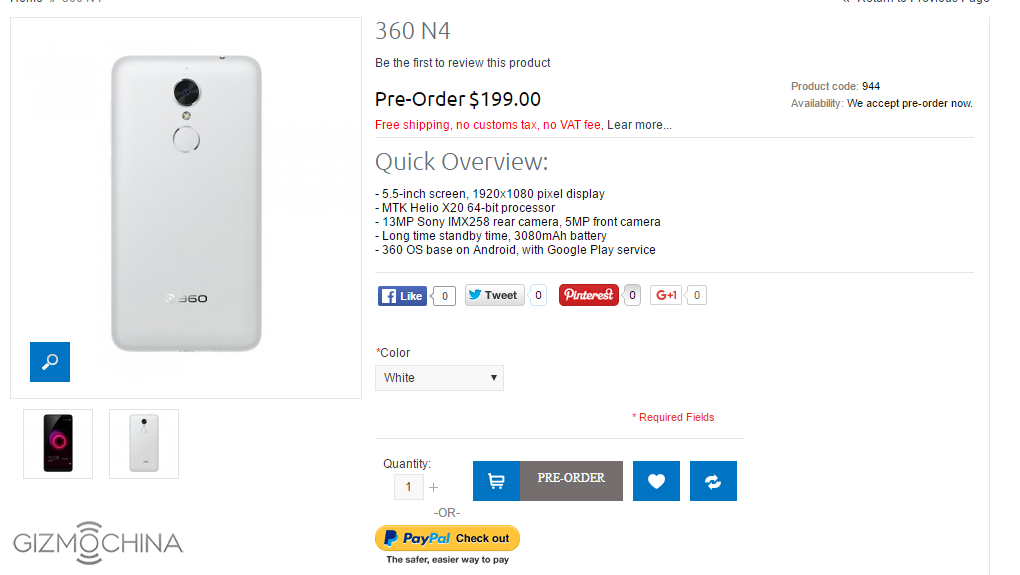
360 Mobiles unveiled the brand new mid-ranger, the 360 N4 at an event in China earlier today. Surprisingly, the phone comes with powerful specs for just $138 (official price tag) which includes Helio X20 deca-core processor and 4GB of RAM. There are a lot of readers who seem to be interested in this new device, but unfortunately, you can only purchase the phone at this price in China. Like tradition, Giztop has also listed the new device up for pre-order and anyone interested in getting this device shipped outside of China, read on.
Giztop has listed the 360 N4 32GB model at $199.99. While this is much higher than the official price tag of $138, the retailer informs us that this price includes free shipping of the product to your address. What’s more, you won’t have to pay any VAT or Customs charges on your purchase at this price which makes things a lot whole lot easier for consumers.
Coming to the specs, those who read our launch article would know everything about the device. Still to recap, the 360 N4 comes with the deca-core Helio X20 chip clocked at 2GHz (slightly underclocked as compared to standard version which is clocked at 2.3GHz). There will be 4GB of RAM on board along with 32GB of internal storage as standard. This is further expandable via MicroSD (Hybrid Slot: Uses SIM2). There will be 13MP Sony IMX258 camera at the back with PDAF and single LED flash while up front, you will find an f/ 2.0 5MP shooter. Under the hood, the phone sports a 3080mAh capacity battery which can charge from 0% to 100% in just 1.5 hours. The display is of 5.5-inches with 1080 FHD resolution.
These are some great specs for the price. For now, only the white version seems to be available for pre-order. Check out more details from down below.
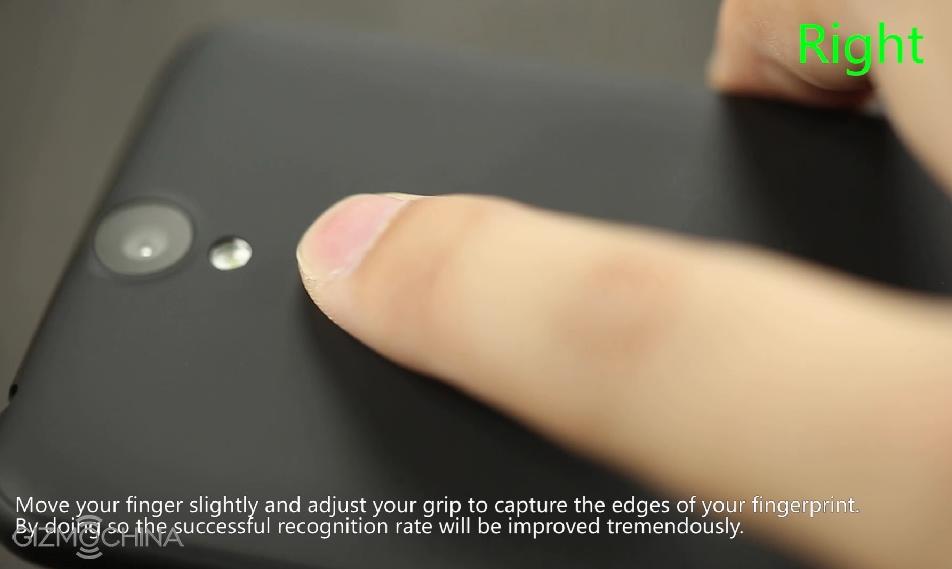
Vernee Thor has been up for sale for quite some time. This means that many of the pre-ordered units have already been shipped to its customers and there are many more shipments being delivered right now. Since users have started to get their hands on the first ever Vernee smartphone, the company wants to make sure that their experience is perfect. Now, Vernee has just released a new video via their official YouTube page showing users how to make the most out of the fingerprint sensor on the Vernee Thor smartphone. You can check out the video from down below.
What the video tries to tell the viewers is that the fingerprint recognition works well when you move your fingers and adjust your grip so that edges of your finger are recognized by the sensor at the back. This technique should help users unlock the phone much faster than before. And of course, there is the new OTA update (the first official one from the company) coming soon to further boost the unlocking speeds.
To recap, the Vernee Thor comes with the octa-core MT6753 processor with 3GB of RAM and 16GB of internal storage further expandable via MicroSD. The phone features a 13MP rear sensor, 5-inch HD Arc screen and a 2800mAh battery on board.
Vernee Thor is currently available to buy for a price tag of $119.99 via various retailers.
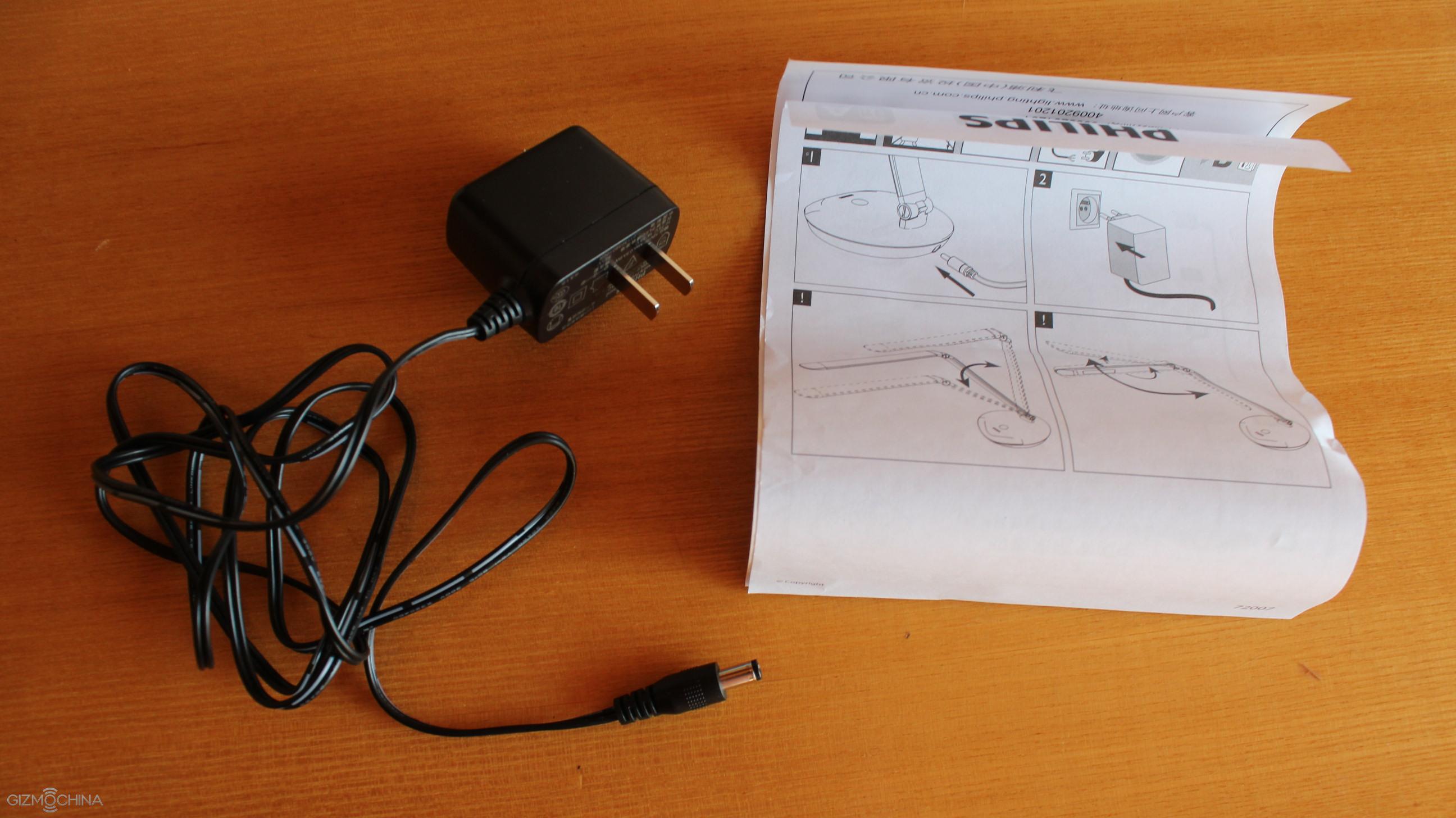
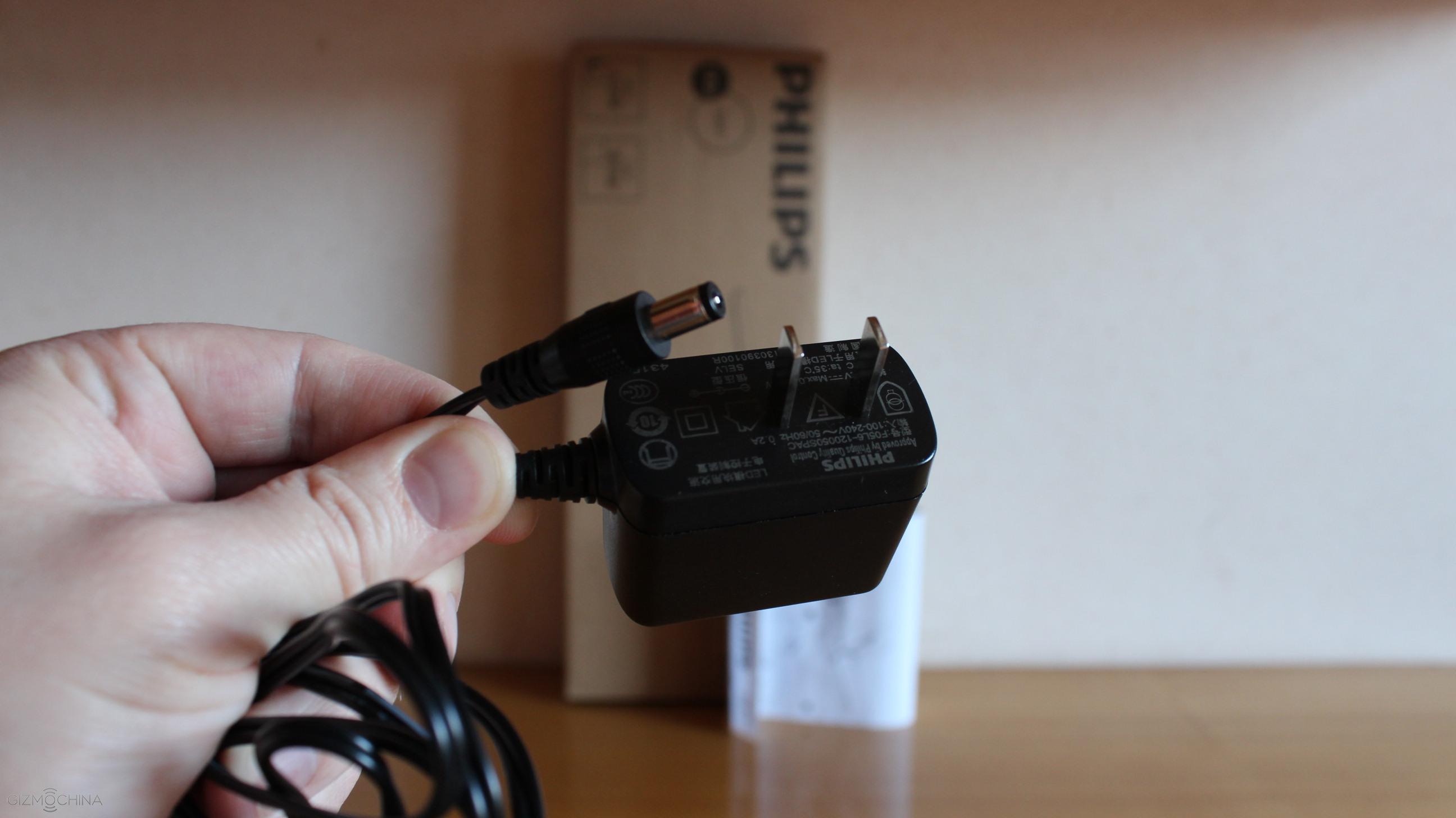
The lamp comes with the power plug as it does not have embedded battery and some paperwork.
DESIGN and FEATURES
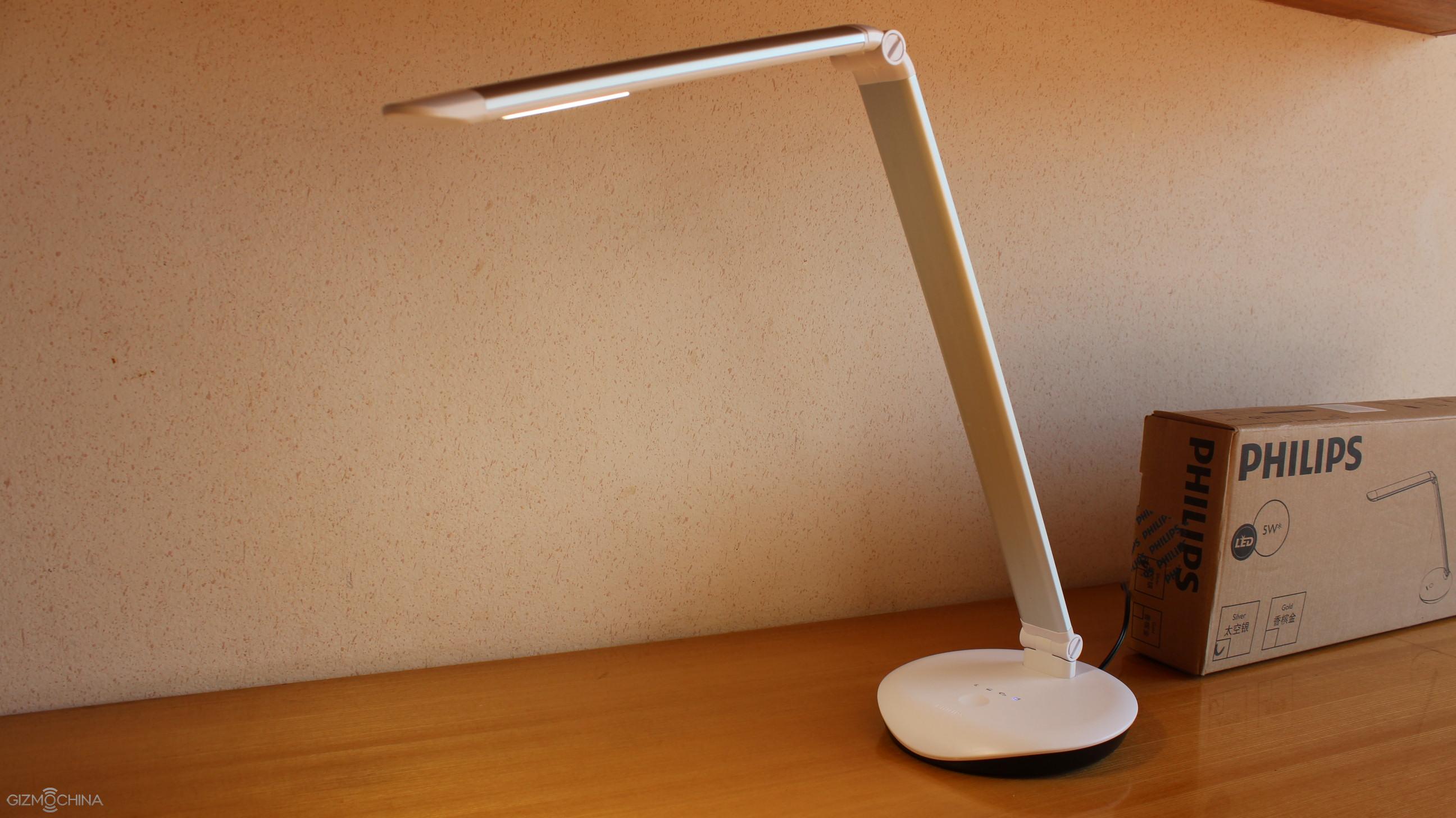
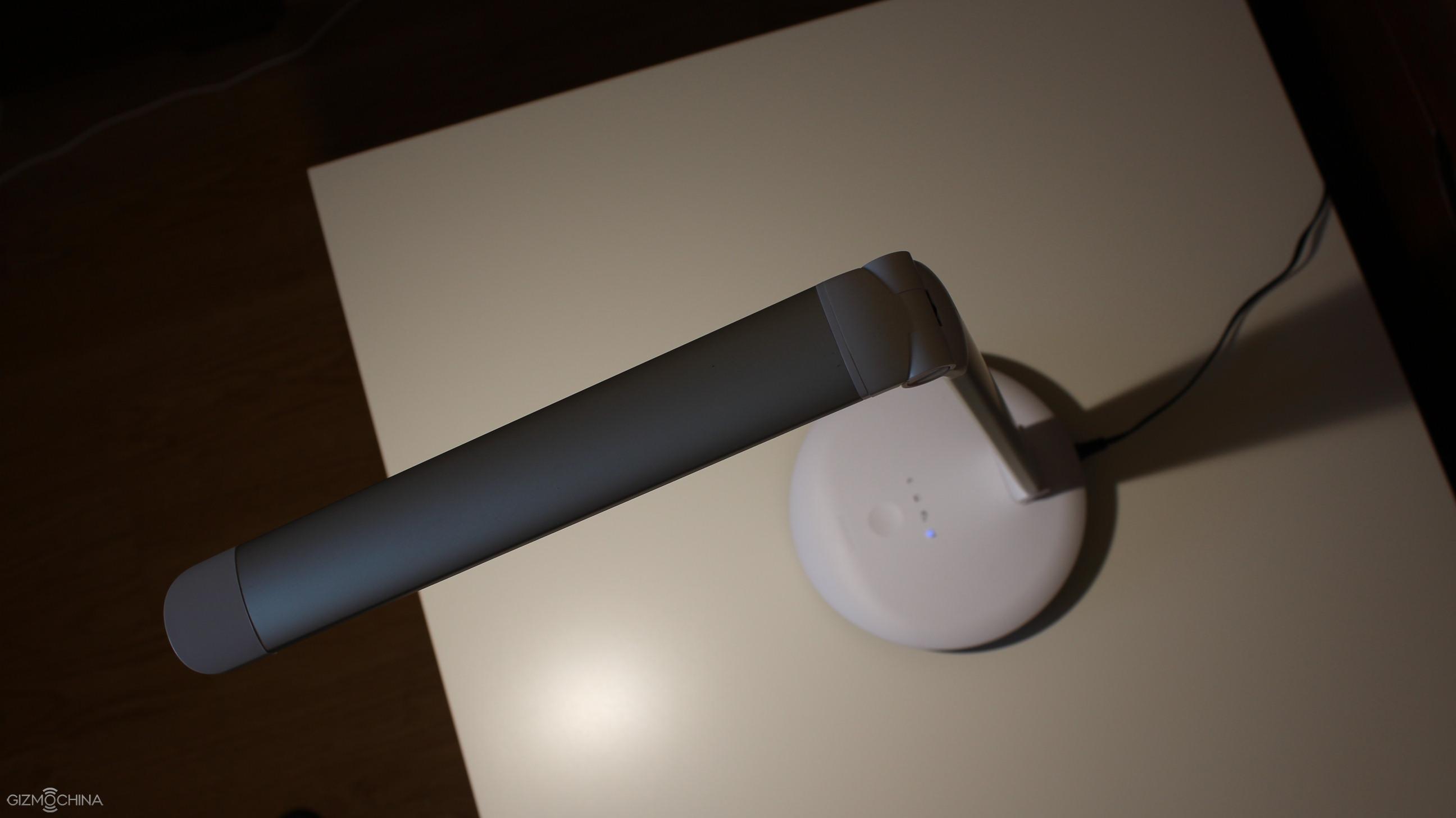
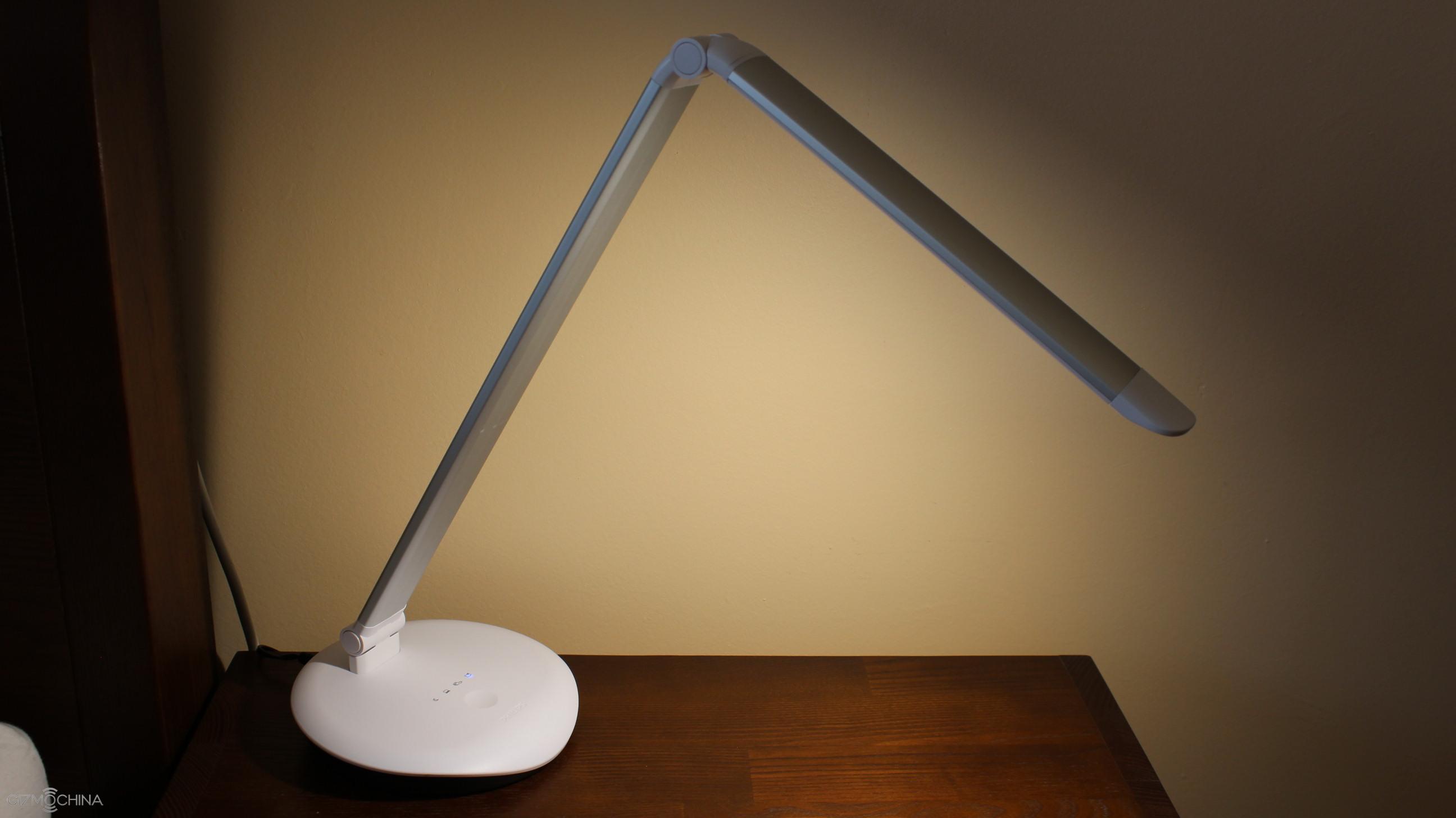
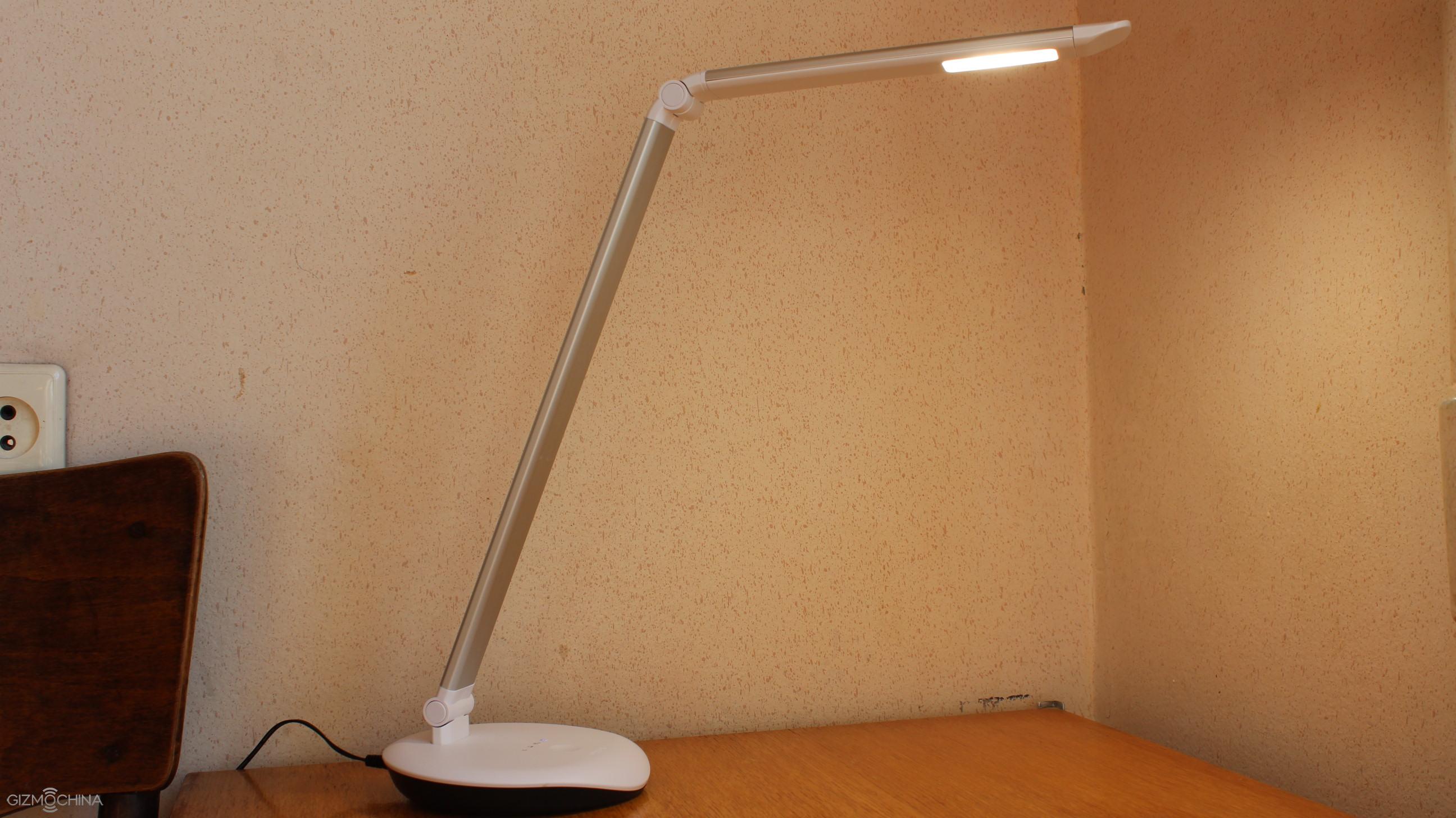
As for design, we are looking at a very high-quality piece of hardware.
It is very sturdy and the lamp uses aluminum and quality plastic in its construction.
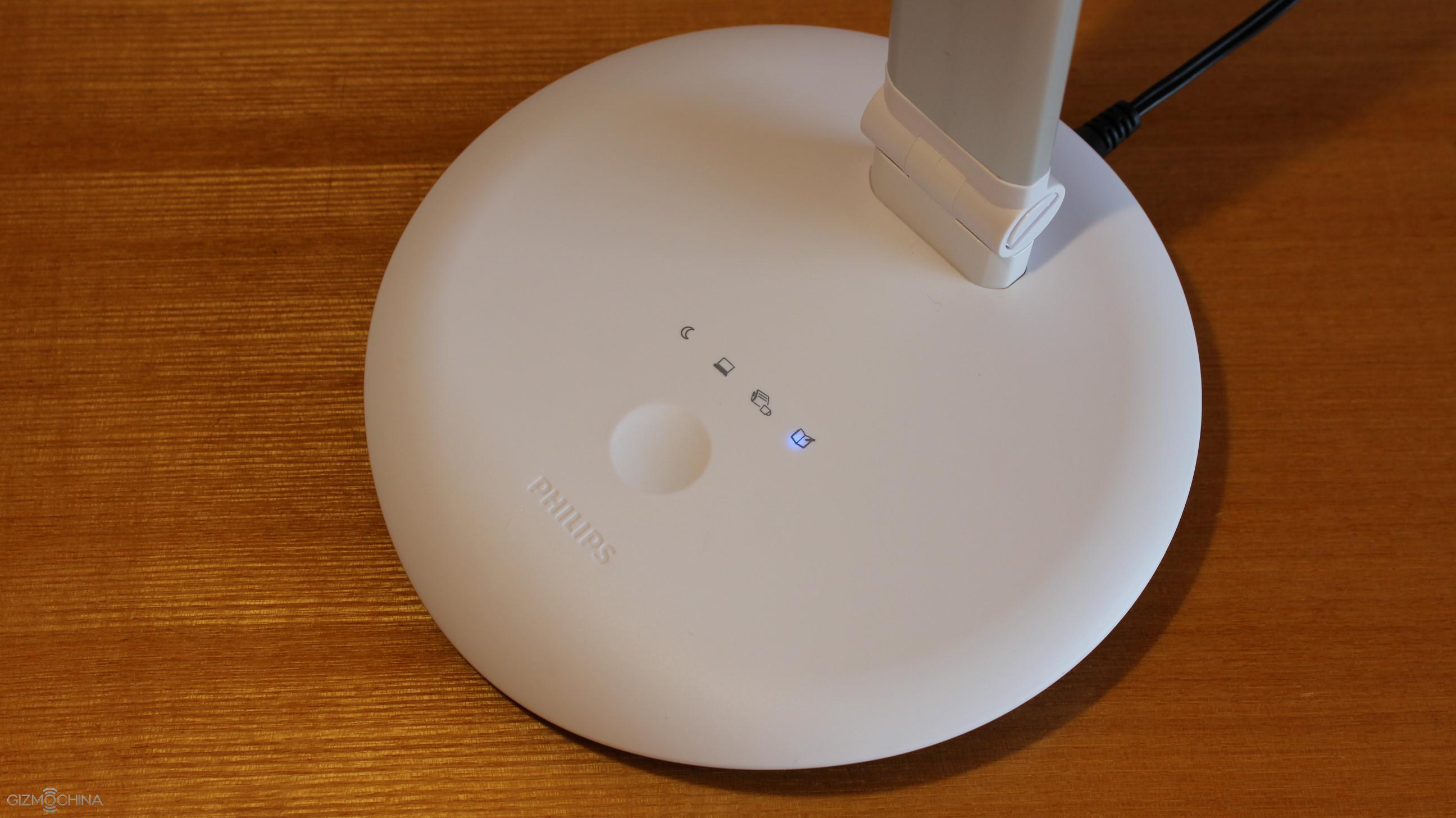
One of the selling points of this lamp is that it has a 4-level dimmer which is controlled by a simple tap. If you want to turn the lamp off, simply draw a circle.
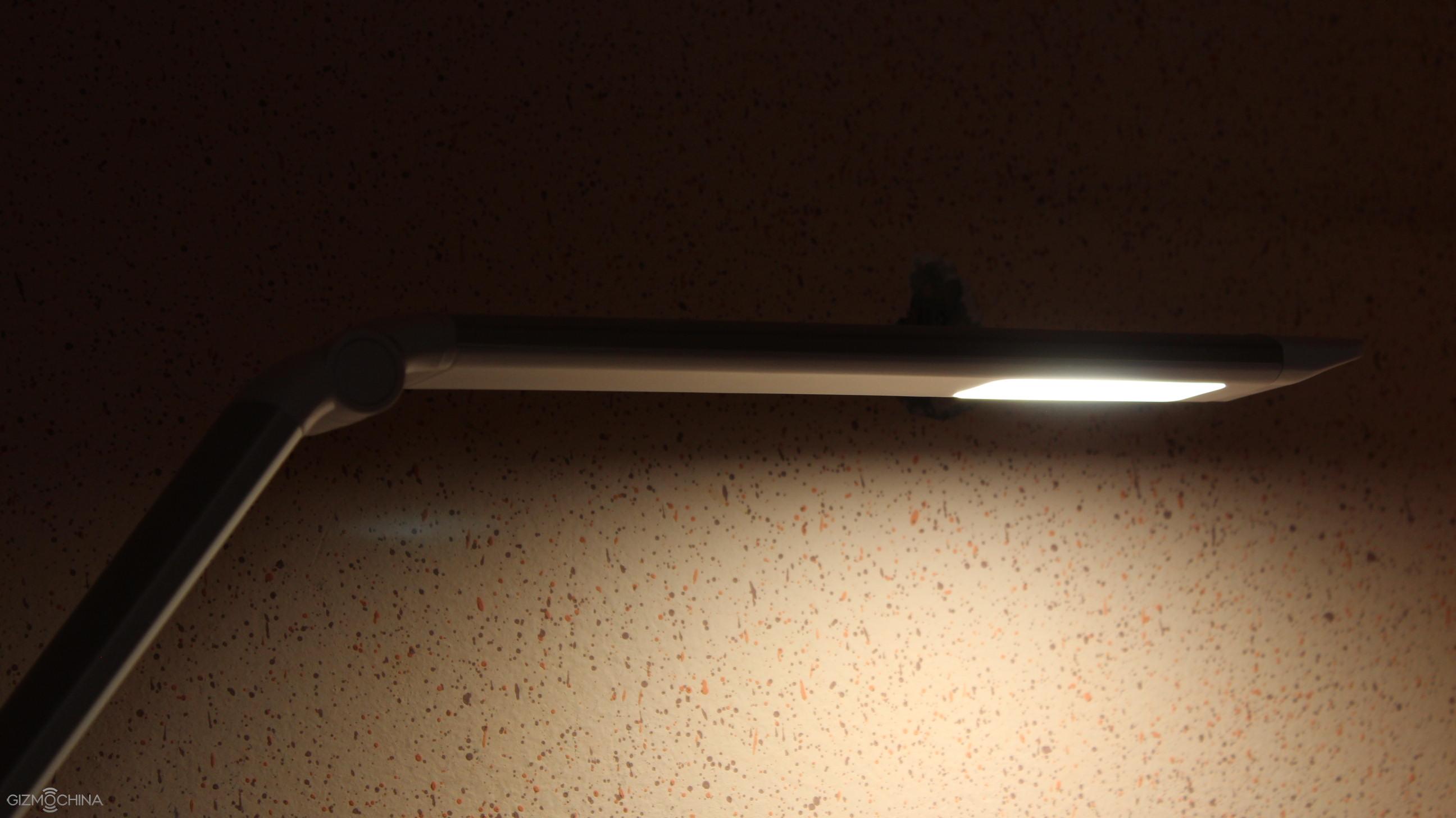
The LED light consumes just around 5W of power but it provides up to 350LM of natural white light output, which is more than enough for reading or other stuff.
Another cool thing about this lamp is that it foldable in a lot of different ways and it gives you a lot of flexibility. Youcan adjust arm as well as rotate the light part up to 180 degrees.
Also, you can use a screw driver to adjust the tightness of the arm to your liking.
Finally, this Philips LED desk lamp weighs just above 1kg and it is travel-friendly since you can easily fold it.
CONCLUSIONS
I’ve been using Philips LED desk lamp for a few weeks already every single day and it has been working absolutely fine. It is well-made, the aluminum construction adds a bit of a premium look to it and the lamp is very stable.
Well, it would have been nice if it had an embedded battery but I use it on my desk, which is close to the power socket.
The price tag of just above $50 may sound steep for some but this lamp is made by a well-respected manufacturer and its high-quality construction and a feature set is definitely worth the price in our opinion.
We have been keeping an eye on the upcoming 360 N4 smartphone for the past two weeks. Now, 360 Mobiles has officially unveiled the device. And guess what, the phone comes with pretty powerful specifications including the new Helio X20 deca-core processor which powers some major mid-rangers like Le 2 this year.
Although the 360 N4 is supposed to be a mid-range smartphone, the specifications are more powerful than its competitors. For example, the phone comes with the deca-core Helio x20 chip with 4GB of RAM on board. There will be 32GB of internal storage which can be further expanded up to 128GB via MicroSD. For display, you get a 5.5-inch panel with 1080p resolution.
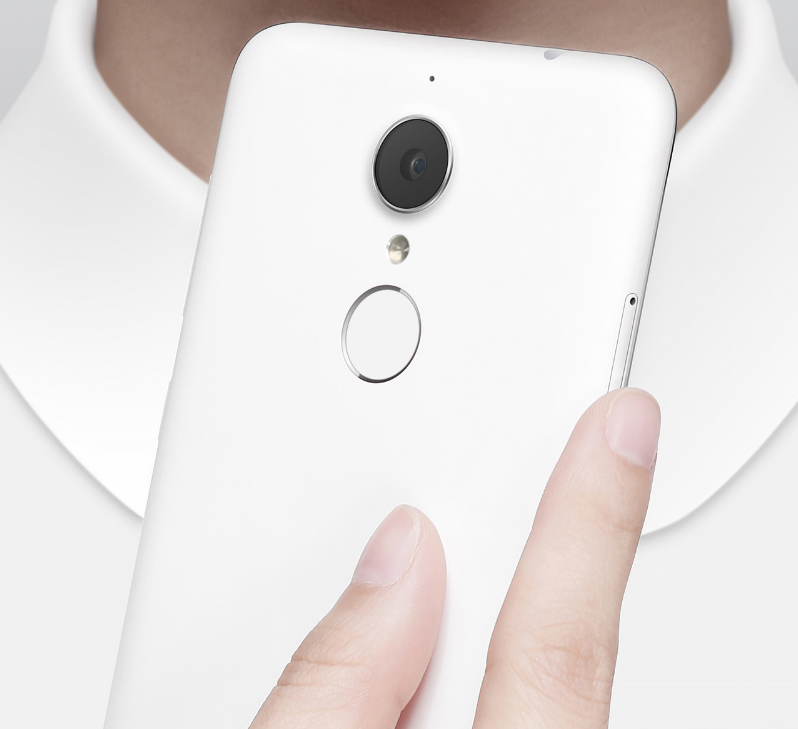
At the back, the 360 N4 comes with a 13MP Sony IMX258 sensor with f/2.0 aperture and PDAF while up front, you get a 5MP f/ 2.0 front facing shooter. The battery is of 3000mAh capacity which supports flash turbo charging. This tech can reportedly charge the device to full in just 1.5 hours. A simple 10-minute charging should give you three hours of talktime. The phone isn’t the thinnest we have seen, but still the measurements of 149.09 x 75.79 x 8.3mm are pretty average. It weighs 140 grams. As for software, the 360 N4 comes with the company’s own 360 OS. Other features include dual SIM dual standby, fingerprint sensor located at the back (unlocks in 0.4s) and 4G LTE support.
As for the overall design of the 360 N4, it’s similar to the 360 F4 budget phone announced. You will find 2.5D curved glass up front and a plastic body at the back. It isn’t the most attractive looking phone that we have seen at a cheap price, but it isn’t too bad either.
What’s really the highlight of the 360 N4 smartphone is its price tag. The company has priced the device at just 899 Yuan which comes to just $138, which is an amazing price for the specs that you get. The full netcom version retails for 999 Yuan ($154) and comes with additional network support. There will be three colors available, white, yellow and pink.
And guess what, there’s an IP7X version of the 360 N4 in the works which will reportedly be crowdfunded.
Overall, this seems to be one of the best deals that you can get at the moment. Helio X20 (slightly underclocked at 2GHz), 4GB RAM and 32GB storage in just $138 sounds like a great package!
The phone is already up for pre-order reservation and will be on sale on May 13. You can check out the reservation page from here.
So, what do you think?
UPDATE: International buyers can buy the 360 N4 from Giztop for $199.99. The retailer is offering free shipping, No Customs and No VAT Fees at this price. You can read more details from here.
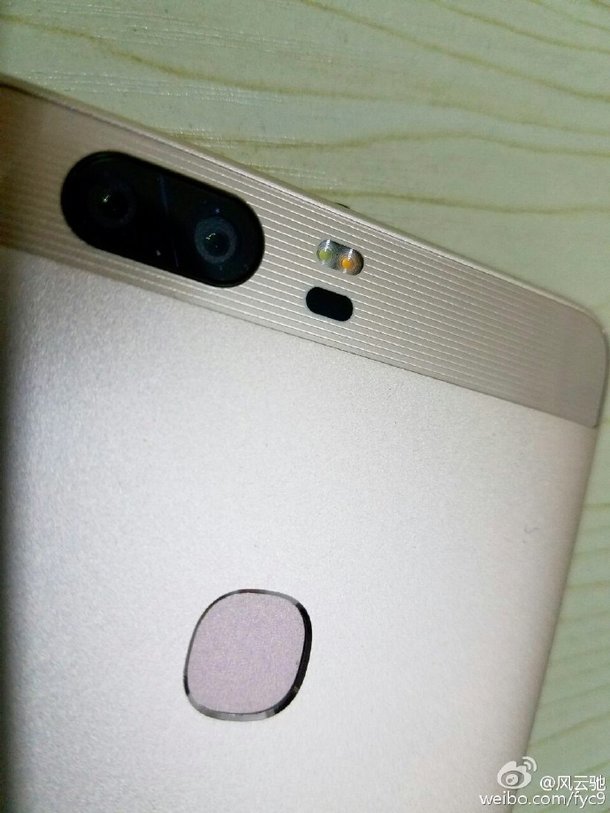
Huawei will officially announce the Honor V8 flagship lineup tomorrow in China. The company has been teasing this smartphone and its features for the past few days and we already know a lot about this device. It will come with a dual camera setup without Leica’s branding along with a variant that will sport 2K resolution screen. Now, the same phone has been spotted in leaked pictures, once again revealing the design of the handset.
The first picture confirms the dual camera setup on the device. No Leica branding in sight, so like expected this setup would be without Leica’s certification. We can also see dual tone LED flash as well as what looks like Laser Autofocus just below it. This image also confirms the presence of the fingerprint sensor at the back of the handset.
Along with this image, there’s another picture of the Honor V8 circulating on the internet. While this isn’t as clear as the one before, it reveals the whole body along with the Honor branding near the bottom. The body seems to be made out of metal and to be honest, the phone does look at lot like the Huawei P9 family. If not for the Honor branding at the back, you could have easily mistaken it for the P9 on first glance.
Now, coming to the specs, thanks to the TENAA listing of the Honor V8 a few days back, we know that the phone will come in two versions. The standard one will feature 2.3GHz Kirin 950 chip with 5.5-inch 1080p screen and 32GB storage while the higher-end model comes with a 2.5GHz Kirin 950 chip with 2K resolution display of the same size and 64GB storage. Rest of the specs are similar and include a 3400mAh battery, 12MP dual cameras, and 8MP front camera.
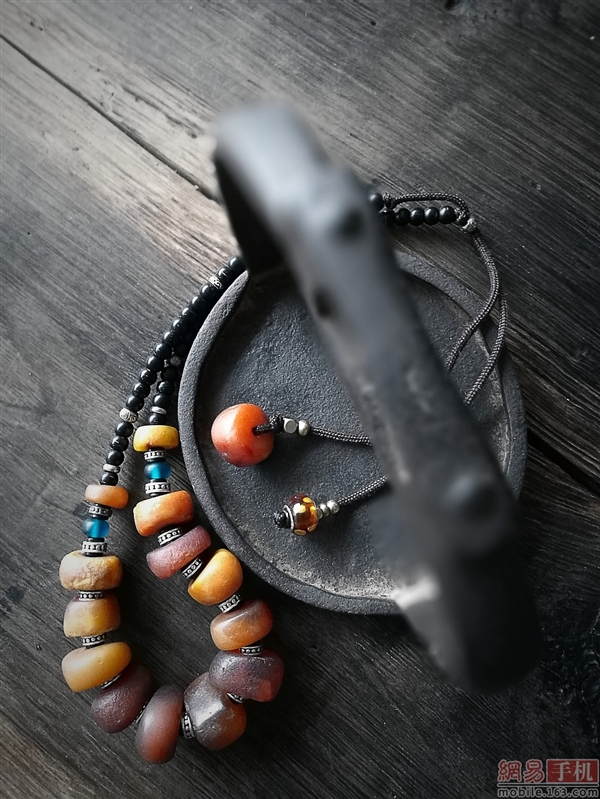
The phone can also reportedly take dynamic 360-degree photos in one picture. We have already seen the first sample of this feature and you can check that out from below.
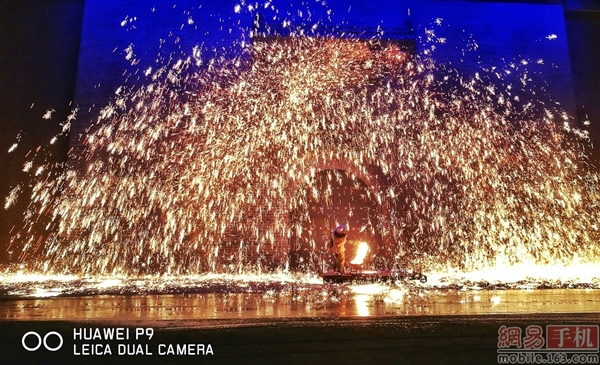
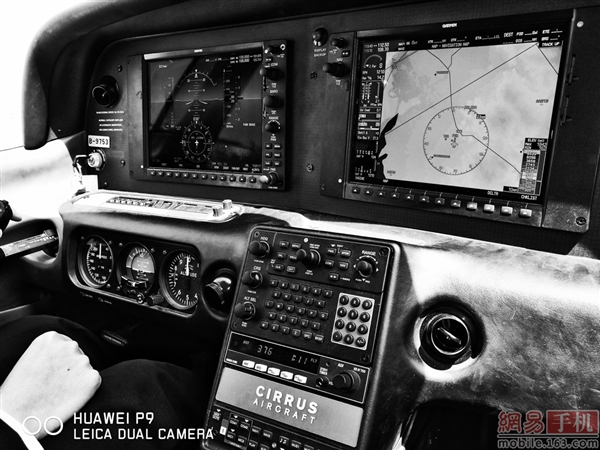
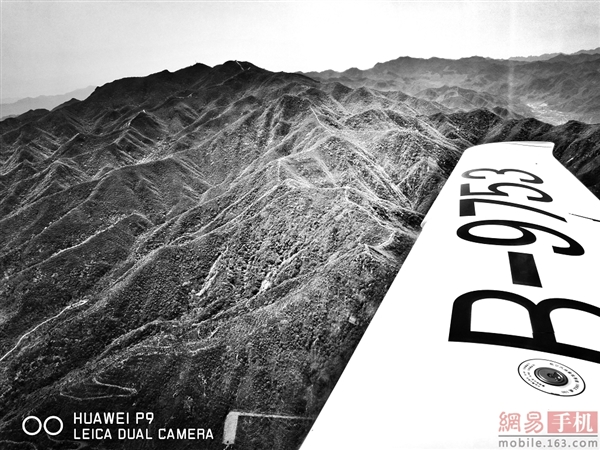
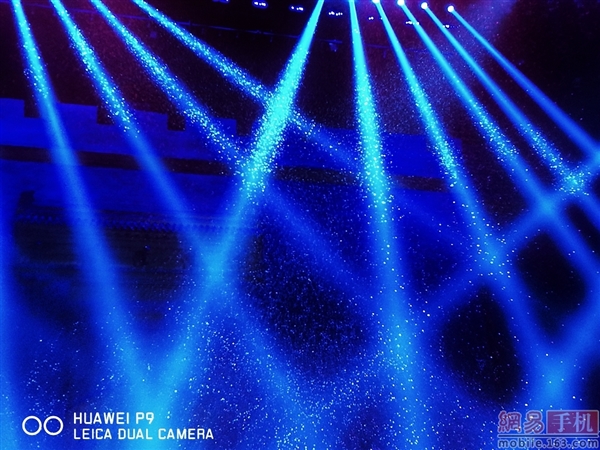
Huawei made a big deal out of the dual camera setup present on the back of its Huawei P9 flagship, mainly because it was the first Leica certified smartphone camera in the market. Given its Leica certification, we all have very high hopes from the camera of the device. But it takes a real photographer to bring out the best in a smartphone camera, which is why Huawei recently shared a number of pictures taken by three professional photographers in China using Huawei P9’s dual cameras. The resulting set of images have turned out to be quite powerful and you can check them all from down below.
In the dual camera setup of the P9, one camera is capable of capturing RGB (red green blue) information while the other camera captures black and white information. The two information are brought together to create a detailed picture of the object in question. This should deliver better results especially in low light conditions. You can read more about the dual camera setup of the P9 from here.
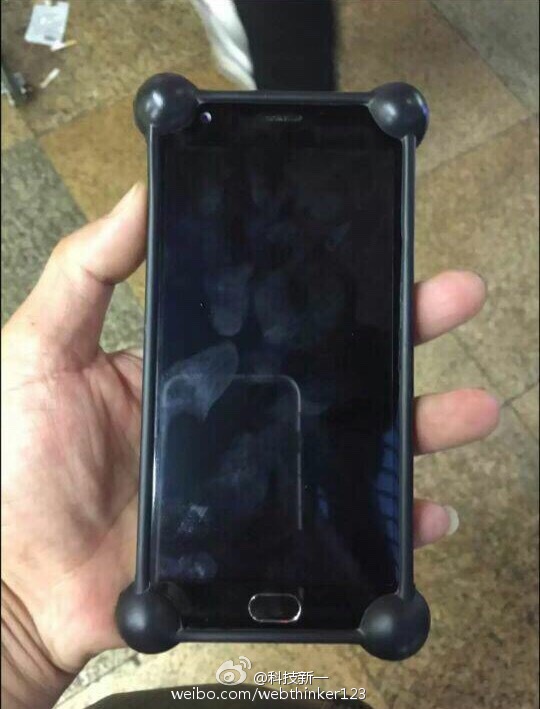
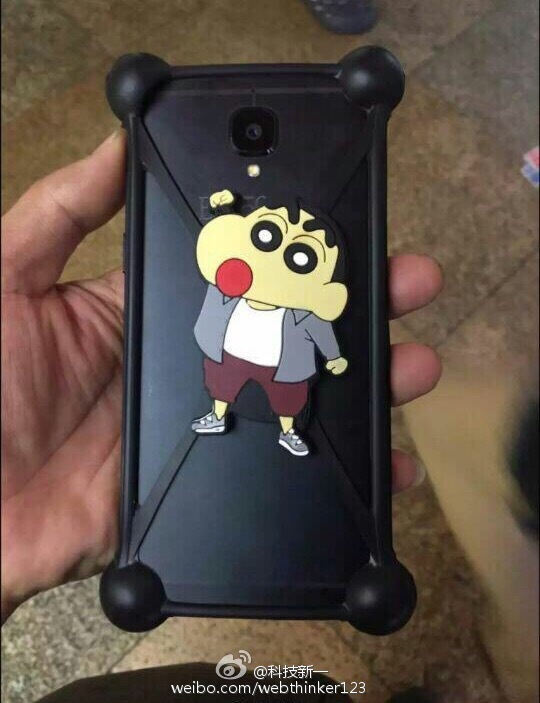
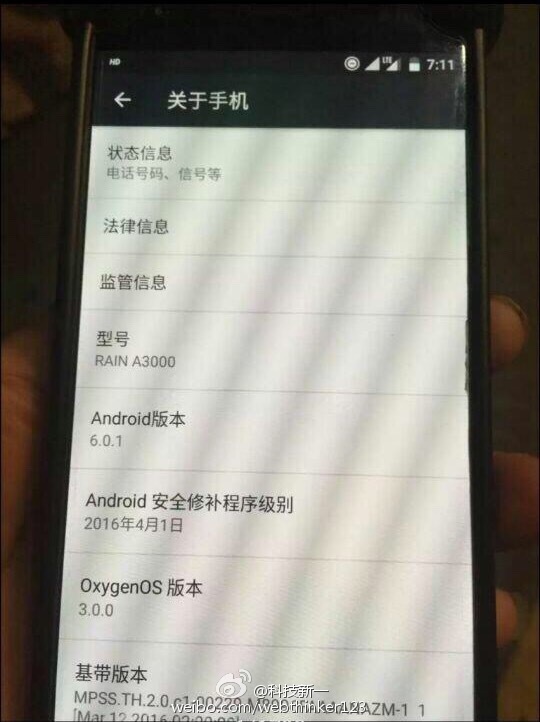
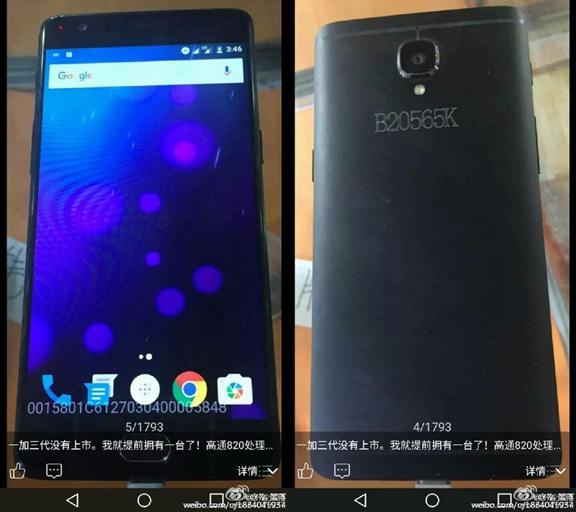
OnePlus 3 is rumored to be announced around May 18 of this month and released sometime early June. However, as of now, the Chinese smartphone maker has not yet revealed any details of an official event around the above-mentioned date. Now, several alleged pictures of the OnePlus 3 have surfaced online, giving us a first good look at the device.
From the front, the OnePlus 3 seems to have retained the basic shape as the OnePlus 2. However, when you come to the part below the display, things look too familiar. The fingerprint sensor embedded (most likely) home button looks like it’s taken directly from Meizu. Don’t agree with us? Check out the image of the Pro 6’s home button down below and you would notice the similarity.
Coming to the back, the top design looks like inspired by HTC’s earlier One series models. The lines on the top and the bottom are similar to the ones on the HTC One M9. So, overall, the OnePlus 3 leaked today looks like a combination of HTC and Meizu.
oneplus 3 old leak
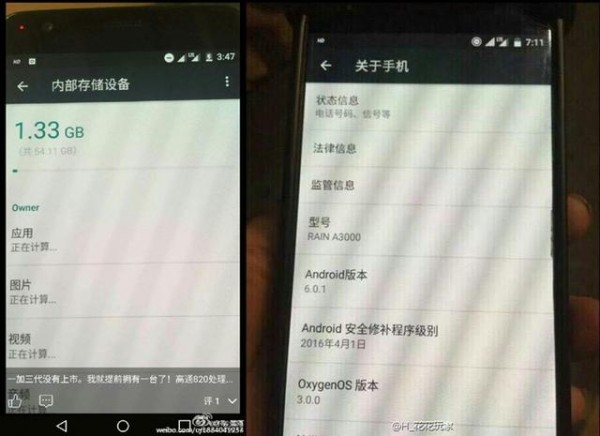
As for the specs, the OnePlus 3 is expected to come with the Snapdragon 820 quad-core chipset in two memory variants, 4GB RAM + 32GB ROM and 6GB RAM + 64GB ROM. At the back, the phone is expected to come with 16MP rear camera and up front, an 8MP selfie shooter. The camera is supposed to take excellent bokeh effect images, an example of which we saw via the company CEO recently. Other possible specs of the phone include 3500mAh battery, OPPO’s 5V 4A low voltage fast charge, and Android 6.0 with Hydrogen OS 2.0.
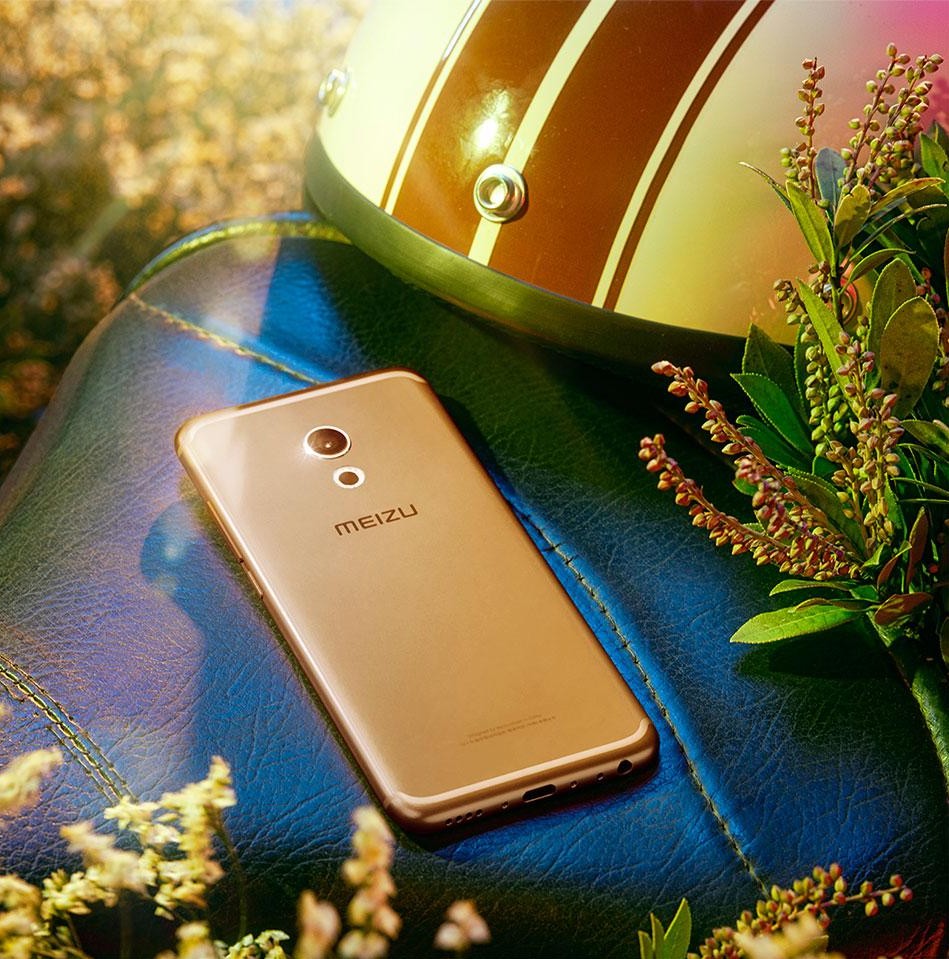
Meizu announced the Pro 6 flagship back in April and the phone got mixed response from fans around the world. Some praised the new design and the cheap pricing of the device while some criticized the use of Helio X25 chipset inside. Given that LeEco released the Le 2 Pro variant with Helio X25 for just 1499 yuan ($232), Pro 6 seems like a costly option now. The Meizu flagship starts at 2499 Yuan ($384), almost $150 higher than the Le 2 Pro running on the same chip.
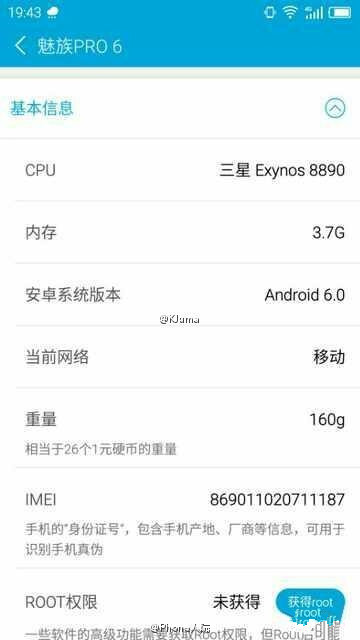
But it looks like the Pro 6 could have a real “Pro” variant, which could take on the top flagships in the market right now. According to a leaked screenshot circulating on the internet, the Meizu Pro 6 flagship was seen running on the Exynos 8890 chipset. Given that Meizu has had a good relationship with Samsung in the past, providing chipsets for a number of Meizu flagships until this year, it is possible that the company decided to use the Samsung’s best chipset yet, the Exynos 8890 inside a powerful variant of the Pro 6. Other features of this variant leaked by the image include 4GB of RAM, 160 grams weight and Android 6.0.
If Meizu is really working on an Exynos 8890 Pro 6 variant, we could see another major upgrade — UFS 2.0 standard. The current version of the Pro 6 had to use eMMC 5.1 storage standard because Mediatek Helio X20 / X25 does not support UFS 2.0. But with a new chip on board, the company could easily upgrade the memory to the new and faster standard.
Unfortunately, this information is derived from a leaked photo online, of which the authenticity cannot be ascertained at the moment. However, we would really like to see an Exynos powered Pro 6 this year, as it would give the new flagship a much-needed power boost.
What do you think? Should Meizu release a Pro 6 variant with Exynos 8890?
Xiaomi has been teasing its new Xiaomi Max phablet for the past couple of weeks and the company will finally unveil the device this Tuesday, on May 10. Now, the company’s CEO Lei Jun has shared some beautiful pictures of the Xiaomi Max via his official Weibo page, giving us the first official look of the device from the front.
Check out the three new pictures released by the CEO from down below.
There is no doubt that the Xiaomi Max is going to be large. In fact, according to the latest information, the phone is going to come with a massive 6.4-inch display to satisfy the needs of users who crave a large screen. Under the hood, the phone should come with Snapdragon 650 hexa-core chip with 2GB / 3GB RAM variants and 16GB / 32GB storage options. Expect a 16MP rear camera with an 8MP front shooter, 4000mAh+ battery and Android 6 with MIUI 8 on top. All these features for a price tag of around $200 make it a worthy phablet for budget users.
We have been hearing a lot about the phone for the past few days. You can check out our previous coverage from down below.
Vernee might be a new company in the world of the Chinese smartphone market, but it is making sure that it doesn’t follow the same path as some companies have done in the past. Vernee has just informed us that the company will soon release the Kernel Source for its recently released Vernee Thor mid-range smartphone. The phone has been popular among budget customers for its cheap pricing and good looks, and the company wants to make sure that after sales experience is top notch as well.
The company has also informed us that the first OTA update of the Vernee Thor is on the way. According to the company, the update will optimize some of the Thor’s functions and improves the speed and accuracy of the Thor’s fingerprint sensor to a great extent. So, if you are one of the first customers to have received your Vernee Thor, then you can now wait for the first OTA update.
Vernee has also informed us that it has started the development of its own OS, called as the VOS. You can expect the first beta release of the company’s ROM in the next two to three months.
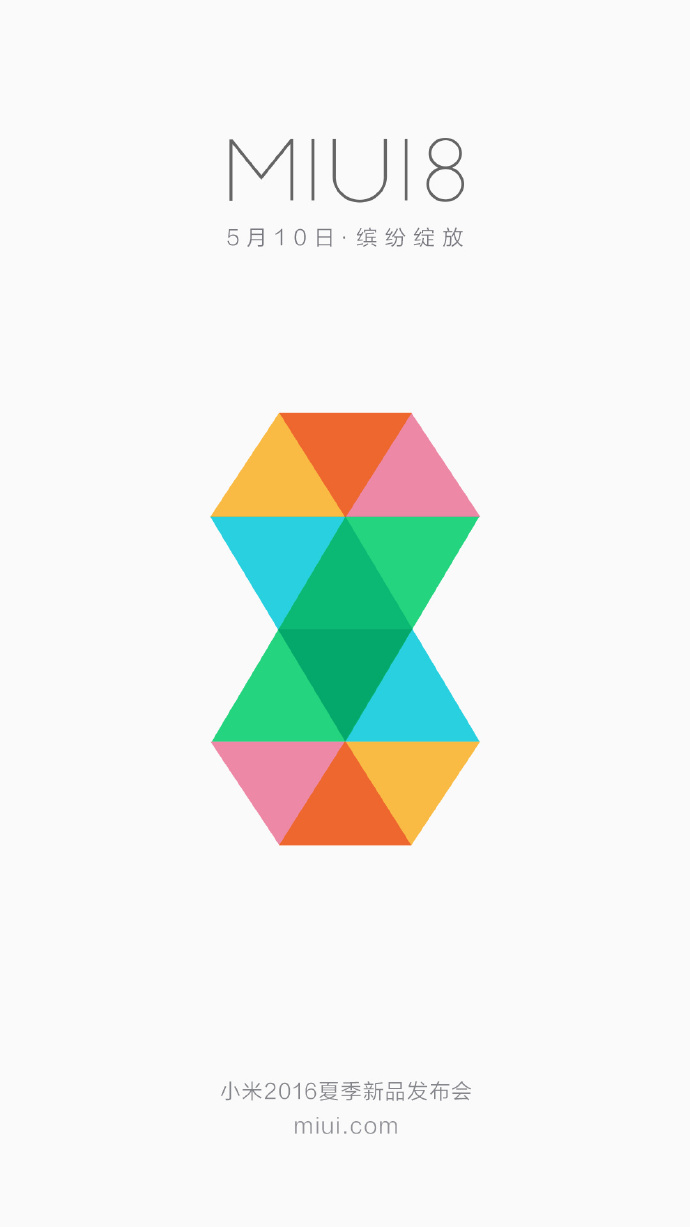
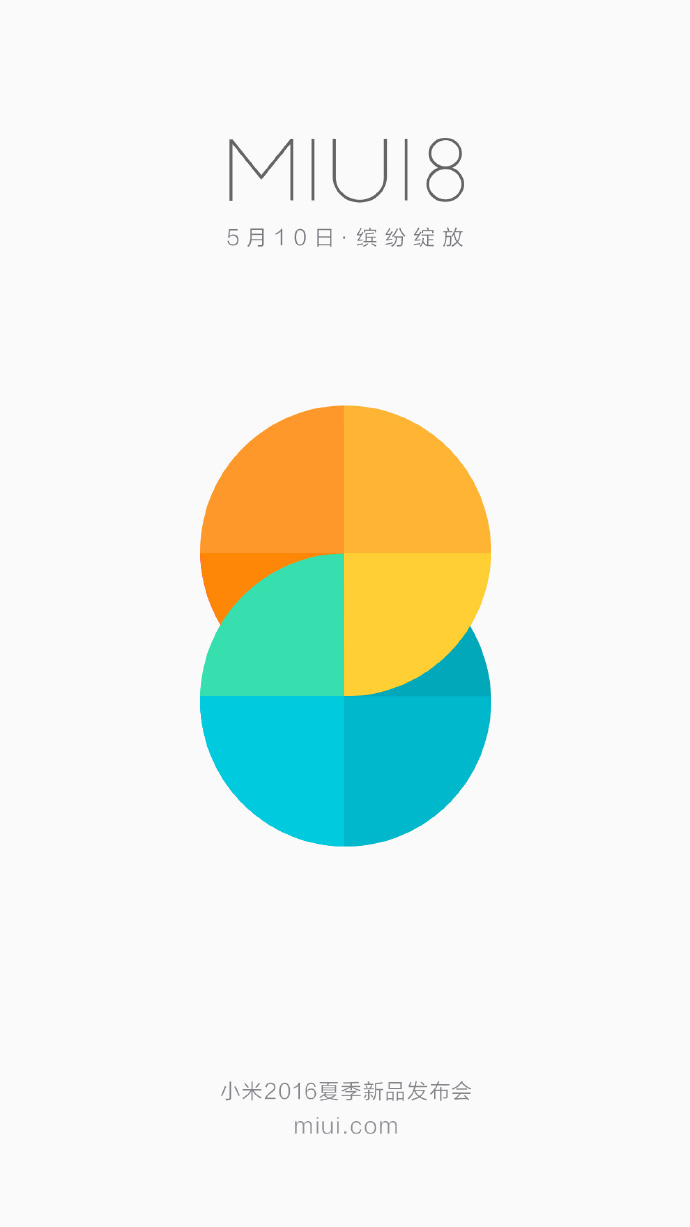
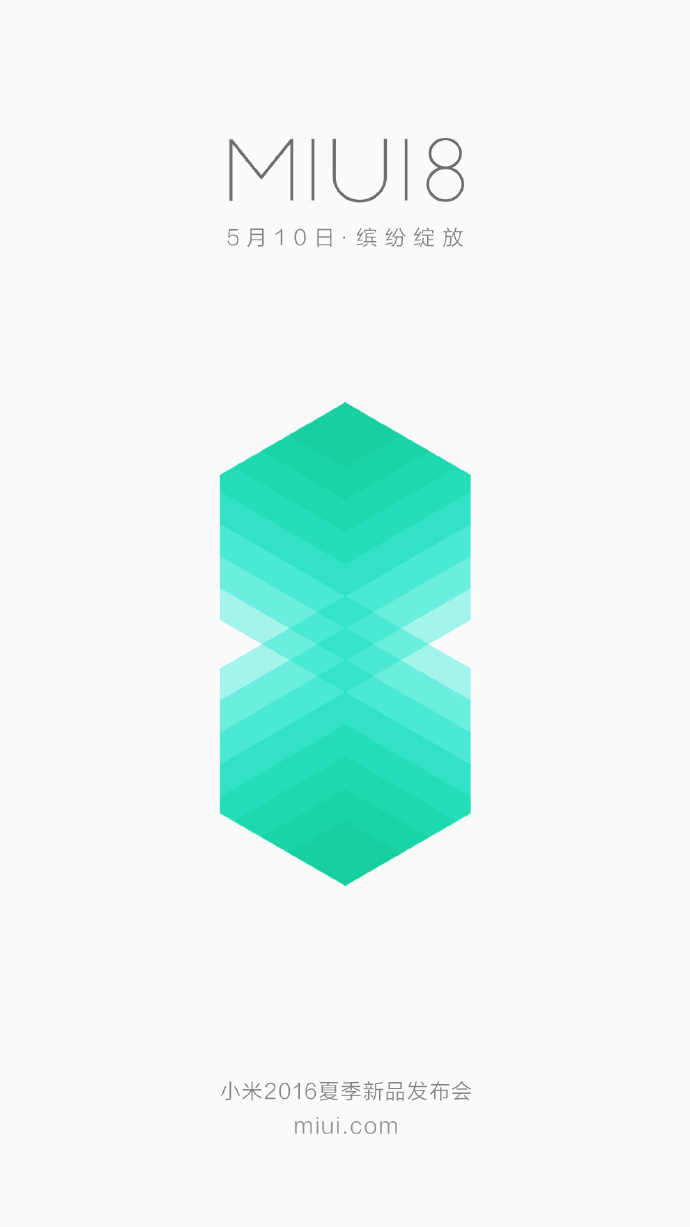
We all know that Xiaomi will release the new version of its popular MIUI OS alongside the Xiaomi Max phablet next week. The company has been teasing some of the features of the device for the past few days, and earlier today, it released a new teaser for the MIUI 8 OS. Now, two more teasers have been released by the official Weibo account of the OS and the company has asked users to guess what they mean.
Check out the teasers from above. Can you guess what the company is trying to hint with these three images?
The company could be adding new color schemes on the new MIUI 8 version and some of them might be revealed in the images above. So, along with new additions in gestures and features, it looks like the new version will also bring a fresh and colorful look to the device. But these images could be hinting at much more than just colors. Some of the users on Weibo say that these posters hint at a dual OS setup, while other say that it is for split-screen multitasking feature. What do you think it indicates?
As mentioned above, the new MIUI 8 OS is not just about design upgrades, but also adds new gesture and feature upgrades. For example, it will add new gestures for calls, notes and even the drop down notification menu is getting a feature and design refresh.
Looks like the new update is going to be interesting. May 10 is less than a week away, so stay tuned for more details.
Xiaomi isn’t the only company unveiling an important device on May 10. The company’s direct rival Chinese company, Huawei also has an important event the same day when it will unveil the Honor V8 flagship with dual camera setup. While we are still wondering what all features the new setup will bring to the device, today, the company revealed an interesting feature of the phone.
Honor just posted a new gif image on its official weibo page which reveals that the upcoming Honor V8 will be able to capture 360 degree photos. And from the image posted, it looks like the phone has done a great job capturing a full 360 degree photo of the girl. This must have something to do with the dual camera setup on the back of the device, and we will definitely hear more about this feature during the unveiling conference on May 10.
As for the other specs, the Honor V8 is going to have a high-end variant with 2K display on board, making it the first Huawei smartpone with such high resolution. Both variants will have 5.7-inch displays but the standard one comes with just 1080p resolution. Other features include 4GB of RAM, 32GB / 64GB of memory, 12MP dual cameras, 8MP front shooter, Android 6.0 and 3400mAh battery.
Thge launch is less than a week away and we can expect to hear more details about the phone in the next few days.
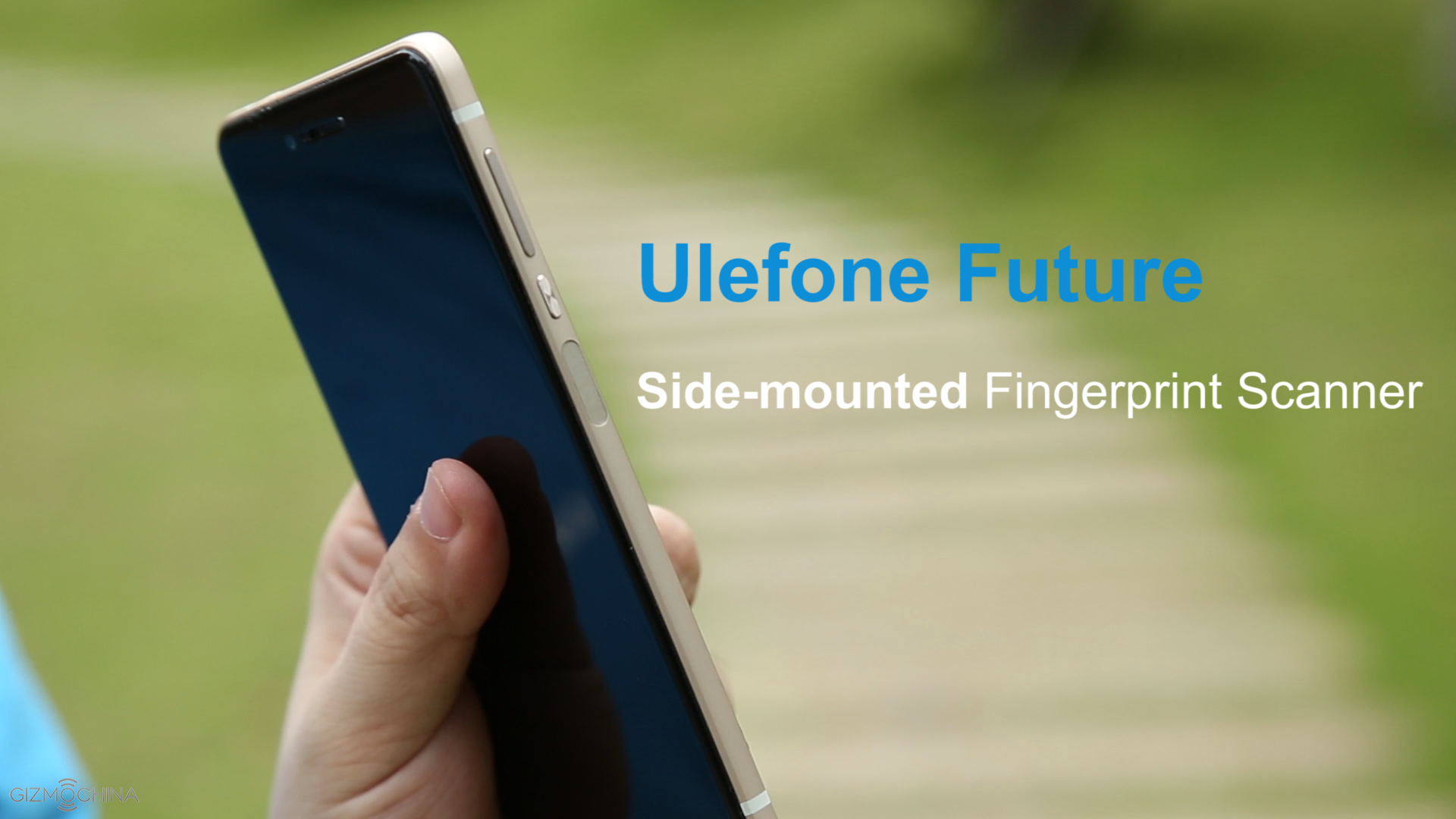
Ulefone Future recently went for sale via flash sale method for $199.99. The highlight feature of the phone is the bezel-less 5.5-inch display on board. However, the phone is known for yet another unique feature, its side mounted fingerprint sensor. Today, the company decided to demonstrate the performance of Future’s fingerprint sensor. The placement of the scanner is ideal for many, near the power button. So, it’s easy to reach out and unlock the device whenever you need. You can check out the video from down below.
So, Ulefone admits that the fingerprint sensor on the Future isn’t the fastest one in the market, mainly because of the small surface area available. Since the available area is small, the sensor takes slightly more time to recognize the user’s fingerprint as compared to rivals. But the company adds that this is the latest generation sensor in the market, which means it is highly responsive.
Now that the flash sale is officially over, the Ulefone Future is available for pre-sale via a number of retailers for $239.99. You get seven different accessories bundled with the phone at this price. You can check out more details of the pre-sale of the device from here.
To recap, the Ulefone Future comes with a 2GHz octa-core Helio P10 processor with 4GB of RAM and 32GB of internal storage. There will be a 3000mAh battery on board which charges within an hour, with stock Android 6.0 experience. At the back, the phone features a 16MP Samsung S5K3P3 sensor with f/2.0 aperture, PDAF and dual tone LED flash. Up front, you get a 5MP selfie camera. Other features of the phone include USB Type-C, LTE etc.
2K resolution on a smartphone display has always been the topic of discussion, with some believing that there’s no real need for such high-resolution panel, while others stating that 2K is really the future. Huawei’s CEO, Richard Yu has always been a strong criticizer of 2K resolution on smartphones, that is, until recently. A few weeks back, he revealed that although 2K resolution would be unnecessary on a smartphone display of size less than 6.5-inches, it was needed for VR. Hence, even Huawei was going to release a 2K smartphone this year.
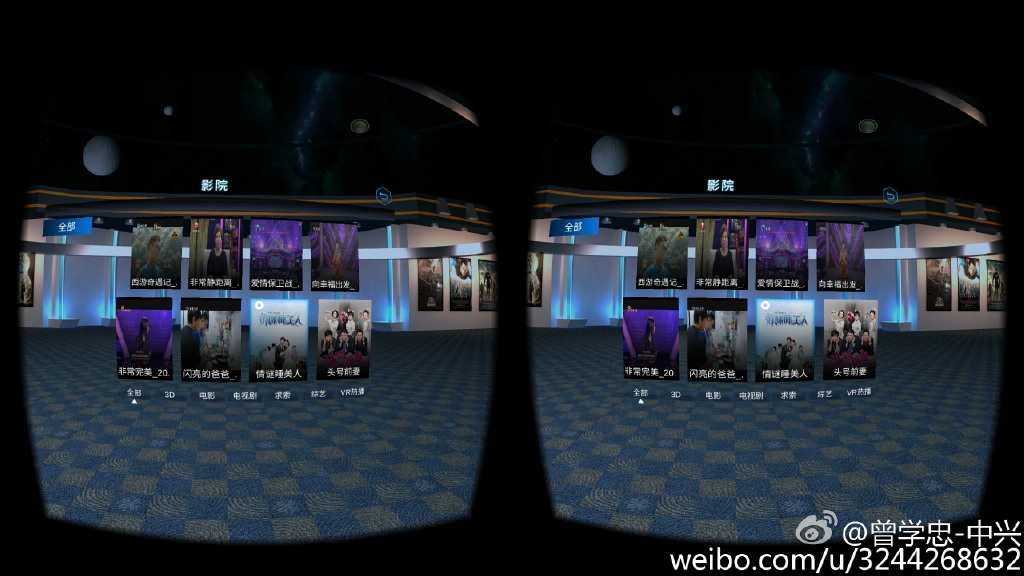
Now, ZTE’s CEO Zeng Xuezhong revealed his views on the matter and his comments indicate that the upcoming ZTE Axon 2 flagship is all set to come with a 2K resolution display that’s better than rivals. He revealed late yesterday that ZTE’s Axon flagship is using the top-end panel from Sharp with 2K resolution which makes it amazing. He further revealed that 2K displays were necessary for VR since in a VR headset the screen was too close to the eyes and the image looks enlarged. This is why smartphones need to have at least 2K resolution displays to deliver a good VR experience.
The CEO also revealed a picture of VR (added above), which hints that the company will release some VR related products soon. A VR headset from ZTE won’t be a surprise given that major tech players are all invested in this emerging market. But according to Xuezhong, a good VR experience is not just about 2K resolution screen, as there are a number of other factors involved as well. The experience will also depend on the screen’s color gamut, contrast ratio, response time and power consumption.
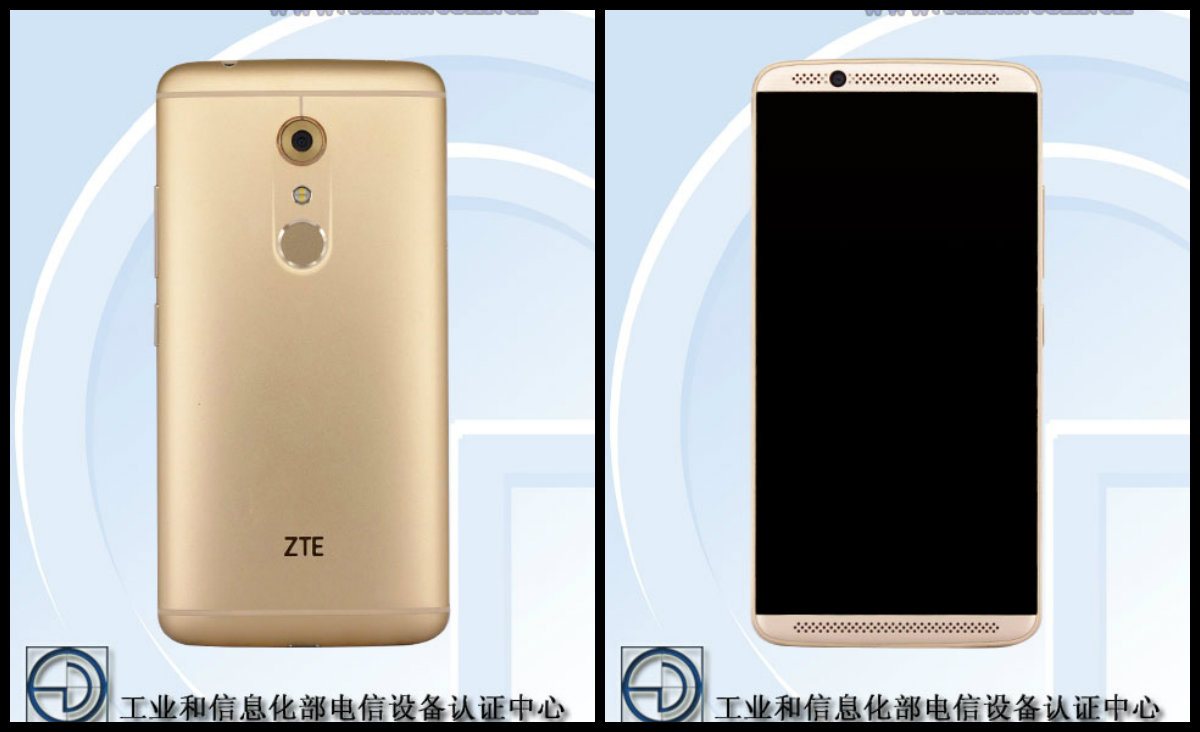
Axon 2 Spotted On TENAA
Considering these comments from the company CEO, it looks like the upcoming ZTE Axon 2 will give these factors due attention to ensure a great VR experience. ZTE is said to be working on VR / AR since 2009 and by 2015, it is said that the company has hundreds of patents under its belt.
Since the CEO has started commenting about VR and Axon flagship, it is possible that we will meet the new device soon. We had already spotted the Axon 2 model recently, you can read more about that from here.
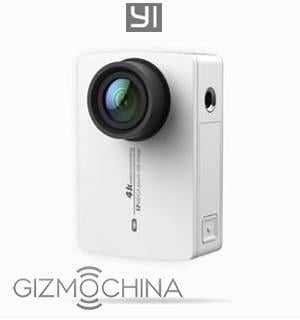
Earlier today, we reported that Xiaomi was going to soon announce the new generation Xiaomi Yi 4K Action Camera 2. Then, we got our hands on a test doc of the Yi Camera’s battery life and it showed that the device could record 4K videos at 30 fps for nearly 120 minutes continuously. Now, we have got our hands on another document of the new Yi camera generation, this time testing the data transfer speeds, from the camera to the connected smartphone via its Wi-Fi connection.
So, the Wi-Fi was set at a random channel and the distance between the Yi 4K Action Camera 2 and the connected smartphone was 1 meter. The test was simple. The user first recorded a video of around 500MB on the new camera. Then he downloaded and installed the companion camera app onto his phone and connected the camera via Wi-Fi. There were two phones used for this test, a Xiaomi Mi Note and an iPhone 6S Plus. Further for comparison, the GoPro Hero 4 Black edition was also tested following the same process.
So, the results of the test are as follows:
Model number
band (channel)
Phone
download file size(MB)
download time(s)
download rate(MB/s)
Z16V13LW612-AUS1094059
2.4G (chl 6)
MI NOTE LTE
510
153
3.33
iPhone 6s
510
140
3.64
5G (chl 153)
MI NOTE LTE
510
155
3.29
iPhone 6s
510
135
3.78
Z16V13LW612-
AUS2624129
2.4G (chl 6)
MI NOTE LTE
510
175
2.91
iPhone 6s
510
210
2.43
5G (chl 161)
MI NOTE LTE
510
155
3.29
iPhone 6s
510
135
3.78
Z16V13LW612-AUS3368264
2.4G (chl 6)
MI NOTE LTE
540
177
3.05
iPhone 6s
540
151
3.58
5G (chl 157)
MI NOTE LTE
540
174
3.10
iPhone 6s
540
147
3.67
Z16V13LW612-AUS2545843
2.4G (chl 6)
MI NOTE LTE
540
170
3.18
iPhone 6s
540
144
3.75
5G (chl 149)
MI NOTE LTE
540
172
3.14
iPhone 6s
540
146
3.70
GoPro HERO4 Black
2.4G (chl 11)
MI NOTE LTE
540
355
1.52
iPhone 6s
540
356
1.52
So, there are four samples being tested out here of the new Yi Action camera. Plus, at the end, you can find the GoPro Hero 4 Black for comparison. It looks like the new Yi Camera generation manages to transfer the video at double the speed as compared to the GoPro model.
We hope to get more details about the new Yi camera from our source, including some camera samples. So, stay tuned to gizmochina in the coming days.
We use cookies on our website to give you the most relevant experience by remembering your preferences and repeat visits. By clicking “Accept”, you consent to the use of ALL the cookies.
This website uses cookies to improve your experience while you navigate through the website. Out of these, the cookies that are categorized as necessary are stored on your browser as they are essential for the working of basic functionalities of the website. We also use third-party cookies that help us analyze and understand how you use this website. These cookies will be stored in your browser only with your consent. You also have the option to opt-out of these cookies. But opting out of some of these cookies may affect your browsing experience.
Necessary cookies are absolutely essential for the website to function properly. This category only includes cookies that ensures basic functionalities and security features of the website. These cookies do not store any personal information.
Any cookies that may not be particularly necessary for the website to function and is used specifically to collect user personal data via analytics, ads, other embedded contents are termed as non-necessary cookies. It is mandatory to procure user consent prior to running these cookies on your website.