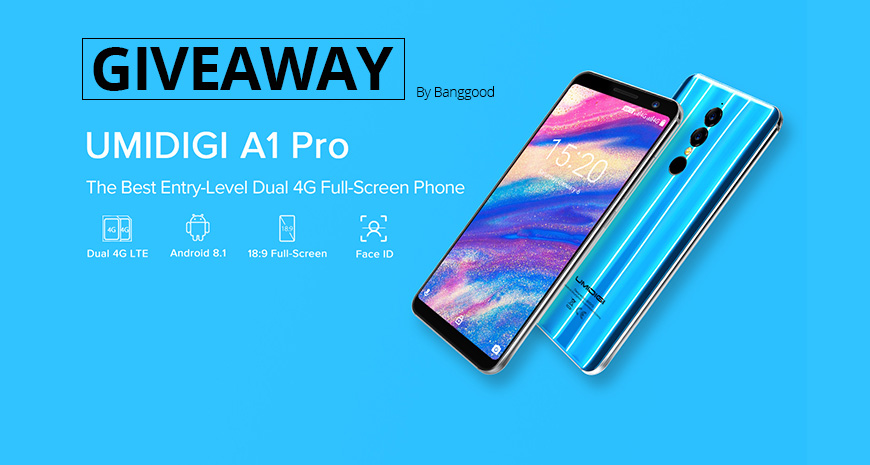
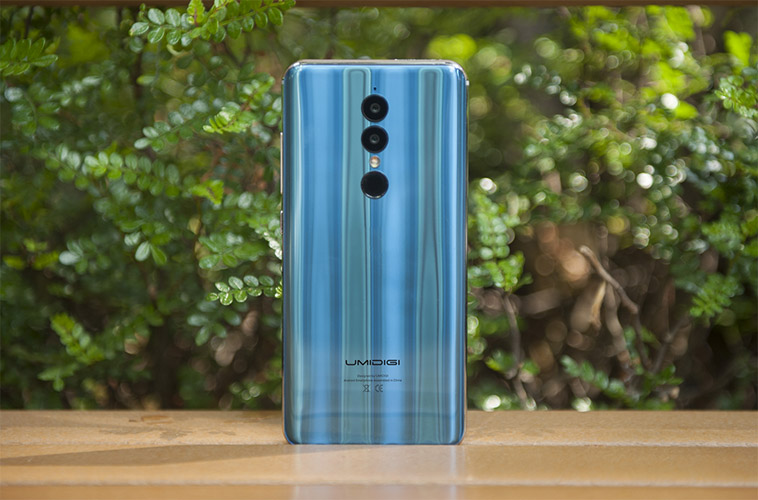
Gizmochina along with Banggood is conducting 1 unit Umidigi A1 produal-camera phone as giveaway gift to a lucky reader. Like always, you just have to follow the steps mentioned on the Gleam widget to get a chance to win this amazing gift.
In the pre-order term, you can get this entry-level dual-camera phone at $99 ($40 off), and Banggod will choose 2 free orders who has bought Umidigi A1 Pro each day.
The Umidigi A1 Pro comes with almost all the cutting-edge stuff: Face ID unlock, Pure Android 8.1, and Dual 4G LTE! The device is powered by the latest MT6739 SoC accompanied by 3GB of RAM to ensure fluid multitasking. In addition, it comes with a Type-C port with 5V/2A quick charging. It charges in less than 120 minutes. On the back, there is a 13MP/5MP dual camera setup and it will be available in 3 colors: Moonlight Silver, Icy Blue, and Pitch Dark.
Share this giveaway contest to your friends on social sites;
Terms & Conditions:
1. The giveaway is an international giveaway. 2. We are not responsible for lost shipments. 3. We are not responsible for any duties, import taxes that you may incur. 4. We reserve all rights to make any changes to this giveaway. 5. The prize will be shipped in a month when the giveaway end.
Just follow the steps mentioned in the Gleam widget to participate in the giveaway.
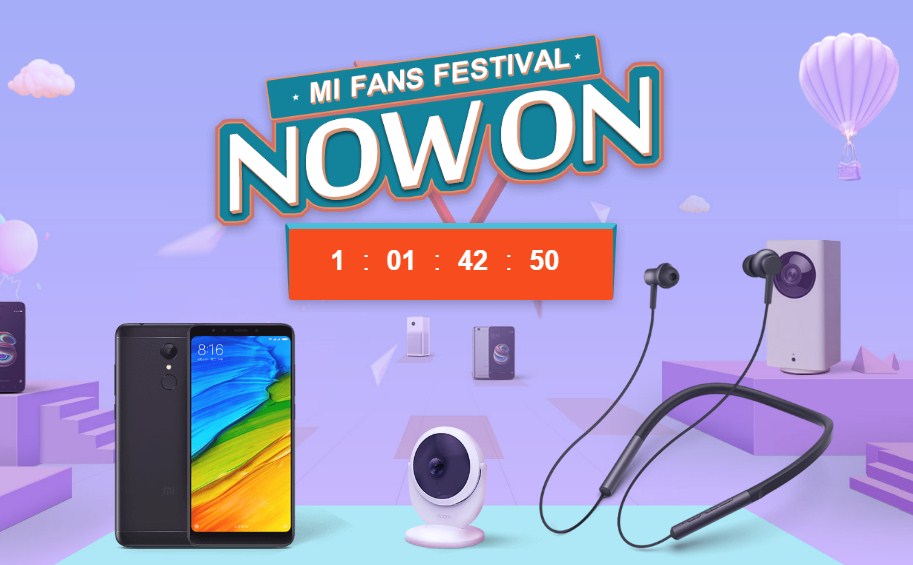
The Mi Fans Festival has started on Banggood. As part of its recently kicked off promotion, the site will be rolling out 10 free orders at random daily during April 7 – April 9.
In order to get more chance, you need to buy earlier. Note that winner list will be disclosed on April 11 at 10:00 (UTC +8).
New Arrival
The category comprises a few Xiaomi-branded electronic items including Xiaomi Dyanmaic Driver+Balanced Armature Driver HiFi APT-X Bluetooth earphone with Mic that you can buy at a heavily discounted price. For instance, you can preorder the Xiaomi earphones for just $63.99 on Banggood. The site is giving a 16% off on the device’s real selling price of $75.99 for a limited period of time. Moreover, the discount is valid for gray and black color versions of the earphone.
Giveaway
This section is brimming with all sorts of useful items that are currently up for grabs at a lowered price. For the sake of an example, Banggood is offering 22% off on the Original Xiaomi Miband 2 smart wristband bracelet, which normally sells for $31.99. Thanks to the aforesaid discount, you can now get your hands on the device by shelling out just $24.99. On the downside, there were only 89 pieces left and the promo is slated to end on April 10.
Coupon Deals
You can get an additional discount on a broad range of products featured in this category by using specific coupon codes. For instance, the Xiaomi Mi Note 3 smartphone is currently up for preorder at a discounted price of $349.99.
This is a noteworthy 21% reduction in the handset’s original asking price of $439.99. On top of that, you can use coupon code ‘3bgmx3’ to save an extra $40 at the time of checking out and bring your grand total down to just $309.99.
Make Home Understand You More
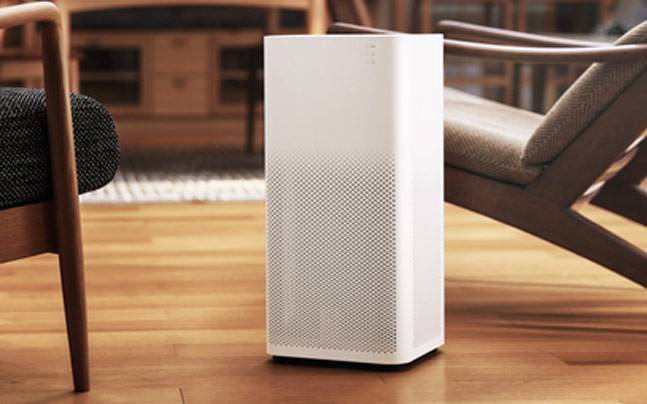
This section is crammed with products that help you keep your home clean and tidy without emptying your pocket. One such product is the Xiaomi Mi Air Purifier 2 which normally sells for a steep price of $330.24 on Banggood.
Much to the delight of cost-conscious buyers who have restlessly been waiting to get their hands on smart mi air purifier, Banggood is currently offering a massive 58% discount on the device’s retail price. As a result, you can now buy it for just $138.99.
Note that the promo is slated to end on April 10. Moreover, there were only 92 pieces left at the time of writing.
Ensure Your Pleasant Outing
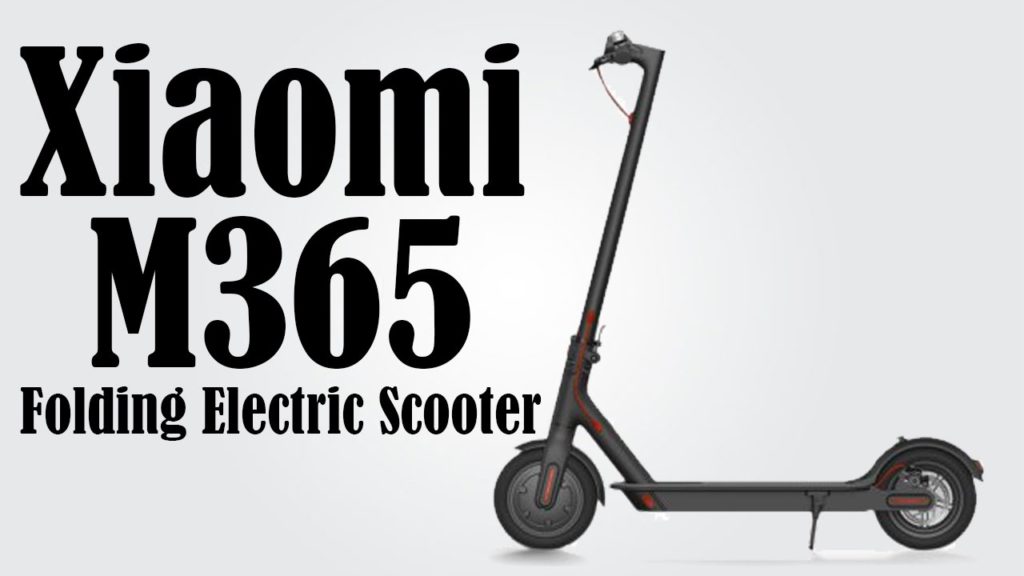
This category gives frequent travelers something to cheer about. Weighing in at only 12.5kg, the Xiaomi M365 IP54 folding electric scooter is ideal for short distance travel. The Xiaomi M365 would usually set you back $559 on Banggood.
But until April 10, the site is offering 29% off on the device’s retail price. As a result, you can now buy the Xiaomi electric scooter for just $395. The discount is valid for both black and white color version of the scooter.
Smartphone, Smart Assistants
If you’ve been waiting to get your hands on a Xiaomi-made smartphone without shelling out a fortune, we have good news for you. Banggood is offering considerable discounts on a slew of smartphones as part of its latest promotion.
Lining with this, you can get a 16% off on the Xiaomi Redmi Note 4 smartphone which normally bears a price tag of $189 on Banggood. Thanks to the aforesaid discount, which is valid until April 14, you can now buy the Note 4 smartphone for just $159.99.
The discount will be valid only for the gray color version of the smartphone. Regrettably, there were only 49 pieces left at the time of writing.
Accessory To Extend Your Phone
Banggood is giving Xiaomi fans an opportunity to buy various mobile accessories at a slashed price. For instance, the site is giving 56% discount on the Original Xiaomi Portable Mini Bluetooth Speaker for cell phone and tablet.
The device usually sells for $28.59 on Banggood, but until April 10 you can buy it for only $12.59. Moreover, you can choose from 3 color options including silver, gold and gray.
Efficiency Improvement
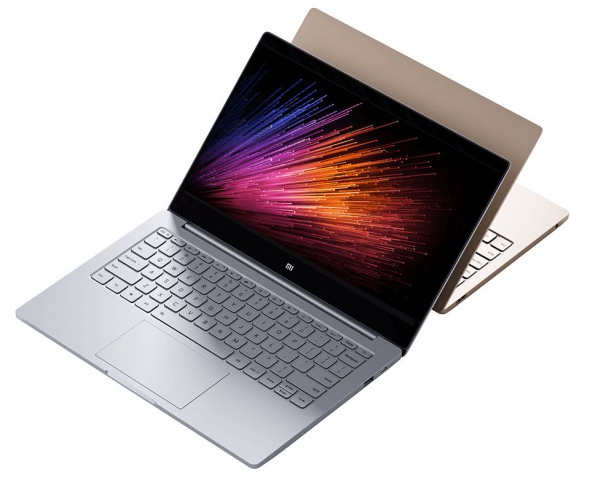
This segment features the well-received Xiaomi Notebook Air laptop, which would normally set you back $999.99 on Banggood. The site is now selling the device for only $884.99. This is a noteworthy 12% reduction in the laptop’s retail price. Apart from that, you’d also earn 884 Banggood points.
You can visit this link to avail the deal before it comes to an end and to check out rest of the gadgets that you can buy at a considerably lowered price.
Just when we thought Taiwanese chip maker TSMC had snatched the 7nm-based Snapdragon 855 chip orders from Samsung, there is another news to counter that. A new report has emerged that Samsung has finished the development of 7nm manufacturing technology six months ahead of schedule and the development process could be used for the next Qualcomm flagship mobile phone chip, the Snapdragon 855.
Barely two months ago, it was reported that TSMC may snatch the manufacture of the Snapdragon 855 chip from Samsung as a result of its slow adoption of the manufacturing technology. Qualcomm’s Snapdragon 855 chip is expected to be built on a 7nm manufacturing process and is fabricated using extreme ultraviolet exposure equipment (EUV). The new manufacturing process is expected to bring a big improvement in battery life and output of the chipset.
Samsung Electronics is expected to start manufacturing the new Snapdragon 855 system chip late this year with bigger volumes scheduled for early next year. Originally, the development of the new technology was expected to be completed in the second half of this year, but itis coming six months ahead of schedule which is great.
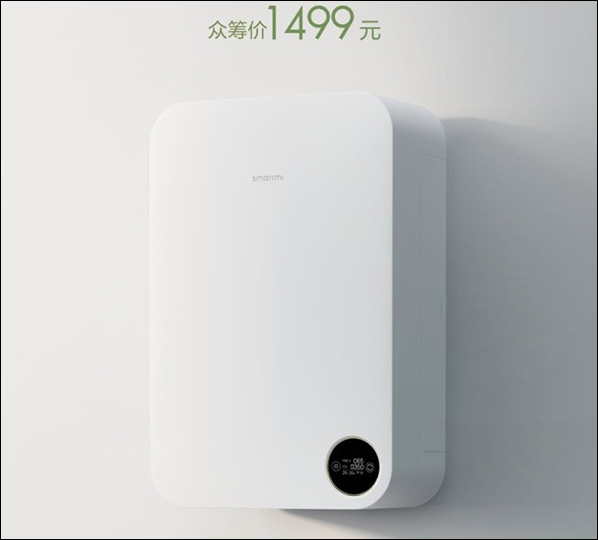
Xiaomi‘s eco-system company Smartmi, best known for the Mi Air Purifiers, has launched the Smartmi Fresh Air system. The new crowdfunding product comes with a price tag of 1,499 Yuan ($237). The main feature of the new air system is its high air volume which provides new oxygen and is effective against the removal of moth. The gadget also comes with a silent operation which saves energy.
The Smartmi Fresh Air system comes with design that can be mounted on the wall. The device has an air volume of 220m3/h and will be effective in a room size ranging from 8 – 50 square metres. The Smartmi Fresh Air system removes harmful particles and gases from the air and delivers fresh and clean air rich in oxygen. The Smartmi Fresh Air system works best when the windows and air vents in the room are opened. In that way, the air system purifies the air entering the room through multiple filters.
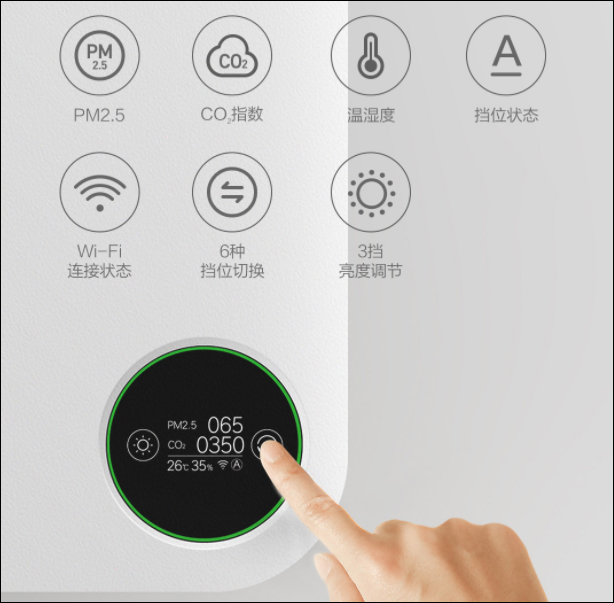
Talking about the design, the Smartmi Fresh Air System uses a large diameter centrifugal fan which faces forward. The high-speed rotation of the fan creates a powerful driving force which forces the impurities in the air out through the room’s ventilation points. The fan uses a brushless DC motor imported from Japan with a large torque in order to form a large new wind force. The motor spins without much noise, thus ensuring a quiet atmosphere while it is working. The Fresh air system also uses triple filtration to quickly filter PM2.5 and fine particles. The device does not have physical buttons but there is a touchscreen LCD display through which the gadget is controlled.
The Xiaomi Smartmi Fresh Air System is presently available on the Xiaomi Youpin website for funding. The product is expected to start shipping on April 10.
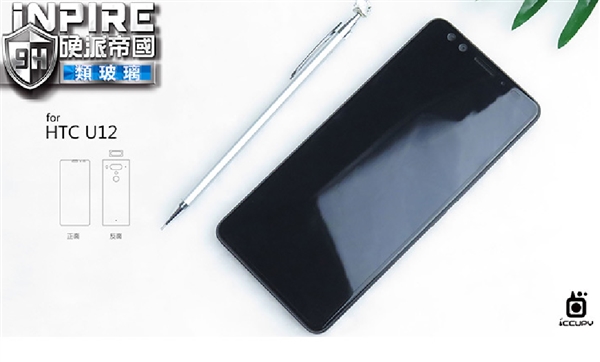
The number of smartphones manufacturers embracing the notch for its flagships is growing every day. But it seems that HTC is not going to follow the trend launched by Apple with its iPhone X. According to new leaked renders, even though the Taiwanese company is suffering a financial decline, it will keep adopting an original design scheme for its upcoming flagship: HTC U12. Indeed, the renders show a device with a bezel-less display but without an iPhone X-like notch on the upper part, unlike the newly-announced Huawei P20 and P20 Pro.
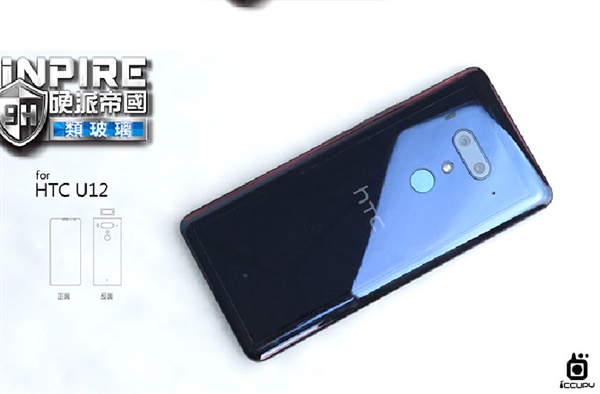
Due to this decision, the screen-to-body ratio of HTC U12 will probably be lower than iPhone X. The back side will be made of glass and it will remind of the predecessor U11 Plus, but there will be several differences. Unlike the previous model, this new one will sport a dual camera setup placed at the center of the glass back in a horizontal configuration. At the left side of the dual camera setup, there will be a laser autofocus, while under the dual camera there will be a flash LED and a circular fingerprint reader.
So, the flagship will probably not have a fingerprint scanner embedded in the display (unlike some of the most recent high-end devices like Vivo X21 UD and Huawei Mate RS). A dual camera is present even on the front panel, so expect a great bokeh effect even in selfies. HTC U12 will probably come with a 5.5-inch display showing images at a Quad HD+ 1440p resolution. On the hardware side, it is expected to sport an octa-core Snapdragon 845 SoC by Qualcomm, up to 8 GB of RAM and 128 GB of internal storage. The dual rear camera should have resolutions of 16 + 12 MP, while the selfie cameras should have 12 and 8 MP resolutions.
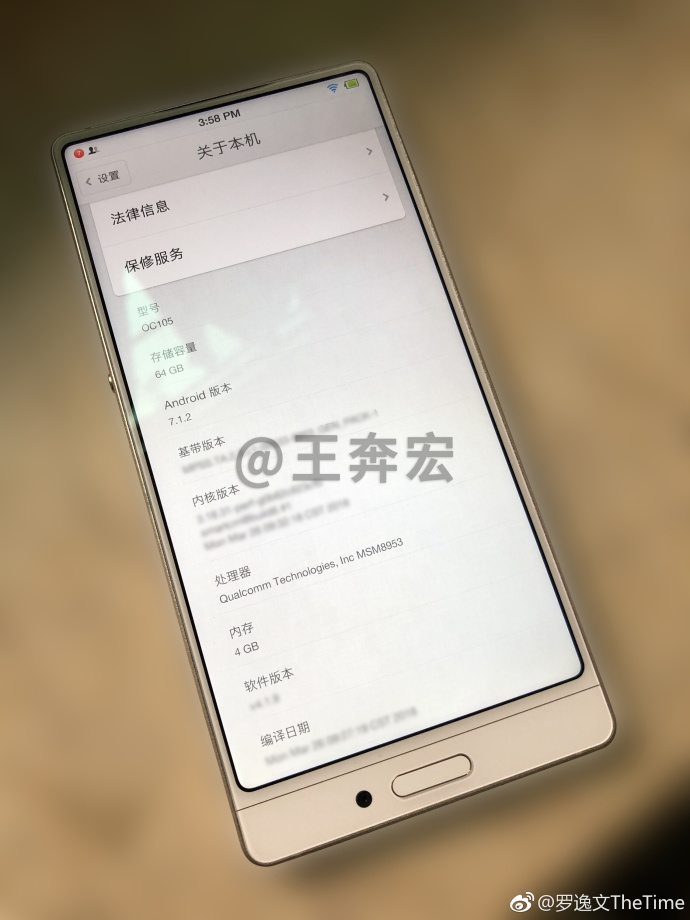
The Smartisan Nut 3 is due to launch tomorrow. Ahead of the event, live photos of the phone have surfaced online. These photos not only give us a look at the phone but also confirm a few specifications.
For the Nut 3, Smartisan is going for a new design. The bezels have been shaved off at the top and bottom but there is a twist. Smartisan has added another thick slab just below the display. This slab is demarcated from the rest of the phone by a thin line and is home to the fingerprint scanner and front camera. We’ll leave the debate of the position of the camera to you.
There are photos that show the Smartisan Nut 3 in black (surprisingly with thicker bezels) and red. However, none of them show the rear of the phone. There are even photos of the retail box for the red variant and the box is actually red too. So, it is safe to assume that each color variant will come with a matching box.
In one of the photos, the phone’s about section is visible and it reveals a few of the specs. The Smartisan 3 will come with 4GB of RAM and 64GB of storage. It is powered by Qualcomm’s MSM8953 a.k.a. Snapdragon 625 and it runs Android 7.1.2 Nougat.
The Snapdragon 670 has not been officially unveiled yet. However, there are rumors a phone from 360 Mobiles will be the first to launch with the chip. New reports say Xiaomi also has two phones in the pipeline that will be powered by the processor.
The info comes from the editor-in-chief of XDA Developers, Mishaal Rahman. In a tweet posted last night, he said that the Chinese giant has two devices powered by the Snapdragon 670 in development. He adds that the phones are codenamed “Comet” and “Sirius”.
Xiaomi has (at least) 2 devices with the unannounced Qualcomm Snapdragon 670 (sdm670) in the works: "comet" and "sirius".
Also confirms @rquandt's report which showed sdm670's little cluster has 6 cores and the big cluster has 2 cores. (targetconfig.xml in /vendor/etc/perf).
If we were to take a wild guess we would say one of the two phones is the Mi Note 4. This makes sense since the Mi Note 3 is powered by a Snapdragon 660 processor. For the second phone, our guess is the Mi Max 3 but that is a long shot. Notwithstanding, the release of both phones are probably still months away, so there is enough time to find out if our guesses are correct.
Apart from the codenames for the two phones, it is also revealed that it has been confirmed that the Snapdragon 670 indeed has a 2+6 CPU core arrangement.
Churning out great phones that are competitively priced isn’t the only thing a phone manufacturer should do. Research and Development (R&D) is also an important aspect. Not only do you get to make better phones, but you can also license your technology to others.
OPPO is known for its focus on research and it has decided to take it a level higher by establishing a research and development institute with branches across the globe.
A report from Chinese media iFeng.com, says the headquarters of the OPPO Research Institute will be based in Shenzhen with branches in Beijing, Shanghai, Dongguan, Yokohama (Japan), and Silicon Valley (US). The institute will focus on three things – software, hardware, and standards. It will also conduct research on 5G, AI, image processing, and the use of new materials.
There was an official opening ceremony of the institute on March 29. In attendance, were the CEO Chen Mingyong, and senior vice president Zeng Yuanqing. It was also announced that the dean of the institute will be Mr. Liu Chang.
If you are bored of MIUI installed on your Xiaomi device, there are two most important ways to customize the software: installing a launcher or installing a custom ROM. If you prefer the second option and you own a Xiaomi Redmi Note 5 Pro or a Mi Note 2, you will be glad to know that the two handsets have just received the official TWRP support.
TWRP is the most famous recovery mode which is mainly used to install custom ROMs on every Android handset. Starting from now, it is possible to flash it on Xiaomi Redmi Note 5 Pro and Xiaomi Mi Note 2 just like on the other supported Android devices. Besides Xiaomi Redmi Note 5 Pro and Xiaomi Mi Note 2, two more devices have just received the official support to TWRP.
The first is the newly-announced Sony Xperia XA2 which made its debut at CES 2018 in Las Vegas. The second is Verizon Wear24, a smartwatch which is available in the U.S. You can get the official TWRP app here or, at the following links, you can download the TWRP recovery mode for each of the four devices which have just received the official support:
The OnePlus 6 is billed to release earlier than expected this year. OnePlus itself has started teasing features of the new flagship which further confirms this. They have also released a few specs and an official photo that confirms it has a notch.
However, we still haven’t seen any photos of the rear but it is said to be different from that of the OPPO R15. Why is this difference important? OnePlus’s last two phones – the OnePlus 5 and OnePlus 5T – share a striking resemblance to the OPPO R11 and OPPO R11s respectively. Since both brands are sister companies and the last two phones share a near-identical design, you can’t blame anyone for thinking the same will happen again.
Nevertheless, fresh new renders have surfaced online and they just might be what the final device looks like.
The renders were posted on Weibo and show the device in three colors – blue, black, and white. On the front, the OnePlus 6’s display wears a notch that houses the front camera, earpiece and sensor. The display has rounded corners and there is a bit of bezel at the bottom. There is no branding on the front just like its predecessors.
The rear is actually more interesting. The metal back has been switched to glass but is curved at the sides. The dual cameras sit in the middle of the device and are stacked vertically. There is a LED flash and a fingerprint scanner with a new design directly underneath.
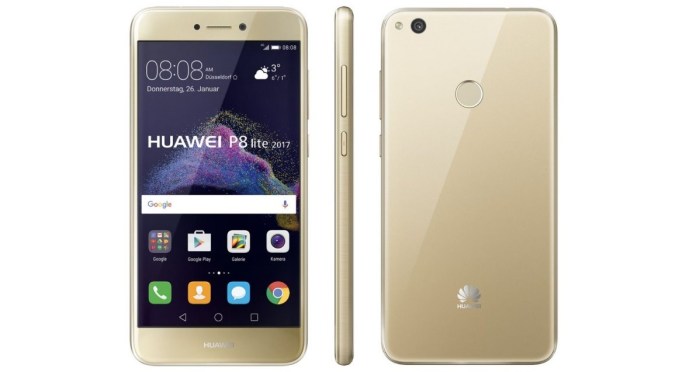
There is no complete data regarding the sales of the Huawei P8 Lite (2017), but we are sure that it is one of the best selling devices of 2017. Thousands of units of this device has been sold every day in the past few months months, and now the handset, launched with Android Nougat out of the box, is officially getting the first beta of Android 8.0 Oreo. It is not an OTA update and it is the first beta build of Oreo for this device, so don’t expect a stable firmware suitable for daily use. Further, the beta update to Android Oreo is actually available only for Chinese users who adhered to the beta testing phase.
In China, Huawei P8 Lite (2017) has been released as Honor 8 Lite, so if you own the Honor 8 Lite, you can install this update. Through this new firmware, the company brings support to Project Treble. Thanks to Project Treble, the operating system gets split into two frameworks: one with the Android core OS and one with the company’s customisation. In this way, Huawei will be able to release its upcoming updates in quick and easy manner.
Obviously, the update contains all the core features of Android Oreo, and it is customized with EMUI 8.0. In case you don’t know, LineageOS team has already released a custom ROM for Huawei P8 Lite (2017) / Honor 8 Lite based on Android Oreo 8.1. If you do not want to install the official beta of Android Oreo but want to use the stable LineageOS ROM based on the latest version of the operating system, just head to this link and you will find all the information about it and its download links. Note that NFC does not work in this version.
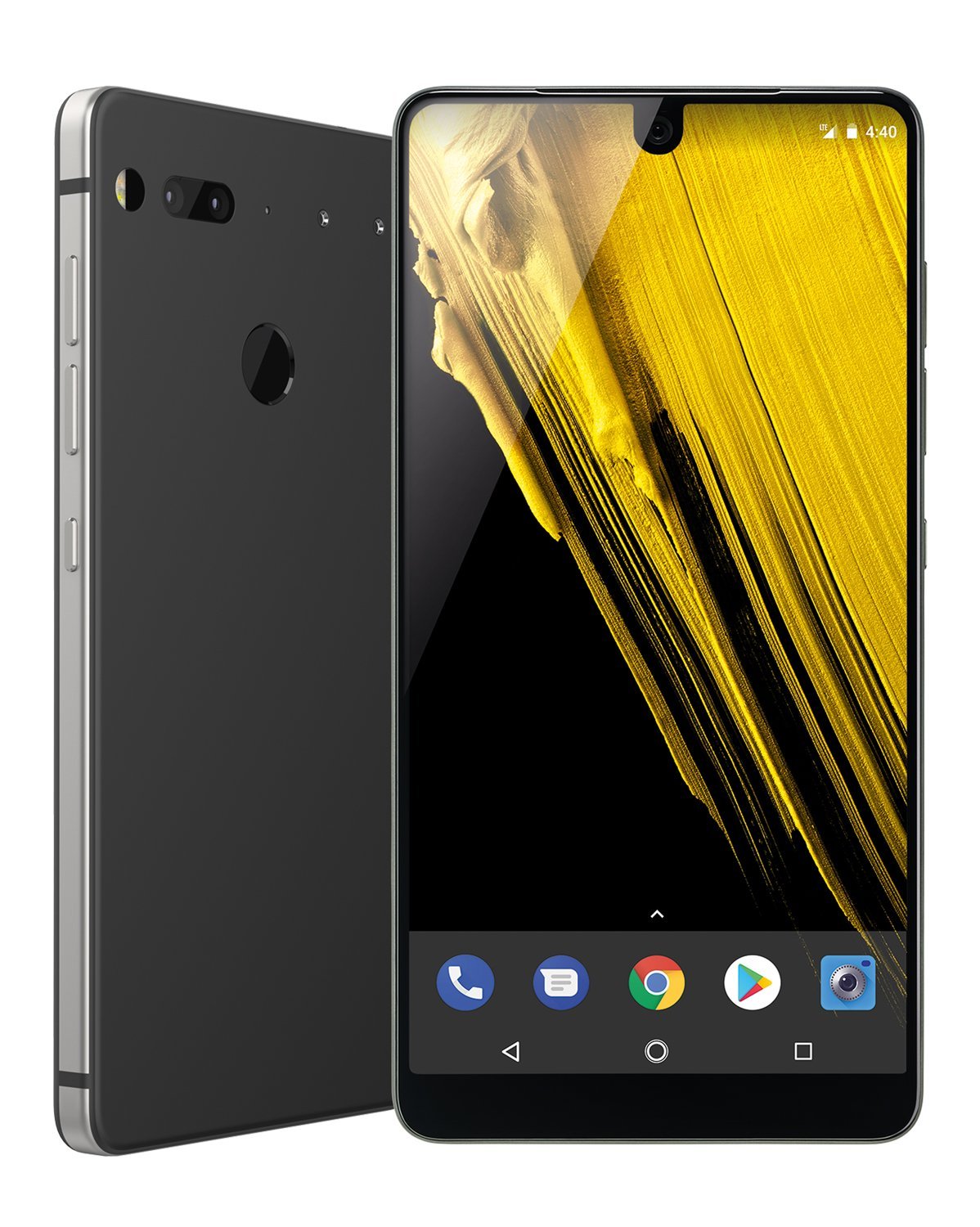
Essential Phone PH-1 is one of the unique releases of 2017. It’s a flagship device launched by the founder of Android and it managed to get the attention of customers pretty quickly, even though the sales haven’t been that impressive. Many people may not know it, but this phone was announced with a notch even before the iPhone X. And this isn’t its only innovation, given that this is the first device to sport a frame made of titanium and a ceramic back.
But this phone had a major flaw: we are talking about its camera performance, which is a bit disappointing. Many users complained about the bad camera performance of the Essential Phone PH-1, and the company did listen to them and released an update to improve the camera. But it was not enough to let it rock like the cameras of Samsung Galaxy S8, Mate 10 Pro, and other 2017 flagships. Well, according to the company, the next Essential Phone will change things in this department. In an interview released to Business Insider, Essential declared that its next device will feature a better camera. Here’s an excerpt from the interview with Linda Jiang, head of industrial design at Essential:
In general, one thing that we got hit hard with was the quality of our camera, and we’re really looking forward to improving that with our next-gen, making sure that we’re listening to our customers and their pain points… We’re going to make it better for you.
However, we don’t know when the next Essential Phone will be announced. Given that the company has released just one phone until now, and that there are no official declarations about the launch date of its next device, we cannot tell you if the company plans to release new flagships annually. Recently, a patent regarding this device was filed, and it was revealed that it may come with a pop-up camera like the Vivo APEX.
A recent report by research firm IDC had revealed a 5% decline in the Chinese smartphone market in 2017. That decline is heavily linked to the saturation the Chinese market witnessed as a result of the flurry of new smartphones released last year. In order to tackle this decline, the top Chinese phone makers were recently reported to be planning big for the global market. A new piece of information alleged to have emanated from sources inside the Taiwanese supply chain has again reiterated that the Chinese manufacturers are formulating a very aggressive development plan for 2018.
According to the source, Huawei, OPPO, Vivo and Xiaomi all plan to expand globally in order to placate the stagnation the Chinese market is witnessing. Of particular interest is the disclosure that Xiaomi is planning a massive rise in shipments and aims to ship between 120 million – 150 million smartphones this year.
This is a lofty target but going by official reports, Xiaomi is presently shipping over 10 million units of its Redmi and Mi models in Q1 2018. So, it looks possible to be able to achieve 120 million shipments this year. In addition, Xiaomi is targeting expansion into new markets globally as well as consolidating on its existing international market. We may likely see a record-breaking shipment by the Mi brand this year. Let’s keep our fingers crossed.
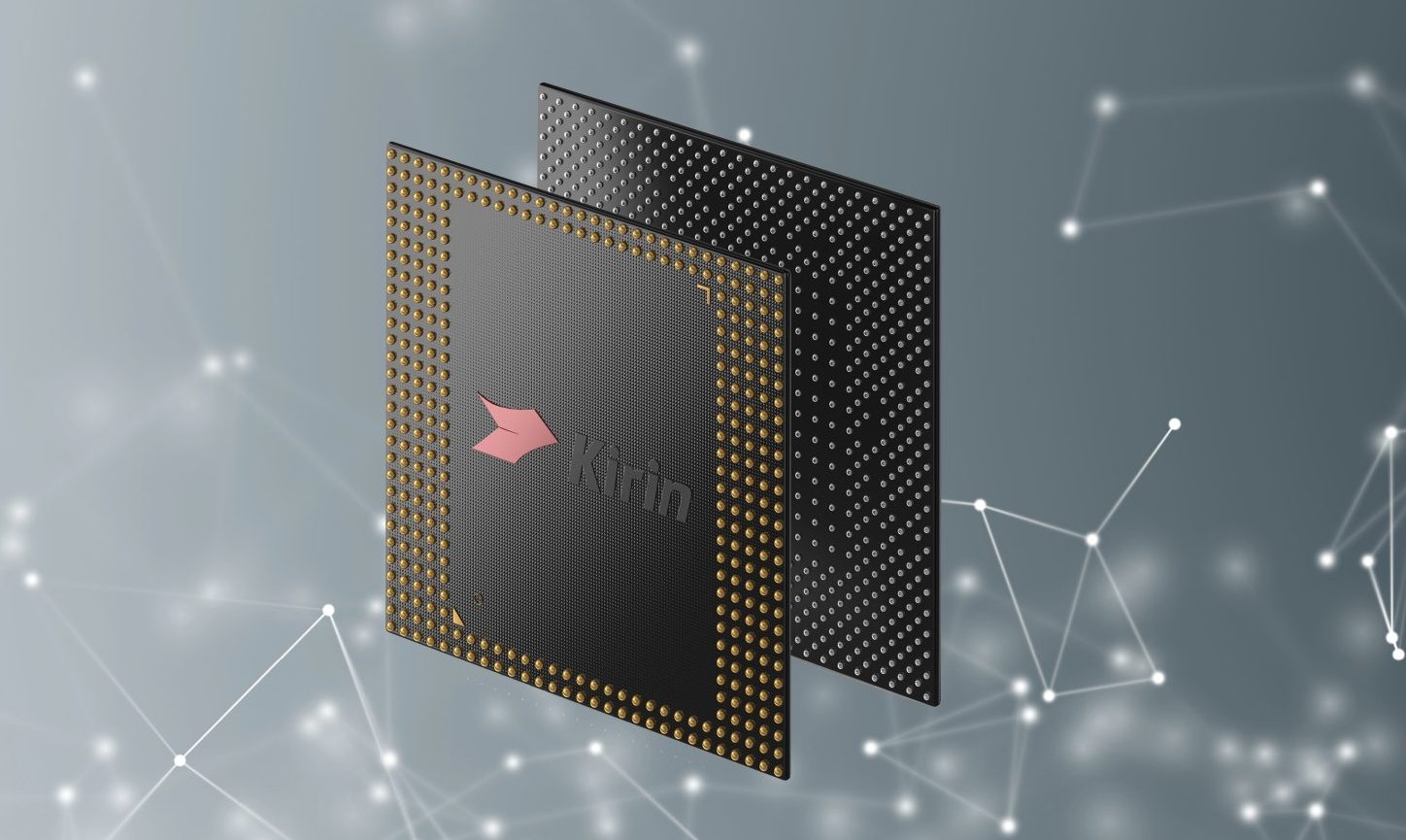
The race for the 7nm chip is on and it appears Huawei may be the first to announce a chipset based on the new process and also the first to have it in a phone.
Latest reports say that Huawei will begin mass production of the Kirin 980 chipset this quarter. The 7nm chipset will be manufactured by Taiwan Semiconductor Manufacturing Company Ltd. (TSMC).
We still do not know the configuration of the mobile processor but we have a few guesses. We believe the Kirin 980 will still have a dedicated but improved NPU. We also expect it to appear first in the Huawei Mate 20 and then the next P-series phone for 2019.
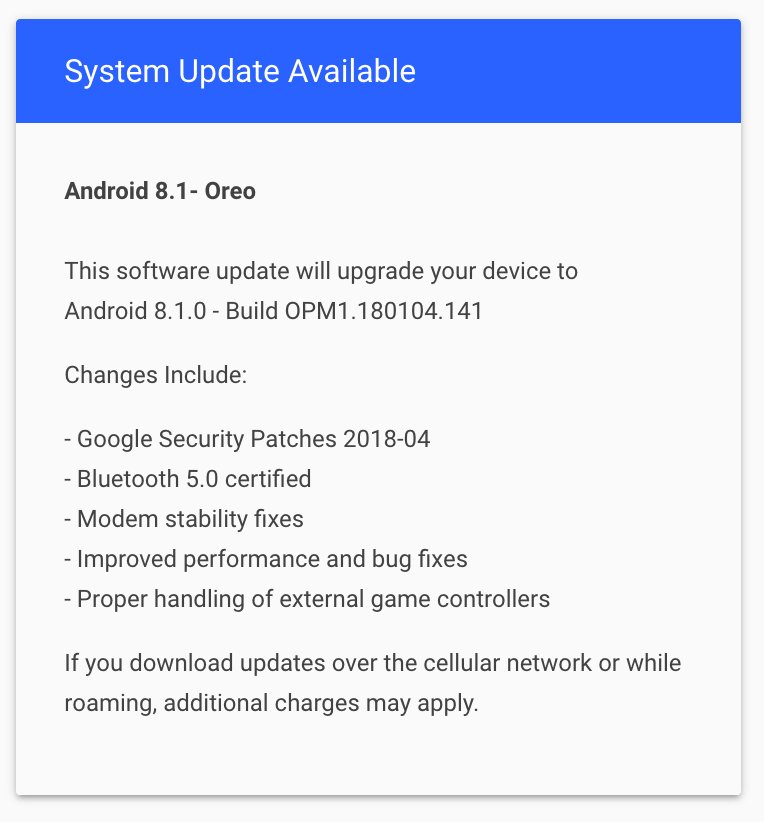
The Essential PH-1 received an update to Android 8.1 Oreo last month. Before then it was still on Android Nougat. Yesterday, it got a new update which brings April’s security patch and Bluetooth 5.0.
The update is 127MB in size and updates your security patch to that of April. There are other changes and fixes too but the biggest is that Bluetooth 5.0 has now been certified.
Bluetooth 5.0 is the latest version of the wireless technology and it comes with a number of new features. First, it lets you pair your phone to more than one speaker or wireless headphone at a time. So you can stream audio to two speakers or even stream different audio sources (music and video) to two speakers/headphones. However, they must be Bluetooth 5.0 devices too for you to get the feature.
Another update to Bluetooth 5.0 is the support for Bluetooth Low Energy (BLE) for audio devices. BLE was only available to smartwatches, fitness trackers and other low-power devices. Bluetooth 5.0 also has an increased range and speed. Supported distance is now 240 meters and speed is now 2Mbps.
After months of what seemed to be endless leaks, the Meizu 15 has now received a release date. An official poster was shared on Weibo and it was also confirmed by Meizu’s head of global marketing.
The Meizu 15 will launch on April 22 at 7:30 PM. The venue is said to be the Wuzhen Internet International Convention Center. The Meizu 15 should launch alongside two other phones – the Meizu 15 Plus and the Meizu 15 Lite.
The specification details of all three phones have already been made public thanks to China’s certification agency, TENAA.
The Meizu 15 will come with a 5.46” AMOLED display with the traditional 16:9 aspect ratio. The Lite version will keep the screen size above but will be LCD while the Meizu 15 Plus will come with a 5.95” QHD AMOLED screen.
Only the Lite version comes with a single rear camera while the other two come with dual rear cameras. All three phones sport a 20MP front facing camera, a front-mounted fingerprint scanner, and run Android Nougat.
We are also familiar with the look of the three phones as TENAA provided images and there have been a fair amount of leaked photos on the internet.
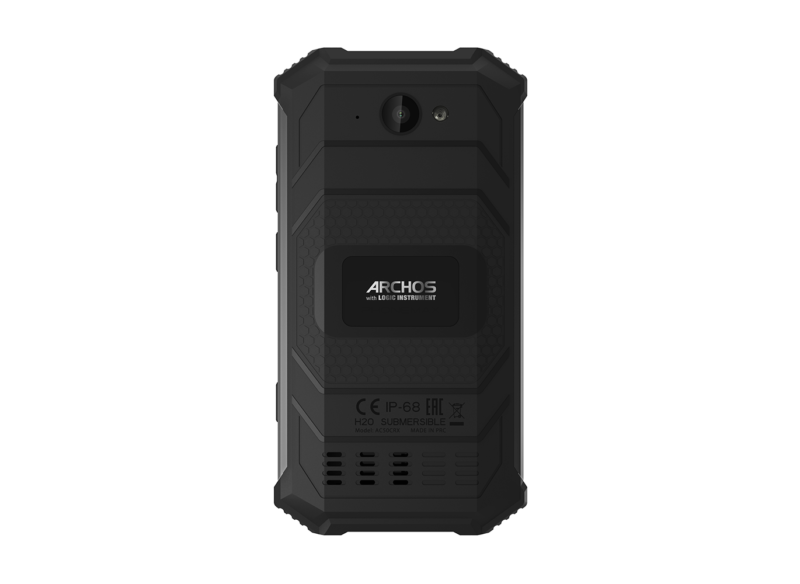
Rugged phones always need more premium and resistant materials to be manufactured. That is why their price is usually higher than traditional smartphones with similar specs. Archos Saphir 50X is a device which has been launched to solve this issue. It is a rugged device, but it will launch in Europe with a very affordable price tag: it will cost just €149.90 in the Old Continent, which roughly translates into $183.
According to the company, this device can fall from one meter of height without any damage. Further, it has IP68 certification which makes it fully waterproof and dust-resistant. Archos Saphir 50X can be put underwater up to 1.5 meters deep for 30 minutes at max. Given that it is an affordable device, it features low-end specs. The handset is equipped with a 5-inch display which shows images at an HD resolution of 720 x 1280 pixels with the IPS LCD technology.
On the hardware side, it has a quad-core MediaTek SoC, 2 GB of RAM and 16 GB of internal storage. The main camera has a resolution of 13 MP, the front camera for selfies is a classic 5 MP snapper and the battery has a capacity of 4000 mAh. Archos Saphir 50X comes with Android Nougat out of the box and we do not know if it will ever update to Oreo.
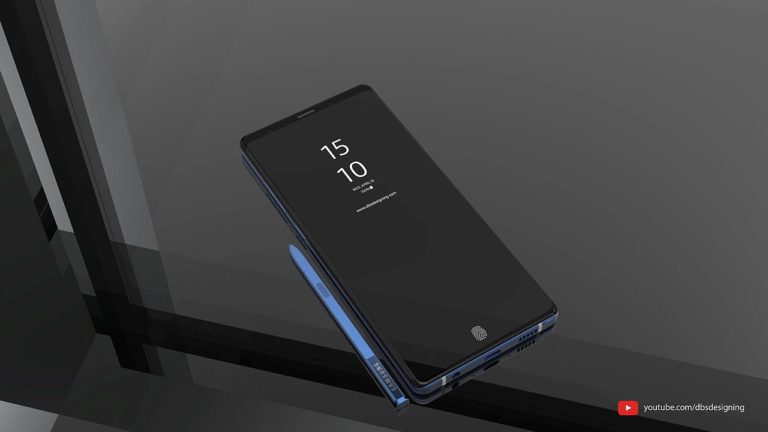
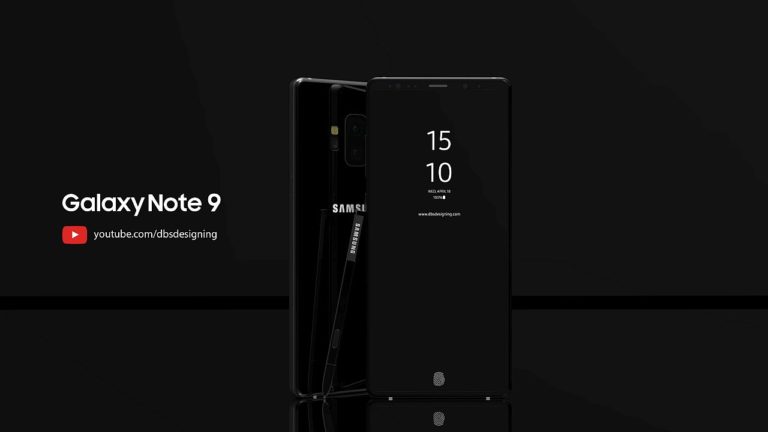
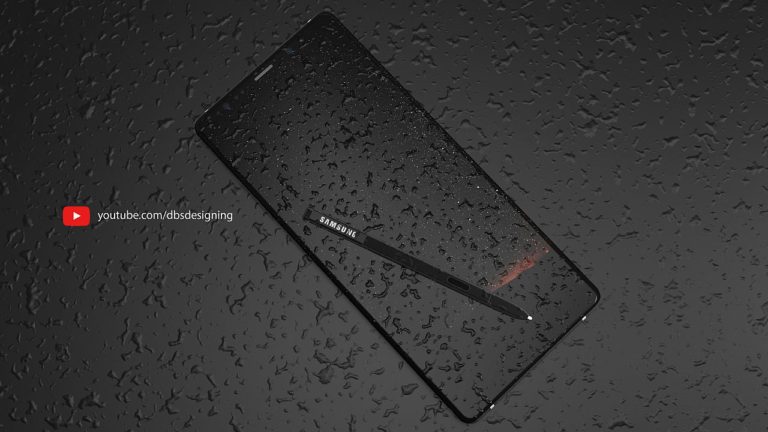
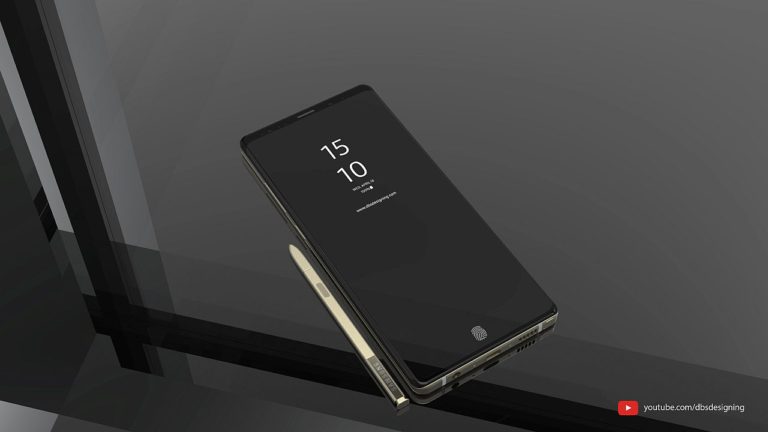
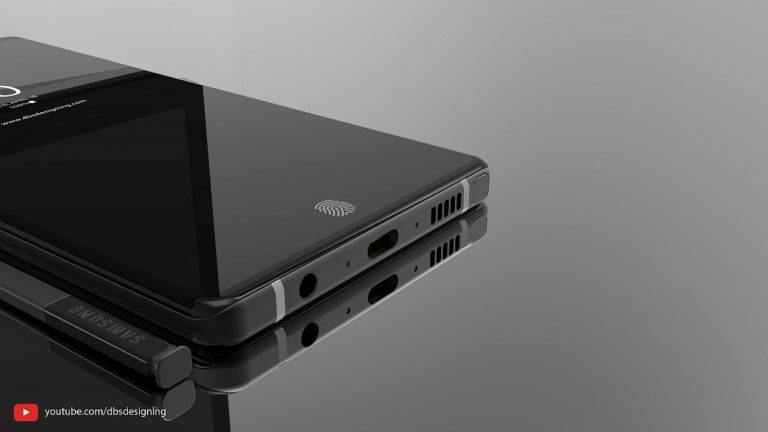
Since after the launch of the Galaxy S9 duo, the Galaxy Note 9 is the next Samsung device that has been reverberating the tech blogosphere. The last couple of weeks have seen an increase in the number of leaks centred on the next-gen flagship Note series model. The device has made an appearance on GeekBench and the name has been confirmed by Samsung’s trademark filing in faraway Colombia. There are even speculations that the Note 9 may make an early entrance this June. While all these rumours and leaks simmer on, we have got a concept design of the Galaxy Note 9 featured in a video by DBS Designing.
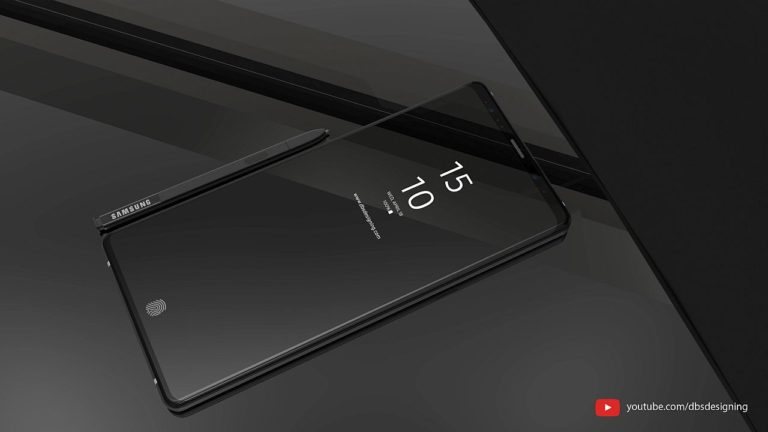
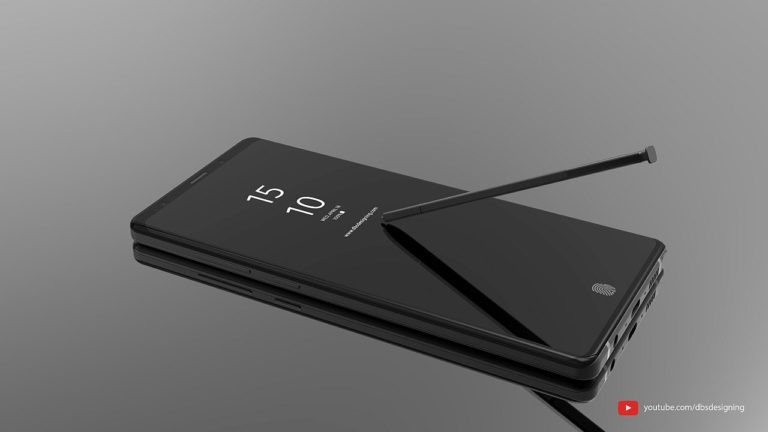
DBS Designing is known for its interesting concept design of upcoming smartphones and the Galaxy Note 9 Concept design is no less interesting. The designers are hoping that the Note 9 will use a different design style from the Galaxy Note 8. The concept design looks a bit more squared and angular despite the curved glass panel at the front and back. The design of the stylus pen is also tweaked to provide more colourful options for fans to choose from. The aspect ratio seems to also deviate from that of the note 8 as the Note 9 looks wider and a bit shorter in these concept renders.
On the specs angle, the Galaxy Note 9 is envisaged to come with a 6.3-inch QHD+ Super AMOLED Screen on board with almost zero bezels. The concept also hints at an in-display fingerprint sensor on the Galaxy Note 9 but that is yet to get some confirmation for real. The device is expected to run Android P out of the box and also feature an 8GB RAM variant. The Galaxy Note 9 is said to feature a bigger battery than its predecessor but is expected to have a slimmer build than the 8.5mm thick Galaxy Note 8. We may still have to wait a little longer for the real photos of the Note 9 to starts appearing. Before then, do check out the Galaxy Note 9 Concept design in the video below and tell us what you think in the comment section.
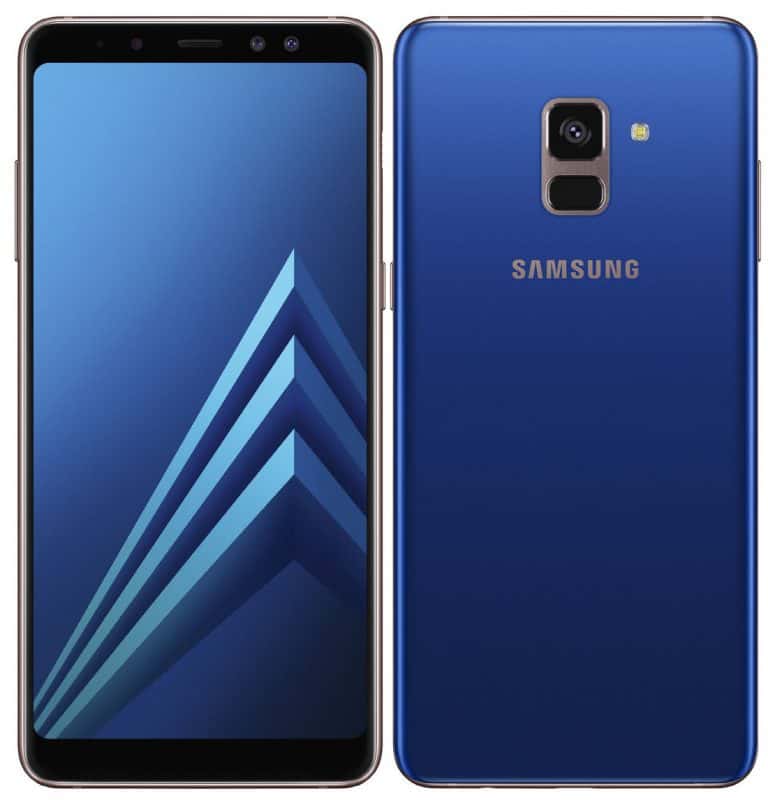
The upcoming Galaxy A6+ had briefly appeared on the official website of Samsung. However, the listing did not reveal any specifications of the phone, but only confirmed its model number as SM-A605FN/DS. In the previous month, the Galaxy A6 has received Wi-Fi certification. Earlier in this week, both the smartphones were also spotted on the website of the Federal Communications Commission (FCC), the telecom regulatory body from the U.S. The ah Today, a leakster has revealed some of the key specs of the Galaxy A6.
The Galaxy A6 and A6+ are rumored to arrive as lower versions of the Galaxy A8 and A8+ smartphones that were launched at the end of 2017. Fresh information reveals that the Galaxy A6 will featuring a 5.6-inch Infinity Display that will carry support for Full HD+ resolution of 2280 x 1080 pixels and it will be powered by Exynos 7870 chipset and 3 GB of RAM. It will be arriving with a native storage of 32 GB.
On the other side, the Galaxy A6+ will be featuring a large display of 6 inches that will carry support for the same Full HD+ resolution like its smaller sibling. The Snapdragon 625 chipset is speculated to power the phone along with 4 GB of RAM. It will be arriving with a native storage of 32 GB.
The tipster has also claimed that it could feature the Snapdragon 450 SoC. These phones are expected to come loaded with Android 8.0 Oreo that could be customized with the latest Samsung Experience UI 9.0. As of this writing, there is no information on the camera configurations and battery capacity of these phones.
Recent reports have claimed that the Galaxy A6 duo will be coming to markets like the South America, Europe, Russia and the Middle East. Since the A6 and A6+ have passed some of the necessary certifications, the arrival of these phones seems imminent.
Samsung, over the last one year, has seen record profits in its quarterly financial reports starting from the second half of 2017. The record earnings have not been driven by smartphone sales as one would ordinarily assume but were mostly due to a high demand for memory chips. Samsung is one of the major suppliers of DRAM chips globally.
According to a recent report obtained by Reuters, the leading global phone manufacturer is expected to post over 50% YoY rise in profits when the financial results for the first quarter of the year spanning January-March 2018 are eventually released. Samsung has now confirmed this in its guidance number announced today. The South Korean company is expected to rake in KRW60 trillion in consolidated sales (about $56.1 billion) and KRW15.6 trillion in operating profit (around $14.6 billion). It should be noted that this is an all-time high. When compared to the company’s earnings for Q1 2017 pegged at KRW 9.9 trillion, the figure is 57% higher.
The record profits are attributed to the new Galaxy S9 and S9+ flagships as well as the new Galaxy A8 (2018) smartphones. More significantly, the thriving DRAM chip market and its OLED panel sales were also instrumental to its success. According to previous reports, Samsung has 70 cents in operating profit of every $1 DRAM chips sold.
Samsung usually posts the detailed results for each quarter in the last Friday of the month following the quarter. So, we will have to wait for three more weeks to get the full breakdown of the company’s Q1 earnings.
We use cookies on our website to give you the most relevant experience by remembering your preferences and repeat visits. By clicking “Accept”, you consent to the use of ALL the cookies.
This website uses cookies to improve your experience while you navigate through the website. Out of these, the cookies that are categorized as necessary are stored on your browser as they are essential for the working of basic functionalities of the website. We also use third-party cookies that help us analyze and understand how you use this website. These cookies will be stored in your browser only with your consent. You also have the option to opt-out of these cookies. But opting out of some of these cookies may affect your browsing experience.
Necessary cookies are absolutely essential for the website to function properly. This category only includes cookies that ensures basic functionalities and security features of the website. These cookies do not store any personal information.
Any cookies that may not be particularly necessary for the website to function and is used specifically to collect user personal data via analytics, ads, other embedded contents are termed as non-necessary cookies. It is mandatory to procure user consent prior to running these cookies on your website.

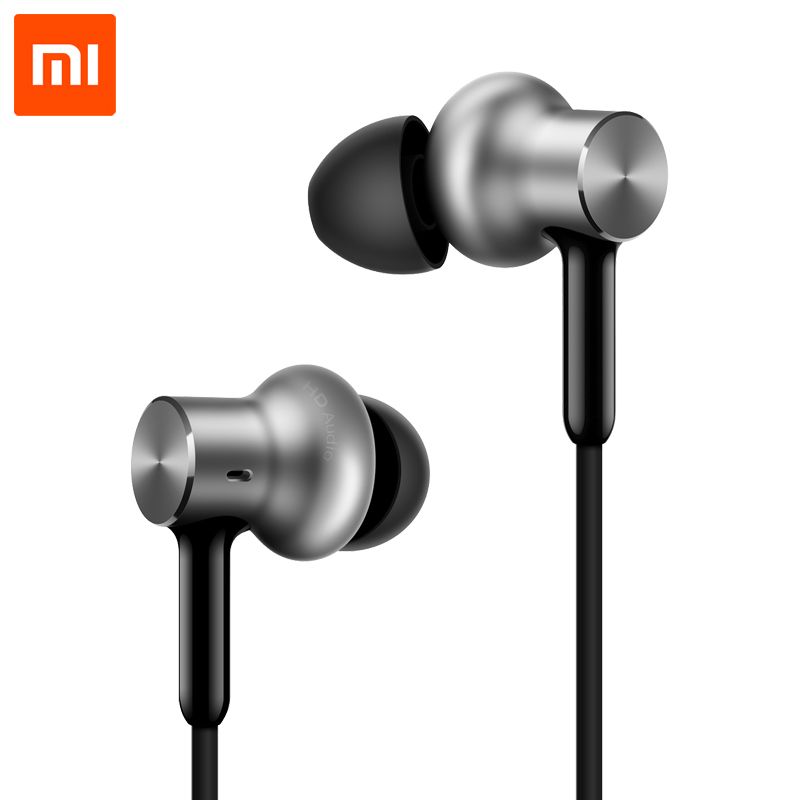 The site is giving a 16% off on the device’s real selling price of $75.99 for a limited period of time. Moreover, the discount is valid for gray and black color versions of the earphone.
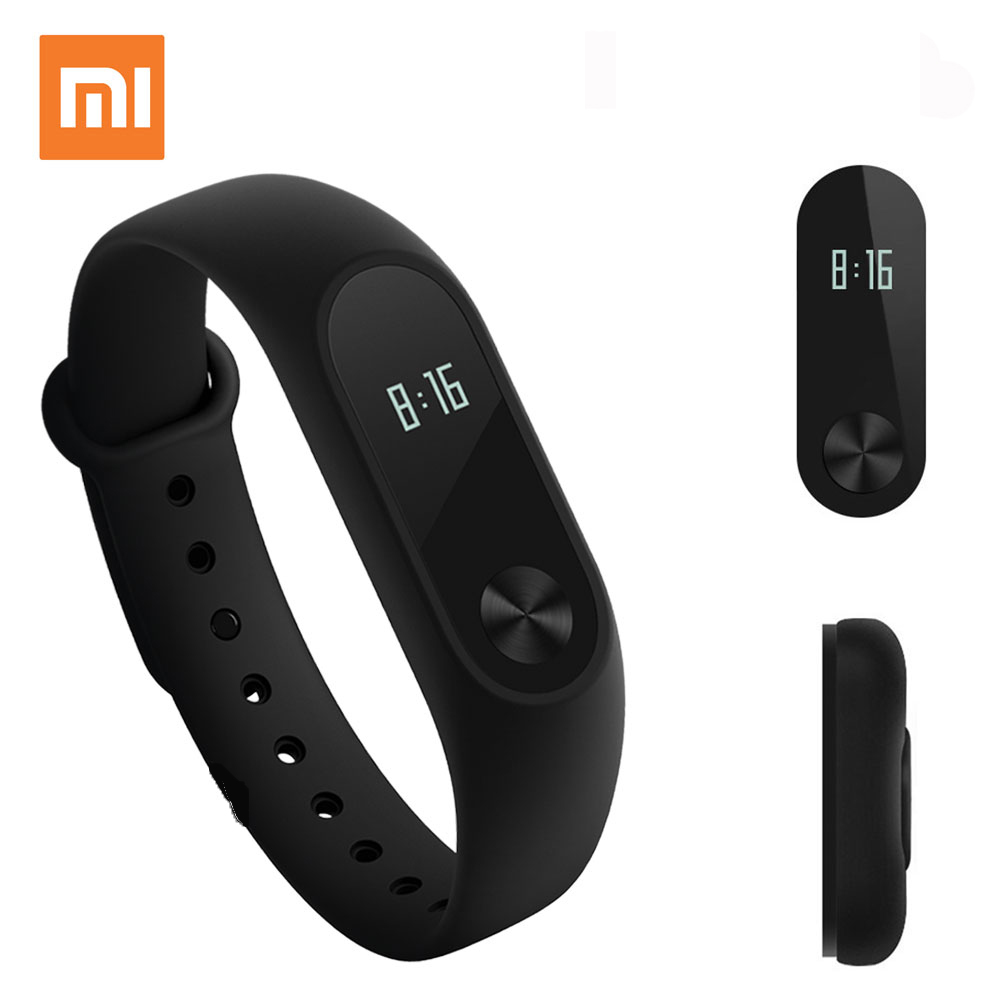 Thanks to the aforesaid discount, you can now get your hands on the device by shelling out just $24.99. On the downside, there were only 89 pieces left and the promo is slated to end on April 10.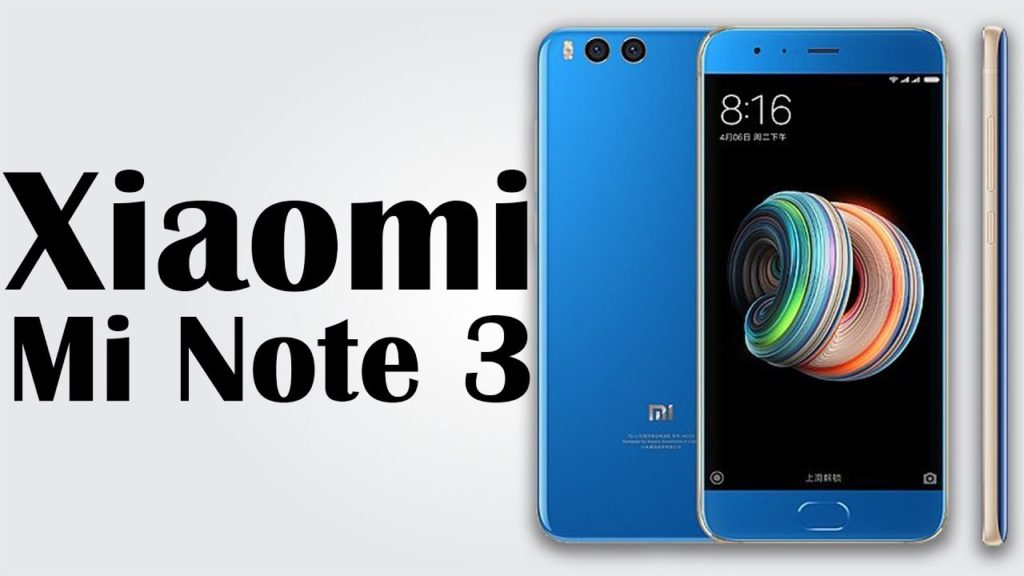


 This is a noteworthy 12% reduction in the laptop’s retail price. Apart from that, you’d also earn 884 Banggood points.