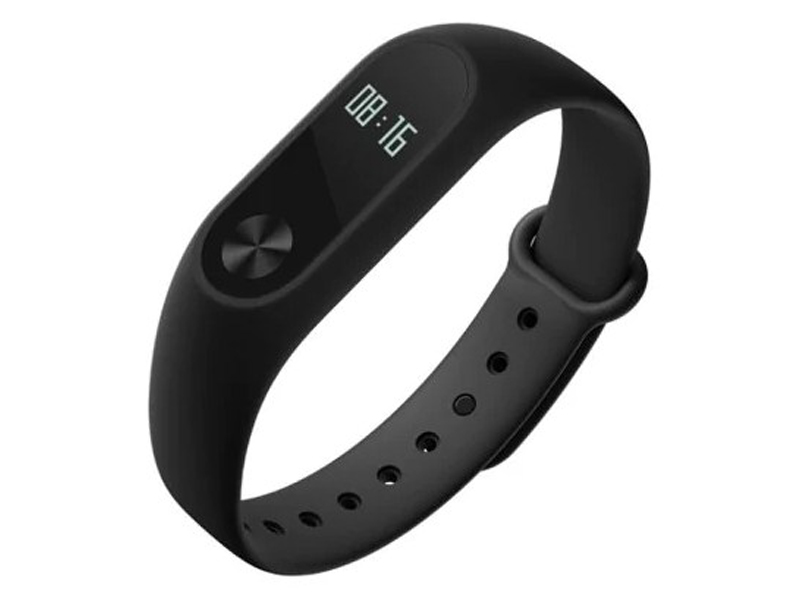
Health freaks, rejoice. You can now buy the already low-priced Mi Band 2 from Xiaomi at an even cheaper price on Banggood.
The Mi Band 2 boasts an array of awe-inspiring features such as heart rate sensor and sleep tracker. On top of that, it offers an impressive battery life of a week and water resistance as well.
Other features include improved pedometer algorithm, touch button, OLED display and an all-new design. This Xiaomi-branded smart wristband bracelet is ideal for health-conscious people who want a basic fitness tracker for walking.
The device is currently up for grabs on Banggood for $31.99. The site is offering a discount wherein those who buy 2 pieces need to pay only $56.95 for both i.e. they pay $28.49 for each piece.
You can use coupon code ‘band2mi’ and save $7.04 more before checking out. You end up paying only $24.95 for Xiaomi Mi Band 2. As if that weren’t enough, you also earn 31 Banggood points. You can head straight to this link to take advantage of this promo before it comes to an end.
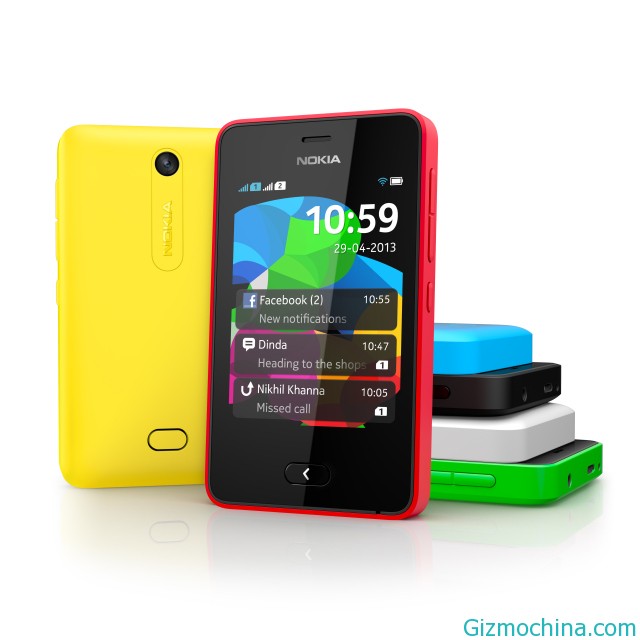
HMD Global had relaunched the Nokia brand in the smartphone industry last year. It appears that it will be soon launching phones with “Asha” branding in the near future as it has trademarked the moniker with European Union Intellectual Property Office (EUIPO).
Few years ago, when Microsoft had acquired the mobile division of Nokia, it had also received Asha brand name. However, before Nokia was taken over by Microsoft, the Asha branding belonged to the Finnish firm. Since Asha brand included lowly priced feature phones, it seems that HMD Global is interested in launching such phones as it has trademarked the brand. However, there is no information available on the deal that may have happened between HMD Global and Microsoft to get the Asha brand name.
The Asha brand was quite popular in emerging markets. However, Microsoft had canceled the Asha series of phones because it competed with low-priced Lumia phones such as the Lumia 435. HMD Global has only bagged the Asha brand from Microsoft, but there is no confirmation on whether it will be launching Asha series of phones.
HMD Global is reportedly working on a new feature phone with model number TA-1047 apart from the Nokia 3310 4G that is rumored to debut soon. Could it be the next Asha phone? We will have to wait few more weeks for the rumor mill to reveal more information on it.
Do you think that HMD Global should reintroduce Asha phones in the market? Share us your views by adding your comments below.
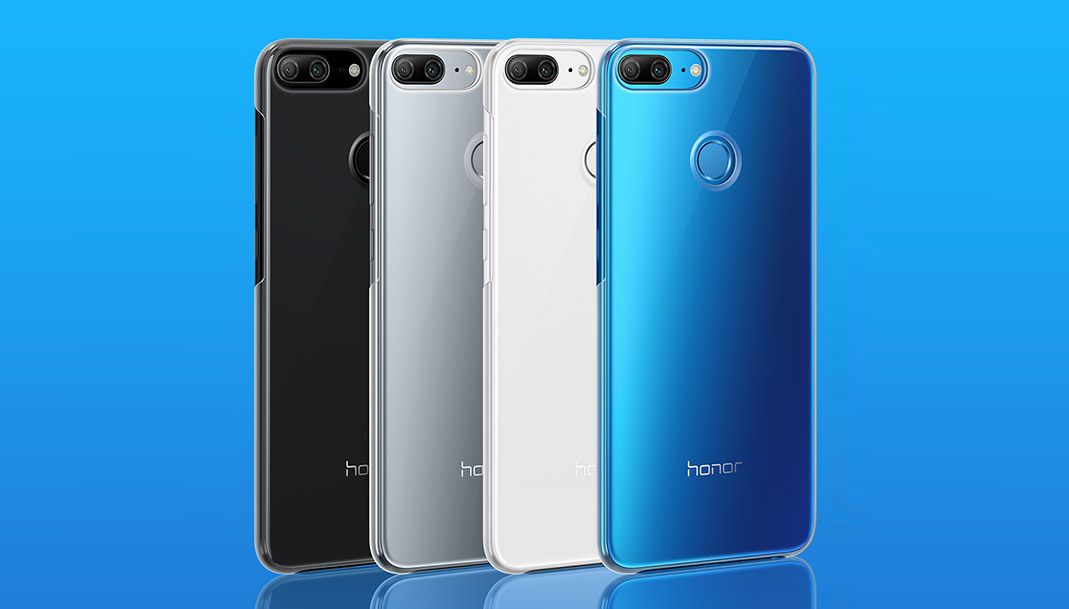
Honor recently revealed that it planning to soon launch a smartphone in India with four cameras and a glass unibody design. However, the company didn’t reveal further information related to the device. Now, the China-based company has confirmed that the phone in question is Honor 9 Lite and will be exclusively available through India’s online retailer Flipkart.
The Honor 9 Lite was originally launched in China last month. It flaunts a 5.65-inch Full-HD+ display with screen resolution of 2160 x 1080 pixels and 18:9 aspect ratio and 2.5D curved glass on top. Under the hood, the device is powered by company’s own HiSilicon Kirin 659 processor, clocked at 2.36GHz and accompanied by Mali T830-MP2 GPU.
The phone was launched in three variants — 3GB RAM with 32GB internal storage, 4GB RAM with 32GB internal storage and 4GB RAM with 64GB onboard storage. It is not yet known if the company plans to bring all three models to India or not.
Coming to the camera department, the phone features four cameras — dual-camera setup at the back as well as on the front, with a combination of 13-megapixel primary sensor and a 2-megapixel secondary sensor. The rear camera comes with phase detection autofocus (PDAF) and LED flash.
There is a fingerprint sensor on the back of the phone, for added security. Software-wise, the Honor 9 Lite is running Android 8.0 Oreo operating system based EMUI 8.0. Connectivity options on the device include dual-SIM slots, 4G LTE, Wi-Fi, Bluetooth and GPS. The device is fuelled by a 3,000mAh battery that is equipped with an intelligent power saving feature.
In China, the phone was launched in in four colour options — Navy, Seagull Gray, Magic Nightfall and Pearl White. Its pricing starts at 1199 yuan (approximately $182) and we are expecting similar pricing in India too. For pricing and availability details, we’ll have to wait for the company to officially launched the phone in India, which will happen by the end of this month.
The Mavic Pro sports a sleek design and is housed in a compact body, striking a perfect balance between power and good looks.
Moreover, it boasts a radically enhanced 30-minute flight time, paired with a considerable 60% noise reduction, which makes it the best photography and videography drone for both personal and commercial use. On the downside, the device comes bearing a relatively steep price tag.
If you’ve been waiting to get your hands on this DJI-manufactured foldable drone without shelling out a fortune, you’re in for a treat. You can now buy RTF (Ready-To-Fly) as well as RTF Fly More Combo versions of the Mavic Pro at a considerably-discounted price on GeekBuying.
The RTF-Fly More Combo is up for grabs for $1399 on GeekBuying. In other words, you save 13% on this version of the Mavic Pro. This promo ends in just 2 days.
Alternatively, you can go for the RTF version by shelling out just $1069, which is a 16% reduction in the device’s original asking price of $1299.99. This promo is slated to end in 4 days.
At the time of checking out, you can use promo code ‘YMZQZMQF’ and get an additional discount of $240. You end up paying just $1059. Click here to buy DJI Mavic Pro drone for just $1059 by applying the aforesaid coupon code before the promo comes to an end.
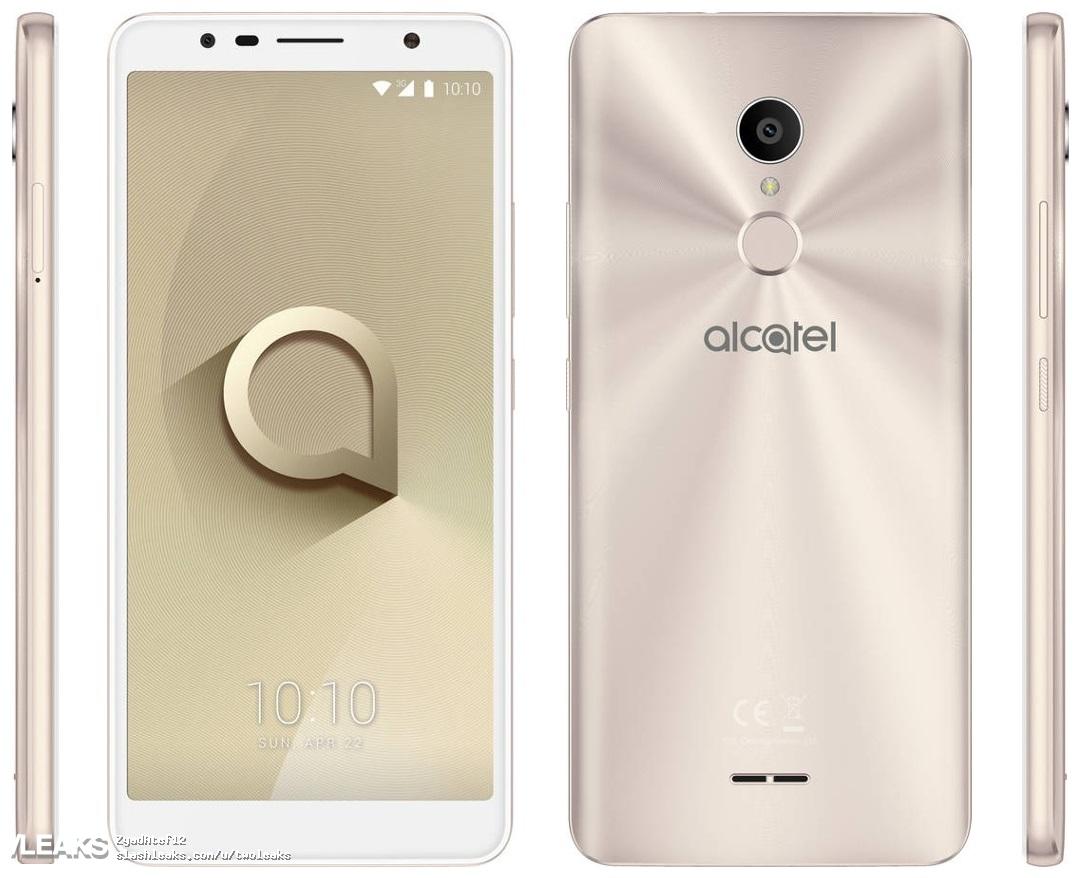
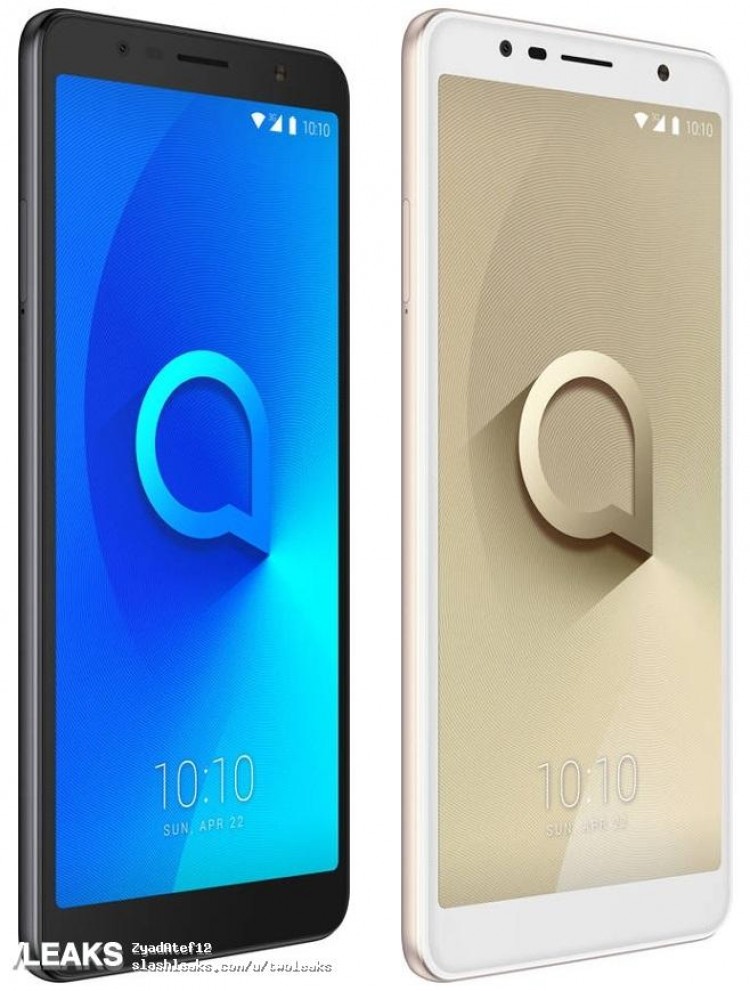
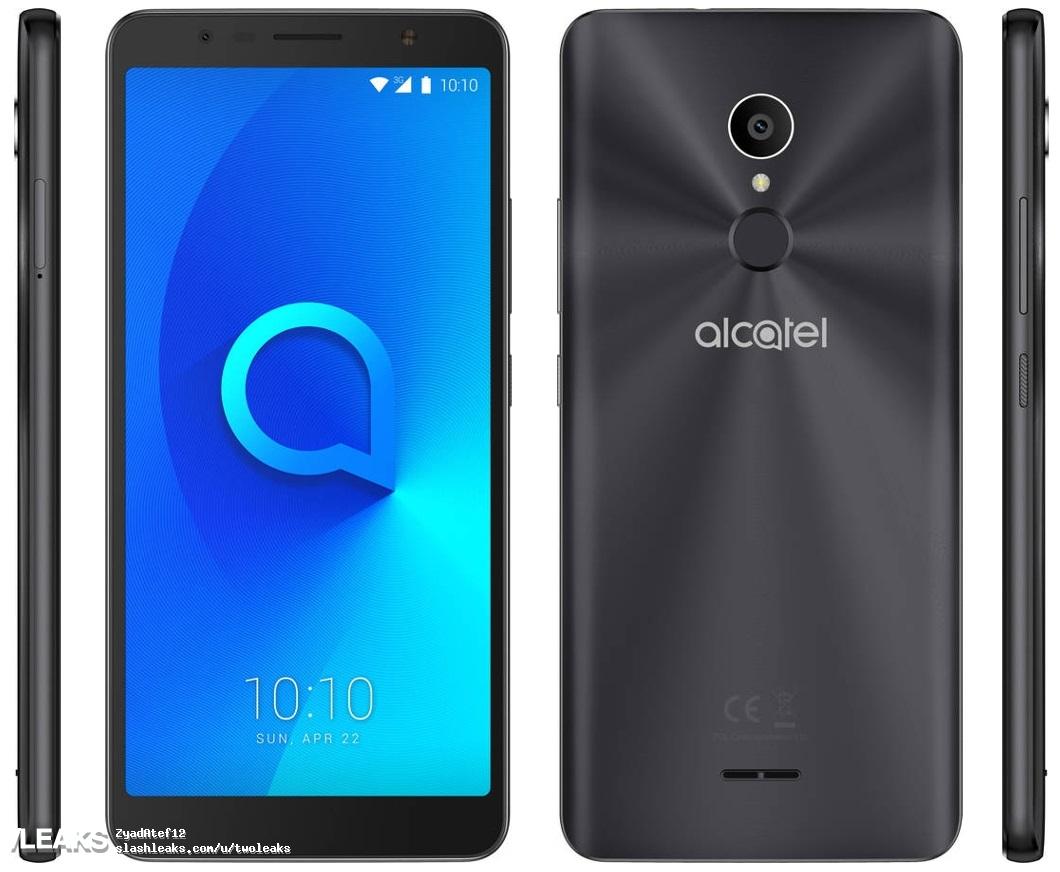
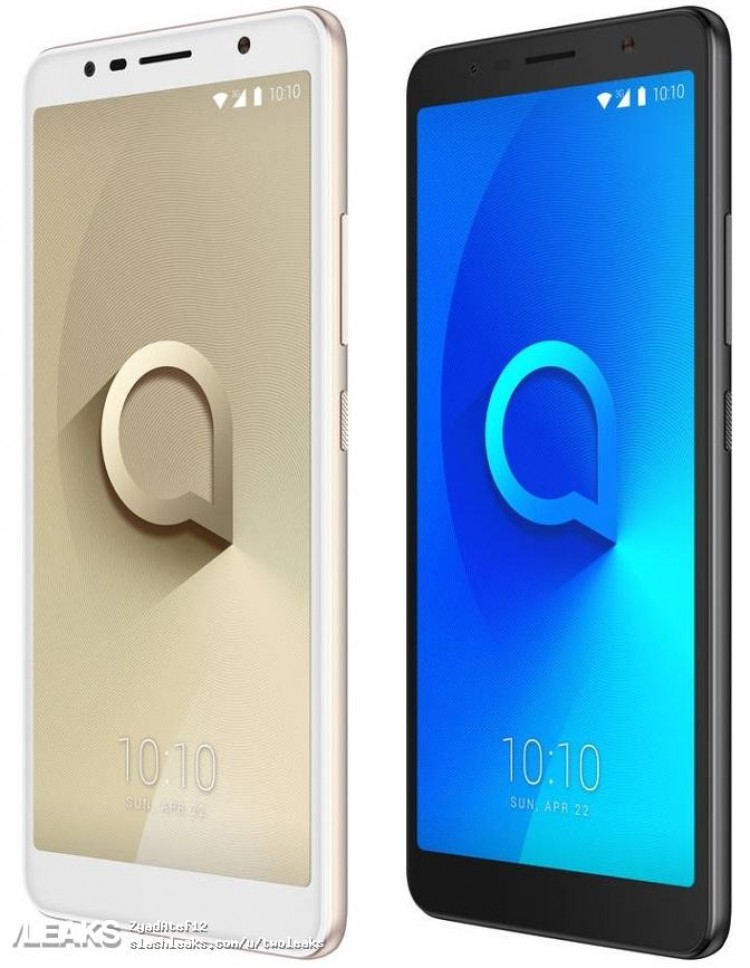
At the Consumer Electronics Show (CES) 2018, TCL had announced its upcoming Alcatel branded smartphones. However, it did not reveal any information on the specifications of the new phones. It is speculated that the Chinese smartphone manufacturer will showcase around six Alcatel smartphones at the Mobile World Congress (MWC) 2018 that will be held in the next month in Barcelona, Spain. Today, fresh renders of the upcoming Alcatel 3c smartphone have surfaced to reveal its appearance and color variants.
Even though the Alcatel 3c is a budget phone, it sports a premium finish and a slim appeal. It will be featuring a polycarbonate chassis with metallic finish. It will be coming in three color choices such as Metallic Black, Metallic Blue and Metallic Gold. The dimensions of the Alcatel 3c are 161 x 76 x 7.9mm and its weight is 168 grams.
A previous report has revealed that it will be housing a large-sized display of 6 inches that will carry support for HD+ resolution of 720 x 1440 pixels. The screen will be supporting an aspect ratio of 18:9. It will be fueled by MediaTek MT8321 chipset that includes a quad-core processor that has a maximum processing speed of 1.3 GHz. The SoC will be accompanied by 1 GB of RAM. It will be coming with an inbuilt storage of 16 GB and it will carry support for microSD card.
The Alcatel 3c will be featuring a rear-mounted camera of 8-megapixel and a selfie snapper of 5-megapixel. These cameras are equipped with LED flash. It will be running on Android 7.0 Nougat and it will include a 3,000mAh capacity battery that will deliver a standby time of about 300 hours. The connectivity features that will be arriving on the Alcatel 3c include Wi-Fi, HSPA+, 4.2 Bluetooth, GPS, and dual-SIM.
These specifications indicate that the Alcatel 3c will be an entry-level smartphone from TCL. It is speculated to be priced at 120 euros (~$144). The rumor mill is expected to reveal more information on the specifications of the other Alcatel branded phones before the MWC 2018 begins.
During a press conference by Samsung at the ongoing Consumer Electronics Show (CES) in Las Vegas, the company’s chief of mobile, DJ Koh, confirmed that its flagship smartphones — Galaxy S9 and Galaxy S9 Plus will be announced at the upcoming Mobile World Congress.
Earlier, there were reports suggesting that the South Korean giant could showcase the Galaxy S9 series at CES 2018. But that is not happening and it has been confirmed that the series will be announced at the MWC 2018 that will take place in February in Barcelona.
The Galaxy S9 series has been a subject of several leaks, revealing information about its design and key specifications. Recently, a leak related to device revealed information about various variants based on the memory configuration.
The Samsung Galaxy S9 will pack 4GB RAM and will be available in two variants based on the internal storage — 64GB and 128GB. On the other hand, the Galaxy S9 Plus will come with 6GB RAM and will have four storage variants — 64GB, 128GB, 256GB and 512GB. However, the 512GB internal storage variant is expected to be available in select regions only that too in limited quantity.
It is expected to be powered by Qualcomm‘s Snapdragon 845 process in the United States and China, while the international variant will be powered by company’s own Exynos 9810 chipset, which comes with improved CPU, GPU performance, artificial intelligence (AI), and deep learning.
Both the devices are expected to retain the same display sizes as of their predecessors — 5.8-inch and 6.2-inch, respectively. The Galaxy S9 is rumoured to sport a single rear-facing camera, while the S9 Plus will feature a dual rear-facing camera setup.
While the company has not revealed any further information, we are expecting the devices to go on sale sometime in March, soon after the company announces pricing and availability information in late February.
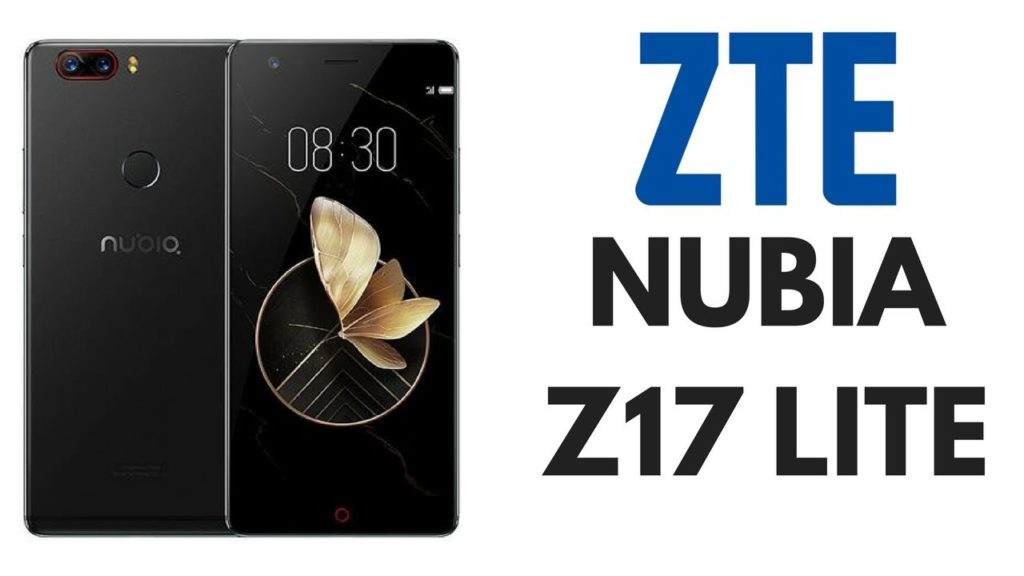
After hitting the store shelves in August last year, ZTE Nubia Z17 Lite garnered huge popularity among smartphone lovers. The handset sports a 5.5-inch touchscreen display with a screen resolution of 1080 X 1920 pixels. It comes with a 13MP dual rear camera and is powered by Snapdragon 653 Octa Core processor, and boasts an array of other awe-inspiring features that propelled it to popularity among tech buffs.
If you’ve restlessly been waiting to get your hands on this steeply priced smartphone without burning a big hole in your pocket, we got good news for you. GeekBuying is currently offering considerable discounts on various version of the smartphone. Let’s check out the details.First off, the site is offering a 38% discount on the Black Gold version of the Nubia Z17 Lite smartphone, bringing its original $449.99 selling price down to just $259.99.
The Blue version of the smartphone, on the other hand, is up for grabs for just $259.99. But if you’re willing to shell out a little more, you can go for the Package B Black Gold version of the Nubia Z17 Lite, which bears a price tag of $307.99, thanks for a considerable 32% discount.
You can check out rest of the versions and buy your favorite color option by heading straight to this link. It’s worth noting that the promo is slated to end in just a few days.
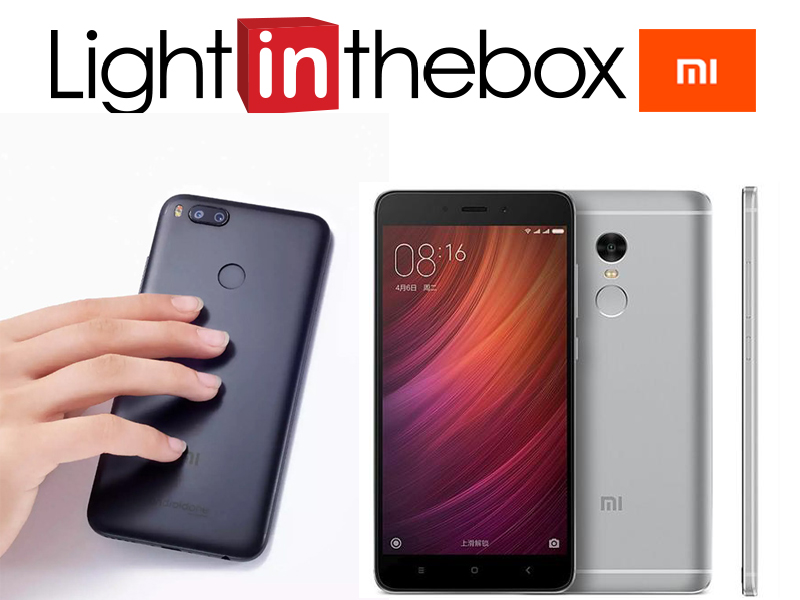
LightInTheBox, an international online retail company is currently offering considerable discounts on a few Xiaomi-branded smartphones. Let us delve straight into the details.
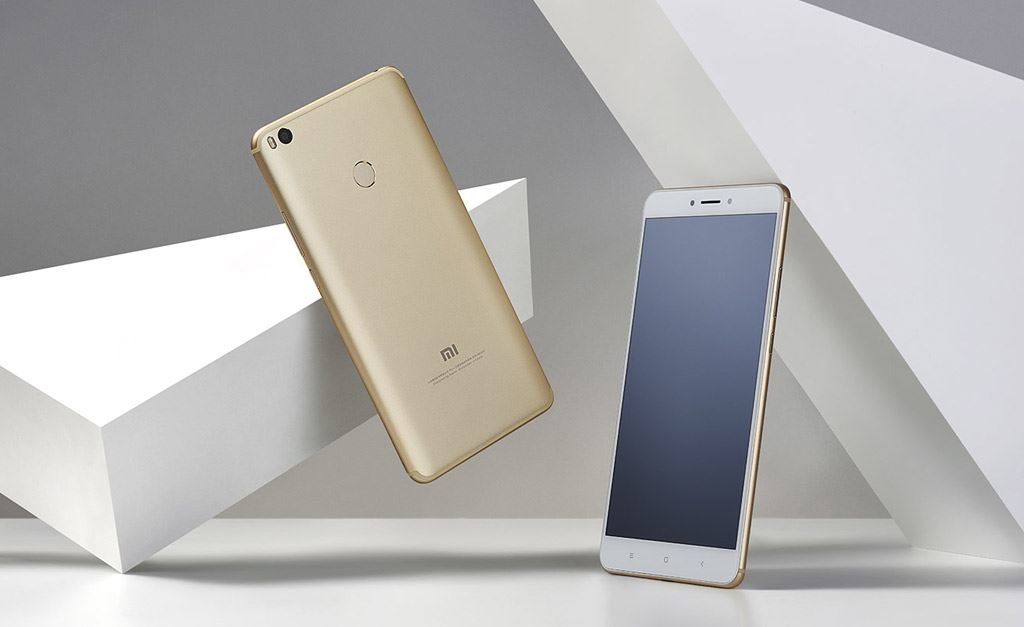
Xiaomi Mi Max 2 4G Smartphone (International Version)
The international version of Xiaomi’s Mi Max 2 4G smartphone is currently up for grabs on LightInTheBox for a heavily discounted price of $195.22. This is a massive 67% reduction in the phone’s original asking price of $587.43.
Under the hood, the Mi Max 2 packs Qualcomm Snapdragon 625 processor, paired with 4GB of RAM and 64GB of internal memory. It sports a 12MP rear-mounted camera and a mammoth 6.4-inch display with a screen resolution of 1920×1080 pixels.
Click here to buy the black-tinted Xiaomi Mi Max 2 4G smartphone and take advantage of the discount before the promo comes to an end. It’s worth noting that there were only 196 pieces remaining at the time of writing.
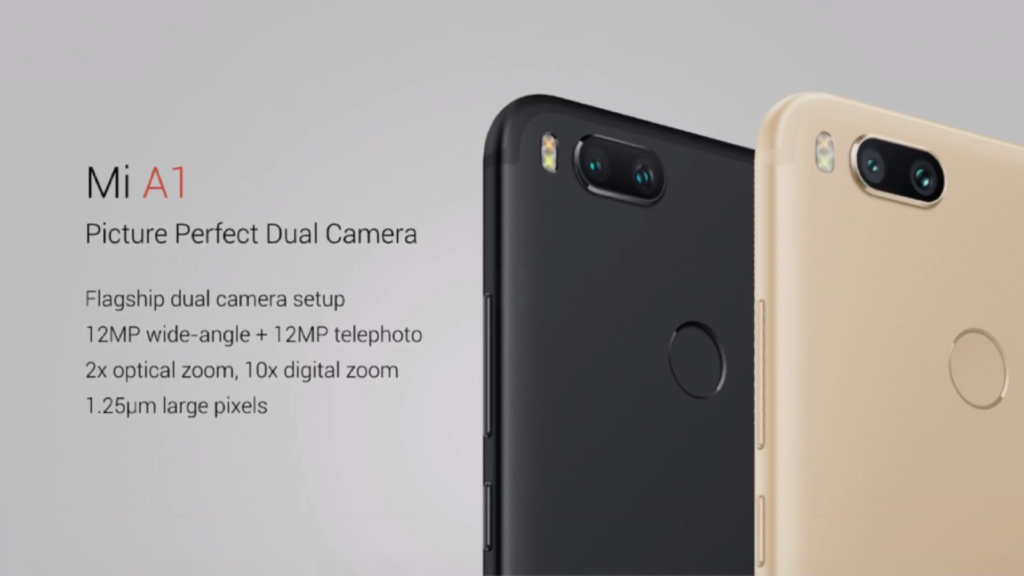
Xiaomi Mi A1 4G Smartphone
Powered by Qualcomm Snapdragon 625, the Mi A1 smartphone sports a 5.5-inch display with a screen resolution of 1920 X 1080 pixels. The 4G smartphone comes with 12MP+12MP camera setup at the back and a 5MP front shooter for selfies. You can now buy the black and golden versions of the Mi A1 smartphone for $180.67 and $179.04, respectively on LightInTheBox.
With only 60 pieces remaining on the website at the time of writing, the golden-hued Mi A1 smartphone bears an affordable price tag of $179.04, which is a significant 37% discount in the device’s original asking price of $284.99.
Similarly, the black color version of the Mi A1 smartphone is available for only $180.67 on LightInTheBox. Buyers need to spend an additional $1.63 for this version, but it’s still a considerable 37% reduction in the device’s original selling price of $286.78.
Only 60 pieces were remaining at the time of writing. Click here to buy Xiaomi Mi A1 4G smartphone before the remaining pieces are sold out.
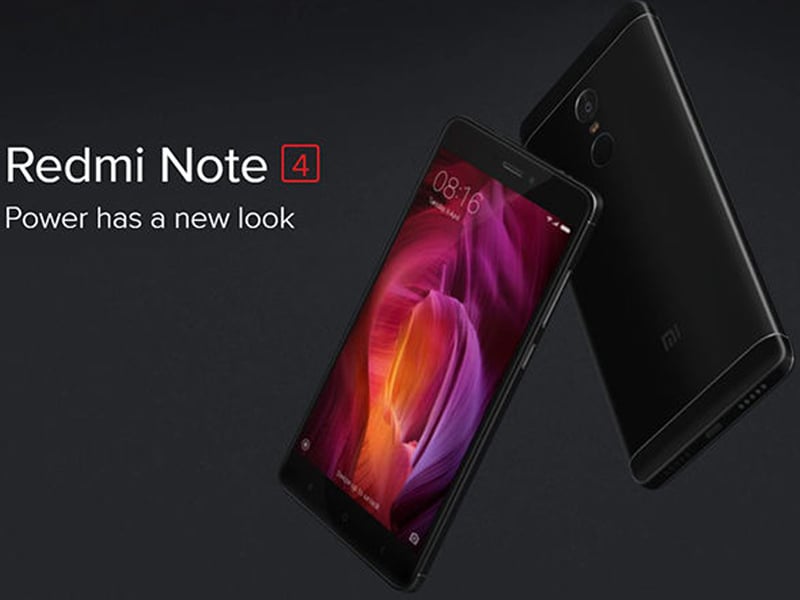
Xiaomi Redmi Note 4
Black and gray color options of the very well-received Xiaomi Redmi Note 4 are available on LightInTheBox bearing discounted price tags of $185.24 and $166.24, respectively.
Both, the black and gray color options of the Redmi Note 4 carry a massive 65% discount on the original price; however, buyers need to shell out an additional $19 to get their hands on the black version of the 4G smartphone.
In terms of specs, the Redmi Note 4 packs 4GB of RAM, 64GB of ROM and is powered by Qualcomm Snapdragon 625 processor. It has a 5.5-inch display with a screen resolution of 1920 x 1080 pixels and a rear-mounted 13MP camera.
Head straight to this link to buy Xiaomi Redmi Note 4 before the promo comes to an end.
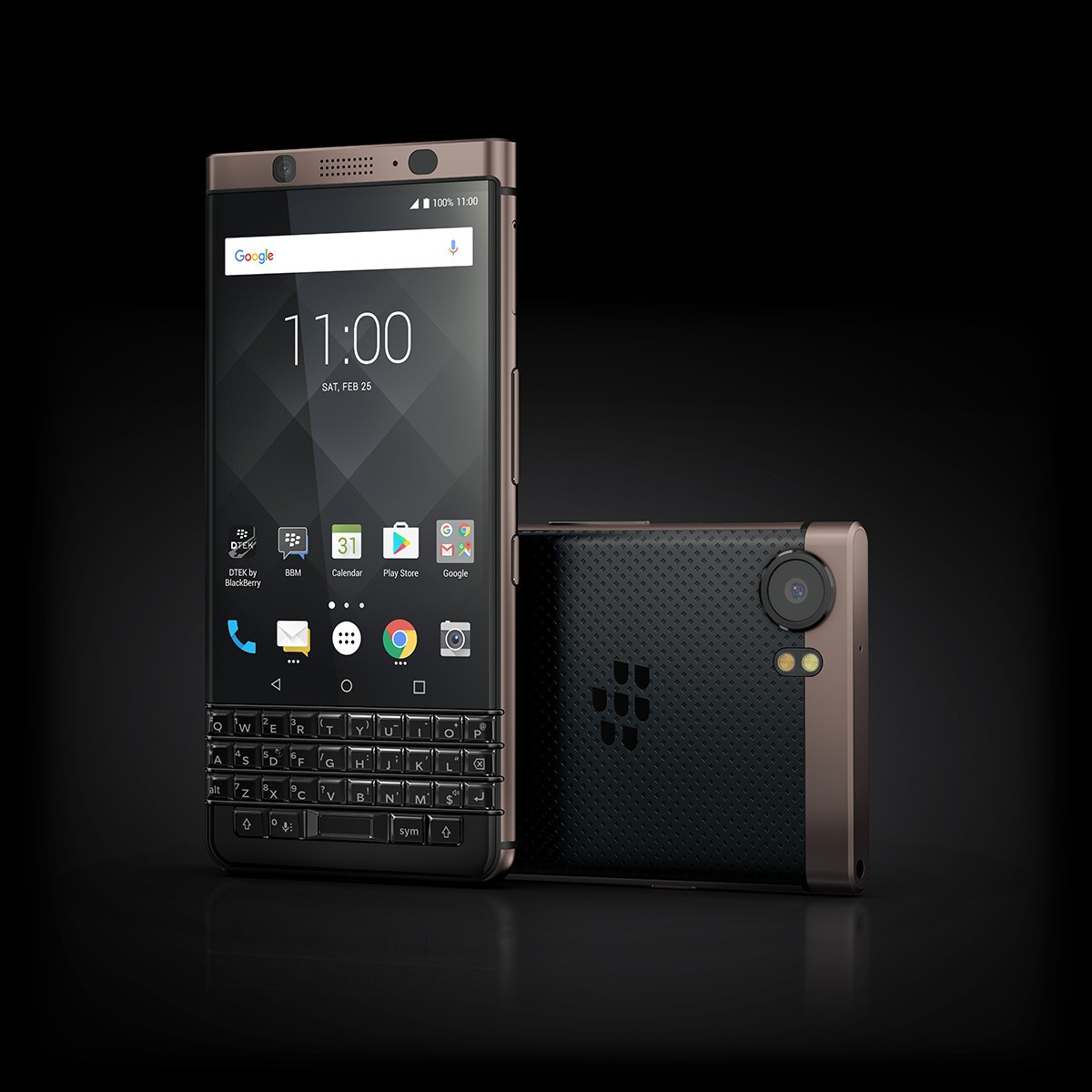
Big news for BlackBerry at CES 2018: the company, actually owned by TCL, has announced a Bronze Edition of its latest device, which is the BlackBerry Keyone. As the name suggests, the new variant distinguishes from the original one for the bronze color, which we can see on its frame and part of the back cover. It has also been confirmed that TCL will release at least two more BB smartphones in 2018, as it is satisfied with the results of the partnership with the Canadian company. Unfortunately, we do not have any info about the next BlackBerry phones, we can only expect a successor of Motion and a successor of Keyone, which are the devices released in the last year.
The Bronze Edition will be officially launched in the market starting from Q1 2018, and it will be available in select markets which will include Asian, European, and Middle East countries. In some of these select markets, the phone will also be equipped with a dual SIM slot to use two phone numbers on the same device. If we exclude the color, the specs of the Keyone remain exactly the same as the standard version. The handset has a 4.5-inch display with a FHD resolution of 1060 x 1620 pixels and also a physical QWERTY keyboard.
Under the hood, it sports an octa-core Qualcomm Snapdragon 625 SoC, 3 or 4 GB of RAM and 32 or 64 GB of internal storage depending on the variant chosen. Its main camera has a resolution of 12 MP, while the secondary camera has an 8 MP resolution. The battery has a capacity of 3505 mAh and the operating system installed is Android 7.1 Nougat. In the meantime, the Motion has just hit the U.S. market and it will be available to purchase starting from January 12 with a price tag of $449.99. BlackBerry is actually working on the Android 8.0 Oreo update for both the phone, so expect it to arrive soon.
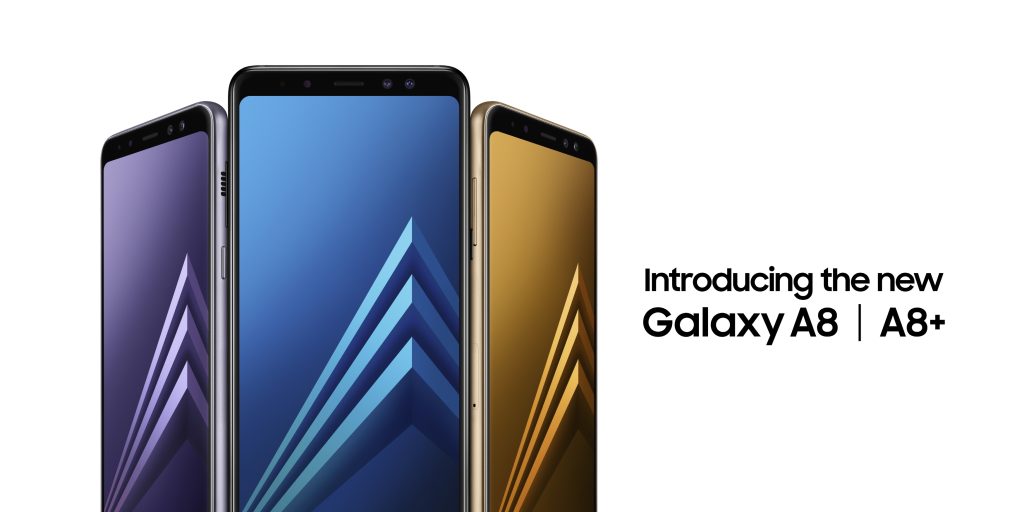
Samsung Galaxy A8+ (2018) has finally been made available for pre-order in the Indian market. After the launch in Vietnam and Europe (only the standard version), the new midrange model with Infinity Display has come in the Asian peninsula and it is actually possible to pre-order it from Amazon India. According to the Amazon website, the phone will be officially on sale from January 20, with a price tag of INR 32,990, that is equivalent to about 430 euros / 520 dollars.
It is not an affordable price, but in India Samsung Galaxy A8+ (2018) costs way less than the standard version in Europe. The original A8 has been launched in the Netherlands with a price of 499 euros: at just 50 euros more, thanks to street prices, you can actually find Samsung Galaxy S8 near this figure. Just to remind you, Samsung Galaxy A8+ (2018) offers a glass + metal design with IP68 certification for water and dust-resistance.
Samsung Galaxy A8+ has a Super AMOLED display with a size of 6 inches, an 18:9 aspect ratio and a Full HD+ resolution of 1080 x 2220 pixels. On the hardware side, it has an octa-core Samsung Exynos 7885 SoC with a max frequency of 2.2 GHz, 4 or 6 GB of RAM and 32 or 64 GB of internal storage depending on the variant. It also sports a dual selfie camera with resolutions of 16 + 8 MP, and a single 16 MP rear camera.
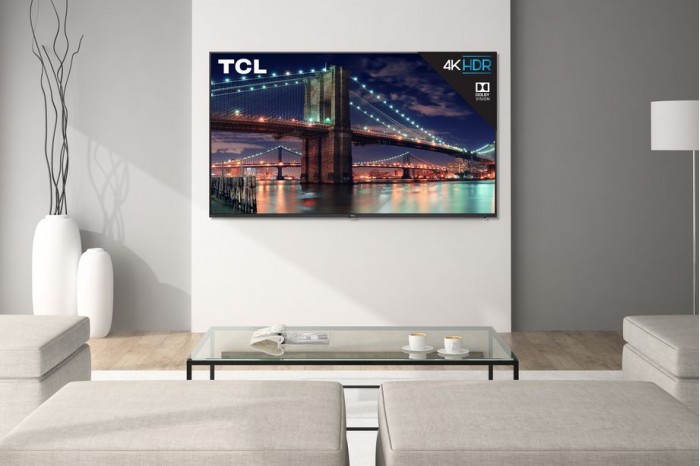
TCL has just showcased new 4K Roku TVs at CES 2018, which might be among the most interesting Chinese TVs of this year. The company released the P-Series in 2017 and they were simply great TVs in terms of quality-price ratio. Many people considered them the best TVs under 1,000 dollars, and they provided an excellent viewing experience thanks to their full-array local dimming, Dolby Vision, and HDR10 technologies. The only disadvantages of the P-Series were the size (the TVs have been launched only in a 55 inches version) and the plastic materials which were not the best.
For this year, TCL has decided to change the name of the series and to unveil two TVs which remedy these two issues. The P-Series has been renamed to TCL 6 series and it has been showcased at Consumer Electronics Show in Las Vegas, together with the 5 series. TCL 6 is a series composed of models with two different sizes: 55 and 65 inches. The first will have 120 local dimming zones, while the second will have 96 local dimming zones. This time, the design is made of metal with a matte finish.
According to the company, the 6 series can reach a higher peak brightness than the P-Series, and it might also be suitable for games thanks to its low input lag. It has the DCI-P3 color space coverage and the IPQ Engine which, according to the company, will provide a great precision at color performances. Besides the 6 Series, a 5 Series, which is a cheaper line of TVs, has been announced as well. It is equipped with the HDR10 and Dolby Vision technology just like the 6 Series, and it will be available to purchase in sizes from 43 to 65 inches. Both the series will be available to purchase starting from this spring, and they will have Roku OS installed which will allow the access to multiple streaming services and vocal commands.
For more coverage from CES 2018, check outthis link!
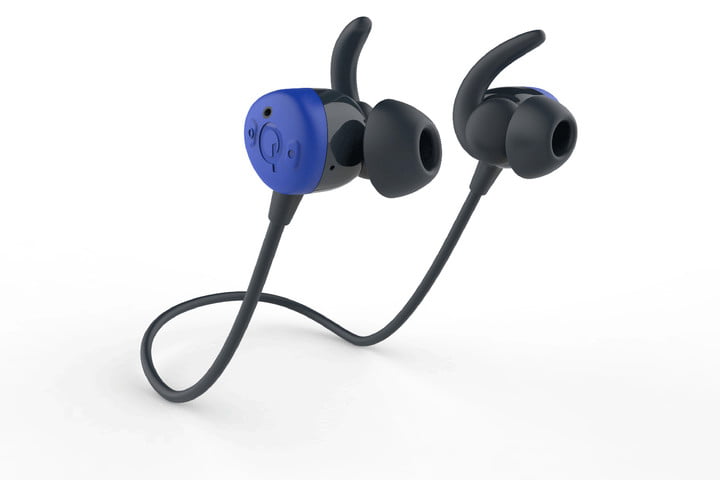
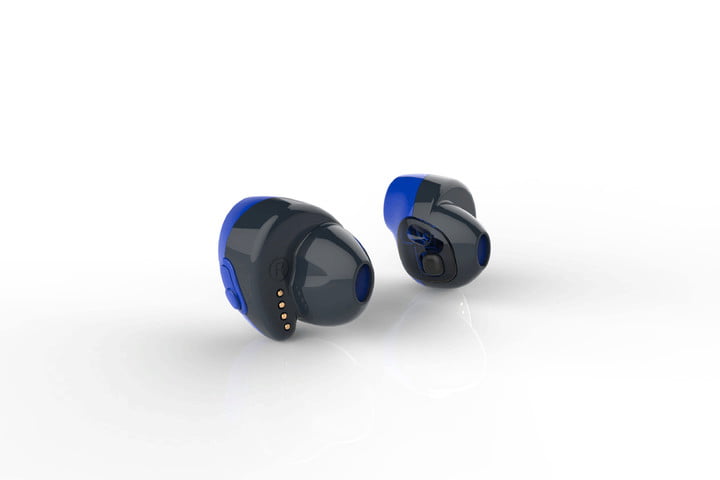
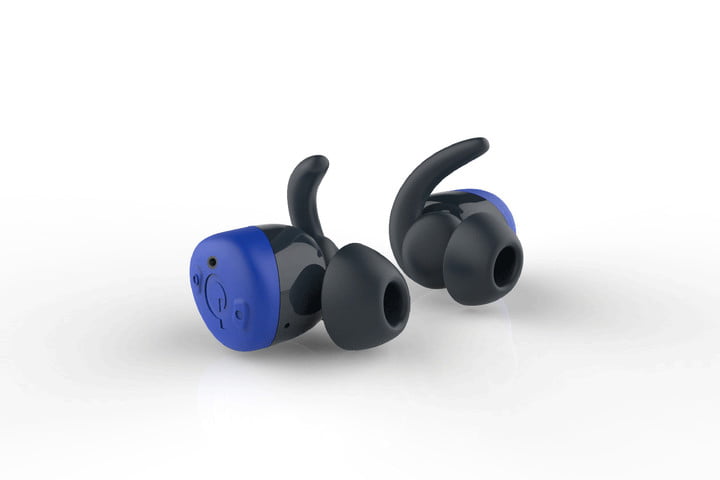
If you’ve ever owned a Bluetooth headset, you’ll probably agree that the biggest challenge is finding one whose battery lasts for a long time when in use. The battery life is usually short, the cheap ones won’t even last up to 10 minutes of music play. There is also the issue of weak connectivity signal. All that is set to change as Qualcomm has announced a new Bluetooth chip at CES 2018. The Qualcomm Bluetooth chip adopts the model number QCC5100 and is tipped as a low-power Bluetooth chip that can reduce energy consumption by 65%. Such a lofty claim, isn’t it?
The energy-saving capability of the new chip will ensure that the battery life of wireless headsets will be tripled. In addition, the processing power is also doubled when compared to the current crop of Bluetooth headphones which means that the new chip will be able to provide a more active noise reduction and hearing aid function. Specifically, the SoC is improved from a single-core CPU and a single DSP on the previous Qualcomm Bluetooth chip to a quad-core CPU, two 120Mhz digital sound processors (DSP), and two dedicated 80Mhz app processors. The QCC5100 chip also supports Bluetooth 5.0 protocol but is also compatible with previous Bluetooth versions. It is also compatible with mobile chipsets and not just Qualcomm’s Snapdragon chip.
Furthermore, the Qualcomm QCC1500 Bluetooth Systems-on-Chip (SoC) features a tiny size despite packing two DACs, audio codecs as well as battery charging, all integrated into the chip itself. Thus, it is small enough to fit into tiny in-ear headphones with all the desired features still retained. Features such as active and effective noise cancellation using multiple microphones, AptX and AptX HD audio streaming, as well as sensors for tracking movement and fitness levels. There is also an always-on voice control and artificial intelligence that operates even when streaming audio.
Qualcomm disclosed that there are already customers lined up to place bulk orders and so the first product may likely be on sale by mid-2018.
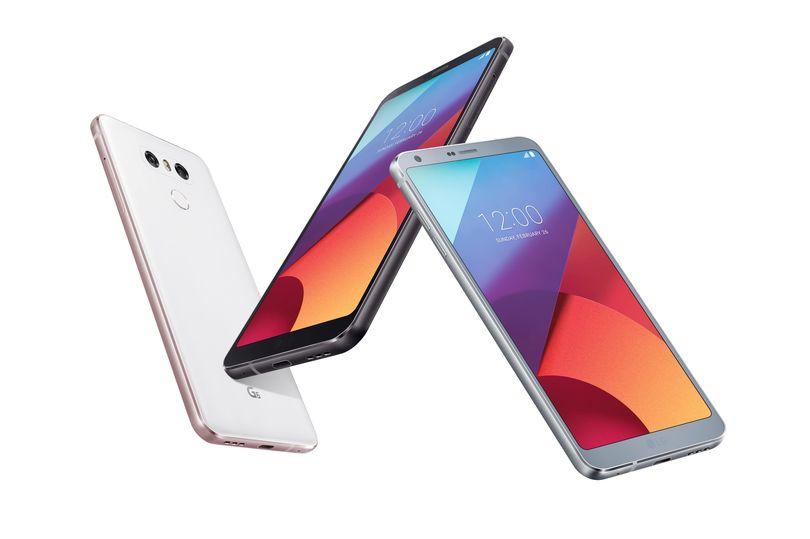
ET News, a South Korean publication had recently revealed that the LG G7 would be launching in March and it will be released in the market in April. Today, the same publication has revealed the key specs of the LG G7.
The publication claims that LG will be beginning the mass production of the LG G7 in March. Since it will be arriving in South Korea in April, the company is delaying its release by a month when compared to the market release of the LG G6 in the previous year. Other sources have claimed that the LG G7 would be available in South Korea after April 20.
A South Korean telecom operator has claimed that LG is unlikely to release the LG G7 at the Mobile World Congress (2018) that will be held in the next month. However, Samsung will be announcing the Galaxy S9 and Galaxy S9+ flagship phones at the MWC 2018 event. The newly appointed chief of the mobile division, Hwang Jung-hwan said that the company is not worry about the fact that the Galaxy S9 will be launching in March, but it will be focusing on the G7 differentiation.
The Snapdragon 845 chipset is expected to power the LG G7 smartphone. The probable reason why the G7 will be releasing in the market after the Galaxy S9 and S9+ is that the initial supply of the chipset will go to Samsung for powering the Galaxy S9 duo.
The LG G7 is likely to feature the same FullVision OLED display that is present on the LG V30 flagship. The SD 845 chipset will be coupled with 6 GB of RAM. It will be also featuring an IP68 certified chassis. Other rumored features of the smartphone include FM radio, dual rear cameras, dual selfie cameras, iris scanner, and wireless charging. A recent report has revealed that it will carry support for Quick Charge 4.
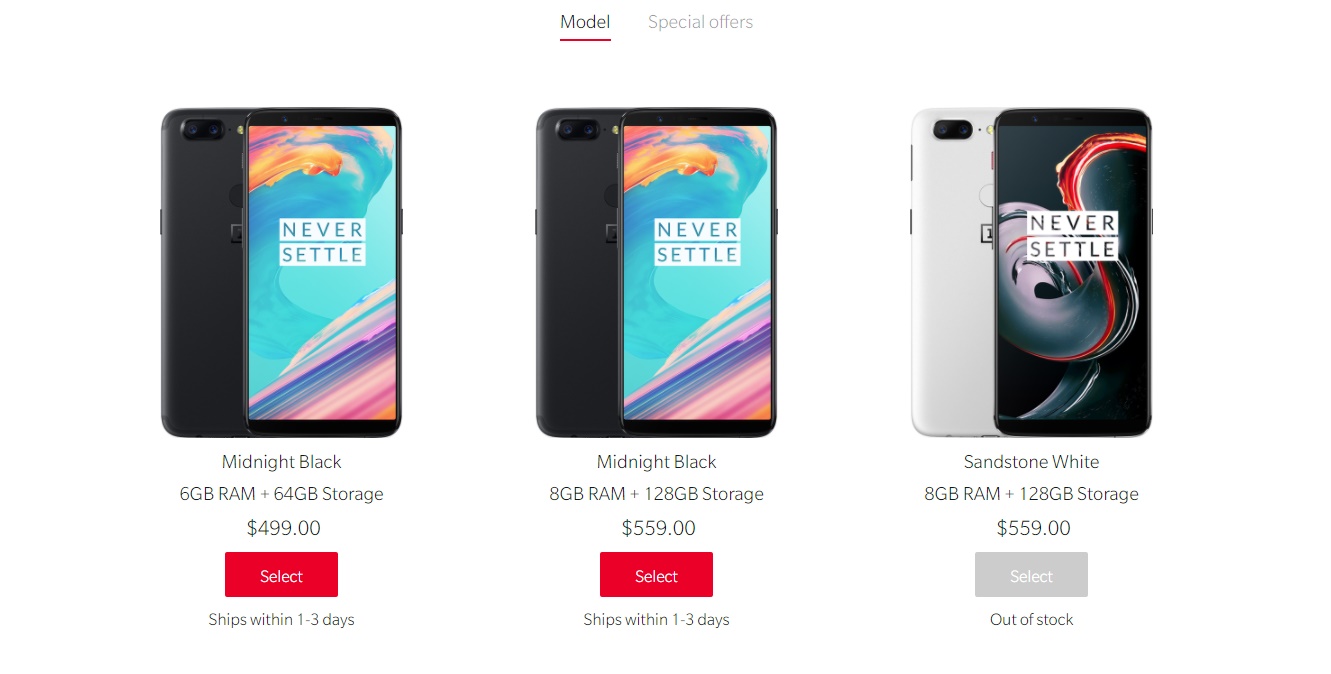
It is easy to get carried away with all the happenings at CES this year. The world hasn’t stopped moving and there are other tech news to cover. Take for instance the Sandstone OnePlus 5T which went on sale yesterday but was out of stock in less than two hours!
The announcement was made by OnePlus on Twitter earlier today. While OnePlus didn’t specify the countries that had run out of stock, we decided to check to save you the stress.
The Sandstone OnePlus 5T is currently out of stock in North America (US and Canada), the UK, and Ireland. It is still available in the rest of Europe, other than Denmark, Finland, and Sweden were it didn’t launch originally. Instead, these three countries have the Star Wars variant in stock.
OnePlus has not yet disclosed when stock would be replenished. So if you are in any of these markets, you will have to wait a while before you can order.
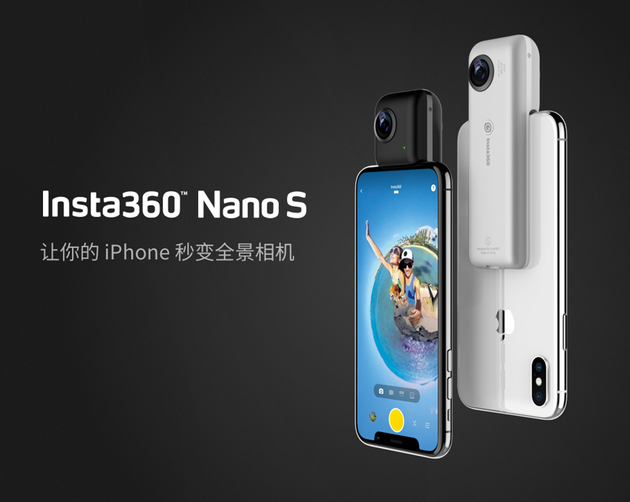
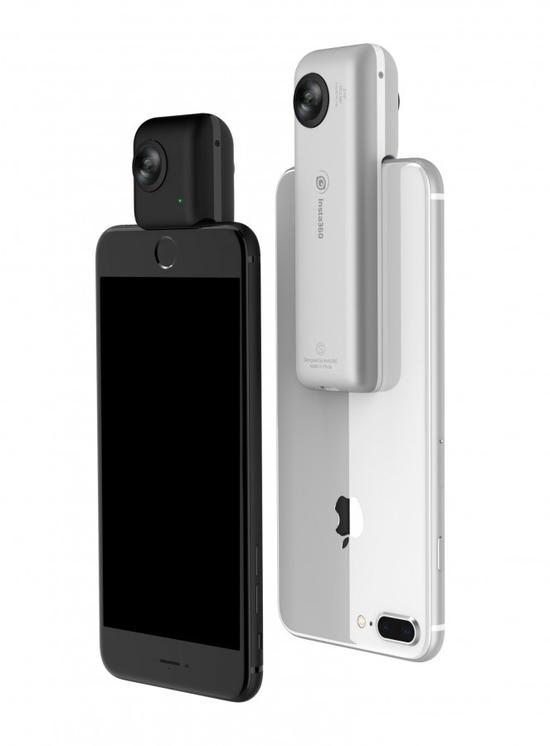
Insta360 has announced a new device at Consumer Electronics Show (CES) in Las Vegas — Insta360 Nano S, which is an upgraded version of its previously launched Insta360 Nano.
Design-wise, it is similar to its predecessor. It’s an add-on camera for iPhones, which fits onto models from the iPhone 6 generation and above. It connects to the Apple‘s iPhone using the Lightning port.
The notable thing about this newly updated model is that bumped-up internals. It has been upgraded to capture 4K video as well as 20-megapixel photos. To compare, its predecessor supports 3K video recording and 4.6-megapixel stills.
After recording a 360-degree video, it also allows users to edit the same as well as photos for sharing through Insta360’s Nano S mobile application. It has integrated support for 360-degree live-streaming on YouTube, Facebook, and Twitter. For other social media platforms, which doesn’t support 360-degree videos yet, including Snapchat, Whatsapp, and Instagram, the device converts 360-degree content into the standard publishable form.
Another feature added is the introduction of chat. Users can now use it to make 360-degree video calls to anyone, even to the person who doesn’t have a Nano S camera. The user can generate a web link in the Nano S app and send it to the person on the other end of the call. Once they open the link, they’ll be able to see a 360-degree view of your environment.
Along with video calling, live streaming feature is also available for Facebook, Periscope, and YouTube. There’s also MultiView, which allows users to show different angles of a scene at the same time through live broadcast or chat.
The device can also be used as a standalone camera on its own. It has an internal battery and saves footage to a microSD card. However, to do anything with the recorded footage, such as editing or sharing, users need a phone.
It measures about 4.3 x 1.3 x 0.8 inches (HWD) and weighs about 2.5 ounces. The Insta360 Nano S is priced at $229 and is available in two colour options — Black and Silver from Amazon as well as Insta360’s online store.
When VR started to gain popularity, content creation was one of the important topics that cropped up. To solve that, we saw a number of manufacturers release 360° cameras for both professionals and the average consumer to create 360° VR content.
Our views where cut in half when YouTube CEO Susan Wojcicki, announced VR180 – a 3D video format that captures 180° instead of 360°at Vidcon 2017. VR180 does make sense as it tends to only focus on what your can see if you are actually at the place the content was captured. The experience is still immersive when viewed in a headset but without the experience of turning your head around to see what is behind you.
At the event, it was revealed that Google was working with LG, Lenovo, and Yi to release VR180 cameras that would sell for more or less the same price as a regular point and shoot. Two of the first VR180 cameras – the Lenovo Mirage Camera and Yi Horizon were announced at CES 2018 yesterday.
Lenovo Mirage Camera & Yi Horizon
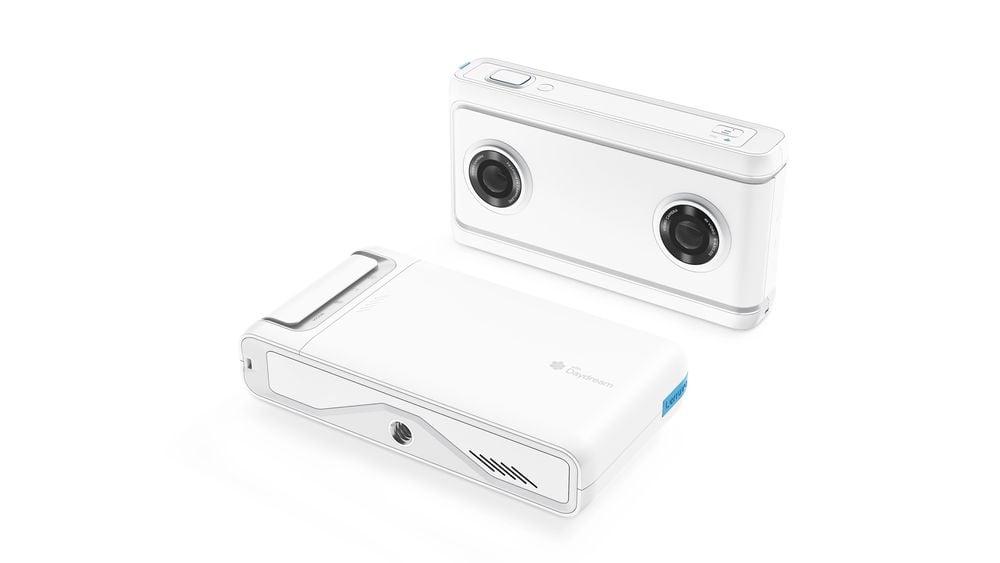
The Lenovo Mirage Daydream and the Yi Horizon share the same basic design – cuboid-shaped body and dual front facing 13MP fish-eye lenses. They can record 4K 3D videos, take 3D VR photos, and also be used for 3D VR live streaming. Both cameras also have Wi-Fi and can save your content to Google photos. However, there are a few differences between them.
The Lenovo Mirage Camera comes in white. It has a capture button at the top, ports on the left side and a threaded hole for tripods at the bottom. It will sell for $229 when it launches in the second quarter.
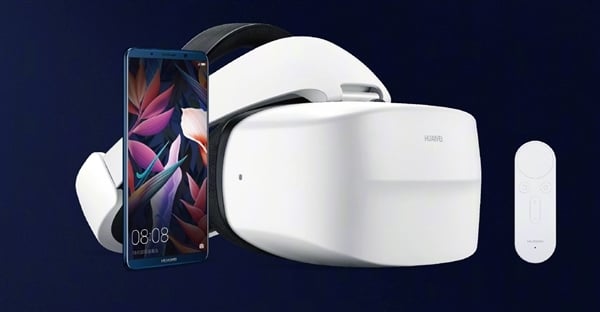
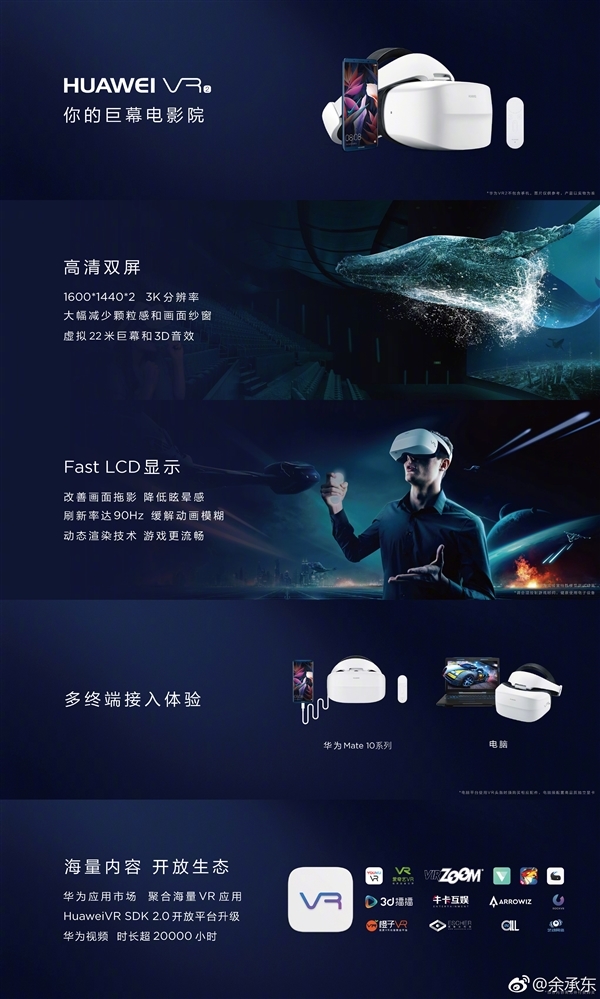
Huawei has unveiled its new Virtual Reality headset dubbed Huawei VR2 at CES 2018 in Las Vegas, United States. As the name implies, this is the second generation model of Huawei’s foray into VR glasses. The first-generation Huawei VR glasses was launched around November 2016 offering a 360° FOV, Mate 9 Support and was priced at ¥599 (~$88).
This latest Huawei VR2 headset was first announced on October 20 in China during the launch of the Mate 10 series for the home market and the price is way more than that of the first-gen as it is priced at 1,999 Yuan (~$307). This slightly high price tag is due to the fact that the Huawei VR2 is a standalone unit similar to Oculus and Vive. You won’t need to slide in a compatible smartphone to view, rather you connect the phone, tablet or PC to the gadget via a USB Type-C port. This gives users access to the virtual worlds in 3K. For the avoidance of doubt, the VR2 comes with a resolution of 1,600 x 1,440 per eye and has a 90Hz refresh rate which should help reduce eye strain and motion sickness.
During the presentation of the Huawei VR2 headset at CES 2018, Huawei’s CEO Yu Chengdong disclosed that on January 25, the VR2 will debut with support for IMAX virtual giant screen video experience in China. That is to say, it would go on sale on January 25 in China. The headset can display virtual size of a 22-meter giant screen and brings along 3D audio. Huawei is said to have got the exclusive license for IMAX VR / AR, IMAX Virtual Cinema. Huawei’s CEO also hinted that the company will establish extensive cooperation with IMAX and DTS to create IMAX immersion-based experience on Huawei AR / VR gadgets.
In addition, the VR2 also supports Fast LCD display and support for dynamic rendering technology to make the game more fluid. In terms of compatibility, Huawei VR 2 supports multi-terminal access, including Huawei Mate 10 handsets and notebook computers. You also get a massive VR application content on the Huawei Video App whose duration is said to have exceeded 20,000 hours.
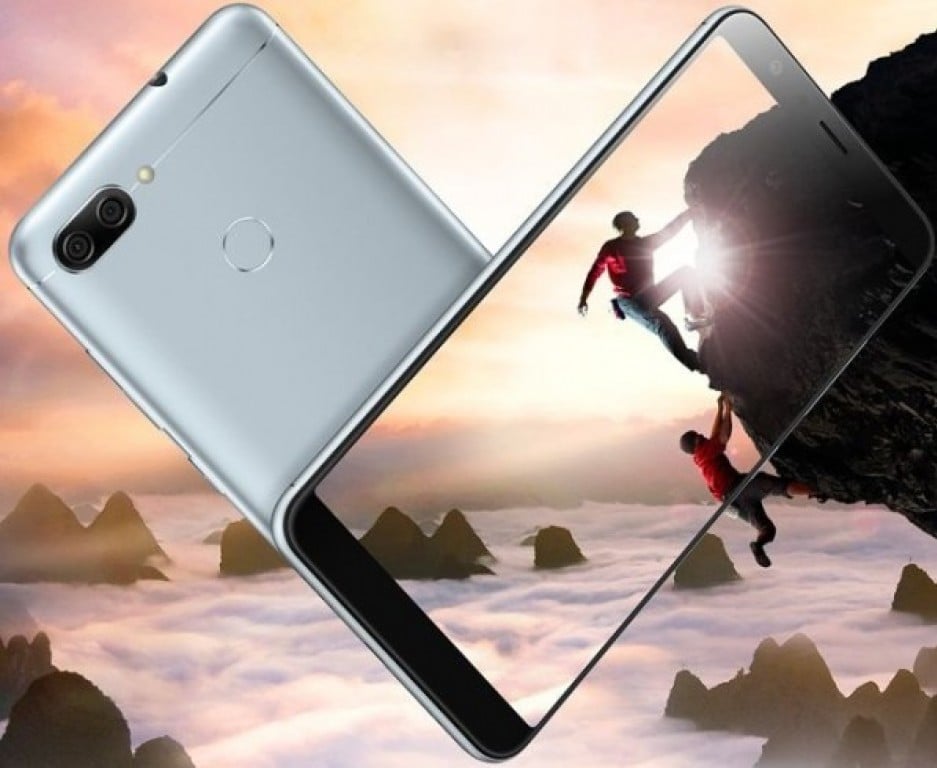
In November 2017, ASUS had launched the Pegasus 4S smartphone as its first full screen design in China. Few months later, ASUS had launched the ZenFone Max Plus (M1) smartphone with similar specs for the European markets. During the Consumer Electronics Show (CES) 2018, the Taiwanese company has announced that the smartphone will be available in the U.S. starting from next month.
The ZenFone Max Plus (M1) will be available with a price tag of $229 in the U.S. It will be coming in color choices like Azure Silver and Deepsea Black. Even though the company has confirmed that the handset will be arriving in the U.S. in the next month, it is yet to confirm on a specific release date. The unlocked smartphone will be compatible with GSM carriers like AT&T and T-Mobile in the U.S.
ZenFone Max Plus (M1) features an 18:9 aspect ratio supporting screen of 5.7 inches. It carries support for full HD+ resolution of 1,080 x 2,160 pixels. The smartphone is powered by MediaTek MT6750T chipset that is accompanied by 3 GB of RAM. It includes an internal storage of 32 GB. There is also a micro card slot for additional storage.
The dual camera setup on the back panel of the ZenFone Max Plus (M1) includes a 16-megapixel sensor and 12-megapixel wide-angle lens. It has a front-facing camera of 16-megapixel. It is pre-loaded with ZenUI 4.0 flavored Android 7.0 Nougat OS. For security, the smartphone comes with biometric recognition features like a rear-mounted fingerprint scanner and facial recognition. It is packed with a 4,130mAh battery that offers a talk time of 26 hours and can last for up to 2 days on normal use.
According to ASUS, M1 is the name of the smartphone that belongs to the new ZenFone Max series. It added that the series will include phones with different chipsets and display sizes.
For more coverage from CES 2018, check outthis link!
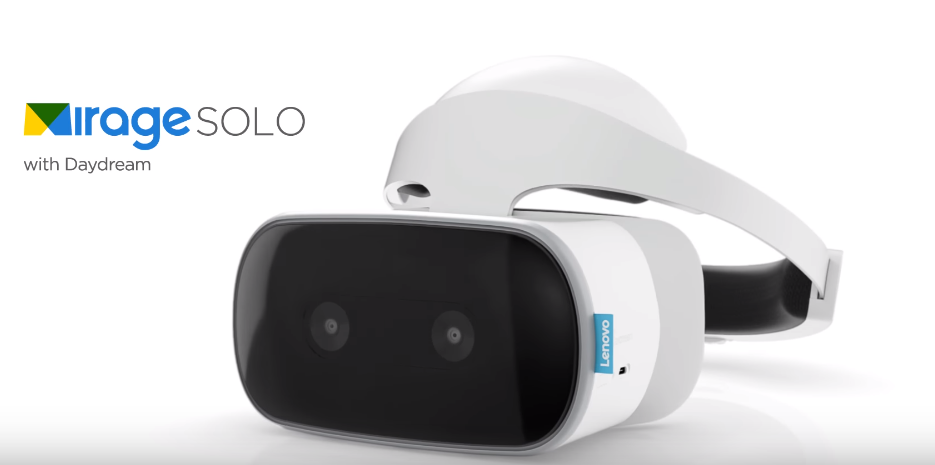
In 2017, Google announced there would be standalone Daydream VR headsets before the end of the year but they didn’t launch. It mentioned HTC and Lenovo as hardware partners but the former later pulled out and released its own standalone headset called the Vive Focus. Yesterday at CES, Lenovo announced the Mirage Solo, the first standalone Daydream headset and the first with Google’s Worldsense technology.
The Mirage Solo doesn’t require a phone to enjoy Daydream VR as all the tech you need is built into it.
The headset has a QHD (2560 x 1440) display with a 110° viewing angle. It is powered by the Qualcomm Snapdragon 835 and paired with 4GB of RAM and 64GB of storage.
Lenovo’s headset also has an audio jack, dual microphones, and a whopping 7 hours of battery life. It also comes with a remote similar to that of the Daydream View.
The Mirage Solo is also the first headset to feature Google’s Worldsense technology. This allows users to move naturally in VR without the need for external sensors. The Oculus Go, another standalone VR headset doesn’t not have this feature. Though Oculus is said to be working on a headset code-named Santa Cruz with positional-tracking.
[envira-gallery id=”166156″]
Since this is the first Daydream VR headset with Worldsense, it may take a while before content that takes advantage of the technology is available. The success of the headset will also play a big role and also if more headsets are made. Google already announced a Blade Runner game though, so there is that alongside other regular VR games.
The headset itself has been built to be super comfortable. There is an adjustment dial on the back that helps with weight distribution. It is also padded in the right places for a comfortable experience.
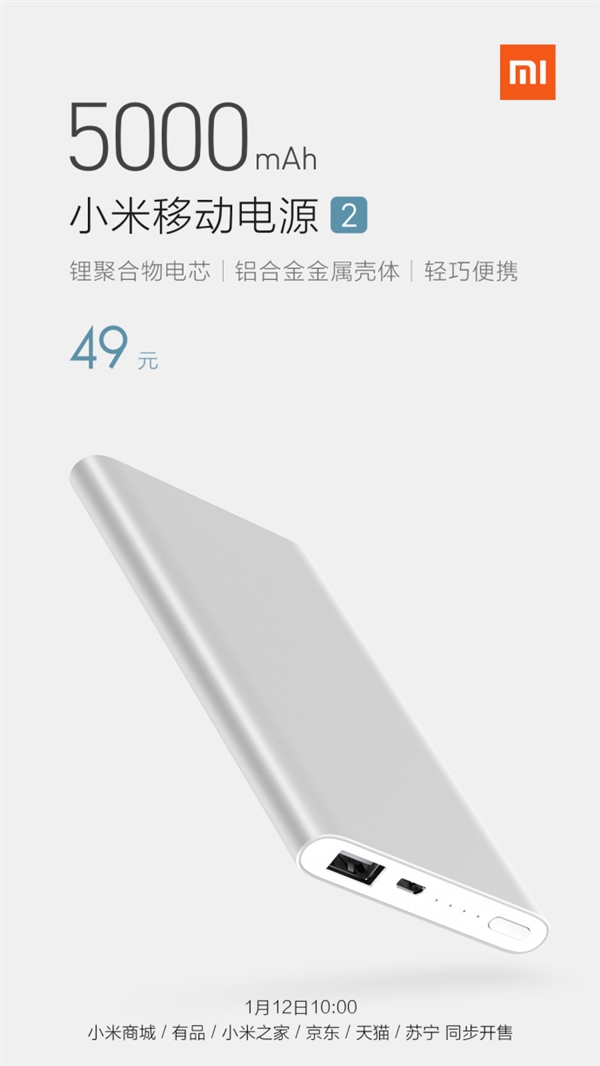
Xiaomi has announced a 5000mAh variant of its Mi Power portable battery. The Mi Power 2 5000mAh sports the same design as its bigger siblings.
The power bank contains a high-quality ATL lithium-polymer battery wrapped in a single piece of scratch-resistant aluminium alloy shell. It has a single full-sized USB output port, a micro USB input port, four LEDs for battery level indication, and a power button up in front. It measures 125 x 69 x 9.9mm and weighs 156g.
Just like other Xiaomi power banks, the Mi Power 2 5000mAh has 9-circuit protections built-in. This includes protection against high temperature, short circuiting, and high voltage input and output.
According to Xiaomi, the power bank should be fully charged in 3.5hours using a 5V/2A charger. It is also stated that the power bank should charge the Mi 4 once, the iPhone 6 1.8x, and the iPhone 5s 2.2x.
The Mi Power 2 5000mAh will sell for ¥49 (~$8) and will go on sale on January 12. It will be sold on the official online Xiaomi store, Mi Home stores, Jingdong, Lynx and Suning.
We use cookies on our website to give you the most relevant experience by remembering your preferences and repeat visits. By clicking “Accept”, you consent to the use of ALL the cookies.
This website uses cookies to improve your experience while you navigate through the website. Out of these, the cookies that are categorized as necessary are stored on your browser as they are essential for the working of basic functionalities of the website. We also use third-party cookies that help us analyze and understand how you use this website. These cookies will be stored in your browser only with your consent. You also have the option to opt-out of these cookies. But opting out of some of these cookies may affect your browsing experience.
Necessary cookies are absolutely essential for the website to function properly. This category only includes cookies that ensures basic functionalities and security features of the website. These cookies do not store any personal information.
Any cookies that may not be particularly necessary for the website to function and is used specifically to collect user personal data via analytics, ads, other embedded contents are termed as non-necessary cookies. It is mandatory to procure user consent prior to running these cookies on your website.

 Health freaks, rejoice. You can now buy the already low-priced Mi Band 2 from Xiaomi at an even cheaper price on Banggood.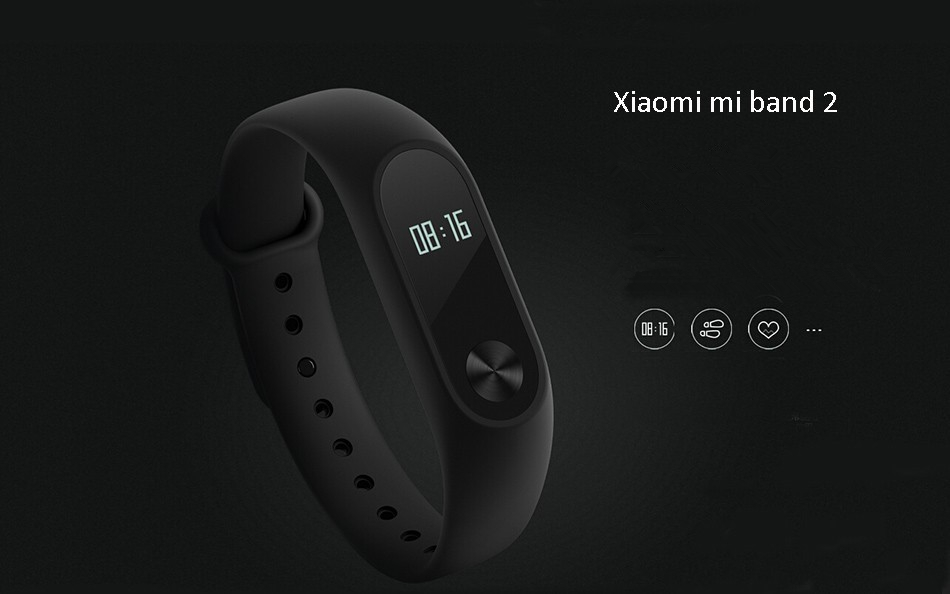
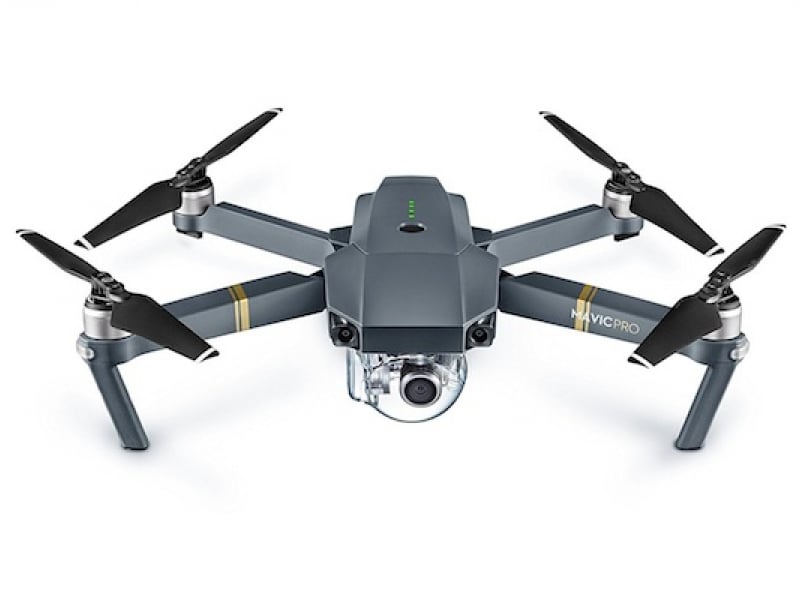 The Mavic Pro sports a sleek design and is housed in a compact body, striking a perfect balance between power and good looks.
 A
A 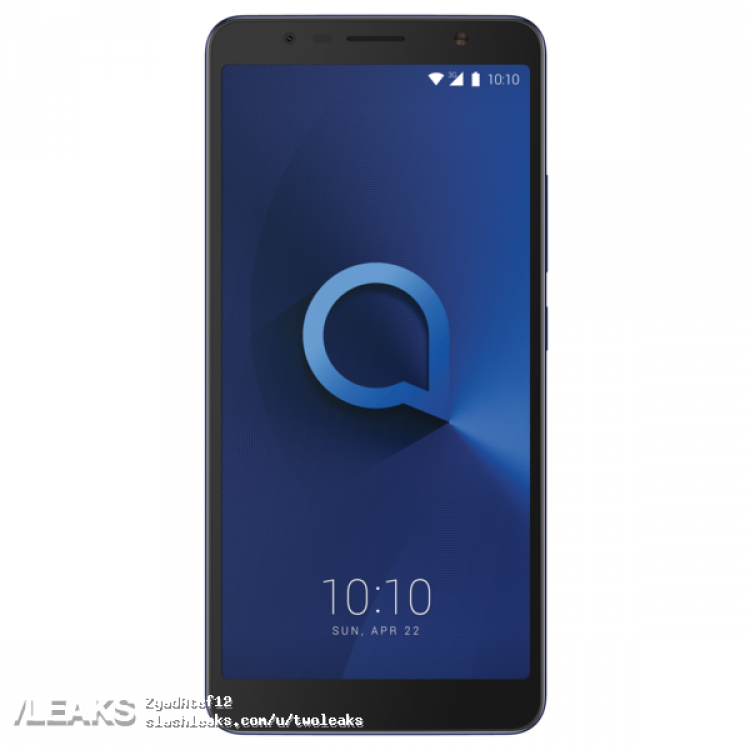
 After hitting the store shelves in August last year, ZTE Nubia Z17 Lite garnered huge popularity among smartphone lovers. The handset sports a 5.5-inch touchscreen display with a screen resolution of 1080 X 1920 pixels. It comes with a 13MP dual rear camera and is powered by Snapdragon 653 Octa Core processor, and boasts an array of other awe-inspiring features that propelled it to popularity among tech buffs.
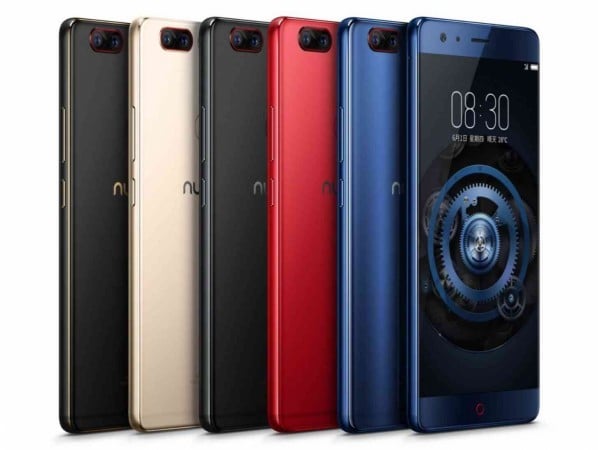 First off, the site is offering a 38% discount on the Black Gold version of the Nubia Z17 Lite smartphone, bringing its original $449.99 selling price down to just $259.99.