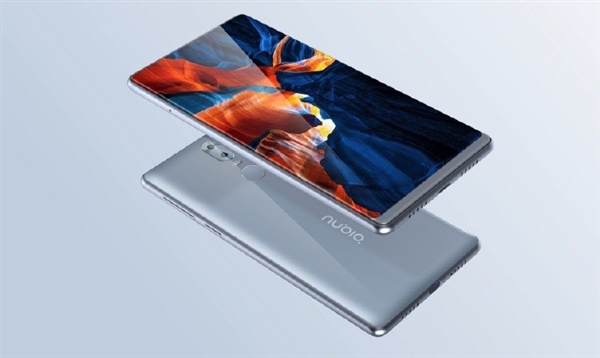
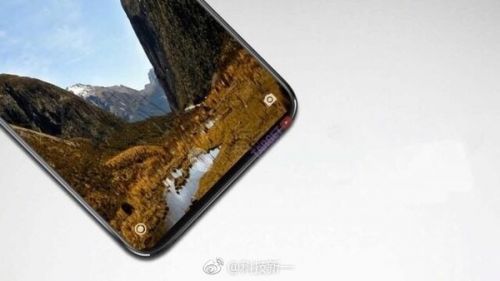
Recently, we came in contact with the renders and schematics of a bezel-less Nubia smartphone with some uniqueness in its design. Another render of the Nubia bezel-less phone has appeared online with the special highlight focused on the full-screen design and the unique selfie camera design.
The bezel-less Nubia smartphone render gives a close up shot of the front camera notch which is similar to that of the Essential phone. Apart from the notch, the upper aspect is completely bezel-less as well as the chin. The bottom edge has a very narrow bezel. At the rear, there is a dual camera setup aligned in a vertical direction with the rear-mounted fingerprint sensor sitting under the camera.
We don’t know how authentic the renders are but if at all Nubia is working on a full-screen phone just as the earlier leaked schematics and these renders are suggesting, then it may likely drop next year. There are rumours that the smartphone will be known as Nubia Z19 but that has also not been confirmed. The device is also expected to pack the recently announced Qualcomm Snapdragon 845 processor which would find its way into flagship models in Q1 2018.
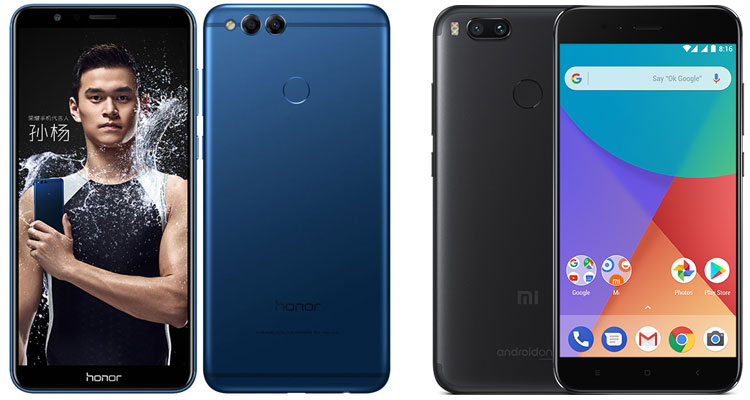
Finally, Xiaomi has released a phone dedicated to the international public with a stock Android version: the Mi A1. It is a midrange device, and seeing that it is a “Global” device, we think it is time to compare it with the latest international midrange phone by the most famous Chinese company in the world (at least in terms of sales): Honor 7X by Huawei. These are two devices, which can essentially replace costly flagships, offering great performance and camera quality at an affordable price tag. So, let’s see if its easy to pick one in the Honor 7X vs Xiaomi Mi A1 comparison.
Dual 12 + 12 MP, f/2.2 + f/2.6, 2x optical zoom
5 MP front camera
BATTERY
3340 mAh
3080 mAh
ADDITIONAL FEATURES
Hybrid Dual SIM slot
Hybrid Dual SIM slot
The display can be defined as the main difference between these devices: on the first, we’ve got a 5.93-inch display with an 18:9 aspect ratio and a Full HD+ resolution, while Xiaomi Mi A1 has a classic 5.5-inch panel with a Full HD resolution. Thanks to the 18:9 aspect ratio, Honor 7X has compact dimensions if we compare them with the display housed in the front panel, and it also has more pixels. In terms of performance, the Xiaomi Mi A1 should be better with ipower-efficientent Snapdragon 625 SoC and its 4 GB of RAM, which is the only configuration available. Note that Xiaomi Mi A1 has Android One installed, a very fast and bloatware-free operating system which will be supported directly by Google. Honor 7X will probably have more difficulties with its EMUI, and it will not receive as many updates as its opponent.
An aspect for which Honor 7X may result better is the battery life, as it offers a bigger battery with a capacity of 3340 mAh. But we still can not say it for sure, at least until there is a solid battery test. The camera should be better on Xiaomi Mi A1 as it is the main focus of the phone and it offers two 12 MP sensors with 2x optical zoom (that can deliver a high detail). It is not a flagship-level camera and it is far from the ones we saw on the Xiaomi Mi6 and Mi Note 3, but it pretty decent for its price range. Note that the selfie camera should be way better on the Honor 7X with its 13 MP resolution. Thanks to online street prices, actually it is not hard to find the Xiaomi Mi A1 at a price of just 170-180 euros (200-210 dollars), while Honor 7X can be purchased for 199 dollars in the USA in its base variant with just 3 GB of RAM, and for 299 euros in Europe. Even though it is not a borderless handset, I would pick Xiaomi Mi A1 for its software, its nice camera, and its affordable price
Apple’s iPhone X left some fans disappointed as a result of the lack of a front fingerprint sensor on the device. Instead, the iPhone X is equipped with facial recognition. The lack of a front fingerprint sensor is due to the full-screen design the device packs. However, it may soon become possible to get a front fingerprint sensor on a full-screen smartphone.
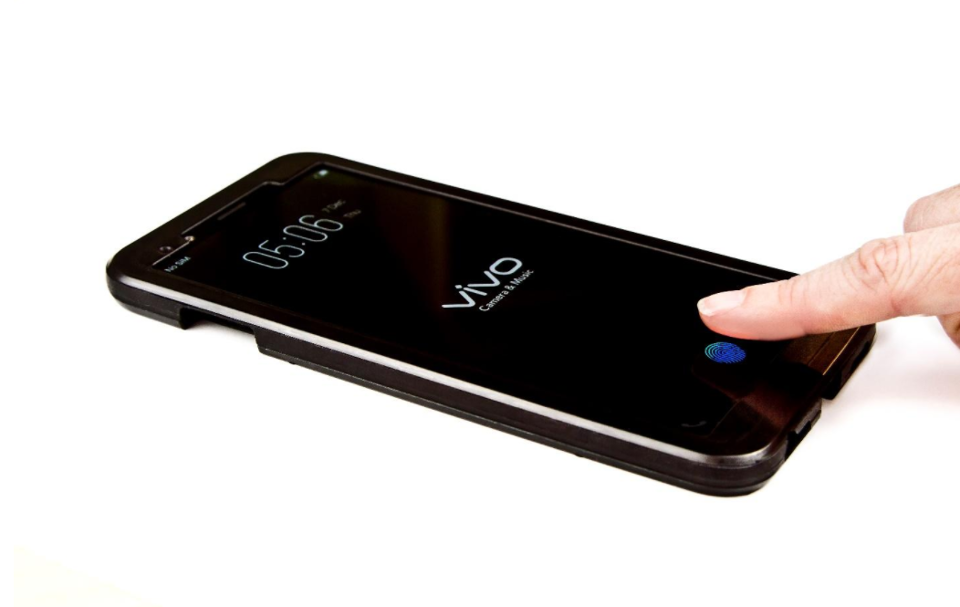
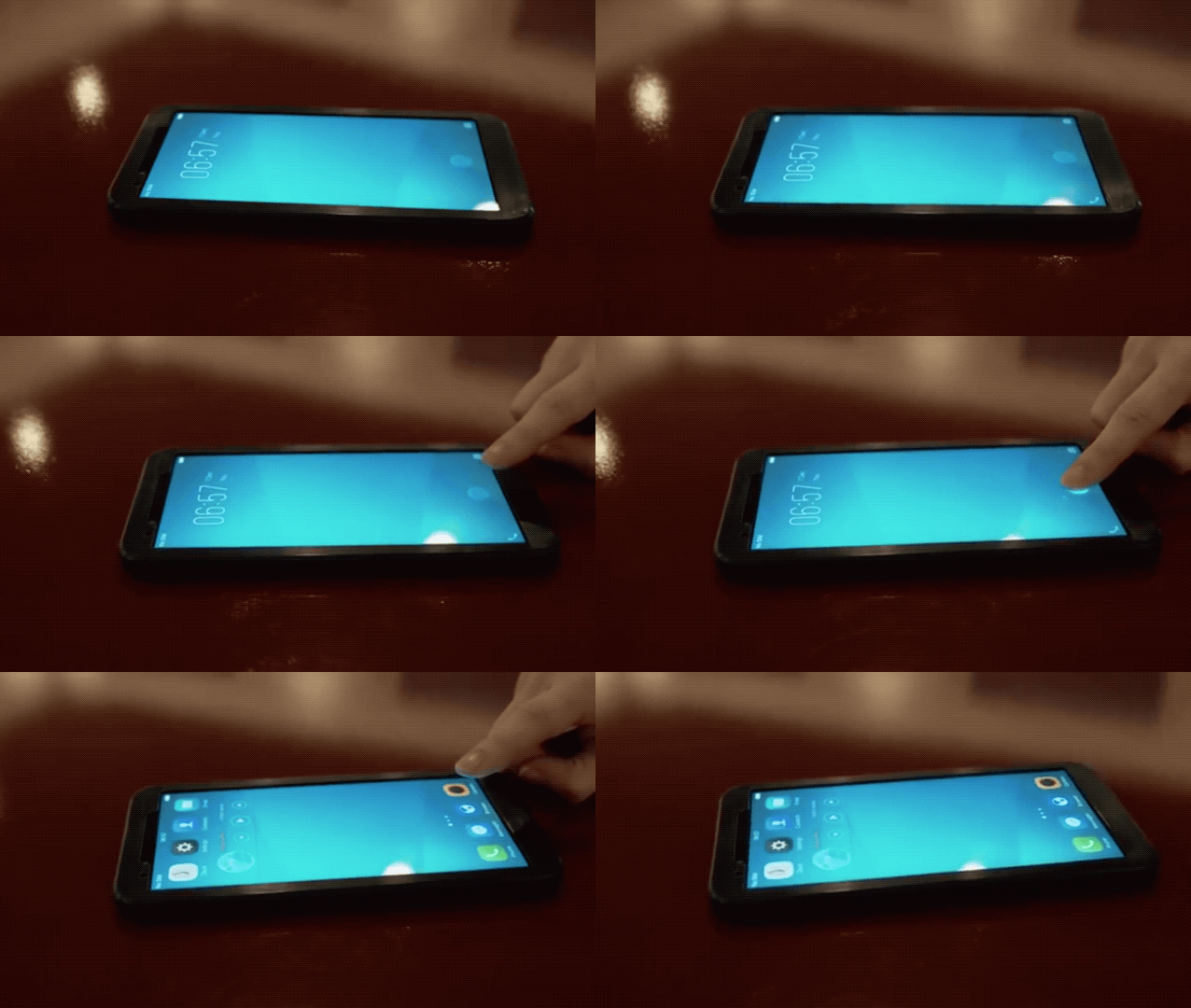
Recently, the prototype of a Vivo smartphone with in-display fingerprint sensor was spotted online. The in-display fingerprint technology was said to have been manufactured by Synaptics who confirmed this via an article on Forbes. This technology seems to have seen some progress as a new GIF image has emerged showing what is believed to be the Vivo smartphone in action. The fingerprint recognition technology is located on the display and would unlock the phone by just tapping the corresponding area. The GIF image also suggests the response time of the technology on the smartphone is rapid and works with just a tap.
Earlier reports had shown that the technology is ready for mass production as Synaptics has reportedly figured out how to mass produce it. The fingerprint recognition process relies on optical technology and it utilizes localized TLC / AES / ECC encryption which ensures security. According to Forbes, pressing the button present on the right side of a pre-production Vivo phone wakes it and displays an illuminated fingerprint image at the bottom of the screen. Users can simply touch it to unlock the phone instantly. Synaptics also confirmed that the in-display fingerprint technology is designed for bezel-less OLED infinity displays. We can’t say when the Vivo model will be launched but it is expected sometime in the first quarter of 2018.
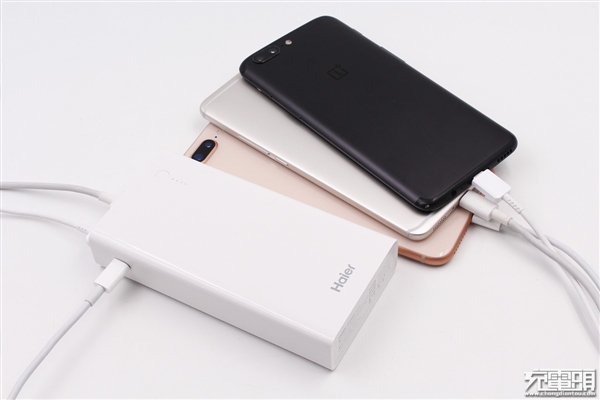
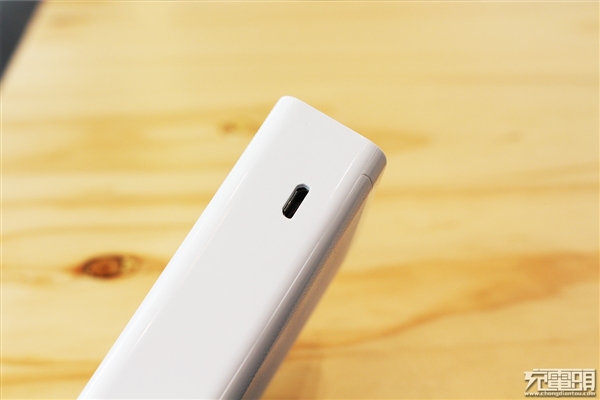
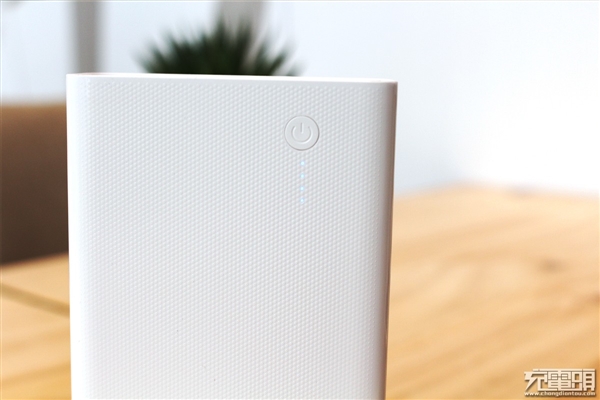
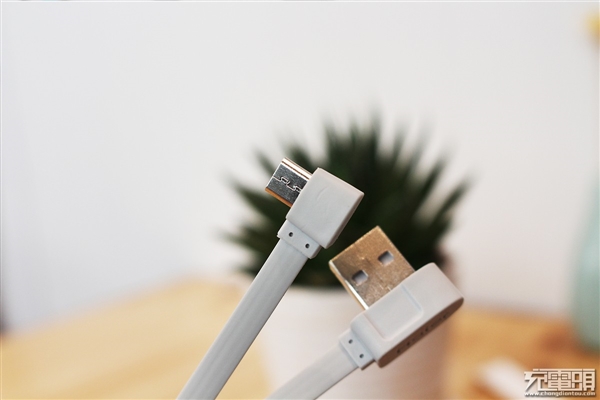
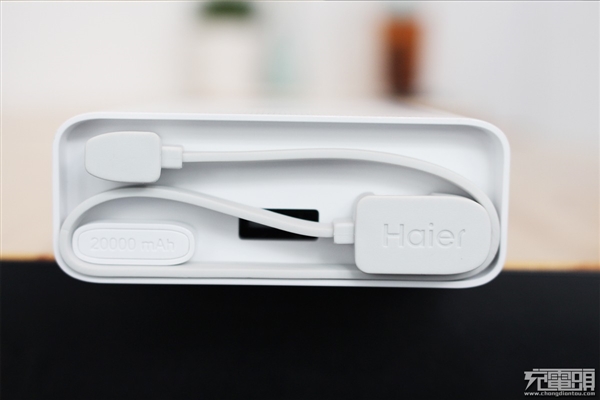
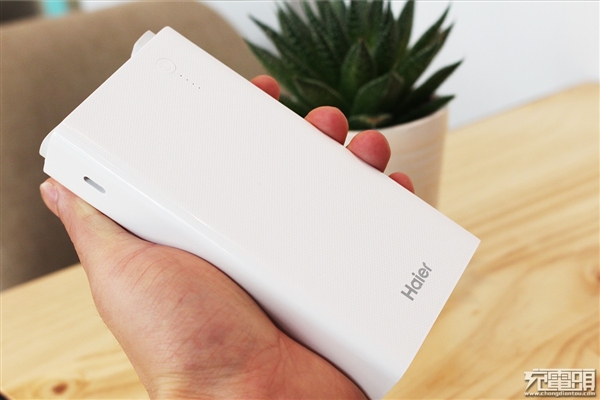
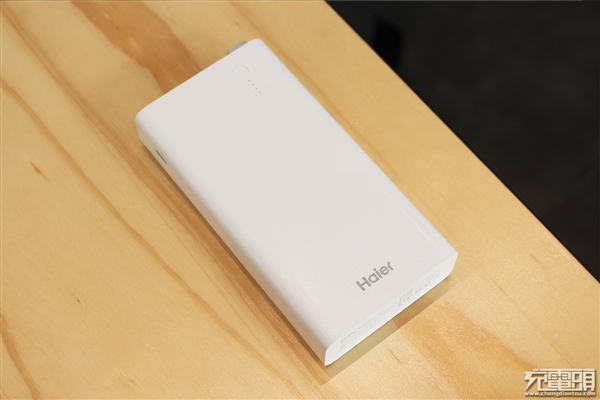
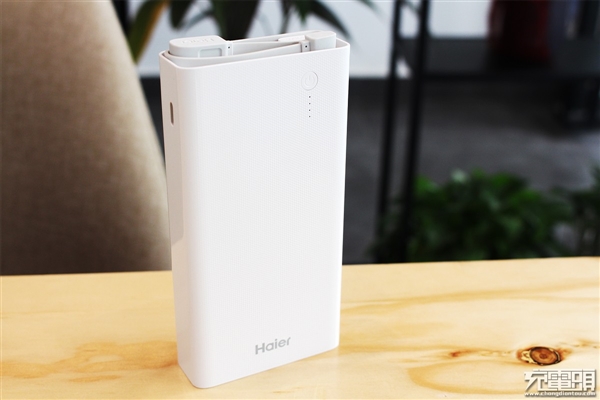
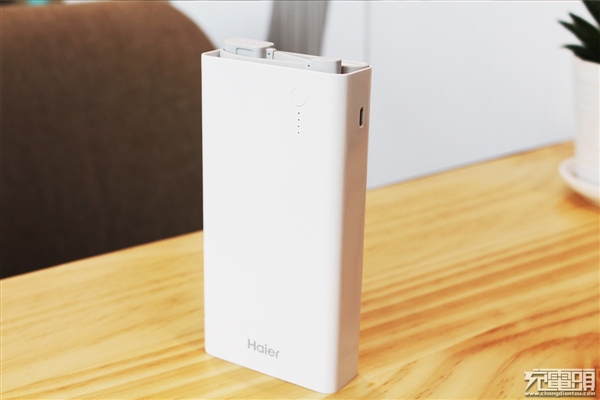
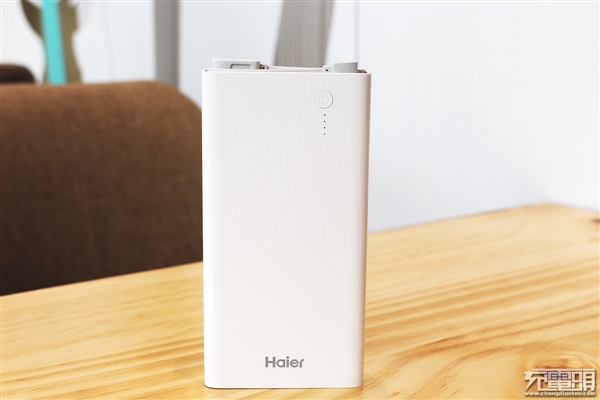
Every year, we are seeing more pixels on smartphones displays, more powerful SoCs, and other elements which increases energy consumption. On the other hand, companies are struggling to make lithium batteries provide a sufficient battery life, especially on flagship devices. This is why power banks come in handy in order to keep our phones charged, especially when there aren’t any sockets around. Haier, the Chinese consumer electronics company, has just announced a new power bank which is one of the most innovative ones. It is an innovative white power bank which houses its cable, so you won’t have to carry it separately.
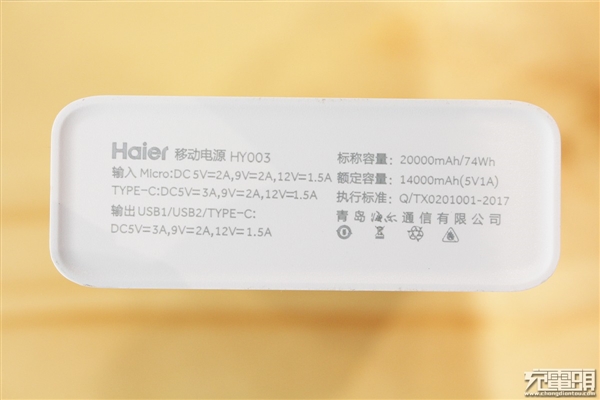
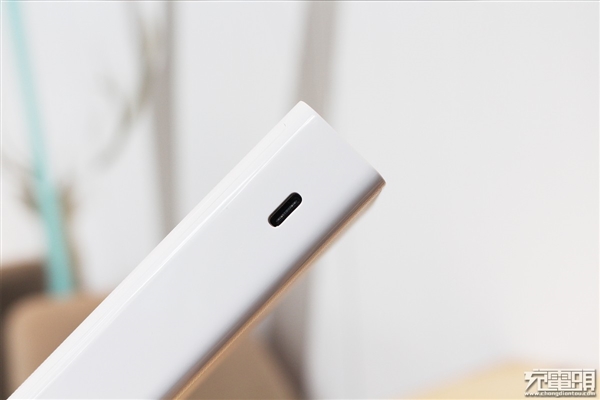
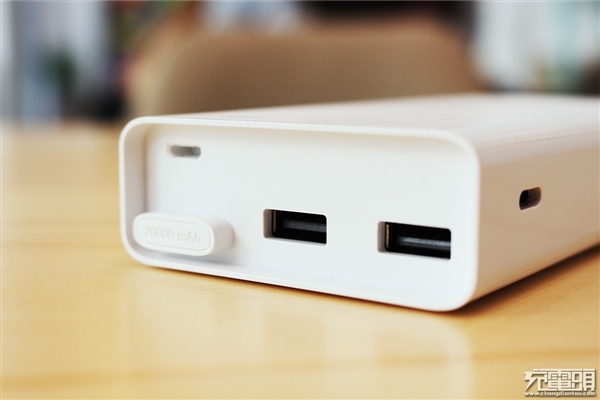
The new power bank by Haier is not so small (neither so big if we consider its capacity), but it offers a high capacity of 20,000 mAh and a power input / output of 18W. The new external battery has a micro USB input port, a USB Type-C bi-directional (it is an input and output port) and two USB Type-A output ports. It supports a two-way fast charging technology i.e. you can charge the power bank with fast charging technology as well.
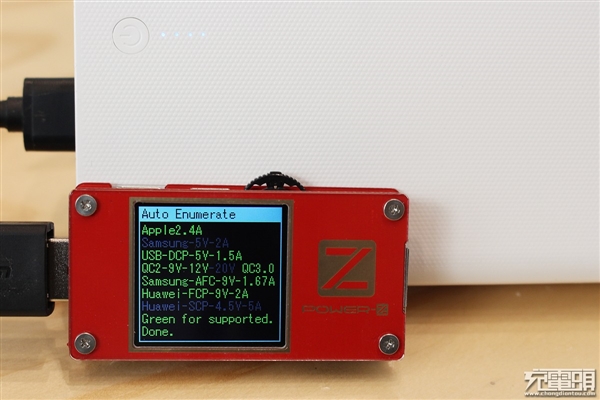
The micro USB port supports 5V / 2A – 9V / 2A – 12V / 1.5A input standards, while the Type-C port supports 5V / 3A, 9V / 2A, 12V / 1.5A standards (input). Talking about the output USB-A and USB-C ports, they support 5V / 3A, 9V / 2A and 12V / 1.5A input types. The power bank is compatible with several fast charging technologies: among these, there are Apple 2.4A, USB DCP, Qualcomm Quick Charge 3.0 and 2.0, Samsung Adaptive Fast Charging, Huawei FCP. Unfortunately, we still do not have any info about the price of the new Haier power bank, neither about when it will be launched in the market or its availability. For all the details about its design and connectivity, you can check the photos above.
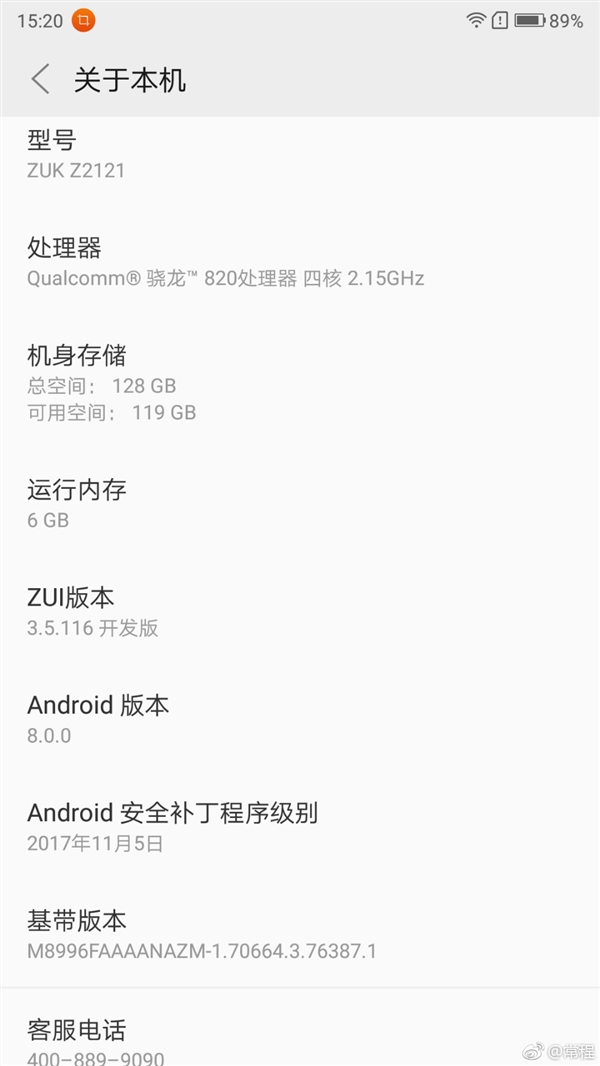
Lenovo said goodbye to ZUK months ago, just a few months after the official launch of the latest flagship ZUK Edge with Snapdragon 821. Now, the focus on the company’s Moto brand. After redirecting the ZUK website to Motorola.com.cn, late November, the company logos have also been removed from the offices. But this does not mean that the company has completely stopped supporting ZUK devices: indeed, the ZUK Z2 Pro has just been updated to Android 8.0 Oreo in China.
It is still a beta version and it has only arrived in China, but it is an official firmware. The update to Android Oreo on ZUK Z2 Pro includes a new version of the ZUI user interface: 3.5.116, and it brings the Android security patch released by Google on November 5. We still have no info about the changelog of the update. You can see the leaked screenshot of the “Info about device” section below.
While there may not be any future for new ZUK devices, at least, people who bought a ZUK device can be happy that their smartphones are still getting updates.
Microsoft recently declared that they won’t release any hardware product based on Windows 10 Mobile. The feature-updates of the operating system have stopped as well and according to the company, the next updates will only contain fixes and security improvements. CEO Satya Nadella said that if a new mobile device was to come in the future, it will be entirely different from what we saw until now. But there are many people who did not lose their hope about a Surface Phone, and they may be right.
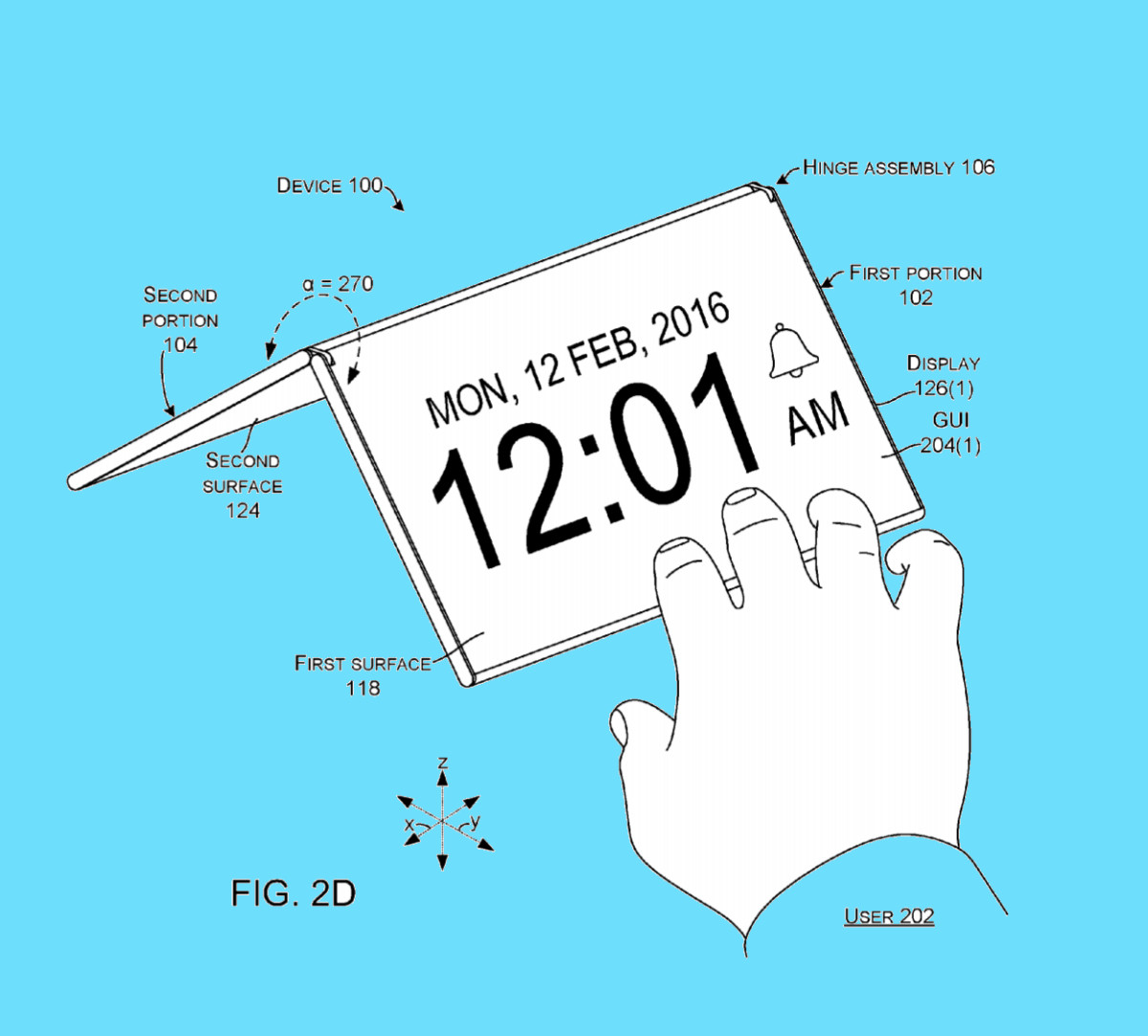
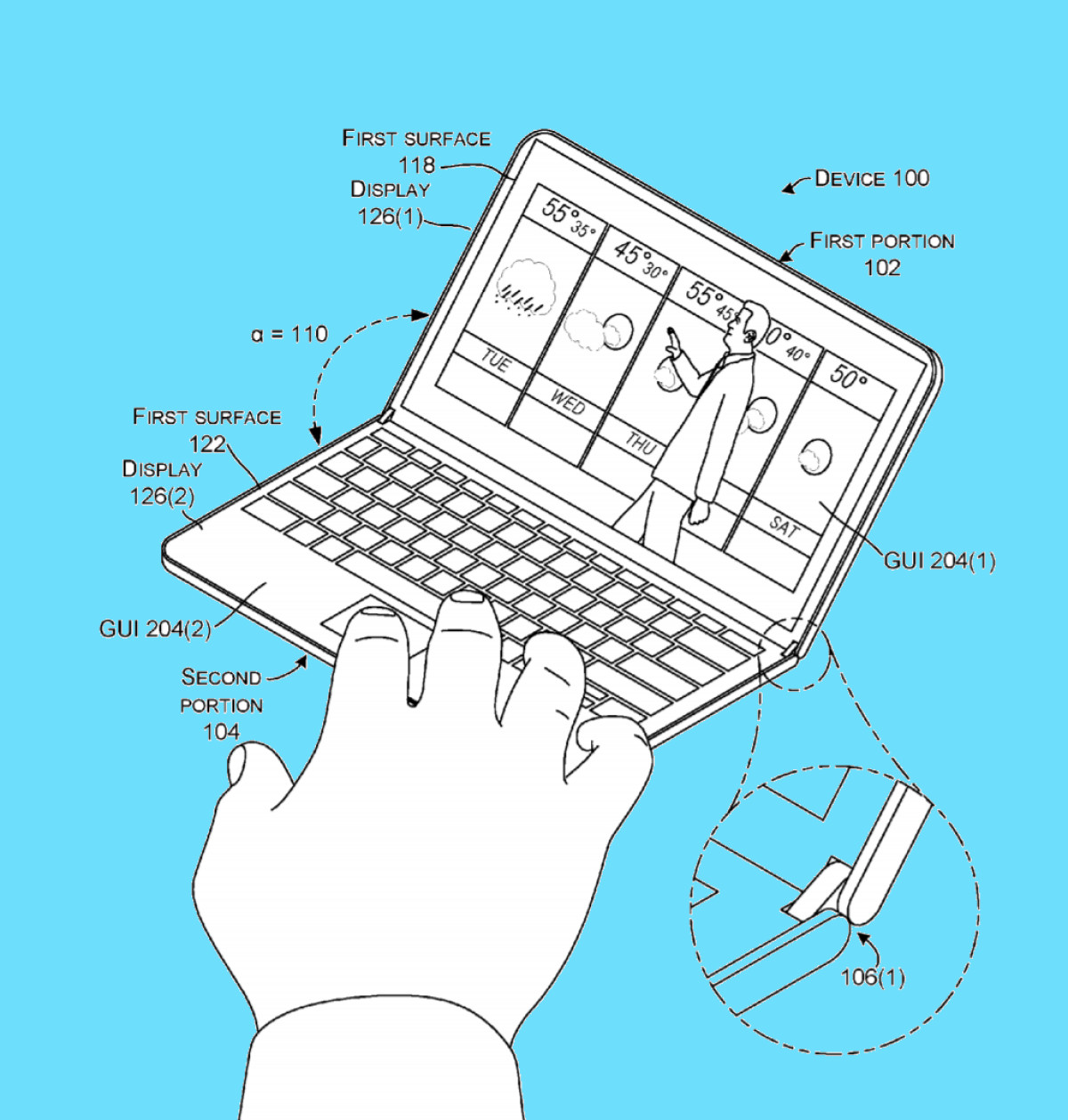
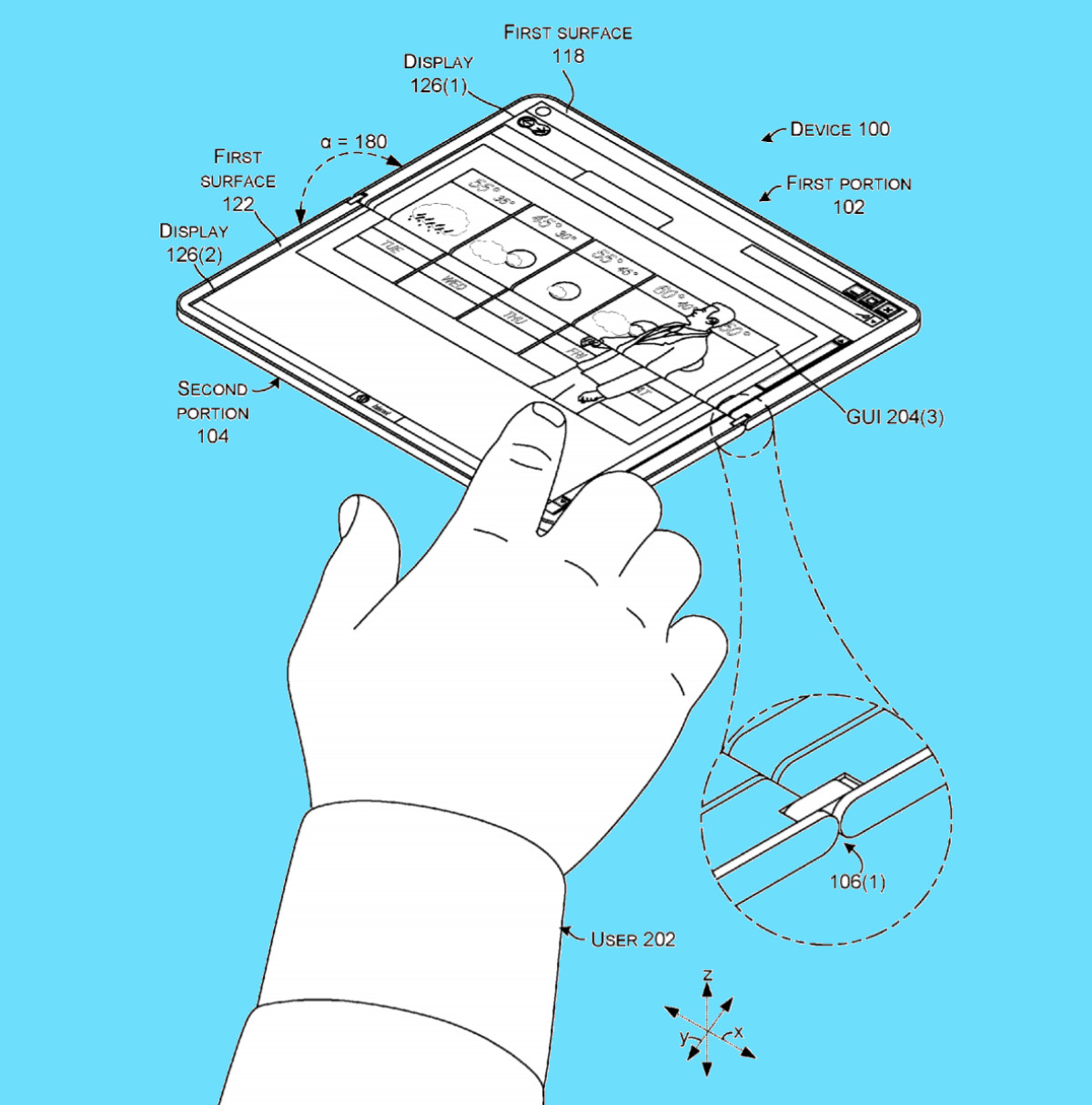
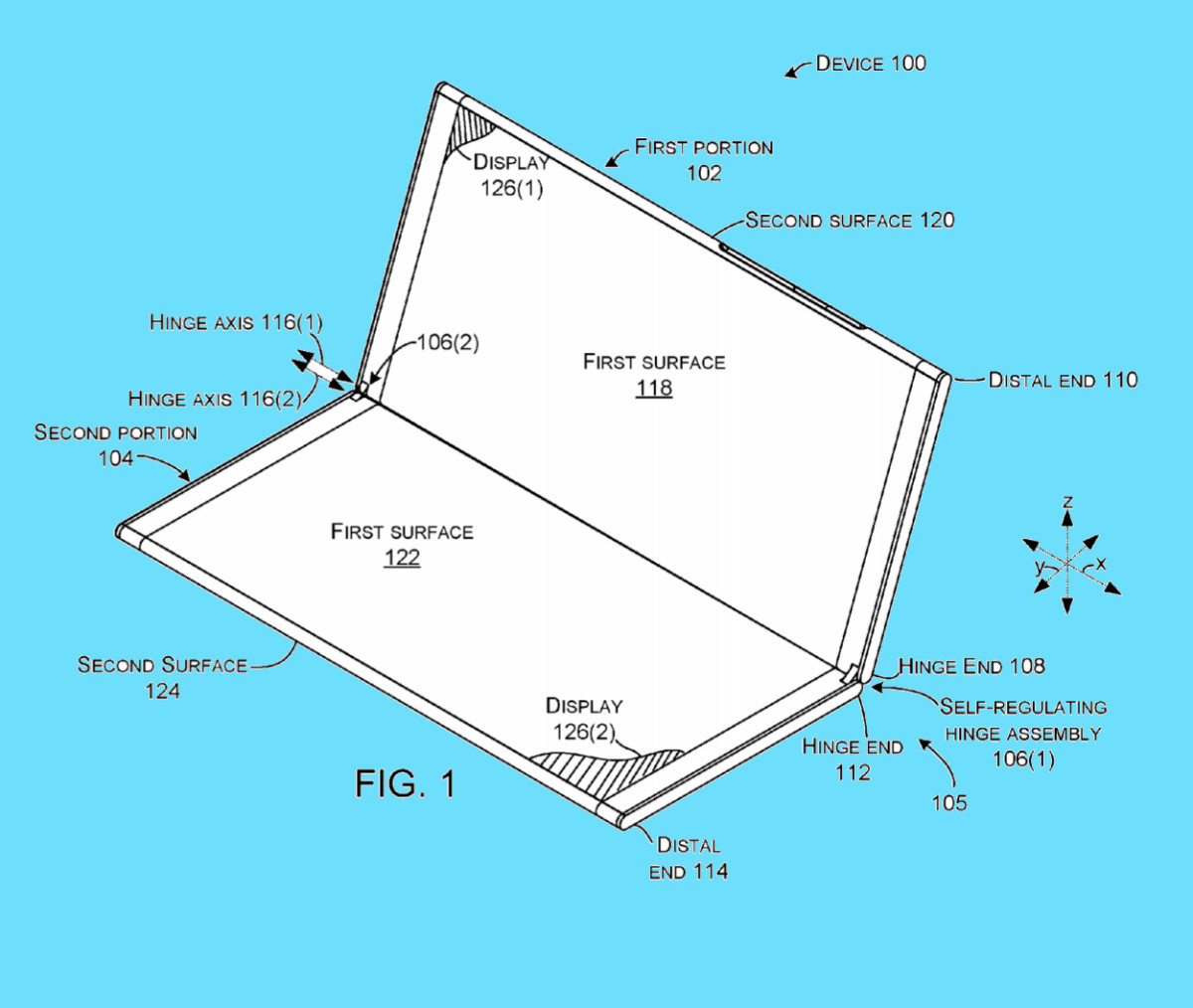
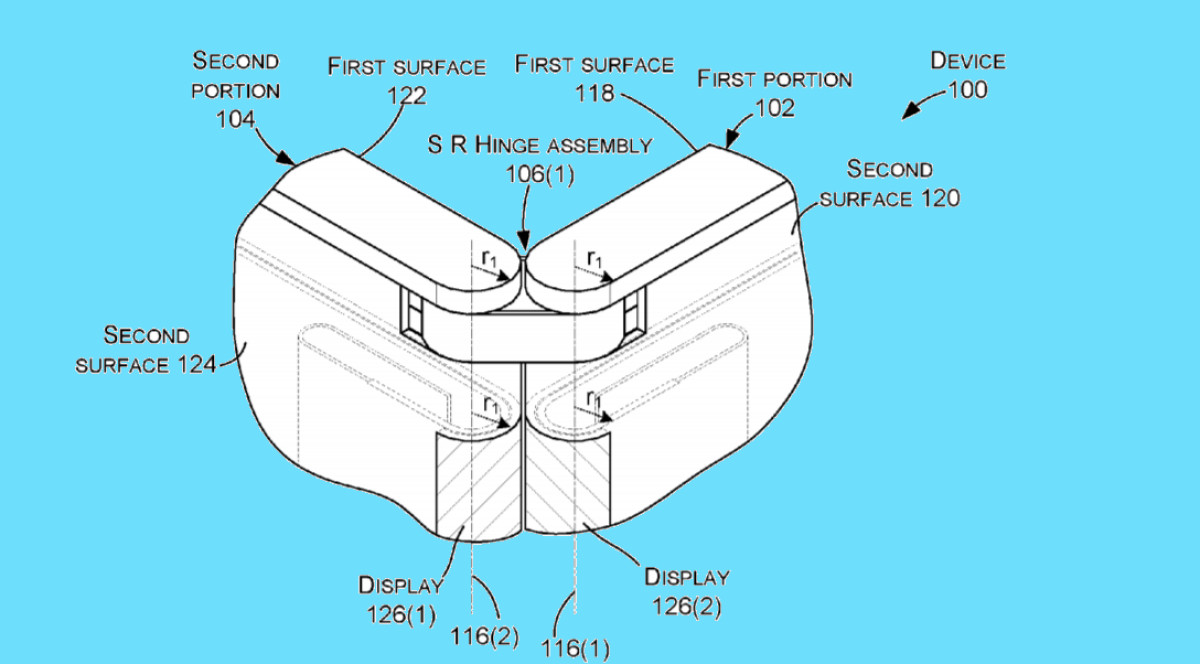
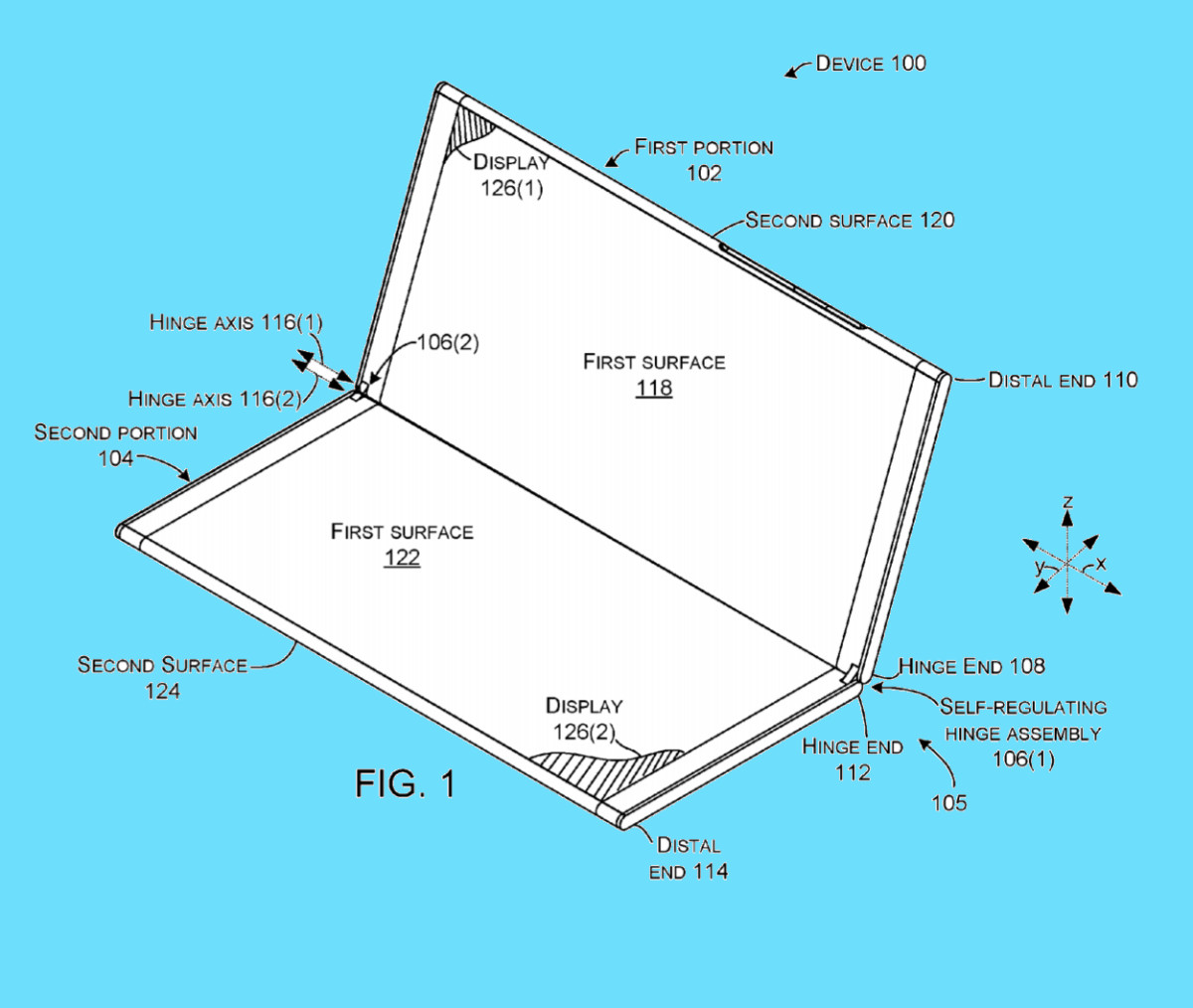
A new design patent surfaced at the USPTO: a 2-in-1 device with a self-regulating hinge. This is what can be found in the description: “pair of self-regulating hinge assemblies rotatably securing hinge ends of the first and second portions around a first hinge axis associated with the first portion and a second hinge axis associated with the second hinge axis so that an extent of rotation around the first hinge axis corresponds to an extent of rotation around the second hinge axis”. The alleged Microsoft Surface Phone includes two displays which can become one, and it can also be used with a physical keyboard.
As Microsoft said goodbye to Windows 10 Mobile, this device will probably run Windows 10 on ARM and it may sport a flagship Snapdragon SoC by Qualcomm. According to rumours, Microsoft Surface Phone is actually codenamed Andromeda, and it is worth mentioning that this is not the first patent surfaced online. Another one has recently shown a prototype of a single camera which can be used on a foldable mobile device, even when its display is folded. Further, a leakster has recently found an app called Journal on Windows Whiteboard, which hints at two pages, one on the left and one of the right, for content creators. However, there is still no official declaration by the company about a Microsoft Surface Phone.
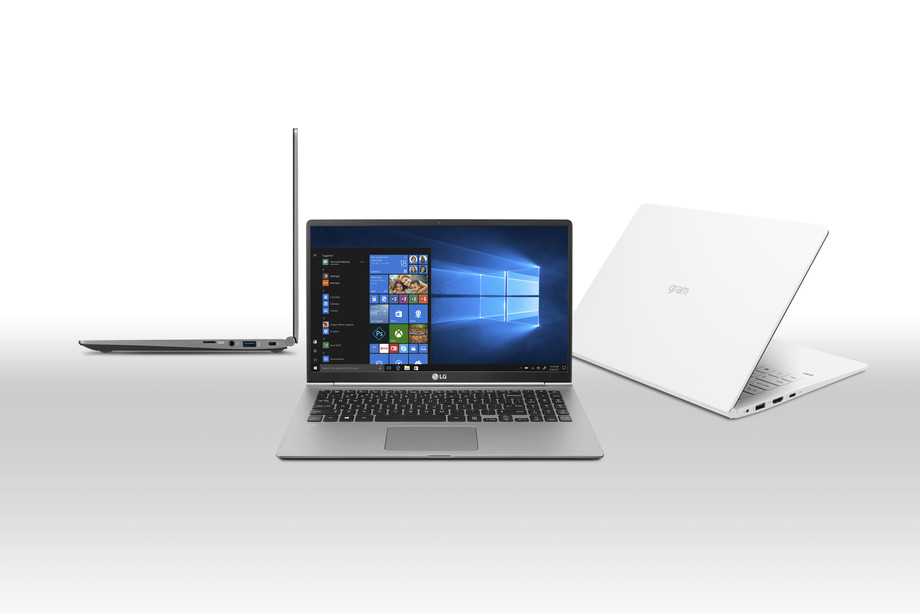
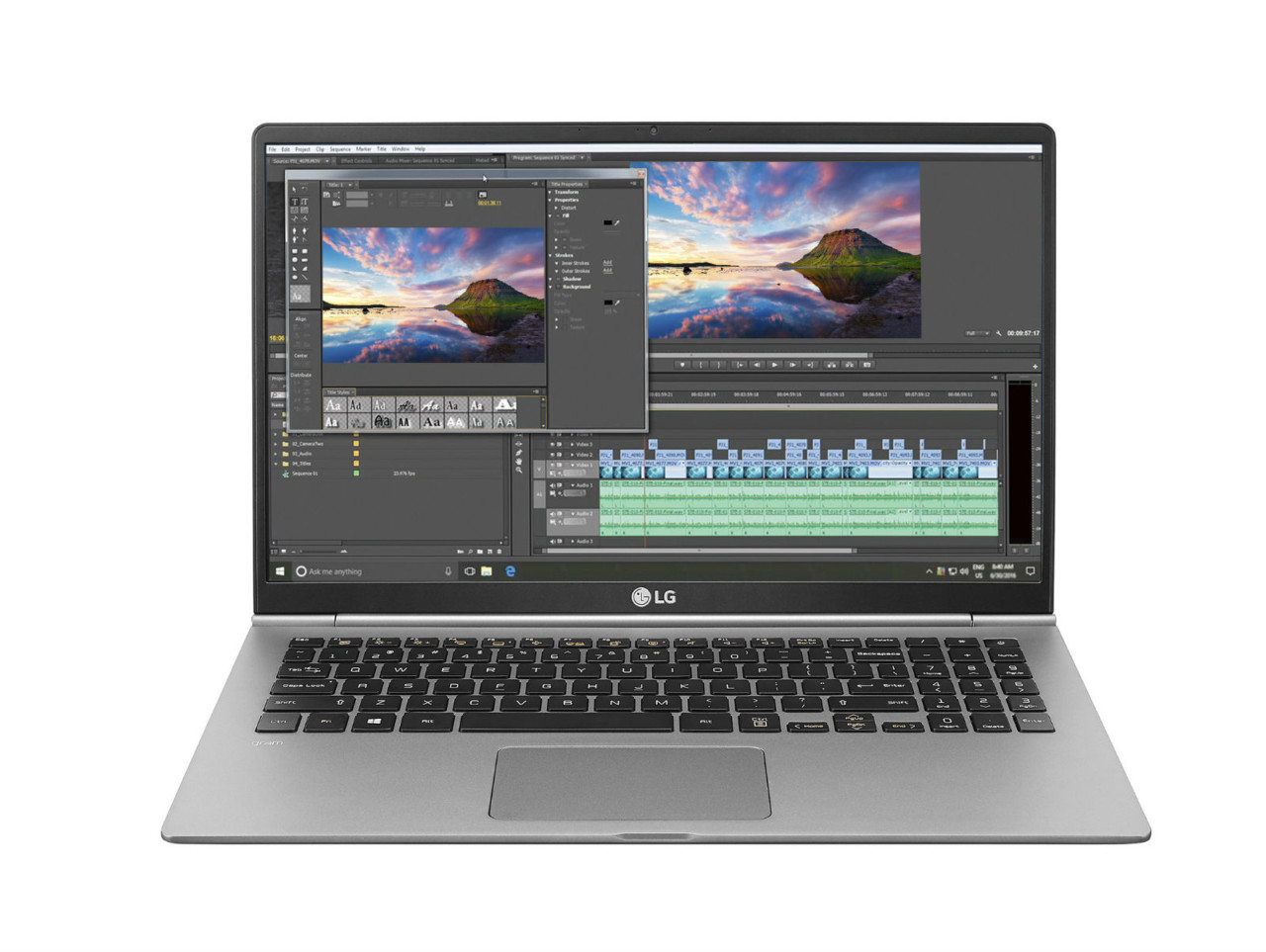
LG Electronics, the South Korea-based electronics company announced its newly refreshed LG Gram laptops which will be officially launched at Consumer Electronics Show (CES) 2018 next month in Las Vegas.
The major highlight of the Windows 10 laptop is that it comes with a 72Wh battery, which the company claims can last an entire day on a single charge.
The company has announced three versions of the laptop based on the size of the display — 13.3-inch, 14-inch, and 15-inch. All three models will include Intel’s 8th-generation Core i5 and i7 processors, along with SSD storage and an option for a second SSD drive.
While the company has revealed some information, the entire list of specifications has not been released. The company will reveal more information about the specifications during the official launch at CES 2018 in Las Vegas.
It comes with a backlit keyboard, a precision touchpad, touchscreen display, and a fingerprint sensor for security purposes. It also comes equipped with Thunderbolt 3 support as well as DTS Headphone X technology, which provides multi-channel sound of up to 11.1 channels.
According to the company, the laptops have passed all seven MIL-STD 810G durability tests due to the Nano Carbon Magnesium full metal alloy body that is used for the outer shell. It further claims that these laptops are 20 percent more durable compared to traditional magnesium products.
LG’s Gram laptops have been very thin and light, and this year’s models maintains that. The 13.3-inch model weights just 2.1 pounds, while the 14-inch variant weights at 2.2 pounds, and the 15.6-inch version coming in at 2.4 pounds.
Further, LG is also claiming that the 13.3-inch model will last up to 22.5 hours, with the 14-inch at 21.5 hours, and the 15-inch version at 19 hours.
The newly refreshed LG Gram laptops are expected to be available in the US from next month. It is not yet known when these models will be rolled out to other regions. We just have to wait for the official launch to get to know the full specifications, pricing and availability information.
Huawei is rumored to be working on its next-generation P11 flagship. Fresh information shared by reliable leakster Roland Quandt has claimed that the Huawei P11 flagship would be debuting in Q1 2018. He has also claimed that the Chinese firm will be focusing on stellar camera and AI experience on the upcoming flagship.
So the Huawei P11 seems to be a Q1 2018 thing (again). We were just promised "exciting new products" with a focus on camera and AI for Q1 at a local german Huawei Xmas event. Could be MWC like the P10.
Huawei had announced the P10 series flagship phones at Mobile World Congress (MWC) 2017 event. Hence, it is speculated that Huawei P11 series will get official at MWC 2018 event that will be held between Feb. 26 to March 1 in Barcelona, Spain.
Well-known tipster Evan Blass has recently shared on his Twitter handle that the next P-series phones from Huawei will be an imaging powerhouse. The P11 is rumored to feature 40-megapixel triple-lens Pro camera by Leica along with 5x hybrid zoom. It is likely to house a Leica branded 24-megapixel front-facing camera.
Is the next Huawei P-series going to be an imaging powerhouse? A digital artist at one of the company's creative agencies added these "PCE Series" ads to their portfolio — claiming 40MP, 3 lens rear (5x hybrid zoom) + 24MP selfie, all Leica-co-developed. pic.twitter.com/t8w3VlL55L
As far as AI is concerned, the P11 is likely to be fueled by Kirin 970 chipset that features a dedicated neural processing unit (NPU). The P11 may arrive with more AI capabilities than the Mate 10 phones.
Recent leaks have revealed that the Huawei P11 that is codenamed as EMILY may arrive with an iPhone-X like notch on its 6-01-inch LCD display. It will be running on EMUI 8.0 based Android 8.0 Oreo.
The booming smartphone industry today owes a lot of its growth to Apple’s iPhones. The iPhones have always led the trend in mobile phones and that has continued with the latest iPhone 8, 8 Plus and iPhone X. The iPhone 8 and X both come with wireless charging as one of its features. As usual, third-party manufacturers of wireless chargers are catching in on this.
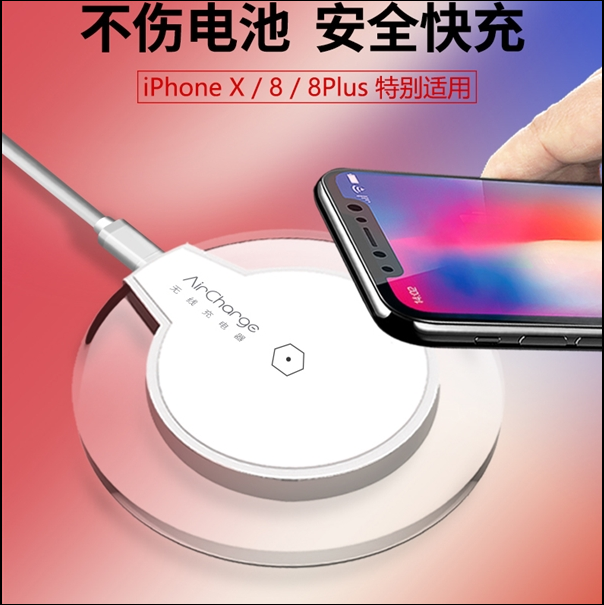
One of such is the Nanfu Shot has introduced the world’s first crystal diamond wireless charger for the iPhone X. The awesome thing about this is that the charger is priced at just 69 Yuan (~$10). Apple is yet to release its official AirPower wireless charger is expected to be released next year and should be priced as high as 1000 Yuan. Also, the recommended third-party wireless charger on Apple’s official website is priced at 498 Yuan.
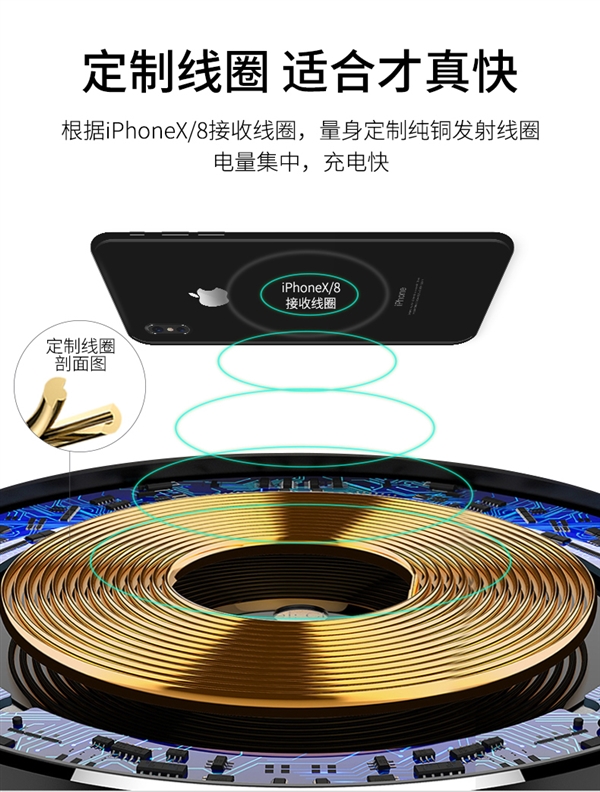
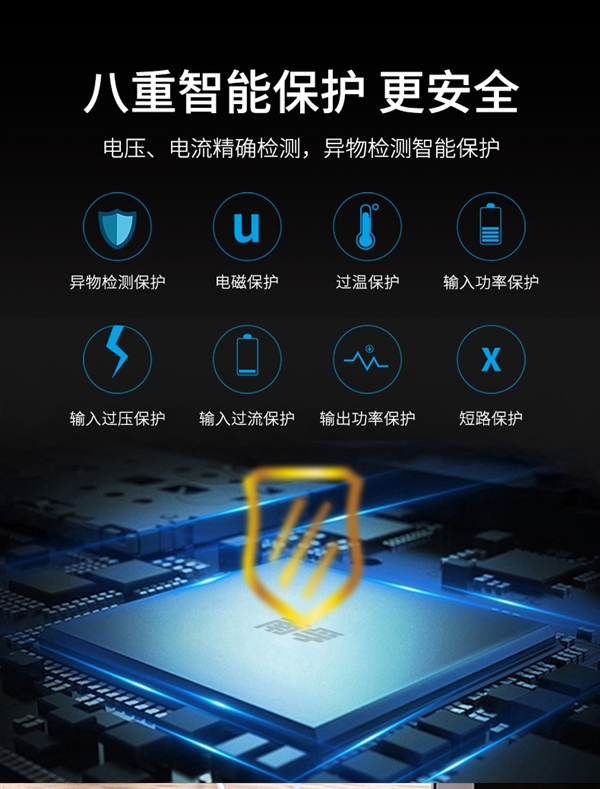
But for just 69 Yuan (~$10), you can get this charger which is specifically designed for the iPhone X and iPhone 8 as it is built around the iPhone’s power management chip. Thus, it can charge the iPhones without overheating. It is also designed to protect the battery. The product is also touted to be based on the iPhone X/8’s receiver coil, utilizing pure copper transmitter coil and could deliver safe and fast charge. Just an hour of charge is said to be able to deliver up to one full day usage. The charger comes with an elegant white design. The bottom utilizes a silicone mat on the floor. There are three LED indicators which clearly show the charging status.
The Nanfu Wireless Charger is presently available on Nanfu’s official flagship store on Lynx for just 69 Yuan (~$10). We don’t know if this will be available outside of China anytime soon.
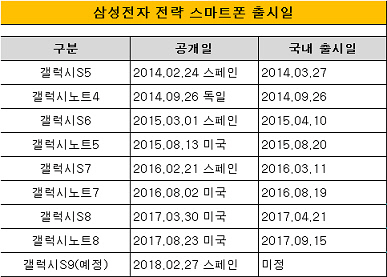
Due to Galaxy Note 7 fiasco that happened last year, Samsung had to delay the launch of the Galaxy S8 and Galaxy S8 by one month this year. Instead of showcasing the Galaxy S8 duo at Mobile World Congress platform, the company had unveiled these phones through a dedicated launch event in New York on March 29. Fresh information shared by a South Korean publication reveals that the Galaxy S9 and S9+ would be unveiled during the MWC 2018 event in February. To be more precise, the report claims that the Galaxy S9 duo will be announced on Feb. 27 through the Galaxy Unpacked 2018 event.
The MWC 2018 will be begin on Feb. 26 and it will come to an end on March 1. The event will be held in Barcelona, Spain. Samsung has used the same platform to unveil the Galaxy S7, Galaxy S6 and Galaxy S5 smartphones in the past and have released them in the market by mid-March. It appears that the South Korean tech giant is likely to use its usual strategy to launch the S9 duo.
Previous reports had suggested that Samsung was planning to launch the Galaxy S9 and S9+ at the beginning of 2018 in a bid to rival the Apple iPhone X. However, since the Galaxy S8 and Galaxy S8+ have been meeting with impressive sales even after the launch of iPhone X, the South Korean company is of the view that there is no need to launch the S9 duo quickly.
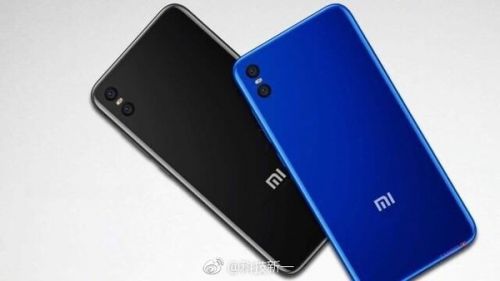
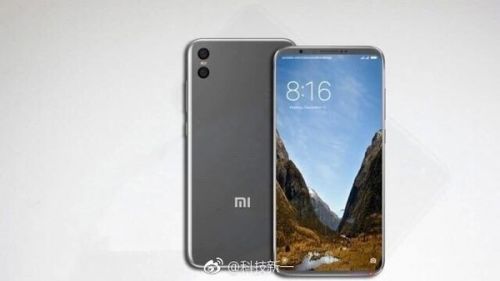
Xiaomi Mi 7 is heavily pegged to debut as one of the first Snapdragon 845 driven smartphones in the market next year. Rumors are rife that the Mi 7 will be sporting a full screen design like the Mi MIX 2 phone, but there are no leaked images of the smartphone yet. We have come across some interesting concept renders of the Xiaomi Mi 7 that showoff its amazing full screen design.
+
These renders show that the side bezels of the Xiaomi Mi 7 are almost non-existent. The lower bezel is also very slim while the upper bezel is slightly thick as it houses a hidden earpiece and selfie camera.
It features an elongated display that offers an aspect ratio of 18:9. It seems to offer a very high screen-to-body ratio. The rear design of the phone is similar to the Xiaomi Mi 6 as it features a curved glass panel.
The Xiaomi Mi 7 concept model has a vertically stacked dual camera setup that sits flush on the top-left corner of the back panel. These renders also show the Mi 7 concept in color variants like black, gray and blue.
Previous reports have revealed that Xiaomi will be releasing a larger Mi 7 Plus alongside the Mi 7. These phones are speculated to respectively feature 5.65-inch and 6.01-inch display. Also, the Mi 7 and Mi 7 Plus are also rumored to respectively feature wireless charging enabled batteries of 3,200mAh and 3,500mAh. The dual cameras on the Mi 7 duo are expected to feature Sony IMX350 and IMX380 sensors. Both phones are rumored to feature 6 GB of RAM to support the SD845 chipset. The Mi 7 is expected to cost 2,699 Yuan (~$408) whereas the Mi 7 Plus may be priced at 2,999 Yuan (~$453).
What do you think about the design of the Xiaomi Mi 7 concept model? Will the real Mi 7 sport a similar design? Share us your thoughts by adding your comments below.
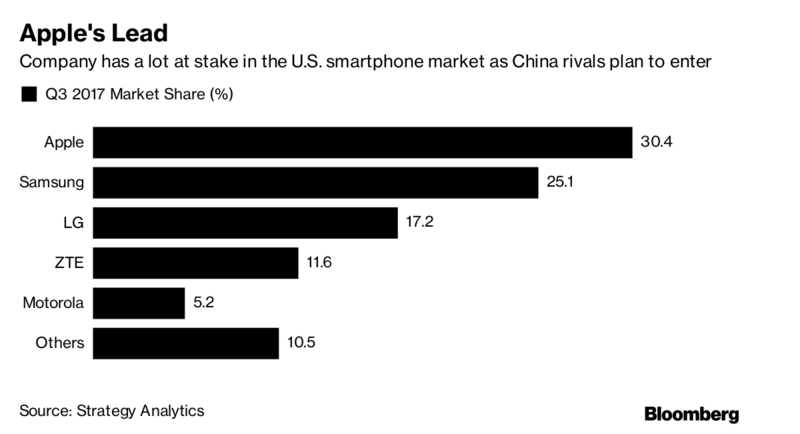
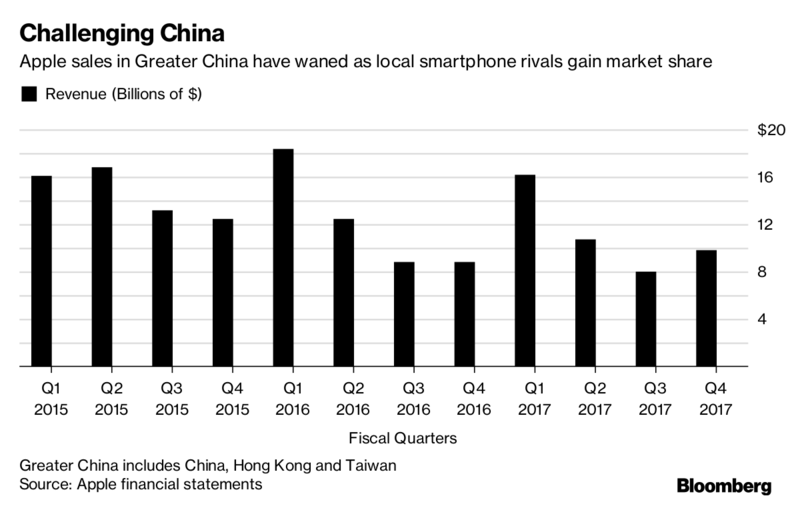
The battle for market shares in the smartphone industry is about to be taken to a new terrain. Bloomberg reports that Xiaomi and Huawei are set to challenge Apple on home turf in the U.S. This is coming after both companies alongside other Chineses OEMs like OPPO and Vivo successfully edgedApple out of the top five manufacturers in China.
The U.S market is mainly dependent on network carriers and that was why Huawei’s previous attempts at making a foray into the market met a brick wall. But the report hints that Huawei and Xiaomi are presently in talks with U.S wireless providers on how to sell their flagship smartphones to consumers in the U.S as early as next year. Both companies are said to be in talks with AT&T and Verizon and there is no assurance yet if a deal will be sealed soon. An earlier report had claimed that AT&T will sell Huawei’s latest flagship Mate 10 but there has been no news on that till date.
Apple is presently the leading smartphone seller in the U.S but sales in China has waned drastically. The company’s growth in the U.S has been supported by a strong support from mobile carriers which usually subsidize the prices of iPhones with repayment plans spread over several months. It remains to be seen if a deal would be sealed with the U.S carriers, thus opening up the market to the Chinese duo.
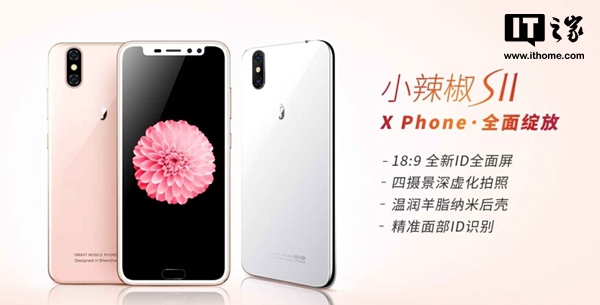
Little Pepper S11, the iPhone X look-alike smartphone which recently appeared on TENAA certification website, has been officially announced in China.
The phone looks very much similar to the recently launched Apple’s iPhone X. However, instead of having a display with a notch, the phone comes with a top bezel having the notch, giving it a pseudo-full screen appearance. Similar to the iPhone X, the phone has rear camera stacked vertically and positioned on the left side.
The smartphone features a 5.5-inch HD display with a screen resolution of 1280 x 720 pixels. Under the hood, the phone is powered by a 64-bit MediaTek MT6737 quad-core processor clocked at 1.3GHz. It packs 3GB RAM and 32GB on internal storage. There is also a microSD card slot, allowing users to further expand the storage capacity up to 128GB.
As of the camera configuration, the phone comes with a dual rear camera setup at the back, featuring a 13-megapixel and a 13-megapixel camera sensor stacked vertically. On the front side, there is also a dual camera setup with two 5-megapixel camera sensors housed within the notch. With dual cameras, the company enables users to shoot depth of field photos.
The device runs on Alibaba’s Yun OS 5.1.1, which is based on an Android operating system. It seems that there is also a facial recognition feature, similar to the Face ID. Also, there is a fingerprint scanner embedded on the home button. The phone is fuelled by a 2,500mAh battery, which should provide a decent battery life given that the phone features a 720p display.
Little Pepper is well known for copying popular smartphone designs. It recently launched Little Pepper V9, which shares design similar to that of the Xiaomi Mi 6. And to keep the price of its smartphones low, the company uses Mediatek processors.
While the smartphone has been officially announced in China, the company has not yet revealed any information regarding the phone’s pricing and availability. Little Pepper S11, which is expected to be available in two colour options — Black and White, will soon go on sale in China.
Samsung Galaxy S9+ will be arriving as a larger sibling alongside the Galaxy S9 in the first quarter of 2018. Plenty of leaks that have surfaced in the recent weeks after revealed a lot about the specs and features of the Galaxy S9+. Today, @OnLeaks who holds a consistent track record on revealing leaked information of forthcoming phones has revealed 360-degree renders of the Galaxy S9+ in collaboration with MySmartPrice. These renders are said to be created based on the CAD images that have reportedly leaked from Samsung.
The Galaxy S8+ that has a 6.2-inch S-AMOLED display measure 159.5 x 73.4 x 8.1mm. According to the leaked information shared by the tipster along with the new renders, the Galaxy S9+ measures 157.7 x 73.8 x 8.5mm and it features a 6.1-inch display. It indicates that the Galaxy S9+ will be slightly smaller and thicker than the S8+. This could mean that the Galaxy S9+ may feature a larger battery than its predecessor.
What’s interesting about the Galaxy S9+ is that it features a vertically stacked dual camera setup on its back panel. Hence, the Galaxy S9+ will become the first Galaxy S series phone to feature dual rear cameras. According to @OnLeaks, the smaller Galaxy S9 would be coming with a single-rear facing camera.
It seems that Samsung will allow users to choose between the S9 and S9+ just as the way Apple has been differentiating between its iPhone and iPhone Plus models. The Cupertino company has been offering enhanced photography experience on the larger IPhone model. Hence, the Galaxy S9+ with its dual rear cameras will be offering stellar photography experience. The fingerprint scanner will be placed below the dual rear cameras.
The 360-degree renders of the Galaxy S9+ shows that it is enabled with other features iris scanner, Bixby button, USB-C port, 3.5mm audio jack, loudspeaker, Power button and volume rocker like its predecessor. Like the Galaxy S9, the larger Galaxy S9+ will be also available in Snapdragon 845 and Exynos chipset variants in different markets.
Rumors have it that the Samsung Galaxy S9 and Galaxy S9+ may get unveiled at the Mobile World Congress (MWC) in February 2018. Fresh information suggests that the South Korean company may unveil the Galaxy S9 duo on Feb. 27. Other rumors claim that the company may reveal the S9 and S9+ to investors behind closed doors during the Consumer Electronics Show (CES) 2018 in January.
Earlier this week, Synaptics had unveiled Clear ID FS9500 as the world’s first optical in-display fingerprint scanner. It had also confirmed that it will be working with one of the top five smartphone manufacturing firms for the mass production of Clear ID. Today, the company has announced that Vivo’s forthcoming will be shipped with Clear ID in-display fingerprint reader.
Vivo is currently ranking among the top five smartphone vendors in the world. However, there is no confirmation on the name of the Vivo phone that will be featuring the in-display fingerprint scanner by Synaptics. The company is aiming to ship around 70 million units of Clear ID sensor which suggests that even other smartphone vendors are likely to adopt this new biometric recognition feature.
According to Forbes, pressing the button present on the right side of a pre-production Vivo phone wakes it and displays an illuminated fingerprint image at the bottom of the screen. Users can simply touch it to unlock the phone instantly. Synaptics has said that its Clear ID in-display fingerprint scanner is designed for bezel-less OLED infinity displays that are found in flagship smartphones such as Apple iPhone X and Samsung Galaxy Note 8.
There are various benefits of having an in-display fingerprint scanner. Reaching out to the rear-facing fingerprint reader is not always convenient when the phone is lying on kept on a table. Moreover, there is a risk of smudging the rear camera while accessing the rear fingerprint reader. Face scanning is also not very convenient as it requires users to lift the phone and look at it every time to unlock it. As said above, Clear ID allows users to unlock a phone with by simply touching the screen.
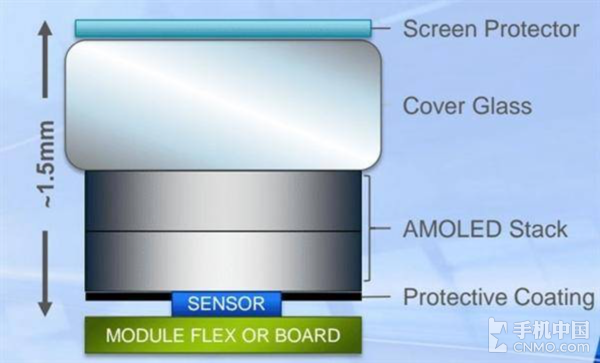
Since Clear ID is an optical scanner, it features a CMOS image sensor that has a thickness of less than 0.7mm. When a user touches the OLED screen that is embedded with Clear ID, the sensor scans the fingerprint and sends the information to the processor of the phone for verifying the match. The Clear ID sensor is well-protected from scratches and waterproof as it placed under the display glass. Also, it is equipped with many security features such as adaptive fingerprint template matching, anti-spoofing technology, ECC authentication and AES encryption.
Various renders and leaked images have surfaced recently to reveal the design of the upcoming Samsung Galaxy S9 that will be arriving as a successor of the Galaxy S8. Leaked information has shown that the Galaxy S9’s appearance will be similar to its predecessor, albeit slight changes. However, fresh renders of the Galaxy S9 released by 91Mobiles and @OnLeaks reveals some interesting design changes that will be arriving on the phone.
The new renders of the S9 that are based on factory CAD images have been reportedly sourced from Samsung. The Galaxy S8 that was released earlier this year features 148.9 x 68.1 x 8mm and it houses a 5.8-inch S-AMOLED display. However, the fresh renders show that the Galaxy S9 would be measuring 147.6 x 68.7 x 8.4mm. This shows that the Galaxy S9 is slightly smaller and thicker than its predecessor. The video claims that it will be housing a 5.65-inch display. Like the S8, the display of the S9 are curved towards the right and left edges.
Galaxy S8 users do not like the placement of the fingerprint scanner as they end up touching the camera sensor while unlocking the phone. The renders of the S9 suggests that Samsung has heard the feedback of its fans as the fingerprint scanner appears to be repositioned below the rear camera.
Multiple rumors have claimed that the Galaxy S9 would be featuring dual rear cameras. However, its renders reveal that the dual camera feature will be exclusively available on the Galaxy S9+. The Power button is on the right side of the S9 whereas the Bixby button and volume rocker are on the left. The S9 will be also borrowing other features like 3.5mm audio jack, iris scanner, USB-C port, and IP68 rated chassis from the S8.
The Galaxy S9 driven by Snapdragon 845 chipset may arrive in the U.S. whereas the other markets may receive the Exynos chipset (could be Exynos 9810) variant. It may feature 4 GB of RAM and 64 GB of storage. It is expected to come loaded with Android 8.0 Oreo.
Microwear may not be the first name that comes to your mind when you think of smartwatches but they have recently launched a few interesting smart bands. The Microwear X3 is one of the latest company’s offers and you can now get it for free!
GIVEAWAY RULES:
1. Click & Check our social media and then follow us
2 . Subscribe to the Microwear Youtube channel and Share our Microwear X3 video(via Facebook/Twitter/G+/Ins /Link to Friend/whatever). Our staff will check if you shared it with someone at least once. https://www.youtube.com/watch?v=HhNiTnbF6lw
3. Activity Time : Nov 17 to Dec 16 Gift: Micrwear X3
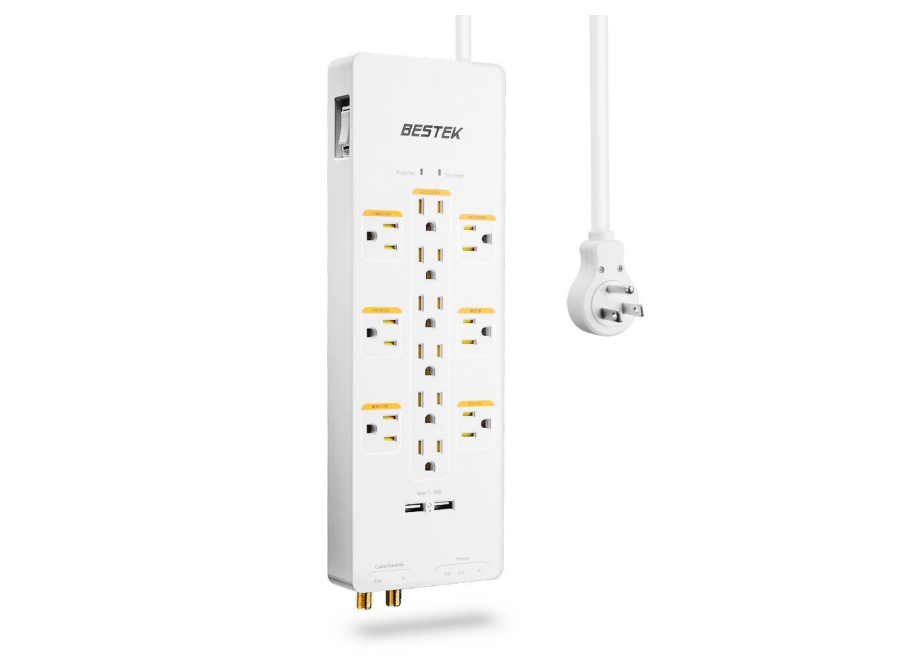
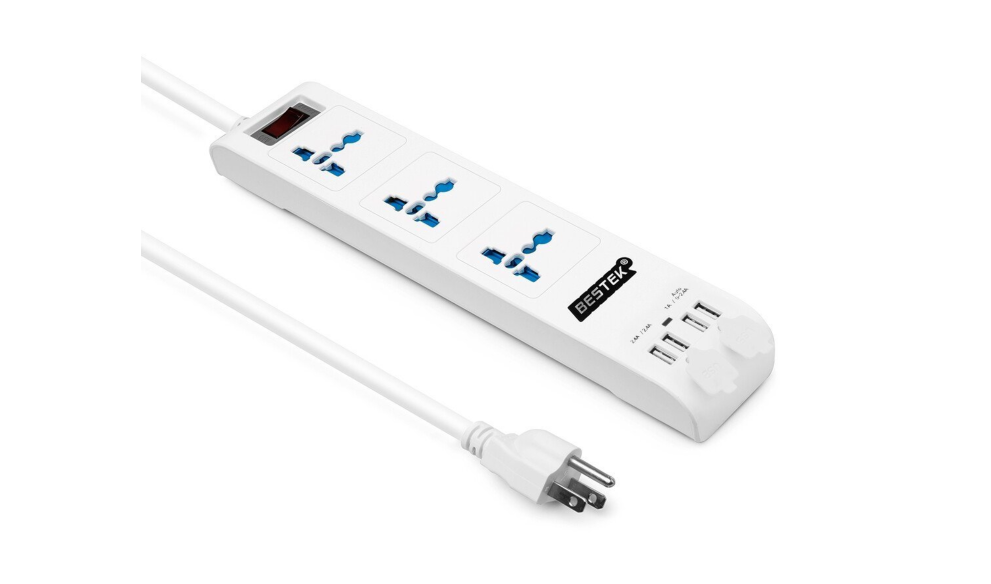
Everyone must have seen or used power strips at home or in office. Power strips are widely used to provide multiple charging outlets to power up various electronic devices at the same time. Power strip surge protectors in market vary in the number of charging outlets and different power strip types are also equipped with different special features. Before purchasing, you must want to choose a good power strip among so many models. But how can you evaluate whether it is good or not? A good power strip must stand out in charging speed, housing material, cable thickness, safety protections, inside circuit designs and other special features, and be the one that can really meet your needs.
Charging Stations – enough charging stations can meet all your needs
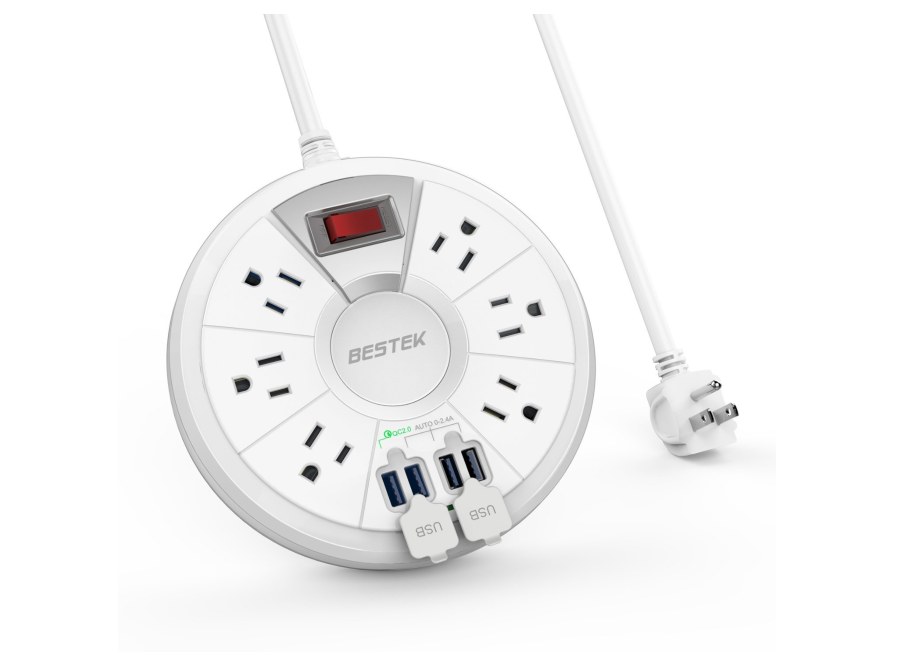
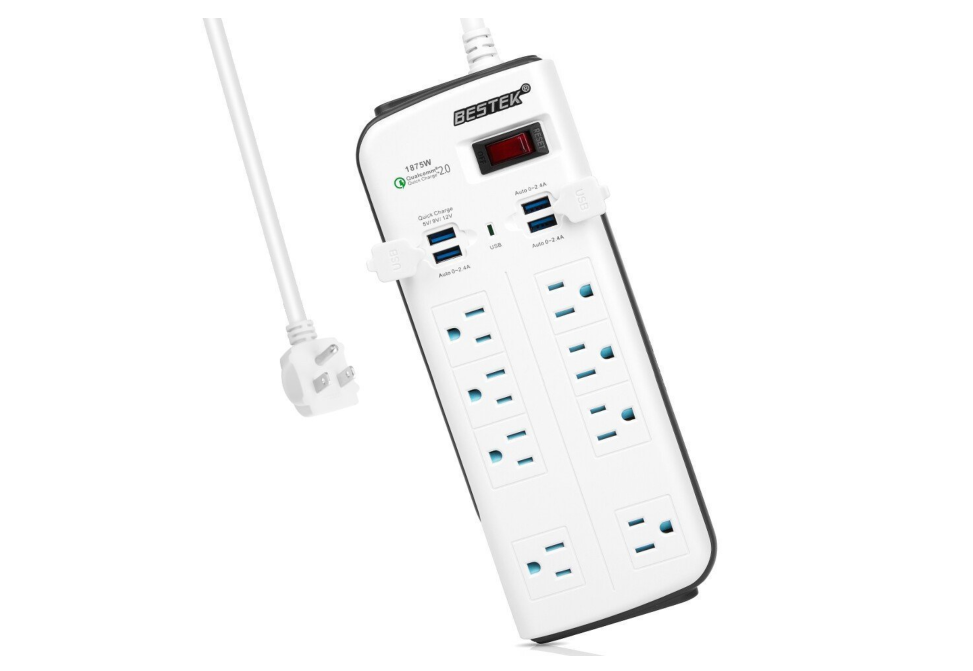
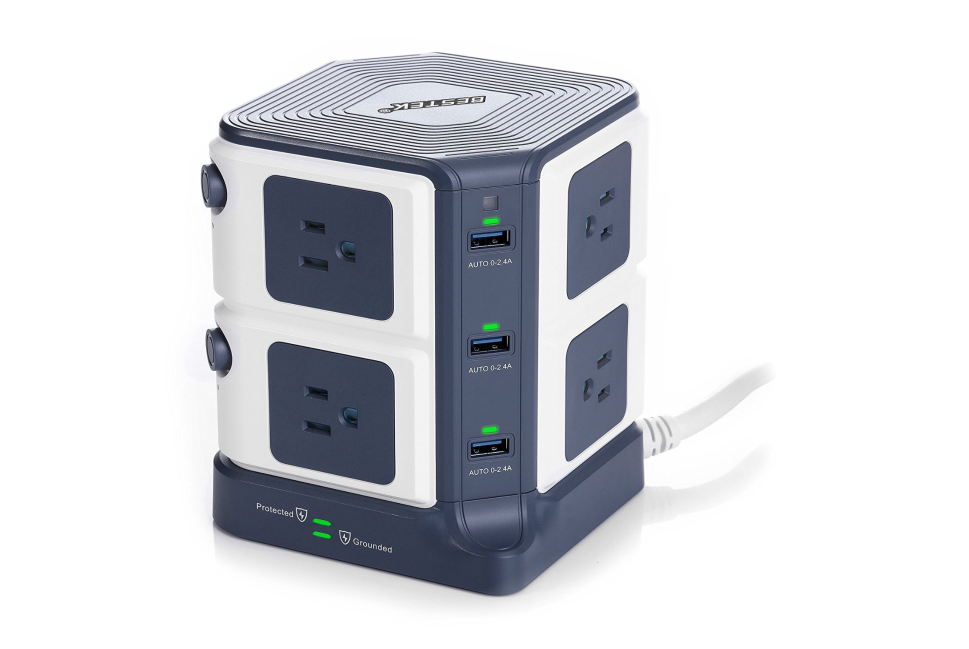
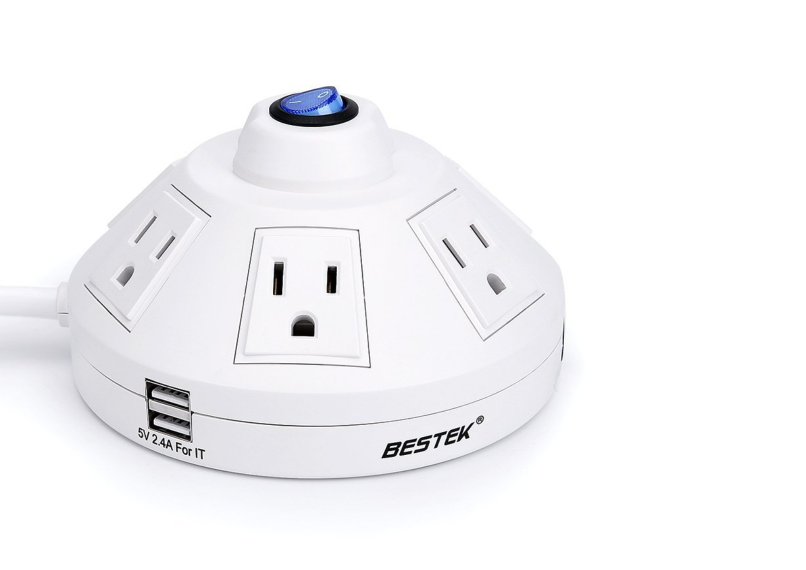
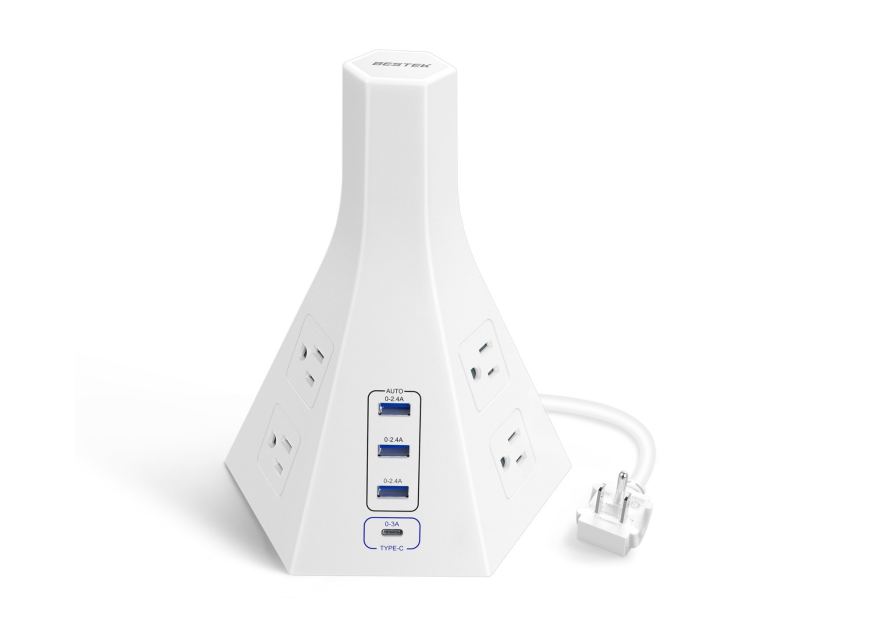
No enough wall charging sockets is the problem that many people who have an increasing number of electronic devices are facing with now. The power strip is such a device that can provide multiple charging outlets to allow you charge more than one devices simultaneously. There are also some power strips with USB ports for you to charge mobile devices like cellphones, tablets, cameras, etc. Enough charging stations can meet all your charging requirements. You can find USB power strips with 3 outlets, 4 outlets, 8 outlets and even 12 outlets as you like. Multi-outlets power strips are popular for home theater and office working to share power electricity.
Fast Charging Speed – charge devices faster and save electricity
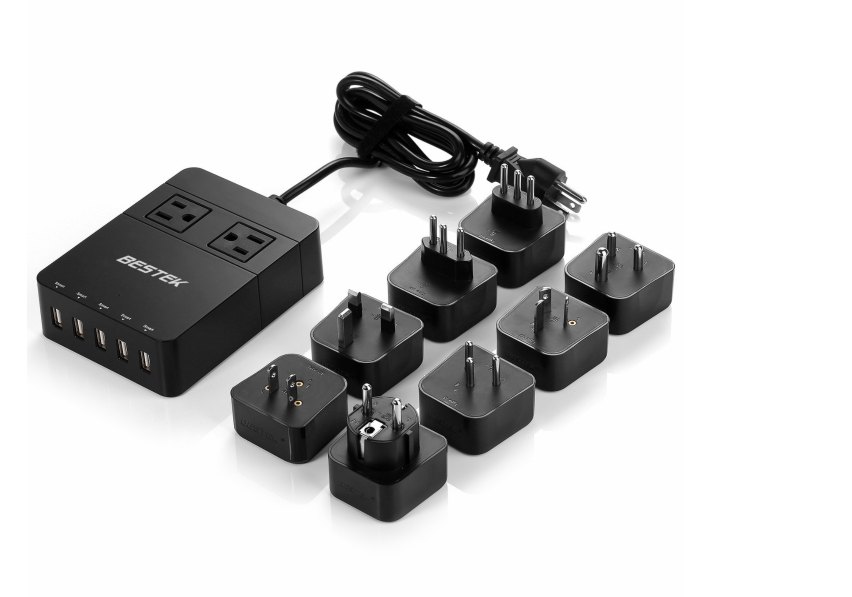
As you know, it is not good to play some electronic devices like cell phones while it is being charged. So fast charging can reduce charging time to allow you continue entertainment quickly as well as to save more energy. Good conductivity can ensure AC outlets of a power strip to charge devices faster. BESTEK power strips are integrated designed with phosphor bronze inside to guarantee higher AC power conversion rate. As for USB ports, some are QC chargers with Qualcomm technology and some are intelligent identified with auto 0~2.4A current. The smart USB ports can detect each device and deliver the optimal current for each device. With a USB power strip, various device chargers can be reduced and packed away to reduce cable clutter.
Premium Housing Materials – long-lasting and environmentally friendly
Fire accidents are easy to occur when you use electronic devices due to poor quality. Some power strip manufacturers adopted cheap materials that can’t prevent electric shock at all. Some even use flammable materials that can heat up easily and cause the fire if the power strip is connected to several devices. So when choosing a power strip, you have to check the whether it is made of anti-fire materials. ABS fire-resistant materials are most frequently used in making a power strip. These materials are also durable enough to ensure long service life. PC shell is anti-scratching and waterproof, also making power strip useful in many other tough areas.
Long Cable Length and Good Thickness – ensure wider charging area and longer service life
You can see some wall power chargers and power strips with power cord. For more flexible applications, long power cable is of vital importance. In the kitchen, a long cable can allow you to use different cooking appliances at the same time to increase cooking efficiency. In the living room, you can place it on the desk, behind the furniture, or anywhere you want. Besides, the cable should be thick enough to accept high pulling tension. A 14AWG cables are international standard power cord thickness. To protect cable from damages under thousand times of pulling, some power strips are ruggedized designed to ensure up to 30000 times of buckling and up to 80KG of tension resistance.
All-around safety Protections – protect you and your devices from damages
Power strips with multiple outlets can meet your various charging needs, but that also increase the risks of safety hazards when using so many devices at the same time with one power strip. Reliable power strip brand have introduced advanced safety protection technologies into their products. Your devices can be guarded against damages with full protections including protections of overloading, overheating, overvoltage, and short circuit. Power surges or spikes are easy to occur in thunderstorm days and is very harmful to electronic devices. Surge protected power strips can exactly protect devices from surges. Higher joules rating means higher surge protections. To protect devices to the maximum extent, good power strips often come with integrated circuit breaker that can cut off power timely when there are power problems and come back to normal when problems are handled. Some have indicator lights to get you alerted the charging status and find problems in time.
Approved Certifications – feel assured to use with professional approving
Many power strips are announced to be made of the best quality materials and best safety protections, however, many buyers can’t realize the deception until they find the device doesn’t work few months later or the connected equipment is damaged. When choosing a power strip, check whether it is internationally approved. You can see many international certifications like UL, ETL, FCC and EC, etc. Those certifications are approved by authorities, so you can feel assured to bring one home with certification listed.
Other Features to Make It easier – special features help you with special problems
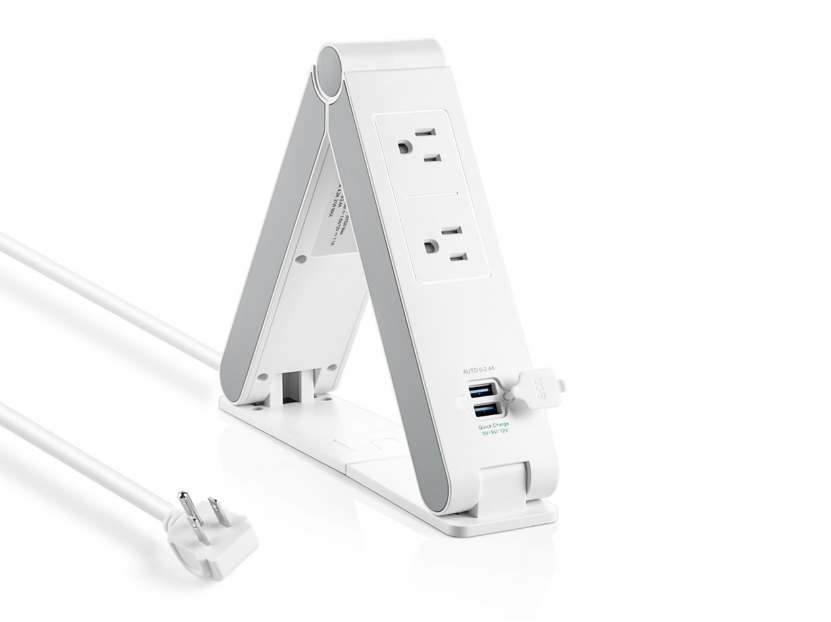
Apart from the above basic features of a power strip, you can also find some power strips designed with special features to provide you a better using experience. Desktop power strips make full use of vertical space to save space and keep desk clean without cable clutters. Travel power strips provide extra plug adapters to allow you charge devices anywhere you go, ideal for worldwide travel. Rotatable power strips can be adjusted flexibly to give you the best charging position. Power strips with independent switches can control each charging outlet to save more energy. And power strips with safety doors can keep curious kids away from electricity. You can find many other power strips types that can help you deal with different problems.
A good power strip is equipped with enough charging outlets, full safe protections, high-quality materials, fast charging speed, approved certifications and other special features. Choose a reliable power strip that can really meet all your needs.
Premium Material
Anti-fire shell and integrated copper design ensure high safety and conversion
Meizu is working on a full-screen flagship called the Meizu 15 Plus which is set to launch next Spring. Its sub-division, Blue Charm (mBlu) is also reported to be working on a full-screen smartphone.
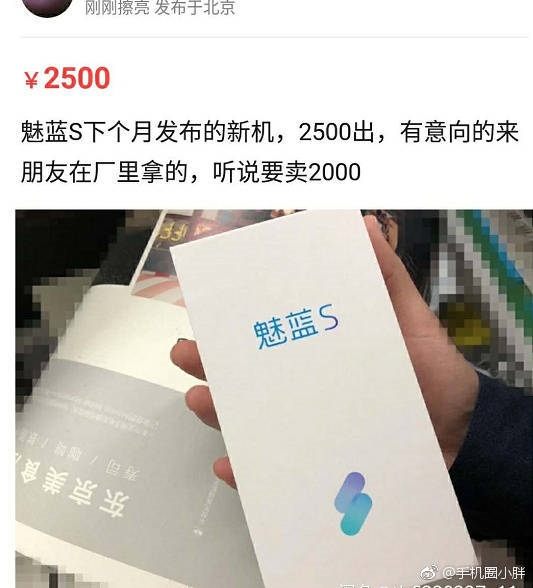
While there have been rumors of a phone called the Meizu M6S which has been reported to sport a full-screen display, a screenshot surfaced online earlier today revealing the packaging of a phone called the mBlu S with a ¥2500 (~$378) price tag.
According to the text in the image, the Blue Charm S will be launched next month. It appears someone got his hands on a unit and is willing to sell it at the price mentioned above, judging from the rough translation of the remaining text. However, there is also a mention of a ¥2000 (~$303) price which might be the official launch price.
It is not yet confirmed if the mBlu S is the same device as the Meizu M6S or a different device entirely. The latest we heard about the M6S is that launch has been shelved till next year due to a camera debugging issue. Seeing as this phone is set to launch next month too, it may be that the Meizu M6S and mBlu S are one and the same.
Most manufacturers this year adopted a full-screen design for their phones albeit in different ways. While most settled for reduced top and bottom bezels, a few others adopted a tri-bezel-less design, and Apple settled for a completely bezel-less design but with a notch at the top for the iPhone X. None of these designs are completely bezel-less for the simple reason that front cameras, sensors, and earpiece still need a place to stay. Doogee seems to have come up with a solution, one that is familiar.
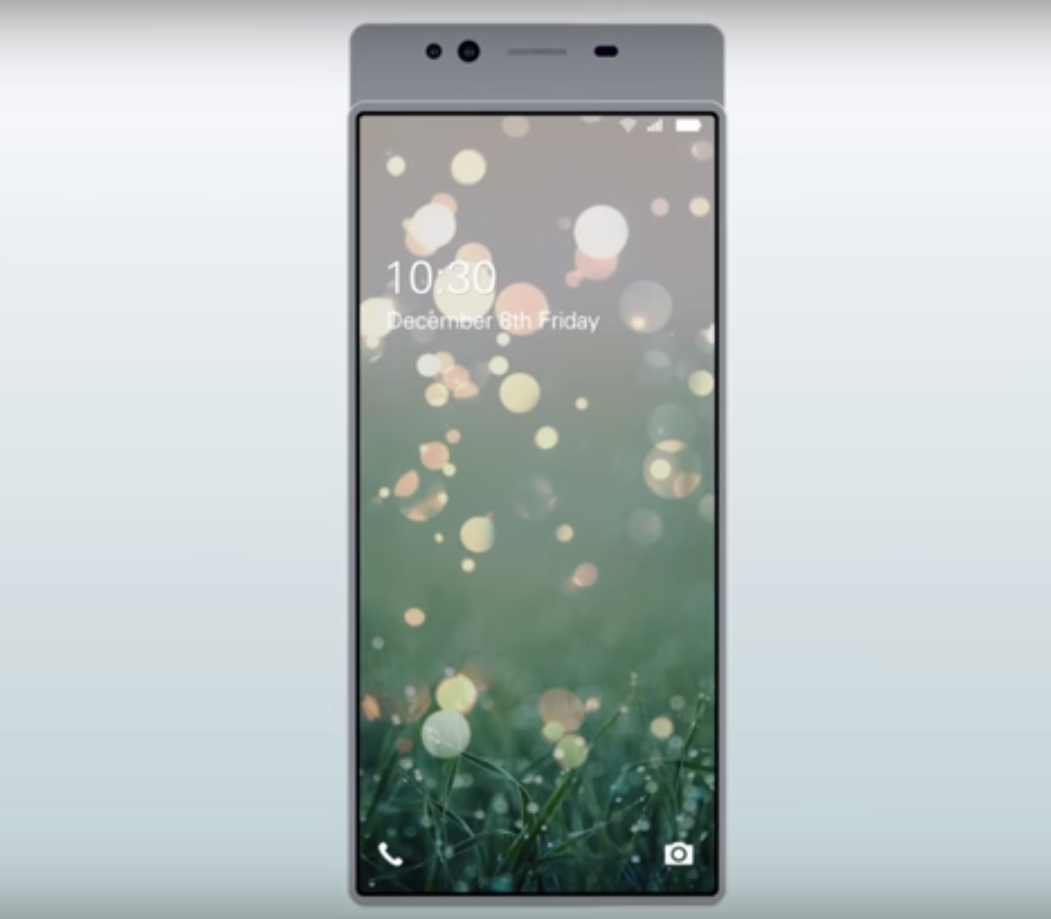
Doogee has released a short video demoing a full-screen phone with a slide mechanism which it thinks might be the future of smartphone design.
Rather than join the notch-trend, Doogee’s approach is a slide-mechanism similar to that of the Nokia N95. This design results in the phone sporting a true full-screen design as the front camera(s), earpiece, and sensors are hidden behind the screen and can be accessed by simply sliding down the phone.
This design however comes with one flaw – a thicker phone. Is the desire for a full-screen smartphone worth the addition of a few mm?
The design of the phone doesn’t end there. There are dual cameras and a fingerprint scanner on the rear. All three are stacked on top of one another in a vertical arrangement, and are separated by a dual LED flash. A few centimeters below is Doogee’s branding.
At the bottom of the phone is a USB-C port and speaker grilles. We can’t see the top but the only thing it will most likely house is a noise cancelling microphone.
We use cookies on our website to give you the most relevant experience by remembering your preferences and repeat visits. By clicking “Accept”, you consent to the use of ALL the cookies.
This website uses cookies to improve your experience while you navigate through the website. Out of these, the cookies that are categorized as necessary are stored on your browser as they are essential for the working of basic functionalities of the website. We also use third-party cookies that help us analyze and understand how you use this website. These cookies will be stored in your browser only with your consent. You also have the option to opt-out of these cookies. But opting out of some of these cookies may affect your browsing experience.
Necessary cookies are absolutely essential for the website to function properly. This category only includes cookies that ensures basic functionalities and security features of the website. These cookies do not store any personal information.
Any cookies that may not be particularly necessary for the website to function and is used specifically to collect user personal data via analytics, ads, other embedded contents are termed as non-necessary cookies. It is mandatory to procure user consent prior to running these cookies on your website.


 +
+