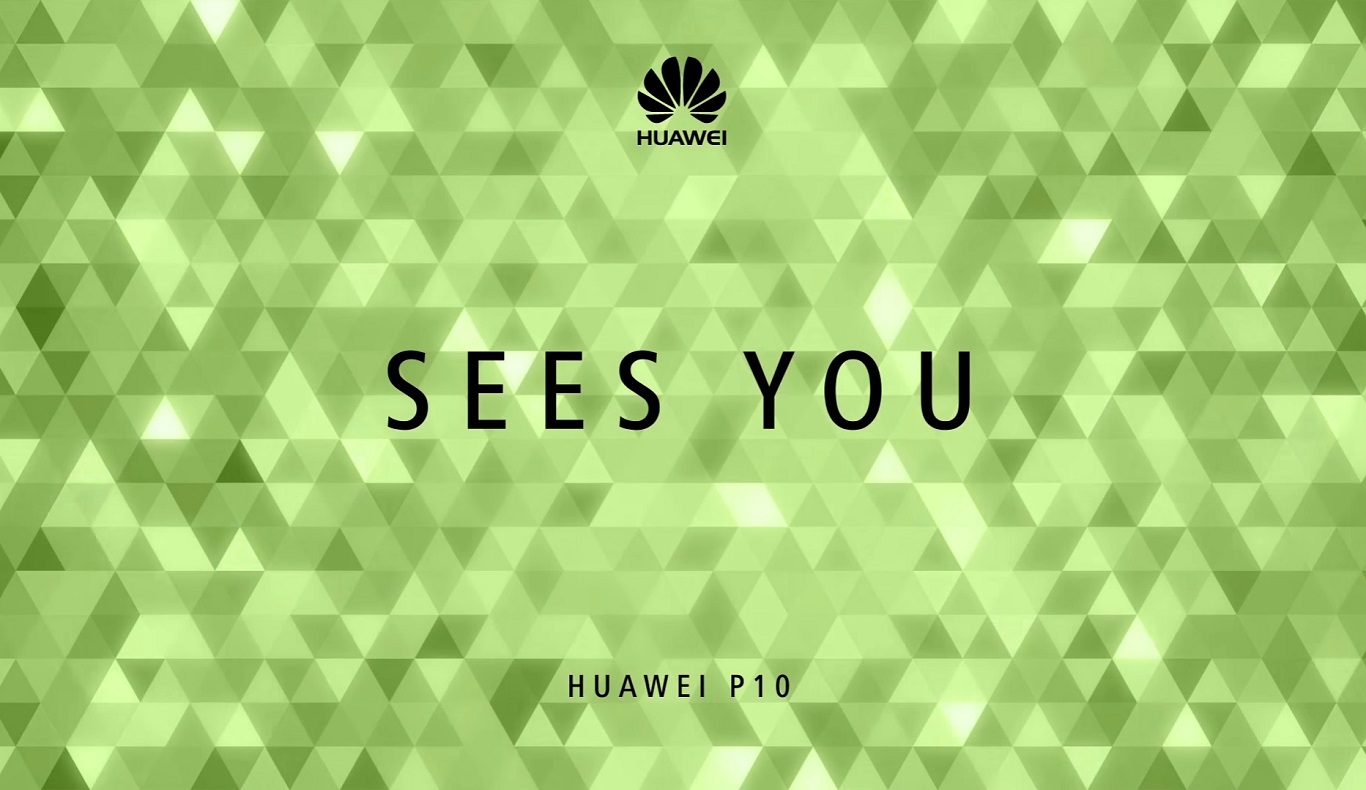
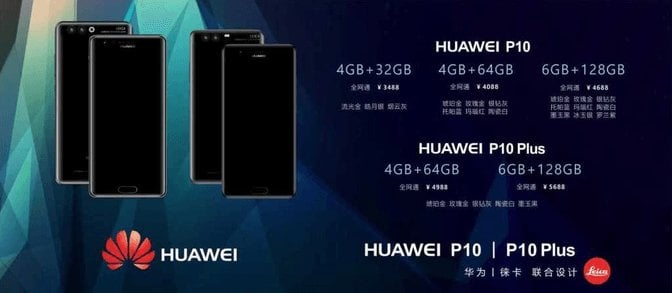
Huawei is preparing for the launch of its next flagship, the Huawei P10. Scheduled to be announced on the 26th of February at Barcelona, the company has been posting teasers of what to expect.
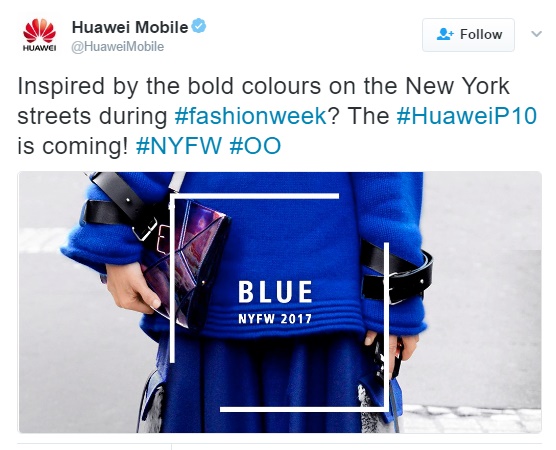
Yesterday, the official Huawei Mobile Twitter account posted a short video hinting at the possible colors the Huawei P10 will launch in. A follow up tweet says the colors of the phone were “inspired by the bold colors on the New York streets during the fashion week”. Judging from the colors in the video, the Huawei P10 should be available in blue, aquatic green, and gold.
Last month, a Weibo user @ichangezone had posted images of the possible color variants of the Huawei Mate 10. Comparing those images with Huawei’s teaser now confirms his leak was genuine.
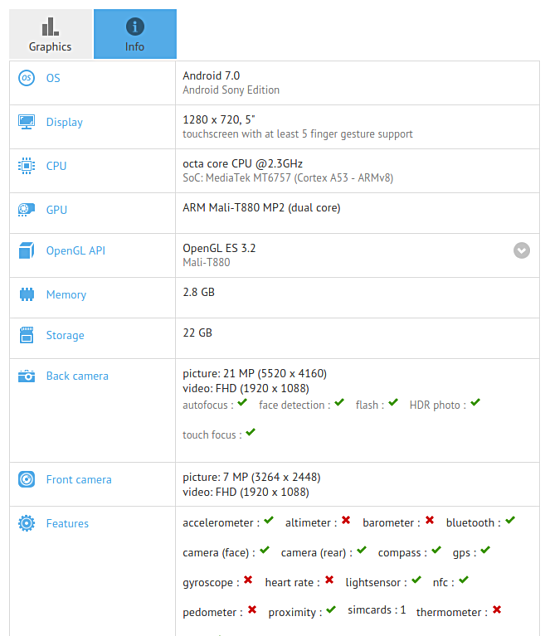
A high-end Sony smartphone that goes by the name Sony Pikachu has been spotted on benchmark website GFXbench. The name is perhaps a code name which is perhaps different from the one the device would launch with. Even at that, what readily comes to mind when Pikachu is mentioned is Pokemon.
The Sony Pikachu packs high-end specifications which include Android 7.0 Nougat OS said to be Android Sony Edition. The Pikachu is listed with a 5-inch display but HD resolution (1280 x 720 pixels). The device is also listed as packing an octa-core CPU clocked at 2.3GHz and is powered by a MediaTek MT6757 chip, while the graphic renditions are taken care of by a Mali-T880 MP2 GPU. There is also 3GB of RAM onboard the device as well as 32GB of storage.
On the camera end, the Sony Pikachu is listed as featuring a 21MP rear camera with autofocus, face detection and LED flash. The Pikachu is also coming with a 7MP front-facing camera. Curiously, the Pikachu is listed to come with just one SIM card but it comes with lots of connectivity features including GPS and NFC.
At last year’s edition of Google I/O, one of the new features Google announced will be coming to Android soon is Instant Apps. Instant Apps are apps that you can use without installing on your phone. If you come across an instant app while searching on Google, all you have to do is tap on the icon and you are ready to use the app. The app can be as simple as a ticket booking app, a shopping app, or a weather app. Once you are done with it, that’s the end.
Image Credit: liliputing.com
Instant Apps are actually not new. In China, popular messaging app WeChat has what is called Mini Programs within its app. Mini Programs work in a similar fashion as instant apps. They are embedded within the app you are using and don’t show up in your main app list. You can install a mini program by scanning a QR code or installing one friend shares. While the apps remain within the WeChat app, a simple swipe is all you need to remove them.
A number of the mini-programs available on WeChat include a photo editing app like Prisma that applies filters faster than Prisma, a movie ticket booking app, and a McDonalds app for coupons. WeChat rolled out the service early January.
Some Android devices have started getting the service and the first app is shopping app, Wish. Instant Apps are going to be available to devices running Android 4.1 and up.
Instant Apps are built just the way your regular android app is. It uses the same APIs, the same package, and source code. The difference is that you do not need to head to the Play Store to install it. You also do not get features associated with regular apps such as background services, background notifications, or access unique device identifiers.
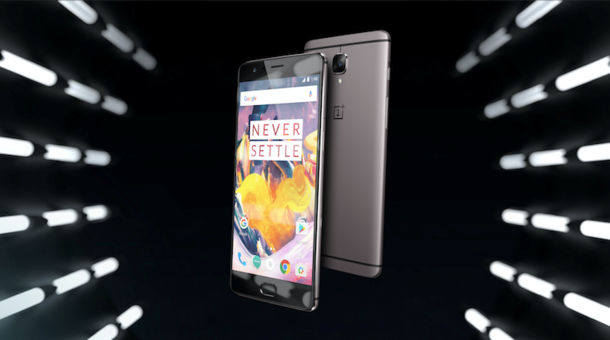
Last year popular open-source operating system for android devices, CyanogenMod announced it was shutting down. Following that, the company started afresh and became LineageOS. Over the past couple of weeks, they have announced builds for a number of devices. Today, they have added six new custom ROMs for the OnePlus 3T, OnePlus 3, ZTE Axon 7 and three other devices.
The ROMs all have build number 14.1, a continuation from CyanogenMod’s 14.0, and are based on Android Nougat 7.1. The company has merged the files of the OnePlus 3 and OnePlus 3T, so you will see it as one device. Alongside the ZTE Axon 7, the LG G3, Samsung Galaxy Tab S2 8.0, Galaxy Tab S2 9.7, HTC One M7 (GSM) and HTC One M7 (Verizon) have also gotten LineageOS 14.1.
LineageOS stats shows that the ROM for the OnePlus One (Bacon) is currently the most downloaded with a total of 35959. It is followed by Xiaomi’s Redmi Note 3 (Snapdragon Variant) with 18835 downloads and Samsung’s Galaxy S5 with 17100 downloads.
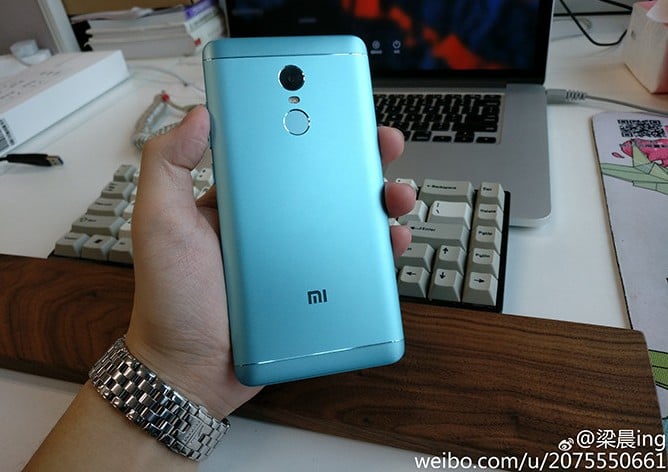
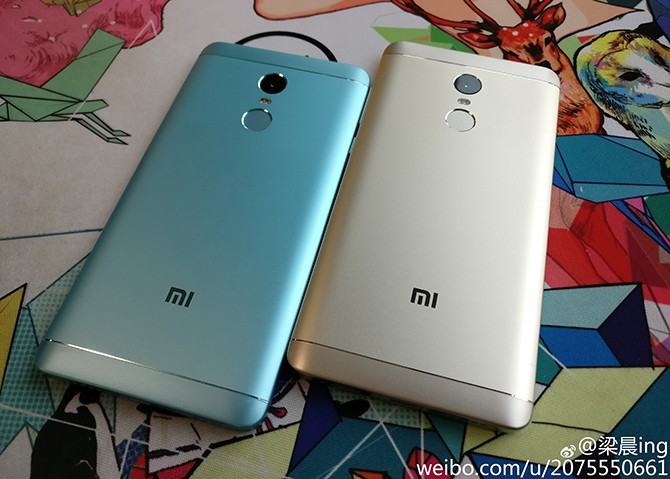
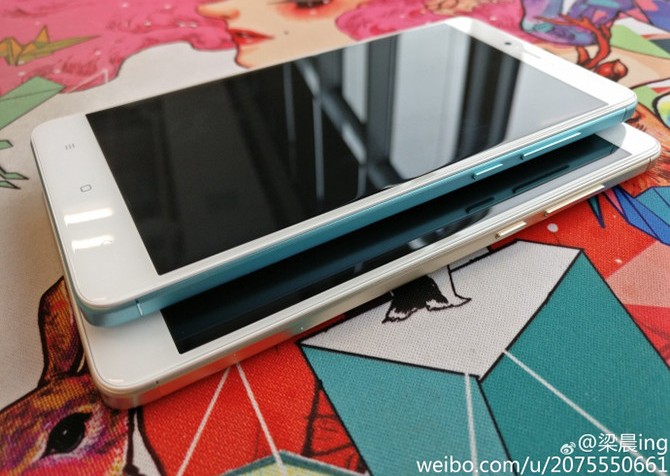
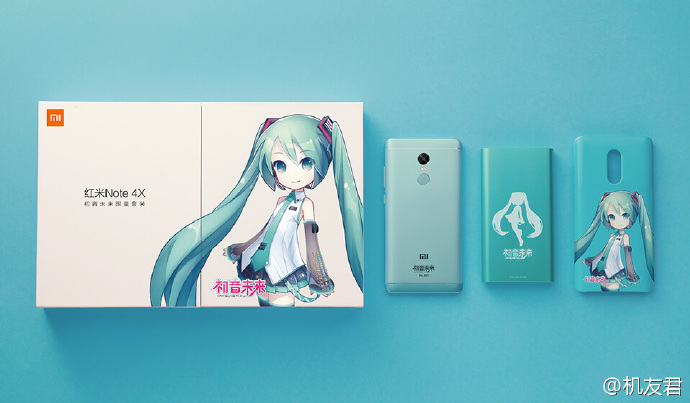
Xiaomi announced the Redmi Note 4X Hatsune Miku Edition a couple of days back and since then the device has been hitting the airwaves in series of press renders. Until now, we were yet to see an hands-on image of the limited edition of the Redmi Note 4X but that is now in the past. Real live/ hands-on images of the Xiaomi Redmi Note 4X Hatsune Miku Edition have come out, giving us a glimpse of the green beauty.
On first sight, the Hatsune Miku Limited edition might be confused with a flagship device but the Redmi series are known to have cheap mid-range price tags. That doesn’t take away the fact that the design is premium and sleek. The customized version comes in green paint job only and has a fused antenna band design that is coated in silver. The camera and fingerprint sensor has a silver coated thin ring surrounding them.
The sleek design alone doesn’t account for the 1,299 Yuan ($189) price tag the Redmi Note 4X Hatsune Miku edition has got. In addition to a great looking smartphone, buyers also get a limited edition mobile power bank, a customized casing for the phone as well as the opportunity to download Hatsune theme in the future.
The Hatsune Miku Edition shares the same specs lineup with the regular Redmi Note 4X which includes a 5.5-inch 1080p display, Snapdragon 625 processor, 3GB of RAM, 32GB of internal storage, a 13MP rear camera, a 5MP front-facing camera as well as a large 4,100mAh battery. The Redmi Note 4X also come with dual SIM card / dual standby, and full Network support. The Redmi Note 4X, including the Hatsune Miku Edition went on sale in China today February 14 via Xiaomi Mall, Mi Home, Suning Tesco, Lynx official, and Jingdong.
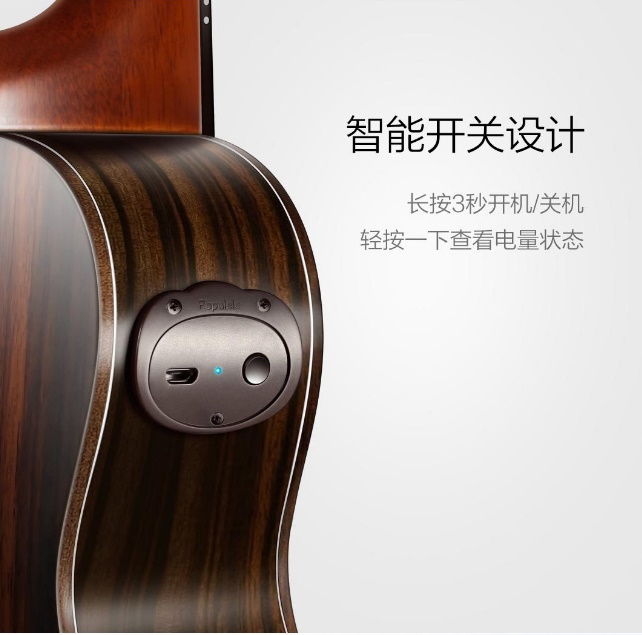
Yesterday we reported that Xiaomi has two new products launching today via its Mijia crowdfunding platform. The first of the product is a smart ukulele called the Populele. For those who don’t know what a Ukulele (yoo-kə-lay-lee) is; it is a musical instrument resembling a small guitar but smaller and usually with less strings. It is of Hawaiian origin but has now spread all over the globe.
Now that we have put the history class behind us, let’s dive into what Xiaomi’s Populele does. Say you want to start playing the ukulele, you might need to get a teacher who will have to sit you through hours of boring classes that are pretty difficult. However with the Populele, what you need is your smartphone and the companion app.
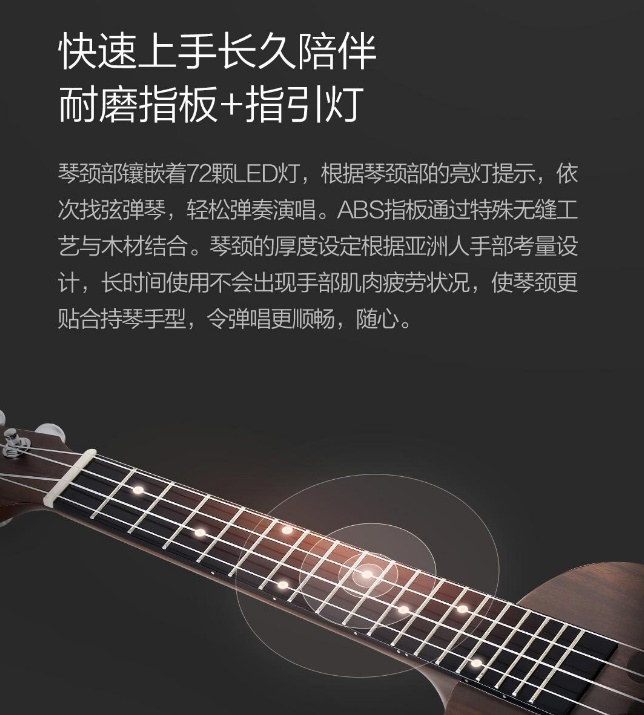
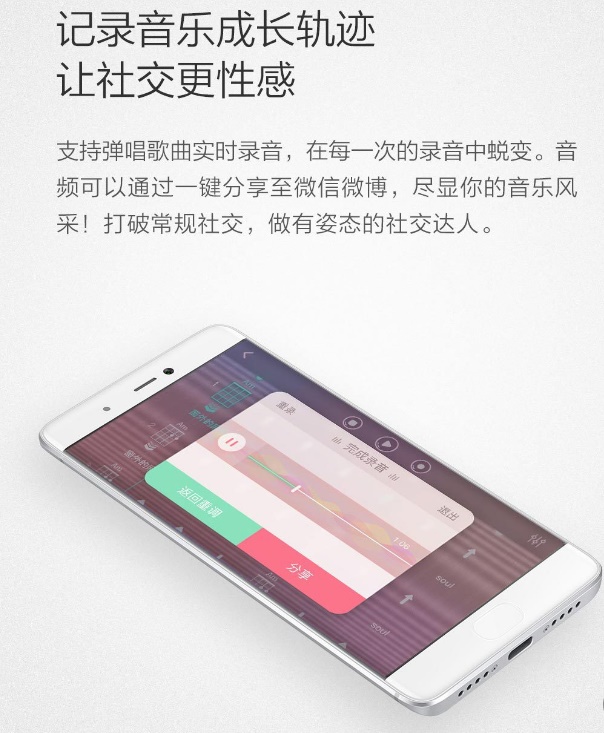
The app which works with devices running Android 4.3 and above or iOS 8.0 and above teaches you how to play the Populele. All you have to do is follow the LED lights in-laid on the fingerboard of the Populele as it lights up. Once you push a key on the app, the corresponding LED lights up on your Populele. After learning the basics, you can go ahead and learn any of the over 100 songs that comes with the app, with regular practice you should be able to give a performance worthy of a standing ovation when next your friends come around or win the heart of your crush with a serenade. The product page even says 5 minutes is all you need to start playing.
Technical Specifications of the Populele
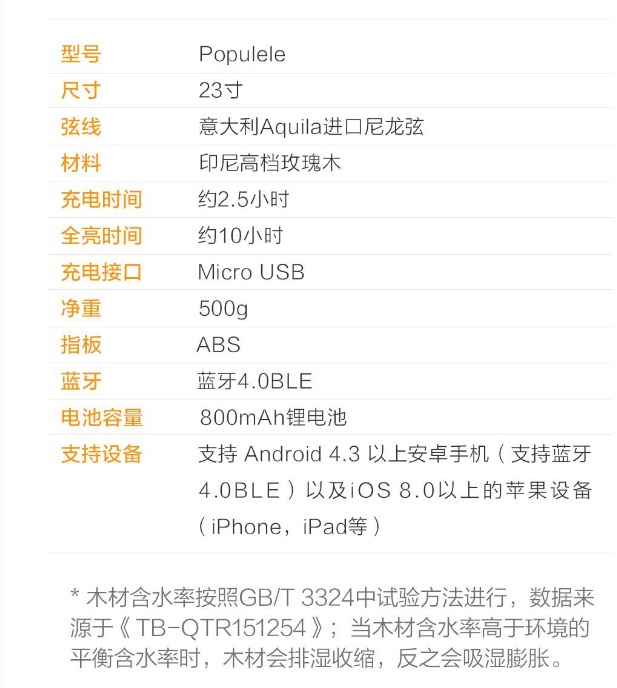
The Populele is made from high quality Indonesian rosewood and Italian Aquila nylon strings. It weighs just 500 grams and has a total of 72 LED lights in-laid on the fingerboard. It has a built-in 800mAh battery that charges via micro USB and Bluetooth 4.0 LE for easy pairing with your device. It also comes with a carrying bag.
Populele Price and Release Date
It costs just ¥399 (~$58). At the moment it has reached 397% of its crowdfunding goal which is quite impressive. Info on the crowdfunding page says shipping should start on the 28th of March.
Huawei has invariably confirmed that the P10 flagship with dual Leica cameras would be officially unveiled at MWC 2017. The confirmation comes in form of a video teaser which they released earlier today.
The video teaser has the hashtag “#HuaweiP10 is Coming!” ascribed at the top and the video itself projects the Huawei launch event billed for February 26 with the inscription Barcelona 26.02.17 embedded within the teaser. The company did not leave anyone in doubt as to whether the video teaser is meant for the P10 by inscribing the words “Huawei P10” at the end of the video. What the video seems to tease is even the fact that the P10 would feature a dual-lens camera setup at the rear. The dual cameras are expected to be similar to those on the Huawei P9, co-engineered with acclaimed German camera maker Leica.
The video accompanies several social media posts with the statement “Huawei P10 is coming”, so there is no doubt that the launch of the P10 flagship will hold at MWC 2017. This has been the subject of earlier rumors and these rumors also tipped the P10 to come with a 5.5-inch QHD AMOLED display. The P10 will be powered by an Hisilicon Kirin 960 chipset with an octa-core processor clocked at 2.3GHz, as well as a Mali G71 GPU for the graphics. Also listed as coming with the P10 is 6GB of RAM and 256GB of storage. There may likely be more than one storage versions, with this one being the topmost. The P10 is also said to have a higher variant, the Huawei P10 Plus which was recently leaked on a Spanish retailer’s website as packing a 5.5-inch display as well as 8GB of RAM and 256GB of storage. You can check out the video teaser from down below.
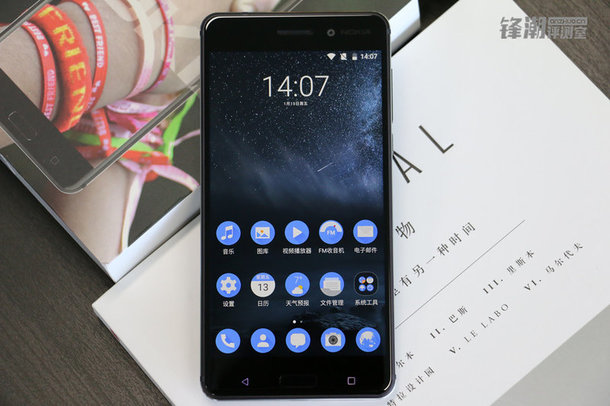
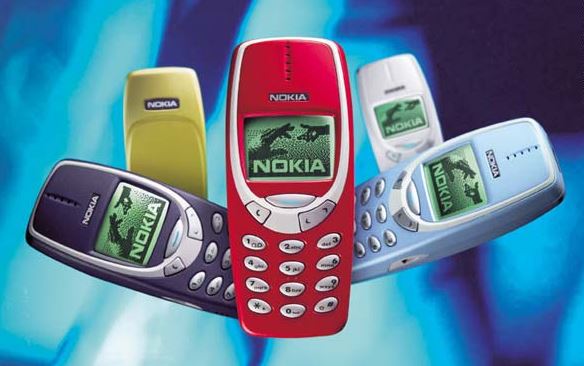
There are reports that Finnish company HMD Global Oy is planning to release some new Nokia smartphones which will likely go by the names Nokia 3 and Nokia 5 at MWC 2017. The company is also said to be planning to use the springboard to launch the Nokia 6, which had been China-exclusive before now, in the European market and also to launch a modern version of the legendary classic Nokia 3310.
Already, HMD Global has confirmed its impending presence at MWC 2017 where it was tipped as planning to unveil a device with flagship specs. But according to a source familiar with the matter, the Nokia 3 and Nokia 5 are a pair of budget smartphones which would be powered by Android 7.0 Nougat.
On the specs table, while the Nokia 6 came with a 5.5-inch Full HD display (1080p), SD 430, 4GB of RAM and a 16MP rear camera, the Nokia 5 is rumored with a 5.2-inch HD display (720p) but powered by the same SD 430 chip but with just 2GB of RAM, and a reduced 12MP rear camera. The reduced specs will, in turn, lead to a reduction in the Nokia 5’s price tag from that of the Nokia 6. Also, the Nokia 3 is expected with entry level specifications and also a far cheaper price tag than those of the Nokia 6 and the expected Nokia 5.
One interesting news emerging from this rumor is the existence of a modern version of the Nokia 3310 which is said to be in the works. Though only a feature phone, the Nokia 3310 is one of Nokia’s most iconic devices till date. Launched around 2000, the Nokia 3310 came with a durable build, cheap price tag, strong and long lasting battery and several features that made it stand out. It is, however, not clear how Nokia hopes to reinvent the 3310 without messing up the reputation of such a legendary device. We’ll wait till MWC 2017 to find out more about that.
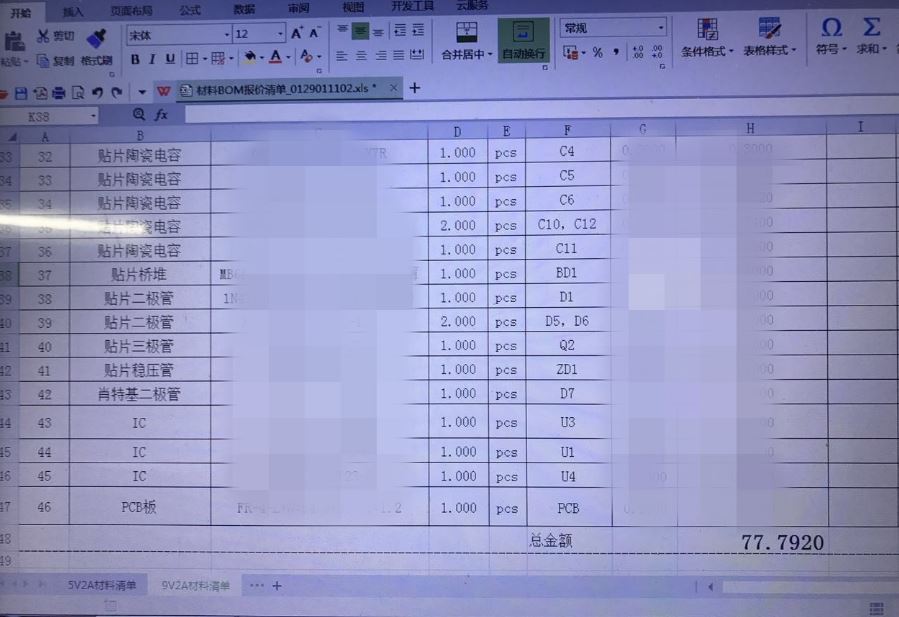
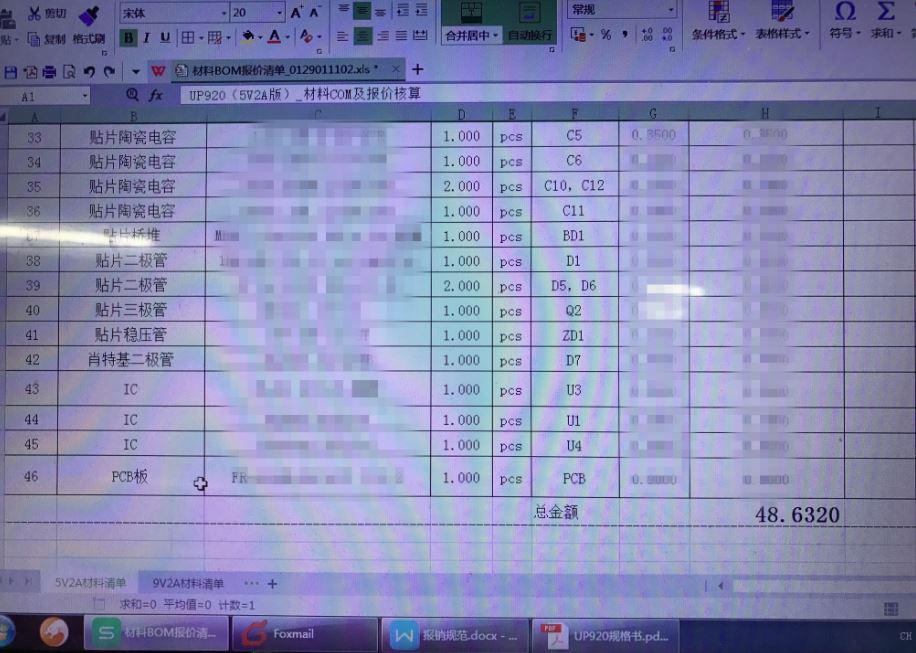
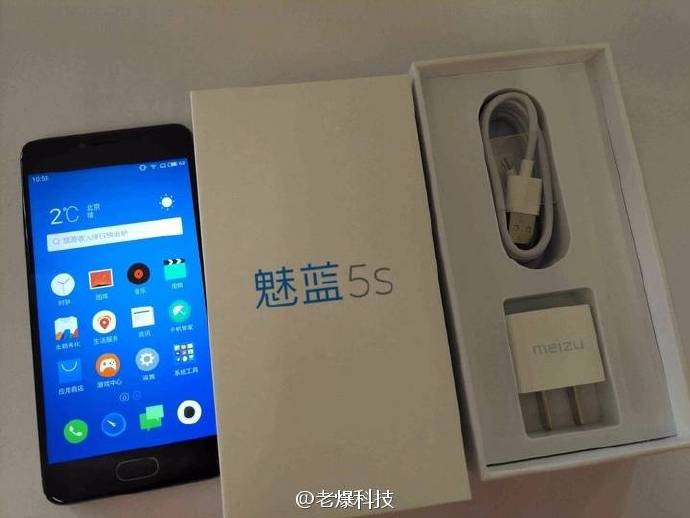
Meizu has already indicated that it would launch the M5S, its first smartphone release for the year, on February 15 which is just two days away. Ahead of the launch event, a leaked screenshot of a Microsoft Excel spreadsheet has revealed what it likely a part of the cost for Meizu to produce the M5S.
As would be recalled, the Meizu M5S is said to come with fast charging technology and the fast charge would be in two distinct versions. One of the versions would have a power rating of 5V / 2A / 10 W while there is a higher version with 9V / 2A / 18W charging specification. The higher version is in the real sense the one with the fast charge technology.
According to the leaked document, a part of the cost (a few things mentioned in the excel sheet include PCB, a bunch of transistors, diodes, and regulators — total components in the sheet adding up to 46 items) for the lower version with 5V / 2A / 10W charging specs goes up to 48.6320 Yuan, while the part cost for the higher version with 9V / 2A / 18W charging specification goes up to 77.7920 Yuan.
We can’t say for sure if these excel documents are authentic and even if they were to be, this cost should ideally contribute to just a small part of the price tag. 48.63 Yuan comes to just around $6 and his document most likely does not consider other significant hardware components as well as things like royalty, tax, patent rights etc. They have to be factored in the long run to determine the cost of production.
Earlier leaks had tipped the Meizu M5S with 10W fast charge, 2GB RAM + 16GB as price around 999 Yuan while the 18W fast charge version with 3GB + 32GB storage is said to have a higher price of 1,199 Yuan. Both versions are also expected with a 5.2-inch display, a MediaTek MT6753 octa-core chip, 13MP rear camera, 5MP camera up front, 2,930mAh, entire network support and Meizu custom mTouch fingerprint sensor.
Xiaomi’s first phone for the year is the Redmi Note 4X but the Xiaomi Mi 6 is actually the one fans are looking forward to. Rumors have been flying round as to what features the Mi 6 will have and which ones it won’t.
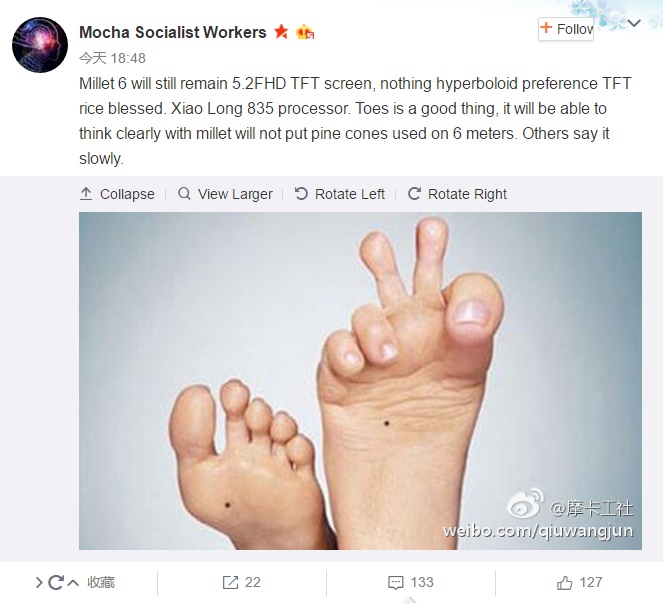
One feature most people are eager to know about is the display of the Mi 6. Last year there were speculations that the phone will look like a smaller version of the Xiaomi Mi Note 2 which we all know has a dual-curved AMOLED display. Today, Weibo user @Mocha Socialist Workers has disproved the statement.
According to his post on the micro-blogging site, the Xiaomi Mi 6 will have a flat 5.2-inch 1080p TFT LCD display and not an OLED display with dual-curved edges.
Now we will advise not to rush and swallow this statement as Xiaomi hasn’t confirmed the display type of the Mi 6. The Xiaomi Mi 6 might have a flat IPS display but there is no assurance that the “Mi 6 Pro” or “Mi 6 Plus” won’t have an OLED display that is curved.
Judging from what Xiaomi did with the Mi 5s and Mi 5s Plus, and the differences between the two phones and even differences between storage variants of each of the phones, You will understand why we are not quick to dismiss earlier reports.
@Mocha Socialist Workers doesn’t stop there. He also clears the air on the rumor that the Xiaomi Mi 6 will feature a Pinecone processor. His post says the Mi 6 will indeed feature a Snapdragon 835 chip.
There is indeed mention of a higher-end Pinecone chip (Pinecone V970) built on the 10nm node. The chip is said to be made up of 8 cores (4x A73 cores clocked at 2.7GHz and 4x A53 cores clocked at 2.0GHz) and sports a Mali-G71MP12 GPU clocked at 900MHz. Sounds powerful but it won’t be making it into the Mi 6 but might be used in the Xiaomi Mi 6s or Mi Note 3.
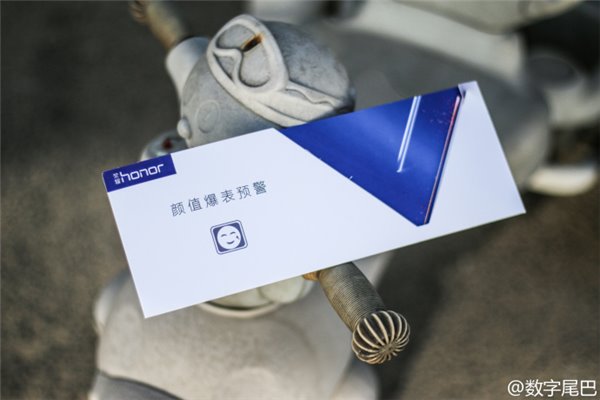
Huawei‘s elite brand Honor has confirmed that it would hold a launch event on February 21 in Beijing where it would launch the Honor V9. The official press invite for the launch event has been outed and it shows that the Honor V9 would launch along with the Honor 8 Youth Edition.
From the press invite, it can be gathered that while the Honor 8 Youth Edition would come with a lower price tag than its senior sibling, the Honor 8. Also, the Honor V9 is tipped as coming with a super fast camera which had earlier been leaked as a dual camera setup.
Earlier leaks reveal the Honor V9 would sport a 5.7-inch 2K display and would be powered by a 2.4GHz octa-core processor believed to be the Kirin 960 chipset. The device comes with two memory variants, one with 4GB of RAM and another with 6GB of RAM. Both versions pack 64GB of expandable storages. The dual camera setup at the rear is said to be a 12MP + 12MP setup with f/2.2 aperture, while there is an 8MP front-facing camera as well. Keeping the lights on will be a generous 3,900mAh battery with fast charging support and providing the interface would be the Android 7.0 Nougat-based EMUI 5.0.
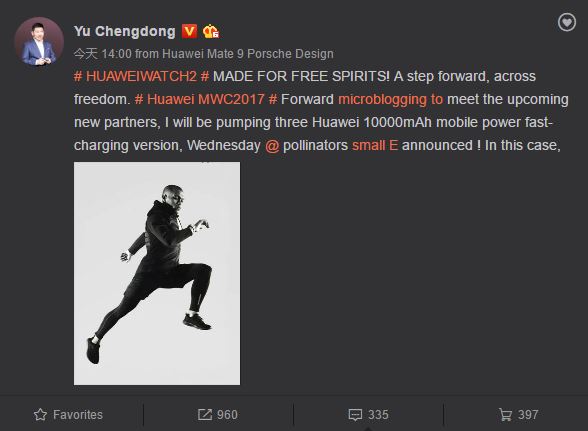
There have been rumors of Huawei launching the Huawei P10 and P10 Plus on February 26 at MWC 2017 but those rumors have so far been unsubstantiated officially. Well, not until now. Huawei’s VP has indeed hinted that the company will be having a launch event at MWC 2017 but the device he tips as launching at the event isn’t the P10 or P10 Plus but the Huawei Watch 2.
The VP in his Weibo post used some hashtags to tease the impending product, some of which are #HUAWEIWATCH2. #MADE FOR FREE SPIRITS, #Huawei MWC2017. We don’t need a soothesayer to tell us that the product is most likely coming at the Mobile World Congress. The teaser also suggests that the Watch 2 would likely be for sports persons.
Not much is known about the Huawei Watch 2 but it is definitely the next gen version of the Huawei Watch released last year. The Watch 2 is rumored to come equipped with Android Wear 2.0 operating system and a 1.4-inch display. The Watch 2 is also expected with a rubber and a leather strap, two distinct types to choose from. There is said to be a 42mm diameter dial on the device and perhaps the mst spectacular is that the device would come with SIM card compatibility, enabling users to make and receive calls. In addition, the VP also hinted that Huawei will be releasing a couple of large capacity mobile power bank which would have fast charging support.
The LG G6 is another flagship device that is greatly anticipated. It is scheduled to launch early so as to get ahead in sales before Samsung releases the Galaxy S8.
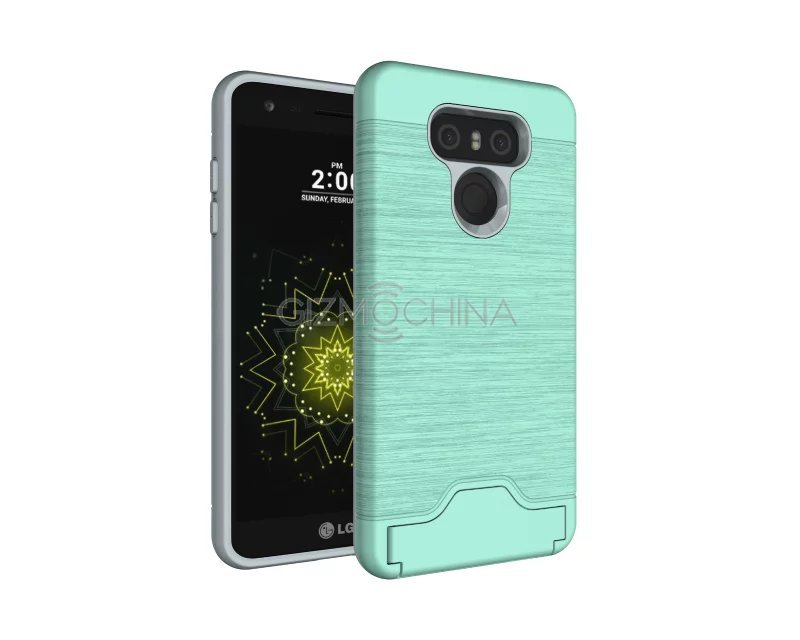
The LG G6 is launching later this month, February 26 to be precise according to latest rumors. That’s still two weeks from now. However we have images of the device rocking some pretty nice cases. The pictures don’t reveal much but at least we are sure of the dual-rear cameras and rear-mounted fingerprint scanner.
LG’s new flagship is taking things differently this year. Following the failure of the LG G5 and its modularity design. LG has gone back to the drawing board for the G6. The new flagship will no longer use modules and will no longer have a removable battery. The latter feature will allow LG slap in dust and water resistance, a feature likely to be present in virtually all flagships for 2017.
LG has also redesigned the body of the LG G6. A promotional image released weeks ago hints at the device having a larger screen but a smaller body. The new screen is said to be a 5.7-inch display with a unique 2880 x 1440 resolution and an 18:9 aspect ratio.
One thing the LG G6 is sadly not getting is the Snapdragon 835 processor. The reason for that is because available stock of the new chip which is manufactured by Samsung is going to the Galaxy S8 and Galaxy S8+. Other manufacturers will have to wait till they get stock before they release their device. LG will rather not wait, so its settling for the Snapdragon 821 instead. That way it can release the LG G6 weeks ahead of Samsung and get enough sales in.
The Snapdragon 821 processor is the most powerful chip you will find in a phone at the moment. Combine it with the new features in the LG G6 such as Quad DAC for better audio quality, dual rear cameras, a larger display and waterproofing and the LG G6 still looks like a winner.
Samsung’s next flagship is the Galaxy S8. It will be available in two variants: a 5.8-inch variant called the Galaxy S8 and a 6.2-inch variant called the Galaxy S8+. Both devices will feature a similar design but one that is different from their previous flagships.
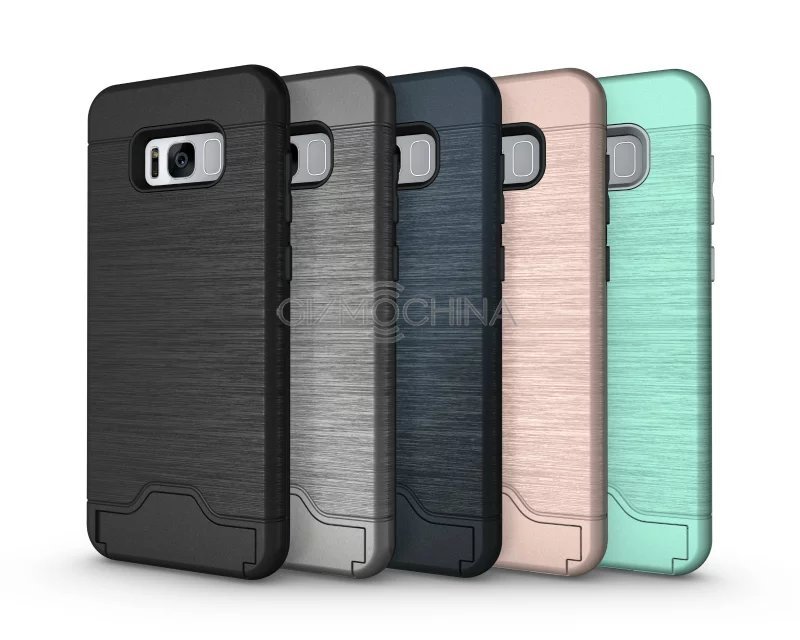
Today we have a new set of images showing the Galaxy S8 in colorful cases. The cases makes the device look a bit bulky though but should offer enough protection in case of an accidental drop. The images confirms some of the details we have mentioned in the past such as the position of the fingerprint scanner.
The Galaxy S8’s biggest change is the removal of the physical home button, allowing for the bezels to be thinner and a higher body-to-screen ratio. The fingerprint scanner has been moved to the back and now flanks the rear camera on the right. While fans of front-mounted fingerprint scanners might not be happy about this change, others say the position is a good one as the index finger naturally rests at that spot when holding your phone.
The Galaxy S8 will also be getting a new personal assistant called Bixby. Bixby is said to be more accurate than S-Voice and even has a dedicated physical button.
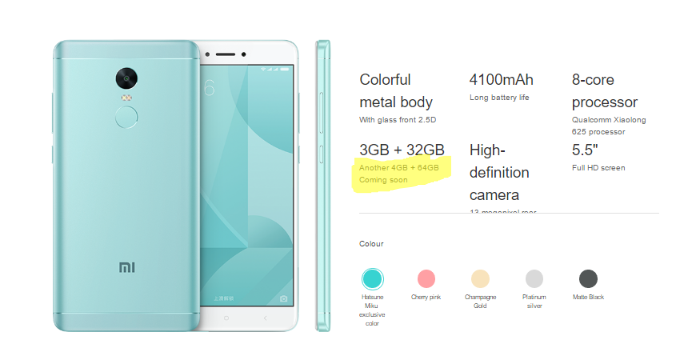
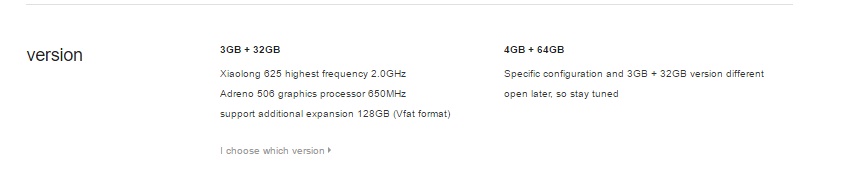
In the early hours of today, Xiaomi revealed the price for the Redmi Note 4X. The prices announced are for the basic version and Hatsune Miku variant which both have 3GB of RAM and 32GB of storage. There is, however, a third variant, a 4GB RAM + 64GB model whose price is unknown and has a specification that differs from the 3GB variant.
The Redmi Note 4X has a 5.5-inch display, a Snapdragon 625 SoC, a 13MP rear camera and a 5MP selfie camera. There is dual-SIM support and a 4100mAh non-removable battery. Those are the specs on Xiaomi’s website. But for the 4GB RAM variant, there are no specifications listed. Xiaomi is keeping the specifications as a surprise probably until tomorrow’s launch.
Some people have speculated that apart from the memory upgrade, the 4GB RAM variant is likely to feature a different processor too, probably the Snapdragon 653 processor which is more powerful than the Snapdragon 625.
The snapdragon 653 was released last year as a successor to the Snapdragon 652. It is an octa-core processor built on the 28nm node unlike the 14nm node used for the Snapdragon 625. The major difference is in the CPU Cores. The Snapdragon 653 uses a combination of 4x ARM Cortex A72 cores and 4x ARM Cortex A53 cores compared to the Snapdragon 625’s 8x ARM Cortex A53 cores. So while the Snapdragon 625 is focused on power management, the Snapdragon 653 focuses on performance as a result of the A72 cores it has.
The high-end Redmi Note 4X is expected to be priced at around ¥1300 (~$189) when it is released.
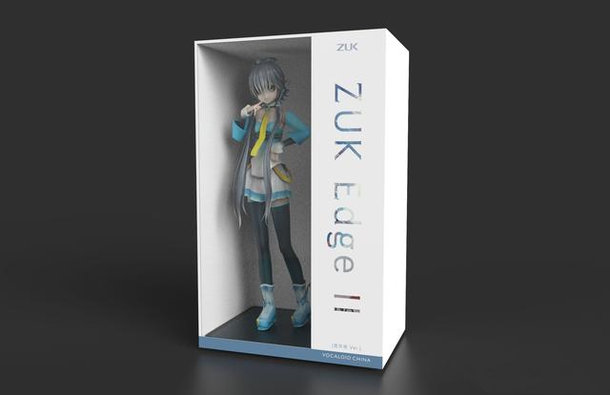
Xiaomi recently took the smartphone market by storm by announcing an Hatsun Miku Limited edition for the Redmi Note 4X. That announcement seems to have generated some interest in the release of smartphone editions themed after famous Vocaloid characters. Presently, what is said to be a ZUK Edge 2 Luo Tianyi Edition has leaked showing its customized box casing.
In case you don’t know, Luo Tianyi is a Chinese Vocaloid formerly developed by Bplats, Inc. under the YAMAHA Corporation, and was created in collaboration with Shanghai HENIAN. She was released in July 2012 for the VOCALOID3 engine. Unfortunately, no other details about the leaked ZUK Edge 2 Luo Tianyi Edition are known.
No doubt, though, that the ZUK Edge 2 would be a successor of the ZUK Edge which was released in November last year. Even at that, the ZUK Edge 2 has not featured in leaks and we haven’t seen the likely specifications of the device so we don’t know if it really exists.
Xiaomi has announced via its Mi Home Weibo page that two new smart home products would be launching on February 14. The two new products would be Xiaomi 60th and 61st smart home products. While the 60th product is likely a smart guitar, the 1st product looks like a child wristwatch with GPS functionality, perhaps for tracking the location of the child.
The teaser for the Smart guitar launch points at the fact that the guitar will likely be able to teach new learners how to play in just 10 minutes. Although that looks nearly impossible, that is what we can grab from the teaser. The current crop of smart guitars in the market are priced around 1,000-2000 yuan and they come with an app which helps with stuff like metronome timer, auxiliary tuning function etc.
Also, when the instructional video is being played, as the instructor plays his guitar on the video, there are LED lights on the guitar that lights up simultaneously showing the real-time fingering. Such an advance product, but we don’t know what price it would launch with. Both products would meet with us on February 14 by 10am.
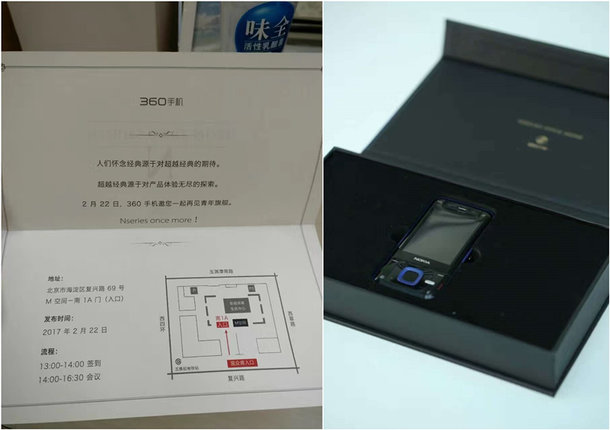
In the previous week, a leaked photo of a probable Nokia series smartphone had surfaced. Lee Soon, CEO of 360 Mobiles (previously known as Qiku) had posted on Weibo on Feb. 10 that the leaked photo belongs to the N series smartphone from his company and he would be revealing more information on Feb. 13. Today, he has revealed fresh information on the forthcoming N series phone from 360 Mobiles.
Soon has confirmed today through a new Weibo post that the company would be announcing a new phone named N5. Since the N5 launch teaser carries the text “N series once more,” it is likely that the N5 would arriving to introduce its new N series of smartphones. Some people who have reportedly received the Feb. 22 launch event invitation from the company have said that the it includes an image of the older Nokia N81 phone.
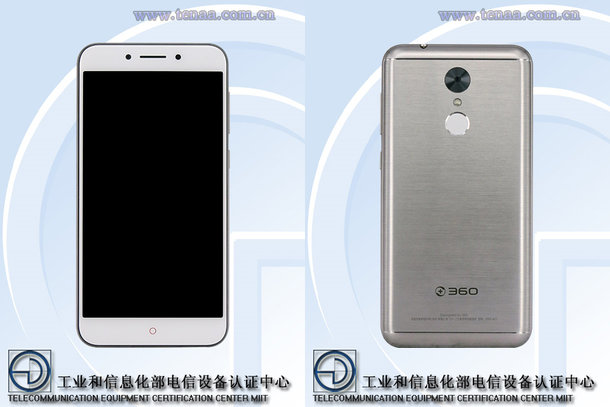
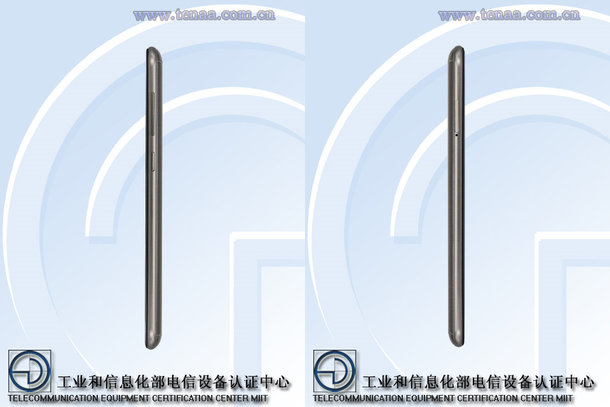
Even though the rumor mill has stated the 360 Mobiles N5 would appear like Nokia N series like Nokia N81 and Nokia N95, the listing of N5 with TENAA certification body from China has revealed the images of the smartphone. However, the images on N5 on TENAA suggests that it would not be sporting a form factor like the older N series phones from Nokia.
As far as the design of the upcoming N5 smartphone is concerned, the TENAA images suggest that it would be coming with a full metallic chassis and it houses traditional touch-sensitive buttons at the bottom of the display.
The TENAA listing of 360 Mobiles N5 has revealed that it has a model number of 1605-A01 and it features a 5.5-inch full HD display. The smartphone will be fueled by 1.8 GHz Snapdragon 653 chipset and 6 GB of RAM. It will be running on Android 6.0 Marshmallow OS.
The native storage of 360 N5 is 32 GB and its expandable storage supports up to 128 GB of microSD card. It will be packed with a 3,290 mAh capacity battery. Although the fresh rumors suggest a pricing of around 2000 Yuan ($290) for 360 Mobiles N5, previous rumors have hinted that it may cost around 3,000 Yuan ($435).
Xiaomi seems to have ditched rolling out the drums for the Redmi Note 4X launch, instead details about the phone came out in trickles. Now, the company has released the pricing for the mid-range smartphone which would start going on sale on February 14, Valentine’s Day.
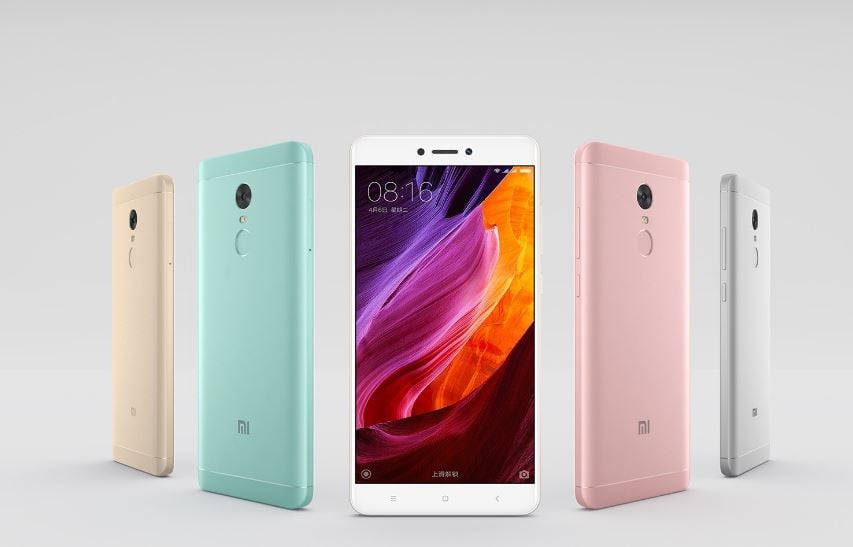
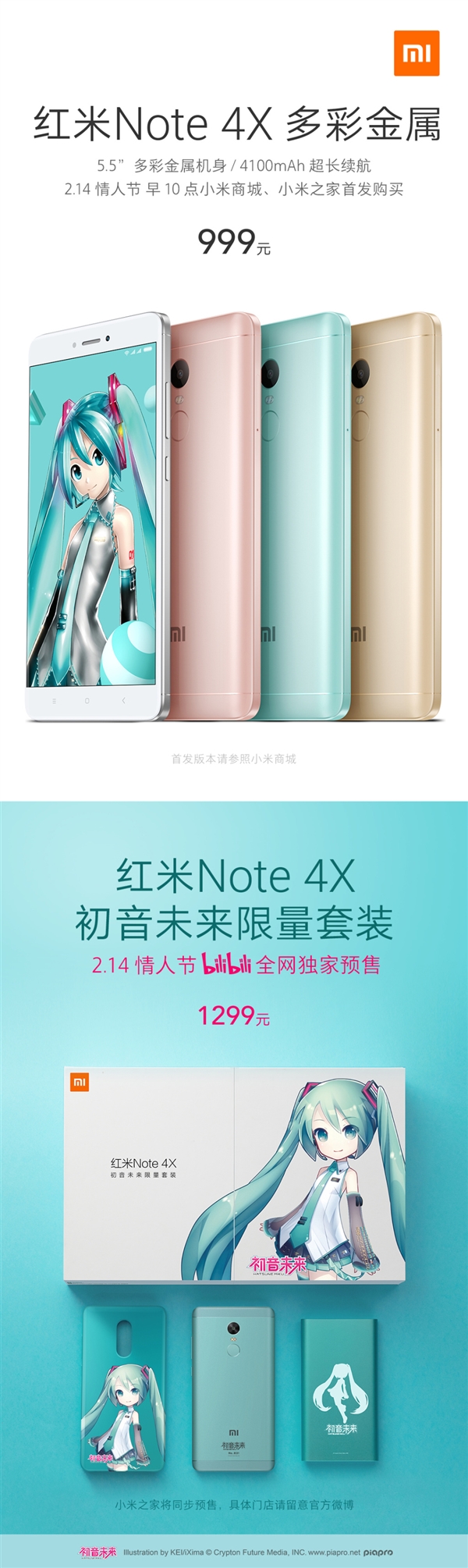
The Xiaomi Redmi Note 4X was tipped as coming in three memory versions but for now what we have is a 3GB + 32GB version which would possibly be the base version and it retails for 999 Yuan ($144). On the other hand, the Redmi Note 4X Hatsune customized version comes with a price tag of 1,299 Yuan ($188). The Hatsune edition seems to pack the same specs as the regular version but buyers also get a limited edition mobile power bank, a customized casing for the phone as well as the opportunity to download Hatsune theme in the future.
Basically, the Xiaomi Redmi Note 4X comes with a 5.5-inch 1080p display and is powered by a Snapdragon 625 processor backed by 3GB of RAM as well as 32GB of internal storage. There is a 13MP rear camera as well as a 5M front-facing camera along with a large 4,100mAh battery onboard. The phone also come with dual SIM card / dual standby, and full netcom support. The Hatsune Miku limited Edition comes in green, while there is also a Matte black, gold, Cherry Powder, and Grey color variants. It will go on sale on February 14 at 10AM via Xiaomi Mall, Mi Home, Suning Tesco, Lynx official, and Jingdong and only the gold and grey variants will be available on that day. The Hatsune Limited edition will come in later at 2PM on the same February 14.
The highest configuration model of the recently launched HTC U Ultra features sapphire crystal glass. After sapphires, diamonds are one of the hardest substances in the world. Akhan Semiconductor, a firm that manufactures diamonds that can be used on electronic products, is expected to release a smartphone that features a screen built with diamond glass.
The Mirage Diamond Glass manufactured by Akhan Semiconductor will be sturdier, tougher and cleaner than conventional displays, says Adam Khan, the CEO of Akhan Semiconductor. Even though the company is in discussions with well-known device manufacturers, it will be able to provide Mirage Diamond Glass to one smartphone maker and one wearable.
There are some reasons why the company has decided to work with few companies initially. One of the reasons is shortage of supply and the other one is that it wants to provide the selected companies to exclusively boast of diamond glass screens. In its current standing, Akhan Semiconductor will be build diamond glass for 10 million to 30 million smartphones. For wearables such as smartphones and fitness bands, it would be able to provide less than 1 million diamond glass.
Conventional displays can break or get cracks easily after frequent drops. Also, screens can get scratched with things like keys. In order to prevent displays for breaking or getting scratched easily, smartphone OEMs make use of stronger Gorilla Glass that sits on top on regular displays. Using diamond glass on top of regular screens can increase its strength by 6 times and also make them 10 times harder.
Because of its natural feature of resisting dirt and water, diamond glass screens can be cleaner than conventional screens. Devices that will feature diamond glass screens can remain 800 times cooler. Smartphones featuring it is likely to feature costlier a pricing. However, according to Khan, its pricing will be similar to the Moto ShatterShield technology made available on smartphones like Moto Z Force Droid and Droid Turbo 2. At present, it costs up to $120 per phone smartphone for Motorola to use Shatterfield screen technology on its smartphones.
We use cookies on our website to give you the most relevant experience by remembering your preferences and repeat visits. By clicking “Accept”, you consent to the use of ALL the cookies.
This website uses cookies to improve your experience while you navigate through the website. Out of these, the cookies that are categorized as necessary are stored on your browser as they are essential for the working of basic functionalities of the website. We also use third-party cookies that help us analyze and understand how you use this website. These cookies will be stored in your browser only with your consent. You also have the option to opt-out of these cookies. But opting out of some of these cookies may affect your browsing experience.
Necessary cookies are absolutely essential for the website to function properly. This category only includes cookies that ensures basic functionalities and security features of the website. These cookies do not store any personal information.
Any cookies that may not be particularly necessary for the website to function and is used specifically to collect user personal data via analytics, ads, other embedded contents are termed as non-necessary cookies. It is mandatory to procure user consent prior to running these cookies on your website.