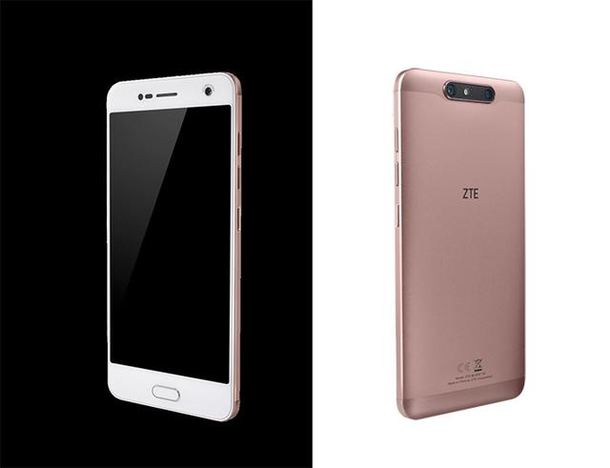
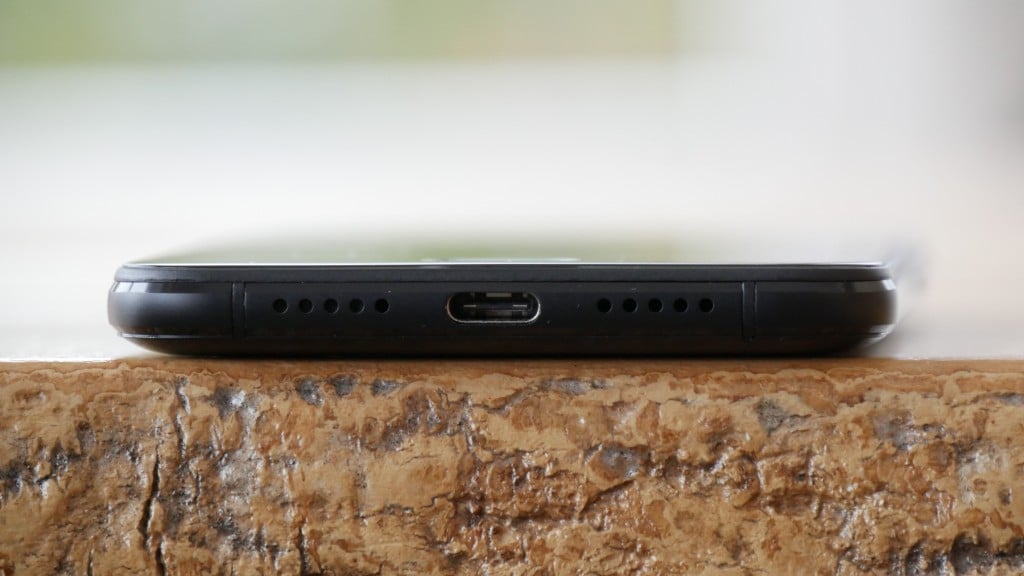
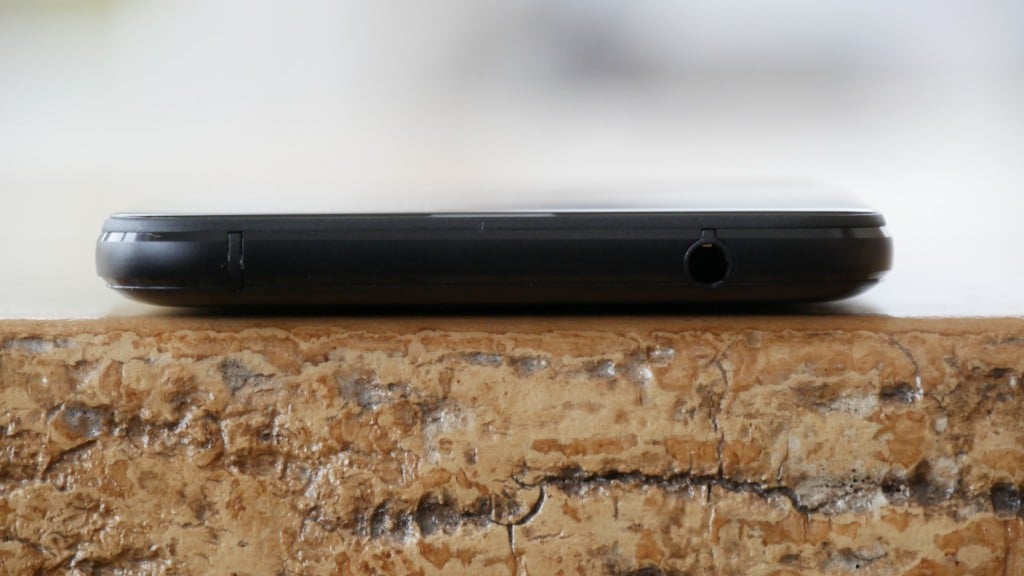
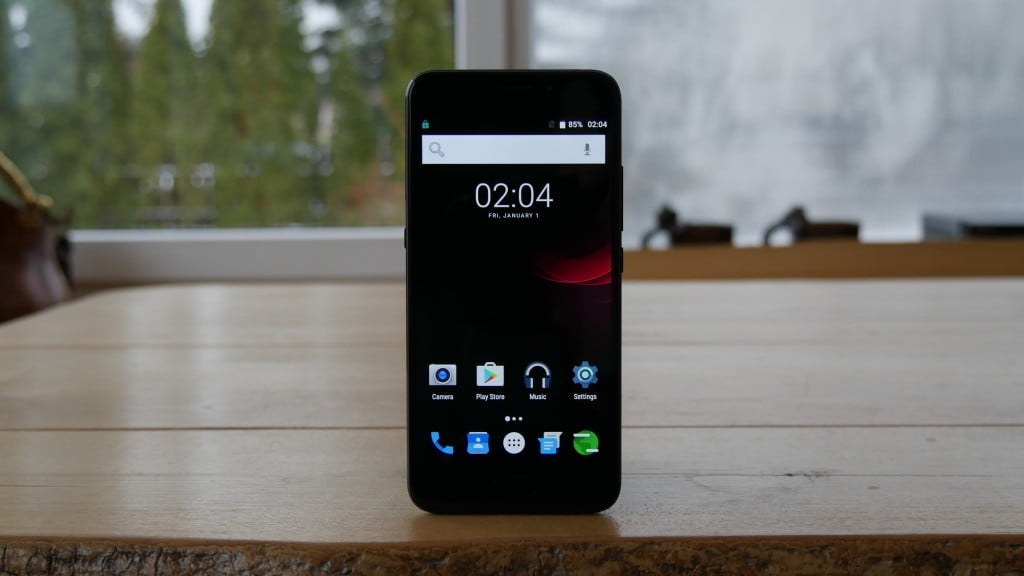
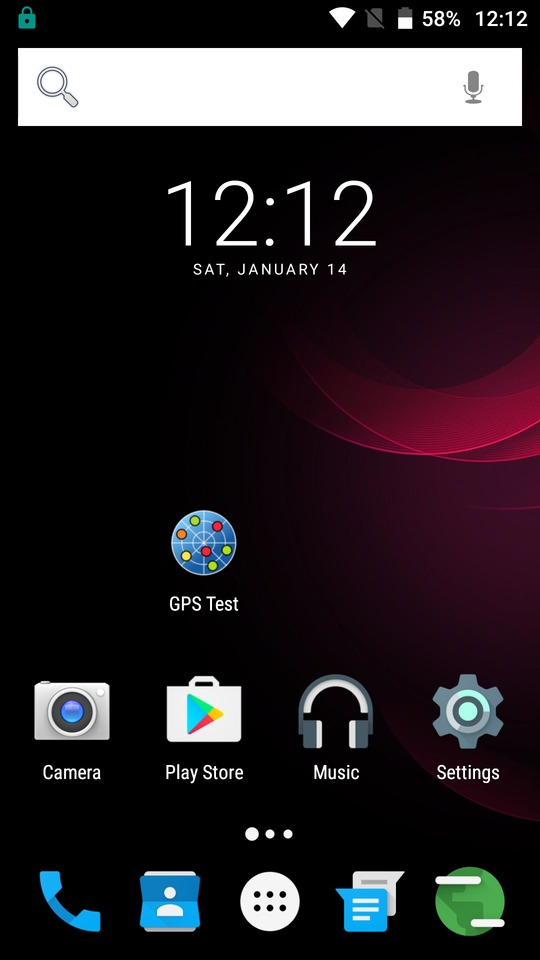
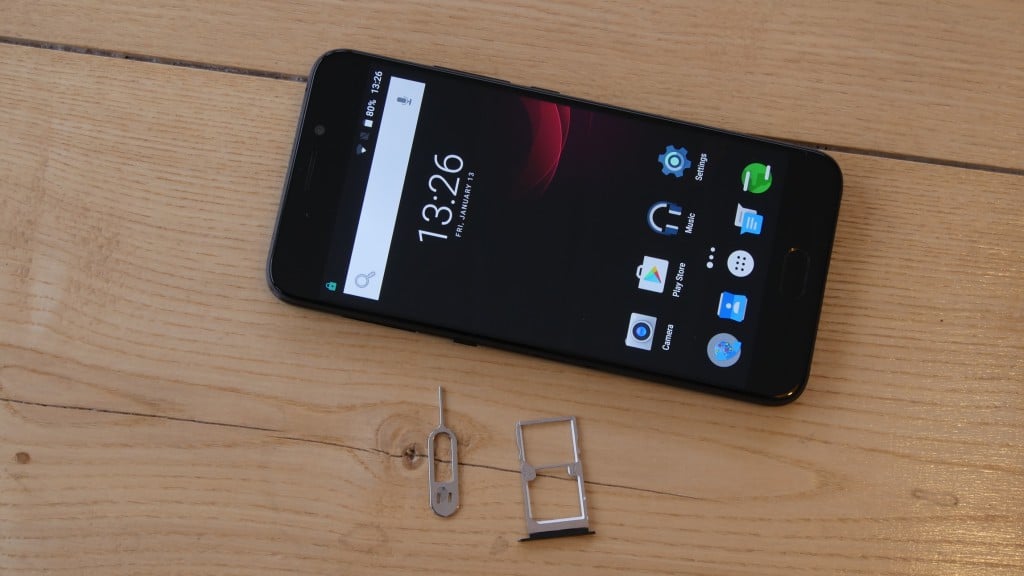
ZTE announced its dual-camera phone the ZTE Blade V8 at CES 2017. There was no mention of a release date or pricing details at the launch but today we have got news about the former.
The ZTE Blade V8 will be launched in China, Germany, and Spain in March but if you are in Japan or Russia, you will be able to get your hands on the phone earlier than that as it will launch in both countries in February.
The ZTE Blade V8 has a 5.2-inch 1080p display, a Snapdragon 435 SoC, a 13MP shooter in front, and a 13MP+2MP dual camera combo that are spaced so far apart that many of us will agree is the farthest distance between two sensors. The LED flash sits in between both sensors, not directly in the middle but a little to the left. Asides taking pictures with bokeh effect, the cameras on the Blade V8 can also be used to take 3D images
The Blade V8 will be available in two storage variants: a 2GB + 16GB model and a 3GB+32GB version. There is however a SD card slot which takes up to 256GB cards. Both will have a 2730mAh battery and a fingerprint scanner mounted in front. The phone will also ship with ZTE’s Mi Favor 4.0 which is based on Android 7.0 Nougat.
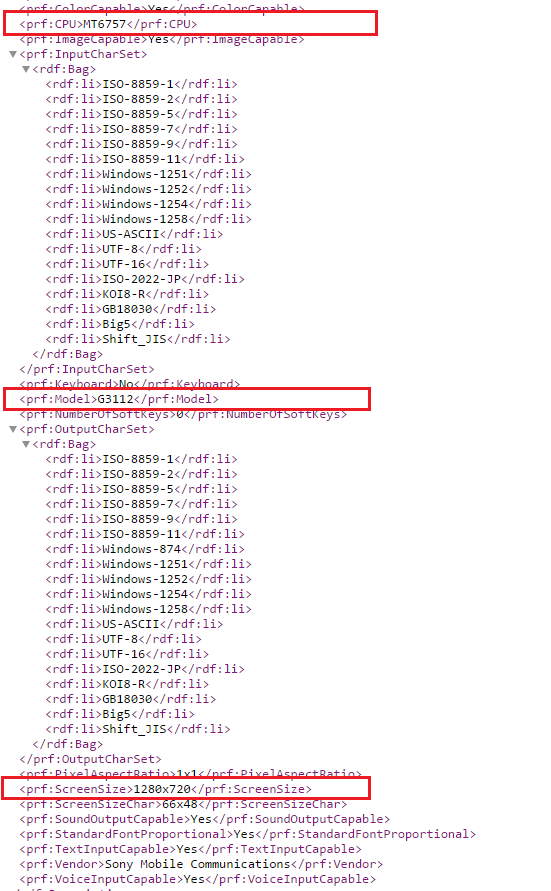
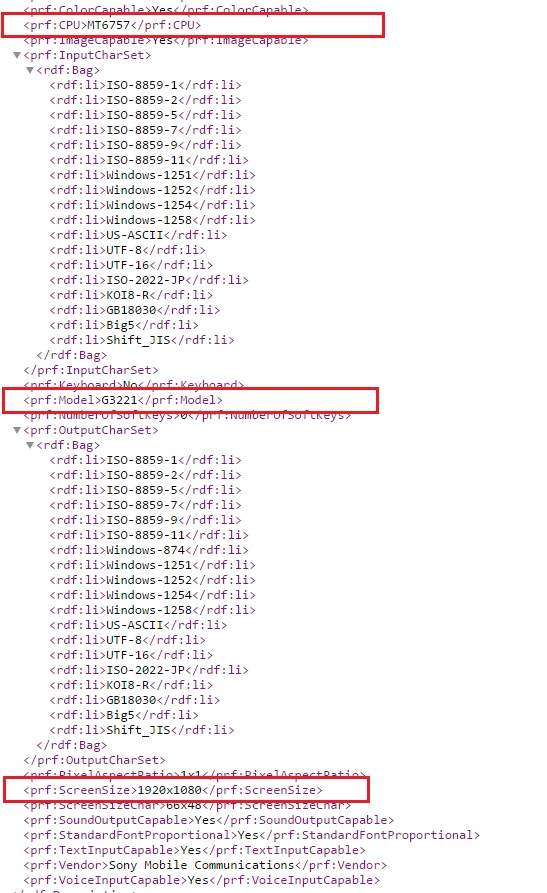
There are indications that Sony is working on two new Xperia smartphones that might come powered by the MediaTek Helio P20 MT6757 chipset. The UAProf (User Agent Profile) specifications of both devices were recently outed by Sony giving us a vague idea of what we should expect. In case you don’t know, the UAProf specification is a set of data which captures the capability and preference information for wireless devices, including smartphones.
The devices are identified by the model numbers Sony G3112 (G31XX) and Sony G3211 (G32XX) , and even though they both are listed to have the sam processors, the display resolution is what tells us which among the two is the high-end model. One of the smartphone with model number G3112 features a display with HD resolution (1280 x 720 pixels), while the other model, which is obviously the higher one pack a display with Full HD resolution (aka 1920 x 1080 pixels).
The Helio P20 onboard both smartphones comprise a 2.3GHz quad-core and 1.6GHz quad-core processor. There is also a Mali-T880 GPU onboard. Apart from these, there are no other details revealed on the data but the Xperia smartphones are expected to be released at MWC 2017 sporting a new name and we’ll wait to see how that pans out.
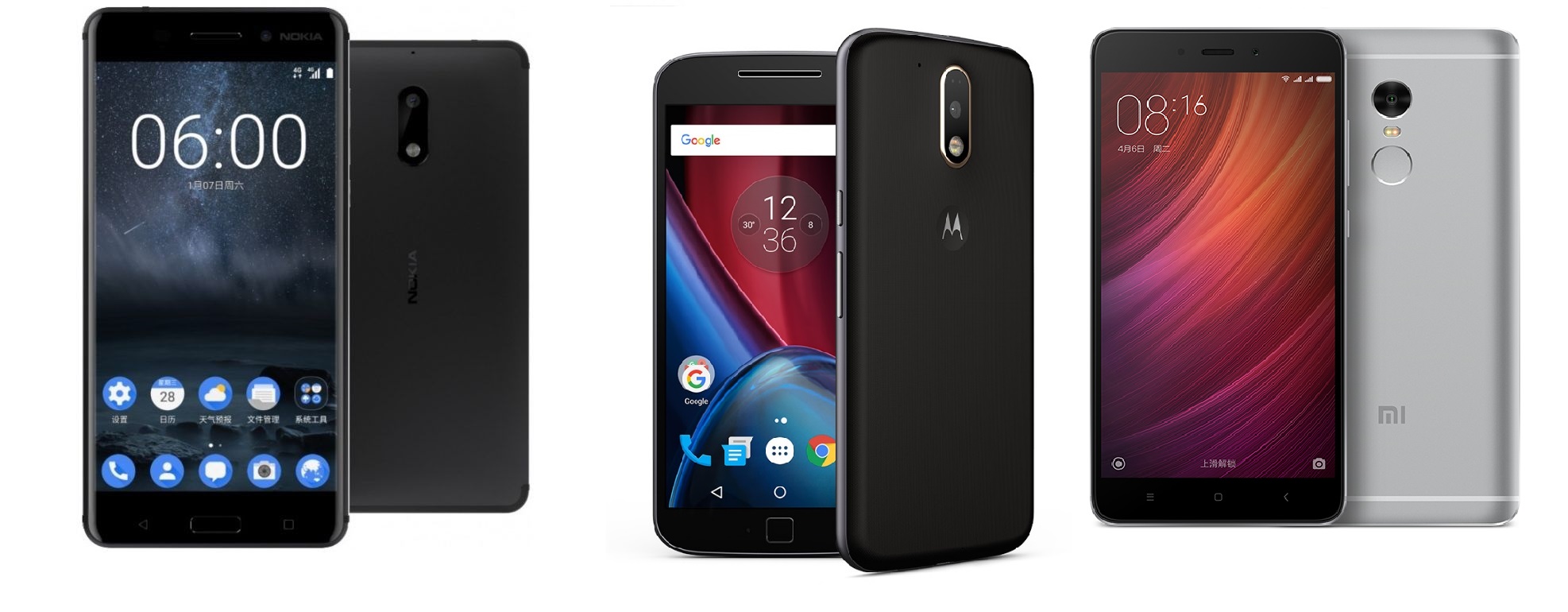
So you have got some spare money left from the holidays or maybe you lost your phone when you were on vacation, bottom line is you need a new phone but don’t want to buy something pricey. So you narrow down your options to three phones: the Nokia 6, the Moto G4 Plus, and the Xiaomi Redmi Note 4. Which one of the phones deserve your money?
Display
All three phones have a 5.5-inch 1080p display but if you care about screen protection, that is where the differences come in.
The Nokia 6 and Moto G4 Plus boasts Corning Gorilla Glass 3 but Xiaomi is not known to use any form of display protection for its Redmi phones, so you might want to steer clear from it.
Just because there is no screen protection doesn’t mean the Redmi Note 4 is a total loser with respect to displays. It actually offers a higher screen-to-body ratio than the other two devices and this is as a result of its shorter frame.
Software
This is another round where Xiaomi loses. The Nokia 6 comes with Android 7.0 Nougat out of the box, and while the Moto G4 Plus comes with Android 6.0 Marshmallow from the factory, there is already a Nougat update available.
Xiaomi on the other hand is still working on MIUI 9 which is said to be based on Android Nougat. It will be available later this year but there is no assurance if the android version of the Redmi Note 4 will change after the update. The reason is because Xiaomi is fond of releasing updates to its MIUI ROM but not updating the android version for some devices even though they get the new ROM update. So it is quite possible to see a Xiaomi phone running MIUI 8 while still on Android Kitkat.
RAM and ROM
The Moto G4 Plus and Redmi Note 4 are available in multiple RAM and storage variants. For the sake of this article we will keep the variants limited to 4GB + 64GB for the Moto G4 Plus; 3GB +32GB and 3GB + 64GB for the Redmi Note 4. The Nokia 6 comes with 4GB of RAM and 64GB of storage.
The good thing about all three devices is that they all support microSD cards of up to 256GB.
Processor
This is a deciding factor for a lot of people when it comes to purchasing phones. The Snapdragon 430 chip in the Nokia 6 is more or less its most popular spec as most people are displeased with Nokia’s SoC choice. It is clocked at 1.4GHz and consists of eight Cortex-A53 cores. The Moto G4 Plus doesn’t fare much better. It sports a Snapdragon 617 octa-core processor (4 x 1.5 GHz Cortex-A53 & 4 x 1.2 GHz Cortex-A53) which was released back in 2015.
Xiaomi has gone all out with the chip in the Redmi Note 4. There is a Helio X20 deca-core processor clocked at 2.1GHz (2 x Cortex A-72 & 8 x Cortex-A53). So while all three processors will handle your regular apps and tasks easily, only the Helio X20 will be able to handle high performance tasks without any sweat due to its Cortex-A72 cores.
The GPU is also pretty important. The Nokia 6 has an Adreno 505 GPU and the Moto G4 Plus has an Adreno 405 GPU. Inside the Redmi Note 4 is a Mali T880-MP4.
Camera
The Nokia 6 sports a 16MP shooter with a f/2.0 aperture, PDAF and dual-LED flash. Up front is an 8MP camera for selfies.
The Moto G4 Plus has a 16MP camera with the same f/2.0 aperture. In addition to Phase Detection Auto Focus, the G4 Plus also has laser autofocus. The front camera is a 5MP shooter.
The Redmi Note 4 has a f/2.0 13MP rear camera with PDAF and dual LED flash and the front facing camera is a 5MP sensor.
Battery and Extra Features
The Moto G4 Plus and the Nokia 6 both feature 3000mAh batteries with support for fast charging but their batteries are small compared to that of the Redmi Note 4 which is an impressive 4100mAh capacity. Not the biggest in a mid-range phone but large enough to give you a few extra hours of screen-on-time. It also supports fast charging.
All three phones have fingerprint scanners but the Xiaomi is the only one with its mounted on the rear. They all have audio jacks but the Moto G4 Plus lacks any form of audio enhancement. The Nokia 6 comes with Dolby Atmos while the Xiaomi comes with 24-bit hi-res audio support.
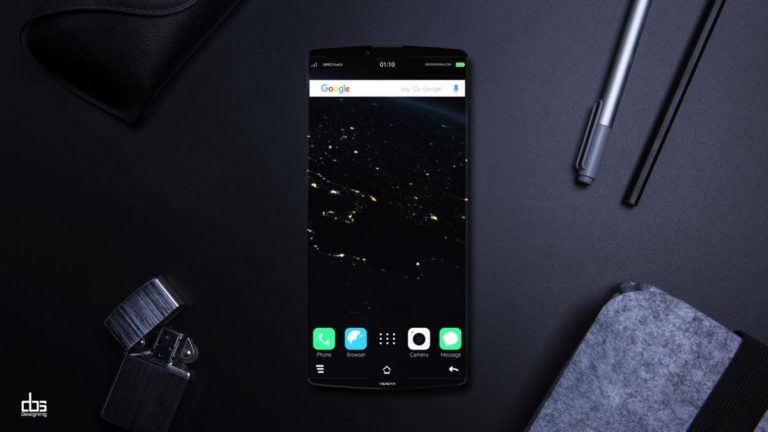
The unending wait for the OPPO Find 9 lingers on and really some geeks are not making it any easier. Since the Find 7 dropped in 2014, fans have been in the wait for a true OPPO flagship to take over the baton from the Find 7, and that device was tipped to be the Find 9. While we are yet to see the Find 9, a video containing the renders of the device has popped up, courtesy of DBS Designing Team.
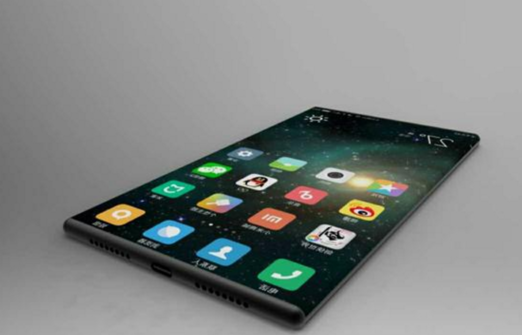
This isn’t the first concept design from DBS Design but obviously the concept they rendered in 2015 sure is in need of a make over, hence this latest design. The video shows the device with an edge-to-edge design and a fingerprint scanner embedded on the home screen up front. The design follows that of the Find 7, sporting a rectangular body, with a curvature at the top and bottom. The rendered Find 9 features a 5.5-inch AMOLED display with dual curved edge display. The design also includes a USB Type-C port, as well as a special Skyline notification light which was a standout feature on previous OPPO devices.
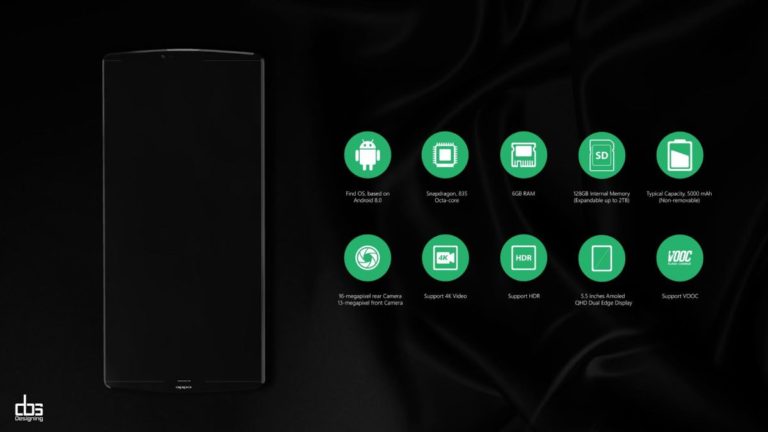
As earlier revealed, the Find 9 would ditch the Color OS for an all new FindOS based on Android OS and that was taken into consideration in the render. The specs are also shown to be some high-end stuffs like a Snapdragon 835 SoC, 6 GB of RAM, 128 GB of storage and a 5000 mAh battery with VOOC fast charging. There is also a 16MP front camera and a 13MP sensor at the rear. This year may just be the year of the Find 9, as rumors say the device would drop within the first half of the year. You can check out the rendered video from down below.
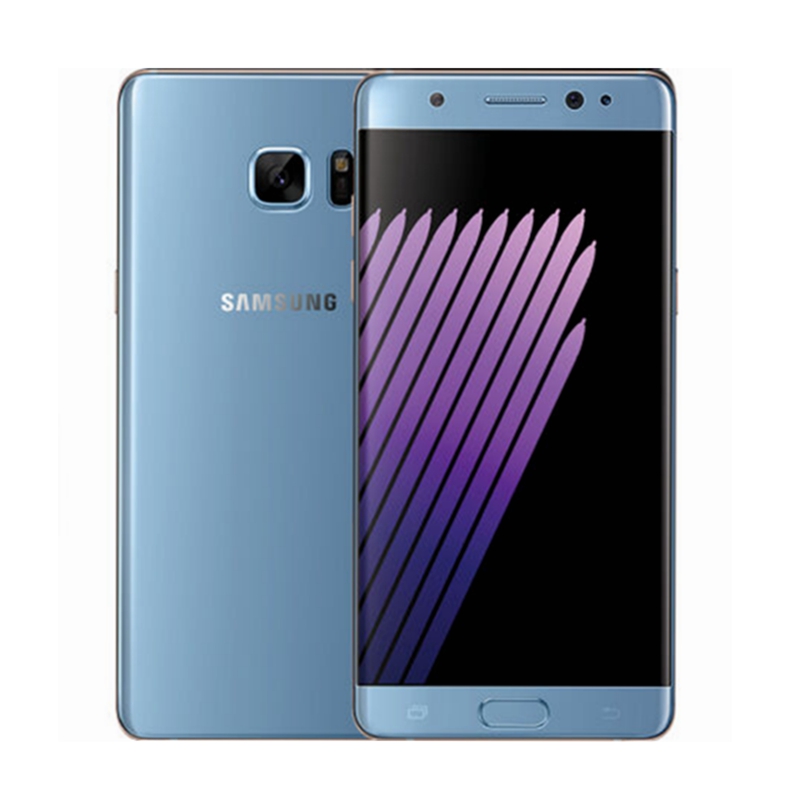
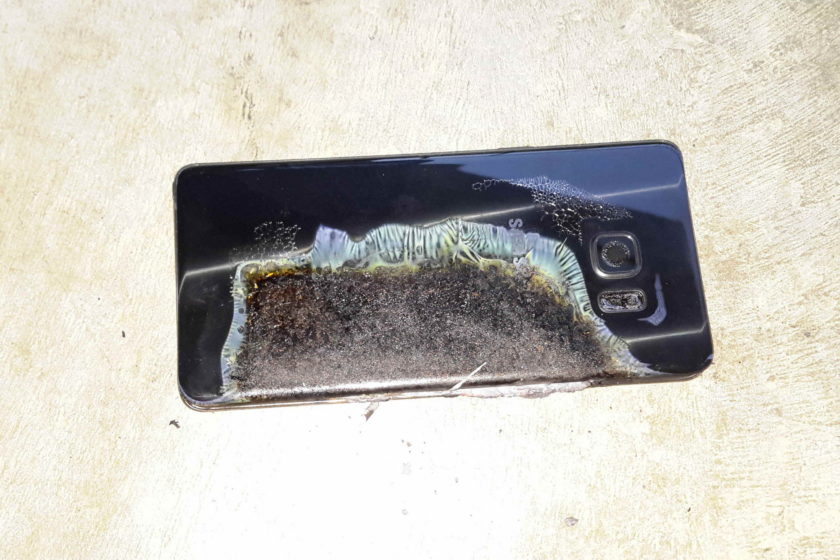
Early reports from Samsung‘s base in South Korea indicate that investigations into the root cause of the Galaxy Note 7’s explosion saga may have been concluded. According to a source familiar with the matter, the investigations have concluded that the main cause of the explosion was the battery.
Samsung had earlier fingered one of the two battery models featured on the Galaxy Note 7 as the cause of the explosions but that did not stop the explosions from still occurring even after replacing about 2.5 million units with the defective battery. The tech giant was forced to completely shutdown the model and order a total recall of all units for safety reasons when incidence of exploding GAlaxy Note 7 were still being reported. The company also launched its own investigation into the cause of the explosions and earlier rumor had hinted that the company will reveal the cause of the explosions later this month.
Accordingly, the insider source revealed that the results of the investigations will be announced on January 23, just a day before the market leader goes ahead to announce its Q4 2016 earnings. The announcement will likely be made by Koh Dong-jin, head of Samsung’s mobile business, and he is also expected to announce new measures the company is taking to prevent similar problems in future devices. The source also revealed that Samsung was able to replicate the fires during its investigation and that the cause for the fires could not be explained by any other related issues being fingered, like hardware design or software-related matters.
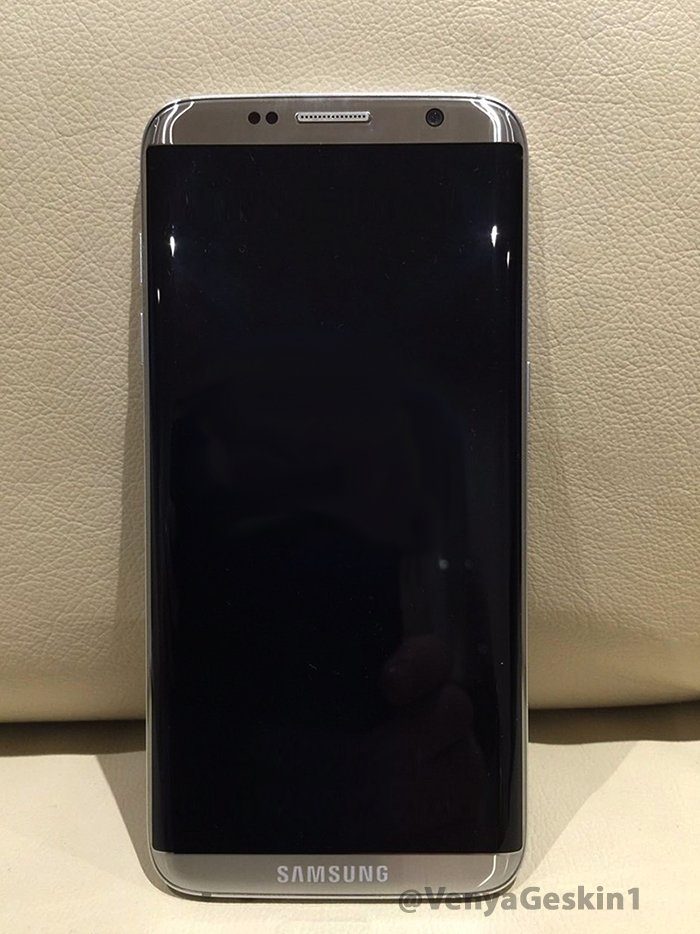
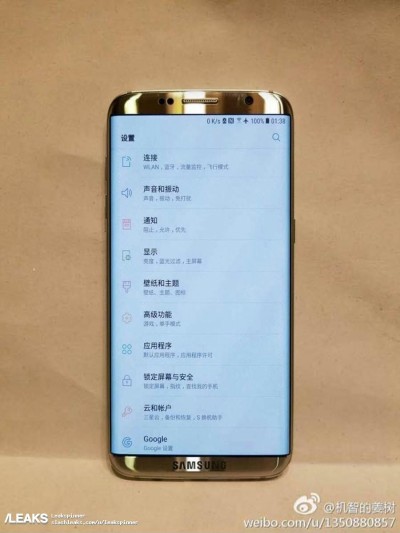
Fresh renders and images of Samsung Galaxy S8 are consistently surfacing. Yet again, what seems to be a leaked image of a real Galaxy S8 has been revealed.
Veniamin Geskin who has been posting leaked renders and concept design of various upcoming devices on his Twitter account has posted a new image of Samsung Galaxy S8. Even though there is no confirmation on whether the alleged device in the image is Galaxy S8, it does look like a real image.
Like most of the recent Galaxy S8 leaked photos and 3D renders, the new image revealed by Geskin shows that it has a huge display. The pronounced side curves on the right and left of the screen shows that the Galaxy S8 will adopt the ‘edge’ design. It also shows-off its premium design.
A prominent Samsung logo can be seen on the chin of the device. Since a physical Home button is missing, the fingerprint sensor is likely to embedded under Galaxy S8’s display.
In one of the recent tweet, Geskin claims that the Galaxy S8 looks quite similar to the renders of the Samsung’s upcoming flagship that were created four months ago.
The Galaxy S8 is expected to come with a 5-inch screen. Speculations have it that the Galaxy S8 Plus with a 6-inch dual-edge curved display will also launch alongside Galaxy S8. Both the devices will be driven by Snapdragon 835 chipset and 4 GB or 6 GB of RAM.
Rumors have been claiming that the Galaxy S8 will be sporting a dual camera system, but recent renders have suggested that only the larger Galaxy S8 Plus will be featuring it. It is also rumored to come equipped with stereo speakers. Like the iPhone 7, the S8 is likely to lack a 3.5 mm audio jack.
The Galaxy S8 is expected to be officially announced on April 18. Since the launch date seems to be several weeks away, more renders and leaked images are expected to surface soon.
Xiaomi‘s co-founder/ VP Li Wanqiang, yesterday at the Geek Park Innovation conference revealed some more details about the company’s upcoming product which is definitely the Mi 6. The VP hinted that his company will release a surprise in March this year. Though he left off short of naming the surprise product, it is likely he was talking about the Mi 6.
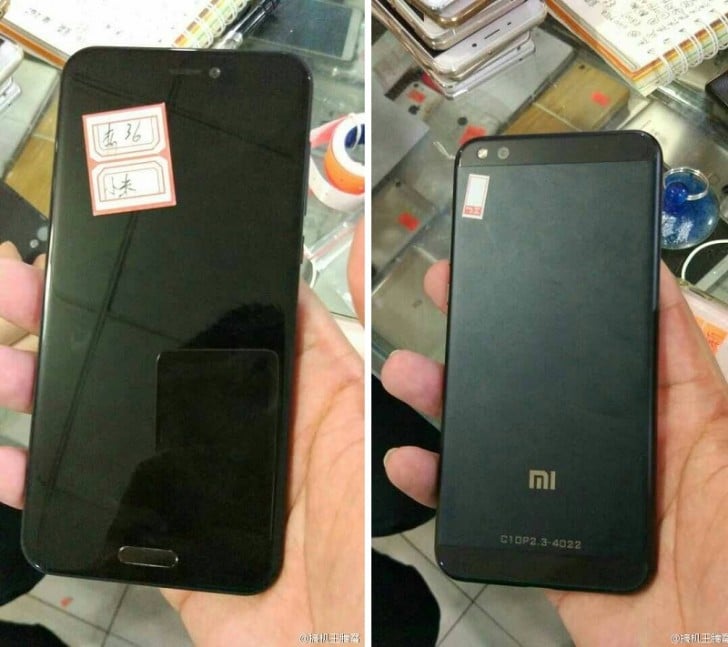
The Xiaomi Mi 6 is expected to bring in some surprises in its specs lineup, according to previous rumors. The Xioami VP also seem to suggest that even the price would follow the Xiaomi tradition, which pitches it in the region of 1,999 yuan. Now, more details about the Mi 6 have been leaked online, stating among other things that the device will have a metal body, will continue the Underglass Ultrasonic fingerprint sensor featured on the Mi 5S. The source also hinted that because production of the smartphone has not been concluded, a February release is likely not feasible.
In addition, the Mi 6 flagship is said to have an upgrade in its camera but the new sensor model is not yet disclosed. It is however said to be far better than the Sony IMX378 sensor. The display is also said to have two versions; one is a straight or flat screen display, while the other is a curved display. While the straight screen version will be priced around 1999 yuan, the curved screen version will fall around 2499 yuan. Another gladsome news, and it better be true, is that there will be adequate supply of the device when it launches.
Furthermore, the Xiaomi Mi 6 is said to come equipped with the latest Qualcomm Snapdragon 835 chipset which would be backed by 4GB of RAM on the straight screen version and 6GB of RAM on the curved screen verson. Both versions will cram 3,000mAh battery under the hood and would run Android 7.0 Nougat out of the box. There is also two storage versions of 128Gb and 256GB respectively.
LG has been consistently revealing features of its upcoming flagship that is speculated to launch as LG G6. LG has teased in a video that it will bring some of the most desired features on its next flagship. Fresh information suggest that it will be equipped with heat pipes that the will prevent its battery from overheating at high temperatures.
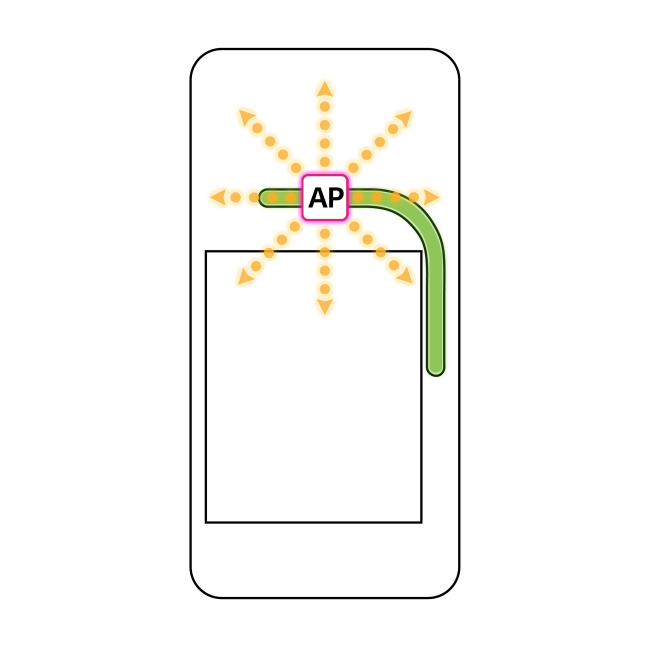
LG has confirmed that it has employed heat pipes made up of copper that can dissipate the internal heat. It is the same technology that is used in the batteries of PCs and notebooks that decreases the internal temperature by 6 to 10 percent. Moreover, LG has been designed the G6 in such a way that the internal components that heat up remain as far apart as possible to prevent the concentration of heat at one place.
An LG official has said that, “We are conducting battery heat exposure tests to a temperature 15 percent higher than the temperature set by the international standards of the US and Europe.” He also added that the company is carrying various kinds of vigorous tests on the battery such as using a sharp nail to pierce and dropping a heavy object on it from a high place.
Concept design of radiant heat and heat pipe (LG Electronics)
Related: LG Confirms That The LG G6 Won’t Be Modular
Even though Samsung is yet to officially confirm on the main reason behind the explosion of Galaxy Note 7 handsets, early speculations have suggested there may have been some problem with the battery of the device. Now that LG has confirmed that there won’t be overheating problems on its next flagship, it seems that it aims to achieving more sales by letting the customers to know that the LG G6 is safer device.
LG has confirmed in its recently released teaser video that its forthcoming flagship will be more reliable as it will come with features like larger display, waterproof design and amazing camera. Speculations are rife that it will feature a 5.7-inch quad HD+ display that offers a resolution of 1,440 x 2,880 pixels together with an aspect ratio of 9:18 and pixel count of 564 ppi.
It is expected to be powered by Snapdragon 835 chipset and 4 GB or 6 GB of RAM. It is expected to be the first LG smartphone to come with waterproof chassis. The South Korean company has also confirmed that it won’t be using the modular design that was introduced on LG G5 indicating that the LG G6 may not feature a removeable battery.
LG G6 is expected to get unveiled at the MWC (Mobile World Congress) 2017 event in February. It is expected to be available for purchase by March 10 which also indicates that LG is aiming to launch its LG G6 flagship a month ahead of Samsung Galaxy S8’s launch in April.
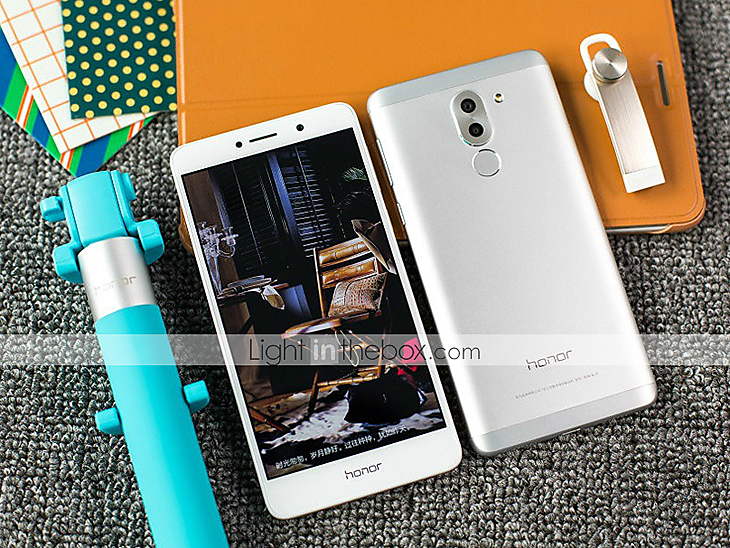
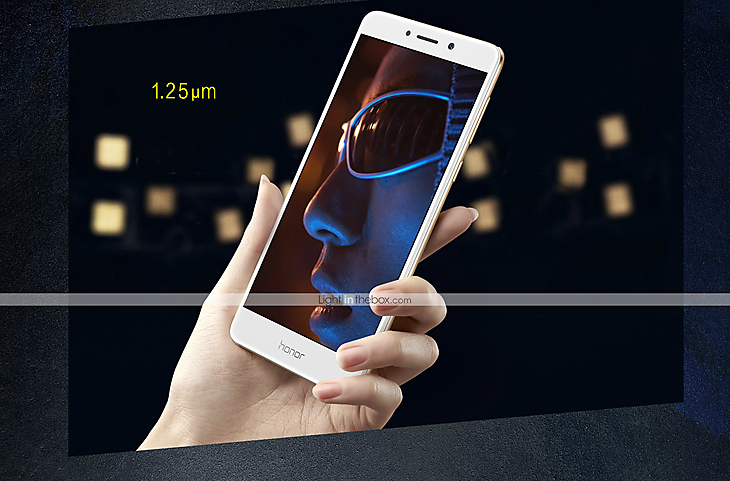
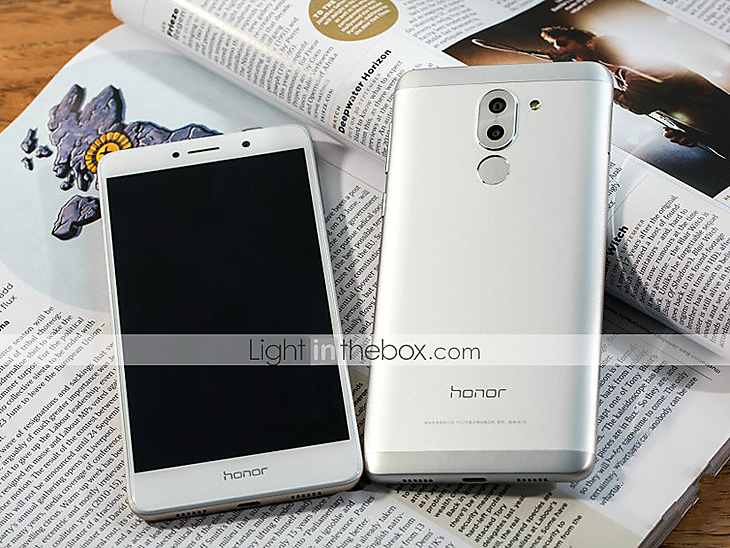
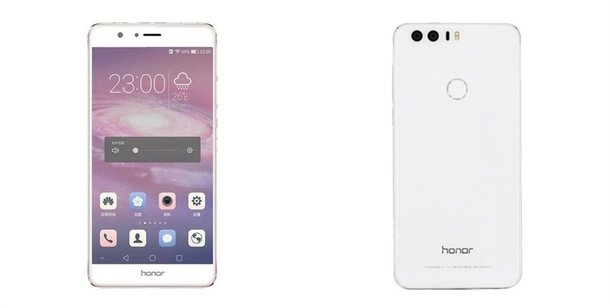
Huawei is known for producing some high-quality phones for a low price. Their Honor 6x is one of the newest models and it has received a lot of media coverage lately. You can now get it from lightinthebox.com for $205.99, which sounds like a pretty good deal considering the overall package you get with this device.
The phone sports an all-metal design like most of the phones these days. One of the key selling points is the dual-camera setup that sports a one 12MP sensor and one 2MP shooter that captures depth information for those DSLR-like bokeh shots.
When it comes to the specs, the Honor 6x is a pretty powerful phone. It sports an octa-core HiSilicon Kirin 655 chip (4×2.1 GHz Cortex-A53 & 4×1.7 GHz Cortex-A53), Mali-T830MP2 GPU and 3GB of RAM. Also, there is 32GB of internal storage that can be further expanded via the microSD card slot (up to 256 GB (uses SIM 2 slot)). The 5.5″ 1080p display makes it a standard-sized smartphone.
In addition, the Huawei Honor 6x runs on the Android 6.0 Marshmallow and it is planned to be upgraded to Android 7.0 (Nougat). Finally, the non-removable 3340 mAh battery will keep the lights on for a long time.
The Essential modular phone we said was being made by Android co-founder Andy Rubin might have been staring us in the face for almost a month now but we just didn’t know.
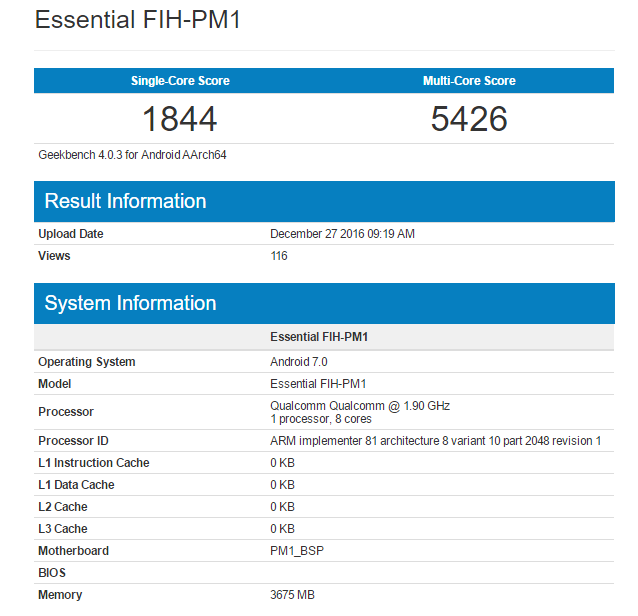
Remember the Snapdragon 835 Geekbench results we posted a few weeks ago? Chances are that the device used for the test is the upcoming Essential phone. Currently going by the name Essential FIH-PM1, the device has 4GB of RAM, runs Android 7.0 Nougat, and has a Snapdragon 835 SoC clocked at 1.90GHz.
Is this the Essential Modular Phone?
If it turns out that it is indeed the phone, then one of our questions from yesterday is already answered: the Essential phone will run Android OS. Though some folks are expecting a different OS entirely from the company, we think the decision to go with Android is better.
First, we already know the world is not ready for a new mobile operating system. Some of the popular ones are dead like Blackberry OS and Firefox OS or nearly dead already like Windows Phone, leaving us with just Android and iOS.
Second, it is going to be hard work building a new OS from the scratch and finding developers to create apps for it. The best bet will be to use a sort of emulator that lets you install Android apps, and we all know how that went with Blackberry OS 10.
So why not just stick to Android from the onset and save yourself the fate of a failed OS or a great device killed by a failed OS.
Chinese smartphone maker cum internet giant LeEco may have just gotten a much needed lifeline which could save the company from practically hitting an iceberg in the troubled waters it is sailing currently. The lifeline comes in the form of a new round of investment from Chinese property developing firm Sunac China Holdings, estimated to be worth 15.04 billion yuan ($2.18 billion USD).
LeEco’s CEO Jia Yueting had last year hinted that the company was facing some challenges financially, occasioned by the rapid pace with which the company tried to expand, both on the domestic plane and internationally. There were signs also that the company did drop some of its staffs and just last December, it was almost prevented from showing EPL matches live by the right holder after defaulting in its payment schedule. This latest financial lease of life comes in form of series of investments spread across LeEco’s numerous holdings.
Sunac Real Estate announced that it plans to invest 6.04 billion yuan in LeEco’s Leshi Internet Information and Technology Corp Beijing by acquiring an 8.61 percent stake. The investor also plans to invest 1.05 billion yuan in LeEco’s film production company, Leshi Pictures, by acquiring a 15 percent stake, and pay another 7.95 billion yuan ($1.15 billion) for a 33.5 percent stake in Leshi Internet’s subsidiary Leshi Zhixin, known for its smart Internet TVs. The real estate company also hopes to collaborate with LeEco in areas such as intelligent hardware, real estate, and smart homes. It also pointed at industrial real estate as an area for greater cooperation between both companies.
This, no doubt, will offer LeEco some breathe of fresh air as the funds will likely help solve some of its financial difficulties. The investment will be of benefit to us all, because now the company can concentrate in developing innovative products such as smartphones, film services, sports, and its driverless electric vehicles.
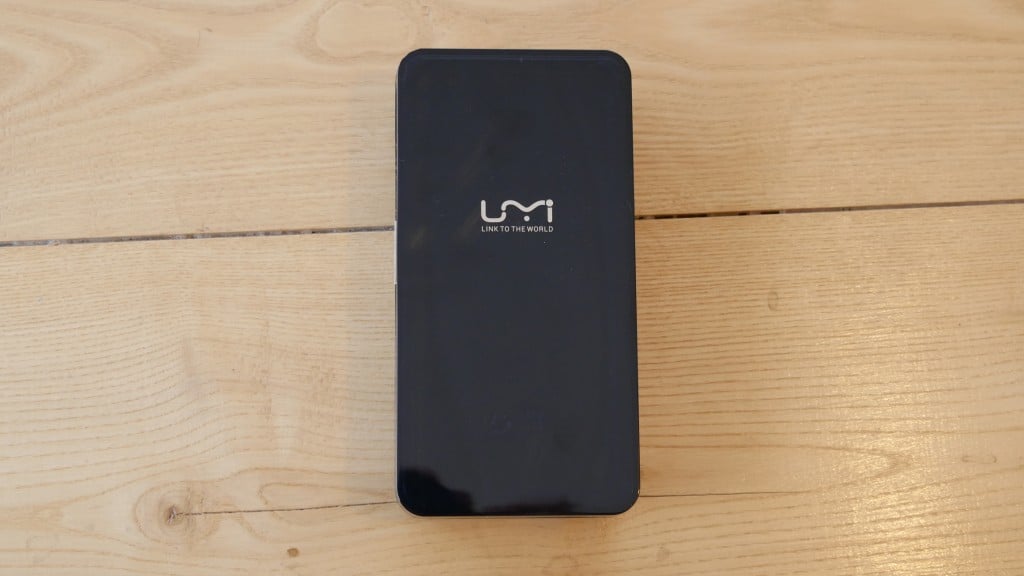
Umi has released quite a lot of phones last year and the Umi Plus was a pretty decent phone for the price. This year the company released an upgraded Umi Plus E with 6GB of RAM, Helio P20 chip and a lot more. Learn more in the full review.
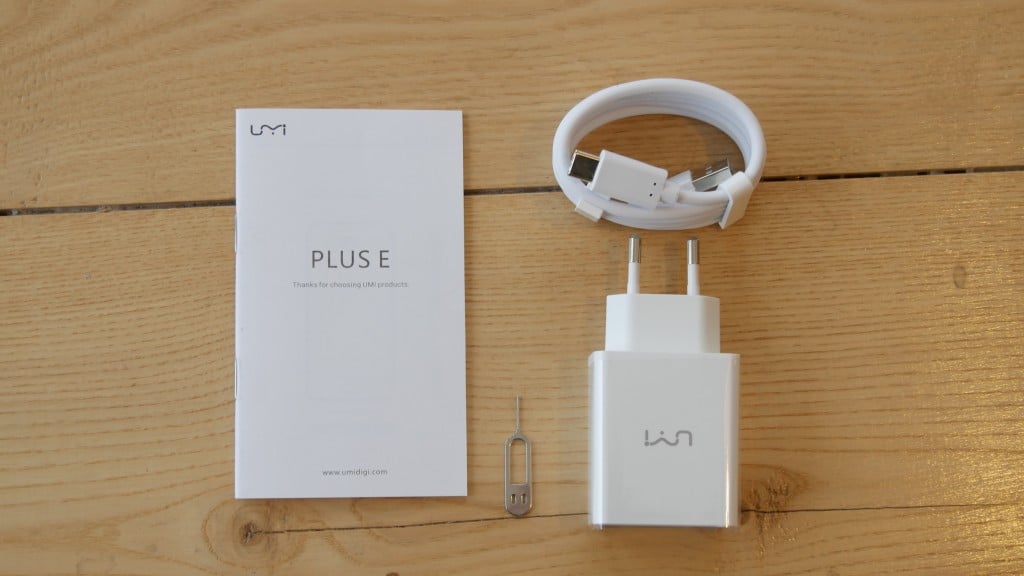
The phone ships with all the usual items that come with any device. It’s worth mentioning that you get a fast charger out of the box.
Umi Plus E Review: DESIGN and DISPLAY
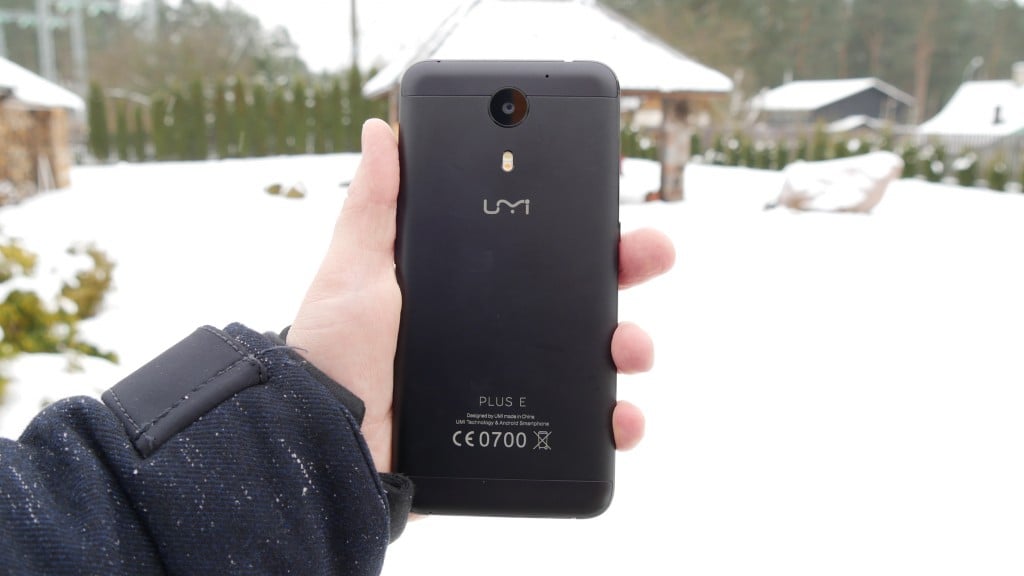
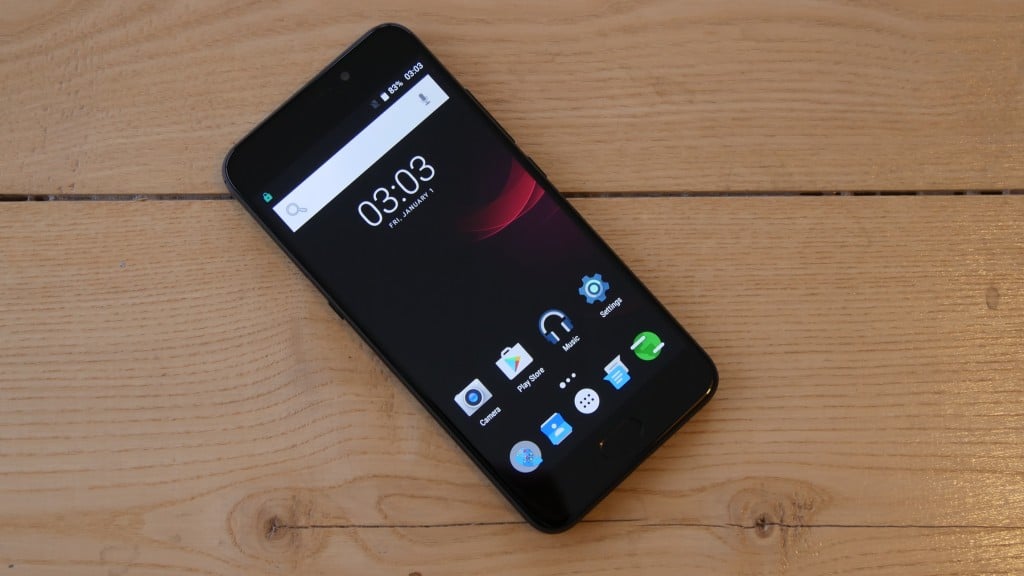
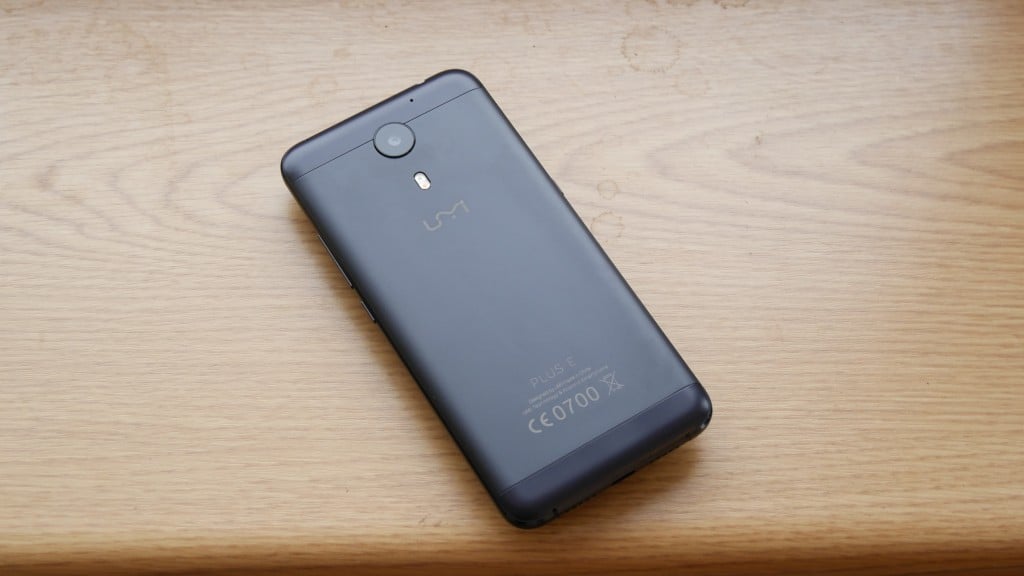
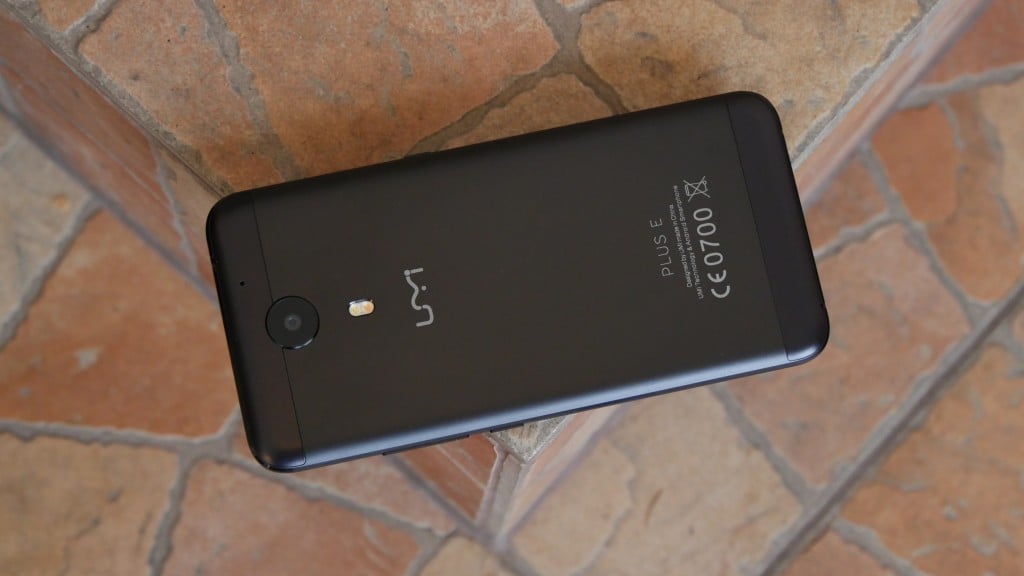
When it comes to the design, we are looking at the all-metal phone (except for the top and bottom parts for antennas).
The build quality has actually improved over the regular Umi Plus. Now I don’t have any complaints as the buttons do not rattle. Well, the only thing that some users may not like is the sharp edges on the backplate. Also, the backplate attracts fingerprints and smudges very easily, which is unusual to metal surfaces.
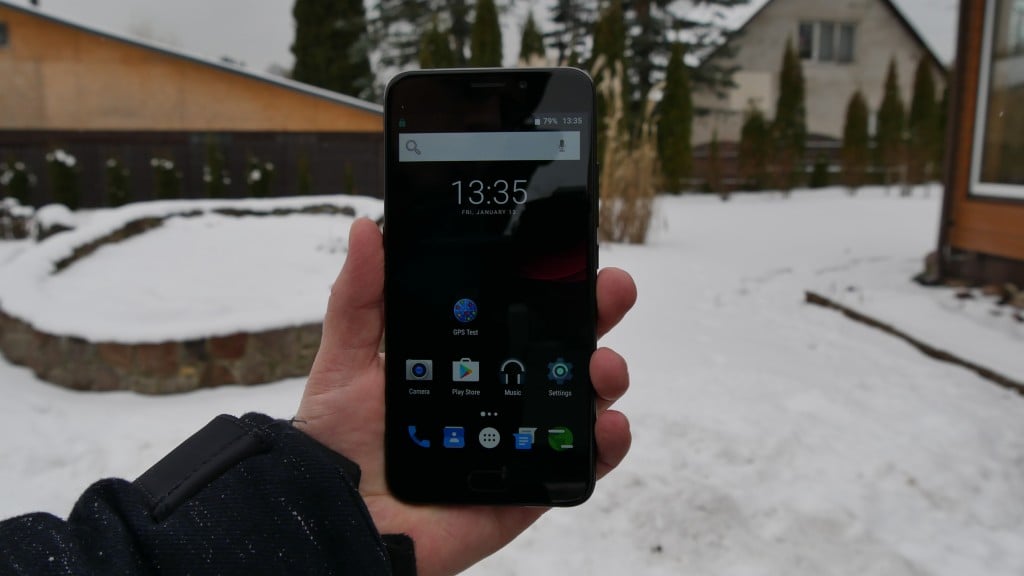
We have a 5.5” 1080p display, which is pretty sharp, vibrant and it is a nice panel overall.
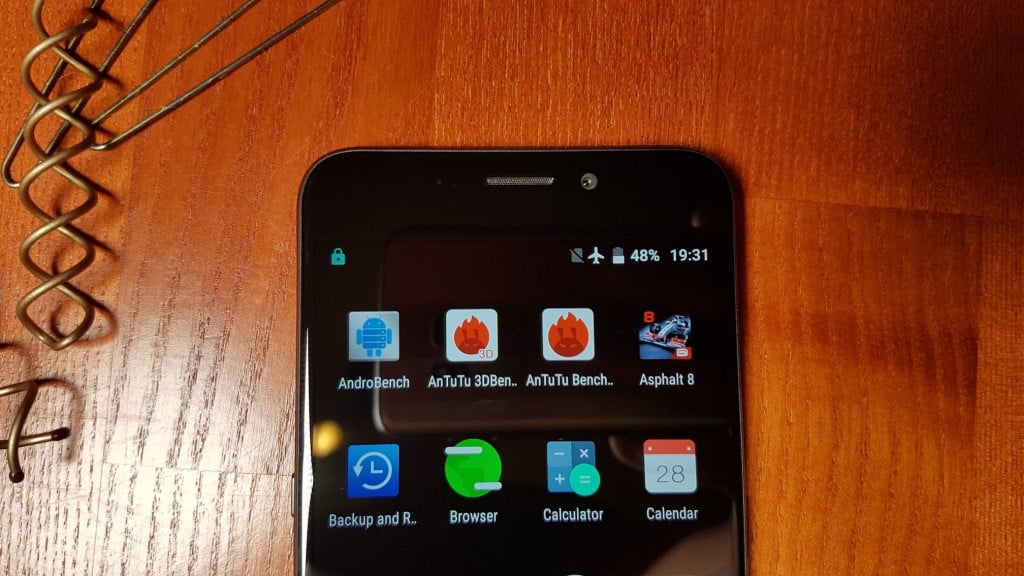
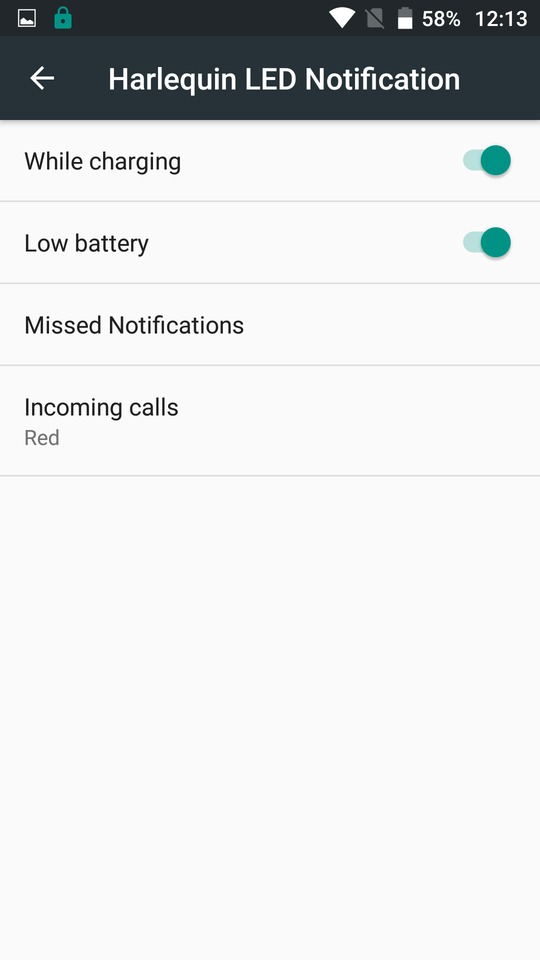
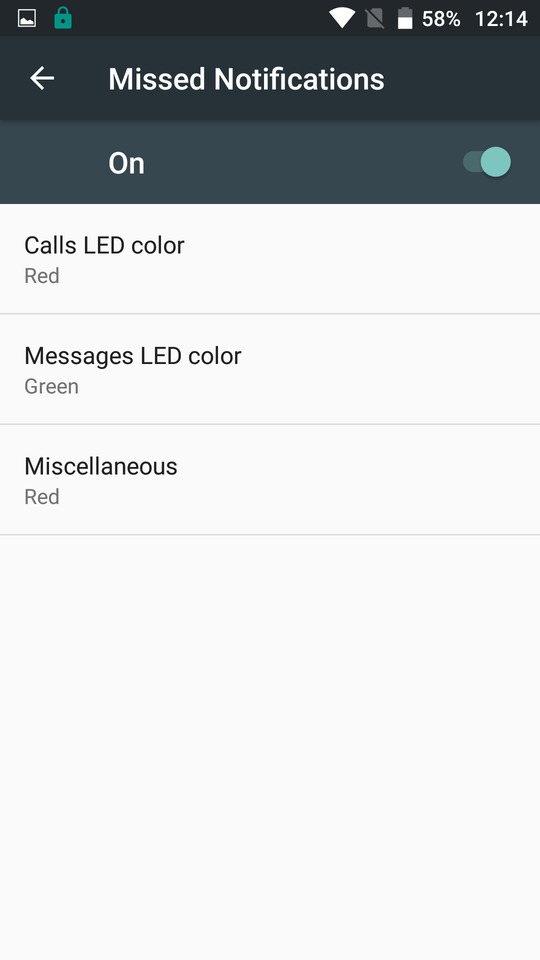
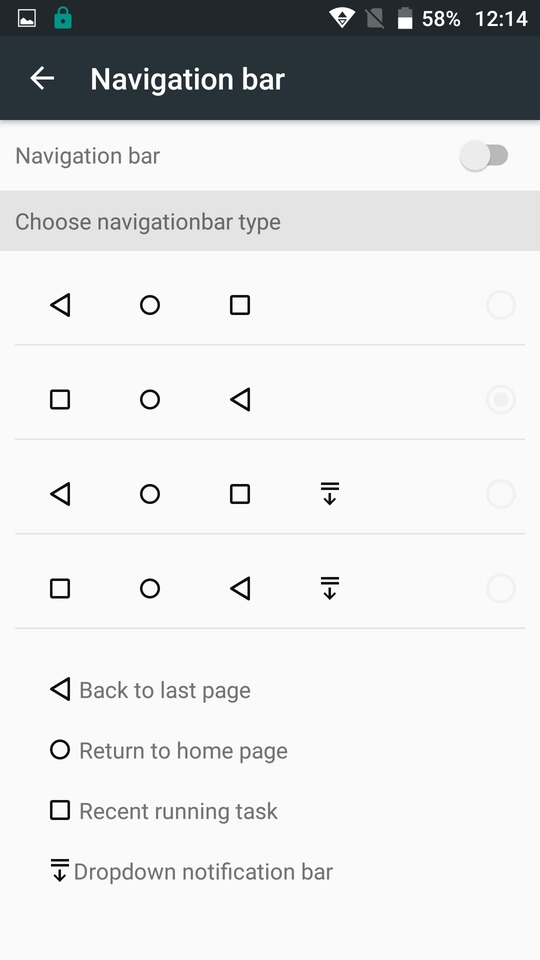
A nice touch is a customizable LED notification light, which sits next to the 5MP camera, and navigation buttons. You can choose between the on-screen keys and the capacitive keys, and change the position of them.
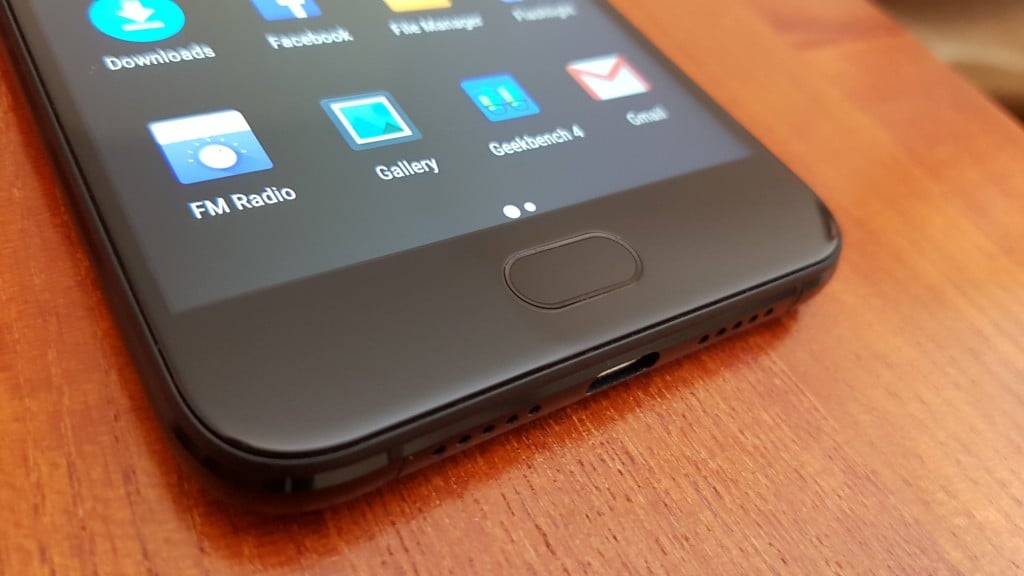
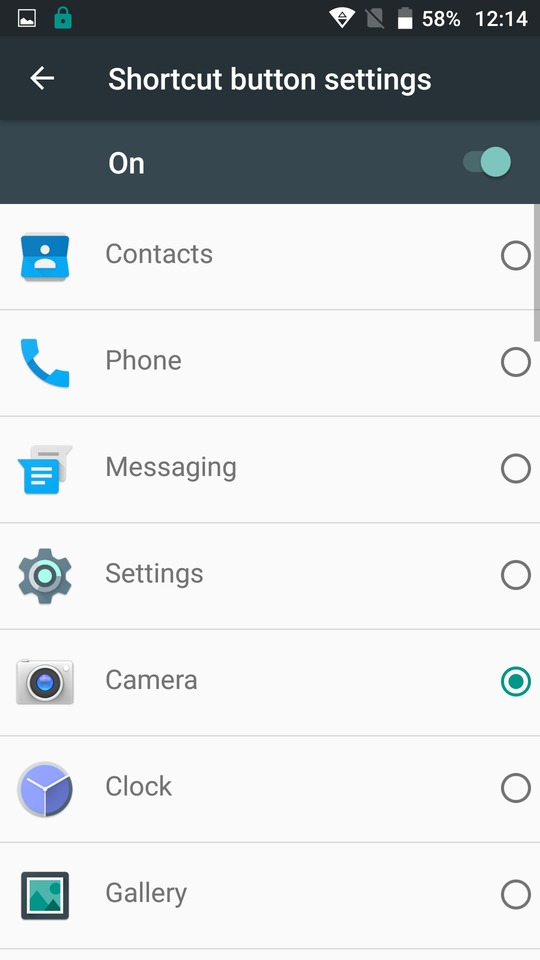
I love the fact that physical home button can be just tapped as it serves as a back key. Also, it has a fingerprint scanner. It is quite accurate but sometimes the display may light up a bit slower if you unlock the phone straight from the standby mode. A customizable shortcut button is a pretty nice idea but it would have been nice if it worked from the standby mode.
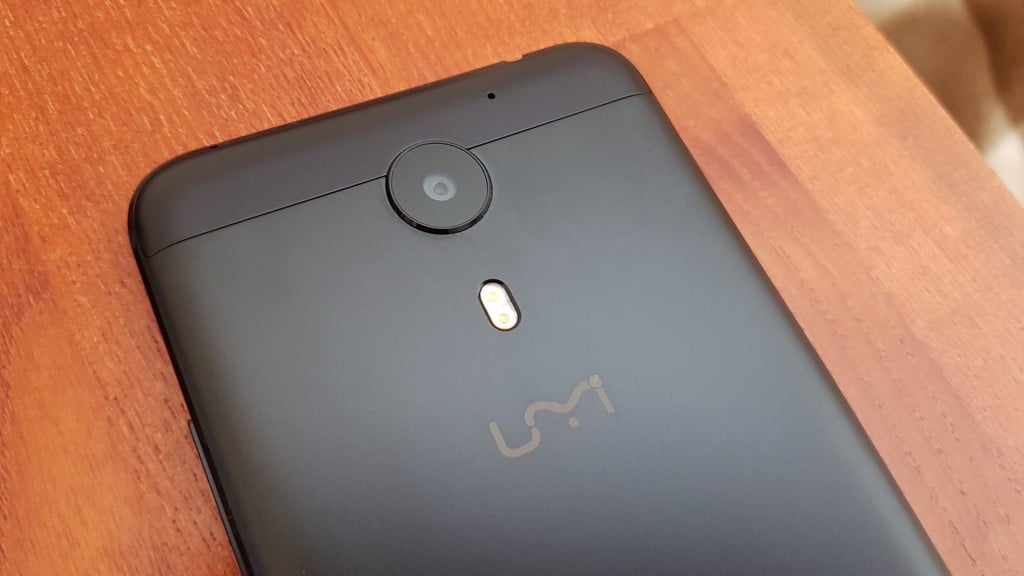
As for the camera, we have a 13MP Samsung shooter with a dual tone dual-LED flash.
The loudspeaker sound quality is now better than the Umi Plus but it is still kind of mediocre. I would love to hear some more rich tones.
The sound quality via the headset jack is pretty good for the price of the phone and that is thanks to the built-in Hi-Fi audio chip.
Umi Plus E Review: HARDWARE and PERFORMANCE
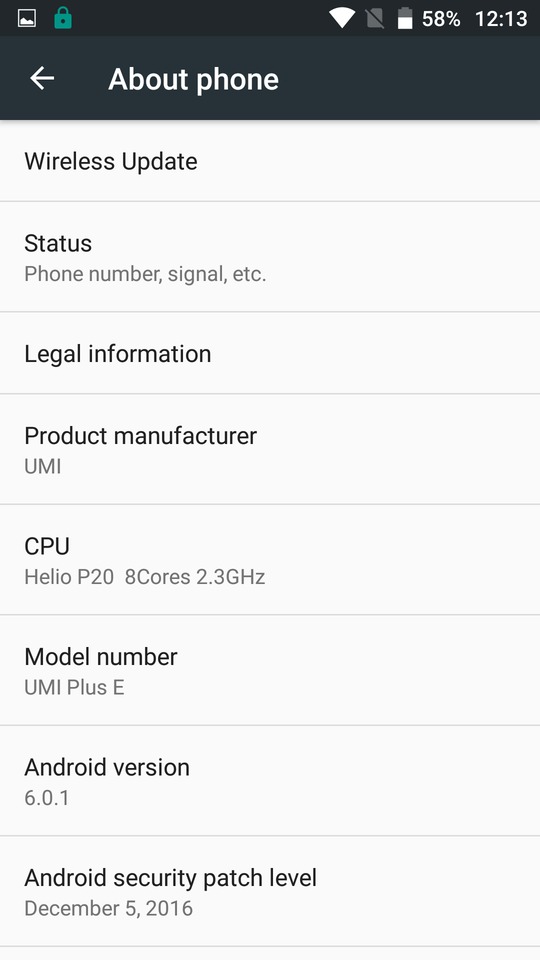
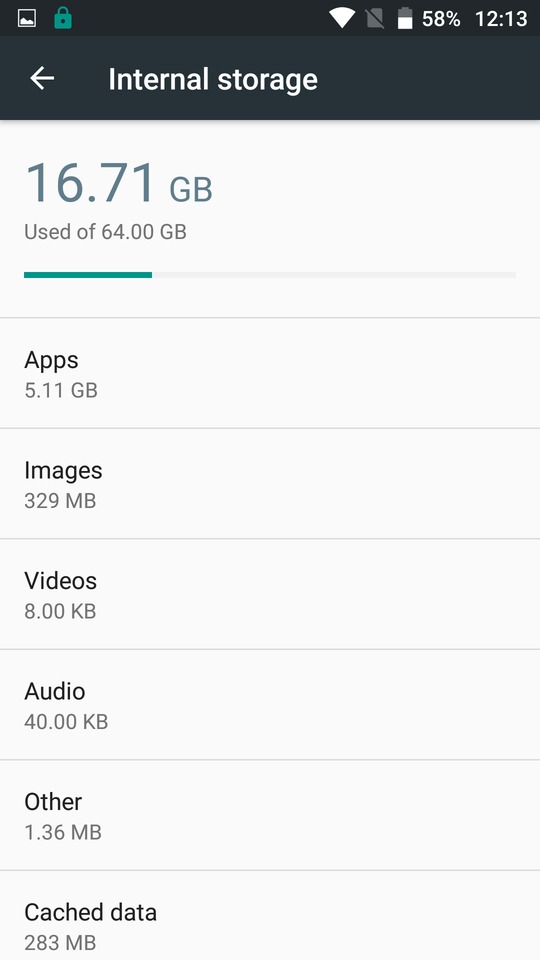
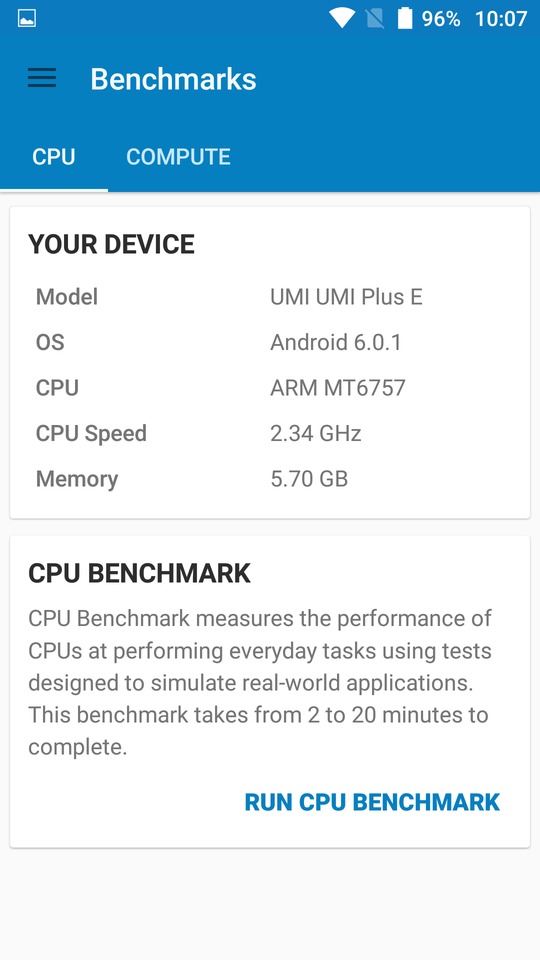
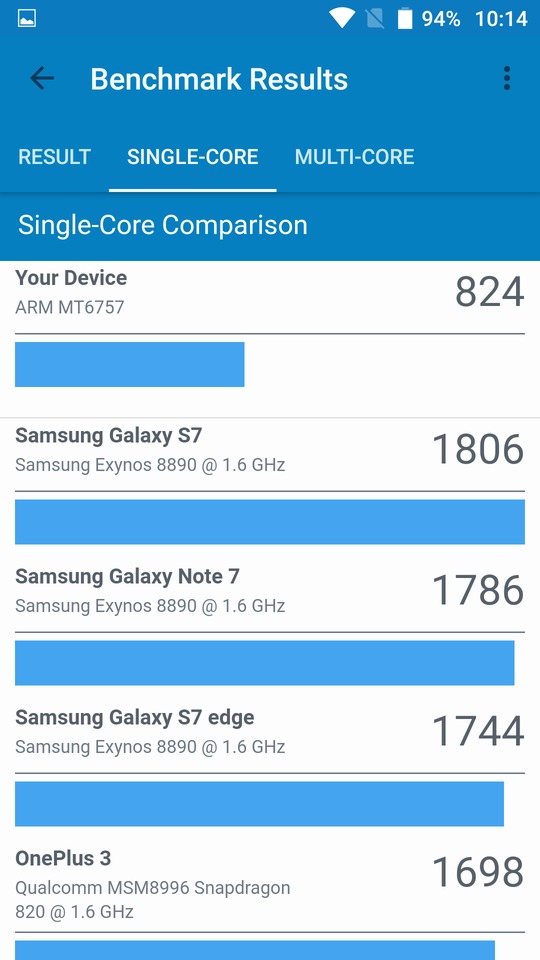
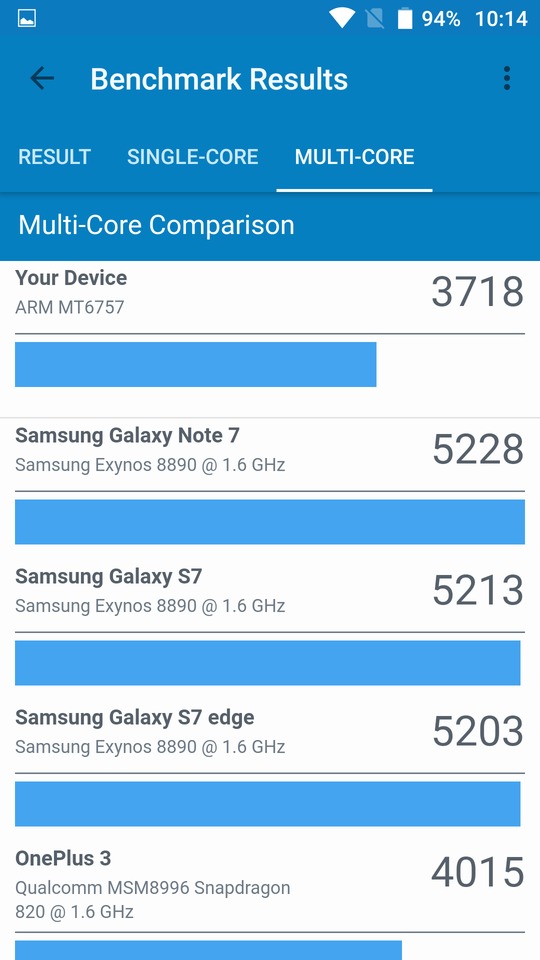
As far as the specs go, the Umi Plus E is just a beast. It has an octa-core Mediatek Helio P20 chip with the clock speeds of 2.3GHz, whopping 6GB of RAM and 64GB of expandable storage.
The gaming performance is great. I played some games like Asphalt 8, Nova 3 on the highest graphics and the Umi Plus E handles them absolutely fine. Also, I didn’t notice any overheating issues even after 30 mins of gaming.
Umi Plus E Review: USER INTERFACE
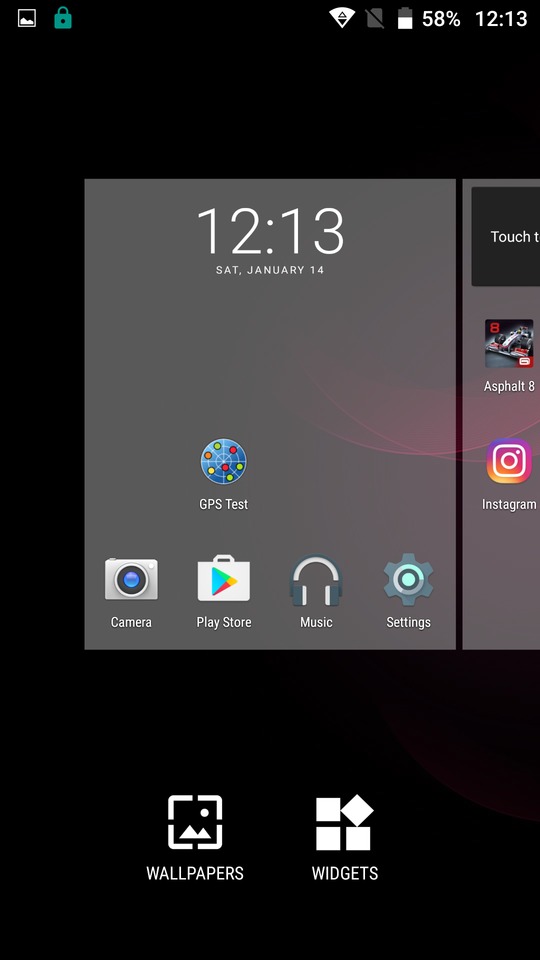
The Umi Plus E ships with the pretty much stock-looking Android 6.0.
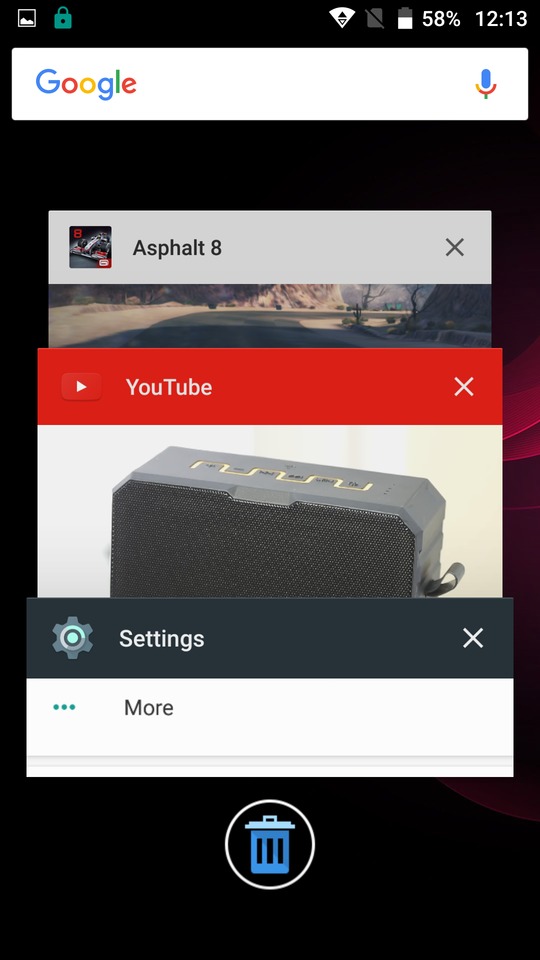
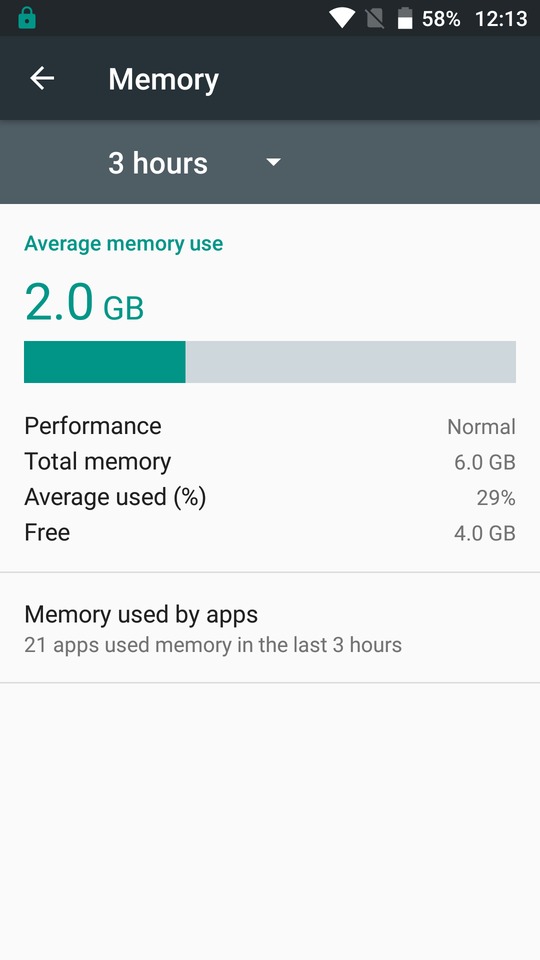
There are not too many features to talk about except for those I have already mentioned (customizable navigation bar and LED notification light). Most importantly, the Umi Plus E is fast on the daily basis and you can keep a lot of apps opened thanks to 6GB of RAM. Finally, I didn’t have any issues with the phone’s daily performance no matter what I did with it and that is really impressive.
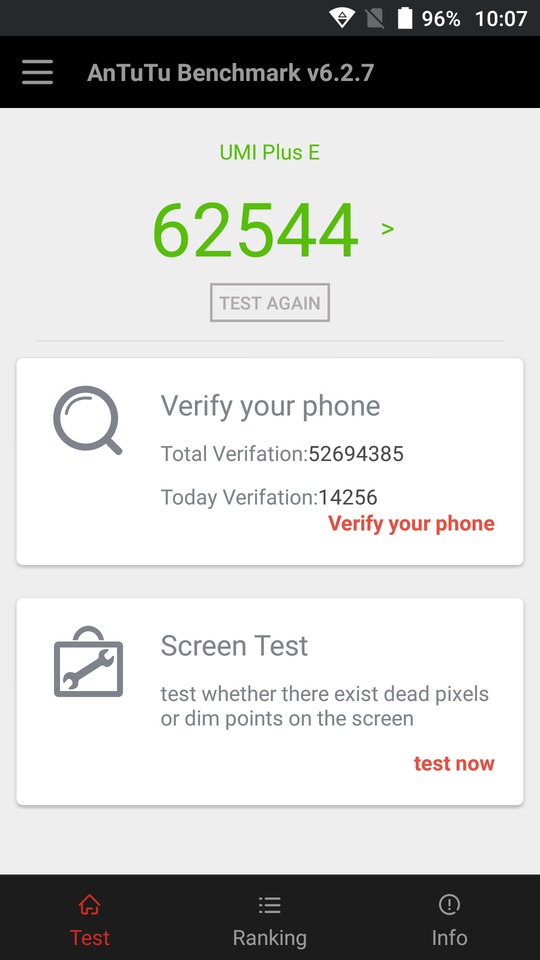
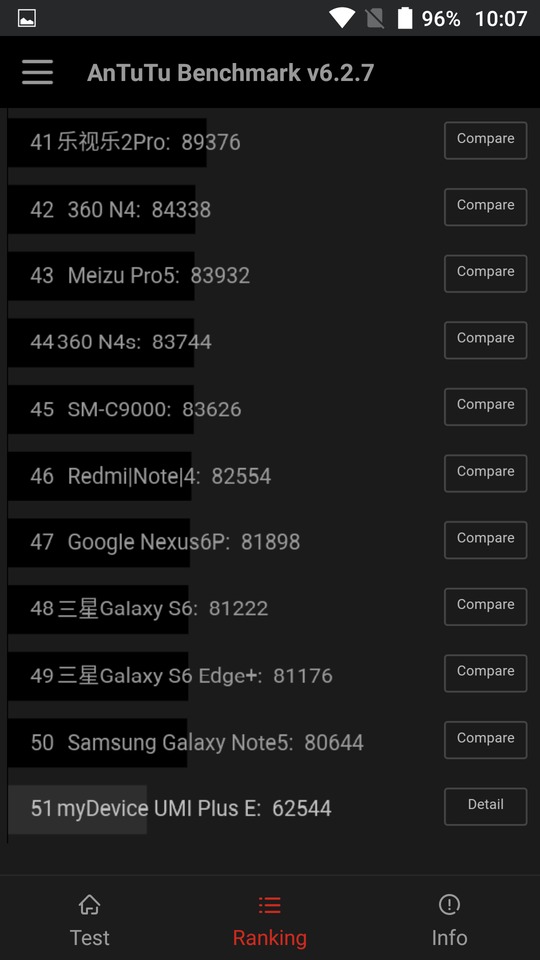
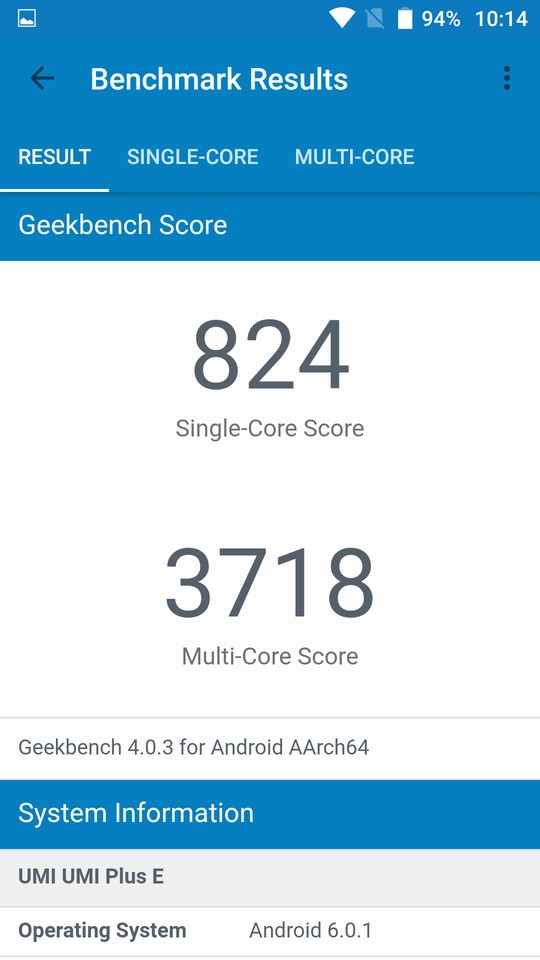
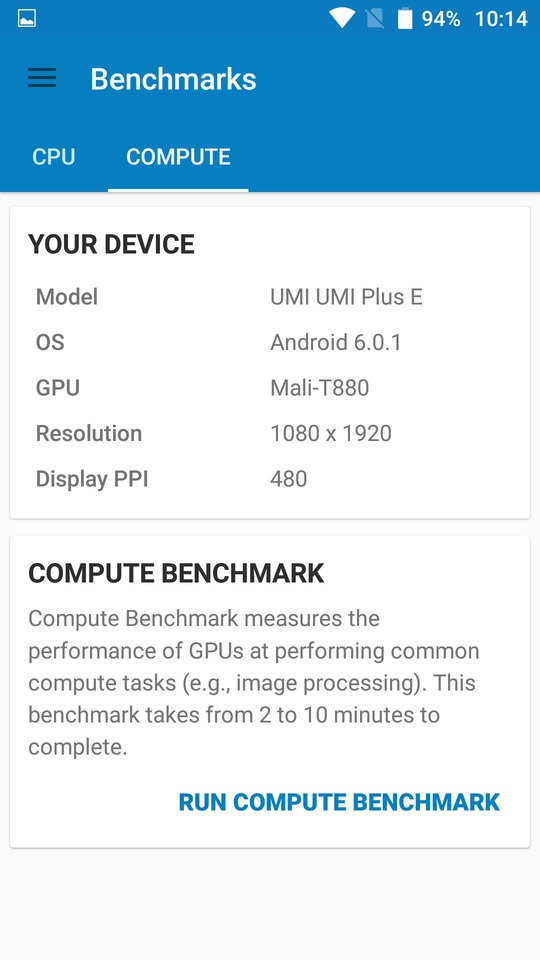
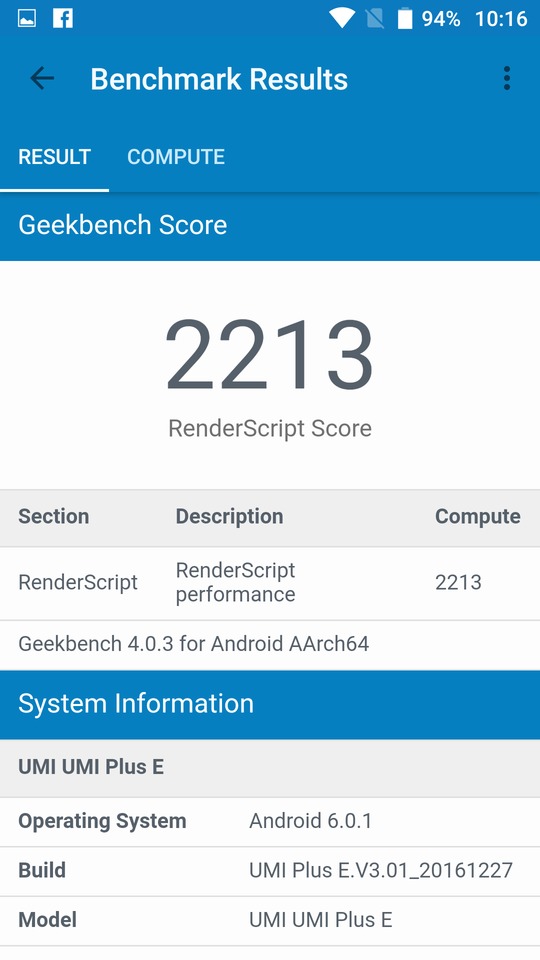
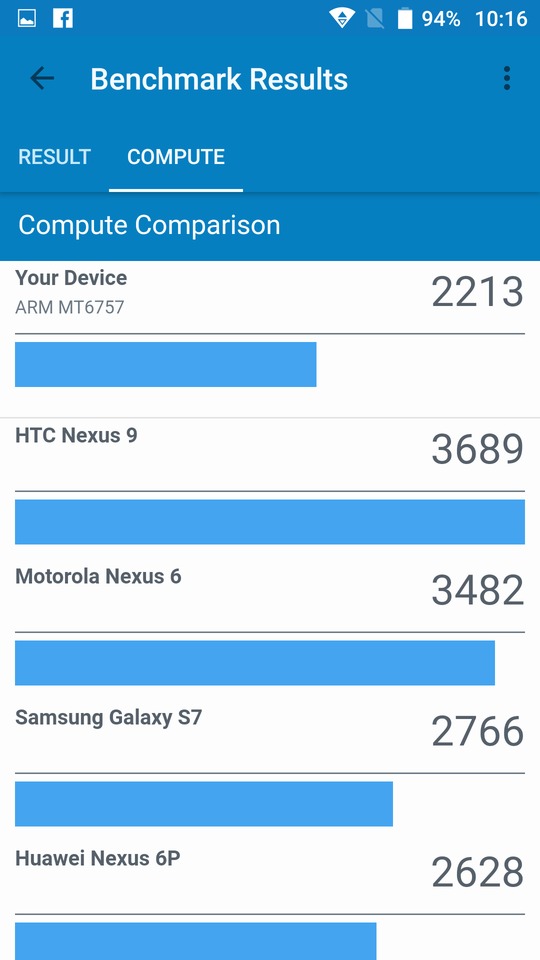
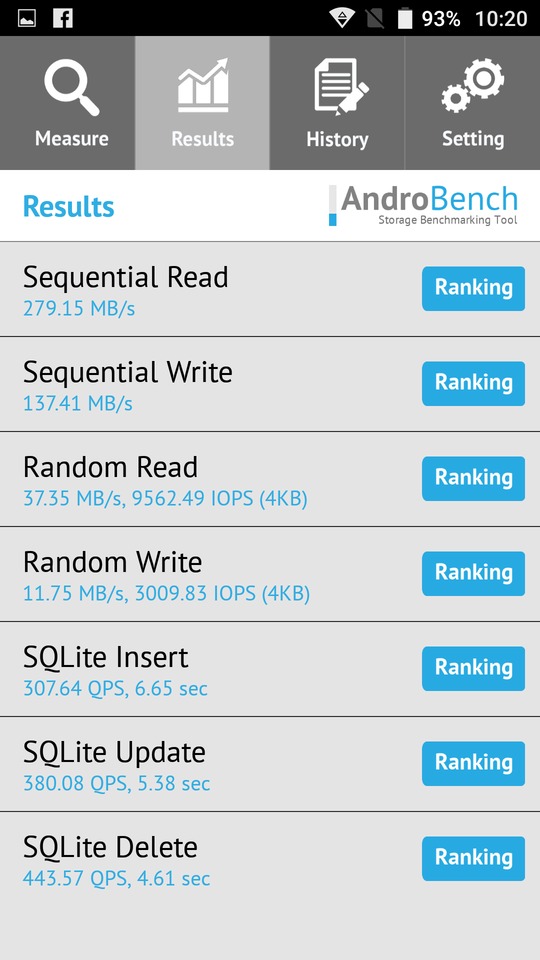
Umi Plus E Review: BENCHMARKS
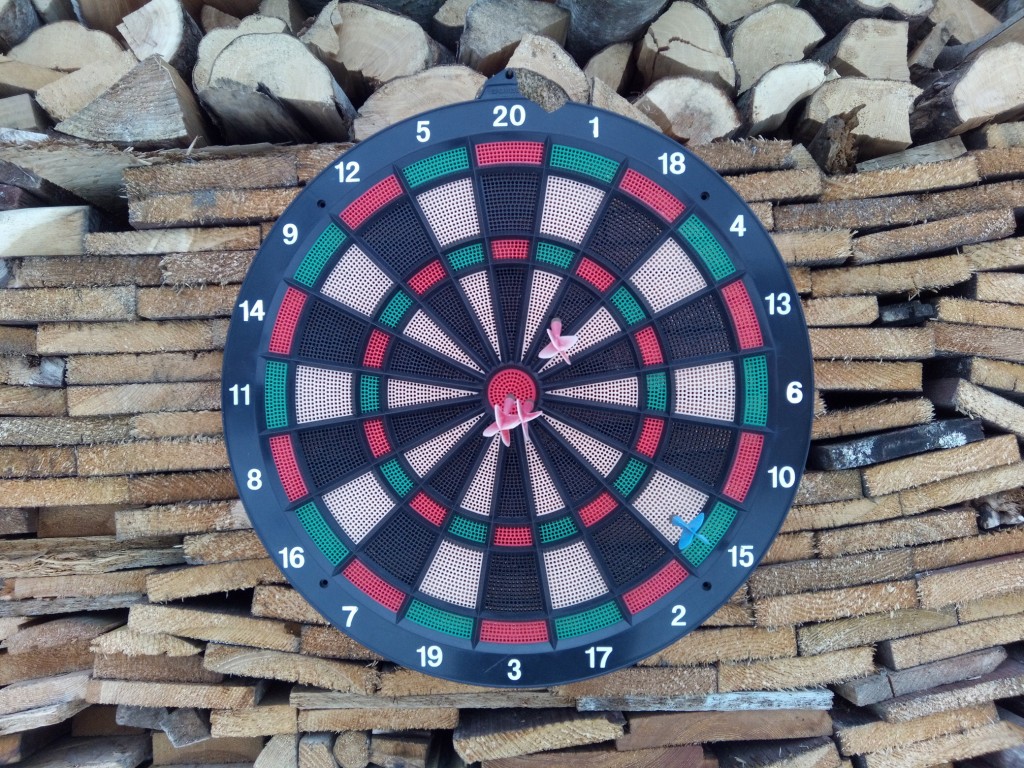
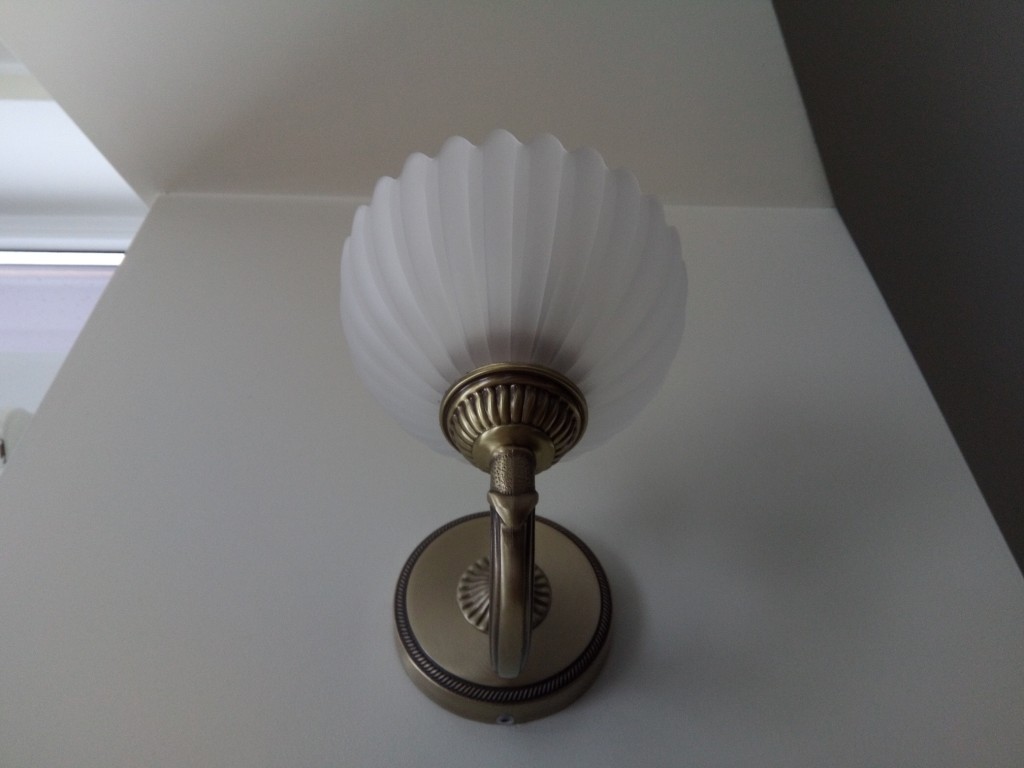
Umi Plus E Review: IMAGE QUALITY
IT IS HIGHLY-RECOMMENDED TO DOWNLOAD FULL RESOLUTION CAMERA SAMPLES TO SEE THE ACTUAL IMAGE QUALITY. THE PICTURES UPLOADED ON THE WEBSITE ARE 50% SMALLER IN RESOLUTION.
The camera department is where the Umi Plus E could be better. Keep in mind that I tested the phone on a cloudy day but it’s winter time… You can get some decent-looking photos and I see an improvement over some previous Umi phones. However, the daylight images could have more detail and sharpness. Also, the colors look a bit washed out in some of the shots, the dynamic range and white balance adjustment is not always accurate.
The low-light camera performance is not so great either even for a $200 phone. The images lack in detail, there is a lot of noise and a visible purple tint in most of the shots.
The selfie camera is okay and it will do the trick for social media. However, I would love to see some more sharpness and detail in the photos.
When it comes to video, the footage does not really look good. You can now shoot in 4k resolution but it looks like just an upscaled 1080p video. The major problems here are the aggressive color and auto-exposure shifting. Also, the footage could look sharper and there could be less noise.
When it comes to connectivity, the Umi Plus E performs great. I didn’t have any issues with the GPS accuracy, Wifi or call quality.
Umi Plus E Review: BATTERY LIFE
When it comes to battery, Umi Plus E is a great performer as it ships with a beefy 4000mAh unit. I could get over 6 hours of screen-on time on a daily use, which is a great result. Also, the phone ships with the fast charger and I was able to fully charge the phone in around 1:30 mins.
Umi Plus E Review: CONCLUSIONS
Umi Plus E is another phone from China that aims to deliver a lot of value for about $230. It definitely succeeds in a lot of ways.
The Umi Plus E is a really powerful phone and that translates to a great day-to-day and gaming performance.
Also, the device has a nice and sharp display, the user interface is simple and fast, the phone is nicely designed and uses premium materials in the construction.In addition, the battery life is great and you can charge it up fast.
On the other hand, the camera still remains the weakest point of the Umi smartphone. While it is not terrible, we have some strong competitors that produce better quality images and videos.
At the end of the day, Umi Plus E is probably the best Umi smartphone I’ve tested and it seems like a very solid phone for the price if you don’t mind just an average camera performance.
Less than a month ago we reported that the Honor 8 was going to get its Nougat update by February; a statement made by Huawei itself. Judging from the info from Huawei Japan, the update will start rolling out as from Monday, 16th of January.
Like any other update, this will also be rolled out in stages, so if you do not get the update on Monday, you should receive it in the following days as long as you are in Japan.
Honor 8 owners in North America might have to still wait till February for their update though. The update comes in at a whooping 1.97GB which is pretty heavy to be honest. Honor Japan advises that you back up your data and have at least 50% battery available before you commence the update.
For those who do not know who Andy Rubin is, the following lines should serve as a crash course. Andy Rubin is the co-founder of Android Inc., and after Google acquired it he served as Senior VP of Mobile and Digital Content up until 2013 when he left to head Google’s robotics division. After leaving the search giant in 2014, he set up Playground Global, an incubator for funding startups involved in manufacturing hardware devices.
Presently, he has a new company called Essential Products Inc.; a company focused on making consumer hardware products. Essential Products Inc. has plans to launch a number of their products soon, one of which is a high-end smartphone that will have ‘‘the ability to gain new hardware features over time’’. Not only will the phone be taking a stab at modularity, it is also said to have a large bezel-less display.
The exciting part is actually the modular feature of the phone. According to the description provided, the phone will have a proprietary magnetic connector that serves as a way to charge the phone and also works as a way of expanding the phone’s functionality. So we might be looking at hardware add-ons that attach to the charging port.
Although the company is working on a spherical camera module that shoots high resolution 360° images, the phone will support modules from third parties too.
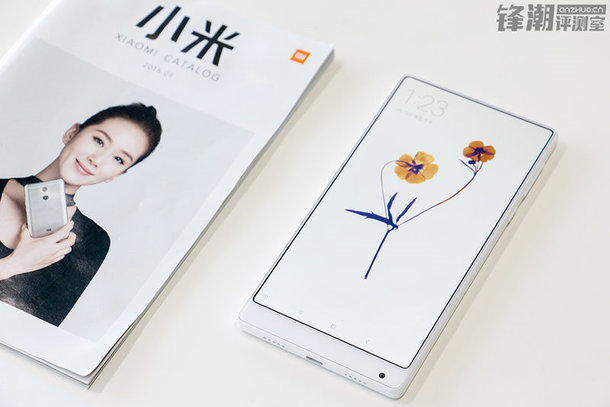
A prototype of the phone is said to have a display that is bigger than that of the iPhone 7 Plus but has a smaller form factor thanks to its lack of bezels. A similar design can be seen in the Xiaomi Mi MIX. The large display and small size is not the only way the device is similar to Xiaomi’s phone, as it is said to also have a ceramic back. There is also a chance that the display might be pressure sensitive.
Qualcomm first announced the Snapdragon 835 SoC about two months ago. The new chip is being built on a 10nm process just like Mediatek’s Helio X30. Folowing the announcement, Qualcomm posted that more details about the new chip will be revealed at the 2017 edition of the Consumer Electronic Show (CES).
What better way to show off your new chip than in a reference phone? So that’s what Qualcomm did. They put up a phone with 6GB of RAM, a 24MP rear camera with OIS and EIS, dual front facing speakers, and a 12MP front camera with the Snapdragon 835 under the hood. Pretty impressive specs for a phone, right?
Some folks however got ahead of themselves and said the device is actually Nokia’s yet-to-be announced flagship phone called the Nokia 8. The rumour has actually caused a lot of buzz that Qualcomm has had to put out an official statement about it.
According to the company’s spokeswoman Catherine Baker, the phones at CES are not Nokia phones but are the same reference design phones it uses every year to showcase its latest chip. An excerpt of the letter is pasted below:
We do not disclose details of our reference design. We’ve seen a few stories rumoring what we demonstrated in our CES booth to be a Nokia device, those reports are not accurate, our 835 demos were on our own reference design devices which we use to demo our Snapdragon SOC’s every year.”-Catherine Baker, spokeswoman, Qualcomm
Now that the chip maker has cleared the air on that, we are left in the dark about the Nokia 8. Will it have the same impressive specs as Qualcomm’s reference phones or will it be toned down? Our guess is as good as yours.
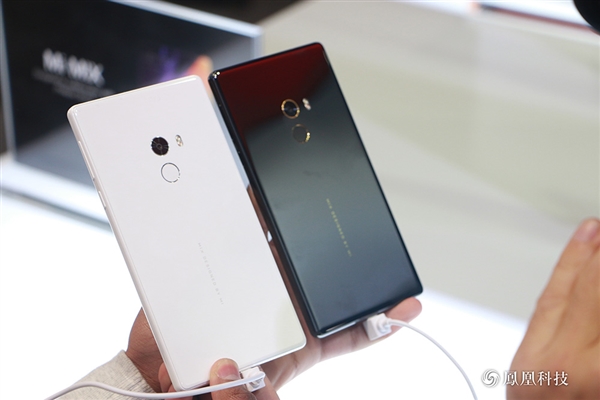
The Mi Mix is said to be difficult to produce, that we know, but what we didn’t know is the level of difficulty. Xiaomi‘s CEO has just given us an idea of how difficult it is for the Xiaomi Mi Mix concept phone to be mass produce by disclosing that the company has only managed to mass produced 100,000 units of the flagship so far.
The CEO hinted this while fielding questions during the Geek Park Innovation conference held recently in China. The tech giant’s henchman spoke of several issues concerning the future of the smartphone industry and other and as usual, the Mi Mix was expected in the discussion. While explaining the reason for the scarcity of the concept device, the CEO admitted that the output is poor most especially because of the process involved in producing the ceramic glass body which the device features.
The Xiaomi executive also gave his take on foldable smartphones which he thinks isn’t the future of the smartphone industry and that smartphones with full-screen displays could be the next high-end item to compete for in the industry very soon.
The Xiaomi Mi Mix is hardly available for purchase, with the stock running out at quick intervals during flash sales. There is no likelihood that the production will be shored up anytime soon as the company seems to be focusing on reviving the ailing brand by launching more sleeker smartphones and concentrating its strategies to help rake in more revenue this year.
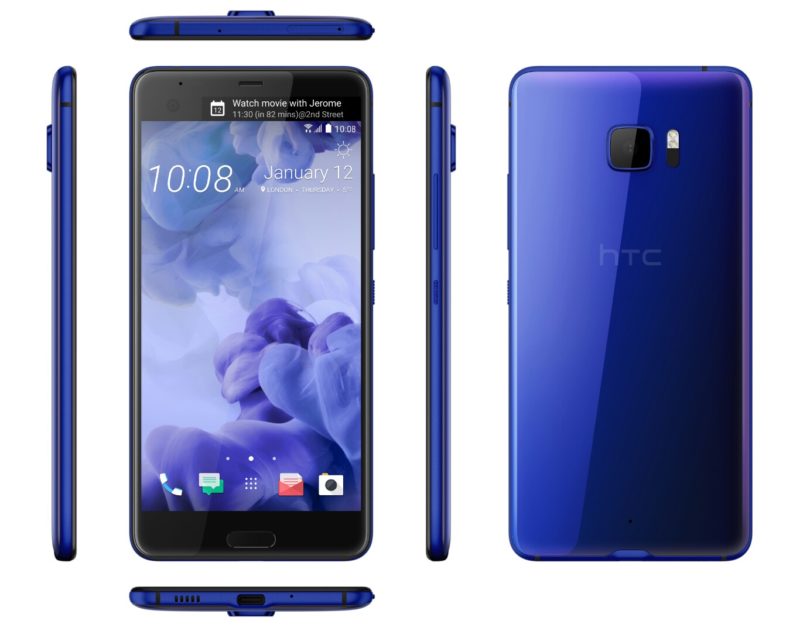
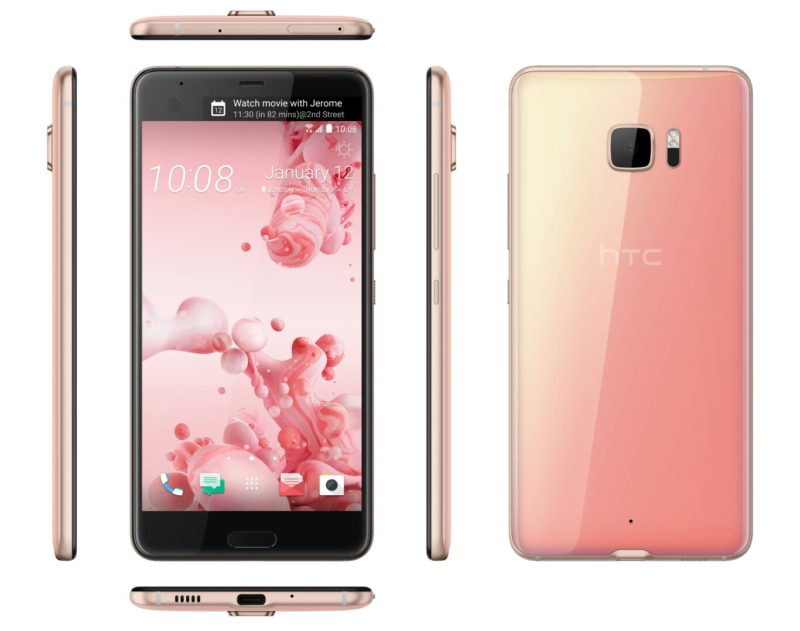
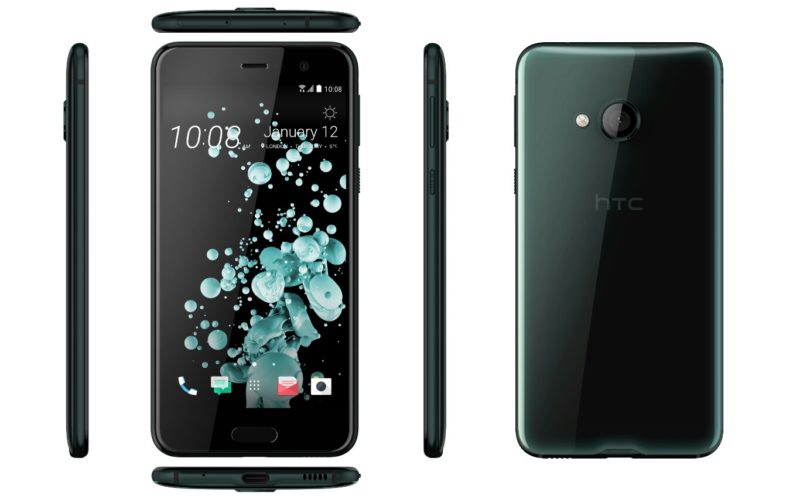
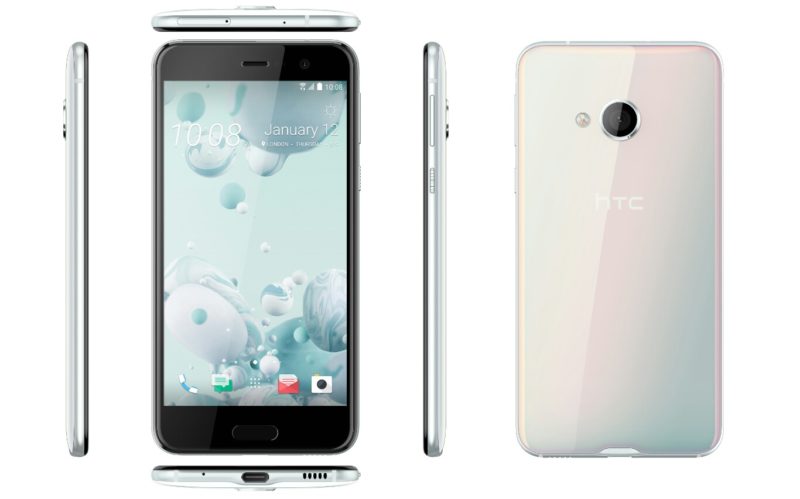
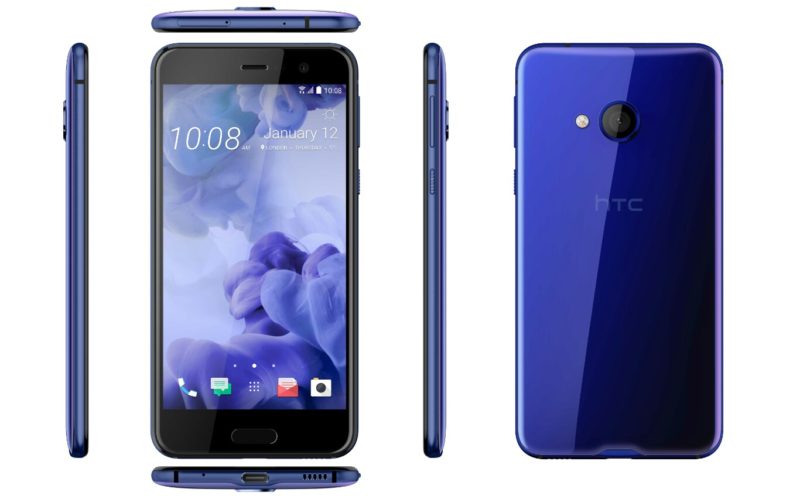
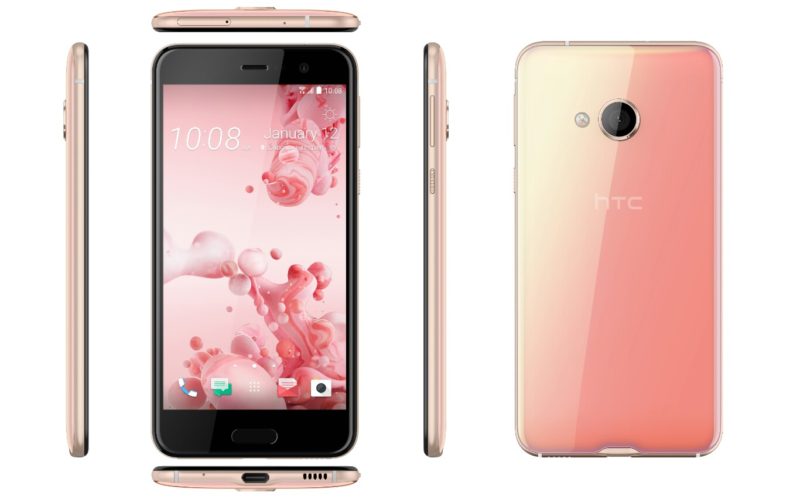
HTC U Ultra and HTC U Play smartphones have been officially unveiled. Here all the official images of their color variants along with details on pre-orders, pricing and availability.
HTC U Ultra and HTC U Play Design and Color Variants
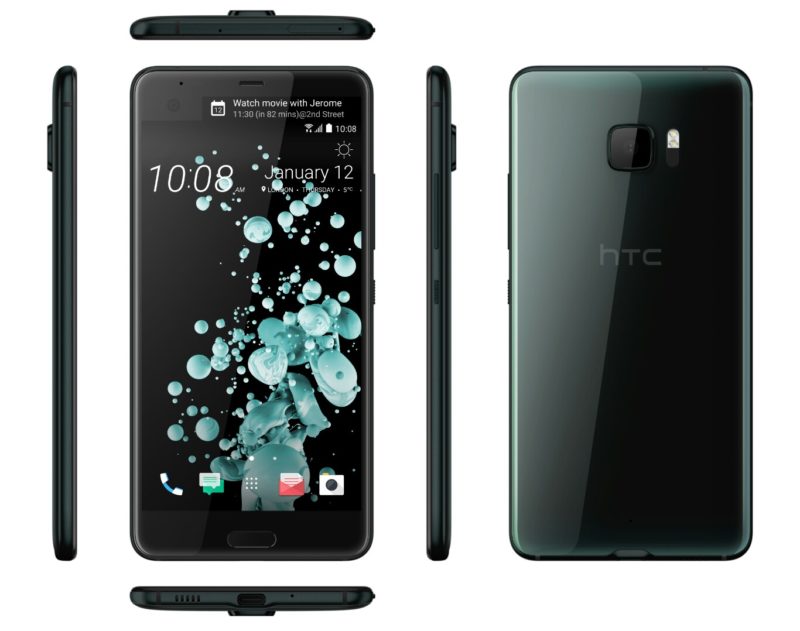
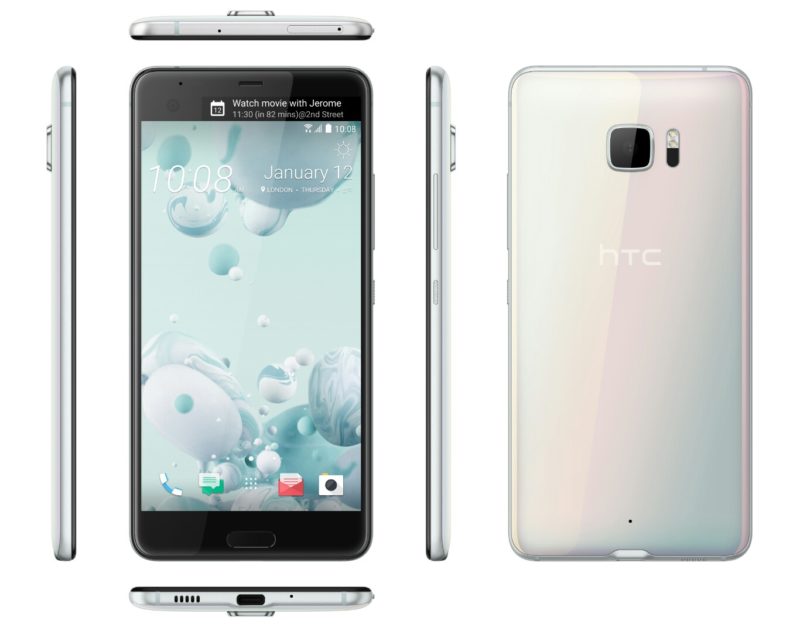
The HTC U Ultra and U Play smartphones have their metallic chassis is sandwiched between Gorilla Glass 5 sheets on both sides. The 3D contoured glass design that is described as “liquid surface” by the Taiwanese company allows both smartphones to boast distinctive reflective design.
To achieve it, HTC has adopted a new process of bonding multiple layers of colors to the glass to reflect light beautifully. However, the glossy design seems to attract fingerprints easily.
The HTC U Ultra and U Play are available in vibrant colors like Brilliant Black, Ice White, Sapphire Blue and Cosmetic Pink. The HTC U Ultra comes in 64 GB and 128 GB storage variants, but the latter one is a luxurious model that features the ultra-hard sapphire glass for its display.
HTC U Ultra Brilliant Black
HTC U Ultra Ice White
HTC U Ultra Sapphire Blue
HTC U Ultra Cosmetic Pink
HTC U Play Brilliant Black
HTC U Play Ice White
HTC U Play Sapphire Blue
HTC U Play Cosmetic Pink
Related: HTC 11 Canceled? Company to Release 6 to 7 Smartphones in 2017
HTC U Ultra, U Play Pre-orders, Pricing and Availability
The 64 GB HTC U Ultra costs $749 whereas the 128 GB variant is priced at $910. HTC has already started receiving pre-orders for the 64 GB model from Jan. 12 on htc.com. It will start shipping the orders from mid-March.
As of this writing, the Cosmetic Pink variant is unavailable in the U.S. Also, the 128 GB HTC U Ultra pre-orders will start on a later date. Both the smartphones are currently sold unlocked in the U.S. These models support AT&T and T-Mobile GSM networks.
The 32 GB and 64 GB models of HTC U Play will available in the market by Q1 2017. The 32 GB HTC U Play is priced at $440. However, the pricing of 64 GB model is currently unavailable.
HTC U Ultra, U Play Specs At a Glance
The HTC U Ultra has a 5.7-inch quad HD LCD5 screen and a secondary display of 2.05 inches that supports a resolution of 160 x 1,040 pixels. Other features include Snapdragon 821 SoC, 4 GB of RAM, 64 GB and 128 GB storage models, hybrid SIM microSD slot OIS enabled 12-megapixel rear shooter, 16-megapixel selfie snapper, Android 7.0 Nougat, USB Type-C port, fingerprint scanner and 3,000 mAh battery.
The HTC U Play has a 5.2-inch Super LCD5 full HD screen, a MediaTek Helio P10 SoC, 3 GB RAM / 32 GB storage, 4 GB RAM / 64 GB storage, hybrid SIM microSD slot, OIS enabled 16-megapixel camera, 16-megapixel front-facing camera, Android 6.0 Marshmallow, USB Type-C port, fingering scanner and 2.500 mAh battery. Both smartphones lack 3.5 mm audio jack.
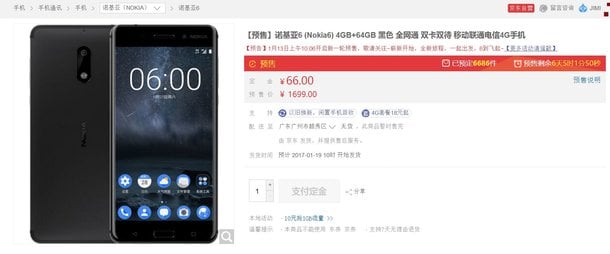
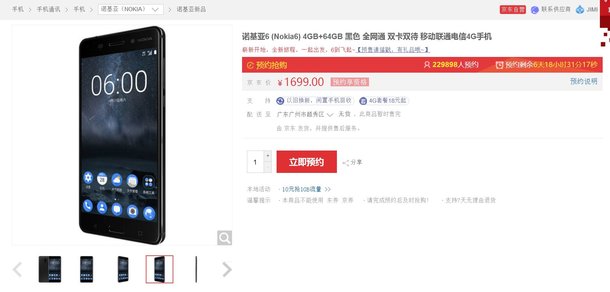
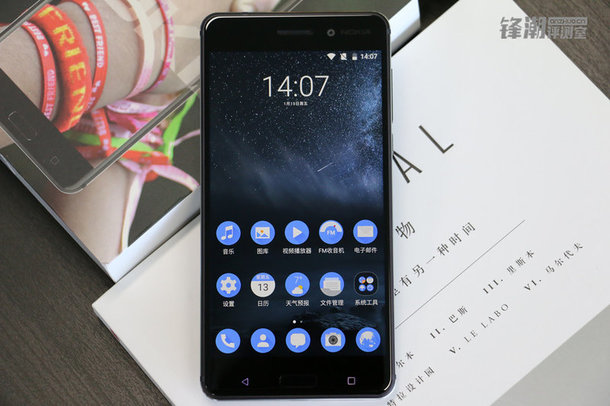
Nokia 6 is proving to be a potentially successful smartphone, even when it is yet to go on sale. The phone was recently announced in China and immediately went up for pre-orders or registration or reservations, whichever you choose to call it. The reservations were reported yesterday to have surpassed 230,000 persons in just 24 hours after it opened for reservations in Jingdong (JD.com).
The latest report from that end says that the figure has almost doubled, as it is reported to be in the tune of over 420,000 persons in just two days. Surprisingly, there is up to four days left before the device goes up on its first flash sales, so the figure may even pass 1 million persons. As stated earlier, there are two categories in the registration. There is a zero yuan reservation and another one which required those making reservations to pay a 66 yuan price with a membership benefit attached. The free reservation package has so far seen 411,470 persons indicating interest in that package., up from 229,000 a day ago. The 66 yuan category has also risen to 9,211 persons but it is no longer available any more. Only the zero yuan registration is still open on Jingdong presently.
Of course, this total figure is expected to rise further in the next few days and bear in mind that the device will go on sale starting from January 19. So, there is still four clear days left for those who are still interested in participating in the reservations for its first flash sale. We must point out that not all of the registrations will translate into actual sales.
The Nokia 6 is a sleek smartphone that comes with a modest specs lineup inside but what makes it a hot, wave-making smartphone is perhaps its sleek but rugged build, as well as durability. It is strong enough to crack a walnut shell even with the screen, so we expect a durable device which could last for ages. The 1699 yun price tag isn’t too much also.
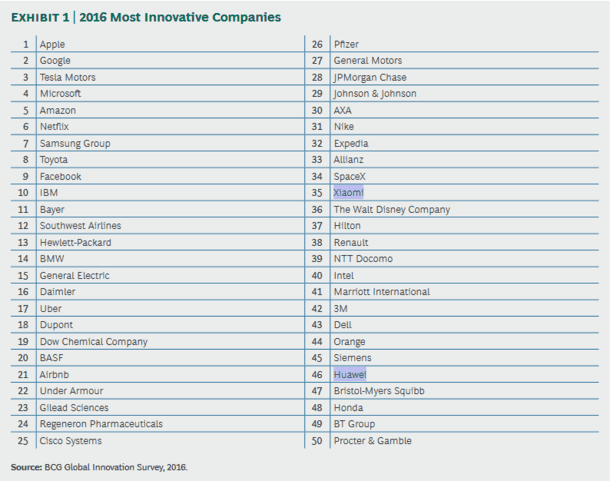
A new survey by US-based Boston Consulting Group (BCG) has placed two of China’s tech companies Xiaomi and Huawei among the world’s top 50 most innovative companies in 2016. According to the survey, Apple, Google, Tesla, Microsoft, Amazon and Netflix all occupy the top six spots in the annual poll and previous reports show Apple is topping the list for the 11th straight year running.
Apple seems to sit atop the list of innovative companies because of the huge amount it spends on research and development (R & D), with $10 million reported to have been expended in R&D for Apple’s last fiscal year which ended on September 24, 2016. Also, Google sits in the second position due to its huge investment in research and development of its workforce.
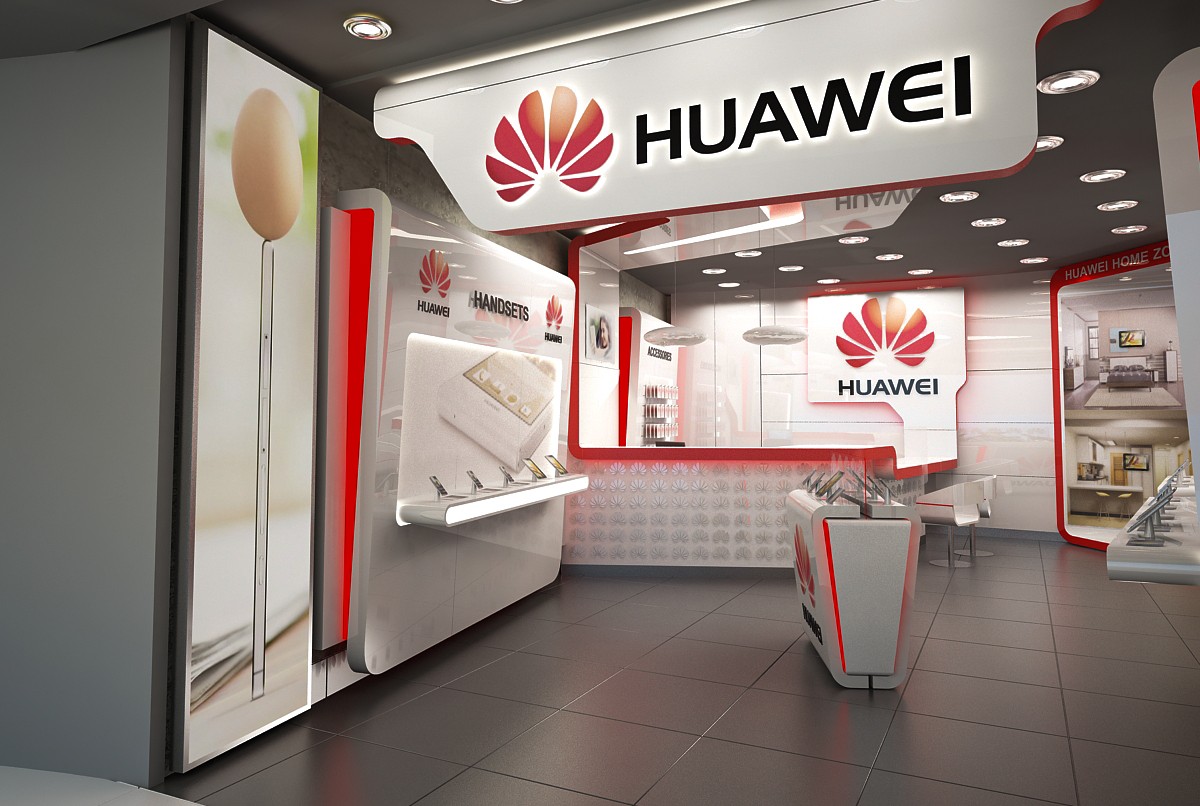
Coming to China, the country’s most innovative tech company Xiaomi made it into the list at number 35, beating the likes of Dell, Honda, Intel, and even fellow compatriot Huawei. The company last year, came out with a number of innovative gadgets, the most spectacular being the Mi Mix with its bezel-less display. Apart from being innovative on its own, Xiaomi had been helping smaller startups gain recognition by giving them their platform to launch their products. Huawei on its part, sits at number 46 as one of the most innovative companies last year, Huawei also unveiled a number of new smartphones last year bringing on board, some innovative features as well.
Apart from Huawei and Xiaomi, China has got a number of innovative tech companies, many of whom are gearing up to break the ranks and get their innovative gadgets into the hands of investors and consumers.
The latest we are getting about the Samsung Galaxy S8 is that the device will go official on April 21. The Galaxy S8 was first tipped to be launched in February during the Mobile World Congress 2017 in Barcelona, just as the Korean giant looks to shake off the thoughts of the Galaxy Note 7 mishap.
The next generation flagship had earlier been rumored as coming in April, with no specific date mentioned. Other rumors had mentioned April 17th or 18th and even April 21st. But we are still not sure how true this latest April 21 launch date is. It is getting more and more certain by the day, though, that we won’t likely be seeing the Galaxy S8 at MWC 2017. We will not rule out the possibility that Samsung may just spring out a surprise out of the blues and unveil the smartphone next month.
The Samsung Galaxy S8 will take the Galaxy series design to an entirely new level and it comes as Samsung’s first premium device after the botched Galaxy Note 7. The company is hoping the design and entire outlook of the Galaxy S8 will help completely erase the Note 7’s issues from our memories and restore any lost confidence in the brand, so they are taking their time to put together a sleek, reliable device.
The Galaxy S8 is expected with a 5.7-inch WQHD (2560 x 1440) Super AMOLED display, with the Qualcomm Snapdragon 835 SoC inside. The dvice is also expected to run on Android Nougat out of the box. A recent leak has revealed that the Galaxy S8 will not feature a physical home button up front but will have its fingerprint sensor mounted at the rear. If this is true, then the Galaxy S8 is unlike any of its siblings specs-wise. The rumor also states that the device will not have a dual-lens camera but rather its plus variant – Galaxy S8 Plus will adopt a dual-lens setup at the rear. The Galaxy S8 Plus is expected as a 6.2-inch phablet which would be launched alongside the Galaxy S8.
We use cookies on our website to give you the most relevant experience by remembering your preferences and repeat visits. By clicking “Accept”, you consent to the use of ALL the cookies.
This website uses cookies to improve your experience while you navigate through the website. Out of these, the cookies that are categorized as necessary are stored on your browser as they are essential for the working of basic functionalities of the website. We also use third-party cookies that help us analyze and understand how you use this website. These cookies will be stored in your browser only with your consent. You also have the option to opt-out of these cookies. But opting out of some of these cookies may affect your browsing experience.
Necessary cookies are absolutely essential for the website to function properly. This category only includes cookies that ensures basic functionalities and security features of the website. These cookies do not store any personal information.
Any cookies that may not be particularly necessary for the website to function and is used specifically to collect user personal data via analytics, ads, other embedded contents are termed as non-necessary cookies. It is mandatory to procure user consent prior to running these cookies on your website.