Huawei, the China-based smartphone manufacturer and telecom equipment giant, is currently going through tough times because of the concerns related to the security issues of Huawei’s equipment from western countries.
Even though the company is in the middle of the on-going US-China trade war, it managed to report impressive numbers in terms of smartphone shipments. Huawei’s CEO of Consumer Business, Yu Chengdong, revealed that the company shipped 206 million mobile phones in the year 2018.
As of November 2018, the company’s market share in the premium smartphone category (phones priced above $600) has reached a new height of 12 percent. According to the data released by IDC, Huawei currently ranks third among the top smartphone companies in terms of worldwide shipments with around 14.7 percent market share.
Huawei is just behind Apple, which has grabbed the second position with a 14.9 percent market share. South Korea-based Samsung is still dominating the smartphone market with a 20.8 percent market share. Going forward, Huawei is aiming to grab more smartphone market share.
According to the reports, Huawei has internally set a goal of shipping 250 million smartphones this year, i.e. 2019, which comes down to a growth of around 21 percent. Further, it is aiming to ship over 300 million units of its smartphones in 2020.
The IDC report indicates that the smartphone shipments for the two leading companies are declining. While Samsung witnessed a drop of 8 percent in its shipments with 292 million units shipped, Apple’s shipments fell by 3.2 percent with shipments of 208 million units.
This gives an opportunity to Huawei for grabbing a bigger part of the smartphone market share globally and gain a lead to take the place of Apple. Earlier, Huawei had dethroned Apple for the second position but couldn’t hold on to it for longer.
In China, Huawei is leading the market with 26.4 percent market share, having shipped over 105 million units. It is followed by Oppo, Vivo, Xiaomi, and Apple with 19.8%, 19.1%, 13.1%, and 9.1% market share respectively.
In a bid to gain more market share, the company has reportedly made some strategic changes in terms of its operations. As per the reports, Huawei has asked its production partners for support of additional capacity and is also planning to move some of its production lines to Mainland China so that it can provide timely support for its products.
It looks like GearBest is leaving no stone unturned in a bid to give its users amazing products at unbeatable prices. Keeping in line with that, the Chinese online store is now offering great discounts on the Roborock Xiaowa Plus E35 Robot Vacuum Cleaner and Xiaomi JIMMY JW31 cordless pressure washer.
If mere discounts do not stir your interest, you might be delighted to know that we’ll be showing how you can save extra money at checkout in just a bit. Continue reading to know more.
Roborock Xiaowa Plus E35 Robot Vacuum Cleaner
Designed to handle the arduous task of keeping your surrounding clean and tidy all the time, the Roborock Xiaowa Plus E35 is equipped with thirteen types of sensors.
Moreover, it adopts multiple data fusions in order to create real-time maps of areas that need to be scanned and cleaned. It automatically returns to the dock charger once the room is cleaned up.
While a top-branded robot vacuum cleaner offering comparable features would set you back a pretty penny, the Xiaowa Plus E35 can now be yours if you are willing to shell out just $359.99 on GeekBuying.
This is a 41 percent drop in the robot’s original asking price of $614.99, but that’s not all.
Aside from grabbing the aforesaid discount, you can use coupon code GIZ_CQJUZNVF and get an extra $40 off.
In other words, you can reduce the retail price of the Xiaowa Plus E35 to just $349.99 by applying the coupon at checkout.
You can follow this link to take advantage of the discount. It is worth noting that the promo was on the verge of wrapping up at the time of writing.
The JW31 not only supports faucet, but also self- priming modes, enabling you to use multiple sources of water such as a bucket or even a stream.
In other words, you do not need to carry water whenever you’re using the JW31 for cleaning. It comes with a long cleaning lance that boosts the pressure and improves accuracy, reach and control.
The JW31 features a filter mesh-equipped water inlet so that the Impurities gets filtered without requiring any sort of effort.
You can use its Eco mode + shower mode combination to give your pet a pleasant bathing experience.
The Eco mode + fan mode, on the other hand, is highly recommended when cleaning the screen window.
While the aforesaid features completely justify the $319.75 price sticker the Xiaomi JIMMY JW31 usually carries, but you can now buy it for a dropped price of just $229.99 on GeekBuying.
In addition to grabbing this 28 percent discount, you can use coupon code GIZ_QFIUDZAI and save $40 more before placing your order.
As a result, the original selling price of the JIMMY JW31 Cordless Pressure Washer reduces to just $189.99.
You can visit this link to avail the discount, which will be valid for the black color version of the JW31 pressure washer. Regrettably, the promo is slated to end soon.
After launching Galaxy M10 and Galaxy M20 smartphones in its all-new Galaxy M lineup, Samsung is now all set to launch its third smartphone in the Galaxy M-series — Samsung Galaxy M30. While there were multiple reports doing the rounds, revealing information regarding the handset, the official launch date was not known, until now.
The South Korea-based company has now confirmed the launch date of the Samsung Galaxy M30 in India through a tweet from its official Twitter account. It revealed that the smartphone will be launched on 27th February at 6:00 PM IST.
Further, the company has mentioned that the smartphone will be available for purchase only through online marketplace Amazon India, at least in the beginning. While the availability dates are not known, it is expected to go on sale in the first week of March.
The tweet from Samsung India related to the Galaxy M30 mentions “3X power” which is most likely referring to the fact that the smartphone will come with a triple-camera setup on the back side. The smartphone was recently passed through FCC, hinting about the imminent launch.
The Samsung Galaxy M30 is expected to come with a 6.38-inch Super AMOLED Infinity-V display with support for Full HD+ screen resolution (2220 x 1080 pixels). The phone, which will feature minimal bezels, will house its front-facing camera in the V-shaped bezel on top of the display.
Just like the Galaxy M20, this one too will be powered by the company’s own Exynos 7904 chipset. In India, the smartphone will come with 4GB of RAM and 64GB of internal storage. There could also be another variant with 6GB of RAM and 128GB of internal storage.
Coming to the camera sensors, the phone could come with a 16-megapixel front-facing snapper along with support for face unlock feature. On the back side, the device will feature a 13-megapixel primary sensor and two 5-megapixel sensors along with an LED flash.
The phone will support Dual SIM, 4G VoLTE dual-band Wi-Fi a/b/g/n/ac, Wi-Fi Direct, Bluetooth, a USB Type-C port, and a 3.5mm headphone jack in terms of connectivity options. The device is expected to come pre-installed with Android 9 Pie-based One UI and will be powered by a 5,000mAh battery.
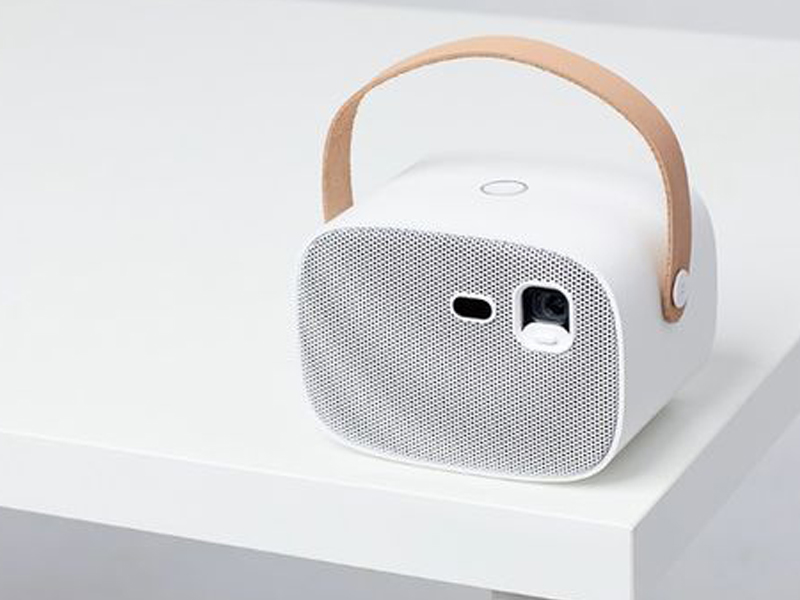
Capable of delivering brighter, intensely hued and clearer images than projectors using competing LCD technology, DLP projectors have garnered popularity among those looking for a cost-effective alternative for a big screen. While top-branded DLP projectors would normally set you back a pretty penny on both online as well as offline stores, Xiaomi and Wanbo have now teamed up with GearBest to offer their well-received projectors at unbeatable prices.
Moreover, we’ll show how you save a considerable amount of extra money during the checkout process. So without further ado, let’s check out the details.
Xiaomi Mijia MJJGTYDS02FM DLP Projector
The Mijia MJJGTYDS02FM boasts an impressive array of features that make it an irresistible DLP projector.
Unlike the regular three-way LED projection, the Mijia MJJGTYDS02FM increases the brightness by more than 20 percent by adding a blue light path.
It features a highly sensitive camera to enhance autofocus accuracy and deliver a clearer, sharper image. Aside from that, the Mijia MJJGTYDS02FM DLP projector supports electric focus, between virtual and real, offering more control.
This Xiaomi-branded DLP projector usually retails for $572.47, but much to the relief of cost-conscious buyers, it has gone up for sale bearing a reduced price of just $539.99 on GearBest.
You can extend this 6 percent discount by using coupon code 0CN3IIFNGO and reduce the retail price of the DLP projector to just $519.99 and save $20 more without breaking a sweat.
You can visit this link to check out more details about the Xiaomi Mijia MJJGTYDS02FM and grab the discount, which will be valid for the white color version of the DLP projector.
With only 34 pieces remaining, the promo is slated to end in just five days.
The S5 uses the faster and clearer electric focus to deliver an immersive video watching experience. Its projection image size can reach about an impressive 180-inch, bringing a theater adventure to your home.
Moreover, it uses a square pixel structure rather than a diamond pixel, delivering a relatively less serrated image edge. As a result, the device provides a smoother, natural image and sharper texts.
On the downside, the feature-laden Wanbo S5 isn’t easy on the pocketbook. In fact, it normally retails for $380.74. But that’s about to change.
Thanks to a 24 percent discount, you can now buy the Wanbo S5 home theater projector for just $289.99 on GearBest. On top of that, you can use coupon code WANBOS5 to save $10 more before placing your order.
In other words, you can bring the already lowered asking price of the Wanbo S5 further down to just $279.99 by applying the coupon code at checkout.
Regrettably, this discount will be valid only for the remaining 8 warm white color version of the Wanbo S5. In order to avail this discount, all you need to do is to follow this link without wasting time.
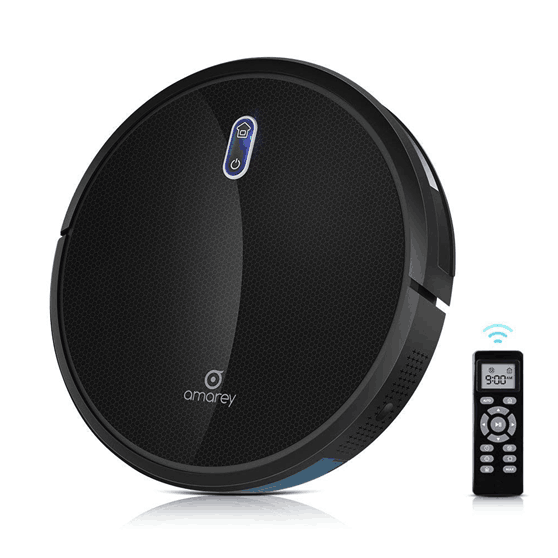
Before have a Robot Vacuum, most of the people may be reluctantly to spend an hour every day in clean room environment and covered in sweat, then will spend one hour after the rest, but there will always be some little corner is missing, or because of inconvenience for cleaning design, there will be a lot of dander, residue, or dirty, you completely can’t stand it. At this time you should possess a clean god — Amarey A800 robot vacuum!
In fact, when we select any kind of robot vacuum, we should focus on 3 dimensions: simplicity and convenience, suction power and cleanliness. With a diameter of 12.7in, a height of 2.7in and a net weight of 2.6kg, the Amarey A800 is generally light. It is easy for you to use Amarey A800 to clean your house, only 3 steps: scraping the floor, cleaning away and suctioning up, which are like through two super close glue brush dust concentration, then from the ground to the dust hit the air, and then brought into the dust collection box, like the dustpan to dust hair and dust up the concept of sweeping. This A800 cleaner vacuum is powered by a 2600mAh high-capacity Li-ion battery, when the battery is below the set percentage, the A800 robotic vacuum cleaner will return to the charging station and automatically charge, and then restart the cleaning work.
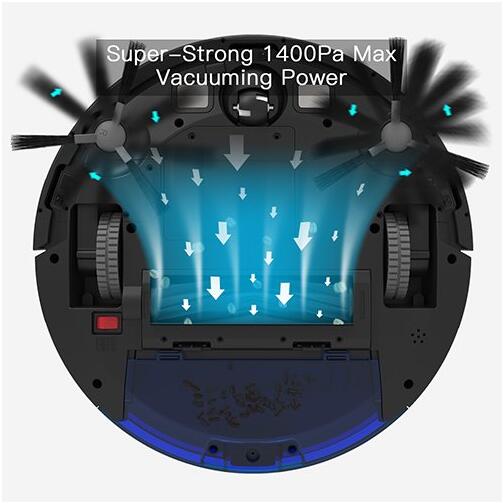
The Amarey A800 is with super strong suction at 1400Pa max vacuuming power, in this condition, the maximum run time of 100 minutes and a noise level is less than 58db. Compared with most of cleaner vacuum’s 70db, like iRobot Roomba 980, the Amarey A800 is fairly quiet and friendly to your family. Amarey A800 is with upgraded 3-point filter cleaning system: cleanable filter, sponge, high efficiency filter, dual side brushes, and powerful suction ensure a thorough clean. Dual side brushes can specifically target at pet hair, dust, bread crumbs, cigarette butts, etc. quickly and directly put them inhale the dust box.
Amarey A800 is the high cost-performance product in the current market. No matter for intelligence, cleanliness, and simplicity and convenience, the performance is very stable. It is suitable for people who like keeping pets or having carpets at home.
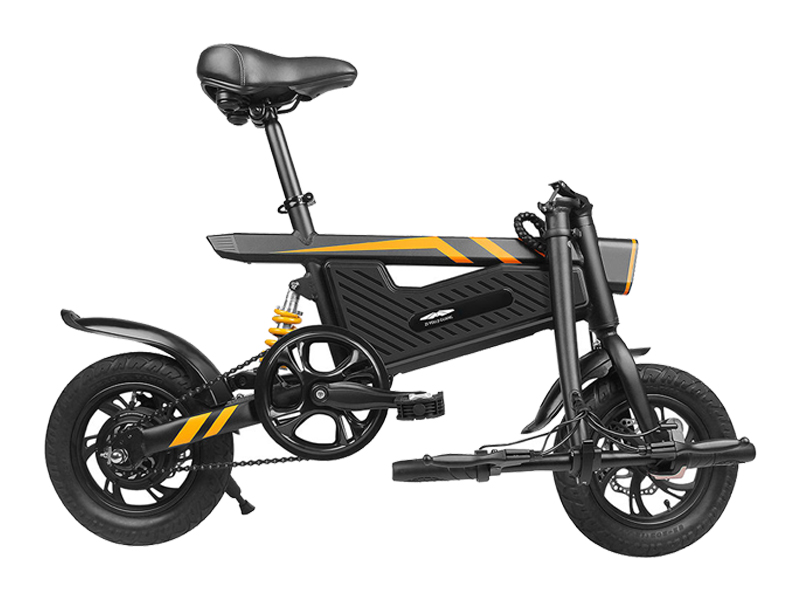
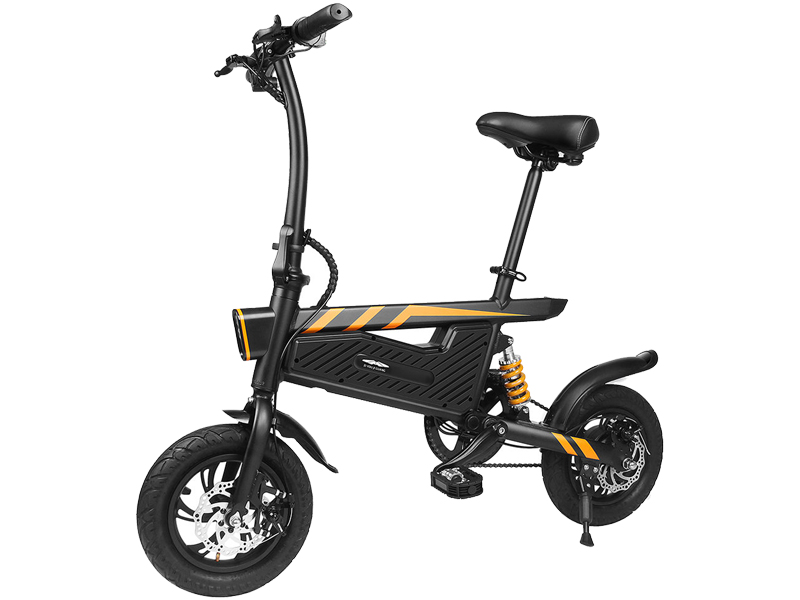
Those looking for an ecological mode of transport might want to take a look at the ZiYouJiGuang T18 Foldable Moped E-Bike.Aside from being eco-friendly, this smart electric moped bicycle from FreeAurora is also easy on the pocketbook.
FreeAurora has now teamed-up with GeeKmaxi to make the EU version of its ZiYouJiGuang T18 moped E-Bike available to those living on a tight budget.
On top of that, we’ll show how you can save a considerable amount of extra money at the time of checking out.
It is no secret that top-branded e-bikes usually carry steep price tags. As a result, cost-conscious buyers who fancy using electric scooters for their short commutes either lose interest in buying an e-bike or end up compromising on quality.
The ZiYouJiGuang T18 doesn’t come cheap. In fact, it would normally set you back 499,99 € on both online as well as offline stores, but that’s about to change.
The EU version of the FreeAurora ZiYouJiGuang T18 moped e-bike has now gone up for sale bearing a considerably reduced price tag of just 429,99 € on GeeKmaxi.
Aside from taking full advantage of the aforesaid discount, you can use coupon code 62LMT9WU in order to get an extra 20 € off.
In other words, you can bring the already reduced retail price of the ZiYouJiGuang T18 moped e-bike further down to only 409.99 € simply by applying the aforesaid coupon at the time of checking out.
The ZiYouJiGuang T18 boasts an impressive array of features that makes it an absolute steal at this price. First off, it is powered by a 250W motor that produces a max speed of 25Km.
Moreover, this irresistible electric moped draws its juices from a 36V-6AH power lithium battery that can easily last over 40-50km of electric moped mileage on just a single charge.
It is equipped with a 15.75-inch inflatable rubber tire that can run on various grounds.
Aside from that, it features a folding design so that you can effortlessly carry it everywhere you go.
You can visit this link in order to check out more details about the Ziyoujiguang T18 foldable moped e-bike and avail the discount before the promo comes to an end.
With all the details about the Xiaomi Mi 9, we are actually not surprised that there is no official info about the price of the device. If Xiaomi already revealed that, there would be no need for the February 20 launch event. However, there is an unofficial leak about the price of the phone.
An image shared on Weibo by @New Technology has revealed the price of the Mi 9 and the Mi 9 Explorer Edition.
The image shows the Mi 9 Explorer Edition which has four rear cameras and a transparent back ad this image lets us see the wireless charging coil of the phone. We already know that the Mi 9 supports wireless charging and now we can confirm the Mi 9 Explorer Edition supports it too. We may even see both phones ship with a wireless charger just like the Mi MIX 3.
However, the more important part of the image is the text on it. A rough translation reveals some details of the phone such as its 48MP primary camera, its holographic double-layer coating, its bottom bezel which is 40% thinner than that of the Mi 8, and an Explorer Edition with four cameras. But before we get to the price, there is another important info buried in the text.
The last line before the text lists the primary camera and the functions of the other sensors. We already know the other two cameras on the Mi 9 are a 12MP telephoto lens with 2x optical zoom and a 16MP ultra wide angle lens. This should be the same configuration for the Explorer Edition in addition to the fourth sensor. But what’s the fourth sensor? The image above reveals it is a periscope lens!
There were rumors back in December that Xiaomi would launch phones with periscope lens for better zoom in 2019 and the Mi 9 and Mi MIX 4 were the two phones mentioned. So it appears the rumors are indeed true.
For the price, the image says the standard Mi 9 will be priced at ¥3499 (~$516) while the Mi 9 Explorer Edition will be priced at ¥5999 (~$885)! We are not surprised about the Mi 9 since Xiaomi already compared its chin size to that of other phones priced under ¥3999 (~$600) but the Explorer Edition is pretty expensive for a Xiaomi phone.
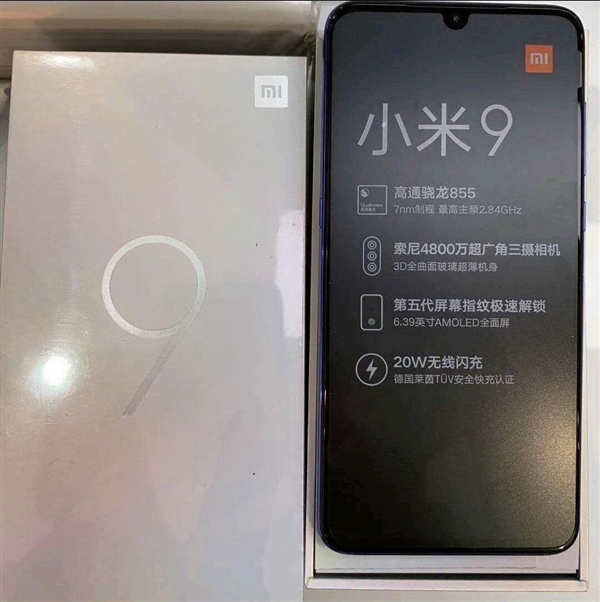
The Xiaomi Mi 9 is scheduled to go official on coming Wednesday. Xiaomi CEO Lei Jun and President Lin Bin have been revealing plenty of official information on the key features of the Mi 9 since the past few days. A live shot of the smartphone along with its retail box have surfaced today. The protective film present on the display of the Mi 9 has some of its features mentioned on its screen.
As it can be seen in the below image, the Xiaomi Mi 9 will be powered by 7nm Qualcomm Snapdragon 855 mobile platform that includes an octa-core processor that clocks at 2.84 GHz. The second feature mentioned on its is the 48-megapixel wide-angle Sony sensor enabled triple camera setup placed on 3D surface glass.
The leaked shot also shows that the Mi 9 is equipped with 20W rapid wireless charging certified for safety by Germany Rhine TUV. The Huawei Mate 20 Pro that was unveiled in October last year supports 15W wireless charging. The handset also seems to be sporting a very slim chin. In fact, the company with a thickness of only 3.6mm, the Mi 9 sports the thinnest chin ever seen on a smartphone.
Rumors have it that the Xiaomi Mi 9 Explorer Edition with quad rear cameras will be also unveiled along with the Xiaomi Mi 9 smartphone on Feb. 20. The Explorer Edition may come with 10 GB or 12 GB of RAM. It is speculated that the Mi 9 may carry a price tag of 3,499 Yuan (~$517) and the Mi 9 Explorer could be priced at 5,999 Yuan (~885).
Samsung will announce the Galaxy S10+ on Wednesday, February 20, alongside the Galaxy S10 and Galaxy S10e. It has been reported that there will be a ceramic version of the S10+ and now the Chinese price for this variant has leaked.
According to an image shared on Twitter by Evan Blass (@evleaks), the Ceramic Black version of the Galaxy S10+ with 12GB of RAM and 1TB of storage will sell for ¥10,000 (~$1,476)! It will also be available in 8GB of RAM + 512GB of storage for ¥9,000 (~$1329)!
We presume the above prices should be the same if you decide to go for the Ceramic White version.
Unfortunately, there is no info on the price of the non-ceramic versions which are available in green, carbon black, and white. These versions won’t come with 12GB of RAM but will be available in 8GB RAM + 128GB and 8GB RAM + 512GB configurations.
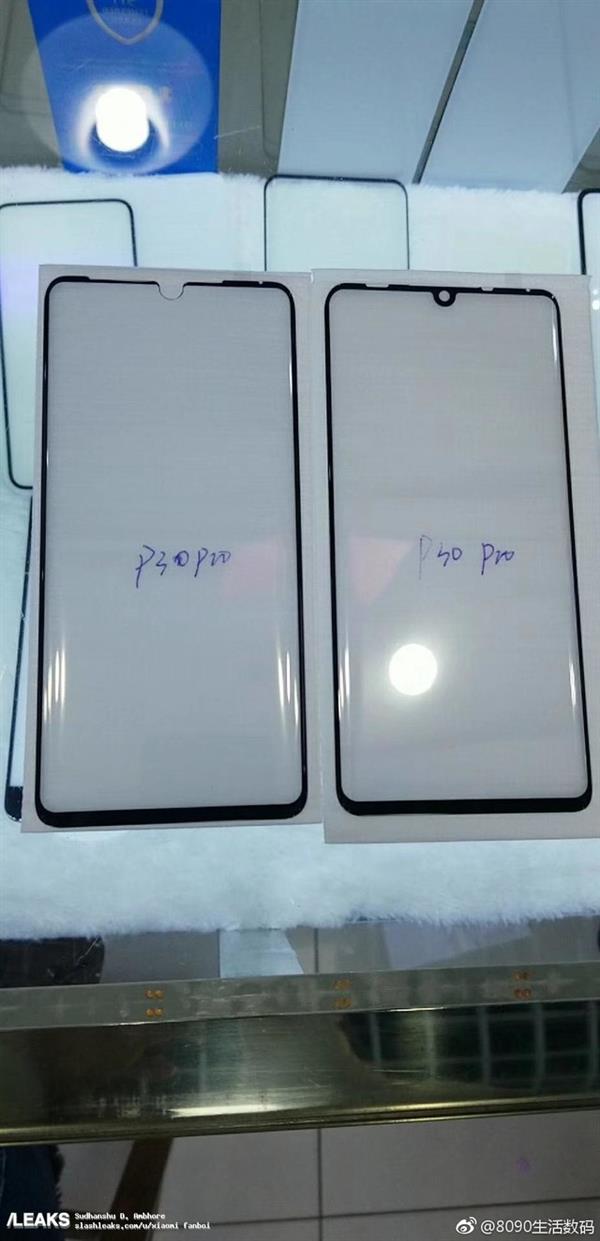
Huawei P30 and P30 Pro flagship phones are expected to get announced by the end of the coming month. Rumors have it that the P30 and P30 Pro will be equipped with waterdrop-style notched displays. A leaked image of the P30 Pro’s screen protector that had surfaced in the previous week had revealed that the smartphone could be indeed sporting a waterdrop notched enabled screen. The UAProf of P30 and P30 Pro have been spotted through which their display resolutions have been confirmed.
The Huawei P20 and P20 Pro smartphones had featured wider notch screens and front-facing fingerprint scanner enabled home buttons. The below shown screen protector of the P30 Pro shows that it is equipped with a waterdrop-style notch. The Huawei P30 handset that is expected to get announced alongside the P30 Pro handset is also expected to feature the same kind of display. Also, the reduced chin on the P30 Pro shows that it will be lacking a home button embedded fingerprint scanner. Rumors have it that the P30 and P30 Pro may come equipped OLED displays with in-display fingerprint reader.
Previous leaks have revealed that the upcoming Huawei P30, P30 Pro and P30 Lite smartphones are respectively codenamed as Vogue, Elle and Marie Claire. Also, it is speculated that these phones are respectively codenamed as VOG-L29, ELE-L29 and MAR-LX1M. The UAProf of VOG-L29 shows that is carries support for full HD+ resolution of 1080 x 2340 pixels. Also, the UAProf of ELE-L29 has revealed that its screen also supports the same resolution. Their UAProf have also revealed that they are preinstalled with Android 9.0 Pie OS.
The P30 may come with a triple camera module on its rear whereas the P30 Pro is also expected to arrive with triple rear cameras and a ToF (Time of Flight) sensor. The P30 duo could be powered by Kirin 980 chipset. It is speculated that there could be a special 5G edition of the Huawei P30 Pro.
Huawei will be present at the Mobile World Congress (MWC) 2019 tech expo that will be held in the last week of this month. The Chinese manufacturer is expected to unleash a 5G enabled foldable phone at the MWC 2019.
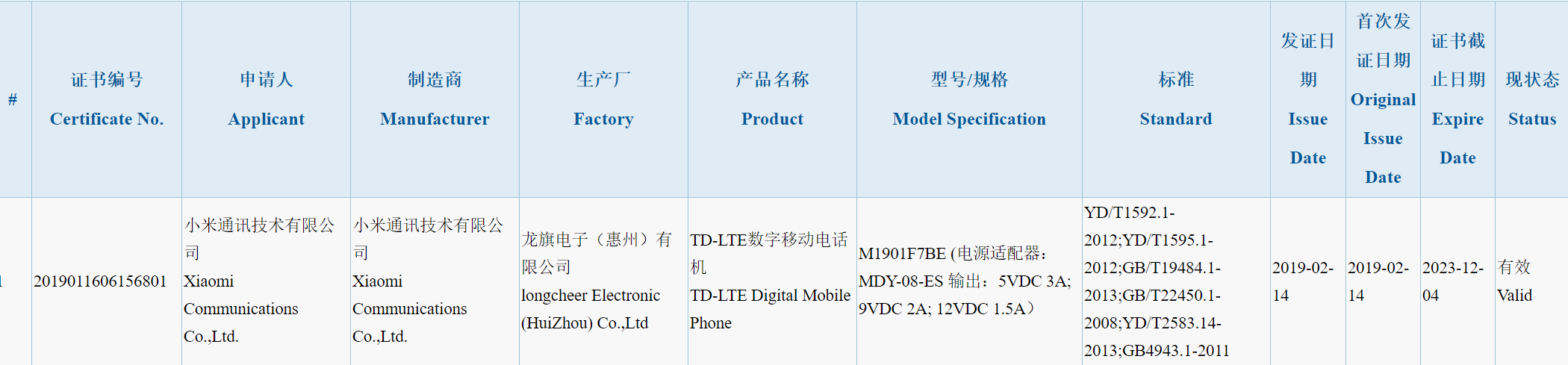
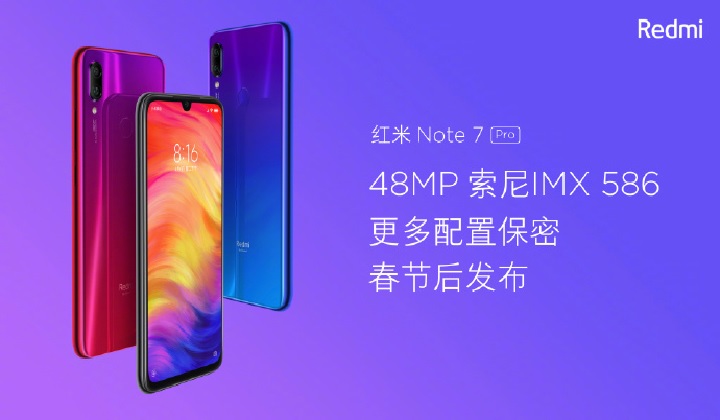
Xiaomi will be soon launching the Xiaomi Mi 9 flagship phone on Feb. 20. Its independent sub-brand Redmi is also expected to announce the Redmi Note 7 Pro before the end of this month. The arrival of the smartphone seems to be close at hand because a new Xiaomi phone with a model number similar to Redmi Note 7 has been approved by the 3C authority in China. It is speculated that the mysterious phone could be the upcoming Redmi Note 7 Pro. Also, Lu Weibing who is the President Redmi brand has hinted that the Note 7 Pro will debut after the Xiaomi Mi 9.
The new Xiaomi phone that has passed 3C certification has a model number of M1901F7BE. The model numbers of the Redmi Note 7 that was launched in the previous month are M1901F7C, M1901F7E and M1901F7T. The MDY-08-ES charger that will come with the M1901F7BE phone carries support for up to 18W fast charging. A model number that appears similar to the Redmi Note 7 and the support for rapid charging suggests that it could be the forthcoming Redmi Note 7 Pro smartphone.
Redmi has already confirmed in the previous month that the Redmi Note 7 Pro will be equipped with 48-megapixel Sony IMX586 sensor in its dual camera setup. The Redmi Note 7 has a 48-megapixel Samsung ISOCELL GM1 sensor. Rumors have it that it may debut as the first smartphone with Snapdragon 675 chipset. The handset may come with 6 GB of RAM and an internal storage of 128 GB.
The rest of the specifications of the Redmi Note 7 Pro is expected to be same as its regular edition. Hence, the smartphone is expected to house a 6.3-inch IPS LCD waterdrop notch display that produces full HD+ resolution. It may come with 13-megapixel front-facing camera. The handset may arrive with a 4,000mAh battery. There is no information available on the price tag of Redmi Note 7 Pro.
During the weekend, Weibing had added a post on Weibo that read as “Drink (wine) and then Pro” (translated text). It is being speculated that the Weibing could be hinting that the Redmi Note 7 Pro will launch after the Xiaomi Mi 9. There is a possibility that the Note 7 Pro may get announced after the Mi 9 through Feb. 20 event or it may get announced later by the end of the month.
At the beginning of this month, Realme had slashed the price of the Realme U1 smartphone. Now, the company has reduced the price of the Realme 2 Pro phone too in the country. All the variants of the Realme 2 Pro are now available with a reduction of Rs. 1,000.
The Realme 2 Pro was introduced in three variants such as 4 GB RAM + 64 GB storage, 6 GB RAM + 64 GB storage and 8 GB RAM + 128 GB storage. These models were introduced with respective price tags of Rs. 13,990 (~$196), Rs. 15,990 (~$224) and Rs. 17,990 (~$252). With a discount of Rs. 1,000, these variants are now respectively selling for Rs. 12,990 (~$182), Rs. 14,990 (~$210) and Rs. 16,990 (~$238).
The 4 GB and 6 GB RAM editions of the Realme 2 Pro are available for purchase through Flipkart. The 8 GB RAM variant is showing as out of stock on the retailer site as well as on the official online store of Realme.
In terms of specs, the Realme 2 Pro is the most powerful smartphone from the company so far. It features a 6.3-inch IPS LCD waterdrop notch screen that produces full HD+ resolution. It is fueled by the Snapdragon 660 chipset. For photography, it is equipped with 16-megapixel + 2-megapixel dual camera setup and a front-facing shooter of 16-megapixel. It receives power from a 3,500mAh battery.
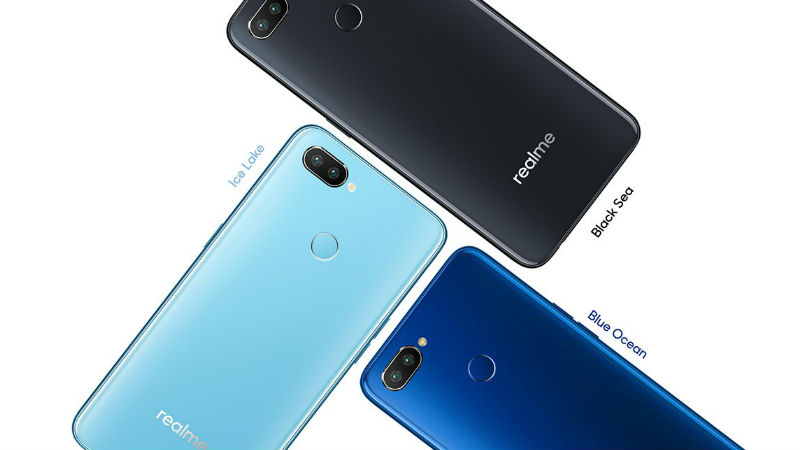
The Realme 2 Pro has recently received Android 8.1 Oreo OS based ColorOS 5.2 update. It is expected to be soon treated with Android 9 Pie OS. The handset comes in three color choices such as Ice Lake Blue, Blue Ocean and Black Sea.
Realme is expected to soon announce new phones in India. It is speculated that the Realme A1 and Realme 3 may get announced within the first quarter of this year.
Xiaomi is all set to launch its flagship smartphone — Xiaomi Mi 9 in the coming days and before the company officially unveils the device, Xiaomi and its executives have been confirming features of the phone to build up the hype.
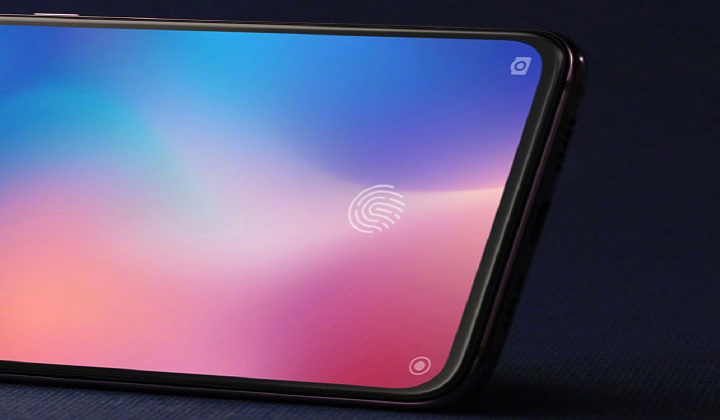
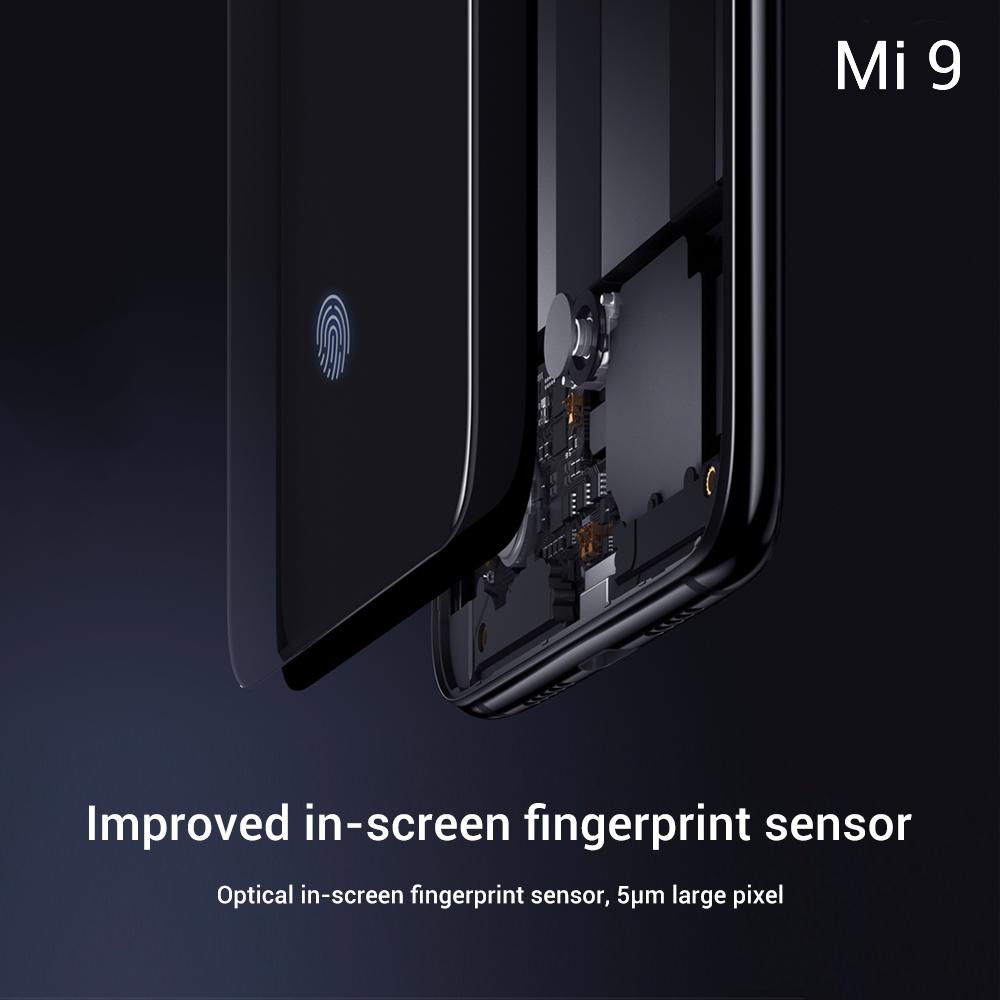
In the latest move, Xiaomi President Lin Bin revealed that the Mi 9 will come with an in-display fingerprint sensor which will be the fastest yet available in any smartphone. He further added that the company has opted for the fifth generation of the in-display fingerprint sensor.
While shedding light of the benefits of this next-generation in-display fingerprint sensor, Lin Bin said that it will be 25 percent faster than the current-generation fingerprint sensors offered in other devices. Further, he also revealed that it is optimized for special use-cases such as dry fingers and low temperature, which in turn increases the unlocking rate significantly compared to the previous generation solution.
Also, it comes with a night mode, in which the brightness of the fingerprint recognition area gets automatically adjusted depending on the environment. The company has also opted to increase the unlock area compared to the previous generation and the placement position has also been altered. This is done to blend the experience to that of the traditional fingerprint sensor.
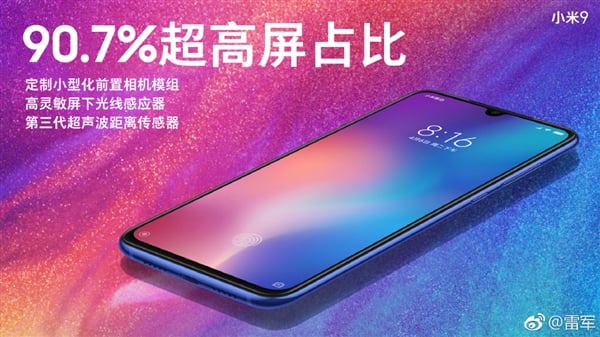
Recently, Lei Jun, founder and CEO of Xiaomi, revealed that the Mi 9 will have 40 percent smaller chin compared to its predecessor and the waterdrop notch display of the smartphone will offer 90.7 percent screen-to-body ratio.
Xiaomi is using a 6.4-inch Full HD+ AMOLED display which is supplied by Samsung. It also has 103.8 percent NTSC super wide color gamut and up to 600 nits of brightness. There are also a bunch of optimizations for different usage scenarios such as night mode and game mode. It also features a second-generation “sun-screen” that has better color reproduction and brightness under strong light.
Reports indicate that the Mi 9’s display is protected with Corning Gorilla Glass 6 and also comes with an eye-protection certification from the German Institute of Electrical Engineers. It will pack Qualcomm Snapdragon 855 processor, triple rear cameras, and a 3500mAh battery with 27W fast charging support.
The base variant of the Xiaomi Mi 9 is speculated to be around 3,000 Yuan while the top-end variant is likely to exceed the 4,000 Yuan mark. To know for sure how the company prices its flagship handset as well as its availability information, we’ll have to wait for the official launch next week.
There has been a flow of details about the Xiaomi Mi 9 in the last couple of days from official sources and it appears that will continue until the phone is unveiled on Wednesday, February 20. Today, there are more details and images but this time they are about the phone’s display.
The CEO of Xiaomi, Lei Jun, has shared more details and renders of the Mi 9’s screen and the design of the front on Weibo. The renders focus on eight key features of the display.
[envira-gallery id=”236821″]
The biggest change with respect to design, when compared to the Mi 8, is the switch to a waterdrop notch. The phone also has a slimmer lower bezel – 40% thinner than its predecessor. Combine these two and the result is a 90.7% screen-to-body ratio for the Mi 9.
The Mi 9 doesn’t stop there. The screen is a 1080p FHD+ AMOLED display that is supplied by Samsung. Xiaomi says it has a 103.8% NTSC super wide color gamut and up to 600 nits of brightness. There are also a bunch of optimizations for different usage scenarios such as night mode and game mode.
Xiaomi says the Mi 9 also features a second-generation “sun-screen” that has better color reproduction and brightness under strong light. There is also a third-gen ultrasonic proximity sensor that is highly sensitive under the display. The Mi 9 is covered with Corning Gorilla Glass 6 for protection and also has an eye-protection certification from the German Institute of Electrical Engineers.
Many tech enthusiasts are looking for Oppo’s announcements at the upcoming MWC 2019 event in Barcelona next week. Already, there are plenty of rumors regarding the innovations that Oppo is set to uncover at the event. Oppo’s top brass is already revealing many new things at their new official Weibo handles. Recently, we came to know that Oppo is revealing 10x optical zoom tech at MWC 2019. Today, Oppo Vice President, Shen Yiren took to Weibo and announced that the 10X Lossless zoom camera tech would be mass produced in the first half of 2019.
In further details via replies, it is revealed that Oppo will continue to innovate new technologies to bring real value to the users. The new 10X optical zoom camera tech will be mass produced in H1 of 2019 and will continue till the end of this year. It would help the Oppo’s new tech to be in stock through the year.
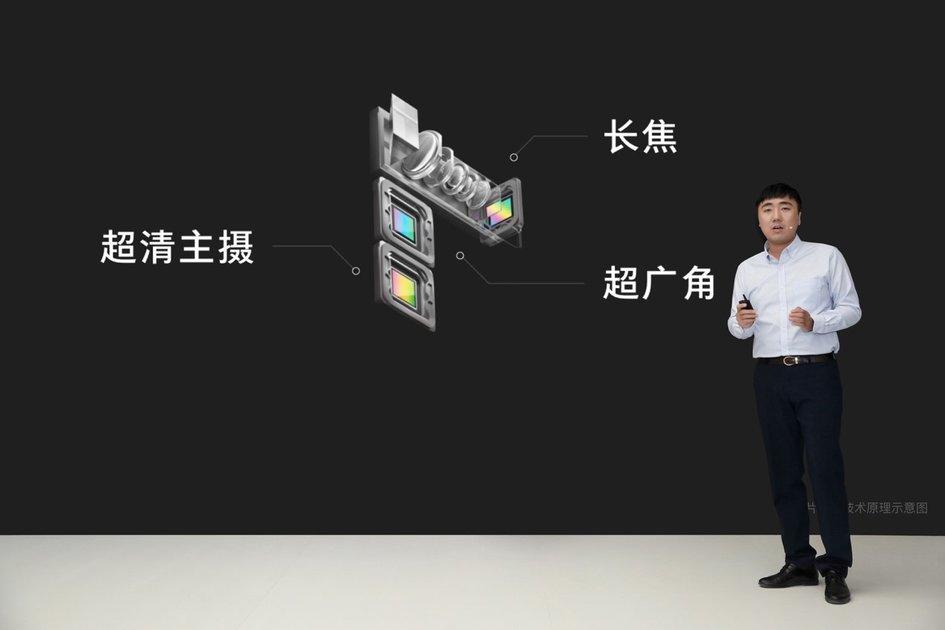
Moreover, Oppo is working pretty hard to bring first ever 10X optical lossless zoom tech to cameras. It can be used through telephoto, super-wide-angle, and ultra-clear camera sensors to achieve 15.9mm-159mm of focal length. It is a breakthrough in smartphone camera technology and is inherited from already available 5X lossless zoom technology.
Earlier, Shen has revealed that Oppo is not revealing R19 anytime soon this year. He even talked about the constraints of foldable devices. Indeed they are working on different new technologies to improve their overall smartphones’ quality. They are soon coming with F11 Pro smartphone which is set to feature a pop-up selfie camera.
Additionally, a new Oppo smartphone is making rounds on the web via different leaks. As according to leaks a device named “Poseidon” was leaked last month. As per the Geekbench benchmarks, it carries Snapdragon 855 chipset along with the 10x hybrid optical zoom technology. The upcoming Oppo flagship device is coming soon at the MWC 2019. We expect it to launch in the market by the end of this month.
Moreover, Oppo is expected to launch Oppo F11, F11 Pro and Oppo R17 Neo in India very soon.
Let’s wait for its official launch which is expected at the MWC 2019.
Huami came into the spotlight as the maker of Xiaomi’s Mi Band wearable. It went public last year (even before Xiaomi), and has a number of really cool wearables under its own Amazfit lineup. I was using its Amazfit Pace (Chinese version) for the past one year and recently shifted to its newer brother, the Amazfit Verge. Despite its basic appearance, the Verge clearly is an updated model in the lineup, coming in a refined design with better features. I have spent a considerable amount of time with the review unit (maybe a bit more than what I had imagined before writing its review), so I have a thorough understanding of how it performs in your daily use case scenarios.
Amazfit Verge Review: Design
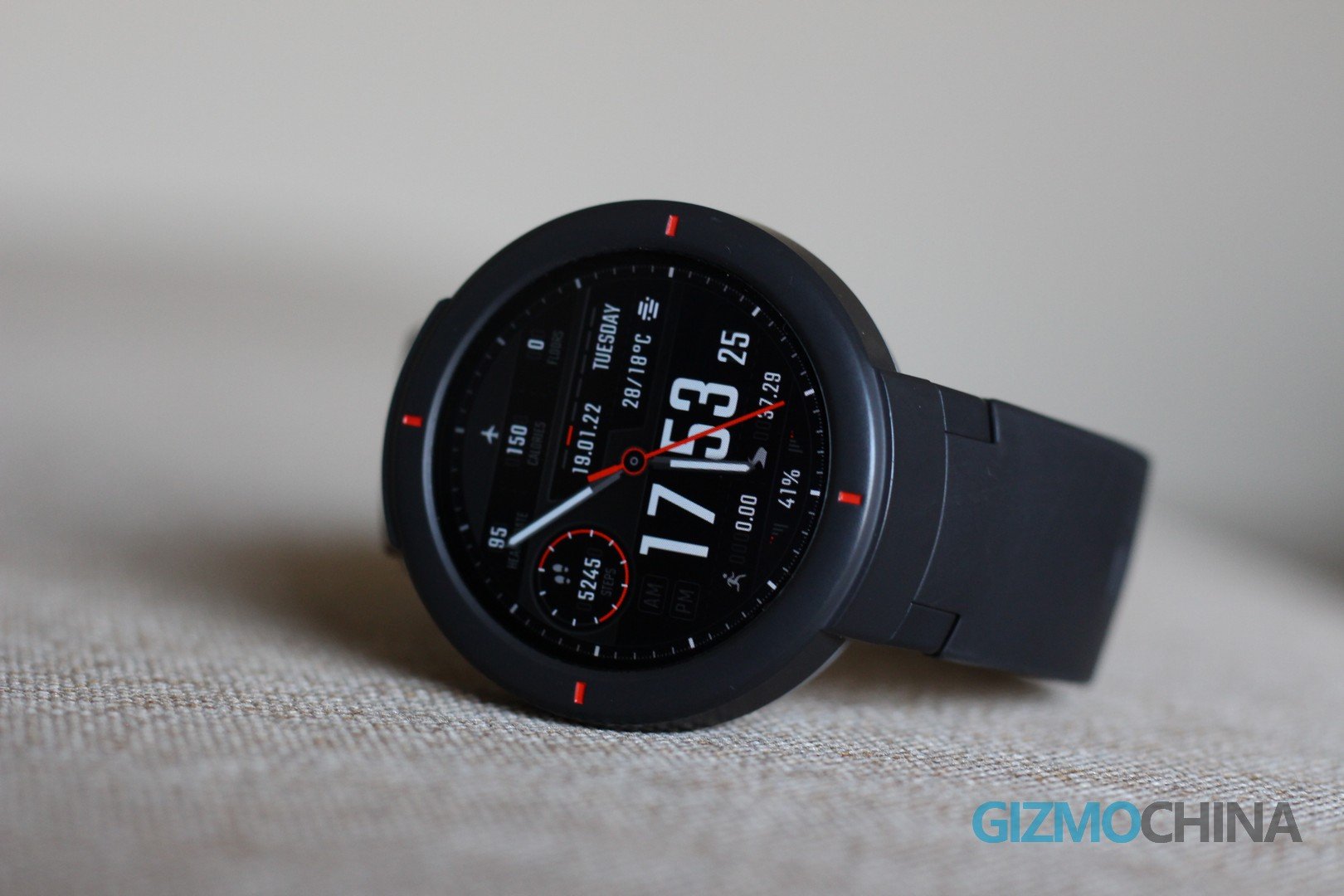
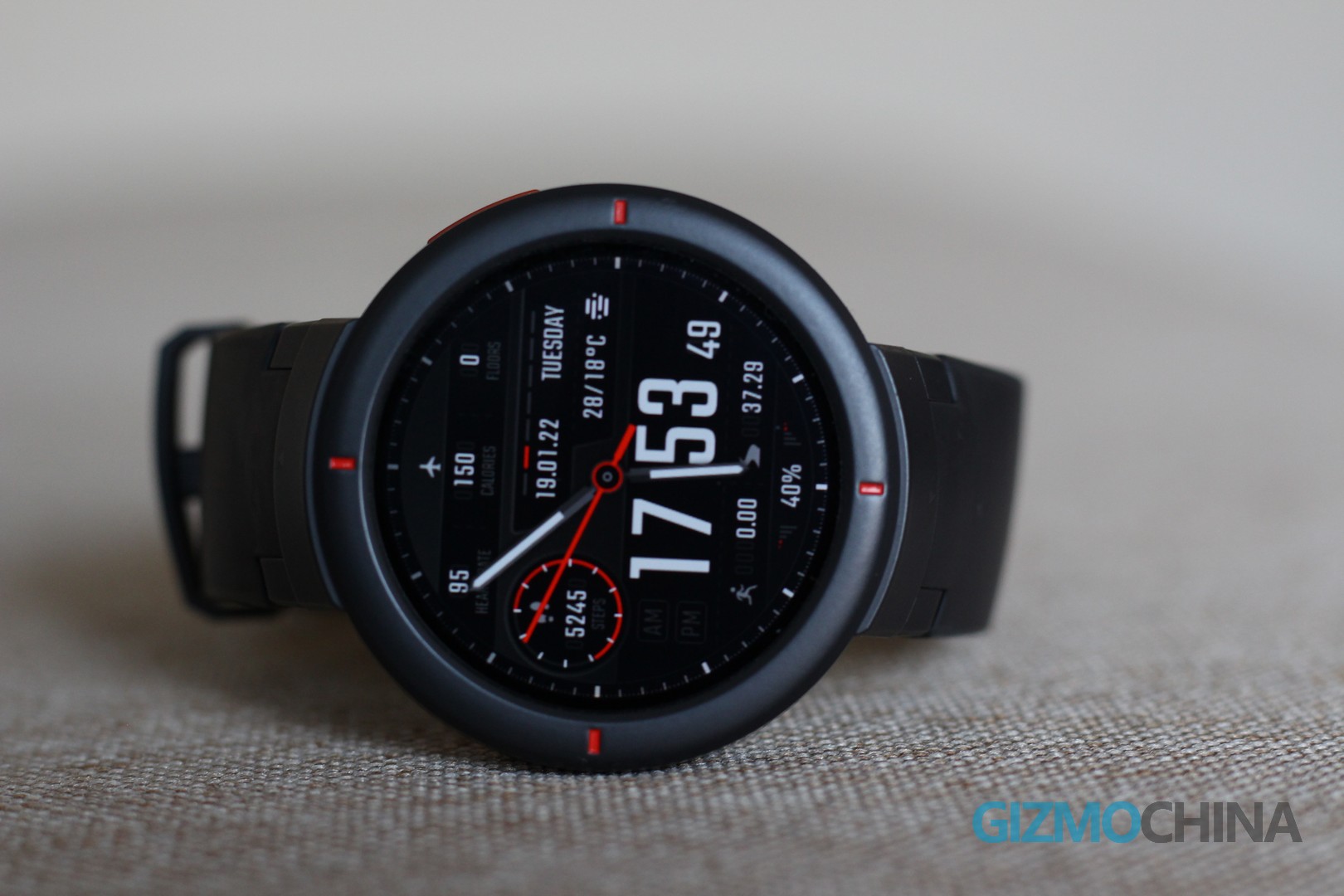
Amazfit Verge may not be the best looking circular smartwatch around, but it sure is a good looking option. If you are in the search for a watch that’s smart, compact, well built, and feature-rich, the Verge won’t disappoint.
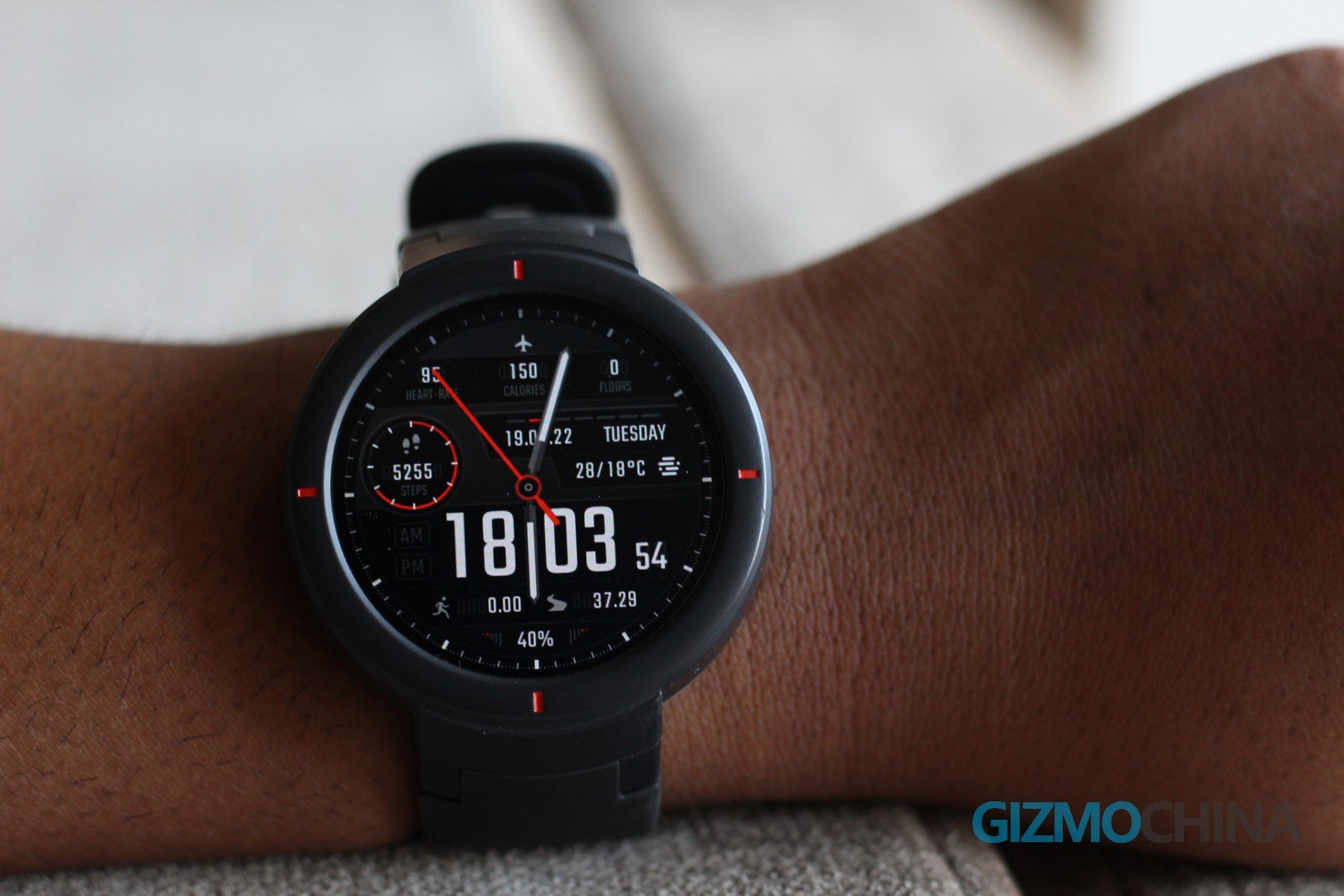
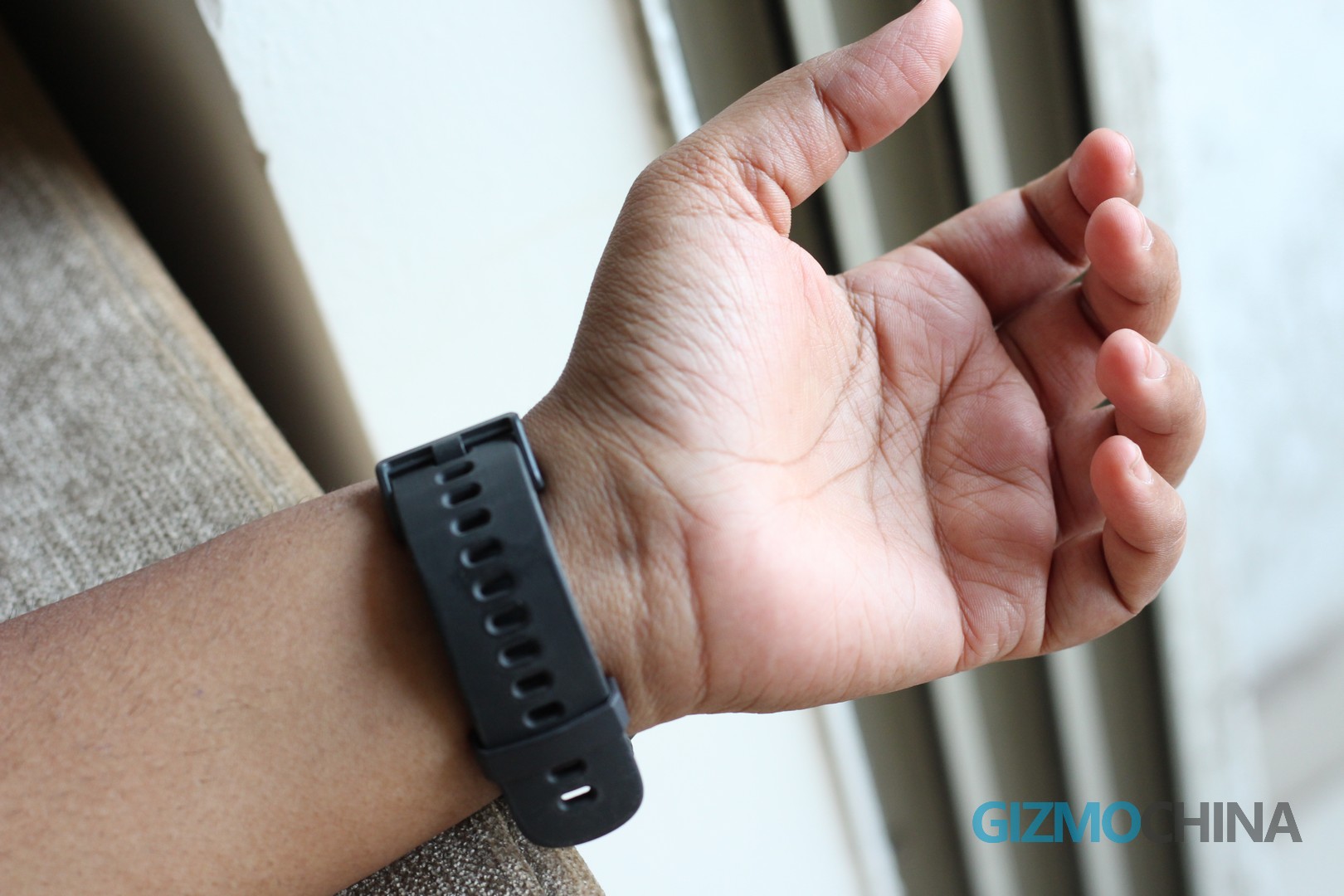
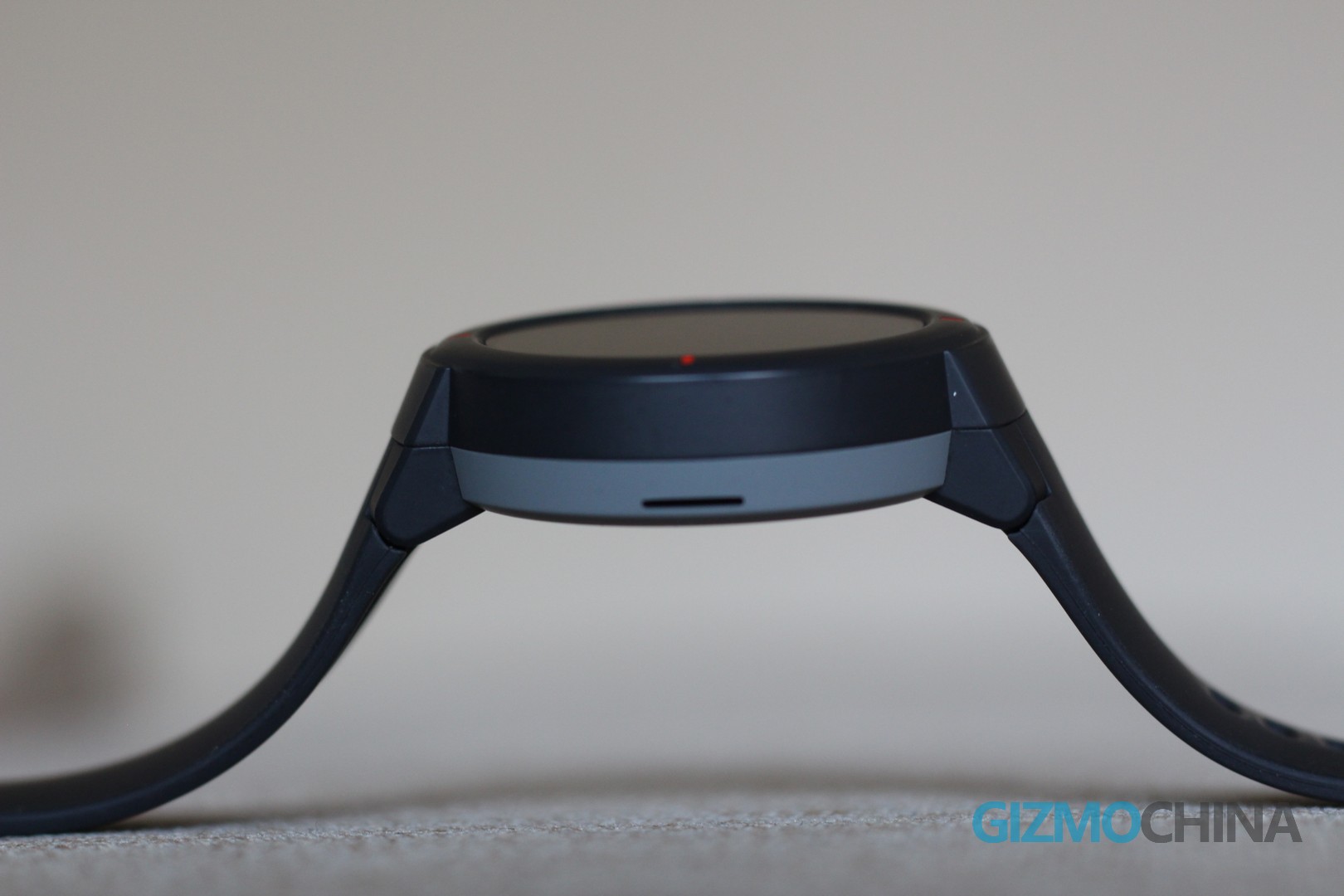
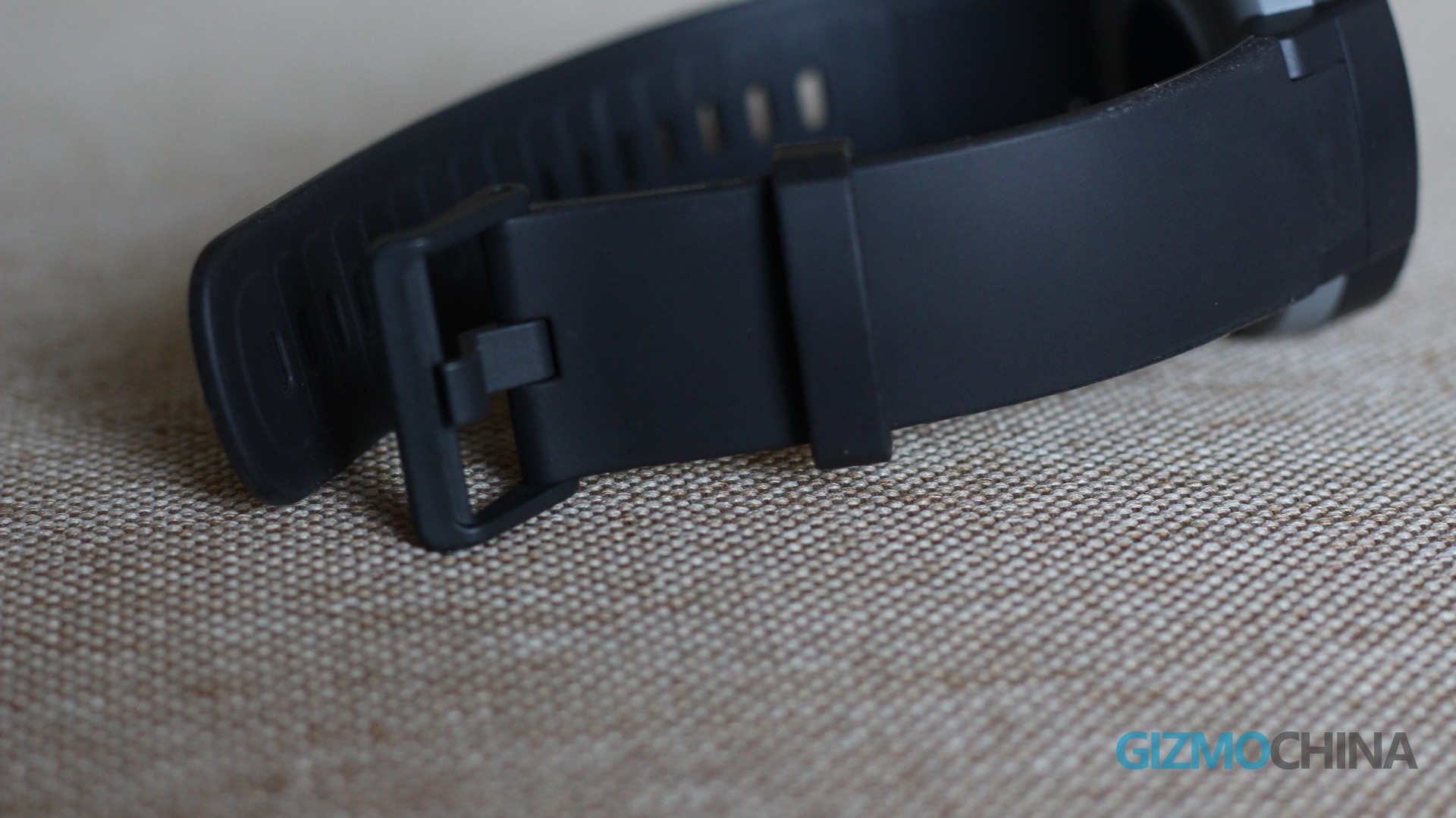
The watch has a very snug fit and the compact size ensures that it stays in place throughout the day. The watch case is made out of reinforced plastic, so nothing fancy like the ceramic body on the Amazfit Pace. However, the plastic is of good quality and in more than a month, I haven’t got any major scratches or wear and tear marks on the device. Personally, the design highlight for me is the way the straps connect to the main body of the watch. While the straps are standard and swappable via a spring mechanism, they connect to the watch seamlessly. On first glance, you’d easily mistake that it’s a one piece design. The silicone staps does not feel cheap and in fact, I find it of better quality than the ones I have on the Pace.
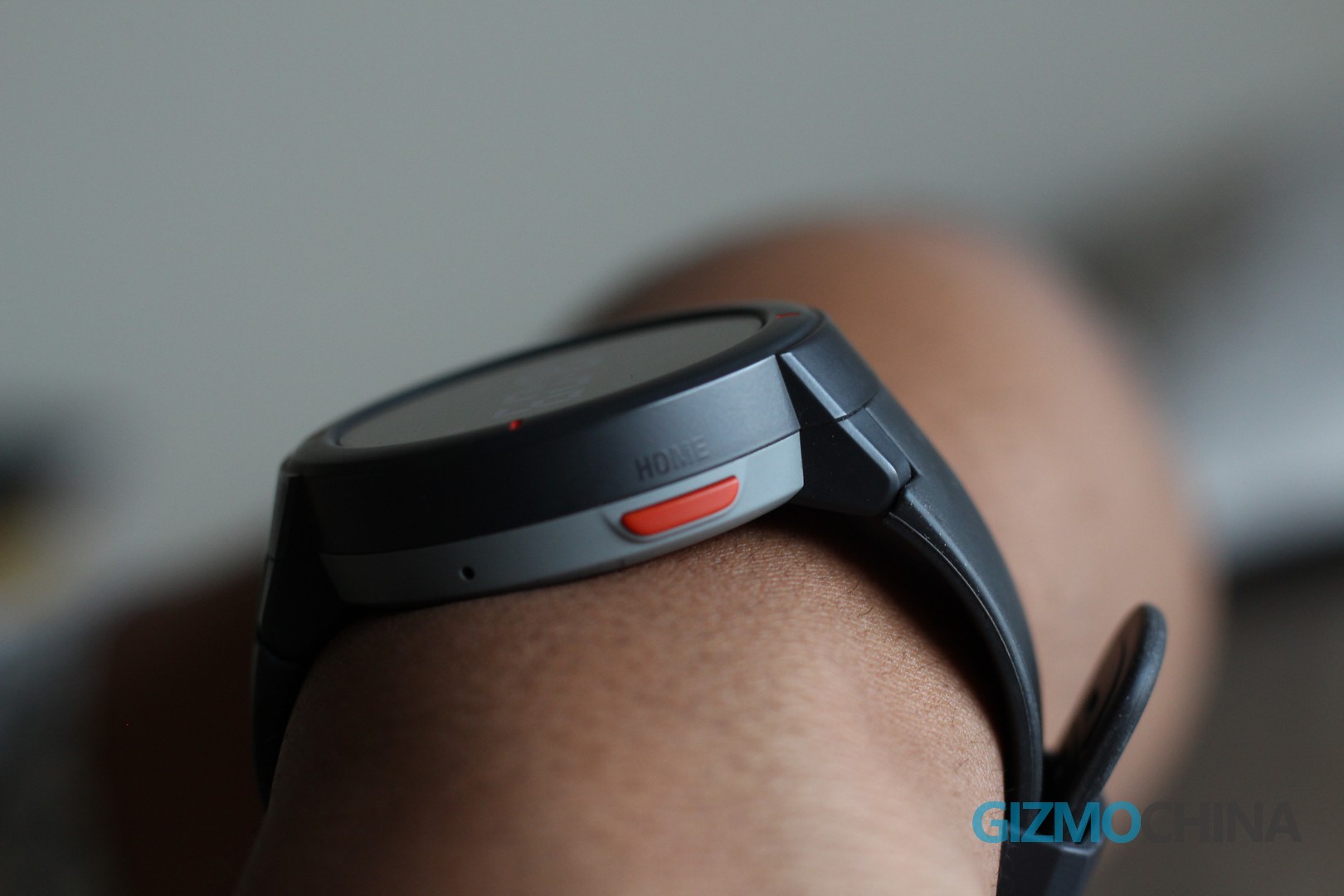
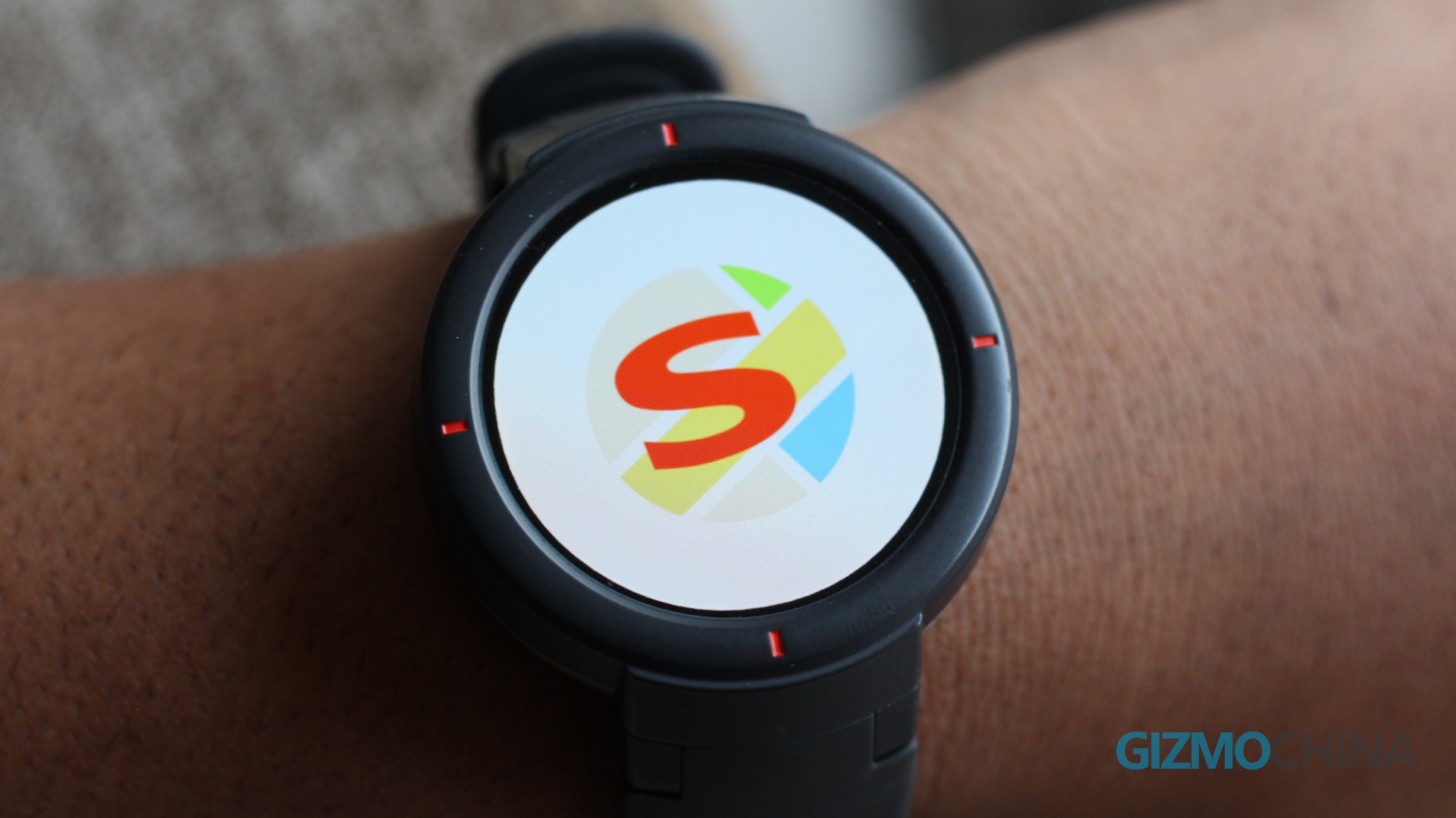
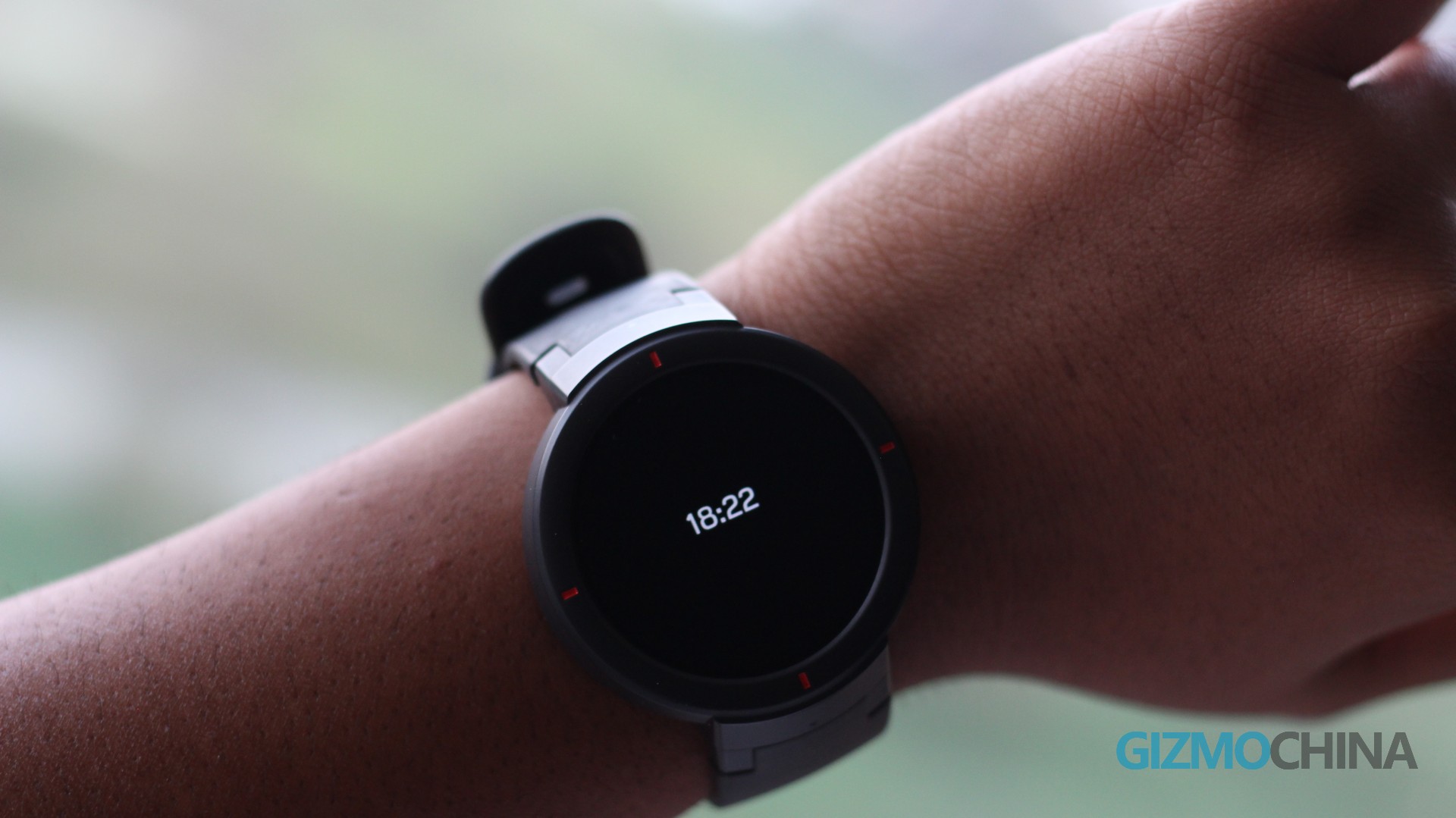
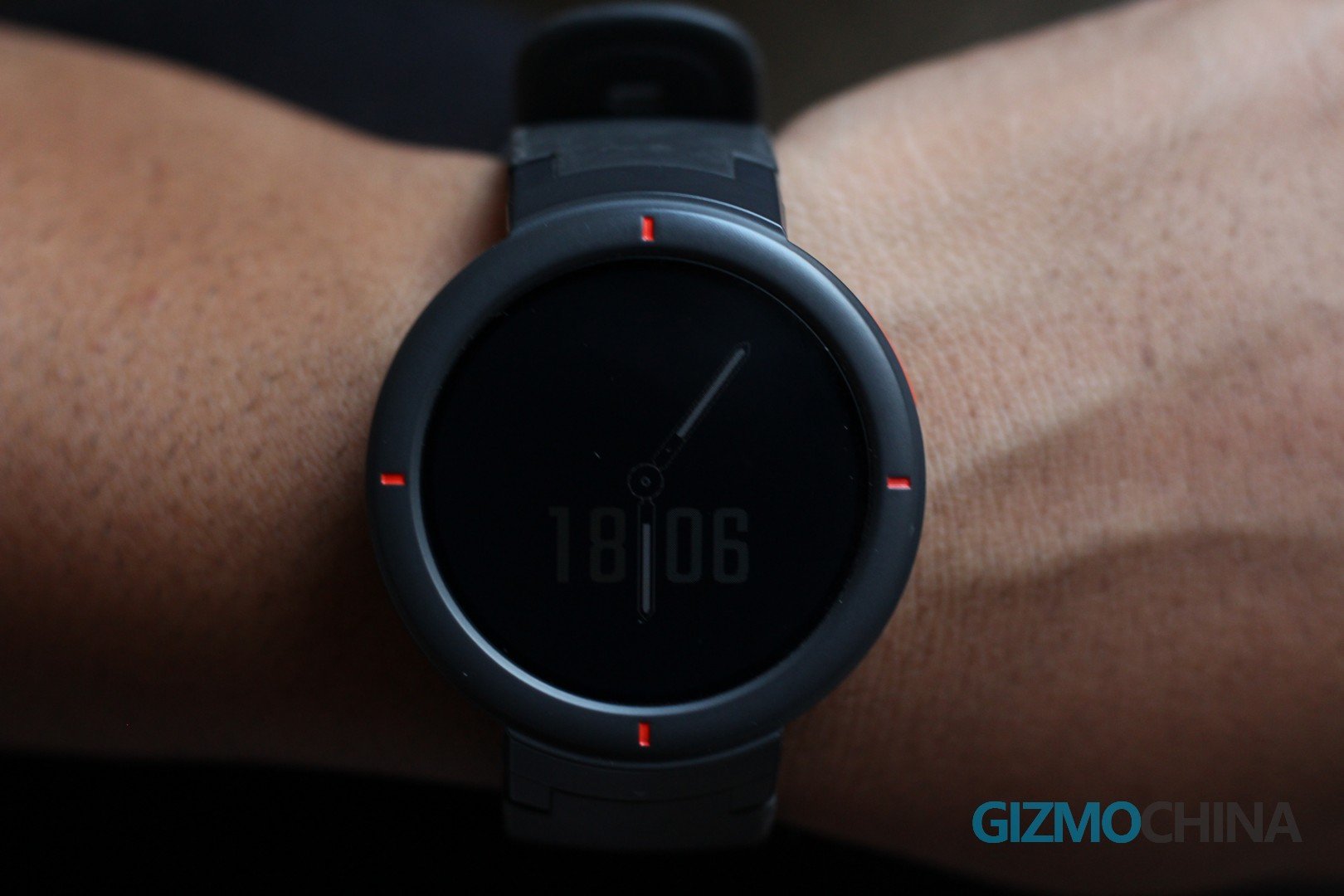
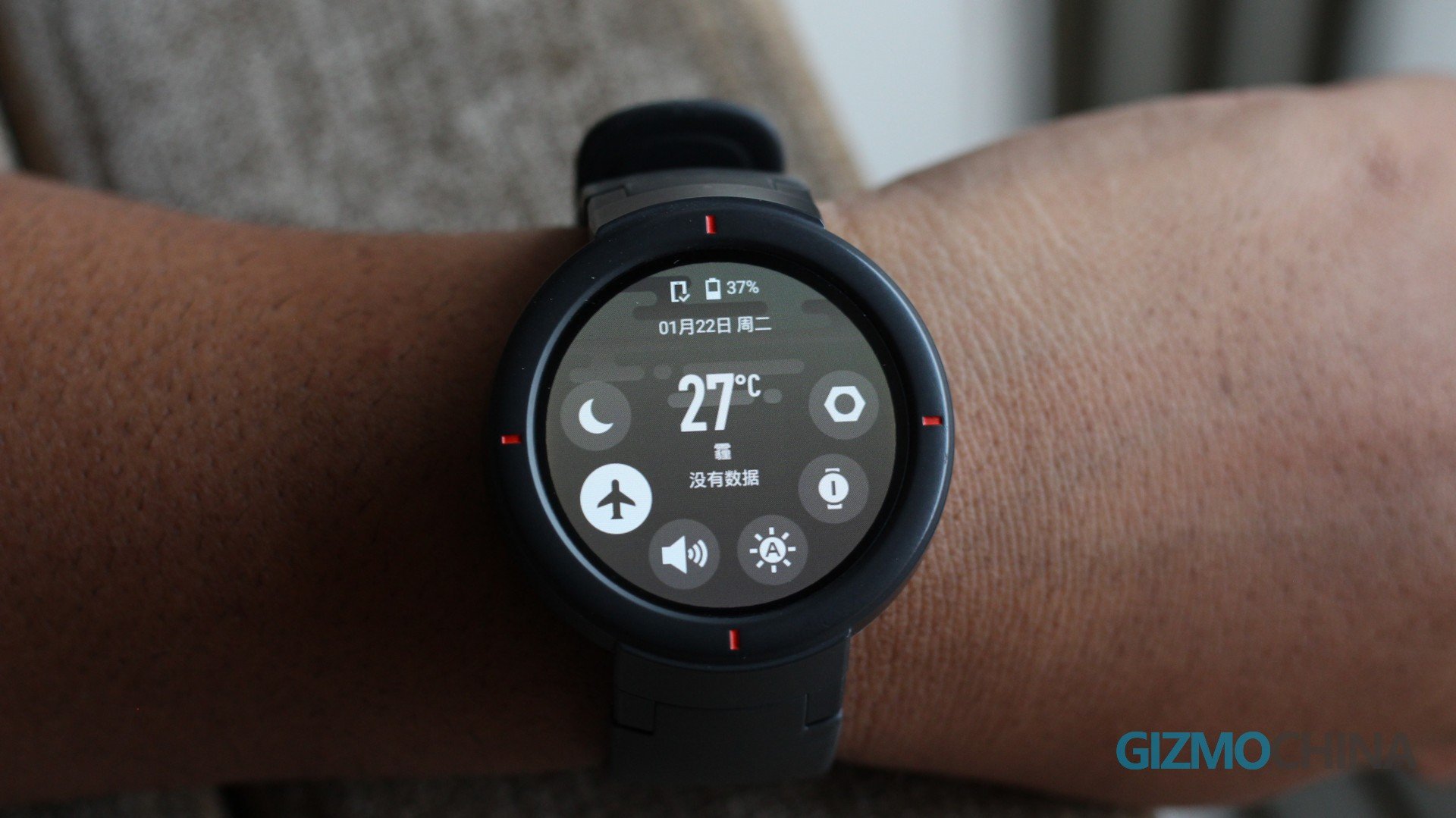
What I have got with me is the black model. It comes with a dual tone finish (Black+ Light Grey) and looks pretty premium. The orange accents on the top and the orange power button (there’s just one button like the Pace) make the watch’s design pretty unique. However, Huami has ensured that the overall design is subtle and nothing flashy. So, the watch should blend well with all your attires.
There’s a 1.3-inch OLED (43mm) display on the front. Note that this is a full circular display with a pretty high 360 x 360 resolution, so no black bars at the bottom. I’ll talk about the display in detail in the next section.
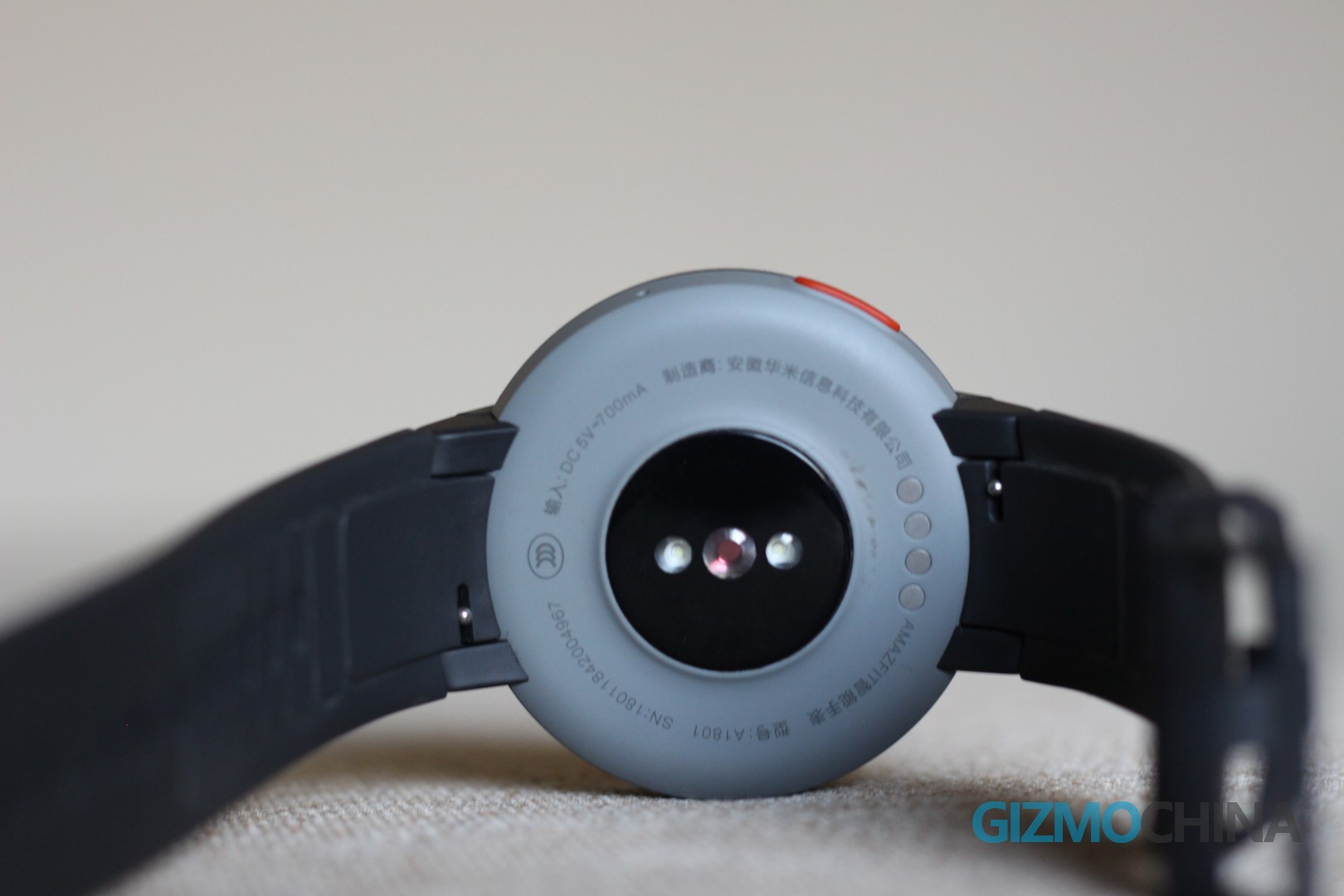
There’s a speaker on the left and power button and microphone on the right. After reading this, I’m sure you won’t be surprised to hear that the Amazfit Verge can make and receive phone calls via the connected smartphone. The bottom features pins for charging and the heart rate sensor.
The watch is IP68 certified, so it’s water and dust proof, however, note that you can’t take the watch out for swimming or even shower. In my personal experience, Amazfit watches are built to last. So, any kind of accidental exposure to such an environment doesn’t really break the device. However, it’s best to be safe than sorry.
I have seen that a lot of people don’t like the compact design on the Verge. They call it plasticky and basic. I had my doubts as well, especially after seeing the initial pictures of the device. However, the design has grown on to me. I like that it’s non-intrusive and compact. It’s just 46 grams so I really don’t feel weighed down by the watch. At the same time, it feels premium, has all the bells and whistles of a premium smartwatch and has a unique look.
I can wear it for an entire day without noticing it in my hand and I feel that’s how fitness-centric smartwatches should be. Watches like the Stratos and Galaxy Watch are the ones you show off. And the Verge is the one that stays with you all day long, keeping a close eye on your fitness and health.
Amazfit Verge Review: Display
I’m dedicating a separate section for the display of the watch because that’s the biggest part of any smartwatch. One thing is certain, the Amazfit Verge has got the best display in the entire Amazfit range. The OLED display is really beautiful with rich colors and stellar touch response.
Considering how the Pace, BIP, and Stratos come with transreflective displays, the colors on this watch are refreshing to look at. However, outdoor visibility takes a hit. You’ll make out time and maybe a few other details under direct sunlight, but it can’t compete with the displays on its older siblings. Personally, I’m not someone who spends a lot of my time outdoors, directly under the sun, so I’m pretty satisfied with the display on the Verge.
Having an OLED display has a lot of advantages. Apart from the rich colors, you also have a low power Always on Display. I hate seeing a lot of smartwatches that are rendered useless in the display off mode. This is where the AOD comes into the picture. The Amazfit Verge has an option where you can enable always on display. This will keep time on the screen all the time. It changes according to the watch face, which is pretty neat. Despite the slightly increased battery usage, it’s definitely useful in your day to day life.
Apart from the power button to switch on the display, you can also double tap the screen to light it up. Or just lift your wrist to reveal the watch face. The overall experience is smooth and flawless.
Amazfit Verge Review: Usage
I’ll take you through the Verge’s UI before I start talking about the watch’s features in details.
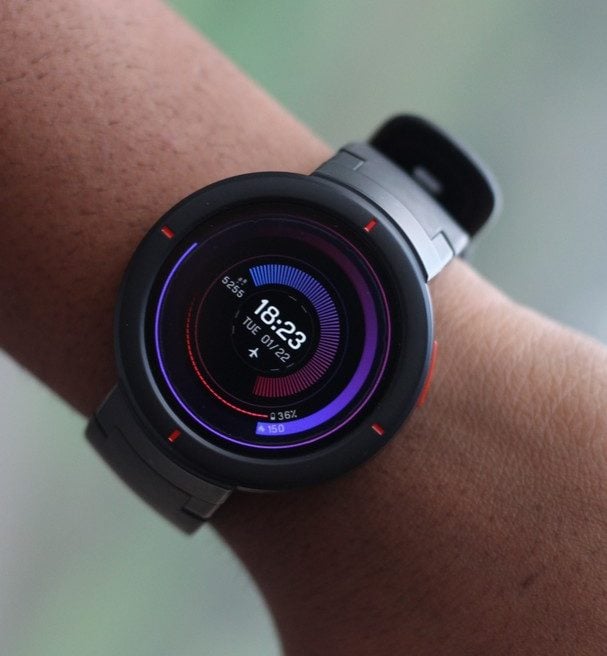
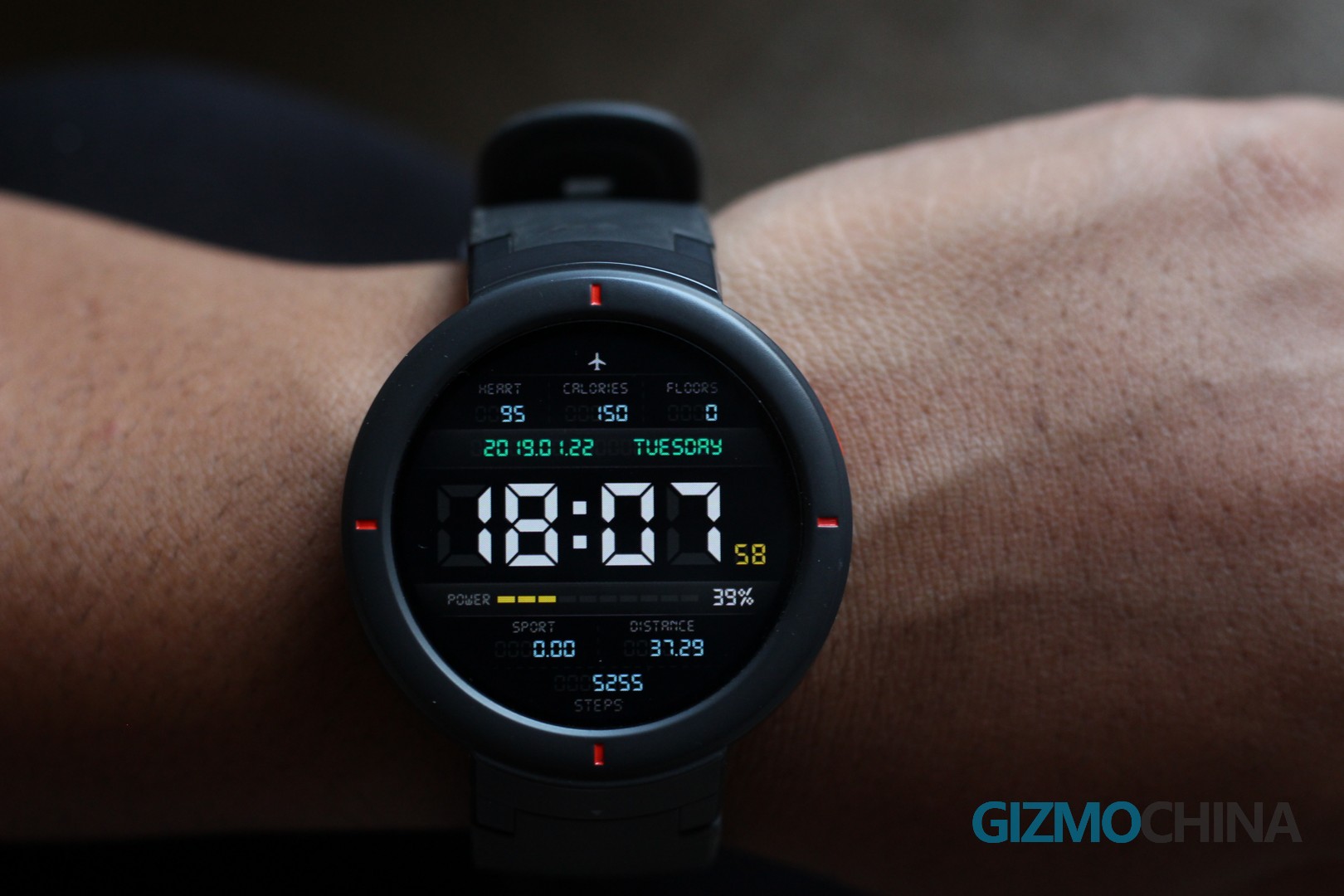
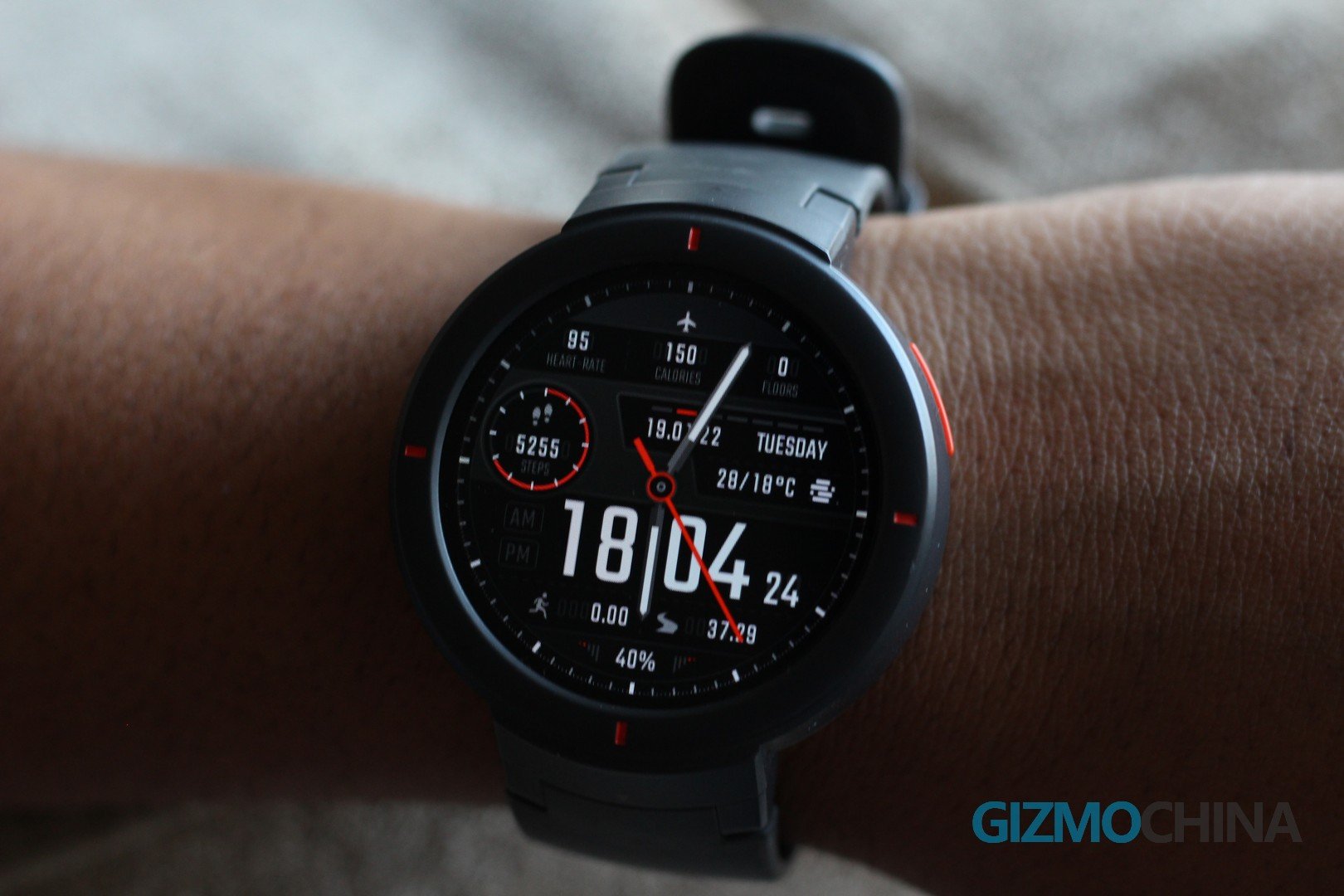
If you have used an Amazfit Watch before, you’ll be familiar with the Verge’s UI as well. You can double tap the screen to wake and there are nearly 10 watch faces pre-installed. Among them, there are three to four watch faces which are really cool and I personally have been using these special watch faces throughout my review period. There are some funky options as well, so if you are feeling particularly bold one day, you can try out these watch faces which have unique animations and colors.
Note that, the watch comes with default AOD turned off. You have to manually go in the settings to turn it on.
A simple click of the power button or double tap on the screen turns on the display. You are greeted with the watch face up front.
Swipe from left to right on the screen and you’ll meet the XiaoAI assistant. For a non-Chinese user, it’s of practically no use. Also, you need your phone paired to use this feature. In the assistant menu, there’s your calendar too. Swiping from right to left from the watch face takes you to the assigned menus.
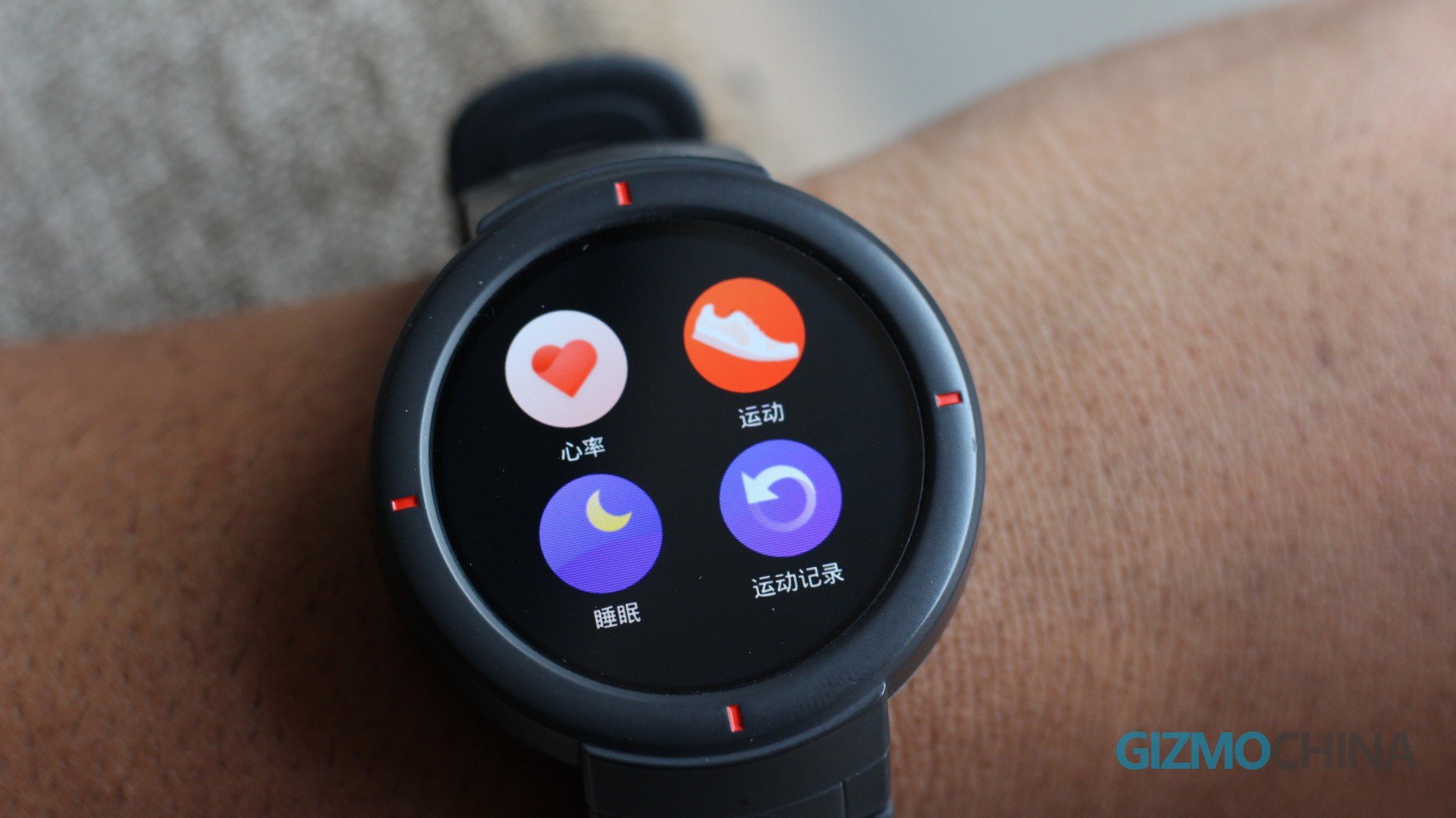
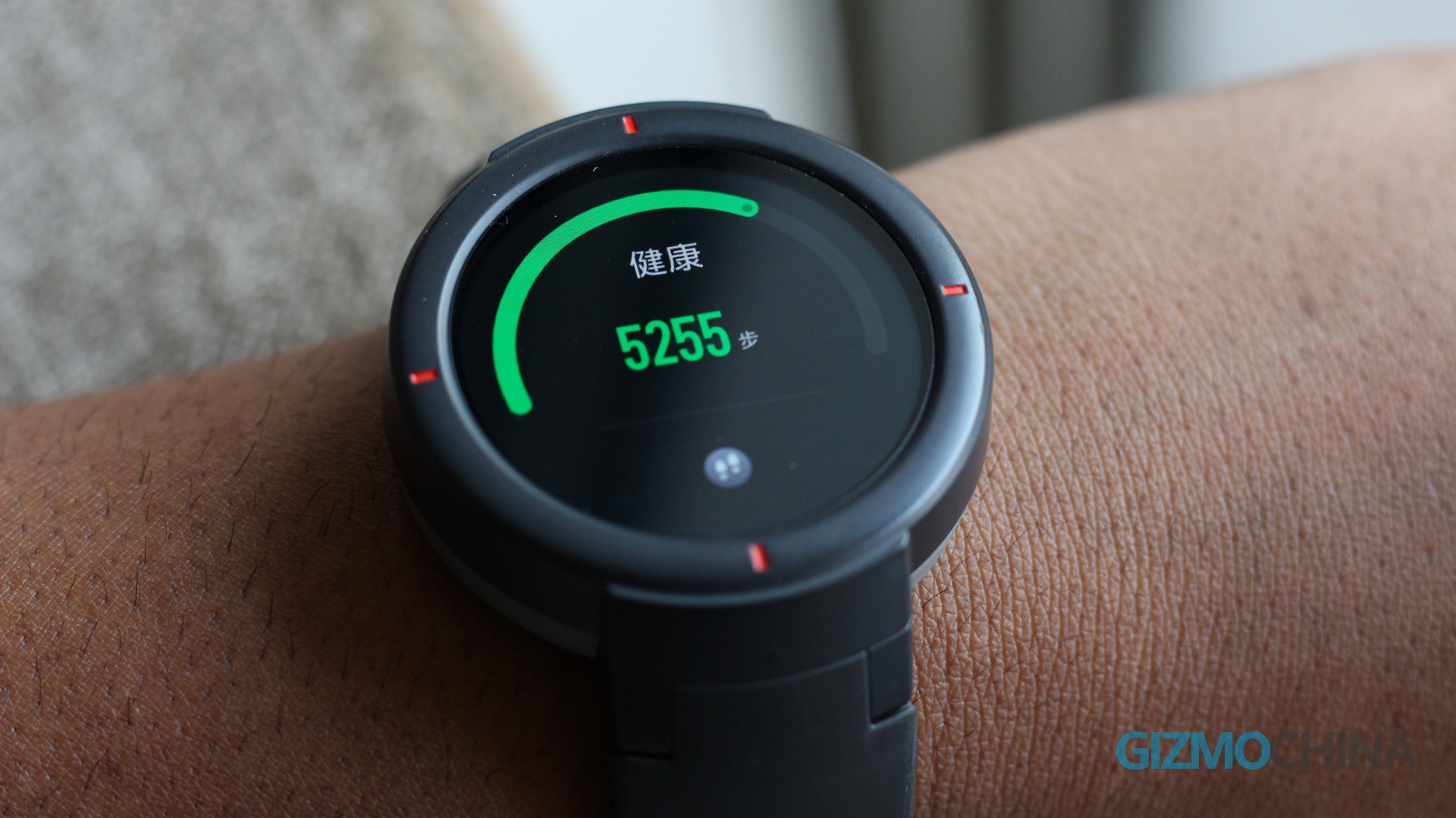
I have personally set my pedometer counter to come up with a single right swipe. After the assigned menus, you’ll meet the app drawer. Given that this is the Chinese version of the app, it took me a while to get used to the app icons. But looking at the icons, you get a fair idea of what’s inside.
You can always use Google translate (camera mode) to get an idea about the apps inside the drawer. To make your life easier, this is the order of the apps.
HR (Heart Rate)
Activities (Outdoor running, Outdoor walking, Outdoor cycling, Treadmill running, Indoor cycling, Elliptical, Hiking, Wild running, Skiing, Tennis, Football). Note that each mode is customized to its specific activity. For example, in football mode, there are options like first half, second half and so on. The same applies to each sports activity mode in the app.
Sleep
Activity Stats
Phone / Call
Alipay
Bus Card
MIJIA (Smart Home)
Music
Weather
Alarm Clock
Timer
Stopwatch (can run in background)
Schedule / Calender
Compass
Himalaya App (Podcast Player)
Maps
Mi TV
Settings
I had an issue syncing my Himalaya Podcast app on the phone with the watch. I am hoping a future update will fix the issue.
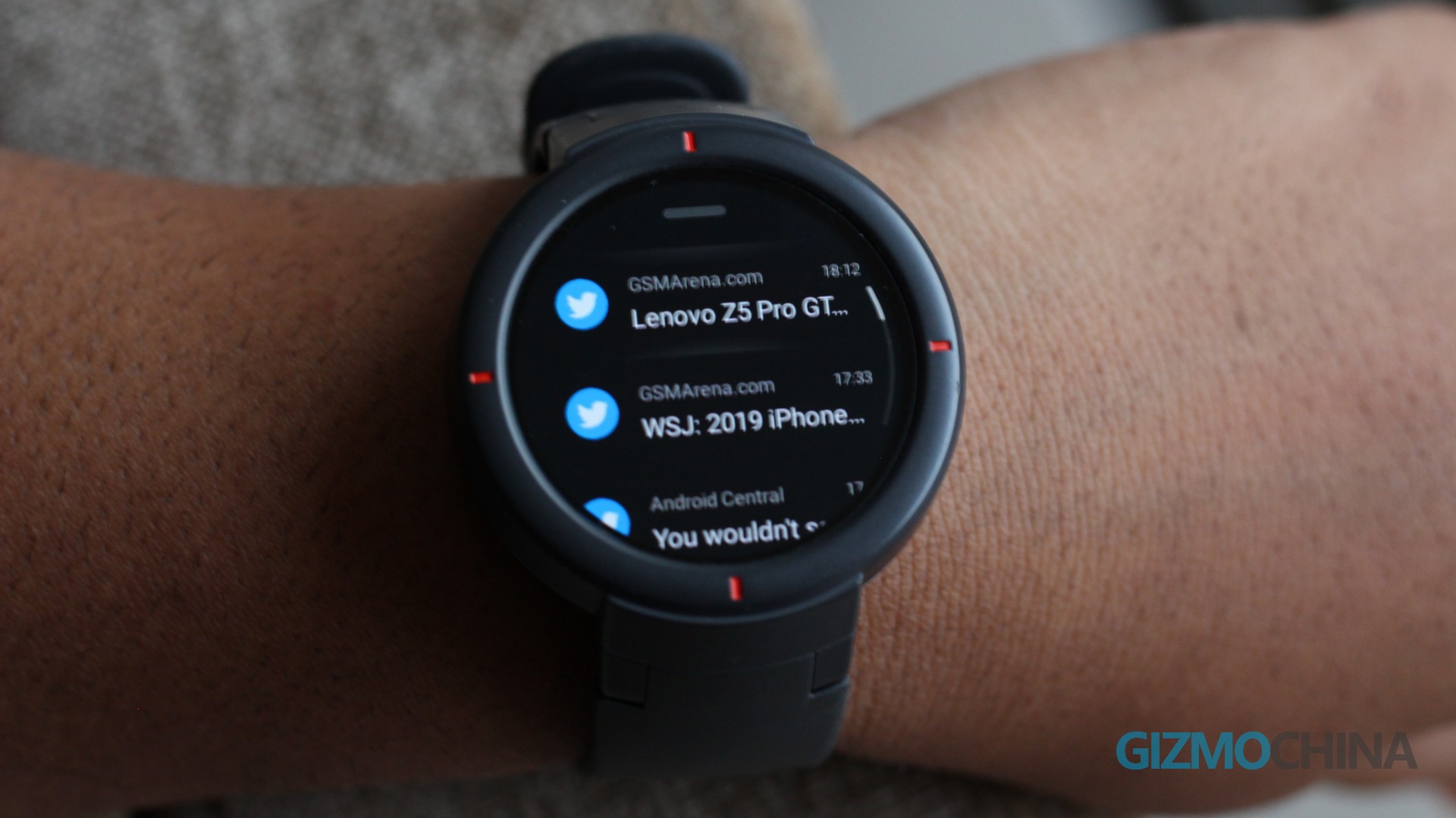
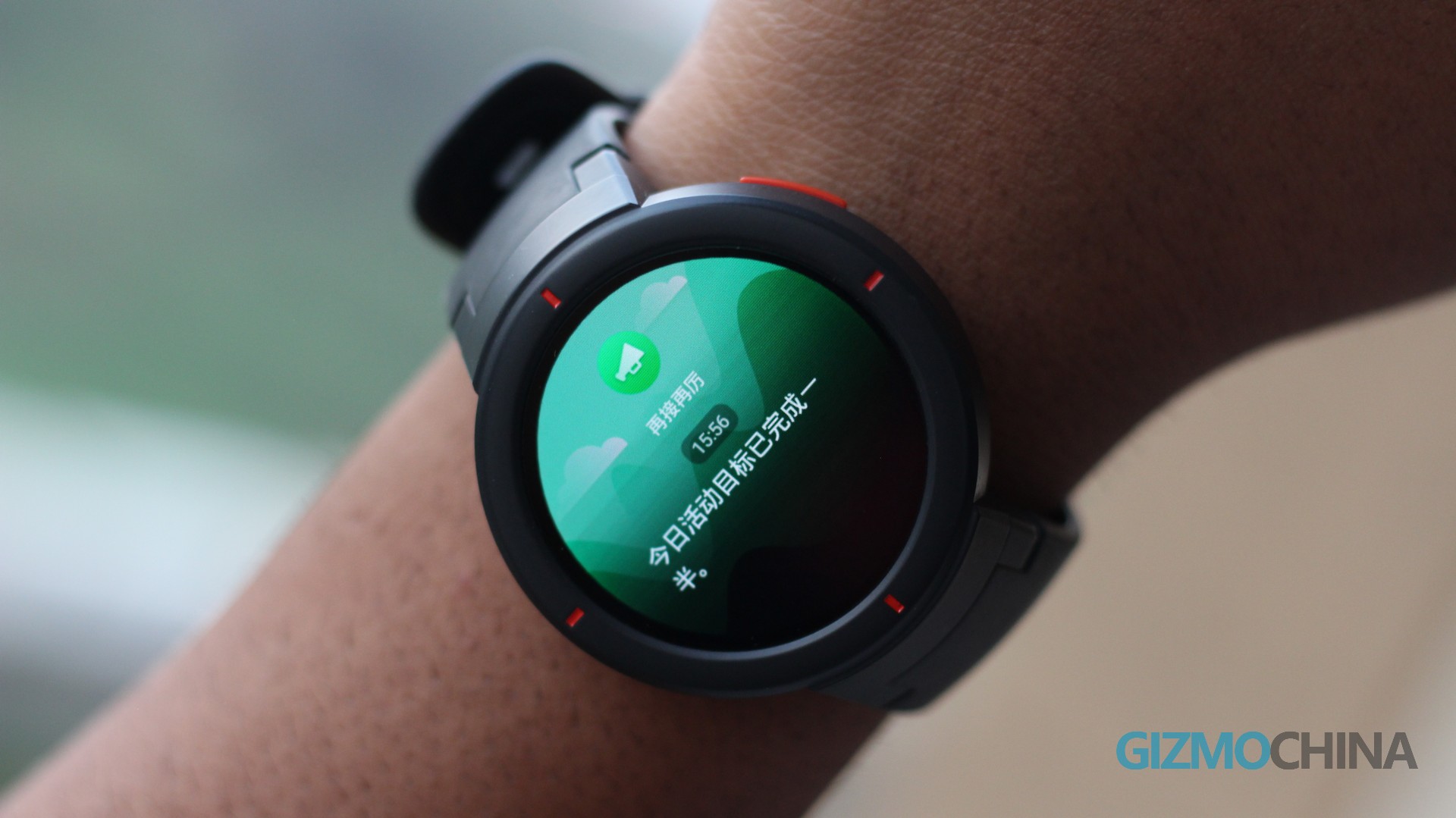
From home/watch face, you can swipe down to access your notifications. App notifications from apps like Twitter, Slack, Whatsapp show in detail. However, you can’t reply to notifications. Something like a quick reply feature seen on Fitbit Versa would have been handy, but unfortunately, you’ll have to access your phone if you want to revert back to the text.
You can drag any notification to the right to dismiss it. Or just drag to the left to silence that app. Unfortunately, I couldn’t find a dismiss all option for the notification menu and if you have twitter or WhatsApp notifications turned on, you’ll often find the place filled with a lot of notifications.
Now, let’s take a look at some of the watch’s features in detail.
I have started jogging and the Amazfit Verge has been my daily companion. The pedometer on the device seems pretty accurate and it’s smart enough not to easily register false step counts.
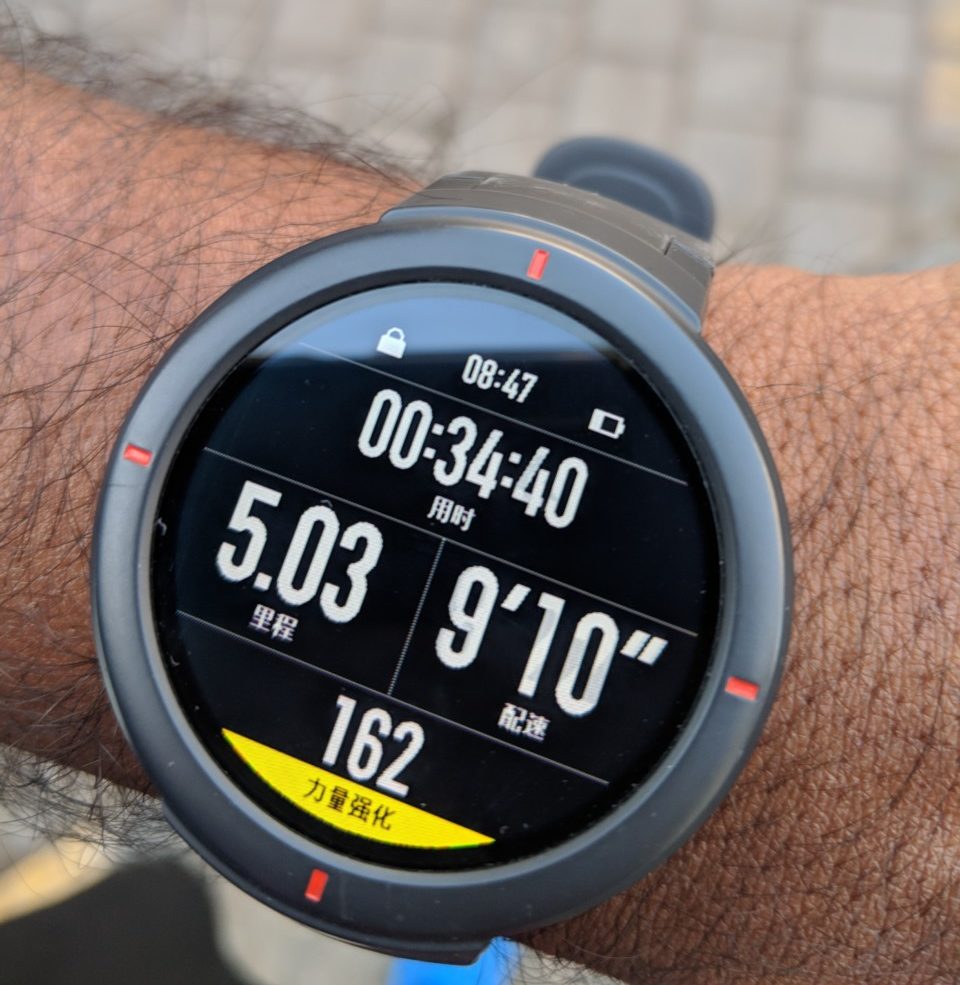
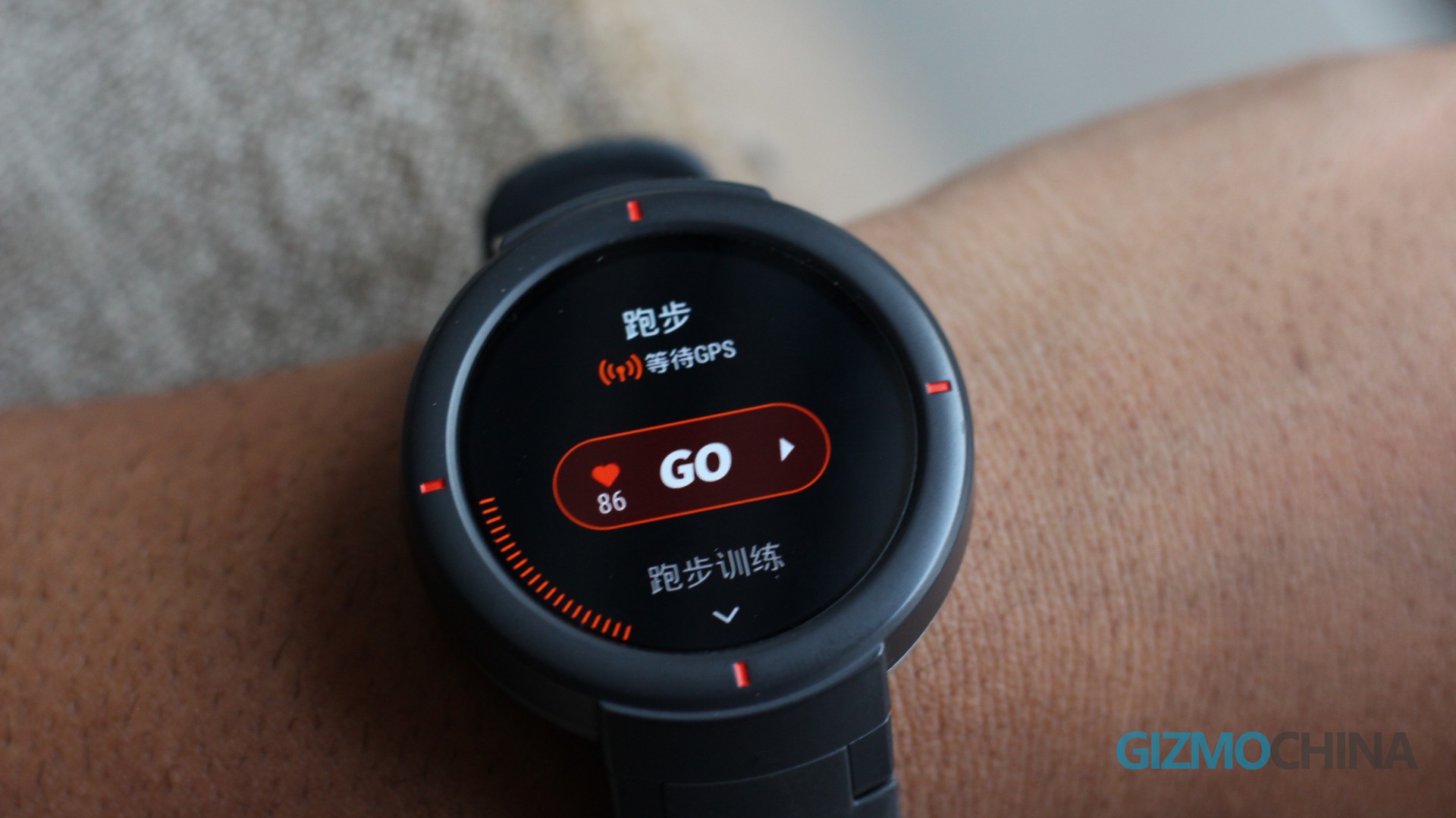
In the outdoor running mode, the watch comes with a rich interface which shows you all the necessary information like distance traveled, average speed, total time elapsed, heart rate, and so on. In this particular mode, you can further swipe right to get more details like heart rate pattern throughout your jogging period, and even a rough map of your track.
Once you end the outdoor jogging mode (swipe left and there’s one ‘Pause’ and a ‘Finish button’ with a flag icon), you get a summary of the job with a lot of details. Since it’s all in Chinese, you’ll have a hard time figuring out the exact information, but you do get an idea of all the important details at one glance.
As for sleep tracking, it may not be the best out there but I feel it does a pretty decent job. Unlike the cheap Mi Band 3 which for some reason always thought my deep sleep wasn’t more than an hour every day, the Amazfit Watch is a bit more forgiving. Personally, I feel the watch gives you a pretty fair idea about your overall sleep, like the total time in bed, deep sleep timing, light sleep timing, time of sleep, and getting up time. It’s light and compact enough not to weigh your down in your sleep, so you actually won’t mind wearing it in bed.
The heart rate sensor on this device is one of its biggest highlights. The Verge occasionally checks your heart rate to ensure that everything is fine. In fact, if you keep your phone on the side, you’d often notice that the heart rate sensor’s green light flickers at regular intervals. This means that the watch is checking your heart rate between set intervals. As Huami explained at the time of launch, the Verge can detect unusual heart rate patterns automatically and these occasional checks are a part of that process. As for the accuracy of the heart rate shown on the watch, it’s pretty good. There have been one or two cases where I was jogging and the heart rate was under 80 (which was pretty surprising). However, I realized that the watch had a loose fit and that could be the reason why the HR was inaccurate. Once I re-strapped my watch firmly on to my wrist, the HR monitor was back to normal.
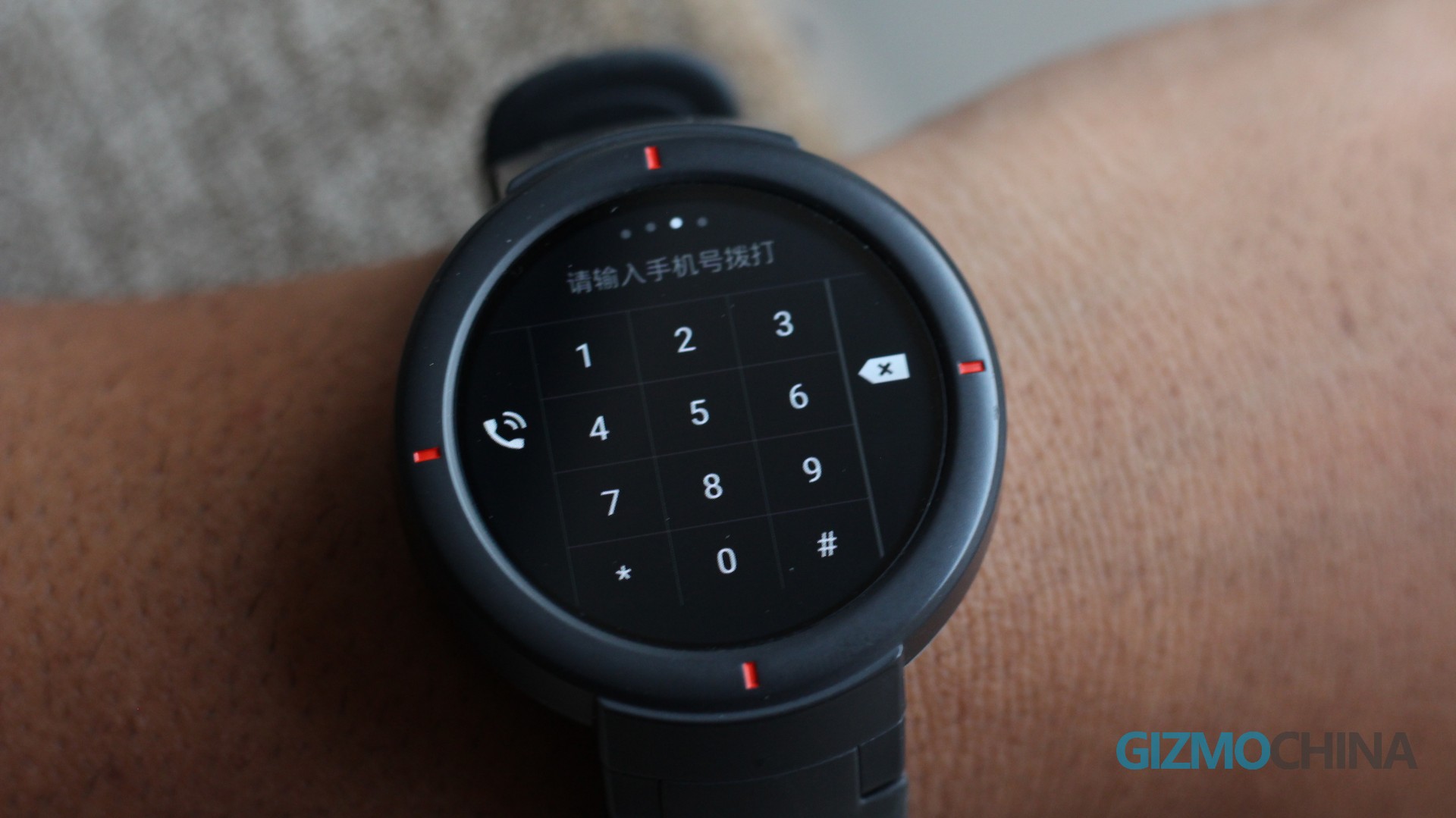
Coming to the phone call experience, it’s pretty neat. As I mentioned above, the watch has its own loudspeaker and microphone, so you can make calls using the paired smartphone. The phone app has options like call logs, contacts, and even a dial pad. Once you make or receive a call, you have the option to mute, increase/ decrease volume, end it, or even transfer it to the smartphone. The loudspeaker is decent and you can hear the other person if you are in a quiet environment. However, the microphone isn’t that great and unless you are loud, the person on the other side is going to have a hard time understanding what’s being said. But this feature does come in handy when you are driving or want to quickly take a call without accessing your smartphone.
Rest of the features work well. I like the fact that the stopwatch runs in the background and you don’t have to keep it turned on at all times. The alarm clock works as it should and the speaker on the device is decent enough to wake you up every day.
Overall, the features of the Amazfit Watch work as described.
Amazfit Verge Review: Battery Life
I wasn’t expecting anything exceptional with the watch’s battery life given that it features an OLED display. I have turned on the AOD since I hate seeing a blank black screen on my watch at any moment. Plus, the brightness is set to automatic as it does a pretty decent job adjusting the backlight by itself.
With daily runs for like an hour, always connected smartphone with a lot of notifications, limited use of its music controls, and occasional sleep tracking, the Amazfit Verge survived for 3 days on average. I didn’t find it necessary to squeeze more out of the watch since I hate to keep features turned off just to save on the battery. It defeats the very purpose of getting the watch.
I feel 3 days is pretty decent for this watch as what comes next is its fast charging capability. You can easily get the watch charged from 4% to 100% in just one hour! In fact, if you just keep it plugged in for 15 minutes, the watch charges up to 30-35%! That’s good enough to get me through the entire day with all the features running.
So despite the average battery life, the fast charging on the Amazfit Verge definitely makes it an easy to use everyday smartwatch.
Amazfit Verge Review: Conclusion
When I decided to get the watch for review, I was a bit skeptical. The basic design in the pictures made it look like a cheap kid’s watch, and the features were what you’d usually get on any other smartwatch. Further, the watch was in Chinese, which was going to be a hindrance in everyday use.
However, the Verge has definitely grown on to me over the course of time. I love the compact and lightweight design and in real life, the black version looks pretty neat and premium. There’s nothing cheap about this device and it goes with practically any attire. Despite the less than impressive outdoor viewing experience, the OLED display on the watch is beautiful on most occasions. The colors are rich and the text is crisp. The UI on board is smooth and responsive. The features work as described and even the connection with my smartwatch is lag free which means I get all of my notifications in real time.
What I miss is Wear OS, which would have made this watch perfect with additional app support. Also, the XiaoAi assitant is useless for me. I would be much better off with Google Assistant on board.
It’s definitely an upgrade over the Amazfit BIP and rivals the Ticwatch E which comes with WearOS on board. If you are looking for a TicWatch alternative, this is definitely worth checking out.
In short, I would definitely recommend the Amazfit Verge if you are getting it for somewhere around $150.
Now that the English version is out, I don’t find a lot of competitors that are going to be better than the Verge in its price segment.
Xiaomi still hasn’t really got any smartwatch to its name but Xiaomi’s partner Huami has got quite a number of them, including the Amazfit Pace, Watch 2, Watch 2, Amazfit Verge and a host of many others. The Chinese giant has now shared a picture teaser which suggests that a new smartwatch is in the works and will soon be released.
The teaser poster points to a February 19 launch date and the watch will be launched under its crowdfunding platform. The poster wasn’t so generous with the specs detail of the model but a few of them were teased. The first is that the smartwatch is going to be a smartwatch. Secondly, the watch will come with GPS function.
There is no indication on the poster if this will be a new Amazfit sports watch. Although the Amazfit Verge was released last year, it wasn’t really a sports-centric smartwatch. Thus, the last sports-focused smartwatch Huami released was the Amazfit Watch 2S models. So, it is possible this is a new model. It could also be a new product entirely from one of Xiaomi’s eco-chain partners, hence te crowdfunding initiative.
BBK subsidiary Vivo was the first OEM to launch a commercial smartphone, the Vivo NEX with a pop-up selfie camera design last year. OPPO was soon to follow with the Find X packing an even better sliding design. The pop-up camera hasn’t really caught up as just a few other phone makers have attempted to replicate the design style. Instead, we have seen more OEMs go for the notch design in which the selfie shooter is housed inside the notch. However, the last definitely hasn’t been heard of the pop-up design. First, Vivo is working on the V15 Pro mid-range model with a pop-up and then Xiaomi. Yes, Xiaomi may bring us a smartphone with a pop-up camera.
Xiaomi’s product director Wang Teng Thomas has disclosed in his interaction with netizens that the Chinese smartphone maker may launch such a mobile phone. The response from the exec in Chinese translates that the design is a trade-off, everyone needs it and Xiaomi will also have it. However, he added that it will depend on the need for the design. We should point out that the Mi Mix 3 released last year was Xiaomi’s first smartphone with a slider design. Also, Xiaomi is said to have applied for a patent for pop-up camera design as far back as 2015.
A Xiaomi pop-up camera may not be released anytime soon, though. The design still isn’t a popular one yet, even among phone users. Until it gets caught up like wildfire, we don’t see Xiaomi joining the bandwagon anytime soon.
The Snapdragon 855 is set to appear in a number of Xiaomi phones this year. It will power the Mi 9 and Mi 9 Explorer Edition and is also expected to power the next Black Shark gaming phone, the Mi MIX 4, and the successor to the POCOPHONE F1. Xiaomi’s VP and head of the Redmi division confirmed today that it will also appear in a Redmi phone.
Earlier this year, Lu Weibing was appointed the head of Redmi when Xiaomi decided to make it an independent brand. The Redmi Note 7 is its first phone and it is expected to announce the Redmi Note 7 Pro soon. In a Weibo post, he confirmed that a Redmi phone will also come with Qualcomm’s top of the range Snapdragon 855 processor.
This completely changes how the Redmi series will be viewed henceforth as phones launched under the Redmi brand are known to fall under the entry-level to mid-range categories. Now, the brand will also make phones powered by the same chipsets found in flagship phones but at a more affordable price.
Huawei Mate 20 Pro, iPhone Xs Max and Samsung Galaxy Note 9 are the best flagship phones released by Huawei, Apple, and Samsung in 2018. Most of the experts who need the best overall experience should opt for one of these devices. And I personally think that they are the best smartphones in the actual market. We usually compare Chinese smartphones with Android, but we made an exception for these devices due to their importance and some relevant unique features such as the S Pen on the Galaxy Note 9. Here is a specs comparison that will make you understand which of these three beasts is the most suitable for you.
Huawei Mate 20 Pro vs Apple iPhone Xs Max vs Samsung Galaxy Note 9
Huawei Mate 20 Pro
Apple iPhone Xs Max
Samsung Galaxy Note 9
DIMENSIONS AND WEIGHT
157.8 x 72.3 x 8.6 mm, 189 g
157.5 x 77.4 x 7.7 mm, 208 g
161.9 x 76.4 x 8.8 mm, 201 g
DISPLAY
6.39 inches, 1440 x 3120p (Quad HD+), AMOLED
6.5 inches, 1242 x 2688p (Quad HD+), 19.5:9 ratio, Super AMOLED
Triple 40 + 20 + 8 MP, f/1.8 + f/2.2 + f/2.4, OIS, Laser AF
24 MP f/2.0 front camera
Dual 12 + 12 MP, f/1.8 + f/2.4
7 MP, f/2.2 front camera
Dual 12 + 12 MP, f/1.5-f/2.4 and f/2.4
8 MP f/1.7 front camera
BATTERY
4200 mAh, fast charging 40W, wireless charging 15W
3174 mAh, fast charging 15W
4000 mAh, fast charging 18W
ADDITIONAL FEATURES
Dual SIM slot, waterproof (IP68), 3D facial recognition
Qi wireless charging, IP68 certification, Face ID, 3D Touch
Hybrid Dual SIM slot, IP68 certification, S Pen, iris scanner
Design
Despite not having the highest screen-to-body ratio, Apple iPhone Xs Max is undoubtedly the phone with the most beautiful design and the best build quality. It is equally borderless on all sides and, besides having a tri-borderless display, it does not have a thicker chin unlike all of the Android devices. Further, it comes with a stainless steel frame instead of the simple aluminum. And it is way sleeker than both its rivals from Samsung and Huawei. Last but not least, it has a cleaner and more elegant back.
Display
iPhone Xs Max is also equipped with the best display in the whole smartphone market until now, despite its Super AMOLED panel was manufactured by Samsung. It supports the Dolby Vision technology, it comes with a stunning color gamut and it has a 120 Hz refresh rate that is wonderful for gaming. It is even HDR10-compliant, it supports 3D Touch, True Tone, and it has a high 2K resolution. Right after, there is obviously the Samsung Galaxy Note 9 that comes with an important added value: the support of the S Pen. Thanks to it, you can use your phone for writing and hand drawing. The S Pen also comes with Bluetooth support so that you can remote control your phone.
Hardware/Software
Thanks to the wonderful iOS optimization, iPhone Xs Max is the world’s fastest and most stable smartphone, and it is superior to every Android device released until now. The second place goes to the Huawei Mate 20 Pro which rocks the world’s first 7 nm chipset: Kirin 980, and a very well-optimized EMUI. Samsung Galaxy Note 9 has an SoC from the previous generation and it still comes with Oreo out of the box (upgradable to Pie), but it comes with more internal storage than Huawei Mate 20 Pro in its most expensive version (512 GB).
Camera
Finally, a side on which Huawei Mate 20 Pro wins easily: cameras. It boasts a triple camera setup on its back with a 40 MP primary sensor, a 20 MP ultrawide lens and an 8 MP telephoto lens with 5x optical zoom. This phone currently has no rivals from the concurrency. But iPhone Xs Max and Samsung Galaxy Note 9 are still among the best camera phones ever. The latter even comes with a better selfie camera than Huawei Mate 20 Pro, boasting a brighter aperture and higher performance with low light.
Battery
Huawei Mate 20 Pro is equipped with the biggest battery, but Samsung managed to optimize the Galaxy Note 9 even better. So, despite coming with a smaller battery, Samsung Galaxy Note 9 has a longer battery life in most of the scenarios. iPhone Xs Max has just average battery life, so it loses the challenge.
Price
iPhone Xs Max has a listing price starting from €1249, while Samsung Galaxy Note 9 and Huawei Mate 20 Pro can currently be found at about €800/$900. There is not a clear winner of this comparison, the choice depends on the user’s needs. If you want the best camera, go for the Huawei Mate 20 Pro, if you are looking for the best design, display, and performance, choose the iPhone Xs Max. I would personally choose the Samsung Galaxy Note 9 because of the S Pen that is very comfortable for productivity.
We use cookies on our website to give you the most relevant experience by remembering your preferences and repeat visits. By clicking “Accept”, you consent to the use of ALL the cookies.
This website uses cookies to improve your experience while you navigate through the website. Out of these, the cookies that are categorized as necessary are stored on your browser as they are essential for the working of basic functionalities of the website. We also use third-party cookies that help us analyze and understand how you use this website. These cookies will be stored in your browser only with your consent. You also have the option to opt-out of these cookies. But opting out of some of these cookies may affect your browsing experience.
Necessary cookies are absolutely essential for the website to function properly. This category only includes cookies that ensures basic functionalities and security features of the website. These cookies do not store any personal information.
Any cookies that may not be particularly necessary for the website to function and is used specifically to collect user personal data via analytics, ads, other embedded contents are termed as non-necessary cookies. It is mandatory to procure user consent prior to running these cookies on your website.

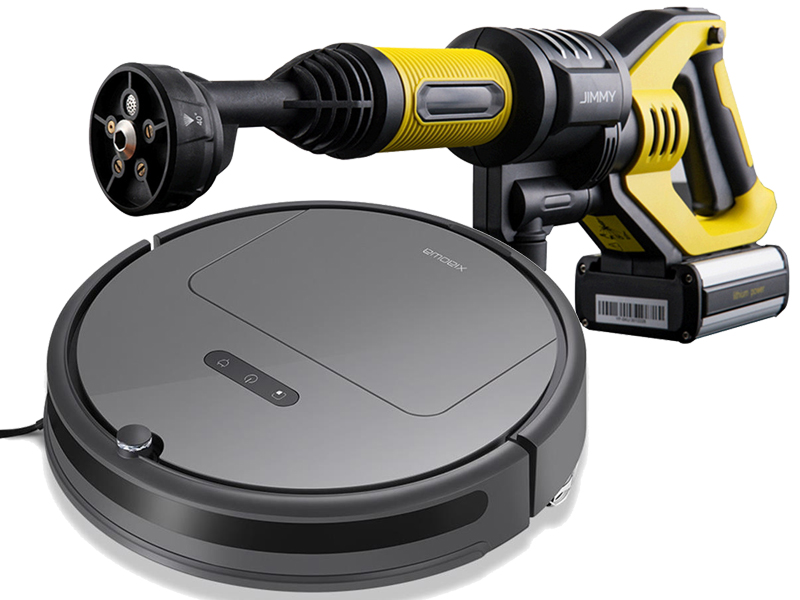 Keeping in line with that, the Chinese online store is now offering great discounts on the Roborock Xiaowa Plus E35 Robot Vacuum Cleaner and Xiaomi JIMMY JW31 cordless pressure washer.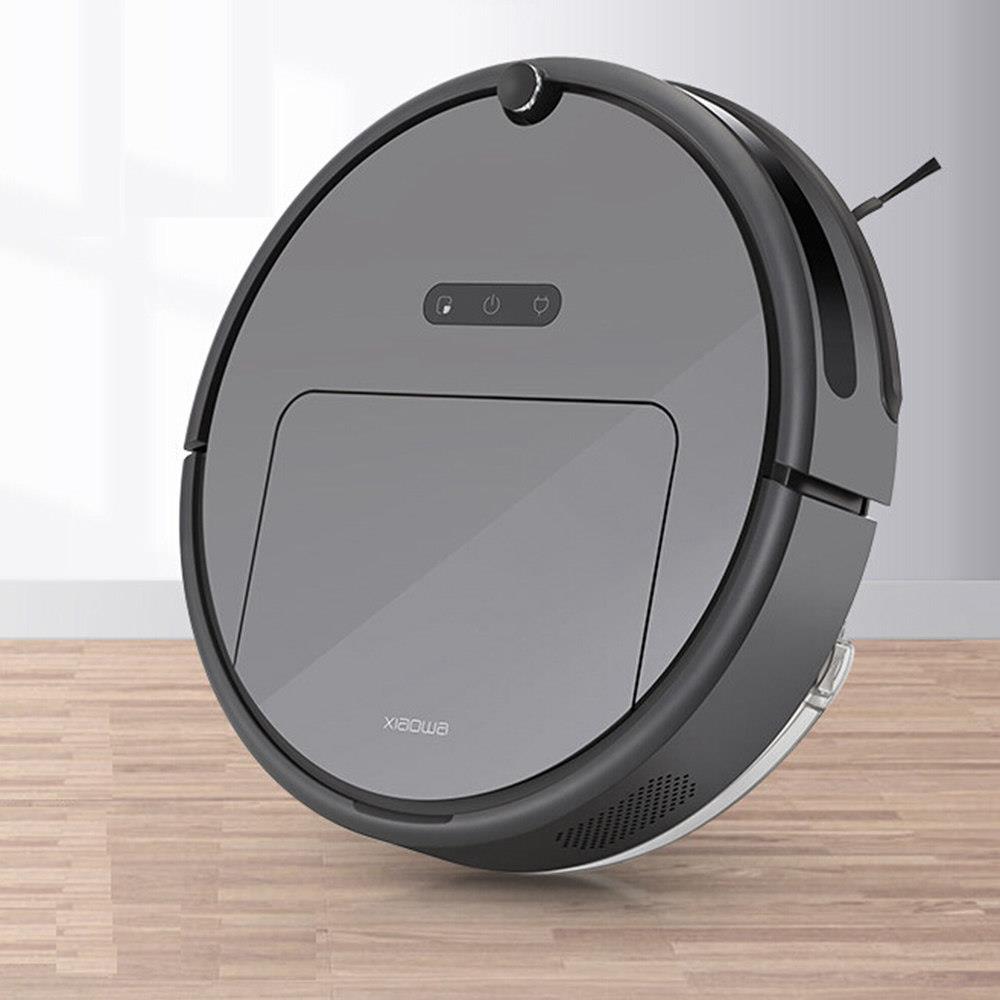

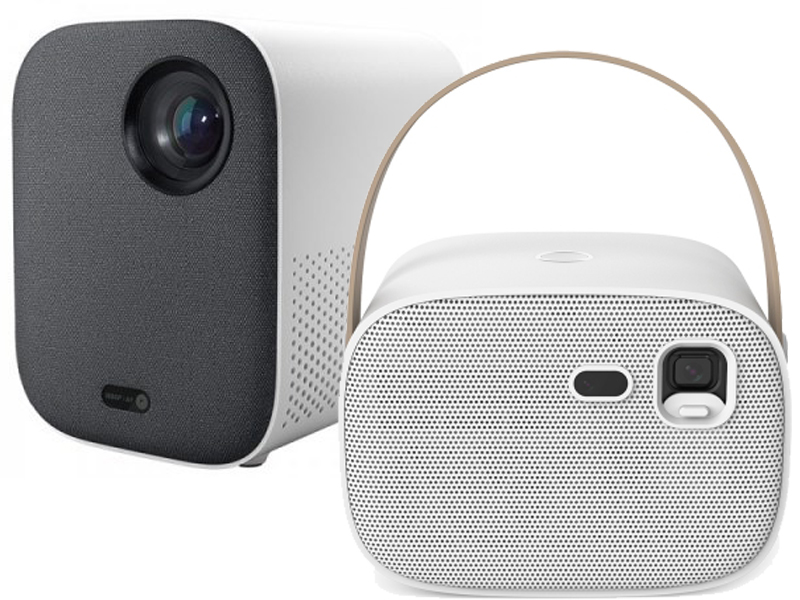 While top-branded DLP projectors would normally set you back a pretty penny on both online as well as offline stores, Xiaomi and Wanbo have now teamed up with GearBest to offer their well-received projectors at unbeatable prices.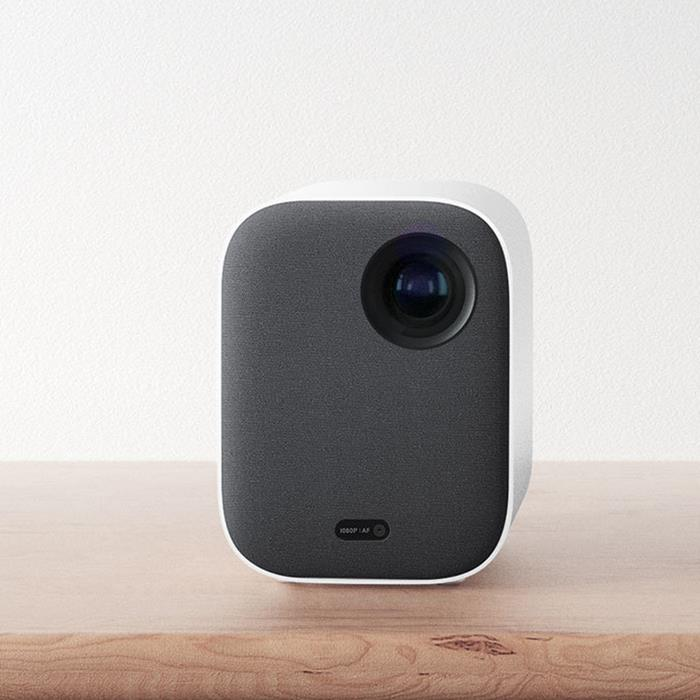
 Aside from being eco-friendly, this smart electric moped bicycle from FreeAurora is also easy on the pocketbook.
 As a result, cost-conscious buyers who fancy using electric scooters for their short commutes either lose interest in buying an e-bike or end up compromising on quality.