Most electronic devices such as cell phones, laptops, headphones and even electric vehicles are powered by lithium-ion batteries. The size of the batteries to a large extent, determine the size of the gadgets. That may soon change with the advent of 3D-printed lithium-ion batteries. According to a publication on the American Chemical Society, a group of researchers from Duke University have developed a new method to 3D print lithium-ion batteries in virtually any shape. 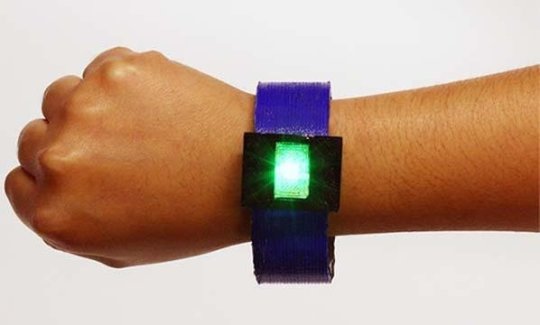
Lithium-ion batteries are usually cylindrical or rectangular in shape and that usually determine the shape of the gadget. When a manufacturer is developing a product, for instance, a smartphone, a certain size and shape must be dedicated to the battery. This usually limits the available space and restrict the design options available to OEMs to play with. 3D-printing technologies will bring this to an end as it allows manufacturers to fabricate an entire device, including the battery and structural and electronic components, in almost any shape.
Read Also: Honor Magic 2 May feature a Graphene-based battery
As you may be wondering, 3D printers use polymers such as poly(lactic acid) (PLA), which are not ionic conductors, thus creating a major hurdle for printing batteries. That is where the research actually comes in. The ionic conductivity of PLA was increased by the researchers by infusing it with an electrolyte solution. In addition, the battery’s electrical conductivity was boosted by incorporating graphene or multi-walled carbon nanotubes into the anode or cathode, respectively. The battery’s potential was demonstrated with a 3D-printed LED bangle bracelet (pictured above) integrated with a lithium-ion battery. The bangle battery could power a green LED for about 60 seconds. According to the researchers, the capacity of the first-generation 3D-printed battery is about two orders of magnitude lower than that of commercial batteries, which is too low for practical use. However, they say that they have several ideas for increasing the capacity, such as replacing the PLA-based materials with 3D-printable pastes.
(source)




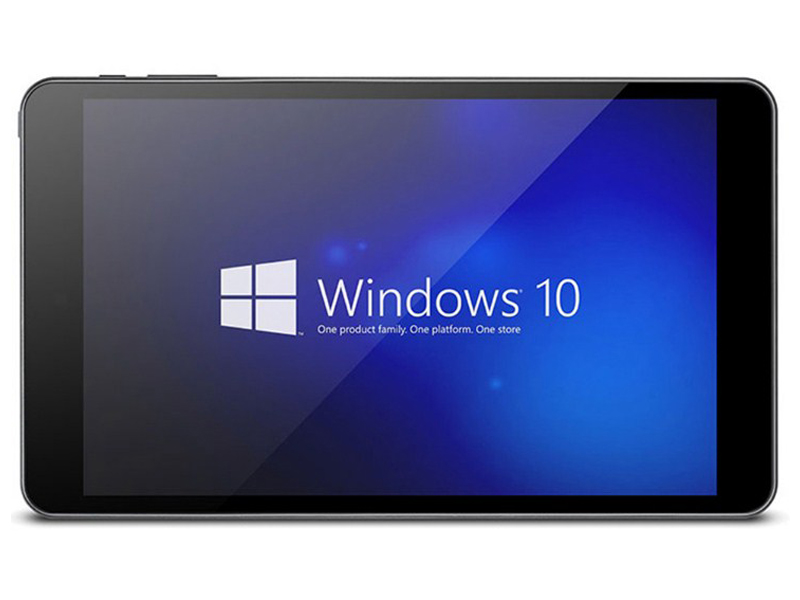 If you’re in the market for a feature-laden tablet PC bearing a price tag that’s too low to be genuine, you might want to take a gander at the PIPO W2 Pro. Packed with an impressive array of features, the PIPO-branded tablet PC has gone up for sale carrying a discounted price on GeekBuying.
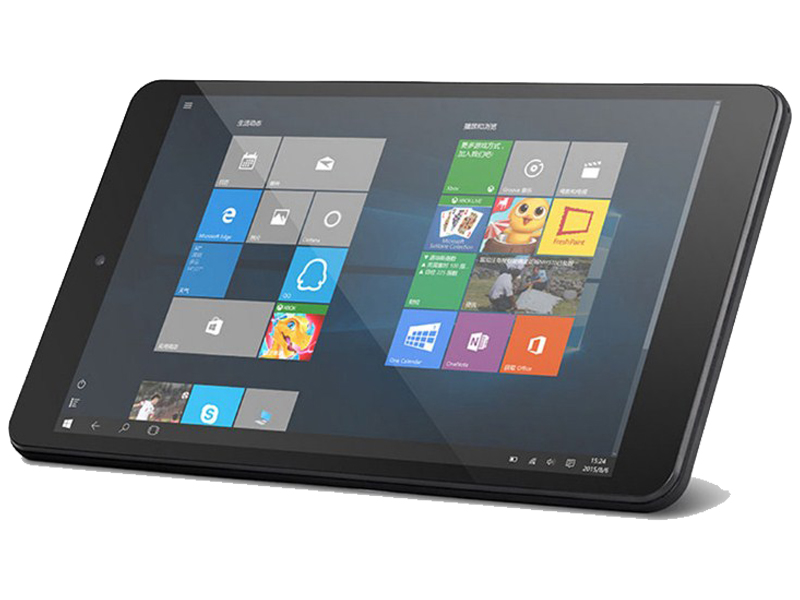 Aside from taking advantage of this discount, you can use coupon code GKB099T to get an extra $14 off. In other words, you can bring your already reduced grand total further down to just $105.99 before proceeding to checkout simply by applying the aforesaid coupon.
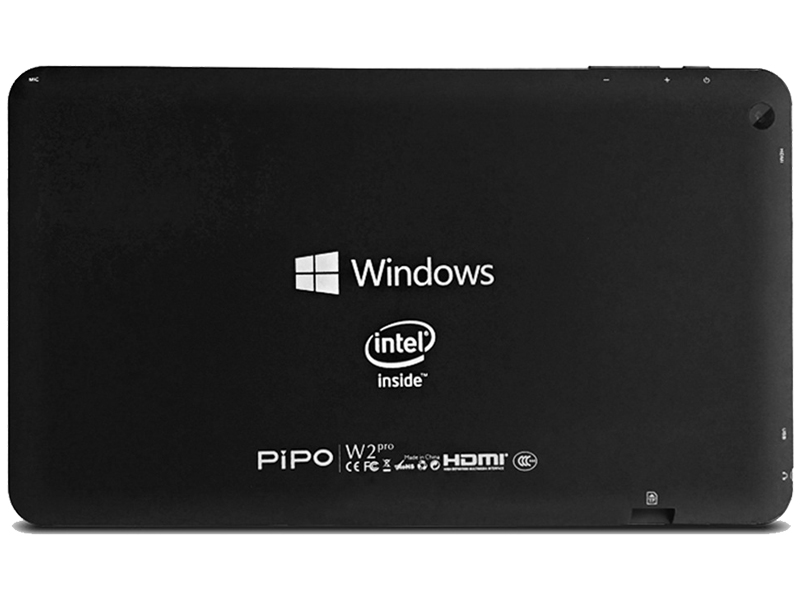 Furthermore, the tablet PC runs on Android 5.1 + Windows 10 operating systems and is backed by a 3.7V/3800mAh battery. It features the Gravity sensor and is crammed with a slew of useful apps like the ES File Explorer, Google Search, Google Maps, Email, Gmail, Browser etc.

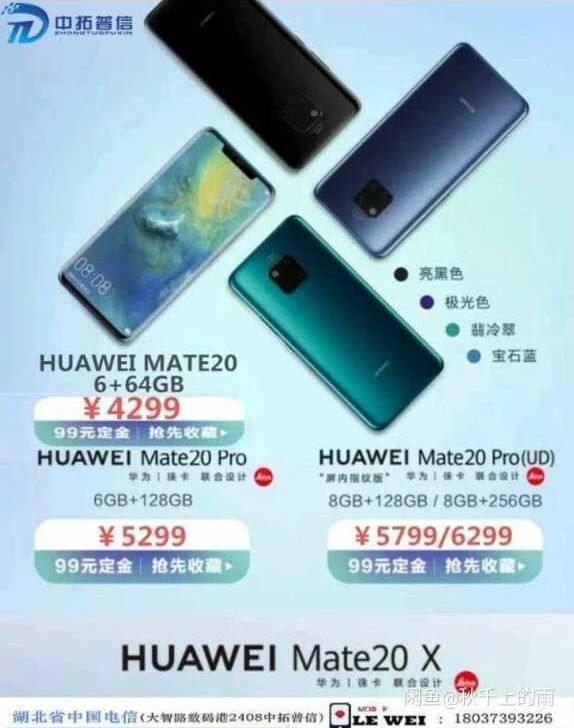
 Huawei’s Mate 20 smartphone is expected to follow in the footsteps of its well-received predecessors and become an instant hit among smartphone lovers after hitting store shelves later this year.
 Huawei Mate 20 On Giztop