Huawei has just announced the arrival of Android Oreo update for Huawei P10 and P10 Plus through a post on Facebook. A short video is finally confirming that the long-awaited update is now available to download. The video is from the Philippines page, but the update should be gradually expanding in other countries and it should reach every part of the world soon.
The update customized with EMUI 8.0 comes via OTA, so with a simple notification on the status bar you can start downloading it. And it comes after a long beta testing phase with the most important beta firmware released in January. If you still did not receive the notification on your Huawei P10 or P10 Plus, you can try to force the arrival of the update by heading to the Settings menu.
Aaaand it’s finally here!😁 Get yourselves a taste of our Oreo by updating your Huawei P10 and P10 Plus devices today. Start downloading now!🙌🙌 #MakeItPossible #ThursdaySuperstar
Posted by Huawei Mobile on Wednesday, March 14, 2018
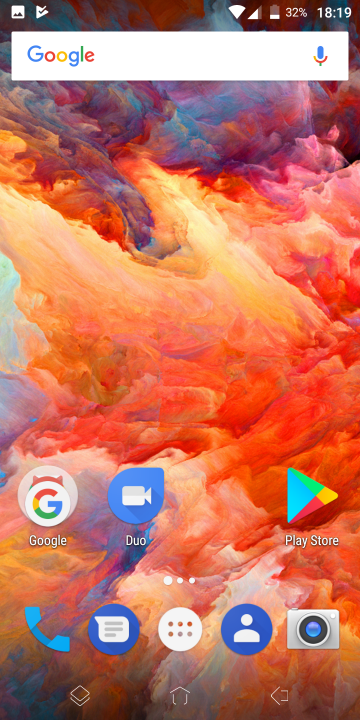
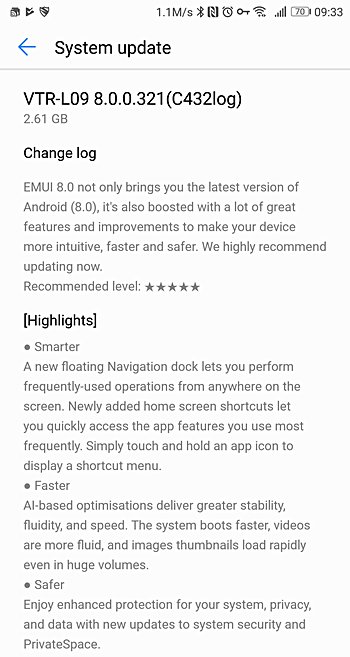
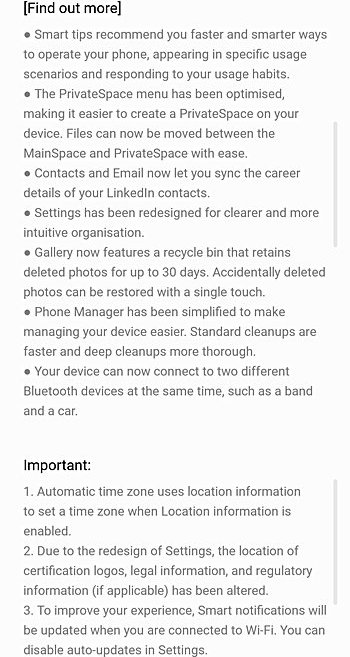
Just tap on System updates, then on Check for updates to see if it is already available. If so, leave a comment in the box below and tell us your home country to let us know if the rollout is already expanding. An official changelog of the Android Oreo update for Huawei P10 and P10 Plus is still not available, but in the images above you can see the changelog of the beta version.
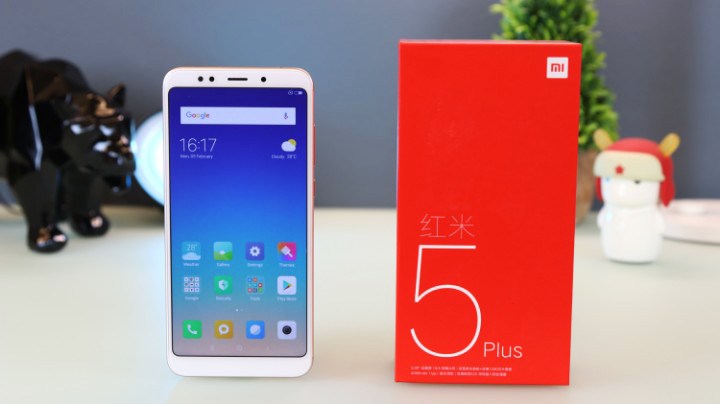
You can now get the global version of Xiaomi Redmi 5 Plus smartphone without shelling out a lot of money on LightInTheBox. The international online retail company is currently giving a 49% discount on the phone’s original asking price for a limited period of time.
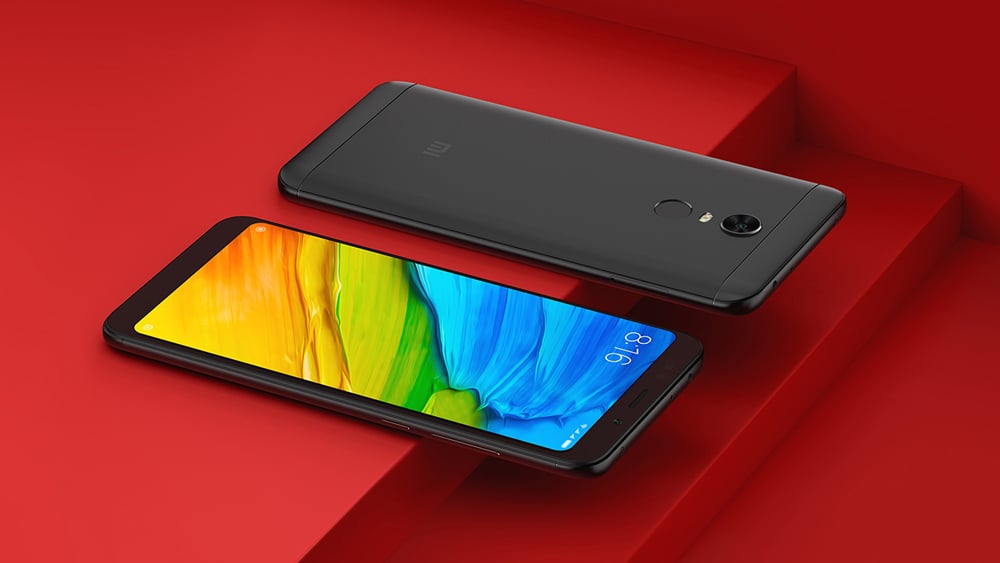
The golden color version of the Redmi 5 Plus normally sells for $325.48 on LightInTheBox; however, you can now get your hands on the gold-tinted model for just $164.99. But if you’re willing to shell out $20 more, you can go for the black color version of the mobile phone.
Bearing a massive 49% discount, the black color version of the Redmi 5 Plus smartphone is currently available on LightInTheBox for just $184.99. It’s worth noting that the original asking price for this version is $362.73.
The Xiaomi Redmi 5 Plus smartphone was launched in September 2017. In terms of specs, the phone sports a 5.99 inches IPS, LCD, FHD+ display with a screen resolution of 1080 x 2160 pixels.
The global version of the smartphone offers 3GB of RAM and 32GB of internal storage that can further be expanded up to 128GB via a microSD card slot. The phone packs a powerful Qualcomm Snapdragon 625 processor along with an Adreno 506 GPU (graphics processing unit), under the hood.
For photography enthusiasts, the Redmi 5 Plus offers a 12-megapixels rear-mounted camera with dual-LED flash and AF. Moreover, it gives selfie addicts something to cheer about in the form of a 5-megapixel front shooter. The phone is backed by a robust 4,000mAh lithium-polymer battery and runs on Android 7.1.1 Nougat operating system with MIUI 9 on top.
You can visit this link to check out the full specification and take advantage of the promo, which is slated to end in 3 days.
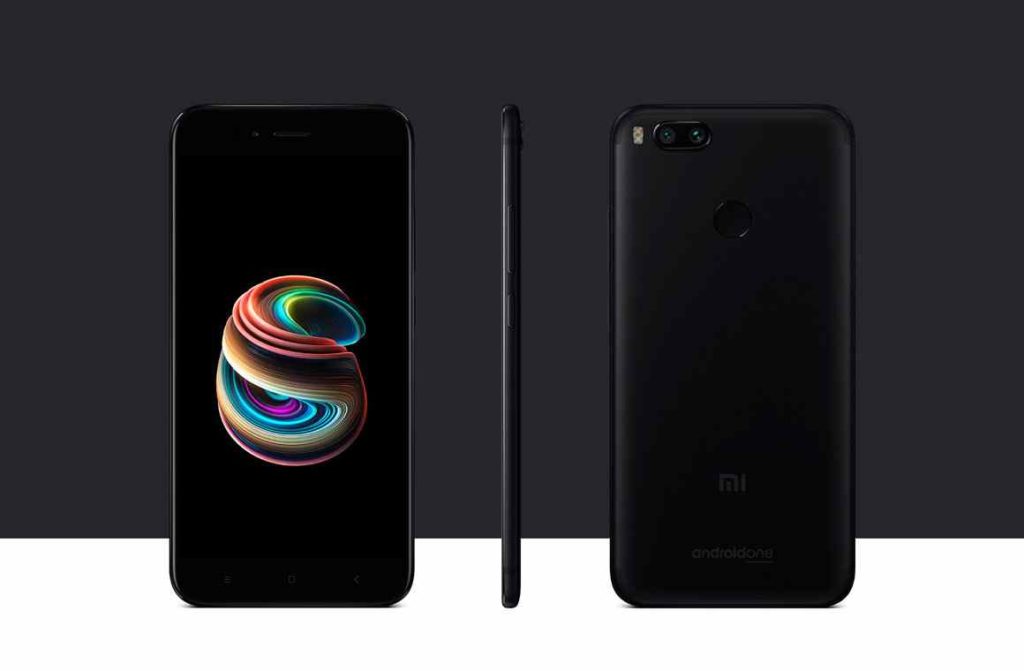
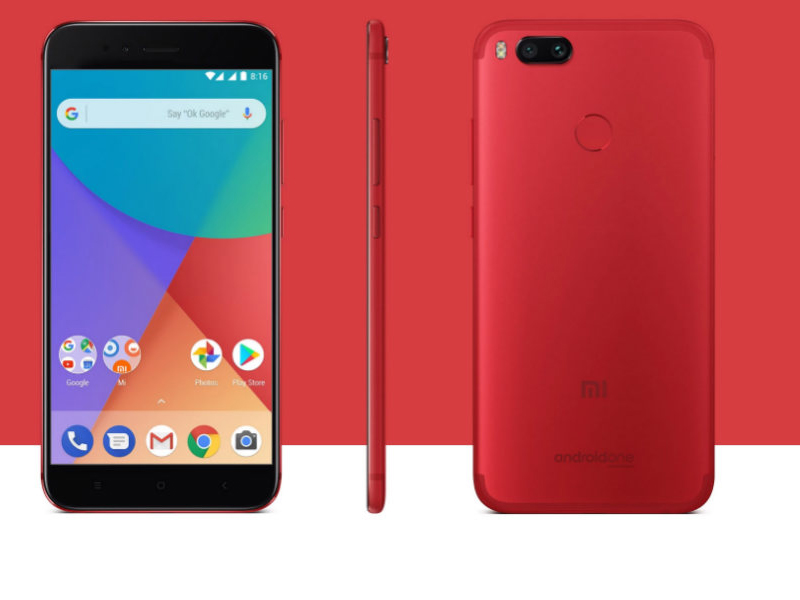
Xiaomi released its long-awaited Mi A1 smartphone in September, last year. Much to the delight of the Chinese handset maker, the phone garnered a considerable amount of popularity among smartphone users.
The well-received MI A1 smartphone is currently up for grabs on LightInTheBox at a heavily discounted price. While the device normally carries a price tag of $299.99 on LightInTheBox, you can now buy it for only $182.97 on the Beijing-based online retail company’s website for a limited period of time.
The site is giving a noteworthy 39% discount on the Mi A1’s selling price as part of its latest Lightning Sale promo. The discount will be valid for both gold and black color version of the smartphone.
The Mi A1 sports a 5.5 inches LTPS IPS LCD capacitive touchscreen display with a screen resolution of 1080 x 1920 pixels at a pixel density of 403 ppi. It comes with Corning Gorilla Glass 3 for added protection.
Furthermore, the Xiaomi-branded 4G smartphone offers 4GB of RAM and 64GB of onboard storage. It packs a powerful Qualcomm MSM8953 Snapdragon 625 processor, under the hood and comes with Adreno 506 graphics processing unit.
On the photography front, the Mi A1 sports a 12-megapixel+12-megapixel dual camera setup at the back and a 5-megapixel front shooter for selfies. Moreover, the phone is crammed with useful features such as panorama, HDR, face detection, touch focus, and geo-tagging.
The Mi A1 smartphone runs on Android 7.1.2 (Nougat) operating system, which can be upgraded to Android 8.0 (Oreo) OS. It draws its juices from a robust Li-Ion 3080 mAh battery.
You can visit this link to check out the full specification and take advantage of the Lightning Sale which is on the verge of wrapping up. It is also worth noting that there were only 107 pieces left for Lightning Sale at the time of writing.
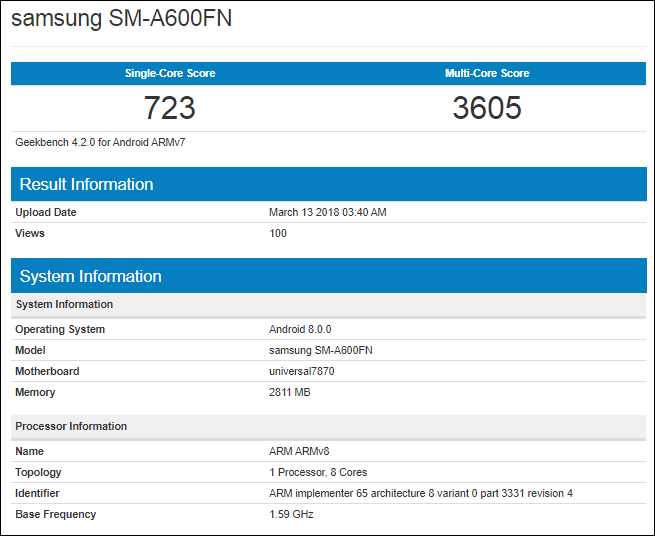
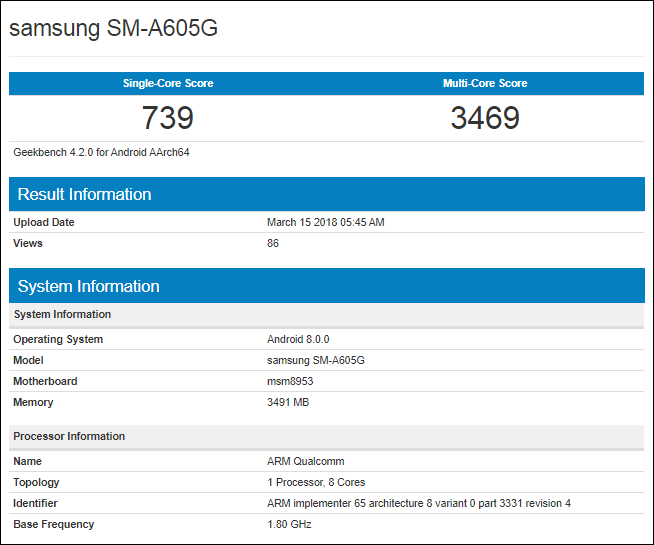
Two Samsung A series models have been spotted on GeekBench database. The models appeared as Samsung SM-A600FN and SM-A605G. Both models are suspected to be the Galaxy A6 and Galaxy A6+ considering the closeness of their model numbers to that of the Galaxy J8 (SM-J800FN) and J8+ (SM-J805FN).
The Galaxy A series have existed before now with an A6 model despite the presence of A5 and A7. So these models are likely going to be the first A6 models that would be launched. The benchmark results are very similar despite the presence of two different chips on both smartphones. The GalaxyA6 scores 2605 on the multicore test and 723 on the single core test. While the Galaxy A6+ scored 739 points on the single core test and 3469 points on the multi-core test.
On the specs, the Galaxy A6 (SM-A600FN) is powered by an Exynos 7870 chipset with eight Cortex-A53 cores and a Mali-T830 MP1 GPU paired with 3GB of RAM. The chipset was used on the Galaxy A3 (2017) and several J-series phones. On the other hand, the A6+ (SM-A605G) utilizes a Qualcomm Snapdragon 625 chipset with Adreno 506 GPU and has 4GB of RAM onboard. Furthermore, both Android models run Android 8.0 Oreo out of the box.
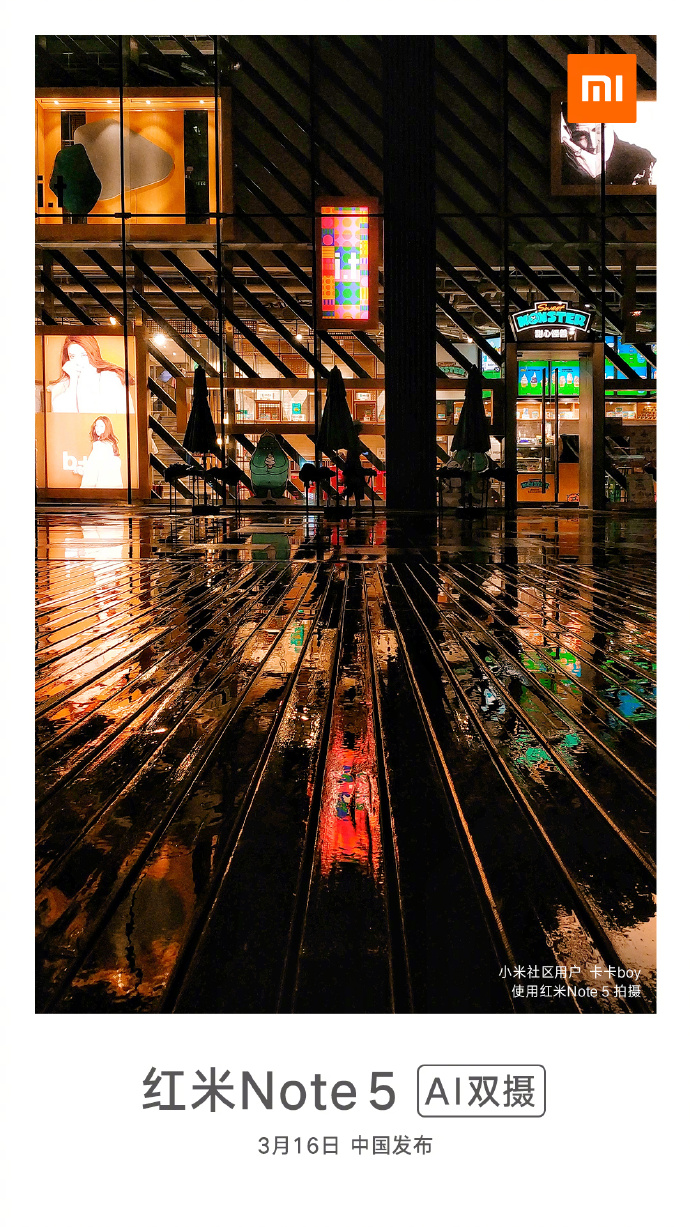
Xiaomi is set to officially unveil the Redmi Note 5 China version which has been the subject of several teasers. Ahead of the launch, the tech giant has again shared some details of the device as it pertains to the camera setup. The details are backed by some camera samples shot by the Redmi Note 5’s front and rear cameras.
Xiaomi’s CEO Lei Jun says the Redmi Note 5 is a well-balanced smartphone with little or no deficiency but that is left for us to decide after the smartphone has been experienced hands-on. However, among the features the device is expected to pack include an AI dual camera, AI face unlock, AI smart beauty feature, AI portrait mode, soft light self-timer, background blur, etc. In essence, both the selfie camera and rear dual shooter would be AI-driven. The main rear camera is also said to feature a full-pixel dual-core fast focus and a PPI of 1.4um. The samples test the various shooting modes including portrait, Bokeh and others and the shots are pretty impressive. This should be the best we may be seeing from a smartphone in the 1000 Yuan price bracket. It is not a very spectacular performance matching up with the hype about AI cameras.
The camera configuration on China’s Redmi Note 5 include a 13MP front shooter and a 12MP+5MP dual rear camera sensors. In other aspects, the Redmi Note 5 sports a 5.99-inch FHD+ display with a resolution of 2160 x 1080p. The device will also be the first model in China to utilize the Snapdragon 636 chipset and would have 4GB RAM and 6GB RAM versions only. Both versions will pair up with 64GB of internal storage. In due course, Xiaomi might introduce new versions with smaller memory sizes. The device is also expected to come with a 4000mAH battery, full Netcom 5.0, dual 4G SIM slots and dual standby. Check out some of the camera samples below.
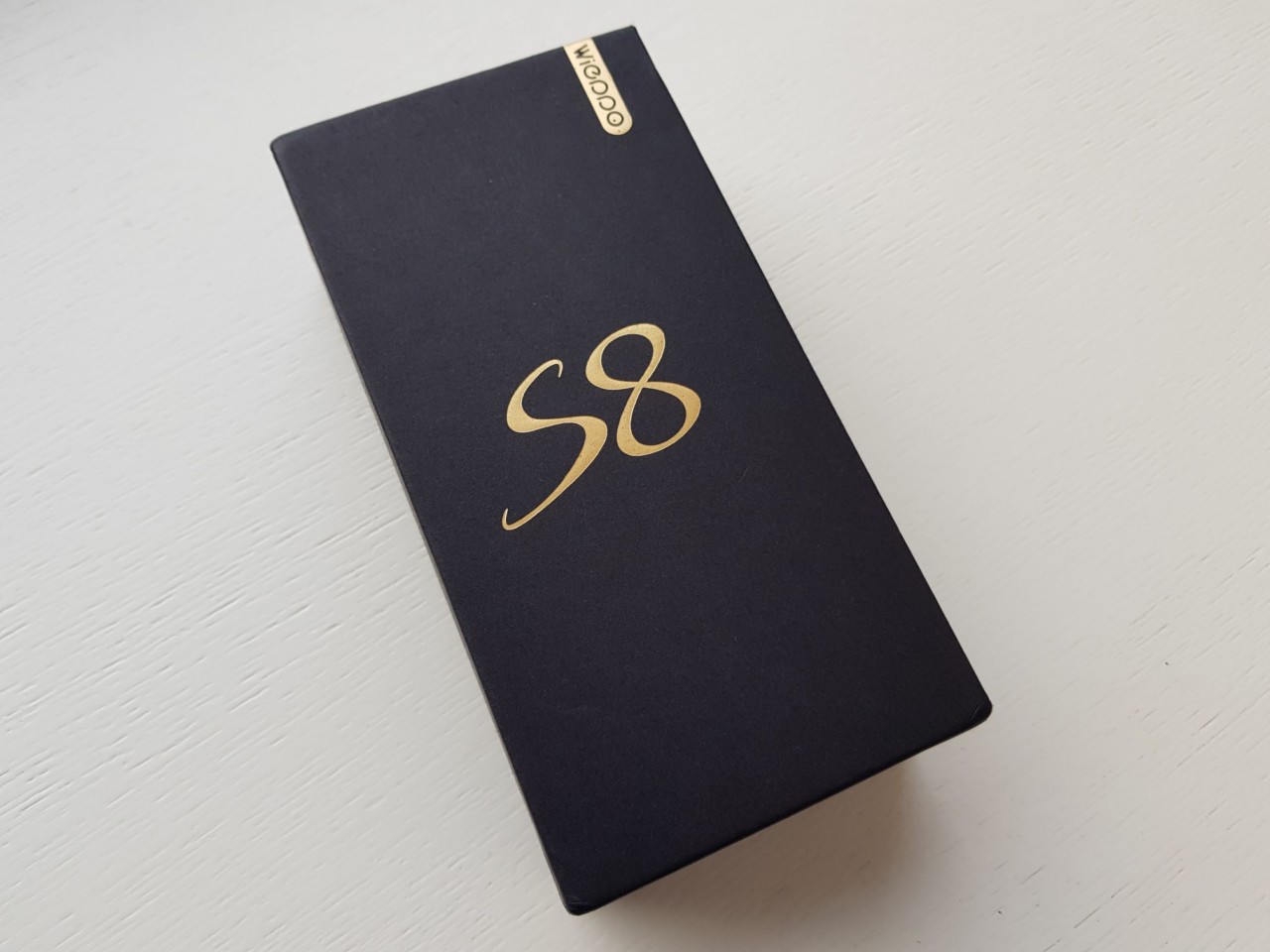
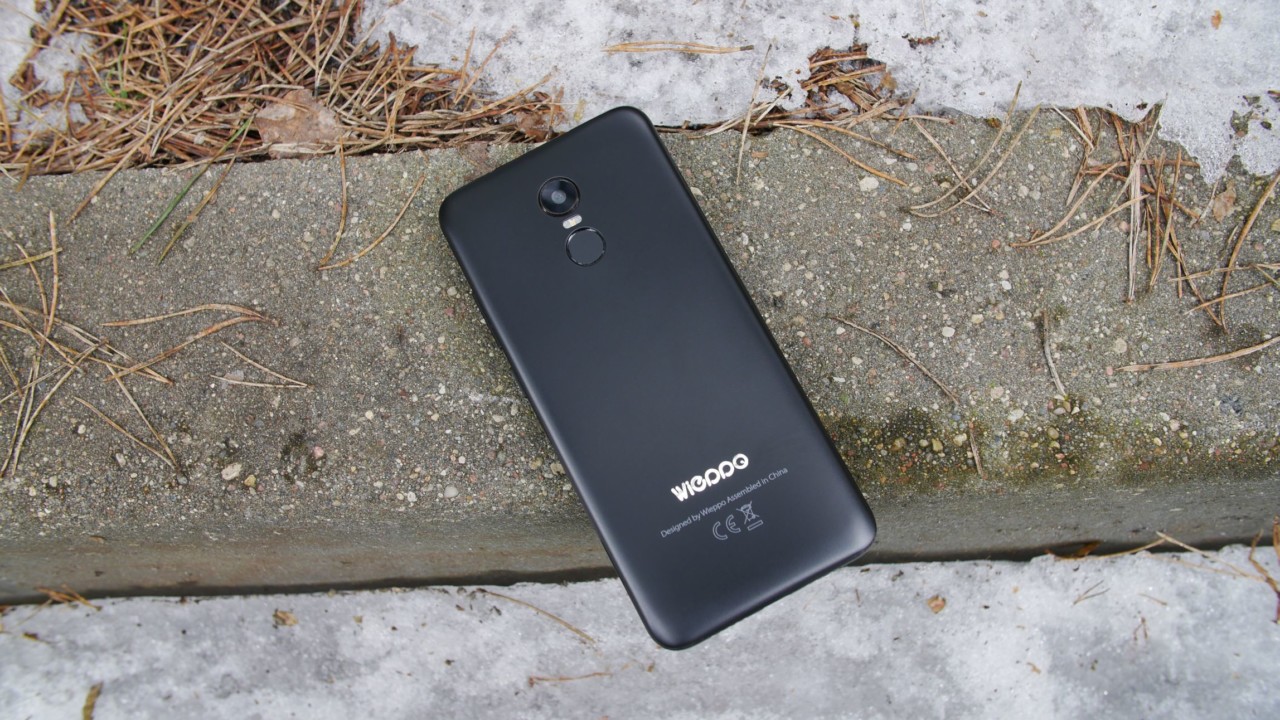
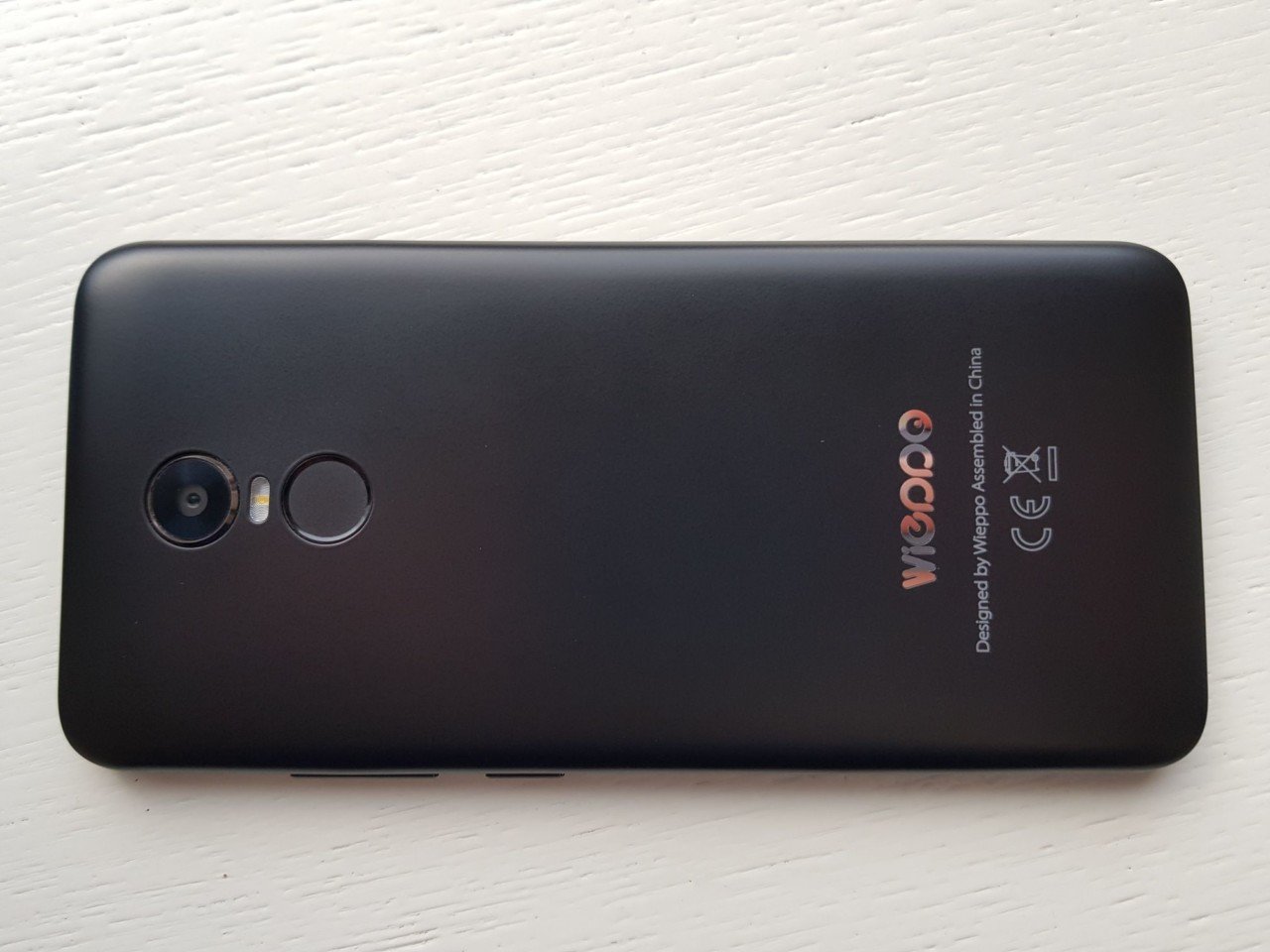
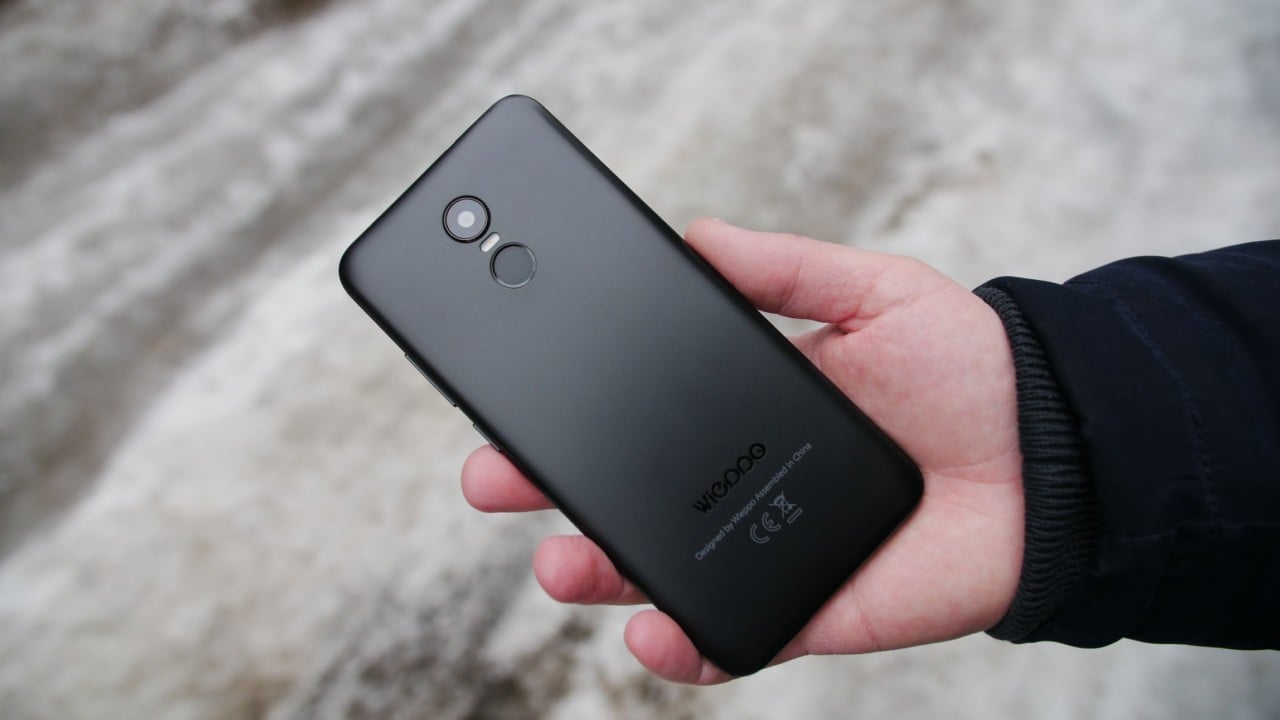
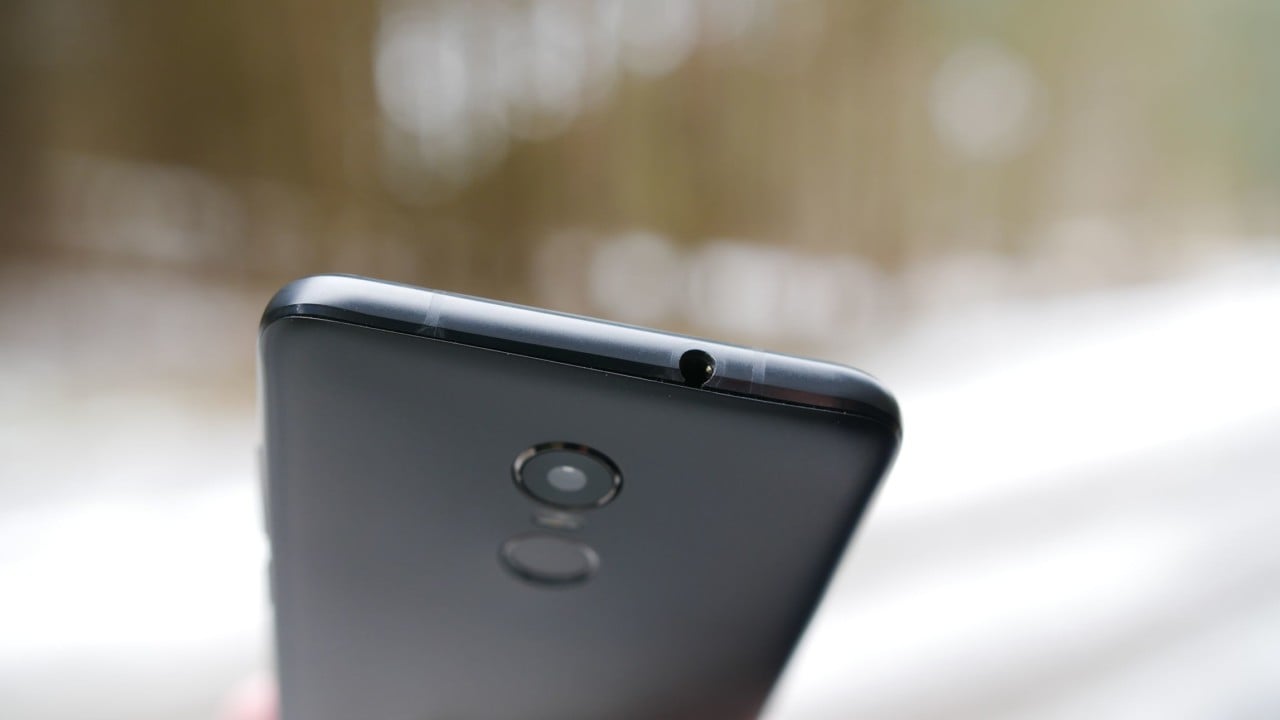
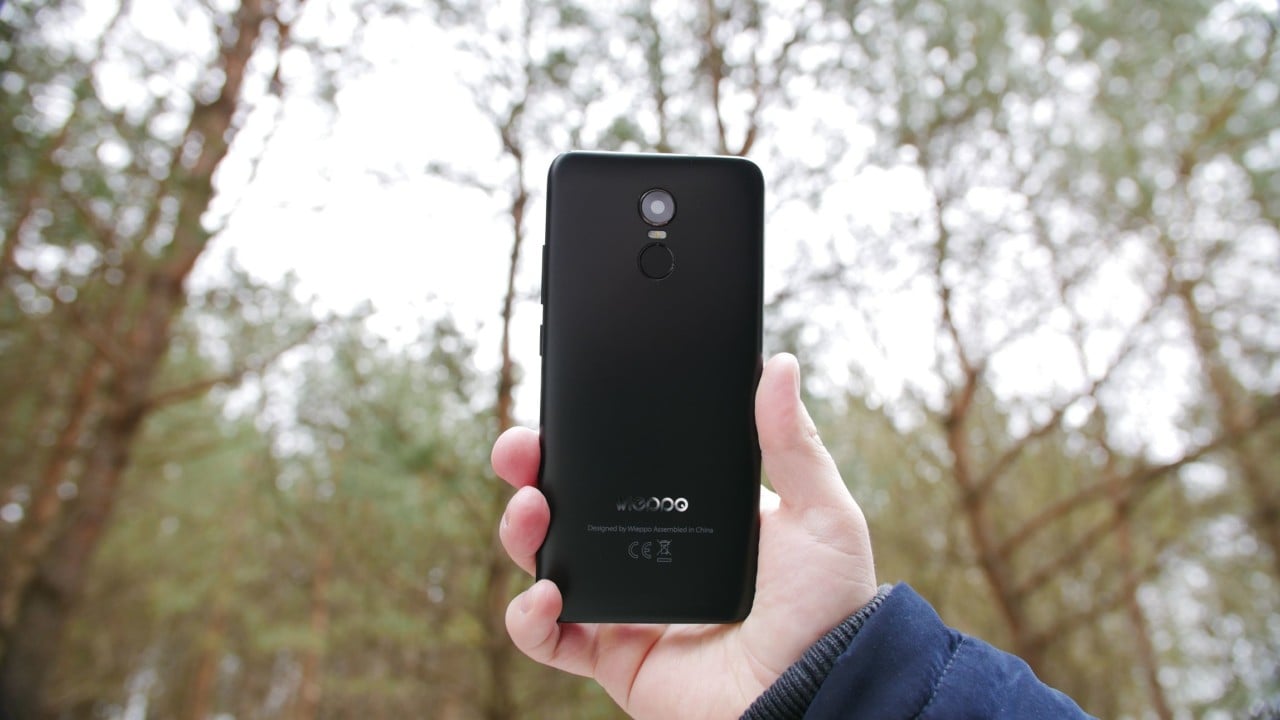
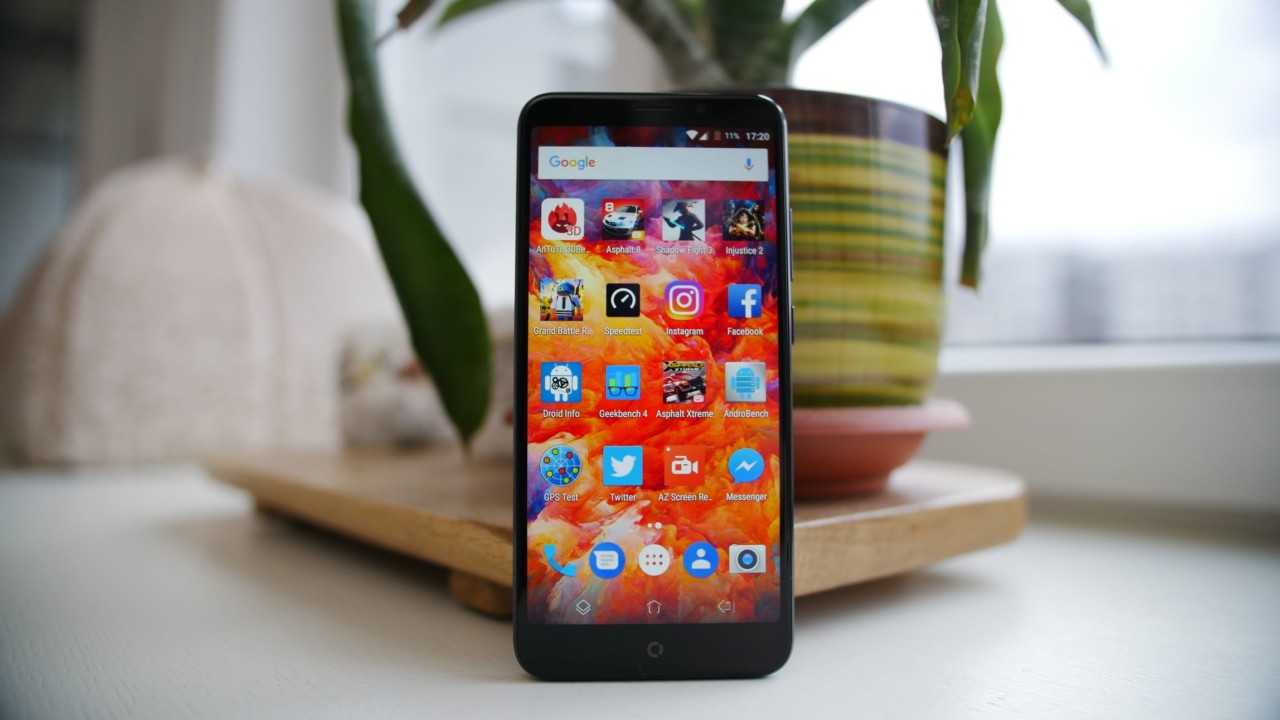
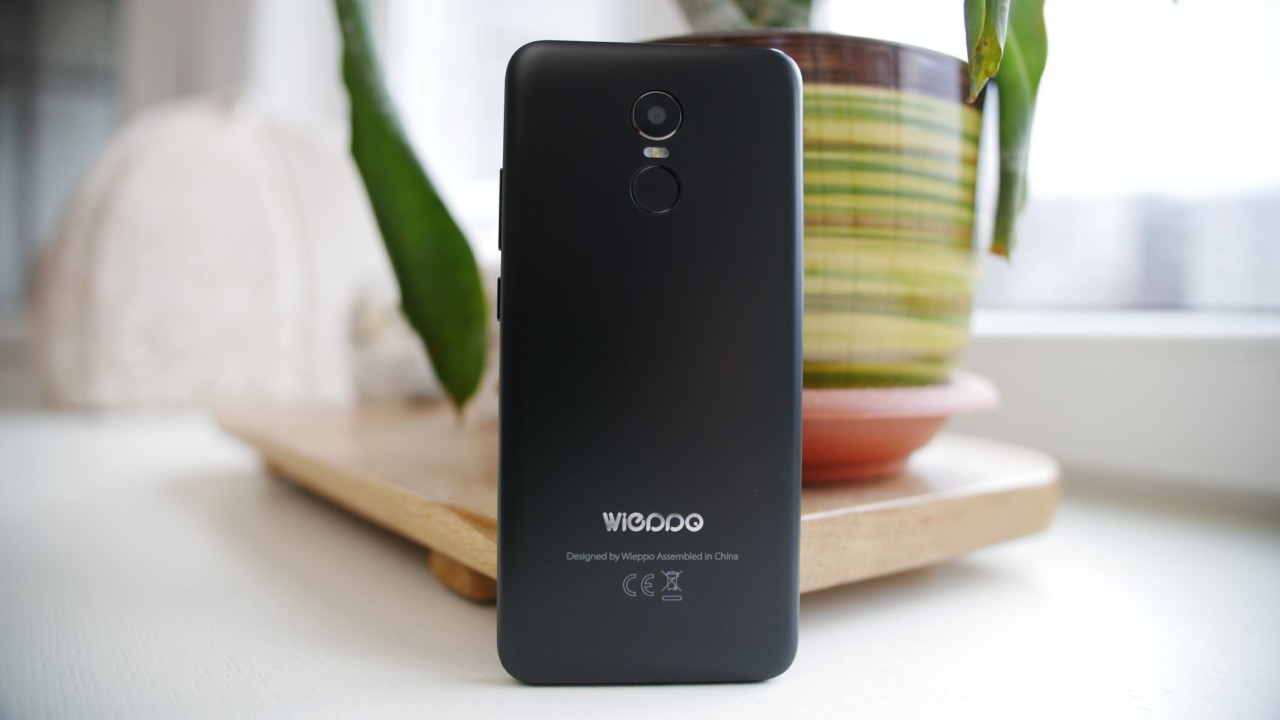
Wieppo is a rather young Chinese phone maker as it hasn’t produced many phones. The S8 is one of their latest models and it offers 18:9 ratio display, low-end specs and more.At the moment, the pricing is not announced but check out the product page for that. Learn more in the full Wieppo S8 Review.
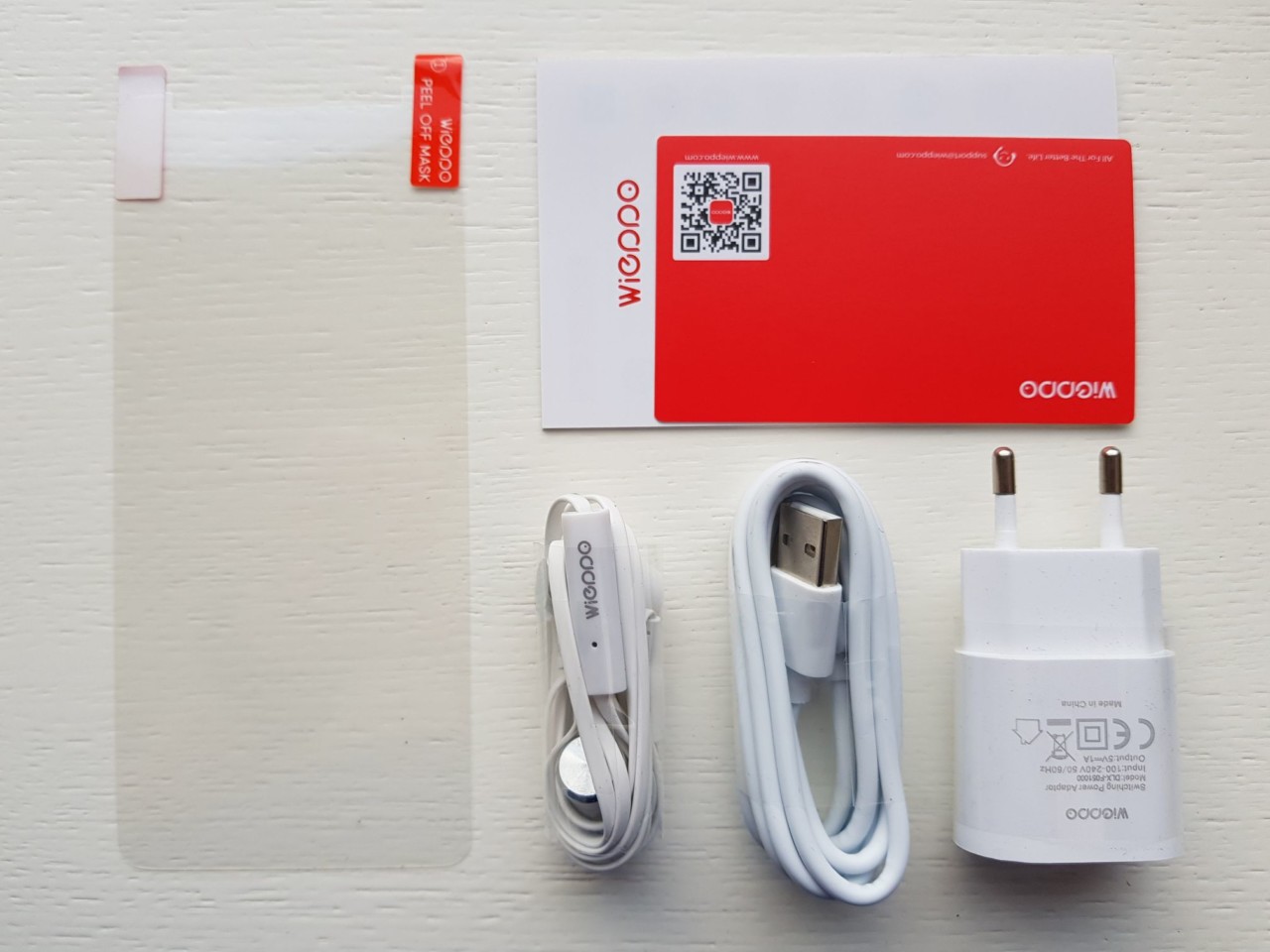
The phone ships with all the usual stuff and some extras include a pair of earphones.
DESIGN, DISPLAY, BATTERY LIFE
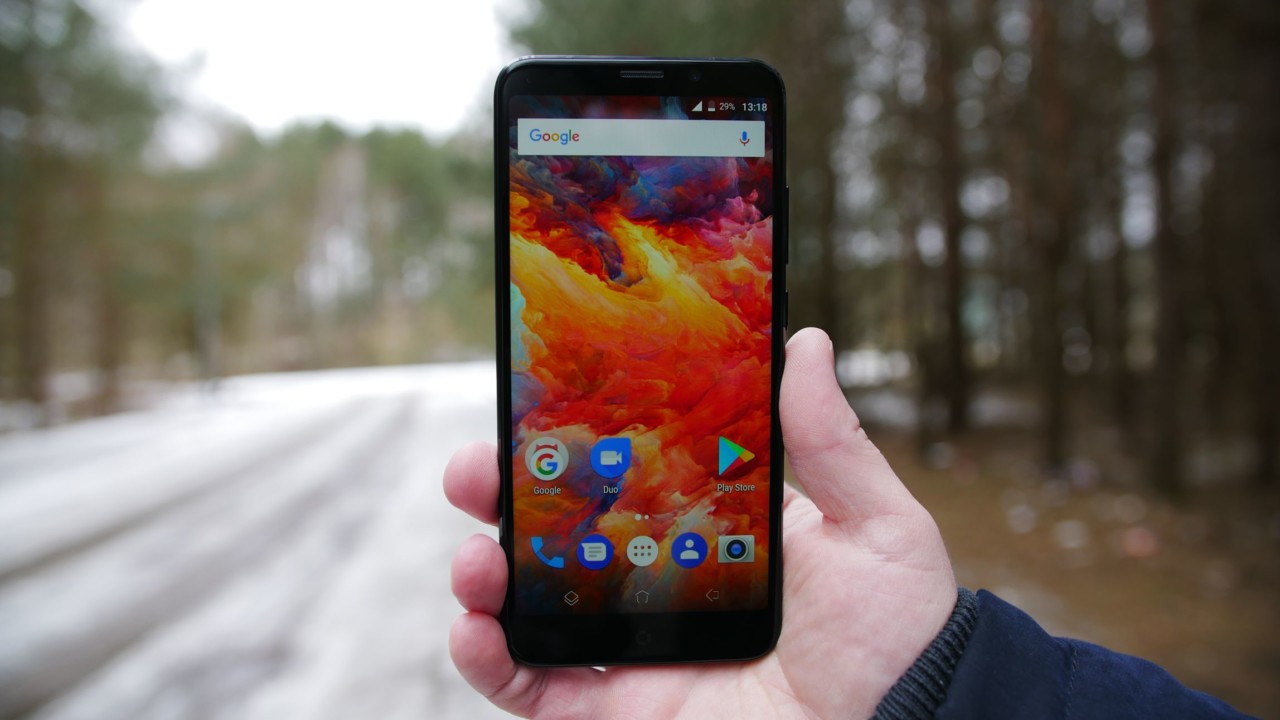
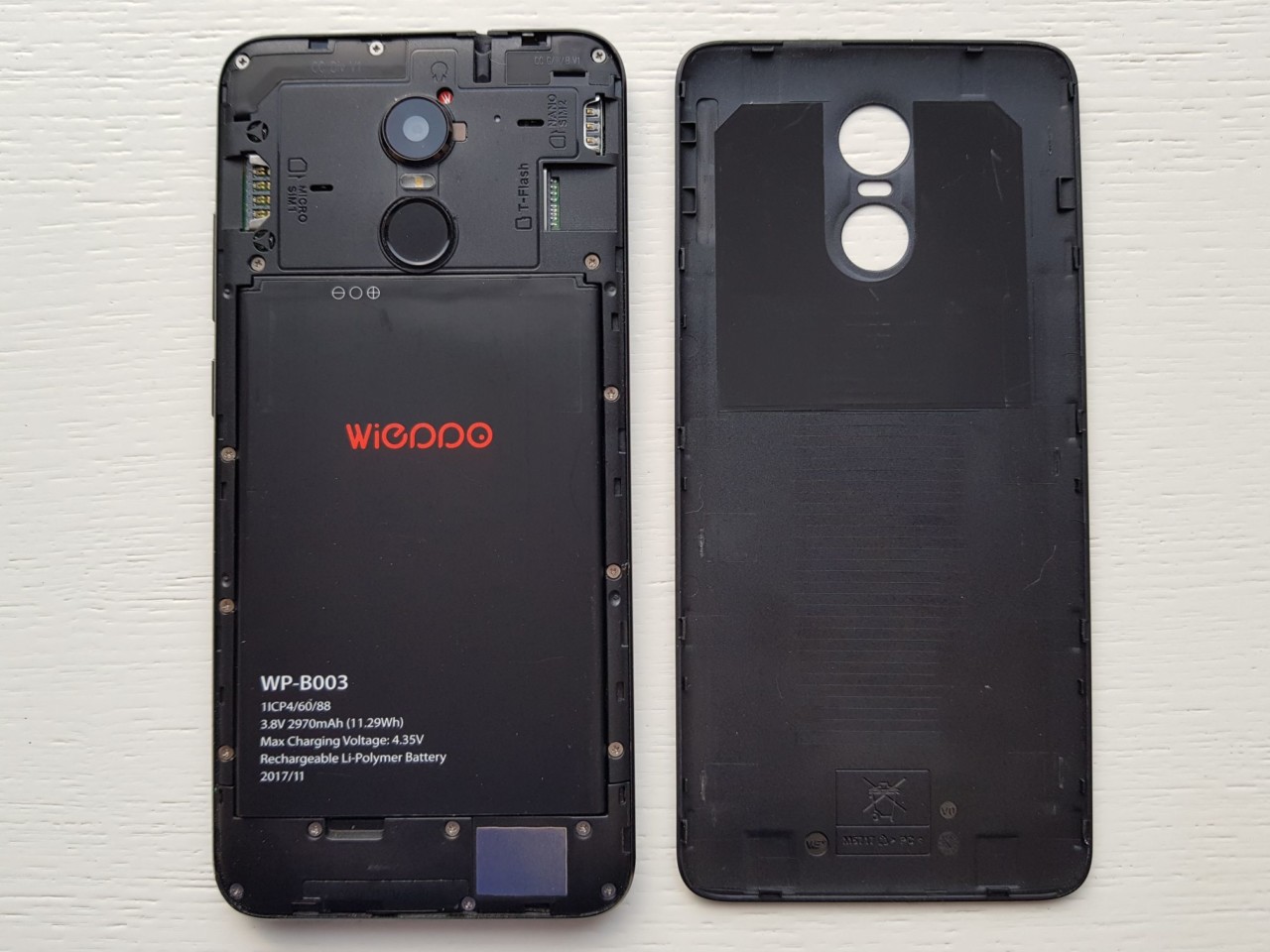
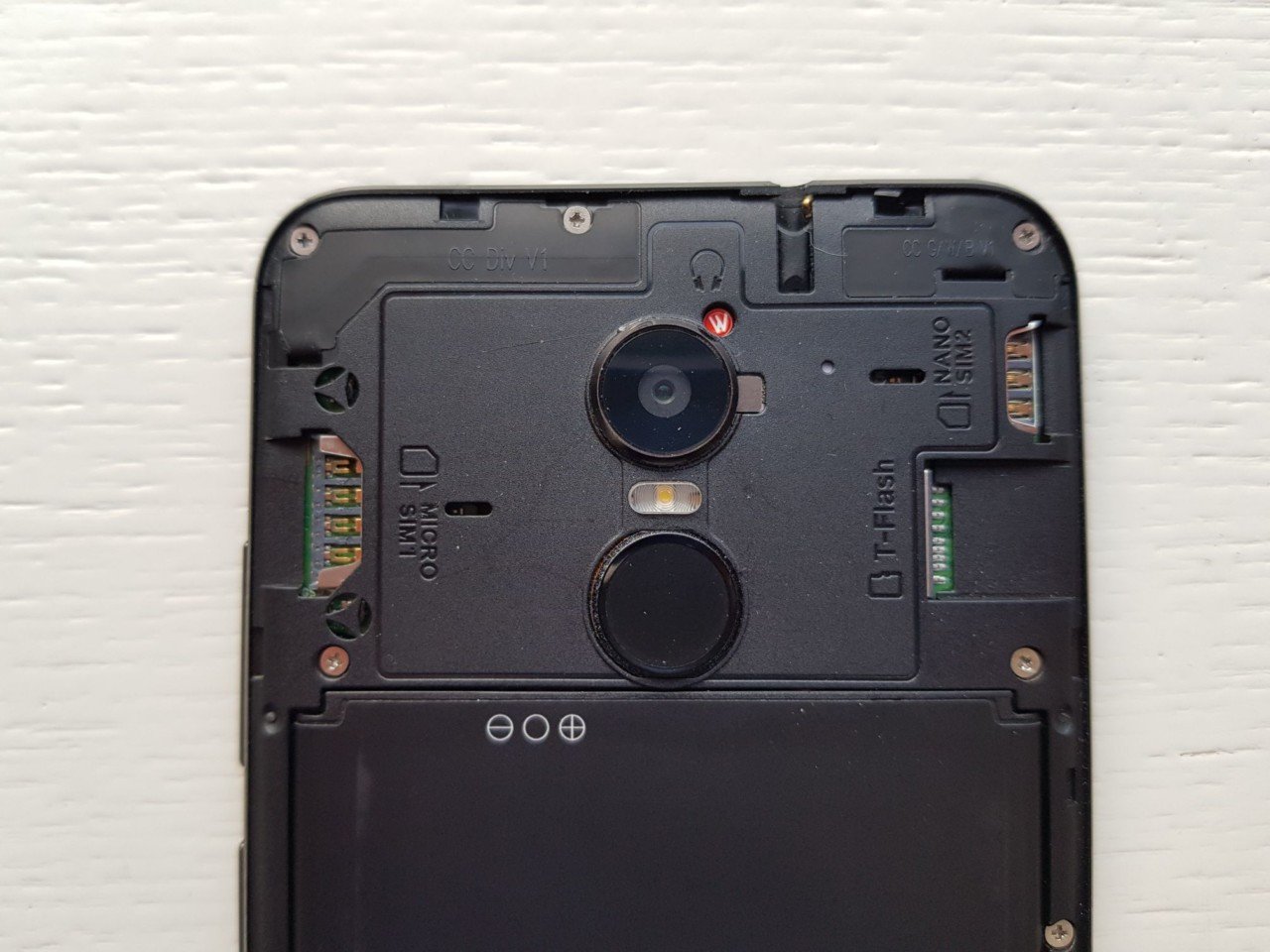
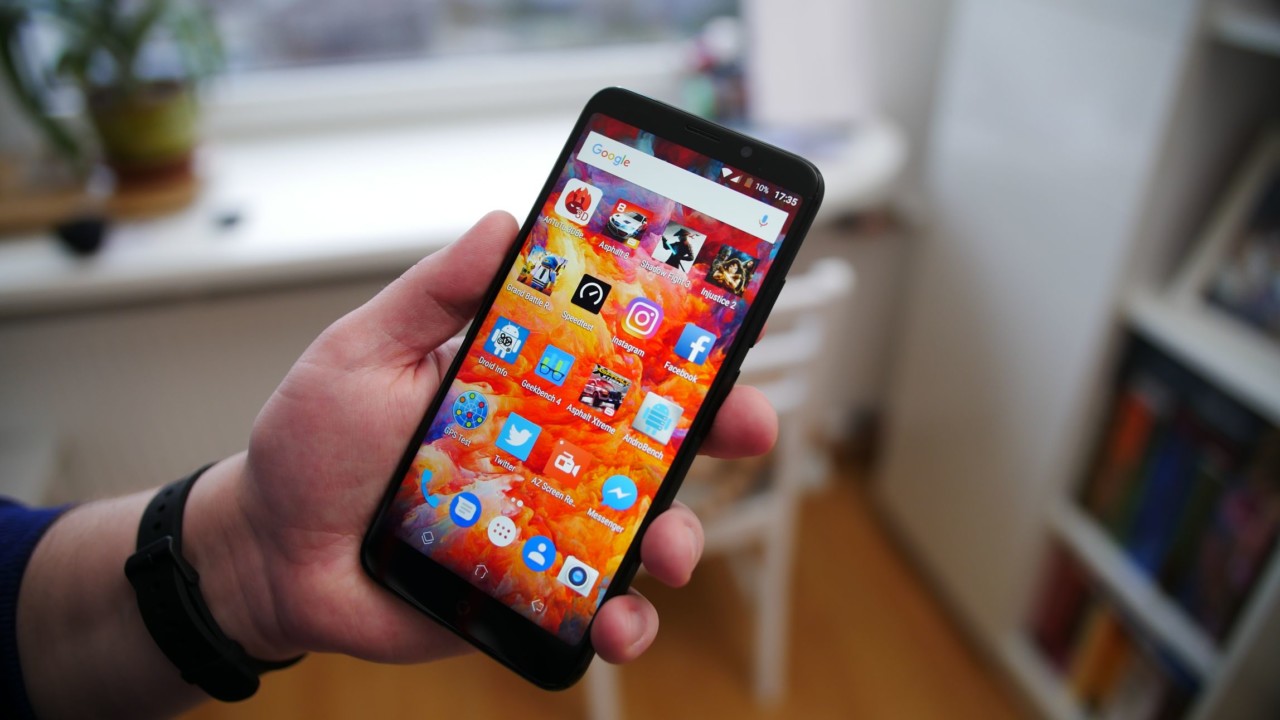
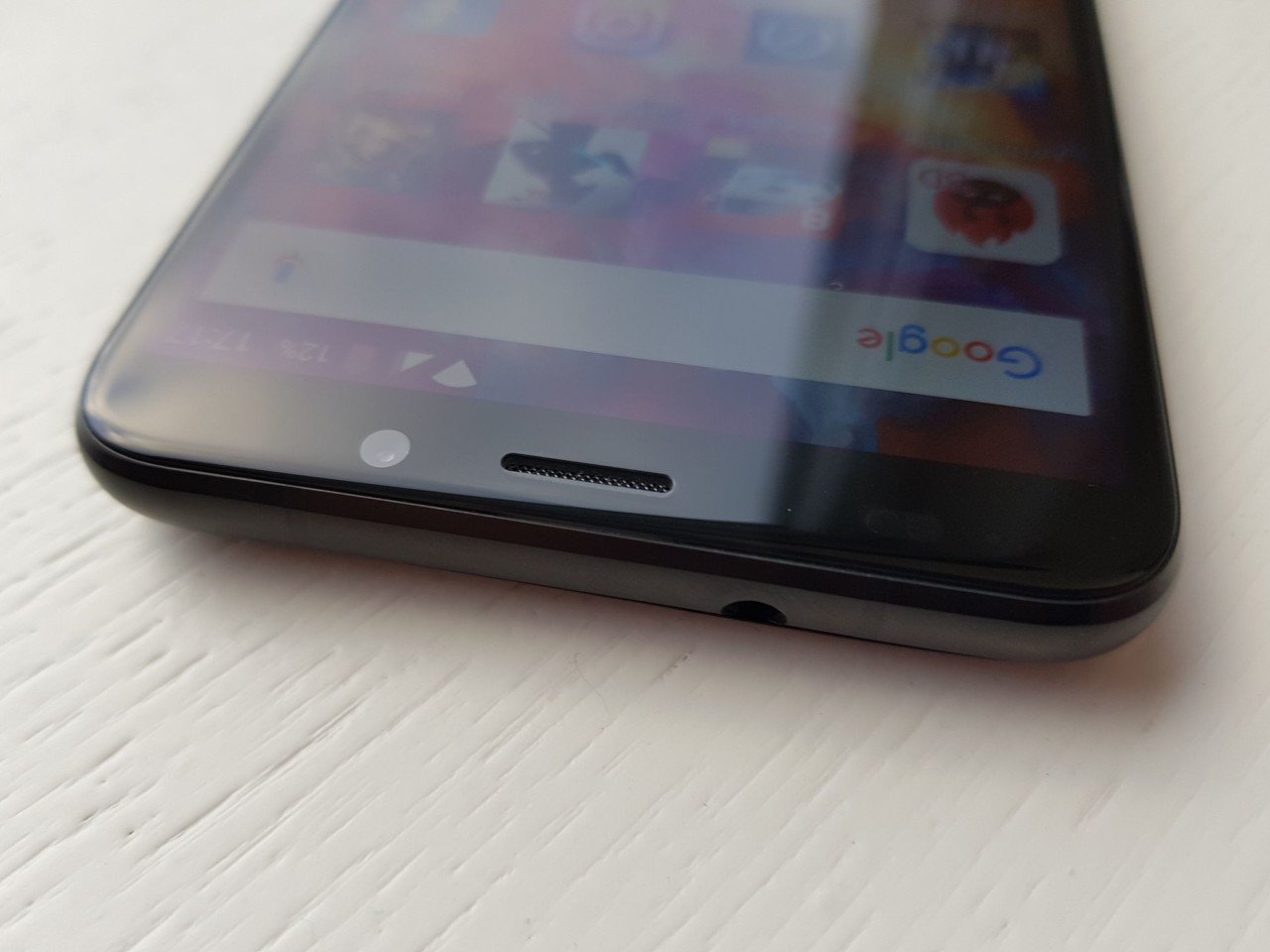
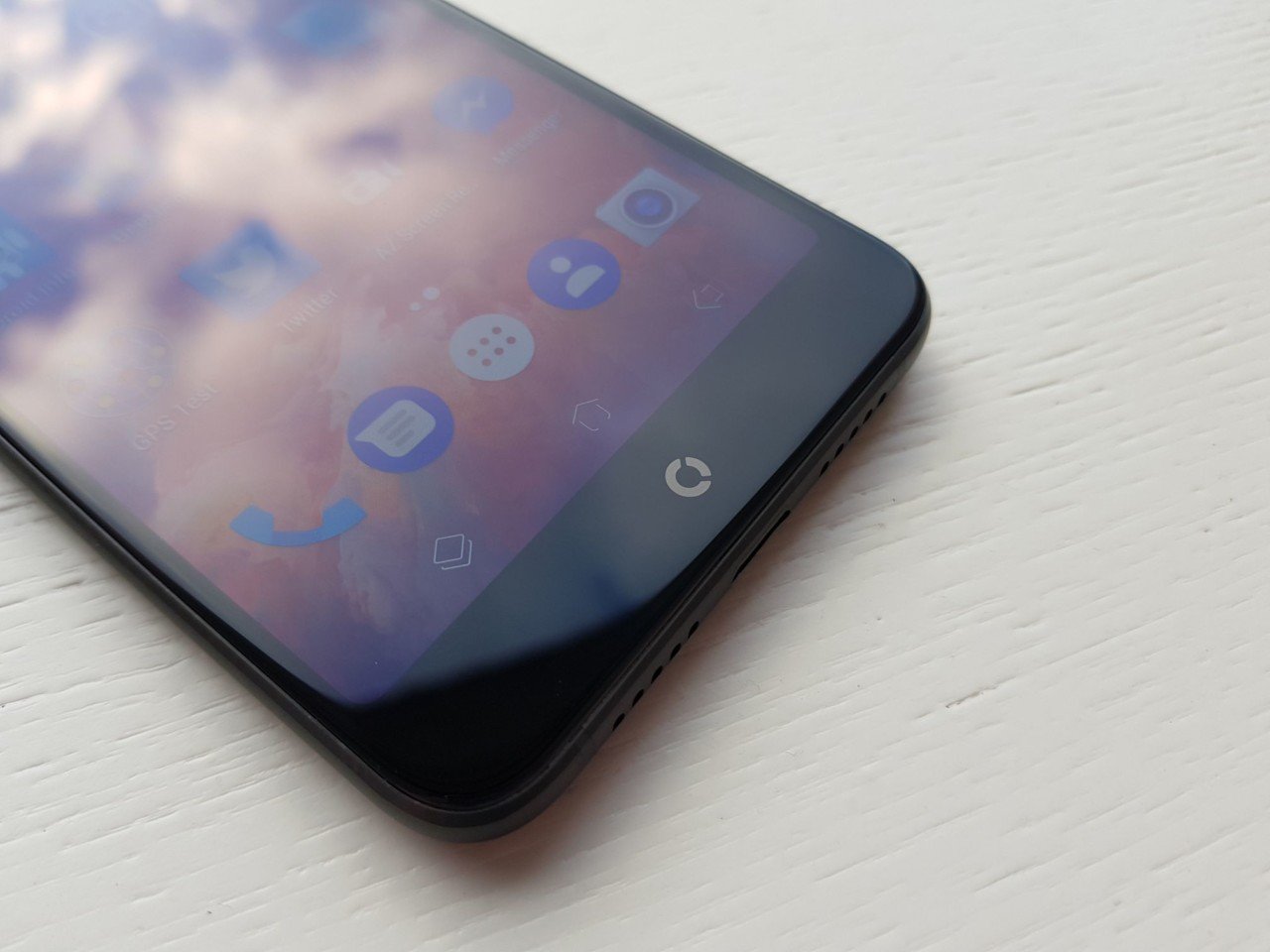
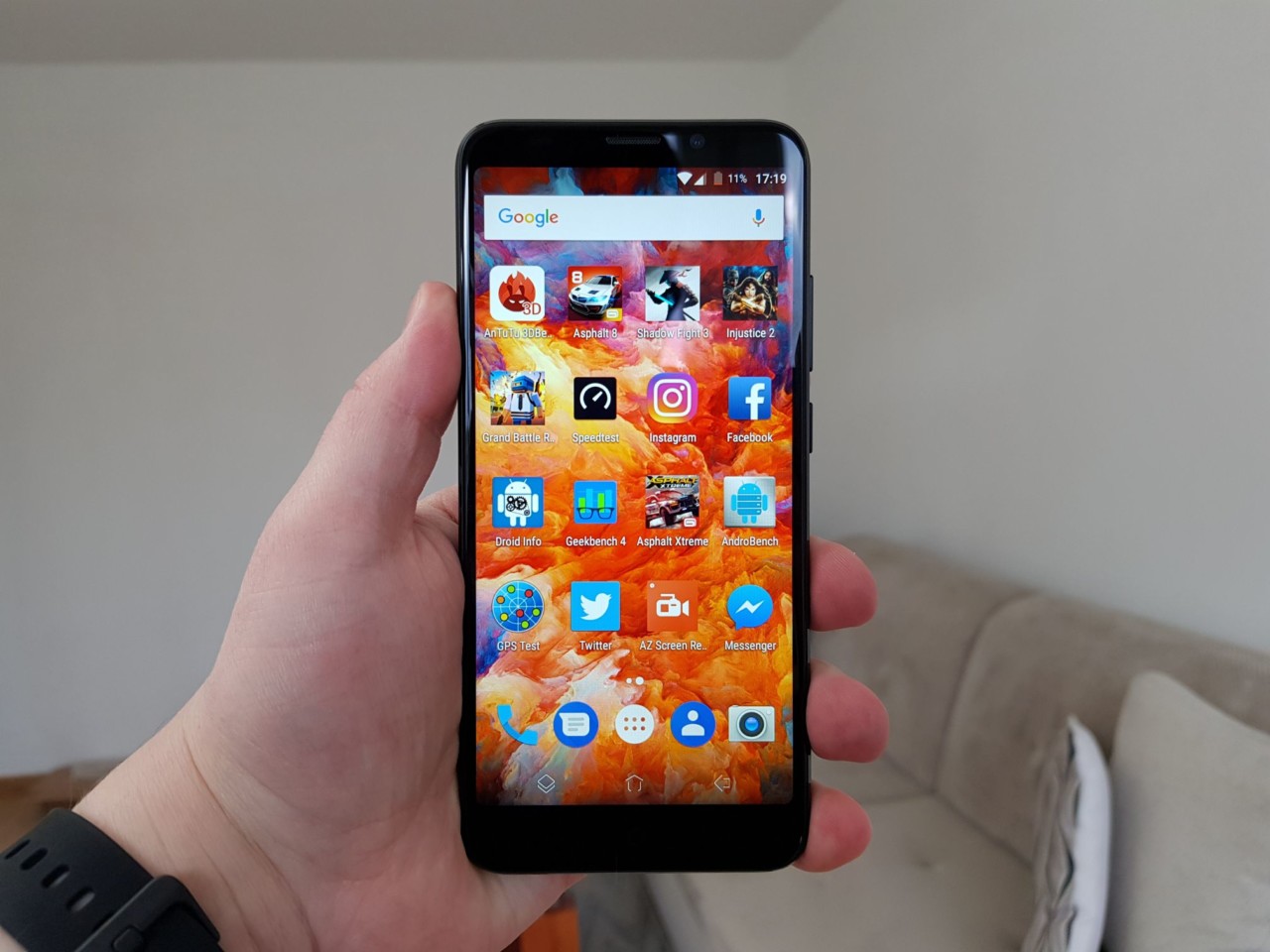
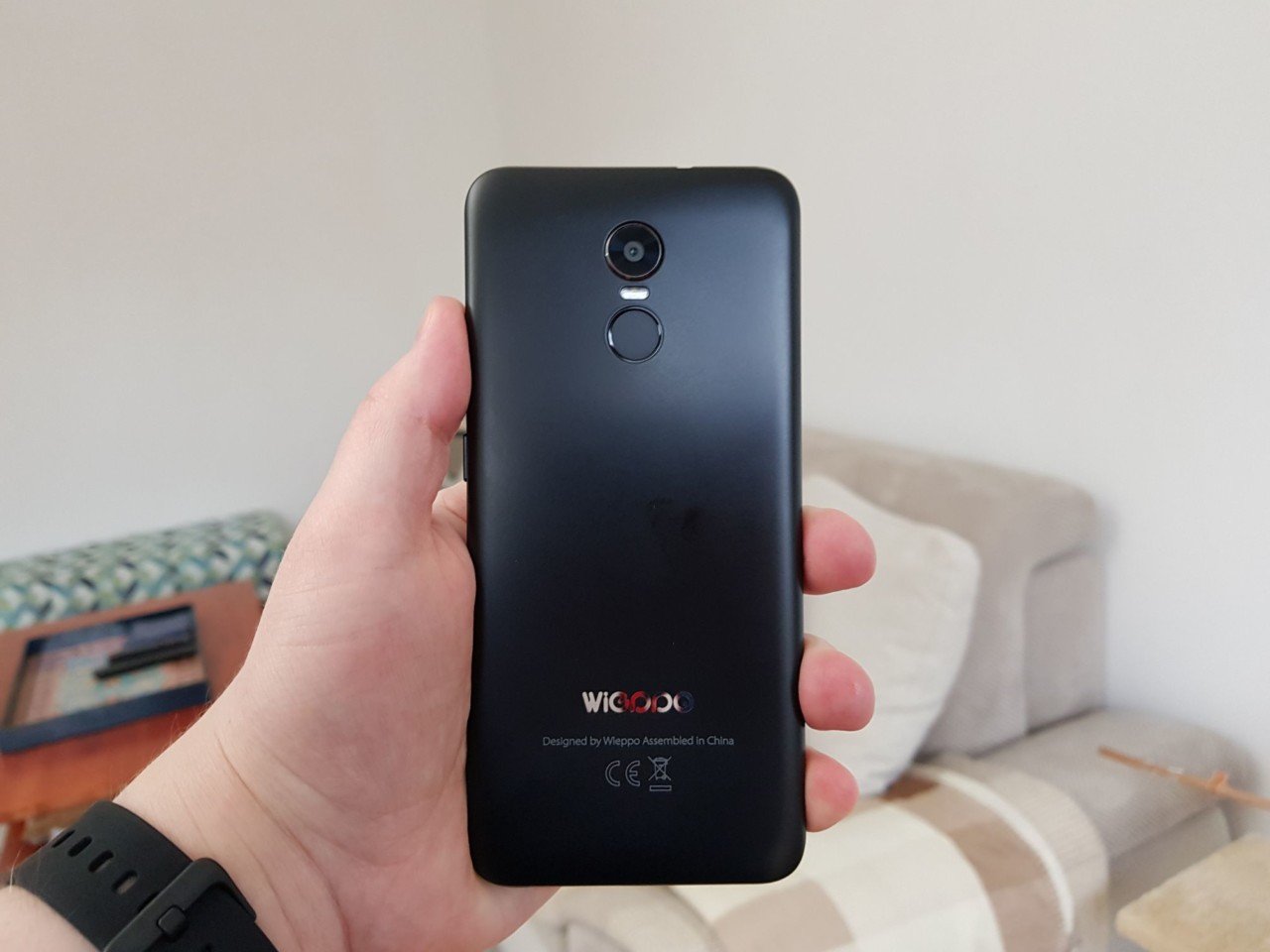
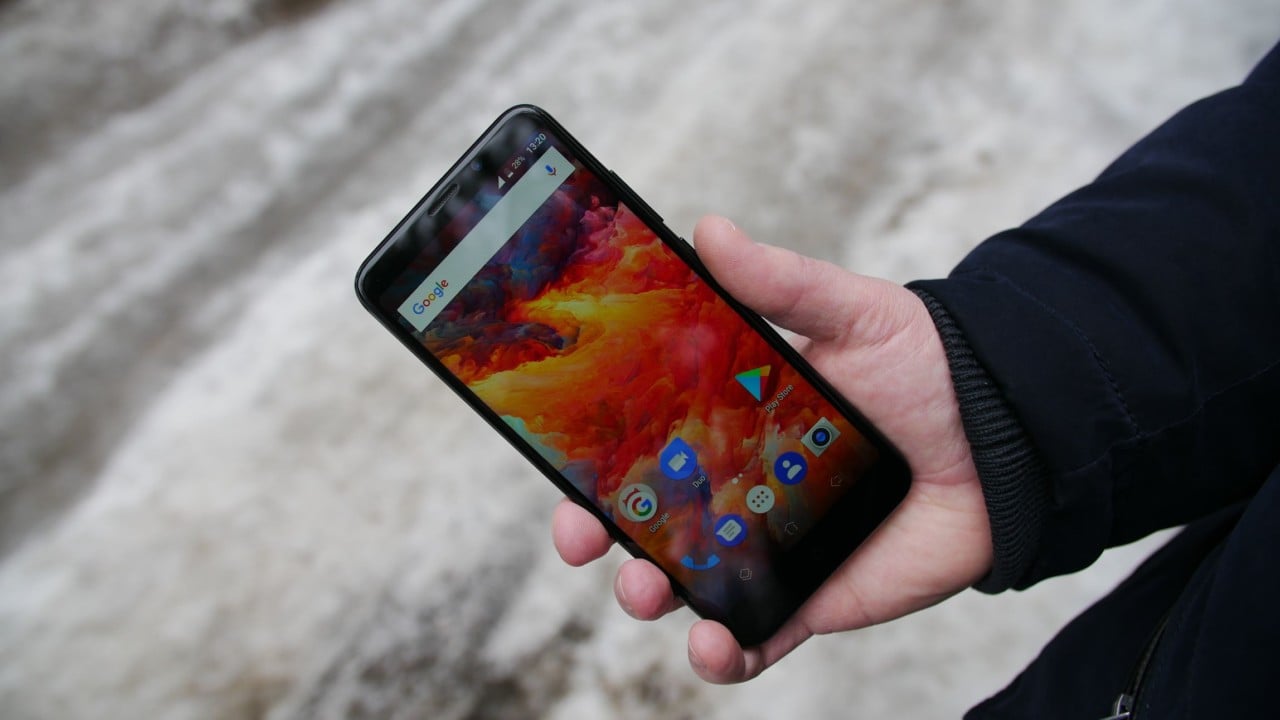
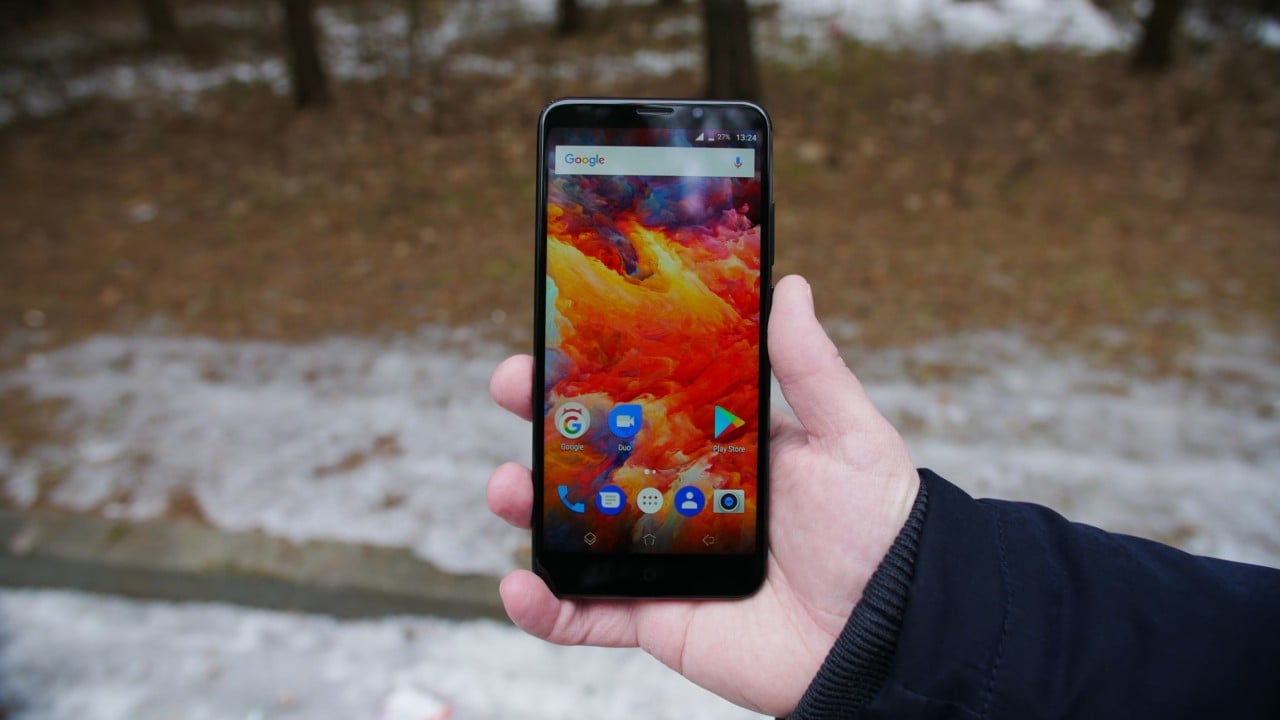
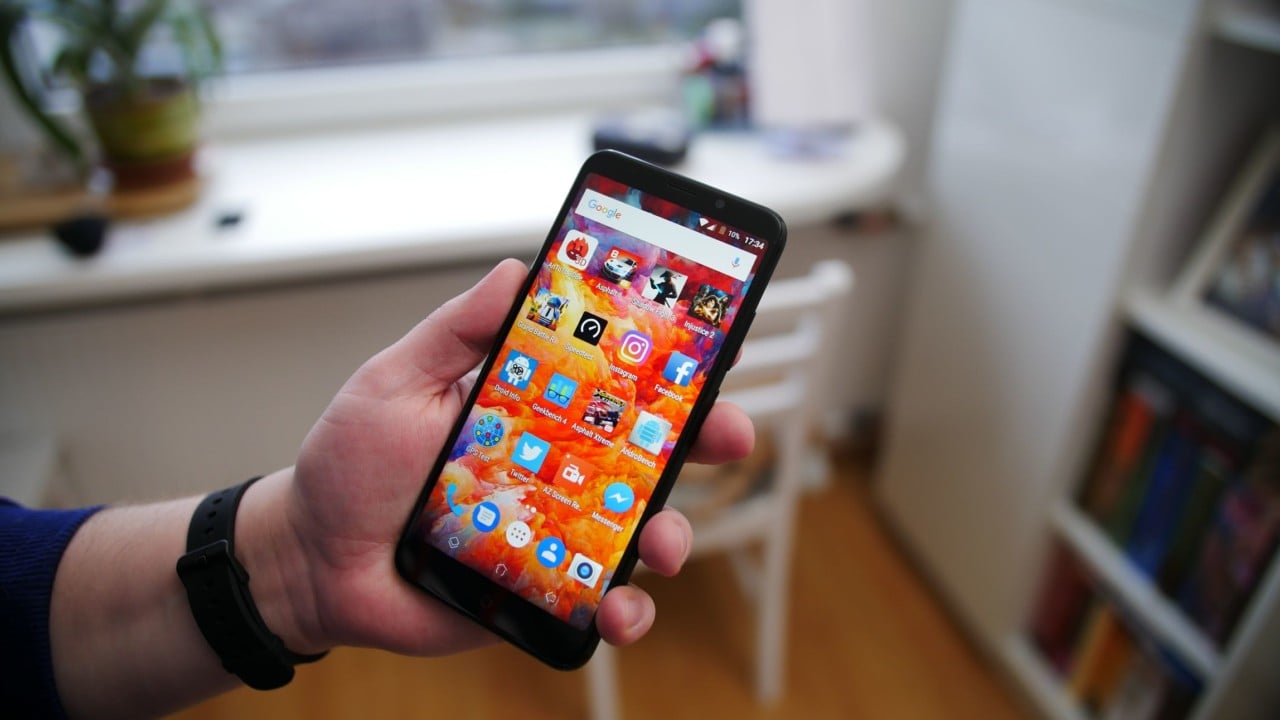
A pretty nice-looking 5.7” display with 18:9 aspect ratio. Also, the phone has a metal frame that goes all around the device and a removable backplate that lets you swap the batteries and SIM cards quickly.
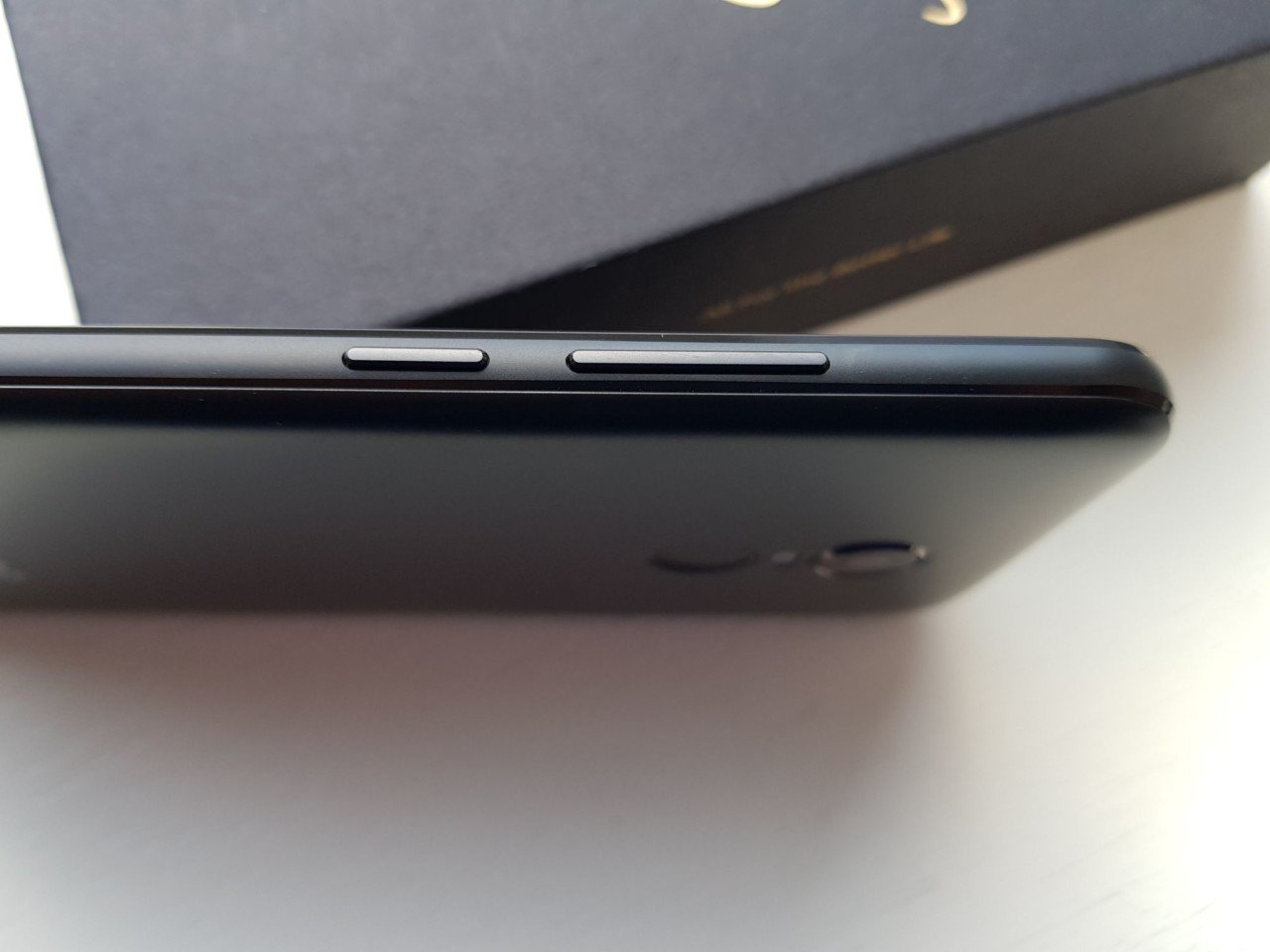
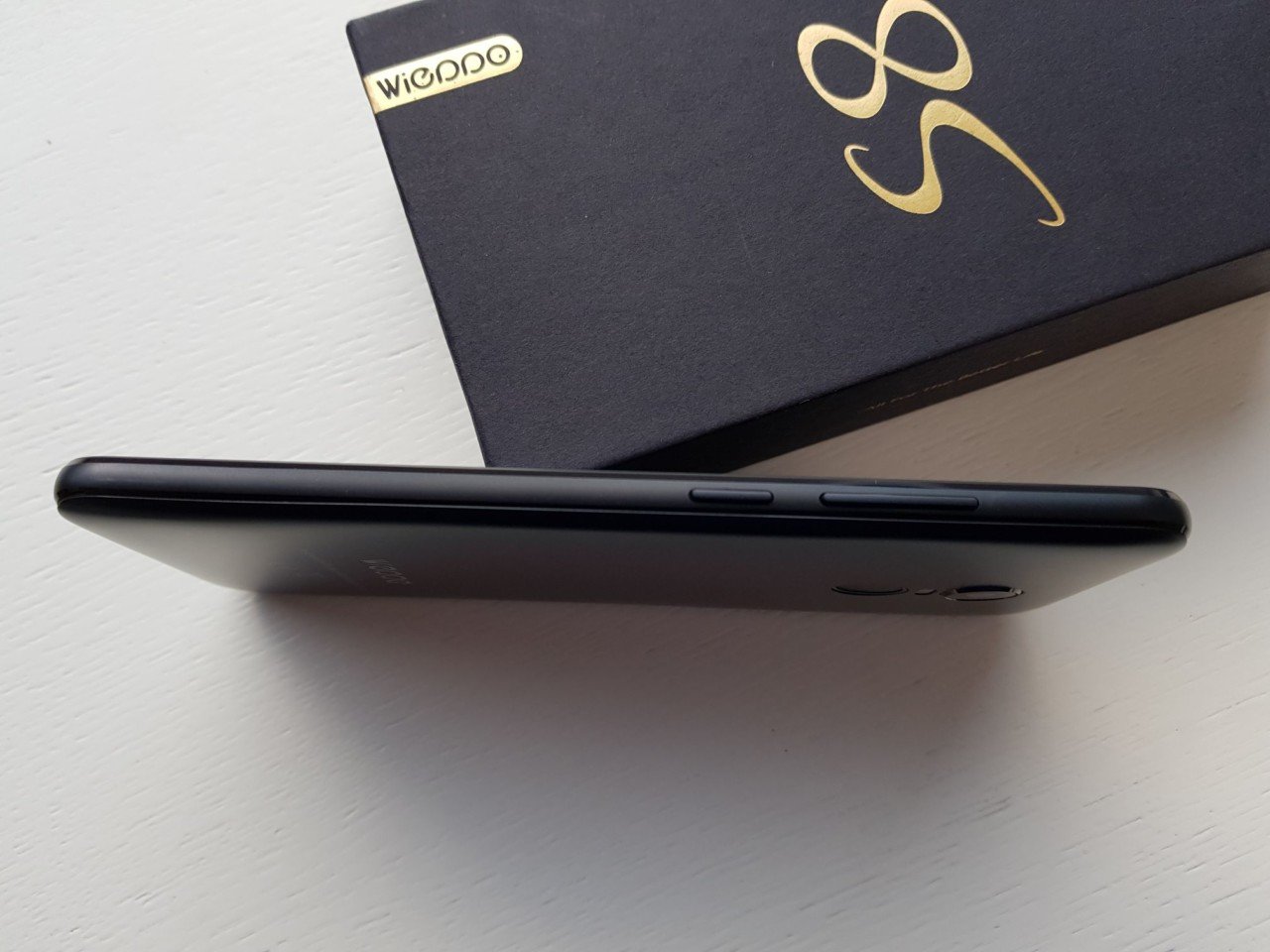
The overall build quality and design are pretty good. Also, the buttons are quite nice and the phone feels nice in the hand.
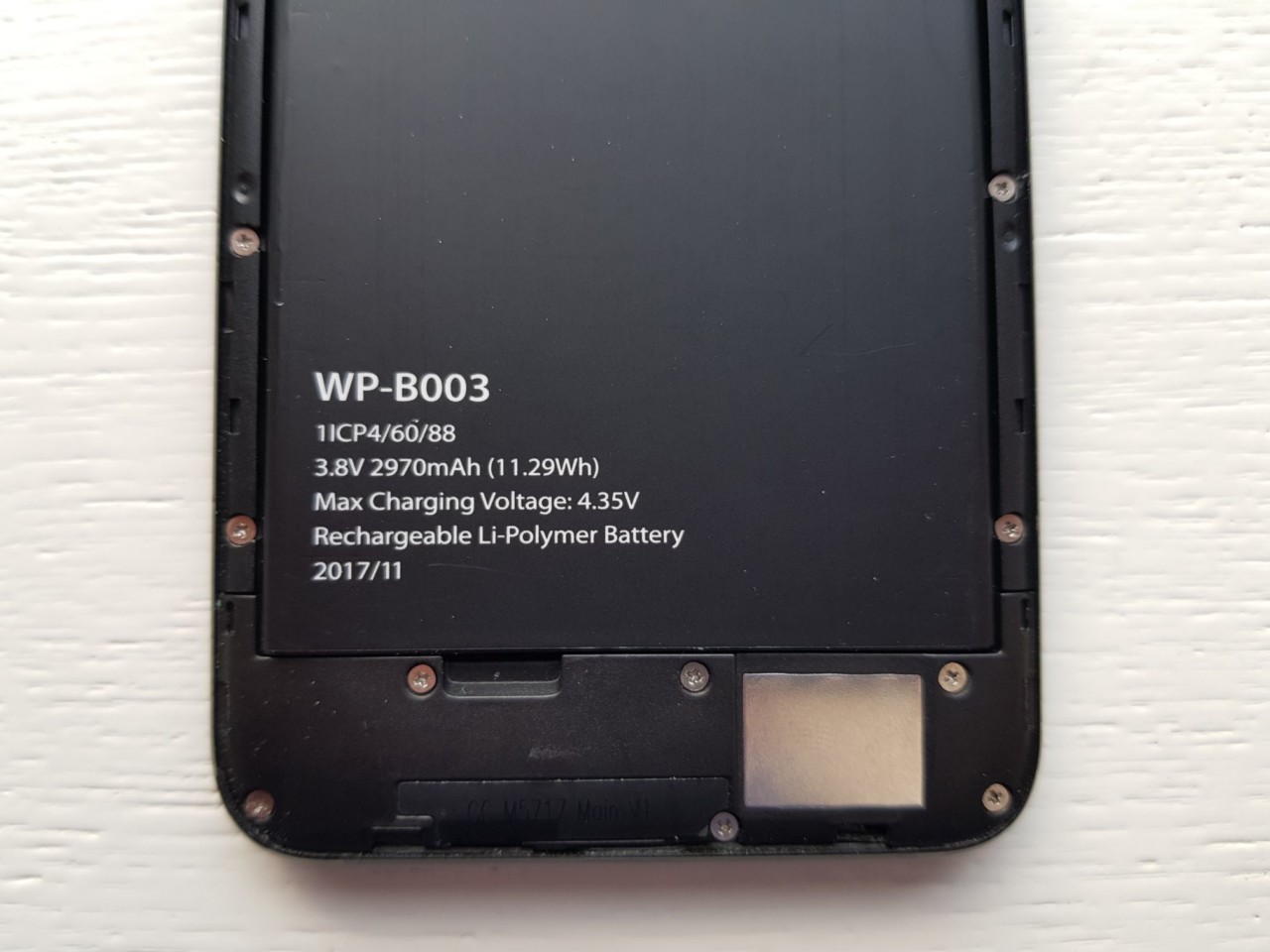
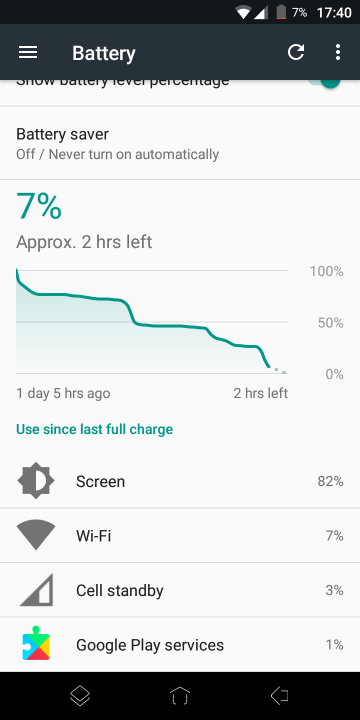
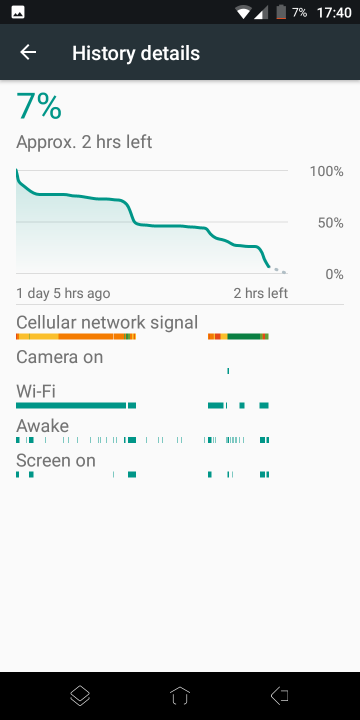
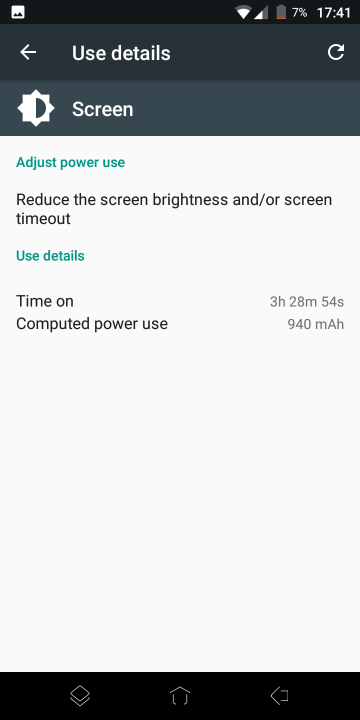
Speaking of the battery, I was not impressed by its performance as I was able to get just over 3,5 h of screen-on time.
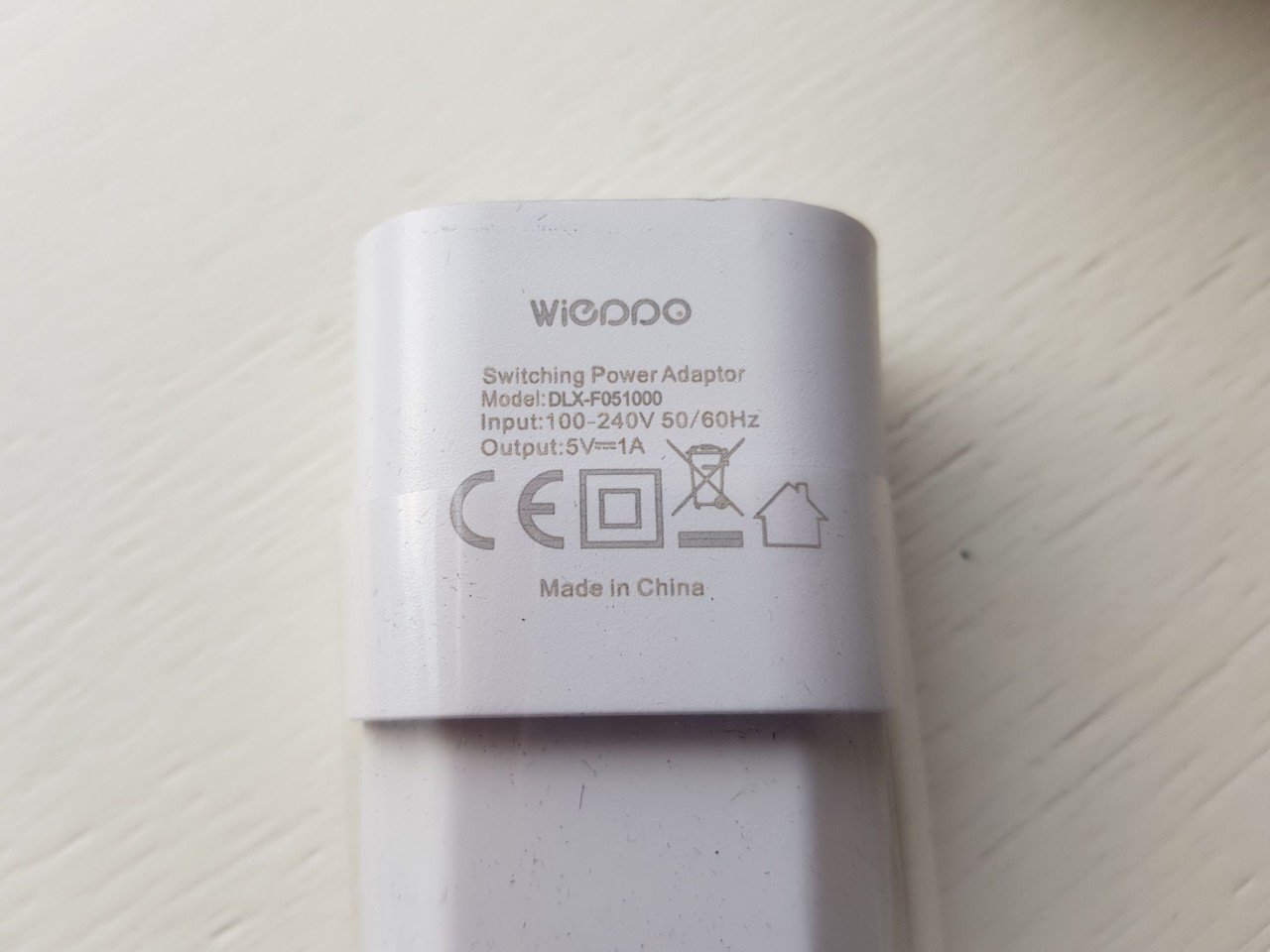
Also, it takes about 4.5h to fully charge it with the supplied charger. This is a ridiculously long time.
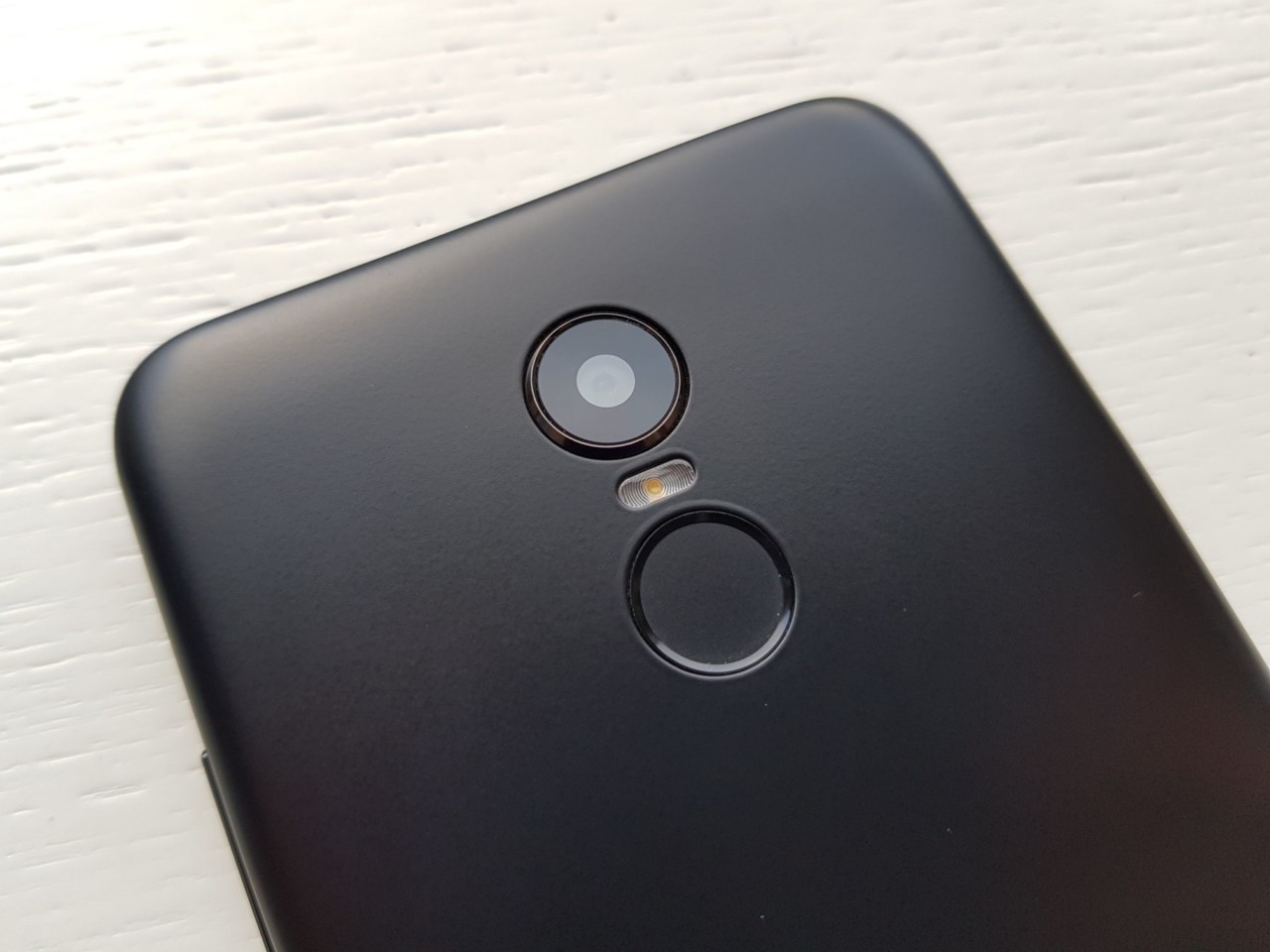
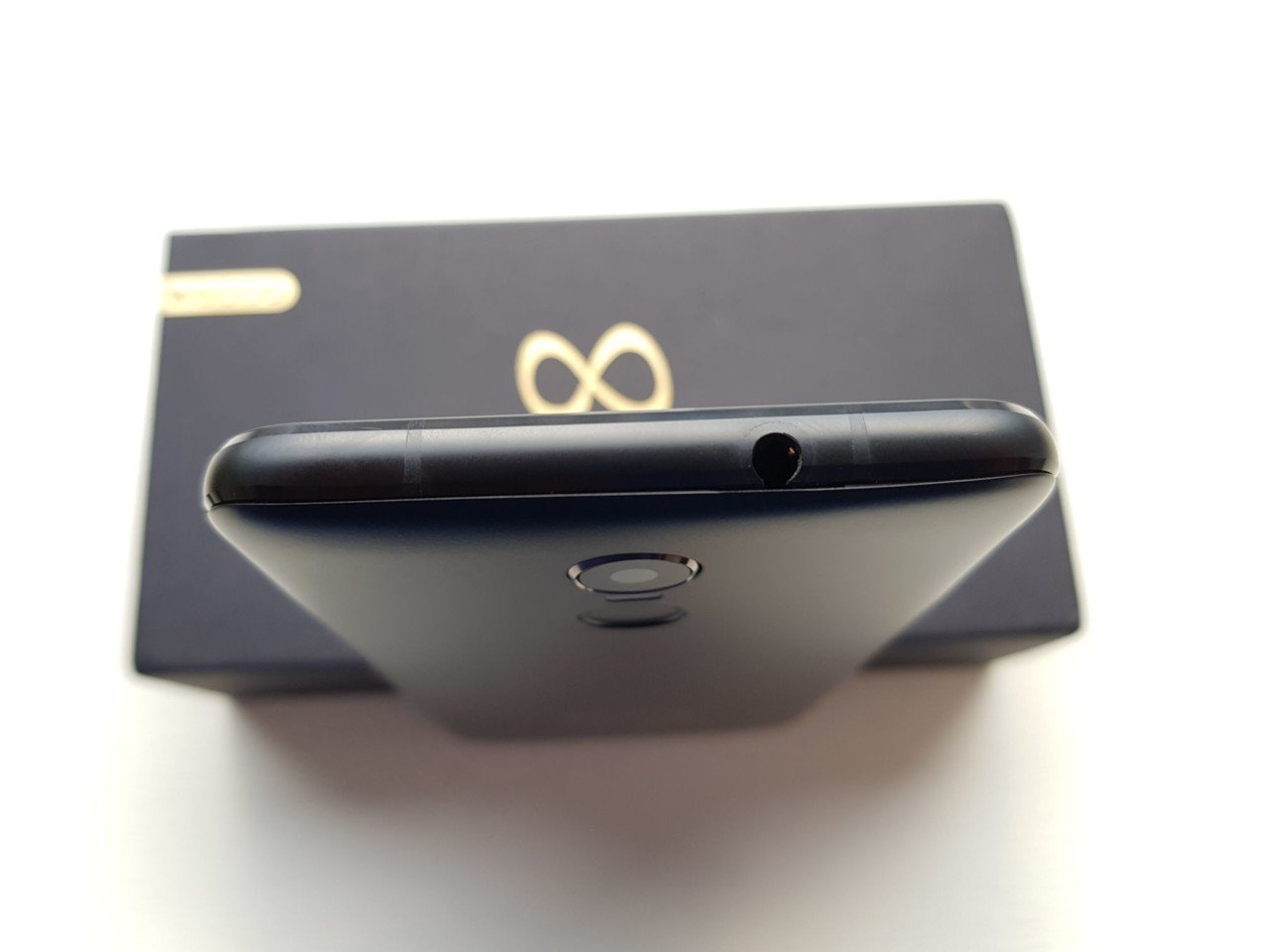
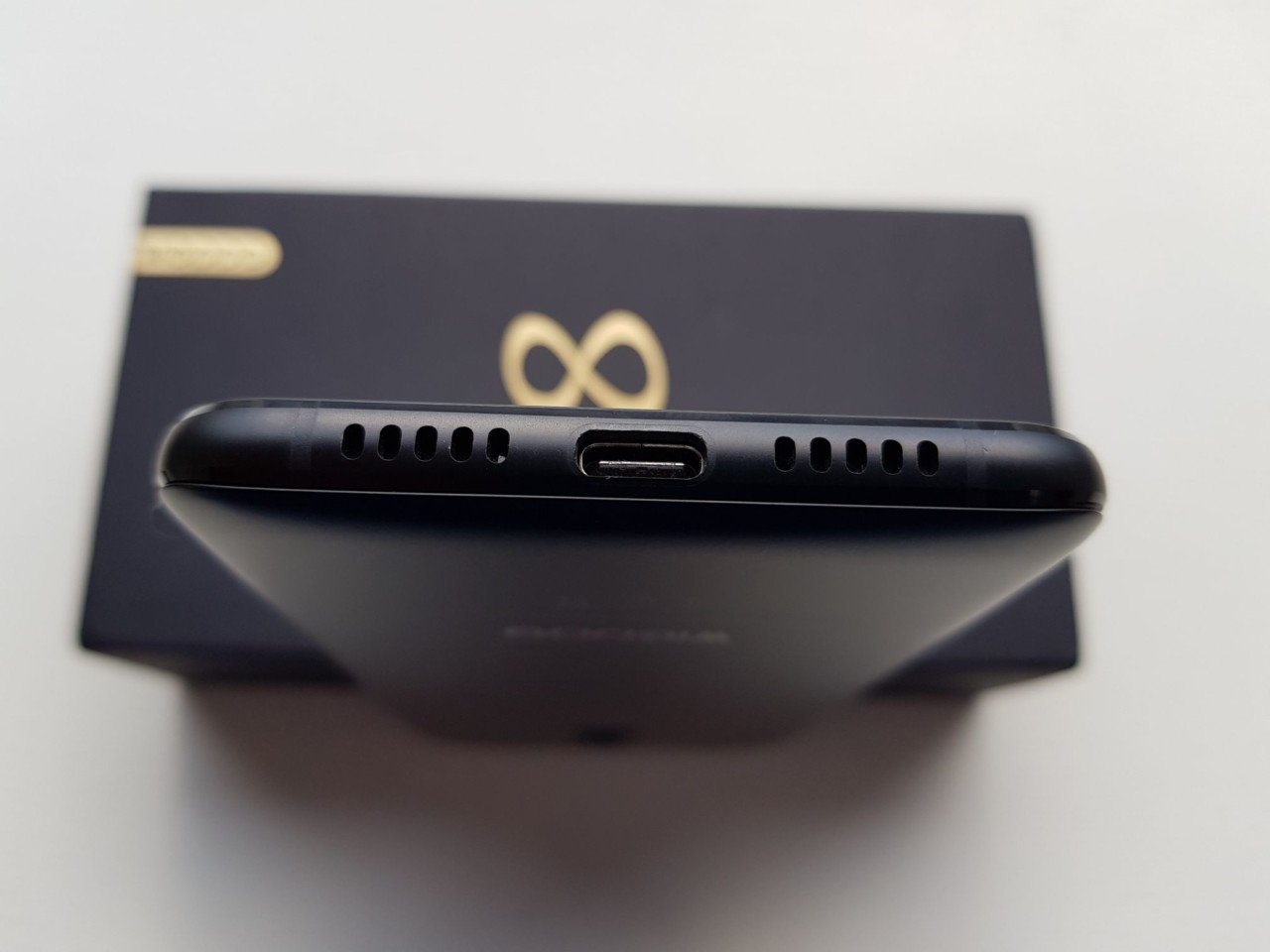
Other things you need to know about this phone include a 13MP main and 5MP selfie cameras, quite an accurate fingerprint scanner, a headset jack, mediocre sounding loudspeaker, and USB type C port with the OTG support. Finally, there is a notification LED light.
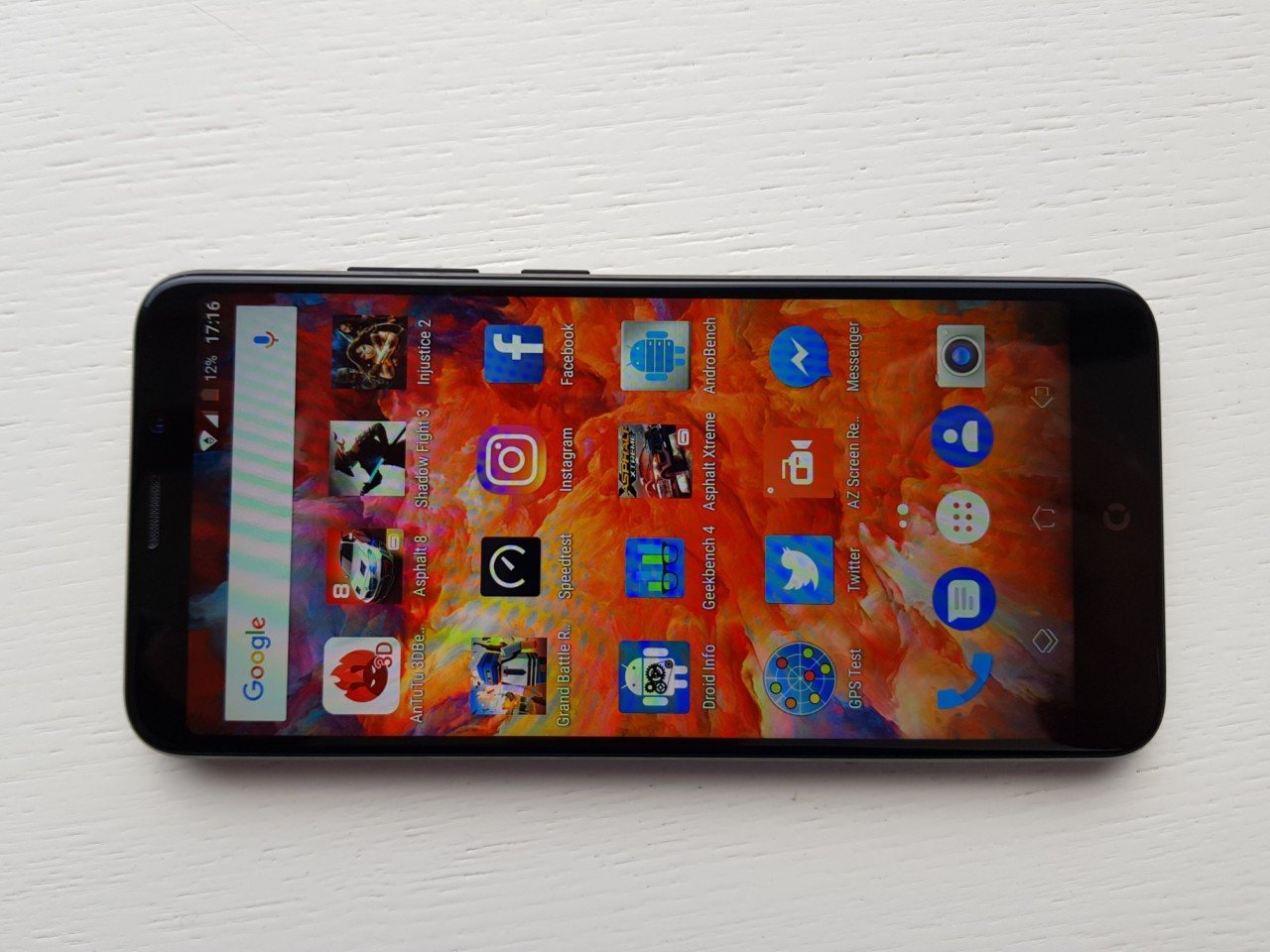
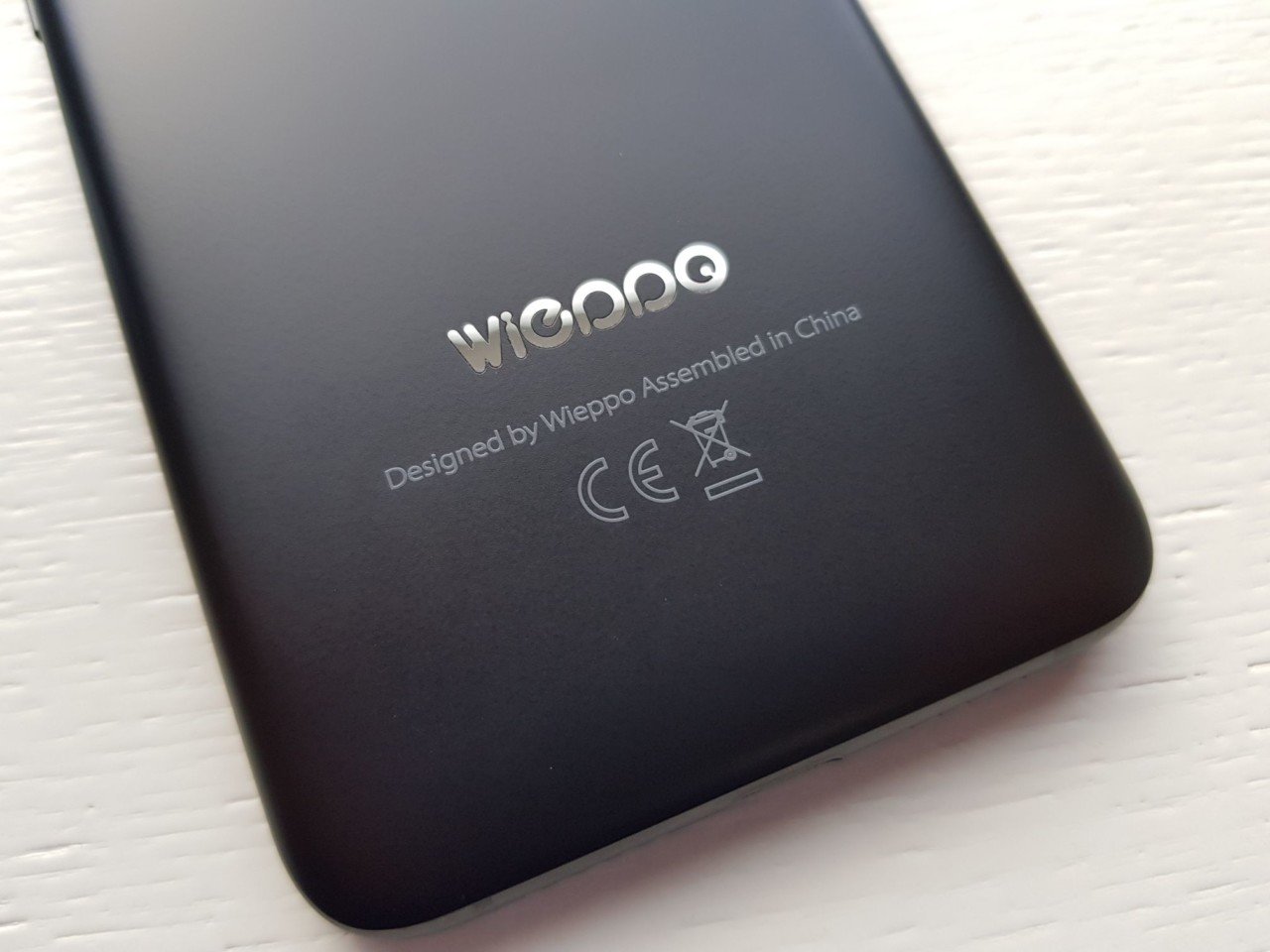
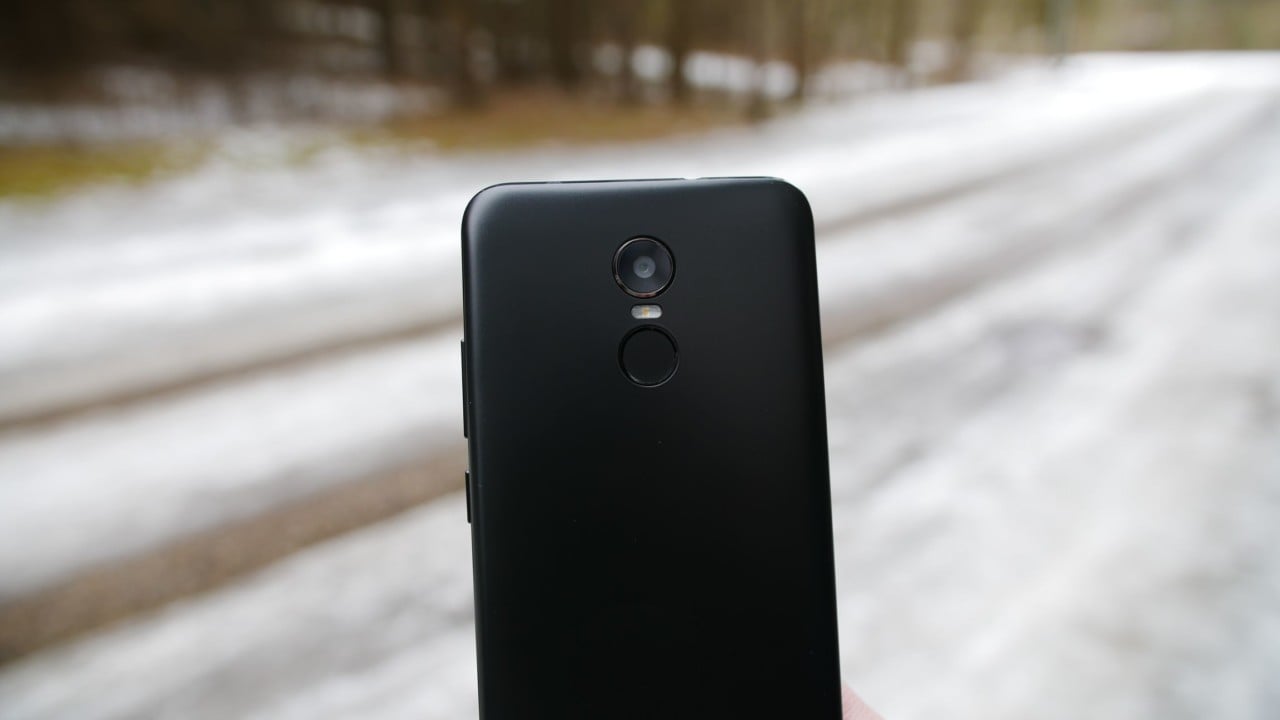
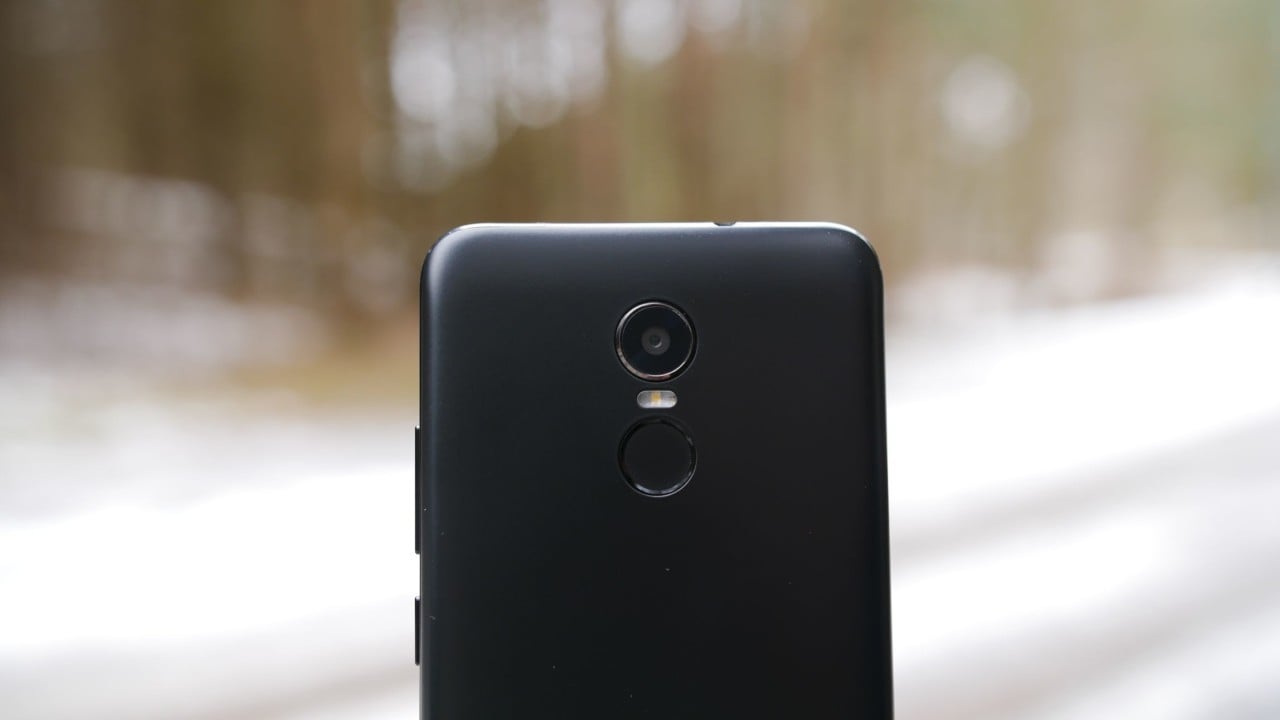
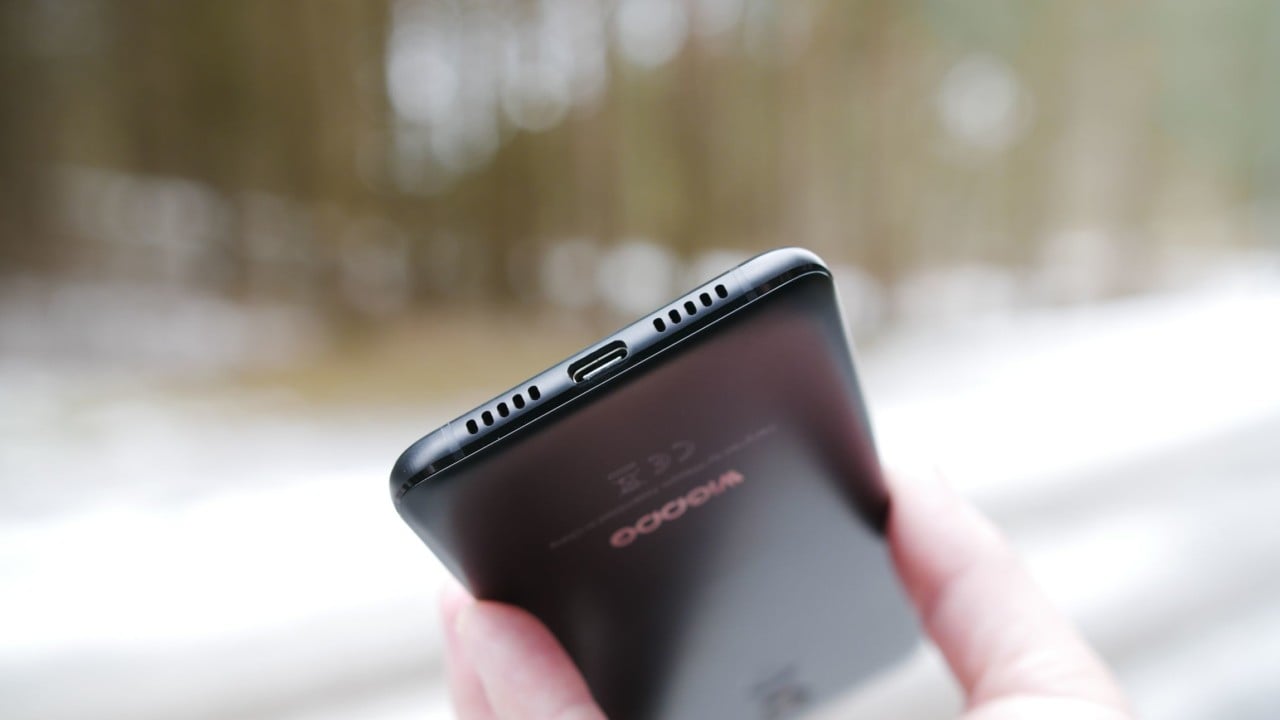
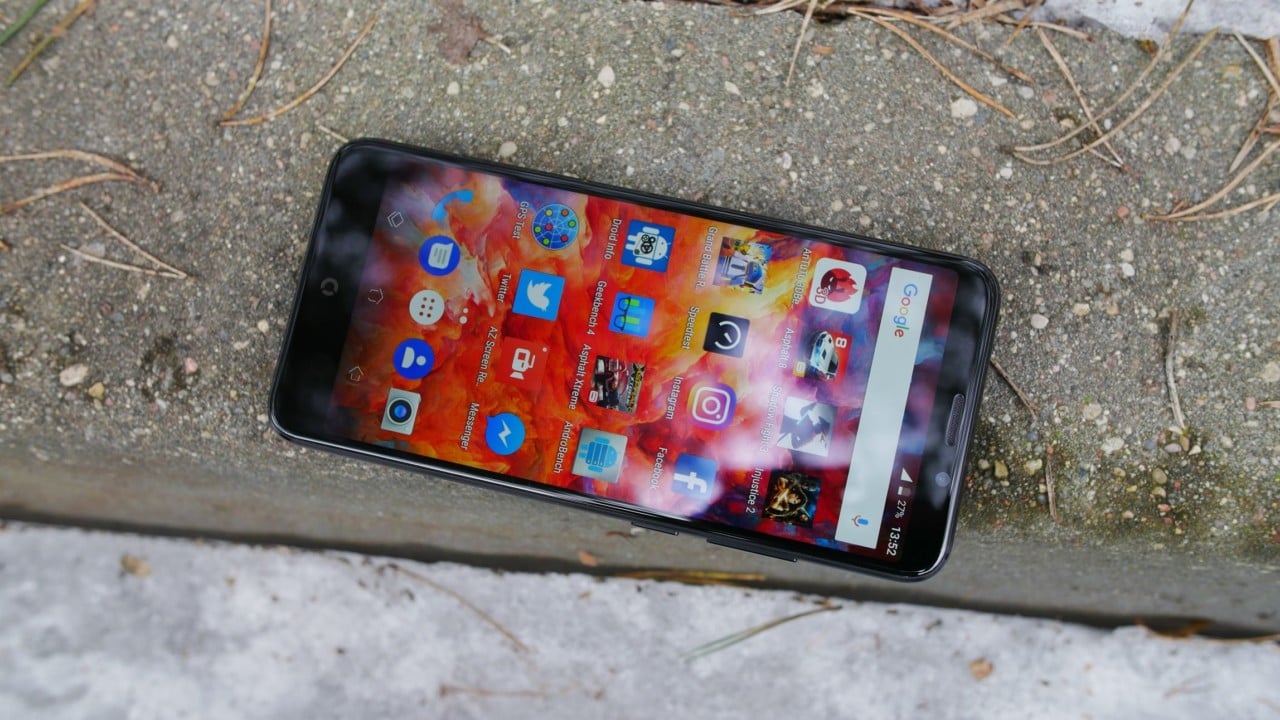
Wieppo S8 in pictures:
HARDWARE and PERFORMANCE
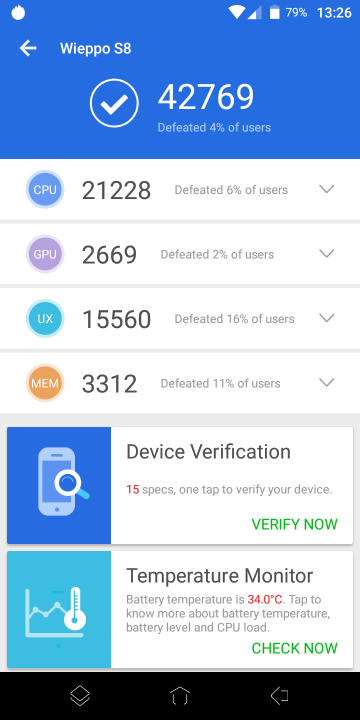
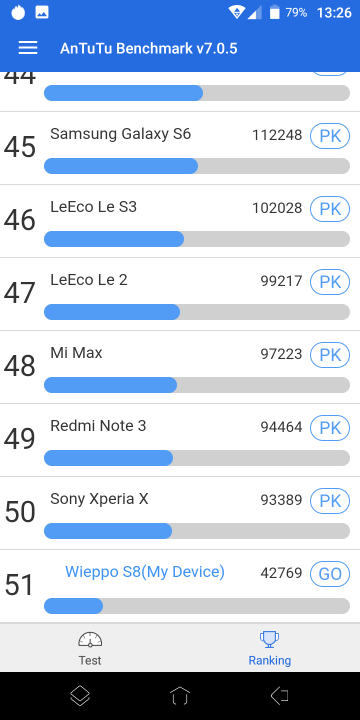
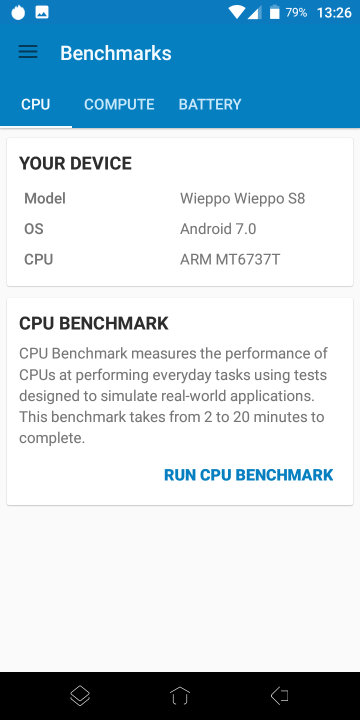
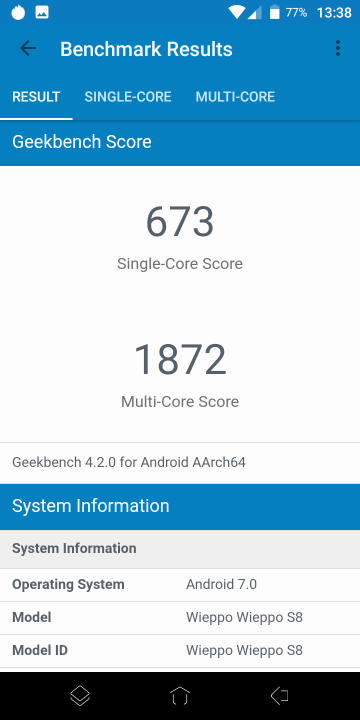
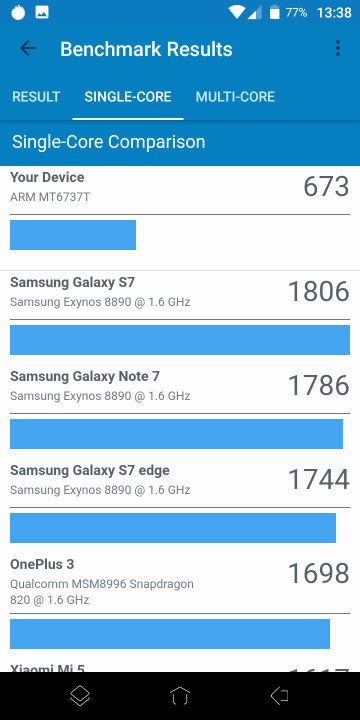
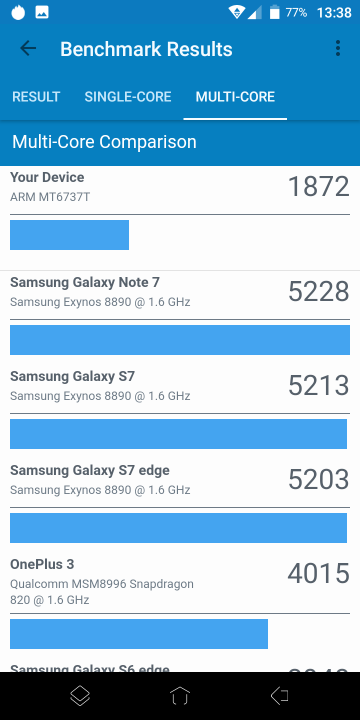
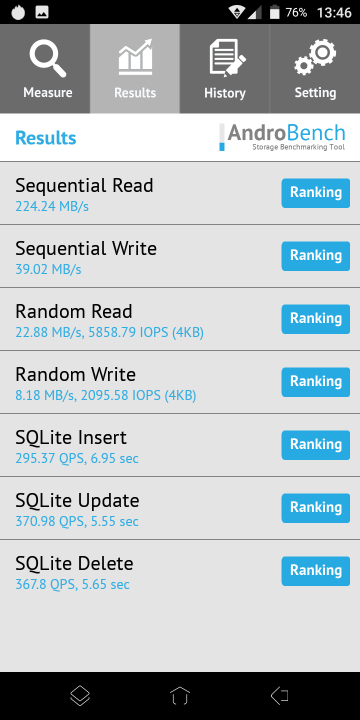
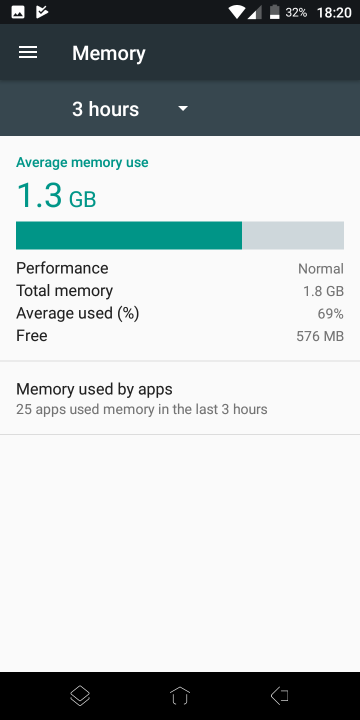
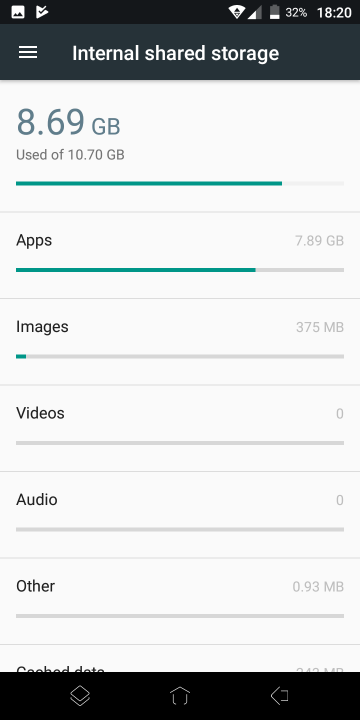
As for specs, this is a low-end phone as it ships with the MTK6737 chip, just 2GB of RAM and just 16GB of storage.
As you may guess, the gaming performance is not so great but you can expect to play a few games on reduced graphics settings. I tested the phone while playing Asphalt 8, Shadow Fight 3 and Injustice 2 games.
USER INTERFACE
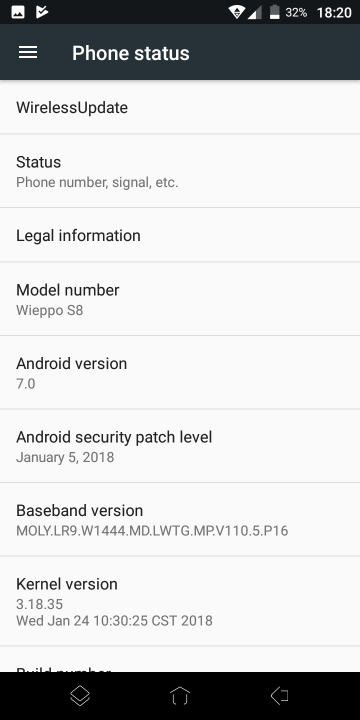
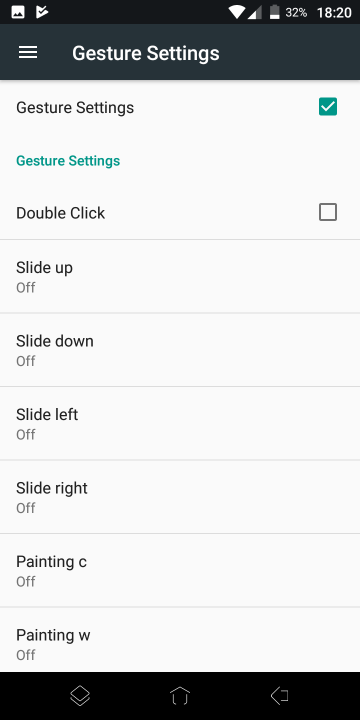
What is pretty good though, the day to day performance thanks to almost stock Android 7 out of the box that is not overloaded with extra features. Besides all the stock goodness, you can use a few gesture and motion controls that work quite well but that’s about it.
IMAGE QUALITY
I was able to take a few decent-looking pictures with this phone but don’t expect stellar results since this is a budget phone after all.
Obviously, the camera collapses in low-light.
Selfies look surprisingly decent.
1080p video quality shot using the main camera is kind of mediocre and same can be said about the footage shot using the selfie camera. Finally, sound recording quality could be better.
I found the call quality to be decent and signal reception is great. Also, other connectivity options work just fine. However, there aren’t too many sensors on board, which is quite frustrating.
CONCLUSIONS
The Wieppo S8 is yet another budget phone that aims to attract your attention with the 18:9 aspect ratio.
We didn’t like that the phone has just 2GB of RAM and 16GB of storage, the gaming performance could be better and the camera struggles a lot in low light. Finally, the battery life is pretty bad and it takes forever to charge the phone.
What we did like is the design and overall build quality, pretty nice display, good day to day performance and some nice extras like the LED notification light.
Overall, this phone has its own pros and cons and hopefully, you will find our review useful before making the buying decision.
Broadcom has officially withdrawn its $117 billion bid to acquire its rival chipmaker Qualcomm. This development comes after US President Donald Trump blocked the acquisition efforts citing national security risk.
In a statement, Broadcom said that is would comply with the order from the US Government. In line with that, the company is formally withdrawing its bid for Qualcomm, which would have been the biggest takeover in the history of the technology industry.
The company launched its unsolicited bid in November last year, which was quickly and repeatedly rebuffed by Qualcomm’s management and board members. After that, the Singapore-based company had been gathering support from investors to overturn resistance to the deal.
In February, Qualcomm increased its bid for the acquisition of NXP Semiconductors. Broadcom had urged Qualcomm not to do so and when the US-based chipmaker increased the offer, Broadcom responded by reducing its offer for the acquisition of Qualcomm.
The chief executive of Qualcomm, Steve Mollenkopf stated that the deal offers “no real path to value” to Qualcomm. Chinese smartphone manufacturers, including Xiaomi, OPPO, and Vivo were also against the deal and voiced their opinion at an event hosted by Qualcomm.
In the statement, Broadcom said that along with withdrawing the bid for acquisition of Qualcomm, it has also withdrawn its slate of independent director nominees to Qualcomm’s board.
An investigation related to the Broadcom-Qualcomm deal by the Committee on Foreign Investment in the U.S., which reviews purchases of American companies by foreign business, confirmed national security threats related to the acquisition.
Earlier, Broadcom had revealed its plans to move its legal headquarters from Singapore to the United States. Even though the deal was blocked by the US, the company said that it will continue with plans to relocate its headquarters to the United States.
OPPO will officially unveil the OPPO R15 premium midrange smartphone later this month. OPPO has already revealed the photos of the device via promotional videos and posters. The R15 comes with a notch on its display while adopting the full-screen 19:9 aspect ratio design. The device is also expected to feature a dual rear camera setup while at the front there will be a 20MP shooter which OPPO claims have been optimised for better selfie captures.
Wondering how that will pan out? Well, we won’t have to wait until the smartphone is official to find that out. OPPO has shared a couple of sample photos shot by the R15’s selfie camera. OPPO claims the selfie camera’s enhancement includes the ability to analyse the subject’s facial features and analyze them based on age, gender, skin colour, and skin quality in order to properly beautify the portraits.
Indeed the portrait shots come out with vivid clarity. It’s a marvel that such crisp clear captures were possible using a selfie camera. We’d have to wait for an independent evaluation or review before we can be sure the camera is as powerful as portrayed by these samples.
The OPPO R15 is expected to feature a 6.28-inch Super-view display with the 19:9 aspect ratio and resolution of 2280×1080 pixels. The device also has up to 90% screen-to-body ratio and features an all-glass body. It will be available in Red, White and Purple colours alongside other colour options.
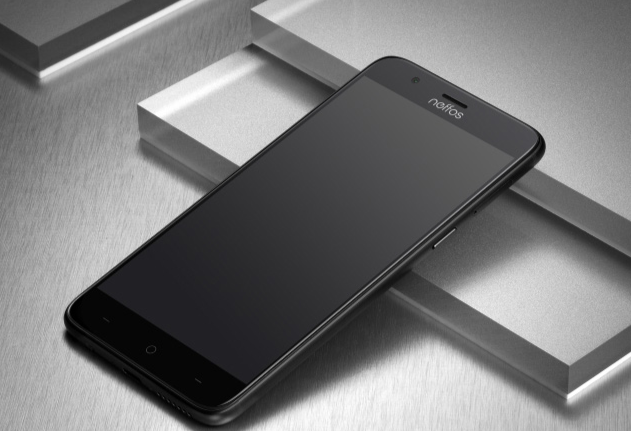
TP-Link is a company associated with networking products like routers and range extenders but a lot of people do not know it is also a smartphone maker. Its phone brand, Neffos, just unveiled a new phone in Malaysia called the Neffos N1.
Neffos N1 Design
The Neffos N1 is a phone that doesn’t join the band wagon when it comes to design. It doesn’t have a notch in its display or even a “normal” 18:9 screen as its display has a traditional 16:9 aspect ratio. There are also thick bezels at the top and bottom.
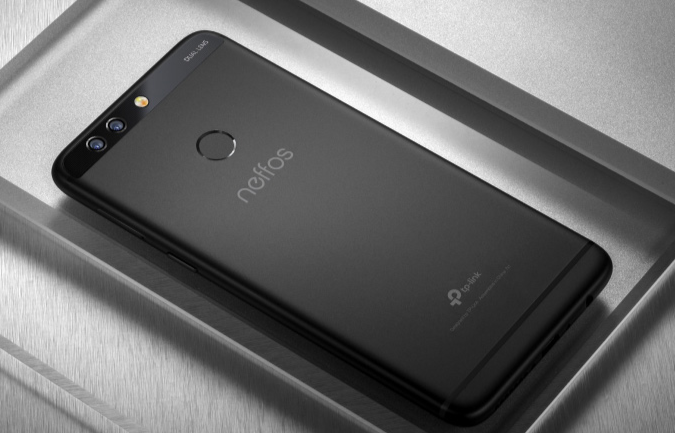
On the rear, TP-Link has gone for a familiar design but with some few changes to make it stand out. The back is made of metal with curved corners and visible antenna lines. To distinguish it from similar looking devices, the camera area has a polycarbonate/glass covering it in a fashion similar to the Nexus 6P.
Another cool addition is a dedicated mute button on the left for silencing calls and notifications. The phone also comes in only one color variant.
Neffos N1 Specs
The Neffos N1 has a 10-point multi-touch 5.5” FHD display covered with 2.5D Gorilla Glass 3. It has support for “double-tap-to-wake” and also works with gloves. There is a Helio P25 on board with 4GB of RAM and 64GB of expandable storage.
Dual Sony IMX386 12MP sensors grace its back in a RGB + Monochrome configuration. While improved low-light photography is usually the aim with this kind of configuration, it can also take portrait photos. An 8MP 86° wide-angle camera sits in front for selfies.
The phone has a rear-mounted fingerprint scanner that works with wet and oily hands. It also has dual band Wi-Fi with TP-Link’s Smart Wi-Fi technology, hybrid dual SIM support, a 3.5mm audio jack, and a 3260mAh battery with support for fast charging. The Neffos N1 runs NFUI 7.0 based on Android Nougat.
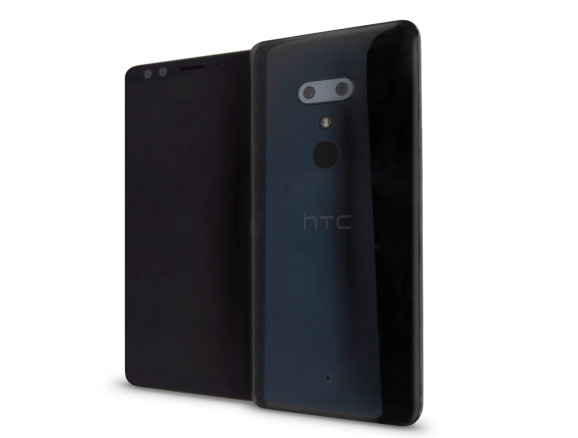
HTC is expected to launch fewer phones in 2018 as it is speculated to focus more on advertising. The recent layoffs and selling off a portion of its smartphone making division to Google also hints that the company will not announce many phones this year. In the previous year, HTC had launched U11 in the first half of 2017. At the end of the year, it had announced the U11+ flagship. Fresh information revealed by popular tipster Evan Blass states that the upcoming HTC flagship that is codenamed as Imagine would arriving in the market as U12+. This suggests that the company may not launch the U12 phone this year.
Blass claims that the U12+ will be coming with a 6-inch LCD screen that will support WQHD+ resolution. The top bezel will be housing 8-megapixel dual front-facing cameras. The backside of the phone is also expected to a dual camera setup featuring a 16-megapixel sensor and a 12-megapixel sensor. The dual rear cameras will be arranged horizontally above the LED flash and fingerprint reader.
The HTC U12+ will receive power from Snapdragon 845 chipset. Its 64 GB and 128 GB storage variants are expected to include 6 GB of RAM. Both the models will also feature a microSD card slot. It will be fueled by 3,420mAh battery. The U12+ will be equipped with second-generation Edge Sense pressure-sensitive frame and it will come preloaded with Android Oreo. Here is a fresh render of the phone shared by the tipster.
Blass had previously claimed that the U12+ would be launching in late April. Fresh information shared by him states that the development of the U12+ had met with a minor hurdle recently because of which its arrival has been delayed to early May. Apart from the U12+ flagship, the Taiwanese company will be bringing Desire 12 and Desire 12+ budget-friendly phones to the market in the near future.
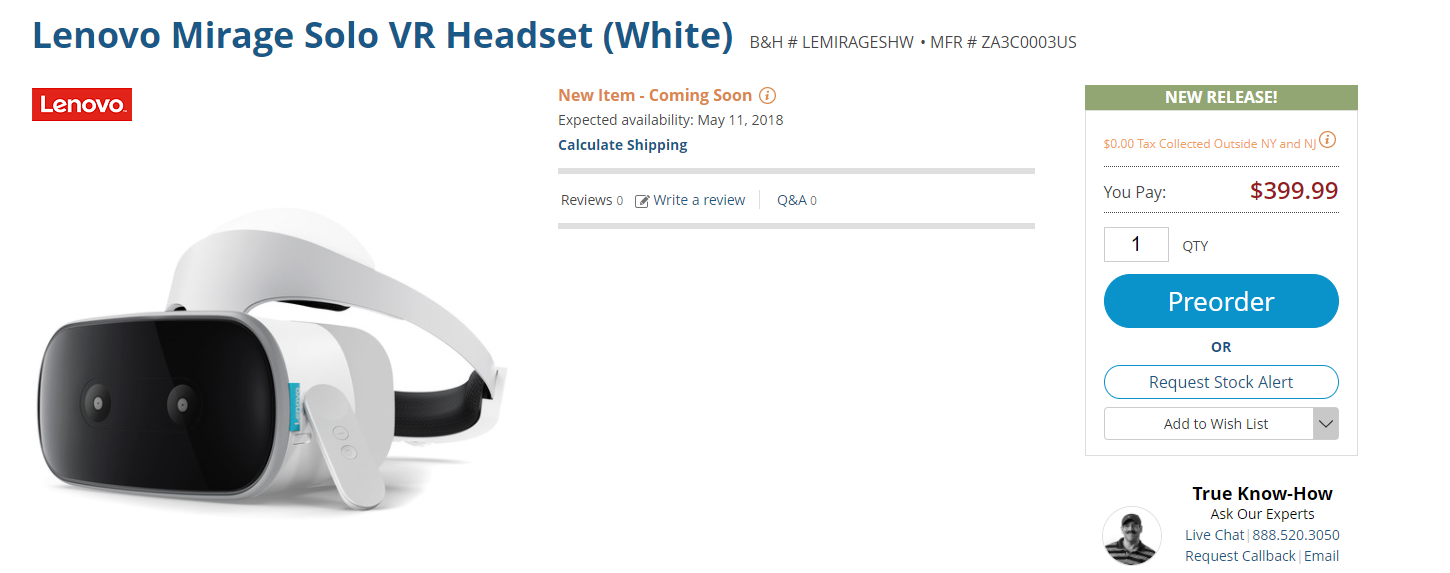
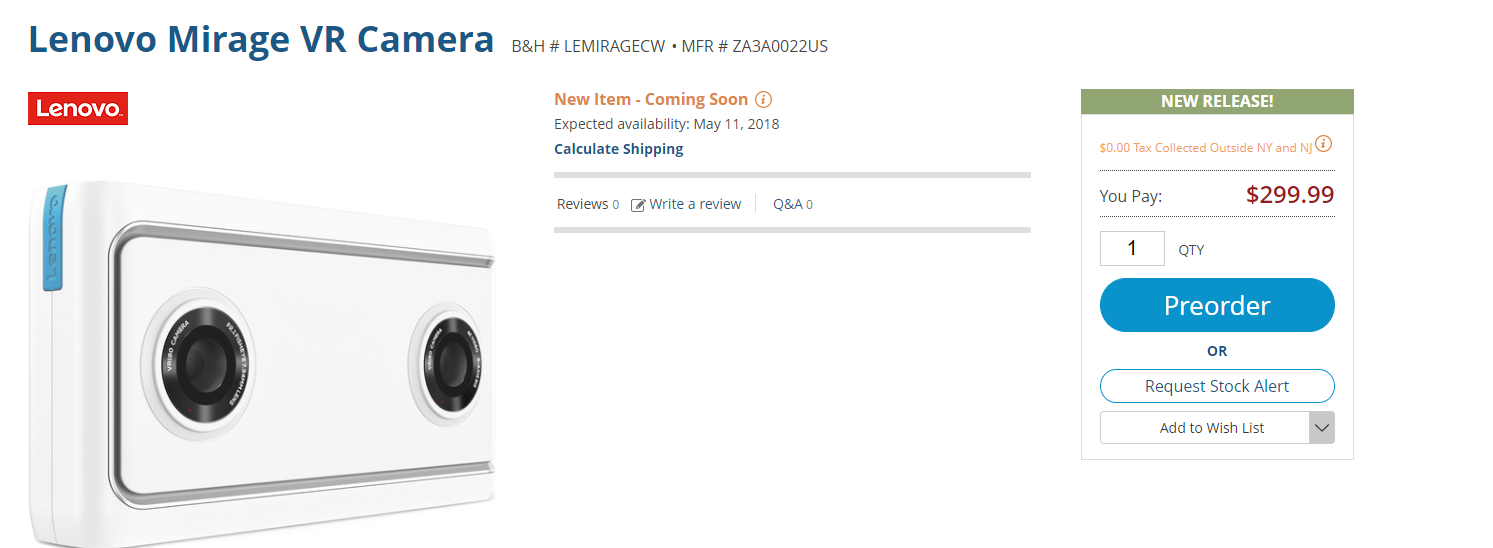
Lenovo and Google announced the Mirage Solo standalone Daydream VR headset and the VR180 Mirage Camera at CES 2018. Although they did announce a Q2 release for both devices, they didn’t reveal a price. Now they have both have a price and you can pre-order them.
The Mirage Solo which is the first standalone Daydream VR headset and the first with Google’s Worldsense technology will sell for $399 according to a listing on B&H Photo.
It is listed as “Coming Soon” and looks like it will only still be available in white when it starts shipping. B&H expects it to be available by May 11 but you can go ahead to pre-order now.
The Lenovo Mirage VR Camera is also listed on the same store but with a $299.99 price tag. It is one of two VR180 cameras announced at CES, the other is the Yi Horizon. The camera is for taking VR photos and recording 3D VR180 4K videos. It can also be used for live-streaming. You can pre-order it too with the hope that it ships on May 11.
$400 may seem like a lot for the Mirage Solo but considering that it packs specs found in flagships released in 2017, you can’t fault the price. Inside is a Snapdragon 835 processor with 4GB of RAM and 64GB of expandable storage. It also has a 4,000mAh battery for powering that QHD display and comes with a Daydream remote.
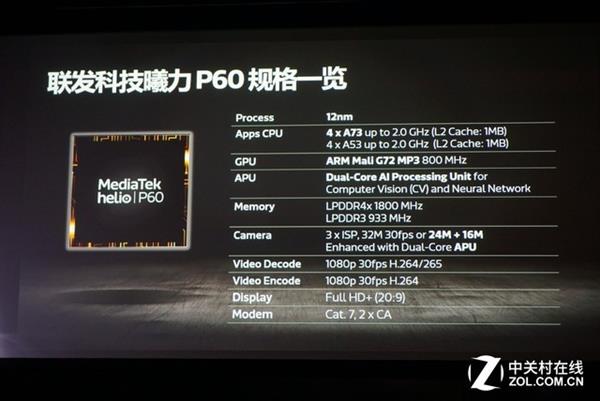
Mediatek announced the Helio P60 premium mid-range platform at MWC 2018. Now, the chipmaker has officially launched the processor in China at an official event in the Beijing 798 Art Zone. The company showcased the key features of its new chipset at the event including its AI capabilities.
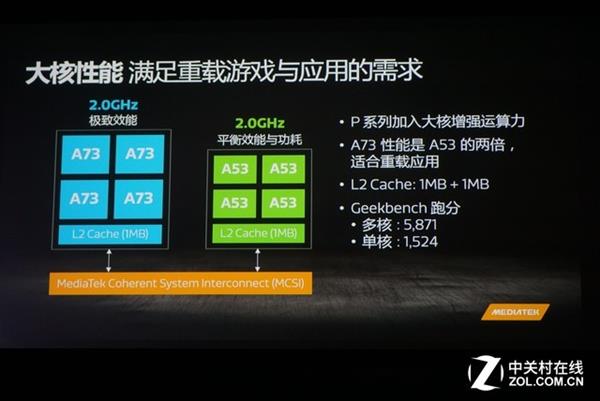
One of the interesting aspects of the new Helio P60 is that it’s using a 12nm manufacturing node from TSMC. This is the first smartphone chipset on this node and features better efficiency than the 14nm process used by major mid-range chipsets including the Snapdragon 660. MTK has reportedly said that it will continue using 12nm node for all its premium chipsets until it makes the jump to 7nm in 2019.
The GM of Mediatek’s Wireless Communication Division went on to explain that the new chipset is all about efficiency. As compared to the previous generation Helio P30, the P60 reduces power consumption during heavy usage by up to 25%. Overall, the new chip boasts of a solid 12% dip in power consumption. This is important since the P60 is going to be one of the high-end offerings from the company this year, which means it’ll end up in upper mid-range devices who quite often have to deal with high performance games and apps.
The SoC is made up of four high-performance Cortex A73 cores and four power efficient Cortex A53 cores, both clocked up to 2GHz. It features a triple-core ISP and a dual-core APU (short for AI Processing Unit) making sure that it can handle modern features requiring AI, AR, and VR with ease. Some of the key highlights of the chip include its advanced facial recognition capabilities and its support for both single and dual camera bokeh.
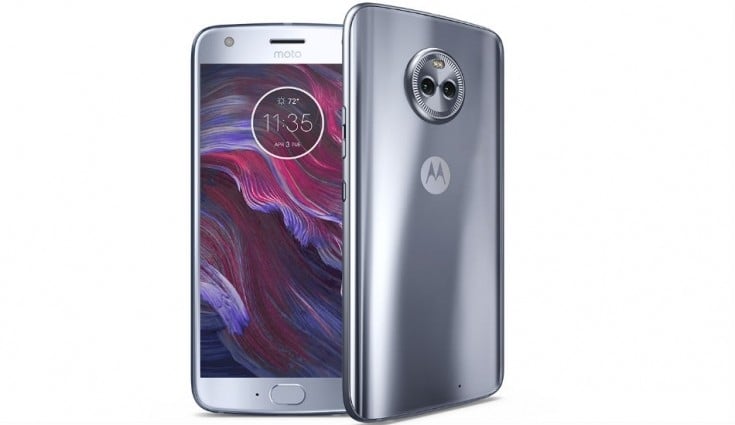
Motorola’s Moto X4 Android One version was recently reported to start receiving the latest Android Oreo update via over-the-air (OTA) push in the US. That update is about now rolling out to users of the Moto X4 Android One edition, according to a Reddit post.
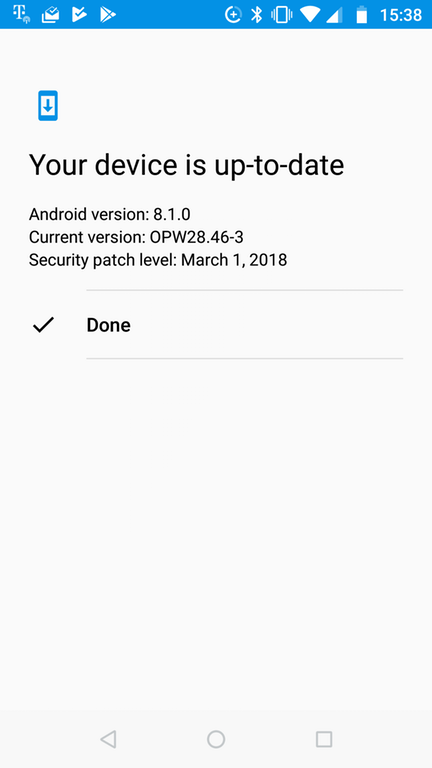
Earlier, the Lenovo-owned company had promised to roll out the Android Oreo for the Moto X4 Android One edition by the end of this year. Guess users won’t have to wait for too long. Already, some users have started getting the update on their phones with the firmware number OPW28.46-3. The update also comes with the March 1 security patch. As would be recalled, the Moto X4 comes in an Android One version as well as a standard version. The standard version may likely get the update to Android 8.1 soon.
The Moto X4 Android One edition was unveiled for Google’s Project Fi in the US at $399. Notably, it is the first non-Google phone to join Project-Fi network, which was previously exclusive to the Pixel and Nexus devices. At the time of the launch, the company promised that the Moto X4 Android One edition will be “among the first to receive the Android P update.”
Specs wise, the device features a 5.2-inch Full HD display with a screen resolution of 1920 x 1080 pixels and Corning Gorilla Glass on top for added protection. The X4 is powered by a 2.2GHz octa-core Qualcomm Snapdragon 630 processor paired with 3GB of RAM and 32GB of storage. The phone comes with a dual camera setup at the back, featuring a 12-megapixel lens and an 8-megapixel lens. There is a front-facing camera of 16-megapixel with f/2.0 aperture and LED flash.
The phone also comes with an IP68 certification, making it water and dust resistant. It runs Android Nougat operating system out-of-the-box and also supports Amazon’s personal assistant Alexa. The phone is fuelled by a 3,000mAh non-removable battery. Android Oreo brings onboard some improved features and a few minor performance tweaks.
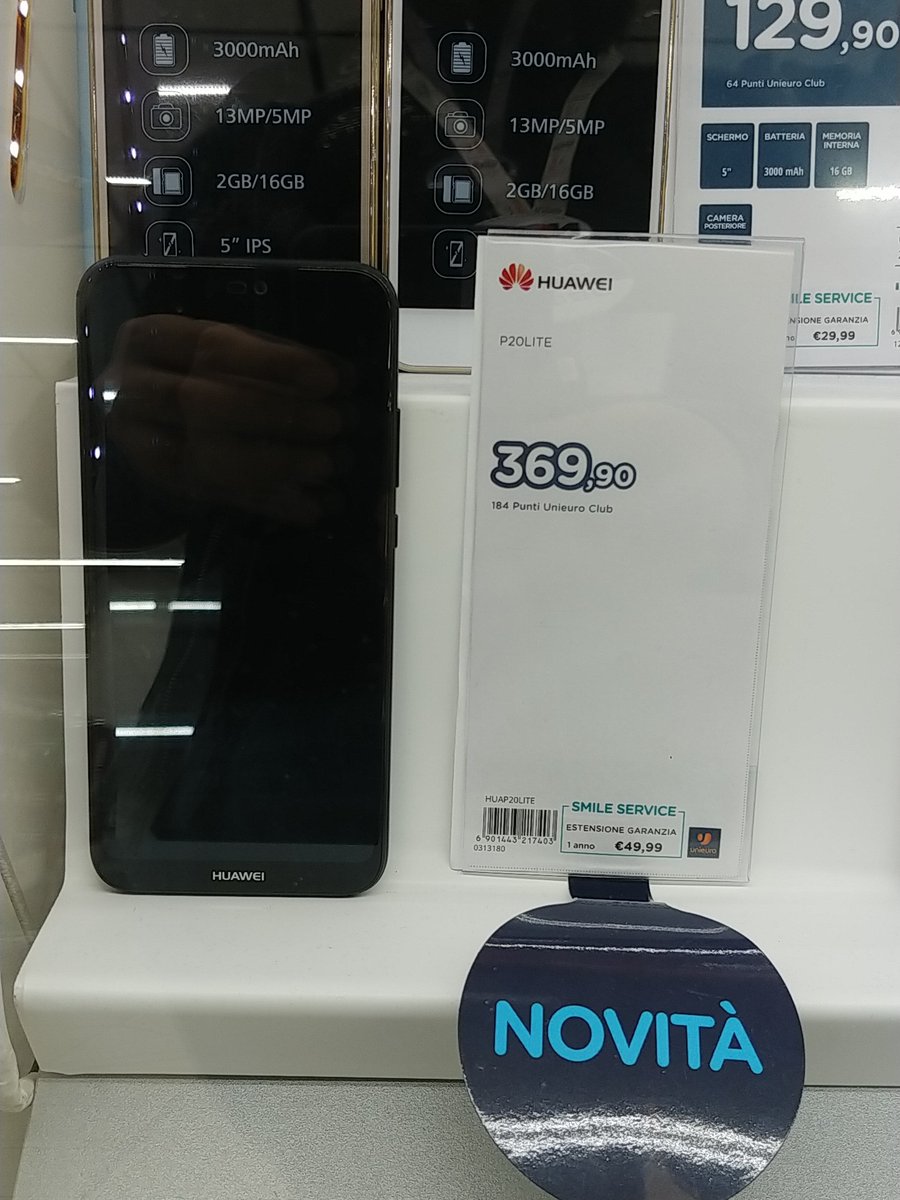
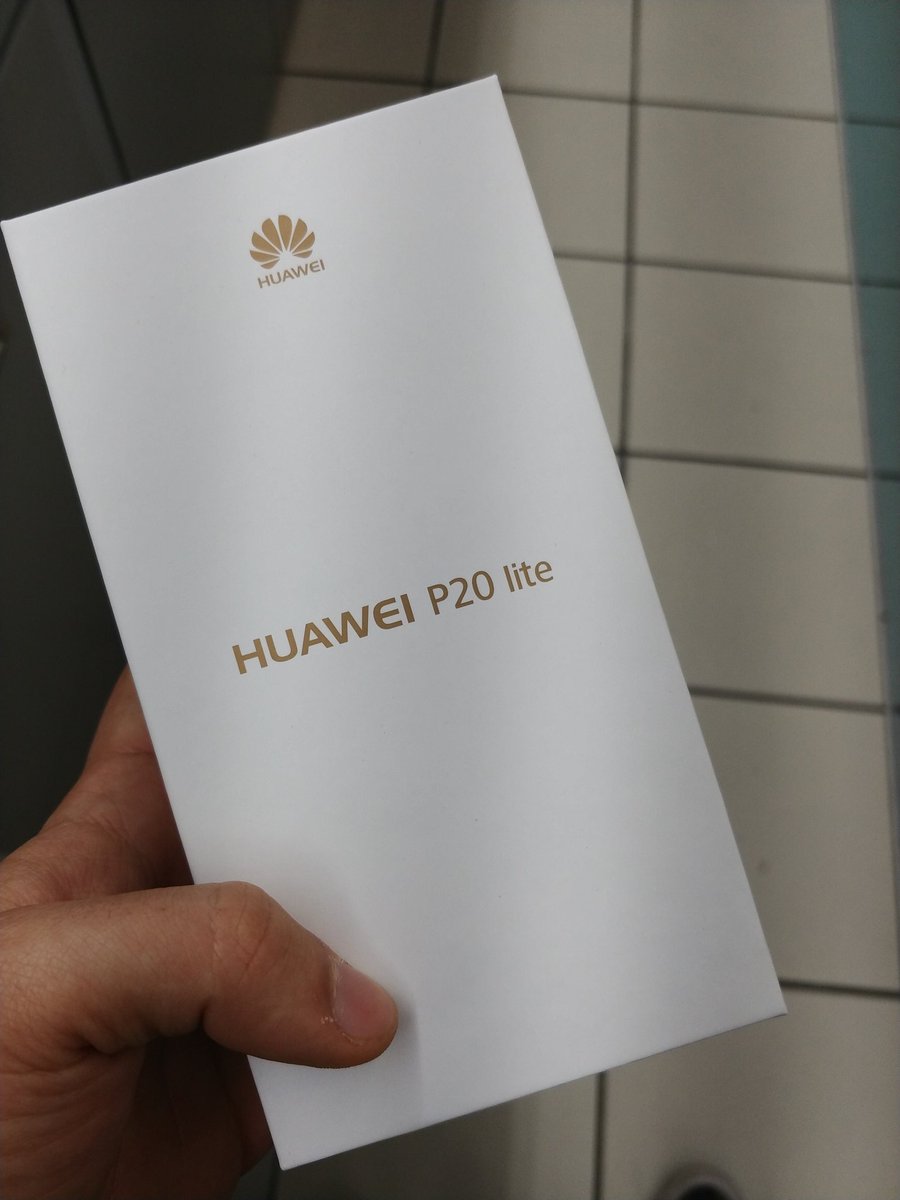
Huawei is not supposed to take the wraps off the P20 series until March 27 but one of the three phones is already on sale. If you live in Italy, you can walk into a Mediaworld or Euronics store and purchase the Huawei P20 Lite. No jokes!
According to an Italian blog HDBLOG.it,the Huawei P20 Lite is available for purchase for €369 (~$455). That is pricey based on the specs but similar to what it is going for in Poland (1,599 Zloty/~$468). Though the Polish store will include a free Huawei Smart Scale as a gift when it starts shipping on March 26. Another Italian store Monclick.it has the Huawei P20 Lite listed for much less at €327.50 and will begin shipping tomorrow.
The Huawei P20 Lite comes in a white box. It has a 5.84” 2280 x 1080 display with 2.5D glass on top. There is 4GB of RAM, 64GB of storage, and a Kirin 659 processor under the hood.
Rear cameras are 16MP + 2MP dual sensors arranged vertically while a 16MP sits within the notch in front. It runs EMUI 8.0 based on Android 8.0 Oreo, has Bluetooth 4.2, NFC, a USB-C port and a 3000mAh battery. It also has a hybrid dual SIM slot (nano only). The Huawei P20 Lite comes with a charger, a pair of wired in-ear earphones, and a USB-C cable.
The P20 Lite isn’t the only phone already listed in Italy, the flagship Huawei P20 is also listed on eprice.it. The store lists the phone as having a 5.8” display, 4GB of RAM, 64GB of storage, an octa-ocre processor, and running Android 8.0.
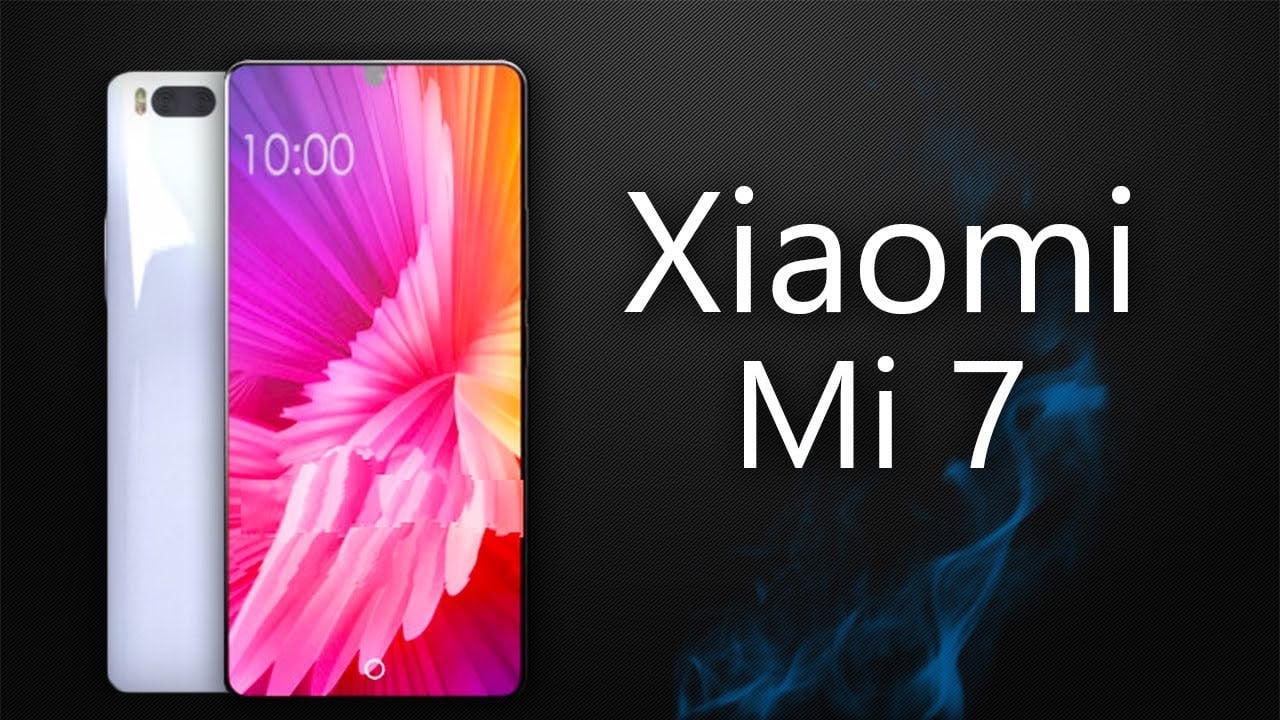
Within the first half of this year 2018, Xiaomi is expected to release two Snapdragon 845-powered flagship models, one of which is the Mi Mix 2S. The launch date for the Mi Mix 2s has already been announced to be March 27. Also, the Chinese tech giant is expected to launch the Mi 7 but the launch date is yet to be announced. A new detail of the Mi 7 has now appeared, showing the device will come with wireless charging.
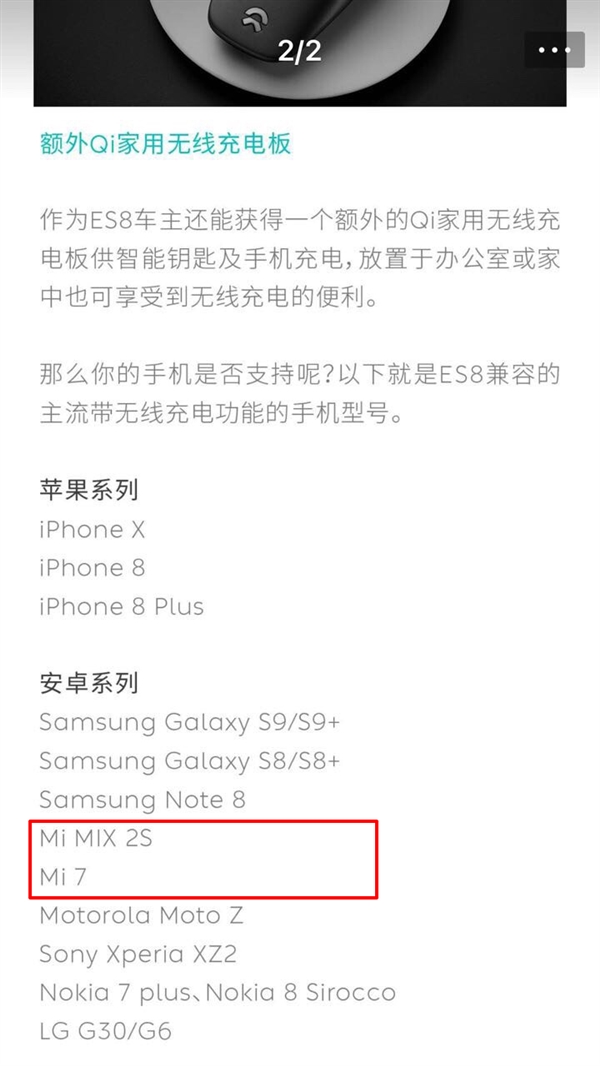
The detail appeared in a leaked ESB document and reaffirms an earlier rumour that the Mi 7 will support wireless charging. The earlier rumour revealed that the Mi 7 will support 7.5W wireless charging that is also available on Apple iPhone 8, iPhone 8 Plus and iPhone X smartphones.
The Xiaomi Mi 7 is listed along with the Mi Mix 2S among the 2018 Android models that would feature wireless charging technology. Xiaomi has already confirmed the presence of wireless charging onboard the Mix 2s via a recent teaser. The Mi 7 is also expected to feature a 6-inch OLED display supplied by Samsung. The device is powered by a Snapdragon 845 chip paired with 6GB/8GB RAM. Xiaomi will also feature an on-screen fingerprint technology supplied by Synaptics. The Mi flagship will pack a dual camera setup which is likely aligned vertically and also feature artificial intelligence. A recent rumour also tips the Mi 7 as coming in June.
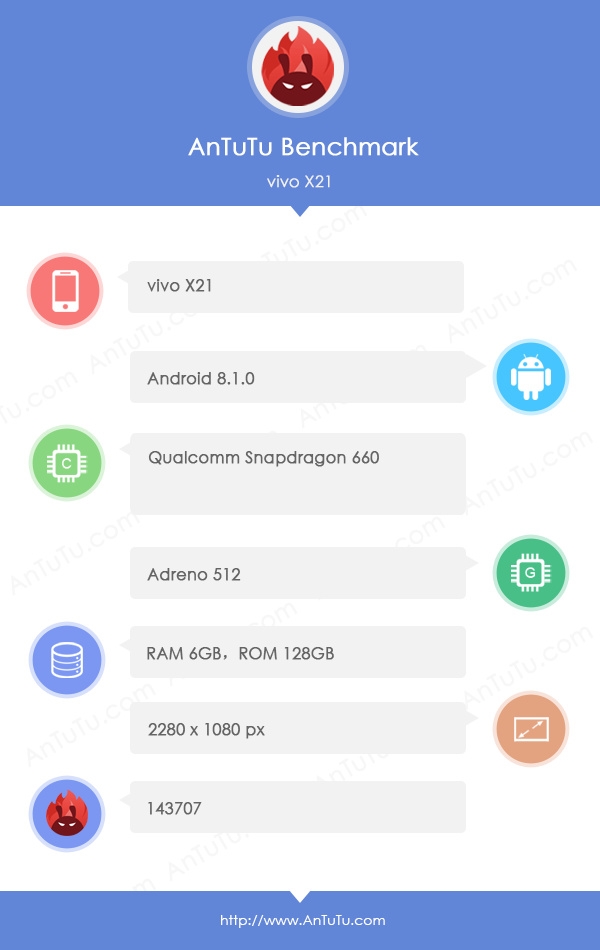
Less than 24 hours ago, the Vivo X21 UD was seen on Geekbench and it revealed the phone will come with a Snapdragon 660 processor and 6GB of RAM. The phone has now been seen on AnTuTu and it confirms the same specs and reveals more.
According to the benchmark site, the Vivo X21 is running Android 8.1 Oreo. It is powered by the Snapdragon 660 mobile platform with an Adreno 512 GPU.
It also has 6GB of RAM and 128GB of storage like the upcoming OPPO R15 and OPPO R15 Dream Edition. AnTuTu also reveals the display has a 2280 x 1080 resolution. The Vivo X21 scored 143707 points on AnTuTu.
In addition to the AnTuTu listing, official renders of the Vivo X21 were also posted online. They show only the front but give us a look at the new display design. The side bezels are very thin and there is a much thicker lower bezel.
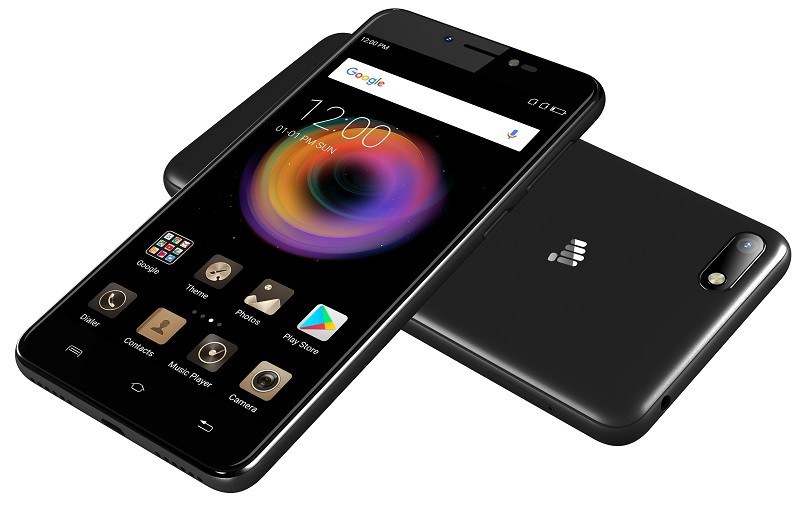
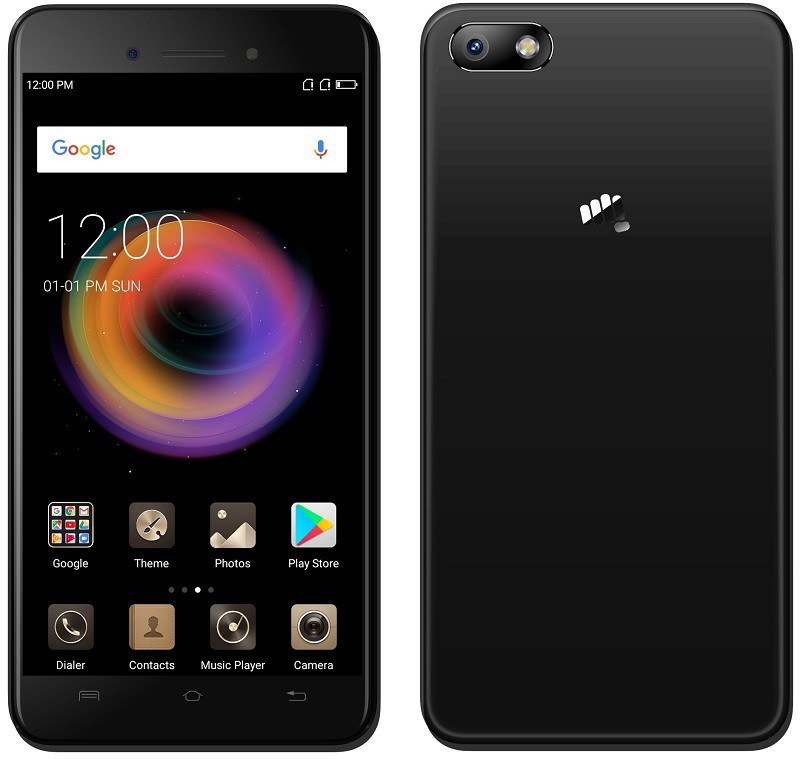
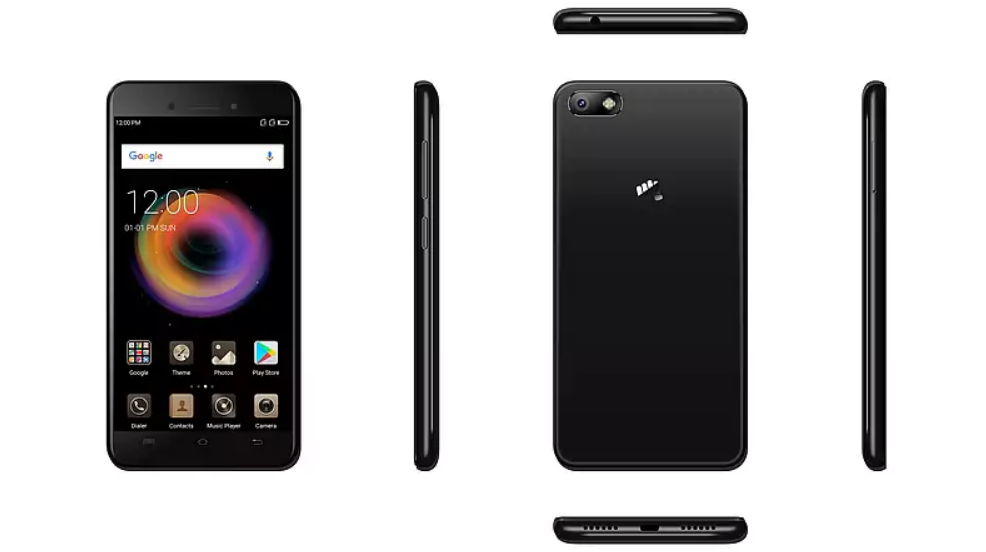
Yesterday, Xiaomi had announced the Redmi 5 as its first Redmi series phone with full screen design. On the same day, Micromax had officially launched the Bharat 5 Pro smartphone. Like the Redmi 5, the new phone carries a pricing of Rs. 7,999.
Micromax Bharat 5 Pro Specifications and Features
The Bharat 5 Pro is fitted with a 5.2-inch screen that offers an HD resolution of 720 x 1280. It may not be featuring an 18:9 aspect ratio display like the Redmi 5, but it comes with a massive battery of 5,000 mAh capacity. The Redmi 5 includes a 3,300mAh battery. The huge battery of the Bharat 5 Pro offers a standby time of 21 hours. Moreover, it is enabled with support for reverse charging. Hence, the Bharat 5 Pro can double as a power bank.
The MediaTek chipset featuring 64-bit quad-core processor that works at 1.3 GHz powers the Bharat 5 Pro along with 3 GB of RAM. It includes an inbuilt storage of 32 GB and comes with a microSD card storage for more storage. In comparison to the Bharat 5 Pro, the Redmi 5 variant featuring 32 GB of storage and 3 GB of RAM is priced at Rs. 8,999.
The 83.3-degree wide-angle selfie snapper of 5-megapixel is coupled with features like Beauty Mode and Watermark. The selfie camera also functions as Face Unlock feature.
The back panel of the phone houses a 13-megapixel camera that is accompanied with features such as Bokeh, Time Lapse, Panorama, Watermark and Beauty Mode. The Redmi 5 comes with a 12-megapixel rear camera, face unlock enabled 5-megapixel selfie camera and a fingerprint reader.
The Bharat 5 Pro comes preloaded with Android Nougat OS. The other features of the phone are 4G VoLTE, Wi-Fi, Bluetooth, USB OTG and 3.5mm audio jack. The handset lacks a fingerprint scanner.
Do you think that the Micromax Bharat 5 Pro is a good rival for the Xiaomi Redmi 5? Let us know your thoughts by posting your comments below.
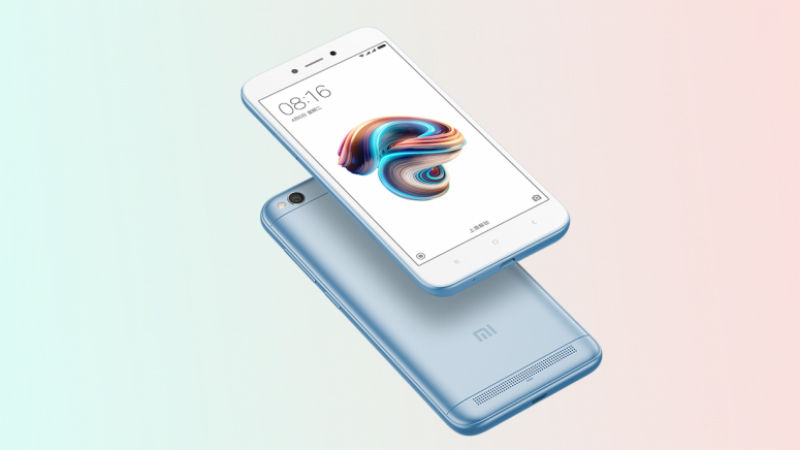
Xiaomi has today introduced a new color variant for its Redmi 5A smartphone in the Indian market. The Chinese smartphone manufacturer has now launched the Lake Blue color model of the Xiaomi Redmi 5A.
This marks the introduction of the fourth color model in India. Last month, the company had introduced Rose Gold color model of Redmi 5A. The phone was initially launched in India in two colors — Dark Grey and Gold. This new Lake Blue colored model went on sale in India today through online retailer Flipkart and the company’s official online store.
The phone features a 5-inch HD display with 720 x 1280 pixels screen resolution. Under the hood, the device is powered by Qualcomm‘s Snapdragon 425 chipset that features a 1.4 GHz quad-core processor. It is the same chipset that powers Redmi Y1 Lite, Redmi 4A, Motorola Moto E4, ASUS ZenFone 4 Max, among others.
The device comes in two models based on the memory configuration — 2GB RAM and 16GB of internal storage and 3GB RAM with 32GB of onboard storage. The phone features a 13-megapixel rear-facing camera with f/2.2 aperture and a 5-megapixel front-facing camera for taking selfies and video calling. The 5-element rear lens comes equipped with features like LED flash, HDR, Panorama, phase detection auto-focus and Beauty Filter.
While the China model features a hybrid dual-SIM slot, the Indian variant comes with a dedicated microSD card along with dual-SIM slots. At the time of launch, the company said that considering the warm weather conditions in India, they have included dual pyrolytic graphite sheets inside the Redmi 5A that can reduce its temperature by at least 1-degree Celsius.
The phone runs on MIUI 9, which is based on Android Nougat operating system. The device is fuelled by a 3,000mAh battery, which according to the company offers 8 days of standby time, 21 hours of music playback and 7 hours of video playback.
As an introductory offer, Xiaomi was selling the 2GB RAM model of the Redmi 5A at a discounted price of Rs. 4,999 for the first 5 million units. Recently, the company announced that the phone will now be available at its original pricing of Rs. 5,999, indicating that it has hit the 5 million mark within just 3 months of its launch in India.
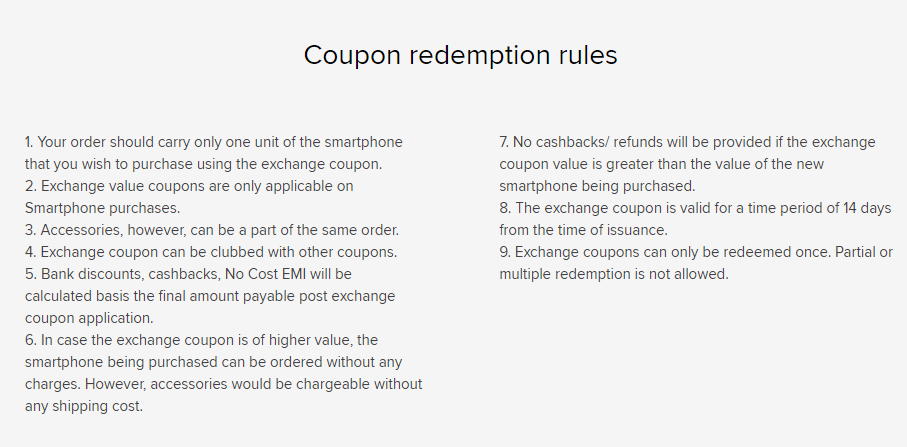
Following its announcement of the Redmi 5 in India yesterday, Xiaomi has today, announced the Mi Exchange program. This allows phone owners purchase a new Xiaomi phone for less by exchanging their current phone for a coupon.
To use the Mi Exchange program, there are four steps you need to go through.
First, head to the exchange site and evaluate your old device. At the moment you can exchange phones from the following brands – Xiaomi, Samsung, Sony, HTC, Motorola, Micromax, Gionee, OPPO, ASUS, Lenovo, OnePlus, Huawei, Vivo, LeTv, and Google (Nexus and Pixel).
After selecting your phone’s brand and model, you get an estimated price (I got INR 10,550 (~$162) for my OnePlus 3T). Your phone’s IMEI number is required before you get the exchange coupon which will be sent to your Mi account.
Mi Exchange coupon rules
Head to the online store (Mi.com) and place an order for a new phone. Use the coupon provided at checkout. If the new phone you want costs more than the coupon value, the balance will be paid based on the payment method you choose. However, if the coupon has a higher value than that of the new phone, you do not get a refund or cashback.
Yesterday, Huami Technology posted on Weibo that it had a big announcement later at night. Since the company is behind the Xiaomi Mi Band series, we thought it was related to the Mi Band 3. Turns out it is an update for its own Amazfit Watch 2.
In the Weibo post for the announcement, Huami says it is pushing out a big update tomorrow (today). The post also includes a photo that shows a soccer ball and a tennis racket. You may be wondering what that means. We’ll explain.
When the watch was launched last year, it was revealed that it could track activities from up to 10 different sport modes. Huami also added that it would add three new sport modes in future. The sport modes are golf, soccer, and tennis.
So it appears the update coming today will bring the ability to track your activity when playing tennis and soccer. Golf mode may come later or might have been cancelled.
We use cookies on our website to give you the most relevant experience by remembering your preferences and repeat visits. By clicking “Accept”, you consent to the use of ALL the cookies.
This website uses cookies to improve your experience while you navigate through the website. Out of these, the cookies that are categorized as necessary are stored on your browser as they are essential for the working of basic functionalities of the website. We also use third-party cookies that help us analyze and understand how you use this website. These cookies will be stored in your browser only with your consent. You also have the option to opt-out of these cookies. But opting out of some of these cookies may affect your browsing experience.
Necessary cookies are absolutely essential for the website to function properly. This category only includes cookies that ensures basic functionalities and security features of the website. These cookies do not store any personal information.
Any cookies that may not be particularly necessary for the website to function and is used specifically to collect user personal data via analytics, ads, other embedded contents are termed as non-necessary cookies. It is mandatory to procure user consent prior to running these cookies on your website.

 Xiaomi released its long-awaited Mi A1 smartphone in September, last year. Much to the delight of the Chinese handset maker, the phone garnered a considerable amount of popularity among smartphone users.
 The Mi A1 sports a 5.5 inches LTPS IPS LCD capacitive touchscreen display with a screen resolution of 1080 x 1920 pixels at a pixel density of 403 ppi. It comes with Corning Gorilla Glass 3 for added protection.