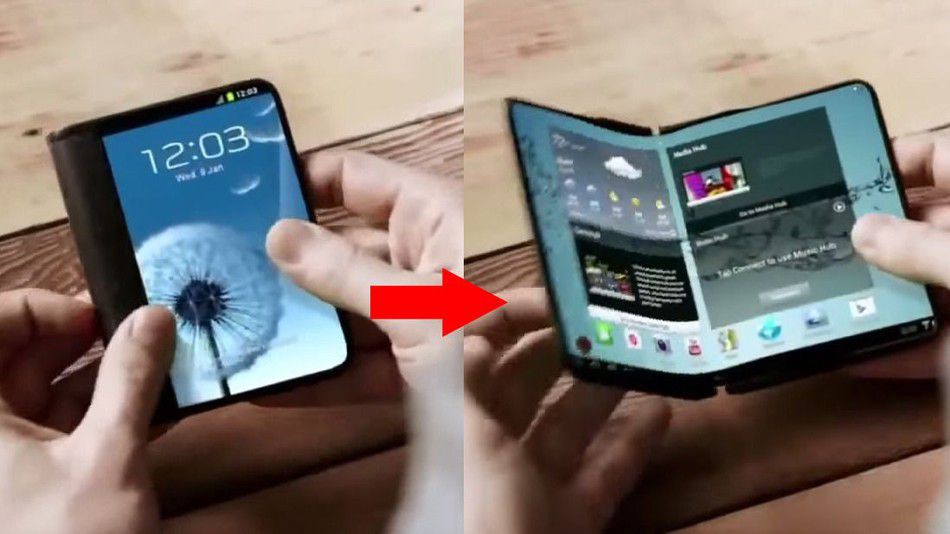
Yesterday, South Korean media had reported that Samsung’s first foldable smartphone may get introduced in December 2018. During a press conference at the ongoing Consumer Electronics Show (CES) 2018, Samsung’s chief for mobile business, DJ Koh confirmed that the company’s first foldable smartphone would be unveiled in 2019.
Last year, Koh had said that Samsung will be launching its first foldable phone in 2018 only if it manages to overcome all the technical glitches. According to Koh, the UX of the foldable phone has been its biggest obstacle and the company has been actively working to resolve this problem. However, yesterday’s report had claimed that Samsung may begin the mass production of the foldable phone in November to launch it in December.
The South Korean publication had also revealed that the foldable phone by Samsung would be equipped with fold-in design. It would generally appear like a smartphone and by opening it like a book, users will be a larger screen of 7.3 inches. Hence, by unfolding the device, users can use it like a tablet.
Some rumors had claimed that the upcoming Galaxy S9 and Galaxy S9+ may get unveiled at the CES 2018 event. Koh clarified that the Galaxy S9 and Galaxy S9+ will be unveiled in the next month through the Mobile World Congress (2018) event that will be held in Barcelona, Spain.
Since the Galaxy S9 duo will be unveiled in February, their sales are expected to begin in March. Last year, the South Korean company had unveiled the Galaxy S8 and Galaxy S8+ in March and began selling them in April. Koh added that Samsung will be launching Bixby 2.0 later this year and it will be made available on all the Samsung devices by 2020.
It is almost certain now that Huawei will likely name the next P-series flagship as the P20 since the name has been trademarked. The tech giant will commence its 2018 product cycle and as usual, the P-series is usually the flagship series to get things rolling. The Huawei P20’s supposed schematics had earlier appeared online and what stood out most was the triple rear cameras which the device features.
The P-series is the next flagship series after the Mate-series and Huawei usually ensures that it adds some innovation to new models. One feature which helped the P8 and P9 stand out was the dual rear cameras co-engineered with Leica. Thus, it shouldn’t be much of a surprise if the innovative Chinese firm chooses to redefine mobile photography with the inclusion of not two, but three cameras at the back of the P20. The cameras are aligned horizontally and tilted to the top left corner of the back panel and the design is said to be called ProTriple-lens design. The three cameras are tipped to have a total output of 40MP and also support five times Hybrid zoom as well as feature a new AI photo assistant. The earlier leaked schematics suggested the presence of a P20 Plus and P20 Pro variants with the same number of sensors but different camera positioning.
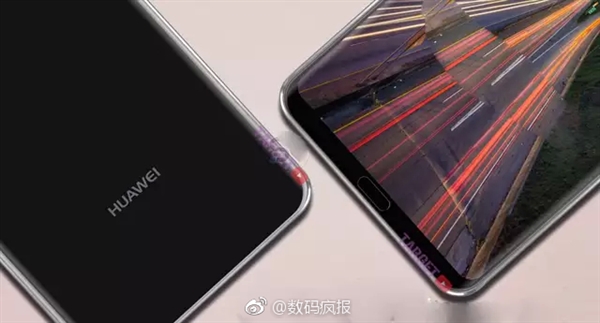
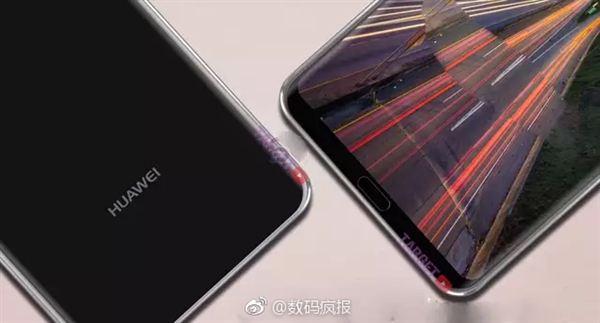
We cannot miss the full-screen design as captured on the front view of the P20’s renders. The renders show Huawei may bring a display with much-reduced bezels than what we saw on the Mate 10 series. The bezels on the chins are very narrow and the screen-to-body ratio is very high. The P20 front renders still pack a front home button which doubles as a fingerprint sensor and located just underneath the display. We have seen a similar setup to this one on the Huawei Mate 10 Pro.
Talking of the specification, the P20 is expected to feature a Hisilicon Kirin 970 chipset paired with 6GB of RAM while a 3600mAh battery keeps the light on. The device is expected to retain the 3.5mm audio jack and should launch at MWC 2018 this February.
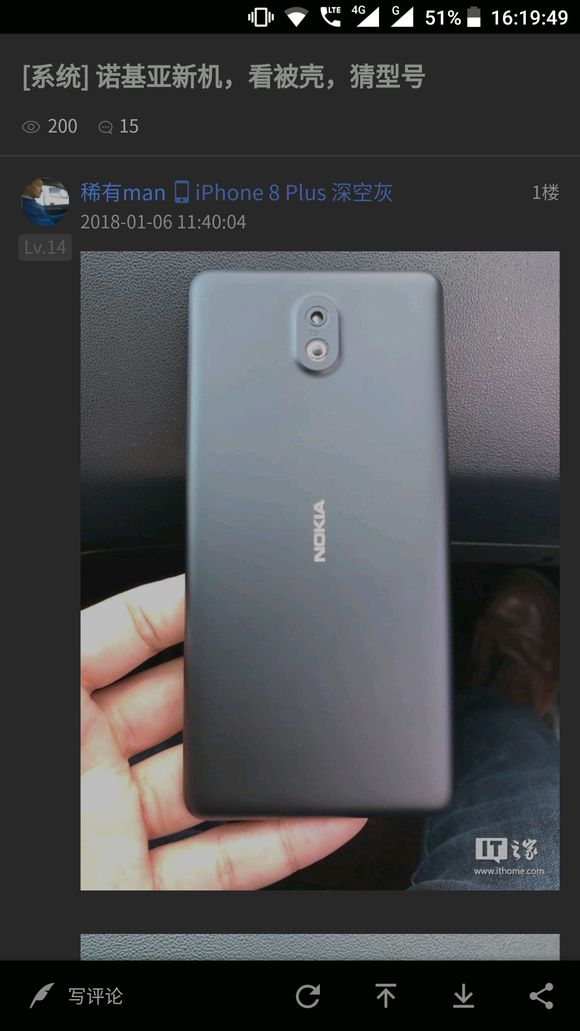
In the previous month, a well-known tech journalist Eldar Murtazin had revealed the specs of the upcoming Nokia 1 Android Go phone. Fresh photos of the entry-level smartphone have surfaced from China to reveal its design.
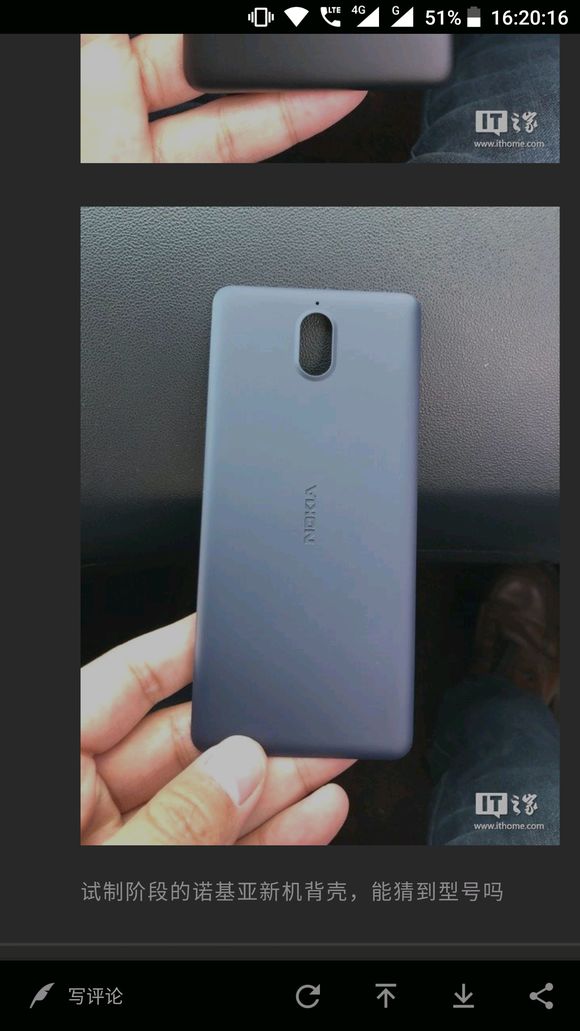
The following snapshots show two similar looking phones. The alleged Nokia 1 in the first photo seems to be placed inside a case whereas the second image seems to show the actual handset. The body of the phone appears to be made out of plastic. The back panel has a camera sensor that is coupled with a LED flash.
The Nokia 1 is expected to feature a display that will carry support for HD resolution of 720 x 1280 pixels. However, the exact size of the screen is not known. It will be packed with 1 GB of RAM and 16 GB of native storage. It is speculated to be driven by Snapdragon 212 chipset that is present under the hood of the Nokia 2 phone.
It will be running on Android Go which is nothing but a lighter version of Android Oreo. The Android Go OS will bring along other Go apps such as Google app, Play Store, YouTube, Gmail, Maps and more. The Nokia 1 is likely to launch in March with a price tag of 5,999 Rubles (~$105).
HMD Global has recently unveiled the Nokia 6 (2018) edition smartphone. It is expected to be present at the Mobile World Congress (MWC) 2018 tech trade show in Barcelona, Spain in the next month to reveal new Nokia phones. Rumors have it that the Finnish firm may announce new Nokia smartphones such as Nokia 1, Nokia 4, Nokia 7 Plus and Nokia 9.
The International Consumer Electronics Show (CES) kicked off Tuesday, January 9 in Las Vegas. The much-anticipated annual trade show is crammed with product launches, conference programming, business meetings and lots more.
Lining with this, GeekBuying is offering a myriad of products at a heavily discounted price. Let’s take a gander at what the leading e-commerce website has in store for tech buffs.
What to Expect
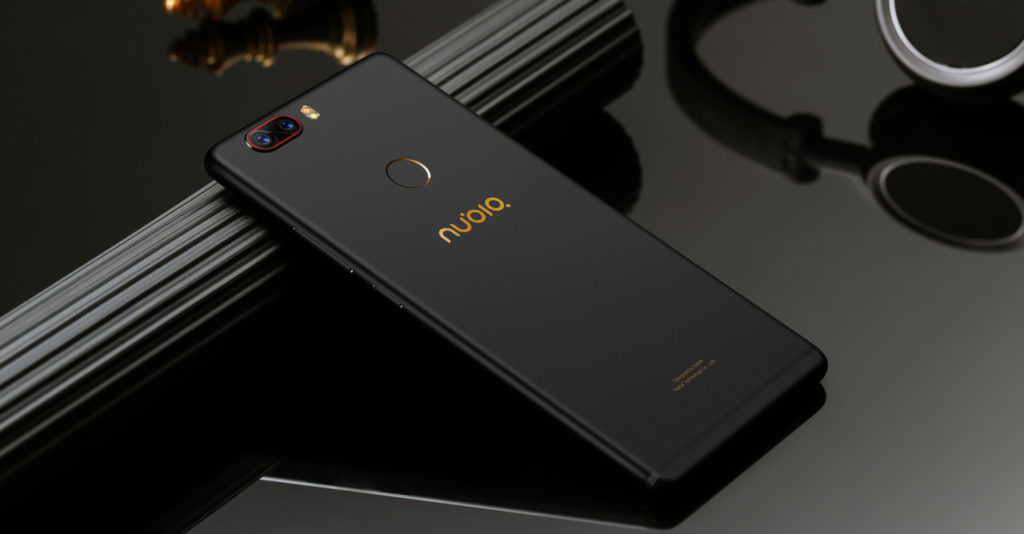
First off, there’s a considerable 38% discount on ZTE Nubia Z17 Lite smartphone, which reduces its original asking price of $449.99 to just $279.99. This promo is slated to end in five days.
VORKE V6 Barebone gaming PC is also up for grabs on GeekBuying at a massively discounted price. While the device sells for $606.02, you can now buy it for just $449.99 on GeekBuying, thanks to a considerable 26% discount offered by the site.
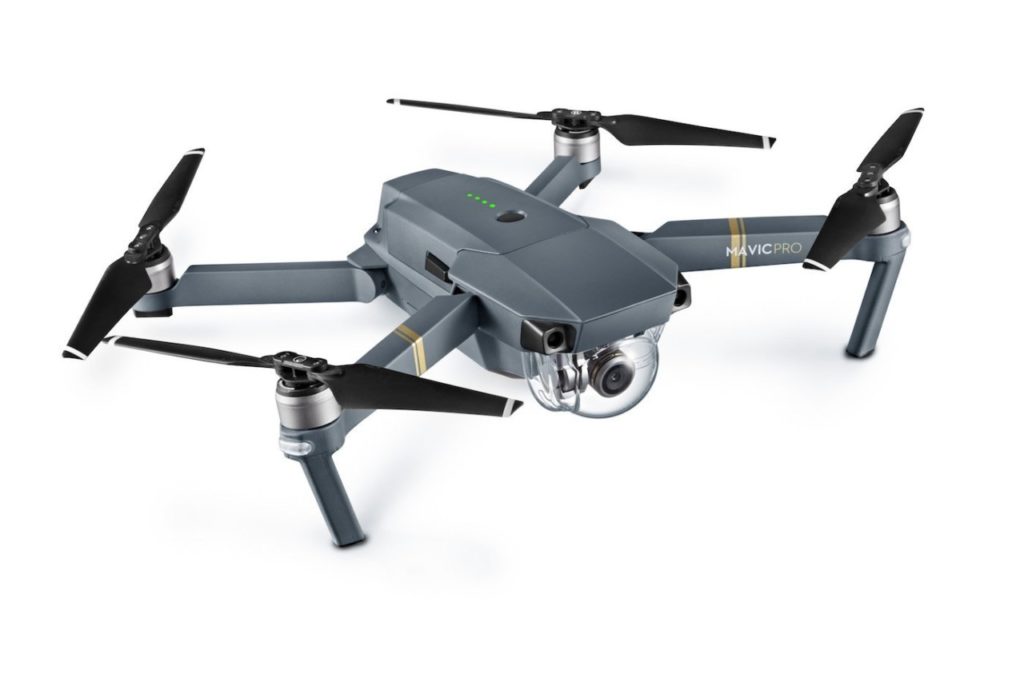
Last, in this category, we have DJI Mavic Pro drone which carries a steep original price tag of $1299.99, but GeekBuying is offering an 18% discount on its steep selling price. You can now get your hands on this drone for just $1069.00 before the promo comes to an end in five days.2018 CES Promo Code
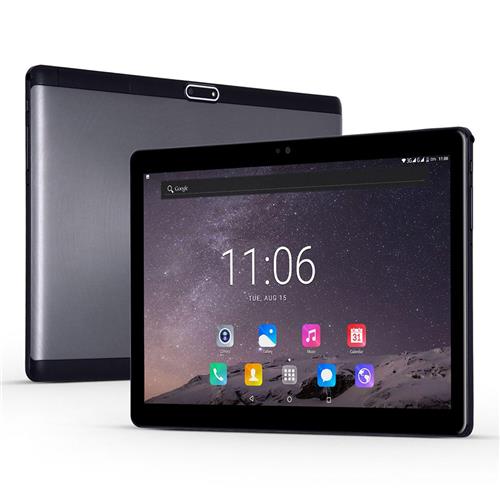
This section of the promo offers a slew of electronic items such as the OnePlus 5T smartphone, which you can buy at a lowered price using coupon codes for each item. You can also go for NOOMAI A108 3G Phablet which is available on the site for just $84.99, thanks to a 35% discount offered by GeekBuying via a coupon code.Similarly, you can save money on various other items including Xiaomi Mijia Smart Toilet Seat, DJI Spark Fly More Combo Mini Selfie Drone, Original Xiaomi Huami Amazfit Cor MiDong Smart Bracelet and lots more by using GeekBuying’s coupon codes before checking out.
Build Smart Home
You can buy items that make your home smarter at a discounted price in this category. For instance, you can purchase Xiaomi Mi Robot Vacuum Cleaner Robot at a slashed price of $239.99 before the promo ends. The original price of this Xiaomi-branded vacuum cleaner is $481.56.
This section also features XIAOMI 4K Mi Box Android TV 6.0 Set-top Box, which recommends videos based on your personal Google Play and YouTube preferences. There’s a 45% discount on the device’s original asking price of 126.13.
Smartphones
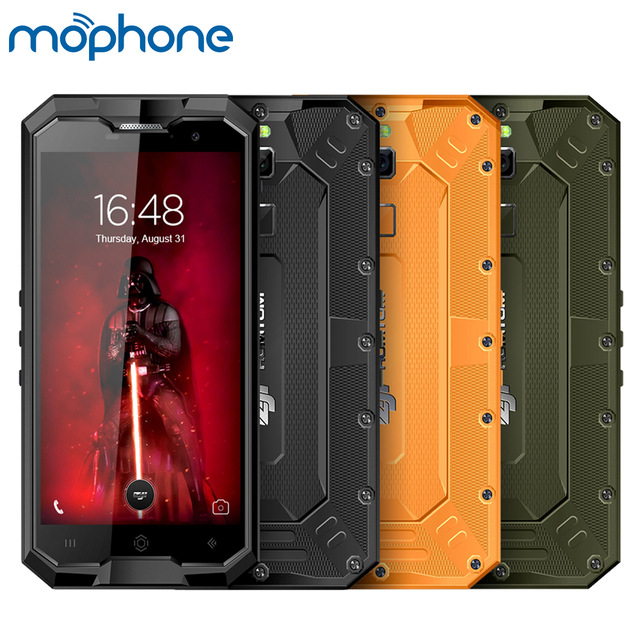
Smartphone lovers are in for a treat. This section of GeekBuying CES 2018 promo offers up to 44% discount on various smartphones including HOMTOM ZOJI Z8, which carries a reduced price tag of $149.99, Elephone S8 smartphone which is selling at a discounted price of 228.99 and lots more. PC Gaming World
Avid gamers haven’t been ignored either. Gamers can save 30% on T-bao Tbook X8S Pro laptop, which is currently up for grabs on GeekBuying for just $309.99. Moreover, this category is offering a massive 51% discount on Yeston NVIDIA GeForce GTX 1050Ti Graphics Card, which sells for $299.99 without the discount.
Creative RC & Cameras
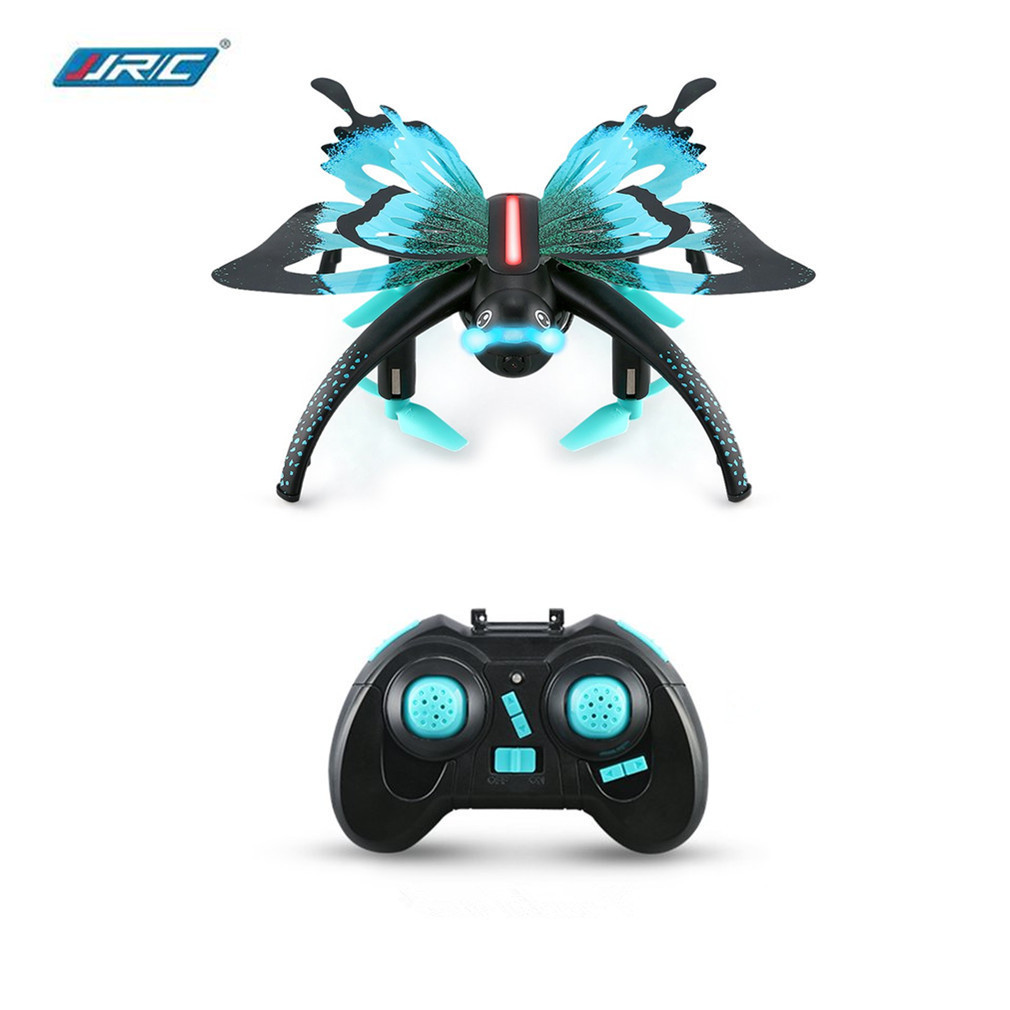
This category includes various remote controlled items and cameras that are currently available at a discounted price. For instance, JJRC R2 RC Robot can be purchased by shelling out just $17.99 before this promo ends. JJRC H42WH Butterfly WIFI FPV RC Quadcopter is also available at a discounted price of just $26.99. This section also features Elephone ELE Explorer S 4K Action Camera which is available for only $38.99. This is a massive 40% reduction in the camera’s original asking price of $64.99.
The last two categories are Intelligent Mobility and Electronic Gadgets, and they offer a slew of electronic and other items at a discounted price. It’s worth noting that the promo on each product is slated to end soon so if you want to take advantage of the promo before it ends, head straight to this link.
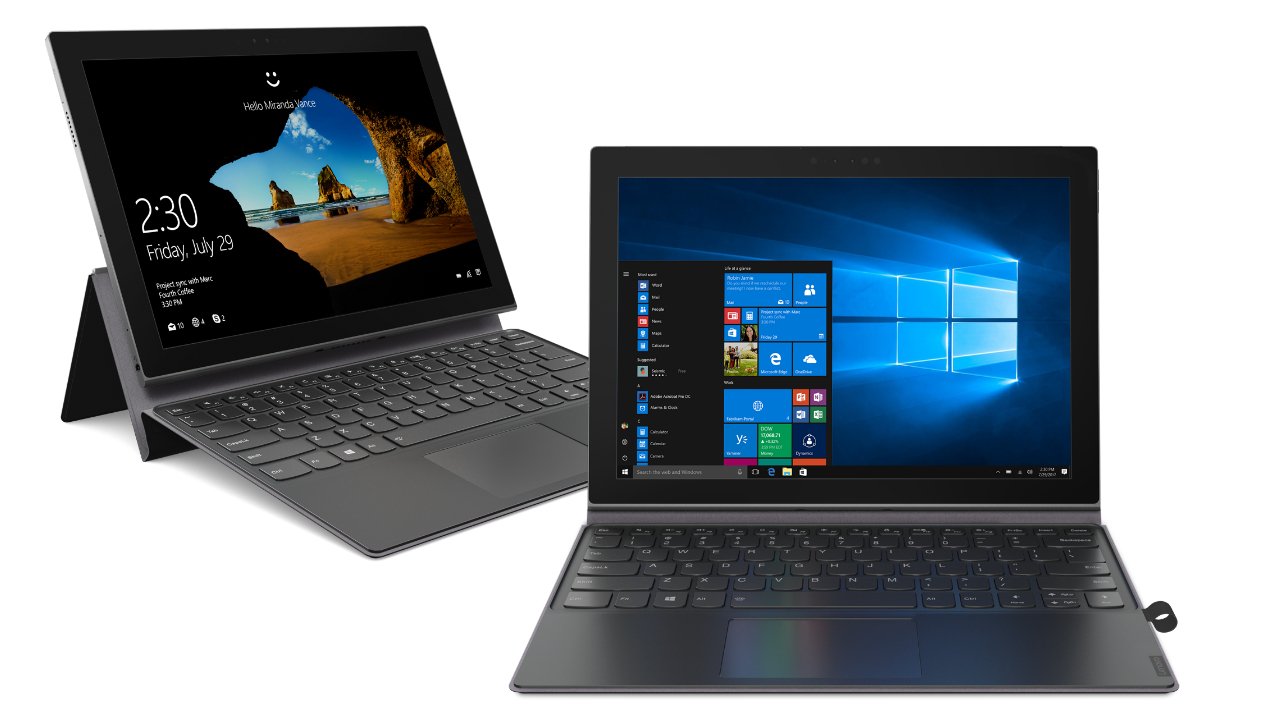
After HP and ASUS, its now Lenovo that has launched an ARM-chipset based Windows 10 laptop. At Consumer Electronics Show (CES) 2018, Lenovo launched its new Lenovo Miix 630 notebook that is powered by Qualcomm‘s Snapdragon chipset.
This new offering from Lenovo is a 2-in-1 notebook that comes with a 12.3-inch Full HD display and 1920 x 1080 pixels screen resolution. It has a detachable keyboard, which looks similar to other ThinkPad laptops in terms of design.
Just like other Microsoft Always-Connected PCs, this one too features LTE connectivity. Powered by Qualcomm Snapdragon 835 SoC, the device comes bundled with a Windows Ink-supporting digital pen capable of 1,024 levels of pressure.
The Lenovo Miix 630 will be available in two options — 4GB RAM and 8GB RAM. Coming to the internal storage, users can choose between 64GB to 256GB. Along with the LTE connectivity, the machine uses 2×2 802.11ac Wi-Fi and Bluetooth 4.1.
It features a 13-megapixel rear camera and a 5-megapixel front-facing camera with support for Windows Hello. Since this is a Windows laptop, the Miix 630 also supports features like Cortana voice assistant.
This new ARM-based laptop runs on Window 10 S operating system, which restricts usage of software. The Windows S doesn’t allow users to install apps from anywhere but the Windows Store. The Windows S version is a stripped-down version of the regular Windows 10 operating system and is optimised to take less time to boot up and provide better battery life.
The company claims that Miix 630 can provide 20 hours of battery life while playing locally saved videos at 150 nits brightness. The Lenovo Mixx 630 will be available sometime between April and June this year, with pricing starting at $799.
For more coverage from CES 2018, check outthis link!
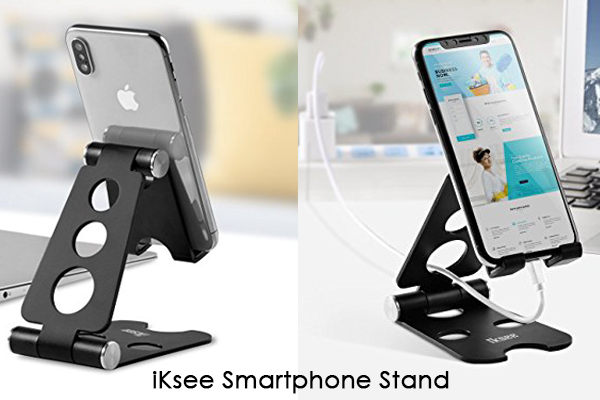
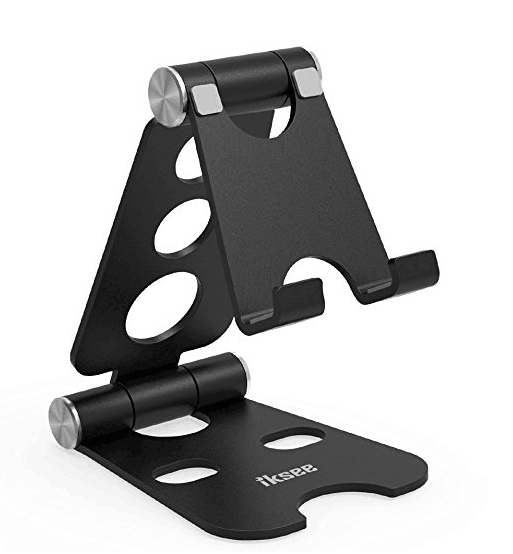
Holding your mobile phone up for a long time can be burdensome, especially when it interferes with more important tasks such as watching your favorite movie or program. But fret not! The iKsee smartphone table stand is here to help you.
The dual foldable smartphone table stand boasts enhanced adjustability and can be swiveled up and down effortlessly to give you an apt viewing angle. The adjustable cell phone stand is housed in an aluminum body and it adopts CNC technology that’s similar to what Macbook uses.
The black-tinted iKsee smartphone table stand is currently up for grabs on Amazon for $12.99. But if you’re not willing to shell out too much money to get your hands on this useful device that helps you play games, use Facetime, or watch YouTube while charging, we got good news for you.
You can use coupon code ‘XJRH28W8‘ at the time of checking out to buy iKsee smartphone table stand for just $4.55. This is a considerable 65% reduction in the device’s original asking price. Click here to take advantage of the promo before it comes to an end.
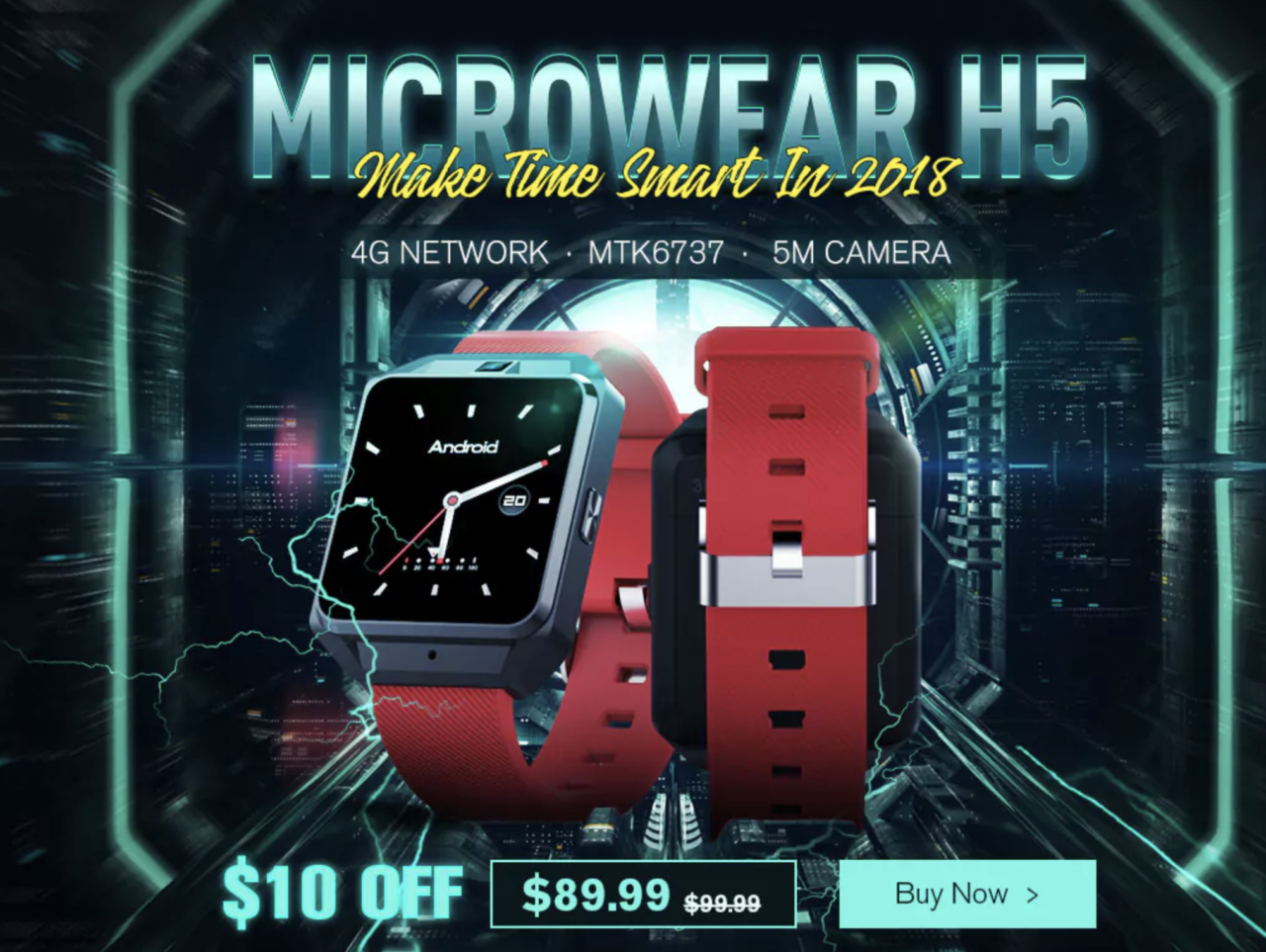
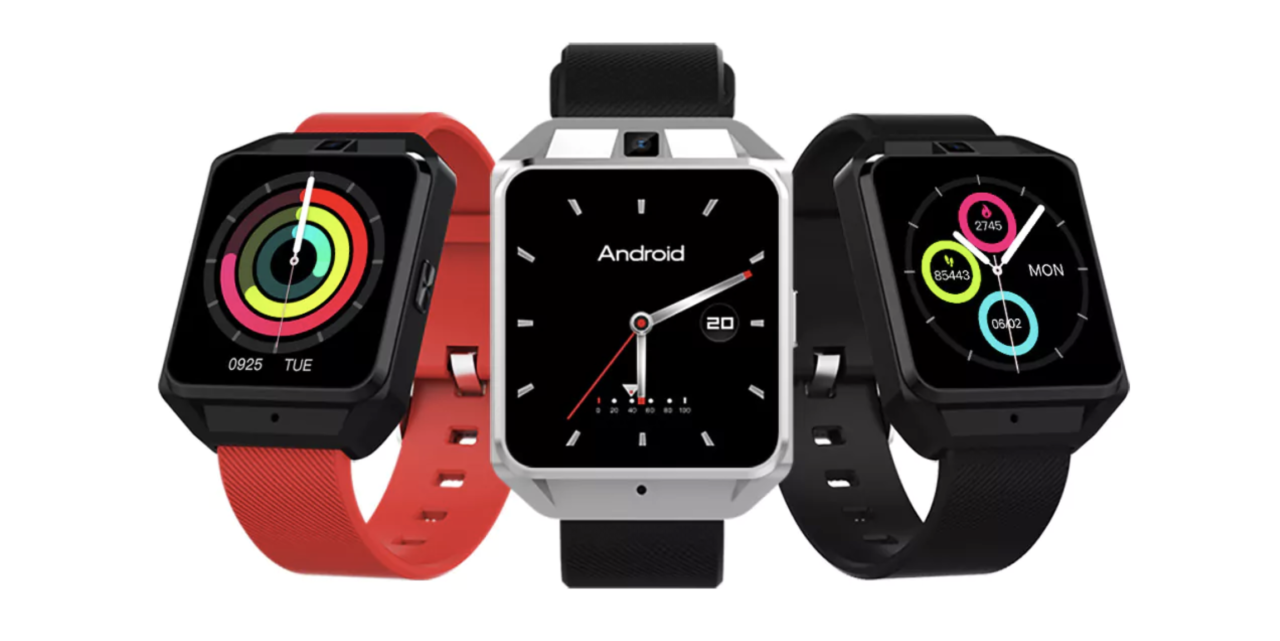
We enter 2018 and the market of smartwatches will be pretty crowded. Microwear has made quite a few smartwatches over the time and the H5 is one of the latest models. It packs a ton of features for a promotional price of just $89.99!
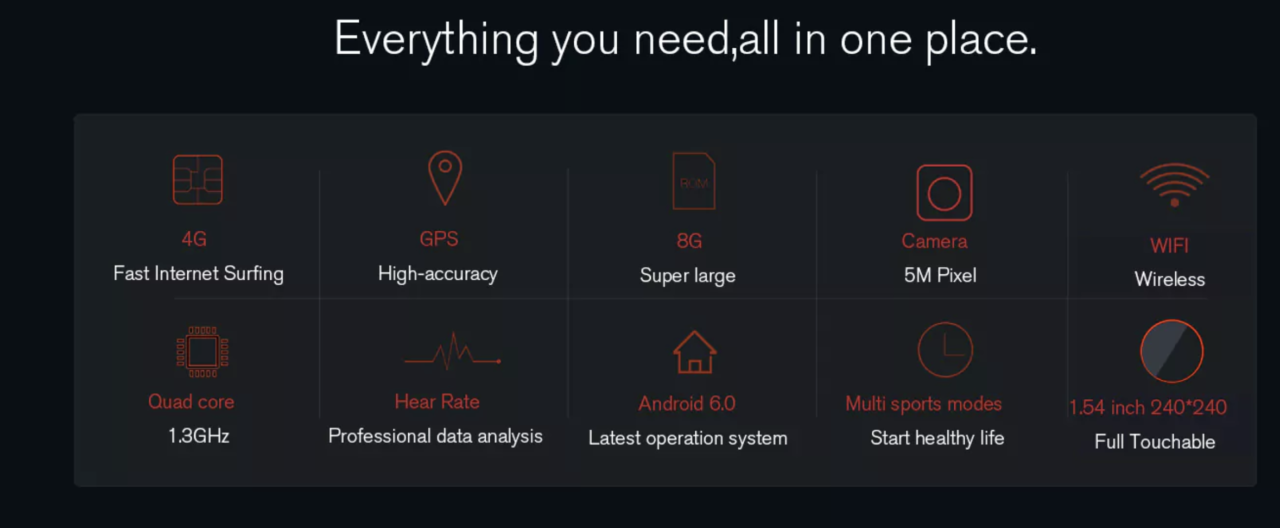
As most of the Microwear smartwatches, the H5 is packed with features. It packs a Mediatek MT7637 chipset that is still used in quite a few budget smartphones. Speaking of phones, this watch supports 4G networking since it has a dedicated SIM card slot for calls, Internet browsing and so on.
In addition, the watch sports some other cool features like GPS, 5MP camera, 8GB of internal storage, Wifi, heart rate sensor and so on. Android 6.0 is running the show.
Furthermore, the H5 has a 1.54″ touchscreen display.
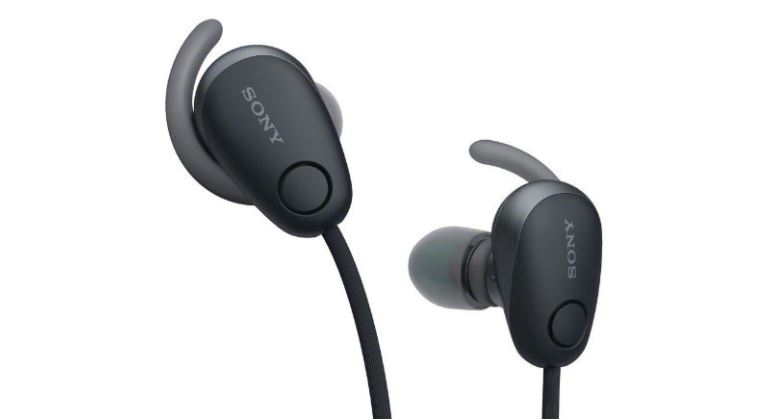
Sony has just taken advantage of one of the most important trade shows of the year, CES 2018, to launch a series of new and innovative accessories. The Japanese company has managed to unveil several headphones, one of which has an AirPods-like design without cables. We are talking about the WF-SP700N wireless headphones which are equipped with an advanced noise-canceling technology. Besides this, they also are splash-proof headphones with the IPX4 certification. The battery of these headphones can last three hours with a single charge and they come in a “one-touch open” case similar to the ones of Apple AirPods and Samsung Gear IconX. This case can charge the battery and provide up to nine hours of battery life.
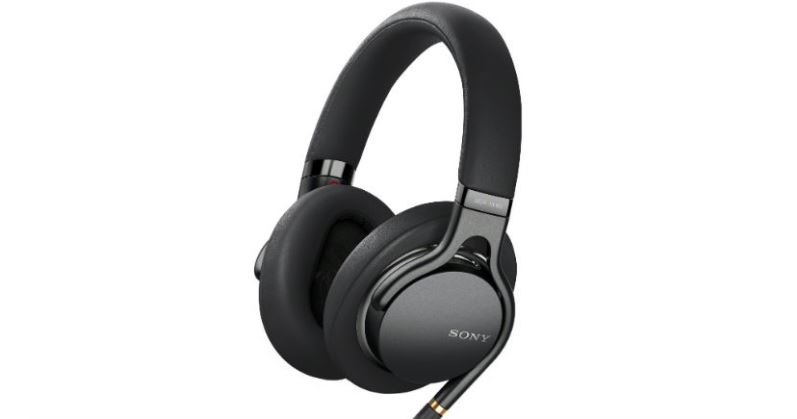
Sony has also launched the WI-SP600N headphones for sports. They have an “around-the-neck” design and they are equipped with noise cancellation technology and the IPX4 certification for water-resistance as well. This pair of headphones offers a longer battery life: up to nine hours of music playback. There’s one more, the new MDR-1AM2, which are over-ear headphones with a 40mm HD driver and up to 100 kHz frequencies. The headphones have a Fibonacci-patterned grill and a silver-coated OFC to provide high-frequency ranges and a low transmission signal loss.
Together with the headphones, Sony has also showcased a new series of Bluetooth speakers at CES 2018: the model names are SRS-XB41, SRS-XB31 and SRS-XB21. Each of them has the Extra Bass technology and a Live Sound mode which has been implemented to provide a 3D audio experience with deep bass frequencies. It is possible to pair these speakers with up to 100 other speakers which can reproduce the same music at the same time. The WF-SP700N will be launched with a price tag of $179.99, WF-SP600N will cost $149.99, MDR-1AM2 will go on sale at $299.99 and the prices for the three Bluetooth speakers are $249.99, $149.99 and $99.99 dollars.
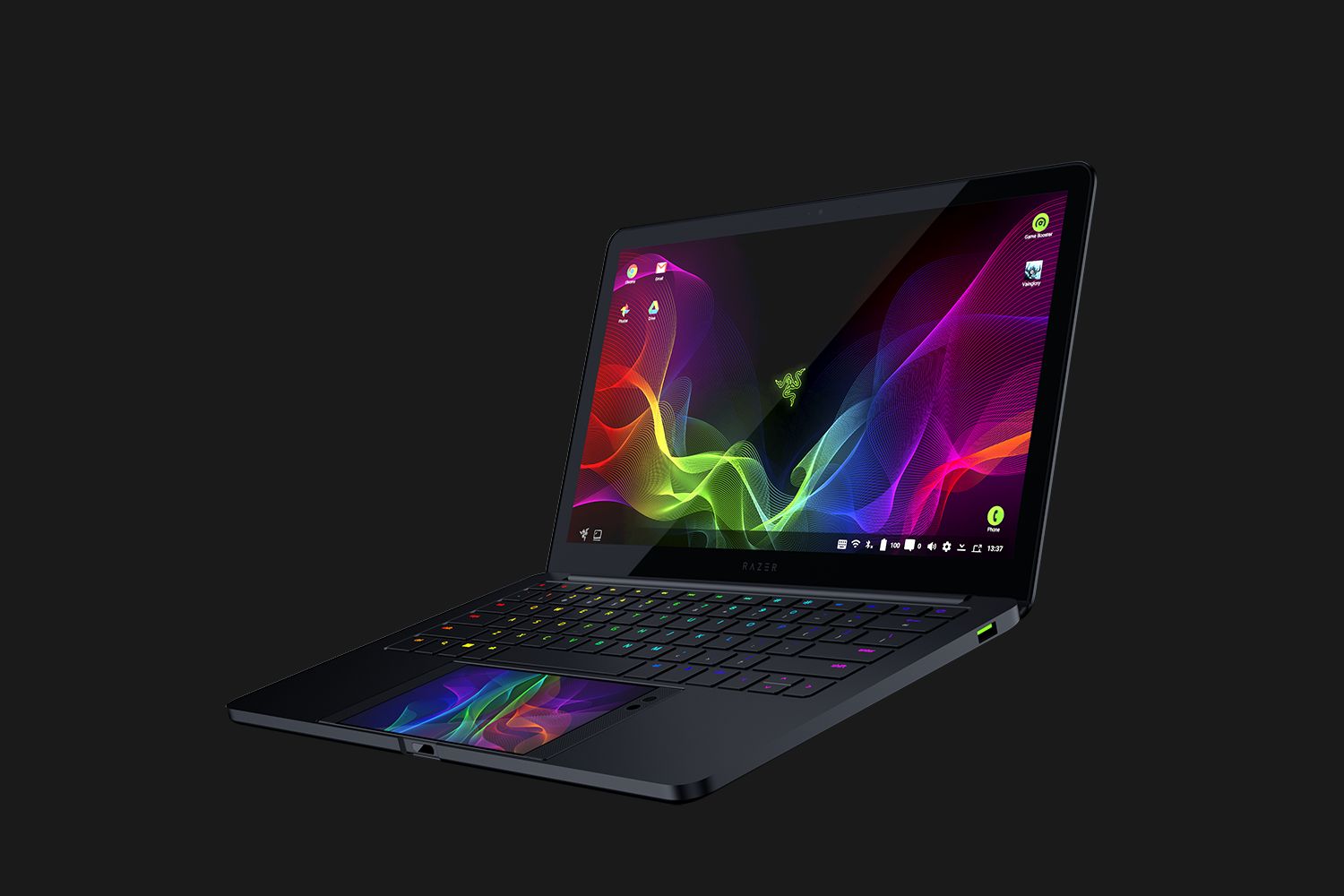
The Razer Phone is one of the top phones of 2017 even with its release in the final quarter of the year. At CES 2018, Razer has showcased a familiar technology that transforms your Razer Phone into a full laptop.
Called Project Linda, the technology is actually a laptop shell that becomes a full laptop once you dock your Razer Phone into the provided slot.
We have seen multiple versions of this technology in the last couple of years. There is the more recent Mirabook by Miraxess demoed last year, but still hasn’t gone on sale. There is also the much older Motorola DROID BIONIC Lapdock and Atrix Lapdock.
What these have in common is that they are laptop shells that allow you to connect your android phone for a PC like experience. This is the same road Razer’s Project Linda is following, it only just has better specs.
Project Linda Specs and Function
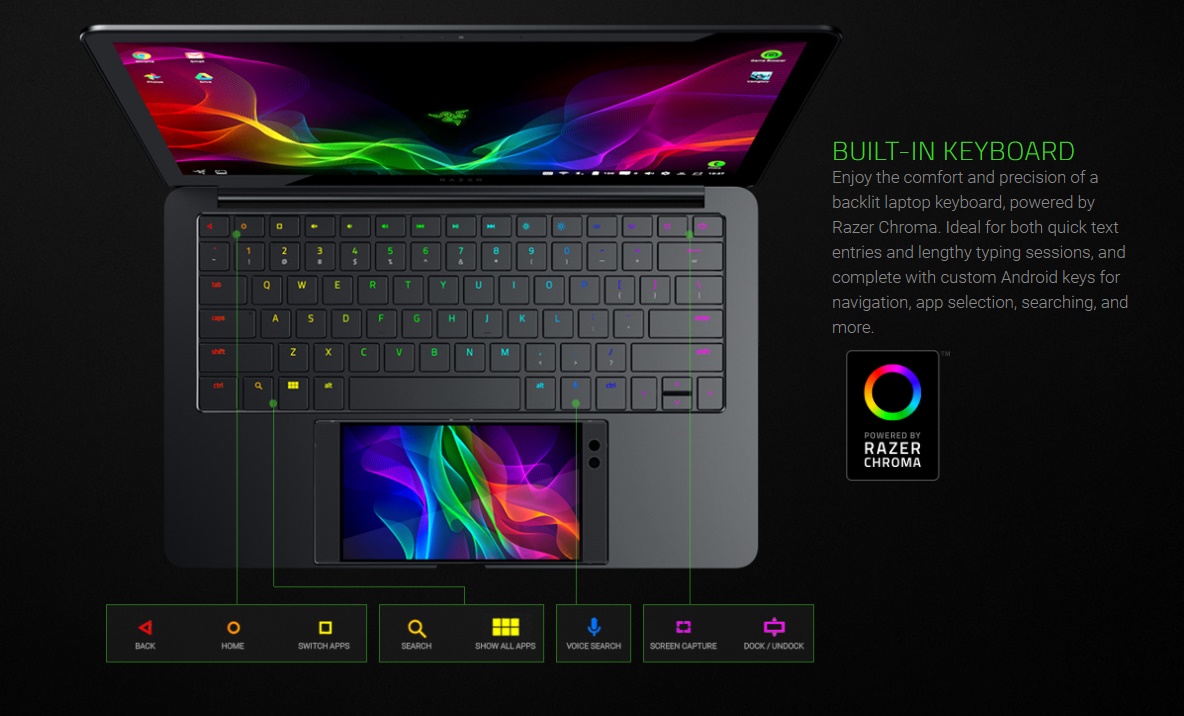
The device has a 13-inch QHD touch display with a similar design to the Razer Blade Stealth. It has Razer’s Chroma keyboard so you get the full customizable backlight experience. There are a few changes to the keyboard like the addition of Android navigation buttons and a Google Assistant key.
Where the trackpad should be is a large space for the Razer Phone to sit. Once it is docked, a USB-C connector plugs into the phone. Your apps are then displayed on the screen. You can decide to use the phone as a touchpad or as a second screen.
Although the device does use the phone’s processor and RAM, it has 200GB of storage for files and games. It also charges the Razer Phone when docked as it has a 53.6Wh battery. Sadly, the device doesn’t have its own speakers but makes use of that of the Razer Phone which is actually one of the best in the market.
The rest of the specs include a 720p webcam, a 3.5mm audio jack, a USB-A port, and a USB-C port.
Project Linda Price and Release Date
Project Linda is a prototype and there is no mention it getting released for sale anytiime soon.
Huawei’s flagship device — the Huawei Mate 10 Pro was gearing up to be available in the US through a partnership with network carrier AT&T. However, recently there were reports suggesting that the deal has failed.
Now, Huawei Technologies has confirmed that its deal with AT&T has fallen apart and said that the Mate 10 Pro won’t be available through US carriers. But the company has not revealed the reason behind the failure to reach an agreement.
The Information reported that AT&T was urged to drop the deal following a letter from the U.S. Senate and House Intelligence committees to the Federal Communications Commission raising concerns about Huawei’s plan to launch products through US carrier.
The Mate 10 Pro could have been the first flagship device from the company to be available through network operators in the US. With such deal, the China-based company, which ranks third in the world’s top smartphone vendors, was aiming to expand its smartphone business in the US.
Instead, the Huawei Mate 10 Pro will now be available in the United States through open channels in the market. It will be available through the authorized retailers and Huawei Store. In a statement, the company said:
We remain committed in this market now and in the future. U.S. customers need a better choice, and as a leader in technology and innovation, Huawei is prepared to fill this need.
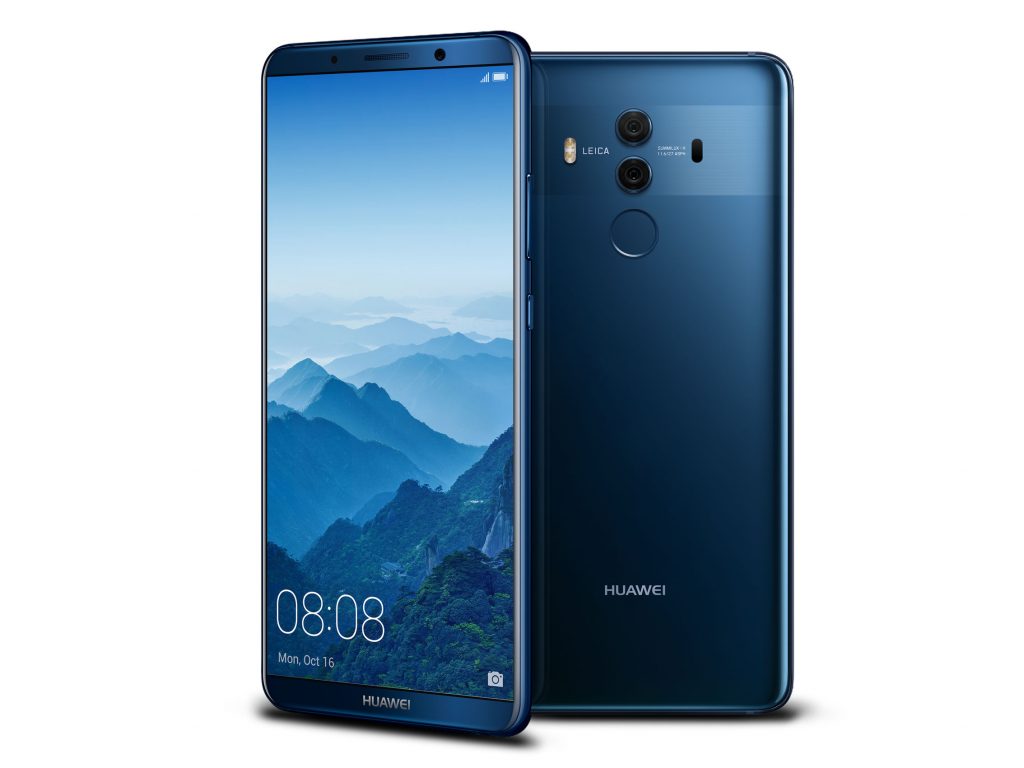
The Huawei Mate 10 Pro features a 6-inch Full-HD+ display with 2160 x 1080 pixels resolution and 18:9 aspect ratio. It is powered by the company’s own Kirin 970 processor. The phone was launched in two variants — 4GB RAM with 64GB internal storage and 6GB RAM with 128GB onboard storage. There is no microSD card slot for expanding the storage capacity.
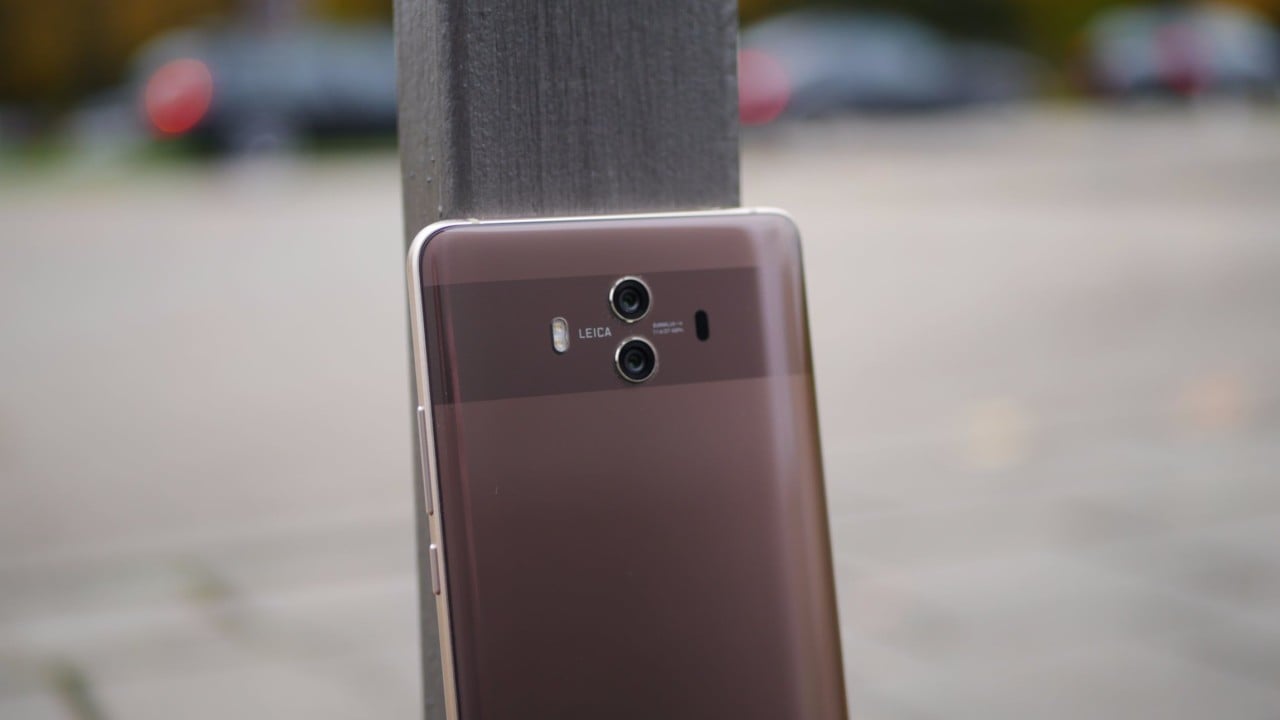
It has an IP67 rating and comes with Cat.18 LTE. It also comes with a pair of USB-C earphones and a USB-C to 3.5mm adapter. As of the camera, there’s a dual-camera setup consisting 12MP RGB + 20MP monochrome sensors on the back with f/1.6 aperture and SUMMILUX-H lens along with 4-in-1 hybrid focus, hybrid zoom, and OIS. On the front, there’s an 8MP sensor with f/2.2 aperture.
It is fuelled by a 4,000mAh battery which Huawei claims has a 30 percent improvement over that of the Mate 9. There is also Superfast Charge, allowing users to charge the battery up to 58 percent in just 30 minutes.
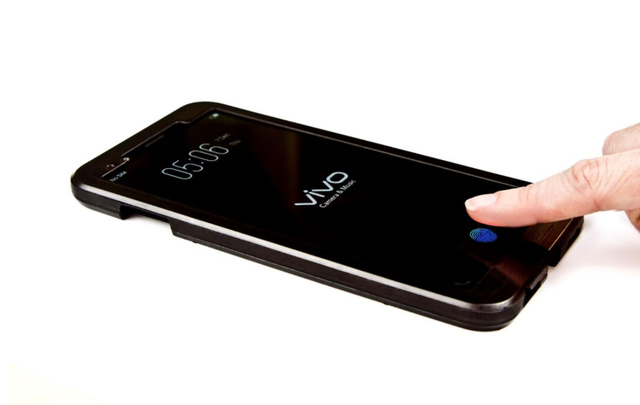
Synaptics unveiled the first in-display fingerprint scanner late last year and the company also revealed that the first phone to sport the new technology would would be launched at CES 2018, in Las Vegas. And so it is: Vivo has just unveiled the first commercial phone in the world to feature a fingerprint scanner under the display. Unfortunately, the Chinese giant did not reveal the specs, the design and neither the name of its new phone, but we know for sure that the device is ready for mass production and it will be officially showcased soon.
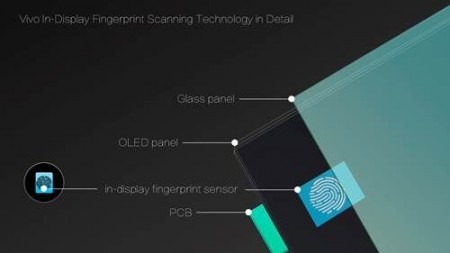
According to the senior VP at Vivo (Alex Feng), the device will provide a more comfortable authentication experience and it will be officially announced early 2018. We might even see it at MWC 2018 that will be held in February. The in-display fingerprint technology unveiled by Synaptics only works with OLED displays, and indeed, the handset will feature an AMOLED display. The fingerprint scanner will be placed between the glass panel and the OLED panel: when the finger will touch the glass panel, the OLED panel will illuminate the finger and the small chip will process the beams of light emitted.
From what Synaptics has revealed, the new in-display fingerprint scanner that will be present on the Vivo phone will provide the same level of security as traditional fingerprint readers found on the actual smartphones in the market. On the other hand, the authentication process should be a bit slower. It is also worth mentioning that a fingerprint scanner cannot offer the same level of security of a well-made 3D facial recognition technology or iris scanner, which can recognize more unique elements in the face of the user.
So, do you prefer the comfort offered by an in-display fingerprint reader or the security of 3D facial recognition technologies?
Hisense announced a bunch of smart TVs at the on-going CES in Las Vegas. Two of them, the Hisense H10E and Hisense H9E Plus, are its top models for the year and they both come with Google Assistant.
Hisense had earlier revealed that some of its smart TVs for 2018 will have Amazon’s Alexa built-in. So it was a surprise when it unveiled its top end models and they were shown to also have Google Assistant support. The remote of the two models also have a dedicated button for Google Assistant unlike Alexa.
Hisense H10E
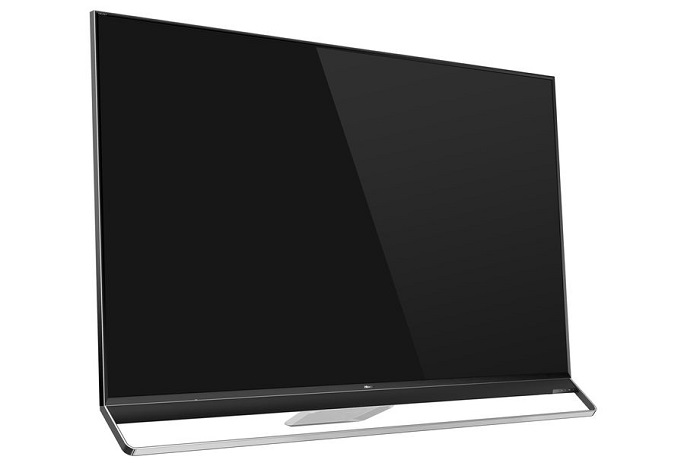
The Hisense H10E is the most premium model with a 75” screen. It is the successor to 2017’s H10D model and brings a number of upgrades. The screen is brighter at 2200 nits compared to last year’s model with 1000 nits. Hisense’ custom OS has also been replaced with Android TV. It also has Dolby Vision HDR.
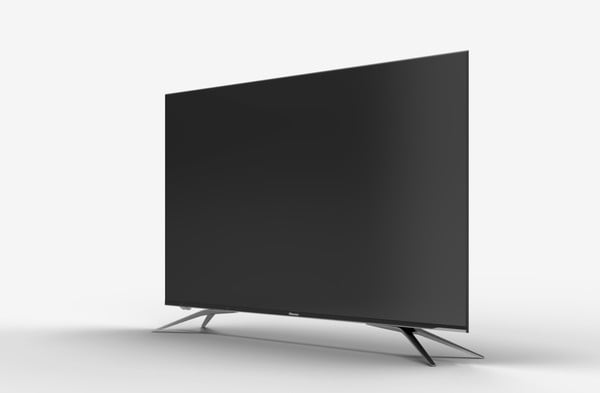
The Hisense H9E Plus comes in 55” and 65” sizes. It has Android TV, Dolby Vision, and also comes with both AI assistants.
Hisense has not announced the prices and release date of both models.
Hisense H9E Plus
Apart from those two, there is the Hisense H9E, H8E, and H6E models too. The H9E and H8E both have Amazon Alexa but run Hisense’s custom OS. The H6E on the other hand lacks support for any assistant. Price and release dates have also not been announced for all three.
Xiaomi is soon expected to launch a new device in the Redmi 5 series — the Xiaomi Redmi Note 5. Contrary to previous reports, it almost seems like the Redmi Note 5 smartphone is coming given. However, the company has not yet confirmed anything.
After the phone’s render, the pricing information of the device has now surfaced online. The phone was mentioned among the list of prizes for a contest that the company is hosting on its China MIUI forum. In that forum post, the price of the Redmi Note 5 has been listed at 699 Yuan (approximately $107).
This could mean that the Redmi Note 5, which is expected to make its debut soon, could start at a price of 699 Yuan and go up based on the memory configuration. Notably, this is the first time the Redmi Note 5 smartphone has been mentioned. However, there’s a possibility that this could be a typographical error and the company intended to write Note 5A, which is also priced at 699 Yuan.
Recently, a new render of the phone surfaced online with few differences compared to the earlier image. The new leak shows the phone’s full-screen display surrounded by very thin bezels, much thinner than what we saw on the Redmi 5 and Redmi 5 Plus.
The bottom bezel on the phone is even thinner than that of the Mi MIX 2. Thus, the front-facing camera sensor sits on the top bezel along with the speaker. On the back, there is a dual camera sensor stacked vertically and a fingerprint sensor. It this design turns out to be legit, then the Redmi Note 5 will be amongst the mid-range phone with the highest screen-to-body ratio.
According to the previous leaks, the phone is expected to feature a 5.99-inch Full HD+ display with 18:9 aspect ratio. It is said to be powered by Qualcomm’s yet announced Snapdragon 632 processor along with 4GB RAM.
There has been no confirmation that the Redmi Note 5 will be released. And so far, everything that we have seen has been just been unconfirmed leaks and rumours. So take all the information related to the Redmi Note 5 with a pinch of salt.
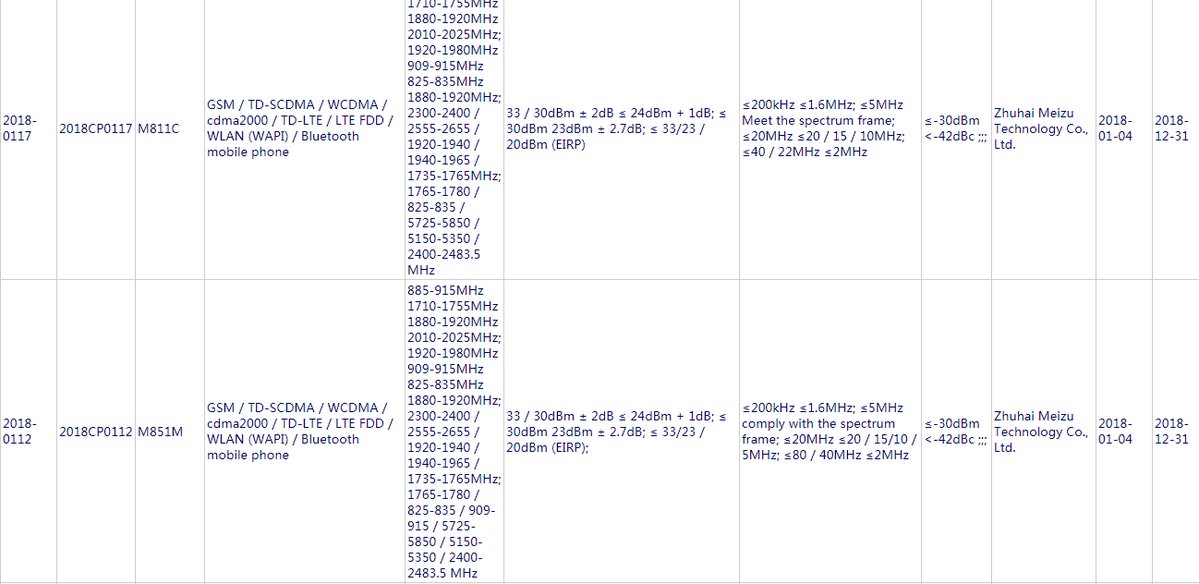
Two new Meizu phones and a Smartisan phone have been seen on the website of the agency that issues the 3C certificate. All three phones were registered this week and may be launched soon.
Meizu M811C and Meizu M851M
The Meizu phones have model numbers M811C and M851M but will likely have two more variants each for the other network operators. The listing doesn’t reveal much except for the fact that they were registered by Zhuhai Meizu Technology Co. Ltd. If we were to take a wild guess, we’d say both phones are the Meizu 15 and Meizu 15 Plus respectively.
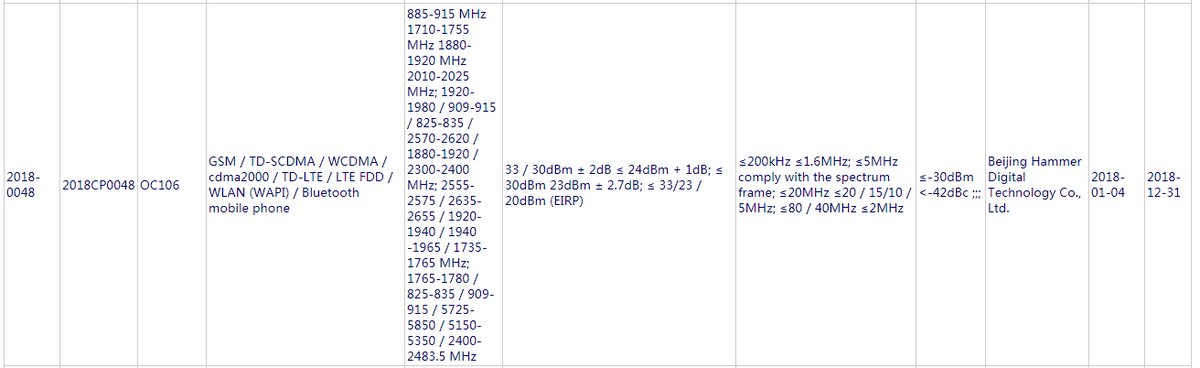
Smartisan OC106
Another device seen on the 3C website is the Smartisan OC106. Registered by Beijing Digital Technology Co. LTD, the OC106 will probably be the brand’s first phone of the year. We don’t want to believe it is the Nut Pro 3, seeing as the Nut Pro 2 is barely three months old.
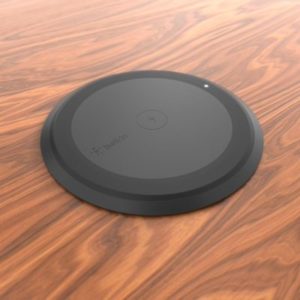
Belkin is one consumer electronics manufacturer with a worldwide renown for connectivity devices. The American company has now unveiled its latest array of mobile charging solution on the heels of CES 2018. The charging accessories, which are already listed on the company’s official website, ranges from wall chargers to power banks and wireless charging pads. They are not available for purchase and their prices are still undisclosed but the goodies are expected to be released before late spring or early summer.
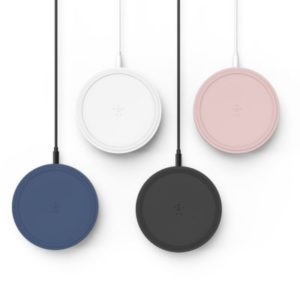
The products include five wireless charging accessories and they fall under the company’s “BOOST UP” brand. Each of the chargers offers 10W of output, thus ensuring that the devices that are compatible with Qi fast charging solutions can be charged a bit faster. The wireless chargers are also touted as capable of charging a device through a 3mm case. Thus, you will not need to remove the smartphone from its protective case.
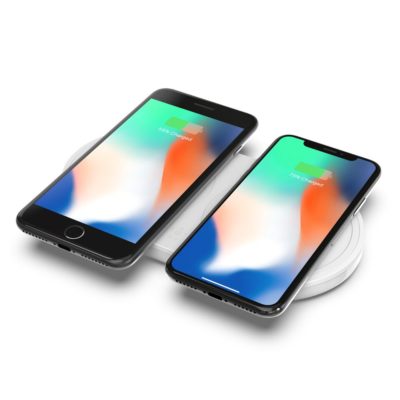
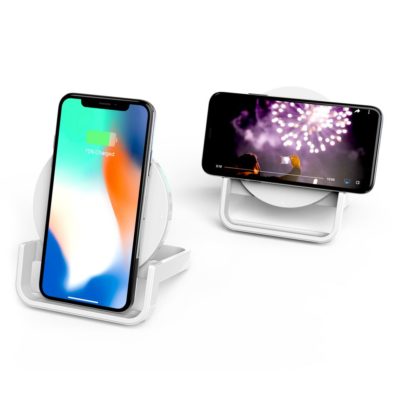
Among the products is the Boost UpBold which is an updated version of Belkin’s entry-level charging pad. There is also a new Dual Wireless Charging Pad that can be used to charge two devices at once. There is also another Dual Wireless Charging Pad that has the same features as the first model but comes with a pair of pads. Belkin also unveiled the BOOST UP Wireless Charging Stand which allows more usage flexibility as it can charge a compatible device in either a horizontal or verticle orientation. The charging stand is also tipped as having built-in safety mechanisms and is manufactured using premium materials.
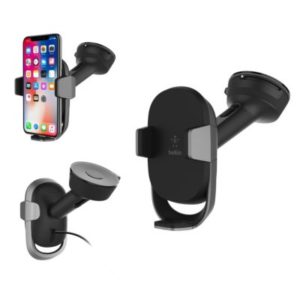
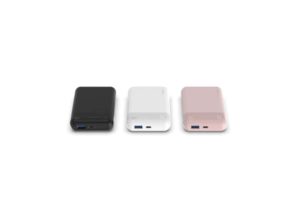
Belkin’s charging solutions also include a wireless car mount which keeps you covered while on the go. The wireless car mount also has an additional 1Amp standard USB port which provides users with a second option to charge their Android devices that don’t have wireless charging support. Yet another product is a new portable power bank dubbed Pocket Power USB-C 10K. The gadget packs a 10,000mAh battery and has support for Qualcomm’s Quick Charge 3.0 standard via an available USB Type-C port and a standard USB port. It has a compact design which makes it easy to be carried around and it is encased in a non-scratch material to prevent damage. Called the Pocket Power USB-C 10K. Finally, Belkin also announced two new Fast Charging wall chargers. Both are designed to be plugged into a wall outlet in order to manage power delivery from the socket to a device through a USB Type-C port. One has a rating of 27W with a single Type-C port while the second one is a dual-port 39W rated charger.
There is no information yet on when the products will be available to buy or their likely prices but you can keep a tab on the company from their website.
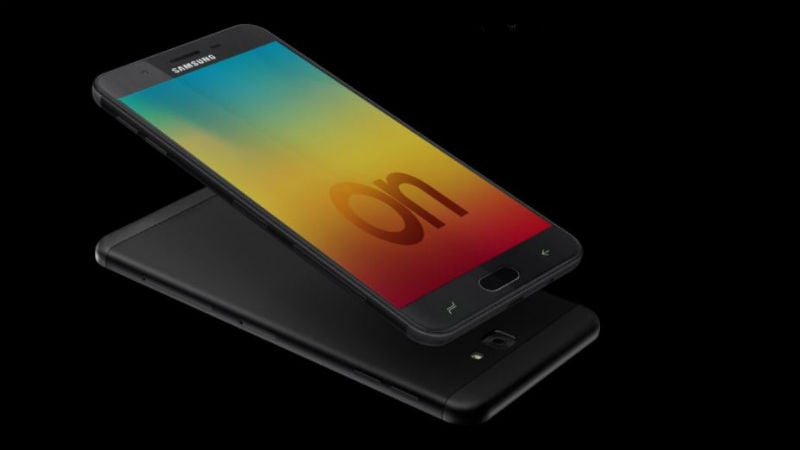
Last month, Amazon India teased the launch of a new Samsung On-series phone on its website. However, the company refrained from revealing any details. Now, Amazon India has listed Samsung Galaxy On7 Prime on its e-commerce platform.
While Amazon has listed the phone, Samsung is yet to make the official announcement. We are expecting the phone to be officially launched in the coming days and will soon be available for purchase after the announcement.
Currently, Amazon India has created a dedicated page for the new Galaxy On7 Prime with a “notify me” subscription option. The listing has also revealed some key specifications of the device. The company describes the phone as “ultra-slick”, measuring just 8mm in thickness.
The Samsung Galaxy On7 Prime features a 5.5-inch Full-HD display with 1920 x 1080 pixels screen resolution. Under the hood, the phone is powered by a 1.6GHz octa-core Exynos 7870 processor. It will be available in two variants based on the memory configuration — 3GB RAM with 32GB internal storage and 4GB RAM with 64GB internal storage. There is also a microSD card slot, allowing users to further expand the storage capacity up to 256GB.
Coming to the camera department, the phone comes with a 13-megapixel camera on the back with an LED flash and f/1.9 aperture. On the front, it features the same 13-megapixel camera sensor with f/1.9 aperture. The Galaxy On7 Prime will support Samsung Pay Mini for mobile payments. It runs Android 7.1 Nougat operating system-based company’s own UI on top.
While the Amazon India listing on the Galaxy On7 Prime reveals most of the specifications, the phone’s pricing and availability information are not yet known. For that, it seems that we’ll have to wait for the official announcement.
In a relative news, Samsung is also going to launch its Galaxy A8 and Galaxy A8+ smartphones in India later this month. The landing page of Galaxy A8+ is now live on Amazon India, where the phone will be available exclusively.
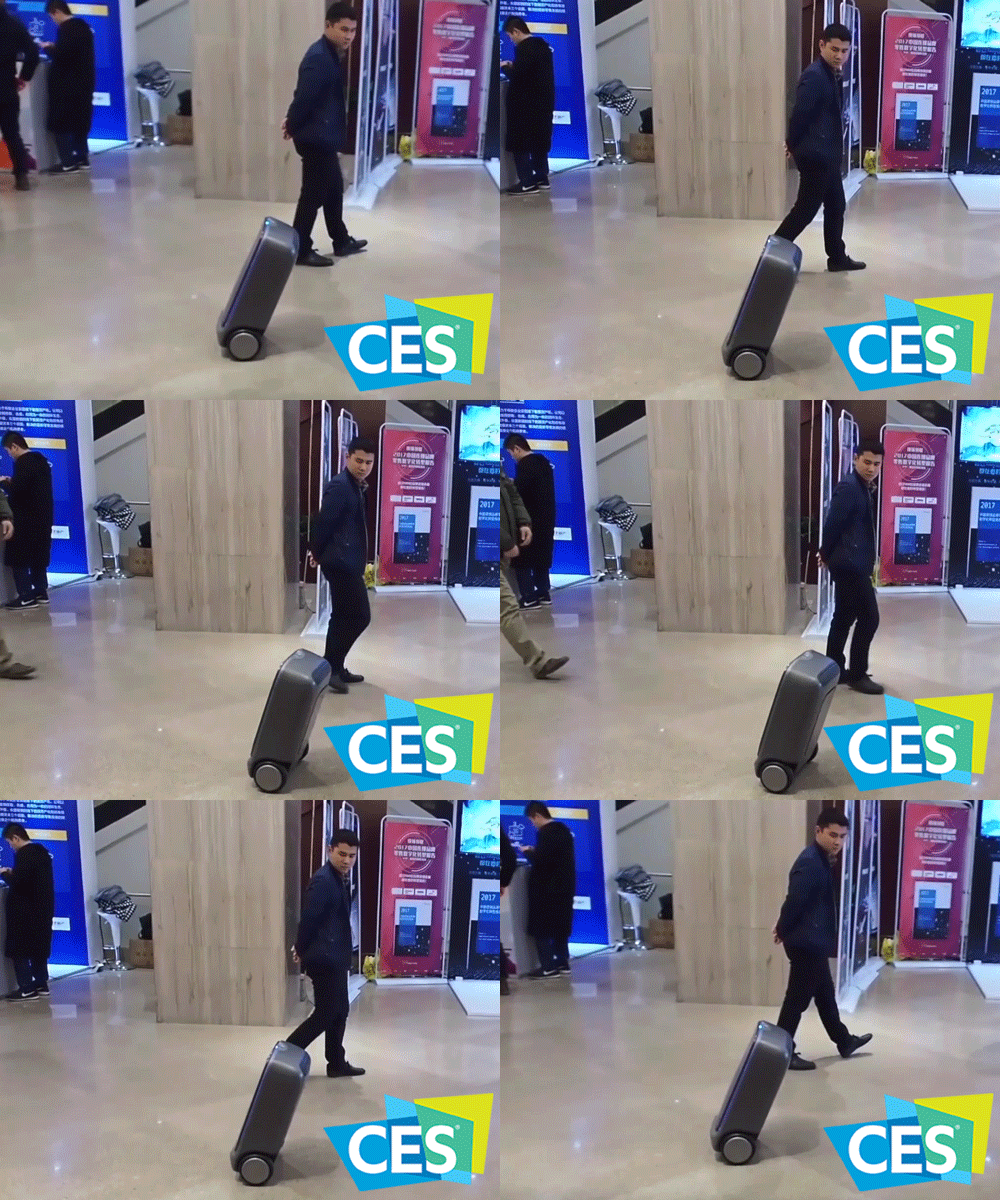
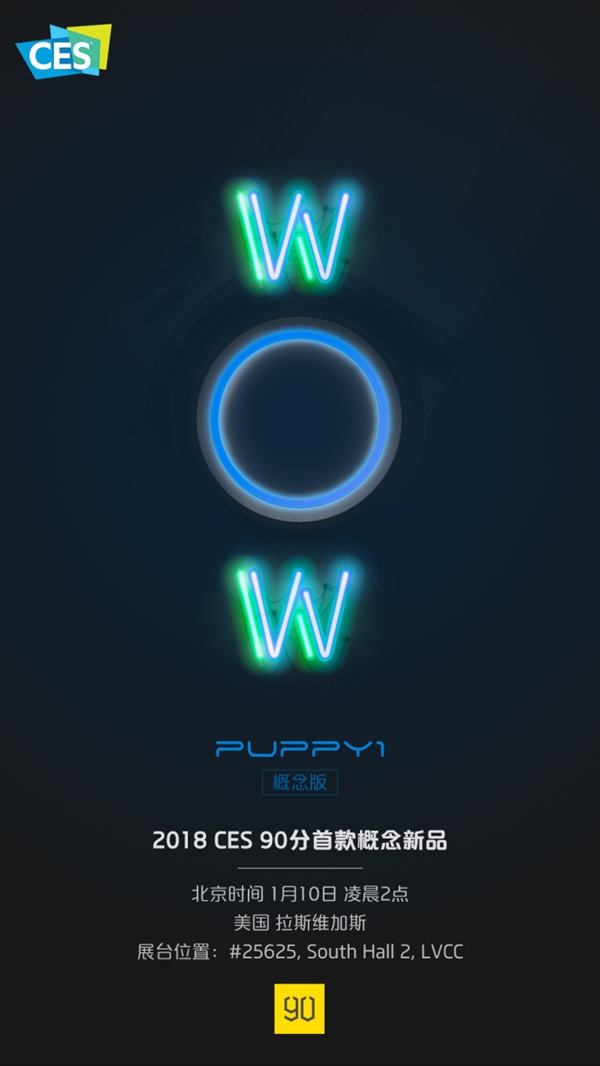
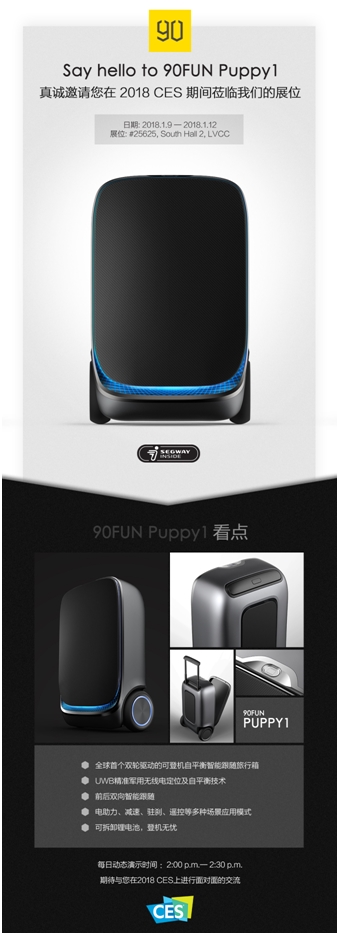
As you would have known by now, the Consumer Electronics Show (CES) 2018 is already on and would see the unveiling of various customer electronics goods until it ends on January 12, 2018. Xiaomi isn’t particularly attending this year’s event but we have seen the Chinese giant’s name pop up when the Oculus GO VR was launched. Xiaomi’s name is about popping up as one of its 90 Minutes has disclosed that it would launch its latest suitcase and it is a robotic one which automatically follows the own wherever he goes.
The suitcase adopts a beautiful name- 90Fun Puppy 1 and is said to utilise Segway technology similar to that one used on the Ninebot self-balancing electric scooter. Segway is the world’s leading provider of mobile robotics solutions and is presently owned by Ninebot, a company Xiaomi had invested in. Along with its custom auto-following chip and the precise positioning system, it can either follow you anywhere or be summoned by easily setting up the auto-following mode through remote control. All of these will ensure a premium user experience. In order not to pose a problem getting it onboard flights, the Smart suitcase comes with a removable lithium battery.
If you are interested in this product, it is expected to enter mass production in the second half of 2018. The prototype will be officially unveiled and exhibited at CES 2018 on January 10, 2018.
It is not unusual for companies to announce their sales target for the year. Lots of companies do it but some don’t. It was reported that Huawei had set a sales target of 200 million units for 2018, however, CEO Yu Chengdong, has denied the statement.
Huawei’s latest flagship – Mate 10 Pro
A screenshot from a WeChat conversation shows the chairman’s response to the sales target. A rough translation of his response says that Huawei doesn’t pursue sales target, instead it maintains a healthy and sustainable growth.
At the beginning of the year, Mr. Chengdong had mentioned that 2017’s sales revenue from the consume business unit is expected to reach ¥236 billion (~$36 billion). That is a 30% increase over that of the previous year.
Huawei and its sub-brand Honor, shipped a combined 153 million units for 2017, a modest increase against 2016’s 139 million units. It kept its market share in China and reached a 10% global share, finishing in the top 3.
The Chinese Ministry of Industry and Information however says that smartphone sales are declining. In 2017, it is said to have reduced by 9.7% (448 million). Many analysts believe it will continue to decline.
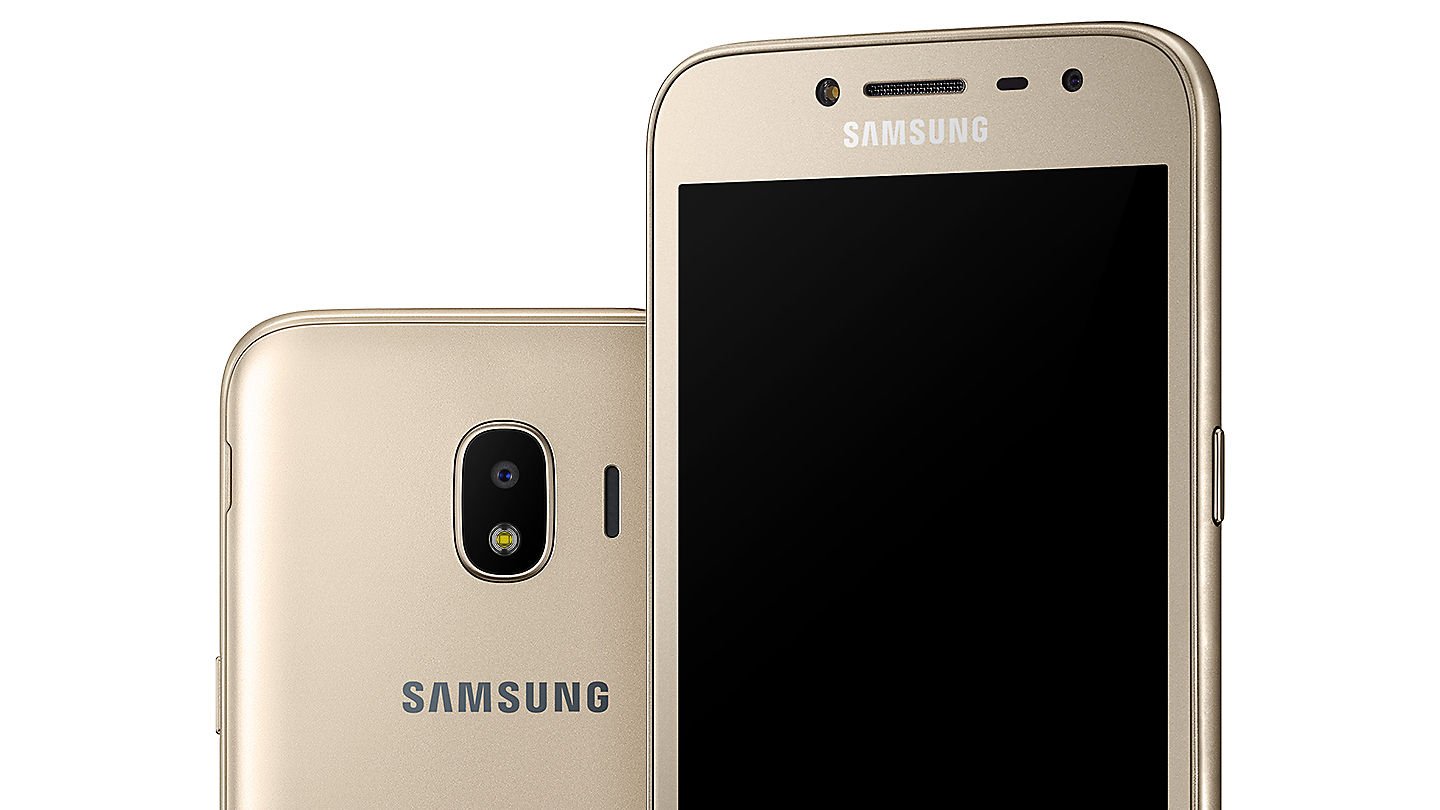
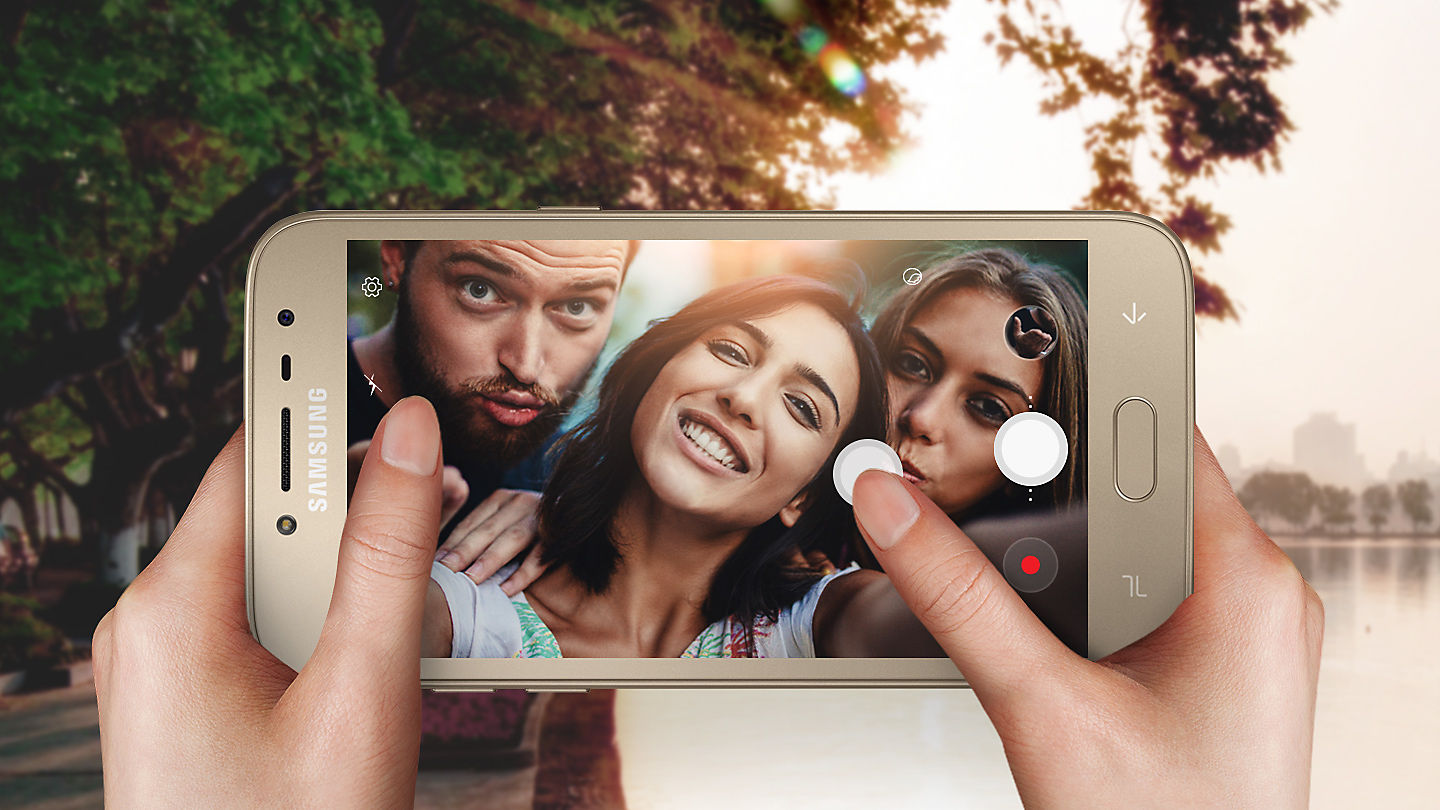
The Galaxy J2 Pro (2018) is the newest entry-level phone from Samsung. Now that the phone has been found listed on the Samsung’s Vietnam website, it appears that the company has officially introduced the phone without any fanfare.
Galaxy J2 Pro (2018) Specifications and Features
The Galaxy J2 Pro (2018) features a qHD resolution (540 x 960 pixels) supporting S-AMOLED display of 5 inches. The Snapdragon 430 chipset featuring a quad-core processor that clocks at 1.4 GHz and 1.5 GHz. It is packed with a 2,600mAh battery.
The Galaxy J2 Pro (2018) has a rear-facing camera of 8-megapixel and a frontal camera of 5-megapixel. Both the snappers are quipped LED flash. It comes with an inbuilt storage of 16 GB and users can add up to 256 GB of microSD card on its external storage. It is shipped with Android 7.0 Nougat pre-installed.
The Galaxy J2 Pro (2018) owners will receive 15 GB of Samsung Cloud storage for free. The other features that are available on the phone include Private Folder for protecting confidential data, dual account support for social apps, and Wi-Fi Convenience that can automatically sense Wi-Fi network and connect to it. It is enabled with connectivity features like dual-SIM support, 4G LTE, Wi-Fi, Bluetooth 4.2, 3.5mm headphone jack, microUSB 2.0 and GPS.
The dimensions of the Galaxy J2 Pro (2018) are 143.8 x 72.3 x 8.4mm and its weight is 153 grams. The handset features a plastic body and it comes in color choices like Black, Blue and Gold.
Galaxy J2 Pro (2018) Pricing and Availability
The Galaxy J2 Pro (2018) is priced around $145 in Vietnam. Even though Samsung has not confirmed on it, the new entry-level phone is expected to arrive in other emerging markets in the coming weeks.
At Consumer Electronics Show (CES) 2018 in Las Vegas, Intel today showed off its prototype of Volocopter, which according to the company is “essentially a flying car”. However, it is basically a drone that is big enough to carry a passenger.
It is being showcased as an autonomous passenger taxi, which is powered by a battery and comes with 18-rotors. While showing off this device, Intel’s CEO Brian Krzanich said:
Imagine pulling out your phone, opening up a transportation app and summoning your own personalized ride by air taxi. That sci-fi vision of the future is actually much closer than you might think.
The Volocopter is originally a product of a Germany-based company that was founded in 2012. The company first demonstrated its passenger drone in 2013 in its home country. It was brought in front of the attendees at the Monte Carlo Hotel of Park Theatre by Intel as it has entered into a partnership with the German company.
While Brian Krzanich displayed this flying car at CES that runs on battery and is thusly emission-free, don’t expect to see this working in real world anytime soon. In the keynote stream, a disclaimer popped-up which noted that the Volocopter won’t be available until it receives authorization from the Federal Aviation Administration.
Volocopter uses four inertial movement units (IMUs) that constantly measure and determine its attitude and positioning during flight. The battery system is split into nine discrete packs and each one is powering a pair of rotors ensuring that the vehicle keeps flying if one or two battery packs fail.
Then there are GPS and navigation systems which are dual-redundant. For the worst situation, there’s a ballistic parachute that will deploy and ensure that the air taxi returns to the ground with its passengers intact.
The Volocopter VC200 was the first such device demonstrated by the Germany-based company. Later, the company followed that with the Volocopter 2X, which is a more polished version that’s supposed to be the company’s first true production vehicle. It features 30 minutes of flight time and a maximum range of 17 miles. Volocopter says the batteries can be quickly swapped to increase the flight time until the technology improves.
We use cookies on our website to give you the most relevant experience by remembering your preferences and repeat visits. By clicking “Accept”, you consent to the use of ALL the cookies.
This website uses cookies to improve your experience while you navigate through the website. Out of these, the cookies that are categorized as necessary are stored on your browser as they are essential for the working of basic functionalities of the website. We also use third-party cookies that help us analyze and understand how you use this website. These cookies will be stored in your browser only with your consent. You also have the option to opt-out of these cookies. But opting out of some of these cookies may affect your browsing experience.
Necessary cookies are absolutely essential for the website to function properly. This category only includes cookies that ensures basic functionalities and security features of the website. These cookies do not store any personal information.
Any cookies that may not be particularly necessary for the website to function and is used specifically to collect user personal data via analytics, ads, other embedded contents are termed as non-necessary cookies. It is mandatory to procure user consent prior to running these cookies on your website.






 2018 CES Promo Code
 Similarly, you can save money on various other items including Xiaomi Mijia Smart Toilet Seat, DJI Spark Fly More Combo Mini Selfie Drone, Original Xiaomi Huami Amazfit Cor MiDong Smart Bracelet and lots more by using GeekBuying’s coupon codes before checking out.
 PC Gaming World
 JJRC H42WH Butterfly WIFI FPV RC Quadcopter is also available at a discounted price of just $26.99. This section also features Elephone ELE Explorer S 4K Action Camera which is available for only $38.99. This is a massive 40% reduction in the camera’s original asking price of $64.99.