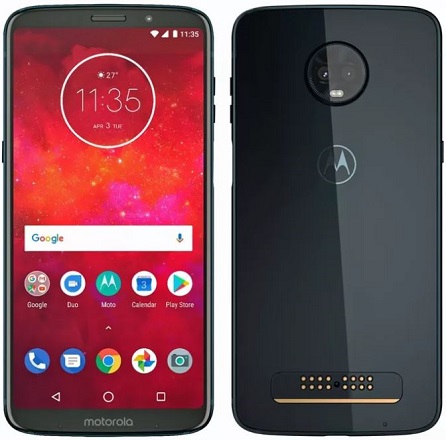
Motorola isn’t the fastest when it comes to updating its devices. Quite a number of its phones haven’t gotten the Android Pie update yet save for its Android One phones – the Motorola One and Motorola One Power. The update is now rolling out to the Moto Z3 and it brings more than just a slice of pie.
The update brings all the goodness of Android Pie which includes a redesigned navigation, new volume controls, new emojis, a redesigned settings menu, Adaptive Brightness, Adaptive Battery, temporary screen rotation, and a new way to manage your notifications.
It also brings January’s security update and support for Motorola’s 5G Mod which will work with Verizon’s 5G network. The Moto 5G Mod isn’t yet available for purchase yet but its good to know that you won’t need to wait for an update from Motorola for it to work when you eventually get your hands on a unit.
The notification for the update should hit your device but if you haven’t gotten it, you can go to System Updates under phone settings to check for it.
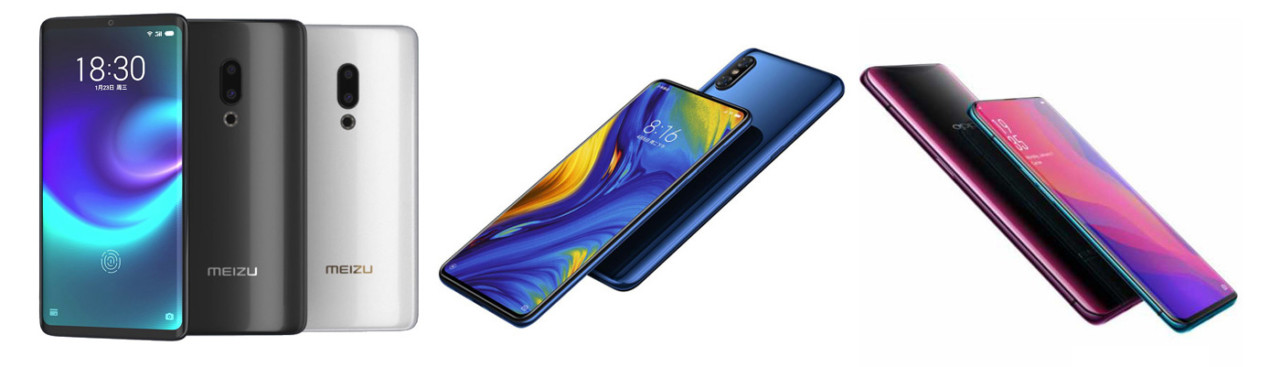
2018 was the year of aesthetic innovations in the smartphones world and the trend is continuing even in 2019. Minimalism in the design became one of the most important priorities of smartphones manufacturers and the new Meizu Zero is a perfect example of it. The Chinese company announced a phone without ports, without speakers, and without physical keys in order to guarantee a totally clean design. Here, we will compare the new flagships with two other phones having an innovative design released in the last year: Xiaomi Mi Mix 3 and Oppo Find X.
Meizu Zero vs Xiaomi Mi Mix 3 vs Oppo Find X
Meizu Zero
Xiaomi Mi Mix 3
Oppo Find X
DIMENSIONS AND WEIGHT
N/D
157.9 x 74.7 x 8.5 mm, 218 g
156.7 x 74.2 x 9.6 mm, 186 g
DISPLAY
5.99 inches, 1080 x 2340p (Full HD+), AMOLED
6.39 inches, 1080 x 2340p (Full HD+), Super AMOLED
6.42 inches, 1080 x 2340p (Full HD+), 19.5:9 ratio, AMOLED
Dual 12 + 12 MP, f/1.8 OIS
Dual 24 + 2 MP front camera
Dual 16 + 20 MP, f/2.0 + f/2.2, OIS
25 MP, f/2.0 front camera
BATTERY
Fast charging 18W
3200 mAh, fast charging with Quick Charge 4.0+, wireless charging
3730 mAh, fast charging (VOOC Flash Charge) 5V / 4A
ADDITIONAL FEATURES
eSIM, no ports/speakers/keys, IP68 certification
Dual SIM slot, pop up cameras
Dual SIM slot, pop up cameras
Design
In my opinion, Meizu Zero is the most innovative and beautiful phone when it comes to aesthetics because it has the cleanest design without needing a slider design nor a notch. It does not have any port and it gets charged via Qi wireless charging, while data transfer happens through WiFi or data networks. It does not have physical keys which are replaced by touch controls at the side, and it does not even have a speaker thanks to the piezoelectric transductor in the display delivering the audio. It does not even have a SIM slot as it supports the eSIM. Further, it has the best build quality and it is fully waterproof and dustproof thanks to the IP68 certification.
Display
Unfortunately, we still have no chance to test the display of the Meizu Zero because it is still not in the market, but on the paper, the display of Xiaomi Mi Mix 3 seems better because of the HDR technology making colors look more realistic. It is also protected by Gorilla Glass 5. On the other hand, Oppo Find X has slimmer bezels around the display and this may result better for people who care a lot about the front design. Meizu Zero has thicker bezels, but unlike the Oppo Find X, it does not need a motorized slider housing the sensors and the front camera.
Hardware/Software
All these phones come with the same chipset, so you should not expect a significative difference in their performances. Whatever you choose, you will get a very fast and smooth phone in every scenario, including gaming and the most-demanding multi-tasking. Note that Xiaomi Mi Mix 3 comes with up to 10 GB of RAM, while Oppo Find X does not and we still do not know the configurations in which Meizu Zero will be available as the company did not reveal all the specs of the handset. So Xiaomi Mi Mix 3 may effectively be the most suitable handset for heavy usage patterns.
Camera
Xiaomi Mi Mix 3 has the most convincing rear camera, at least on the paper. It is a dual sensor with a 12 MP resolution and an f/1.8 aperture, and it supports both OIS and dual pixel autofocus. Even the front cameras seem to be better: they consist of two sensors with 24 and 2 MP (the secondary one is a depth sensor, while in the rear camera it is a telephoto lens), paired with a front-facing LED flash.
Battery
Unfortunately, Meizu did not reveal the battery capacity of the new Zero. Given the absence of ports, there may be more space for the battery, but we have no idea whether or not it will be big. Meanwhile, Oppo Find X has a long-lasting 3730 mAh, while Xiaomi Mi Mix 3 has an average 3200 mAh unit that is not able to last as long as its opponent. Note that Meizu Zero cannot be charged via a USB port, so the charging process is slower.
Price
Xiaomi Mi Mix 3 is an affordable flagship carrying a €560 price tag in the global market, Oppo Find X was launched with a starting price of €770, while we still do not know when Meizu Zero will hit the shelves, neither its price. Personally, I believe that Meizu Zero is a very innovative phone but it is still not so suitable for daily use. 18W wireless charging is still too slow for modern standards and piezoelectric speakers are still too poor in terms of audio experience, so I would not be so comfortable with a phone like that. Unless it comes with an affordable price. But it is still a great experiment and we appreciate it a lot, hoping that Meizu and other Chinese brands will keep innovating like that. The winner of the comparison is the Xiaomi Mi Mix 3 due to its more affordable price tag, amazing camera performance, and great display, but some may like the Oppo Find X more due to its bigger battery, thinner bezels and its more innovative motorized slider.
The Huawei Mate 20 Pro launched as the first phone with support for reverse wireless charging. You could place another phone or device that supports wireless charging on the back of the phone and the Mate 20 Pro will share some of the juice from its 4,200mAh battery to the device. A new report says the Samsung Galaxy S10 series will also come with the feature.
The feature will be officially known as PowerShare and it will be available on all the Galaxy S10 models according to the source, though we are not sure if it includes the Galaxy S10E.
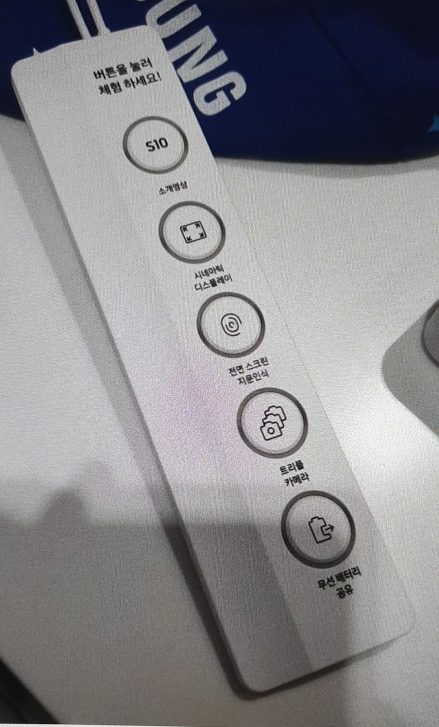
Evidence of the feature is a photo that was taken at what seems to be a demo booth. The photo shows a controller with different buttons that play videos of different features of the Galaxy S10.
The first button plays a video ad of the phone, followed by a button that plays a video talking about the display. The third and fourth buttons are for videos showing off the phone’s in-display fingerprint scanner and triple rear cameras respectively while the last one is for the PowerShare reverse wireless charging feature.
Today marked the second time we saw Xiaomi’s foldable smartphone. The first time was a few weeks ago. It was a short video of the phone in use and it was shared by Evan Blass. Today we had another look at the phone but this time, it came from Xiaomi itself.
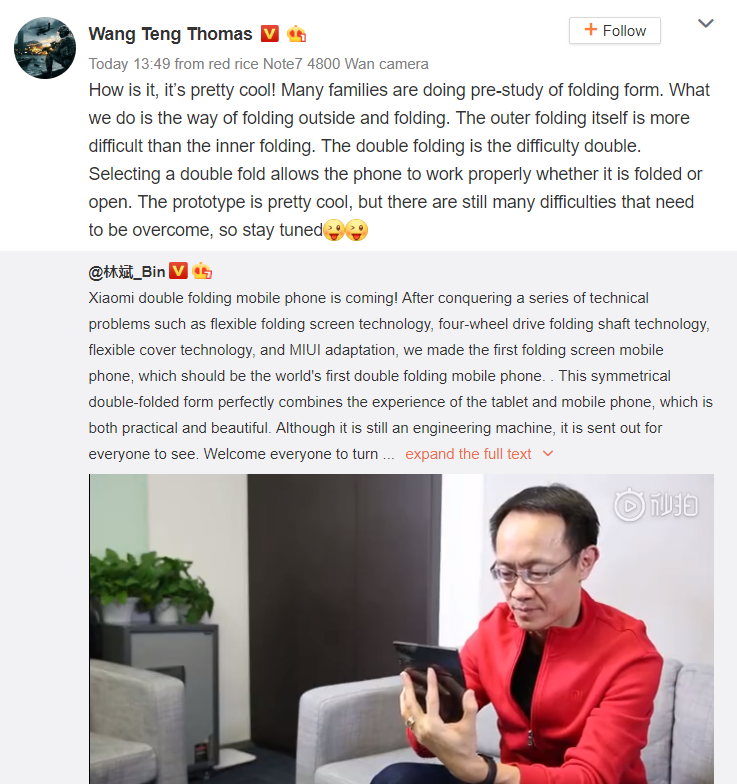
There is still no official name for the phone yet as it is still a prototype but that is the least of Xiaomi’s problems at the moment. Xiaomi’s head of product development Wang Teng Thomas took to Weibo to reveal they are still sorting out issues related to the device.
Xiaomi’s foldable phone folds outwards twice – a fold on each side. This way, when folded into a phone, the device is practically all screen. Thomas said making a foldable phone that folds outwards is more difficult than one that folds inward. The Xiaomi phone folds outwards twice which means double the complications.
Over the past couple of years, we have seen the RAM sizes available on smartphones increase from 2GB, 3GB, right up to 6GB. Recently, 8GB RAM sizes got into the fray and this year, we have seen a few smartphones launched with 10GB of RAM. Some had posited back then that 8GB of RAM on flagship phones is more like overkill but DigiTimes reports that we may likely see more smartphones roll out this year with 10GB or more RAM.
The tech blog cites industry sources who also hinted that new Android smartphones will also get some other core components to upgrade this year as it is a major strategy for smartphone companies this year. Some of the additional upgrades include artificial intelligence (AI), multiple lenses. The report also hinted at the strong possibility that 10GB RAM will be the mainstream spec for flagship smartphones released by Android OEMs this year as several of them are already promoting their flagship models with more than 10GB of RAM. Already, we have seen Chinese OEMs Xiaomi, ZTE and Vivo launched new models with 10GB RAM while Lenovo recently unveiled the industry’s first 12GB RAM phone, the Z5 Pro GT.
This upgrade isn’t likely to affect the demand for mobile DRAM substantially until the second half of 2020, the sources said. It will also not likely affect the demand for smartphone replacement as that is expected to remain sluggish until 5G phones go fully commercialized.
This year is said to be the year of 5G. Network operators are planning to roll out coverage to more cities and a number of manufacturers all have 5G phones in their lineup for the year. These 5G smartphones are expected to sell for more and it has been reported that Chinese manufacturers may set a price range for them.
DigiTimes reports that sources in Taiwan’s supply chain have said that Chinese phone makers may adopt a “5G+500” formula. This means 5G phones will cost about ¥500 more (~$74). The breakdown for the increase is given as about $50 for 5G modem and application processors and about $30 for new antennas, circuit boards, and other related materials.
Consumers should be able to afford the new pricing and manufacturers should still be able to make profits while still recording an increase in growth.
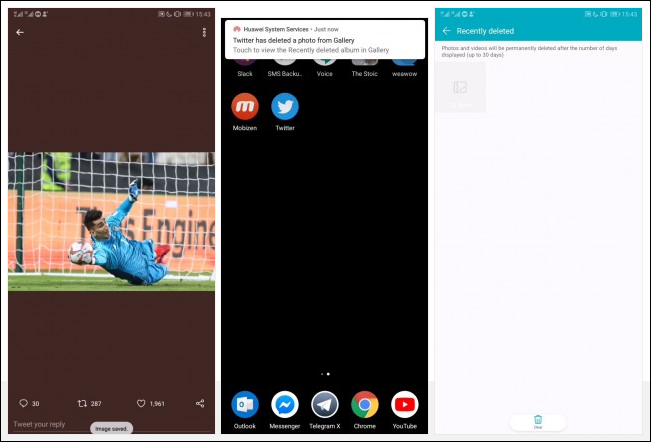
The spotlight shone on Huawei recently when a report emerged from China that the company’s phones delete images saved from Twitter by users. Just like when the US thought it had discovered the weapons of Mass Destruction Saddam Hussein had purportedly stockpiled in Iraq. Some respondents were almost certain that Huawei had included a backdoor on their phone’s operating system. The discovery was first reported on Reddit and the post could even mislead some to believe it was indeed a backdoor that could give such access. Well, until Huawei officially responded to the report.
The Chinese tech giant has released a statement that explains the cause of the glitch. The company hinted that it had investigated the issue and discovered that whenever users of certain devices download an image using versions 7.78.0 and 7.77.0 of the Twitter app, a folder is automatically created by the app bearing the same name as the image. The app then immediately deletes the image in the background. Huawei phones come with built-in image protection feature which immediately alerts the user via a pop-up message. The thing is, the image isn’t deleted rather, it can be found at the following location: File Manager/picture/Twitter.
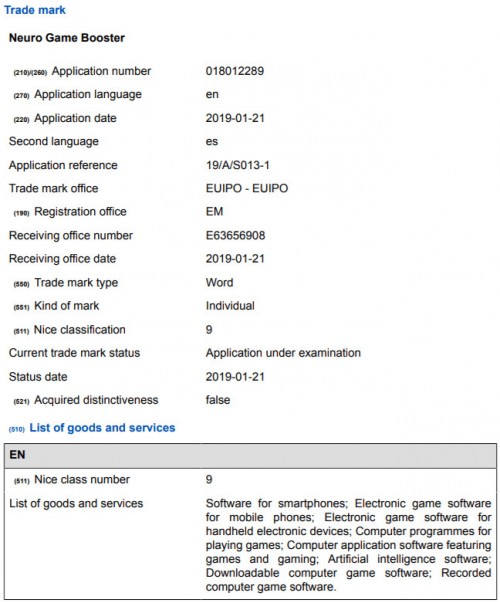
Last year, Honor announced a graphics processing acceleration technology called GPU Turbo. It improved the efficiency of the GPU and also reduced power consumption. Phones that have gotten the feature now handle mobile games better. Now it seems Samsung will also launch its own version as it has trademarked the name “Neuro Game Booster”.
Samsung applied for a trademark for the name on Monday, January 21 at the European Union Intellectual Property office. The description says it is an electronic game software for mobile phones. It also says it is an AI software.
Samsung’s Neuro Game Booster should bring improved performance in mobile gaming just like Honor’s GPU Turbo. However, we can’t say yet if it will be available only to phones powered by Samsung’s Exynos processors or it will also be available to those powered by Snapdragon processors.
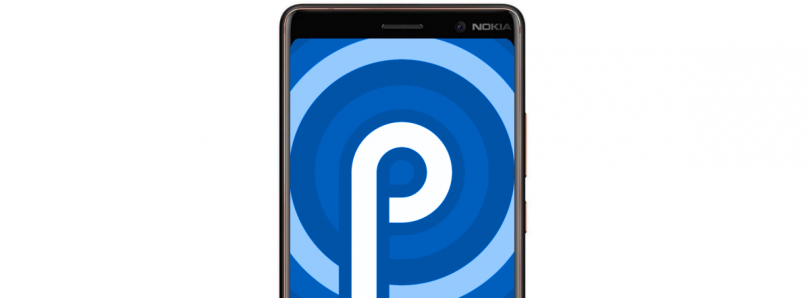
HMD Global run Nokia is working pretty hard to provide the latest Android 9.0 Pie to all the models before Q2 2019. Already, they have rolled out the latest and the greatest Android 9.0 Pie to various Nokia models. Now, they are working on the update for Nokia 5 and Nokia 3.1 Plus slating for rollout “in the next few days”. HMD Global’s Juho Sarvikas has confirmed that company is putting every effort to cater the latest alteration of Android on all major and minor Nokia devices in the first half of 2019.
Particularly, Nokia 5 and Nokia 3.1 Plus will start receiving the update by the end of the week. It may take some more time to roll out the update in all regions. Well, whatever the reason is, your Nokia devices will be updated to the latest Android version within the next couple of weeks.
Nokia 6 2017 version is also on the list of getting the Android Pie update in a week or two. As per the Judo Sarvikas, the development team is just finalizing the phone’s Dolby Atmos audio features for Android Pie. All other work has been done and the development is in its final stages before hitting the floor.
The low-end Nokia 1 and Nokia 3 devices will see the update before the starting of Q3 2019. All other minor and major devices will also get the Android 9.0 Pie update in the first half of 2019.
Nokia is working tirelessly in providing the latest updates to its devices. Particularly, this time Nokia stood first in rolling out the Android 9.0 Pie update to its devices. HMD Global powered Nokia is committed to providing all major Android updates for a couple of years and three years of security updates to its devices.
Well, how many of you have received the Android Pie update on your Nokia devices?
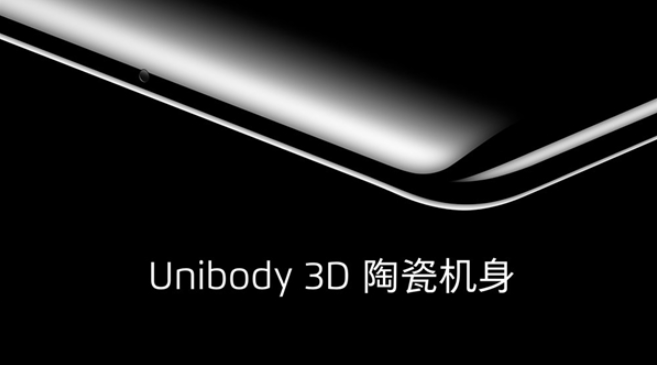
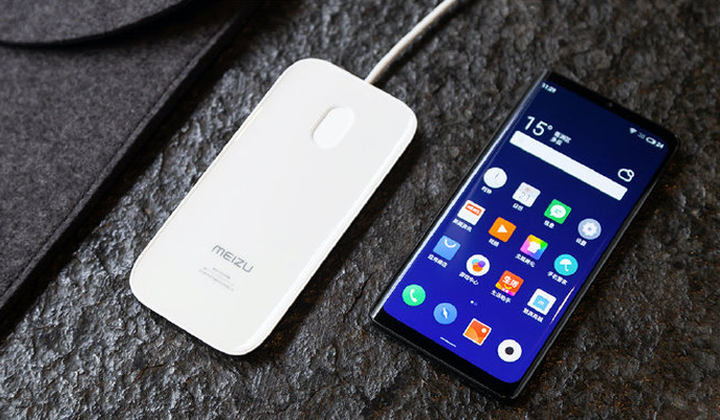
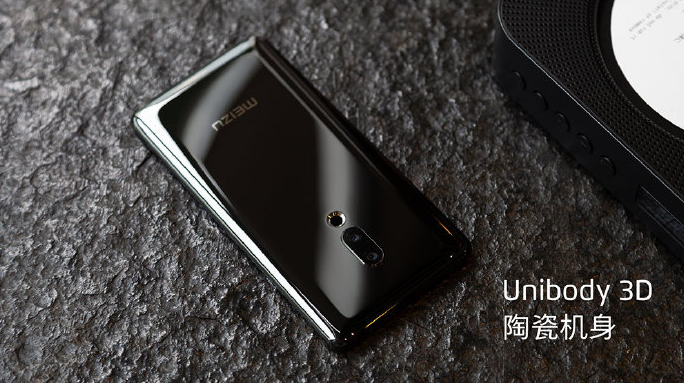
At 2 PM CST (local time), Meizu Senior VP Li Nan has introduced the Meizu Zero smartphone with holeless design through a live broadcast from China. The world’s first non-porous smartphone features a 3D unibody ceramic build with no physical buttons or ports on its edges. It is equipped with Super mCharge wireless charging technology which makes it possible to charge the device wirelessly with a charging rate of 18W. Here is all the information on the newly announce Meizu Zero futuristic smartphone.
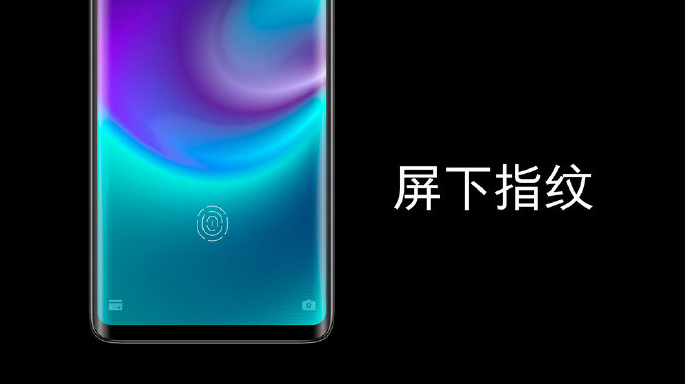
The mSound 2.0 screen sound technology which is closely attached to the display of the Meizu Zero allows it to produce sound through the display of the phone. Hence, there is no earpiece on the device. Li Nan said that advantage of screen sound technology is that users can listen to phone call even when the device is held upside down. The Meizu Zero is fitted with a curved 5.99-inch OLED screen which is embedded with an optical fingerprint sensor. The handset sports a thin and light profile.
The exact size of the battery of the Meizu Zero is not known. Li Nan claimed that after working on for 2 years along with 75 related patents, the Super mCharge 18W wireless charging which is equivalent to 18W wired fast charging has been introduced on the Meizu Zero smartphone.
Instead of physical SIM card, the Meizu Zero is equipped with eSIM card. The smartphone is equipped with linear motor on the sides which replaces the physical buttons for volume and power. The Meizu Zero holeless phone is an IP68 rated device that can remain submerged in water for up 2 hours and 30 minutes. Since the Meizu Zero supports Bluetooth 5.0 connectivity, users can make use of Bluetooth enabled earphones to listen to the songs wirelessly.
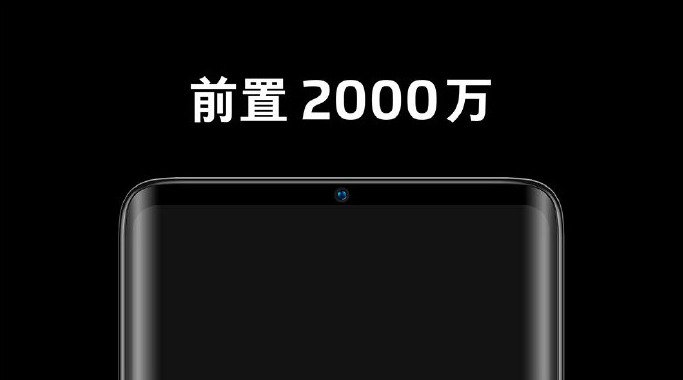
The Meizu Zero is fueled by the Snapdragon 845 chipset. For photography, its features the very same Sony IMX380 12-megapixel + Sony IMX350 20-megapixel dual camera setup which is available on the Meizu 16th smartphone. There is a ring flash placed below the dual camera setup. The frontside of the phone features a 20-megapixel selfie snapper. The other features of the phone include Flyme 7 UI based Android 9 Pie OS and One Mind AI Engine.
The Chinese manufacturer did not disclose the release date and pricing of the Meizu Zero smartphone. The handset will be available in Black and White color options. The Chinese manufacturer did not disclose the release date and pricing of the Meizu Zero smartphone.
What’s your opinion on the Meizu Zero phone? Yay or Nay? Share us your views by posting your comments below.
In order to survive, Smartisan has sold some of the tech-related patent rights to Bytedance, a Chinese internet technology company working in the field of AI. While addressing the media at the launch event of a new social app, Chat Bao, Smartisan’s founder revealed that the financial condition of the company is not too bad but to survive a back-up is a must. In another revelation, according to Yicai, Smartisan’s No. 2 employee XiaoPeng has resigned from the company and has joined Oppo’s subsidiary, Realme as a design director.
Smartisan founder Luo YongHao
XiaoPeng joined the Realme last year in the month of December. Oppo announced its new sub-brand, Realme in May 2018. The motive of the Realme is to compete against Redmi devices in India. Realme is purely made in India device, as it is manufactured in India using Oppo’s production line. Their first device Realme 1 gained a good number of sales.
In-depth, Smartisan employees have been asked to re-sign the contracts with Bytedance for the six-month probation period. As per new terms, employees have to surrender the equity of Smartisan and sign a new contract to sustain in the company.
There are many confusions in the new Bytedance acquisition of tech-related patents from Smartisan. Many departments and resources have been re-aligned to different works within the company. Now, Smartisan’s Bullet Messenger resources have been aligned to the Bytedance’s K-12 education, an education-related product. Bytedance is popularly known for their work in the AI field. Moreover, they have launched plenty of education-related products for students last year. Even, they have launched an app which offers a content related to culture, audio books, wealth management, etc.
Earlier, Luo approached many big giants in China such as Baidu, Ali and others for a possible merger, but due to lack of interest things didn’t work for Smartisan.
Now we hope this new shift in Smartisan would help them to recover from the financial crisis.
5G technology is going mainstream this year and to be the first-movers into the 5G space, Huawei is all set to launch products compatible with the new technology. Before the company officially launches its first 5G smartphone, it is all set to launch a 5G router.
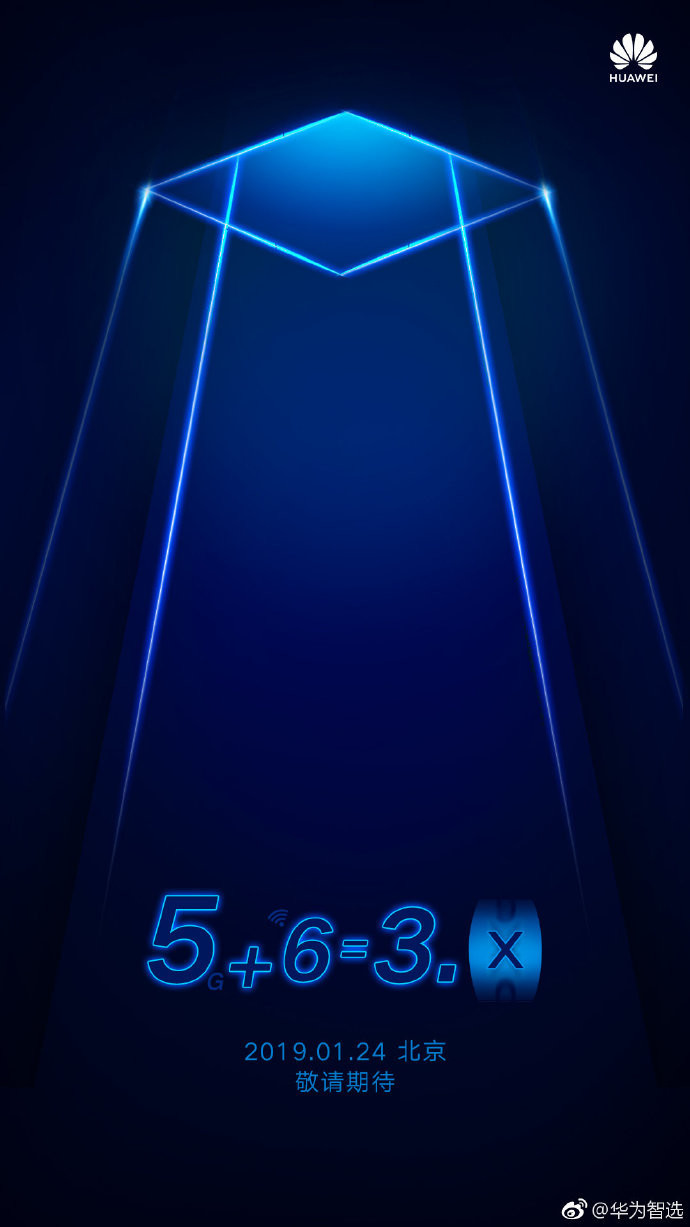
Huawei has today teased a 5G Wi-Fi router launch by shared a poster on Weibo. The text on the poster reads — “5+6=3.X? is the taste of new products! January 24, 2019, for you!”, confirming that it will be launching a new product on 24th January in China.
The poster doesn’t clearly state that the 5G Wi-Fi router will be launched. But looking closely at the “5+6=3.X” text in the poster, we can see that it says 5G, clearly hinting at the 5G technology. The ‘6’ could be representing Wi-Fi 6 which is the abbreviation for the Wi-Fi 802.11 ax.
The Wi-Fi 802.11 ax standard promises higher data transfer rate and larger capacity along with higher energy efficiency. Further, it’s being reported that the Wi-Fi 6 can reach the speed of up to 11Gbit/s. It is expected to be widely used in smart home devices or IoT-based devices.
This year will witness the 5G technology go mainstream and Huawei wants to be the one leading the game. At the World Economic Forum in Davos, Huawei’s chairman Hu Houkun (aka Ken Hu) announced that the company has deployed 5G networks in 10 countries and will soon deploy in 20 more countries.
Huawei’s chairman Hu Houkun has also confirmed that the company will be launching its 5G smartphone in June this year. Apart from Huawei, Samsung, OnePlus, Xiaomi, and Oppo among others are all set to launch their 5G smartphones later this year.
The Mobile World Congress 2019 is all set to kick-off next month in Barcelona, Spain and everyone is eagerly waiting to see what the smartphone companies bring this time. With MWC 2019 nearing, companies have now started teasing their upcoming products and features.
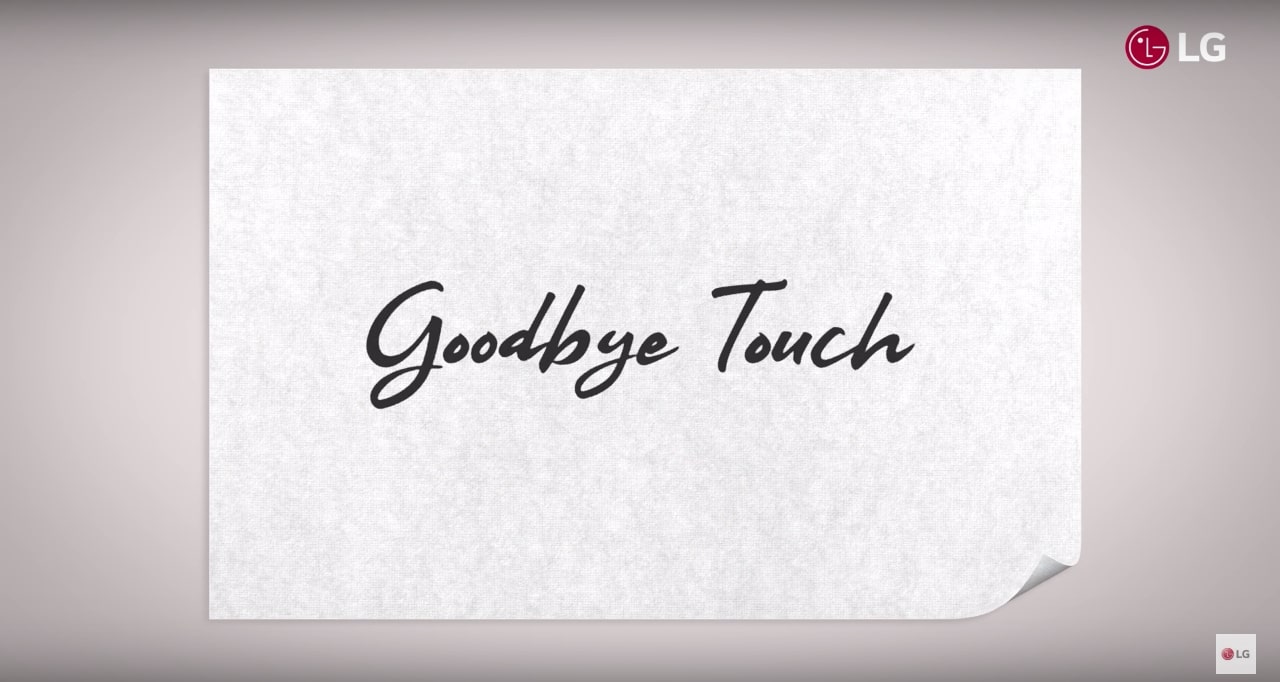
Joining the list of such companies is South Korea-based LG, which is teased a new touchless gesture-based navigation feature, likely for its upcoming flagship LG G8, through a teaser video posted on YouTube related to LG Premier event at MWC 2019.
The company has scheduled a launch event on 24th February CCIB, Barcelona and has also sent out ‘Save The Date’ invites. LG is likely to launch the G8 smartphone at the event and will then showcase it at MWC 2019 which commences from 25th February and ends on 28th February.
Recently, it was reported that the LG G8 will come with “Sound on Display” technology in which instead of having a traditional speaker, the sound is produced by vibrating the display panel. The sound is produced by vibrations of the screen caused by ‘exciter’ which is positioned behind the screen. LG is already using this technology in its Crystal Sound OLED TVs.
According to the reports, the phone will come with a waterdrop notch — something that most of the smartphone manufacturers have already adopted in order to offer higher screen-to-body ratio. Under the hood, the phone is likely to be powered by Qualcomm Snapdragon 855 flagship chipset.
The phone’s renders featuring a notched display and dual rear camera sensors surfaced online a few days ago but the company’s Head of Global Corporate Communication denied that claiming that the renders are correct but are not of G8.
If the reports are to be believed, then LG is going to launch multiple smartphones during Mobile World Congress. We’ll have to wait until the official launch event to know what’s up the company’s sleeves and to know more about this touchless gesture system.
At the start of this year, a leaked video showing the foldable phone from Xiaomi was leaked by popular tipster Evan Blass. The leaked video had revealed that the left and right portions of the screen could be folded to transform into a compact device. Today, Xiaomi President Lin Bin shared a hands-on video of its foldable phone. It appears to be the very same device that was leaked by Blass earlier this month. The company is yet to announce the official name of its phone with double folding design. Bin has said that he has thought of names like Xiaomi Dual Flex and Xiaomi MIX Flex for the foldable phone. He has asked Weibo users to suggest a good name for the phone.
Samsung is expected to debut its first foldable phone in the coming month. The smartphone can be opened like a book to access its foldable 7.3-inch display. However, Xiaomi’s upcoming foldable phone will be sporting a unique design. Xiaomi President Lin Bin claims that it will be the world’s double folding mobile phone. As it can be seen in the video, the screen of the phone can be folded from right and left sides.
Bin has stated that the device shown in the video is an engineering unit. The company had overcome various technical difficulties to build a phone with double folding design. Some of the problems the company was able to overcome are related to flexible folding screen technology, four-wheel drive folding shaft technology, flexible cover technology, MIUI system adaptation and so on.
Bin has claimed that the double-folded form factor of the Xiaomi Dual Flex / MIX Flex allows it to deliver a combined experience of a tablet and a smartphone. In the video, the Bin can be seen holding the unfolded device in between his thumb and little finger which suggests that it could be featuring a screen of around 6 inches. After folding the square-shaped device from both sides, it can metamorphose into a device with a small screen with a width of around 3 inches. There is a button at the topside of the phone for locking the display of the phone.
There is no information on the specs of the Xiaomi Dual Flex / MIX Flex. Probably, it could be packed with specs like Snapdragon 855 and 8 GB of RAM. Xiaomi has confirmed that it will be present at the Mobile World Congress (MWC) 2019 tech expo on Feb. 24. Probably, the Xiaomi Dual Flex / MIX Flex device may get unleased at MWC.
Meizu will be unleashing its first holeless phone later today. There is no confirmation yet on when it will be releasing in the market. Probably, it may hit the market after the launch of the mid-range Meizu Note 9. Fresh information shared by a tipster from China reveals that the Meizu Note 9 will be hitting the market by the middle of the coming month. He has also shared some other key information on the smartphone.
The Chinese tipster claims that the Snapdragon 675 will be fueling the Meizu Note 9 smartphone. In the recent past, Meizu CEO Jack Wong had revealed on the company’s official forum site that the Note 9 will be powered by Snapdragon 6150. Recent reports have revealed that Snapdragon 6150 is the codename of Snapdragon 675 mobile platform. In terms of performance, the Snapdragon 675 is even powerful than Snapdragon 710, but it comes with a weaker GPU.
The Redmi Note 7 is the first mid-range phone to come equipped with Samsung ISOCELL GM1 48-megapixel camera sensor. The upcoming Meizu Note 9 too will be featuring the same sensor in its dual camera setup. The tipster has claimed that it will be a thousand Yuan (~$147) device which indicates that it will be a worthy rival for the Redmi Note 7 since it is also available with a starting price of 999 Yuan (~$147).
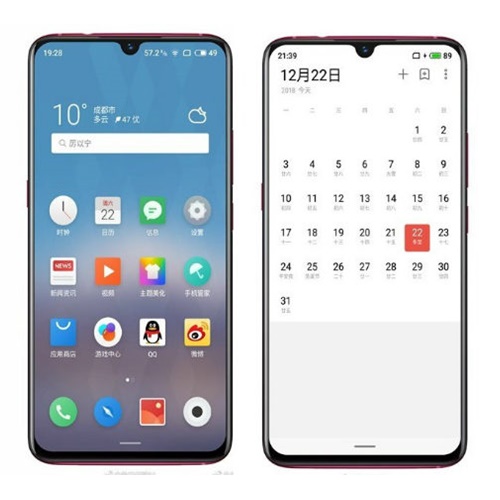
Previous reports have revealed that the Note 9 will be the first Meizu phone to arrive with a waterdrop notched screen of around 6.3 inches. It is speculated to feature side-mounted fingerprint scanner. The handset will be receiving power from 4,000mAh. The new SoC may allow the phone to support rapid charging. The latest Flyme edition flavored Android 9 Pie OS will come preloaded on the device.
The Meizu Note 9 has recently bagged certifications from 3C and CMIIT bodies in China. Soon, the smartphone may surface on TENAA along with its full specifications ahead of its mid-February debut. The Chinese manufacturer is yet to confirm on the launch date for the smartphone.
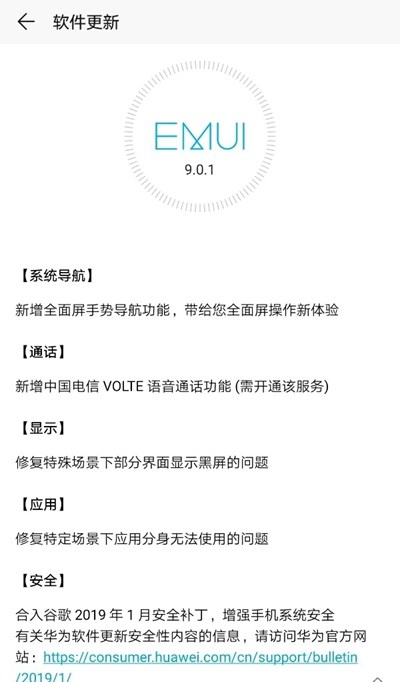
Huawei is rolling out a new EMUI 9.0.1 update to Huawei P10 and Honor 9 in China. There are many new enhancements and optimisations bundled with the latest update. It has added the support for VoLTE on China Telecom network in both the devices. Many users have started reporting about the update rolling out on Honor 9 and Huawei P10.
As far as the changelog is concerned, it talks about some fixes and newly added features. EMUI 9.0.1 update has added full-screen navigation gestures on Honor 9 to extend your full-screen experience. Even though, Honor has fixed an issue of black screen while displaying special scenes. Moreover, Huawei has added Google’s January 2019 security patch to enhance the security of both the devices.
Additionally, Huawei P10 was launched in February 2017 and is powered by Kirin 960 processor. It is coupled with 4/64GB and 4/128GB storage versions. Huawei P10 comes with a 5.1-inch 1080p resolution display. In the camera department, there’s a dual 20MP+12MP shooter on the rear side along with Leica lenses. Whereas, Honor 9 runs on Kirin 659 processor and is coupled with 4/6GB RAM. It packs 64/128 GB internal storage and carries a 12M+20M rear camera and 13M front camera.
The update is currently rolling out in China. If you haven’t received it, then wait for some few hours, as it may take some time to reach out to each and every device. Before updating, ensure your device is charged above 60%, and connect WiFi network to save additional costs.
How many of you have already received the EMUI 9.0.1 update?
This year will witness the 5G technology go mainstream. While many smartphone manufacturers are working on a 5G-compatible smartphone, none of them have officially launched a 5G smartphone.
While OnePlus and Samsung are said to be among the first to launch their 5G smartphones, Huawei has also confirmed that the company’s 5G smartphone will be launched soon. This puts the rumors to rest which suggested that Huawei could unveil its 5G smartphone at MWC 2019 in Barcelona.
At the World Economic Forum in Davos, Huawei’s chairman Hu Houkun (aka Ken Hu) confirmed that the company will be launching its 5G smartphone in June this year. He also announced that the company has deployed 5G networks in 10 countries and will soon deploy in 20 more countries.
The announcement regarding the company’s 5G smartphone comes at a time when Huawei is going through difficulties. Several countries have blocked Huawei from working on their network infrastructure because of national security concerns. Last month, Huawei’s CFO Meng Wanzhou was arrested in Canada, at the request of the United States, on charges related to the violation of American sanctions on Iran.
Hu Koukun also said that this year will be crucial for the tech sector as technologies such as the internet of things (IoT), artificial intelligence (AI), and blockchain are now reaching critical application stages.
It appears that South Korea could be one of the first markets to receive Huawei’s first 5G smartphone since it’s the only country along with the U.S. where commercialization of 5G network is expected to happen by the first half of 2019. In the second half of 2019, the 5G networks may get commercialized in Japan, Chin, and Europe.
The 5G smartphone from OnePlus is confirmed to be powered by Qualcomm’s latest Snapdragon 855 octa-core 7nm processor. The phone, which will kick-off a new lineup for the company, will be priced around $100 more than the OP6T and is expected to launch by the end of May this year.
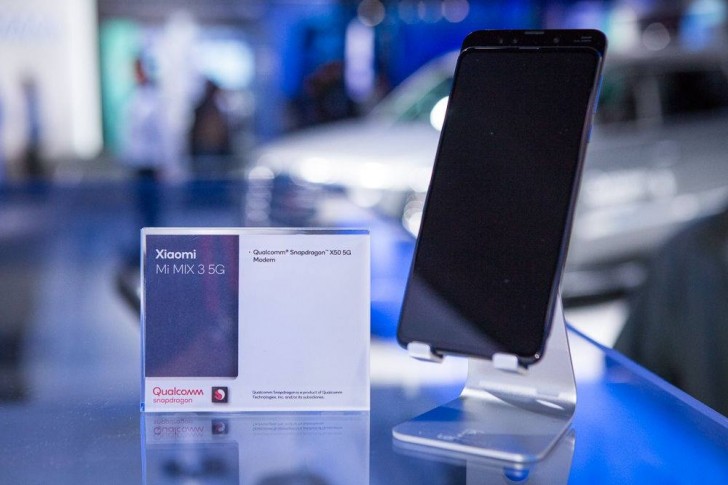
Apart from Samsung and OnePlus, Xiaomi has already introduced its first 5G-compatible handset — Mi MIX 3, which will be released later this year. Another Chinese smartphone manufacturer Oppo recently demonstrated a working 5G smartphone prototype.
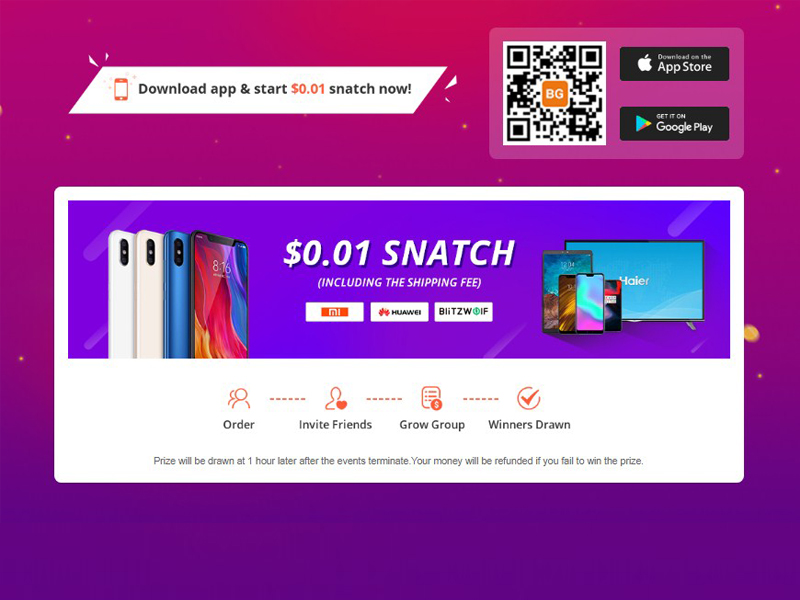
Banggood’s recently kicked-off ‘$0.01 Snatch’ is an unmissable promotion that has given numerous people a chance to participate and win cool prizes.
It is imperative for aspiring participants to download Banggood app in order to start playing. Multiple popular brands like Xiaomi, Huawei and BlitzWolf are gracing this time-limited promotion.
Aside from that, participants can qualify to win free shipping. To win this snatch, participants need to post their invitation links on Facebook and other social media platforms.
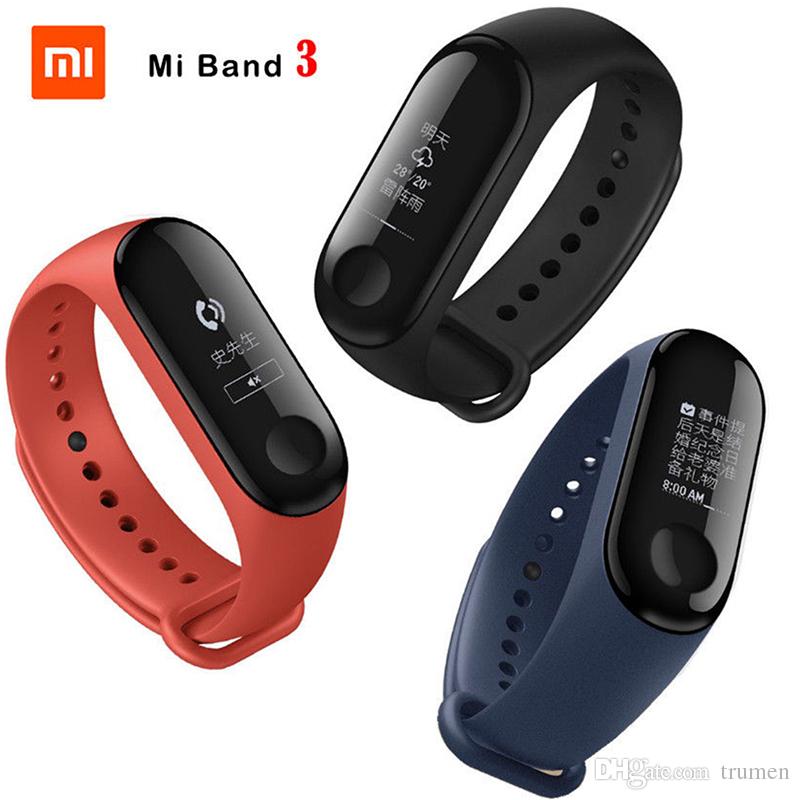
As part of the promo, Xiaomi fans now have a chance to get their hands on the coveted Mi band 3 smartwatch and the equally well-received Mi 8 smartphone without emptying their pockets. So without further ado, let’s check out the details.
The international version of the Xiaomi Mi band 3 smart bracelet and the global version of the Mi 8 smartphone can be won by those who follow the snatch rules. It is imperative for you to bear in mind that only APP users can join the snatch before checking the aforesaid snatch rules.
You can head straight to the product details page for the Mi Band 3 as well as the Mi 8 smartphone by clicking on the product. Once on the product page, you need to enter the order payment page by purchasing.
As soon as you complete the payment process, you’d be prompted to invite a friend who can join your team. Your friend can use your shared link to open the app, join your team and complete the order payment.
If a specific number of your friends participated before the countdown ends, your team will qualify for the lucky draw.
Within just an hour after the event wraps up, winners will be announced. While winning orders get shipped, those who either failed to complete a team or did not win the snatch will receive a refund in their BGpay account.
At the time of writing, there four more participants required to join the Mi band 3 deal, and seven participants needed to enjoy the Xiaomi Mi 8 deal, wherein you get a chance to win the 0.72 Snatch.
You can visit this link in order to check out more details and participate in the Mi Band 3 0.72 Snatch. Those interested in joining the Mi 8 0.72 Snatch can follow this link.
Note that the Xiaomi Mi band 3 smart bracelet would normally set you back 2,169 INR and the Xiaomi Mi 8 smartphone usually retails for 30,974.94 INR.
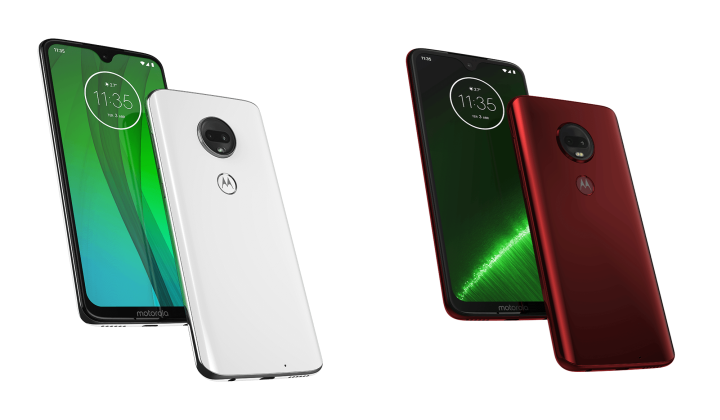
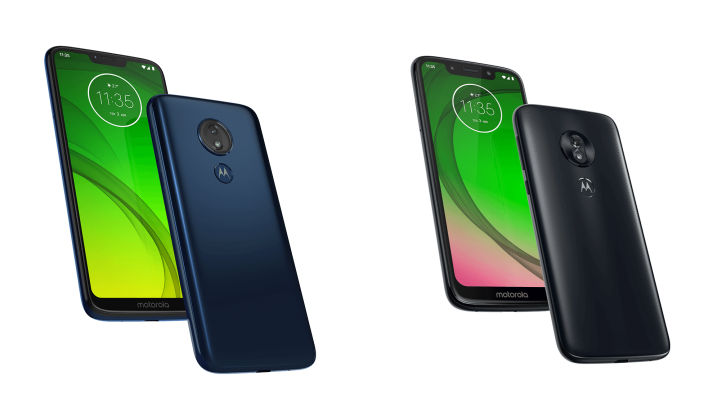
Motorola is expected to unleash the Moto G7 series through its Feb. 7 launch event in Brazil. These phones had reportedly surfaced on the official Motorola Brazil site through which their entire specs have been leaked. Here is all information available on the specifications of Moto G7, Moto G7 Plus, Moto G7 Power and Moto G7 Play.
Moto G7 Specifications
The Moto G7 features a 6.24-inch display that supports full HD+ resolution of 2270 x 1080 pixels and an aspect ratio of 19:9. It is powered by the Snapdragon 632 and 4 GB of RAM. It comes with a 3,000mAh battery.
For photography, it features LED enabled 12-megapixel (f/1.8 aperture) + 5-megapixel (f/2.2 aperture) dual camera on the rear and a front-facing camera of 8-megapixel with f/2.2 aperture. The handset offers 64 GB of internal storage. It measures 157 x 75.3 x 7.92mm and weighs 174 grams. In Brazil, it may arrive only in Onyx Black color.
Moto G7 Plus Specifications
The Moto G7 Plus is fitted with the same display that’s available on the G7 phone. It is fueled by the more powerful Snapdragon 636 chipset and 4 GB of RAM. It also features a 3,000mAh battery.
The rear-mounted dual camera setup of G7 Plus includes dual-LED flash enabled 16-megapixel with f/1.7 aperture primary sensor and 5-megapixel f/2.2 aperture secondary sensor. For capturing selfies, it has f/2.0 aperture 12-megapixel frontal shooter. The device comes with an inbuilt storage of 64 GB. It measures 157 x 75.3 x 8.27mm and it weighs 172 grams. The handset may be available only in Indigo color in Brazil.
Moto G7 Power Specifications
The Moto G7 Power has a 6.24-inch display that supports HD+ resolution of 720 x 1520 and 19:9 aspect ratio. The Snapdragon 632 SoC powers the phone with 3 GB of RAM. It comes with a massive 5,000mAh battery.
The backside of the phone features f/2.0 aperture 12-megapixel camera with LED flash and an f/2.2 aperture 8-megapixel front-facing camera. The native storage of the device is 32 GB. Its dimensions are 159.4 x 76 x 9.3mm and it weighs 193 grams.
The Moto G7 Play features a smaller display of 5.7 inches. It also supports HD+ resolution of 720 x 1512 and 19:9 aspect ratio. The Snapdragon 632 chipset and 2 GB of RAM powers the smartphone. It is packed with a 3,000mAh battery.
When it comes to photography, it features a single LED enabled 13-mgeapixel rear camera with f/2.0 aperture. For selfies, it is equipped with an f/2.2 aperture 8-megapixel front camera. The internal storage of the G7 Play is 32 GB. Its dimensions are 147.3 x 71.5 x 7.99mm and it weighs 149 grams. Brazil may receive only its Indigo color variant.
All the Moto G7 series phone come with Android 9 Pie OS. The other common features of these phones include USB-C, microSD card slot, rear-mounted fingerprint scanner and TurboCharger. Previous leaks have claimed that the G7 Play has Snapdragon 625 while the Moto G7 has been rumored to feature Snapdragon 660, but alleged Brazilian website listings (not accessible now) of these phones carried contradictory specs.
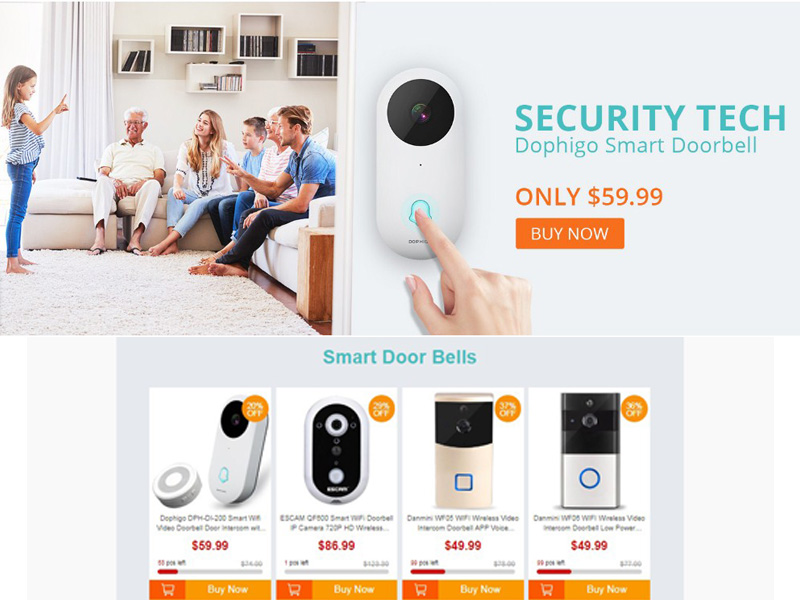
GeekBuying has launched its ‘Security tech’ promo that comprises a wide selection of heavily discounted smart doorbells, IP cameras, and other security gadgets.
The recently kicked-off promotion has been split into multiple categories including Smart Door Bells, IP Cameras, and Recommended in a bid to simplify and expedite the search process.
Among a slew of other top-branded doorbells, the promo features the well-received Dophigo Smart Doorbell that you can now buy at a lowered price on the Chinese online store.
Aside from that, we will show how you can save a considerable amount of extra money at the time of checking out. So without further ado, let’s delve straight into the details.
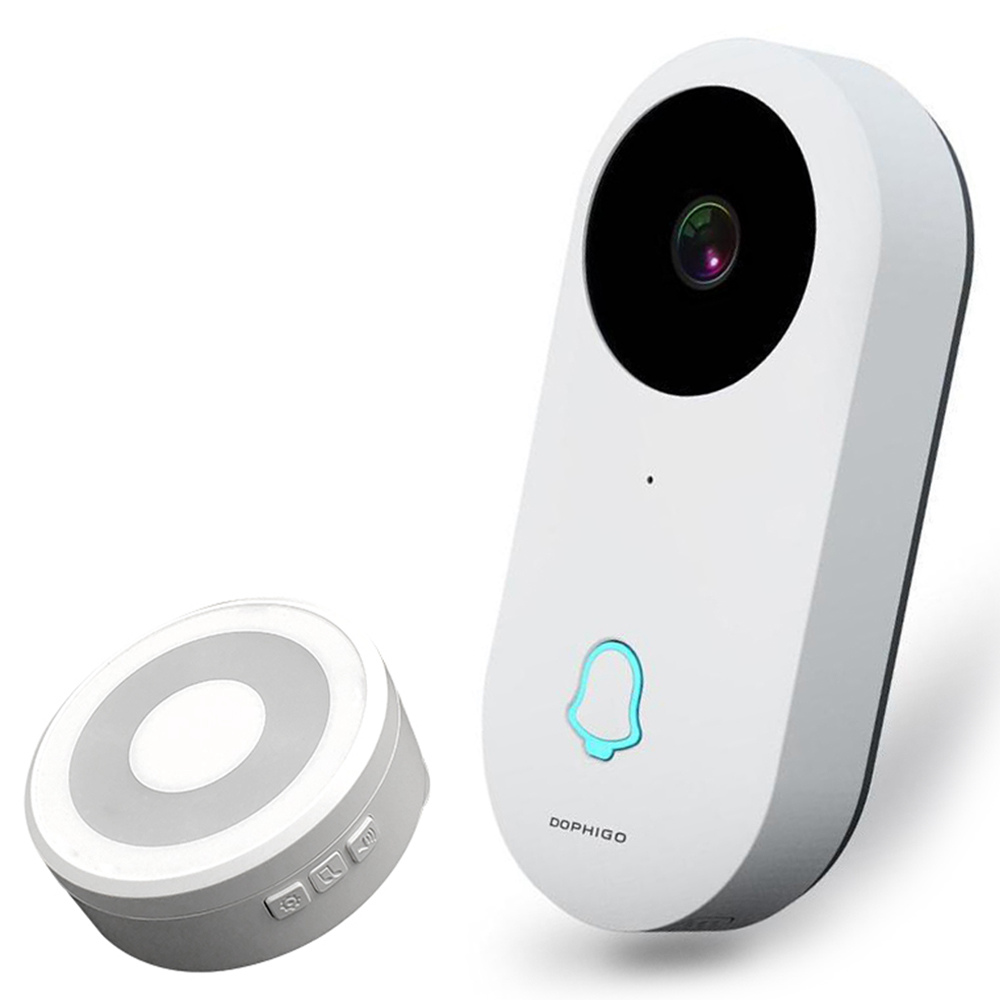
Dophigo DPH-DI-200 Smart Doorbell
The Dophigo DPH-DI-200 is a wireless smart video doorbell that draws its juices from a 18650 lithium battery that can deliver 120 days of standby time.
Moreover, it supports 10m night vision and a myriad of four core functions such as smart interconnection, HD transmission, visitor record, and wireless connection all unified into a single device.
The feature-laden doorbell enables you to make a video call with people outside using the app so that you do not have to open the door. This helps you avoid burglary, housebreaking, and other threatening situations. There’s no dearth of smart doorbells in the market today, but they don’t come cheap. The Dophigo DPH-DI-200, on the other hand, is now available for a dropped price of just $59.99 on GeekBuying.
This is a 20 percent reduction in the device’s original asking price of $74.99.
Aside from taking full advantage of the aforesaid discount, you can apply coupon code GIZ_ EYULHUIL to get an extra $5 off.
In other words, you can bring the already lowered asking price of the Dophigo DPH-DI-200 further down to only $54.99 simply by applying the above-mentioned coupon before placing your order. Note that this coupon is valid for all plugins.
Regrettably, the promo was on the verge of wrapping up at the time of writing. You can follow this link without wasting time in order to grab the discount.
We use cookies on our website to give you the most relevant experience by remembering your preferences and repeat visits. By clicking “Accept”, you consent to the use of ALL the cookies.
This website uses cookies to improve your experience while you navigate through the website. Out of these, the cookies that are categorized as necessary are stored on your browser as they are essential for the working of basic functionalities of the website. We also use third-party cookies that help us analyze and understand how you use this website. These cookies will be stored in your browser only with your consent. You also have the option to opt-out of these cookies. But opting out of some of these cookies may affect your browsing experience.
Necessary cookies are absolutely essential for the website to function properly. This category only includes cookies that ensures basic functionalities and security features of the website. These cookies do not store any personal information.
Any cookies that may not be particularly necessary for the website to function and is used specifically to collect user personal data via analytics, ads, other embedded contents are termed as non-necessary cookies. It is mandatory to procure user consent prior to running these cookies on your website.




 Once on the product page, you need to enter the order payment page by purchasing.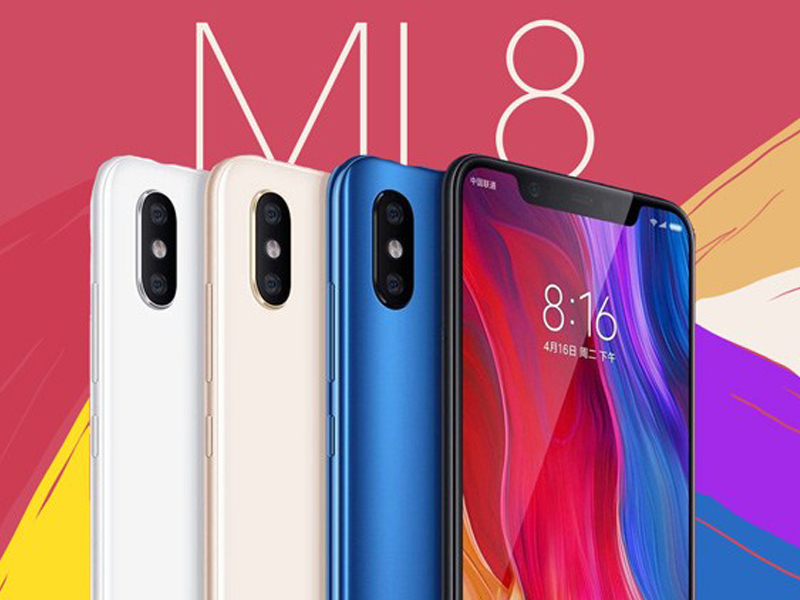
 There’s no dearth of smart doorbells in the market today, but they don’t come cheap. The Dophigo DPH-DI-200, on the other hand, is now available for a dropped price of just $59.99 on GeekBuying.