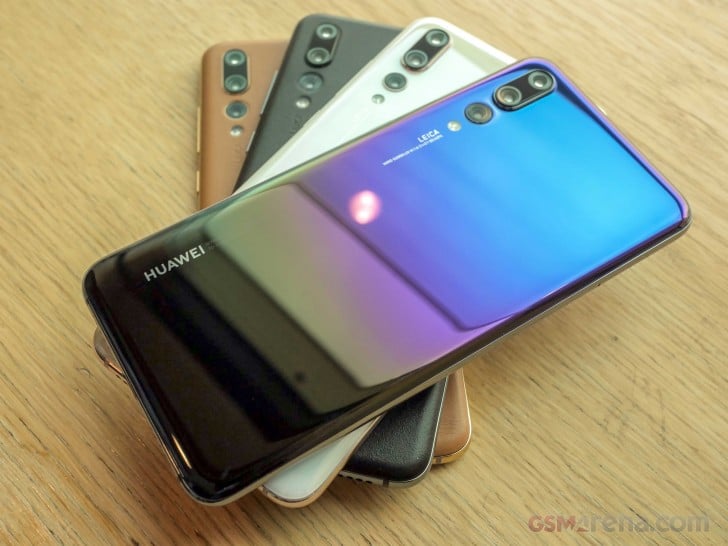
Huawei set the record as the first manufacturer to launch a phone (P20 Pro) with triple rear cameras. Some manufacturers have followed suit such as Samsung with its Galaxy A7 (2018) while others are planning to set a new record by launching phones with more than three rear cameras. Nokia is one of the manufacturers in this latter group and will now be joined by Lenovo.
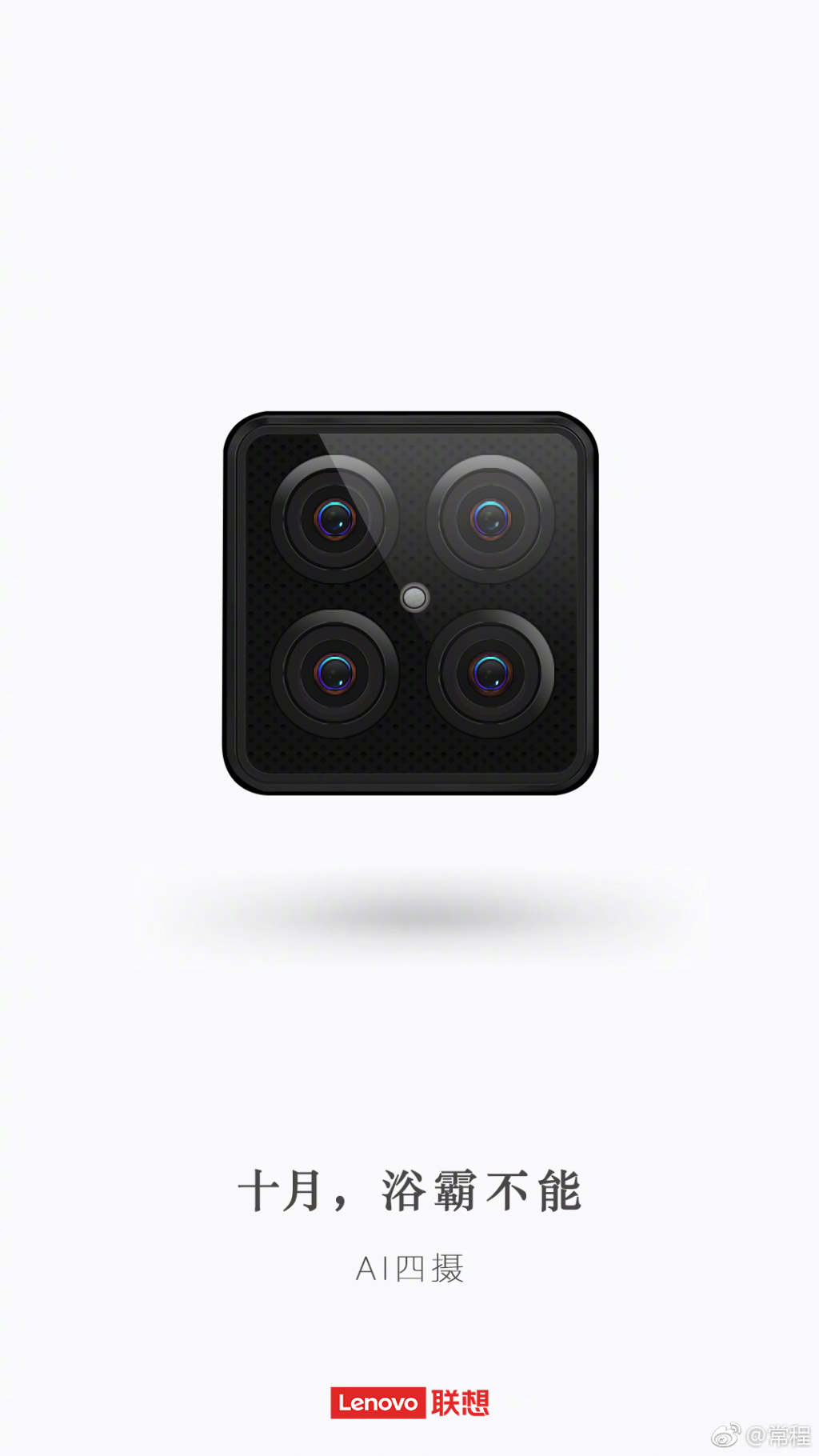
Earlier today, Lenovo’s own Vice President Chang Cheng shared a poster with a quad-camera setup on Weibo. The four cameras are housed in a square setup similar to that of the coming Huawei Mate 20 series. Sitting in the middle of the four camera sensors is a small LED flash.
The poster also mentions the phone will launch in October although the exact date isn’t mentioned. It also adds that the cameras will have AI features. Although we do not know the name of the device, we want to believe it is the Lenovo Z5 Pro slider phone.
Back in March, Huawei announced the Enjoy 8 series. The series includes the Enjoy 8 (Huawei Y7 Prime 2018), the Enjoy 8 Plus (Huawei Y9 2018), and the Enjoy 8e. Six months later, it appears it is set to launch a successor for one of the models as the specs and render of the Enjoy 9 Plus has leaked online.
The leak comes from Evan Blass who posted the details on Twitter this morning. The Huawei Enjoy 9 Plus has an entirely different look from its predecessor. Gone is the all-metal body and in its place is a glass rear with a gradient finish.
The front is also wearing a new look as Huawei has included a notch. The notch has a deep recess much like that of the Pixel 3 XL and it is also home to dual cameras. The display is curved at the corners and the lower bezel is thinner than that of the Enjoy 8 Plus.
With respect to specs, the Enjoy 9 Plus packs a 6.5-inch 1080 x 2340 LCD display. It ditches the Kirin 659 processor for the more recent Kirin 710 chipset. It will have 6GB of RAM and 128GB of storage.
Huawei Enjoy 9 Plus: 6.5" TFT LCD @ 1080 x 2340, Kirin 710 octa, 6GB/128GB, 13MP+2MP/16MP+2MP, 4000mAh, EMUI 8.2. pic.twitter.com/10uZkWOaoZ
The Enjoy 9 Plus has dual cameras on both sides. The rear cameras according to Evan Blass are a 16MP sensor and a 2MP sensor. They are housed together and are vertically placed on the left corner of the phone. Below the sensors is a LED flash and the words “AI CAMERA”. There is also a rear-mounted fingerprint scanner in the middle. The front cameras are a 13MP + 2MP duo.
The Enjoy 9 Plus will come with a 4,000mAh battery just like its predecessor and run EMUI 8.2 out of the box.
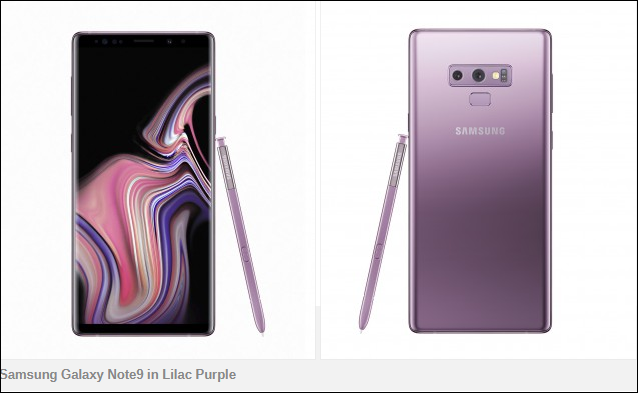
Samsung has begun rolling out a new update to its latest flagship, the Galaxy Note9. The new update focuses on improving the camera performance of the device.
The update which comes in at about 300MB in size has started to hit devices in Germany and updates the firmware version to N960FXXU2ARI9. It also comes with September’s security patch. Below is the complete changelog for the update:
Camera Picture quality has been improved.
Brightness of faces in backlit conditions has been improved.
Day/Night HDR control accuracy has been improved.
Low light brightness and SNR (Signal Noise ratio) has been improved.
The Samsung Galaxy Note9 has a 6.4-inch 1440 x 2960 display, a Snapdragon 845 or Exynos 9810 chipset and up to 8GB of RAM. It also has up to 512GB of storage with the option to add more via a MicroSD card slot.
The phone has dual 12MP sensors on its back – one has a wide angle lens and an adjustable aperture (f/1.5 and f/2.4) while the other has a telephoto lens with a f/2.4 aperture. The front camera is an 8MP f/1.7 Autofocus sensor. The camera app has features such as scene optimizer, 960fps slow-motion recording, night HDR, portrait mode, and AR emojis.
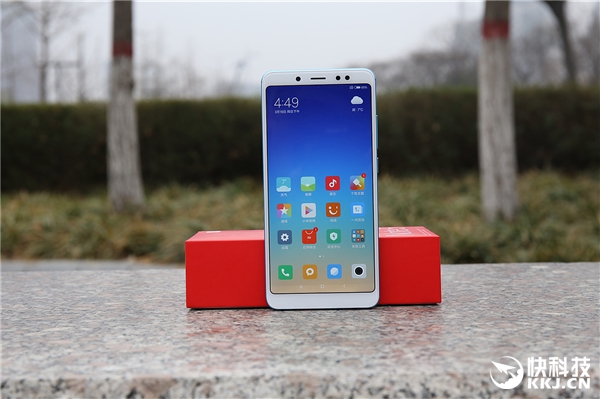
Xiaomi recently launched its latest midrange model, the Redmi Note 6 Pro in Thailand after a long romance with the media via several leaks. As an aftermath of the launch, Xiaomi has slashed the price of the Redmi Note 5. The 3GB+32GB version is announced to be on sale for just 869 yuan ($126) on Mi Mall for a limited time. The offer is 230 yuan lower than the initial 1099 yuan price tag of the 3GB model. This price reduction doesn’t in anyway suggest the Redmi Note 6 Pro is the successor of the Redmi Note 5. But since both models are part of the Redmi Note series, it is just apt that the price of the Redmi Note 5 is adjusted to maintain its competitiveness.
The Redmi Note 5 was announced in February this year packing a 5.99-inch FHD+ Fullview display with a resolution of 2160 x 1080 pixels and a 2.5D Curved glass on top. The device is powered by a Snapdragon 636 chipset paired with 3GB/4GB RAM. The main highlight of the Redmi Note 5 is perhaps the AI capable cameras it packs. The front panel of the Redmi Note 5 includes a soft LED flash-enabled 13MP selfie camera that carries support for AI portrait mode. The selfie camera also features pre-HDR which allows it to intelligently detect the background light to capture amazing selfie shots in dim-light conditions by accordingly configuring the front LED flash. The front-facing camera can also capture full HD videos.
In addition, the Redmi Note 5 features an aluminium unibody with an AI-driven dual rear camera arrangement at the top left corner. The camera is stacked vertically with the LED flash sitting between both rear shooters. The Redmi Note 5’s AI Dual Camera comprises a 12MP primary sensor that has a pixel size of 1.4micron and f/1.9 aperture along with a 5MP secondary depth of field sensor. It is equipped with features like dual autofocus, EIS (Electronic Image Stabilization), HDR, Burst Mode and Panorama. The dual rear cameras can also capture amazing AI driven portrait shots by naturally blurring the background. Apart from shooting full HD videos, it can also record 720p slow-motion videos. There is also a rear-mounted fingerprint sensor. The model is available in Gold, Black, Blue, Rose Gold as well as a Flame Red variant which joined the ranks recently.
Gizmochina along with VKWORLD is conducting 1 unit VKWORLD K1 Smartphone as giveaway gift to a lucky reader. Like always, you just have to follow the steps mentioned on the Gleam widget to get a chance to win this amazing gift.
Vkworld K1 is a triple camera smartphone, 21MP+5MP+5MP rear camera and 21MP front camera, also features OIS and the camera app offers multiple scene modes and beautification function.Vkworld K1 comes with MTK6750T SoC accompanied by 4GB of RAM and 64GB of internal storage. Coupled with Android 8.1 Oreo, it should be smooth and fast. In addition, there is a 5.2″ FHD display that sits under Gorilla Glass. K1 has 4040mAh battery supports 5V/3A fast charge as well as wireless charging. You can click here to get more information about VKWORLD K1 Smartphone.
Share this giveaway contest on Facebook, Twitter and Reddit;
Terms & Conditions:
1. The giveaway is an international giveaway. 2. We are not responsible for lost shipments. 3. We are not responsible for any duties, import taxes that you may incur. 4. We reserve all rights to make any changes to this giveaway. 5. The prize will be shipped in a month when the giveaway end.
Just follow the steps mentioned in the Gleam widget to participate in the giveaway.
Chipmaker Intel has responded to recent claims by Qualcomm that it was the recipient of the mobile chipmaker’s modem technology allegedly shared by Apple illegally. The response was contained in a press statement issued by Steve Rodgers, Intel’s vice president and general counsel who described the allegation as rhetorics. Mr Rodgers stated that his company would continue to puncture Qualcomm’s claims in court.
Among other things, he didn’t fail to tongue-lash Qualcomm for its anti-competition behaviour, noting the series of fines that have been slammed on the company. TheIntel VP also disclosed that Qualcomm failed to win its case on 88 patent claims it said were infringed by several products, including Intel’s modem. He also drew reference to another case where a federal judge found “considerable, compelling common proof” that Qualcomm had required companies “to accept a separate license to Qualcomm’s cellular [standard essential patents] in order to gain access to Qualcomm’s modem chips.” The scheme was labelled as a “no license, no chips” scheme that has been found to be part of Qualcomm’s anticompetitive conduct challenged in so many countries.
Qualcomm had claimed recently during the hearing of a lawsuit filed against Apple last year that the later has been sharing its code with Intel and that this began several years back. Qualcomm says it got a tipoff from an anonymous posting on a website that samples the opinion of people who claim to have been laid off by Intel. Apple’s latest iPhones now utilise Intel modem since ties with Qualcomm has been severed.
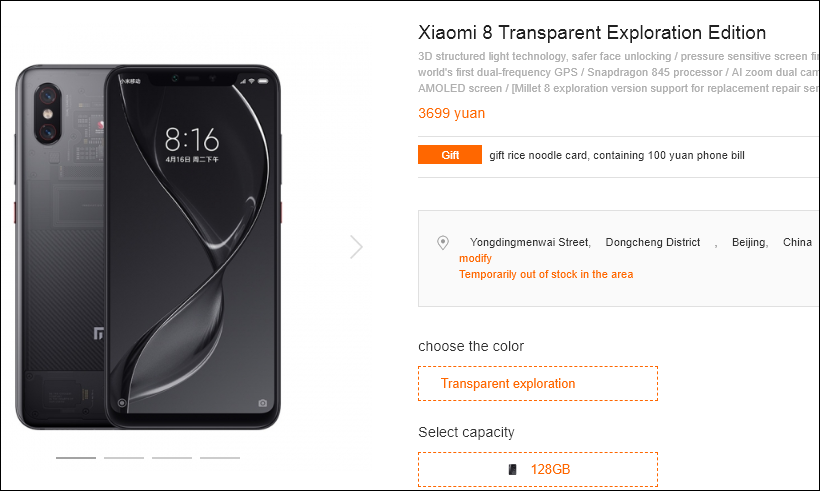
Xiaomi announced the Mi 8 Explorer Edition alongside the Mi 8 and Mi 8SE. While the other models have been on sale since their launch on May 31, the Mi 8 Explorer Edition has only gone on sale a couple of times since then. Xiaomi announced yesterday that the model will be on sale today (September 30) in China and rightly so, the Mi 8 Explorer Edition was made available via Xiaomi Mall. Interestingly, it seems to have gone out of stock once again as at the time of reporting. The device comes with a retail price tag of 3699 yuan ($538).
The Mi 8 Explorer edition has as one of its stand out features, a translucent glass back which shows the internal components in a beautiful way. The device doesn’t feature a fingerprint sensor at the back instead, the Mi 8 Explorer Edition has an on-screen fingerprint reader that enables users to unlock the phone by a simple touch. The display is equipped with a highly sensitive pressure sensor, so with just a light touch the fingerprint is scanned and the device unlocked. The device supports Face ID and also onboard is a Snapdragon 845 chipset.
The Mi 8 Explorer edition is fuelled by a 3000mAh battery with support for Quick Charge 4.0+ fast charge. The device is only available in 8GB + 128GB memory configuration. Since it is a limited edition model, it may finally be discontinued in favour of the Mi 8 Pro translucent glass back variant which was announced recently.
There are rumours that Samsung is in talks that would see it outsource the production of the firm’s mid-range and low-end Galaxy phones in China. The Korean giant is reportedly in talks with Original Design Manufacturer (ODM) Wintech, the company responsible for the manufacture of Xiaomi’s phones. If a deal is sealed, Wintech would be responsible
Reports have it that company execs of Samsung’s mobile business led by Executive Vice President Roh Tae-moon visited China’s Wintech to discuss the possibility of manufacturing Samsung phones at Wintech’s factory. A deal would see Samsung phones bearing the company’s logo but manufactured by Wintech. Of course, the models will have to meet Samsung’s quality standards.
This move could be as a result of the company’s declining market share in China. Such a move could also result in Samsung models becoming competitively priced since parts will be sourced locally. It would also reduce the manufcaturing cost Samsung incurs while it diverts its attention to planning a recovery pathway for its Chinese business. However, Samsung is yet to confirm if a deal is on the way. The company did acknowledge, though, that it has been considering introducing the ODM system not only in China but also in other countries when needed.
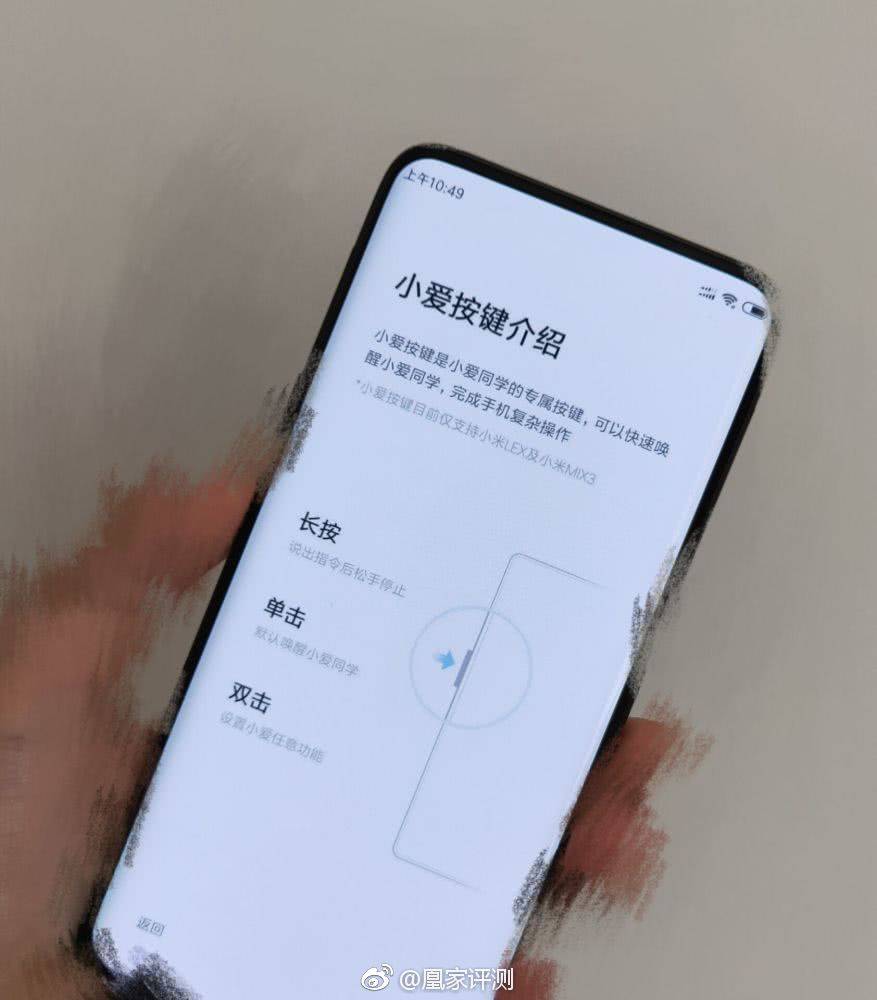
Xiaomi Mi Mix 3 will certainly launch packing a sliding design as we have seen on several leaks. Yet another set of leaked images of the Mix 3 has appeared online to once again reaffirm the design. The design deviates entirely from that of the previous gen models and instead will have a higher screen to body ratio than the previous trio of Mi Mix, Mix 2 and 2s.
The leaked picture has all its edges blurred, perhaps to mask the buttons at the sides. Apart from the power and volume buttons, the Mix 3 is said to come with a dedicated Xiao AI button and the picture shows the Xiao AI button settings page on the phone’s screen. This same page had leaked recently with the details emerging that the button can be used to wake up the device on a single press. The button can also be used in the same way as the Bixby smart assistant button on Samsung phones. Users can ask Xiao AI any question by pressing and holding the button. Users can also customize the action of double-pressing the button to any shortcut of their choice.
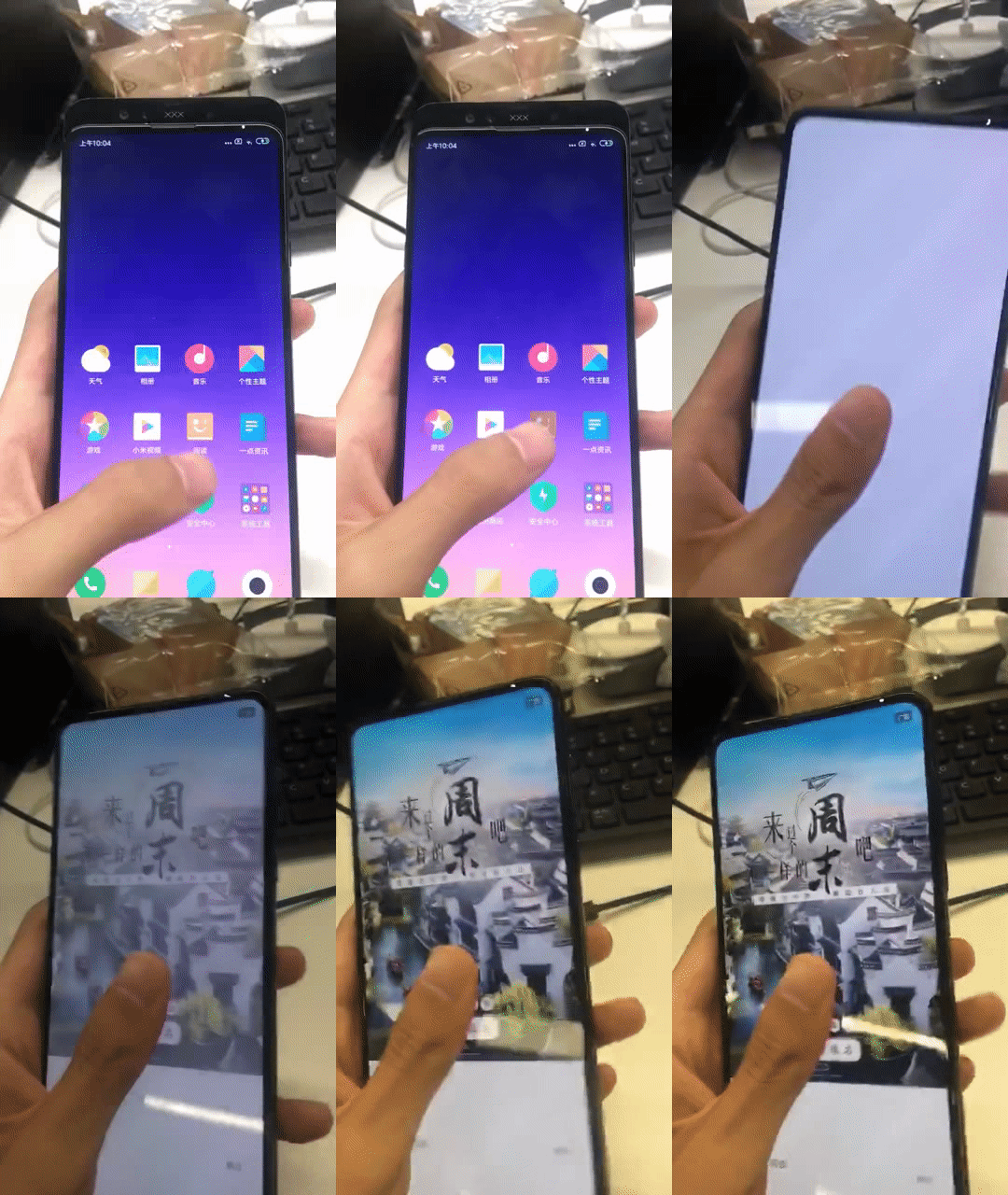
There is equally a GIF image which demonstrates the speed at which the on-screen fingerprint unlocks the device and also the ease with which the Mi Mix 3 can be slid open. The GIF image is similar to a leaked video purported to be of the Mi Mix 3 that appeared a couple of weeks back.
Since the Mix 3 will utilise a full-screen notch-less design, the selfie camera, earpiece and other sensors will be on the slider. We may have to wait until the device is officially unveiled to find out the complete details of how the slider works. And also to find answers to questions like if calls can be taken when the slider is closed or we’ll need to slide open to make or receive calls.
The Mi Mix 3 is expected to pack a Snapdragon 845 chipset with 6GB RAM and 8GB RAM variants. The model will have a dual camera setup at the rear with a 20MP main camera with OIS (Optical Image Stabilisation) and EIS (Optical Image Stabilisation). It is also likely to come with support for wireless charging and pricing is expected to start at 3799 Yuan (~$552).
Chinese smartphone manufacturer, Elephone, has a new phone launching soon. The phone will be officially known as the Elephone A6. Elephone has sent us some details about the phone including an official render.
Based on the render, the Elephone A6 will come with a waterdrop notched display, triple rear cameras, and will have a gradient design just like the Elephone A5. Elephone has also revealed that the phone will come with MediaTek’s Helio P60 processor.
The Elephone A6 will be unveiled at the Hong Kong Global Resources Mobile Electronics Exhibition. Elephone will be at hall 1 booth 1K26 and will have some of its other products on display such as the Elephone PX which has dual pop-up cameras, the Elephone Soldier rugged smartphone which has an IP68 rating and a 5000mAh battery, the Elephone A4 and up to 25 other products.
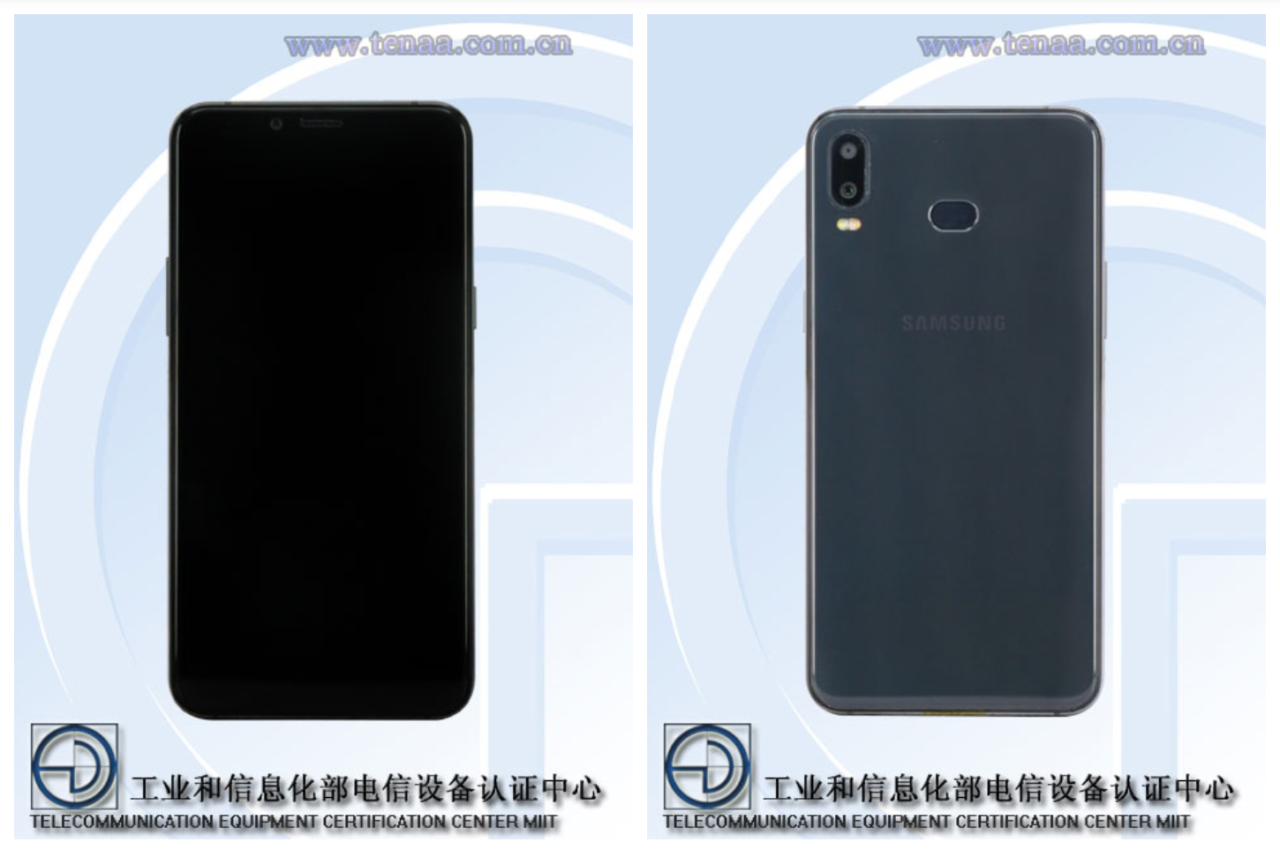
Samsung SM-G6200 smartphone has recently surfaced on TENAA, the telecom regulatory body from China. Earlier leaks have claimed that the Samsung SM-G6200 may debut as Galaxy P30. However, a recent report had revealed that the rumored Galaxy P-series has been axed and the Galaxy P30 may launch as a Galaxy A series phone. Exclusive information coming PhoneArena reveals that the SM-G6200 will be debuting as Galaxy A6s.
The publication has revealed that the handset will be carrying the Galaxy A6s moniker in all the Asian markets where it will be debuting including China. The focus market for the upcoming Galaxy A6s, Galaxy A7 (2018) and Galaxy A9 Pro (2018) will be China where Samsung’s market share went down to 0.8 percent in Q4 2017.
As far as international release of the smartphone is concerned, it may carry a different moniker in order to differentiate from the Galaxy A6 and Galaxy A6+ smartphones. It is speculated that the Galaxy A9 Pro (2018) and Galaxy A6s phones may debut together on Oct. 11. The sales of these phones are expected to begin soon after their launch. As of this writing, there is no information available on the pricing of the Galaxy A6s.
The Samsung SM-G6200 TENAA listing only contains its images. Only few specs of the phone such as 5.98-inch display, 3,300mAh battery and 156.14 x 76.8 x 8.39mm dimensions have surfaced on China’s certification site. The entire specifications of the phone are expected to surface in the next few days. The TENAA images of the phone have revealed that it is equipped with an 18.5:9 Infinity Display, vertical dual camera and a rear-mounted fingerprint scanner.
Samsung Galaxy A9 Pro (2018) concept image by All About Samsung
As far as Galaxy A9 Pro (2018) is concerned, it is rumored to arrive as a premium phone with Infinity Display of 6.28 inches, Snapdragon 660 chipset, 3,720mAh battery and Sony IMX576 24-megapixel selfie camera. The USP of the phone will be quad camera setup that will include 24-megapixel main sensor, 8-megapixel wide-angle lens with a field of view of 120 degrees, 10-megapixel zoom camera and another zoom camera of 5-megapixel.
After such a long wait, the Chinese manufacturer, Xiaomi is rolling out the stable MIUI 10 update to Redmi 6, 6A, Redmi 5 Plus global version and the Redmi Note 5 in India. The update is currently not available via the OTA (Over-the-Air), although, users can download OTA update.zip file from the official Xiaomi website to manually upgrade the device.
Xiaomi posted the official confirmation about the update via its official @miuirom Twitter handle. It also mentioned about the Redmi 5 Plus and Redmi Note 5 devices which have already received the MIUI 10 Stable ROM update a few days ago. Today, the owners of the Redmi 6 and Redmi 6 Pro received the latest MIUI 10 Global Stable ROM.
Many changes are present in the latest MIUI 10 along with the new User Interface. It brings AI portrait mode to the single front camera with the Hindi language support in Mi Apps. Xiaomi has added some new natural sounds to the MIUI 10 with a significant revamp for the Clock and Notes app. Here’s a full changelog if the MIUI 10 update:
Changelog: Redmi 6/6A Redmi 5A and Redmi 5 Plus MIUI 10 Update
Full View Experience
Designed for full screen experience
All-new UI is tailored for full screen devices and lets
the content take the front stage.
Other improvements and optimizations
Al brings Portrait mode to single front camera
devices! Blur the background on your portrait shots
and look as gorgeous as you feel
Other system apps (including Clock and Notes) got
major revamp too.
Mi Apps
New Supported Hindi in Mi Apps(07-17)
Xiaomi has already rolled out the MIUI 10 Stable Global ROM update to various devices such as Mi 6, Redmi Note 5 Pro, Mi 5, Note 5 Pro and few others. In China, Xiaomi has already given the update to most of the latest Xiaomi devices in China.
Users of the Xiaomi Redmi 6, 6A, Redmi 5 and Redmi Note 5 can download the respective update packages from Xiaomi Website.
Update: The OTA update for Redmi 6 and 6A has also started to roll out, it weighs over 256MB in size for Redmi 6 in India.
Huawei yesterday announced a plethora of discount offers for its models on the official Huawei flagship store on Tmall. The discount offers are only for a limited time (September 29 to October 7) and will see selected models getting price cuts as much as 1000 yuan. The participating models include the Honor Note 10, Honor 9i, and Honor V10 and several other Huawei devices like headsets, power banks, selfie sticks etc.
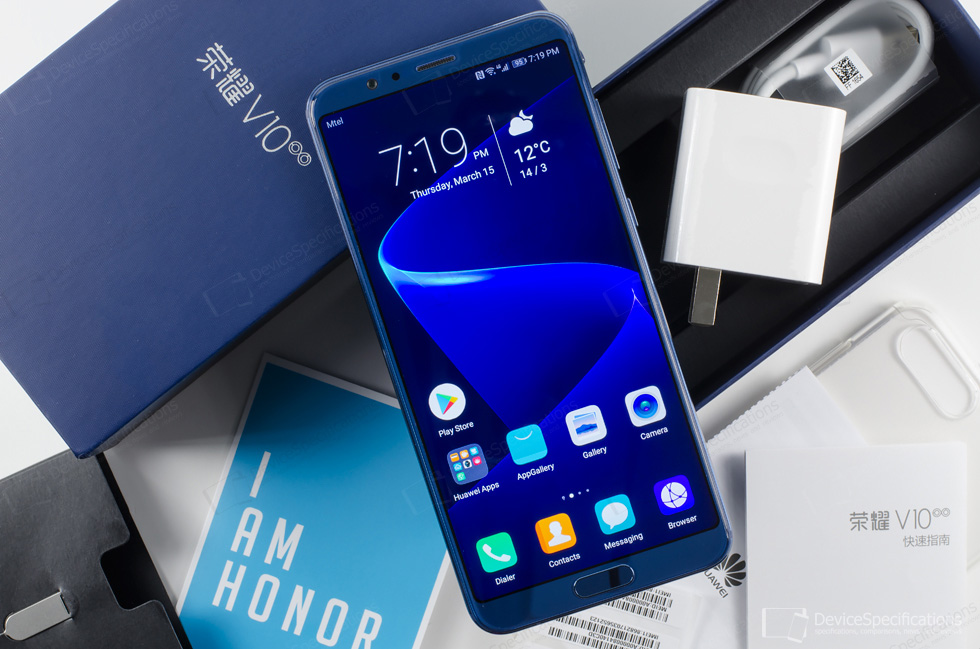
The Kirin 970-powered midrange Honor V10 received the biggest slash in its price. The 6GB + 64GB variant received a 1000 yuan price cut to sell for 1999 yuan, down from 2999 yuan. The 4GB+64GB version of the Honor V10 also got a 600 yuan cut in its price and is on offer for just 1899 yuan. Further, the 6GB+128GB version received a 500 yuan price cut, offered for 2799 yuan. The variant is also bundled with a free random gift of a speaker, headphone, protective case and other gifts. Finally, the 8GB+128GB version got a 1000 yuan price cut and an additional 180 yuan coupon, coming down to 3119 yuan.
The Honor Note 10 also received a 100 yuan price cut bringing the price down to 2699 yuan. The Honor 9i 4GB+64GB variant equally gets a 100 yuan limited time price cut to retail for 1299 yuan with a free headphone. While the 4GB+128GB variant was on offer for 1599 yuan. In addition, Huawei also promised to dole out a free data cable each to the top 30,000 consumers who placed orders on the day the promotion commenced which is September 29.
The iPhone XS and iPhone XS Max are two of the new iPhones announced earlier this month. Both phones are now on sale around the globe. However, some users have discovered a charging issue affecting the new iPhones.
These owners have discovered that when they plugged in their phone to charge with the wired charger, it didn’t charge until they had to wake up the screen. Some users said they had to flip the cable before it began to charge.
Popular YouTuber, Lewis Hilsenteger of Unbox Therapy was notified of the issue and decided to confirm. Of the eights iPhone XS and iPhone XS Max units he got his hands on, only one of them isn’t suffering from the issue. One iPhone XS Max didn’t even wake up even after pushing the power button while another didn’t charge at all even after waking up the phone. You can head to his channel to watch the video.
A thread created on the Apple Community website has a long list of people suffering from the charging issue. Most have said the issue only comes up when the display has gone off for more than five seconds. So if the screen is on and you plug it in, it won’t charge.
There is a suggested fix that says users should turn on the “USB Accessories” feature under “Face ID and Passcode” settings. However, the fix doesn’t seem to be working for everyone. Some have also taken their phone in for a replacement but the replacement units are also suffering from the same issue. So getting a replacement will do you no good.
Apple hasn’t issued an official statement yet. The problem is probably software-related and an update will likely be pushed out to fix it.
Benchmark apps are supposed to be reference points for comparison of smartphones which fall in the same category. Although there has always been the caveat that the result doesn’t always depict how the smartphones would perform in daily use but they are often relied upon by intending buyers who seek models that offer better performance based on benchmark score.
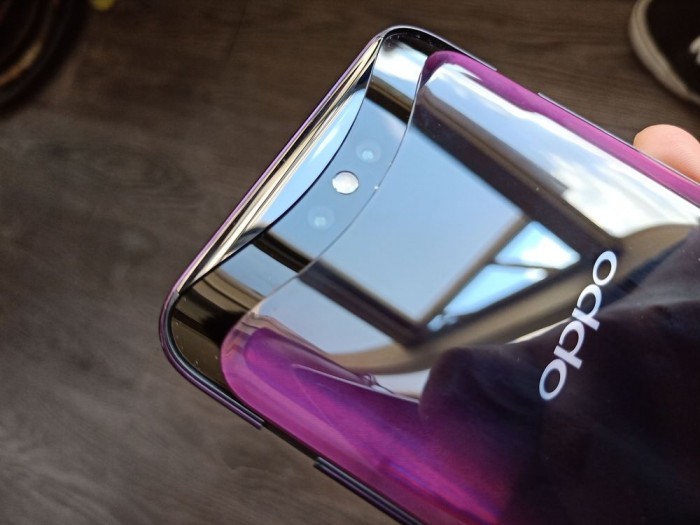
Quite unfortunately, benchmark apps have been the target of most Chinese phone manufacturers who have been accused and even confirmed to cheat. Huawei was earlier accused by Anandtech of cheating and once again further evidence has been adduced to show that Huawei and OPPO target benchmark apps by name. The team of analysts at First Post claimed to have subjected a couple of Huawei phones, including Honor phones and OPPO phones alongside the Realme models to benchmark test using public and private benchmark apps. The data obtained invariably confirmed what had been known before, that Huawei and OPPO tend to cheat benchmark apps. This they do by optimising their phone’s software to recognise benchmark apps by their names and thus run at optimal performance. This, in turn, results in the phones achieving higher scores in benchmark apps. For the avoidance of doubt, the public apps are those that can be downloaded on Google Play Store. On the other hand, the private apps were provided by the app creations and usually carry different names from their real names.
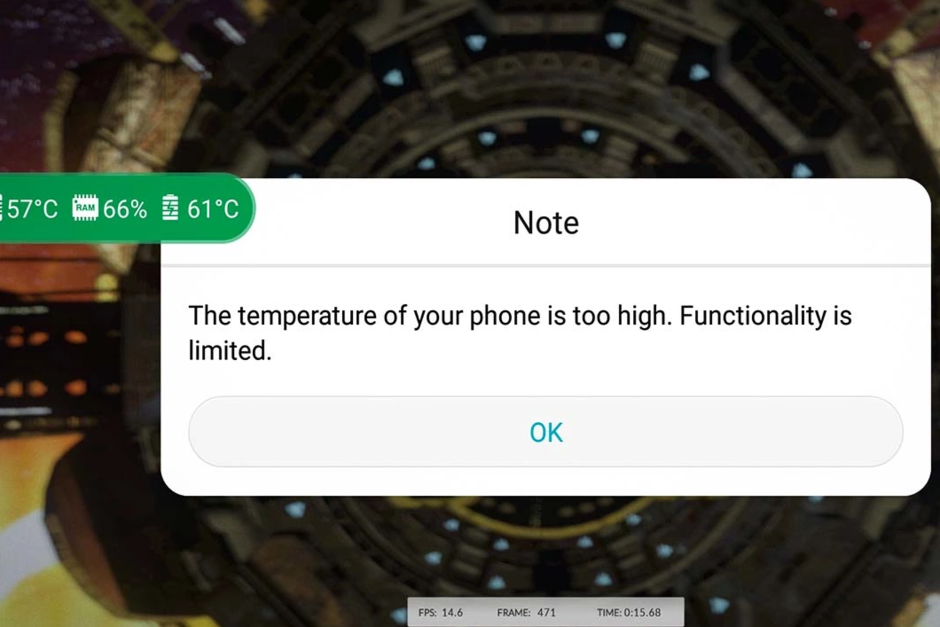
The most likely explanation for this is that when a known benchmark app is recognised as running, CPU throttling which is supposed to idle the cores to their minimum frequency when there’s no workload seems not to function. Thus, the phone’s CPU runs at its maximum clock speed. In one of the tests, one of the phones even got too hot to continue working while running the public benchmark app.
Well, except a superior argument is adduced by the phone makers, this looks to be the true situation. But is this really cheating? Sure, it is but smartphone manufacturers have argued that the act can’t really be called cheating since they all want their models to be at their best when tested. In addition, the maximum clock frequency of the chipset onboard the smartphones are not in anyway increased more than their stated maximums. Huawei and OPPO also claimed that the AI engine on their phones automatically puts the phone in the high-performance mode when it detects tough loads.
This issue of cheating on benchmark app has been in the front burner for quite some time now. Last year, popular brand OnePlus as well as Meizu were accused of cheating on benchmarks to achieve higher results. This accusation doesn’t take away the fact that Huawei has got innovative models and that its Kirin 980 is one of the most powerful chipsets around. The Kirin 970-powered P20 Pro flagship still ranks as the best model in terms of camera performance on DXOMark. Perhaps that is because Apple’s latest iPhones are yet to be reviewed by DXO. Talking of Apple, we recall the company was embroiled in a controversial “Batterygate” scandal last year. Apple updated their software last year to slow down phones with weaker batteries since the powerful CPU could shut down phones with weak batteries. That isn’t exactly the same scenario but it still is deceit. Most owners of old iPhones would go get a new one instead of just swapping the old battery for a new one. Even market leader, Samsung was also caught in the web of benchmark cheating way back in 2013 alongside HTC. What this tells us is that we really shouldn’t rely so much on benchmark as they don’t indicate real-world performance.
At the Samsung Unpacked event in August, Samsung announced a new smartwatch – the Galaxy Watch. The watch succeeds the Gear S3 and brings an end to the “Gear” name. Yesterday, Samsung announced a special variant for golfers called the Galaxy Watch Golf Edition.
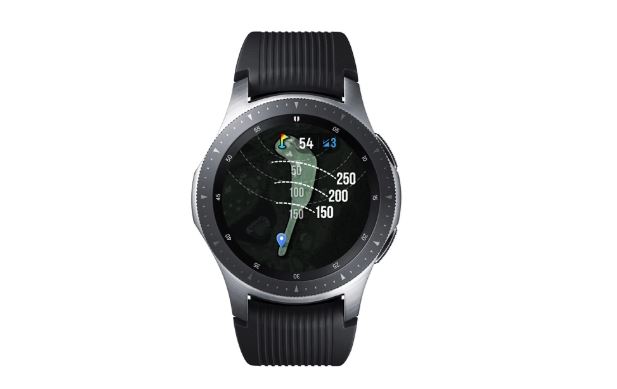
The Samsung Galaxy Watch succeeds the Gear S3 Golf Edition. There isn’t any physical difference between the Galaxy Watch and the Galaxy Watch Golf Edition. The main difference is in the software. Samsung has included a Smart Caddie app in the Golf Edition.
The Smart Caddie app which was developed in collaboration with Golfzon Deca has details on up to 60,000 golf courses all over the world. It also tracks shot and keeps golf records.
Xiaomi Redmi Note 6 Pro is finally real. Despite the high expectations from this handset, it is just a slight upgrade if we compare it with the Note 5 Pro, but its launch price makes it a “best buy” in the $200 price range. But this is not the only device of this second half of 2018 to come with an impressive quality-price ratio. That is why we compared it with two other devices which we define the champions of quality-ratio of H2 2018: Oppo Realme 2 Pro and Huawei Honor 8X. Let’s discover which one should you pick if you are looking for a new smartphone.
Xiaomi Redmi Note 6 Pro vs Oppo Realme 2 Pro vs Huawei Honor 8X
Dual 12 + 5 MP f/1.9 and f/2.0
Dual 20 + 2 MP f/2.0 front camera
Dual 16 + 2 MP f/1.7
16 MP f/2.0 front camera
Dual 20 + 2 MP f/1.8
16 MP f/2.0 front camera
BATTERY
4000 mAh
3500 mAh, Fast Charging 5V / 2A 10W
3750 mAh, Fast Charging 5V / 2A
ADDITIONAL FEATURES
Hybrid Dual SIM slot
Dual SIM slot
Dual SIM slot
Design
If you want the most beautiful phone, you should definitely not go for the Xiaomi Redmi Note 6 Pro as it features a classic full metal unibody design similar to the one of Redmi Note 5 Pro. Oppo Realme 2 Pro is elegant and futuristic with its waterdrop notch, but its body is made of polycarbonate. That is why Huawei Honor 8X with its elegant and reflective glass back as well as its very narrow bezels wins the design comparison.
Display
Unfortunately, when it comes to mid-end smartphones, it is hard to find differences between displays. And it is the same with this trio of phones coming with the same resolutions, all with an IPS panel and with similar viewing qualities. I would pick Honor 8X simply because it has a bigger size: 6.5 inches. But note that you may not agree as it also features bigger dimensions.
Specs & Software
Oppo Realme 2 Pro is the king of performance on its price range, and we are not only referring to this trio of phones. It comes with the powerful Snapdragon 660 SoC by Qualcomm paired with up to 8 GB of RAM. It is definitely the best for you if you are an advanced user and you often play games, but you want to save some money. Further, this device offers amazing performance with multi-tasking.
Camera
Xiaomi Redmi Note 6 Pro sports four cameras: two on the front and two on the back. Both the setups feature pretty nice performances if light conditions are good and we choose this device as the winner of the camera comparison. At the second place, we prefer to put the Oppo Realme 2 Pro due to its brighter aperture for the rear camera, but differences are very marginal.
Battery
Xiaomi Redmi Note 6 Pro wins even on the battery side as it has a bigger lithium unit with a capacity of 4000 mAh. Further, it has one of the most efficient chipsets out there: the octa-core Snapdragon 636. Xiaomi claims it is able to last for two days with a single charge. It will surely have a way longer battery life than its opponents.
Price
At last, there is the price. Xiaomi Redmi Note 6 Pro was launched in Thailand with a price tag which translates into about $216, Oppo Realme 2 debuted in India for just $192 and Honor 8X carries a launch price tag of $255. I would personally pick Oppo Realme 2 Pro for its better hardware, well-balanced specs and for having the best price.
A Samsung phone with model number SM-G6200 has been spotted on TENAA’s database. Unfortunately, only images are available at the moment. We will have to wait for TENAA to release the specs in a few days.
The Samsung SM-G6200 has slightly thick bezels similar to those found on the Galaxy J and A series. It also has a single front camera. The power button is on the right and the volume control buttons are on the left.
[envira-gallery id=”214539″]
On the back of the device are dual cameras positioned vertically at the top left corner of the phone. Below the setup is a dual-tone LED flash while a fingerprint scanner sits in the middle of the phone. The back of the phone appears to be covered in glass and we can spot antenna lines at the top and bottom parts of the metal frame.
The Galaxy P30 or Galaxy P series does not exist at all.
The phone which was certified on the 27th of September is being referred to as the Galaxy P30 by some. However, Ice Universe, one of the popular leakers who is known for Samsung-related leaks said a few days ago that there is no phone called the Galaxy P30. He adds that there isn’t even a P series in existence.
ZTE had announced the Axon 9 Pro flagship phone at the IFA 2018 tech expo at the end of the previous month in Berlin, Germany. Around three weeks ago, the ZTE A2019 Pro smartphone was spotted on the website of China’s TENAA authority. It indicated that the China launch of the smartphone could be close at hand. Today, ZTE has officially confirmed that it will be launching the Axon 9 Pro smartphone in the home country in mid-October.
The Axon 9 Pro’s TENAA listing has revealed that it measures 156.5 x 74.4 x 7.9mm and weighs 179 grams. The handset features glass panels on its front and rear with a metallic frame in between. It features a notched OLED display of 6.21 inches that supports Full HD+ resolution of 2248 x 1080 pixels. The display supports an aspect ratio of 18.7:9.
The Snapdragon 845 is present under the hood of the Axon 9 Pro. It is packed with a 3,900mAh battery that carries support for Quick Charge 4.0 as well as wireless charging.
At the IFA 2018, the ZTE Axon 9 Pro was showcased with 6 GB of RAM and an inbuilt storage of 128 GB. The TENAA listing of the smartphone reveals that China will be receiving multiple editions of the smartphone. TENAA has approved 6 GB and 8 GB RAM variants and 64 GB, 128 GB and 256 GB storage versions of the Axon 9 Pro.
The 20-megapixel + 12-megapixel vertical dual camera setup resides on the back panel of the Axon 9 Pro. The notch of the phone houses a selfie snapper of 20-megapixel. It will be arriving with Android 8.1 Oreo. Some of the other features of the smartphone include HDR 10 support, IP68 rating, face recognition and Dolby Atmos support.
The Axon 9 Pro is priced at 649 euros (~$755) for the European market. Since the base model of the smartphone is expected to feature 64 GB of storage and 6 GB of RAM in China, it may arrive with a starting price of around $499.
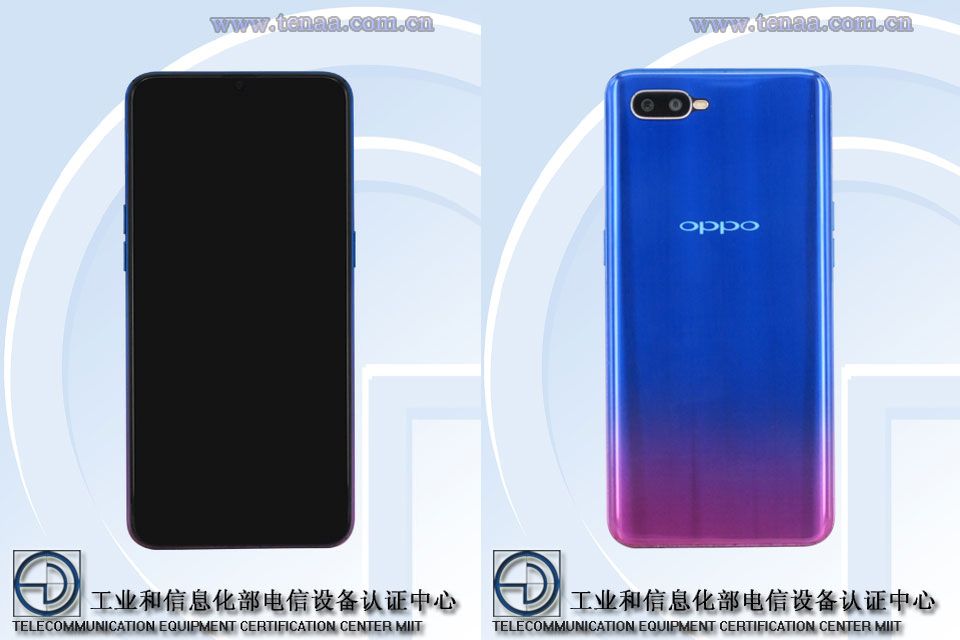
OPPO has released a new poster to confirm that it will be holding a launch event on Oct. 10 to announce a new smartphone. The company did not confirm on the name of the smartphone that will be unveiled on the said date. It is speculated that the OPPO PBCM10, PBCT10 and PBCM30 phones that were recently certified by TENAA authority in China may get announced in the next month’s unveil event. Rumors are rife that OPPO is prepping to launch a new K-series of smartphones. Hence, it is speculated that the OPPO K1 will be the name of the smartphone that will be debuting in the coming month.
The OPPO event will begin at 10:00 AM on Oct. 10 The TENAA listings of the aforementioned smartphones have revealed that these phones will be equipped with waterdrop notch screen along with glass rear with blue-pink gradient color.
The PBCM10 and PBCT10 models feature 4 GB of RAM along with inbuilt storage of 128 GB. The PBCM30 model has 6 GB of RAM and 64 GB of native storage. These models are driven by 1.95GHz octa-core processor.
These phones are equipped with 6.4-inch AMOLED screen that produces Full HD+ resolution. A rear-mounted fingerprint scanner is not visible on any of the three smartphones. The reason behind it is that they are blessed with under-display fingerprint scanner.
For photography, these phones feature 16-megapixel + 2-megapixel dual camera setup and a 25-megapixel selfie camera. They are packed with 3,500mAh batteries and are loaded with Android 8.1 Oreo OS.
There is no concrete evidence to prove that the above models are variants of the rumored OPPO K1 phone. Hence, it is advisable to wait for further reports to confirm on its existence.
We use cookies on our website to give you the most relevant experience by remembering your preferences and repeat visits. By clicking “Accept”, you consent to the use of ALL the cookies.
This website uses cookies to improve your experience while you navigate through the website. Out of these, the cookies that are categorized as necessary are stored on your browser as they are essential for the working of basic functionalities of the website. We also use third-party cookies that help us analyze and understand how you use this website. These cookies will be stored in your browser only with your consent. You also have the option to opt-out of these cookies. But opting out of some of these cookies may affect your browsing experience.
Necessary cookies are absolutely essential for the website to function properly. This category only includes cookies that ensures basic functionalities and security features of the website. These cookies do not store any personal information.
Any cookies that may not be particularly necessary for the website to function and is used specifically to collect user personal data via analytics, ads, other embedded contents are termed as non-necessary cookies. It is mandatory to procure user consent prior to running these cookies on your website.