Advertisement

Samsung Galaxy A60 (A8s Lite) with punch-hole display rumored to debut in Q2

Samsung is reportedly working on many as nine Galaxy A series smartphones ranging from Galaxy A10 to Galaxy A90. In November 2018, the South Korean company had announced Infinity-U, Infinity-V and Infinity-O as its new display designs. It is speculated that some of the upcoming Galaxy A phones will have Infinity-O punch-hole display whereas the other smartphones in the same series will be equipped with U or V shaped notched screens. Fresh information shared by a reliable tipster reveals that Samsung will be debuting the Galaxy A60 smartphone in April.

The tipster has claimed that the Galaxy A60 will be arriving as the lighter version of the Galaxy A8s smartphone that features a punch-hole display. Hence, there is a possibility that the Galaxy A60 will also come equipped with Infinity-O display like the Galaxy A8s. As of this writing, there is no information on the specifications of the Galaxy A60.

Another Chinese tipster had recently claimed that the Galaxy A series is being built independently by the Samsung China team and it is mainly aimed towards the Chinese market. He added that the upcoming Galaxy A90 will be the most advanced Galaxy A series smartphone.
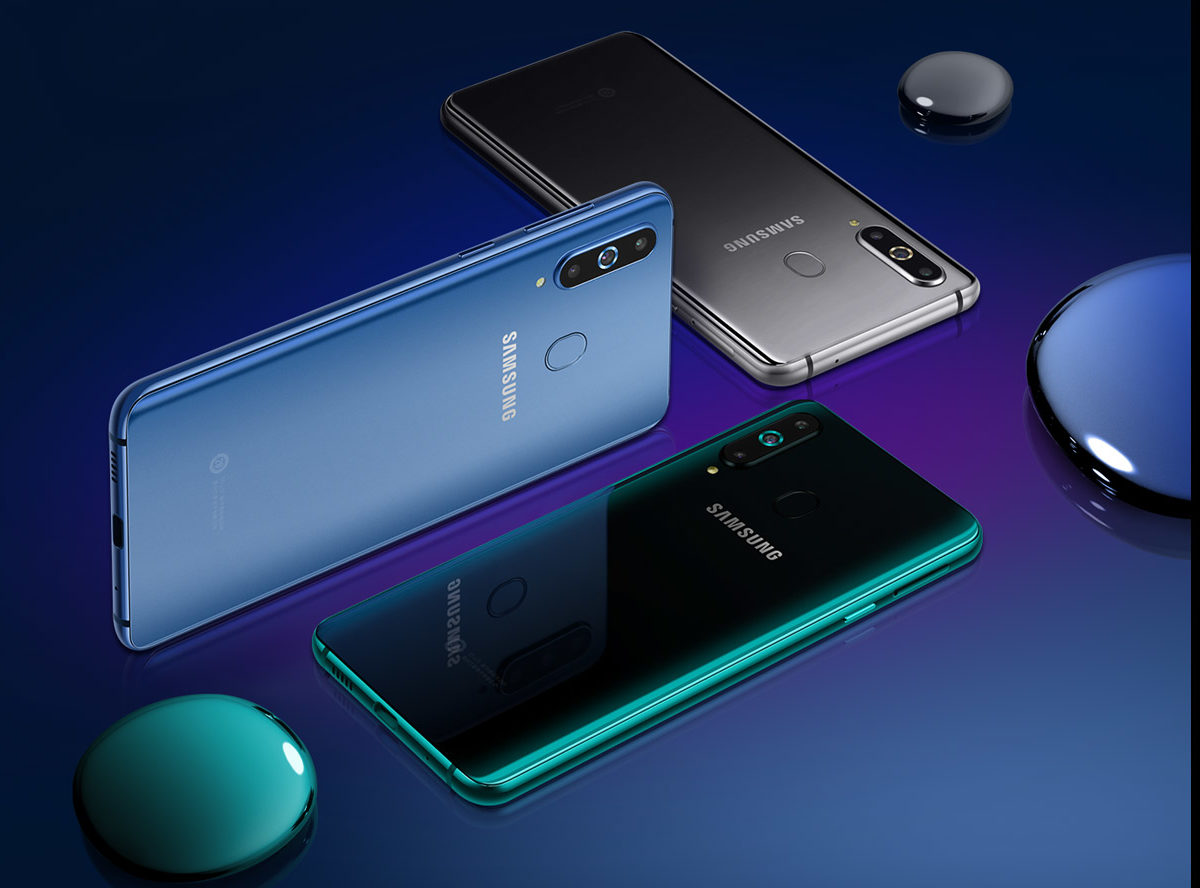
Galaxy A8s all colors

The upcoming Galaxy A90, Galaxy A70 and Galaxy 50 are expected to arrive with in-display fingerprint scanner. However, Samsung will be using optical type of in-screen fingerprint readers on the upcoming Galaxy A phones while the more accurate ultrasonic in-display fingerprint sensor is reserved for the Galaxy S10 and S10 Plus that are scheduled to go official on Feb. 20. The other upcoming phones from the Galaxy A series will have some other attractive features such as triple or dual rear camera or ToF (Time of Flight) cameras.

(source)
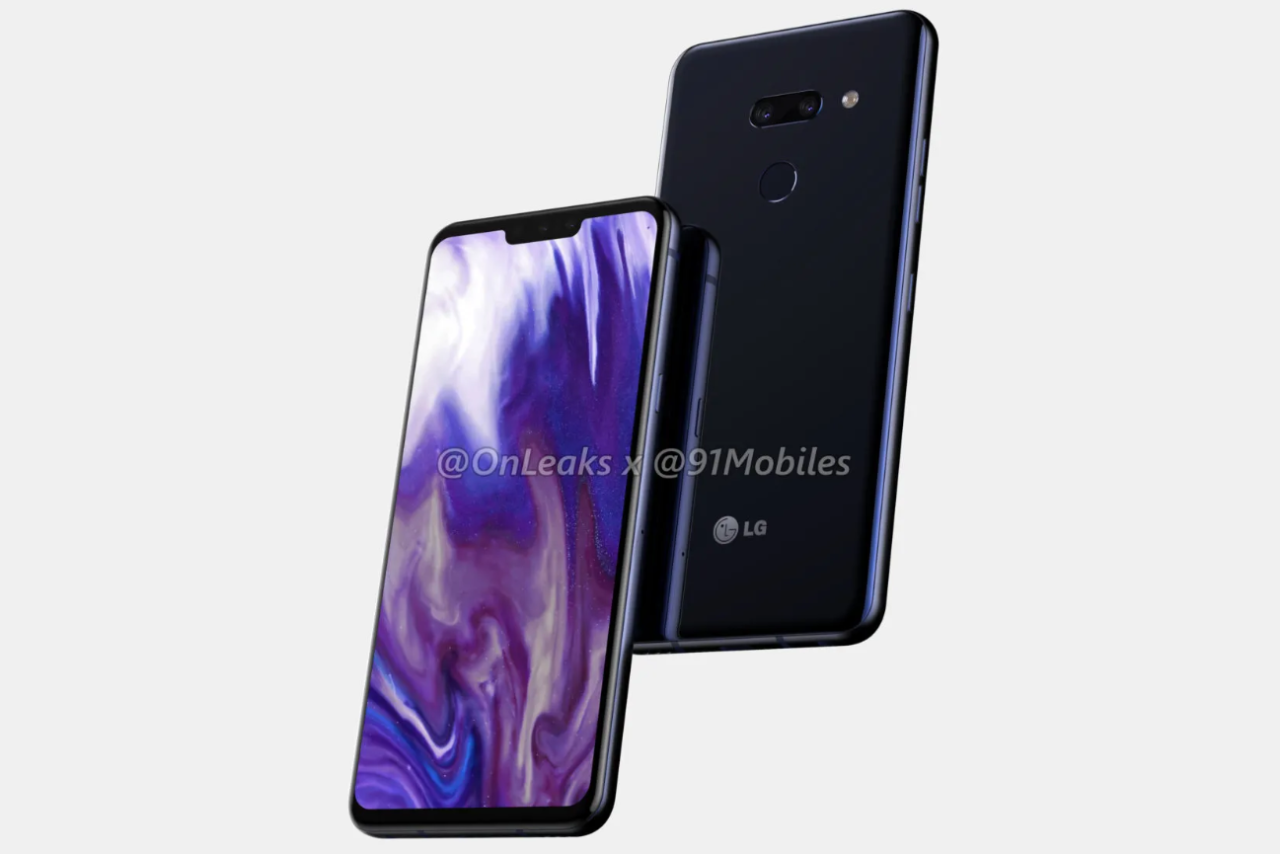
LG G8 ThinQ 360-degree renders leak design and key details [Update]

Update: Through Twitter, Head of Global Corporate Communication for LG, Ken Hong conveyed that the device shown in the new renders isn’t the LG G8 ThinQ renders are correct, but not real. This suggests that the 360-degree renders may belong to a different device and not LG G8 ThinQ.

Original Story:

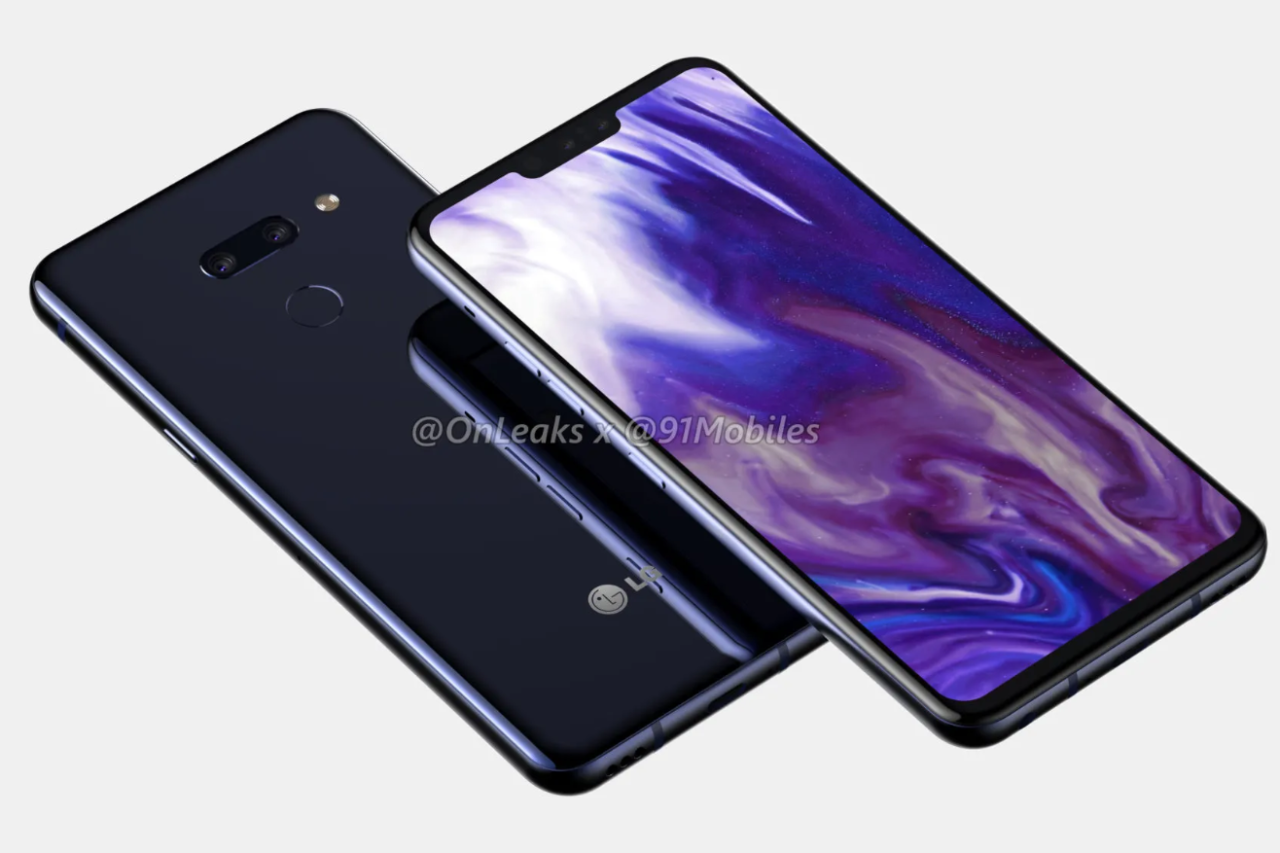
LG is expected to announce the LG G8 ThinQ flagship phone at the Mobile World Congress (MWC) 2019 tech event in the coming month. Popular tipster @OnLeaks and 91mobiles have shared the 360-degree renders of the LG G8 ThinQ smartphone to reveal its design and key details.

LG G8 ThinQ renders reveal that its overall design is not very different from the predecessor LG G7 ThinQ smartphone. The handset sports a metallic frame and a glass rear. Instead of the vertical dual camera setup found on the predecessor model, the G8 ThinQ is equipped with a horizontal dual lens system. The renders suggest that the G8 ThinQ will lack support for Laser Autofocus. The rear shell of the phone is also fitted with a fingerprint reader.

The G8 ThinQ 360-degree renders show that it features a notched display. It seems to be housing dual selfie snappers inside the notch. The handset could be featuring the same 8-megapixel + 5-megapixel dual selfie camera setup that is available on the LG V40 ThinQ smartphone, but there is no confirmation on it yet.

The smartphone is equipped with a loudspeaker grille, a USB-C port and a 3.5mm headphone jack on its bottom edge. The right edge of the phone features a power button and a SIM tray. The volume buttons and a dedicated key to access the Google Assistant is available on the left side of the phone.

Read More: LG V40 ThinQ India launch set on 20th January, will be available exclusively via Amazon

The LG G8 ThinQ measures around 152 x 72 x 8.4mm and it comes with a 6.1-inch display that offers an aspect ratio of 19.5:9. There are no other details available on the specifications of the phone. The handset is likely to be fueled by Snapdragon 855 chipset and 6 GB of RAM. A report from yesterday had claimed that the G8 ThinQ will come with an optional case with an additional display that will provide with a larger screen size of 7 inches. There is no fresh information available on it yet.

(source)

Buy Wireless WiFi IP Camera For Just $35.99 On TomTop

It is no secret that installing surveillance cameras in your home is very important from the security point of view.

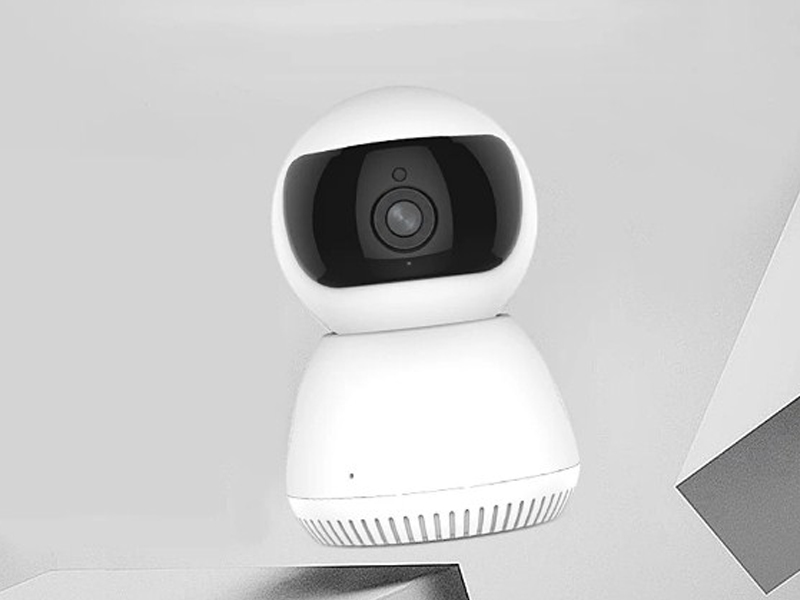
Although the market is brimming with all sorts of cameras that can keep their eyes peeled for anything suspicious, you’d normally end up spending a lot of money on home security systems. If you looking for a cost-effective alternative to ensure the safety of your loved ones, the Wireless WiFi IP Camera might just fill the bill.

Equipped with an AI intelligent movement tracking, this Wireless WiFi IP Camera not only can detect a moving object but can also capture its movement track. It features a hidden infrared lamp to keep a close observation even during the night.

Its night vision mode does not see infrared in a bid to minimize the negative effects light pollution. Aside from its recording ability, the Wireless WiFi IP Camera offers an on-site alarm and abnormal alarm reminder.

You can easily set a no-detection area from the setting section in order to minimize false alarm and reduce detection storage space. Every time the mobile phone gets the alarm message of mobile detection, the Wireless WiFi IP Camera will make a clearly audible alarm sound, striking terror into the suspicious people.

Moreover, it comes with a built-in Wi-Fi antenna that using an 802.11b/n/g transmission protocol in order to expand the connection area and stabilize the connectivity. Other functions include two-way hands-free voice, 360-degree panorama shot, 2 million HD quality, AI intelligent core, a fast image in 3 seconds and 20m night vision.

While you’d normally expect a top branded IP camera offering comparable features to burn a hole in your pocket, the Wireless WiFi IP Camera will set you back only $35.99 on TomTop for a limited period of time. This is a 54 percent drop in the device’s original asking price of $77.83.

You can follow this link to check out more details about this AI camera and grab the aforesaid discount. With only 363 pieces remaining, this promotion sale is slated to end in thirteen days.

Buy BlitzWolf BW-KS1 Bluetooth Party Karaoke Speaker For Just $69.90 On Banggood

With the BW-KS1 party karaoke speaker from BlitzWolf, you can now turn your house into a nightclub without breaking a sweat or the bank.
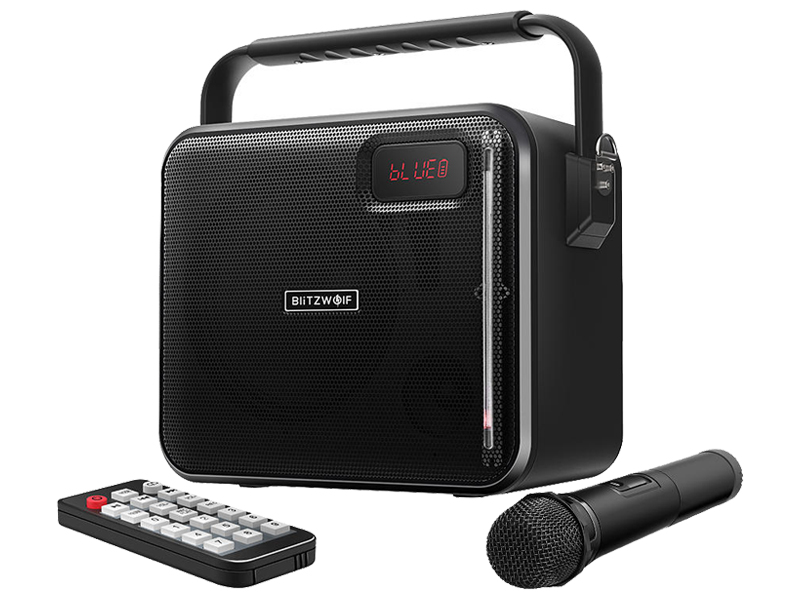
The BlitzWolf BW-KS1 is an all-in-one audio solution. In terms of connectivity, it offers AUX in, FM mode, TF card, and USB flash drive play. Made using high-quality PC, PVC, iron and aluminum alloys material, it is a compact and easy-to-carry party karaoke speaker.

Despite its portable size, the BW-KS1 is capable of delivering hi-fi sound, strong bass and excellent treble for a superior auditory experience. On top of that, it is highly versatile as you can play your favorite music from multiple sources, thanks to its ability to wirelessly connect to a mobile phone and other devices.

Moreover, the BlitzWolf BW-KS1 features a 10M wireless microphone that delivers hi-fi sound quality, making it a great choice for home parties, classroom lessons as well as karaoke. Aside from that, it has a convenient remote that allows you to switch between different modes, change songs and increase or decrease the volume.


If the BlitzWolf BW-KS1 has now grabbed your attention, it might also interest you to know that this feature-laden party karaoke speaker has gone up for pre-order carrying a heavily discounted price tag on Banggood. While it would normally set you back $100.98, you can now buy the BW-KS1 for just $69.90.

Note that the aforesaid 31 percent discount will only be valid for the first 20 pieces. The next 65 pieces will sell for $75.99, while the remaining 100 pieces will retail for $79.99. It is imperative for you to follow this link without wasting time if you are interested in grabbing the big discount.

Note that the BlitzWolf BW-KS1 will go back to its original asking price as soon as the remaining pieces are pre-ordered.

Buy Huawei Matebook 13 Laptop And Huawei Nova 4 4G Phablet At Lowered Prices On GearBest [Coupons Inside]

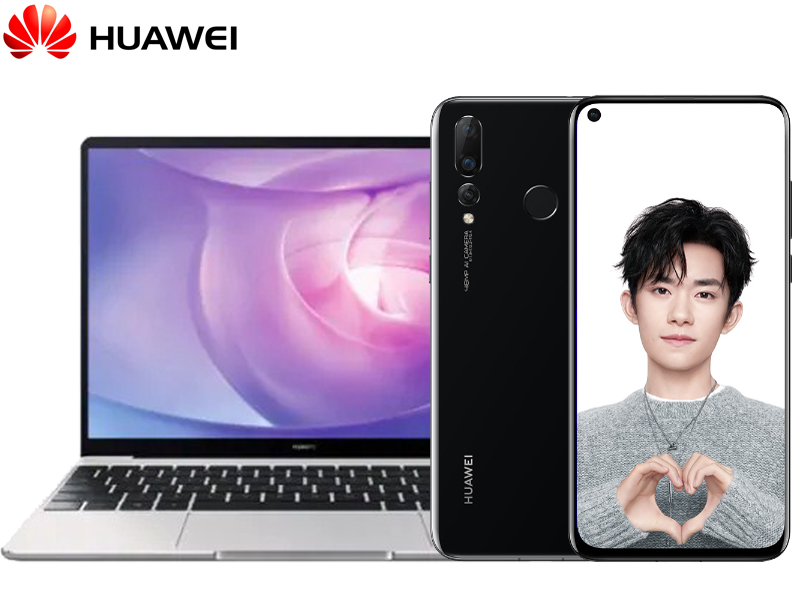
Huawei has joined hands with GearBest in a bid to offer the Matebook 13 laptop and nova 4 phablet at unbeatable prices.
Aside from that, the Shenzhen-based company known for making top-level consumer electronics and a slew of other technology-based services and products is giving its loyal fanbase something more to cheer about. We’ll shed more light on it in just a bit.
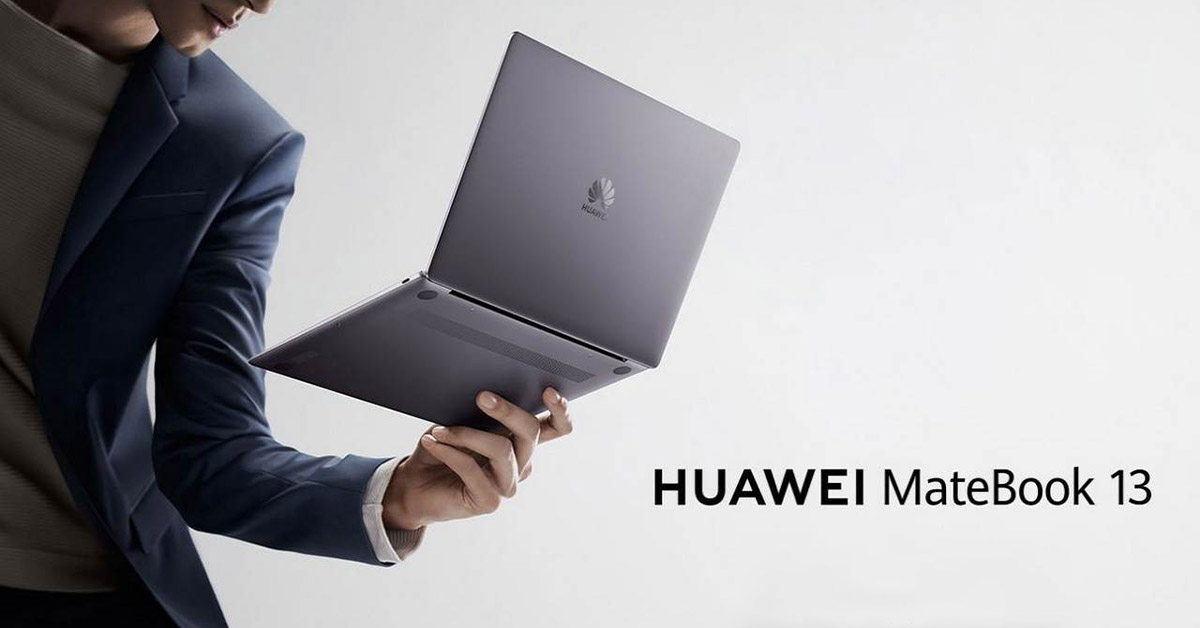

Huawei Matebook 13 Laptop

Designed to be used on a daily basis, the WRT – W19B MateBook sports an eye-catching 13.0 inch IPS screen with a high resolution of 2160 x 1440 pixels that breathes new life into your photos and videos. It is a full-screen laptop that boasts a 2K display screen.

It is powered by an Intel Core i5-8265U Quad-Core 1.6GHz up to 3.9GHz processor and packs an NVIDIA GeForce MX150 GPU, under the hood so that you can experience seamless basic photo editing and casual gaming. Moreover, it ships with 8GB of LPDDR3 RAM and offers 256GB of internal storage capacity.

Furthermore, this Huawei-branded laptop runs Microsoft Windows 10 OS and draws its juices from a built-in 3670mAh battery. On optics front, the Matebook 13 houses a 1.0MP front-mounted camera so that you can start a video chat with friends and family.


A top-branded laptop offering comparable features would normally set you back a pretty penny, but the Matebook 13 laptop has gone up for pre-order bearing a considerably lowered price tag of $1059.99 on GearBest. This is a 12 percent drop in the device’s retail price of $1198.41.

On top of that, you can use coupon code GBNBHWMB13 and get an extra $260 off. In other words, you can use the aforesaid coupon to bring the already lowered selling price of the laptop further down to only $799.99.

You can follow this link to grab this discount, which will be valid only for the silver color version of the Huawei Matebook 13 laptop. It is only worth noting that the pre-sale price will be limited to only 247 pre-orders with the promo slated to end in eight days.


Huawei Nova 4 4G Phablet

As a phablet, the Nova 4 sports an extra large 6.4-inch capacitive display with a screen resolution of 2310 x 1080 pixels. Huawei adopts its off-screen technology in a bid to hide the selfie lens under the full-screen, making the four sides of the screen completely.

The device is powered by Kirin 970 processor and it packs a highly competent Mali-G72 MP12 graphics processing unit to deliver an unmatched viewing experience. Furthermore, it comes with 8GB of RAM and 128GB of onboard storage capacity for you to save your favorite content.
The Nova 4 houses a 48.0MP+16.0MP+2.0MP triple camera setup on the back and a 25.0MP front shooter for self-portraits and video chat. The phablet runs Android 9.0 Pie operating system and draws its juices from a built-in 3750mAh battery.
In order to make the feature-laden Nova 4 available to cost-conscious buyers, Huawei is now doling out a 13 percent discount on the phablet’s original asking price of $735.42. As a result, you can now buy the black and blue color versions of the device at a dropped price of only $639.99.

You can follow this link to check out the full specifications of the Nova 4 phablet and avail the discount before the promo comes to an end.


Nokia X5 Android Pie update in China brings system optimization, camera upgrade and more

Nokia X5 was released in July last year as one of HMD Global’s thousand yuan smartphone with a starting price of 999 yuan (around $147). The device was the company’s second notch screen phone after the Nokia X6. It came preinstalled with Android Oreo but Nokia seems to have started pushing Android Pie OTA update to the model.

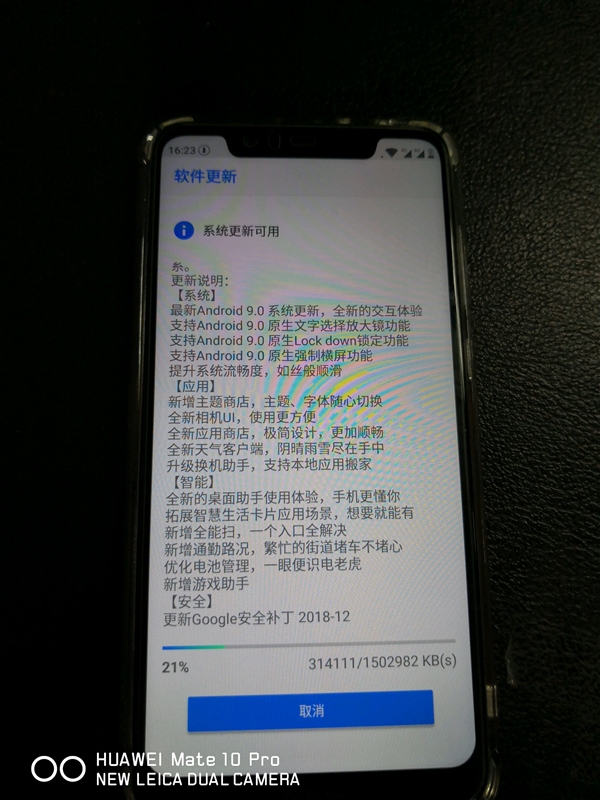
A Nokia X5 user has shared the screenshot of its device which just got Android 9.0 Pie OS update. The screenshot shows the several new features which the update brings. Perhaps, the biggest feature is the adaptation of the new OS to the notch screen design such that the display is optimized to allow the system or installed apps make full use of the entire screen.

Read Also: Hands-on pictures of Nokia X5 (Baltic Sea Blue)

The Nokia X5 Android Pie update also upgrades the camera, app store, weather client, theme store, change assistant and other programs. In addition, the update log shows that Nokia X5 Android 9.0 supports native text selection magnifier function, native Lockdown lock function, native system forced horizontal screen function and improved system smoothness. The update also brings optimized battery management, new game assistant and updated Google security patches (December 2018). We beklieve the update will soon roll out the update to the global version known as Nokia 5.1 Plus.

(source)

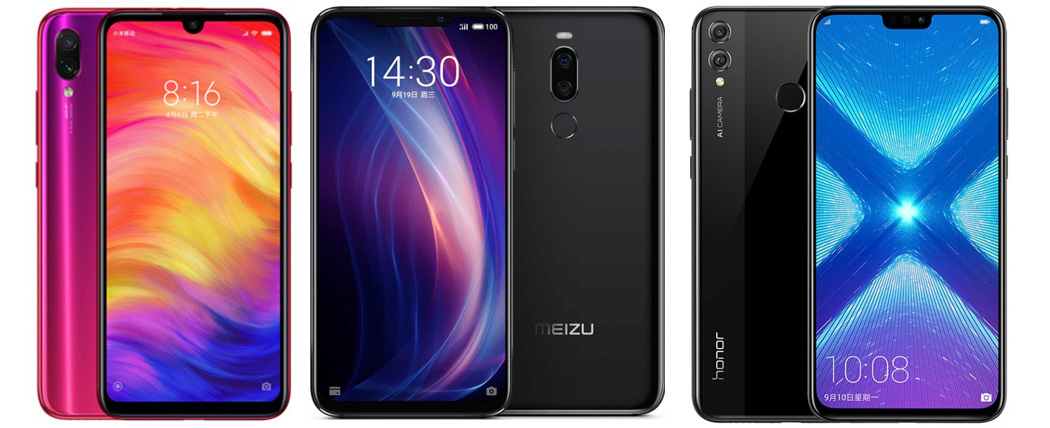
Xiaomi Redmi Note 7 vs Meizu X8 vs Honor 8X: Specs Comparison

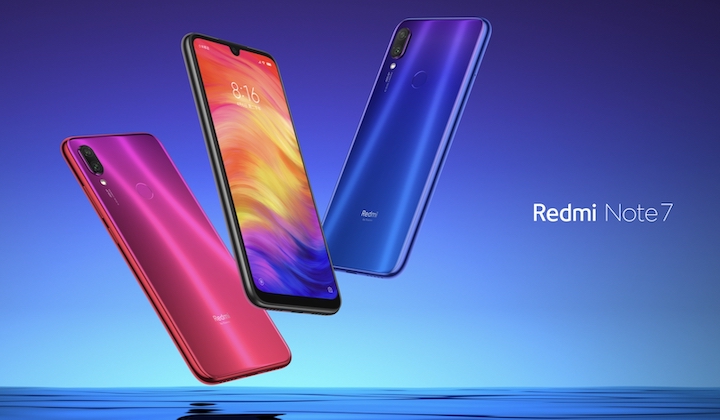
Given the importance of the new potential best-seller Xiaomi Redmi Note 7, we are comparing it with all the best midrange smartphones currently in the market. You can check all the comparisons we published until now by clicking here. Here, it is the turn of Meizu X8 and Honor 8X, two incredible value for money devices that hitten the shelves with an amazing quality-price ratio. The latter is also known as Honor View 10 Lite in the global market for marketing reasons. Go ahead with this comparison and we will help you find out which one should you get if you are looking for a new affordable mid-ranger.


Xiaomi Redmi Note 7 vs Meizu X8 vs Huawei Honor 8X

Xiaomi Redmi Note 7 Meizu X8 Huawei Honor 8X
DIMENSIONS AND WEIGHT 159.2 x 75.2 x 8.1 mm, 186 grams 151.2 x 74.6 x 7.8 mm, 160 grams  160.4 x 76.6t x 7.8 mm, 175 grams
DISPLAY 6.3 inches, 1080 x 2340p (Full HD+), 409 ppi, IPS LCD 6.2 inches, 1080 x 2220p (Full HD+), 398 ppi, 18.5:9 ratio, IPS LCD  6.5 inches, 1080 x 2340 pixels, 396 ppi, 19.5:9 ratio, IPS LCD
PROCESSOR Qualcomm Snapdragon 660, octa-core 2.2 GHz Qualcomm Snapdragon 710, octa-core 2.2 GHz Huawei Hisilicon Kirin 710, octa-core 2.2 GHz
MEMORY 3 GB RAM, 32 GB – 4 GB RAM, 64 GB  – 6 GB RAM, 64 GB – micro SD slot 4 GB RAM, 64 GB – 6 GB RAM, 64 GB – 6 GB RAM, 128 GB  4 GB RAM, 64 GB – 6 GB RAM, 64 GB – 6 GB RAM, 128 GB – micro SD dedicated slot
SOFTWARE Android 9 Pie, MIUI Android 8.0 Oreo, Flyme OS  Android 8.1 Oreo, EMUI 8.2
CONNECTIVITY Wi-Fi 802.11 a/b/g/n/ac, Bluetooth 5.0, GPS Wi-Fi 802.11 b/g/n/ac, Bluetooth 5.0, GPS  Wi-Fi 802.11 a/b/g/n/ac, Bluetooth 4.2, GPS
CAMERA Dual 48 + 5 MP f/1.8 and f/2.4
13 MP front camera
Dual 12 + 5 MP f/1.9
20 MP front camera
Dual 20 + 2 MP f/1.8
16 MP f/2.0 front camera
BATTERY 4000 mAh, fast charging with Quick Charge 4.0 3210 mAh  3750 mAh, Fast Charging
ADDITIONAL FEATURES Hybrid Dual SIM slot Dual SIM slot  Dual SIM slot

Design

If you are looking for the most innovative design and also the best build quality, then you should go for the Xiaomi Redmi Note 7. It has an amazing glass back available in gradient color variants, a small waterdrop notch, and very narrow bezels, even though Meizu X8 has slightly thinner bezels despite its bigger notch. Further, it is water and dust resistant, even though it does not have an IP rating, and its glass is very strong thanks to the Gorilla Glass 5 protection. Honor 8X comes right after with its stunning glass back, despite its way bigger dimensions, and its high screen-to-body ratio. Meizu X8 is just more compact and lightweight, but not that beautiful.


Display

With each of these devices, you will get an average IPS display just like most of the panels mounted on midrange handsets. So we suggest you focus on the size. If you are looking for a productivity and multimedia device, then choose the Huawei Honor 8X because it has one of the biggest displays you can find on a phone with a diagonal of 6.5 inches. But if you want a more compact device that you can easily use even with one hand, then Meizu X8 is better for your needs. Xiaomi Redmi Note 7 goes in the middle, its display is wide but not excessively.


Specs & Software

When it comes to the hardware side, we start noticing more evident differences. Indeed, Meizu X8 is undoubtedly a more powerful and a faster handset thanks to its higher-end SoC. We are talking about Qualcomm’s Snapdragon 710, the best midrange chipset from the San Diego-based company. And you can even get up to 128 GB of internal storage. The Snapdragon 660 found on the Redmi Note 7 by Xiaomi is slightly better than the Kirin 710 on the Honor 8X, but unlike the Honor 8X it does not have a 128 GB version and it comes with max 64 GB of internal storage. Further, Honor 8X comes with a dedicated micro SD slot.


Camera

Xiaomi Redmi Note 7 has the most impressive rear cameras thanks to the 48 MP sensor by Xiaomi which combines 4 pixels to get an awesome level of detail and good performance in low light conditions. Meizu X8 and Honor 8X are not very distant in terms of camera quality, but I personally prefer the Honor 8X.


Battery

The biggest battery is the one of the Xiaomi Redmi Note 7 that is able to last more than Honor 8X thanks to its bigger capacity and a great software optimization. The second place goes to Honor 8X with its 3750 mAh unit, but unlike the Redmi Note 7 it does not feature a fast charging technology. Meizu X8 has just an average battery life due to its smaller 3210 mAh battery.


Price

Due to its better camera, bigger battery and amazing build quality, I would pick the Xiaomi Redmi Note 7. It even costs less than its rivals: just $147/€129 in China for the base variant, while Meizu X8 costs about $227/€200 and Honor 8X is available in the global market with a starting price of about €270/€307.


Xiaomi Redmi Note 7 vs Meizu X8 vs Huawei Honor 8X: PROs and CONS

Xiaomi Redmi Note 7

PROs

  • Great design
  • Affordable price
  • Better camera
  • Bigger battery

CONS

  • Nothing particular


Meizu X8

PROs

  • Powerful hardware
  • High screen-to-body ratio
  • Affordable price
  • More compact design

CONS

  • Smaller battery


Huawei Honor 8X

PROs

  • Great aesthetics
  • Big display
  • Big battery
  • micro SD dedicated slot

CONS

  • Worse processor


Reservations for Redmi Note 7 second flash sale surpass 400,000

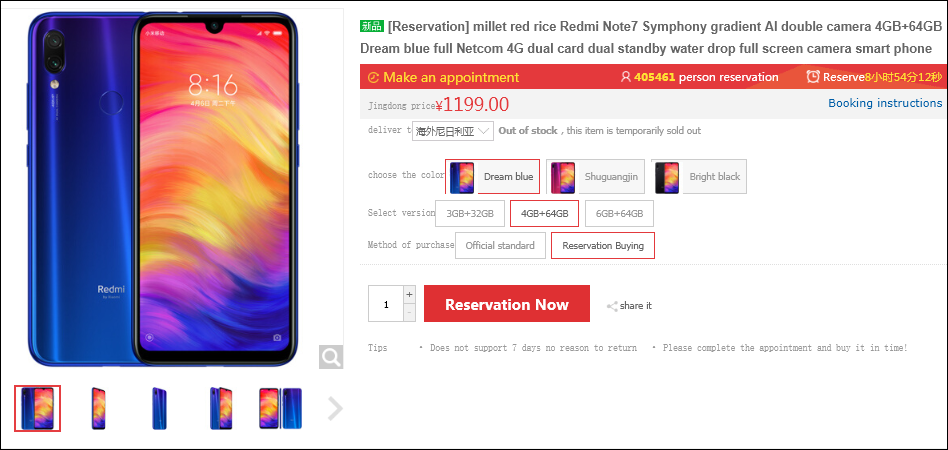
Xiaomi launched the Redmi Note 7 smartphone recently and it was put on sale for the first time on January 15. Records show that the device was sold out in just about 8 minuteswith all 100,000 units exhausted in that short space. The flagship-killer Redmi Note 7 will go on sale again on January 18 and reservations for the sale is ongoing. The reservation page on Jingdong (JD.com) shows that over 400,000 persons have indicated interests to grab the device when it goes on sale.redmi note 7

Unfortunately, we doubt if the available stock will be enough to cater for all those who made reservations. It’s unlikely that all of those who made reservations will show up for the flash sale, though. Xiaomi had earlier hinted that it will make available up to 1 million units of the Redmi Note 7 to buyers this January. That amount may be getting exhausted already if we are to piece together all the units sold on Mi.com, Jingdong, and other online stores in China during the first sale and this upcoming flash sale. Xiaomi is yet to announce when the device will be coming to India and other regions of the world.

As a reminder, the Redmi Note 7 features a 6.3-inch Full HD+ display with 2340 x 1080 pixels screen resolution and 19.5:9 aspect ratio. The display carries support for 450-nits brightness, 1,500:1 contrast ratio, sun legibility, and eye protection mode. Under the hood, the device is powered by Qualcomm Snapdragon 660 octa-core chipset with 3GB/4GB/6GB RAM and 32GB/64GB internal storage. It also comes with a dedicated microSD card slot allowing users to expand the storage capacity. Perhaps, the most outstanding feature on the device is the f/1.8 aperture 48-megapixel primary sensor and a 5-megapixel secondary camera with artificial intelligence technology at the rear. On the front side, there’s a 13-megapixel camera housed in the display notch.Redmi Note 7-featured

Read Also: Redmi Note 7 Teardown video: Here’s what you can find inside the flagship killer

Further, the phone is also equipped with features like AI Smart Beauty and AI face unlock. The Redmi Note 7 is equipped with a 3.5mm audio jack and features an infrared blaster which makes it possible to use it as a remote control. A fingerprint scanner resides of the backside of the smartphone. It runs Android 9 Pie-based MIUI 10 out-of-the-box and is fired up by a 4,000mAh battery with support for Quick Charge 4.0 fast charging technology. With an 18W fast charger, the phone can be fully charged in just 1 hour and 43 minutes. The price tag makes it all look crazy – starts at 999 yuan! This best we have seen in this price category so far. It is available in Dream Blue, Twilight Gold and Bright Black colours.

(source)

Amazon launches Echo Input in India, perfect companion for the Mi Soundbar

Xiaomi‘s Mi Soundbar was announced in India last week and early reviews have praised its balance of price and audio quality. Now Amazon has announced its Alexa-powered Echo Input is now available in India and we think it is a smart addition for anyone planning to get the Mi Soundbar.

Echo Input

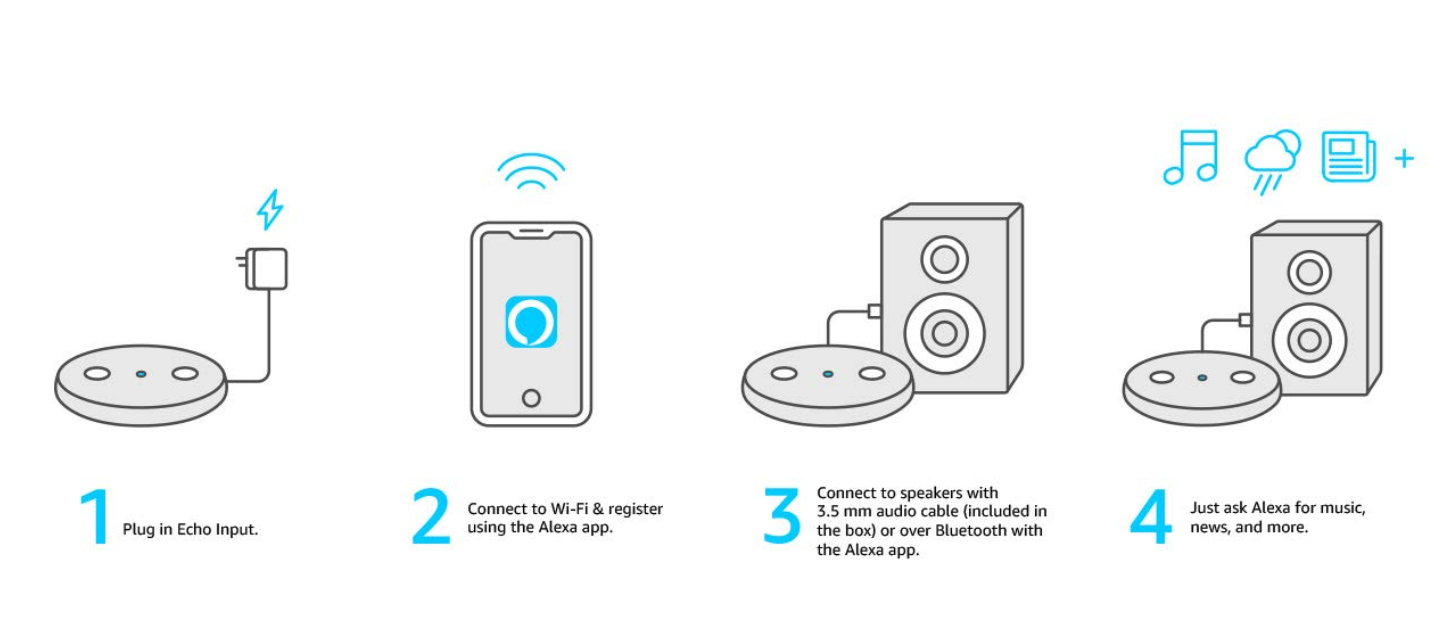
The Echo Input is a device that turns any speaker or sound system into a smart one powered by Alexa. It was announced last year and is already available for purchase in countries like the US. Now, Amazon has announced its availability in India.

All you have to do is connect the Echo Input to your speaker either via Bluetooth or AUX and you can ask it questions about the weather or your schedule, ask it to play music, or even use it to control Alexa-supported smart devices.

The Mi Soundbar has an AUX port and also has Bluetooth, so you can connect it to the Echo Input in any way you prefer. The Echo Input has four far-field microphones, a mute button, an action button, an LED, a 3.5mm audio port and a Micro-USB port for power.

Echo Input setup

Amazon is selling the Echo Input for INR 2,999 (~$42). That is more than half the price of the Mi Soundbar which sells for INR 4,999 (~$70). However, you will be hard-pressed to find a smart soundbar for under $100.

The Echo Input currently sells for half the price in the US now. Its original price is $34.99 but it is available for $19.99. It also comes in white and black variants. Sadly, only the black variant is available on Amazon India.

READ MORE: Lenovo Smart Tab tablet with Smart Dock and Amazon Alexa unveiled at CES 2019

If Alexa isn’t your thing, you may want to begin praying Google announces something similar that is powered by the Google Assistant. The tech giant announced it will stop manufacturing the Chromecast Audio, so it might be working on something similar to the Echo Input.

(Source, Via)

Top Ten Semiconductors in the world has Samsung on top, Qualcomm in sixth

According to Jimmy Goodrich, vice president of global policy at the Semiconductor Industry Associationa trade group based in Washington DC, “Semiconductors are arguably humanity’s greatest achievement to date. They’re still central to everything that’s modern or electronic, whether you’re driving a car, or surfing the internet, or using a supercomputer-everything is ultimately based on a semiconductor and lots of them.” If you think this assertion isn’t correct, ask Chinese firm ZTE which almost went bankrupt when the US government imposed a ban which prevented the company from using US technology. Even though the biggest challenge was the use of Google’s Android OS, the company would have lost out entirely because a flagship phone without Qualcomm’s latest chipset isn’t really one.Qualcomm

The semiconductor industry continues to post some gains as the market experiences boom. Preliminary results released by Gartner show that worldwide semiconductor revenues totalled US$476.7 billion in 2018 which is 13.4% higher than the revenue in 2017. The Memory chips solidified its ranking as the largest semiconductor category as it reportedly accounted for 34.8% of total semiconductor revenues, an increase of 31% from 2017’s revenue.

In terms of ranking, Samsung maintained its lead of the market and even increased the gap solidifying its position as the No. 1 vendor. Samsung’s impressive revenue is tied to the DRAM market, an analyst at Garner disclosed. He went on to state that despite building on the growth established in 2017, Samsung’s overall gains due to its memory chips accounted for half the 2017 growth rate.

Read Also: Samsung announces record profit for Q3 2018 despite a decline in smartphone sales YoY

Gartner’s report also reveals that the top-4 vendors in 2017 retained their ranking in 2018. This means Intel still remains the second largest semiconductor manufacturer. Intel’s semiconductor revenue is said to have grown by 12.2% compared with 2017, driven by a combination of unit and average selling price (ASP) growth. At the third position is SK Hynix, while Micron Technology is in the fourth position. Qualcomm moved from the fifth largest chipmaker in 2017 to the sixth position in 2018 while Broadcom moved a step up. The rest of the top 10 comprises Texas Instruments, Toshiba, Western Digital and NXP. However, Gartner projects the current rankings may see significant change this year due to expectations that memory market conditions will weaken in 2019 in the face of rising US/China tensions.

(source)

Huawei MRD-AL00 appears on TENAA, sports single rear camera

Huawei seems to have a new entry-level smartphone on the way. The phone which has the model number MRD-AL00 was spotted on TENAA’s website. However, there are no specs yet.

The Huawei MRD-AL00 is a pretty entry-level device going by its design and if we had to take a guess, we would say this is another Android Go phone. It has an 18:9 display with a single camera positioned in the middle of the top bezel while the chin is home to the manufacturer’s name.

[envira-gallery id=”232826″]

On the back, the Huawei MRD-AL00 also has a single rear camera. The sensor is positioned on the left of the phone and has an LED flash below it. There is also Huawei’s branding at the bottom. The phone has its volume and power buttons on the right and a 3.5mm audio jack at the top.

READ MORE: DxOMark is currently testing the Huawei Mate 20 Pro; expect a crazy score soon!

Helio P22-powered Lenovo L38083 seen on Geekbench running Android Pie might be Lenovo K6

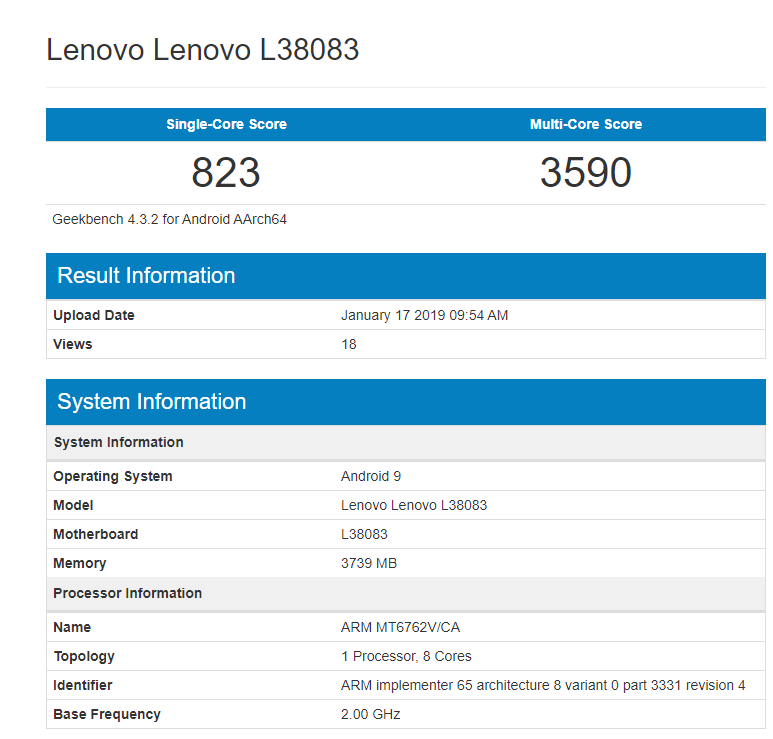
A new mid-range Lenovo phone has been spotted on Geekbench. The phone was benchmarked earlier today as the “Lenovo Lenovo L38083” and it runs the latest version of Android.

Lenovo L38083 Geekbench

The Lenovo L38083 runs Android 9 Pie and packs 4GB of RAM. It is powered by MediaTek’s MT6762V processor which is also known as the Helio P22. The 12nm octa-core processor is clocked at 2.0GHz and comes with a PowerVR GPU. It is the same processor that powers Xiaomi’s Redmi 6.

READ MORE: Lenovo Smart Tab P10/M10 also has a Baidu DuerOS version

Xiaomi Mi Mix 3 survives JerryRigEverything’s durability tests in an impressive way

Xiaomi redesigned its full-screen Mi Mix 3 flagship, utilising a sliding design that ensures the bezels around the display are at the barest minimum. Although the slider technology at play has been shown to be different from the ones on slider phones of yore, there are still concerns about its durability. Our posts on a slider test video from China still receives engagements from curious fans who want to get some assurance before breaking the bank to get the device. Well, if you need some convincing about the durability of the Mi Mix 3, Zack Nelson of JerryRigEverything has come to the rescue.Mi Mix 3

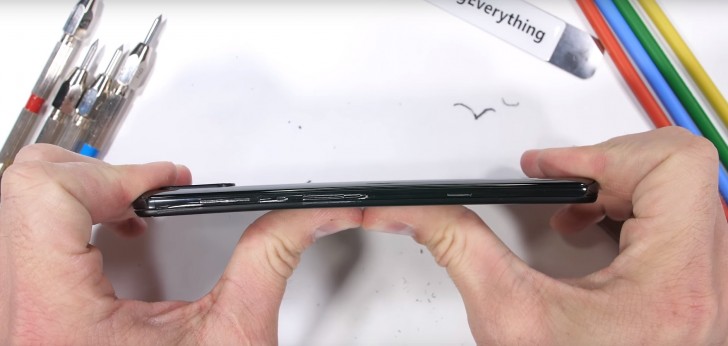
The YouTube recently posted a video of the Mix 3 undergoing the extreme torture tests that he has gained notoriety for carrying out. Thankfully, the Mix 3 seems to hold its own well in the scratch, bend, and burn tests that were carried out. Of particular interest is the resistance of the glass to scratch. The ceramic back is also pretty resistant to scratch compared to metal or glass panels. Even the earpiece is sown to be made of metal and so won’t get damaged easily when scratched with sharp metal.

Read Also: Xiaomi Mi Mix 2S Teardown: Here’s What You Can Find Inside Its Sexy Ceramic Body

The only snag about the slider isn’t related to its performance or sturdiness but the small gap between the two parts which could allow specks of dirt and sand get in easily. Talking about the bend test, the Mi Mix 3 survives in style. Even though it bends a little but it doesn’t snap like other slider phones such as the OPPO Find X. This could be as a result of the tough ceramic body it packs.

(source)

Samsung Galaxy S10 series In-display fingerprint scanner won’t work with a screen protector

Samsung‘s upcoming Galaxy S10 series will be its first phones to come with an in-display fingerprint scanner. While it sure is exciting news, a new report says you might have to sacrifice protection if you want to use the feature.

According to Armadillotek, a US-based phone accessory maker, the in-display fingerprint scanners of the Galaxy S10 phones do not work with a screen protector.

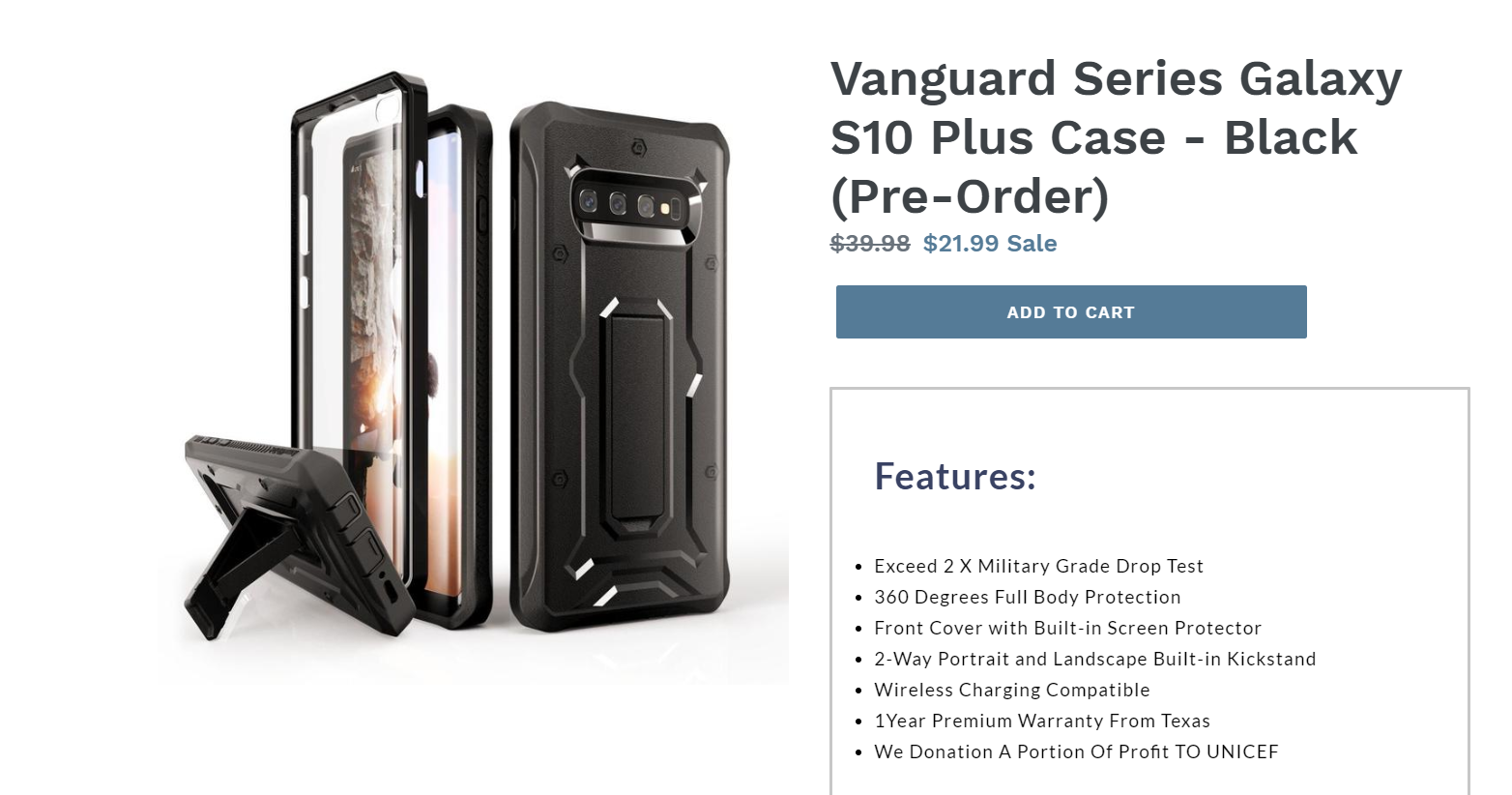
Armadillotek has a rugged case called the Vanguard series which comes with a built-in screen protector. However, based on the new development, they have announced the case will not come with a built-in screen protector even though the listing on their site says so.

Armadillotek Galaxy S10 Plus Vanguard Series Case

We believe Samsung is aware of this already and might come up with its own screen protector that doesn’t prevent the in-display fingerprint scanner from working. However, bear in mind that this is just speculation and you may have to use the phone without a screen protector if you want to use the fingerprint sensor.

READ MORE: Samsung Galaxy A50 launch inches near as it receives WFA approval

OPPO R19 and Vivo X25 tipped to feature pop-up cameras, notch-less displays

OPPO’s R series and Vivo’s X lineup have been consistently providing higher screen space with each generation. A fresh leak has revealed that the upcoming OPPO R smartphone and the next Vivo X phone will be equipped with pop-up camera. This will allow these companies to provide more screen space on their upcoming smartphones.

OPPO R19 and Vivo X25 leak

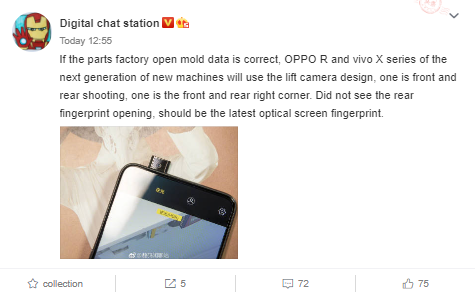
Based on the information gathered from an accessory factory, a leakster from China has claimed that the upcoming OPPO R series which could be the OPPO R19 and R19 Pro will be featuring a pop-up camera towards the center on the top-edge. Its rear camera is also expected to be present at the center on the back panel. The placement of the rear camera seems to match with the case images of the R19 that had surfaced in the previous month.

Oppo R19 case

He added that the next generation Vivo X phone which could be the Vivo X25 smartphone will be featuring a pop-up camera system at the top-right corner. Its rear camera will be also placed on the back panel.

The incorporation of pop-up camera mechanism on the OPPO Find X and the lift-up camera setup on the Vivo NEX have allowed them to sport notch-less screens. Now that the OPPO R19 and Vivo X25 are speculated to come with pop-up cameras, these phones could be featuring notch-less displays to provide users with nearly 95-percent screen-to-body ratio. Rumors have it that the R19 could be fueled by Helio P80 SoC. These phones may go official by the end of the first quarter of the year. Hence, more details on these devices are expected to surface in the coming weeks.

(source)

Photo shows the Galaxy S10 Plus in public with pill-shaped Infinity-O display

The launch of the Samsung Galaxy S10 series is a little more than a month away. As the day gets closer, we expect more leaks to keep pouring in. Today’s leak is a live photo of the Galaxy S10 Plus which was spotted in public.

Galaxy S10 Plus

The image is reported to have been shared by a Samsung employee but has now been taken down. Thankfully, someone managed to save it before the original post was deleted.

The picture isn’t high-res thanks to the zoom level before the photo was taken but we can still make out a key feature of the phone – its dual front-facing cameras.

The Galaxy S10 Plus will come with an Infinity-O display (or Infinity-Pill since it is shaped like a pill) that will house two front-facing cameras. The hole in the display is positioned at the top right corner on the same line the notification icons are. Judging from the image, the hole doesn’t seem intrusive but it clearly can’t be ignored if you are watching a video in full-screen.

READ MORE: Samsung Galaxy S10 5G variant and foldable Galaxy Flex to arrive with monstrous battery sizes

Vivo V11 Pro successor to reportedly launch in India next month

Vivo is reportedly gearing up to launch a new smartphone — the successor of the Vivo V11 Pro — in the Indian market by the end of February. The report also cites industry sources suggesting that the phone will come with three to four industry-first features, however, it’s not yet what those features will be.

The report also indicates that the upcoming smartphone from Vivo will be priced between Rs. 20,000 ($281) and Rs. 30,000 ($422) but there’s a high possibility that the phone will be priced a bit higher than the Vivo V11 Pro which was launched for Rs. 25,990 ($365).

Given that the Vivo V11 Pro was available for purchase in the Indian market through both online as well as offline channels, it’s safe to assume that the upcoming device will also be sold in a similar fashion. To recall, the V11 Pro made its way to the Indian market about four months ago.

Vivo V11 Pro

To remind you of the phone’s specifications, the Vivo V11 Pro features a 6.41-inch Full HD+ Super AMOLED display with waterdrop notch on top and minimal bezels surrounding the screen which the company calls “Halo FullView” display. It offers 2340 x 1080 pixels screen resolution, 402ppi pixel density, 19.5:9 aspect ratio and about 91.27 percent screen-to-body ratio.

Under the hood, the device is powered by the capable Qualcomm Snapdragon 660 AIE octa-core processor clocked at 2.2GHz, along with Adreno 512 graphics processor. It packs 6GB RAM and comes with 64GB of internal storage in India compared to the 128GB onboard storage in the Vivo V11.

The phone also has a dedicated microSD card slot, so that you can expand the storage up to 256GB. Coming to the front-facing snapper, the smaller notch on top of the display houses a 24-megapixel camera sensor with f/2.0 aperture, HDR support, and AI Selfie Lighting. The front camera also comes with Infrared Face Access, enabling you to unlock the device with facial recognition even in low-light conditions.

The handset comes with a dual-camera module on the top-left corner with sensors placed vertically. It features a 12-megapixel primary camera sensor and a 5-megapixel secondary lens with dual-pixel technology. It also comes with artificial intelligence based scene recognition, AI Backlight HDR, and AI assistant for portrait shots.

It features an in-display fingerprint sensor, a first for the Vivo’s V-series. The company has used the fourth-generation fingerprint sensor, which is claimed to be 50 percent faster than previous generations. The phone is running on Android 8.1 Oreo operating system with the company’s highly customized FunTouch OS 4.5.


Read More: Vivo Y91 with waterdrop notch display, MediaTek Helio P22 chipset and dual rear cameras launched in India


It also has Game Mode 4.0 that provides an immersive gaming experience. The device supports the standard set of connectivity options, which includes Dual SIM, 4G VoLTE, Wi-Fi b/g/n/ac dual-band, Bluetooth 5.0, GPS with A-GPS / GLONASS, and a micro USB port. The phone is fuelled by a 3,400mAh battery which comes with Dual Engine Fast Charging and 9-layer of protection.

(Source)

Huawei CEO says the company will fight any request for data from Beijing, heaps praise on Trump

Huawei seems to have changed strategy in its bid to whittle down rising mistrust over the integrity of the company’s security in the face of the control Beijing is perceived to wield over Chinese companies. Before now, the company has always insisted that it poses no risk to users’ data but Richard Yu, Huawei CEO of its consumer division, gained notoriety for his public outbursts about the US government treatment of the company. It may not be a coincidence that we hardly hear from Mr Yu and the company’s latest statement wasn’t from him but from Huawei’s highest executive who doesn’t seem to share the same exact same sentiment.

Huawei’s founder and CEO, Ren Zhengfei, granted a rare interview to the international media, aided by a translator, where he defended his company’s independence from Beijing’s control. However, quite surprising in Mr Ren’s praise of US President Trump, considering the frosty relationship China has had with the US government since Mr Trump assumed office, of which Huawei got caught in the middle. The Huawei CEO labelled Trump a “great president” according to the what his translator conveyed. He also extolled Trump’s bold moves that would be conducive for the development of industries in the US.

We doubt if Mr Trump thinks the same of the Huawei exec as Huawei came under suspicion as a result of Zhengfei’s history as a former soldier and a current member of the Communist Party. He’s adamant, though, that his political leaning has nothing to do with the way the company runs its business. The CEO assured that Huawei will always side with its customers when it comes to cybersecurity and privacy. He equally disclosed  that there is currently no Chinese law that requires adding backdoors to software or hardware and neither has Huawei or himself received any request to provide customer data.

He did not rule out the possibility of the Chinese government making such obnoxious request someday since there are laws that require companies to cooperate and comply with such requests. However, Zhengfei disclosed that he is prepared to fight against any such request to hand over user data, should that day come. In Communist China, we don’t see Huawei winning such fight but chances of the Chinese government making such open request that will hurt the country’s investments overseas are very low.

Read Also: China once again insists allegations against Huawei are “fabrications”

Huawei has seen its efforts in developing 5G infrastructure scuttled in some countries like the US, Japan , New Zealand and Australia. As such, Zhengfei admits the year will be a tough one for his company. Nonetheless, he expressed confidence that Huawei’s fate would be similar to ZTE which nearly went under after major sanctions from the US.

(source)

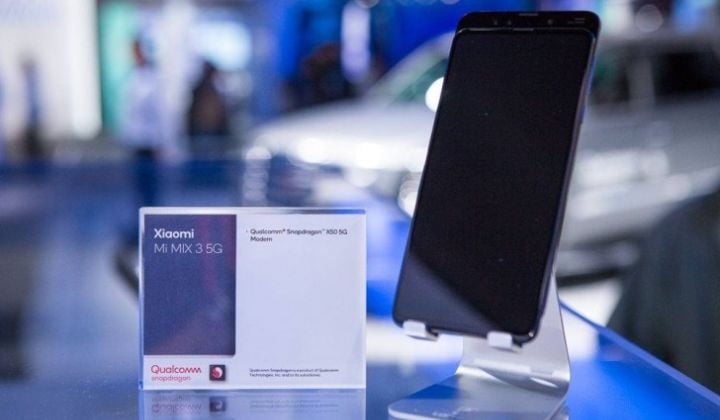
Redmi Go, Xiaomi Mi MIX 3 5G or Redmi Note 7 Pro seems to have received CMIIT approval

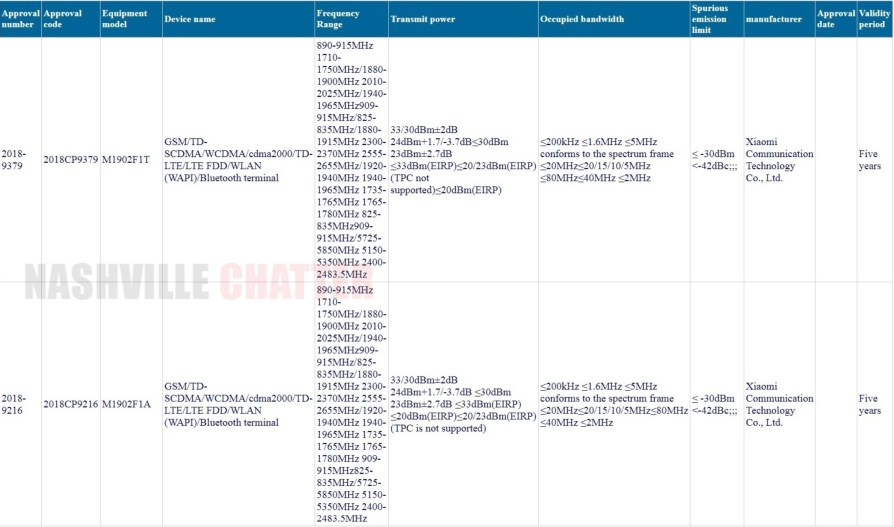
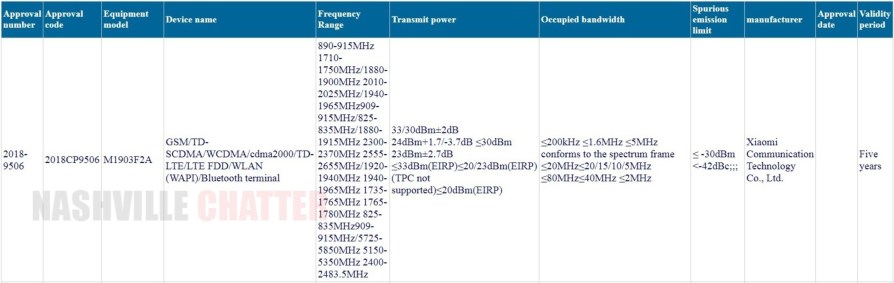
Within the next two months, Xiaomi will be launching the Mi MIX 3 5G flagship phone and Redmi Note 7 Pro phones in China. Another rumored phone from the company is Redmi Go Android Go smartphone. Previous reports haven’t revealed any details on Redmi Go phone. Today, the Ministry of Industry and Information Technology of China (CMIIT) has approved three Xiaomi models such as M1903F2A, M1092F1A and M1092F1T. It is speculated that these could be Redmi Go and Xiaomi Mi MIX 3 5G or Redmi Note 7 Pro.

The M190F1A and M1902F1T are variants of a single phone which could either be the Redmi Note 7 Pro or Mi MIX 3 5G or any other upcoming Xiaomi phone. The M1903F2A could be the Redmi Go smartphone because a similar model number of M1903CGCX was certified by IMDA authority of Singapore in December last year.

Xiaomi-M1902F1T-M1902F1A Xiaomi-M19032FA

The above speculations are just calculated guess based on the rumored phones that Xiaomi may debut in the near future. The M1902XXX models could end up as Xiaomi Mi 9 models. Hence, it is advisable to digest the report with a grain of salt and wait for newer reports to confirm on the identities of M1903F2A, M1902F1A and M1902F1T.

The Redmi Note 7 that was unveiled in the previous week featured a waterdrop notch, Snapdragon 660 chipset, 48-megapixel Samsung ISOCELL GM1 + 5-megapixel dual camera and 4,000mAh battery. Redmi has already confirmed that the Redmi Note 7 Pro will be swapping the Samsung GM1 sensor with 48-megapixel Sony IMX586 sensor. Rumors are rife that the Redmi Note 7 Pro would be fueled by the more powerful Snapdragon 675 chipset.

Xiaomi Mi MIX 3 5G featured

Xiaomi will be holding a media event on Feb. 24, just a day ahead of Mobile World Congress (MWC) 2019. Rumors are rife that the Snapdragon 855 chipset powered Mi MIX 3 5G phone will be officially announced at the Feb. 24 press event.

(via)

Google Pixel 3 Lite review video leaks well ahead of Q2 launch

Recent rumors have revealed that Google Pixel 3 Lite and Pixel 3 XL Lite are the two upcoming phones from the company. Multiple leaks have revealed the specifications, features and images of the Lite version of the Pixel 3 duo. Yesterday, Russian tech blogger Andro News shared a review video of the phone on YouTube to reveal what to expect from it.

Google Pixel 3 Lite Design

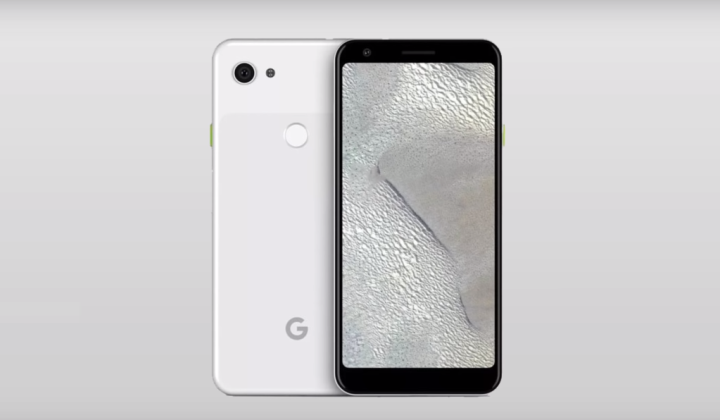
The Pixel 3 Lite is a cheaper edition of the Pixel 3. Even though the Pixel 3 Lite resembles the Pixel 3, the Lite variant comes with a polycarbonate instead of metal and glass and it is packed with weaker specs.

Google Pixel 3, 3 XL, Pixel 2 and 2 XL do not feature 3.5mm audio jack. The Pixel 3 Xl Lite hands-on video reveals that it features a 3.5mm audio jack and a microphone. There is a bright colored power button along with a volume rocker on the right edge. The SIM card slot is available on the left edge.

The rear panel of the Pixel 3 Lite sports a two-tone design. A fingerprint scanner and a single camera which lacks autofocus sensor are present on the rear shell of the device. The Pixel 3 has dual selfie snappers, but the Lite has only single camera on the front. There is a single speaker and a USB-C port on the bottom edge of the device. The Pixel 3 Lite has a compact appeal which makes it easier to operate with single hand.

Google PIxel 3 Lite hands-on video

Google Pixel 3 Lite Specifications

The Pixel 3 Lite (codenamed as Sargo) will be equipped with a 5.56-inch display that supports 18:9 aspect ratio and full HD+ resolution of 2160 x 1080 pixels along with a pixel density of 434 ppi. The Android 9.0 Pie OS will come preinstalled on the smartphone.

The Snapdragon 670 SoC with 4 GB of RAM will be driving the Pixel 3 Lite. It has an inbuilt storage of 32 GB. The internal storage of the device is small, but Google will be providing unlimited cloud storage for the buyers of Pixel 3 Lite.

For photography, it features OIS enabled single camera of 12.2-megapixel with f/1.8 aperture. As far as image quality is concerned, the source claims that the Pixel 3 Lite can shoot same quality images as the Pixel 3. At the front is a selfie camera of 8-megapixel. It is packed with a 2,915mAh battery.

Google is also expected to debut the bigger Pixel 3 XL Lite along with the Pixel 3 Lite. However, the source did not share any information on the XL Lite variant. As far as the launch of the Pixel 3 Lite is concerned, Google may hold a launch it after the Google I/O 2019 event which is usually held in May.

(source)