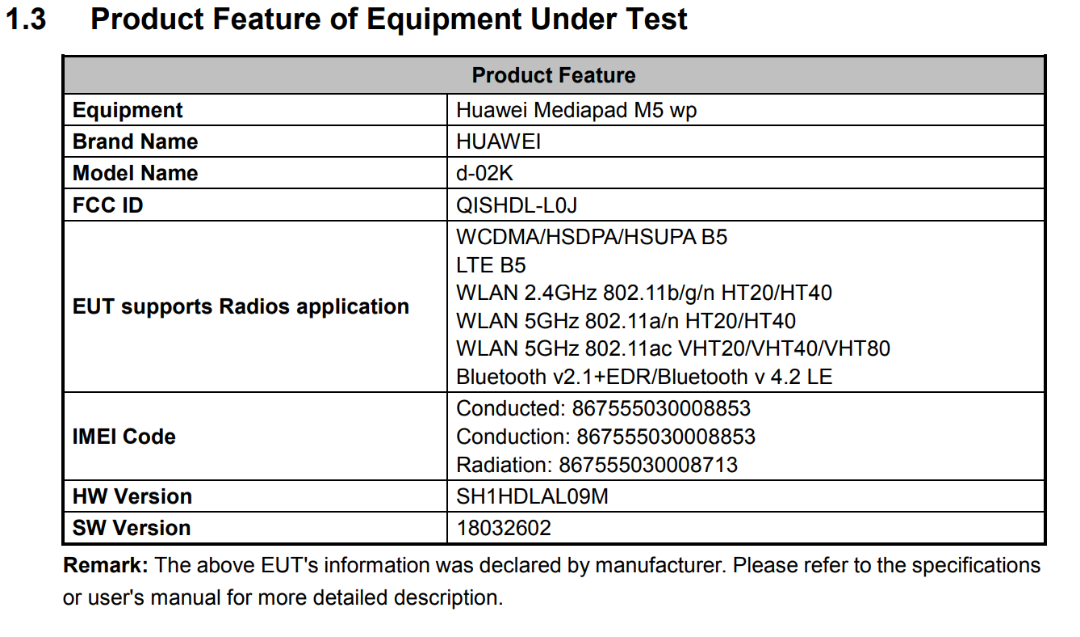
It has been a few months since Huawei announced the MediaPad M5 tablet series but it appears it has a new model in the pipeline. A Huawei tablet with model number d-02k has been spotted on the FCC’s website. This tablet is also referred to as “ Huawei Mediapad M5 wp” in the documents.
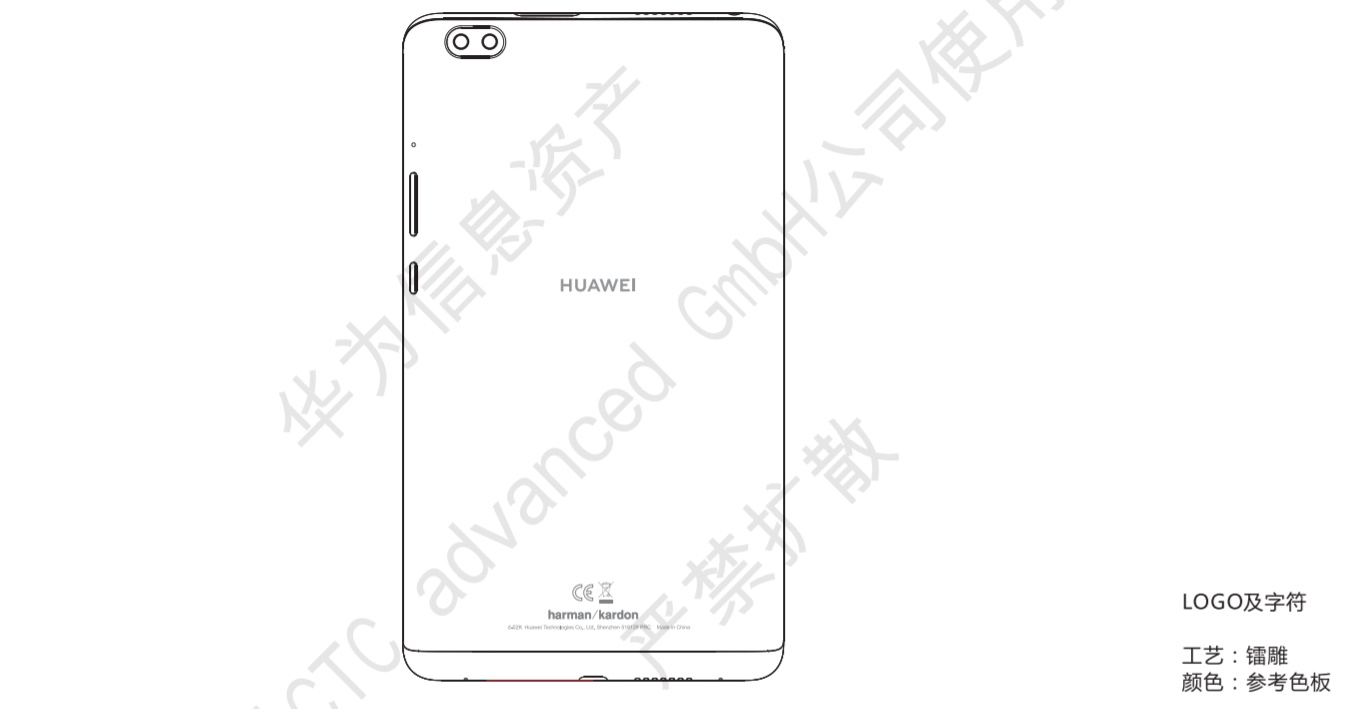
The FCC documents don’t reveal the key specs but there are a few details available along with a schematic diagram of the device.
Looking at the diagram above, the first thing that draws your attention is the camera setup on the rear. While some may think the device will have dual cameras, the more plausible explanation is that the second hole is for the LED flash. So unlike the other tablets in the series, this one should perform better in low-light conditions thanks to the included LED flash.
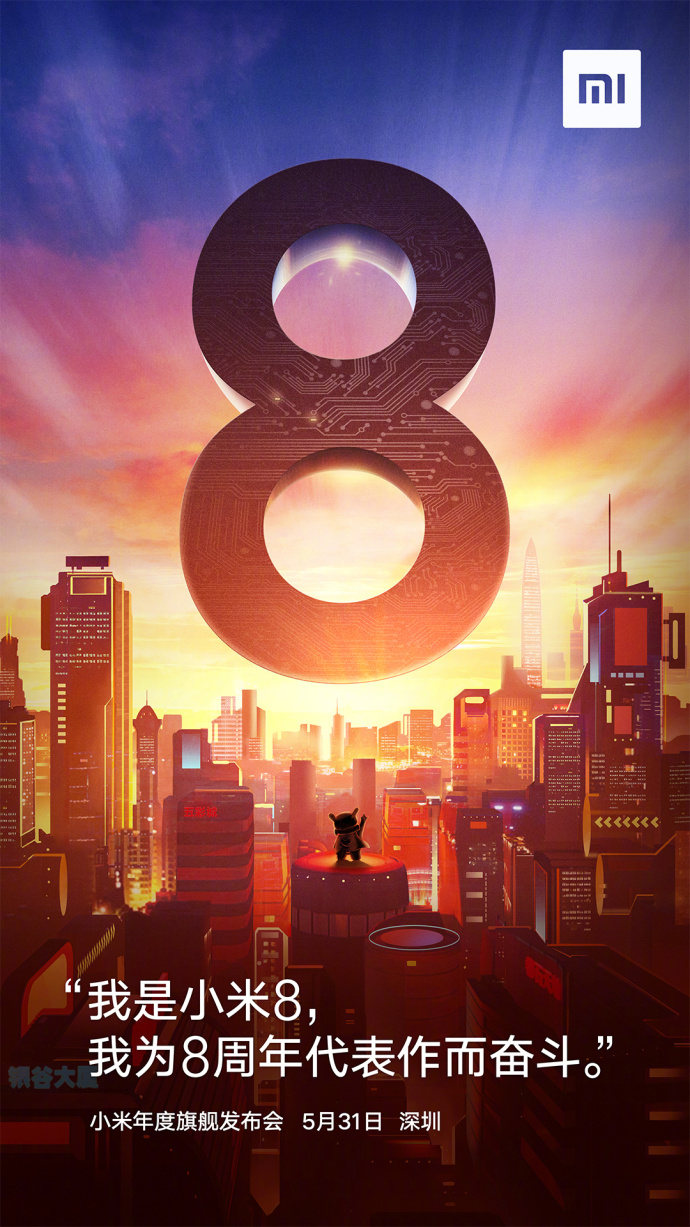
May 31 will be the day of Xiaomi’s 8th anniversary and CEO Lei Jun has already announced that the company will unveil a new variety of products at the event. Given that it will be the most important day for the company in 2018, we can expect great surprises. However, the Chinese giant did not confirm all the products which will be unveiled on May 31.
Below, we have compiled a list of products we expect to see at Xiaomi’s anniversary event on May 31.
Xiaomi Mi 8
The leading star of the event will be the flagship smartphone Xiaomi Mi 8. Even though Mi 6 is the latest flagship from the Mi series, the company has reportedly decided to skip the Mi 7 and launch the Mi 8 in order to celebrate its 8th anniversary with a dedicated device. Xiaomi Mi 8 will surely affect the sales of the Mi Mix 2S as it will be an outstanding flagship with the best technologies ever implemented on a phone by the Chinese hi-tech giant. Note that the company has already confirmed the arrival of the Mi 8 through an official teaser, so we are not talking about simple rumors. Besides being powerful, the Mi 8 is also expected to be innovative. According to rumors, it will feature an in-display fingerprint reader and a 3D facial recognition system which will be similar to Apple’s Face ID found on the iPhone X.
This system is tipped to adopt a depth sensor for a tridimensional recognition of the face of the user. Under the hood, Xiaomi Mi 8 will surely boast an octa-core Snapdragon 845 chipset by Qualcomm: the best processor by Qualcomm running at a max frequency of 2.8 GHz. The SoC should be accompanied by up to 8 GB of RAM and up to 256 GB of internal storage. Xiaomi smartphones from the Mi series have always been compact devices, but the Mi 8 will not be, at least from what leaks suggested. It is expected to pack a 6.01-inch display with a Full HD+ resolution, but there will be a bezel-less design so that the dimensions will not be excessive. Xiaomi Mi 8’s listing price is expected to start from 2799 Yuan in China, which roughly translates into $316/€372. This price refers to the configuration with 6 GB of RAM and 64 GB of internal storage, while the one with 8 GB RAM and 128 GB ROM is rumored to cost 3199 Yuan.
Xiaomi Mi Band 3
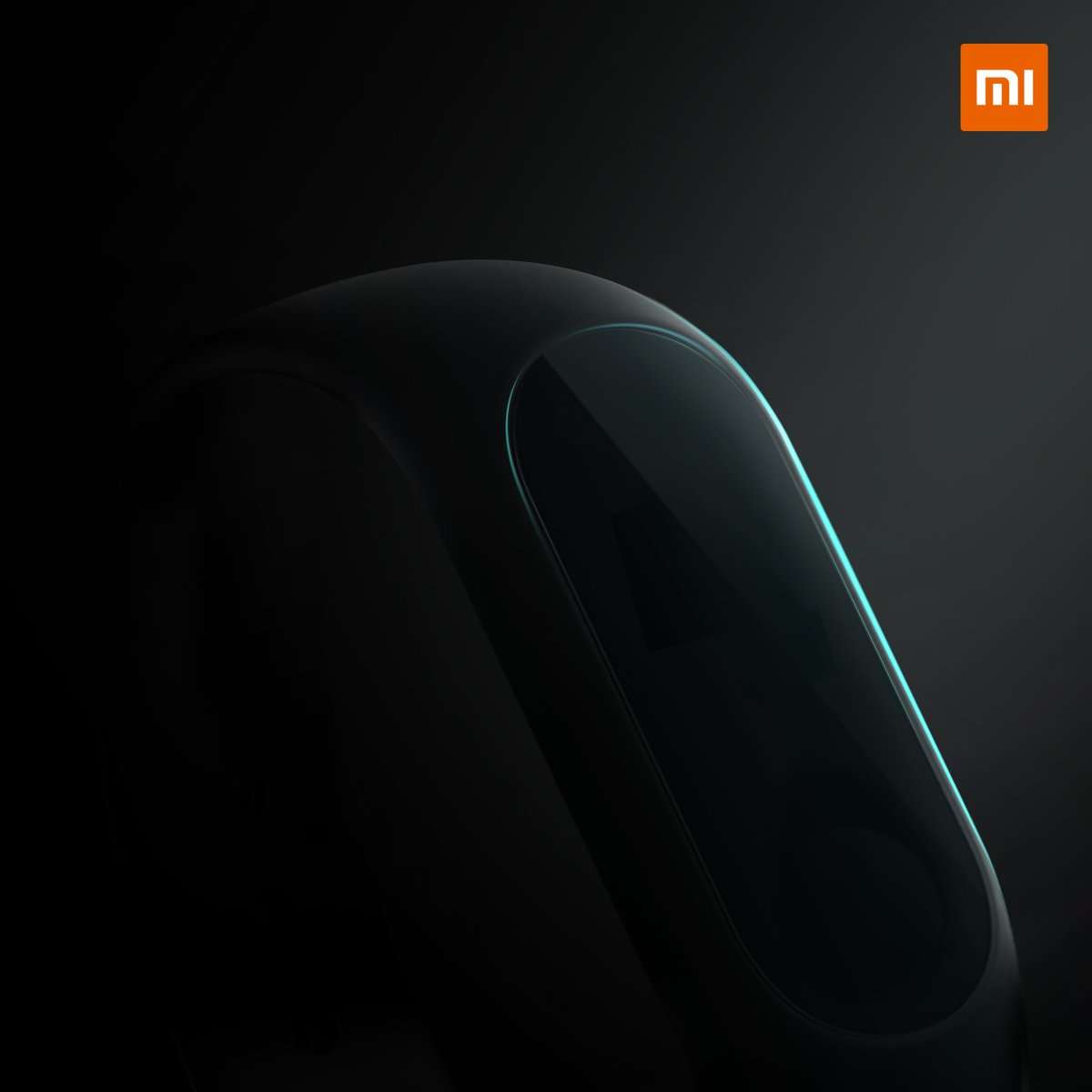
Xiaomi is also pegged to launch the new Mi Band 3 in its 8th anniversary event which will be held on May 31. Two years have passed since the company showcased its latest fitness tracker Mi Band 2 for the first time. Since then, the Mi Band 2 has always been the best-selling wearable to monitor fitness, even though it is just a cheap smart band with limited features. Xiaomi Mi Band 3 was recently spotted at the wrist of Xiaomi’s CEO Lei Jun during the announcement event of Black Shark, that is the first gaming smartphone from the company. According to the latest leaks and speculations, the design of Xiaomi Mi Band 3 will not be so different from the one of the Mi Band 2. The wristband will feature a slightly bigger display and improved features. There will still be a heart rate sensor behind the display, but on Xiaomi Mi Band 3 it will be able to do real-time heart rate monitoring so that when the user is in danger the smart band can alert him. Further, the heart rate stats feature on the Mi Fit app should get an update. Sleep monitoring should be improved as well with different depths of sleep supported, and Mi Band 3 should also include a barometer to monitor different sporting activities.
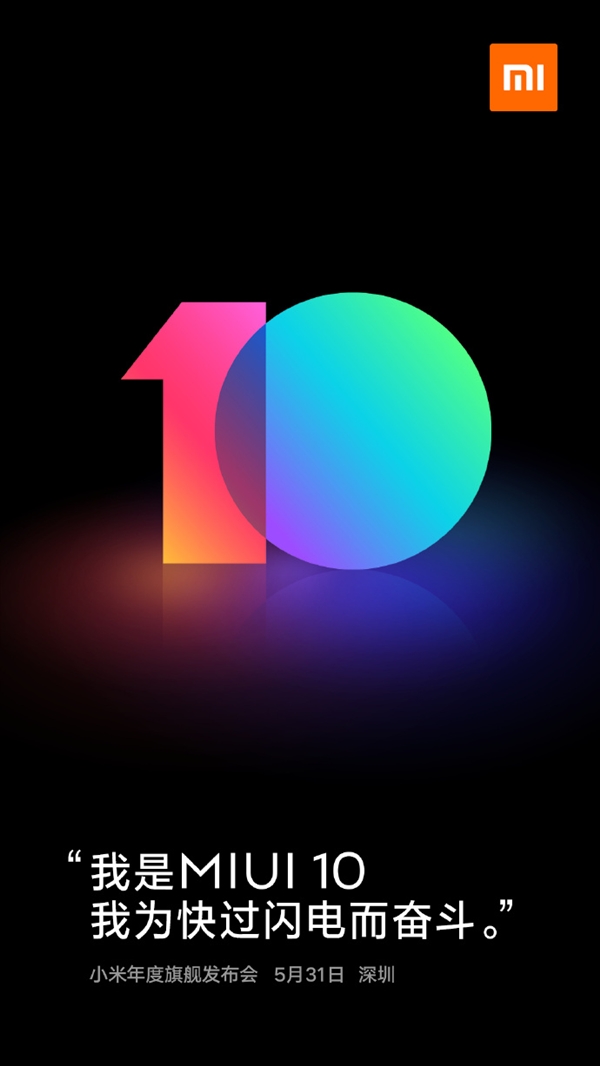
Xiaomi will take advantage of May 31 event to launch the latest iteration of its custom user interface MIUI 10. According to the official poster which has just confirmed the arrival of MIUI 10 on May 31’s anniversary event, the new user interface will be faster than lightning. This makes us understand that the development team has put a lot of efforts on optimizing system performance in order to make the UI fast and smooth even though it has tons of features unlike a stock and light version of the operating system. Xiaomi Mi 8 will reportedly be released with MIUI 10 preinstalled, and if so, the user interface will be surely based on Android Oreo. MIUI 9.5 is the latest update released for Xiaomi handsets and MIUI 10 will not be available for Xiaomi phones which run an Android version older than Marshmallow.
There are also rumours about Surge S2 chipset making its debut at this event, but details are scarce at the moment.
The Moto Z3 Play is scheduled to launch on June 6. There are reports the third generation Z series will be the last in the modular series. Nevertheless, that shouldn’t dampen the excitement for the upcoming device(s).
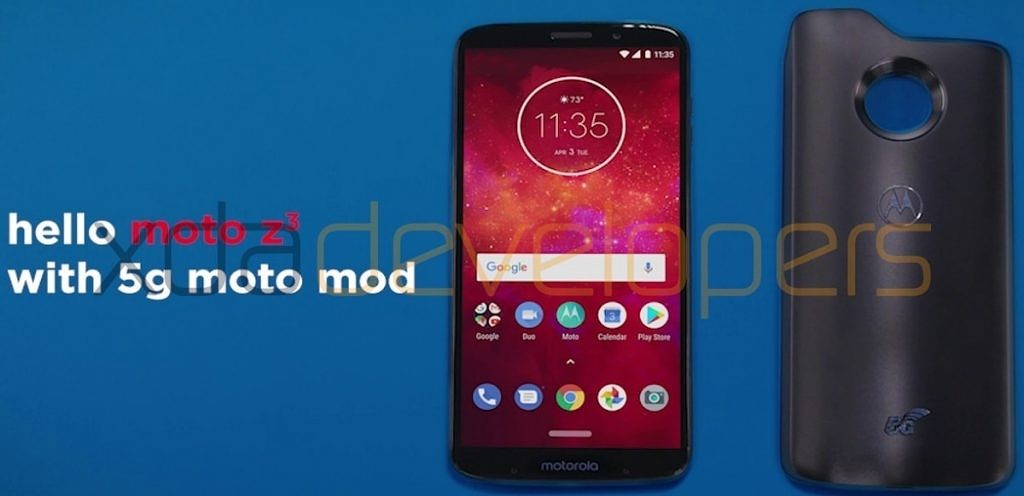
New images have surfaced thanks to XDA-Developers and they show the Moto Z3 Play along with a 5G Moto Mod. Some of the specs have also been confirmed.
In the first image above, the Moto Z3 Play and the Moto Mod are shown side by side. The bezels have been significantly reduced to make way for the new MaxVision display. There is no fingerprint scanner in front and we know it can’t be on the rear with the way the Moto Mod is designed. That means it is on the side.
The Moto Z3 Play is running a near stock version of Android. Don’t let the pill navigation bar fool you, it is actually running Android 8.1 Oreo.
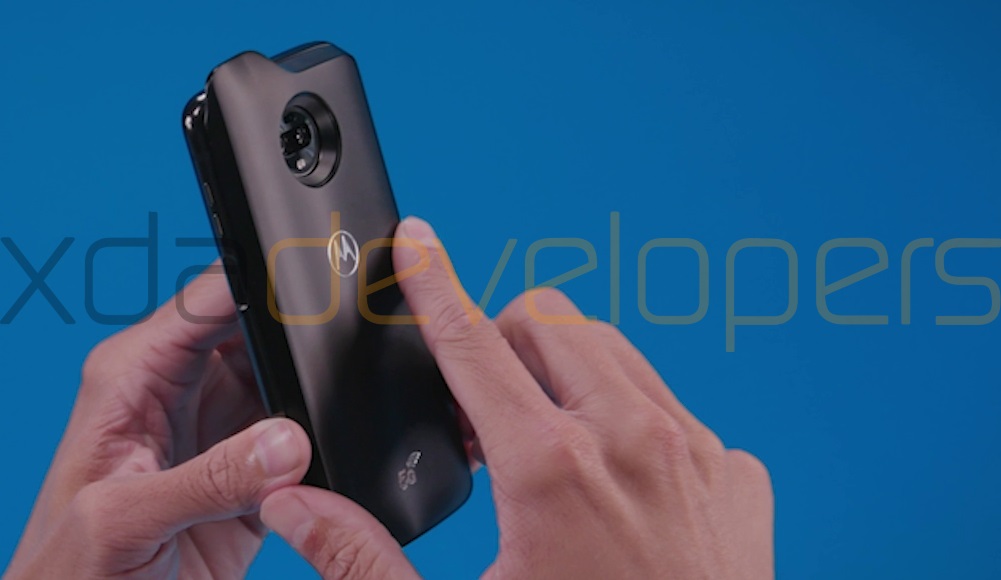
The 5G Moto Mod doesn’t give up much in terms of details but we can tell it adds a significant amount of thickness when attached to the device. The Mod was first mentioned in 2016 and what it does is bring 5G support to the Z series.
The Xiaomi Mi MIX 2s that was launched in March this year by the Chinese manufacturer is dubbed as the best ever camera smartphone by the company. GizmoChina’s OnePlus 6 vs. Xiaomi Mi MIX 2s vs. Huawei P20 Pro camera comparison has revealed that Xiaomi phone’s camera prowess is inferior compared to P20 Pro and OP6. Through one of the recent teasers on Weibo, Xiaomi has claimed that the upcoming Xiaomi Mi 8 will dethrone Mi MIX 2s to become the best camera smartphone from the company.
As it can be seen in the above teaser on Weibo, Xiaomi has shared a couple of impressive shots that were snapped using the Mi MIX 2s. The translated text of the Weibo post reveals that the Mi MIX 2s is Xiaomi’s best camera phone, but only until the arrival of the Xiaomi Mi 8. The Mi MIX 2s is the first Snapdragon 845 SoC driven flagship phone from the company for 2018, but the Mi 8 that features the same SoC and better cameras could turn out be the true flagship smartphone from Xiaomi.
The Mi MIX 2s has a pair of AI powered 12-megapixel sensors sitting on its rear. It was recently leaked that the dual camera setup of the Xiaomi Mi 8 includes 20-megapixel with f/1.7 aperture as the primary sensor and a secondary sensor of 16-megapixel f/2.0 aperture. It is likely that the rumored Xiaomi Mi 8 SE (could be Special Edition model) may also feature the same dual camera setup as the Mi 8. The dual rear cameras of the Mi 8 and Mi 8 SE may also offer some AI features for better photography experience.
The Xiaomi Mi 8 is rumored to become the first Android smartphone with 3D facial recognition feature. Also, it is speculated to come with an under-display fingerprint scanner. Its other rumored specs include 6.2-inch notched enabled OLED display, f/2.0 aperture 16-megapixel front-facing camera, up to 6 GB of RAM, 64 GB of internal storage, and 3,300mAh battery. It is speculated to be available in colors like gray, gold, blue and red. The Xiaomi Mi 8 SE is speculated to come with similar specs. It may feature 6 GB of RAM and 64 GB / 128 GB / 256 GB of native storage. Its rumored color options include black, white, gold and blue.
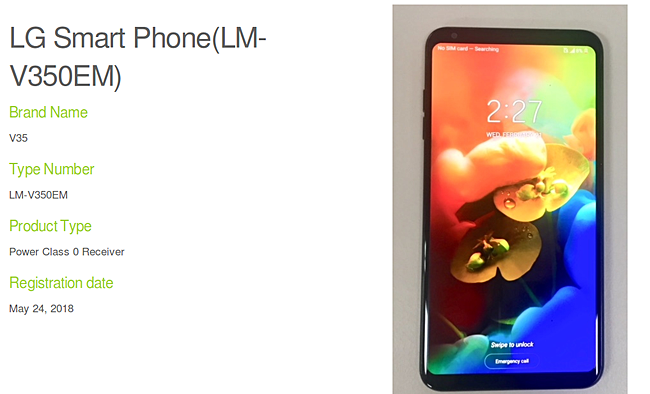
Just a few days back, we saw a leaked picture of the LG V35 ThinQ which showed its bezel-less, no-notch design. We have now spotted the source of the image and that is the website of the Wireless Power Consortium. The LG V35 ThinQ has been listed on the website with the picture accompanying the device.
We give credit to popular tipster Evan Blass who brought the WPC’s listing to the open. The device comes with the model number LM-V350EM and was registered on May 24.
PSA: That "live image" of the LG V35 (Emma) comes from the Wireless Power Consortium database, which has nearly a dozen variants listed. pic.twitter.com/rp3G061LW0
According to reports, LG V35 ThinQ will sport a 6-inch IPS display with a Quad HD+ resolution of 1440 x 2880 pixels. Among the internal components, there will be an octa-core Qualcomm Snapdragon 845 chipset, 6 GB of RAM and 128 GB of internal storage. The main camera will be a dual setup with resolutions of 16 MP, a f/1.6 aperture and a secondary wide-angle sensor (up to 107 degrees), while the front camera is expected to be an 8 MP single snapper. LG V35 ThinQ, as the name suggests, will support artificial intelligence just like the G7 ThinQ and the V30S.
It will have Android 8.1 Oreo out of the box and it should sport a 3000 mAh battery. It should also come with Hi-Fi stereo speakers and a Quad DAC. The design of LG V35 ThinQ will be composed of a glass back and an aluminum frame, probably with the IP68 certification for water-resistance. The device should launch as early as next month.
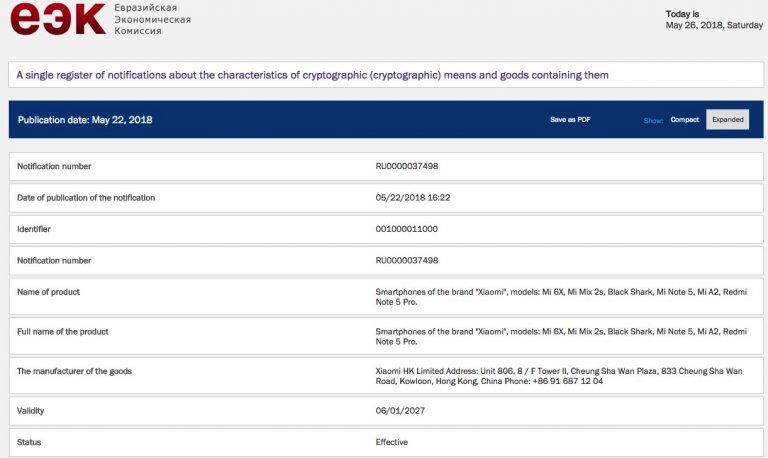
A fresh listing of the Xiaomi phones that will be heading to the European market has surfaced through the website of Eurasian Economic Commission (EEC). It reveals that the unreleased Mi Note 5 has been mentioned among other phones that may launch in Europe. Moreover, a leaked image showing the key specs and pricing to the Mi Note 5 has also appeared. Could it be launching through the upcoming May 31 Shenzhen event by Xiaomi?
Shown above is the listing of Mi Note 5 among other phones like Mi 6X, Mi MIX 2s, Black Shark gaming phone, Mi A2 and Redmi Note 5 Pro. The Xiaomi Mi A2 is also unreleased phone that is expected to debut as a successor of Mi A1 Android One phone. It is likely to rebranded version of the Mi 6X phone that was launched in China in April this year. The Mi A2 is unlikely to feature MIUI skin as it could be an Android One smartphone.
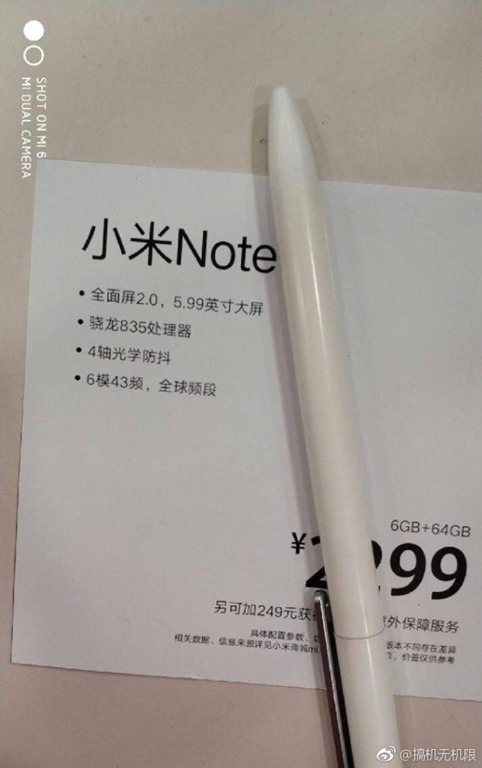
A leaked image of the promo material that has surfaced today reveals the key specifications of an upcoming Mi Note smartphone. It states that the handset houses a 5.99-inch display. Since it sports a Full Screen 2.0 design, it may feature super-slim bezels around the screen. The Snapdragon 835 SoC is present under the hood of the phone along with 6 GB of RAM. It has a native storage of 64 GB. It also features 4-axis optical image stabilization. Like the Mi Note 3, the smartphone is likely to come equipped with dual camera setup. It could be a global device as the promo image reveals it supports 43 LTE bands.
Ideally, the company should be releasing the Mi Note 4 as a successor of Mi Note 3 phone from last year. It appears that the company will be skipping the Mi Note 4 moniker because even the EEC listing reveals Mi Note 5 name. As far as pricing is concerned, the Mi Note 5 featuring 64 GB of storage and 6 GB of RAM will carry a price tag of 2,299 Yuan (~$359) in China.
Through the May 31 Shenzhen event, Xiaomi will be unleashing the Xiaomi Mi 8 smartphone and MIUI 10. However, recent reports have claimed that the event will be used to announce a variety of new products such as Xiaomi Mi 8 SE, Mi Band 3 fitness trackerand Surge S2. It is being speculated Mi Note 5 will also become official at the same event. However, none of the recently released official teasers suggest that it will be made official on Thursday this week.
This year, Xiaomi clocks 8, and to celebrate the milestone, Xiaomi will release a new phone on May 31. This new device has been named Mi 8 and will succeed the Mi 6 flagship from last year.
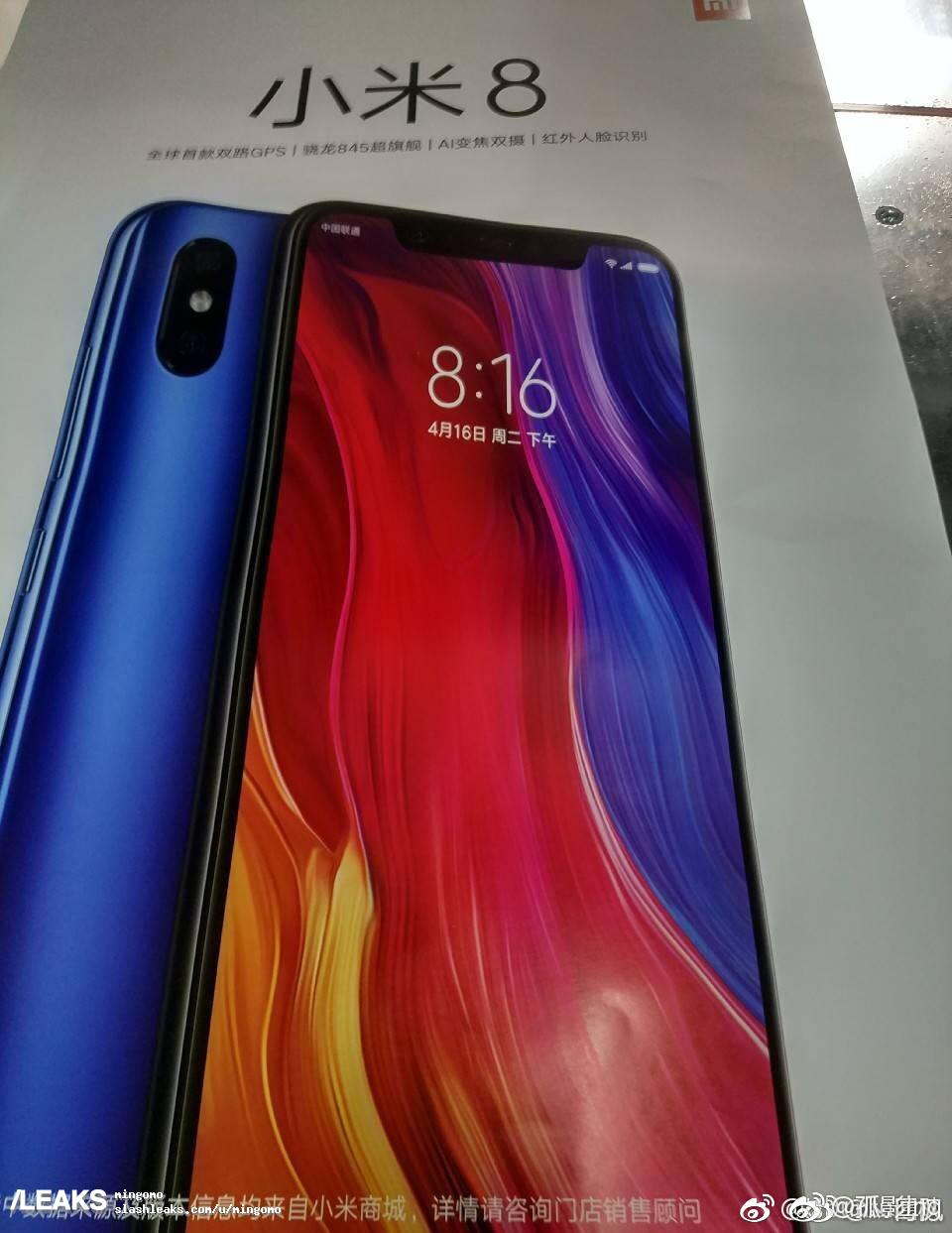
Ahead of the launch on Thursday, photos of the phone’s retail box in addition to a poster have surfaced online. These new images reveal new details and confirm others.
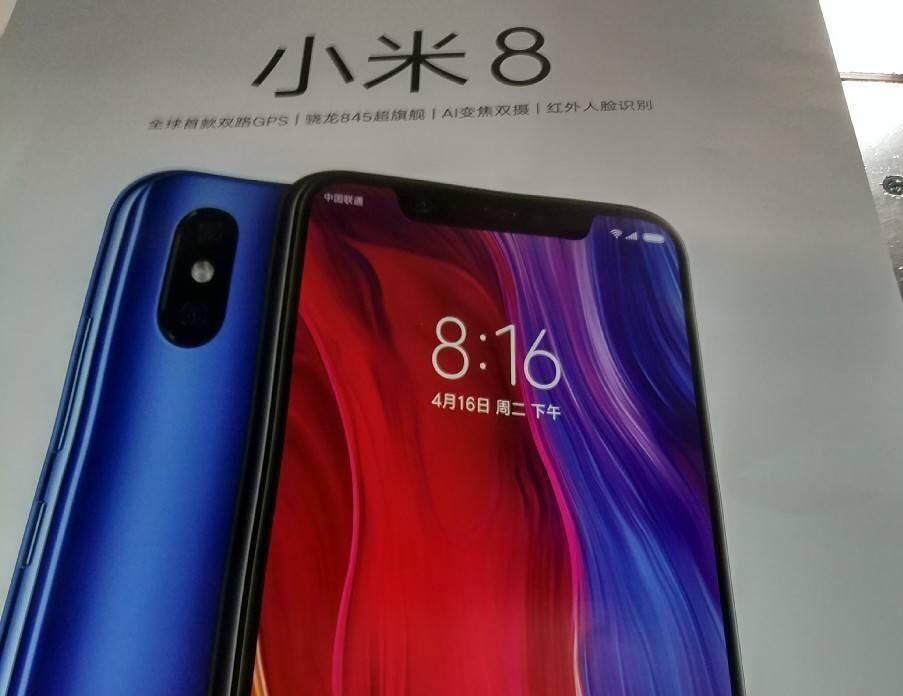
The poster shows the phone will come with a notch and may as well be the largest we have seen on a phone. It also shows the phone will come in blue and will have dual rear cameras. The rear cameras are arranged in the same fashion as that of the Mi MIX 2s.
The text on the poster also lists a few specs when translated. First, it says the Mi 8 will come with dual-frequency GPS. This is a new GPS receiver that provides a greater level of accuracy than what is currently available. The technology was announced at a conference last year by Broadcom.
According to Broadcom, the new receiver which works with GPS and other navigation satellite systems will now offer 30-centimeter accuracy instead of current 5-meter accuracy. It will also consume about 50% less power and enhance location-based services and apps for mobile phones, tablets, and wearables.
Broadcom’s chip is called the BCM47755 and is said to start appearing in devices this year. We don’t know if it is the one in the Mi 8 but the poster says the phone will be the first in the world to come with the new GPS technology.
The poster also confirms the phone will be powered by the Snapdragon 845 processor, have AI optical dual cameras, and 3D infrared facial recognition.
[envira-gallery id=”193190″]
Photos of the retail box give us an early look at what consumers will get when they order the Mi 8. The box is black and there is a large figure 8 inscribed at the top. You also have Xiaomi Mi 8 written on the side.
The back is where the juicy details are. It reveals the phone will come with dual rear cameras, a 20MP front camera with face recognition, a Snapdragon 845 chipset and the GPS technology mentioned above. It also shows that the unit in the box has 6GB RAM and 64GB of storage.
If you are familiar with Honor’s product lineup, then you should know that Honor’s first flagship for the year usually gets a Lite version. A new device with model number Honor LLD-AL20 may just be the Honor 10 Lite we’ve been expecting.
The Honor LLD-AL20 may be the Honor 10 Lite
The model number is similar to that of the Honor 9 Lite (LLD-AL10, LLD-TL10) with the only difference being the figure “2”. TENAA has also not included pictures, so we can’t further confirm if it has the same design as the Honor 10.
The Honor LLD-AL20 has a 5.84-inch screen with a 2280 x 1080 display. That resolution means the device also has a notch in its display and will have a 19:9 aspect ratio.
It is powered by a 2.36GHz octa-core processor which is none other than the Kirin 659. It has 4GB of RAM and 64GB of storage which can be expanded by up to an extra 256GB via a MicroSD card slot. The Honor device will come with dual rear cameras – a 13MP sensor paired with a 2MP sensor for capturing depth of field details. The front camera is a 16MP sensor.
It runs Android 8.0 Oreo, has a fingerprint scanner, and a 2,900mAh battery. Its dimensions are given as 149.2 × 71.8 × 7.7 mm and its weight is 152g. When it launches, it will come in Black, gray, and Blue.
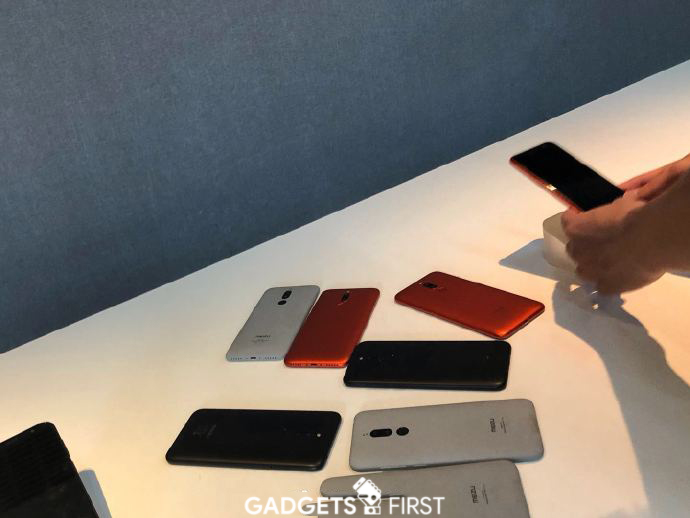
The Meizu M6T is an entry-level smartphone scheduled to launch on May 29. Live photos of the phone have leaked online and they give us a closer look at what to expect.
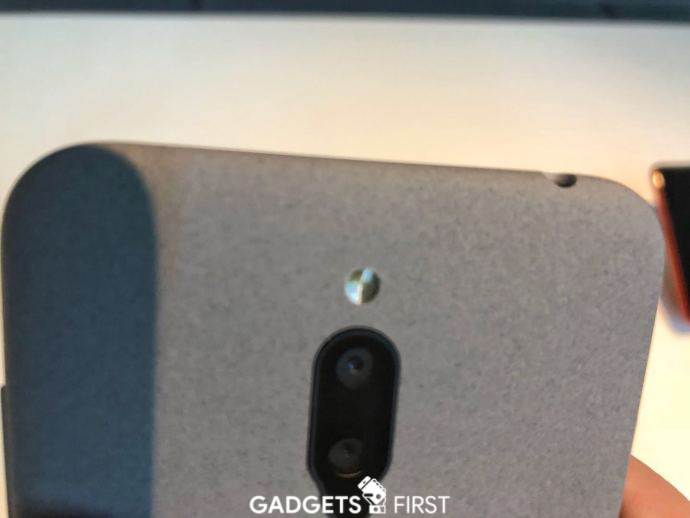
Meizu has equipped the M6T with dual rear cameras that are arranged vertically and positioned in the middle of the phone. Below the camera sensors is the fingerprint scanner and above it sits the LED flash.
Meizu has already released sample photos taken by the phone’s camera and they may as well be one of the best camera phones in the entry-level category.
The photos show the Meizu M6T will come in at least three colors – black, red and gray. While the first two have a metallic finish, the gray version appears to have a sandstone-like finish.
Roughly two months after the Snapdragon variant of the Samsung Galaxy Note 9 appeared on Geekbench, it has now been followed by the Exynos variant.
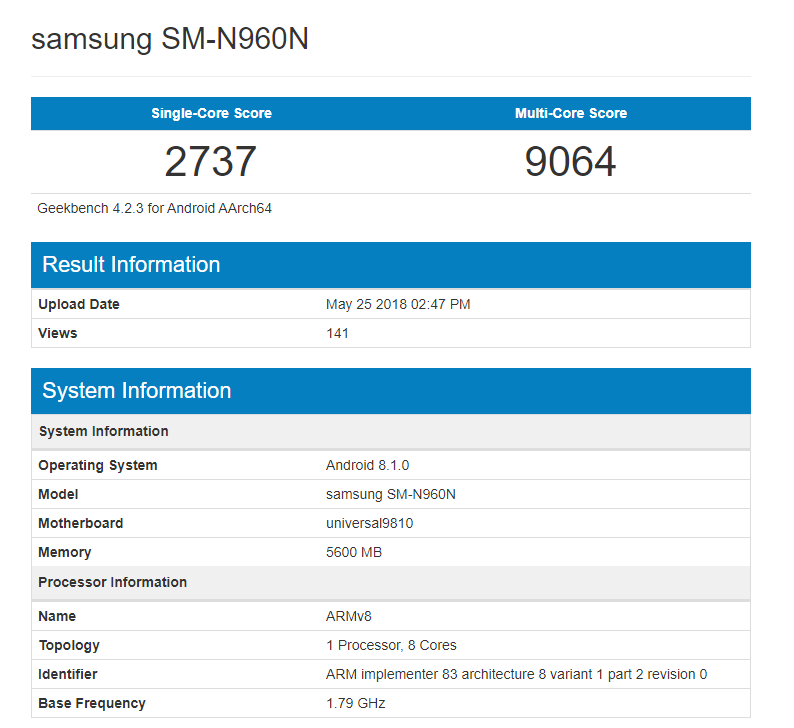
This year’s Galaxy Note will be powered by the Exynos 9810 – the same SoC in the Exynos variant of the Galaxy S9 and Galaxy S9+. The octa-core chipset is clocked at 1.79GHz as seen below. Geekbench also revealed the phone runs Android 8.1 Oreo and has 6GB 0f RAM.
For the single-core test, the device scored 2737 points while the multi-core test score is 9064 points. That is slightly higher than the 2190 and 8806 points scored by the Snapdragon 845 variant. This shouldn’t be surprising as the Exynos variants of Samsung’ flagships are known to offer better performance than the Qualcomm variants.
Galaxy Note 9 (SM-N960) will [probably] launch at 29th of July
The Samsung Galaxy Note 9 is also expected to launch early this year. There were reports a few months ago of a July launch date and it appears they may be true as a recent tweet from SamsungMobile.News (Samsung_News_) said the phone will probably launch on the 29th of July.
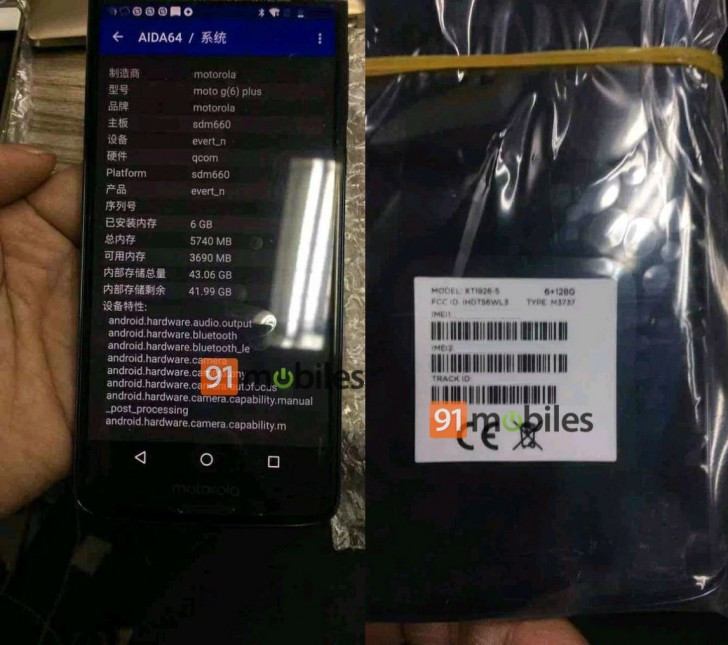
Lenovo-owned Motorola launched the Moto G series models last month with the Moto G6 Plus emerging on top of the pack. There are indications that Motorola may be working on an even higher-end version of the G6 Plus. A couple of live hands-on images showing the device powered by the Qualcomm Snapdragon 660 SoC recently surfaced online.
The images seems to be a benchmark test app running on the phone. Curiously, the Moto G6 Plus presently packs a Snapdragon 660 chipset. The likely possibility here is that the result might have been spoofed or Motorola is working on a Snapdragon 660-powered variant of the G6. From the picture, we can also gather the device will have 6GB of RAM onboard.
It would be recalled that the Moto G6 Plus was also spotted on Geekbench with a Snapdragon 660 chip before it was launched packing SD630 chipset. We also recall the case of the HTC U11 Life which appeared on Geekbench results powered by a Snapdragon 660 processor but the device was launched with a SDM 630 SoC. Popular tipster Roland Quandt had explained that benchmark apps wrongly identifies te Snapdragon 630 as Snapdragon 660. Aside from the new chipset, this leaked model will be identical to the already launched Moto G6 Plus. There’s no official word on this new model so we may as well not raise our hopes.
The rapidly increasing popularity of smartphones has created a soaring market demand for phone accessories across the globe. Keeping in line with this, Banggood is offering big discounts on a broad range of phone accessories.
Dubbed as ‘Phone Accessories Mega Sale,’ the recently kicked off promotion comprises deals starting from $0.99 and a slew of other discounts. In order to simplify the search process, Banggood has divided the promo into multiple sections.
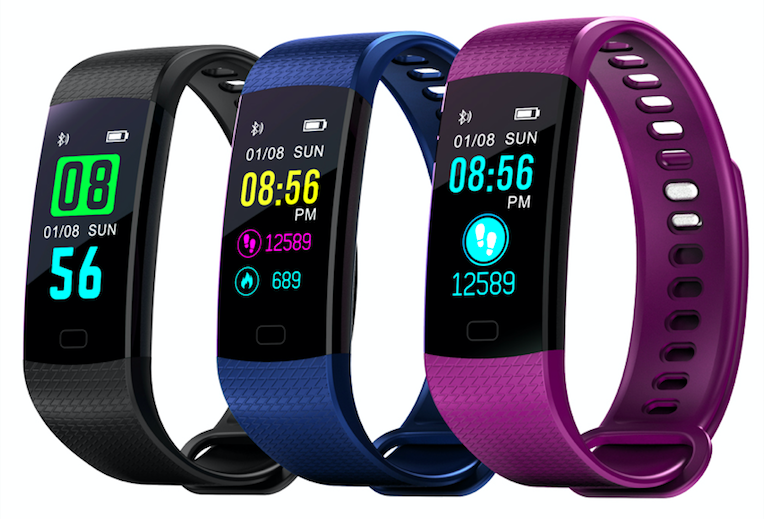
First off, the site is doling out a considerable 17% off on the Goral Y5 smart wristband. The device would normally set you back $22.99, but thanks to the aforesaid discount you can now get your hands on it by shelling out just $18.99.If you’re among the first 100 buyers, the Goral Y5 smart wristband can be yours for just $12.99. Banggood will be selling the other 100 pieces for $14.99. On top of that, you can choose from several color options such as black, blue, dark blue, purple, and orange.
Likewise, you can go for the NO.1 F7 sport outdoor smartwatch which is currently available on Banggood at a lowered price of just $44.99. Note that the device usually carries a price sticker of $78.99 on the site.
The discount will be valid for the grey and black color version of the NO.1 F7 smartwatch. It is also worth noting that the discount will only be applicable to 100 pieces only.
Cables
This category features various charging data cables and other accessories. You can get a 23% discount on the original asking price of the Bakeey Type C Micro USB phone cable for Samsung S9, and S8 smartphones. This item normally sells for $12.99 on Banggood.
Chargers
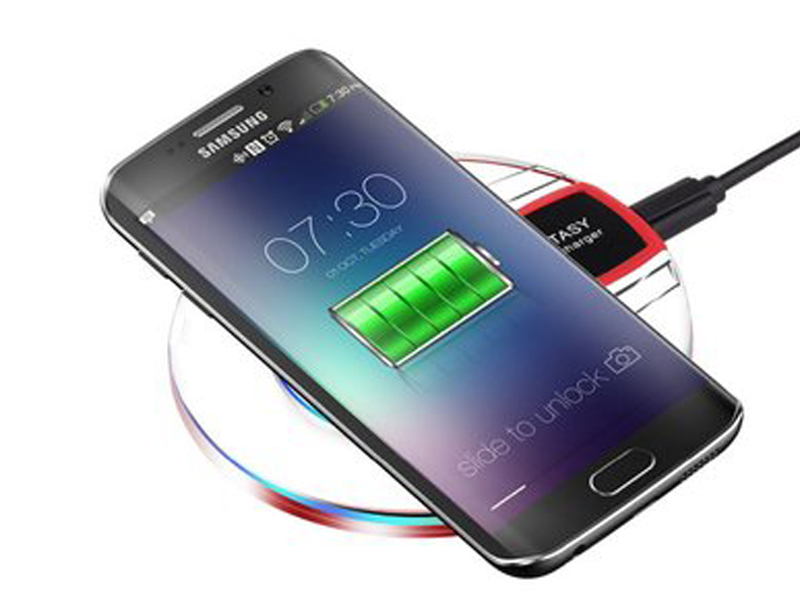
Banggood is giving noteworthy discounts on select chargers featured in this section. Samsung fans who have a Galaxy S8+, S7, or S7 Edge smartphone can now buy the Qi Wireless Fast Charging Desktop Mobile Phone Charger pad (which is compatible with the above-mentioned smartphones) for just $5.99.This is a 33% reduction in the item’s original selling price of $8.99. Moreover, the discount is valid 2 color versions of the Qi phone charger pad including white and black.
Smartwatch
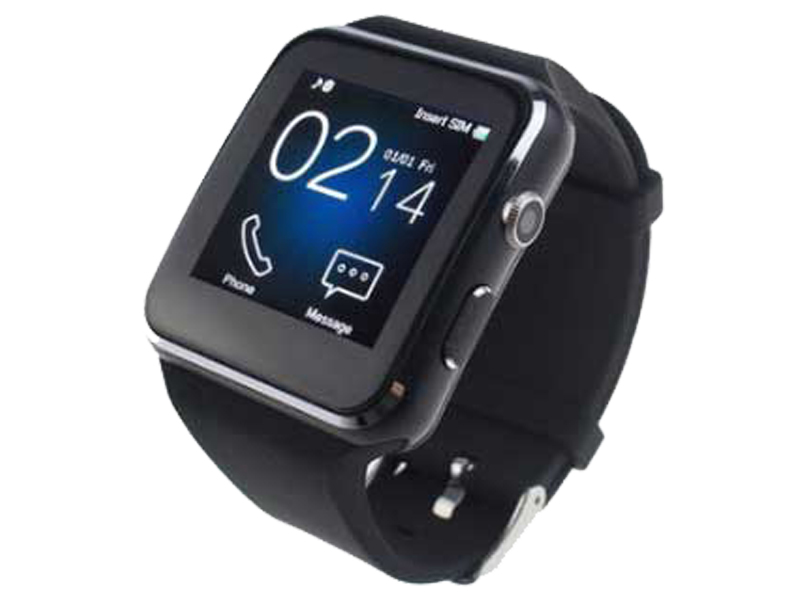
If you’re looking for a high-end smartwatch but aren’t willing to spend a fortune on it, look no further. This category is crammed with astonishing smartwatches that Banggood is currently selling at a lowered price.The site is offering a big 48% off on the black and white color versions of the Bakeey X6 smartwatch, bringing its retail price down to just $13.99. Without the discount, the smartwatch would set you back $24.99.
If you’re interested in checking out rest of the products and grabbing the deal before it comes to an end, simply follow this link.
Lenovo‘s VP Chang Cheng has been the source of most of the details we know about the company’s upcoming flagship, talking about the Lenovo Z5. Just recently, the VP disclosed that the Z5 will come with a battery that will offer 45 days of standby time. As a follow up to that, Mr Cheng has again hinted that the Z5’s battery can withstand up to 30minutes of talk time even when the battery is at 0%.
The battery capacity of the device is yet to be made known but the awesome power management may not be due to the battery alone. The device may likely come with several optimizations that would ensure optimum performance with low power consumption. With the device teased as coming with 4TB storage, we expect the best in terms of the software optimization. Besides, the device is expected to pack the power-efficient Snapdragon 845 processor.
Ina related post, the Lenovo VP has shared a couple of more camera samples shot using the dual AI camera-packing Lenovo Z5. The VP hinted the pictures were shot in the United States. As for the quality, the pictures come with vivid clarity aided by the bright daylight. It captures the beautiful scenery with greater depth and attention to details. The camera filters the light properly and the photos are devoid of any form of photographic noise. The samples sure point to a device with powerful cameras. We still don’t know the camera configuration.
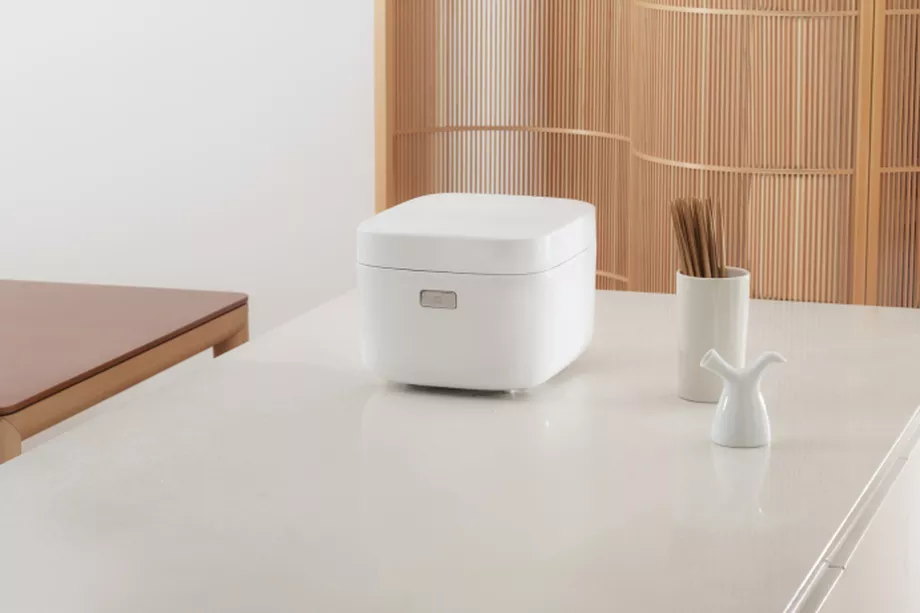
Chinese tech giant Xiaomi is mostly known for its smartphones which offer impressive hardware at amazing price points. But keen followers of the brand will attest to the fact that Xiaomi manufactures a whole lot more than just smartphones. The company also has a crowdfunding platform where lots of gadgets are released by companies which form Xiaomi’s ecosystem. One of such products is the Mijia IH Rice cooker which was released in 2016. Xiaomi is today celebrating the sales of over 1 million units of the IH Rice cooker. The company also disclosed that the smart rice cooker has been put to use nearly 40 million times.
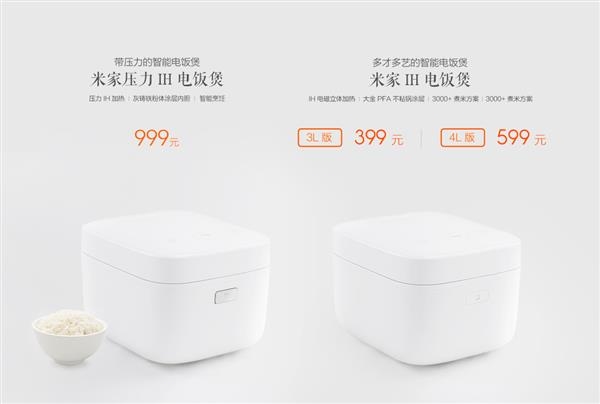
The Xiaomi MIJIA IH Rice Cooker is the first product released under the MIJIA ecosystem brand in March 2016 with an initial price tag of 999 yuan. Since then, Xiaomi has released two more versions, a 3L version priced at 399 yuan and more recently, a 4L version priced at 599 yuan. The product proved to be a popular one such that it is even sold in Japan. Mind you, the Rice cooker is similar to the ones built by Japanese firm Muji.
Xiaomi Mijia IH Rice cooker spotted in a store shelf in Japan
The Mijia IH rice cooker comes in a minimalistic all-white body with a simple, yet appealing design. It is manufactured using food-grade PP material which is safe and can withstand high temperatures. The Rice cooker has won several awards as a result of its design, including the German IF Design Award, the IDEA Innovation Design Award in the United States, the DFA Asia’s Most Influential Design Award, and the China Red Star Award.
The cooker users an interactive LED display panel which displays a variety of information when in use. The product is also a smart one as it can be connected to the Mijia app and controlled via a smartphone. The most prominent feature of the cooker is the use of IH electromagnetic heating which is through electromagnetic induction. This produces a strong heating power and excellent thermal conductivity as well as heat transfer via convection which ensures the food is cooked in the shortest possible time and all parts are evenly cooked. With an inner lining 3mm thick, the Mi IH Rice cooker also retains heat. The interior is coated with Japan Daikin edible non-stick coating so you don’t have to bother about the pot getting stained.
It should be noted that this sales figure seems to cover the units sold in China alone. The product is also a hot-selling on e-commerce platforms like Banggood and Gearbest where it is available at a premium price when compared to what it is sold for in China.
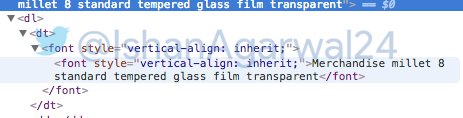
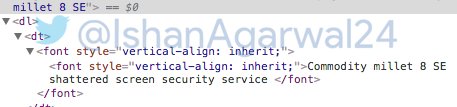
Xiaomi Mi 8 flagship phone will be debuting in the next week. However, a recent report has revealed that the company may launch as many as three smartphones will be unleashed at the Shenzhen event. Ishan Agarwal, a reliable tipster from India has claimed that the upcoming Xiaomi flagship phones are Xiaomi Mi 8 and Xiaomi Mi 8 SE (Special Edition?). He has also revealed some key information on the storage and color variants of both phones.
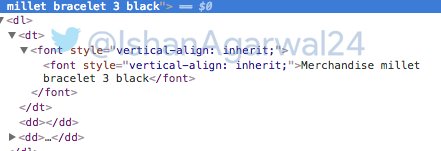
After scouring through the internal code of the Xiaomi’s website, the tipster has revealed the names of the two flagship phones from Xiaomi that may get unveiled on May 31. Here are the two screenshots that confirm Mi 8 and Mi 8 SE monikers.
The Mi 8 is expected to arrive in RAM variants such as 4 GB of RAM and 6 GB of RAM. Both the models are likely to come with 64 GB of storage. The handset may come in colors like gray, blue, gold and red.
The Mi 8 SE seems to be an advanced smartphone as it is likely to arrive in storage editions such as 64 GB, 128 GB and 256 GB. All the three storage models of the Mi 8 SE are likely to feature 6 GB of RAM. Its speculated color variants include black, blue, white and gold. Probably, this handset could be equipped with an advanced 3D facial recognition feature.
The other image that has been shared by the tipster reveals that the company will be announcing the Mi Band 3 fitness tracker at Shenzhen next week. Xiaomi has already confirmed that it will be showcasing the MIUI 10 and a recent report has revealed that the company may also launch its Surge S2 SoC at the same event.
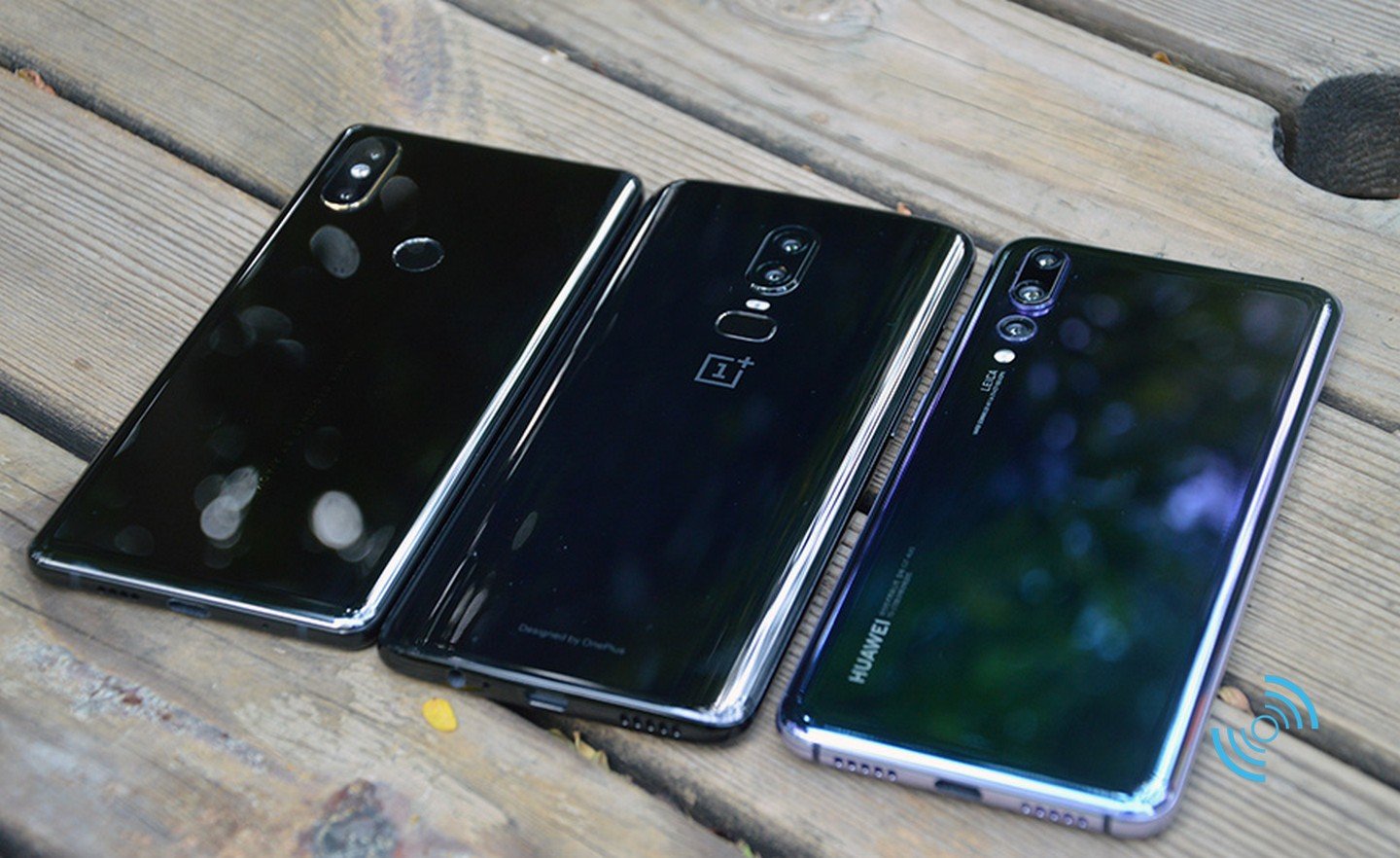
The first half of 2018 will soon come to an end and most of the top smartphone manufacturers have already unveiled their big guns for this period. With us, we have three important flagships from the top Chinese manufacturers: the OnePlus 6, Xiaomi Mi Mix 2S, and the Huawei P20 Pro. These are some of the best Chinese phones that money can buy in 2018. So, we decided to pit these three phones together to see how would they perform in a camera test. The results of the comparison isn’t really surprising, but there were some interesting differences in how OnePlus 6 vs Xiaomi Mi Mix 2S vs Huawei P20 Pro took pictures in different situations. While each of them have their own set of advantages over the other, here, the playing field is level. It’s just about how the camera performs in everyday situation.
Mix 2S vs OnePlus 6 vs P20 Pro (1)
So, let’s look at how OnePlus 6 vs Xiaomi Mi Mix 2S vs Huawei P20 Pro performs in different lighting conditions.
OnePlus 6 vs Xiaomi Mi Mix 2S vs Huawei P20 Pro Camera: Outdoor Scene
Throughout this comparison, get this one thing clear: Huawei P20 Pro has an astounding camera. The difference is quite evident and almost in every case, the P20 Pro has an edge over the other two cameras. But in many cases, the difference isn’t very significant, and that’s where things get interesting. The P20 Pro is a $1000+ flagship. The other two models are nearly half the price of the P20 Pro. So if they come close to what we get on the P20 Pro, I’d say both the manufacturers have done a fine job. Let’s find out.
[envira-gallery id=”193060″]
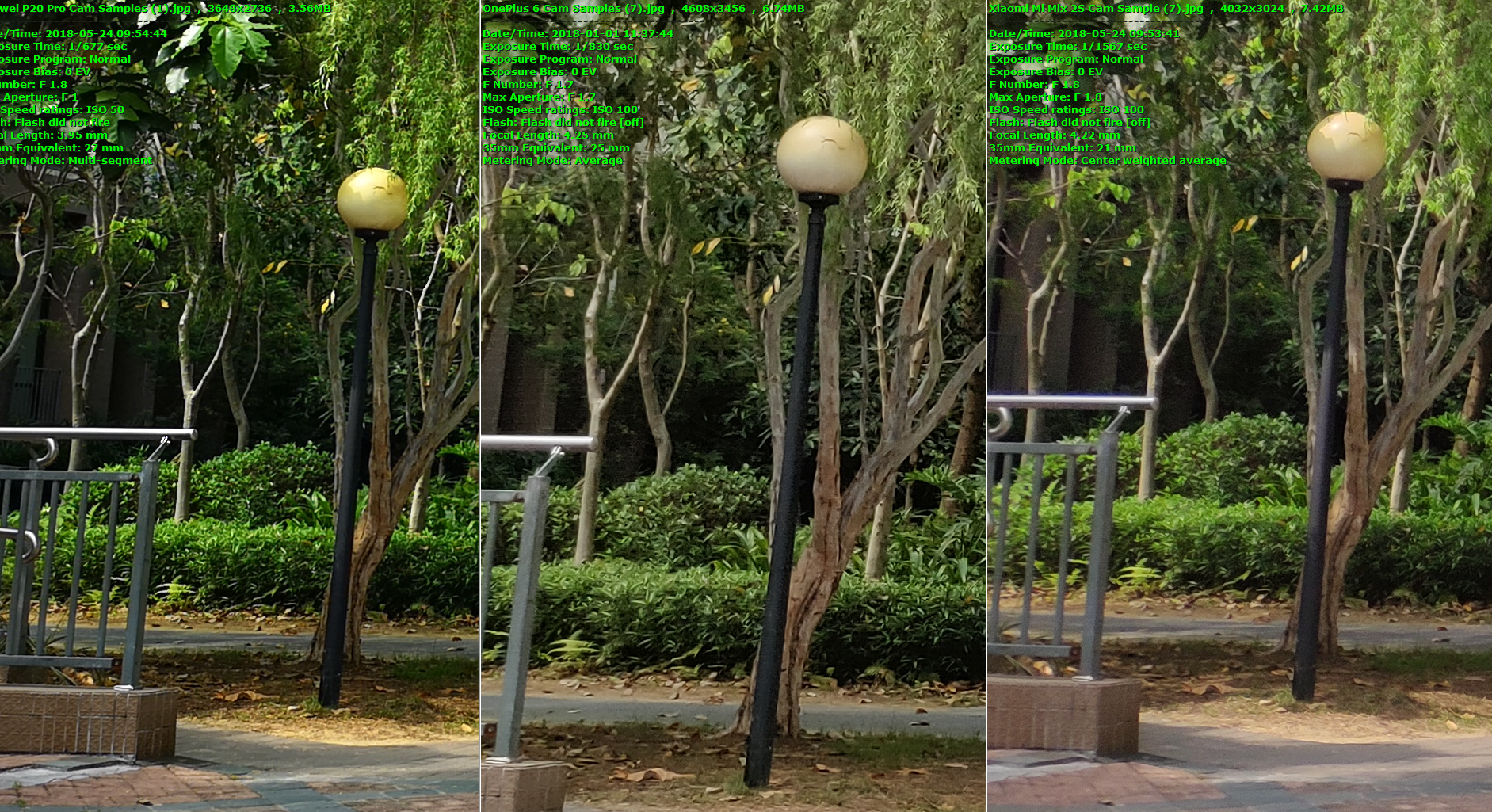
In this photograph of the garden, the P20 Pro clearly wins. The photo from the Huawei model might be a bit too saturated, but in general, the sample looks much better than the ones from the other two phones. What’s really great about the P20 Pro is that its samples have literally zero noise, even at night. You’ll see the difference in the later images but here, check out the shadows — no noise. Basically, the P20 Pro’s sample has better details as well as saturation, which makes it the best. Picking the second best is harder given that the OnePlus 6 has better details but lacks the punch in terms of colors. The Mi Mix 2S is slightly better in terms of colors, so the image looks better too, but in terms of the amount of details captured, its the worst of the lot. So, I leave it up to you to pick the second best sample. I personally would go with Mi Mix 2S for its warmer colors making the overall sample look better.
P20 Pro vs OP6 vs Mi Mix 2S
Which sample would you pick?
OnePlus 6 vs Xiaomi Mi Mix 2S vs Huawei P20 Pro Camera: Daylight Object Closeup
[envira-gallery id=”193069″]
The sample results in this case were a bit surprising. All three managed to do well capturing enough details and colors in the samples, so it was hard to pick out an easy winner. Personally, I would pick the OnePlus 6 because it has slightly better details as compared to the other two. The saturation was also apt, making the overall image look good. However, P20 Pro, unsurprisingly has managed to capture a great sample as well. You can see how the shadows in the image is much more prominent on the P20 Pro’s sample as compared to the other two models. The Xiaomi Mi Mix 2S wasn’t a slouch either in this case, so I would say its quite close in this case. My pick, OP6, then P20 Pro (it loses out the first place just because the colors were a bit off from real life), and then the Mi Mix 2S (no real complaints with its sample but I feel the other two were better).
What’s your pick?
OnePlus 6 vs Xiaomi Mi Mix 2S vs Huawei P20 Pro Camera: Portrait Mode
[envira-gallery id=”193078″]
Huawei’s billions of dollars in R&D (nearly $14 billion in 2017!) has been spent very well. The company is class apart when it comes to edge detection and quality of portraits. The Huawei P20 Pro manages to retain the texture of the net that’s seen towards the edges of the hat on the beautiful lady. So, the phone really knows what to blur and what not to blur in its portraits, which makes it pretty smart. OnePlus 6 did try to get this right, and did a decent job, but not nearly as good as the P20 Pro. The Mi Mix 2S on the other hand just blurred out the sides, without noticing the texture of the hat.
In terms of details, the Oneplus 6 did really well. You can see the pendant on the neck is clear in the OnePlus 6 sample. Mi Mix 2S loses out in this department. But when it comes to the amount of background blur, the Mi Mix 2S really shines, which helps its sample pop out. The P20 Pro’s bokeh effect is also pretty good. However, for some reason, I was not satisfied with OnePlus 6’s blur in the background. It was not just this sample, we tried to take multiple samples from the OP6 of this beautiful lady in portrait mode, but the results in terms of blur weren’t as good as the other two samples.
Overall, I would pick the P20 Pro. I would give the second and third place to Mi Mix 2S (better colors and bokeh effect) and OP6 (colors lack punch and less bokeh effect) respectively.
OnePlus 6 vs Xiaomi Mi Mix 2S vs Huawei P20 Pro Camera: Low Light Tea Pot
[envira-gallery id=”193081″]
When the lighting goes down, it become easier to place the three samples according to quality. The P20 Pro definitely has better colors and details, which isn’t surprising given that you pay a premium for the phone. Among the other two, the OnePlus 6 is better in the above mentioned two departments. Also, the colors on the Mi Mix 2S look washed out, so overall I’d pick P20 Pro as best, then OP6, and finally the Mix 2S.
What would you pick?
OnePlus 6 vs Xiaomi Mi Mix 2S vs Huawei P20 Pro Camera: Low Light Minion Closeup
[envira-gallery id=”193084″]
In this case, the OP6 sample look better overall, considering the colors, details, and focus. The P20 Pro did well too, but the colors were a bit darker than what I would have personally wanted. The Mi Mix 2S’ sample is actually pretty good as well, but for some reason, the phone didn’t focus on the minion right in front of it. Instead, the focus is on the M&M sticker on the left. If not for this focus issue, I would have picked Mix 2S as the best. Overall, I’d pick OP6, then Mix 2S, and then P20 Pro.
What’s your pick?
OnePlus 6 vs Xiaomi Mi Mix 2S vs Huawei P20 Pro Camera: Low Light – Book Shelf
[envira-gallery id=”193087″]
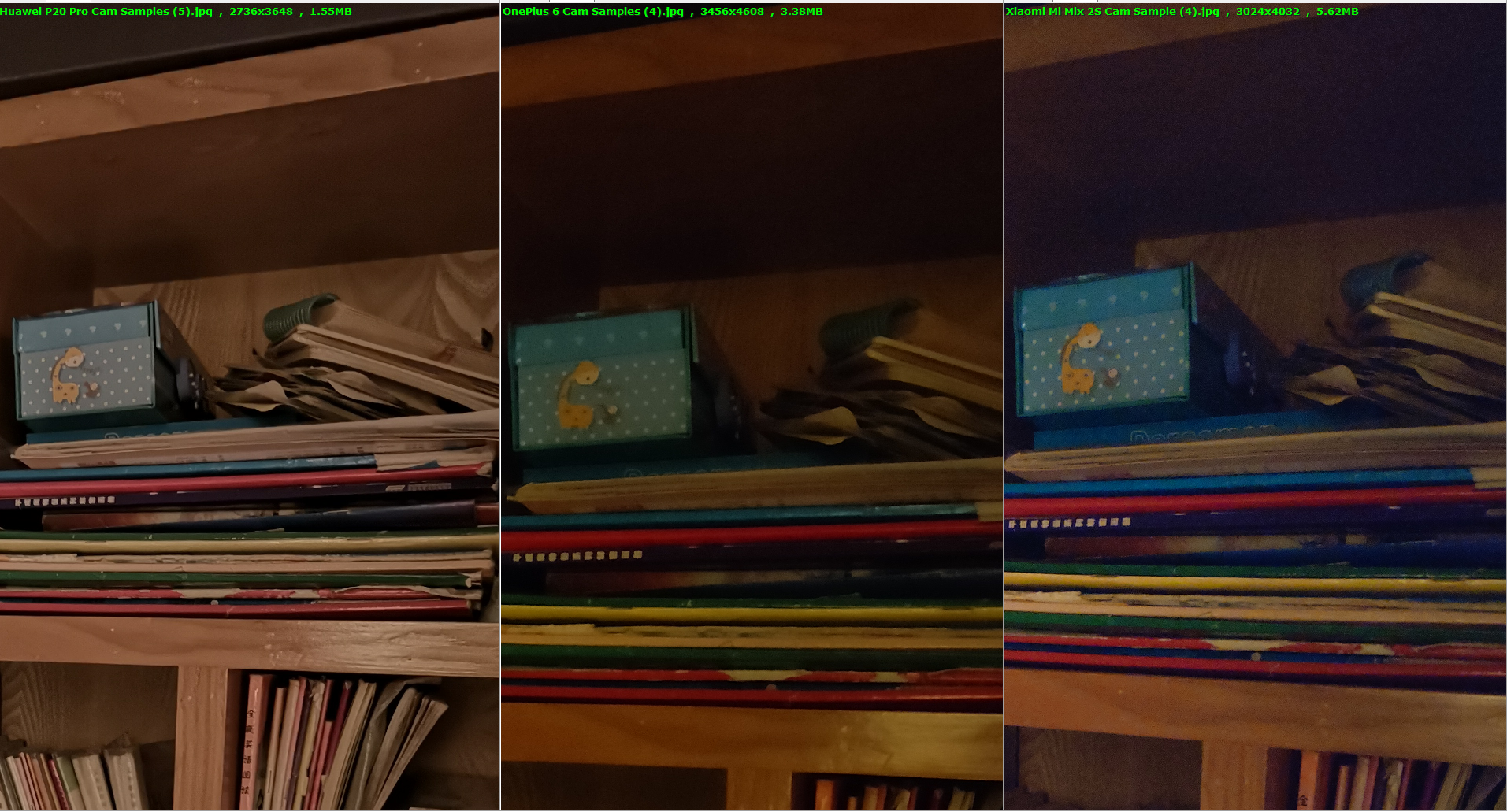
Despite P20 Pro’s sample looking like it’s been squeezed out of colors, it’s still better than the other two. The sample looks cleaner, with good amount of details, and brightness. It’s clear that the phone’s low light mode does wonders in real life. The fact that there’s practically no noise makes it really stand out. The Mi Mix 2S is the second brightest sample of the lot, and could have made it better than the OP6. However, there’s one big issue with the Mi Mix 2s in low light — NOISE. I’m really disappointed to see so much noise in the low light samples and sometimes it makes the photo completely unusable. Just zoom into the sample from the Mix 2S and you’ll know what I’m talking about. Overall, the P20 Pro is the clear winner, followed by the OP6.
P20 Pro vs OP6 vs Mi Mix 2S
OnePlus 6 vs Xiaomi Mi Mix 2S vs Huawei P20 Pro Camera: Night Photography – Parking Lot
[envira-gallery id=”193089″]
Again, the P20 Pro manages to limit noise in the entire sample. OnePlus 6 does pretty well too, but you’d see the grainy pixels in the dark areas. The Mix 2S is the worst. Noise everywhere and very little details, making the image literally unusable. It’s worth noting that the OnePlus 6 manages to keep up with the P20 Pro to a certain extent despite the super dark scene, so good job OnePlus!
What’s your pick?
Overall, in this OnePlus 6 vs Xiaomi Mi Mix 2S vs Huawei P20 Pro camera comparison, the Huawei P20 Pro is the definite winner. I would pick the OnePlus 6 as the next best flagship in terms of camera performance, especially due to its low light performance. Personally, I feel the Mix 2S could have done much better, especially in low light situations. But in real life photos, I would personally pick it as the worst of the lot.
What do you think about the camera performance of the three flagships in this comparison?
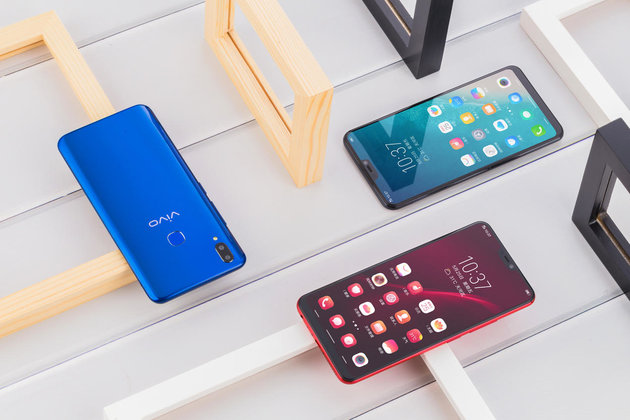
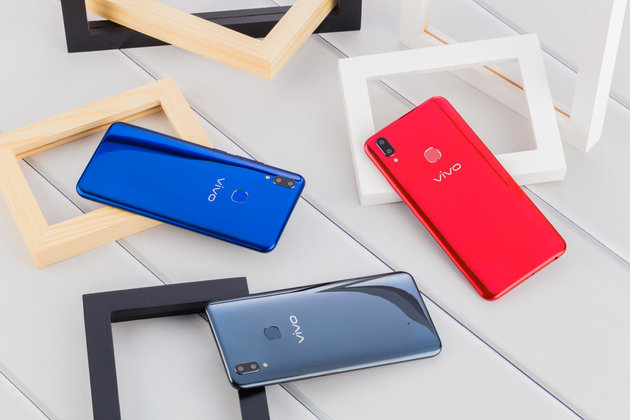
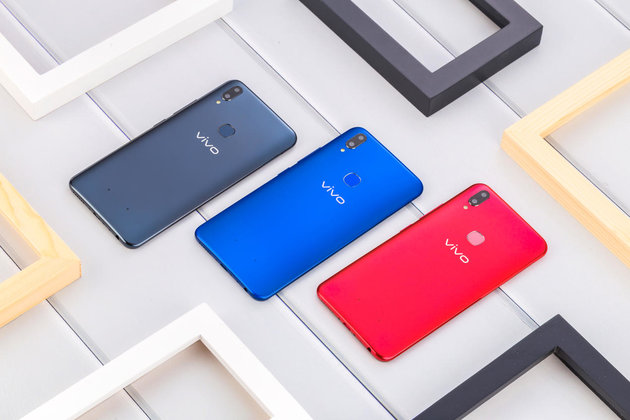
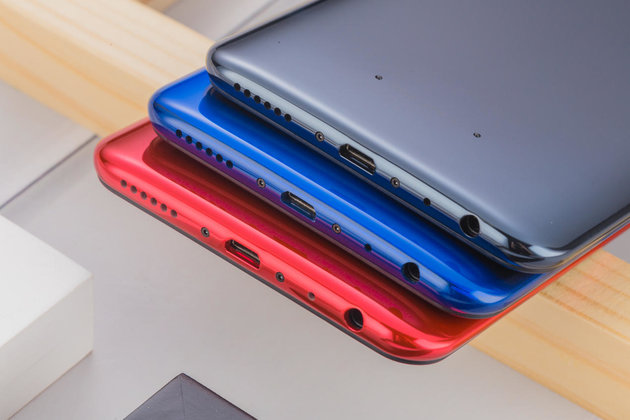
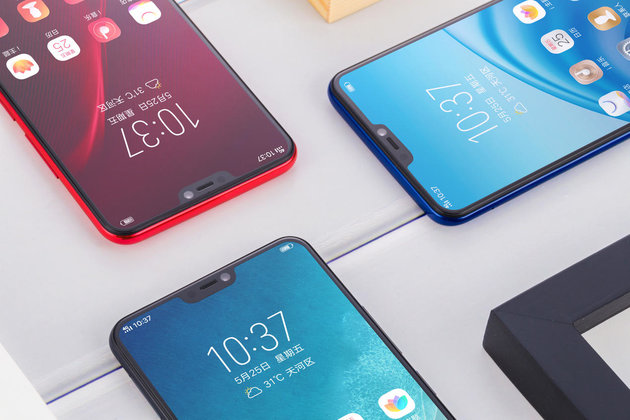
Vivo announced out of the blues recently the emergence of a new Z series with the Vivo Z1 coming as the first smartphone under the new series. The Chinese tech giant has now launched the Vivo Z1 today in China. The Z1 has even gone on sale earlier today in China with a decent price tag starting at 1,798 Yuan (~$282).
The Vivo Z1 comes with a superior hardware configuration and design which seems to further compound our confusion as to what the right definition of a midrange/flagship smartphone is. The device features a 6.26-inch Full-view In-cell LCD display with an 89.53% screen-to-body ratio. The full-screen design is further enhanced with a notch design which trims much of the bezel at the top leaving the part with the cut-out. This is obviously to give users a more stunning visual experience. The device is near bezel-less at the sides while it has a minimal amount of bezel at the bottom edge. The frame is narrow with a 19:9 aspect ratio which takes into account the notch. The device has an ultra-slim body which is just 7.79mm thick.
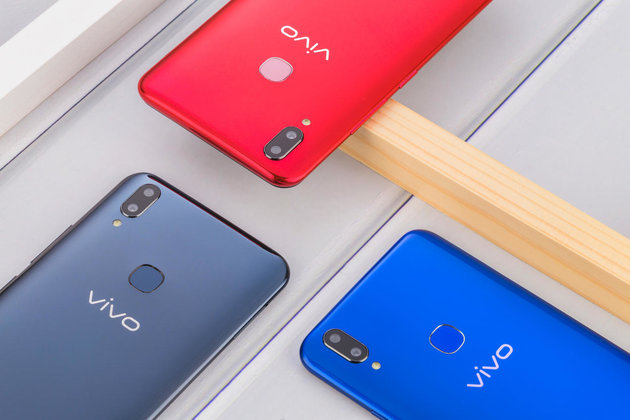
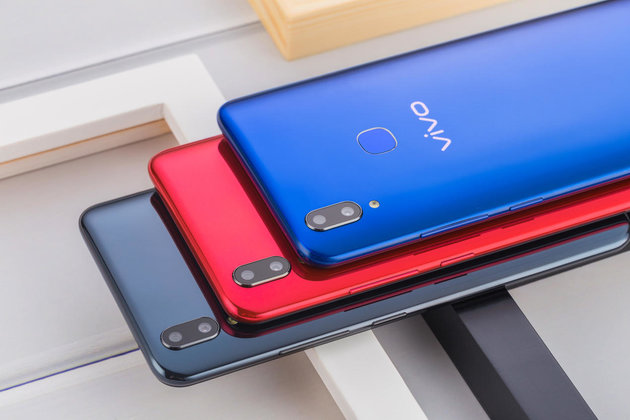
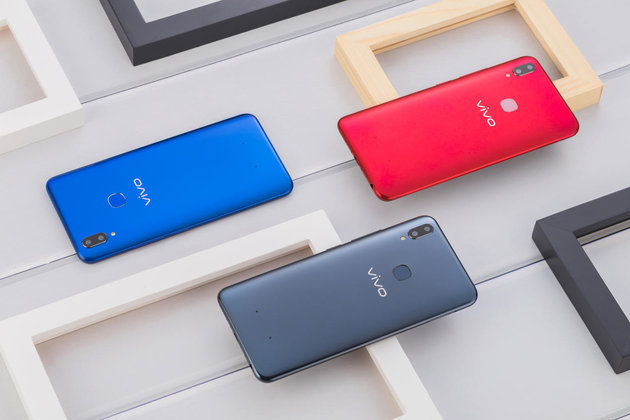
The Vivo Z1 rear design is also spectacular looking with its metal body. The body comes in pretty attractive colour options – Black, Blue and Red. The design of the fuselage is curved at the edges (3D arc) making it easy for users to firmly grip the phone. The device packs a dual camera setup at its rear which is arranged vertically at the top left corner. There is an LED flash at the bottom of the lenses. The device also packs a rear-mounted fingerprint sensor at the middle. Just under the fingerprint sensor is the Vivo logo. In addition, the antenna band is well hidden at the back that it is hardly noticeable.
Configuration wise, the Vivo Z1 rear camera consists of a 13-megapixel primary sensor and a 2-megapixel secondary sensor for bokeh. There is also PDAF and AI smart camera feature. On the front side, there’s a 24-megapixel ultra-high pixel shooter with AI beauty technology, AI background blur, AR cute shooting and other features to meet the need of selfie lovers. The selfie shooter also comes with facial recognition feature which can detect up to 1024 feature dimensions of the face.
On the driving seat is a Qualcomm Snapdragon 660 chipset paired with 4GB of RAM and there is 64GB of internal storage. The storage can be expanded up to 256GB via microSD. The Vivo Z1 equally comes with dual SIM slots and a separate slot for microSD card. The two SIM slots support 4G VoLTE technology. The SIM tray is position on the left side of the display while the power button and volume rockers are placed on the right side. The bottom edge has the 3.5mm audio jack, speakers and micro-USB interface.
The Vivo midrange phone runs on TouchOS 4.0 based on Android 8.1 Oreo and gets power from a 3260mAH battery. With the highly efficient SD660 chipset onboard, the device should be able to use less power while delivering high on performance. The Z1 also has a built-in Jovi AI Assistant. Jovi can actively understand the user’s habits and provide the user with the most suitable solution after learning. It proactively remind users of travel time, plan routes for users, and manage user’s life without any limitations.
As stated earlier, the Vivo Z1 is presently on reservation via JD.com and is slammed with a 1,798 Yuan (~$282) price tag which is definitely a deal breaker. Find more Vivo Z1 pictures below.
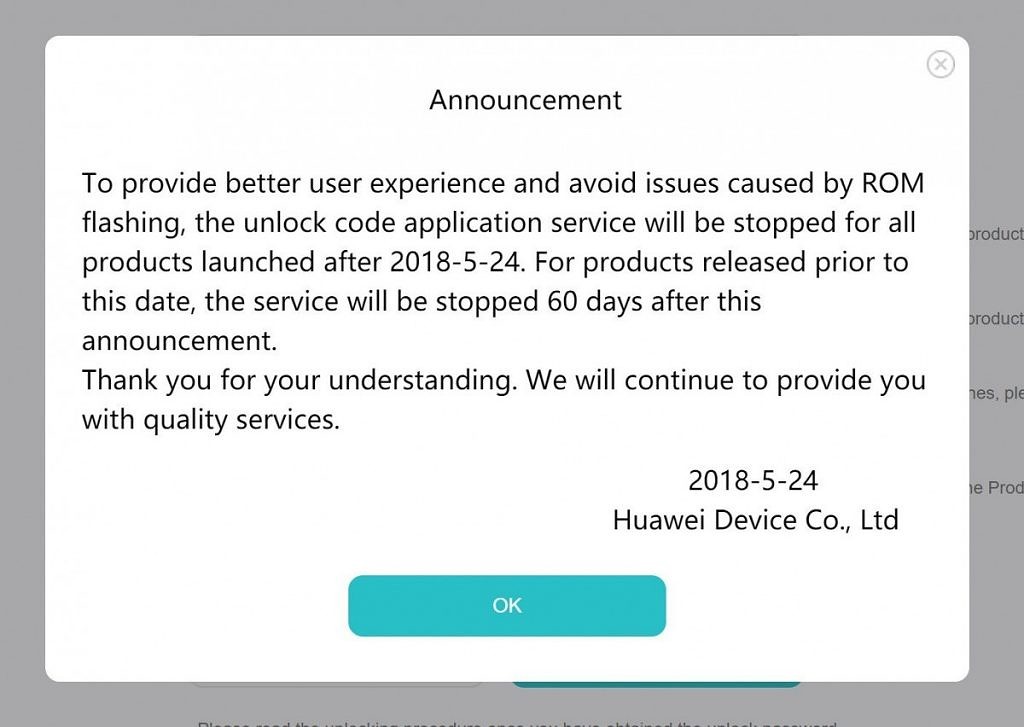
Huawei has been allowing users to unlock the bootloaders of its devices since several years. The Chinese manufacturer had even created a dedicated support page for bootloader unlocking. Hence, it was considered as a developer-friendly OEM. Installing TWRP, using custom ROMs and getting root access were all possible on Huawei devices as the company had provide an easy procedure for unlocking the bootloaders. However, at the beginning of this month, Huawei and sub-brand Honor had reportedly removed the aforementioned support page and later the company claimed that it would be providing unlock codes directly through email support system. The Chinese firm has today confirmed that its devices sold after May 24 will not be coming with unlockable bootloaders. It has also stated that the service will be stopped 60 days after today’s announcement for the devices that were sold before May 24.
Shown below is the screengrab of the official announcement. It is taken from the Huawei unlock page. The above message states that the company has taken such a step to provide better user experience and to avoid problems caused by flashing of ROM.
Developers will be no longer interested in Huawei devices as they stopped giving unlock codes. Many Huawei phone users are complaining on Twitter and Reddit that they will switch to other brands. Some have even claimed that they return newly purchased Honor 10 and Huawei P20 since the company has modified its policy.
Huawei is yet to release an official statement on the issue. Are you disappointed to know that Huawei devices will no longer allow its users to flash custom ROMs? Share us your views by posting your comments below.
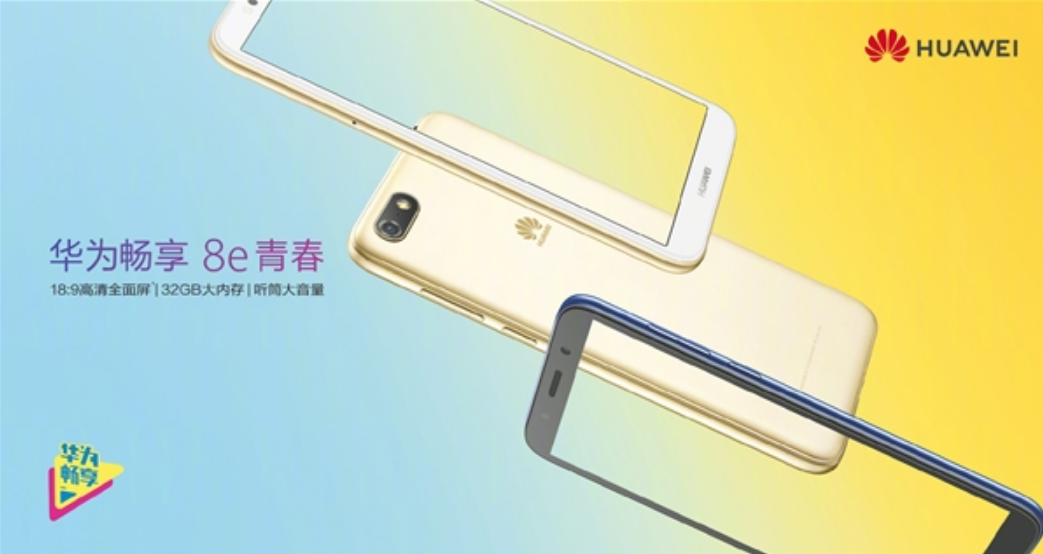
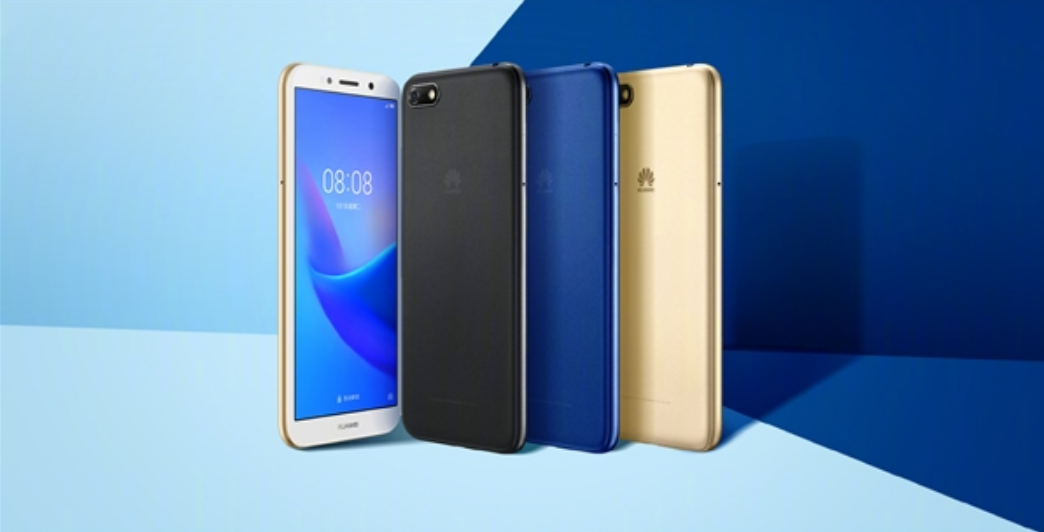
Huawei has unveiled a new smartphone called Enjoy 8e Youth. This entry-level smartphone carries an attractive price tag of 799 Yuan (~$125). The newly introduced phone is the lowest configuration phone among the other Enjoy 8 series like Enjoy 8, Enjoy 8 Plus and Enjoy 8e that were launched in March this year. Here is all the information available on its specifications and features.
Huawei Enjoy 8e Youth features a metallic chassis that measures 146.5 x 7.09 x 8.3mm and it weighs 142 grams. It comes in three color variants such as black, blue and gold. The smartphone houses a 5.45-inch display that supports HD+ resolution of 720 x 1440 pixels.
The low-end MediaTek MT6739 chipset includes a 1.5 GHz quad-core processor and PowerVR GE8100 graphics is present under the hood of the Enjoy 8e Youth. The SoC is coupled with 2 GB of RAM. It has a native storage of 32 GB. The dedicated external storage slot supports up to 256 GB of microSD card. The handset receives power from 3,020mAh battery.
In terms of photography, the Huawei Enjoy 8e Youth has a soft-light LED enabled front-facing camera of 5-megapixel. The selfie camera can automatically recognize ambient light to snap better shots. Also, it also features a beauty mode for snapping enhanced selfies. The backside of the phone has a 13-megapixel camera that is enabled with features like autofocus, PDAF and dual-tone LED flash.
The handset is preinstalled with Android 8.1 Oreo and EMUI 8.0. Other features of the smartphone include 4G VoLTE, Wi-Fi 802.11 b/g/n, Bluetooth 4.2, microUSB 2.0, 3.5mm audio jack and GPS. There is no fingerprint scanner available on this phone.
The Enjoy 8e Youth is now available for reservations. The official sales of the smartphone will begin on June 1.
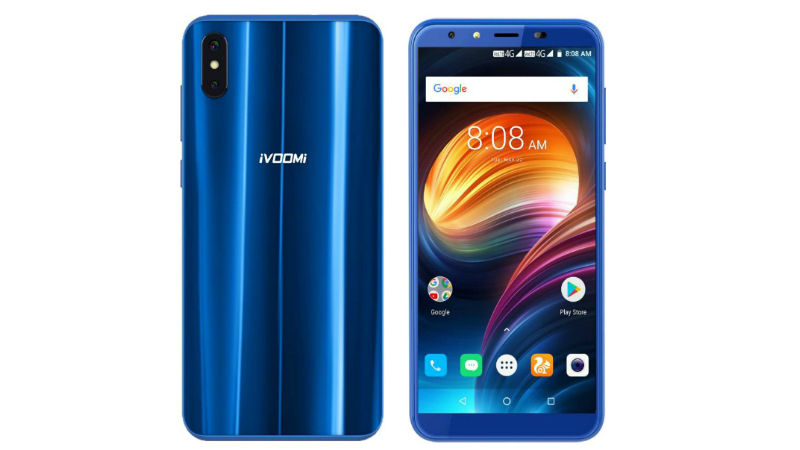
China-based smartphone manufacturer iVoomi has launched yet another budget smartphone in the Indian market — iVoomi i2. It is the successor of the iVoomi i1 And i1s which were launched about five months ago.
The smartphone will be available in four color options — Bronze Gold, Olive Black, and Indigo Blue for a price of Rs. 7,499 (approx. $111) and will be exclusively available from online marketplace Flipkart.
The smartphone comes with 5.45-inch HD+ Full-View display with screen resolution of 1440 x 720 pixels, 18:9 aspect ratio and 2.5D curved glass.
Under the hood, the device is powered by 1.5GHz quad-core MediaTek MT6739 64-bit processor with PowerVR Rogue GE8100 GPU. It packs 3GB RAM, 32GB of internal storage and comes with a microSD card slot enabling users to further expand the storage capacity up to 128GB.
As for the camera, it comes with a dual camera setup at the back, stacked vertically. It features a 13-megapixel primary camera and a 2-megapixel secondary sensor. On the front side, there’s an 8-megapixel snapper with soft LED flash. It also comes with Face Unlock feature.
Connectivity options on the device include Dual 4G VoLTE, Wi-Fi 802.11 b/g/n, Bluetooth 4.2 LE, and GPS. The device is running Android 8.1 Oreo operating system out of the box and is powered by a big 4,000mAh battery.
There are several launch offer associated with the smartphone. Flipkart is offering No Cost EMI option on the purchase of iVoomi i2, along with an exchange offer up to Rs. 7,000.
Further, the company is also offering 5 percent discount on Axis Bank Debit EMIs for select users, 5 percent instant discount on Visa cards for first 3 online payments, and 5 percent extra discount to Axis Bank Buzz Credit Card users.
We use cookies on our website to give you the most relevant experience by remembering your preferences and repeat visits. By clicking “Accept”, you consent to the use of ALL the cookies.
This website uses cookies to improve your experience while you navigate through the website. Out of these, the cookies that are categorized as necessary are stored on your browser as they are essential for the working of basic functionalities of the website. We also use third-party cookies that help us analyze and understand how you use this website. These cookies will be stored in your browser only with your consent. You also have the option to opt-out of these cookies. But opting out of some of these cookies may affect your browsing experience.
Necessary cookies are absolutely essential for the website to function properly. This category only includes cookies that ensures basic functionalities and security features of the website. These cookies do not store any personal information.
Any cookies that may not be particularly necessary for the website to function and is used specifically to collect user personal data via analytics, ads, other embedded contents are termed as non-necessary cookies. It is mandatory to procure user consent prior to running these cookies on your website.