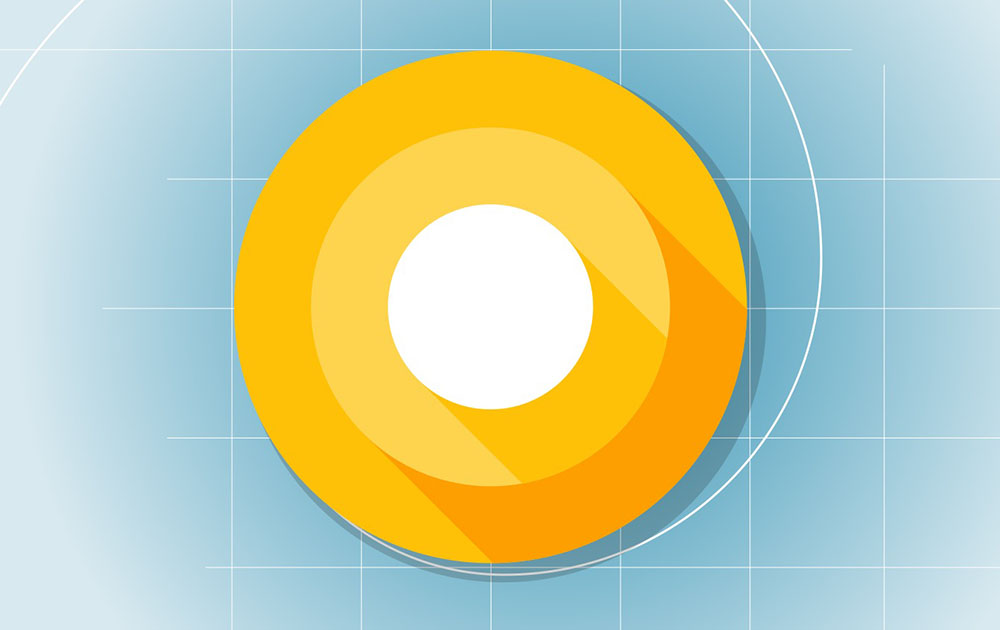
The Android 8.0 Developer Preview is now available for the developers to download. Since it is a developer preview edition, it is not aimed towards general users. Google has cleared mentioned in the release notes of Android 8.0 that its Developer Preview is not intended for daily use on phone or tablet for non-developers. As of this writing, it is called Android O. The official name of the new Android version will be revealed after a few months.
There are several improvements included in Android O. With the new Notification Channels, users will have the power to see only those alerts that are relevant to them. For instance, if a user wishes to see only technology news alerts from his news app, he would be able to disable news from other categories. It will also let users to snooze notifications so that they can be seen later. Notifications can be also set to dismiss automatically. Notifications can also feature background colors so that they can be distinguished easily.
Background Limits has been added on Android O to improve battery life significantly. It can severely control the battery power consumption by limiting services running in the background. It can also restrict broadcasts and location updates. Autofill APIs can let users make use of an autofill app to easily fill login information such as usernames, addresses and passwords. Since it is an API, it can be supported and implemented by developers.
With Picture-in-Picture (PIP), users can continue to watch a video while answering a call. Apps can be made to run in picture-in-picture mode from a paused or resumed state. Developers can also modify the aspect ratio and assign customized interaction like play or pause.
With Adaptive Icons toolset developers can create icons of different shapes for different devices. For instance, the Twitter app can have a circular shape on Galaxy S8 and have a square shape on Pixel phone. Hence, OEMs can use them to provide users with unique icons.
For better audio experience through Bluetooth, Android O will carry support for LDAC codec. Wi-Fi Aware will make Android O devices to discover and connect with each other without Wi-Fi or data connectivity. The inclusion of new “arrow” and “tab” navigation will assist in better predictable navigation on keyboards. Android O supports Java 8 language APIs and offers optimized runtime.
The formal launch of Android O is expected to happen at the Google I/O 2017 event that will be held in May. It is currently available for Nexus 5X, Nexus 6P, Nexus Player, Pixel C, Pixel, and Pixel XL.
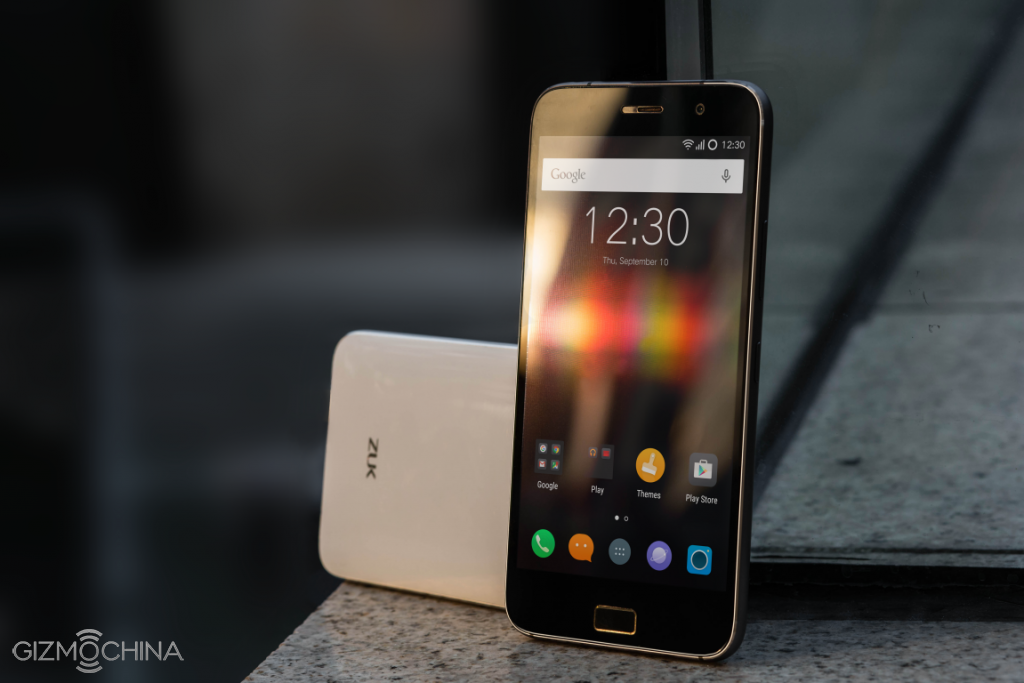
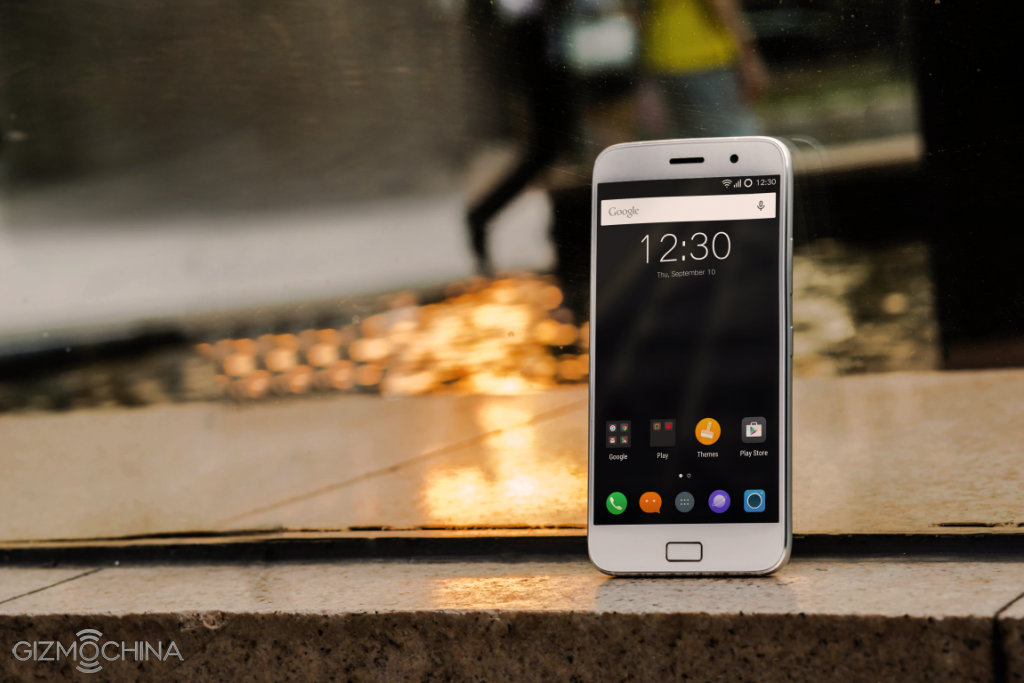
Lenovo‘s ZUK brand seems to have been missing in action for a while especially since the launch of the edgy ZUK Edge. The brand is back in the news with a bang, as it announced the final push of the latest ZUI 2.5 stable version for the ZUK Z1 and the upgrade of the kernel to Android 7.0 Nougat.
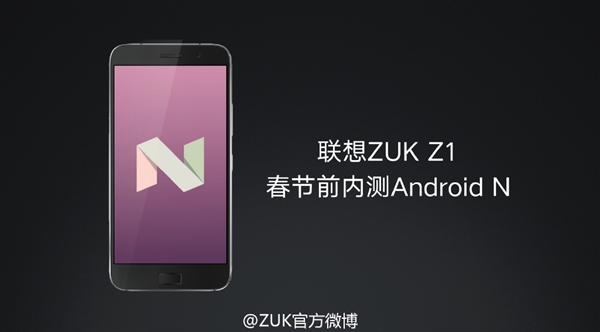
If you’d recall very well that the Lenovo ZUK Edge which was announced in December last year was the first Lenovo smartphone to run on the new ZUI 2.5 based on Android Nougat. The company in January announced upgrades for the ZUK Z2, Z2 Pro, as well as the ZUK Z1 to the latest Android Nougat. While the Z2 and Z2 Pro seem to have gotten Android Nougat stable version, the ZUK Z1 only received an open beta version of the update only.
Now, the Snapdragon 801-powered Lenovo ZUK Z1, ZUK’s first flagship smartphone, has started getting the stable version of the Android Nougat-based ZUI 2.5. The new operating system comes with the version number 2.5.406 and the update package volume is a little above 1,000MB. The upgrade brings lots of new features to the interface which includes the ability to lock the phone’s gallery, split screen, screen recording, U-Touch fingerprint function and many others.
At the moment, some users have started receiving an update prompt but ZUK is yet to officially indicate it has started pushing the stable version to Z1 owners. Since the updates have started rolling in, we expect an official statement from ZUK any moment from now.
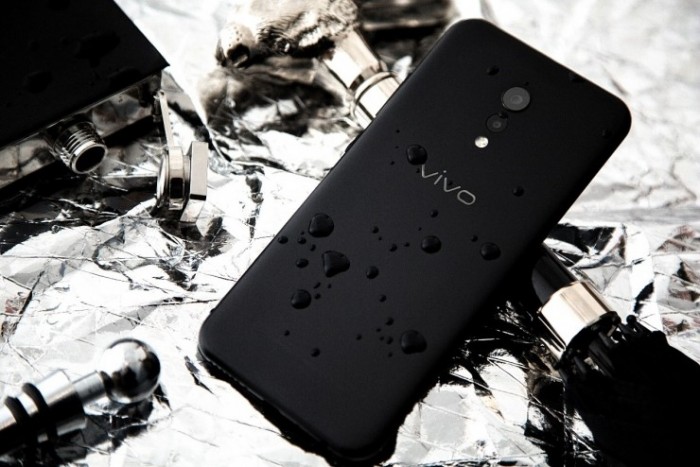
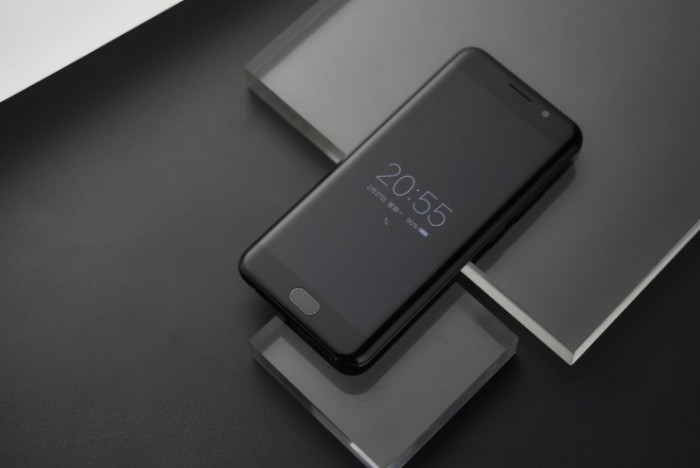
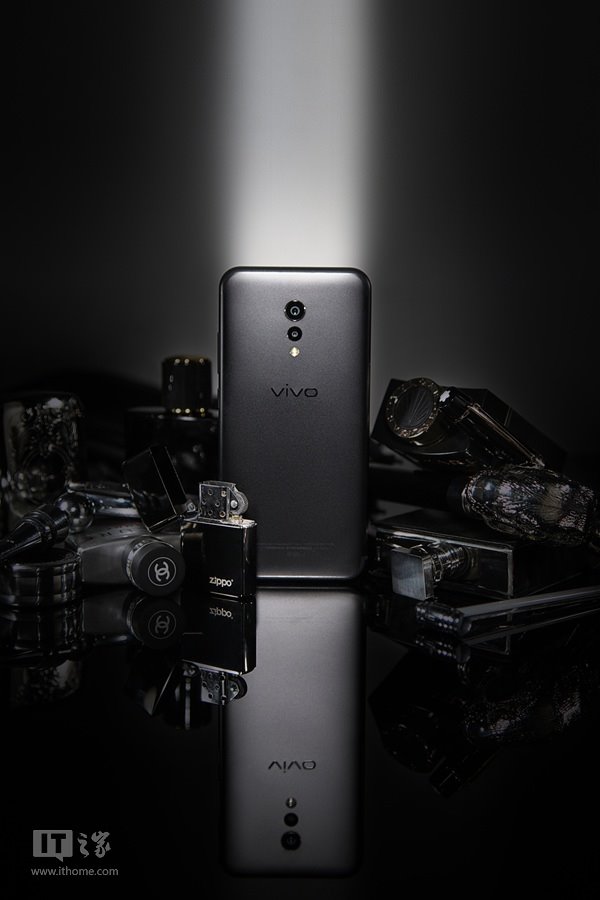
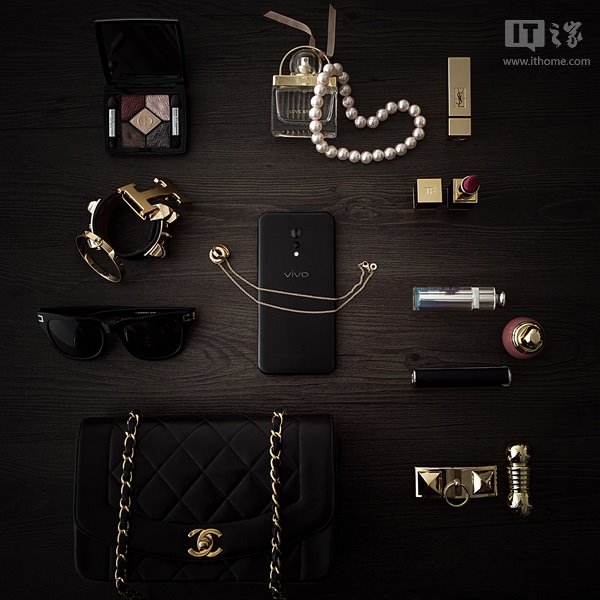
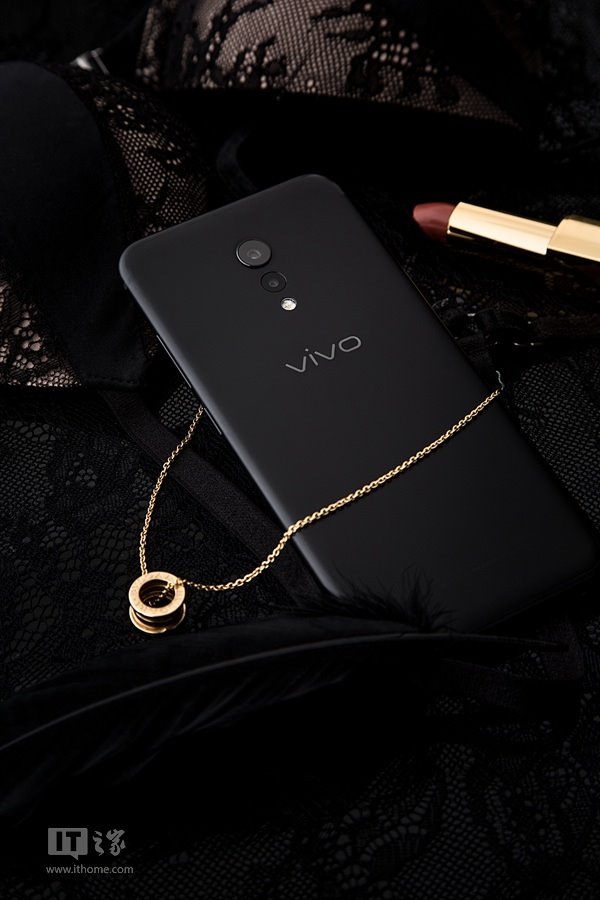
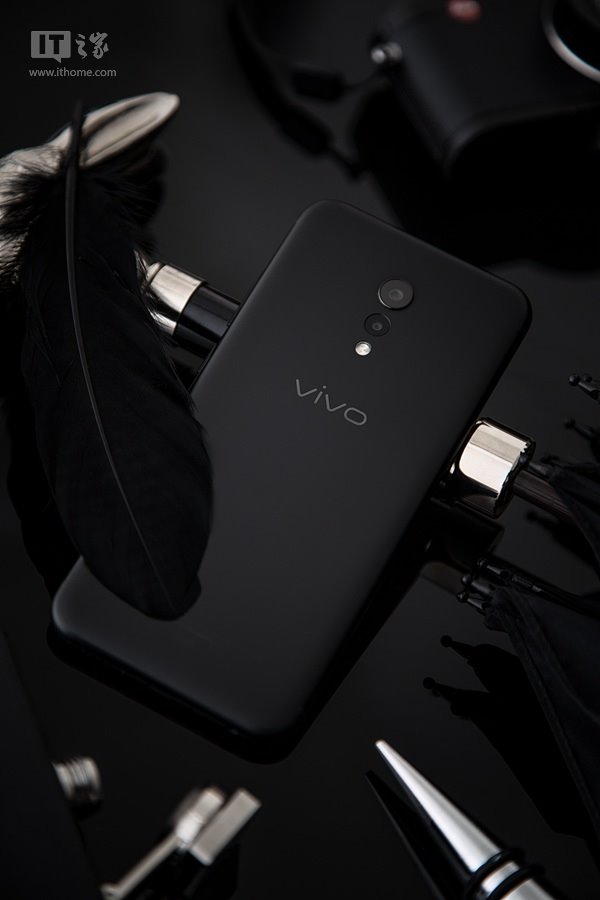
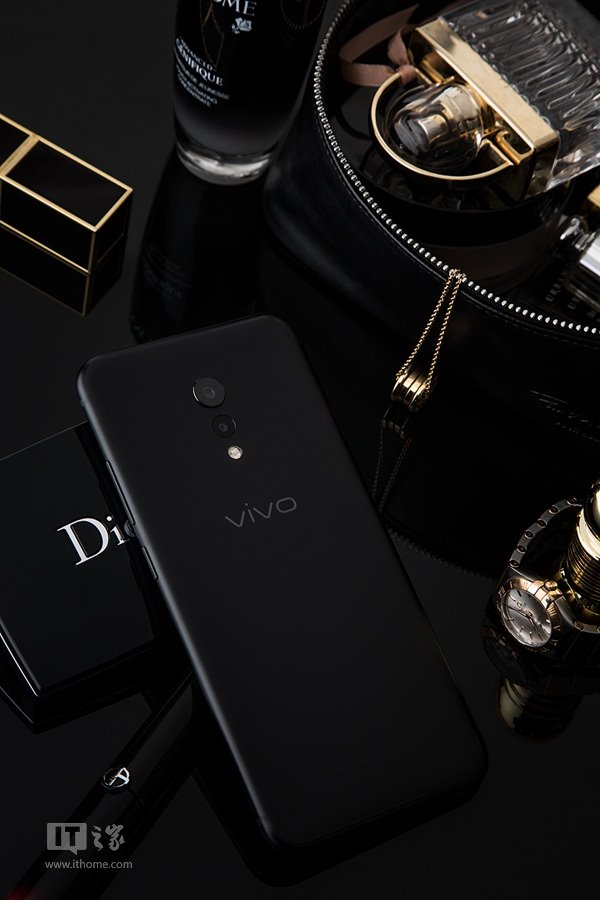
Vivo announced a Matte black color variant for the XPlay 6 on Monday, giving us more options to choose from. The Vivo XPlay 6 was first launched in November last year with a specs lineup that pitches it in the flagship category. The smartphone was made available in Gold and Rose Gold color variant but now, Vivo thinks it is just appropriate to overhaul things a little and add some more bite to the product sales drive.
The Vivo Xplay 6 Matte Black variant is just separated from the Rose Gold and Gold variants by its color if not, they all pack the same hardware. A Black colored variant comes like an icing on the cake because the Xplay 6 was already a beautiful flagship smartphone with a hardware lineup that tickles. Well, the hardware still tickle, despite being marshaled by a Snapdragon 820 chipset which may be on its way down the chart into the mid-range chipset category.
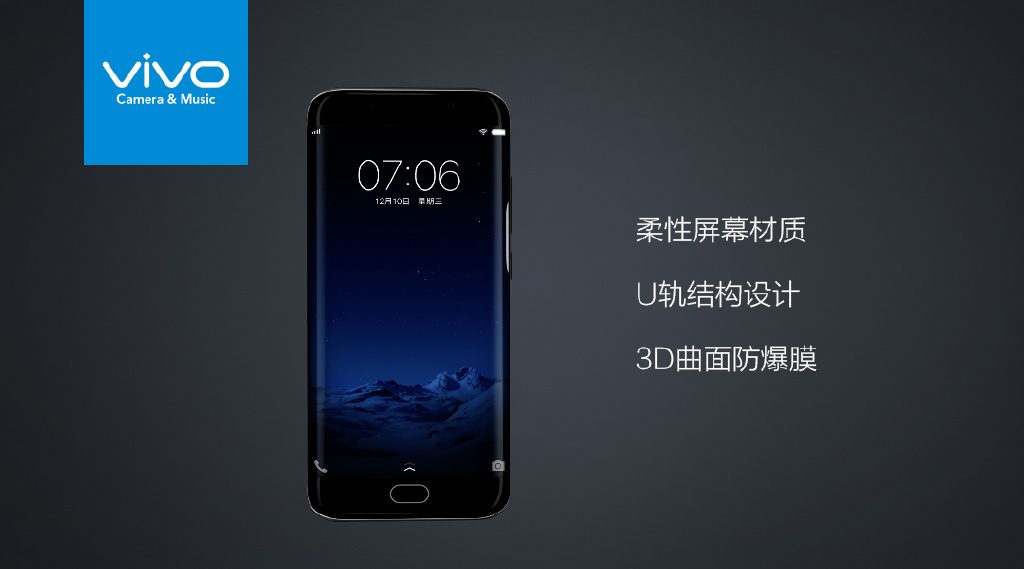
The Matte Black variant comes with a highly classy and very attractive look which would likely make it a hot-selling device. Remember, a curved edge display is also one of the attributes of the Xplay 6. A curved display indicates the absence of display bezels at the edges. All you would see is some bit of bezels at the top and bottom edges but because of the black color, it isn’t too obvious. It just blends with the color of the metal body, matte black.
As a reminder, the Vivo Xplay 6 comes sporting a 5.46-inch display with 2K resolution. There is 6GB of RAM onboard backing the SD 820 chip and also a huge 128GB of storage. The Xplay 6 also packs a massive 4,080mAh battery with fast charging support. The camera aspect is taken care of upfront by a large 16MP sensor with soft lights while at the rear sits a dual camera setup comprising a 12MP Sony IMX362 sensor at the back along with another 5MP depth of field sensor. The camera module comes with 4-axis OIS, large f/1.7 aperture, 1.2μ pixels, 0.03s focus andLED flash.
As for the price, the Vivo Xplay 6 Rose Gold and Gold variants are priced at 4498 Yuan ($655) but it unclear if the Matte Black version would carry the same price. Vivo has scheduled a fashion exhibition of the Matte Black Xplay 6 in Beijing on March 23 tagged TOTAL BLACK in collaboration with Chinese supermodel Xi Mengyao (also known as Ming Xi). Perhaps, we would get to know the official price tag then. We may also likely be seeing more attractive pictures of the device but for now, take delight in the classy, Matte black Xplay 6 picture collection we have here. See more pictures from down below.
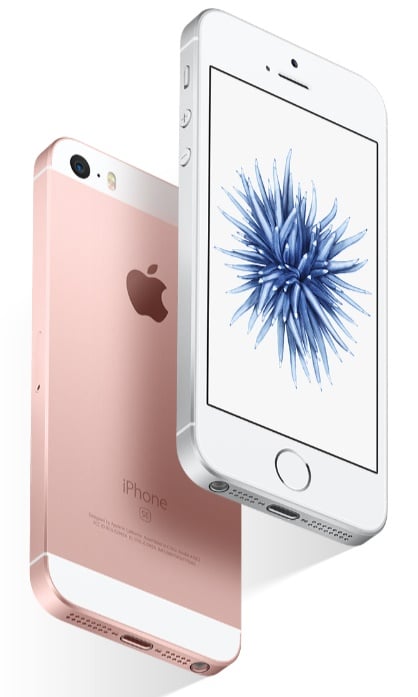
Asides the Product Red iPhone 7 and iPhone 7 Plus released today, Apple also released two new iPhone SE models. These new models are actually just new storage variants for the compact sized iPhone SE.
Apple launched the iPhone SE exactly one year ago as a successor to the iPhone 5s. The device retained the 4.0-inch display size but brought new features present in the bigger iPhone 6s and 6s Plus. However, it’s release was marred by the fact that Apple had launched it with 16GB of storage (though there was a 64GB model too).
Today, Apple has released two new storage variants for the iPhone SE, a 32GB model and a 128GB model. If you head to the official website, the 16GB and 64GB models are no longer available and have been replaced by the new storage variants. It appears Apple has discontinued both which is a bit weird. We totally understand that the 16GB model has to go but why include the 64GB model?
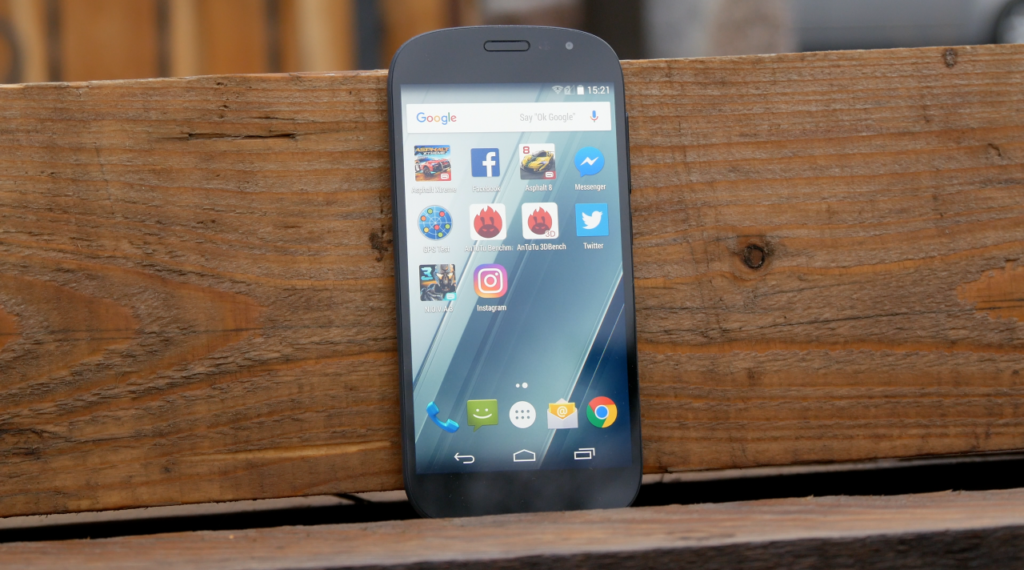
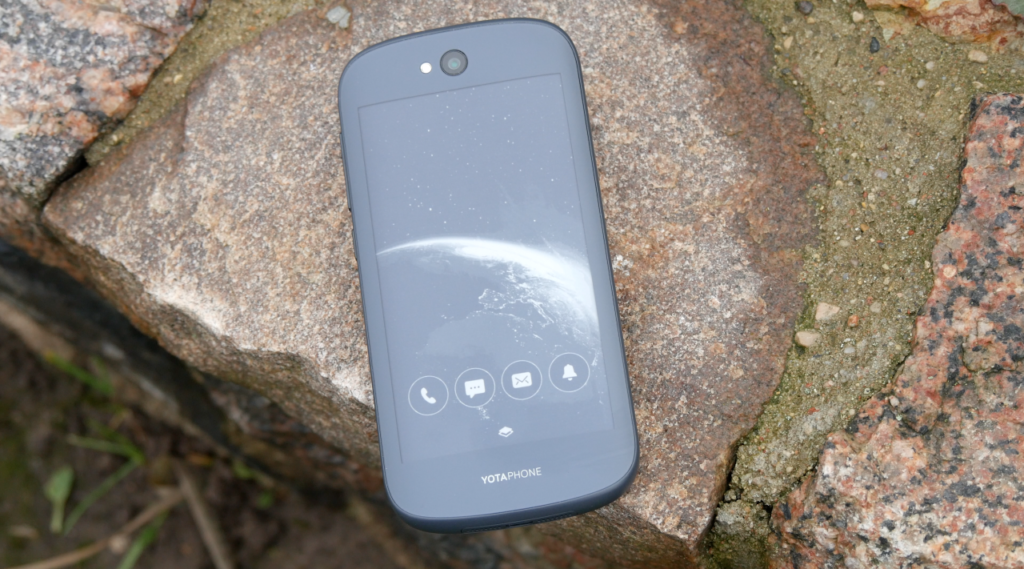
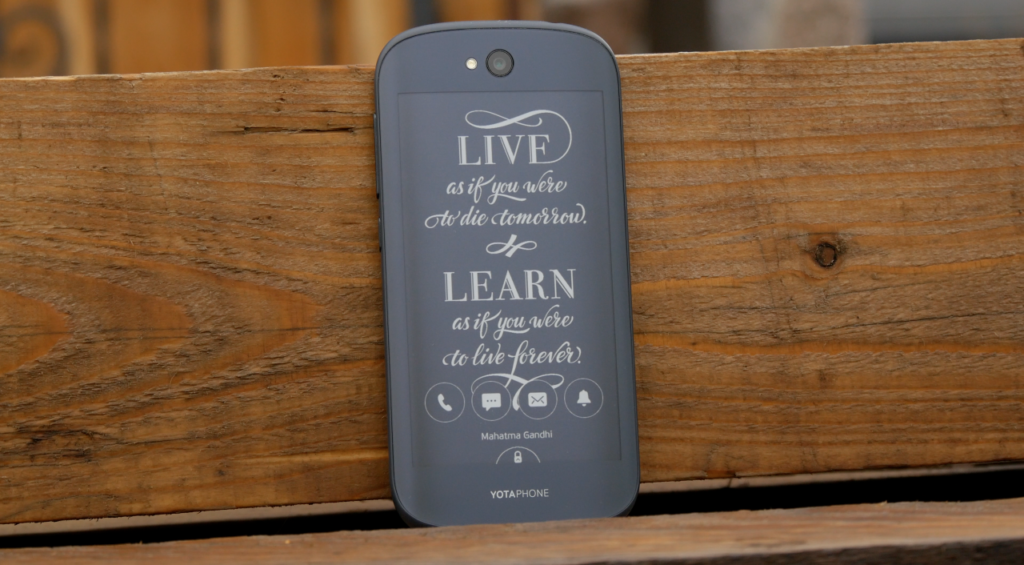
There are so many smartphones these days and a lot of them are similar in one way or another. However, some phones are truly unique. The Yotaphone 2 was released almost 3 years ago and it used to cost over $800. Now you can get it for just about $120 and it is probably the most unique cheap smartphone out there. Learn more in our full review.
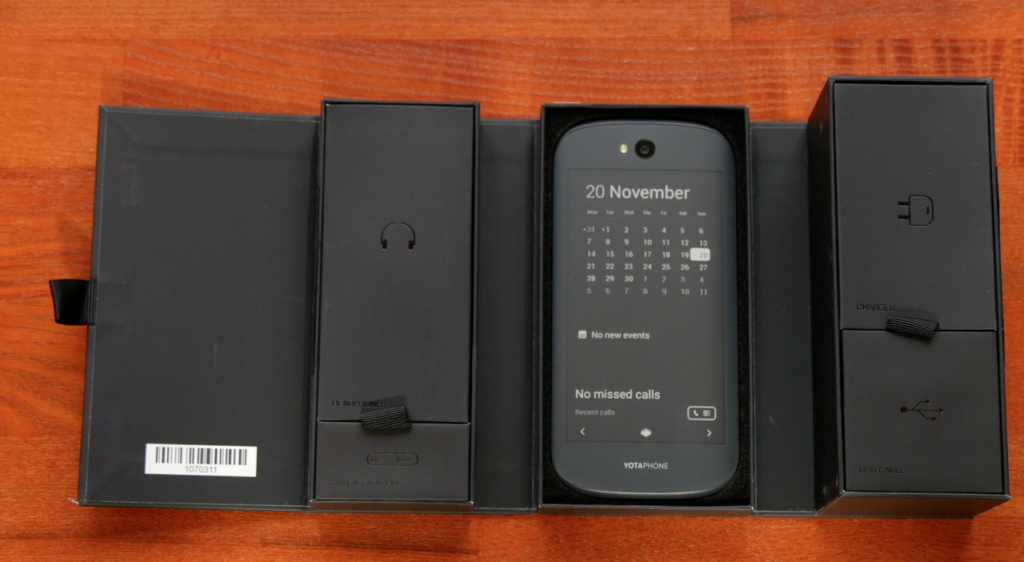
It all starts with a premium presentation. The phone a comes in a unique box that nicely unfolds and inside of it, all the items are actually packed in separate boxes.
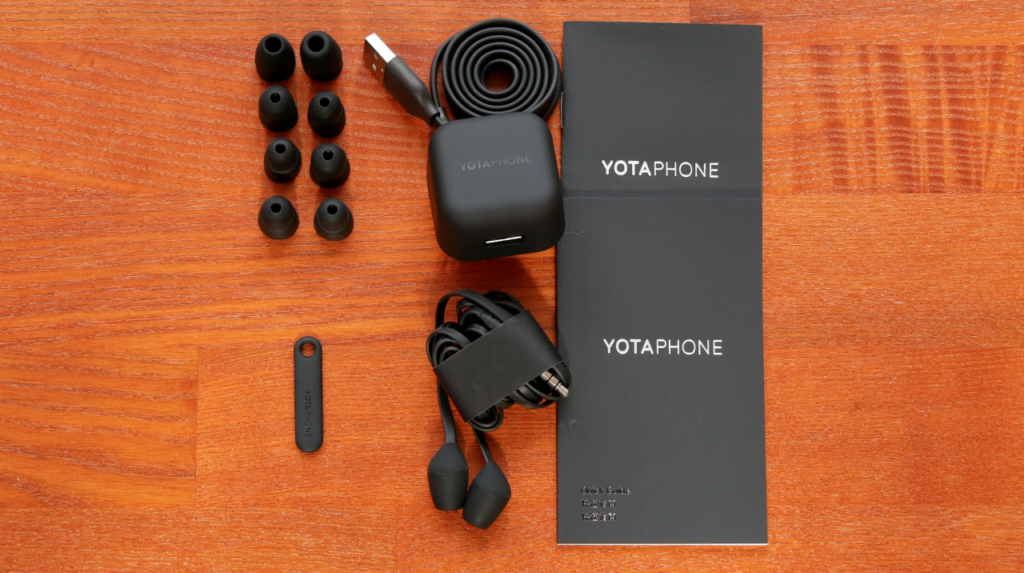
The list of accessories includes a nice USB cable, some paperwork, a fast charger, a SIM ejector tool and a pair of earphones, which look kind of nice but the quality of sound is just meh.
DESIGN
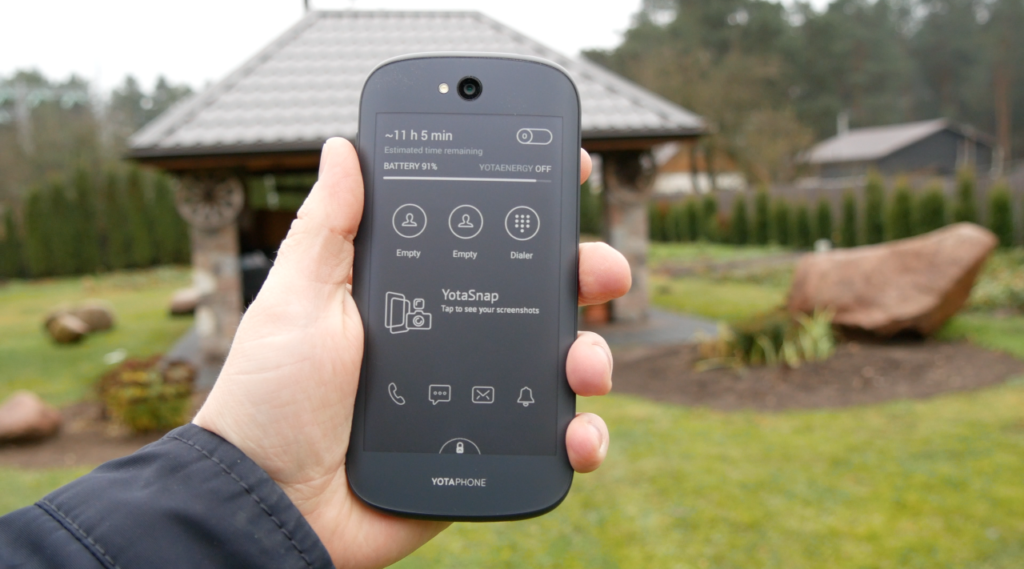
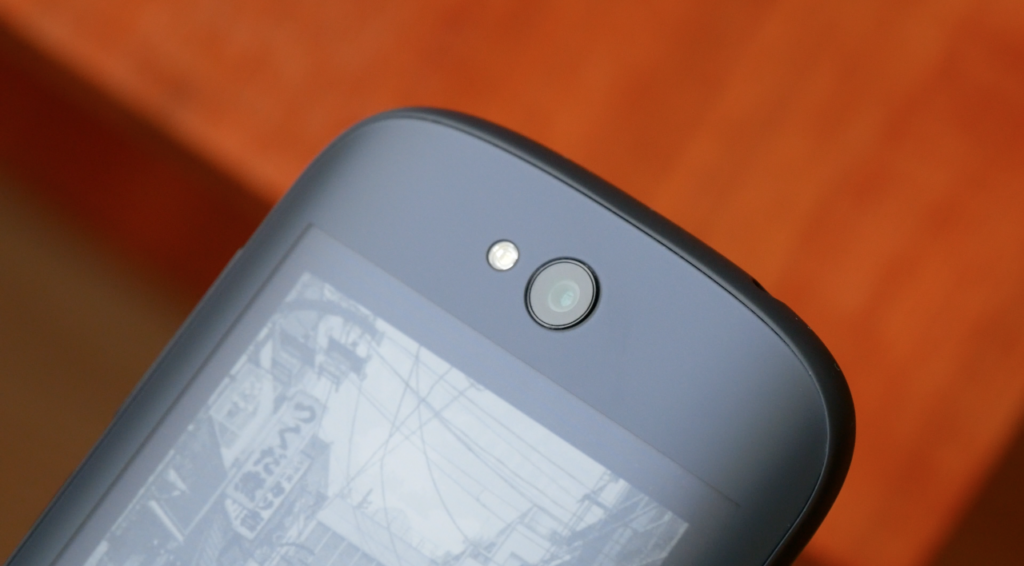
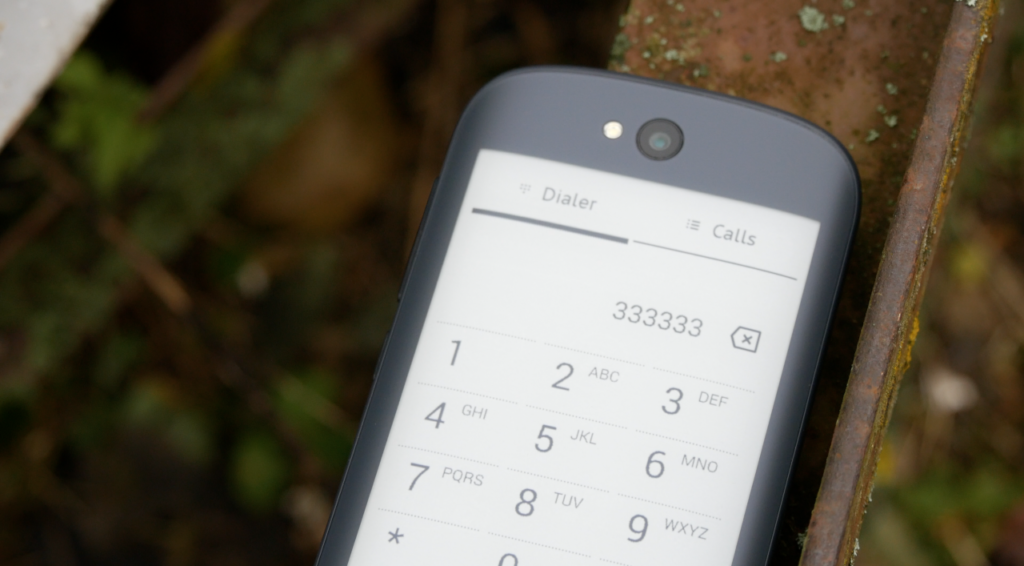
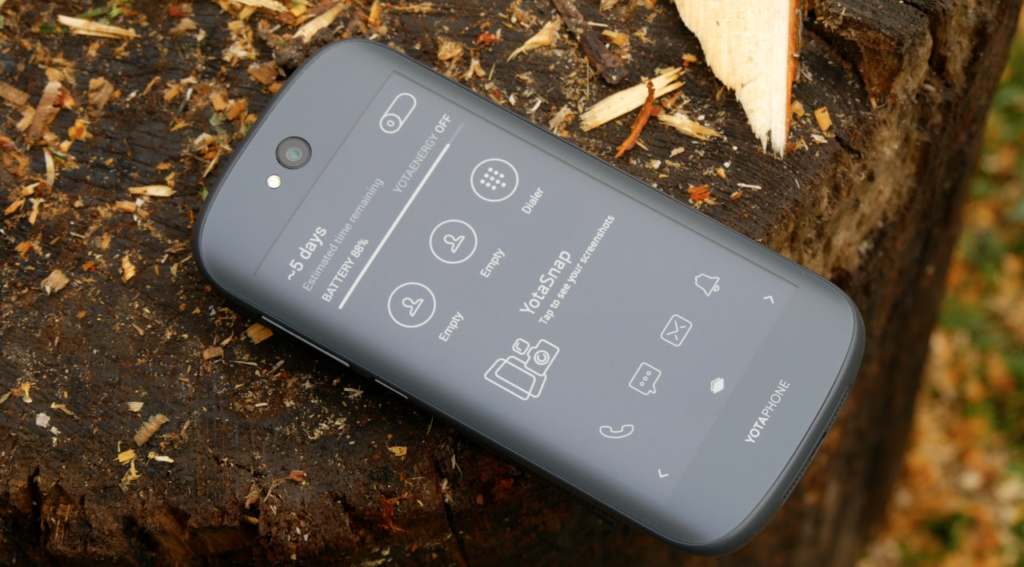
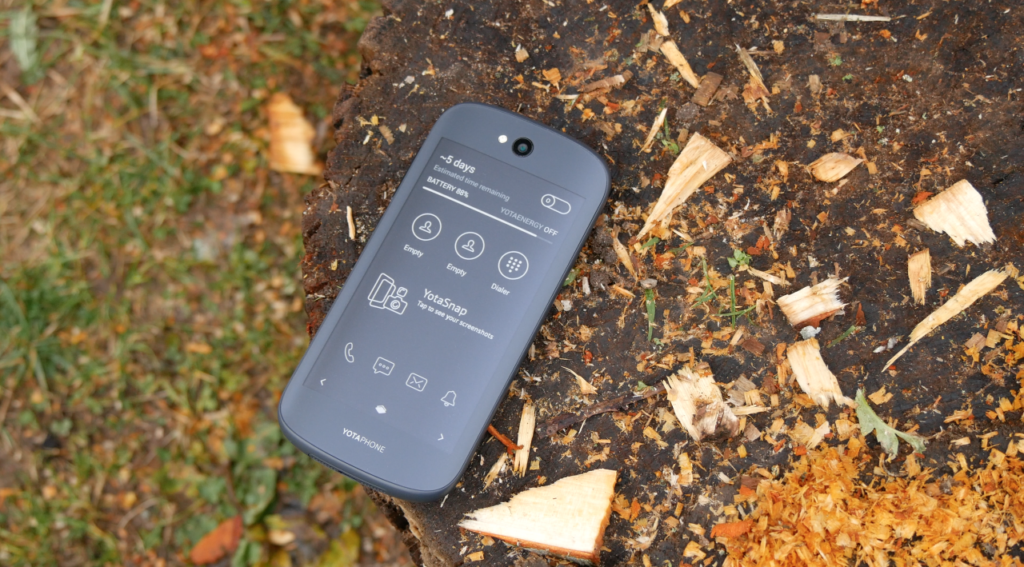
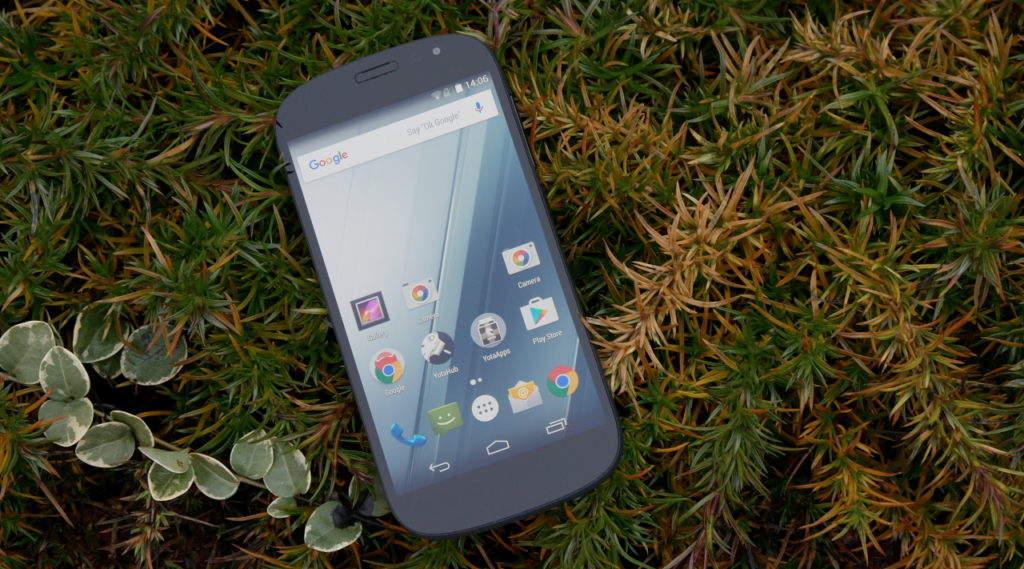
The Yotaphone is a unique device not only because of its secondary 4.7” E-ink display but also due to its rounded shape, which may remind you some of the old Nexus devices. What is also kind of unique is that the phone is very compact according to today’s standards and that it mainly due to the 5” 1080p AMOLED panel.
Speaking of that display, I can say that it is punchy, vibrant and it offers deep blacks – like most of the AMOLED panels. Both displays are covered with Gorilla Glass 3 for scratch resistance.
As for cameras, we have just an 8MP shooter on the back and 2MP on the front. Oh.. you can actually use the main camera with the LED flash for selfies and see yourself on the e-ink display.
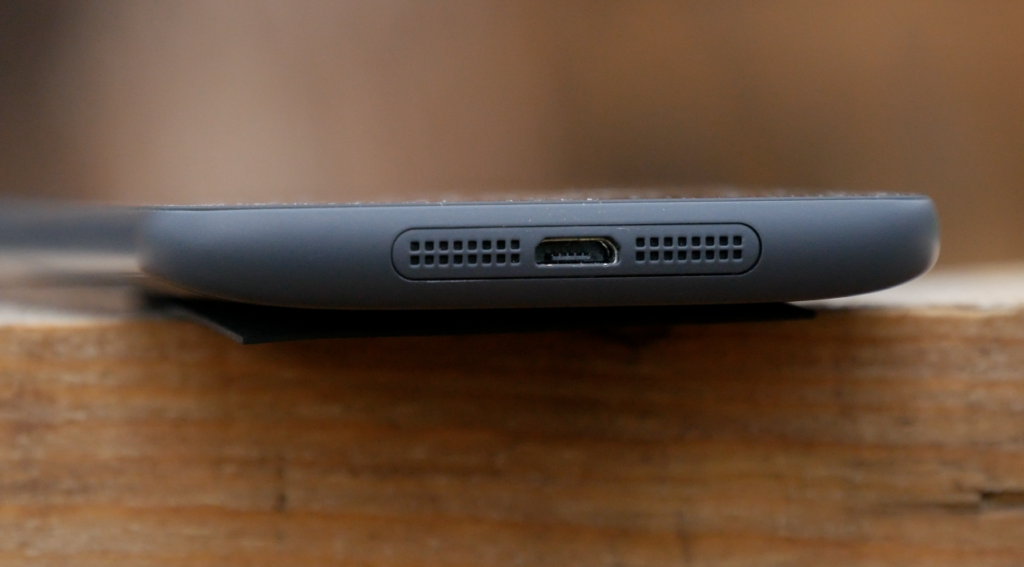
Since the Yotaphone used to be the high-end phone, the loudspeaker quality is one of the best you can find in this price range.
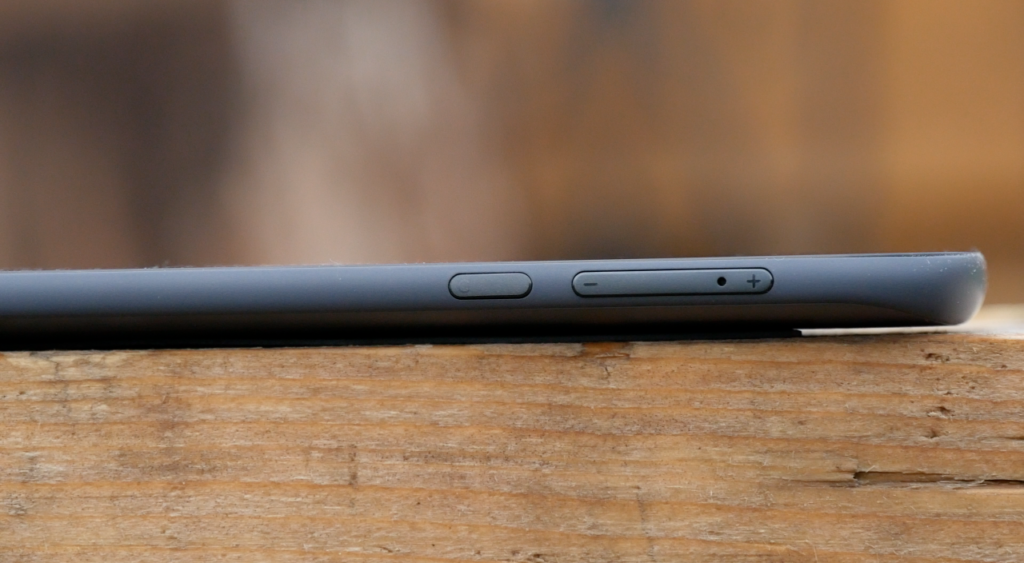
Overall, the device is well made and it sits comfortably in the hand. However, we don’t have any premium materials like metal, there is no notification LED light, there are only the on-screen navigation buttons and last but not least the volume rocker rattles quite a lot. Well, it may be due to the fact that there is a single nano sim card tray inside the button.
SECONDARY DISPLAY
The question is what can you do with the secondary display and why is it there?
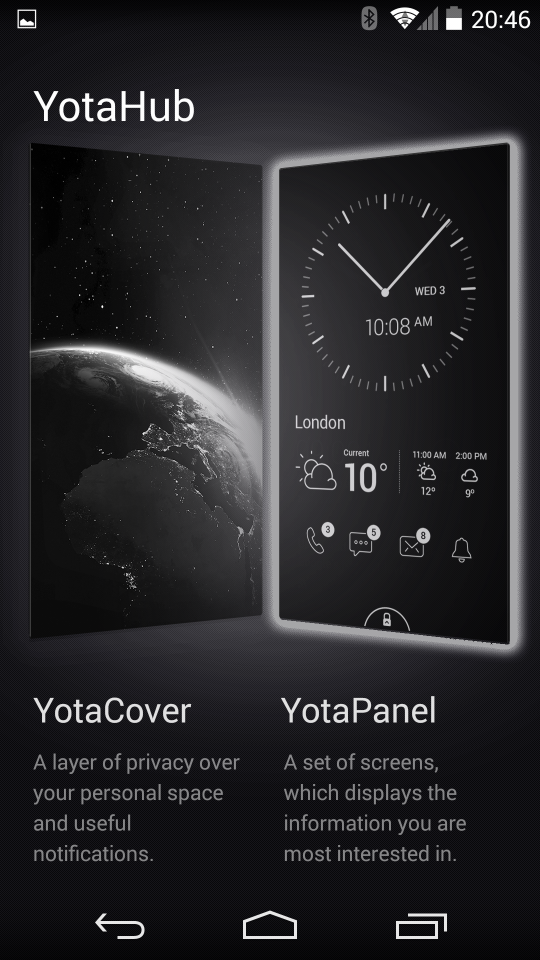
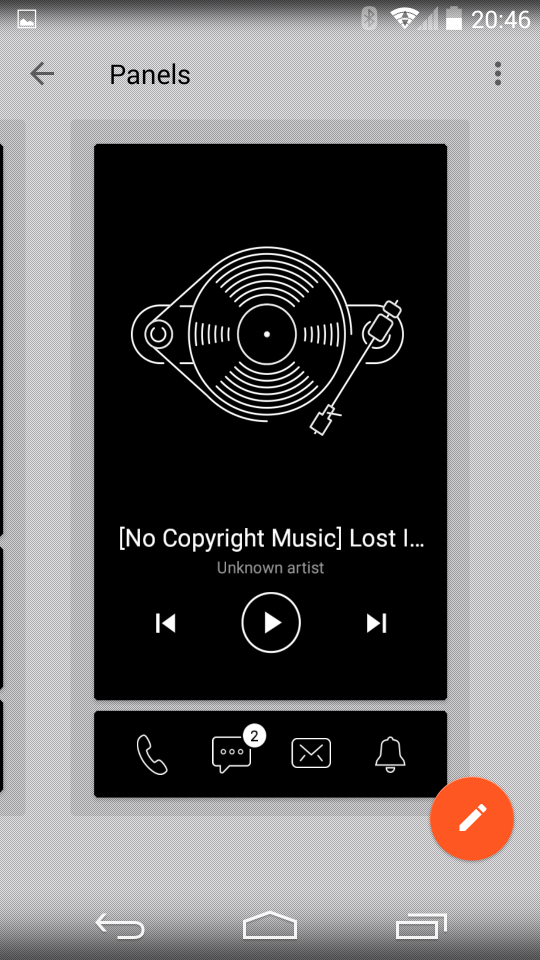
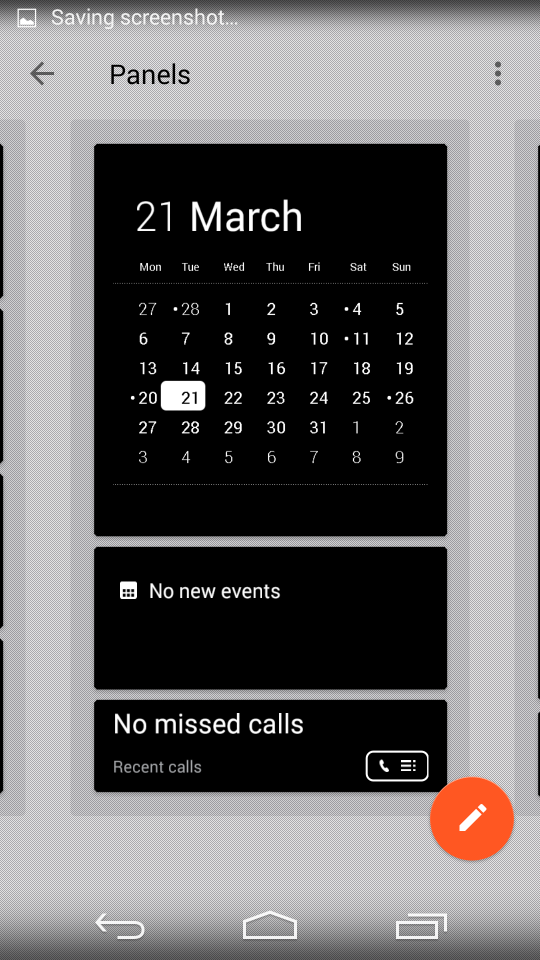
Well, you can do a lot of things. First of all, you can see all your notifications and access some frequently used apps that sit on the on the Yotapanels, which are highly customizable.
You can access your calendar, contacts, play the music and so on. Everything can be highly customized but…. I think that’s the boring stuff. You can mirror absolutely anything you want on the secondary display. The possibilities are endless here… You can play some pre-installed games or use the display for your movie tickets.
Not sure if you want to watch videos or even play some games on the black and white display that has much slower refresh rates but it is kind of fun and it saves a ton of power.
Speaking of the power, you can enjoy reading a collection of e-books for a whopping 100h using the e-ink display and the built-in Yotaphone’s power management tools. However, if you prefer using the Yotaphone’s main display more often, you will get just over 3 hours of screen-on time. At least, that was my result on kind of intensive use.
USER INTERFACE
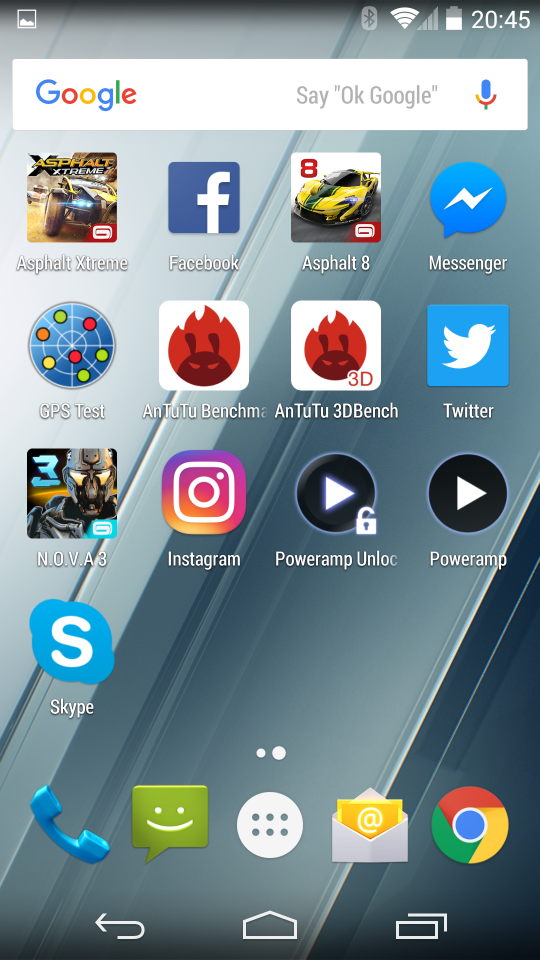
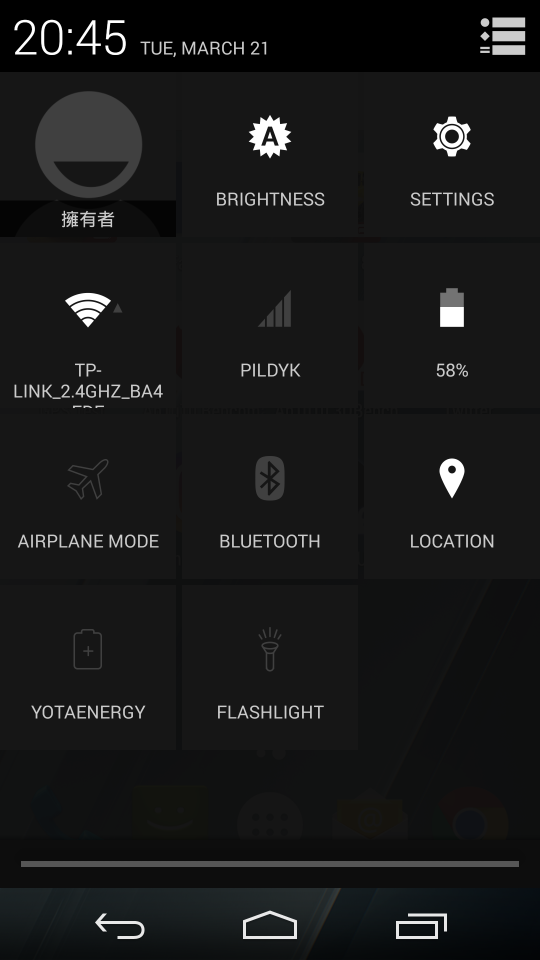
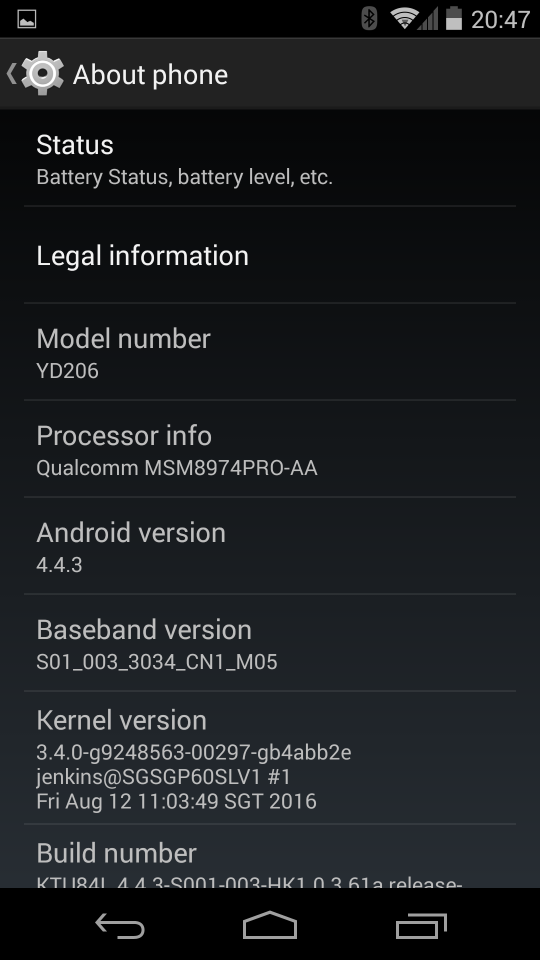
The secondary display definitely looks like an innovation even in 2016 but the Yotaphone is a 2-year old device after all. My Chinese review unit runs the outdated Android 4.4 and I know that a lot of folks may be disappointed.
On the other hand, the stock-looking UI is pretty fast and I just had a few minor hiccups over the time.
HARDWARE
For just $130, you are getting and old but still capable Snapdragon 801 chip. If you add 2GB of RAM and 32GB of storage, you can enjoy playing some 3D games even on the highest graphics with just a few skipped frames.
IMAGE QUALITY
The image quality is kind of average. The daylight images could have more detail and sharpness, the dynamic range adjustment is kind of poor and the HDR mode leads to unnatural looking colors. Still, you can some nice pictures that can rival some newly released phones in this price range.
Where the Yotaphone 2 is better than your average $130 phone is the low-light. The photos are not the best but are definitely usable.
The selfie image quality leaves a lot to be desired.
The 1080p video looks kind of okay but don’t expect any stellar-looking footage from the phone this cheap.
CONNECTIVITY
When it comes to connectivity, the phone lacks the microSD card slot, it comes with just 1 sim card tray but there is NFC, a stable wifi connection and the good quality earpiece that assures a great call quality.
If you add the wireless charging feature, you may live with the previously mentioned shortcomings. Ohh.. and almost forgot, the GPS is very accurate for navigation.
CONCLUSIONS
That leads us to the final conclusion and we should answer if the Yotaphone is worth buying in 2017.
I think it is. $130 will get you a phone that is truly unique mostly due to its secondary display. Whether you love reading books or want to mirror the entire main display, the Yotaphone has you covered.
However, this device is 2 years old and you get the outdated hardware, software, the volume rocker rattles, there is no notification LED light, just above average camera, and you are stuck with just 1 sim card tray..
Even with those shortcomings, I think that the Yotaphone is still a one of a kind device at this price point. It’s up to you to decide whether that blend of uniqueness and outdated hardware is worth your money.
Chinese display manufacturer, BOE Technology Group Co. Ltd has announced that it has successfully developed a new 5-inch AMQLED display. AMQLED is short for Active Quantum-dot Light Emitting Diode.
The new display technology differs from LCD in that while the latter uses liquid crystals to rotate polarized light (for LED-backlit displays, LEDs illuminate the pixels on the screen), AMQLED uses quantum dots to light up the screen thereby resulting in a display with a wider color gamut of up to 100%.
Quantum dots are actually small semi-conductor crystals that emits varying colors based on their size. The quantum dots absorb energy when excited and emit different colors depending on the size you adjust them to. This allows them to be used as a backlight technology or as an active quantum-dot light emitting diode.
Apart from having a wider color range than AMOLED displays, another advantage AMQLED has over AMOLED is that it is cheaper to produce and has a longer lifespan. Quantum dot is still in its infancy and new breakthroughs are expected to see it applied to other fields like solar cells and biological sciences.
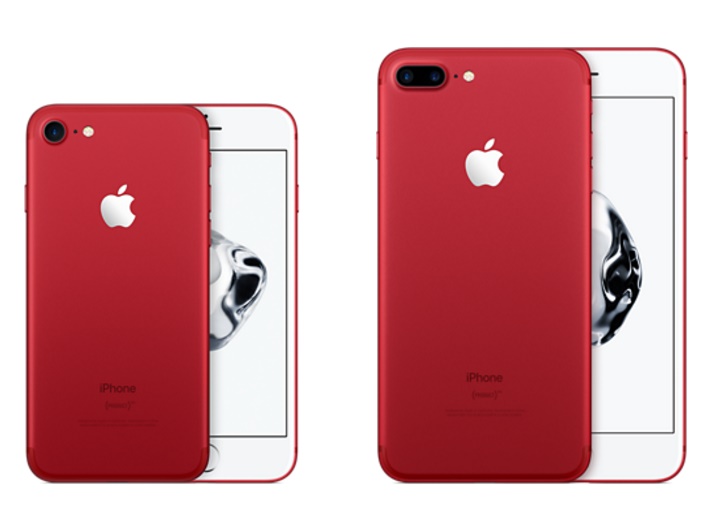
2017 is a colorful year, literally. Starting in January, we have seen manufacturers release new color variants for their phones. Today, Apple joined the bandwagon with a new red variant for the iPhone 7 and iPhone 7 Plus.
The new color variant is a special edition model made in partnership with Product Red ( (PRODUCT)RED ), a non-profit organisation that aims to create awareness and raise funds for eliminating HIV/AIDS in Africa. Both Apple and Product Red have been working together for 10 years now. The first Product Red Apple device was an iPod nano, and till date the partnership has included other special edition products like accessories for the iPhone, iPad, and Apple Watch.
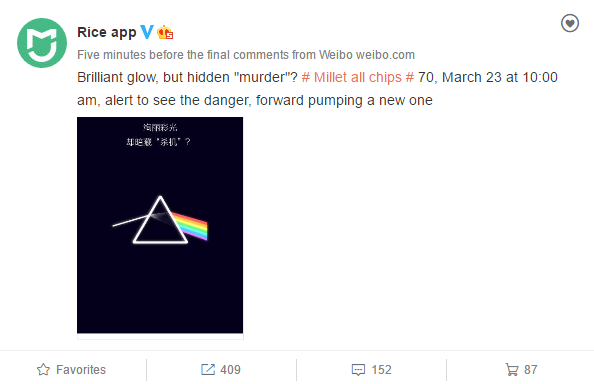
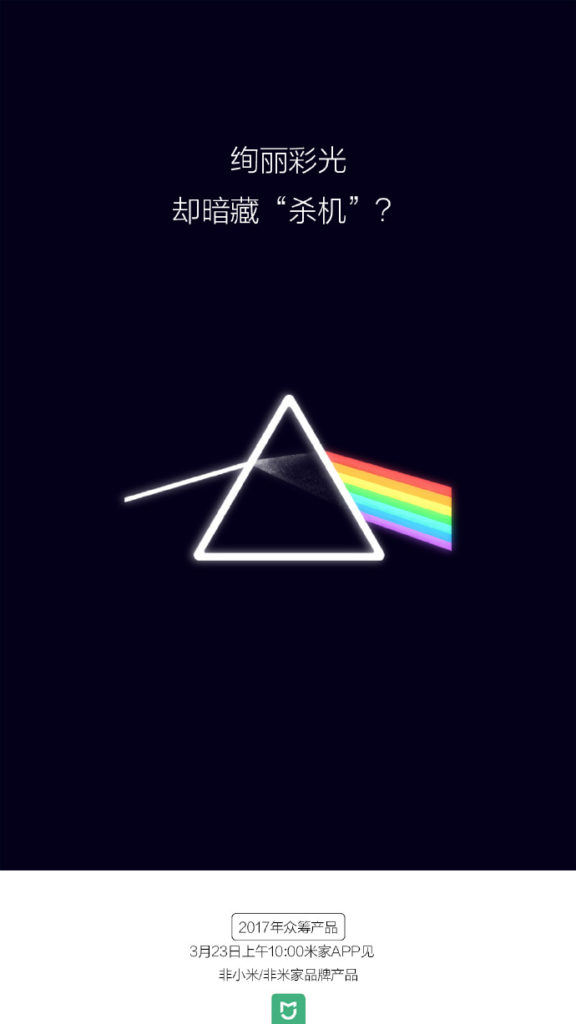
Xiaomi yesterday posted a poster on Weibo which announces an upcoming launch event under its crowdfunding platform. From the look of things, the phone is related to an earlier product which was launched last month, talking about the Turok Steinhardt sunglasses.
From the content of the poster, the product would be launched on Thursday, March 23 at 10 AM. Even though the upcoming product’s name is usually not included on the launch invite, the posters usually contain a tip or two which would give us an idea of what the upcoming product is. In this case, the product is likely an optical product considering the presence of a refractive glass prism on the poster.
We really don’t think this would be another sunglasses but it could be an optical product for other purposes. A glass prism separates light into its seven component colors of Red, Orange, Yellow, Green, blue, indigo and violet using their different refractive indexes. This theory comes in useful in a polaroid system, so may be this could be a polaroid sunglasses. A polaroid sunglasses help reduce glare from a long, flat surface such as the hood of the car or the road’s surface, water surface or any surface with a reflective property.
We are keen on this being a sunglass because the Mi app Weibo post was re-posted by the Turok Steinhardt TS official Weibo page showing it is a product which they have vested interest. Well, perhaps. We are not so sure about that, though, so we’ll wait till when the product is official to find out what it is.
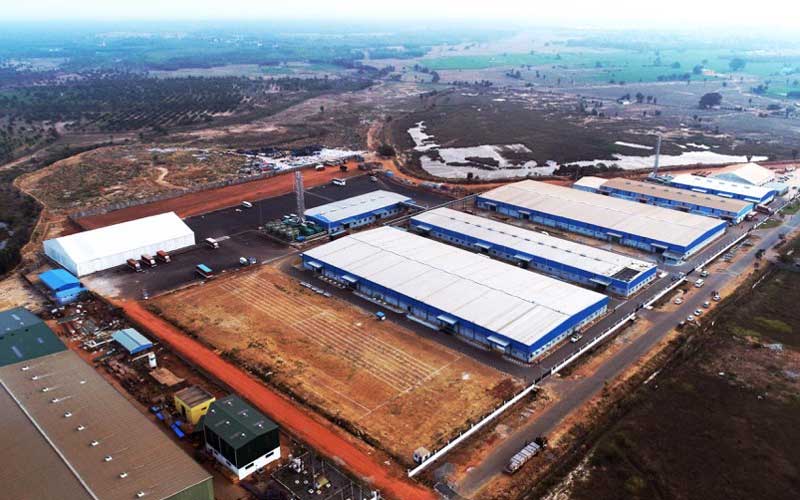
Xiaomi has opened a second factory in India, its second most important market. The new factory which is located in Sri City, Andhra Pradesh was built in conjunction with Foxconn, another Chinese OEM giant.
The announcement was made during the launch of the Redmi 4A in India yesterday. Xiaomi says the new plant produces one phone per second but refused to reveal its annual production target. While that might sound impressive, it still might not be enough. Xiaomi phones are usually sold out immediately when it announces its sales.
Vice-President Manu Kumar Jain who also doubles as head of Xiaomi India says the company is working on solving supply issues. He said plans were already underway for production expansion since last year when the first plant was already working at full capacity but demand still outweighed supply. He cited the example of the Redmi Note 4 which sold a million units in just 45 days but which could have been more if they had more stock.
In an interview with IndianExpress.com, Mr Jain said “The key for us was to start hitting one phone per second kind and we thought we will announce it only when we hit that number. Now we are hitting that consistently”.
Xiaomi says it has employed over 5000 workers, 90% of which are women at both plants which are managed by Foxconn. Xiaomi’s Indian portfolio includes the Redmi 3S (2 variants), Redmi Note 4 (3 variants), and the Mi 5. Xiaomi says except the Mi 5 which is imported from its home country, the others are made in India.
Part of Xiaomi’s plans for India is to focus on offline sales. Mr. Jain says the company has partnered with brick and mortar stores like Big C Mobiles, Poorvika Mobiles, Sangeetha Mobiles to sell the Redmi Note 4 in over 700 locations in South India. He adds that residents in cities in the North (Delhi Chandigarh and Jaipur) will be able to purchase a Xiaomi phone from about 1500 mom and pop stores by the end of the week.
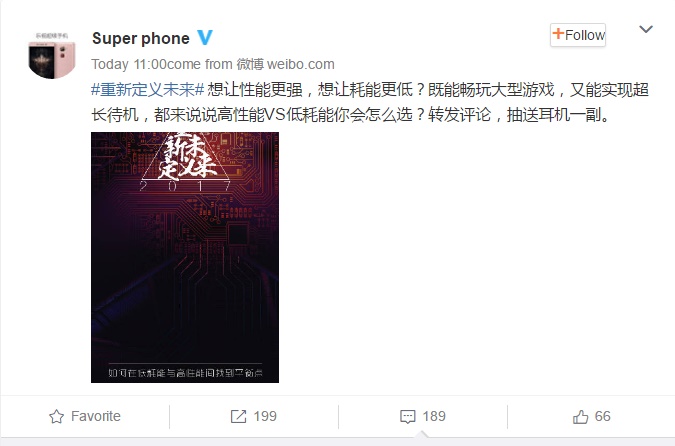
It appears LeEco has a new phone set to launch soon. The manufacturer’s official Weibo account released a teaser image hinting at a device that will offer improved performance but also consume less energy.
The teaser image is a red-circuit board with a text that loosely translates into “How to maintain a balance between high performance and low power consumption”. The accompanying text in the post also translates into the same meaning above.
Some sources say the new device will most likely be powered by the Helio X27 chip, a processor from Mediatek that offers great performance but also consumes low amounts of energy.
The Helio X27 was announced last year alongside the Helio X23 as upgrades to the Helio X25 and Helio X20 respectively. Both SoCs are deca-core chipsets and use a tri-cluster architecture. The Helio X27 is said to offer a 20% overall increase in performance compared to the Helio X25. So far, only two phones currently sports the processor and they are the UMi Z and Umi Z Pro.
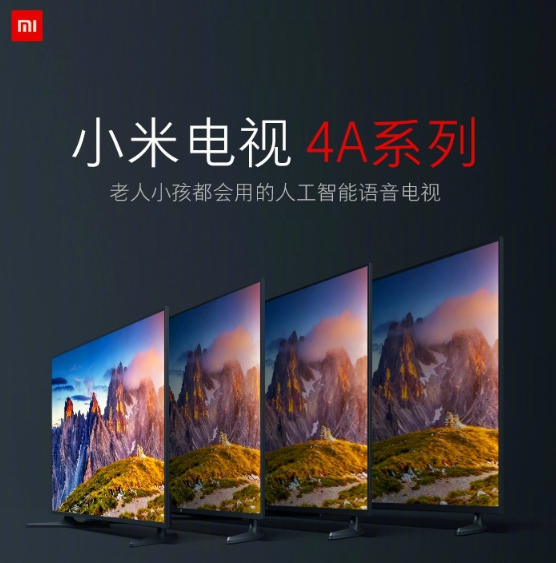
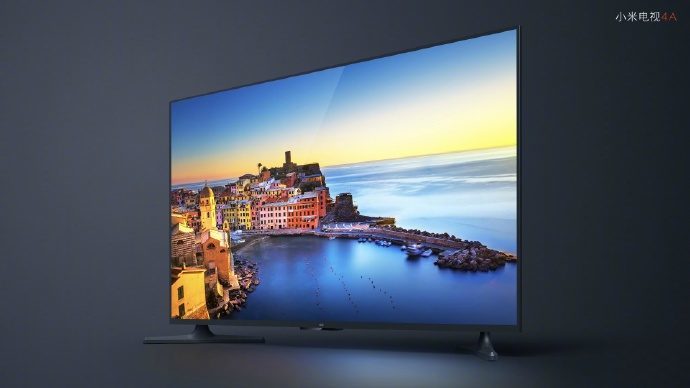
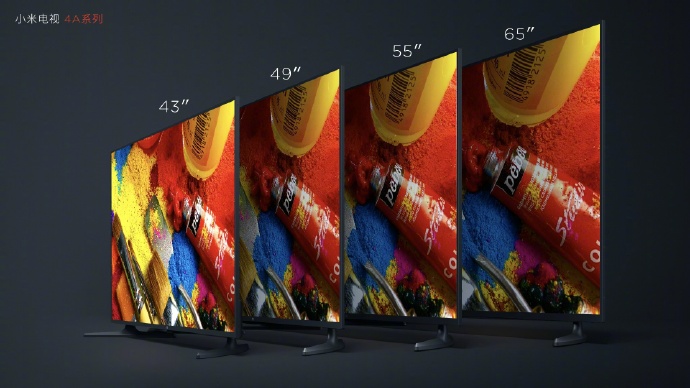
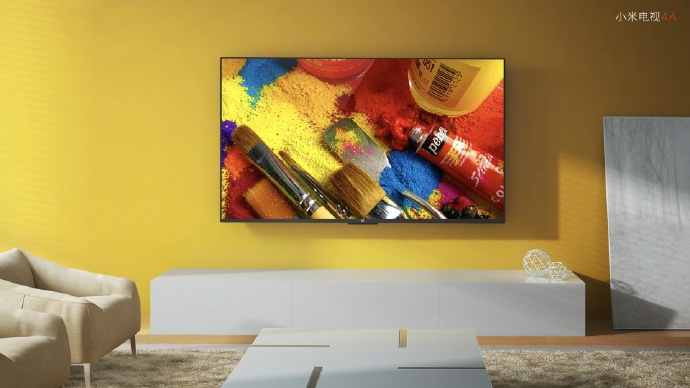
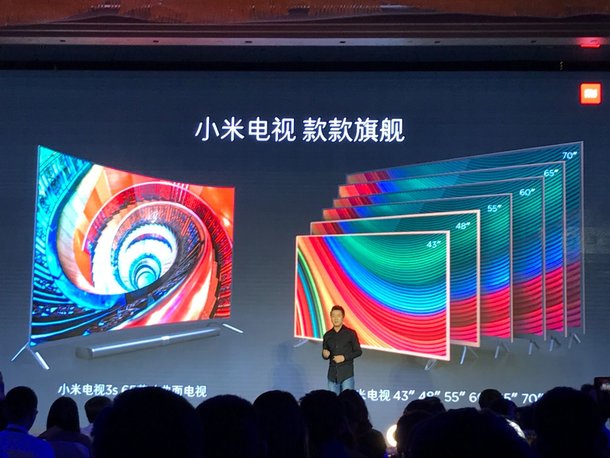
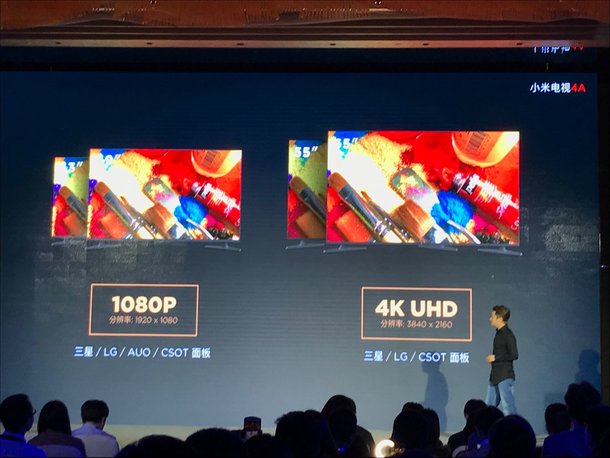
Xiaomi has released a new Mi TV series today at a ceremony held in Beijing. The launch event comes after a number of teasers which pointed to a new TV with a cheap price tag on top of a powerful hardware lineup. The new TV series dubbed Mi TV 4A is very well distinct from the Mi TV 4 which was unveiled at CES 2017 in that the Mi TV 4A does not utilize a modular design like its predecessor. The Xiaomi Mi TV 4A series equally comes with a narrow frame design and flat display.
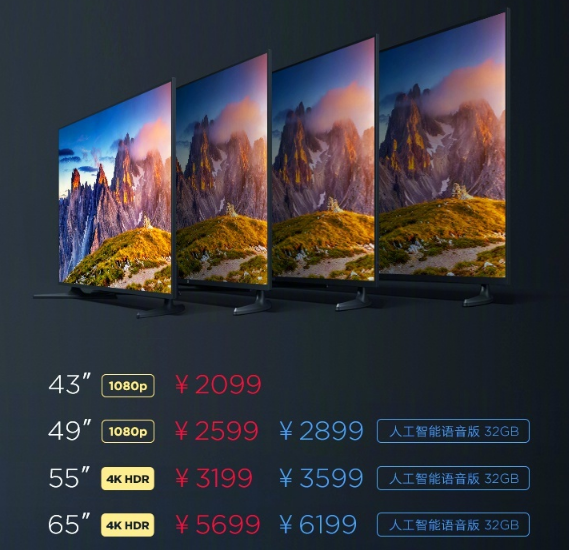
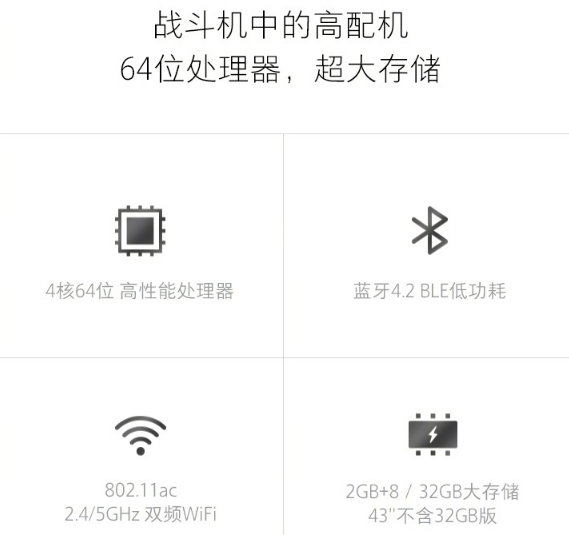
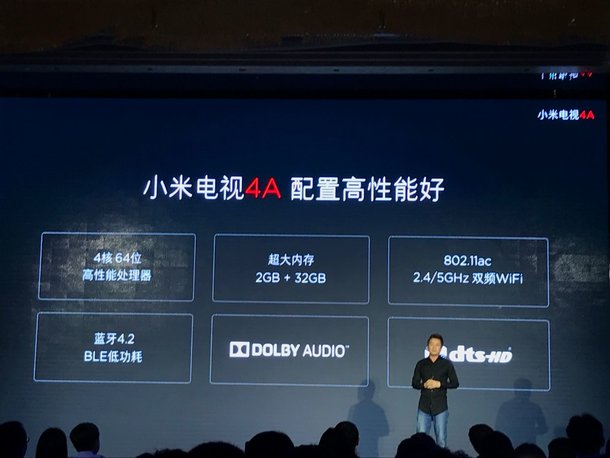
The Xiaomi Mi TV 4A is indeed a high-end TV series, packing a quad-core 64-bit high-performance Amlogic T962 clocked at 1.5GHz while the graphic aspect is powered by a Mali 450 750MHz GPU. The processor backed by 2GB DDR4 of RAM. The device also offers up to 32GB eMMC5.1 flash memory on all the versions. The Mi TV 4A is available in four different display sizes, the base model comes with 43 inches display size which is closely followed by a 49-inch model, then a 55-inch model and finally, a 65-inch model. The 43-inch and 49-inch models feature a 1080p resolution on their displays, while the 55-inch and 65-inch models are the high-end versions both having 4K display resolution a piece.
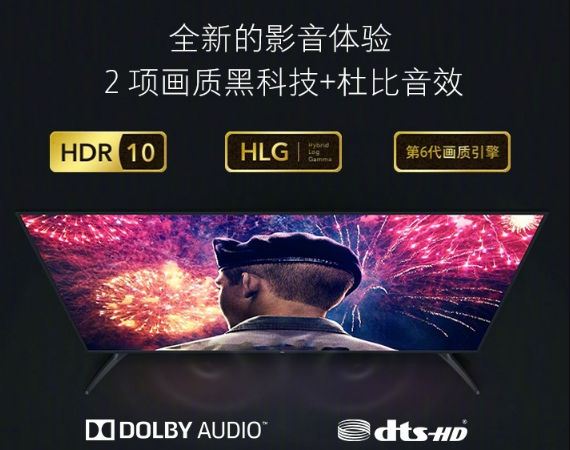
One spectacular feature on the Mi TV 4A series is that they all come with support for HDR10 and the latest UHD HLG while also supporting the Dolby Vision format. The Mi TV 4A comes in Smart just like Xiaomi’s range of Mi TV, sporting a dual band WiFi connection, as well as Bluetooth 4.2. The Bluetooth connectivity allows the TV to connect with accessories such as Bluetooth mouse, speakers, keyboard, gaming pad and others. Apart from the base model with 43 inches, all other versions of the Mi TV 4A come with Artificial Intelligence voice control which allows it to switch to a particular TV program with voice command, activated via the remote control.
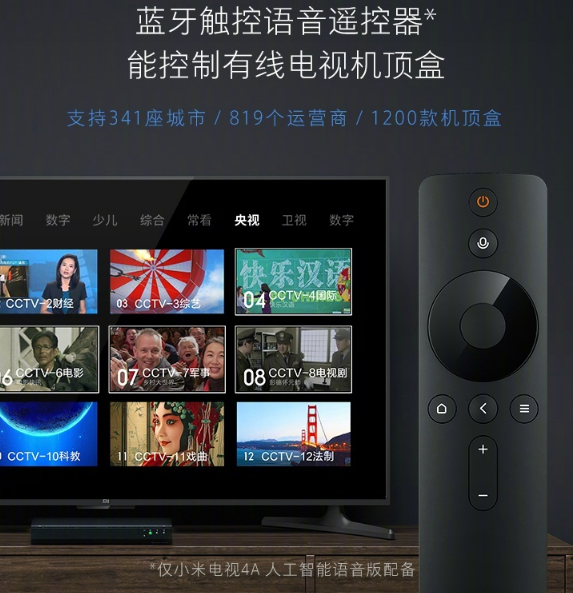
In addition, the Mi TV 4A comes with the third generation of Xiaomi TV remote control which adds a voice control button in the mix. The remote also supports Mi Touch function. There is a rotational navigation button which can also allow operation when it is swiped to either left or right. The remote control also supports Bluetooth and infrared connectivities and can be used to control the cable TV set-top box.
As for the prices, the 43-inch Full HD display model carries a 2,099 Yuan ($304) Price tag but it doesn’t come with artificial intelligence. The 49-inch standard version comes in at 2599 Yuan ($376). There is also another version with artificial intelligence voice control, 32GB priced at 2,899 Yuan ($420). The 55-inch standard version starts at 3199 Yuan ($463), while the higher version with artificial intelligence voice control is priced at $3599 Yuan ($521). Finally, the standard version of the top-end 65-inch model starts at 5,699 Yuan ($826), while you’ll get the one with AI voice control and 32GB storage carries a massive price tag of 6,199 Yuan ($898).
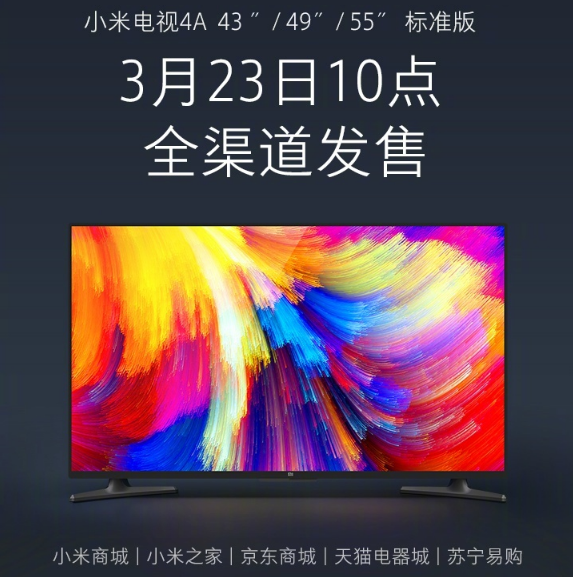
The 43-inch, 49-inch 1080p, and 55-inch 4K versions will all go on sale as from March 23 at 10 AM.
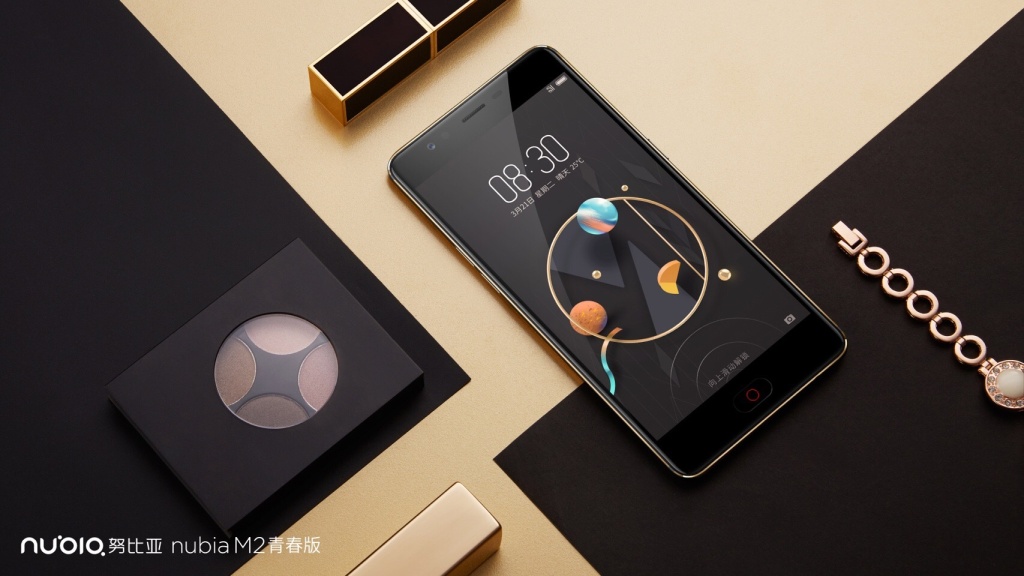
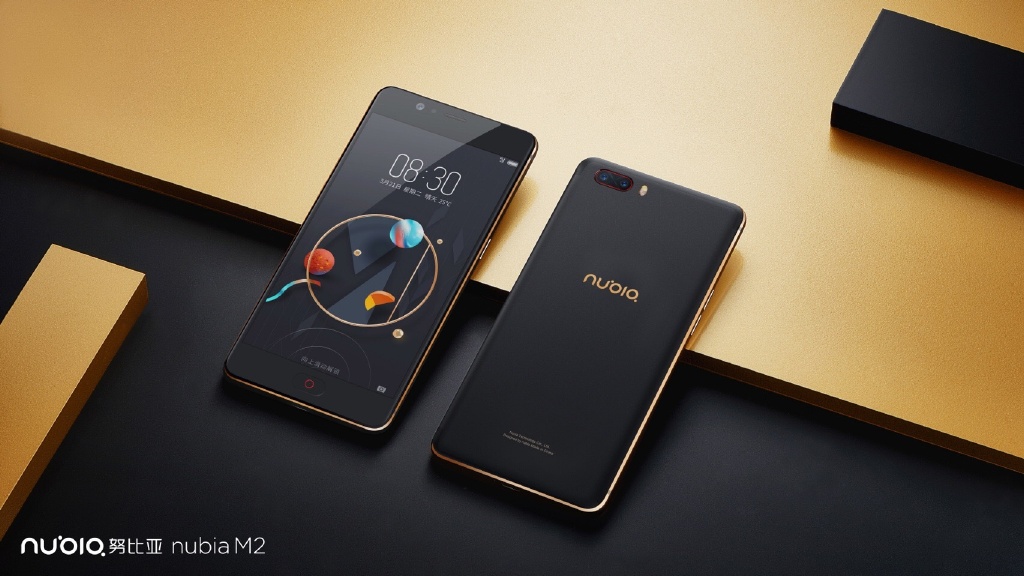
Nubia has just released three brand new devices in China, starting with the ZTE Nubia M2. Unlike earlier rumors which said that the phone will be called as the Nubia Z17 Mini, the company has decided to place this brand new device in their mid-range M series.
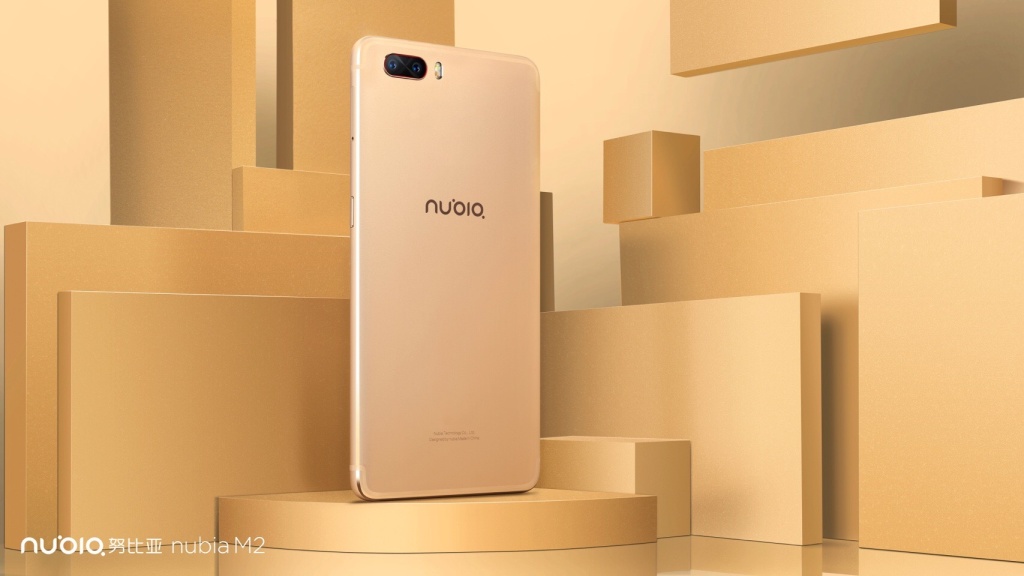
Nubia smartphones are always known for their beautiful design and stellar built quality. The Nubia M2 continues that tradition by using the company’s nubiArc design concept in a 7mm thin metal body. The front is adorned with 2.5D glass. The phone has a similar design as the other Nubia models in the market, which is actually a good thing considering we like Nubia’s design philosophy in general. The overall body is polished, sand blasted, and goes through 72 processes to create a soft baby skin like texture.
There are two color options available, black gold and champagne gold.
One interesting design feature of the phone (which we had already seen in the leaked posters a few days back) is that the M2 comes with an oval physical home button up front, but there’s a traditional Nubia red circle present as well. Personally, I didn’t like the red circle inside the oval button, but I am sure some fans will be happy to see the familiar circle present on the new device.
Nubia M2 Specs
Coming to the specs, the Nubia M2 features the Snapdragon 625 chipset under the hood with 4GB RAM and 64GB / 128GB ROM options. The phone supports MicroSD expansion as well. As for the screen, you get a 5.5-inch Super AMOLED display with 1080p resolution.
The highlight of the Nubia M2 is the 13MP f/2.0 dual cameras at the back. The company claims that they are using a custom depth camera setup from Sony. The basic setup is simple, with one RGB camera sensor and another being a black and white sensor. Another feature of the camera include a mixed focus mode comprising of PDAF + contrast focus. Up front, you get a 16MP camera for selfies.
Inside, the phone comes with a pretty large 3630mAh battery inside, which should be easily enough for a day’s usage. It supports NeoCharge fast charging @ 5V 5.2A = 26W. As for connectivity, the Nubia M2 boasts of full netcom 3.0 standard, which means support for all three networks in China. Other features include VoLTE, front facing fingerprint sensor, USB Type-C charging, Dolby Surround 7.1, and TruSignal Enhancement technology.
The Nubia M2 starts at 2699 Yuan ($391) for the 4GB + 64GB model and goes up to 2999 Yuan ($435) for the 4GB + 128GB variant.
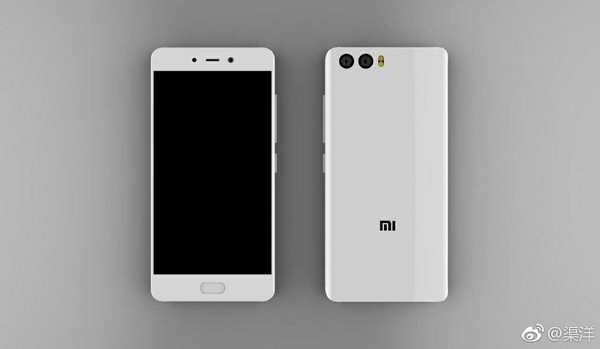
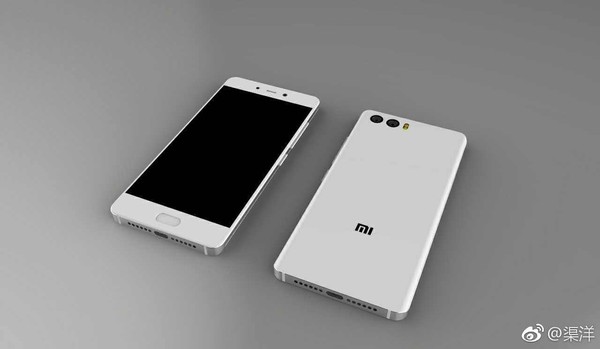
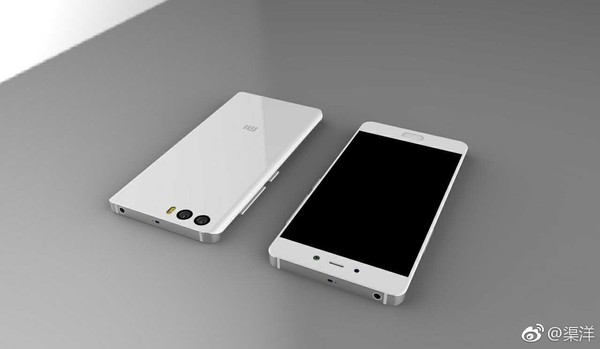
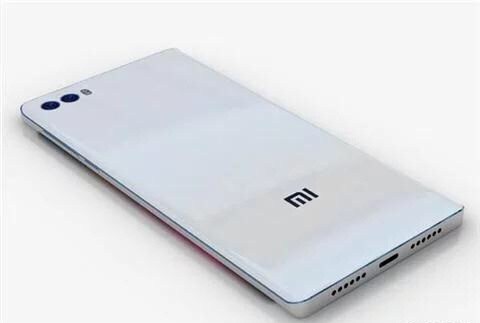
When a new phone is on the verge of release, renders start springing up. They are usually created from a mixture of leaked details, a previous model and the artist’s imagination. The Mi 6 is Xiaomi’s next flagship phone billed to arrive in the coming weeks and there have been a number of renders released for it already. Today we have a fresh set showing the phone in white.
There is not much to these images. It just presents us with an idea of what the white variant with its double-sided glass body may look like. At the back, we can see the rumored dual-rear cameras positioned at the top left corner in separate housings and the LED flash beside it.
The front of the device looks unexciting. There is a fingerprint scanner at the bottom, and on the top bezel sits the front camera, earpiece and proximity sensor. The bezels are a bit big too and it will be nice to see Xiaomi trim them down.
This render still has an audio jack and there is an IR blaster positioned in the middle. Xiaomi is expected to release the Mi 6 with a glass and metal body but there are rumors of a ceramic variant. They did the same last year with the Mi 5 but had to stop the ceramic variant due to production challenges. Let’s hope they keep it up this time.
News about the Xiaomi Mi 6 keep on pouring in everyday. There have been lots of details about the upcoming flagship. There are rumors of it launching with two size variants; a Snapdragon 821 processor; and dual cameras. We have also heard of the launch date being pushed forward. Today’s info is a bigger surprise as it is a move we’ve never expected Xiaomi capable of making.
According to a Weibo post by an industry professional, Xiaomi’s Mi 6 will ditch the headphone jack and there is a high chance of it being waterproof. Surprised? We are too.
Xiaomi will not be the first Chinese manufacturer to ditch the audio jack. Last year, LeEco did the same with its phones. However, quite a number of people will rather not purchase a phone without an earphone jack as the trouble associated with its absence may not be considered worth it. Most people don’t want to shell out extra money purchasing a new pair of wireless earphones neither would they like the idea of attaching an adapter to use their existing wired ones.
If Xiaomi is indeed removing the audio jack, it may in fact be shooting itself in the foot. There are still major manufacturers that have retained the audio jack on their phones. LG is an example and so is Samsung and Huawei. If these options didn’t exist, then it would be a different case entirely.
Last year, Xiaomi didn’t do very well. Fellow Chinese brands Huawei, OPPO, and Vivo recorded more sales than it did. These companies didn’t follow the trend but rather came up with some very interesting developments especially in camera and battery technology. If Xiaomi wants to reclaim its position in China, then it should consider giving the people what they want.
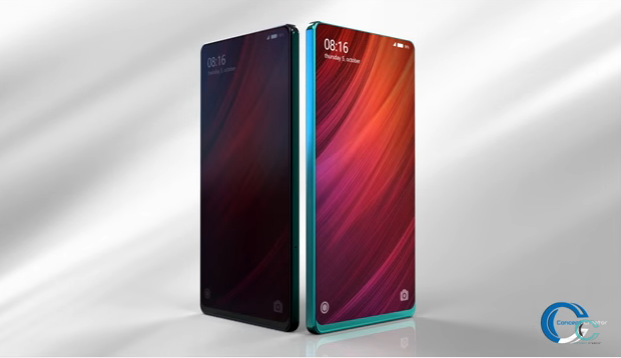
Ever since Xiaomi hinted that the next generation Mi Mix 2 would still be designed by acclaimed French designer – Philippe Starck, we have been inundated with fan-generated concept renders of the device which gives an idea of some of the features the Mi Mix 2 would come with.
Some of the concept renders are based on rumored features of the upcoming device. As always, the final product may end up not having the same design as the concept renders but apart from the fact that they are a delight to behold, some of the features on the concepts may find their way into the actual device.
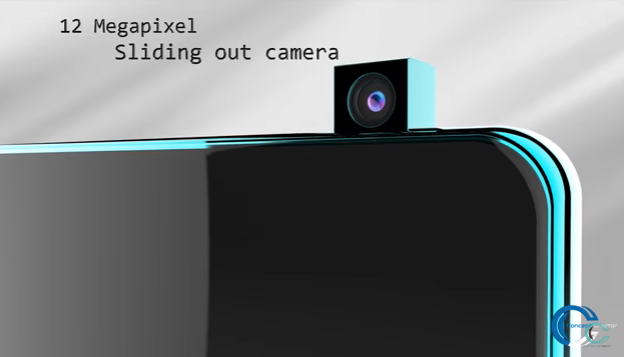
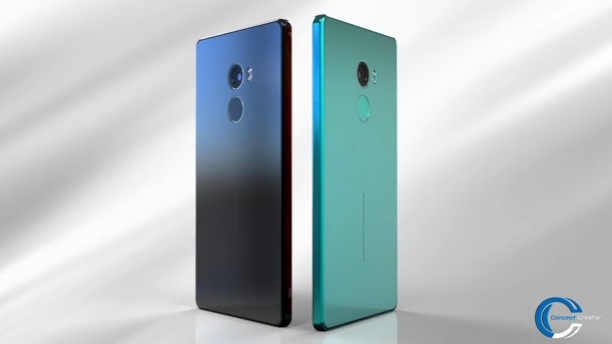
A new concept video render of the Xiaomi Mi Mix 2 has appeared online, putting on display some innovative features of the Mix 2. Already, the Mi Mix 2 is rumored as coming with a 93% screen-to-body ratio and that is well-represented in the video. But perhaps, the latest feature we are seeing in a Mi Mix 2 render is the 12MP front camera which slides in and out of the back of the device. This is likely due to the high screen-to-body ratio with little bezels at the top for the camera module to be located there. It is unclear whether Xiaomi would adopt such innovation considering it doesn’t look too feasible.
The Mi Mix 2 is rumored to come with a dual rear camera setup but this render doesn’t capture that. Instead, there is a single rear camera just like on the Mi Mix with the rear fingerprint sensor sitting just under the camera. The LED flash is by the side of the camera. None of these are certain, though, until Xiaomi takes the wrap off the next-gen concept device, which they may not be doing so soon. You can watch the full video from down below.
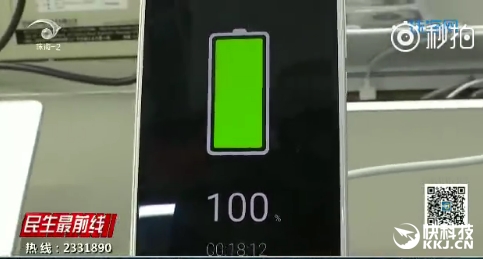
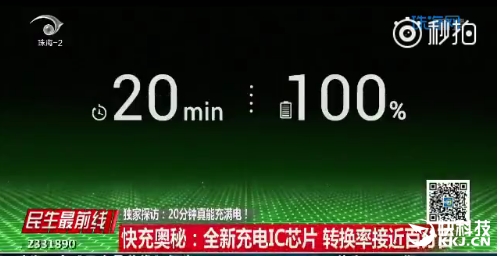
Meizu unveiled at MWC 2017 its revolutionary product, the Super mCharge which was capable of delivery fast charge at supersonic speed. The company has once again demonstrated the capabilities of its Super mCharge fast charging technology. This time around, the mCharge was demonstrated at Meizu’s headquarters in the presence of a visiting Taiwanese reporter.
From the reporter’s perspective, he was able to record only 18 minutes and 12 seconds as the time it took a phone to go from 0 to 100%. The reporter also noted there was no heat despite the super quick charge delivered is a short burst. Meizu’s Research and Development official also hinted that the Super mCharge has a charging conversion efficiency of 98% which he said is close to the theoretical limit of 100%. This means very little energy is lost to heat and other factors during the charging process.
It is still not clear, though, when this new technology would get infused inside Meizu’s smartphones. Apparently, Meizu is still conducting a lot of battery cycle experiments to ensure it would work safely in smartphones before the technology finally gets inside its smartphones.
You can watch the video of the reporter’s visit to Meizu from here.
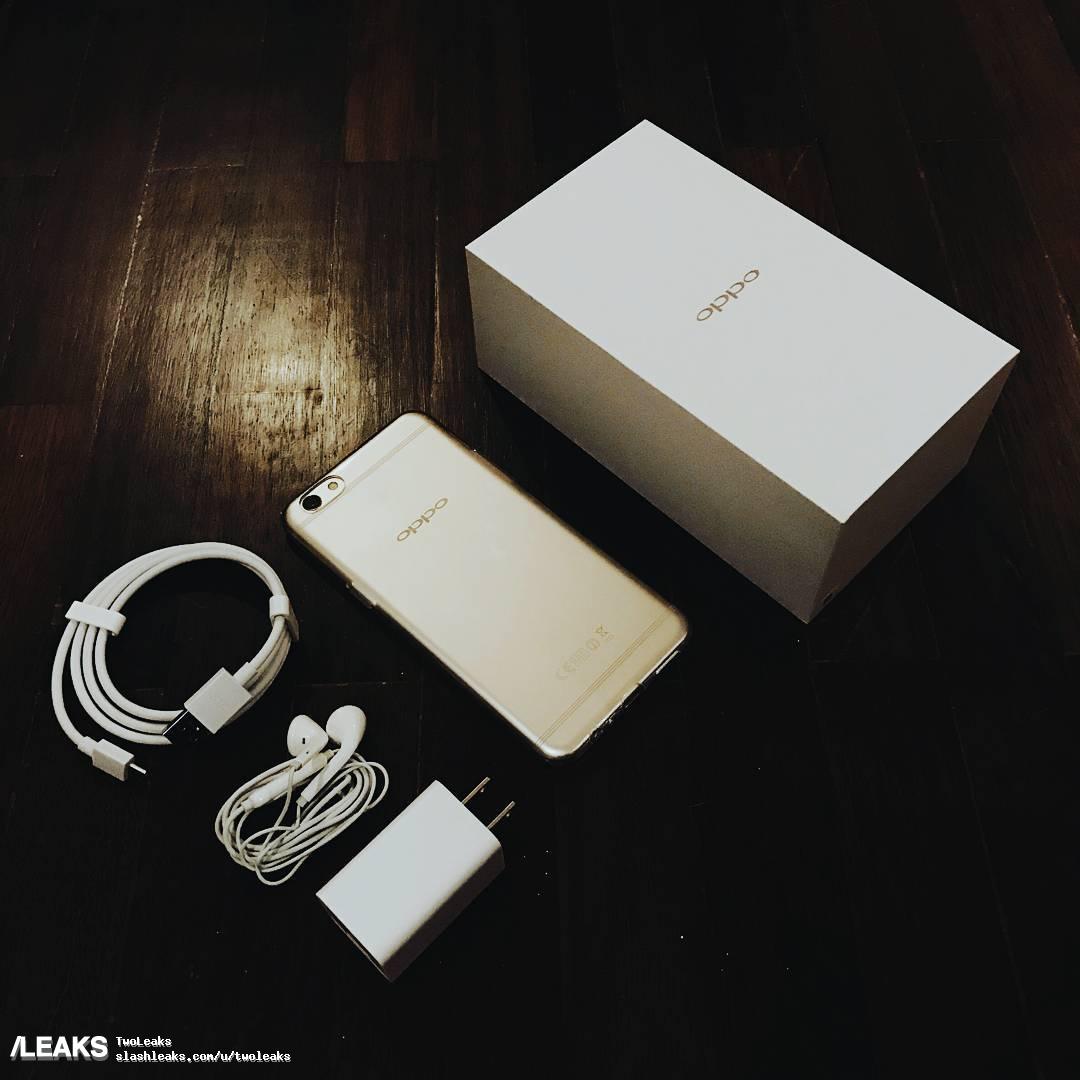
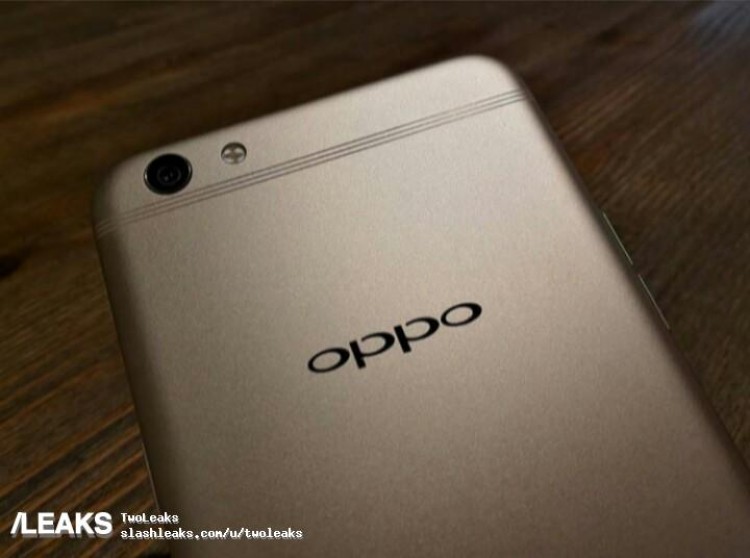
The OPPO F3 and OPPO F3 Plus Selfie Expert smartphones are all set to get officially unveiled on March 23. However, the rumor mill has already revealed the full specifications of both smartphones. Now, a leaked unboxed video of the alleged OPPO F3 Plus has appeared before the official announcement.
OPPO F3 Plus Unboxing Video
The unboxing video that only lasts for a minute is available on Slashleaks YouTube channel. It only reveals the rear side of the phone. Also, it does not reveal any information on the specifications of the phone, but it shows what items are present inside the box of the alleged phone. It includes a wall adapter, charging cable, earphones, protective case and user manual.
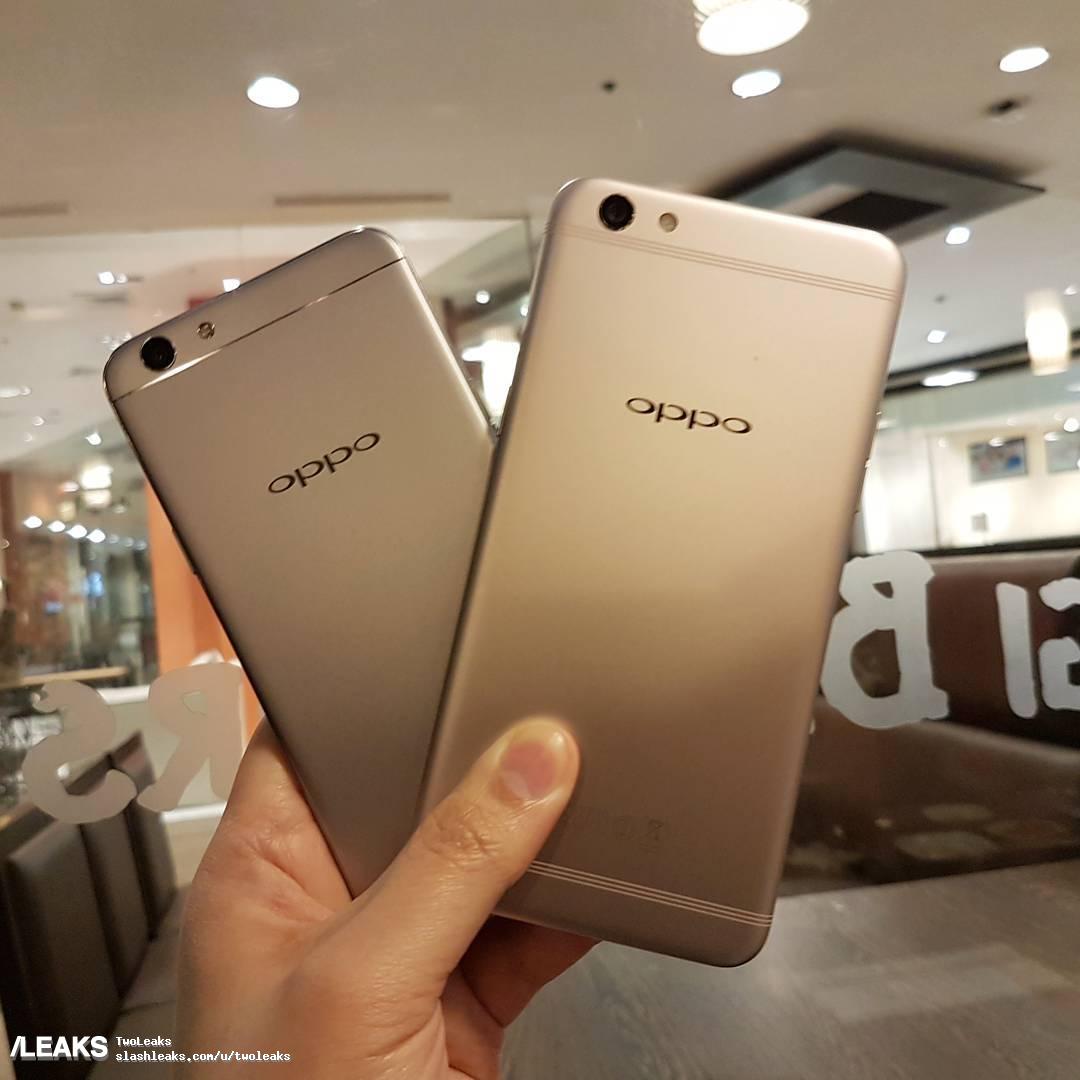
The lady holding the phone in the video says that the OPPO F3 Plus is larger than OPPO F1s as she holds both the phones together. A leaked document that has the entire specs of OPPO F3 Plus revealed that the smartphone measures 163.63 x 80.8 x 7.35 mm and it houses a 6-inch full HD display. The OPPO F1s has a 5.5-inch screen and it measures 154.5 x 76 x 7.4 mm.
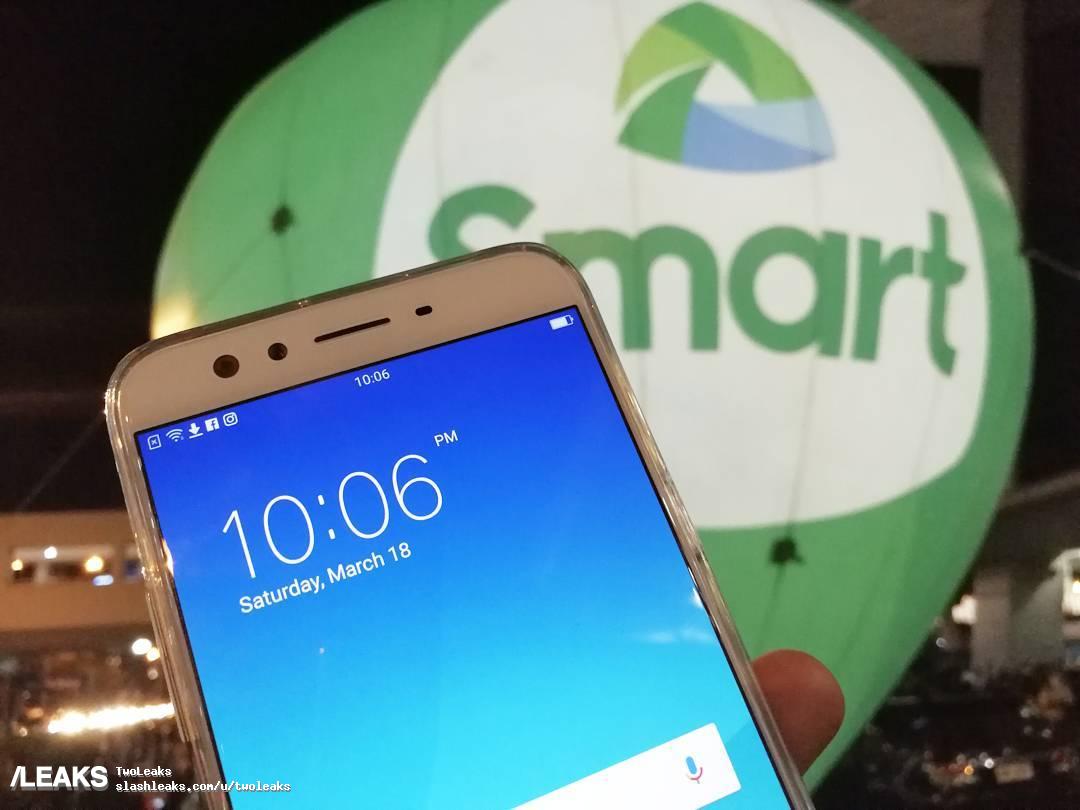
Among the live images of the OPPO F3 Plus, its top-half can be seen and it seems to be sporting the rumored front-facing dual cameras. Leaked information has revealed that it would be sporting a 16-megapixel + 8-megapixel dual cameras on its front. The other images showcases the rear side of the phone and items that are available in the box package of OPPO F3 Plus. One of the images shows a person holding two OPPO phones which could possibly be the OPPO F3 and F3 Plus.
An image of the retail box of OPPO F3 revealed that like the F3 Plus, it would be also featuring dual selfie cameras. The OPPO F3 Plus is expected to feature 16-megapixel rear facing camera. The OPPO F3 is rumored to come with 5.5-inch full HD screen. The OPPO F3 and F3 Plus are speculated to be fueled by Snapdragon 653 chipset. The F3 Plus is pegged to contain 64 GB of native storage and carry support for up to 256 GB of microSD. They are rumored to be running on Android 6.0 Marshmallow OS that is skinned with ColorOS 3.0. The larger phone is expected to house a 4,000 mAh battery along with VOOC fast charging support and the OPPO F3 may come with a smaller battery.
Andy Rubin, the co-creator Android who is known as ”the father of Android” was rumored to launch his own high-end flagship smartphone as early as the oncoming spring to take on the likes of iPhone and Google Pixel smartphones. Fresh reports reveal that the Japan-based SoftBank that was supposed to fund the launch of Rubin’s smartphone has decided not to invest $100 million in Essential Products Inc, a startup company led by Rubin.
Rubin was supposed to launch his smartphone through Essential Products Inc, a new firm consisting of around 40 people that were previous employees of Google, Apple, or Samsung. SoftBank and Essential were reportedly working on the final stages of the contract, but the financing firm has decided to scrap the deal. Citing unnamed sources, The Wall Street Journal has reported that it was because of a conflict in interest that made SoftBank decide to not to provide funds to Essential.
SoftBank CEO Masayoshi Son has plans to launch a tech-based investment group called vision Fund later this year with $100 billion in capital. Apple will be investing $1 billion in this fund. Son apparently felt that investing in Essential for Rubin’s smartphone could disturb SoftBank’s relationship with Apple.
SoftBank had acquired ARM chipmaker in September. The ARM-based processers are used in devices manufactured by Samsung, LG and other companies. Investing in a probable competitor like Essential could lead to restrained relationship with partnering companies. This is also considered to be another reason why SoftBank has withdrawn its investment decision on Essential.
Another report has revealed that Essential would be getting $100 million from unnamed investors instead of SoftBank. Essential is likely to close this deal soon which could possibly help Rubin to launch his smartphone by spring.
Rubin’s smartphone is expected to sport a 5.5-inch pressure-sensitive bezel-less display. It also speculated to carry support for modular accessories like the Moto Mods available for Moto Z series smartphones.
The smartphone was allegedly spotted with Essential FIH-PM1 moniker on Geekbench benchmarks with specs like Snapdragon 835 SoC, 4 GB of RAM and Android 7.0 Nougat OS. In single-core test, it recorded a score of 1,844 whereas it scored 5,426 on multi-core test. Speculations indicate that it is being assembled by Foxconn International Holdings (FIH) which can be seen in the moniker that appeared on Geekbench.
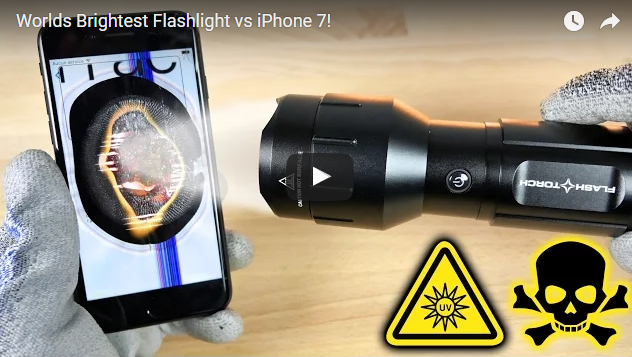
We just have to be plain here, this is a test we actually can’t figure out the importance in the real world but then, if you think it’s fun watching things get destroyed, you might enjoy this one. The only problem is the device is an Apple iPhone 7, a smartphone some will willing sell a kidney to acquire being subjected to the worse kind of extreme heat.
The test involves using the world’s brightest flashlight whose rays are so powerful they are capable of kindling a piece of paper and even plastic. The brightness is roughly 400 lumens. The flashlight was focused on the rear camera of the iPhone 7 and even though it was able to withstand the intense heat for some time, it caved in on the long run and was charred. The rear casing of the iPhone 7 is made of metal, so it was able to withstand the heat but the hotness was beginning to affect the internal panel before it was stopped.
Coming to the display, the flashlight’s rays were directed intermittently onto the display and despite the display gathering ink, the ink soon disappears as soon as the light is taken off the display. That is an indication that the iPhone 7 display was built to withstand a certain level of heat. However, when the light was left on the display for a while longer, it burned through the touchscreen into the display panel, charring it permanently. You can watch the entire video right here, from down below.
The tradition at Samsung is to release an Exynos and a Qualcomm Snapdragon variant of its flagship phone each year. This year is no different. Depending on the market, the Galaxy S8 will come with either the Exynos 8895 or the Snapdragon 835.
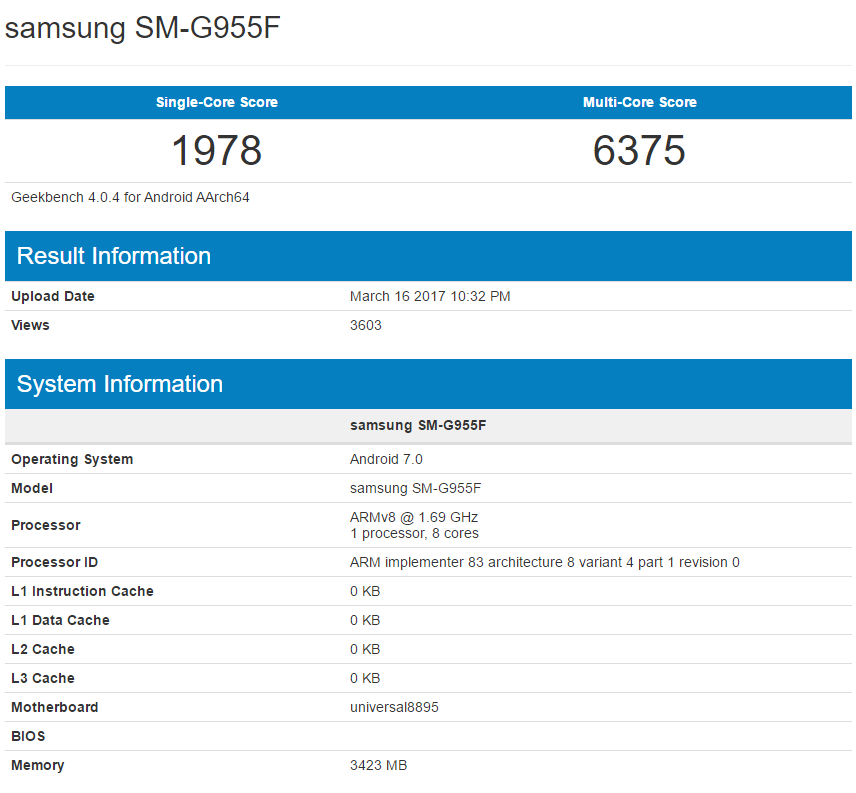
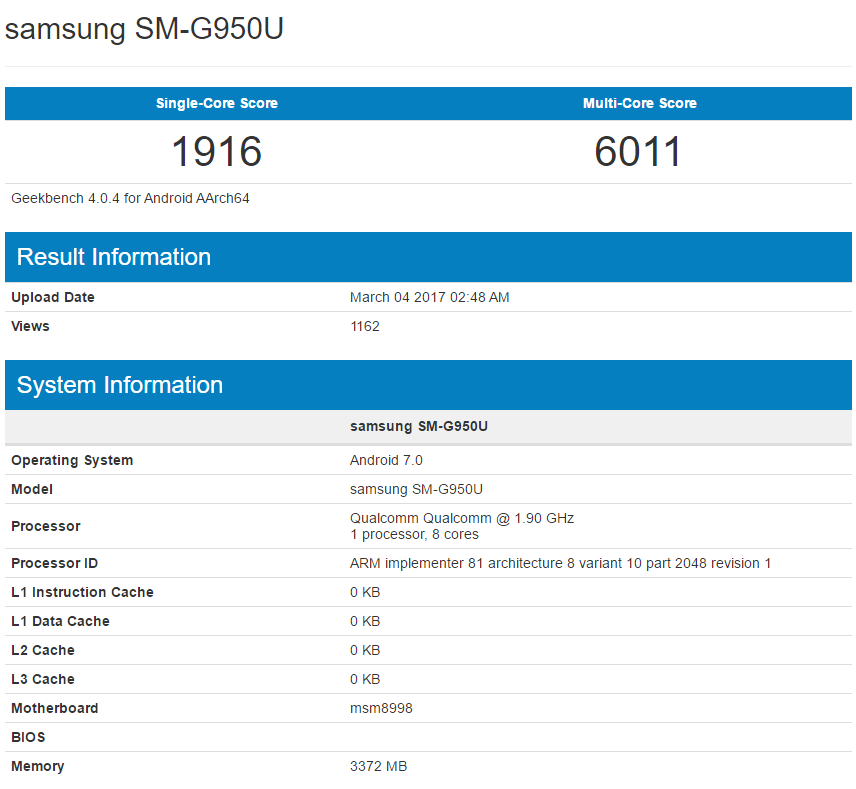
Apart from the difference in chipsets, there will also be size variants. One is the Samsung S8 with a 5.8-inch display and the other is the S8+ with a 6.2-inch screen. To not get you confused, the versions we are comparing are the S8 sporting the Snapdragon 835 (SM-G950U) and the S8+ with Exynos 8895 (SM-G955F). Both versions have the same amount of RAM and run Android 7.0 Nougat.
The Snapdragon 835 is clocked at 1.90GHz on the Galaxy S8. For the main tests, that is the single core and multi-core tests, it scores 1916 and 6011 points respectively. For the Galaxy S8+, the Exynos 8895 chip is clocked at 1.69GHz but it blows away the Snapdragon 835 with 1978 points in the single-core test and 6375 points in the multi-core test!!! We can just end the comparison here but lets further analyze the tests.
Other parameters that are important include the crypto score which is an evaluation of the encryption capabilities of a device. The Exynos 8895 scores 1255 and 5972 points for the crypto score in single core and multi-core performance respectively. The Snapdragon 853 on the other hand scores 1171 and 5803 points.
Another important parameter is floating point score. A device with a high floating point score will perform better when rendering graphics. The S8 with Qualcomm’s Snapdragon pulls in 1335 points in single-core performance and 5661 points in multi-core performance. Samsung’s Exynos 8895 floors the Snapdragon 835 again by scoring 1560 points in single-core performance and 6480 points in multi-core performance.
We use cookies on our website to give you the most relevant experience by remembering your preferences and repeat visits. By clicking “Accept”, you consent to the use of ALL the cookies.
This website uses cookies to improve your experience while you navigate through the website. Out of these, the cookies that are categorized as necessary are stored on your browser as they are essential for the working of basic functionalities of the website. We also use third-party cookies that help us analyze and understand how you use this website. These cookies will be stored in your browser only with your consent. You also have the option to opt-out of these cookies. But opting out of some of these cookies may affect your browsing experience.
Necessary cookies are absolutely essential for the website to function properly. This category only includes cookies that ensures basic functionalities and security features of the website. These cookies do not store any personal information.
Any cookies that may not be particularly necessary for the website to function and is used specifically to collect user personal data via analytics, ads, other embedded contents are termed as non-necessary cookies. It is mandatory to procure user consent prior to running these cookies on your website.