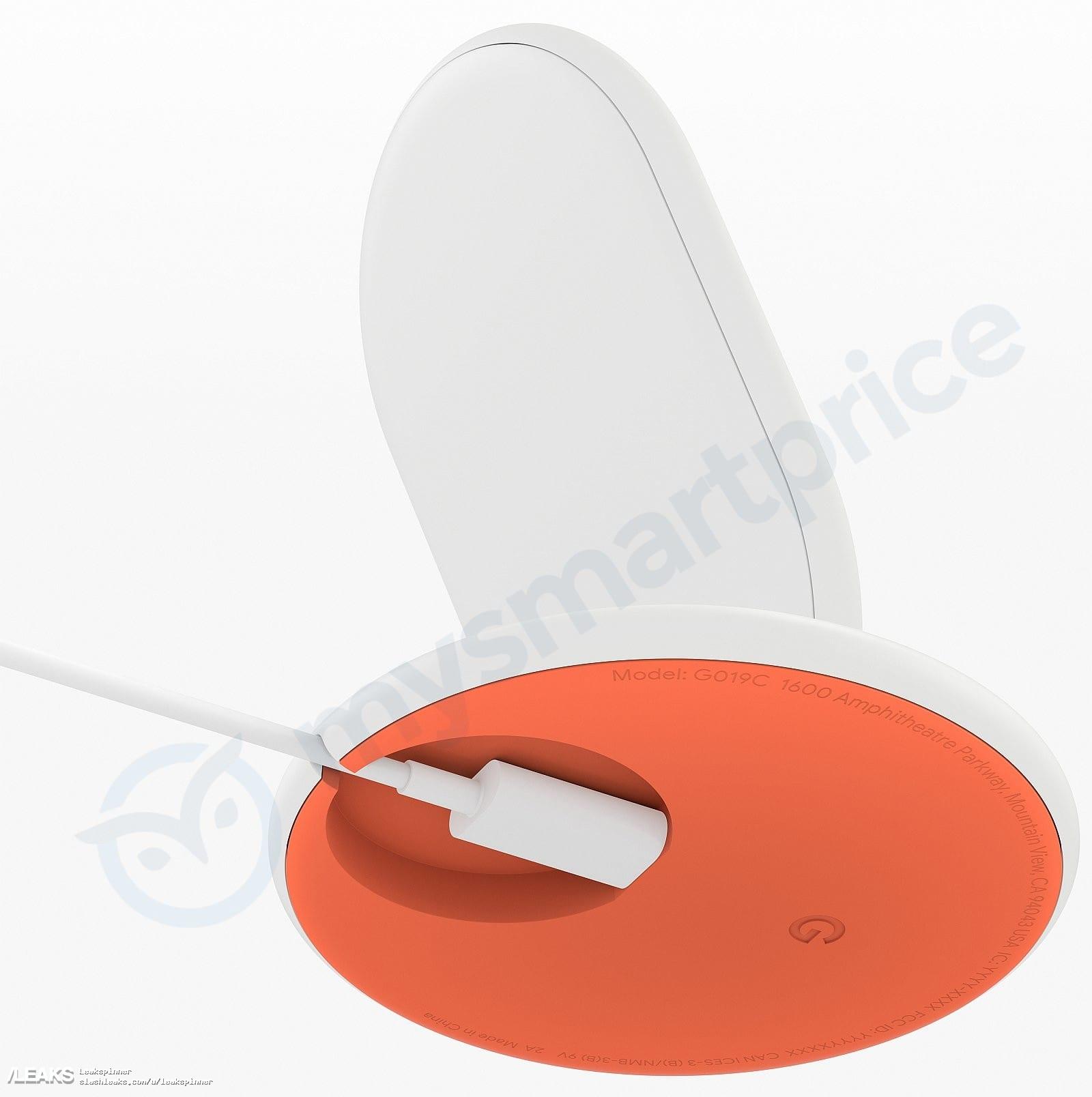
The Pixel 3 and Pixel 3 XL will come with support for wireless charging. Google is expected to announce a wireless charger for both phones too. The wireless charger is called the PixelStand and a render leaked yesterday.
The render shows the PixelStand will come in white with an orange base. That base is most likely silicone and should provide a form of resistance to prevent it from slipping when placed on a flat surface. There is a circular cut-out at the base where the USB-C port plugs into the input port.
The way the charger is designed, the phone will have to be in a standing position when docked. This makes sense since a code found in a Google APK revealed that the Pixel 3 and Pixel 3 XL will be able to work as a smart display when placed on the wireless charger.
The phone will have a different UI when in this mode with larger buttons, shortcuts for launching the music and phone apps, and a quick way to access Google Assistant. The charger is also said to support fast charging.
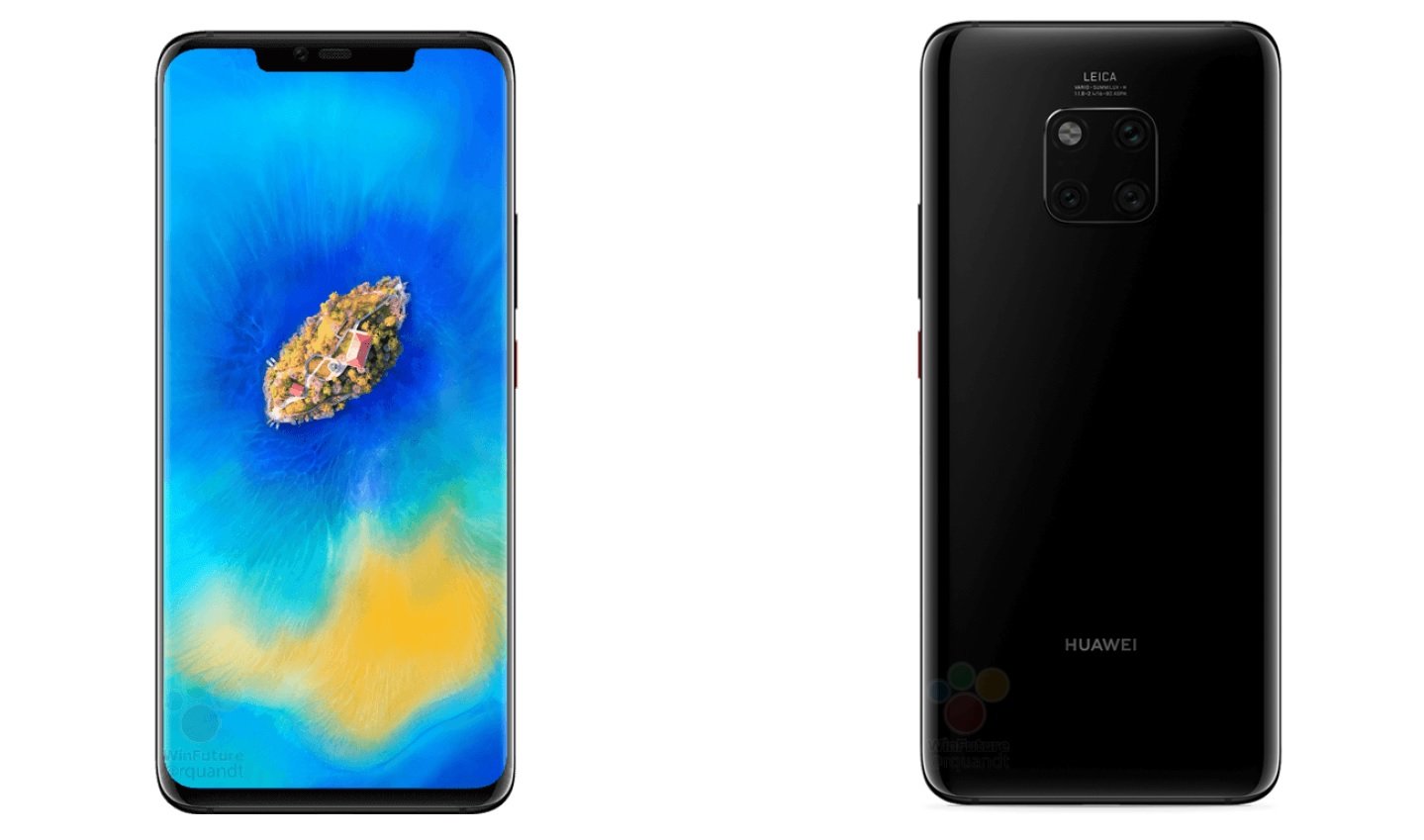
The Huawei Mate 20 series has been in the news a lot lately and that is expected to continue for the next few weeks preceding its announcement. The Mate 20 series will come with some interesting features such as triple rear cameras and 40W fast charging but none of the aforementioned features are actually new. The Huawei P20 Pro and the Samsung Galaxy A7 (2018) have triple cameras and the OPPOFind X Lamborghini Edition supports 40W fast charging.
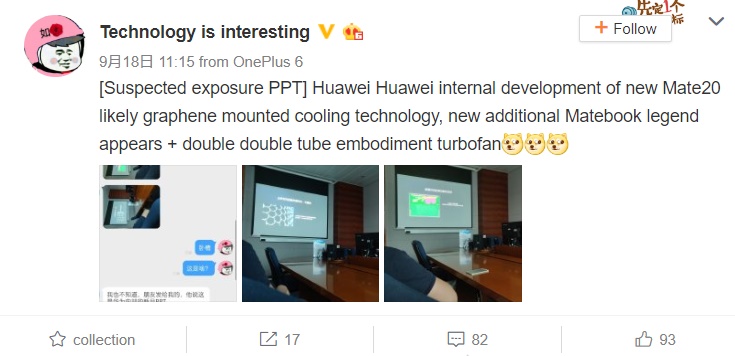
A new leak has revealed that the Mate 20 series will have a technology never been used before in a smartphone. According to the leaked photos which were posted on Weibo last week and seem to have been taken during a private presentation, the Huawei Mate 20 is expected to come with graphene-related cooling.
A number of manufacturers have incorporated some sort of cooling in their devices this year. The POCOPHONE F1, for example, has liquid cooling. It actually uses water flowing through a copper pipe to keep it cool. The Galaxy Note9 also uses a Water Carbon Cooling system which has the liquid flowing through a carbon-fiber + copper thermal pipe for heat dissipation. However, no manufacturer has used graphene for cooling.
Graphene is much better than other materials currently in use when designing a cooling pipe as it has an ultra-high thermal conductivity and is a better conductor of electricity than copper because of its honeycomb structure. It is also thinner and much stronger. Research has been going on to find ways of using graphene in active and passive cooling and the results show it is better at heat dissipation.
Oculus announced a new VR headset today to complete its first generation of VR headsets. The new Oculus Quest VR headset combines the best features of the entry-level standalone Oculus Go and the PC-tethered Oculus Rift.
The Oculus Quest is a standalone headset like the Oculus Go but offers a similar experience to what you’ll get on the PC-tethered Oculus Rift. It comes with touch controllers similar to that of the Rift and provides six degrees of freedom.
Oculus also announced a new technology called Oculus Insight. This uses a combination of four ultra-wide-angle cameras in the headset and computer vision algorithms for tracking the user’s exact position in real time without the need for external sensors.
Since the Oculus Quest has six degrees of freedom, users can walk and duck and this is replicated in the game. Hugo Barra who is the CEO of Oculus says the device provides “arena-scale” tracking for at least 400 square feet of space. Oculus has also brought the Guardian System from the Rift for displaying wall and floor markers so you don’t hurt yourself while moving around.
Just like the Oculus Go, the Quest has a display resolution of 1600 x 1440 per eye. It also has built-in speakers but with deeper bass than that of the Go. The Oculus Quest will be available in Spring 2019 for $399 for the 64GB version with Touch controllers.
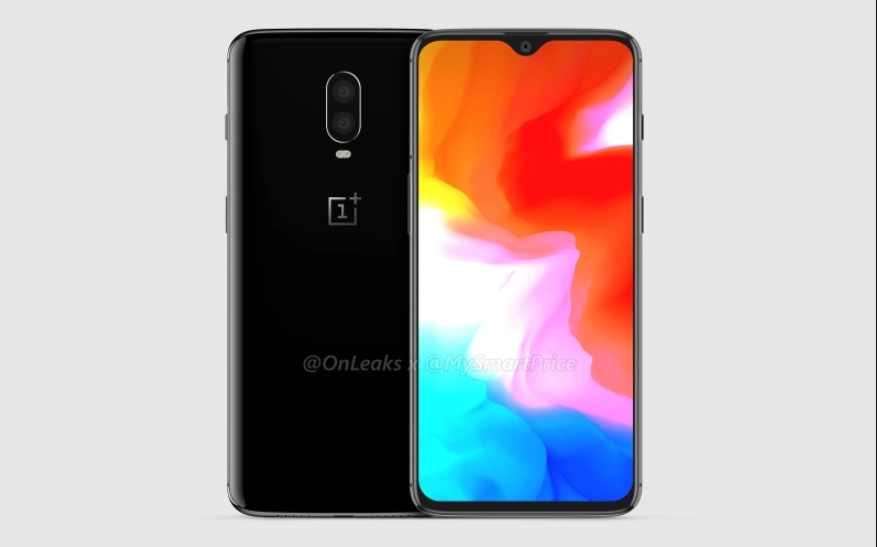
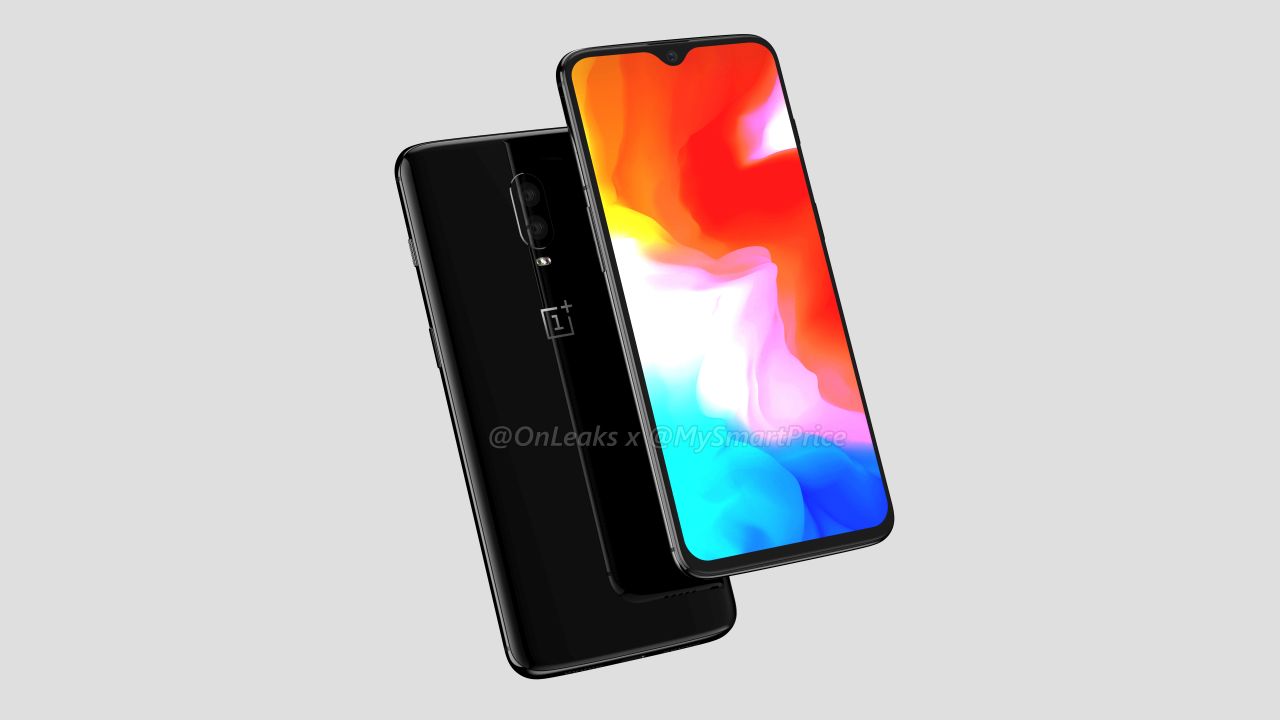
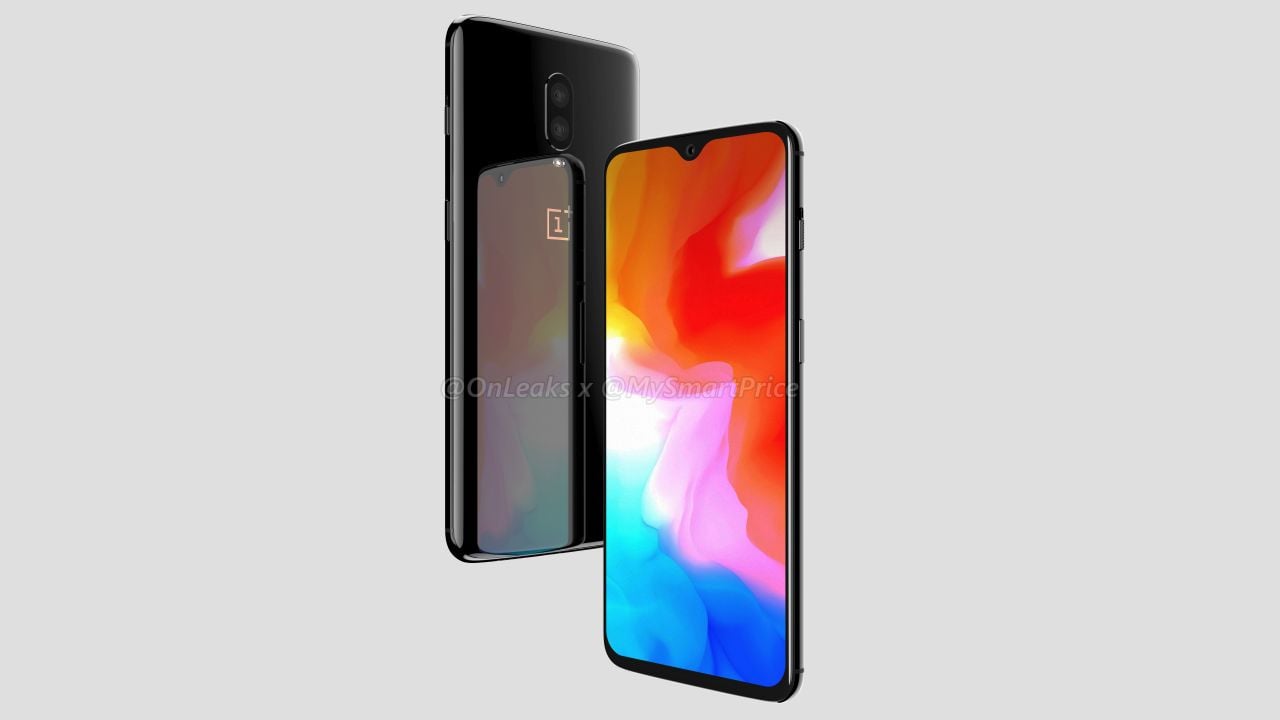
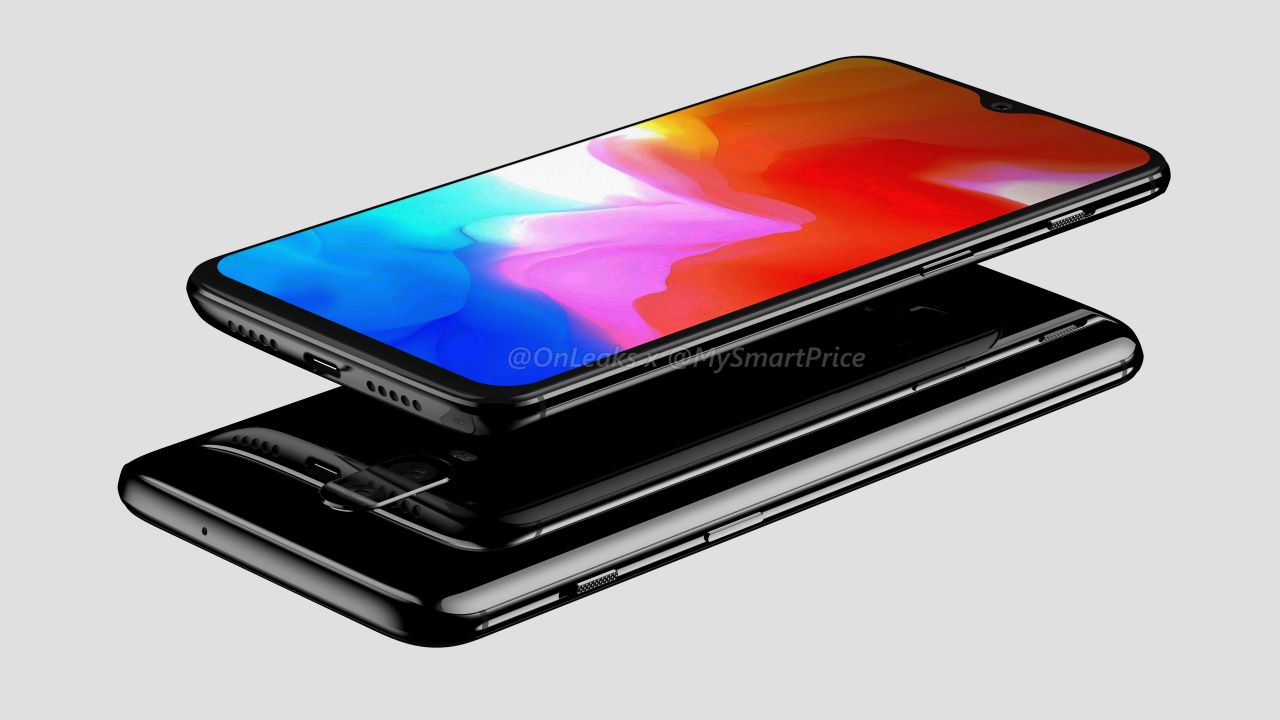
OnePlus 6T is expected to debut on Oct. 17. The handset is expected to sport a display design that is very similar to the OPPO R17. The rear design of the OnePlus 6T will be almost same as the OnePlus 6, but it won’t be featuring a rear-mounted fingerprint scanner. The reason behind it is that the Chinese manufacturer has already confirmed that the OnePlus 6T will be equipped with an in-display fingerprint scanner. Today, popular tipster @OnLeaks has shared 360-degree renders of the OnePlus 6T in collaboration with an Indian publication to reveal its design and key details.
The OnePlus 6T renders reveal that it will come equipped with a waterdrop notch display like the OPPO R17 and OPPO F9. Hence, the smartphone is expected to boast a higher screen space than the OnePlus 6. The rear side of the phone features a vertically aligned dual camera system on the upper half followed by the company’s logo.
Apart from axing the regular fingerprint scanner from the rear of the OnePlus 6T, the Chinese firm has also removed the 3.5mm headphone jack and OnePlus fans are not very happy about it. The handset measures 157.5 x 75.7 x 8.2 and its thickness increases to 8.6mm at the camera bump. The dimensions of the OPPO R17 are 157.5 x 74.9 x 7.5mm which is quite similar to that of OnePlus 6T. Hence, the upcoming OnePlus flagship phone is likely to feature a 6.4-inch AMOLED screen like OnePlus 6.
Rumors have it that the 6.5-inch Optic AMOLED screen of the OnePlus 6T will carry support for Full HD+ resolution of 1080 x 2340 and an aspect ratio of 19.5:9. It is also rumored to feature Gorilla Glass 6 screen protection.
The Snapdragon 845 chipset is expected to power the OnePlus 6T. It may arrive in three models such as 64 GB storage + 6 GB RAM, 128 GB storage + 8 GB RAM and 256 GB storage + 8 GB RAM. For photography, it may come equipped with 16-megapixel + 20-megapixel dual camera setup like the OnePlus 6. It may also borrow the 20-megapixel selfie snapper from OP6. The OnePlus 6T may feature a slightly larger battery than the OP6. It is likely to arrive with OxygenOS 9 flavored Android 9 Pie OS.
What’s your opinion on the design of the OnePlus 6T? Will you consider buying it considering the fact that it won’t be coming with a 3.5mm audio jack? Share us your thoughts by posting your comments below.
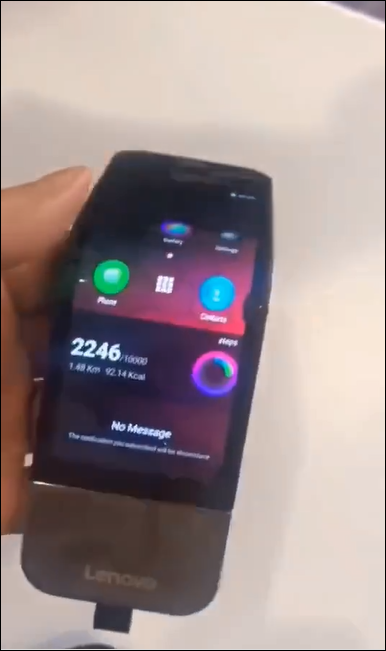
As at the time Xiaomi released the Mi Mix in 2016 with full-screen design, the industry awash with several leaked pictures of phones with flexible displays that would be a panacea to cracked screens. The success of the full-screen design and its subsequent adoption by phone makers ensure bendable screen phones were never heard off again. That doesn’t mean the technology isn’t being utilised. Most phone makers use flexible OLED screens for their flagship models including the latest iPhone XS and XS Max but you won’t know since there is a solid glass screen above the display. Lenovo has now teased a flexible screen phone which also has a flexible fuselage and can bend up to 90 degrees.
The phone was teased in a short video shared on Lenovo Mobile Weibo account but it has been uploaded on YouTube. The video shows what should be a prototype being handled with some demonstration of how far the device can bend. As for the design, it utilises a rather slim frame with a tall build giving it an aspect ratio that should be in the region of 19:3. We can’t say if the display is LCD or OLED but it may likely be one of the flexible OLED panels that are in use. LG, Samsung and several companies in the Taiwanese supply chain and even China manufacture such flexible OLED panels.
The Weibo post also suggests the model will be released this October but no specific date was mentioned. Until something tangible comes up, we could treat this as yet another gimmick by Lenovo. Not too long ago, the company shared the renders of a slider phone with a high screen ratio which is also expected to be released soon. Both phones, if they actually come out, they could be game changers for the company. But then, we won’t get our hopes too high, not forgetting so soon the hype Lenovo built around the Z5 which was released a few months back. The Chinese company could throw us a surprise for real this time around anyway.
Apple and Qualcomm are business partners as Apple utilise Qualcomm’s modem chips on its phones. But surprisingly, the two firms have been embroiled in a series of lawsuits. In one of the ongoing lawsuits, Qualcomm claims Apple has been stealing its wireless technology for several years in order to eventually end its reliance on Qualcomm components. The claim also includes that Apple gave the code that patently belongs to Qualcomm to rival Intel, in order to boost Intel’s modem speeds which aren’t as fast as Qualcomm’s.
The lawsuit which has been running for almost two years now also includes details of how Apple was able to lay their hands on Qualcomm’s code. The filing revealed that Apple and Qualcomm had struck a deal back in 2009 which gave Apple access to the chipmaker’s secret code. Apple demanded access to Qualcomm code in a bid to integrate it more deeply into the iPhone. An agreement was reached but on the condition that the code can only be used in products with Qualcomm chips and can’t be shared with third parties. The agreement also includes that the code would be robustly protected in the same manner in which Apple protects its own code.
The complaint states that Apple has been sharing its code with Intel and that this began several years back. Qualcomm says it got a tipoff from an anonymous posting on a website that samples the opinion of people who claim to have been laid off by Intel. The poster, claiming to be from an Intel employee, said that Intel engineers “were told to ignore intellectual property rights when designing the modem” and that there was “a conspiracy to copy Qualcomm’s technology” using help from Apple. Apple allegedly declined to investigate.
We must note that this isn’t the first time this allegation is coming out but more details seem to keep emerging by the day. Apple has refused to respond to the allegation but on its part, the iPhone maker is accusing Qualcomm of demanding unreasonable fees for the use of its smartphone modem. We see this lingering for years as both companies have the resources to keep the lawsuit running. However, an out of court settlement is also a possibility.
In 2018, flagships smartphones are not the only solution to get a beautiful and performing device. You can bring an excellent handset even if you do not spend a lot of money, thanks to the upper midrange segment. Here we will show you a comparison between Vivo V9 Pro, Xiaomi Mi 8 Lite and Oppo F9 Pro, three devices known for having wonderful aesthetics, pretty nice performances, and even above-average cameras if we consider their price ranges.
Dual 16 + 2 MP f/1.8 and f/2.4
25 MP f/2.0 front camera
BATTERY
3260 mAh
3350 mAh, Fast Charging with Quick Charge 3.0
3500 mAh, Fast Charging with VOOC Flash Charge
ADDITIONAL FEATURES
Dual SIM slot
Dual SIM slot
Dual SIM slot
Design
The most beautiful, futuristic and original device of the trio is the Oppo F9 Pro. It features a diamond-like patterned glass back as well as very original gradient hues available (Twilight Blue and Starry Purple). Besides this, it has an amazing borderless display with the highest screen-to-body ratio and a waterdrop notch. It is definitely one of the most attractive mid-rangers.
Display
I would pick Oppo F9 Pro even when it comes to the display. It has a wide 6.3-inch panel with the LTPS technology, wide angles, and a high brightness. It is a very nice display, but note that the difference between this screen and the panels of the other two handsets is just marginal in terms of viewing quality and detail. Even the size is very similar. So do not choose your device by basing on the display.
Specs & Software
Xiaomi Mi 8 Lite and Vivo V9 Pro are the ones I prefer in terms of hardware, as they come with the Snapdragon 660 SoC which I define better for advanced users if we compare it with the MediaTek Helio P60 found on the Oppo F9 Pro. If you choose the most expensive variant, you will get more from the Xiaomi Mi 8 Lite as it features 6 GB of RAM and 128 GB of internal storage. But note that Vivo V9 Pro and Oppo F9 Pro have a dedicated micro SD slot, while you can not expand the Mi 8 Lite’s storage. These devices all come with a highly-customized Android fork which offers nice additional features.
Camera
I believe Oppo F9 has the best camera. On the paper, it offers a brighter aperture as well as a higher resolution for both the rear and the front sensor. Further, it has nice AI-backed features in the software dedicated to selfies. Its secondary sensor can capture depth info for a better bokeh effect.
Battery
Oppo F9 Pro has the biggest battery and also the one that charges in the fastest way, so it is the winner of the battery comparison. It is powered by VOOC Flash Charge, a technology which can provide 2 hours of talk time with just 5 minutes of charging.
Price
Vivo just launched the V9 Pro in India with a price tag of $275, Xiaomi Mi 8 Lite costs $175 in its base variant and Oppo F9 Pro costs $338. Oppo F9 Pro is the best, but with the actual prices, Xiaomi Mi 8 Lite has the best value for money.
Google is all set to launch its next flagship smartphones — Pixel 3 and Pixel 3 XL on 9th October. Now, ahead of the launch of next-generation Pixel-series smartphones, the Pixel 2 XL has received a massive price cut in India.
With the new price drop, the Google Pixel 2 XL which was launched for Rs. 73,000 (approximately $1,005) in November last year, has now been reduced to just Rs. 45,499 (approximately $627), translating into a massive price drop of 40 percent. It is available for purchase online exclusively via Flipkart as well as offline retail stores across the nation.
The high-end variant, which comes with 128GB internal storage, still bears the price tag of Rs. 82,000 and has not yet received a price cut. However, we expect that this model too will soon receive a price cut, ahead of Pixel 3-series launch. We are also expecting a price cut for the Pixel 2 models soon.
To remind you of the specifications, the Pixel 2 XL features a 6-inch QHD+ P-OLED display having 2880 x 1440 pixels screen resolution and 18:9 aspect ratio. It is powered by Qualcomm Snapdragon 835 processor, paired with 4GB of LPDDR4X RAM and 64GB/128GB of onboard storage.
The phone flaunts a a single rear camera with a 12.2-megapixel sensor, having f/1.8 aperture and OIS/EIS. On the front side, there’s an 8-megapixel selfie camera with an f/2.4 aperture. Running on Android Oreo operating system out-of-the-box, the phone is backed by a 3,520mAh battery.
HMD Global had earlier confirmed that the Nokia 7 Plus will be receiving stable Android Pie update by the end of September. A couple of weeks ago, the phone received an update, but that was another Android Pie Developer Preview Beta version and not the stable one.
With September coming to an end, HMD Global’s Chief Product Officer Juho Sarvikas has taken to Twitter to announced that the Android Pie update for the Nokia 7 Plus has been delayed due to “a couple of tricky platform specific certification bugs.”
However, he added that the bugs have been squashed and the company is “running final round of tests for quality assurance” of Android Pie for the phone. But he has not yet revealed the exact timeline for the rollout of the update.
We are expecting that the rollout of stable Android 9.0 Pie version should being next month. The phone was also a part of Google’s Android P Beta program, which is one of the reasons why HMD Global had announced that it would roll-out the Pie update in September.
The Android 9.0 Pie, which was available in beta phase since March this year, comes with a number of improvements, including new personalisation features, battery-saving optimisations, and tools that help tracking time users spend on the phone.
It also addresses the latest trends in smartphone designs with revamped navigational controls. It introduces a new gesture-based navigation system. There are also a number of other gesture-based shortcuts. It is also said to be the most personalised version of Android yet.
In terms of specs, the Nokia 7 Plus comes with a 6-inch Full-HD+ IPS display and is powered by Snapdragon 660 processor. It packs 4GB RAM and 64GB internal storage with expandable support. There’s a 12MP + 13MP dual cameras on the back and a 16MP front-facing camera. Running on stock Android Oreo, it is fuelled by a 3,800mAh battery with fast charging support.
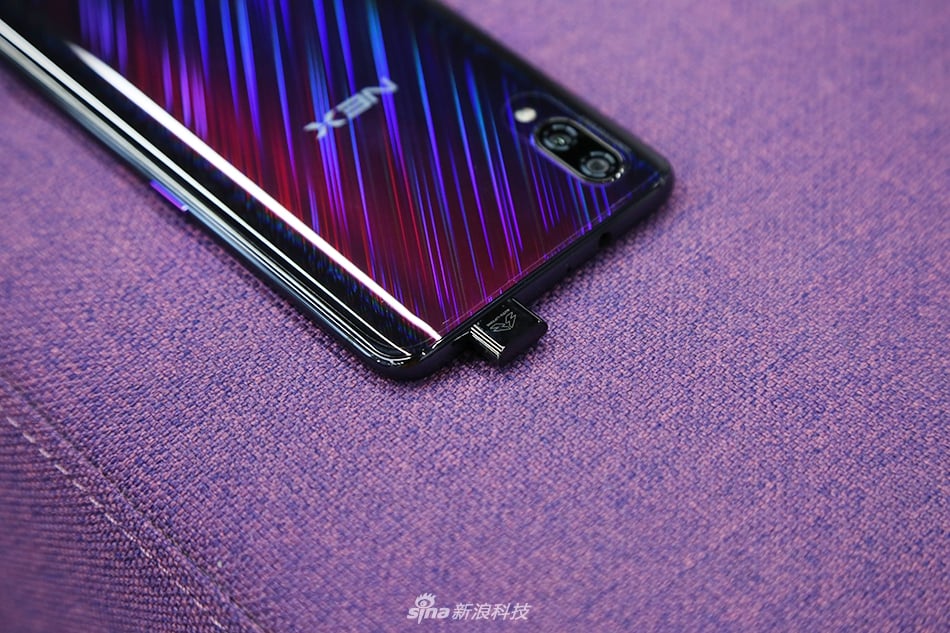
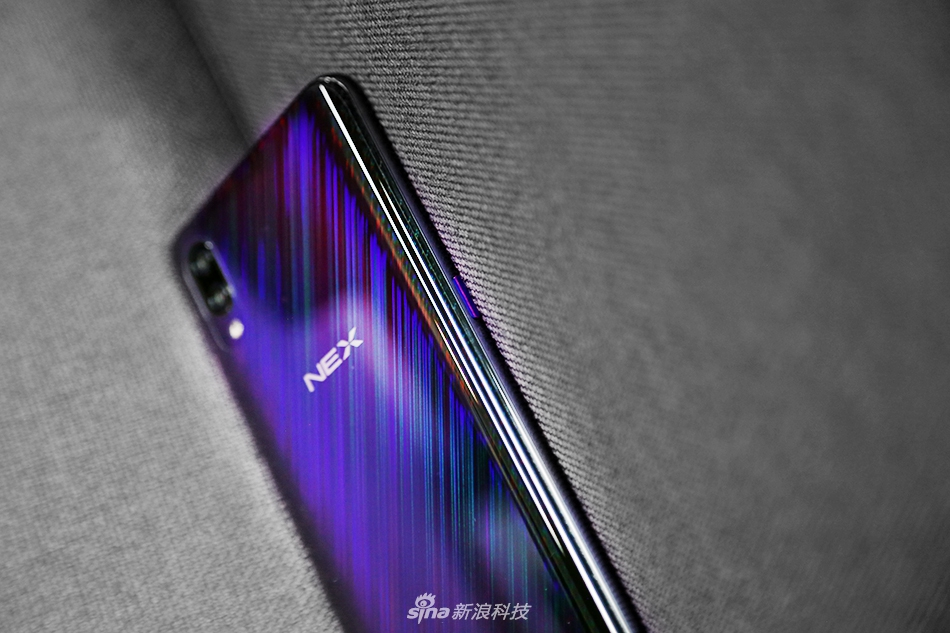
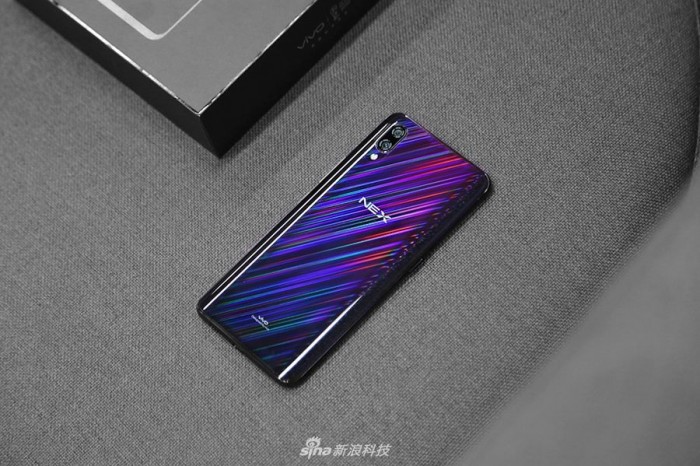
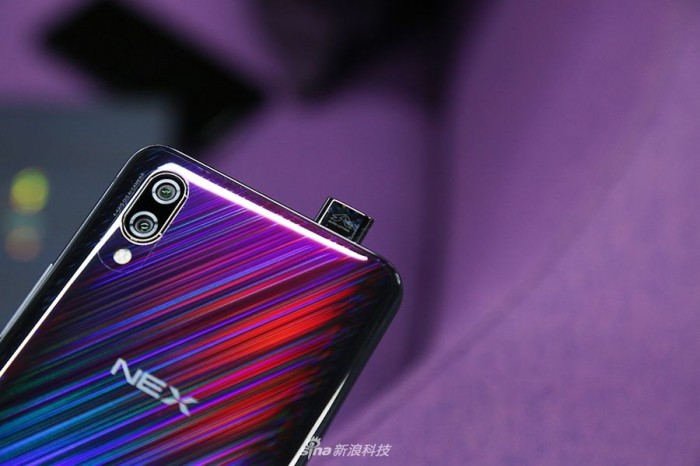
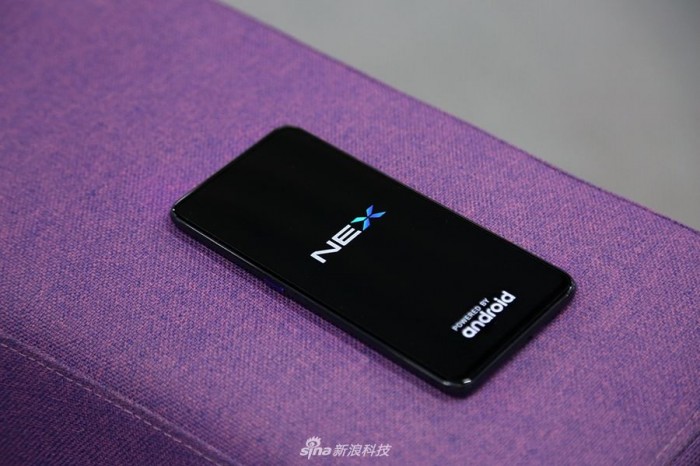
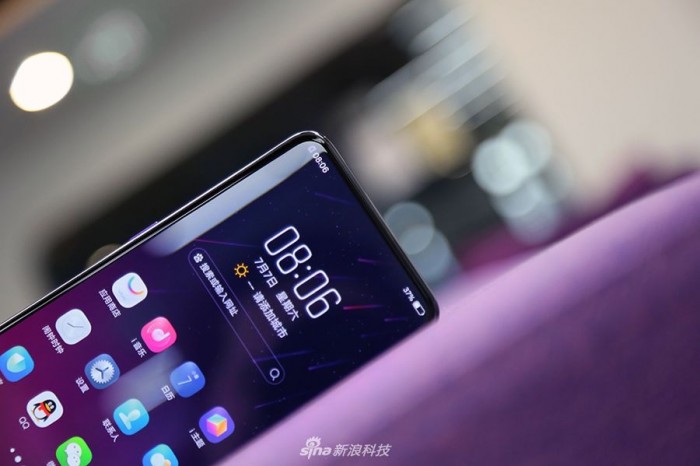
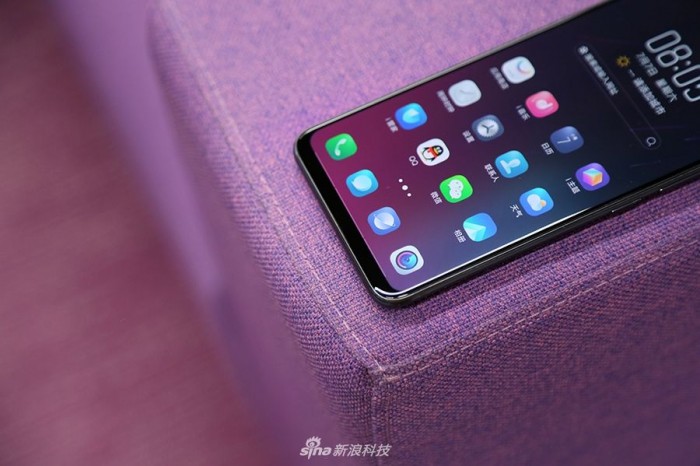
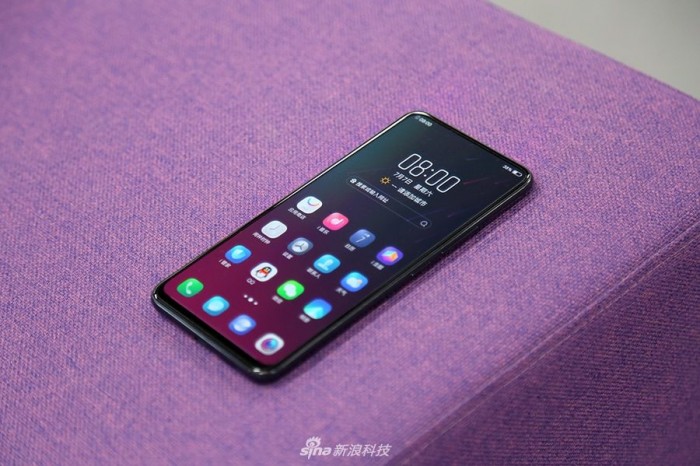
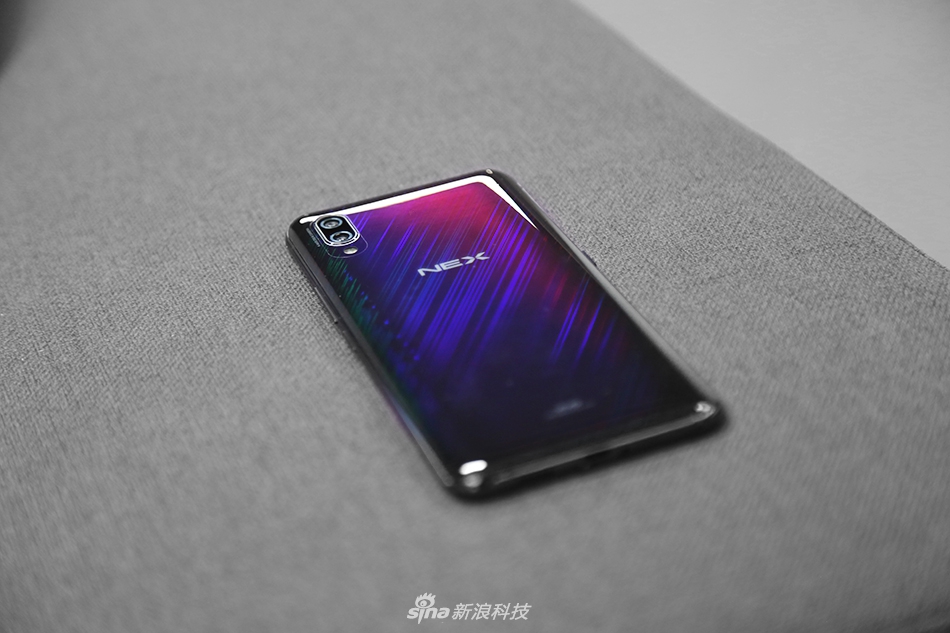
At a time when smartphone designs were becoming generic, Vivo wowed us with the launch of the Nex with a spectacular full-screen, notch-less design. Not yet satisfied, the company unveiled a new Purple Star trail colour variant a couple of days back. The new model poses before the camera in these pictures courtesy of Chinese blog Sina Technologies.
OEMs have been coming out with different colours patterns for smartphones and of recent, gradient colours seems to be gaining ground. The Vivo NEX Purple Star Trail color variant adopts gradient blue-violet color pigments on its back with star trails. The colors appear different at various angles of the light source. Overall, the multi-stripe colour variant looks very attractive.
The colour variant is what distinguishes this model from the regular NEX. It features a 6.59-inch display with a 91.24% screen ratio. The device also utilises an on-screen fingerprint sensor. The new variant packs a Snapdragon 845 chipset and comes with 8GB memory and 128GB storage. It is priced at 4298 Yuan (~$628) and is available from Vivo Online Store. See more pictures below.
Samsung SM-G6200 is an upcoming smartphone that is speculated to debut as Galaxy P30. It is speculated that the handset will be arriving with high specs along with cheaper pricing. The Galaxy P30 is rumored to be aimed towards markets like China and India. Smartphones are required to bag China Compulsory Certification (also known as 3C) before they are released in China. Today, the SM-G6200 has been spotted at 3C body in China which hints that the arrival of the Galaxy P30 may not be far away.
The SM-G6200 Samsung phone has received 3C certification from China. The 3C approval has only revealed that it carries support for 5V/2A charging. The appearance of the Galaxy P30 phone on 3C is an indication that the smartphone may debut soon. The smartphone is yet to appear on TENAA, the telecom regulatory body from China. Once it shows up on TENAA, its entire specifications and images will be revealed.
Recent reports have revealed that the Galaxy P30 will be equipped with an LCD screen instead of AMOLED panel that Samsung has been using on its smartphones since several years. There is no information available on the chipset that will be powering the smartphone. However, a leakster has revealed that it will be featuring 6 GB of RAM.
The Galaxy P30 is rumored to arrive in 64 GB and 128 GB storage models. Also, it is expected to be available in gradient color choices of black, blue, red and pink. The handset was previously speculated to debut as the first Samsung phone with an in-display fingerprint scanner, but that rumor has been debunked.
The South Korean company is currently mum on the existence of the Galaxy P30. Also, there is no information available on the pricing of the phone. Since the month of September will soon come to an end, it is likely that the Galaxy P30 will go official in the last quarter of 2018.
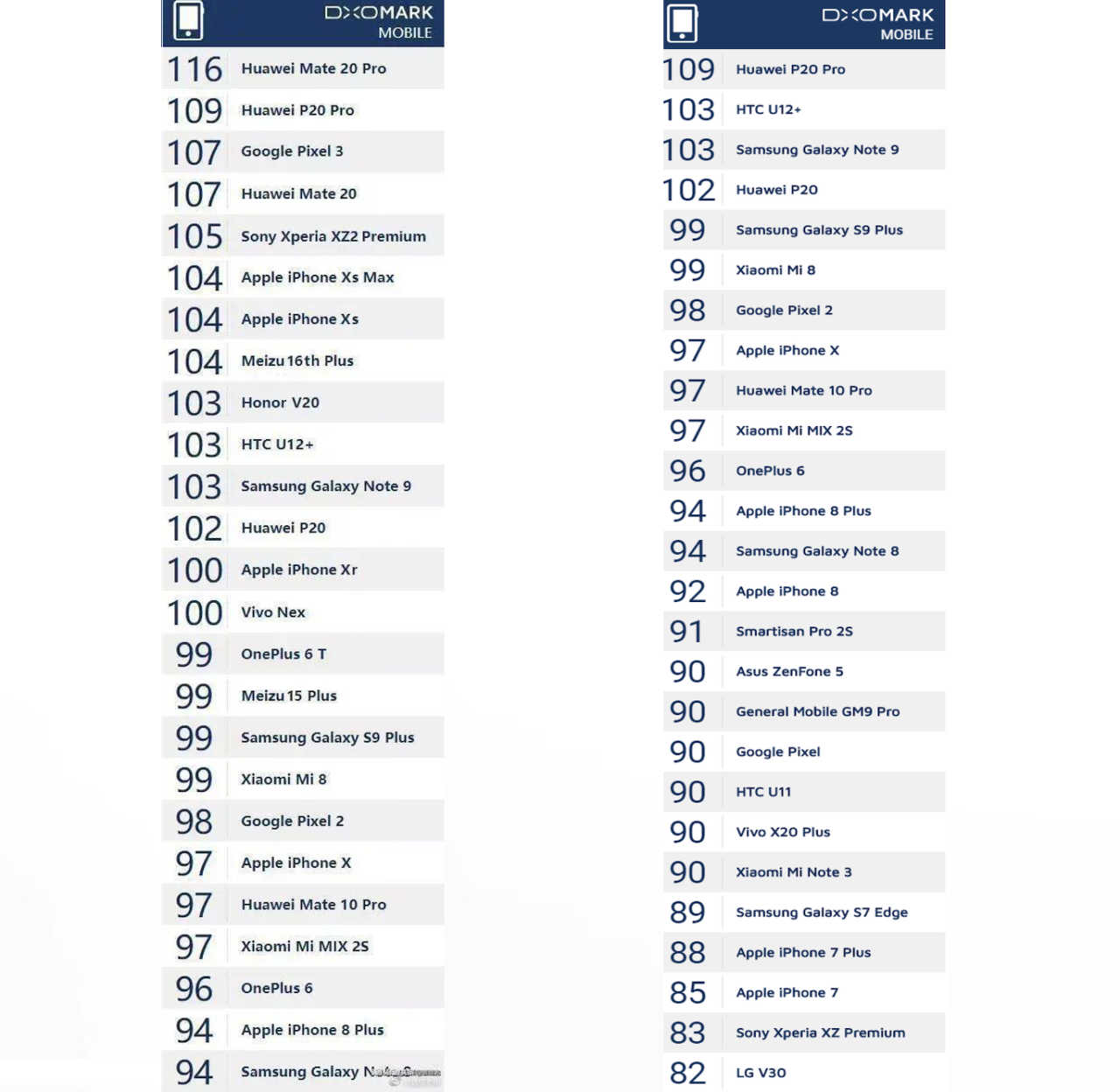
DxOMark, a popular camera benchmarking platform is known for ranking smartphone according to their camera benchmark scores. A leaked photo of Dx0Mark scores of several unannounced smartphones such as OnePlus 6T, Huawei Mate 20 Pro, and Google Pixel 3 have surfaced on Weibo.
As it can be seen on the left side of the below image, the unreleased Mate 20 Pro is leading the pack with 116 score. The next unannounced on the list is the Google Pixel 3 with a score of 107. The Mate 20 is also mentioned below with the same score.
The Sony Xperia XZ2 Premium, Apple iPhone Xs Max, iPhone Xs, Meizu 16th Plus and the unannounced Honor V20 follows the Mate 20 in the list. The iPhone Xr and OnePlus 6T are also present on the list with respective scores of 100 and 99. The benchmarking reports of these phones are yet to appear on the website of Dx0Mark. There is a high possibility that the above leak nothing but fake.
A DxOMark score is a combination of photography and video recording scores. The the current ranking of smartphones according to their DxOMark scores is shown on the right side in the above image. The Huawei P20 Pro with its triple camera setup as at the numero uno position with 109 score. The HTC U12+ and Samsung Galaxy Note 9 are on second and third positions with respective scores of 103. As it can be seen, the newly released smartphones such as the new iPhones, Xperia XZ2 Premium, Meizu 16th Plus have not appeared on the list yet.
Since the leaked photo showing the DxOMark scores of unannounced and newly released phones appears fake, it remains to be seen how highly awaited phones like OnePlus 6T and Mate 20 Pro will rank on the list.
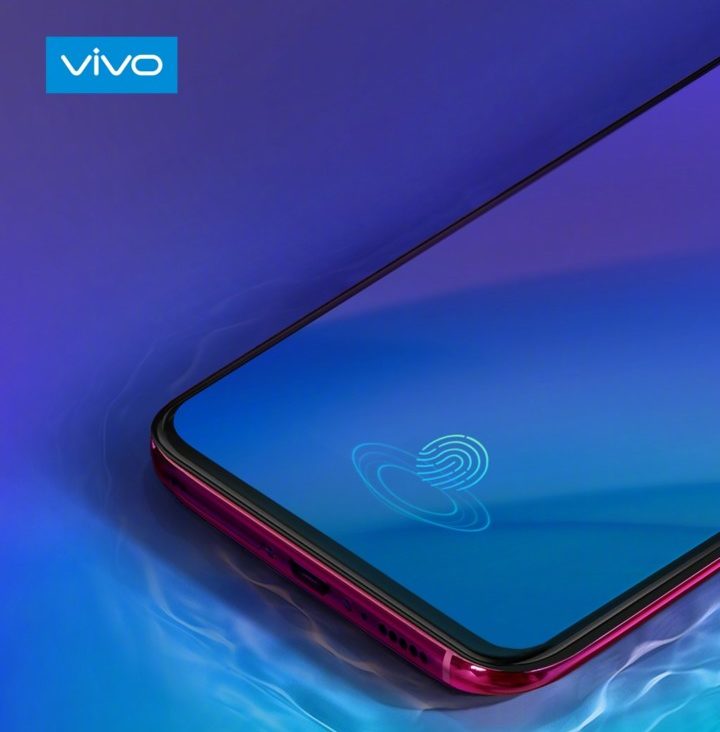
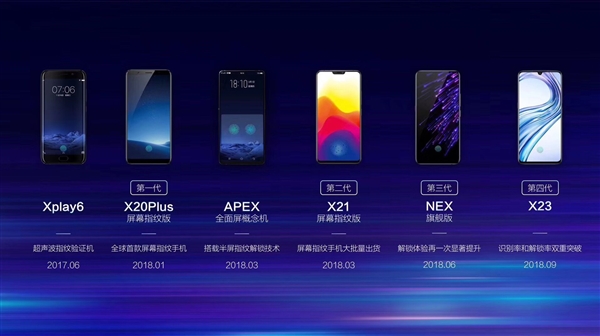
Earlier today, Vivo had a conference in China where it announced its 4th-generation in-display fingerprint technology. It also announced a new technology called DSP Acceleration, in collaboration with Qualcomm.
The 4th generation in-display fingerprint technology is said to be 40% faster than the previous gen which is found in the Vivo X21. It also unlocks faster under bright light – taking only 0.35s to unlock the phone. The new fingerprint scanner is said to be present in the newly announced Vivo X23 upper mid-range phone. It has a large F/1.5 aperture and a 720dpi ultra-high resolution.
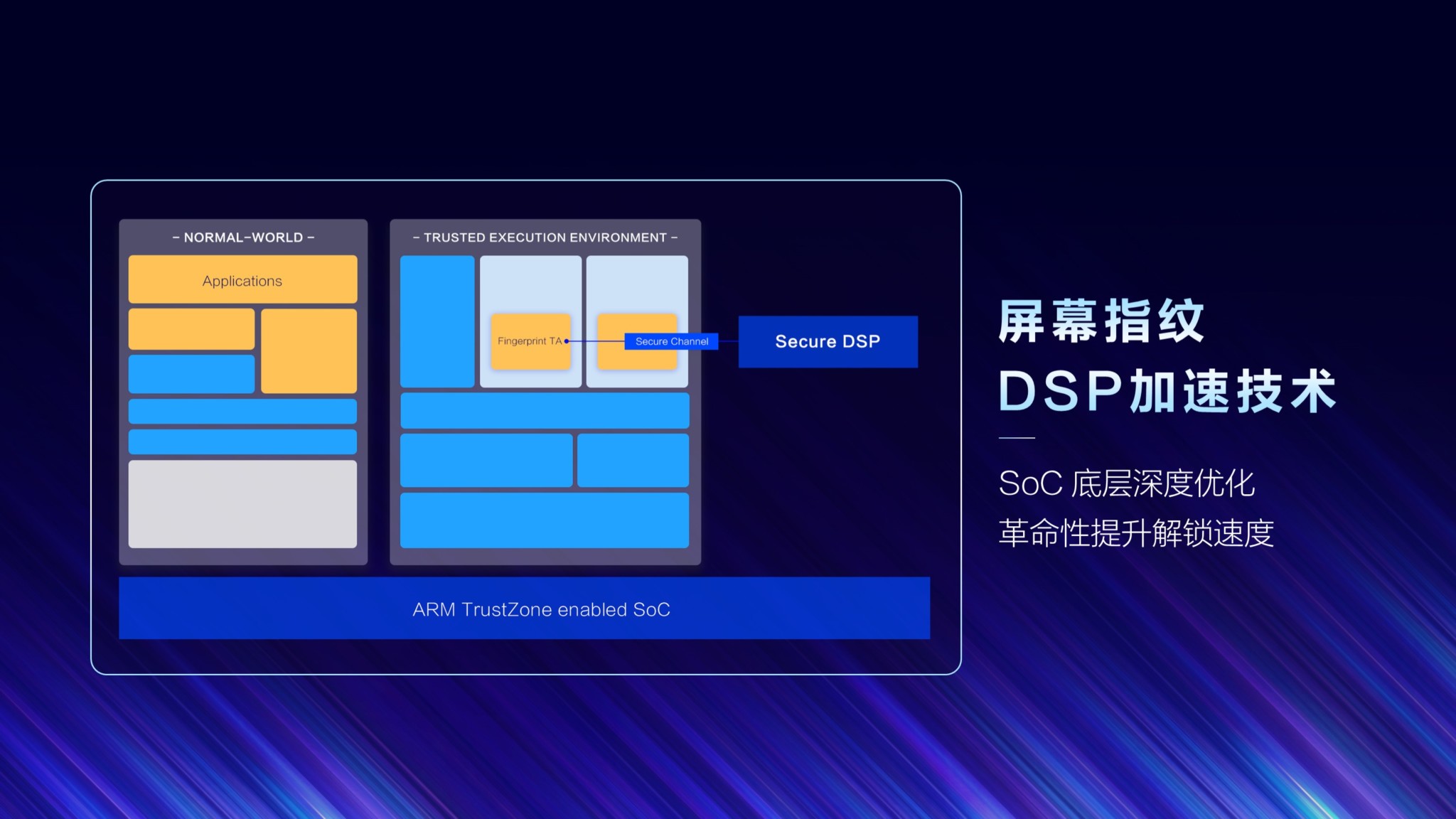
Vivo also worked with Qualcomm on a new project called DSP Acceleration Technology to make in-display fingerprint scanners work faster and better while maintaining a high-security level.
Speaking at the event, Qualcomm’s Senior Director of product management, Tim Yates, said the new technology works with the Snapdragon 670 which brings a 1.8x increase in performance when compared to the Snapdragon 660. The chipset also comes with the Hexagon 685 DSP which is at the heart of the technology. This is the same DSP in the Snapdragon 845.
The DSP is faster at processing neural tasks and fingerprint data when compared to the CPU. By allocating the task of unlocking the phone via the fingerprint scanner to the DSP, the data is processed faster which means the phone is unlocked faster. The Hexagon DSP works with Qualcomm’s Trusted Execution Environment on the CPU for security and the result is DSP Acceleration Technology which is up to 3x faster than when it is just the CPU handling the task.
Vivo says DSP Acceleration Technology will roll out as an update to the Vivo X23 in October. It will increase the unlocking speed of the fingerprint scanner by up to 30% especially in conditions when the temperature is low and the fingers are dry or in conditions where there is strong direct light.
Vivo says it has been hard at work since it debuted the in-display fingerprint scanner on the Vivo Xplay6 last year and it has applied for over 140 patents relating to hardware and software of the technology, making them a leader in the industry.
Vivo released the first commercially available phone with an in-display fingerprint scanner, the Vivo X20 Plus UD in January of this year. At MWC 2018, it showed off the Vivo APEX which has an in-display fingerprint scanner that covers up to 40% of the screen.
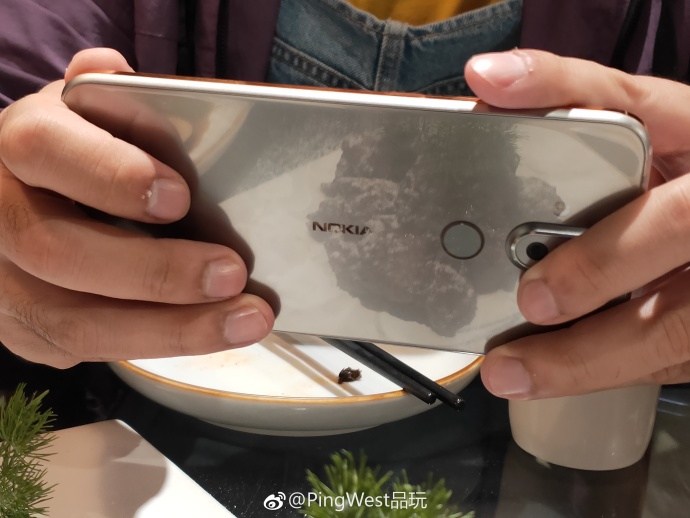
A recent report has revealed that HMD Global is prepping up to debut Nokia 7.1 and Nokia 7.1 Plus smartphones on Oct. 4. The Nokia 7.1 is expected to arrive with a notch-less screen whereas the 7.1 Plus will be equipped with a notched display. Like the recent Plus models from the company, the Nokia 7.1 Plus is expected to release as Nokia X7 in China. Freshly leaked hands-on photos of a new Nokia phone has surfaced today. Since the images only reveal the rear side of the phone, it is difficult to identity whether it is a Nokia 7.1 and Nokia 7.1 Plus.
The new images reveal that the handset is equipped with a glass rear and a metallic frame. It features vertical dual camera setup followed by a fingerprint reader on the upper half of the rear panel.
In the above image, the alleged Nokia X7 can be seen in silver white color. The rear design of the phone is not very different from the Nokia X6. The vertical dual camera setup did not sit flush on the rear of the phone. The images shown below suggest that the handset will be also arriving in a new copper brown color.
A recent report has revealed that the Snapdragon 710 chipset will be powering both smartphones. The Nokia 7.1 may sport a 6-inch display with 18:9 aspect ratio. Its SD710 chipset could be coupled with 4 GB of RAM. It may feature an internal storage of 64 GB.
The Nokia 7.1 Plus (X7) is expected to feature higher RAM and more of amount of inbuilt storage than the Nokia 7.1. The display size of the Nokia 7.1 Plus is not known, but it is very likely to feature a notched screen that will offer an aspect ratio of 19:9. The rumor mill is yet to leak the pricing of the Nokia 7.1 and Nokia 7.1 Plus..
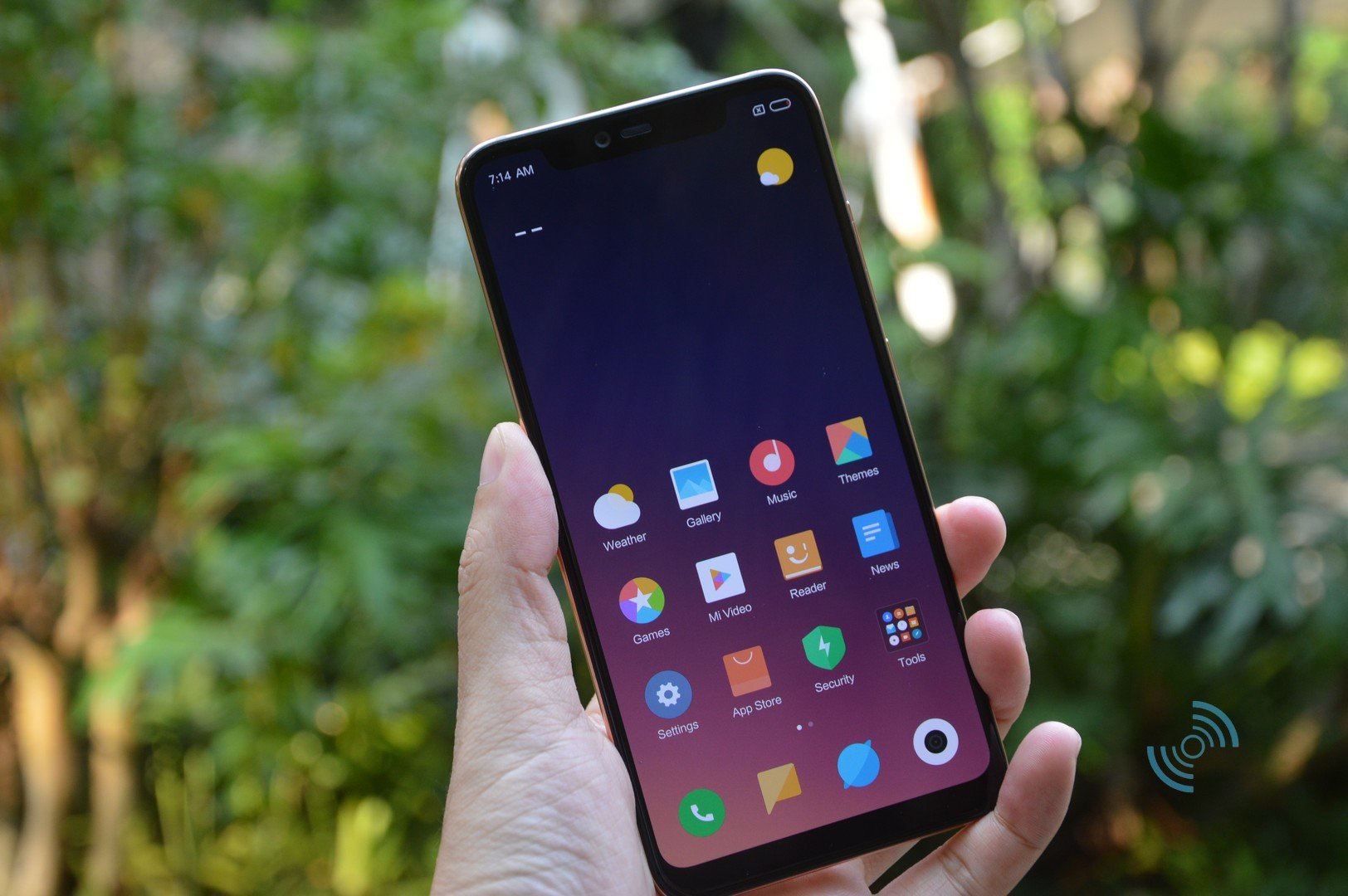
Xiaomi recently launched the Mi 8 Pro smartphone, an upgrade to its flagship smartphone, which comes with an in-display fingerprint sensor – a feature that was missing in the Mi 8.
Now just one week after the phone’s announcement, and days after it officially went on sale, the Xiaomi Mi 8 Pro is available for purchase in China through open sale.
The phone comes in two variants — 6GB RAM with 128GB internal storage and 8GB RAM with 128GB onboard storage. The 6GB RAM model is priced at 3,199 Yuan (approximately $465) while the 8GB RAM model costs 3,599 Yuan, which roughly converts to $524.
As said, the major feature on the Pro variant is that it comes with an under-display fingerprint sensor, which brings convenience for the users to unlock the device. The device is powered by Qualcomm‘s Snapdragon 845 processor.
The Xiaomi Mi 8 Pro features a 6.21-inch Super AMOLED display having 2248 x 1080 pixels screen resolution with a notch on top. In terms of camera, there’s dual 12MP sensors on the back with OIS and optical zoom. On the front side, there’s a 20MP f/2.0 camera sensor housed inside the notch.
Connectivity options on the device include Dual SIM, 4G, Wi-Fi, dual-band GPS, dual–SIM support, Bluetooth 5.0, NFC, USB OTG, and USB Type-C. Running on Android 8.1 Oreo operating system out-of-the-box with MIUI, the phone is powered by a 3,000mAh battery with support for fast charging technology.
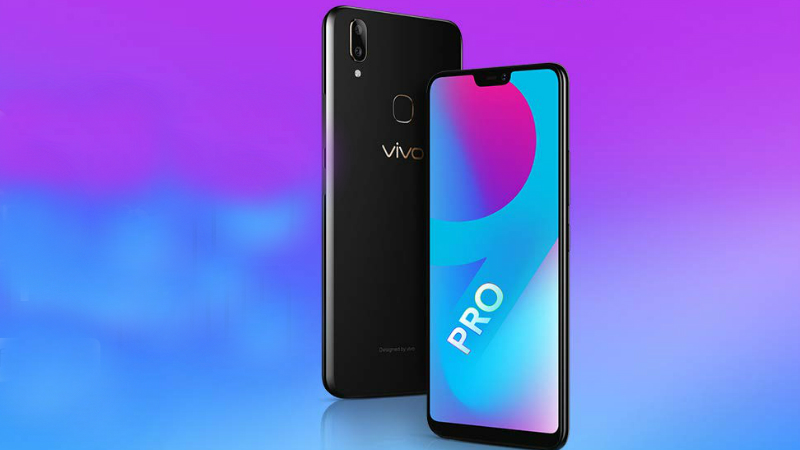
After launching the Vivo V11 in the Indian market, Vivo has now launched yet another mid-range smartphone in India — Vivo V9 Pro, which is the upgraded version of the Vivo V9 launched earlier this month. The Vivo V9 Pro is the same phone that was recently launched in Indonesia as the Vivo V9 6GB.
The phone features a 6.3-inch FullView Display 2.0 with a screen resolution of 2280 x 1080 pixels. Qualcomm‘s Snapdragon 660 AIE octa-core processor powers the device, along with Adreno 512 graphics processor.
It packs 6GB of RAM and 64GB of internal storage. There’s a dedicated microSD card slot, which enables users to further expand the phone’s storage capacity up to 256GB.
In the camera department, the device comes with a dual rear camera setup, consisting of a 13-megapixel primary sensor with LED flash and a f/2.2 aperture, and a 2-megapixel secondary sensor. On the front side, there’s a 16-megapixel sensor along with an f/2.0 aperture, and features like AI Selfie Lighting, AI Face Beauty, among others.
Connectivity options on the device include Dual SIM, 4G VoLTE, dual-band Wi-Fi (2.4GHz and 5GHz), Bluetooth v4.2, GPS/ A-GPS, a 3.5mm headphone jack, USB OTG, and a micro USB port for charging and data transfer.
The phone is running Android 8.1 Oreo operating system out-of-the-box with the company’s own FunTouch OS 4.0 and is powered by a 3,260mAh non-removable battery.
The Vivo V9 Pro will be available in Black color exclusively through Amazon India and Vivo Store. The phone is priced at Rs. 19,990 (approximately $275) in India but will be available at a special price of Rs. 17,990 (approximately $248) during Amazon India’s Great India Festival.
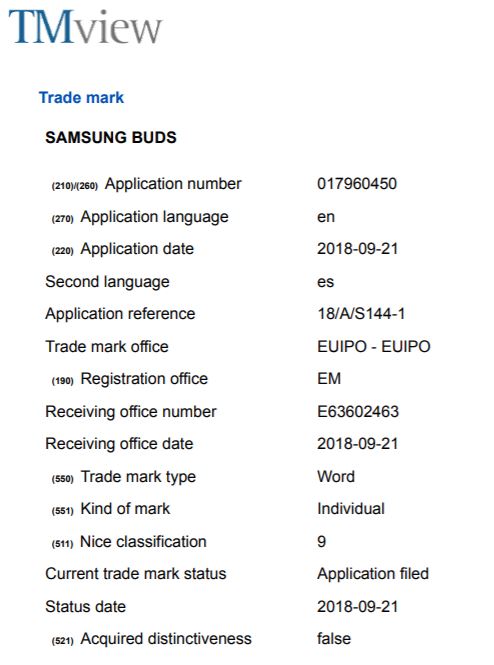
The Gear IconX is the name of Samsung‘s truly wireless earbuds. However, a new trademark application has revealed Samsung may be changing the name or launching an entirely different line of wireless earbuds.
The Korean giant filed a trademark application for the name “Samsung Buds” at the European Union Intellectual Property Office (EUIPO) last week. The application doesn’t mention if the name applies to a range of products but there are speculations as to what it might relate to.
Some say Samsung may be planning to rebrand the Gear IconX series into a more simpler name while others have said this may be Samsung’s own version of the Google Pixel Buds but with Bixby on it.
The LG V40 ThinQ is launching on Oct. 4 in South Korea and on Oct. 3, LG will be announcing it in New York. The leaked renders of the smartphone that have surfaced through recent reports have revealed that it will be arriving with triple rear cameras and dual front-facing cameras. Today, reputed tipster Evan Blass has shared high-resolution renders of the LG V40 to confirms its design.
The LG V40 ThinQ will be coming with a notched display. The recently released notched phones by LG such as G7 ThinQ feature an option to hide the notch. The new renders of the V40 ThinQ show that its notch is hidden. Rumors have it that it will be featuring 6.4-inch OLED display with an aspect ratio of 19.5:9. It is expected to produce Quad HD+ resolution of 3120 x 1440 pixels.
The snapshot belongs to the AT&T variant of the V40 ThinQ since the name of the carrier is mentioned in the taskbar. The notch of the phone houses dual selfie camera setup that may include an 8-megapixel sensor and a 5-megapixel sensor.
The left side of the phone features volume up and down buttons followed by a dedicated key to access Google Assistant. The chin of the device appears thin and its right edge is fitted with a power button.
The back panel of the V40 ThinQ is interesting since it features triple rear cameras. Recent leaks have revealed that the triple camera system of the V40 ThinQ features a 16-megapixel primary sensor, 12-megapixel wide-angle lens and an 8-megapixel telephoto lens. A fingerprint scanner is present on the back panel of the V40 ThinQ.
The V40 ThinQ could be the first LG phone to arrive with Android 9 Pie preinstalled. The Snapdragon 845 chipset is expected to power the smartphone. The base model of the phone may feature 6 GB of RAM and 64 GB of native storage. A recent leak had revealed that it could be the first smartphone the company to come with 8 GB of RAM. The higher RAM variant may come with 128 GB of inbuilt storage. It is speculated to feature 3,300mAh battery that will carry support wireless charging and rapid charging.
A fan of Xiaomi in China is suing the company over failing to keep its promise of hosting dinner with the company’s co-founder Lei Jun. The Haidian Court’s official website in Beijing reveals the case of a contract dispute and reports indicate that the case has been accepted by the court.
The case has been filed by Mr. Yang who believes that the content disclosed by Xiaomi on its official online store was unilaterally promised and is legally binding, and demand that the company should strictly offer the promised reward.
He adds that Xiaomi’s refusal to follow on its promise not only hurt his feelings as a “Mi Fan” but also constitutes a breach of contract. Further, he adds that he should be compensated for the losses caused, including a total of 24,000 yuan (approximately $3,491) in notary fees and legal fees.
Mr. Yang alleges that Xiaomi had publicly announced a contest in August 2017 for the sales of Xiaomi smartphone, where the reward was a dinner with the company’s co-founder and CEO Lei Jun. There were three options and the participated had to fulfil any one, which includes sale of over 300 units of Xiaomi Mi 5X, sale of over 300 units of Redmi Note 5A or the sale of over 400 units of Mi 5X and Redmi Note 5A combined.
He claims that he actively participated in the contest and fulfilled the criteria by selling 523 units of Redmi Note 5A phone during the contest period. He further claims that when he contacted the company for the reward, Xiaomi explicitly refused, even after repeated negotiations.
The plaintiff, Mr. Yang believes this is a breach of contract and has sued Xiaomi for compensation. Currently, the case is under hearing in the Haidian court in Beijing, China.
Huawei had reportedly attempted to make its Mate 10 and Mate 10 Pro flagship phones through AT&T in the U.S. It was blocked by the U.S. government on account of numerous issues such as espionage and leaking trade secret. Fresh information suggests that the company could be planning to enter the U.S. market in the coming year.
At present, Huawei stands as the world’s second manufacturer for smartphones by dethroning Apple to the third position in August this year. In order to bag the number one spot, it is very important for Huawei to gain market share in the U.S.
Currently, Huawei has around 1,200 employees working in the U.S. It seems that the Chinese manufacturer could be working some strategy to re-enter the U.S. market since it has added more than 200 job listings on various sites like Glass door, LinkedIn and its official website. The company is looking for professionals across various fields such as sales account managers, administrative assistants, OS architects, software engineers, data analysts and so on.
Next year, Huawei will be launching it will be launching its first foldable phone. It will also be the first 5G smartphone from the company. Moreover, the newly announced Kirin 980 SoC that will be powering upcoming flagship phones from the company is a 5G-ready chipset.
The U.S. will be one of the first one of the countries to support 5G connectivity starting from next year. Huawei could be certainly aiming to sell 5G smartphones in the U.S. from the coming year.
Since the company is hiring new software engineers and OS architects for the U.S., it could be planning to tweak EMUI for the U.S. audience or it could be making certain changes in the ROM to comply with U.S. policies. Unlocked Huawei phones are already available for purchase in the U.S. since several years. The company could be planning to partner with multiple carriers to enter the U.S. in 2019.
We use cookies on our website to give you the most relevant experience by remembering your preferences and repeat visits. By clicking “Accept”, you consent to the use of ALL the cookies.
This website uses cookies to improve your experience while you navigate through the website. Out of these, the cookies that are categorized as necessary are stored on your browser as they are essential for the working of basic functionalities of the website. We also use third-party cookies that help us analyze and understand how you use this website. These cookies will be stored in your browser only with your consent. You also have the option to opt-out of these cookies. But opting out of some of these cookies may affect your browsing experience.
Necessary cookies are absolutely essential for the website to function properly. This category only includes cookies that ensures basic functionalities and security features of the website. These cookies do not store any personal information.
Any cookies that may not be particularly necessary for the website to function and is used specifically to collect user personal data via analytics, ads, other embedded contents are termed as non-necessary cookies. It is mandatory to procure user consent prior to running these cookies on your website.